Famous Actresses Who Faced a Double Standard Compared to Male Costars


Hollywood history is filled with instances where female performers experienced vastly different treatment than their male colleagues regarding pay and career expectations. These disparities often emerge during contract negotiations or in the way the media portrays professional disagreements between stars. Many prominent women have used their platforms to speak out against systemic imbalances that prioritize male leads in both compensation and creative control. Examining these cases provides insight into the ongoing efforts toward gender equality within the entertainment industry.
Salma Hayek Pinault

Salma Hayek Pinault faced immense pressure and professional hurdles while producing and starring in the biographical film ‘Frida’. She reported that she had to meet unreasonable demands that were never asked of her male peers in order to get the project made. The actress worked for years to bring the story to life but encountered a system that often undervalued her contributions as a producer. Her experience remains a frequently cited example of the specific obstacles women encounter when leading major film projects.
Jennifer Lawrence
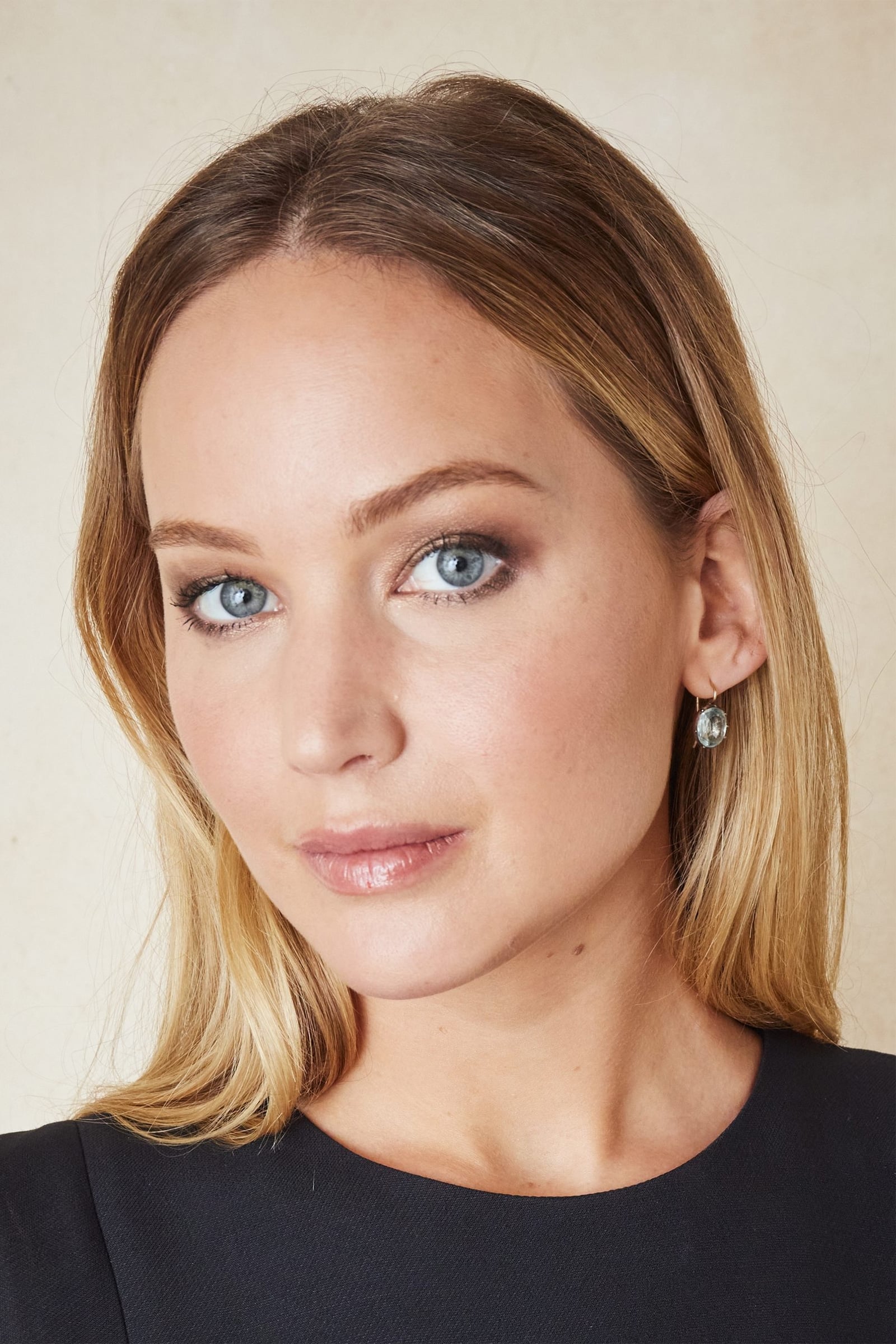
Jennifer Lawrence discovered a significant pay gap between herself and her male costars after a studio data breach. Despite having top billing in ‘American Hustle’ she and Amy Adams were paid less than the leading men in the film. Lawrence later wrote an essay expressing her frustration with the realization that she had been paid less than her coworkers. She noted that she feared being perceived as difficult if she pushed too hard for higher compensation during initial negotiations.
Natalie Portman
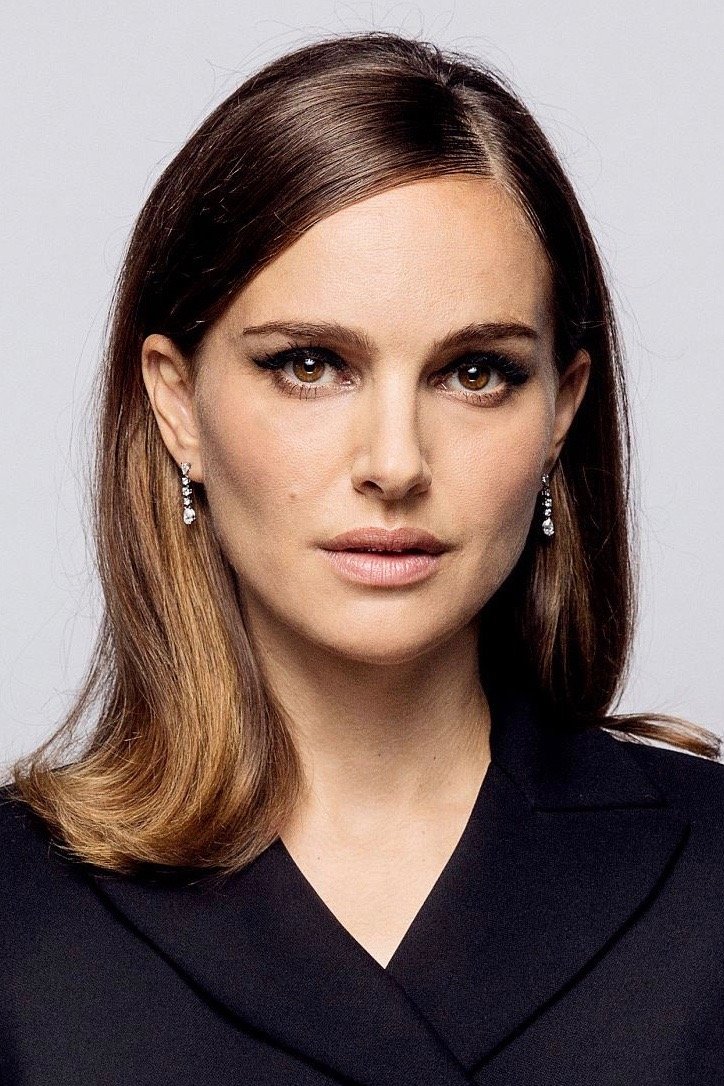
Natalie Portman revealed that she was paid three times less than Ashton Kutcher for their work on the romantic comedy ‘No Strings Attached’. The actress noted that she was aware of the disparity at the time but did not speak out as loudly as she might today. She highlighted that the discrepancy was particularly high given that both actors had comparable levels of fame and box office draw. Portman has since become a vocal advocate for pay equity across all levels of the film industry.
Gillian Anderson
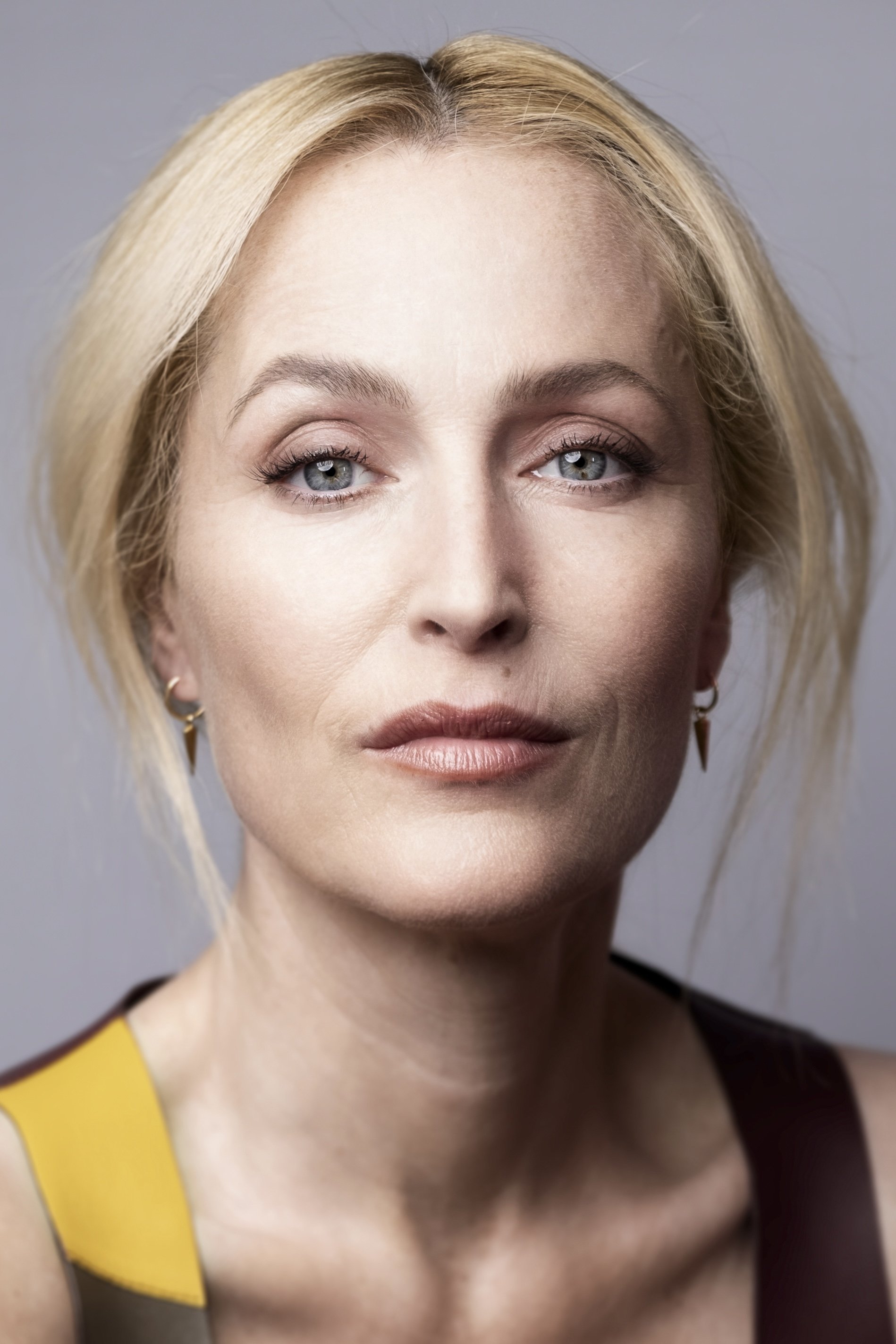
Gillian Anderson spent years advocating for equal pay while starring in the science fiction series ‘The X-Files’. Despite her character being an equal partner in the investigative duo she was initially offered much less than David Duchovny. It took several seasons for her to reach pay parity with her male costar as the show became a global phenomenon. When the series was revived in recent years she reportedly faced another initial offer that was significantly lower than Duchovny’s salary.
Robin Wright
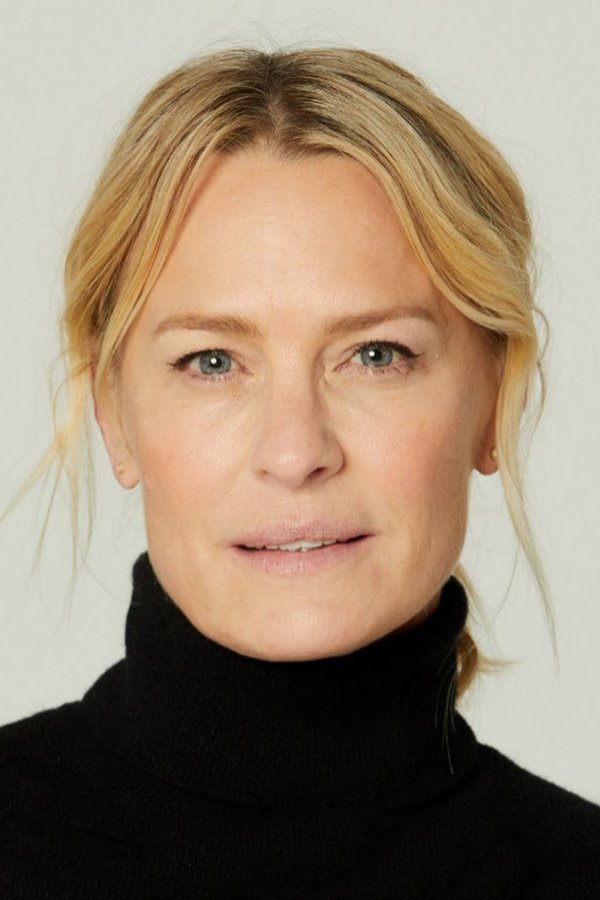
Robin Wright had to threaten a public disclosure of her salary to achieve pay parity on the drama series ‘House of Cards’. She noticed that her character was becoming just as popular and essential to the narrative as the one played by Kevin Spacey. Wright argued that her contributions to the show’s success justified an equal paycheck to her male lead. Her successful negotiation became a landmark moment for women in television striving for financial equality.
Charlize Theron
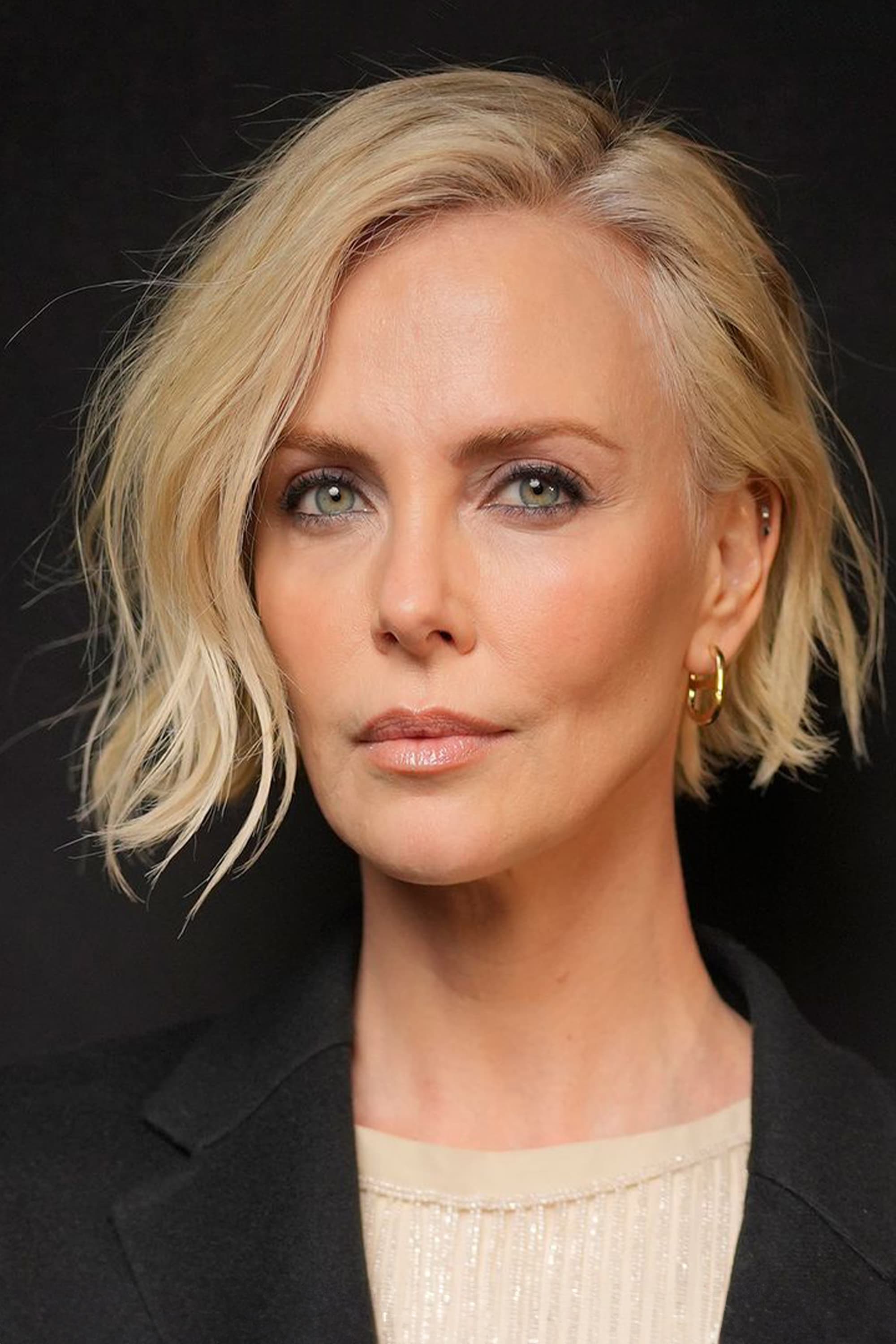
Charlize Theron insisted on a pay increase after learning about the pay gap exposed in the Sony hack. She refused to sign on for ‘The Huntsman: Winter’s War’ unless she received the same compensation as Chris Hemsworth. The studio eventually agreed to her terms which resulted in a significant raise that matched her costar. Theron has encouraged other women in Hollywood to stand their ground during financial discussions to ensure they are compensated fairly.
Ellen Pompeo
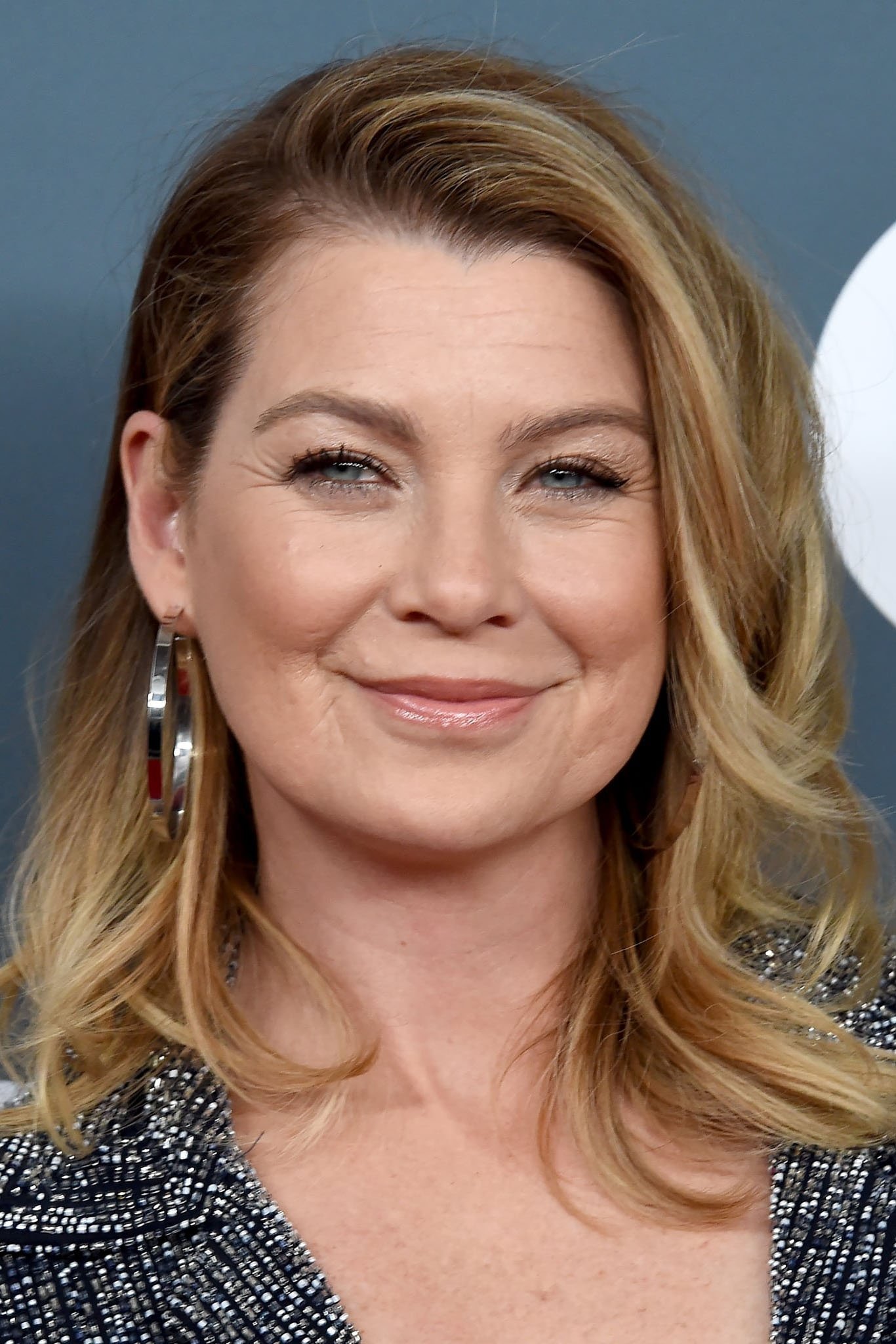
Ellen Pompeo famously detailed her long struggle to become the highest paid actress on a dramatic television series. She spent years negotiating for a salary that reflected her status as the titular lead of ‘Grey’s Anatomy’. Pompeo discussed how the presence of a male lead often gave the studio leverage to pay her less than her worth. She eventually secured a deal that recognized her massive impact on the long running show’s profitability.
Bryce Dallas Howard
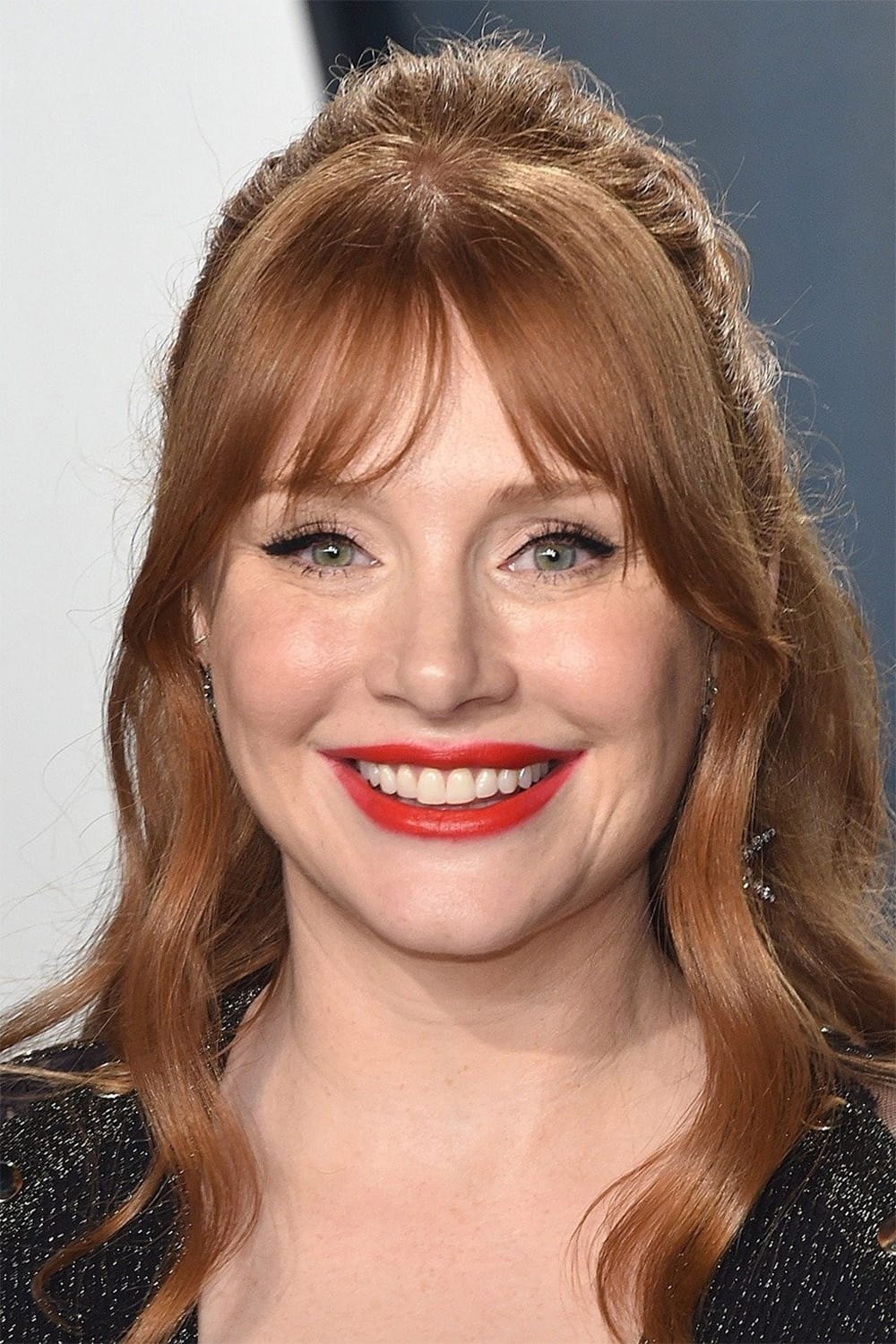
Bryce Dallas Howard revealed that she was paid significantly less than Chris Pratt for the ‘Jurassic World’ trilogy. While initial reports suggested a smaller gap Howard clarified that the actual difference in their contracts was substantial. She mentioned that she was at a disadvantage when the deal was first made because she was committed to a three movie contract. Pratt later supported her in ensuring that she received equal pay for other franchise opportunities like theme park attractions and games.
Taraji P. Henson
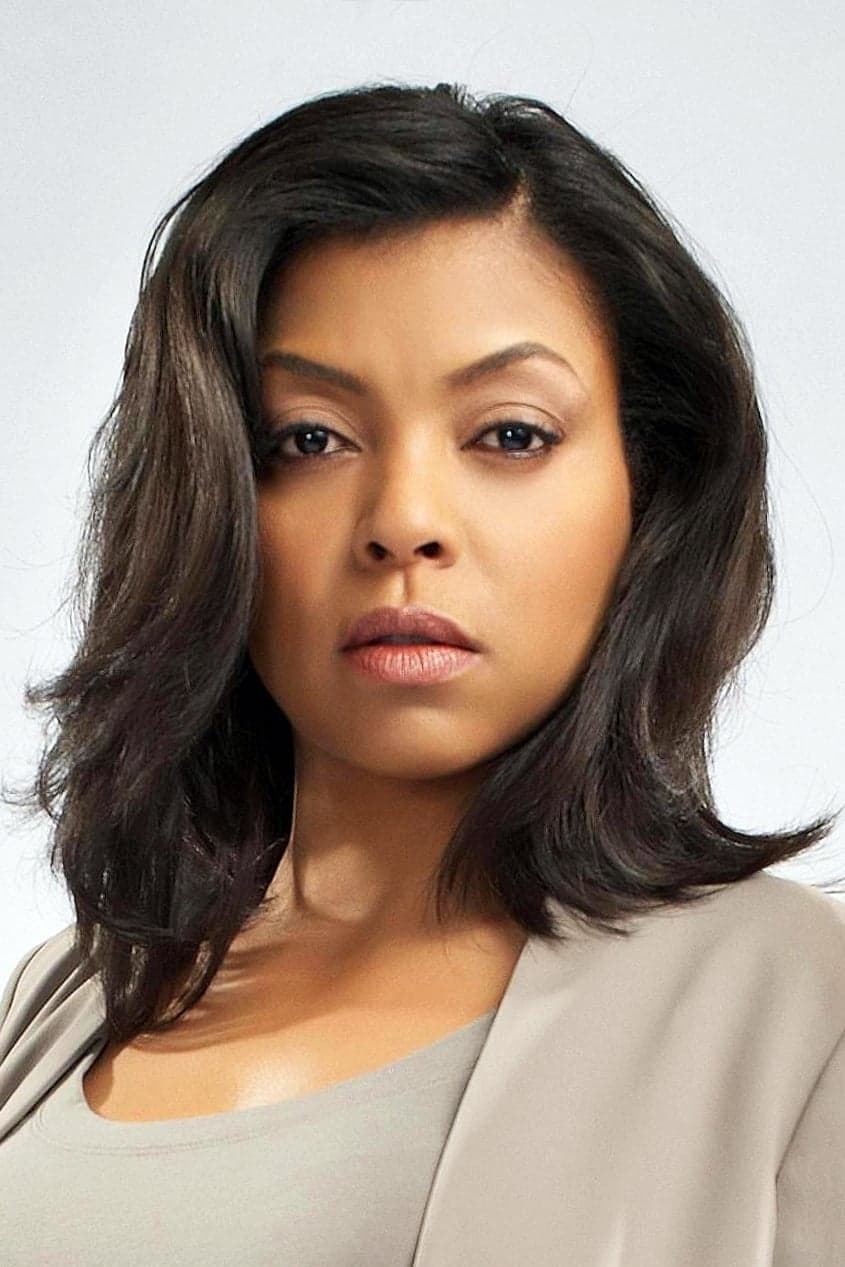
Taraji P. Henson has spoken openly about the low pay she received for her Academy Award nominated role in ‘The Curious Case of Benjamin Button’. She noted that after paying her team and taxes she was left with a fraction of what her male costars earned. Despite her critical acclaim she found that she still had to fight for fair compensation in subsequent projects like the series ‘Empire’. Henson continues to advocate for Black actresses who often face a double double standard regarding race and gender.
Claire Foy
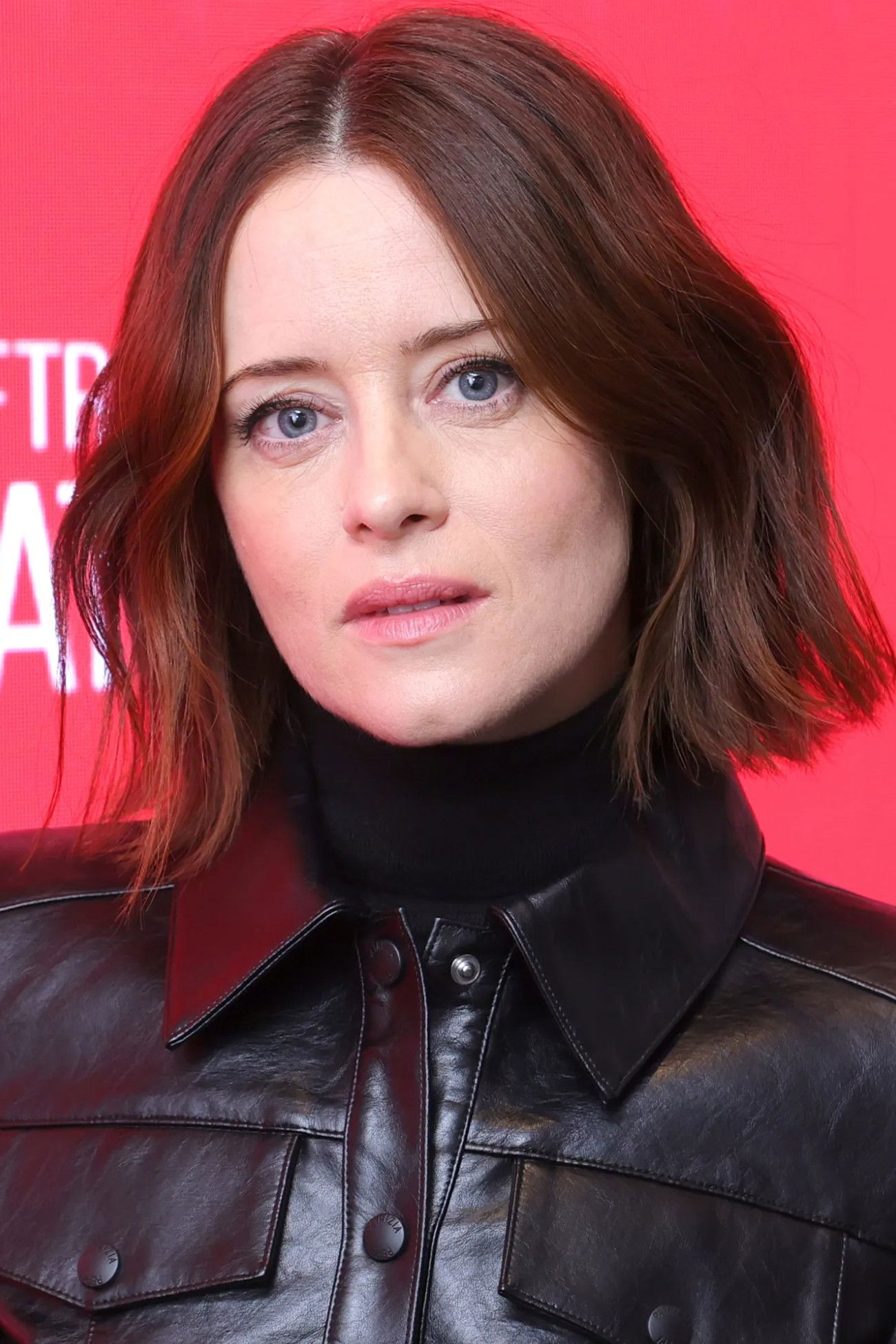
Claire Foy was at the center of a public controversy when it was revealed she was paid less than Matt Smith for ‘The Crown’. Even though Foy played the lead role of Queen Elizabeth II her male costar received a higher salary due to his previous work on ‘Doctor Who’. The production company eventually apologized and promised to rectify pay disparities in future seasons. This situation highlighted how industry experience is often used to justify paying female leads less than their male counterparts.
Ruth Wilson

Ruth Wilson left the series ‘The Affair’ following a dispute over pay and the work environment. She confirmed that she was being paid less than her male costar Dominic West despite their equal roles in the narrative. Wilson noted that the pay gap was a significant factor in her decision to depart the show before its conclusion. Her exit sparked conversations about the lack of transparency in television contracts and the pressure on women to accept lower wages.
Emmy Rossum
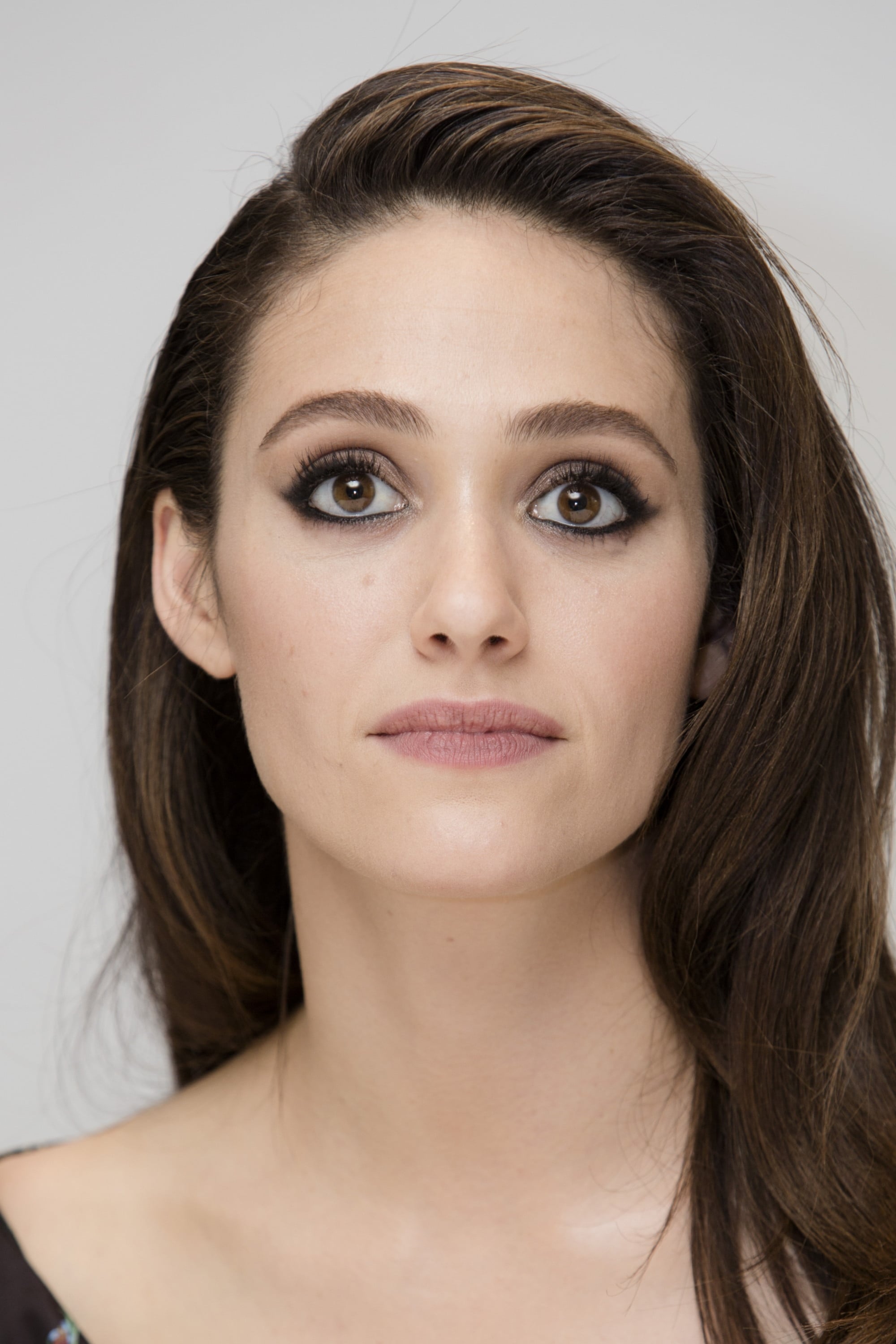
Emmy Rossum delayed the production of ‘Shameless’ when she demanded a higher salary than her costar William H. Macy. She argued that after several seasons of equal work she deserved to be compensated at the same level as the veteran actor. Rossum also sought back pay to make up for the years she had been earning less while carrying much of the show’s emotional weight. Her successful negotiation was publicly supported by Macy who stated that she worked just as hard as he did.
Jessica Chastain
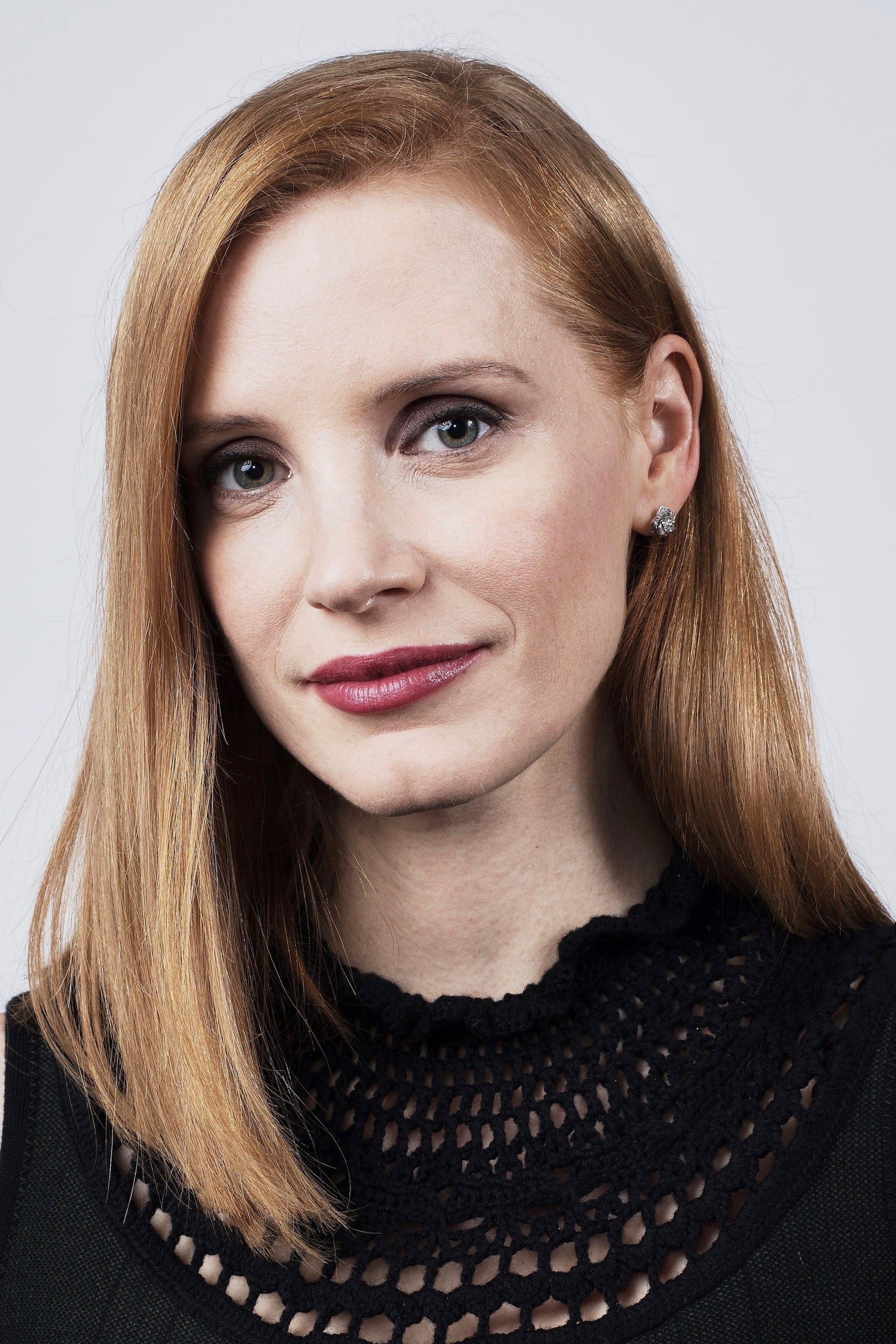
Jessica Chastain has become a prominent voice for gender pay equity after realizing the extent of the gap in Hollywood. She now refuses to take jobs where she is paid significantly less than her male costars for equal work. Chastain has emphasized the importance of women sharing their salary information with one another to build collective bargaining power. She famously helped Octavia Spencer negotiate a much higher salary for a joint project by insisting they be paid as a unit.
Priyanka Chopra Jonas
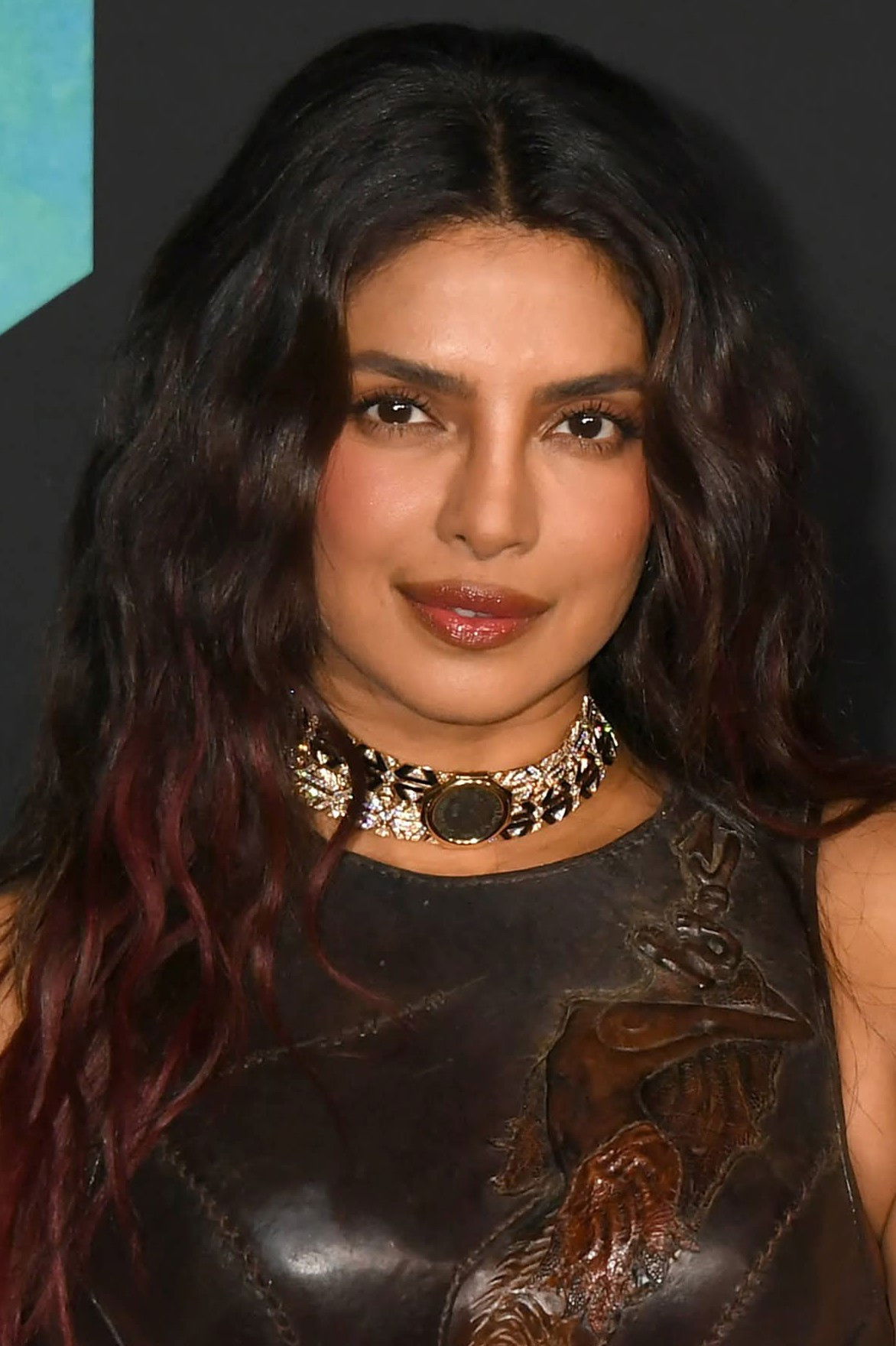
Priyanka Chopra Jonas recently achieved pay parity for the first time in her long career with the series ‘Citadel’. She noted that despite working in the industry for over twenty years she had never been paid the same as her male costars until this project. The actress expressed surprise that it took so long to reach financial equality given her extensive filmography and global fame. She credited the studio leadership for recognizing the value she brought to the high budget production.
Octavia Spencer
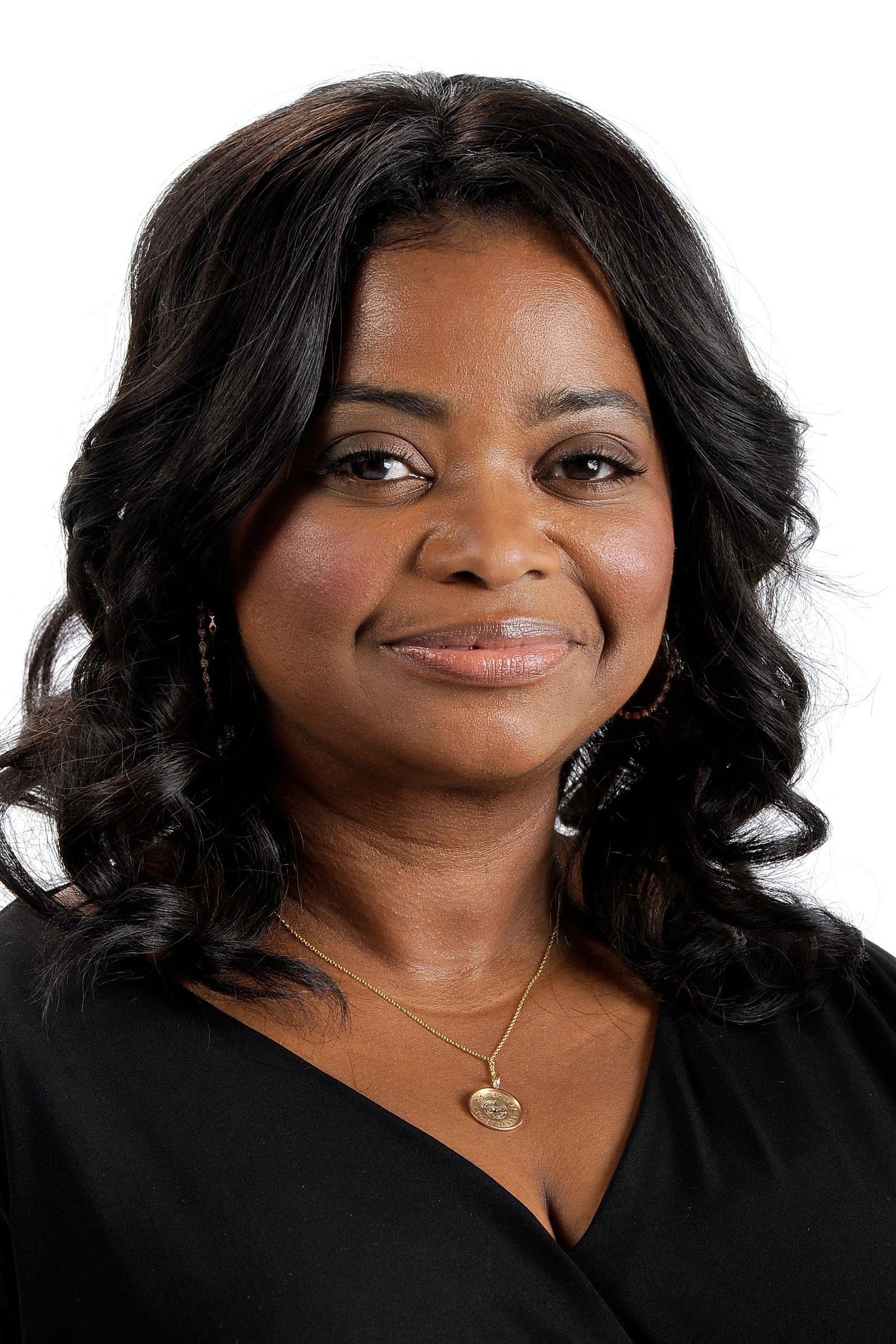
Octavia Spencer has highlighted the intersectional challenges that Black women face when seeking fair pay in the film industry. She credited Jessica Chastain for helping her secure a salary five times higher than her initial offer on a holiday comedy project. Spencer pointed out that women of color often start at a much lower baseline during negotiations than white actresses. Her experience underscored the need for allyship among women to bridge the pay gap effectively.
Mila Kunis

Mila Kunis shared a story about a producer who threatened that she would never work in the industry again if she did not pose for a specific magazine. The actress had refused to participate in a suggestive photo shoot to promote a film she was starring in. She noted that male costars are rarely subjected to the same pressure to use their physical appearance for marketing. Kunis used this example to illustrate the professional intimidation women often face when setting personal boundaries.
Sharon Stone
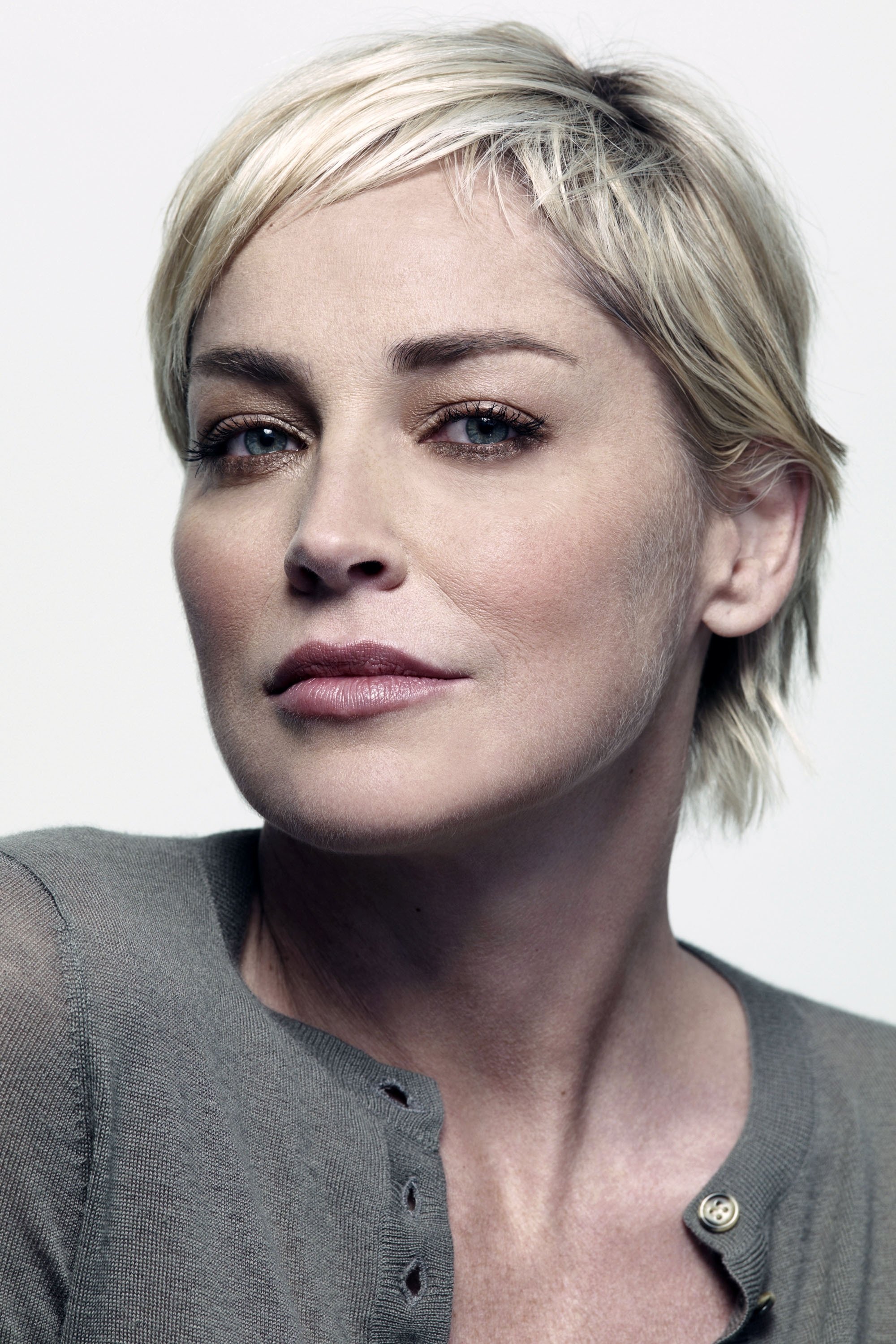
Sharon Stone has reflected on the extreme double standard she faced following the success of ‘Basic Instinct’. While her male costar Michael Douglas received massive paydays and professional respect Stone was often scrutinized for her role’s provocative nature. She noted that she was paid a fraction of the salary given to the male lead despite the film’s global impact. Stone has since discussed how the industry often commodifies female sexuality while penalizing the actresses who portray it.
Reese Witherspoon
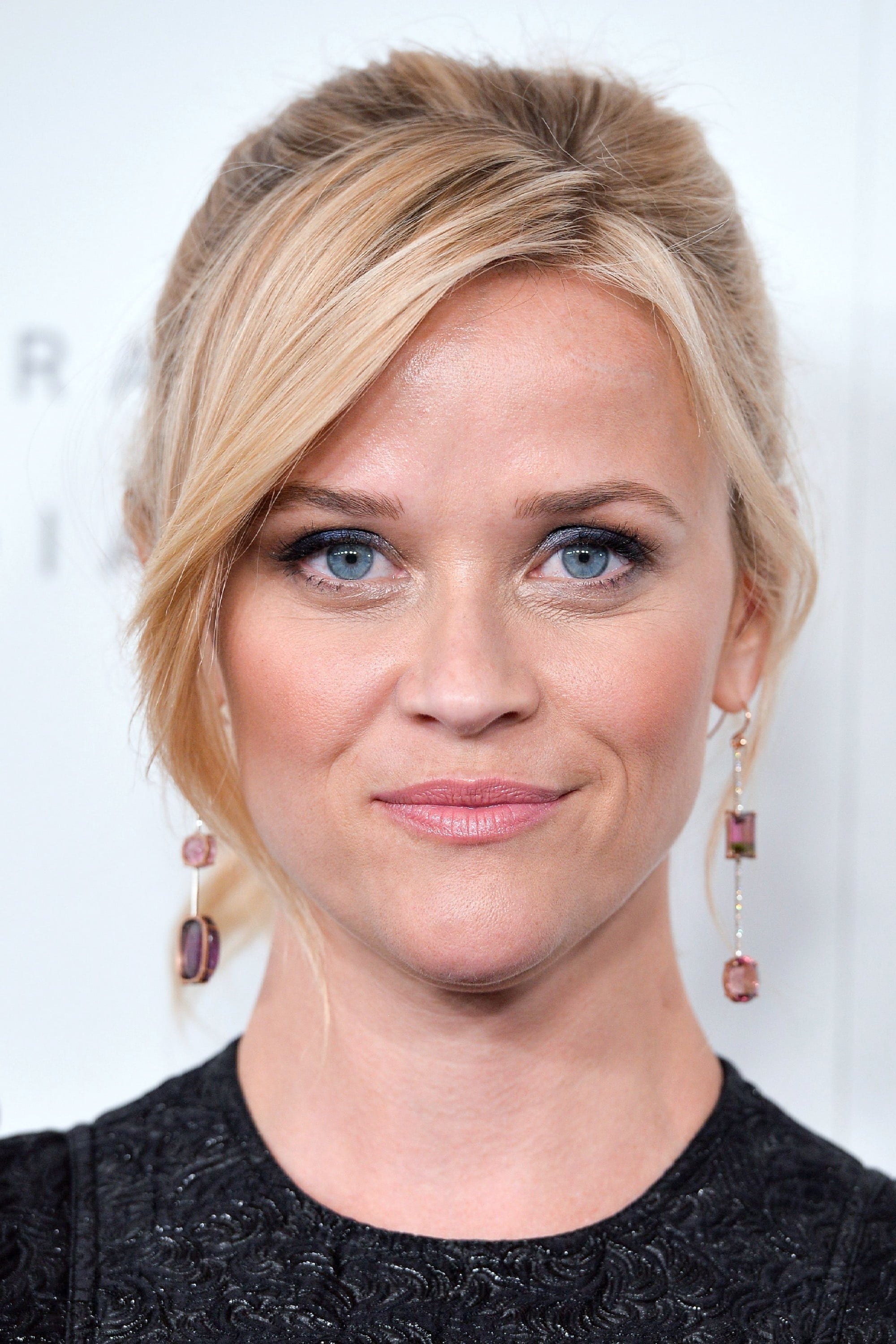
Reese Witherspoon launched her own production company to combat the lack of complex roles and fair pay for women. She realized that she could only achieve true equity by taking control of the projects she worked on. Witherspoon has been vocal about the importance of women understanding the financial side of the entertainment business. She used her success with ‘Big Little Lies’ to ensure that all the lead actresses received significant raises for the second season.
Viola Davis
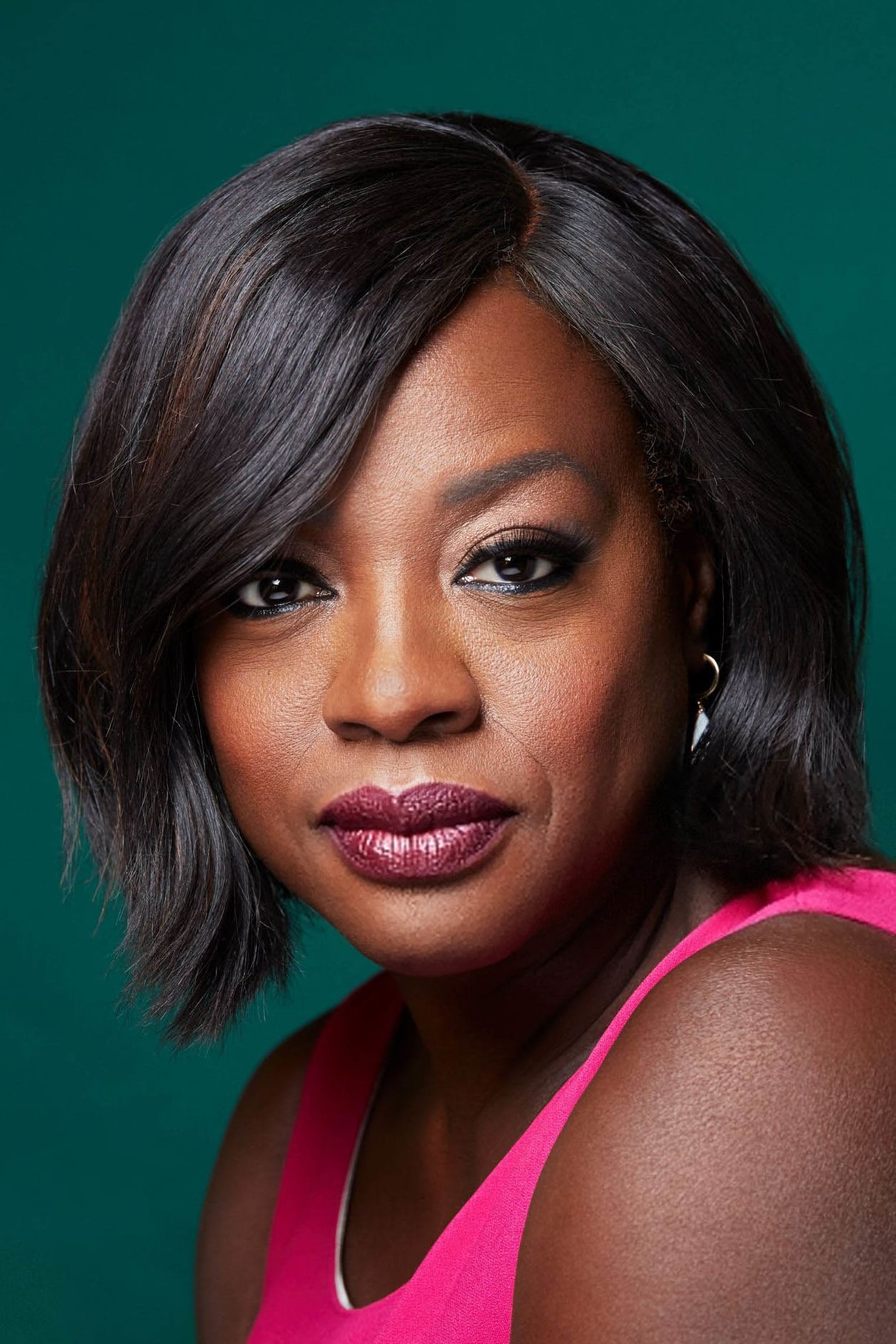
Viola Davis has addressed the pay gap by pointing out that even highly decorated actresses of color earn less than their white and male peers. She noted that her career achievements including an Academy Award do not always translate to the same financial rewards given to men. Davis has used the term “the leftovers” to describe the roles and salaries often offered to women of color. She continues to push for a system that values talent and experience regardless of gender or race.
Amanda Seyfried

Amanda Seyfried revealed that early in her career she was paid only ten percent of what her male costar earned on a big budget film. She noted that at the time she was just happy to be working and did not feel she had the power to complain. Seyfried highlighted that both she and the male actor were equally prominent in the industry during that period. She shared this information to warn young actresses about the disparities that can exist even in major productions.
Sandra Bullock

Sandra Bullock negotiated a landmark deal for the film ‘Gravity’ that set a new standard for female leads. She secured a significant upfront salary along with a large percentage of the film’s total box office revenue. This deal placed her earnings on par with the highest paid male actors in Hollywood at the time. Bullock’s ability to command such a contract proved that female led films could be massive financial successes and deserved equal investment.
Debra Messing
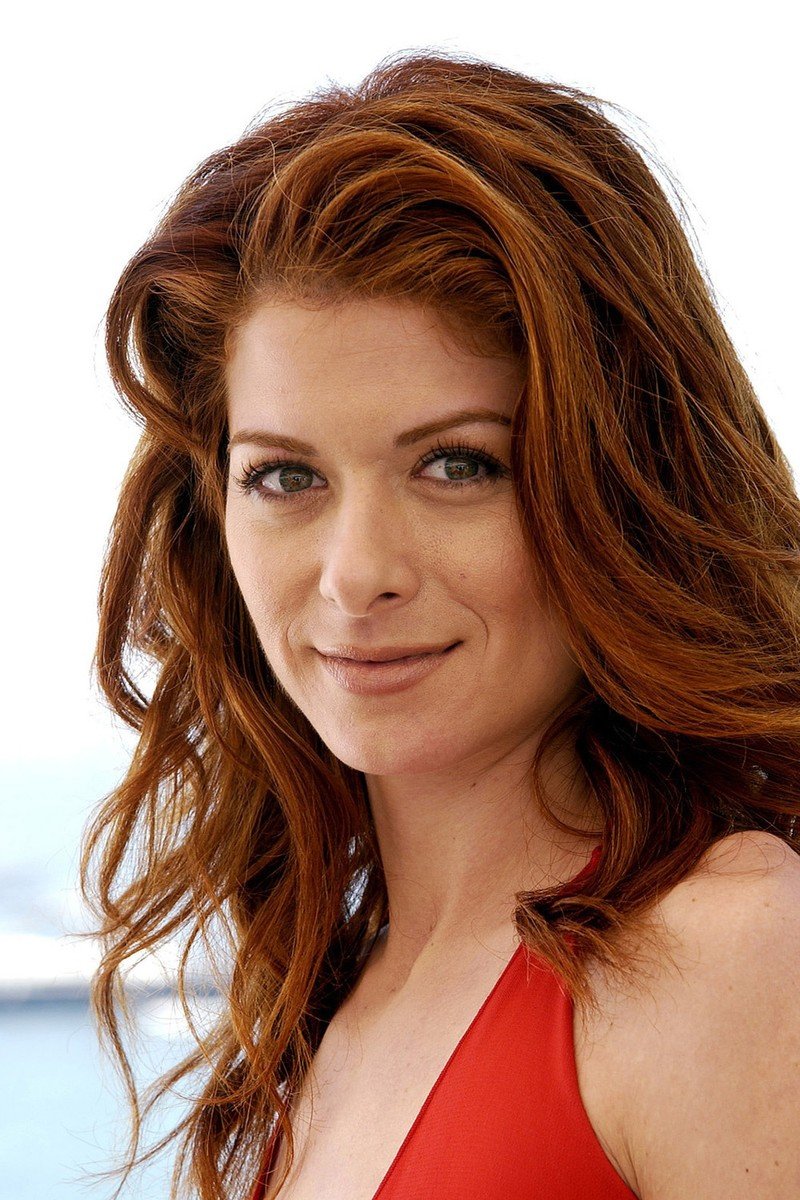
Debra Messing has spoken about the pay disparities she encountered during the original run of ‘Will & Grace’. She and her female costar Megan Mullally had to work together to ensure they were compensated fairly alongside their male colleagues. Messing has noted that the industry often tries to pit women against each other during negotiations to keep salaries low. By forming a united front the cast was able to secure some of the highest salaries in television history.
Julia Roberts
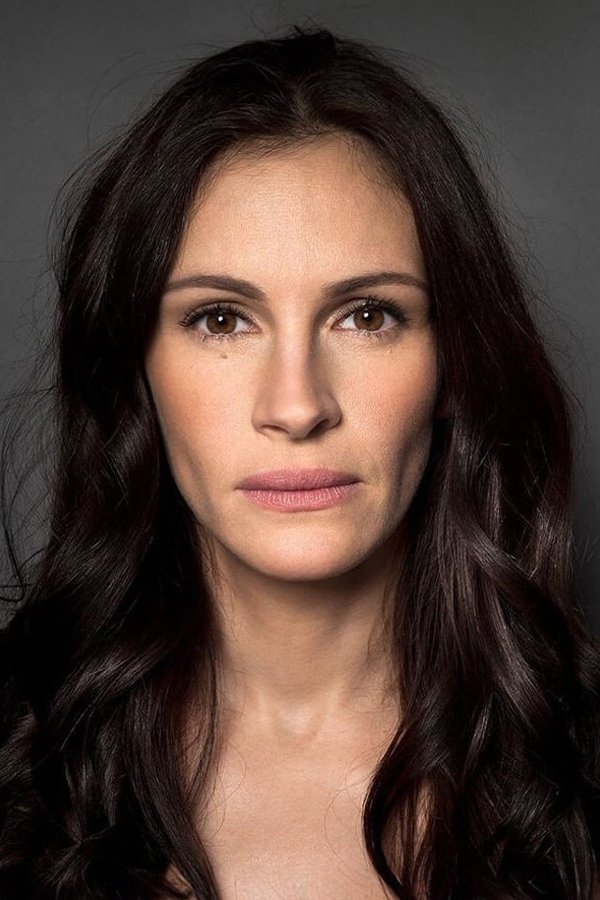
Julia Roberts became the first woman to break the twenty million dollar pay barrier for a single film with ‘Erin Brockovich’. Before this milestone only male superstars like Tom Cruise or Mel Gibson could command such high salaries. Her achievement was seen as a major victory for women in Hollywood who were seeking to prove their bankability. Roberts paved the way for future generations of actresses to demand pay that reflected their status as box office draws.
Halle Berry
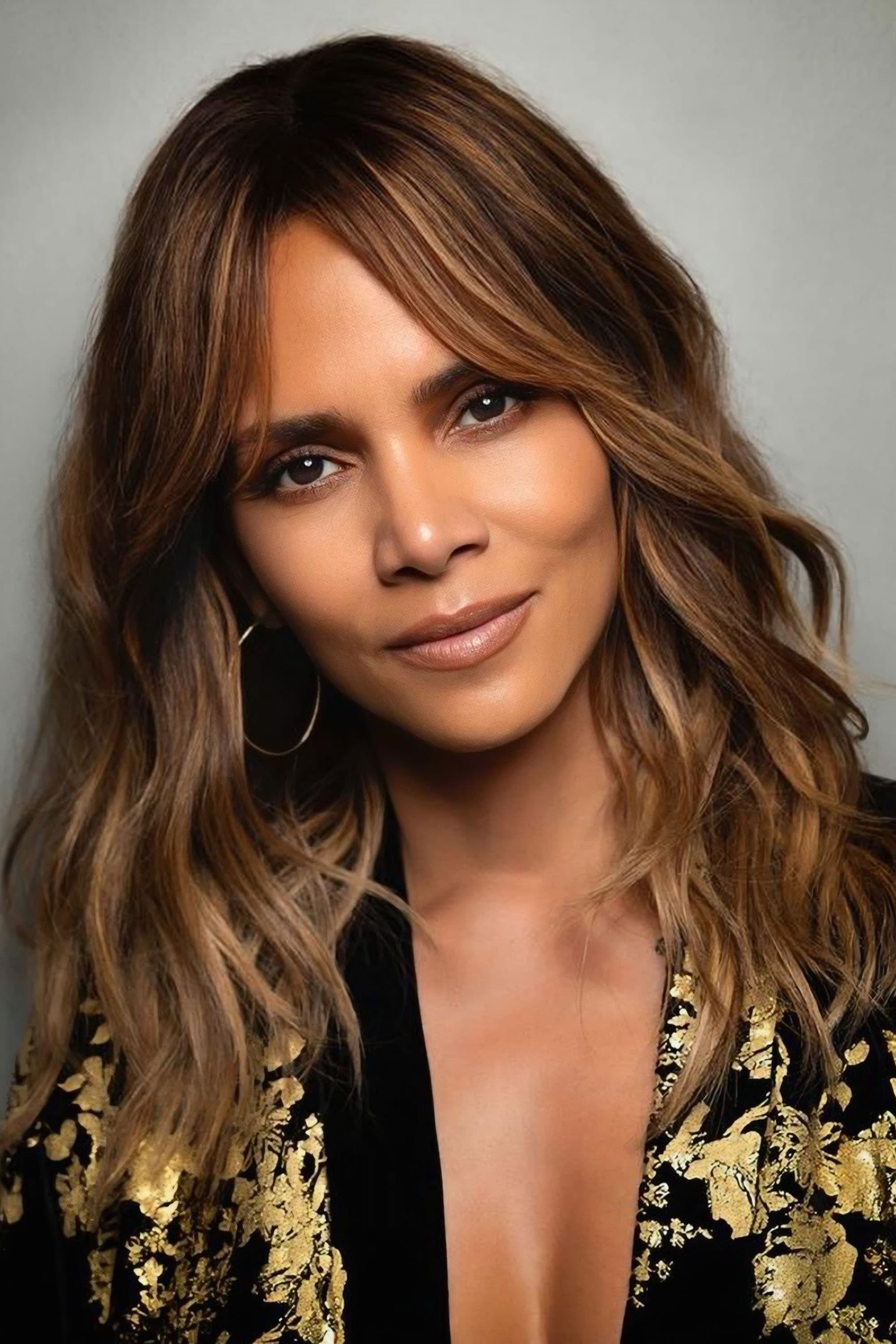
Halle Berry has discussed the career challenges she faced after winning her Academy Award for ‘Monster’s Ball’. She found that the historic win did not immediately lead to the same high quality roles or pay increases that male winners typically receive. Berry noted that she still had to fight for respect and fair compensation in an industry that often overlooks women of color. Her experience serves as a reminder that critical success does not always eliminate gender based double standards.
Diane Keaton
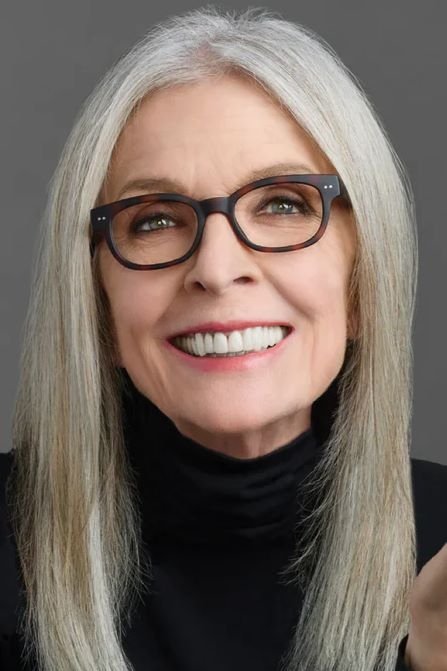
Diane Keaton revealed that she did not receive back end profits for the hit film ‘Something’s Gotta Give’ while Jack Nicholson did. Even though both were veteran actors and the film’s success relied on their chemistry the financial rewards were not shared equally. Keaton noted that she did not even think to ask for a share of the profits at the time because it was not common for women. This disparity highlighted the systemic nature of the gender pay gap in major studio productions.
Hilary Swank
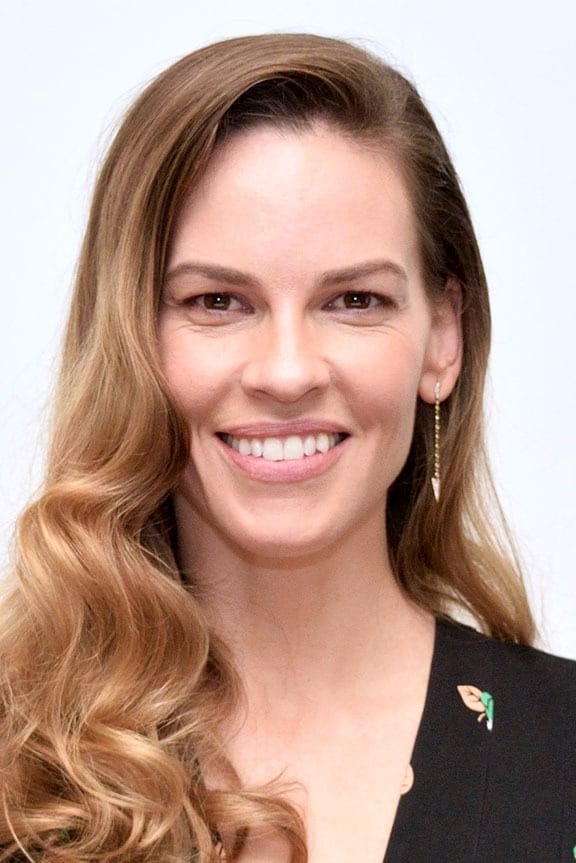
Hilary Swank famously shared that she made only three thousand dollars for her Academy Award winning role in ‘Boys Don’t Cry’. After the film’s success and her win she still struggled to find projects that paid a fair wage. She mentioned that she once had to turn down a role because the male lead was being paid millions while she was offered a small fraction. Swank’s story illustrates how even the highest level of critical acclaim does not always translate to financial security for women.
Neve Campbell
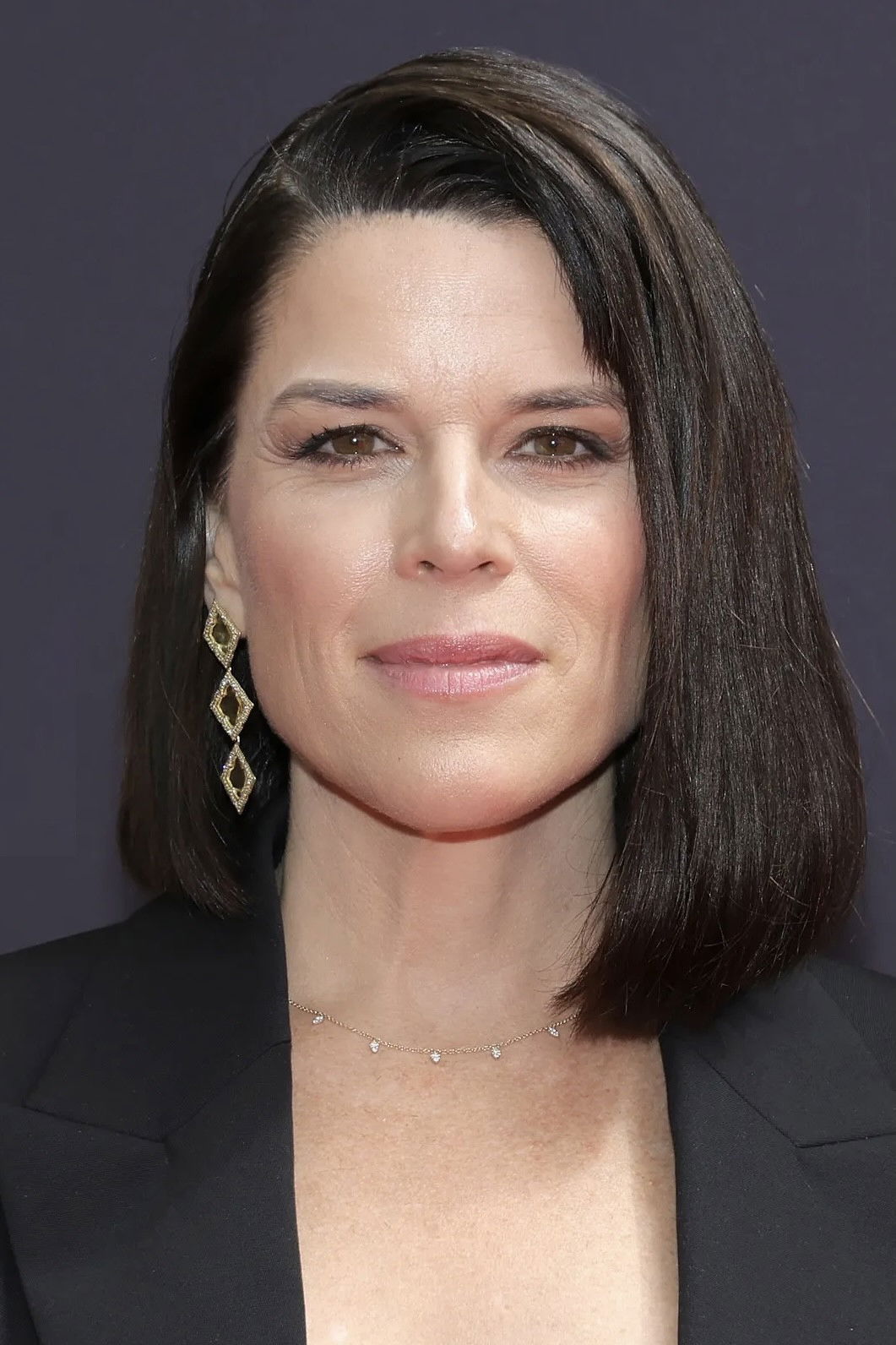
Neve Campbell made headlines when she chose not to return for ‘Scream 6’ due to a low salary offer. She stated that the offer did not reflect the value she had brought to the franchise over the course of twenty five years. Campbell argued that if she were a man who had led five films in a massive series the offer would have been significantly higher. Her decision to walk away was a public stand against being undervalued by a major studio.
Maggie Gyllenhaal
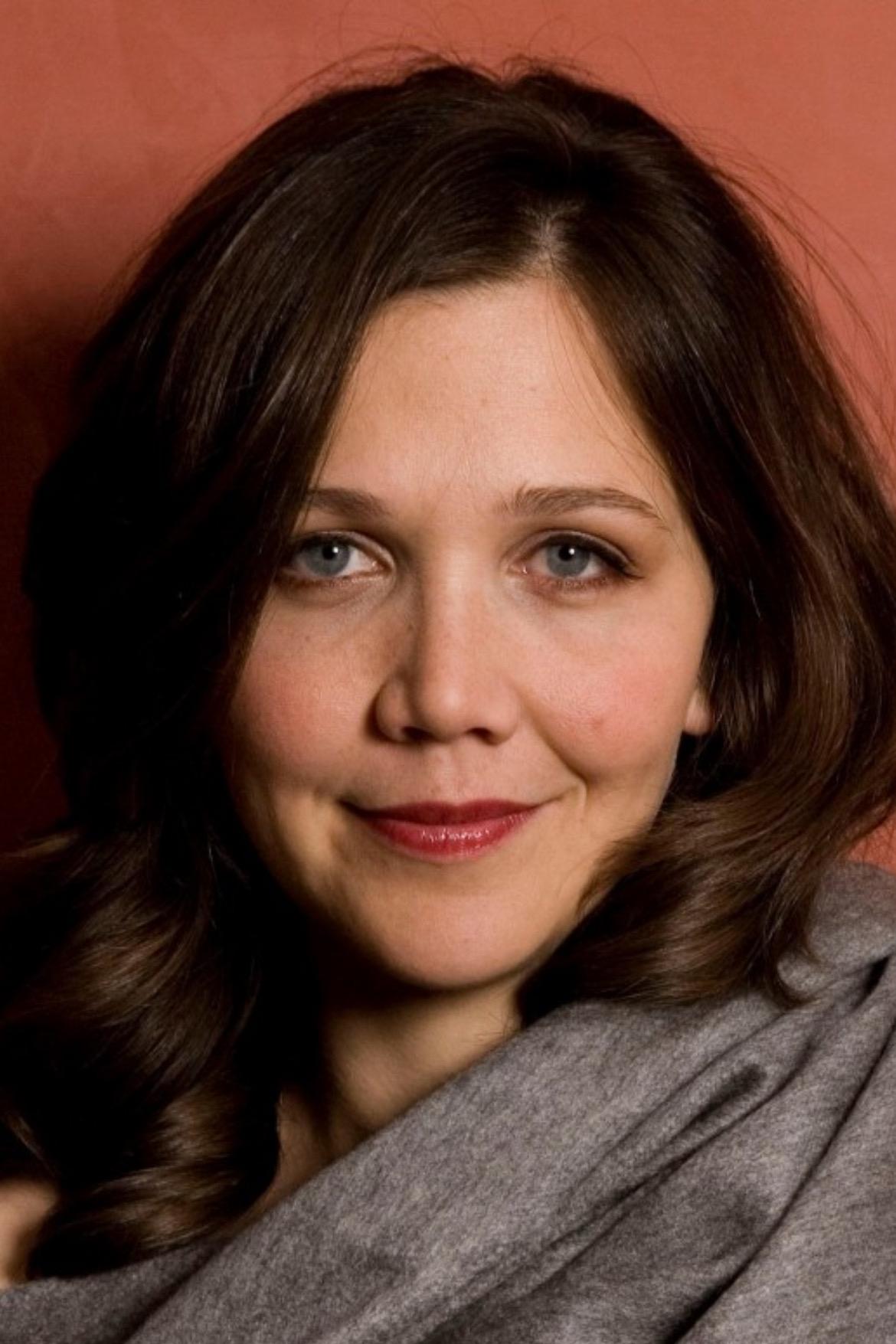
Maggie Gyllenhaal shared a story about being told she was too old to play the love interest of a fifty five year old man. At the time the actress was only thirty seven years old and was considered a veteran in the industry. This incident highlighted the pervasive ageism that women face in Hollywood which rarely affects their male costars. Gyllenhaal used the experience to speak out about the narrow and unrealistic standards for women on screen.
Anne Hathaway
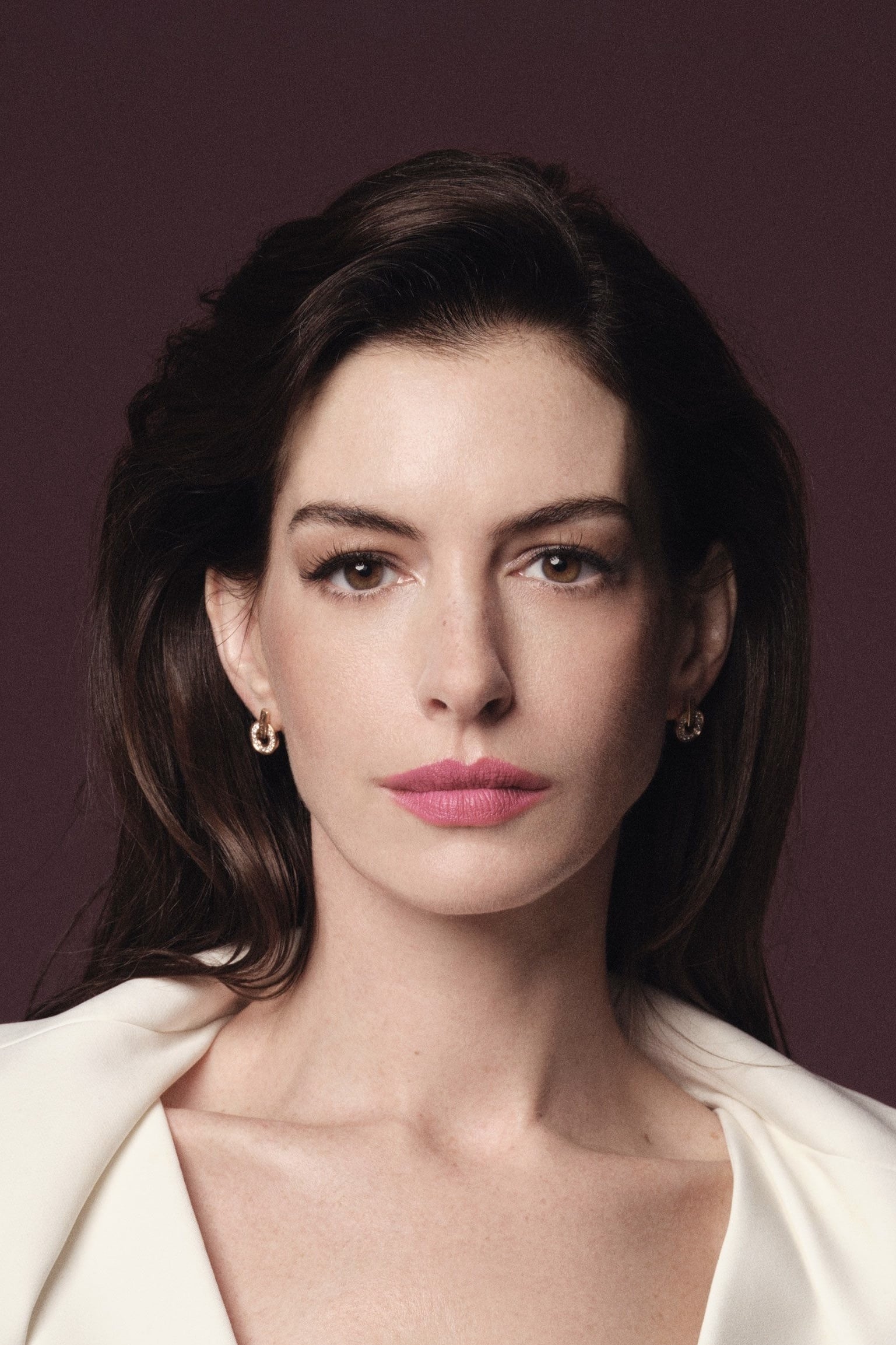
Anne Hathaway has discussed the intense media scrutiny she faced during her rise to fame which often felt personal and gendered. She noted that male actors who are successful and ambitious are rarely met with the same level of public backlash. Hathaway pointed out that women are often penalized for being visible or for their public personas in a way that men are not. Her career has been marked by a resilience against the shifting expectations placed on female stars.
Renée Zellweger

Renée Zellweger faced significant public and media commentary regarding her physical appearance after taking a break from the industry. She noted that male actors who age or change their look are rarely subjected to such intense or cruel speculation. Zellweger wrote an essay addressing the double standards of the tabloid press and their focus on women’s faces and bodies. She argued that these distractions undermine the professional work and talent of actresses.
Janet Jackson
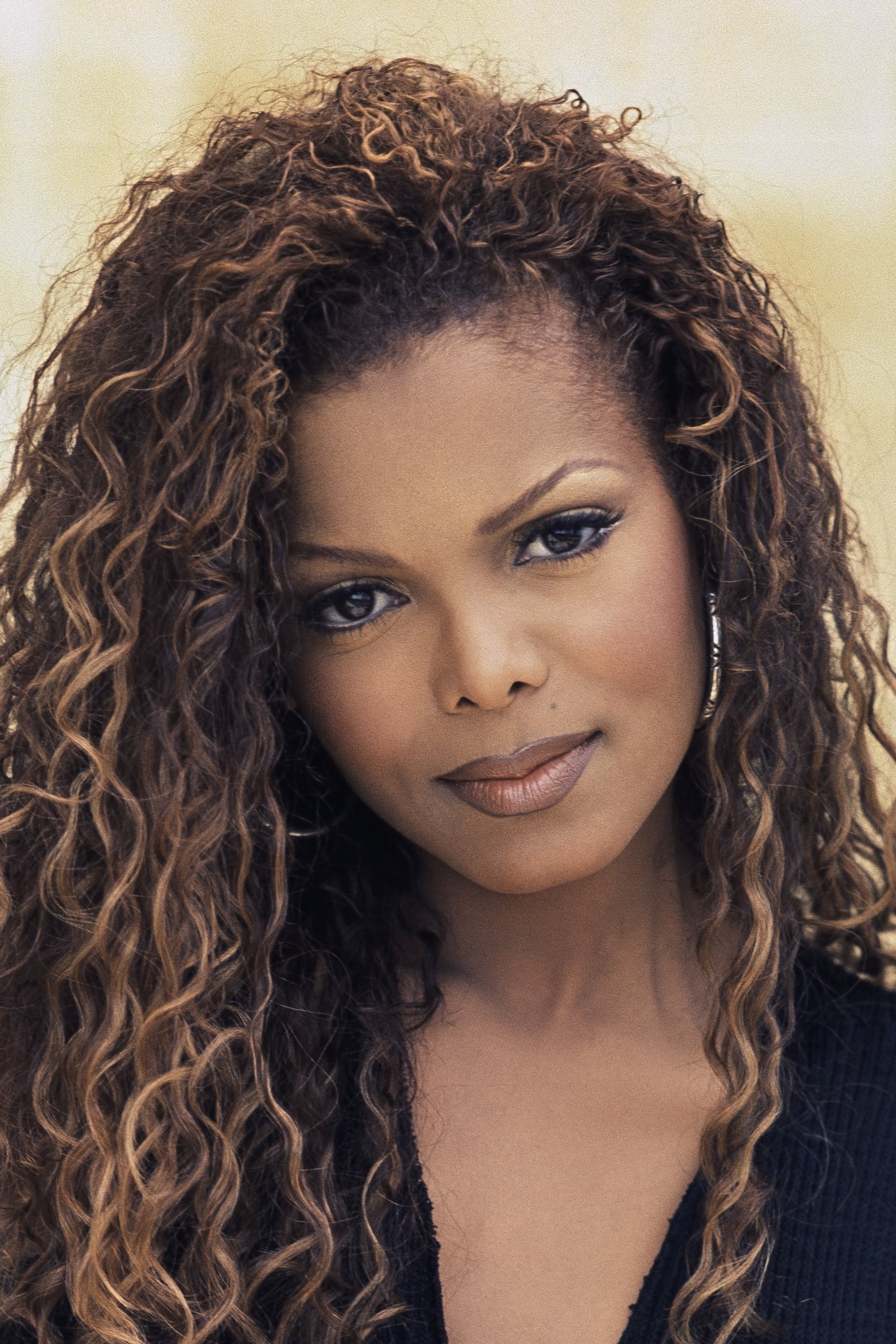
Janet Jackson experienced a massive double standard following the Super Bowl halftime show incident. While her career faced immediate and long lasting repercussions her male costar Justin Timberlake saw his popularity continue to rise. Jackson was blacklisted from various media outlets and award shows while the male performer was largely forgiven by the industry. This event is often cited as a clear example of how women are disproportionately blamed for shared public controversies.
Katherine Heigl
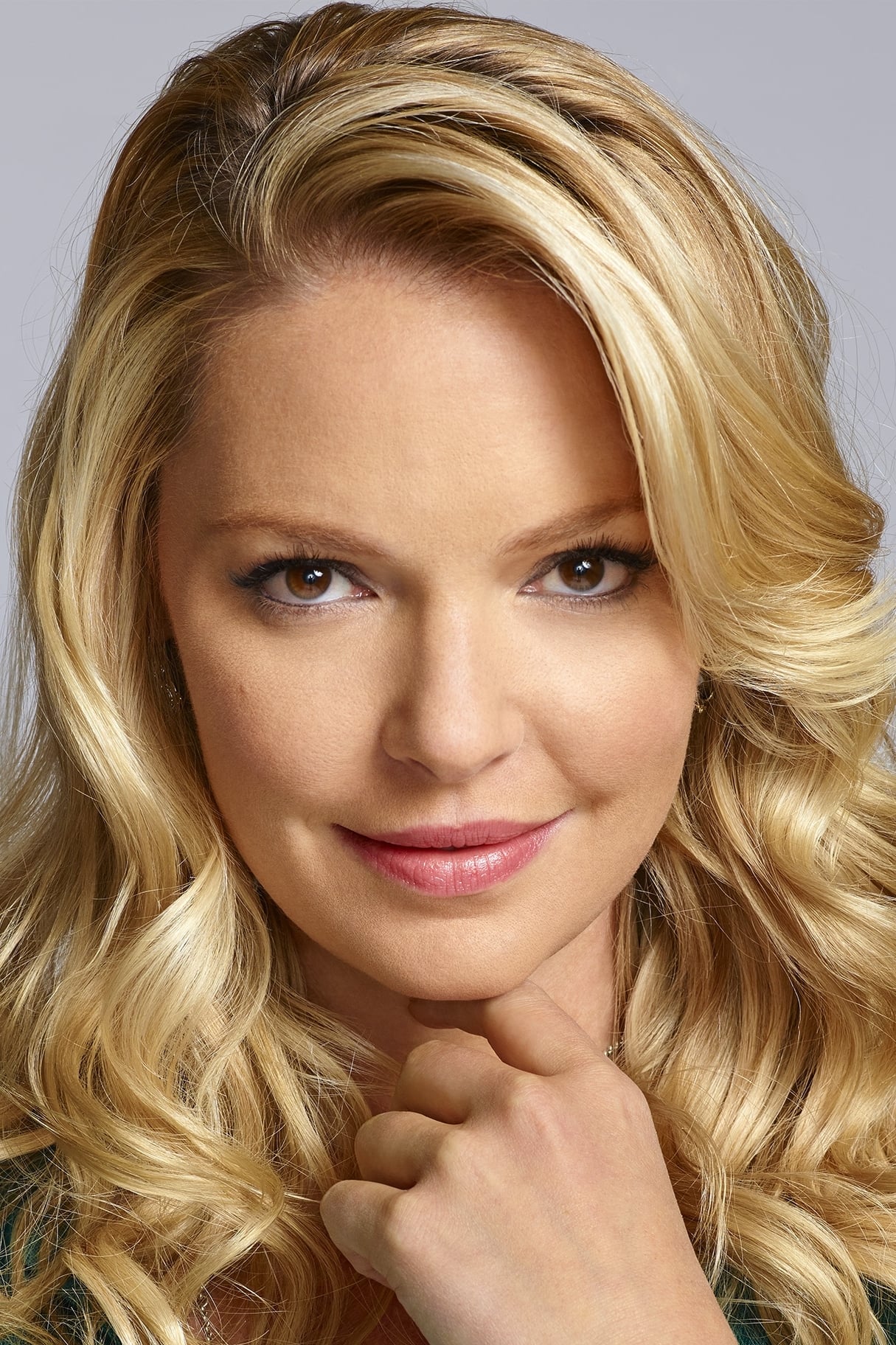
Katherine Heigl was labeled as difficult and blacklisted by many in Hollywood after she spoke out about her working conditions. She criticized the long hours on the set of ‘Grey’s Anatomy’ and expressed dissatisfaction with her material in ‘Knocked Up’. Male actors who express similar frustrations are often viewed as passionate or artistic rather than problematic. Heigl’s career suffered for years as she struggled to overcome a reputation that many believe was unfairly amplified due to her gender.
Winona Ryder
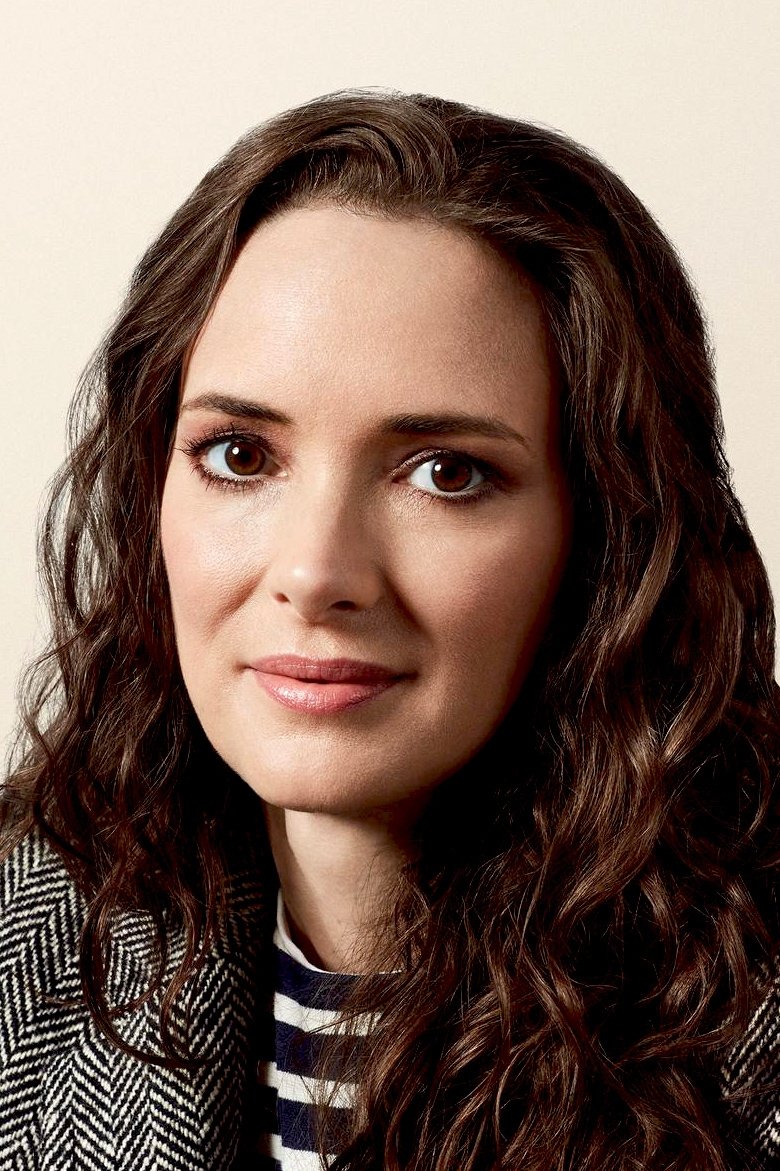
Winona Ryder faced a career hiatus following legal issues that the media covered with an intense focus on her character. Many have noted that male actors who face similar or more serious legal challenges often see their careers recover much more quickly. Ryder has spoken about how the industry can be unforgiving toward women who falter while allowing men to reinvent themselves. Her eventual career resurgence with ‘Stranger Things’ was seen as a hard won comeback.
Megan Fox
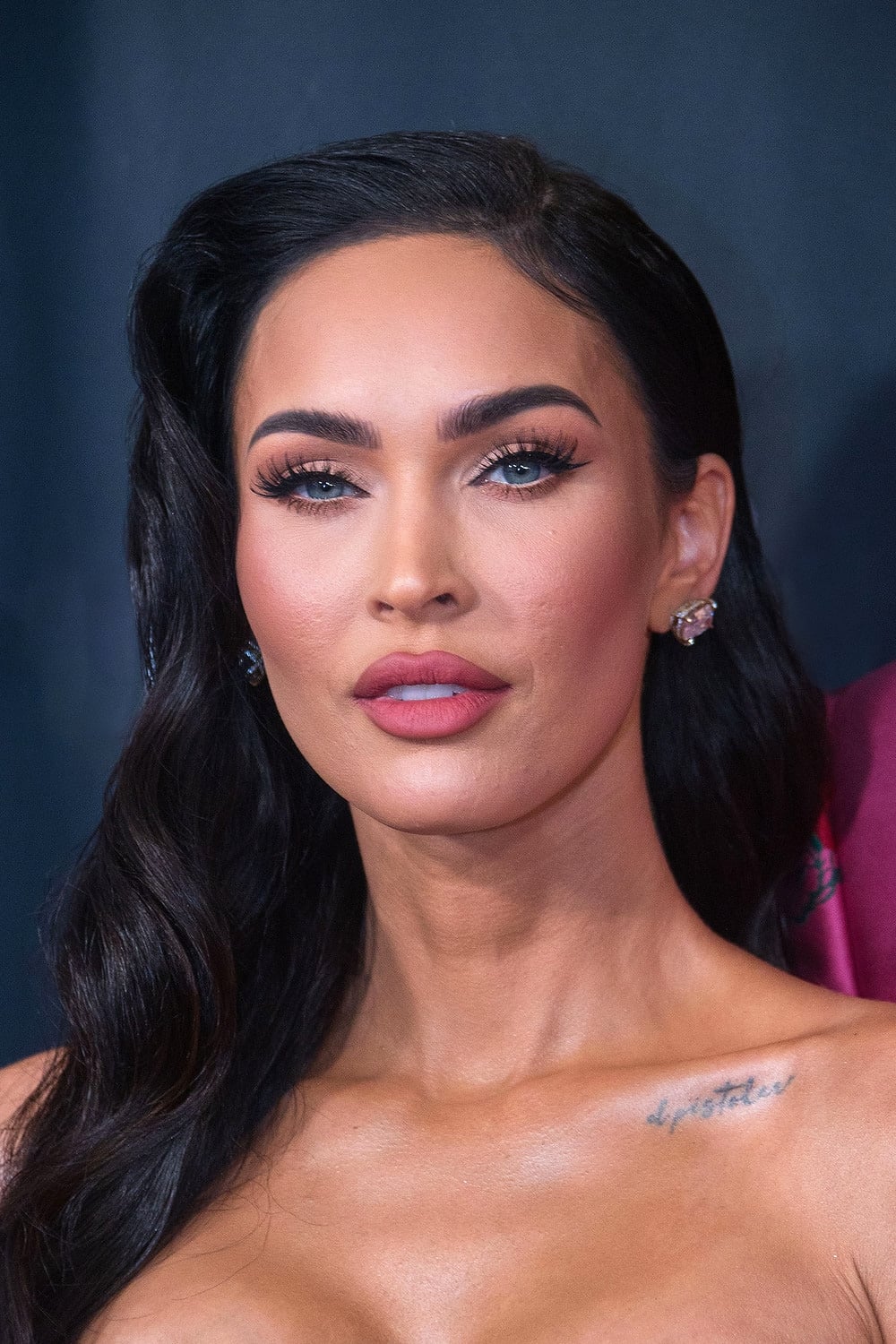
Megan Fox was publicly criticized and labeled as ungrateful after she spoke out about her experience with director Michael Bay. She compared the working environment on the ‘Transformers’ set to a military regime and commented on the director’s style. Her male costars were not subjected to the same level of professional fallout for making similar comments. Fox has since discussed how she was hypersexualized by the industry while her actual opinions were dismissed.
Rose McGowan

Rose McGowan became a central figure in exposing the systemic abuse in Hollywood after years of being silenced. She noted that women who spoke up about the industry’s dark side were often marginalized or blacklisted while the perpetrators continued to work. McGowan has been vocal about the double standard where women are expected to remain quiet to protect the careers of powerful men. Her advocacy helped spark a global movement focused on accountability and safety in the workplace.
Ashley Judd
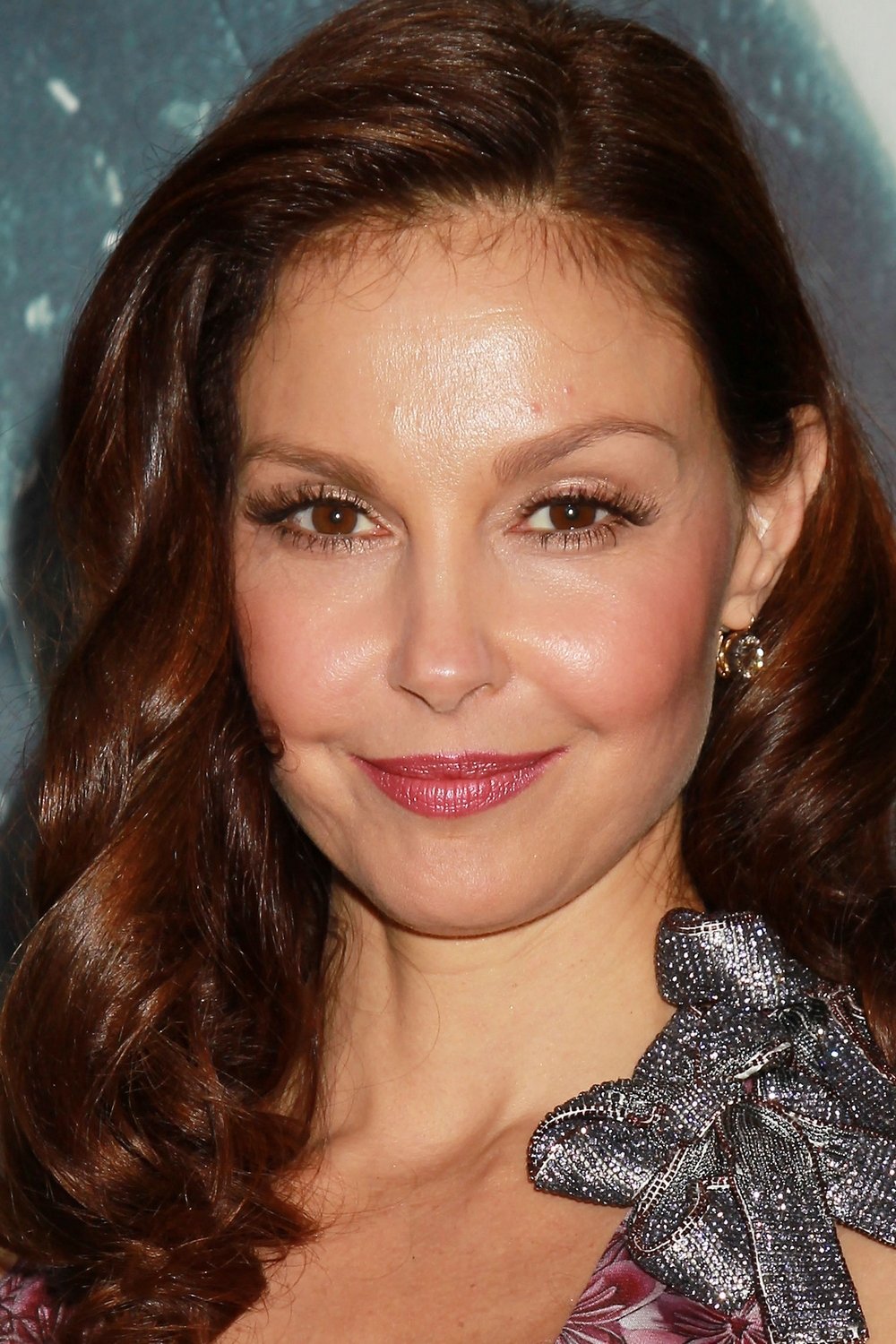
Ashley Judd was one of the first prominent actresses to go on the record about the harassment she faced from a major studio head. She later learned that her career had been sabotaged by false claims that she was difficult to work with on set. Male actors who were considered difficult rarely faced the same coordinated efforts to end their professional lives. Judd’s legal actions highlighted how professional reputations can be weaponized against women who refuse to comply with harassment.
Gabrielle Union
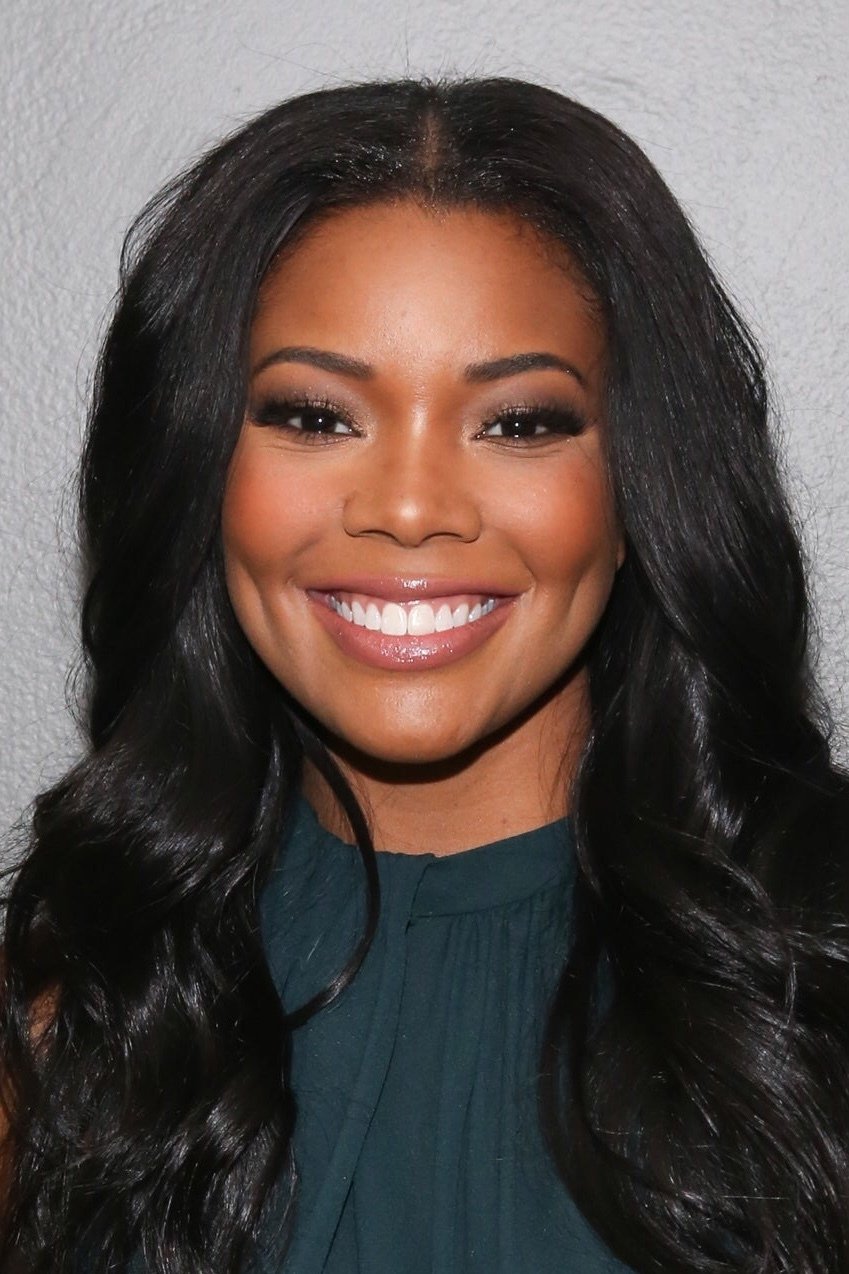
Gabrielle Union spoke out about the toxic culture she experienced as a judge on the competition series ‘America’s Got Talent’. She reported that she was often criticized for her appearance and for speaking up about racial insensitivity. Union noted that her male colleagues were not subjected to the same level of scrutiny or pressure to conform. Her experience led to an investigation and a broader discussion about the treatment of women of color in high profile television roles.
Lisa Kudrow
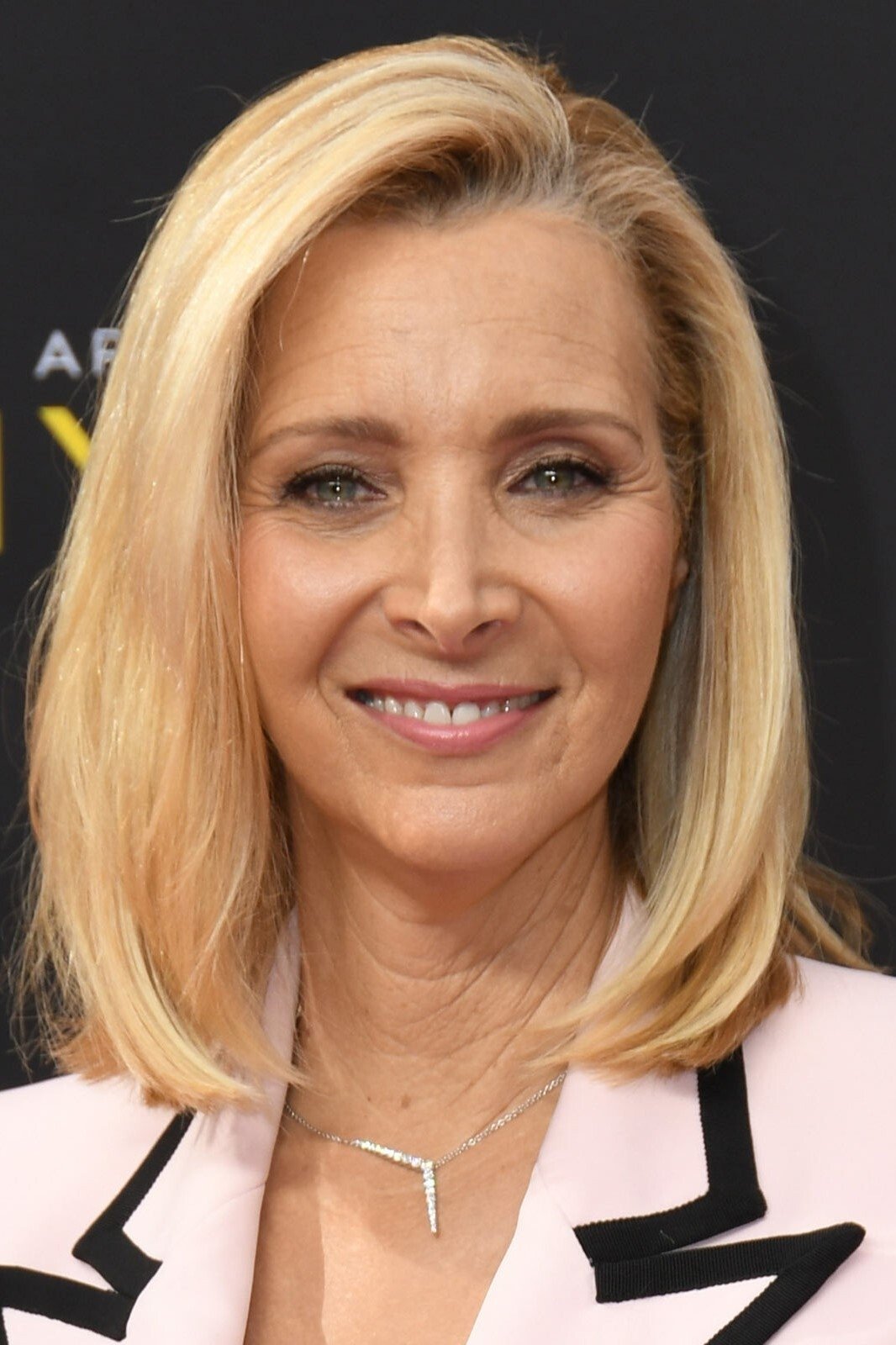
Lisa Kudrow and her female costars on ‘Friends’ made the strategic decision to negotiate their salaries as a group. This collective bargaining ensured that the women were paid exactly the same as the men regardless of individual storylines. Before this move there were disparities in how the cast members were compensated by the network. By sticking together the actresses prevented the studio from using gender as a way to lower their individual market value.
Courteney Cox
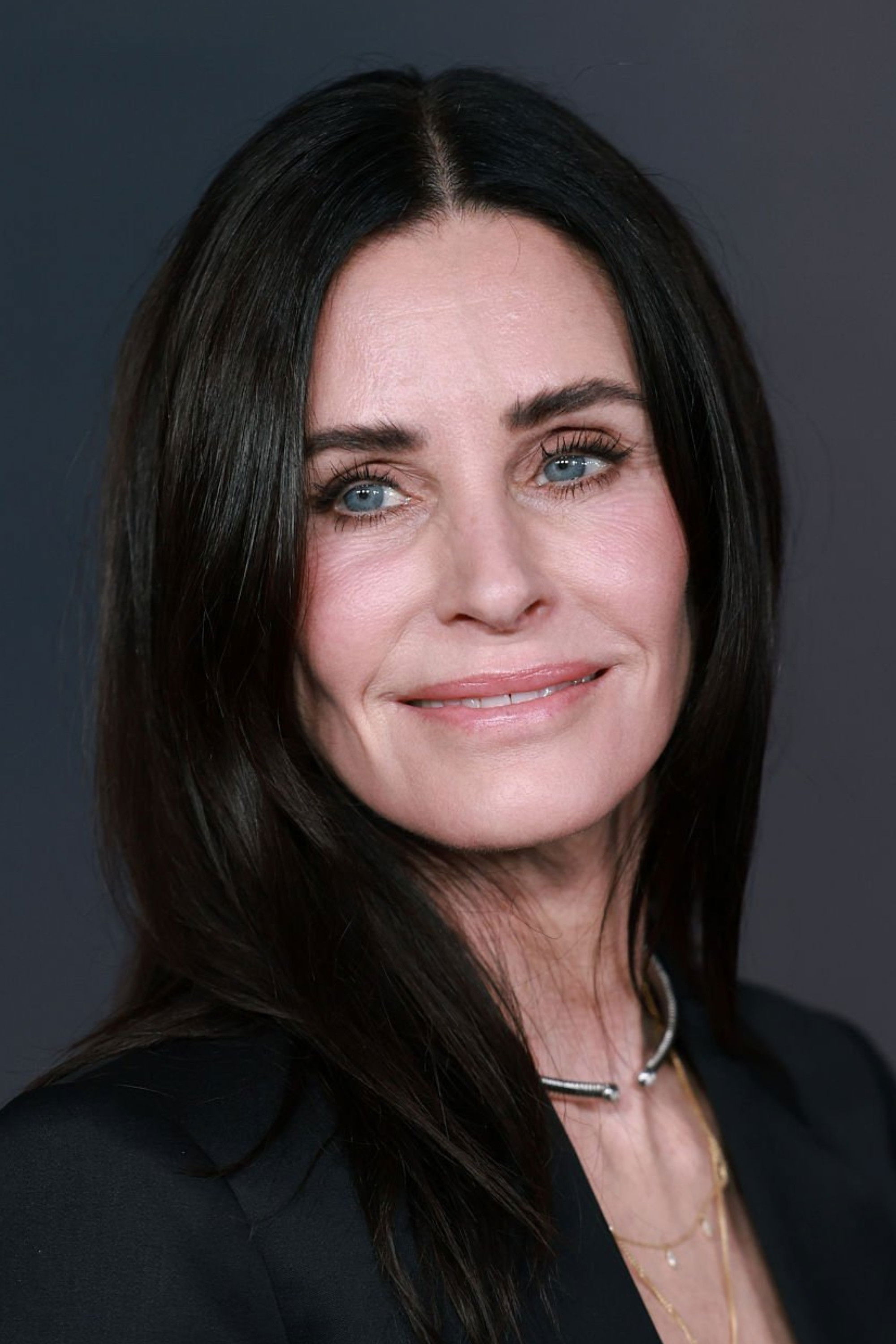
Courteney Cox was instrumental in the ‘Friends’ cast’s historic push for salary equality. She recognized early on that the show’s success depended on the ensemble and that the pay should reflect that unity. Cox and her costars became some of the highest paid actors in television history because they refused to be negotiated with separately. Their success set a precedent for other casts to seek parity and transparency in their contracts.
Elizabeth Taylor
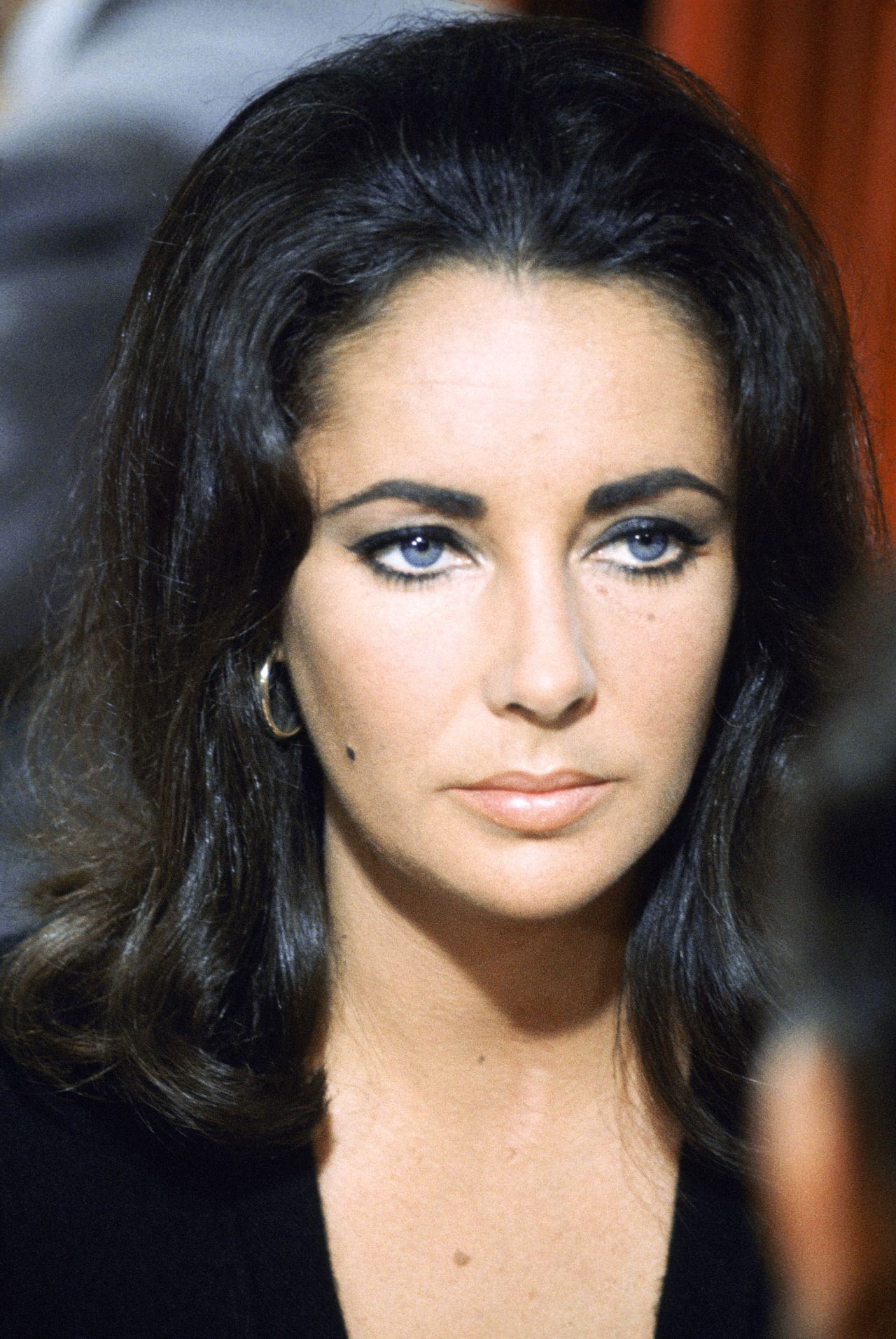
Elizabeth Taylor was a pioneer in demanding high salaries that matched or exceeded her male costars. She became the first actor to receive one million dollars for a single film for her role in ‘Cleopatra’. Throughout her career she navigated an industry that was almost entirely controlled by men and often fought for her own financial worth. Taylor’s business savvy and refusal to be intimidated helped change the landscape for all performers who followed.
Frances McDormand
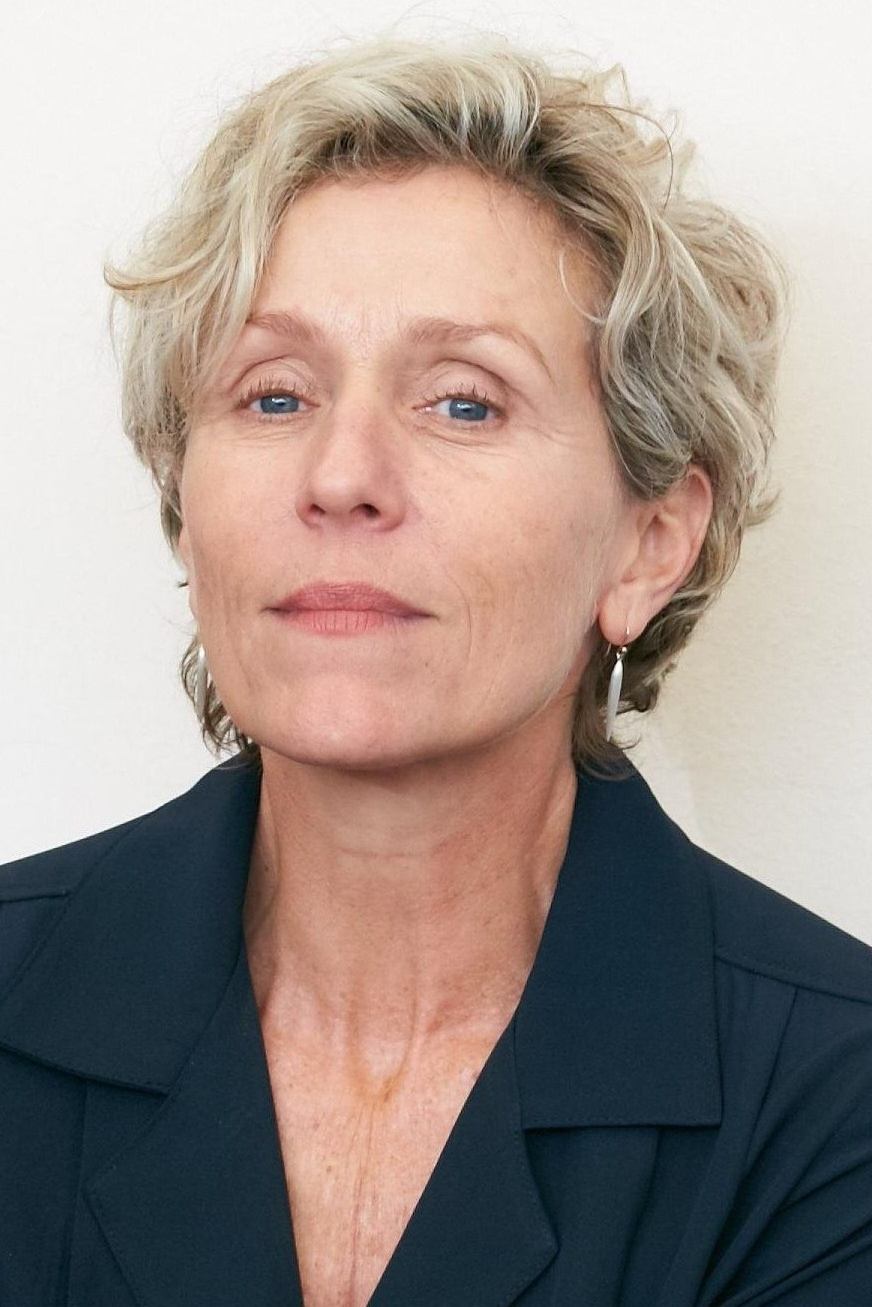
Frances McDormand used her Academy Award acceptance speech to bring the concept of the inclusion rider to the public’s attention. She advocated for a contractual requirement that ensures diversity in the cast and crew of a film. McDormand has often spoken about the double standard in casting where women are rarely given the same opportunities for character driven roles as men. Her career has been defined by a commitment to portraying realistic and complex women on screen.
Emma Stone

Emma Stone revealed that some of her male costars have taken pay cuts so that she could have parity with them. She noted that these actors did this voluntarily because they felt it was the right and fair thing to do. Stone highlighted that without these individual acts of support she would still be facing a gap in her compensation. This admission brought attention to the fact that systemic change often requires the cooperation of male allies in the industry.
Gal Gadot

Gal Gadot faced public discussion regarding her relatively low salary for the first ‘Wonder Woman’ film compared to male superhero leads. While her pay was standard for a newcomer in a franchise the massive success of the film led to a much higher negotiation for the sequel. Gadot used the film’s global impact to secure a significantly larger payday that reflected her status as a major star. She has since become a vocal advocate for women’s empowerment and fair pay in the superhero genre.
Kate Beckinsale
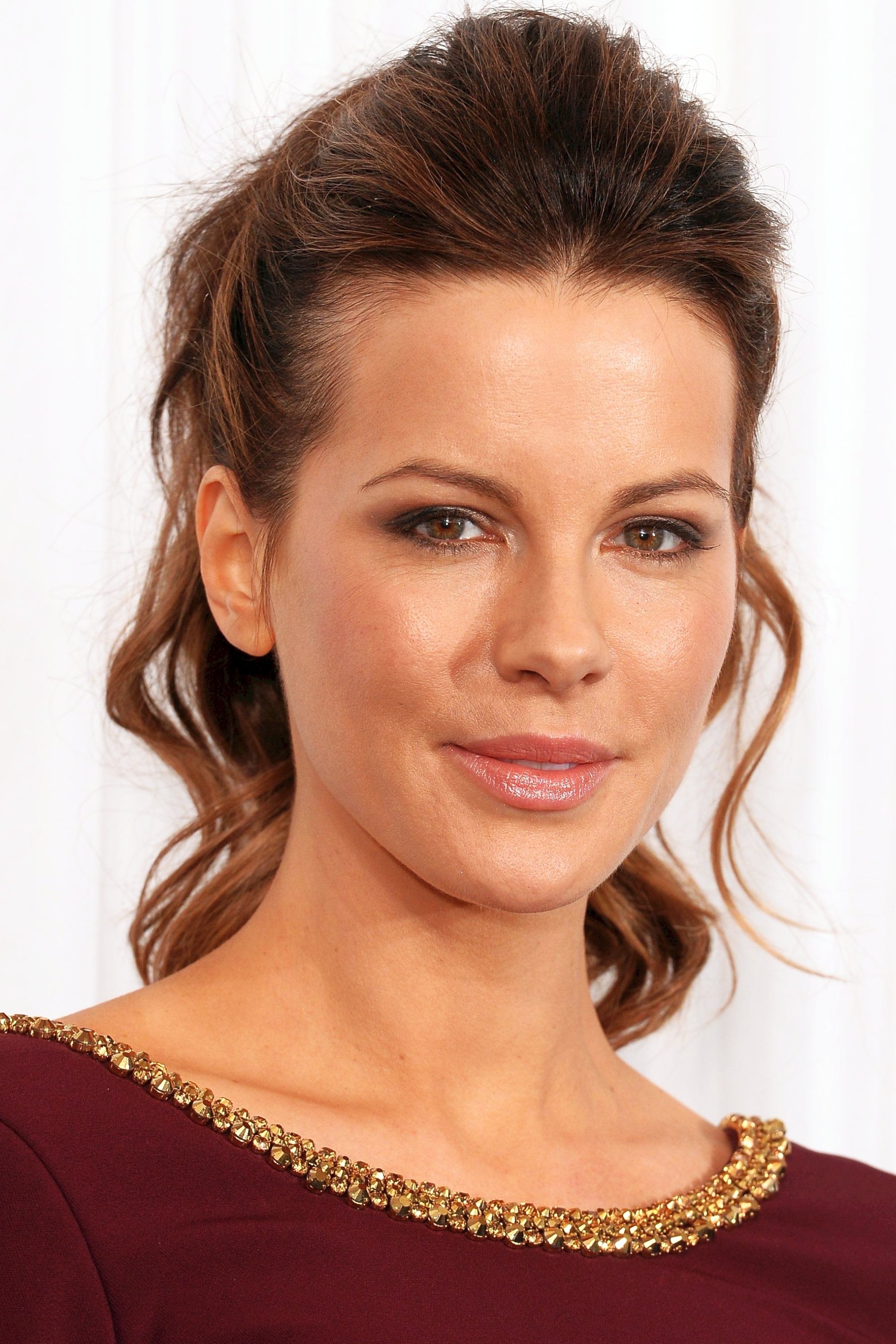
Kate Beckinsale has commented on the double standard regarding how the media portrays the dating lives of female stars. She noted that women are often scrutinized or mocked for dating younger people while men are celebrated for doing the same. Beckinsale pointed out that these social double standards often seep into professional reputations and how actresses are cast. She has remained defiant in the face of tabloid criticism and continues to call out the hypocrisy of gendered social expectations.
Jennifer Aniston
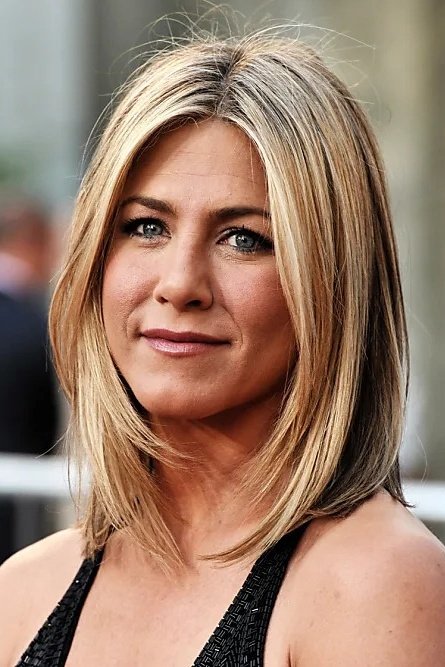
Jennifer Aniston has frequently discussed the pressure on women in Hollywood to maintain a specific appearance as they age. She noted that her male costars are often allowed to age naturally while women are expected to stop the clock. Aniston has been a vocal critic of the constant pregnancy rumors and body shaming that female celebrities endure in the media. She has used her platform to advocate for a more respectful and less invasive approach to covering women’s lives.
Scarlett Johansson
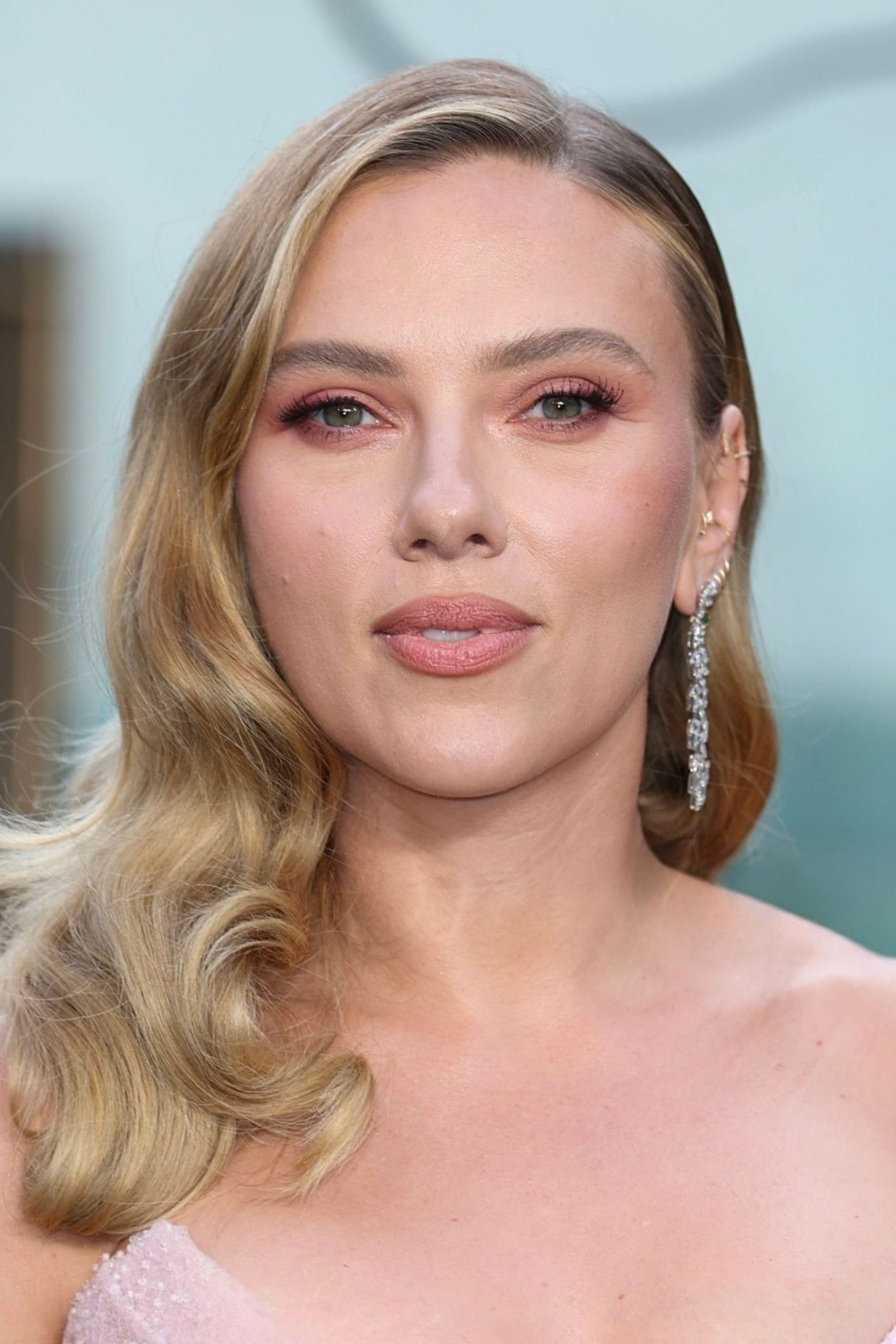
Scarlett Johansson filed a high profile lawsuit against Disney over the release of ‘Black Widow’ on streaming services. She argued that the simultaneous release violated her contract and cost her millions in potential box office bonuses. This move was seen as a bold stand against a major studio and highlighted the changing nature of actor compensation in the digital age. Johansson’s willingness to take a legal stand inspired other actors to look more closely at their own contracts.
Carey Mulligan
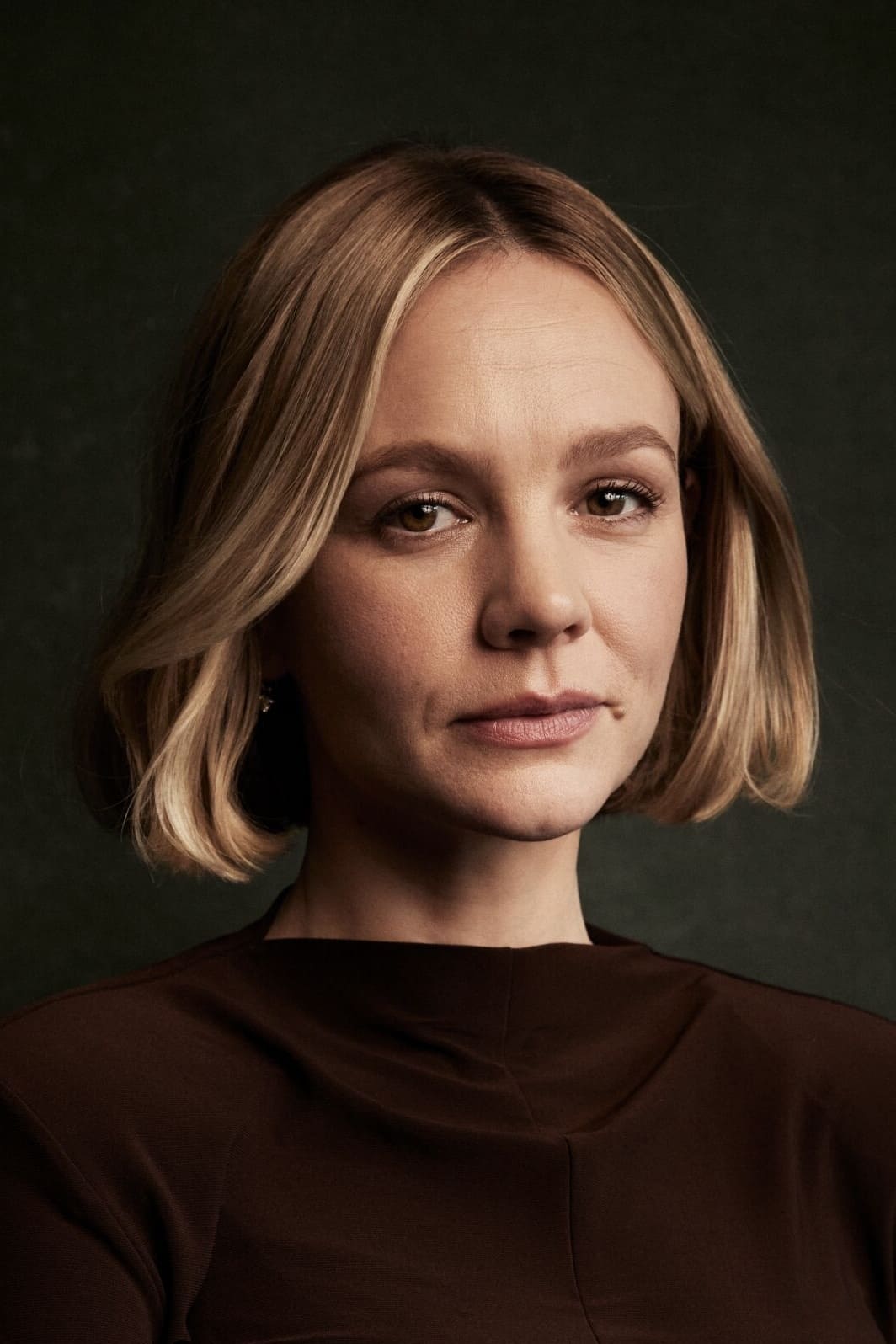
Carey Mulligan spoke out about the way a film critic focused on her physical appearance rather than her performance in ‘Promising Young Woman’. She noted that male actors are rarely subjected to critiques that suggest they are not attractive enough for a specific role. Mulligan argued that these kinds of comments are damaging to the industry and reinforce harmful beauty standards. Her response sparked a wider conversation about the role of gender bias in film criticism.
Olivia Colman

Olivia Colman has expressed her frustration with the pay gap by stating that she would be paid much more if she were a man. Despite having an Academy Award and multiple other honors she finds that gender still plays a role in salary negotiations. Colman has noted that the common industry excuse regarding box office draw is often used to justify lower pay for women. She remains a strong advocate for total transparency in how actors are compensated for their work.
Geena Davis
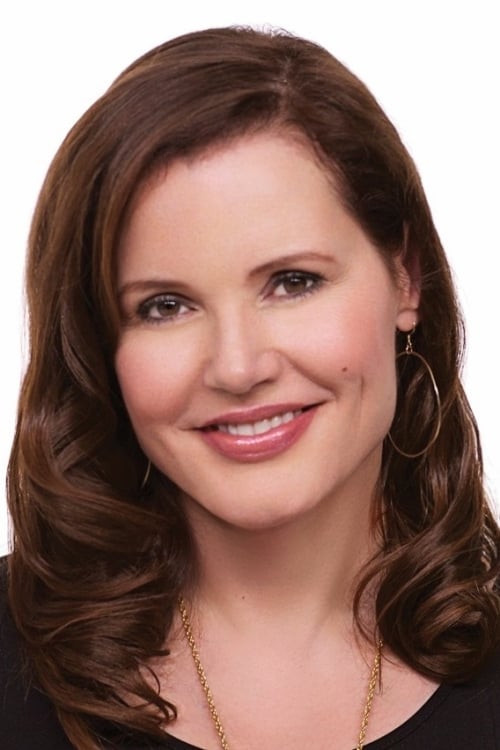
Geena Davis founded an institute to study gender representation in media after noticing a lack of female characters in children’s programming. She has highlighted that women are often erased or sidelined in films as they get older while men continue to lead action movies. Davis has used data to prove that films with female leads actually perform better at the box office on average. Her work continues to challenge the industry’s assumptions about what audiences want to see on screen.
Sigourney Weaver
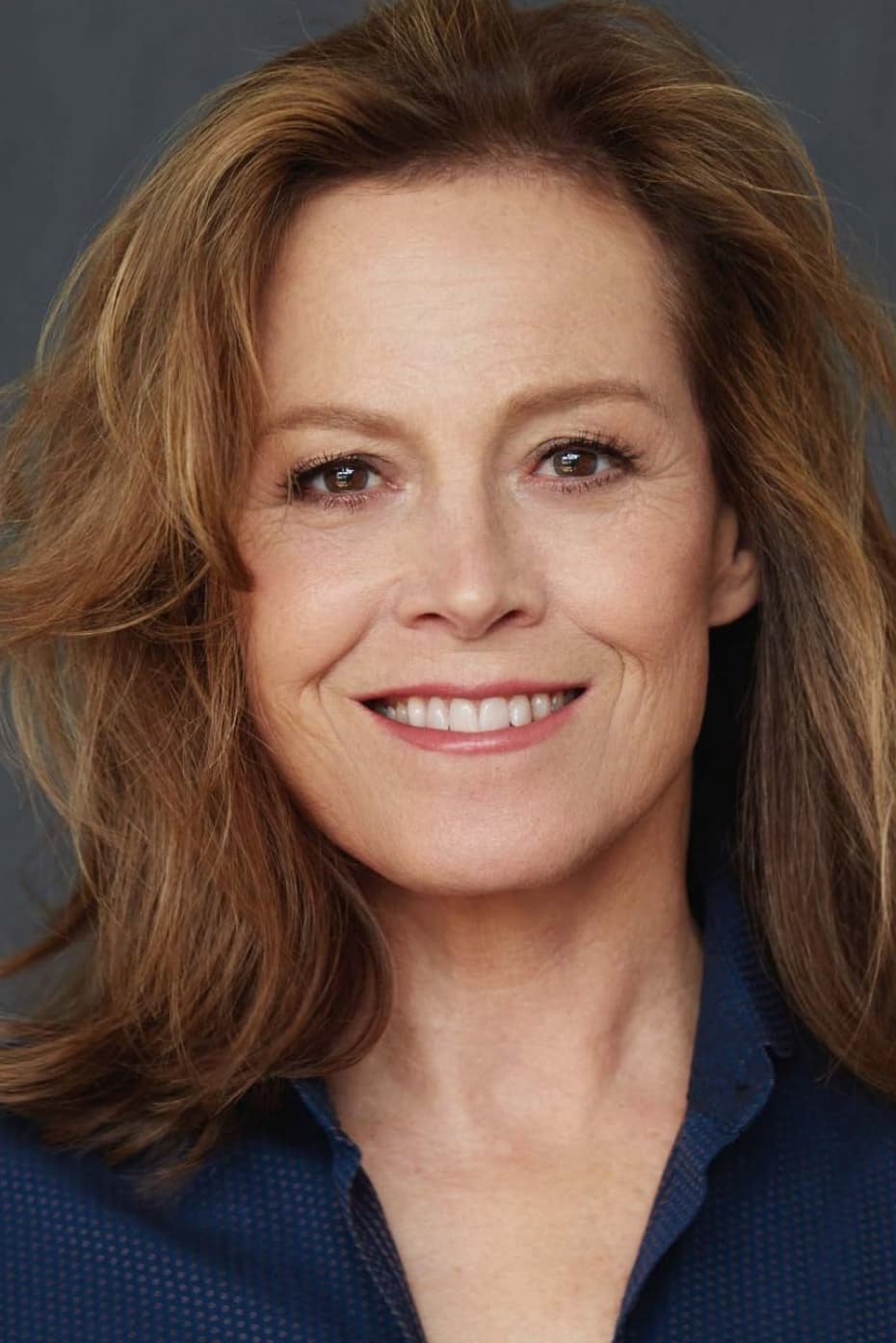
Sigourney Weaver redefined the action hero role with her portrayal of Ellen Ripley in the ‘Alien’ franchise. She was one of the first women to lead a major action series and faced the challenge of securing pay that matched male action stars. Weaver has spoken about how she had to fight for the character’s integrity and for her own value as the face of the series. Her success proved that a female lead could carry a massive sci-fi franchise to both critical and commercial success.
Please share your thoughts on these Hollywood double standards in the comments.