Black Actors Who Were Harassed After Criticizing the Oscars for Forced Diversity

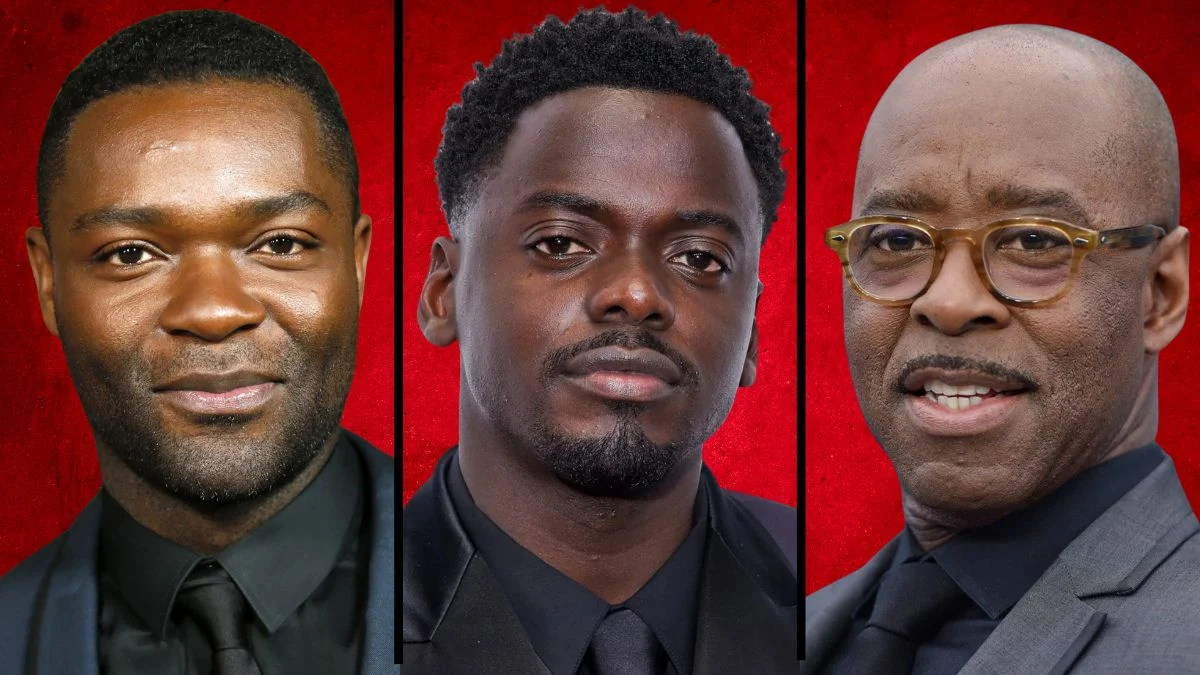

The discussion surrounding diversity at the Academy Awards has sparked intense debates and varying opinions among Hollywood’s most prominent figures. Many Black actors have stepped forward to share their perspectives on whether the inclusion efforts are genuine or simply performative gestures. These public criticisms often lead to significant harassment and social media backlash from fans and critics alike. This list explores the men who voiced their concerns about Oscar diversity and the subsequent public pressure they endured.
Anthony Mackie
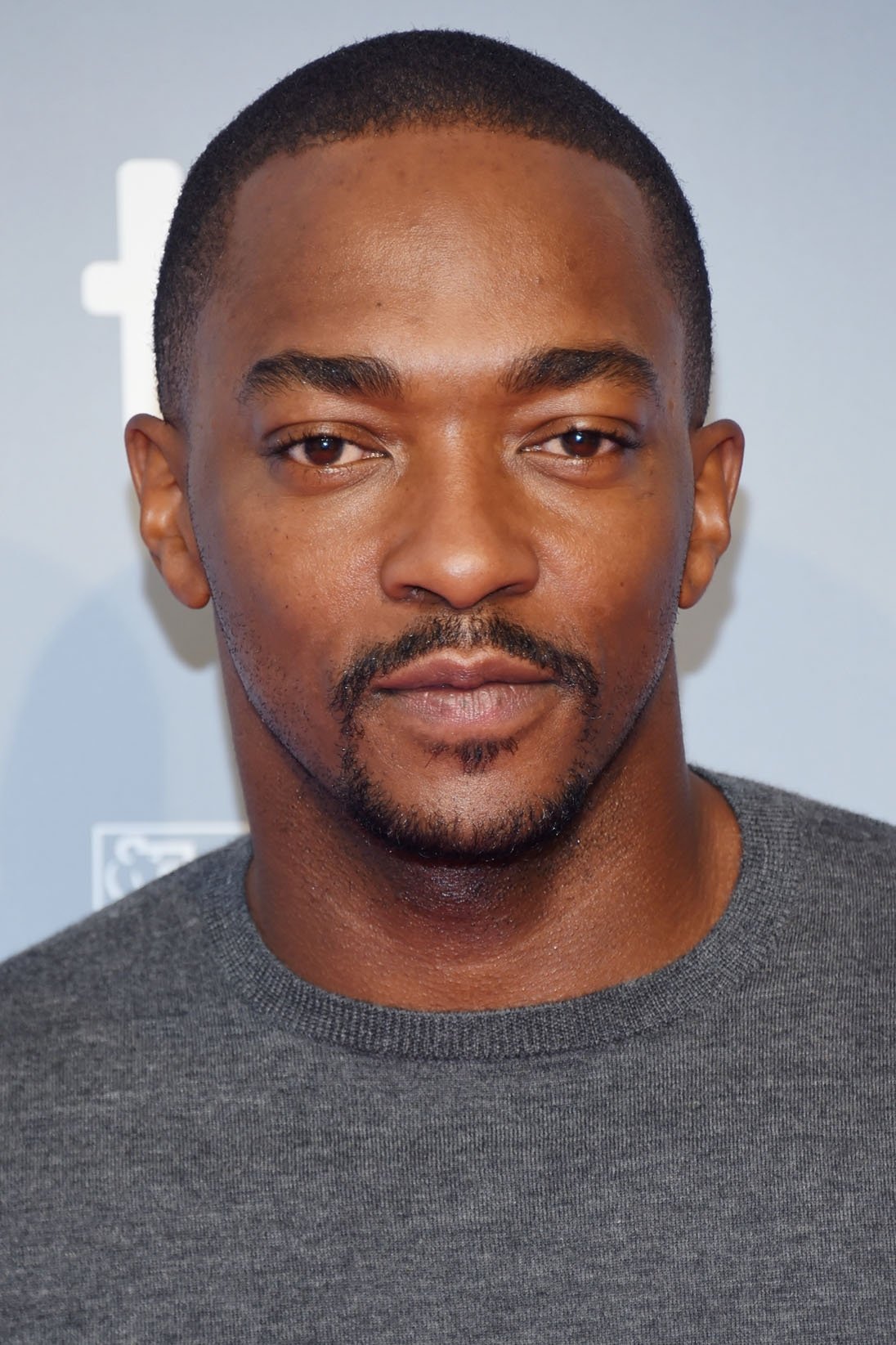
Anthony Mackie faced a wave of online criticism when he suggested that diversity efforts in major films could sometimes feel like a forced mandate. He argued that hiring should prioritize the best person for the job rather than adhering strictly to quotas. These comments led to accusations that he was undermining the movement for better representation in Hollywood. Mackie has often emphasized that he wants to see organic inclusion rather than performative actions from the Academy. His perspective continues to be a point of contention for those who advocate for strict diversity standards.
Morgan Freeman
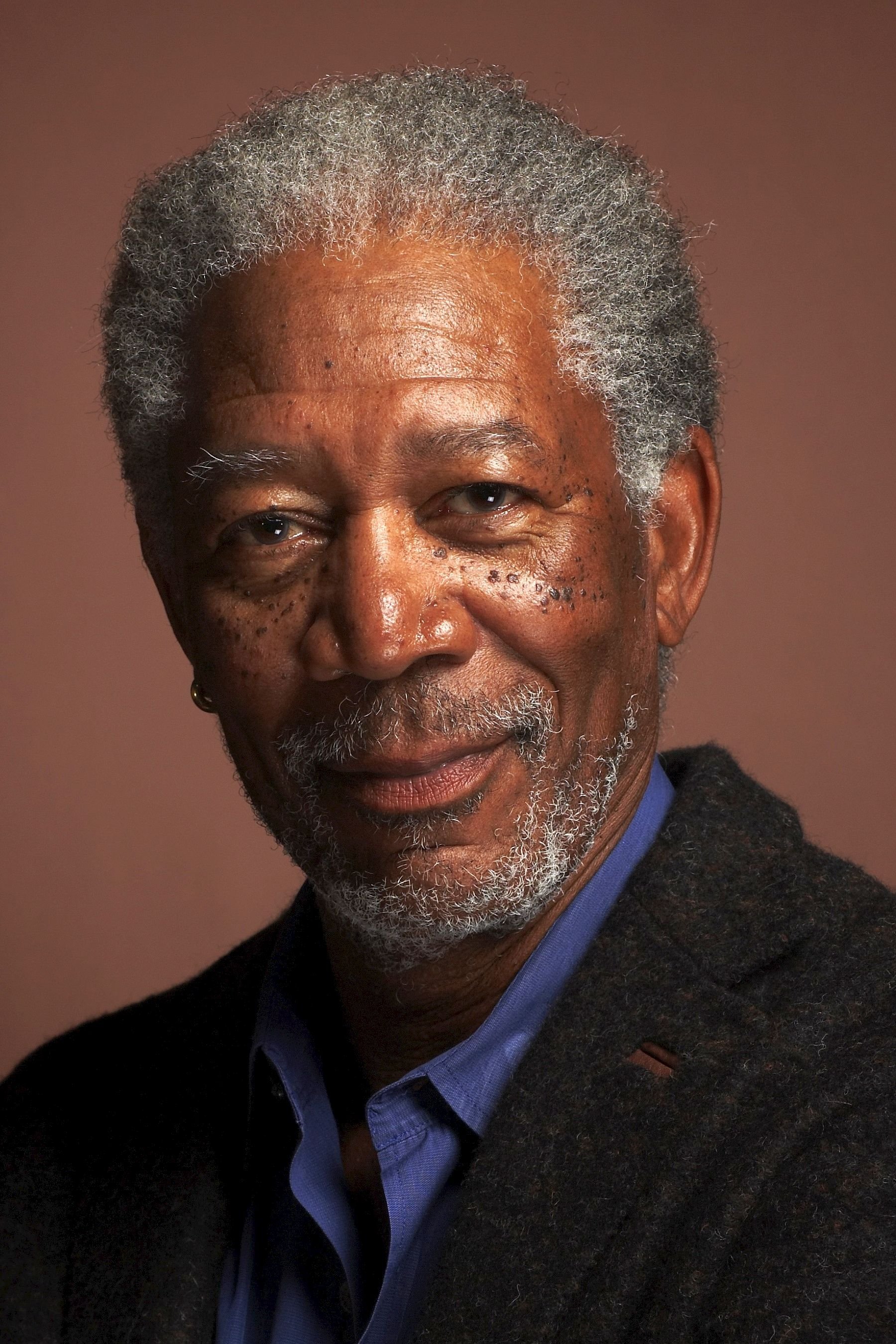
Morgan Freeman has consistently expressed his distaste for the focus on race within the film industry and at award shows. He has described the concept of Black History Month as ridiculous and argued that focusing on diversity can actually perpetuate segregation. Many critics harassed him for these views and claimed that his status allowed him to ignore systemic issues. Freeman remains steadfast in his belief that the industry should move toward a colorblind meritocracy. He has often questioned if the Academy’s recent changes are truly beneficial for the art of cinema.
Samuel L. Jackson
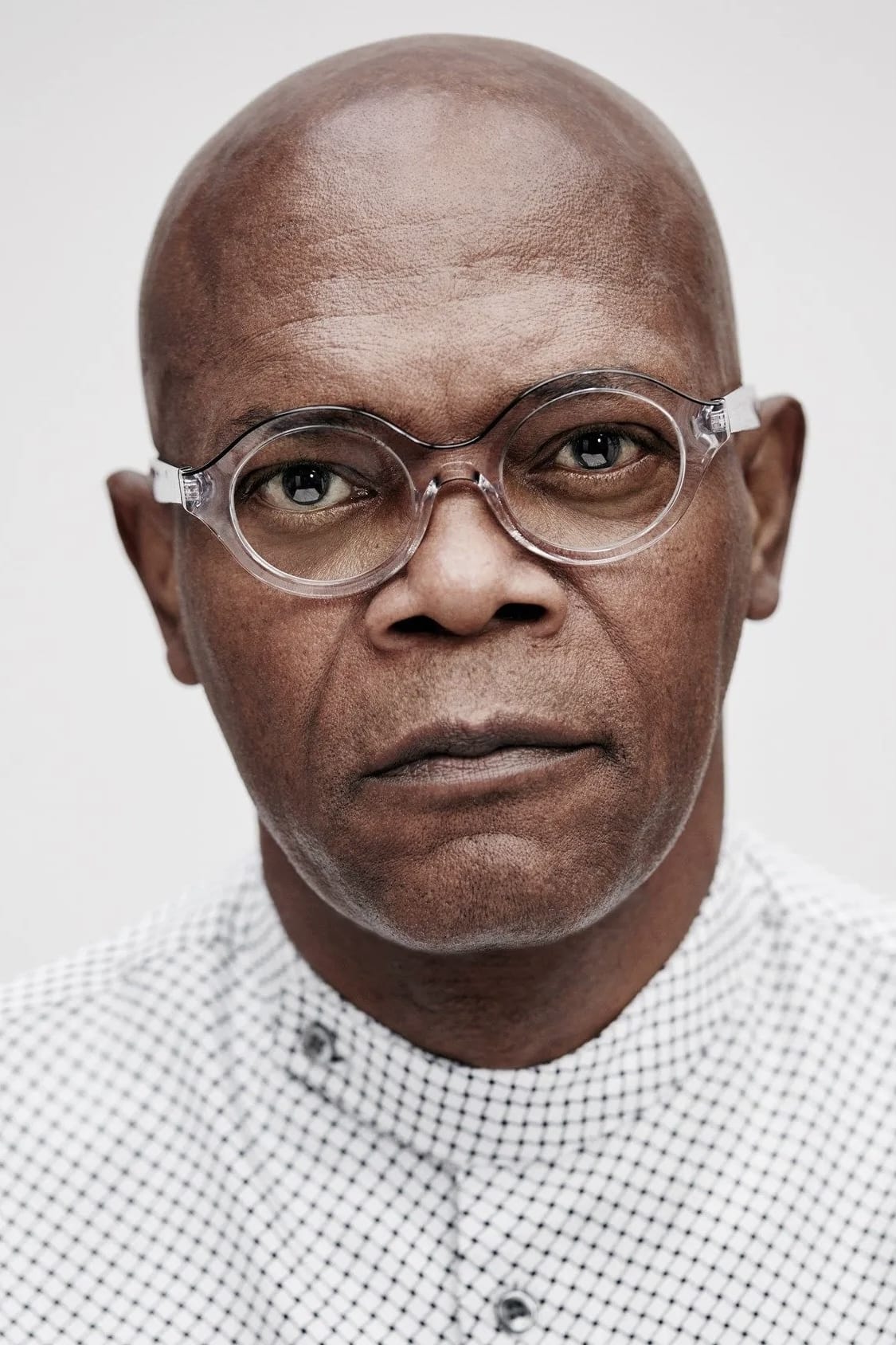
Samuel L. Jackson sparked a major controversy when he criticized the casting of Black British actors in roles about American racial struggles. He suggested that this trend was a way for the industry to avoid dealing with the complexities of the American experience. This critique led to an international debate and significant backlash from fellow actors and fans who felt he was being divisive. Jackson later clarified his comments but continued to face scrutiny for his views on how the Academy recognizes diverse talent. He has always been vocal about the need for authentic representation that does not feel like a marketing shortcut.
Wendell Pierce
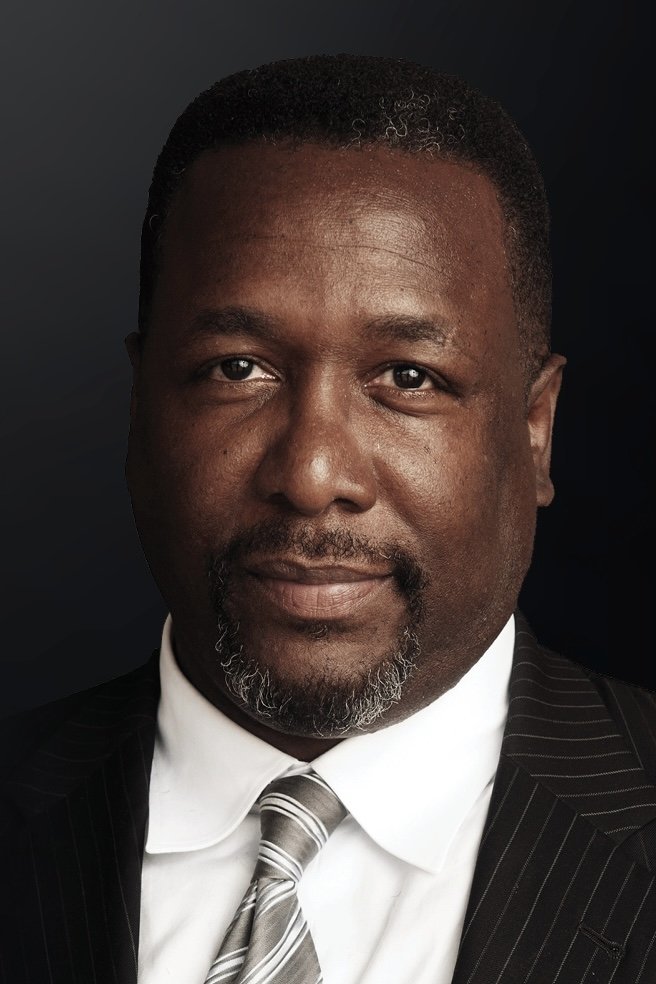
Wendell Pierce made headlines when he criticized the movement for what he perceived as a narrow focus on awards. He argued that the real struggle for diversity should happen in the development and production stages rather than at the end of the year. Many activists harassed him for these comments and suggested that he was downplaying the importance of recognition. Pierce has long advocated for a more holistic approach to diversity that goes beyond the red carpet. He believes that the pressure for diversity at the Oscars can sometimes result in performative inclusion that lacks real substance.
Billy Dee Williams
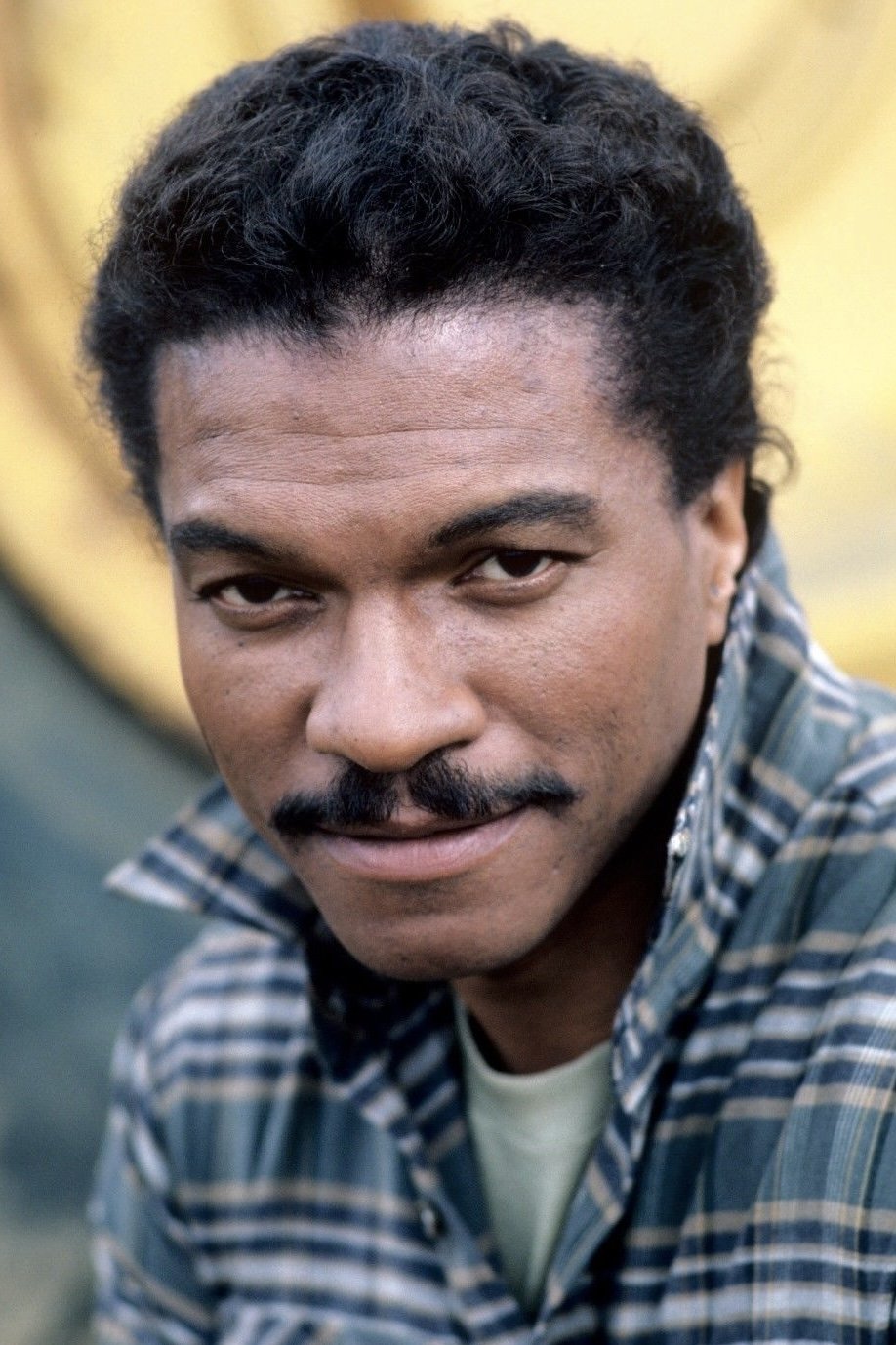
Billy Dee Williams has spoken out against the push for diversity quotas and has emphasized the importance of individual talent. He suggested that the industry should focus more on the craft of acting rather than social engineering. These remarks resulted in a backlash from younger audiences who felt his views were out of touch with modern movements. Williams has maintained that he does not want to be defined by his race but rather by his contributions to cinema. He remains a controversial figure in discussions about the Academy’s shifting inclusion standards.
Kevin Hart
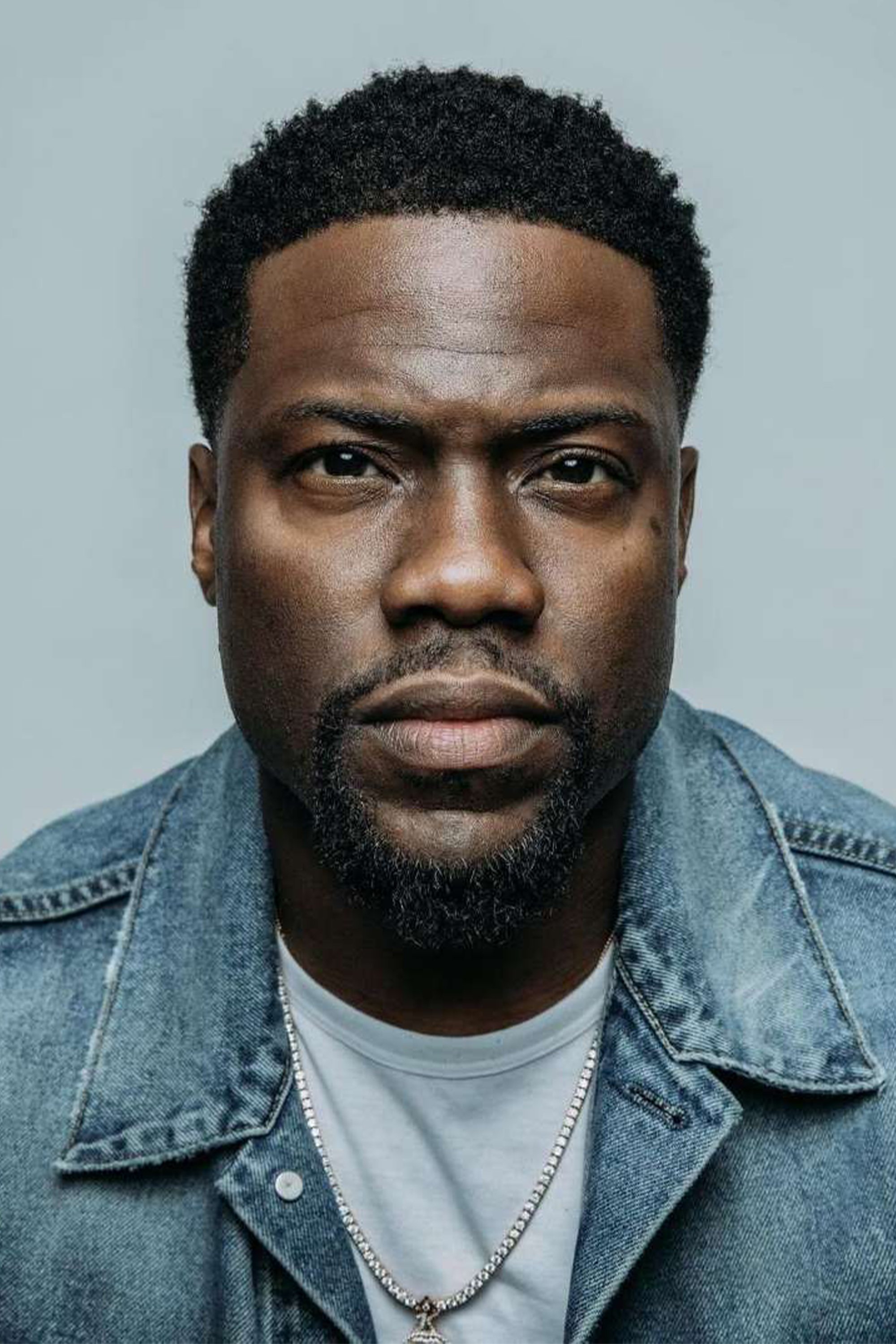
Kevin Hart was at the center of a massive public scandal when he was selected to host the Academy Awards. Critics unearthed past comments that led to an intense campaign for him to step down from the role. Hart initially resisted the pressure and criticized the Academy for its handling of the situation and the perceived demand for an apology. He eventually withdrew from the hosting gig after facing relentless harassment from the public and the media. This incident highlighted the deep tensions between the Academy and performers regarding public perception and diversity.
Jamie Foxx
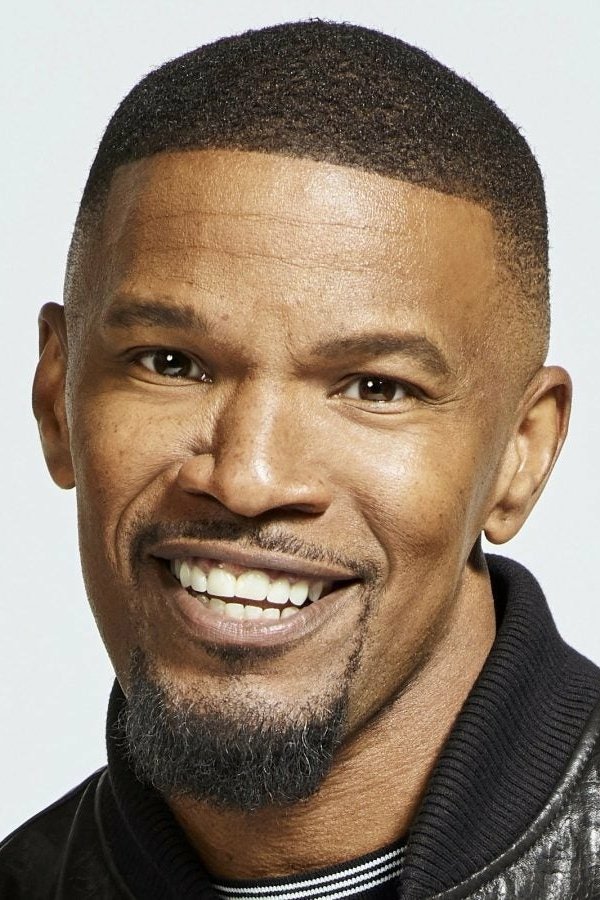
Jamie Foxx received significant backlash after he urged people to lighten up during the height of the Oscar boycott discussions. He suggested that the focus should remain on the celebration of film rather than the politics of the awards. Many fans were disappointed and harassed him for what they saw as a lack of support for his peers. Foxx defended his stance by pointing out the progress that had already been achieved in the industry. He has often taken a more moderate approach to diversity debates which frequently puts him at odds with vocal activists.
John Boyega
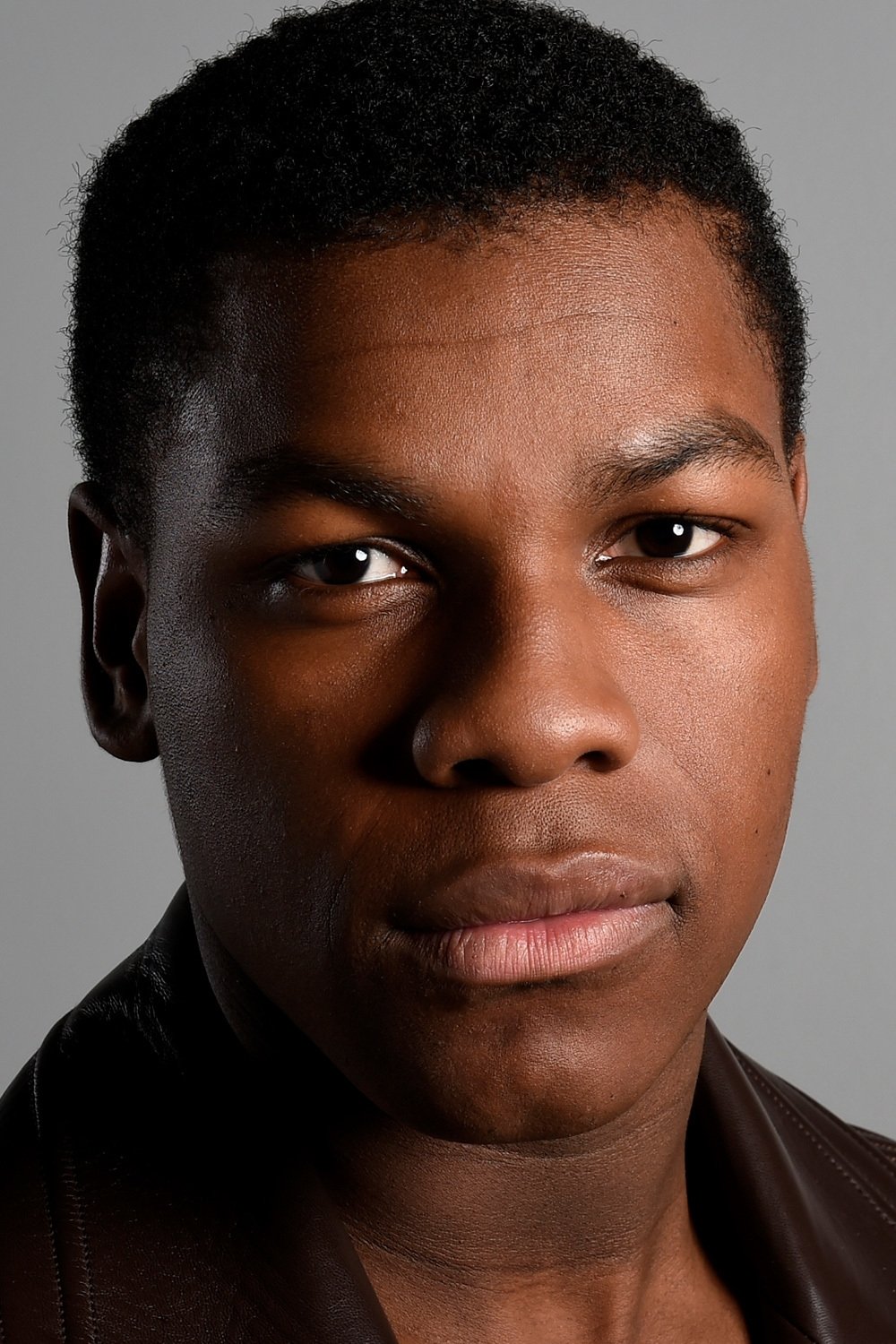
John Boyega has been very vocal about his experiences with the film industry and how diversity is often used as a marketing tool. He criticized the way his character was sidelined in the ‘Star Wars’ franchise despite the initial focus on his inclusion. These comments sparked a wave of harassment from fans who felt he was being ungrateful for his success. Boyega has also questioned the Academy’s commitment to real change beyond the surface level. He continues to push for a more substantial approach to diversity that honors the performers and their stories.
Will Smith
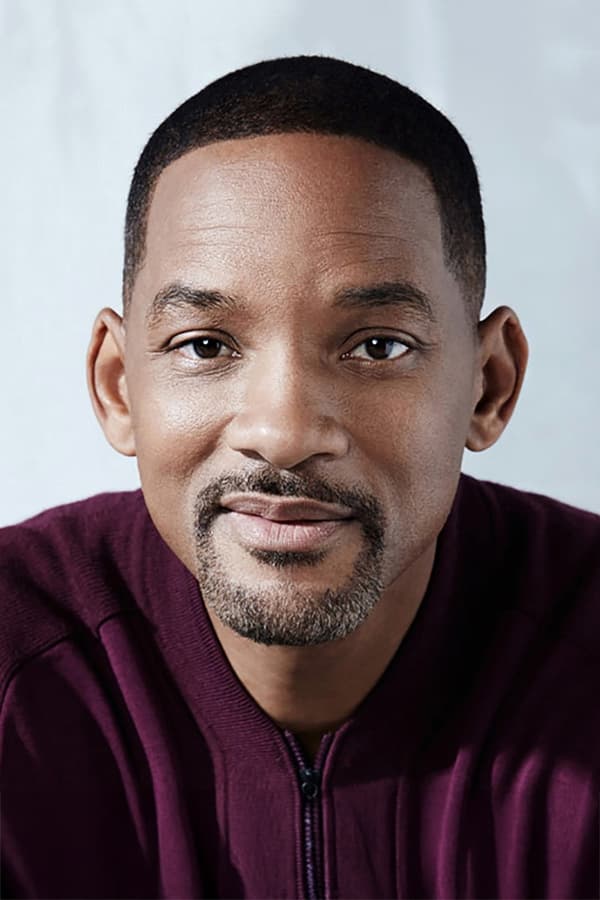
Will Smith and his wife led a high profile boycott of the Oscars in 2016 to protest the lack of Black nominees. This move prompted a massive reaction from the public and some fellow actors who accused him of being bitter over a snub. He faced significant harassment and mockery across social media platforms during the ceremony. Smith defended his decision as a stand for inclusion and a call for the Academy to reflect the real world. This moment became a defining point in the ongoing conversation about race and recognition in Hollywood.
Spike Lee
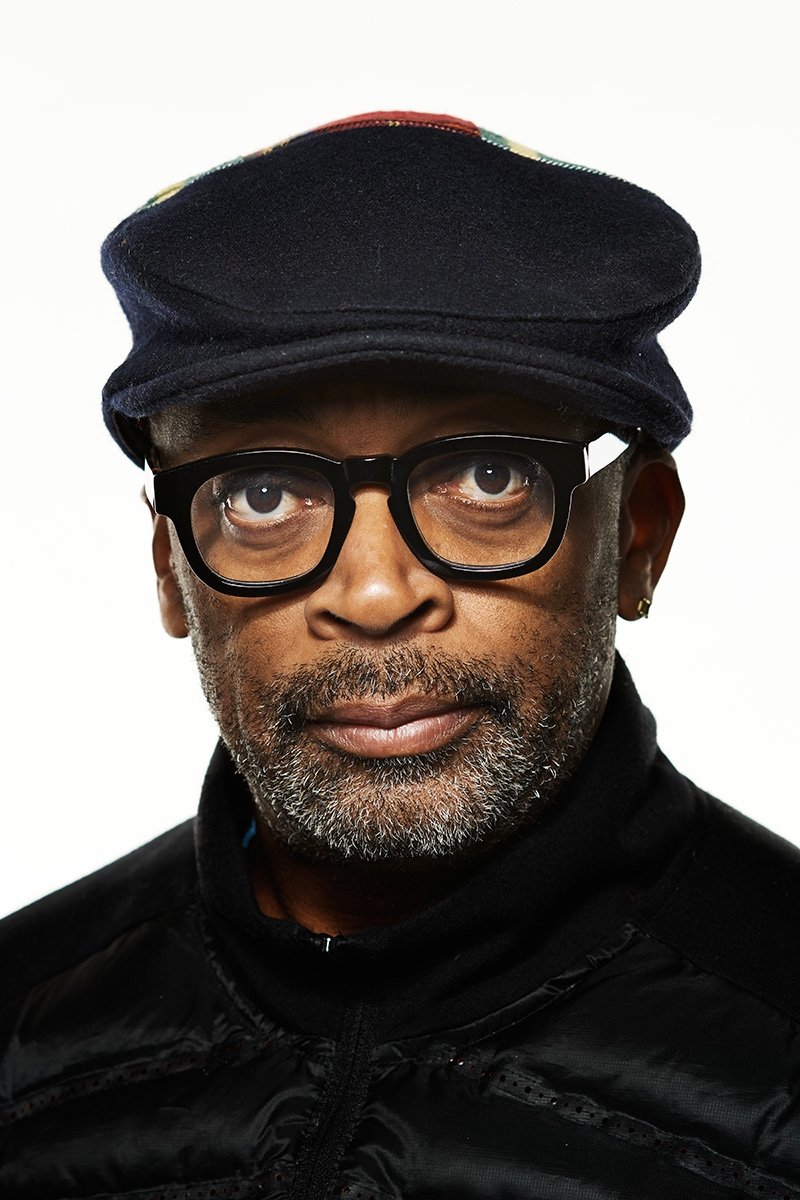
Spike Lee joined the 2016 boycott and has never been shy about his critiques of the Academy. He has often described the Oscars as being behind the times and out of touch with the reality of diverse storytelling. His vocal stance has led to numerous public feuds and harassment from those who believe he is too confrontational. Lee has consistently argued that the systemic issues in Hollywood cannot be fixed with a few diverse nominations. He continues to be a leading voice in the fight for genuine rather than forced representation at the highest levels of the industry.
Tyrese Gibson
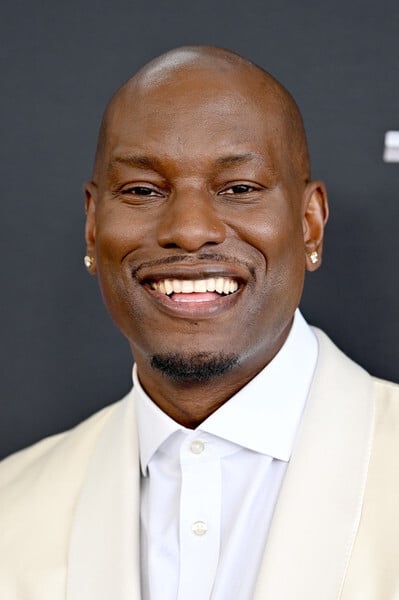
Tyrese Gibson faced intense scrutiny and harassment after he called on the Oscar host to step down during a major diversity controversy. He used his social media platforms to launch a series of rants against the Academy and its handling of representation. Many fans and industry insiders felt his approach was aggressive and misplaced. Gibson remained adamant that a collective boycott was necessary to force real change. His outspoken nature during this period made him a frequent target for online trolls and media critics.
Nate Parker
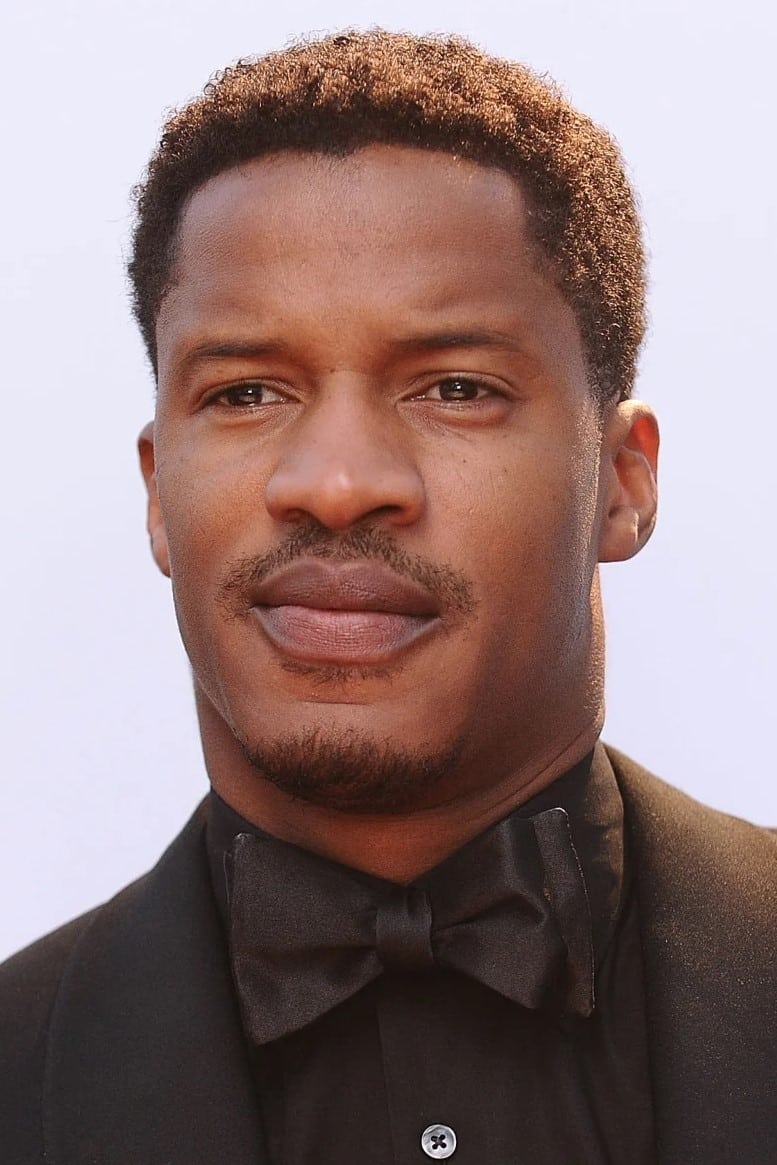
Nate Parker was expected to be a major Oscar contender for his film ‘The Birth of a Nation’ before a past controversy resurfaced. The timing of the backlash led some to believe that the industry was turning on him just as he became a symbol for diversity. He faced relentless harassment from the public and the media which effectively ended his award season chances. Parker argued that the focus on his past was a way to derail a powerful story about Black history. This situation underscored the complex relationship between personal history and the push for representation at the Oscars.
Tyler Perry
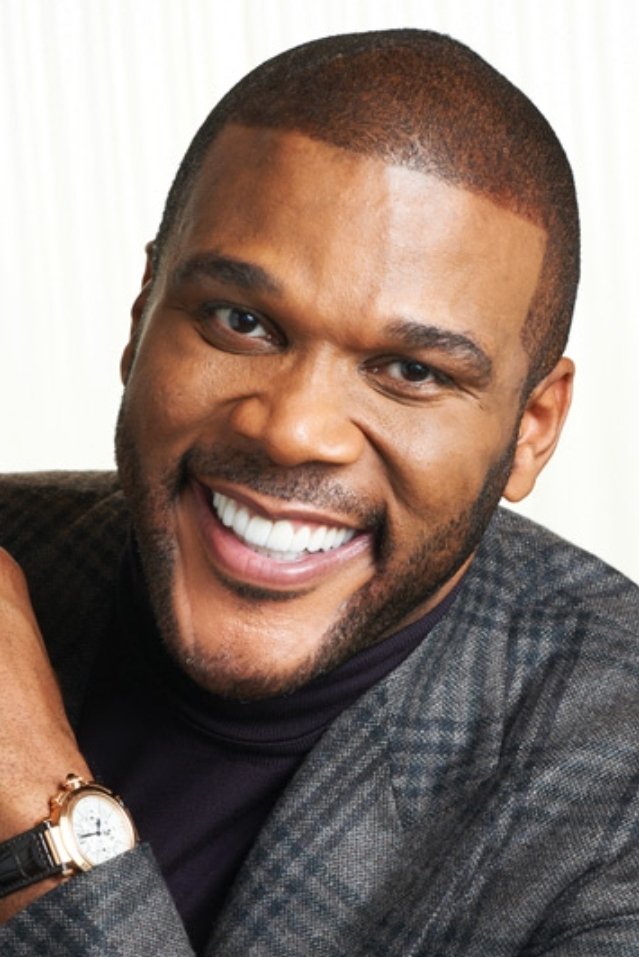
Tyler Perry has frequently criticized the Oscars for overlooking the films and stories that resonate with Black audiences. He has argued that the Academy often ignores mainstream Black entertainment in favor of specific narratives. This has led to some harassment from critics who believe his work does not meet the artistic standards of the awards. Perry has responded by building his own studio and creating his own platforms for recognition. He remains a vocal critic of the gatekeeping processes that define Oscar success.
Ice Cube
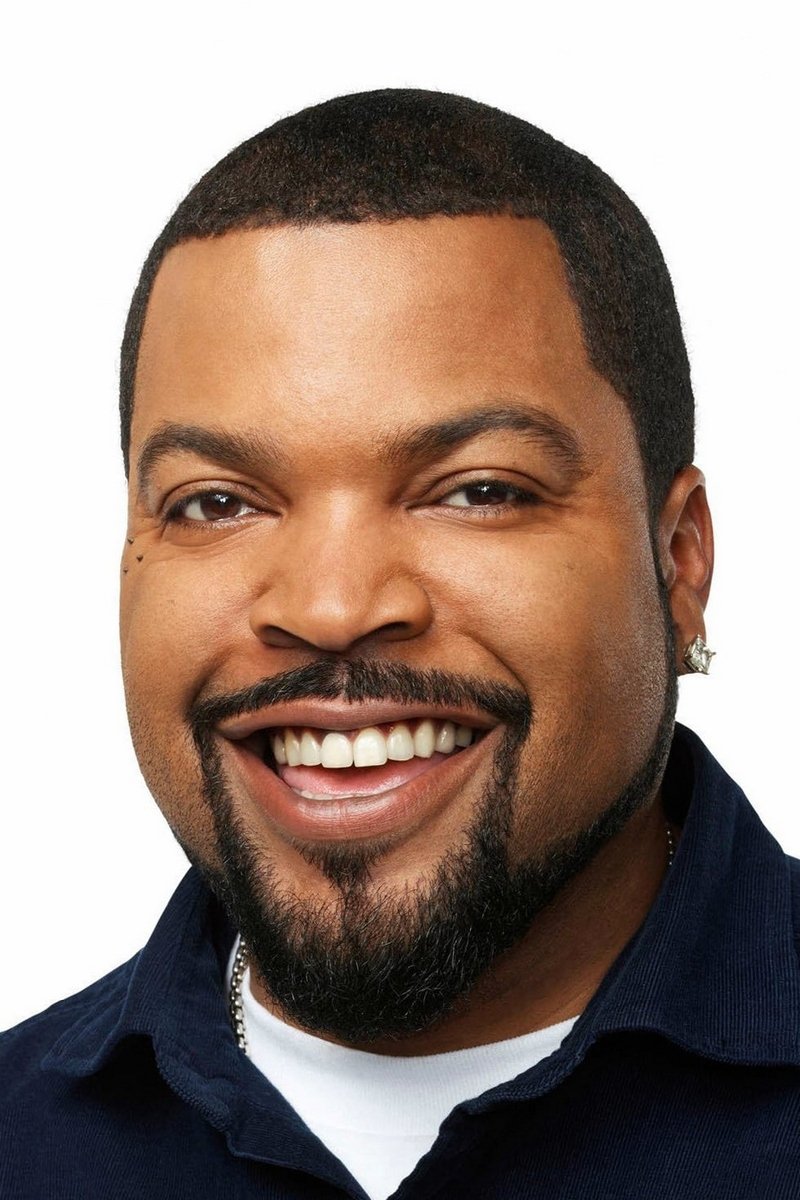
Ice Cube expressed his frustration when ‘Straight Outta Compton’ was largely ignored by the Academy despite its cultural impact. He suggested that the Oscars were not intended for Black people and that the snub was expected. These comments led to a wave of harassment from those who felt he was being too cynical about the industry. Ice Cube has continued to question the value of the Academy’s recognition for Black artists. He believes that the focus should be on creating quality content for the community rather than seeking outside validation.
Cuba Gooding Jr.
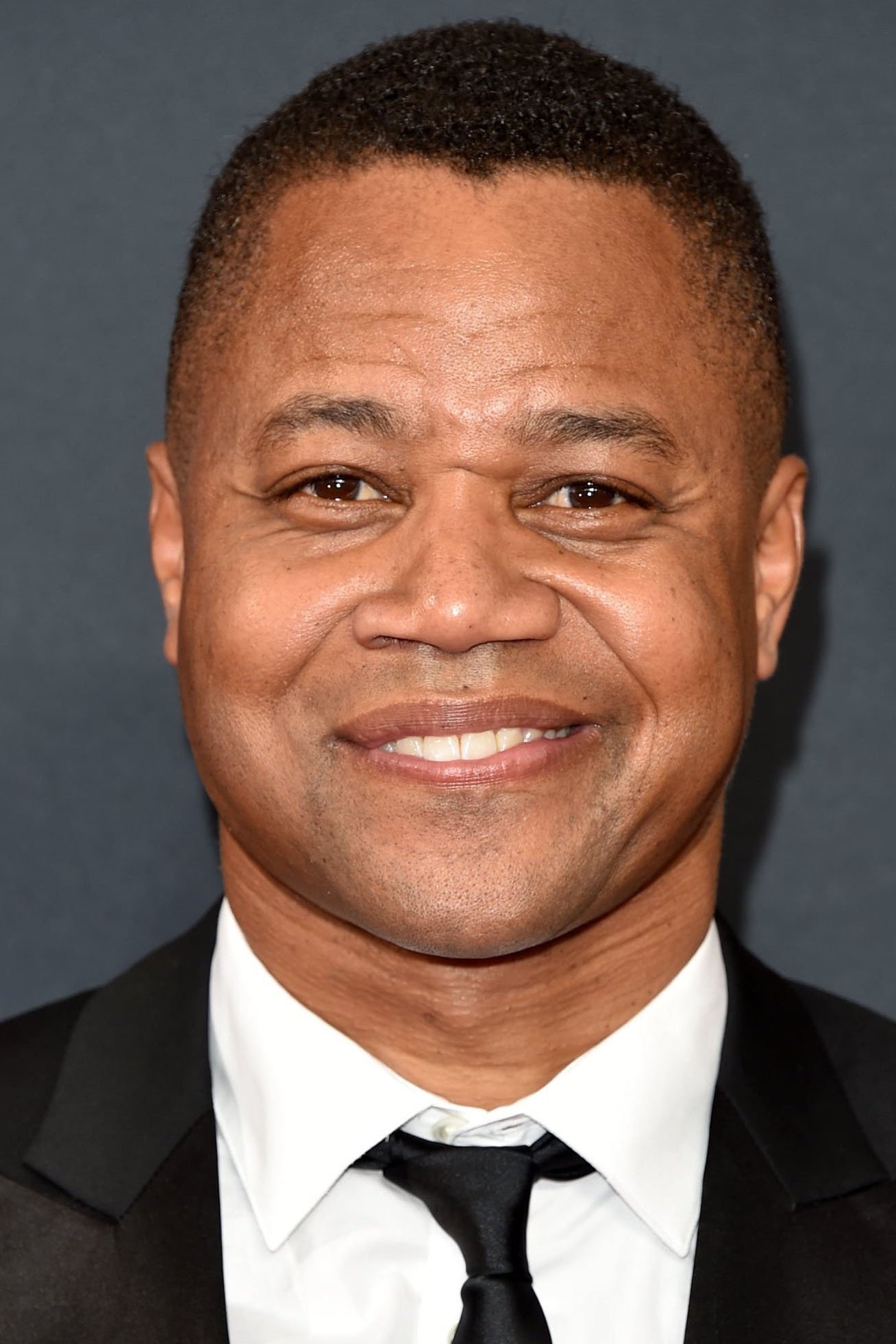
Cuba Gooding Jr. has spoken about the difficulties he faced in the industry even after winning an Academy Award. He has criticized the lack of meaningful roles available to Black actors even after they reach the pinnacle of success. Some critics harassed him for these comments and suggested that his career choices were the primary factor. Gooding Jr. has maintained that the industry’s diversity efforts are often superficial and do not lead to long term change. His experiences serve as a reminder of the challenges that remain after the award ceremony ends.
Terrence Howard
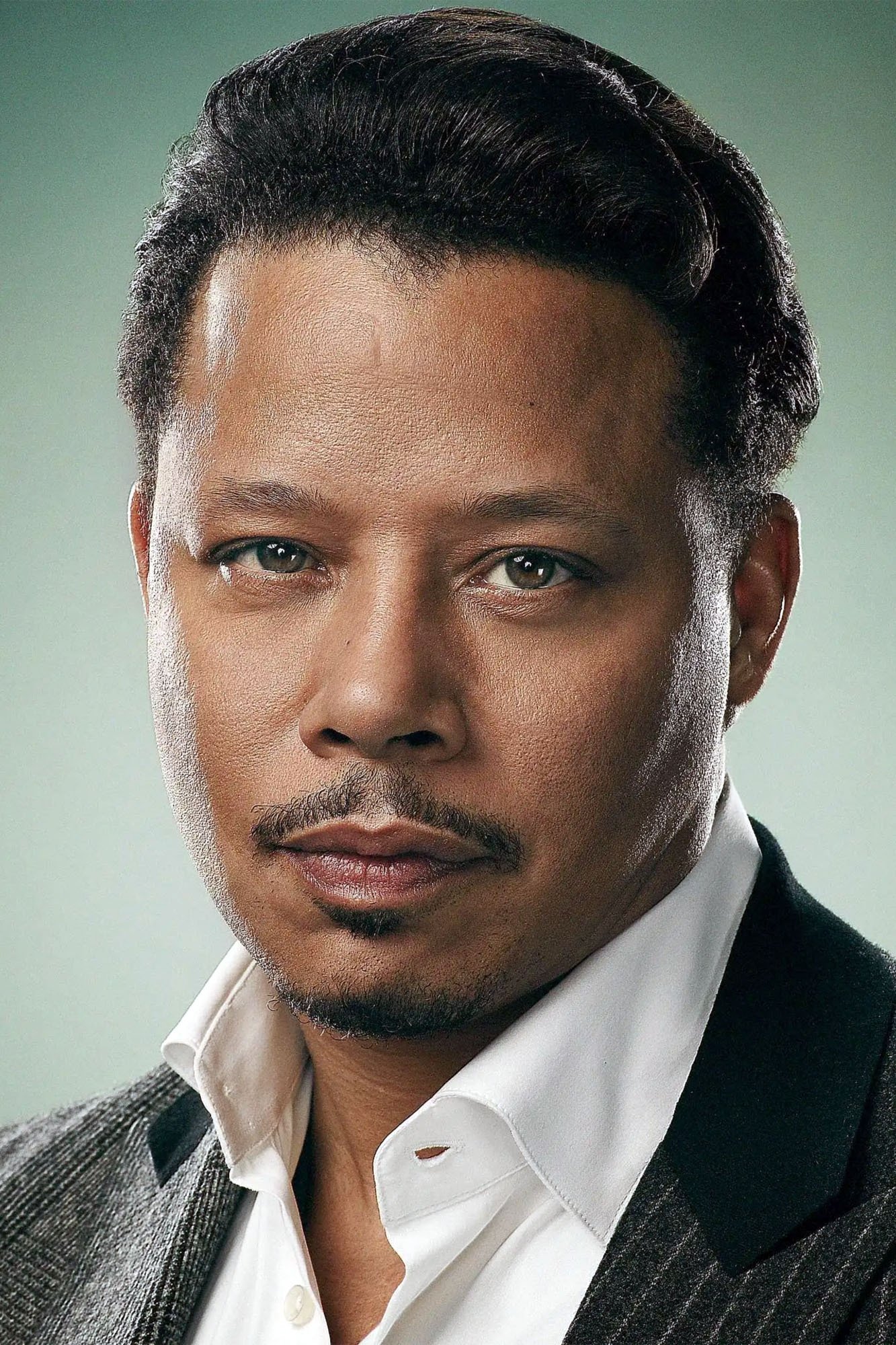
Terrence Howard has been vocal about the pay disparities and the politics that govern the Academy Awards. He has suggested that the recognition of Black actors is often tied to specific types of roles that fit a certain mold. This perspective has led to some public harassment and accusations that he is difficult to work with. Howard has remained firm in his belief that the industry needs to rethink how it values diverse talent. He often points to the financial and political hurdles that Black performers must overcome to be recognized.
Laurence Fishburne
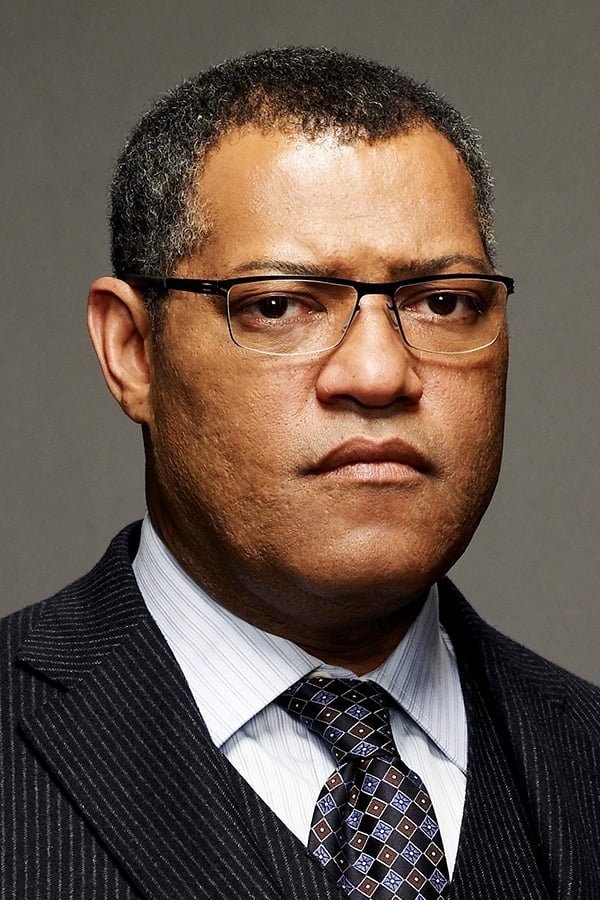
Laurence Fishburne has expressed skepticism about the way the Academy handles diversity and the types of stories it chooses to reward. He has noted that the industry tends to favor narratives that focus on Black suffering rather than a broader range of experiences. This critique has led to some backlash from those who feel he should be more supportive of any progress. Fishburne has always prioritized the integrity of his work over the pursuit of awards. He continues to advocate for a more nuanced and less forced approach to representation in film.
Denzel Washington
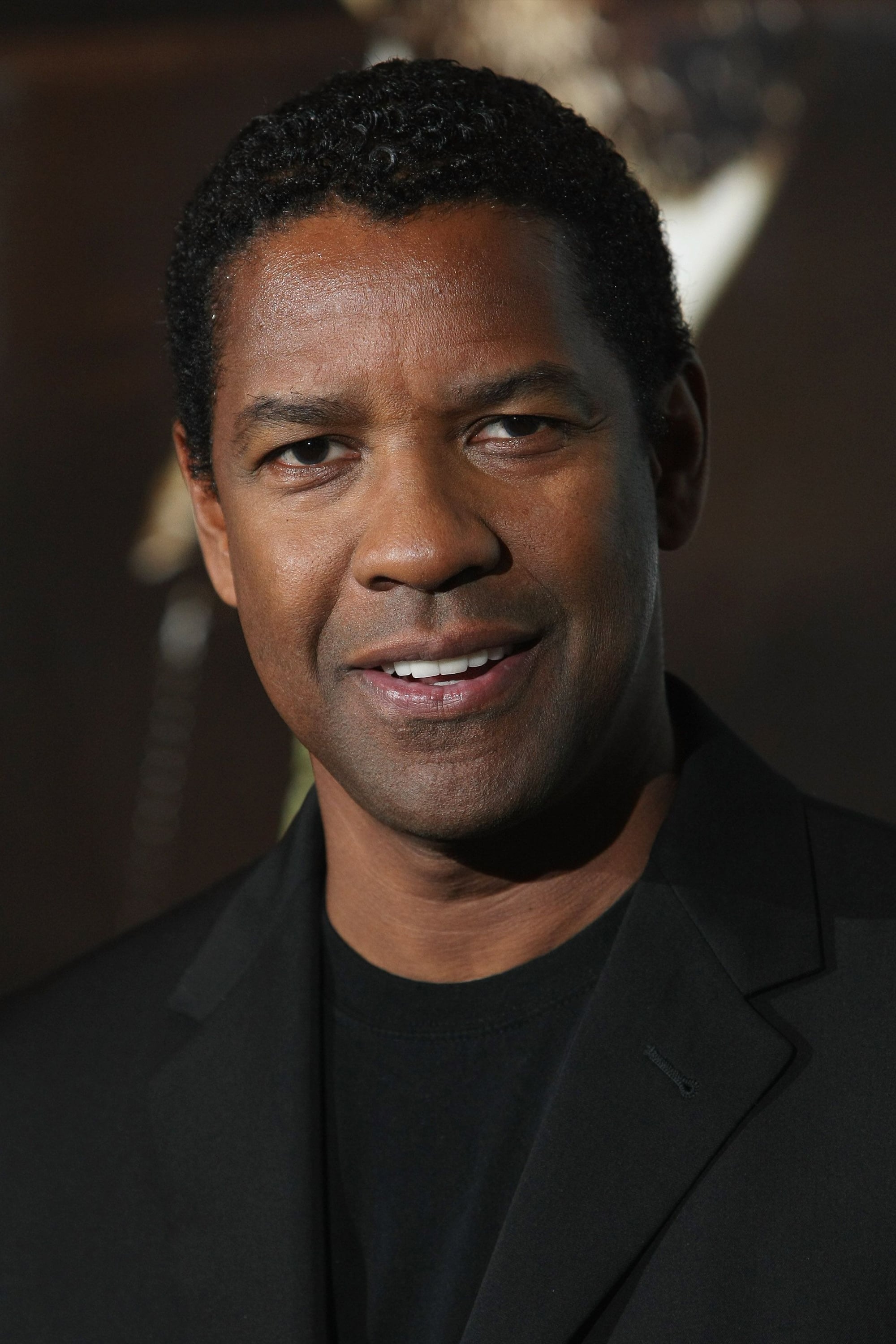
Denzel Washington has often taken a pragmatic approach to the diversity debate by encouraging actors to focus on their craft. He has stated that the world is not fair and that performers should not rely on awards for validation. This stance has occasionally led to harassment from activists who feel he should use his platform to be more critical of the Academy. Washington has defended his position by pointing to his long and successful career as evidence of what hard work can achieve. He believes that the best way to fight for diversity is to consistently deliver exceptional performances.
David Oyelowo
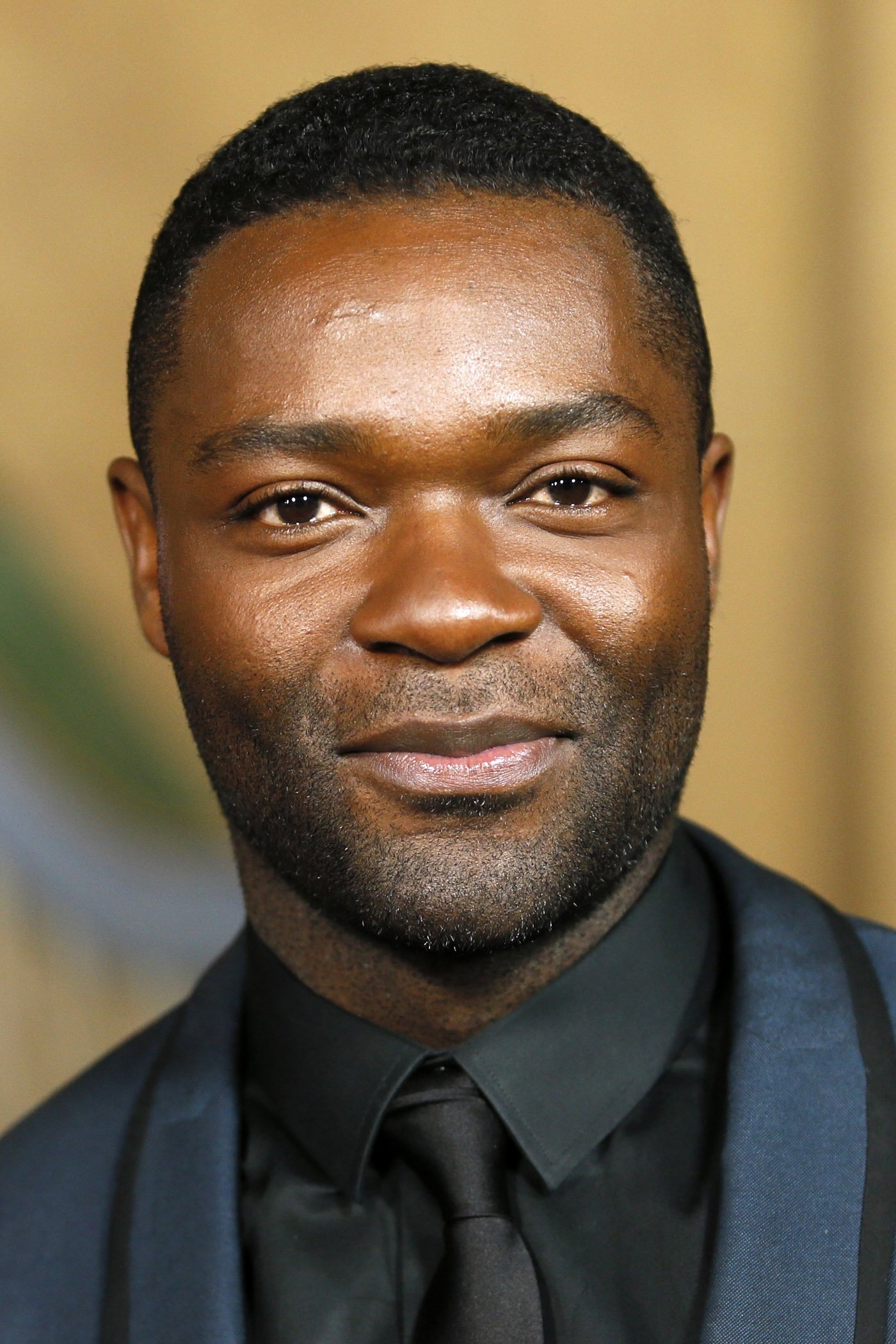
David Oyelowo was at the center of the diversity conversation when his film ‘Selma’ was perceived as being snubbed by the Academy. He spoke out about the systemic issues that prevent Black stories from being properly recognized. This led to a period of harassment where critics accused him of complaining because he did not receive a nomination. Oyelowo handled the backlash with grace but continued to highlight the need for structural change in Hollywood. He has remained a key figure in the movement to ensure that diverse voices are heard and celebrated.
Don Cheadle
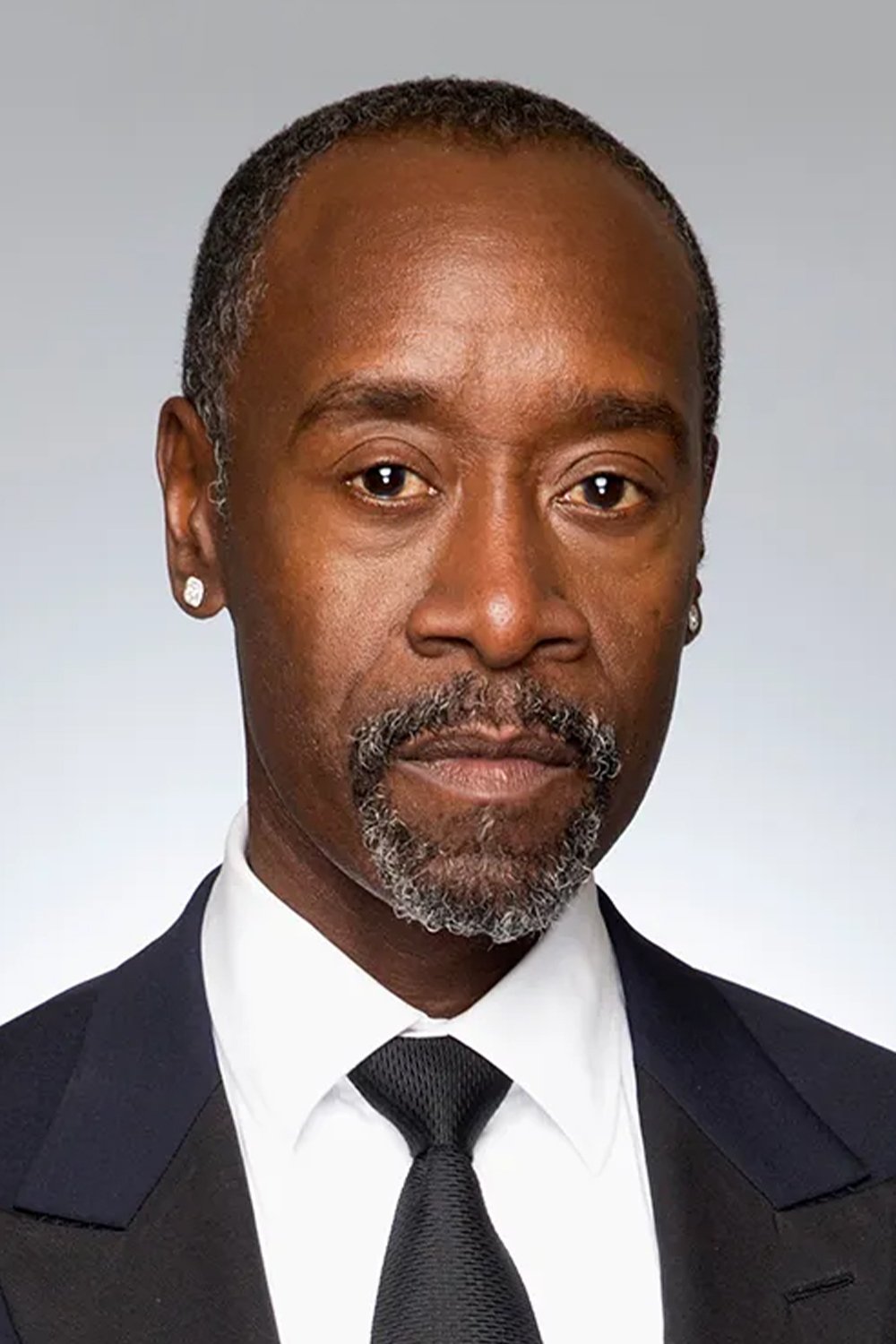
Don Cheadle has been a vocal supporter of the boycott movements and has often used his platform to highlight the lack of diversity at the Oscars. He has faced harassment from social media users who believe that actors should stay out of politics. Cheadle has countered this by arguing that the industry’s lack of representation is a political issue in itself. He has participated in numerous discussions and initiatives aimed at improving the inclusion of Black performers. His commitment to the cause has made him both a respected leader and a target for critics.
Daniel Kaluuya
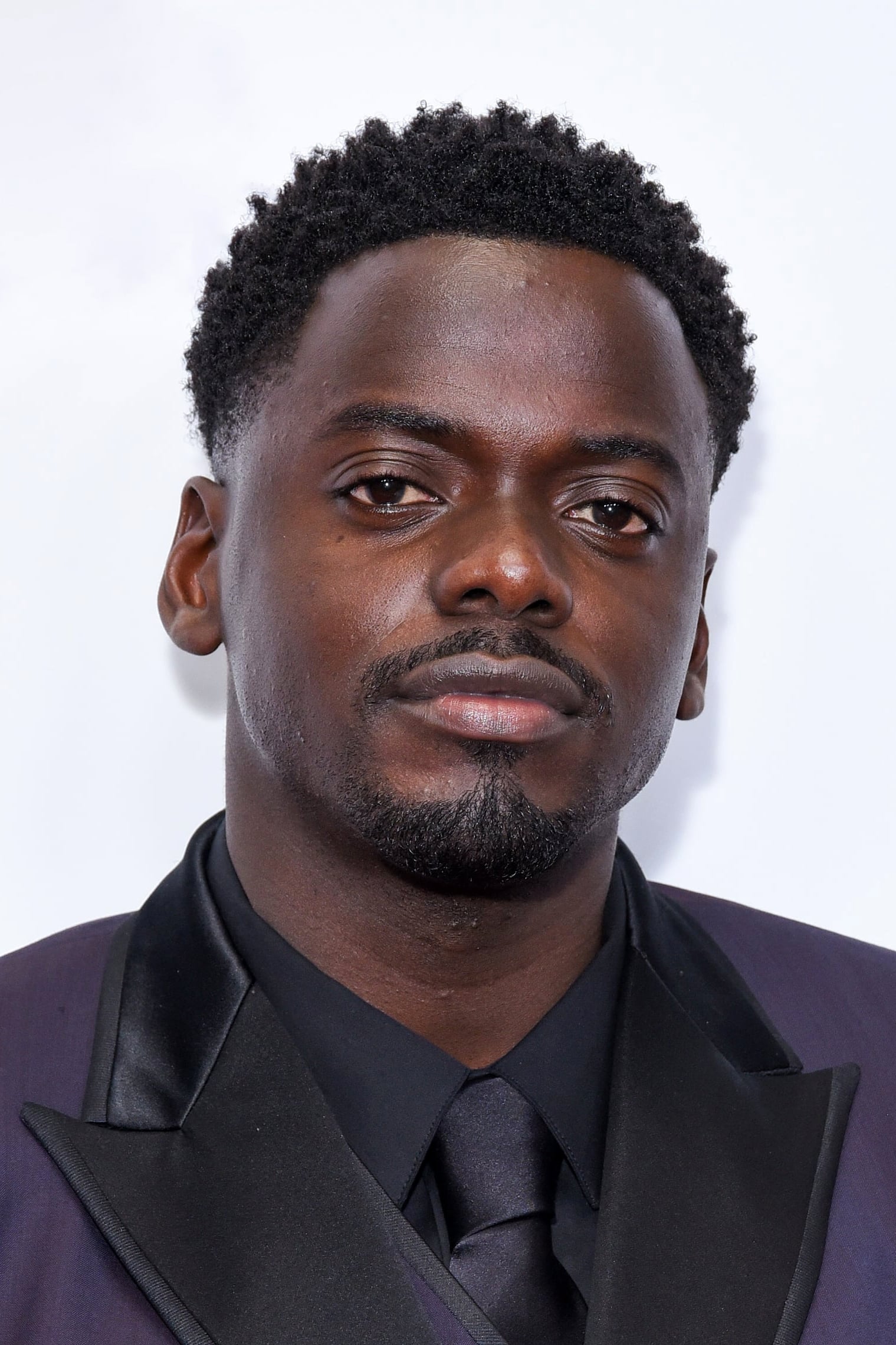
Daniel Kaluuya faced a unique set of challenges when he was questioned about his ability to portray the American Black experience. Some critics and fellow actors suggested that casting British actors in these roles was a form of forced diversity that ignored local talent. This led to a wave of online harassment that sought to diminish his performance in ‘Get Out’. Kaluuya defended his work and emphasized the universal nature of the Black experience. He has since become an Academy Award winner and continues to navigate the complexities of international representation.
Sterling K. Brown
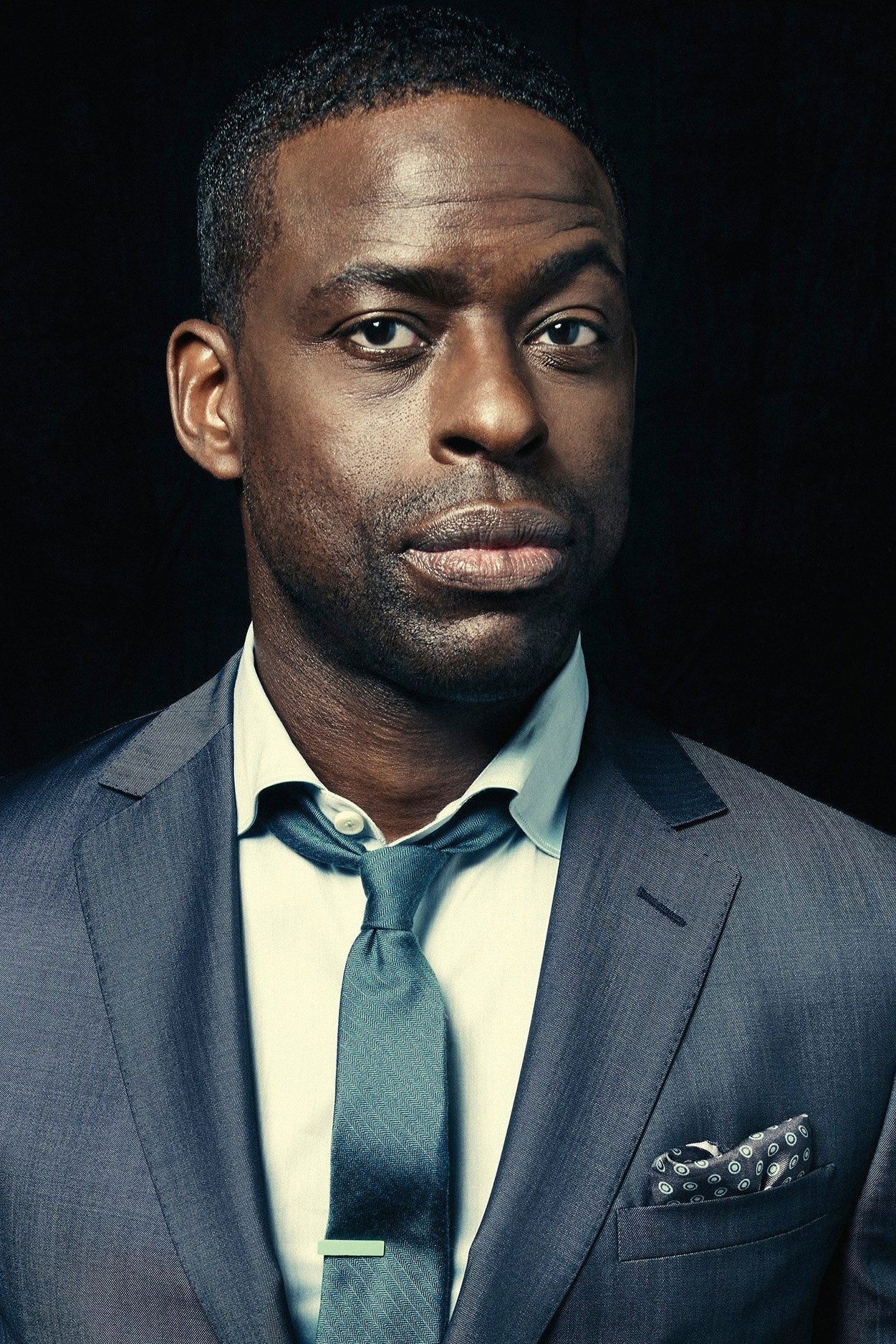
Sterling K. Brown has spoken about the immense pressure that comes with being a Black actor in the spotlight during award season. He has noted that the expectations for representation can sometimes feel overwhelming and forced. These comments led to some backlash from fans who felt he should embrace the responsibility without complaint. Brown has maintained that it is important to be honest about the emotional toll of these diversity discussions. He continues to be a prominent voice for authenticity and excellence in the industry.
Mahershala Ali
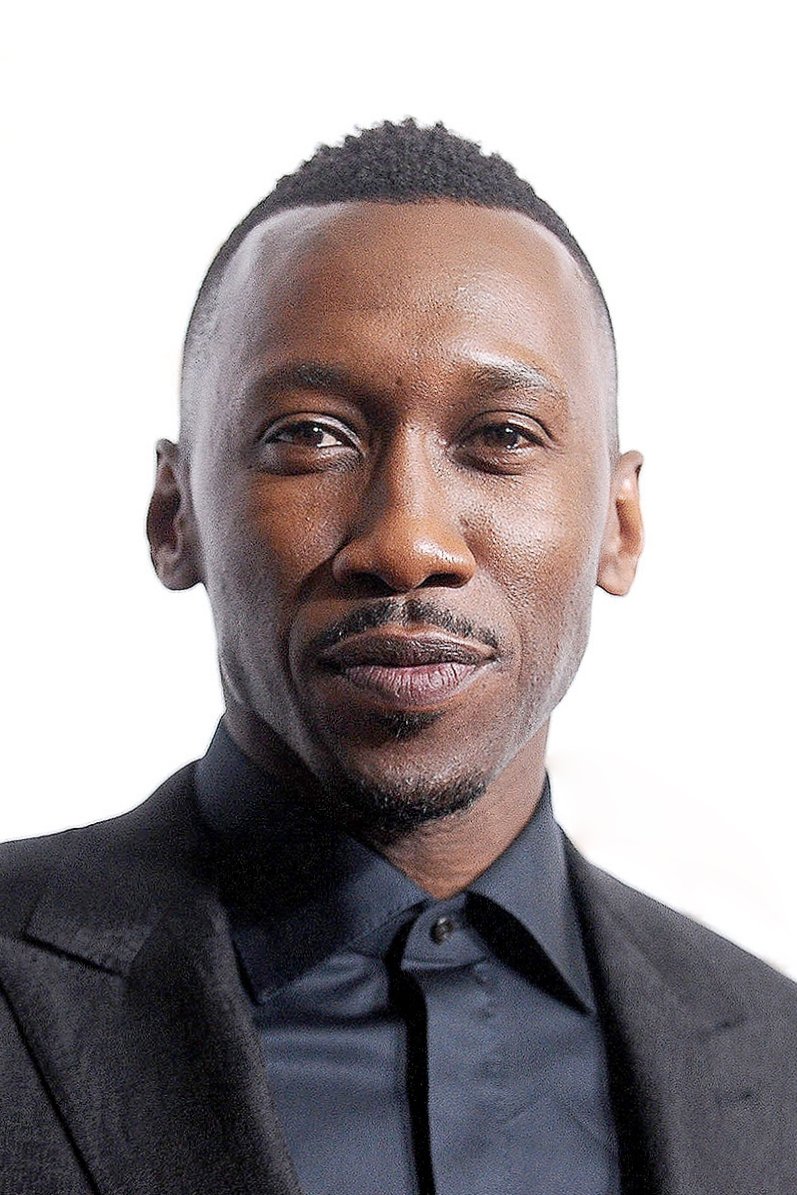
Mahershala Ali has often reflected on the significance of his historic Oscar wins and the changing landscape of the Academy. He has acknowledged that while progress is being made the pressure for diversity can lead to performative actions. Some critics harassed him for these nuanced views and claimed he was not being supportive enough of new initiatives. Ali has stayed focused on his craft and the importance of telling stories that resonate on a human level. He believes that true diversity comes from a genuine commitment to inclusion at every stage of production.
Courtney B. Vance
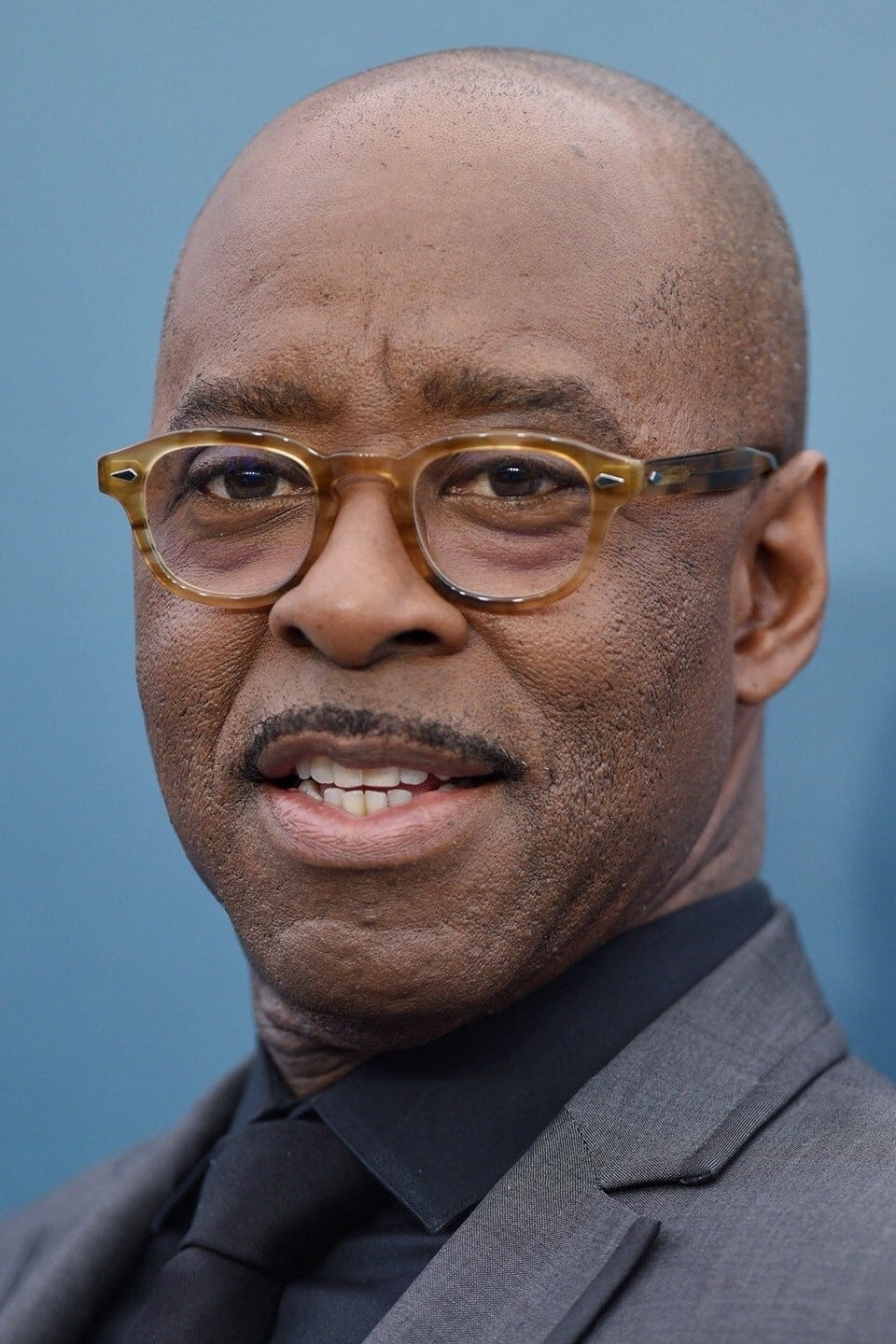
Courtney B. Vance has discussed the political nature of the Academy Awards and the hurdles that Black actors face. He has suggested that the recognition of diverse talent is often subject to the whims of the industry’s gatekeepers. This perspective has led to some public harassment from those who believe the awards are based purely on merit. Vance has remained an advocate for his peers and has pushed for more transparency in the voting process. He continues to speak out about the need for a more equitable system of recognition.
Giancarlo Esposito
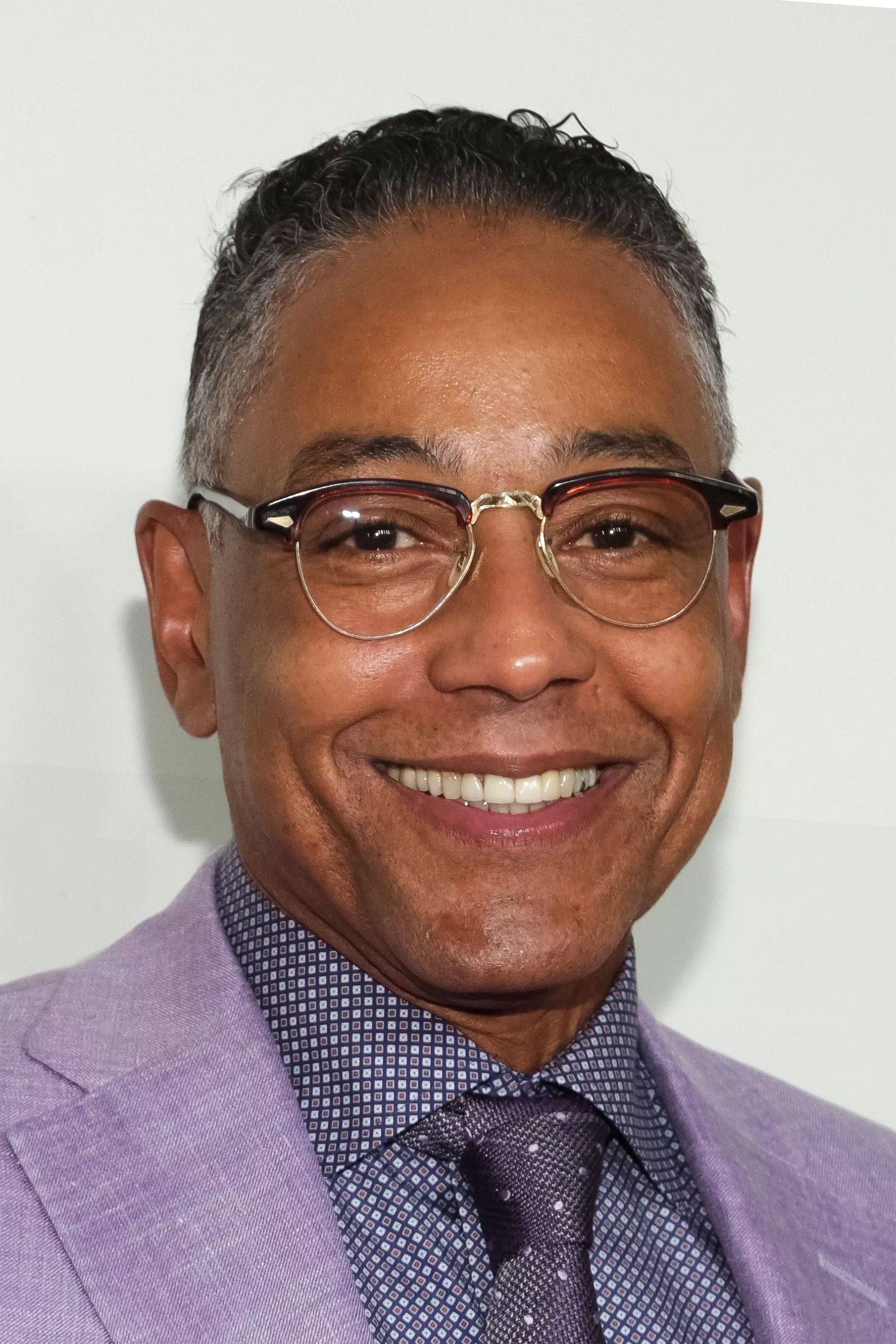
Giancarlo Esposito has expressed his preference for an approach based on merit rather than a focus on racial quotas. He has suggested that the push for diversity can sometimes lead to roles being filled for the wrong reasons. These remarks sparked a debate online and led to harassment from those who felt he was ignoring the benefits of inclusion efforts. Esposito has defended his stance by emphasizing the importance of artistic integrity and character development. He believes that the industry should focus on creating opportunities for all talent to shine based on their skills.
Jeffrey Wright
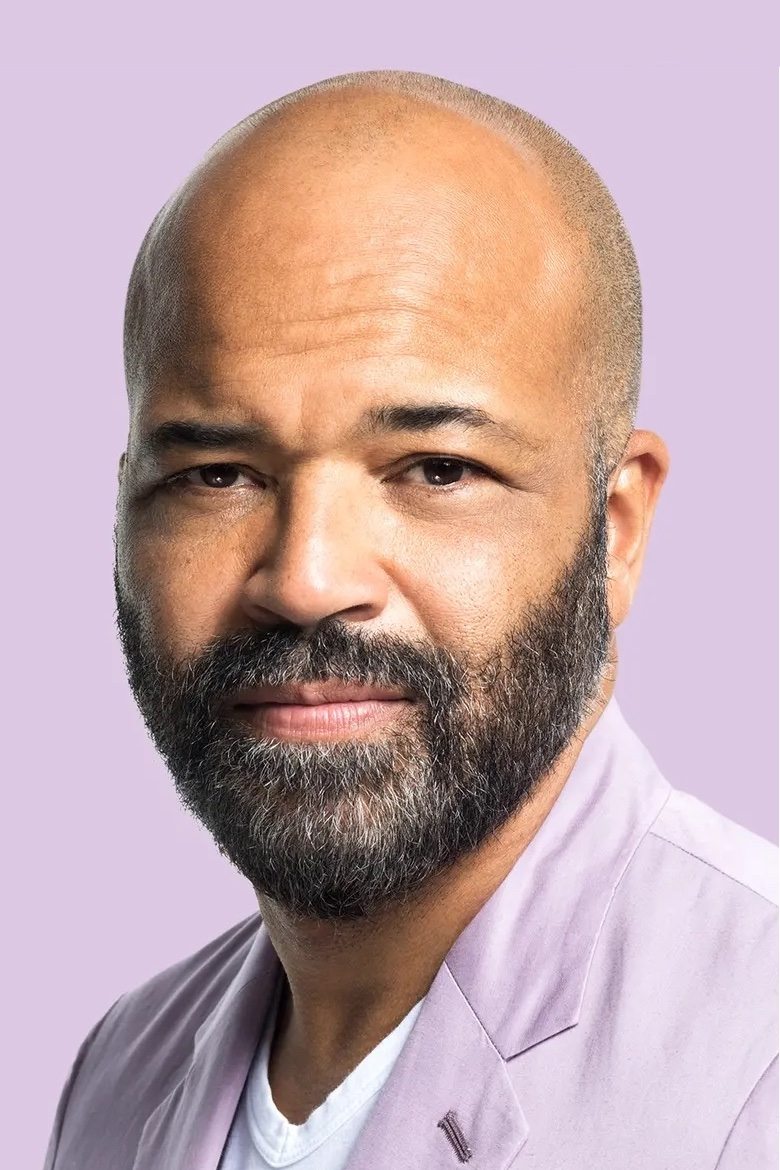
Jeffrey Wright has criticized the way the industry categorizes and markets films featuring diverse casts. He has argued that the focus on diversity can sometimes lead to these films being treated as a separate genre rather than mainstream cinema. This critique has resulted in some harassment from those who feel he is being too pedantic about the terminology. Wright has maintained that the goal should be full integration and recognition without the need for special categories. He continues to advocate for a more sophisticated understanding of diversity in the film world.
Brian Tyree Henry
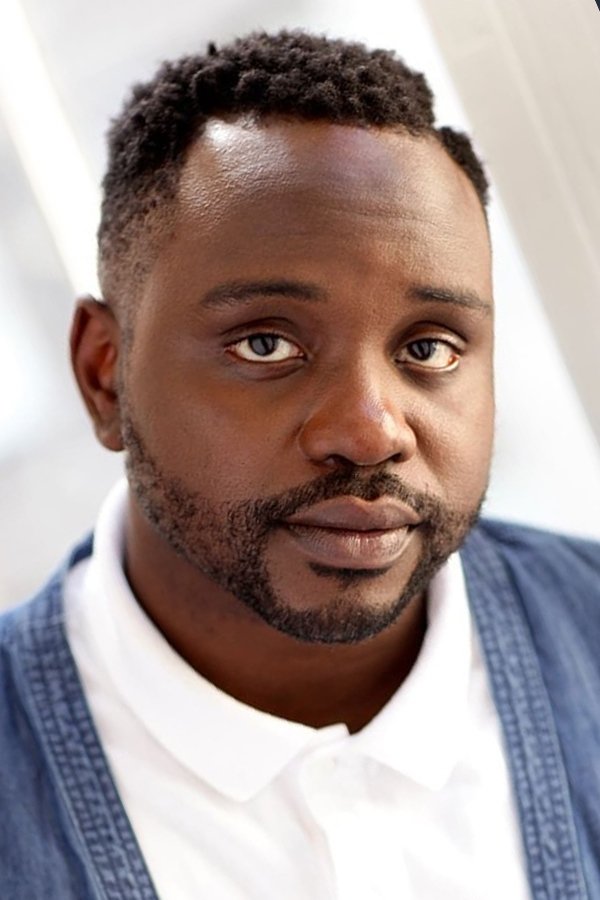
Brian Tyree Henry has spoken about the fatigue that comes with constantly discussing diversity during his award campaigns. He has expressed a desire to focus on the work itself rather than the social implications of his success. This stance has led to some backlash from critics who feel that he has a responsibility to be a spokesperson for the movement. Henry has defended his right to be seen as an actor first and foremost. He believes that the pressure for representation can sometimes overshadow the individual achievements of Black performers.
Colman Domingo
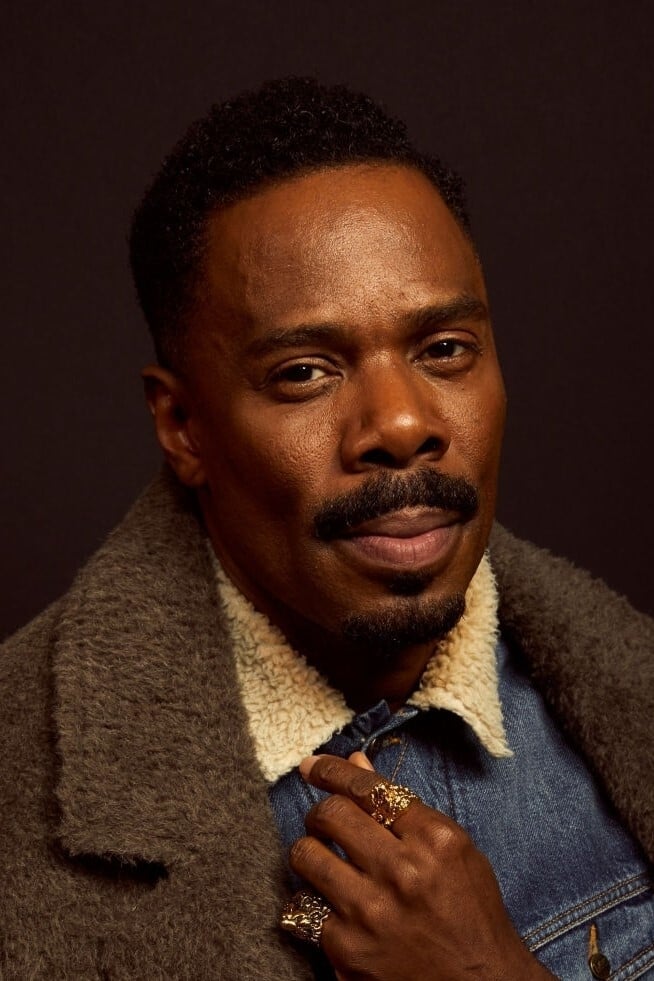
Colman Domingo has been vocal about the performative nature of some inclusion efforts in Hollywood. He has suggested that while the Academy is making strides the changes can sometimes feel superficial and forced. These comments led to a period of harassment from social media users who accused him of being ungrateful for his recent success. Domingo has remained firm in his call for more substantial and lasting change in the industry. He continues to use his platform to promote genuine diversity and the inclusion of underrepresented voices.
Delroy Lindo
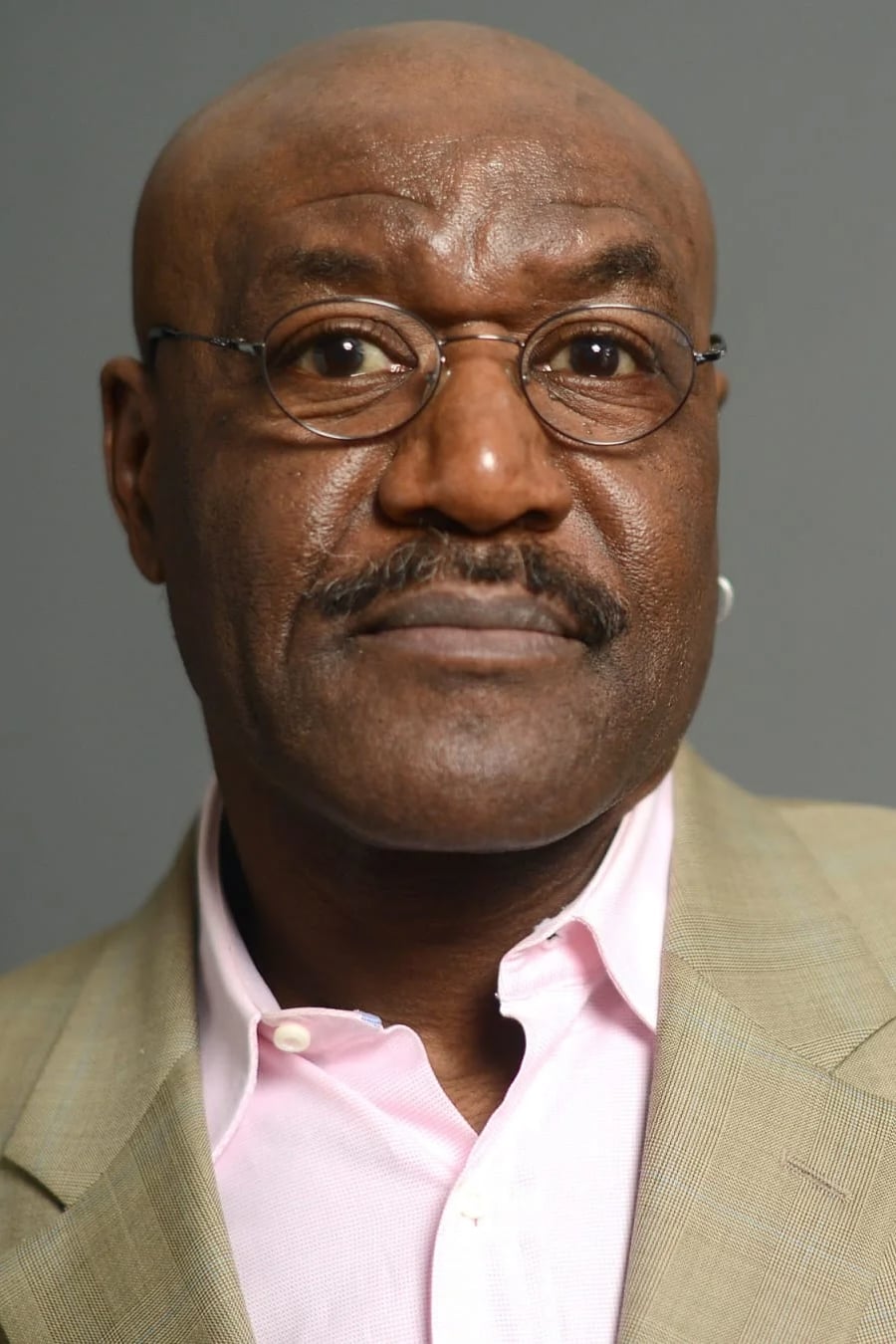
Delroy Lindo faced significant public support and subsequent harassment after he was overlooked for an Oscar nomination for ‘Da 5 Bloods’. He spoke out about the disappointment and the broader implications for Black actors in the industry. Some critics harassed him for his comments and suggested that he was being too vocal about a perceived snub. Lindo has continued to advocate for the recognition of veteran Black talent and the importance of telling diverse stories. His experiences have highlighted the ongoing struggles for respect and recognition within the Academy.
Idris Elba
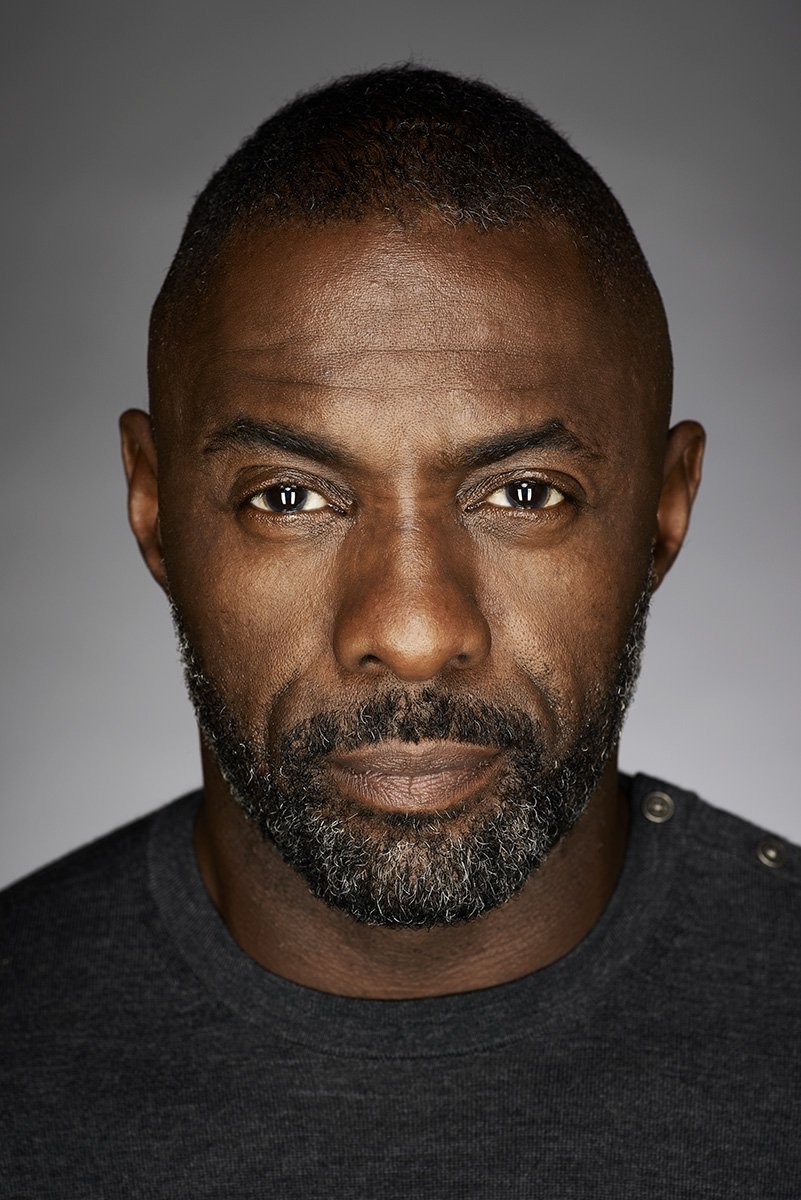
Idris Elba has spoken about the dangers of relying on quotas to achieve diversity in the film industry. He emphasized that the focus should be on creating a level playing field where talent can succeed regardless of background. Some critics harassed him for these views and suggested that his success made him less empathetic to the struggles of newcomers. Elba has continued to advocate for structural changes that address the root causes of inequality rather than just the visible outcomes. He believes that the industry must move beyond performative gestures to achieve true representation.
Chiwetel Ejiofor
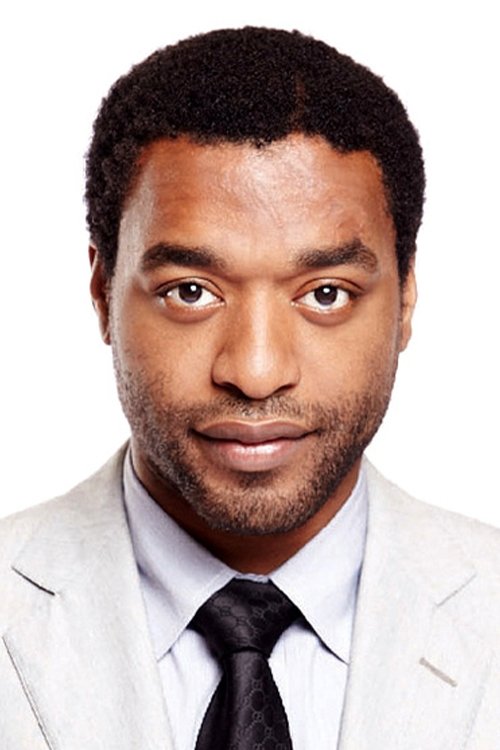
Chiwetel Ejiofor has shared his thoughts on the international perception of diversity and how it affects award recognition. He has noted that the pressure for specific types of representation can sometimes lead to a narrow view of Black excellence. These comments resulted in some online criticism from those who felt he was not being supportive enough of grassroots movements. Ejiofor has maintained his focus on the artistic integrity of his roles and the stories he chooses to tell. He remains an influential figure in discussions about the global impact of the Academy’s inclusion policies.
Forest Whitaker
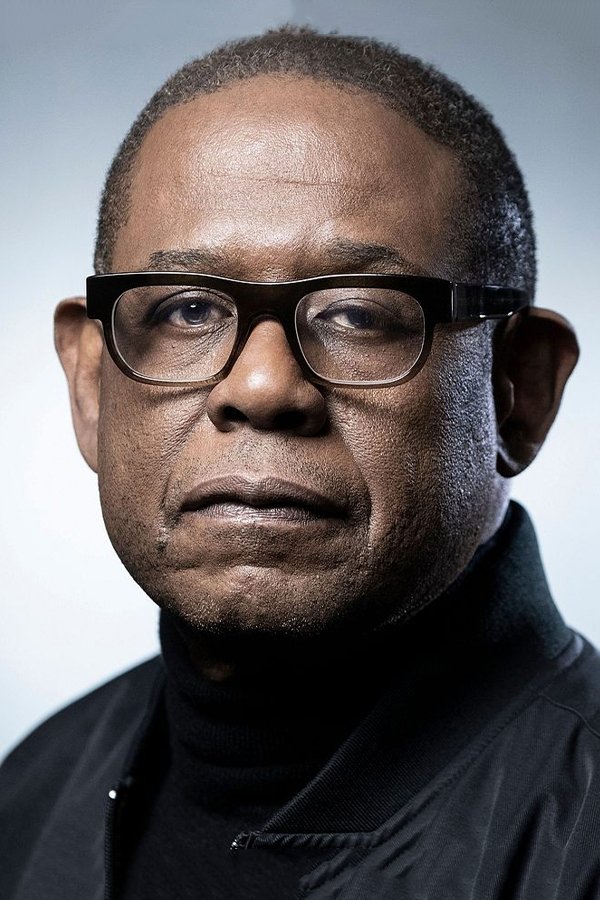
Forest Whitaker has discussed the need for a more global approach to diversity that includes a wide range of cultures and perspectives. He has suggested that the focus on the Oscars can sometimes overshadow the work being done in other parts of the world. This perspective led to some harassment from critics who felt he was downplaying the importance of domestic representation. Whitaker has used his platform to promote peace and inclusion through his various philanthropic and artistic endeavors. He continues to be a respected voice for a balanced and thoughtful approach to diversity.
Arsenio Hall
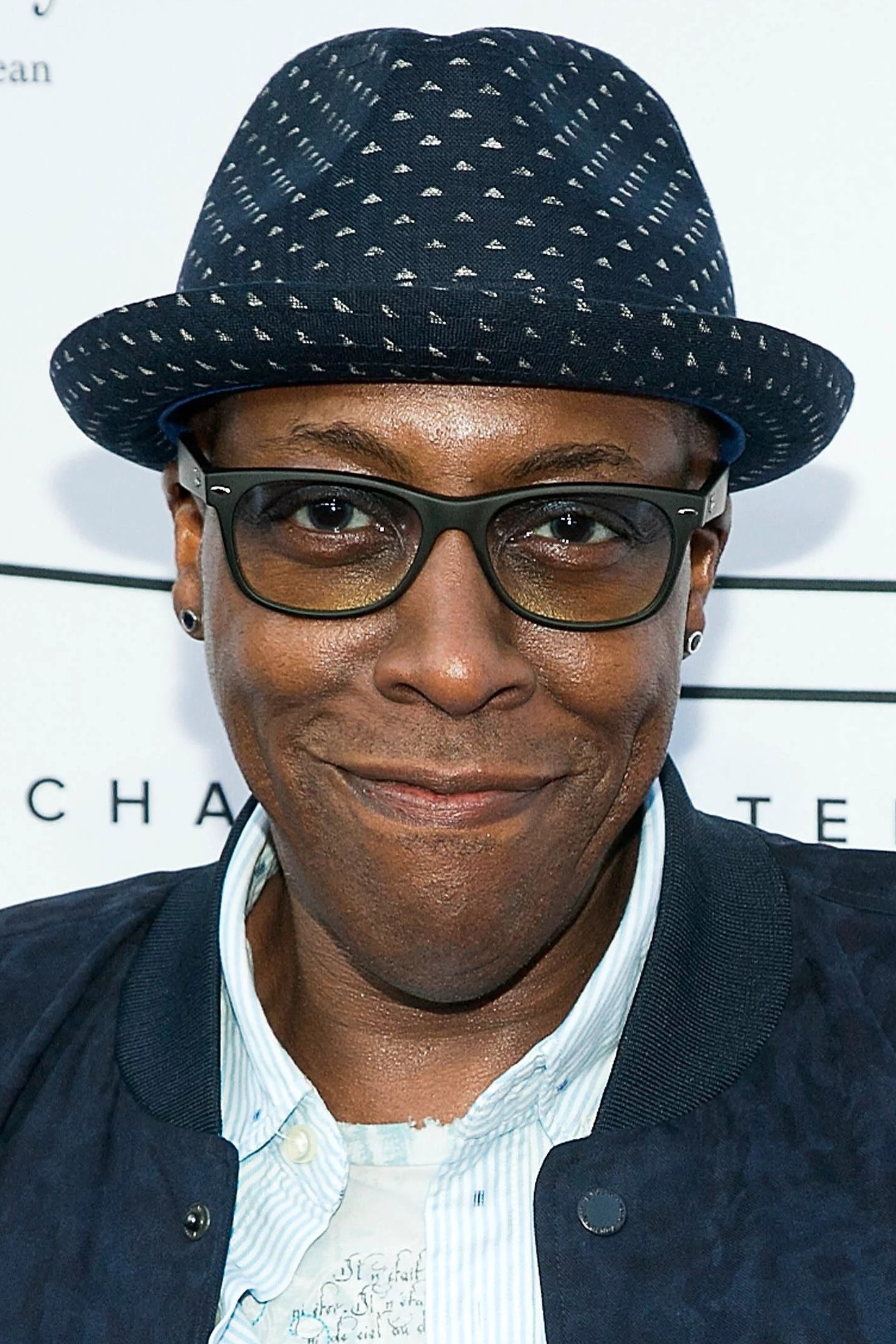
Arsenio Hall supported his peers during the early debates about Oscar diversity and faced backlash for his outspoken views. He highlighted the lack of opportunities for Black performers in mainstream media and during award seasons. Some critics harassed him and suggested that his career was a product of the very system he was criticizing. Hall defended his stance by pointing to the historical exclusion of Black talent from the highest levels of the industry. He remains a significant figure in the history of Black entertainment and its relationship with the Academy.
Wesley Snipes
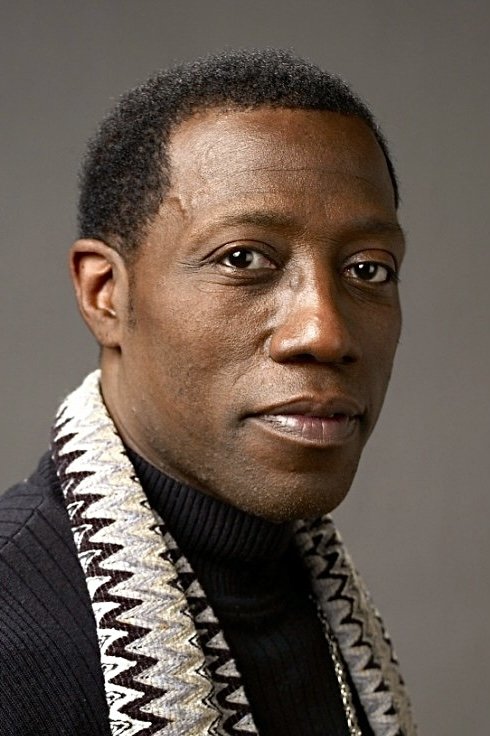
Wesley Snipes has shared his perspectives on the barriers that Black actors face when trying to gain recognition from the Academy. He has noted that the industry often overlooks action stars and specific genres when considering awards. These comments led to some harassment from those who feel he was being dismissive of the Academy’s standards. Snipes has remained a vocal advocate for the recognition of all types of talent regardless of the genre. He believes that the diversity conversation should be expanded to include a wider range of cinematic contributions.
Eddie Murphy
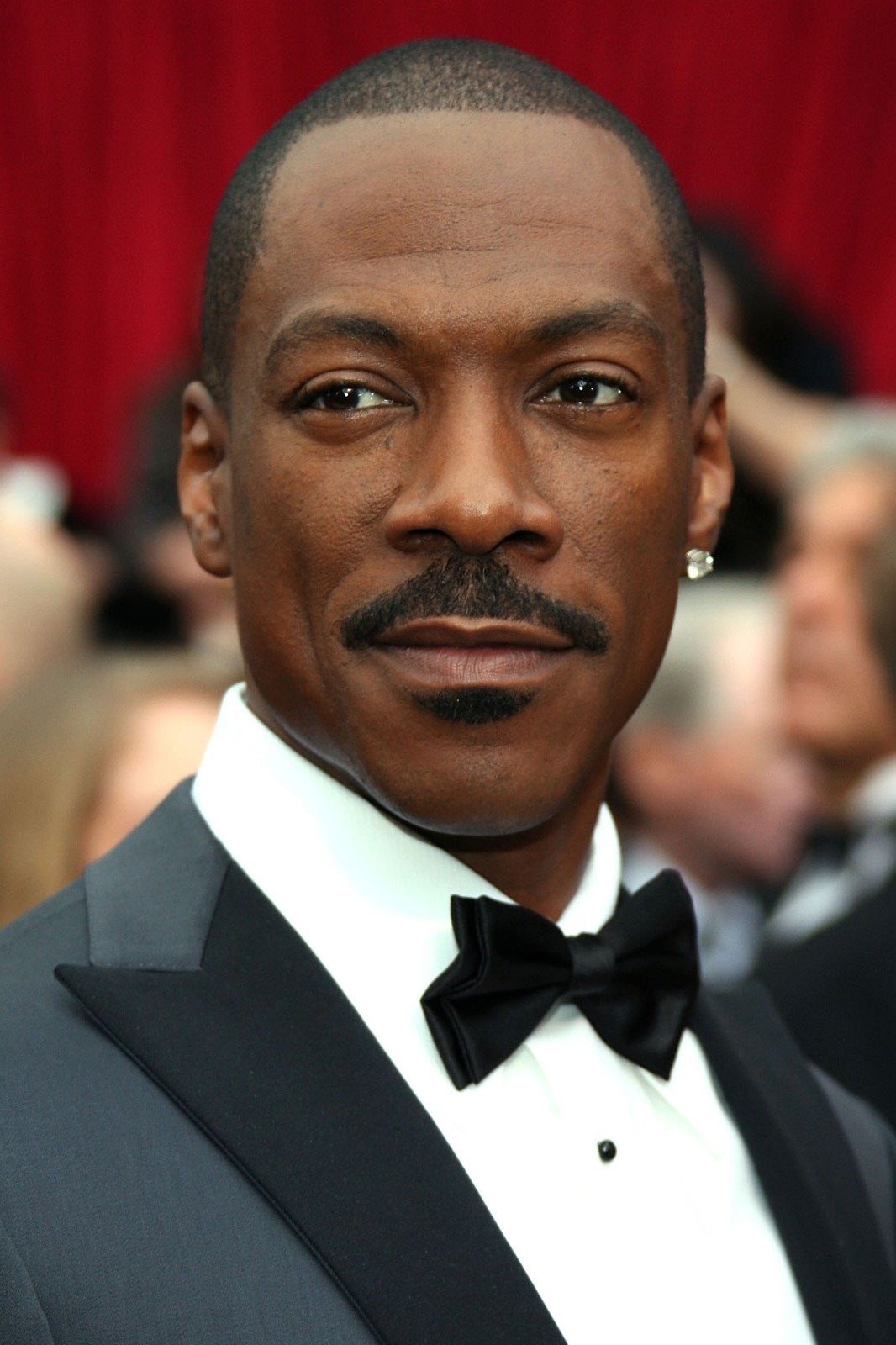
Eddie Murphy made history when he used his time on the Oscar stage to criticize the Academy’s lack of diversity in 1988. He pointed out that Black people were rarely recognized and that the industry needed to change its ways. This bold move led to years of tension between Murphy and the Academy and resulted in significant media harassment. Many people praised his courage while others accused him of being unprofessional and ungrateful. Murphy has continued to be a powerful voice for change even as he maintains a complex relationship with the awards.
Leslie Odom Jr.
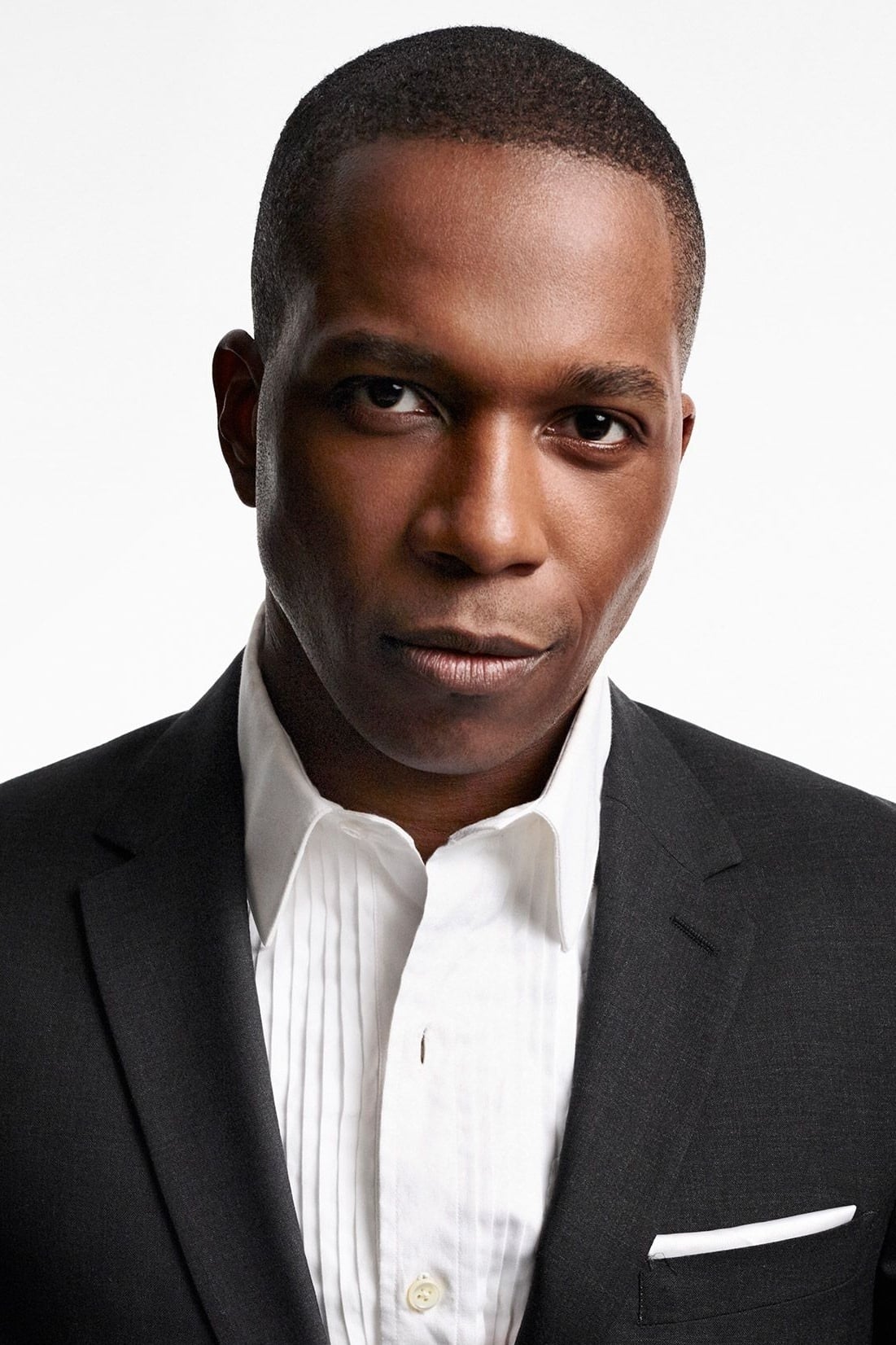
Leslie Odom Jr. has discussed the feeling of being an outsider in an industry that is still coming to terms with its diversity issues. He has noted that the pressure to represent a whole community can be a heavy burden for a single performer. These comments sparked a wave of social media harassment from those who felt he should be more enthusiastic about his success. Odom Jr. has remained honest about the challenges of navigating the award season as a Black actor. He continues to push for a more inclusive environment that values the individual as much as the collective.
John David Washington
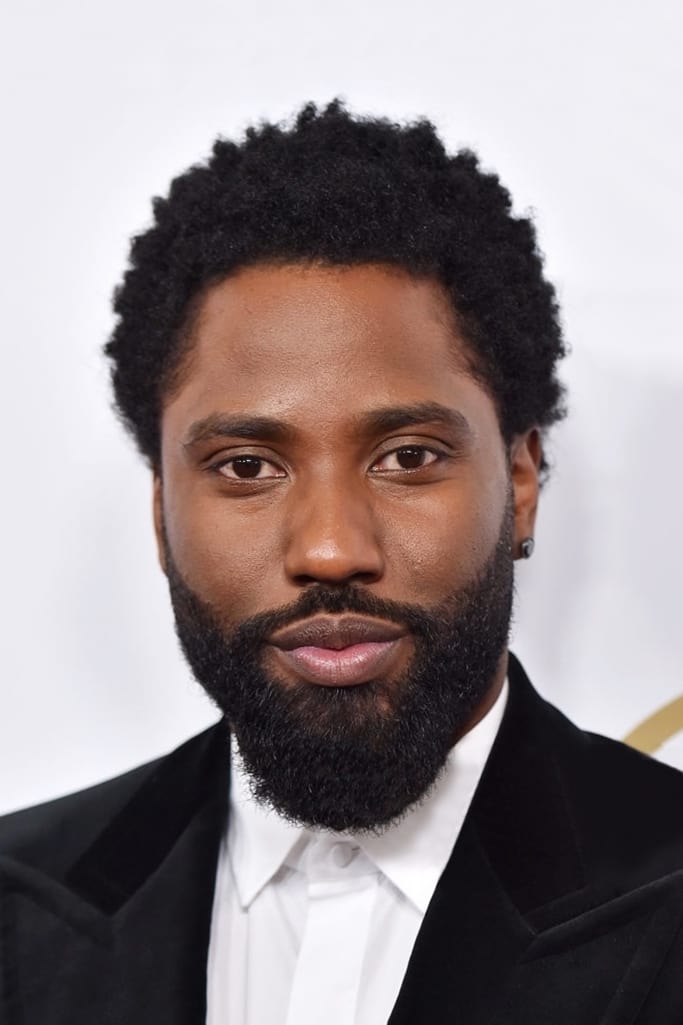
John David Washington has spoken about his desire to be recognized for his talent rather than just his family legacy or his race. He has suggested that the focus on diversity can sometimes lead to actors being put into boxes that limit their creative potential. These remarks resulted in some online criticism from fans who felt he was distancing himself from important social issues. Washington has defended his right to define his own career path and his artistic identity. He remains a rising star who is navigating the complexities of fame and representation in Hollywood.
Omari Hardwick
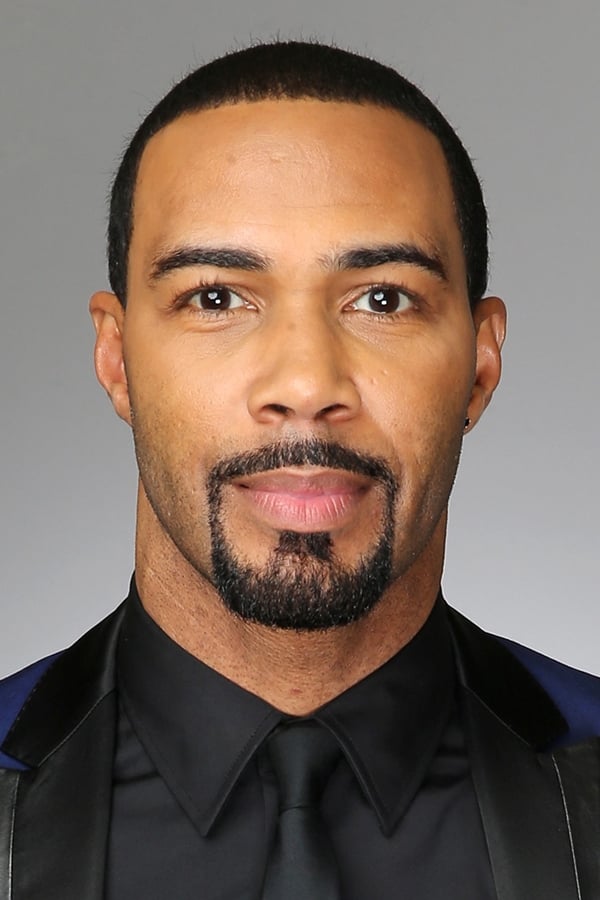
Omari Hardwick has discussed the difficulties of being recognized by major award bodies while working in popular television and film. He suggested that the Academy often ignores the work that resonates most with Black audiences in favor of more traditional narratives. This critique led to some harassment from critics who felt he was being overly sensitive about his own snubs. Hardwick has remained a vocal advocate for the value of diverse storytelling and the importance of community support. He continues to push for a broader understanding of what constitutes award worthy talent.
Michael B. Jordan
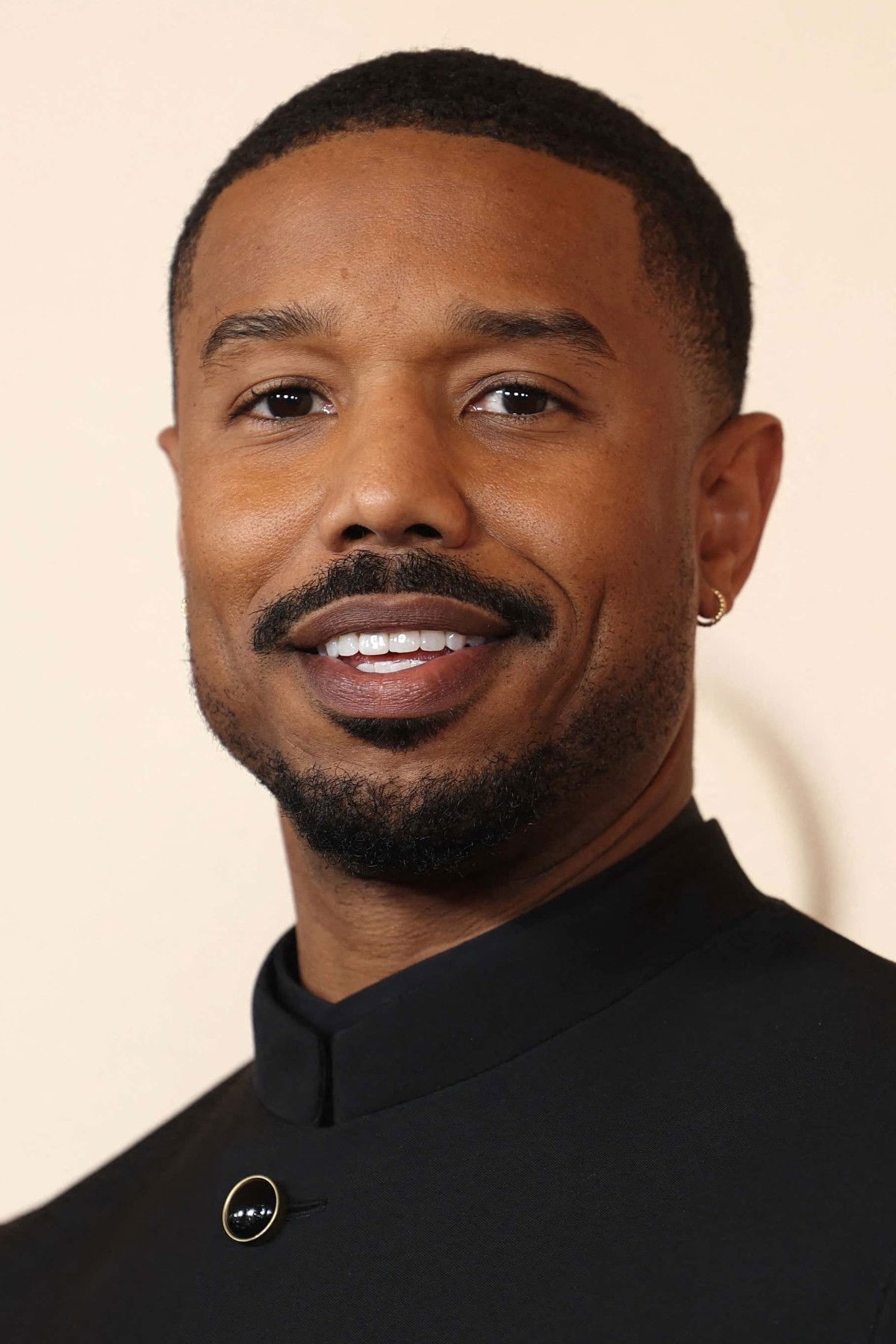
Michael B. Jordan has been a leader in the movement to implement inclusion riders and ensure diversity on his film sets. He has also expressed his thoughts on the Academy’s role in promoting representation and the challenges of the current system. These comments sparked a wave of harassment from those who felt he was pushing for forced diversity rather than merit. Jordan has defended his initiatives as a way to create opportunities that have been historically denied to many. He remains one of the most influential figures in the industry who is actively working to change the status quo.
Share your thoughts on how the industry should handle diversity discussions in the comments.