Black Actors Who Spoke Out Against Modern Diversity Quotas in Hollywood

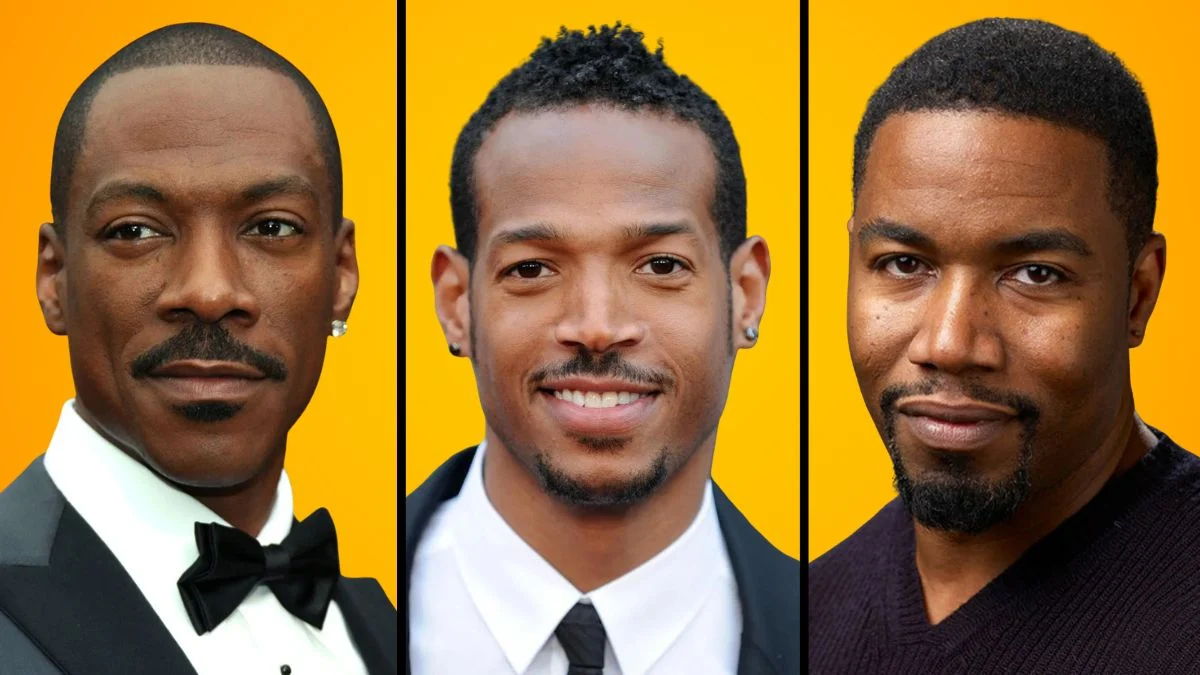

The conversation surrounding representation in the film industry has shifted significantly over the last decade as studios implement specific diversity mandates. While these initiatives aim to increase visibility for underrepresented groups, several prominent Black actors have voiced concerns regarding the execution of these policies. These performers often argue that talent and cultural authenticity should take precedence over rigid statistical requirements. By examining their public statements, we can better understand the complex debate between institutional quotas and artistic merit in the modern cinematic landscape.
Morgan Freeman
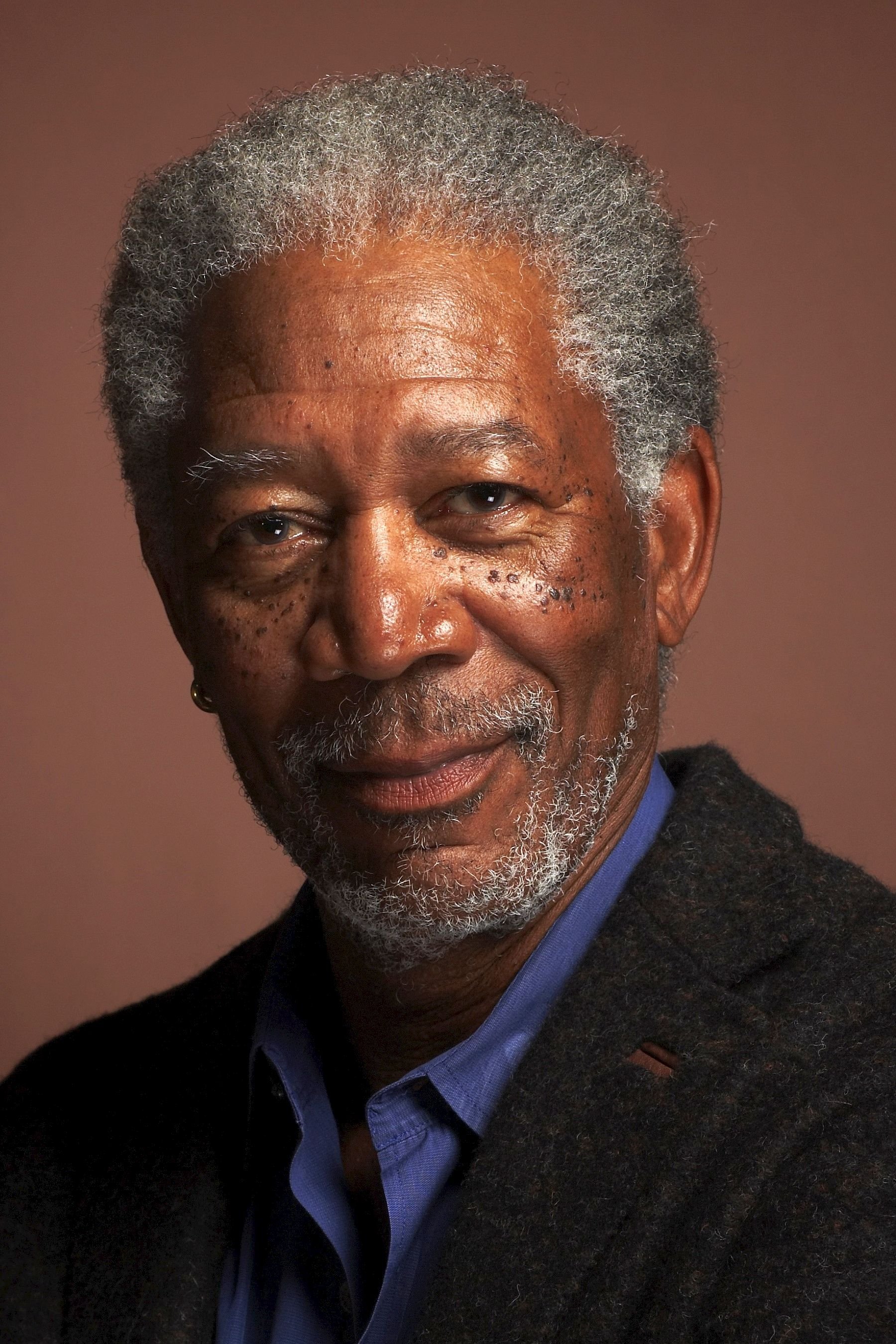
Morgan Freeman has frequently expressed his disapproval of modern racial categorizations in the entertainment industry. He famously stated that he finds the concept of Black History Month ridiculous because Black history is American history. The actor believes that the best way to end racism is to stop talking about it and focusing on labels. He advocates for a merit-based system where individuals are judged by their talent rather than their heritage. Freeman maintains that identifying people by their skin color only serves to perpetuate division in Hollywood and society.
Anthony Mackie
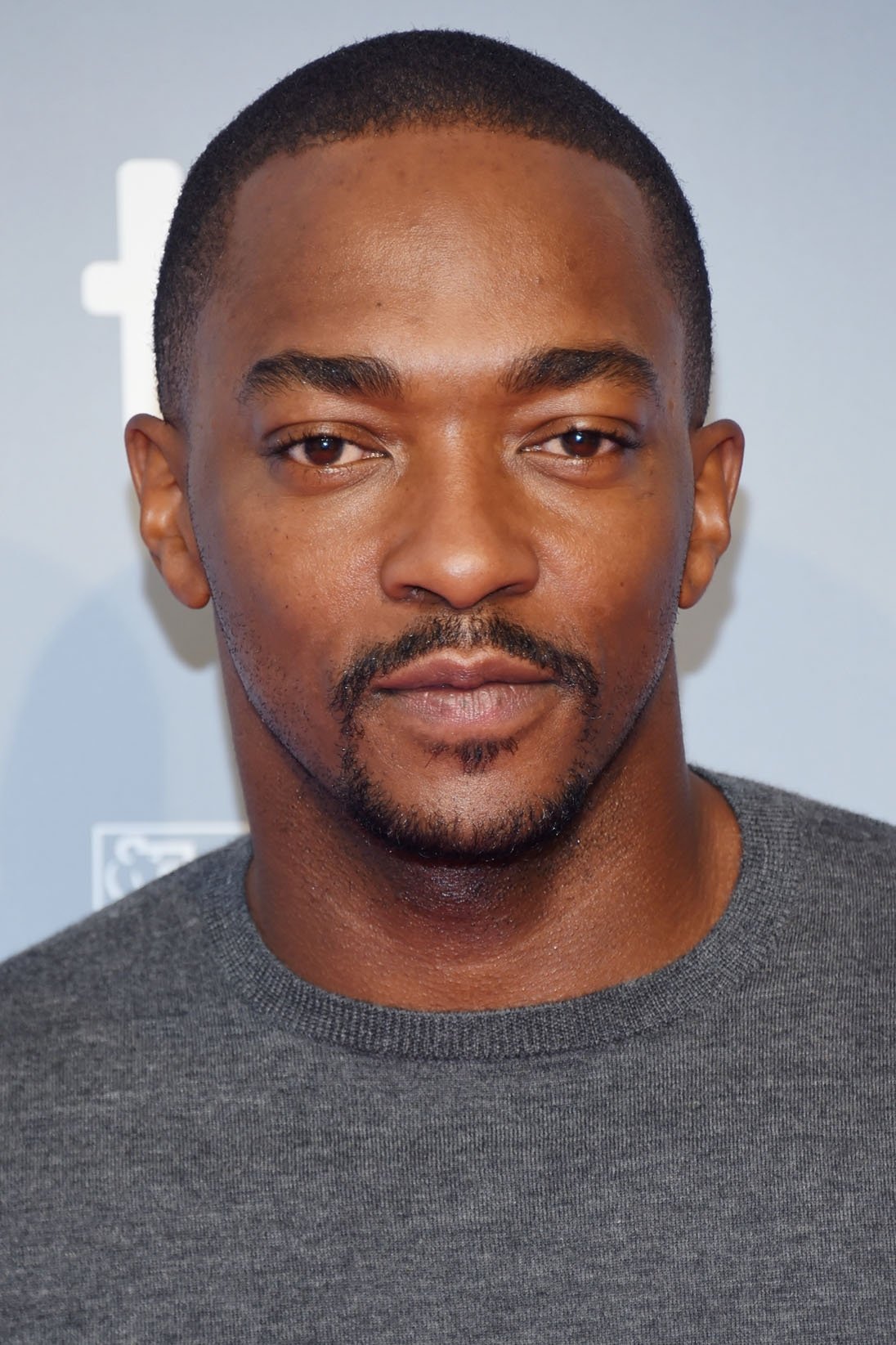
Anthony Mackie has raised concerns about the way Hollywood approaches diversity and representation in major franchises. He pointed out that hiring people specifically based on their race can feel like a quota rather than an organic choice. During the production of ‘Captain America’, he noted that the push for a specific demographic of crew members for ‘Black Panther’ felt exclusionary in its own way. Mackie believes that the industry should focus on hiring the best person for the job regardless of their background. He emphasizes that true progress comes from excellence and not from meeting a set of predetermined requirements.
Idris Elba
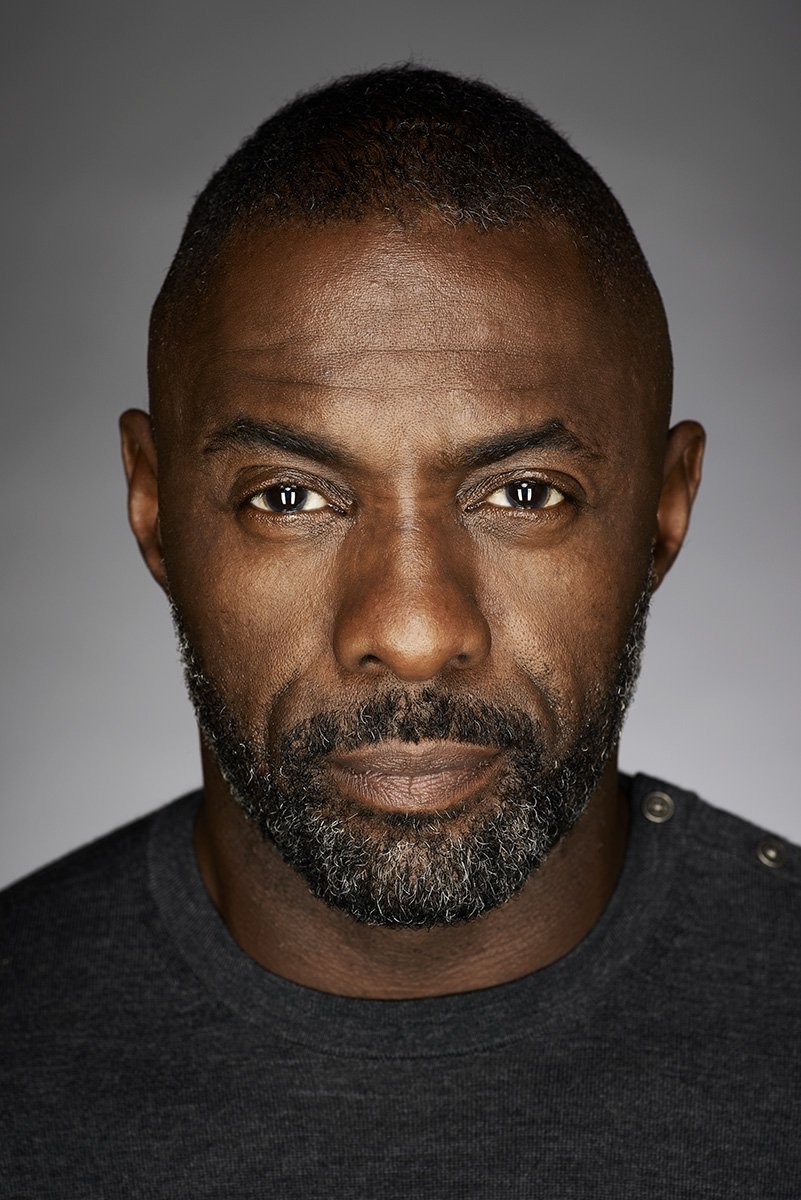
Idris Elba made headlines when he announced that he would no longer describe himself as a Black actor. He explained that this label puts him in a box that limits his creative potential and the types of roles he can pursue. Elba believes that the industry obsession with race and quotas can be a hindrance to true artistic expression. He wants his work to stand on its own merits without being viewed through the lens of identity politics. The actor suggests that focusing too much on diversity statistics can overshadow the actual talent of the performers involved.
Samuel L. Jackson
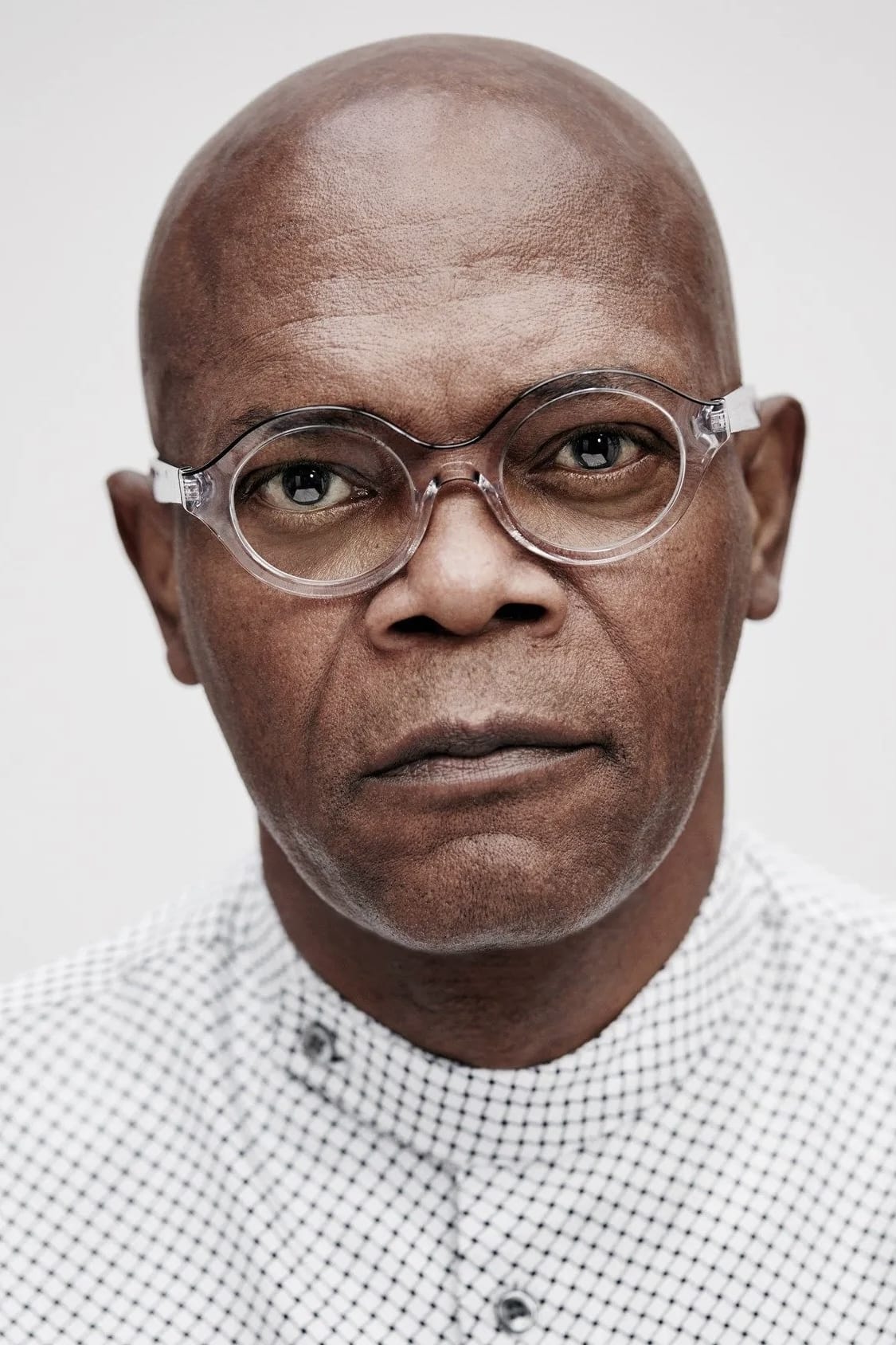
Samuel L. Jackson has voiced his frustrations regarding the casting of British Black actors in roles specifically tied to the American experience. He questioned why the industry seeks outside talent to fill these roles instead of casting those who lived through the specific cultural history. This critique touches on how diversity quotas are sometimes met through surface-level casting choices that ignore deep cultural nuances. Jackson believes that the industry should prioritize authentic connections to the source material over simple demographic checkboxes. He continues to advocate for a more thoughtful approach to how diversity is implemented in big-budget productions.
John Boyega
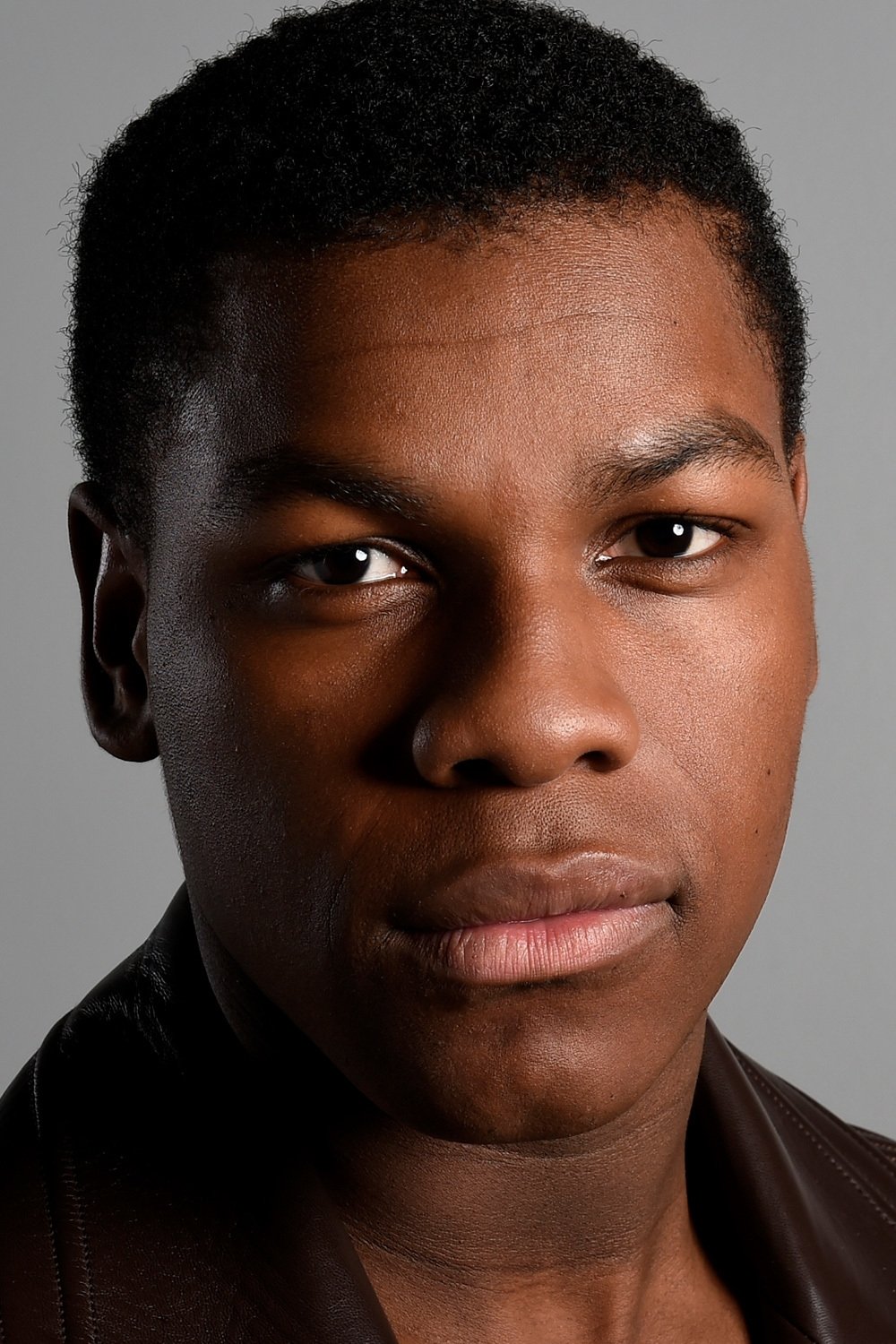
John Boyega has been vocal about the performative nature of diversity within major film studios. He criticized his experience in ‘Star Wars’ by suggesting that the studio marketed his character as important but failed to give him a meaningful arc. Boyega argues that true diversity involves giving characters of all backgrounds substantial and well-developed stories. He believes that using diverse actors as marketing tools without supporting them creatively is a major flaw in modern Hollywood. The actor calls for a shift from symbolic inclusion to genuine investment in diverse storytelling and character development.
Denzel Washington
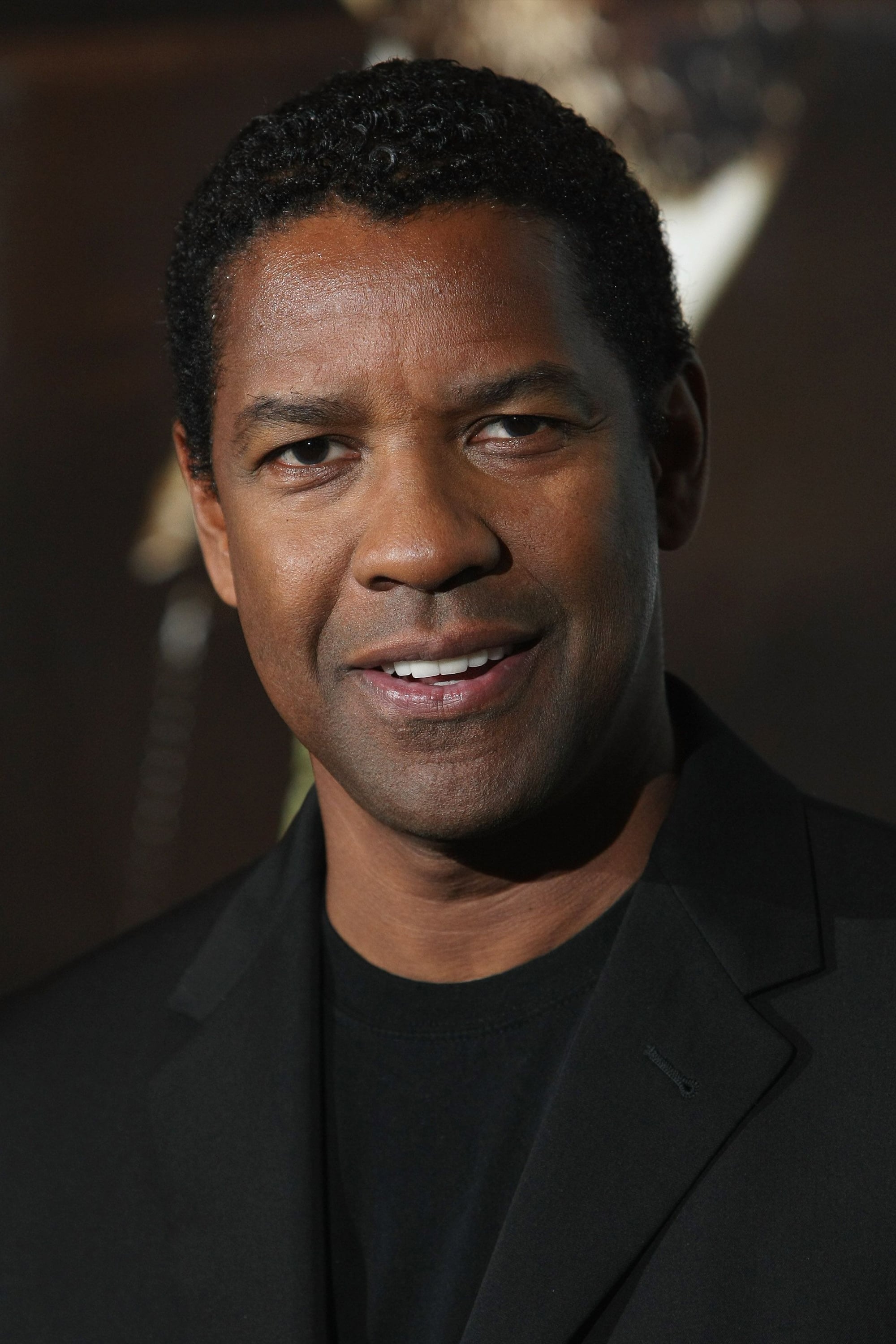
Denzel Washington has often emphasized that culture is a more significant factor than skin color when it comes to directing and storytelling. He has argued that a director needs to understand the specific cultural soul of a project to do it justice. Washington focuses on the importance of shared experiences and heritage rather than just meeting diversity requirements. He believes that the excellence of the work should always be the primary goal for any production. His approach centers on the idea that true representation is achieved through deep cultural understanding rather than administrative mandates.
Terry Crews
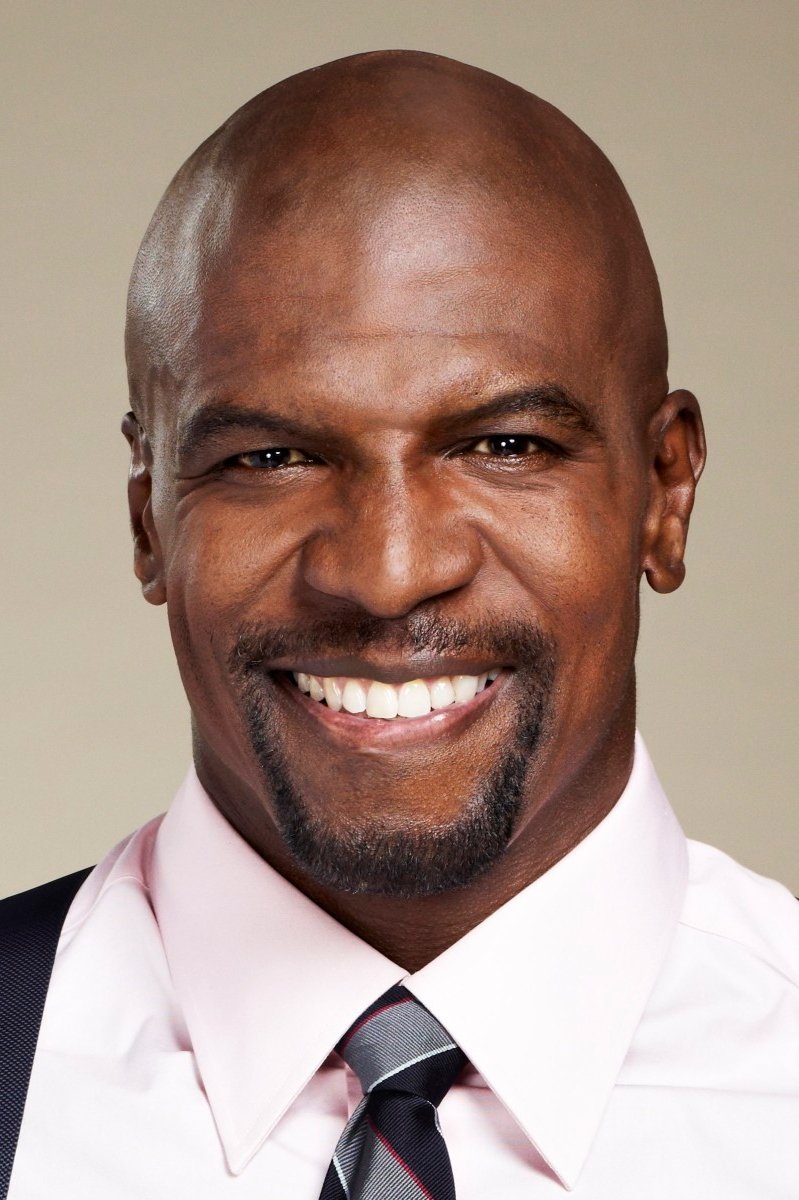
Terry Crews has cautioned against the potential for modern diversity movements to turn into a form of exclusionary practice. He believes that the goal should be equality and collaboration rather than replacing one group with another. Crews has spoken about the need for reconciliation and the danger of narratives that promote division within the industry. He advocates for a system where merit and character are the defining factors for success. The actor remains committed to the idea that the industry should be a place where all people can work together based on their shared humanity.
Ice Cube
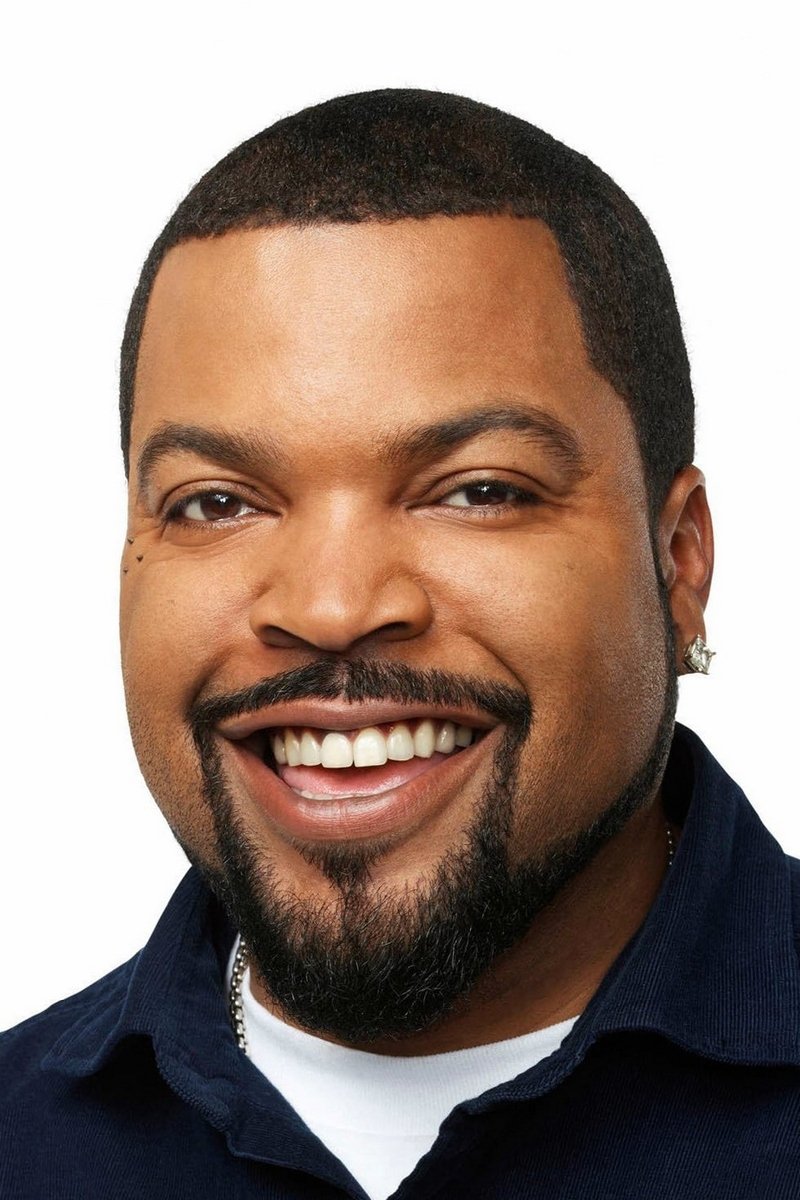
Ice Cube has been a vocal critic of the gatekeeping practices that exist within the Hollywood studio system. He believes that many diversity initiatives are superficial and do not address the underlying issues of creative control and ownership. The actor and producer has often spoken about the need for independent production and the freedom to tell stories without studio interference. He argues that true progress for Black creators comes from building their own platforms rather than relying on corporate quotas. Ice Cube continues to push for a more transparent and equitable industry that rewards genuine creativity.
Michael Jai White
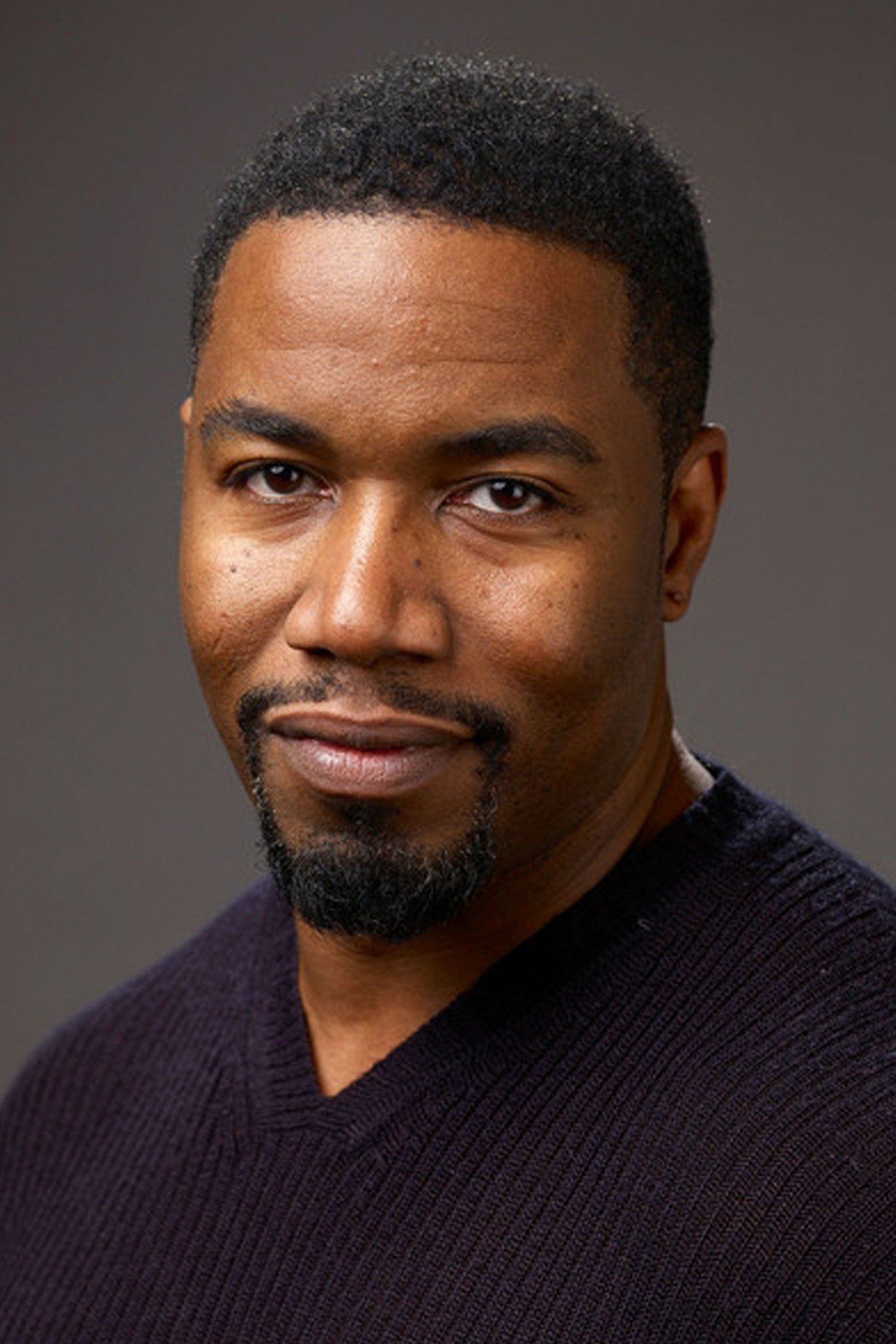
Michael Jai White has discussed his belief that the film industry should be a strict meritocracy. He argues that actors should be cast based on their ability to embody a character regardless of the current political climate. White believes that the focus on diversity quotas can sometimes lead to the casting of individuals who may not be the best fit for a role. He suggests that this approach can ultimately hurt the quality of the final product and the reputation of the actors involved. The performer emphasizes that hard work and skill should remain the primary paths to success in Hollywood.
Tyler Perry
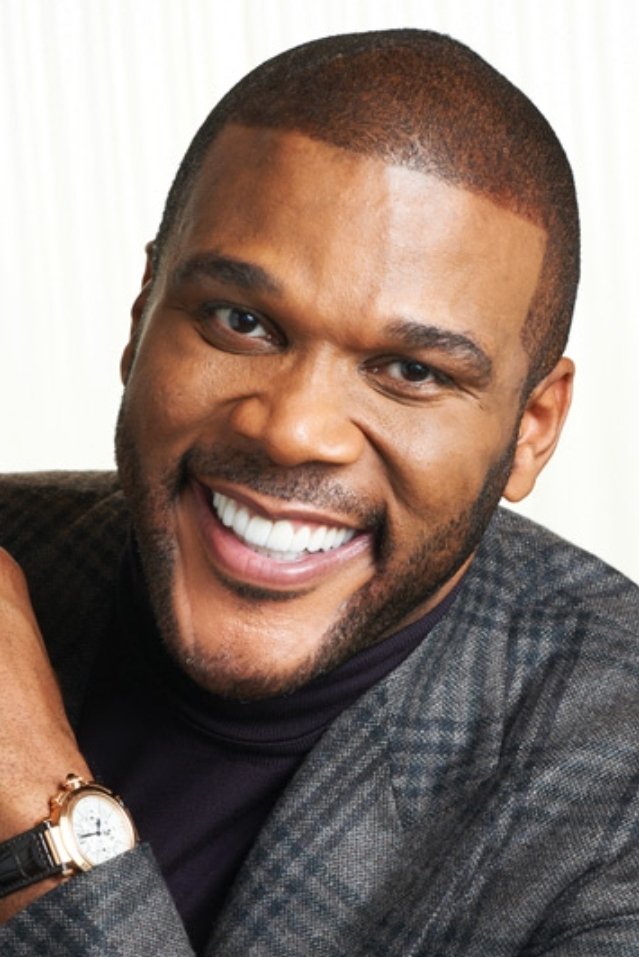
Tyler Perry chose to build his own massive studio complex in Atlanta to bypass the traditional Hollywood system and its limitations. He has expressed that he did not want to wait for permission or for the industry to meet its diversity goals. Perry believes that creating his own infrastructure was the only way to ensure that his stories were told authentically. He focuses on providing opportunities for performers and crew members based on their dedication and talent. His success demonstrates a move away from relying on industry quotas in favor of self-sufficiency and direct empowerment.
Laurence Fishburne
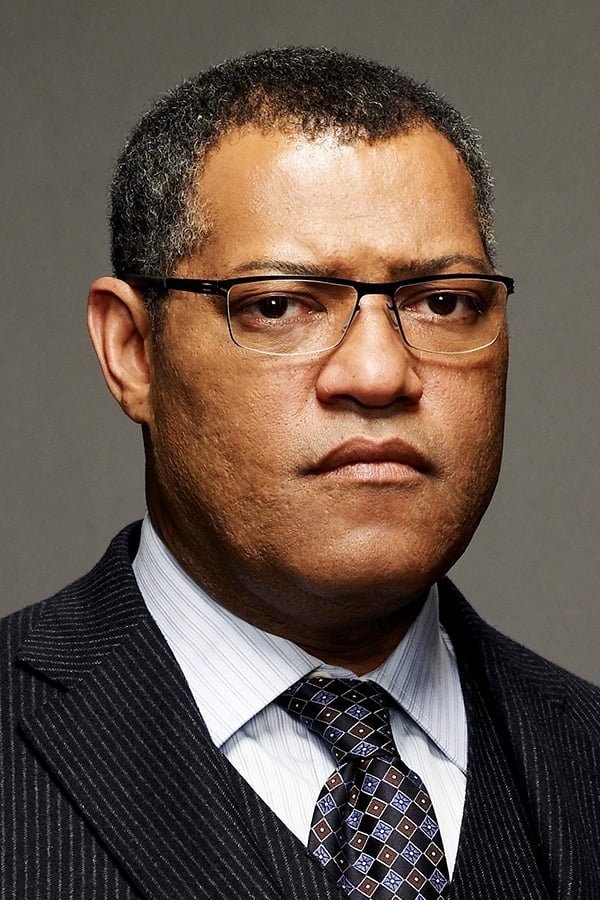
Laurence Fishburne has long advocated for the importance of talent and character over racial identity in the casting process. He has mentioned that his role in ‘The Matrix’ was a prime example of a character that transcended racial labels. Fishburne believes that actors should be allowed to explore the full range of human experience without being restricted by their background. He suggests that the modern focus on diversity statistics can sometimes overlook the nuance of individual performance. The actor remains dedicated to the craft of acting as a universal pursuit that should not be defined by quotas.
Will Smith
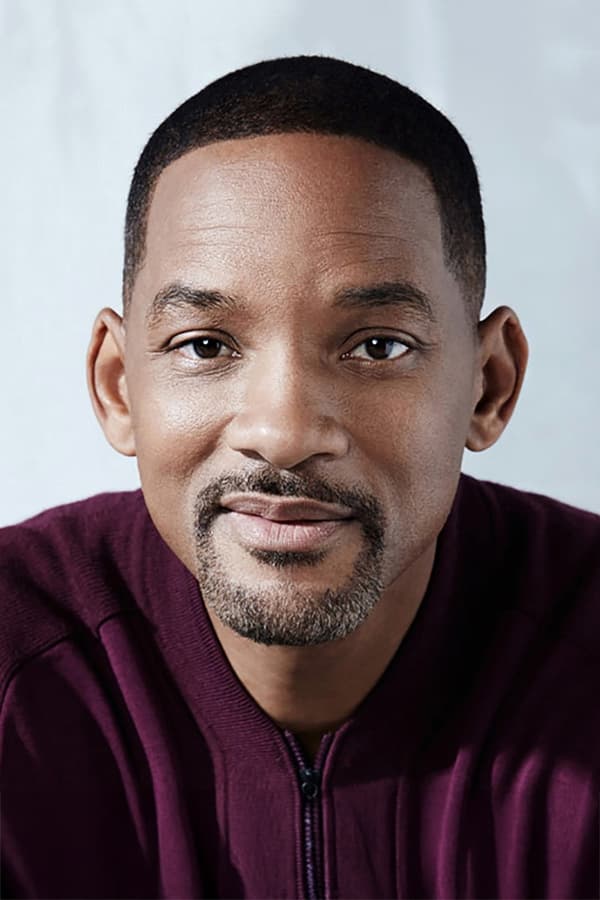
Will Smith has frequently discussed the idea that excellence is the ultimate tool for overcoming barriers in the entertainment world. He believes that if an actor delivers a performance that is undeniable, the industry will have no choice but to recognize them. Smith has often focused on his personal drive and work ethic as the keys to his longevity and success. He suggests that while diversity is important, the individual must strive for a level of quality that transcends any demographic category. The actor encourages performers to focus on their unique strengths and the value they bring to a project.
Jamie Foxx
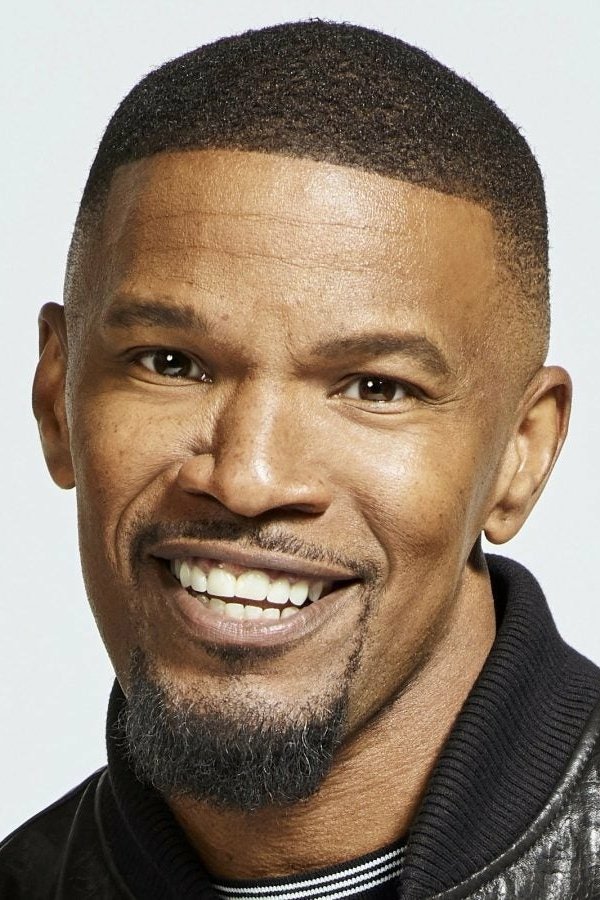
Jamie Foxx has emphasized that great stories and compelling performances have the power to cross all racial and cultural boundaries. He believes that the focus of the industry should always be on the quality of the narrative and the skill of the actors. Foxx has often spoken about how his varied career was built on his ability to adapt to many different types of roles. He suggests that the push for diversity should not come at the expense of the best possible casting choices. The actor believes that when the work is excellent, representation happens naturally without the need for forced mandates.
Eddie Murphy
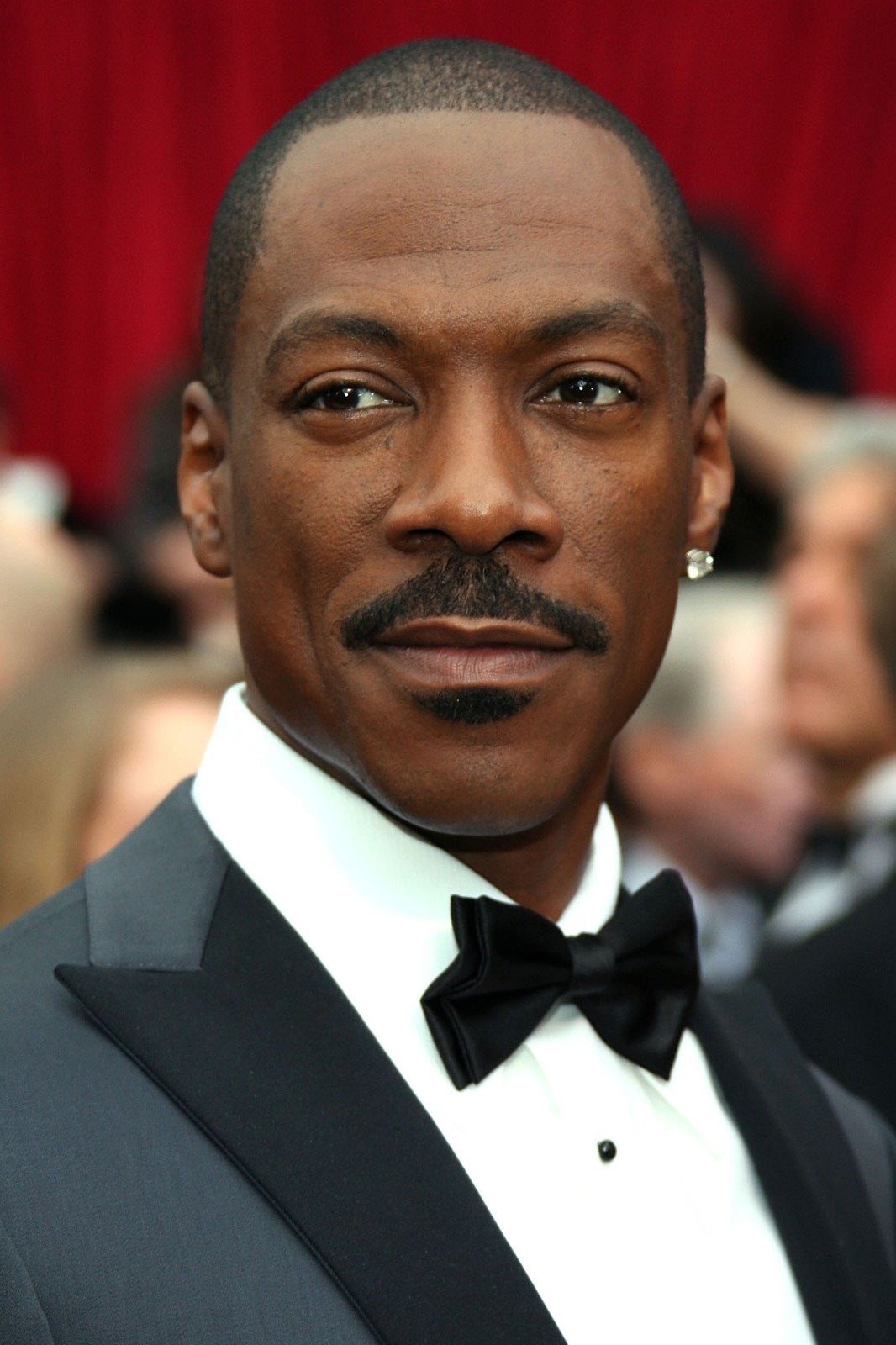
Eddie Murphy has remarked on the fact that in the world of comedy and film, talent is the only thing that should truly matter. He has often pointed out that his own success was driven by his ability to make audiences laugh across different demographics. Murphy believes that the industry should remain focused on finding the funniest and most capable performers for any given project. He has expressed skepticism toward systems that prioritize optics over the actual quality of the performance. The legendary comedian maintains that merit and audience connection are the most reliable measures of success.
Chris Rock
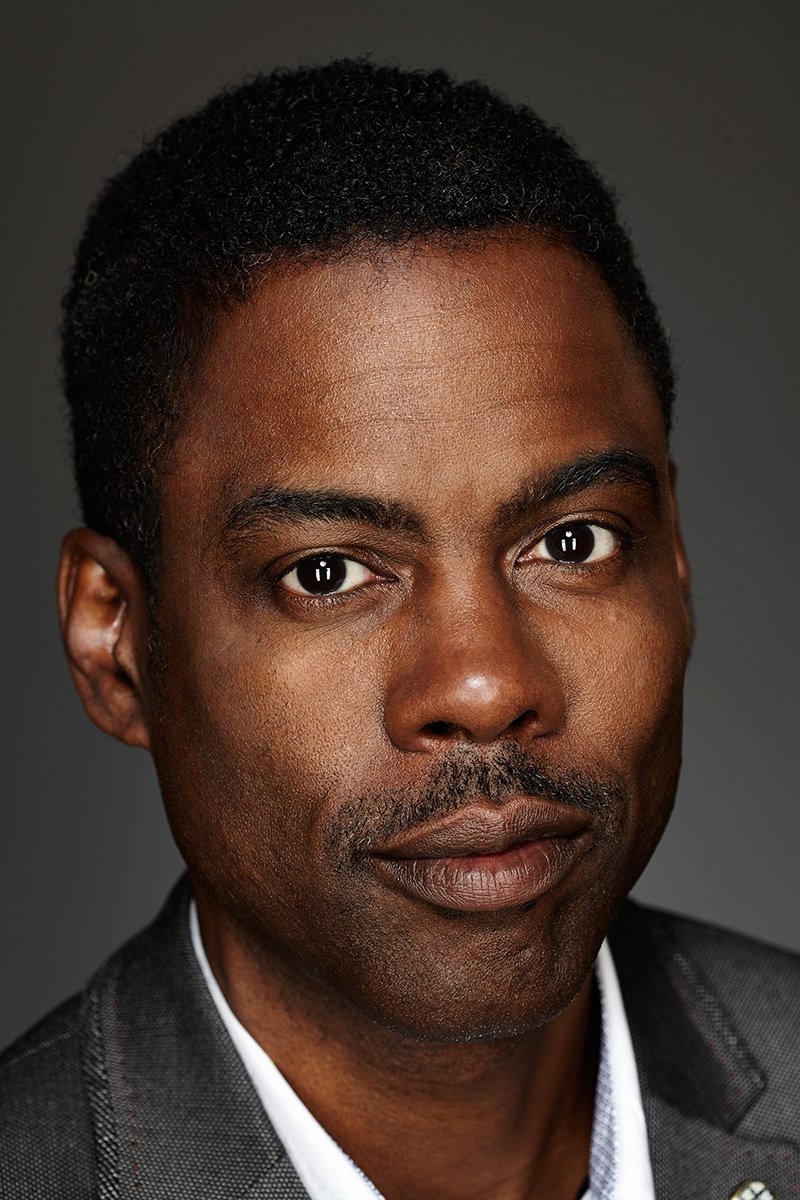
Chris Rock has used his platform to highlight the difference between superficial diversity and real opportunity in Hollywood. He has pointed out that while there are more diverse faces on screen, the power structures behind the scenes often remain unchanged. Rock argues that true inclusion means giving diverse creators the power to greenlight projects and make executive decisions. He believes that modern quotas often fail to address the systemic issues that limit long-term career growth. The comedian continues to push for a more substantive shift in how the industry handles representation.
Dave Chappelle
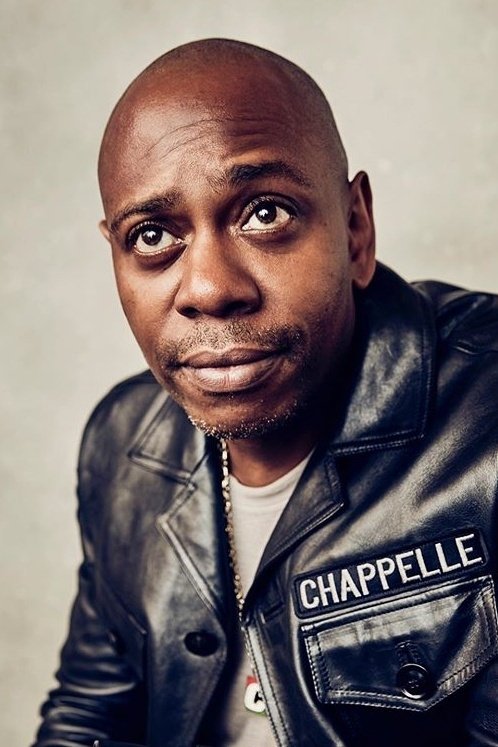
Dave Chappelle has been a fierce critic of how corporate interests often dictate social and cultural narratives in entertainment. He has spoken about his refusal to participate in systems that he feels are exploitative or insincere. Chappelle believes that creative freedom should never be sacrificed for the sake of political correctness or corporate diversity goals. He emphasizes the importance of authenticity and the right of the artist to speak their truth without being managed. The comedian has consistently walked away from lucrative deals to maintain his integrity and creative independence.
Marlon Wayans
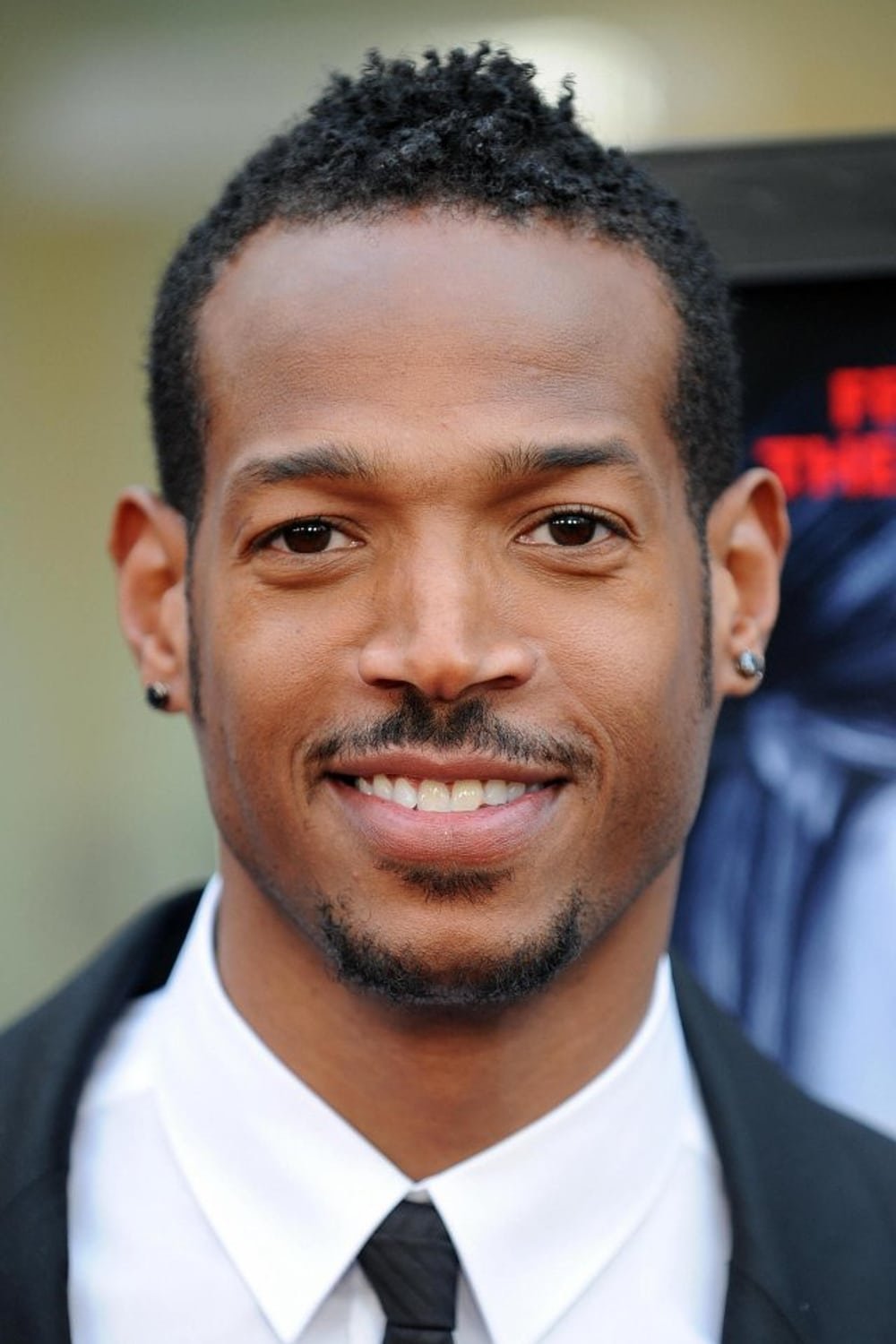
Marlon Wayans has voiced his concerns regarding the impact of cancel culture and forced sensitivity on the world of comedy. He argues that the push for specific social standards can stifle the creativity and edge that define the genre. Wayans believes that comedians should have the freedom to push boundaries without fear of being penalized by modern industry standards. He suggests that the focus on quotas and political correctness can lead to a more homogenized and less interesting entertainment landscape. The actor advocates for a return to a more open and less restrictive creative environment.
Damon Wayans
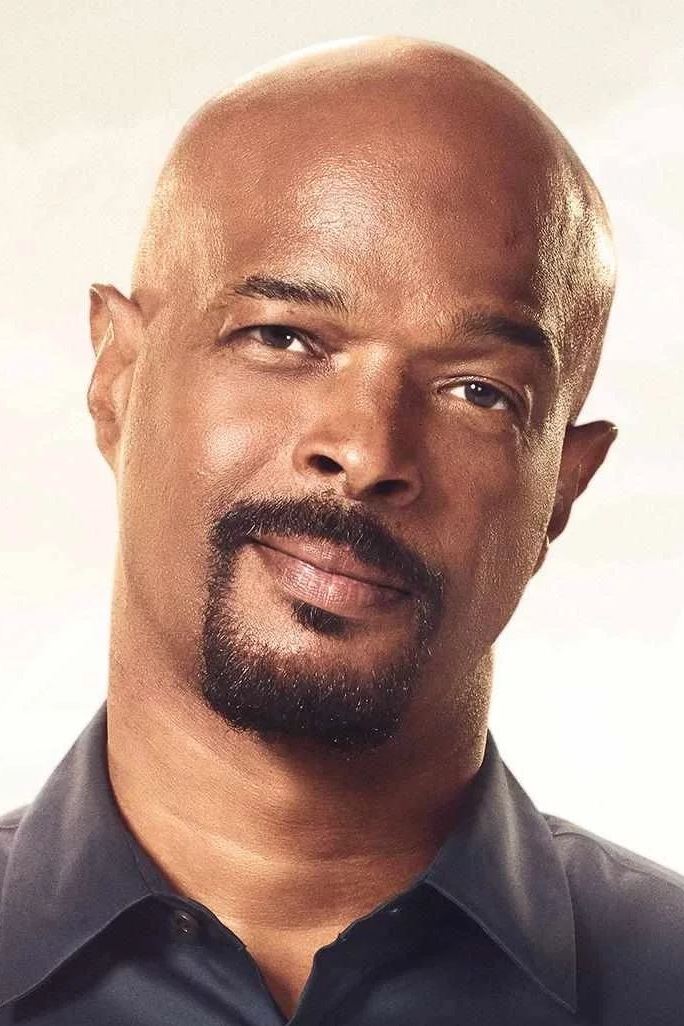
Damon Wayans has focused on the necessity of creative freedom and the danger of letting industry trends dictate artistic choices. He believes that the best work comes from individuals who are allowed to follow their own vision without being constrained by modern mandates. Wayans has often spoken about the importance of being able to laugh at the human condition in all its forms. He suggests that the modern industry focus on diversity quotas can sometimes create a environment of fear and self-censorship. The performer remains a strong advocate for the independence of the creative voice.
Kevin Hart
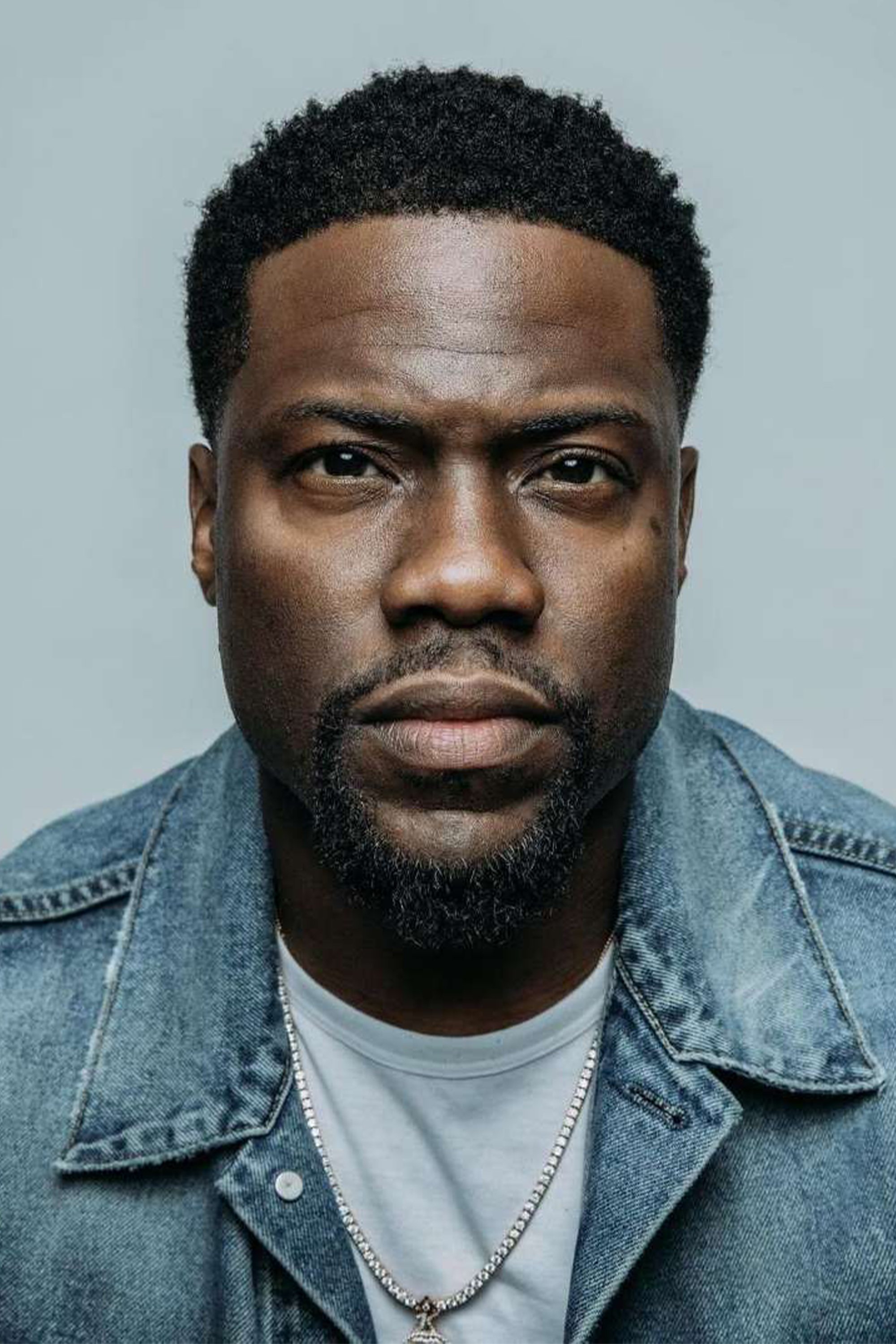
Kevin Hart has focused much of his career on building a global brand that transcends racial and demographic labels. He believes that his success as a businessman and entertainer is a result of his broad appeal and tireless work ethic. Hart has expressed that he does not want to be defined by his race but rather by his accomplishments and his impact on the industry. He suggests that focusing on merit and marketability is a more effective way to achieve lasting success than relying on diversity initiatives. The actor continues to emphasize the importance of personal accountability and professional excellence.
David Harewood
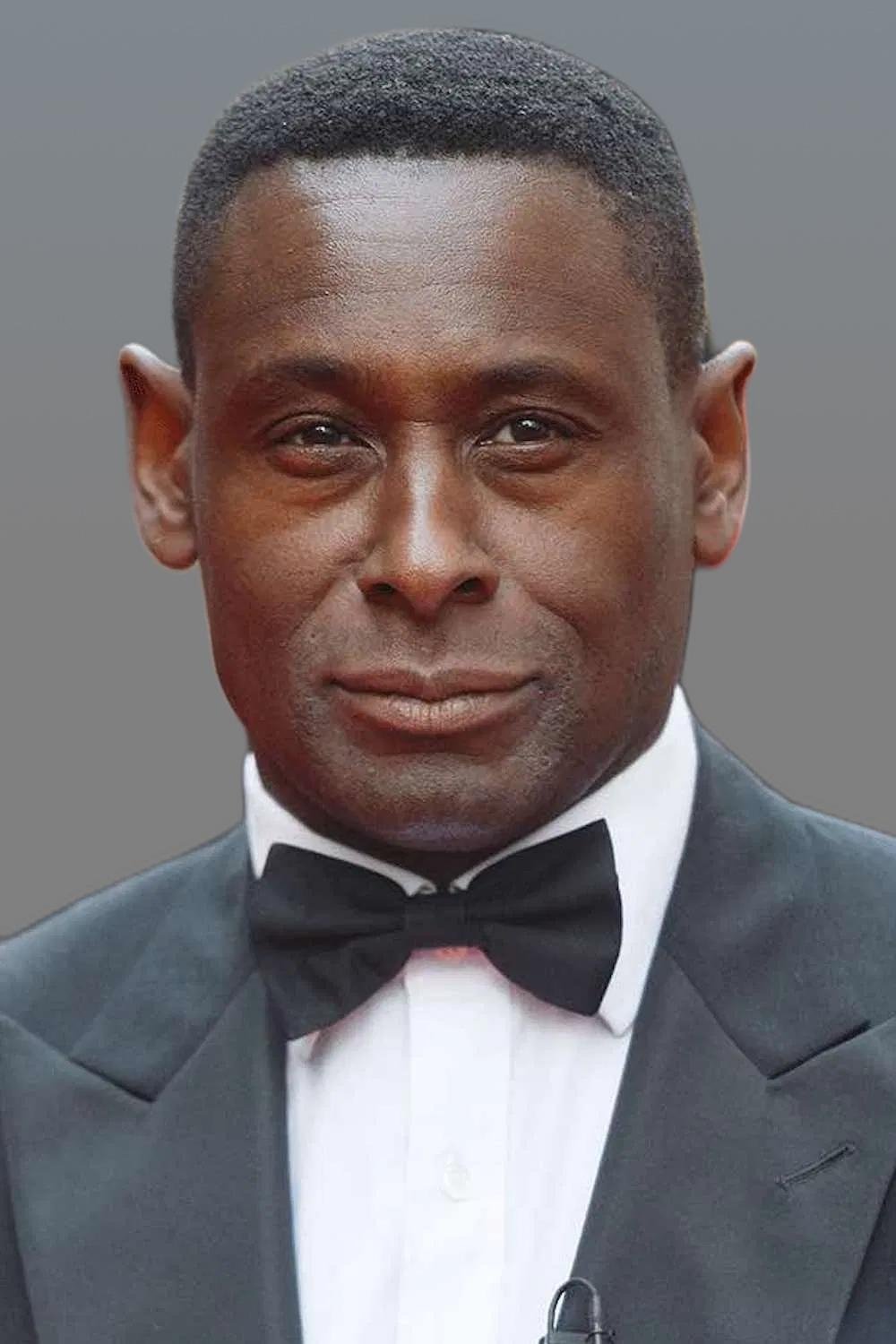
David Harewood has expressed concern over what he describes as the box-ticking nature of modern casting in the United Kingdom and Hollywood. He has noted that while there are more opportunities, they often come with specific expectations that can feel limiting. Harewood believes that actors of color should be considered for any role based on their talent rather than just to meet a diversity requirement. He has spoken about the frustration of feeling like a statistic rather than a valued artist. The actor calls for a more nuanced approach to casting that recognizes the individuality of every performer.
Chiwetel Ejiofor
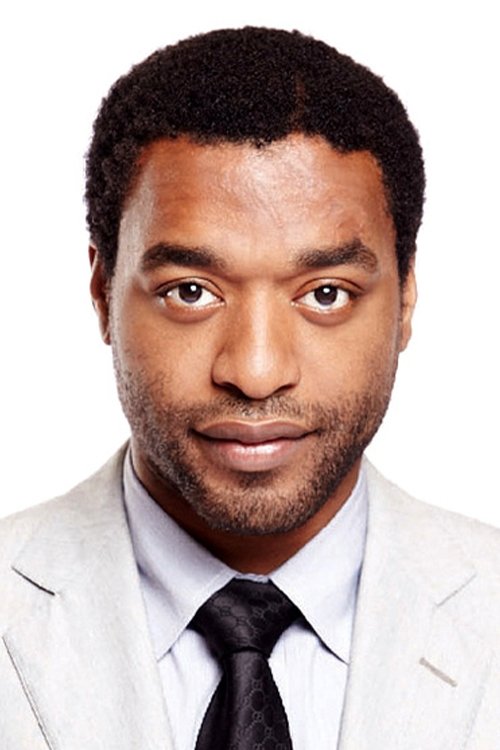
Chiwetel Ejiofor has discussed the complexity of identity and the danger of being placed into narrow boxes by the film industry. He believes that the conversation around diversity should be more about the depth of human experience and less about meeting specific quotas. Ejiofor argues that the goal of any production should be to tell a universal story that resonates with people from all walks of life. He suggests that focusing too heavily on racial labels can distract from the artistic goals of a project. The actor remains committed to pursuing roles that challenge him and showcase the commonality of the human condition.
Daniel Kaluuya
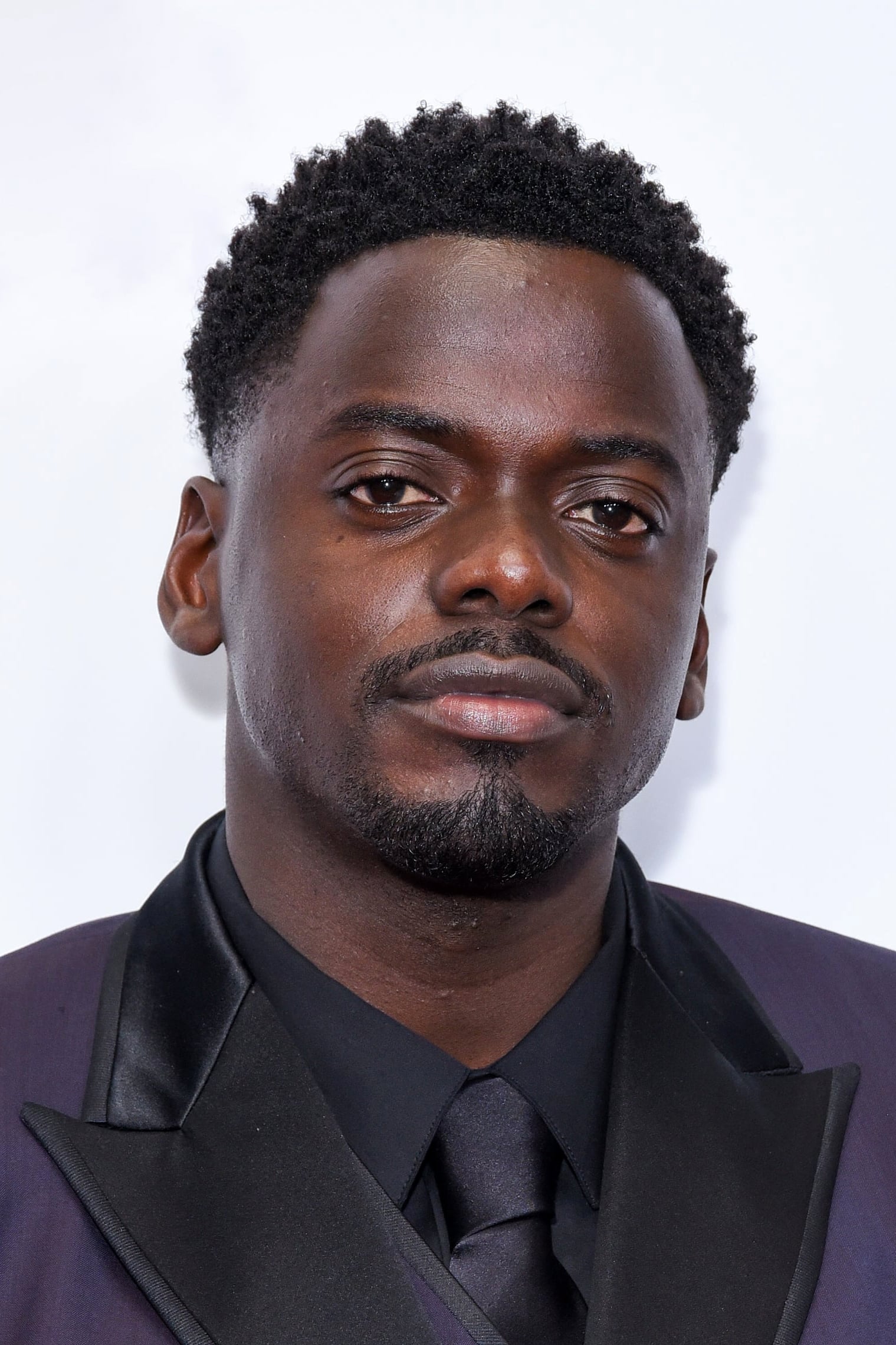
Daniel Kaluuya has famously expressed that he is tired of race being the primary topic of conversation in every interview he gives. He believes that his work as an actor should be the focus rather than the social and political implications of his casting. Kaluuya suggests that the industry obsession with diversity quotas can sometimes overshadow the craft and dedication of the performers. He wants to be seen as an actor who is capable of playing any role based on his skill set. The performer advocates for a future where his identity is a part of who he is but not the only thing people see.
Damson Idris
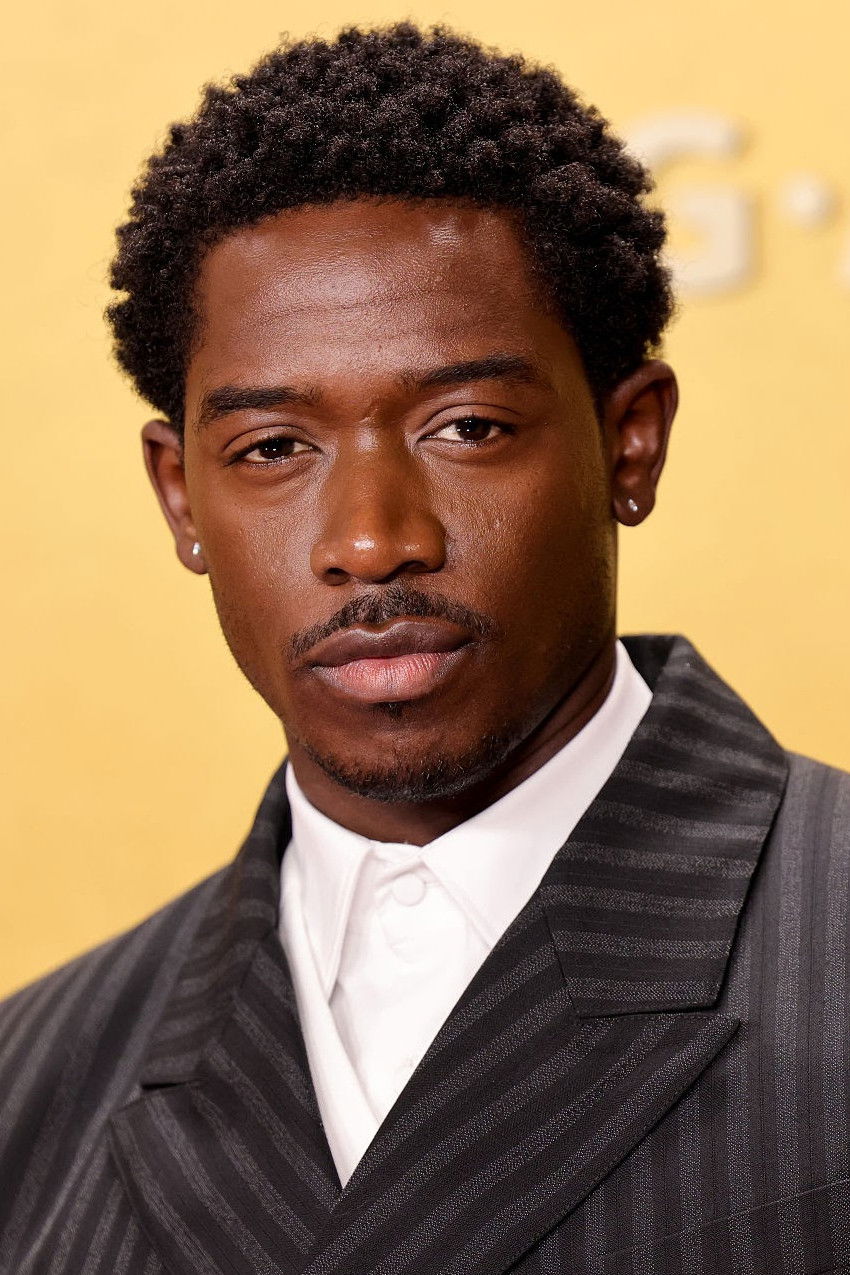
Damson Idris has noted the importance of specific cultural casting over general diversity mandates that treat all Black experiences as the same. He has discussed the nuances between the British Black experience and the American Black experience in the context of his role in ‘Snowfall’. Idris believes that the industry should be more careful about ensuring that actors have an authentic connection to the stories they are telling. He suggests that simple quotas often fail to capture these important cultural distinctions. The actor continues to advocate for a more precise and respectful approach to representation in television and film.
Forest Whitaker
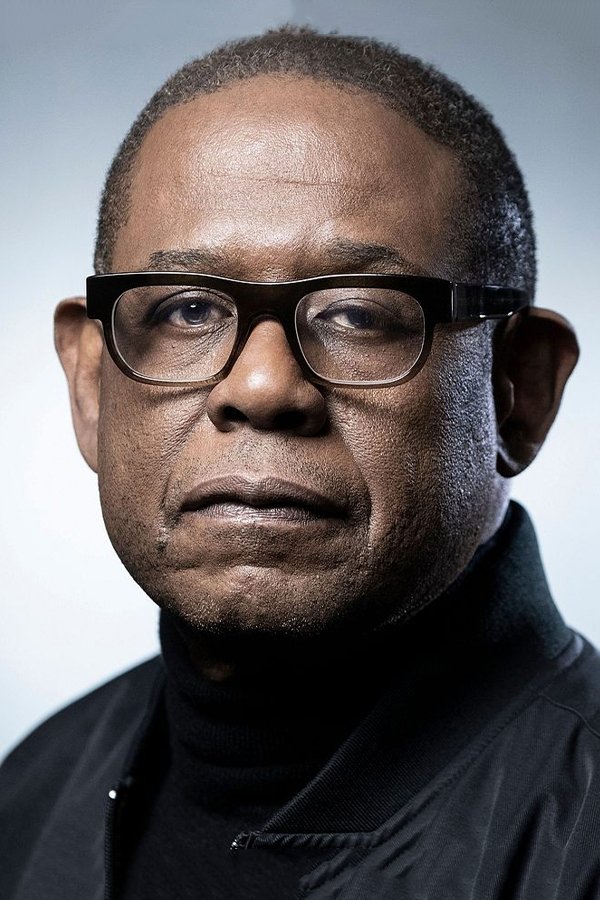
Forest Whitaker has always focused on the depth of the character and the integrity of the performance over the optics of the cast. He believes that the most powerful stories are those that explore the soul of a human being regardless of their background. Whitaker has often chosen roles that allow him to delve into complex psychological and emotional territory. He suggests that the focus on diversity quotas should never come at the expense of the artistic quality of the work. The actor believes that true representation is found in the richness of the characters and the honesty of the storytelling.
Ving Rhames
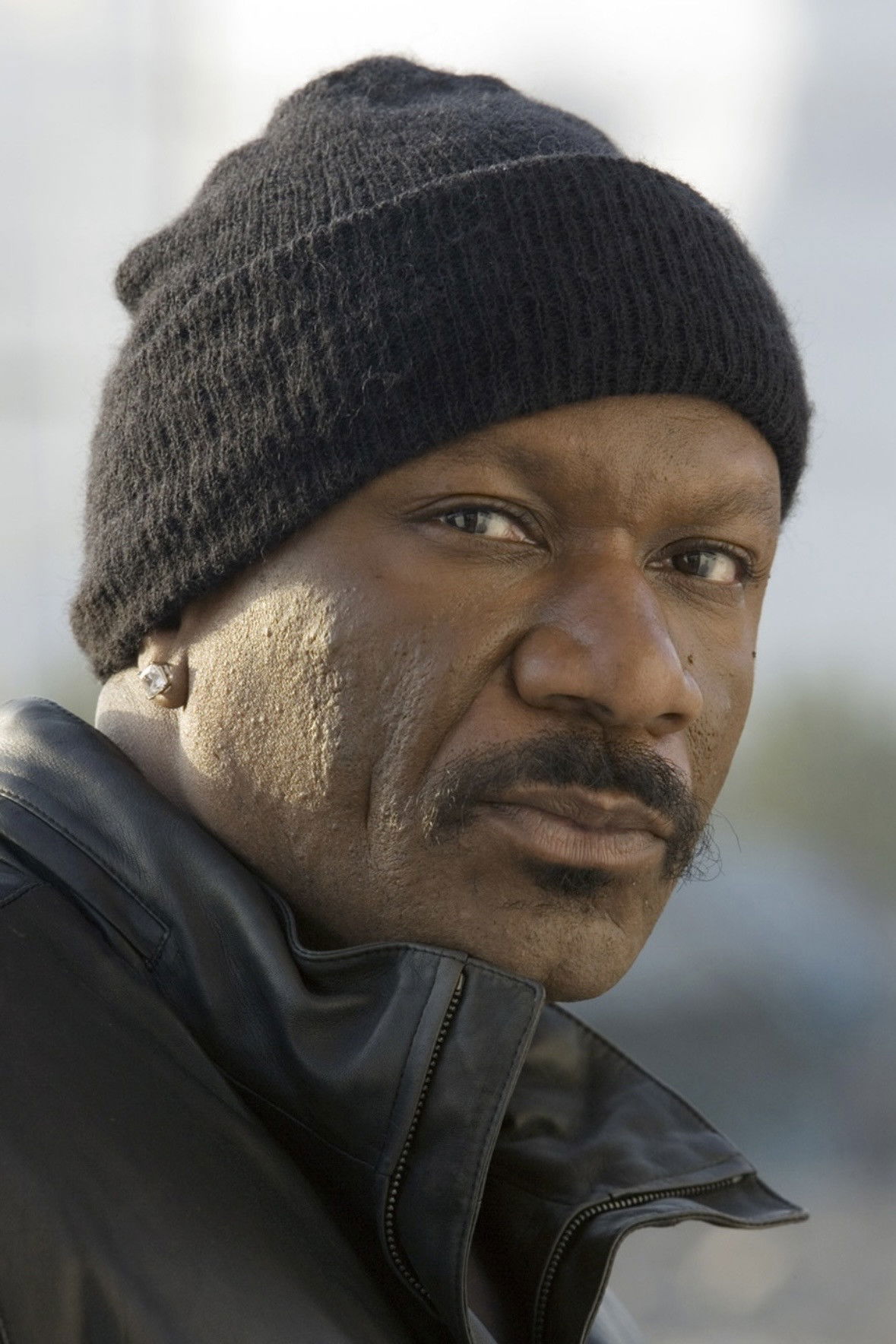
Ving Rhames has been a long-time proponent of meritocracy in Hollywood and has often let his work speak for itself. He believes that an actor’s reputation should be built on their performance and their professionalism on set. Rhames has avoided being drawn into the political debates surrounding diversity quotas, preferring to focus on his craft. He suggests that the best way to achieve equality in the industry is for every individual to perform at their highest level. The actor continues to be respected for his dedication to his roles and his straightforward approach to his career.
Wesley Snipes
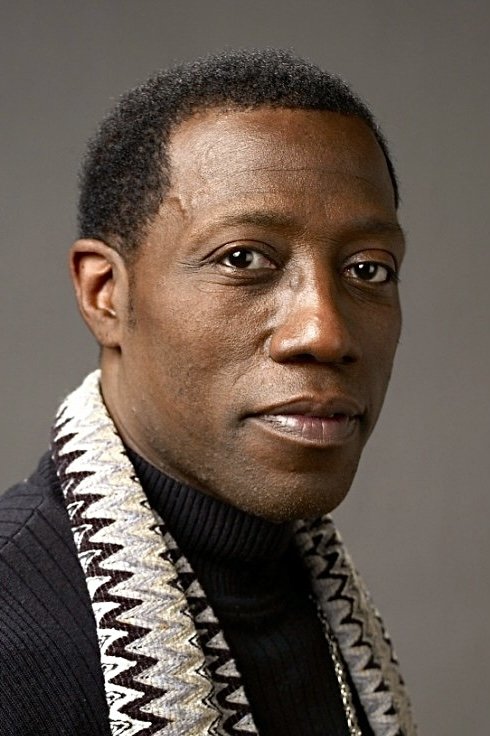
Wesley Snipes has discussed how the film industry often prioritizes fleeting trends and social agendas over genuine talent and longevity. He believes that many of the modern diversity initiatives are reactive and do not provide a sustainable foundation for actors. Snipes has spoken about the importance of being a versatile performer who can adapt to any genre or role. He suggests that the focus on quotas can sometimes lead to a lack of investment in the actual development of artists. The actor remains an advocate for the idea that skill and experience are the most important assets in the business.
Billy Dee Williams
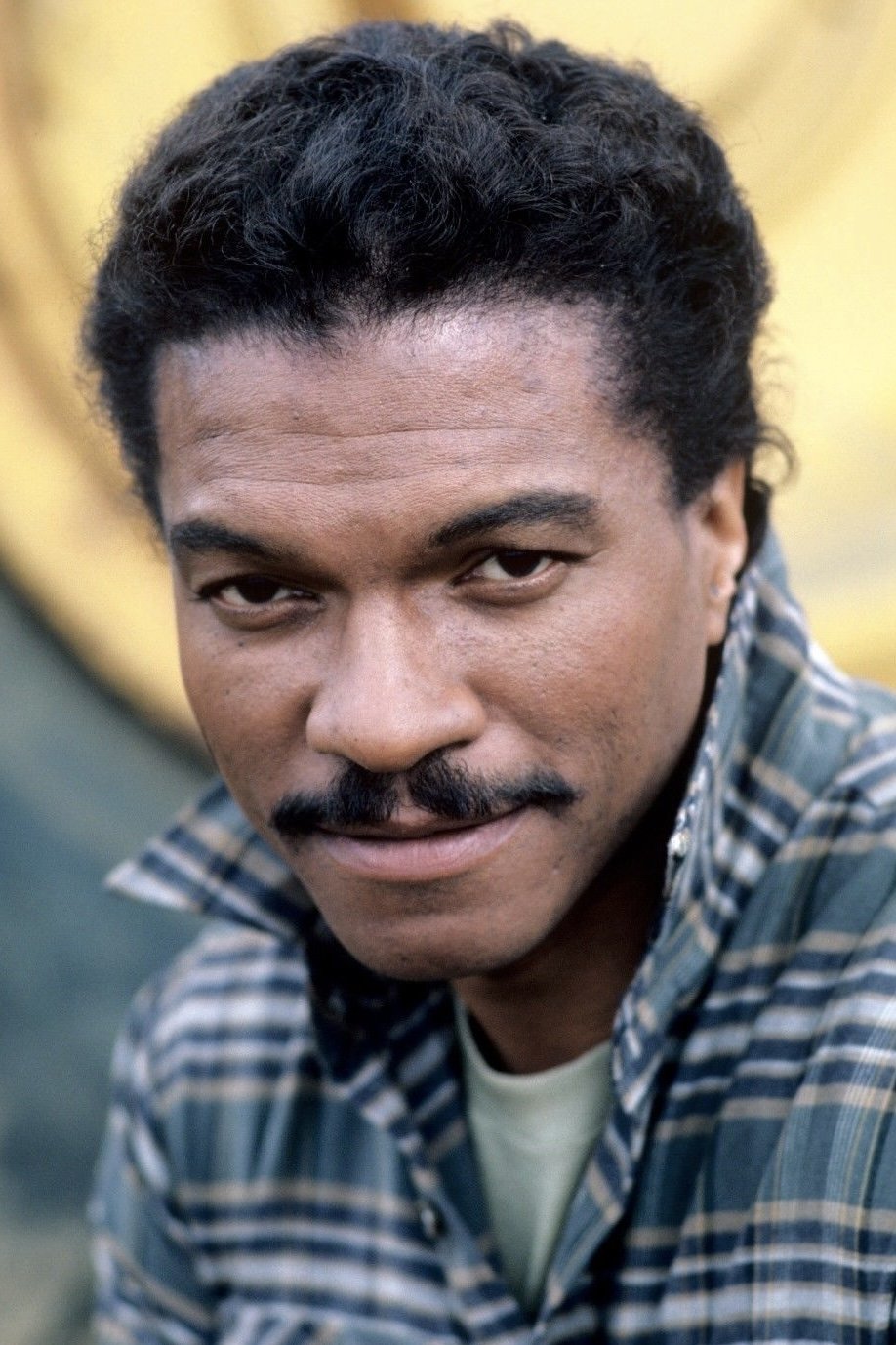
Billy Dee Williams has expressed that he views himself simply as an actor and does not like to be defined by labels or racial categories. He has famously stated that he is a person who happens to be Black and that his identity is much broader than his skin color. Williams believes that the industry should focus on the individual essence of a performer rather than their demographic group. He suggests that the modern focus on diversity quotas can be restrictive and can prevent actors from being seen for who they truly are. The legendary actor continues to champion the idea of universal humanity in the arts.
Louis Gossett Jr.

Louis Gossett Jr. was a vocal advocate for what he called eracism, a concept aimed at moving beyond racial divisions to focus on our shared human experience. He believed that the industry obsession with racial categories and quotas can sometimes reinforce the very divisions they aim to heal. Gossett Jr. argued that the goal should be a society where race is no longer a factor in how people are judged or cast. He emphasized the importance of character, integrity, and talent in all professional pursuits. The actor spent much of his later career promoting unity and understanding across all backgrounds.
Richard Gant
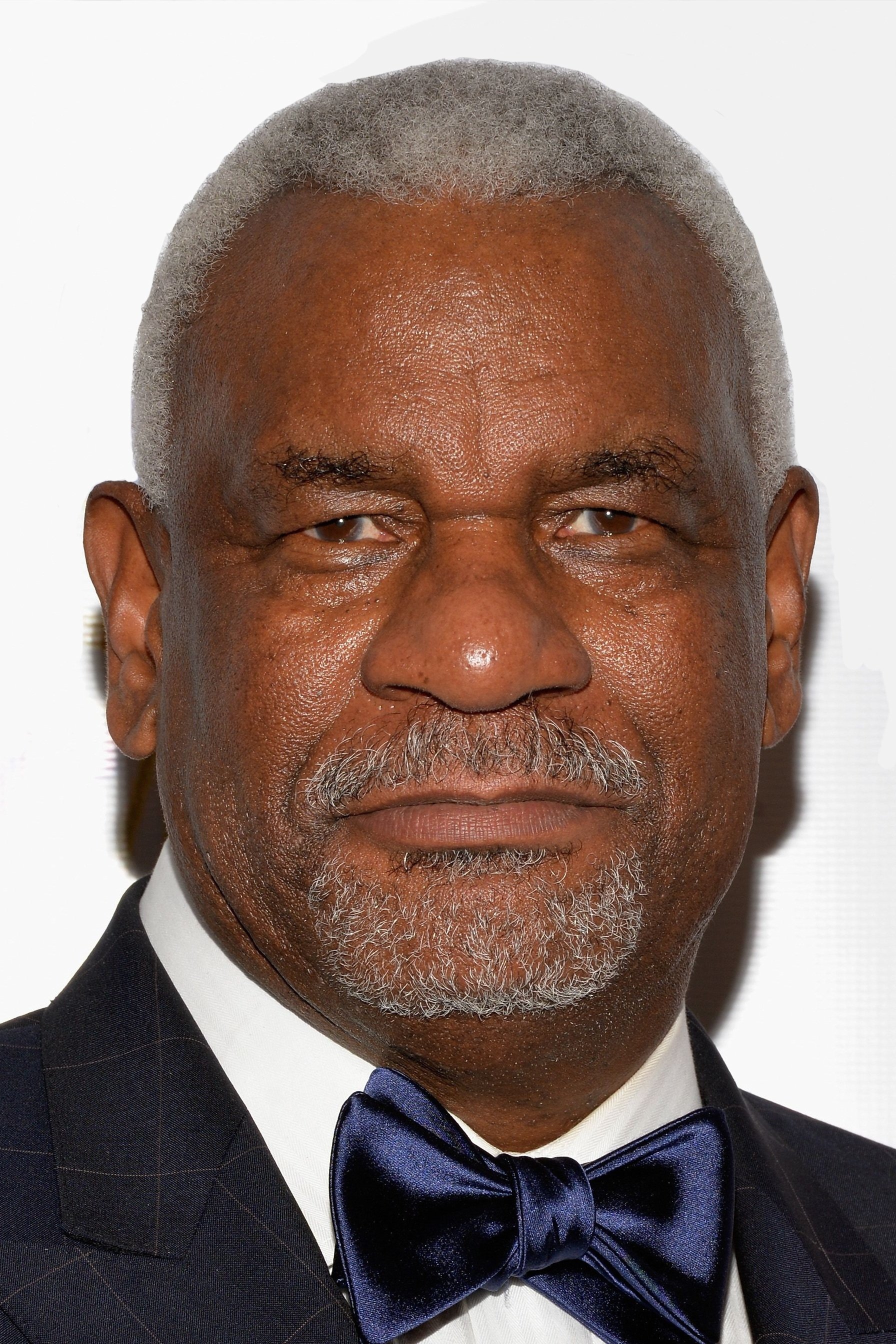
Richard Gant has spoken about the structural issues within Hollywood that go far beyond the implementation of simple diversity quotas. He believes that meaningful change requires a deeper understanding of how stories are developed and who has the power to tell them. Gant suggests that diversity initiatives can sometimes be a distraction from more significant issues of equity and creative control. He advocates for a more comprehensive approach to reform that includes education and long-term investment in talent. The actor remains a respected voice in the conversation about the future of the entertainment industry.
Robert Townsend
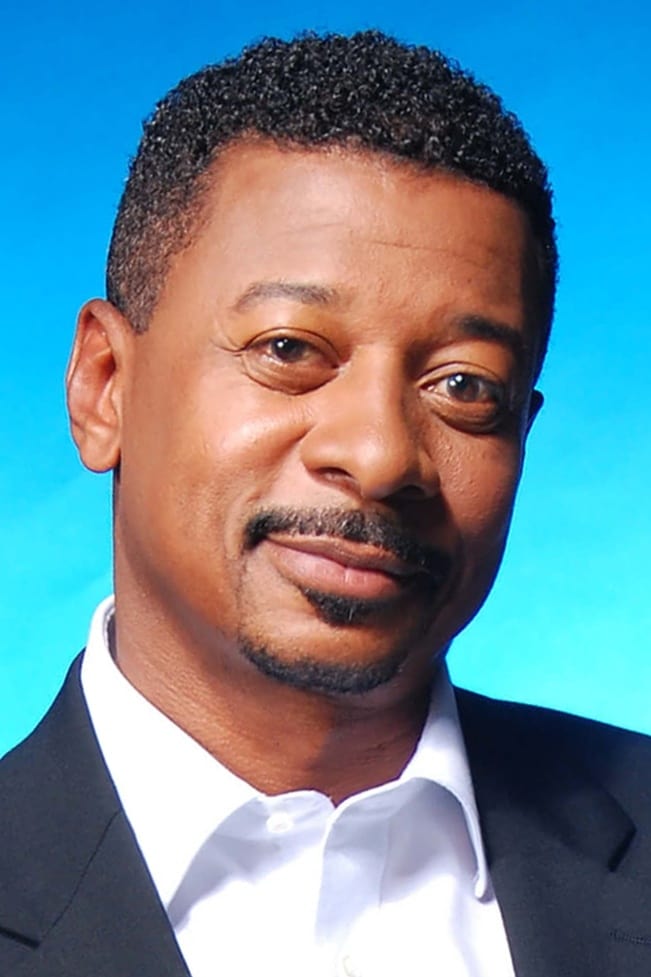
Robert Townsend famously critiqued the limited and stereotypical roles available to Black actors in his film ‘Hollywood Shuffle’. He has consistently argued for the importance of creative independence and the power of diverse creators to define their own images. Townsend believes that true representation is not about meeting a quota but about having the freedom to tell a wide variety of stories. He suggests that the industry should focus on supporting original voices rather than just filling demographic requirements. The filmmaker and actor continues to inspire others to take control of their own narratives.
Keenen Ivory Wayans
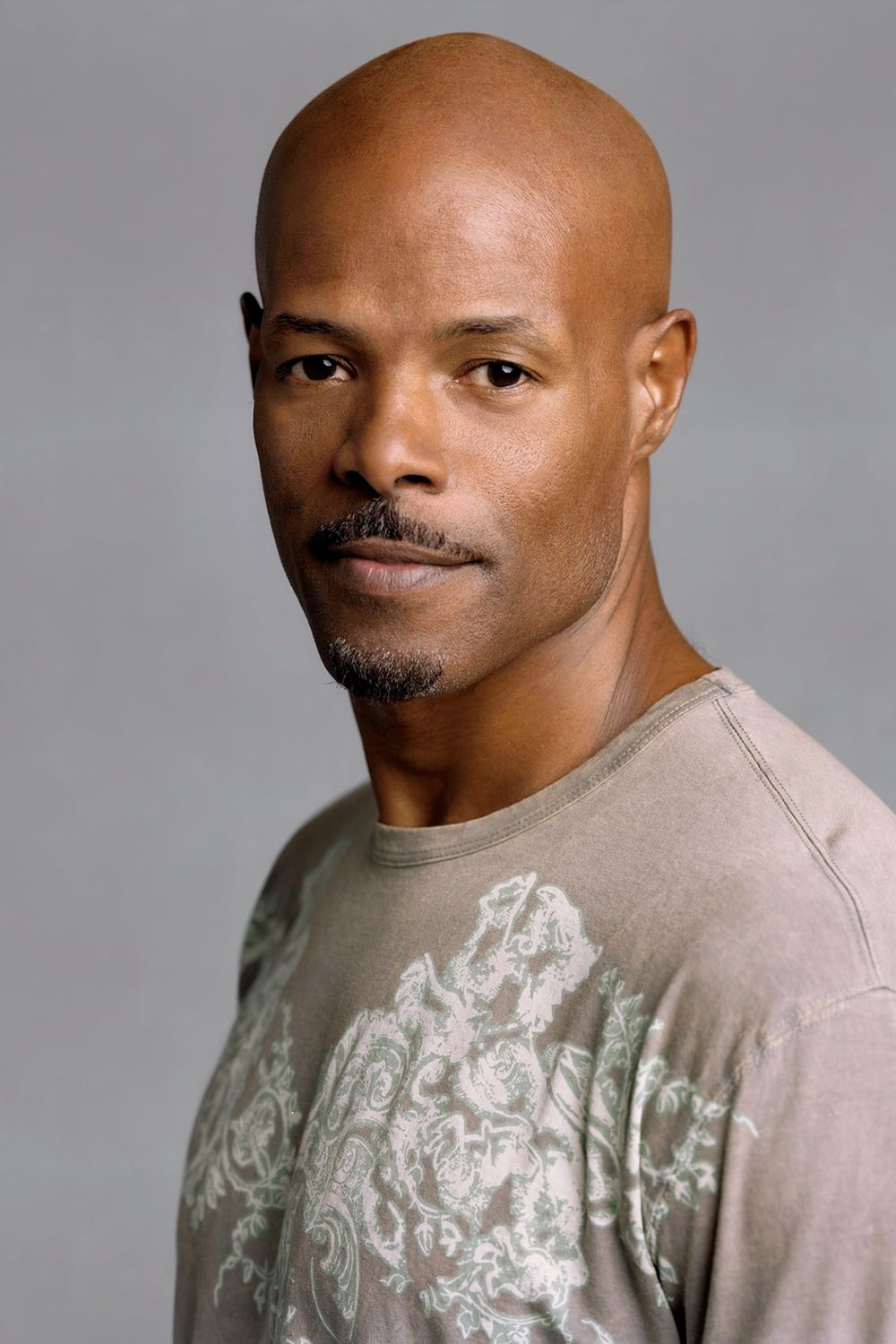
Keenen Ivory Wayans has been a critic of the industry tendency to limit Black creativity to a few specific genres or tropes. He believes that the push for diversity should include a wider range of stories and a greater respect for the unique perspectives of diverse creators. Wayans has often used satire to highlight the absurdities and limitations of the Hollywood system. He suggests that forced quotas can sometimes result in a superficial form of inclusion that does not actually empower artists. The creator continues to advocate for a more open and diverse creative landscape that rewards innovation.
Faizon Love
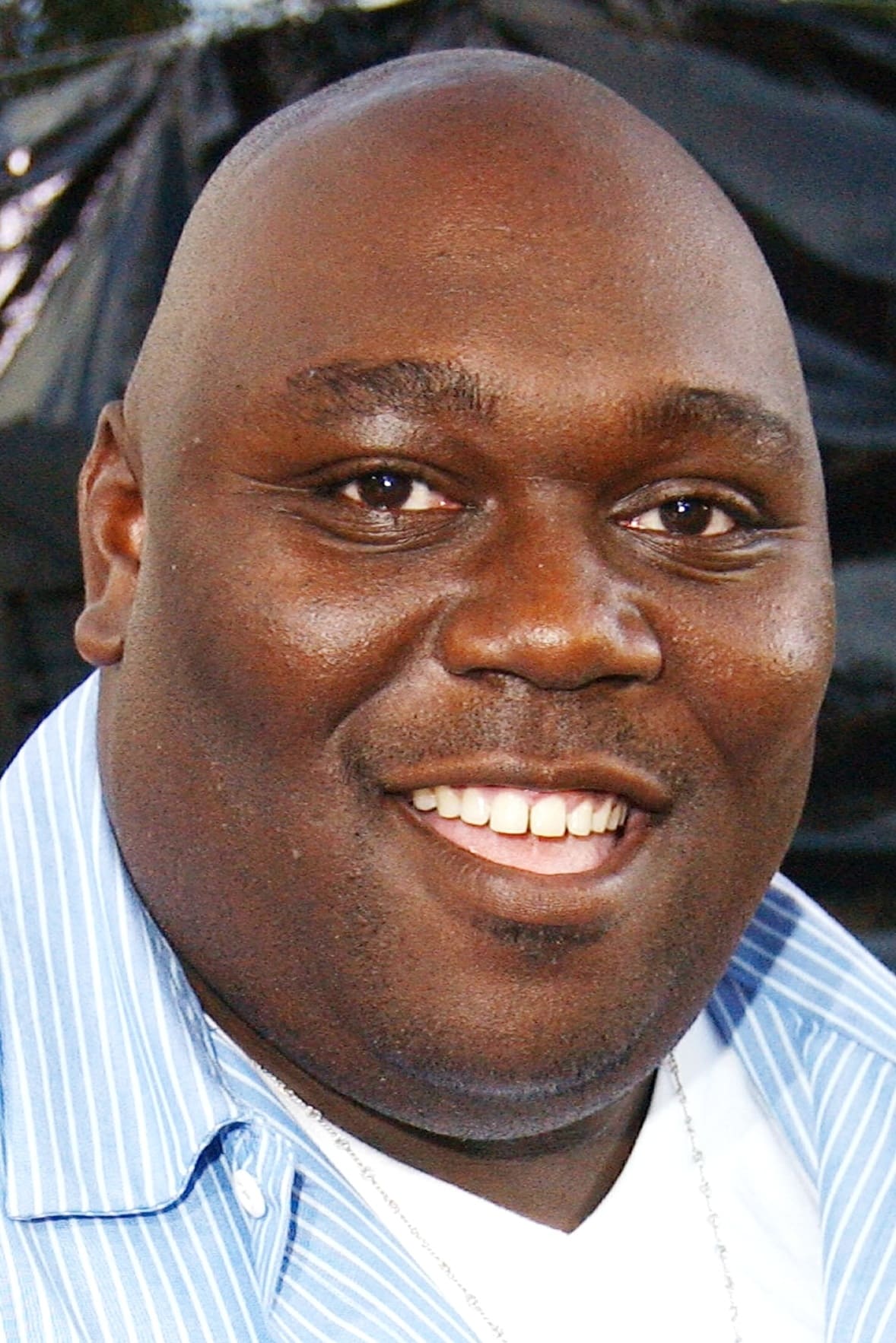
Faizon Love has criticized the casting of specific actors to meet industry demands or to satisfy social media trends. He believes that roles should go to the people who are most qualified and who can bring the most authenticity to the character. Love has expressed frustration with how diversity quotas can sometimes lead to predictable and uninspired casting choices. He suggests that the industry should be more willing to take risks on new talent based on their skill rather than their followers or their demographic profile. The comedian and actor remains a vocal proponent of merit and authenticity in film.
Bill Bellamy
Bill Bellamy has discussed how the focus on diversity quotas and political correctness can sometimes dilute the quality and edge of modern comedy. He believes that humor should be a space where people can speak freely and find common ground through laughter. Bellamy suggests that the modern industry environment can make it difficult for comedians to be authentic and provocative. He argues that the focus should remain on the talent of the performer and their ability to connect with an audience. The actor and comedian continues to advocate for the importance of creative freedom in the entertainment world.
Isaiah Washington
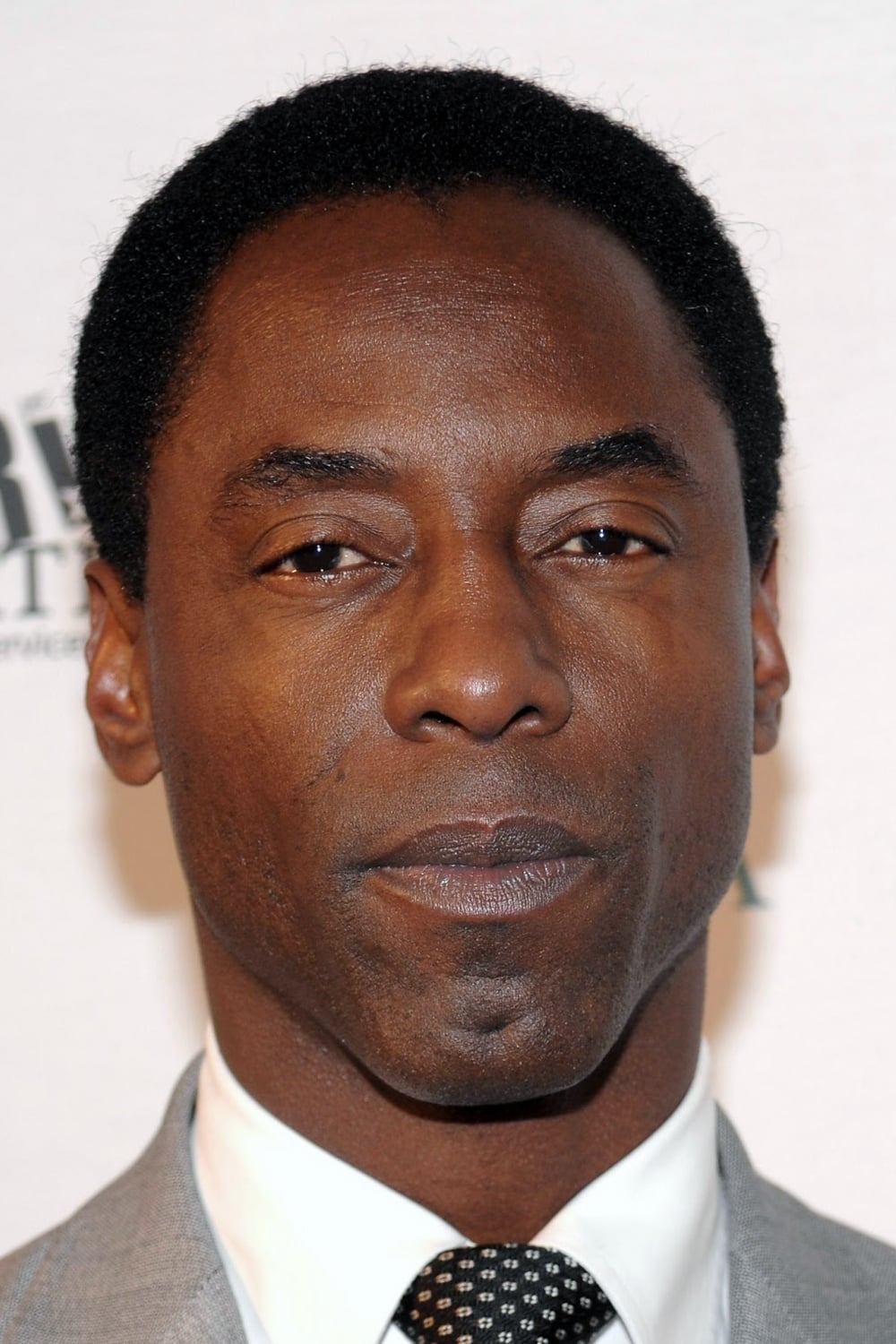
Isaiah Washington has been outspoken about the political nature of modern Hollywood casting and the impact of diversity mandates. He believes that the industry has become too focused on optics and social agendas at the expense of genuine artistic merit. Washington has often shared his belief that actors should be judged by their work and their dedication to the craft rather than their political views or background. He suggests that the current system can be exclusionary toward those who do not fit a specific narrative. The actor remains a controversial and vocal critic of the traditional studio system.
Terrence Howard
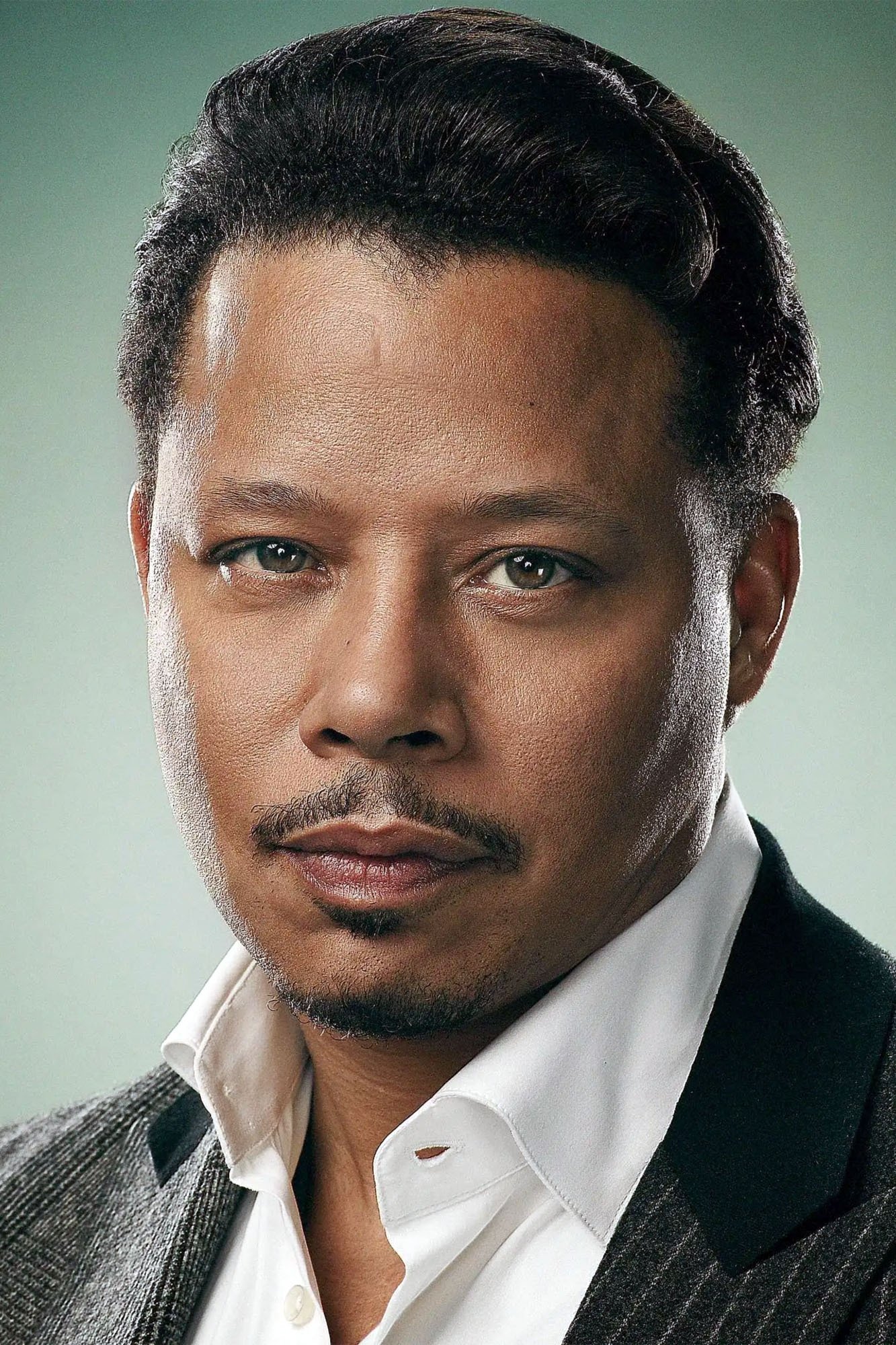
Terence Howard has expressed his frustration with the way the industry handles diverse talent and the limitations placed on creative expression. He believes that many diversity initiatives are more about public relations than actual change. Howard has spoken about the need for actors to be treated as individual artists rather than as representatives of a specific demographic. He suggests that the industry focus on quotas can sometimes overlook the unique contributions and perspectives of the performers. The actor continues to pursue his own path and speak out about his experiences in the business.
Don Cheadle
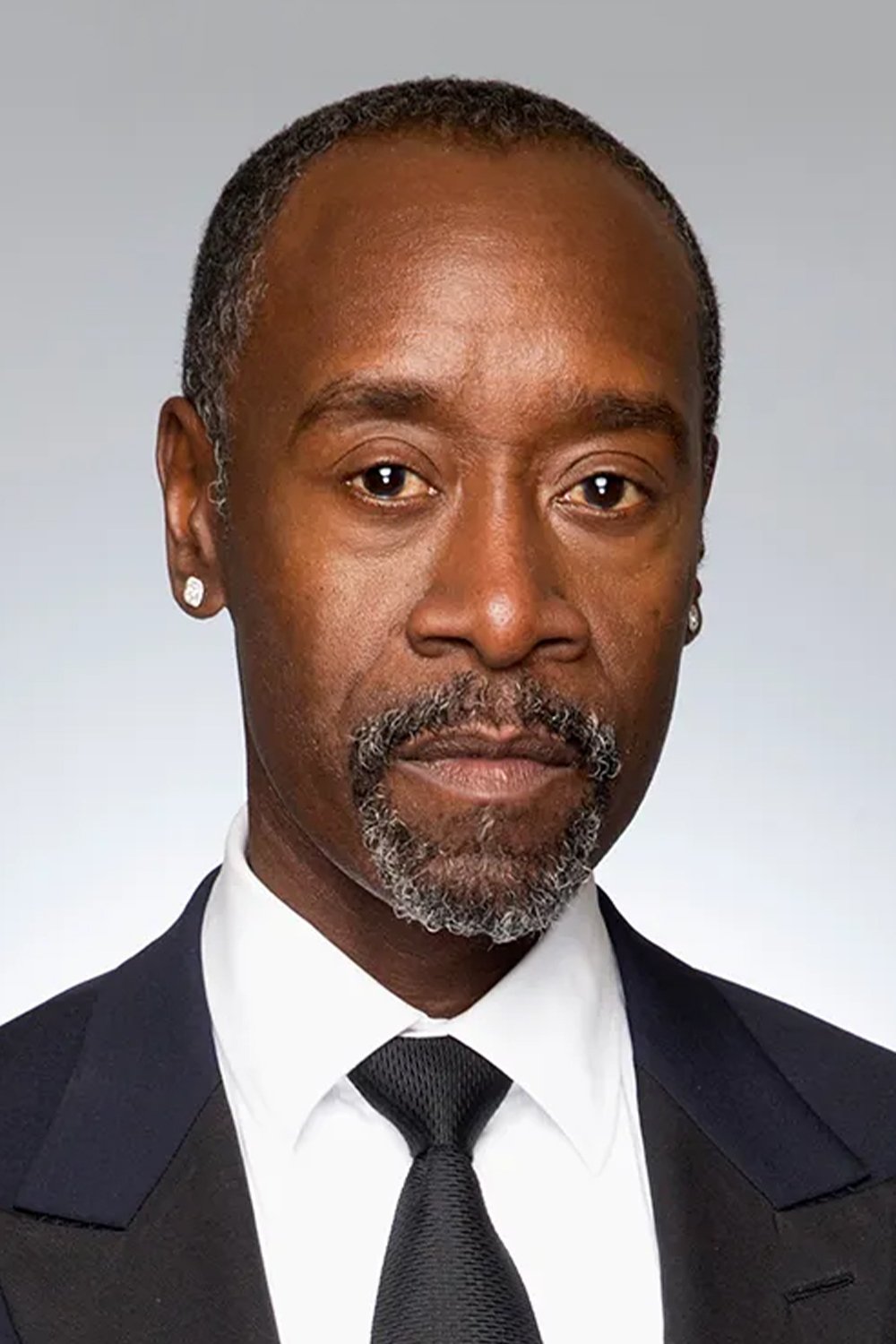
Don Cheadle has discussed the nuances of representation and the difference between seeing a face on screen and having actual power behind the scenes. He believes that diversity quotas are only a small part of a much larger conversation about equity and opportunity. Cheadle argues that the industry needs to move beyond symbolic inclusion toward a more substantive shift in ownership and decision-making. He suggests that the focus should be on creating a system where everyone has a fair shot at success based on their abilities. The actor remains a thoughtful and active participant in the debate over industry reform.
Cuba Gooding Jr.
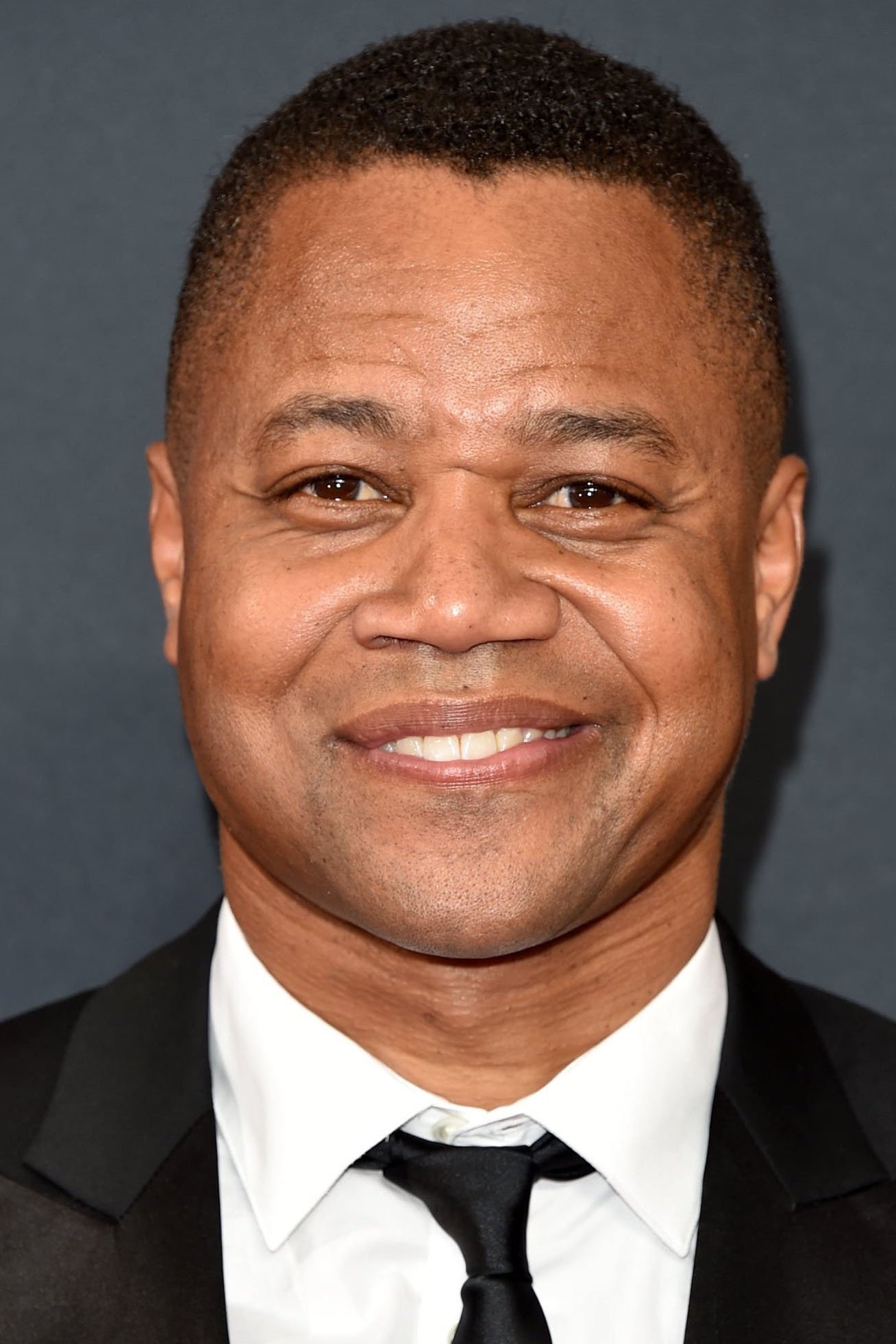
Cuba Gooding Jr. has noted throughout his career that the quality of the work should always be the primary focus of any production. He believes that if an actor delivers a compelling and honest performance, the audience will respond regardless of the actor background. Gooding Jr. has often focused on the importance of preparation and the emotional truth of a character. He suggests that the conversation around diversity should not overshadow the fundamental goals of storytelling and artistic excellence. The actor continues to believe that merit and dedication are the most important factors for any performer.
Djimon Hounsou
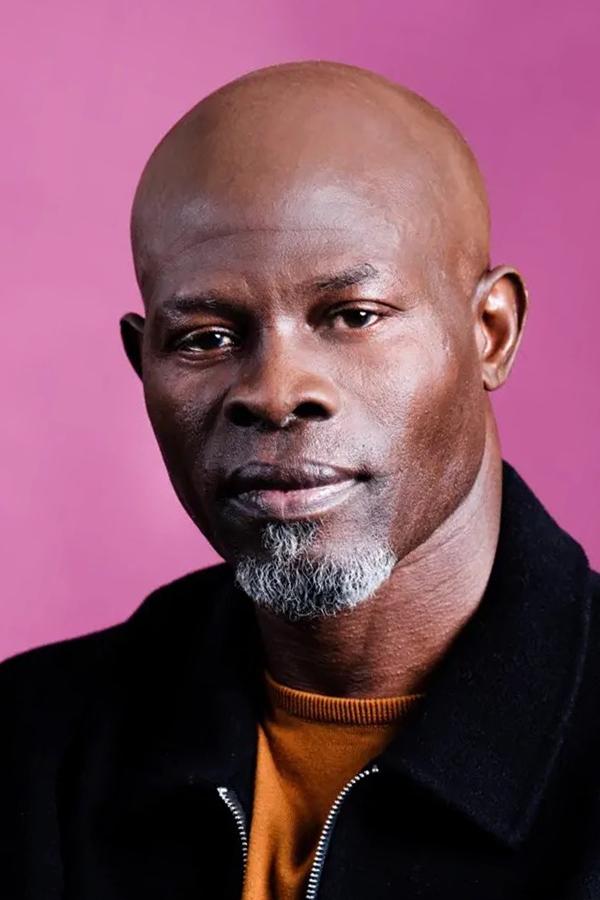
Djimon Hounsou has spoken about his struggle for fair pay and recognition in an industry that often overlooks international talent. He believes that diversity initiatives should include a more global perspective and a greater respect for the variety of human experiences. Hounsou has voiced his frustration with being cast in roles that do not reflect his full range as an actor. He suggests that quotas can sometimes be a lazy way for the industry to avoid doing the deeper work of genuine inclusion. The actor continues to advocate for a more equitable and respectful treatment of all performers.
Jeffrey Wright
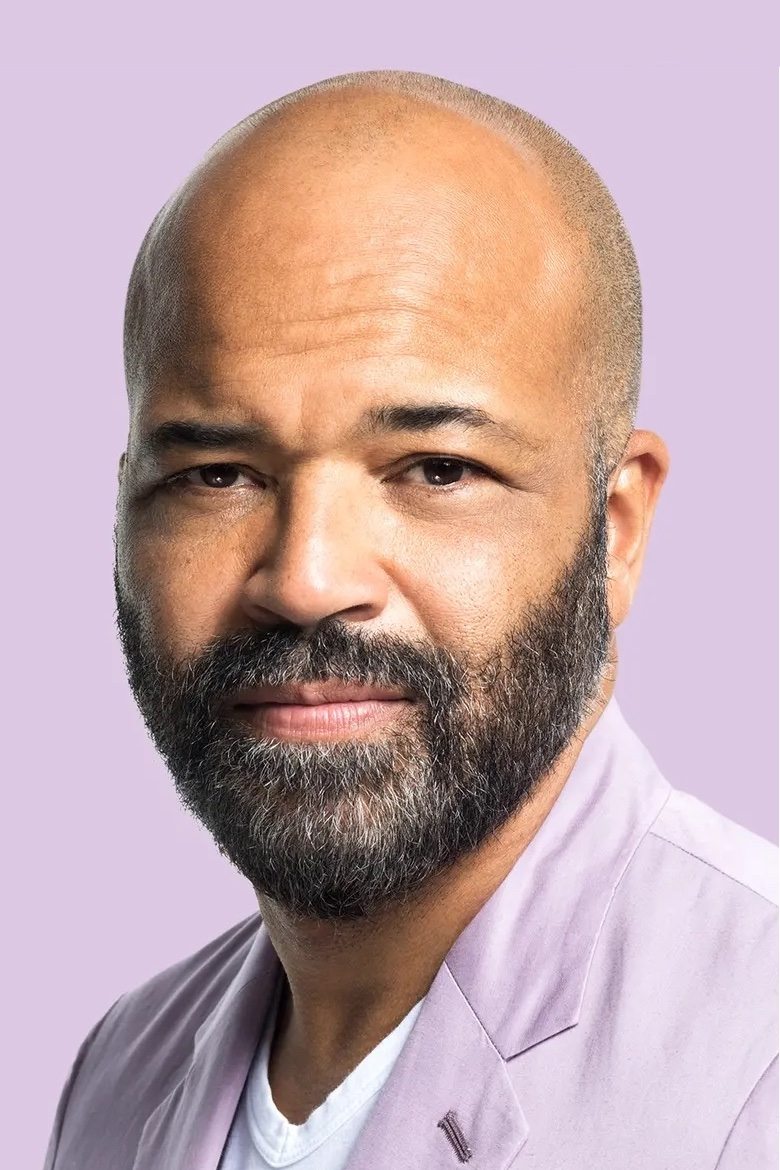
Jeffrey Wright has discussed the limitations of the diversity label during his work on major projects like ‘The Batman’. He believes that the focus should be on the specific qualities that an actor brings to a role rather than the demographic category they represent. Wright argues that true representation is about the complexity and humanity of the characters on screen. He suggests that modern quotas can sometimes simplify the conversation in a way that is not helpful for the artists involved. The actor remains committed to the idea that the work should be evaluated based on its own merits and artistic depth.
Giancarlo Esposito
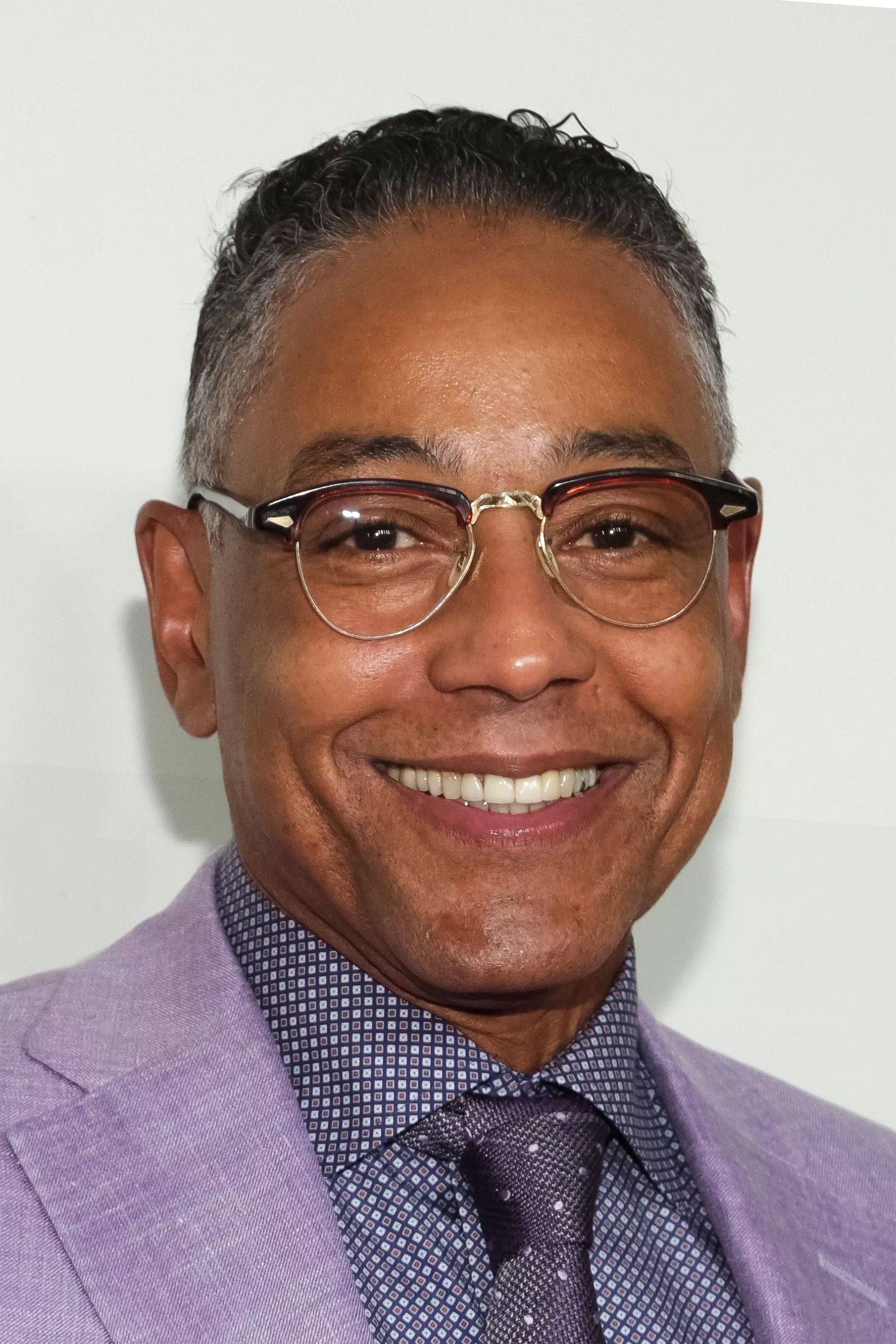
Giancarlo Esposito has consistently emphasized character and craft over his own racial identity when discussing his many iconic roles. He believes that his job as an actor is to find the universal human traits that make a character relatable to everyone. Esposito has expressed that he does not want to be hired just to meet a diversity requirement but because he is the best person for the role. He suggests that the focus on quotas can sometimes distract from the fundamental goal of creating great art. The actor remains a highly respected figure known for his meticulous approach to the craft of acting.
Share your perspective on these industry insights regarding diversity and merit in the comments.