The One Film That Made Ben Affleck Consider Quitting Hollywood for Good

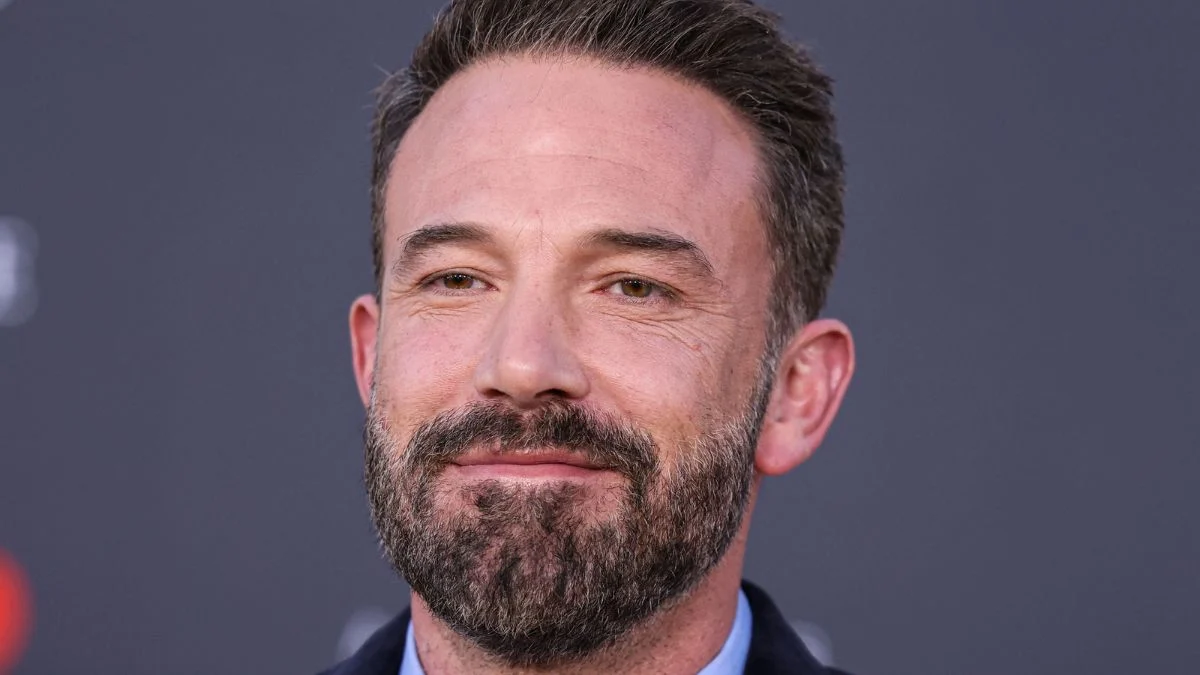

The career trajectory of Ben Affleck has long been characterized by a series of dramatic peaks and valleys, contrasting sharply with the more stable professional path of his lifelong friend and collaborator, Matt Damon.
While the duo shared early success with their Oscar-winning script for “Good Will Hunting,” Affleck’s solo journey toward leading-man status was fraught with public scrutiny. Despite reaching a commercial high with the 1998 blockbuster “Armageddon,” he soon encountered a string of high-profile cinematic failures that severely damaged his standing within the industry.
While the 2003 film “Gigli” is frequently cited as the lowest point of his filmography, Affleck himself identifies a different set of projects as the catalysts for his near-retirement. In 2004, the back-to-back releases of “Jersey Girl” and “Paycheck” left the actor feeling completely alienated from his craft.
On paper, both ventures appeared promising; “Paycheck” was a high-concept thriller based on Philip K. Dick’s work, directed by John Woo, while “Jersey Girl” reunited him with longtime creative partner Kevin Smith.
However, the critical reception for both films was overwhelmingly negative, with many reviewers focusing their frustrations directly on Affleck’s performance. The intensity of the backlash was so severe that the actor began to question his future in the movie business entirely.
“I just thought I should quit acting,” Affleck admitted when reflecting on that turbulent era. He described the period as a suffocating experience, noting, “It was horrible to feel so suffocated. I thought, ‘I’d rather do something else than do this’”.
The decline had actually begun a year prior with the lackluster reception of “Daredevil,” but it was a nuanced biographical drama that eventually pulled him back from the brink of obscurity.
In “Hollywoodland,” Affleck portrayed George Reeves, the original television Superman, whose mysterious death remains a subject of Hollywood lore. The role served as a vital reminder of his dramatic range and provided the necessary boost in morale for him to pursue more ambitious projects.
Even as he sought to rebuild his reputation, Affleck struggled with a lack of external validation for his efforts. “I did a lot of great movies in succession, but weirdly enough, and I think I was too sensitive, I felt nobody noticed,” he shared.
He recalled a sense of disappointment when the work he felt proud of failed to garner the critical acclaim he expected, stating, “I thought I would accomplish really good work, and people would say it was really good work, and I would feel validated, but that didn’t happen.”
The ultimate turning point came when Affleck transitioned into the director’s chair, proving to be a visionary storyteller with his debut, “Gone Baby Gone.” This shift behind the scenes culminated in his greatest professional triumph when “Argo” was named Best Picture at the Academy Awards.
Although his later tenure as Batman in the DC Extended Universe was met with mixed results, he has since refocused his energy on the business side of filmmaking. As of this year, Affleck is more active than ever, primarily through his leadership at Artists Equity, the production company he co-founded with Matt Damon.
The studio’s latest high-profile project, “The Rip,” premiered on Netflix on January 16, featuring Affleck and Damon as Miami narcotics officers. This crime thriller has been a major streaming success, reinforcing the enduring power of their creative partnership.
Between his directorial ambitions and his efforts to reshape industry compensation models through his production company, Affleck has successfully moved past the “suffocated” feelings of his early career.
He remains a central figure in the entertainment landscape, balancing commercial appeal with a newfound creative autonomy. As he continues to prioritize projects that align with his personal vision, his journey stands as a testament to the resilience required to survive the volatility of Hollywood.
Have something to add? Share your thoughts in the comments.