Black Actors Who Were Passed Over for Major Roles Because They Weren’t Considered Bankable

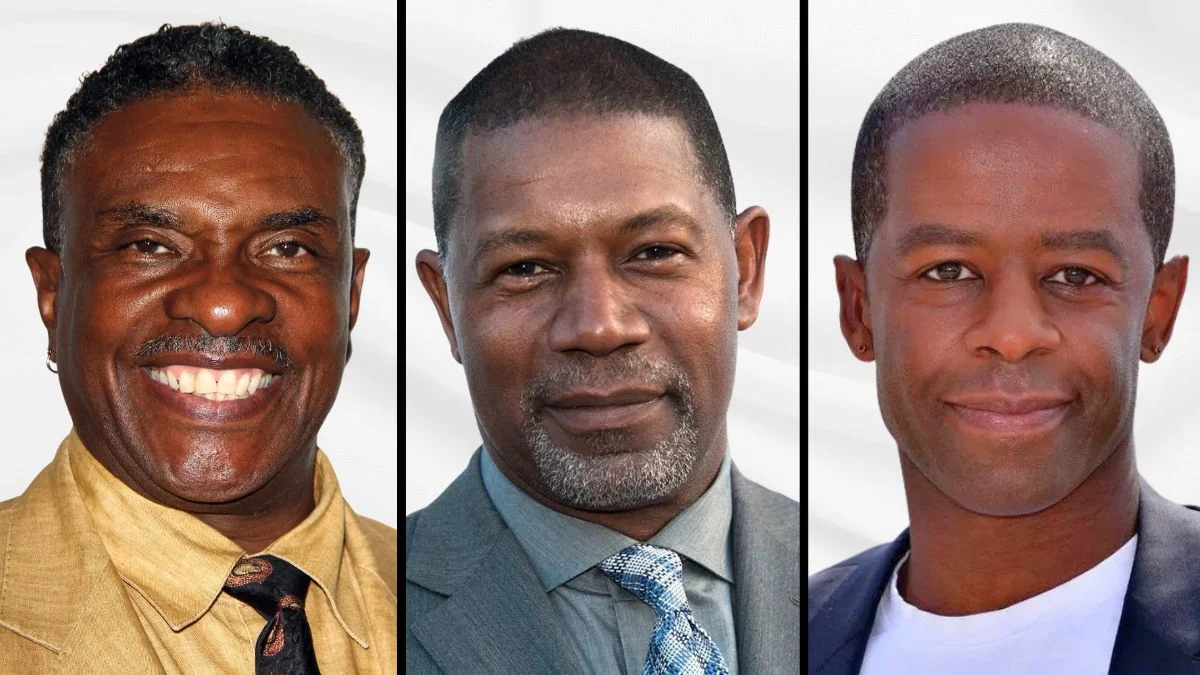

The film industry has long struggled with systemic biases that affect casting decisions and financial backing for diverse talent. Many talented Black actors have encountered barriers when seeking leading roles because studios prioritized perceived international appeal and historical box office data. These performers often demonstrate immense range and critical success while still facing limitations regarding high budget blockbuster opportunities. The following list explores various actors who faced these industry hurdles throughout their professional journeys.
Chiwetel Ejiofor
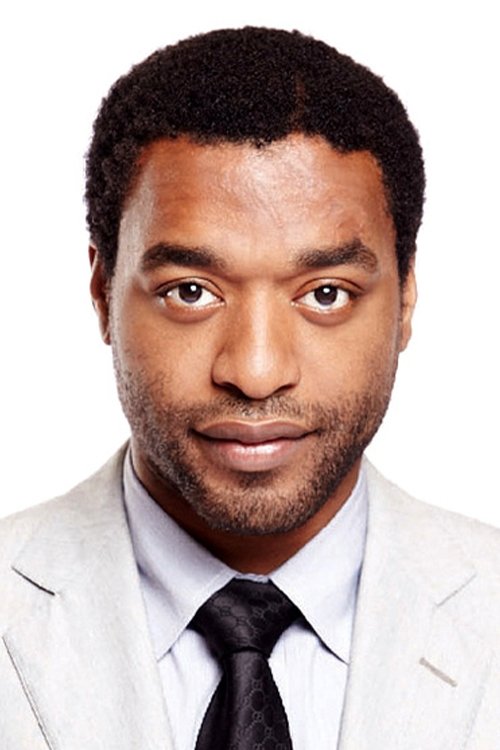
He has built a reputation for delivering powerful performances in both independent dramas and major studio productions. Despite his critical acclaim and an Academy Award nomination for ’12 Years a Slave’ he often finds himself in supporting roles for tentpole films. Industry discussions have frequently touched upon the difficulties Black actors face when trying to secure top billing in high budget action franchises. His career path highlights the gap between critical respect and being labeled a bankable lead for global releases.
Djimon Hounsou
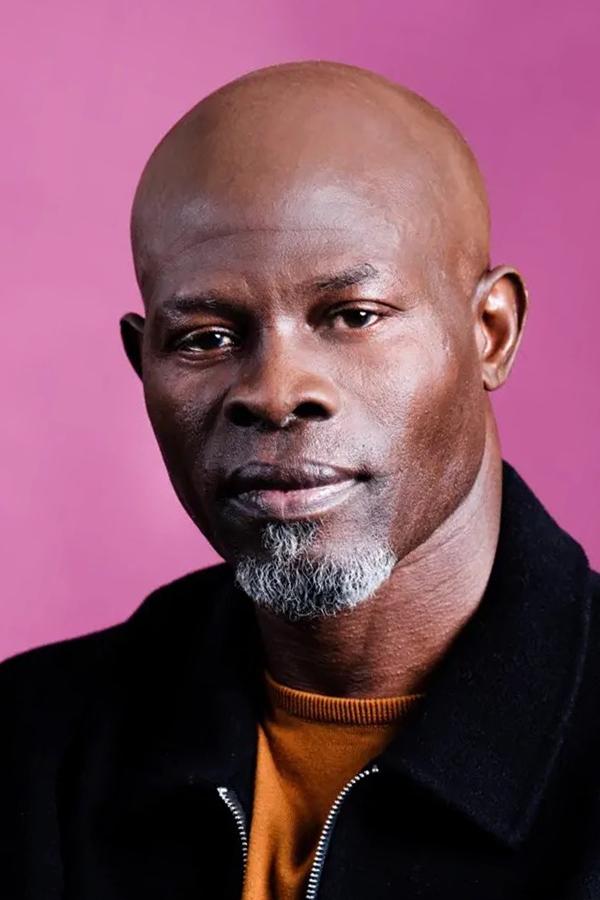
This talented actor has earned multiple Academy Award nominations for his work in ‘In America’ and ‘Blood Diamond’ during his prolific career. He has been vocal about the frustrations of being overlooked for leading roles in favor of less experienced white counterparts. Many of his most notable appearances involve playing secondary characters to established white stars in major historical or action epics. His experience underscores a recurring pattern where studios rely on familiar archetypes rather than investing in diverse leading talent.
Idris Elba
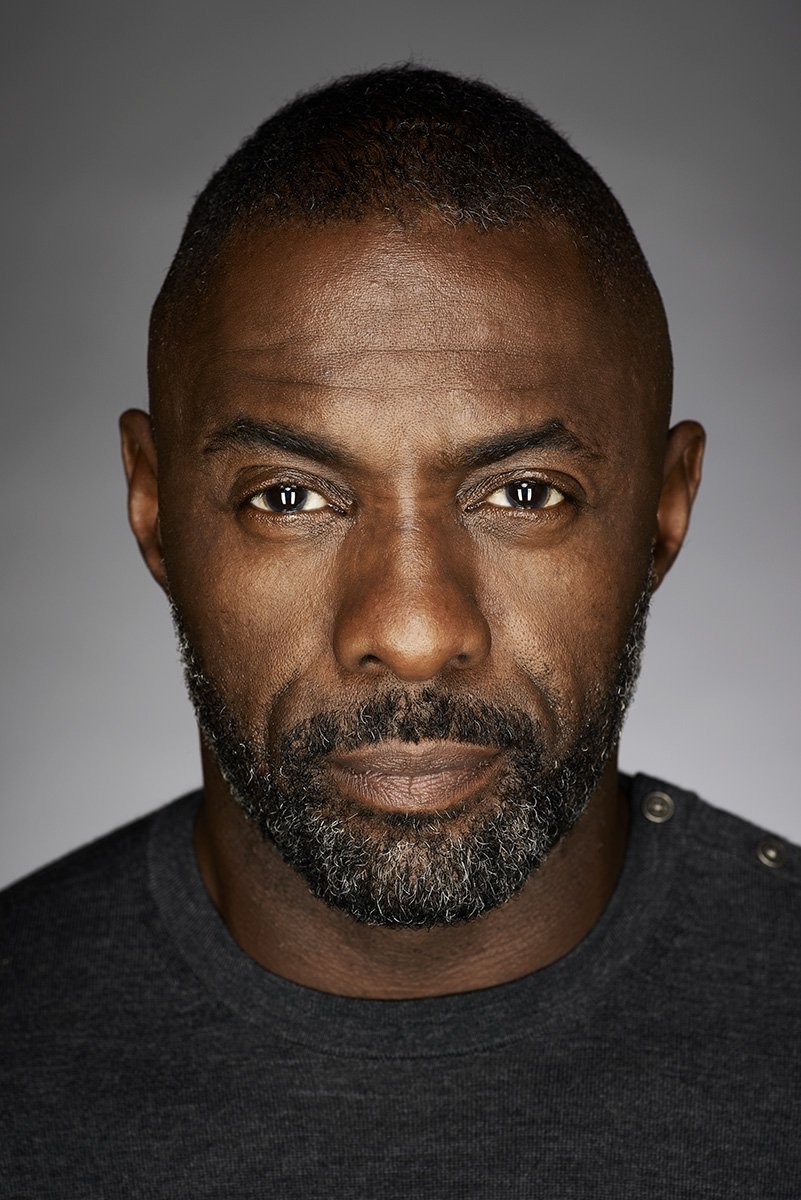
Before achieving global fame he spent years navigating a television landscape that offered limited opportunities for Black men. While he eventually found success with ‘The Wire’ and ‘Luther’ his transition to leading film roles faced significant hurdles from risk averse executives. He was often mentioned for major franchise roles but faced public and industry pushback based on traditional casting expectations. His journey illustrates how established talent must often work harder to prove their commercial viability on a global scale.
David Oyelowo
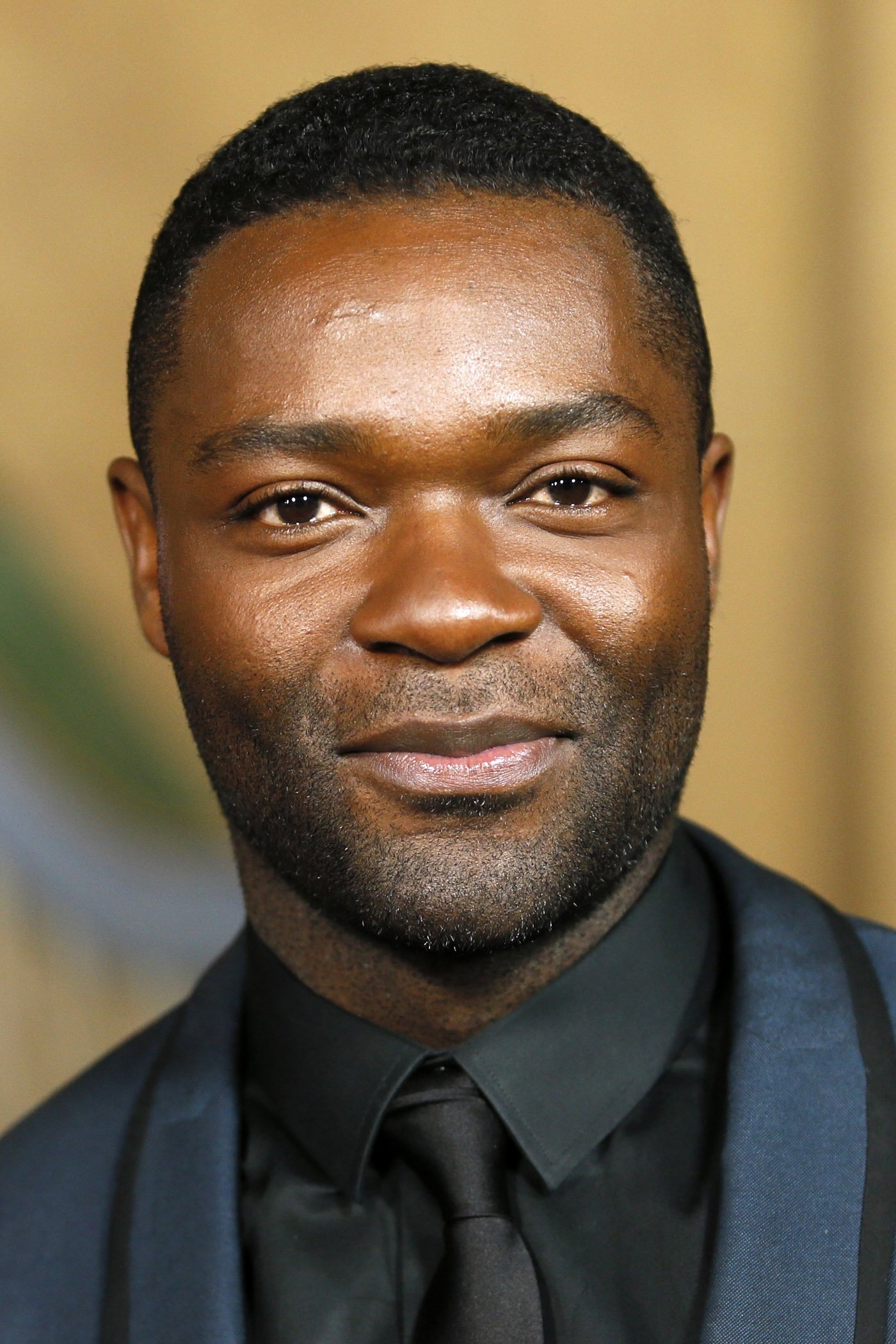
The actor received widespread praise for his portrayal of Martin Luther King Jr. in the film ‘Selma’ yet found it difficult to leverage that success into other lead parts. He has spoken publicly about the challenges of securing funding for projects featuring Black leads because of outdated notions about international marketability. Studios frequently passed on his projects or demanded white costars to mitigate perceived financial risks. This struggle persists despite his proven ability to carry complex narratives and attract critical attention.
John Boyega
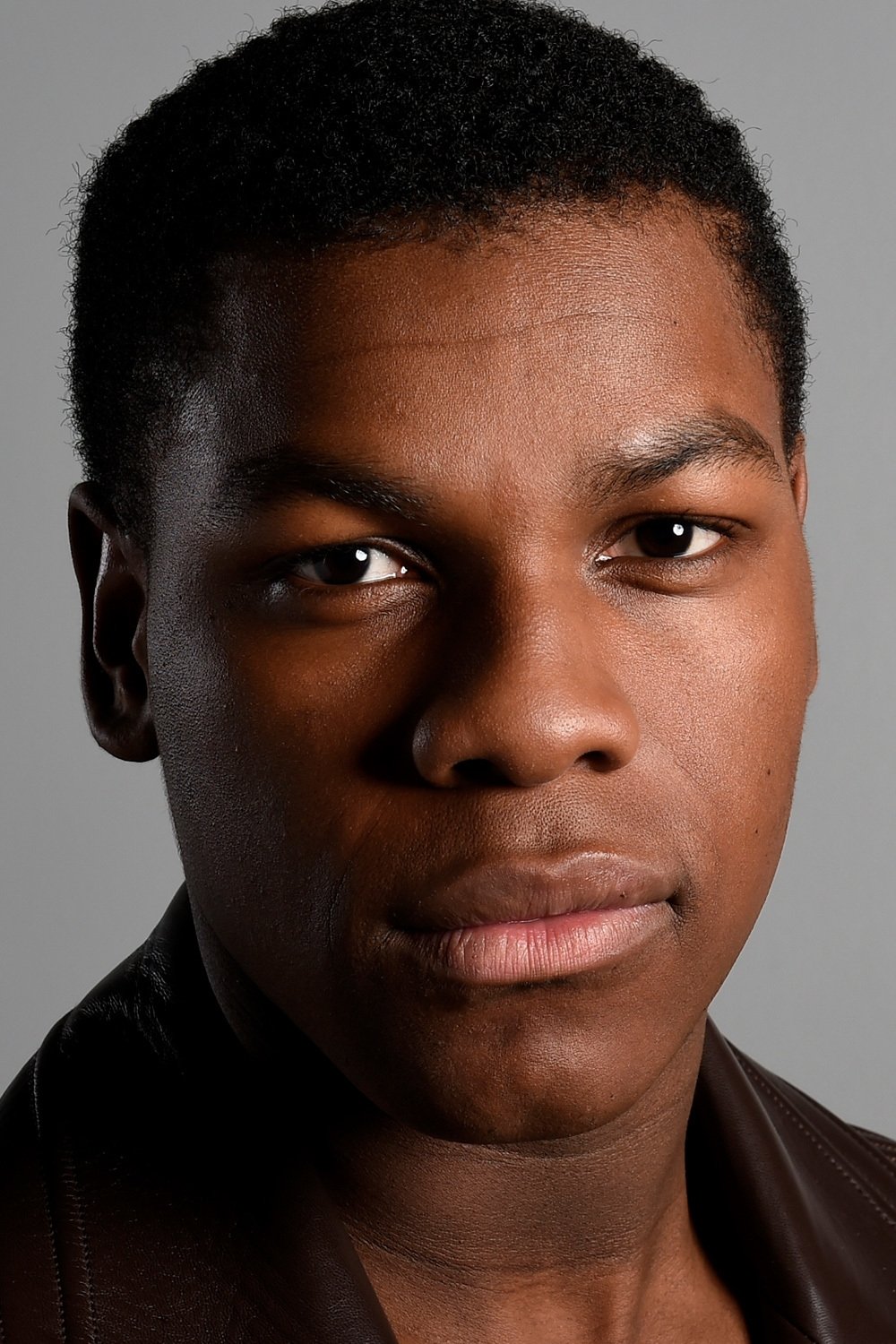
He rose to international prominence through a major franchise but later spoke out about the limitations placed on his character’s growth. He observed that many diverse actors are brought into large scale productions but are not given the same narrative investment as their white peers. This lack of development affects their long term bankability and their ability to secure future leading roles in the industry. His honesty has shed light on how studios treat diverse talent as secondary even in global blockbusters.
Daniel Kaluuya
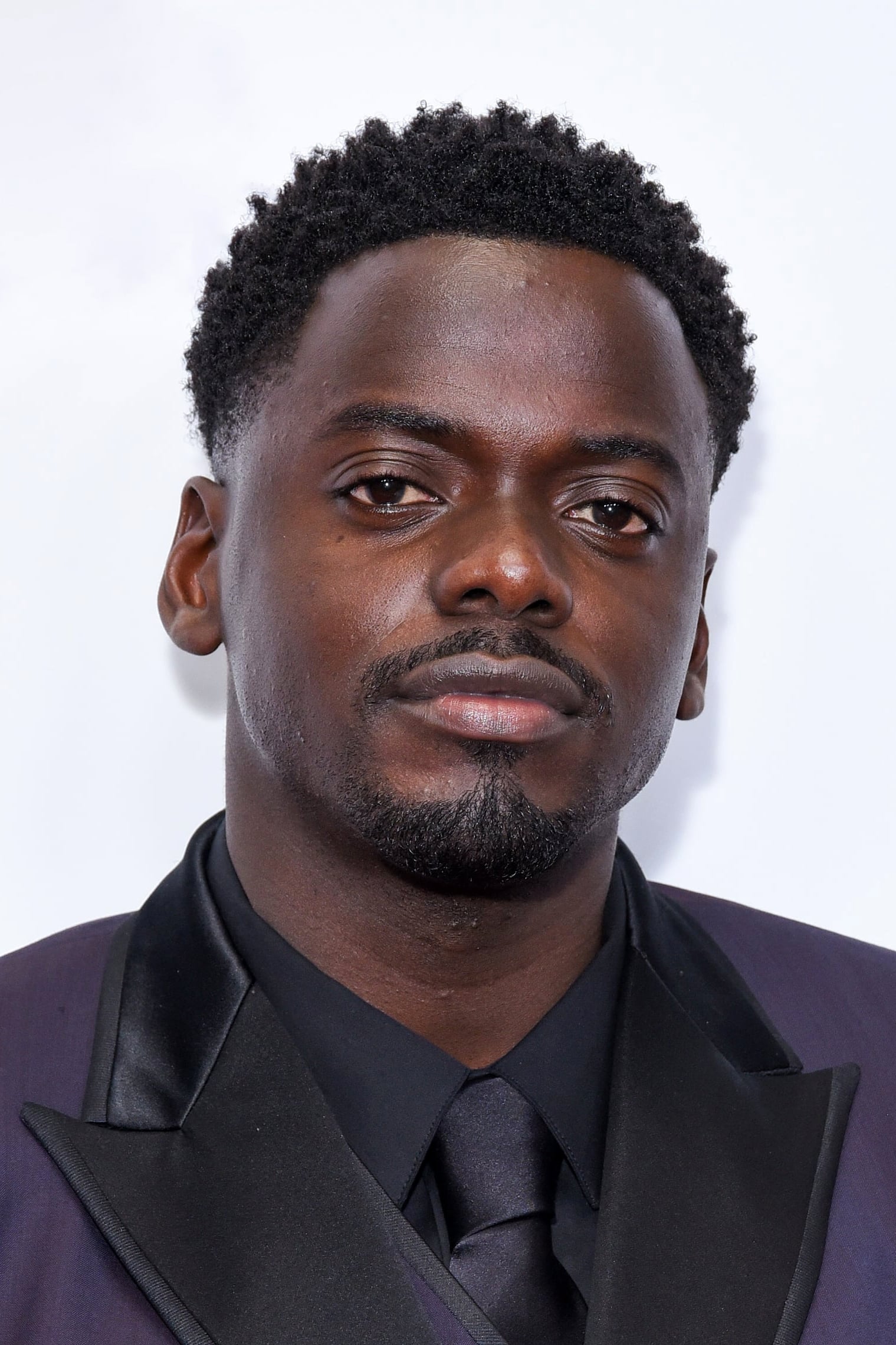
Despite being an Academy Award winner he has faced challenges in being cast as the primary lead in big budget commercial cinema. Early in his career he found that the British film industry had very limited views on what a leading man should look like. He moved to the United States to find better opportunities but still navigates a system that prioritizes a narrow definition of marketability. His success in ‘Get Out’ proved his draw but he remains selective in a landscape that often overlooks his potential for massive franchises.
Mahershala Ali
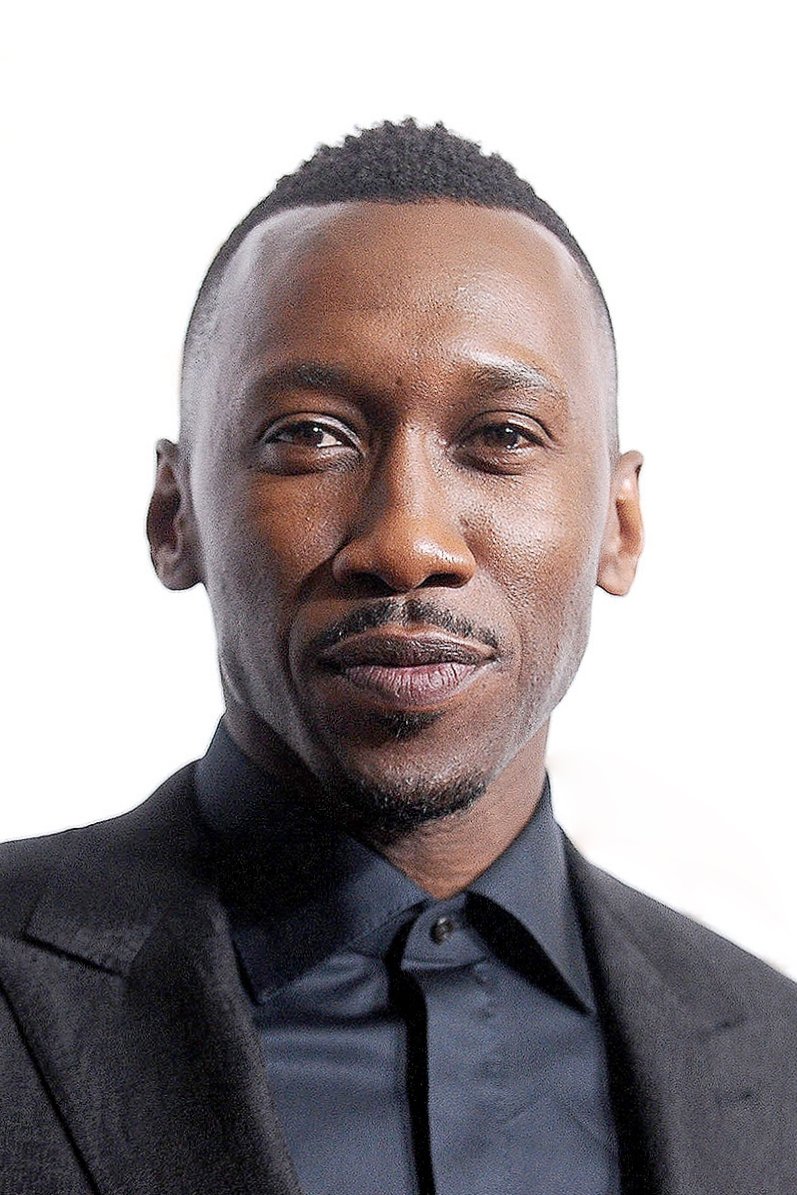
Even with two Academy Awards he has faced a long road toward being seen as a primary draw for big budget commercial films. For many years he worked as a reliable character actor in projects like ‘House of Cards’ and ‘The Curious Case of Benjamin Button’ before receiving top billing. His casting in ‘Blade’ was seen as a significant breakthrough for an actor who had long been sidelined from major franchise leads. He continues to navigate an industry that is slowly changing its views on the commercial power of diverse actors.
Jeffrey Wright
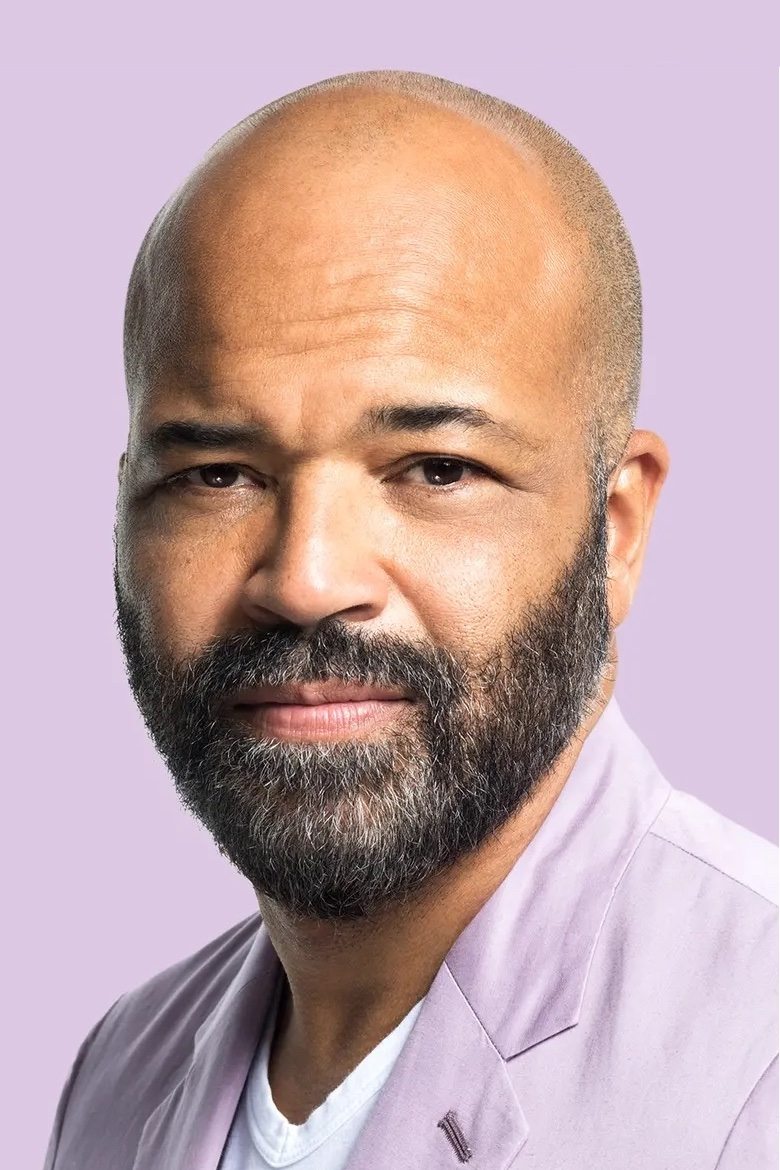
As one of the most versatile actors of his generation he has appeared in everything from ‘Basquiat’ to the ‘James Bond’ series. He is frequently praised as a chameleon but rarely gets the opportunity to lead a major studio film on his own. Executives often view him as a high quality supporting player rather than the face of a marketing campaign. This perception remains a barrier for many seasoned actors who have the skill but lack the studio mandated bankability score.
Terrence Howard
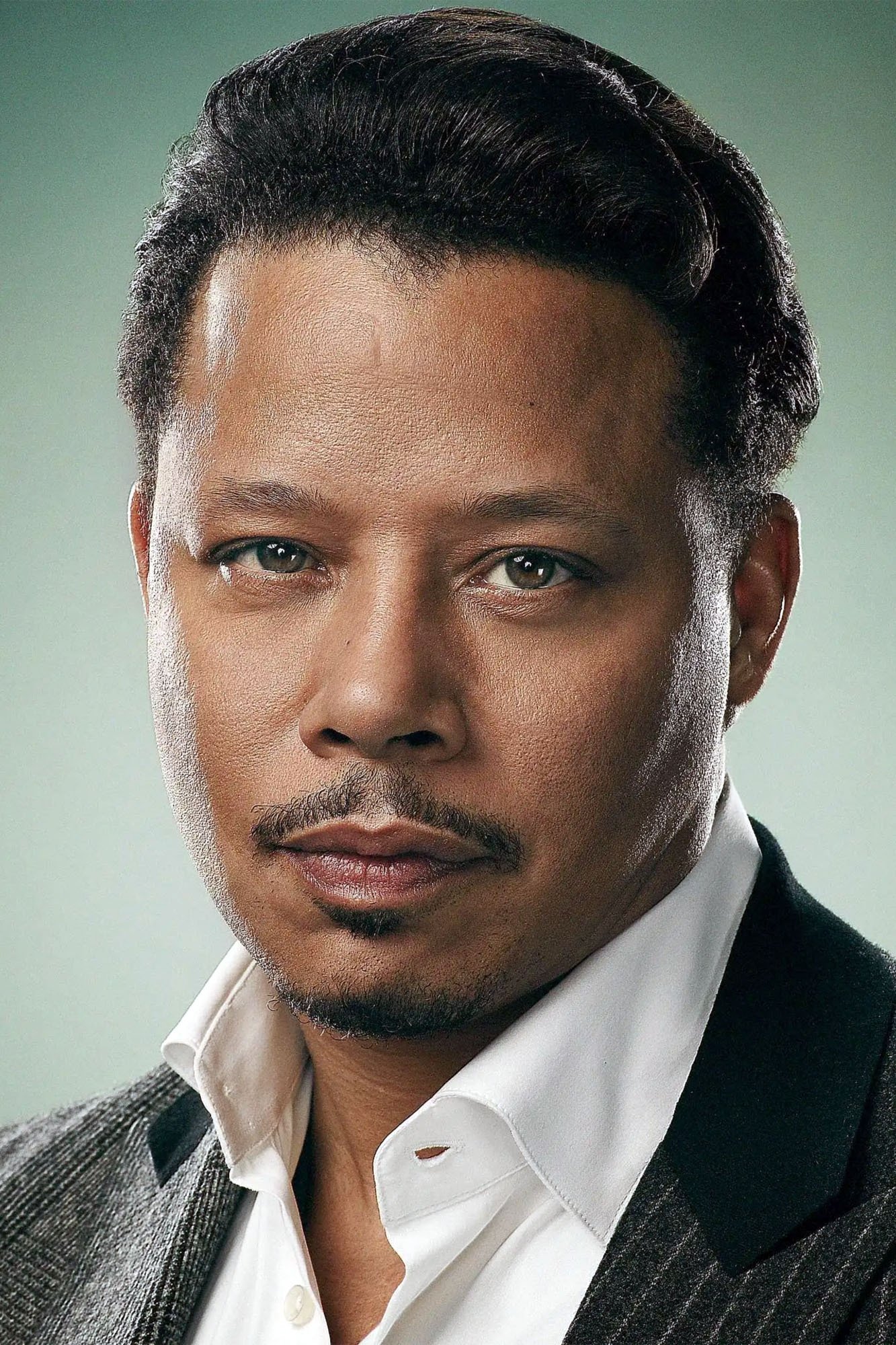
His performance in ‘Hustle & Flow’ earned him an Oscar nomination and proved his ability to command the screen as a protagonist. However he was famously replaced in a major superhero franchise following a salary dispute that raised questions about how studios value Black stars. He has often found himself working in television or independent films when major studio lead offers became scarce. His career trajectory reflects the volatile nature of being a Black lead in a system that prioritizes established safe bets.
Giancarlo Esposito
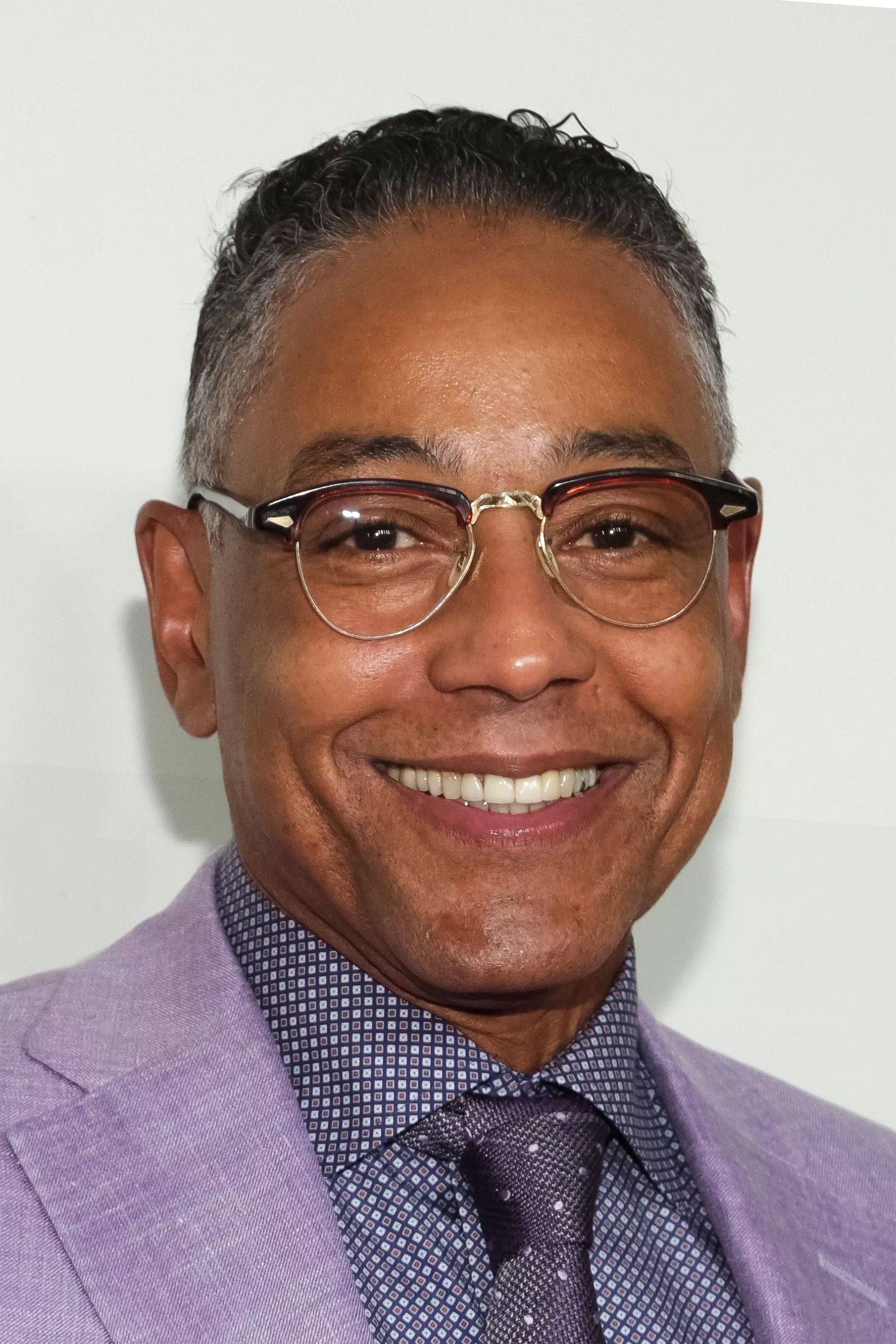
He is widely recognized for his chilling performance in ‘Breaking Bad’ which turned him into a household name for television fans. Despite his immense popularity and skill he spent decades as a character actor before finding this level of recognition. He has noted that the opportunities for leading film roles were often restricted by industry perceptions of race and marketability. Even now he is primarily sought after for antagonistic roles rather than the central hero of a major film.
LaKeith Stanfield
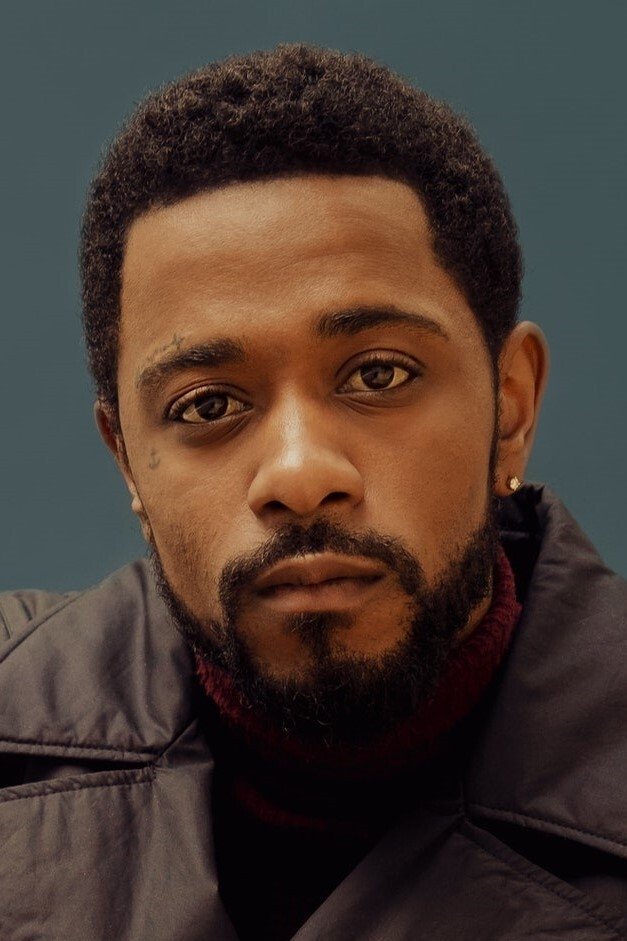
This actor has become a favorite in the independent film scene with roles in ‘Sorry to Bother You’ and ‘Knives Out’ recently. He possesses a unique screen presence that has garnered critical acclaim and a devoted following. Despite these successes he has spoken about the difficulty of getting major studios to commit to projects where he is the sole lead. The industry still relies heavily on traditional casting choices for its most expensive and high stakes productions.
Michael Kenneth Williams
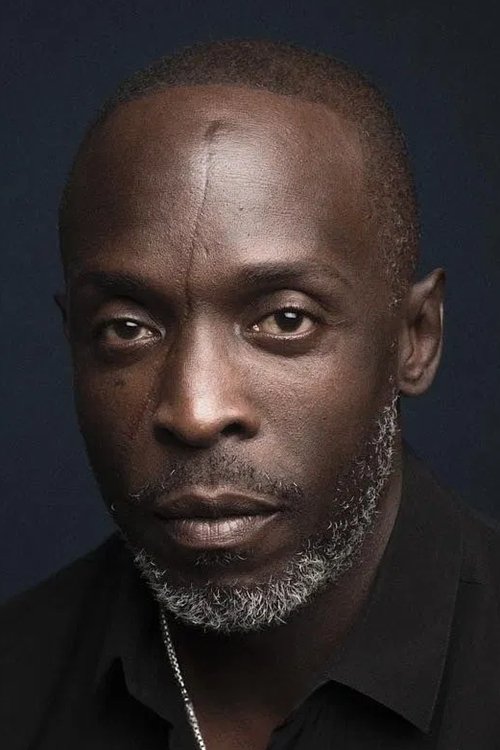
He created one of the most iconic characters in television history with his role in the acclaimed series ‘The Wire’ during the early two thousands. While he was a powerhouse performer he often found himself relegated to supporting roles in major motion pictures. He rarely received the chance to carry a big budget film as the primary protagonist despite his immense talent. His career stands as a testament to the limited imagination of casting directors regarding Black character actors.
Forest Whitaker
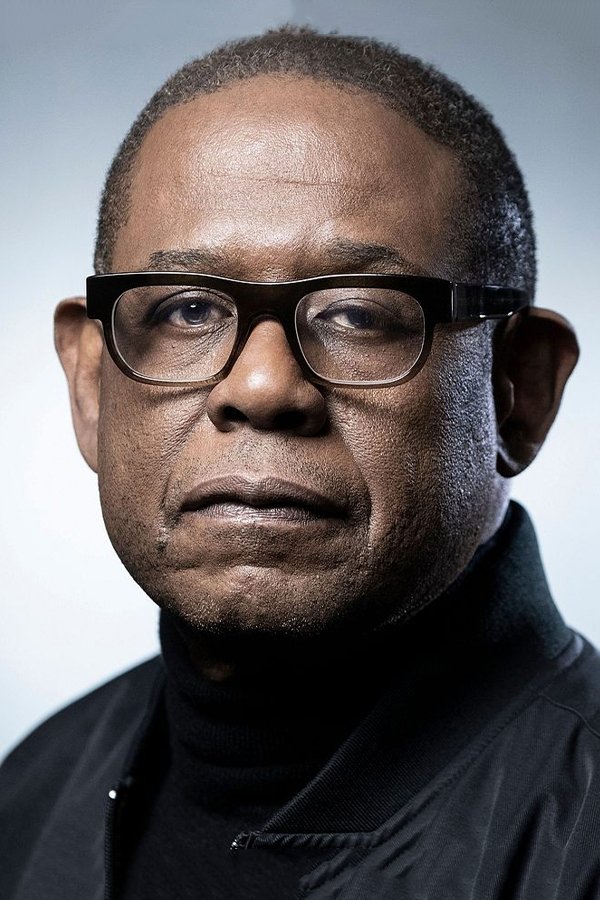
Although he won an Academy Award for ‘The Last King of Scotland’ his opportunities to lead major commercial films remained inconsistent. He has often been cast in supporting roles for larger ensembles or as the wise mentor figure in action movies. Studios frequently hesitated to build a major franchise around him during the peak of his career. This reflects a broader trend where even top tier accolades do not always translate into leading man status for Black performers.
Danny Glover
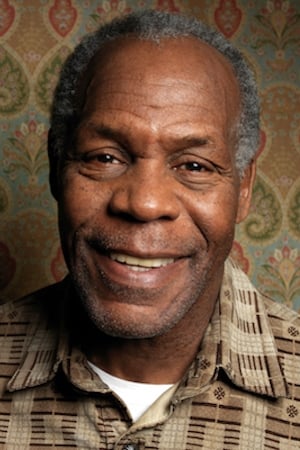
He became a massive star through the ‘Lethal Weapon’ series but often shared the spotlight with a white costar. Outside of that franchise he found it challenging to secure leading roles in big budget studio films that were not buddy comedies. He has been a vocal advocate for more diverse representation and better opportunities for Black actors in Hollywood. His experience highlights the limitations placed on even the most successful Black actors of the eighties and nineties.
Keith David
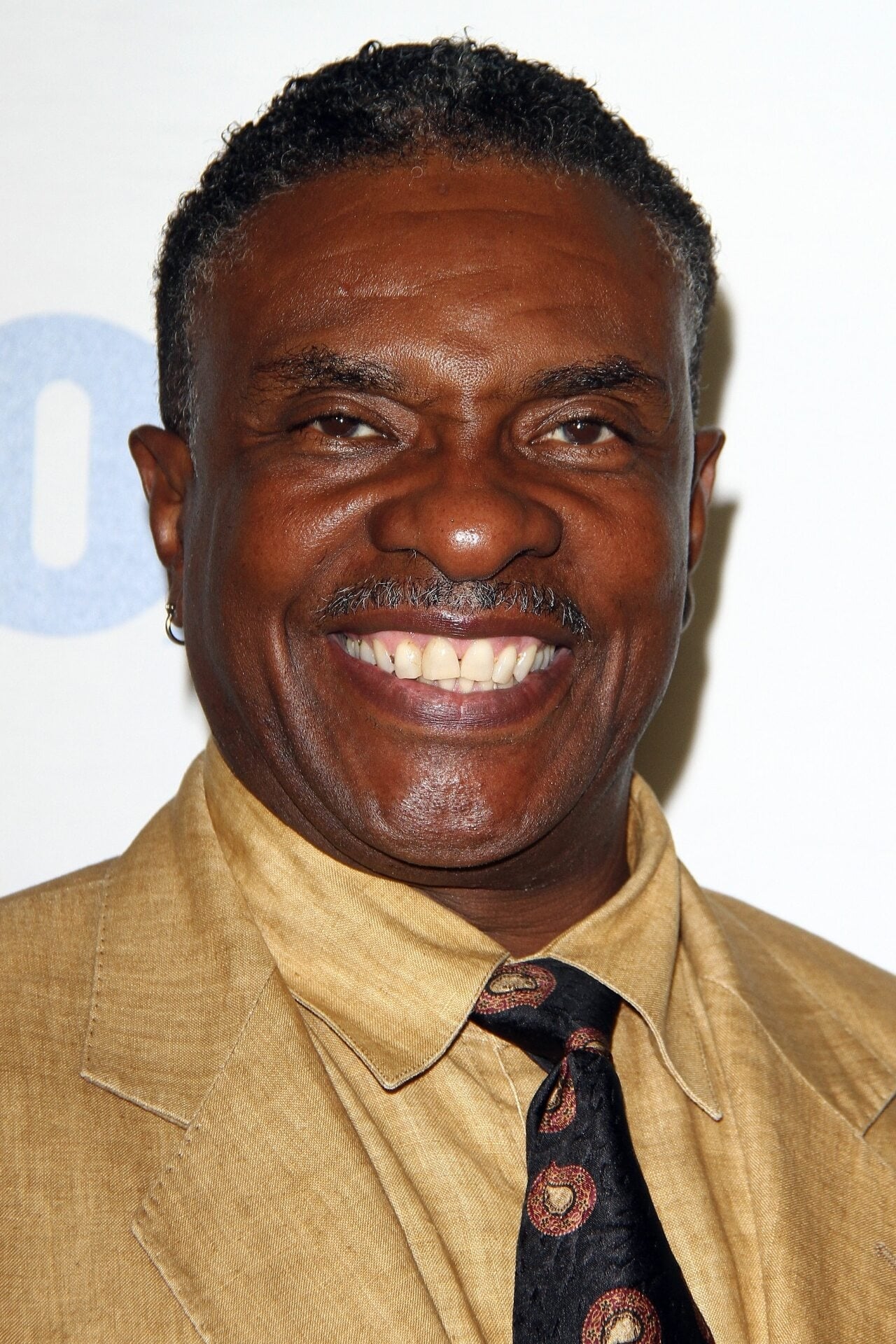
With a career spanning decades he has provided memorable performances in ‘The Thing’ and ‘Platoon’ while becoming a prolific voice actor. He has the presence and the voice of a leading man but has largely been utilized as a reliable supporting player. Major studios have rarely gambled on him as the face of a high budget theatrical release. This frequent oversight is a common theme for many Black actors who possess a commanding screen presence.
Delroy Lindo
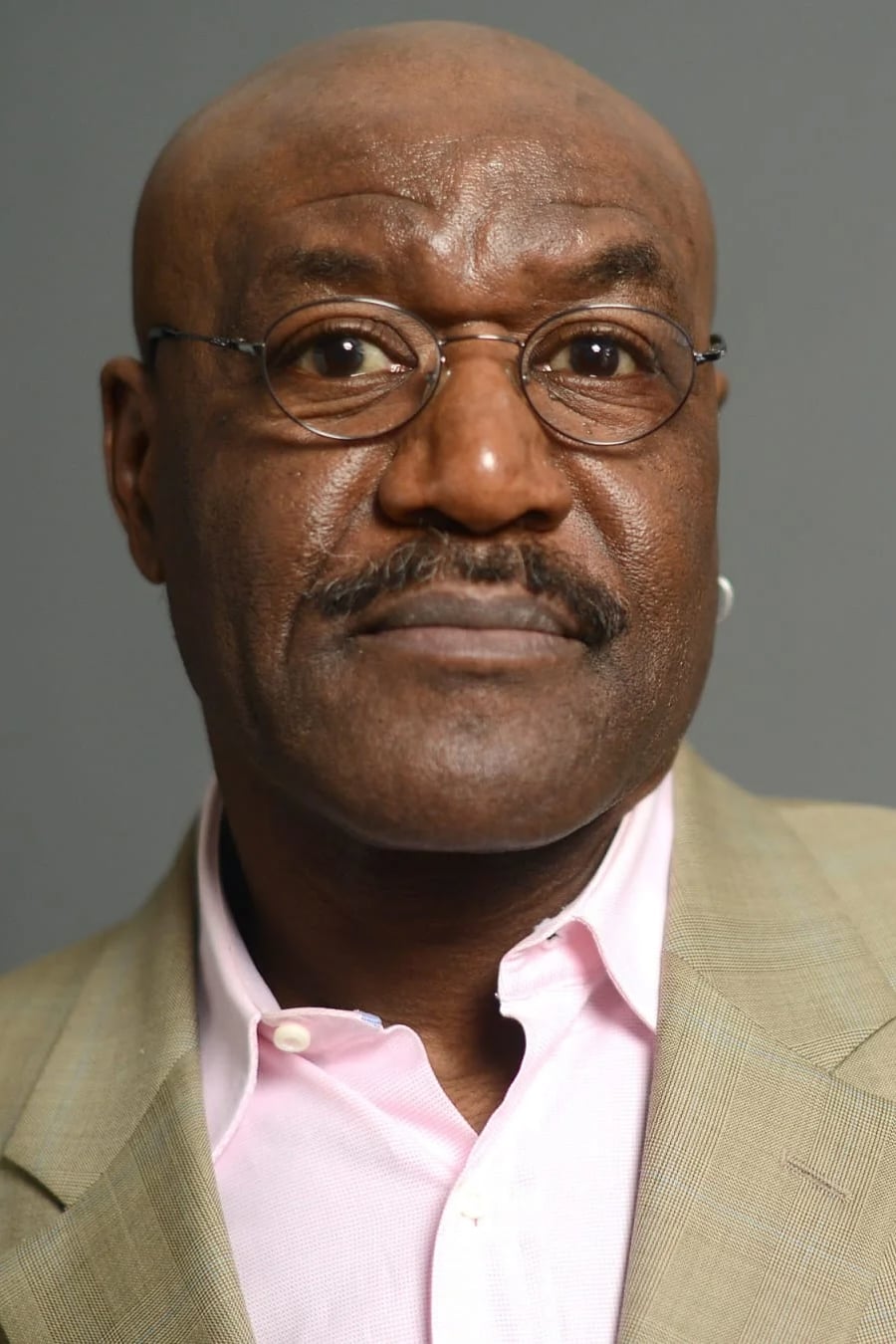
He has delivered powerful and nuanced performances in several films including ‘Malcolm X’ and ‘Da 5 Bloods’ more recently. Despite his formidable talent and critical praise he has spent much of his career in supporting roles. He is often the strongest part of any ensemble but is rarely given the lead in a major studio project. This suggests that the industry often overlooks veteran Black actors when casting central protagonists for big films.
Adrian Lester
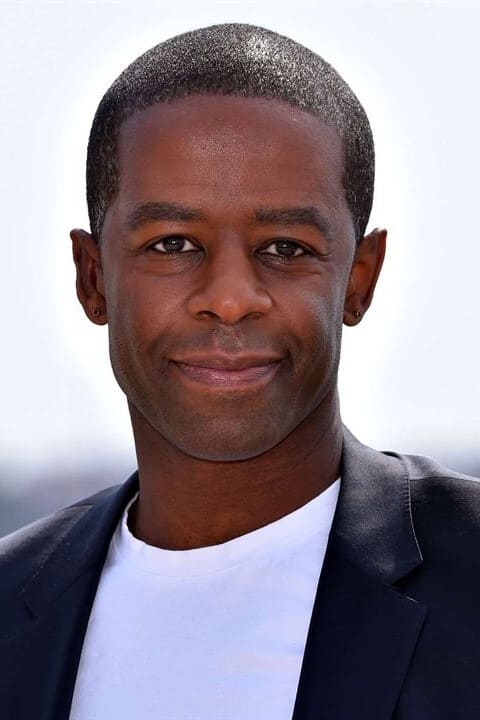
The British actor gained fame for his work in ‘Hustle’ and has a long history of success on the stage. He has spoken about the lack of opportunities for Black leading men in the United Kingdom and the United States. Many of his potential lead roles in major films were reportedly given to white actors to ensure international sales. He continues to be a respected figure in the industry while highlighting the systemic barriers that remain.
Lennie James
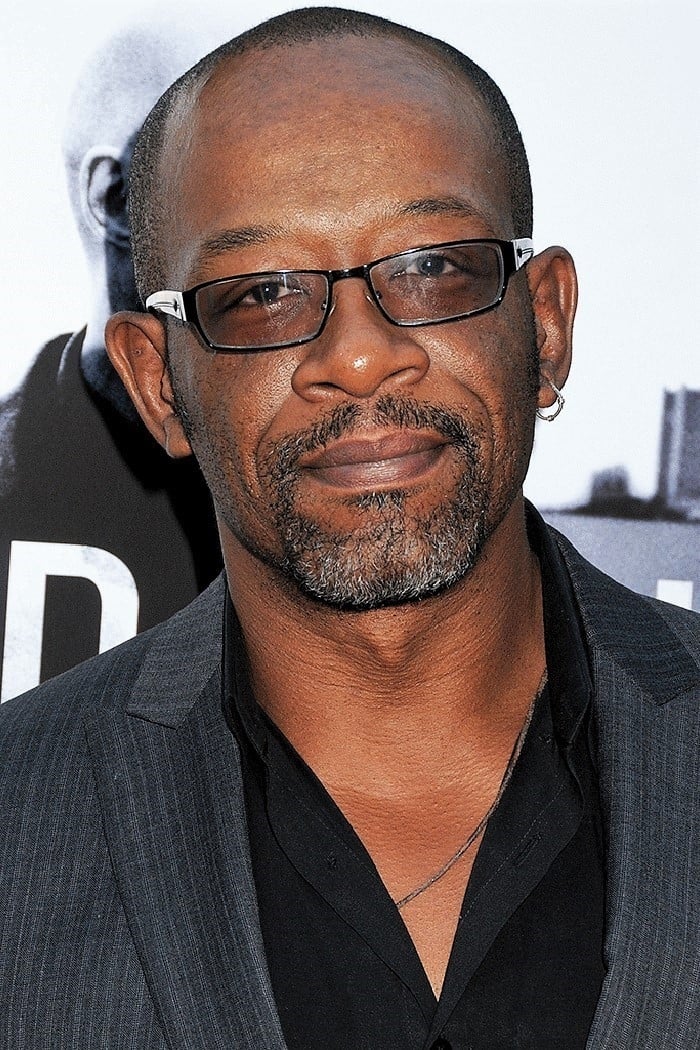
Known globally for his role in ‘The Walking Dead’ he has proven his ability to anchor a hit television series. However he has found it much more difficult to transition into leading roles in the world of major motion pictures. Studios often view television stars of color as less bankable than their white counterparts when casting for the big screen. He remains a highly sought after actor for television but lead film roles continue to be elusive.
Dennis Haysbert
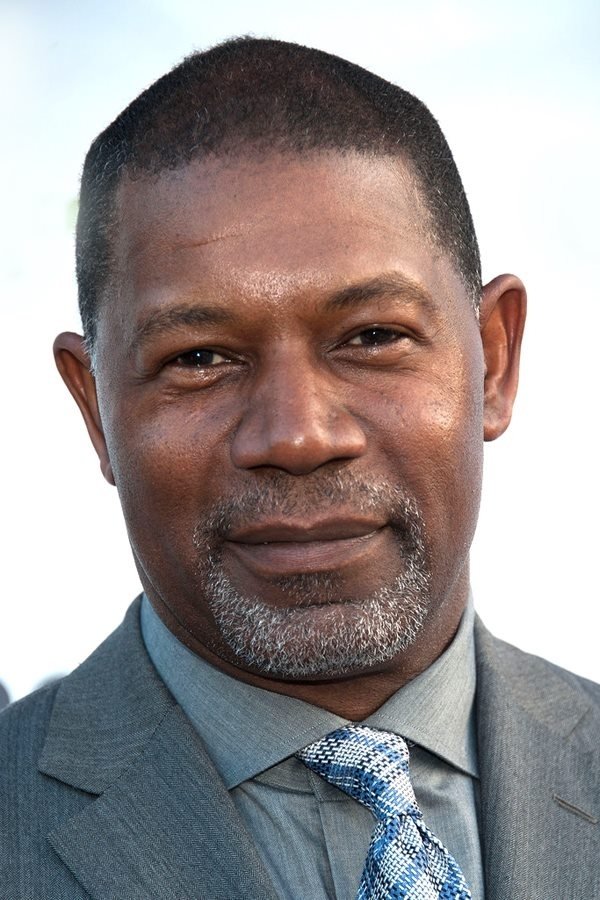
He became a symbol of authority and trust through his roles in ’24’ and his long running commercial work. Despite having the stature and gravitas of a traditional leading man he has mostly appeared in supporting film roles. He was often the first choice for secondary characters but rarely the first choice for the protagonist. His career highlights how studios often use Black actors to provide gravitas without giving them the lead.
Wood Harris

His portrayal of Avon Barksdale in ‘The Wire’ made him a legend in the world of prestige television drama. He has appeared in successful films like ‘Remember the Titans’ but usually in a supporting capacity. He has faced the challenge of being typecast in urban dramas rather than being considered for a wide range of leading roles. This narrow view of talent often limits the commercial growth of exceptionally gifted Black actors.
Bokeem Woodbine
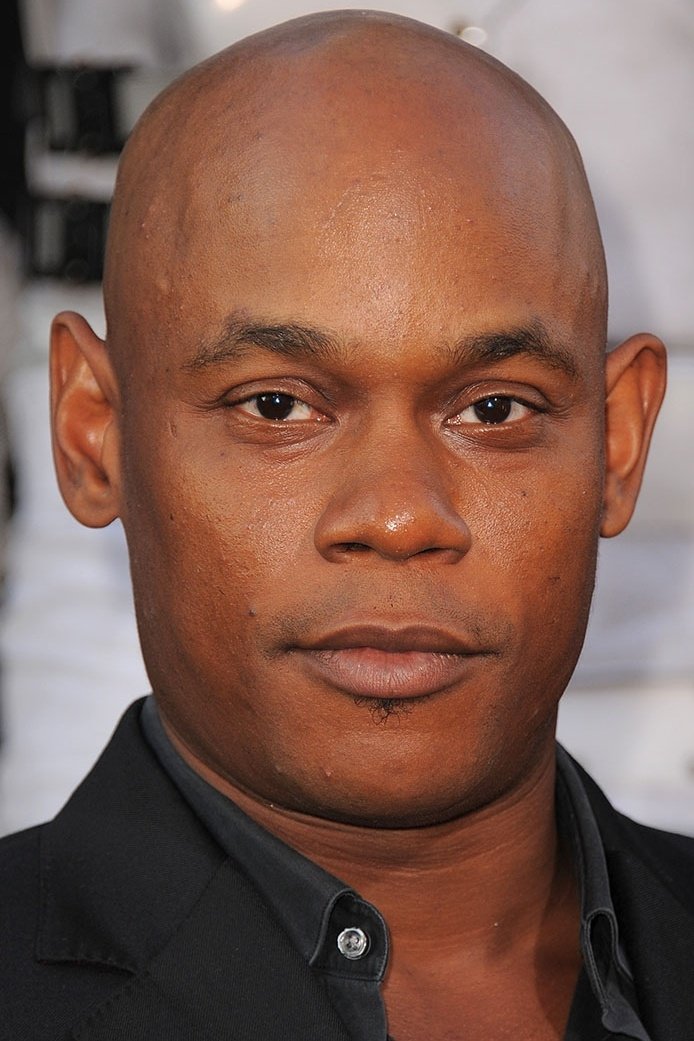
He has been a consistent presence in film and television since the nineties with a breakout role in ‘Jason’s Lyric’ early on. While he is often praised for his intensity and range he is rarely the top name on a film poster. He experienced a career resurgence with ‘Fargo’ but still finds leading film roles hard to come by in Hollywood. The industry often treats such actors as interchangeable supporting pieces rather than potential stars.
Stephan James
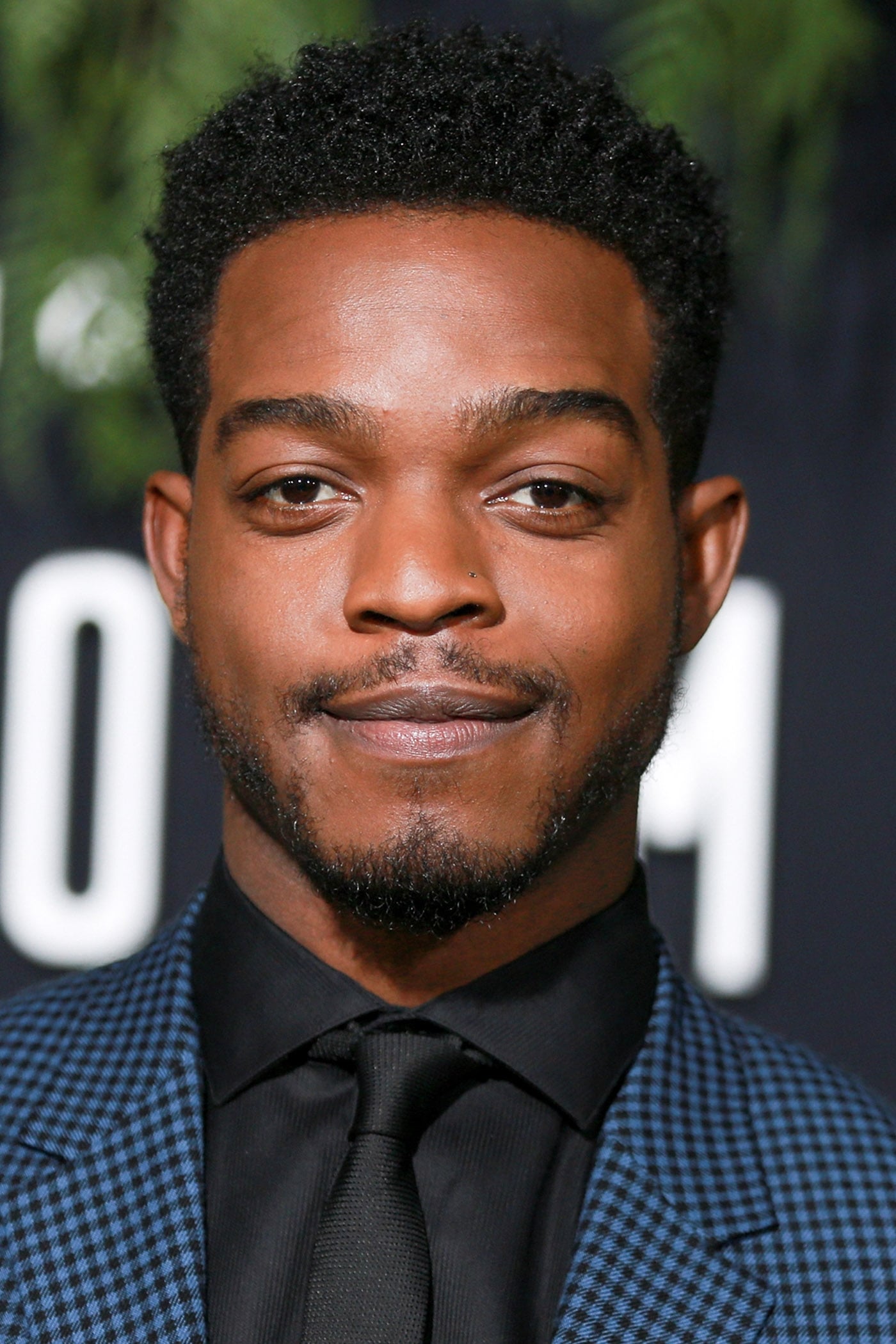
After a breakout performance in ‘If Beale Street Could Talk’ he seemed poised for a major ascent in Hollywood. He has led several projects like ‘Race’ and ’21 Bridges’ but still faces hurdles in securing massive franchise roles. He has commented on the pressure to continuously prove his worth to executives who are hesitant to back Black leads. His career represents the new generation of actors still fighting against old industry standards.
Yahya Abdul-Mateen II
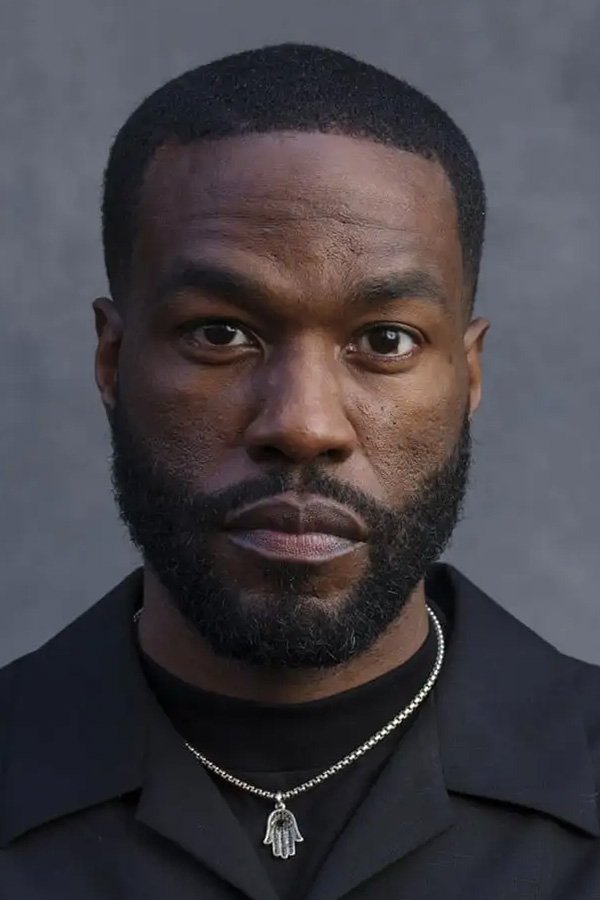
He has quickly risen to fame with roles in ‘Aquaman’ and the ‘Watchmen’ series on television. While he is landing significant roles he has discussed the difficulty of getting projects centered on Black men off the ground. Studios are often more comfortable casting him in established intellectual properties than in original lead stories. He remains one of the most promising stars who is actively challenging the bankability narrative.
Winston Duke
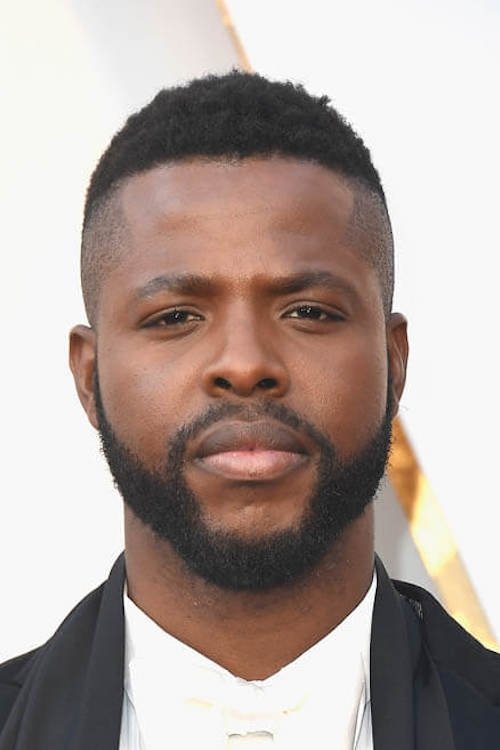
His role as M’Baku in ‘Black Panther’ made him a fan favorite and showcased his undeniable charisma. Despite this success he has had to work hard to secure leading roles outside of superhero films. He has been vocal about the need for more diverse stories and the industry’s tendency to play it safe with casting. His physical presence and talent make him a natural lead but opportunities remain limited in major commercial cinema.
Sterling K. Brown
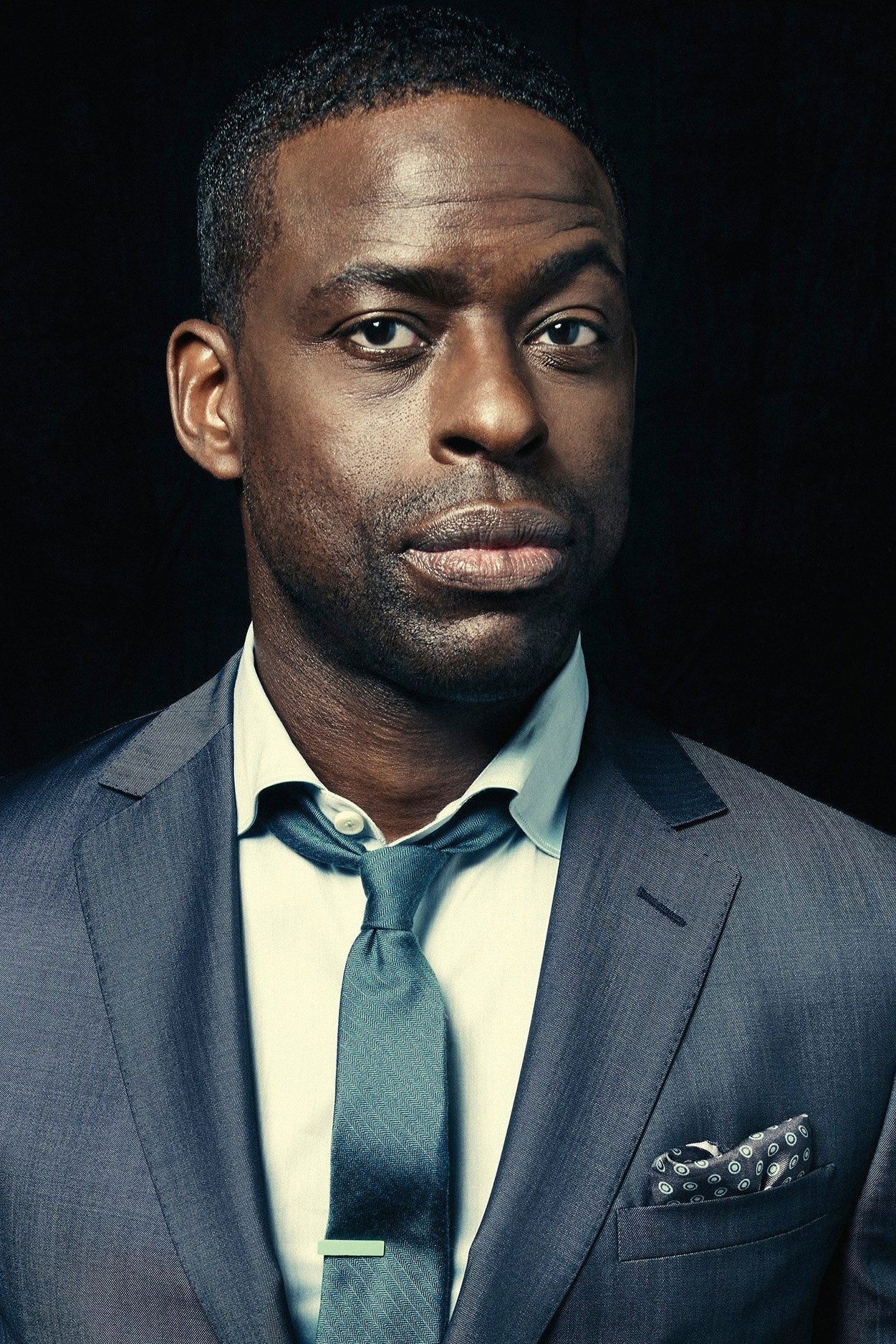
He has dominated the television awards circuit with ‘This Is Us’ and has shown incredible range in various projects. Transitioning that television success into leading a major motion picture has been a slower process than many expected. He often finds himself in supporting roles in large films like ‘Black Panther’ or ‘Frozen II’ rather than the main lead. This gap illustrates the different standards applied to television stars versus film stars of color.
Anthony Mackie
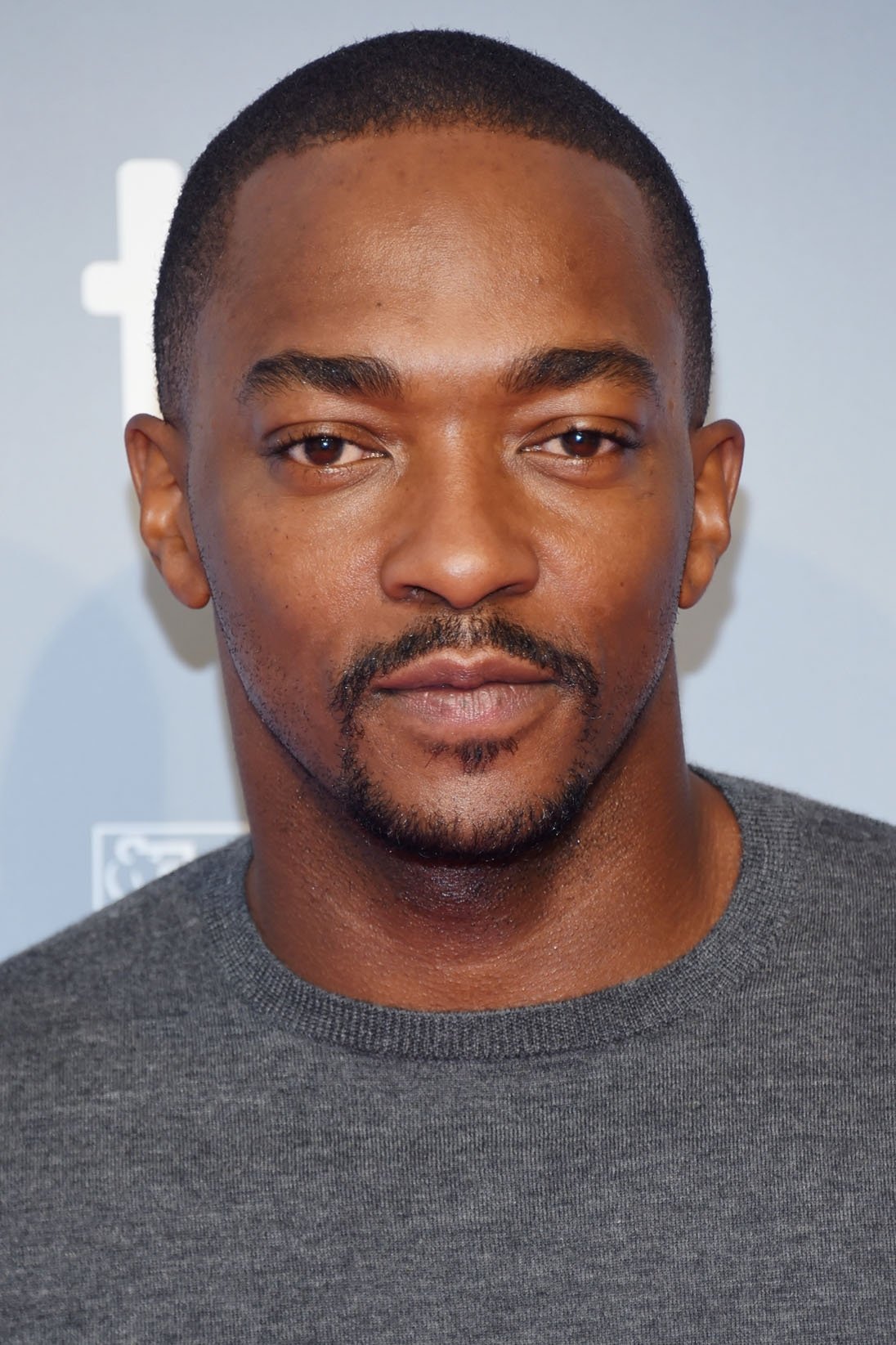
While he is now the new Captain America he spent many years as a supporting actor in numerous films. He has been open about the struggles of the mid tier movie and how it affects Black actors specifically. Before his major success he was often passed over for leading roles in favor of actors who were considered more bankable at the time. His current status is the result of years of persistence in a system that was slow to embrace him.
Andre Braugher
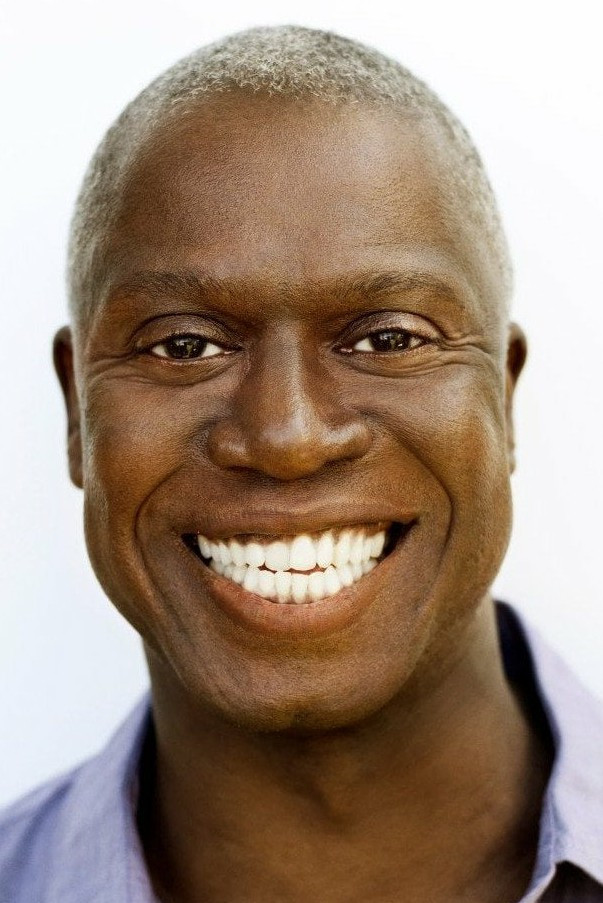
The late actor was a titan of television with legendary roles in ‘Homicide: Life on the Street’ and ‘Brooklyn Nine-Nine’ during his career. He possessed a commanding presence and an incredible voice that could have easily carried major films. Yet he was rarely offered the opportunity to lead a big budget studio production throughout his life. His career focused largely on television where he was given the space to showcase his immense talent.
Blair Underwood

He has been a prominent figure in the industry for decades and was once considered a rising leading man. Despite his leading man looks and talent he often found himself in television roles or supporting film parts. The film industry in the nineties was particularly restrictive regarding the number of Black leads it would support. He remains a respected veteran who navigated a very difficult era for Black actors in Hollywood.
Morris Chestnut

He has maintained a steady career since ‘Boyz n the Hood’ and is known for his leading roles in romantic dramas. However he has rarely been given the chance to lead a major action or suspense film from a big studio. He has spoken about being overlooked for certain roles because executives had a specific image in mind. This reflects the tendency to pigeonhole Black actors into specific genres like romance or urban drama.
Taye Diggs
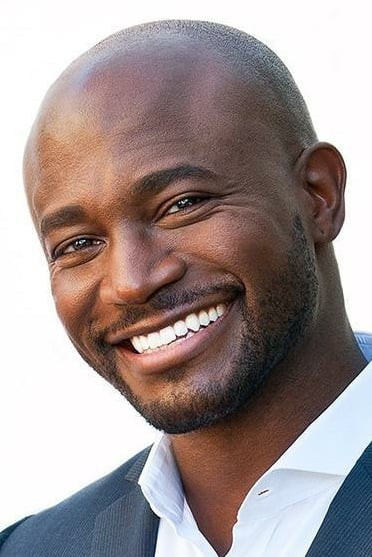
After starring in ‘How Stella Got Her Groove Back’ he became a significant name in the romantic comedy genre. He found success on Broadway and television but major studio lead roles in other genres were less frequent. He has noted that the industry often has a limited number of spots for Black leading men at any given time. This competition for a few roles can stall the careers of many talented performers in the film business.
Mekhi Phifer
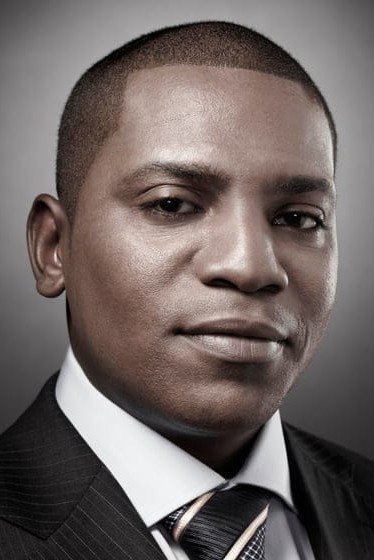
He had a string of successes in the late nineties and early two thousands with films like ‘8 Mile’ and ‘Paid in Full’ during that era. While he was a recognizable face he often played second fiddle to white leads in larger studio productions. He has transitioned more into television work as leading film opportunities became less frequent. His career shows the difficulty of maintaining momentum as a Black lead in the film industry.
Omari Hardwick
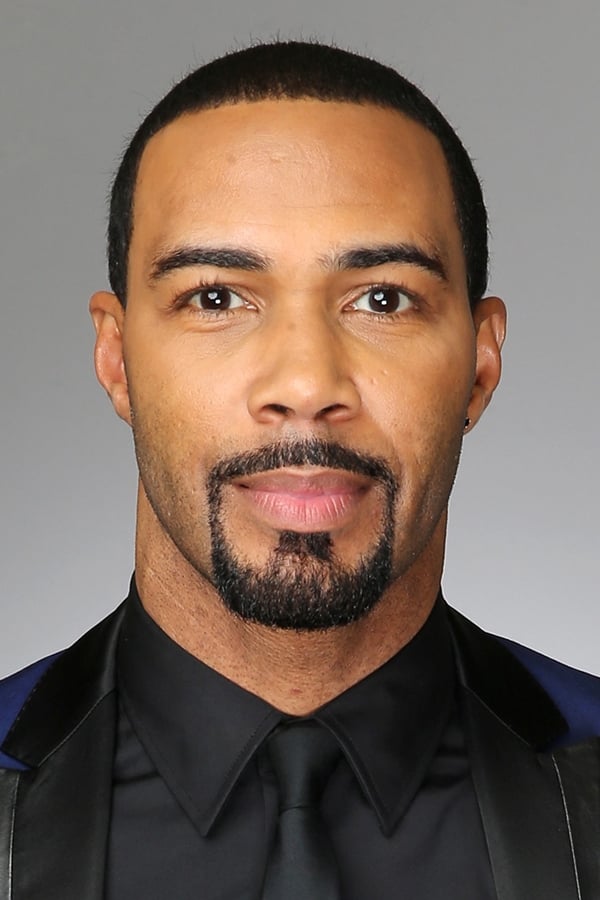
He gained a massive following for his role in the hit series ‘Power’ where he proved he could lead a successful franchise. Despite this he has found that the film industry is still hesitant to cast him as the primary lead in major movies. He has discussed the challenges of breaking through the perception that television success does not translate to film bankability. He continues to seek out roles that challenge these industry limitations today.
Harold Perrineau
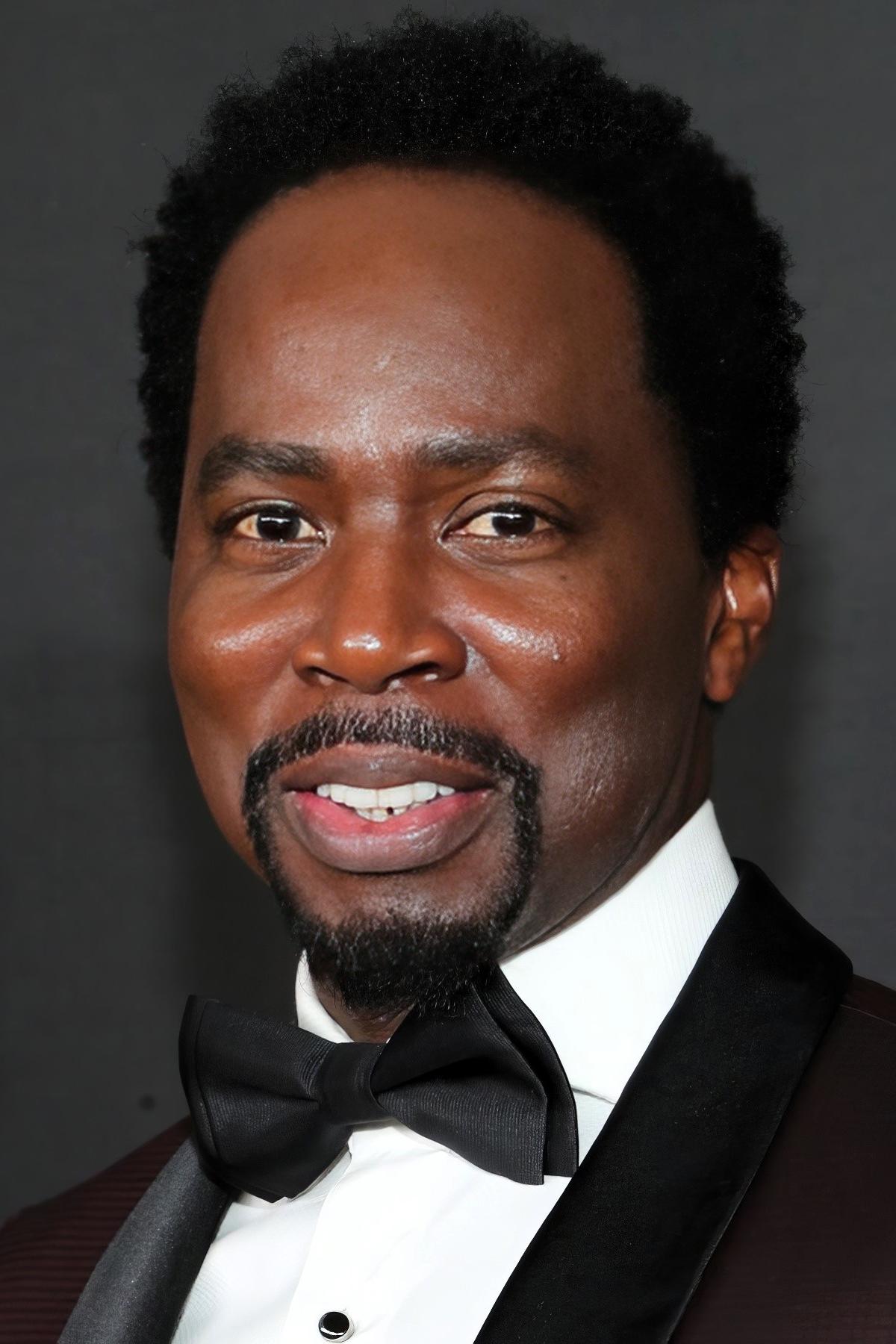
He is a versatile actor known for his work in ‘Romeo + Juliet’ and the series ‘Lost’ as well as the sequels to ‘The Matrix’ films. Despite his talent he is often used as a supporting character to fill out an ensemble cast. He has rarely been given the opportunity to be the face of a major film marketing campaign. This experience is common for character actors of color who consistently deliver high quality work.
Mykelti Williamson
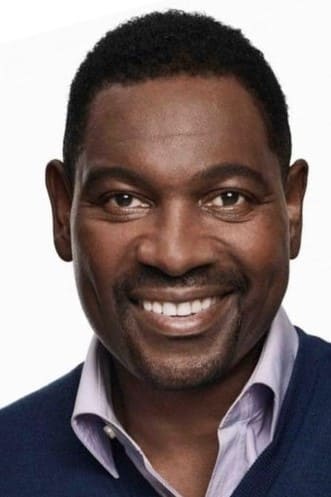
Most people remember him for his unforgettable performance as Bubba in ‘Forrest Gump’ early in his career. While that role was iconic it did not lead to a steady stream of leading roles in major motion pictures. He has spent decades as a reliable supporting actor in both film and television projects. The industry often fails to capitalize on the potential of actors who have proven their ability to connect with audiences.
Michael Jai White
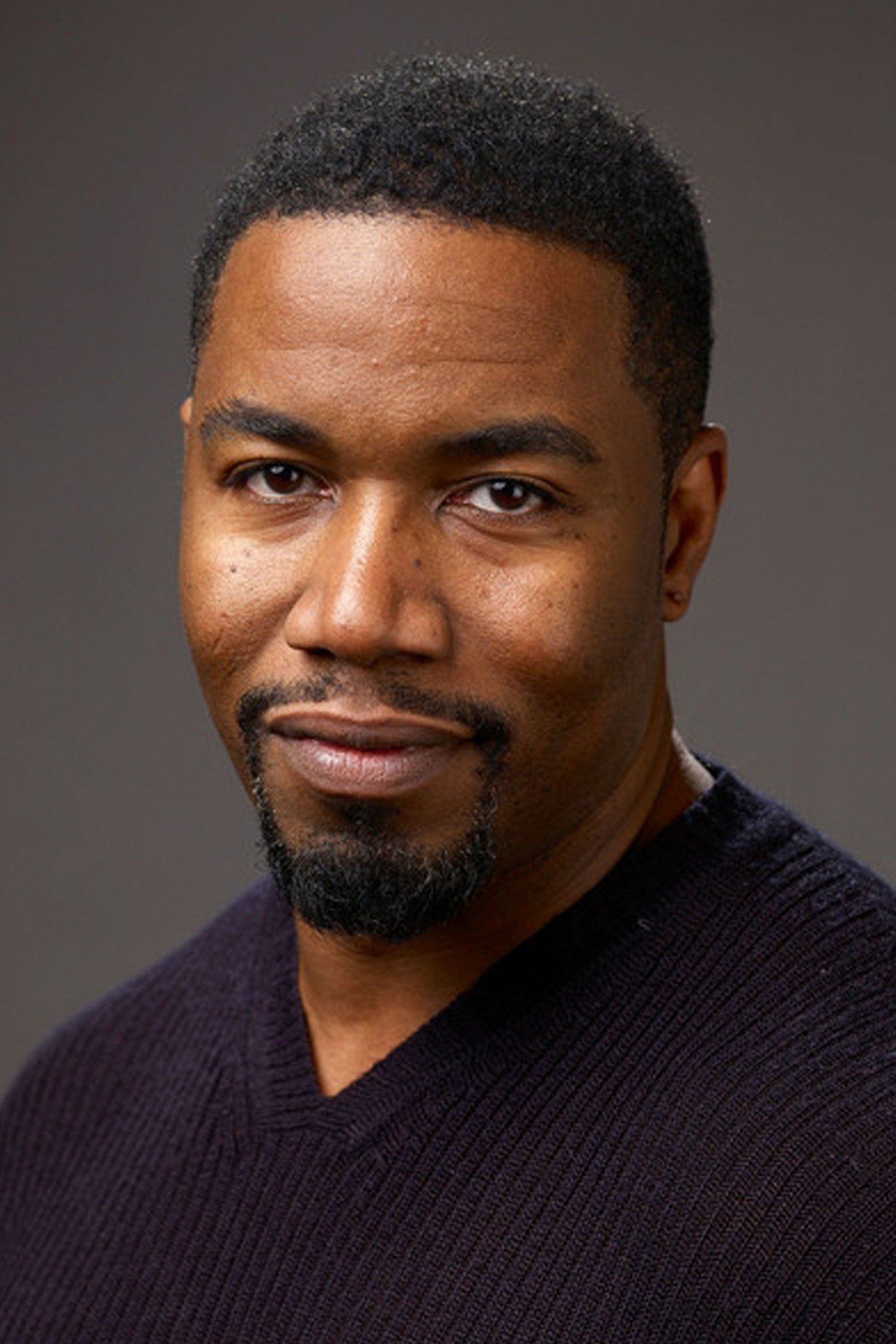
He was one of the first Black actors to portray a major comic book superhero in the film ‘Spawn’ during the nineties. Despite his physical prowess and martial arts skills he was often relegated to direct to video action films later in his career. He has been vocal about the lack of support from major studios for Black action stars in the global market. His career highlights the missed opportunities for creating diverse action icons.
Boris Kodjoe
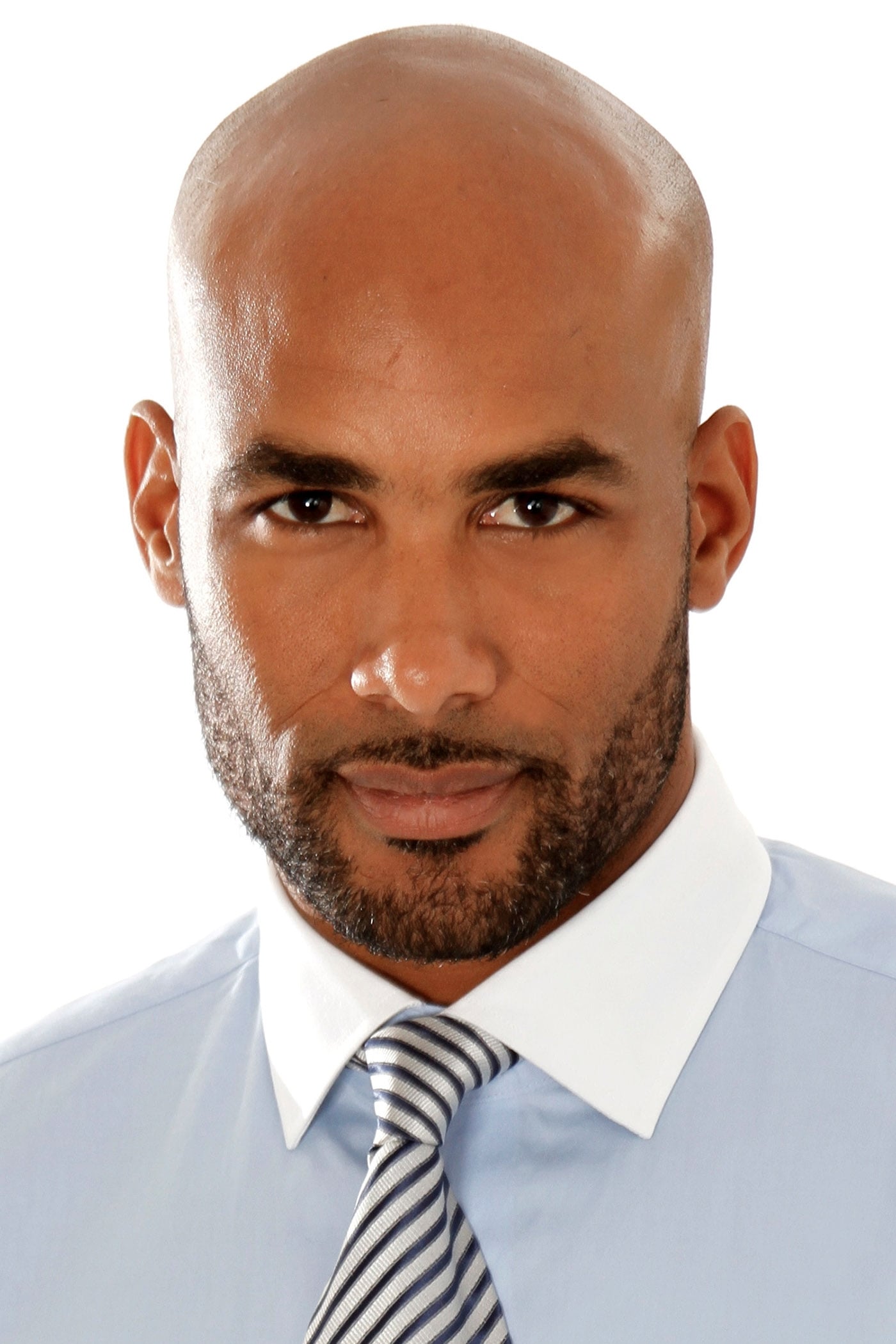
He has the classic looks and charisma of a Hollywood leading man and has found success in television and modeling. However his film career has mostly consisted of supporting roles in franchises like ‘Resident Evil’ or romantic leads. He has faced the challenge of being seen as a niche actor rather than a global star. This perception often prevents talented actors from getting a chance at major studio leads.
Hill Harper
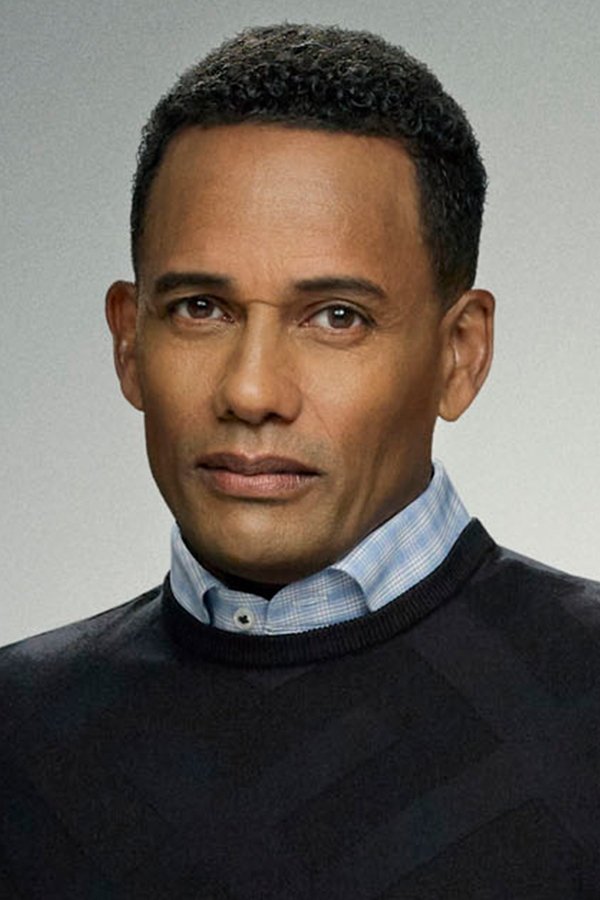
He is well known for his long tenure on ‘CSI: NY’ and has a strong background in both acting and writing. Despite his fame on television he has not been given many opportunities to lead major theatrical releases. He has navigated a career that balances public service and acting while facing the usual industry hurdles. His experience shows that even high profile television stars face barriers in the film world.
Omar Epps
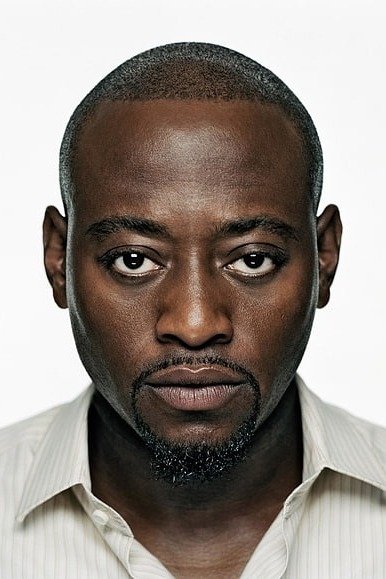
He had a series of lead roles in the nineties in films like ‘Juice’ and ‘Love & Basketball’ which are now considered classics. As his career progressed he found himself more frequently in television roles or supporting film parts. The transition from a young leading man to a mature film star is often more difficult for actors of color. He remains a talented performer who has consistently worked in a challenging environment.
Laz Alonso
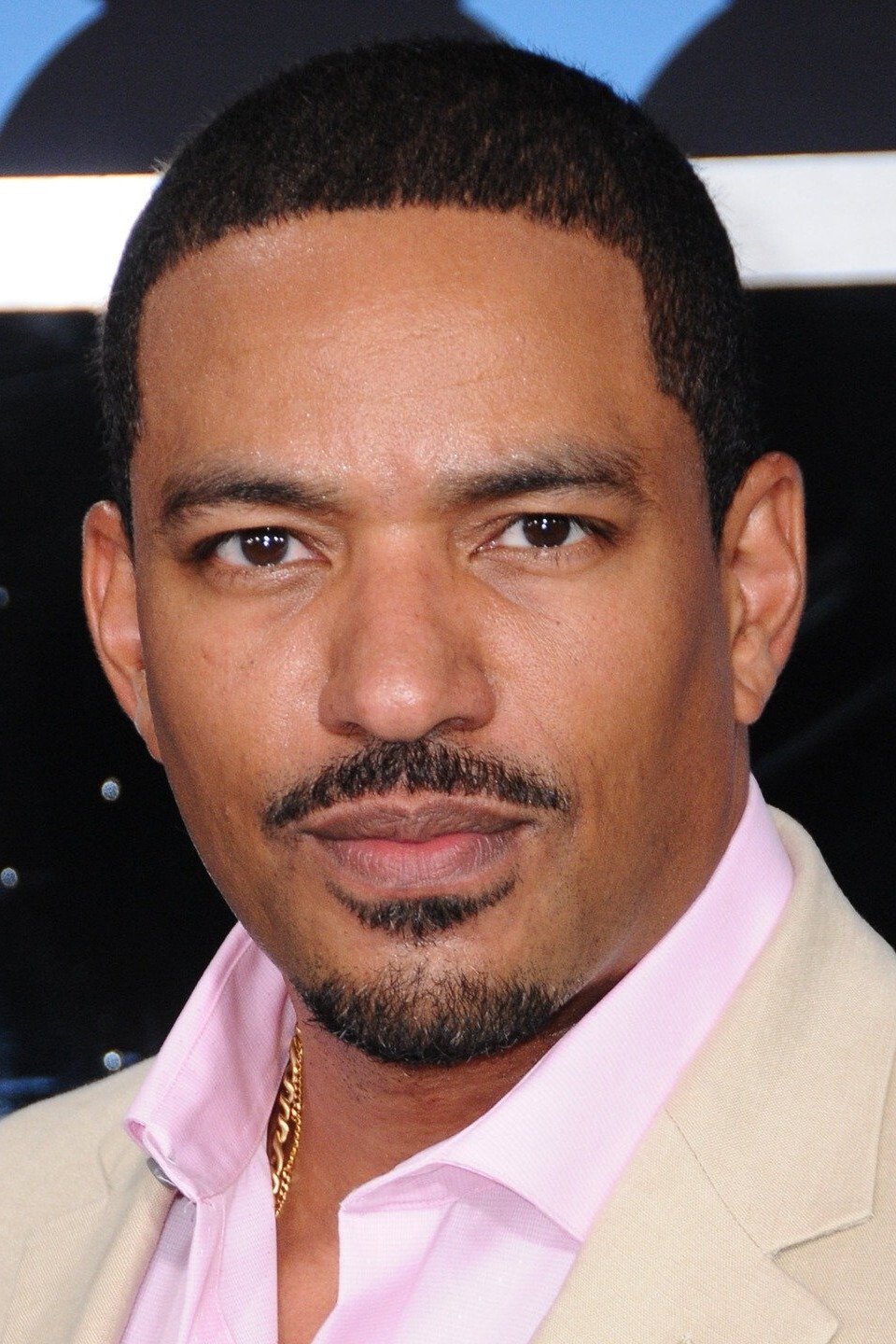
He has appeared in massive hits like ‘Avatar’ and ‘Fast & Furious’ but usually as part of a larger ensemble. While he has the presence of a leading man he is often cast in supporting or antagonistic roles. He has spoken about the importance of Black actors being seen as more than just physical threats or sidekicks. His work in ‘The Boys’ has further demonstrated his range and appeal to a global audience.
Derek Luke
He burst onto the scene with a powerful performance in ‘Antwone Fisher’ which earned him critical acclaim and awards. Many expected him to become a major leading man but the follow up roles were often smaller or in independent films. He has found that the momentum from a breakout hit can be difficult to sustain in a risk averse industry. He continues to provide strong performances while navigating the complexities of Hollywood.
Isaiah Washington
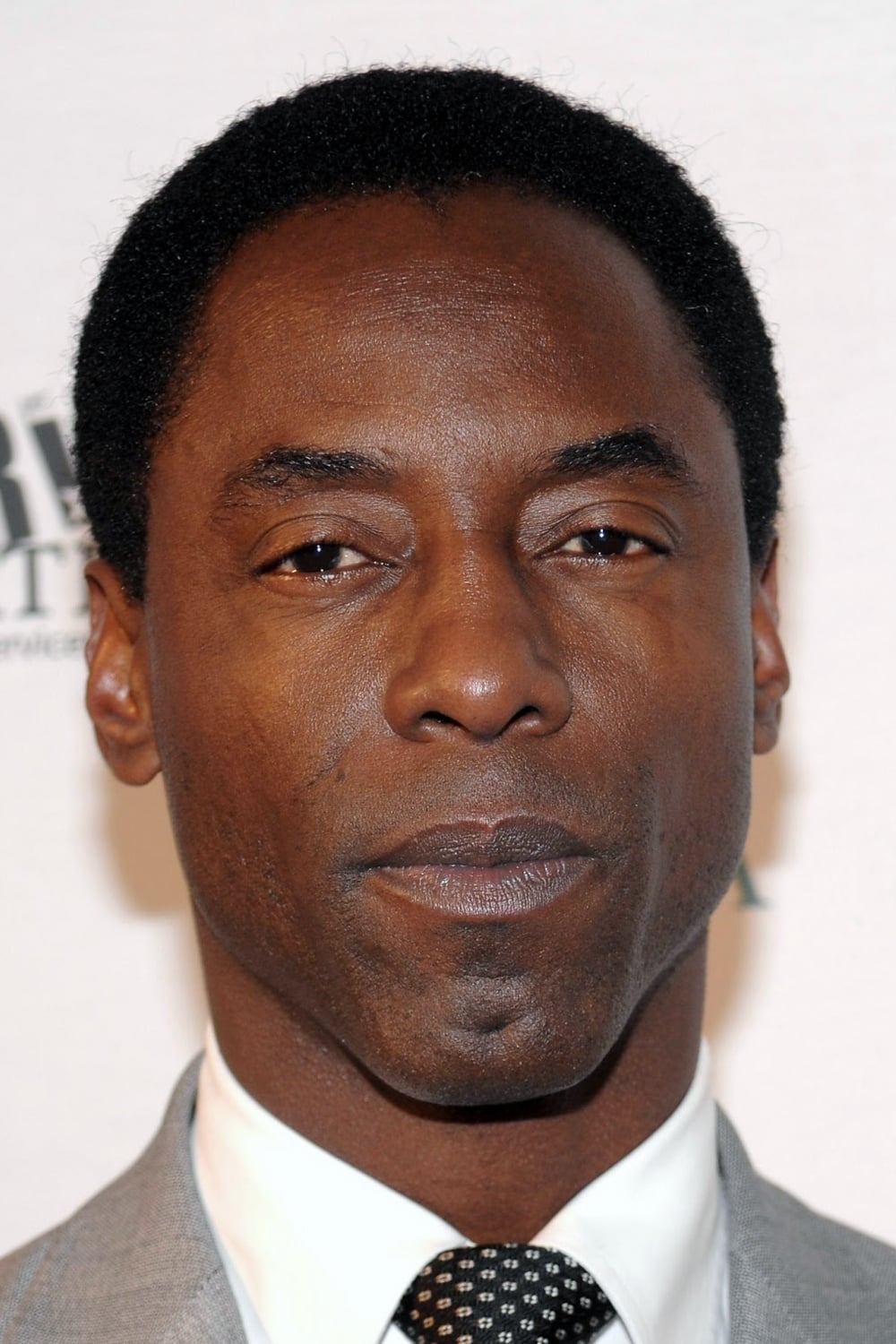
He was a standout performer in several films and became a household name on ‘Grey’s Anatomy’ for several seasons. His film career was often limited to supporting roles despite his obvious talent and intensity on screen. Industry controversies also played a role but he had already faced years of being passed over for major leads. He represents the many talented actors whose potential was not fully realized by the studio system.
Lance Reddick
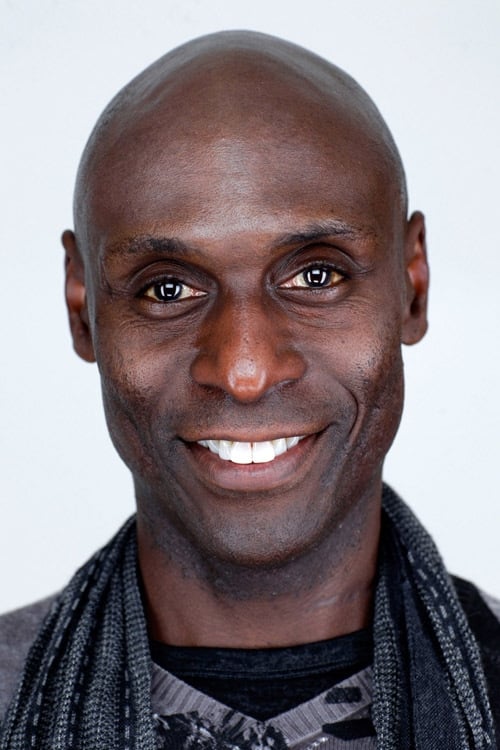
The late actor was known for his elegant and authoritative presence in series like ‘The Wire’ and ‘Fringe’ over the years. He was a master of his craft who could command any scene with his voice and stillness. While he was a fixture in the ‘John Wick’ franchise he was rarely the lead in a major studio film. His career is a reminder of the immense talent that the industry often relegates to the sidelines.
Glynn Turman
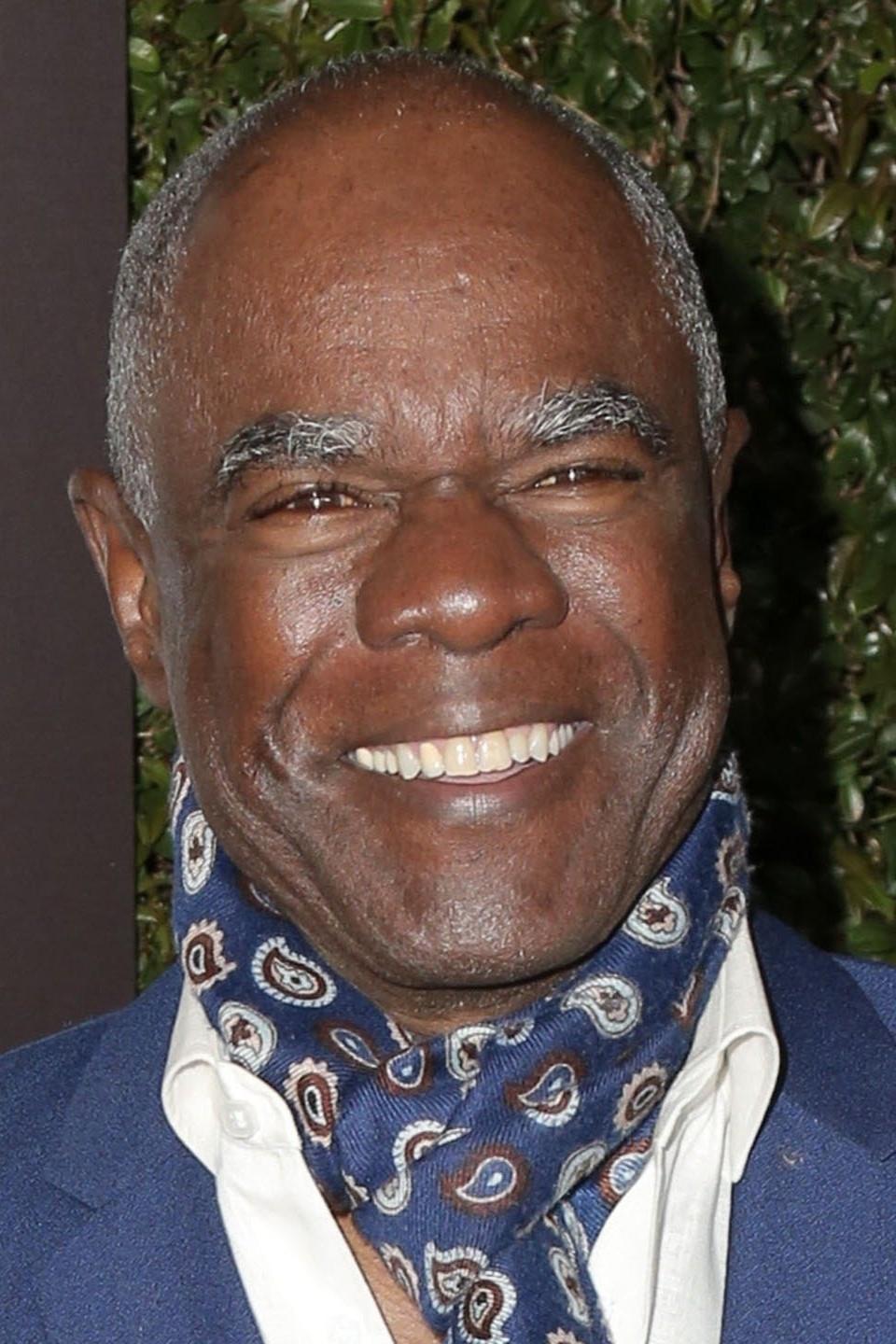
He is a veteran actor who has been working consistently since the sixties with notable roles in ‘Cooley High’ and ‘A Different World’ during his life. Despite his longevity and undeniable skill he has spent most of his career in supporting roles. He has seen the industry change over decades but the struggle for leading roles remains a constant theme. He continues to be a respected elder in the acting community today.
Ernie Hudson
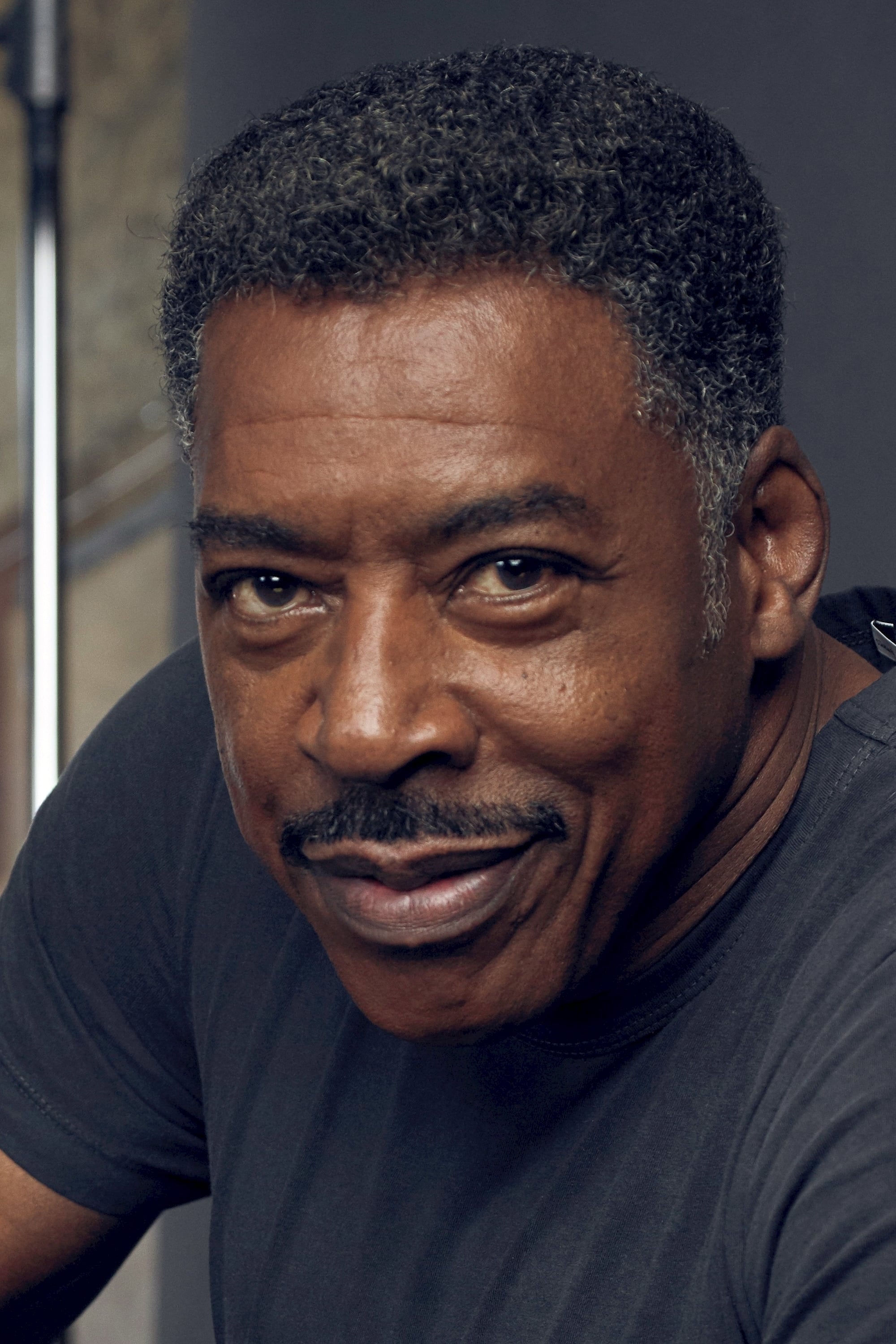
He is best known for ‘Ghostbusters’ but has often spoken about how he was excluded from much of the marketing and initial recognition of the film. Despite being a key member of the team he was not treated with the same commercial respect as his white costars. He has spent the rest of his career as a busy character actor in film and television roles. His experience remains a classic example of how studios have historically undervalued the bankability of Black talent.
Bill Duke
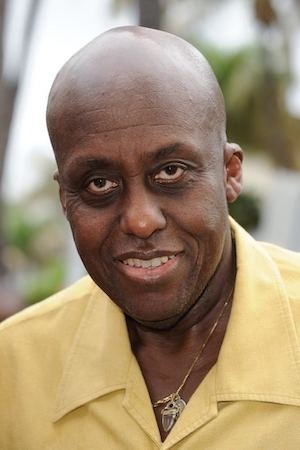
He is a formidable presence as both an actor and a director with roles in classics like ‘Predator’ and ‘Commando’ in the eighties. As an actor he was often cast as the tough guy or the intimidating figure rather than the central lead. He transitioned into directing to have more control over the stories being told and the casting of Black actors. His career highlights the creative ways actors have fought back against industry limitations.
Richard Lawson
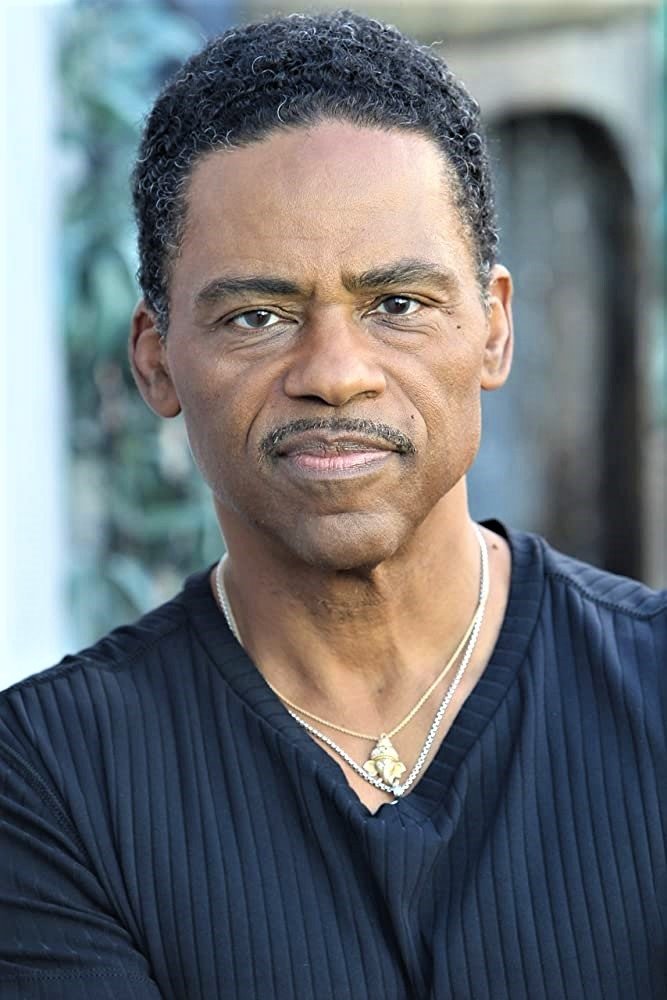
He has been a steady presence in Hollywood for decades with roles in ‘Poltergeist’ and numerous television shows. Despite his talent and leading man looks he was rarely given the opportunity to lead a major studio film. He has worked through various eras of Hollywood and seen the slow progress of representation firsthand. He remains a dedicated actor and teacher who has influenced many in the industry.
Please share your thoughts on which other actors deserve more leading opportunities in the comments.