Black Actors Who Were Accused of “Selling Out” for Playing Stereotypical Roles

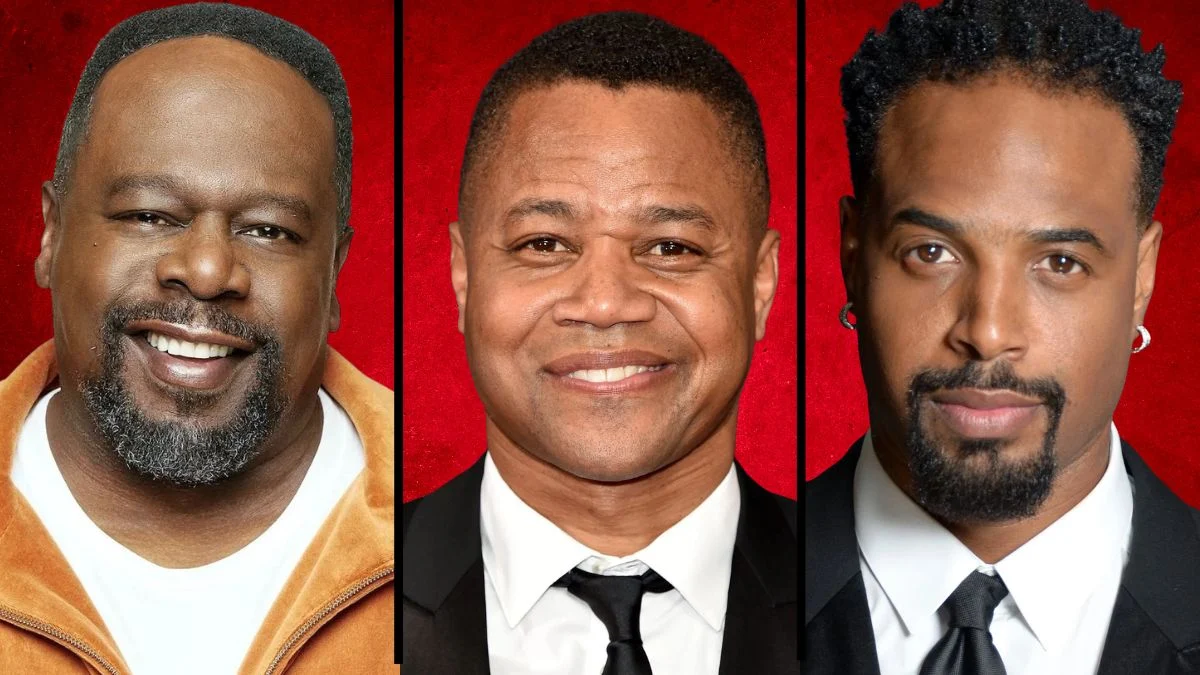

The entertainment industry has a long history of utilizing Black male actors in roles that many within the community find problematic. These performers often face accusations of selling out when they accept parts that cater to racial stereotypes or broad caricatures. While some actors argue that these roles provide a necessary paycheck and visibility others believe they reinforce negative biases. This conflict between professional advancement and cultural integrity has shaped many careers in Hollywood. The following actors have all faced public scrutiny for the characters they portrayed on screen.
Willie Best
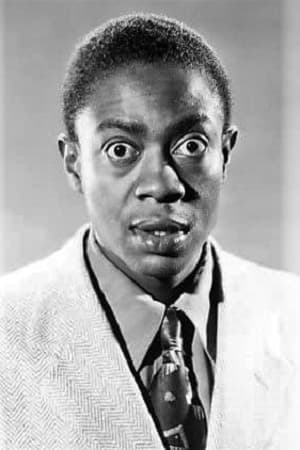
Willie Best was another prominent actor in the early twentieth century who often played the role of the dimwitted servant. He appeared in numerous films where his characters were defined by their lack of intelligence and submissiveness. Critics frequently attacked him for perpetuating harmful images of Black men to achieve commercial success. Despite his talent for physical comedy he was often labeled a sellout by those seeking progress in racial representation. His career highlights the limited choices available to Black performers during that era.
Mantan Moreland
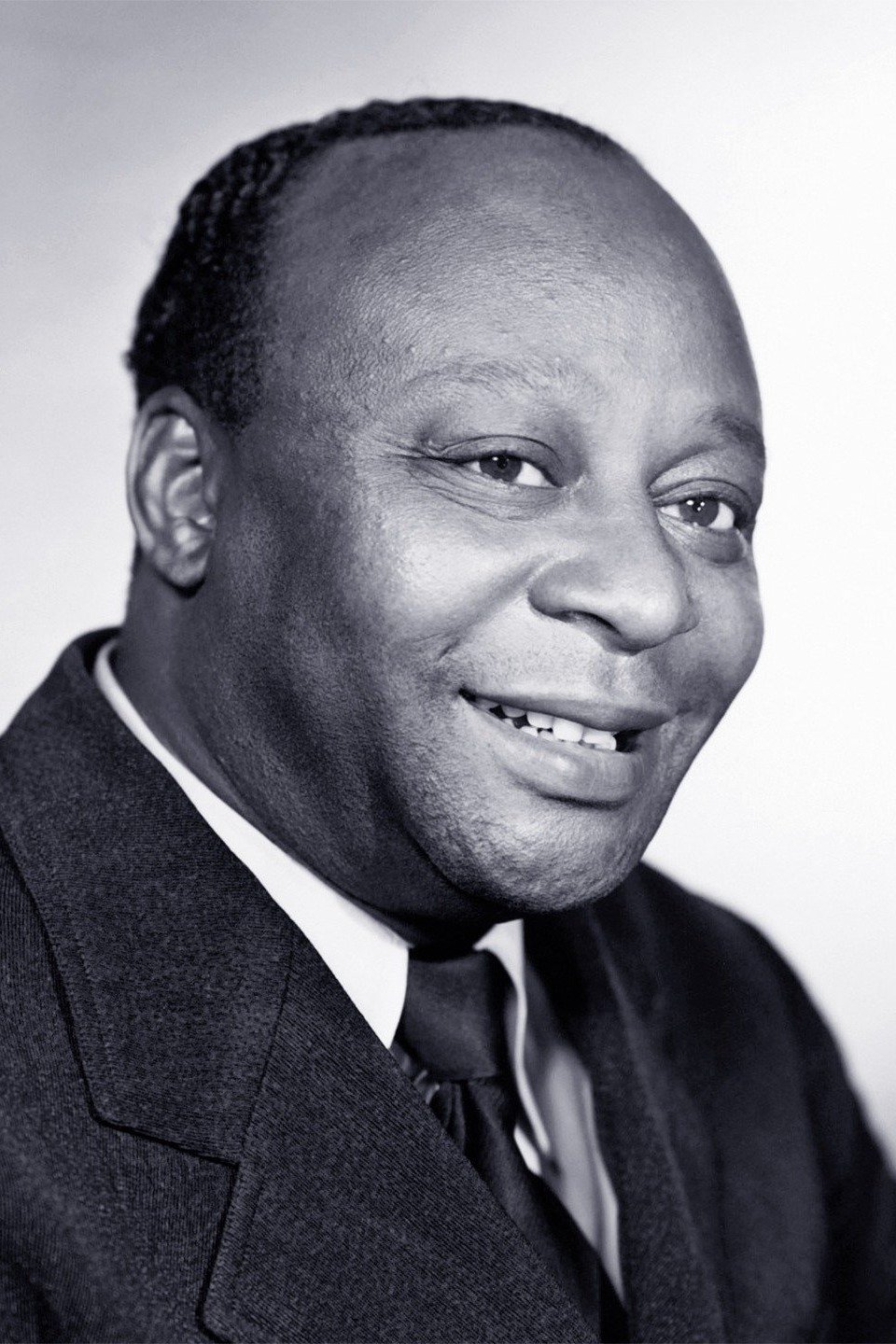
Mantan Moreland gained fame for his role as Birmingham Brown in the ‘Charlie Chan’ film series. He was known for his wide eyed expressions and comedic timing but his roles were often criticized as caricatures. Many viewers and activists felt he was trading racial dignity for a spot in mainstream cinema. He faced accusations of selling out because his characters frequently appeared frightened or subservient to white leads. Moreland later expressed frustration with the limited types of roles he was offered throughout his career.
Clarence Muse
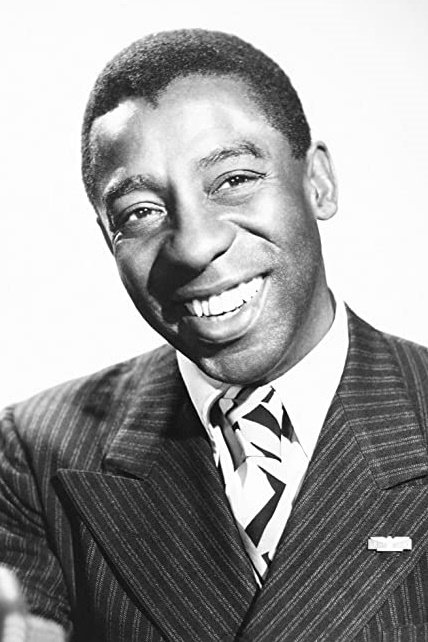
Clarence Muse was a highly educated performer and director who still found himself playing stereotypical servant roles. He appeared in films like ‘Huckleberry Finn’ where he portrayed characters that critics felt were beneath his intellect. Activists accused him of selling out because he accepted roles that fit the narrow expectations of white producers. Muse often defended his choices by stating he was trying to change the system from within. His legacy is a complex mixture of professional achievement and cultural controversy.
Bill Robinson
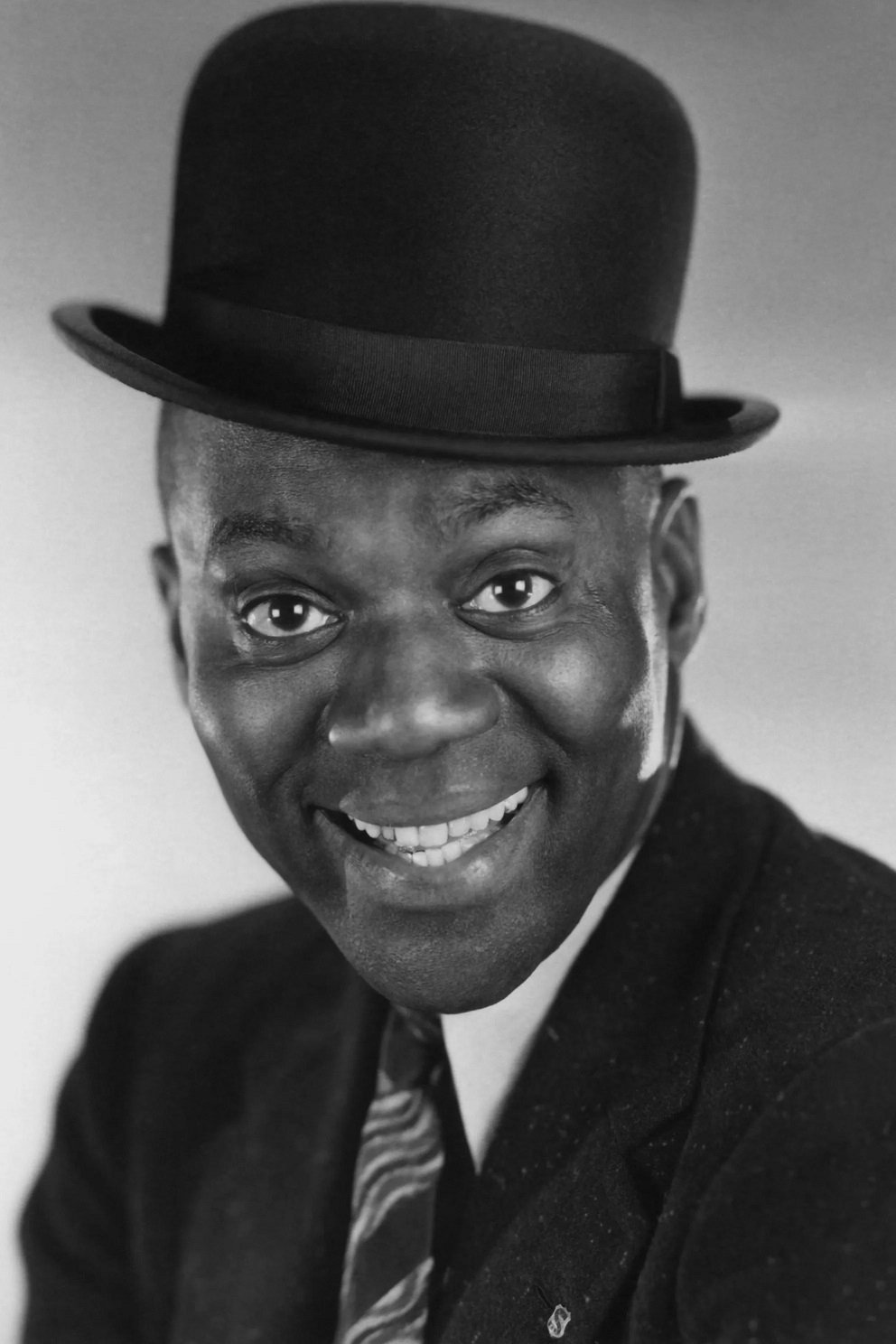
Bill Robinson was a legendary tap dancer and actor who often appeared in films with Shirley Temple. His roles usually depicted him as a cheerful servant or a loyal protector which drew criticism from the Black press. Many accused him of being an Uncle Tom for his submissive and smiling demeanor on screen. Robinson believed his presence in films helped break down barriers for future performers. However his association with these roles led to lasting accusations of selling out to white audiences.
Jimmie Walker
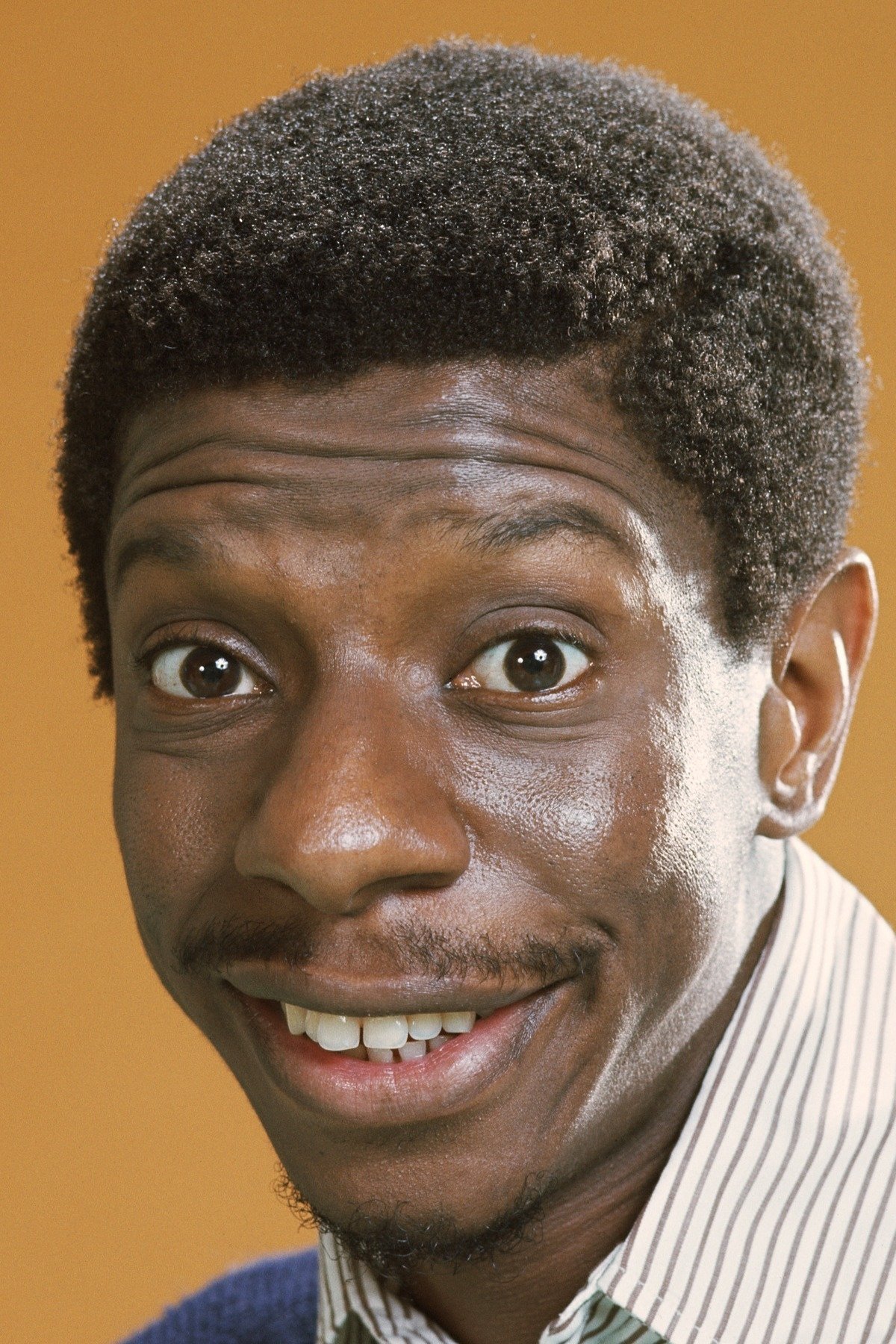
Jimmie Walker rose to stardom playing J.J. Evans on the sitcom ‘Good Times’. His catchphrase and clownish behavior became the center of the show which upset his more serious fellow actors. They accused him of selling out the integrity of the program by turning a show about Black life into a broad comedy. Many viewers felt his portrayal of a buffoonish teenager was a step backward for representation. Walker has consistently defended his performance as a legitimate form of entertainment.
Sidney Poitier
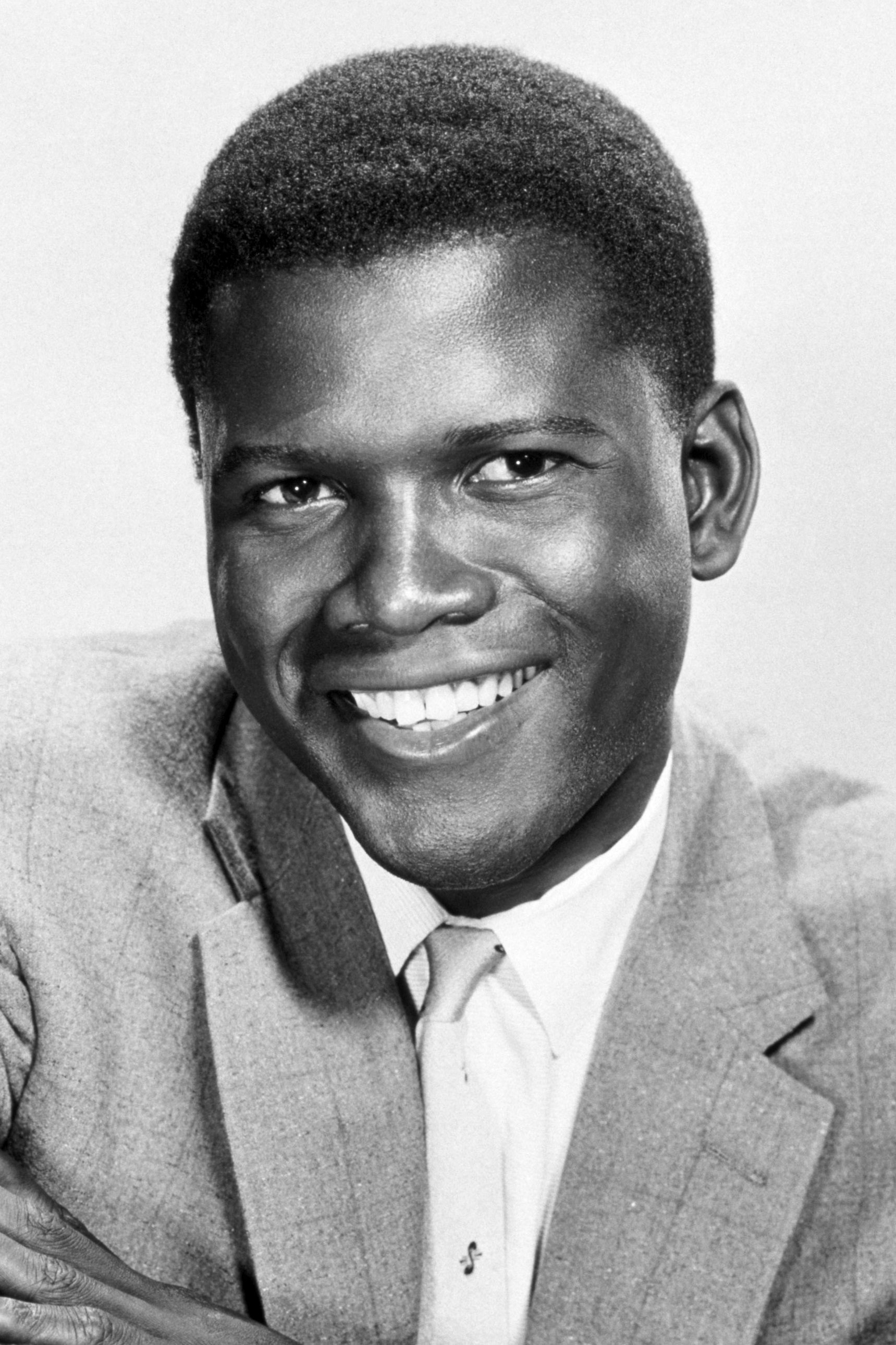
Sidney Poitier was often criticized during the height of the Civil Rights Movement for playing roles that were too perfect. Some activists accused him of being a sellout because his characters seemed designed to make white viewers feel comfortable. They felt he was not radical enough and that his roles in films like ‘Guess Who’s Coming to Dinner’ were unrealistic. This criticism stung Poitier who felt he was breaking ground by playing dignified Black men. He eventually transitioned to directing to gain more control over the stories being told.
Samuel L. Jackson
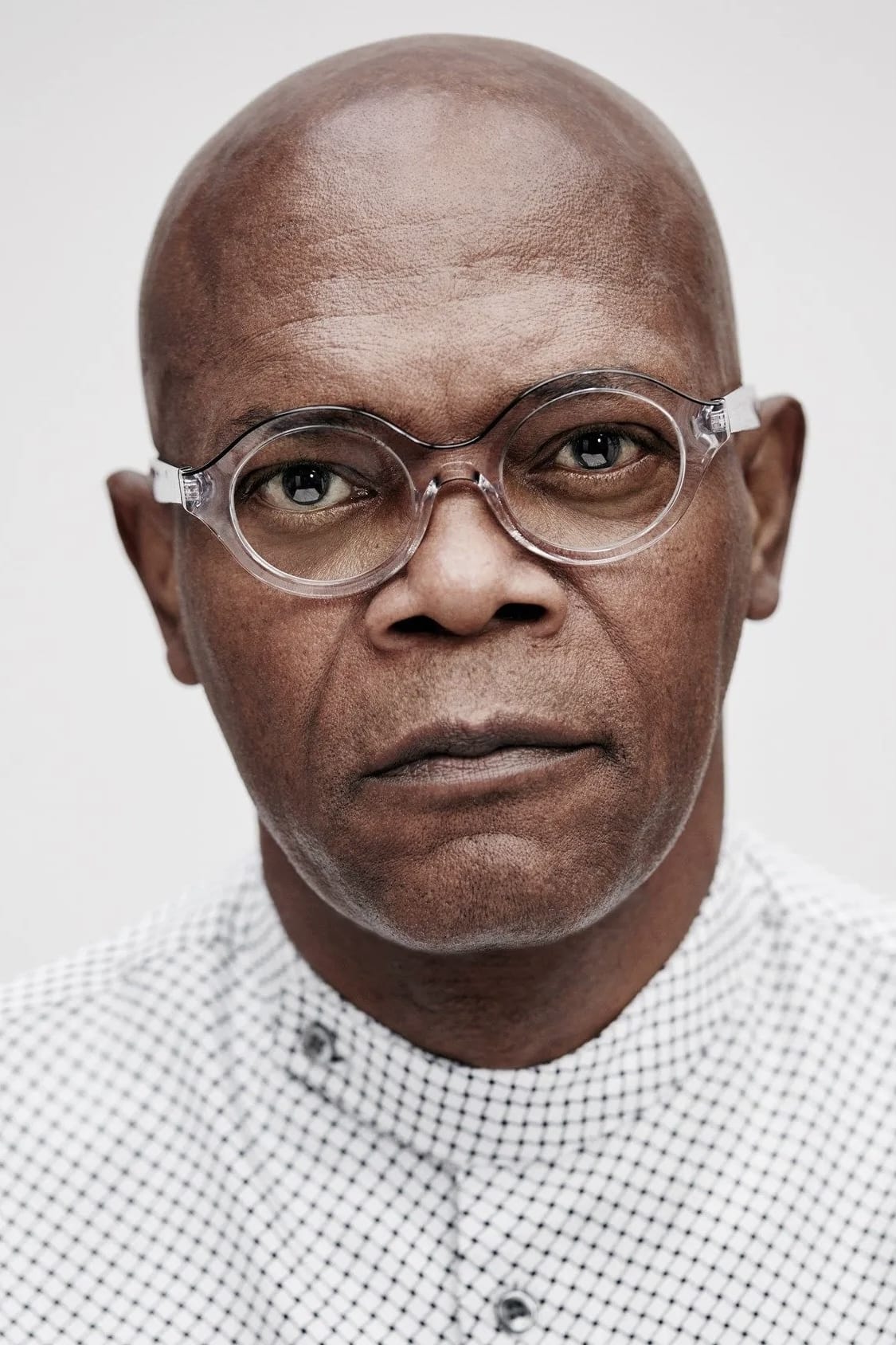
Samuel L. Jackson has faced accusations of selling out due to his frequent use of racial slurs in Quentin Tarantino films. Critics like Spike Lee argued that his participation in films like ‘Django Unchained’ was problematic for the Black community. They felt he was allowing himself to be used in ways that reinforced negative linguistic tropes for entertainment. Jackson has defended his choices by citing the historical accuracy and artistic freedom of the projects. He continues to be one of the most bankable and debated actors in Hollywood.
Tyler Perry
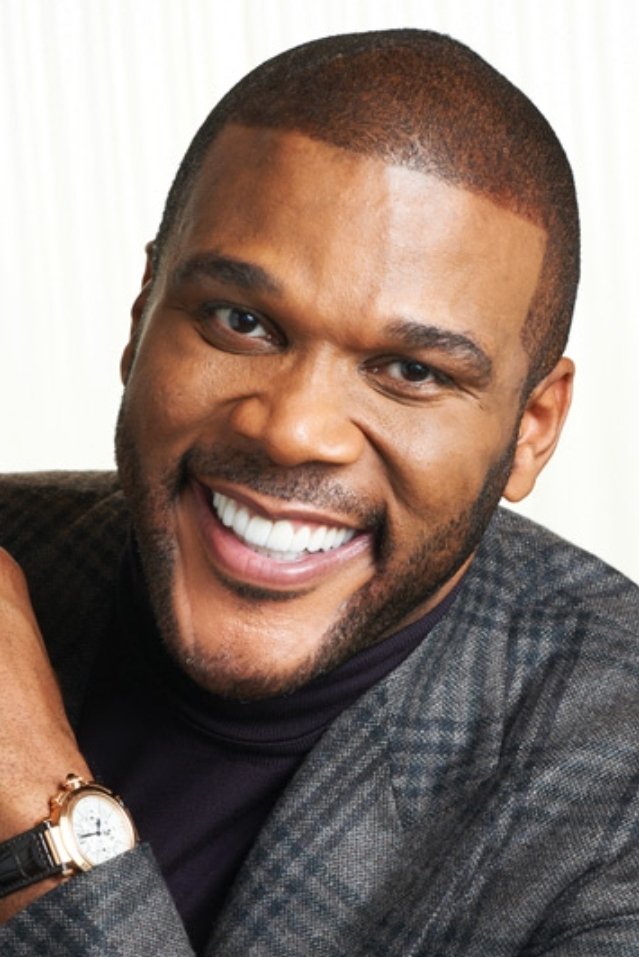
Tyler Perry has built an enormous media empire but he is frequently accused of selling out through his character Madea. Many critics argue that his films rely on lowbrow humor and regressive stereotypes of Black women and men. They believe his work caters to the worst instincts of the audience rather than challenging them. Perry has countered these claims by pointing to the massive support he receives from his core Black audience. His work remains a flashpoint for discussions about representation and commercialism.
Kevin Hart
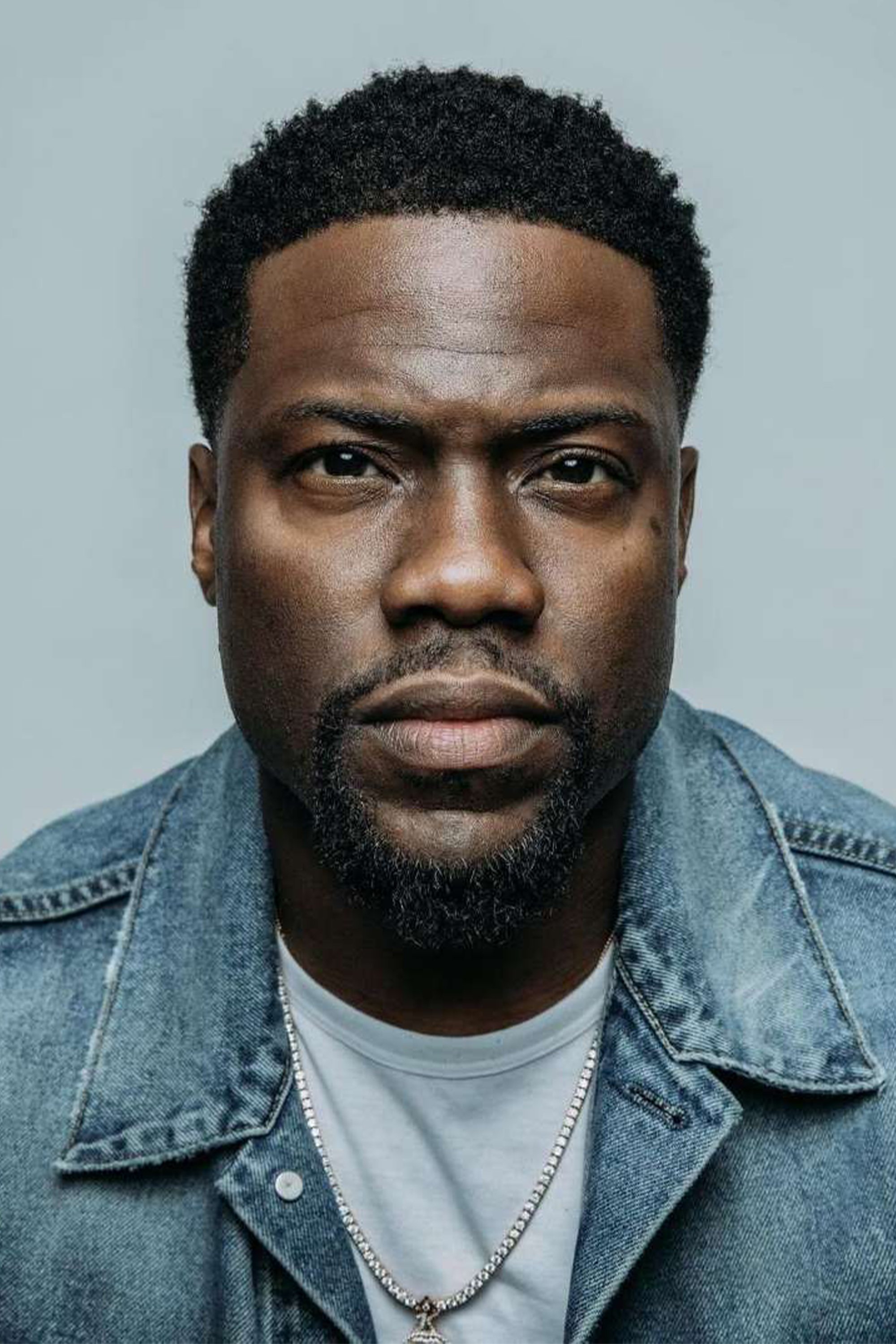
Kevin Hart is one of the most successful comedians in the world but he is often accused of playing stereotypical sidekick roles. Critics argue that his high energy buffoonery in films like ‘Get Hard’ reinforces negative images of Black men. Some feel he sells out by accepting roles that make him the butt of the joke for a global audience. Hart maintains that his goal is to provide laughter and that his success opens doors for others. He continues to dominate the box office despite these recurring criticisms.
Terry Crews
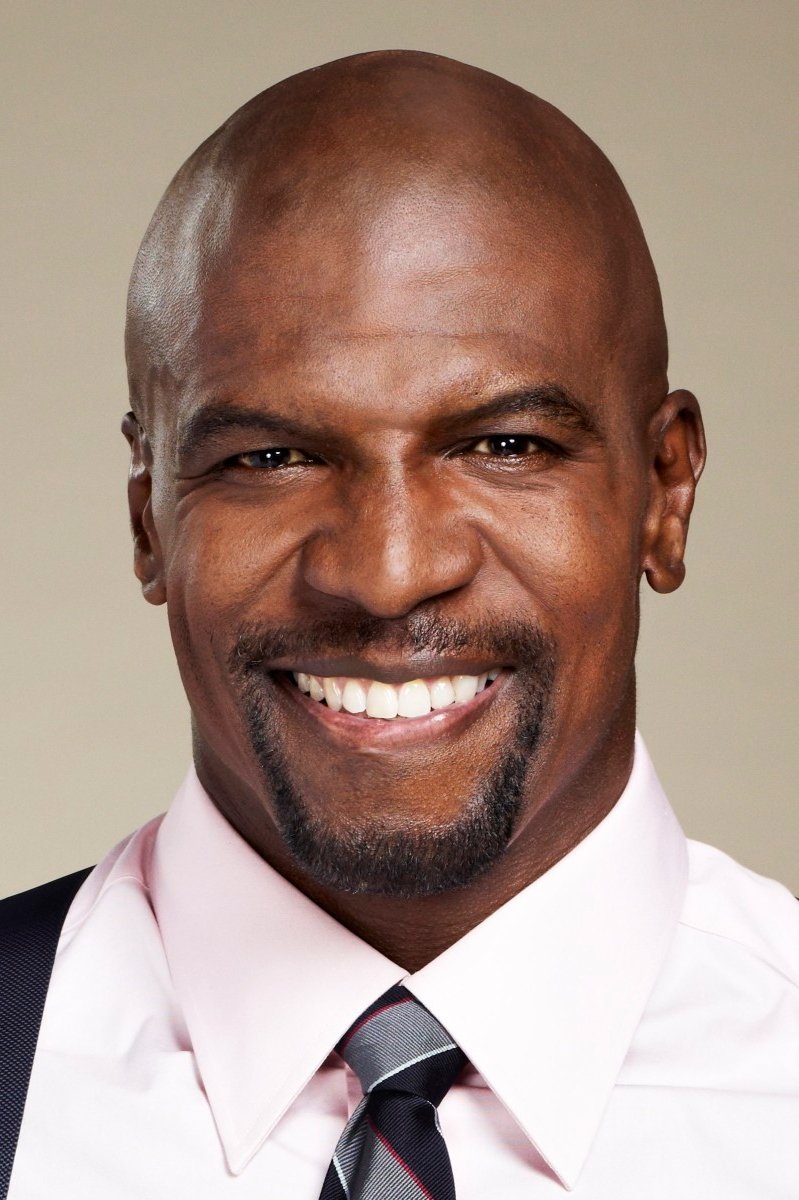
Terry Crews has faced backlash for his role in ‘White Chicks’ and his various commercial appearances. Some viewers believe his hyper masculine and often silly portrayals lean too heavily into caricatures. He was accused of selling out for participating in projects that some find culturally insensitive or reductive. Crews has been vocal about his personal growth and the need for diverse roles in the industry. He remains a popular figure though his career choices are still closely watched by critics.
Cuba Gooding Jr.
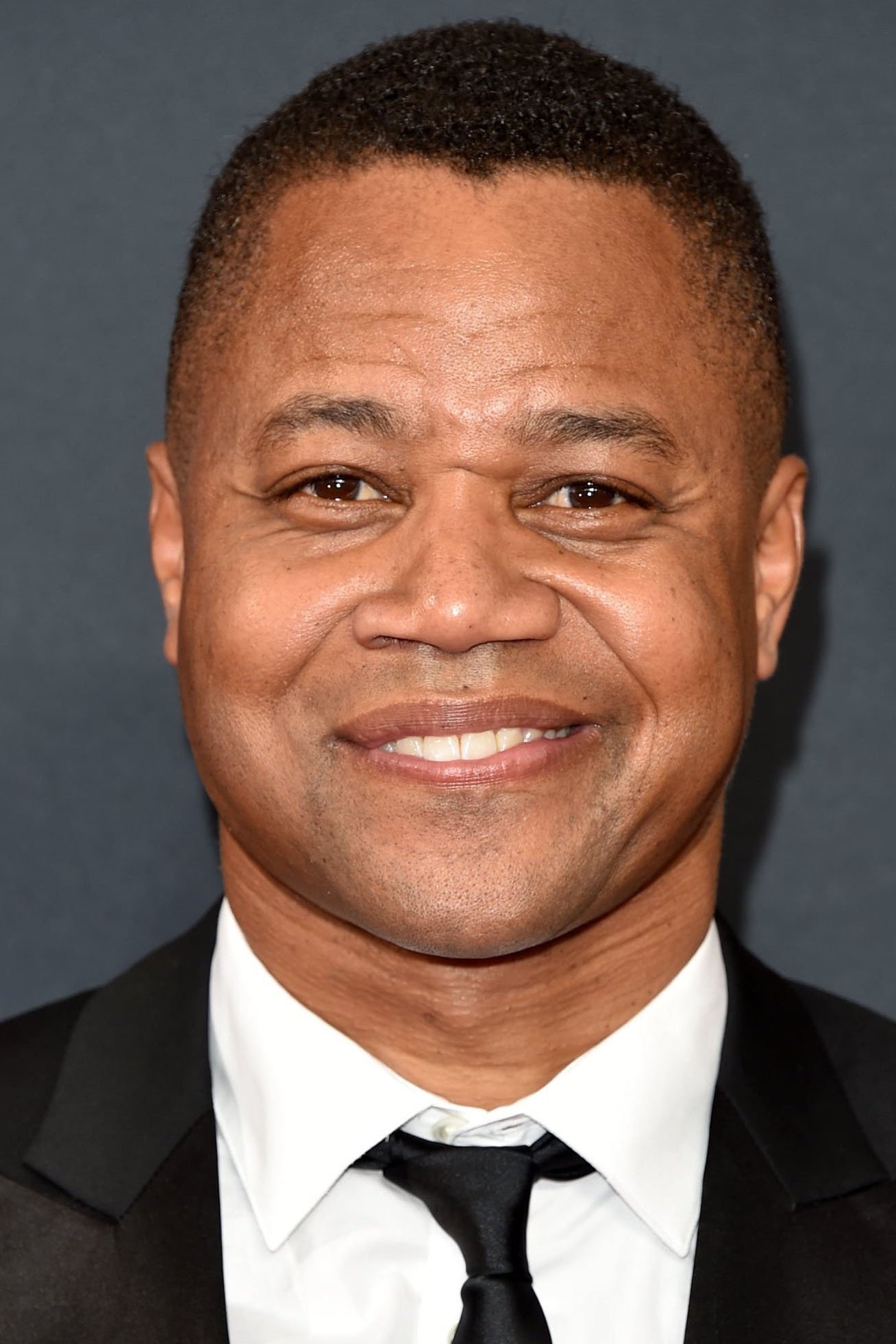
Cuba Gooding Jr. faced a wave of criticism after winning an Oscar and subsequently appearing in several broad comedies. Films like ‘Snow Dogs’ and ‘Boat Trip’ led to accusations that he was selling out his talent for easy paychecks. Many felt these roles relied on tired tropes and did not reflect the caliber of an Academy Award winner. Critics were disappointed that he moved away from prestige dramas to play characters they deemed embarrassing. He has since worked to reclaim his status through more serious dramatic work.
Eddie Murphy
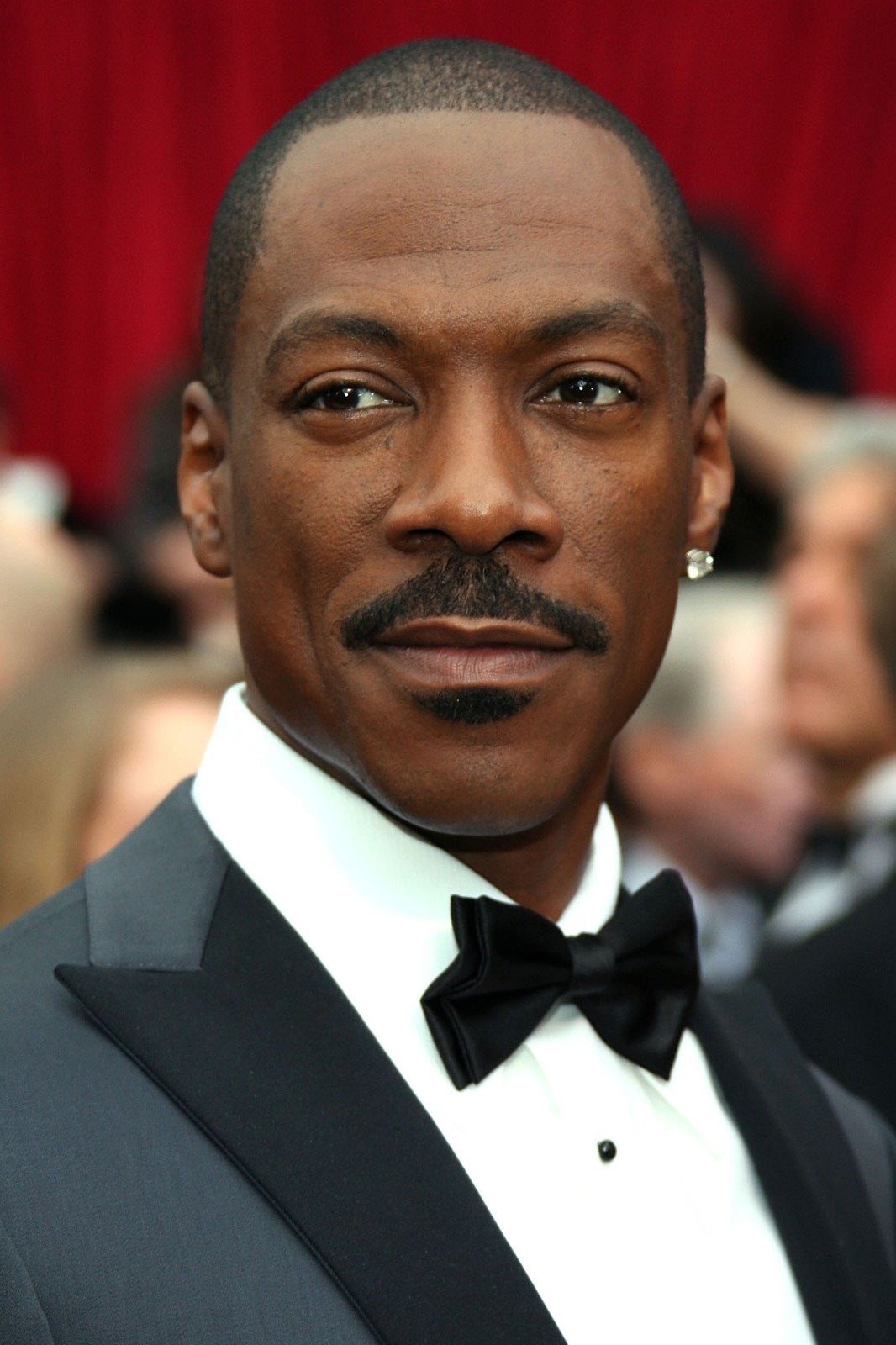
Eddie Murphy was accused of selling out when he transitioned from edgy standup and R rated films to family friendly comedies. His roles in movies like ‘The Nutty Professor’ and ‘Dr. Dolittle’ were seen by some as a departure from his cultural roots. Critics argued that he was softening his image to appeal to the widest possible white audience. This shift led to accusations that he was prioritizing money over the sharp social commentary of his early career. Murphy has balanced his later career with a return to more acclaimed dramatic roles.
Anthony Anderson
Anthony Anderson spent the early part of his career playing characters that were often comedic thugs or streetwise caricatures. Critics accused him of selling out by accepting roles that limited the perception of Black men in Hollywood. Many felt his early filmography relied too heavily on the “funny fat guy” or “criminal” tropes. He eventually shifted his career trajectory with the success of the television series ‘Black-ish’. This role allowed him to address the very stereotypes that he was once accused of perpetuating.
Martin Lawrence
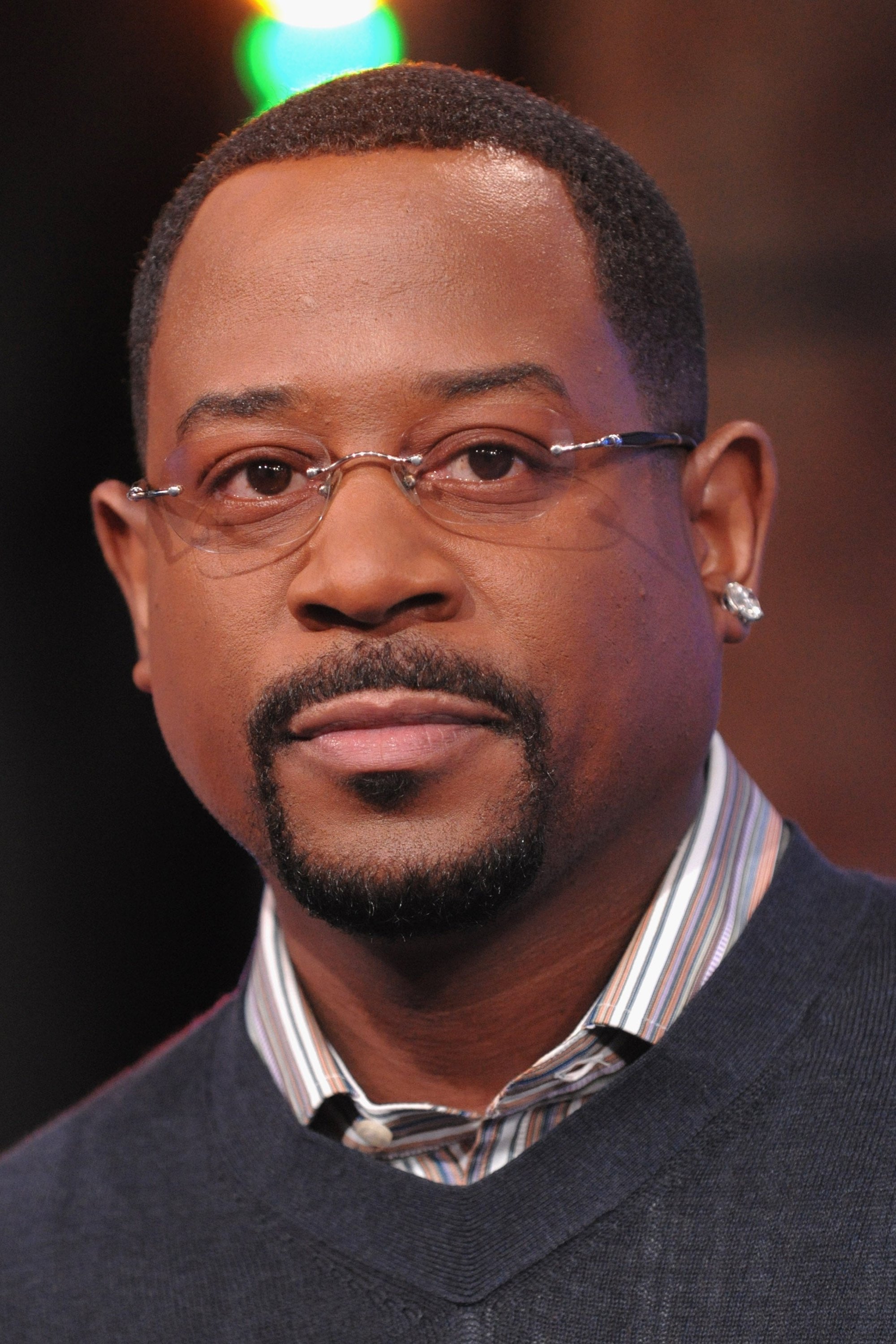
Martin Lawrence became a superstar with his show ‘Martin’ but he was often criticized for his broad and sometimes crude humor. Some members of the Black community felt his characters like Sheneneh were offensive caricatures. He was accused of selling out to achieve high ratings by mocking his own culture. Lawrence argued that his comedy was rooted in the real experiences of people he knew growing up. His influence on modern comedy remains significant despite the controversy surrounding his earlier work.
Marlon Wayans
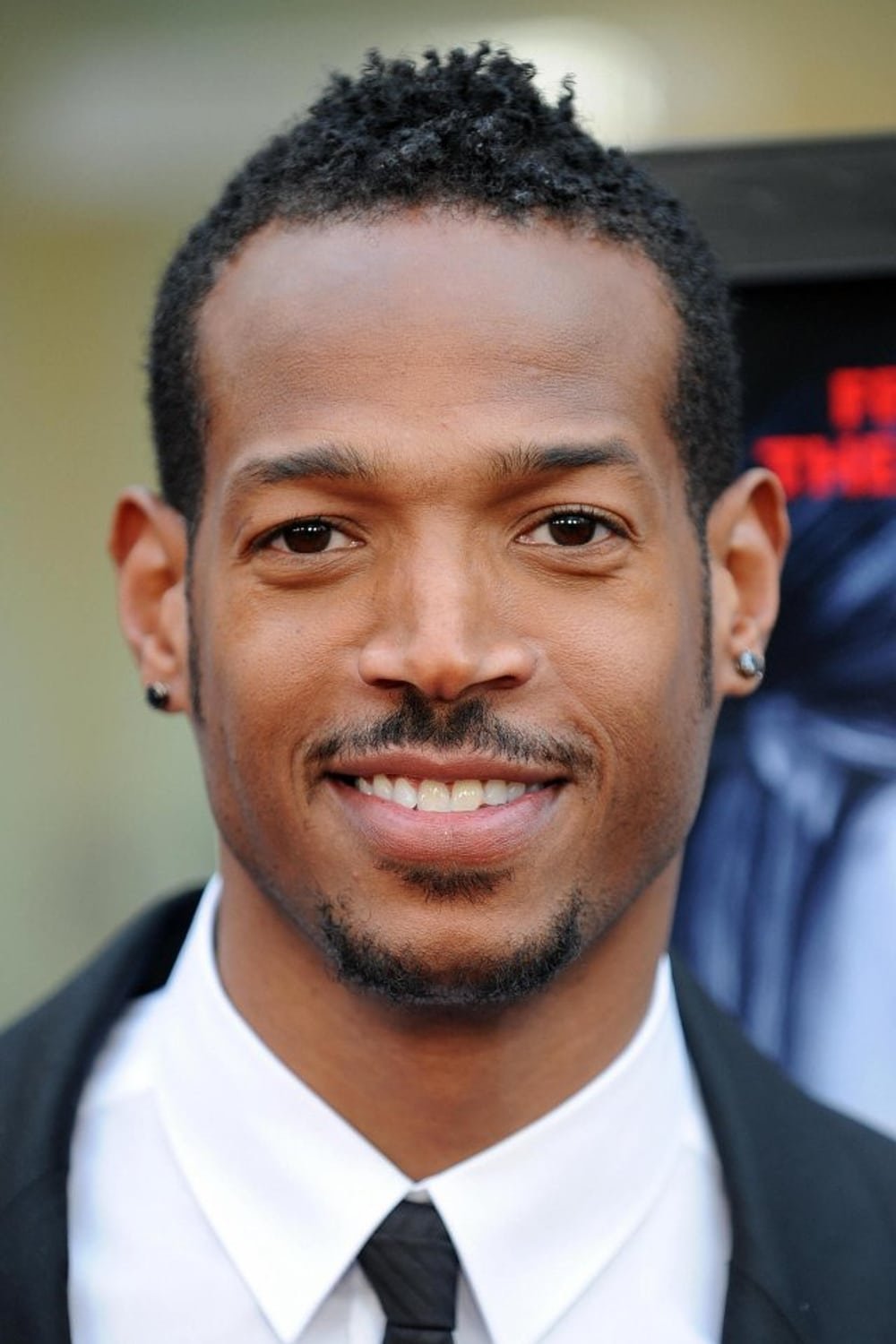
Marlon Wayans has faced constant accusations of selling out for his participation in parody films and broad comedies. Projects like ‘White Chicks’ and ‘Don’t Be a Menace to South Central While Drinking Your Juice in the Hood’ are often cited by critics. They argue that these films rely on the exact stereotypes they claim to be mocking. Wayans maintains that his work is a form of satire that resonates with his audience. He continues to produce and star in comedies that frequently polarize critics and viewers.
Shawn Wayans
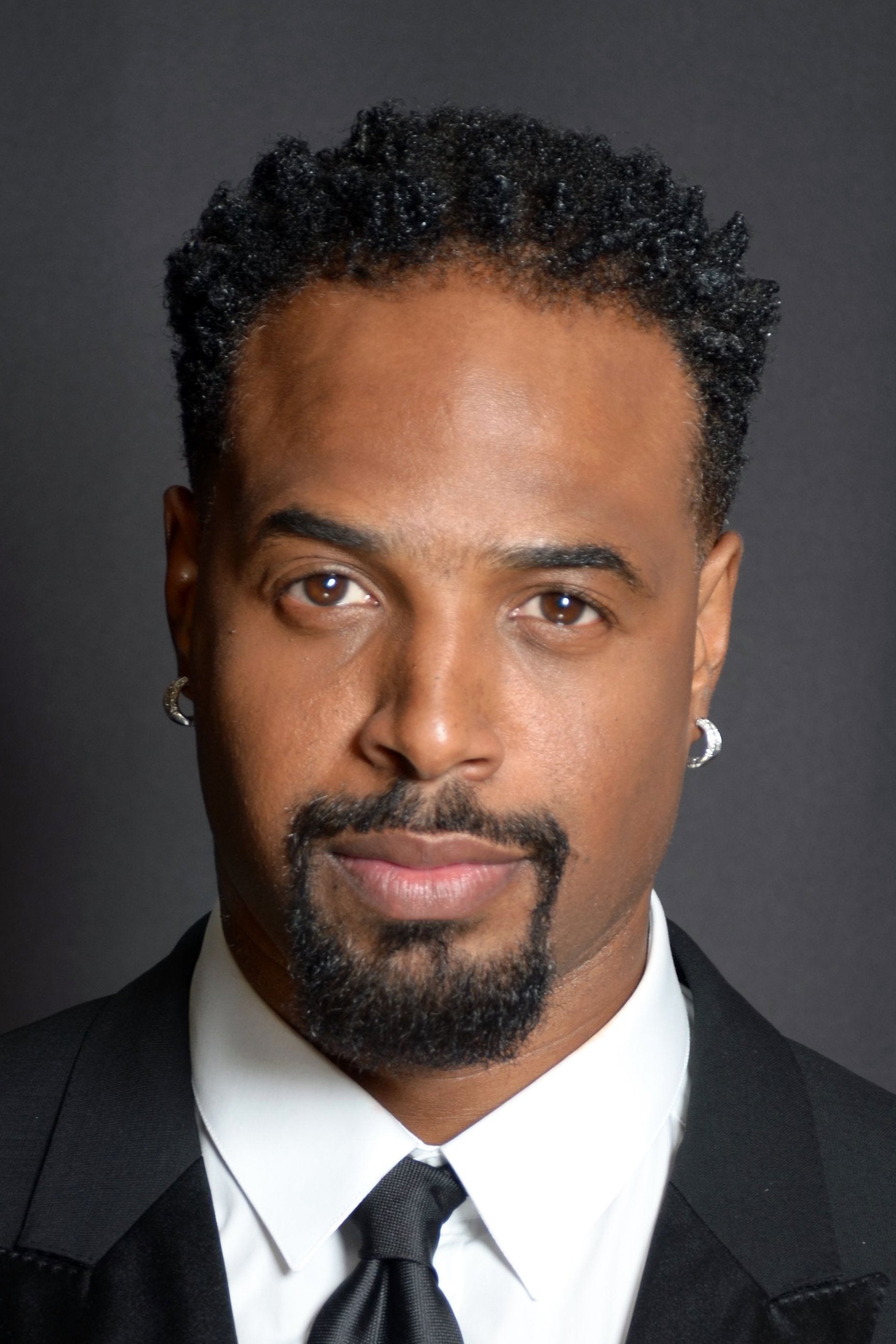
Shawn Wayans often collaborated with his brother and faced similar accusations of selling out for his comedic roles. Critics argued that his work in films like ‘Little Man’ was reductive and focused on cheap laughs at the expense of dignity. Many felt that the Wayans family brand was built on perpetuating images that were harmful to Black representation. Like his brother he has defended his work as being for the fans rather than the critics. His career has been defined by his commitment to this specific brand of humor.
Scatman Crothers
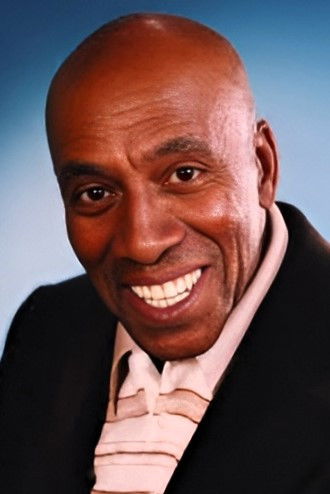
Scatman Crothers was a beloved actor who often played roles that some saw as modernized versions of the faithful servant. His character in ‘The Shining’ and his work on ‘Chico and the Man’ were sometimes viewed through this lens. Critics accused him of selling out by playing characters who existed solely to help or support white protagonists. Crothers was a versatile performer who worked in many genres throughout his long career. However the “Magical Negro” trope is often discussed in relation to his filmography.
Lawrence Hilton-Jacobs
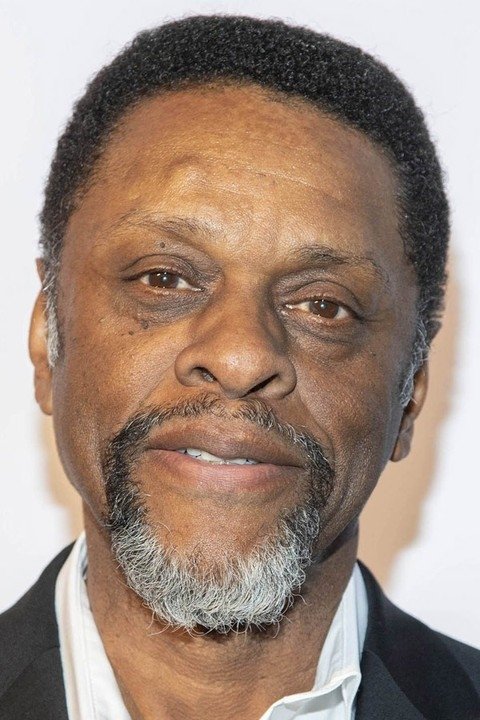
Lawrence Hilton-Jacobs gained fame for his role as Freddie Boom Boom Washington on ‘Welcome Back, Kotter’. Some critics felt his character was a shallow stereotype of an urban youth that catered to white audiences. He faced accusations of selling out because the role emphasized cool slang and athleticism over intellectual depth. Hilton-Jacobs sought to bring more humanity to the part but the limitations of the sitcom format were difficult to overcome. He later found more complex roles in films like ‘Cooley High’.
Bernie Mac
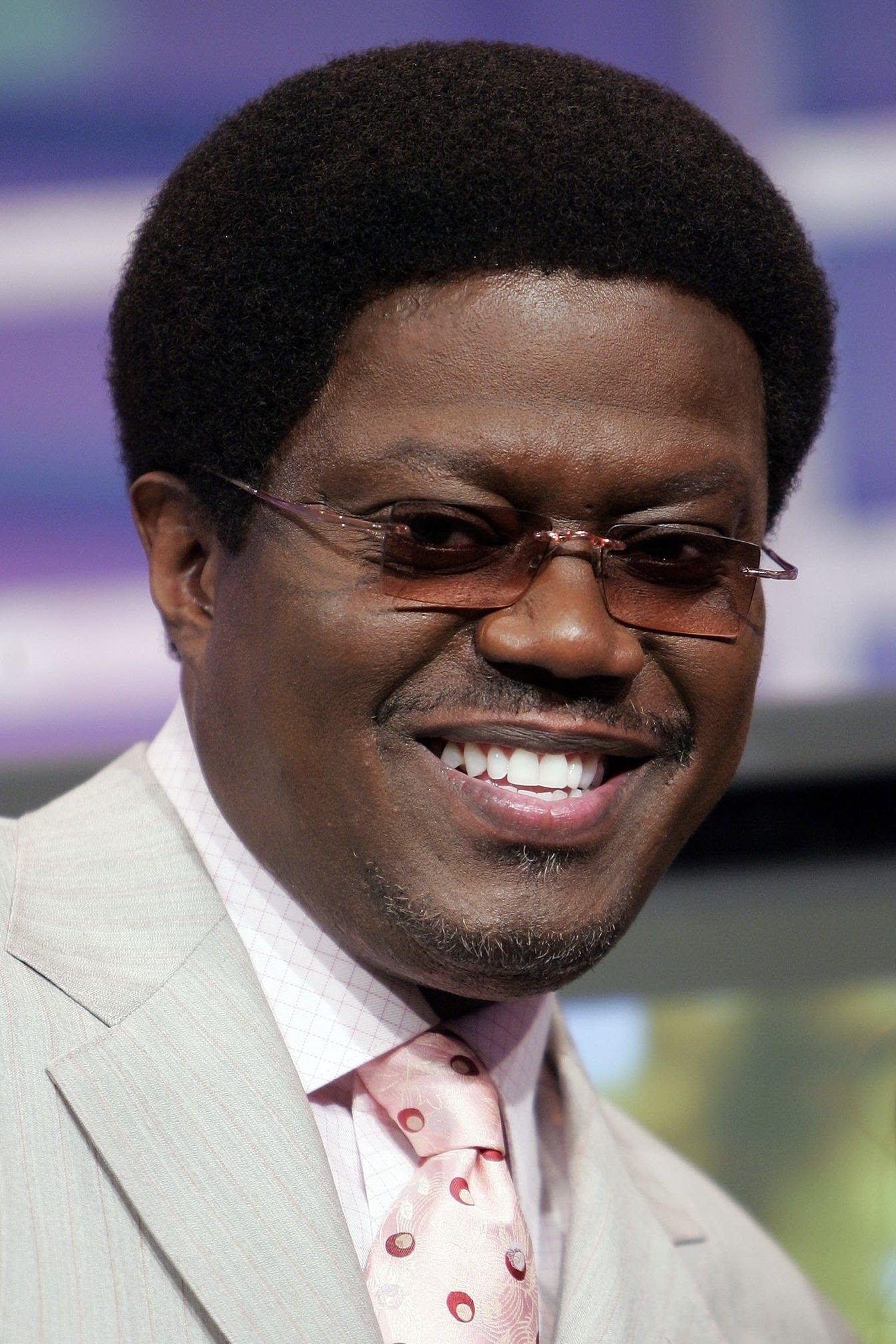
Bernie Mac was a powerhouse in standup comedy but his transition to mainstream film and television brought some criticism. Some felt his loud and aggressive persona on ‘The Bernie Mac Show’ leaned into negative stereotypes of Black fathers. He was accused of selling out his raw comedy roots for a more palatable network television image. Mac argued that his show was an authentic look at his own life and parenting style. He remained a highly respected figure in the comedy world until his passing.
Steve Harvey
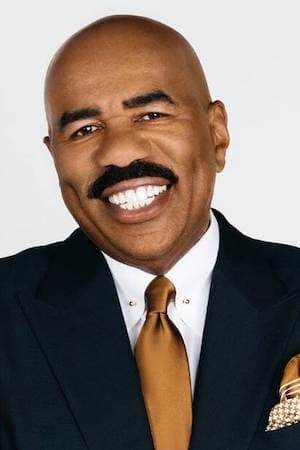
Steve Harvey has faced accusations of selling out as he moved from standup comedy to becoming a ubiquitous media host. Critics argue that his advice and public persona often reinforce conservative and sometimes regressive social values. Some feel his various shows and books cater to a demographic that prefers a safe and non threatening version of Black manhood. Harvey has ignored these critics while building one of the most successful careers in modern entertainment. His transition to a family friendly brand remains a point of contention for some.
Cedric the Entertainer
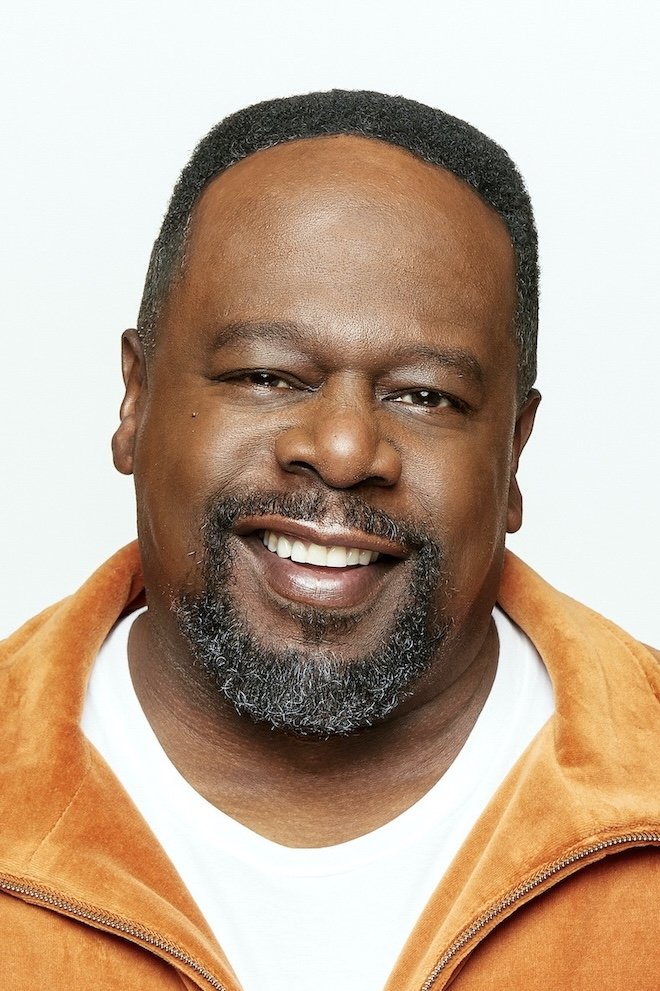
Cedric the Entertainer is often grouped with other kings of comedy who faced accusations of playing into stereotypes. His roles in films like ‘Barbershop’ and ‘Johnson Family Vacation’ were seen by some as broad and unoriginal. Critics accused him of selling out by sticking to roles that did not challenge the status quo of Black cinema. Cedric has maintained that his work celebrates the community and the humor found in everyday life. He continues to be a staple in both television and film comedies.
Ice Cube
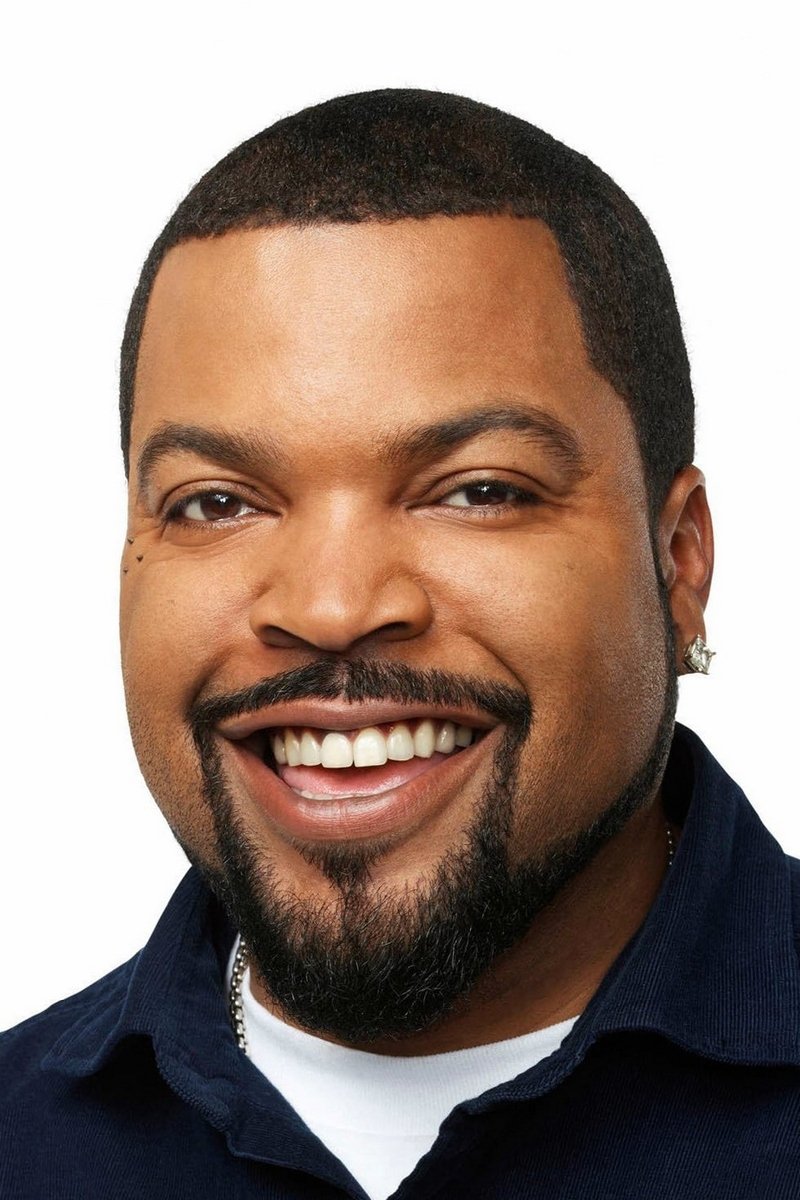
Ice Cube shocked many fans when he moved from being a revolutionary rapper in N.W.A. to starring in family films. His role in ‘Are We There Yet?’ led to widespread accusations of selling out his hardcore image. Critics felt he was abandoning his political roots to become a safe and bankable Hollywood star. Cube has defended his transition as a sign of growth and a way to provide for his family. He remains a powerful producer who balances commercial projects with more serious work.
Snoop Dogg
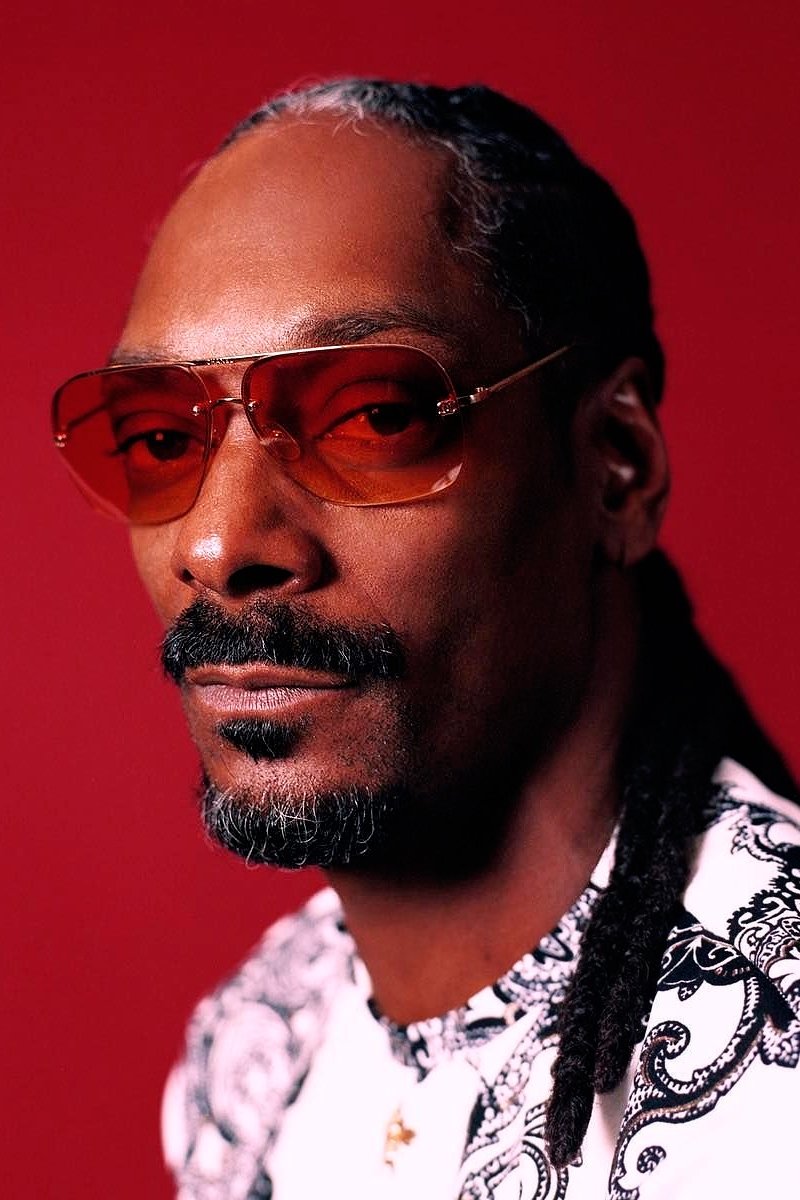
Snoop Dogg has faced criticism for the way he has commercialized his former gangsta rapper persona. By appearing in numerous commercials and lighthearted reality shows he has been accused of selling out his legacy. Some feel he has become a caricature of himself to appeal to a mainstream white audience. Snoop Dogg has embraced his role as a pop culture icon and seems unbothered by the sellout label. He continues to be one of the most recognizable and versatile celebrities in the world.
Flavor Flav

Flavor Flav was a member of the politically charged group Public Enemy before becoming a reality television star. His appearances on shows like ‘Flavor of Love’ were widely criticized as modern day minstrelsy. Many accused him of selling out the legacy of his group for fame and money. Critics felt his behavior on these shows was embarrassing and reinforced every negative stereotype about Black men. Despite the backlash the shows were highly successful and revitalized his career in the mid twoies.
Nick Cannon
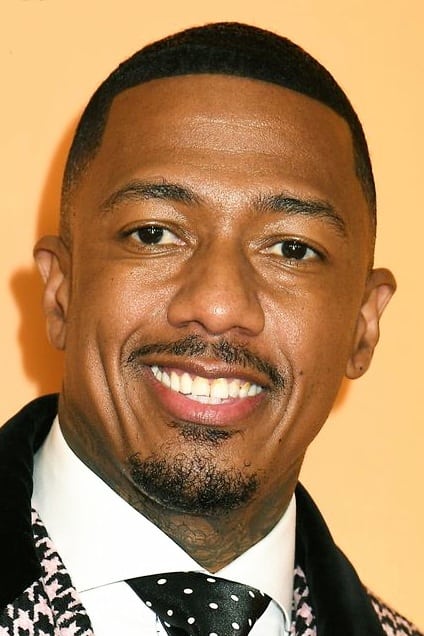
Nick Cannon has been accused of selling out due to his role as a perennial host for mainstream network shows. Critics argue that his public persona is designed to be as non threatening as possible to white viewers. Some feel his choices in film and television roles lack the depth expected of someone with his level of influence. Cannon has worked to counter this by becoming a prolific producer and businessman behind the scenes. He remains a constant presence in the media despite the frequent criticisms of his public image.
Katt Williams
Katt Williams is known for his outspoken nature but he has also faced accusations of playing into stereotypes during his career. Some critics feel his pimp persona and frequent use of certain tropes are harmful to the image of Black men. He has been accused of selling out by creating a character that thrives on negative cultural clichés. Williams often addresses these criticisms in his standup and argues that he is speaking a truth that others are afraid to say. He remains a highly influential and polarizing figure in the world of comedy.
Mike Epps
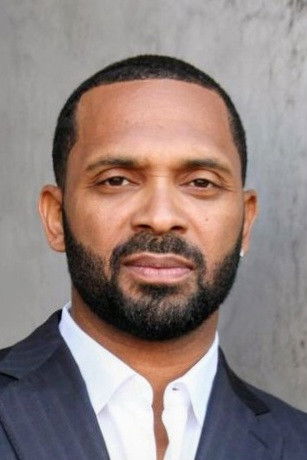
Mike Epps has faced criticism for his reliance on broad and often crude comedy in his film roles. Critics argue that his characters in movies like ‘Next Friday’ reinforce the trope of the fast talking and unreliable Black man. He has been accused of selling out by accepting roles that do not offer any intellectual or social substance. Epps maintains that he is a comedian who knows his audience and what they find funny. He continues to work steadily in both film and standup specials.
D.L. Hughley
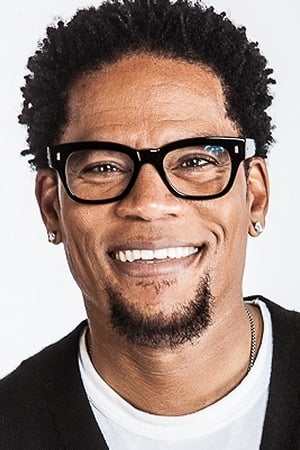
D.L. Hughley is another member of the original Kings of Comedy who has faced the sellout label. Critics have pointed to his early sitcom work as being too safe and reliant on traditional tropes. Some feel his political commentary in later years is a way to distance himself from his earlier stereotypical roles. Hughley has been vocal about the challenges of being a Black man in the entertainment industry. He continues to balance his comedy career with serious social and political activism.
Sherman Hemsley
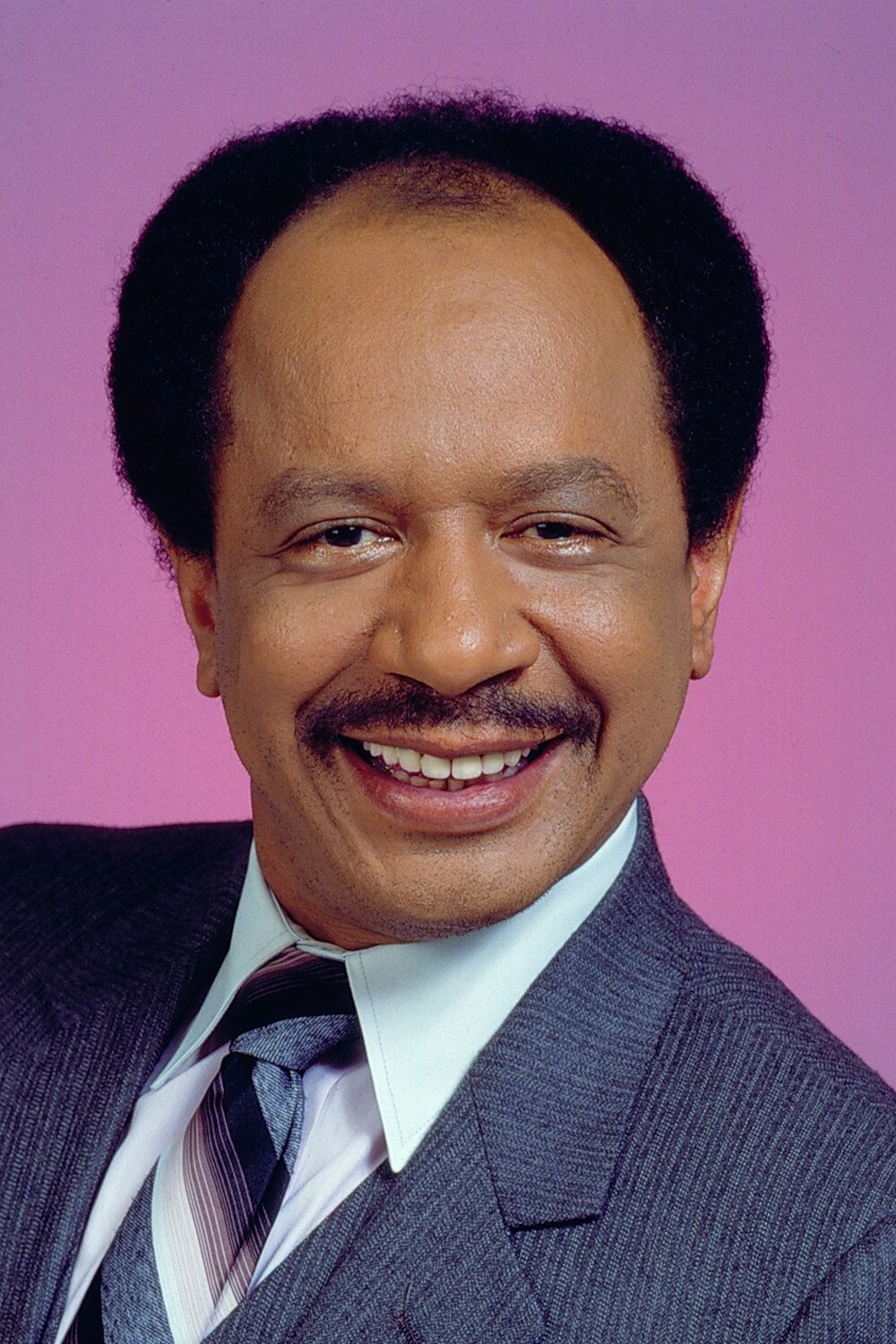
Sherman Hemsley became a cultural icon as George Jefferson on ‘The Jeffersons’. While the character was wealthy and successful some critics felt he was a loud and arrogant caricature. He was accused of selling out by playing a role that some found abrasive and stereotypical of the “newly rich” Black man. Hemsley brought a unique energy to the role that made it one of the longest running in television history. He remains a beloved figure though the debate over his characterization continues.
Robert Guillaume
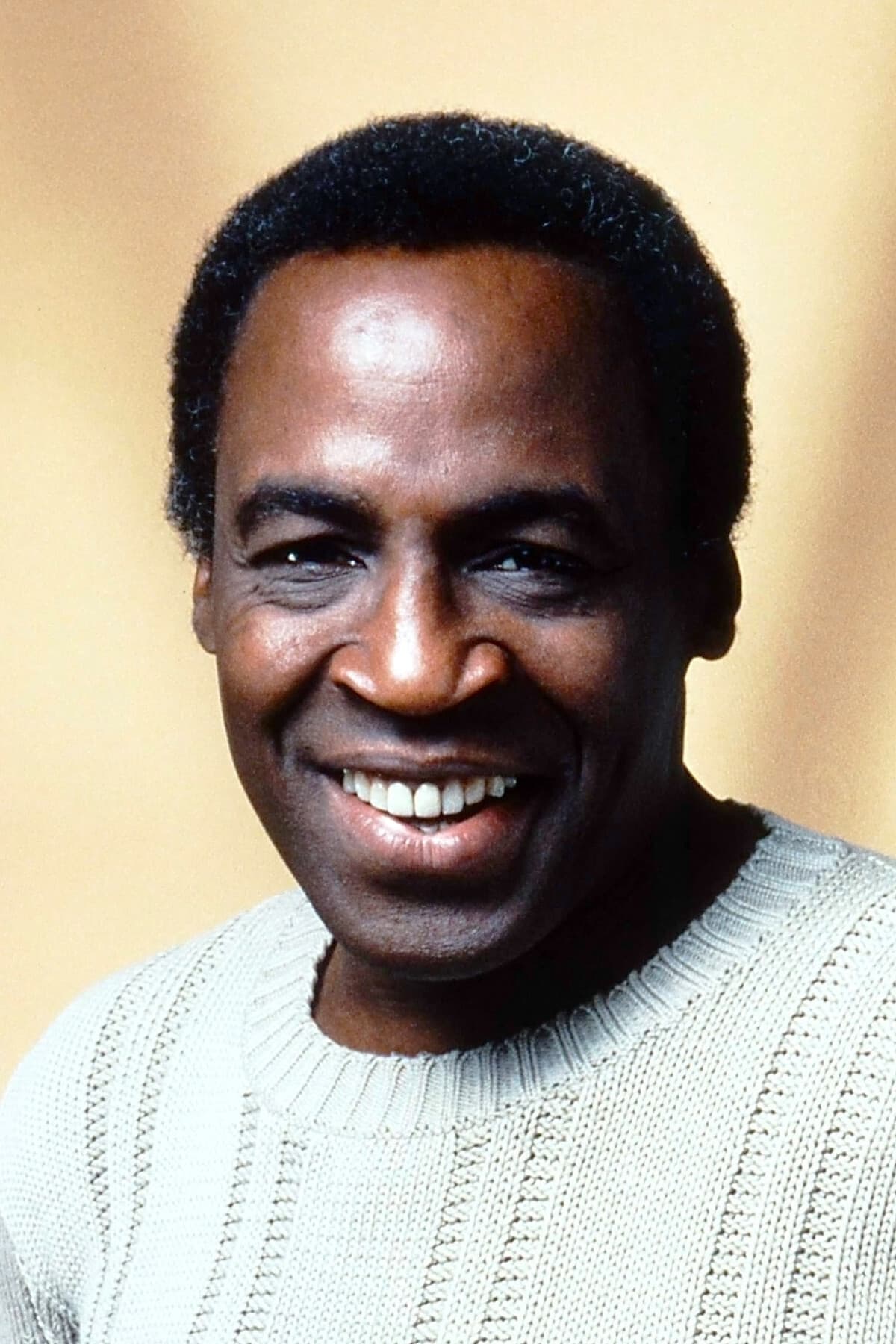
Robert Guillaume was famously accused of selling out when he took the role of Benson on ‘Soap’ and its spin off ‘Benson’. Many felt that playing a butler was a step back for Black actors during the post civil rights era. Guillaume worked hard to evolve the character from a servant to a state official to combat these perceptions. He was very aware of the criticism and used his influence to change the narrative of the show. His career is often cited as an example of an actor successfully navigating and subverting stereotypes.
Morgan Freeman
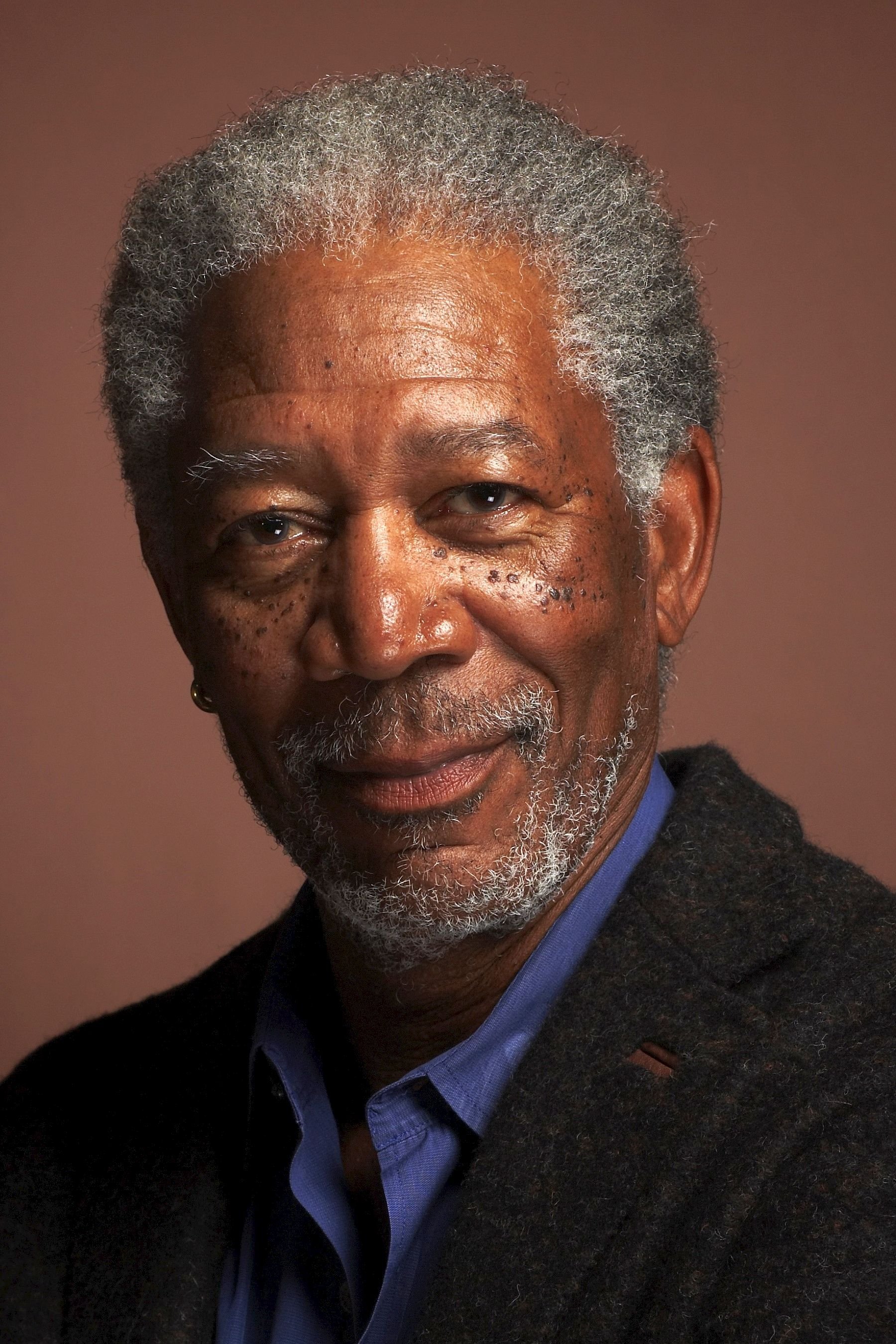
Morgan Freeman has been criticized for frequently playing the “Magical Negro” role in major Hollywood films. His character in ‘Driving Miss Daisy’ was specifically cited as being submissive and catering to white comfort. Critics accused him of selling out by accepting roles that placed him in a position of spiritual or physical service to white protagonists. Freeman has often dismissed these labels and focused on the quality of the scripts and his own performance. He is widely regarded as one of the greatest actors of his generation despite these recurring critiques.
Michael Clarke Duncan
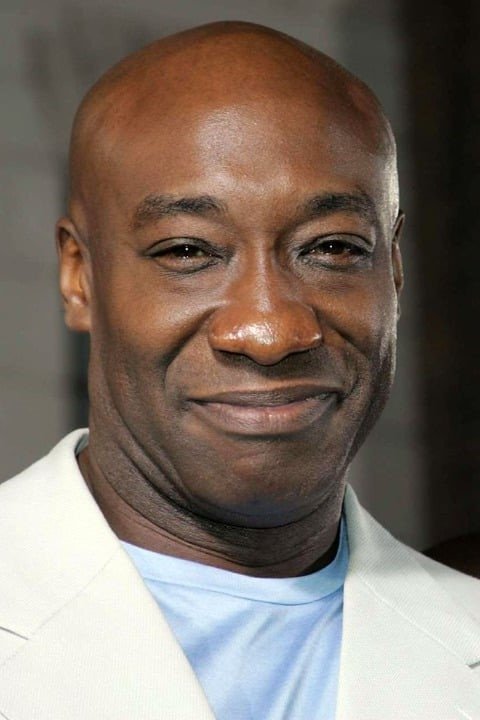
Michael Clarke Duncan faced intense scrutiny for his breakout role in ‘The Green Mile’. Many critics saw his character John Coffey as the ultimate example of the “Magical Negro” stereotype. They accused him of selling out by playing a character whose only purpose was to suffer and die for the sake of white characters. Duncan was nominated for an Oscar for the role and always spoke highly of the experience. The debate surrounding this character remains a central point in discussions about modern cinematic tropes.
Will Smith
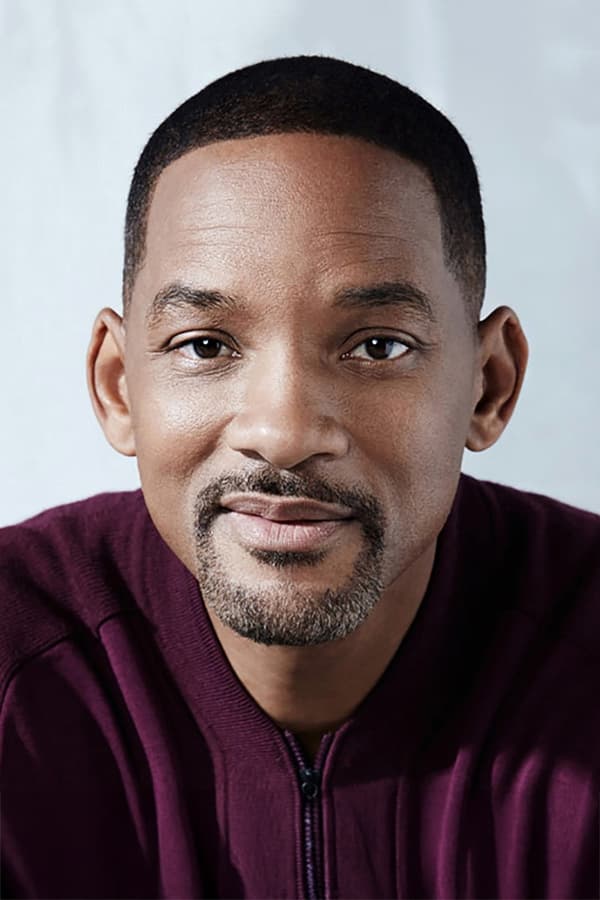
Will Smith was accused of selling out when he starred in ‘The Legend of Bagger Vance’. His character was seen as another instance of a Black man existing purely to provide mystical guidance to a white lead. Critics argued that the biggest movie star in the world should have avoided such a regressive archetype. Smith has generally avoided these types of roles in the years since that film was released. He has focused on playing leading men who drive their own stories rather than supporting others.
Chris Rock
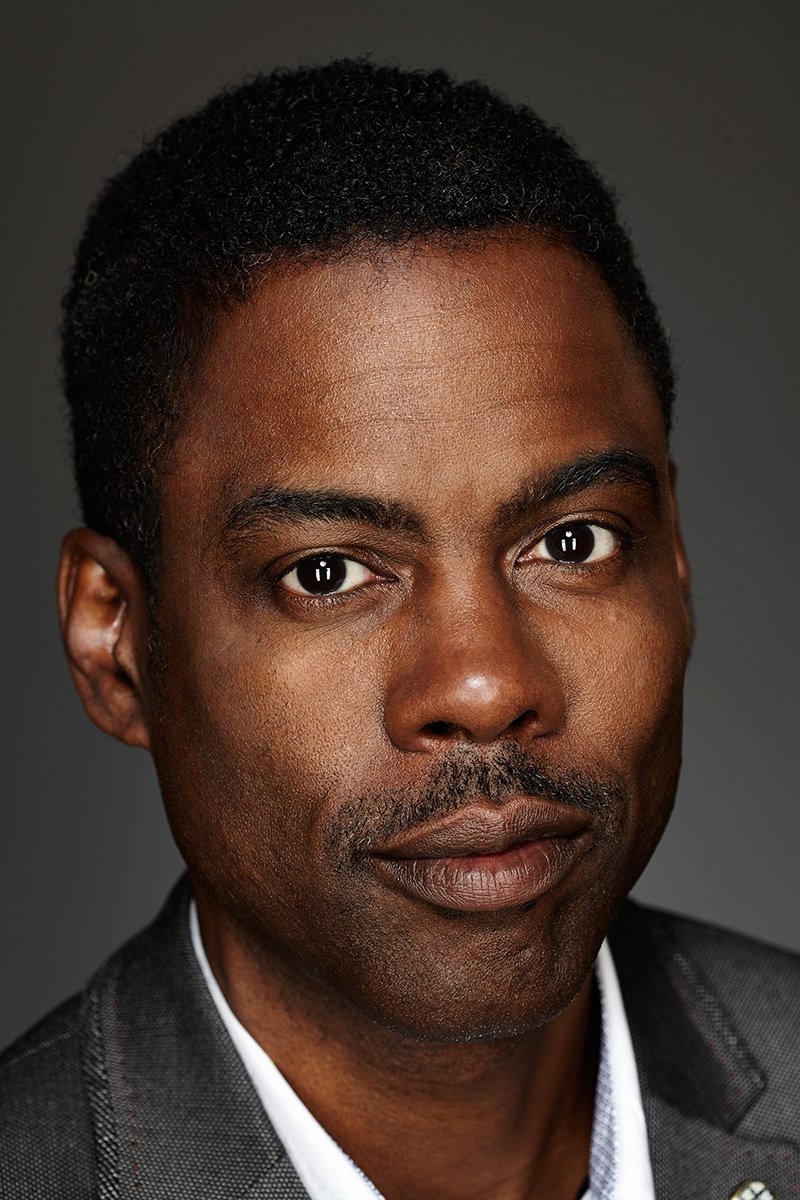
Chris Rock has been a dominant force in comedy but his film career has drawn some accusations of selling out. Critics argue that his roles in mainstream comedies often dilute the sharp social commentary of his standup. Some feel he accepts roles that fit into the safe and predictable patterns of Hollywood’s view of Black men. Rock has often used his work to satirize the very industry he works in as seen in his film ‘Top Five’. He remains a critical voice in entertainment who is constantly evolving his brand.
Dave Chappelle
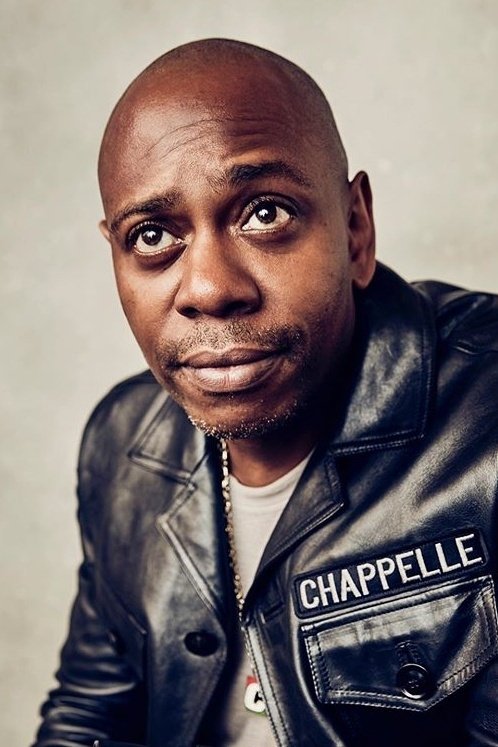
Dave Chappelle famously walked away from a fifty million dollar contract because he felt people were laughing at his sketches for the wrong reasons. He realized that some of his characters were being viewed as stereotypes rather than satires by certain segments of the audience. This realization led to his own internal struggle with the idea of selling out for fame. By leaving his show he made a powerful statement about the responsibility of the artist to their culture. He has since returned to the stage with a more reflective and sometimes controversial perspective.
Kenan Thompson
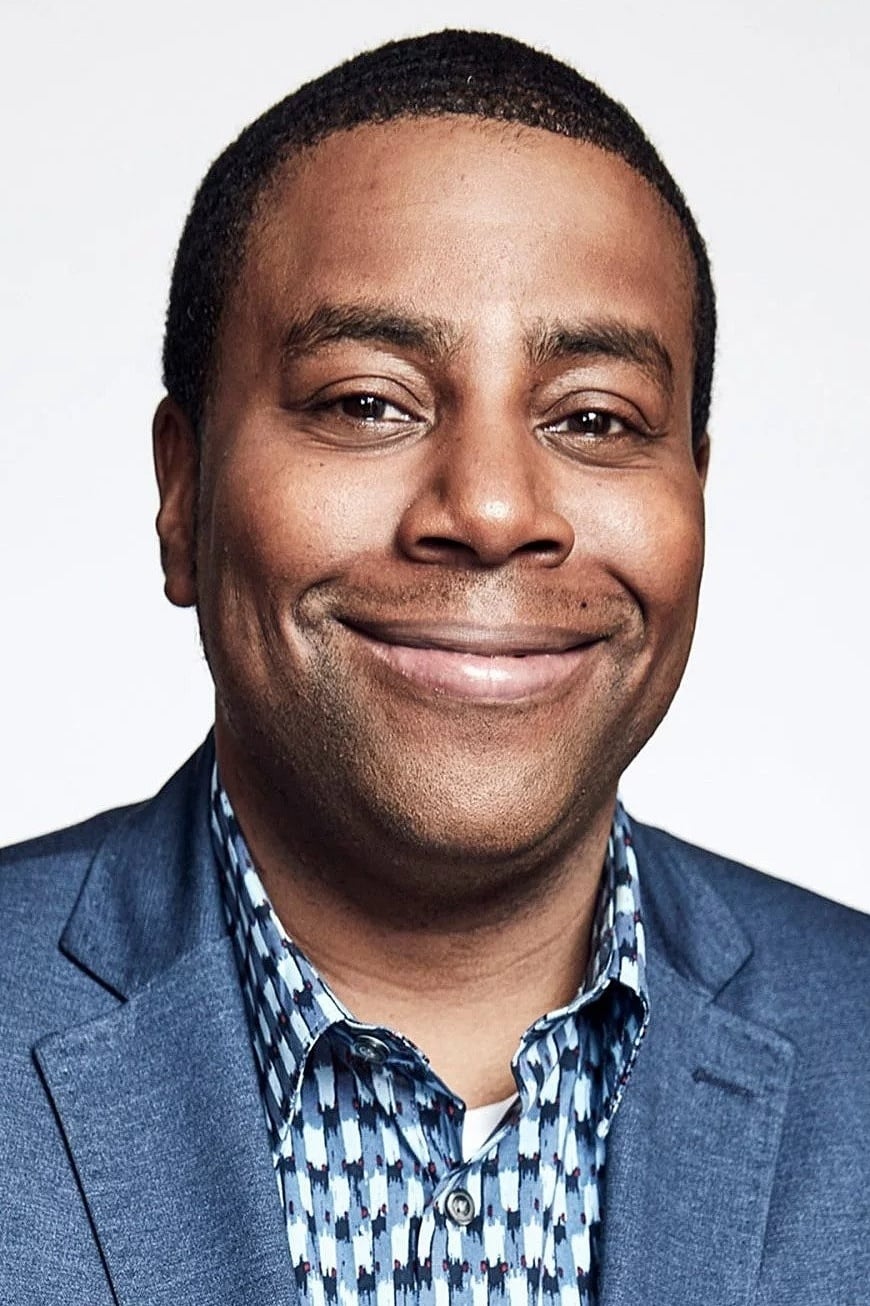
Kenan Thompson has been a cast member on ‘Saturday Night Live’ for over two decades and has faced some criticism for his roles. Some viewers feel he often plays the “straight man” or broad caricatures that lack depth. He has been accused of selling out by staying on a show that has historically struggled with Black representation. Thompson has defended the show and his place on it by highlighting the opportunities he has to mentor new talent. He is now the longest serving cast member in the history of the program.
Kel Mitchell

Kel Mitchell was a major star on Nickelodeon but his later career choices were sometimes criticized as leaning into his early broad comedy roots. Critics felt he was stuck in a “goofy” persona that didn’t allow for much growth beyond his ‘Good Burger’ fame. He faced accusations of selling out by continuing to play characters that were seen as immature or stereotypical. Mitchell has since found success in voice acting and returning to his roots in family entertainment. He remains a nostalgic favorite for many who grew up during his peak years.
Jamie Foxx
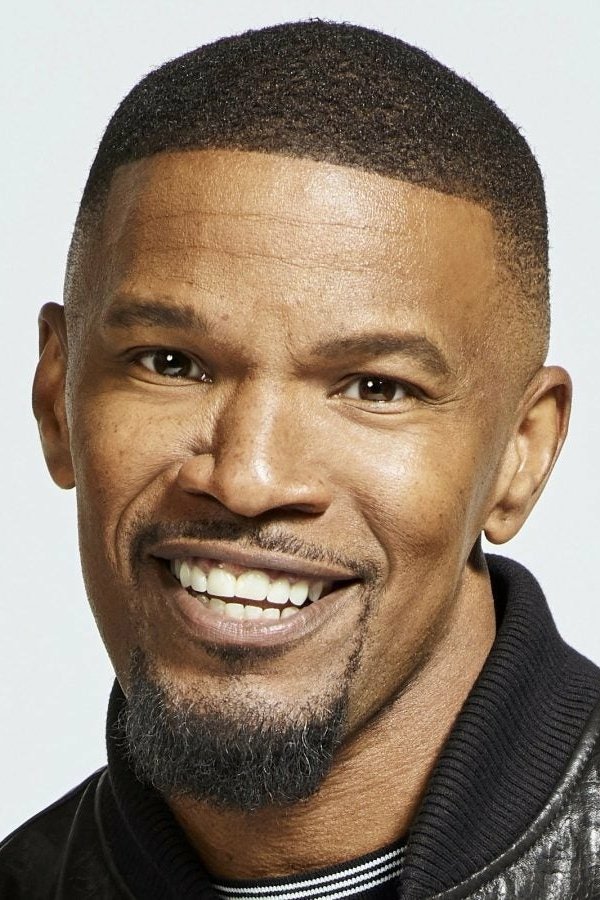
Jamie Foxx started his career on ‘In Living Color’ where he played several broad and controversial characters. Some of these roles were later criticized for being offensive or relying on tired stereotypes. He was accused of selling out to get his start in the industry by mocking Black and Latin cultures. Foxx successfully transitioned into a serious dramatic actor and won an Oscar for his role in ‘Ray’. He has since balanced his career between high stakes dramas and large scale commercial comedies.
Tracy Morgan
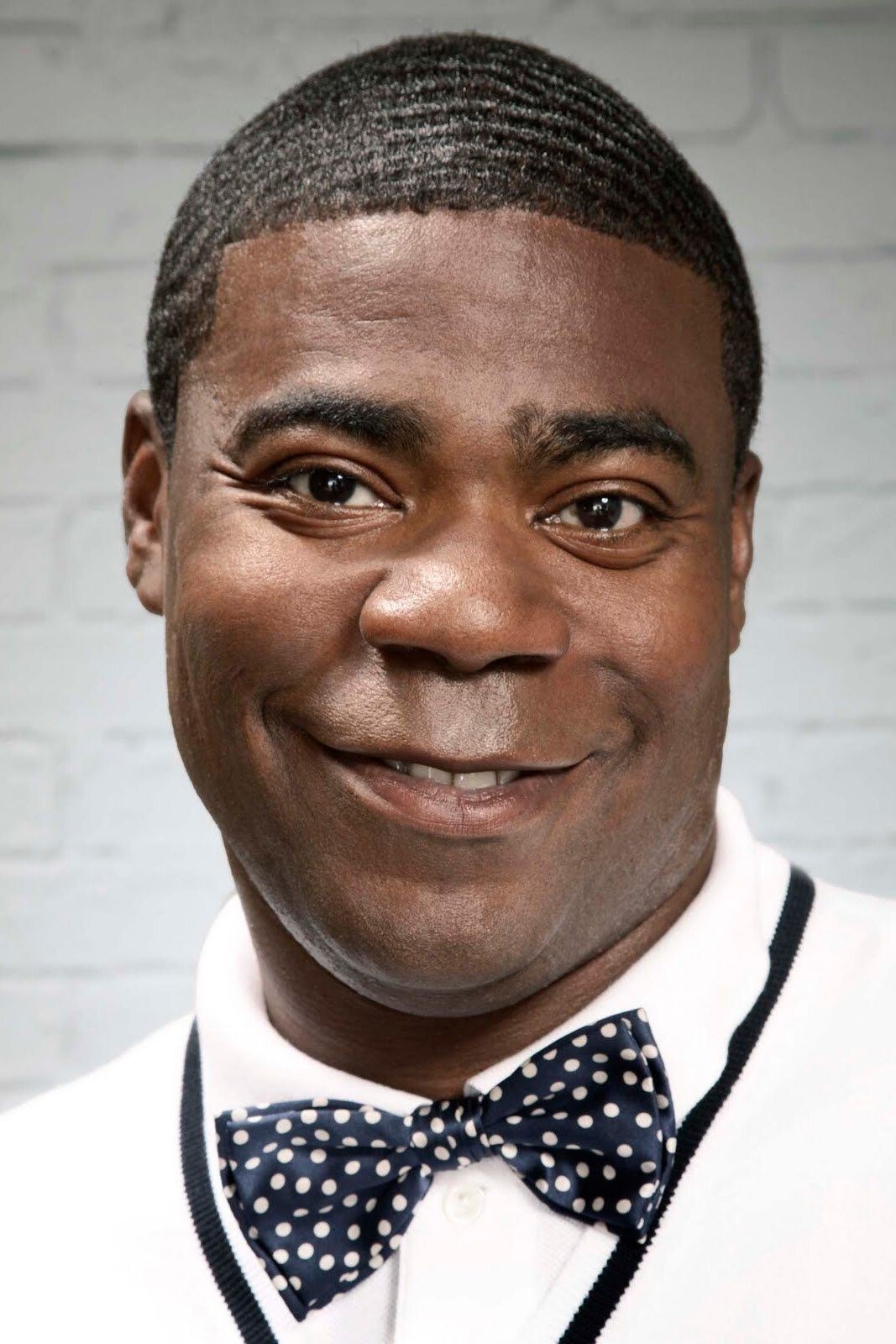
Tracy Morgan has faced accusations of playing a caricature of himself for his entire career. His role on ’30 Rock’ as Tracy Jordan was seen by some as a parody of a troubled and unintelligent Black actor. Critics argued that he was selling out by allowing himself to be the butt of the joke in a show written primarily by white writers. Morgan has always maintained that his comedy is authentic to his personality and background. He continues to be a popular figure in both television and film.
Orlando Jones
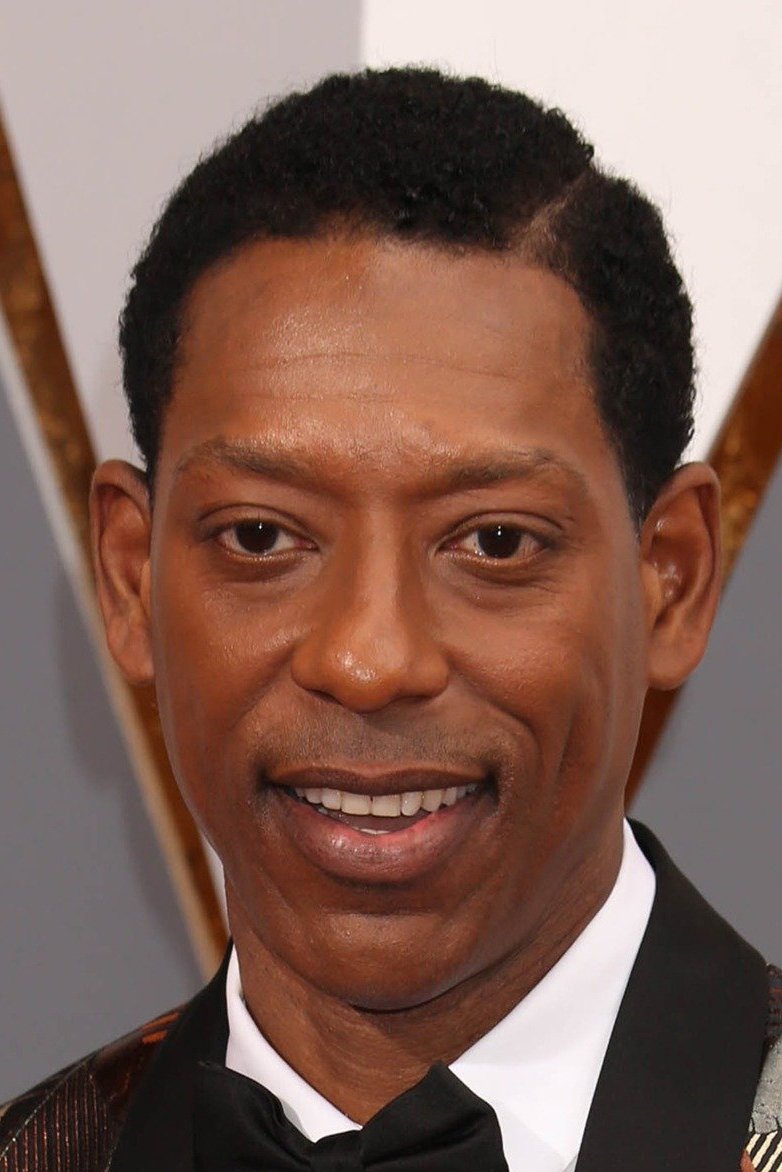
Orlando Jones became a household name through his work in ‘7 Up’ commercials and ‘MADtv’. Some critics felt his early roles relied too heavily on physical comedy and broad archetypes. He faced accusations of selling out by becoming a commercial spokesperson for a major corporation. Jones later became much more vocal about the lack of diversity and the stereotypical roles offered in Hollywood. He has since been involved in more complex projects and has spoken out about his experiences in the industry.
Bill Cosby
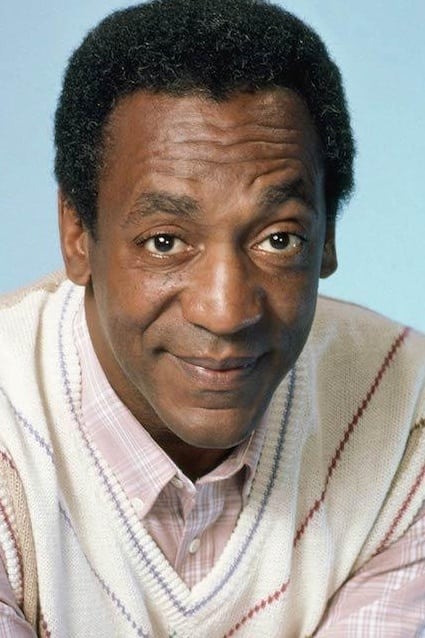
Bill Cosby was once the gold standard for Black representation on television but his early career also faced scrutiny. Some members of the Black Power movement accused him of selling out because he didn’t address race directly enough in his comedy. They felt his characters in shows like ‘I Spy’ were designed to be as non threatening as possible to white America. Cosby focused on universal themes of family and childhood to reach the widest audience possible. His legacy is now overshadowed by his legal battles and the fallout from his personal conduct.
Richard Pryor

Richard Pryor is considered one of the greatest comedians of all time but he faced early accusations of selling out. During his early years in Las Vegas he performed a safe and clean act that critics felt ignored the realities of Black life. He eventually had a famous onstage breakdown and reinvented himself as a raw and honest voice for his community. This transition was a direct response to his own feeling that he had sold his soul for professional success. His later work became the blueprint for modern standup comedy.
Flip Wilson
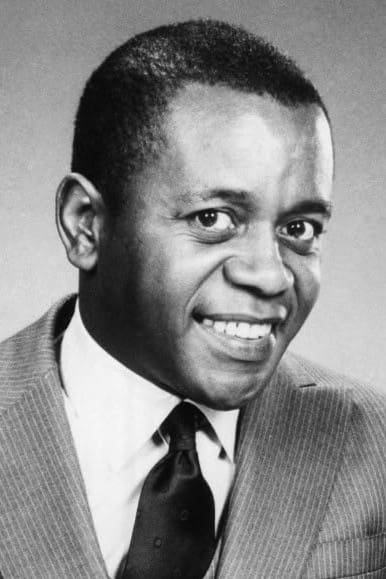
Flip Wilson was the first Black host of a highly successful television variety show in the early seventies. He was often criticized for his character Geraldine who some felt was a regressive caricature. Critics accused him of selling out by performing drag and playing into negative tropes for a predominantly white audience. Wilson argued that his characters were based on people he knew and loved. He paved the way for many other Black hosts and comedians to follow in his footsteps.
Redd Foxx
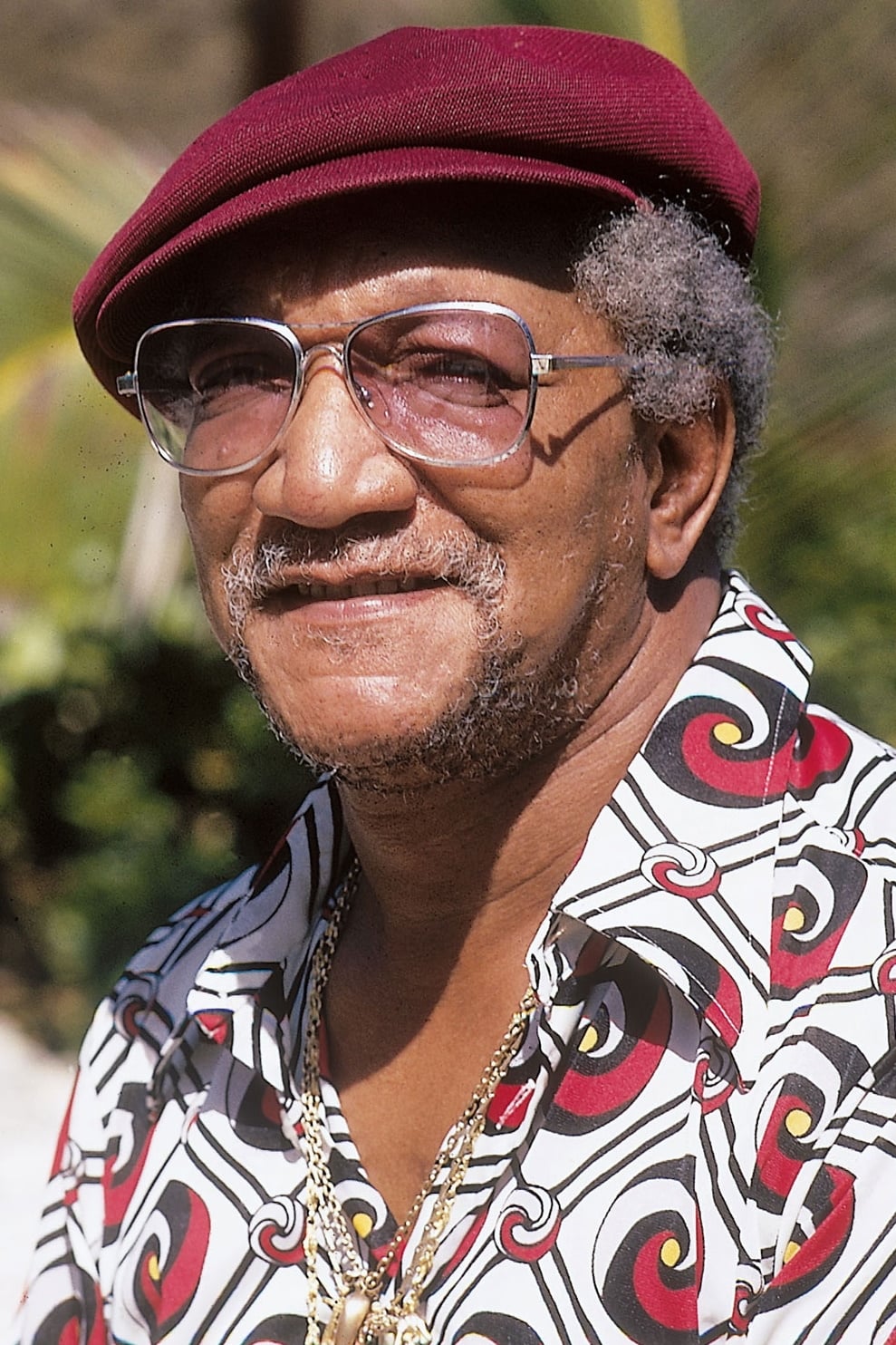
Redd Foxx was a legend of the “chitlin’ circuit” before achieving mainstream success with ‘Sanford and Son’. Some critics felt his character Fred Sanford was a grumpy and uneducated stereotype that appealed to the wrong sensibilities. He was accused of selling out his more adult and sophisticated comedy for a safe network television role. Foxx used his success to demand better pay and conditions for his fellow actors on the show. He remained a defiant and influential figure throughout his career.
Laurence Fishburne
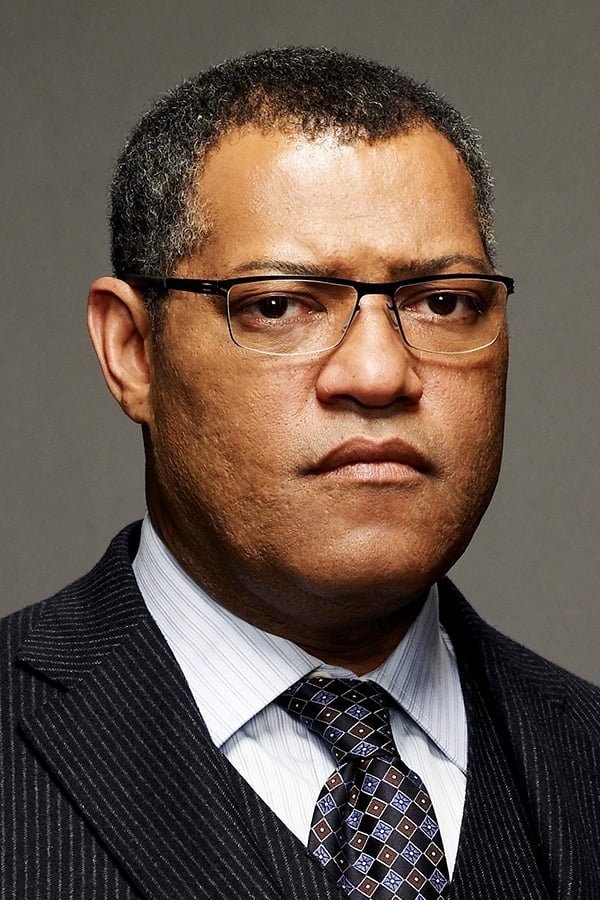
Laurence Fishburne has had a distinguished career but his early roles often saw him playing thugs and criminals. Critics accused him of selling out by accepting roles that reinforced the idea of Black men as inherently dangerous. He eventually broke away from these types of roles with his performance in ‘What’s Love Got to Do with It’. Fishburne has since become one of the most respected actors in the industry known for his authoritative and complex roles. He has frequently spoken about the need for better stories for Black performers.
Ving Rhames
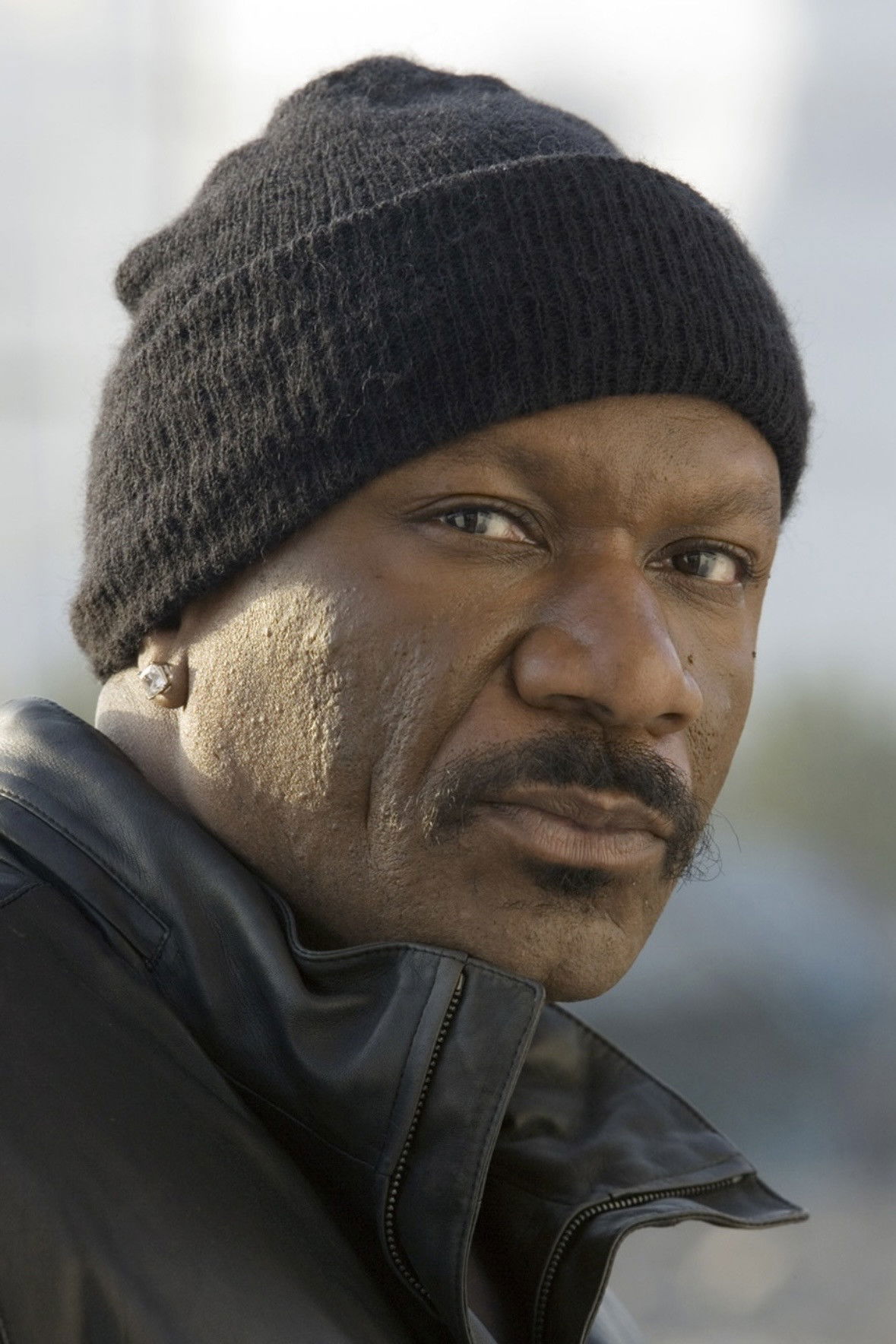
Ving Rhames has often been cast as the “tough guy” or the “intimidating criminal” throughout his career. Some critics have accused him of selling out by consistently playing into these hyper masculine stereotypes. They feel that his physical stature has limited the types of roles he is offered and that he has accepted. Rhames has delivered powerful performances in films like ‘Rosewood’ to show his range beyond the action genre. He continues to be a steady presence in major Hollywood franchises.
LL Cool J
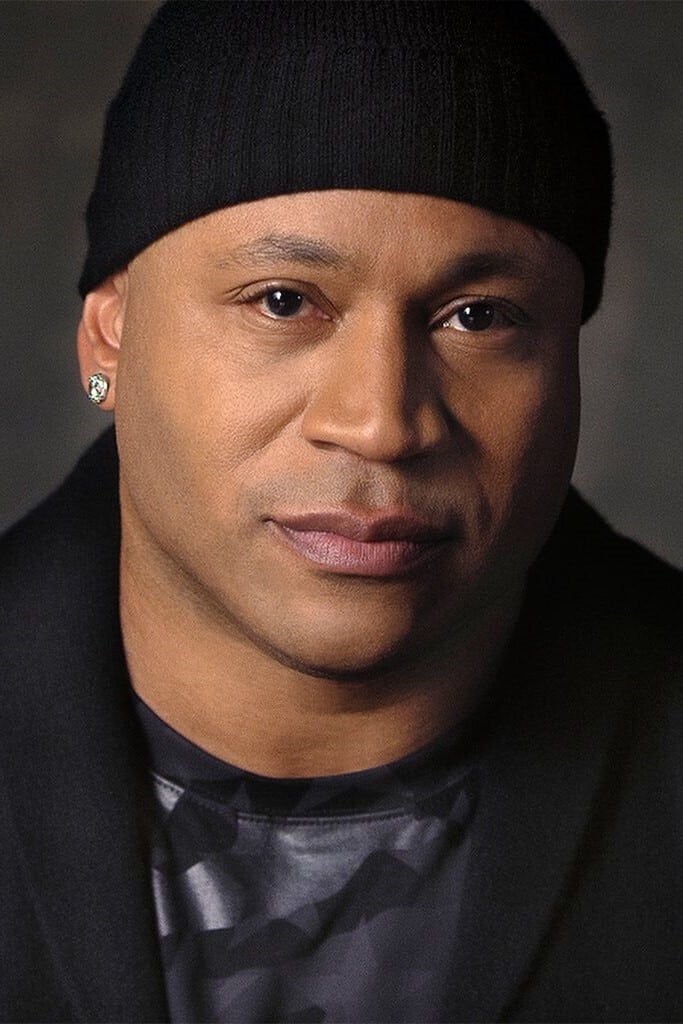
LL Cool J was a pioneer of hip hop who faced major backlash when he moved into acting and commercial work. His roles in sitcoms like ‘In the House’ were seen by some as a move toward a safer and more corporate image. Critics accused him of selling out his street credibility for a chance to become a mainstream star. He has since become a fixture on the long running series ‘NCIS: Los Angeles’. He has successfully navigated the transition from rapper to a reliable and bankable television lead.
Ludacris
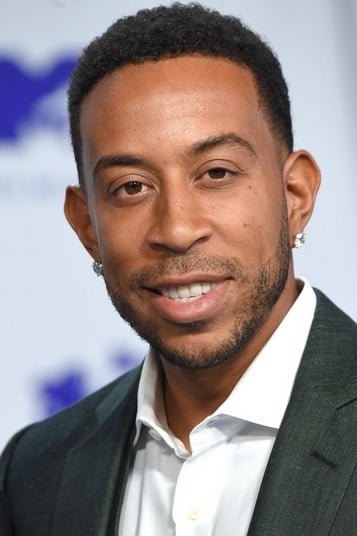
Ludacris followed a similar path from being a chart topping rapper to a major film star in the ‘Fast & Furious’ franchise. Some fans and critics accused him of selling out his musical roots for the safety of big budget action films. They felt his transition involved softening his image and playing a role that was less culturally specific. Ludacris has balanced his film career with continued business ventures and philanthropic work. He remains one of the most successful examples of a musician turning into a full time actor.
Share your thoughts on these actors and their career choices in the comments.