TV Shows That Were Labeled “Racist” Long After They Finished Airing

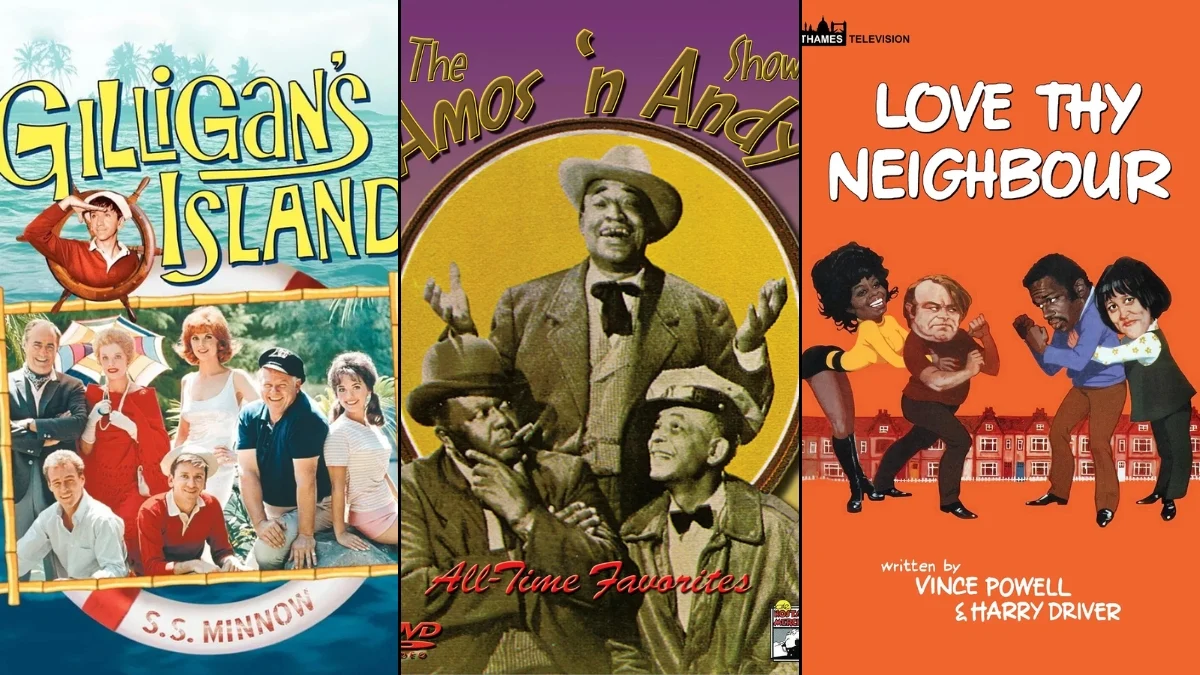

Television history often reflects the shifting social and cultural standards of the era in which a program was produced. While many series were celebrated during their original broadcasts, the passage of time and the evolution of societal norms have led to the retroactive labeling of certain content as racially insensitive or offensive. In recent years, streaming platforms and networks have taken steps to remove specific episodes, edit scenes, or add historical disclaimers to address these concerns. This list explores several television shows that have faced significant criticism for their racial depictions long after their final episodes aired.
‘Amos ‘n’ Andy’ (1951–1953)
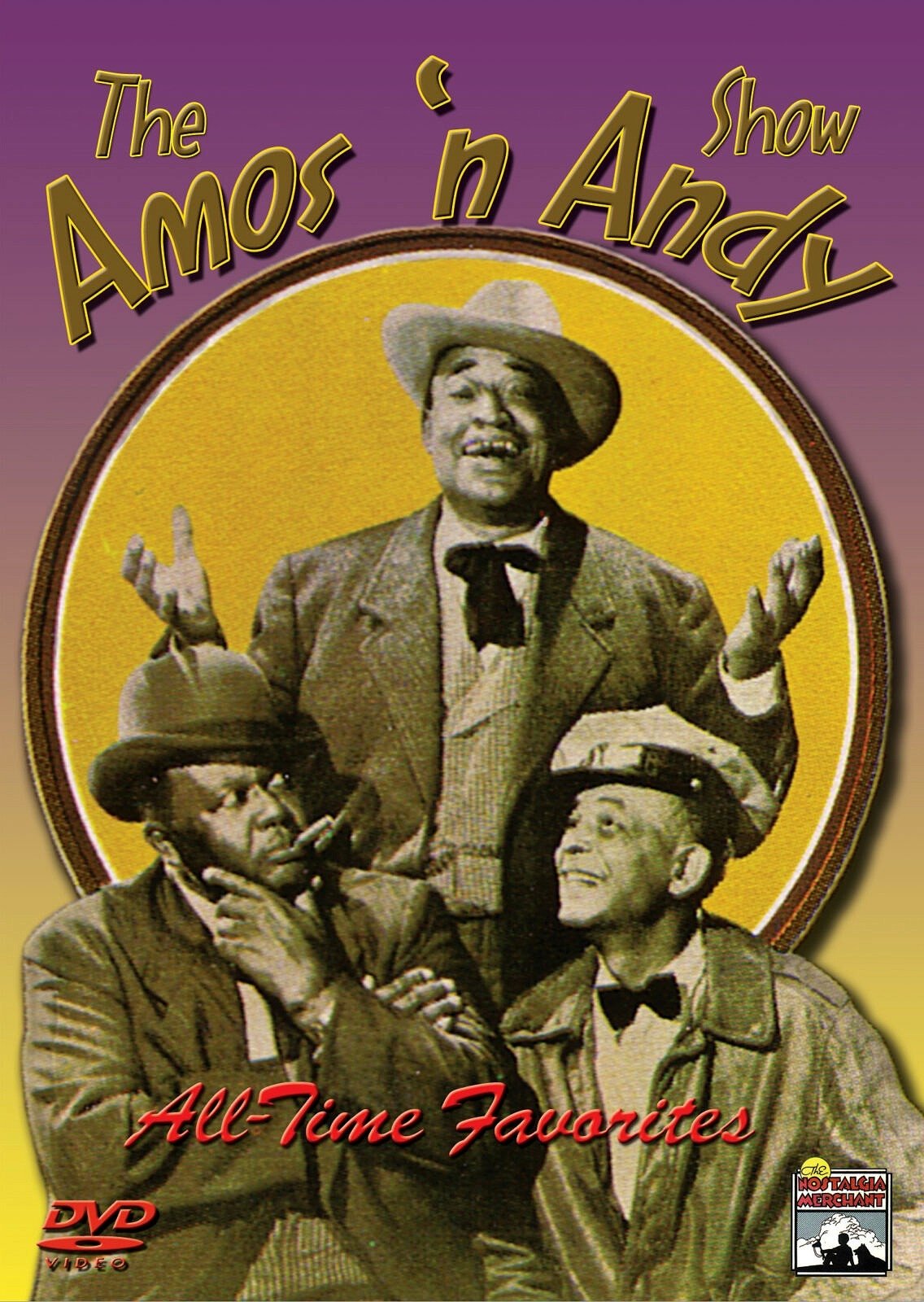
‘The Amos ‘n’ Andy Show’ was a pioneering sitcom that featured an all-Black cast during the early years of television. Although it was popular with audiences, the NAACP criticized the show for relying on broad racial stereotypes and caricatures. While the series ended in 1953, it remained in heavy syndication for over a decade despite ongoing protests. In 1966, the show was finally pulled from the airwaves as the Civil Rights Movement prompted a re-evaluation of its content. Today, it is studied as a primary example of how early media reinforced racial biases through humor.
‘The Dukes of Hazzard’ (1979–1985)
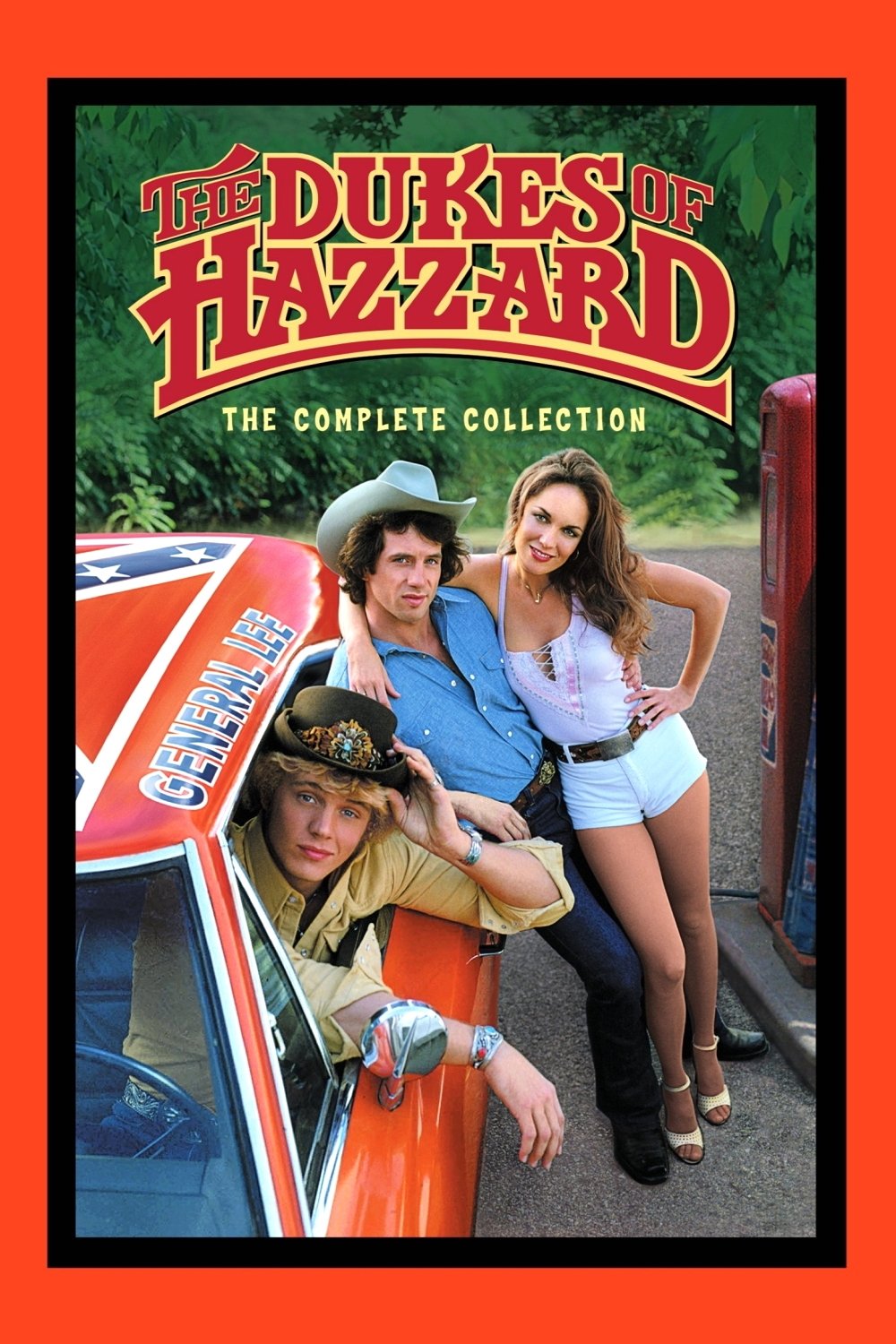
‘The Dukes of Hazzard’ followed the adventures of Bo and Luke Duke as they evaded local law enforcement in fictional Hazzard County, Georgia. The series prominently featured a 1969 Dodge Charger known as the General Lee, which had a large Confederate battle flag painted on its roof. In 2015, following heightened national debates regarding Confederate iconography, TV Land officially pulled the show from its broadcasting schedule. Warner Bros. also announced it would stop producing toys and replicas of the car that featured the flag. Critics argued that the show’s casual use of the symbol ignored its historical association with racism and slavery.
‘Little Britain’ (2003–2007)
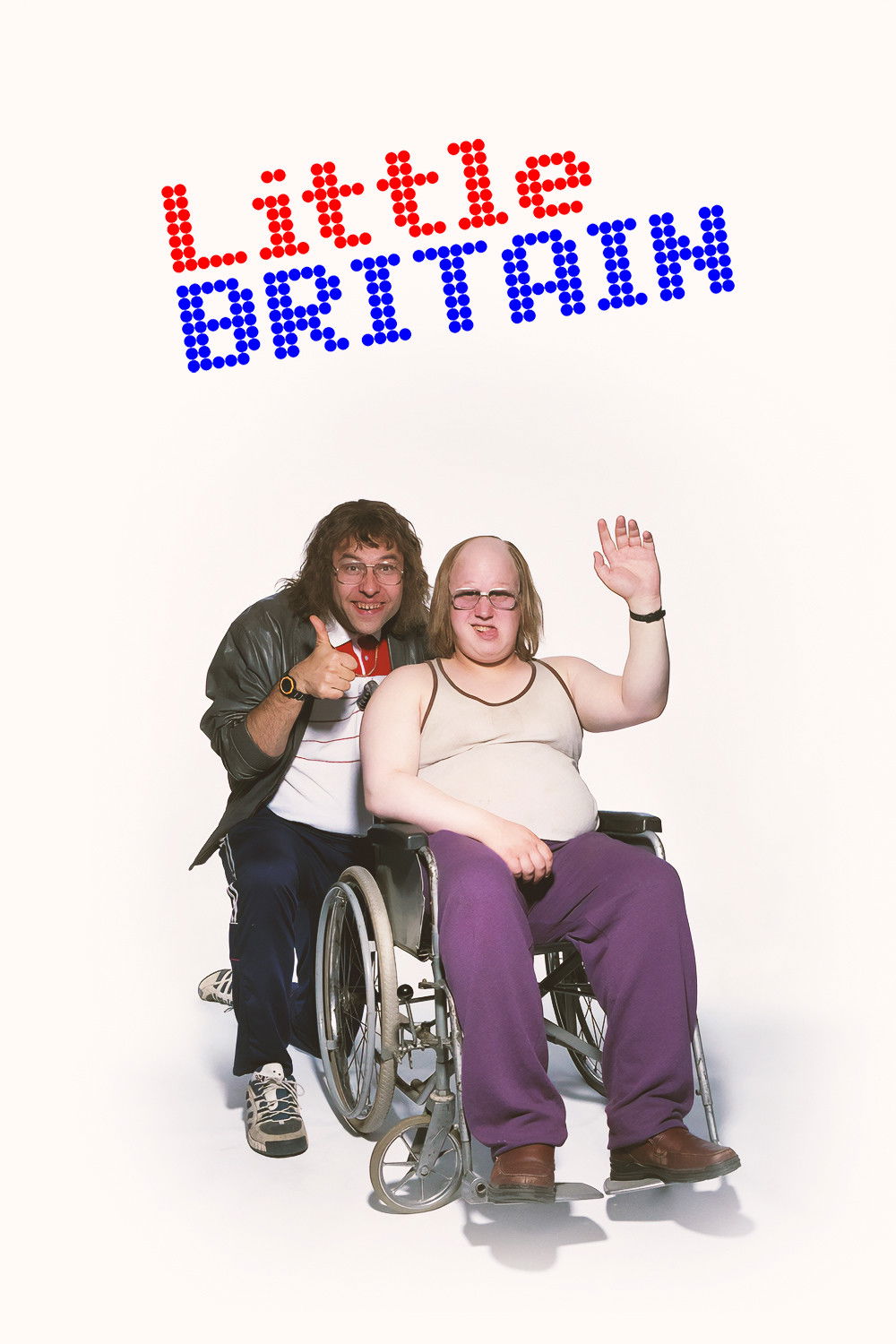
‘Little Britain’ was a sketch comedy series that relied on eccentric characters and catchphrases to parody British life. Years after it concluded, the show faced intense scrutiny for its use of blackface and yellowface by creators Matt Lucas and David Walliams. In 2020, major streaming services including Netflix and BBC iPlayer removed the series from their libraries entirely. The creators issued public apologies, acknowledging that the world has changed since the show first aired. The retrospective criticism focused on how the program marginalized various ethnic groups for comedic effect.
‘Come Fly With Me’ (2010–2011)
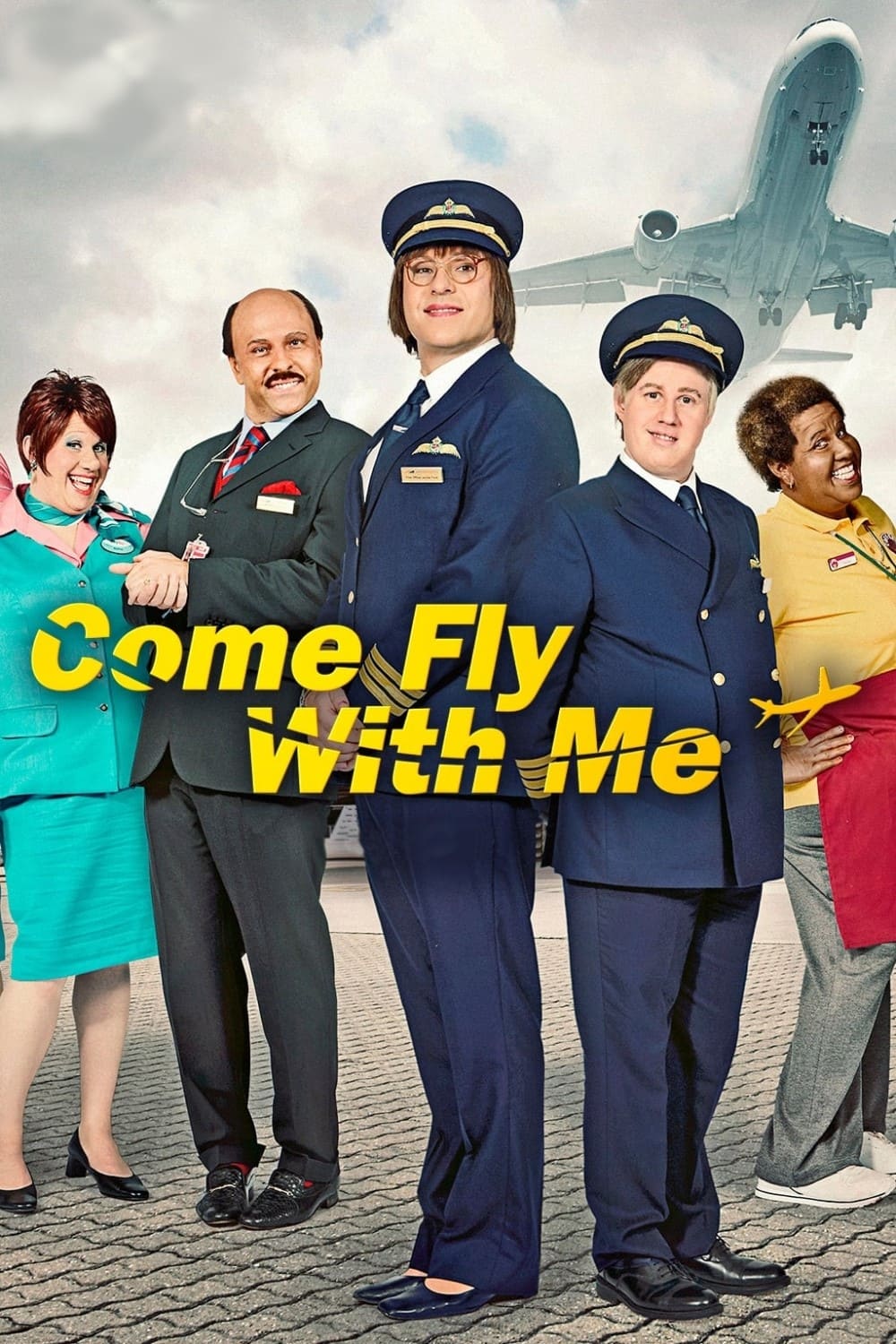
‘Come Fly With Me’ was a mockumentary series set in a busy airport, featuring many of the same performers from ‘Little Britain’. The show utilized heavy prosthetics and makeup to allow the lead actors to portray characters of various ethnicities. Like its predecessor, the show was removed from streaming platforms in 2020 due to its use of blackface and racial caricatures. Modern viewers and critics argued that these depictions were outdated and offensive. The controversy highlighted a broader industry shift toward more authentic casting and representation.
‘The Golden Girls’ (1985–1992)
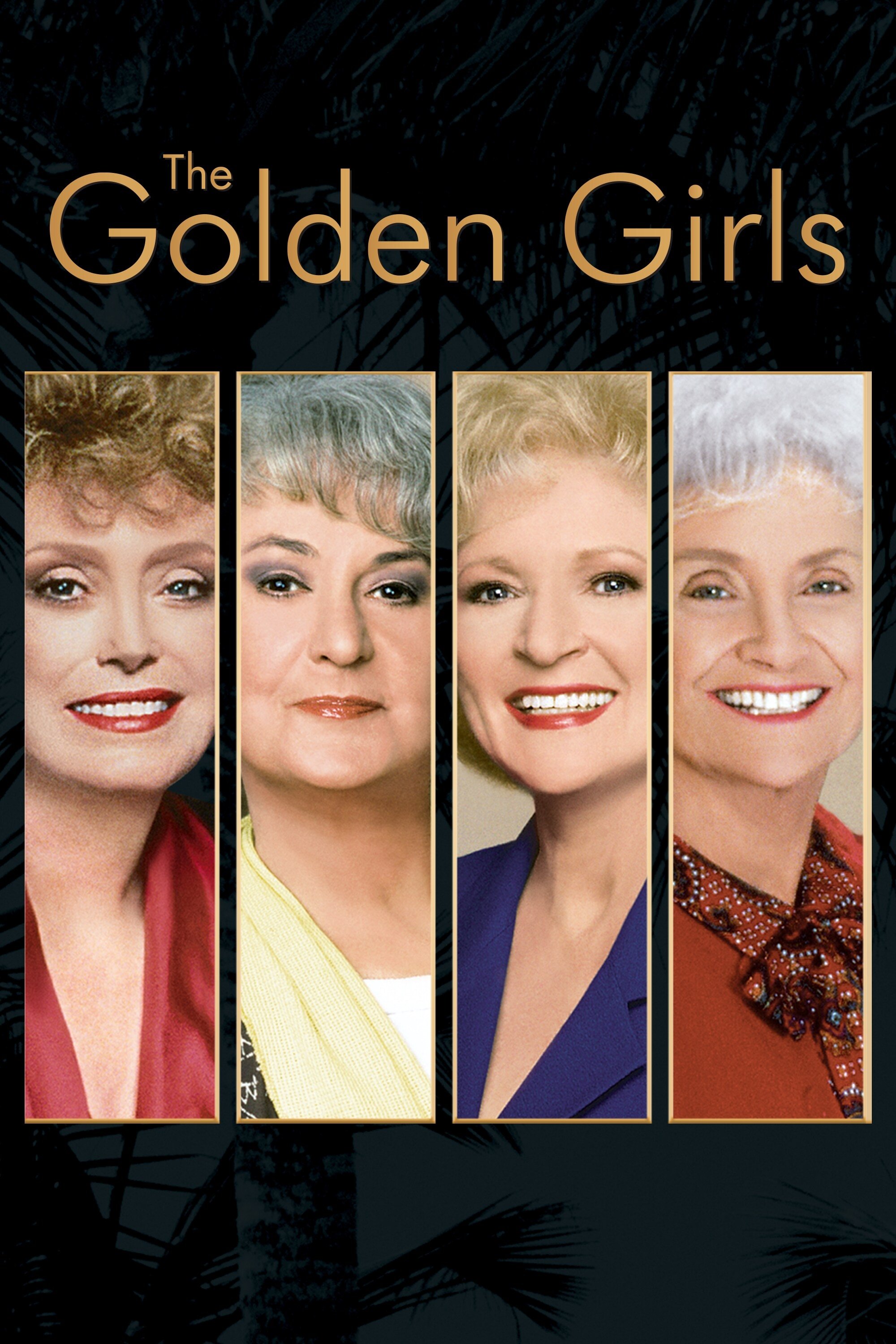
‘The Golden Girls’ remains one of the most beloved sitcoms in television history, known for its sharp writing and chemistry between its leads. However, the episode “Mixed Blessings” became the subject of controversy nearly 30 years after its original airing. In the episode, two characters appear wearing mud masks, which some viewers retroactively interpreted as a visual reference to blackface. In 2020, Hulu removed the episode from its streaming library following a request from the show’s producers. This action prompted a wide-ranging debate about the difference between intent and modern perception in classic television.
’30 Rock’ (2006–2013)
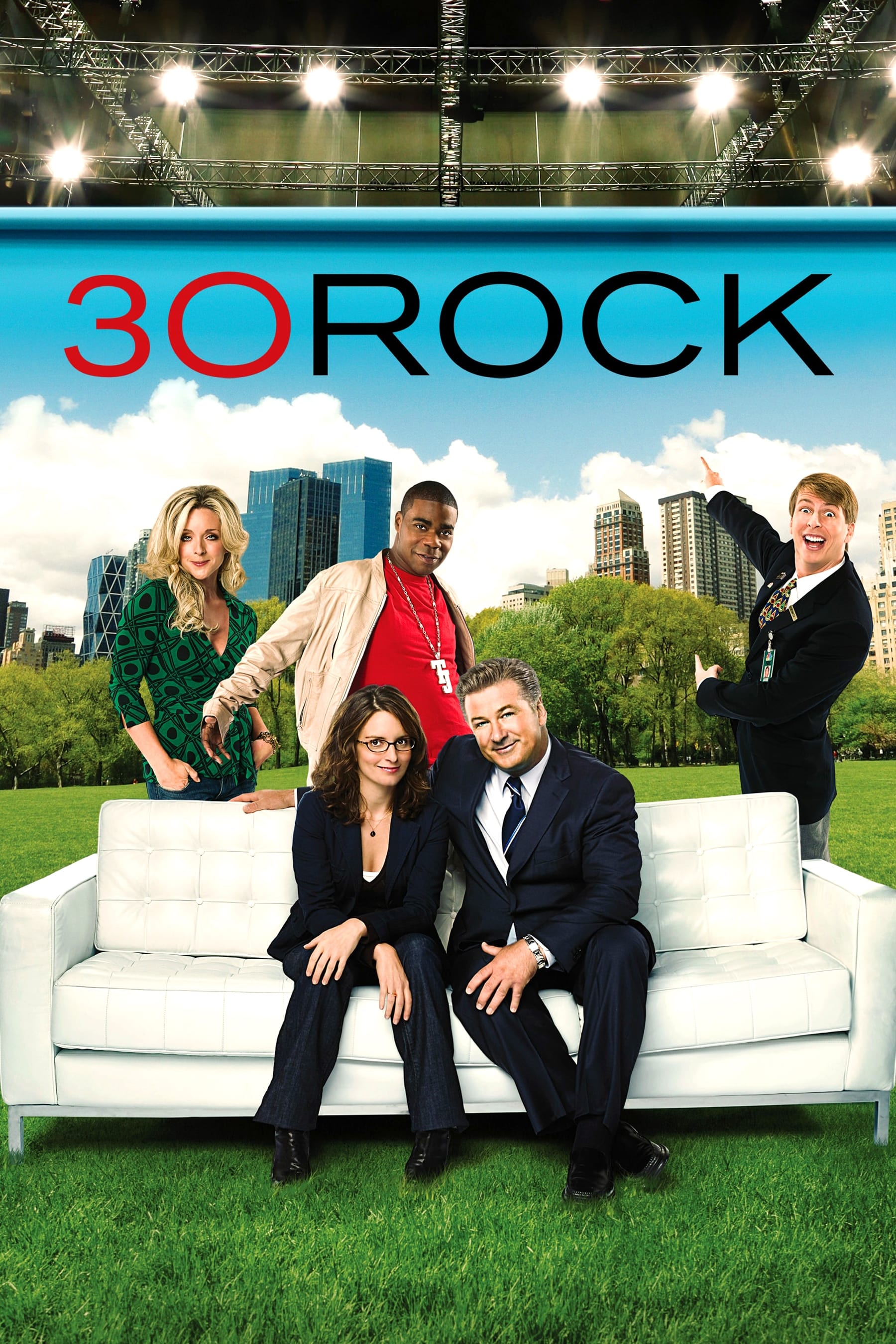
’30 Rock’ was a critically acclaimed satire that frequently pushed the boundaries of workplace comedy and political correctness. Long after the show ended, creator Tina Fey requested that four specific episodes be removed from streaming services and syndication. These episodes contained scenes where characters appeared in blackface as part of various satirical subplots. Fey stated that the intention of the sketches was irrelevant if the imagery itself caused pain to modern audiences. The removal of these episodes served as a significant moment in the retroactive editing of 21st-century sitcoms.
‘Scrubs’ (2001–2010)
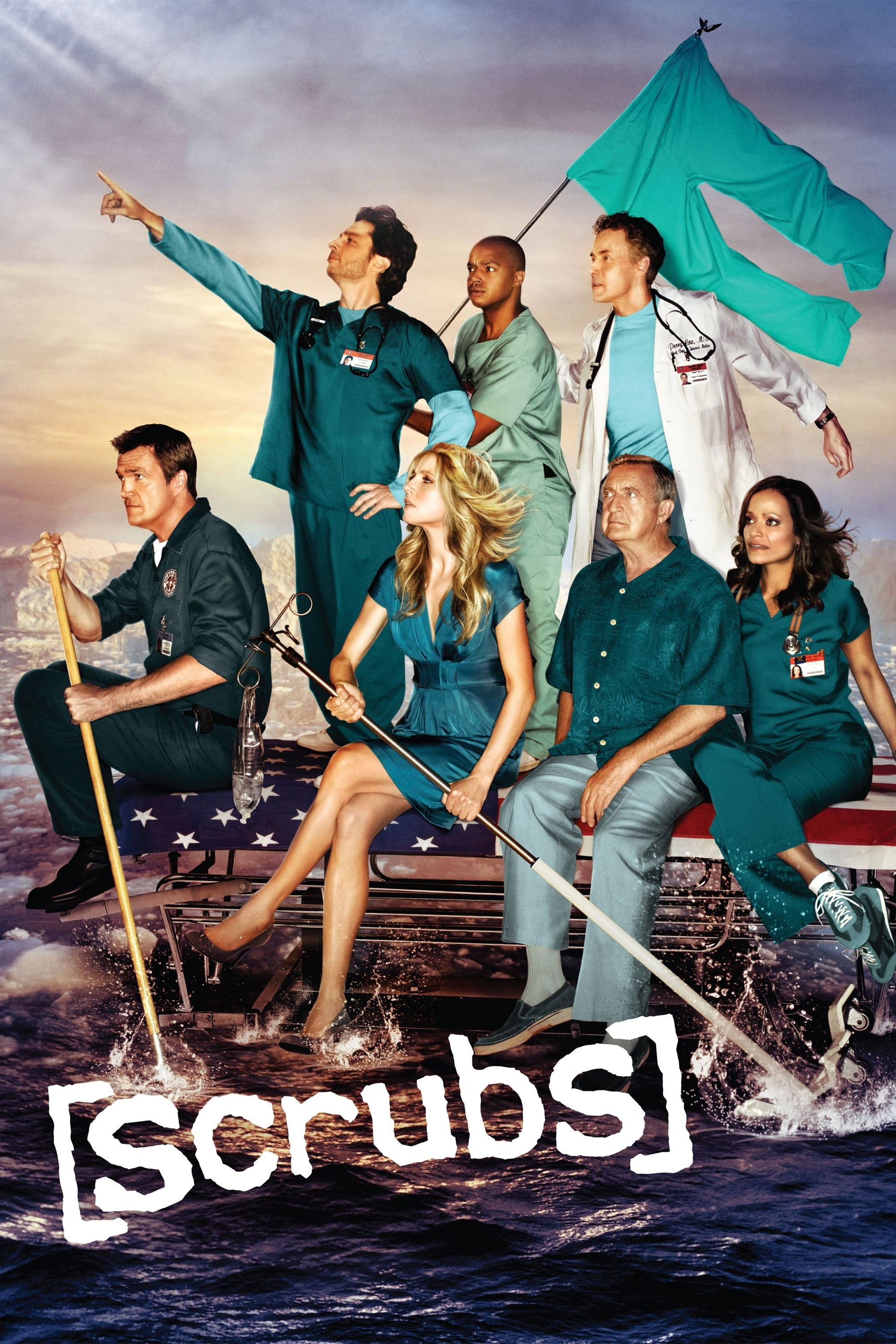
‘Scrubs’ combined slapstick humor with the emotional realities of working in a hospital setting. In 2020, the show’s creator, Bill Lawrence, worked with Disney and various streaming platforms to remove three episodes from circulation. These episodes featured characters in blackface during dream sequences or costume parties. Lawrence apologized for the oversight and explained that he felt it was necessary to take responsibility for the content. The decision reflected an industry-wide movement to address problematic imagery in popular long-running series.
‘Community’ (2009–2015)
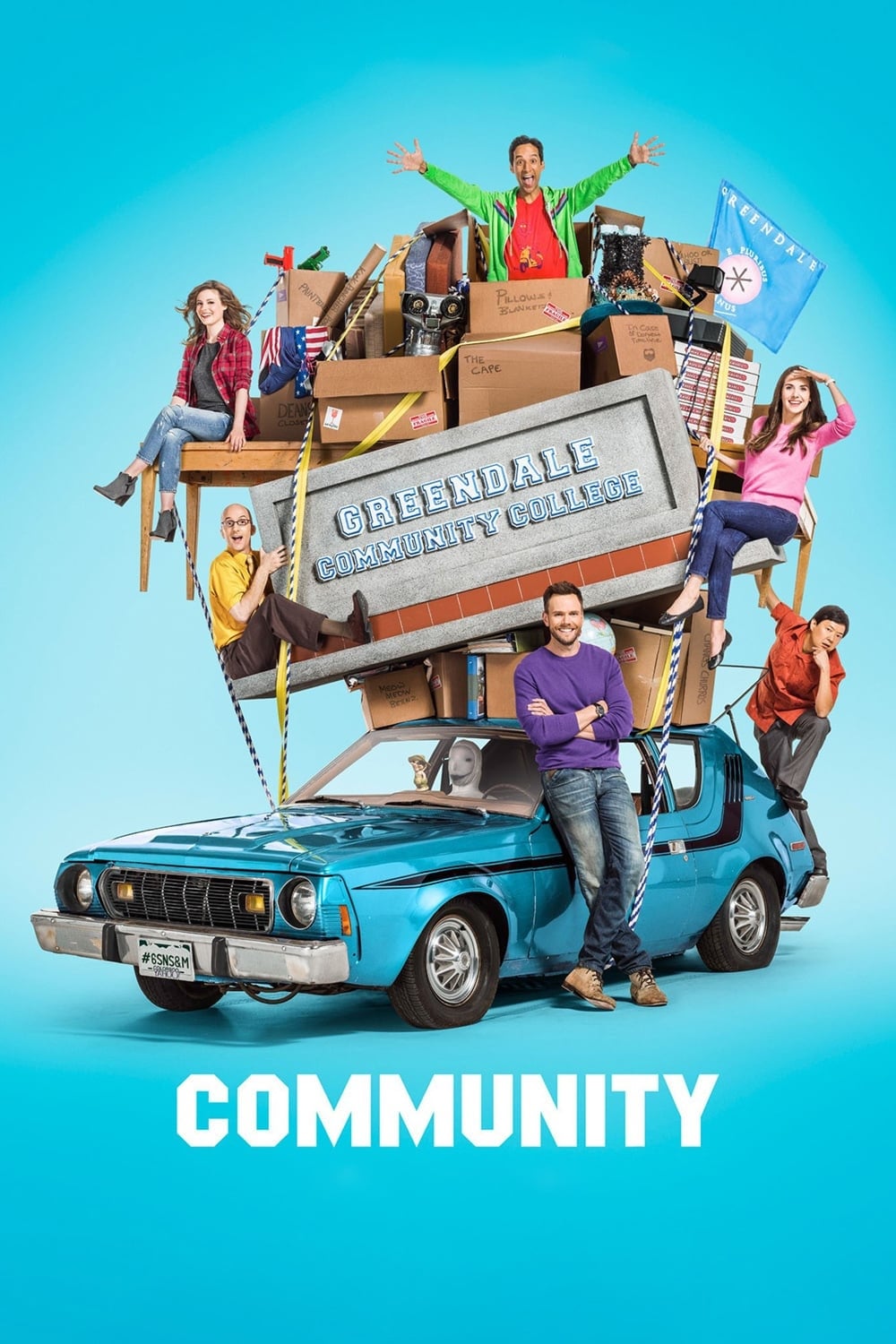
‘Community’ developed a dedicated cult following for its meta-humor and innovative storytelling techniques. Years after its final season, the episode “Advanced Dungeons & Dragons” was removed from Netflix and Hulu due to a specific character’s appearance. In the episode, the character Ben Chang wears dark makeup and a white wig to portray a “dark elf,” which the platforms deemed insensitive. While some fans argued the context was purely fantastical, the platforms maintained a zero-tolerance policy regarding blackface imagery. The episode remains unavailable on most major streaming services to this day.
‘Fawlty Towers’ (1975–1979)
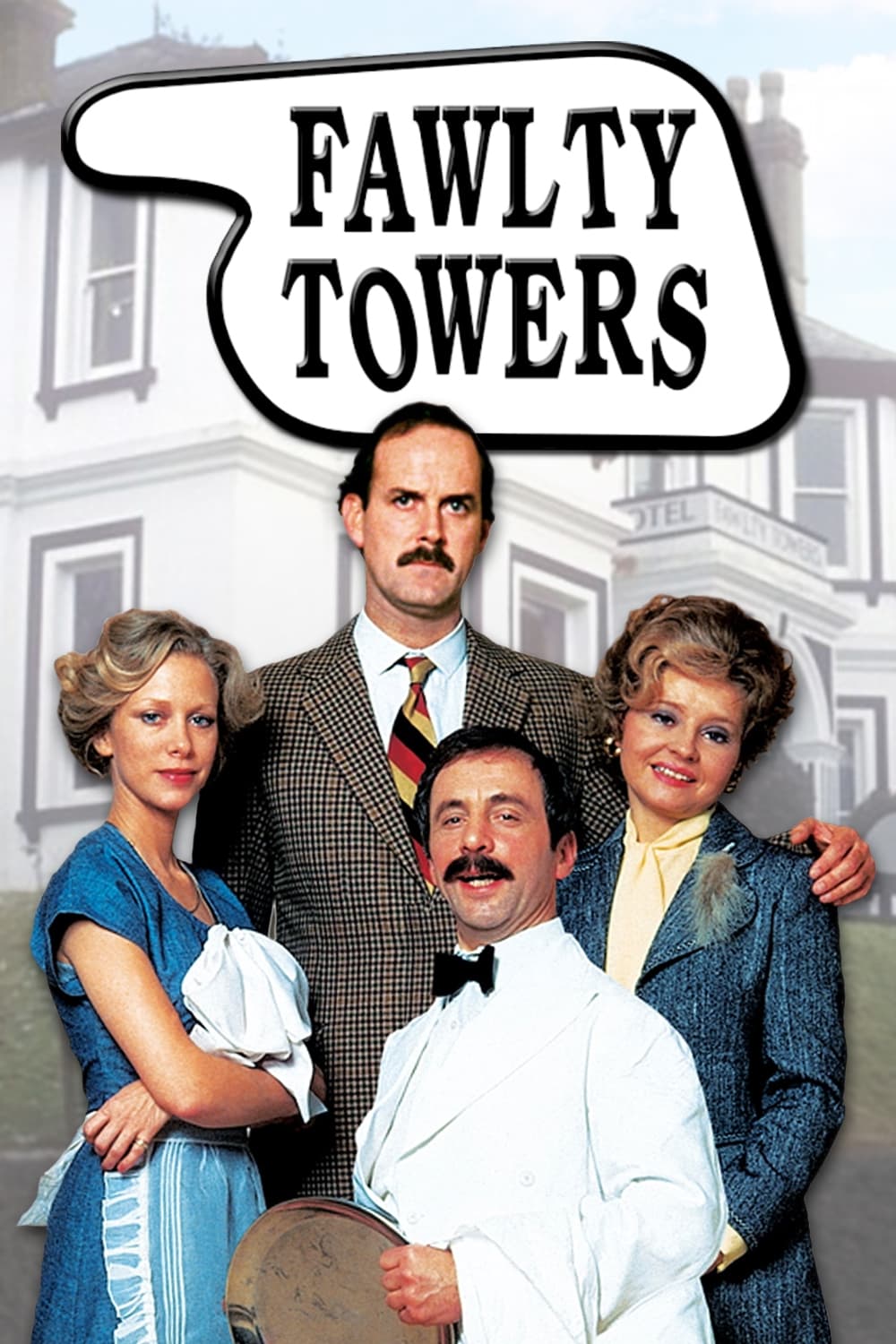
‘Fawlty Towers’ is often cited as one of the greatest British sitcoms ever made, but it has not escaped modern scrutiny. The episode “The Germans” was temporarily removed from the UKTV streaming service in 2020 due to racial slurs used by the character Major Gowen. While the slurs were originally intended to illustrate the character’s outdated and bigoted worldview, modern platforms felt they required additional context. The episode was eventually restored with a content warning placed at the beginning of the broadcast. This move sparked a public debate involving lead actor John Cleese regarding the nature of satire and historical censorship.
‘The League of Gentlemen’ (1999–2002)
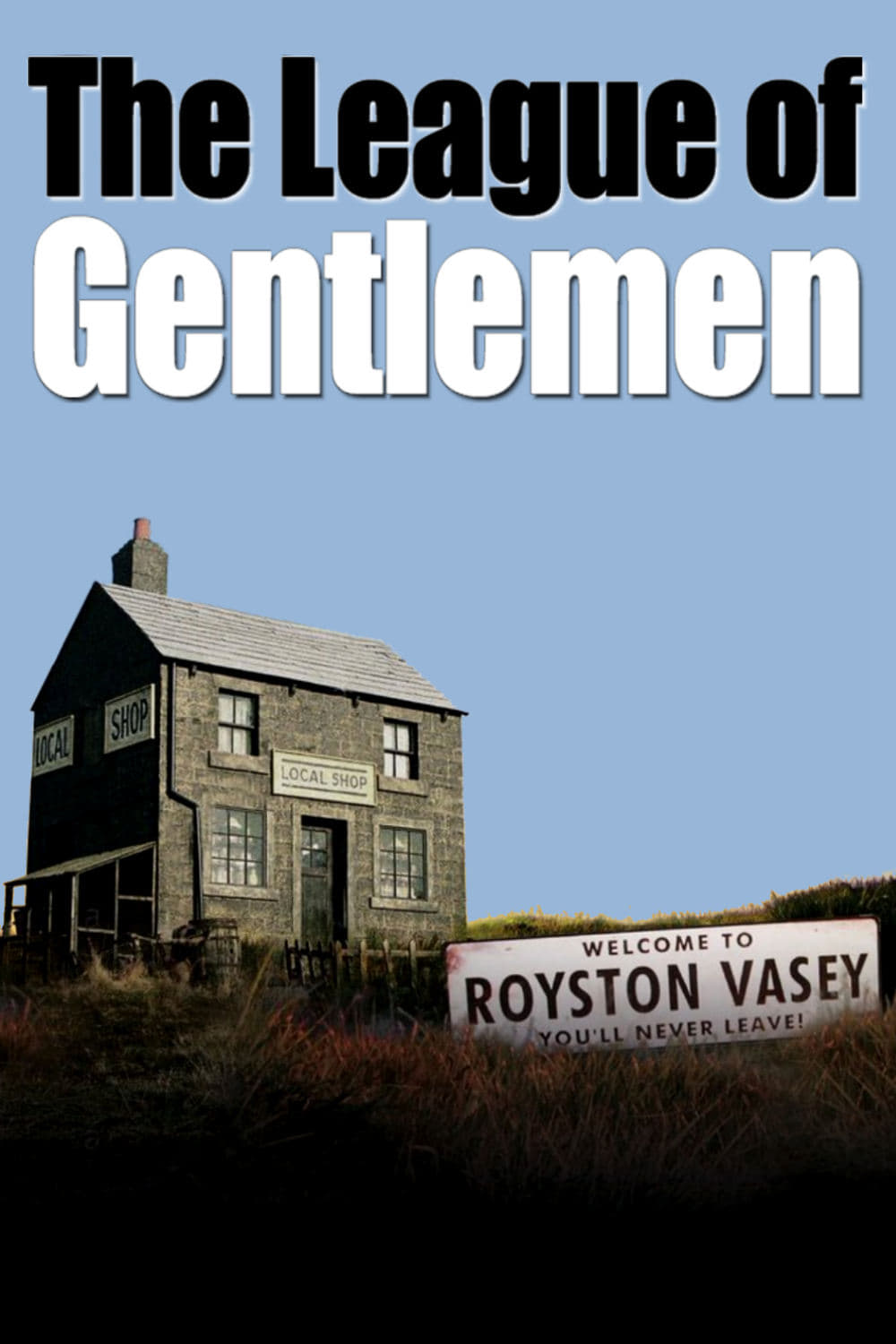
‘The League of Gentlemen’ was a dark comedy series centered on the bizarre residents of the fictional town of Royston Vasey. One of its recurring characters, Papa Lazarou, was a circus master who wore heavy black and white makeup. Long after the show finished, the character was criticized for resembling a blackface minstrel performer. Netflix removed the series from its platform in 2020 as part of a wider sweep of content deemed racially insensitive. The creators have defended the character as being based on a specific person they knew, but the visual parallels remained too controversial for modern streaming.
‘The Mighty Boosh’ (2004–2007)
‘The Mighty Boosh’ was a surrealist comedy known for its vibrant visuals and musical numbers. The show featured a character named The Spirit of Jazz, who was portrayed by actor Noel Fielding in dark makeup. In 2020, Netflix removed the series from its catalog because of this specific depiction. Critics of the show argued that the makeup was a clear instance of blackface, regardless of the show’s fantasy setting. The removal highlighted how even niche, avant-garde programs are subject to retroactive cultural re-evaluation.
‘Mad Men’ (2007–2015)
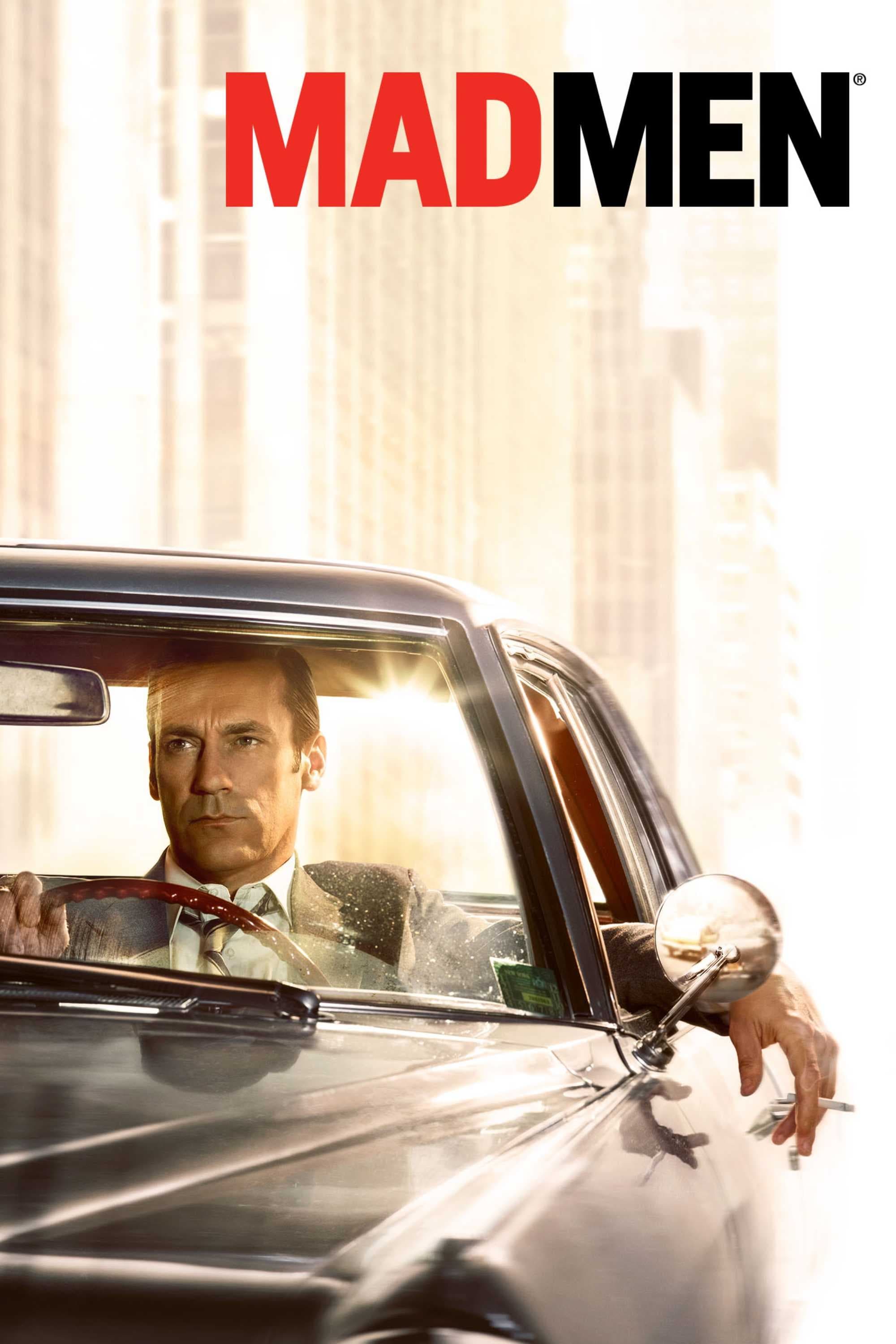
‘Mad Men’ was praised for its meticulously researched depiction of the 1960s advertising world, including the era’s social prejudices. The third-season episode “My Old Kentucky Home” features a scene where the character Roger Sterling performs in blackface at a party. While the show used the scene to illustrate the casual racism of the time, it became a point of contention in the 2020s. Instead of removing the episode, Lionsgate and streaming platforms added a detailed disclaimer explaining the historical context. This approach aimed to preserve the artistic integrity of the show while acknowledging the offensive nature of the imagery.
‘The Office’ (2005–2013)
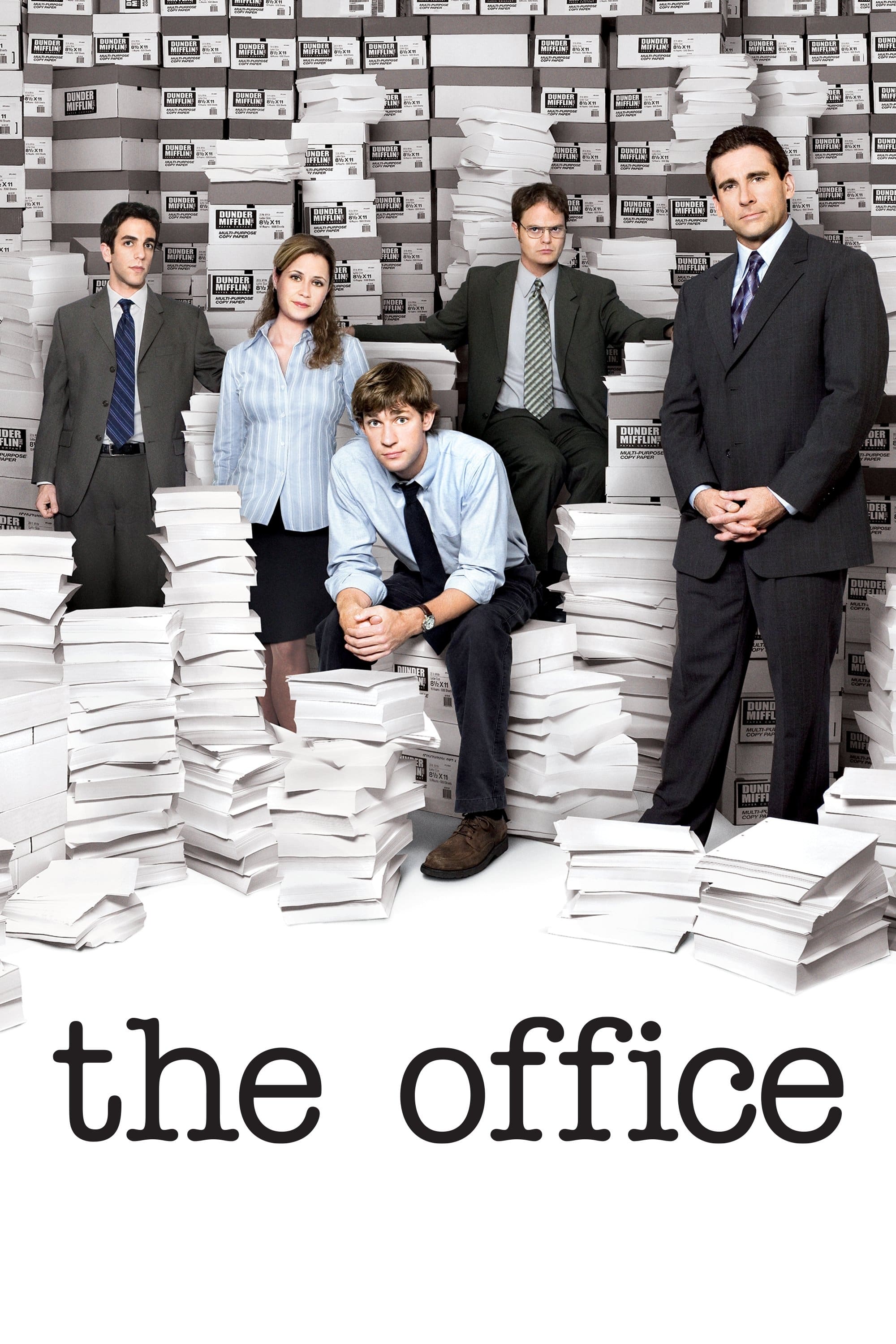
‘The Office’ is a staple of modern streaming culture, but one specific holiday episode was edited years after the series concluded. In the episode “Dwight Christmas,” the character Nate briefly appears dressed as Zwarte Piet, a controversial Dutch holiday figure. In 2020, creator Greg Daniels decided to edit the scene out of the episode for all future airings and streaming versions. Daniels apologized for the inclusion of the character and stated that the show aimed to be inclusive. The edit demonstrates how creators can revisit and modify their work to align with evolving sensibilities.
‘Seinfeld’ (1989–1998)
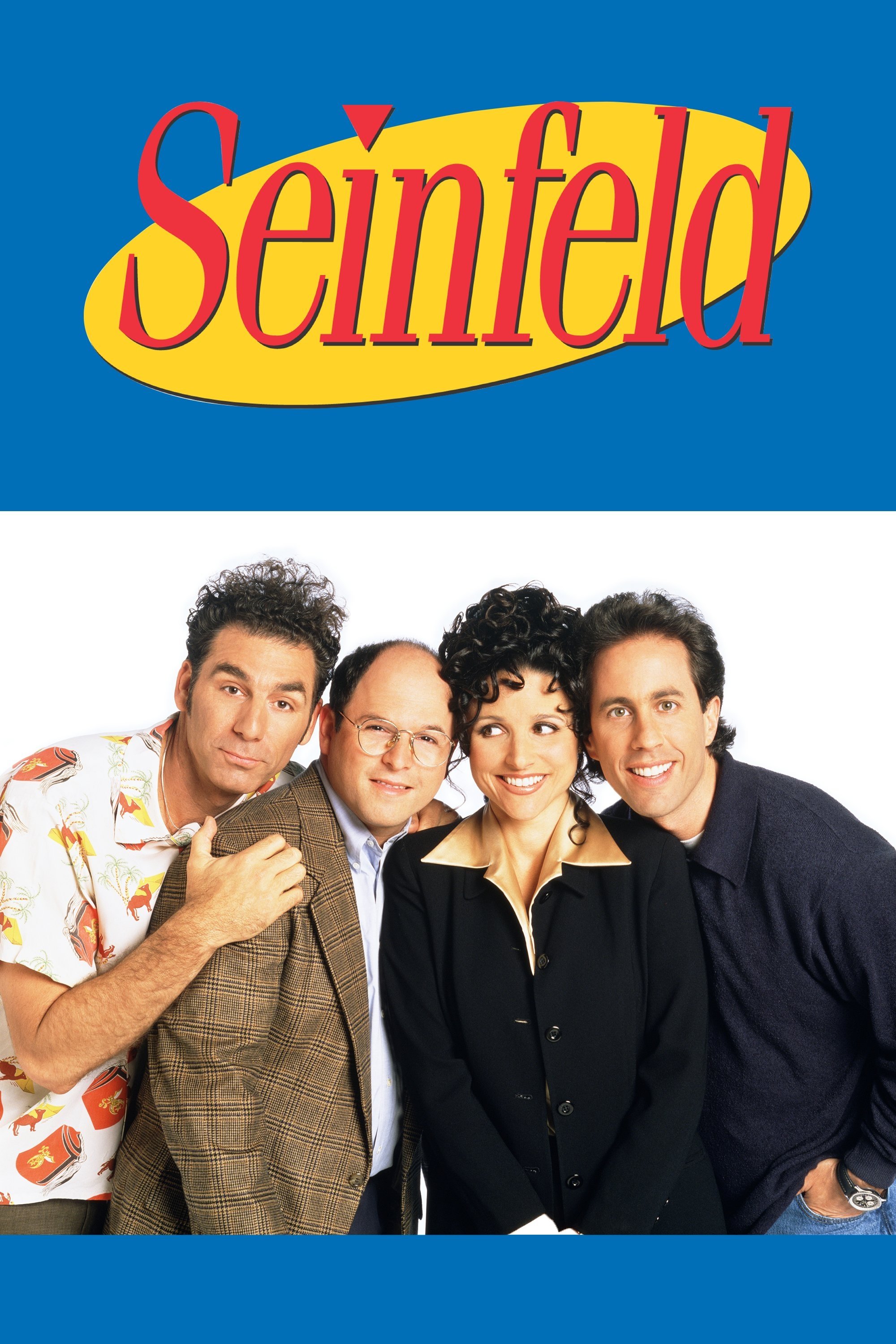
‘Seinfeld’ is famous for its “show about nothing” premise, but “The Puerto Rican Day” episode caused significant controversy that lasted long after the series finale. The episode features a scene where the Puerto Rican flag is accidentally set on fire and then stomped upon by Kramer. Following its initial airing in 1998, NBC issued an apology and pulled the episode from the syndication package for several years. Though it eventually returned to the air, it remains one of the most criticized moments in the show’s history. Modern critics often point to this episode as a lapse in the show’s usually observational style of comedy.
‘Friends’ (1994–2004)
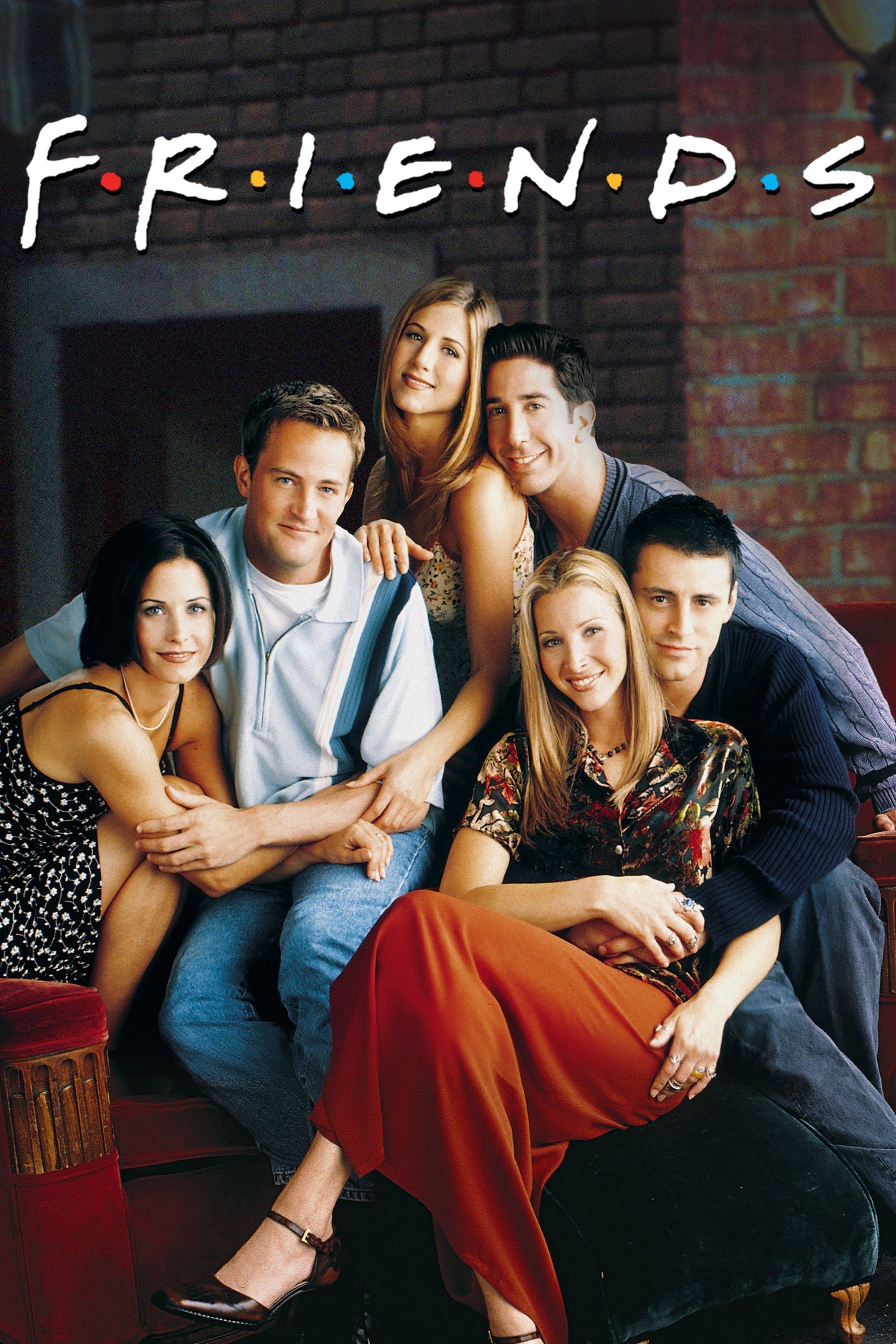
‘Friends’ was a global phenomenon, but it has faced consistent retroactive criticism for its lack of racial diversity. Critics and viewers have frequently pointed out that a show set in New York City featured an almost entirely white main and supporting cast. In 2022, co-creator Marta Kauffman publicly expressed her regret regarding the show’s lack of inclusion and pledged $4 million to African and African American Studies. This admission came after years of social media discourse highlighting how the show marginalized people of color. The controversy has become a central part of the show’s modern legacy and discussions about 1990s television.
‘Sex and the City’ (1998–2004)

‘Sex and the City’ was lauded for its frank depiction of female friendships and sexuality, but its treatment of race has been heavily criticized in retrospect. Modern reviews often highlight the show’s reliance on ethnic stereotypes when it did feature non-white characters. One specific storyline involving a character’s relationship with a Black man was criticized for being handled through a lens of racial “exoticism.” The show’s creators and cast have acknowledged these failings during the production of the revival series. This retroactive labeling has influenced how the newer iterations of the franchise approach casting and storytelling.
‘The Brady Bunch’ (1969–1974)
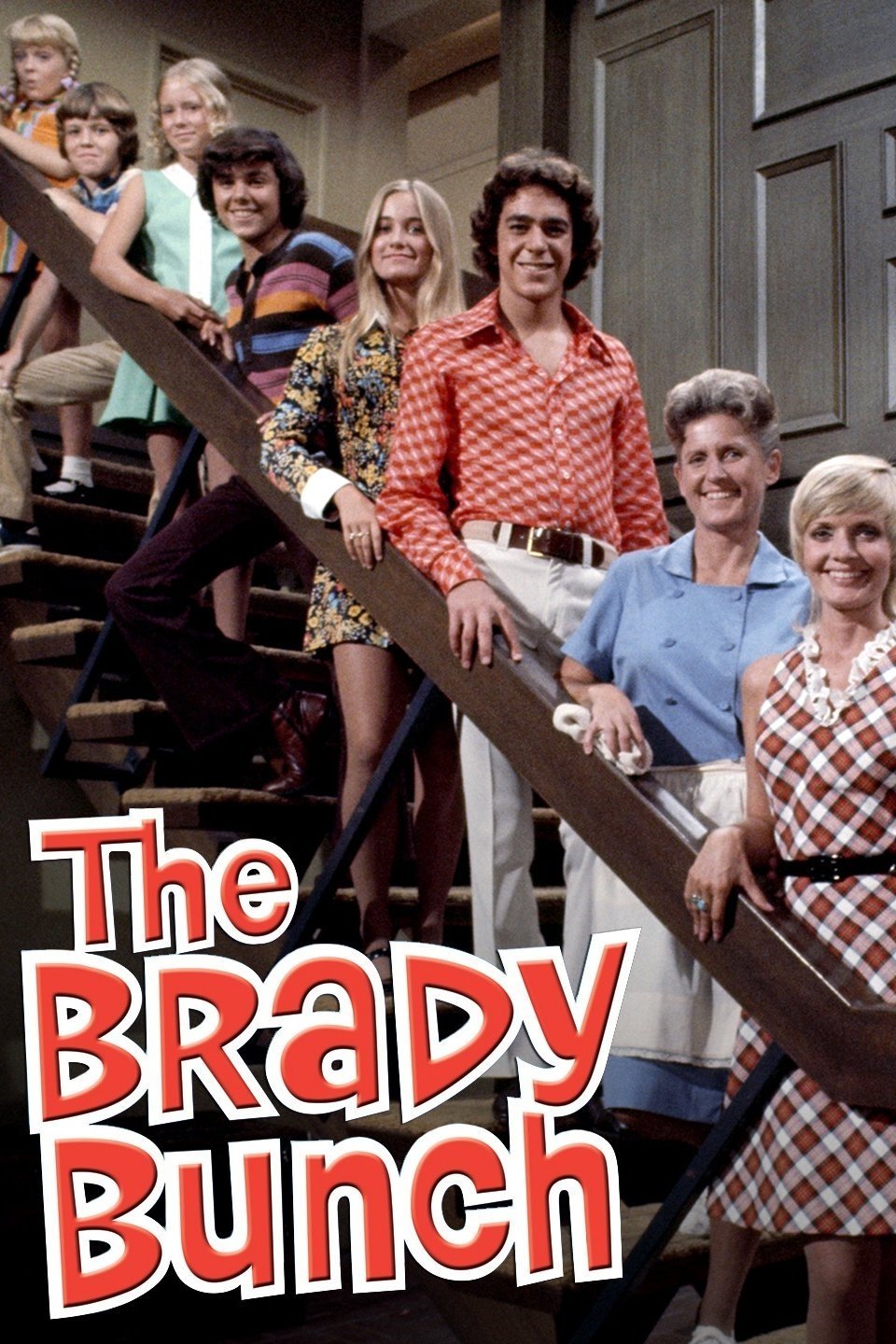
‘The Brady Bunch’ is often remembered as a wholesome representation of the American family, but certain episodes have aged poorly. A three-part special set in Hawaii featured the family encountering a “taboo” idol and stereotypical depictions of native culture. Modern historians and viewers have labeled these episodes as culturally insensitive for their use of Hollywood tropes regarding indigenous people. While the show is still aired in syndication, these specific segments are frequently cited in discussions about the “White Savior” narrative in classic television. The controversy highlights the difference between 1970s entertainment standards and modern cultural awareness.
‘Gilligan’s Island’ (1964–1967)
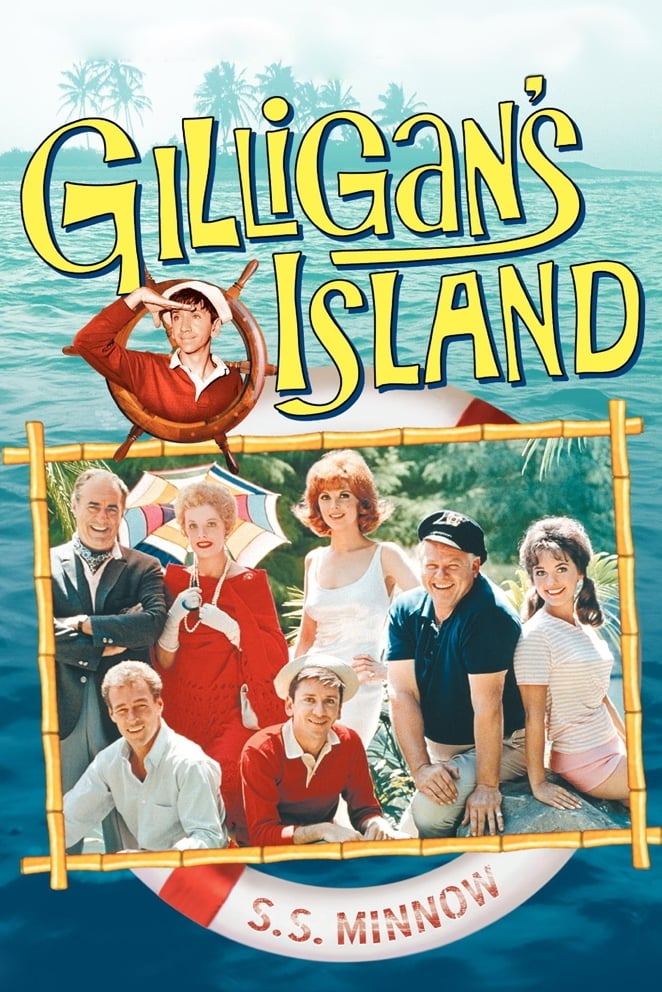
‘Gilligan’s Island’ utilized a variety of broad comedic tropes, including the frequent appearance of “native” tribes who visited the island. These characters were almost always depicted as primitive, superstitious, and often played by non-native actors. In recent decades, critics have labeled these portrayals as racist caricatures that reinforced colonialist attitudes. The show’s reliance on these stereotypes for easy laughs has made it a subject of academic study regarding racial tropes in 1960s media. Despite its status as a classic, the depiction of these guest characters remains a point of modern contention.
‘I Love Lucy’ (1951–1957)
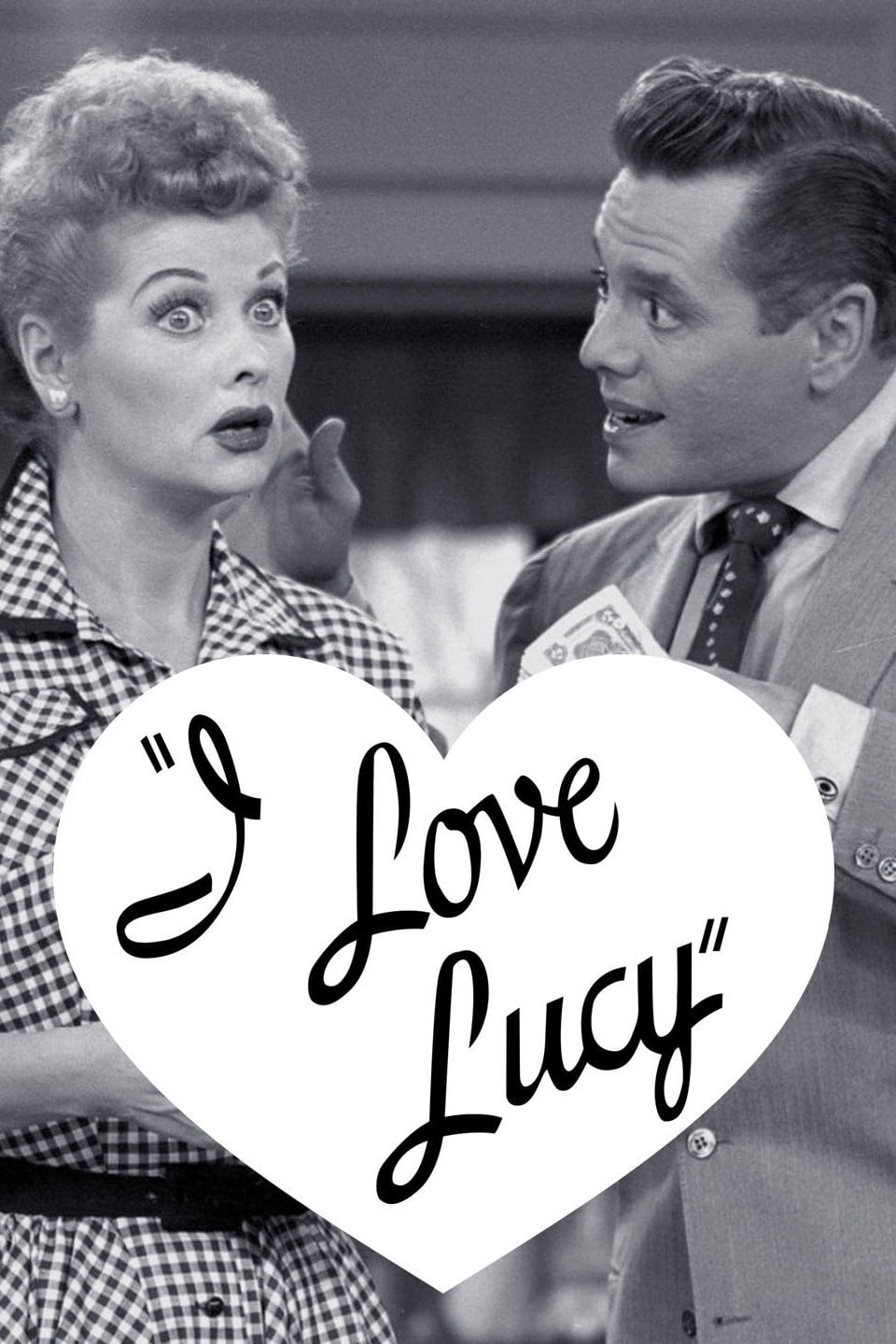
‘I Love Lucy’ was revolutionary for featuring an intercultural marriage during the 1950s, but it has faced modern criticism for its treatment of Ricky Ricardo’s heritage. Many jokes in the series were centered on Ricky’s accent or his “Latin temper,” which critics now argue relied on narrow stereotypes. While the show broke barriers, the repetitive nature of these jokes is often viewed through a more critical lens by contemporary audiences. Modern analysis frequently balances the show’s progressive casting with its reliance on ethnic tropes for comedic conflict. The series continues to be analyzed for its complex role in early television representation.
‘The Benny Hill Show’ (1969–1989)
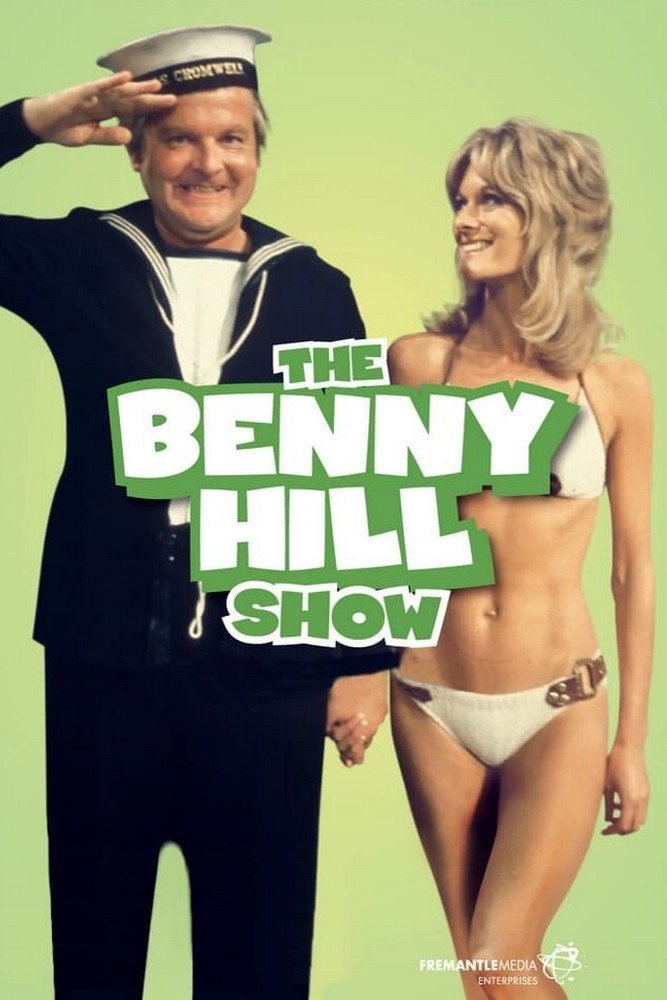
‘The Benny Hill Show’ was a staple of British comedy known for its slapstick and risqué humor, which was exported to over 140 countries. Long after it ended, the show has been criticized not only for its sexism but also for its use of racial stereotypes in various sketches. Hill often used makeup to portray characters of different ethnicities, including Asian and Middle Eastern caricatures. These performances are now widely labeled as racist and have contributed to the show being less frequently broadcast in modern syndication. The shift in public opinion has significantly impacted the comedian’s legacy in the 21st century.
‘Love Thy Neighbour’ (1972–1976)
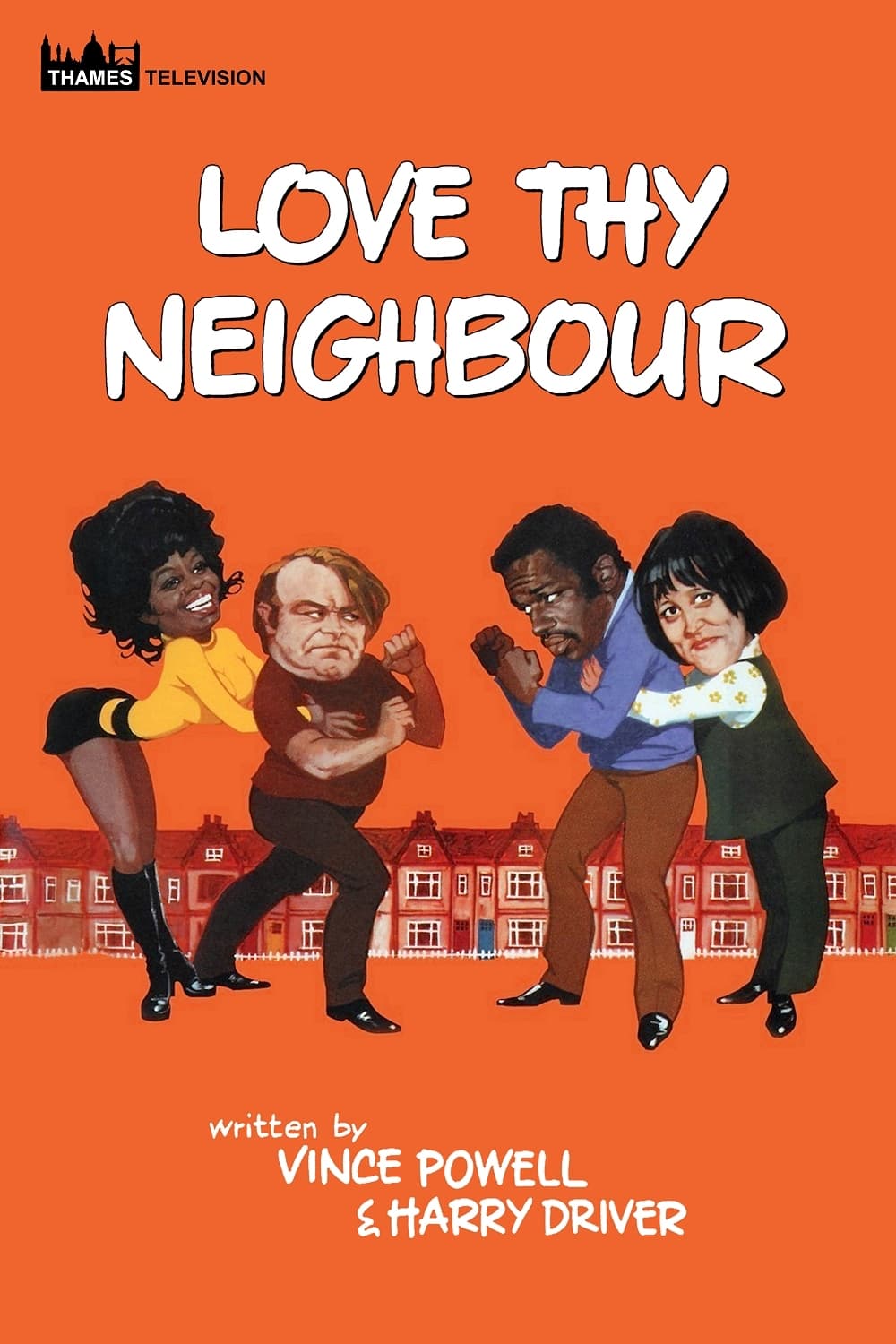
‘Love Thy Neighbour’ was a British sitcom built entirely around the conflict between a white working-class man and his new Black neighbor. While the show was intended to lampoon racism by making the white protagonist the butt of the joke, it heavily utilized racial slurs that were controversial even at the time. Years after it finished airing, the show is often cited as one of the most problematic series in UK television history. Modern critics argue that the show’s format allowed viewers to laugh with the racist character rather than at him. It is rarely repeated today due to its inflammatory language and themes.
‘Mind Your Language’ (1977–1986)
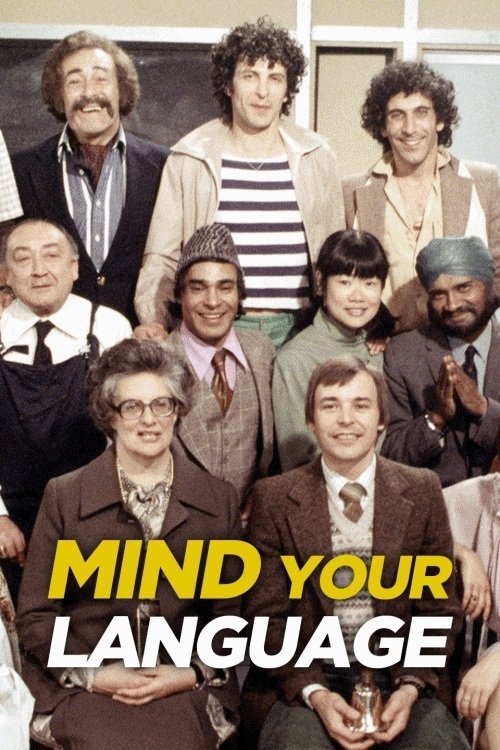
‘Mind Your Language’ was a popular sitcom centered on an English as a Foreign Language class filled with students from diverse backgrounds. The comedy was derived almost exclusively from the students’ thick accents and various cultural misunderstandings. Decades later, the show is widely condemned for its heavy reliance on broad ethnic stereotypes and lack of depth in its characters. While it was a ratings hit during its run, it is now frequently used as an example of the casual racism prevalent in 1970s and 80s television. Most modern broadcasters avoid re-airing the series due to these concerns.
‘Curry and Chips’ (1969)
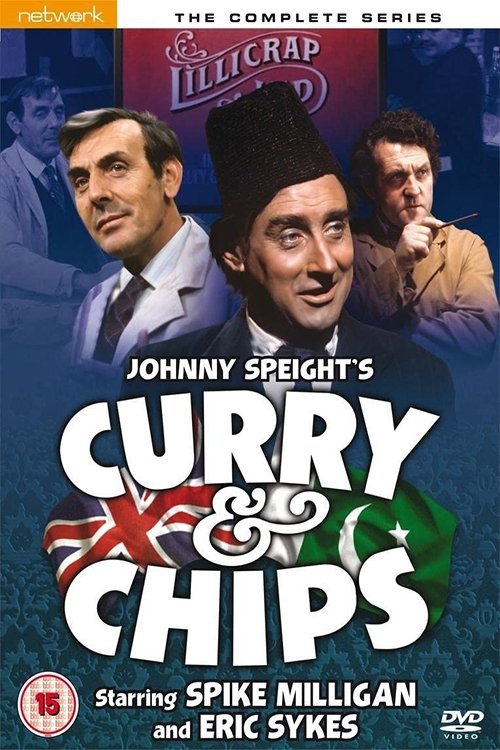
‘Curry and Chips’ was a short-lived British sitcom created by Johnny Speight, the writer behind ‘Till Death Us Do Part’. The show featured white actor Spike Milligan in “brownface” portraying an Irish-Pakistani factory worker. Even in the late 1960s, the show faced significant backlash, but its reputation has only worsened in modern retrospective reviews. The series is now viewed as an extreme example of offensive casting and dialogue from that era of television. It serves as a historical marker for the types of content that were once permissible on major networks.
‘F Troop’ (1965–1967)
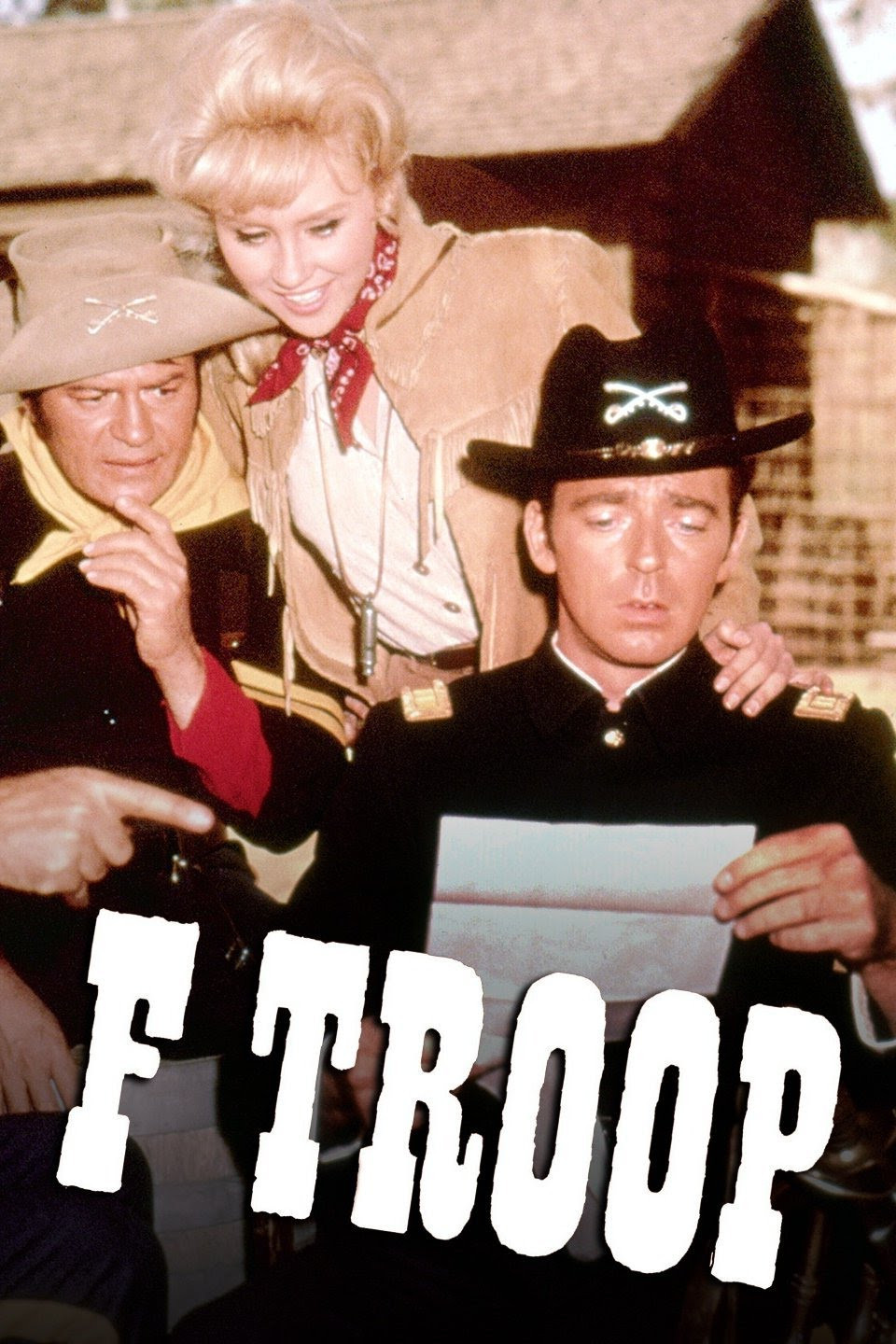
‘F Troop’ was a satirical Western sitcom set at a fictional U.S. Army outpost in the mid-19th century. The show featured the Hekawi tribe, who were portrayed as a bumbling group of “Indians” played almost exclusively by white actors in dark makeup. The name of the tribe itself was a play on a vulgar phrase, and the depiction relied on numerous Native American stereotypes. Modern critics have labeled the show’s treatment of indigenous people as deeply offensive and reductive. The series is often discussed today in the context of Hollywood’s long history of misrepresenting Native American cultures.
‘All in the Family’ (1971–1979)
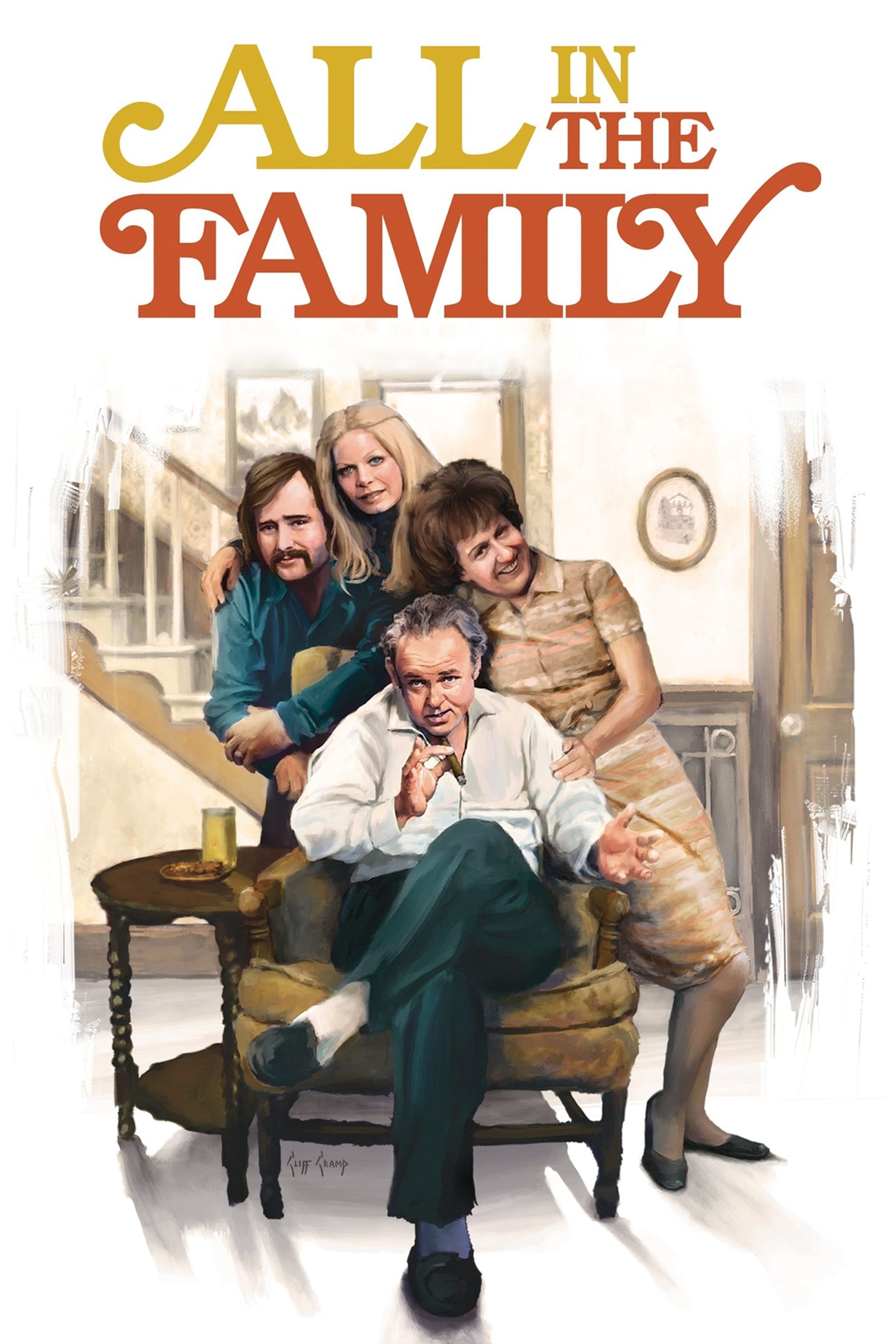
‘All in the Family’ was designed to confront the social and political issues of the 1970s through the character of Archie Bunker. While the show was praised for its honesty, the constant use of racial and ethnic slurs by the lead character has led to modern debate. When the show was revisited in the 2019 “Live in Front of a Studio Audience” special, the inclusion of such language required careful handling and disclaimers. Some contemporary viewers argue that even if the intent was to satirize bigotry, the language itself remains harmful. The show remains a central part of the discussion regarding how far satire can go when dealing with race.
Please share your thoughts on how these classic television shows should be handled by modern streaming services in the comments.