TV Shows That Were Review-Bombed into Oblivion Over Highly Divisive LGBTQ+ Relationships


Modern television has seen a significant increase in LGBTQ representation, which has often been met with coordinated campaigns of negative user reviews. Known as review-bombing, this practice involves a high volume of low ratings aimed at lowering a show’s overall score on platforms like Rotten Tomatoes and IMDb. These efforts are frequently triggered by the introduction of queer relationships or characters that some audiences find divisive or inconsistent with existing source material. While many of these series receive critical acclaim, the disparity between professional reviews and audience scores remains a notable trend in the industry.
‘The Acolyte’ (2024)
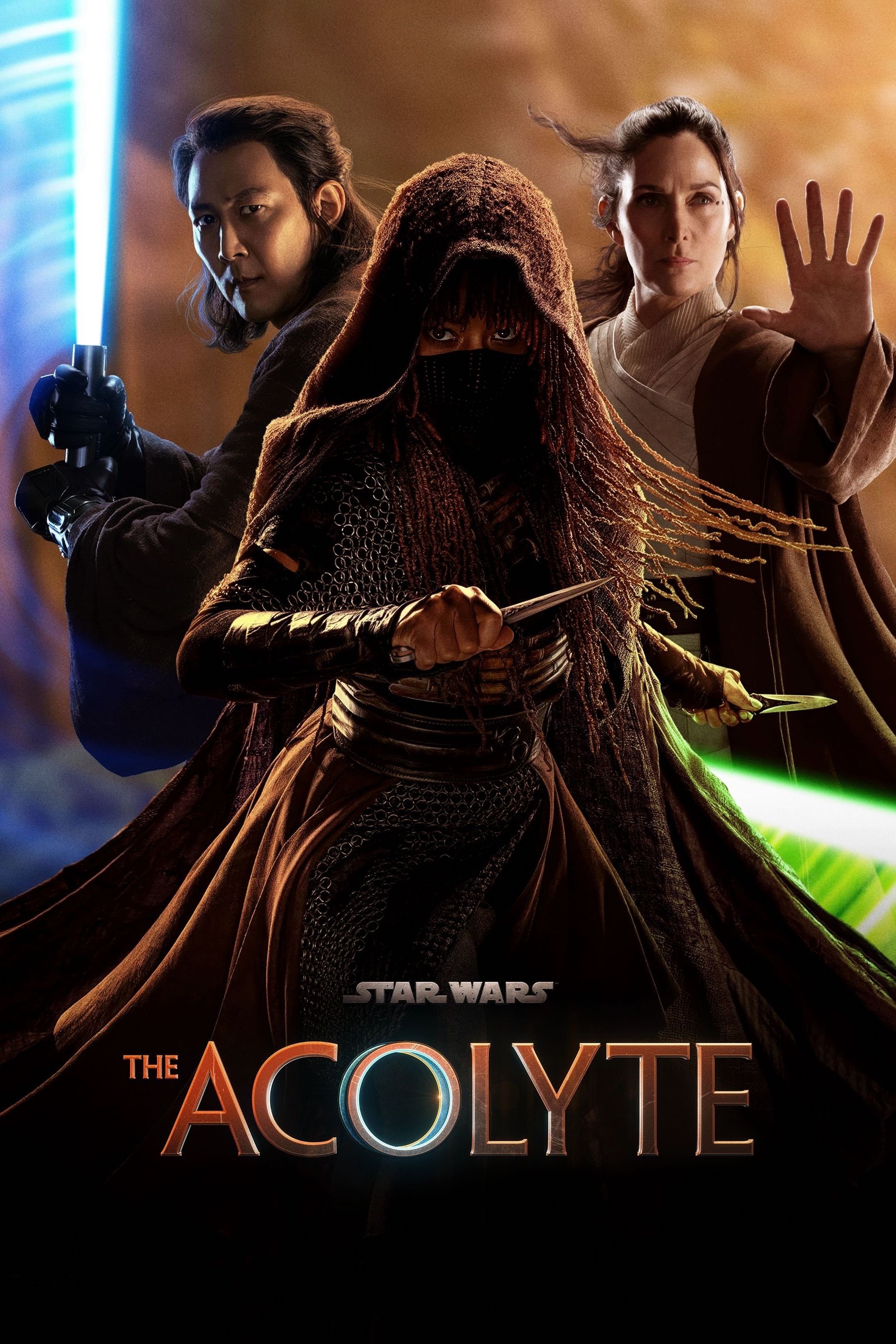
‘The Acolyte’ faced a wave of negative user reviews immediately upon its release on Disney+. Critics pointed to the show’s focus on a coven of witches and the inclusion of LGBTQ themes as a primary driver for the review-bombing campaigns. The audience score on Rotten Tomatoes plummeted to record lows for the ‘Star Wars’ franchise despite generally positive feedback from professional reviewers. This digital backlash coincided with the eventual cancellation of the series after only one season.
‘The Last of Us’ (2023–)
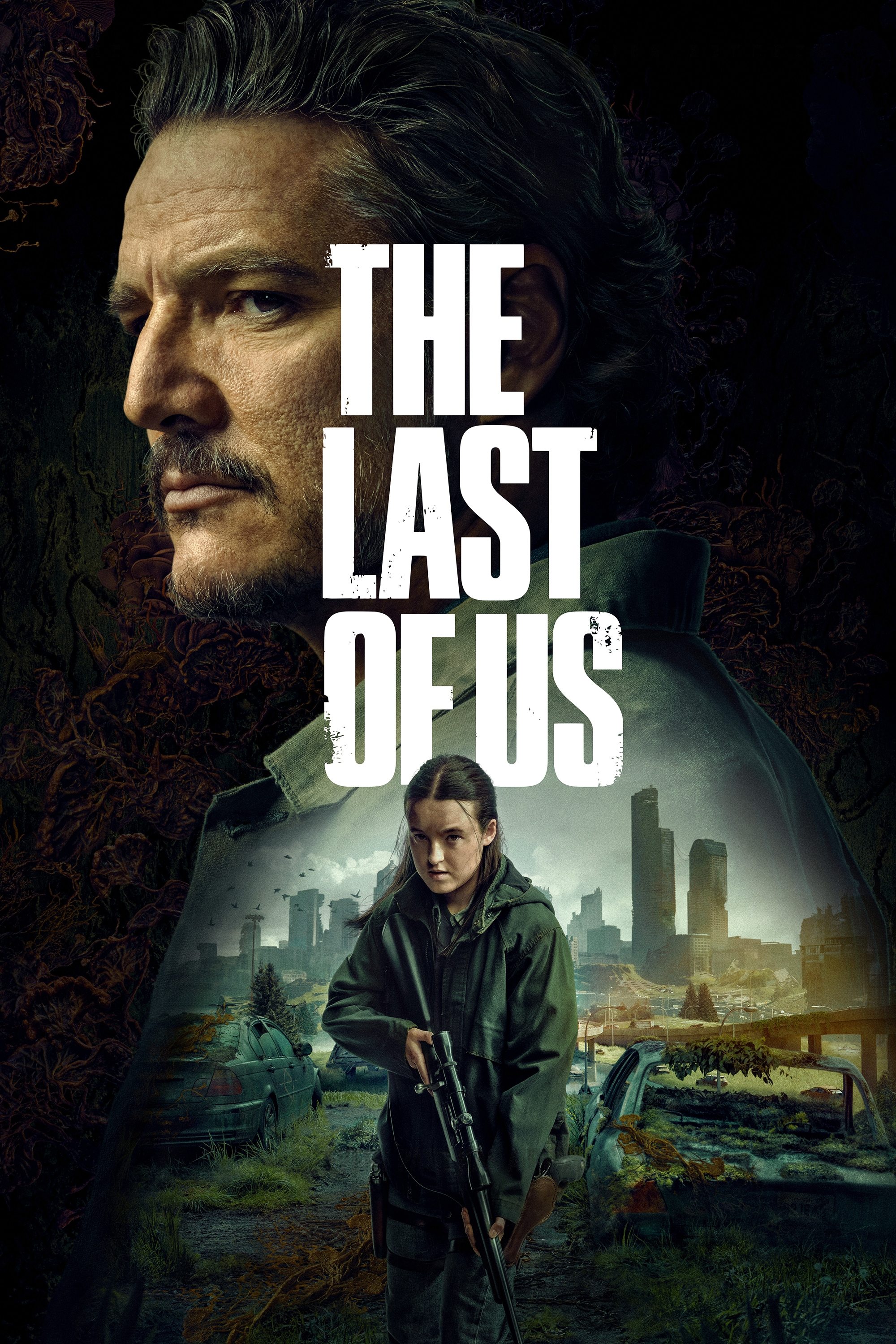
The third episode of ‘The Last of Us’, titled ‘Long, Long Time’, explored the romantic history between two male survivalists, Bill and Frank. While the episode was lauded by critics for its emotional depth and writing, it received a massive influx of one-star ratings on IMDb. Reviewers often cited the deviation from the action-oriented nature of the source material as the reason for their scores. However, the episode remains one of the highest-rated by critics in the history of the series.
‘Willow’ (2022–2023)
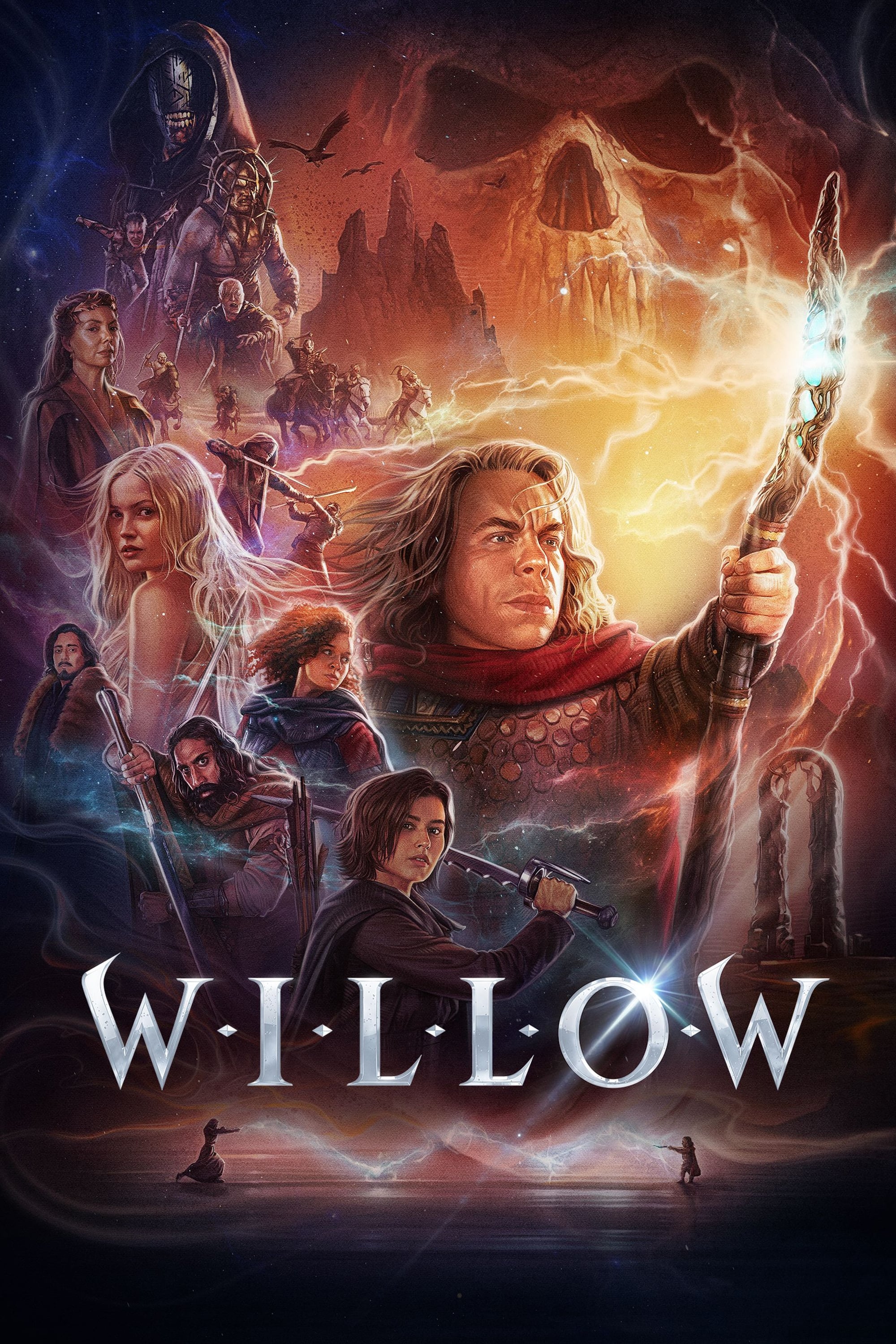
This sequel series to the 1988 film ‘Willow’ introduced a central romance between Princess Kit and the knight-in-training Jade. The development of their queer relationship became a focal point for negative user reviews, which criticized the show for prioritizing modern social themes over traditional fantasy tropes. Despite a warm reception from critics, the audience ratings remained low throughout its run. Disney+ eventually removed the entire series from its platform as part of a content write-off.
‘A League of Their Own’ (2022)
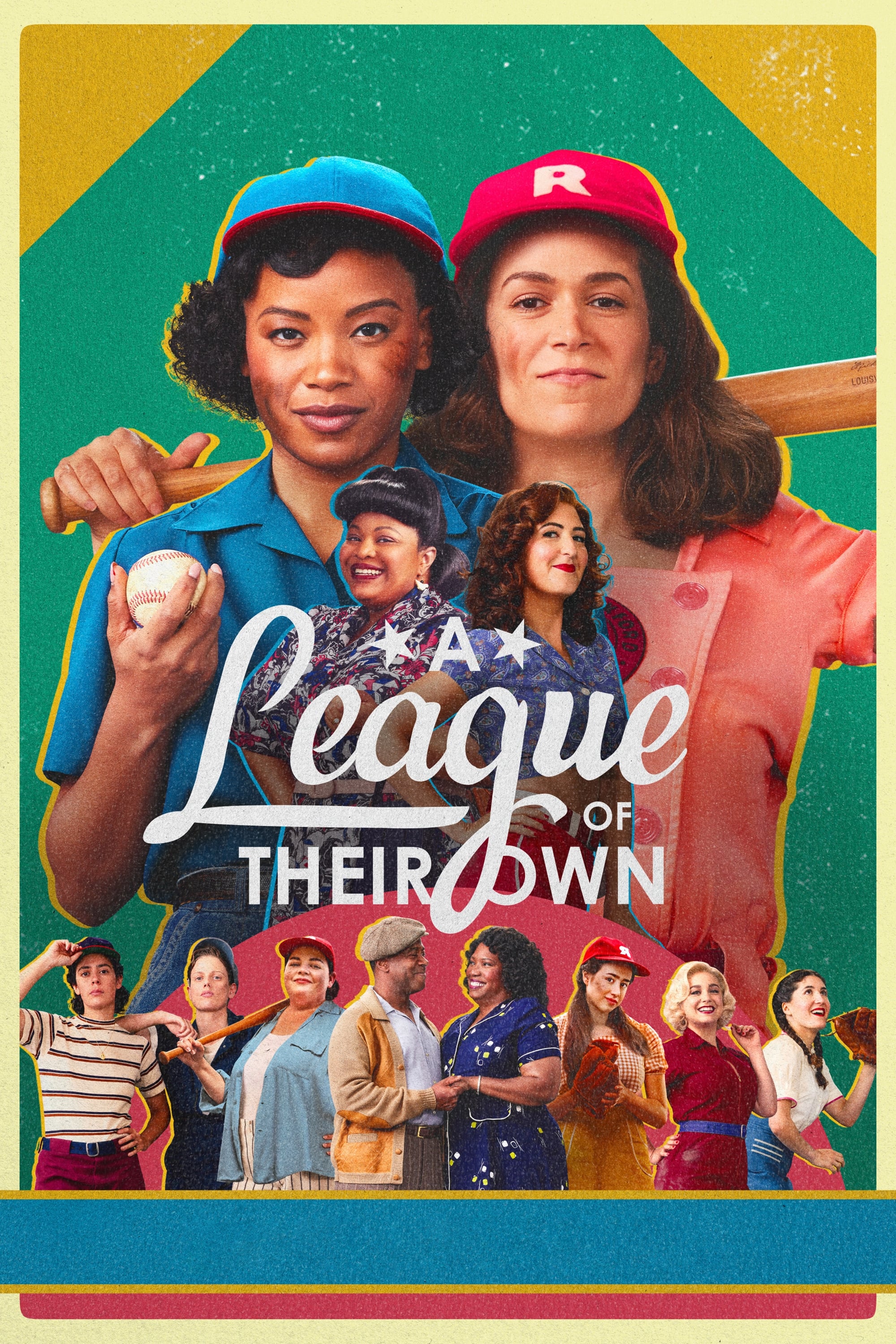
Based on the beloved 1992 film, this series expanded the narrative to include the experiences of Black and queer women in professional baseball. The show’s overt focus on LGBTQ relationships led to a significant disparity between its high critical score and its much lower audience rating. Many negative reviewers expressed frustration with the shift in tone from the original ‘A League of Their Own’ source material. Despite strong viewership and critical praise, the show was cancelled by Prime Video after one season.
‘The Sandman’ (2022–)
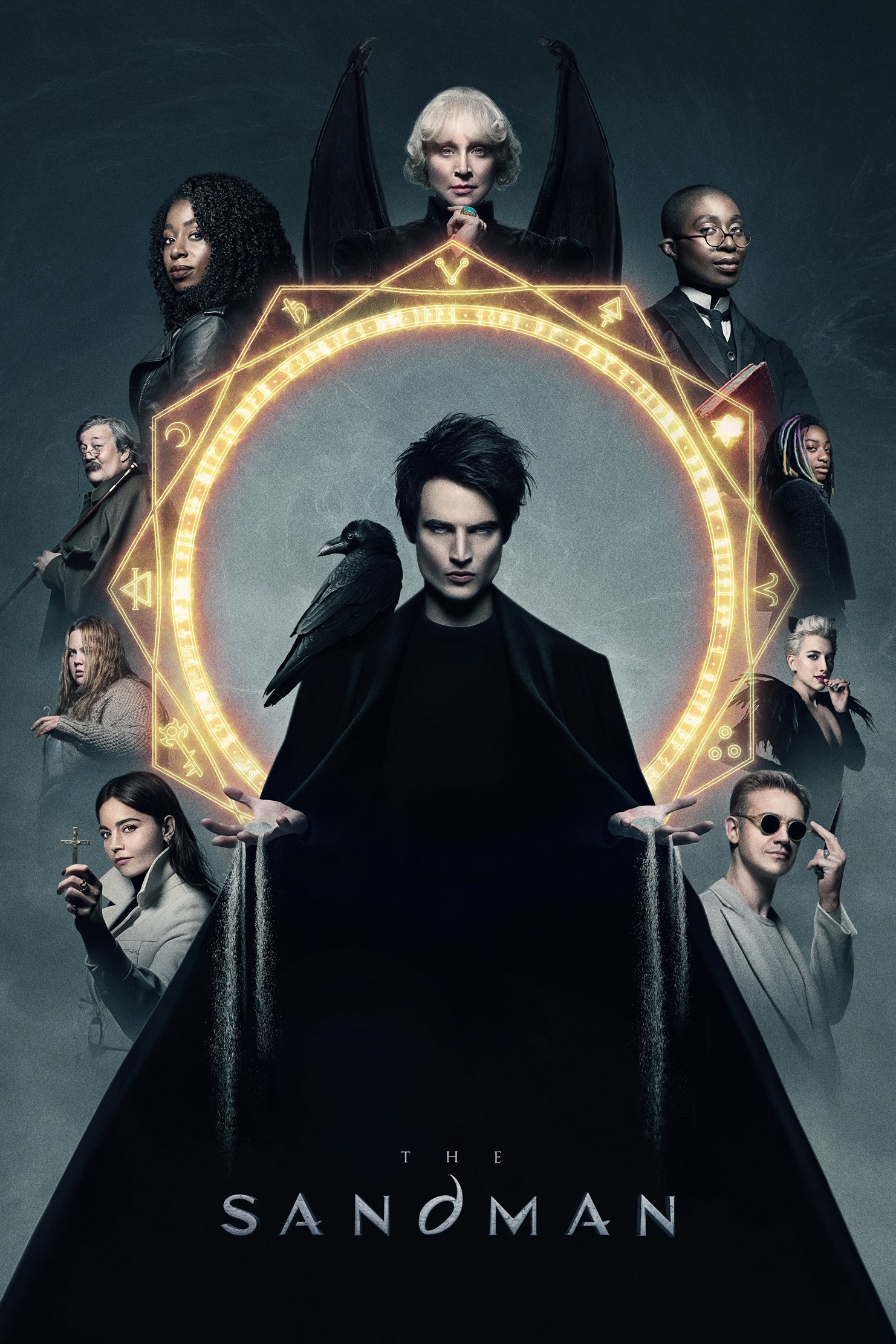
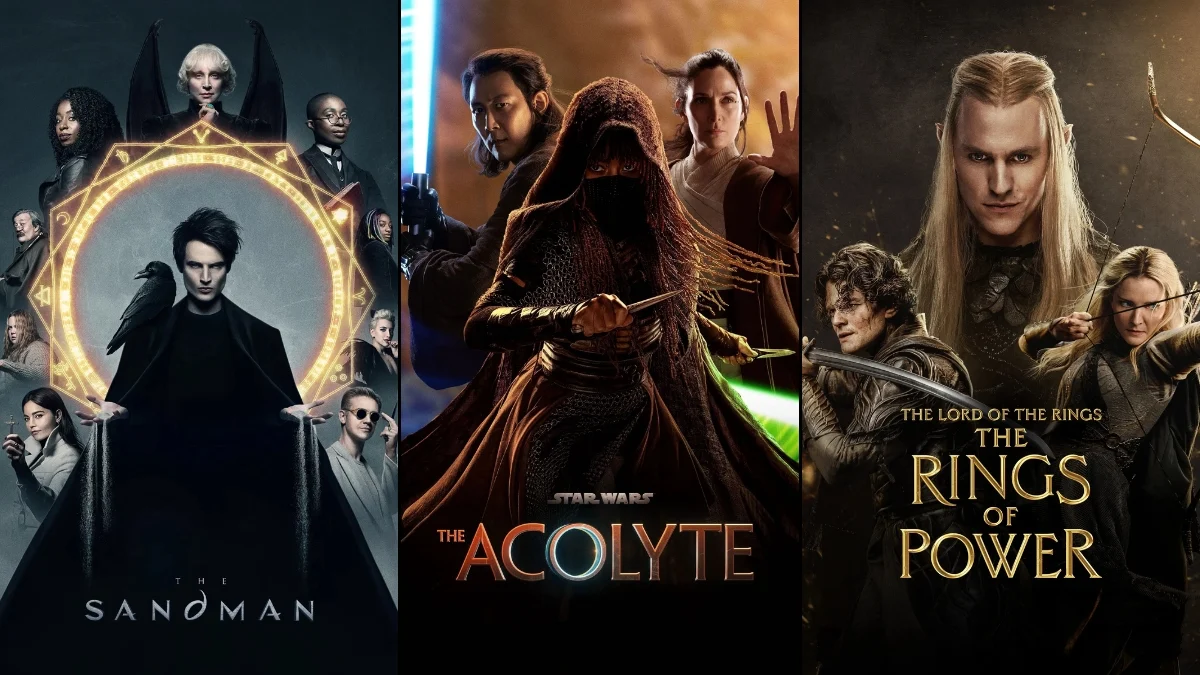
The adaptation of ‘The Sandman’ was targeted by review-bombers for its diverse casting and queer representation. The inclusion of non-binary actor Mason Alexander Park as Desire and the gender-swapping of certain characters triggered online backlash. While Neil Gaiman defended the creative choices, the show’s user scores were initially dragged down by coordinated campaigns. Nonetheless, the series performed well enough on Netflix to secure a second season.
‘Velma’ (2023–)
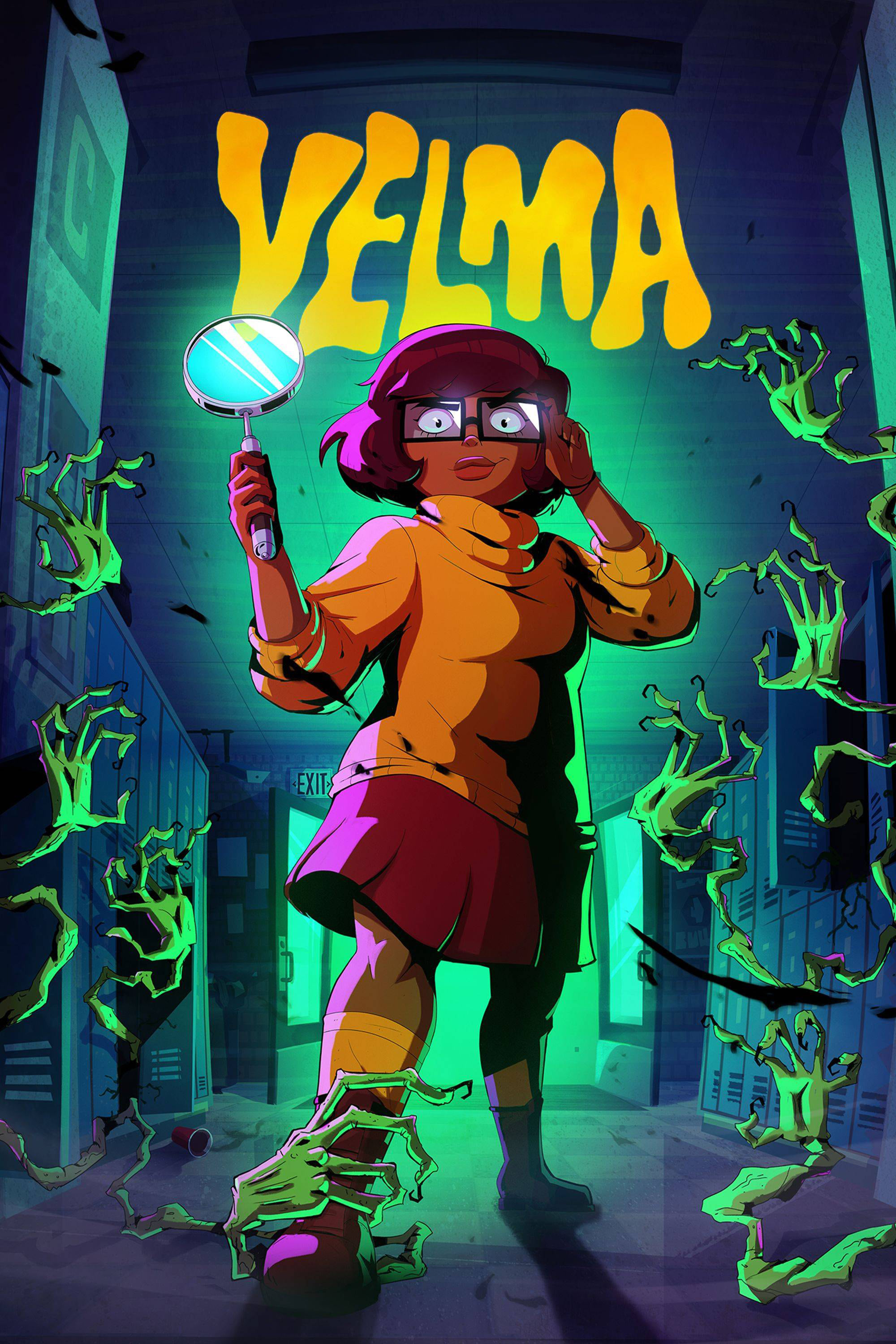
This adult animated reimagining of ‘Scooby-Doo’ faced an unprecedented level of negative feedback across all rating platforms. Much of the criticism focused on the modernization of the characters, including the romantic tension between Velma and Daphne. While some viewers disliked the writing and humor, a large portion of the review-bombing was directed at the show’s perceived “woke” agenda. Despite the overwhelming negative user scores, the series was renewed for a second season.
‘Doctor Who’ (2005–)
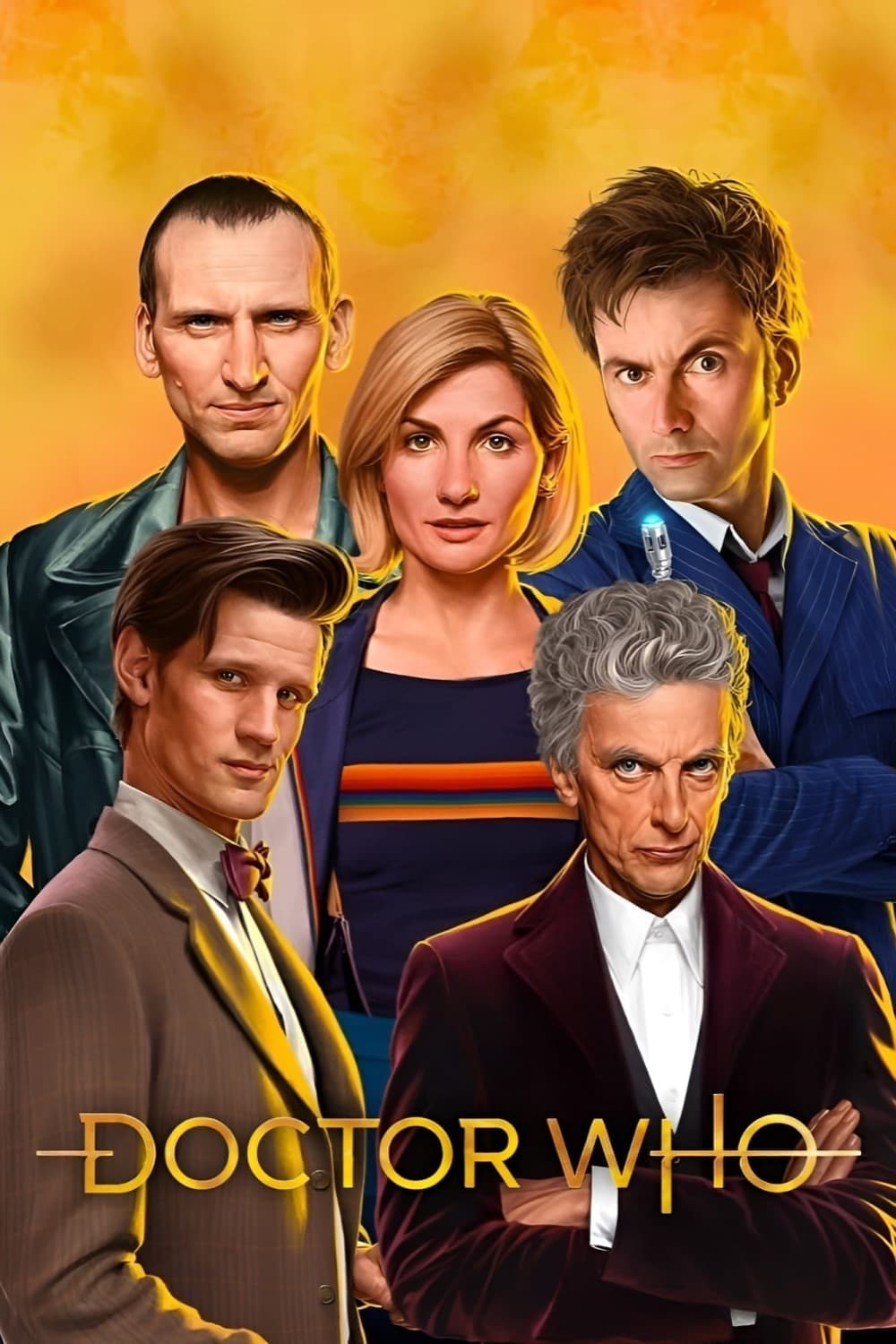
Recent seasons of ‘Doctor Who’ have seen a sharp increase in review-bombing, particularly episodes featuring diverse casting and queer characters. The introduction of Rose Noble, a trans character, sparked significant online debate and negative rating spikes during special episodes. Critics of the new direction often claimed the show had become too focused on social messaging at the expense of its science-fiction roots. The series continues to be a battleground for discourse surrounding representation in long-running franchises.
‘First Kill’ (2022)
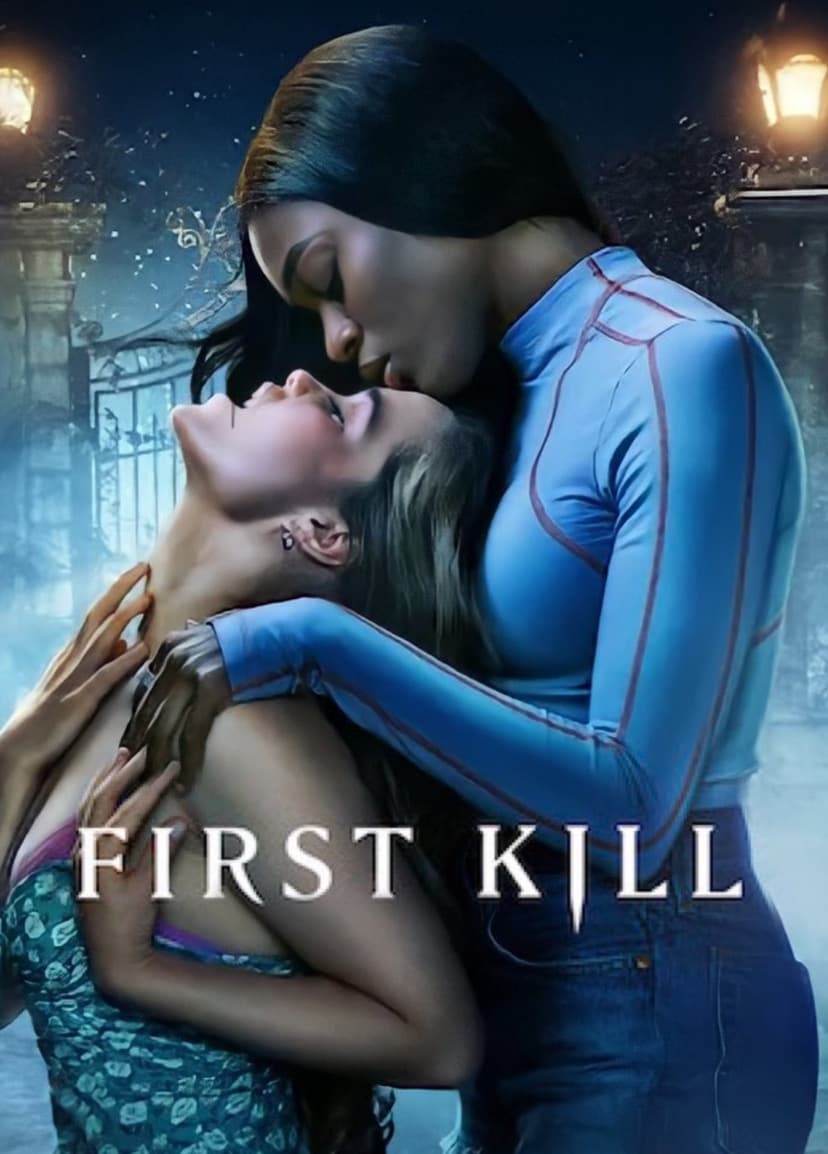
This vampire drama centered on the forbidden romance between a teenage vampire and a monster hunter. The lesbian relationship at the heart of the story attracted both a dedicated fanbase and a vocal group of detractors who review-bombed the series. While the show trended on social media and performed well in hours watched, its audience scores were heavily polarized. Netflix ultimately cancelled ‘First Kill’ after its first season, citing a gap between production costs and viewership numbers.
‘Queer as Folk’ (2022)
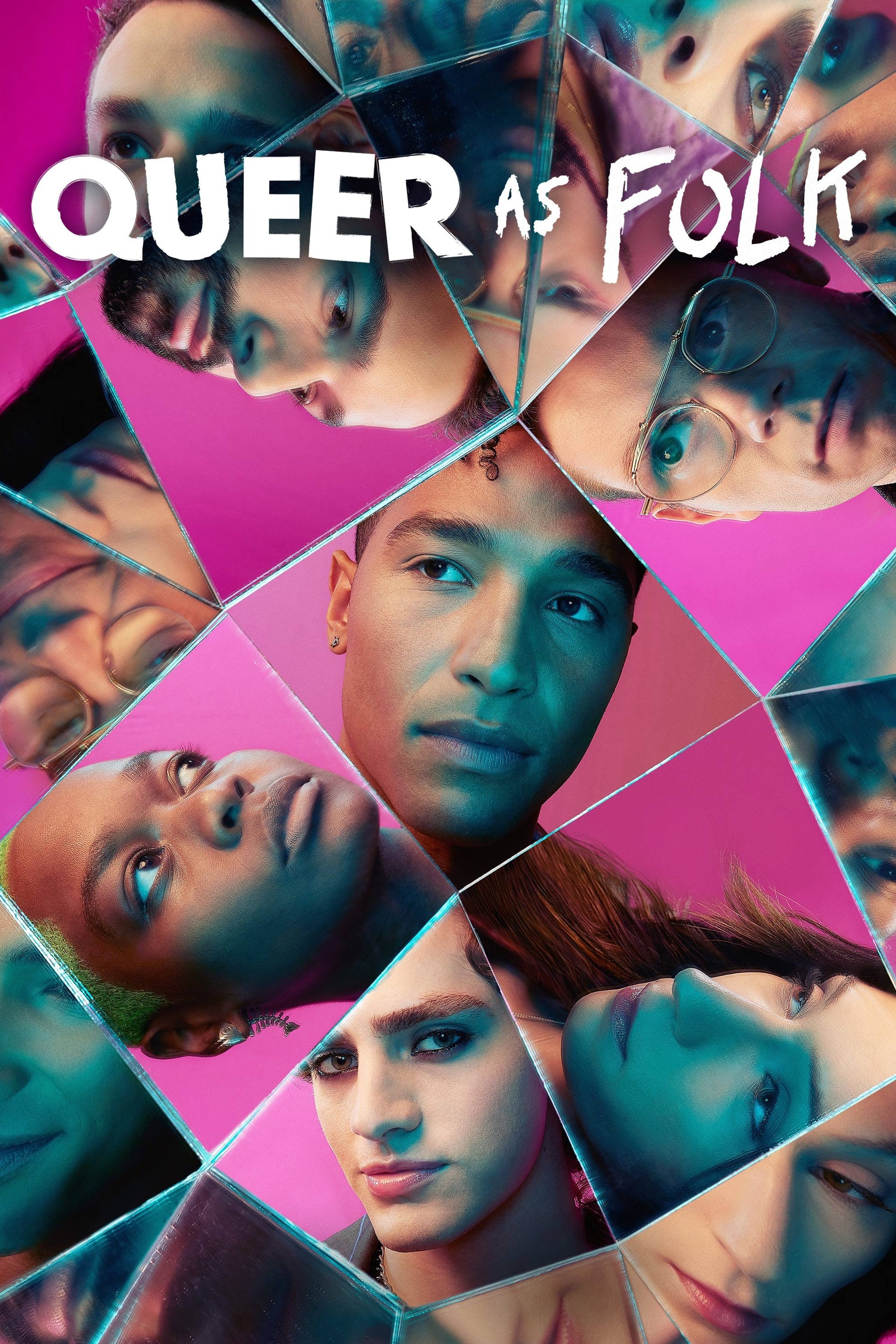
The 2022 reimagining of ‘Queer as Folk’ aimed to provide a modern look at the lives of a diverse group of friends in New Orleans. Like many reboots of iconic queer properties, it was met with immediate resistance and low user ratings from those who preferred the original versions. The show’s commitment to showing a broad spectrum of the LGBTQ community was frequently cited in negative reviews. It was cancelled by Peacock after only eight episodes.
‘Gotham Knights’ (2023)
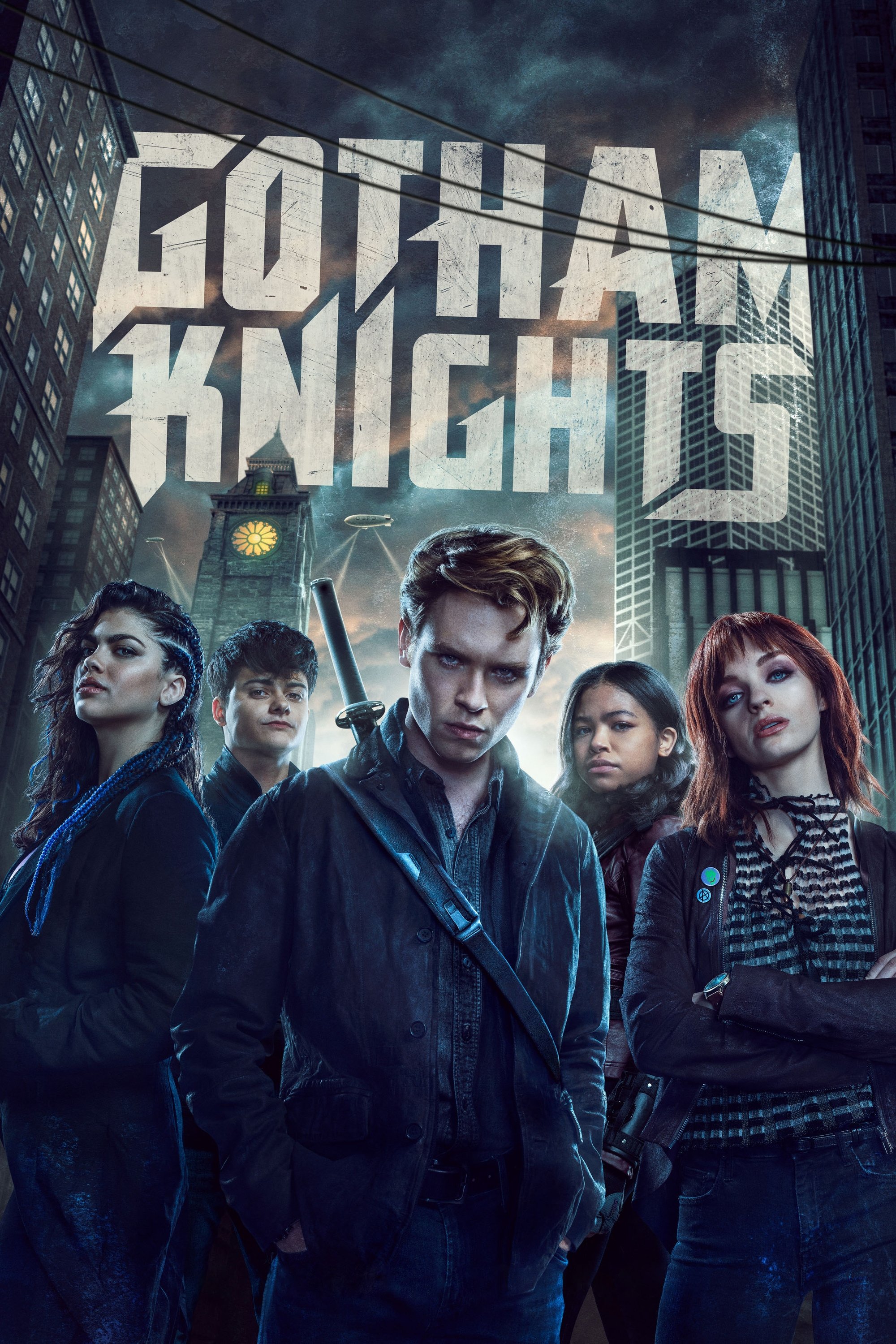
‘Gotham Knights’ followed the children of Batman’s enemies as they were framed for the hero’s murder. The show featured several queer characters and subplots, which became a target for viewers critical of the casting choices. The series suffered from low audience scores and frequent comparisons to more successful ‘DC’ properties. It was cancelled after one season amidst a broader restructuring of the network’s programming.
‘The Witcher: Blood Origin’ (2022)
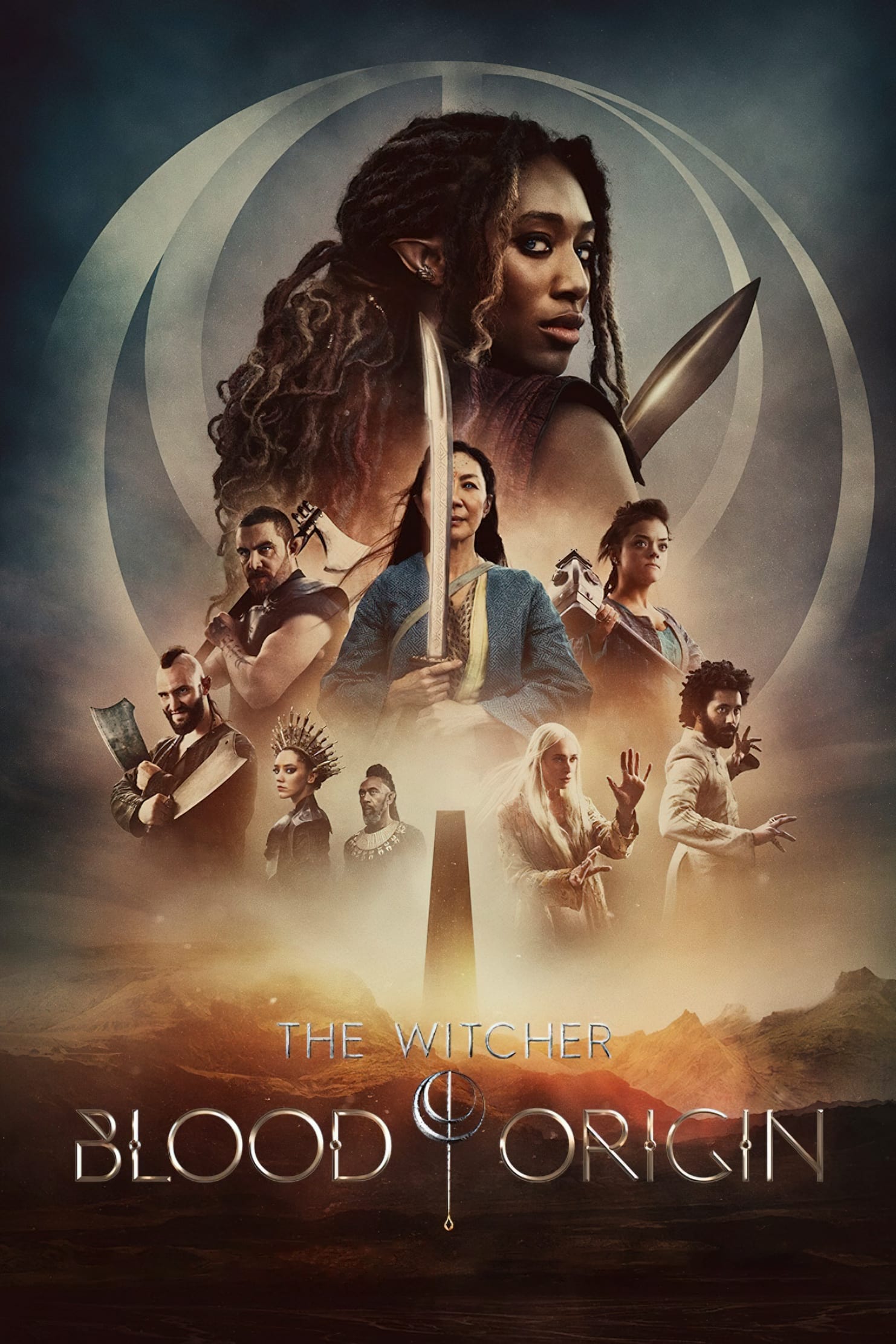
This prequel miniseries explored the creation of the first Witcher and the ancient elven civilization. It was met with overwhelmingly negative audience reviews, many of which targeted the show’s diverse casting and LGBTQ inclusions. While the writing and production value were also criticized, the “woke” narrative was a recurring theme in the review-bombing campaign. The show remains one of the lowest-rated entries in ‘The Witcher’ franchise.
‘Batwoman’ (2019–2022)
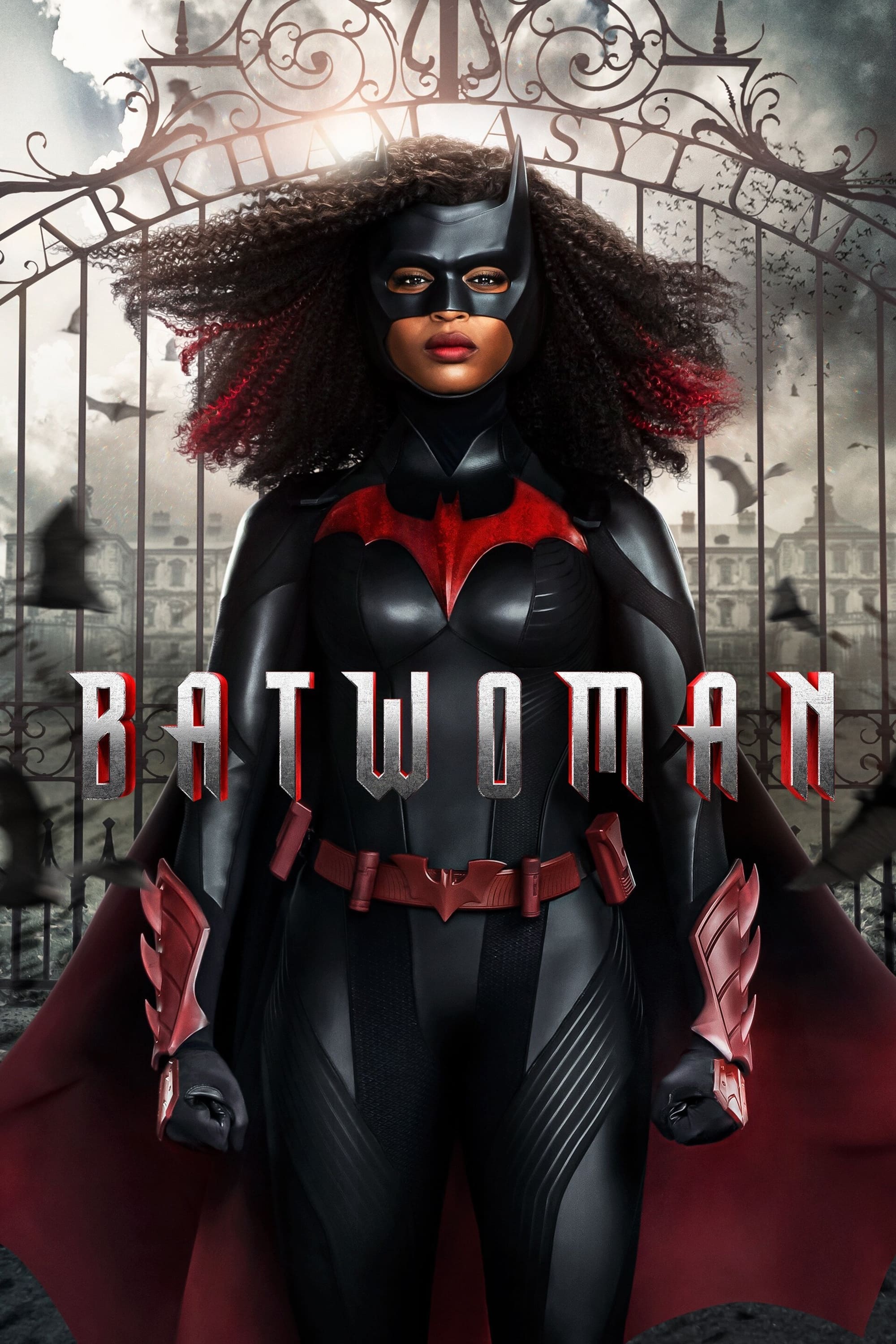
‘Batwoman’ made headlines for being the first superhero series to feature a lesbian lead character. From its first trailer, the show was subjected to heavy review-bombing, with the audience score on Rotten Tomatoes sitting far below the critic score. Detractors often focused on the show’s explicit focus on social justice and the protagonist’s identity. Despite the initial backlash, the series ran for three seasons before being cancelled.
‘The Lord of the Rings: The Rings of Power’ (2022–)

Amazon’s massive investment in ‘The Lord of the Rings’ franchise was met with immediate scrutiny regarding its diverse cast and narrative changes. Rumors and depictions of queer subtext among certain characters led to organized review-bombing efforts before the show even premiered. Amazon took the unprecedented step of suspending user reviews for 72 hours to filter out non-genuine feedback. The series continues to navigate a polarized landscape between fans of the lore and new viewers.
‘Q-Force’ (2021)
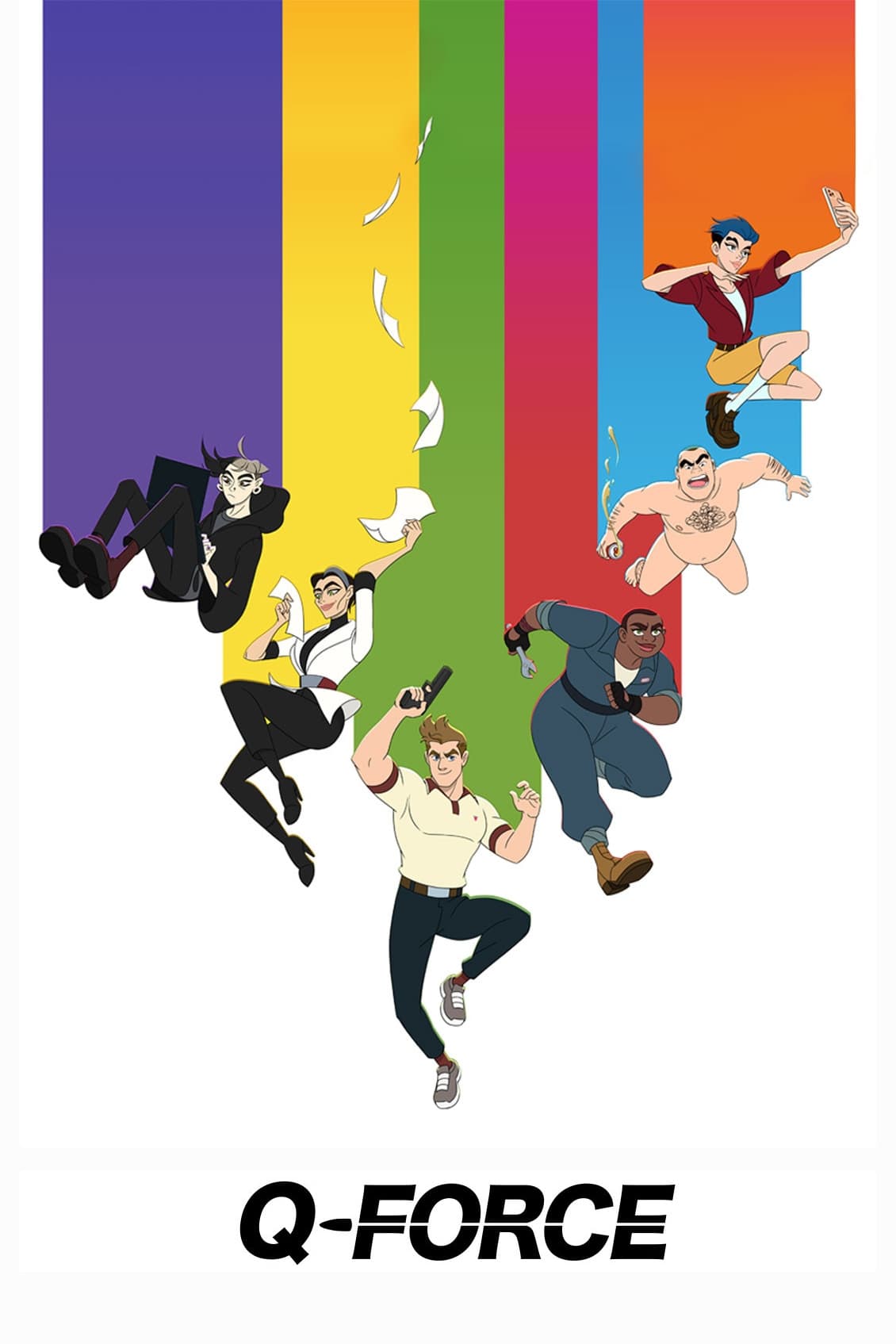
‘Q-Force’ was an animated comedy about a group of LGBTQ superspies who were constantly underestimated by their agency. The show’s first trailer was widely mocked and review-bombed by people who felt it relied too heavily on queer stereotypes. While the actual series was viewed by some as more nuanced than the trailer suggested, the initial negative perception stuck. Netflix cancelled the series after just one season.
‘Dead End: Paranormal Park’ (2022)
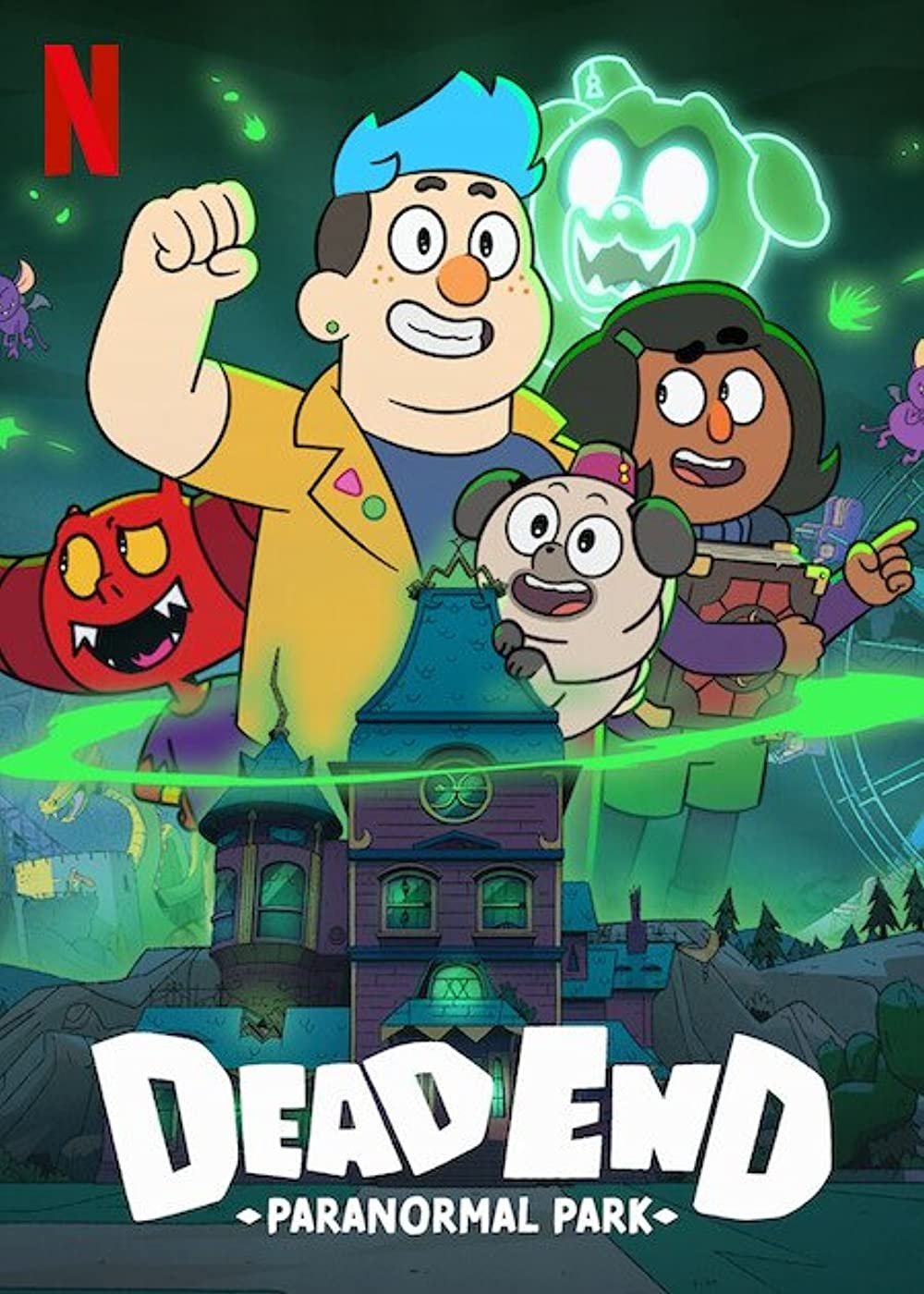
This animated series featured a trans male protagonist and a variety of queer supporting characters. While it was praised by critics and the LGBTQ community for its authentic representation, it was targeted by negative user reviews. The show’s focus on the lead character’s identity and his romantic interest was a frequent point of contention for review-bombers. Despite its critical success, the show was cancelled by Netflix after two seasons.
‘Grease: Rise of the Pink Ladies’ (2023)
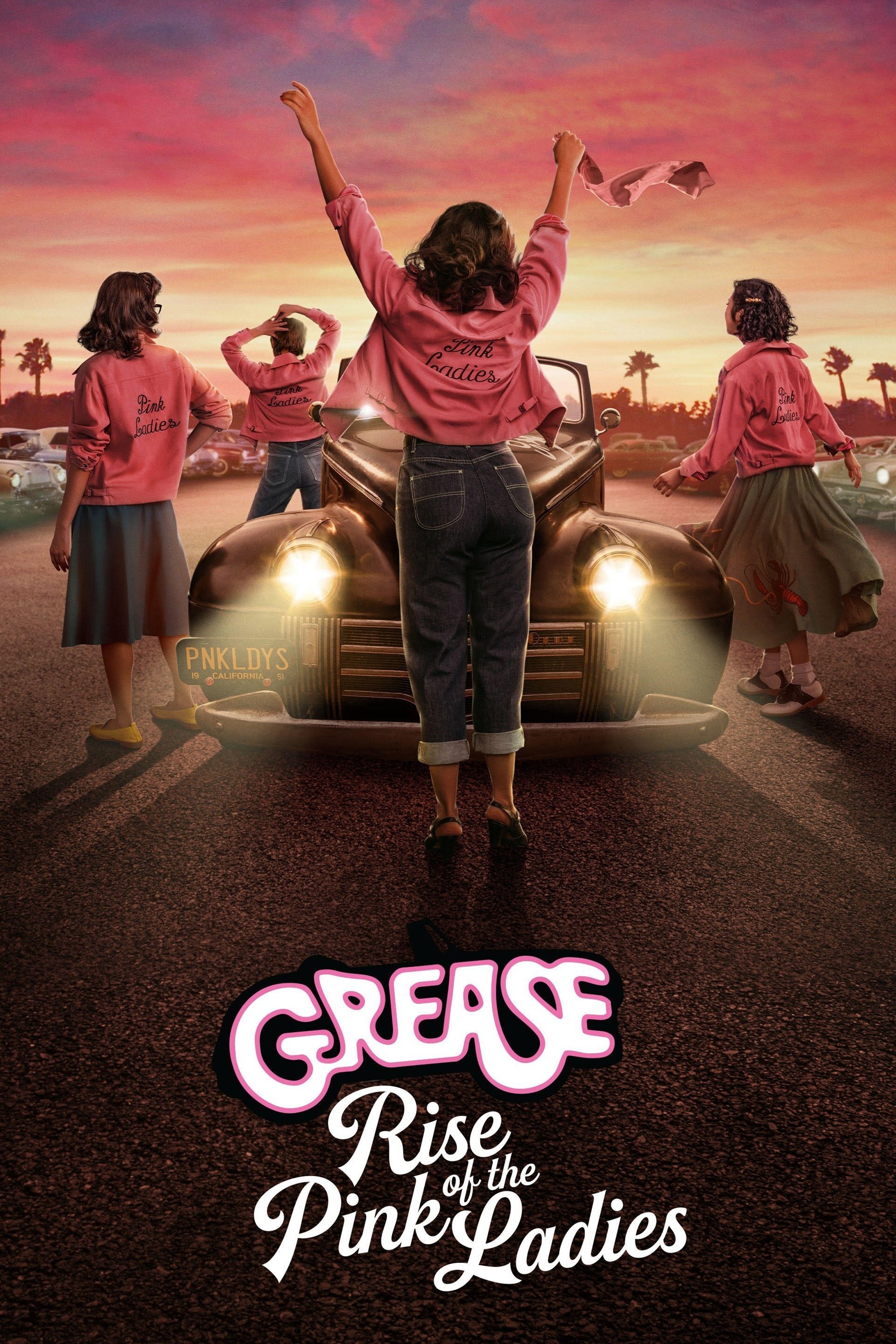
A musical prequel to the classic film ‘Grease’, this series explored the origins of the iconic girl gang. The inclusion of queer characters and a focus on social issues of the 1950s led to a wave of negative ratings from viewers expecting a more traditional adaptation. Many reviewers felt the show’s themes were too modern for the setting. Paramount+ cancelled the series and removed it from the platform shortly after its debut.
‘Warrior Nun’ (2020–2022)
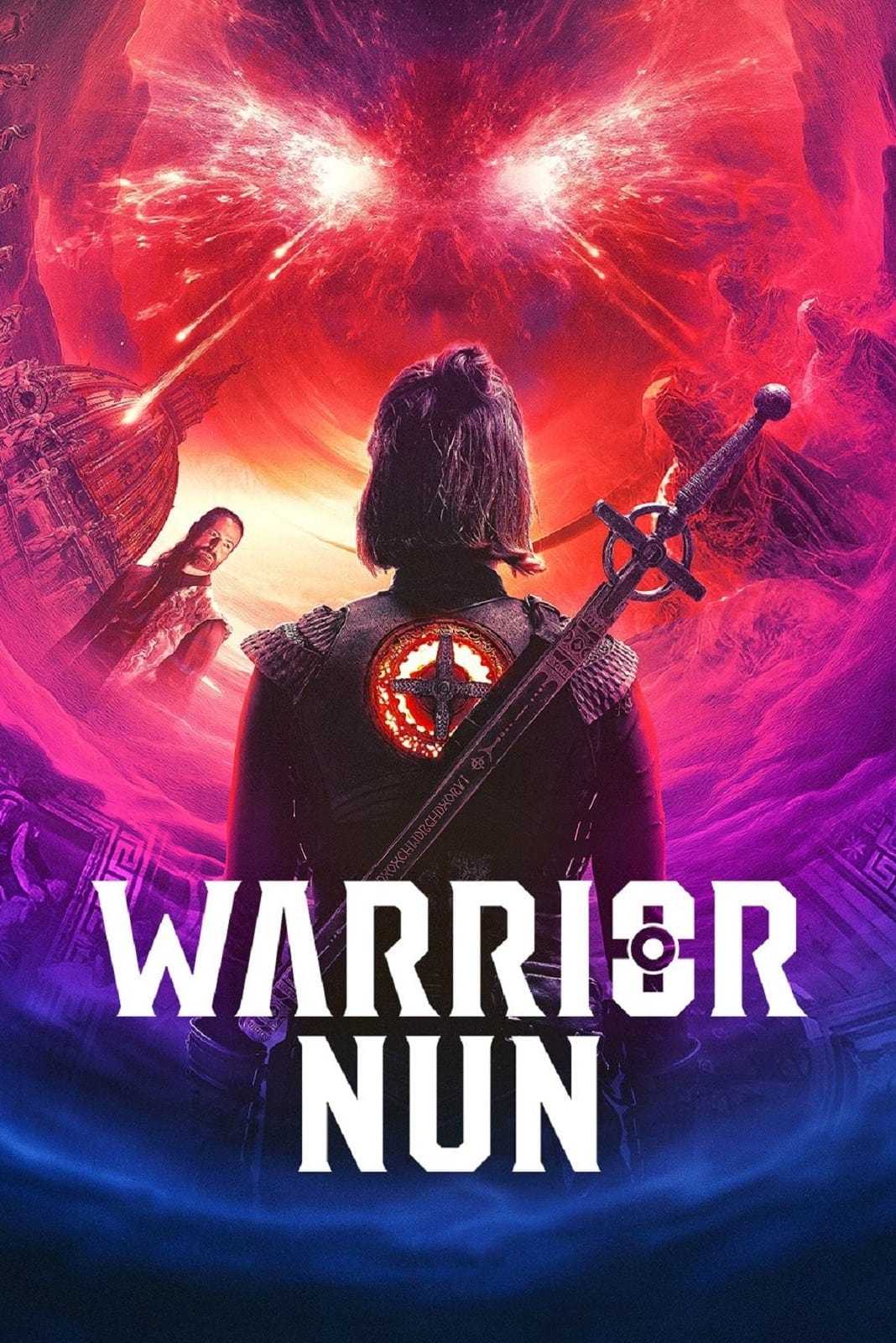
‘Warrior Nun’ gained a massive cult following, but the second season’s focus on the romance between Ava and Beatrice—referred to as “Avatrice”—sparked a divide. While the relationship was a highlight for fans, it also drew negative attention from groups critical of queer storylines in religious-themed media. The show’s audience scores were a mix of high praise from fans and targeted low ratings from detractors. Netflix’s decision to cancel the show led to a massive fan campaign to save it.
‘High School Musical: The Musical: The Series’ (2019–2023)
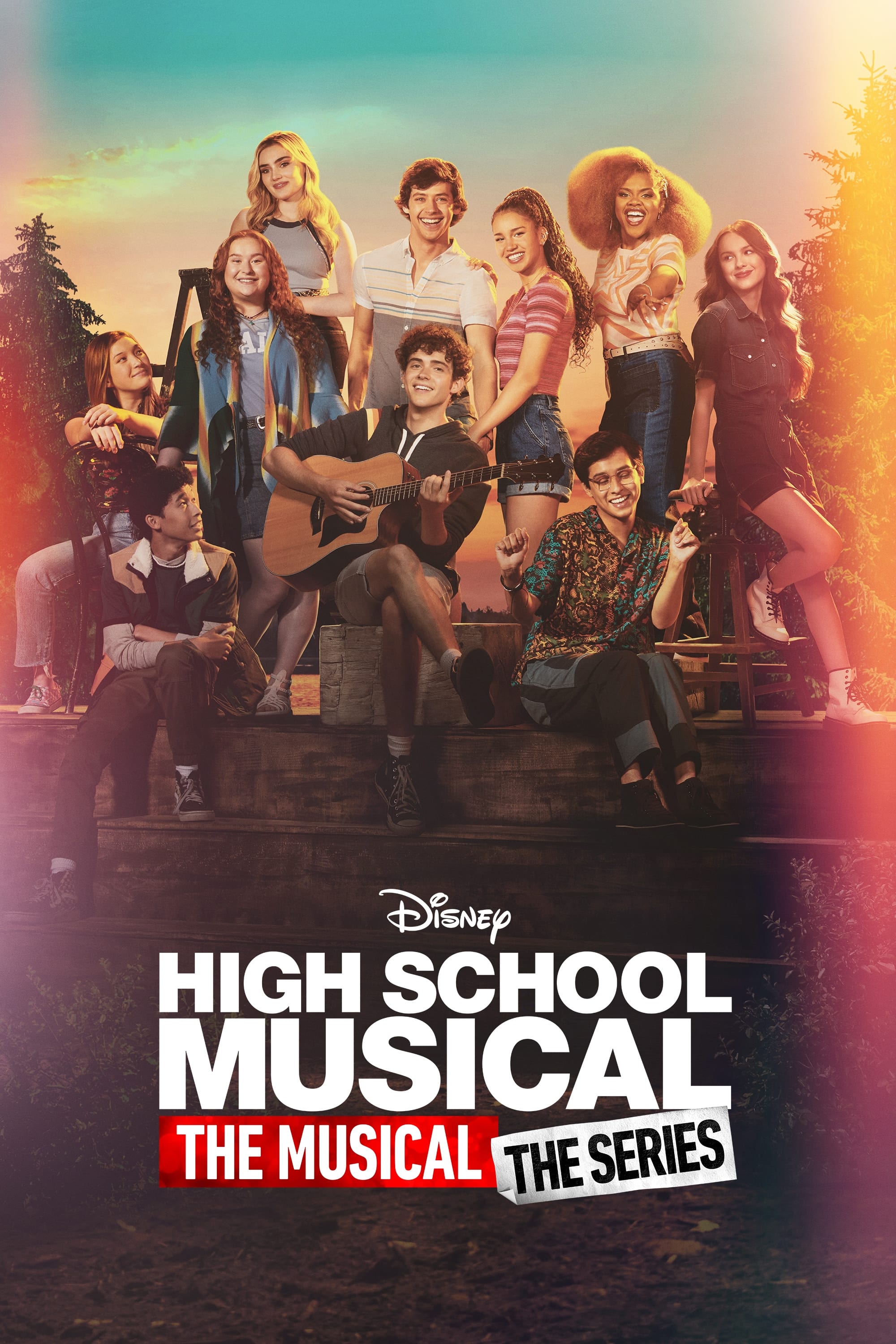
This Disney+ series broke ground by featuring the first gay romance in the ‘High School Musical’ franchise. The relationship between characters Carlos and Seb was celebrated by many but also led to targeted negative reviews from more conservative segments of the audience. These reviewers often claimed that Disney was no longer providing family-friendly content. The show successfully navigated the controversy and concluded its run after four seasons.
‘Heartbreak High’ (2022–)

The Australian reboot of ‘Heartbreak High’ was lauded for its raw and honest depiction of modern teenage life, including diverse sexualities and gender identities. However, the show’s explicit queer content made it a target for review-bombing on global platforms. Negative reviewers often criticized the show for being too “edgy” or focused on identity politics. Despite this, the series has been a hit for Netflix and was renewed for further seasons.
‘Our Flag Means Death’ (2022–2023)

This pirate comedy initially seemed like a standard parody until it leaned fully into the romance between Stede Bonnet and Blackbeard. The transition into a queer romantic comedy was met with widespread critical acclaim but also triggered a wave of negative reviews. Some viewers expressed frustration that the show had “tricked” them into watching a gay romance. The show was eventually cancelled by Max, sparking a major fan-led protest.
‘And Just Like That…’ (2021–)
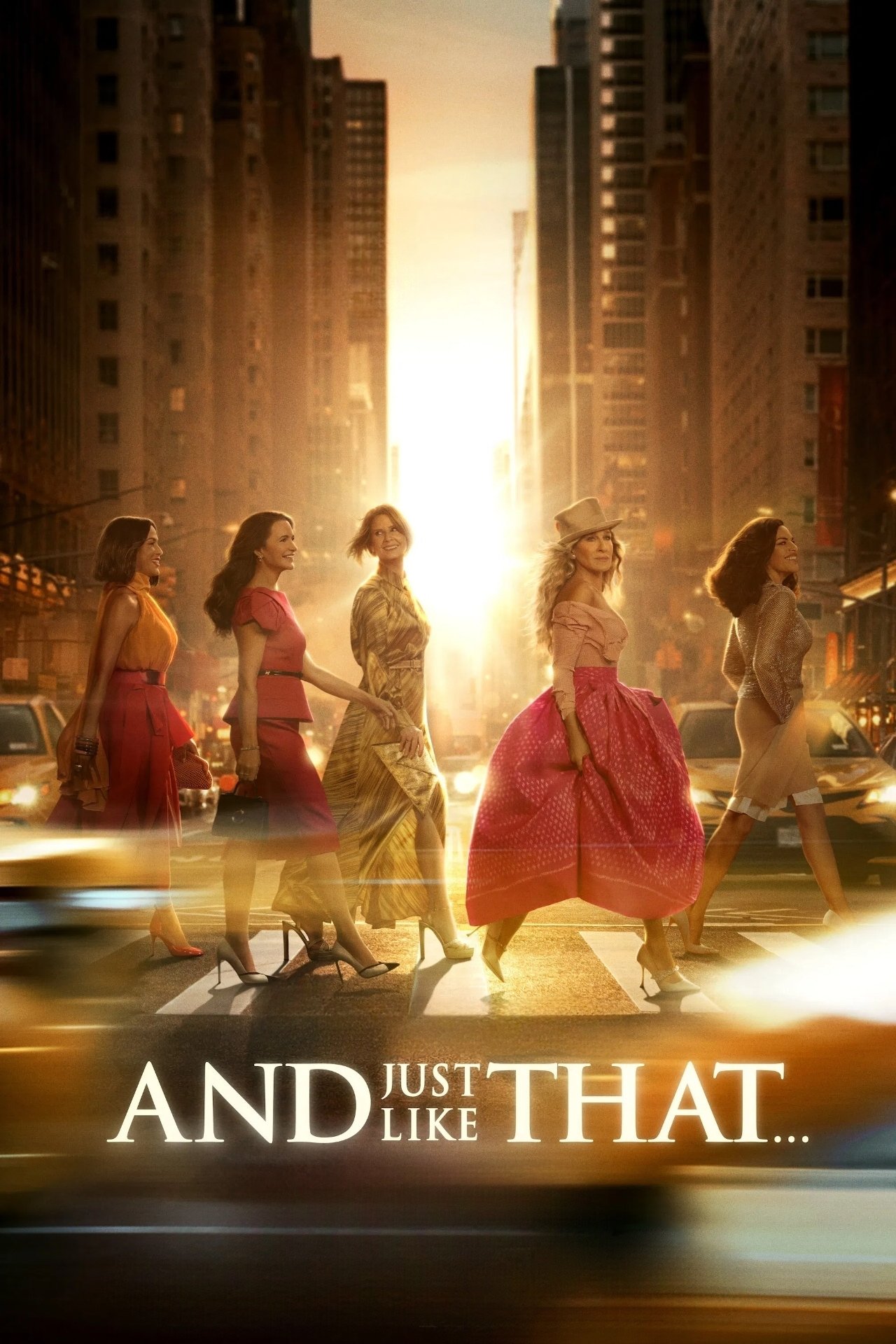
The revival of ‘Sex and the City’ introduced Che Diaz, a non-binary character who enters into a relationship with Miranda Hobbes. This plot point became one of the most polarizing elements in recent television history, leading to intense review-bombing on major platforms. Critics and fans alike debated the character’s impact on the legacy of the original series. Despite the vocal online backlash and low user scores, the show remains a high-performer for Max.
‘Interview with the Vampire’ (2022–)
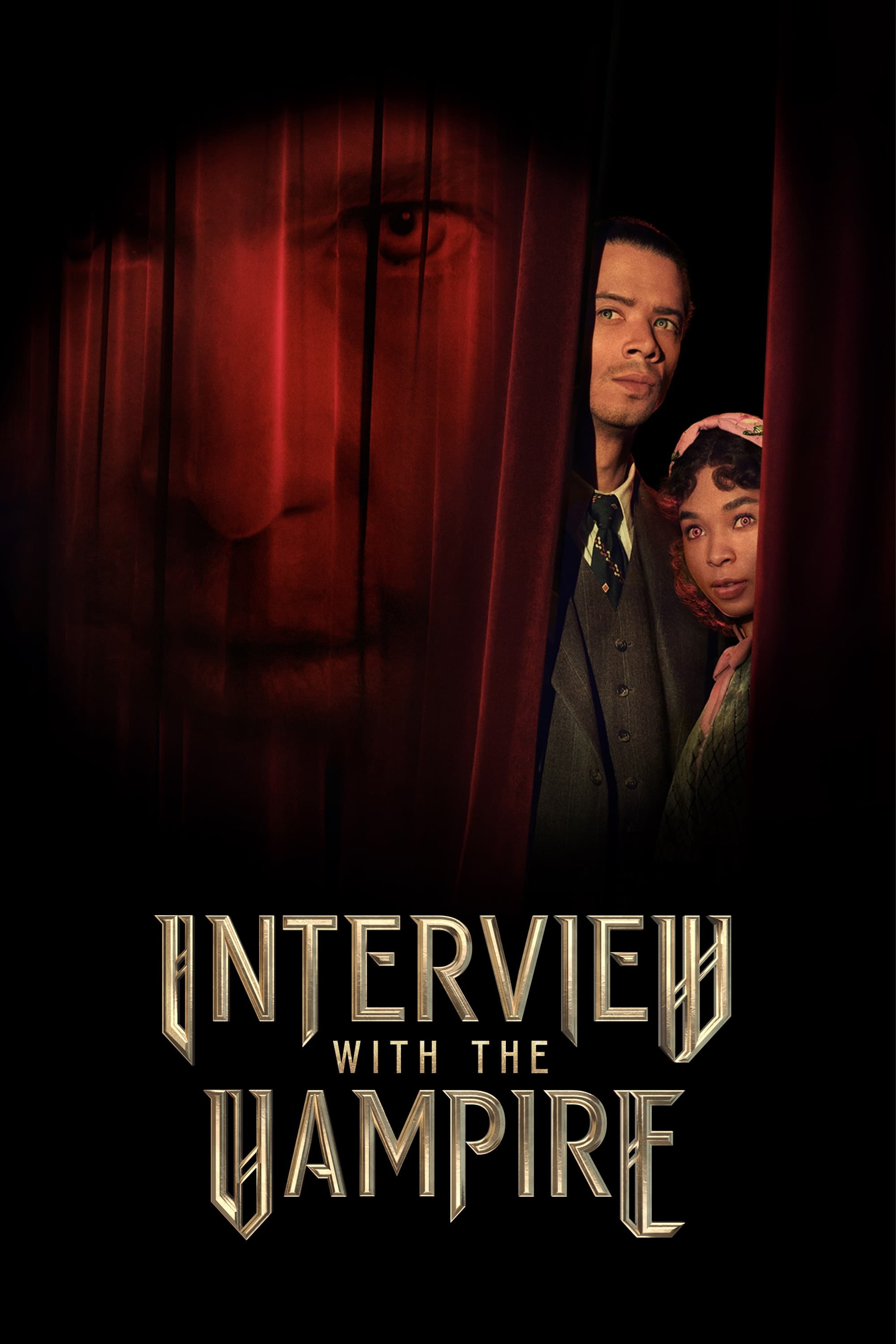
The adaptation of the Anne Rice novel took the subtext of the original material and made the gay relationship between Louis and Lestat overt. This creative choice led to a split between fans who appreciated the faithfulness to the characters’ spirits and those who review-bombed the show for its explicitness. The series was often compared unfavorably to the 1994 ‘Interview with the Vampire’ film by these detractors. However, critical reviews have been overwhelmingly positive, praising the performances and writing.
‘The Umbrella Academy’ (2019–2024)
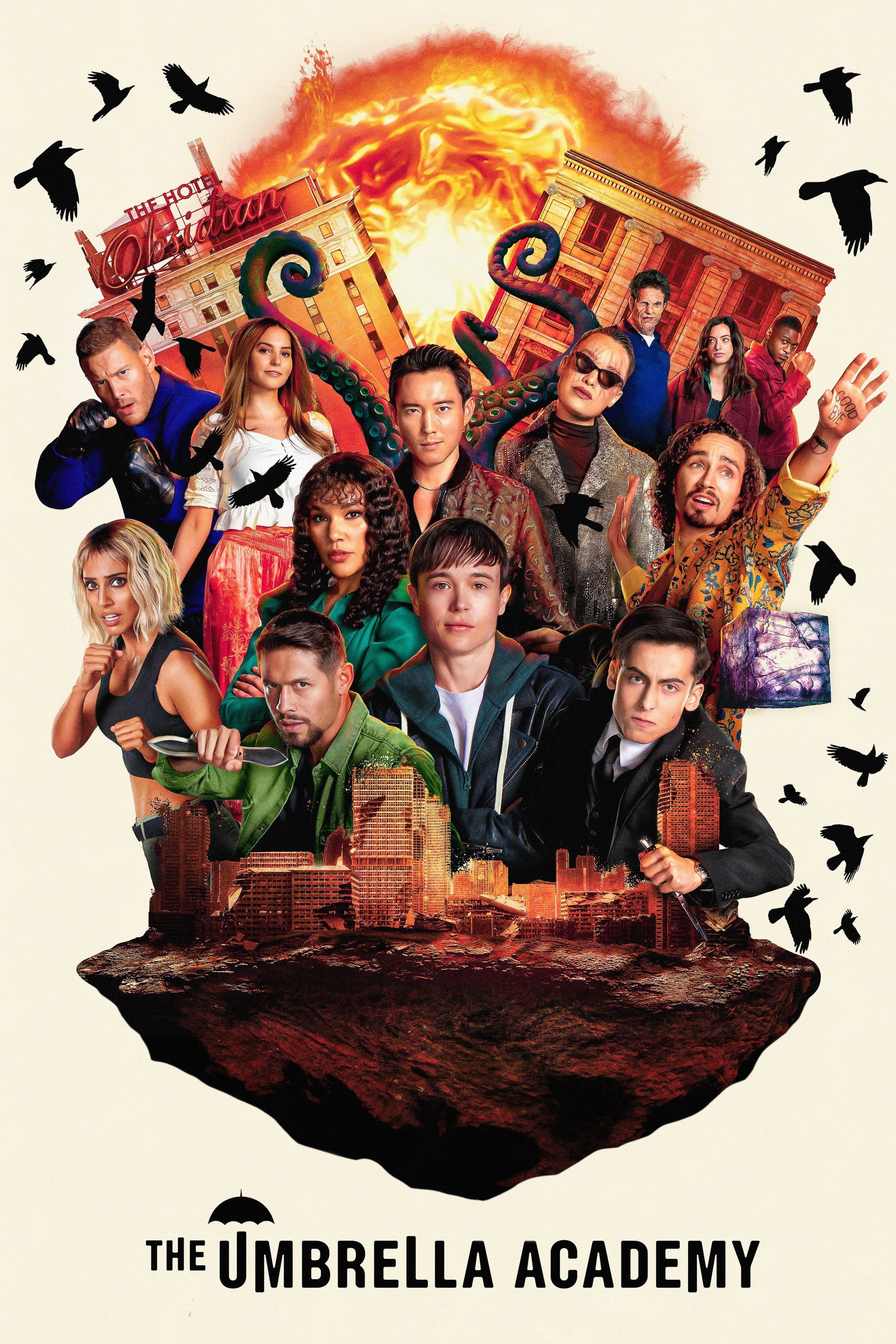
When actor Elliot Page came out as transgender, the writers of ‘The Umbrella Academy’ transitioned his character, Viktor Hargreeves, as well. This narrative move was praised for its sensitivity but also triggered a significant review-bombing campaign from those opposed to the inclusion of trans storylines. The show’s user ratings saw a noticeable dip during the seasons where Viktor’s transition was central. The series concluded its run as one of Netflix’s most popular original titles.
‘Sex Education’ (2019–2023)
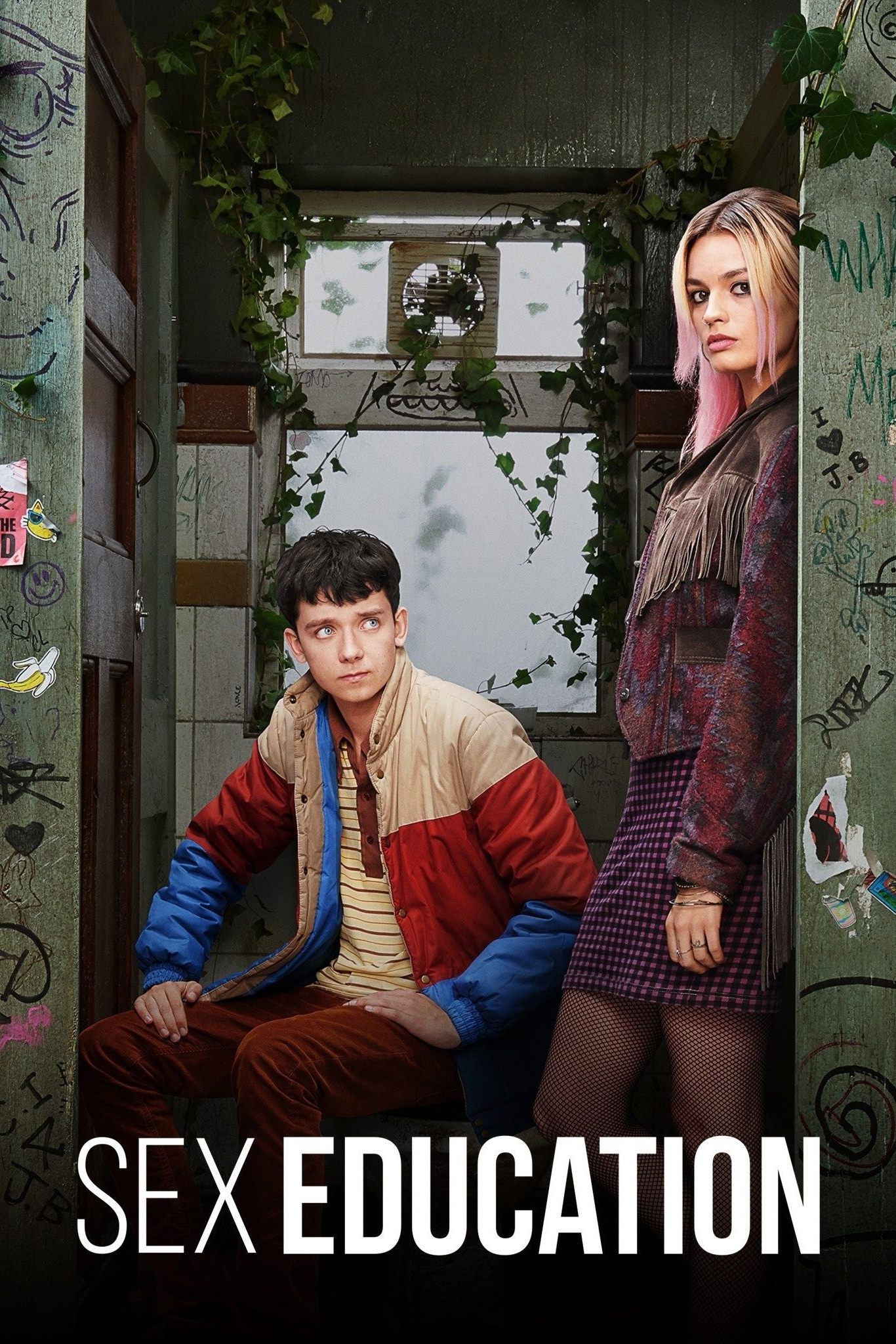
The final season of ‘Sex Education’ introduced several new trans and queer characters, which led to a mixed reaction from the audience. While previous seasons were widely loved, the final installment was targeted by negative reviews claiming the show had lost its way. Much of the criticism was directed at the new queer storylines, with review-bombers citing a perceived shift in focus. Despite the polarized audience reception, the show is remembered as a landmark in inclusive television.
‘Euphoria’ (2019–)
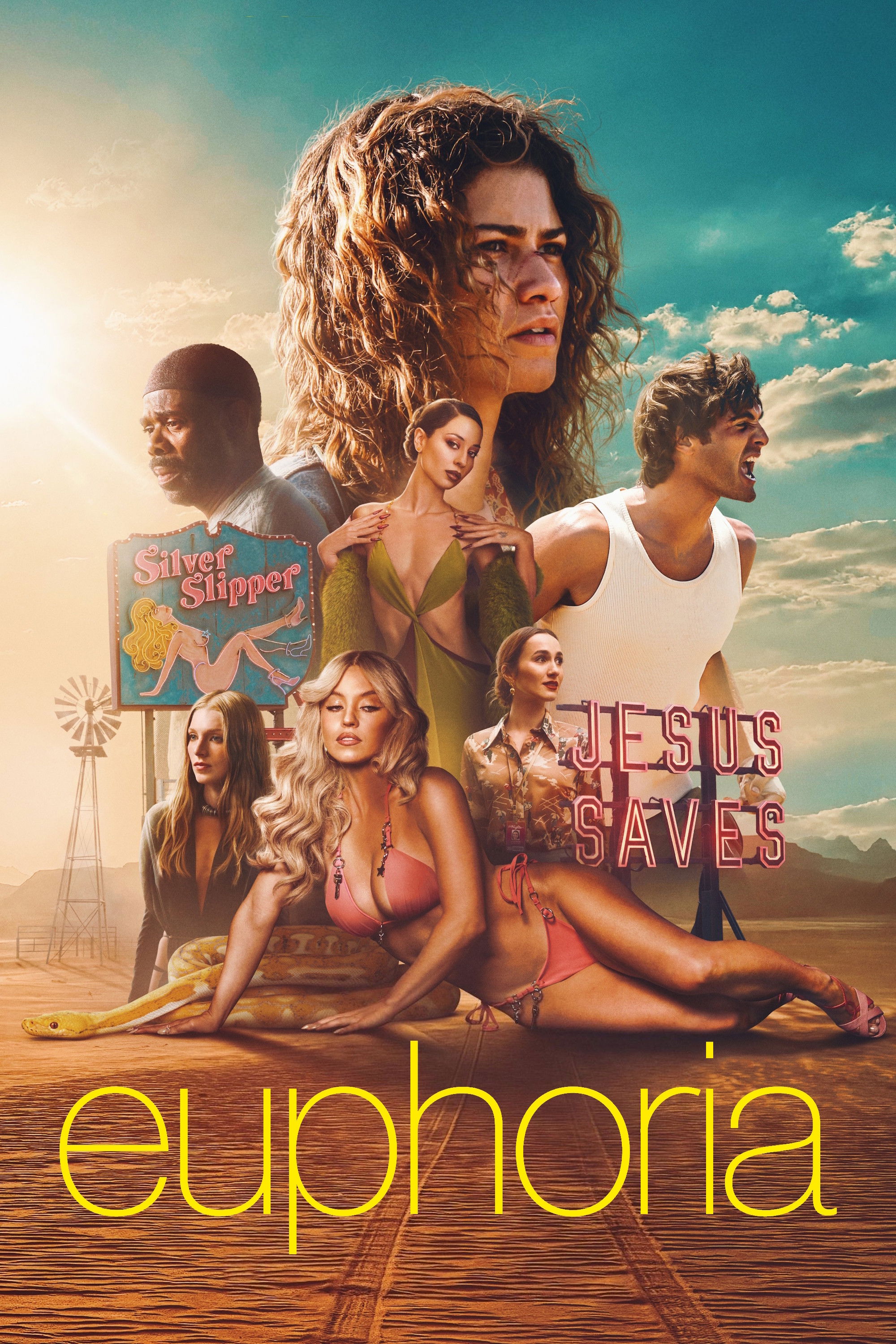
‘Euphoria’ has been a lightning rod for controversy since its debut, partly due to its graphic depictions of teenage life and diverse sexualities. The character of Jules, a trans girl, and her complex relationship with Rue have been central to the show’s identity. While ‘Euphoria’ is a massive commercial success, it has faced targeted negative reviews from groups critical of its inclusive casting and explicit queer content. These reviews often contrast sharply with the show’s numerous Emmy wins and high viewership.
‘She-Ra and the Princesses of Power’ (2018–2020)
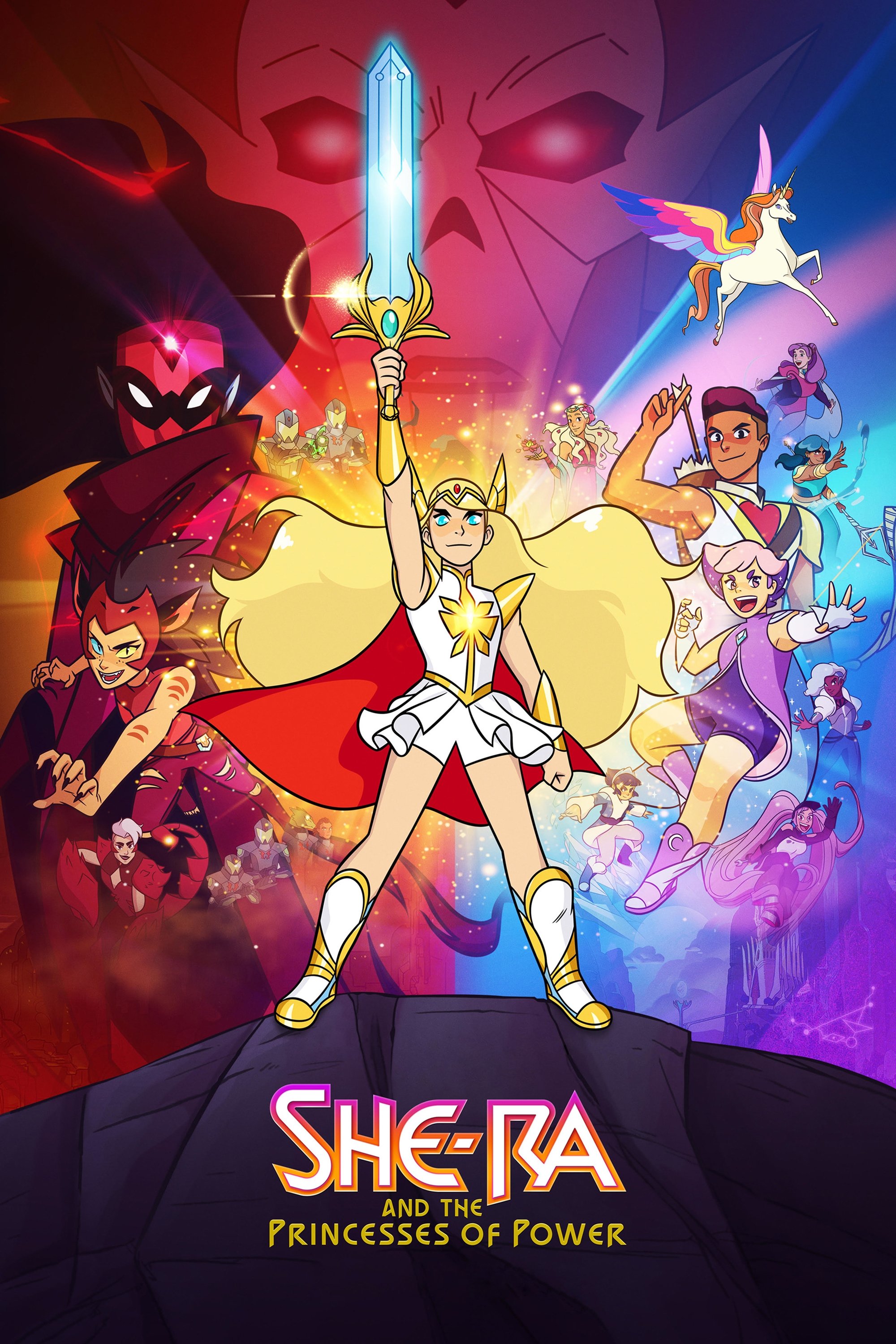
This animated reimagining of ‘She-Ra’ was notable for its large cast of LGBTQ characters. Throughout its five-season run, the show was frequently review-bombed by those who were unhappy with the character designs and the romantic conclusion between the lead characters. Critics, however, lauded the show for its complex character arcs and positive messaging. It remains a significant example of queer representation in all-ages animation.
‘Atypical’ (2017–2021)
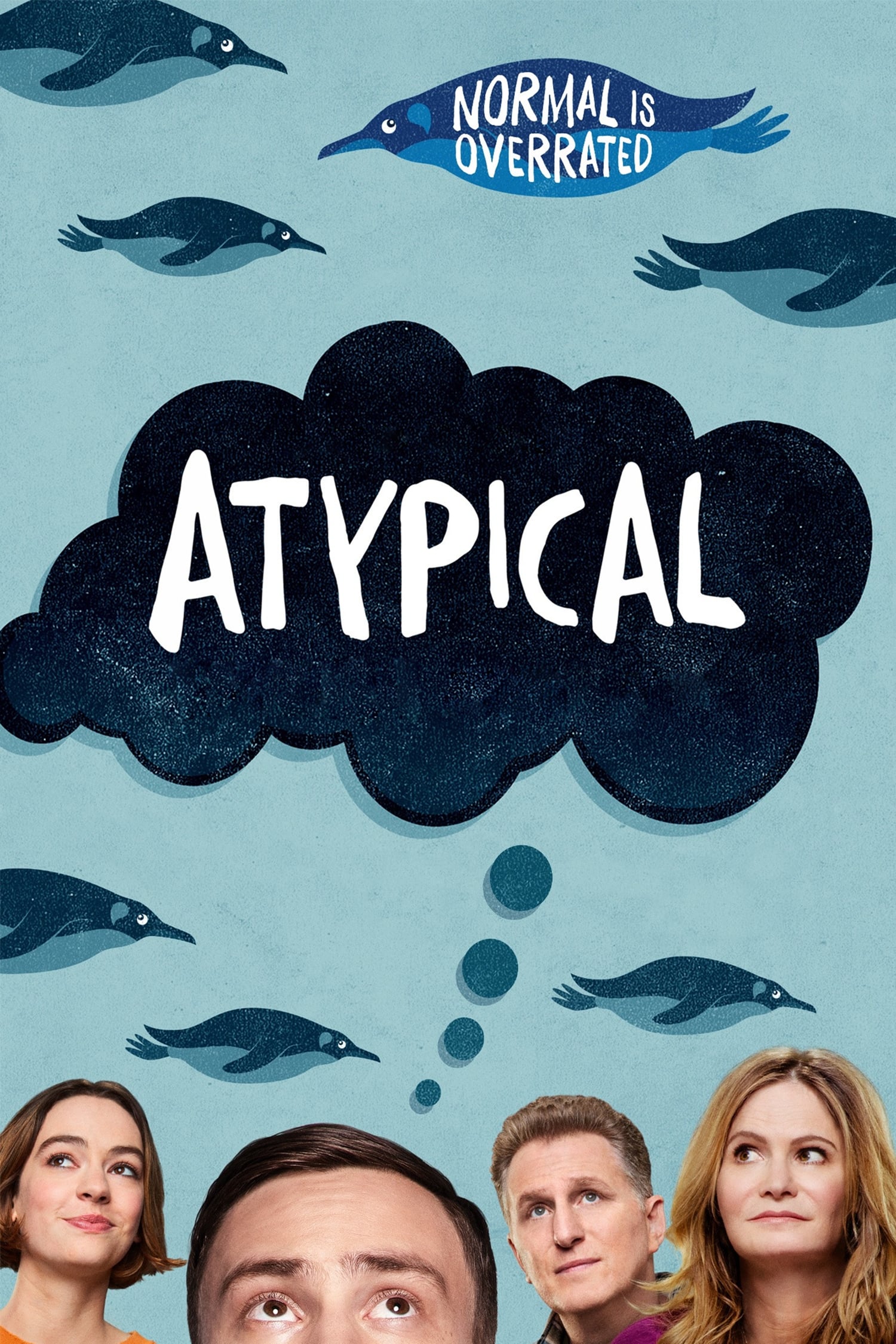
In its later seasons, ‘Atypical’ explored the sexuality of Casey Gardner as she realized her feelings for another girl, Izzie. This shift in the character’s arc led to a wave of negative user ratings from viewers who felt the show was veering away from its original focus on autism. The relationship became a primary point of discussion in online forums, with review-bombers targeting the show’s later installments. Despite this, the series was praised for how it handled the intersection of family dynamics and self-discovery.
‘I Am Not Okay With This’ (2020)
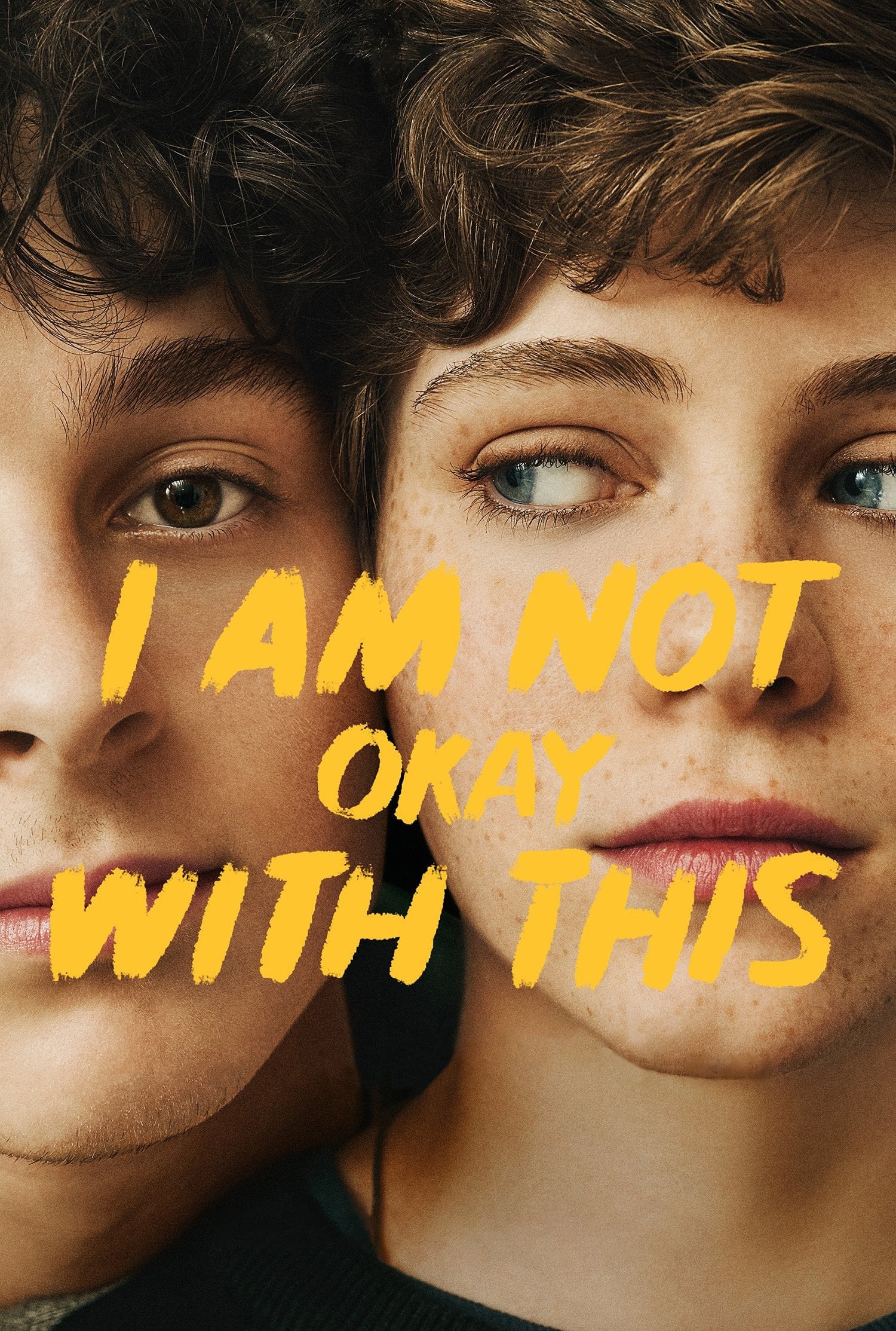
Featuring a protagonist who discovers she has superpowers while also realizing she is gay, ‘I Am Not Okay With This’ faced a lukewarm audience reception fueled by review-bombing. Critics praised the performance of Sophia Lillis and the show’s unique blend of genres. However, the queer themes were a point of contention for a segment of the audience that flooded rating sites with low scores. The series was ultimately cancelled by Netflix, leaving fans with a major cliffhanger.
‘Everything Sucks!’ (2018)

This 90s-set coming-of-age story focused on a high school AV club and the lead character’s journey to accepting her identity as a lesbian. While ‘Everything Sucks!’ was appreciated for its nostalgic tone and authentic performances, it was hit with negative reviews during its initial release. Many of these reviews focused on the central queer storyline as a reason for their dissatisfaction. Netflix cancelled the show after one season, citing a lack of viewership growth.
‘Generation’ (2021)
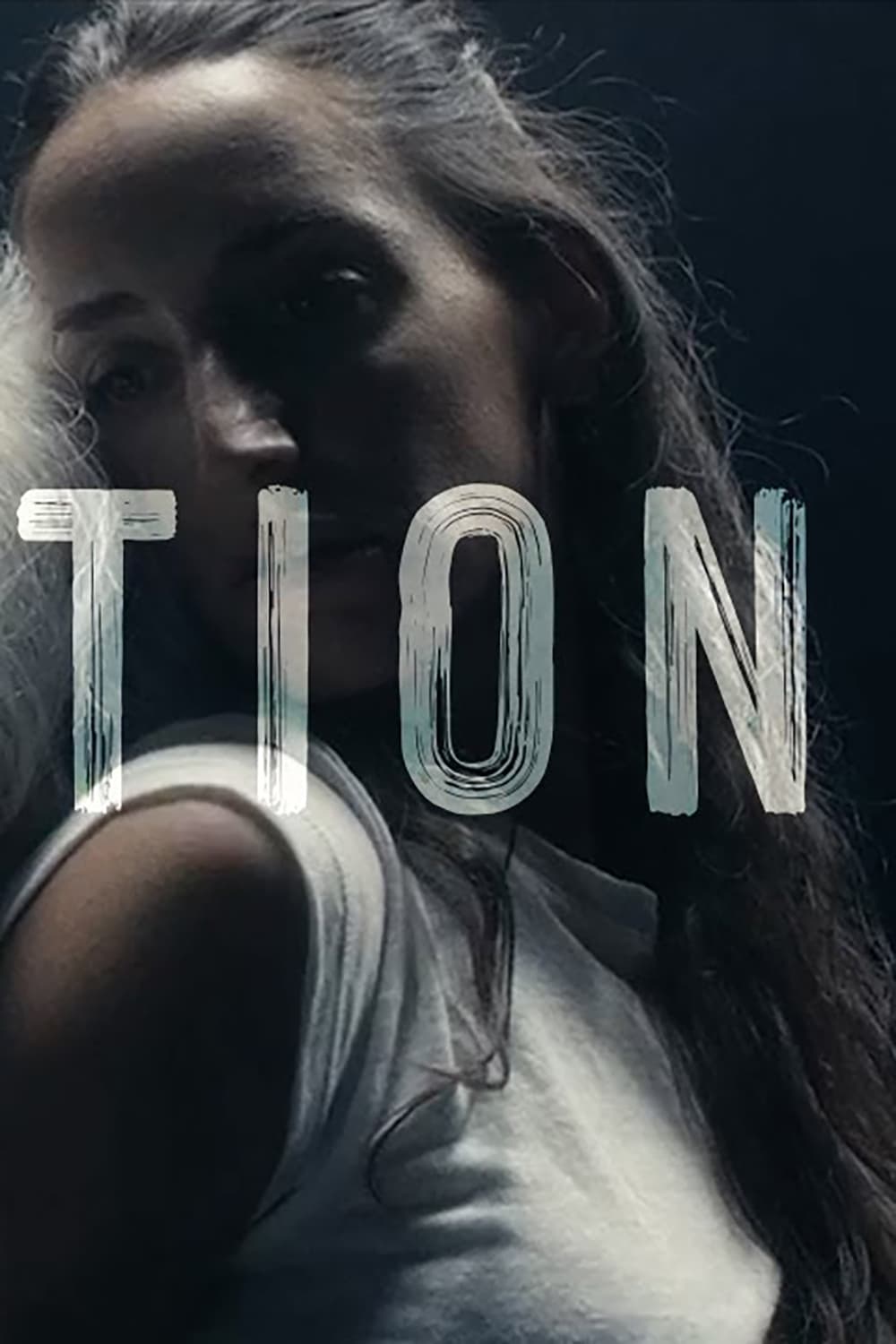
‘Generation’ was an HBO Max series designed to showcase the authentic, diverse, and often queer lives of modern teenagers. It was met with an immediate wave of low audience scores from viewers who criticized the show’s “hyper-sexualized” and “political” nature. The series struggled to find a broad audience amidst the polarized reception on social media. It was cancelled after one season and was later removed from the streaming platform’s library entirely.
Share your thoughts on these series and their reception in the comments.