Actors Who Were Called “Too Old” for Action Movie Roles

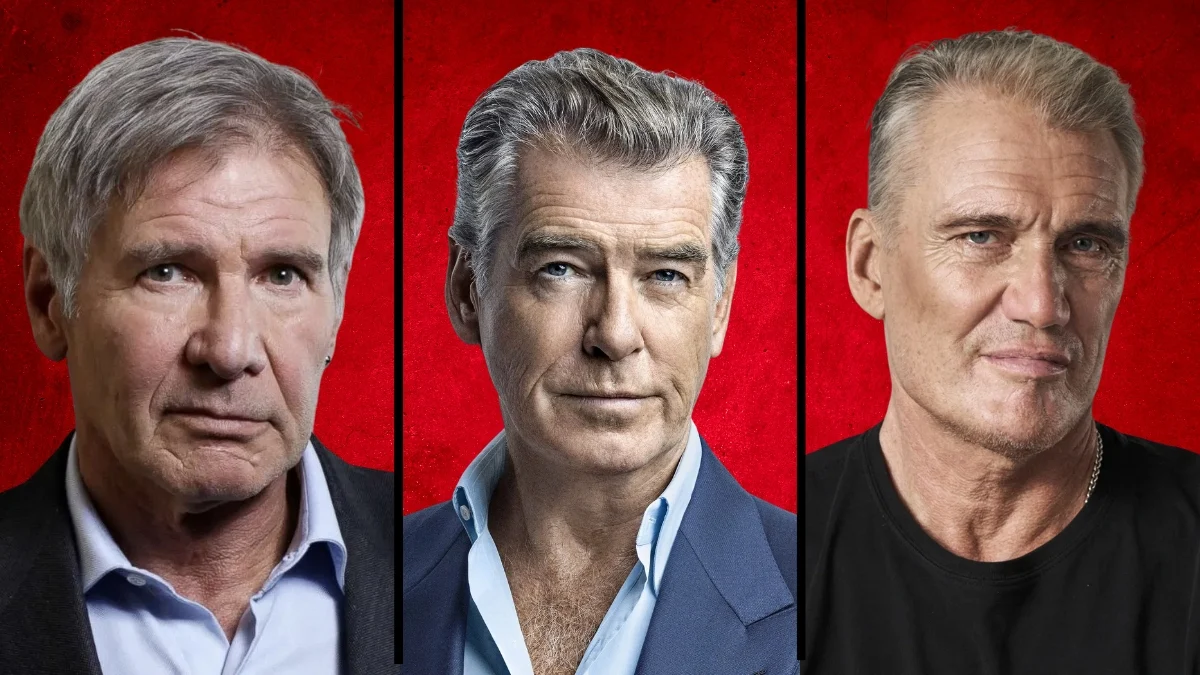

The landscape of Hollywood action cinema has long been dominated by younger stars, but a growing trend of veteran actors returning to high-stakes roles has sparked significant debate regarding age and physical capability. While some performers successfully transition into “geriaction” icons, others face harsh criticism from audiences and reviewers who believe the physical demands of the genre no longer suit them. This list examines 30 male actors who faced public scrutiny or internal doubts about being “too old” for their respective action roles, ranging from seasoned legends to unexpected newcomers to the genre. These examples highlight the tension between a star’s enduring charisma and the undeniable passage of time in physically taxing productions.
Liam Neeson
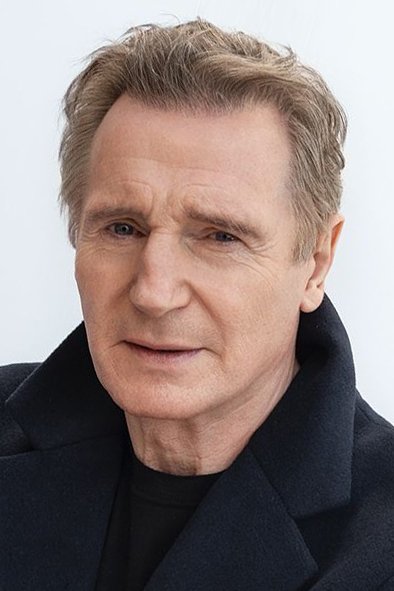
Liam Neeson became an unexpected action star at the age of 56 following the massive success of ‘Taken’. Despite the popularity of the franchise, critics frequently noted the increasing difficulty of portraying an invincible operative as he entered his late 60s. Neeson himself has acknowledged the physical demands of these roles, suggesting several times in interviews that his time in the genre was nearing its end. His performance in films like ‘The Ice Road’ and ‘Blacklight’ further sparked discussions regarding the believability of his hand-to-hand combat scenes. He continues to lead action thrillers, often playing characters who utilize experience and tactical planning over raw youthful energy.
Harrison Ford
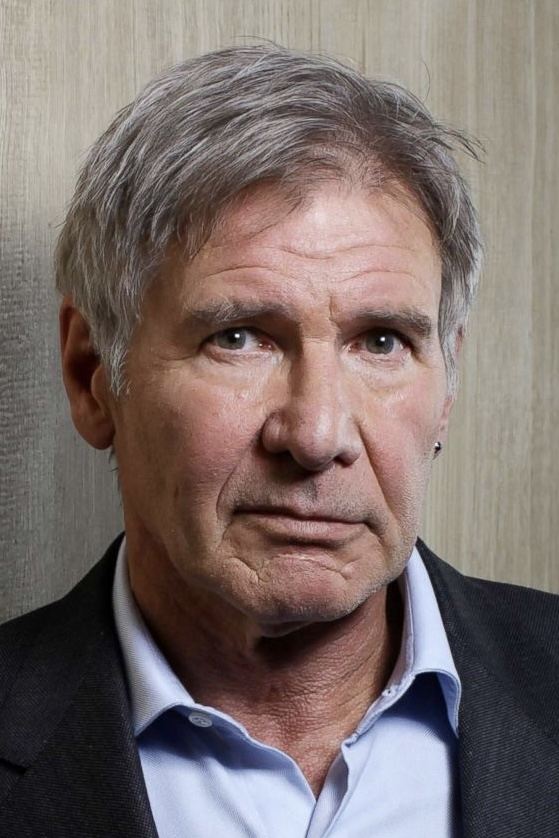
Harrison Ford faced significant scrutiny when he returned for ‘Indiana Jones and the Dial of Destiny’ at the age of 80. While the film utilized de-aging technology for flashback sequences, many reviewers felt his physical presence in the modern-day scenes was too frail for a globe-trotting adventurer. This was not the first time he faced such critiques, as ‘Indiana Jones and the Kingdom of the Crystal Skull’ also drew comments about his age 15 years prior. Ford has consistently defended his return to the role, emphasizing that the character’s age was a central and necessary part of the story. The film serves as a final farewell to the character, addressing the passage of time directly.
Sylvester Stallone
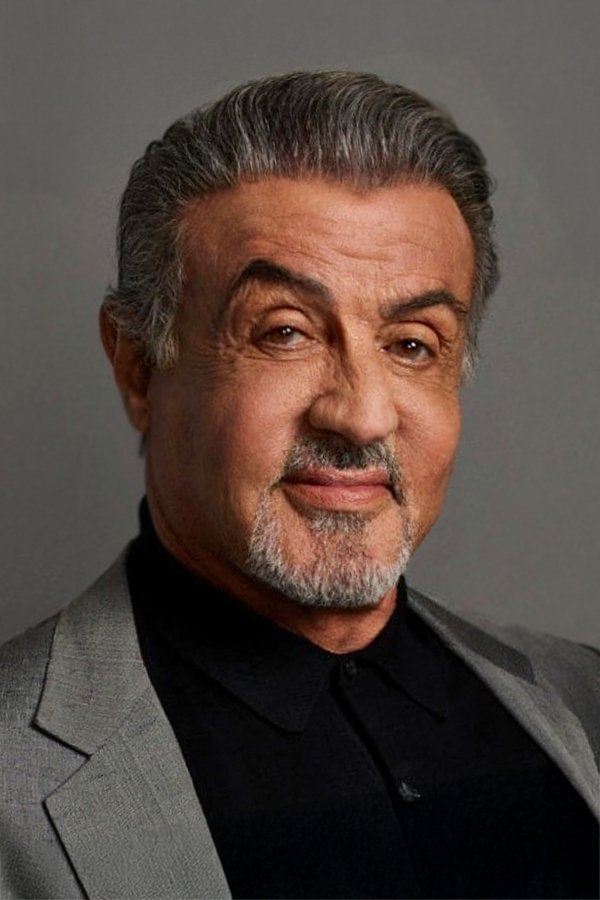
Sylvester Stallone has built the latter half of his career on reviving his iconic action roles while facing persistent age-related criticism. When he returned for ‘Rocky Balboa’ and ‘Rambo’ in his 60s, many observers questioned whether he could still physically embody the legendary fighters. He leaned into this perception by creating ‘The Expendables’, a franchise that celebrates veteran action stars who are often dismissed as being past their prime. Even as he reached his mid-70s for ‘Rambo: Last Blood’, the actor maintained a rigorous training schedule to prove his detractors wrong. Stallone remains a vocal advocate for the longevity of action stars in Hollywood.
Arnold Schwarzenegger
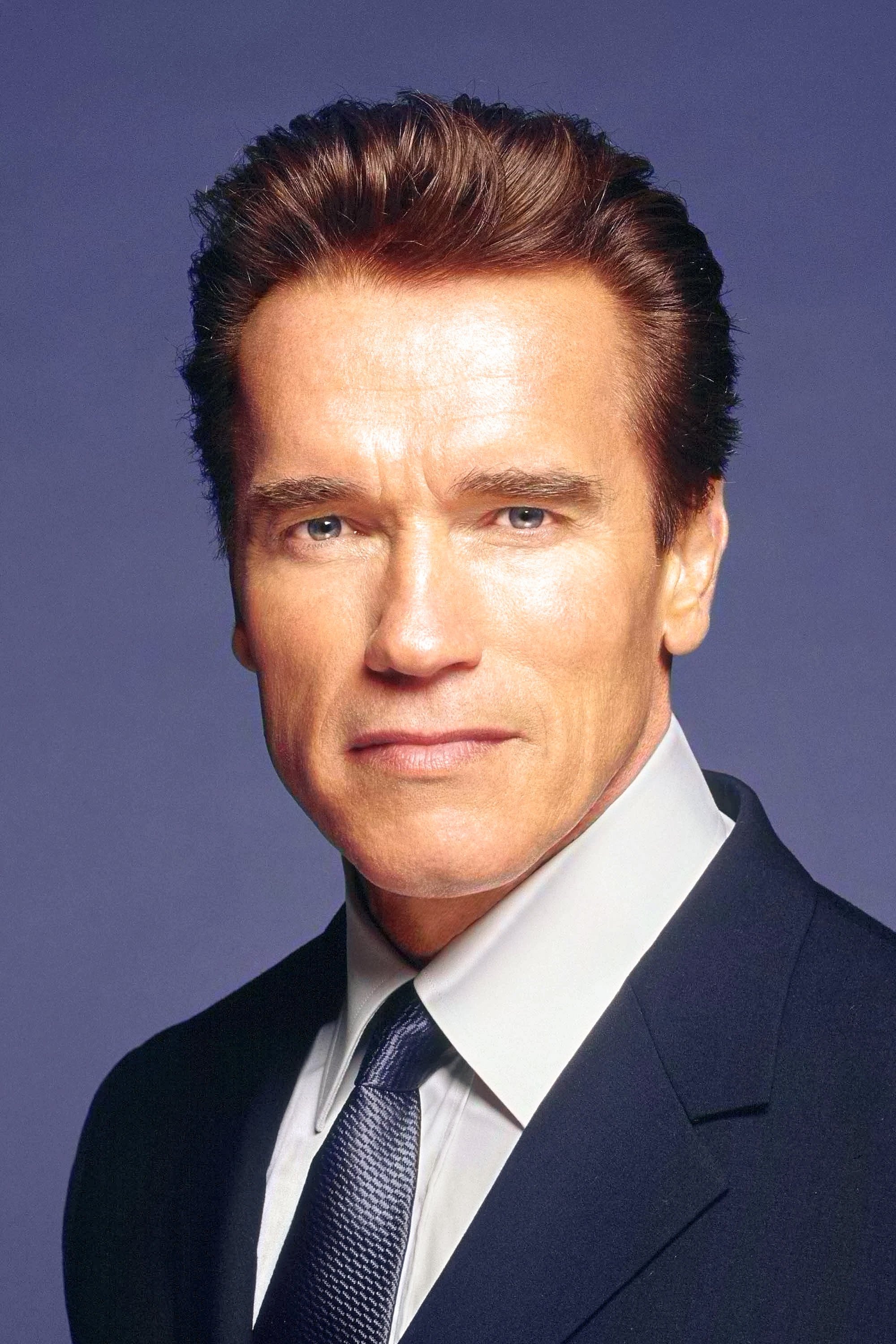
Arnold Schwarzenegger’s return to the ‘Terminator’ franchise in ‘Terminator: Genisys’ and ‘Terminator: Dark Fate’ was met with debates about the viability of an aging cyborg. The films attempted to explain his physical change with the “old, not obsolete” mantra, but audiences remained divided on his role in high-octane sequences. Critics noted that while his screen presence remained formidable, the heavy reliance on digital assistance and stunt doubles became more apparent. Beyond the ‘Terminator’ series, his work in films like ‘The Last Stand’ played directly into the theme of a veteran lawman facing younger threats. He has transitioned into more senior roles that balance his action legacy with his current age.
Roger Moore
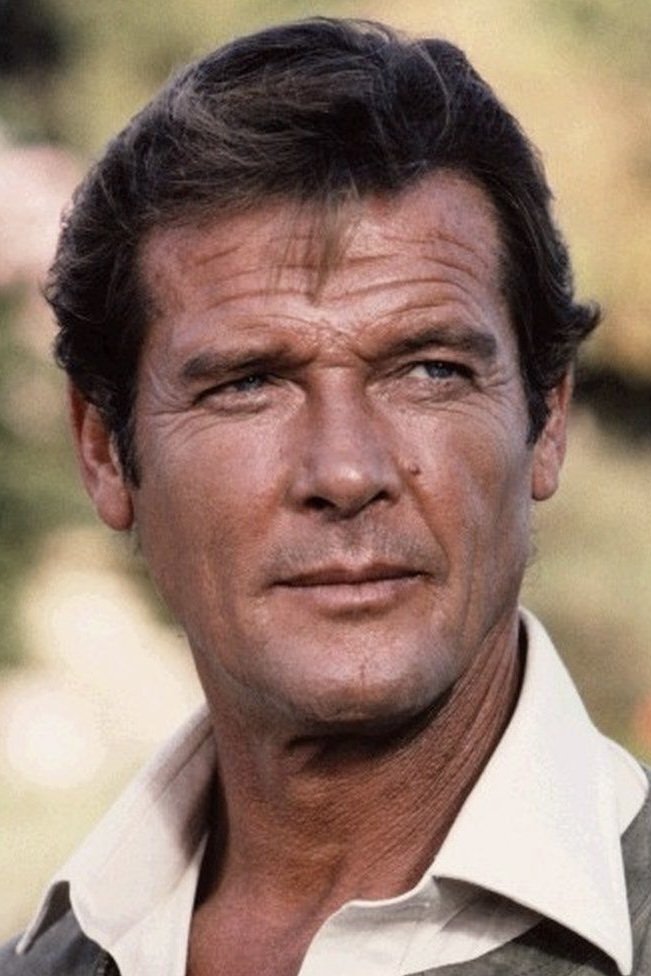
Roger Moore is frequently cited as the prime example of an actor staying in an action role too long during his tenure as James Bond. By the time ‘A View to a Kill’ was released in 1985, Moore was 57 years old and notably older than his female co-stars. The actor himself later admitted that he felt embarrassed to be playing a romantic lead against women who were young enough to be his daughters. Critics at the time pointed out that the reliance on stunt doubles was becoming increasingly obvious during the film’s many chase sequences. This film marked his final appearance as 007 before he handed the role to Timothy Dalton.
Daniel Craig
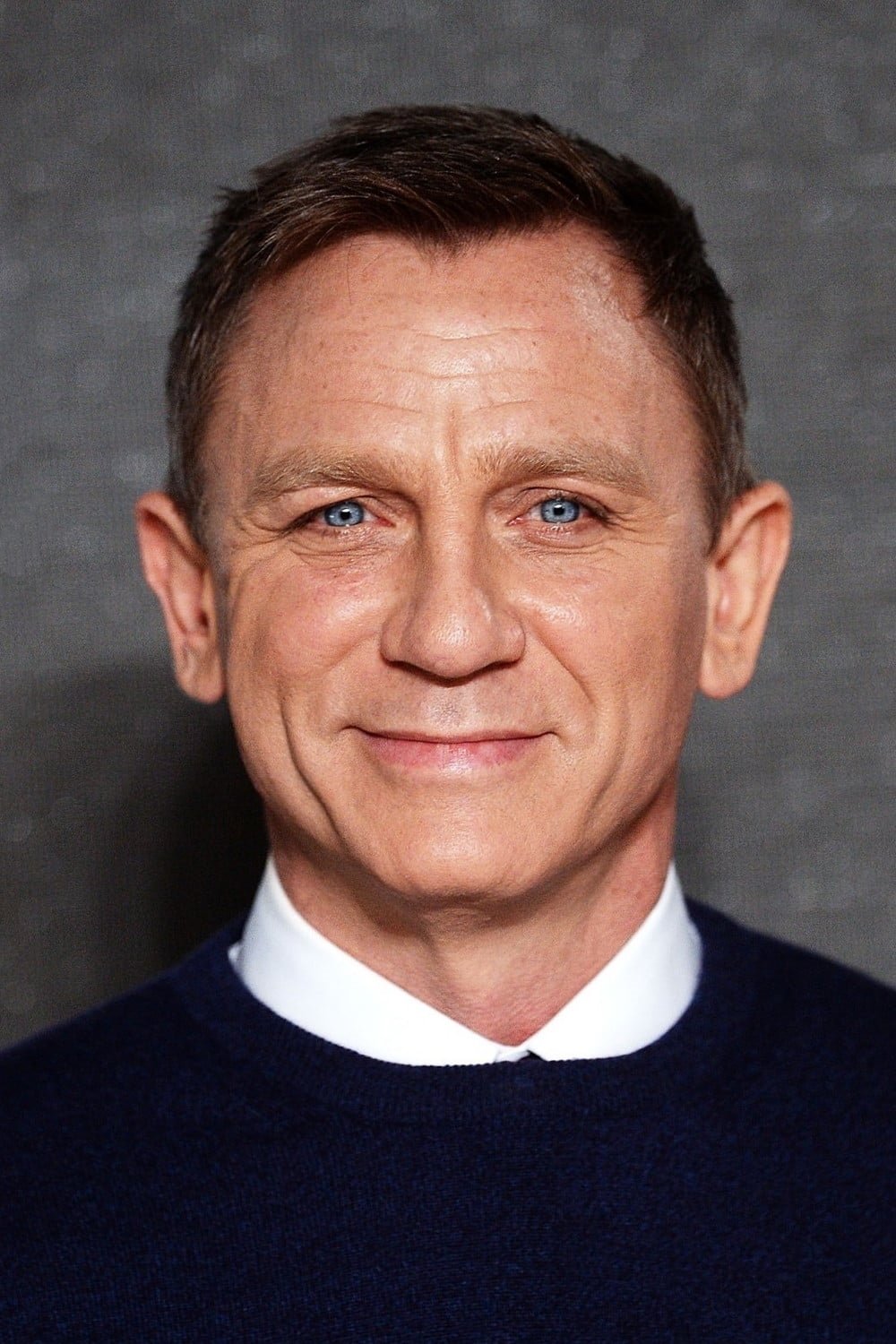
Daniel Craig’s physical commitment to the role of James Bond often led to discussions about how long he could sustain the performance. By the release of ‘No Time to Die’, the actor was 53 and had sustained numerous injuries throughout his 15-year run as the character. Some reviewers noted that the gritty, high-impact style of his Bond films made his advancing age more visible compared to his predecessors. Craig was open about the toll the movies took on his body, famously stating he would rather “slash his wrists” than do another Bond film immediately after ‘Spectre’. His final outing focused heavily on the character’s legacy and the physical cost of his career.
Denzel Washington
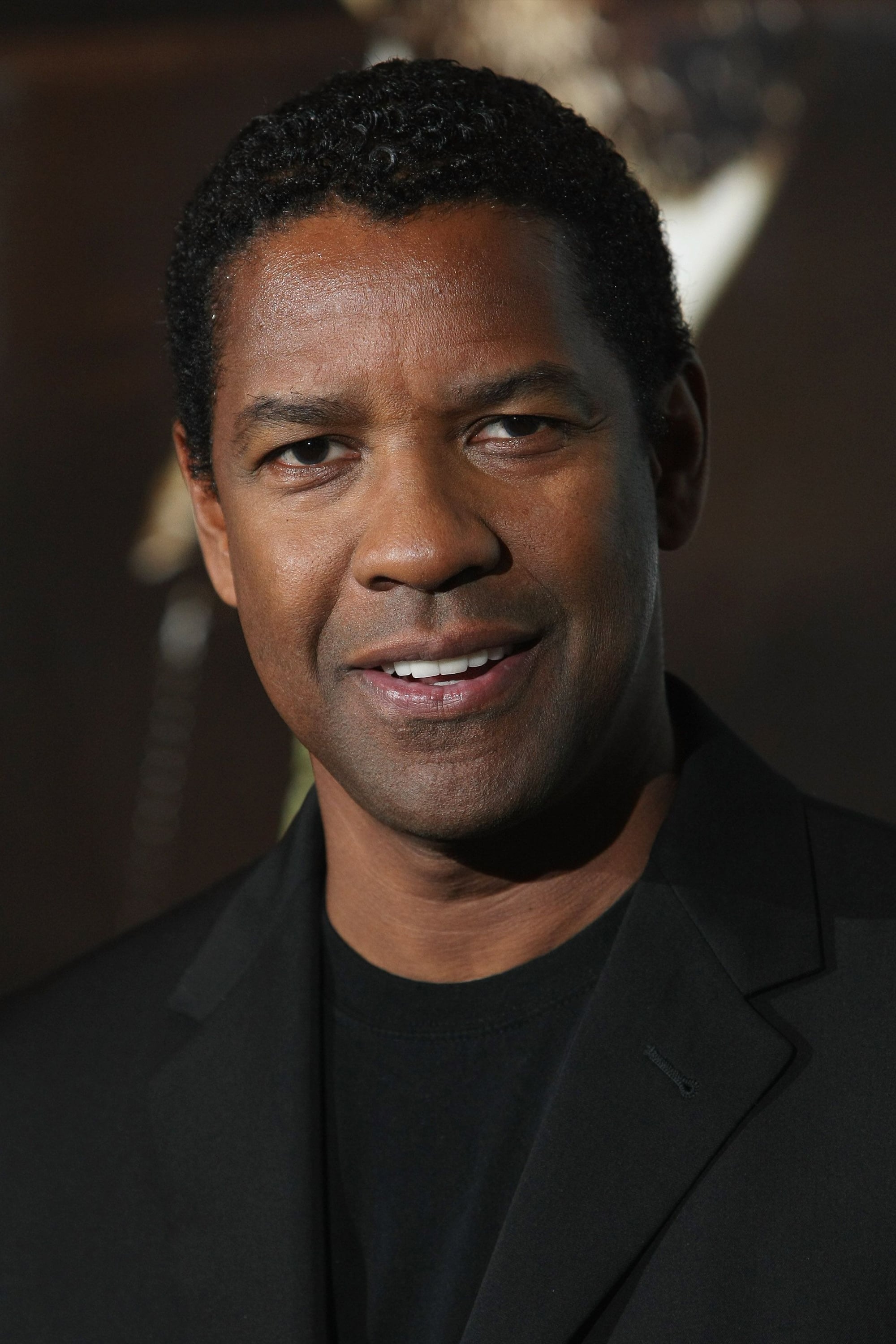
Denzel Washington has enjoyed a prolific run in ‘The Equalizer’ trilogy, despite entering his late 60s during the production of the third installment. While his performance as Robert McCall is highly praised, some commentators have pointed out the transition toward more stationary combat and quick cuts. The third film moved the setting to Italy, allowing for a change of pace that reflected the character’s desire for peace. Washington has often countered age-related criticism by focusing on the tactical and psychological aspects of his characters rather than pure athleticism.
Bruce Willis

Bruce Willis faced mounting criticism in the decade leading up to his retirement for his frequent appearances in direct-to-video action films. Observers noted that his performances often lacked the energy and physical engagement seen in his earlier ‘Die Hard’ years. Many critics felt he was being miscast in roles that required high-level physical stunts, which were often performed by doubles. It was later revealed that he was battling aphasia and frontotemporal dementia, which explained his declining involvement on screen. His late-career filmography consists of dozens of action titles where he often played the role of a mentor or high-ranking official to limit physical demands.
Keanu Reeves
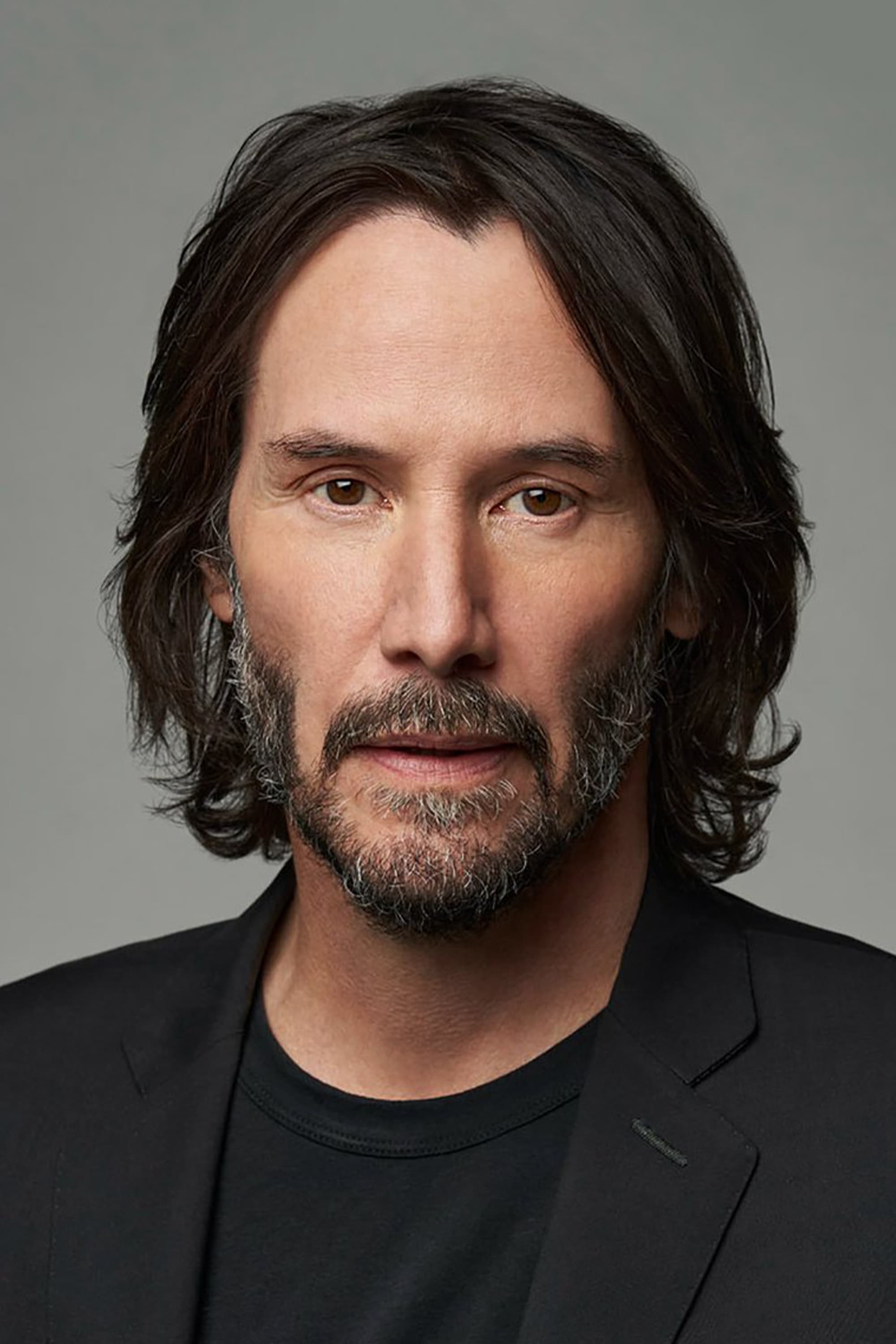
Keanu Reeves redefined his career with the ‘John Wick’ series, but by ‘John Wick: Chapter 4’, questions about his age began to surface. At 58, Reeves performed many of his own stunts, yet some critics noted a slight sluggishness in his movements compared to the first film. The sheer length and physical intensity of the fourth installment pushed the actor to his limits, leading to discussions about the sustainability of the franchise. Reeves has been praised for his dedication to training, but he has also acknowledged the increasing difficulty of recovering from such demanding shoots. The film’s ending left the future of the character ambiguous, reflecting the natural conclusion of a physically taxing journey.
Bob Odenkirk
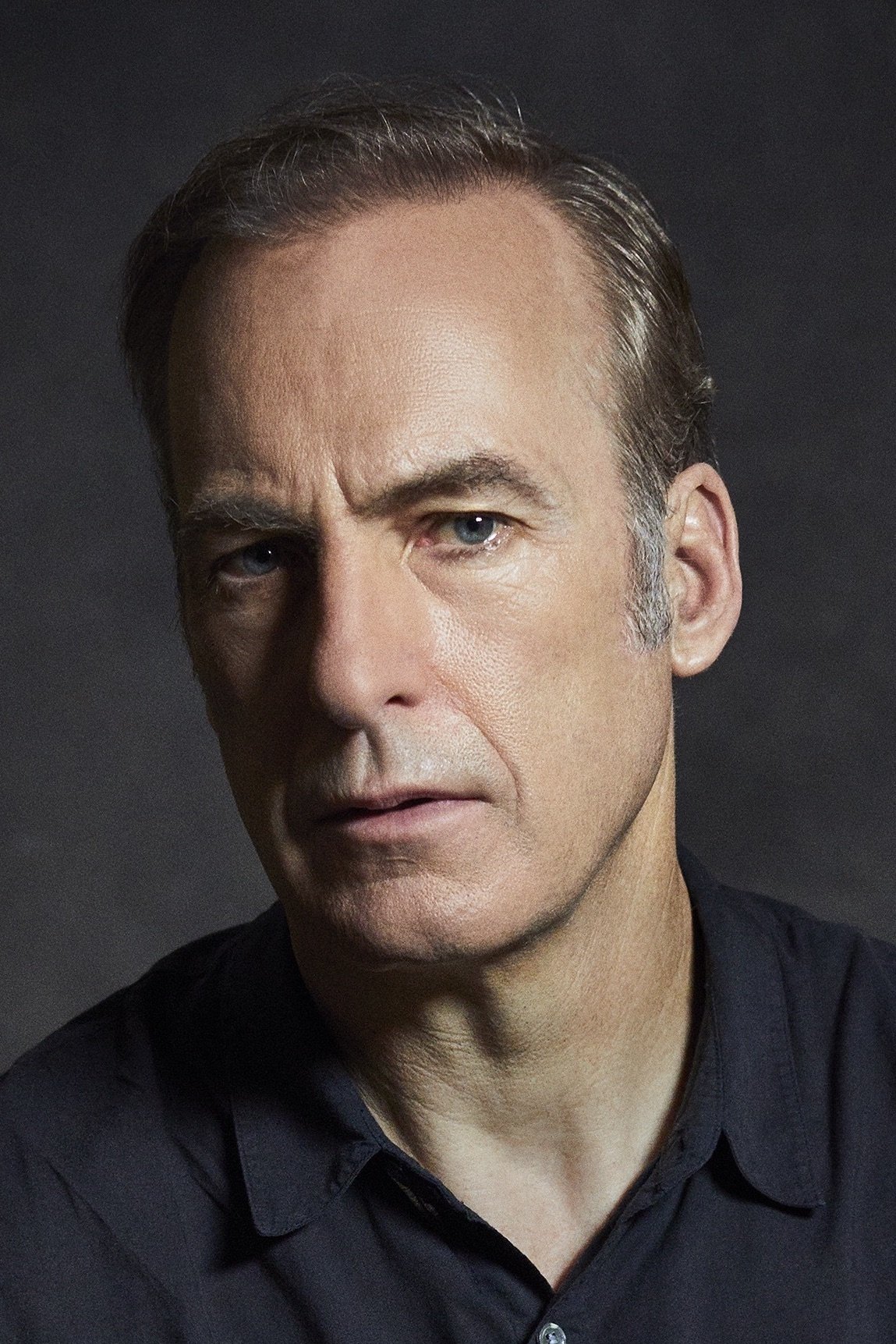
Bob Odenkirk was considered an unconventional choice for an action lead in ‘Nobody’, primarily due to his age and previous reputation as a comedic actor. At 58, he underwent two years of intensive physical training to play the role of a retired government assassin. While some skeptics initially called him too old or physically unsuitable for the genre, the film was a commercial and critical success. Odenkirk used the criticism to his advantage, portraying a character whose weathered appearance hides a lethal set of skills. His performance proved that actors could successfully transition into the action genre with proper preparation and dedication.
Pierce Brosnan
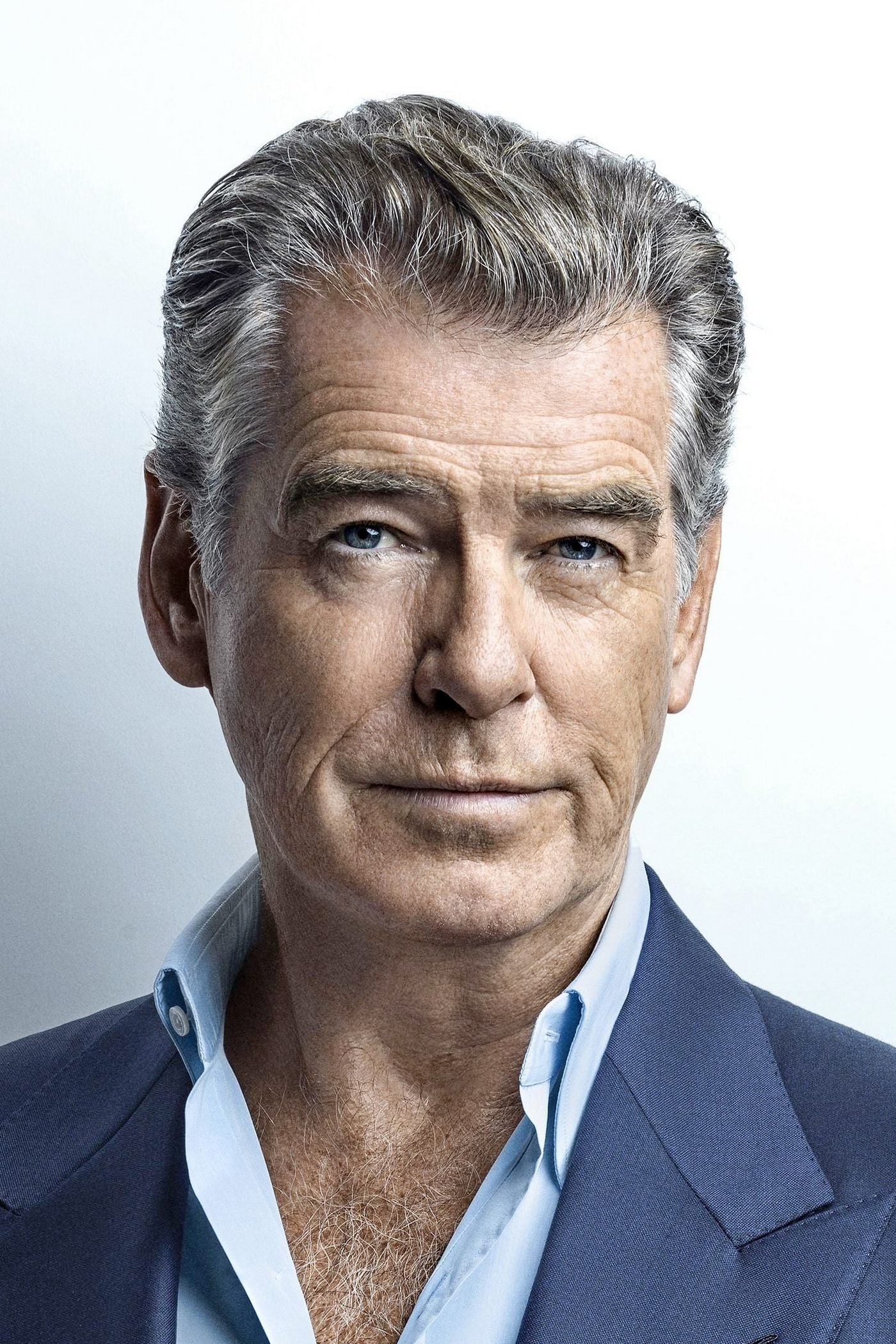
Pierce Brosnan has continued to take on action roles long after his departure from the James Bond franchise. Films like ‘The November Man’ and ‘The Misfits’ saw him playing veteran operatives, often drawing comparisons to his younger days as 007. Critics have occasionally noted that while he retains his charm, the high-speed action sequences sometimes feel mismatched with his current physical stage. In ‘Black Adam’, he played Doctor Fate, a role that utilized his maturity and presence while relying on CGI for the more intense action.
Mel Gibson
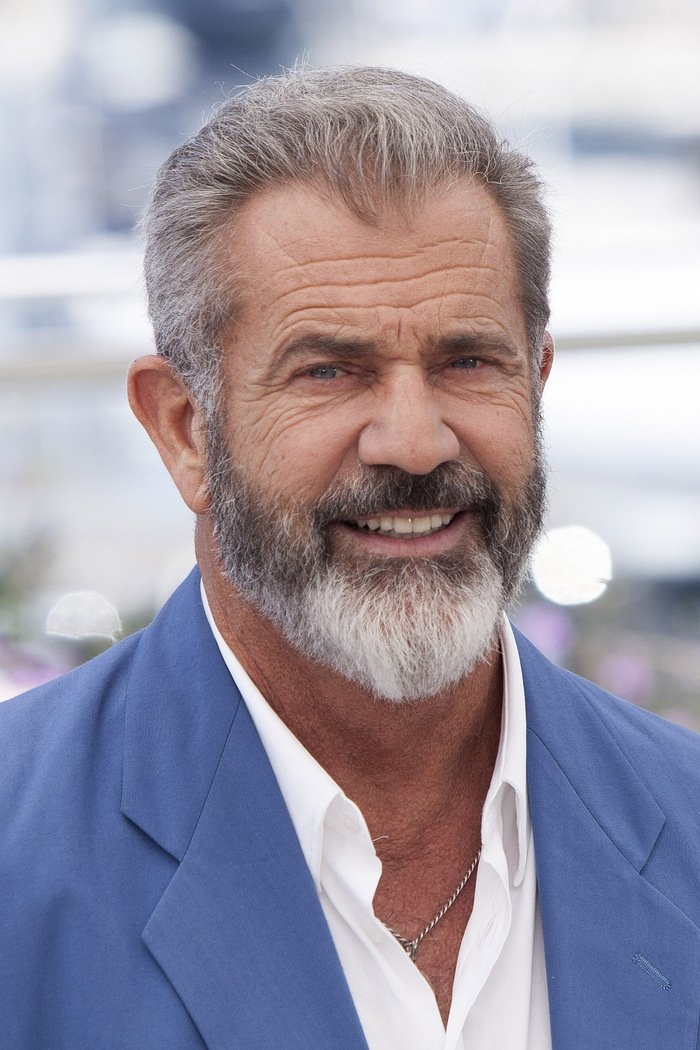
Mel Gibson returned to the action genre in his late 50s and 60s with films like ‘Blood Father’ and ‘The Expendables 3’. Critics often highlighted the ruggedness and aging of his persona as he moved into these grittier roles. While he maintains a high level of physical intensity, the narrative focus of his recent action work often emphasizes the character’s past regrets and physical weariness. Some reviewers felt his inclusion in ‘The Expendables 3’ as the villain was a nod to his action legacy, though he was visibly older than his ‘Mad Max’ heyday.
Kevin Costner
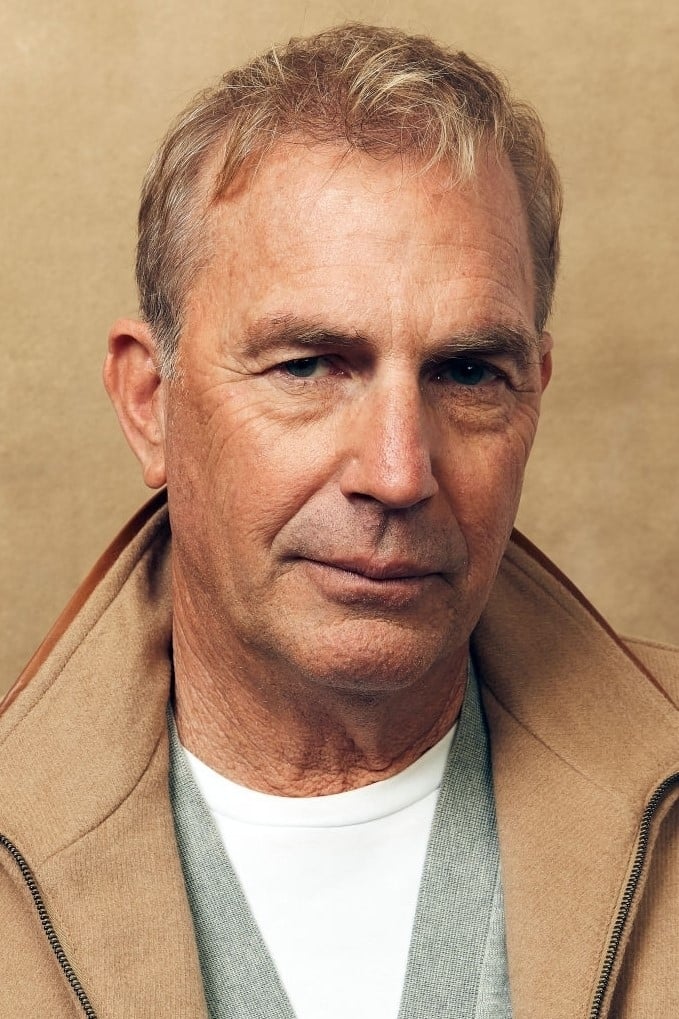
Kevin Costner attempted a late-career pivot to lead action roles with the film ‘3 Days to Kill’. At 59, he played an aging CIA hitman trying to reconnect with his family while completing one last mission. Reviews were mixed, with some critics suggesting that the high-energy action felt forced for an actor of his temperament and age. Despite this, he found significant success in the neo-western genre with ‘Yellowstone’, which features a different type of physical grit. Costner’s transition back to action was seen by some as an attempt to replicate the success of the “geriaction” trend.
Robert De Niro
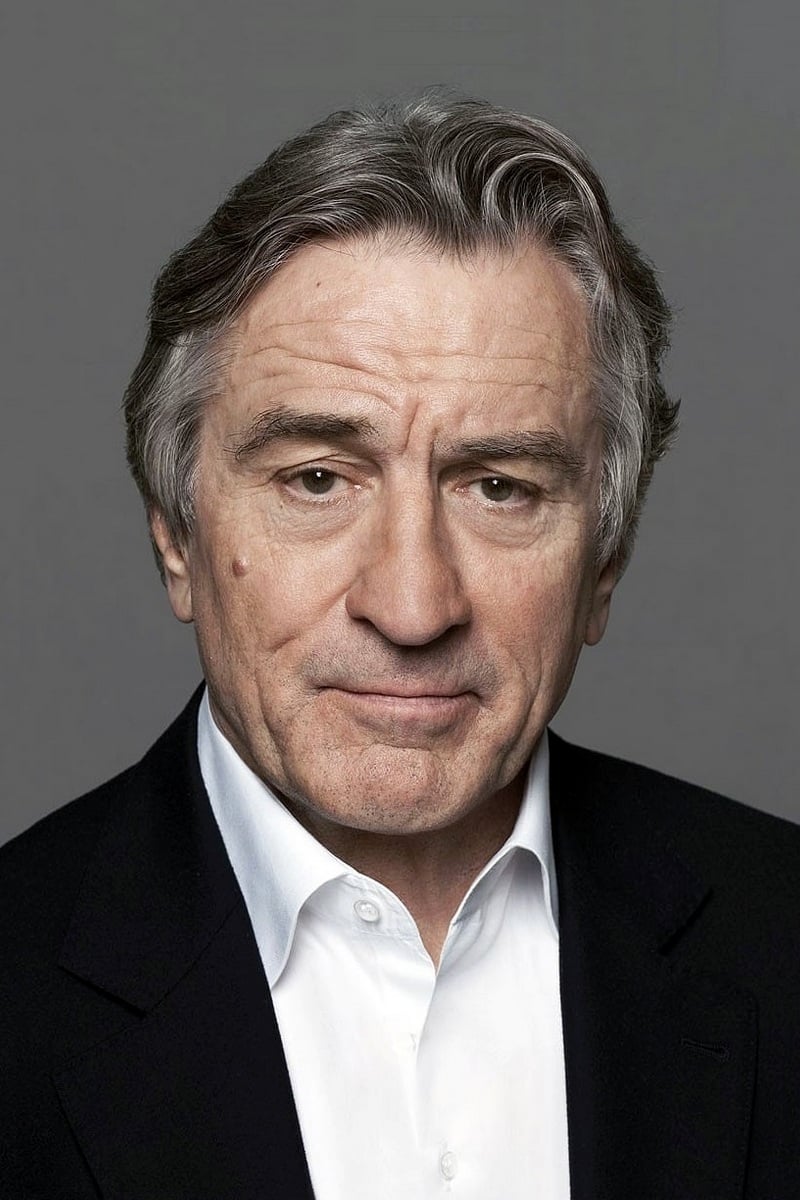
Robert De Niro faced intense criticism for his role in ‘The Irishman’, particularly during a scene where his character beats up a grocery store owner. Although the film used expensive de-aging technology to make him look younger, his physical movements betrayed his real age of 76. The scene became a viral point of discussion, with many arguing that a younger stunt double should have been used for the physical task. This highlighted the limitations of digital de-aging when an actor’s physical agility does not match their visual appearance. De Niro has since focused on roles that are more suited to his actual age and physical capabilities.
Clint Eastwood
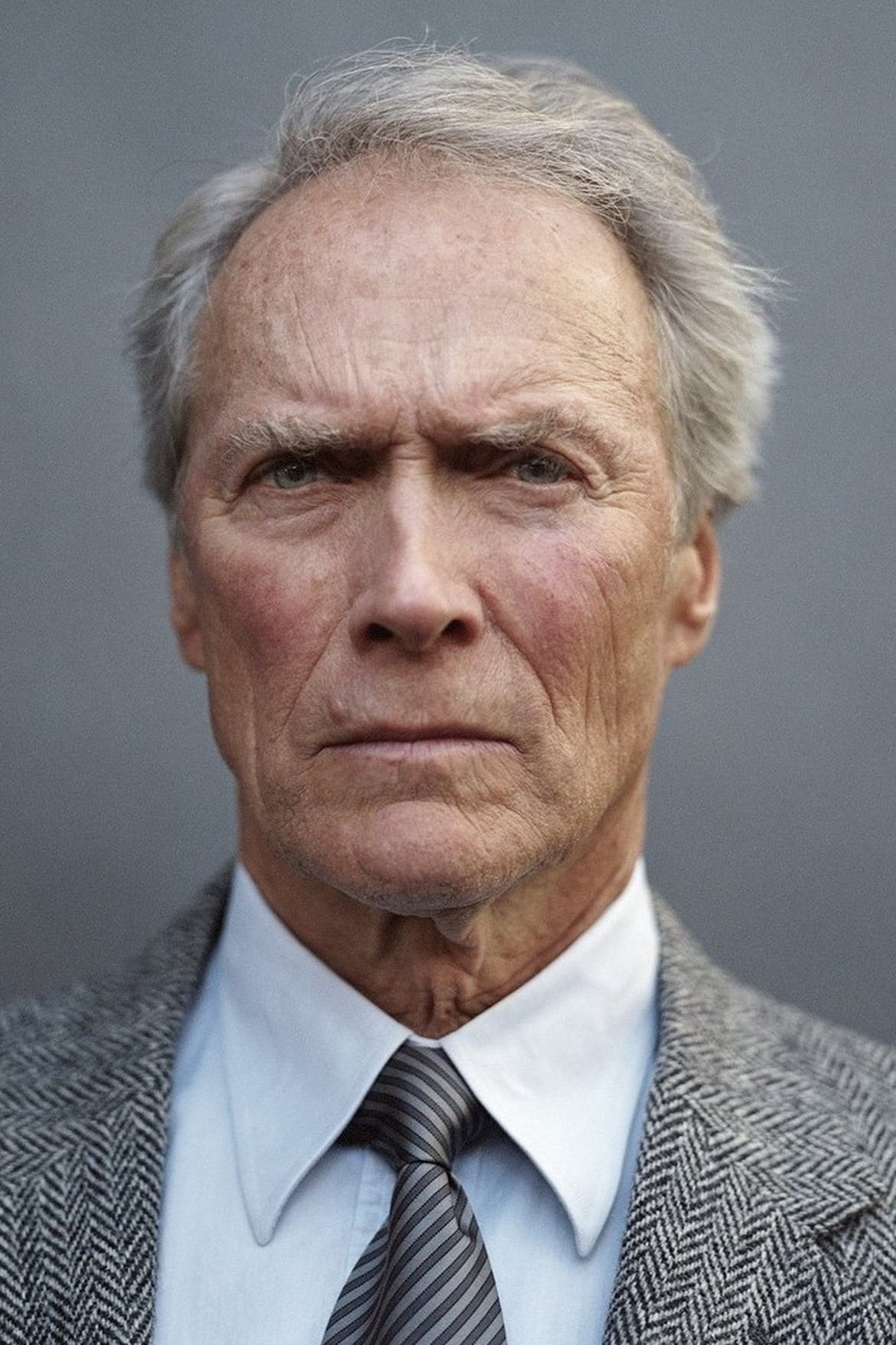
Clint Eastwood has long been the face of the “tough old man” trope, but ‘Cry Macho’ pushed the boundaries of believability for some critics. At 91, Eastwood played a former rodeo star tasked with a cross-country journey that involved physical altercations. Reviewers noted that his physical frailty made the action beats feel improbable and at times uncomfortable to watch. While his directorial skill remained respected, the consensus was that he had finally reached an age where leading an action-oriented drama was a stretch. Eastwood has often used his films to explore the theme of aging, but this film was seen as the limit of that exploration.
Jackie Chan
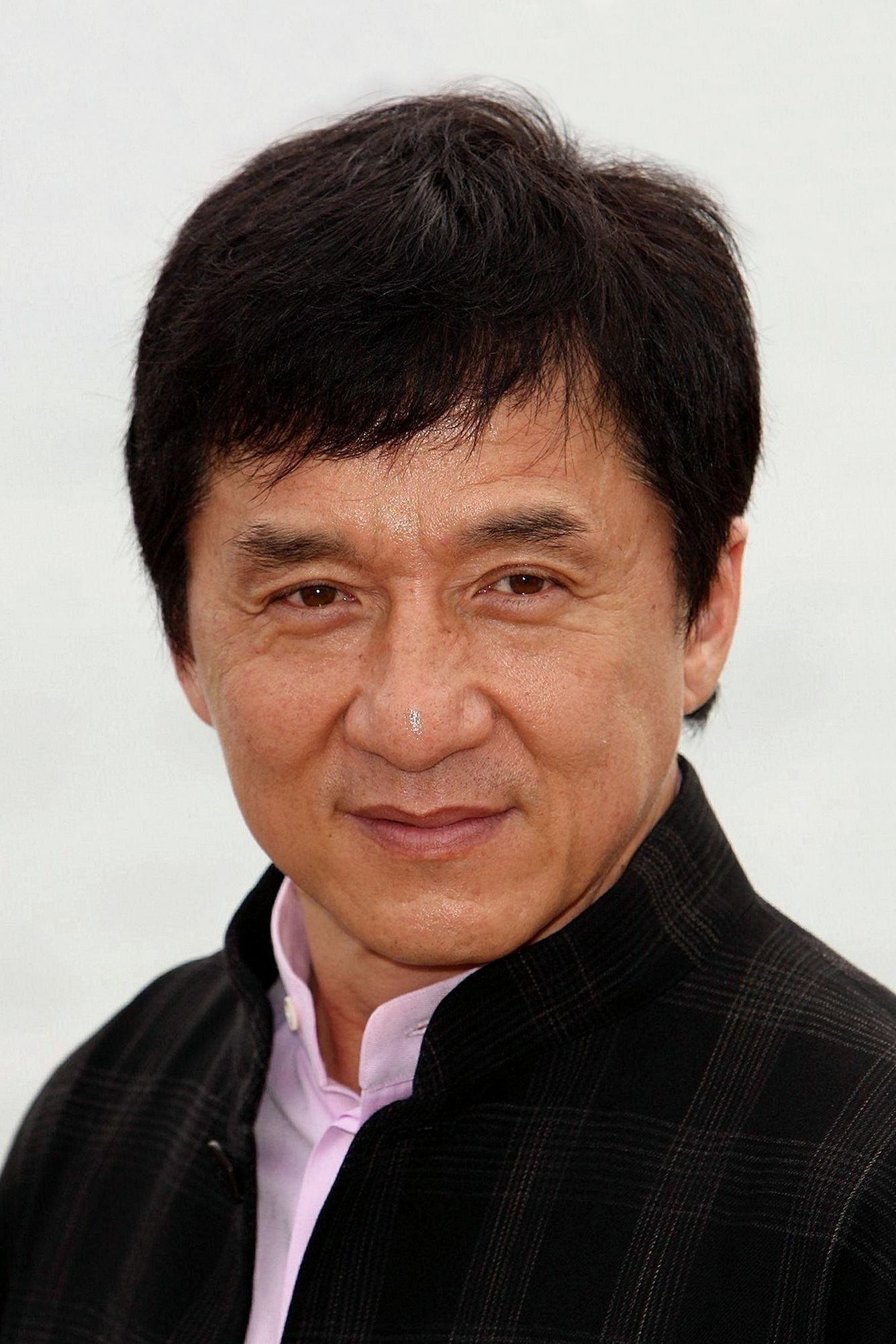
Jackie Chan is legendary for performing his own stunts, but in his later years, the toll on his body became a subject of critical review. Films like ‘The Foreigner’ saw him playing a more grounded, slower character, which critics praised as a smart adjustment to his age. However, in more traditional action-comedies like ‘Vanguard’, viewers noted a heavy reliance on CGI and less complex choreography than his classic works. Chan has openly discussed the numerous injuries he has sustained and how they have forced him to change his approach to filmmaking. He remains active in the industry, though he often plays roles that allow for more dramatic depth.
Danny Glover
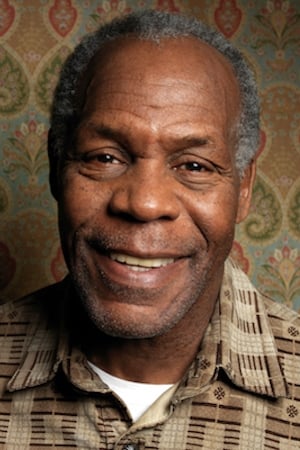
Danny Glover’s character in the ‘Lethal Weapon’ franchise famously popularized the catchphrase regarding being too old for his job. Ironically, Glover was only 40 when the first film was released, but by ‘Lethal Weapon 4’ in 1998, the sentiment felt more literal to audiences and critics. The franchise repeatedly played his age for laughs, contrasting his cautious nature with Mel Gibson’s reckless energy. As the series progressed, the physical disparity between the two leads became a central plot point for the writers.
Jason Statham
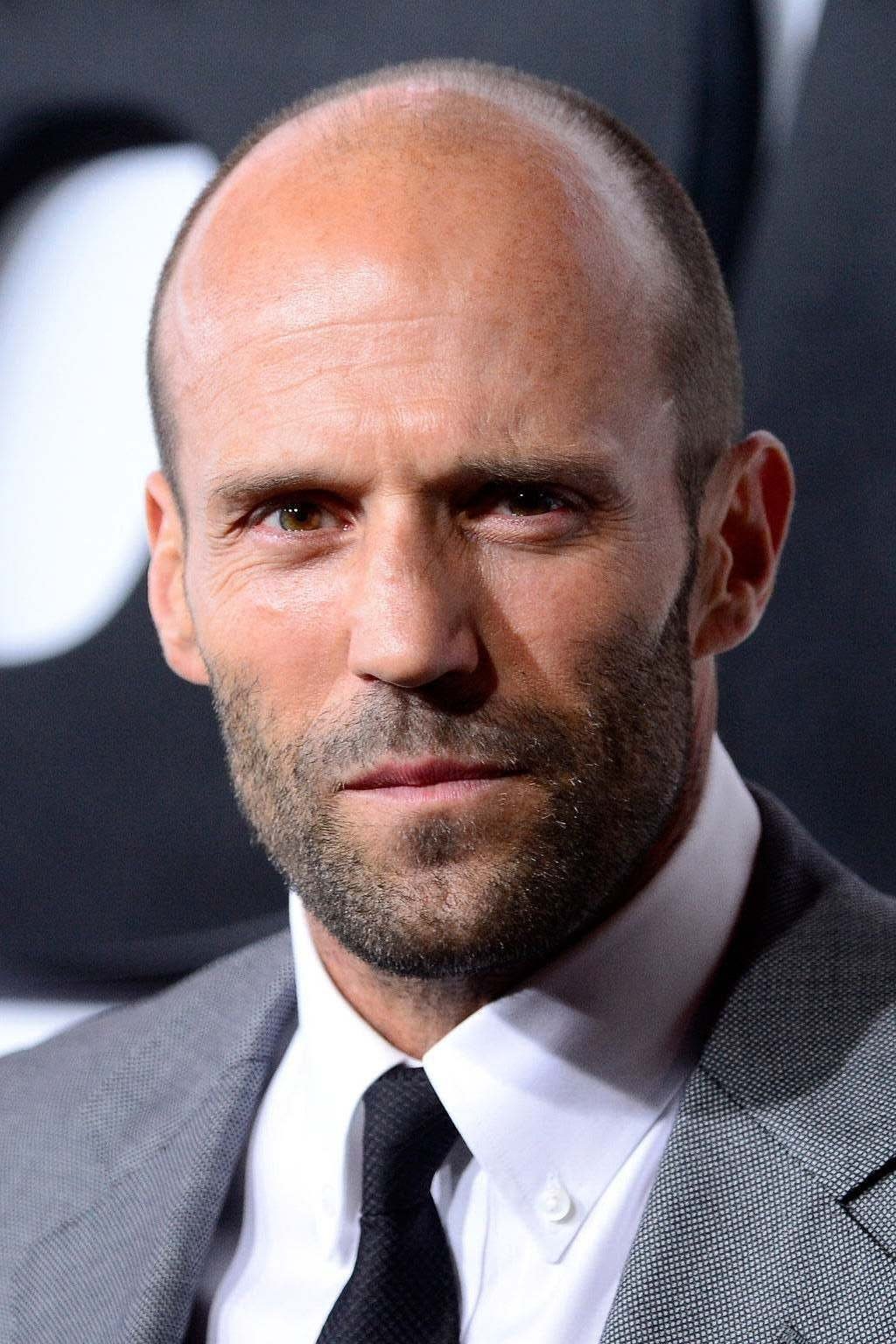
Jason Statham has been a staple of the action genre for decades, but as he reached his mid-50s, some critics began to question his “invincible” persona. In ‘The Expendables 4’ and ‘The Beekeeper’, reviewers pointed out that while he remains in peak physical condition, the genre’s tropes are beginning to wear thin. Statham continues to perform high-intensity fight sequences, but the surrounding casts are often significantly younger, highlighting his veteran status. He has resisted shifting into more dramatic or “aged” roles, preferring to maintain the high-octane style that made him famous. Fans continue to support his work, though discussions about his eventual transition away from pure action are common.
Antonio Banderas
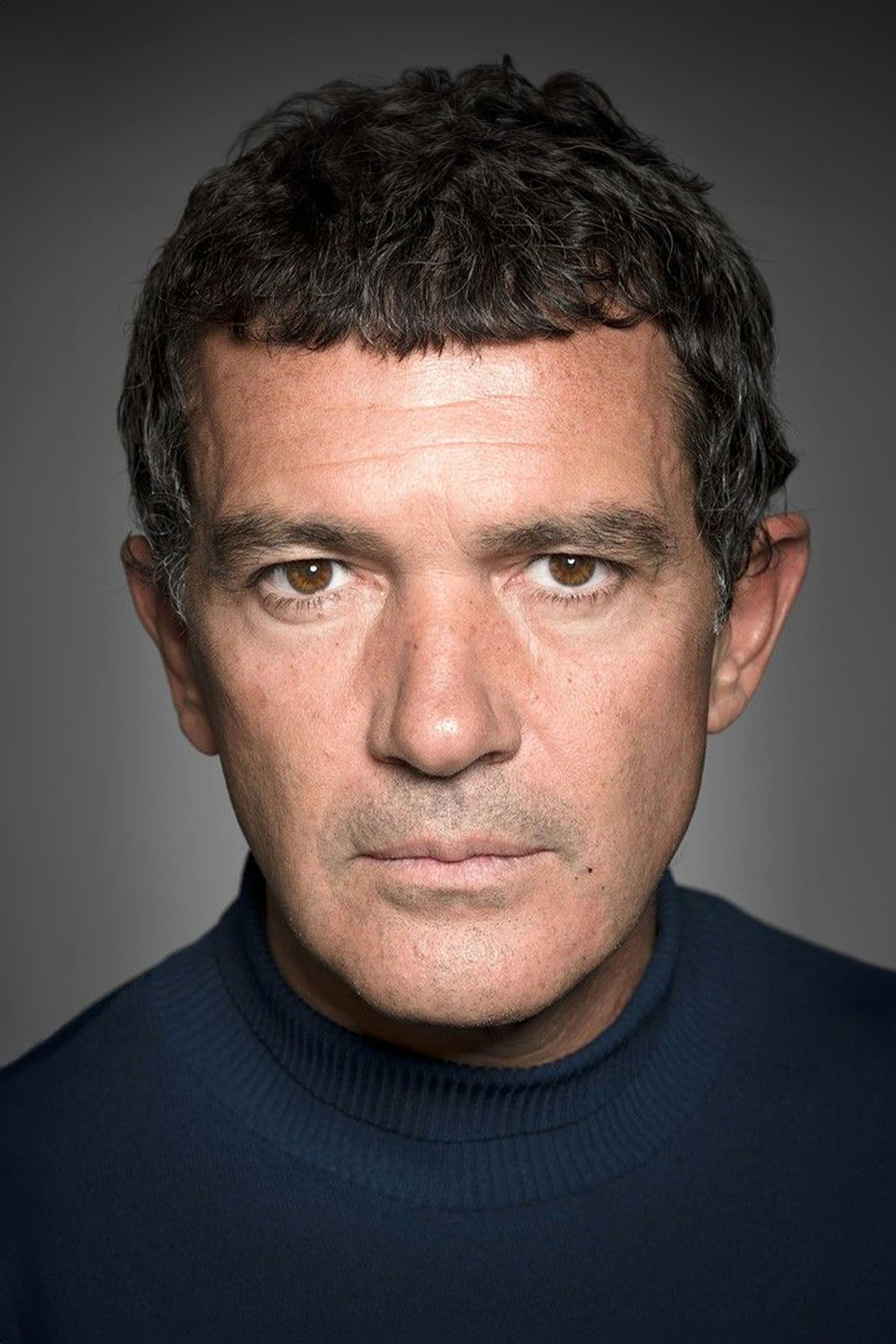
Antonio Banderas joined the cast of ‘The Expendables 3’ as a high-energy combatant, but his age was a frequent topic in reviews. Later, in ‘Indiana Jones and the Dial of Destiny’, he played a smaller, less physically demanding role, which some felt was a missed opportunity for the former ‘Zorro’ star. Critics have noted that while he still possesses the charisma of an action lead, his recent roles often relegate him to a supporting capacity. Banderas has dealt with health scares that he has said changed his perspective on physical roles. He now balances his career between voice acting, drama, and occasional action appearances.
Dolph Lundgren
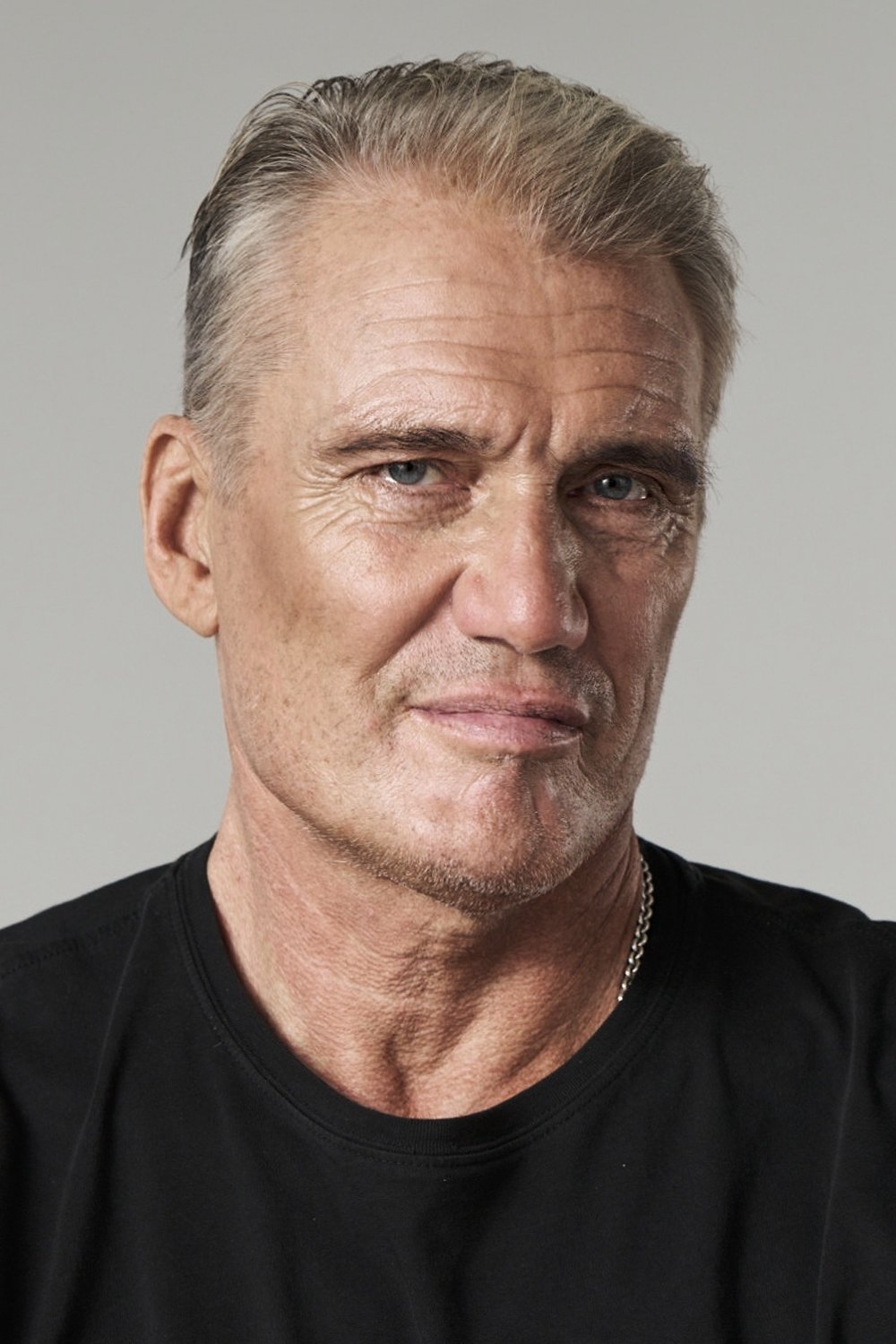
Dolph Lundgren has maintained a steady presence in action films, but his role in ‘The Expendables 4’ saw him taking a back seat to younger stars. Critics noted that his physical movements appeared more restricted than in previous installments, partly due to his real-life health battles. Lundgren has been open about his fight with cancer, which added a layer of poignancy to his continued work in the genre. Despite the physical challenges, he remains a fan favorite and a symbol of the 1980s action era.
Jean-Claude Van Damme
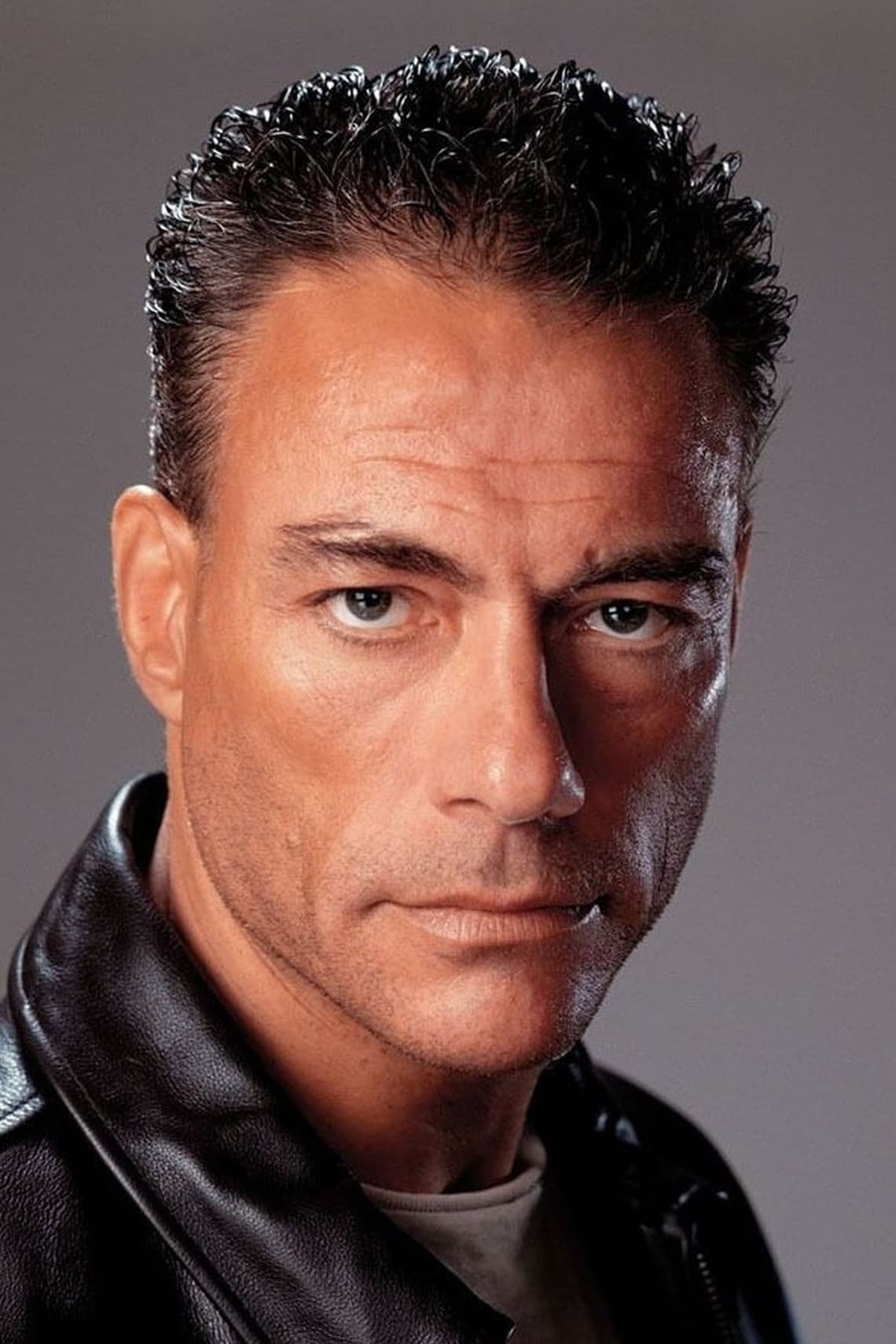
Jean-Claude Van Damme has pivoted toward self-aware action-comedies like ‘The Last Mercenary’ as he entered his 60s. Critics have occasionally called him too old for the acrobatics that defined his early career, but he often incorporates these critiques into his characters. In the series ‘Jean-Claude Van Johnson’, he played a fictionalized version of himself grappling with his fading stardom and physical decline. This meta-approach has allowed him to continue in the action genre while acknowledging the reality of aging. He remains one of the few martial arts stars who has successfully satirized his own “too old” narrative.
Steven Seagal
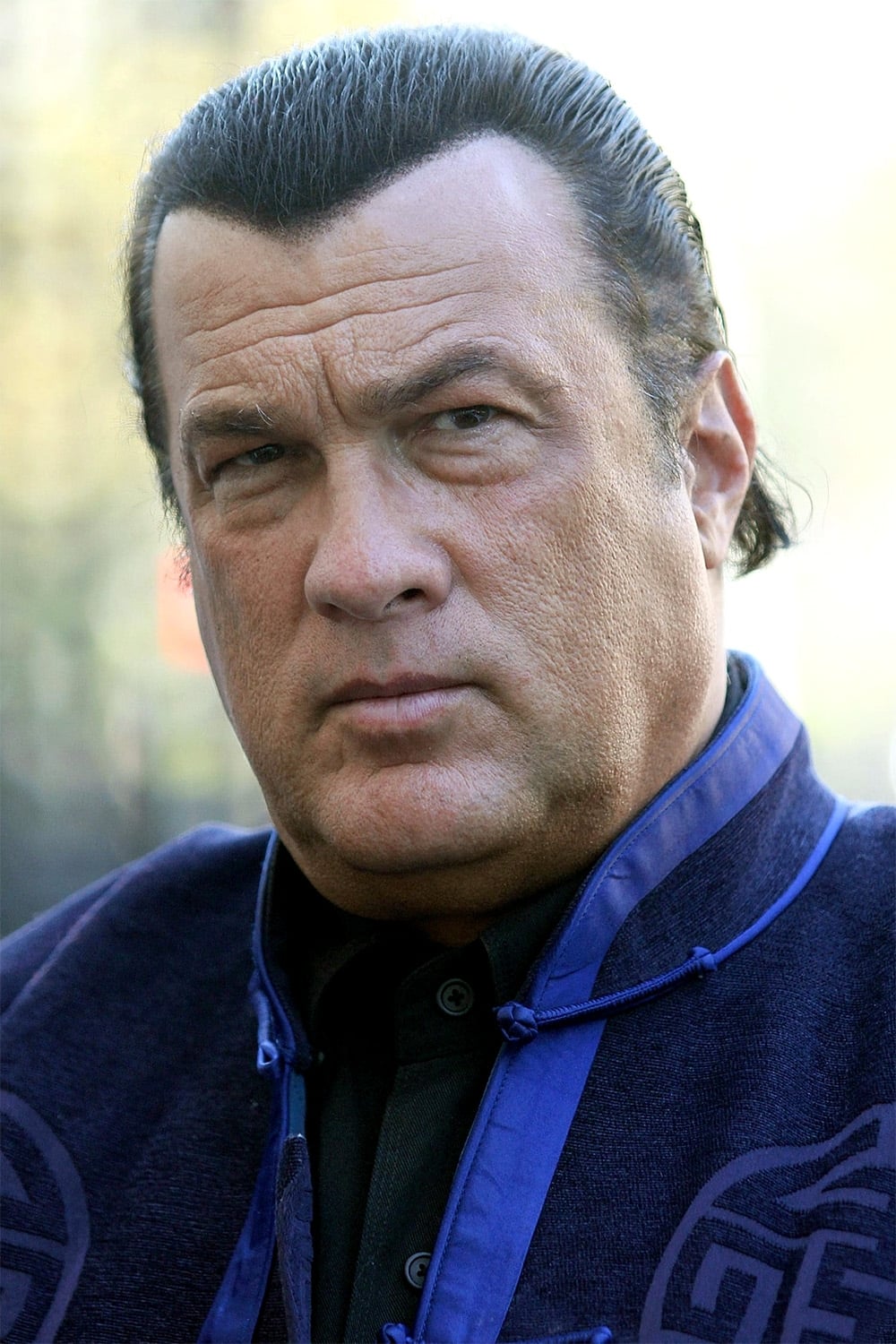
Steven Seagal has faced extensive criticism for his late-career action films, which are almost exclusively direct-to-video releases. Critics and audiences have frequently pointed out his lack of physical mobility, often noting that he remains seated for the majority of his scenes. The use of obvious stunt doubles and “body-swapping” in fight sequences has become a hallmark of his recent work, leading to widespread mockery. Unlike his peers who have stayed in shape or adapted their roles, Seagal has been criticized for not maintaining the physical standards required for the genre. His films continue to be released, though they are often cited as examples of an action star staying too long in the spotlight.
Hugh Jackman
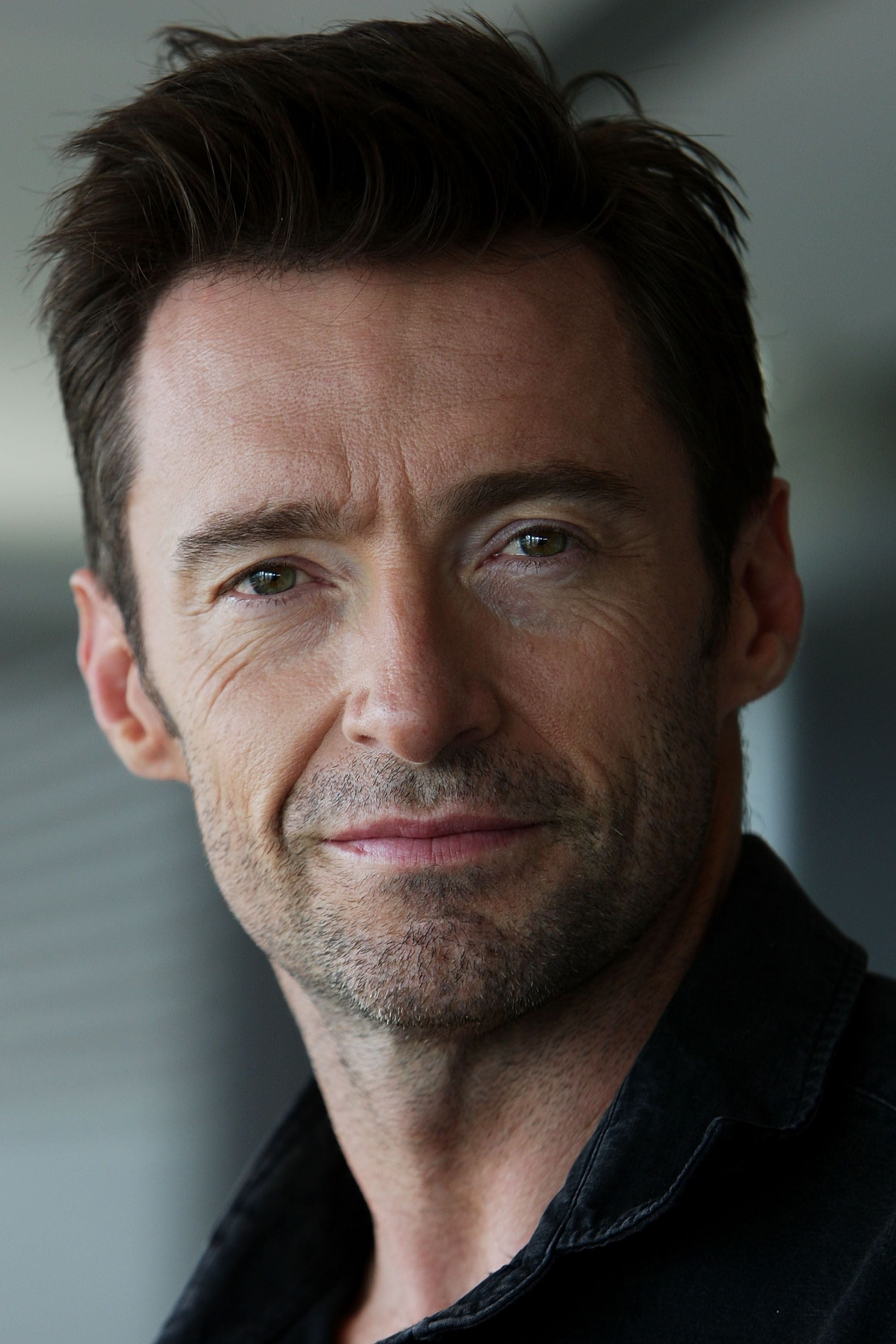
Hugh Jackman’s departure from the role of Wolverine in ‘Logan’ was largely driven by the actor’s feeling that he was getting too old for the grueling physical demands. At 48, he felt the intense dieting and training required to play the superhero were becoming unsustainable and unhealthy. The film itself embraced this, portraying an older, physically declining version of the character whose healing factor was failing. Critics praised this direction, noting that it provided a mature and realistic conclusion to his long run. Jackman later decided to return for ‘Deadpool & Wolverine’, though the conversation around his age remains a topic of interest.
Ben Affleck
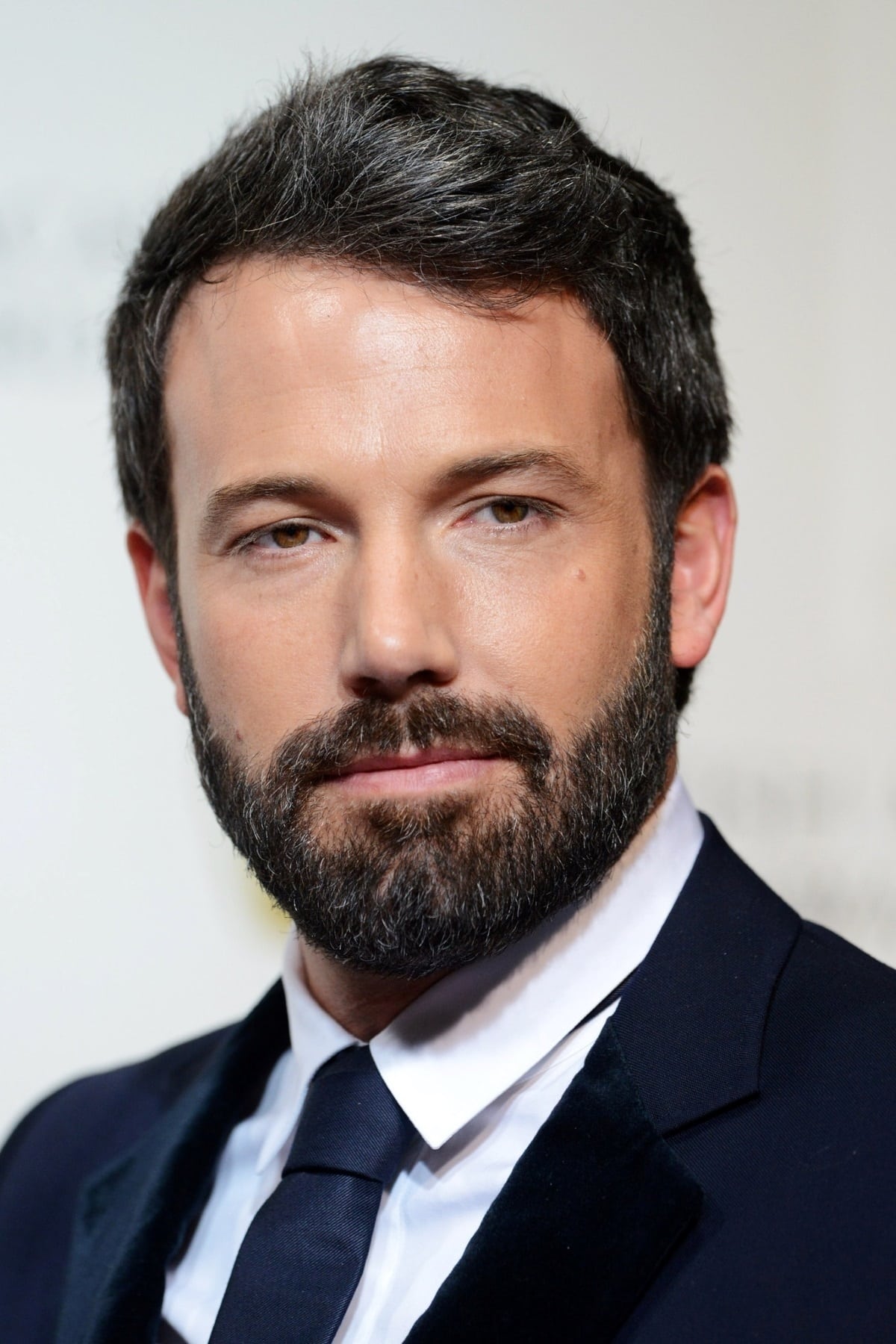
Ben Affleck faced immediate backlash when he was cast as Batman, with many critics arguing he was too old and “weathered” for the role. In ‘Batman v Superman: Dawn of Justice’, his version of Bruce Wayne was intentionally portrayed as a jaded veteran who had been fighting crime for 20 years. While some fans appreciated this take, others felt his physical bulk and age made the character feel sluggish in action scenes. Affleck himself spoke about the difficulty of maintaining the “superhero body” as he entered his mid-40s. His tenure in the role was marked by constant speculation about his physical fitness and commitment to the part.
Charles Bronson
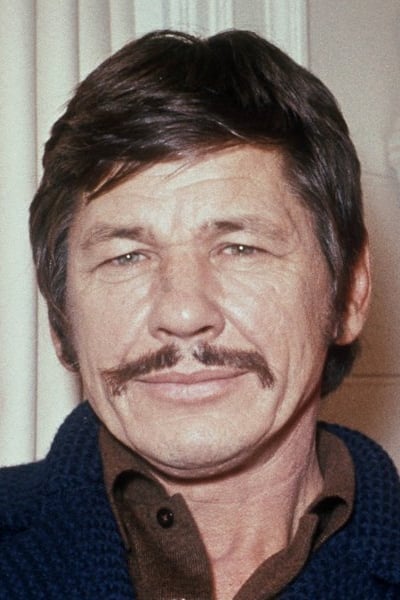
Charles Bronson became an action icon late in life, but by the later ‘Death Wish’ sequels, the age gap was becoming a distraction. In ‘Death Wish V: The Face of Death’, Bronson was 72 years old, and critics noted that his character’s ability to outmaneuver younger criminals was stretching credibility. The films increasingly relied on traps and long-range weapons rather than hand-to-hand combat to accommodate his age. Bronson’s “tough guy” persona remained intact, but the films themselves were often panned for being repetitive and unrealistic. He remains a key figure in the history of the older action protagonist who defied conventional age limits.
Donnie Yen
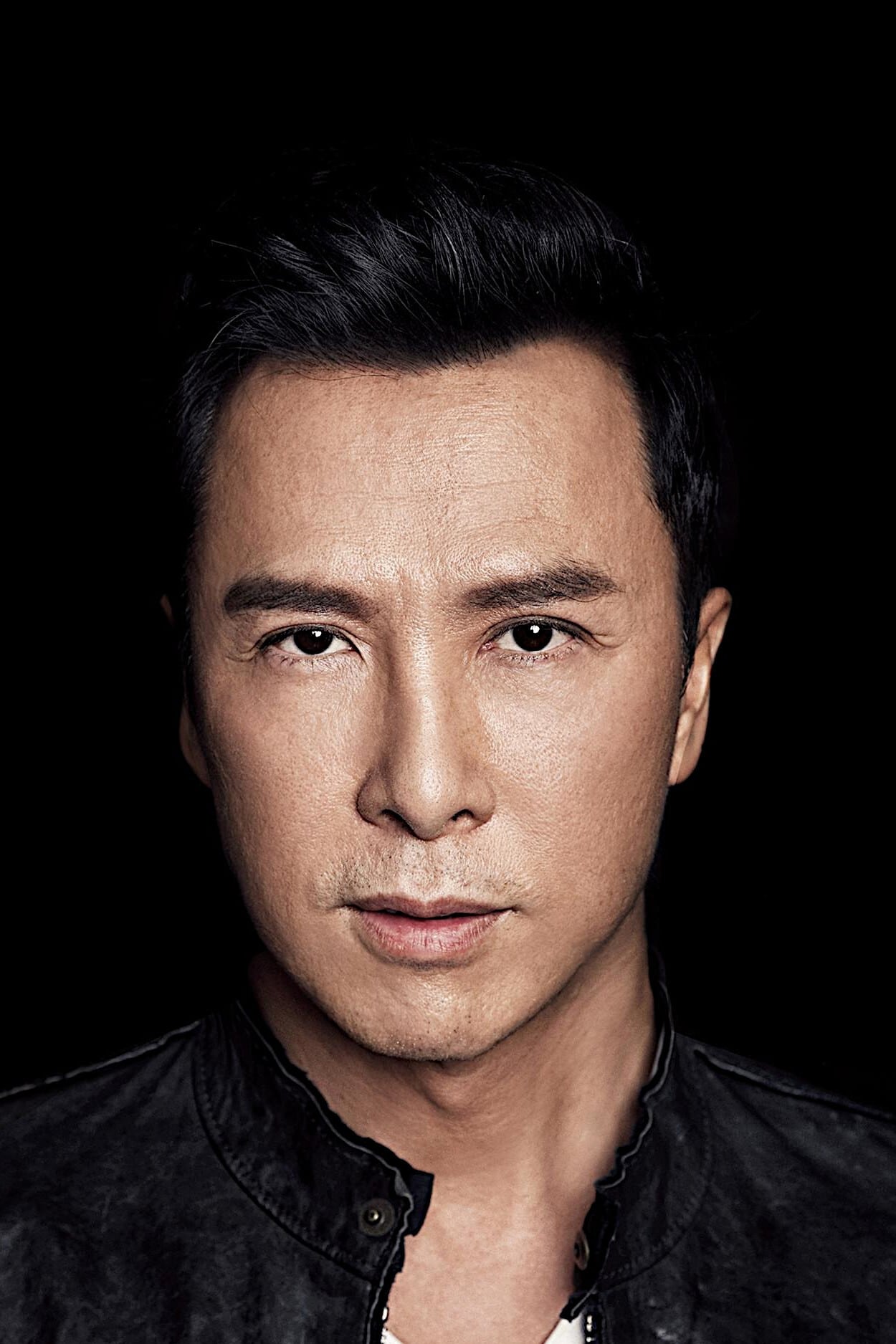
Donnie Yen continues to perform high-level martial arts at the age of 60, but his role in ‘John Wick: Chapter 4’ brought his age into the conversation. Critics marveled at his speed, yet Yen himself has spoken about the increasing time it takes to recover from fight choreography. He played a blind assassin, a role that allowed him to use stylized movements that compensated for any natural slowing of his pace. Despite some “too old” comments from skeptics, Yen’s performance was widely regarded as a highlight of the film. He has expressed a desire to continue in action as long as he can maintain his high standards.
Wesley Snipes
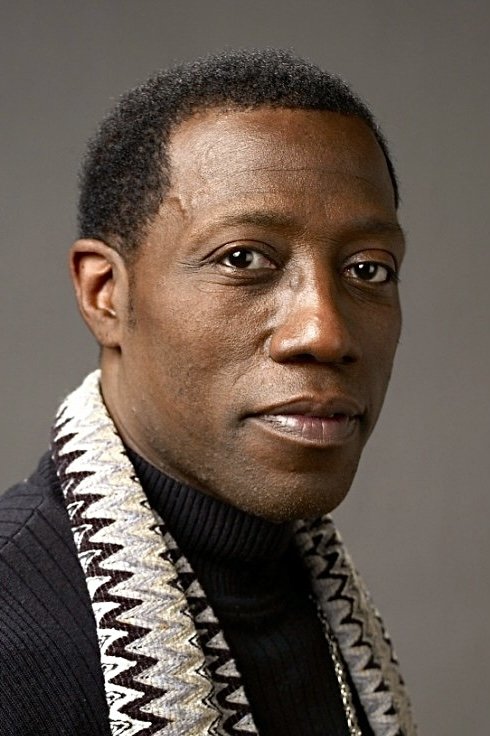
Wesley Snipes made a return to the big screen in ‘The Expendables 3’ after a period away from major Hollywood productions. While he showed glimpses of the agility he possessed in the ‘Blade’ trilogy, some reviewers felt he was no longer the dominant physical force he once was. Snipes has continued to appear in smaller action titles, but the shadow of his earlier iconic roles often leads to comparisons. He has remained in good physical condition, yet the industry has shifted toward younger leads for major franchises.
Mickey Rourke
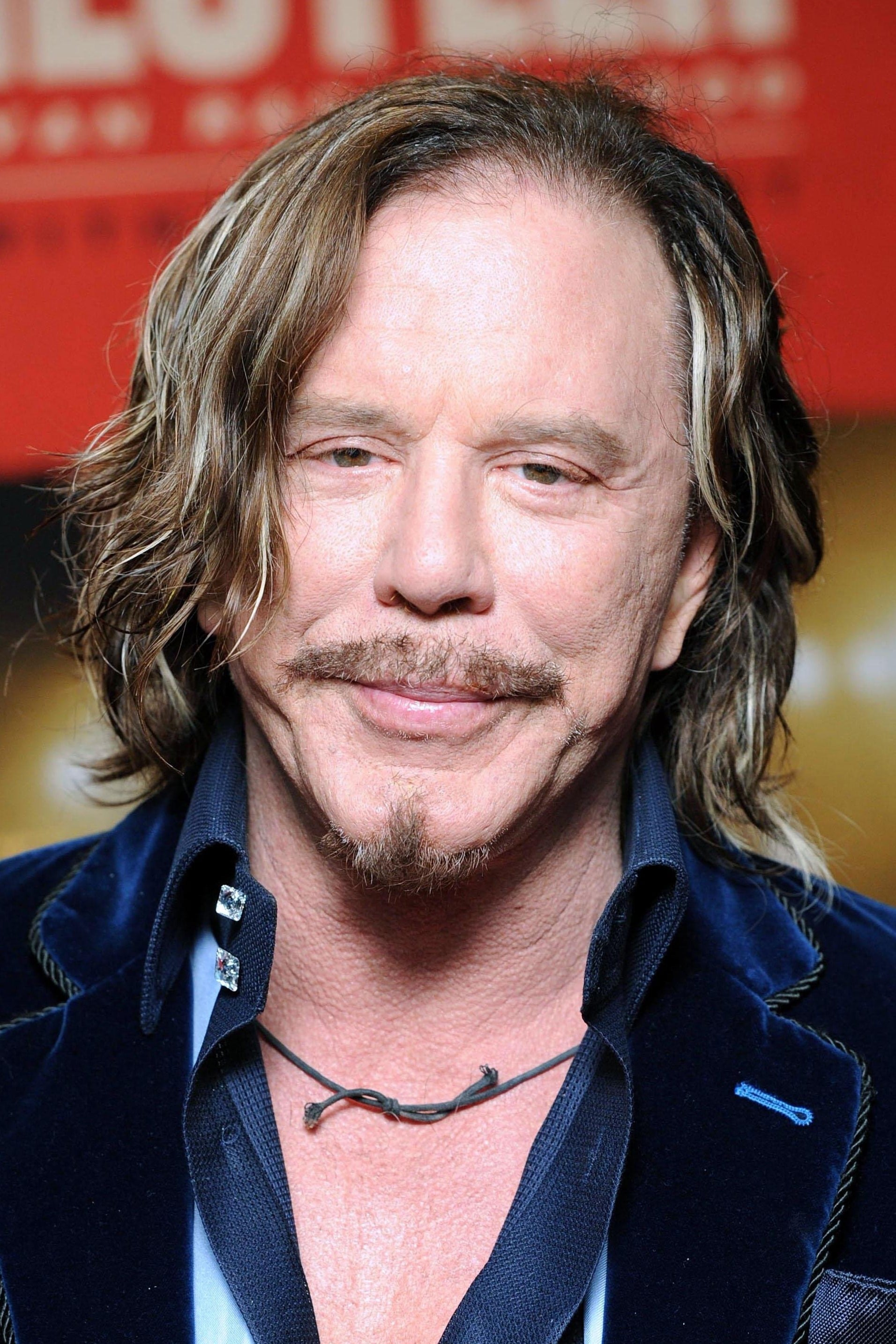
Mickey Rourke experienced a career resurgence with ‘The Wrestler’, which led to his casting as the villain Whiplash in ‘Iron Man 2’. At 57, some critics questioned if he could convincingly go toe-to-toe with Robert Downey Jr. in a high-tech action setting. Rourke’s physical transformation for the role was significant, but his performance was sometimes described as labored. Following ‘Iron Man 2’, Rourke appeared in several low-budget action films where his age and previous boxing injuries were more apparent.
Sean Connery
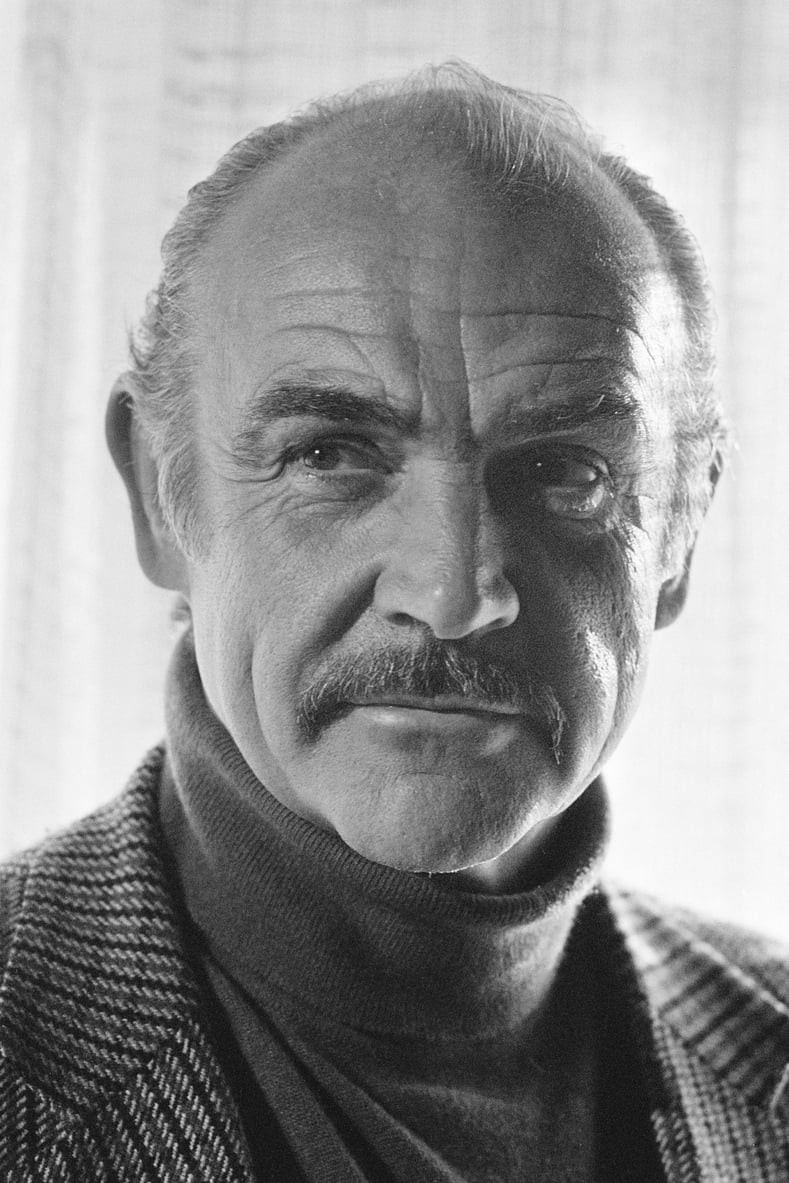
Sean Connery was already in his 50s when he returned for the unofficial Bond film ‘Never Say Never Again’, leading to critiques about him being too old for the character. Later, in ‘The Rock’ and ‘The League of Extraordinary Gentlemen’, he fully embraced the “elderly action hero” archetype. Critics generally enjoyed his turn in ‘The Rock’, where his age added weight to his character’s history as a former SAS operative. However, his final film, ‘The League of Extraordinary Gentlemen’, was plagued by production issues and reviews that suggested the legendary actor was out of place. He retired from acting shortly after the film’s release.
Nicolas Cage
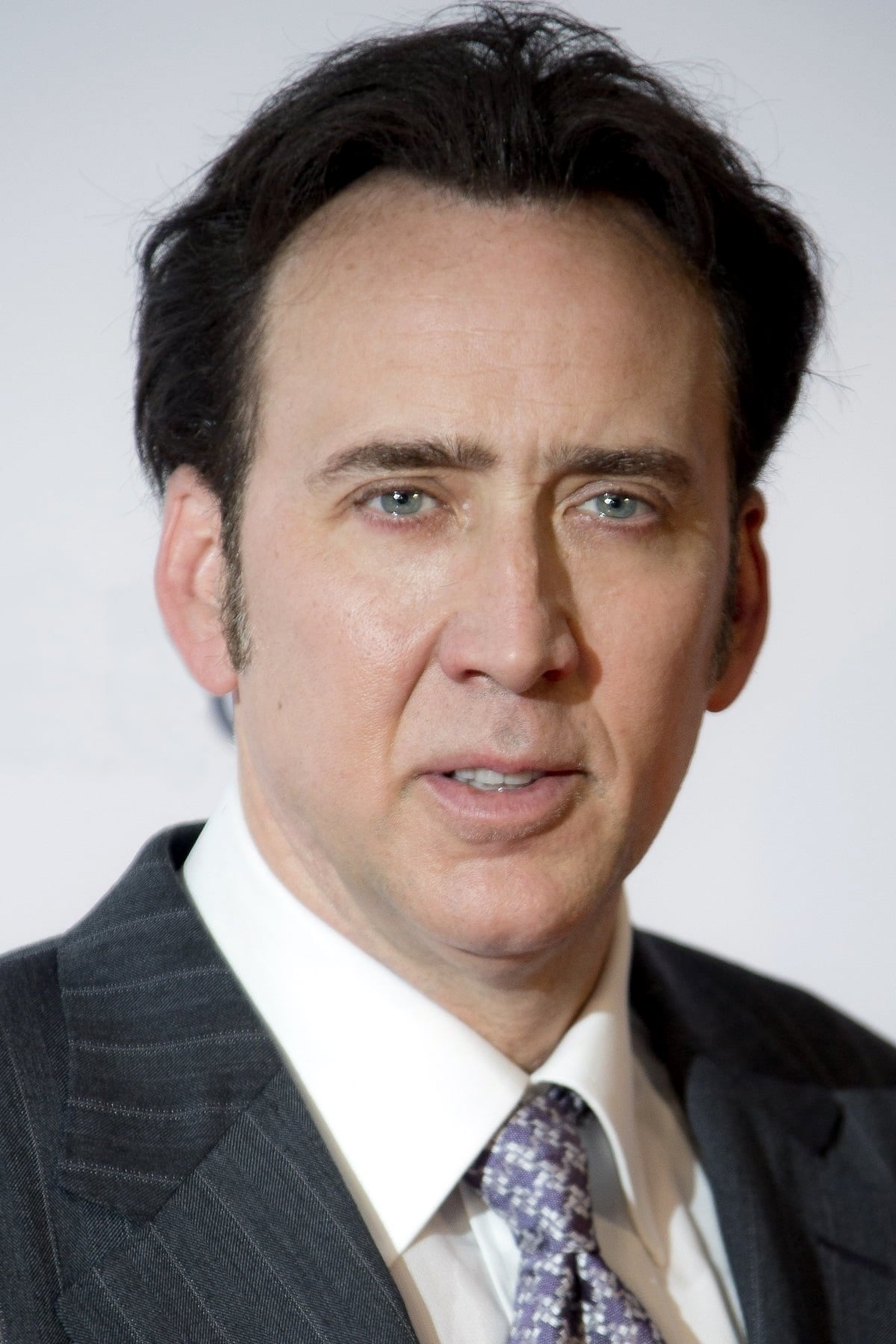
Nicolas Cage has entered a prolific phase of his career, frequently starring in action-heavy VOD thrillers. While he is often praised for his intensity, some critics have noted that his presence in generic action movies sometimes feels like a mismatch for his age and talent. Films like ‘Primal’ and ‘Jiu Jitsu’ saw him in physical roles that were met with mixed reactions regarding his believability as a combatant. Cage has countered this by taking on more experimental and self-reflective roles, such as in ‘The Unbearable Weight of Massive Talent’. He continues to be a polarizing figure in the genre, balancing high-concept action with more grounded dramatic work.
Let us know which of these veteran stars you think still has what it takes to lead an action film in the comments.