Female Actresses Who Claim “Cancel Culture” Is Destroying Creative Freedom


The entertainment industry has undergone a significant transformation as social and professional standards continue to shift in the digital age. Many high profile performers have expressed concern that the current climate of immediate public judgment and professional exclusion is detrimental to the arts. These actresses argue that the fear of being canceled prevents writers and actors from taking the risks necessary to create authentic and challenging work. While the movement for accountability has brought about important changes some believe the pendulum has swung too far toward censorship and a lack of forgiveness.
Cate Blanchett
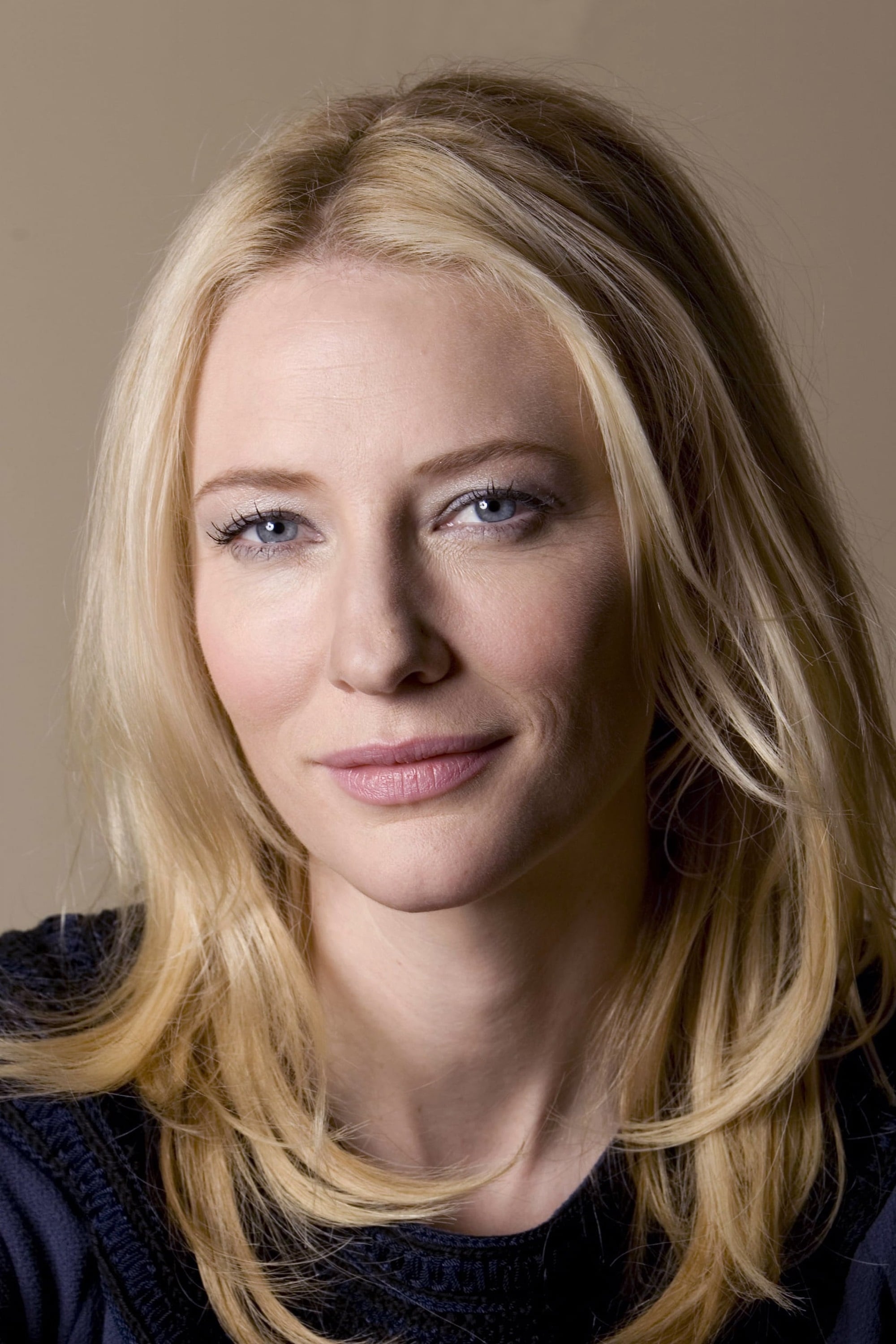
The actress has expressed concern about the potential for creative stagnation when artists are afraid to take risks. She noted during various interviews that a culture of hyper sensitivity might prevent filmmakers from exploring complex or controversial themes. Blanchett argued that historical contexts should be understood rather than erased from the public record to avoid losing touch with the past. Her stance emphasizes that the purpose of art is to challenge the audience and provoke difficult conversations that might otherwise be avoided.
Jennifer Aniston
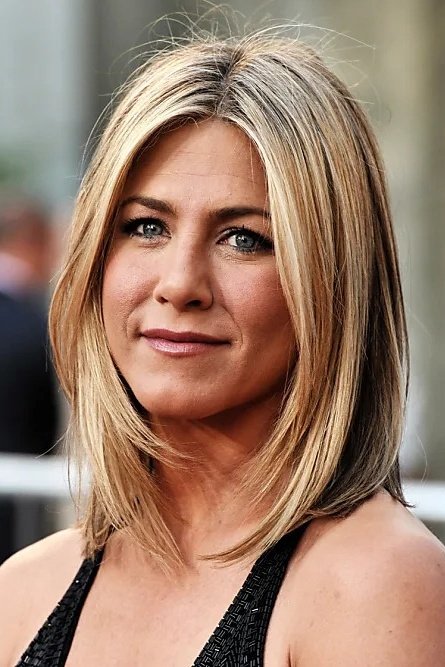
Aniston famously suggested that a whole generation of people now find the sitcom ‘Friends’ offensive due to its outdated humor. She noted that comedy has evolved in a way that makes it very difficult for writers and actors to navigate the boundaries of what is acceptable. The actress believes that the current climate of scrutiny prevents the kind of lighthearted storytelling that once united diverse viewers. She has advocated for a return to a time when people did not take every fictional scenario so seriously in the entertainment world.
Helena Bonham Carter
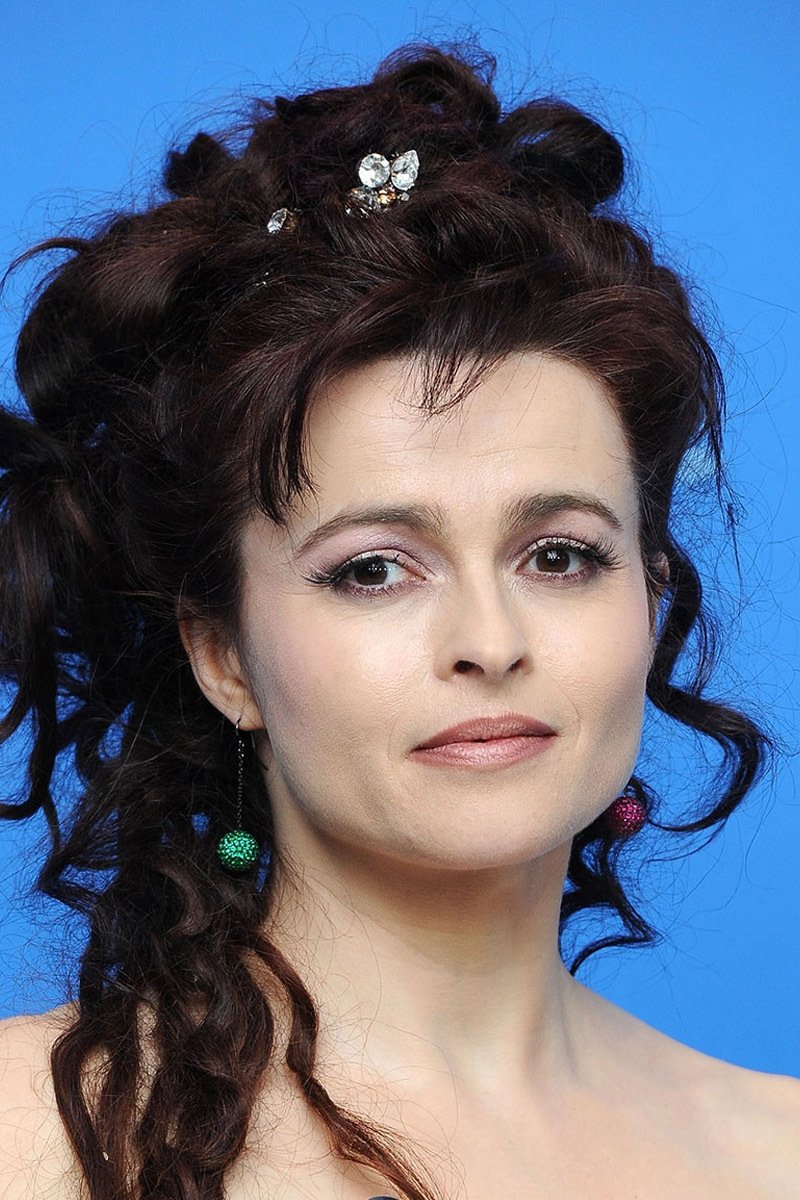
The British actress has defended colleagues who have faced public backlash for their personal views or past statements. She stated that the rush to judgment often ignores the nuance and complexity of human behavior and individual growth. Bonham Carter believes that the creative community should be a place of redemption and open dialogue rather than exclusion and shame. She has voiced her opposition to the idea that a person’s entire career should be dismantled over a single public controversy.
Sharon Stone
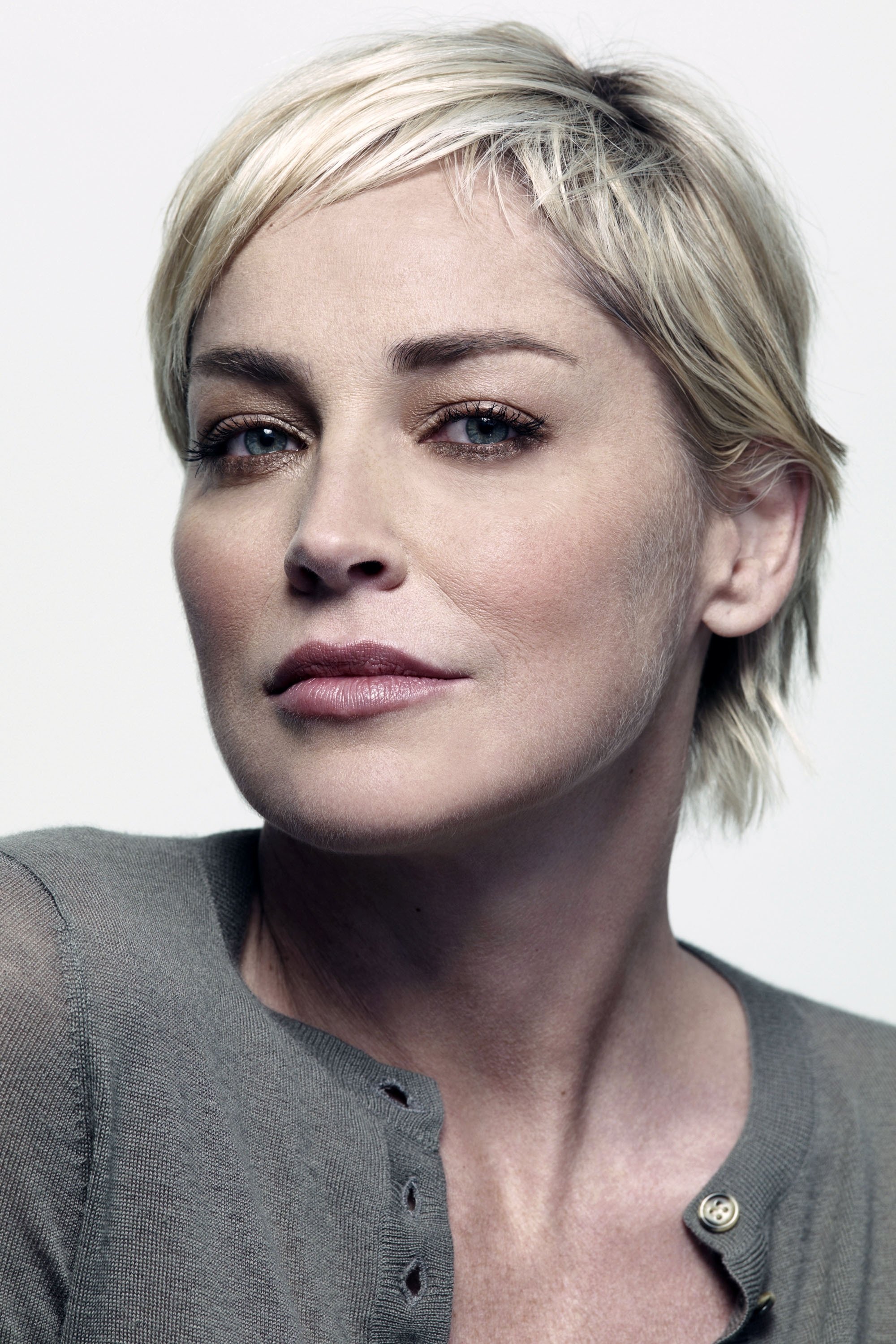
Stone has spoken out about the lack of forgiveness and the culture of shaming that dominates modern social media platforms. She believes that the industry has become a place where people are waiting for others to fail so they can be publicly disgraced. The actress has argued that everyone makes mistakes and that the current atmosphere does not allow for learning or meaningful change. She maintains that this environment is detrimental to the creative spirit and the mental health of everyone in Hollywood.
Jane Seymour
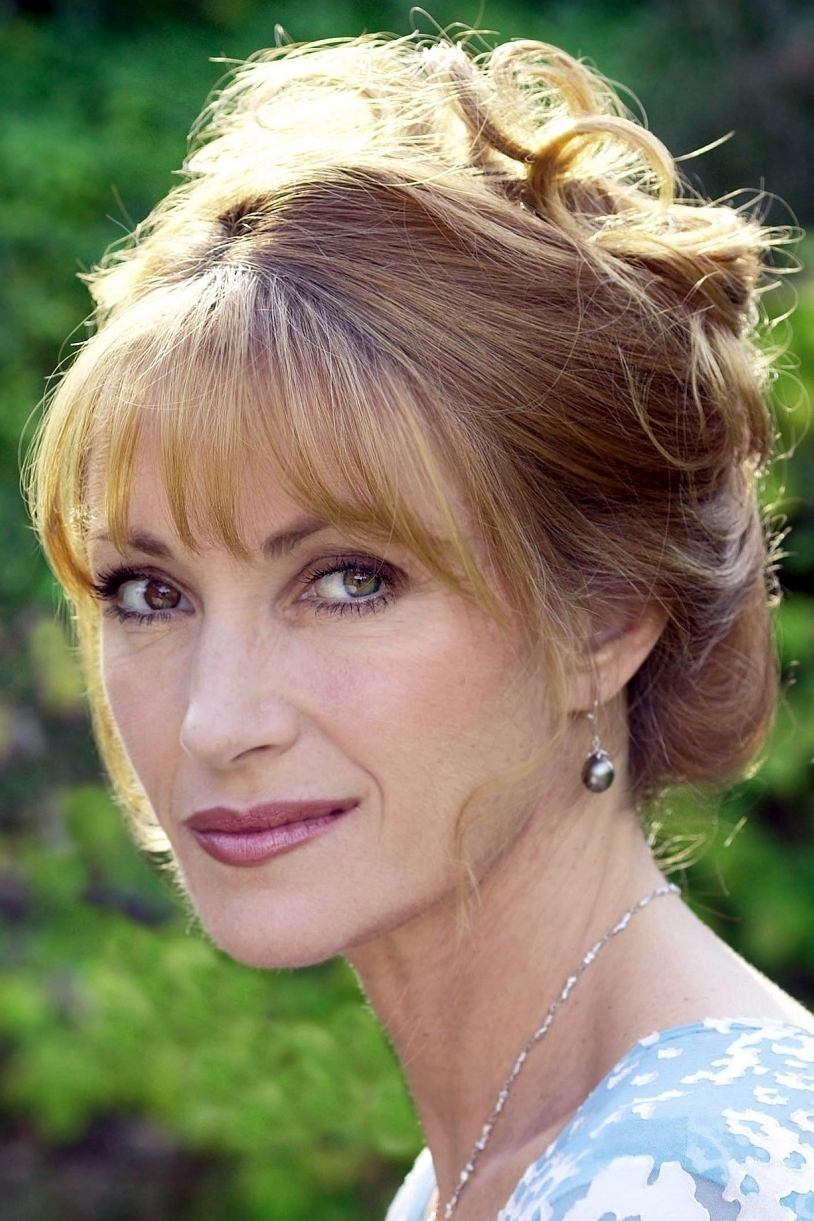
Seymour expressed her view that actors are now terrified to say anything that might be misinterpreted by the public or the media. She noted that the constant fear of being canceled has led to a lack of authenticity and honesty in the performing arts. The actress believes that creative freedom is being compromised by a perceived need to conform to ever changing social standards. She has called for a more balanced approach to how the industry handles public discourse and various forms of artistic expression.
Candace Cameron Bure
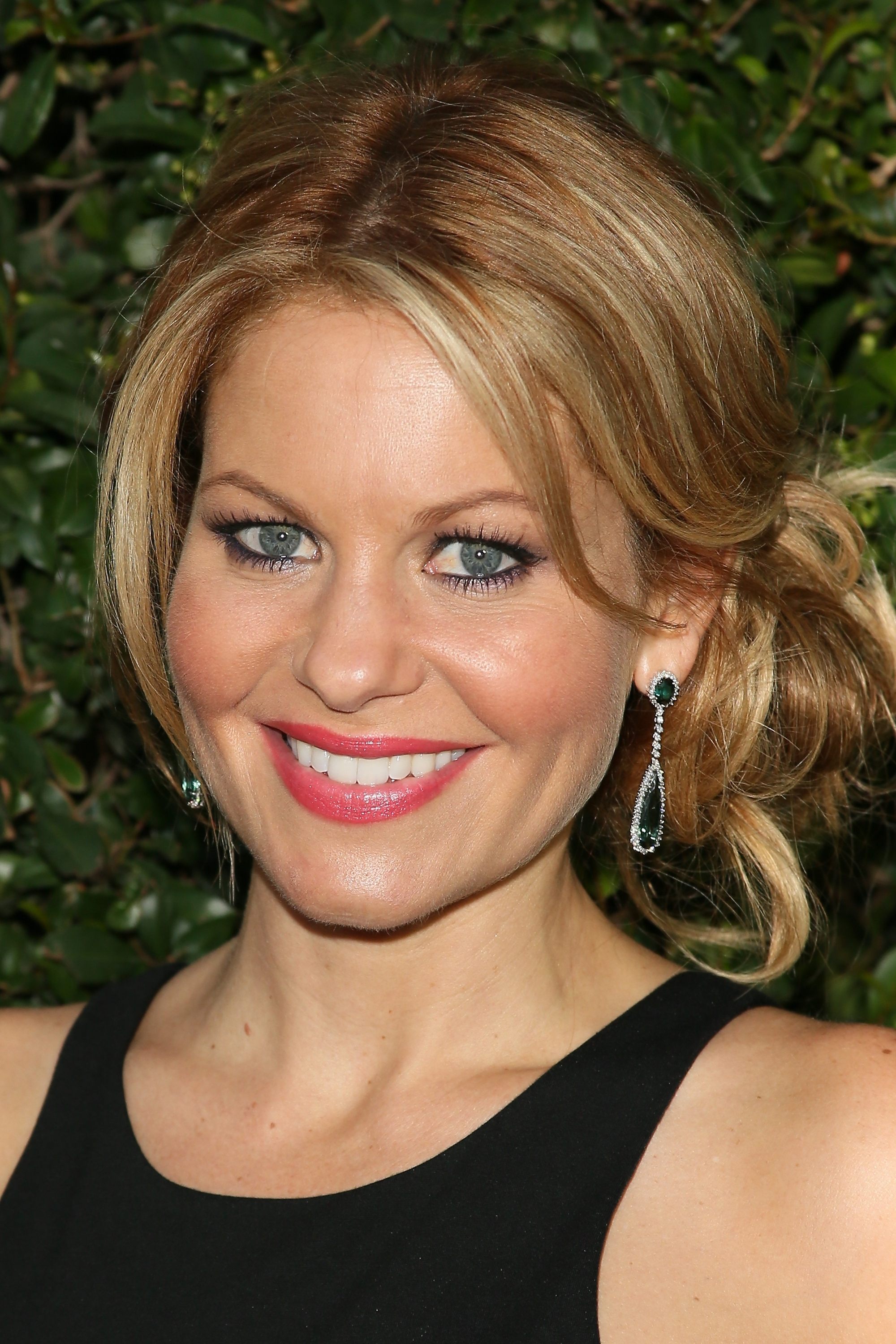
Bure has frequently discussed the challenges of maintaining her traditional values in an industry that she feels is increasingly hostile to dissenting voices. She believes that cancel culture is often used as a tool to silence people who do not align with the mainstream narrative. The actress has stated that she often feels targeted for her personal beliefs and her lifestyle choices in the public square. She continues to advocate for a space where different viewpoints can coexist without the constant threat of professional retaliation.
Roseanne Barr
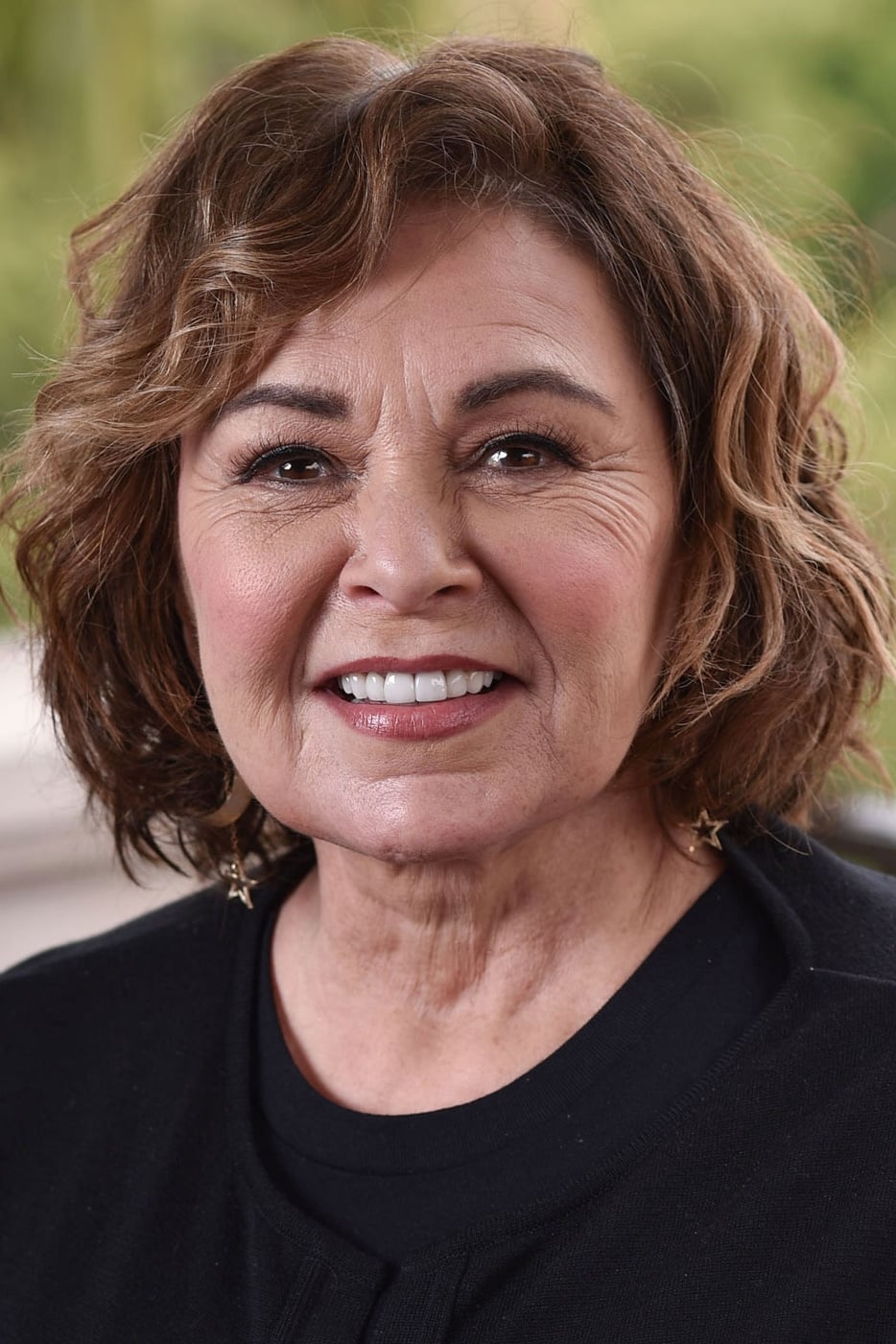
Barr has been a vocal critic of the industry after she was removed from the revival of her television show ‘Roseanne’. She claims that the speed and severity of her dismissal are a direct result of a culture that no longer values free speech or second chances. The actress argues that creative professionals are now forced to follow a specific ideological line to remain employed in major productions. She believes that this trend is destroying the ability of comedians to push boundaries and reflect the realities of everyday life.
Patricia Heaton
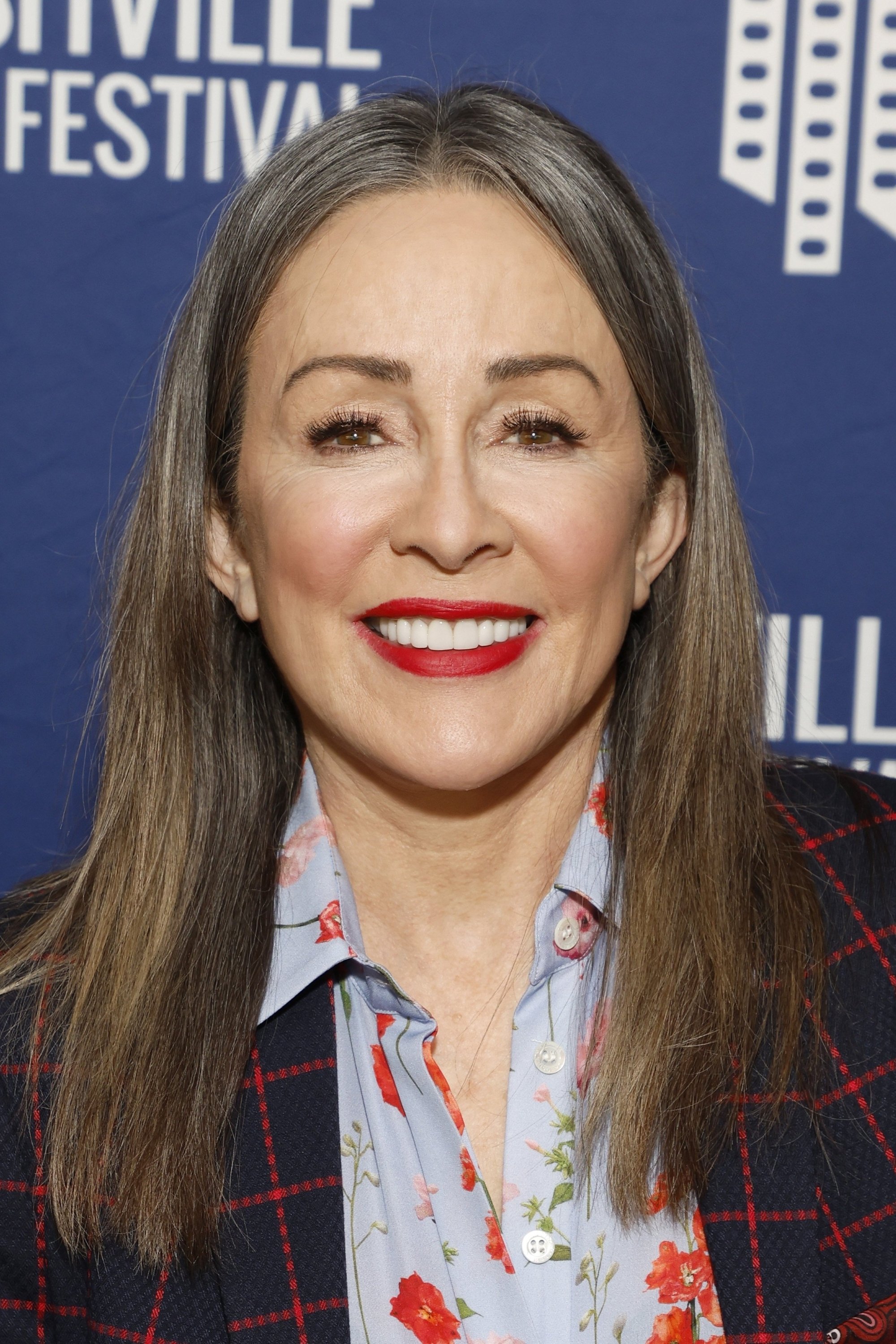
The actress has addressed the chilling effect that cancel culture has on performers with conservative or religious backgrounds. She noted that many actors are afraid to speak their minds for fear of losing their jobs or being ostracized by their peers in the industry. Heaton believes that the diversity of thought is being sacrificed in favor of a monolithic viewpoint that does not represent everyone. She has encouraged her colleagues to stand firm in their convictions despite the significant pressure to conform to social trends.
Gina Carano
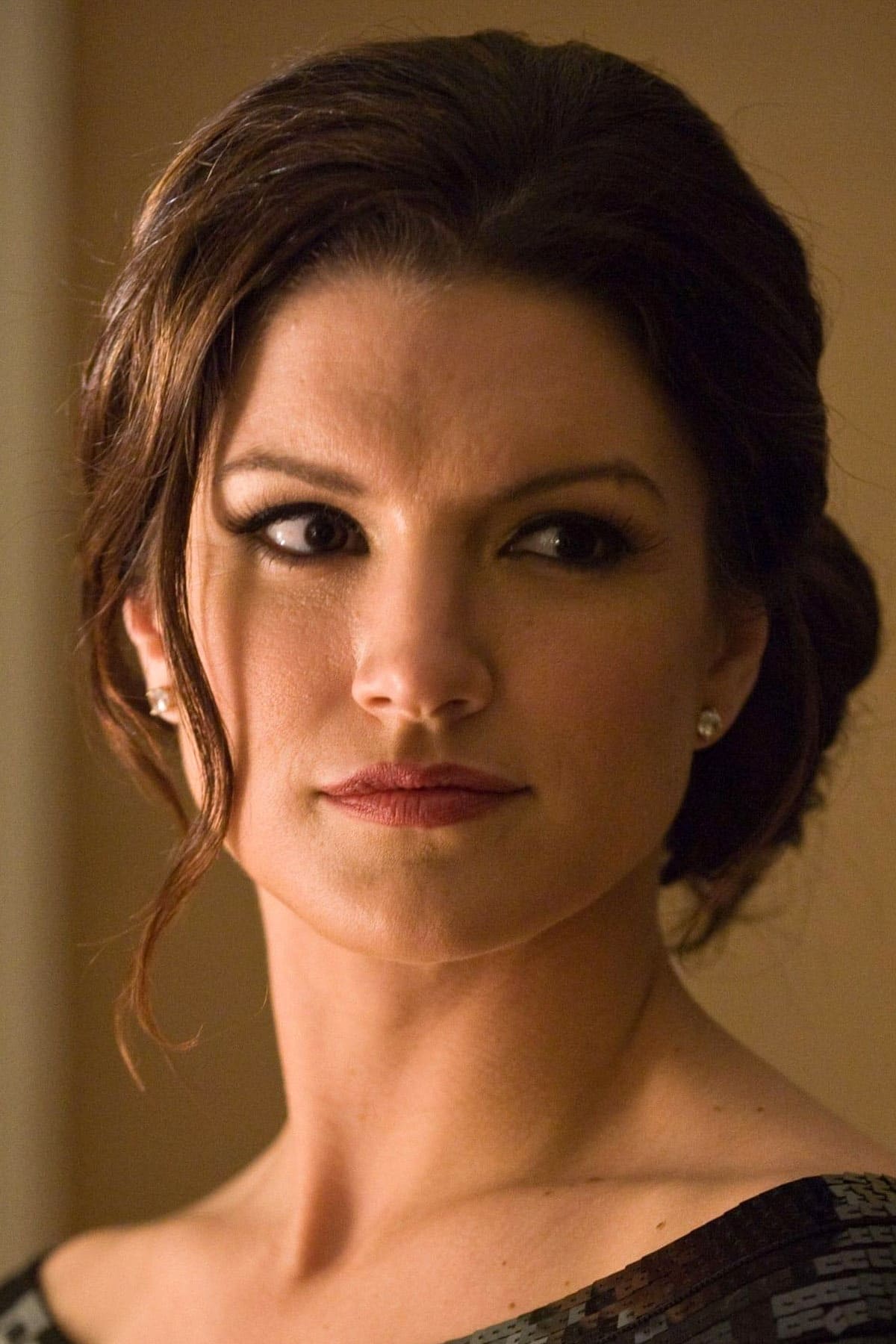
After being removed from ‘The Mandalorian’ the actress became a prominent figure in the debate over creative freedom and political expression. She argued that her dismissal was a clear example of how the industry punishes those who step outside of accepted social norms. Carano has since worked on independent projects to maintain her artistic independence away from the major studio systems. She believes that the current environment discourages honest storytelling and instead rewards performative compliance with social expectations.
Catherine Deneuve
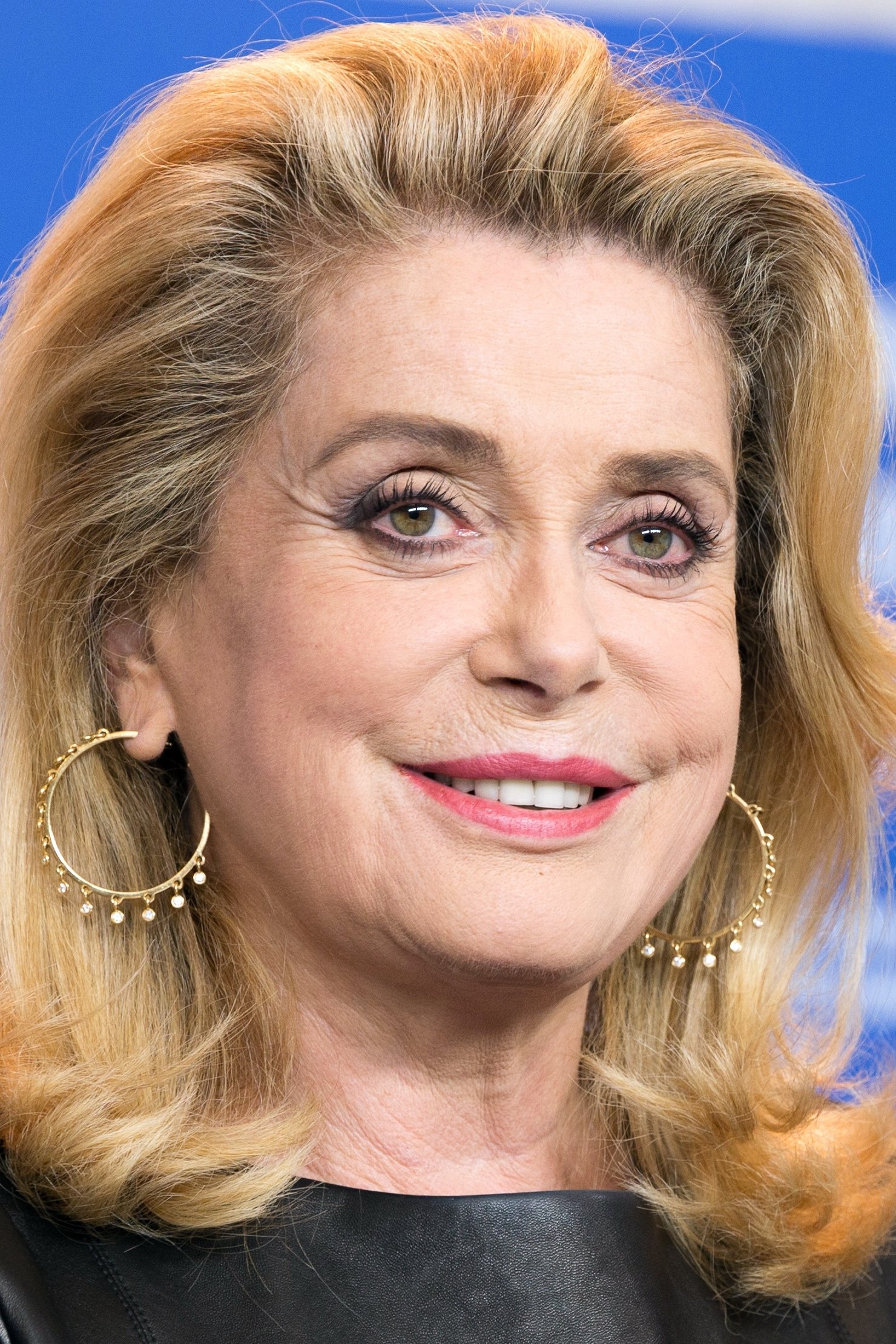
Deneuve was one of many prominent French women who signed an open letter criticizing the puritanical turn of modern culture. She expressed concern that the desire to protect people from offense was leading to the widespread censorship of art and literature. The actress argued that the right to be provocative or even offensive is essential to the preservation of creative and sexual freedom. She remains a firm believer that art should not be judged by the shifting moral standards of the day.
Diane Keaton
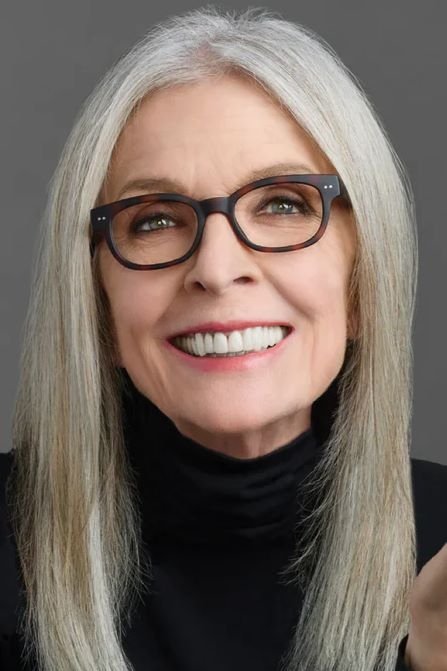
Keaton has defended directors whose personal lives have become the subject of intense public scrutiny and calls for professional cancellation. She believes that the work of an artist should be viewed independently from their private actions or historical controversies. The actress has expressed worry that the industry is losing its ability to appreciate complex and challenging films because of modern sensitivities. She advocates for a cinema that is not bound by the constraints of moral policing or digital outrage.
Jennifer Saunders
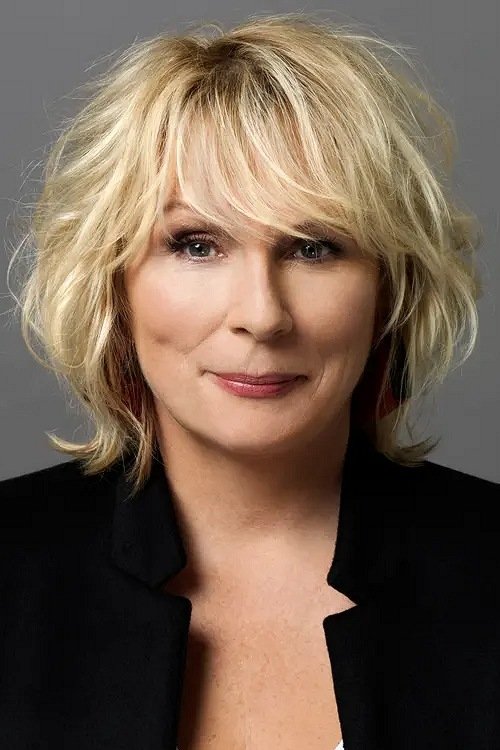
The creator and star of ‘Absolutely Fabulous’ stated that the show likely would not be produced or aired in today’s cultural climate. She noted that the fear of causing offense has stifled the edgy humor that was once a hallmark of British comedy. Saunders believes that the constant surveillance of language and behavior makes it difficult for writers to be truly creative or satirical. She has expressed concern that the next generation of comedians will be too afraid to take the risks necessary for great art.
Joanna Lumley
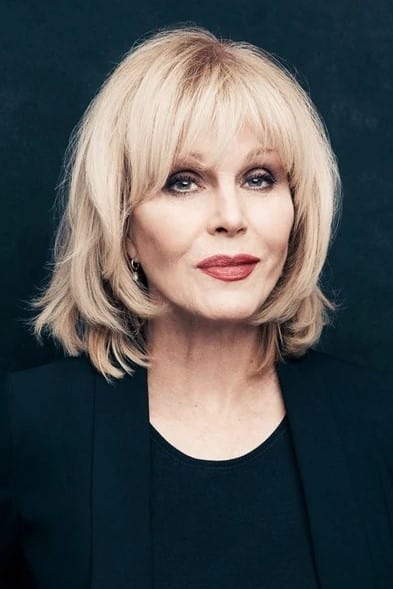
Lumley has echoed the sentiments of her colleagues by suggesting that society has become overly sensitive to satire and parody in the media. She believes that the arts are suffering because people are looking for reasons to be offended rather than enjoying the performance. The actress has stated that this sensitivity acts as a form of self censorship that limits the scope and depth of modern storytelling. She maintains that comedy should be allowed to explore the darker and more absurd aspects of life without fear of backlash.
Dawn French
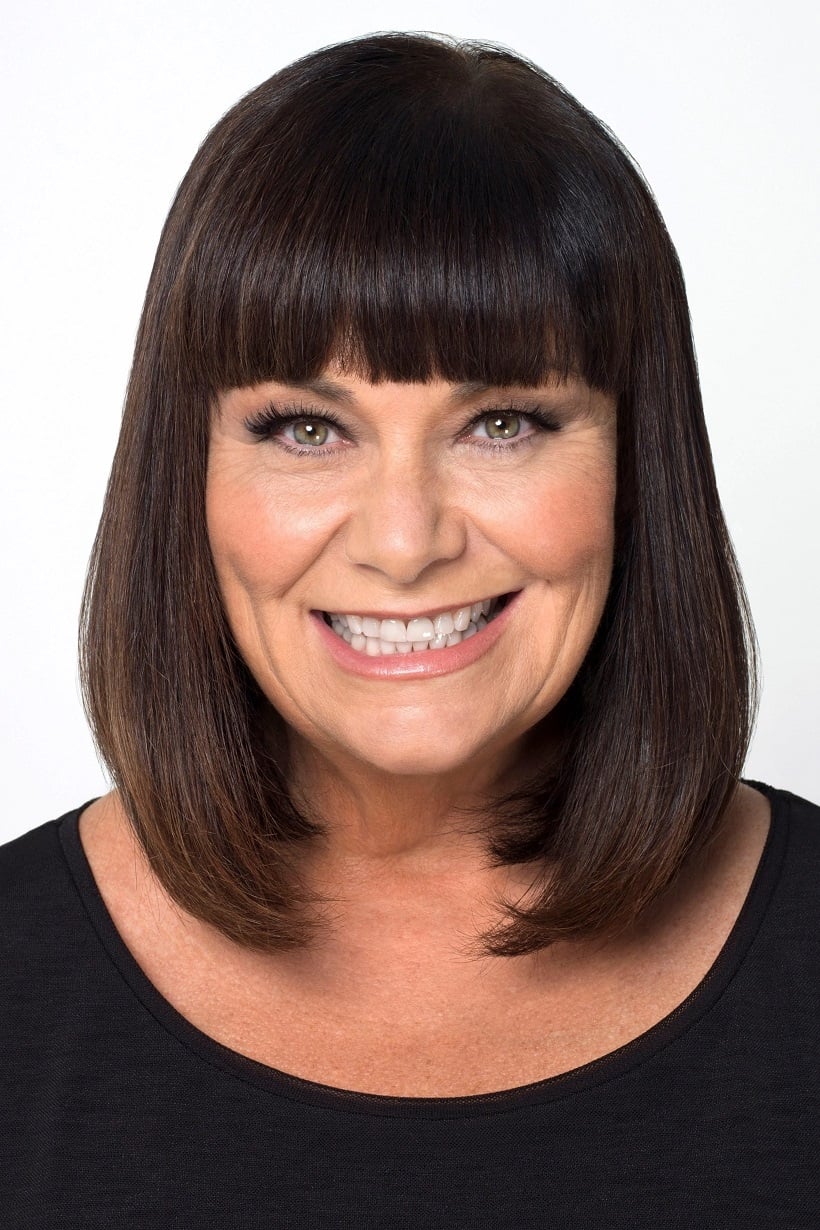
The comedian and actress has discussed the difficulty of navigating the modern social landscape while trying to maintain her unique artistic voice. She believes that the policing of jokes and language is counterproductive to the goal of open and honest communication. French has noted that the fear of a public backlash often prevents artists from exploring certain important topics altogether. She advocates for a culture where people can make mistakes and learn from them without being permanently cast out of their professions.
Alice Eve
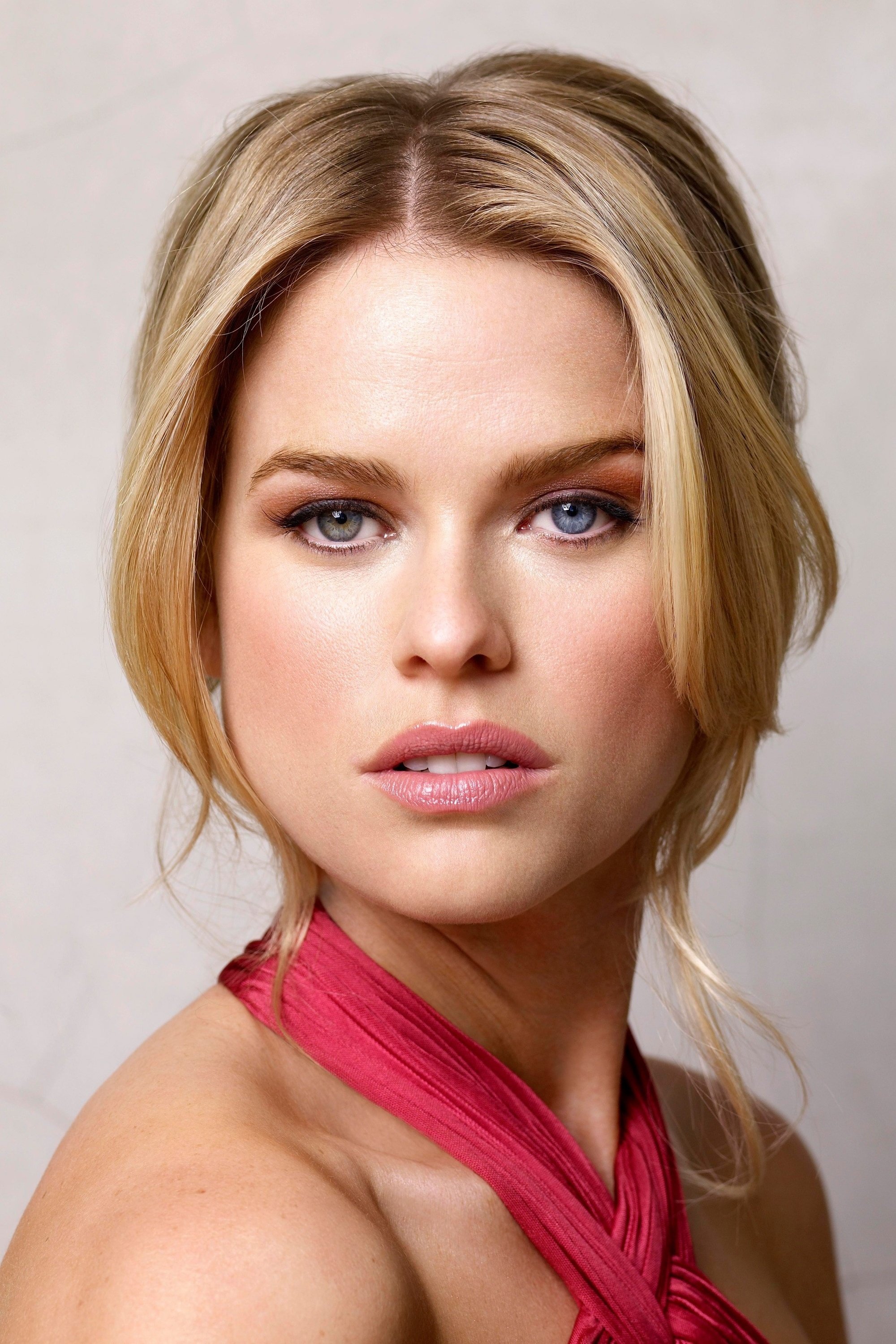
Eve has spoken about the dangers of retrospective censorship where older films are judged and altered based on modern sensibilities. She believes that it is important to preserve the history of cinema even if it contains elements that are now considered controversial. The actress argues that removing or editing classic works of art is a disservice to the original creative process and the artists involved. She maintains that audiences should be trusted to interpret historical art within its own unique chronological context.
Rose McGowan
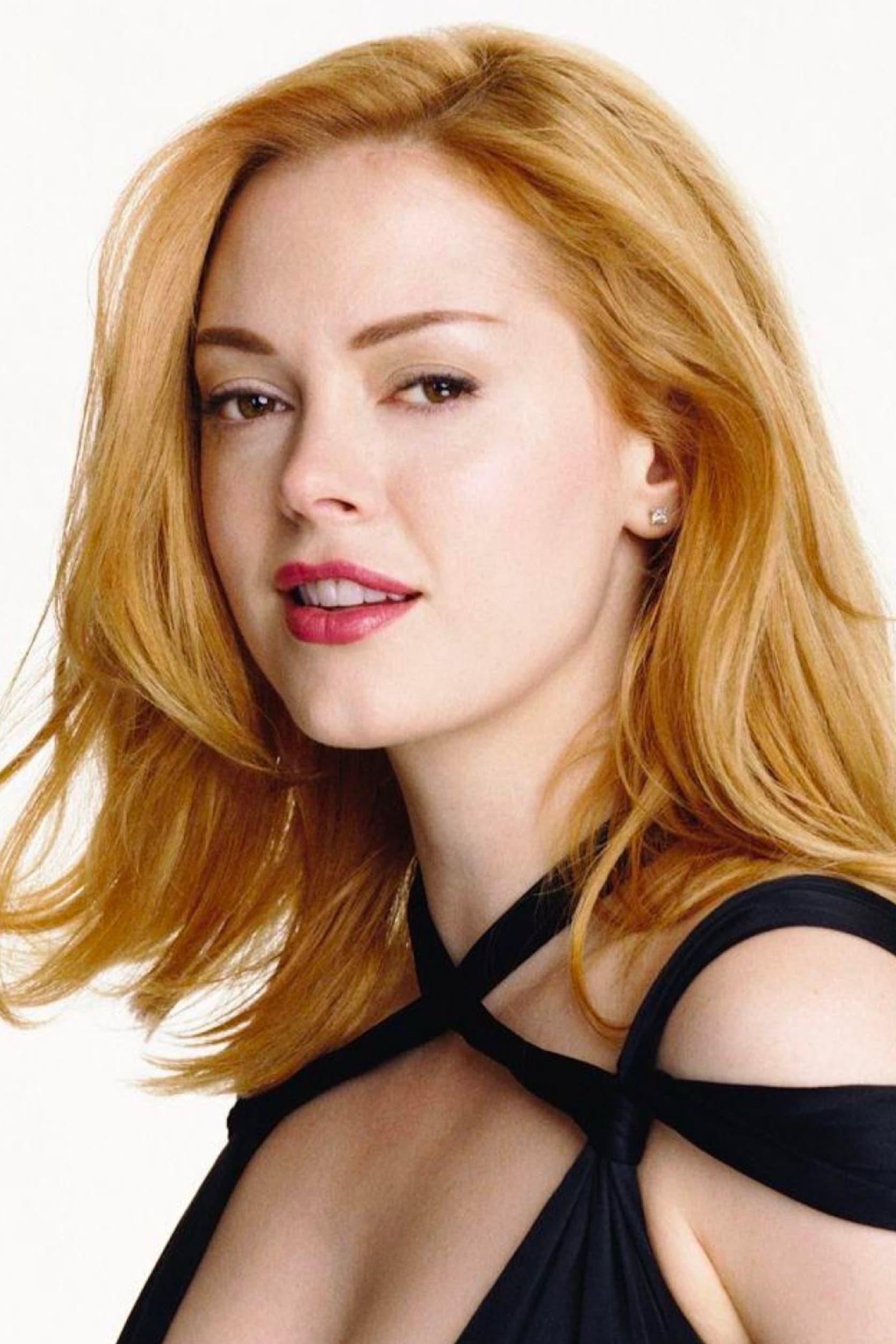
McGowan has criticized the performative nature of cancel culture and how it often fails to address the actual systemic issues within the industry. She believes that the movement can sometimes be used to silence people who are actually trying to effect meaningful change. The actress has expressed concern that the focus on individual mistakes distracts from the broader goal of reforming the entertainment world. She advocates for a more substantial and less reactionary approach to social and professional accountability for all.
Whoopi Goldberg
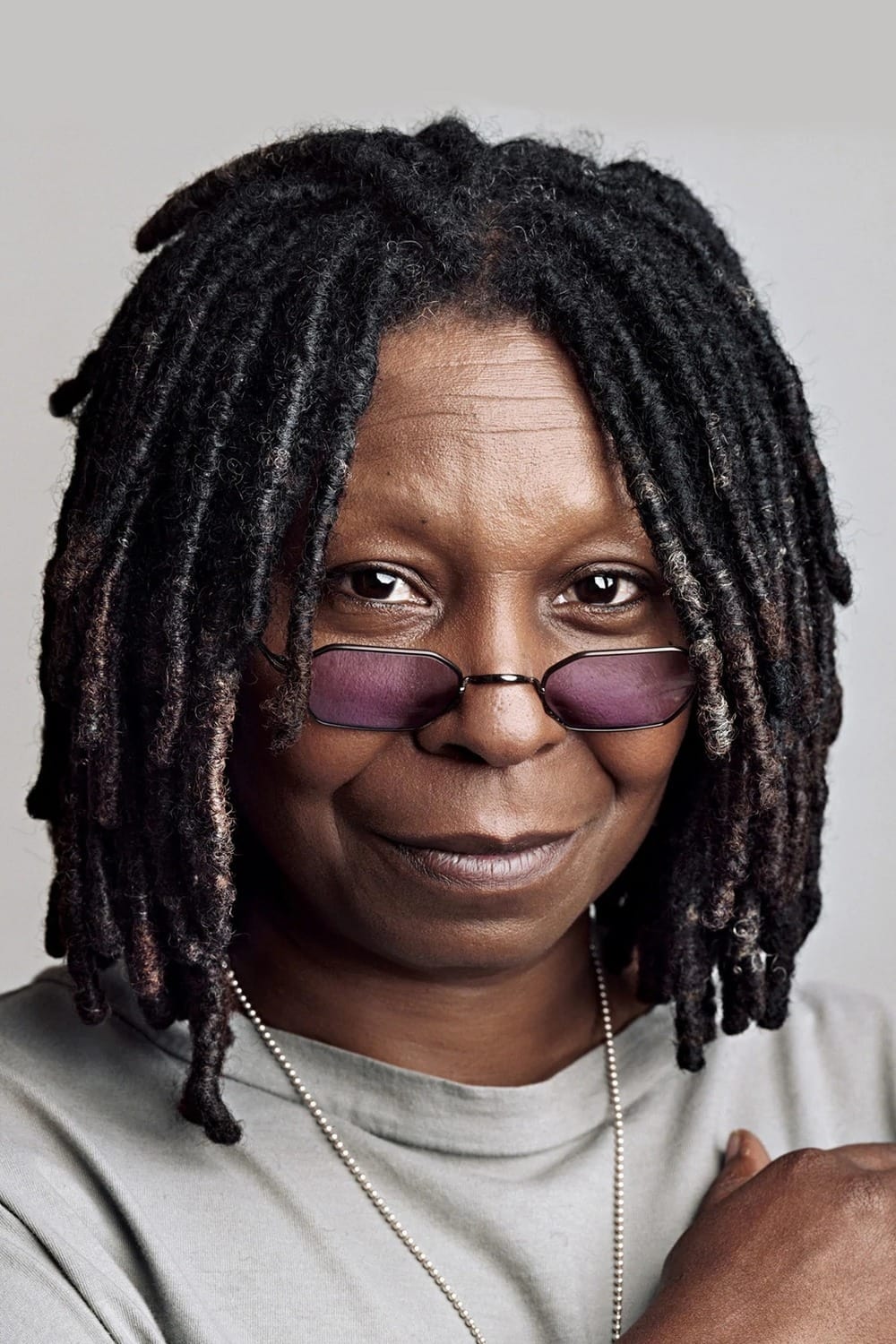
The actress has frequently argued that old movies and cartoons should not be erased or censored because of modern social standards. She believes that these films serve as important markers of history and should be contextualized rather than hidden from the public. Goldberg has noted that the current trend of removing controversial content limits the understanding of past cultures and artistic styles. She advocates for a more educational approach to historical art that allows for open debate and reflection among audiences.
Salma Hayek Pinault
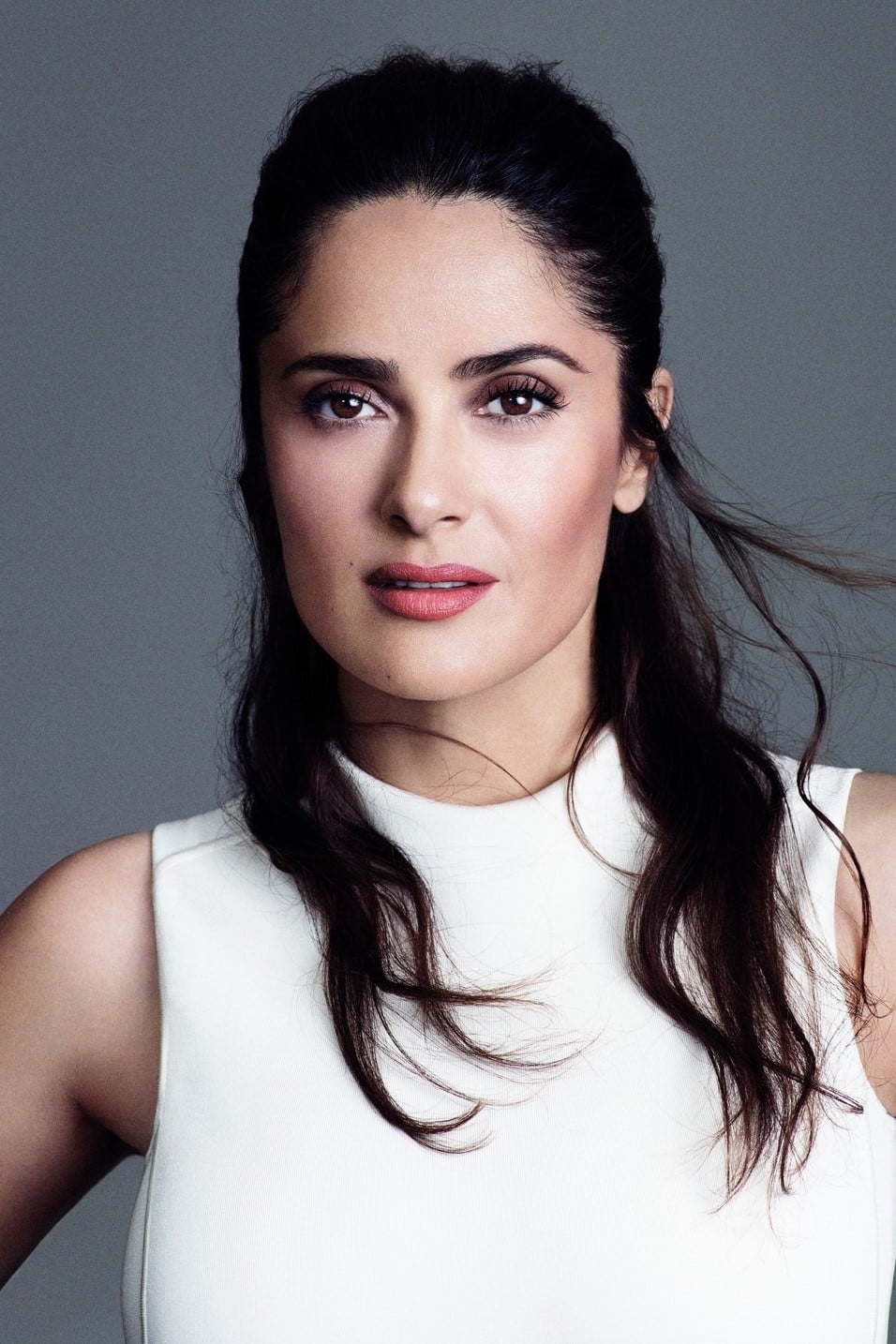
The actress has discussed the complexities of working in an industry that is rapidly changing its social and professional expectations. She believes that while progress in representation is important the fear of being canceled should not dictate the choices of artists. Hayek Pinault has expressed the need for a more nuanced conversation about the balance between diversity and creative freedom. She maintains that filmmakers should have the liberty to explore diverse stories without the constant threat of public condemnation.
Marlo Thomas
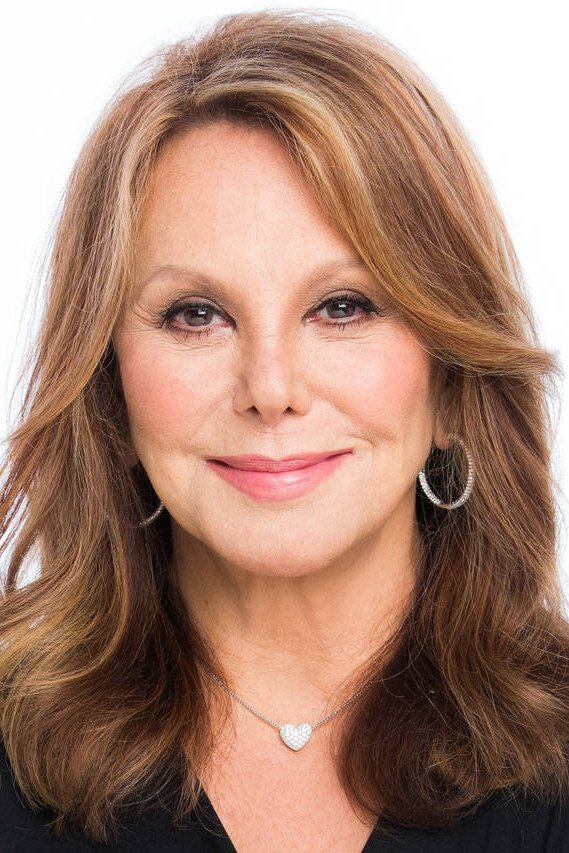
Thomas has expressed concern that the edgy and provocative humor of the past is being phased out of contemporary television and film. She believes that comedians are now under so much pressure to be polite that they can no longer be truly funny or impactful. The actress has noted that the boundaries of what is acceptable are shrinking every year which limits the range of creative work. She advocates for a return to a more open and less judgmental environment for all performers to experiment.
Goldie Hawn

Hawn has discussed the loss of civil discourse in society and how this trend has negatively affected the creative world. She believes that the culture of shaming and canceling others is toxic and prevents people from coming together to share experiences. The actress has stated that the focus should be on empathy and human understanding rather than on immediate punishment. She maintains that the arts are a place where people should feel safe to express their humanity in all its various forms.
Sarah Silverman
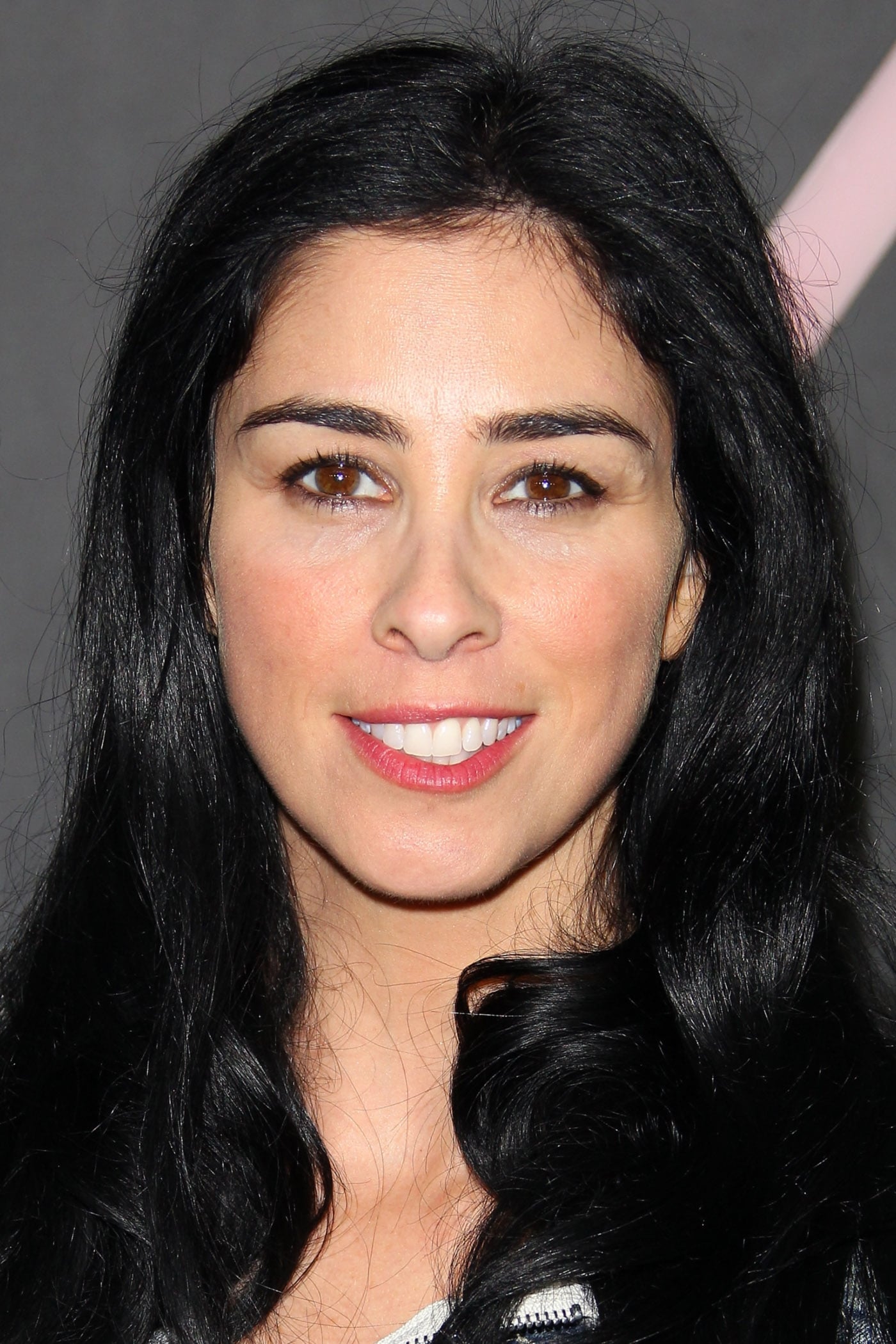
Silverman has described cancel culture as righteousness porn and noted that it often lacks the essential element of human forgiveness. She believes that the rush to condemn others for their past mistakes is a way for people to feel superior without doing any real work. The actress has expressed concern that this environment prevents comedians from growing and evolving their craft over their careers. She advocates for a culture that allows for public apology and the possibility of genuine second chances.
Molly Ringwald
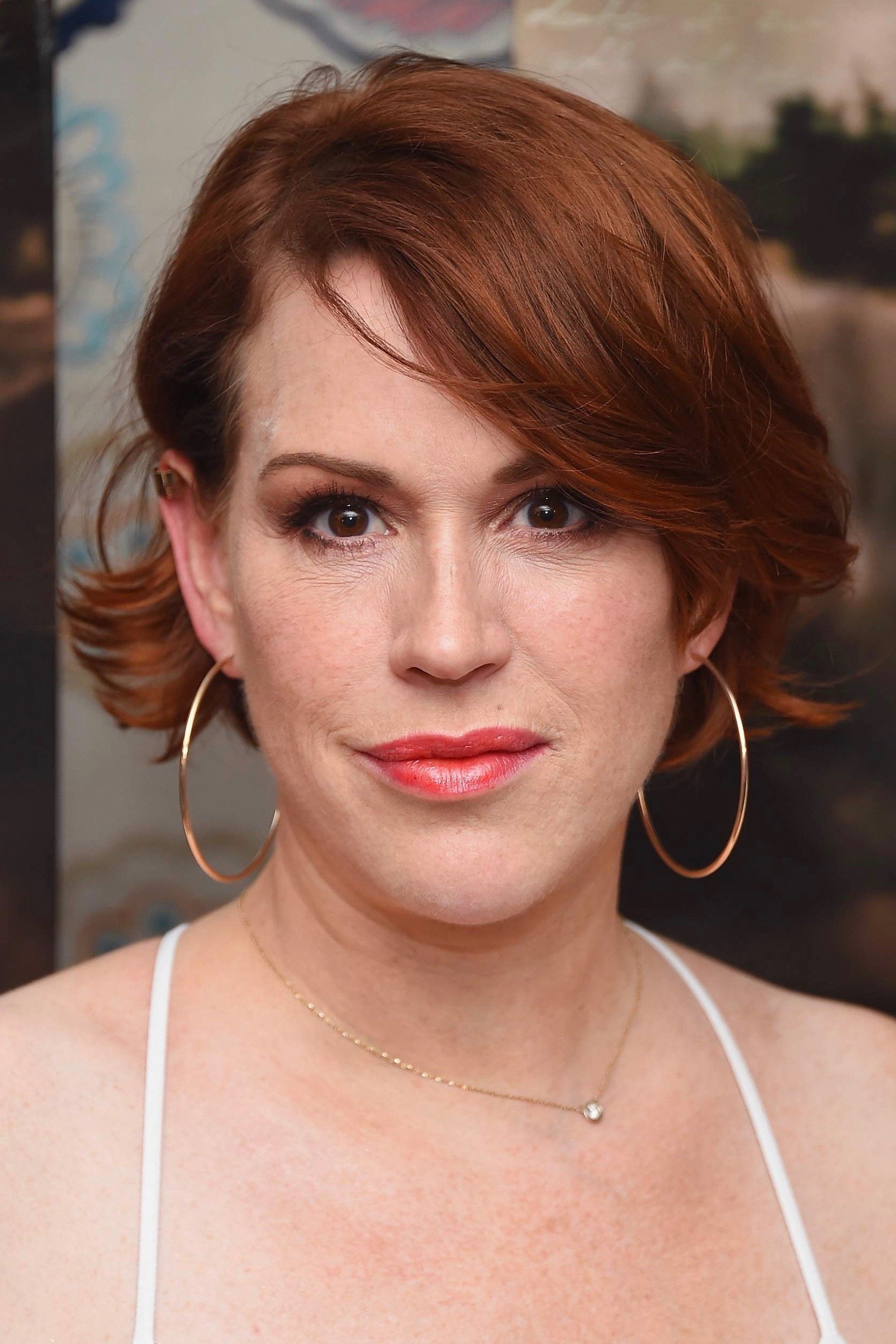
Ringwald has reflected on the popular films of the 1980s like ‘The Breakfast Club’ and how they are perceived in a modern social context. While she acknowledges certain problematic elements she argues against the idea of canceling these iconic works of cinema. The actress believes that art is a product of its time and should be analyzed by audiences rather than discarded by studios. She has expressed concern that a hyper critical approach to the past might stifle future creativity in young writers.
Shannen Doherty
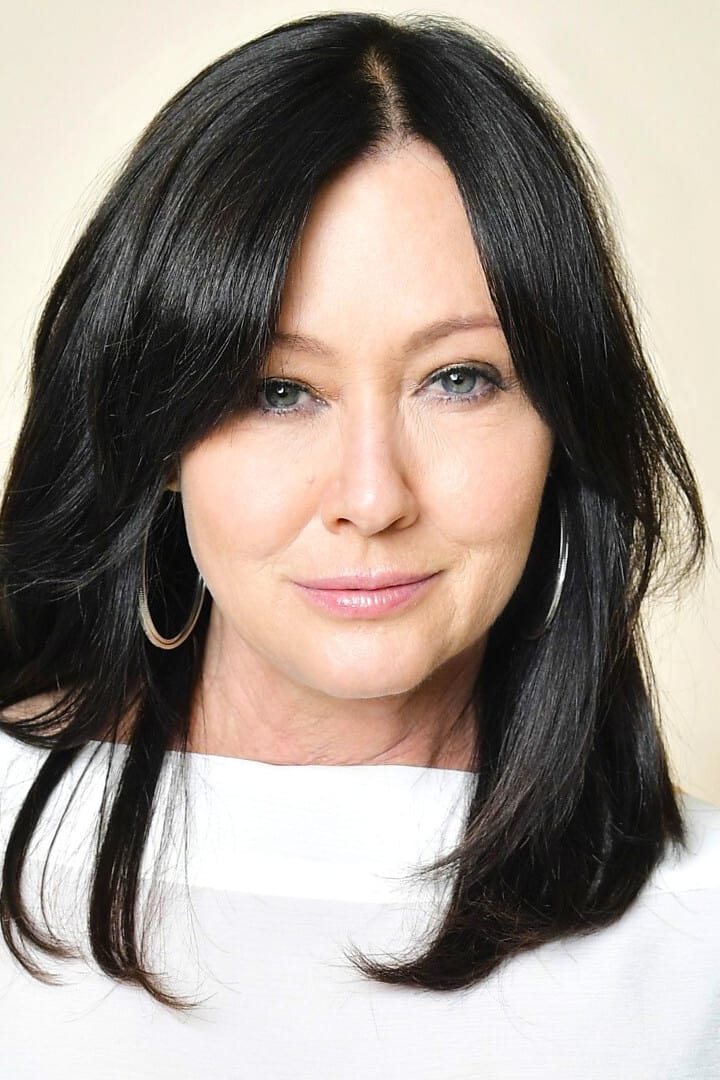
Doherty has spoken about the lack of grace in the modern world and how it affects those who live in the public eye. She believes that everyone makes mistakes and that the current culture of immediate cancellation is destructive to the industry. The actress has called for more compassion and a willingness to listen to different perspectives during public disagreements. She maintains that the fear of being targeted by an online mob is a significant barrier to true artistic freedom.
Kirstie Alley
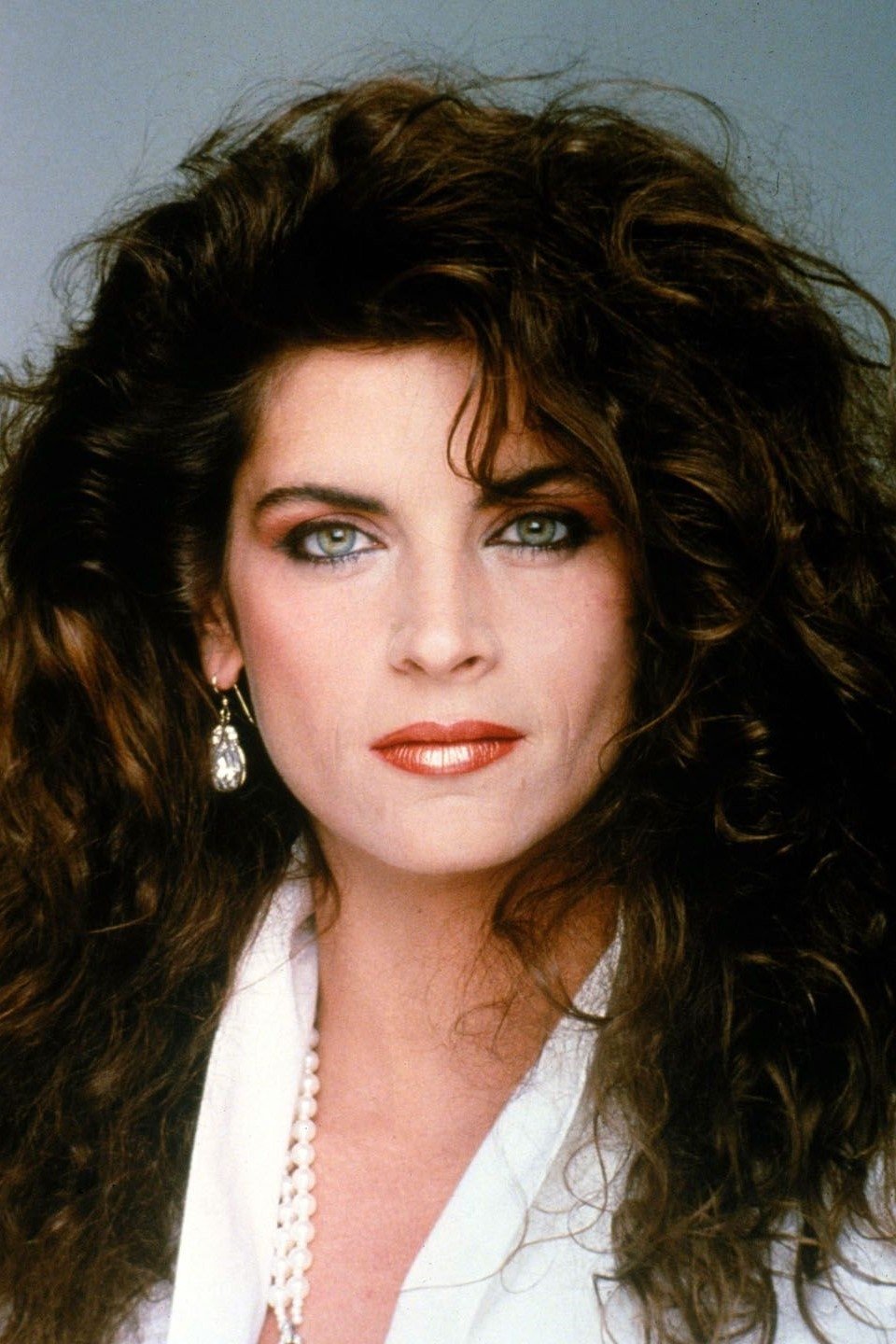
The late actress was very vocal about her belief that there is an unofficial blacklist in Hollywood for those with certain political views. She argued that cancel culture is a form of modern day McCarthyism that seeks to destroy the careers of those who dissent. Alley frequently used her platform to speak out against the perceived lack of tolerance within the entertainment industry. She believed that creative freedom was under constant threat from a culture of enforced social and political conformity.
Victoria Jackson
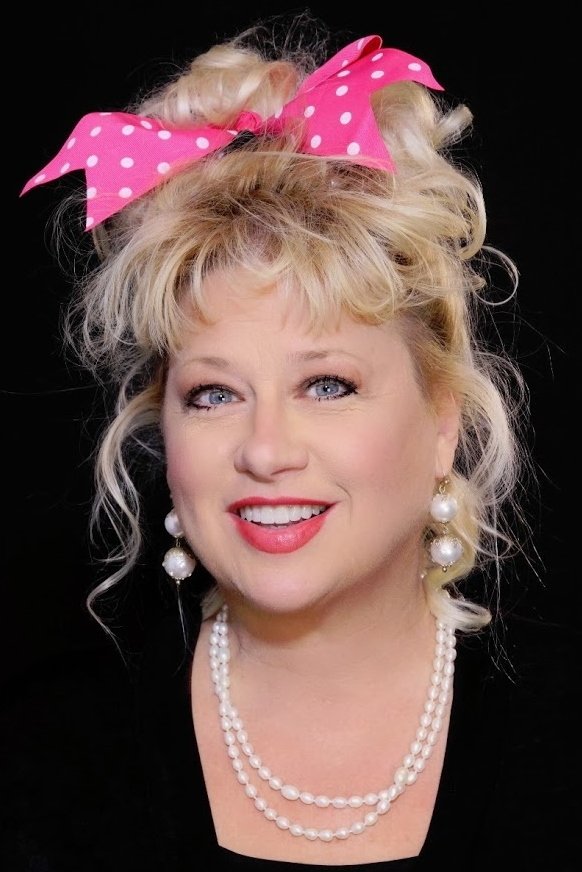
Jackson has claimed that her professional career suffered because of her conservative political and religious views being expressed publicly. She believes that the industry has become a place where only one set of opinions is allowed and others are actively suppressed. The actress has often spoken about the exclusion she felt after she began sharing her personal beliefs with the media. She maintains that the creative community should be more inclusive of diverse political perspectives to remain relevant to all audiences.
Stacey Dash
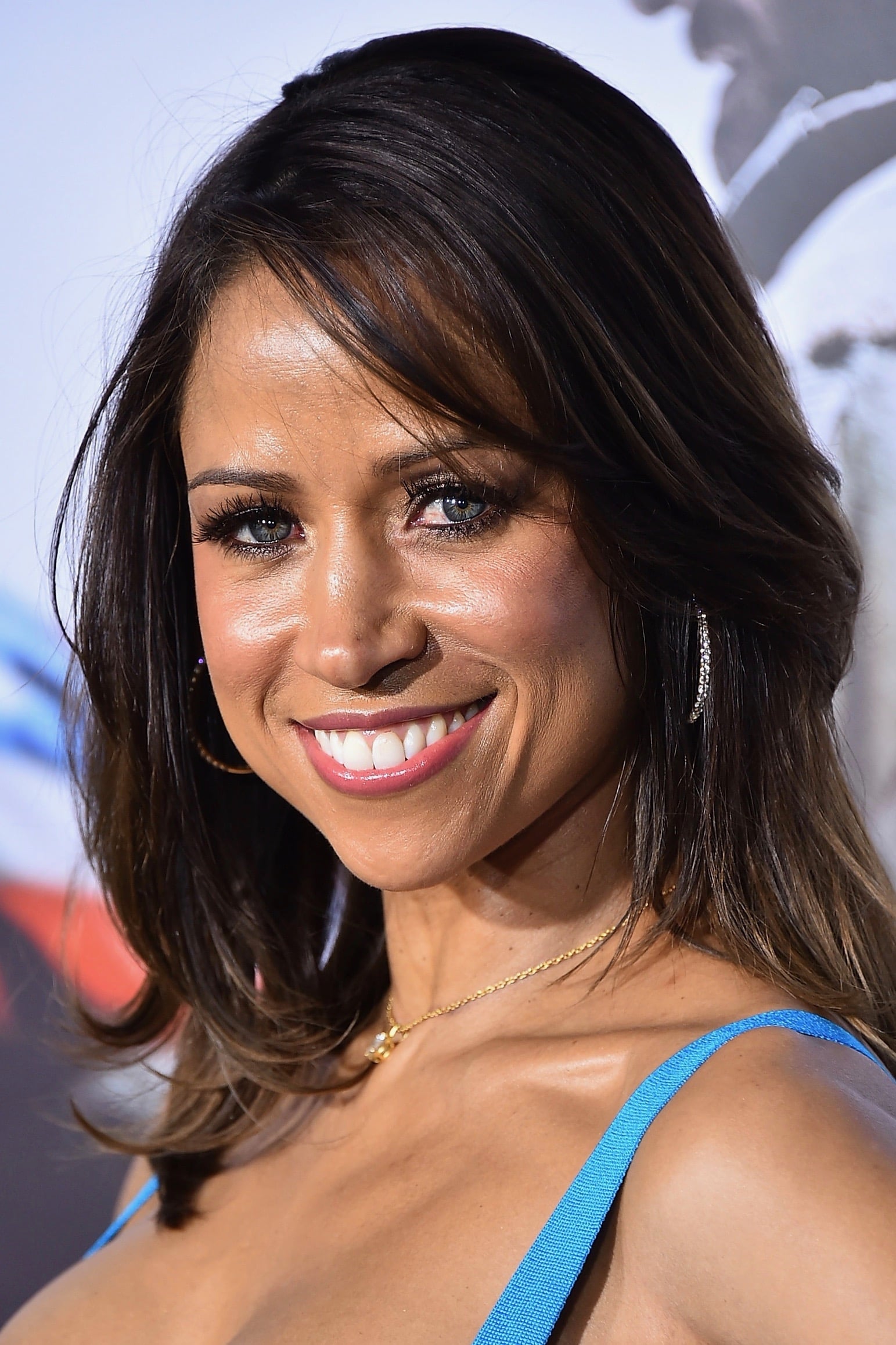
Dash has been an outspoken critic of the ways in which she believes the industry cancels those who do not follow the liberal status quo. She has argued that her professional opportunities decreased as she became more vocal about her unique political leanings and beliefs. The actress believes that creative freedom includes the right to hold and express unpopular opinions without the fear of professional blacklisting. She continues to advocate for a more open and less biased Hollywood for actors of all backgrounds.
Elisa Donovan
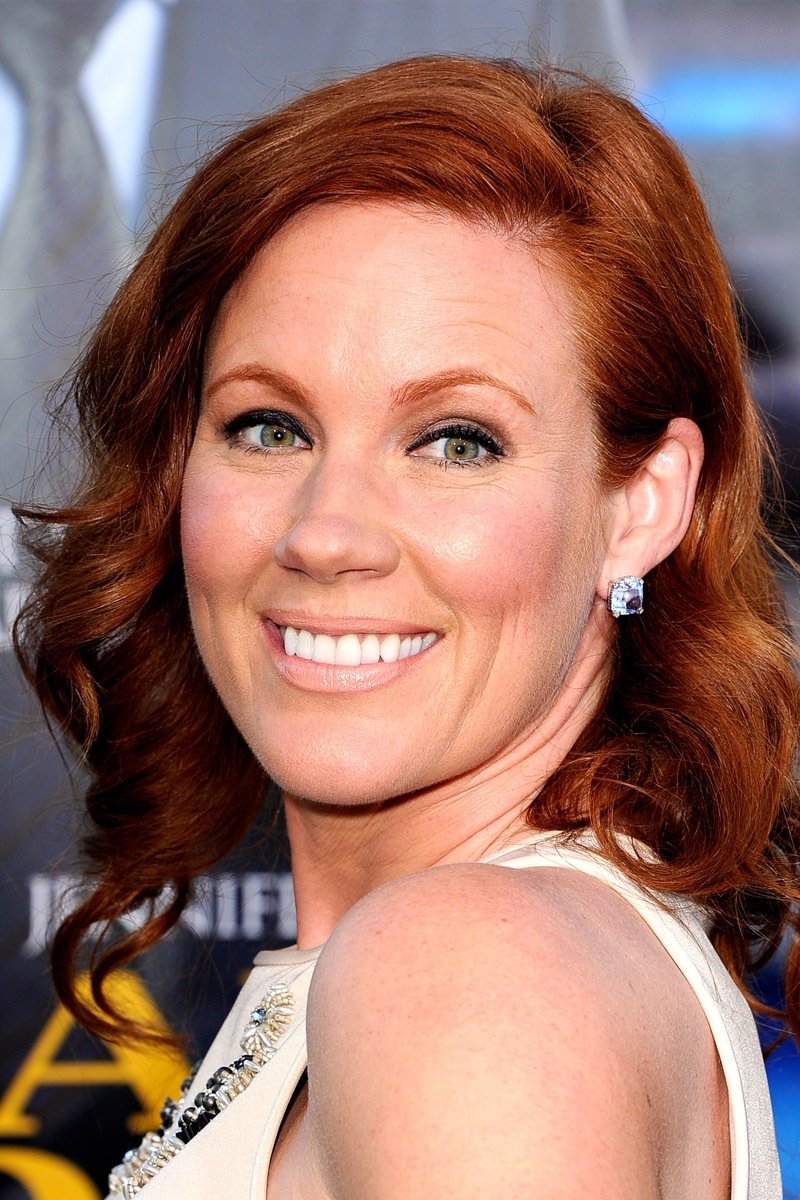
The actress has expressed her concern that the fear of being canceled has led to a dull and uninspired creative landscape in film. She believes that when people are too afraid to speak their minds they cannot create authentic or meaningful art. Donovan has noted that the current climate encourages people to hide their true thoughts to avoid immediate public backlash. She advocates for a return to a culture that values honest and open expression among writers and performers.
Kristy Swanson
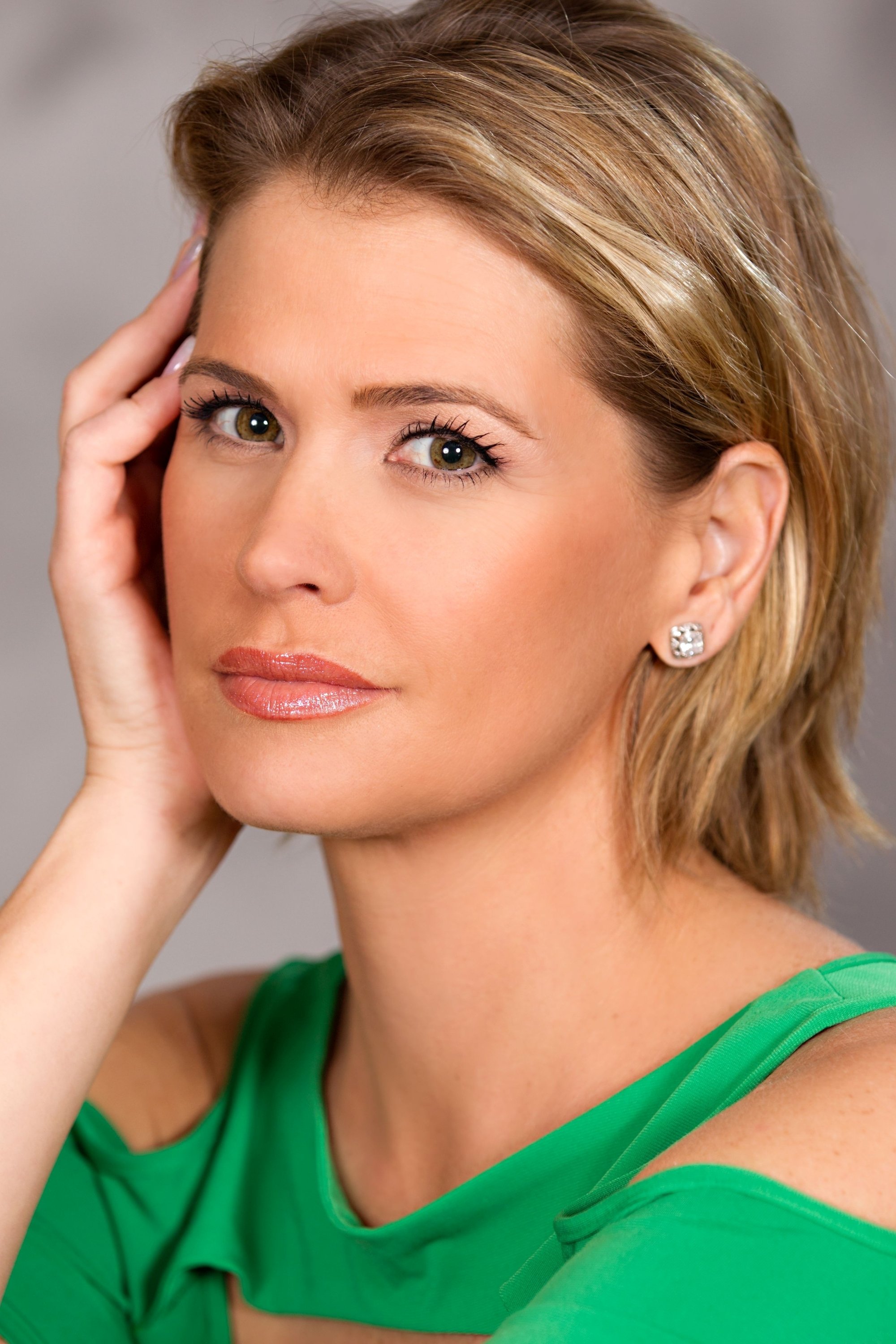
Swanson has claimed that she has faced professional repercussions for her public support of certain political figures and social movements. She believes that cancel culture is used to punish anyone who deviates from the accepted narrative in the modern entertainment world. The actress has stated that the industry’s focus on political correctness is stifling the very creativity it claims to support. She remains a vocal advocate for the protection of free speech and artistic liberty in the arts.
Penélope Cruz
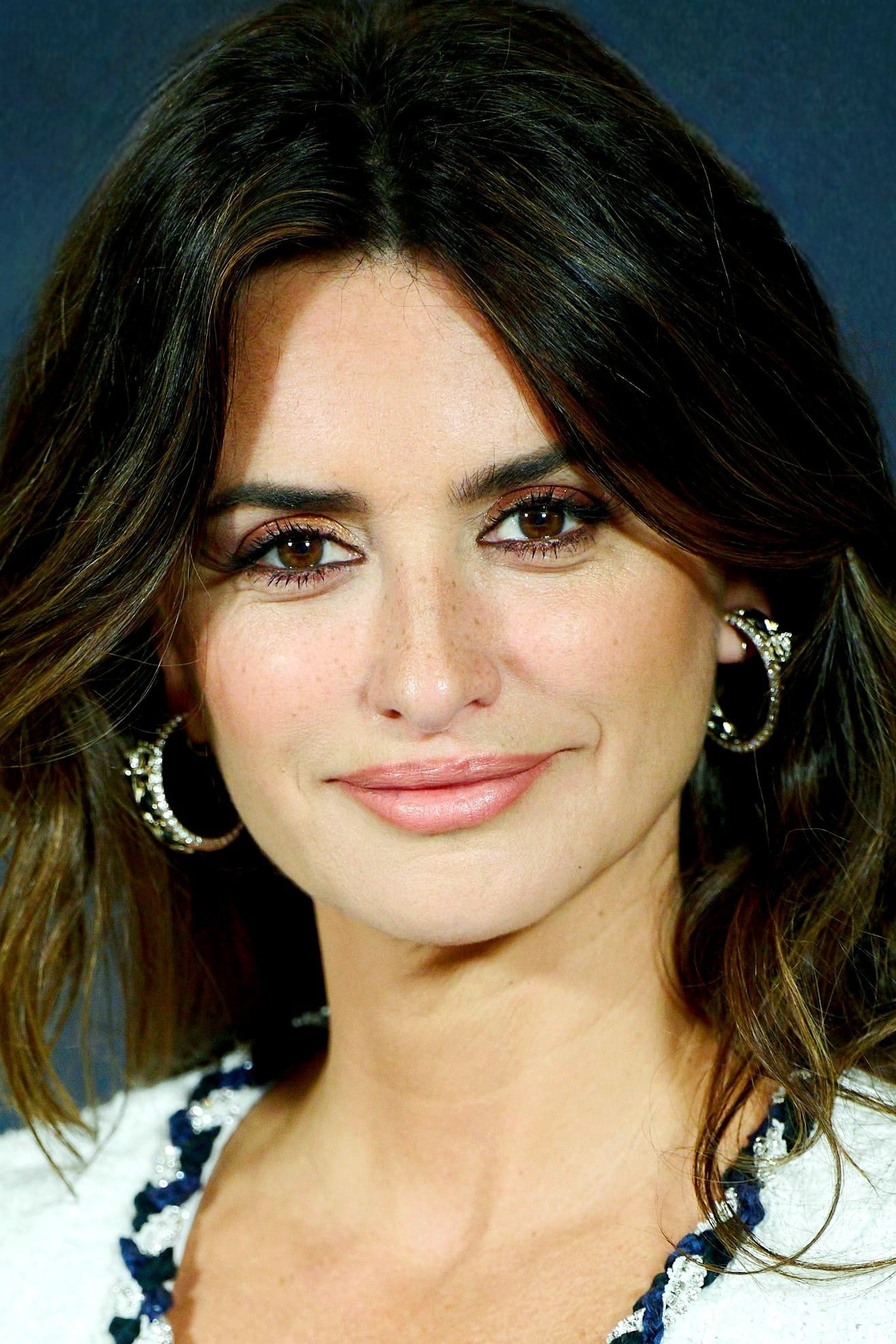
The actress has defended the right of performers to take on diverse roles that are outside of their own personal experiences. She believes that the nature of acting involves the exploration of many different human perspectives and identities through the imagination. Cruz has expressed concern that rigid new rules regarding casting could limit the creativity and growth of the film industry. She maintains that imagination should be the primary driver of the craft of acting rather than strict demographic matching.
Marion Cotillard
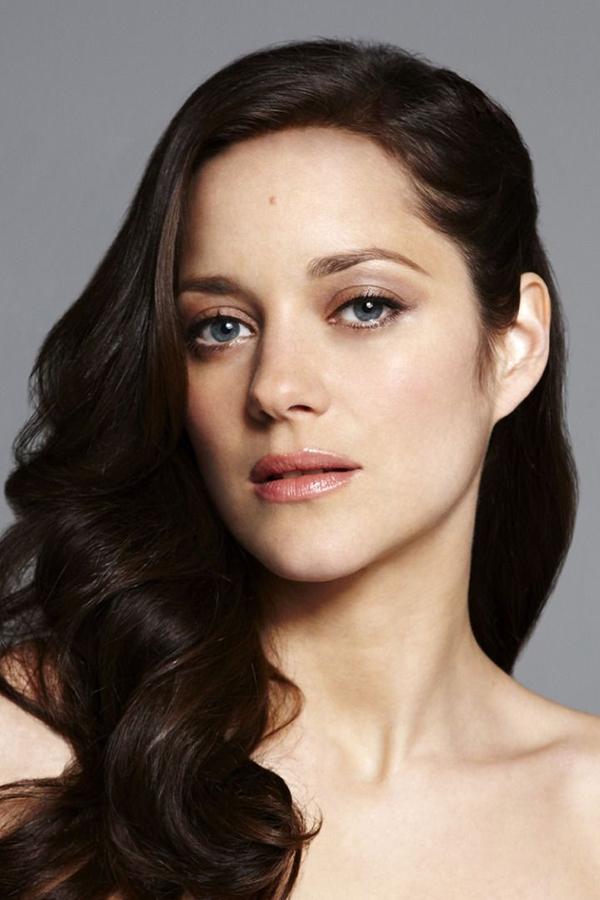
The French actress has voiced her concerns about the increasing moralization of the film industry and the stories it chooses to tell. She believes that cinema should be a place where complicated and even unlikable characters can be explored without immediate moral judgment. Cotillard has noted that the pressure to make every film socially and politically correct is a threat to artistic integrity. She advocates for a film culture that prioritizes deep storytelling over simple moral instruction for the audience.
Juliette Binoche
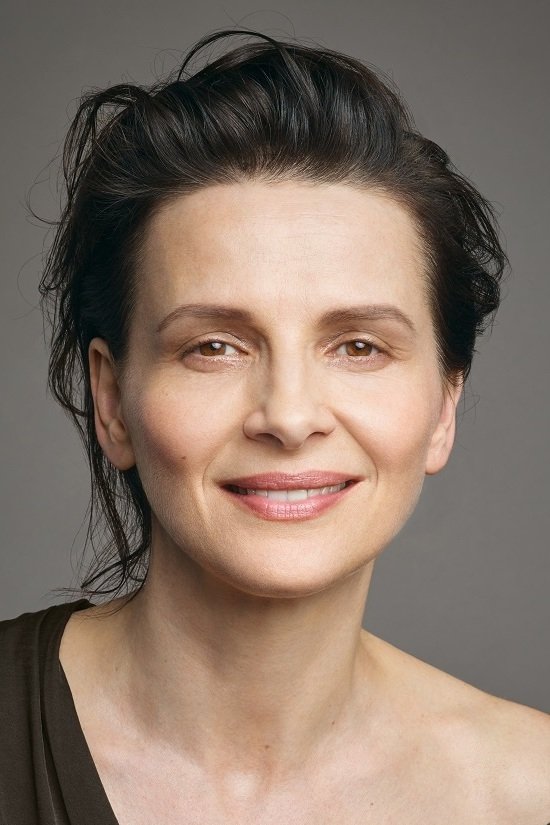
Binoche has argued that the role of art is to be provocative and to challenge the existing social order of the day. She believes that the current trend of canceling those who cause offense is a form of censorship that hurts the entire creative community. The actress has expressed a commitment to working on projects that push boundaries and ignore the constraints of political correctness. She maintains that a free society must allow for art that is sometimes uncomfortable or controversial for the public.
Isabelle Huppert
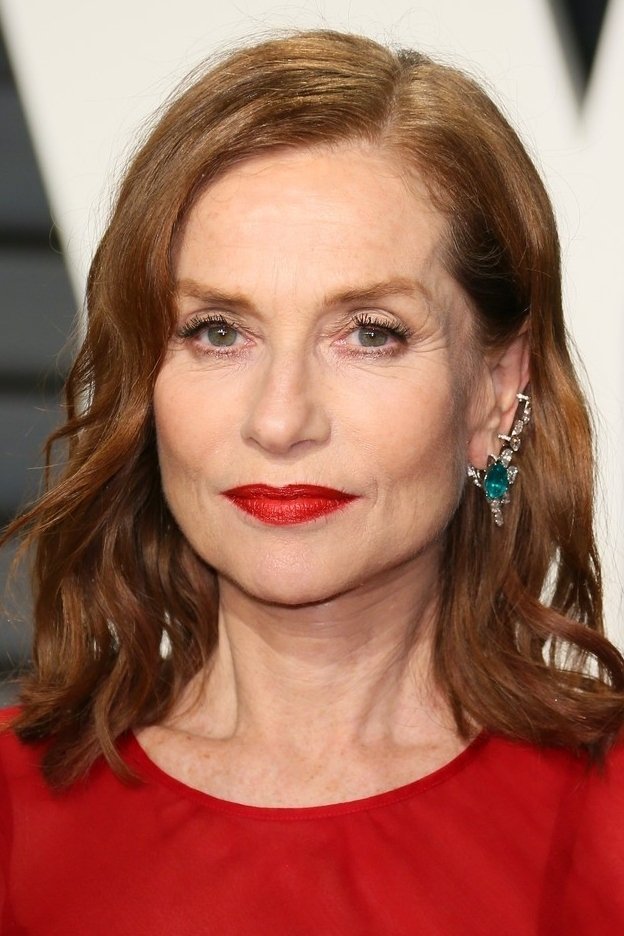
Huppert has spoken out against the idea that films should be judged solely on their perceived moral or political messages. She believes that the beauty of cinema lies in its ability to present the world in all its complexity and human contradiction. The actress has expressed concern that the current climate of scrutiny is making filmmakers and actors too cautious in their choices. She advocates for an environment where artists can experiment and even fail without being professionally destroyed by the public.
Fanny Ardant
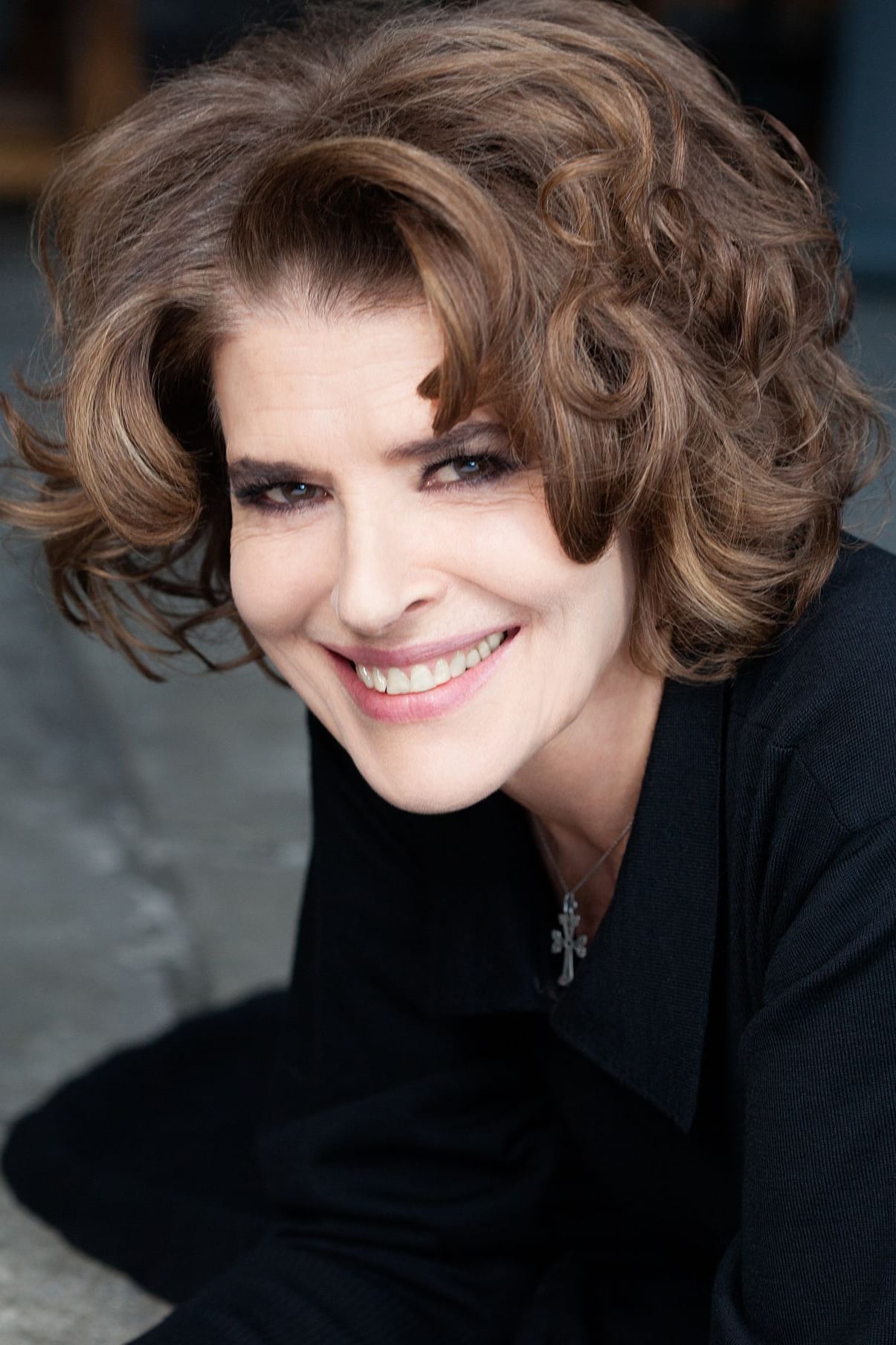
Ardant has defended artists who have become targets of cancel culture by insisting that their creative work must be respected. She believes that the desire to cleanse the arts of controversial figures is a dangerous path toward total cultural uniformity. The actress has argued that the history of art is full of flawed individuals who nevertheless created enduring masterpieces. She maintains that the public should be able to separate the person from the creative output they produce.
Kate Winslet
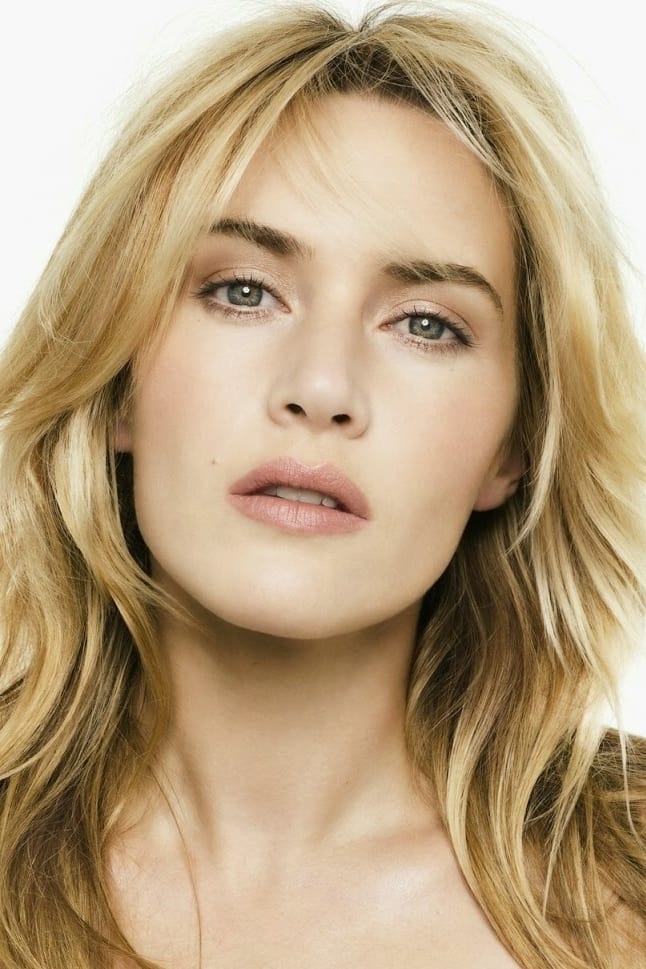
Winslet has discussed the intense pressure that modern social media places on young actors to be perfect examples of social virtue. She believes that this constant monitoring is harmful to the mental health and the creative growth of performers. The actress has expressed a desire for a culture that is more forgiving of human error and less focused on public shaming. She maintains that the best art often comes from a place of vulnerability and imperfection rather than from forced perfection.
Helen Mirren
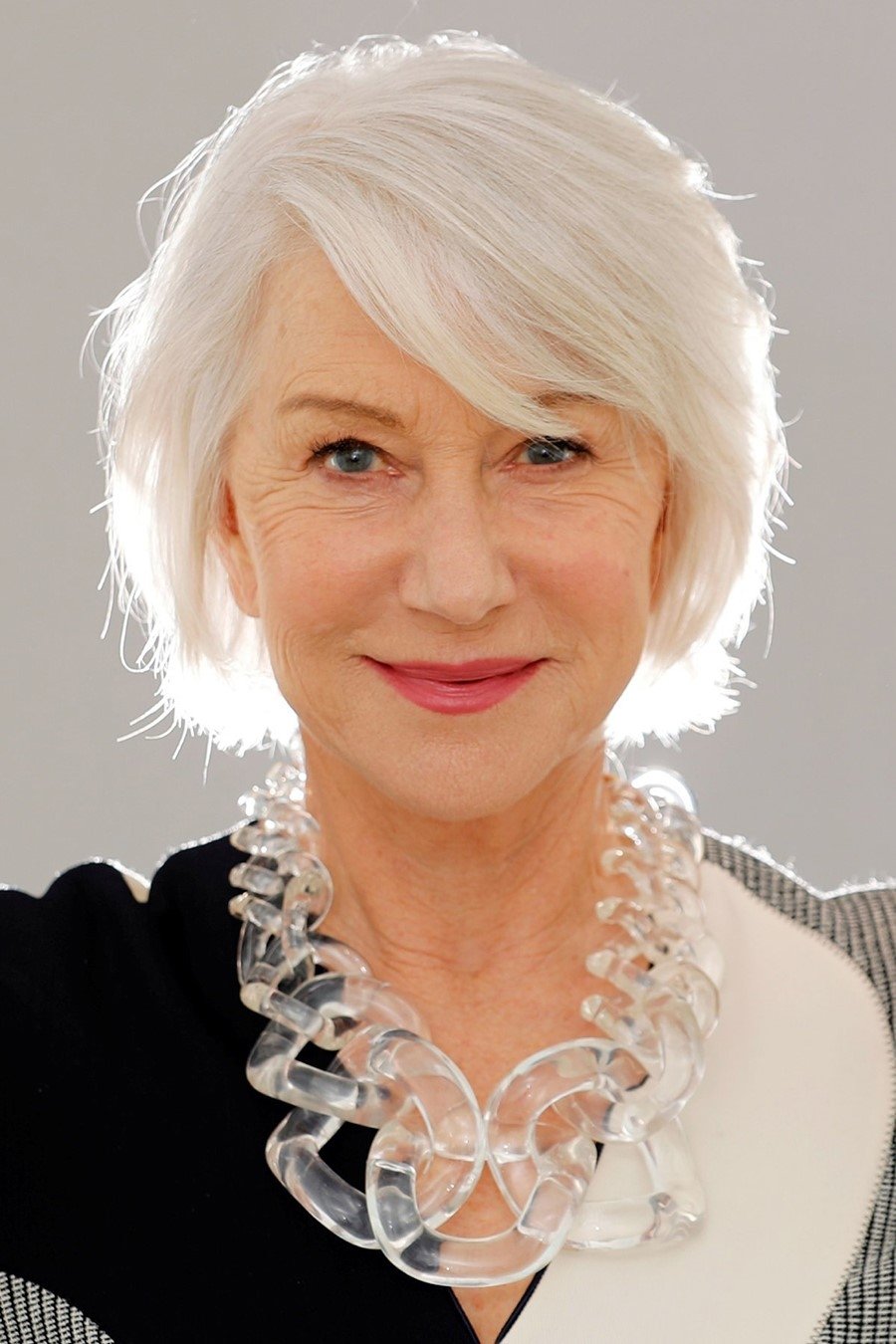
Mirren has suggested that the focus on making everything safe for audiences is detrimental to the power of live theater and film. She believes that art should be allowed to be raw and unfiltered even if it upsets or challenges some viewers. The actress has expressed concern that the creative process is being hindered by an overabundance of caution in the writers room. She advocates for an industry that trusts its audience to handle challenging and provocative themes without being shielded.
Judi Dench
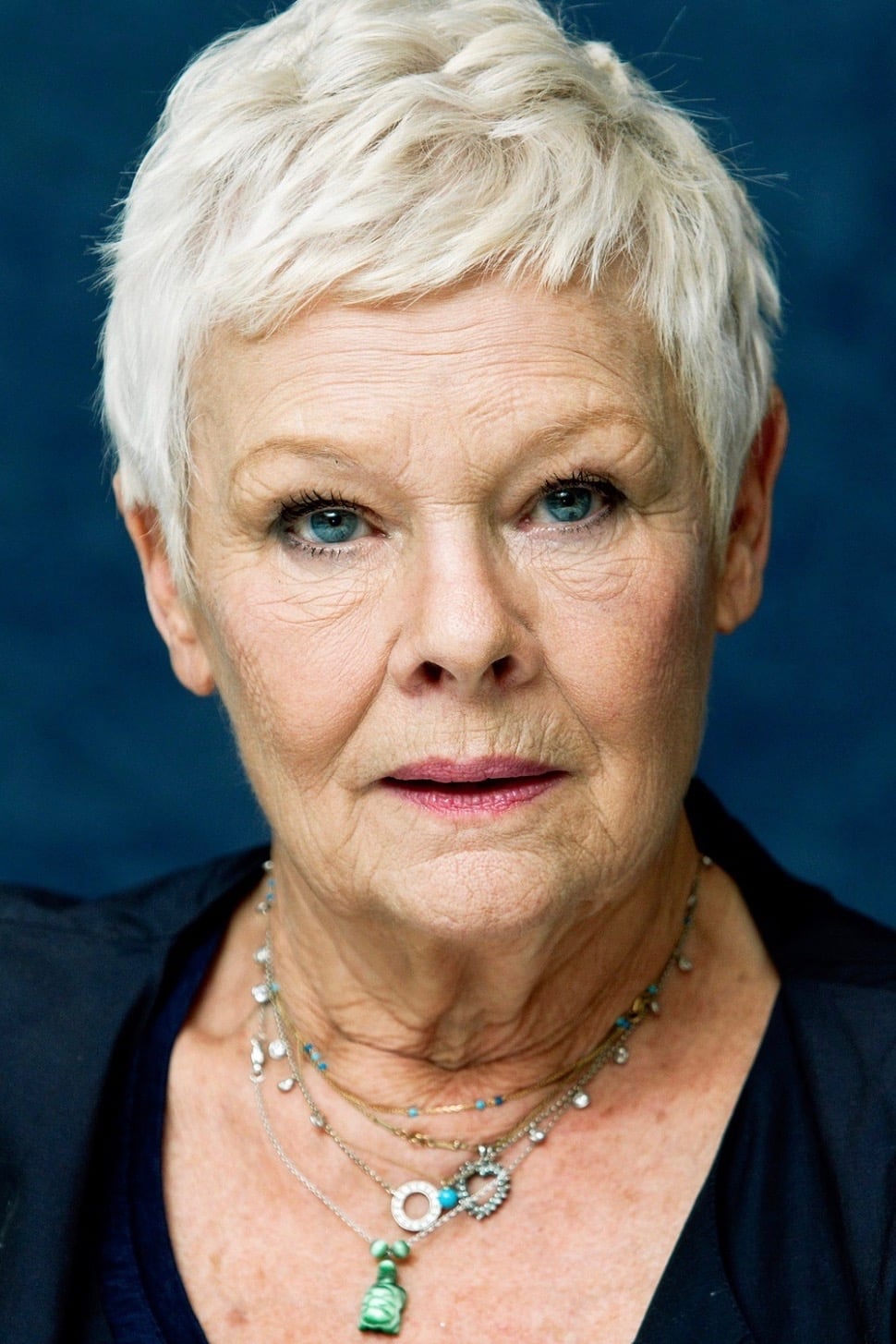
The veteran actress has expressed her disappointment over the removal of historical content that contains outdated language or cultural depictions. She believes that these works should be kept as they are to show how society has evolved over time. Dench has stated that she finds the idea of altering or banning old films and plays to be deeply troubling for the arts. She maintains that preserving artistic history in its original form is essential for the future of the creative industries.
Maggie Smith
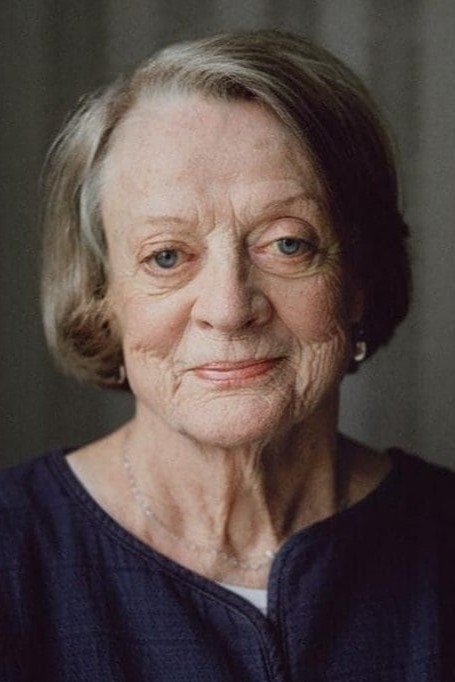
Smith has commented on the rigidity of modern social expectations and how they can stifle the natural flow of a theatrical performance. She believes that the fear of saying something wrong has made the rehearsal room a less free and adventurous place for actors. The actress has noted that the best creative work happens when people feel they can take risks without being judged. She advocates for a return to a more relaxed and open environment in the professional theater world.
Glenn Close
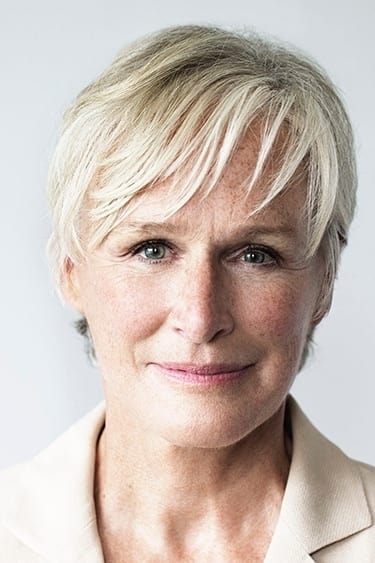
Close has discussed the difficulty of portraying characters who are morally ambiguous in a culture that demands clear heroes and villains. She believes that the current social climate discourages the kind of nuanced storytelling that she has valued throughout her career. The actress has expressed concern that complex human experiences are being simplified to fit modern political and social standards. She maintains that the purpose of acting is to explore the full spectrum of the human condition without judgment.
Martha Plimpton
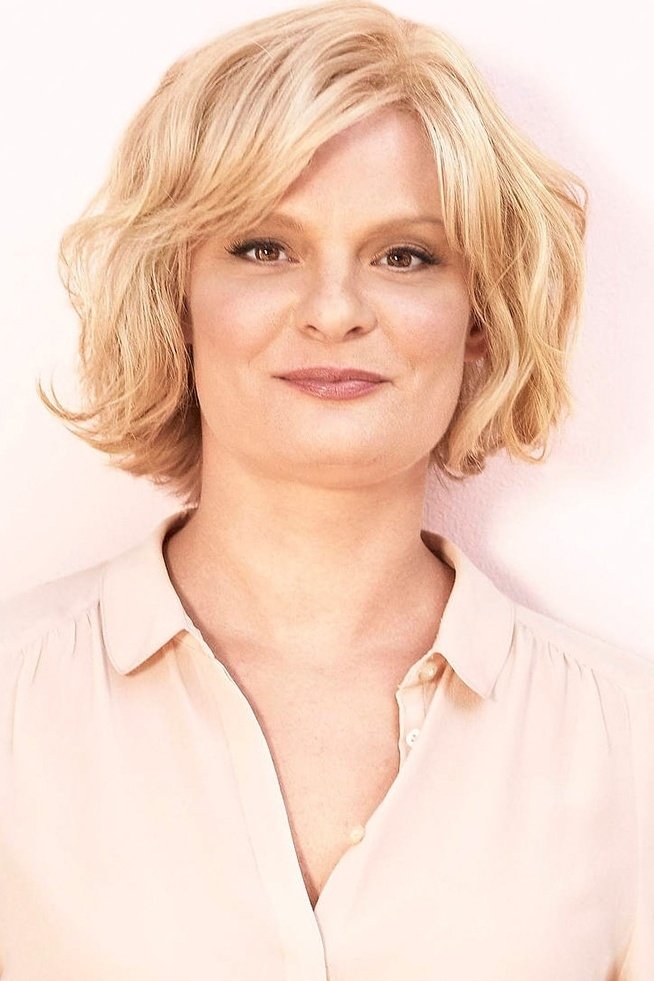
Plimpton has occasionally critiqued the circular and often unproductive nature of online outrage and call out culture in the industry. She believes that the focus on individual transgressions often fails to lead to any meaningful or lasting structural change. The actress has expressed concern that the industry’s reaction to controversies is often performative rather than substantive in nature. She advocates for a more thoughtful and less reactive approach to handling public disagreements and creative differences.
Mayim Bialik
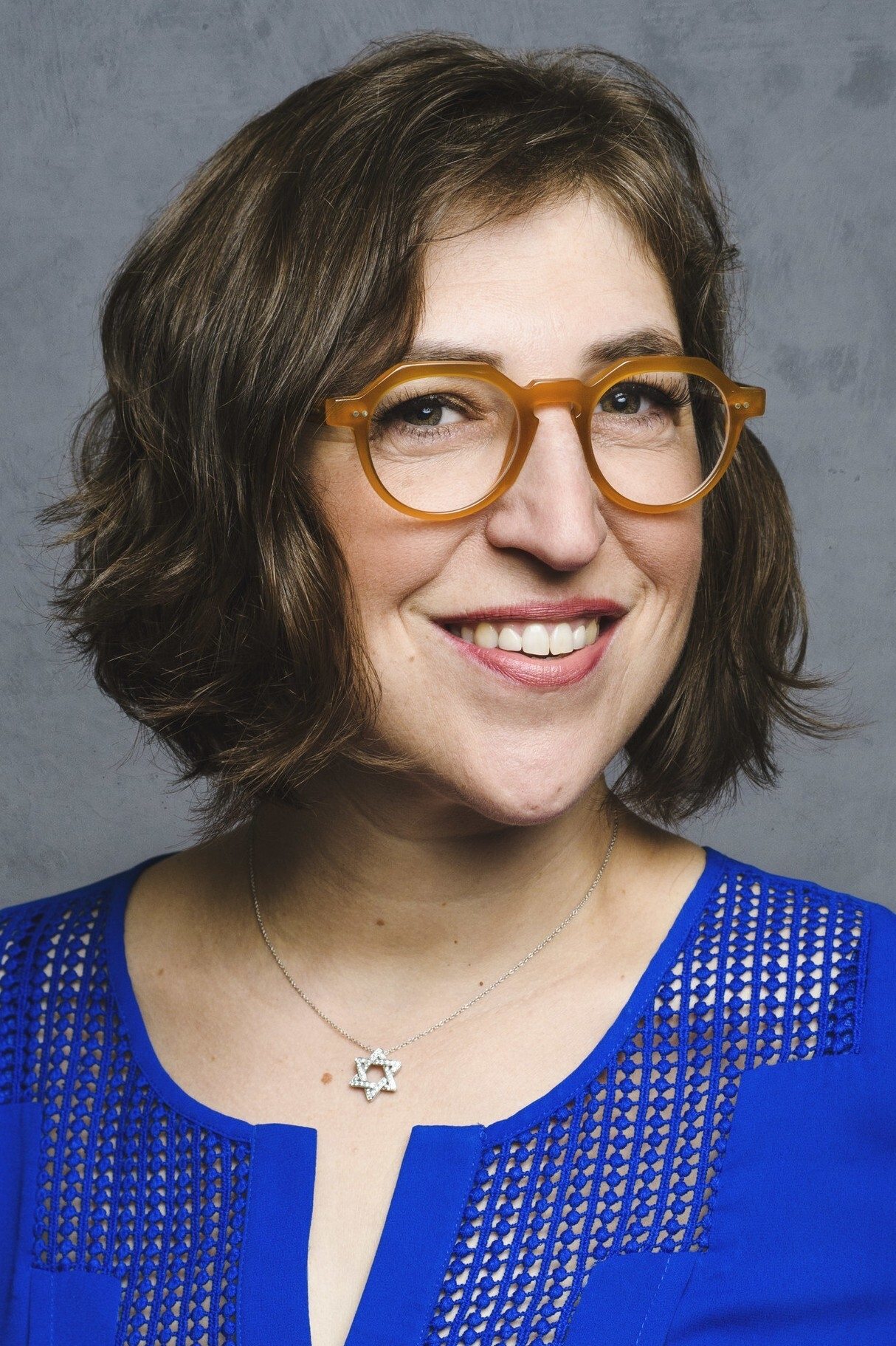
Bialik has spoken about the complexity of cancel culture and the way it can be used to silence diverse opinions in the media. She believes that while accountability is important the movement often lacks the nuance required for fair and balanced judgment. The actress has noted that the fear of public backlash can prevent people from engaging in honest and difficult conversations about art. She maintains that the creative community should strive for a balance between accountability and free expression for everyone.
Jameela Jamil
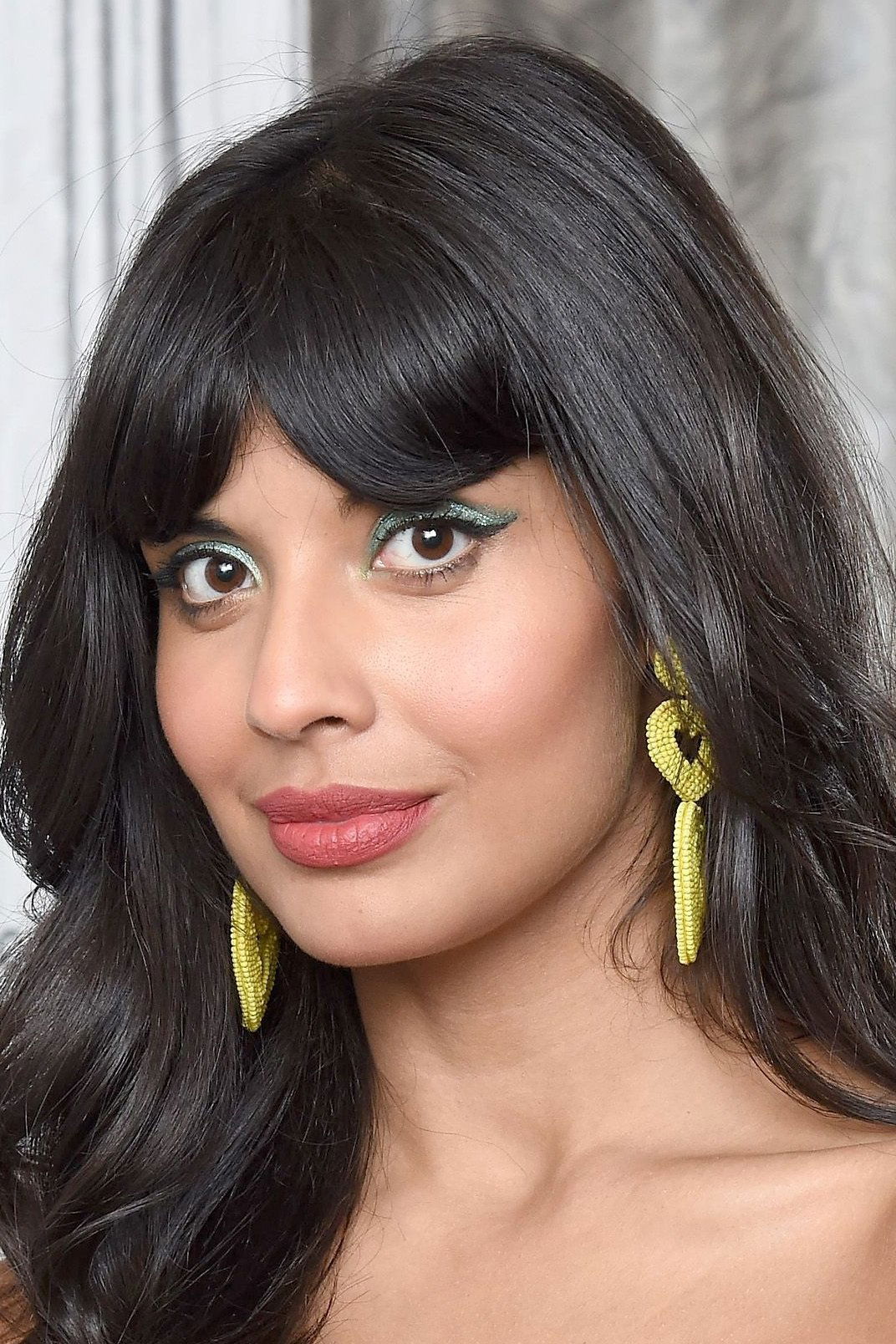
Although she is known for her activism Jamil has spoken out against the toxicity of call out culture on various social media platforms. She believes that the goal of criticism should be education and progress rather than the total destruction of an individual’s career. The actress has expressed concern that the current environment discourages people from admitting their mistakes and learning from them. She advocates for a culture that prioritizes restorative justice over the practice of permanent cancellation.
Elizabeth Hurley
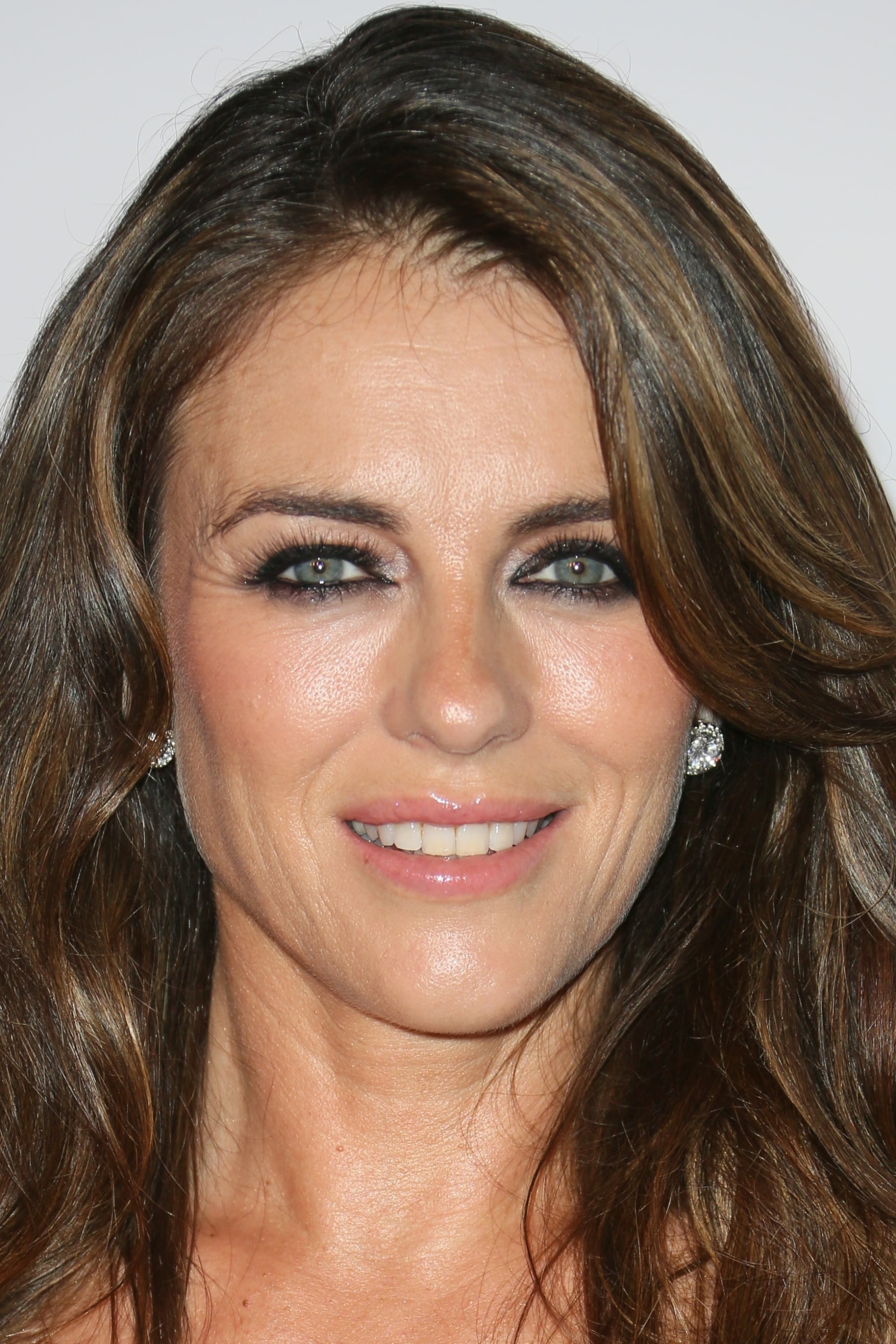
Hurley has described the modern social media landscape as a terrifying place where one wrong word can lead to immediate professional ruin. She believes that the lack of privacy and the speed of judgment are detrimental to the creative life of an artist. The actress has noted that the pressure to conform to current social trends is immense and often overwhelming for performers. She maintains that artists need a certain level of freedom from public scrutiny to do their best and most honest work.
Joan Collins
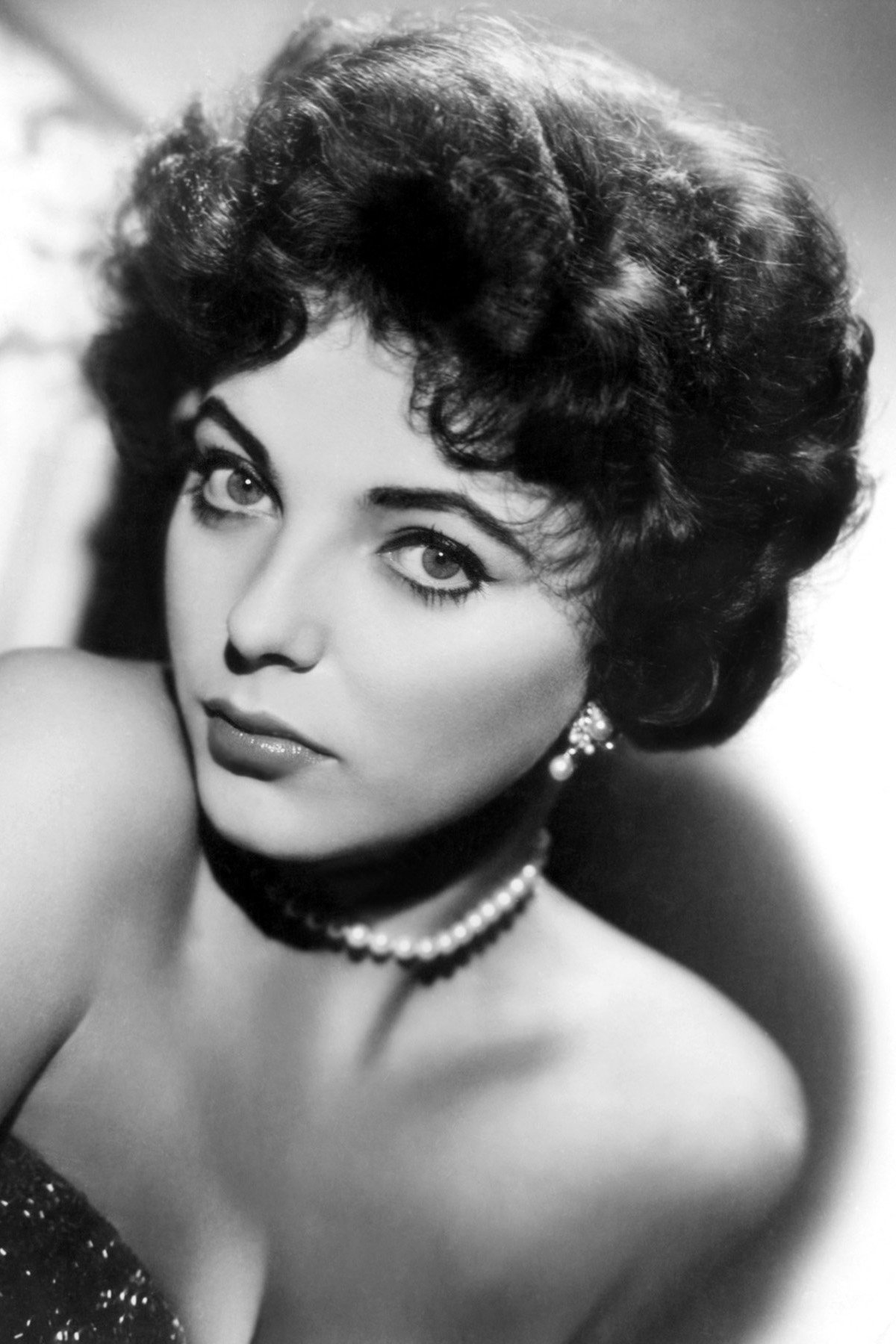
Collins has expressed her disdain for what she describes as the woke culture that she believes is destroying the performing arts. She argues that the constant policing of jokes and storylines is making modern entertainment bland and uninteresting for audiences. The actress has stated that people have become too easily offended and that this sensitivity is a form of cultural decline. She remains a vocal advocate for the kind of bold and unapologetic entertainment that defined previous decades of film.
Cheryl Hines
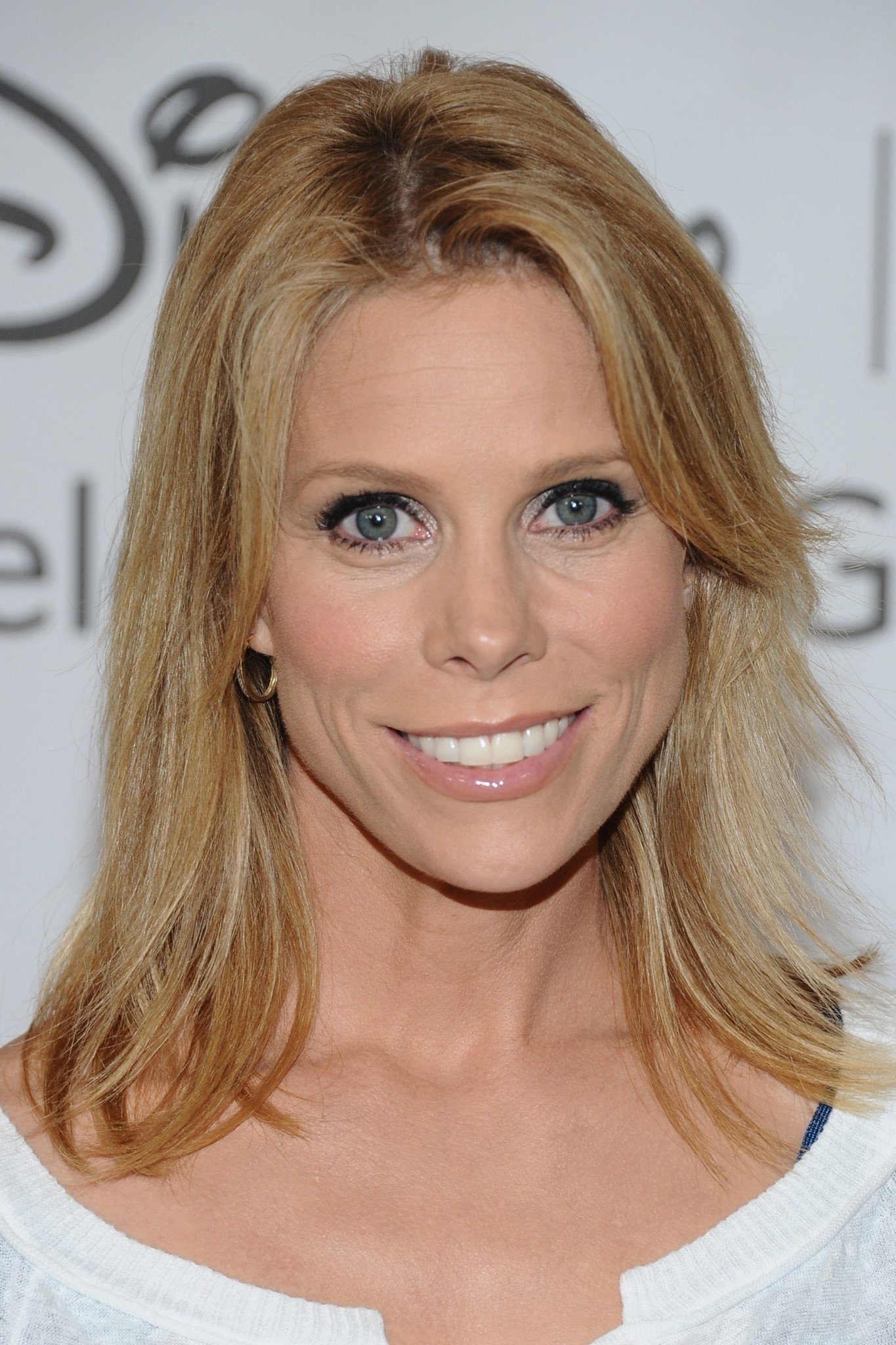
Hines has defended her family members against public backlash and discussed the negative impact of cancel culture on personal relationships. She believes that the rush to judge people based on their associations or views is both unfair and harmful to society. The actress has expressed concern that the entertainment industry is becoming a place where personal loyalty is sacrificed for public approval. She maintains that everyone should be allowed to have their own opinions without being ostracized from their professional circles.
Natasha Lyonne
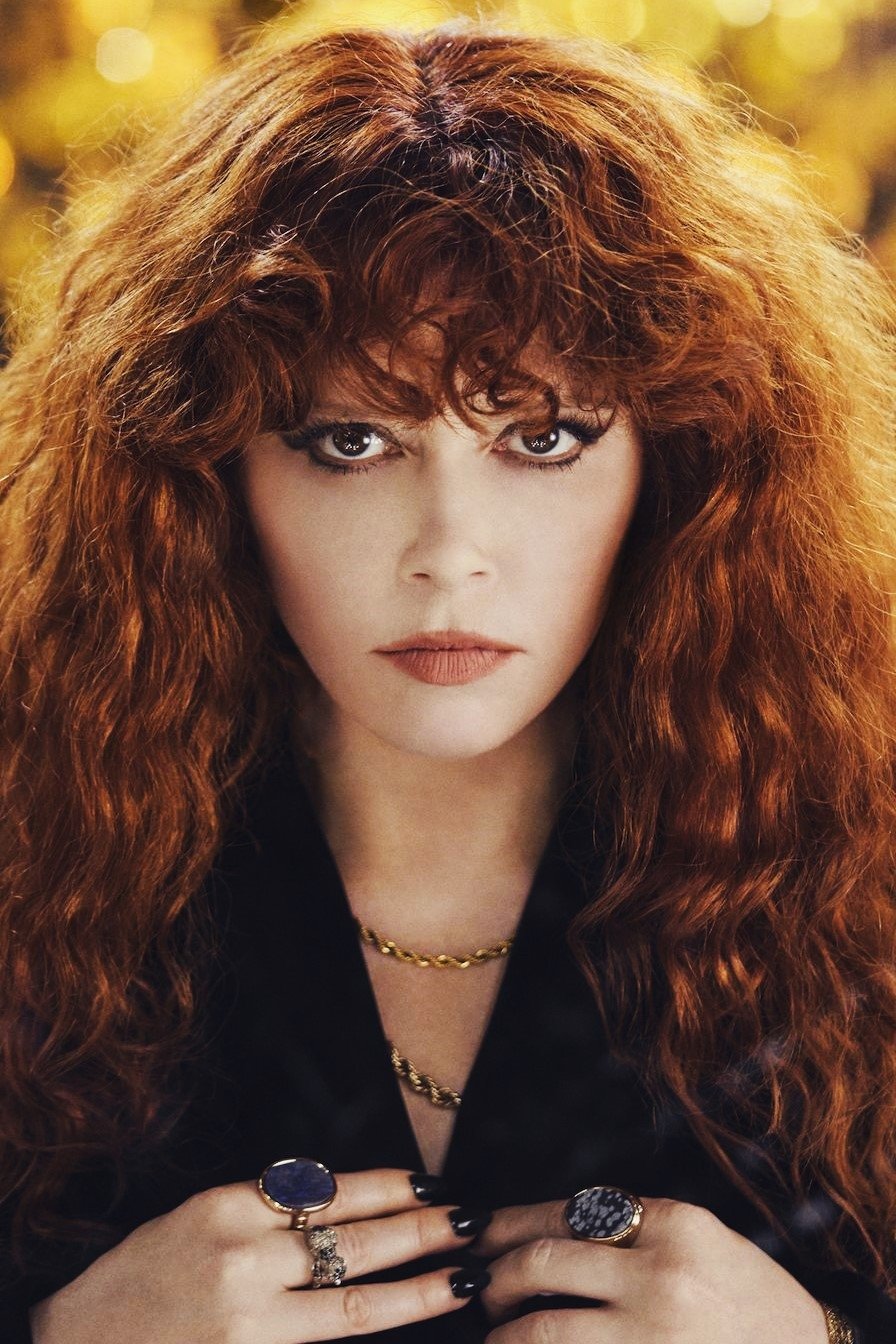
Lyonne has spoken about the necessity of allowing artists to inhabit their messiness and make mistakes without being permanently labeled by the public. She believes that the drive for perfection in the public eye is a threat to the authenticity and depth of performance. The actress has noted that some of the greatest art comes from people who have lived complicated and often controversial lives. She advocates for a culture that values the broad human experience over simple social compliance and performative virtue.
Pamela Anderson
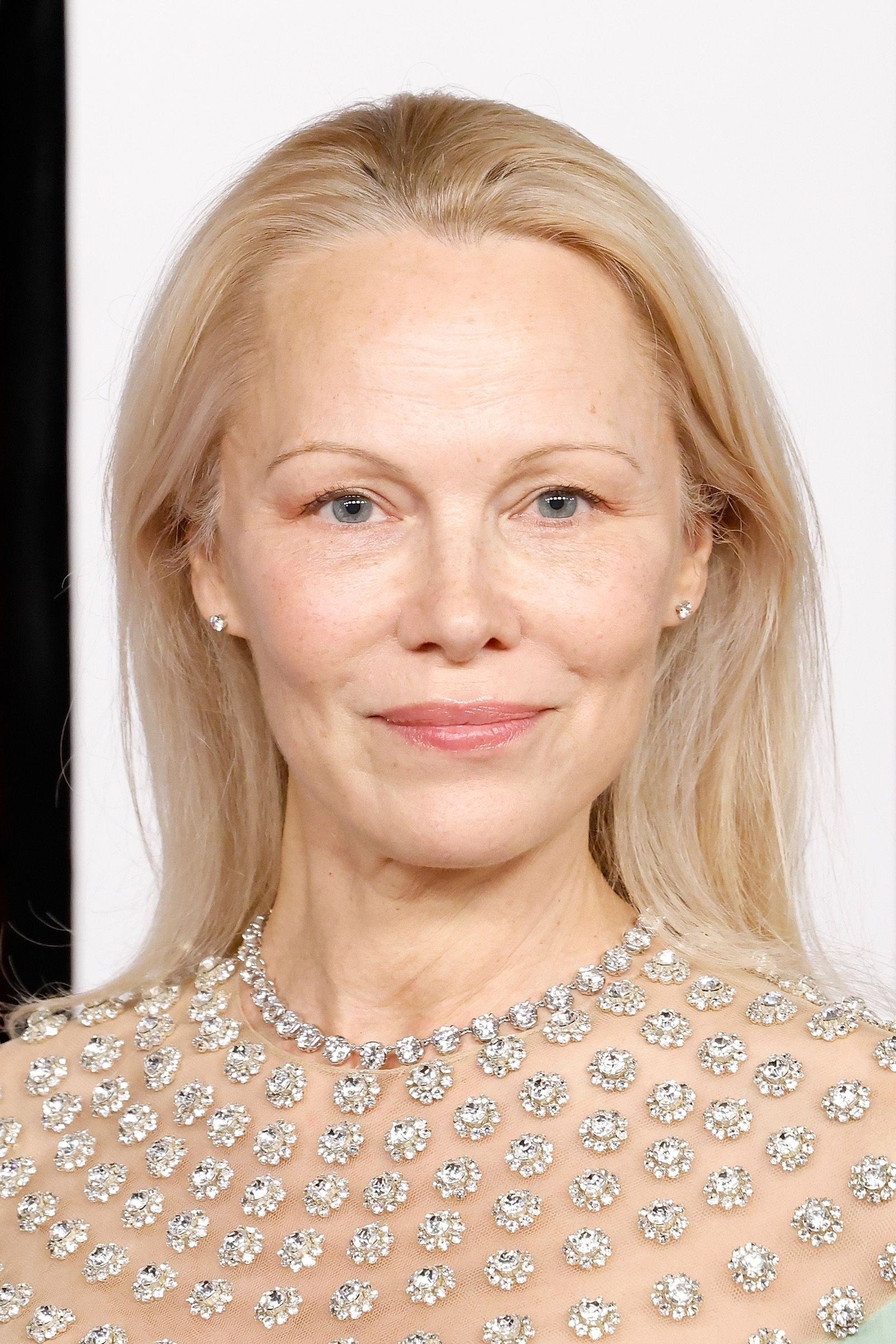
Anderson has stated that the movement against inappropriate behavior in the industry has in some ways become a bore that stifles interaction. She believes that the current atmosphere has made people afraid of natural human interactions and creative play on set. The actress has expressed concern that the fear of causing offense has taken the fun out of the filmmaking process for everyone involved. She maintains that a balance must be found between safety and the freedom to be provocative in the arts.
Drew Barrymore
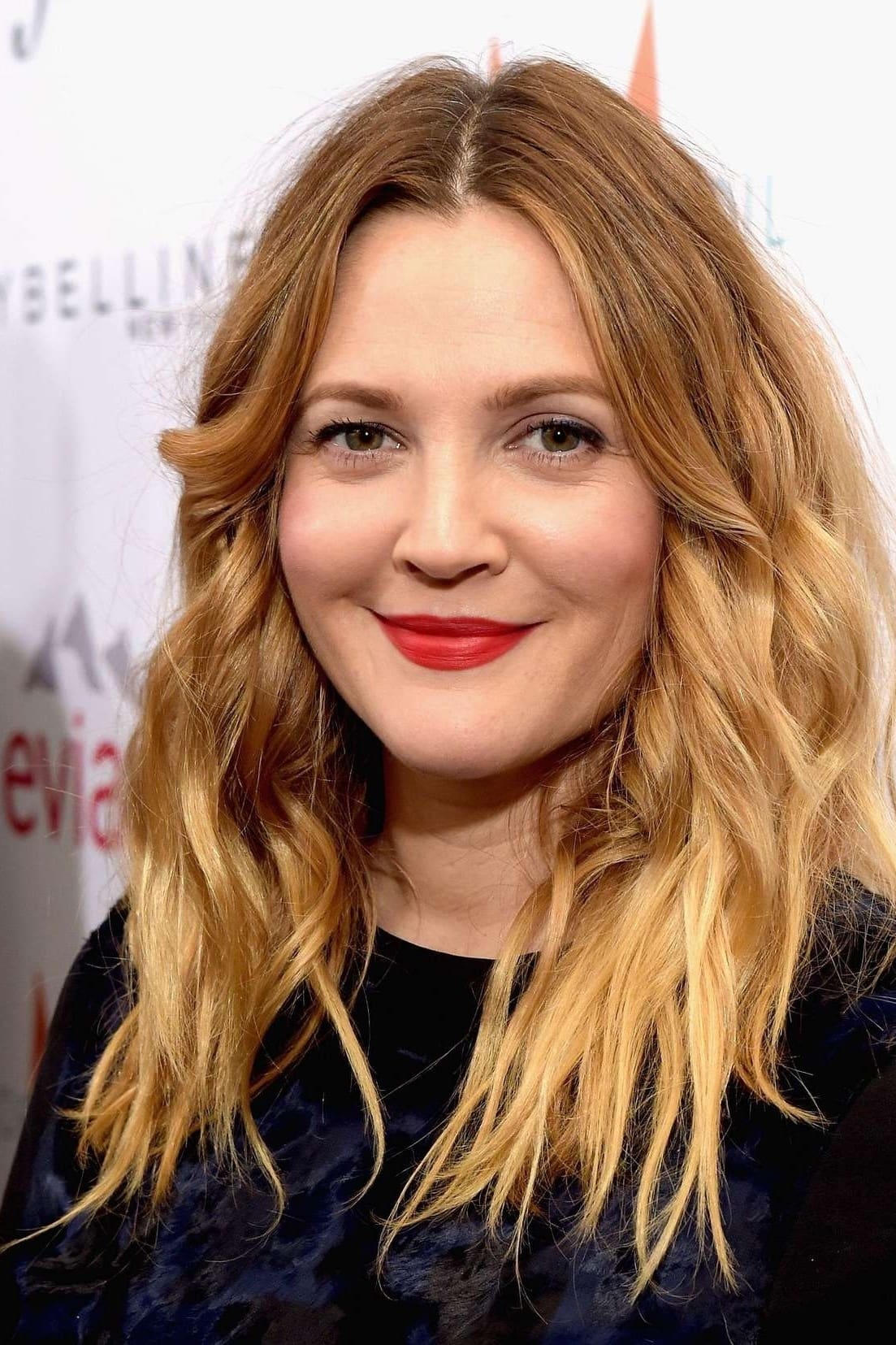
Barrymore has reflected on her own unconventional past and how she might have been treated differently in today’s digital age of judgment. She believes that the lack of nuance in modern public discourse is a disservice to the complexity of the human journey. The actress has expressed a desire for more empathy and less immediate condemnation within the entertainment industry. She advocates for a culture that allows for personal growth and transformation over the course of a long career.
Jamie Lee Curtis
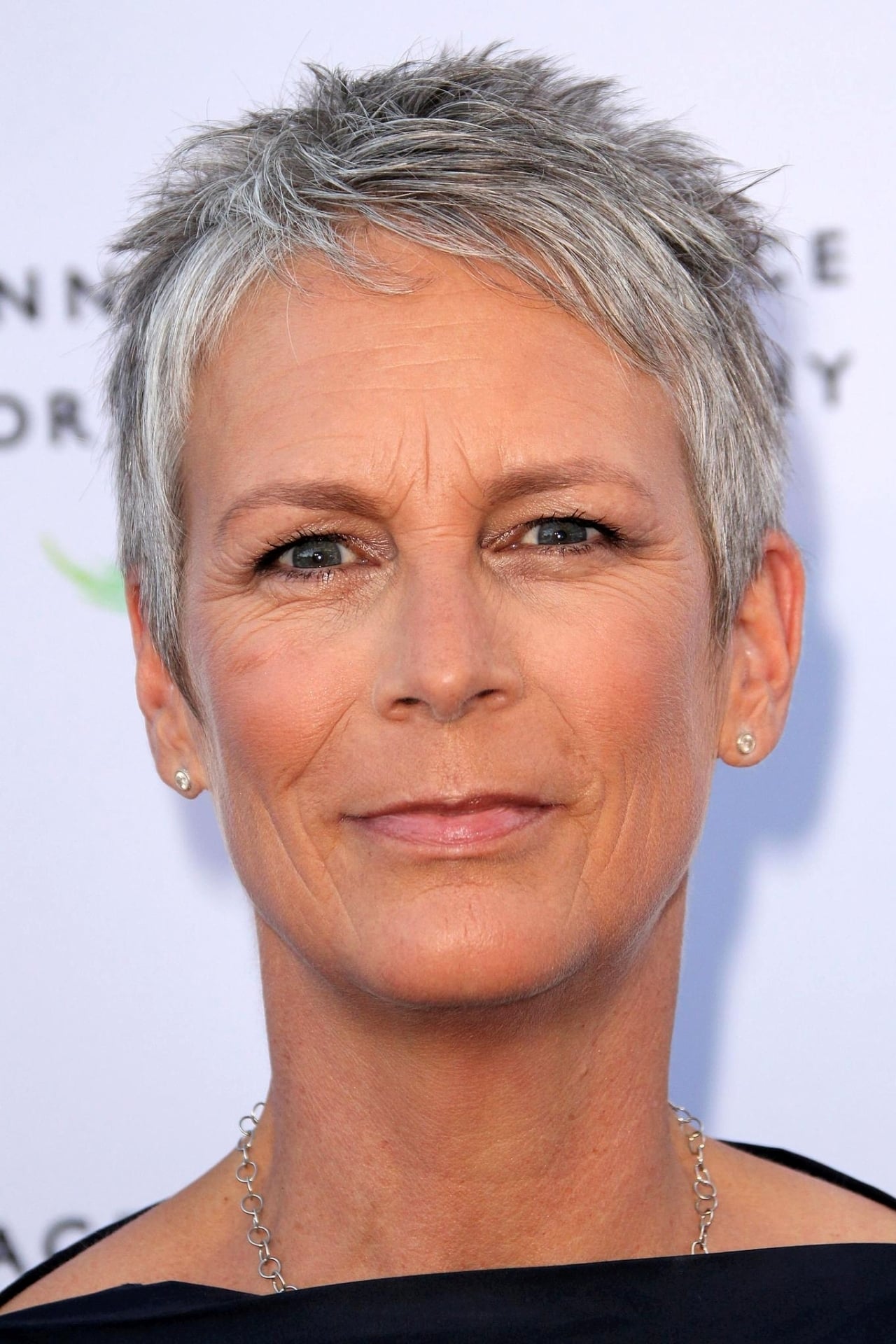
Curtis has discussed the loss of humanity that occurs when people are reduced to a single mistake or controversy on the internet. She believes that the speed of digital cancellation prevents people from understanding the full context of a person’s life and work. The actress has expressed concern that the current environment is making the next generation of artists afraid to be themselves. She maintains that the arts should be a place where the full spectrum of human life is celebrated and eventually forgiven.
Sarah Jessica Parker
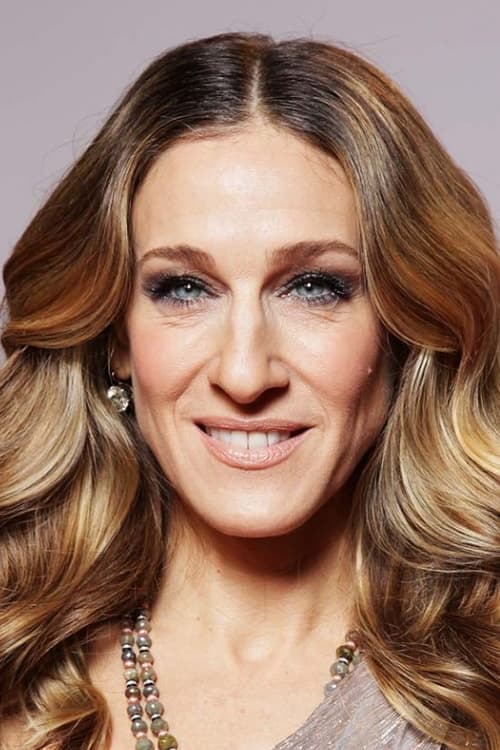
The actress has expressed concern about how older television shows are being reevaluated and sometimes criticized through a modern lens. She believes that it is difficult to apply current social standards to creative works that were made in a different era. Parker has noted that the fear of public backlash can lead to a more cautious and less interesting approach to new storytelling. She advocates for a more generous interpretation of the past that acknowledges the evolution of social and cultural values.
Courteney Cox
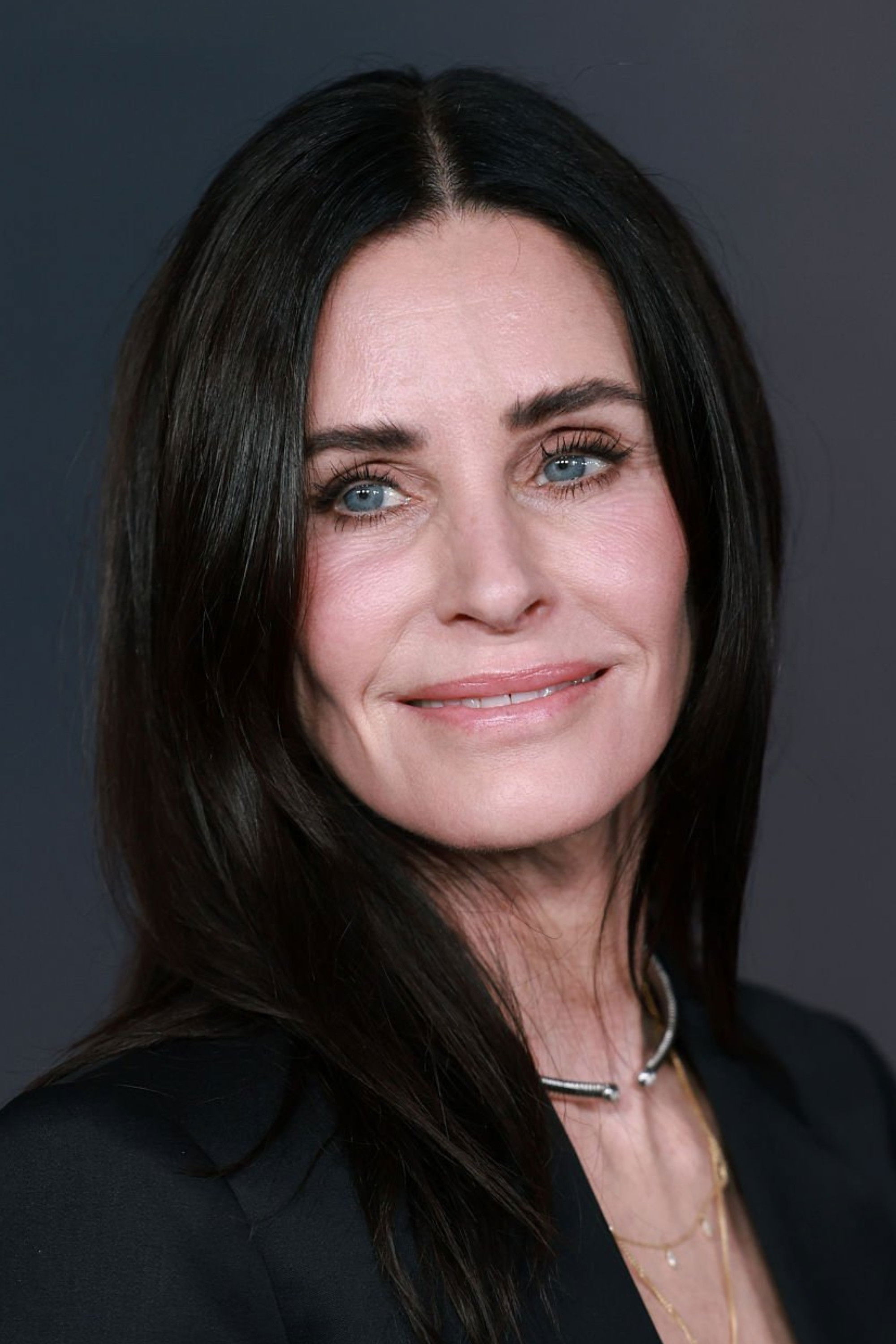
The actress has reflected on how comedy has changed since she first appeared in the hit series ‘Friends’. She believes that the current cultural landscape makes it difficult for creators to take risks with their humor or character development. Cox has expressed a desire for a return to a time when audiences were more forgiving of fictional characters and their human flaws. She maintains that the essence of storytelling is lost when every word is scrutinized for potential offense by the public.
Please share your thoughts on the impact of cancel culture on the film and television industry in the comments.