Black Musicians Who Were Labeled “Uncle Toms” for Their Conservative Views

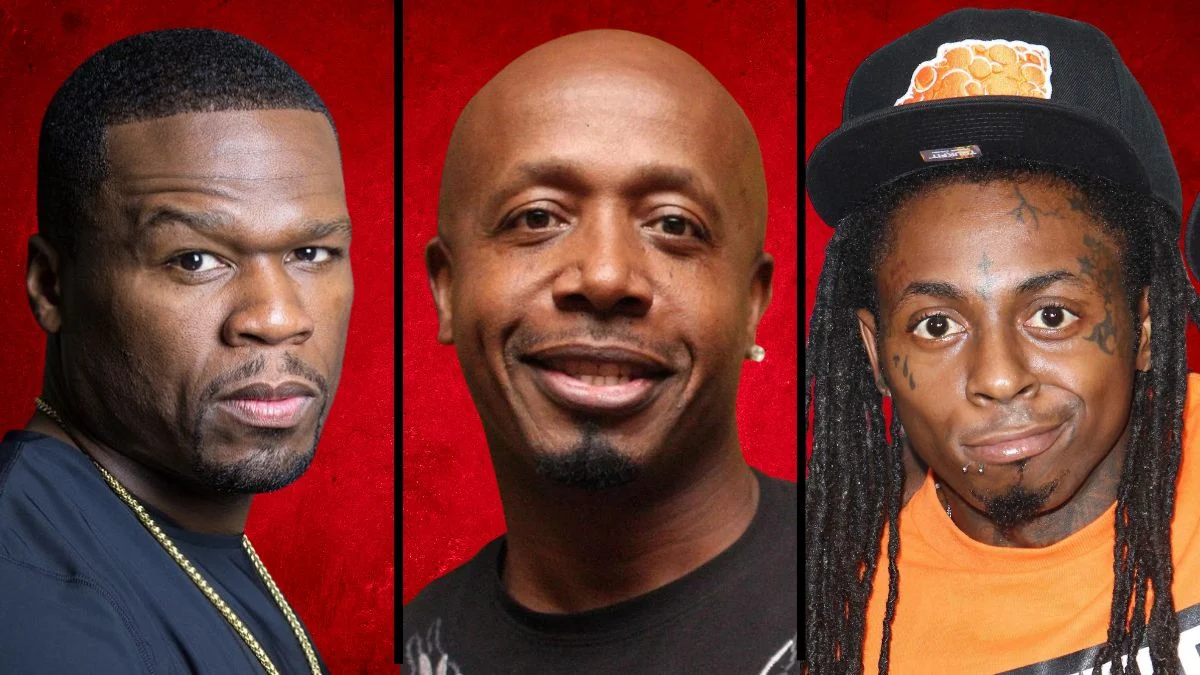

The intersection of music and politics has often been a volatile space for Black artists who choose to deviate from the expected liberal consensus. When musicians express conservative viewpoints or support Republican leaders they frequently face intense backlash from their fans and the broader public. This criticism often manifests through the use of the Uncle Tom label which suggests a betrayal of their community for personal or political gain. While some artists claim their stances are rooted in economic self reliance or personal freedom others see it as a harmful alignment with oppressive systems. The following list examines several Black musicians who have navigated these controversies throughout their careers while holding onto their right leaning beliefs.
Ye
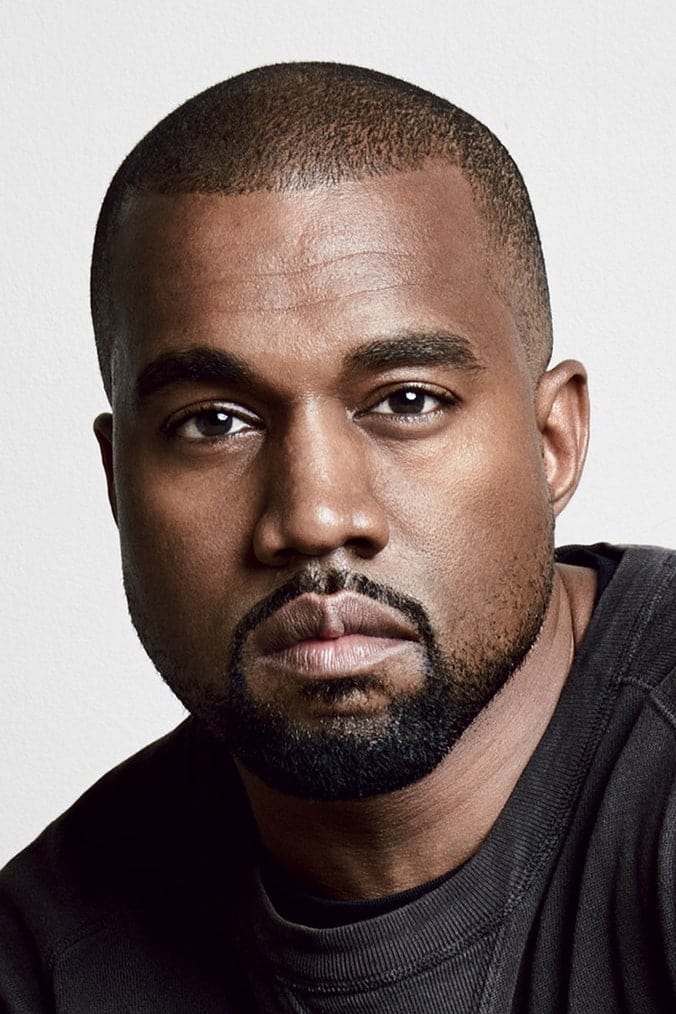
The artist formerly known as Kanye West became one of the most visible supporters of the Republican party in recent years. His public embrace of the MAGA movement and high profile meetings with Donald Trump sparked massive backlash from fans and peers alike. Critics often labeled him an Uncle Tom for his rhetoric regarding slavery and his alignment with right wing ideologies. Despite the criticism Ye maintained that his support was about free thought and breaking away from the perceived monolith of Black political thought. He has frequently used his platform to promote conservative values and economic self reliance within the Black community.
Sammy Davis Jr.
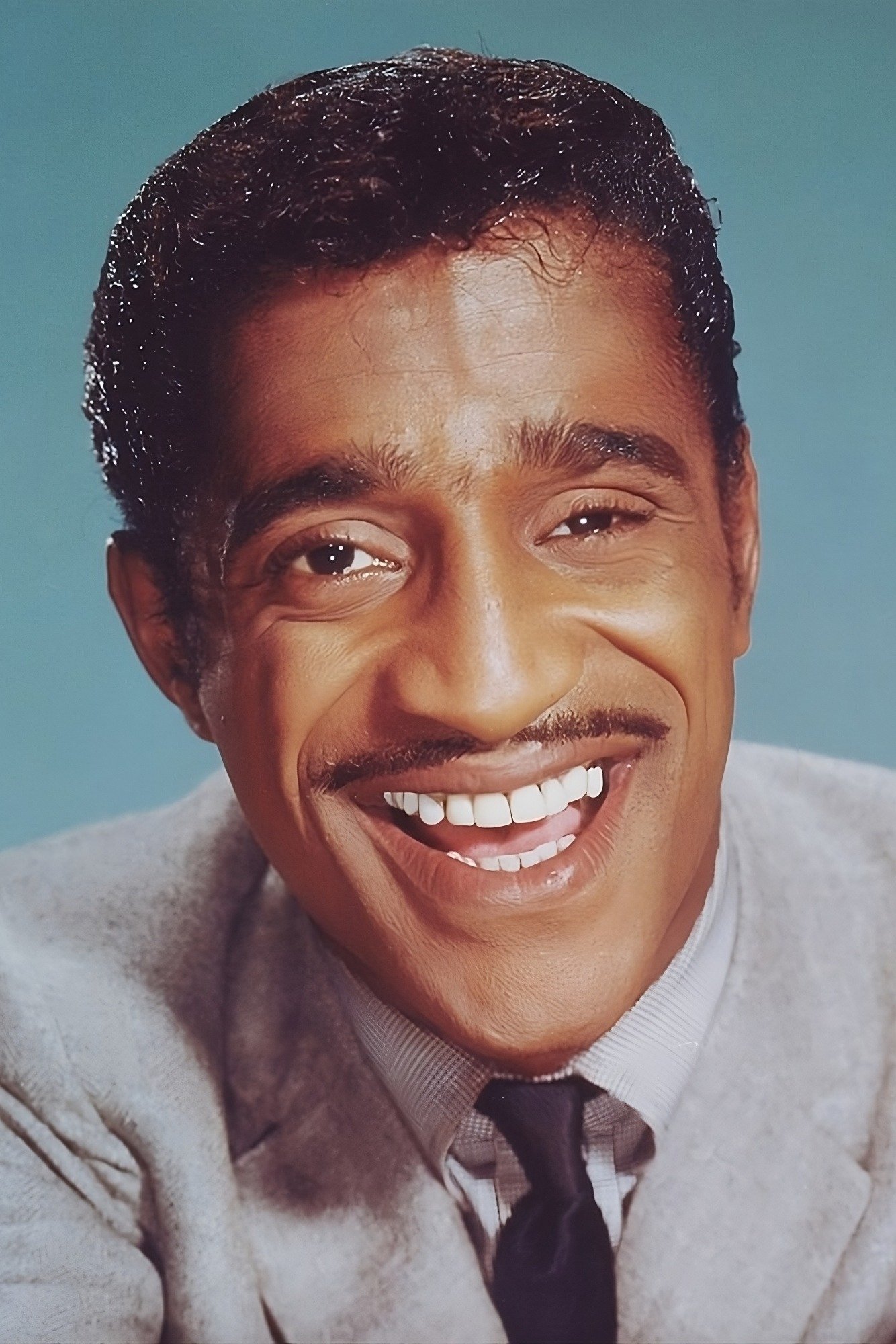
The legendary entertainer faced significant ostracization when he publicly embraced Richard Nixon during the 1972 presidential campaign. A famous photograph of him hugging the president became a symbol of his perceived betrayal to many Black activists of the civil rights era. He was frequently targeted with derogatory labels and faced verbal abuse during his live performances. Davis Jr. defended his actions as a strategic way to maintain influence and advocate for civil rights within the Republican administration. He later expressed that the backlash was one of the most difficult periods of his professional life.
James Brown
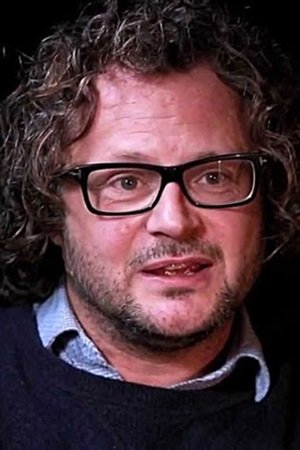
The Godfather of Soul caused a major stir when he endorsed Richard Nixon and performed at his inaugural concert in 1969. Many of his younger fans viewed this alliance as a direct contradiction to his iconic anthem of Black pride and empowerment. This political stance led to protests outside his shows and the use of the Uncle Tom label in various media outlets. Brown argued that he was promoting Black entrepreneurship and self help rather than specifically endorsing party politics. He eventually moved away from the political spotlight after the negative reactions began to impact his commercial success.
Ray Charles
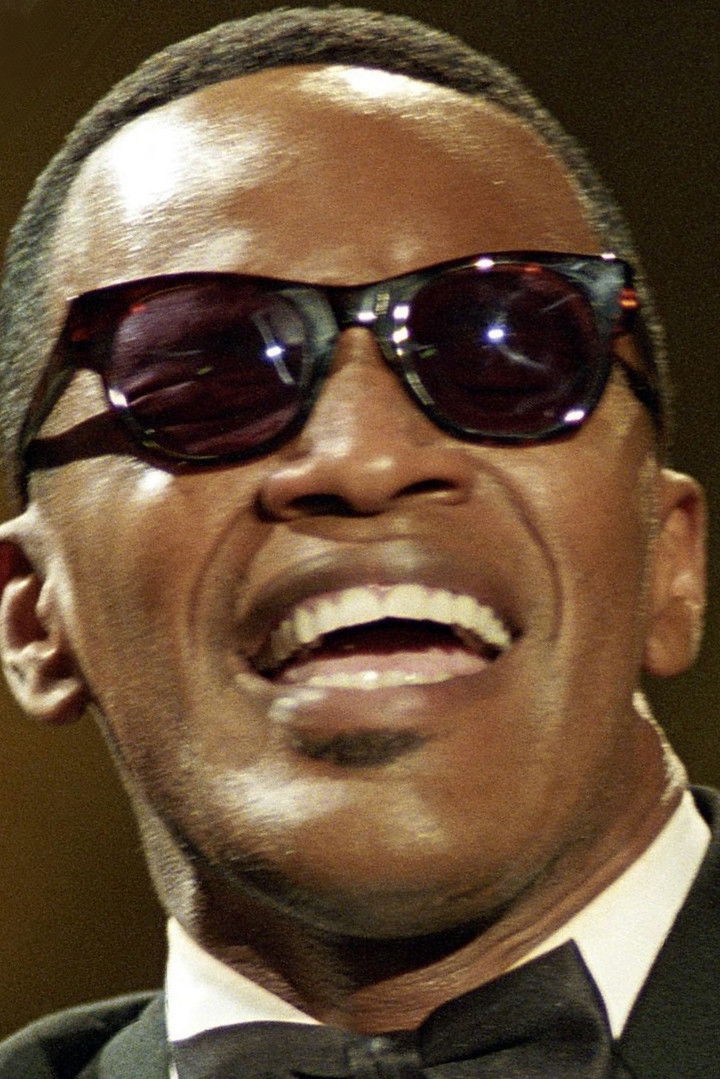
The soul pioneer faced intense criticism for his decision to perform in South Africa during the apartheid era and his later support for Republican candidates. Many activists labeled him with derogatory terms for appearing to ignore social justice movements in favor of professional opportunities. He also performed at the Republican National Convention for Ronald Reagan which further alienated some segments of his audience. Charles maintained that he was a musician for all people and did not believe his art should be restricted by political boundaries. His legacy remains a point of discussion regarding the balance between artistic freedom and social responsibility.
Lil Wayne
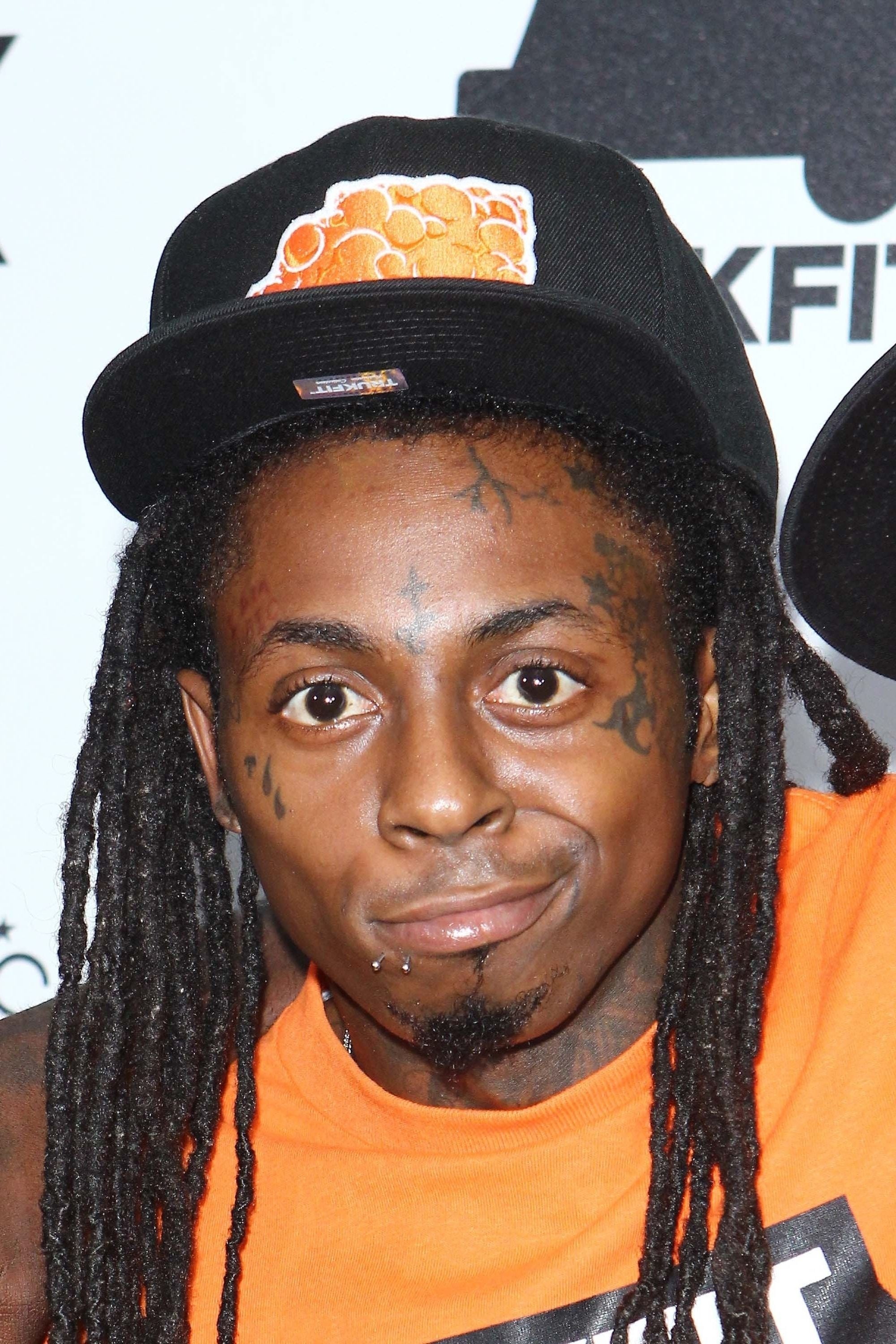
The rapper sparked widespread controversy when he praised Donald Trump and posed for a photo with him just before the 2020 election. He expressed support for the administration economic policies and a specific plan designed for Black Americans. This endorsement led to a massive wave of criticism on social media where many users labeled him a sellout. Lil Wayne largely ignored the insults and focused on the potential for criminal justice reform through executive action. His political stance remains a polarizing topic among his long time followers and peers in the hip hop industry.
50 Cent
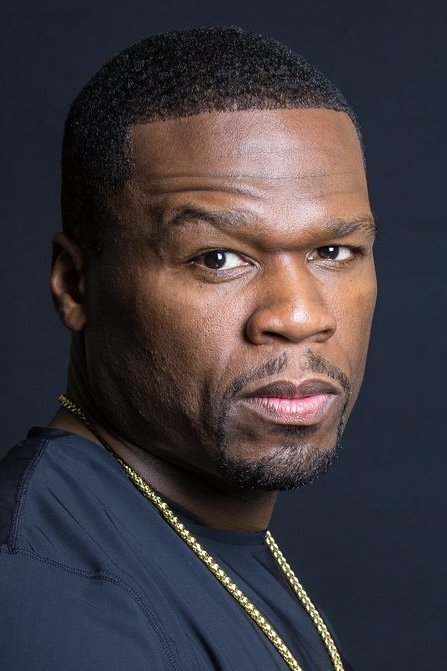
After voicing his support for Donald Trump due to concerns over tax policies the rapper faced immediate and harsh condemnation. He suggested that he did not want to see his personal wealth diminished under a different administration and encouraged his fans to vote Republican. The backlash was swift with many critics using the Uncle Tom label to describe his perceived lack of loyalty to his community. He later clarified some of his comments but the derogatory label continued to follow him in political discussions. His business minded approach to politics often puts him at odds with traditional voting blocks.
Ice Cube
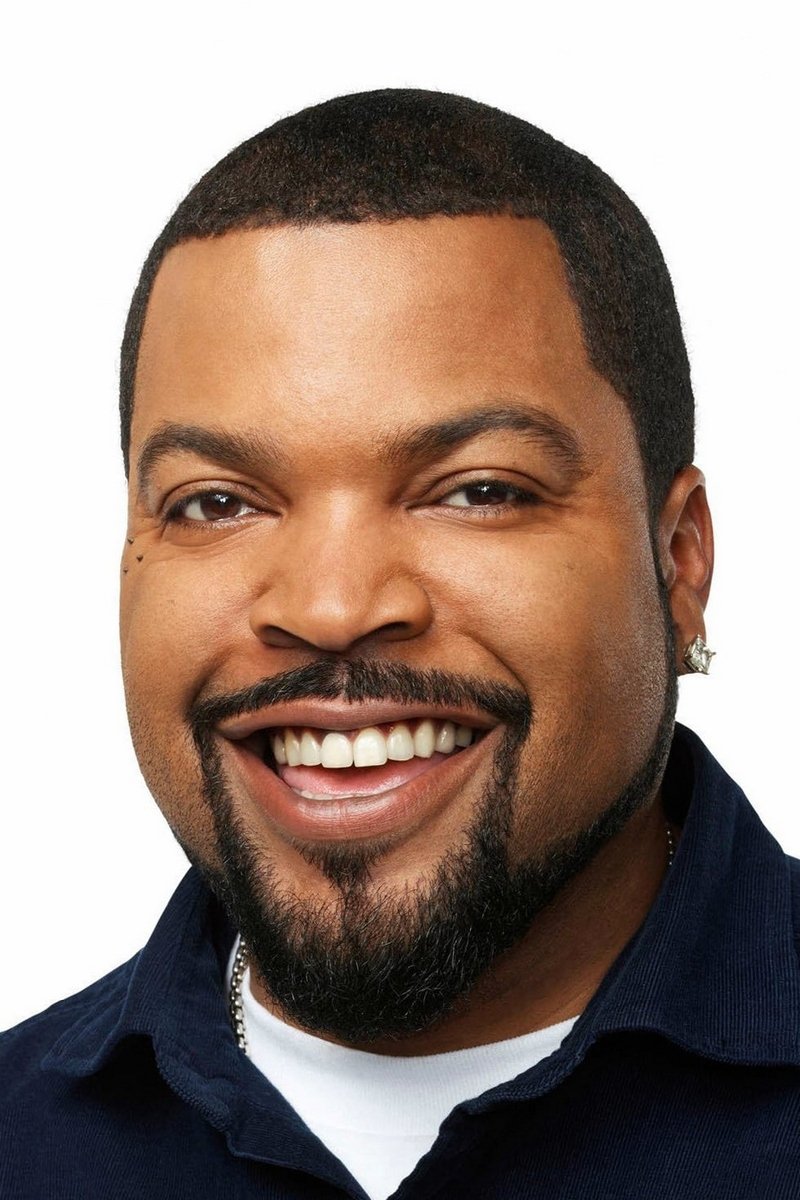
The veteran rapper and actor faced significant backlash for his willingness to work with the Trump administration on the Contract with Black America. While he maintained that he was willing to talk to any political party to achieve progress many saw his cooperation as a betrayal. He was criticized for providing a platform and potential legitimacy to a candidate that many in his community opposed. Ice Cube defended his actions by stating that he was not endorsing a person but rather pushing a specific policy agenda. The discourse surrounding his decision frequently involved the use of harsh derogatory labels.
Eazy-E
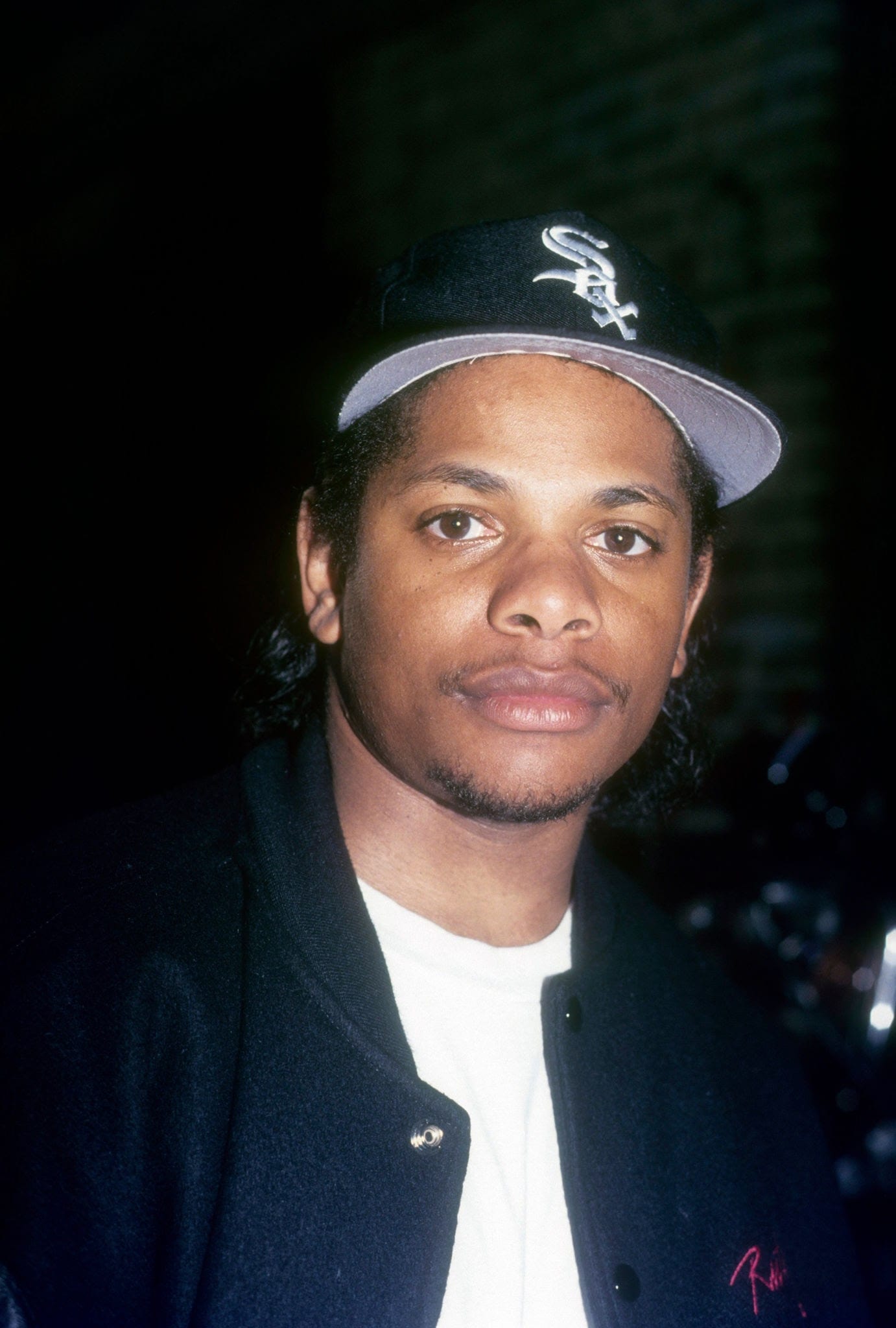
The N.W.A member surprised the music world when he attended a Republican fundraiser for the Inner City Business Association during the George H.W. Bush administration. His attendance at the luncheon led to widespread mockery and the Uncle Tom label from both fans and fellow artists. Critics found it ironic that a rapper known for anti establishment lyrics would dine with conservative politicians. Eazy-E claimed he was simply curious about the event and donated money to see what was happening in those political circles. His appearance at the event remains a curious and controversial footnote in the history of gangsta rap.
MC Hammer
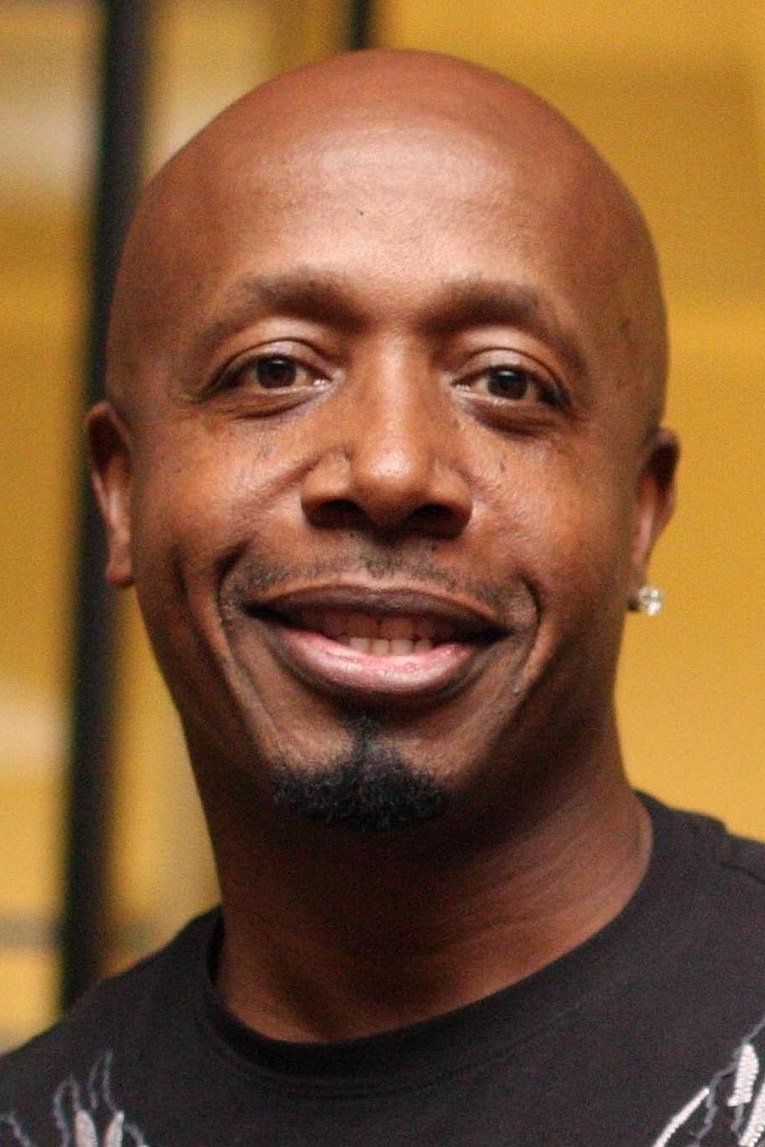
During the height of his fame in the 1990s the performer was often criticized for his clean image and perceived proximity to corporate interests. He was frequently targeted with labels that suggested he was catering to a white audience at the expense of his own culture. Hammer faced these accusations while he was one of the most commercially successful artists in the world. He eventually tried to address the criticism by shifting his musical style to a harder sound to regain street credibility. The label of being a conservative or corporate puppet persisted in some circles for years.
Waka Flocka Flame
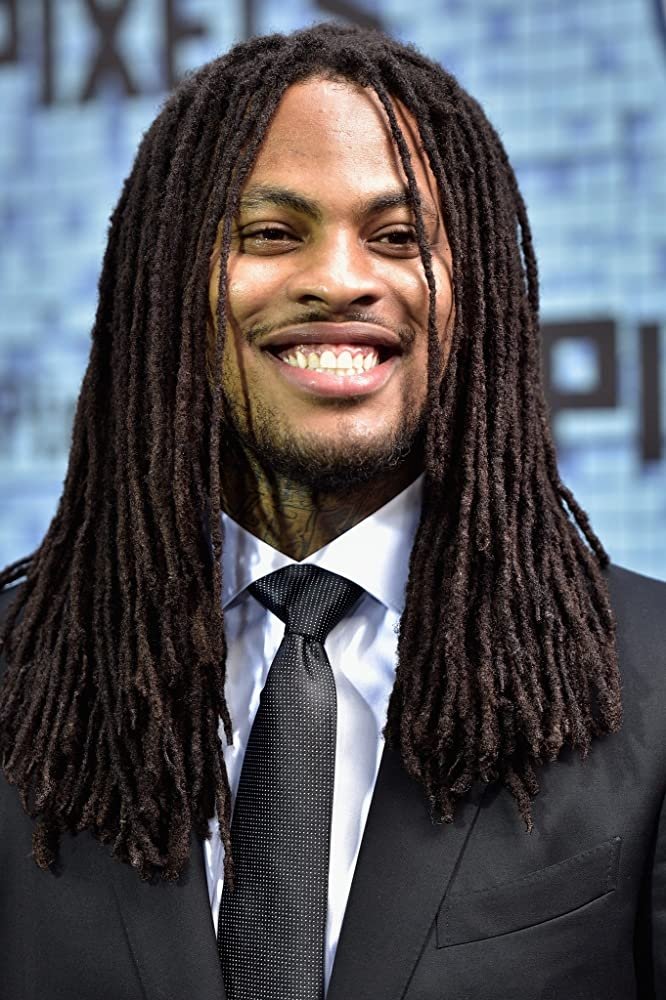
The rapper has been vocal about his support for conservative figures and his disdain for certain liberal policies over the years. He has publicly endorsed Donald Trump and suggested that the former president did more for the Black community than his successors. This stance led to a significant amount of internet backlash and the application of various derogatory terms. Waka Flocka Flame often responds to these critics by doubling down on his personal beliefs and the importance of independent thinking. He remains a polarizing figure in the hip hop community due to his political outbursts.
Kodak Black
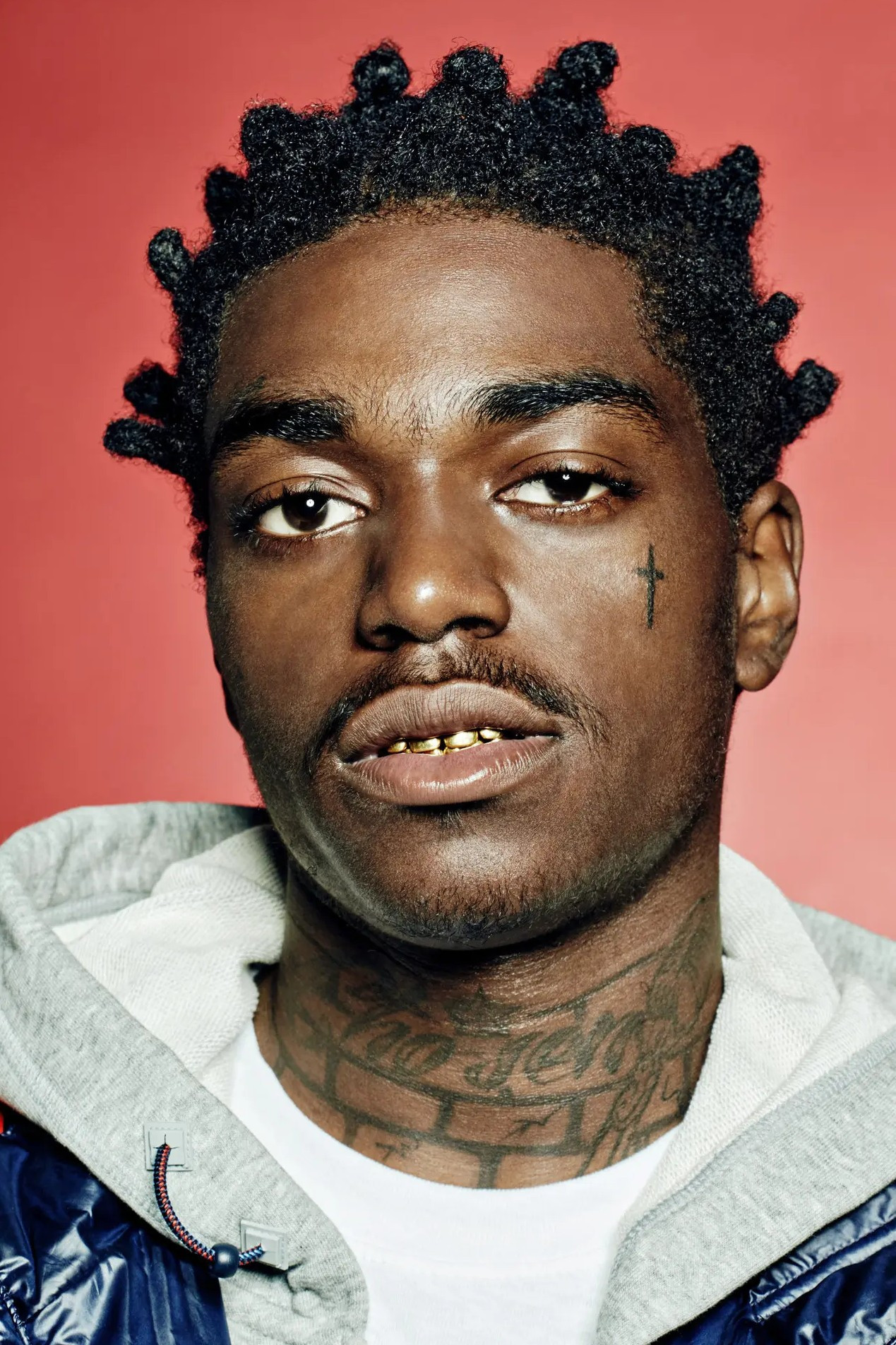
After receiving a commutation from Donald Trump the rapper became a staunch and vocal supporter of the former president. He has frequently praised the Republican leader in interviews and on social media for granting him a second chance at life. This public loyalty has resulted in many fans and activists labeling him an Uncle Tom for his political alignment. Kodak Black continues to showcase his support regardless of the negative feedback he receives from his audience. He often frames his political views as a matter of personal gratitude and unwavering loyalty.
Killer Mike
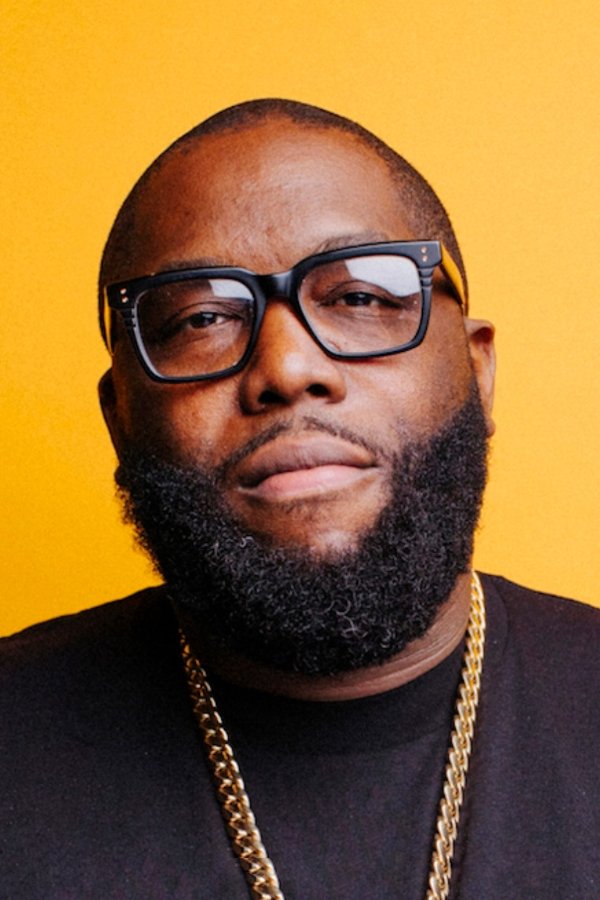
Despite his long history of social activism the rapper faced intense criticism for meeting with Republican Governor Brian Kemp to discuss community issues. Many people in the community felt that his willingness to sit down with a conservative leader was a form of betrayal. The rapper was accused of being a puppet for the establishment and faced the Uncle Tom label across various social platforms. He defended the meeting as a necessary step for economic development and community empowerment in Georgia. He continues to advocate for strategic engagement across the political aisle to achieve results.
Nicki Minaj

The rap icon drew fire from the public after sharing skeptical views on vaccines and appearing to align with certain conservative media personalities. Her comments were picked up by right wing pundits who praised her for questioning mainstream health narratives. This alignment led to accusations that she was being used as a tool for conservative agendas. Many critics used derogatory labels to describe her perceived shift in ideological focus during the controversy. She maintained that she was simply standing up for her own personal health choices and asking important questions.
B.B. King

The blues legend was known for his support of Republican candidates and performed at various party events throughout his career. He was a vocal supporter of Richard Nixon and later Ronald Reagan which did not always sit well with his younger audience. Some critics and fans labeled him an Uncle Tom for his close ties to the political establishment. King often stated that he did not see his music as a political tool and preferred to keep his views personal. His long standing relationships with conservative leaders remained a part of his public persona until his passing.
Nat King Cole
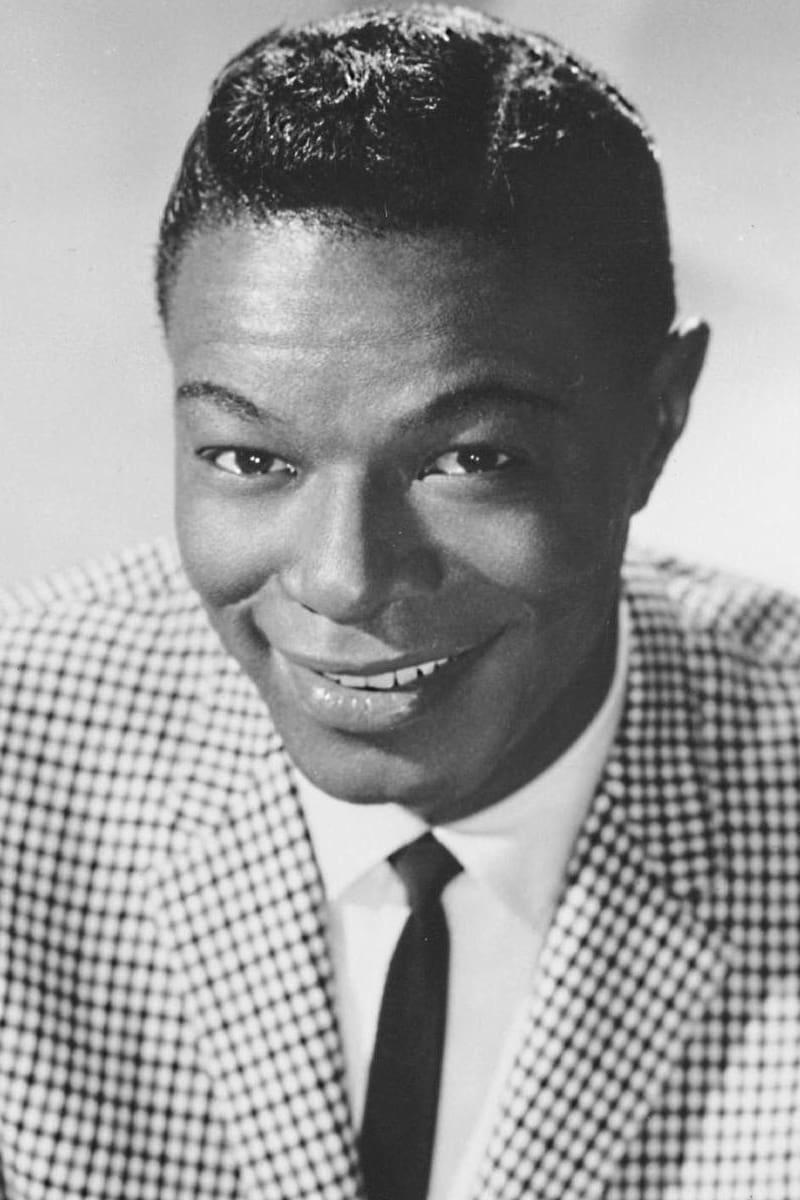
During the height of the civil rights movement the singer was criticized for his perceived passivity and his performances for segregated audiences. Some Black activists labeled him with derogatory terms for not being radical enough in his opposition to systemic racism. He also faced scrutiny for his interactions with Republican politicians and his desire to remain a mainstream crossover artist. Cole eventually became more active in civil rights causes after facing a series of personal attacks and professional hurdles. His legacy is now viewed with more nuance regarding the immense pressures he faced as a pioneer.
Lionel Richie
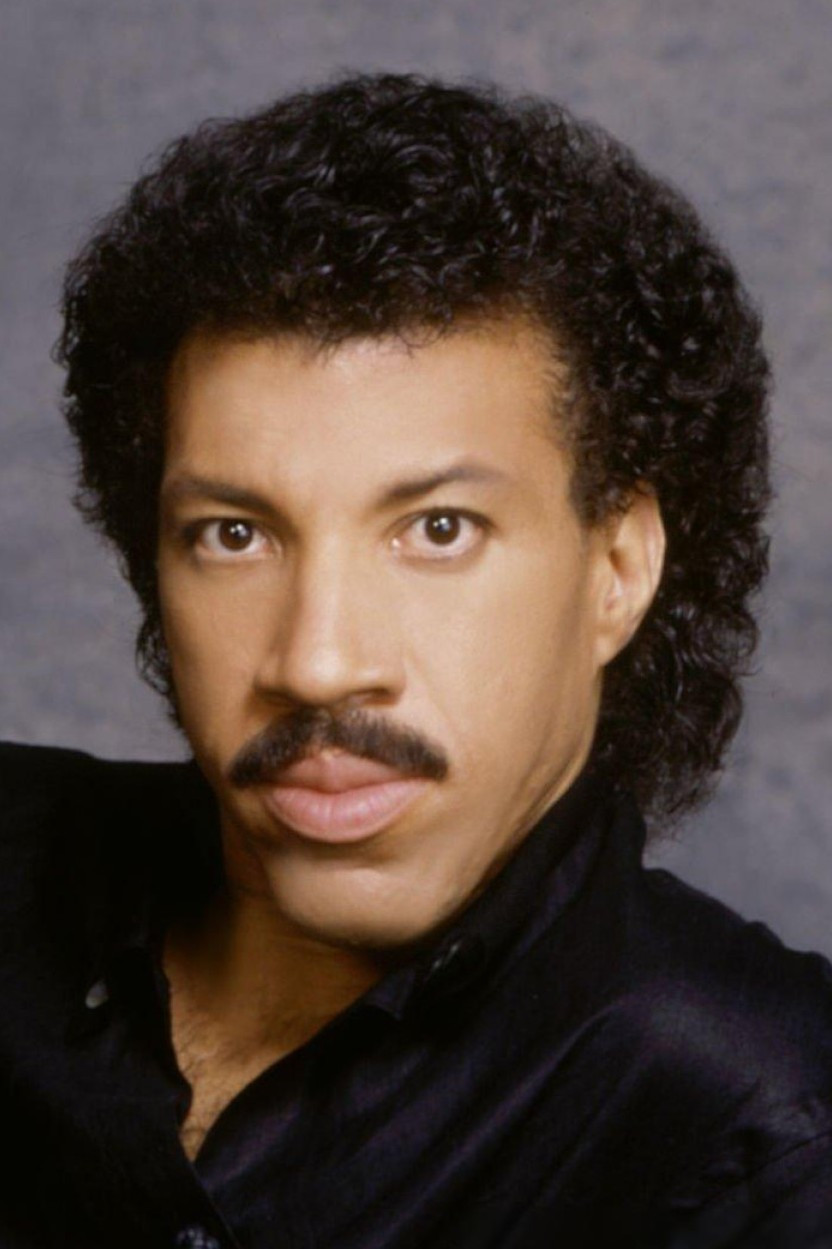
The singer performed at the inauguration of Ronald Reagan which led to a fair amount of criticism from the Black community. At a time when many were suffering from specific economic policies his participation was seen as an endorsement of the administration. This led to him being called an Uncle Tom by some who felt he was out of touch with the struggles of his peers. Richie defended his performance as an artist duty to his country regardless of the party in power. He has generally avoided deep political involvement in the years following that event.
Azealia Banks
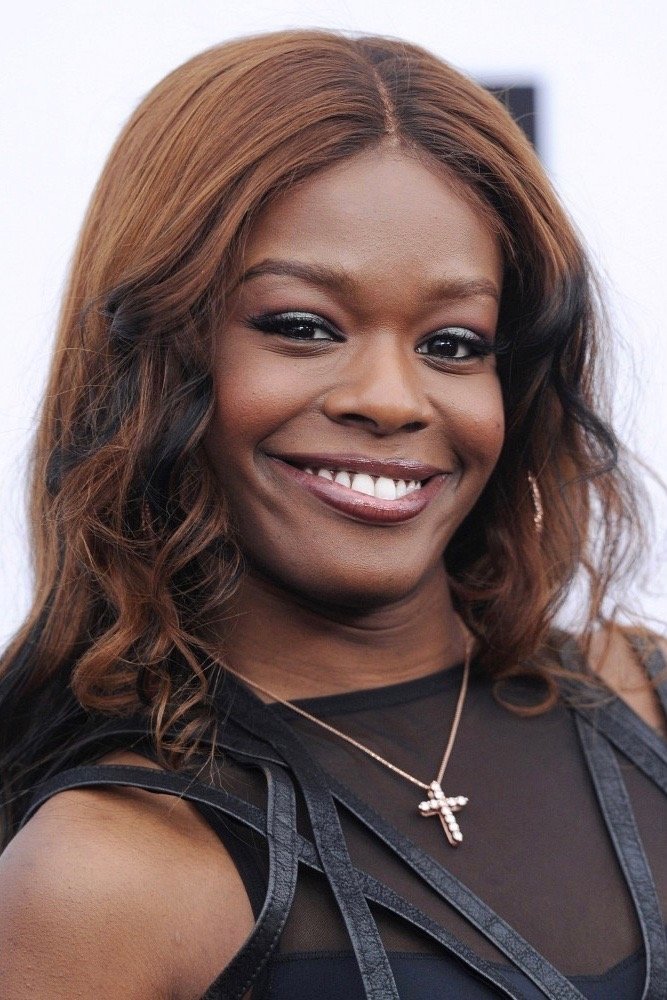
Known for her provocative social media presence the artist has frequently endorsed Republican candidates and conservative viewpoints. She famously supported Donald Trump in 2016 and has since praised various right wing figures for their bluntness. This has led to her being alienated from many parts of the music industry and labeled with various derogatory slurs. Banks often argues that liberal politics have failed the Black community and that a different approach is needed. Her political rants continue to make headlines and spark intense debate among her followers.
Master P
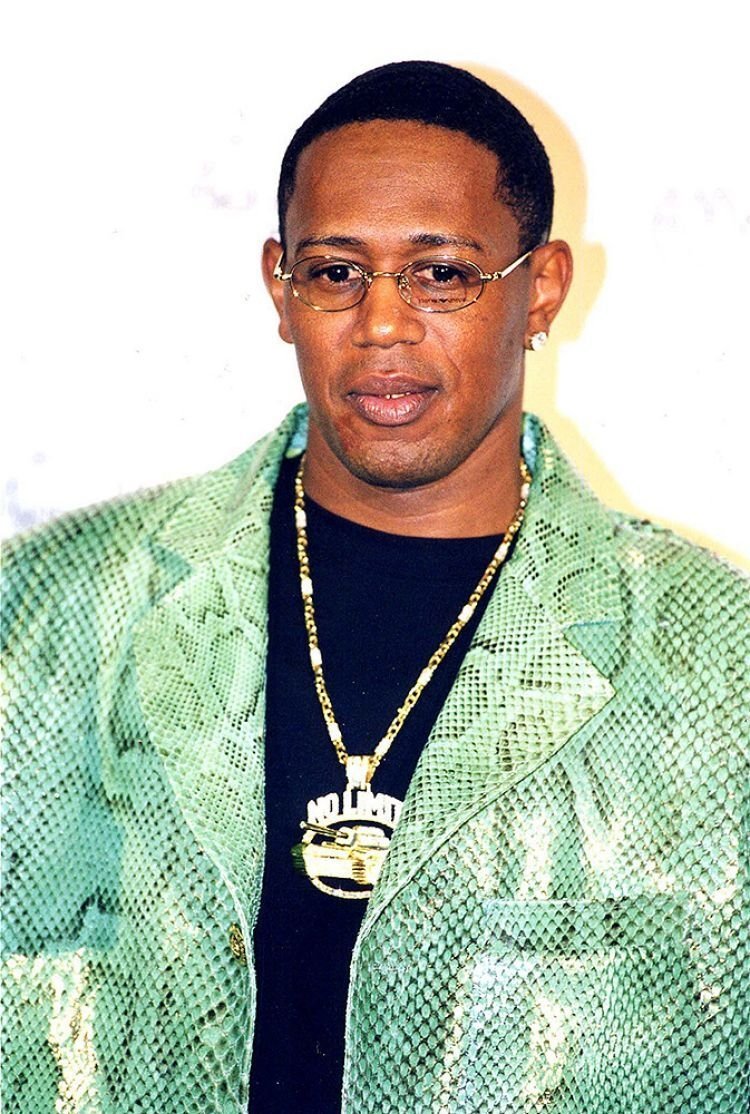
The music mogul has faced criticism for his meetings with conservative leaders to discuss economic revitalization in urban areas. Some community members felt that his approach to capitalism and cooperation with the right was a form of selling out. This led to the use of the Uncle Tom label in various online forums and discussions about his business strategies. Master P has consistently argued that financial literacy and ownership are the true paths to freedom regardless of political ties. He continues to focus on building Black wealth through his numerous business ventures.
Chingy
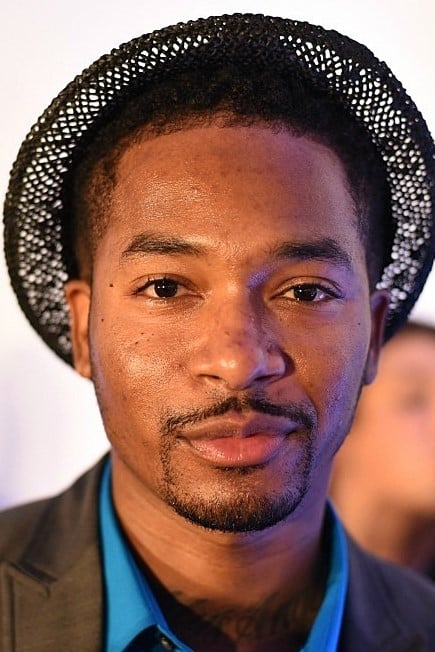
The rapper became a target for criticism after he publicly endorsed a Republican candidate for the presidency on social media. He shared his views with his followers and was met with a barrage of negative comments and derogatory labels. Fans were surprised by his political stance and many felt it was inconsistent with his previous public image. Chingy eventually deleted some of his posts due to the overwhelming nature of the backlash he received. He has since been more private about his specific political leanings in public forums.
Benny the Butcher
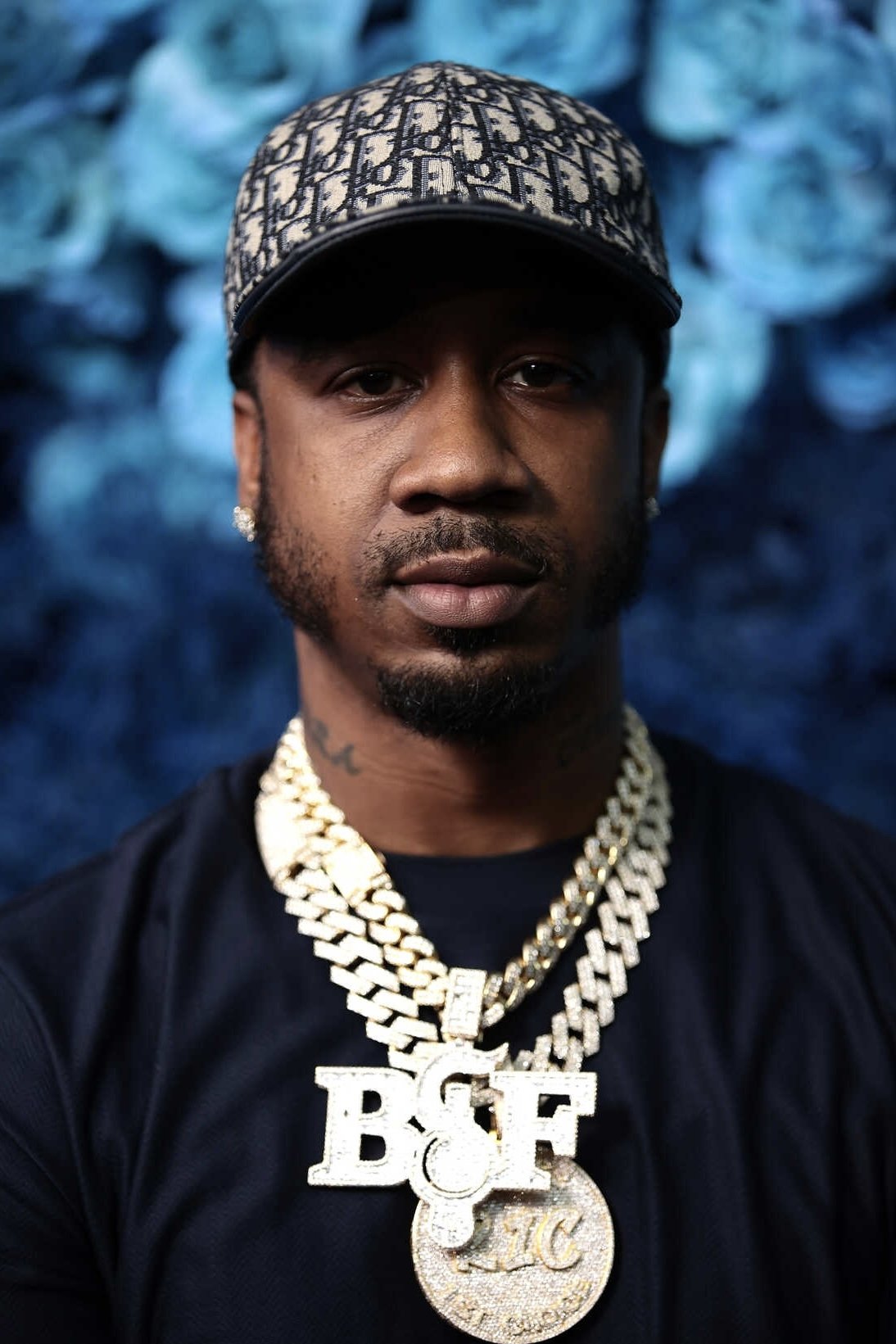
The rapper faced a wave of online hate after posting a message that appeared to support Donald Trump during an election cycle. He was quickly labeled an Uncle Tom by many of his followers who expected a different political outlook from a member of his group. He later clarified that he was not fully endorsing a candidate but was frustrated with the current state of politics. The incident highlighted the intense pressure on hip hop artists to conform to specific political expectations. He continues to navigate the complexities of being a public figure with independent views.
Boosie Badazz
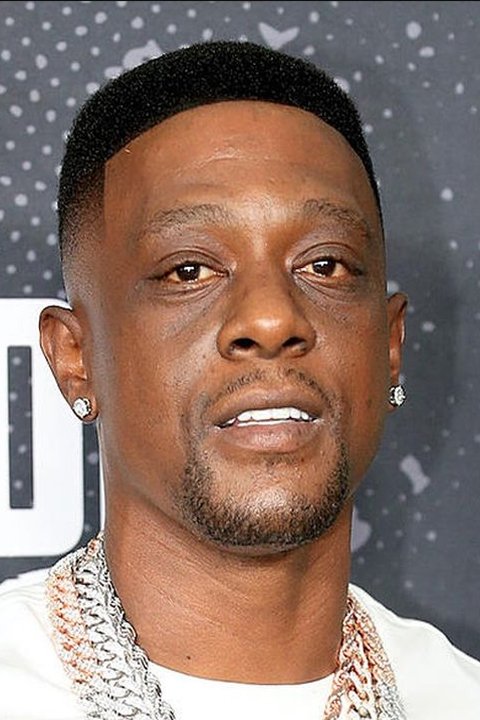
Although he is often a critic of the system the rapper has made several comments that align with conservative social values. His views on gender and family structure have earned him praise from right wing circles and scorn from progressive ones. Some critics have labeled him an Uncle Tom for appearing to side with conservative pundits on certain cultural issues. Boosie remains unapologetic about his views and frequently uses his platform to debate these topics. His outspoken nature makes him a recurring figure in political and cultural controversies.
Gladys Knight
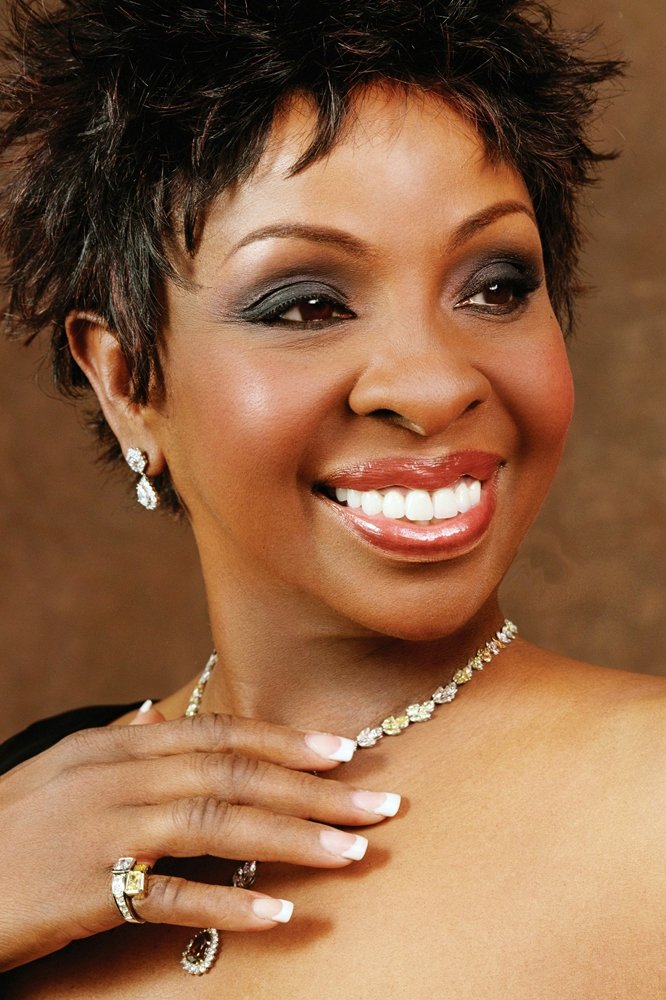
The Empress of Soul faced significant backlash when she agreed to perform the national anthem at the Super Bowl during a time of national protest. Many people felt she was undermining a social movement and labeled her a traitor or an Uncle Tom. She defended her decision by stating that the anthem should be a moment of unity rather than division. Knight has also been associated with Republican figures in the past which added to the public scrutiny. She remains a respected figure in music despite these occasional political frictions.
Smokey Robinson
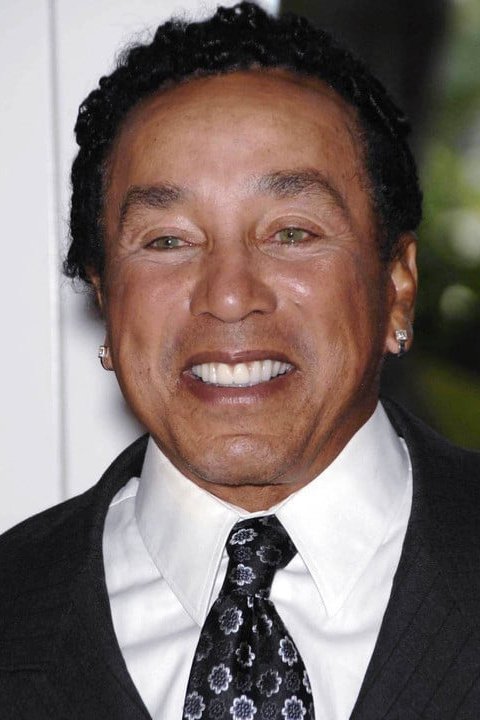
The Motown legend has been criticized for his moderate to conservative views on several social issues and his defense of traditional American values. Some younger activists have used derogatory labels to describe his perceived lack of radicalism during times of social unrest. Robinson has often spoken out against what he sees as the breakdown of the Black family and other conservative talking points. He maintains that his views are rooted in his upbringing and his desire for community stability. His status as a legend has not shielded him from the changing political landscape.
Big Boi
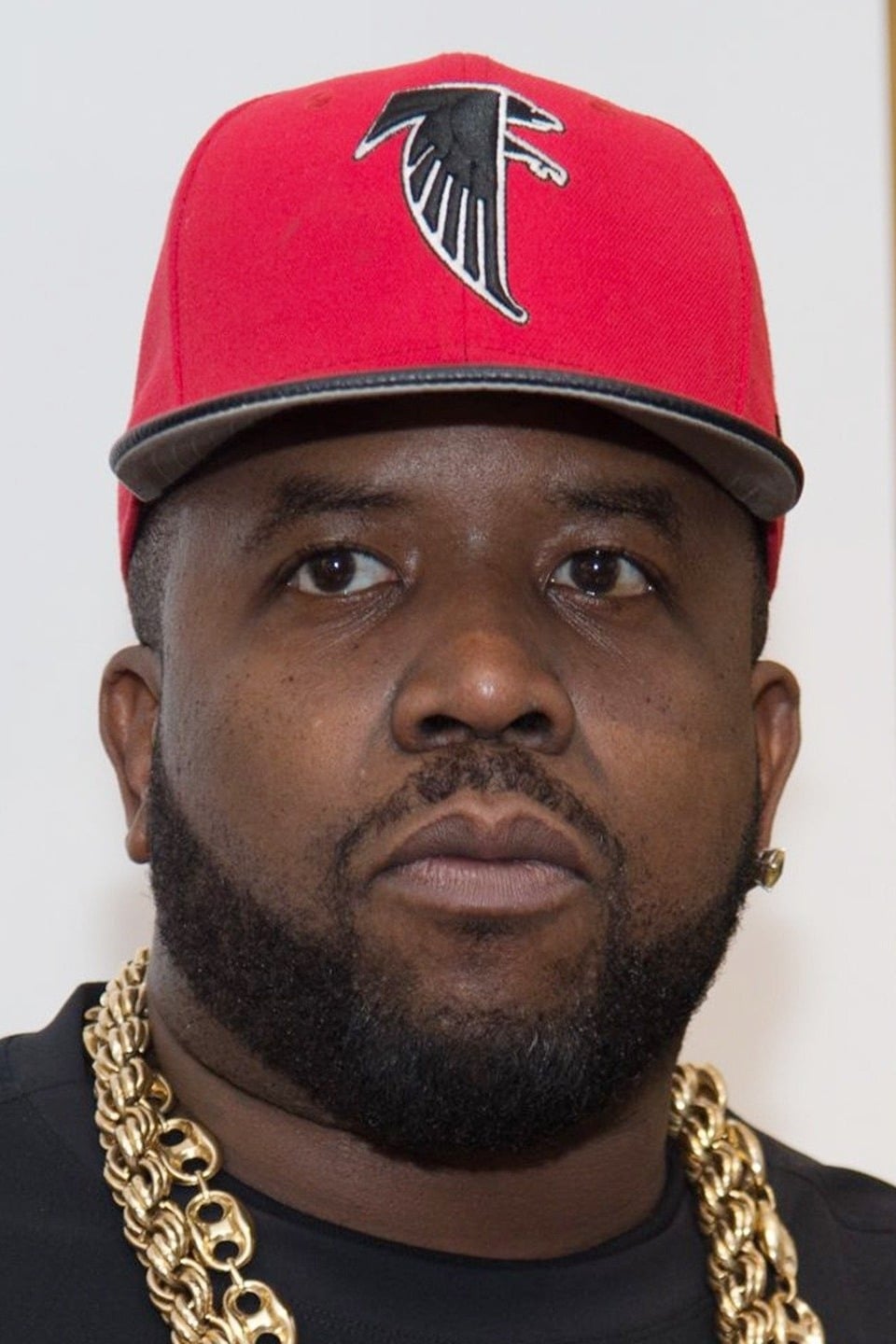
One half of a famous rap duo the artist has faced some criticism for his libertarian and occasionally conservative leaning views. He has expressed skepticism about government overreach and has been seen with various Republican politicians over the years. This led to some fans labeling him with derogatory terms during heated political seasons. Big Boi has always maintained an independent streak and refuses to be boxed into a specific political category. He continues to promote self reliance and personal responsibility as core tenets of his philosophy.
Fat Joe
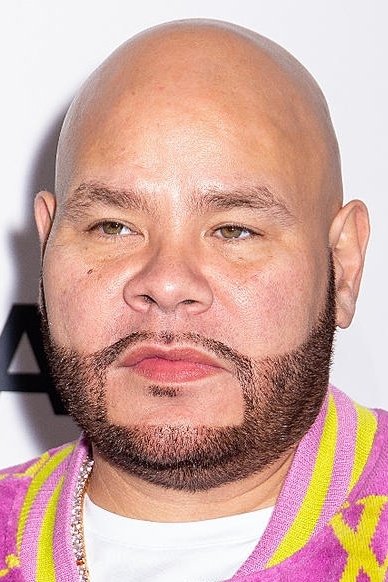
While he is generally seen as a community advocate the rapper faced backlash for appearing to support certain conservative economic policies. His comments about taxes and business growth were interpreted by some as being out of touch with the working class. This led to the Uncle Tom label being thrown at him in various social media debates. Fat Joe has often clarified that his views come from his perspective as a successful entrepreneur. He remains active in his community while holding onto his business centric political views.
Akon
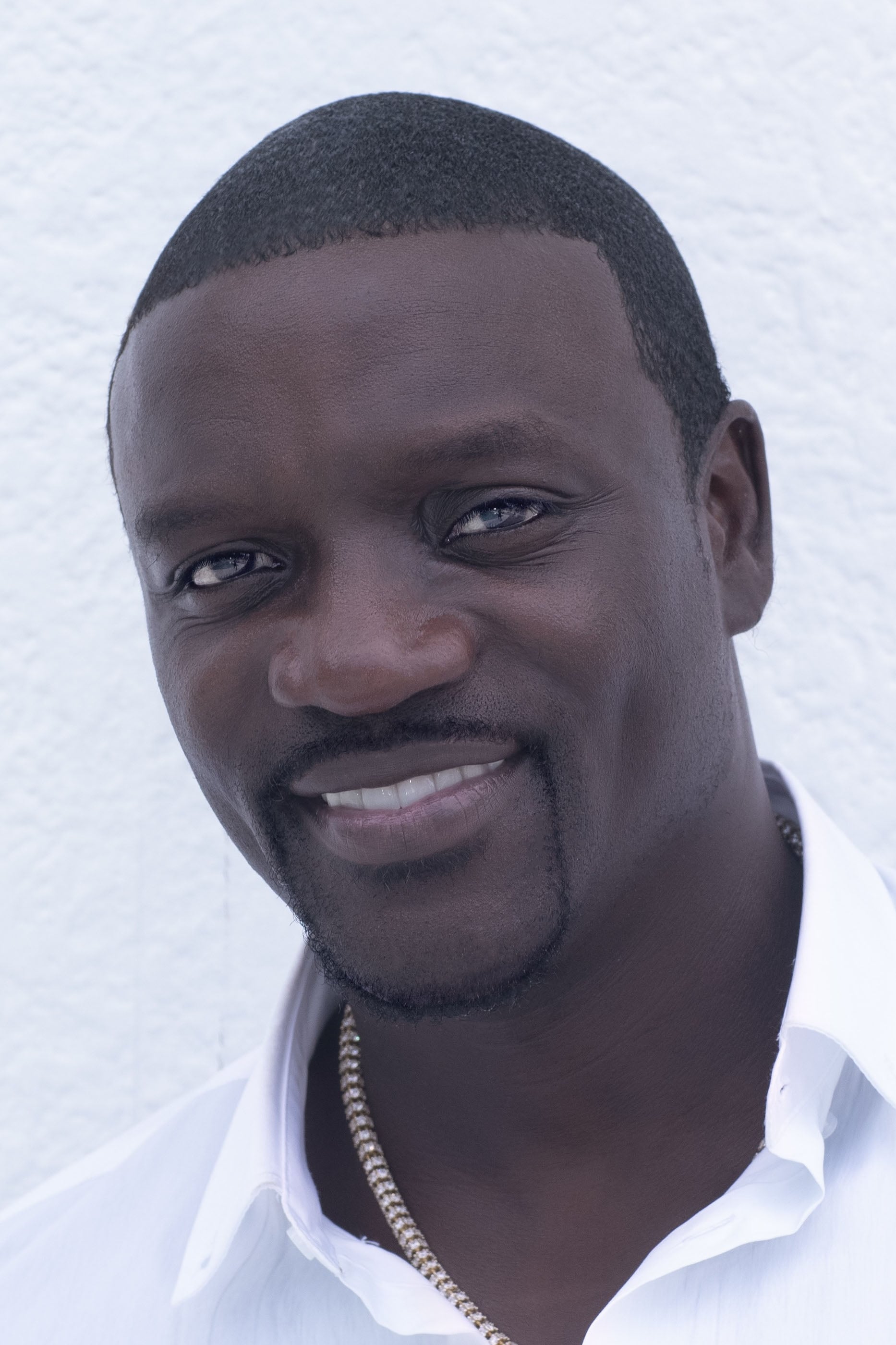
The singer and businessman has often praised the efficiency of certain conservative leadership styles in various countries. His focus on infrastructure and economic development has sometimes put him at odds with liberal social activists. This has led to him being labeled an Uncle Tom by those who believe he is prioritizing profit over social justice. Akon argues that real change comes from building sustainable systems and providing jobs for people. He remains focused on his ambitious projects in Africa and beyond regardless of political criticism.
Wyclef Jean
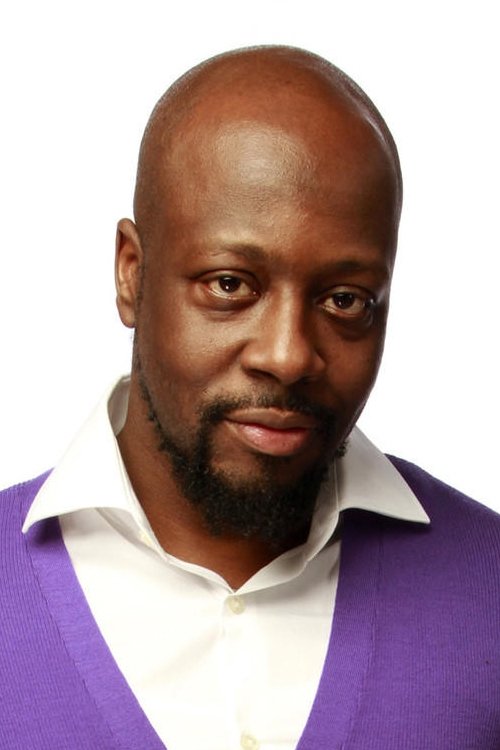
During his involvement in international politics and his run for the presidency of Haiti the musician faced numerous accusations of being a puppet for foreign interests. Some critics in the diaspora used derogatory labels to describe his perceived alignment with conservative Western powers. He was often caught between different political factions which led to a high level of public scrutiny. Wyclef has defended his record by pointing to his philanthropic work and his commitment to his home country. His political journey remains a complex chapter in his overall career.
Donna Summer
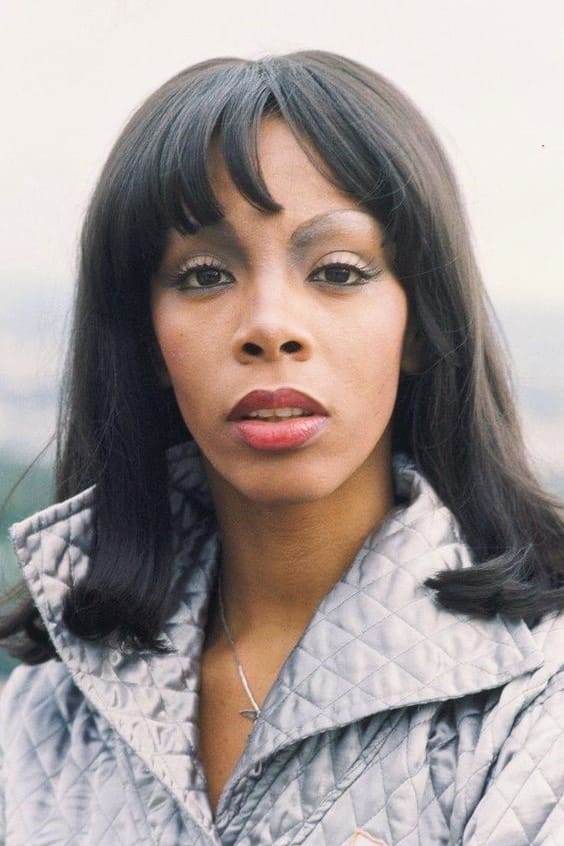
The Queen of Disco faced a major controversy when she was accused of making remarks that aligned with conservative religious views. While she denied the specific phrasing the backlash from her fan base was immense and led to her being labeled a sellout. This incident significantly impacted her career and her relationship with the community that had supported her rise. She spent many years trying to repair the damage and clarify her actual beliefs to the public. The label of being a conservative puppet followed her for a long time after the initial reports.
Chubby Checker
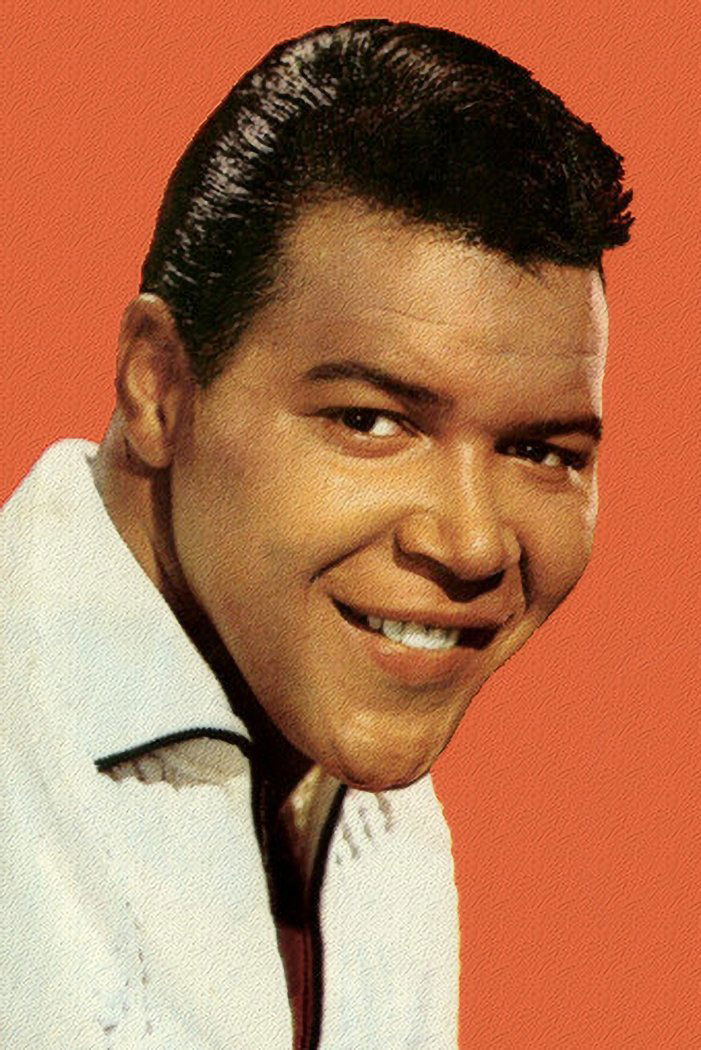
The rock and roll pioneer has been a vocal critic of the music industry establishment and has often aligned himself with conservative views on legacy. His complaints about being overlooked were sometimes framed in a way that critics found regressive. This led to some using the Uncle Tom label to describe his perceived bitterness towards modern musical shifts. Checker has always maintained that he was the architect of a major cultural movement that has not been properly recognized. He continues to advocate for his legacy through a conservative lens of traditional achievement.
Travis Scott
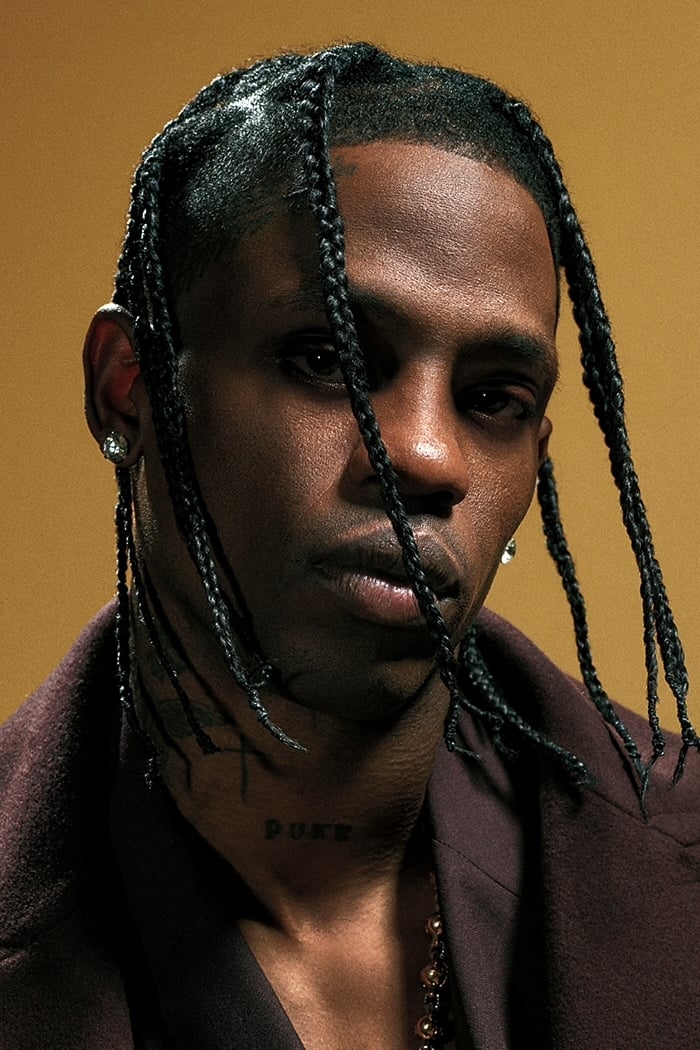
Following various high profile controversies the artist was seen as being too close to corporate and establishment interests. Some community members used the Uncle Tom label to describe his perceived lack of engagement with social justice issues in favor of brand deals. He has faced intense scrutiny for his business partnerships and his silence during certain political moments. Scott has generally focused on his music and his brand rather than engaging in deep political discourse. The criticism highlights the tension between commercial success and social expectations.
Bobby Brown
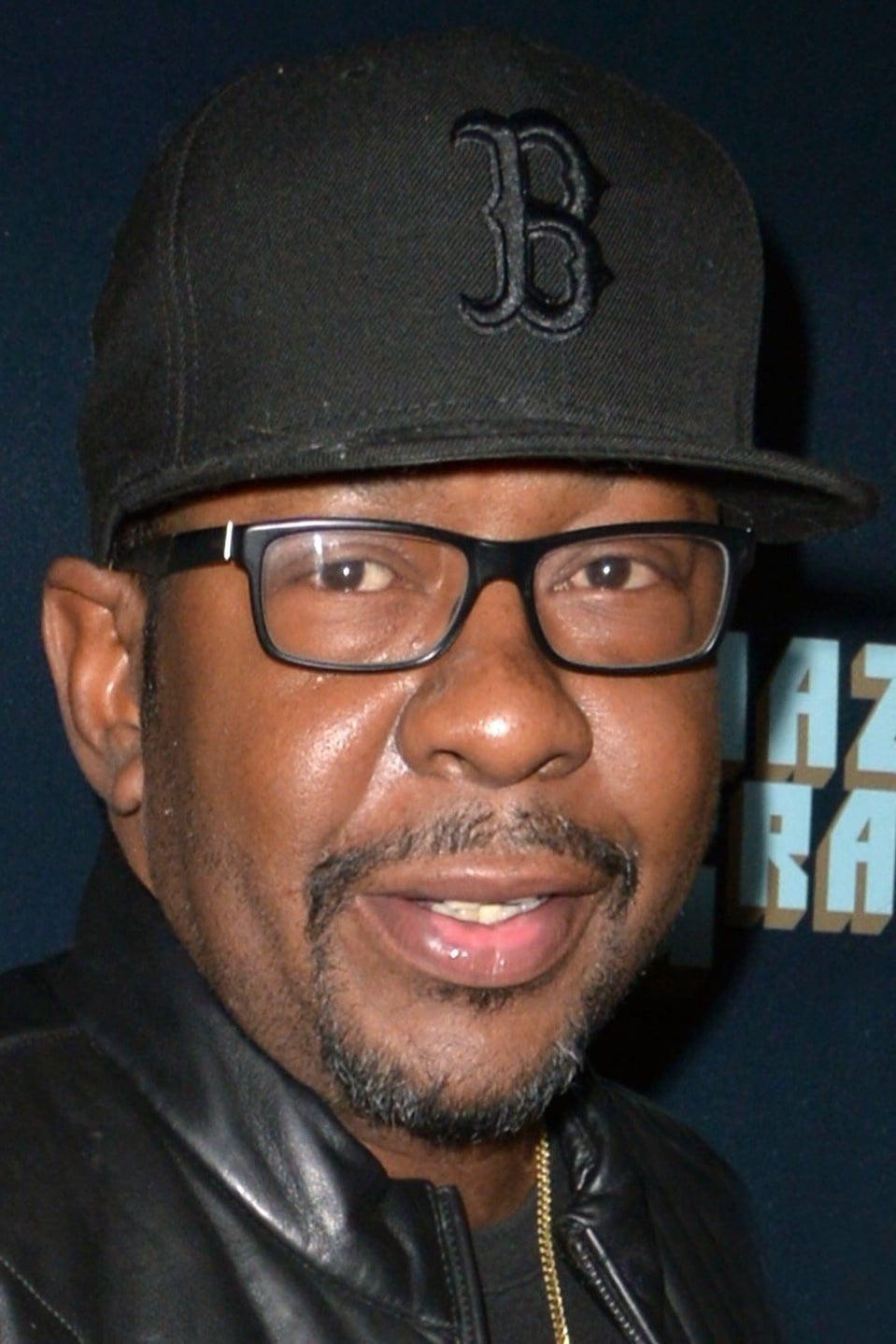
The R&B singer has expressed conservative views on several occasions regarding law and order and personal responsibility. His public persona has often clashed with the expectations of his fans leading to some derogatory labeling. He has been accused of being out of touch with the modern political landscape of his community. Brown has navigated these controversies while trying to maintain his career and personal life in the public eye. His political leanings continue to be a subject of interest for many followers and critics alike.
Rick Ross
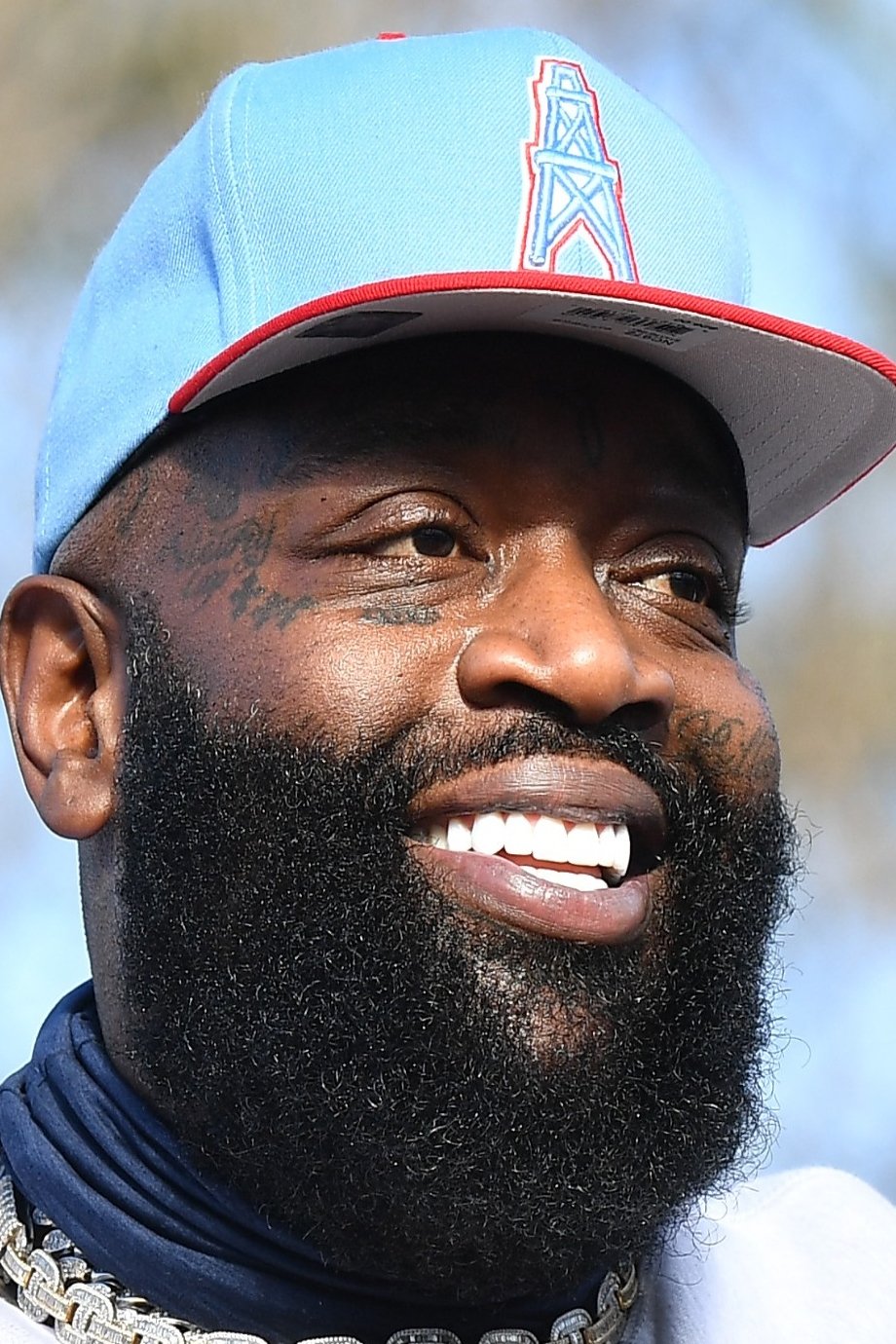
While mostly known for his lavish lifestyle the rapper has faced criticism for his past proximity to law enforcement figures. The reveal of his previous job as a correctional officer led to many labeling him an Uncle Tom or a plant within the culture. This label has resurfaced whenever he appears to align with establishment interests or conservative economic ideas. Ross has used the controversy to build his brand and often leans into his persona to deflect criticism. He remains a dominant figure in hip hop despite the recurring debates about his authenticity.
DaBaby
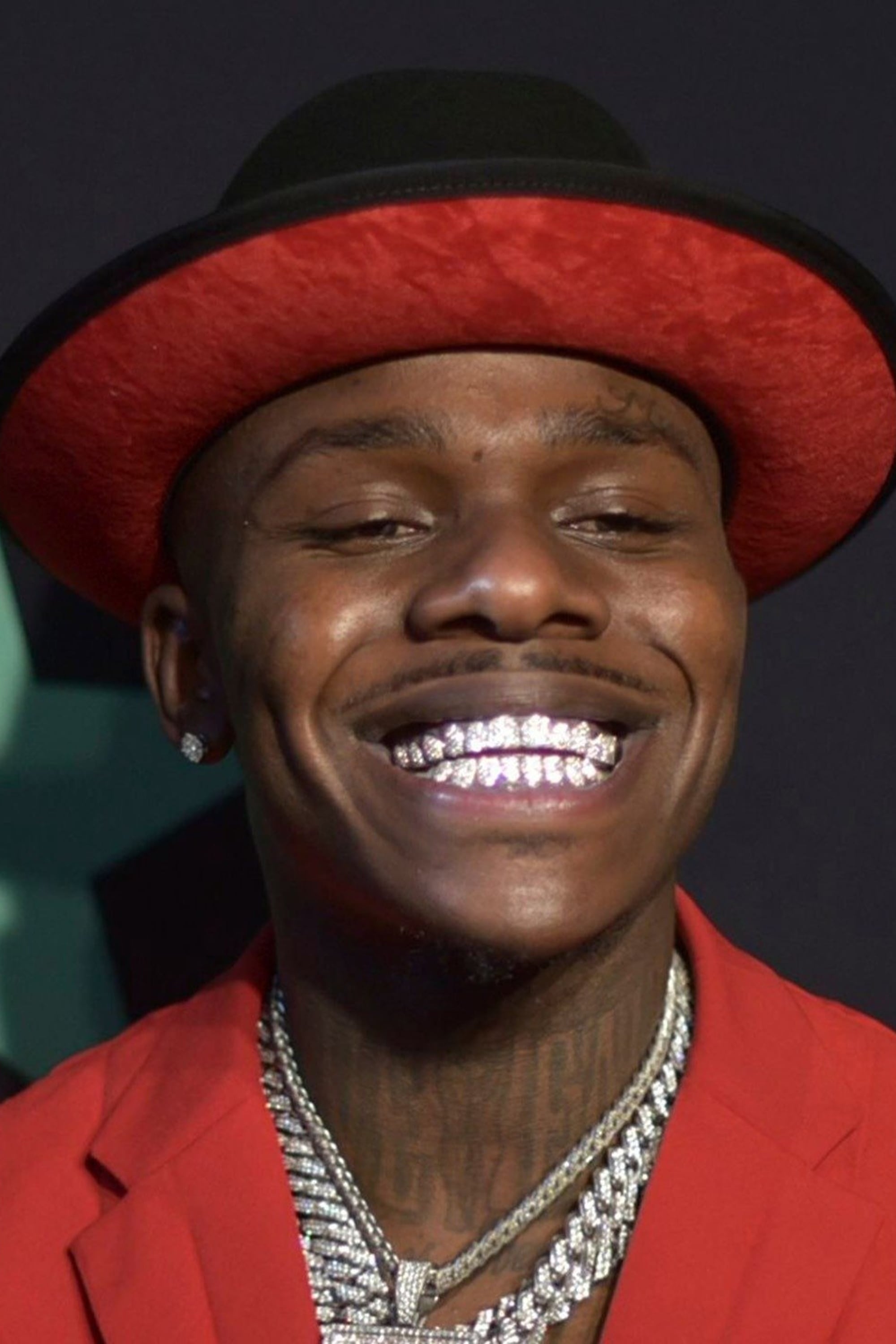
The rapper faced a massive wave of backlash after making comments that were praised by some conservative pundits but condemned by the mainstream. During the fallout he was accused of being a tool for conservative agendas and labeled an Uncle Tom by some disappointed fans. His subsequent attempts to address the situation only added to the confusion and anger from the public. He has since struggled to regain the same level of mainstream support he once enjoyed. The incident remains a key example of the intersection of music culture and political ideology.
\Fivio Foreign
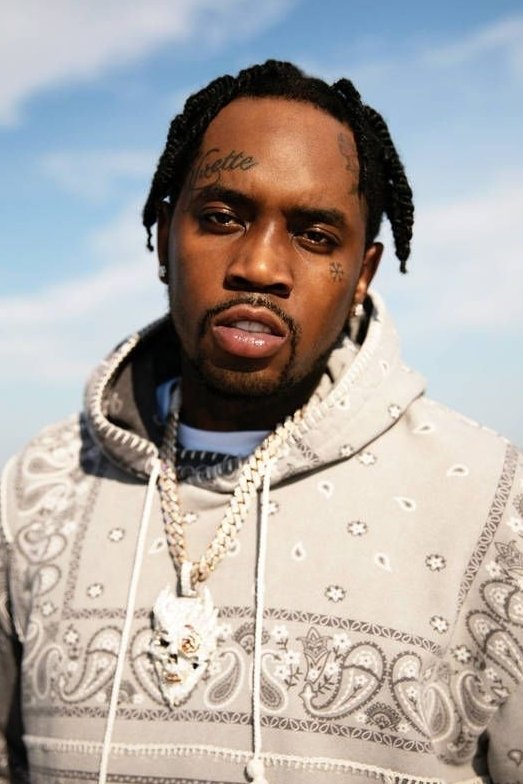
The rapper has made several comments that have been interpreted as supportive of conservative leaders and has been seen in circles associated with the Republican party. This led to the usual accusations and the use of the Uncle Tom label by some of his more vocal critics. The artist has generally taken a more measured approach to explaining his views but the controversy remains a part of his public image. He continues to be a major figure in the New York rap scene while navigating these political tensions. His story reflects the broader shift in political discourse within the hip hop world.
Sean Combs
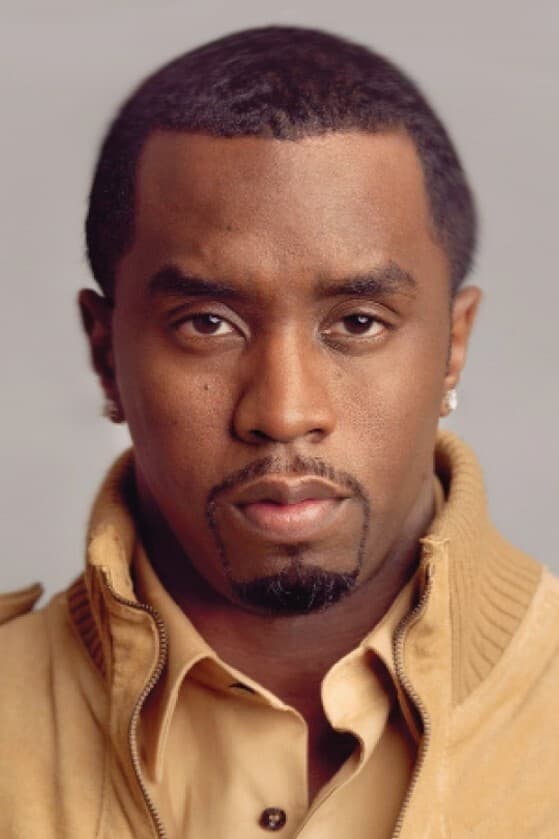
The music mogul faced backlash for his past comments regarding political leverage and his praise for certain conservative business principles. He has been criticized by those who believe his focus on capitalism and corporate alignment distances him from the struggles of the broader community. This has led to the occasional use of the Uncle Tom label during heated political discussions about wealth and power. Combs maintains that his goal is to foster economic ownership and provide a blueprint for financial success within the community. His political influence remains a subject of intense debate among fans and activists.
Please share your thoughts on these artists and their political stances in the comments.