Black Actresses Who Were Harassed for Being “Not Black Enough” by Social Media

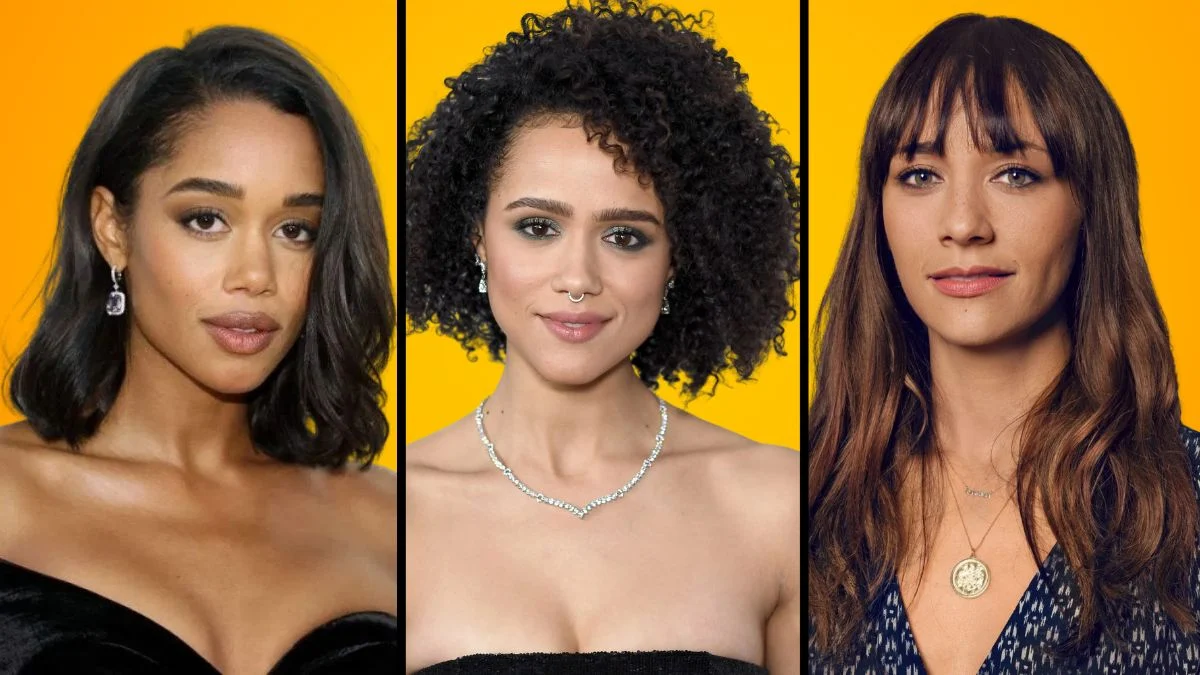

The discussion surrounding colorism and identity in Hollywood often places Black actresses at the center of intense public scrutiny. Social media platforms frequently host debates about whether certain stars are the right fit for roles based on the shade of their skin or their heritage. Many biracial or light skinned performers have faced accusations of taking opportunities away from darker skinned women or not being representative enough of the Black experience. These instances highlight the complex internal and external pressures faced by women of color in the spotlight. This list examines several actresses who have navigated these challenging conversations throughout their careers.
Zoe Saldaña
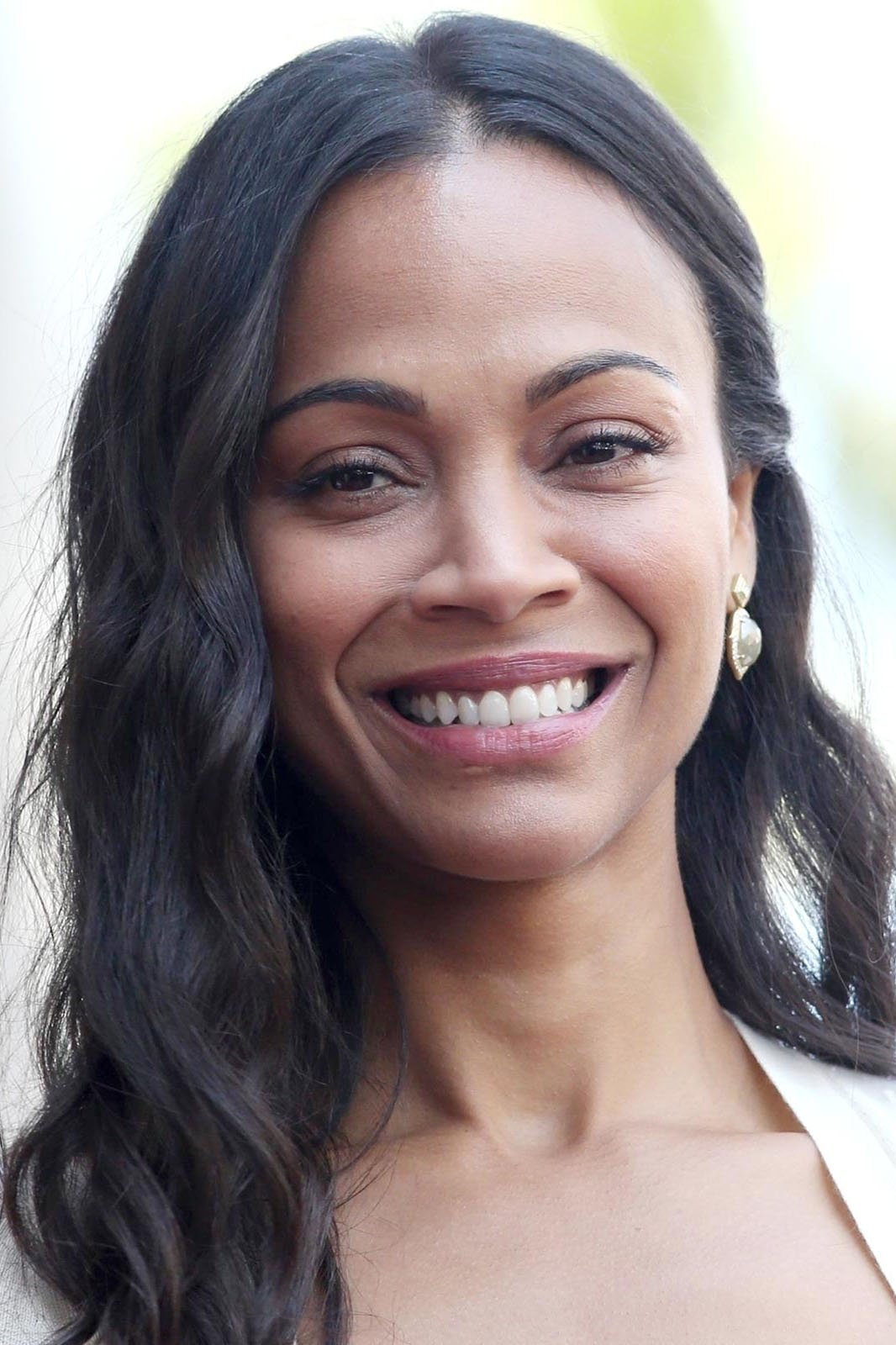
The actress faced significant backlash when she was cast as Nina Simone in the biographical film ‘Nina’. Critics and social media users argued that a dark skinned woman should have played the iconic singer. Saldaña used skin darkening makeup and a prosthetic nose for the role which intensified the controversy. She eventually expressed regret for taking the part during an emotional interview years later. This situation remains a primary example of colorism debates within the entertainment industry.
Zendaya

Zendaya has often addressed her privilege as a light skinned woman in the film and television industry. Social media users have criticized her for taking roles that some feel belong to darker skinned actresses. She has publicly acknowledged how she benefits from colorism and strives to use her platform to open doors for others. Her roles in ‘Spider-Man Homecoming’ and ‘Euphoria’ have occasionally drawn this specific scrutiny. She continues to navigate these conversations by advocating for more diverse representation across all shades.
Amandla Stenberg
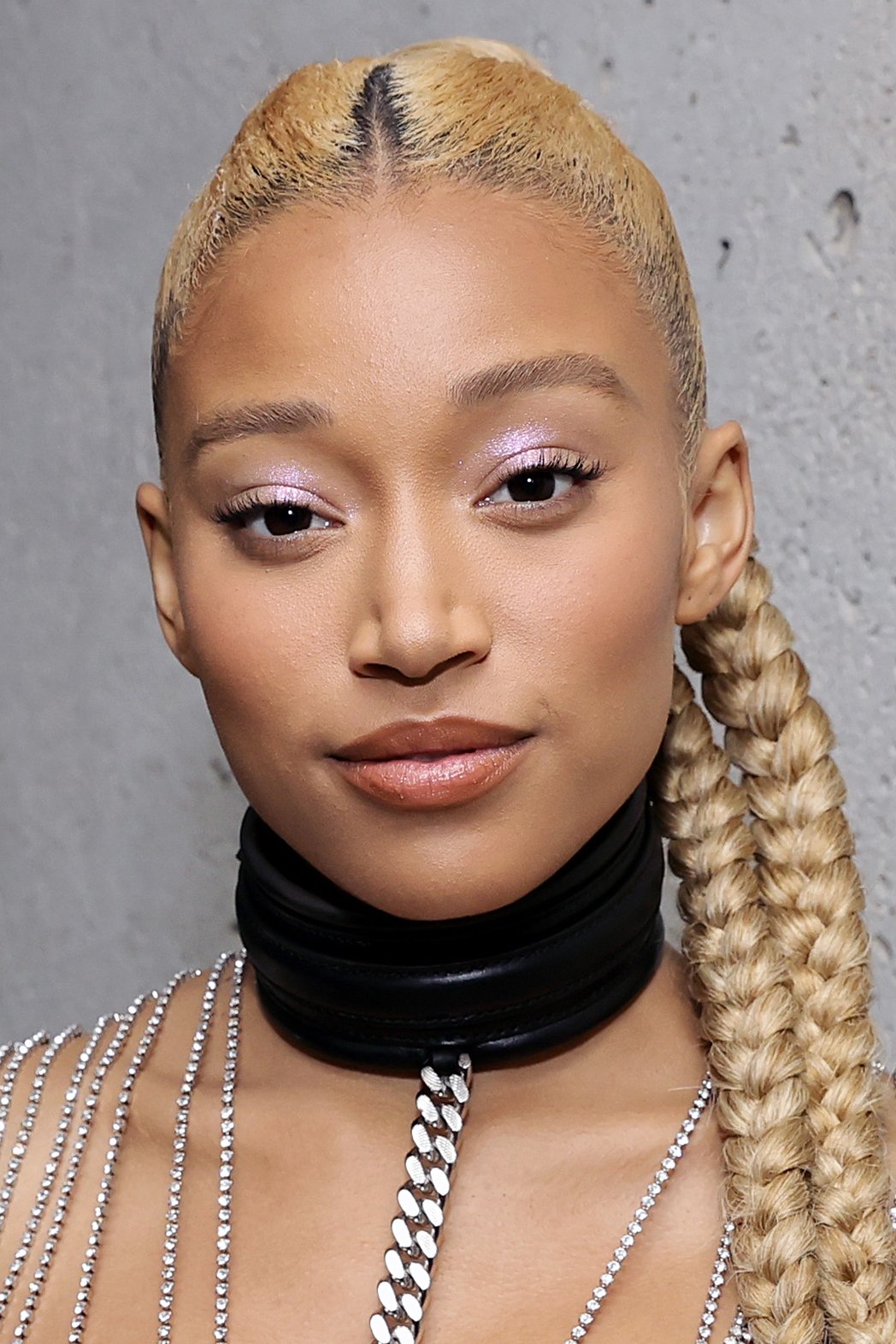
Amandla Stenberg stepped down from a role in ‘Black Panther’ to allow a darker skinned actress to take the part. She still faced criticism for starring in ‘The Hate U Give’ because some argued the character in the source material was intended to be darker. Stenberg has been very vocal about the nuances of biracial identity and the politics of hair. She often engages with her critics to discuss the importance of authentic representation. Her career has been defined by a commitment to social justice and identity awareness.
Alexandra Shipp
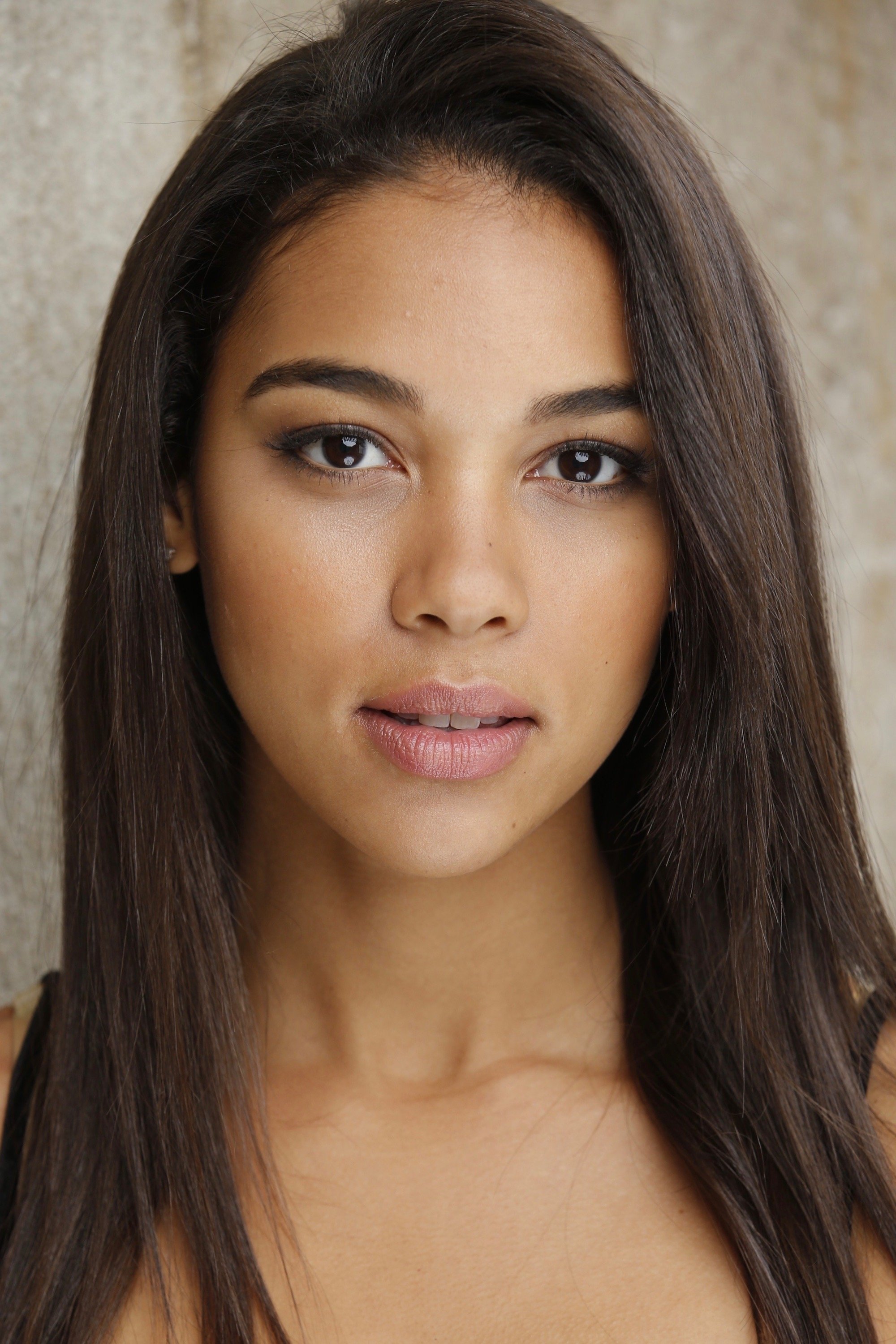
Alexandra Shipp faced intense social media harassment after being cast as Storm in the ‘X-Men’ franchise. Fans of the comic books argued that the character should be portrayed by a woman with a darker complexion. She also dealt with similar criticism when she played the title role in the biopic ‘Aaliyah The Princess of R and B’. Shipp has defended her right to play these roles while acknowledging the valid concerns regarding colorism in Hollywood. She remains an active voice in the conversation about how biracial actresses fit into the industry.
Yara Shahidi
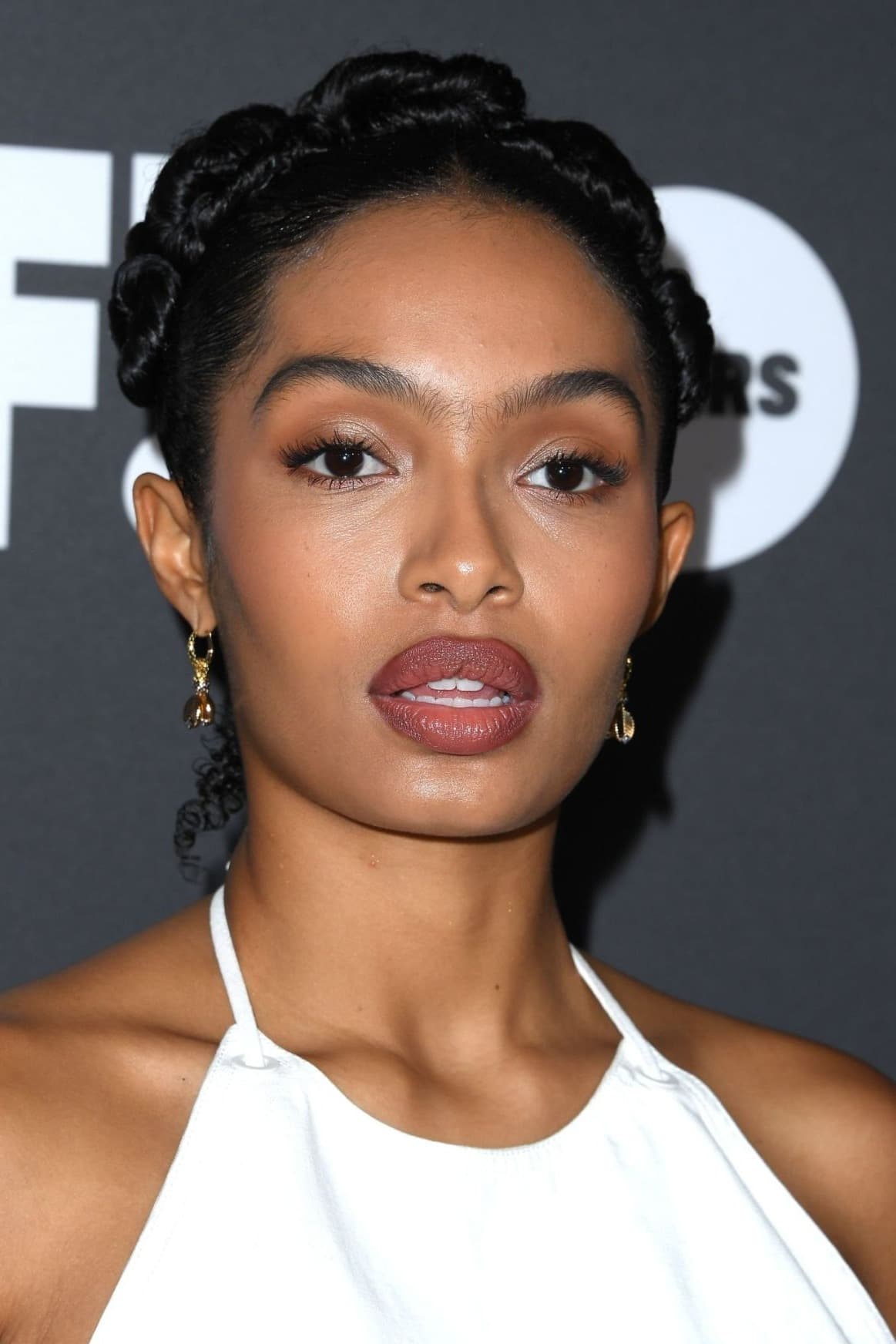
The ‘Black-ish’ star faced a wave of social media pushback when she was cast as Tinker Bell in ‘Peter Pan and Wendy’. Some critics questioned her casting based on her heritage and skin tone compared to the original character design. Shahidi has also navigated discussions about her biracial background and how it impacts her roles. She often uses her platform to promote education and political engagement among young people. Despite the noise on social media she continues to land major roles in high profile projects.
Thandiwe Newton

Thandiwe Newton has spoken openly about the guilt she feels for being a light skinned actress in a biased industry. She once apologized to darker skinned actresses for taking up space that they might have occupied. This transparency led to a polarized reaction on social media with some praising her honesty and others criticizing her framing. She has maintained a long career with standout performances in ‘Westworld’ and ‘Crash’. Her identity as a biracial woman remains a central theme in her public discourse.
Meghan, Duchess of Sussex
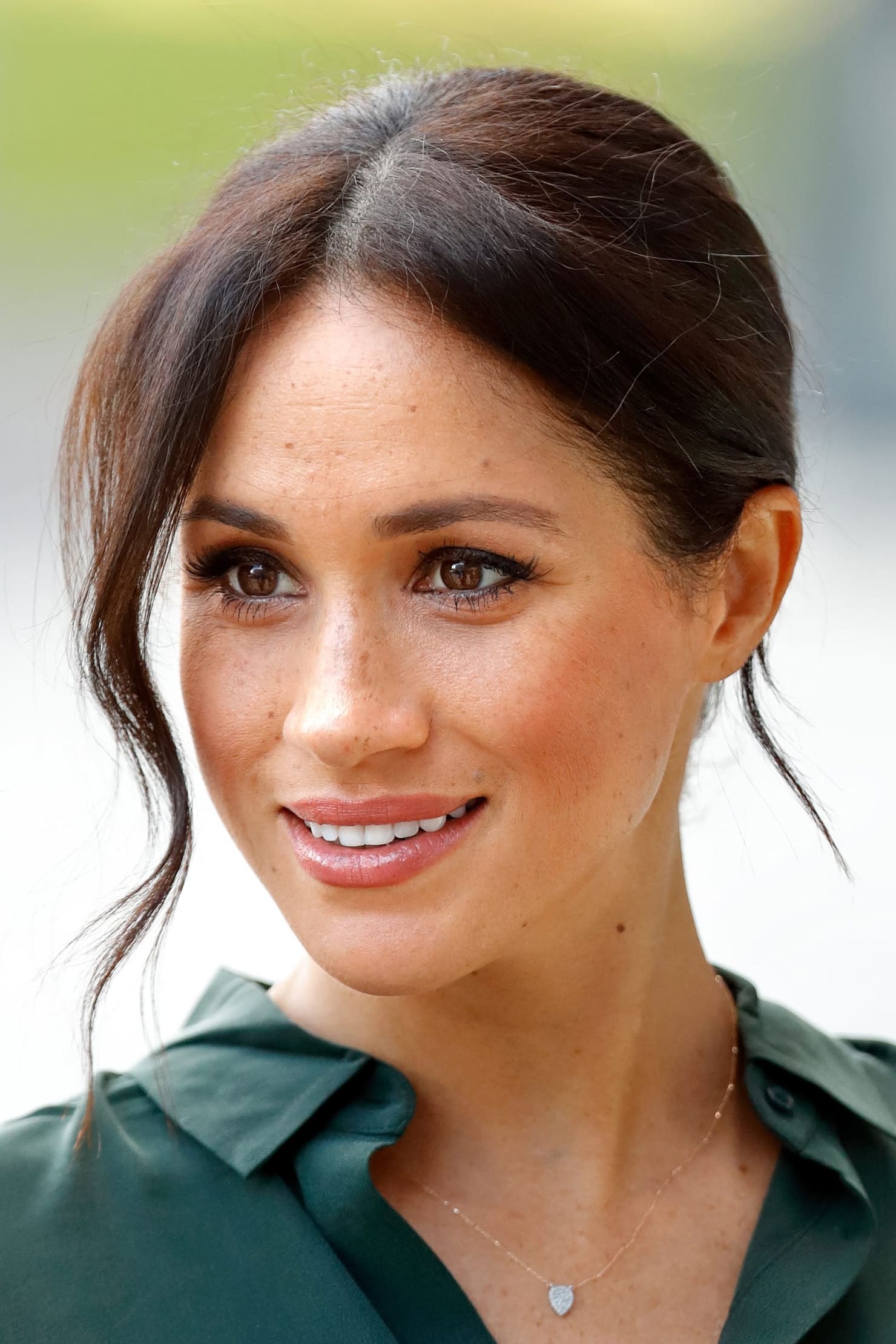
The Duchess of Sussex has dealt with intense social media scrutiny regarding her racial background and her identification with her Black heritage. Critics have often questioned her lived experience throughout her time as an actress and a member of the royal family. Her role in ‘Suits’ and her subsequent high profile marriage amplified these discussions globally. She spoke about these challenges during her televised interviews and her podcast series. The harassment she faced often focused on whether she was representative of the Black community.
Laura Harrier
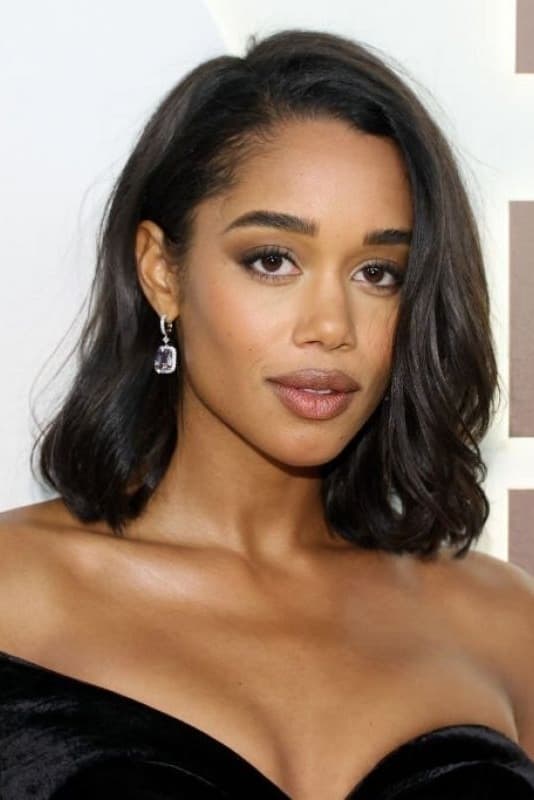
Laura Harrier gained fame for her role in ‘Spider-Man Homecoming’ but has also been caught in the crosshairs of colorism debates. Some social media users have categorized her as a beneficiary of the industry preference for light skinned Black women. She has expressed her desire to see more dark skinned women in leading roles alongside her. Harrier continues to build a successful career in both film and fashion. She remains conscious of the impact her presence has on the landscape of representation.
Logan Browning
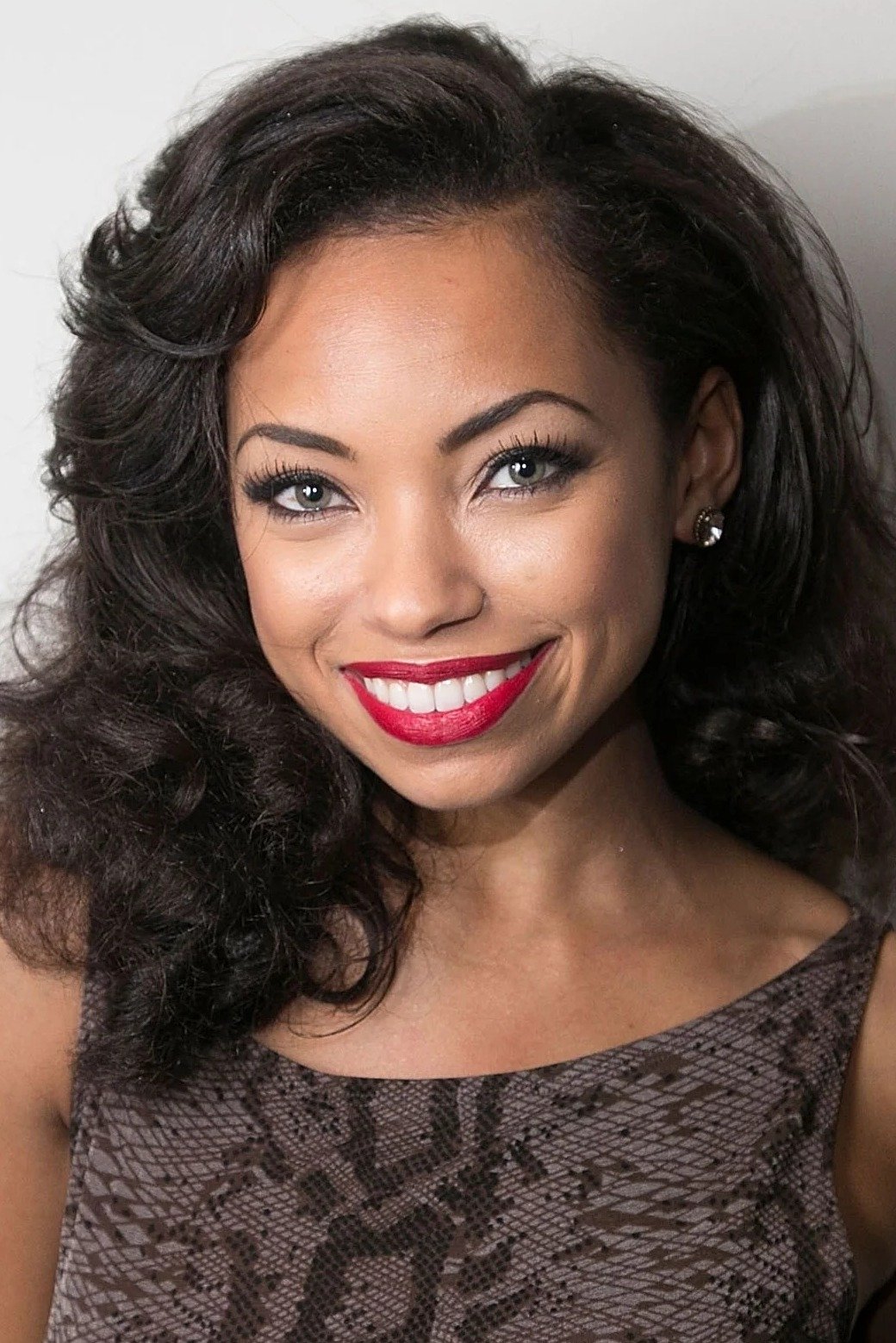
Logan Browning starred in ‘Dear White People’ which is a series that directly addresses issues of race and colorism. Because of her role she became a lightning rod for discussions about biracial identity and skin tone privilege. Social media users have debated her casting in roles that explore Black identity. She has used these opportunities to speak about her personal journey and the complexities of being biracial. Browning continues to advocate for a more inclusive understanding of Blackness in media.
Tessa Thompson
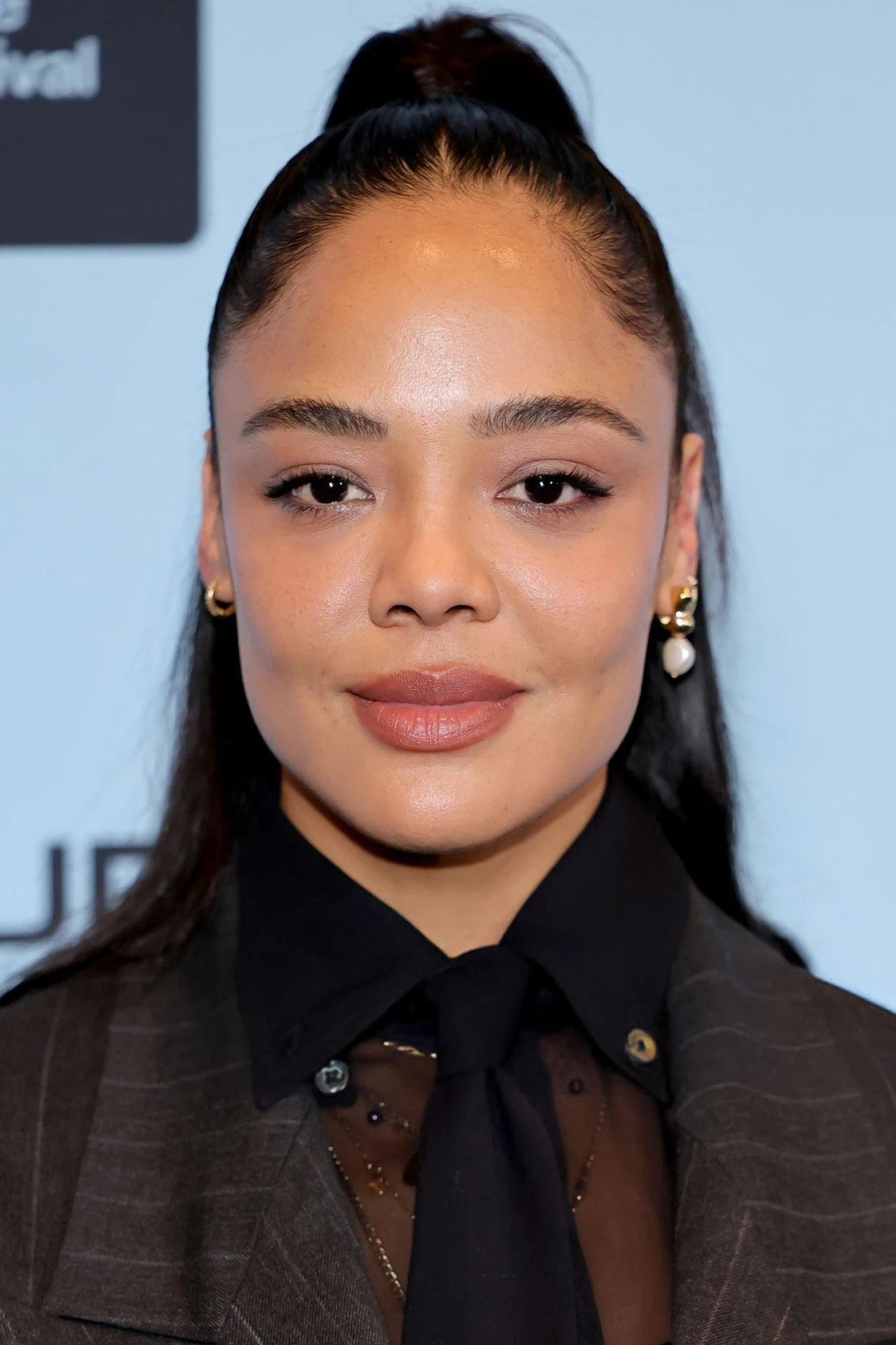
Tessa Thompson has played iconic roles in ‘Creed’ and the Marvel Cinematic Universe as Valkyrie. Her casting has sometimes been met with criticism from those who feel she does not represent a certain image of Blackness. She has been very intentional about choosing roles that challenge stereotypes and broaden the narrative. Thompson often speaks about the importance of sisterhood and support among Black women in Hollywood. She remains a powerful force in the industry while navigating social media gatekeeping.
Rashida Jones
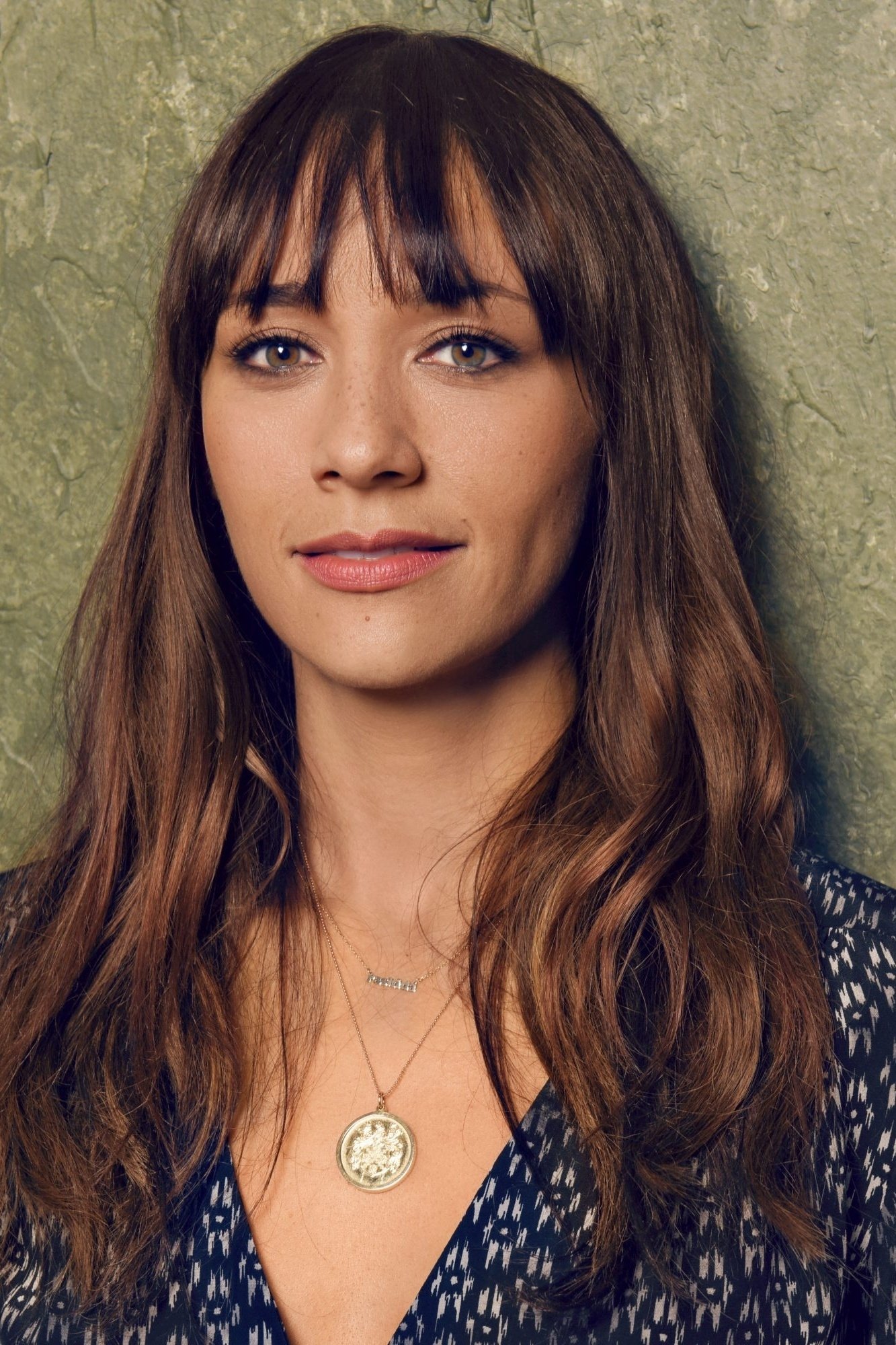
Rashida Jones has often discussed the fact that many people do not realize she is biracial. This has led to social media commentary regarding her “Blackness” and whether she should be categorized as a Black actress. She is the daughter of music legend Quincy Jones and has had a prolific career in shows like ‘Parks and Recreation’. Jones has navigated her career by playing a wide range of characters that do not always focus on her race. She remains an influential figure in both acting and producing.
Kat Graham
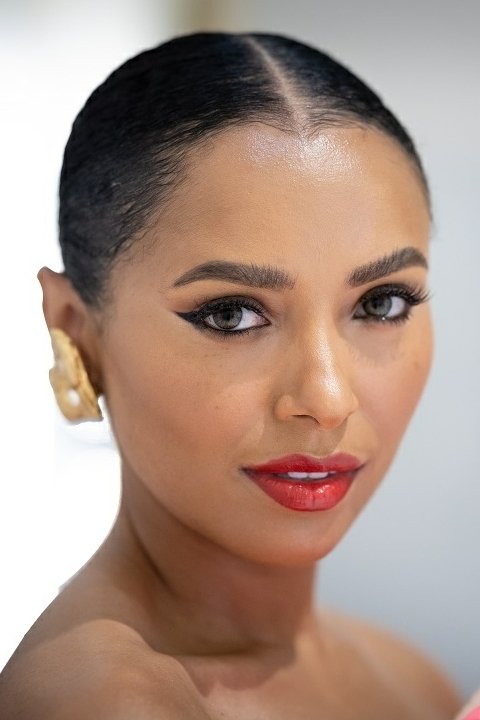
The actress from ‘The Vampire Diaries’ has faced social media harassment regarding her appearance and her heritage. Some users have questioned her connection to Black culture while others have criticized her styling on various shows. Graham has been a vocal advocate for self acceptance and representing her roots. She has worked consistently in film and music while maintaining a strong presence in humanitarian work. Her resilience in the face of online criticism has inspired many of her followers.
Gugu Mbatha-Raw
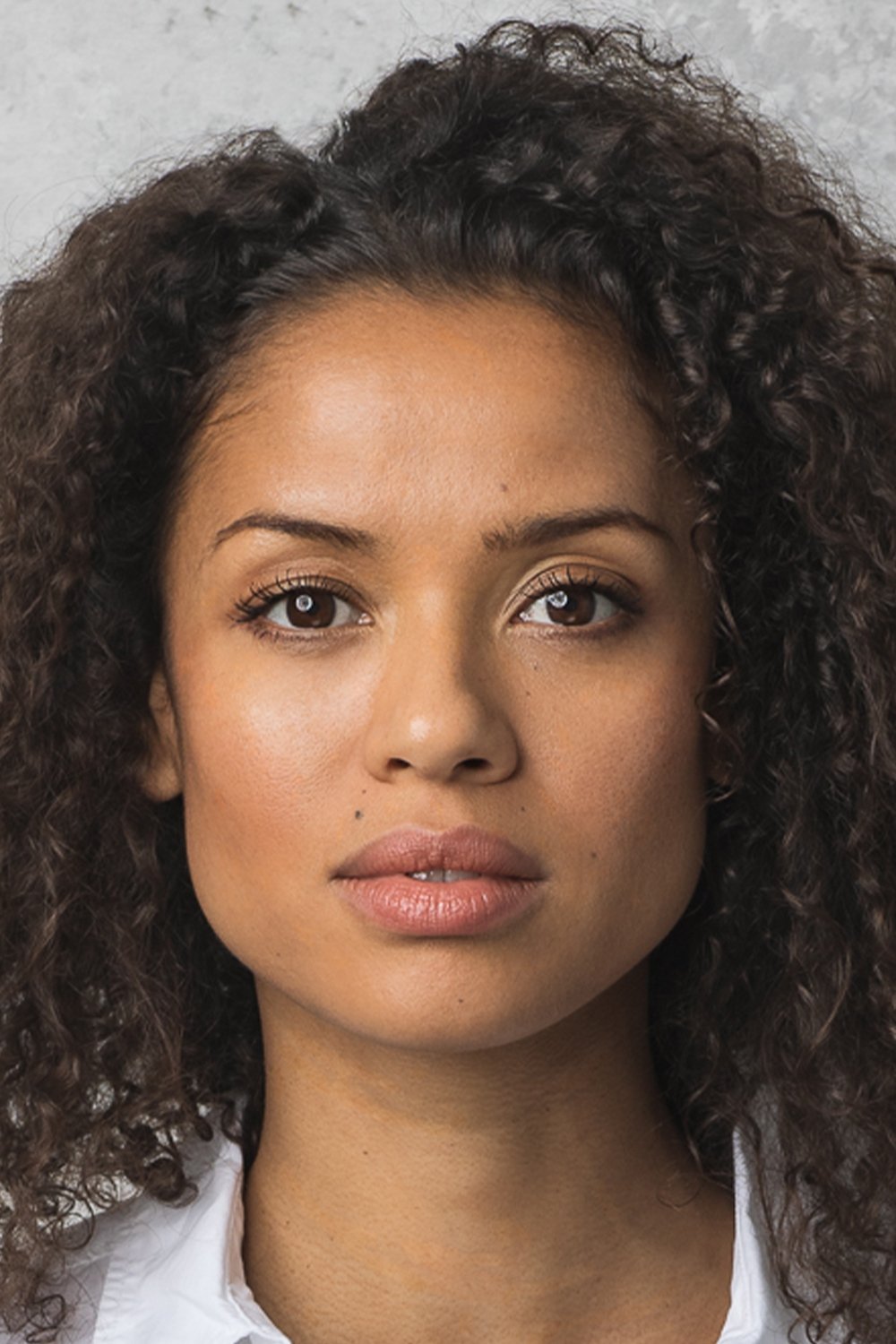
Gugu Mbatha Raw has starred in period pieces like ‘Belle’ that explicitly deal with race and status. Her casting in various roles has sometimes sparked debates about the preference for biracial actresses in historical dramas. She has handled these discussions with grace and a focus on the artistic merit of the work. Social media users often discuss her features and skin tone in the context of Hollywood beauty standards. She continues to be one of the most respected actresses working in both the UK and the United States.
Nathalie Emmanuel
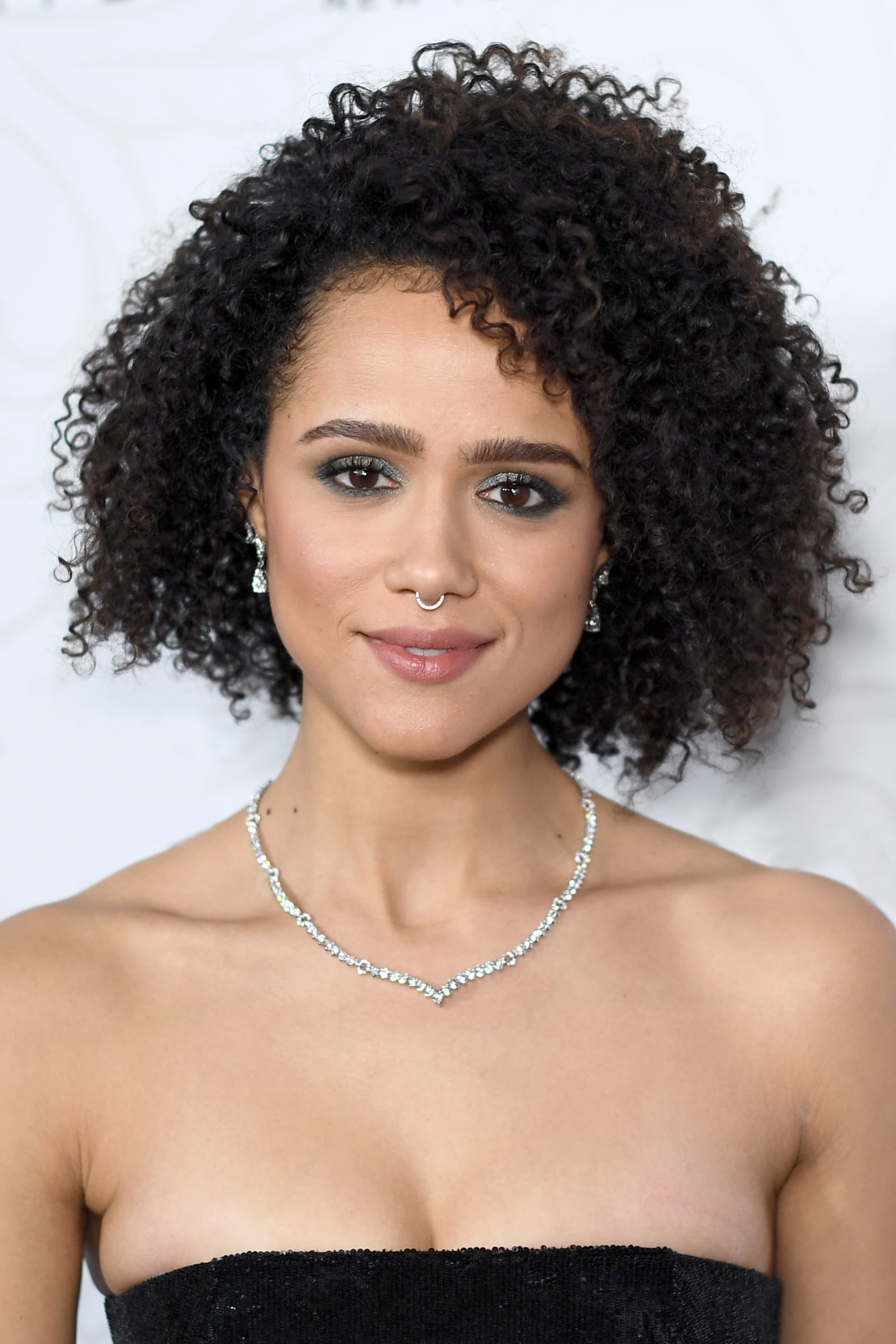
Nathalie Emmanuel is best known for her roles in ‘Game of Thrones’ and the ‘Fast and Furious’ franchise. She has faced comments on social media suggesting she is only cast because she fits a certain “palatable” image of Blackness. Emmanuel has spoken out about the lack of diversity on sets and the need for better hair care for Black performers. She remains a popular figure who uses her visibility to highlight systemic issues in the industry. Her career continues to grow with a focus on diverse and challenging roles.
Zazie Beetz
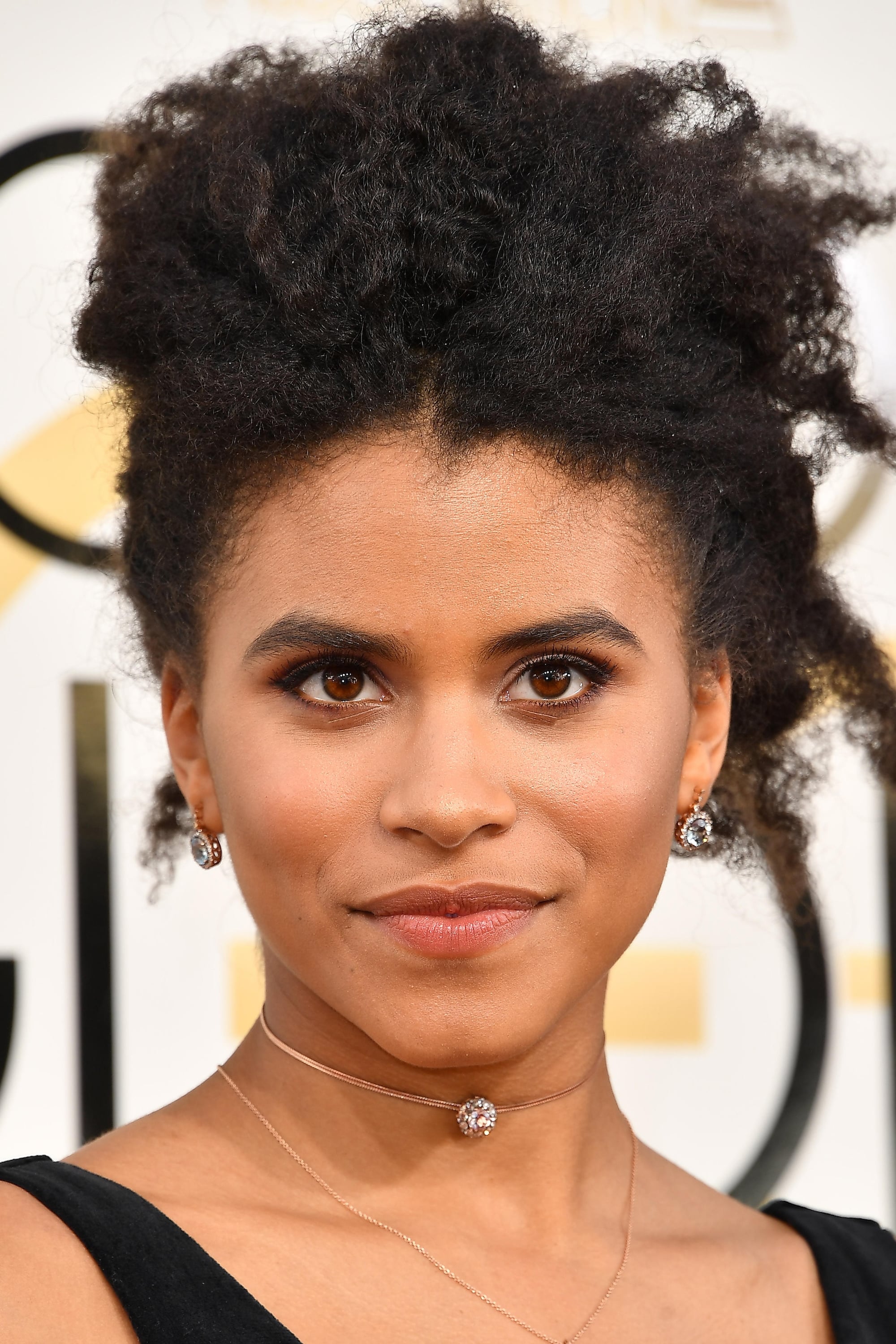
Zazie Beetz received social media pushback when she was cast as Domino in ‘Deadpool 2’. The original comic book character had a different look which led to debates about her suitability for the role. She has also dealt with general commentary about her biracial identity and her natural hair. Beetz has stayed true to her aesthetic and has become a staple in both indie films and blockbusters. She continues to push boundaries with her work in projects like ‘Atlanta’.
Kiersey Clemons
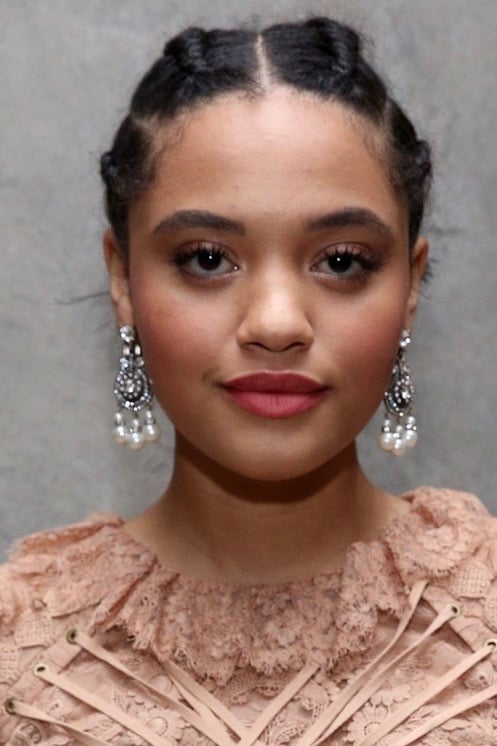
Kiersey Clemons has been a rising star in films like ‘Dope’ and the ‘Justice League’ franchise. She has encountered social media users who question her identity or criticize her for roles they feel should go to others. Clemons has been open about the difficulties of being a queer biracial woman in Hollywood. She often uses her platform to advocate for more authentic and varied storytelling. Her work continues to receive critical acclaim despite the noise of online detractors.
Tracee Ellis Ross
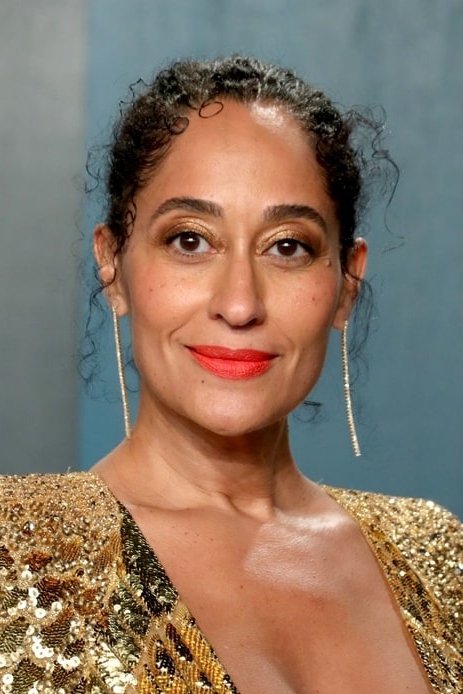
The daughter of Diana Ross has had a long and successful career in ‘Girlfriends’ and ‘Black-ish’. Despite her status she has faced social media comments regarding her light skin and her upbringing. She has consistently celebrated Black culture and hair through her work and her hair care line. Ross focuses on the joy and complexity of the Black experience in her performances. She remains a beloved figure who navigates industry politics with humor and intelligence.
Tamera Mowry-Housley
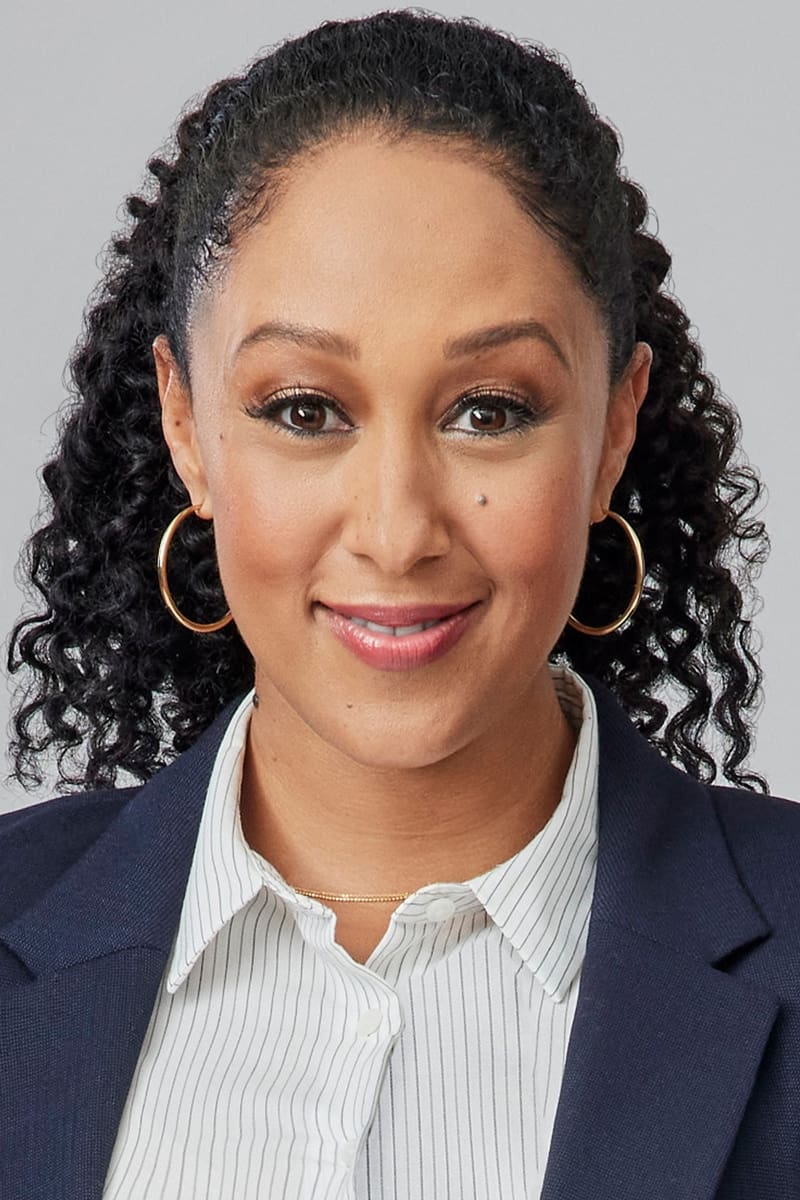
Tamera Mowry Housley has been in the public eye since she was a teenager on ‘Sister Sister’. As an adult she faced significant harassment on social media while serving as a cohost on ‘The Real’. Much of the criticism targeted her interracial marriage and her perceived lack of “Blackness”. She has often spoken through tears about how deeply these comments affected her. She continues to share her life and career with her fans while standing firm in her identity.
Tia Mowry
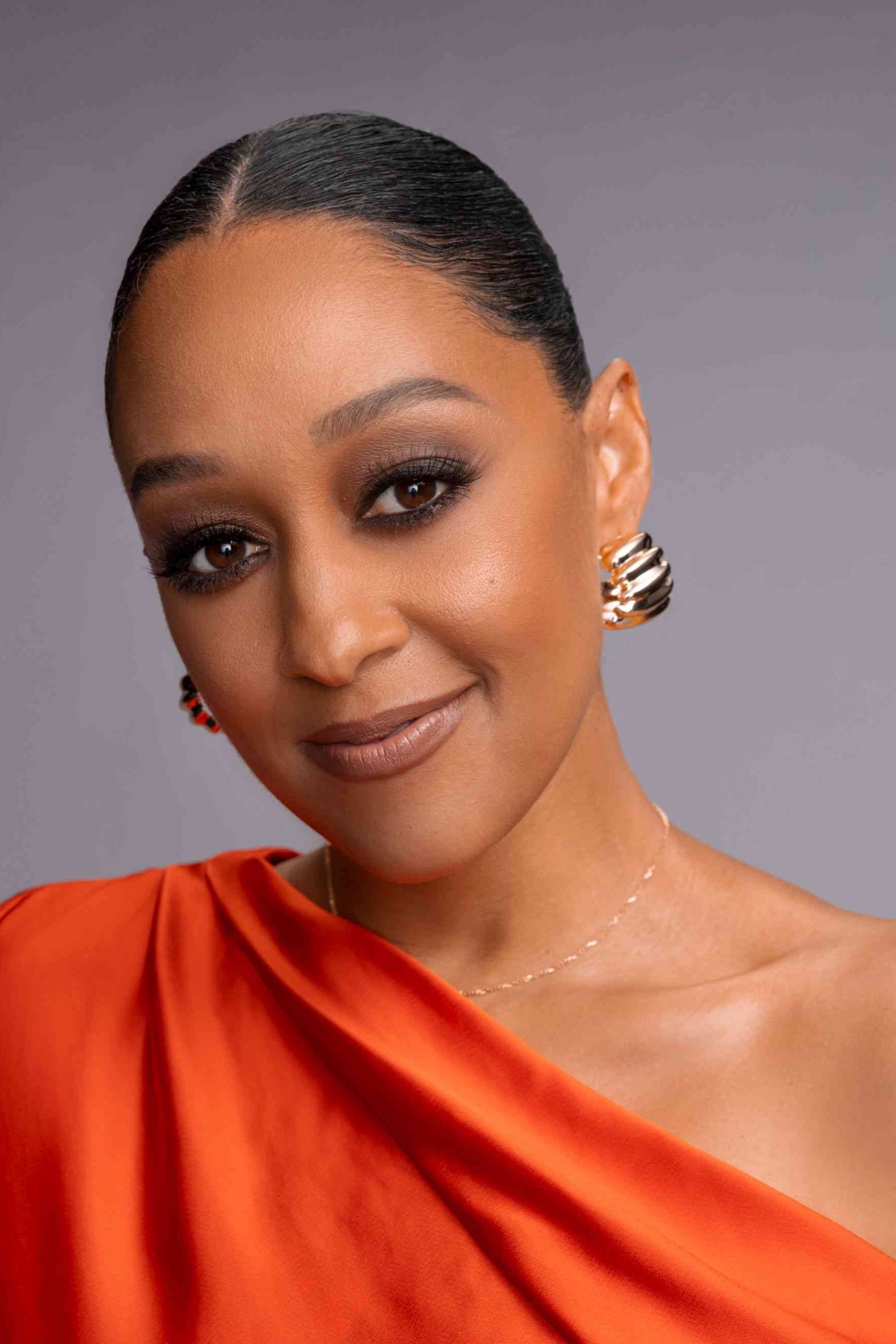
Tia Mowry has shared many of the same experiences as her twin sister throughout their decades in entertainment. She has faced social media debates about her hair and her lifestyle choices in relation to her heritage. Tia has been very active in creating content that celebrates Black motherhood and wellness. She often addresses her followers with messages of empowerment and self love. Her career remains vibrant as she transitions into new roles and business ventures.
Vanessa Williams
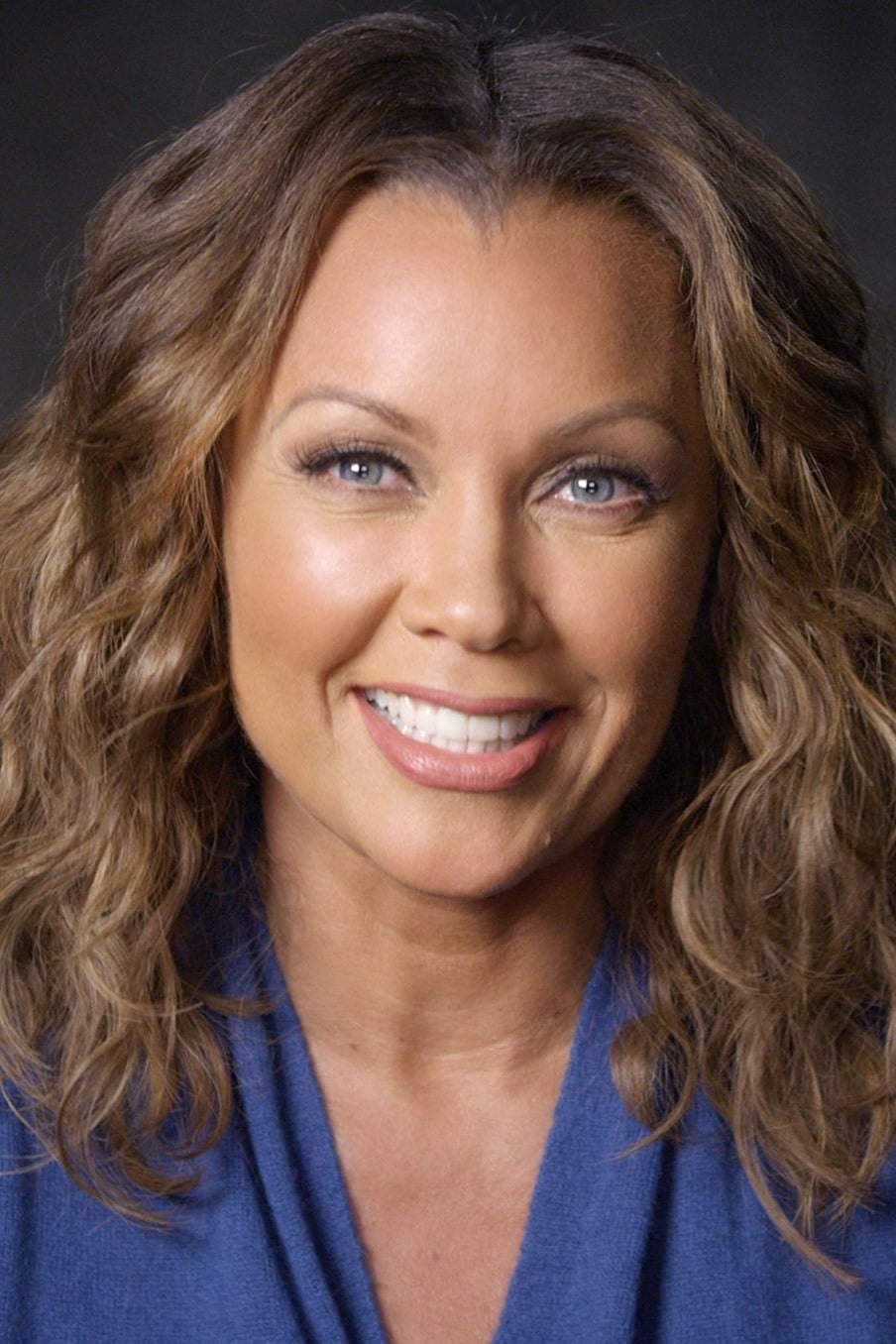
Vanessa Williams made history as the first Black Miss America but faced harassment from multiple sides. Some members of the Black community at the time felt she did not represent them because of her light skin and light eyes. Throughout her acting career in ‘Ugly Betty’ and ‘Desperate Housewives’ she has navigated these persistent themes. She has proven her talent across music and screen for over thirty years. Williams remains a trailblazer who opened doors for many who followed.
Paula Patton
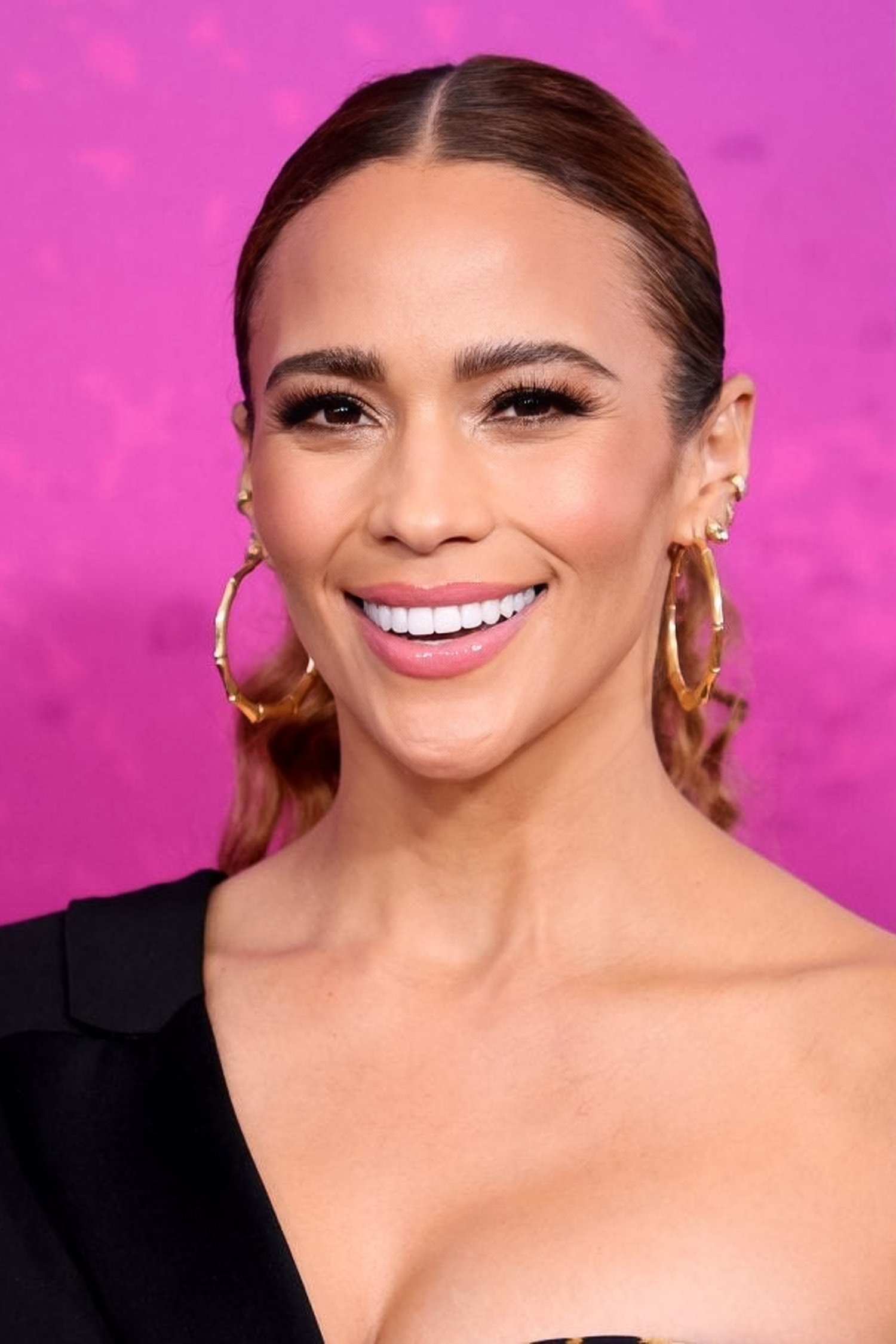
Paula Patton has often been at the center of social media discussions regarding her racial identity and her roles. Some critics have questioned her casting in movies like ‘Precious’ where she played a teacher. Her biracial heritage is frequently a topic of debate in online forums dedicated to Hollywood casting. Patton has maintained that she identifies as a Black woman and has spoken about her pride in her background. She continues to work in various film genres while staying out of much of the online fray.
Alicia Keys
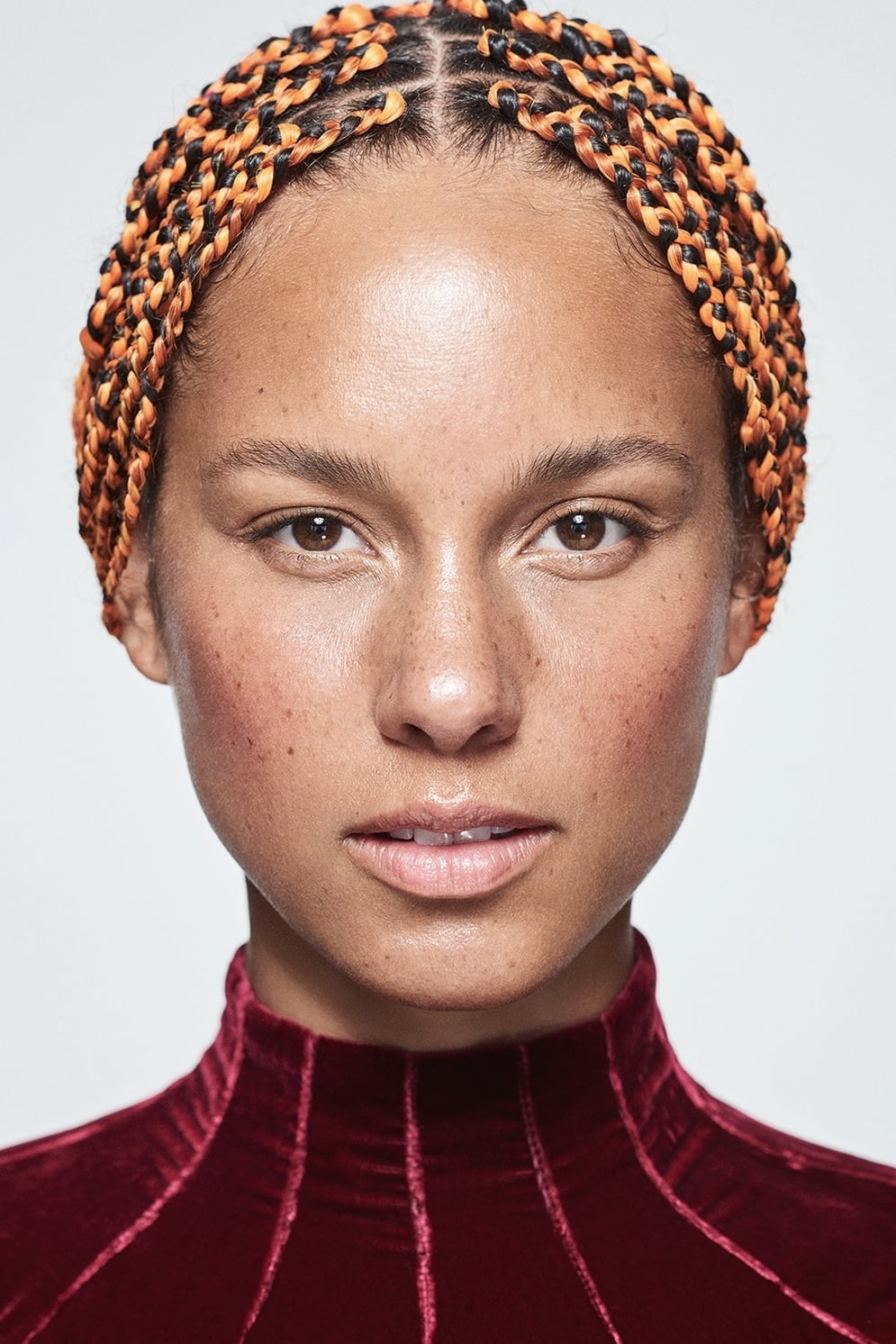
While primarily known as a musician Alicia Keys has had a notable acting career in films like ‘The Secret Life of Bees’. She has faced social media commentary about her biracial background and how she fits into the industry. Her decision to stop wearing makeup for several years also sparked intense debates about beauty and Blackness. Keys has remained focused on her message of authenticity and empowerment. She continues to be a major influence in both the music and film worlds.
Jennifer Beals
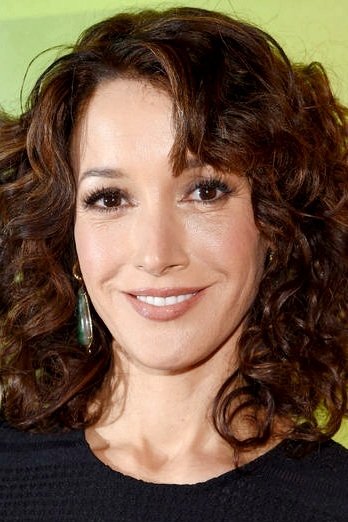
Jennifer Beals is famous for her role in ‘Flashdance’ and later ‘The L Word’. Early in her career many people did not know she was biracial which led to later discussions about “passing” in Hollywood. Social media has revisited her filmography to debate the politics of her casting over the years. Beals has been vocal about her pride in her heritage and the importance of her father’s influence. She continues to work in high profile television projects while maintaining her privacy.
Maya Rudolph
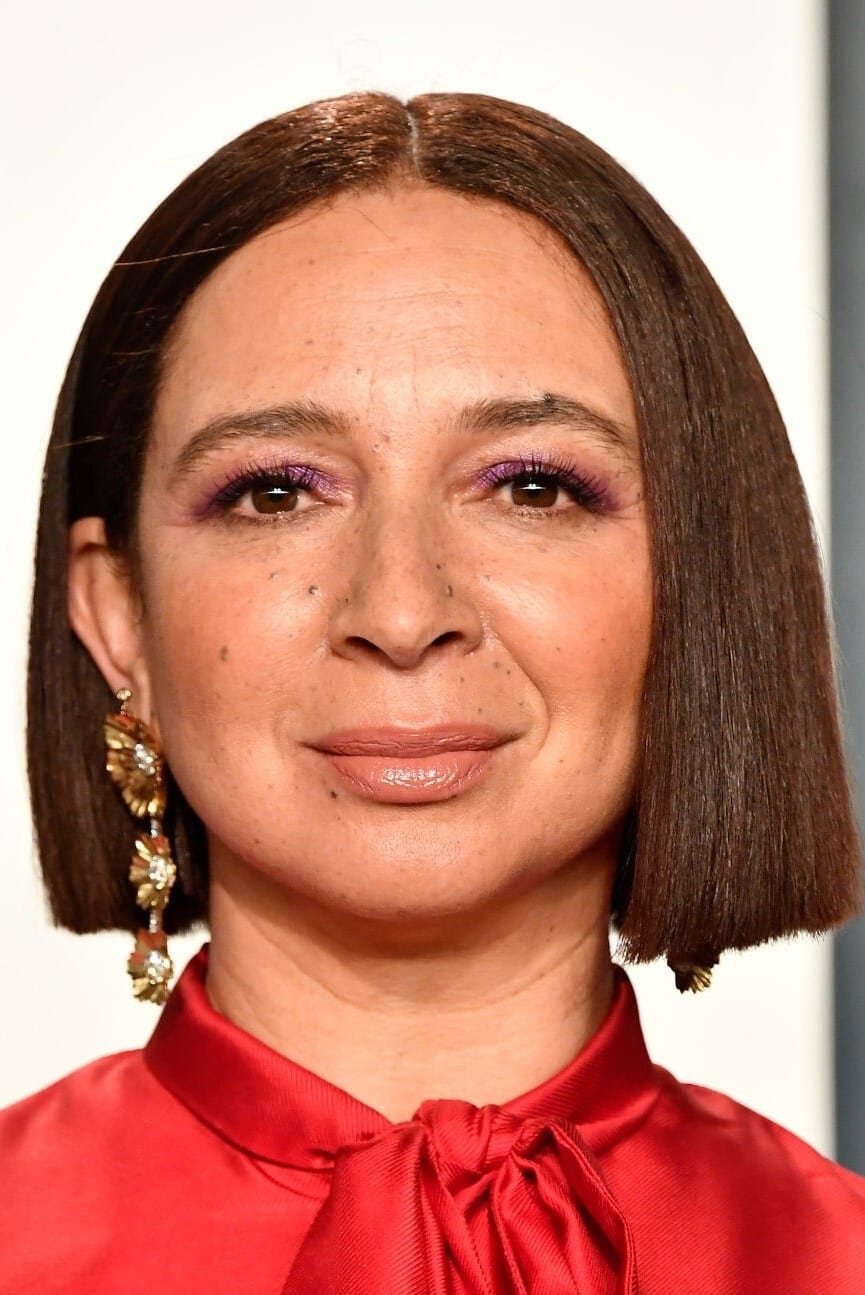
Maya Rudolph is a celebrated comedian and actress who has often played a variety of ethnicities on ‘Saturday Night Live’. This versatility has led to social media questions about her own identity and her Blackness. She is the daughter of legendary singer Minnie Riperton and has often paid tribute to her mother’s legacy. Rudolph has navigated her career with a focus on talent and humor rather than strictly racial labels. She remains one of the most respected comedic voices of her generation.
Lisa Bonet
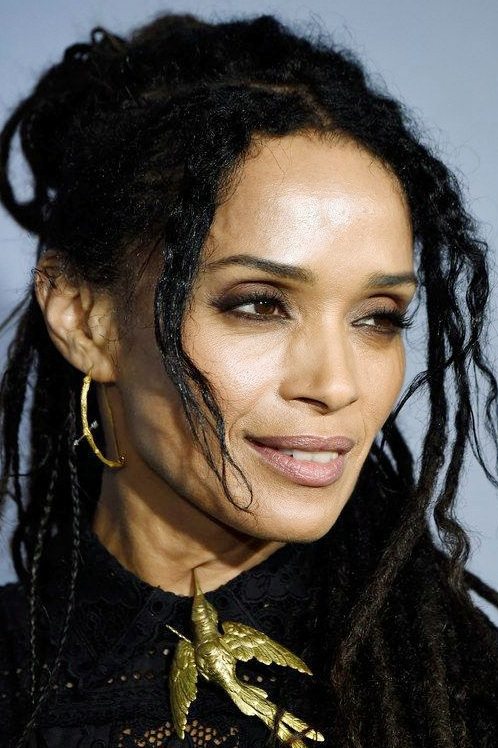
Lisa Bonet became a style icon and star on ‘The Cosby Show’ and ‘A Different World’. Throughout her career she has faced social media scrutiny regarding her bohemian lifestyle and her biracial background. Some have questioned her connection to the Black community due to her unique public persona. Bonet has largely stayed away from social media and maintained a private life. Her influence on fashion and representation for biracial women remains significant.
Zoë Kravitz
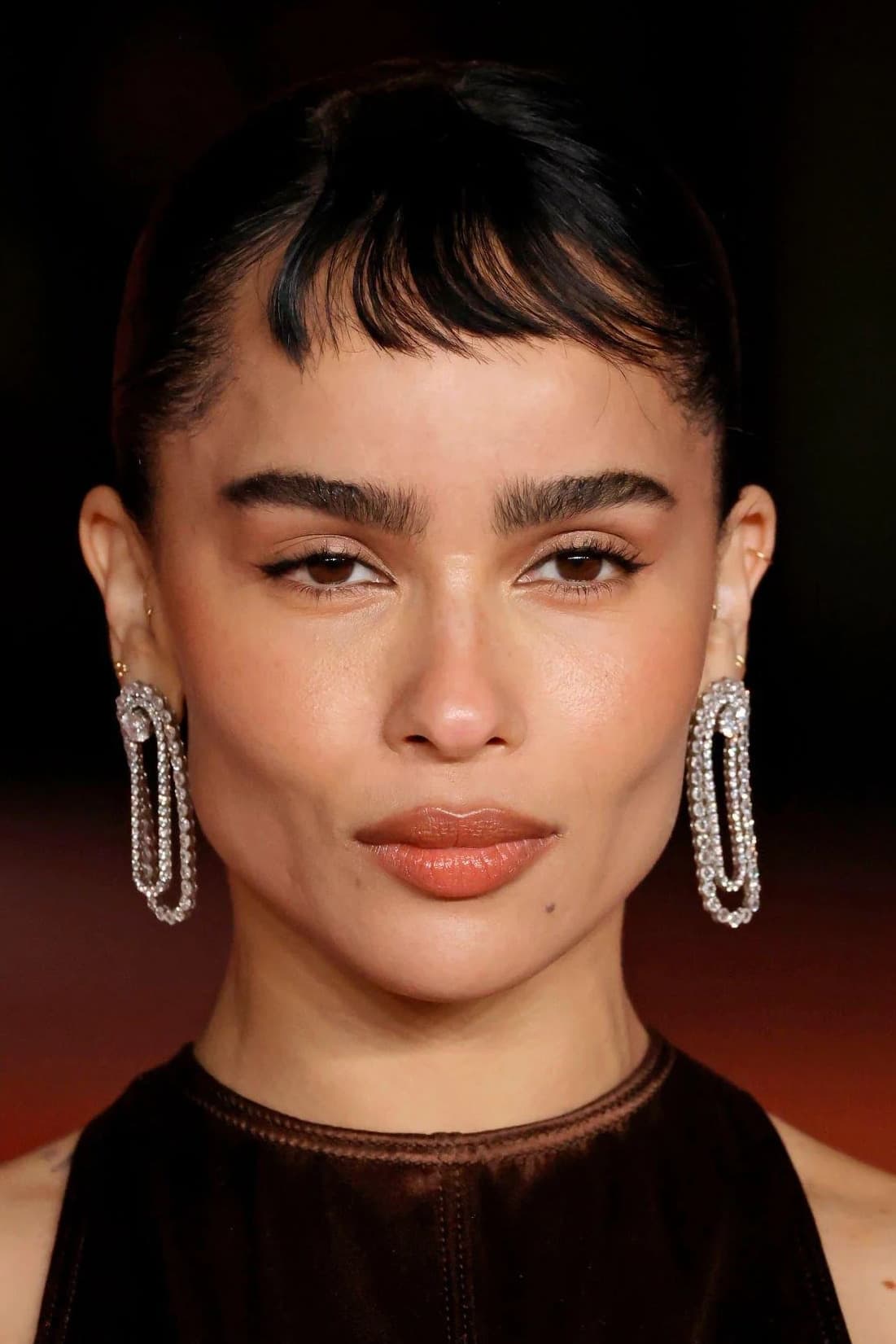
Zoë Kravitz has faced social media harassment for her comments on race and her casting as Catwoman in ‘The Batman’. Some users have criticized her for her aesthetic choices or for being the child of famous parents. She has spoken out about the “not Black enough” comments she received early in her career. Kravitz continues to lead major franchises and independent films with a distinct voice. She remains a prominent figure in the ongoing discussion about modern Black identity.
Candice Patton
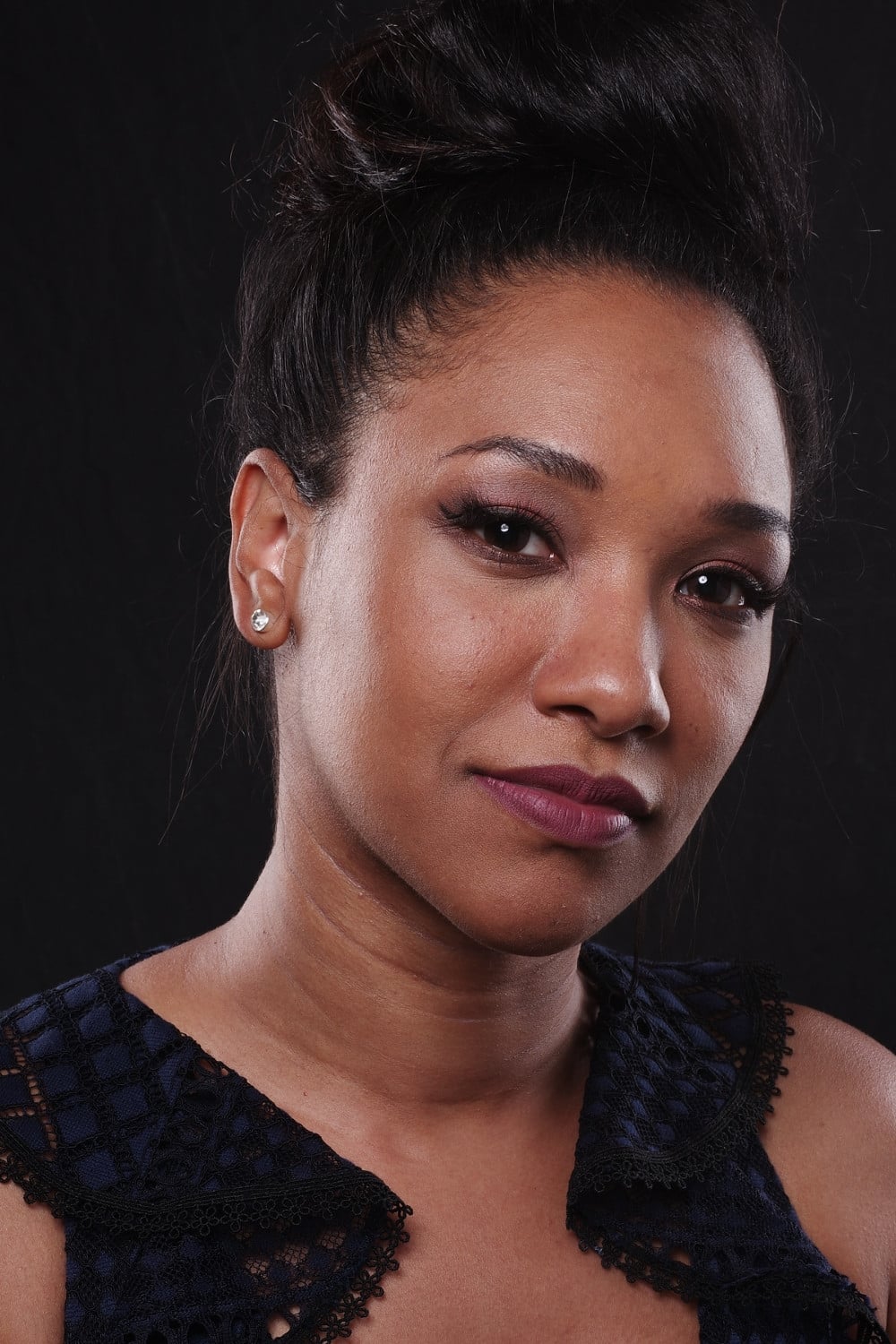
Candice Patton has endured years of social media harassment since being cast as Iris West on ‘The Flash’. While much of the hate was based on racism some also came from within the community regarding her skin tone. She has been very vocal about the lack of support actresses of color often receive from studios. Patton has used her experience to advocate for better treatment and representation for Black women in the sci fi genre. She completed her long run on the show as a fan favorite.
Storm Reid
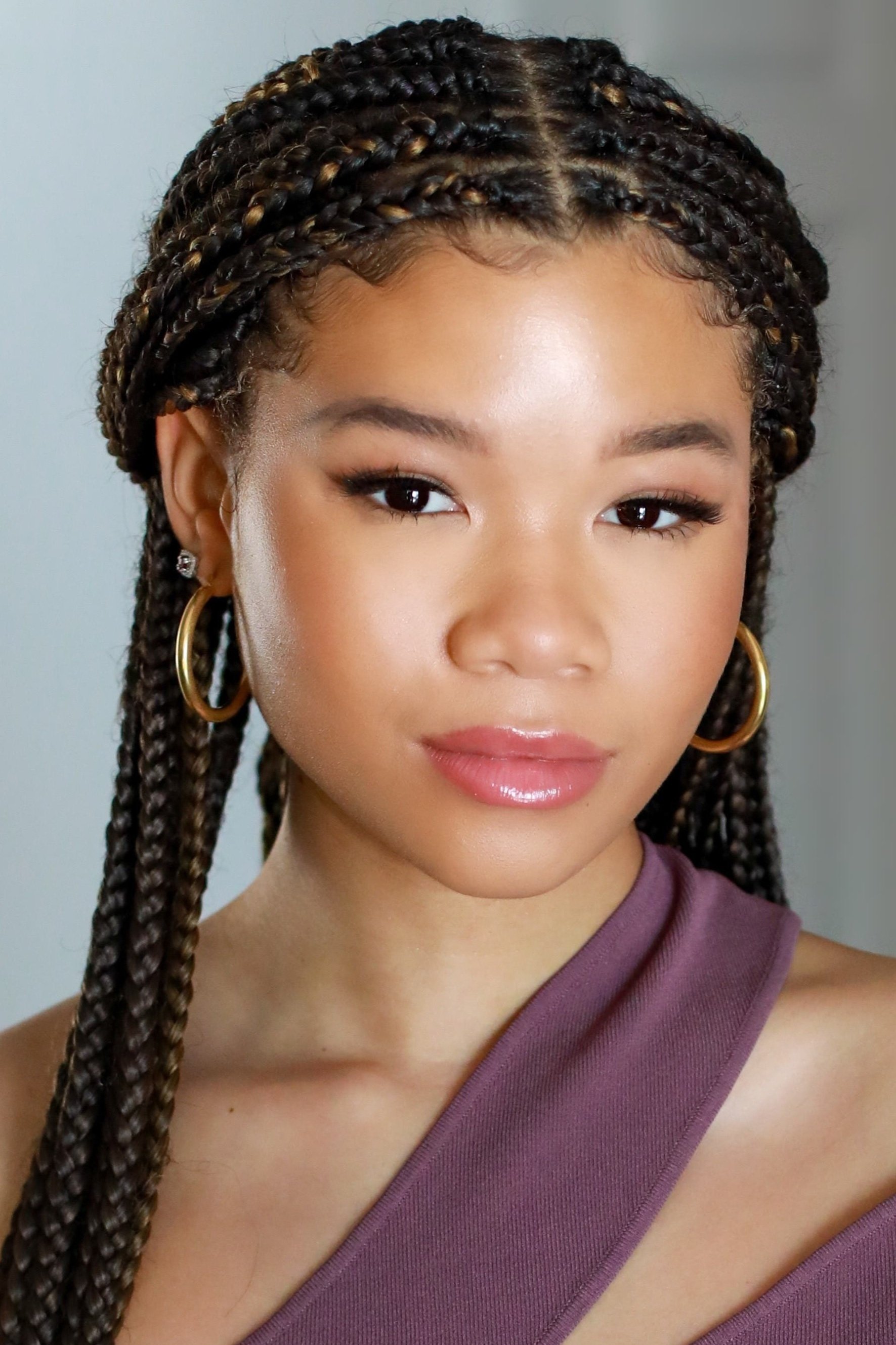
Storm Reid rose to fame in ‘A Wrinkle in Time’ and has since appeared in ‘Euphoria’. She has faced social media commentary about being a “palatable” choice for major roles in Hollywood. Reid has handled these discussions with maturity and a focus on her craft. She often uses her platform to encourage other young Black girls to pursue their dreams. Her career continues to flourish as she takes on more complex and diverse characters.
Halle Bailey
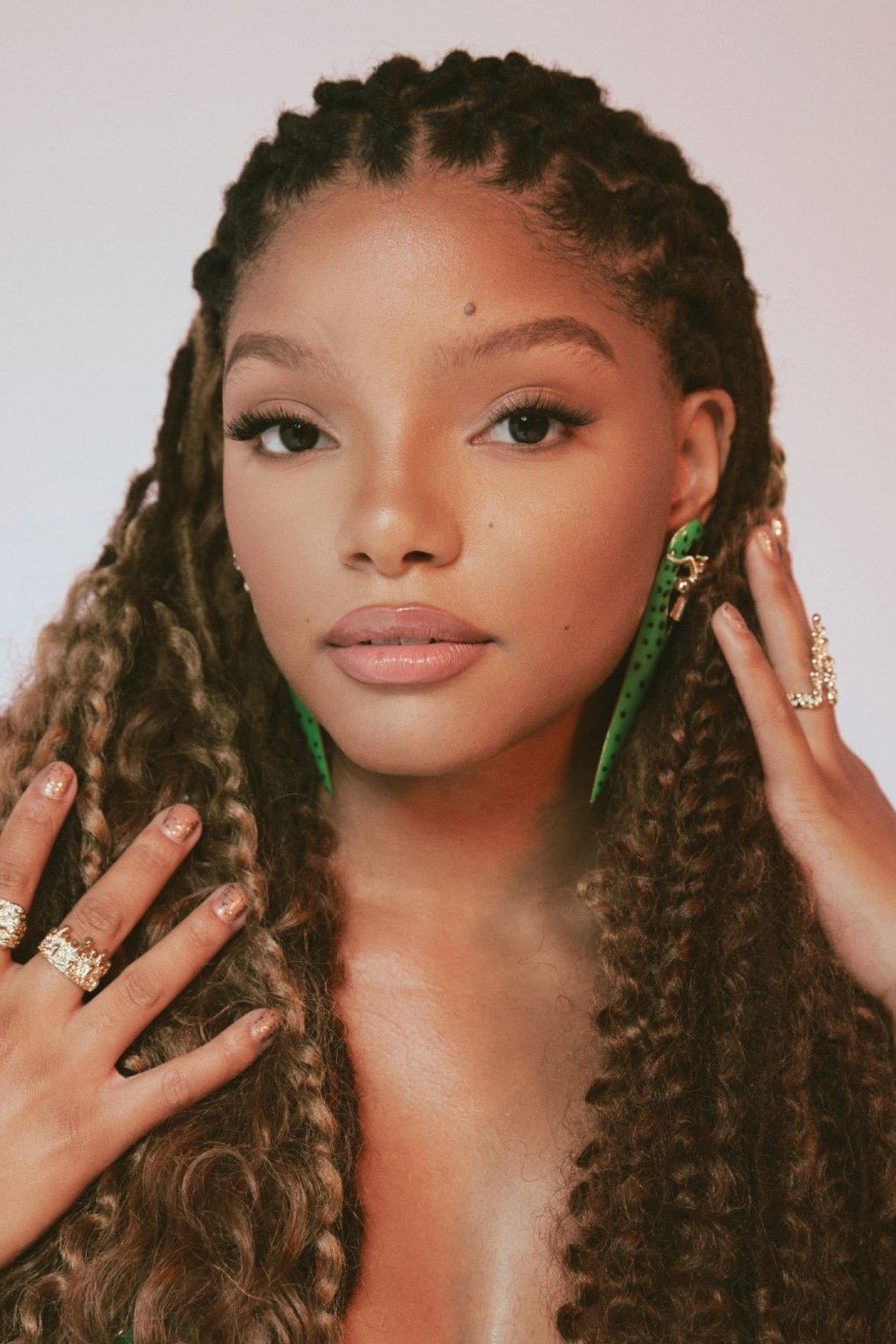
Halle Bailey faced a massive wave of online harassment when she was cast as Ariel in ‘The Little Mermaid’. While most of the backlash was racist in nature she also dealt with internal community debates about colorism. Some argued that the role should have gone to a darker skinned actress to provide more representation. Bailey remained poised and focused on the historical significance of her role. Her performance was a major milestone for representation in Disney films.
Willow Smith
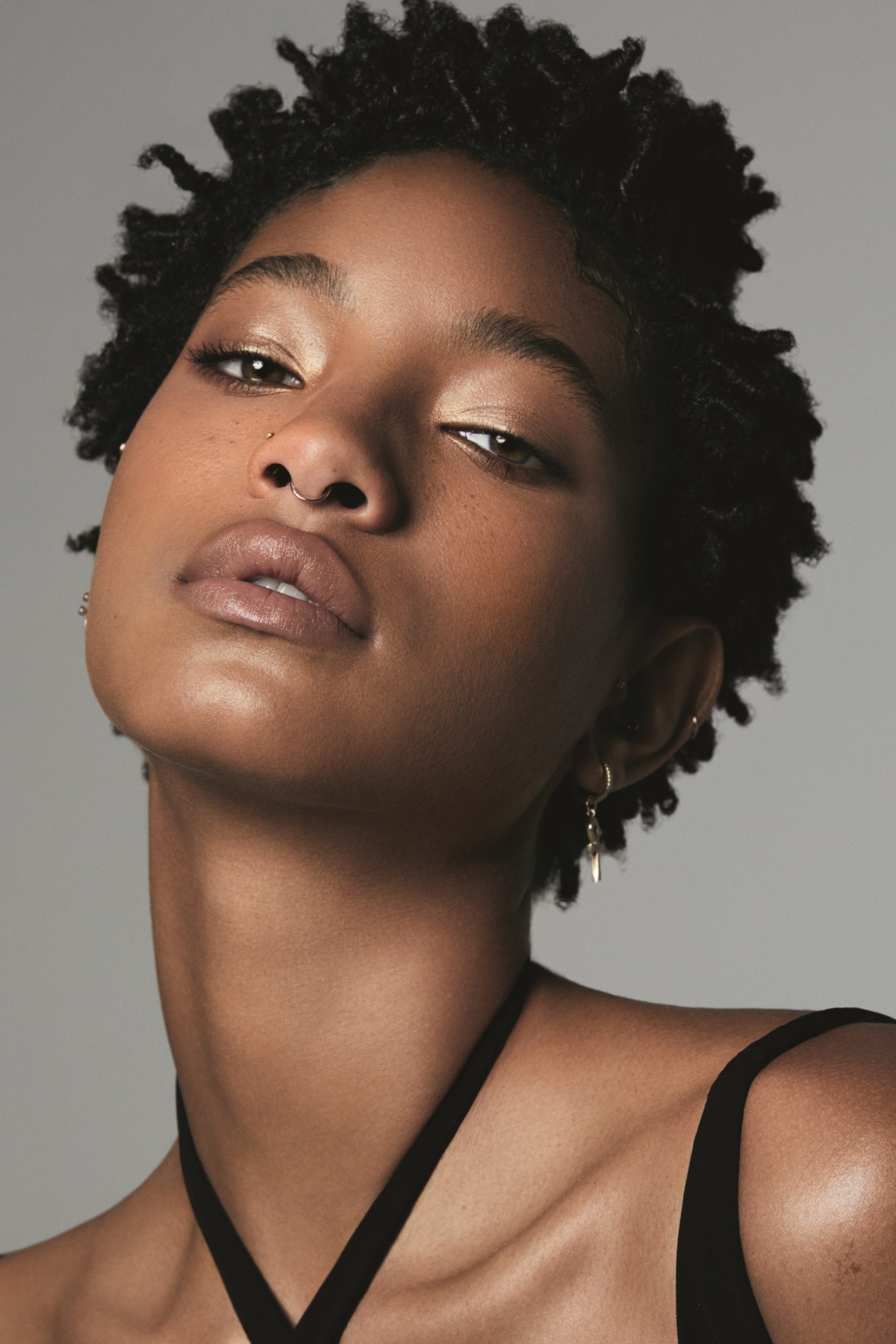
Willow Smith has grown up in the spotlight and has often used her music and ‘Red Table Talk’ to discuss her identity. She has faced social media harassment for her experimental style and her views on race. Some critics have suggested she is disconnected from the average Black experience due to her upbringing. Willow has continued to express herself authentically and challenge traditional expectations. She remains a significant voice for Gen Z and the exploration of fluid identities.
Pearl Thusi
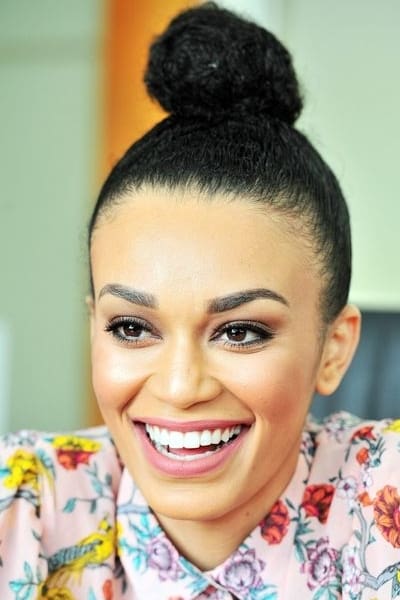
The South African actress has faced intense harassment on social media regarding her light skin. Many users in her home country have accused her of benefiting from colorism in the local film industry. Thusi has often clapped back at her detractors and defended her hard work and heritage. She starred in the first African original series on Netflix titled ‘Queen Sono’. Her career remains a point of high energy debate regarding skin tone politics in South Africa.
Sophie Okonedo
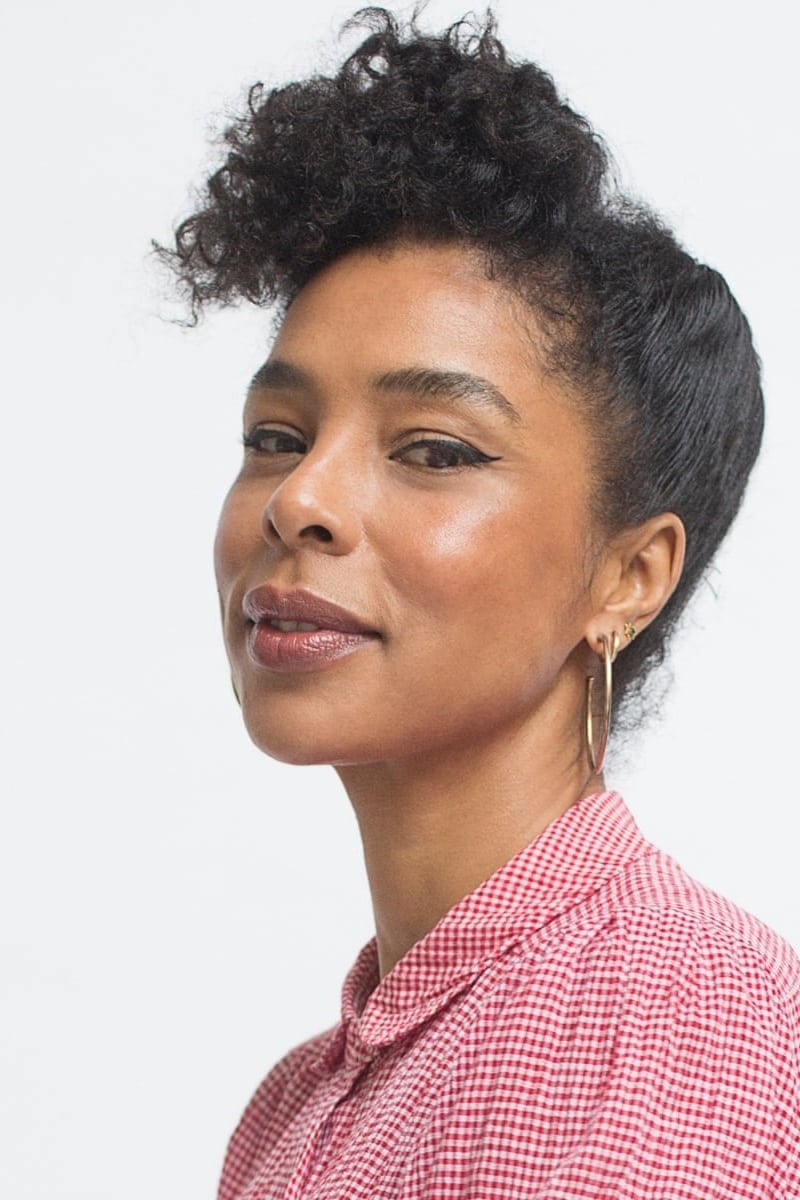
Sophie Okonedo is a highly acclaimed British actress who has appeared in ‘Hotel Rwanda’ and ‘Death on the Nile’. She has faced social media discussions regarding her biracial heritage and her place in the Black acting community. Some have questioned her identity when she plays characters of different backgrounds. Okonedo has consistently delivered powerful performances that transcend these online debates. She remains a respected figure in both British and American cinema.
Ruth Negga
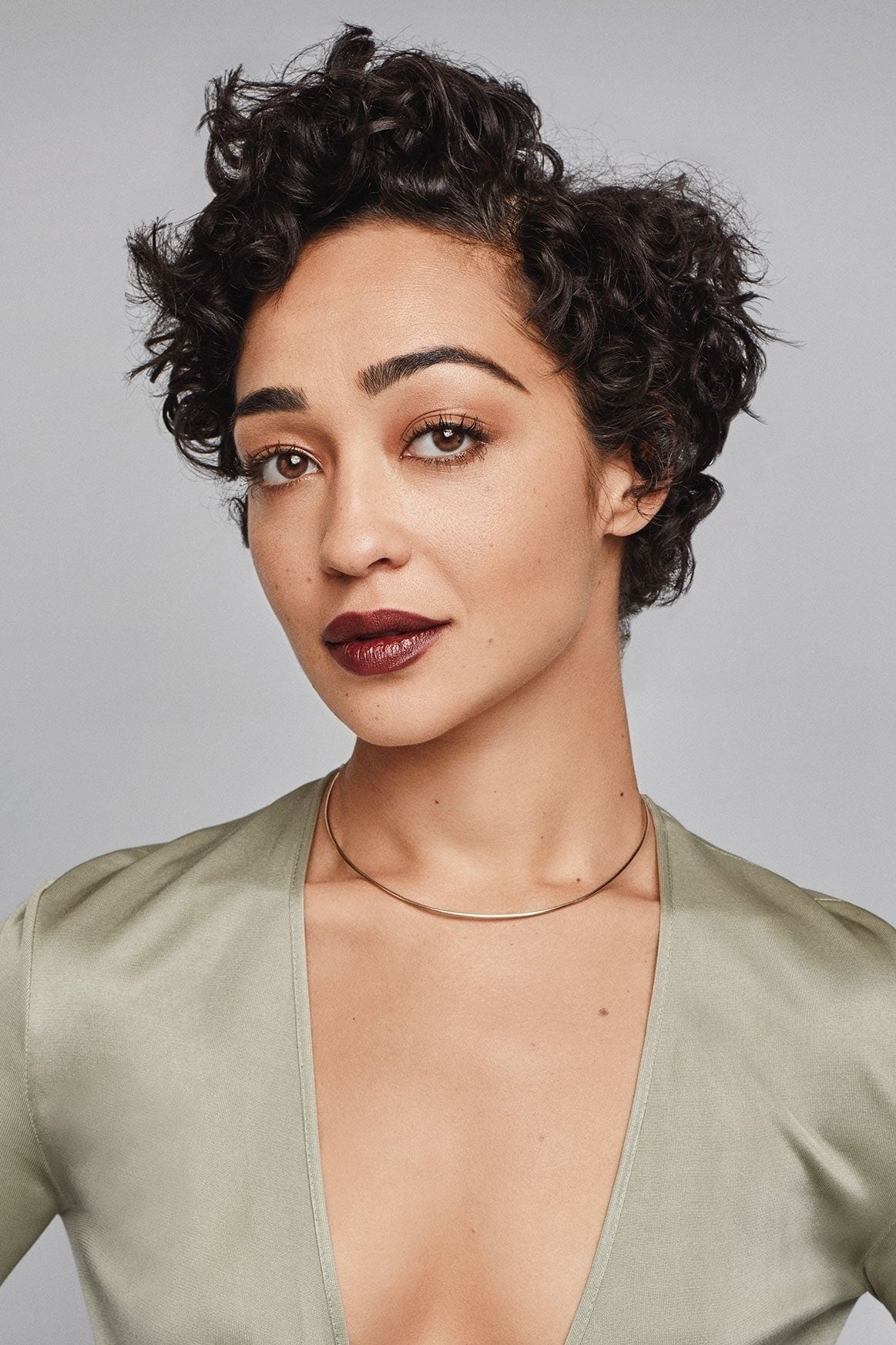
Ruth Negga received an Oscar nomination for her role in ‘Loving’ and has been a staple in the ‘Preacher’ series. She has faced social media commentary about her Irish and Ethiopian heritage. Some critics have questioned her casting in roles that are historically significant to the Black American experience. Negga has addressed these topics by focusing on the universal elements of the characters she portrays. She continues to be a sought after talent for prestigious film and stage roles.
Cynthia Erivo
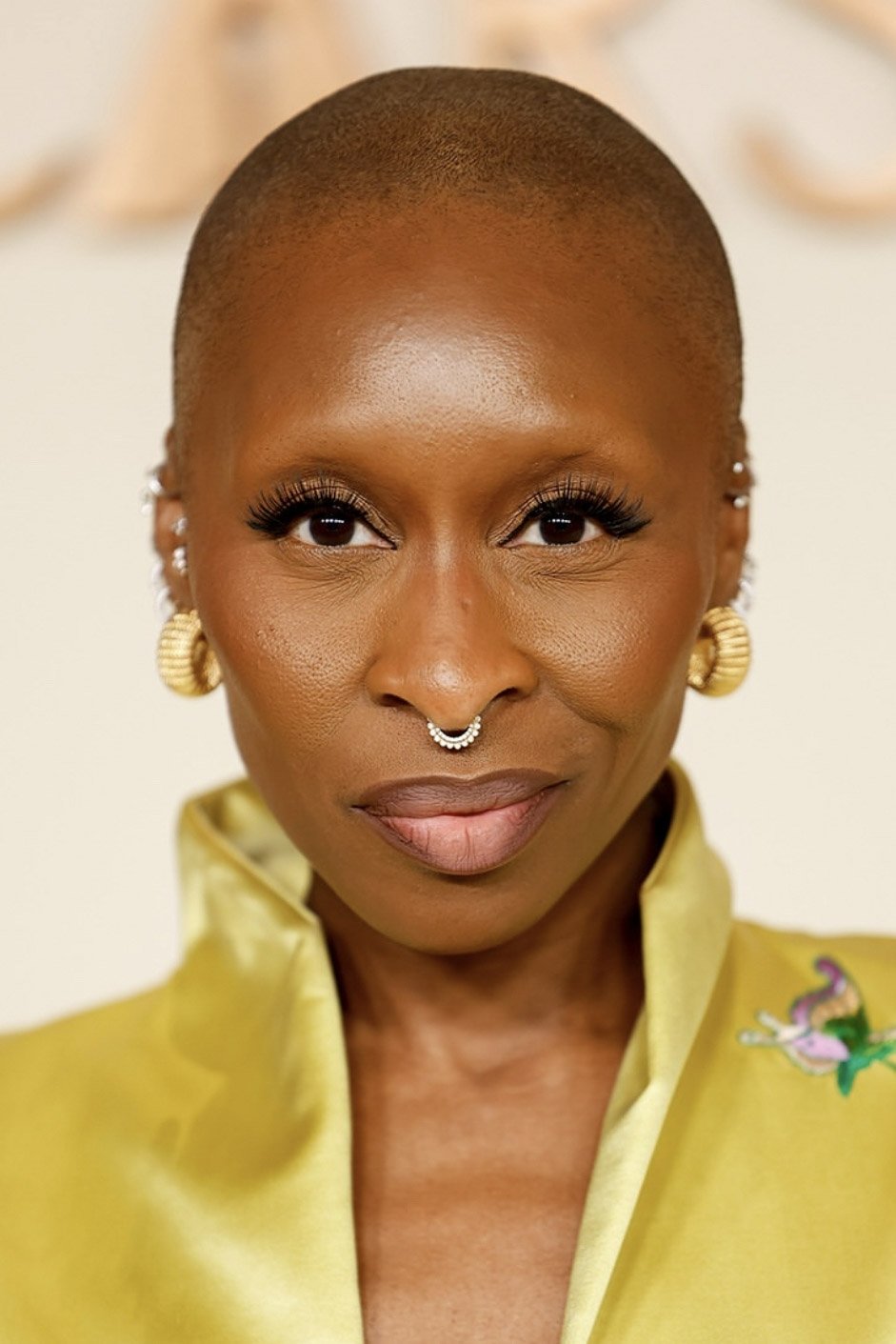
Cynthia Erivo faced a significant social media backlash when she was cast as Harriet Tubman in the film ‘Harriet’. Critics argued that a Black American actress should have played the role instead of a British one. The harassment often focused on her previous social media posts and her connection to American history. Erivo defended her work and her right to portray iconic figures of the diaspora. She has since continued to take on major roles in projects like ‘Wicked’.
Aurora Perrineau
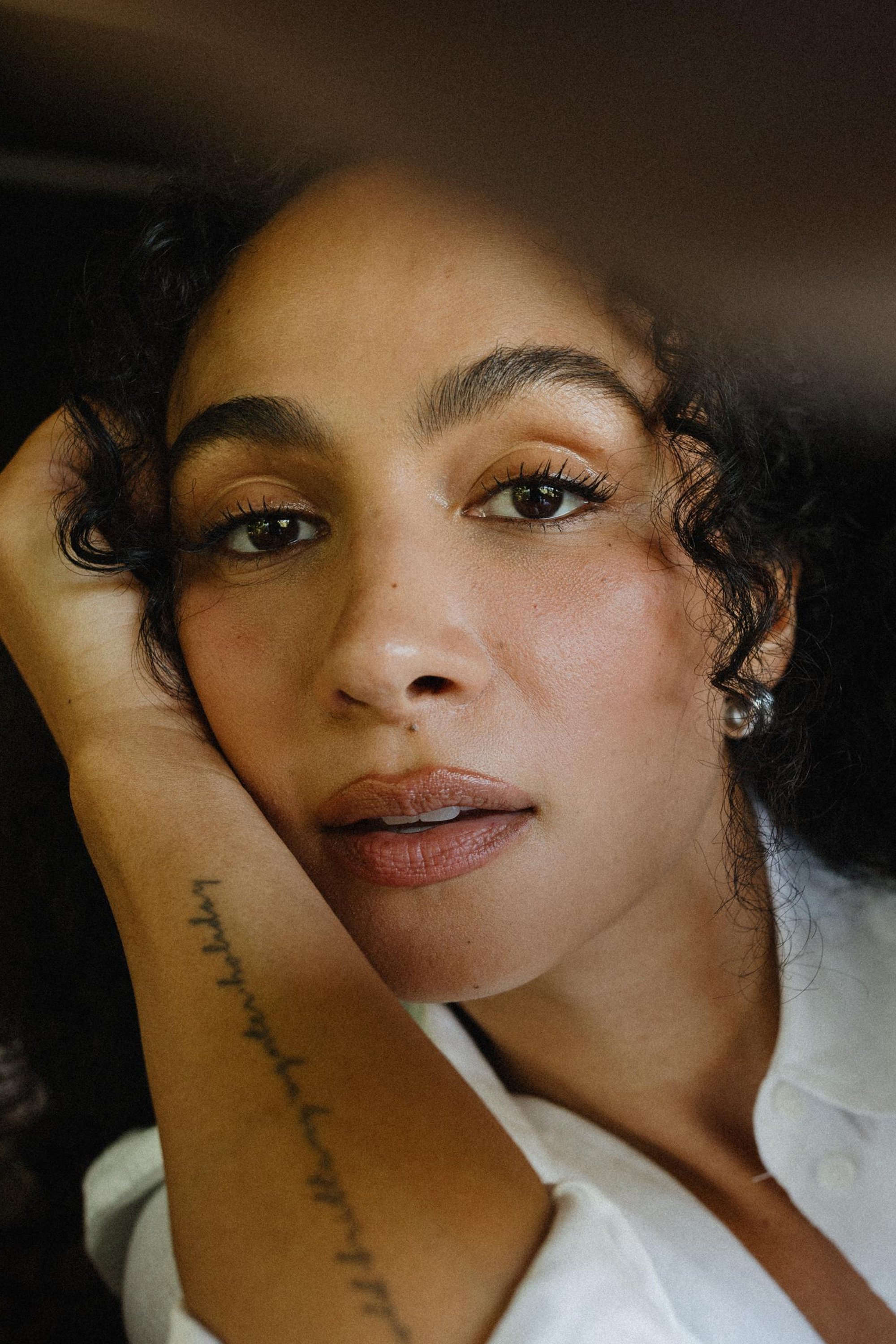
Aurora Perrineau faced intense social media harassment when she was cast in the miniseries ‘When They See Us’. Critics argued that she was too light skinned to play the real life person she was cast to portray. The backlash became so severe that she had to address the situation publicly to explain the casting process. She has since continued to work in television and film while navigating the complexities of industry colorism. Her experience highlighted the intense scrutiny faced by biracial actresses in biographical roles.
Please share your thoughts on these casting and identity debates in the comments.