Black Actresses Who Were Labeled “Not Black Enough” for Their Artistic Choices

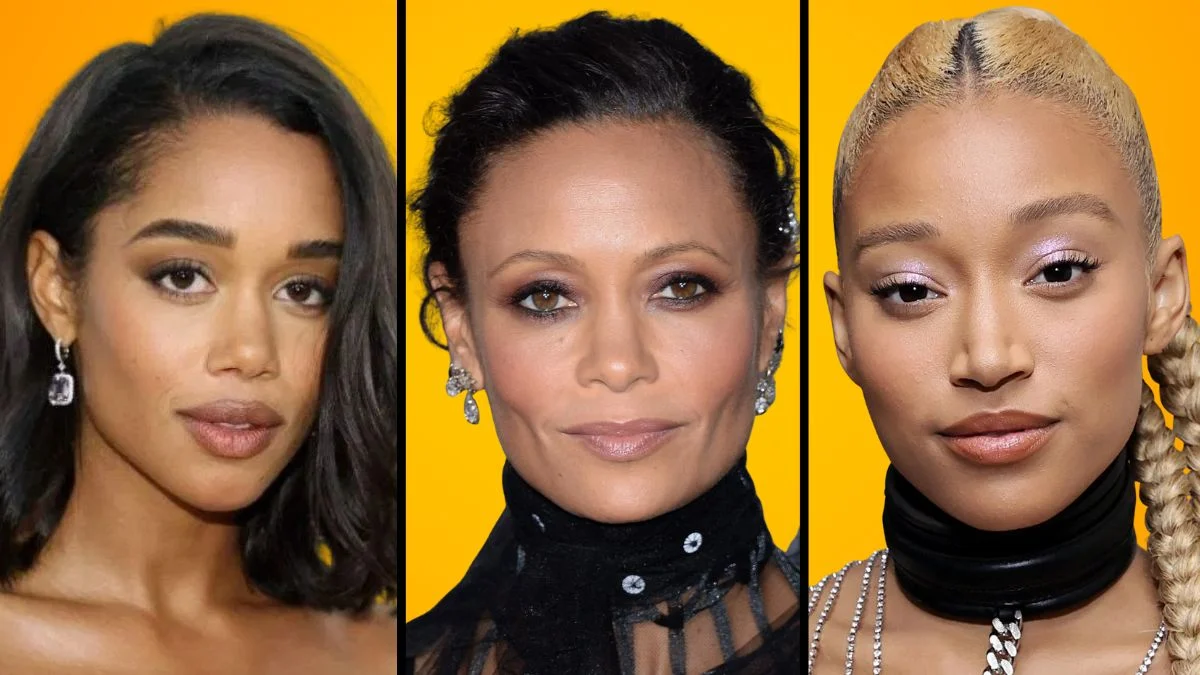

The entertainment industry frequently grapples with complex questions regarding racial identity and cultural authenticity. Many Black actresses have faced public scrutiny for being labeled as not Black enough by audiences and critics alike. These discussions often arise from casting choices for historical figures or characters originally depicted with different skin tones. Performers from biracial or international backgrounds often find themselves at the center of intense debates about representation. This article highlights the women who have navigated these specific labels while continuing to shape their artistic legacies.
Zendaya

Zendaya faced significant pushback when she was cast as MJ in ‘Spider-Man Homecoming’. Critics argued that her biracial identity did not match the original character from the comic books. She has addressed the concept of being the industry’s acceptable version of a Black girl. The actress continues to advocate for darker-skinned women to receive similar opportunities in major films. Her career remains a focal point for discussions about colorism and representation in Hollywood.
Amandla Stenberg
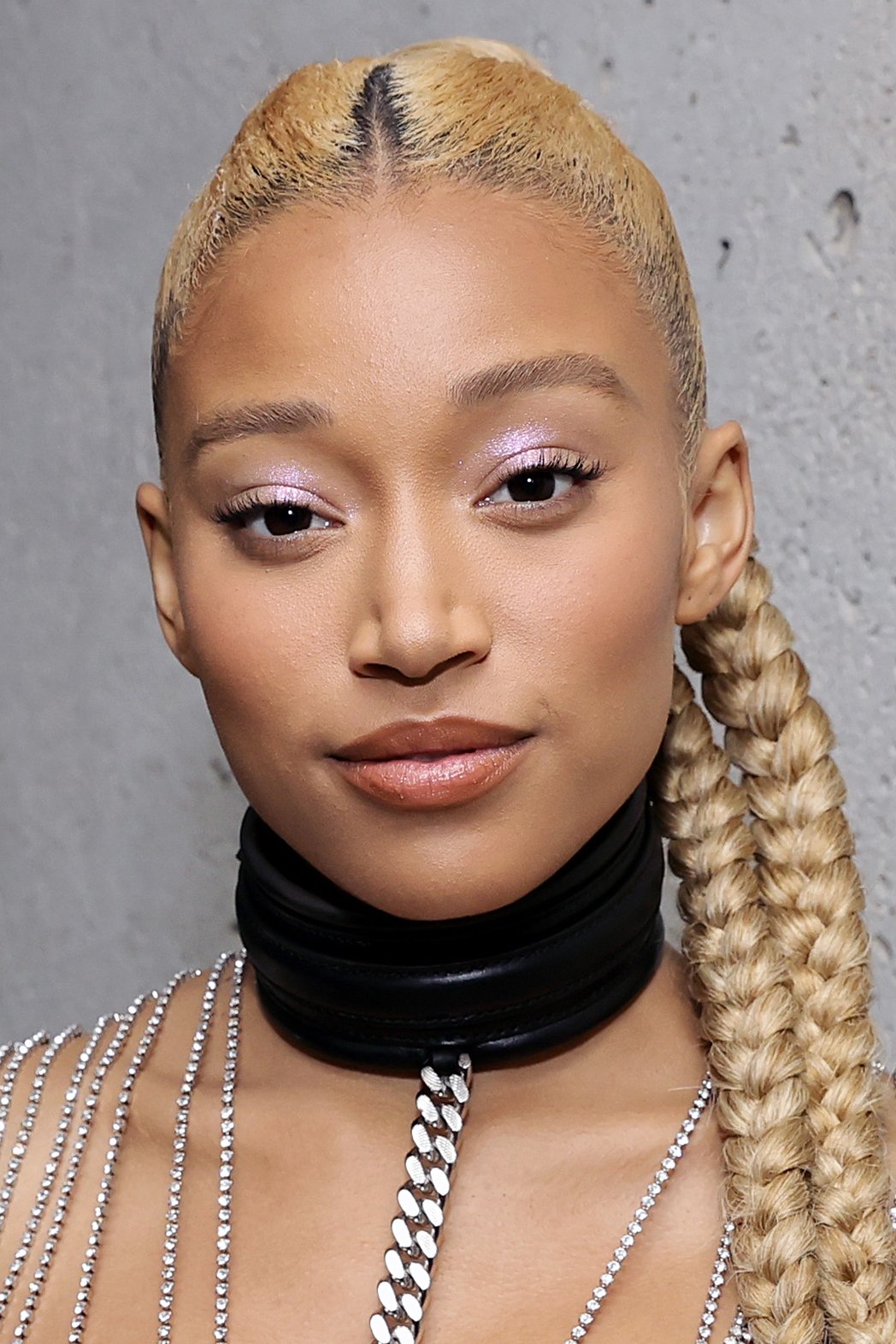
Amandla Stenberg received criticism for her starring role in the film ‘The Hate U Give’. Some readers of the original book felt that a darker-skinned actress should have portrayed the lead character. She responded by discussing the complexities of her own identity and the reality of colorism. The actress has been very vocal about her choice to pass on certain roles that she felt belonged to others. She continues to navigate the industry with a focus on social justice and cultural awareness.
Zoe Saldaña
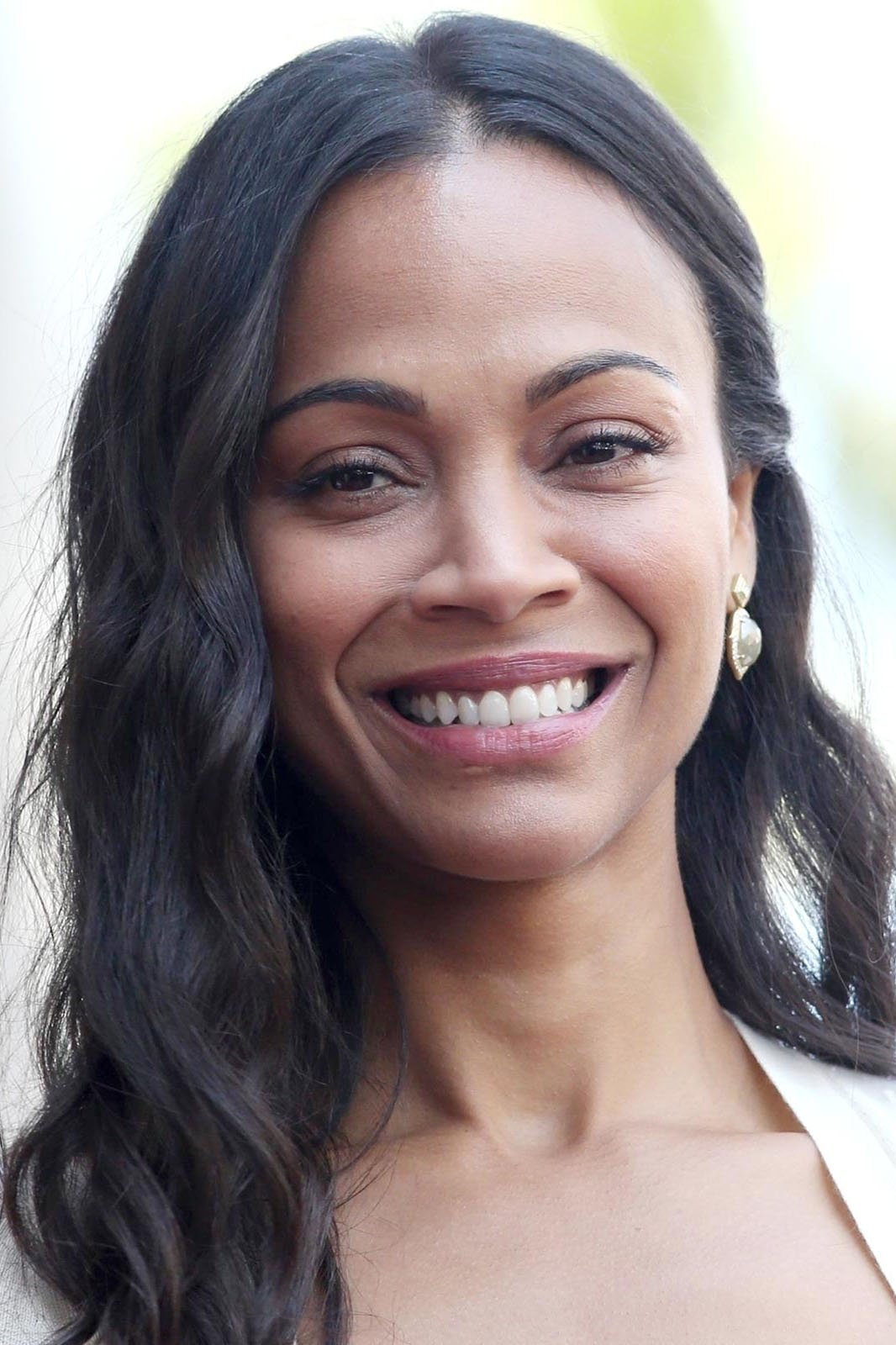
Zoe Saldaña experienced a major backlash when she portrayed Nina Simone in a biographical film. Audiences were upset by the use of darkening makeup and a prosthetic nose to alter her appearance. The controversy centered on the idea that her natural features were not representative of the iconic singer. She later admitted that she should have used her influence to ensure a more suitable actress was cast. This role remains one of the most cited examples of casting controversies in modern cinema.
Alexandra Shipp
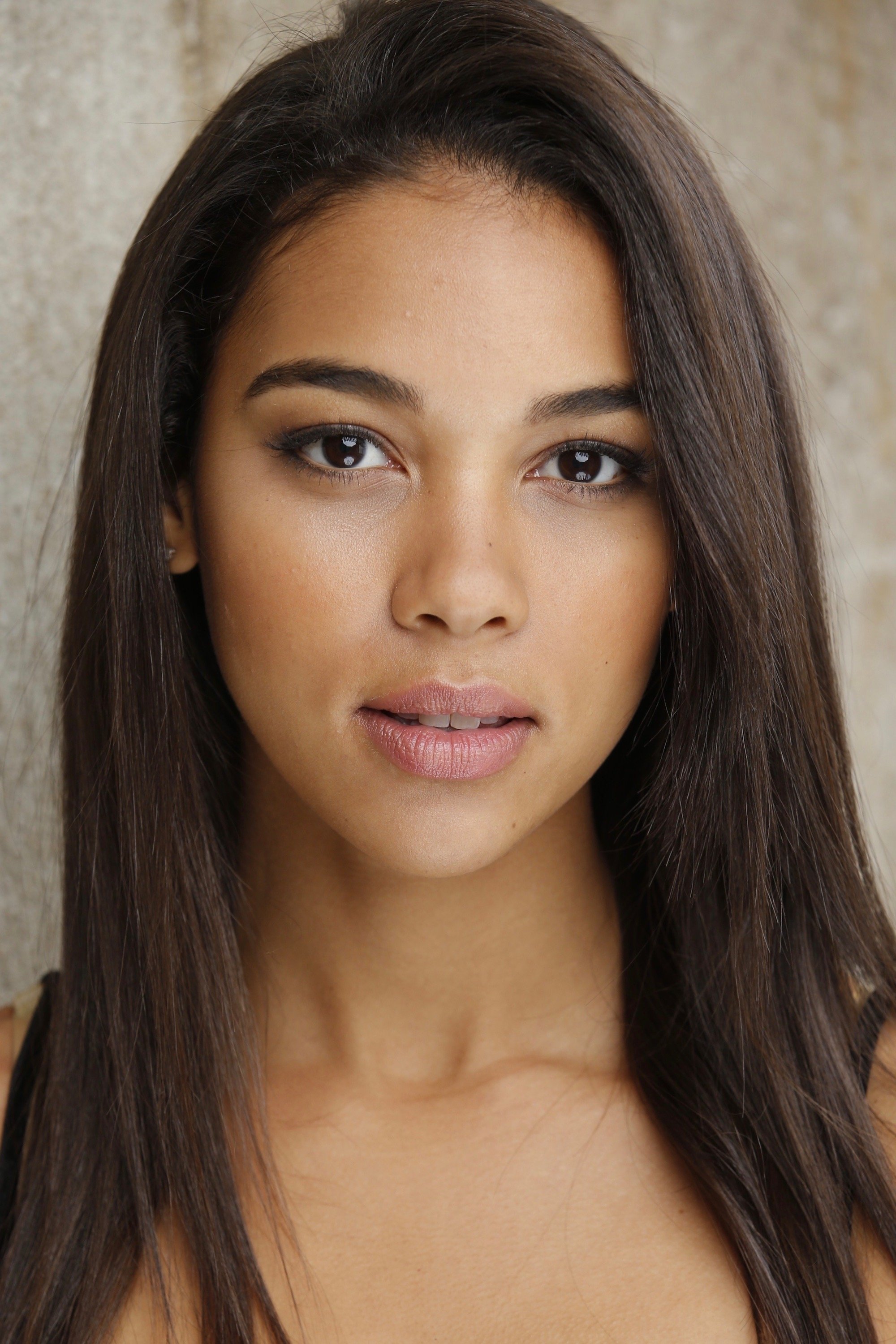
Alexandra Shipp took over the role of Storm in ‘X-Men Apocalypse’ and faced immediate scrutiny from fans. Many argued that the character should be played by a woman with a darker complexion to match the source material. Shipp defended her casting and her right to represent the character as a Black woman. She has spoken out about the frustration of having her identity questioned by her own community. Her experience highlighted the ongoing tensions regarding colorism in superhero franchises.
Cynthia Erivo
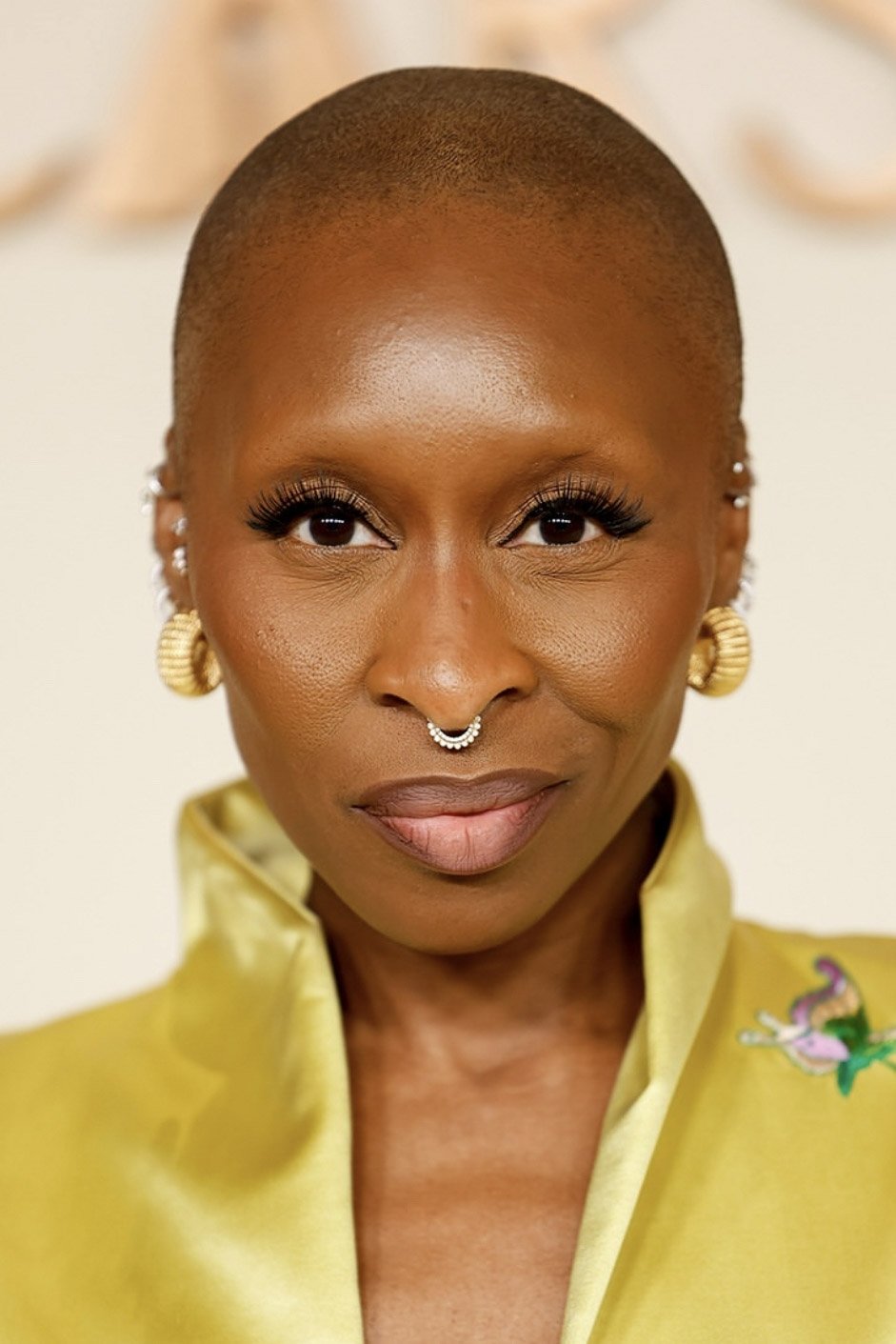
Cynthia Erivo faced criticism when she was cast as the American icon Harriet Tubman in the film ‘Harriet’. Some critics argued that a British actress should not portray such a pivotal figure in African American history. They suggested that her international background disconnected her from the specific experience of American slavery. Erivo defended her dedication to the role and her shared heritage as a woman of the African diaspora. The debate sparked a wider conversation about the casting of British actors in American historical roles.
Thandiwe Newton

Thandiwe Newton has often spoken about her experiences as a biracial actress in the British and American film industries. She once expressed a sense of guilt for being the type of Black woman that Hollywood found easier to cast. This admission came during the promotion of her work in ‘God’s Country’ where she discussed colorism. Critics have sometimes labeled her as not representing the full spectrum of the Black experience. She continues to use her platform to challenge industry standards and promote inclusivity.
Yara Shahidi
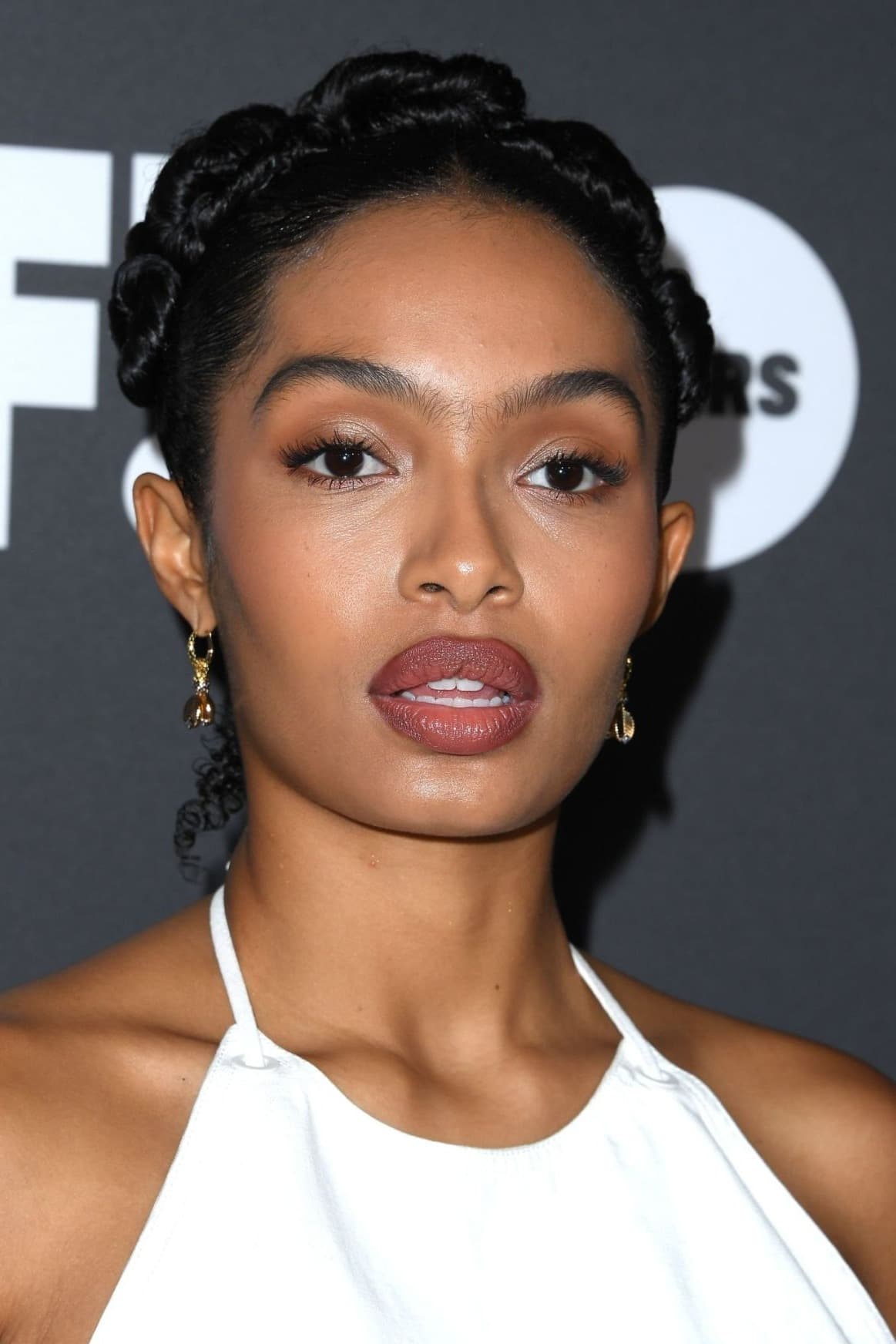
Yara Shahidi has occasionally been labeled as a palatable version of Blackness by certain segments of the public. This criticism often surfaces in discussions about her lead role in the series ‘Grown-ish’. Some viewers feel that her success is partly due to her light skin and proximity to Eurocentric beauty standards. Shahidi has consistently used her career to promote education and political activism within the community. She remains a prominent figure who balances her acting career with social responsibility.
Tessa Thompson
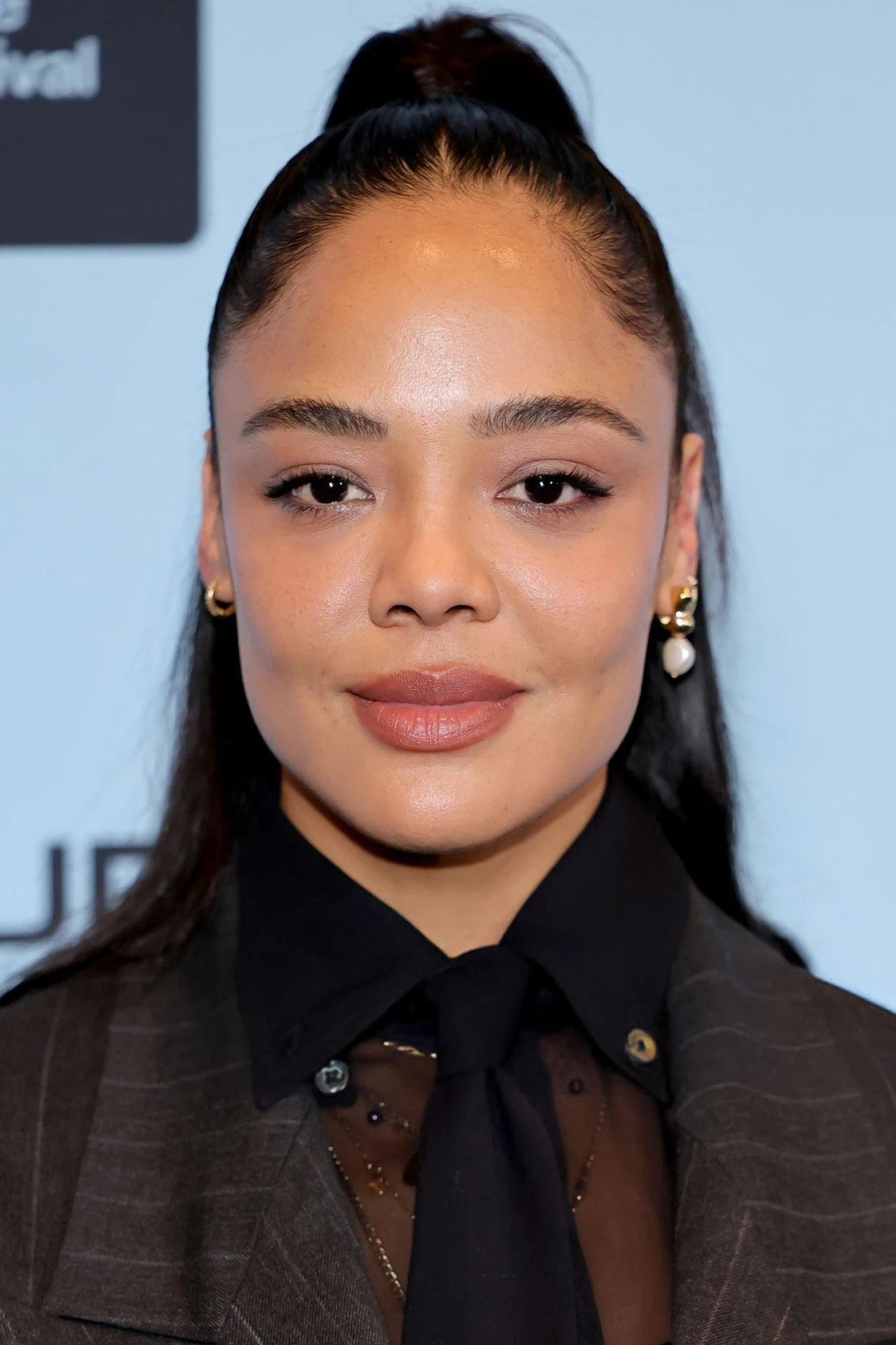
Tessa Thompson faced racialized criticism when she was cast as Valkyrie in ‘Thor Ragnarok’. Some fans of the original comics felt she was not the right fit for a character historically depicted as white. Within the Black community she has also faced discussions regarding her biracial heritage and the roles she chooses. She has been a staunch advocate for diversity both in front of and behind the camera. Her work in films like ‘Passing’ further explores the themes of identity that she navigates in real life.
Logan Browning
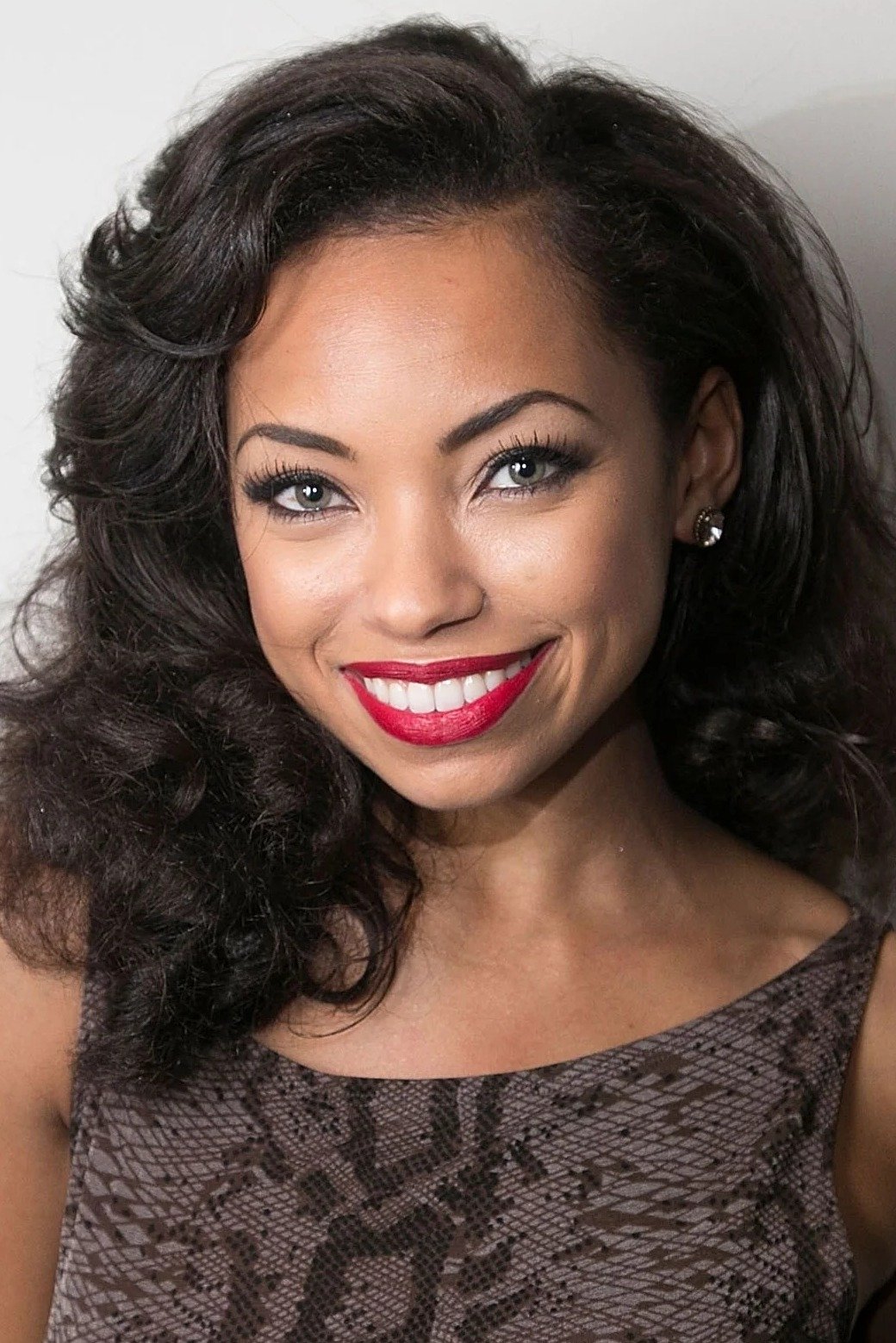
Logan Browning starred in the series ‘Dear White People’ which directly addressed the theme of being not Black enough. Her character Samantha White struggled with the pressures of leading a Black activist group while being biracial. This mirror of her real life led to many public discussions about her own identity and place in the industry. Browning has spoken about the internal and external conflicts that come with these labels. She continues to choose roles that highlight the nuances of the Black experience.
Laura Harrier
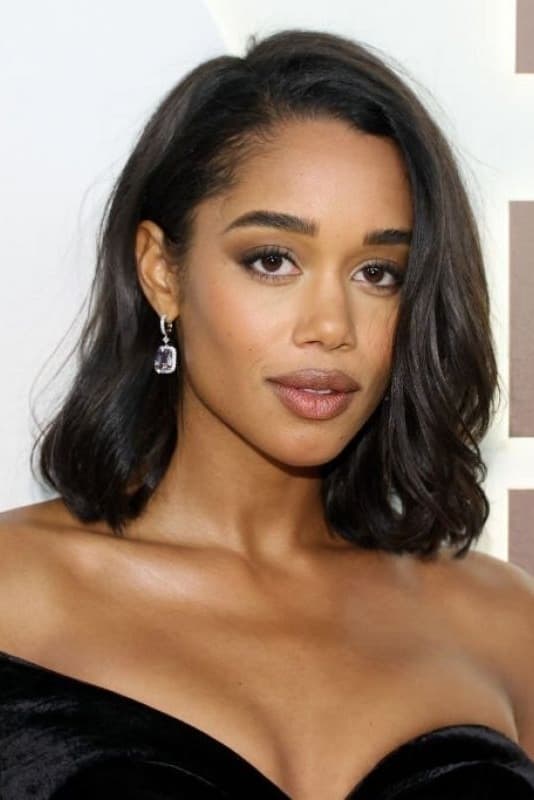
Laura Harrier gained fame for her role in ‘Spider-Man Homecoming’ and later in the film ‘BlacKkKlansman’. As a light-skinned actress she has acknowledged the privileges that come with her appearance in Hollywood. Some critics have pointed to her casting as evidence of the industry’s preference for certain phenotypes. Harrier has expressed her desire to see more representation for all skin tones in major productions. She remains active in the fashion and film worlds while addressing these systemic issues.
Nathalie Emmanuel
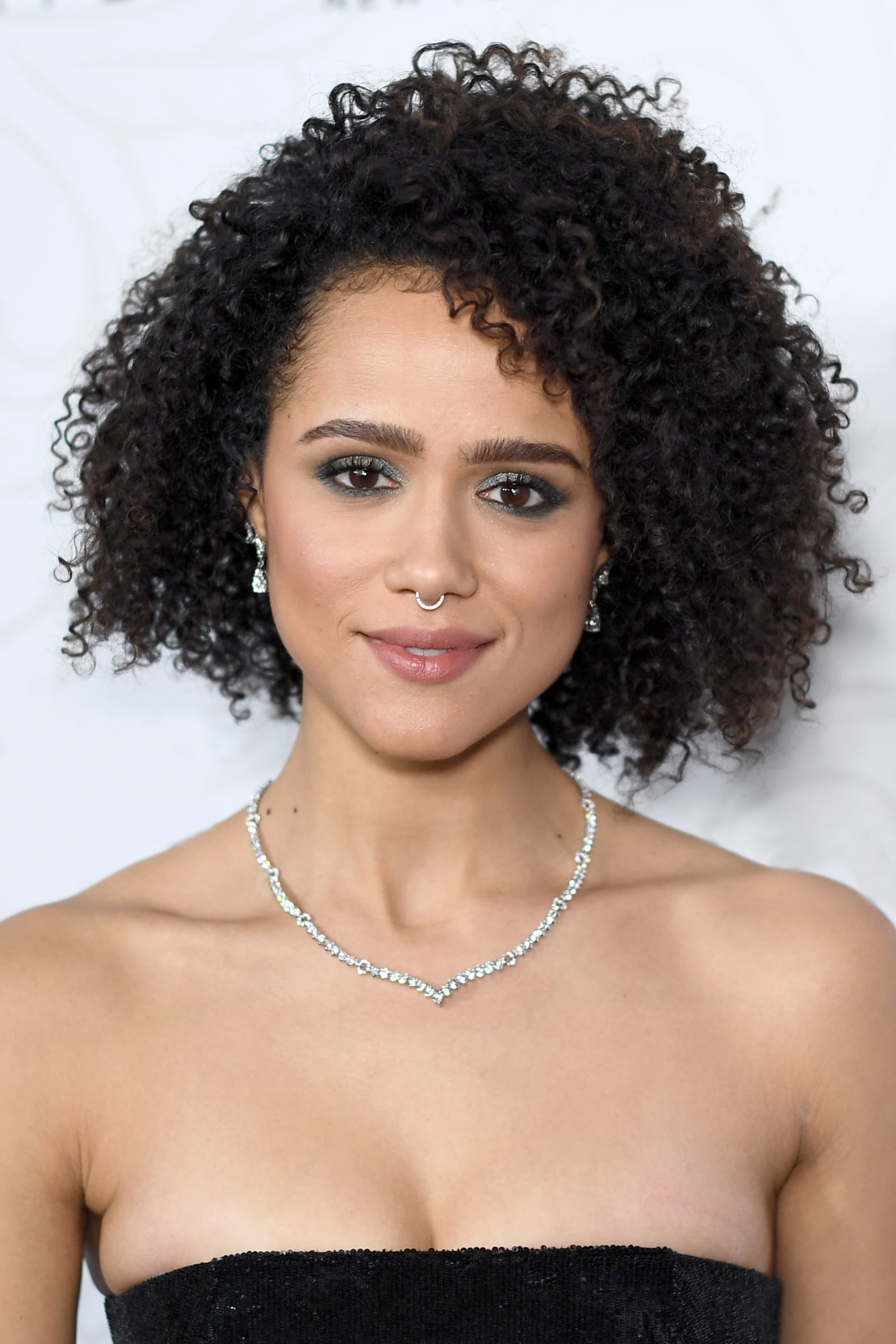
Nathalie Emmanuel is best known for her roles in ‘Game of Thrones’ and the ‘Fast and Furious’ franchise. She has shared her experiences of being told she was not Black enough for certain roles early in her career. The actress has also dealt with public comments regarding her biracial background and curly hair. She advocates for the acceptance of diverse Black identities and the end of narrow casting requirements. Her career path demonstrates her commitment to playing a wide range of characters.
Gugu Mbatha-Raw
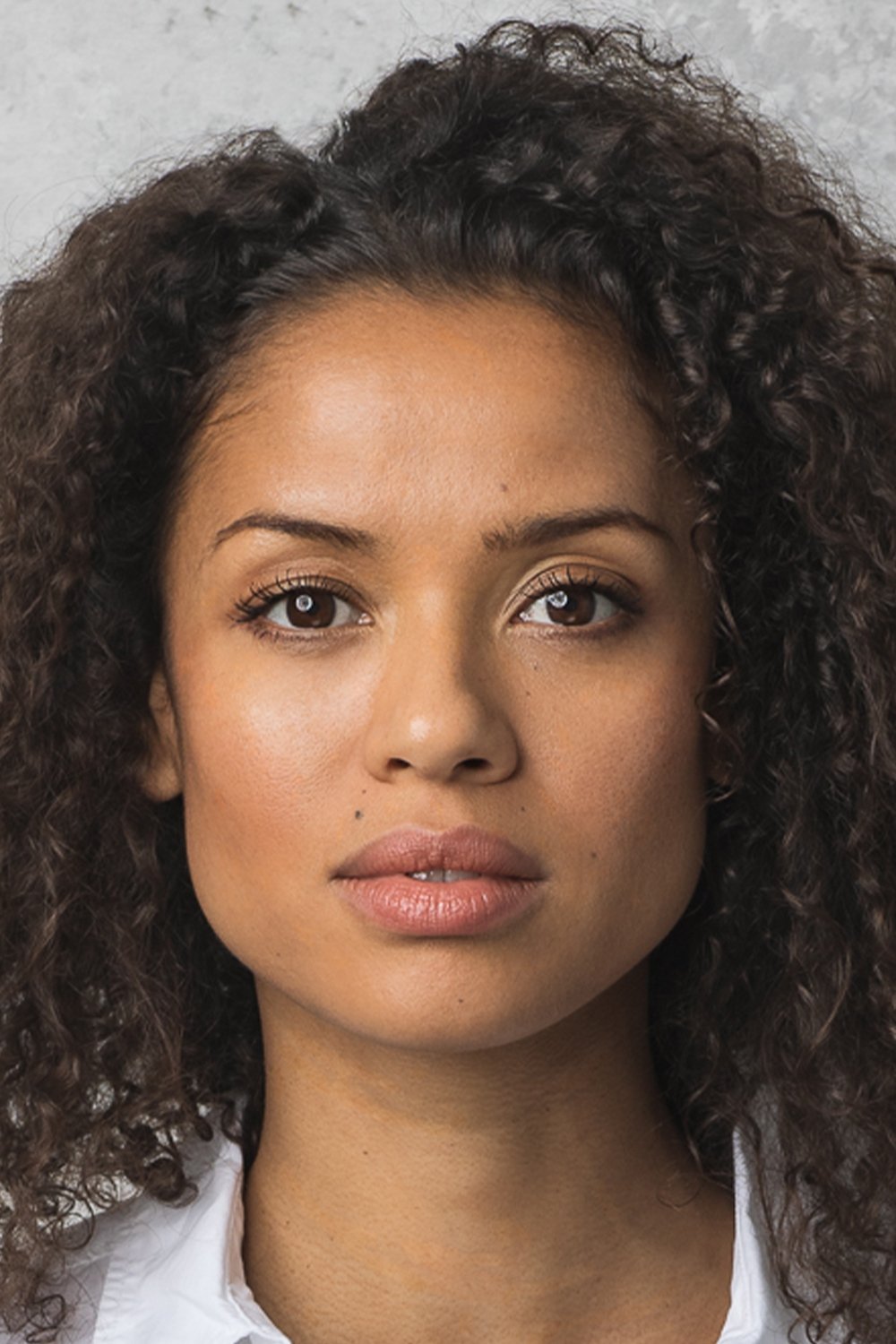
Gugu Mbatha-Raw has portrayed several historical figures in films like ‘Belle’ and ‘Free State of Jones’. Because she often plays characters who navigate biracial identity her own Blackness has been a topic of public discourse. Some critics have questioned if she is frequently chosen for roles because she fits a specific aesthetic. She has consistently delivered powerful performances that focus on the emotional depth of her characters. The actress continues to work on projects that challenge historical and modern perceptions of race.
Rashida Jones
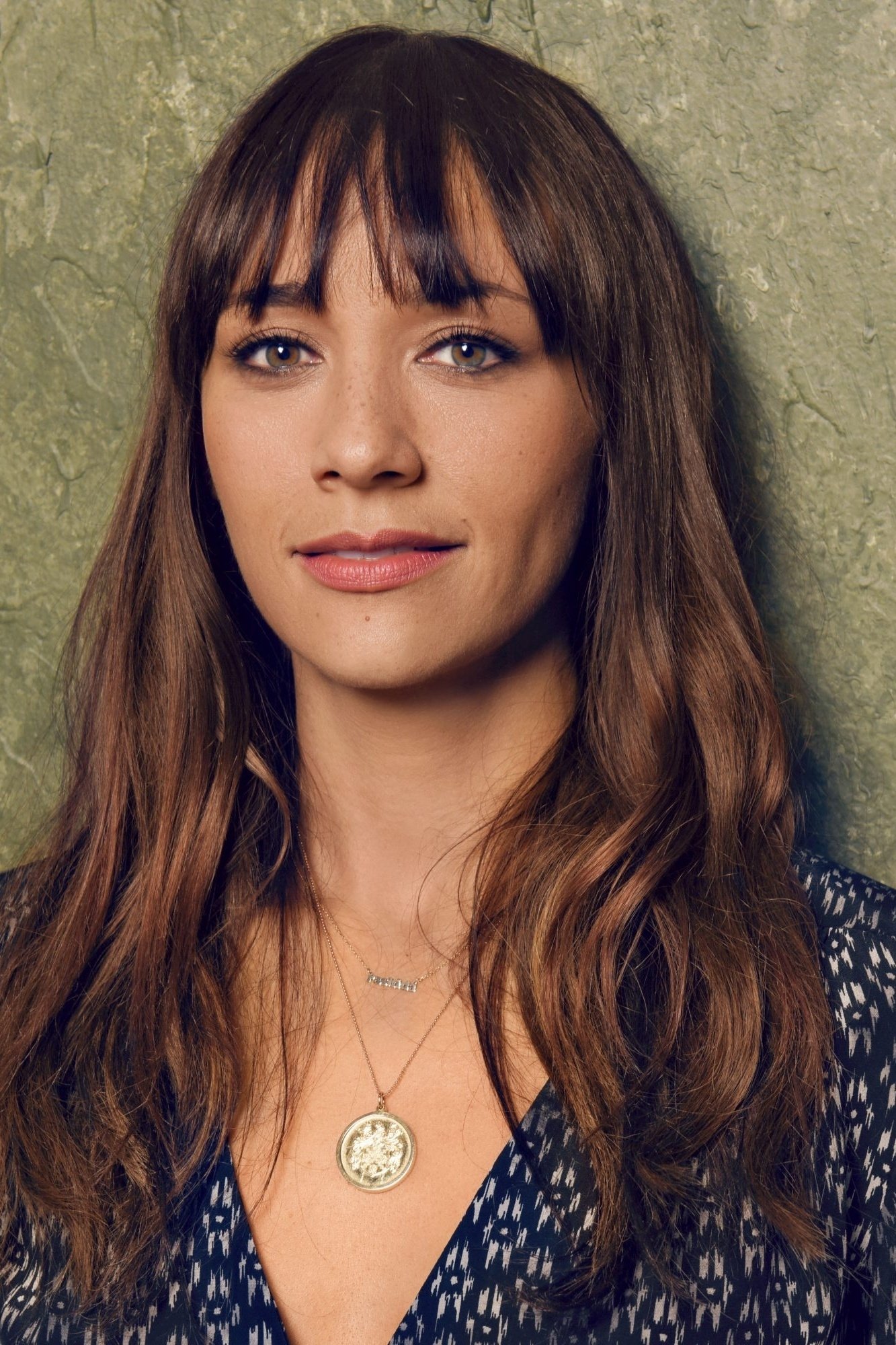
Rashida Jones has navigated a career where her racial identity is frequently a topic of conversation. As the daughter of Quincy Jones she has spoken about the unique experience of being biracial in the spotlight. Some audiences have labeled her as not Black enough because she is often cast in roles where her race is not the central focus. She has used her platform to produce and direct content that explores diverse narratives. Her artistic choices reflect her personal journey of defining identity on her own terms.
Tracee Ellis Ross
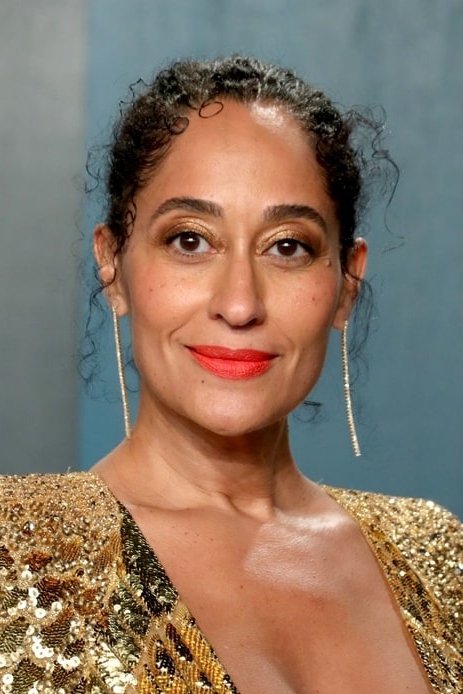
Tracee Ellis Ross has spent years in the public eye as the star of ‘Girlfriends’ and ‘Black-ish’. Despite her deep roots in the industry she has faced comments regarding her biracial heritage and hair texture. On her shows she has often explored the complexities of being a biracial woman in a Black family. She has successfully used humor to address serious topics like colorism and cultural expectations. Ross remains a beloved figure who celebrates her heritage through both her acting and her hair care brand.
Tamera Mowry-Housley
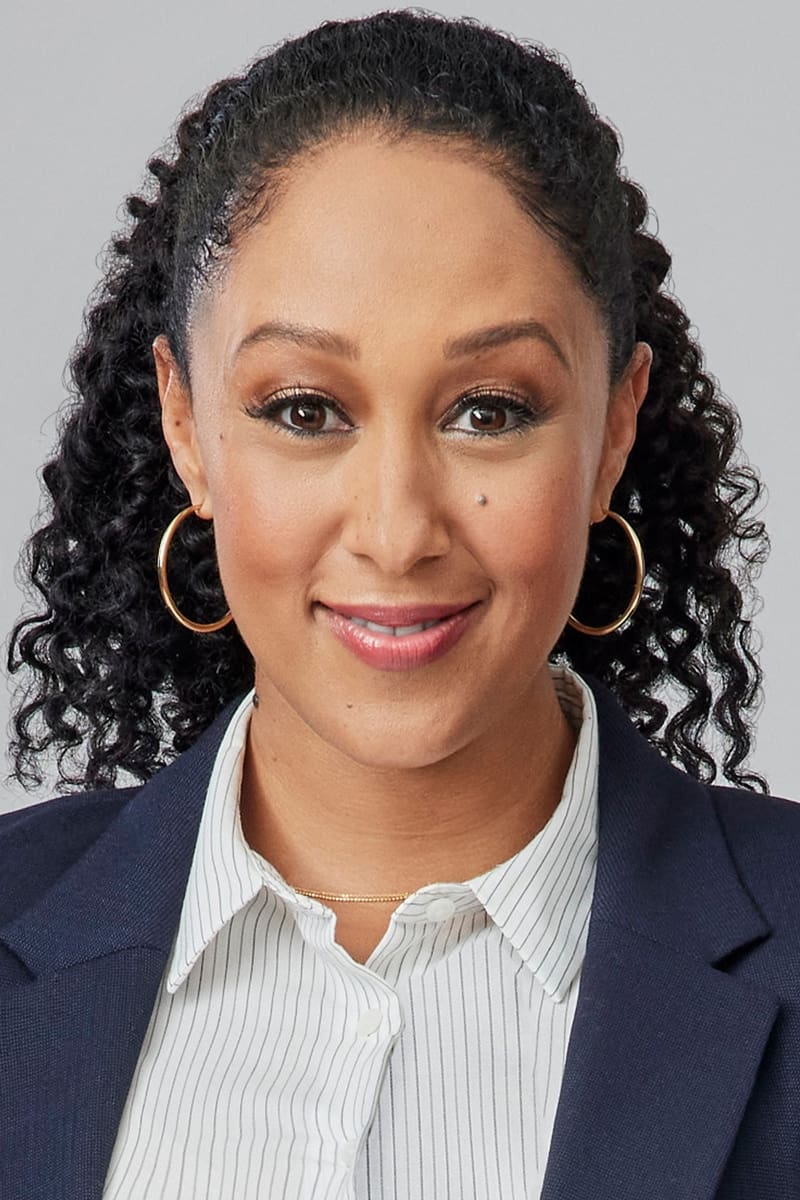
Tamera Mowry-Housley rose to fame on the sitcom ‘Sister, Sister’ alongside her twin sister. Throughout her career she has been open about the criticism she received regarding her interracial marriage and biracial background. Some social media users have labeled her as not Black enough because of her lifestyle and personal choices. She has used her time as a talk show host to defend her identity and discuss the importance of self-acceptance. Her transparency has made her a relatable figure for many navigating similar experiences.
Tia Mowry
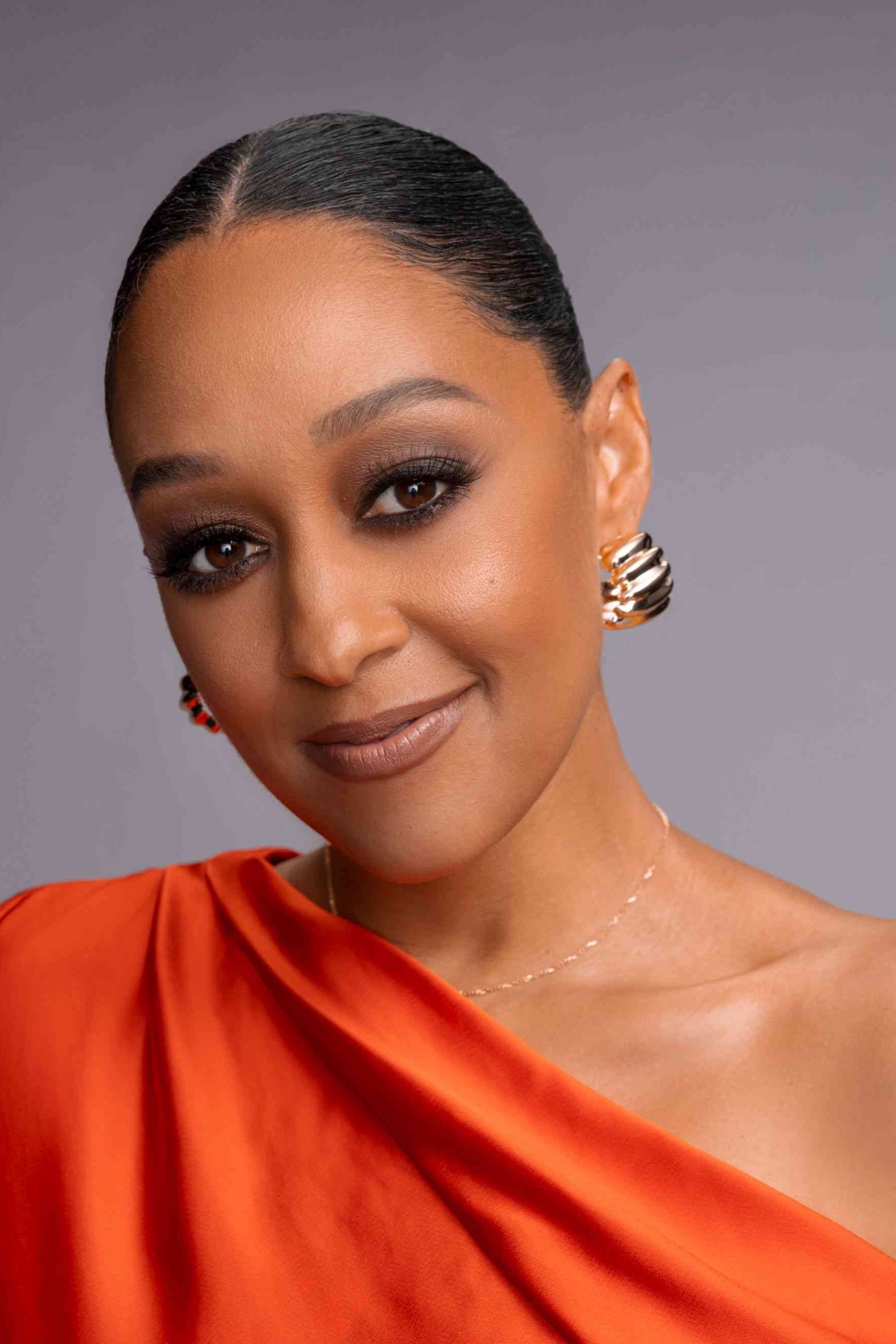
Tia Mowry has faced similar scrutiny as her sister regarding her identity and career path. She has often had to defend her connection to Black culture in the face of online critics. Through her various television projects and social media presence she highlights her life as a Black mother and entrepreneur. She has spoken about the pressure to fit into specific boxes within the entertainment industry. Mowry continues to build a diverse brand that focuses on family and health.
Meghan, Duchess of Sussex
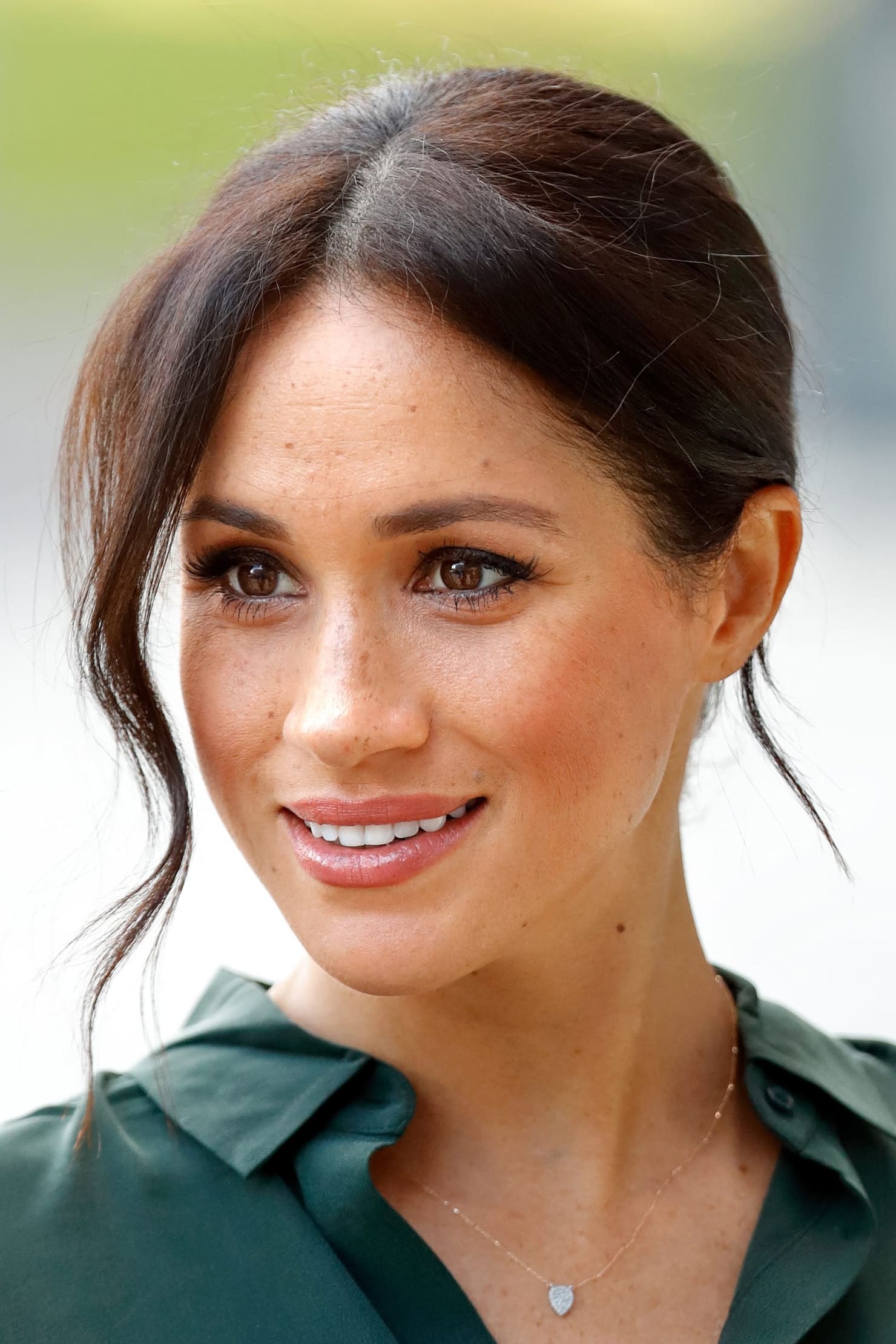
Meghan, Duchess of Sussex has been the subject of global debate regarding her racial identity since joining the British Royal Family. Her artistic choices as an actress on the show ‘Suits’ were often analyzed through the lens of her biracial background. Critics in both the United Kingdom and the United States have questioned her connection to the Black community. She has used her podcast and various interviews to address the pain of these labels. Her life remains a prominent example of how race and identity are navigated in the highest levels of society.
Paula Patton
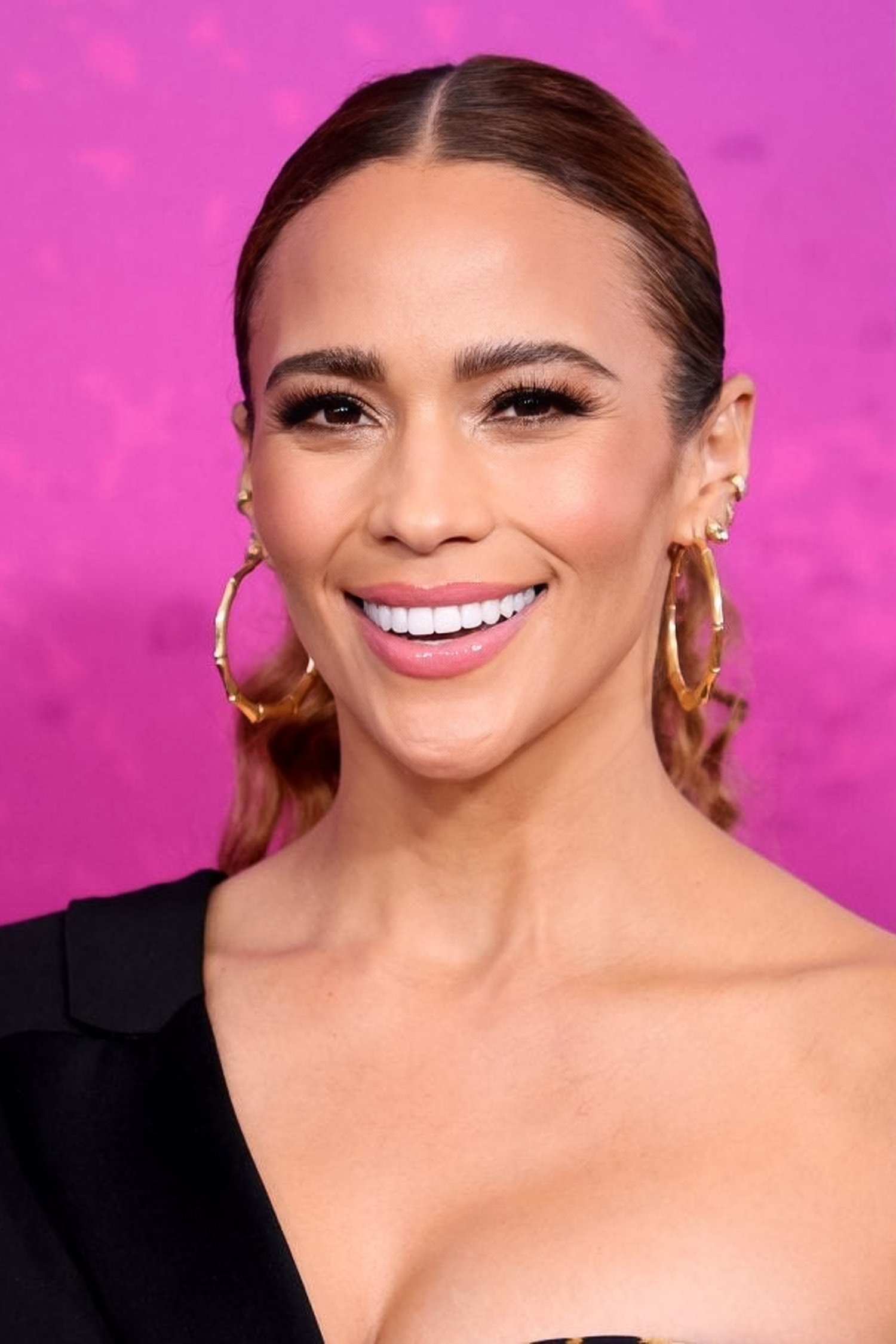
Paula Patton has starred in major films like ‘Precious’ and ‘Mission Impossible Ghost Protocol’. She has frequently dealt with discussions about her biracial identity and how it affects her casting. Some audiences have labeled her as not Black enough for certain gritty or culturally specific roles. Patton has expressed that she views herself as a Black woman regardless of how others perceive her. She continues to pursue a variety of genres to showcase her range as an actress.
Sophie Okonedo
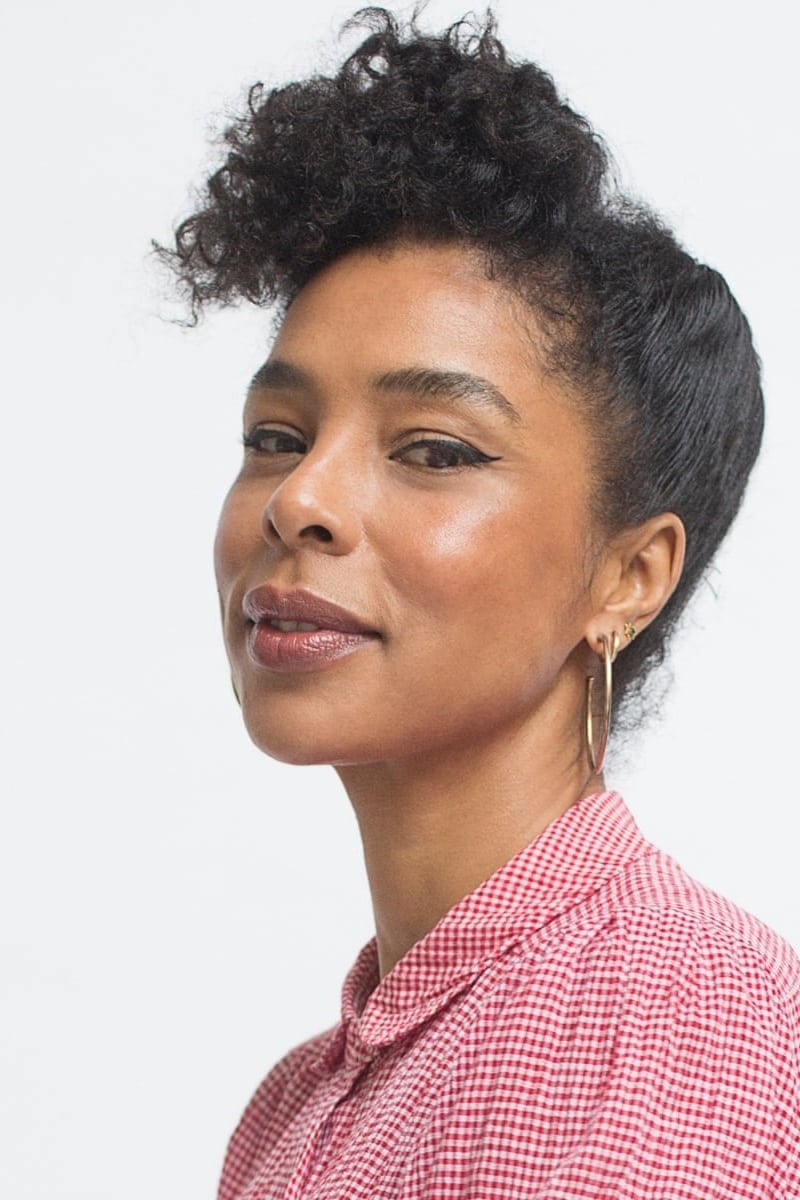
Sophie Okonedo is a British actress known for her Academy Award nominated role in ‘Hotel Rwanda’. Her biracial heritage and Jewish background have led to various discussions about her identity. Some critics have questioned her casting in roles that are specifically tied to the African American experience. She has maintained a successful career across stage and screen by focusing on the humanity of her characters. Okonedo remains a respected figure in the international acting community.
Ruth Negga
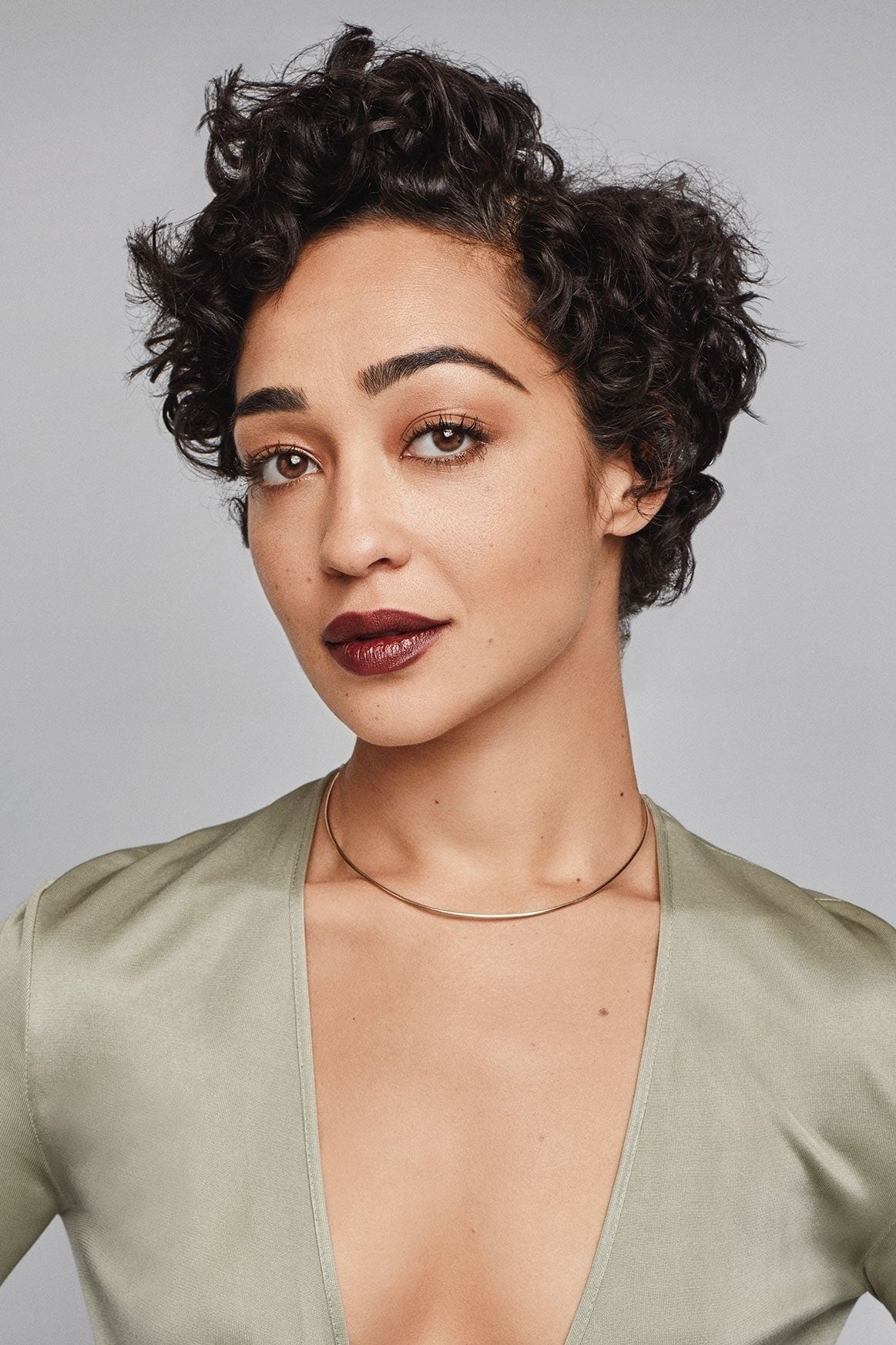
Ruth Negga received critical acclaim for her performance in the film ‘Loving’ about interracial marriage. Her background as an Ethiopian Irish actress has led to unique challenges in the industry. Some have labeled her as not Black enough for certain American roles while others celebrate her diverse heritage. She has spoken about the feeling of being an outsider in multiple cultures. Her artistic choices continue to lean toward complex and historical narratives.
Maya Rudolph
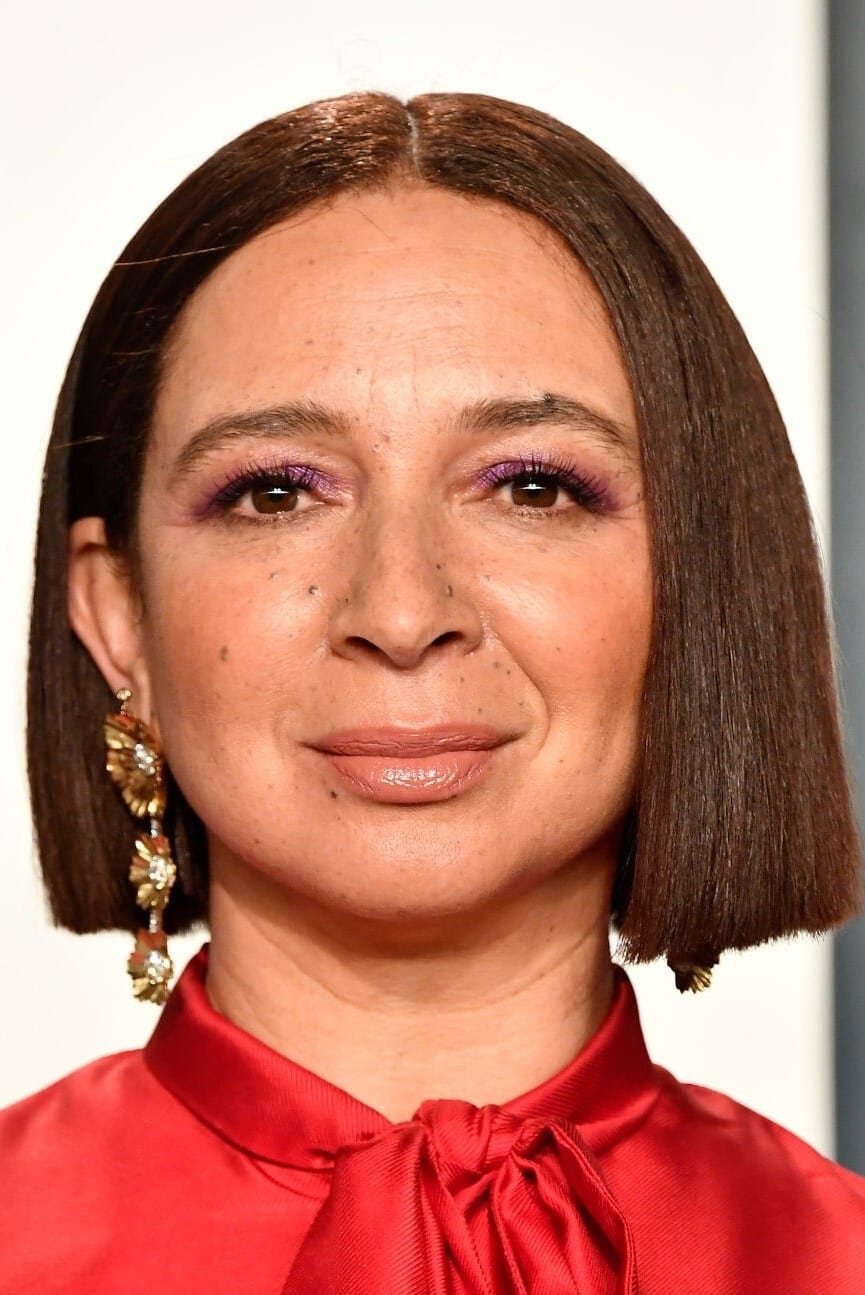
Maya Rudolph is a celebrated comedian and actress known for her long tenure on ‘Saturday Night Live’. Her biracial identity has often been a part of her comedy as she portrays a wide range of characters. Some critics have questioned her place in Black entertainment because of her versatility and lighter features. She has consistently honored her mother the legendary Minnie Riperton through her work and public life. Rudolph continues to be a major force in comedy while embracing her full heritage.
Jurnee Smollett

Jurnee Smollett began her career as a child actress in ‘Eve’s Bayou’ and later starred in ‘Lovecraft Country’. She has faced discussions regarding her biracial background and how it influences the roles she is offered. Some critics have analyzed her casting in historically Black narratives through the lens of colorism. Smollett has been vocal about her commitment to telling stories that honor Black history and resilience. She remains a powerful voice for equity and representation in Hollywood.
Kiersey Clemons
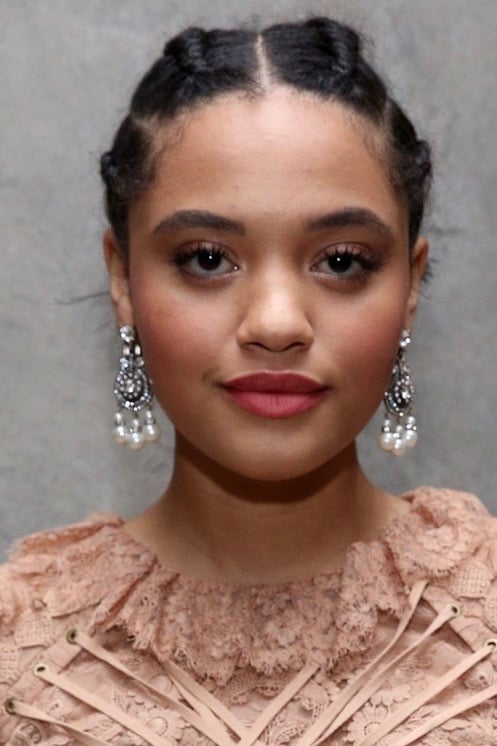
Kiersey Clemons has appeared in films like ‘Dope’ and ‘The Flash’ where her identity has been a topic of interest. She has spoken about the difficulties of being biracial in an industry that prefers clear categories. Some fans have questioned her casting in certain roles based on their own expectations of Blackness. Clemons continues to choose eclectic projects that defy traditional stereotypes. She uses her platform to advocate for more nuanced portrayals of Black women in film.
Storm Reid
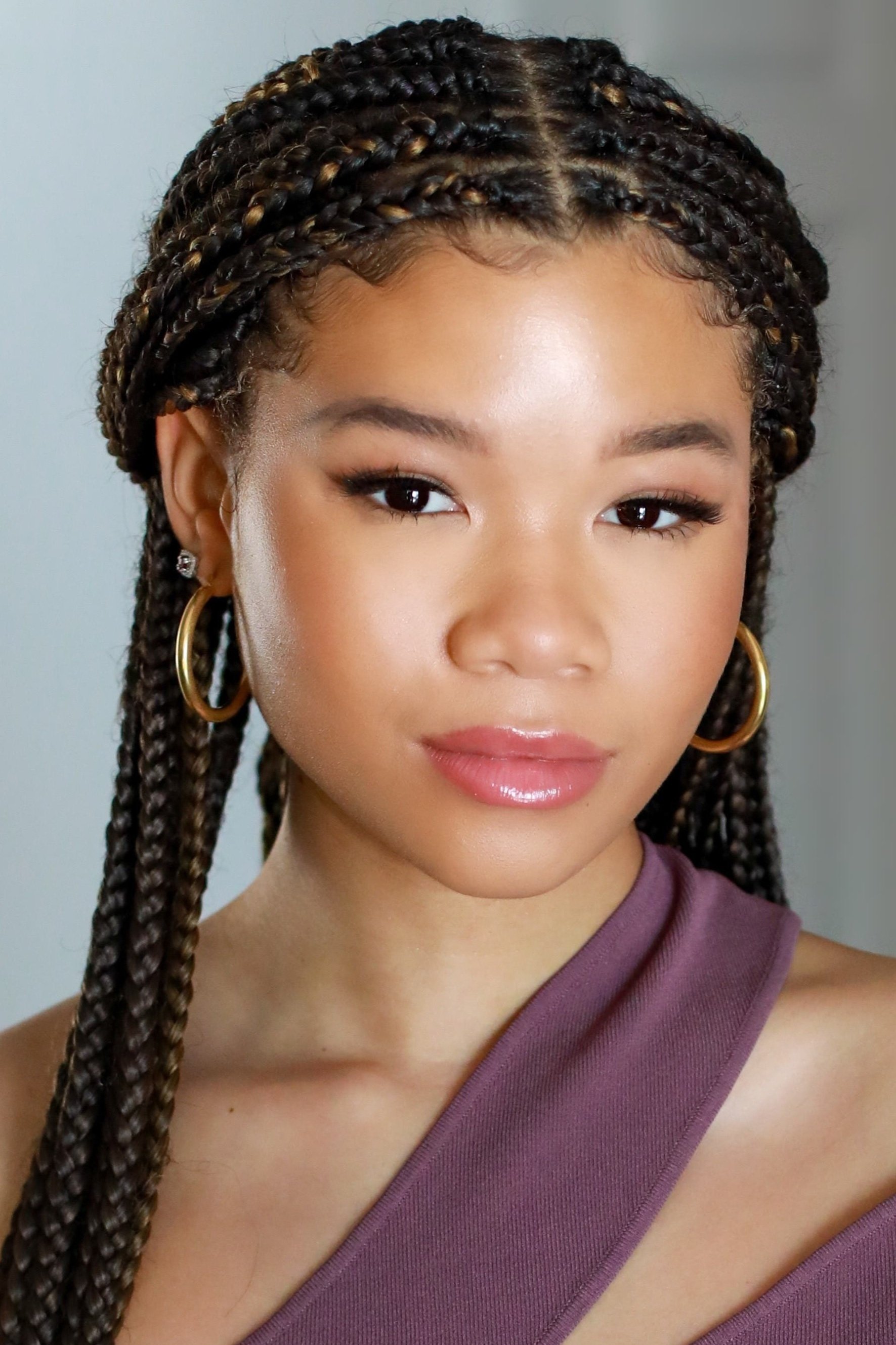
Storm Reid rose to prominence with her lead role in ‘A Wrinkle in Time’ and her work in ‘Euphoria’. As a young actress she has already navigated conversations about colorism and industry preferences. Some critics have compared her career path to that of other light-skinned actresses in her age group. Reid has focused on creating her own production company to tell diverse and inclusive stories. She remains a rising star who is deeply aware of the impact of representation on younger generations.
Keke Palmer

Keke Palmer has had a long career starting from her breakout role in ‘Akeelah and the Bee’. Despite her consistent work she has faced social media debates about her level of Blackness and her public persona. Some critics have tried to compare her success to other actresses in ways that diminish her identity. Palmer has famously responded to these claims by asserting her confidence and her deep connection to her culture. She continues to be a versatile entertainer who excels in acting singing and hosting.
Vanessa Williams
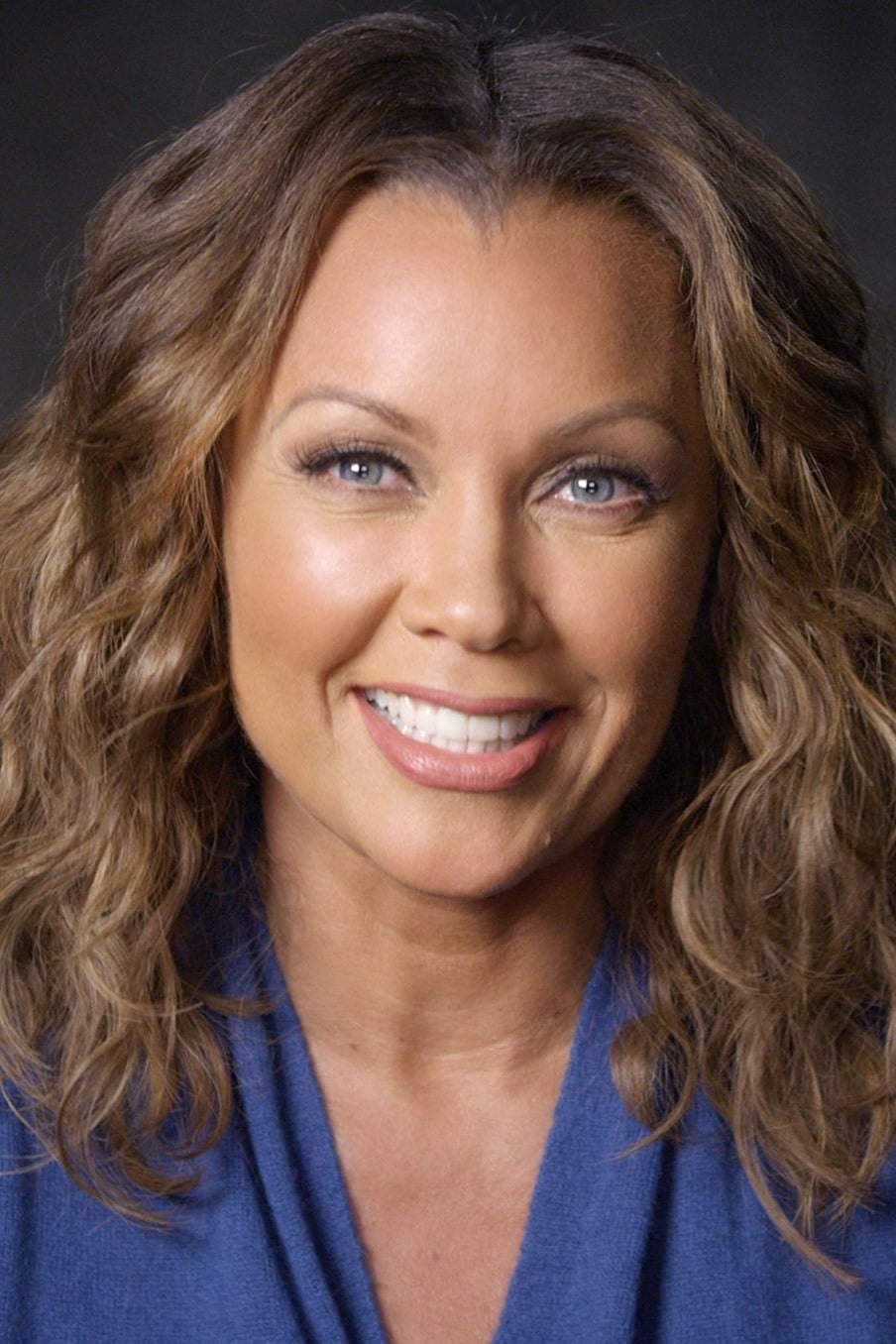
Vanessa Williams made history as the first Black Miss America but faced immense backlash from all sides. Some members of the Black community labeled her as not Black enough due to her light skin and blue eyes. This criticism followed her as she transitioned into a successful career in music and acting. She has spoken about the isolation she felt during that time and the pressure to prove her identity. Williams has since become an icon who has paved the way for many other women in the industry.
Halle Berry
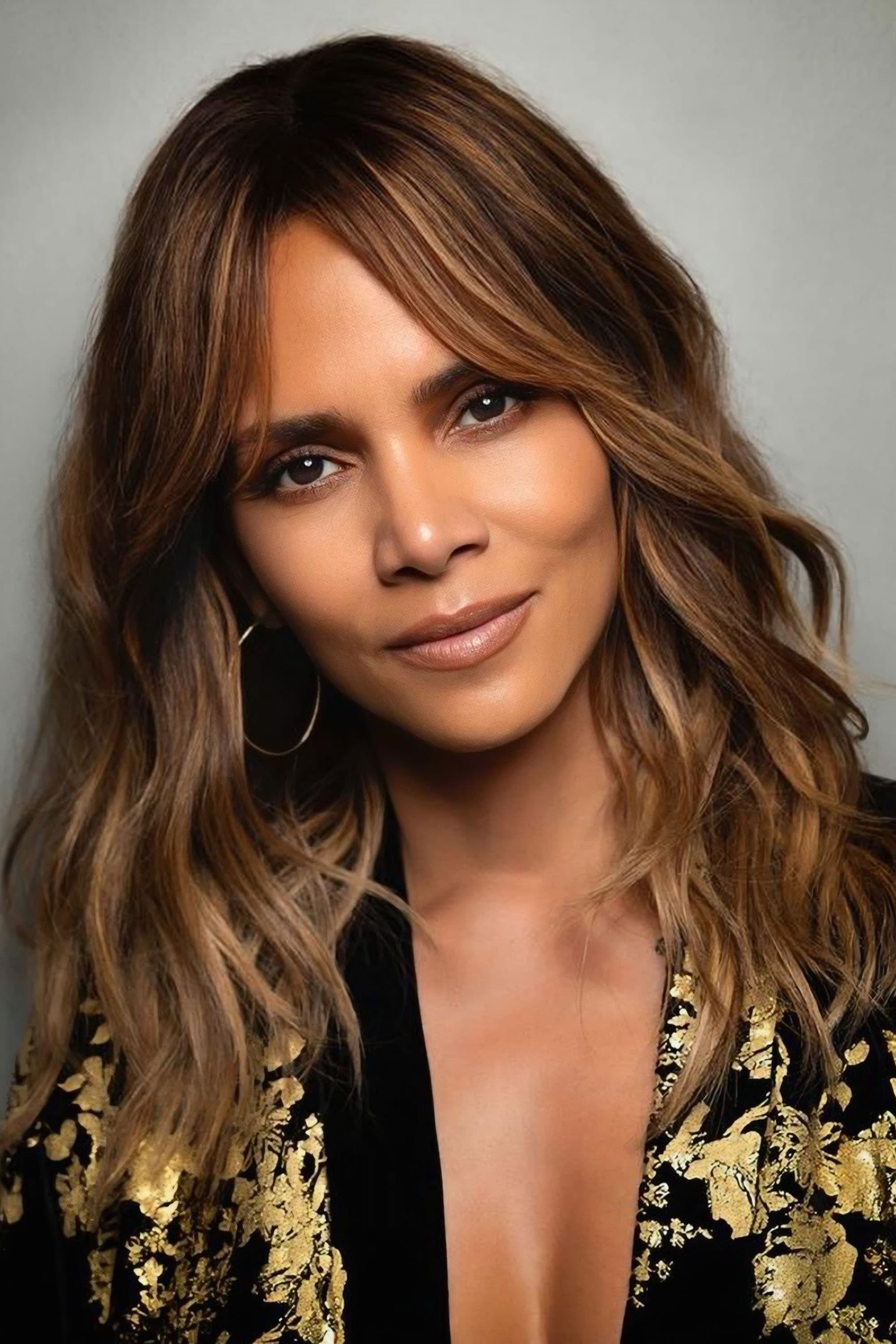
Halle Berry is a pioneer who became the first Black woman to win the Academy Award for Best Actress. Throughout her career she has navigated discussions about her biracial heritage and her roles in mainstream films. Some critics have suggested that her crossover appeal was tied to her proximity to white beauty standards. Berry has often discussed the struggles she faced being accepted by both white and Black audiences early on. She remains a major figure who has consistently advocated for more opportunities for women of color.
Ariana DeBose
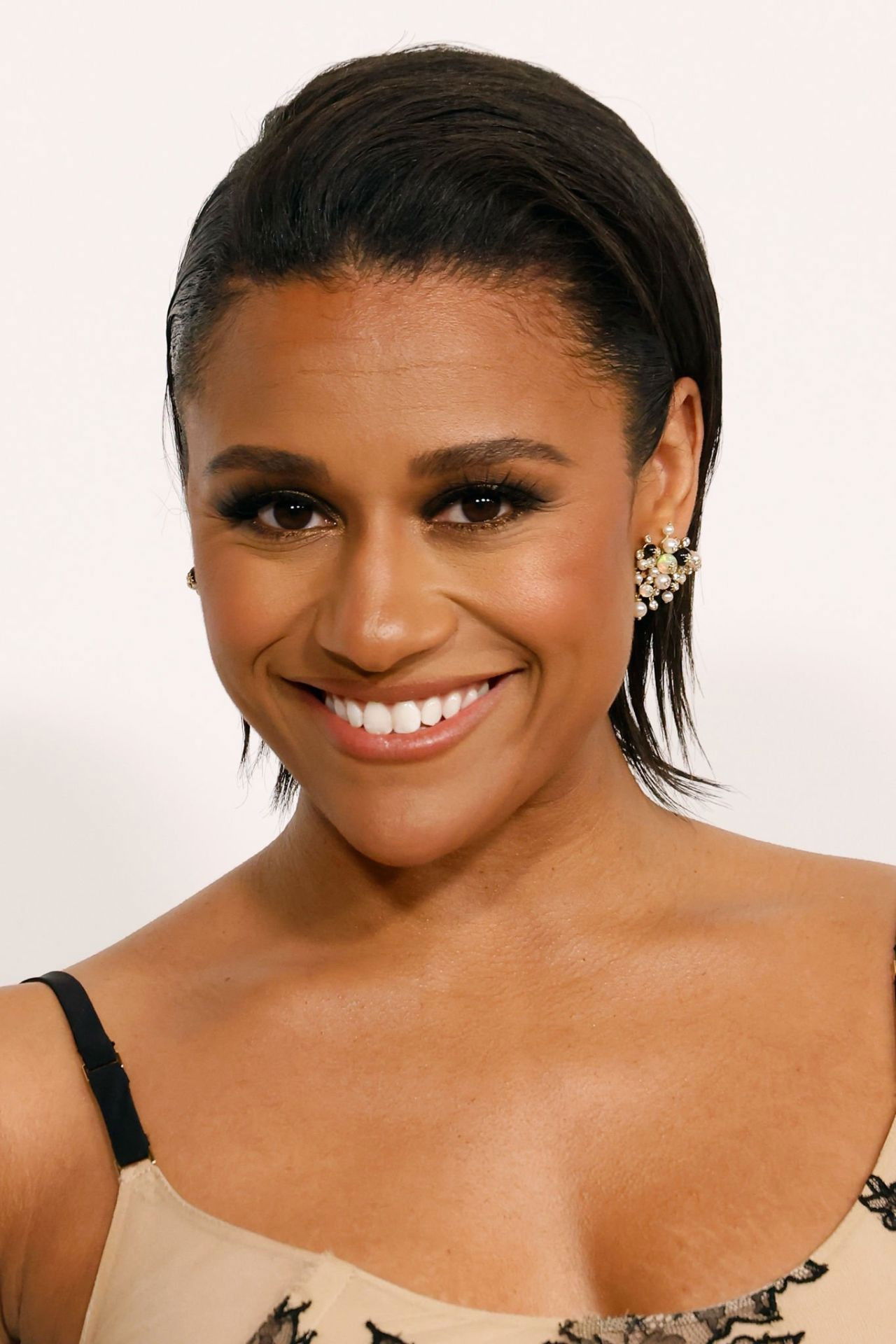
Ariana DeBose won an Academy Award for her role in ‘West Side Story’ and has been open about her Afro-Latina identity. She has faced labels of not being Black enough from some who do not recognize the intersection of her heritages. The actress has worked to educate the public on the diversity within the Black diaspora. She continues to break barriers on Broadway and in film while celebrating her full self. Her success has highlighted the importance of recognizing Afro-Latinx voices in entertainment.
Zazie Beetz
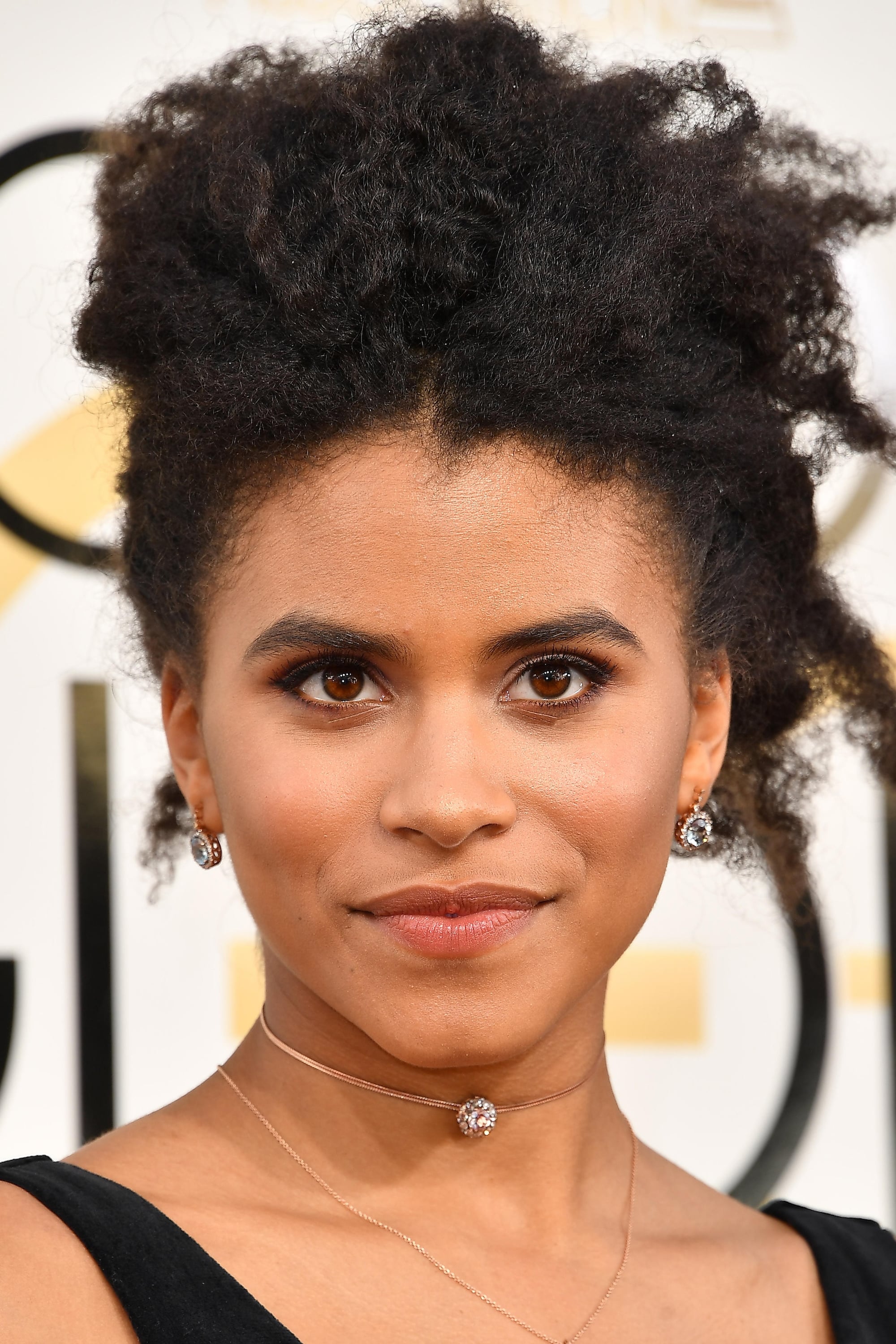
Zazie Beetz is known for her roles in ‘Atlanta’ and ‘Deadpool 2’ where she played characters originally seen as different races. Her casting as Domino in the superhero genre sparked debates about her identity and suitability for the role. Some critics within the community have also discussed her biracial background in the context of colorism. Beetz has addressed these topics by emphasizing the need for a broader definition of Blackness. She continues to choose projects that challenge conventional wisdom and showcase her unique style.
Kat Graham
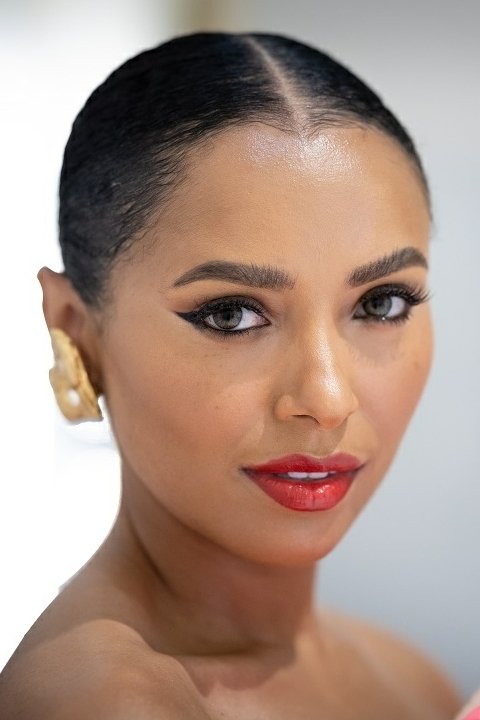
Kat Graham spent years starring in ‘The Vampire Diaries’ and has often discussed the challenges of being a biracial actress. She has faced criticism for her artistic choices in music and film that some felt did not align with Black culture. Graham has defended her right to explore different genres and expressions of her identity. She has been active in humanitarian work and uses her voice to promote global unity. Her career is a testament to her versatility and her refusal to be pigeonholed.
Candice Patton
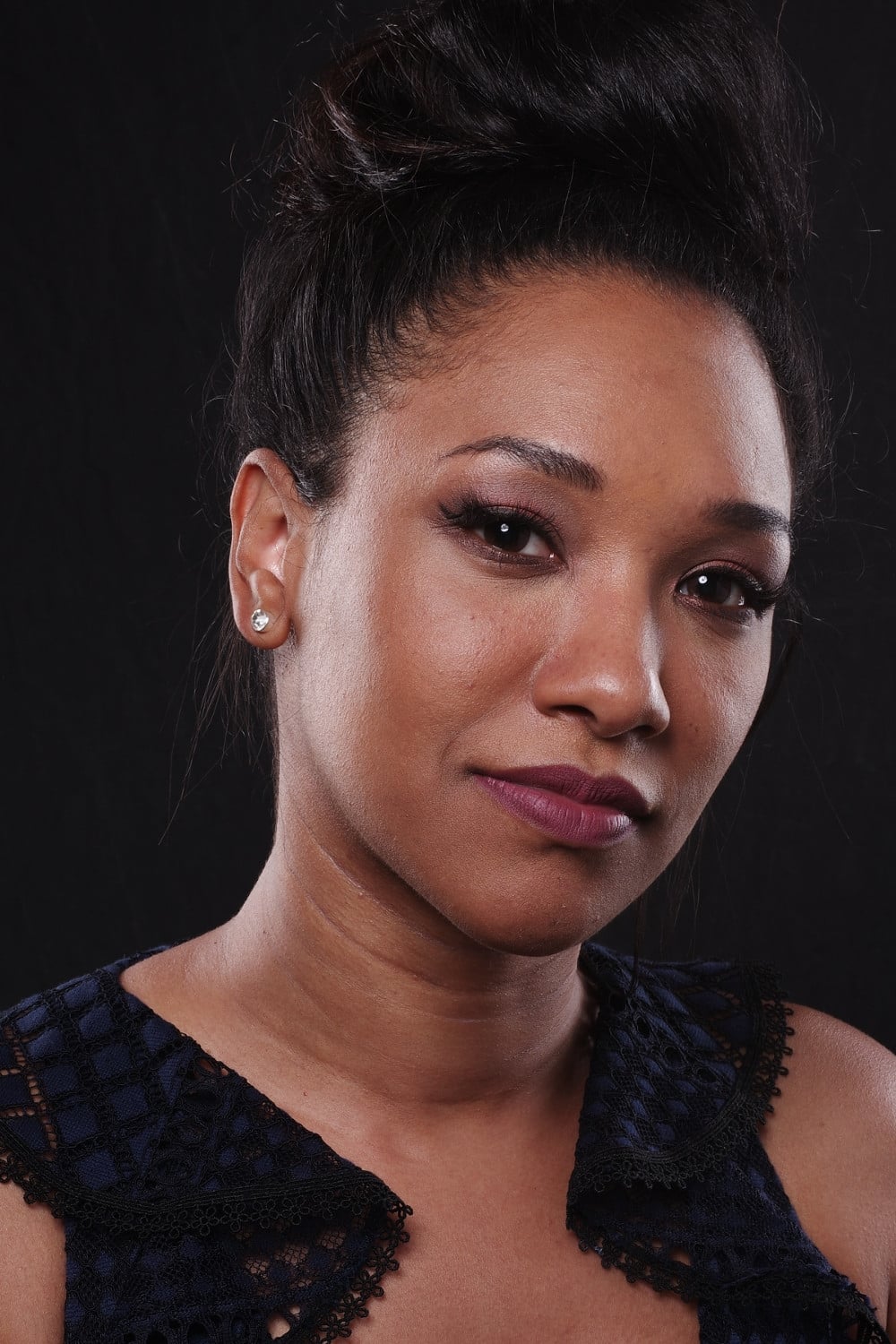
Candice Patton faced significant online harassment after being cast as Iris West in the television series ‘The Flash’. Much of the criticism came from fans who wanted the character to remain white as she was in the comics. Within the broader discourse she has also had to navigate expectations regarding her identity as a Black woman in a major franchise. She has been vocal about the lack of support actresses of color often receive in these situations. Patton continues to advocate for better treatment and representation for Black women in genre television.
Anna Diop
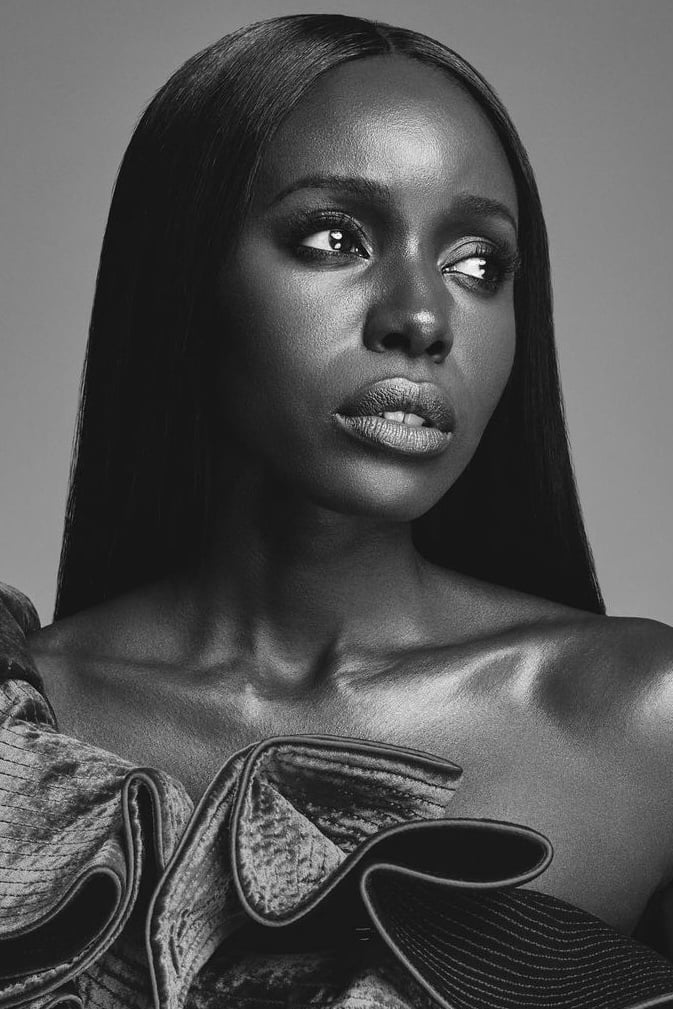
Anna Diop experienced intense social media backlash when she was cast as Starfire in the series ‘Titans’. Critics attacked her appearance and questioned if she was the right fit for the iconic alien character. The harassment included labels that targeted her features and her racial identity as a Senegalese American actress. Diop handled the situation with grace and continued to deliver a strong performance that won over many fans. Her experience highlighted the specific types of vitriol directed at Black women in the fantasy genre.
Jaz Sinclair
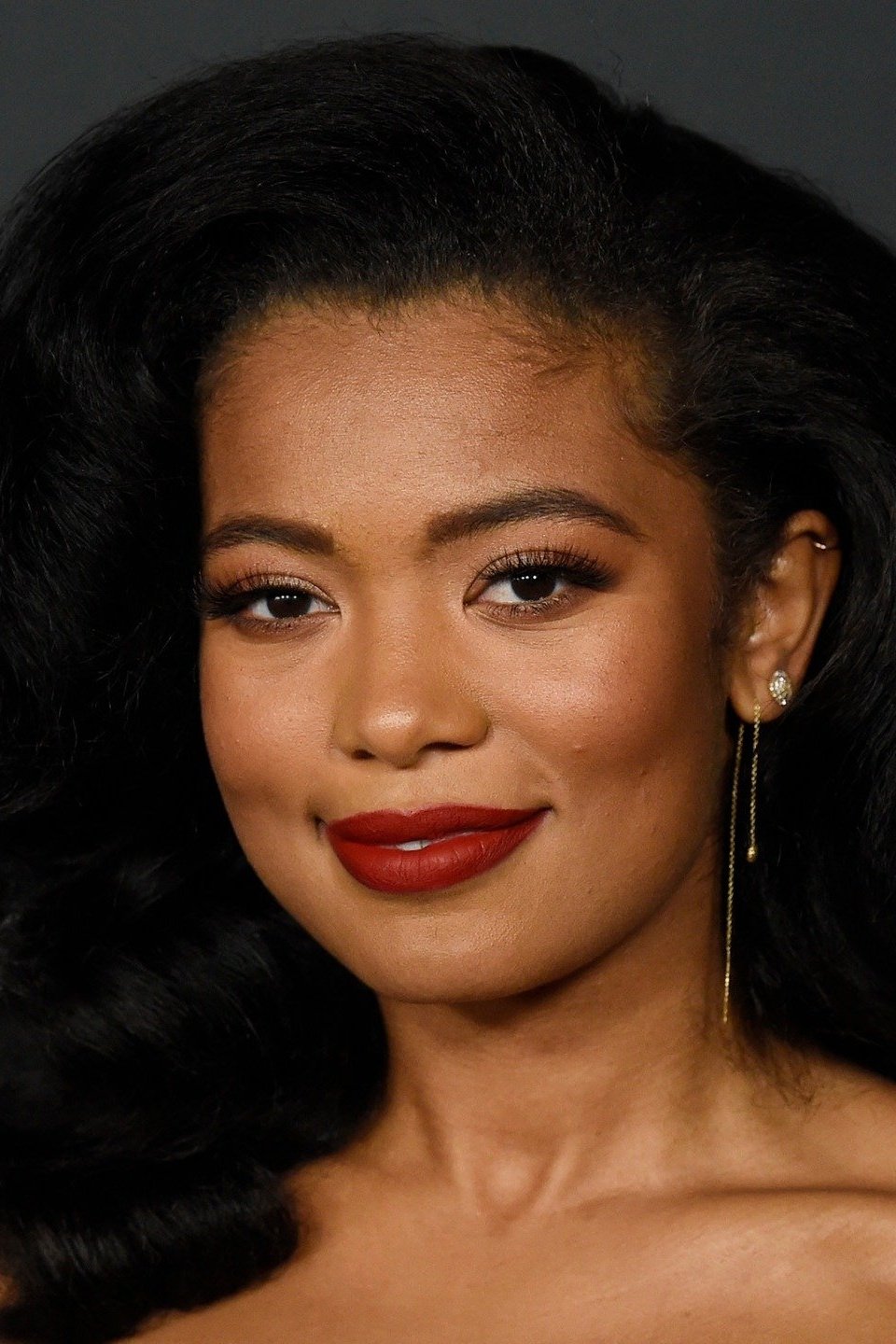
Jaz Sinclair has appeared in projects like ‘Paper Towns’ and ‘Chilling Adventures of Sabrina’. As a biracial actress she has occasionally dealt with comments regarding her racial background and casting. Some audiences have questioned her suitability for certain roles based on her skin tone. Sinclair has focused on her craft and building a steady career in both film and television. She continues to be a part of popular culture while navigating the complexities of identity in Hollywood.
Taylor Russell
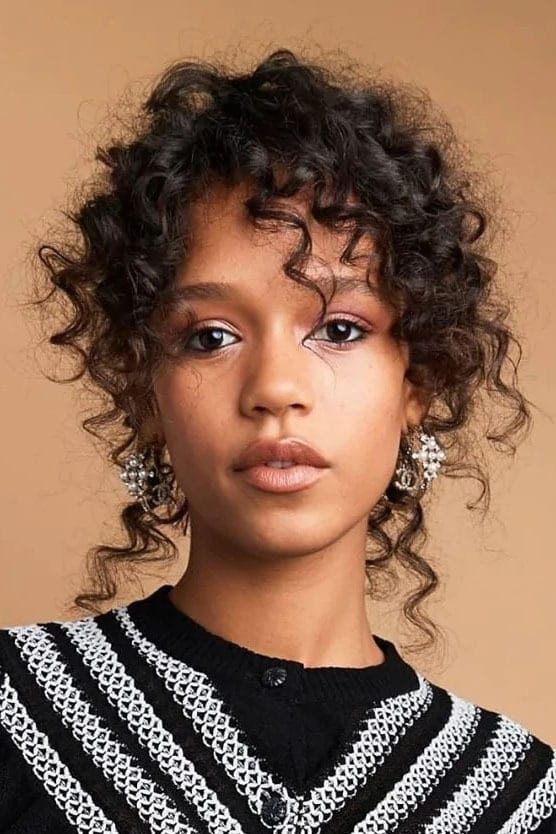
Taylor Russell gained critical acclaim for her performance in the film ‘Waves’ and later in ‘Bones and All’. She has spoken in interviews about her experience growing up biracial and how it shaped her worldview. Some critics have included her in discussions about the industry’s preference for light-skinned actresses in dramatic roles. Russell has focused on choosing artistic and challenging projects that highlight her range. She remains a respected young talent who is carving out a unique space in independent cinema.
Lovie Simone
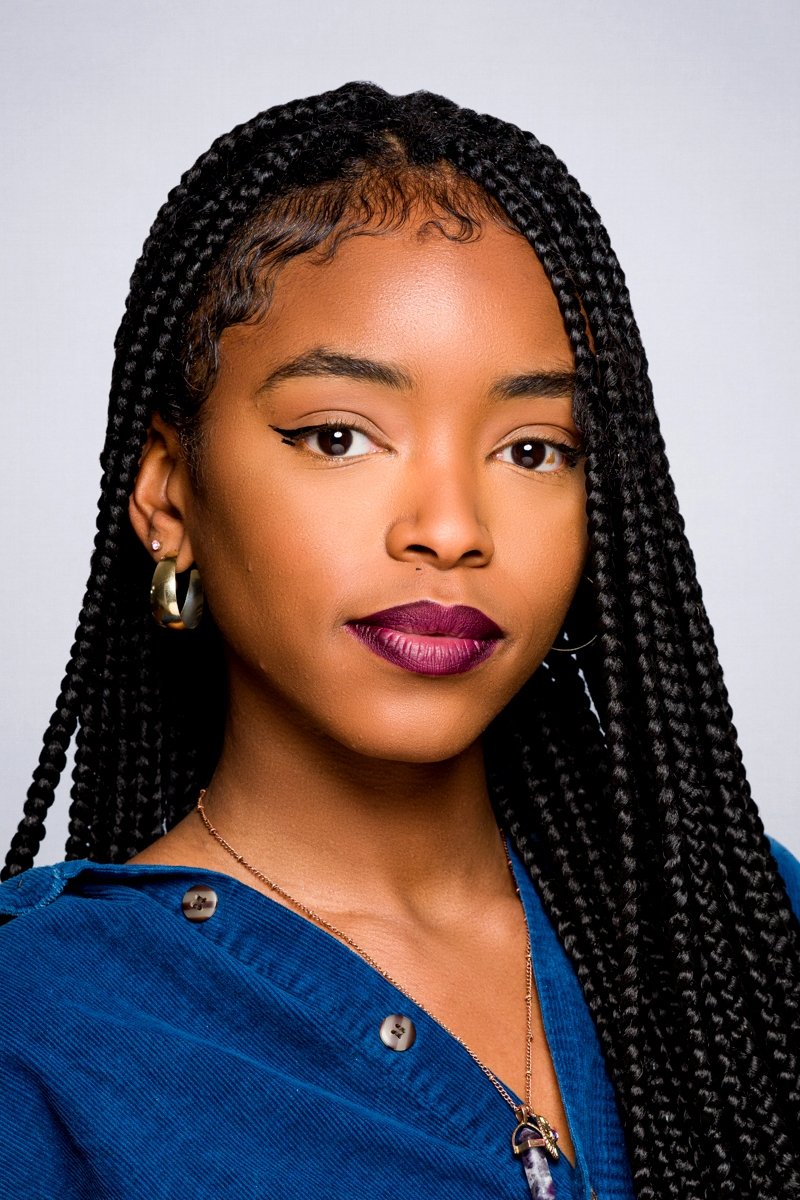
Lovie Simone starred in ‘Selah and the Spades’ and has been a rising star in the industry. She has navigated conversations about colorism and the types of roles available to young Black actresses. Some critics have analyzed her career in relation to her skin tone and the opportunities she has received. Simone has expressed her desire to play characters that are complex and move beyond simple stereotypes. She continues to work on projects that reflect the diverse lives of Black youth.
Willow Smith
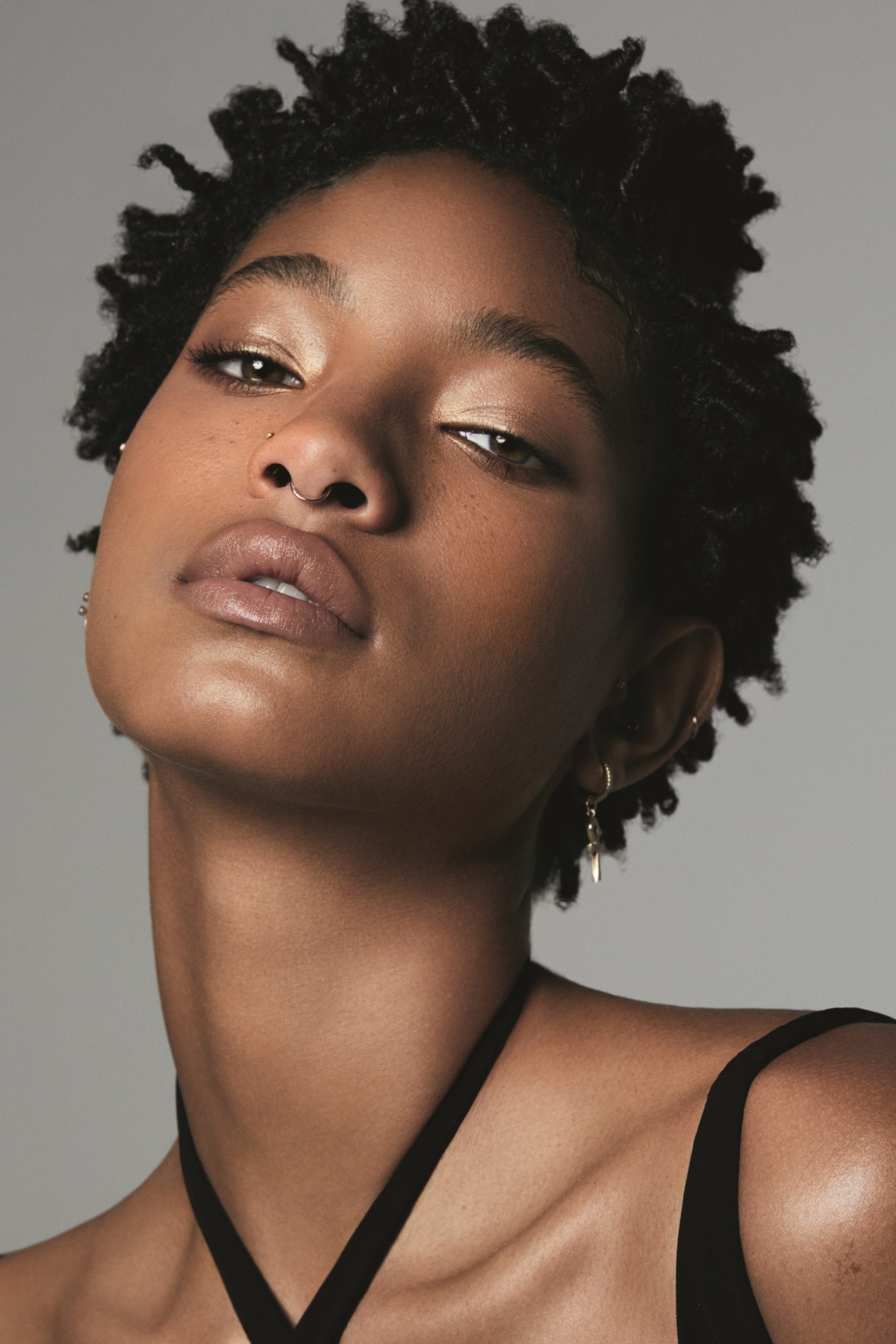
Willow Smith has been in the public eye since birth and has made various artistic choices in film and music. Her eclectic style and alternative music have sometimes led to labels of not being Black enough by traditional standards. She has addressed these criticisms by explaining her desire to be a multi-dimensional artist. Smith continues to use her platform to discuss mental health and personal growth. Her work remains a reflection of her journey toward self-discovery and creative freedom.
Madison Pettis
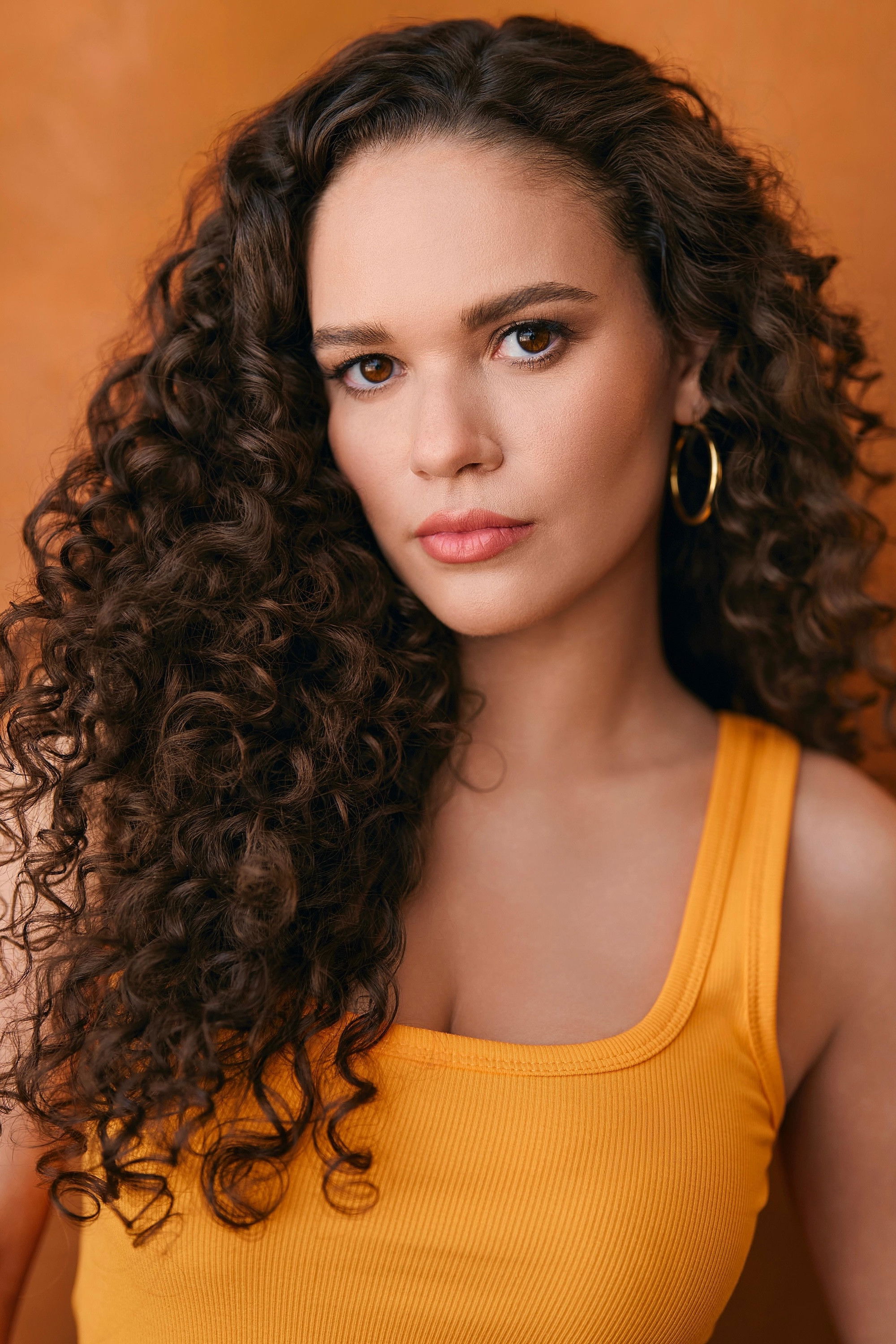
Madison Pettis started as a child actress in ‘The Game Plan’ and has grown up in the spotlight. Her biracial identity has often been a topic of discussion among fans as she transitioned into adult roles. Some critics have labeled her as not representing a typical Black experience due to her casting in mainstream commercial projects. Pettis has maintained a successful career while engaging with her fans on social media about her heritage. She continues to work in both acting and modeling while embracing her identity.
China Anne McClain
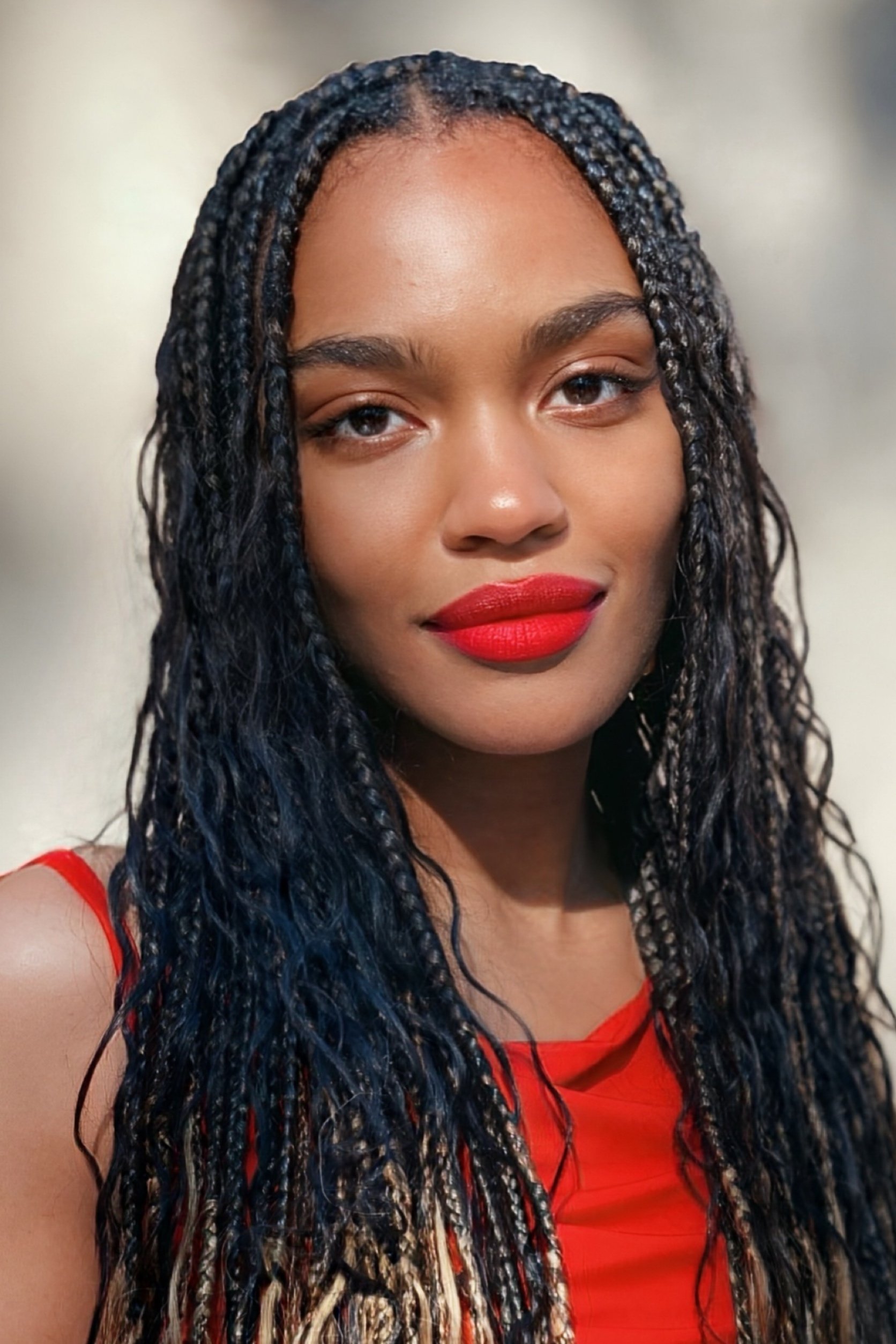
China Anne McClain has been a fixture on television since her childhood roles on the Disney Channel. Despite her long history in the industry she has occasionally faced critiques regarding her public image and career choices. Some discussions have centered on how she fits into the landscape of modern Black Hollywood. McClain has remained focused on her faith and her passion for acting and music. She continues to be a positive influence for her fans while navigating the changing industry.
Marsai Martin
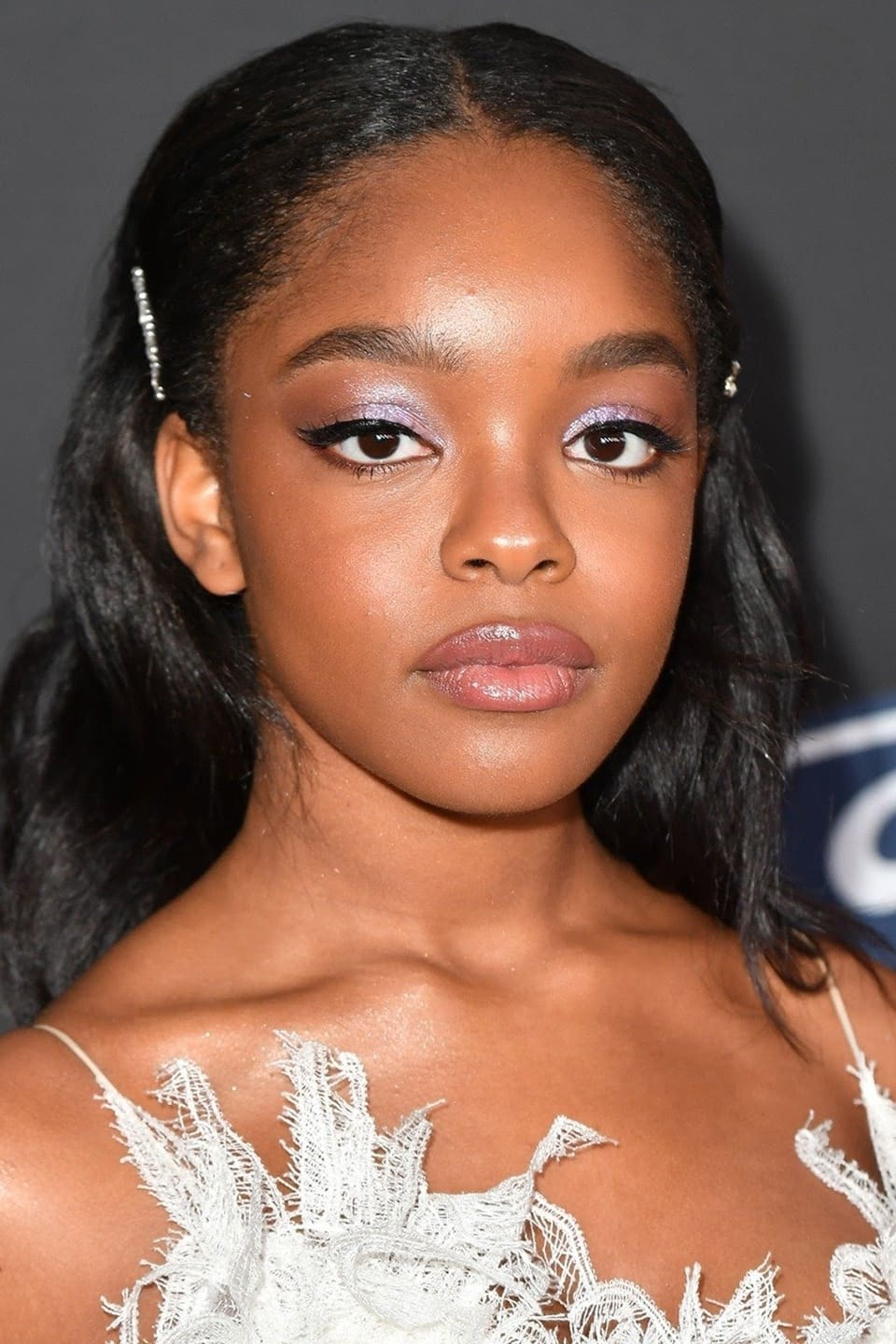
Marsai Martin became a household name through her role on ‘Black-ish’ and her success as a young producer. Even with her massive achievements she has faced bizarre online criticism regarding her appearance and her choices. Some of these comments have touched on the concept of her being not the right kind of representation. Martin has consistently shut down critics with her confidence and her focus on creating opportunities for others. She remains a trailblazing figure who is redefining what success looks like for young Black women.
Skai Jackson
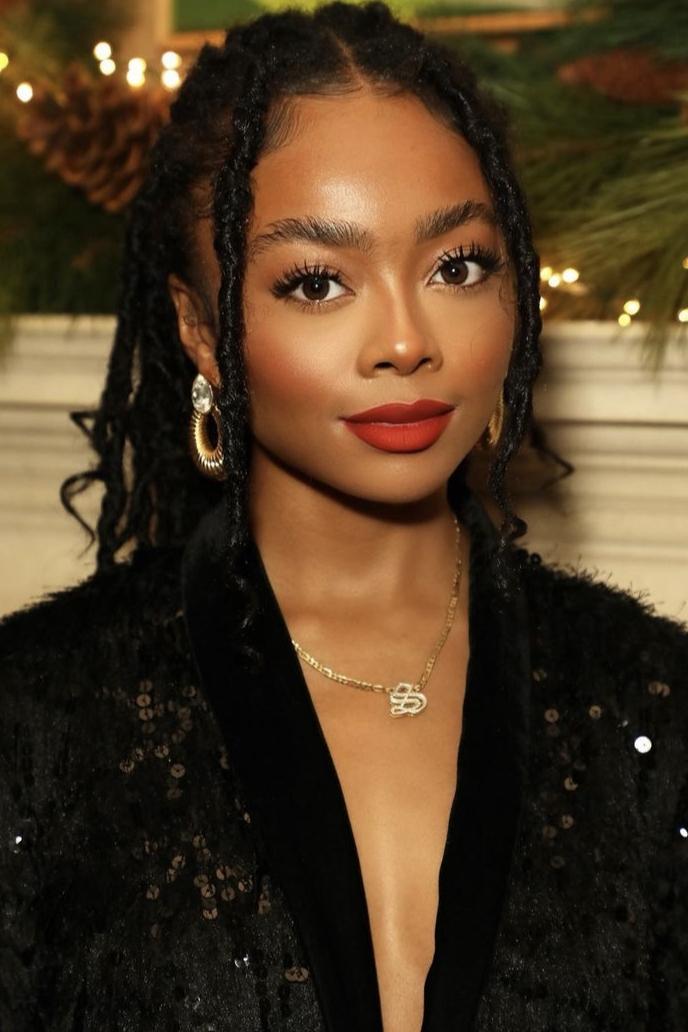
Skai Jackson is another actress who grew up in the public eye through her work on Disney Channel series. She has frequently dealt with social media trolls who question her identity and her actions. These labels often attempt to diminish her connection to her culture or her place in the industry. Jackson has been known to stand up for herself and use her platform to advocate against bullying. She continues to evolve as an actress and an influencer while maintaining her strong sense of self.
Ryan Destiny
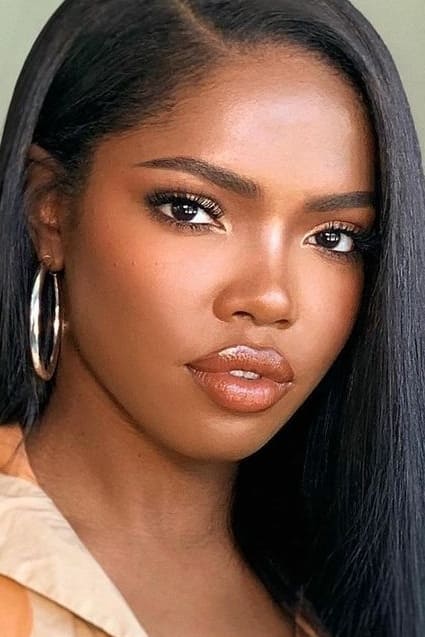
Ryan Destiny gained fame through the series ‘Star’ and has been celebrated for her talent and beauty. However she has also been at the center of discussions regarding colorism and industry standards. Some fans have defended her against claims that she is not given the same opportunities as her lighter-skinned peers. Destiny has been open about her experiences and the importance of representation for darker-skinned women. She continues to pursue her passions in both acting and music with a dedicated following.
Jennifer Beals
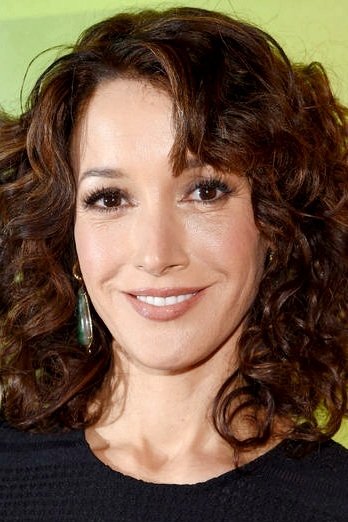
Jennifer Beals became a star after her iconic role in the film ‘Flashdance’ during the early eighties. For much of her early career many audiences were unaware of her biracial heritage. When she began to speak more openly about her identity she faced mixed reactions from different communities. Some labeled her as not Black enough because she had been perceived as white by the general public. Beals has since used her career to take on roles that explore the complexities of race and identity.
Lisa Bonet
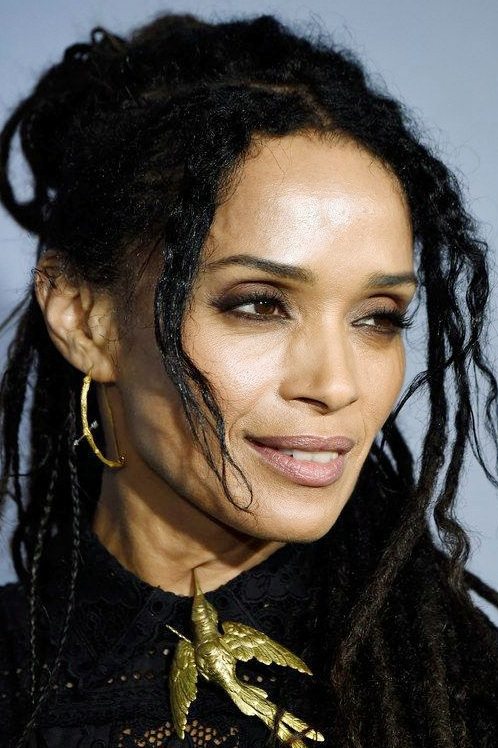
Lisa Bonet became a cultural icon on ‘The Cosby Show’ but often faced criticism for her artistic and personal choices. Her bohemian lifestyle and decision to star in the controversial film ‘Angel Heart’ led to intense public debate. Some critics within the community questioned if her choices were distancing her from her Black heritage. Bonet remained true to her unique vision and continued to be an influential figure in fashion and film. Her legacy is one of authenticity and the refusal to conform to external expectations.
Cree Summer
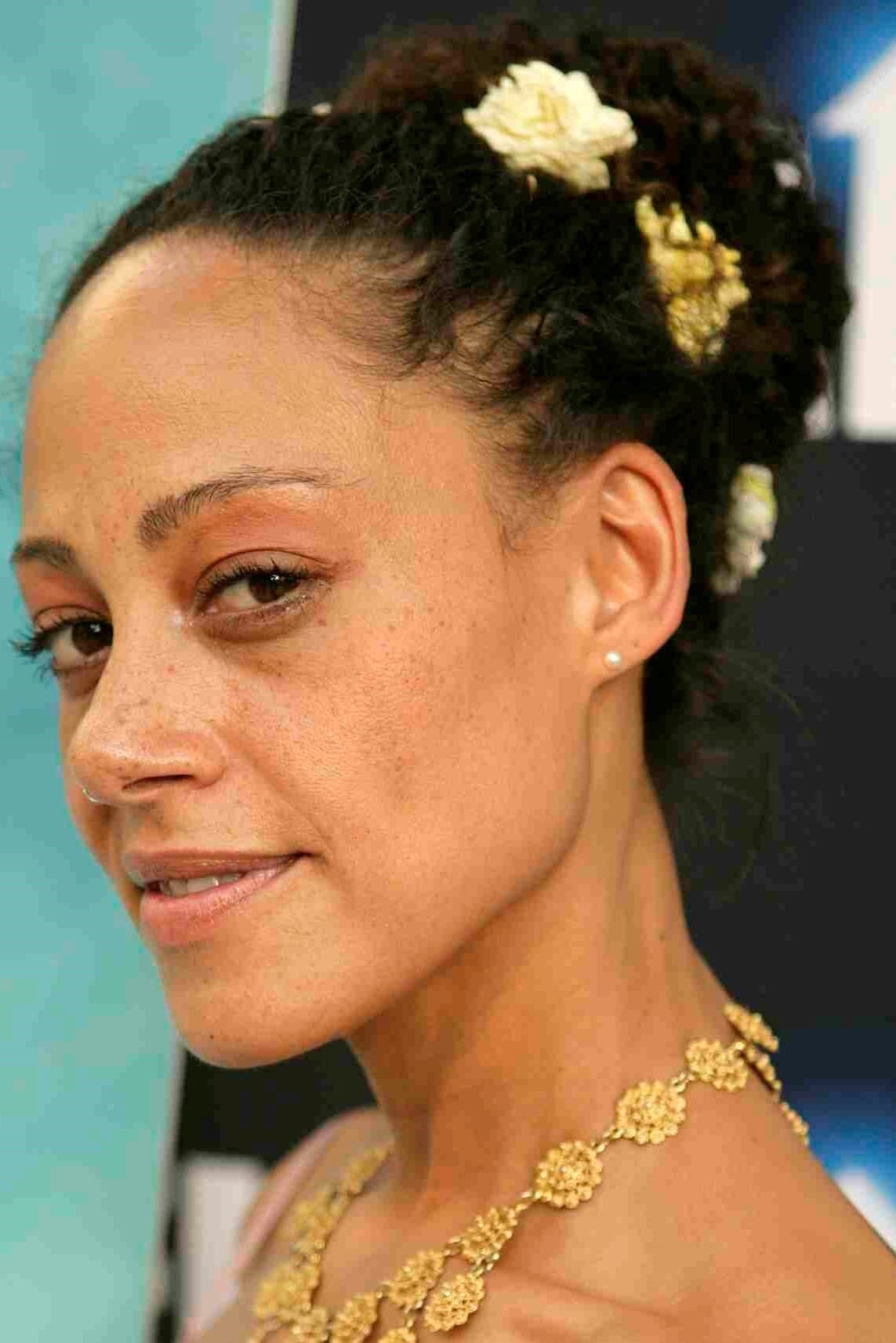
Cree Summer is a prolific voice actress and performer who has often discussed the nuances of her biracial identity. Known for her work on ‘A Different World’ she has always embraced an alternative and eclectic personal style. This has sometimes led to labels of not being Black enough from those who hold narrow views of the Black experience. Summer has consistently championed the idea that there is no single way to be Black. She remains a beloved figure who has voiced many of the most iconic characters in animation.
Bianca Lawson
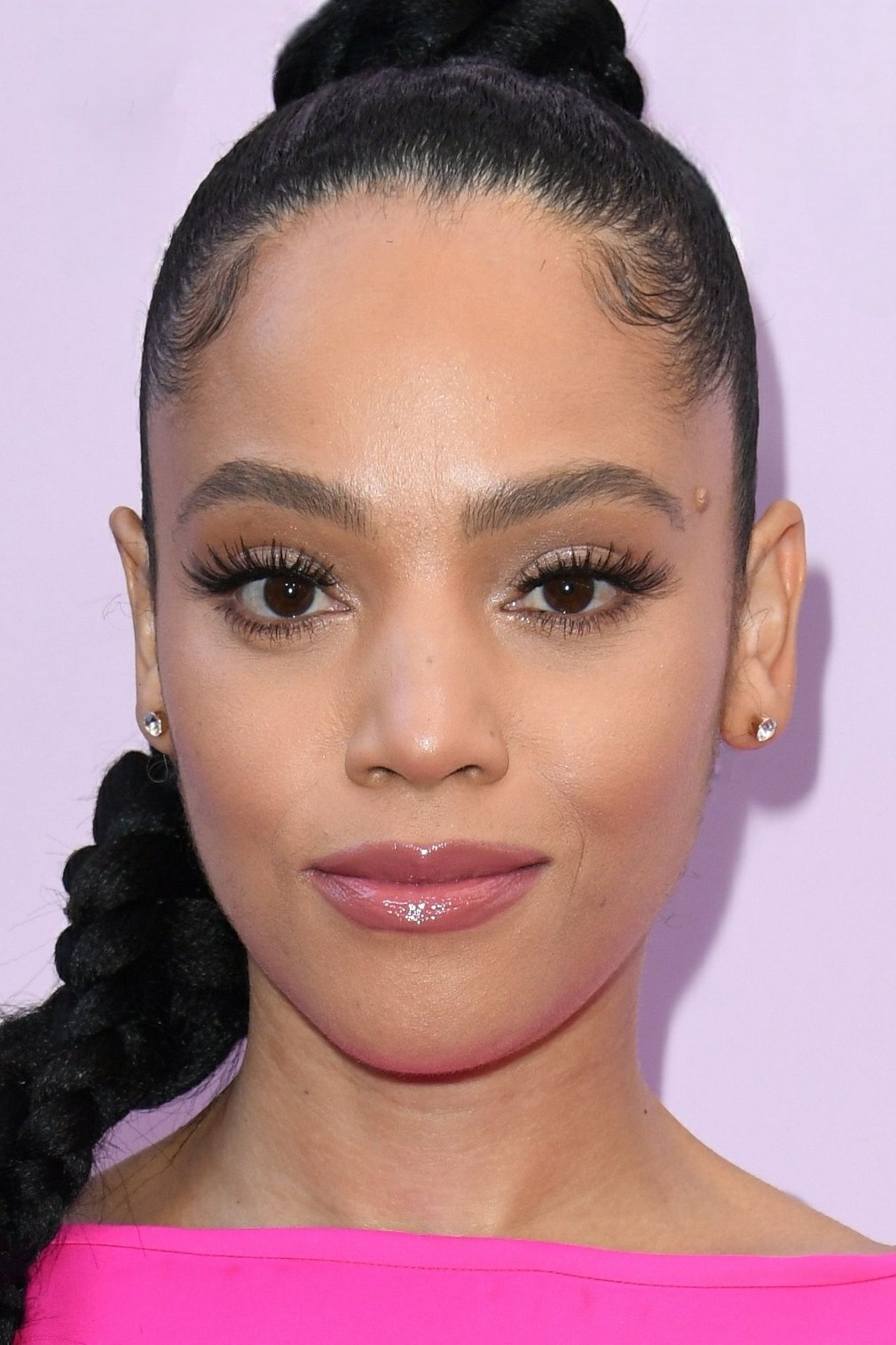
Bianca Lawson has had a long and steady career appearing in numerous hit shows like ‘Buffy the Vampire Slayer’ and ‘Queen Sugar’. Because she has often played younger characters and has a biracial background her identity has been a frequent topic of fan discussion. Some have questioned her place in the industry based on the types of roles she frequently occupies. Lawson has focused on her craft and has delivered nuanced performances that explore Black family life and history. She continues to be a respected actress who maintains a private and professional public image.
Amber Stevens West
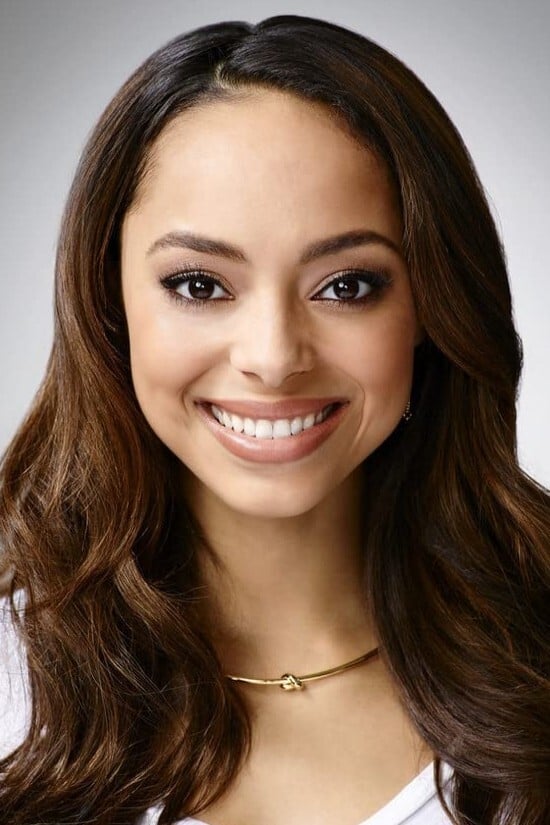
Amber Stevens West has starred in series like ‘Greek’ and ‘The Carmichael Show’ where she often plays biracial characters. She has been open about her experiences of being told she was not Black enough for certain roles early in her career. The actress has also discussed the unique position of representing a mixed-race perspective on television. She continues to choose roles that highlight the diverse realities of modern families. Her work has contributed to a broader understanding of identity in contemporary sitcoms.
Megalyn Echikunwoke
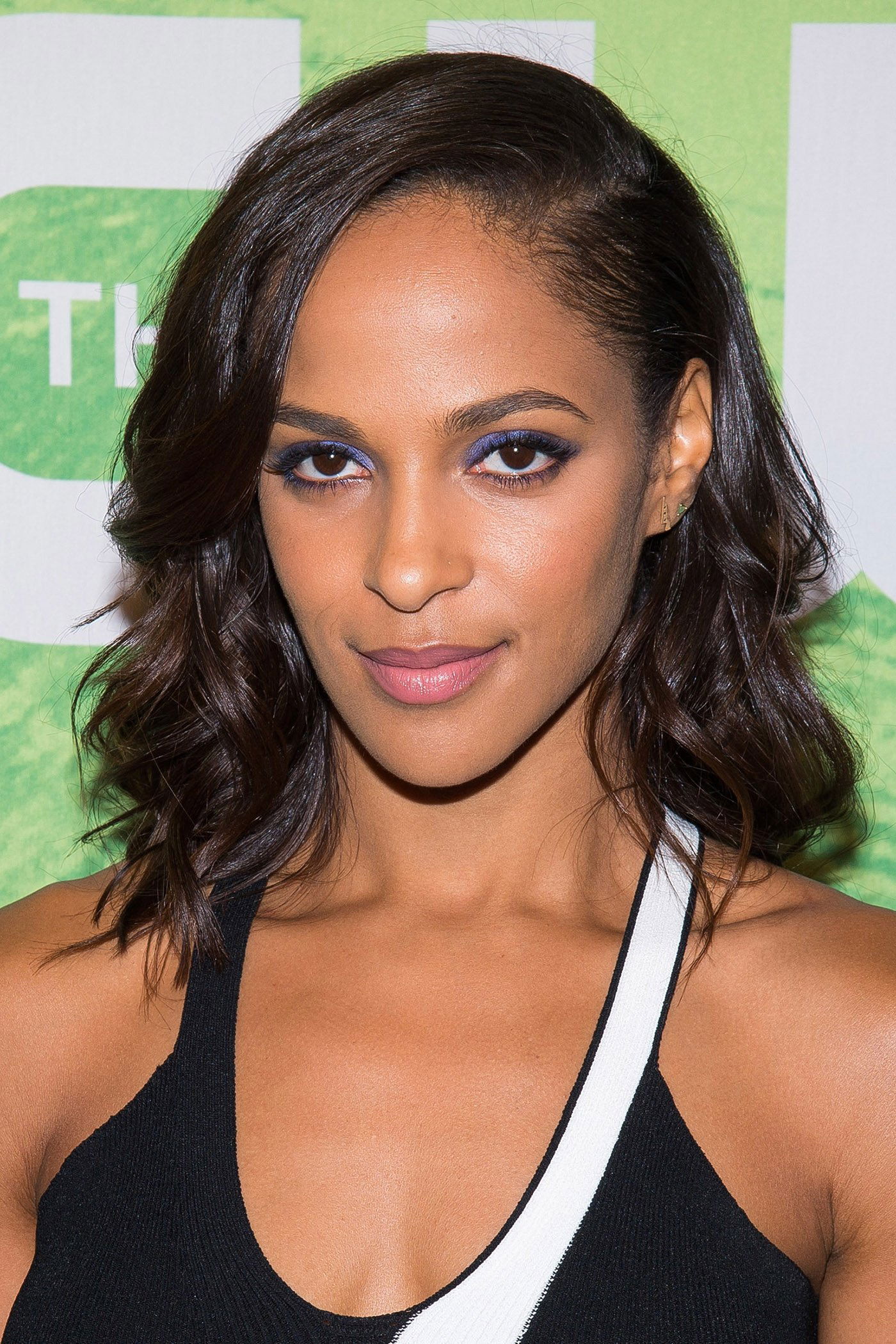
Megalyn Echikunwoke has appeared in a wide range of projects including ’24’ and the series ‘Almost Family’. Her diverse heritage including Nigerian and European roots has led to various conversations about her racial identity. Some critics have questioned her casting in certain roles that were originally envisioned for women with different backgrounds. She has addressed these topics by focusing on her personal connection to her African roots and her pride in her heritage. Echikunwoke remains a versatile actress who works across multiple genres in film and television.
Antoinette Robertson
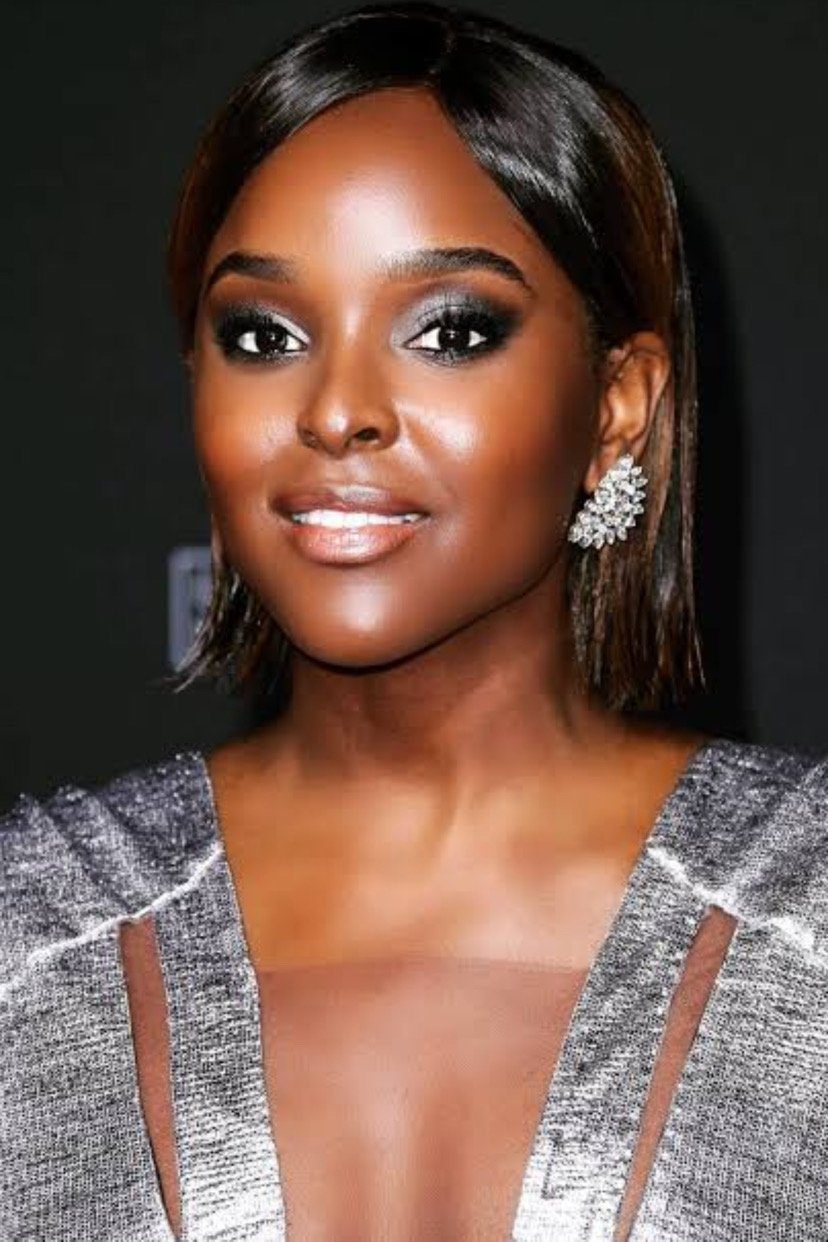
Antoinette Robertson is best known for her role in the ‘Dear White People’ series where she played Coco Conners. Her character was central to the show’s exploration of colorism and the pressure to fit into specific societal boxes. In real life she has also navigated these discussions as a light-skinned actress in Hollywood. Robertson has used her platform to speak about the importance of unity within the community despite different skin tones. She continues to advocate for a more inclusive industry that values all Black women.
Alisha Wainwright
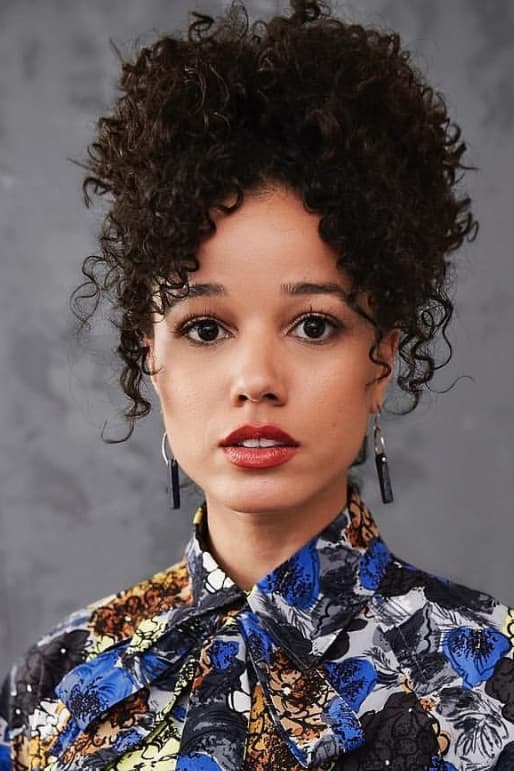
Alisha Wainwright has appeared in series like ‘Shadowhunters’ and ‘Raising Dion’. As a biracial actress with Jamaican and Haitian heritage she has a unique perspective on the Black experience. She has occasionally faced comments regarding her racial background and her suitability for specific roles. Wainwright has focused on her education and her passion for storytelling to drive her career forward. She remains a rising talent who is dedicated to bringing diverse narratives to the screen.
Share your thoughts on these actresses and their journeys in the comments.