Female Actresses Who Publicly Criticized the Me Too Movement

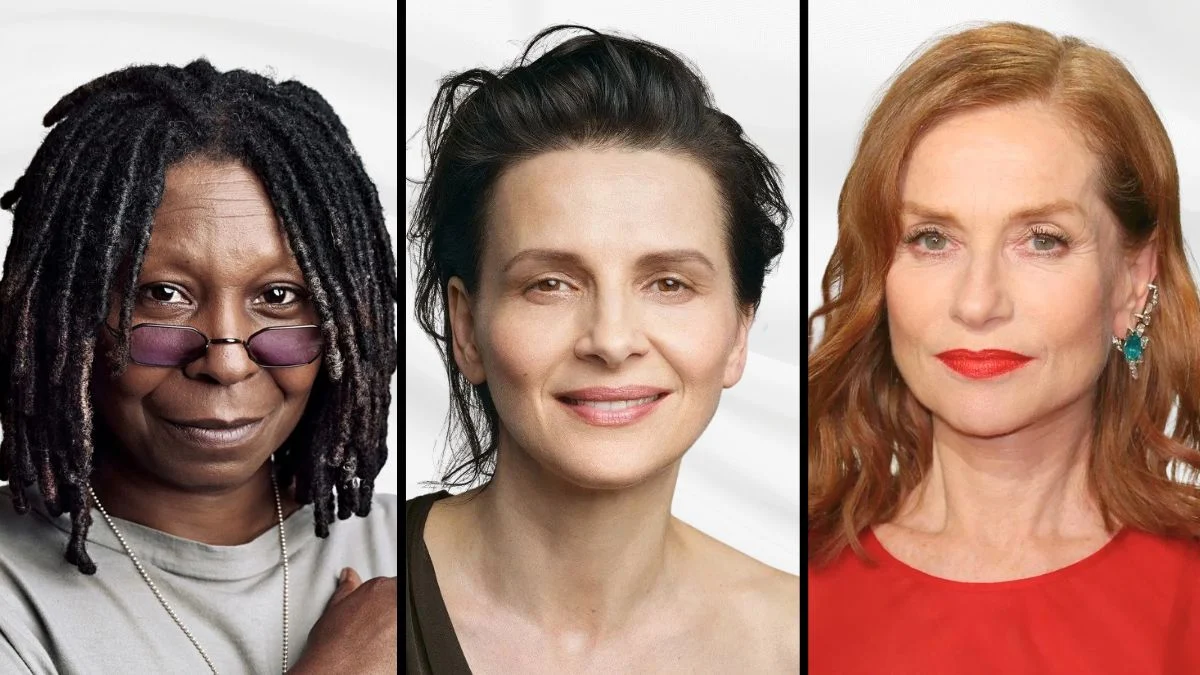

The Me Too movement transformed the landscape of the entertainment industry by encouraging survivors of sexual harassment and assault to share their stories. While the initiative gained widespread support from many in Hollywood and beyond, it also faced public criticism and skepticism from several prominent actresses. These women voiced concerns regarding the speed of judgment, the potential for a witch hunt atmosphere, and the impact on sexual freedom or creative expression. Their perspectives often sparked intense public debate about the methods and long term consequences of the movement. This list explores the various actresses who have publicly expressed their reservations or criticisms regarding the movement.
Catherine Deneuve
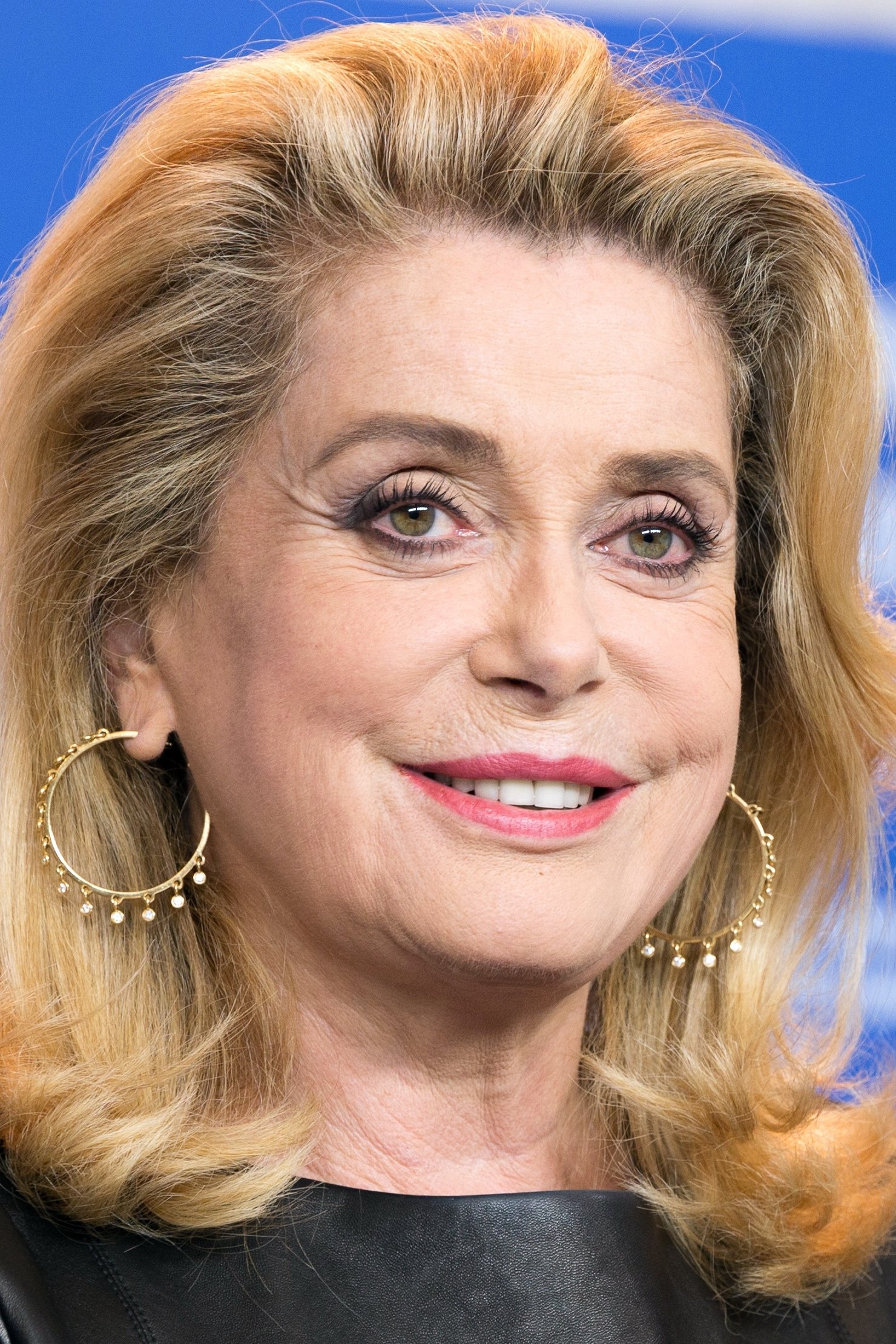
The French film icon was a lead signatory of an open letter that challenged the direction of the movement. She argued that the campaign had devolved into a form of puritanism that threatened the artistic and sexual freedom of individuals. Deneuve expressed that while harassment is a crime, insistent or clumsy flirting should not be categorized the same way. She worried that the public denouncements were creating an environment where men were judged without due process. Her comments highlighted a cultural divide in how the movement was perceived between North America and France.
Brigitte Bardot
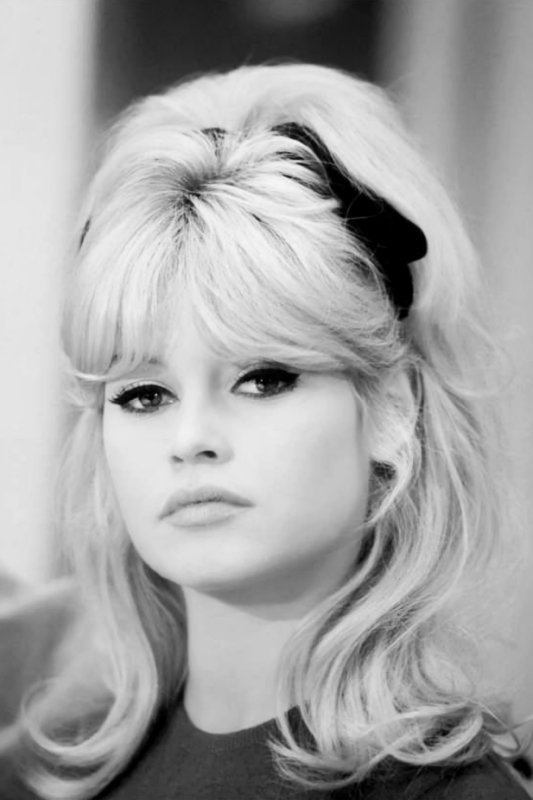
The legendary cinema star spoke out against the movement by calling it hypocritical and ridiculous during an interview. She suggested that many actresses who were coming forward were doing so to gain publicity rather than to seek justice. Bardot stated that she never felt she was a victim of harassment and viewed the complaints of others as self serving. She argued that many performers flirted with producers to get roles and only complained when it suited them later. Her blunt assessment of the industry culture provoked strong reactions from both supporters and detractors of the movement.
Pamela Anderson
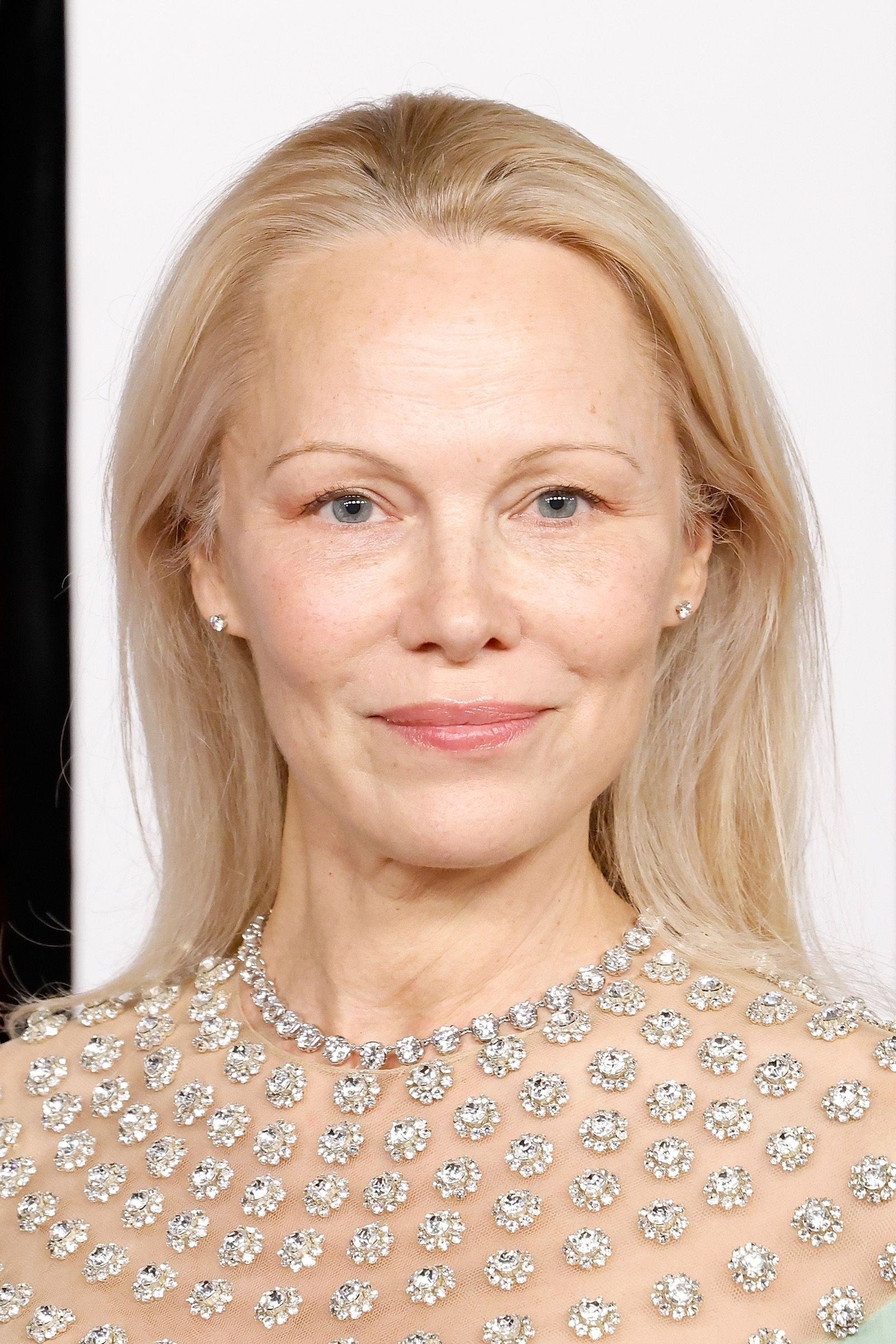
The former ‘Baywatch’ star shared her skepticism about the movement during a televised interview where she emphasized personal responsibility. She noted that women should be aware of the risks when agreeing to private meetings in hotel rooms or other secluded settings. Anderson argued that common sense could prevent many of the situations being discussed in the public sphere. She stated that the movement was perhaps becoming too much and expressed a preference for individual caution over collective protest. Her views were interpreted by some as being out of touch with the systemic nature of workplace harassment.
Lindsay Lohan
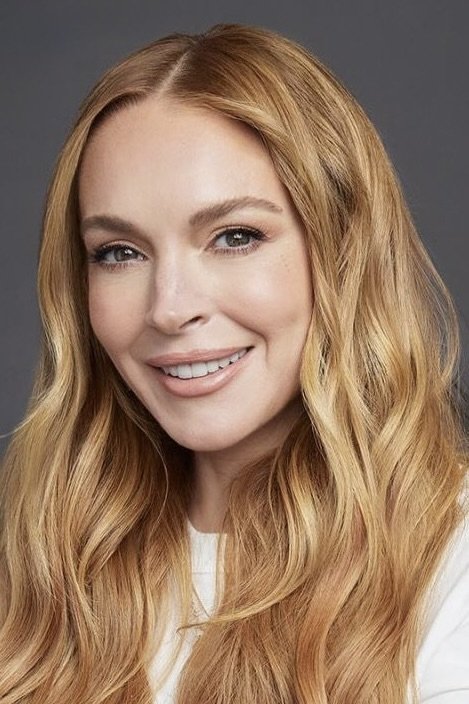
The actress known for ‘Mean Girls’ expressed her discomfort with how women were presenting their stories through the movement. She stated that speaking out publicly about such experiences can make women appear weak rather than strong. Lohan suggested that these issues should be handled legally and privately rather than through social media or public forums. She also mentioned that she had not personally experienced the types of harassment being reported and found the public outcries unnecessary. Her comments faced backlash from activists who believed she was undermining the courage of survivors.
Angela Lansbury
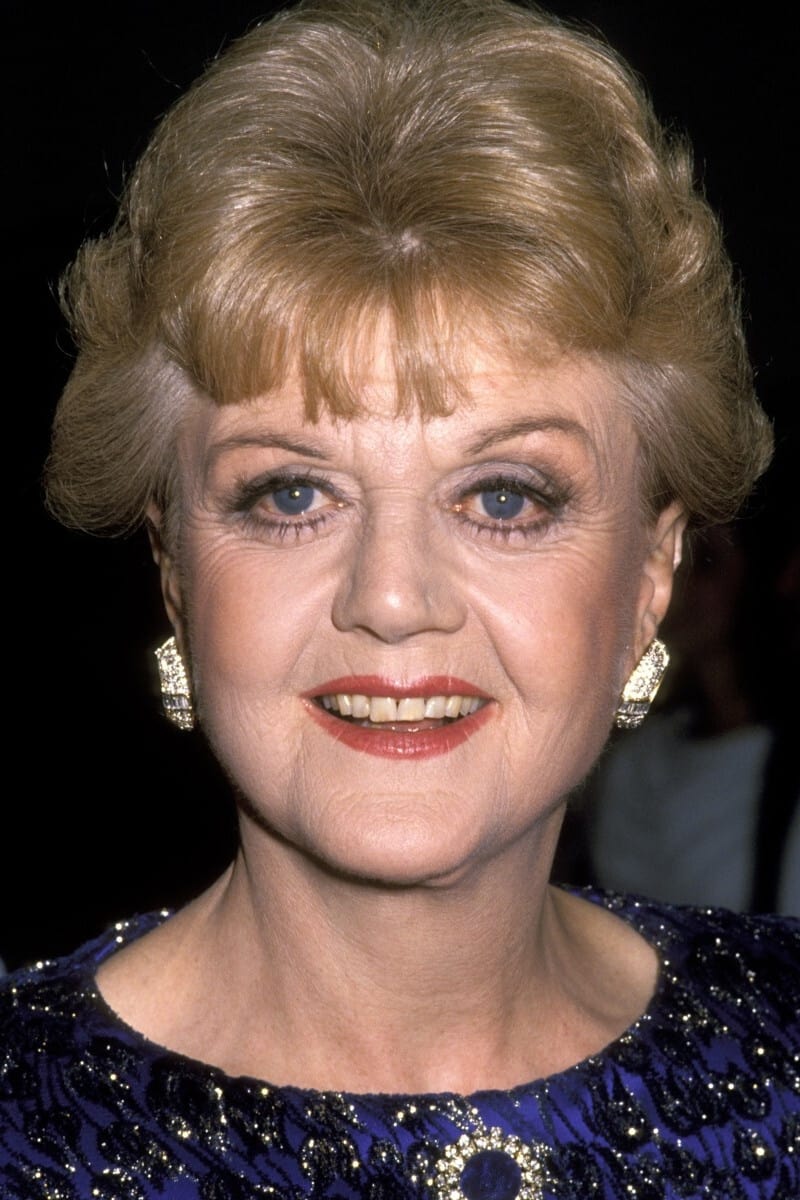
The late star of ‘Murder, She Wrote’ offered a controversial perspective when she suggested that women must sometimes take the blame for harassment. She argued that women have gone out of their way to make themselves attractive which can sometimes backfire. Lansbury noted that it is awful that women cannot be attractive without being knocked down and raped but emphasized that there are two sides to the coin. She expressed concern that the movement was making it difficult for men and women to interact naturally. Her remarks were widely discussed as a reflection of an older generational view on gender relations.
Roseanne Barr
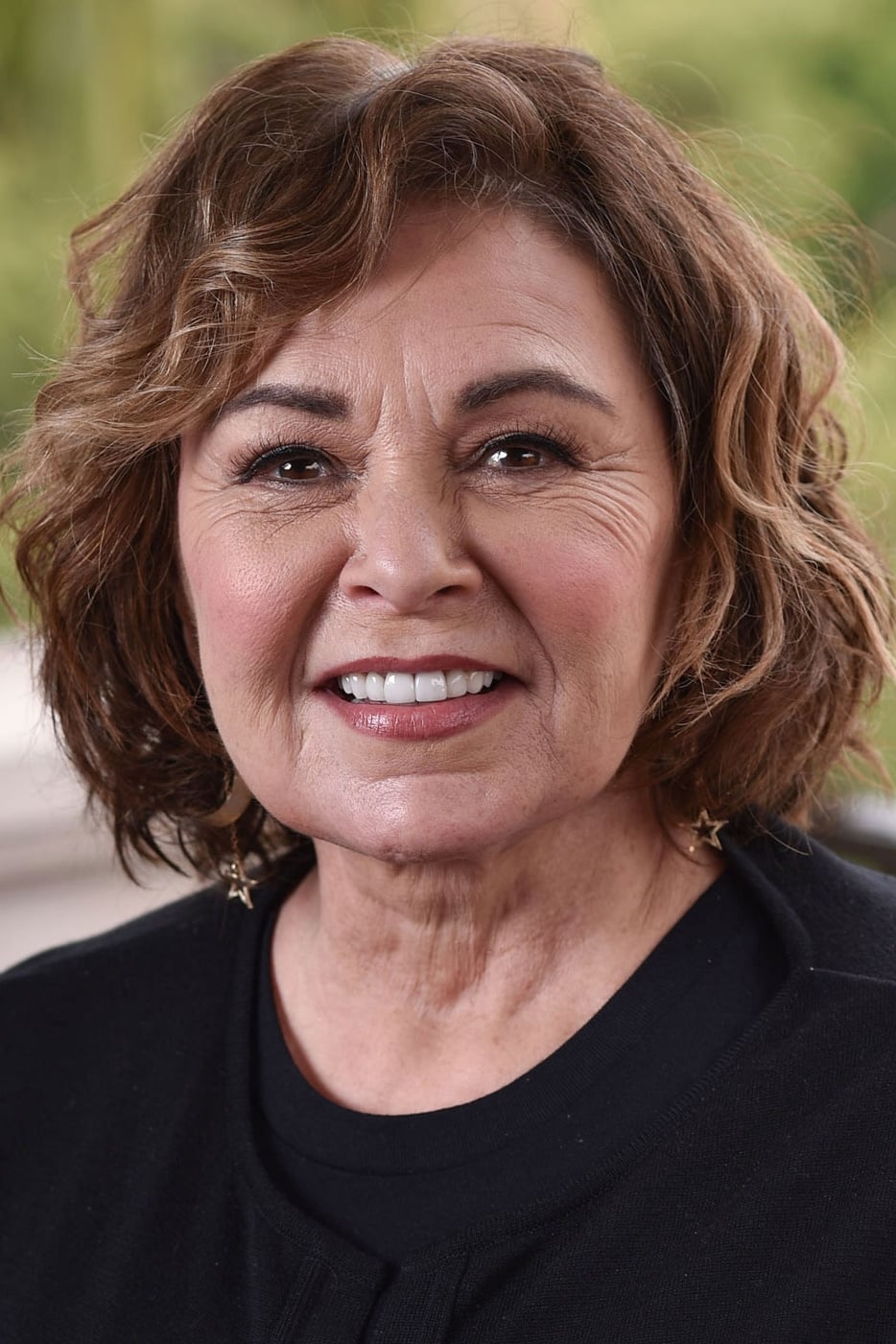
The comedian and actress was vocal in her criticism of the movement and the women participating in it. She used harsh language to describe those who spoke out and questioned their motives for coming forward years after the alleged events. Barr argued that the movement was often used for political gain or personal vendettas rather than actual justice. She expressed a lack of sympathy for many of the accusers and believed the movement created a toxic culture of victimhood. Her outspoken nature on social media made her a prominent dissenting voice during the height of the movement.
Mayim Bialik
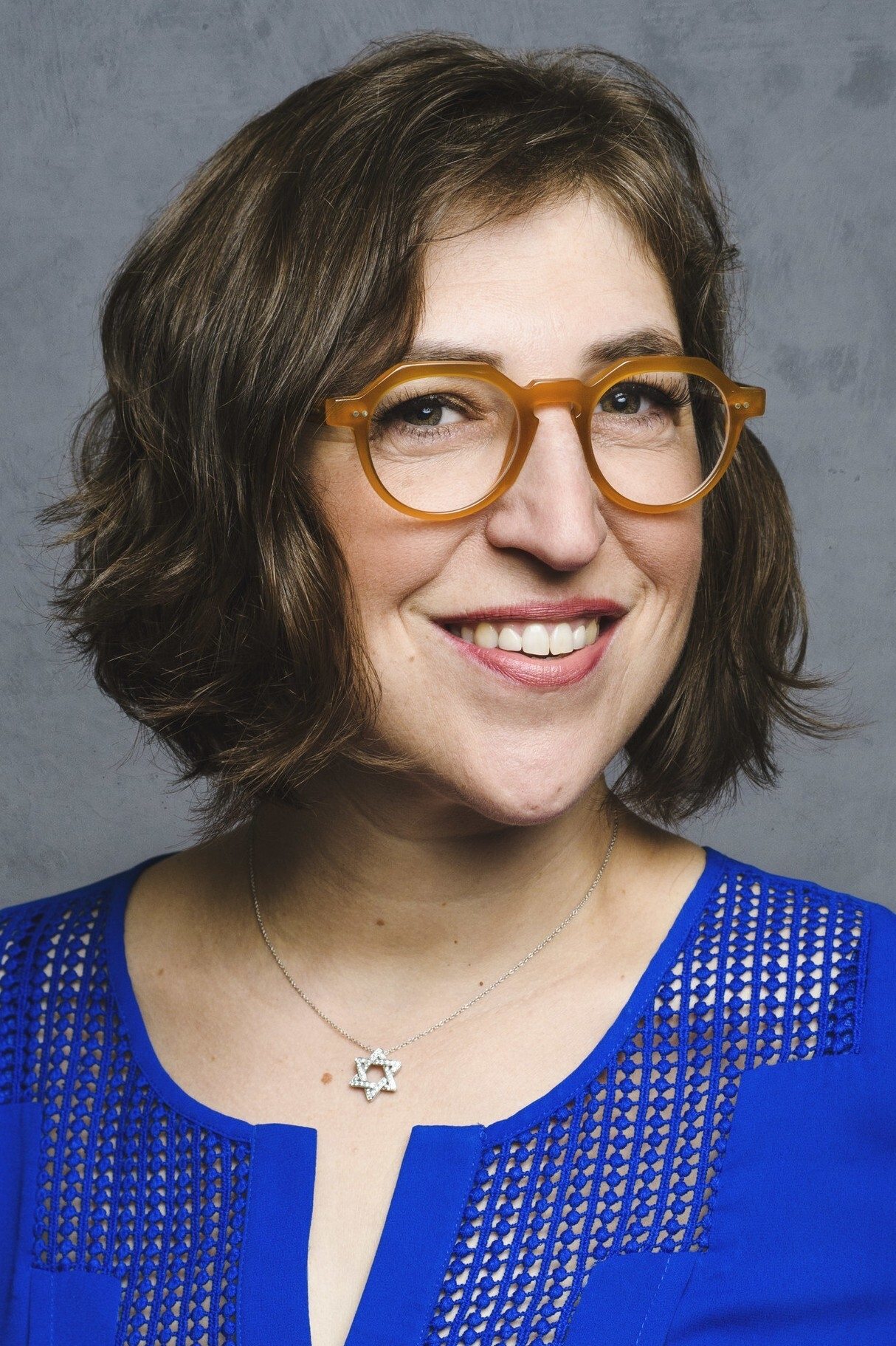
The ‘The Big Bang Theory’ actress wrote an op-ed that some readers interpreted as a critique of the movement and a form of victim blaming. She discussed her own choices to dress modestly and avoid flirting as a way to navigate the industry safely. Bialik suggested that being a non traditional beauty in Hollywood had protected her from many of the predatory behaviors others faced. While she later clarified her stance the initial piece was seen as suggesting that women’s behavior could prevent harassment. Her perspective sparked a conversation about the expectations placed on women to protect themselves in professional environments.
Stacey Dash
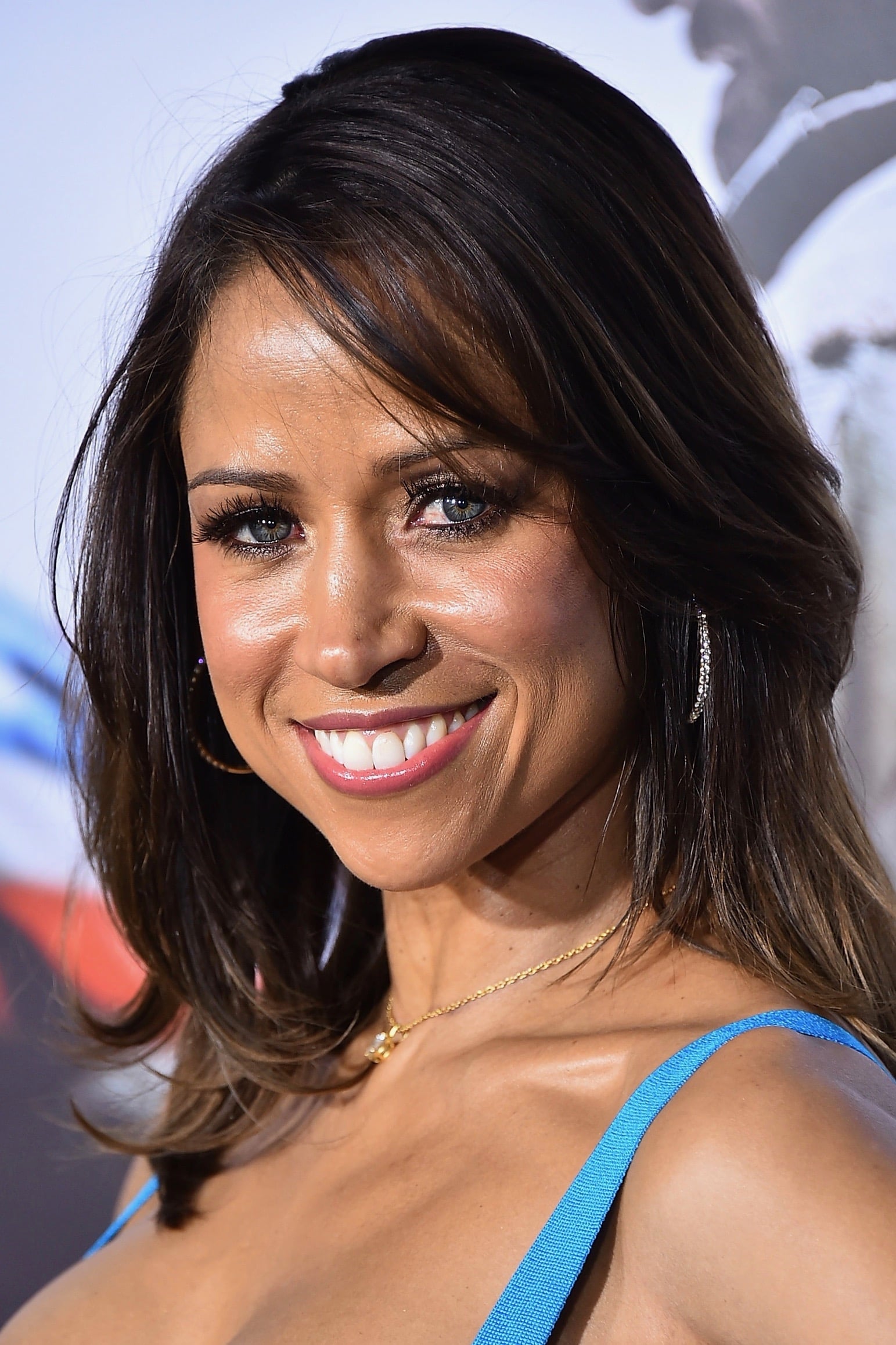
The ‘Clueless’ actress has been a frequent critic of the movement and its impact on modern culture. She argued that the movement strips women of their power by portraying them as perpetual victims. Dash expressed that the focus should be on individual strength and the ability to say no rather than collective grievance. She also questioned the political motivations behind the campaign and how it was being used by certain media outlets. Her stance aligned with her broader conservative views on personal responsibility and social issues.
Kristy Swanson
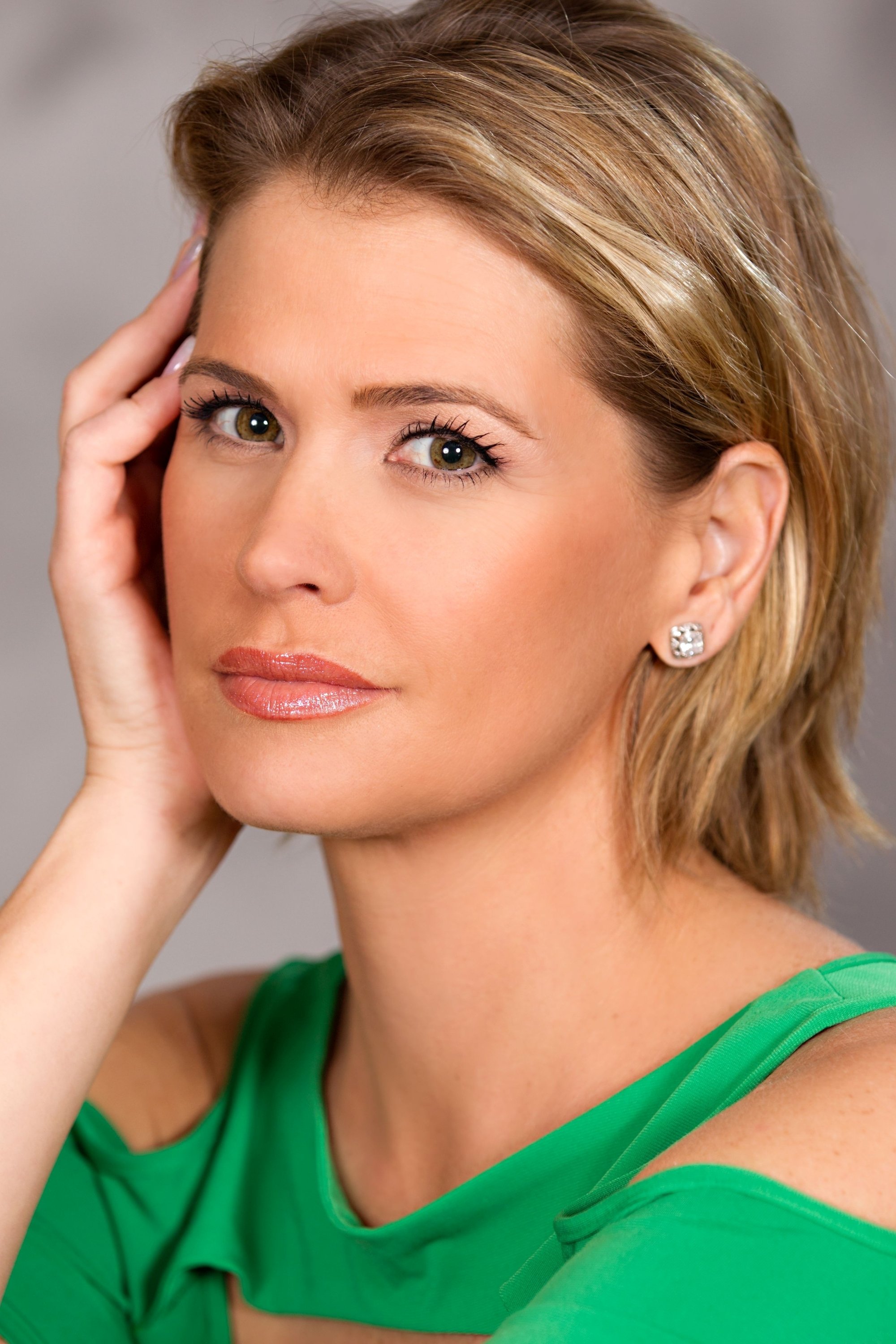
The original star of ‘Buffy the Vampire Slayer’ used social media to express her concerns about the movement. She suggested that the campaign was becoming a political tool rather than a genuine effort to help women. Swanson criticized the lack of due process for those accused and the speed at which people were being cancelled. She argued that the movement was creating a fearful atmosphere in the workplace that could hinder professional relationships. Her comments were often cited by those who felt the movement had overstepped its initial goals.
Joanna Lumley
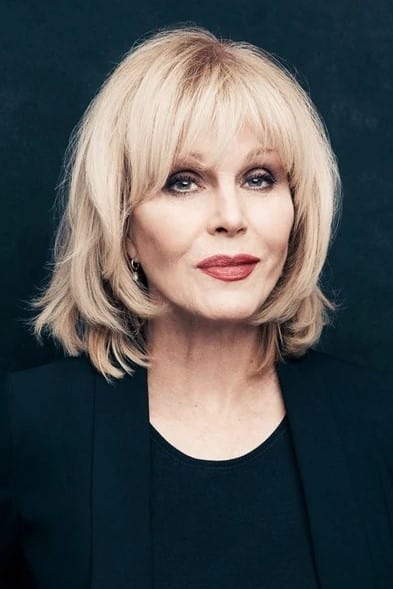
The British actress and star of ‘Absolutely Fabulous’ voiced her concerns about the changing social climate brought about by the movement. She stated that the focus on harassment was making people too sensitive and destroying the sense of fun in life. Lumley expressed worry that men were now afraid to pay compliments or engage in lighthearted banter with their female colleagues. She suggested that the movement was leading to a loss of politeness and mutual respect between the sexes. Her views reflected a concern that the movement was creating an overly litigious and humorless society.
Marisa Berenson
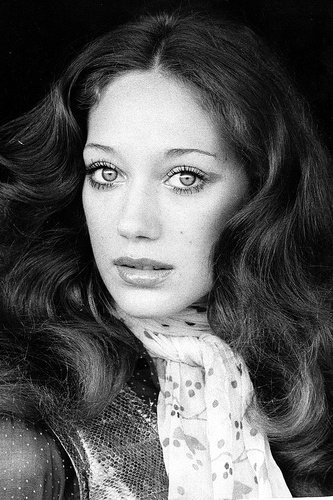
The ‘Barry Lyndon’ actress joined several of her French contemporaries in criticizing the movement for its perceived puritanism. She called the public denouncements a witch hunt that threatened to destroy the nuance of human relationships. Berenson argued that the movement was creating a climate of fear and mutual suspicion between men and women. She emphasized that while serious crimes should be punished the movement was going too far in its condemnation of all male behavior. Her perspective was part of a larger European critique of the movement’s methods.
Carole Bouquet
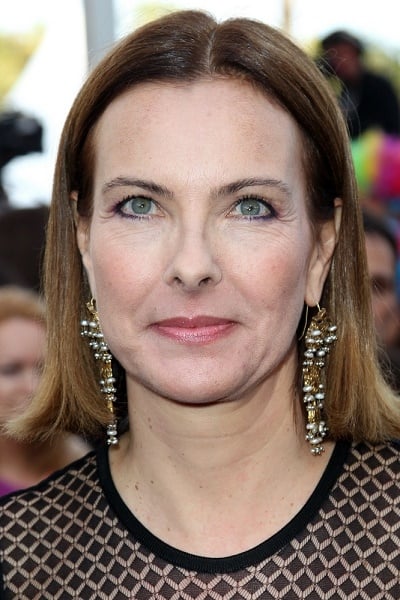
The former Bond girl and celebrated French actress expressed her support for the letter that criticized the movement’s excesses. She argued that the movement was leading to a form of censorship in the arts and a general climate of denunciation. Bouquet suggested that the public should be careful not to conflate clumsy advances with criminal behavior. She voiced her belief that the movement was becoming a threat to the freedom of expression and the complexity of romantic life. Her stance was seen as a defense of traditional French values regarding seduction and privacy.
Nathalie Baye
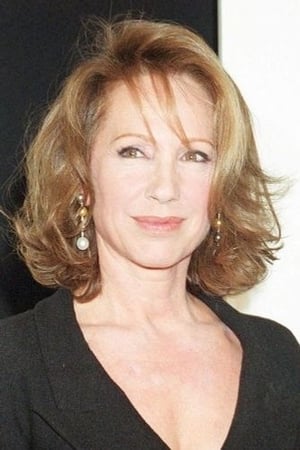
The award winning French actress lent her name to the public protest against the movement’s perceived puritanical shift. She argued that the movement was creating a society where every interaction between men and women was scrutinized for potential offense. Baye expressed concern that the movement was damaging the careers of many without sufficient evidence or trial. She believed that the focus on public shaming was a dangerous precedent for the justice system. Her participation in the collective criticism highlighted the significant pushback from the French film establishment.
Fanny Ardant
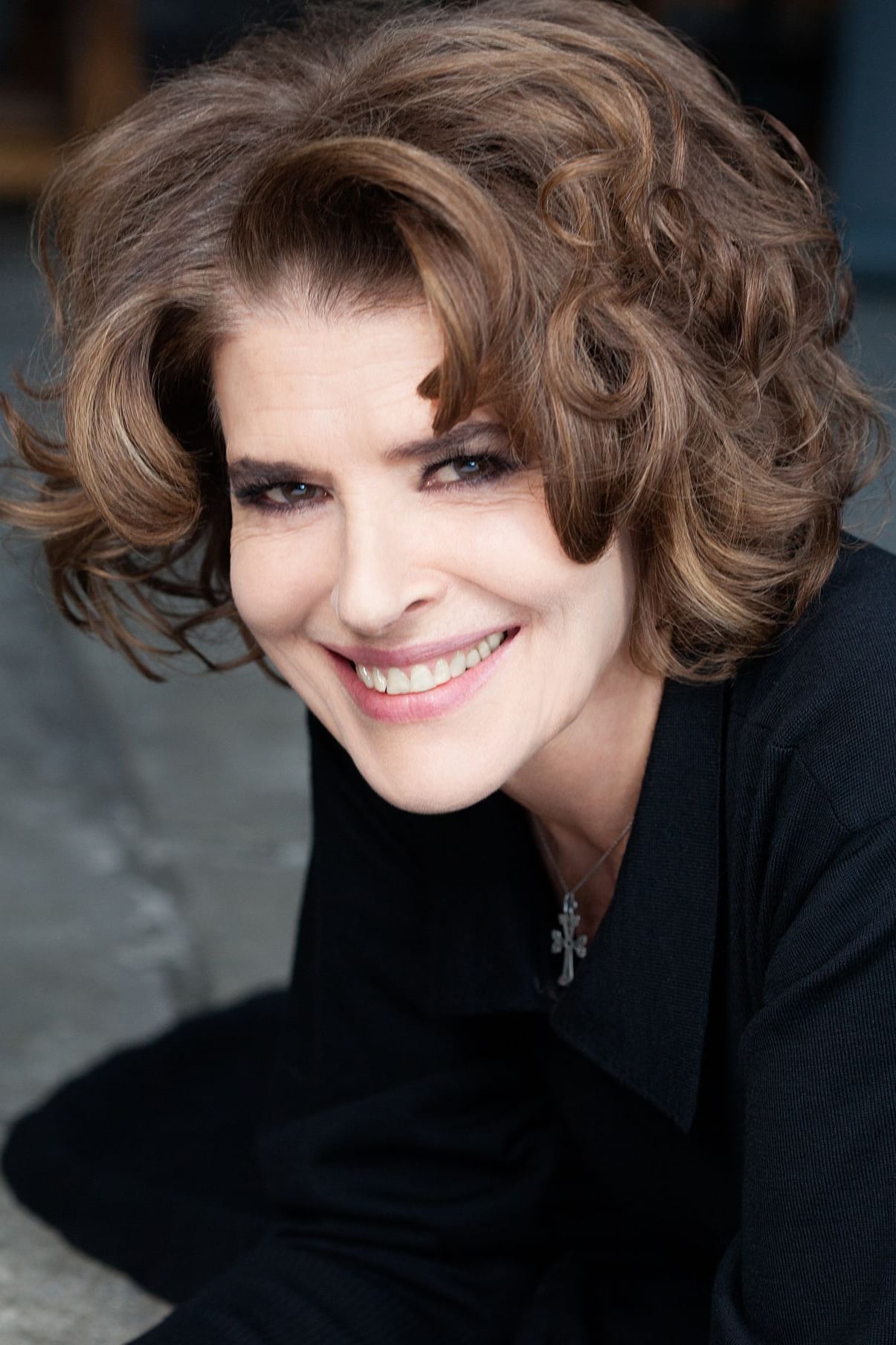
The acclaimed actress known for ‘8 Women’ defended controversial directors and criticized the movement’s approach to past allegations. She spoke out against the trend of judging historical behavior through a modern lens and condemned the social lynching of individuals. Ardant argued that she preferred a world where people were forgiven rather than eternally condemned by public opinion. She expressed a lack of trust in the movement’s ability to provide a fair assessment of complex human situations. Her comments emphasized her belief in individual freedom and the danger of collective moralizing.
Diane Keaton
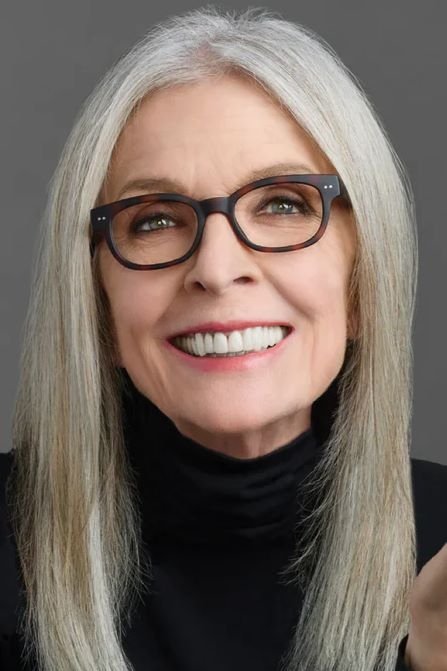
The ‘Annie Hall’ star was one of the most prominent American actresses to express skepticism regarding the rush to judgment fueled by the movement. She publicly defended individuals who were being shunned by the industry and urged for a more measured approach to allegations. Keaton argued that people should be allowed to speak for themselves and that public opinion should not replace the legal system. She maintained her support for long time collaborators despite the growing pressure to distance herself from them. Her stance was seen as a defense of artistic loyalty and the importance of due process.
Scarlett Johansson
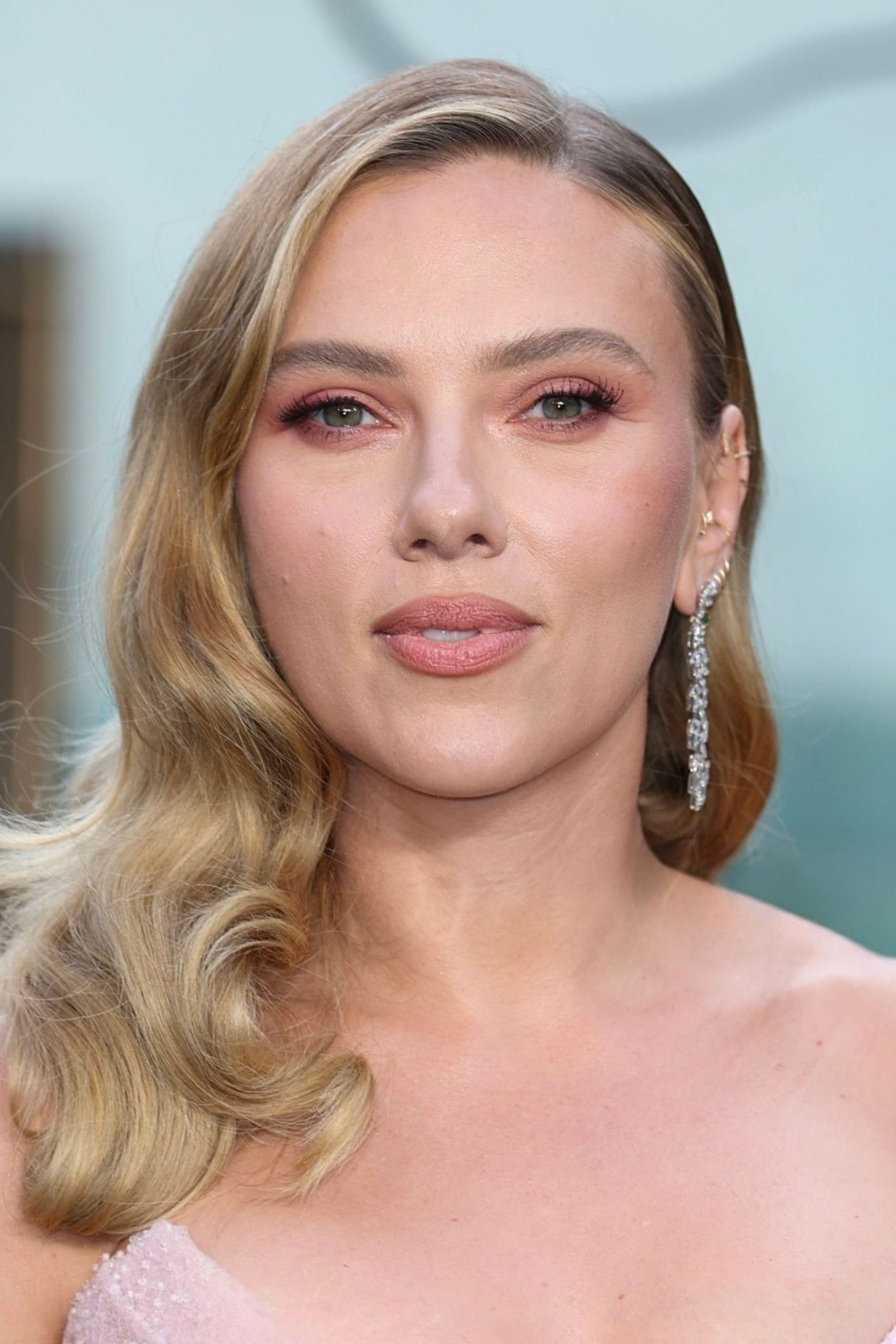
The Marvel Cinematic Universe star faced criticism for her nuanced and sometimes defensive comments regarding the movement’s targets. She argued that the public and the media should be careful about how they participate in the cancellation of individuals based on allegations. Johansson stated that she should be able to play any person or any thing because that is her job regardless of social movements. She also defended her right to work with whoever she chose despite the political climate surrounding those individuals. Her comments were viewed by some as a challenge to the movement’s influence over casting and professional associations.
Meryl Streep
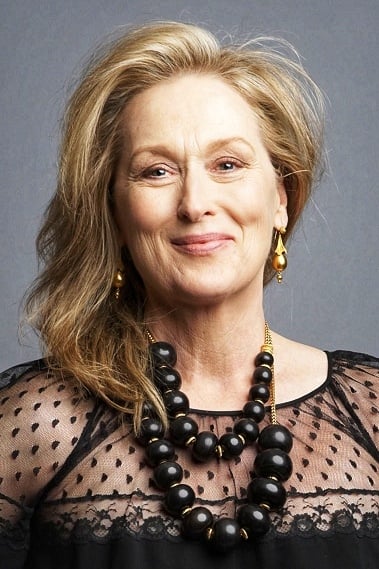
While she initially supported the goals of the movement the legendary actress eventually criticized some of the language used by activists. She specifically pushed back against the term toxic masculinity by stating that the label could be harmful to men and boys. Streep argued that the focus should be on bad behavior rather than entire groups of people. She expressed concern that the movement’s rhetoric was becoming too divisive and could alienate potential allies. Her comments signaled a desire for a more inclusive and less confrontational approach to gender issues.
Judi Dench
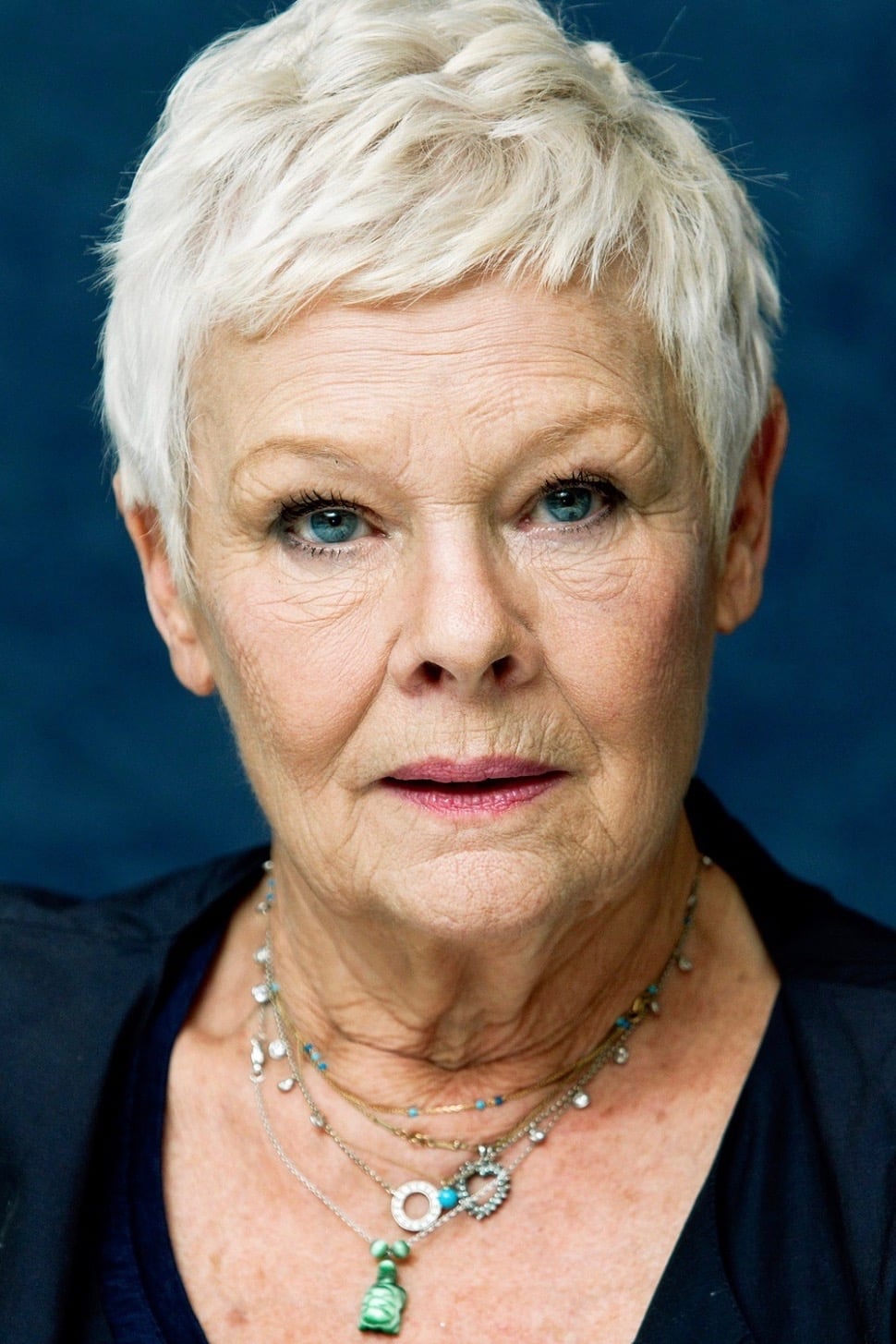
The esteemed British actress expressed her concerns about the movement’s impact on the history of film and art. She argued against the practice of erasing the work of individuals who had been accused of misconduct during the movement. Dench stated that while she does not condone the behavior she believes the artistic contributions should remain separate from the personal lives of the creators. She voiced her worry that the movement was leading to a form of historical revisionism that would deprive future generations of great art. Her perspective focused on the long term cultural consequences of the movement’s boycott tactics.
Whoopi Goldberg
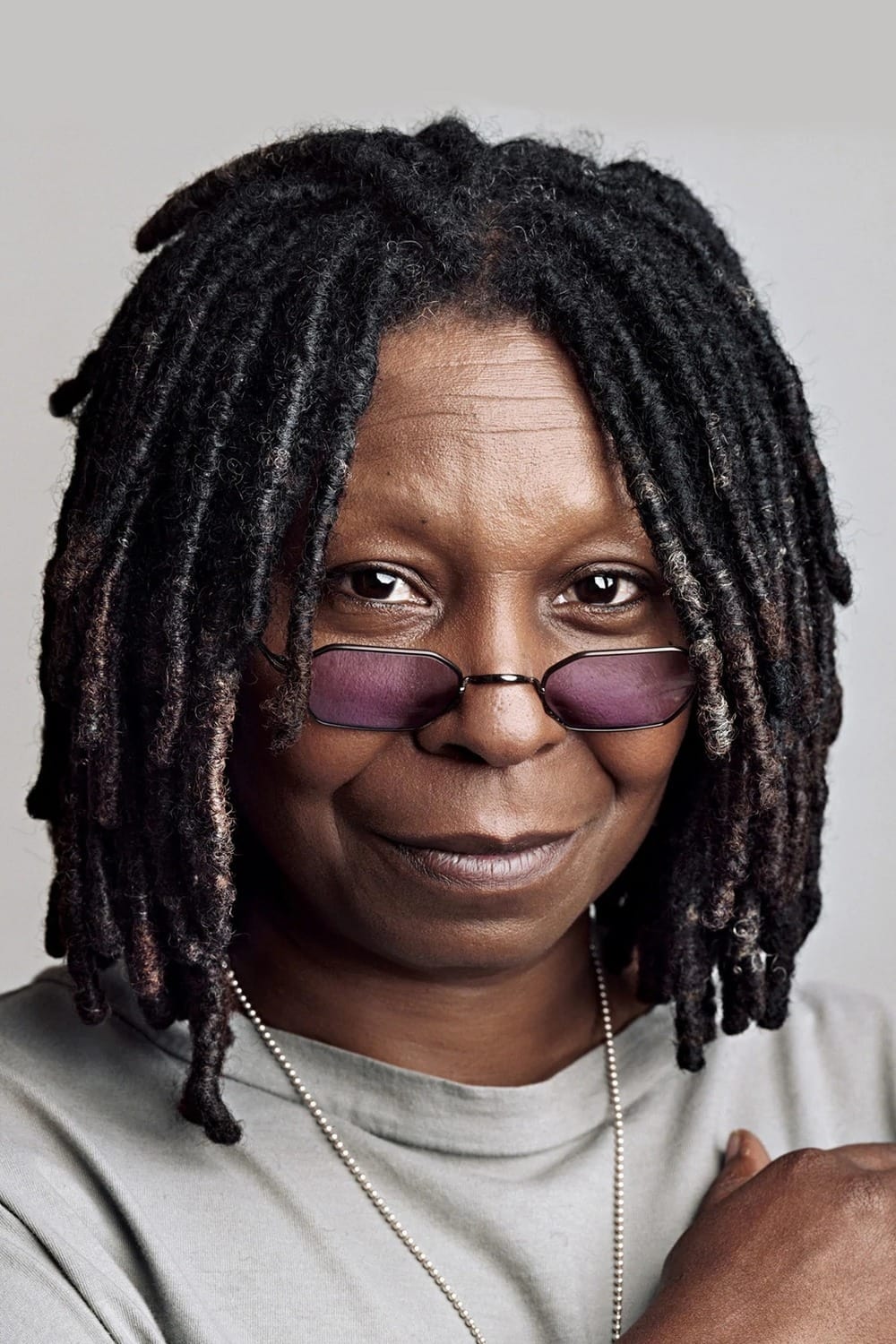
The ‘The Color Purple’ star and talk show host frequently used her platform to question the movement’s lack of due process. She often defended the accused by reminding the public that people are innocent until proven guilty in a court of law. Goldberg criticized the speed at which the movement led to the professional destruction of individuals before any legal findings. She argued that the movement was sometimes creating a climate of fear where people were afraid to speak the truth. Her consistent defense of legal standards made her a notable skeptic of the movement’s social justice methods.
Marion Cotillard
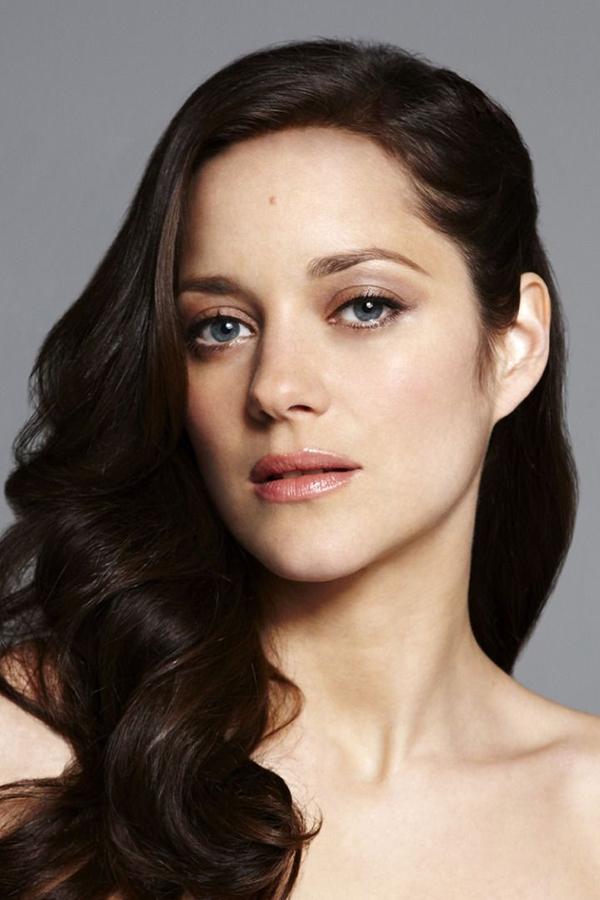
The Academy Award winning French actress expressed that she does not consider herself a feminist and criticized the movement’s potential to separate men and women. She argued that the film industry should not be divided by gender and that the movement was creating unnecessary tension. Cotillard stated that she prefers to focus on the partnership between the sexes rather than the conflicts highlighted by the campaign. She voiced her belief that the movement’s approach could lead to a lack of creativity and mutual understanding in the arts. Her comments reflected a desire to maintain traditional collaborative dynamics in filmmaking.
Isabelle Huppert
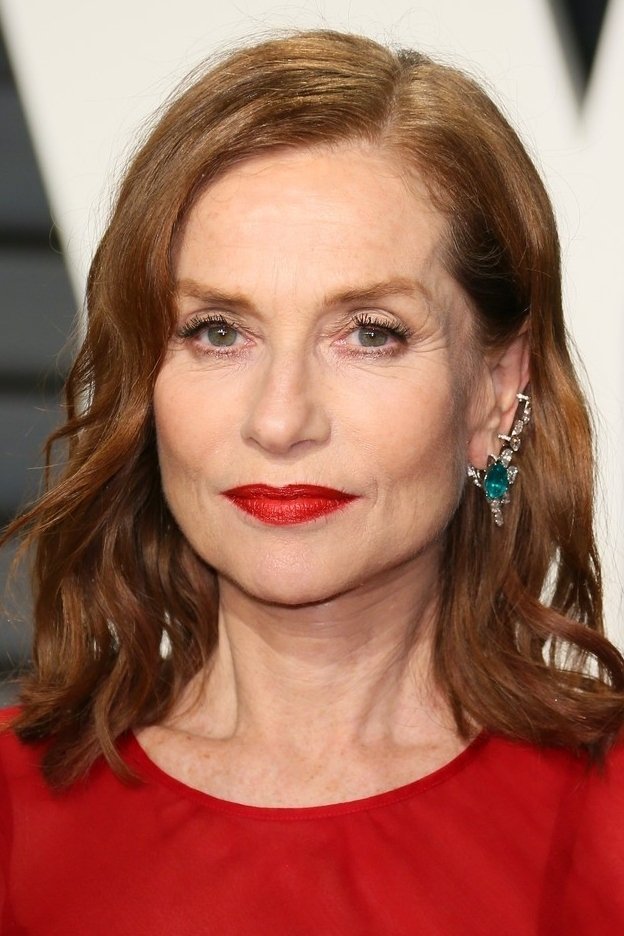
The celebrated French actress questioned the movement’s impact on the complexity of female characters and artistic freedom. She argued that the movement was encouraging a simplified view of morality that did not reflect the reality of human experience. Huppert expressed concern that the new social norms would lead to a form of self censorship among artists and writers. She stated that she values the freedom to explore dark and controversial themes without being judged by the movement’s standards. Her perspective emphasized the importance of maintaining the boundary between art and social activism.
Juliette Binoche
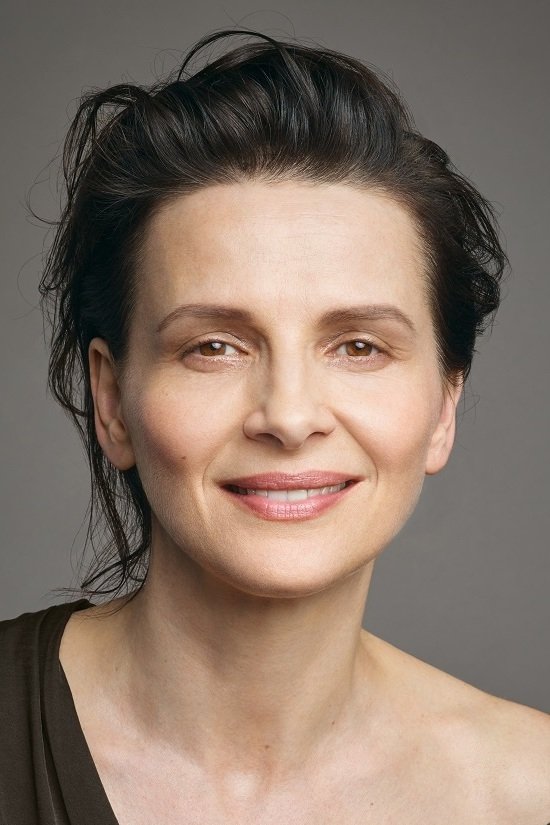
The ‘The English Patient’ actress spoke out against what she described as the media lynching of individuals during the height of the movement. She argued that while it is important to speak out the movement was often depriving people of their dignity and the right to defend themselves. Binoche expressed worry that the movement was being driven by emotion and social media rather than a search for truth. She suggested that the public should be more cautious before joining in the collective condemnation of others. Her remarks highlighted the tension between the need for accountability and the danger of mob justice.
Melanie Griffith
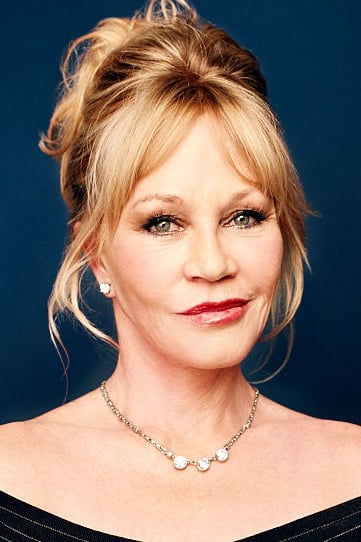
The ‘Working Girl’ star expressed her concerns that the movement was turning into a witch hunt that would ultimately hurt the industry. She argued that while some changes were necessary the movement was becoming too extreme in its approach to past behavior. Griffith voiced her belief that men and women should be able to work together without the constant fear of being accused of misconduct. She suggested that the movement was creating an environment that was hostile to natural interactions and professional growth. Her comments reflected a worry that the movement’s legacy would be one of fear rather than progress.
Anjelica Huston
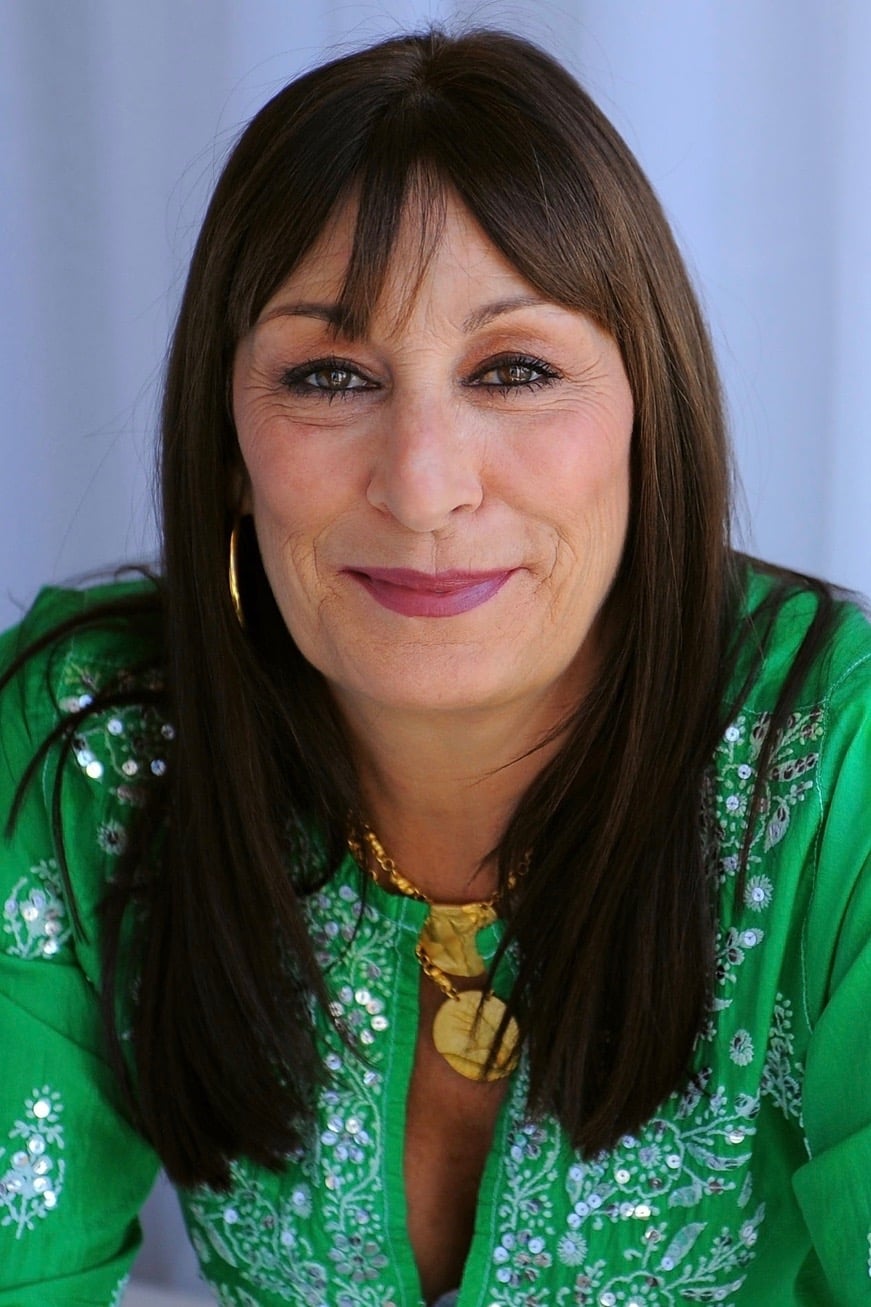
The veteran actress and director criticized the movement for its lack of nuance and its tendency to see things in black and white. She defended several individuals who had been targeted by the movement and argued that their artistic contributions should not be overlooked. Huston expressed concern that the movement was being used to settle old scores and that the focus on the past was unproductive. She stated that she preferred a more direct and personal way of handling workplace issues rather than through a public movement. Her perspective was characterized by a desire for a more sophisticated conversation about power and gender.
Helena Bonham Carter
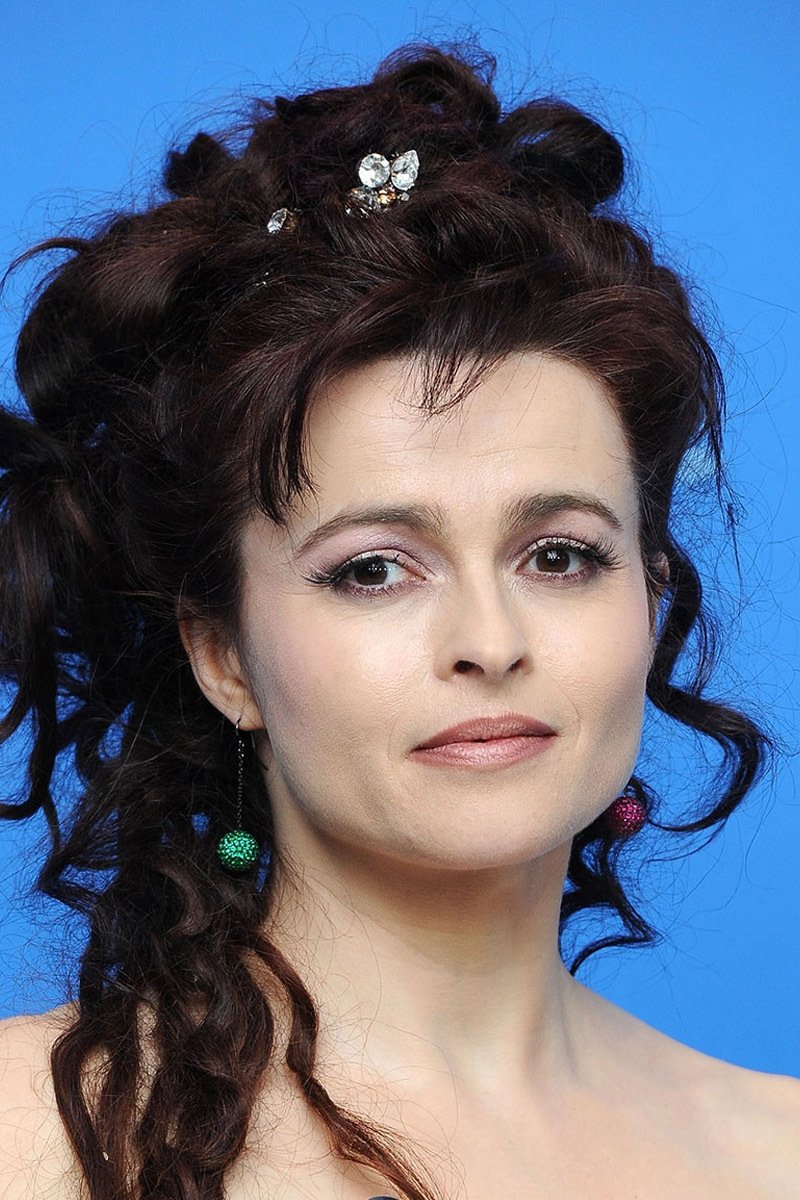
The ‘The King’s Speech’ actress has been vocal about her dislike of cancel culture and its ties to the movement. She argued that the movement was often too quick to judge and that it did not allow for personal growth or redemption. Bonham Carter defended colleagues who had been cast out by the movement and suggested that the public should be more forgiving. She voiced her concern that the movement was creating a restrictive and judgmental atmosphere in the entertainment world. Her comments were seen as a plea for a more compassionate and less punitive social environment.
Penélope Cruz
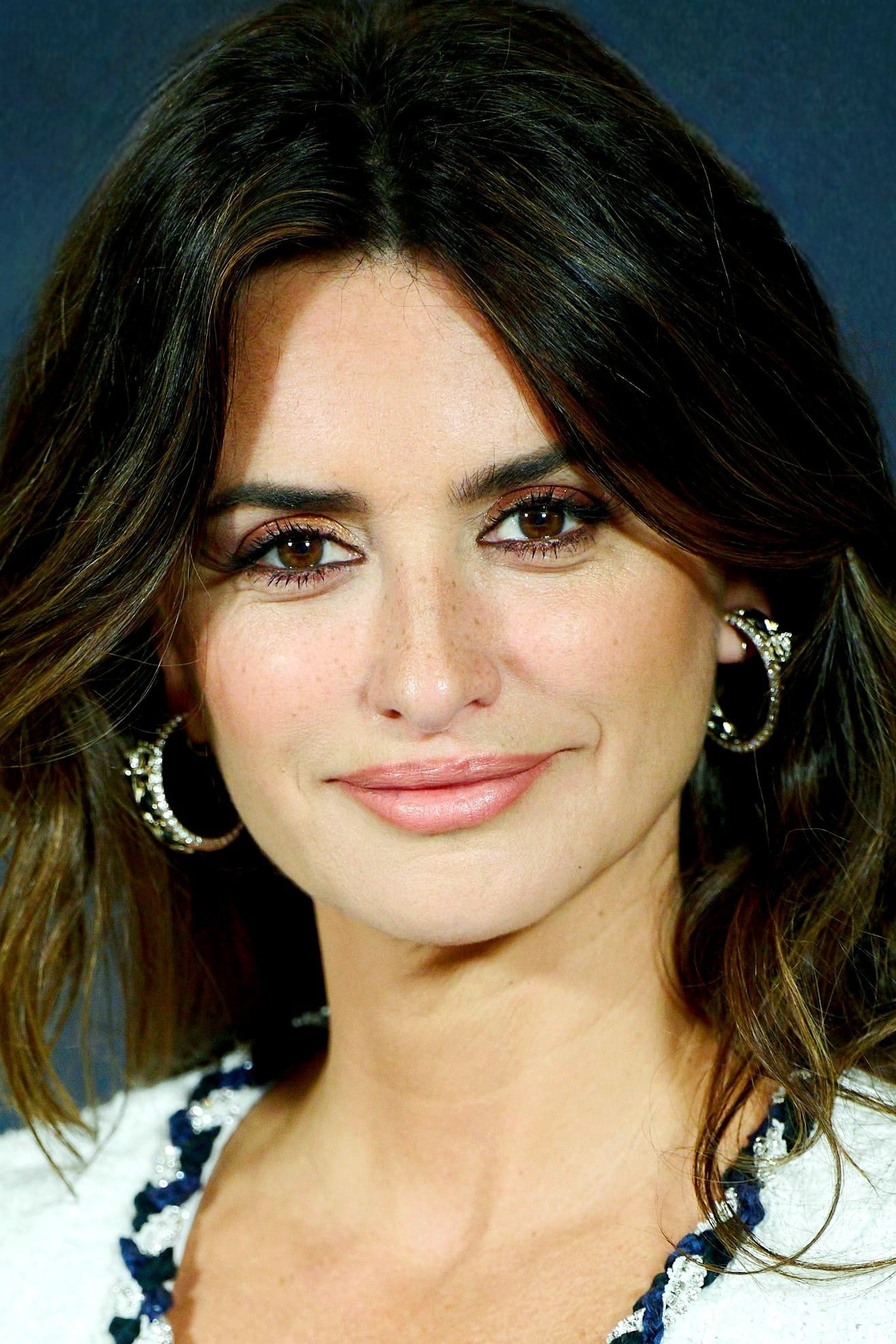
The Spanish actress expressed her support for directors who were being shunned and criticized the movement’s lack of due process. She stated that she found the public trials by social media to be very uncomfortable and dangerous for society. Cruz argued that the movement should focus on the present and the future rather than reevaluating every past interaction. She voiced her belief that everyone deserves a fair chance to tell their side of the story before being condemned. Her stance highlighted her commitment to the legal system over the influence of public opinion.
Sharon Stone
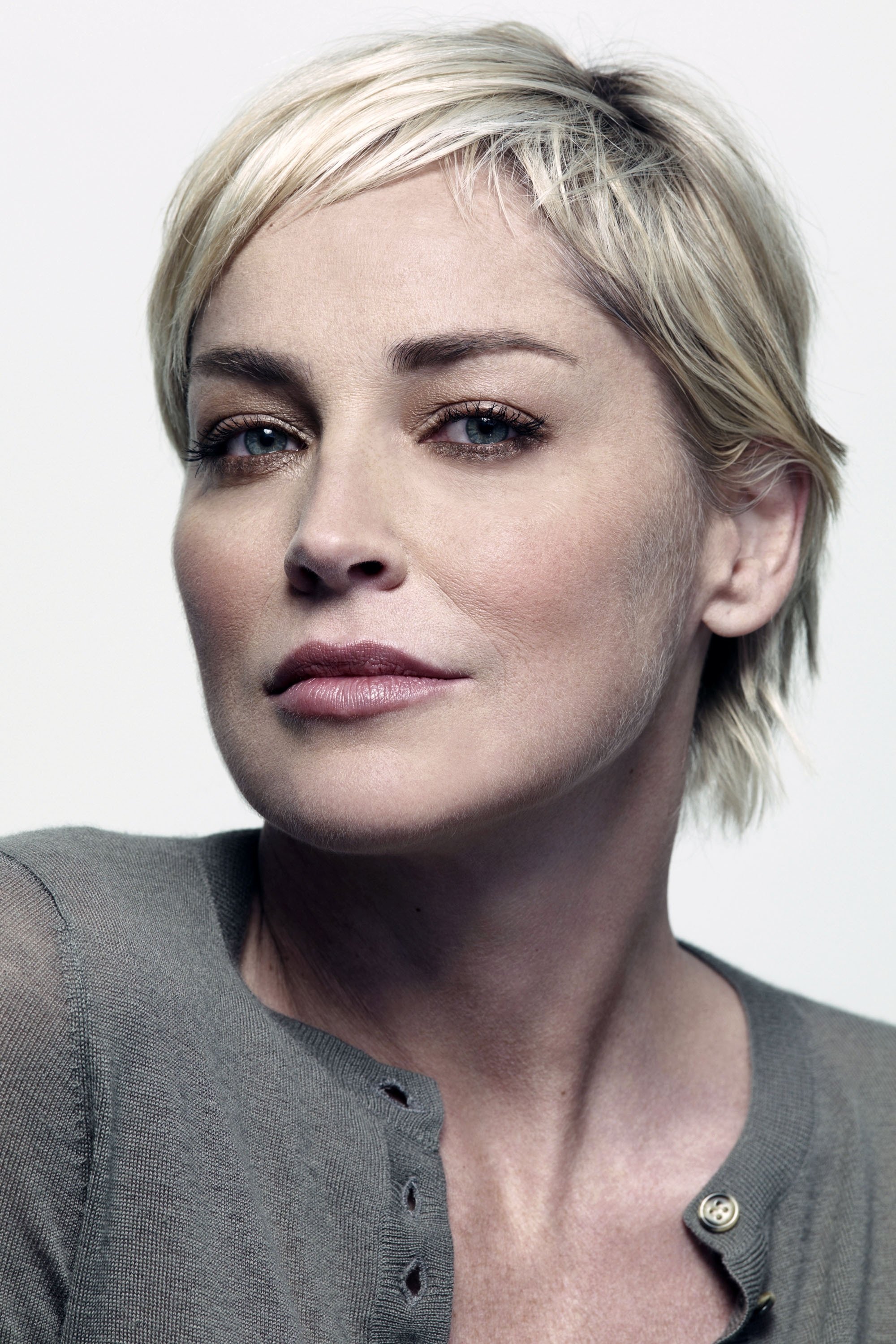
The ‘Basic Instinct’ star offered a skeptical take on the movement when she laughed during an interview about whether she had ever felt uncomfortable in Hollywood. She suggested that she had seen it all and that the movement was perhaps arriving late to a conversation she had already mastered. Stone expressed that while the movement has its place it was also being used by people who were not being entirely honest about their experiences. She argued for a more realistic and less idealistic view of how the industry operates. Her reaction was interpreted by many as a sign of her own toughness and a critique of the movement’s perceived sensitivity.
Emmanuelle Seigner
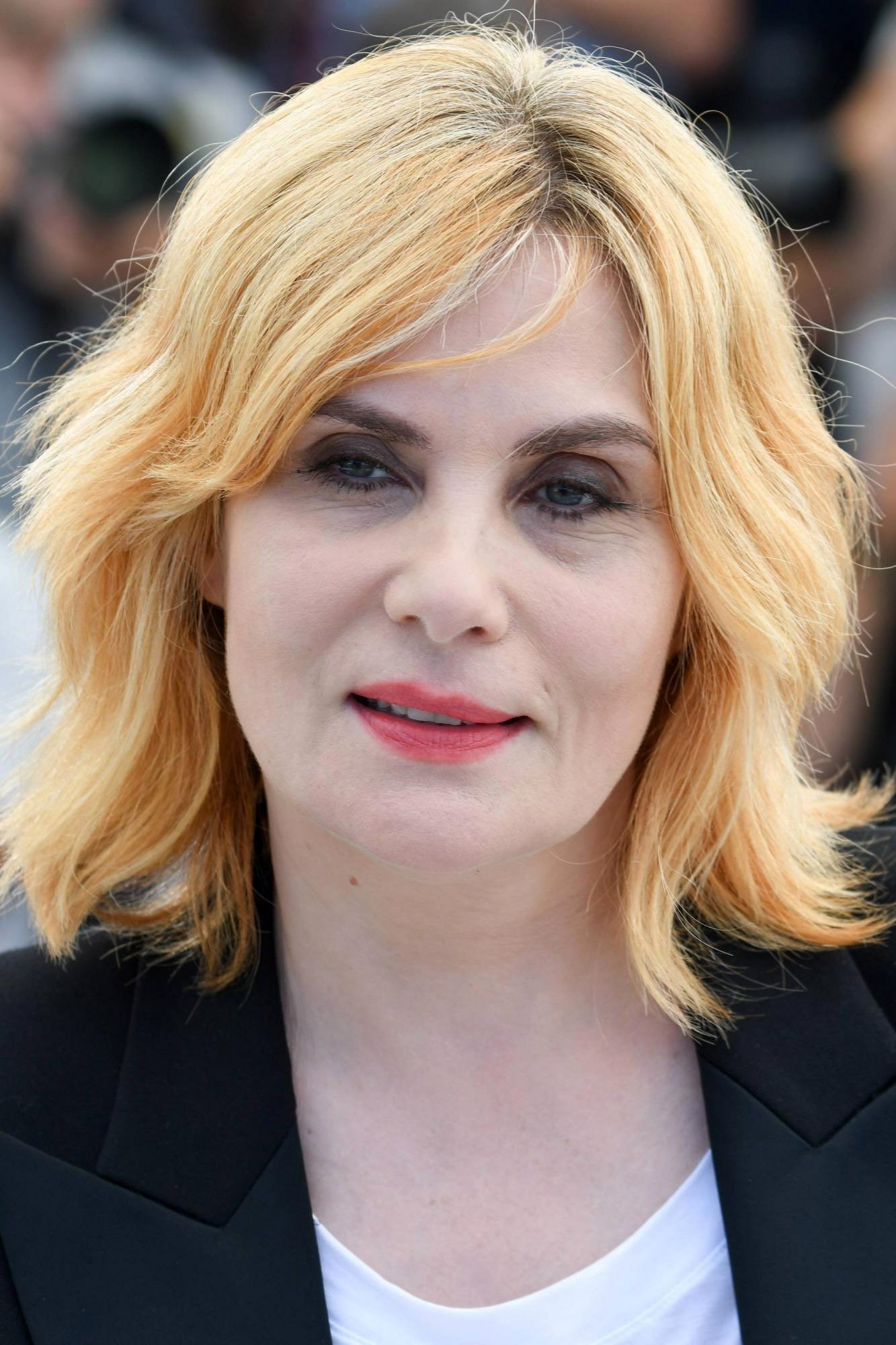
The French actress and singer was highly critical of the movement and refused to join the Academy of Motion Picture Arts and Sciences in protest. She called the movement hypocritical and argued that it was being used to persecute individuals without evidence. Seigner stated that she felt the movement was a form of collective hysteria that was damaging the lives of innocent people. She voiced her belief that the campaign was more about social control than it was about helping women. Her public refusal to participate in industry events was a significant statement against the movement’s influence.
Kirstie Alley
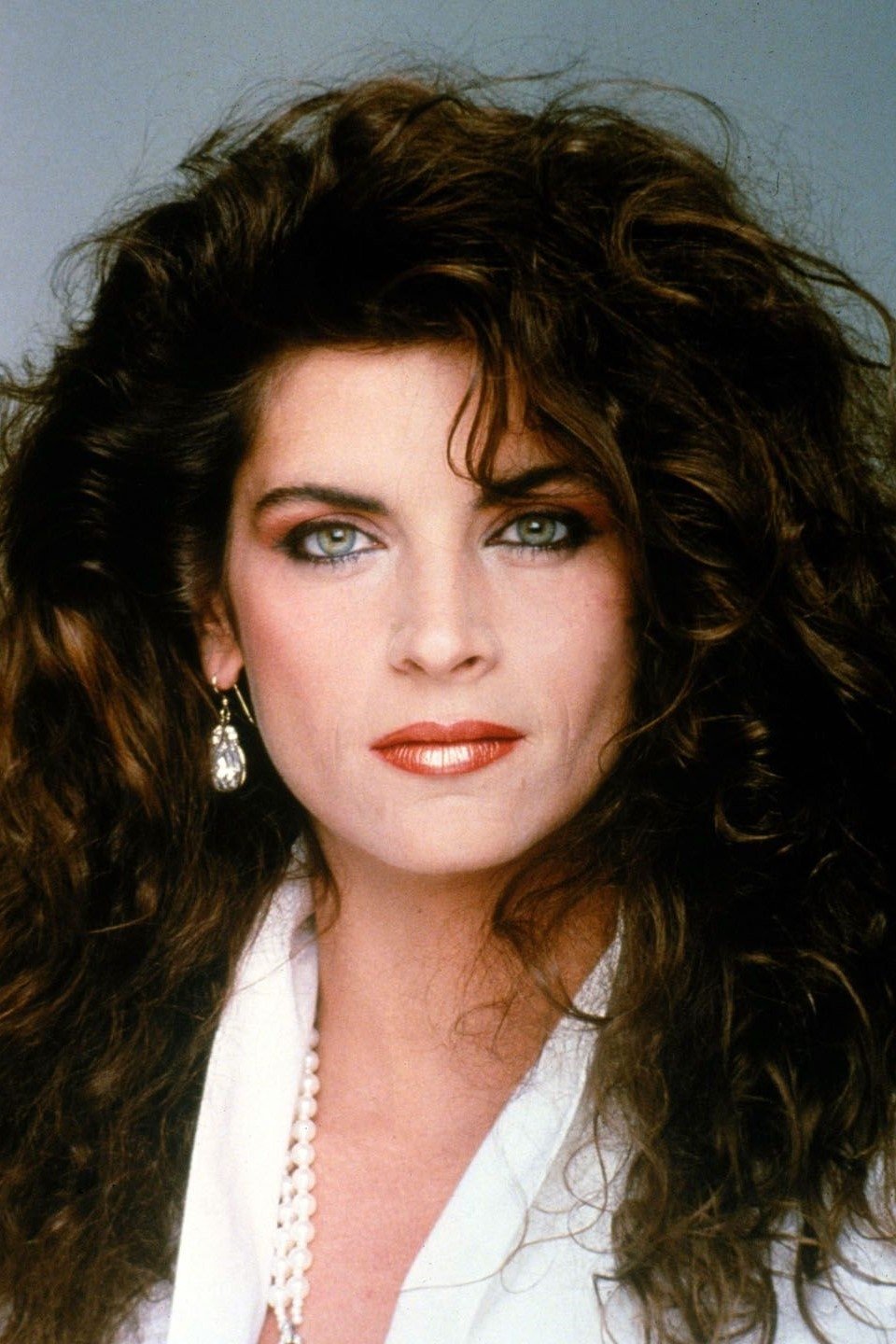
The ‘Cheers’ actress used her social media platform to frequently question the motives and methods of the movement. She argued that the movement was ignoring the principle of being innocent until proven guilty and was destroying lives based on hearsay. Alley expressed her concern that the movement was creating a culture where anyone could be accused and convicted in the court of public opinion. She also suggested that the movement was being driven by a political agenda that did not represent all women. Her outspoken criticism made her a polarizing figure among her peers in Hollywood.
Jane Birkin
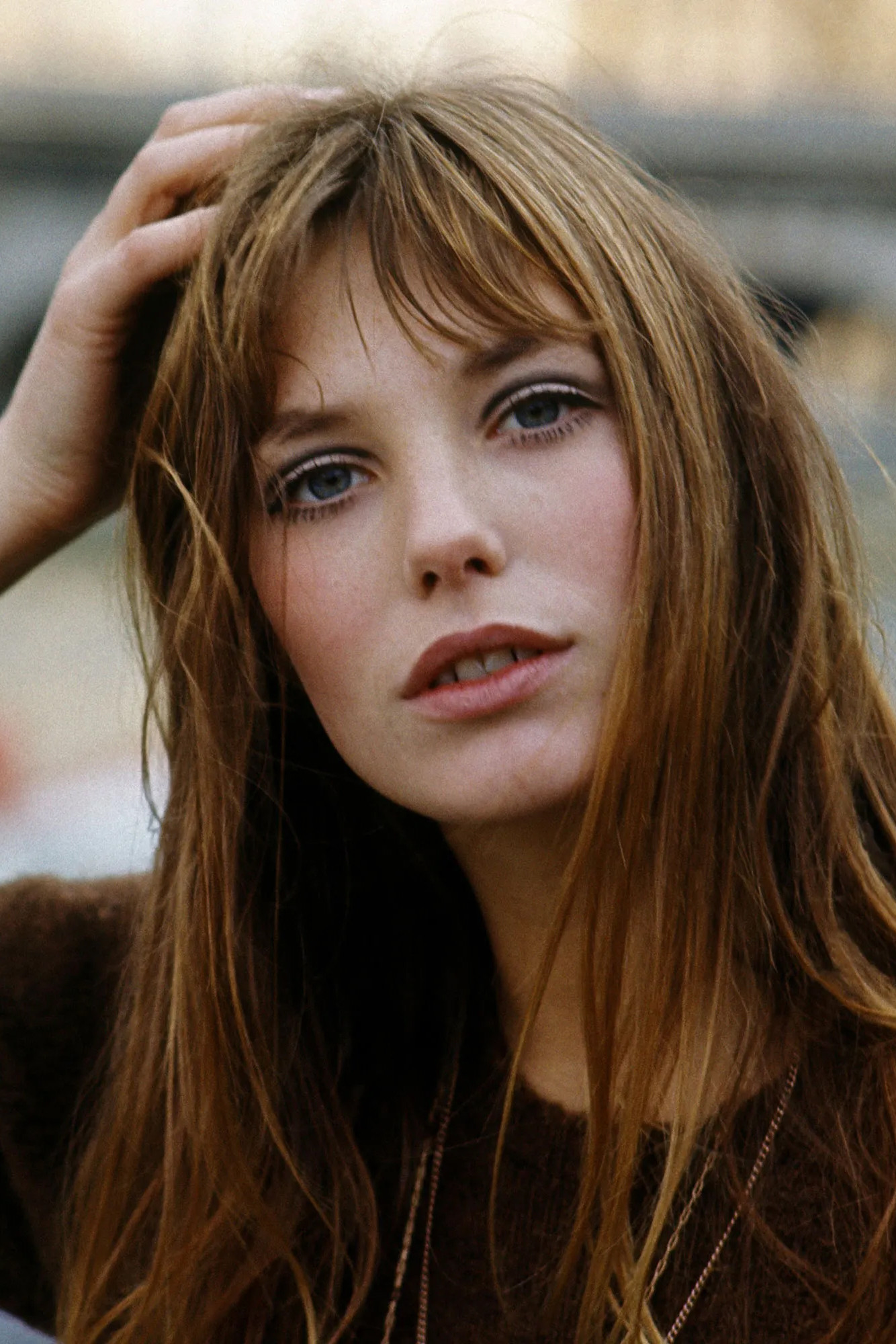
The British and French actress and singer expressed her reservations about the movement’s impact on the traditional French culture of flirtation. She argued that the movement was importing an Anglo Saxon puritanism that was foreign to the way men and women interact in France. Birkin expressed worry that the movement would make life less interesting and more clinical. She suggested that while abuse must be stopped the movement should not destroy the charm and complexity of romantic life. Her comments were a reflection of the cultural clash between different national approaches to gender dynamics.
Eva Green
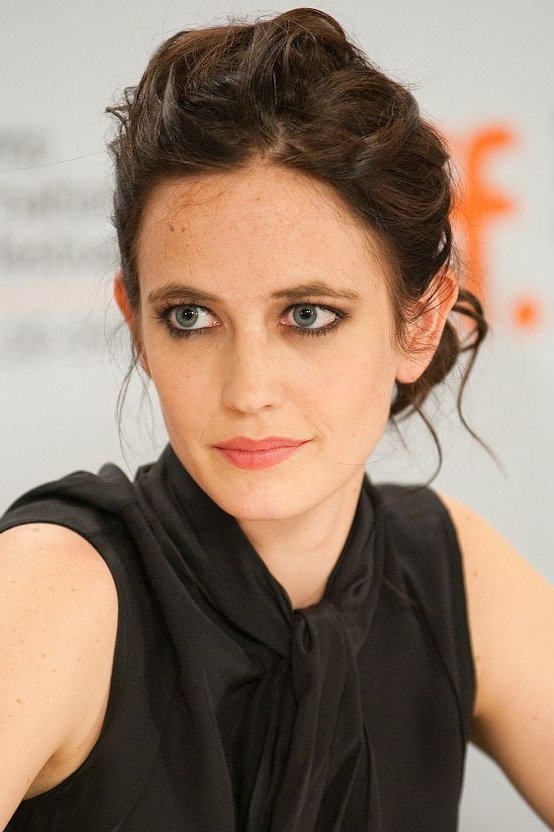
The ‘Casino Royale’ actress defended directors who were being criticized by the movement and expressed her own positive experiences working with them. She argued that the movement was creating a fearful atmosphere that was not conducive to creative work. Green stated that she never felt victimized and found the movement’s generalisations about men in the industry to be unfair. She expressed concern that the movement was leading to a situation where artists were being judged by their personal lives rather than their talent. Her perspective emphasized her belief in individual experience over the collective narrative of the movement.
Kate Winslet
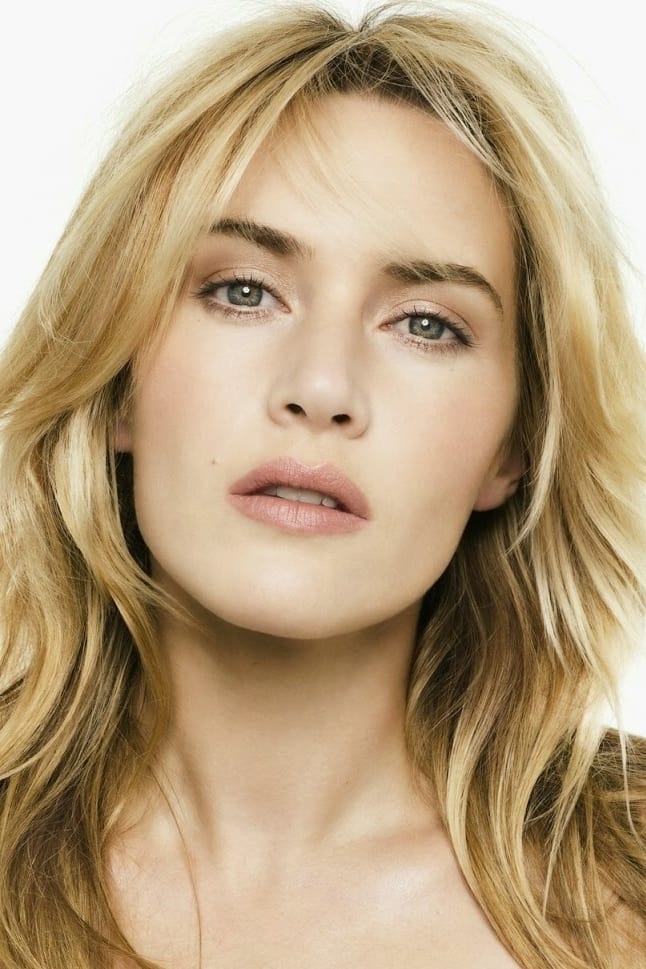
The ‘Titanic’ star has had a complicated relationship with the movement and has faced criticism for her defense of working with controversial figures. She argued that it is not her place to judge the personal lives of the people she works with and that the movement can be overly judgmental. Winslet expressed that the public conversation should focus on the future and how to make the industry better for everyone. She also suggested that the movement’s intensity could sometimes overshadow the actual work being done on film sets. Her comments were viewed as a defense of professional autonomy in the face of social pressure.
Jennifer Aniston
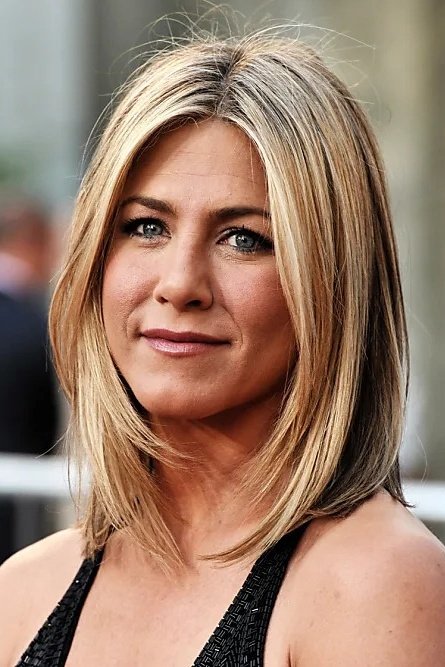
The ‘Friends’ star expressed her exhaustion with the movement’s focus on cancel culture and the lack of nuance in its judgments. She stated that she is fed up with the idea that everyone should be treated the same regardless of the severity of their alleged actions. Aniston argued that there is a big difference between various types of behavior and that the movement was failing to make those distinctions. She expressed concern that the movement was making it impossible for people to move on or learn from their mistakes. Her perspective highlighted a desire for a more balanced and less reactionary public discourse.
Goldie Hawn

The veteran actress expressed her concern that the movement was changing the way men and women interact in a way that felt unnatural. She argued that the movement was creating a sense of fear that could destroy the chemistry and playfulness that often exists between the sexes. Hawn voiced her belief that the focus should be on empowering women to handle situations themselves rather than relying on a public campaign. She suggested that the movement’s approach was perhaps making women feel more like victims than they actually are. Her comments reflected a preference for the gender dynamics of previous decades.
Tippi Hedren
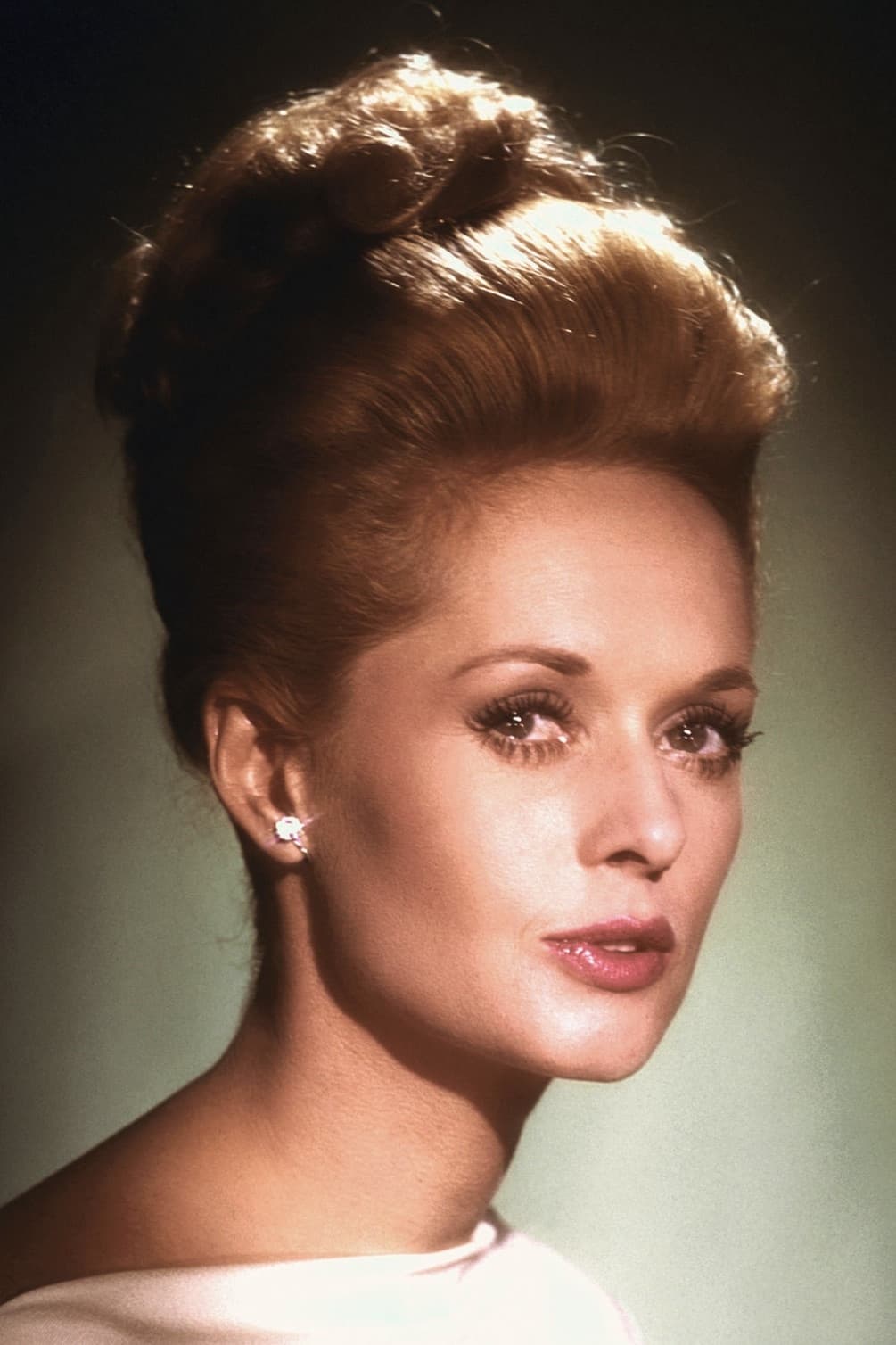
The legendary star of ‘The Birds’ offered a nuanced critique of the movement by comparing modern complaints to her own historical experiences. She suggested that while some behaviors are clearly wrong the movement was sometimes being too sensitive about minor interactions. Hedren argued that women have always had to deal with difficult men and that personal strength is a key part of navigating the industry. She expressed concern that the movement was painting all men with the same brush and not allowing for any gray areas. Her perspective was shaped by her own high profile battles with powerful figures in Hollywood history.
Salma Hayek Pinault
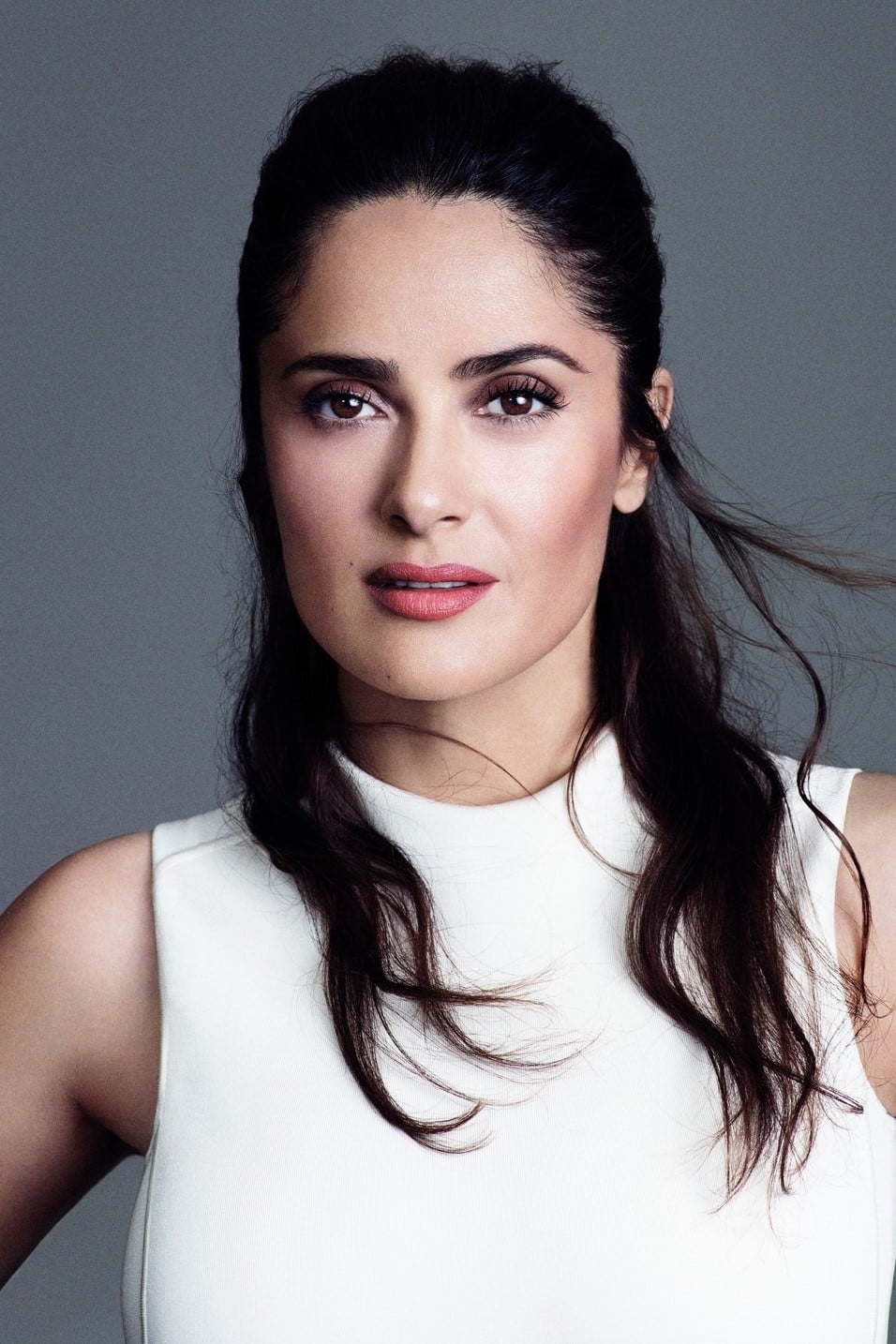
While she was a victim who spoke out she also criticized the movement for its initial failure to include the voices of women of color. She argued that the movement was largely focused on a specific group of women and did not address the unique challenges faced by Latinas and others. Hayek Pinault voiced her concern that the movement’s benefits were not being distributed equally across all communities. She suggested that the movement needed to be more intersectional if it truly wanted to change the industry for everyone. Her criticism was aimed at making the movement more inclusive and effective for a broader range of survivors.
Erykah Badu
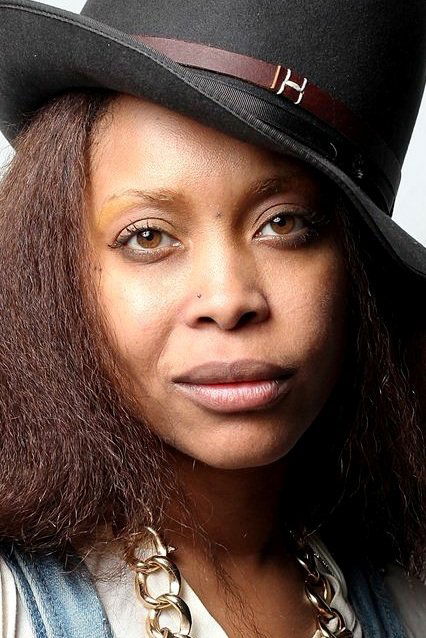
The singer and actress sparked controversy when she expressed her desire to see the good in people who were being targeted by the movement. She argued that the movement was often too quick to demonize individuals without considering their whole lives or their contributions. Badu stated that she chooses to love everyone including those who have made significant mistakes. She criticized the movement’s focus on punishment and suggested a more spiritual and restorative approach to justice. Her comments were seen as a direct challenge to the movement’s cancel culture aspects.
Isabelle Adjani
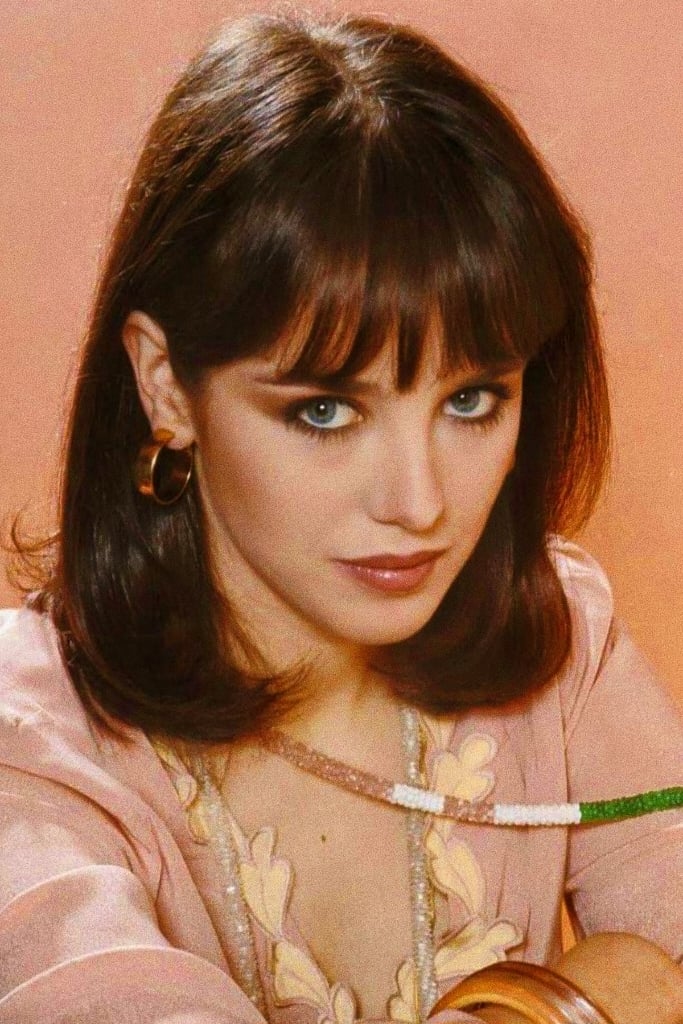
The acclaimed French actress expressed her nuance regarding the movement by warning against the excesses of public denunciation. She argued that the movement was in danger of becoming a form of totalitarianism that did not allow for dissent or complexity. Adjani stated that while the liberation of speech is important the movement should not replace the rule of law. She expressed worry that the movement was creating a society where everyone was afraid of being accused of something from their past. Her perspective emphasized the importance of maintaining a fair and balanced approach to justice.
Rossy de Palma
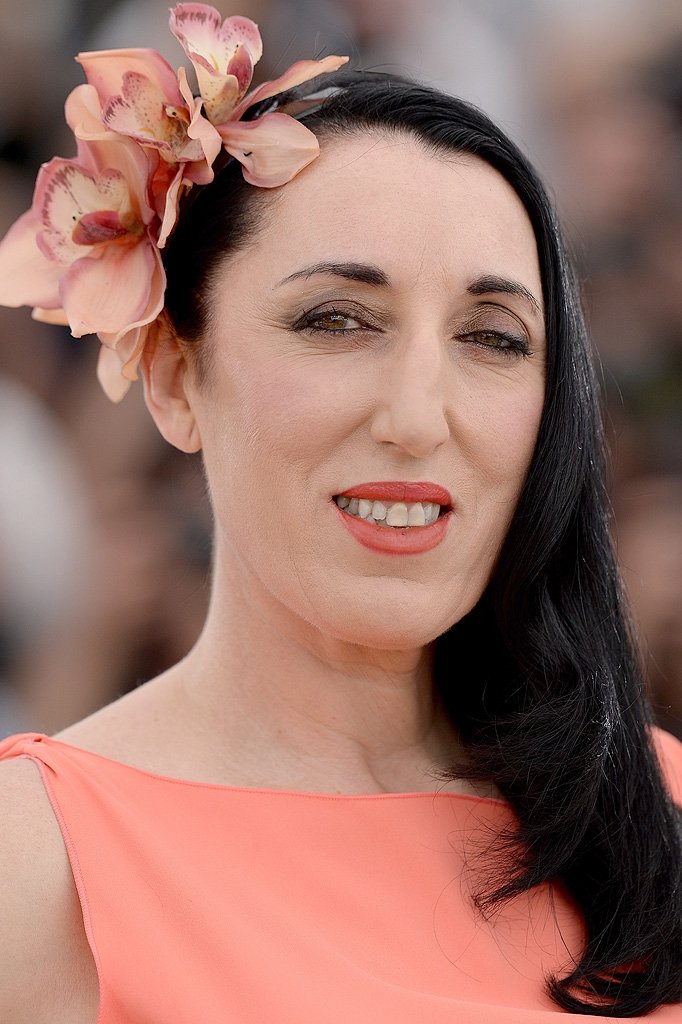
The Spanish actress and frequent collaborator of Pedro Almodóvar criticized the movement for what she perceived as its puritanical and anti male sentiment. She argued that the movement was destroying the natural flow of life and the beauty of the relationship between men and women. De Palma stated that she found the movement’s focus on victimhood to be unappealing and counterproductive. She suggested that the movement was ignoring the power and agency that women have always possessed in the arts. Her comments reflected a broader Mediterranean critique of the movement’s influence on social and cultural norms.
Victoria Abril
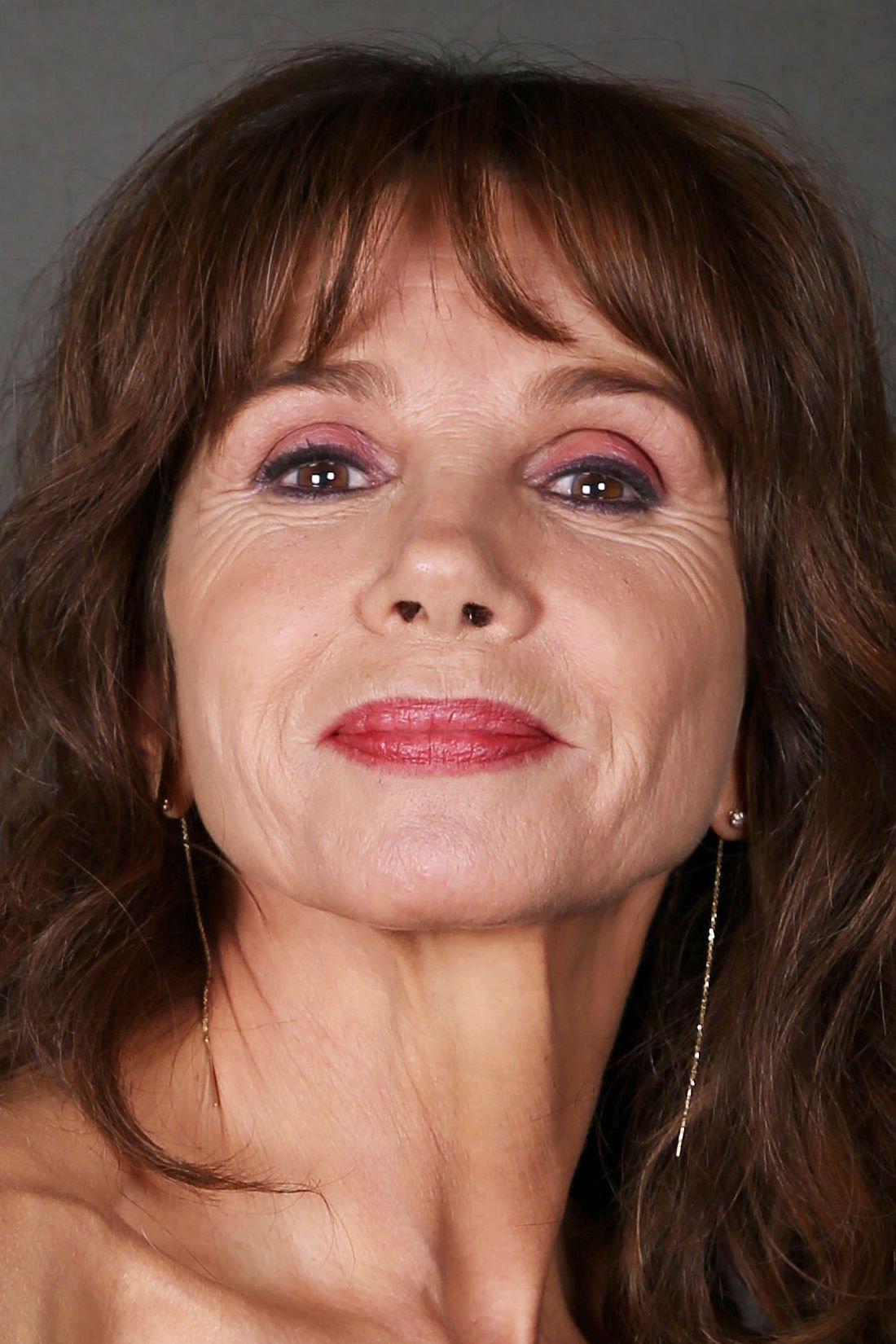
The Spanish actress spoke out against the movement by describing it as a form of censorship that was stifling the creative spirit. She argued that the movement was creating a climate of fear where artists were afraid to express themselves for fear of being misunderstood. Abril suggested that the movement was part of a larger trend toward a more restrictive and less free society. She expressed her belief that the focus should be on individual liberty and the right to be different rather than collective conformity. Her remarks were a strong defense of artistic freedom in the face of social activism.
Share your thoughts on these actresses and their perspectives on the Me Too movement in the comments.