Anime Series That Sparked Massive Real-World Legal Battles


The global expansion of the anime industry has frequently resulted in complex legal confrontations involving copyright, censorship, and international distribution rights. As studios and creators seek to protect their intellectual property, they often clash with foreign laws, competing companies, and evolving cultural standards. These legal battles have not only determined the availability of certain series in the West but have also shaped the standards for how animation is produced and marketed today. Understanding these disputes provides a unique perspective on the intersection of creative expression and the strict framework of international law.
‘Candy Candy’ (1976–1979)

The legal dispute surrounding ‘Candy Candy’ is one of the most famous copyright battles in the history of the medium. The conflict pitted manga writer Kyoko Mizuki against illustrator Yumiko Igarashi over the ownership of the character designs and the rights to authorize merchandise. Following a decade of litigation, the Japanese Supreme Court ruled that both creators held joint rights, meaning neither could profit from the series without the other’s consent. This stalemate has effectively blocked the anime from being rebroadcast or legally released on home media globally since the late 1990s. The case remains a cautionary tale regarding the importance of clear contractual agreements between writers and artists.
‘Macross’ (1982–1983)
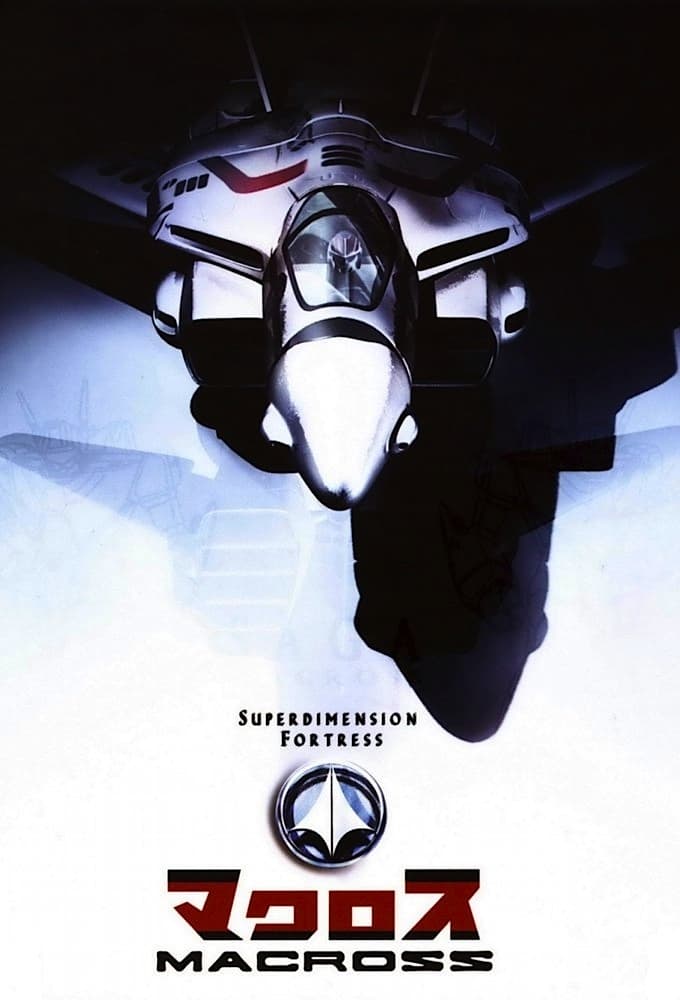
A complex legal web involving ‘Macross’ prevented the franchise from expanding internationally for nearly four decades. The battle involved Big West, Studio Nue, and Tatsunoko Production, with the American company Harmony Gold claiming exclusive international rights via an old agreement with Tatsunoko. Various court cases in Japan and international arbitration sessions were held to determine who actually owned the character designs and the “Macross” trademark outside of Japan. It was not until 2021 that Big West and Harmony Gold reached a historic agreement to cooperate on the distribution of the franchise. This resolution finally allowed various ‘Macross’ sequels to be legally streamed and sold in Western markets.
‘Pokémon’ (1997–Present)

The ‘Pokémon’ anime has faced numerous legal challenges, the most bizarre being a long-running lawsuit filed by illusionist Uri Geller. Geller sued Nintendo and the producers, claiming the psychic Pokémon Kadabra was an unauthorized parody of his persona and signature spoon-bending act. The legal battle led to the removal of Kadabra from the Pokémon Trading Card Game for nearly twenty years to avoid further litigation. Geller eventually dropped his opposition and issued an apology to fans in 2020, allowing the character to return to the franchise. Additionally, the series faced legal scrutiny following the “Dennō Senshi Porygon” incident, which led to new health and safety regulations for television broadcasts in Japan.
‘Death Note’ (2006–2007)
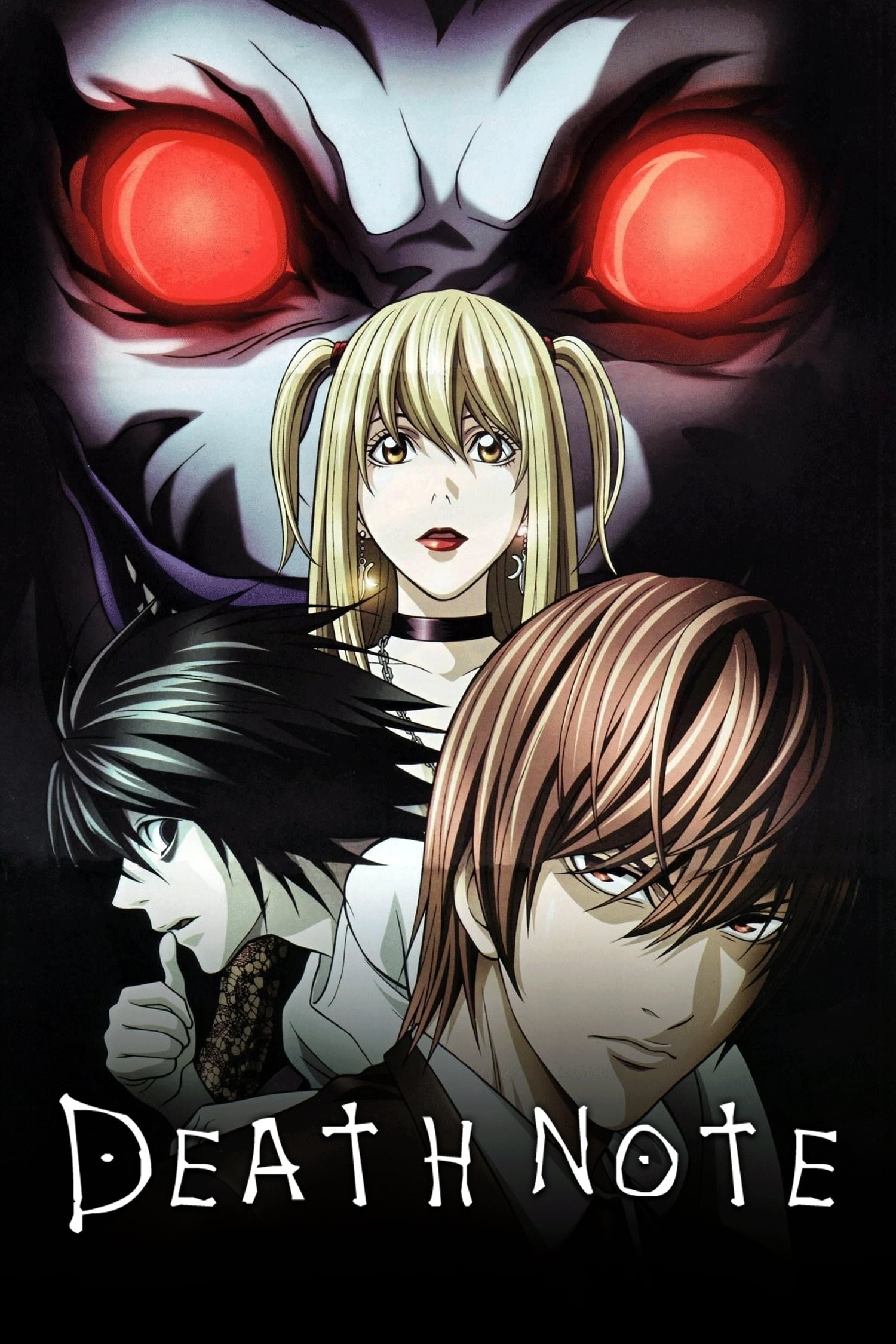
‘Death Note’ has been the subject of several international legal bans and court cases due to its premise involving a notebook that can kill. In Russia, a district court banned the streaming of the series on certain websites, citing its potential negative psychological impact on children. Similar legal actions were taken in China, where the series was banned to protect the “physical and mental health” of students after real-world replicas of the notebooks appeared in schools. Various school districts in the United States and Europe also saw legal disciplinary hearings for students who created their own “Death Notes” containing names of classmates. These incidents forced legal discussions regarding the responsibility of media creators for the actions of their audience.
‘Dragon Ball Super’ (2015–2018)

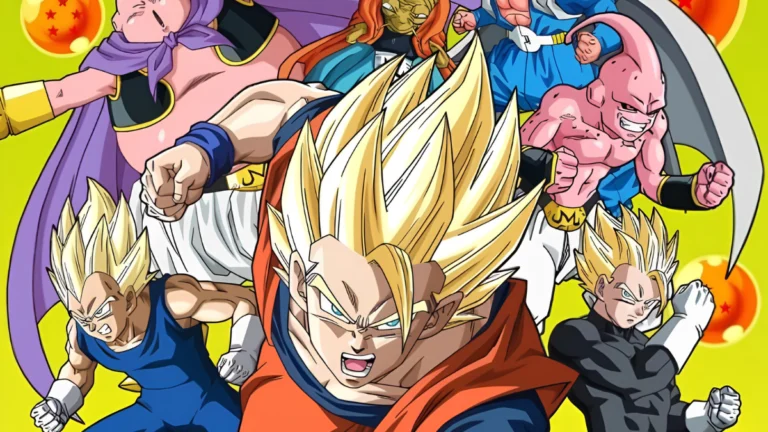
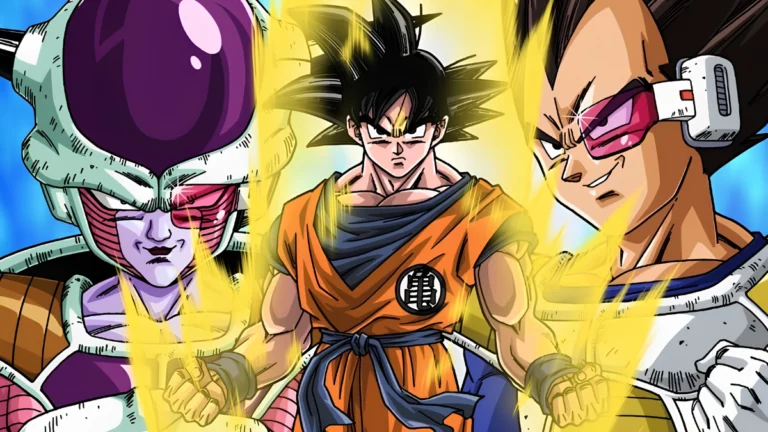
During the broadcast of the final episodes of ‘Dragon Ball Super’, a unique legal conflict arose between Toei Animation and various local governments in Latin America. Several mayors in Mexico and other countries organized massive public screenings of the series’ finale in town squares without securing legal licenses. Toei Animation issued formal legal notices, stating that these public viewings were unauthorized and infringed upon their intellectual property rights. The situation escalated into a diplomatic and legal standoff as fans petitioned for the events to continue. Eventually, some municipalities reached last-minute agreements with distributors to host the events legally, while others were forced to cancel under threat of lawsuits.
‘Demon Slayer: Kimetsu no Yaiba’ (2019–Present)
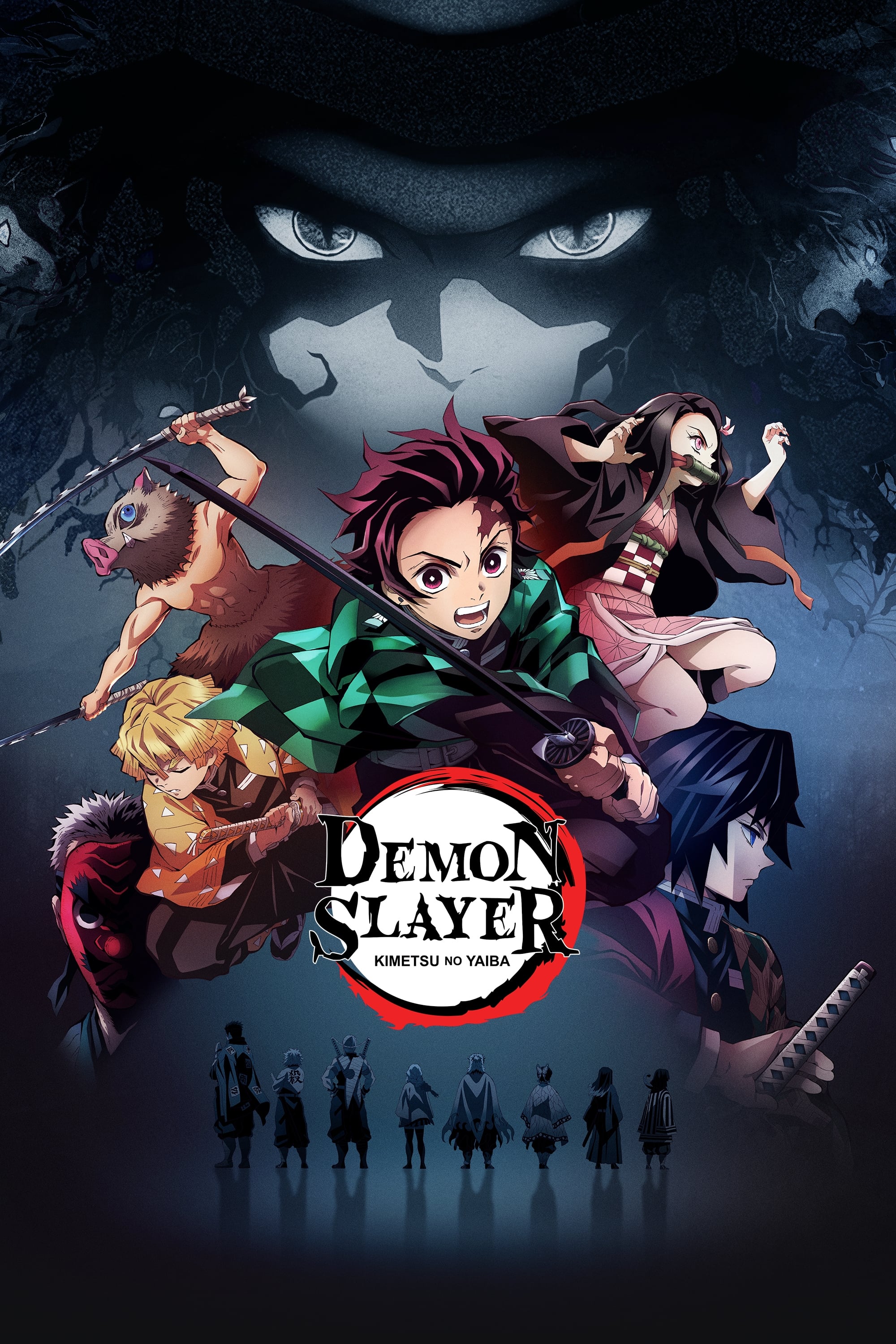
The production of ‘Demon Slayer: Kimetsu no Yaiba’ was overshadowed by a major legal scandal involving the animation studio, Ufotable. The studio and its founder, Hikaru Kondo, were investigated and eventually charged with violating the Corporate Tax Law by concealing massive amounts of income. Prosecutors alleged that the studio hid profits from ‘Demon Slayer’ merchandise and cafes to avoid paying millions of yen in taxes. Kondo received a suspended prison sentence, and the studio was forced to issue a public apology and pay the back taxes along with significant fines. Despite the legal turmoil, the series continued production and maintained its massive commercial success.
‘Log Horizon’ (2013–2021)
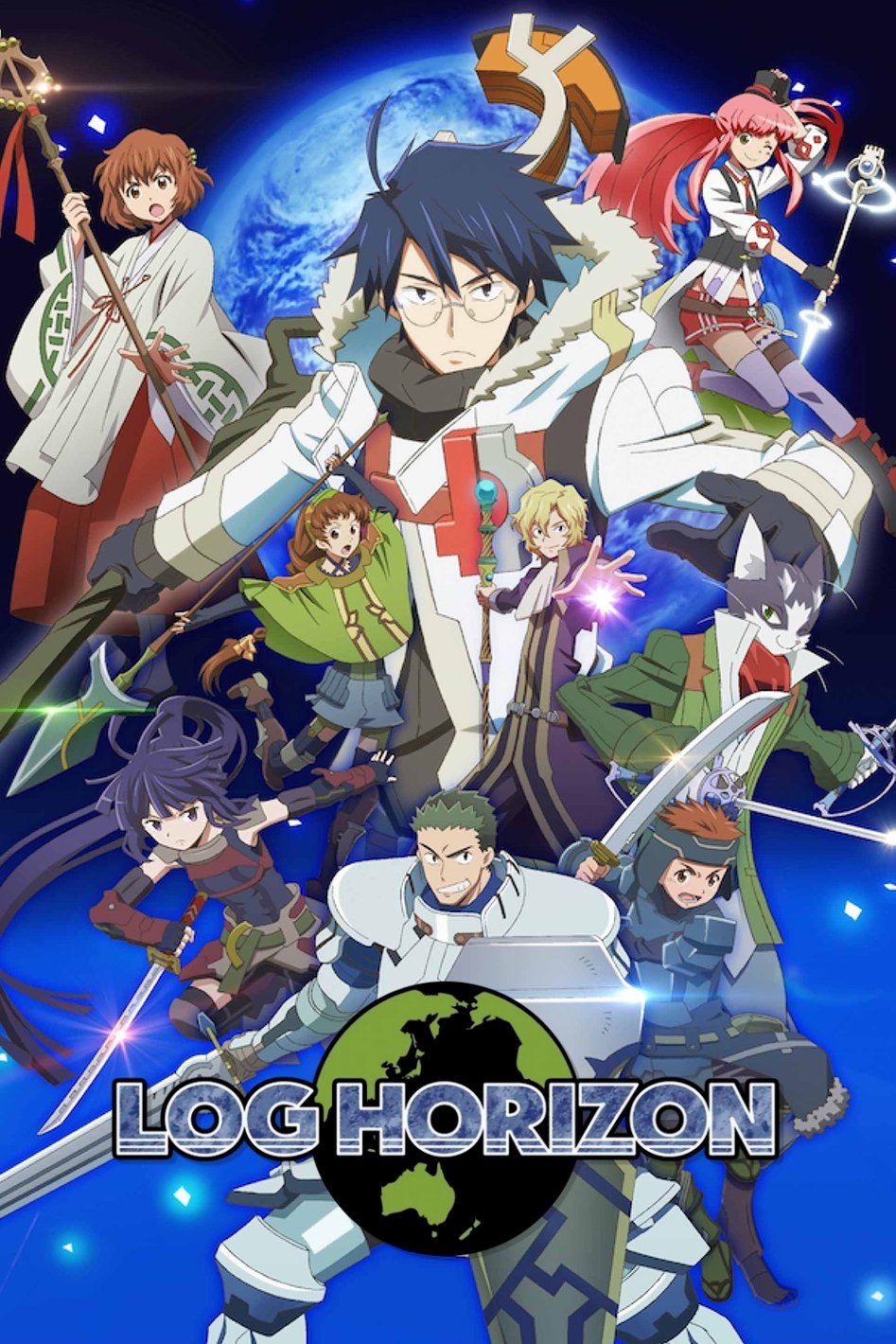
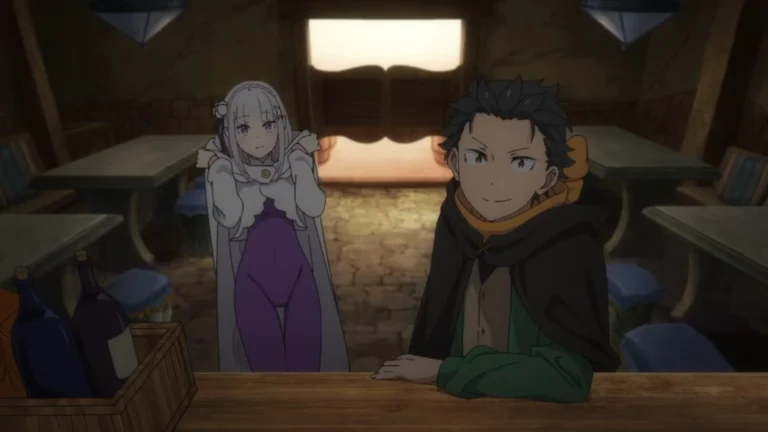
‘Log Horizon’ faced a significant production delay and legal uncertainty when the original author, Mamare Touno, was charged with tax evasion. The Japanese government alleged that Touno failed to report millions of yen in royalties earned from the ‘Log Horizon’ franchise over several years. Touno was placed under house arrest and eventually sentenced to ten months in prison, which was suspended for three years. This legal battle caused a multi-year gap between the second and third seasons of the anime adaptation. The author eventually paid the owed taxes and regained his standing in the industry to finish the story.
‘Rurouni Kenshin’ (1996–1998)
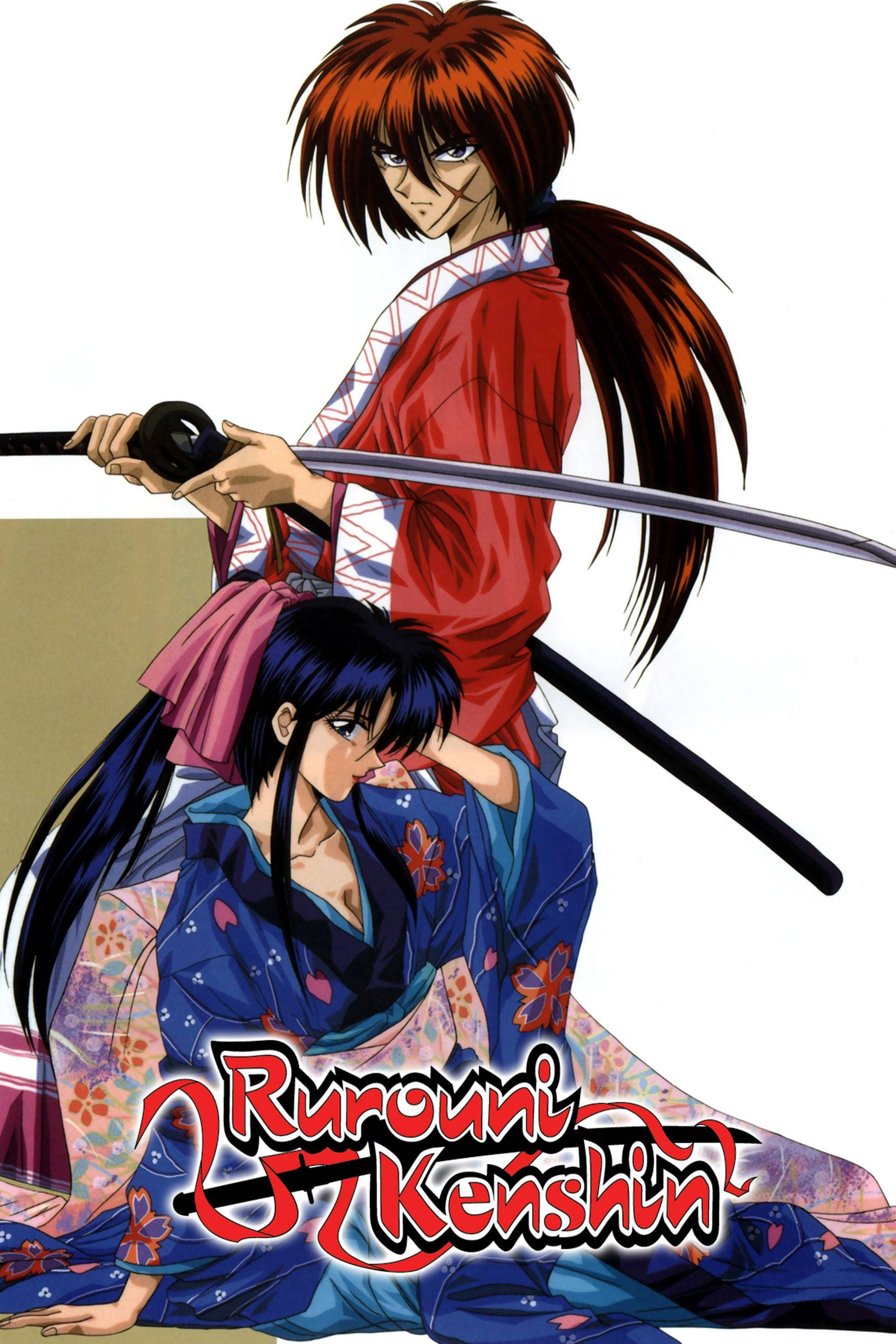
The ‘Rurouni Kenshin’ franchise hit a major legal wall when the creator, Nobuhiro Watsuki, was arrested for possession of child pornography. This criminal case led to an immediate halt in the promotion of the series and the temporary cancellation of several related projects. Shueisha, the publisher, put the manga on hiatus, and the anime’s future was put into question by distributors and production committees. While Watsuki was eventually fined and the series returned to publication, the legal incident caused many international distributors to reconsider their association with the brand. This event sparked a wide-reaching debate within the industry regarding the separation of an artist’s crimes from their creative work.
‘JoJo’s Bizarre Adventure’ (1993–2002)
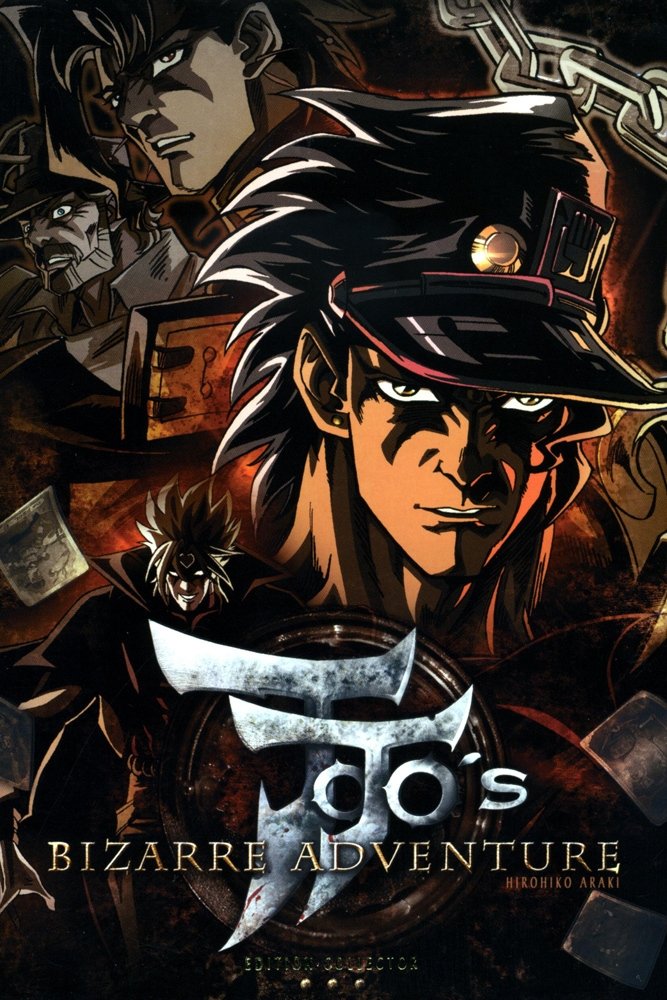
The OVA adaptation of ‘JoJo’s Bizarre Adventure’ became the center of a massive legal and religious controversy in 2008. A scene in the sixth episode depicted the villain Dio Brando reading the Qur’an while ordering the death of the protagonists. This led to formal complaints and a potential legal ban in several Islamic countries, as the depiction was considered offensive and blasphemous. In response, the producers at Studio APPP and the publisher Shueisha issued a formal apology and ceased the shipment of all related merchandise. The legal fallout resulted in the series being heavily edited and temporarily pulled from circulation until the problematic frames were removed.
‘Lupin the 3rd’ (1971–Present)
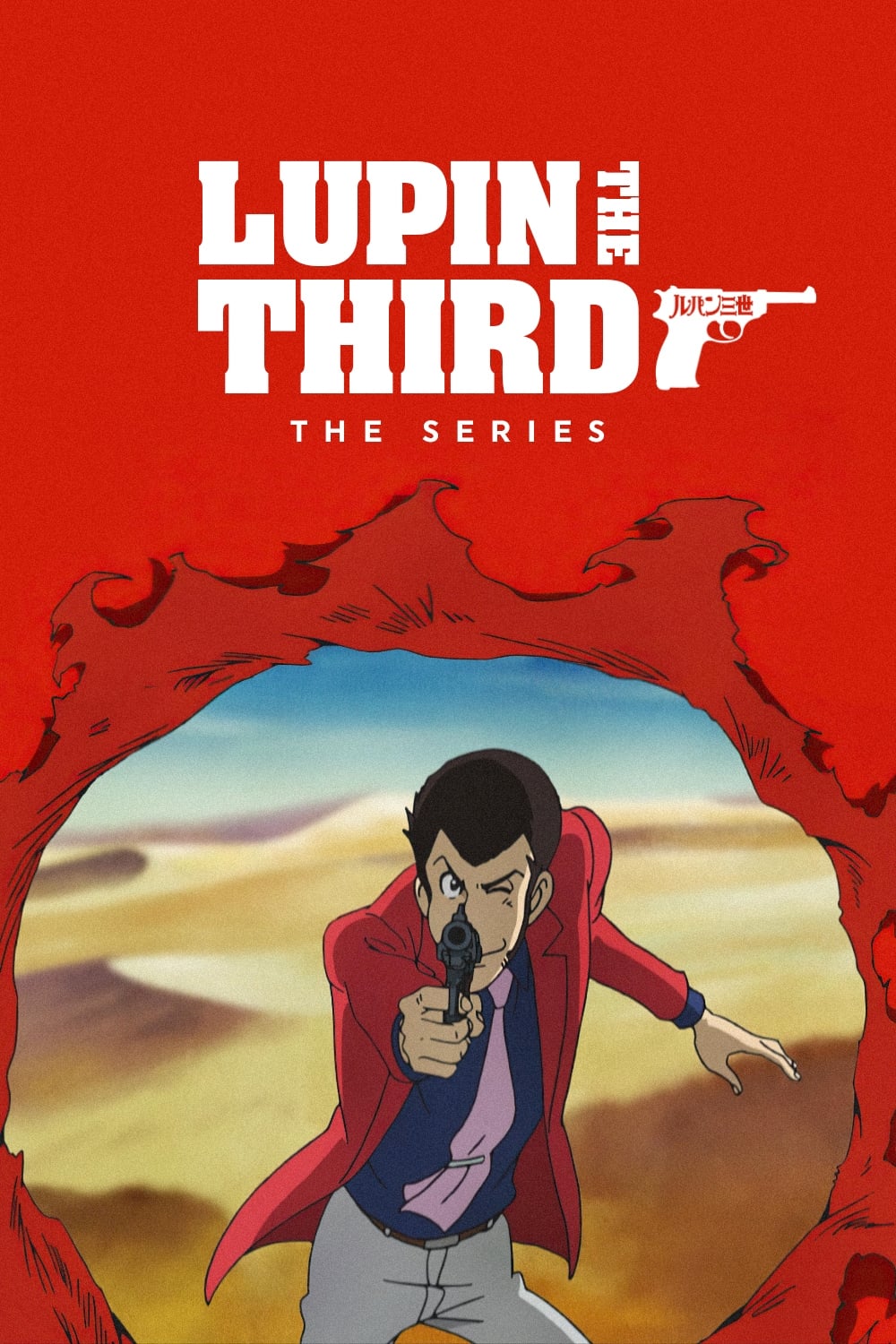
‘Lupin III’ faced a decades-long legal battle in Europe due to the copyright of the name “Arsène Lupin.” The estate of Maurice Leblanc, the creator of the original literary thief, held the trademark rights and successfully sued to prevent the anime from using the name in France and other regions. Consequently, the character had to be renamed “Edgar” or “Rupan” in various international releases for many years. It was only after the original literary works entered the public domain that the legal barriers were finally removed. This allowed the ‘Lupin III’ franchise to be marketed under its original name globally without fear of trademark infringement lawsuits.
‘Robotech’ (1985)
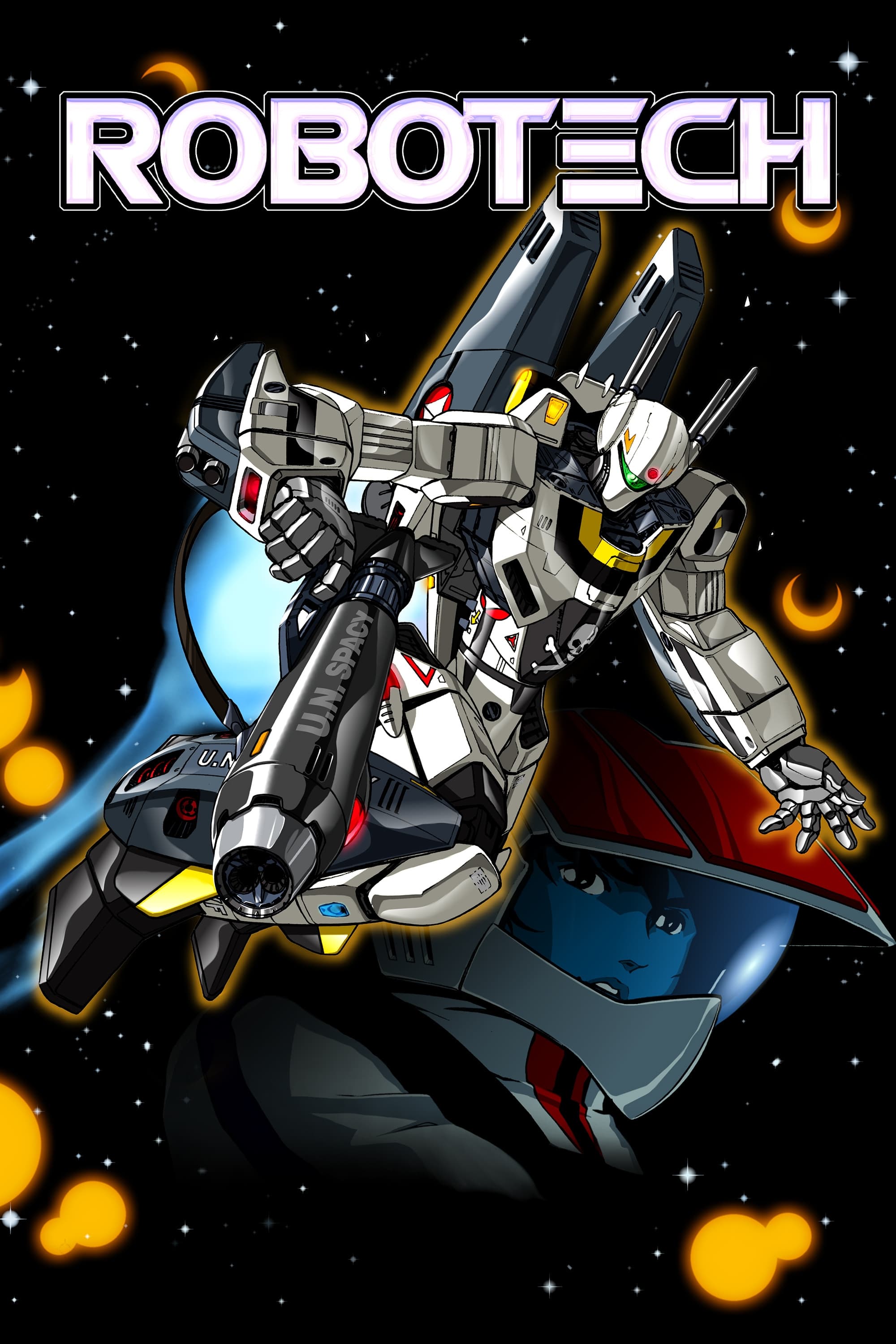
The production of ‘Robotech’ involved a complex legal licensing agreement that has been the subject of intense litigation for decades. To create the series, Harmony Gold licensed ‘The Super Dimension Fortress Macross’, ‘Southern Cross’, and ‘Genesis Climber MOSPEADA’ from Tatsunoko Production. Disputes arose when Harmony Gold attempted to claim ownership over the underlying assets of these series, leading to legal battles with the original Japanese creators. These conflicts prevented the original Japanese versions of the shows from being legally distributed in many Western territories. The legal gridlock only began to subside after a series of high-profile settlements and licensing renewals in recent years.
‘Hetalia’ (2009–2010)
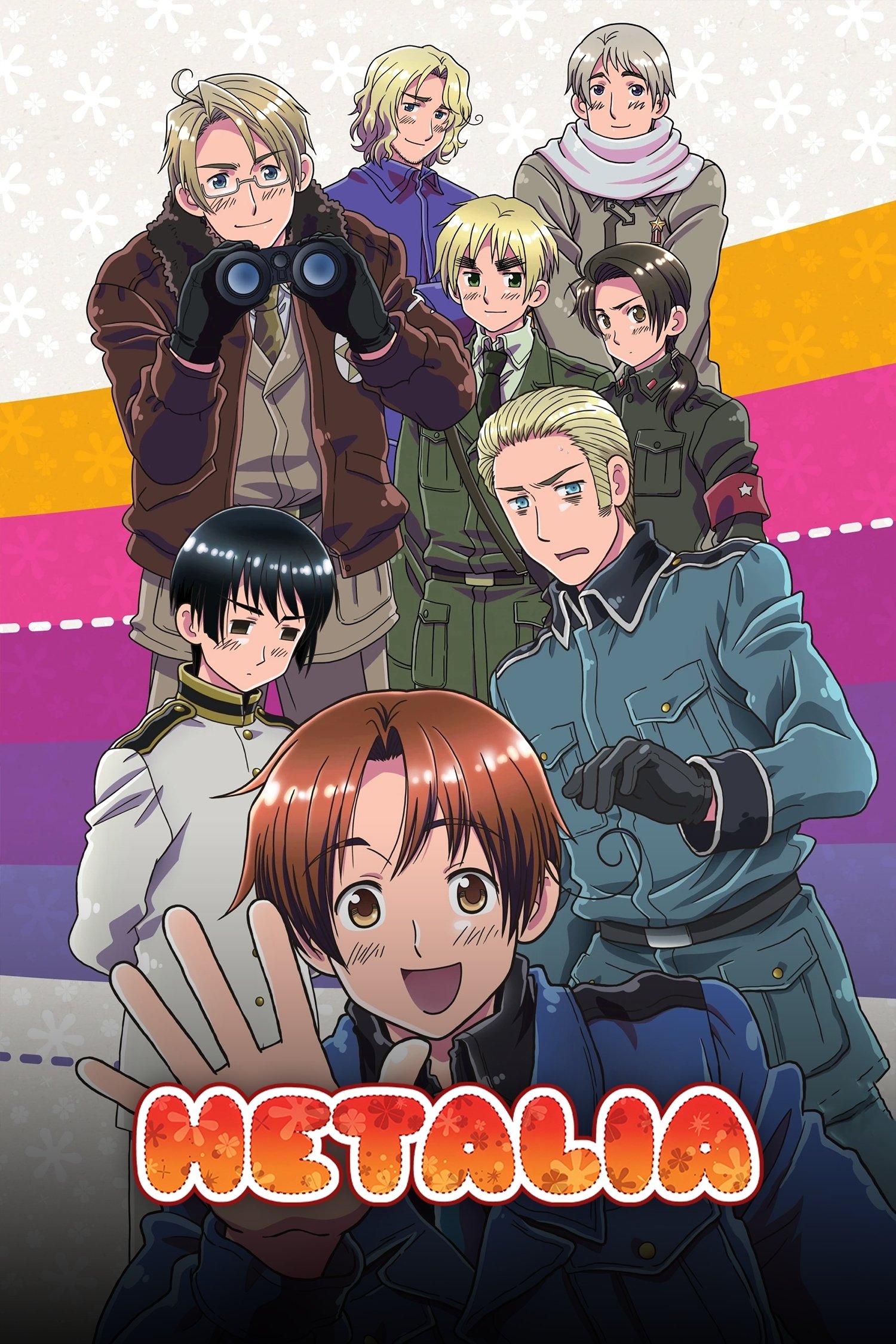
‘Hetalia: Axis Powers’ was at the center of a major diplomatic and legal controversy before its television premiere in Japan. South Korean protesters and government officials filed legal petitions to block the series, claiming that the personification of Korea was offensive and historically inaccurate. The controversy reached the South Korean National Assembly, where politicians called for a formal ban on the show to protect national dignity. Due to the intense legal pressure and threats of boycotts, the Japanese broadcaster Kids Station canceled the TV airing. The producers were forced to move the series to a mobile and internet-only distribution format to bypass the television regulations.
‘Doraemon’ (1973–Present)
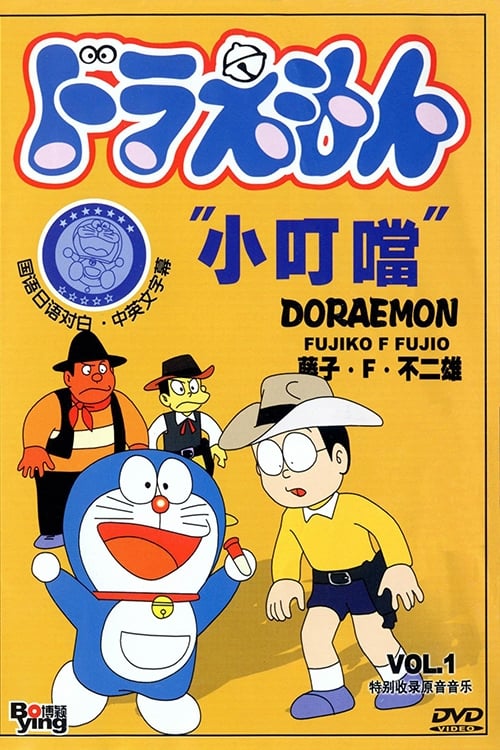
‘Doraemon’ has faced several legal petitions for bans in various South Asian countries, most notably in Pakistan and India. In 2016, a legal resolution was submitted in the Punjab Assembly in Pakistan calling for a ban on the series, claiming it had a negative influence on children. The petition argued that the show’s use of Hindi dubbing and the protagonist’s reliance on gadgets discouraged hard work and traditional values. While a total ban was not consistently enforced, the legal pressure forced broadcasters to change the dubbing and airtime of the show. Similar legal challenges have been brought by activists in India who sought to restrict the show’s influence on the local language.
‘Mr. Osomatsu’ (2015–2021)
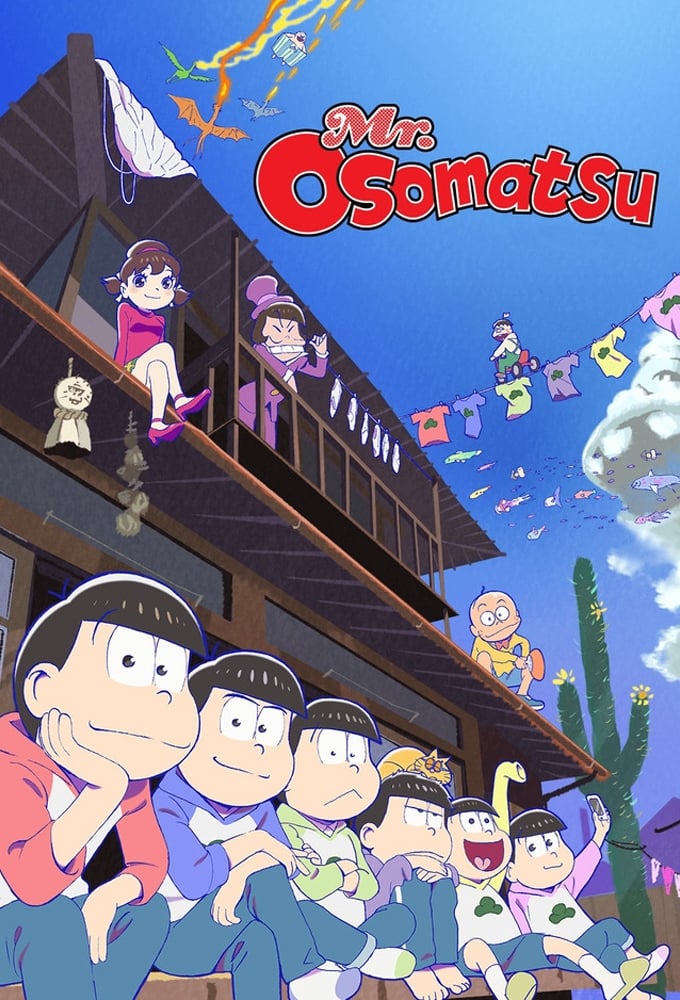
The first episode of ‘Osomatsu-san’ became a legal nightmare for its production committee due to its extensive use of parodies. The episode featured unauthorized appearances and stylistic imitations of characters from ‘Dragon Ball’, ‘Attack on Titan’, ‘Sailor Moon’, and ‘Naruto’. Legal threats from various copyright holders forced the producers to pull the episode from all streaming services and home video releases. The episode was eventually replaced by a completely new segment to avoid a massive infringement lawsuit. This incident led to stricter internal reviews of parody content within the anime industry to prevent similar legal interventions.
‘No Game No Life’ (2014)
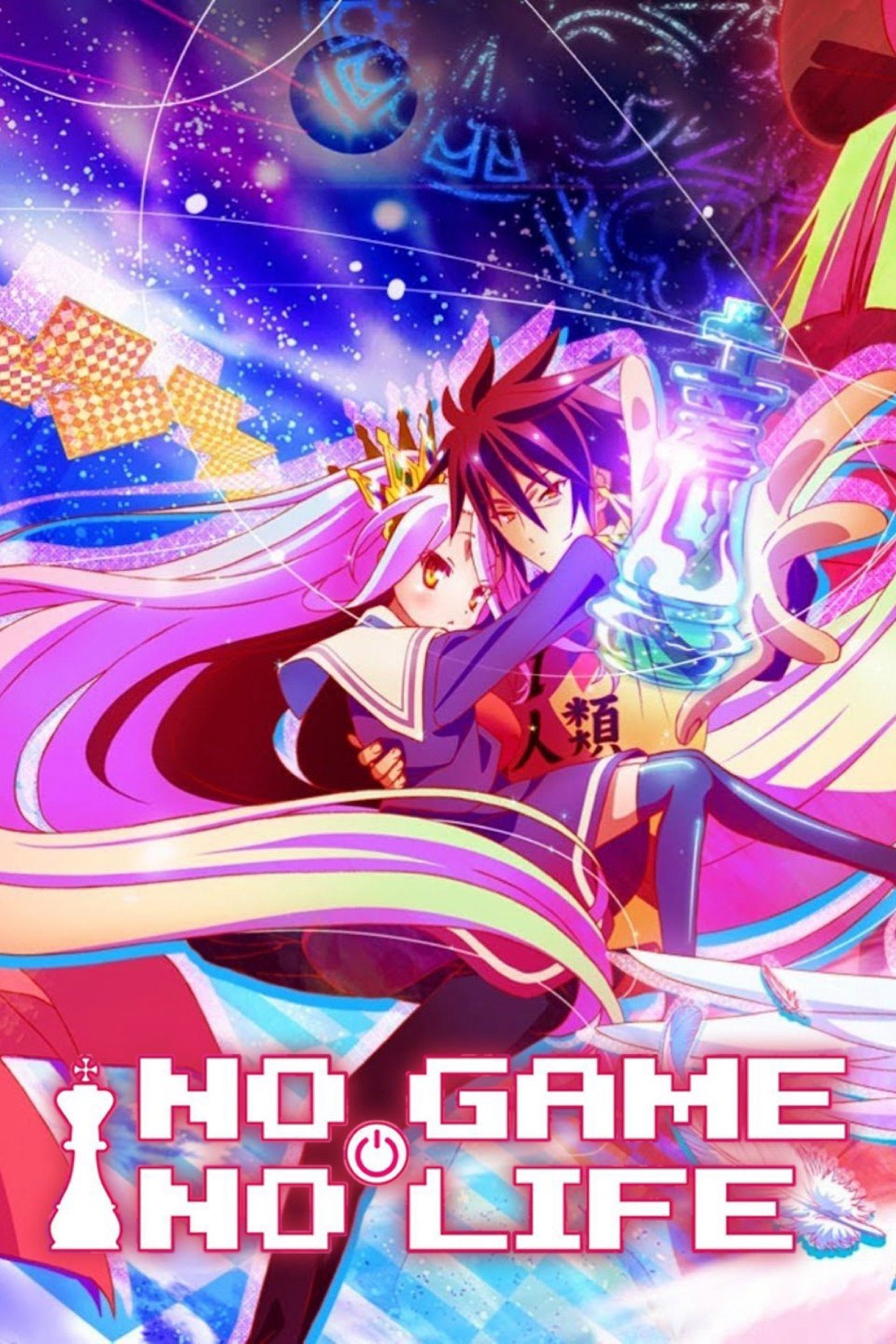
‘No Game No Life’ was embroiled in a legal and ethical controversy regarding allegations of design tracing. Several artists came forward with evidence that the series’ illustrator and character designer had traced existing artwork from other creators for the series’ promotional materials and backgrounds. While no formal lawsuit was filed in a public court, the legal threats behind the scenes led to a significant delay in the production of a second season. The production committee had to conduct an extensive internal investigation to ensure all assets were original or properly licensed. The controversy remains a primary reason cited by fans for the series’ long hiatus despite its immense popularity.
‘Shin Chan’ (1992–Present)
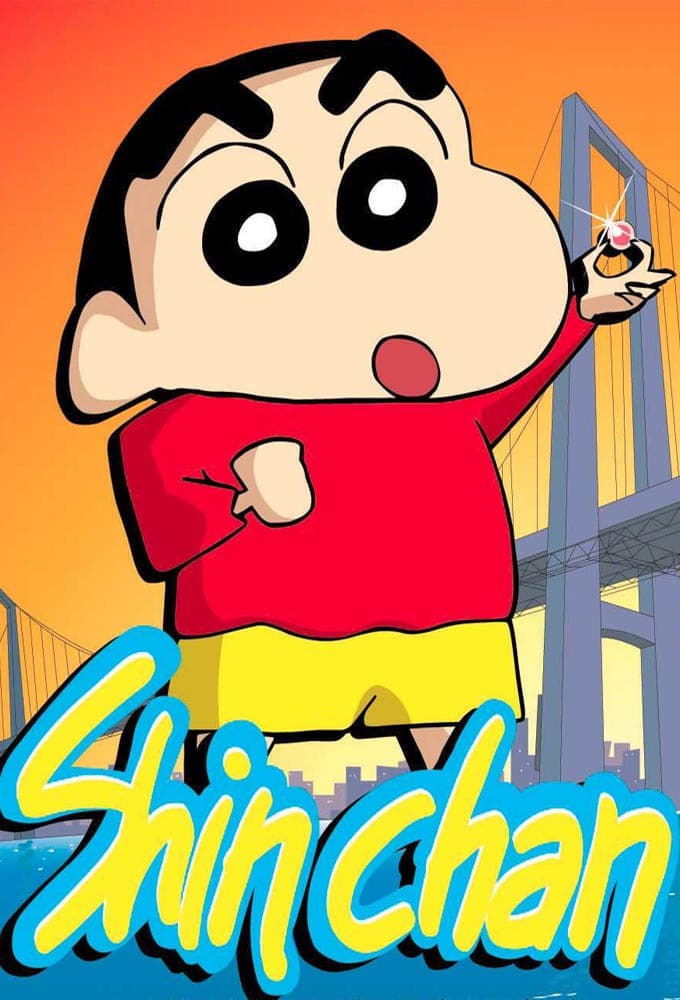
‘Crayon Shin-chan’ has faced repeated legal action and censorship from the Indonesian Broadcasting Commission (KPI). In 2014, the KPI officially listed the series as “dangerous” and ordered the local broadcaster to edit or remove scenes that were deemed indecent or inappropriate for children. The legal pressure stemmed from the protagonist’s frequent “butt-shaking” and other provocative behaviors that clashed with local cultural standards. The broadcaster was forced to comply under the threat of losing its license, leading to heavily censored versions of the show. This legal battle highlighted the tension between Japanese comedic styles and international broadcasting laws.
‘Voltron: Defender of the Universe’ (1984–1985)

The creation of ‘Voltron’ involved a complex legal acquisition of the anime series ‘Beast King GoLion’ and ‘Armored Fleet Dairugger XV’. World Events Productions (WEP) purchased the rights from Toei Animation but later entered a legal dispute over the extent of their creative control. WEP wanted to create new animation for the series, leading to disagreements over intellectual property ownership and royalty payments. This legal friction continued for years, affecting the development of sequels and the distribution of the original Japanese footage. The parties eventually reached a settlement that allowed for the various modern reboots of the franchise.
‘Neon Genesis Evangelion’ (1995–1996)
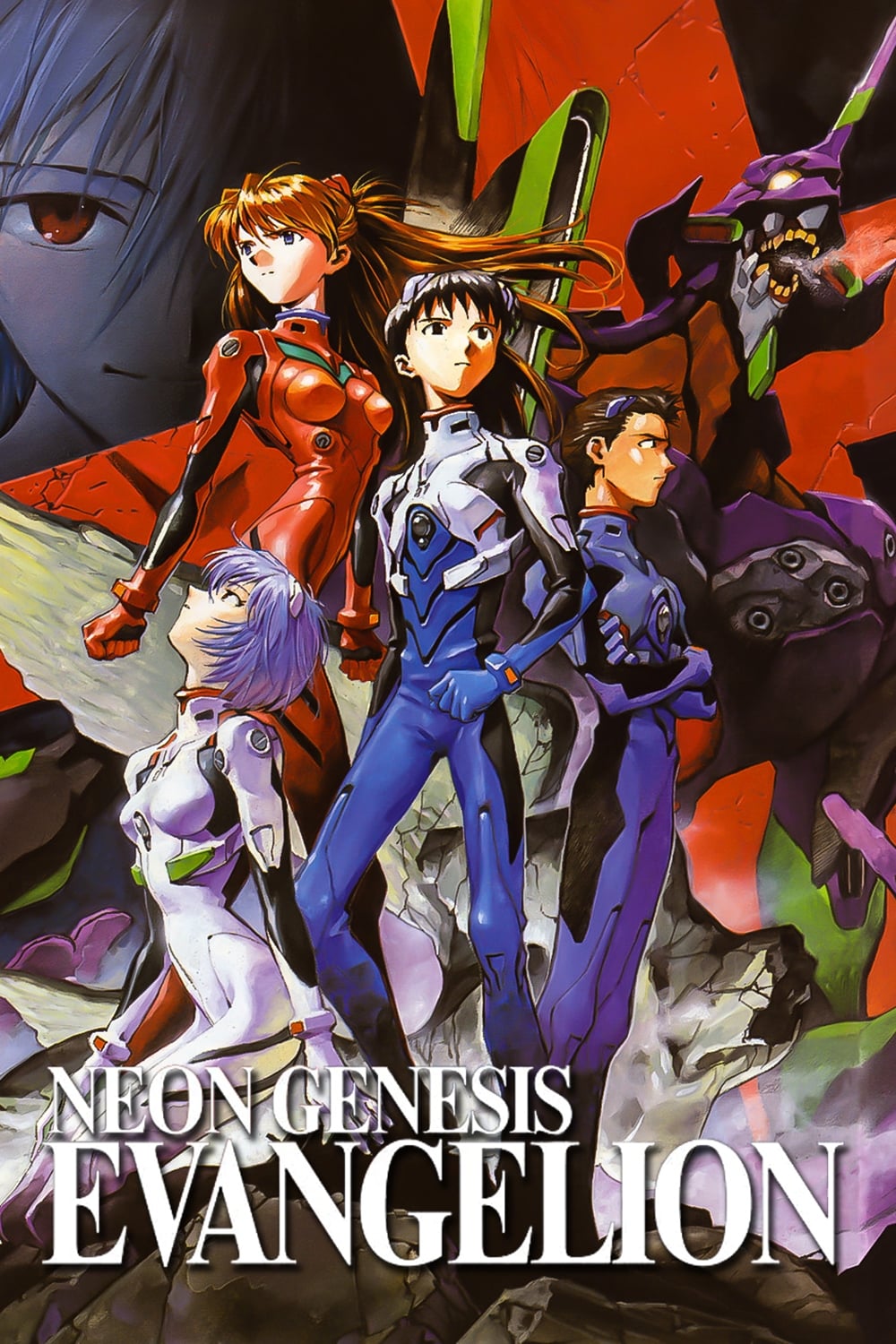
‘Neon Genesis Evangelion’ was affected by a major tax evasion case involving the animation studio Gainax and its president, Hiroyuki Yamaga. In the late 1990s, the Japanese National Tax Agency investigated the studio for concealing over 1.5 billion yen in income related to the massive success of the series. The legal proceedings revealed that the studio had funneled money into various shell companies to avoid tax liabilities. The studio’s accountant was eventually sentenced to prison, and Gainax was forced to pay significant fines. This legal scandal was a primary factor in the eventual decline of Gainax and the subsequent migration of the ‘Evangelion’ rights to Studio Khara.
‘Sailor Moon’ (1992–1997)
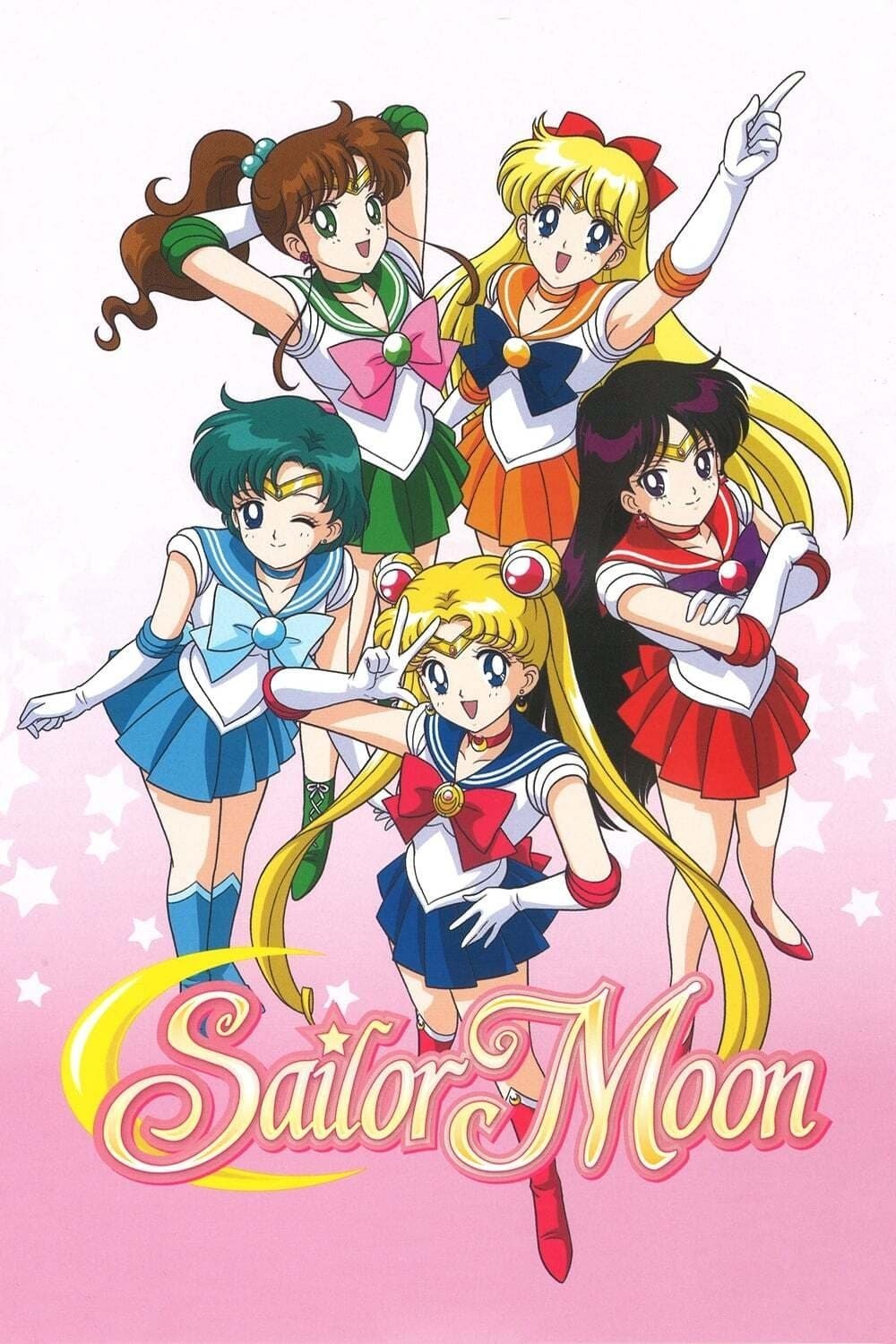
The international distribution of ‘Sailor Moon’ was stalled for years due to a massive legal and licensing blackout between Toei Animation and various Western partners. After the initial licenses expired in the early 2000s, a legal disagreement over royalty rates and distribution territories prevented the series from being available on TV or home video. This “Sailor Moon Drought” lasted nearly a decade, during which the series could not be legally accessed in North America or Europe. The situation was only resolved when Toei renegotiated the rights and launched a global brand relaunch for the 20th anniversary. This legal reset paved the way for the ‘Sailor Moon Crystal’ reboot and the re-release of the original series.
‘Kite’ (1998)

The OVA ‘Kite’ faced extreme legal challenges in several countries due to its graphic depiction of violence and sexual content involving a minor. In Norway, the series was completely banned, and possession of the unedited version could technically lead to legal prosecution under child protection laws. The German Federal Department for Media Harmful to Young Persons also placed the series on a restricted list, making its sale and advertisement illegal without strict age verification. These legal hurdles forced the creation of a “Director’s Cut” that removed several minutes of controversial footage to satisfy international legal standards. The legal battles over ‘Kite’ are often cited in debates regarding the classification of anime as art versus prohibited material.
‘Attack on Titan’ (2013–2023)
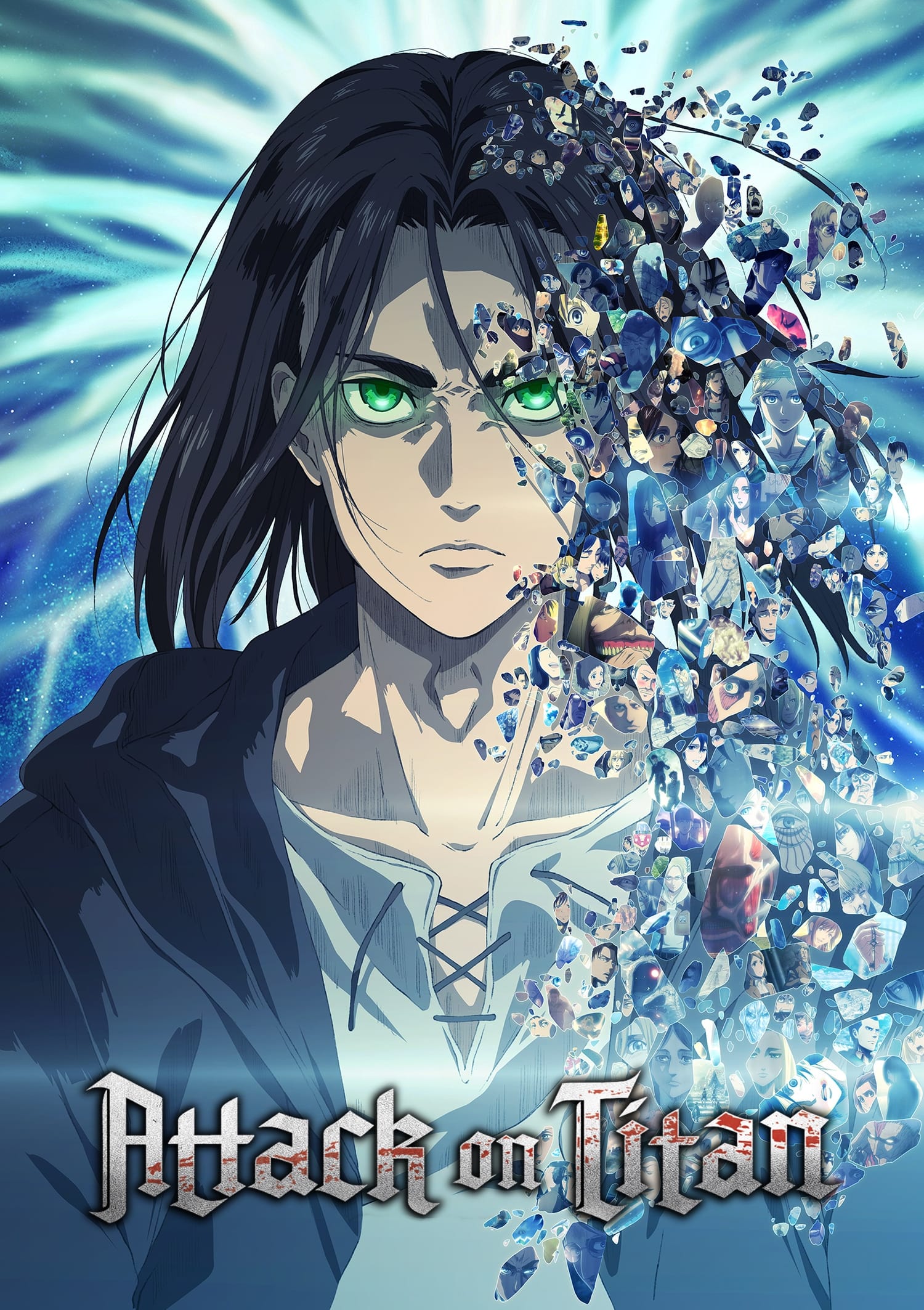
‘Attack on Titan’ was officially banned in China by the Ministry of Culture in 2015. The series was included on a list of 38 anime and manga titles that were legally prohibited from distribution due to “depicting violence, pornography, and terrorist activities.” Chinese websites that continued to host the series faced heavy legal fines and the threat of being shut down by the government. This legal action forced the series into the underground market within mainland China, where it remains a controversial topic for censors. The ban was part of a broader legal crackdown on Japanese media that the Chinese government deemed harmful to social stability.
‘Space Battleship Yamato’ (1974–1975)
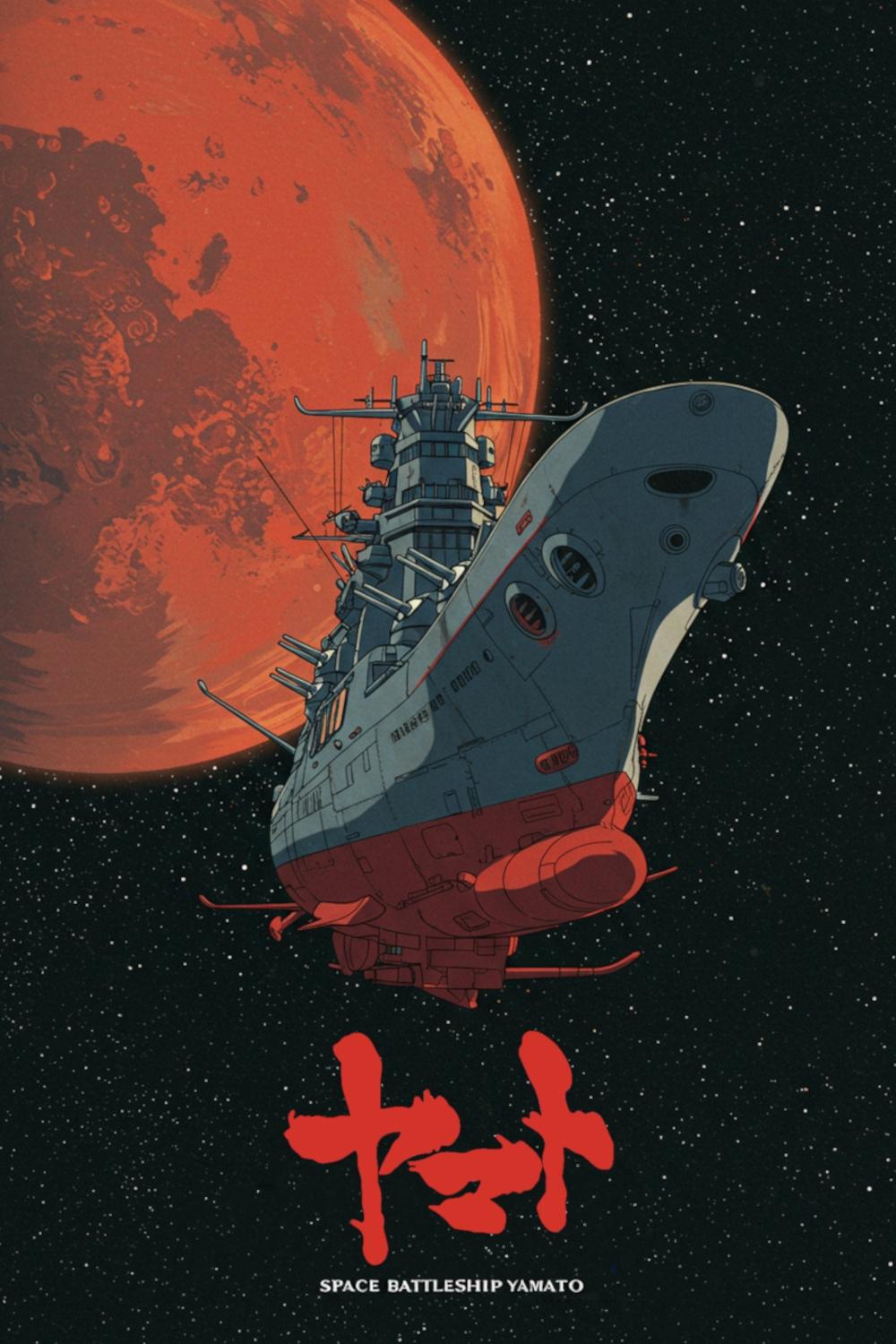
A long-standing legal war over the ownership of ‘Space Battleship Yamato’ occurred between producer Yoshinobu Nishizaki and creator Leiji Matsumoto. Both parties claimed to be the primary visionary behind the series, leading to multiple lawsuits over the rights to create sequels and live-action adaptations. For years, these legal battles prevented new projects from being developed and stalled the international release of older material. The Tokyo District Court eventually ruled that Nishizaki held the copyright to the anime, while Matsumoto held the rights to the manga. The dispute was finally settled by their respective estates after Nishizaki’s passing, allowing the franchise to continue with ‘Yamato 2199’.
‘Speed Racer’ (1967–1968)
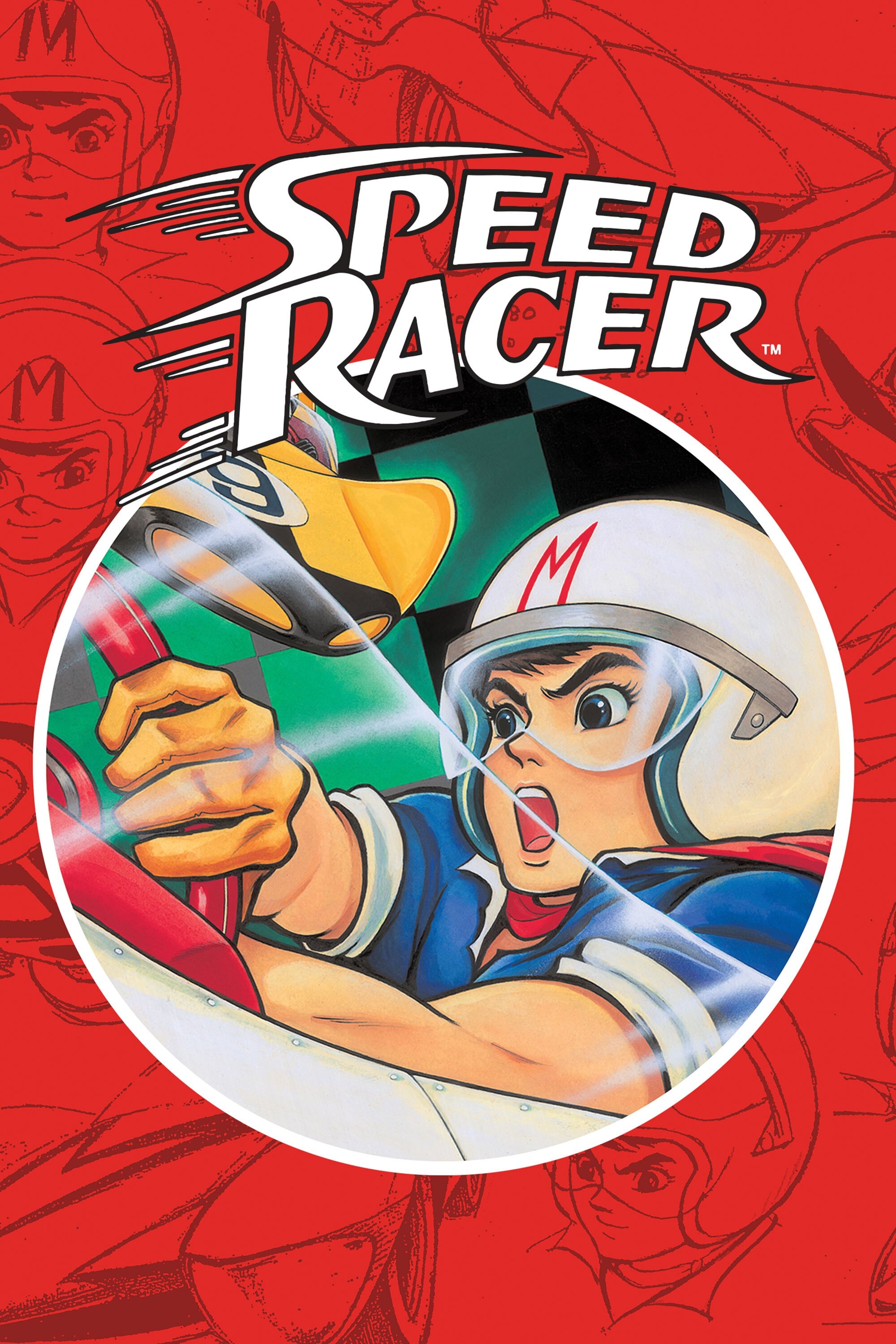
‘Speed Racer’ was the subject of an intense legal battle between the Japanese studio Tatsunoko Production and the American company Speed Racer Enterprises (SRE). SRE had managed the property in the West for decades, but Tatsunoko sued in 2011, claiming that SRE’s rights had expired and they were illegally licensing the brand. SRE counter-sued, claiming they had a permanent license to the franchise outside of Japan. After several years of litigation in California courts, a judge ruled in favor of Tatsunoko, granting them full control over the property. This legal victory allowed Tatsunoko to negotiate new deals, including the eventual streaming of the series on modern platforms.
‘Astro Boy’ (1963–1966)
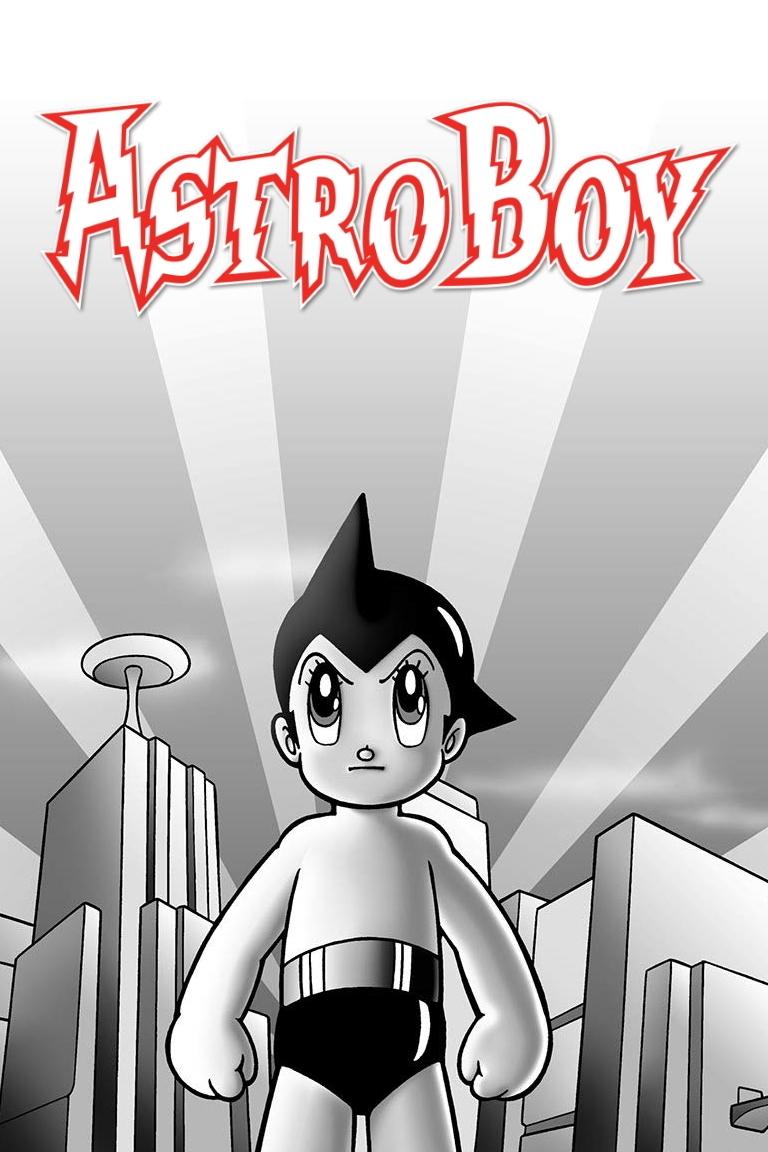
The legendary ‘Astro Boy’ series faced an early legal battle in the United States over its television distribution rights. Osamu Tezuka’s Mushi Production entered into a contract with NBC Enterprises, but the agreement was fraught with misunderstandings regarding the ownership of the characters. When Mushi Production went bankrupt in the 1970s, the legal status of the ‘Astro Boy’ license in the West became extremely murky. This led to decades of legal uncertainty that prevented the original 1963 series from being properly remastered or re-released for a long time. Eventually, Tezuka Productions regained the rights and consolidated the brand under their direct management.
‘UFO Robo Grendizer’ (1975–1977)
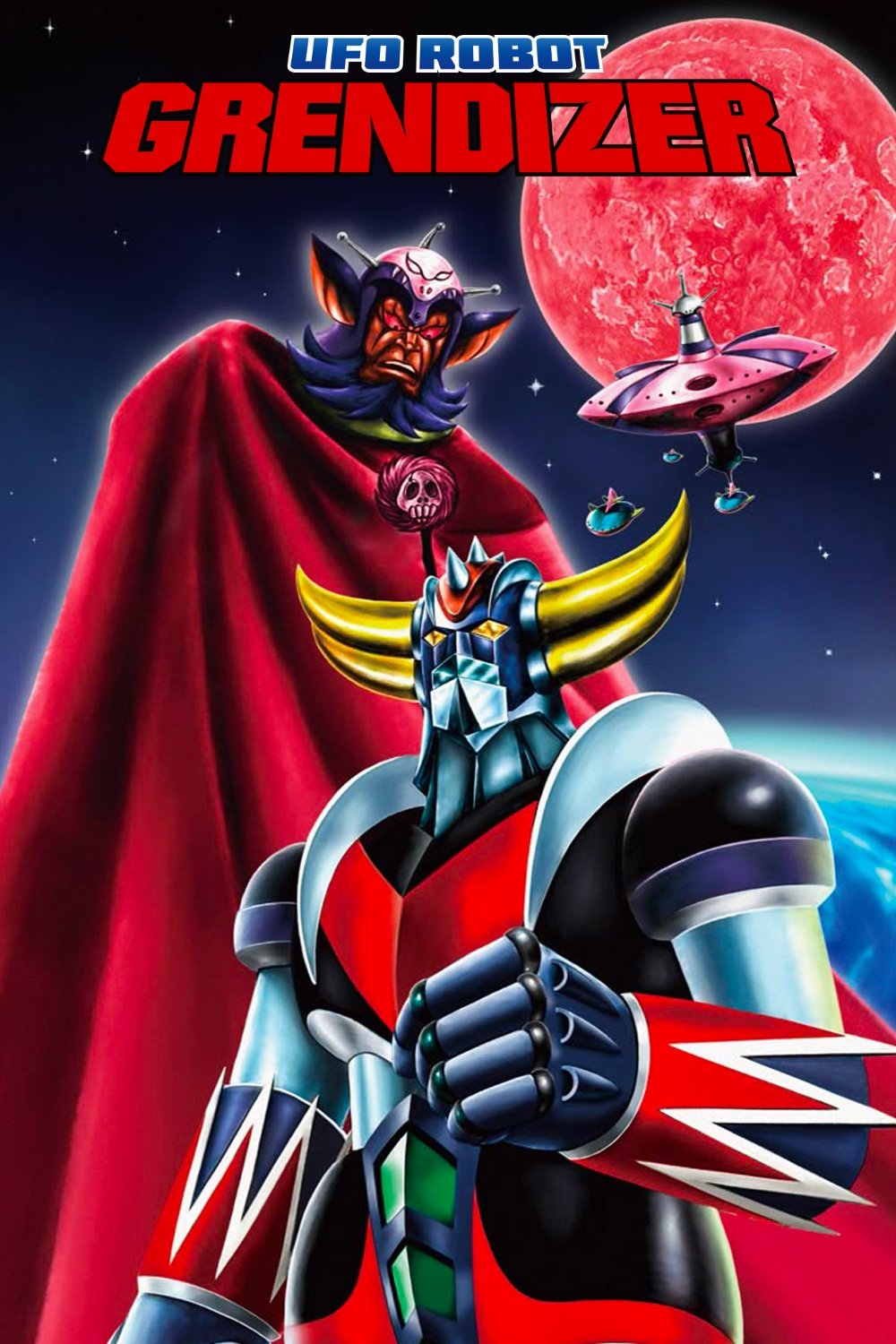
In Italy, ‘UFO Robo Grendizer’ (known as ‘Goldrake’) became the center of a major legal and social debate during the late 1970s. Parents and psychologists filed legal complaints to have the series removed from television, claiming it was too violent and “brainwashed” children. This led to formal inquiries in the Italian Parliament and several court cases aimed at banning Japanese animation entirely. Despite the legal pressure, the series remained incredibly popular and successfully defended its right to air. These legal battles are now seen as a pivotal moment in the history of European television and the acceptance of anime in the West.
‘Captain Tsubasa’ (1983–1986)
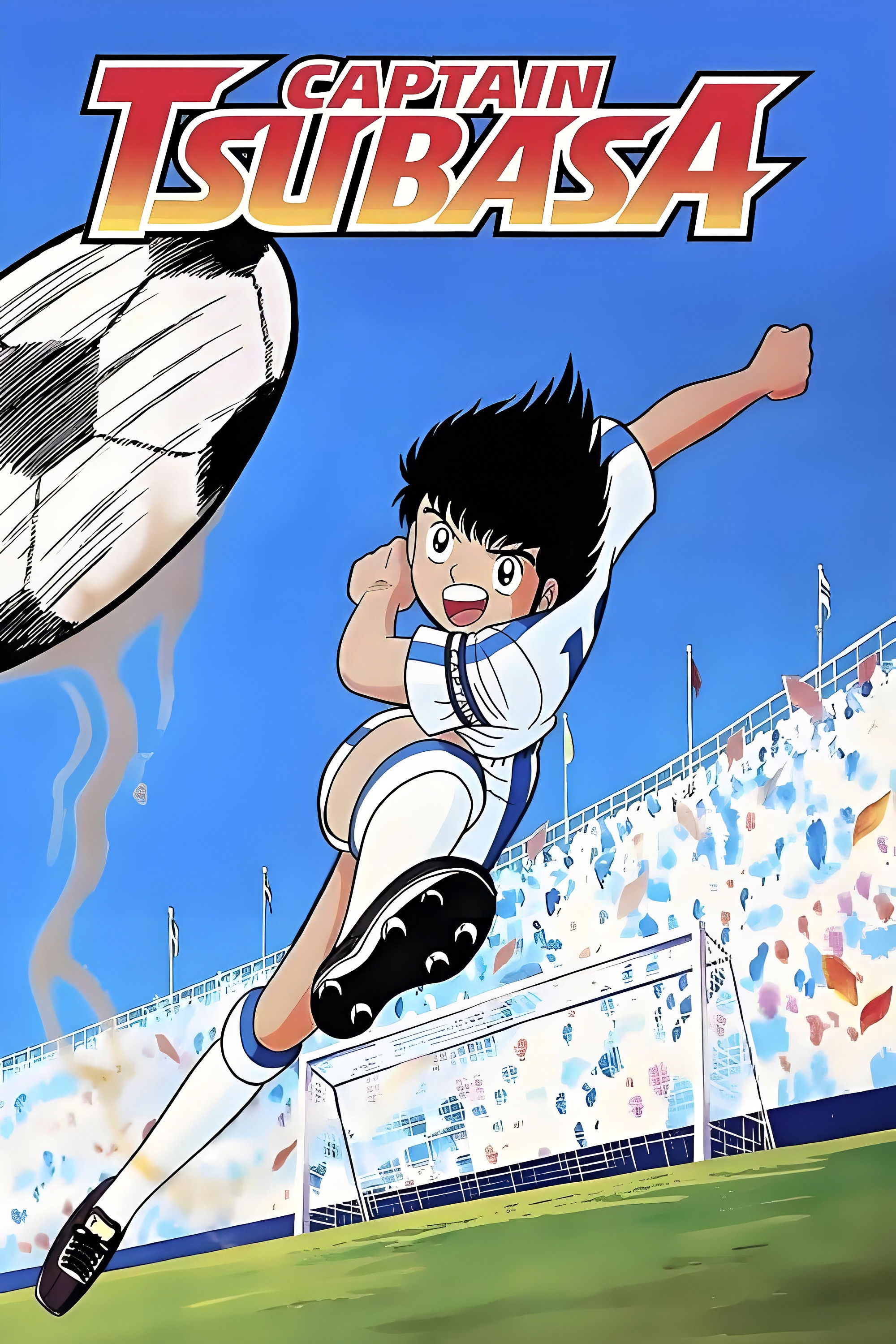
‘Captain Tsubasa’ faced legal hurdles in South Korea for many years due to a nationwide ban on Japanese cultural products. Even after the ban began to lift in the late 1990s, the series faced legal challenges regarding its depiction of Japanese nationalism in a sporting context. To comply with local laws and avoid legal bans, the characters had to be given Korean names, and all references to Japan were removed or edited. The series was essentially “localized” to the point of changing its national identity to survive the legal climate of the time. It took several years of diplomatic shifts for the series to be legally recognized in its original form.
‘Urotsukidōji: Legend of the Overfiend’ (1989–1996)
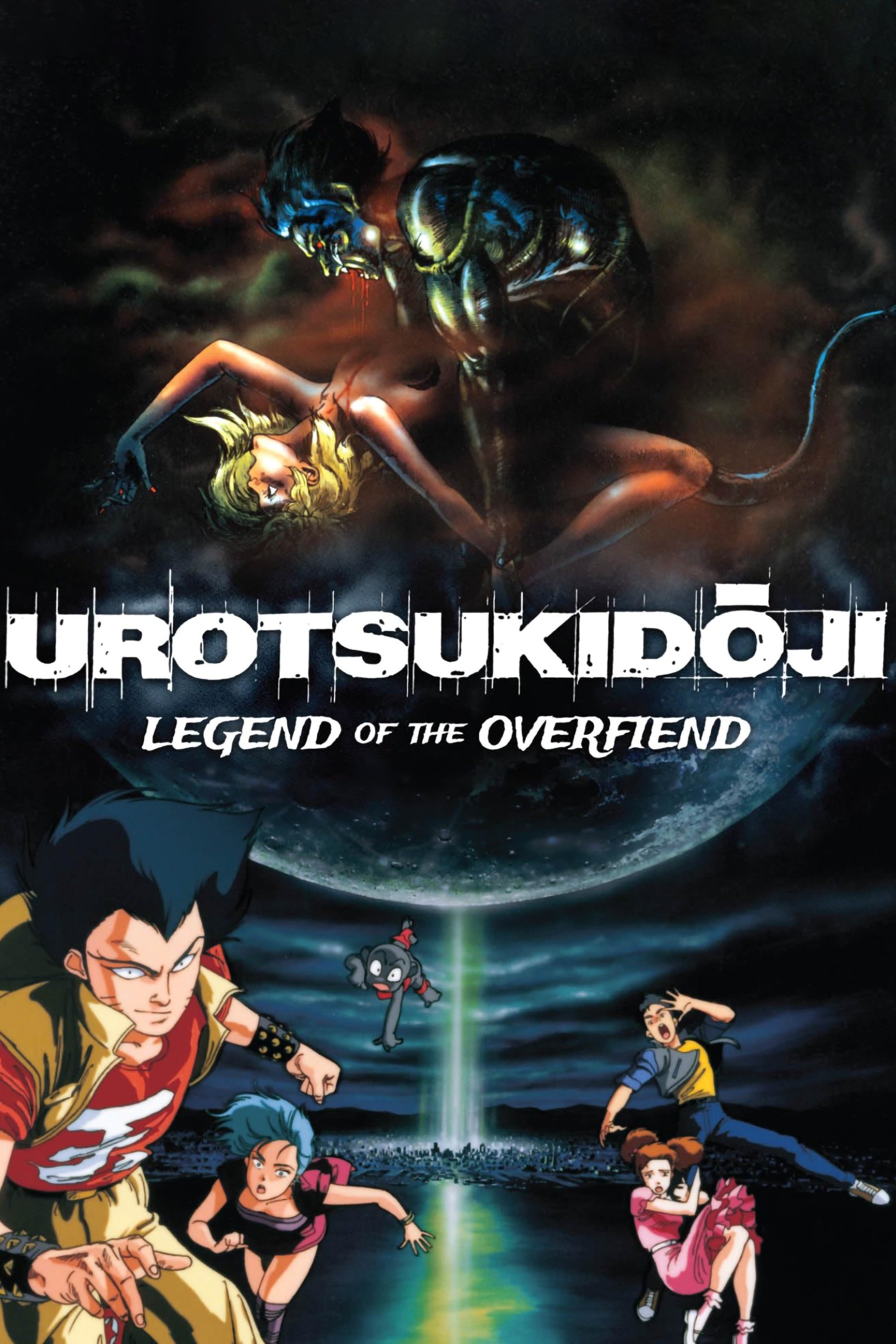
‘Urotsukidōji’ was at the heart of landmark legal obscenity trials in the United Kingdom during the 1990s. The British Board of Film Classification (BBFC) initially rejected the series, leading to legal seizures of imported tapes by Customs and Excise. The series was used as evidence in court to argue for stricter regulations under the Video Recordings Act. Distributors had to engage in lengthy legal negotiations and accept massive cuts to the footage to allow for a restricted legal release. These legal battles fundamentally shaped how “adult” anime is classified and sold in the UK to this day.
‘Genocyber’ (1994)
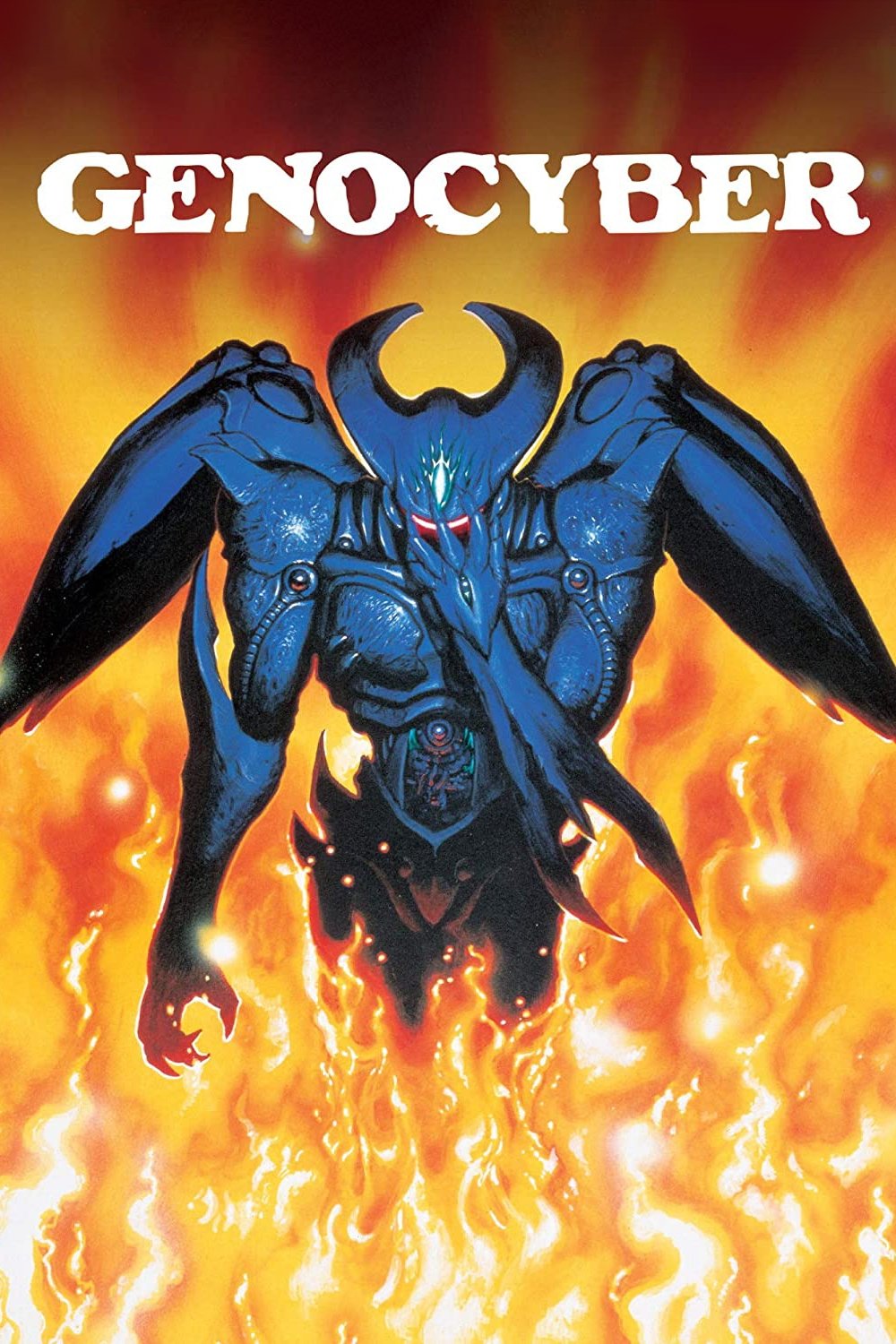
The ultra-violent OVA ‘Genocyber’ faced significant legal pushback in Australia and the United Kingdom. The series was subjected to intense review by the Office of Film and Literature Classification (OFLC) in Australia, which resulted in it being given a restrictive rating that limited its availability. In the UK, several scenes were legally mandated to be cut to avoid a total ban under the “video nasty” era of regulation. The legal debate centered on whether the extreme gore and body horror served an artistic purpose or was merely gratuitous. These legal challenges limited the series’ commercial reach but turned it into a cult classic among fans of extreme media.
‘Mazinger Z’ (1972–1974)
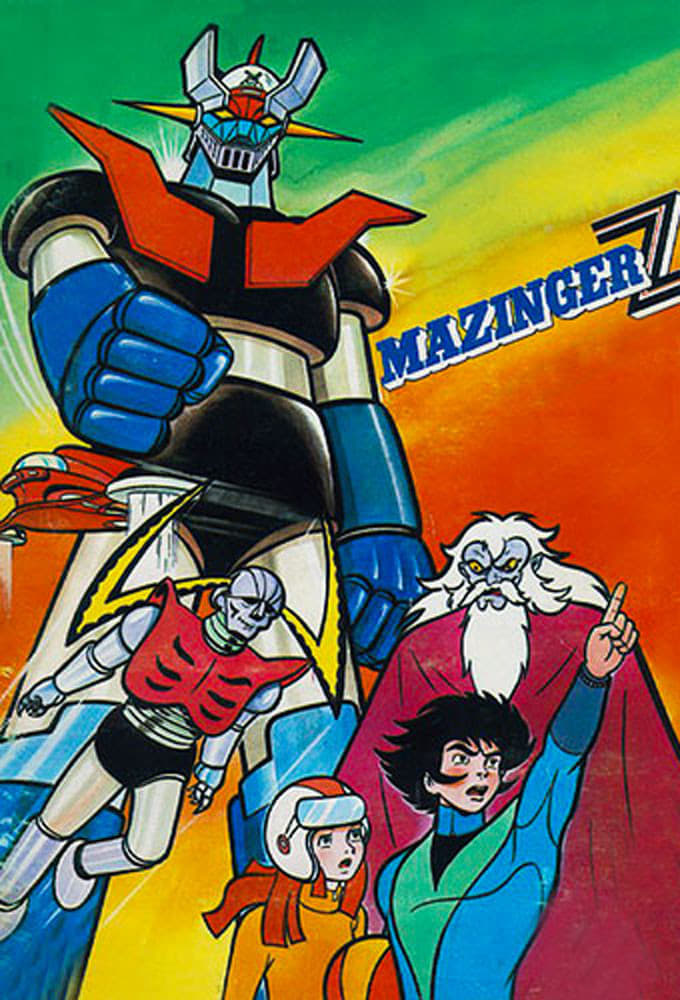
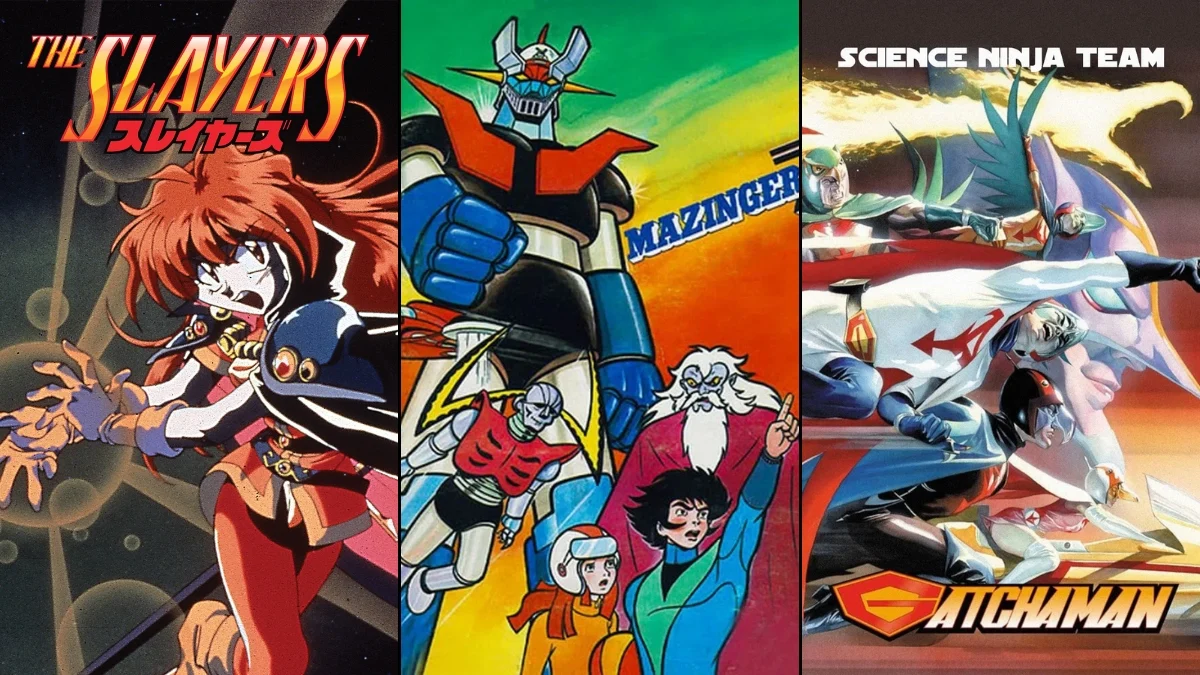
‘Mazinger Z’ was the subject of a long-running legal dispute between Toei Animation and Dynamic Planning, the company owned by the series’ creator, Go Nagai. The conflict involved the rights to the characters and the profit-sharing agreements for international distribution and merchandise. This legal friction occasionally resulted in the series being unavailable in certain territories while the parties negotiated their shares. The dispute was particularly intense regarding the use of ‘Mazinger Z’ characters in crossover films and video games like ‘Super Robot Wars’. A formal legal settlement eventually allowed for more consistent collaboration on modern projects like ‘Mazinger Z: Infinity’.
‘Inuyasha’ (2000–2004)

‘Inuyasha’ faced a significant legal hurdle regarding its international music licensing, which for years affected how the show could be distributed. The record label Avex, which represented many of the artists who performed the show’s themes, had strict legal requirements that were difficult for Western distributors like Viz Media to meet. This led to several openings and endings being replaced or removed in various international versions to avoid copyright lawsuits. The legal complexity of these music rights often delayed the release of home video sets in North America. Eventually, the parties reached an agreement that restored the original music for modern streaming and Blu-ray releases.
‘Initial D’ (1998–2014)
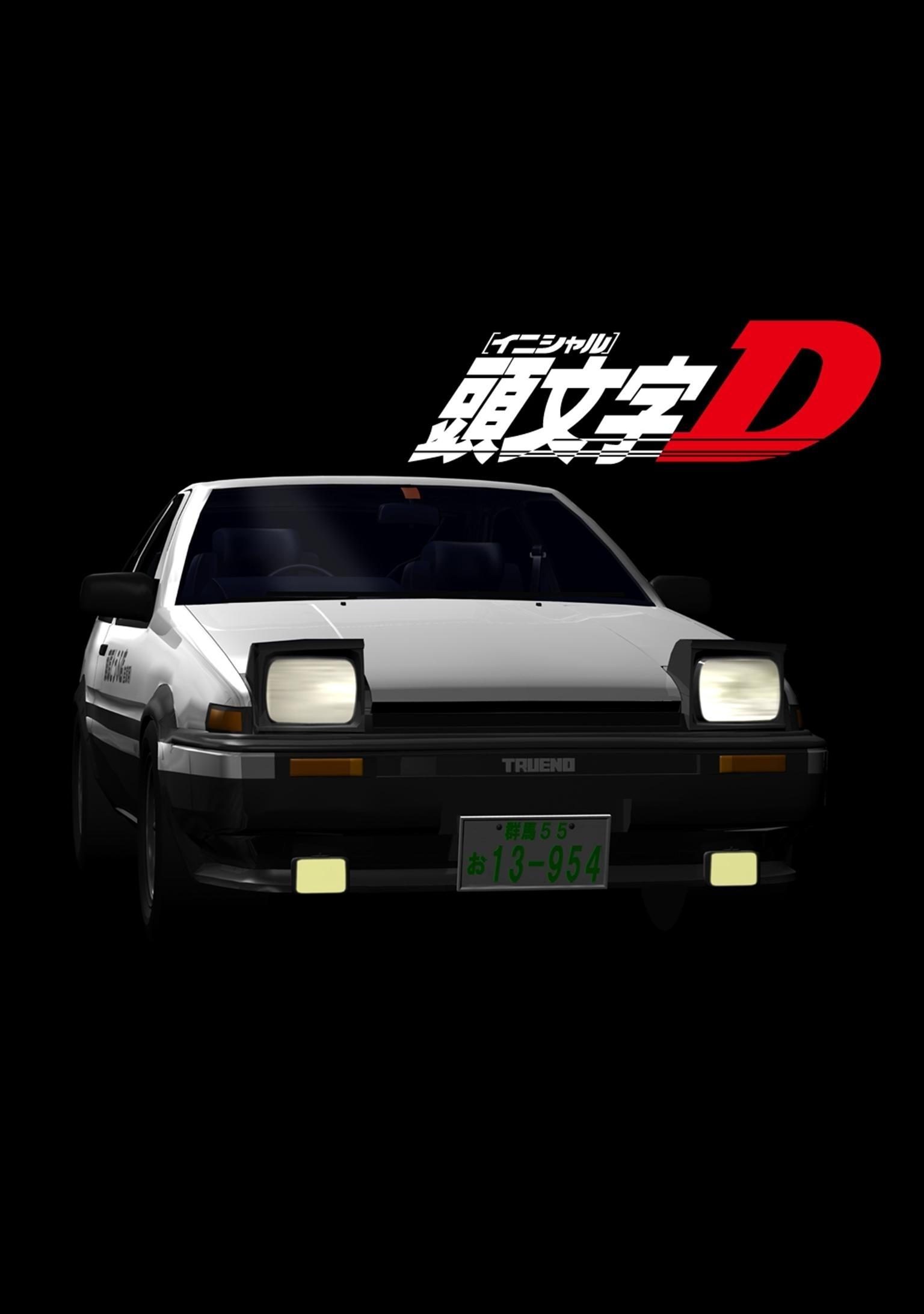
The initial English release of ‘Initial D’ by Tokyopop became a legal and creative battleground for fans and the production committee. Tokyopop changed the characters’ names and replaced the iconic Eurobeat soundtrack with licensed hip-hop music, leading to a backlash that involved contract disputes. When the license was eventually transferred to Funimation, a legal battle ensued over the rights to the original Japanese audio and music. Funimation had to renegotiate multiple licenses with Japanese music labels to ensure the series could be released with its original soundtrack. This legal saga highlighted the difficulties of licensing music-heavy anime for a global audience.
‘Saint Seiya’ (1986–1989)
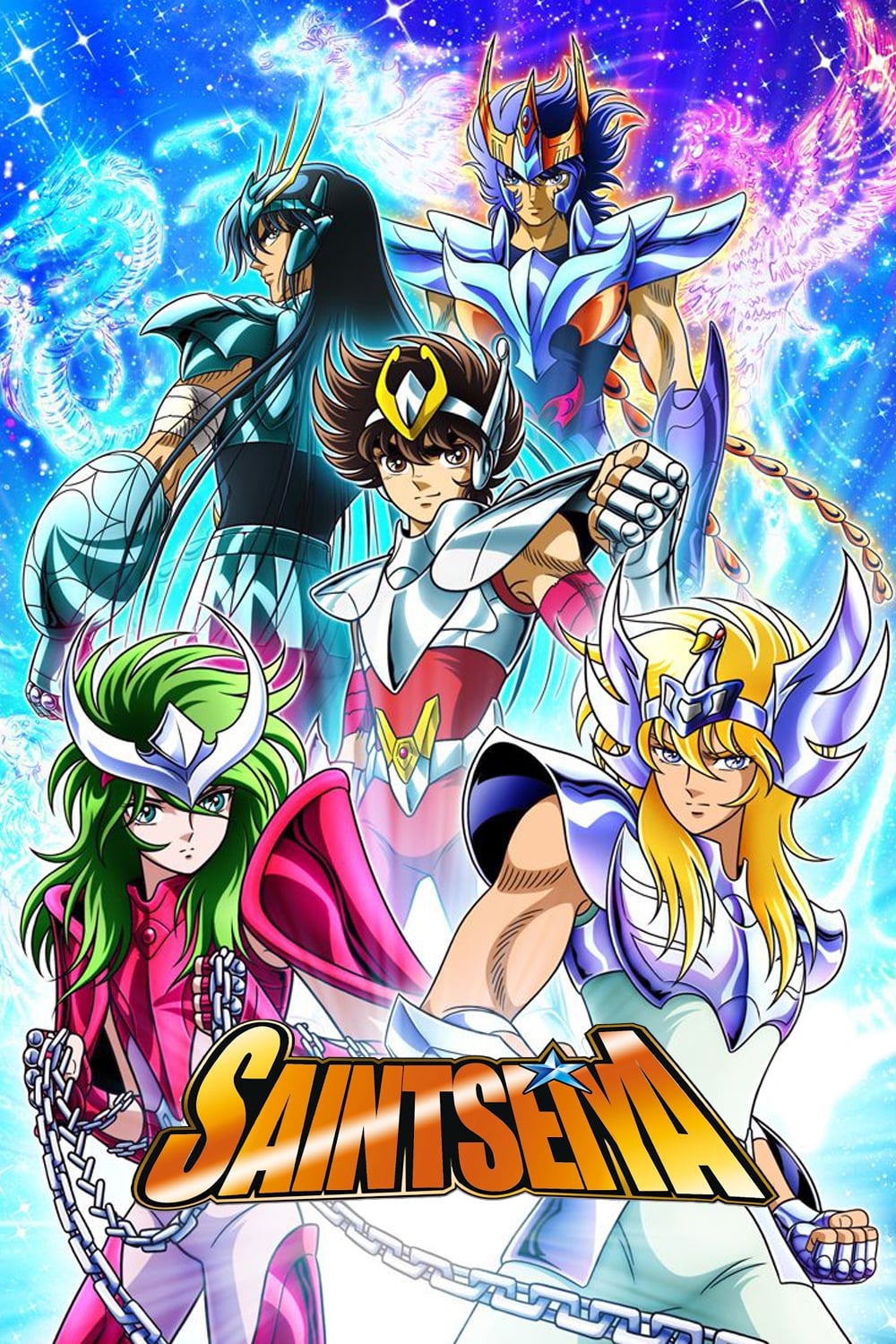
‘Saint Seiya’ faced legal censorship and broadcasting bans in several Latin American and European countries due to its depiction of violence and religious themes. In France, the series was at the center of a legal debate concerning “violent Japanese cartoons,” which led to the creation of new broadcasting laws for children’s television. In Brazil, legal challenges were brought by advocacy groups who argued that the series encouraged aggressive behavior in school-aged children. These legal pressures forced broadcasters to air the show in late-night slots or apply heavy censorship to the most violent scenes. Despite these hurdles, the legal battles only seemed to increase the series’ legendary status in those regions.
‘High School DxD’ (2012–2018)
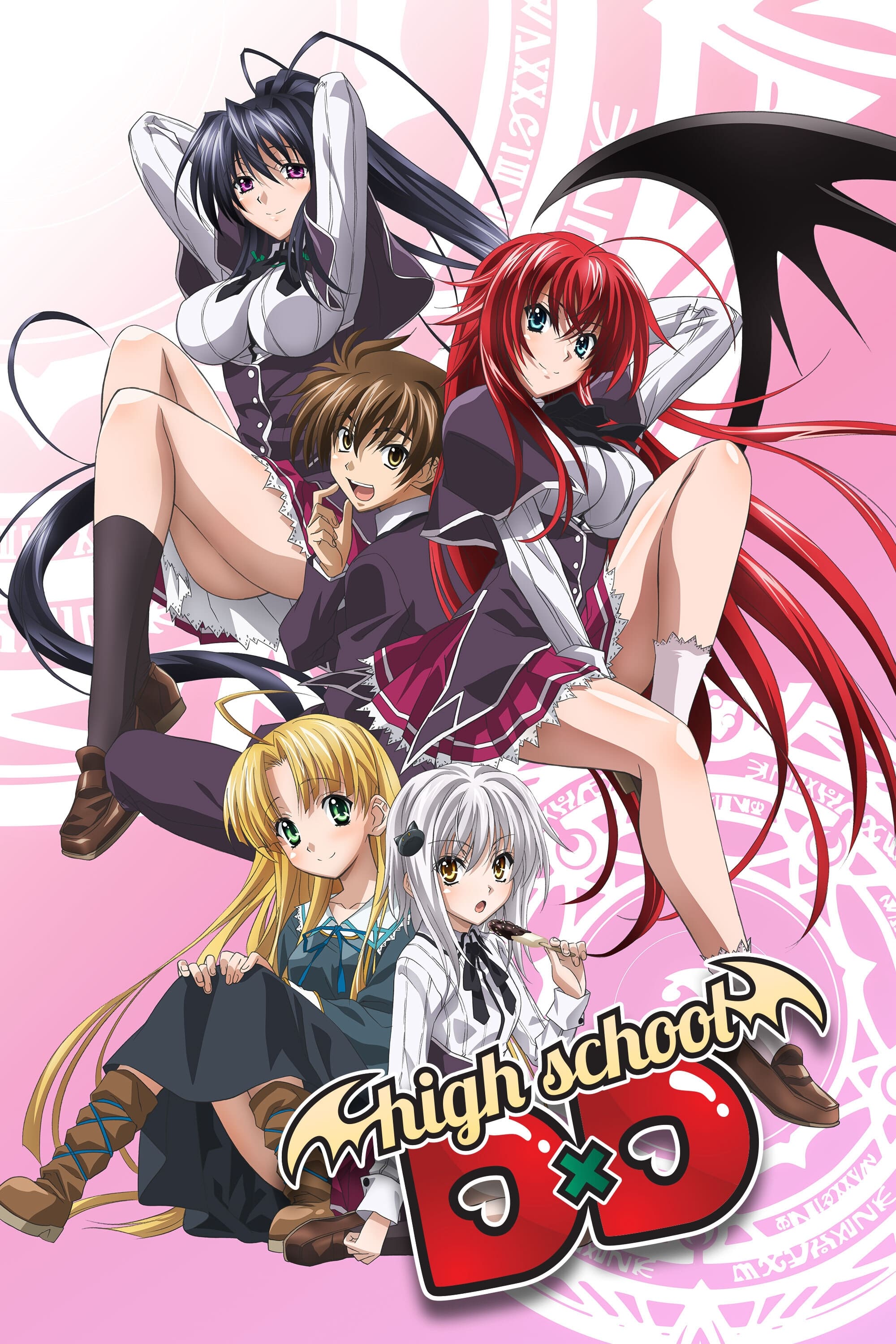
‘High School DxD’ has consistently faced legal challenges from classification boards in several countries, most notably Germany and Australia. In Germany, the FSK (Freiwillige Selbstkontrolle der Filmwirtschaft) initially placed the series on a restricted list, which legally prevented it from being sold to minors or advertised openly. This led to a legal battle between the distributor and the rating board to allow the series to be sold with an 16+ or 18+ rating instead of a total ban. In Australia, certain seasons faced delays as the Classification Board reviewed whether the content exceeded the legal limits for “R18+” media. These legal hurdles have made ‘High School DxD’ a frequent subject of discussion regarding the limits of “ecchi” content.
‘Panty & Stocking with Garterbelt’ (2010)
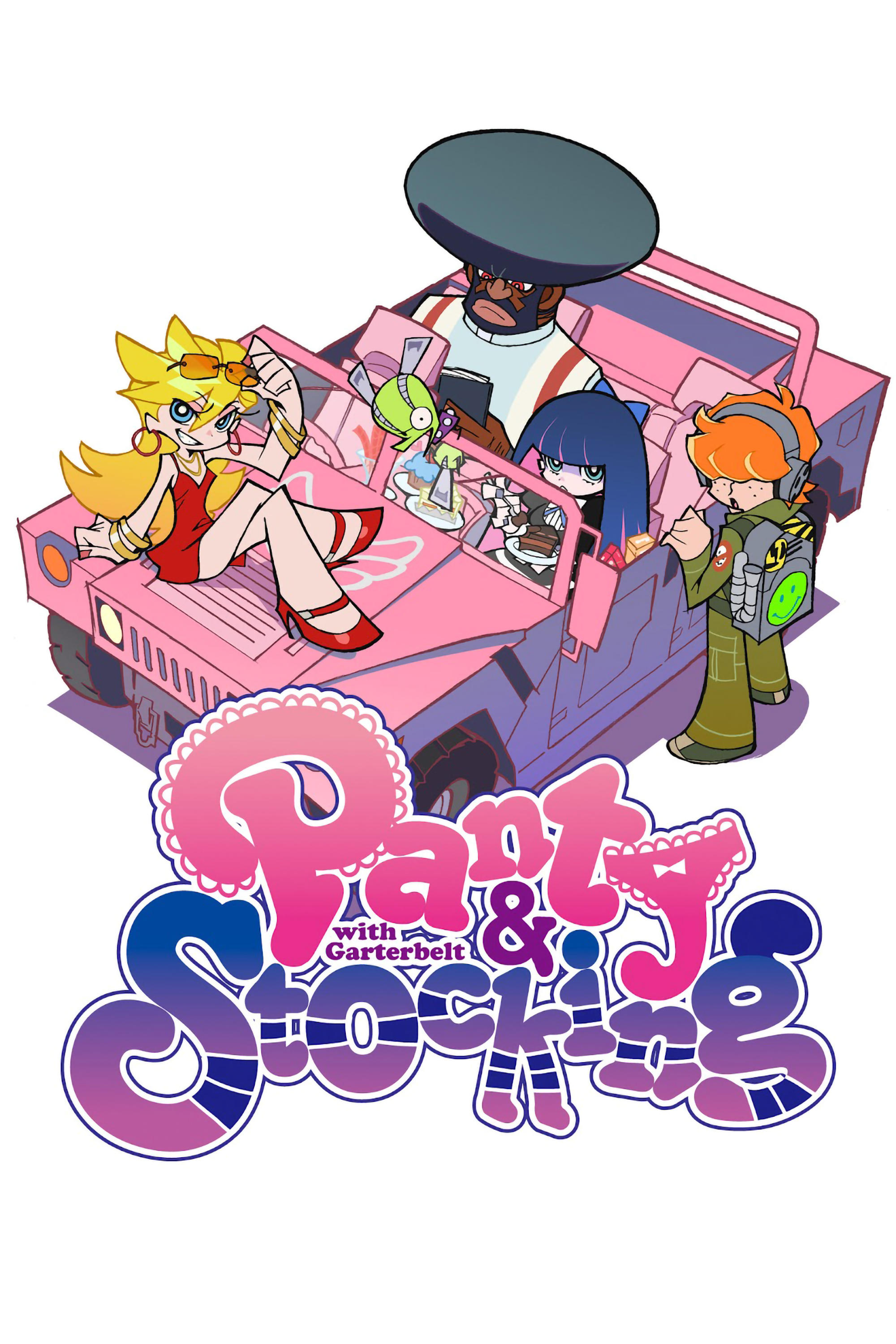
The rights to ‘Panty & Stocking with Garterbelt’ were caught in a legal limbo following the departure of several key staff members from Studio Gainax to form Studio Trigger. For years, Gainax held the rights to the intellectual property but lacked the staff or resources to produce a sequel, while the original creators at Trigger were legally blocked from using the characters. This resulted in a decade-long hiatus for the franchise despite immense fan demand. In 2023, Studio Trigger officially announced they had legally acquired the rights from Gainax, settling the matter. This legal transfer has finally allowed for the production of a new season under the original creative team.
‘Record of Lodoss War’ (1990–1991)

‘Record of Lodoss War’ was born out of a legal and creative transition from a series of tabletop RPG replays to a scripted media franchise. The rights were divided between several entities, including Kadokawa Shoten and the creative group Group SNE, leading to complex legal arrangements for every adaptation. Disputes over royalty payments and creative control occasionally stalled the development of new projects in the 1990s. These legal intricacies also made it difficult for international distributors to secure rights for the various sequels and spin-offs. The franchise’s legal history is often studied as an example of the complexities inherent in media mix projects.
‘Galaxy Express 999’ (1978–1981)

‘Galaxy Express 999’ was involved in a massive copyright infringement lawsuit initiated by its creator, Leiji Matsumoto. Matsumoto sued several individuals and companies, claiming that various modern designs were plagiarizing his iconic character and ship designs. One high-profile case involved a legal battle with a songwriter over lyrics that Matsumoto claimed were unauthorized derivatives of his work. These lawsuits were part of a broader effort by Matsumoto to legally protect his “Leijiverse” from perceived infringement. While some cases were settled out of court, they established a strong legal precedent for the protection of an author’s signature aesthetic.
‘Pop Team Epic’ (2018–2022)
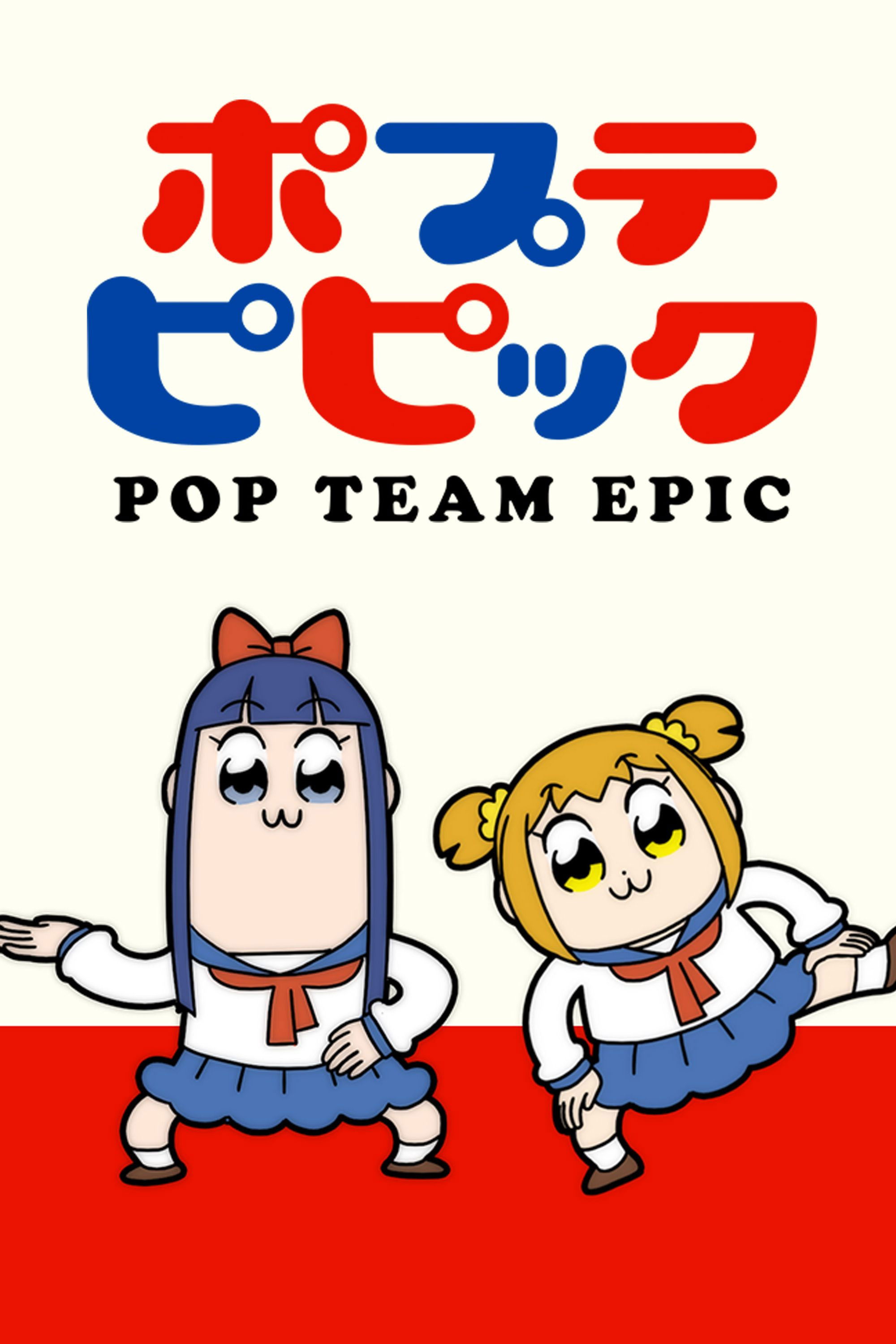
‘Pop Team Epic’ is a series that thrives on the edge of legal parody laws. The show frequently uses trademarks and character designs from other franchises without explicit permission, which has led to numerous legal “notices” from various companies. To avoid actual lawsuits, the producers often use “bleeps,” blurred images, or satirical disclaimers that mock the concept of copyright law. The series’ production committee reportedly maintains a legal team specifically to review each episode’s parody content for potential infringement risks. This constant legal tightrope walk is considered a core part of the show’s rebellious and chaotic identity.
‘Gatchaman’ (1972–1974)

‘Gatchaman’ faced a legal identity crisis in the West due to the various licensed versions created by different American companies. Sandy Frank Entertainment produced ‘Battle of the Planets’, but later legal disputes with Tatsunoko Production over licensing fees and creative rights led to the loss of the license. This allowed other companies to create ‘G-Force’ and ‘Eagle Riders’, each with different legal agreements regarding the original footage. The resulting legal mess made it impossible to release the original, unedited ‘Gatchaman’ in North America for many years. It was only in the early 2000s that a definitive legal settlement allowed ADV Films to release the series in its original form.
‘The Melancholy of Haruhi Suzumiya’ (2006–2009)
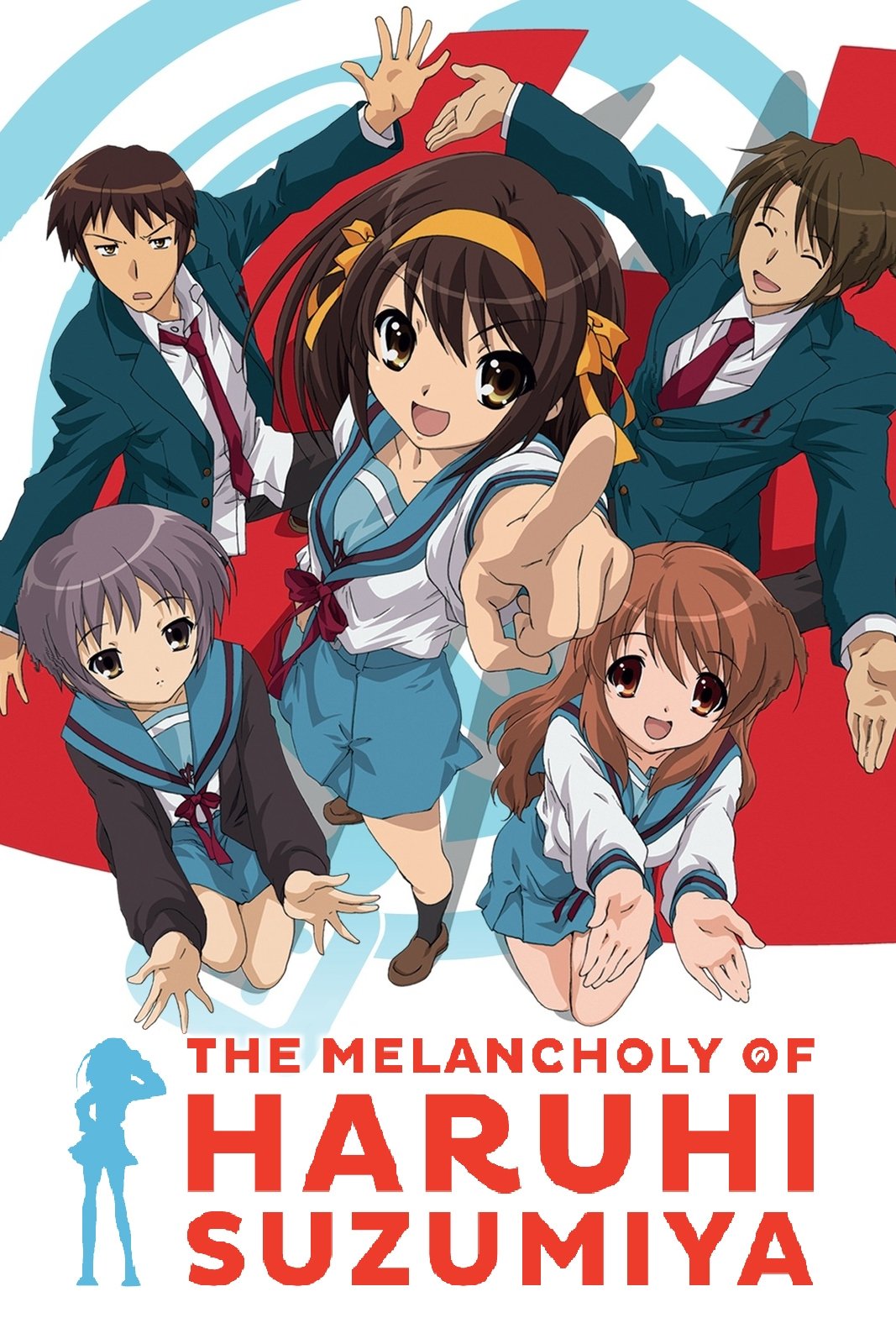
The ‘Haruhi Suzumiya’ franchise faced a unique legal battle regarding the use of its characters in gambling machines (pachinko). Fans and certain stakeholders raised legal concerns about the “dilution” of the brand’s image and the potential violation of original contracts that did not account for gambling licenses. This led to a period of internal legal restructuring within Kadokawa to better manage the licensing of their most popular light novel properties. The controversy also sparked a debate about the rights of authors to prevent their characters from being associated with gambling. Despite the friction, the legal hurdles were eventually cleared, and the franchise expanded into various commercial sectors.
‘Steins;Gate’ (2011)
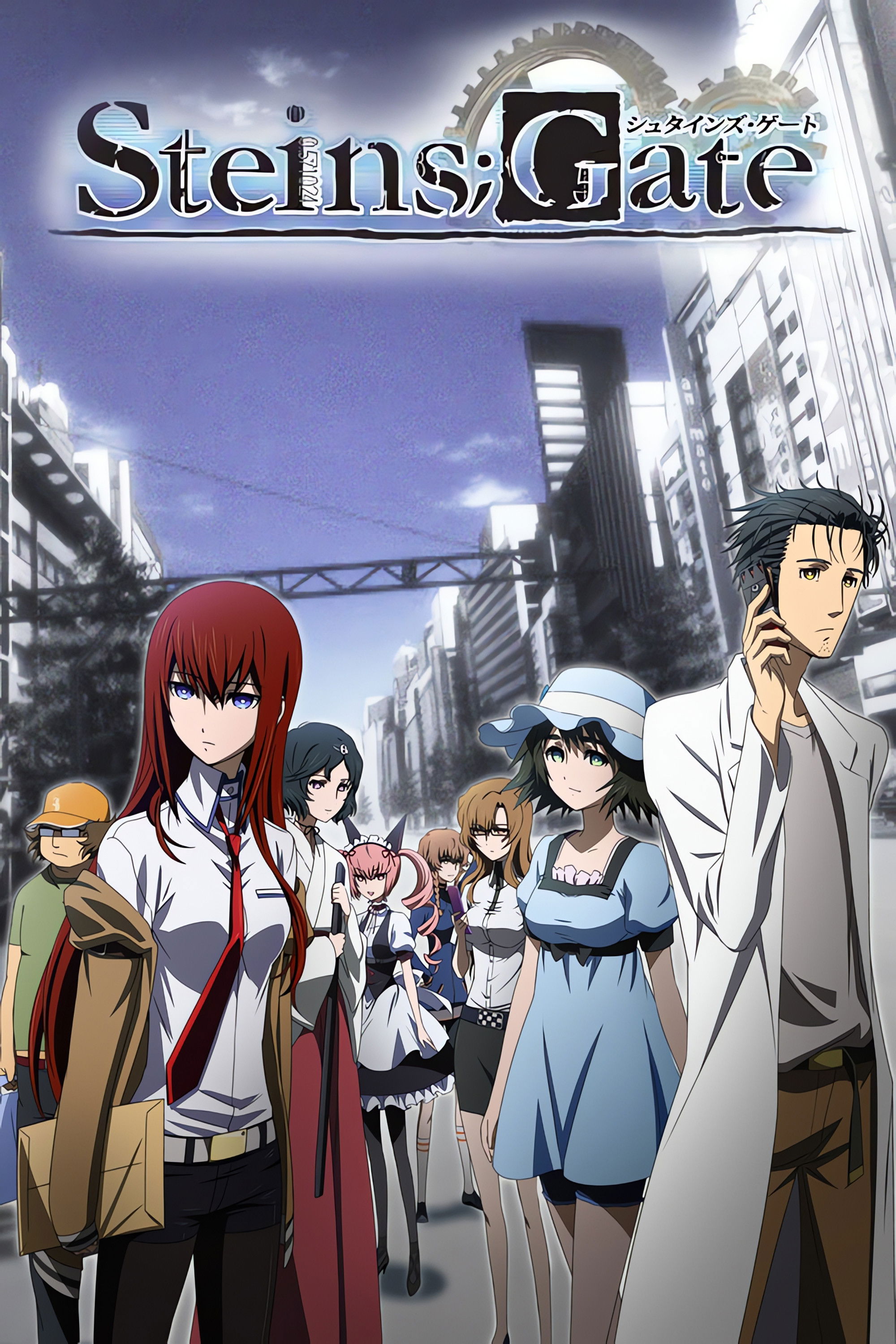
‘Steins;Gate’ had to navigate complex legal territory due to its frequent references to real-world brands, locations, and conspiracy theories. The series uses a modified version of “IBM” called “IBN 5100,” and the production team had to secure specific legal permissions to use the likeness of the original computer. There were also legal concerns regarding the depiction of SERN (a parody of the real-world CERN) and the use of the John Titor legend, which is claimed by a real-world estate. The legal team had to ensure that the fictionalized versions of these entities did not cross into defamation or trademark infringement. This careful legal maneuvering allowed the series to maintain its grounded, realistic atmosphere.
‘Golgo 13’ (1983)
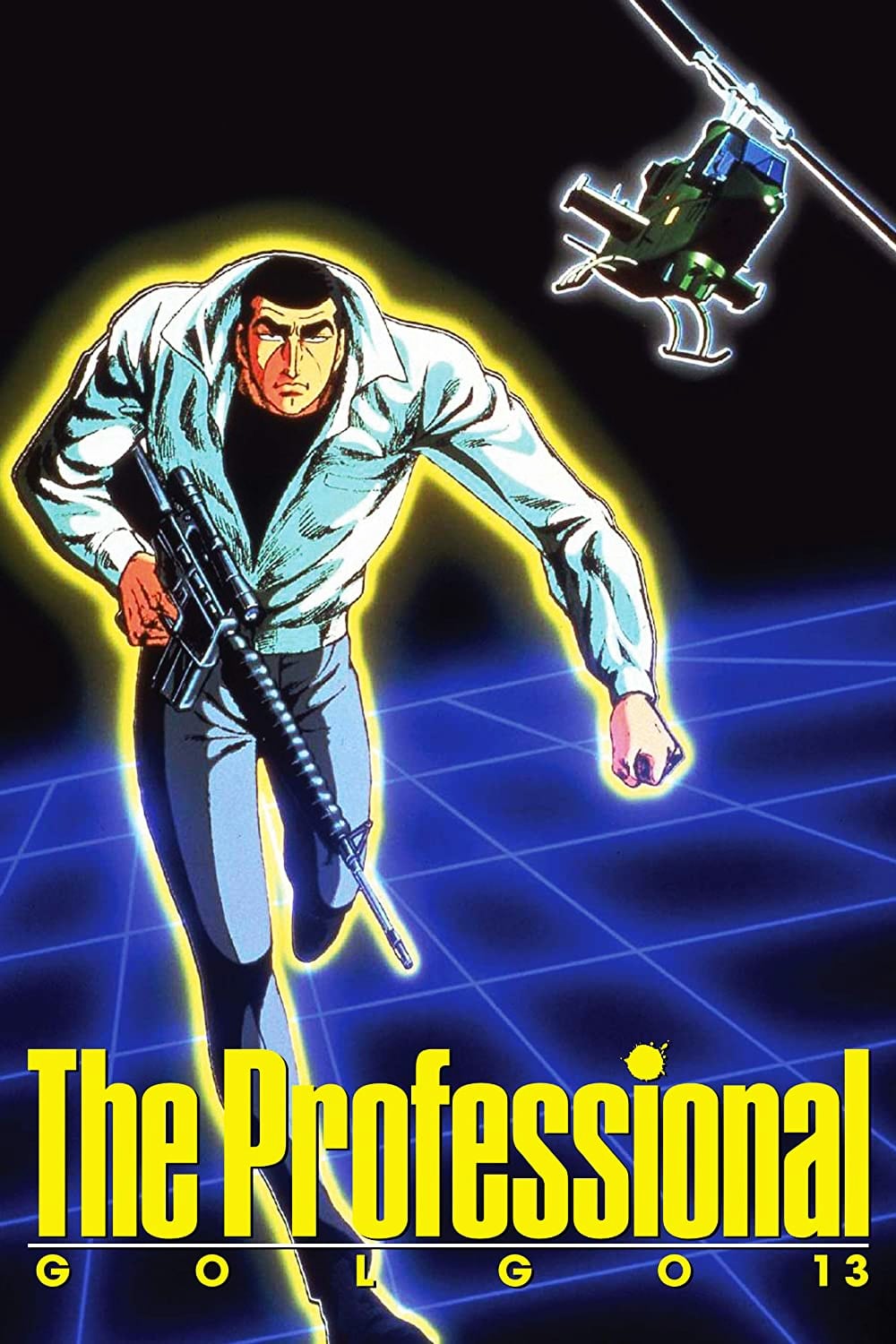
The ‘Golgo 13’ anime has faced diplomatic and legal issues due to its depiction of real-world political figures and events. One specific episode of the TV series was banned and never released on home video because it depicted a fictionalized version of a sensitive political situation in Libya. The Libyan government reportedly issued a formal complaint, leading to legal threats against the broadcasters and producers. This resulted in the episode being “vaulted” to avoid an international legal incident. The series continues to be scrutinized by legal teams for its portrayal of international espionage to avoid similar controversies.
‘Akira’ (1988)
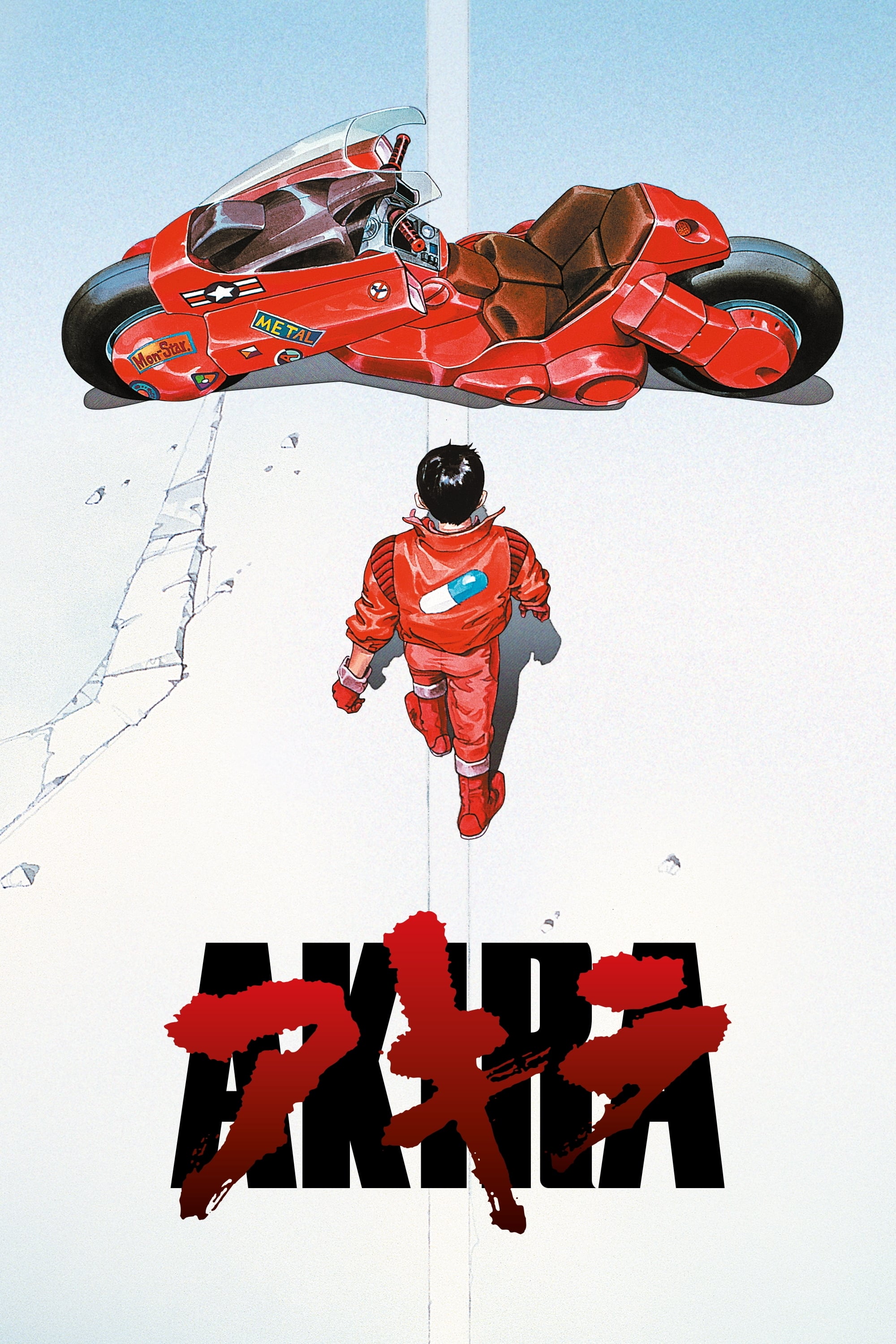
The legendary film ‘Akira’ was at the center of a long-running legal battle over the rights to a live-action Hollywood adaptation. For over two decades, Warner Bros. held the rights, but production was stalled by a series of legal and budgetary disputes with the original Japanese rights holders. The contract involved complex clauses regarding creative approval from creator Katsuhiro Otomo, which led to multiple script rejections and director changes. These legal stalemates prevented any live-action version from moving forward for nearly thirty years. The case is often cited as a prime example of “development hell” caused by rigid legal contracts between Japanese creators and Western studios.
‘Slayers’ (1995–2009)
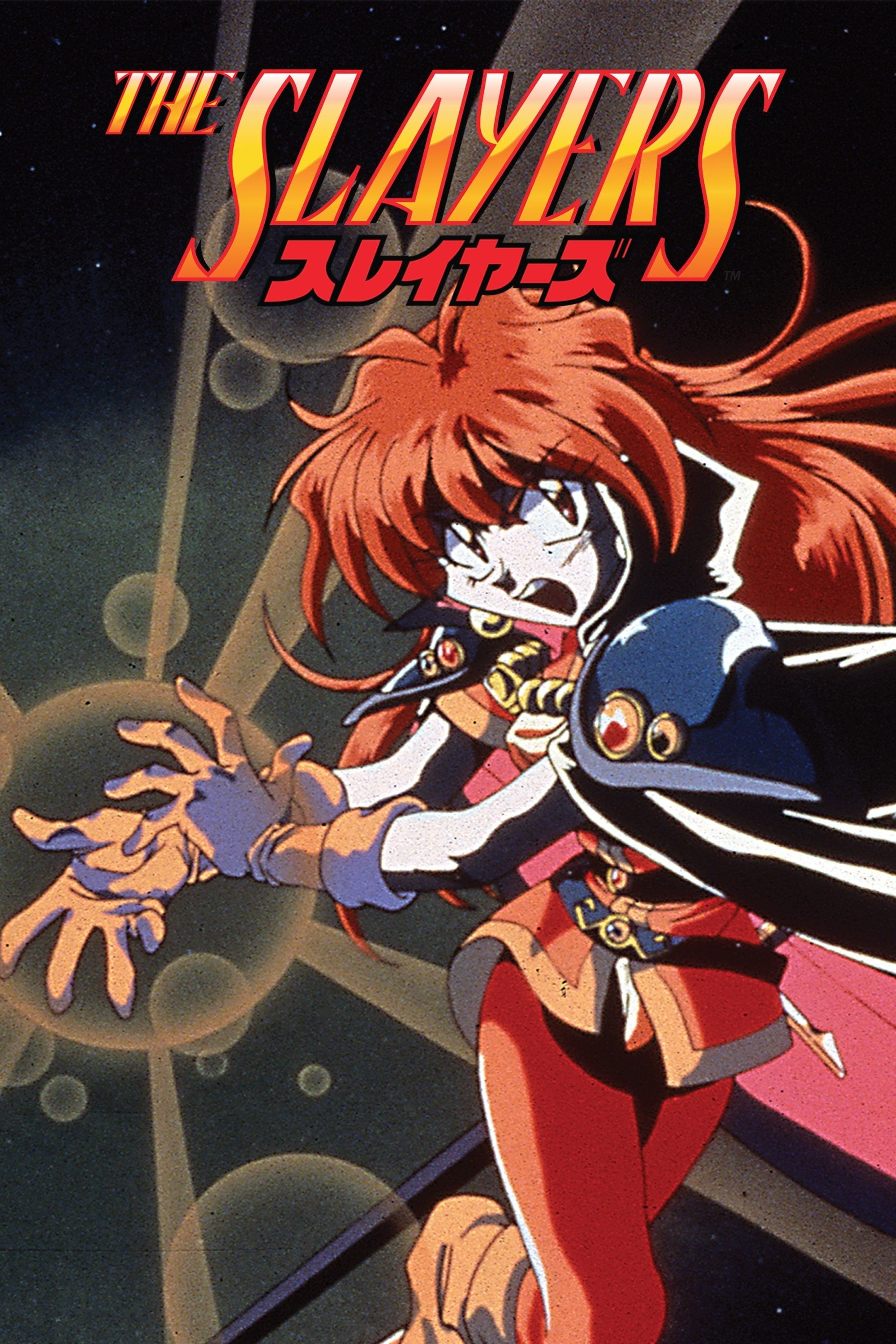
The ‘Slayers’ franchise faced a significant legal delay in its Western release due to a bankruptcy and rights transfer saga. The original licensor, Central Park Media, went bankrupt, leaving the rights to ‘Slayers’ in a legal vacuum for several years. Other distributors had to wait for the bankruptcy courts to clear the titles before they could bid on the license. This legal limbo meant that the series was out of print and unavailable for streaming during the peak of the digital transition. Eventually, Funimation successfully navigated the legal hurdles to rescue the license and bring the series back to the market.
‘Chibi Maruko-chan’ (1990–Present)
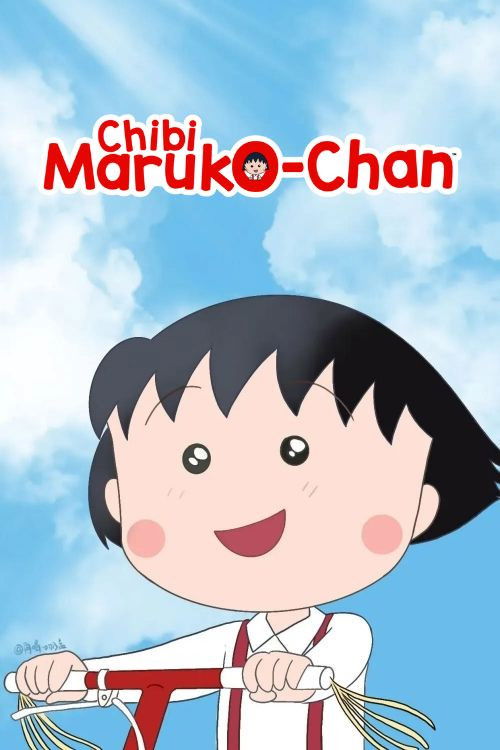
‘Chibi Maruko-chan’ has faced legal challenges regarding the management of the late creator Momoko Sakura’s estate. Following her death in 2018, several legal disputes arose concerning the continued production of the anime and the use of the character’s likeness in unauthorized advertising. The estate has had to file multiple legal notices to protect the brand’s integrity and ensure that the anime remains faithful to Sakura’s original vision. These legal battles have been crucial in maintaining the series as a cultural staple in Japan. Despite the loss of its creator, the series continues to air new episodes thanks to these settled legal frameworks.
Please share your thoughts on these historic anime legal battles in the comments.