The Most Controversial TV Shows That Were Canceled for Being Too Offensive


Television history is littered with programs that pushed the boundaries of public taste, often resulting in swift cancellations due to intense viewer backlash or ethical concerns. While some shows fail due to low ratings, others are pulled off the air because their content is deemed too offensive, culturally insensitive, or ethically questionable for the general public. From ill-conceived sitcoms about historical tragedies to reality shows that exploited their participants, these programs sparked national debates and led to immediate network intervention. This list explores the most controversial television series that were ultimately silenced by the weight of their own scandals.
‘Heil Honey I’m Home!’ (1990)
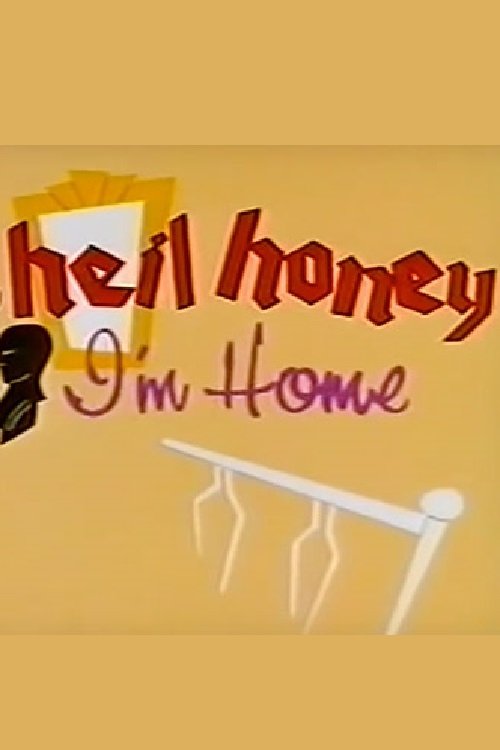
This British sitcom attempted to satirize Adolf Hitler and Eva Braun by portraying them in the style of a classic American suburban sitcom. The pilot episode featured the couple living next door to a Jewish family, which immediately drew immense public outcry. Viewers and critics found the trivialization of the Holocaust and Nazi figures to be deeply offensive and insensitive. British Satellite Broadcasting canceled the series after only one episode had aired on the Galaxy channel. The remaining episodes of the first season were never broadcast and remain largely unseen.
‘Turn-On’ (1969)
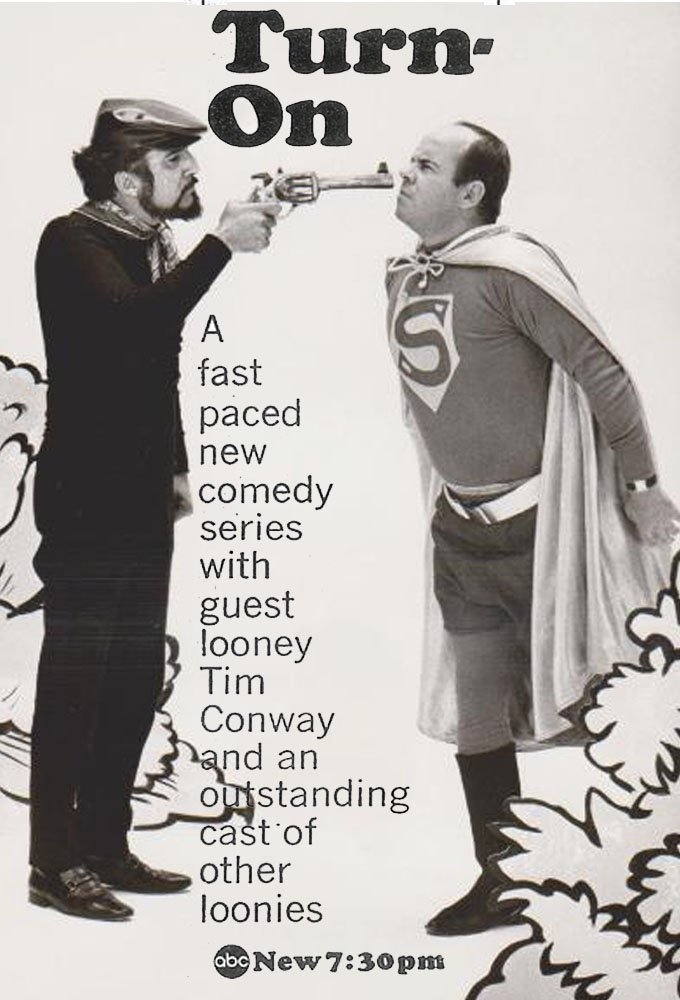
‘Turn-On’ holds the record for one of the fastest cancellations in television history, as it was pulled off the air before its first episode even finished airing in some time zones. The show utilized rapid-fire sketches and experimental visual techniques that many viewers found sexually suggestive and visually jarring. Local affiliates received so many complaints that some refused to return to the broadcast after the first commercial break. ABC officially canceled the series just hours after the premiere. The show’s creator, George Schlatter, had previously found success with ‘Rowan & Martin’s Laugh-In’, but this attempt at edgier content proved too much for 1960s audiences.
‘The Dana Carvey Show’ (1996)

Despite featuring a legendary comedic cast, ‘The Dana Carvey Show’ alienated its prime-time audience almost immediately. The series premiere famously featured a sketch involving Bill Clinton breastfeeding multiple animals, which led to a massive loss of advertisers and viewers. ABC executives were pressured by corporate sponsors who found the humor vulgar and inappropriate for a family timeslot. While it helped launch the careers of Steve Carell and Stephen Colbert, the network canceled it after seven episodes. The show is now remembered as a cult classic that was simply too transgressive for network television at the time.
‘Who’s Your Daddy?’ (2005)
Fox faced a firestorm of criticism when it announced ‘Who’s Your Daddy?’, a reality special where an adopted woman had to identify her biological father from a group of men to win a cash prize. Adoption advocacy groups condemned the show for exploiting emotional trauma and commercializing a sensitive personal journey. The premise was labeled “vile” and “unethical” by various organizations that protect the interests of children and families. Due to the intense negative publicity and low viewership, Fox canceled the series after the pilot episode. The network chose to burn off the remaining episodes in overseas markets or late-night slots.
‘Kid Nation’ (2007)
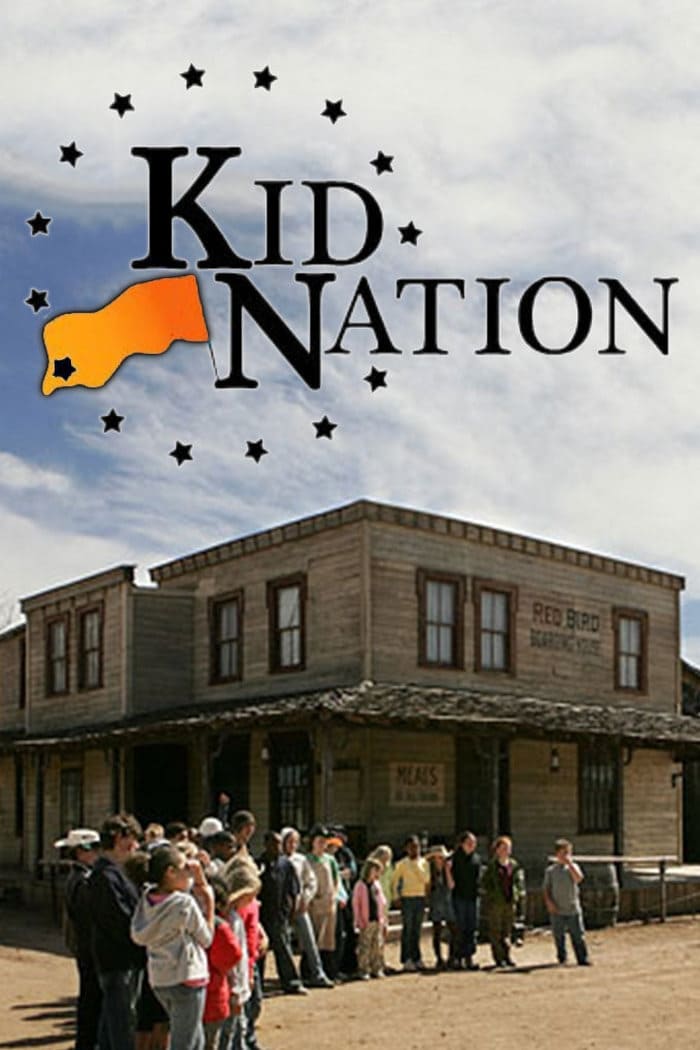
‘Kid Nation’ followed 40 children as they attempted to build a functioning society in a New Mexico ghost town without adult supervision. The show immediately became the subject of a state investigation regarding potential violations of child labor laws and safety regulations. Several children were injured during filming, including one who accidentally drank bleach, fueling a nationwide debate about child exploitation in reality television. Advertisers fled the program as parents and advocacy groups called for its immediate removal. CBS did not renew the series for a second season following the ethical and legal controversies that plagued its production.
‘Skins’ (US) (2011)
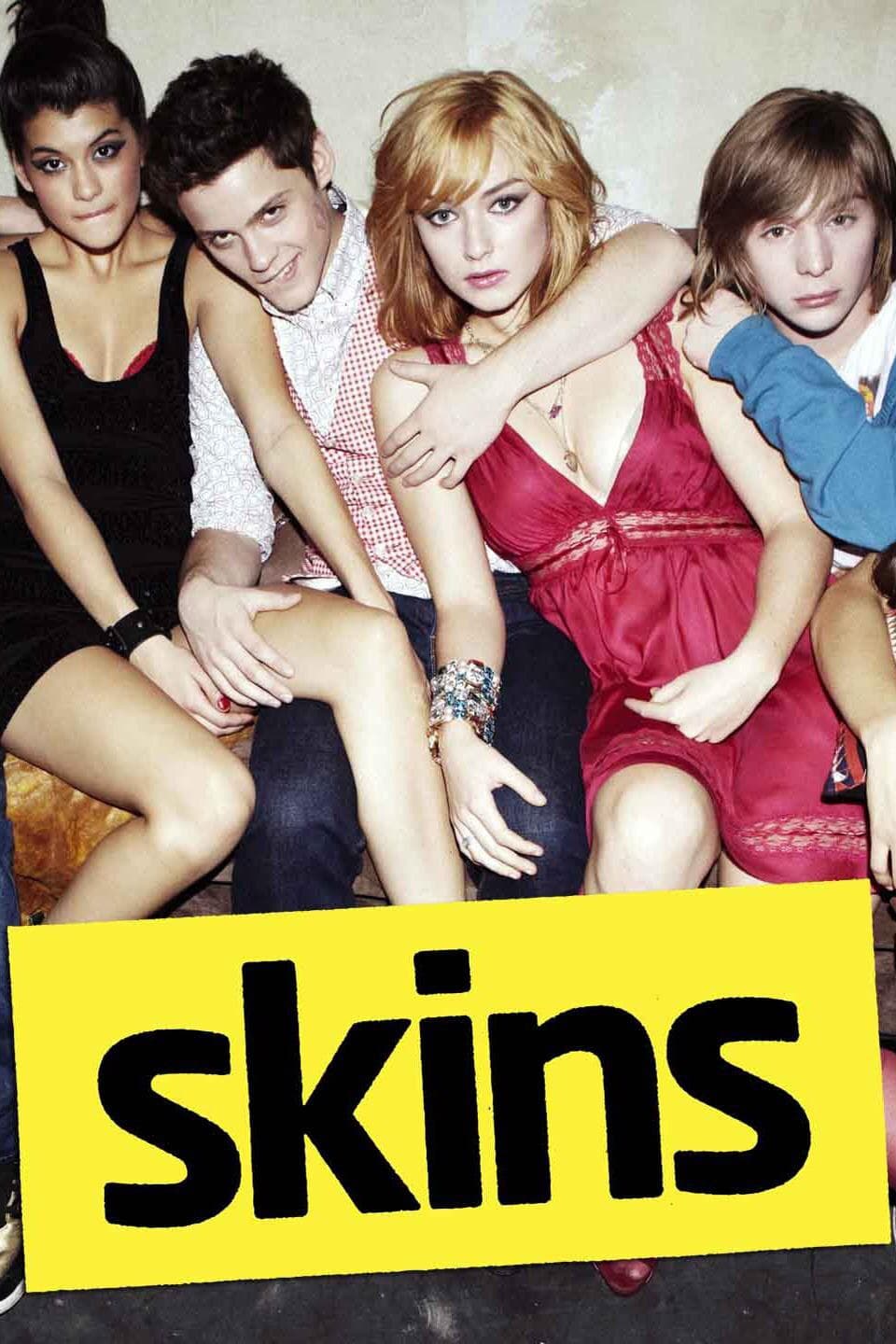
The American adaptation of the popular British series ‘Skins’ attempted to replicate its predecessor’s gritty depiction of teen life, including drug use and sexual situations. However, the Parents Television Council accused the show of violating federal child pornography laws because many of the actors were under the age of 18. This legal threat caused major advertisers like Taco Bell and General Motors to pull their commercials from the show. MTV eventually canceled the series after one season due to the combination of advertiser loss and declining ratings. The controversy remains a landmark case of how far cable networks can push depictions of minors.
’19 Kids and Counting’ (2008–2015)
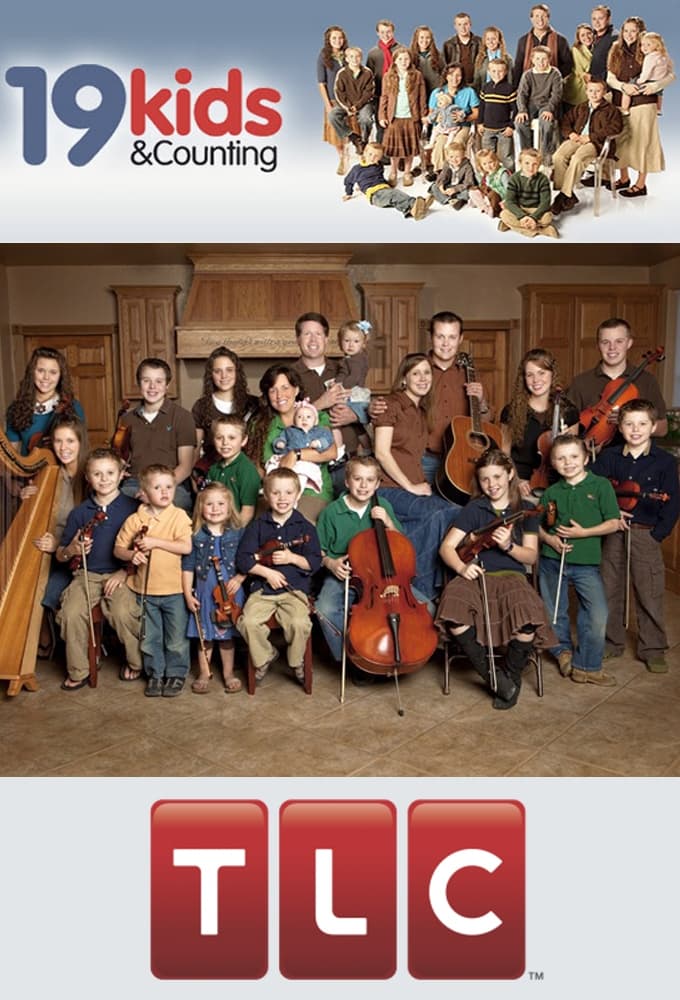
Once a flagship program for TLC, ’19 Kids and Counting’ focused on the daily lives of the Duggar family and their devout religious lifestyle. The show was abruptly canceled in 2015 following revelations that the eldest son, Josh Duggar, had molested several minors, including some of his sisters, years earlier. The public outcry was immediate, with critics accusing the family and the network of covering up the abuse to protect the show’s brand. TLC initially suspended the series before officially pulling the plug as sponsors distanced themselves from the family. The scandal permanently tarnished the show’s image of wholesome family values.
‘Here Comes Honey Boo Boo’ (2012–2014)
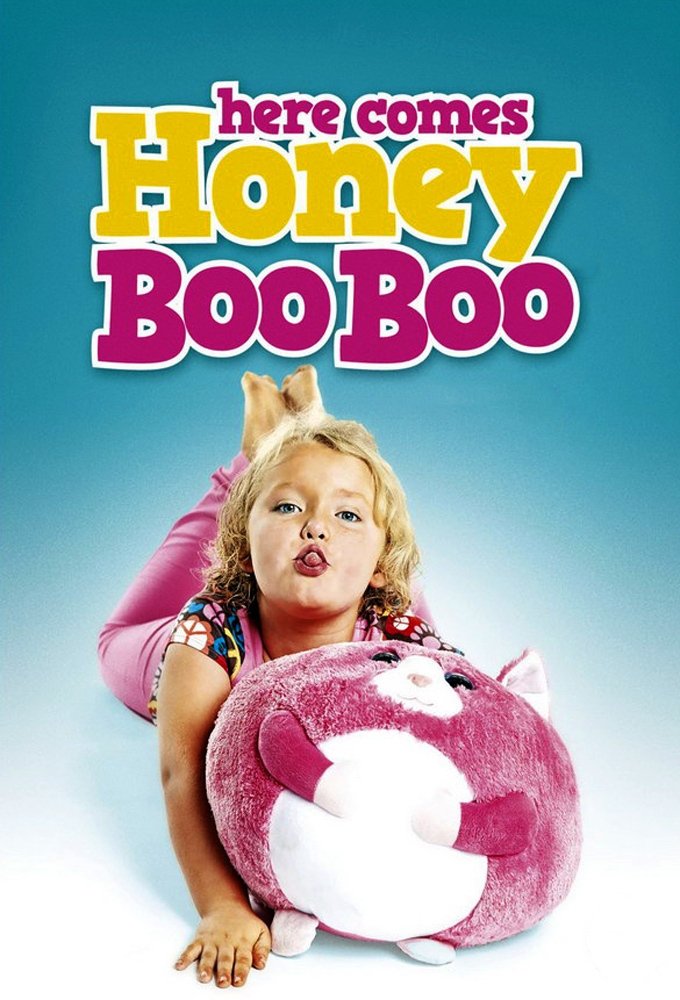
TLC faced another major scandal when it was reported that “Mama June” Shannon had resumed a relationship with a convicted child molester. The man in question had previously served time for assaulting one of June’s own daughters, leading to a massive backlash from the public. Child protection advocates and viewers demanded the show’s cancellation to ensure the safety of the children involved in the production. TLC responded by canceling the show mid-production and filming was immediately halted. Despite the show’s high ratings at the time, the network deemed the situation too toxic to continue.
‘Roseanne’ (2018)
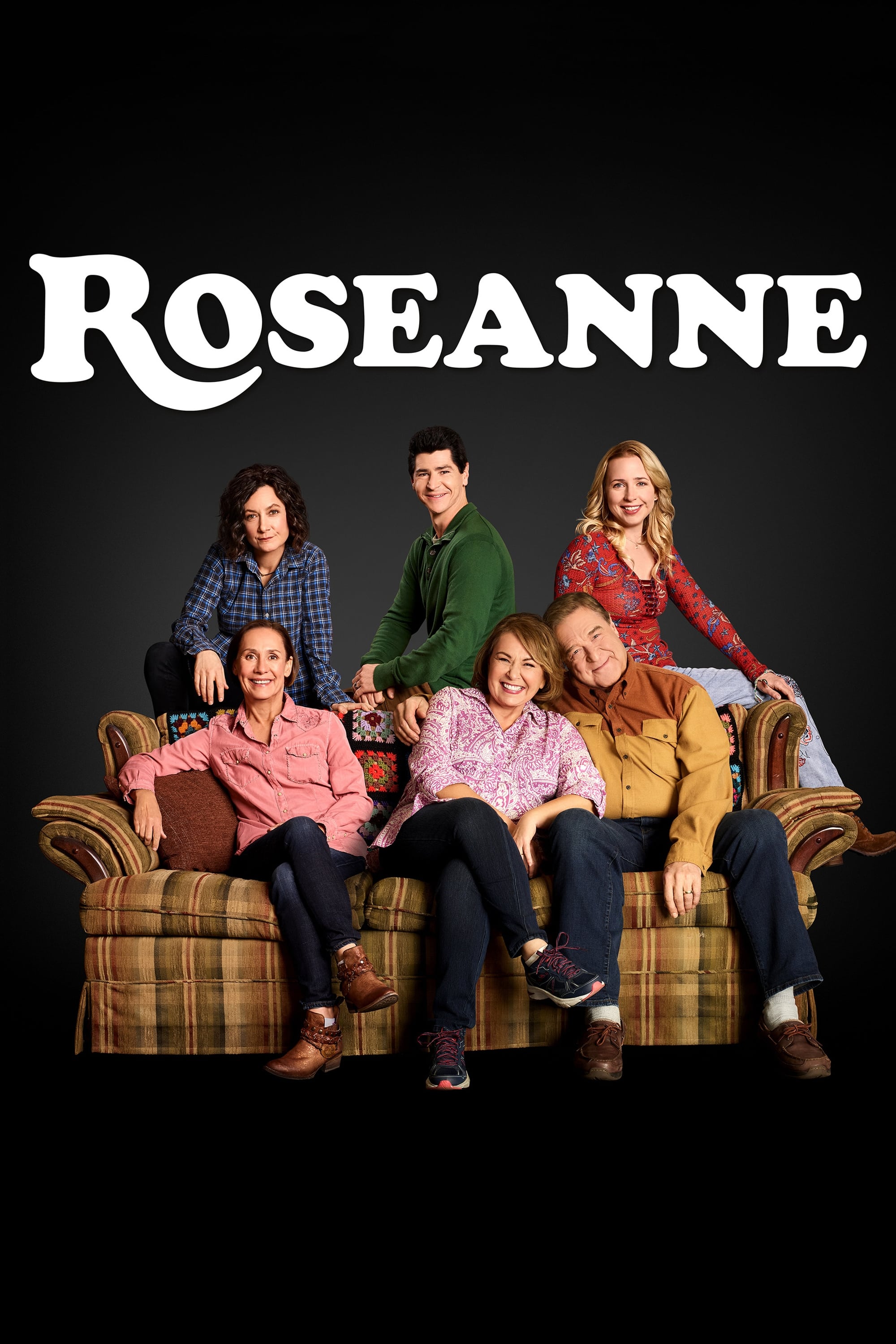
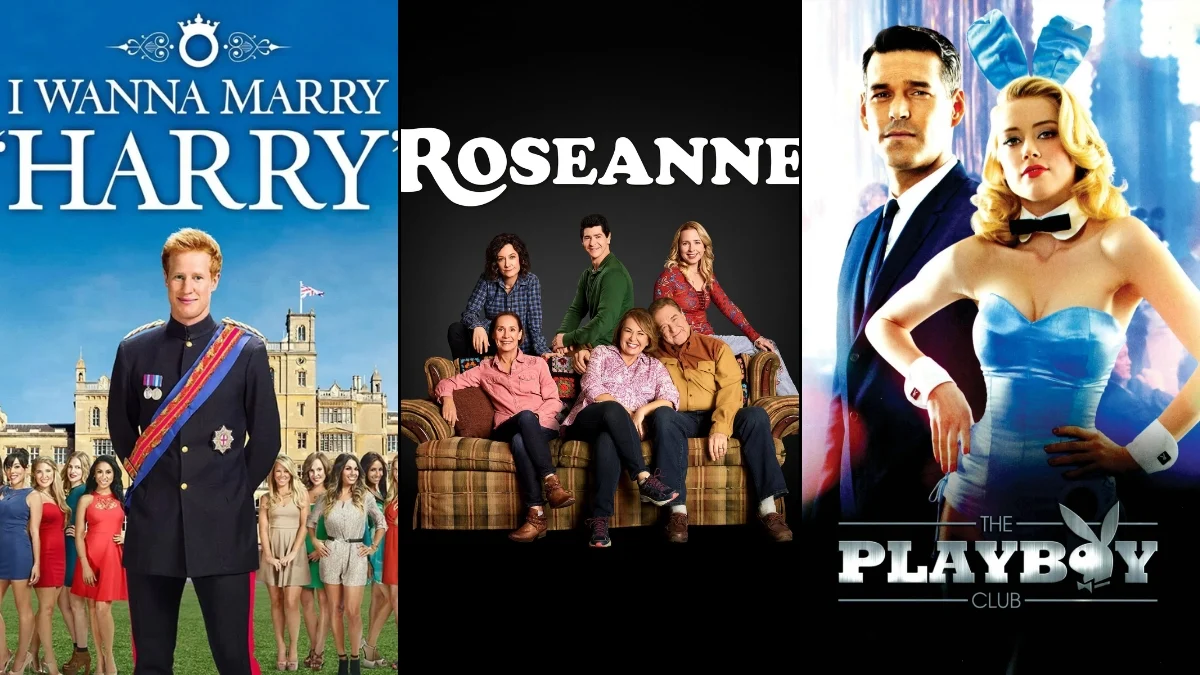
The highly successful revival of ‘Roseanne’ was canceled by ABC in 2018 following a racist tweet sent by the show’s lead actress, Roseanne Barr. Barr’s comments regarding a former Obama administration official were widely condemned as abhorrent and inconsistent with the network’s values. ABC Entertainment President Channing Dungey issued a statement calling the tweet “offensive” and “repugnant.” The cancellation occurred despite the show being the highest-rated program on television at the time. The network eventually rebranded the series as ‘The Conners’, continuing the story without Barr’s character.
‘The Playboy Club’ (2011)
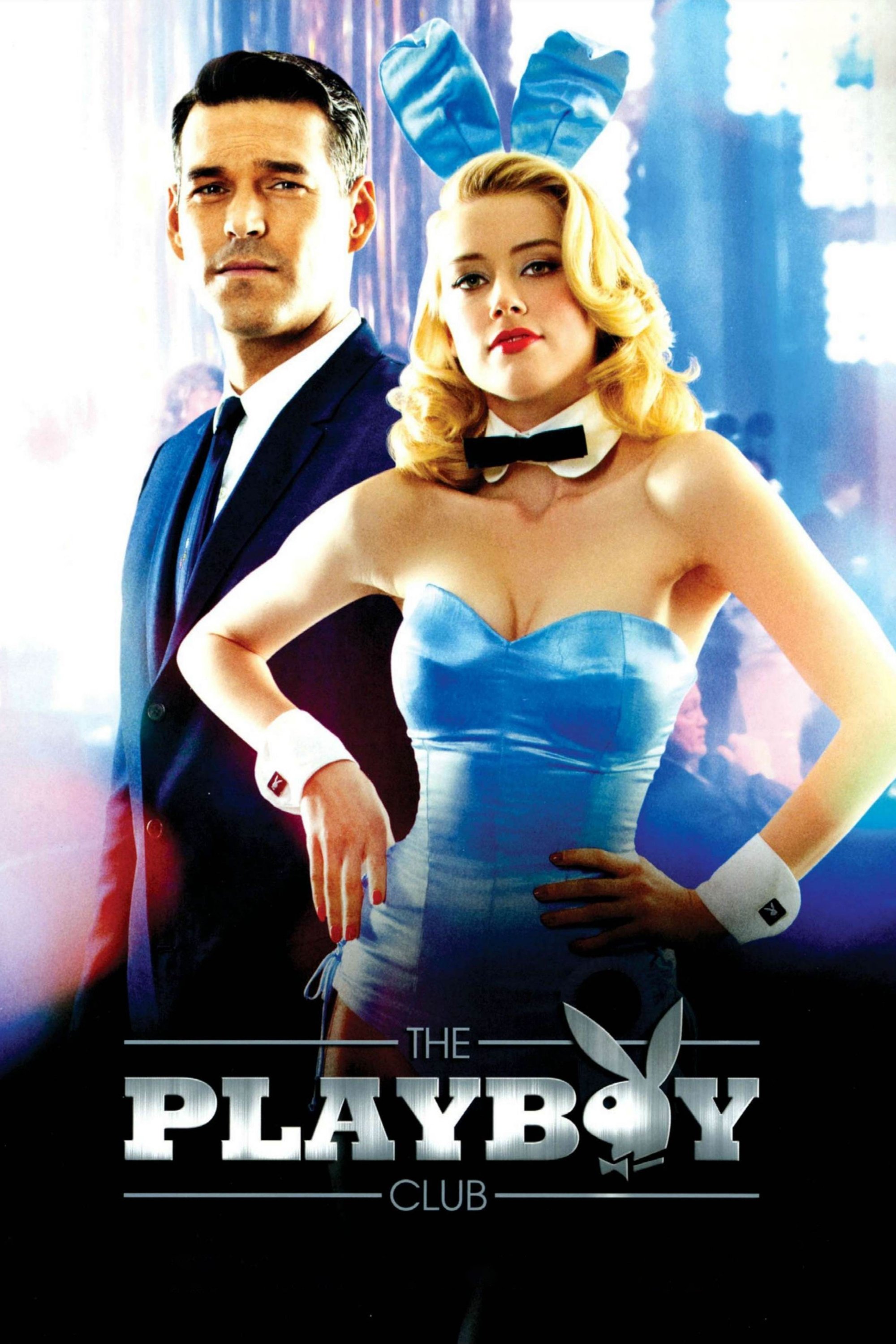
Set in the 1960s, ‘The Playboy Club’ was intended to be a stylish drama about the famous Chicago establishment. However, the show was met with protests from feminist organizations and conservative groups like the Parents Television Council before it even premiered. Critics argued that the show glamorized the objectification of women and the sexist culture of the era. NBC affiliates in several markets refused to air the program, and viewership plummeted after the first episode. The network canceled the series after only three episodes, making it the first cancellation of the 2011 fall season.
‘Luck’ (2012)
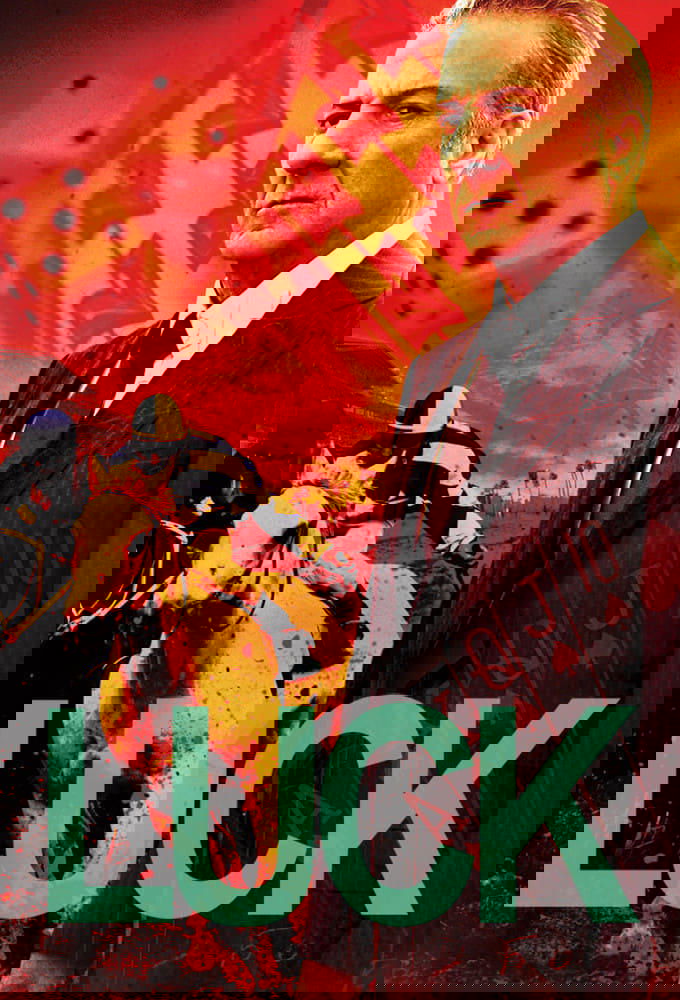
HBO’s horse-racing drama ‘Luck’ was canceled during the production of its second season due to animal safety concerns. Three horses died during the filming of the series, leading to intense pressure from PETA and other animal rights organizations. Investigations revealed that the horses were older and potentially unfit for the high-speed racing scenes required by the script. HBO decided that the risk of further injury or death was too high to justify continuing the production. The show, which starred Dustin Hoffman, was officially terminated to prevent further controversy and ensure the ethical treatment of animals.
‘The Briefcase’ (2015)
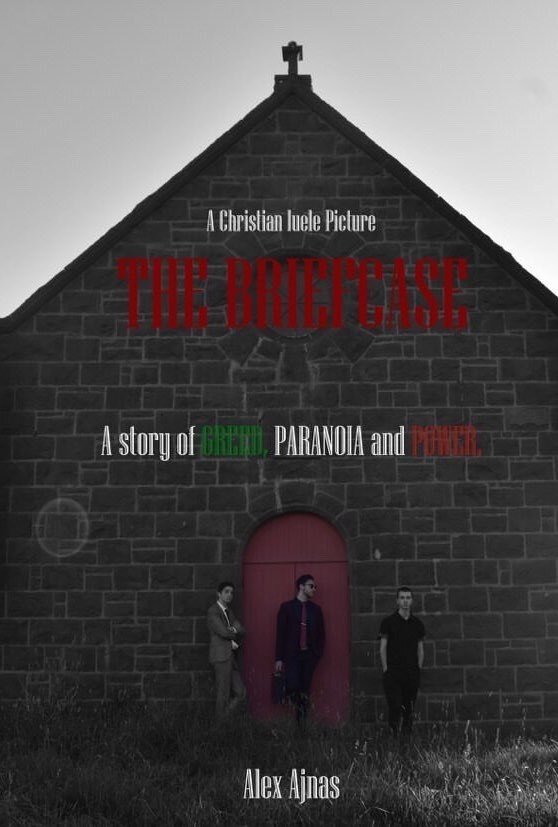
‘The Briefcase’ was a reality show that gave struggling families a briefcase containing $101,000, then gave them the choice to keep it or give some to another family in need. Critics labeled the show as “poverty porn” and accused the creators of exploiting the desperation of low-income families for entertainment. Many viewers found the psychological manipulation and the forced moral dilemmas to be cruel rather than inspiring. The backlash on social media was sustained throughout its short run. CBS chose not to bring the show back for a second season after the first cycle concluded.
‘Cops’ (1989–2020)
After more than thirty years on the air, ‘Cops’ was canceled by the Paramount Network in 2020 amid global protests against police brutality. Advocacy groups had long criticized the show for glorifying aggressive policing tactics and unfairly profiling minority communities. The decision to pull the show came during a period of intense reflection on the role of law enforcement in media. While the show was later revived on a specialized streaming service, its removal from major cable networks marked a significant shift in television standards. The cancellation was seen as a response to the changing cultural perceptions of crime and justice.
‘Live PD’ (2016–2020)
Similar to ‘Cops’, ‘Live PD’ was canceled by A&E in 2020 following the civil unrest sparked by the death of George Floyd. The show faced additional controversy when it was revealed that production crews had filmed the death of Javier Ambler during a police encounter but later destroyed the footage. This revelation led to accusations that the show was impeding justice and acting as a propaganda tool for police departments. Despite being the highest-rated show on the network, A&E decided to cancel it to align with the cultural climate. The show eventually returned under a different title on a different network, but the original brand remains retired.
‘The Richard Pryor Show’ (1977)
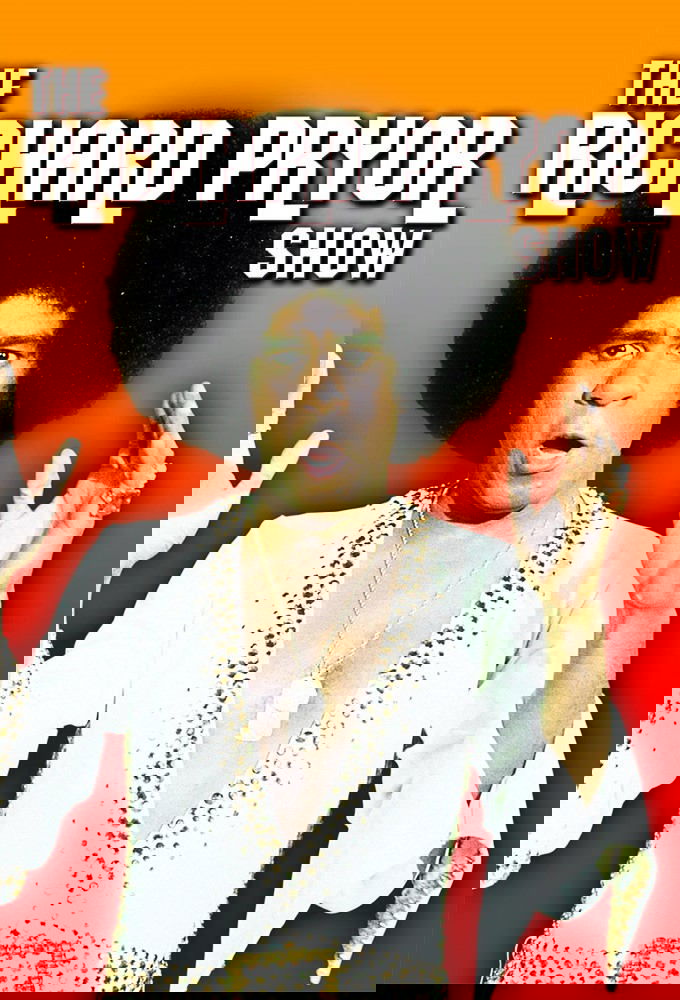
Richard Pryor brought his edgy, boundary-pushing comedy to NBC in 1977, but the partnership was fraught with tension from the start. The network’s censors repeatedly clashed with Pryor over sketches that dealt with race, sex, and religion. One specific sketch where Pryor appeared to be castrated in the opening shot caused a major rift with executives. Pryor was unwilling to compromise his artistic vision to suit the standards of 1970s broadcast television. Consequently, the show was canceled after only four episodes despite Pryor’s massive popularity as a stand-up comedian.
‘Buckwild’ (2013)
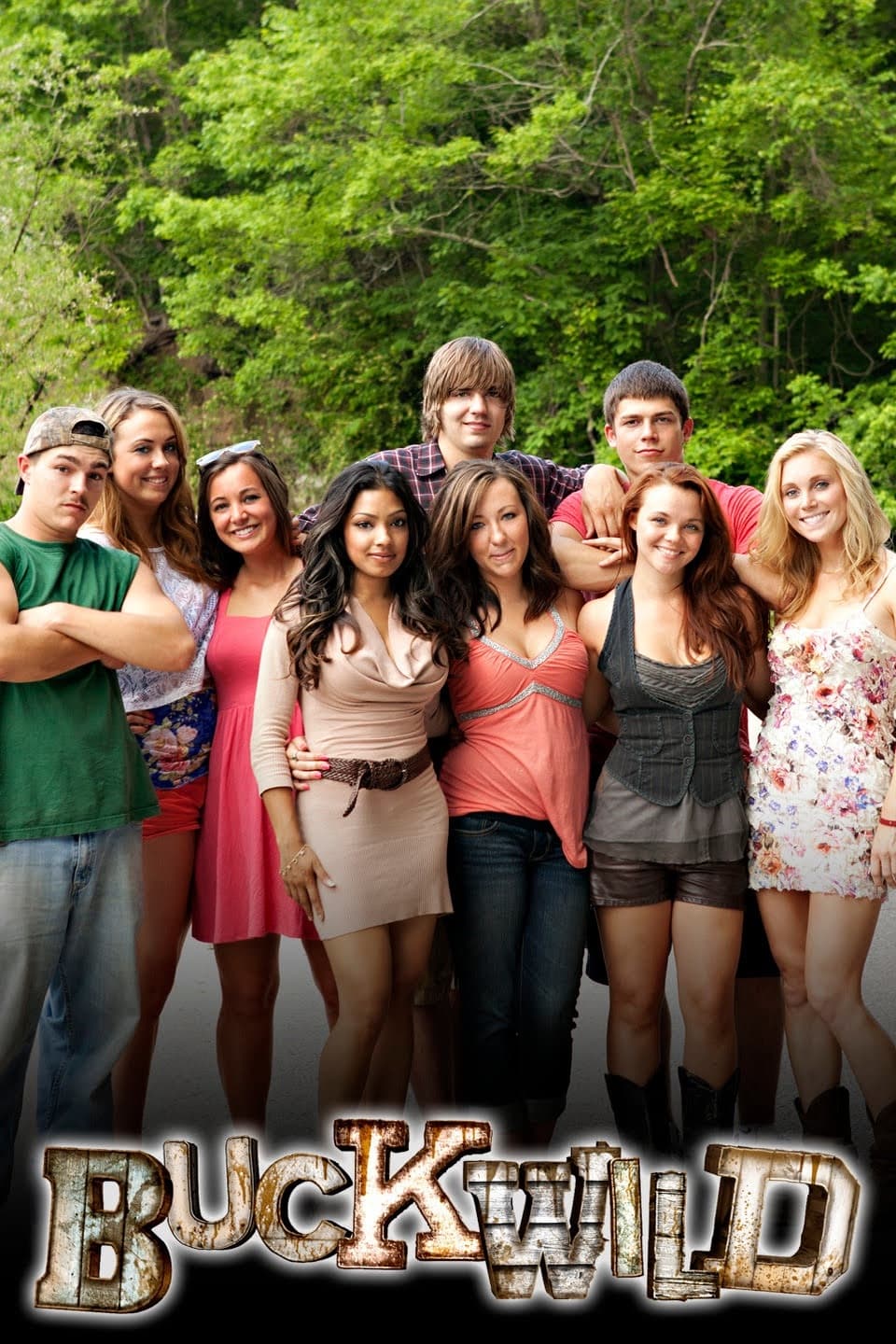
MTV’s ‘Buckwild’ was marketed as a wilder, rural version of ‘Jersey Shore’, focusing on young adults in West Virginia. The show faced criticism from state officials, including Senator Joe Manchin, who claimed it portrayed the state in a negative and stereotypical light. The controversy turned tragic when one of the lead cast members, Shain Gandee, died of carbon monoxide poisoning during an off-roading accident. MTV initially suspended production out of respect for the family but eventually canceled the series altogether. The network decided that continuing the show would be in poor taste given the circumstances of the tragedy.
‘Paula’s Best Dishes’ (2008–2013)
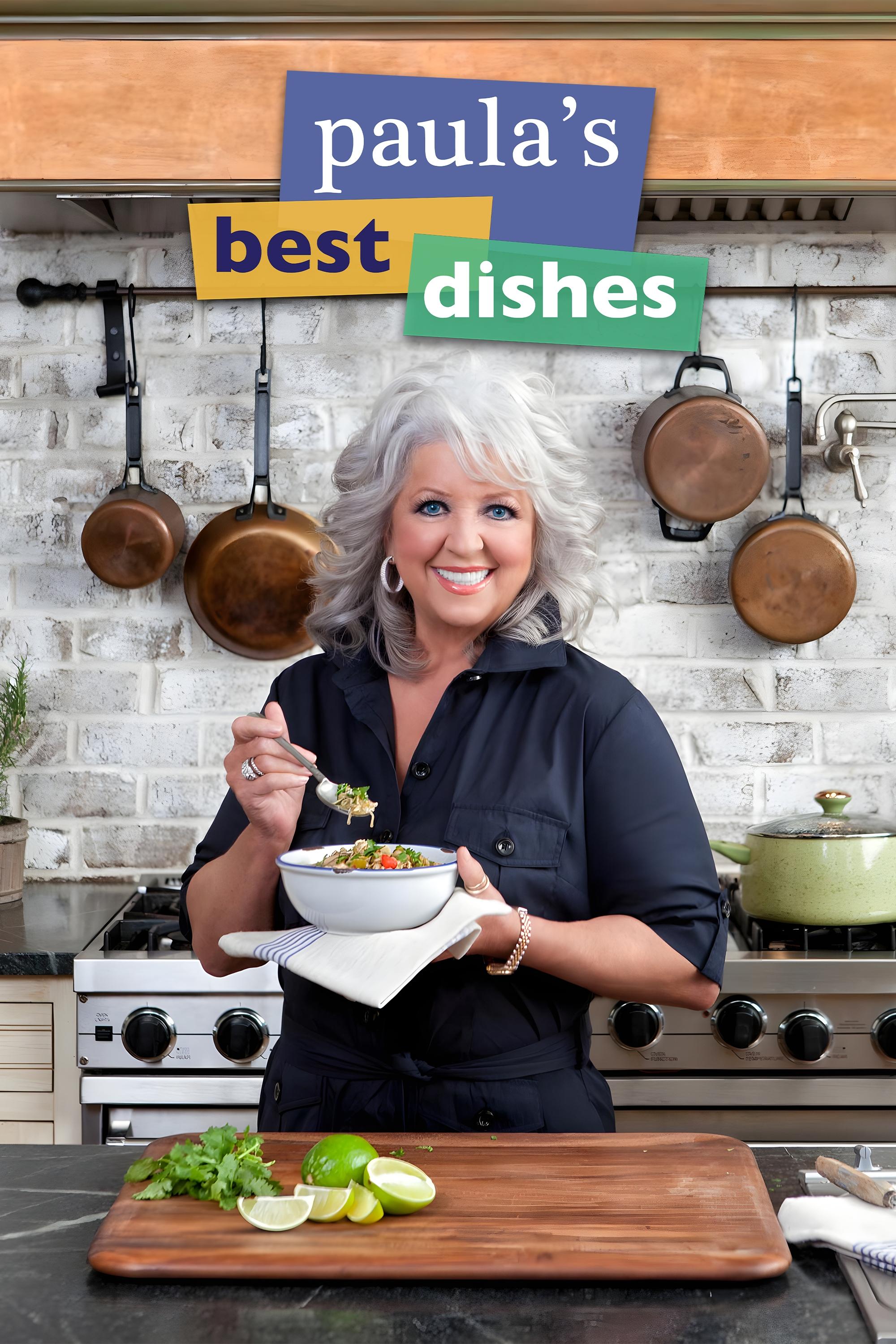
The Food Network ended its long-standing relationship with celebrity chef Paula Deen in 2013. The decision followed a legal deposition in which Deen admitted to using racial slurs in the past. The revelation caused a massive scandal that led to several corporate sponsors, including Smithfield Foods and Walmart, dropping her products. Despite an apology tour, the network chose not to renew her contract, effectively canceling her various programs. The controversy highlighted the increasing accountability for public figures regarding their language and historical conduct.
‘The Swan’ (2004)
‘The Swan’ was a plastic surgery competition where women deemed “ugly ducklings” underwent extensive surgical transformations. Mental health professionals and feminist critics slammed the show for promoting body dysmorphia and an unhealthy obsession with physical perfection. The contestants were isolated from their families for months and subjected to intense psychological pressure. While it achieved decent ratings initially, the moral outrage regarding the ethics of the show led to its decline. It was canceled after two seasons as the public’s appetite for such extreme makeovers began to sour.
‘Bridalplasty’ (2010–2011)

Similar to ‘The Swan’, ‘Bridalplasty’ featured brides-to-be competing for various plastic surgery procedures to achieve their “perfect” wedding look. The show was criticized for its regressive views on women and the trivialization of major surgical operations. Medical ethics groups expressed concern that the show encouraged viewers to view surgery as a casual competition prize. The lack of emotional depth and the focus on superficiality made it a target for heavy critical panning. E! Entertainment Television chose not to renew the show for a second season following the initial run.
‘The Moment of Truth’ (2008–2009)
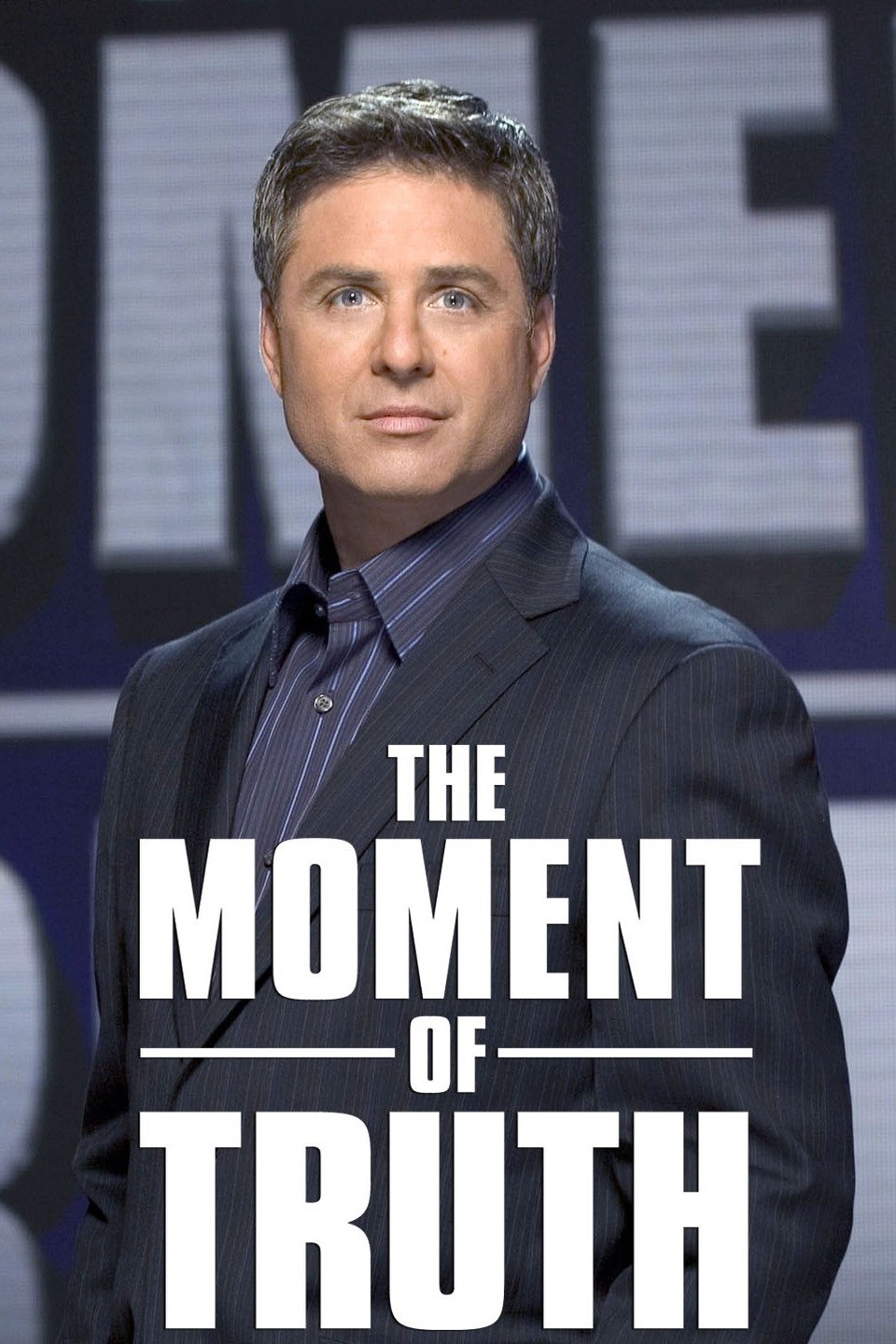
In ‘The Moment of Truth’, contestants were hooked up to a polygraph and asked increasingly personal and embarrassing questions for money. Many of these questions involved infidelity, illegal activities, and private family matters, often with the contestants’ families sitting in the audience. The show was accused of destroying marriages and lives purely for the sake of ratings and entertainment. Several episodes featured moments so uncomfortable that viewers and critics labeled the show as a new low for television. Fox eventually canceled the series as the shock value wore off and the moral backlash intensified.
‘I Wanna Marry “Harry”‘ (2014)
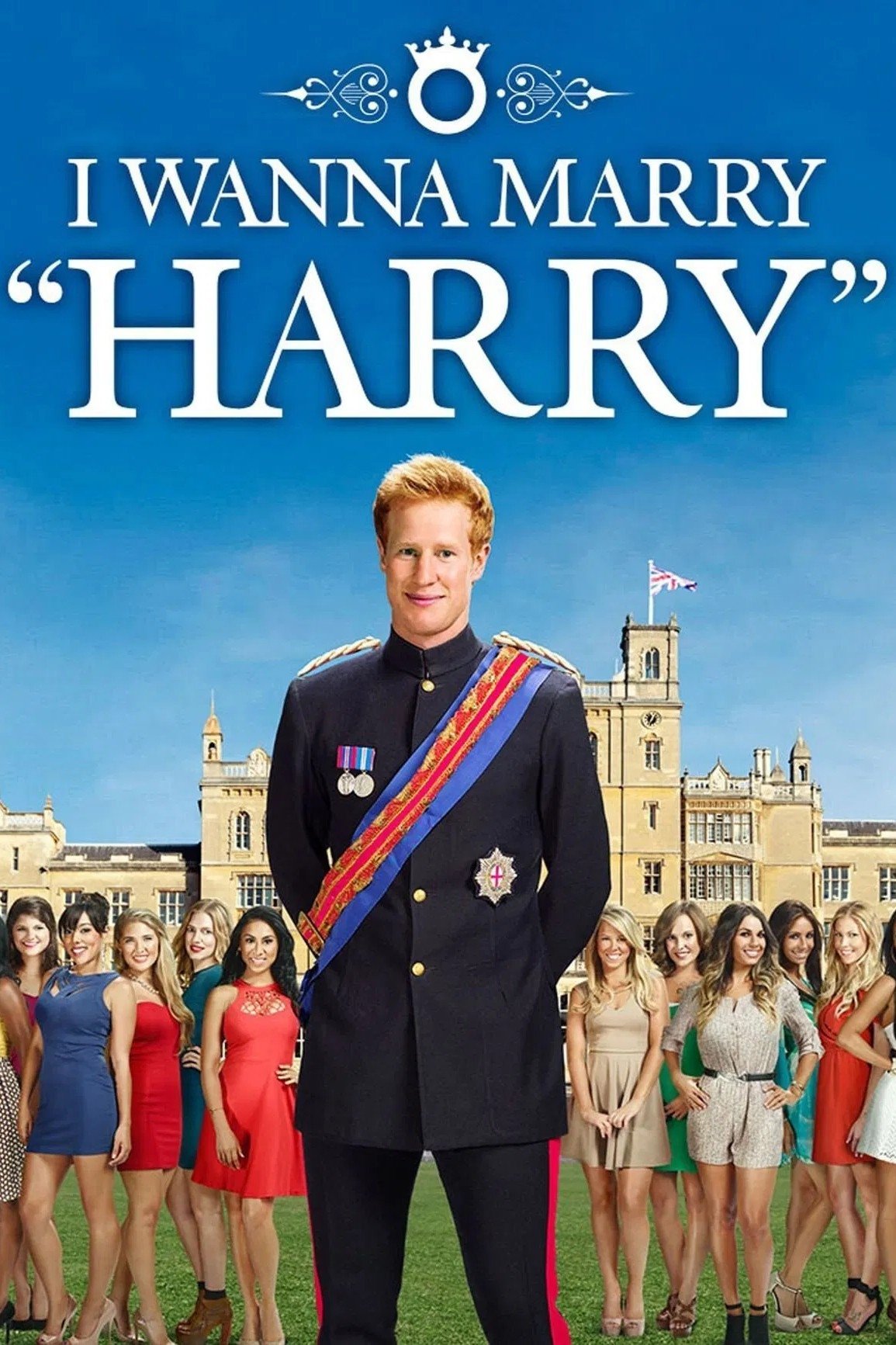
Fox attempted to capitalize on royal fever with ‘I Wanna Marry “Harry”‘, a reality show where women were tricked into believing they were dating Prince Harry. In reality, the man was a lookalike, and the production went to extreme lengths to maintain the deception. Critics found the premise to be mean-spirited and built on a foundation of lies and psychological manipulation. Viewers largely rejected the show, finding the cruelty of the prank to be off-putting rather than entertaining. The series was pulled from the schedule after only four episodes aired due to disastrous ratings and negative reviews.
‘Boy Meets Boy’ (2003)
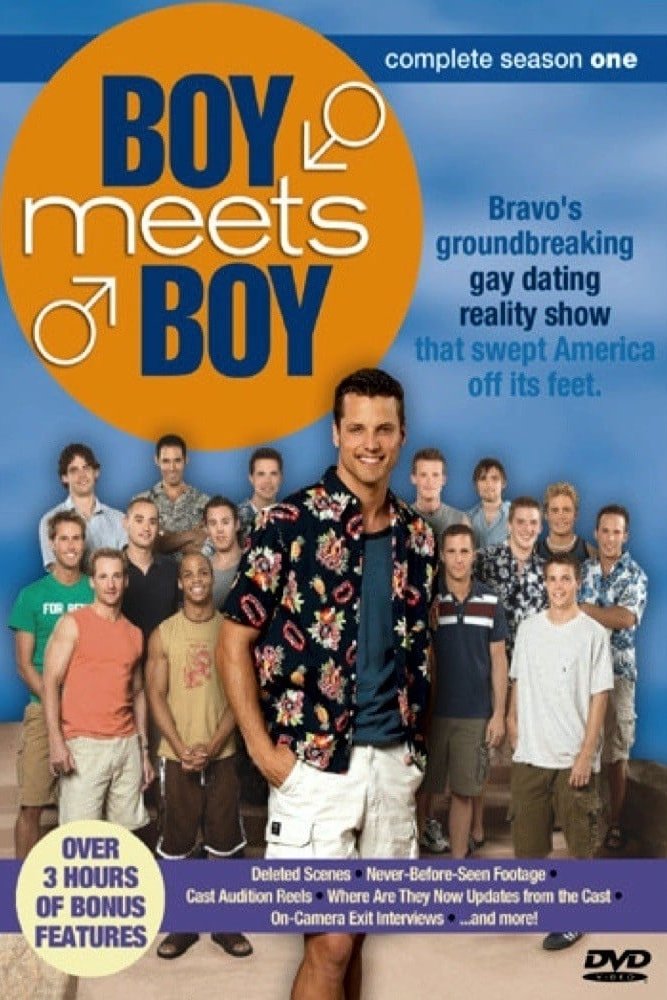
Bravo’s ‘Boy Meets Boy’ was a dating show with a twist: some of the men competing for the lead’s affection were actually straight and pretending to be gay to win money. The LGBTQ+ community and advocacy groups condemned the show for using deception as a gimmick in a way that felt homophobic. Critics argued that the show made a mockery of gay relationships and exploited the contestants’ search for genuine connection. The backlash was significant enough that the show did not return for any subsequent seasons. It remains a controversial example of early 2000s reality TV “twists.”
‘The Idol’ (2023)
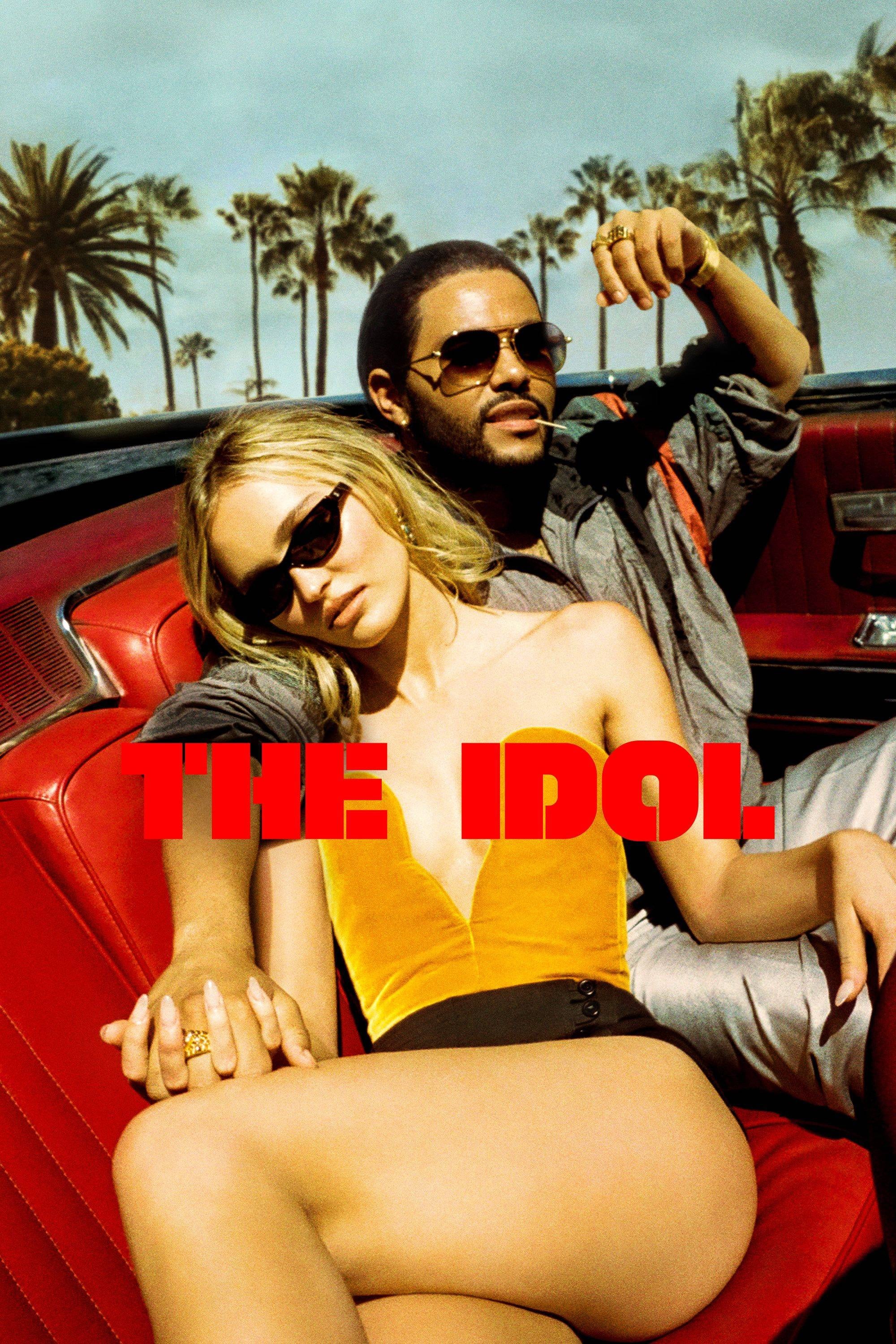
HBO’s ‘The Idol’ was plagued by controversy from the moment reports surfaced regarding a troubled production and a “torture porn” creative direction. Critics and viewers found the show’s depiction of sexual violence and female exploitation to be gratuitous and unnecessary. The series was accused of being a “**** fantasy” by some reviewers, leading to a significant drop in prestige for the network. Despite high-profile stars like The Weeknd and Lily-Rose Depp, the show was widely panned for its script and tone. HBO officially canceled the series after one shortened five-episode season.
‘Work It’ (2012)
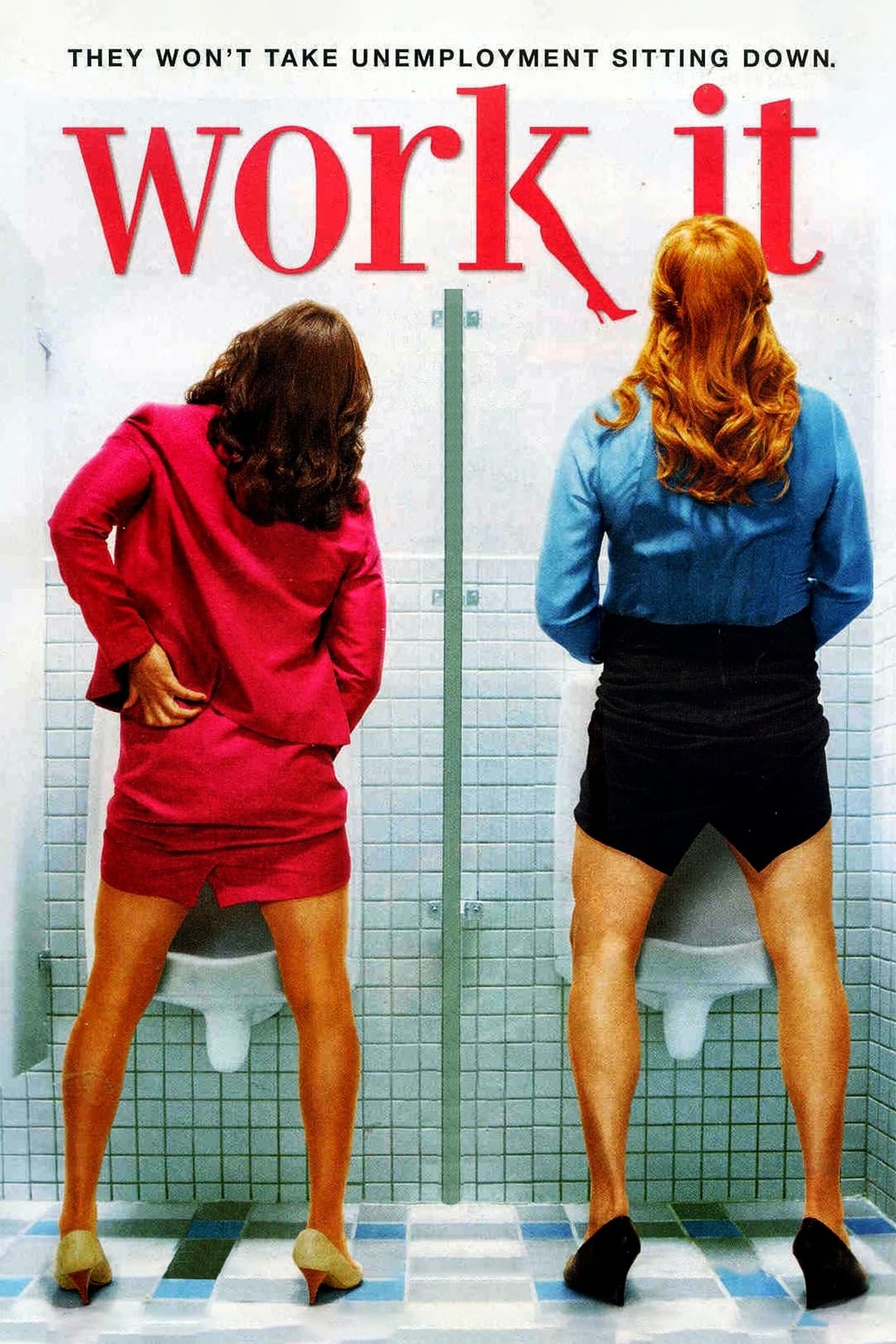
‘Work It’ was an ABC sitcom about two men who dress as women to secure jobs in a difficult economy. The show was immediately met with protests from GLAAD and other LGBTQ+ advocacy organizations, who labeled it as transphobic and insensitive. Critics argued that the show’s humor relied on outdated tropes that mocked gender identity and expression. The backlash was so swift that even the show’s actors were publicly questioned about its content. After only two episodes aired to terrible reviews and low ratings, ABC canceled the series.
‘Father of the Pride’ (2004–2005)
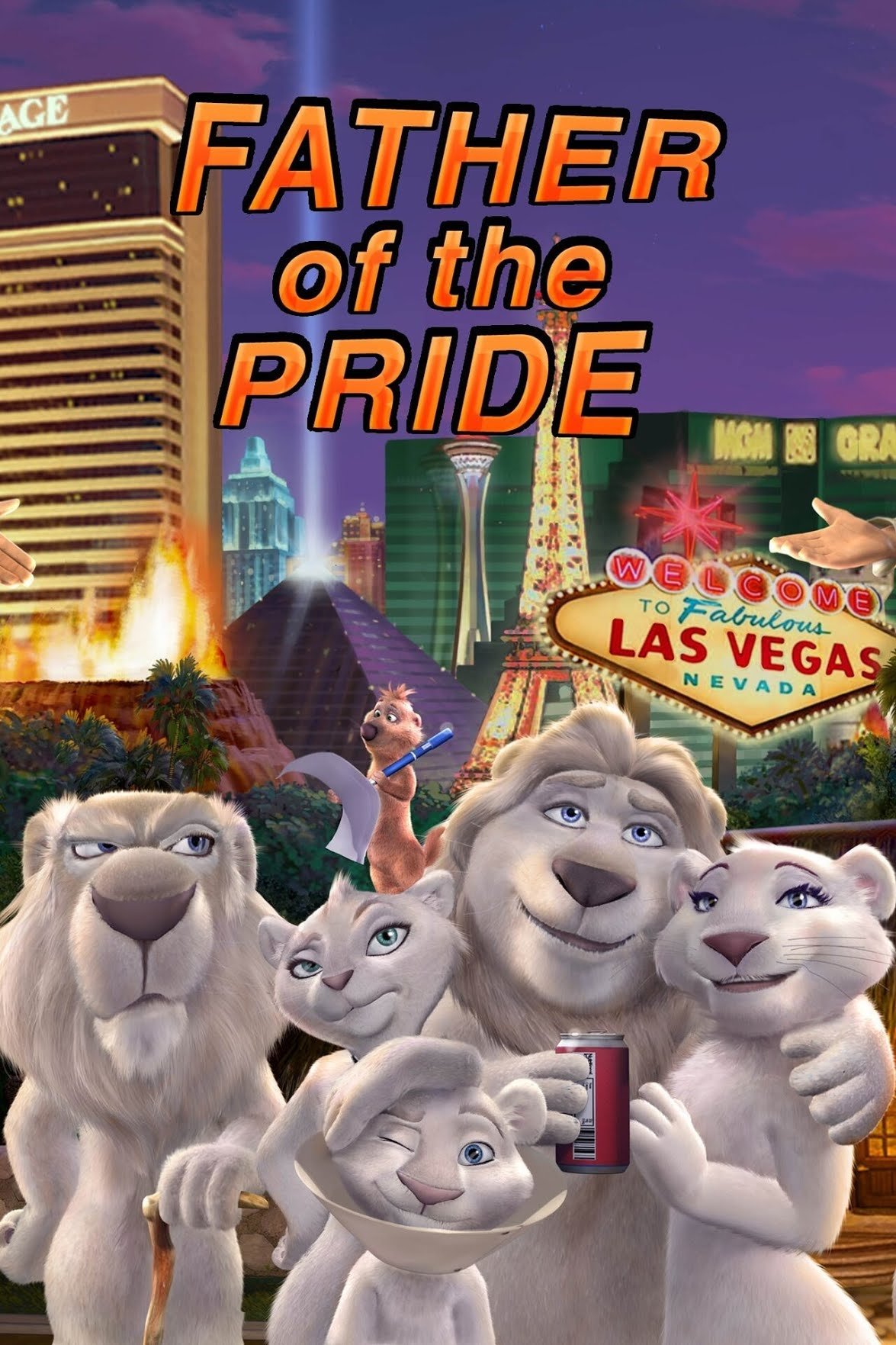
‘Father of the Pride’ was an expensive animated series from DreamWorks that focused on the lions belonging to Siegfried & Roy. The show was heavily criticized for its raunchy humor, which many felt was inappropriate for a prime-time slot on NBC. Furthermore, the show premiered shortly after Roy Horn was severely injured by a tiger, making the premise feel insensitive to the real-life tragedy. The high production costs combined with the negative critical reception made it a major failure for the network. It was canceled after one season, leaving many episodes unaired in its original run.
‘Utopia’ (2014)
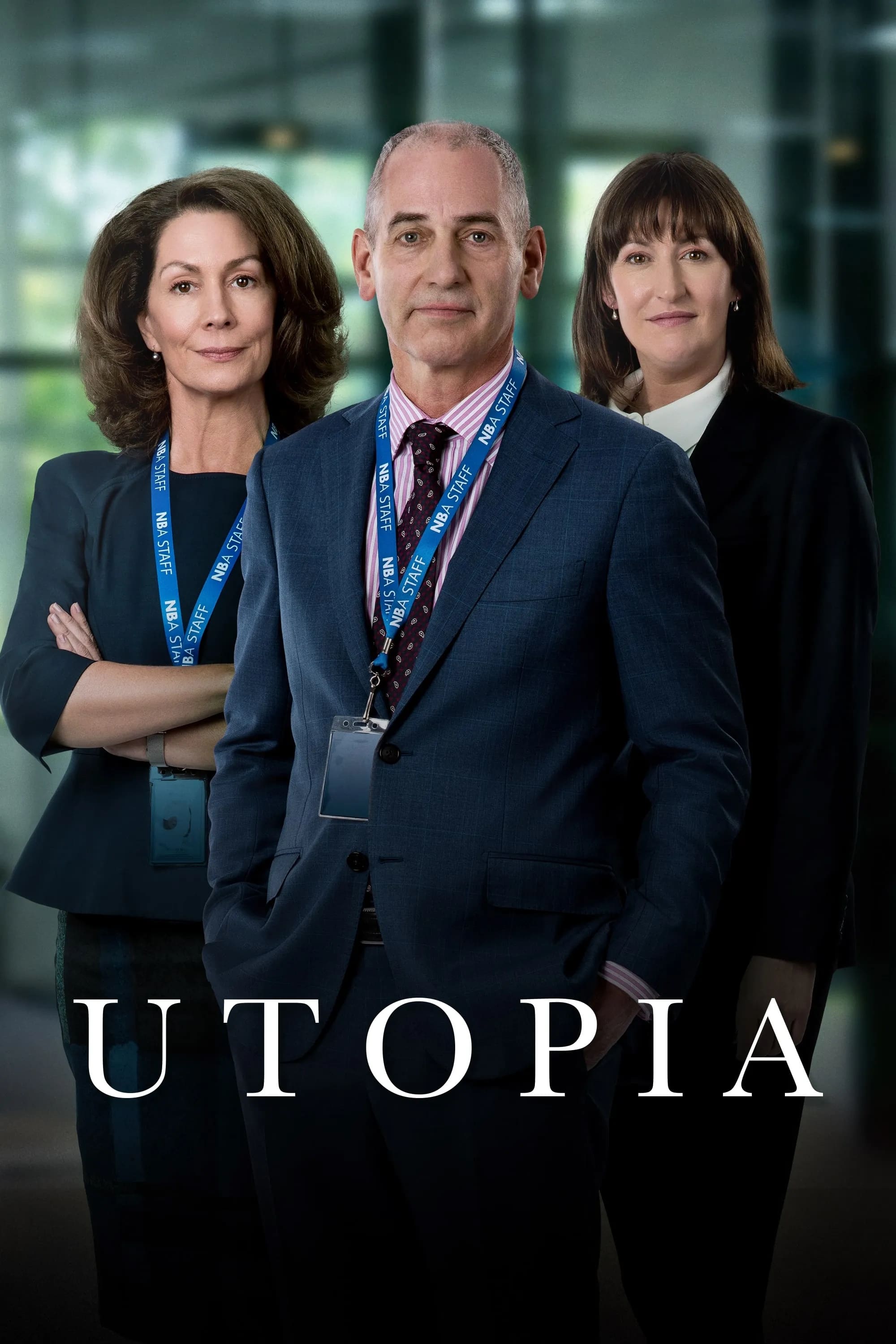
Fox invested $50 million in ‘Utopia’, a reality show where participants tried to build a new society from scratch over the course of a year. The show quickly devolved into chaos, with cast members engaging in threatening behavior and racist comments. One participant had to be removed for making violent threats, and the general lack of hygiene and civility turned viewers off. The “live feed” nature of the show meant that offensive behavior was constantly documented and reported. Fox canceled the ambitious project after only two months due to a combination of controversy and low ratings.
‘The Smothers Brothers Comedy Hour’ (1967–1969)
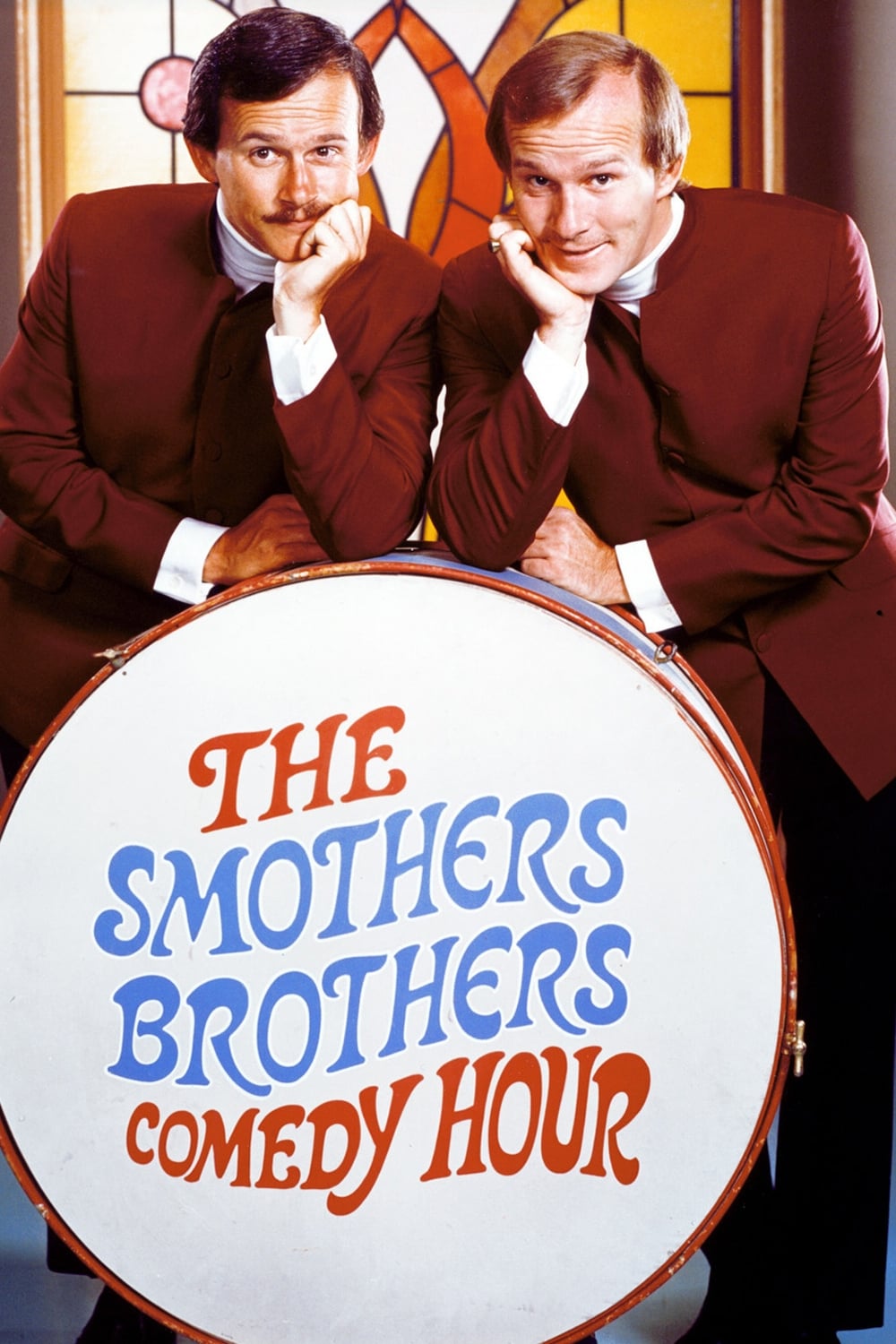
Despite being a ratings hit, ‘The Smothers Brothers Comedy Hour’ was canceled by CBS due to its frequent political commentary and anti-war stances. The hosts frequently clashed with the network’s censors over sketches that poked fun at the government and the Vietnam War. CBS executives were uncomfortable with the show’s counter-culture leanings and its appeal to a younger, more radicalized audience. The network eventually used a technicality regarding the delivery of tapes to justify the cancellation. The move remains one of the most famous examples of network censorship in television history.
‘The Real Housewives of D.C.’ (2010)
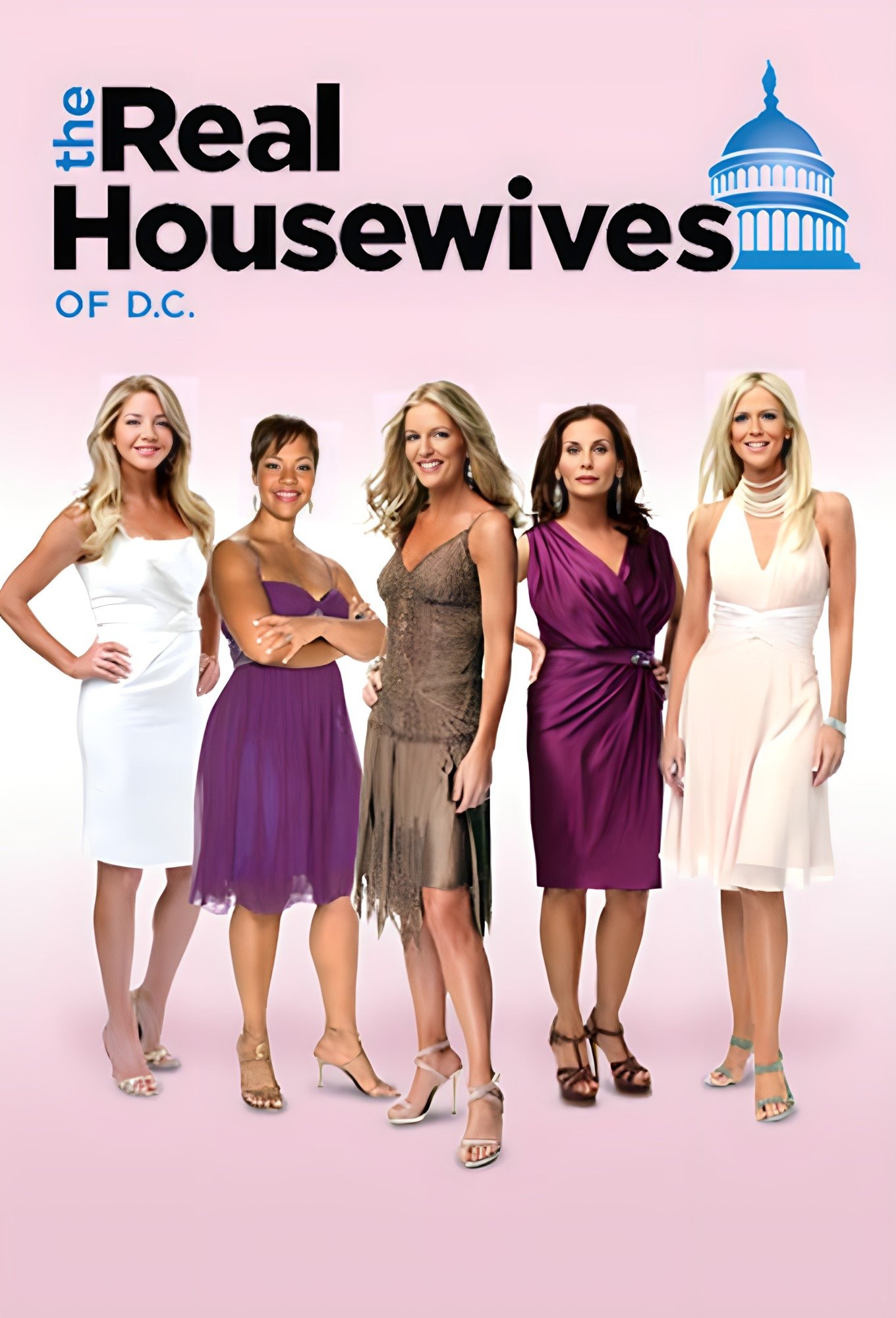
This installment of the ‘Real Housewives’ franchise was canceled after only one season following a massive national security scandal. Cast members Tareq and Michaele Salahi famously crashed a White House state dinner, leading to a criminal investigation and a Congressional hearing. The incident caused significant embarrassment for the Secret Service and the Bravo network. Many felt that the show encouraged reckless behavior for the sake of fame and “clout.” Bravo decided not to bring the show back, making it one of the few cities in the franchise to be canceled so quickly.
‘H8R’ (2011)
‘H8R’ was a reality show where celebrities confronted people who had posted negative comments about them online. Critics slammed the show for essentially providing a platform for bullying and for the self-indulgent nature of the concept. Many viewers found the confrontations to be staged and the celebrities’ attempts at “winning over” their haters to be disingenuous. The show was accused of trivializing the very real issue of online harassment. CW canceled the series after only four episodes due to poor reviews and lack of interest from the general public.
‘The Glass House’ (2012)
‘The Glass House’ was a reality competition that was sued by CBS for being a “blatant” rip-off of their hit show ‘Big Brother’. Beyond the legal drama, the show faced controversy for its invasive premise, which allowed viewers to control nearly every aspect of the contestants’ lives. This led to moments that felt exploitative and mean-spirited as the audience voted to make the participants’ lives difficult. The legal battle and the negative press overshadowed the actual competition. ABC canceled the show after one season, and it has never been revived or repeated.
Share your thoughts on these controversial cancellations in the comments.