Musicians Who Publicly Begged Fans Not to Buy Their Own Albums

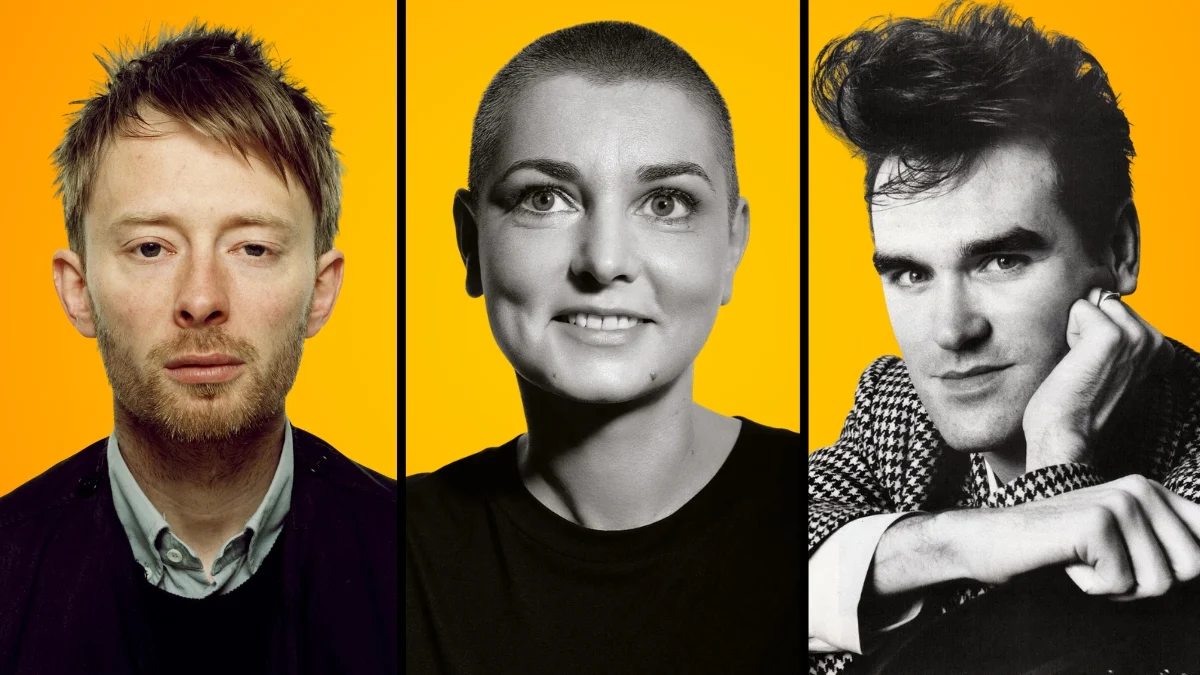

The relationship between musical artists and their record labels has often been fraught with tension, leading to public outbursts and unusual requests. In some instances, this conflict reaches a point where musicians actively discourage their audience from purchasing specific releases. Whether due to contract disputes, poor production quality, or unauthorized compilations, these artists took the bold step of telling fans to keep their money. This list explores the moments when famous performers prioritized their creative integrity over commercial sales.
Morrissey

The former frontman of The Smiths urged his followers to boycott the 2014 release of ‘World Peace Is None of Your Business’. After being dropped by Harvest Records shortly after the album debut, Morrissey claimed the label had failed to support the project. He expressed frustration over the distribution and stated that purchasing the record through official channels would only benefit a label that had abandoned him. This public feud eventually led to the album being temporarily removed from major streaming services and digital storefronts.
Trent Reznor
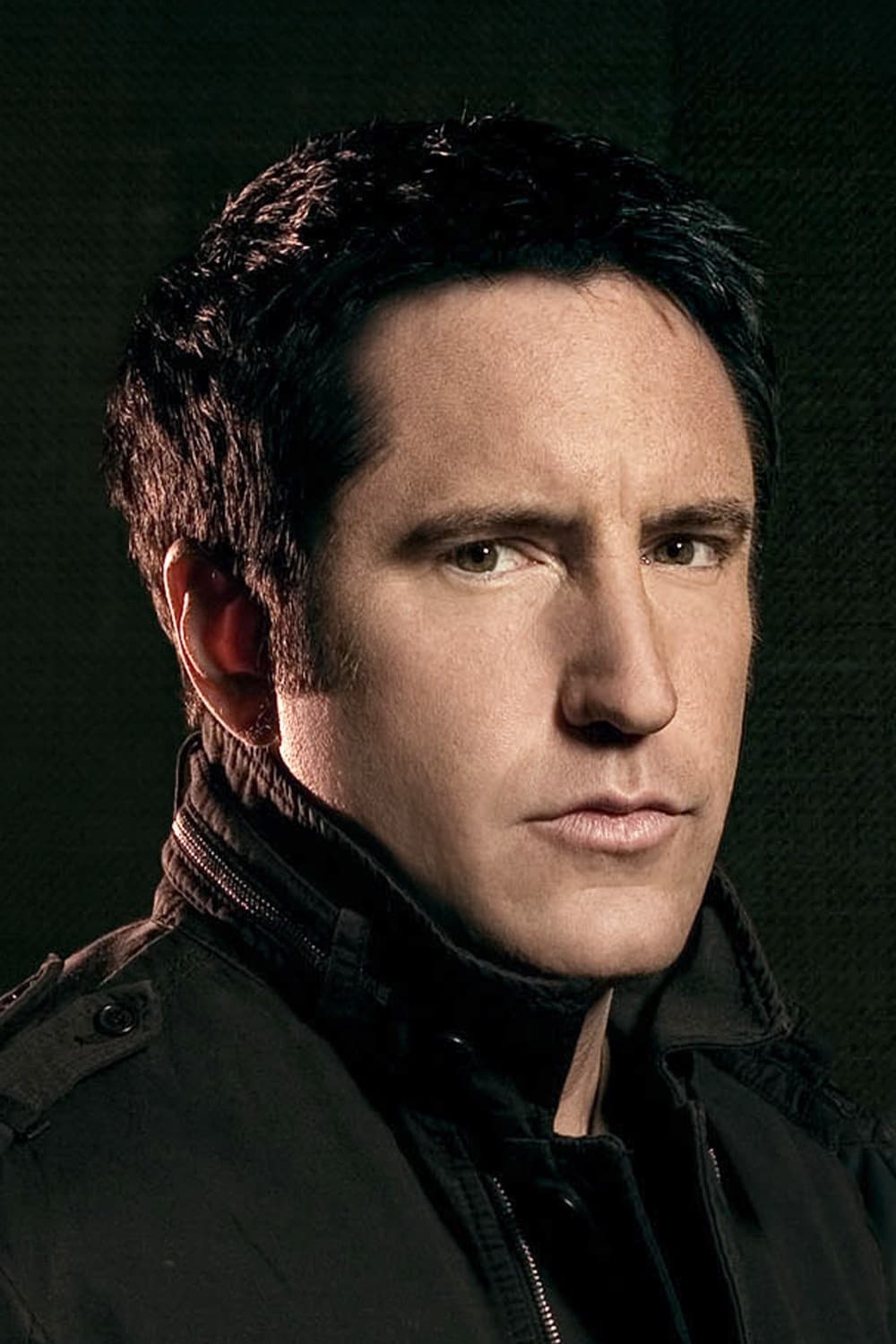
During a 2007 tour in Australia, the Nine Inch Nails mastermind became incensed by the high retail price of ‘Year Zero’. Upon discovering the album was being sold for nearly 30 dollars, he took to the stage to tell fans to steal his music instead of buying it. Reznor argued that the price was a “rip-off” and that the label was punishing fans for their loyalty. He encouraged the audience to share files online to bypass the corporate greed he felt was stifling the industry.
Taylor Swift
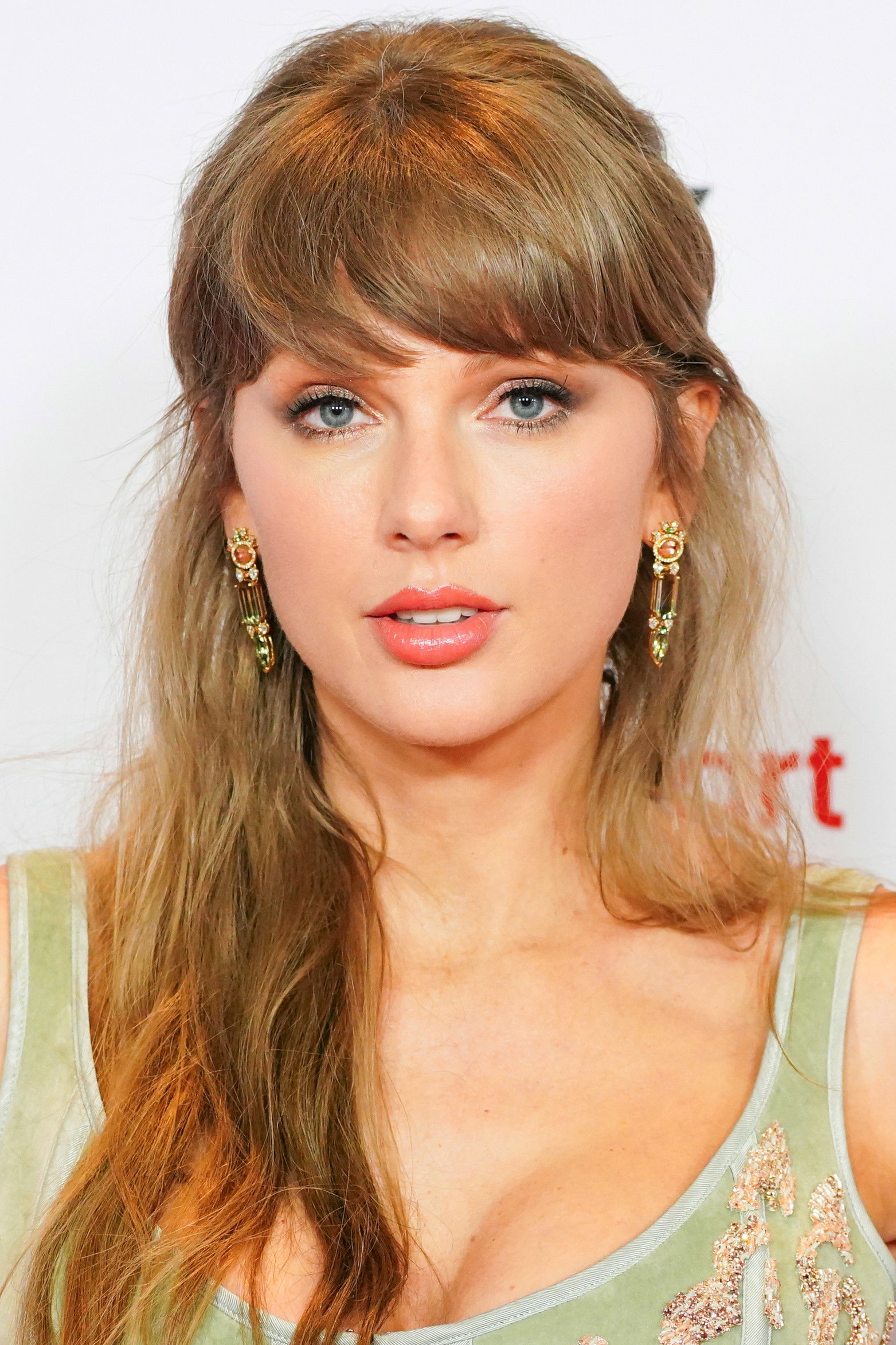
In 2020, Swift publicly denounced the release of ‘Live from Clear Channel Stripped 2008’, an album put out by her former label, Big Machine Label Group. She informed fans through social media that she had not authorized the release and described the move as “shameless” and “greedy.” The singer explained that the performances were recorded when she was 18 and were never intended for a full commercial album. She encouraged her fanbase to ignore the release and focus on her re-recorded projects instead.
Thom Yorke

When EMI released a ‘Best Of’ collection for Radiohead in 2008, the band members were notably absent from the promotion. Lead singer Thom Yorke later expressed his disdain for the compilation, referring to it as a “cash grab” by a label they had already left. He suggested that fans should avoid the collection and instead focus on the original studio albums that the band actually curated. The band felt the release was an unnecessary product designed to exploit their back catalog without their creative input.
Prince
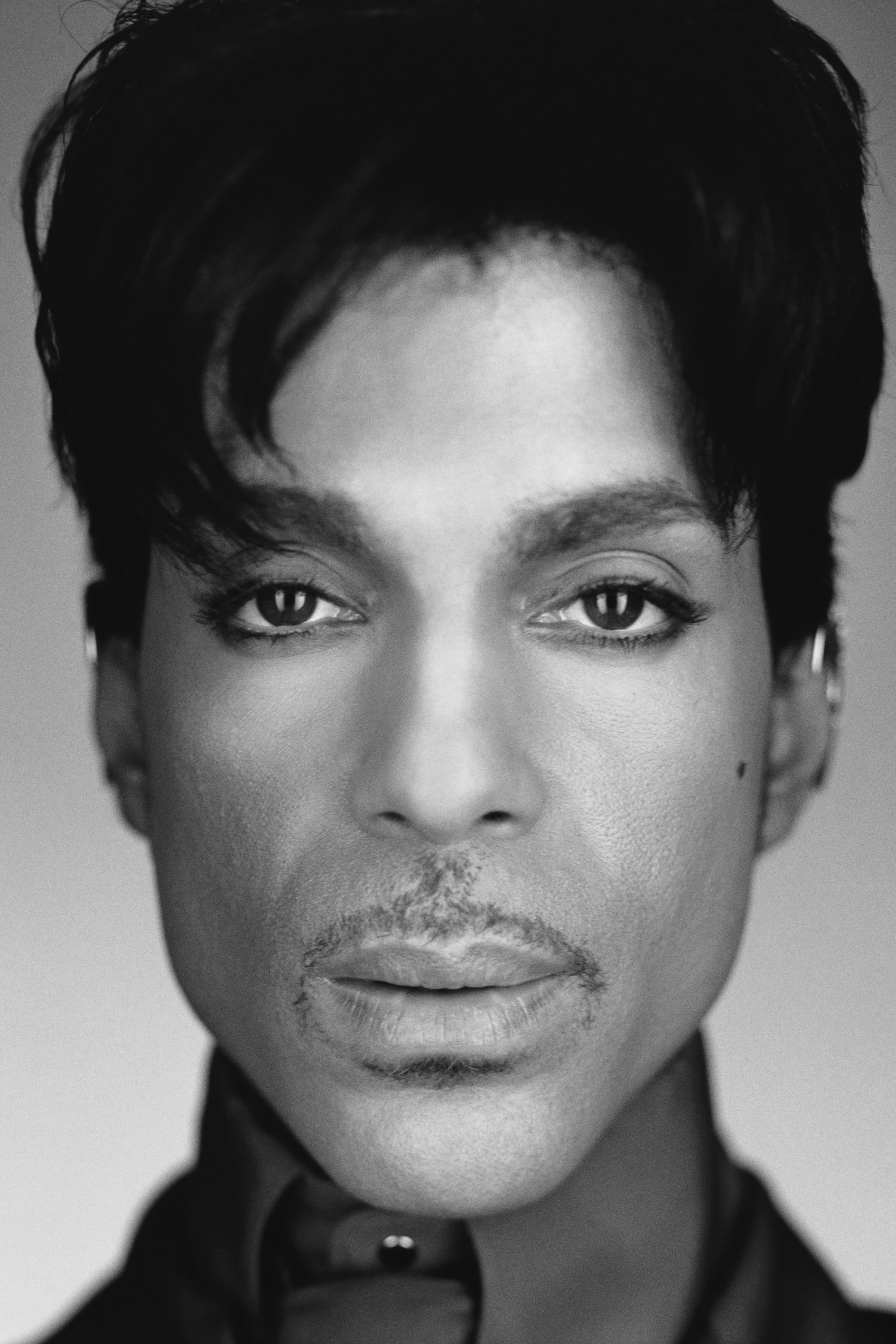
Throughout his legendary career, Prince frequently clashed with Warner Bros. over the ownership of his master recordings. He described the album ‘Chaos and Disorder’ as a fulfillment of contractual obligations rather than a true creative statement. Prince explicitly told fans not to buy the record, as he had put minimal effort into its production to speed up his exit from the label. He famously appeared in public with the word “slave” written on his face to protest the industry’s control over his art.
Snoop Dogg
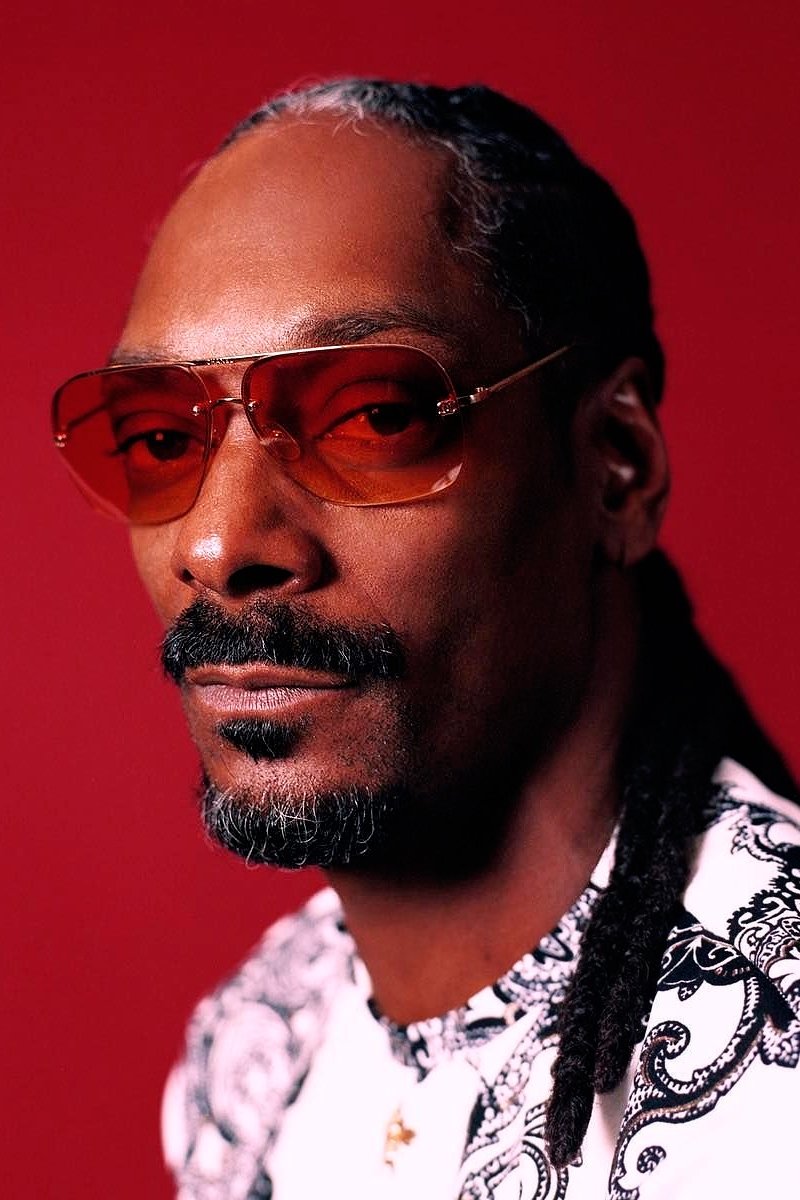
When Snoop Dogg left Death Row Records, the label released several compilations, including ‘Death Row Greatest Hits’. The rapper warned his fans that these releases were unauthorized and served only to line the pockets of his former associates. He urged his audience to ignore the “fake” albums and only support the music he was releasing under his new label, No Limit Records. Snoop emphasized that he received no royalties from the Death Row compilations, making them a poor investment for fans.
Fiona Apple

During the long delay preceding the release of ‘Extraordinary Machine’, a version of the album produced by Jon Brion leaked online. Apple was reportedly unhappy with the label’s insistence on re-recording the tracks and encouraged fans to listen to the leaked version. She felt the label was stifling her creativity and preferred that fans experience the raw, original vision of the project. The situation became a rallying cry for fans who launched a “Free Fiona” campaign to get the album released.
Tom Waits
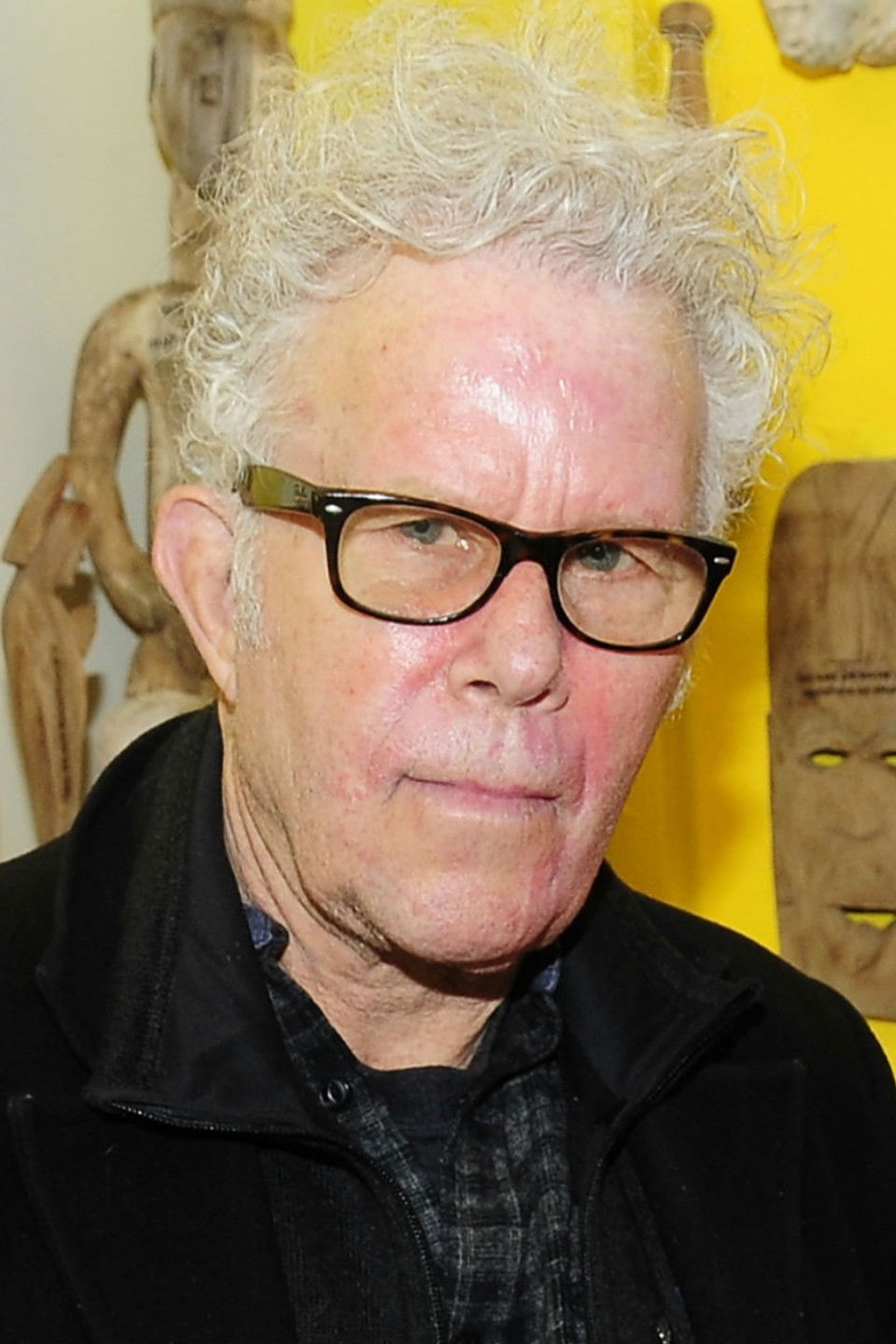
Tom Waits has spent much of his career protecting the integrity of his early recordings and has sued to stop unauthorized releases. He specifically spoke out against ‘The Early Years’, a series of compilations released by a label he had long since departed. Waits informed the public that these recordings were never meant for release and were essentially “rehearsal tapes.” He asked fans to stick to his official discography and ignore the opportunistic releases that lacked his approval.
John Mayer
When Sony Music decided to re-release Mayer’s debut EP, ‘Inside Wants Out’, the singer expressed concerns about the necessity of the project. He told fans that if they already owned the original independent release, there was absolutely no reason to buy the new version. Mayer felt the re-release was a label strategy to capitalize on his newfound fame rather than a benefit to the listeners. He remained transparent about his desire to move forward with new music rather than dwelling on his older demos.
Dave Grohl
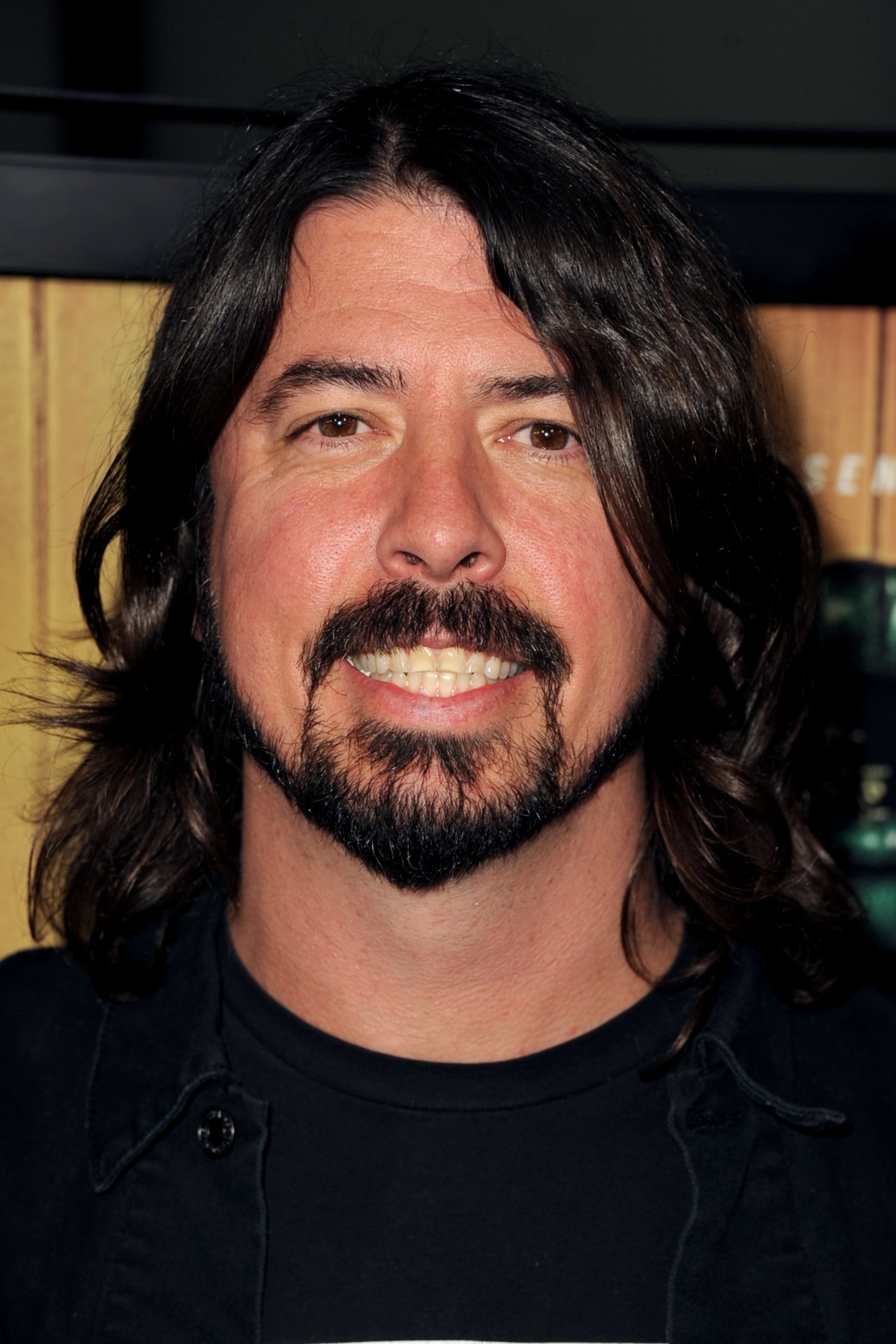
The Foo Fighters frontman was remarkably candid about his feelings regarding the 2009 ‘Greatest Hits’ compilation. Grohl stated that he felt the release was premature and that the band still had much more to accomplish before a retrospective was necessary. He told interviewers that fans should not feel obligated to buy the album if they already owned the studio records. Grohl viewed the release as a contractual requirement rather than a celebration of the band’s career at that stage.
Ice Cube
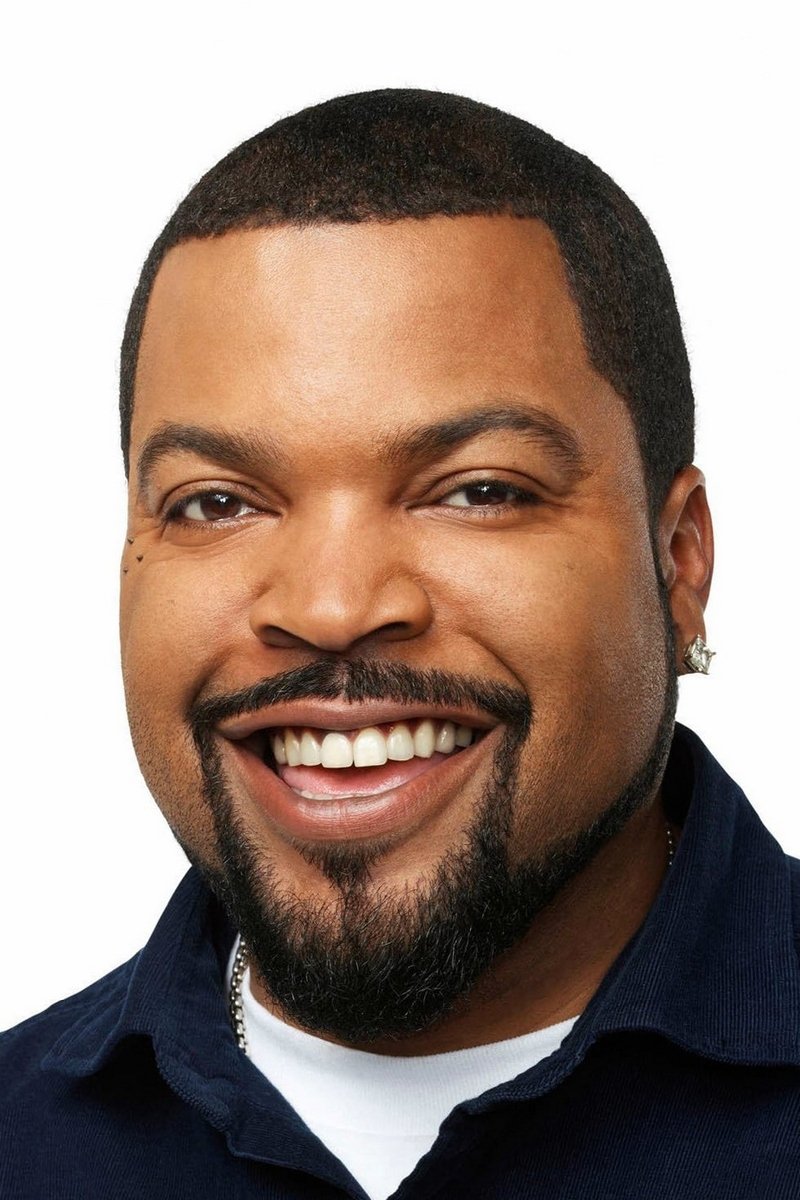
After leaving Priority Records, Ice Cube found himself at odds with the label over the release of several compilation albums. He publicly denounced a ‘Greatest Hits’ package, labeling it a “bootleg” release that lacked his involvement. The rapper told his fanbase that the label was trying to “exploit” his legacy without providing him with proper compensation or creative control. He urged listeners to focus on his new material and ignore the repackaged content.
Dr. Dre
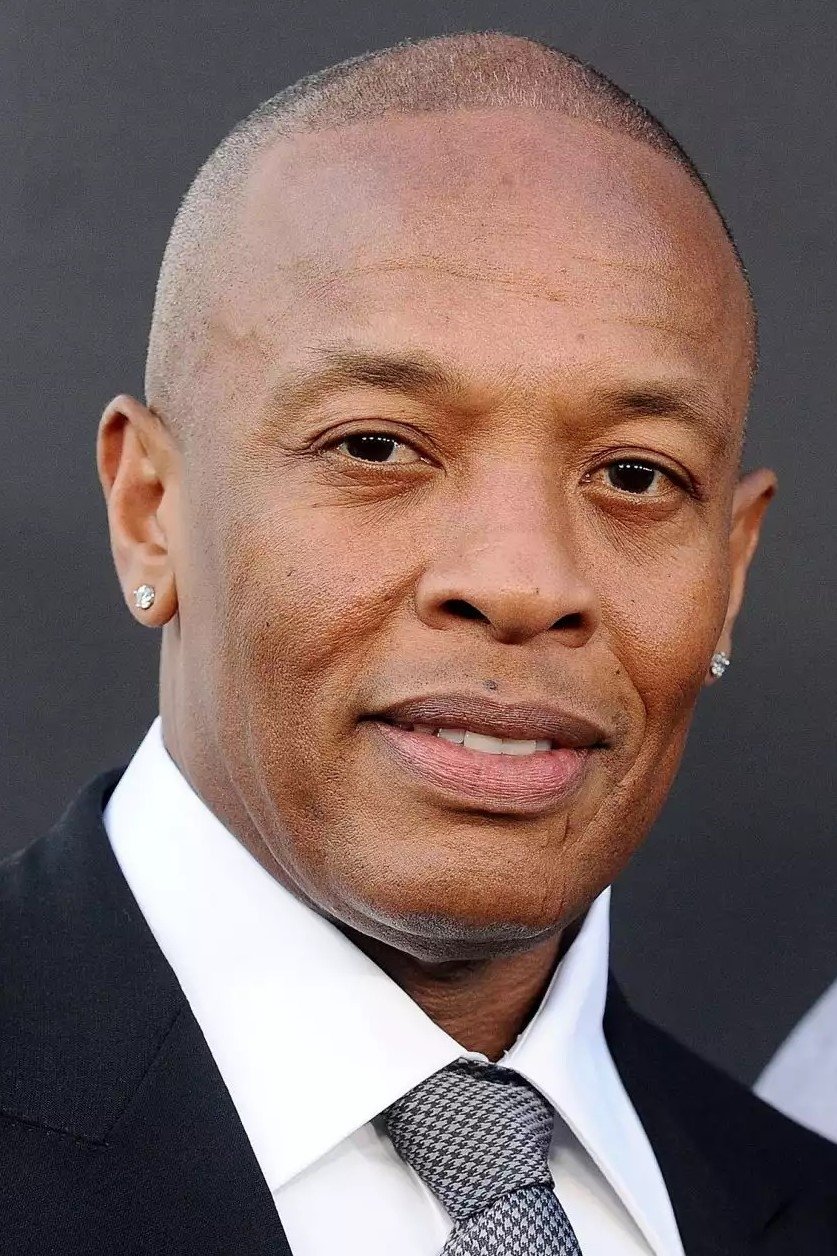
Following his departure from Death Row Records, Dr. Dre faced the release of ‘Concrete Roots’, a collection of early production work and demos. Dre was quick to distance himself from the project, telling the media that the recordings were of poor quality and did not reflect his standards. He advised fans against purchasing the album, describing it as an attempt by others to profit from his name. The producer emphasized that he had no hand in the mastering or selection of the tracks.
Nelly Furtado

In 2010, Nelly Furtado expressed her disappointment with the release of ‘The Best of Nelly Furtado’ by Geffen Records. She stated that she had very little input in the tracklist and felt the compilation was released at an inappropriate time in her career. Furtado used social media to tell her fans that the project was not something she personally endorsed or supported. She encouraged her audience to wait for her next studio album instead of buying the hits collection.
M.I.A.

The artist M.I.A. has frequently bypassed traditional industry norms, including encouraging fans to avoid paid versions of her work. For the release of the ‘Vicki Leekx’ mixtape, she explicitly instructed her followers to download the tracks for free. She argued that the music was intended for the people and should not be subject to corporate gatekeeping or pricing. Her stance was part of a larger critique of how record labels handle digital distribution and artist compensation.
Serj Tankian
As the lead singer of System of a Down, Serj Tankian was part of the decision to title their 2002 album ‘Steal This Album!’. The title was a direct response to a massive online leak of their unfinished demos from ‘Toxicity’. By telling fans to steal the music, the band was reclaiming their work from bootleggers who were selling the low-quality leaks. The gesture served as both a marketing tactic and a genuine critique of the music industry’s inability to secure artist content.
Kelly Clarkson
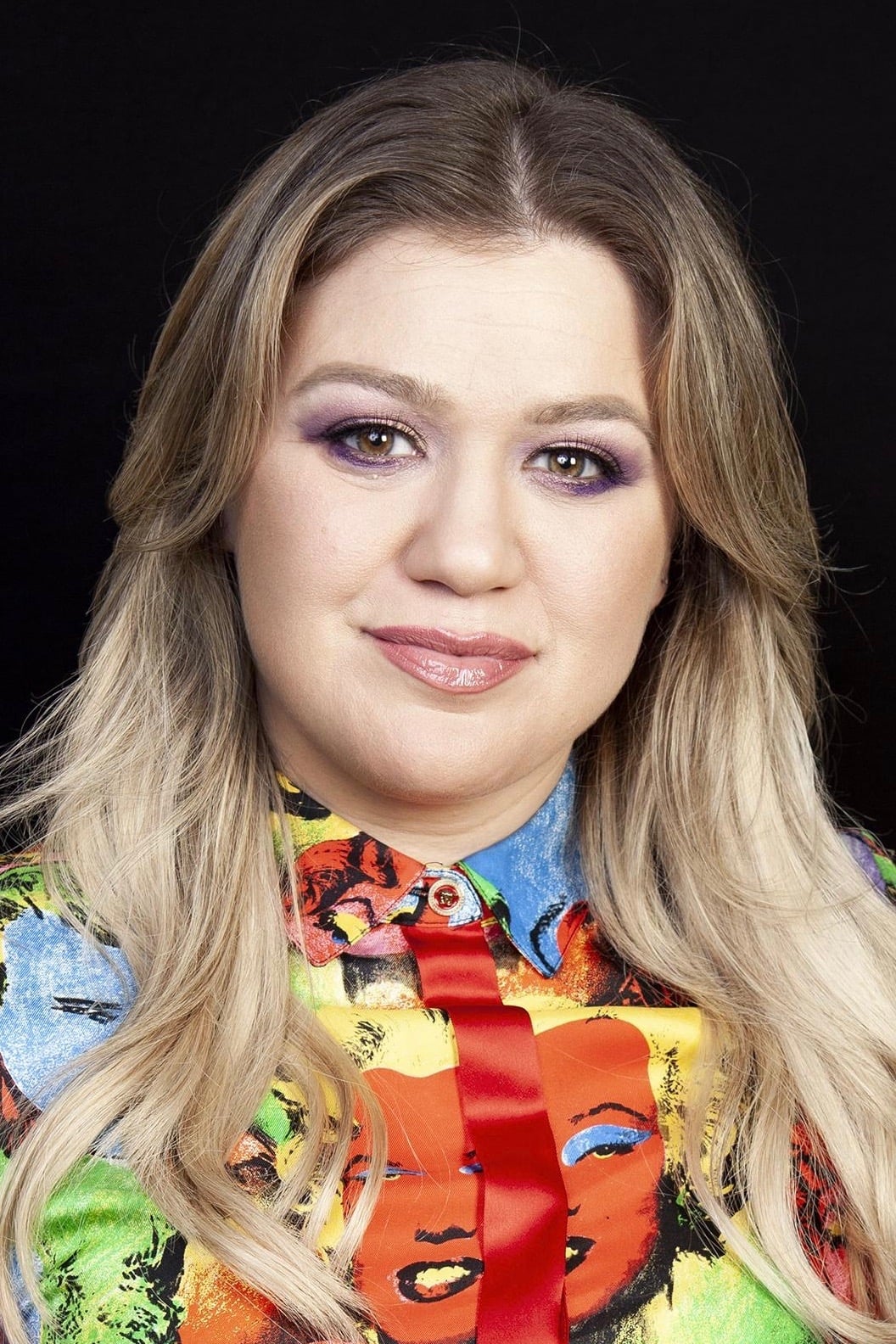
Kelly Clarkson had a public and legendary battle with mogul Clive Davis over the direction of her album ‘My December’. Later, when a ‘Greatest Hits’ album was proposed, Clarkson admitted she was not in favor of the idea. She told fans that she felt “forced” into the release and that she would have preferred to wait longer. While she appreciated the songs, she was vocal about the fact that the project was a label decision rather than her own.
George Michael
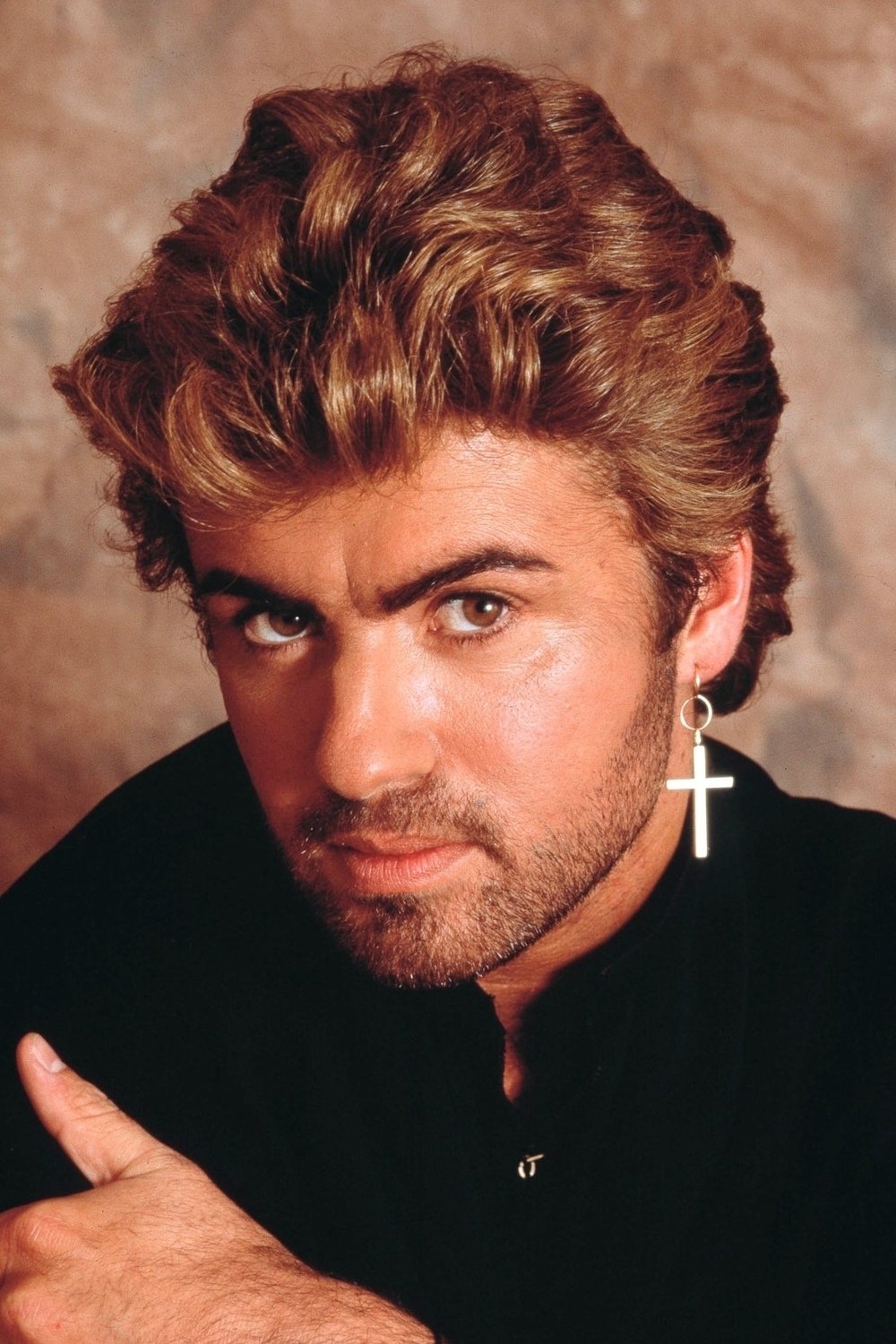
During his high-profile legal battle with Sony Music in the early 1990s, George Michael took a stand against the promotion of his own work. He refused to appear in music videos or on the cover of ‘Listen Without Prejudice Vol. 1’ to protest his contract. Michael encouraged fans to boycott the label’s products as a way to support his quest for artistic freedom. He believed that the industry was treating him as a “software” product rather than a human being.
Johnny Marr
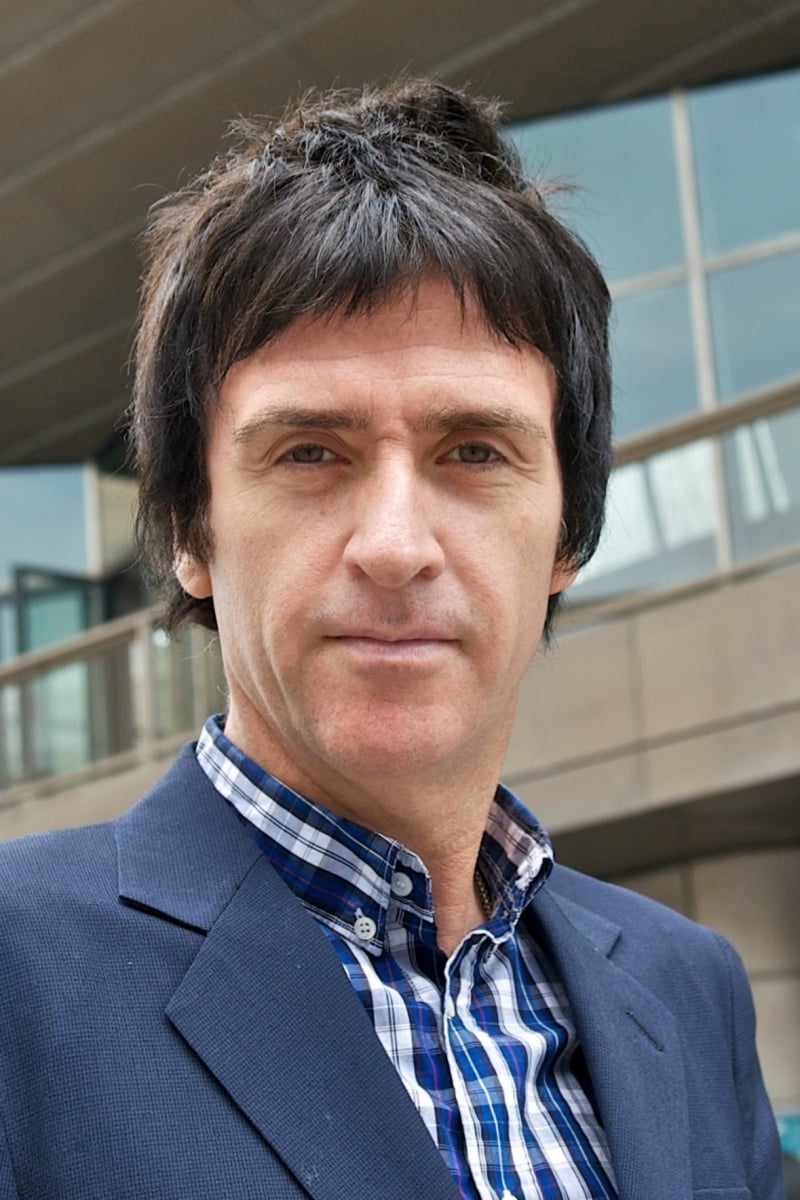
As the guitarist for The Smiths, Johnny Marr has often aligned with Morrissey in criticizing posthumous or unauthorized compilations. He specifically spoke out against the frequency of “best of” releases that appeared after the band’s 1987 split. Marr told fans that these collections were often unnecessary and did not add anything to the band’s legacy. He suggested that the original studio albums remained the only essential purchases for true followers of the group.
David Gilmour
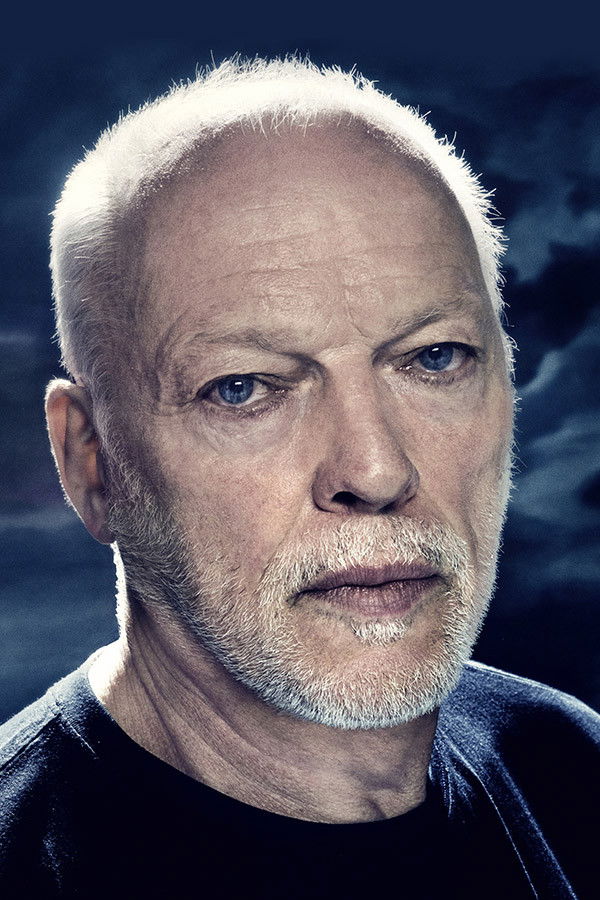
The Pink Floyd guitarist expressed his disapproval of the 2001 compilation ‘A Great Collection of Echoes’. Gilmour felt that the band’s music was designed to be heard in the context of full albums rather than as a collection of singles. He told interviewers that he wasn’t a fan of the release and that listeners would get a better experience from the original records. His comments reflected the band’s long-standing commitment to the “album as art” philosophy.
Courtney Love
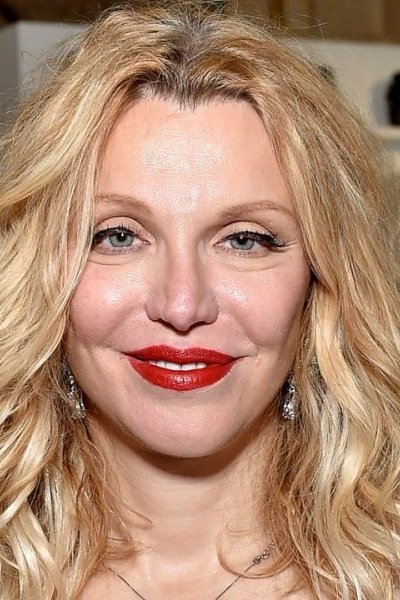
The Hole frontwoman used her platform to discourage fans from buying the compilation ‘My Body, the Hand Grenade’. Released during a period of legal turmoil with her former label, Love claimed the collection was an attempt to profit from her personal struggles. She informed her audience that the release contained unpolished demos and live tracks that she never intended for commercial sale. Love remained a vocal critic of the label’s ethics regarding the release of her archival material.
Jared Leto
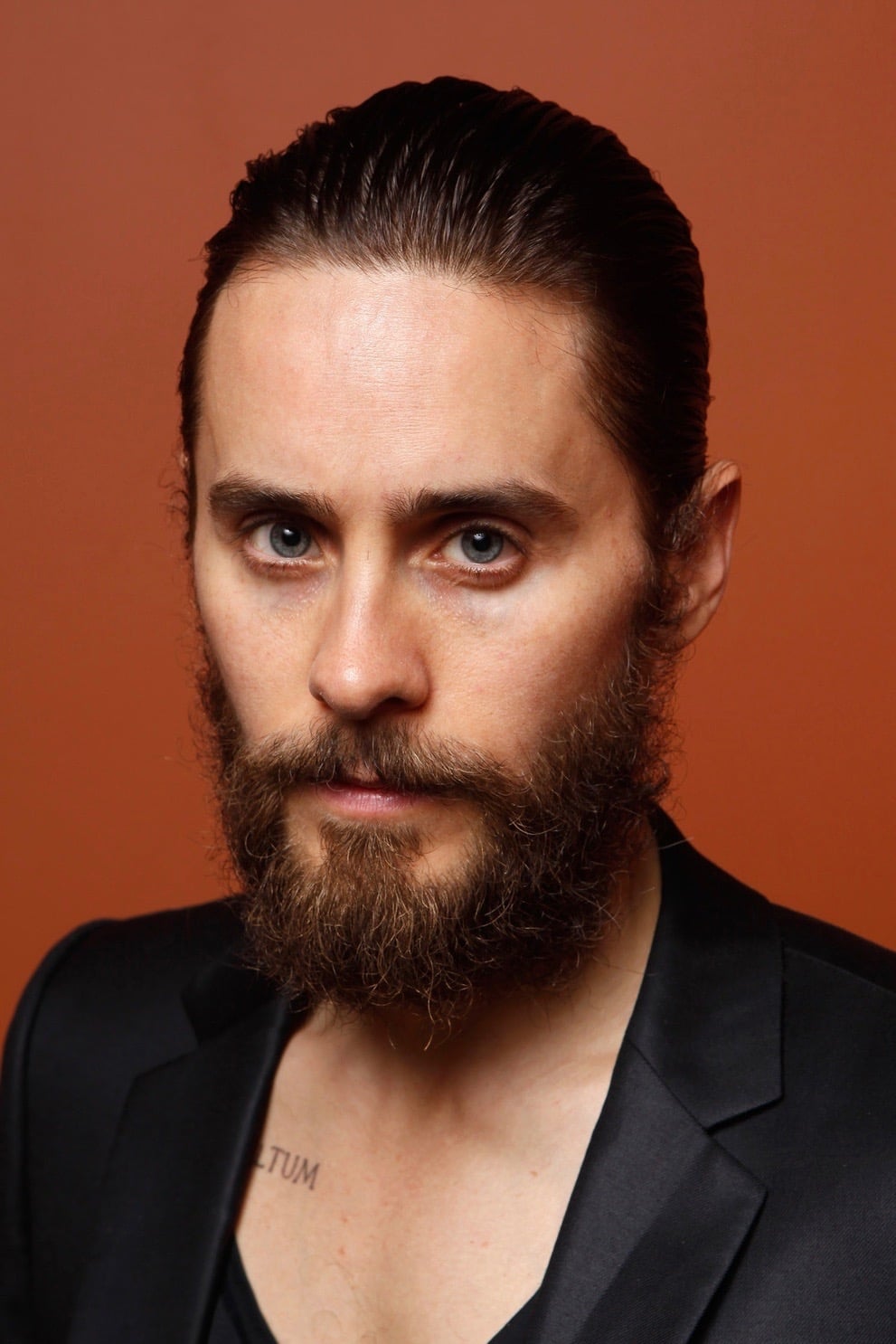
During a dispute with EMI, Jared Leto of 30 Seconds to Mars became frustrated with the retail pricing of the album ‘A Beautiful Lie’. He discovered that the label was charging excessive amounts for the record in certain international markets. Leto told fans during live performances that they should download the album for free rather than paying the inflated prices. He argued that the fans’ connection to the music was more important than the label’s profit margins.
Ginuwine
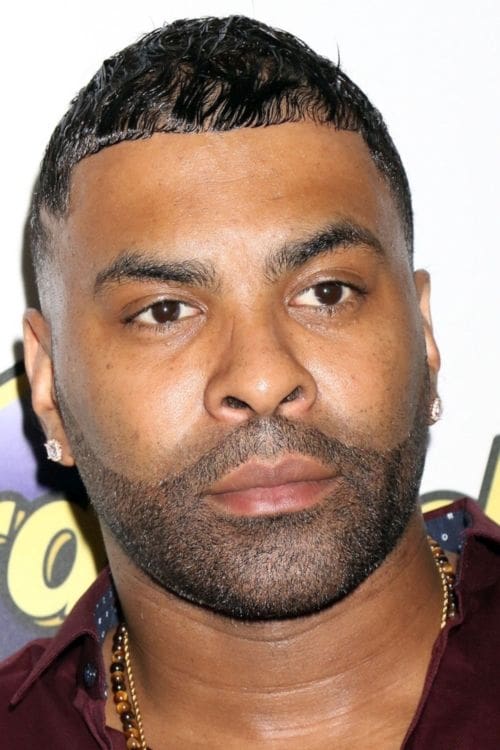
In 2009, R&B singer Ginuwine took to Twitter to tell his fans not to buy his new album, ‘A Man’s Thoughts’. He was reportedly upset with the lack of promotion and the way the label had handled the release’s lead-up. Ginuwine stated that he no longer supported the project and felt the label had “disrespected” his craft. His public outburst was one of the earliest instances of a major artist using social media to actively sabotage their own sales.
Frank Ocean
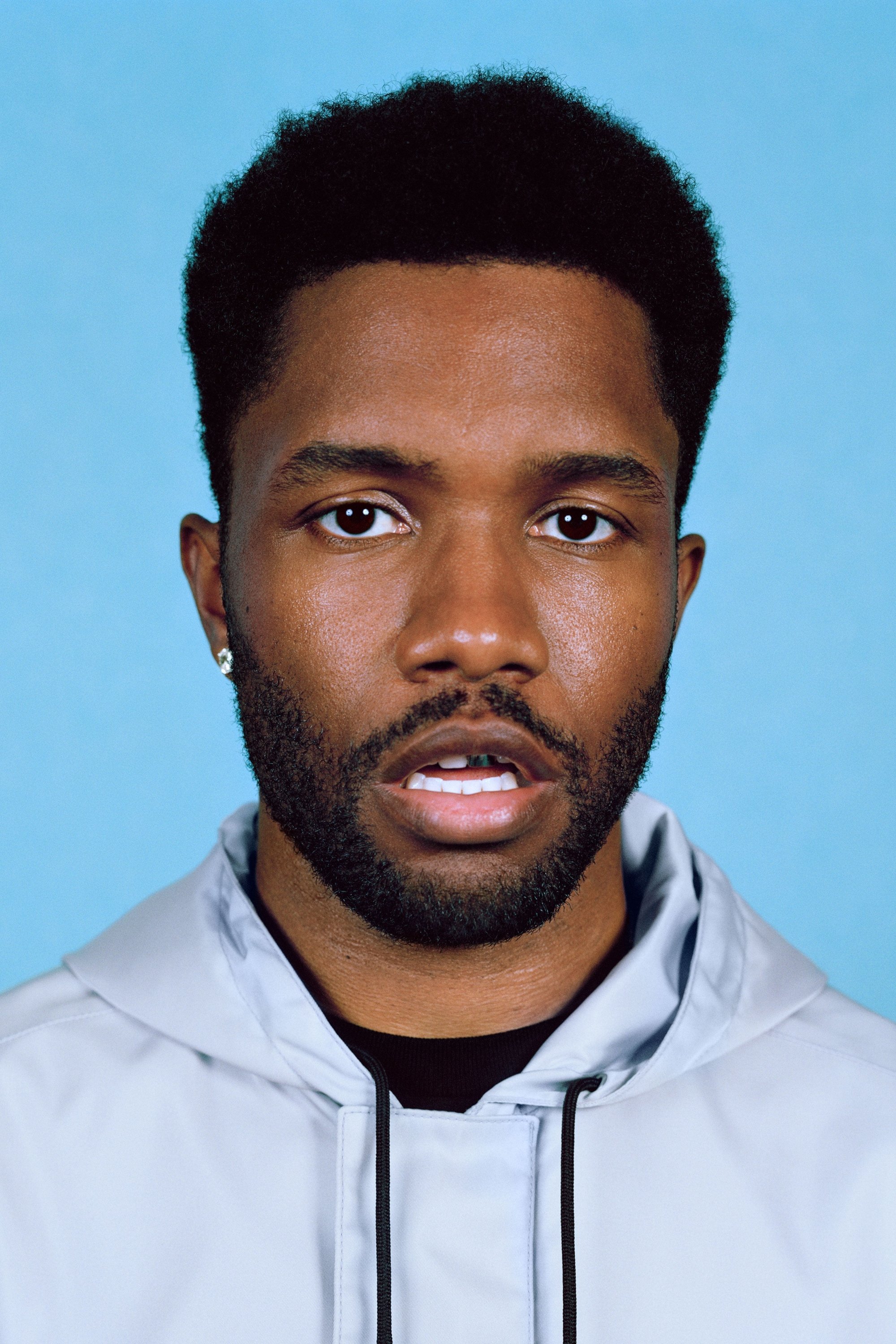
To finish his contract with Def Jam, Frank Ocean released the visual album ‘Endless’ exclusively on a streaming platform. He purposely designed the release to meet his minimum requirements so he could release his true masterpiece, ‘Blonde’, independently the next day. Ocean essentially used ‘Endless’ as a “contract filler” and encouraged fans to focus their attention and resources on ‘Blonde’. This strategic move allowed him to regain his independence and maximize his own earnings.
Tinashe

The singer Tinashe faced years of delays for her second studio album, ‘Joyride’, leading to significant tension with RCA Records. In an act of defiance, she released a project titled ‘Nightride’ and told fans it was the music she actually wanted them to hear. She hinted that the label-controlled ‘Joyride’ was being compromised by executive interference and was not her priority. Her transparency helped her fans understand the difference between her creative output and her contractual obligations.
Chuck D
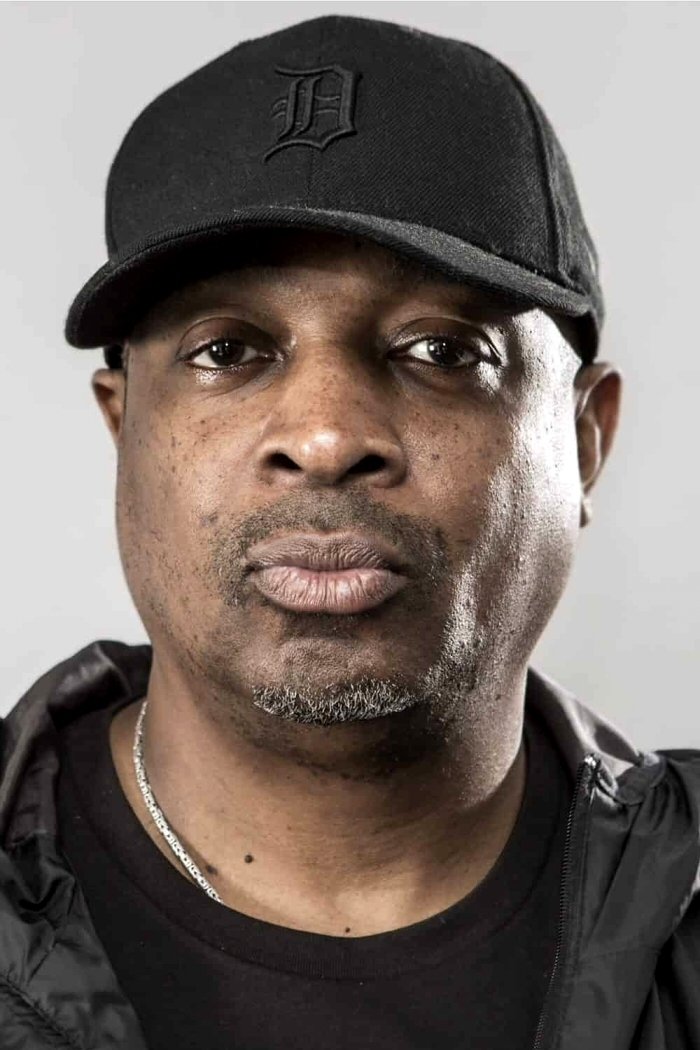
As the leader of Public Enemy, Chuck D has long been a proponent of digital file sharing and artist independence. In the late 1990s, he encouraged fans to download his music for free on platforms like Napster rather than buying expensive CDs. He argued that the traditional retail model was exploitative to both the artist and the consumer. His stance led to a significant rift with his label, but he remained steadfast in his belief that access to music should be democratized.
Michael Stipe
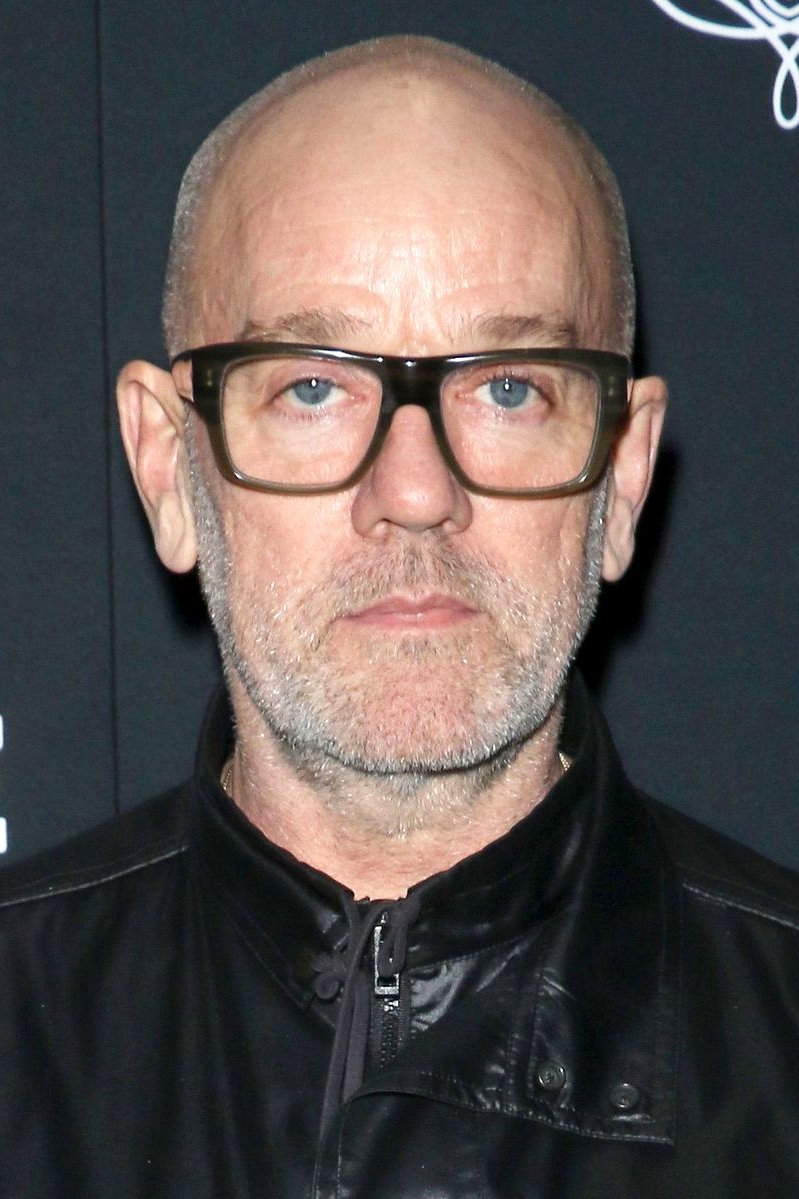
The R.E.M. frontman was never a fan of the various “best of” collections released by the band’s former label, I.R.S. Records. Stipe described some of these compilations as “useless” and advised fans that they didn’t need to purchase them to understand the band’s history. He felt that the label was simply trying to squeeze more money out of a catalog the band had already moved on from. Stipe’s honesty served as a warning to fans about the nature of the music business.
Peter Gabriel

When Peter Gabriel released the covers project ‘And I’ll Scratch Yours’, he faced several production hurdles and delays. He was reportedly unsatisfied with the final result and the way the project was being marketed as a companion piece to his previous work. Gabriel communicated to his audience that the release might not meet their expectations and suggested they approach it with caution. His willingness to criticize his own product demonstrated his commitment to quality over sales.
David Bowie
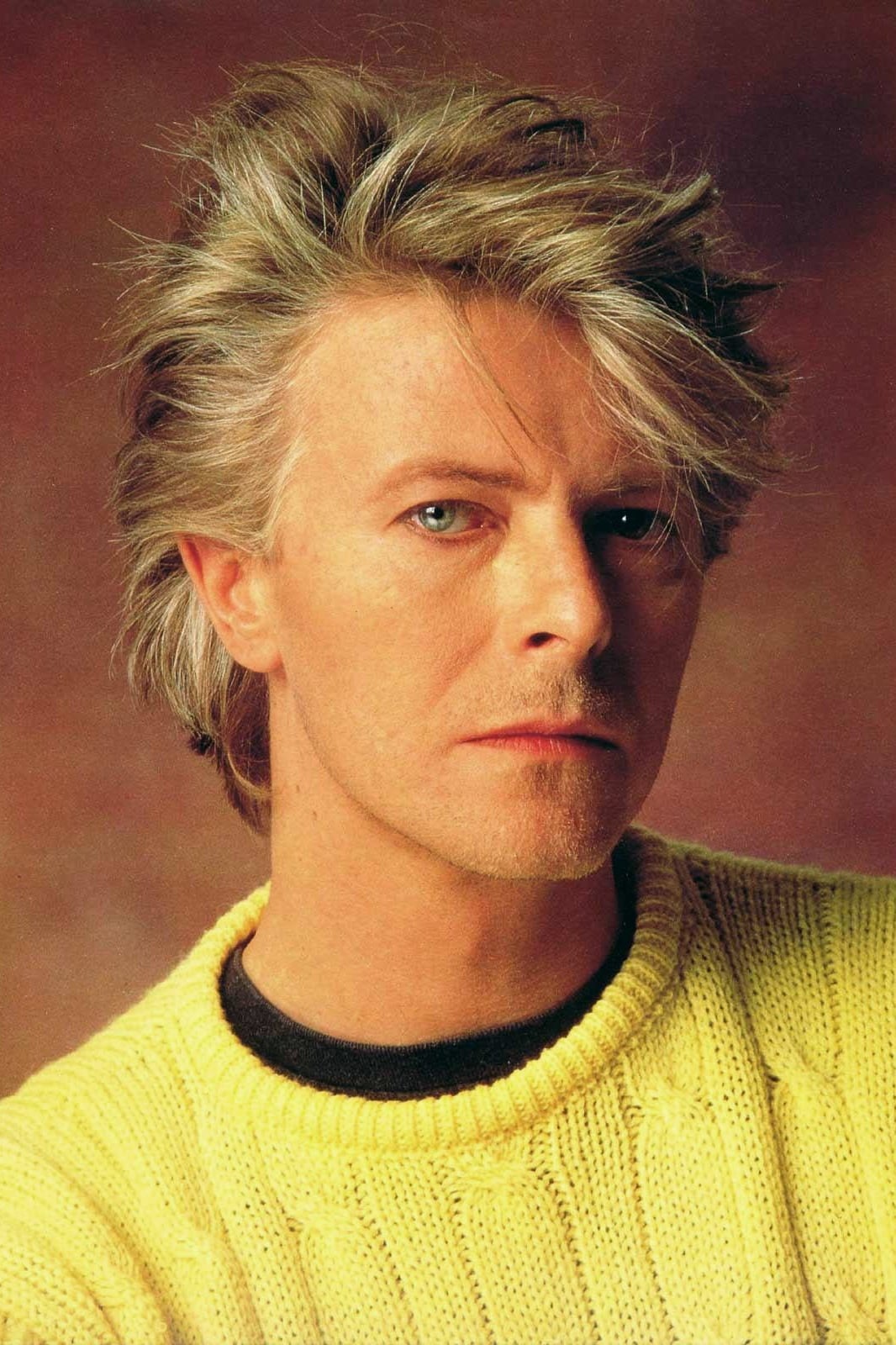
Bowie spent years trying to suppress the release of his very early recordings, which were often repackaged into low-quality compilations like ‘Images’. He told fans that these recordings were “cringe-worthy” and did not represent the artist he had become. The singer went as far as to describe the releases as “garbage” and urged his audience to ignore them in favor of his more mature work. Bowie’s disdain for his apprentice-era recordings was a recurring theme in his interviews.
Sky Ferreira

After her debut album ‘Night Time, My Time’ was finally released following years of label delays, Ferreira remained wary of the industry. She warned fans against buying certain “special edition” EPs or pre-order bundles that she felt were being mismanaged by her label. The singer used social media to clarify which products she actually supported and which ones were being pushed without her consent. Her direct communication helped her maintain a loyal fanbase despite her label struggles.
Eminem
The rapper Eminem expressed a sense of fatigue and dissatisfaction during the release of his first hits collection, ‘Curtain Call: The Hits’. He told interviewers that he felt the label was forcing the release while he was dealing with personal issues and a desire to go on hiatus. Eminem admitted that he wasn’t particularly interested in looking back at his career at that moment. He suggested to fans that the album was more of a business requirement than a creative milestone.
Neil Tennant
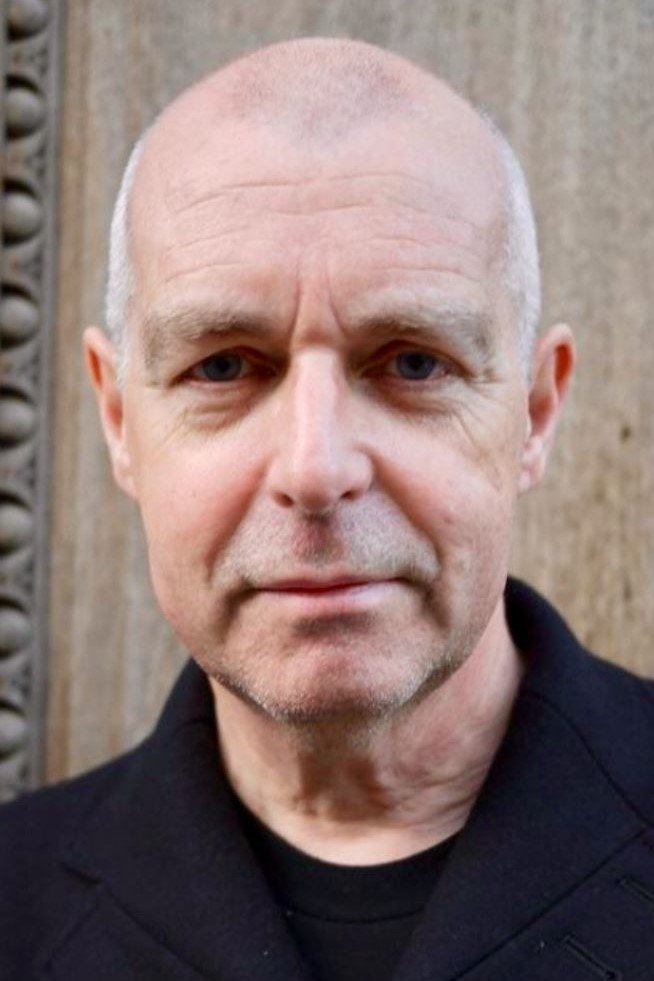
The Pet Shop Boys singer Neil Tennant has been open about his feelings regarding the band’s B-side collection, ‘Alternative’. While he was proud of the songs, he publicly stated that the release was intended strictly for “completists” and die-hard fans. He advised the general public against buying it, suggesting it was not a representative introduction to their music. This transparency ensured that casual listeners didn’t feel misled by the specialized release.
Anohni
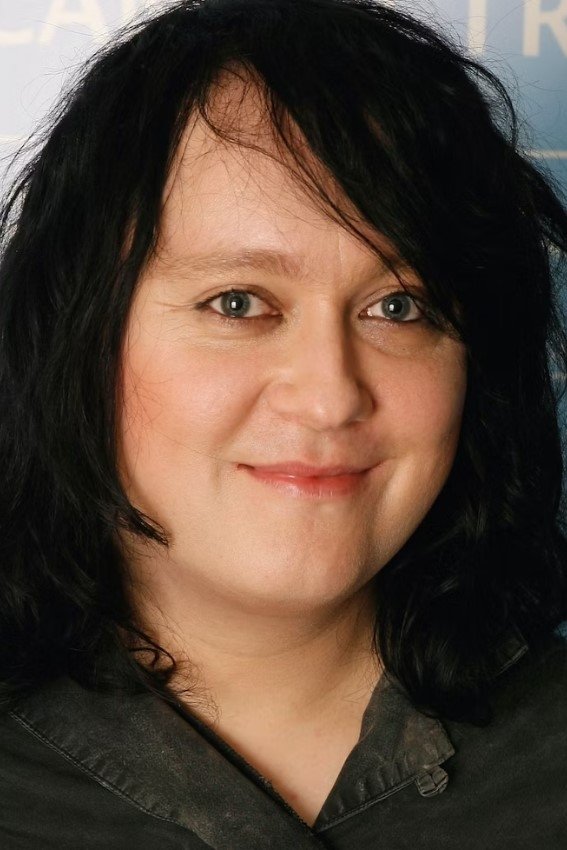
The artist Anohni took a stand against the music industry’s financial structure by asking fans to reconsider how they consume her music. During the release cycle for ‘Hopelessness’, she urged fans to boycott certain streaming platforms and retailers that she felt were unfair to artists. She suggested that buying her music through these channels was actually harmful to the creative community. Her request was part of a broader activist stance on the value of art and labor.
Joe Strummer
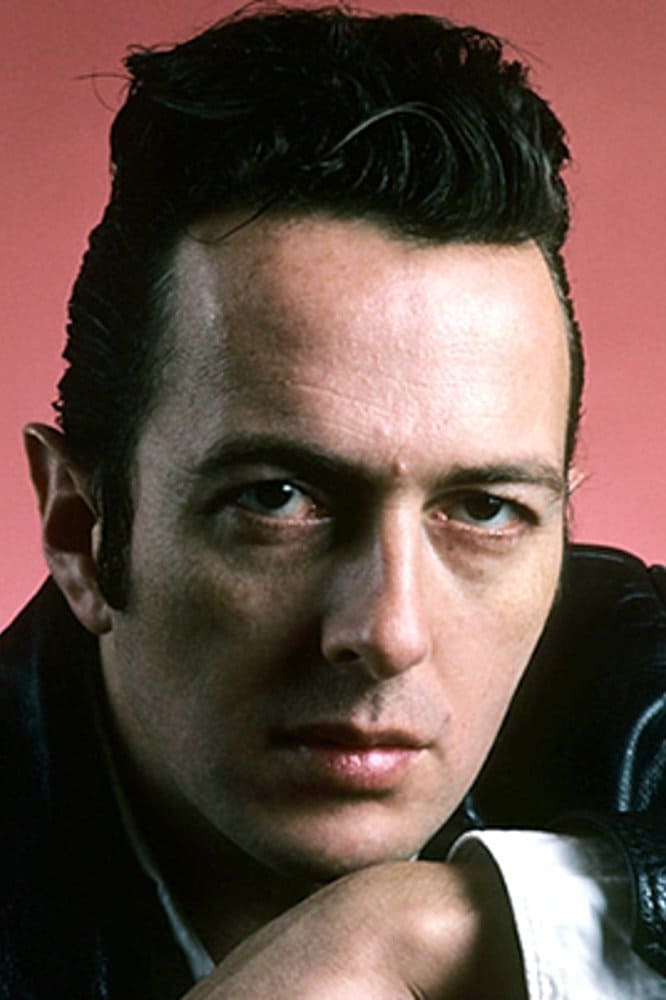
The Clash frontman Joe Strummer was famously furious when the US version of the band’s debut album was released with a different tracklist. He believed the changes compromised the artistic integrity of the work and told American fans to buy the UK import instead. Strummer viewed the label’s interference as an insult to the band’s punk rock ethos. His vocal opposition encouraged a generation of fans to seek out original, unedited versions of their favorite music.
Beck
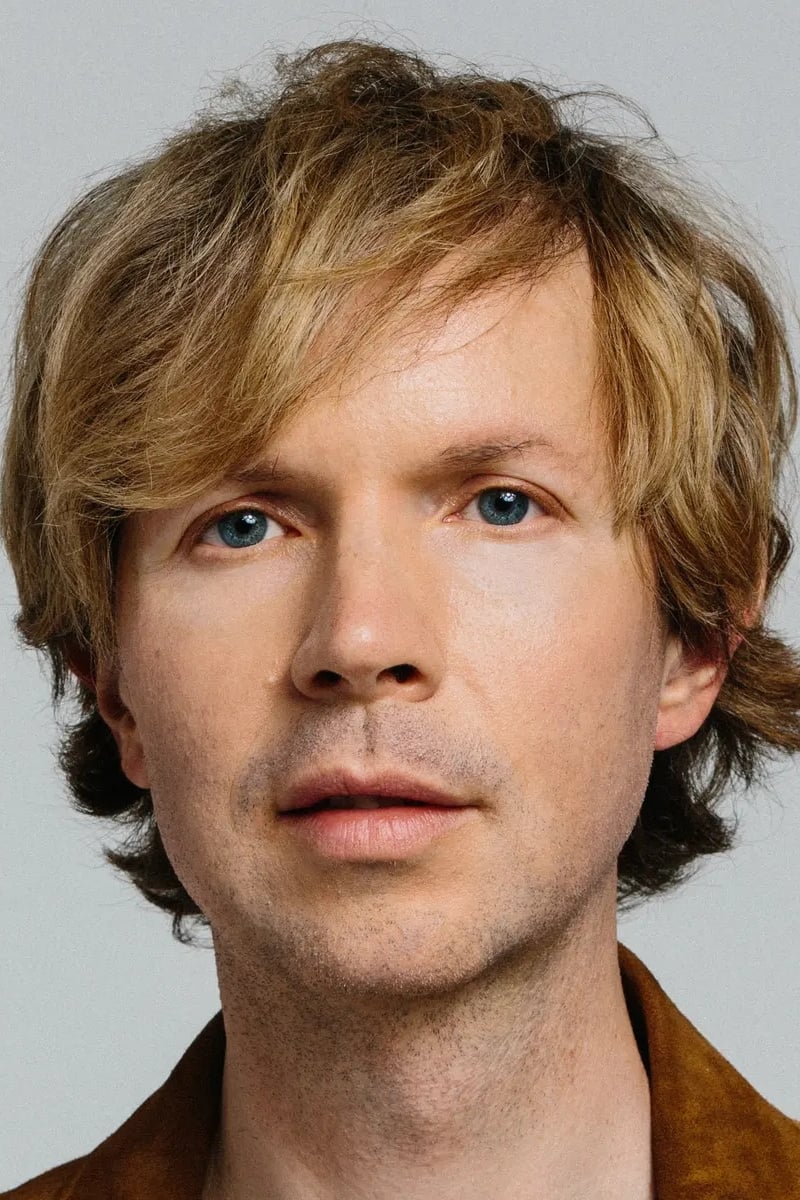
In the early years of his success, Beck discouraged fans from seeking out his self-released cassettes like ‘Banjo Story’. He described the recordings as “terrible” and “embarrassing” experiments that were never meant for a wide audience. As bootleggers began selling these tapes for high prices, Beck asked his followers to stop buying them. He felt that these early attempts at songwriting did not reflect his capabilities and could mislead new listeners.
Sinéad O’Connor

The late Sinead O’Connor was known for her fierce independence and frequently told fans to ignore her work if she felt it was being exploited. During various points in her career, she urged people not to buy her albums or attend her shows as a protest against the industry’s treatment of women. O’Connor was more concerned with her message and mental health than with maintaining high sales figures. Her public pleas were often a reflection of her ongoing battle with the corporate side of music.
Joe Elliott
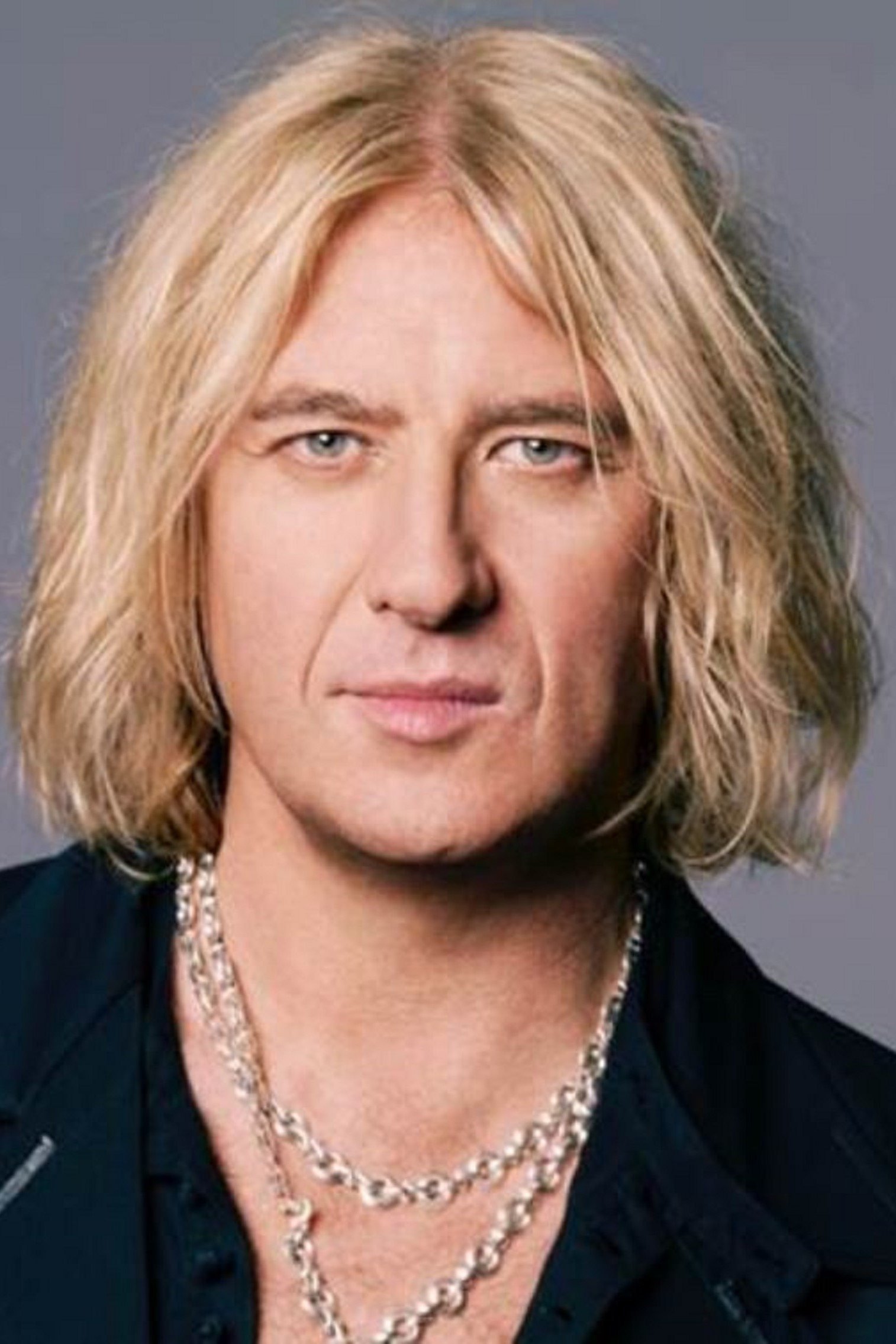
Def Leppard singer Joe Elliott led a campaign to discourage fans from buying the original versions of the band’s biggest hits on digital platforms. Due to a dispute with their former label over royalties, the band re-recorded their classic songs to ensure they would receive fair compensation. Elliott told fans to avoid the old versions and only purchase the “Forgeries,” as the band called them. This tactic was designed to cut off the label’s revenue stream from the band’s legacy.
Shirley Manson

The lead singer of Garbage, Shirley Manson, was highly critical of the 2007 compilation ‘Absolute Garbage’. She told fans that the release was a product of their final obligations to a label they were desperate to leave. Manson expressed that the band had very little enthusiasm for the project and suggested that fans already had the music they needed. Her candidness was part of her broader reputation for being one of the most honest voices in alternative rock.
Share your thoughts on these controversial artist statements in the comments.