Anime Moments That Caused a Worldwide Social Media Firestorm

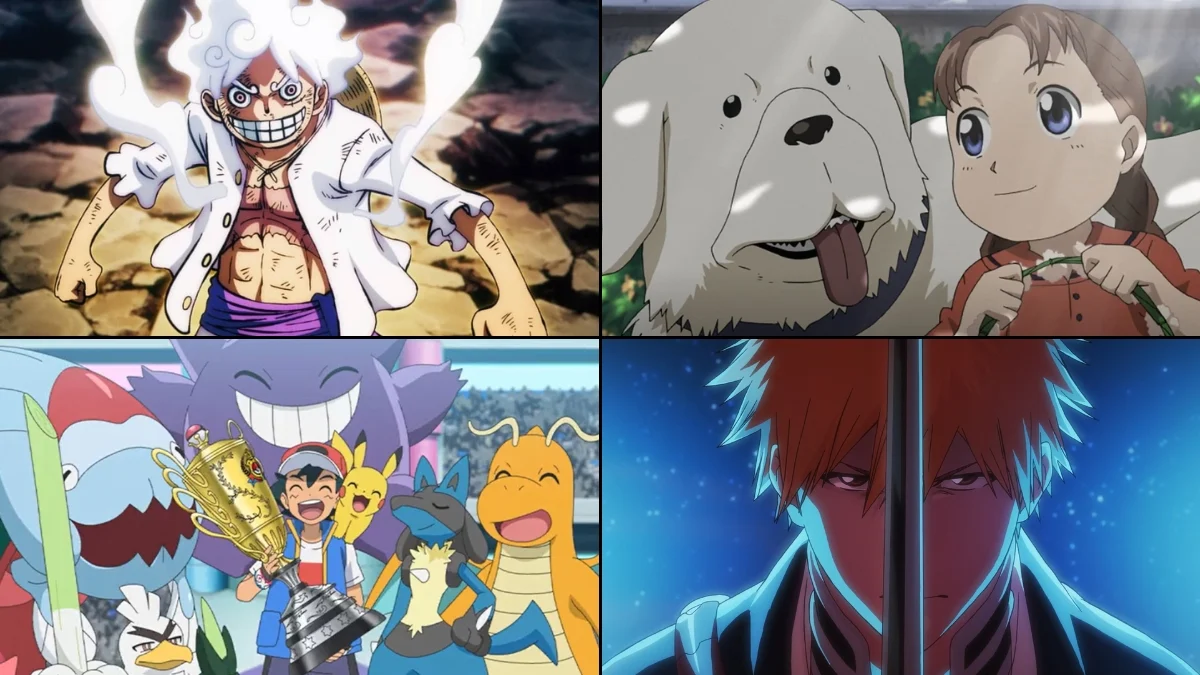

Anime has a unique ability to dominate global conversations, often breaking the internet with a single scene or plot twist. Whether it is the culmination of a decade-long journey or a sudden, shocking death, these moments ignite social media platforms like X, TikTok, and Reddit. Fans often mobilize in the millions to share reactions, create memes, and debate the implications of these televised events. The following list highlights the most explosive instances where anime transcended the screen and caused a worldwide social media firestorm.
‘One Piece’ (1999–Present) – Gear 5 Luffy Reveal
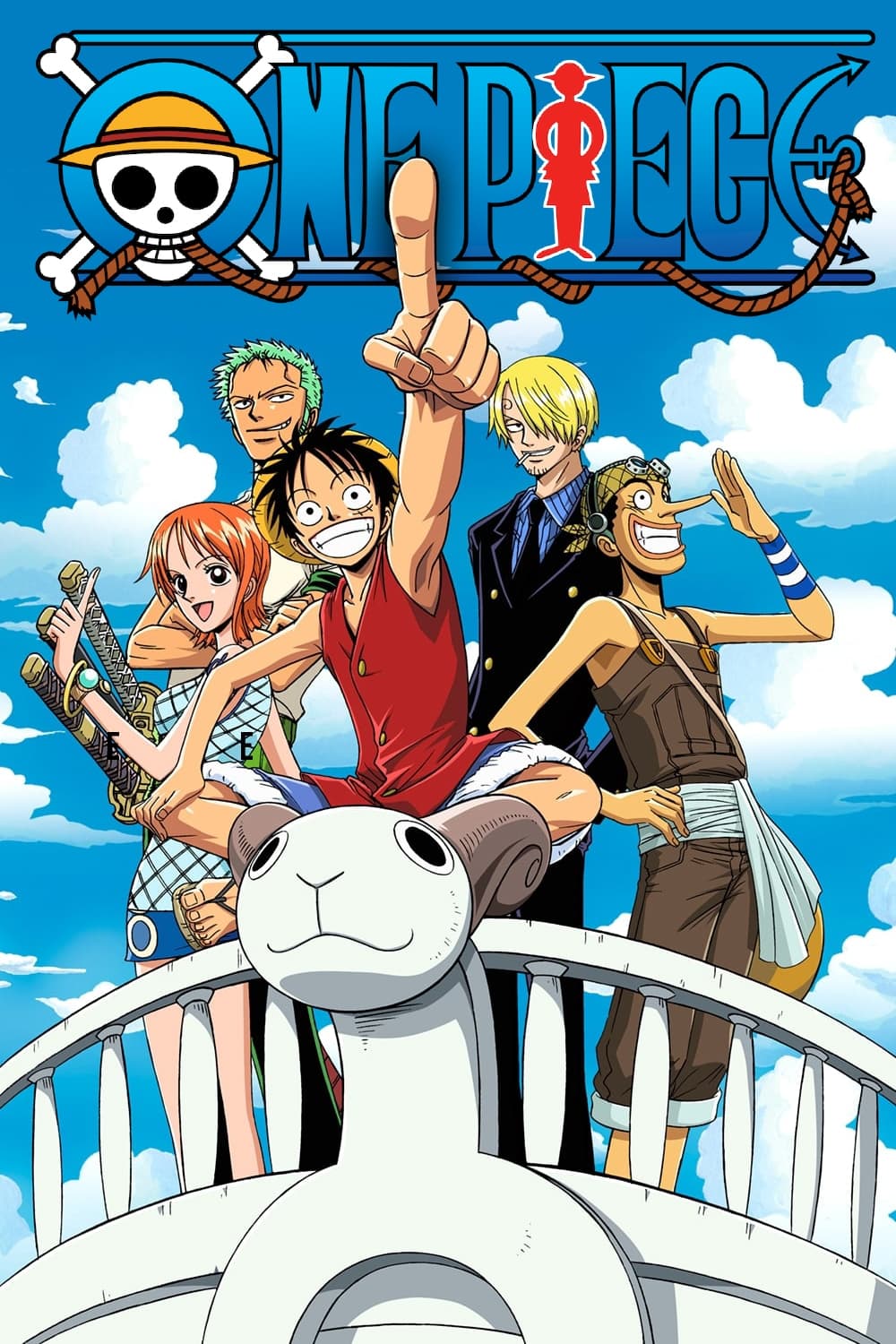
In August 2023, the debut of Monkey D. Luffy’s Gear 5 transformation became one of the most significant events in modern anime history. The anticipation for this specific animation reached such heights that major streaming platforms like Crunchyroll experienced technical failures due to the sheer volume of traffic. On social media, the hashtag for the episode trended at the top spot globally for nearly an entire day. Fans and official accounts alike shared clips of the cartoon-inspired animation style, which diverged significantly from previous power-ups in the series. This moment solidified the series’ enduring cultural impact and its ability to mobilize a massive international audience.
‘Dragon Ball Super’ (2015–2018) – Goku’s Ultra Instinct Debut

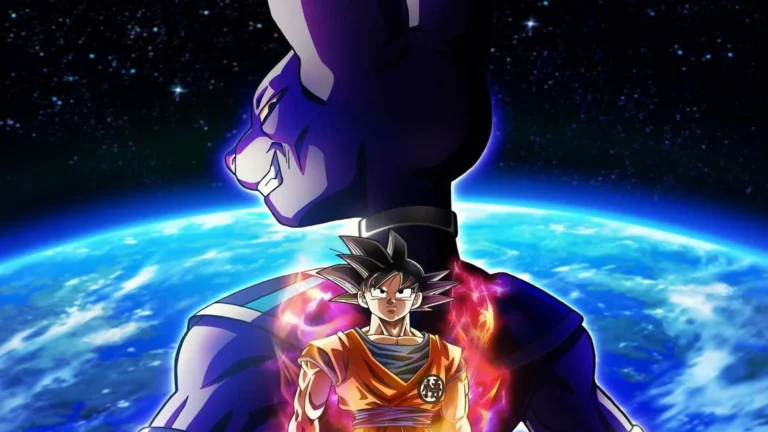
The battle between Goku and Jiren in the Tournament of Power triggered an unprecedented cultural event in 2017. As Goku achieved the Ultra Instinct form, fans in countries like Mexico and Brazil organized massive public screenings in town squares. These gatherings were documented extensively on social media, showing thousands of people cheering for the fictional fight. The surge in viewership caused multiple legal streaming services to crash during the broadcast. It remains a prime example of how anime can transcend individual viewing into a global communal experience.
‘Demon Slayer: Kimetsu no Yaiba’ (2019–Present) – Hinokami Kagura (Episode 19)
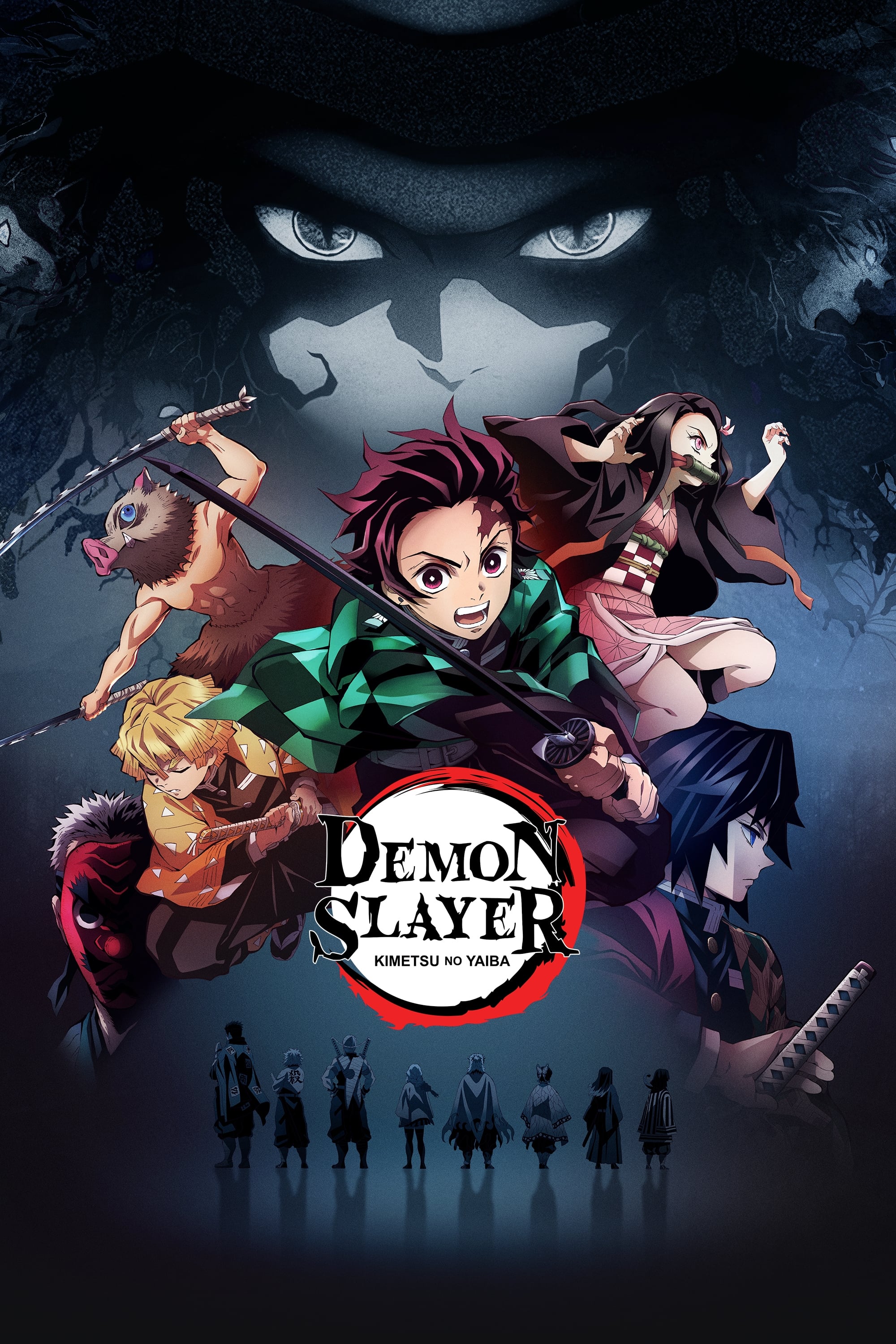
In 2019, the nineteenth episode of ‘Demon Slayer’ featured a breathtaking sequence where Tanjiro uses the Hinokami Kagura for the first time. The animation quality provided by Ufotable was so high that it immediately went viral across all social media platforms. High-profile figures and professional animators praised the scene, helping the show transition from a popular title to a worldwide phenomenon. The clip of the fight against Rui dominated TikTok and Twitter for weeks after its initial release. This specific episode is often credited with the massive surge in ‘Demon Slayer’ manga sales that followed.
‘Attack on Titan’ (2013–2023) – The Rumbling Begins
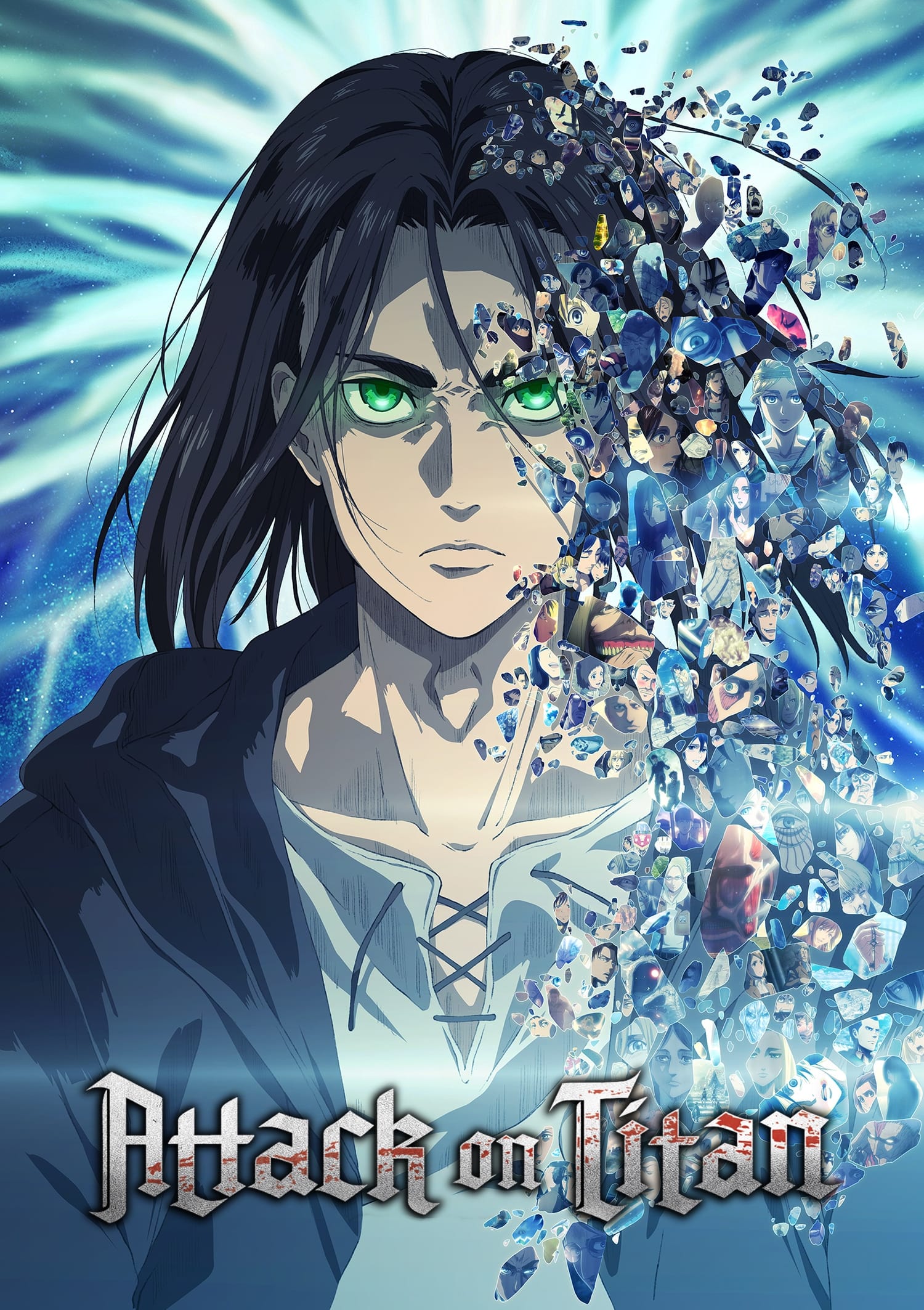
The sight of thousands of Colossal Titans marching across the sea in the final season of ‘Attack on Titan’ was a visual spectacle that trended for days. Social media was flooded with discussions about the ethics of Eren Yeager’s actions and the sheer scale of the animation. The haunting music and the existential dread of the scene prompted thousands of reaction videos and fan theories. This moment marked a peak in the show’s global viewership, with fans debating the “Yeagerist” ideology in real-time. It remains one of the most visually iconic and discussed sequences in modern television history.
‘Solo Leveling’ (2024–Present) – Sung Jinwoo’s “Arise”
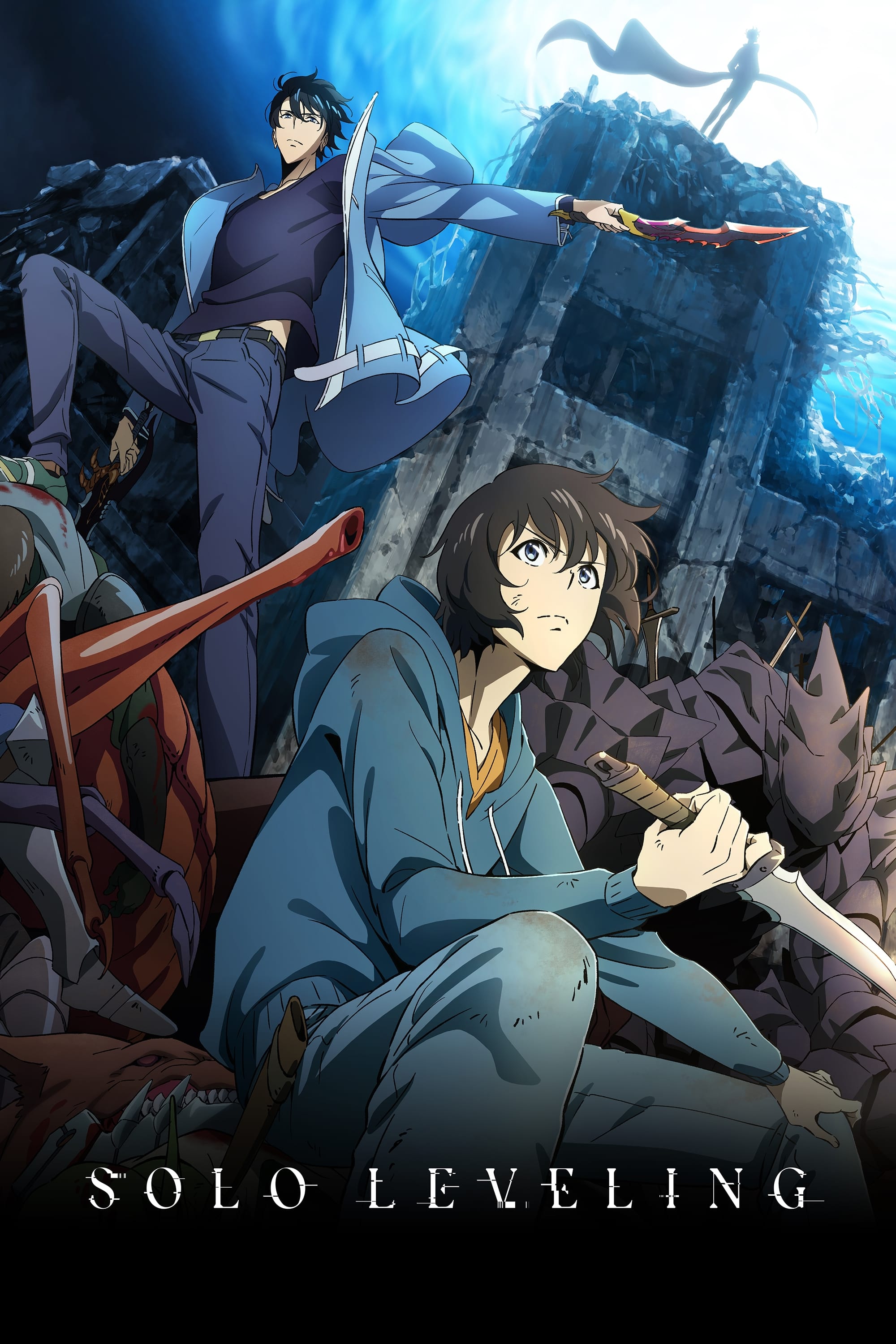
The long-awaited adaptation of the ‘Solo Leveling’ manhwa reached a fever pitch when the protagonist, Sung Jinwoo, uttered his signature command. “Arise” became an instant viral sound on TikTok, with creators using it for various gym edits and character montages. The moment trended globally on X as fans celebrated the faithful adaptation of the source material’s most famous scene. Streaming servers struggled to keep up with the demand during the hour the episode dropped. It successfully transitioned the series from a webtoon favorite to a mainstay in the anime zeitgeist.
‘Pokémon’ (1997–2023) – Ash Ketchum Wins the World Championship
After 25 years of traveling through multiple regions, Ash Ketchum finally became the World Champion in November 2022. The news of his victory was so significant that it was broadcast on giant screens in Shibuya, Tokyo, mirroring a real-life sporting event. Social media platforms were flooded with tributes from fans who had followed the series since their childhood in the late 1990s. The official announcement tweet from the ‘Pokémon’ account became one of the most liked anime-related posts in history. This victory marked the end of an era for the franchise and trended worldwide as a top news story.
‘Jujutsu Kaisen’ (2020–Present) – The Satoru Gojo Memorial
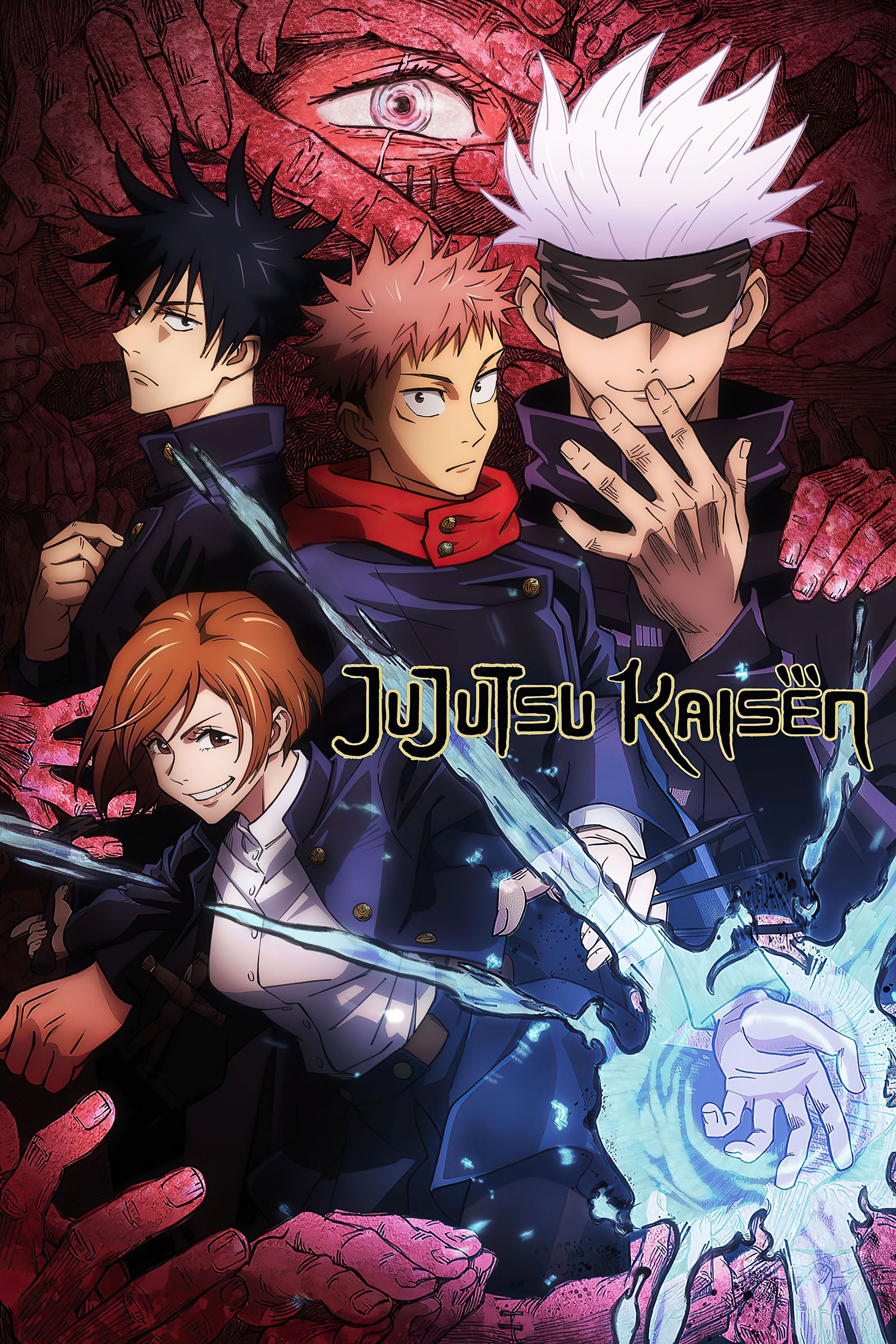
In September 2023, the release of Chapter 236 of the manga caused a social media firestorm that leaked into the physical world. Fans were so devastated by the fate of the character Satoru Gojo that they created real-life memorials at subway stations in Chile and Japan. Images of these shrines, covered in flowers and notes, went viral across X and TikTok, trending globally for several days. The moment sparked intense debates regarding the author’s narrative choices and the treatment of popular characters. It remains one of the most prominent examples of a fictional event causing a tangible public reaction.
‘Bleach: Thousand-Year Blood War’ (2022–Present) – The First Return Trailer
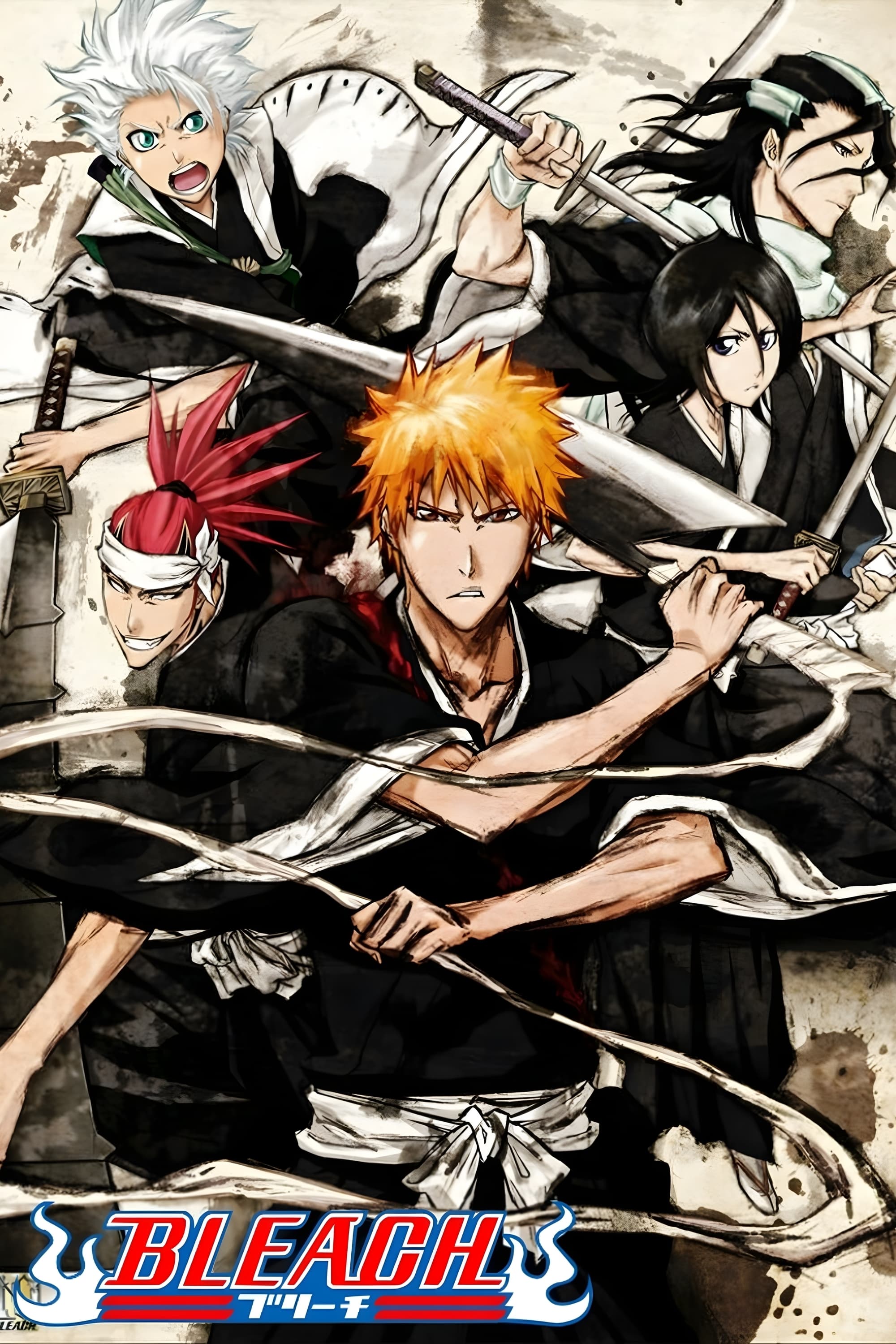
After a decade of silence, the return of ‘Bleach’ was announced with a trailer that immediately trended at #1 on YouTube and X. The high-definition animation style and the iconic soundtrack triggered immense nostalgia for fans of the original “Big Three” shonen series. Social media was filled with “Bleach is back” declarations, proving that the franchise’s fanbase remained loyal during the long hiatus. The trailer’s release was seen as a victory for fans who had campaigned for the final arc to be animated for years. It successfully reignited global interest in the series and brought in a new generation of viewers.
‘【OSHI NO KO】’ (2023–Present) – Ai Hoshino’s Final Scene
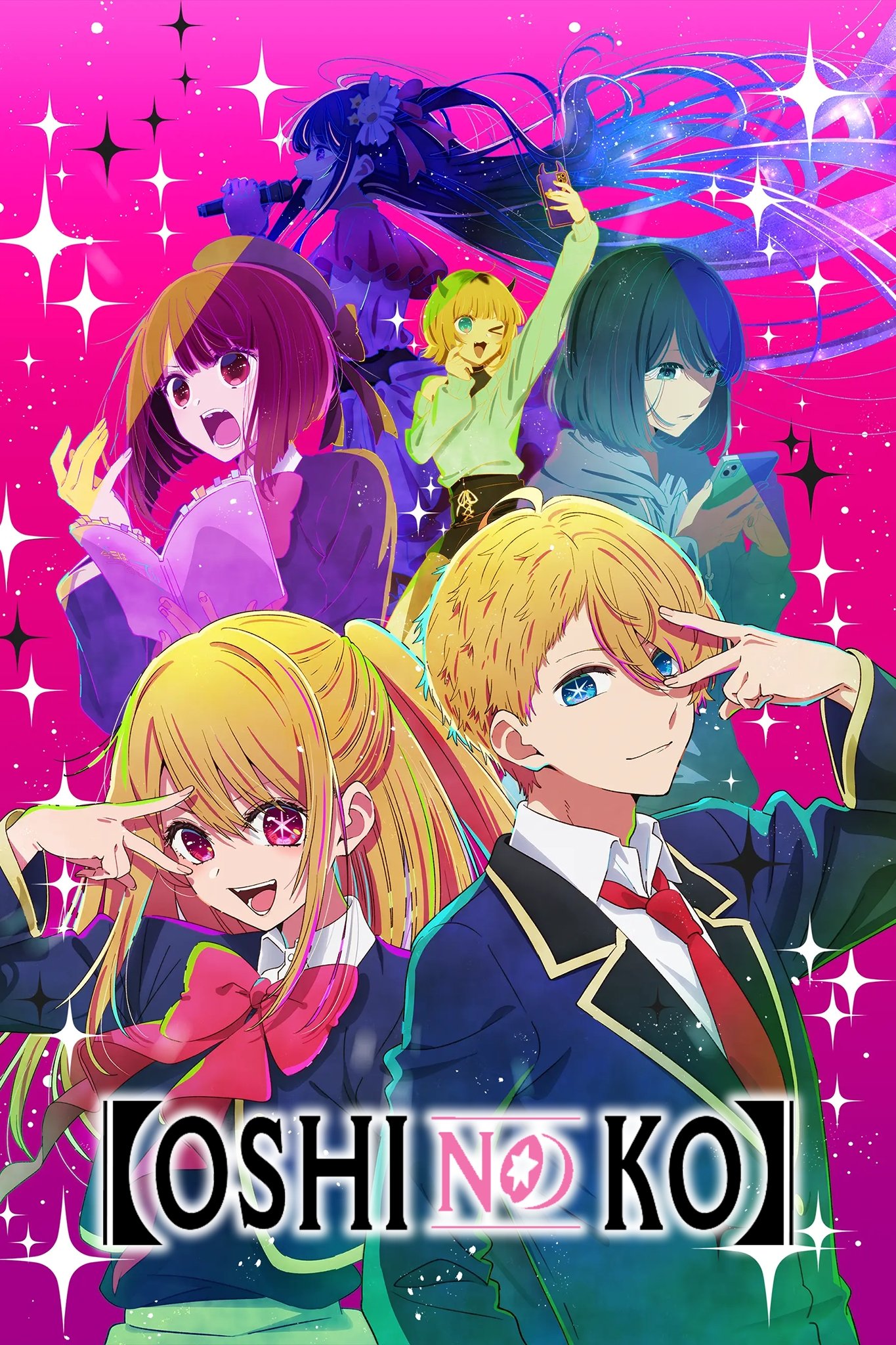
The 90-minute premiere of ‘Oshi no Ko’ concluded with a tragic twist that shocked the global anime community. Ai Hoshino’s death became an immediate point of discussion on social media, with fans praising the emotional weight and subversion of the idol genre. The show’s opening theme, “Idol” by YOASOBI, also went viral, breaking records on the Billboard Global 200 chart. The combination of the shocking plot and the catchy music made the series the most talked-about anime of the Spring 2023 season. It proved that a well-executed drama could compete with traditional action series for social media dominance.
‘Attack on Titan’ (2013–2023) – The Death of Sasha Braus

The sudden death of the beloved character Sasha Braus caused a wave of unprecedented outrage and grief on social media. Fans were particularly divided over the character Gabi Braun, who pulled the trigger, leading to months of intense online debate. The hashtag #Gabi became a trending topic, often filled with vitriol or defenses of her character arc. This moment highlighted the show’s ability to manipulate audience emotions and create complex moral dilemmas. It remains a touchstone for how character deaths can split a fanbase down the middle.
‘Cyberpunk: Edgerunners’ (2022) – The Moon Ending
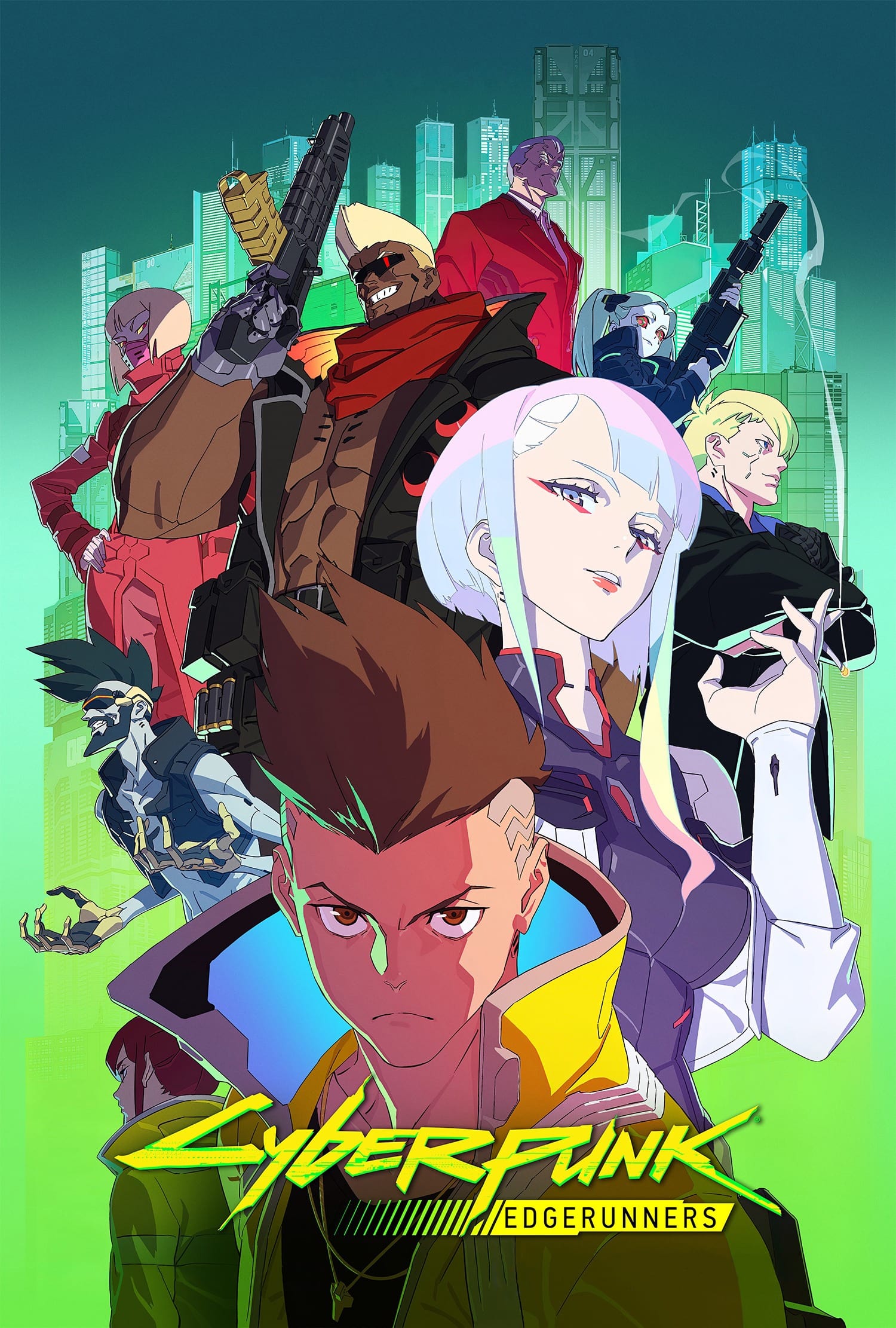
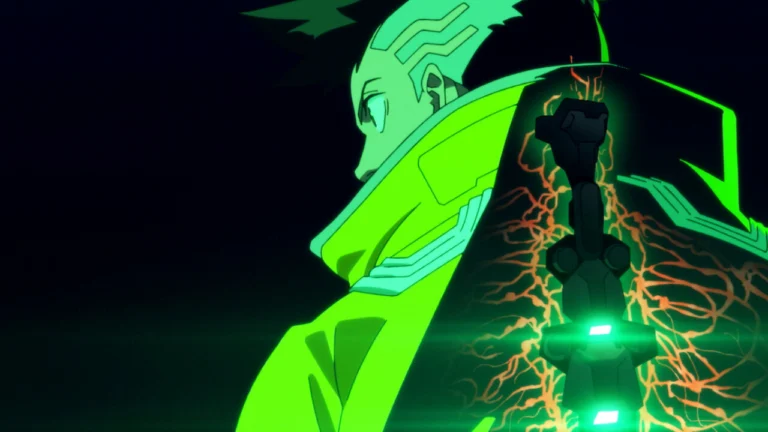
The tragic conclusion to ‘Cyberpunk: Edgerunners’ left a lasting mark on social media, specifically through the song “I Really Want to Stay at Your House.” The ending trended heavily on TikTok, where users shared their emotional reactions to the final scene between David and Lucy. Many fans credited the anime with reviving interest in the ‘Cyberpunk 2077’ video game, which saw a massive spike in players following the show’s release. The bittersweet nature of the story resonated with a wide audience beyond traditional anime fans. It is frequently cited as one of the most impactful short-form anime series of the decade.
‘Fullmetal Alchemist: Brotherhood’ (2009–2010) – The Nina Tucker Incident
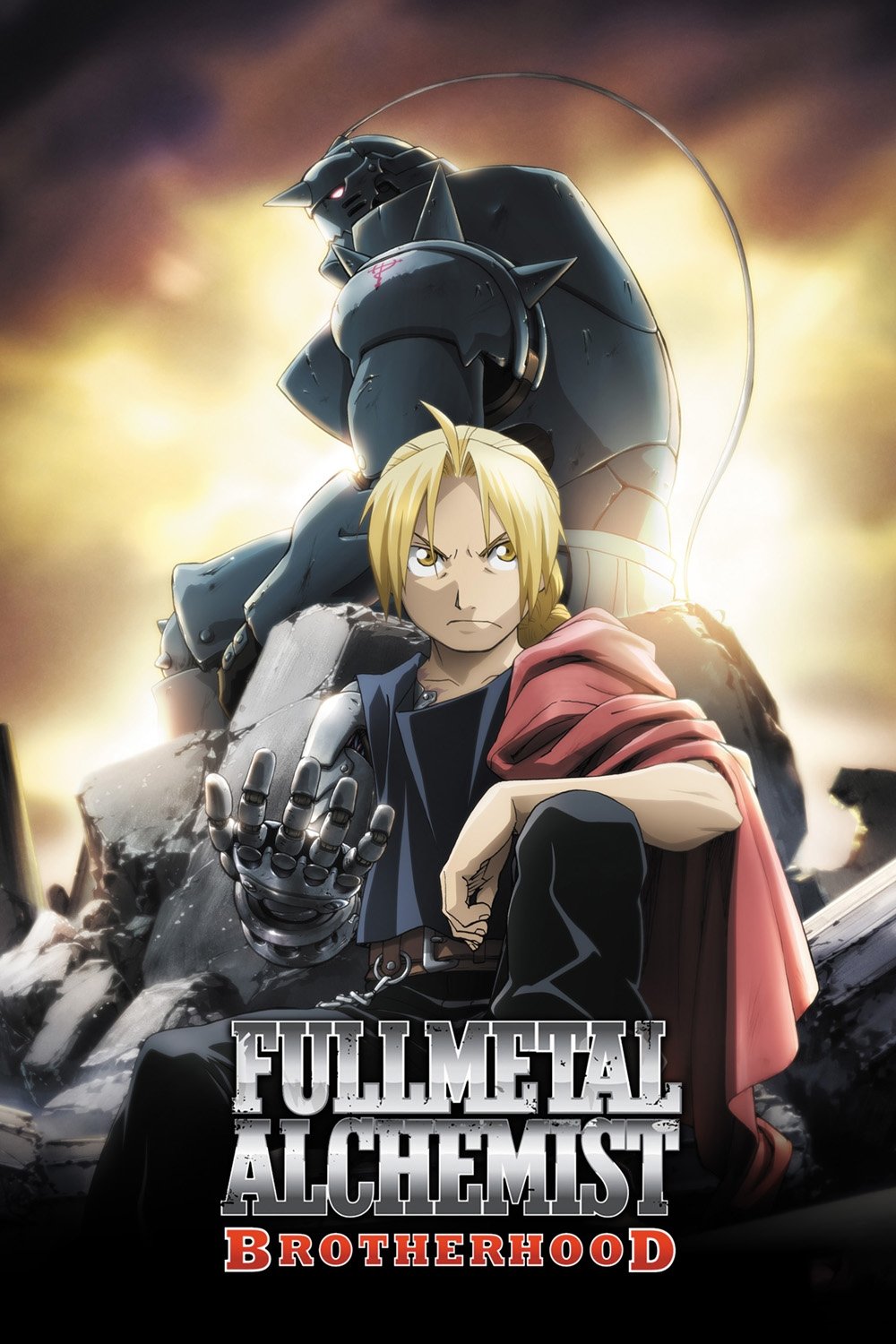
Even years after its release, the tragic transformation of Nina Tucker remains the most infamous meme in the anime community. Any mention of a “chimera” or the phrase “Big Brother” on social media inevitably triggers a wave of emotional responses and dark humor. This moment serves as a universal point of reference for anime fans, often used to test the “trauma” of newcomers to the genre. Its longevity on platforms like Reddit and Twitter proves its status as a foundational piece of anime culture. It is one of the few scenes that continues to trend periodically without a new release or anniversary.
‘Jujutsu Kaisen’ (2020–Present) – Nanami Kento’s Final Stand

During the Shibuya Incident arc, the death of Nanami Kento became a major emotional focal point for the series’ fanbase. Fans on social media shared his final wish of retiring to a beach in Malaysia, leading to the actual Malaysian tourism board acknowledging the character. The animation of his final moments was praised for its haunting beauty and respect for the character’s legacy. “Nanami” trended globally on X for several hours following the episode’s air date. This death solidified the high stakes of the arc and the series’ reputation for not sparing fan favorites.
‘One Piece’ (1999–Present) – The Death of Portgas D. Ace

The death of Ace during the Marineford arc is widely considered one of the most impactful moments in shonen history. When the scene aired, and even years later during anniversaries, it continues to generate massive engagement on social media. Fans often share the image of Luffy’s catatonic reaction as a symbol of peak fictional heartbreak. The scene’s influence is so great that it is frequently referenced in other media and remains a top-searched anime moment. It remains a definitive example of how a long-running series can create deep emotional bonds with its audience.
‘Hunter x Hunter’ (2011–2014) – Gon’s Transformation
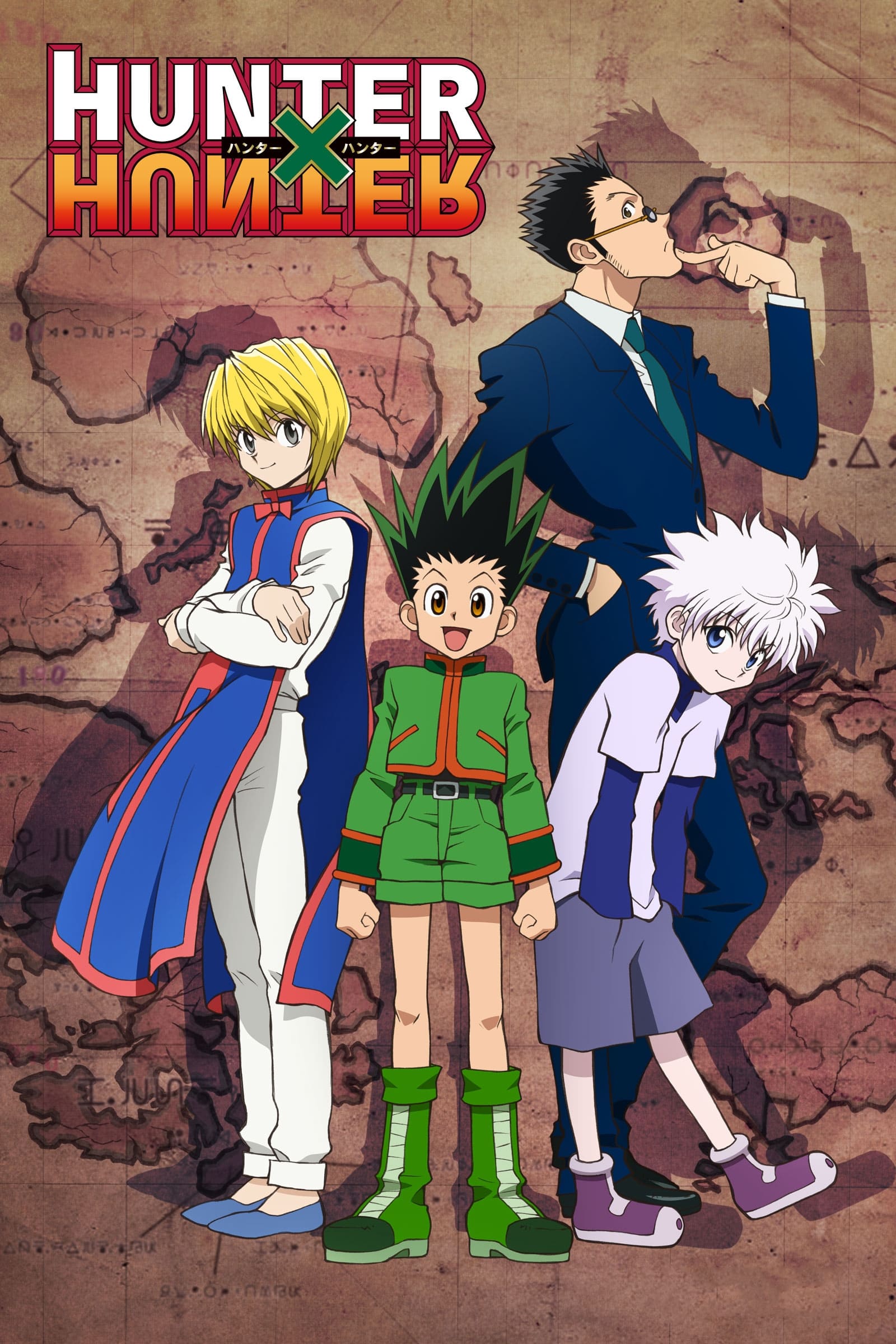
The chilling transformation of Gon Freecss into his adult form during the Chimera Ant arc stunned the internet. Social media users were fascinated by the subversion of the typical “heroic power-up,” as the moment was depicted with horror and despair. The visual of Gon’s towering hair and his brutal treatment of Neferpitou became an instant viral image. Fans spent weeks analyzing the psychological breakdown of the protagonist, leading to long-form essays and discussions. It is still cited as one of the most shocking and well-earned transformations in all of fiction.
‘Naruto Shippūden’ (2007–2017) – The Truth About Itachi Uchiha
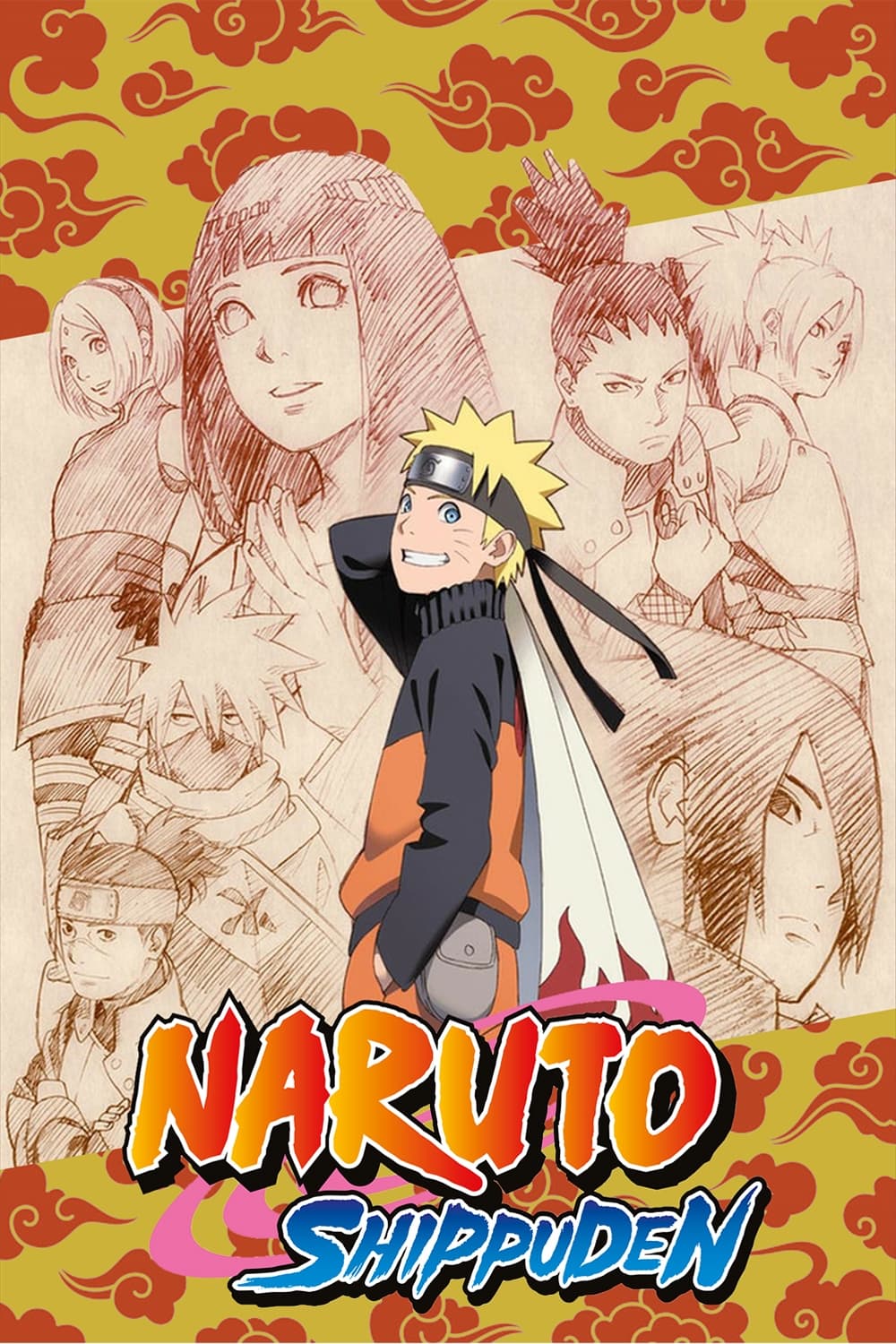
The revelation that Itachi Uchiha had acted as a double agent to protect his village fundamentally changed the perspective of the entire ‘Naruto’ series. This plot twist caused a massive social media firestorm, with fans re-evaluating every previous interaction between Itachi and Sasuke. It is often cited as one of the greatest “heel-turn” subversions in anime, turning a primary villain into a tragic hero. The emotional weight of his final “poke” to Sasuke’s forehead remains a legendary image shared across fan forums. This moment significantly boosted the series’ legacy and Itachi’s popularity in global polls.
‘Attack on Titan’ (2013–2023) – The Manga Finale Controversy

When the ‘Attack on Titan’ manga concluded in 2021, the reaction was so polarized that it divided the internet for years. Subreddits and Twitter threads were filled with heated arguments regarding Eren’s final motivations and the series’ ultimate message. This firestorm was so intense that the anime adaptation eventually included slight dialogue changes to help clarify the ending for viewers. The controversy highlighted the intense pressure on creators to satisfy massive, global fanbases with definitive conclusions. It remains a case study in how social media can amplify both praise and backlash for a major franchise.
‘The Seven Deadly Sins’ (2014–2021) – The Meliodas vs. Escanor Animation Fail
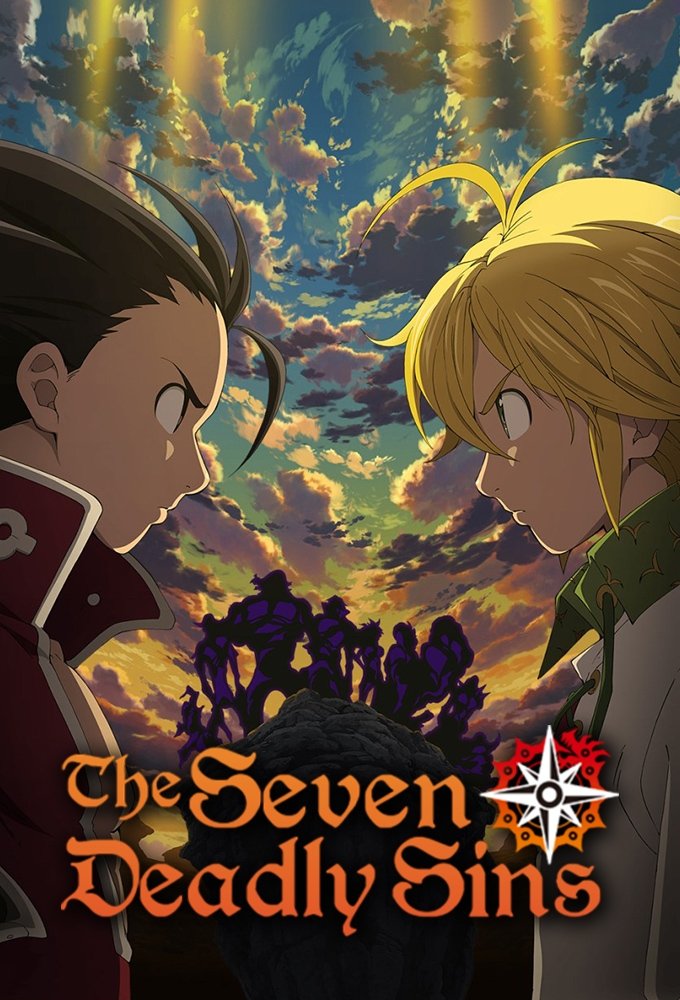
One of the most anticipated fights in ‘The Seven Deadly Sins’ became a viral sensation for all the wrong reasons in 2019. The poor animation quality of the Meliodas versus Escanor battle was widely mocked on social media, with fans creating “PowerPoint” memes to highlight the lack of movement. This firestorm brought attention to the issues of production scheduling and studio changes in the anime industry. It became a cautionary tale for fans regarding the dangers of high expectations for major adaptations. Even years later, clips of the fight are used as a benchmark for poor animation quality.
‘The Promised Neverland’ (2019–2021) – The Season 2 “Slideshow” Ending
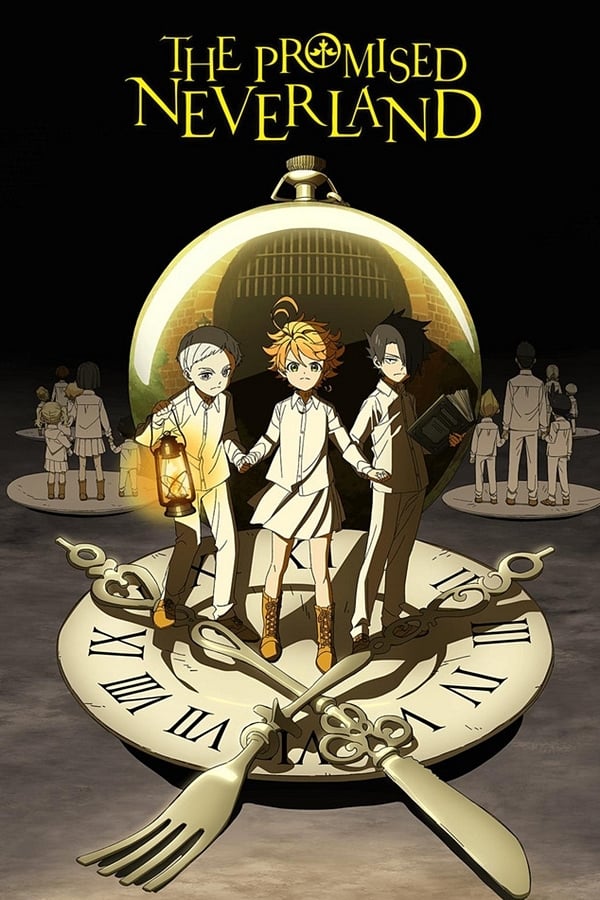
After a critically acclaimed first season, the second season of ‘The Promised Neverland’ faced a massive backlash for skipping several major manga arcs. The finale, which concluded with a literal slideshow of still images to wrap up the story, caused a firestorm of disappointment on social media. Fans criticized the decision to rush the narrative, leading to extremely low ratings on sites like MyAnimeList. The hashtag for the show was filled with “rest in peace” messages for the franchise’s potential. It remains one of the most cited examples of a botched anime adaptation in the modern era.
‘Mushoku Tensei: Jobless Reincarnation’ (2021–Present) – The Ethics Discourse

‘Mushoku Tensei’ has consistently sparked social media firestorms regarding the problematic behavior of its protagonist, Rudeus Greyrat. While the show is praised for its world-building and animation, discussions about its moral content often lead to intense debates on X and Reddit. These conversations frequently revolve around the distinction between depicting a flawed character and endorsing their actions. The firestorm often resurfaces with each new season, making it one of the most contentious titles in the community. It highlights the ongoing debate about mature themes and character growth in the isekai genre.
‘Redo of Healer’ (2021) – The Global Censorship Debate

The release of ‘Redo of Healer’ in 2021 caused an immediate and massive controversy due to its explicit content and themes of revenge. Many streaming platforms refused to host the series, and it was banned in several regions, sparking a worldwide firestorm about censorship. Social media was split between those who condemned the show’s content and those who argued for the freedom of creative expression. The controversy significantly boosted the show’s notoriety, making it one of the most searched titles of the year despite the bans. It remains a polarizing topic in discussions about the limits of the anime medium.
‘Berserk’ (2016–2017) – The CGI and “Clang” Controversy
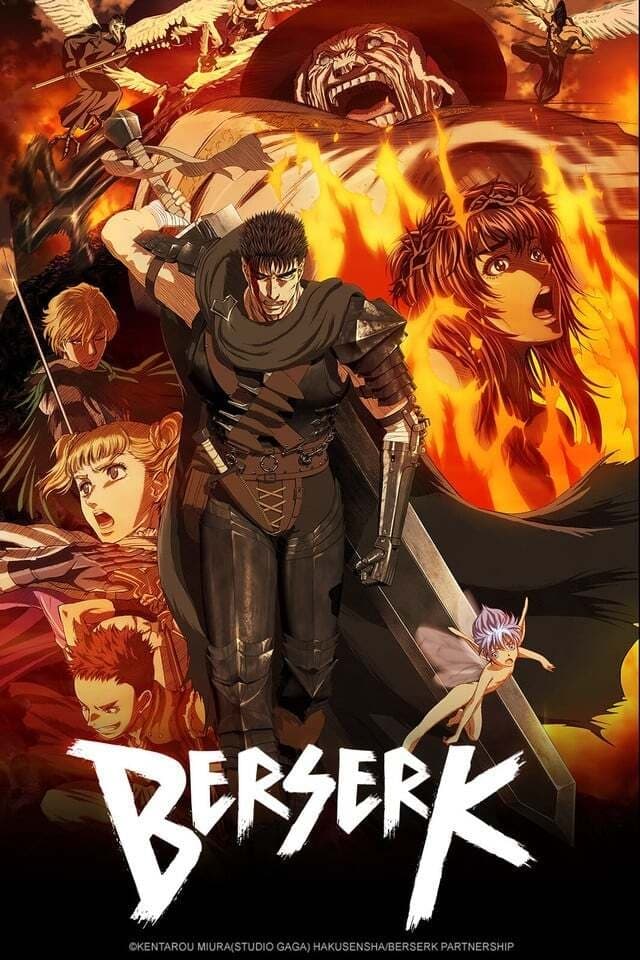
The 2016 adaptation of ‘Berserk’ was met with immediate hostility on social media due to its jarring use of 3D CGI animation. The most infamous aspect of the firestorm was the metallic “clang” sound effect used for Guts’ sword, which fans found absurdly out of place. Clips of the awkward character movements and the repetitive sound effects became viral memes used to criticize the production. This reaction highlighted the deep reverence fans have for Kentaro Miura’s original artwork and their desire for high-quality adaptations. It remains the gold standard for how not to adapt a legendary manga series.
‘Blue Lock’ (2022–Present) – The Scanlation Language Controversy

During the rise of ‘Blue Lock’, a firestorm erupted on social media regarding the aggressive and “edgy” language used in fan scanlations. Phrases like “retard” and other insults became synonymous with the series’ online identity, leading to a clash when the official anime used more professional translations. Fans debated whether the fan-translations better captured the “egoist” spirit of the show or if they were needlessly offensive. This discourse brought attention to the influence of scanlation groups on the international perception of a franchise. It remains a unique example of linguistic choices causing a viral debate within a fandom.
‘Vinland Saga’ (2019–2023) – The “I Have No Enemies” Realization
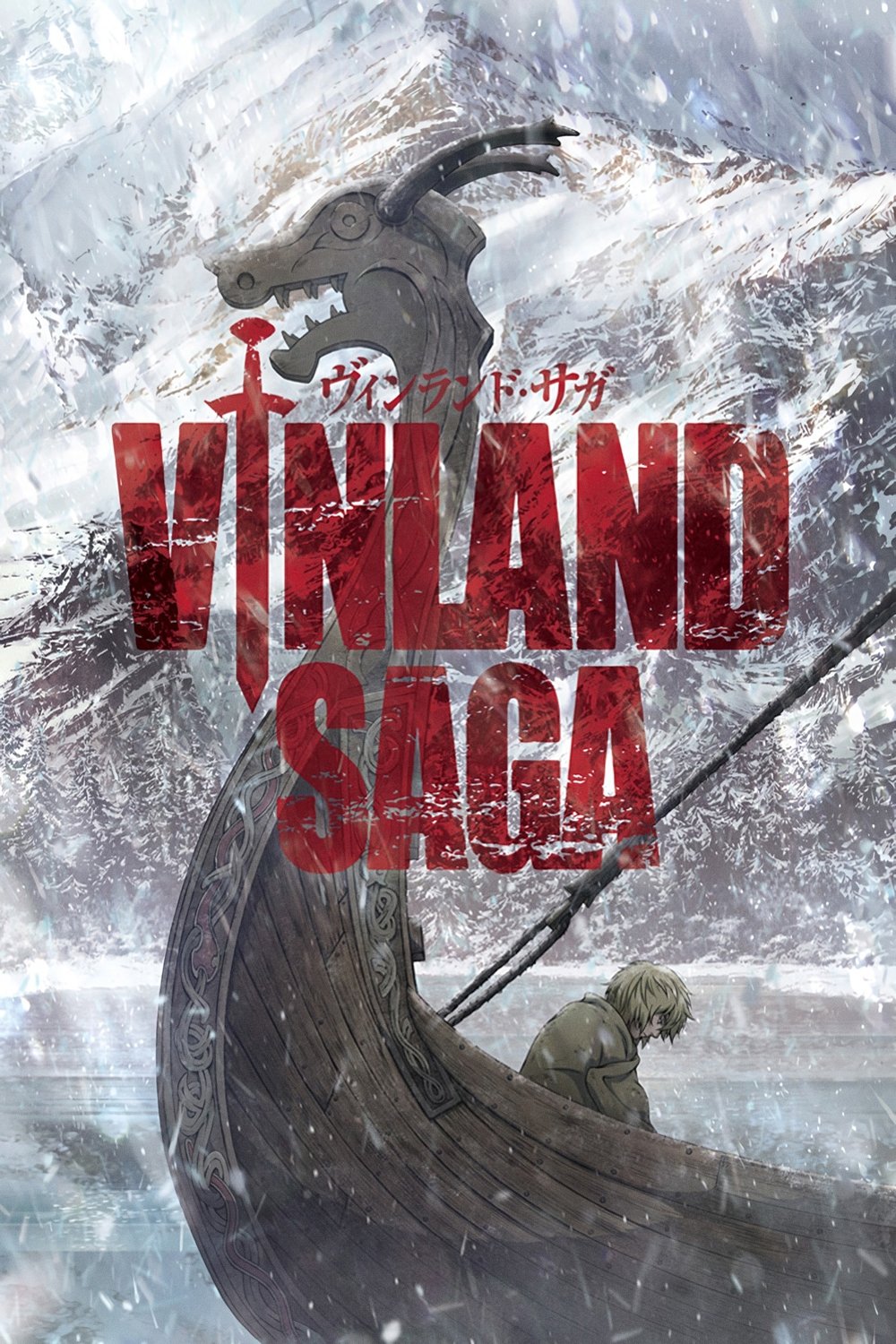
In the second season of ‘Vinland Saga’, Thorfinn’s declaration that he has “no enemies” became a massive cultural touchstone on social media. The scene was widely shared as a symbol of personal growth, stoicism, and the rejection of violence. It trended across TikTok and Instagram, often paired with motivational content and discussions about mental health. The firestorm was overwhelmingly positive, with fans praising the series for its mature and philosophical approach to the “warrior” trope. This moment helped the show reach a broader audience interested in character-driven drama rather than just action.
‘Spy x Family’ (2022–Present) – Anya Forger’s “Heh” Face
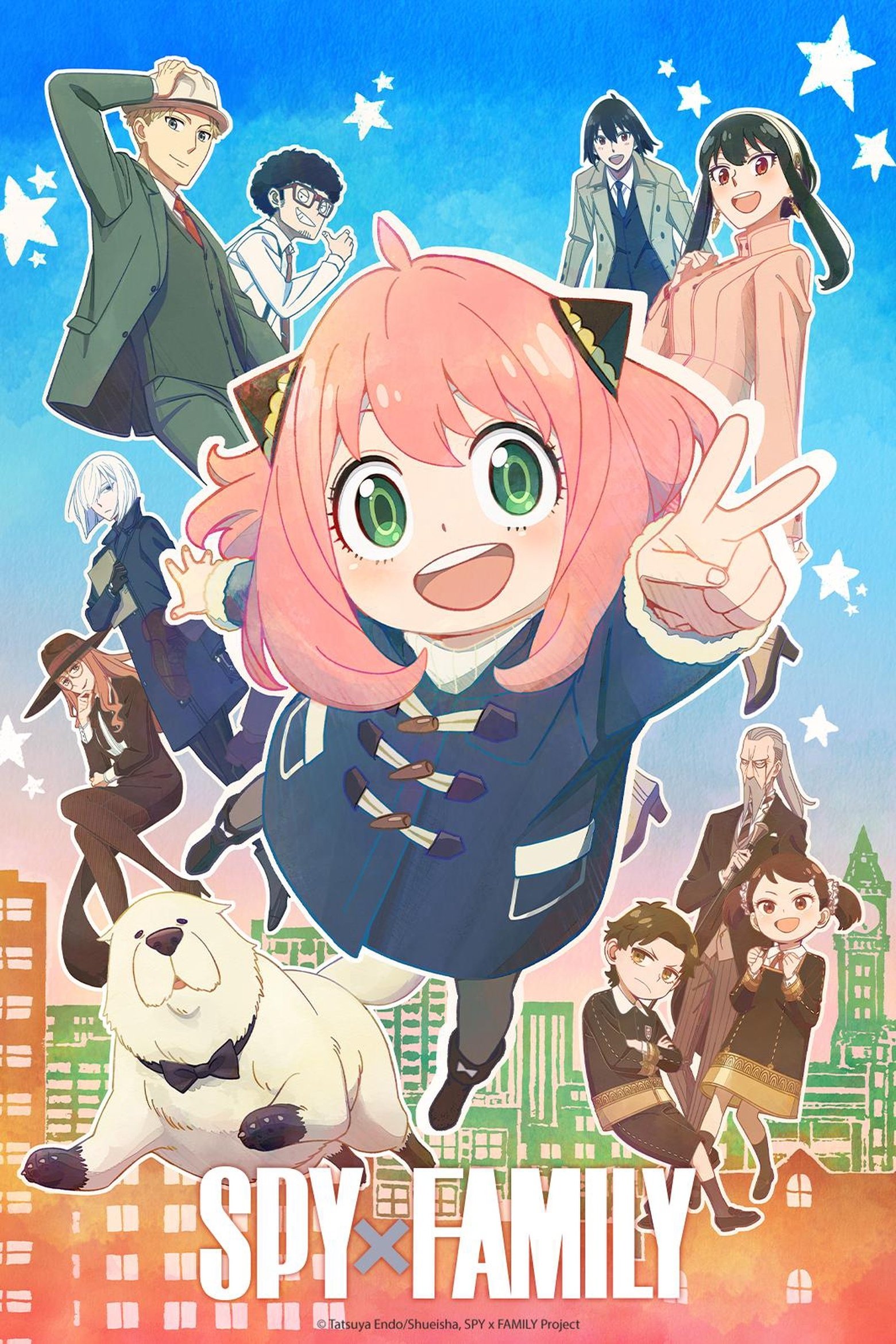
When Anya Forger displayed a smug, knowing smile in the early episodes of ‘Spy x Family’, it became an instant global meme. The “Heh” face was shared millions of times on social media, used as a reaction image for everything from gaming victories to everyday irony. This specific frame of animation helped the series achieve a level of mainstream popularity that few anime reach. Fan art and merch featuring the expression flooded the market, and the image continues to be used even by people who have not seen the show. It is a prime example of how a single character design choice can drive a worldwide firestorm.
‘Frieren: Beyond Journey’s End’ (2023–2024) – “Aura, Kill Yourself”
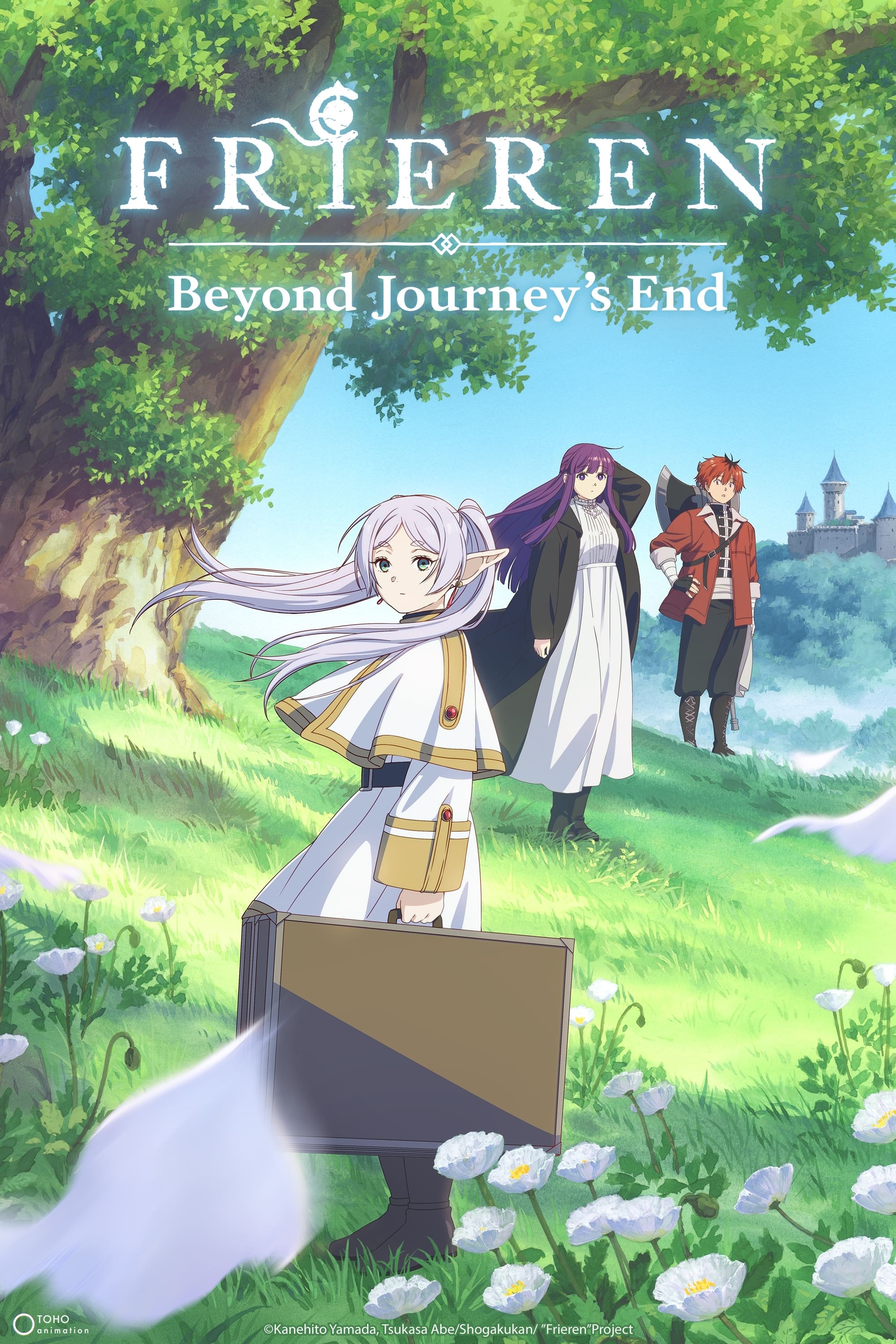
The moment Frieren used her absolute mana authority to command the demon Aura to end her own life went viral for its cold efficiency. Social media users were stunned by the subversion of the “merciful protagonist” trope, praising Frieren’s pragmatism. The scene was clipped and shared across X and TikTok, trending for several days as fans celebrated the “badass” nature of the sequence. It sparked deep discussions about the biology of demons in the series’ lore and Frieren’s long-standing hatred for them. This moment solidified ‘Frieren’ as a top-tier fantasy series for the modern era.
‘JoJo’s Bizarre Adventure’ (2012–Present) – “It Was Me, Dio!”
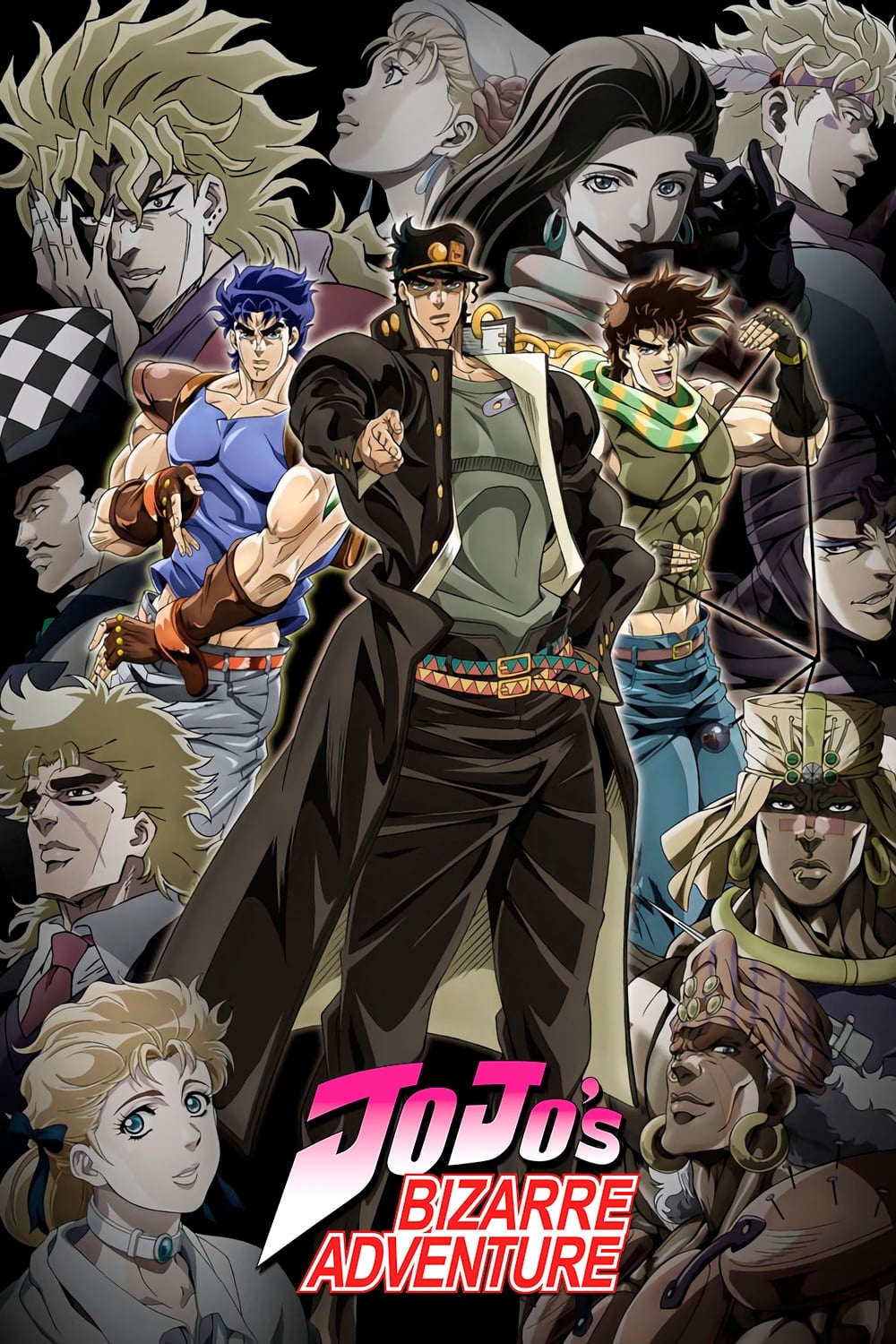
One of the most foundational memes of the internet era comes from the first part of ‘JoJo’s Bizarre Adventure’. The reveal that Dio Brando was the one who stole Erina’s first kiss has been shared and remixed for over a decade. It caused a social media firestorm that essentially introduced many Western viewers to the “meme-ability” of the JoJo franchise. Even today, the phrase is used whenever a plot twist occurs in other media, demonstrating its permanent place in internet culture. This moment is responsible for much of the series’ initial viral success outside of Japan.
‘Death Note’ (2006–2007) – The Death of L
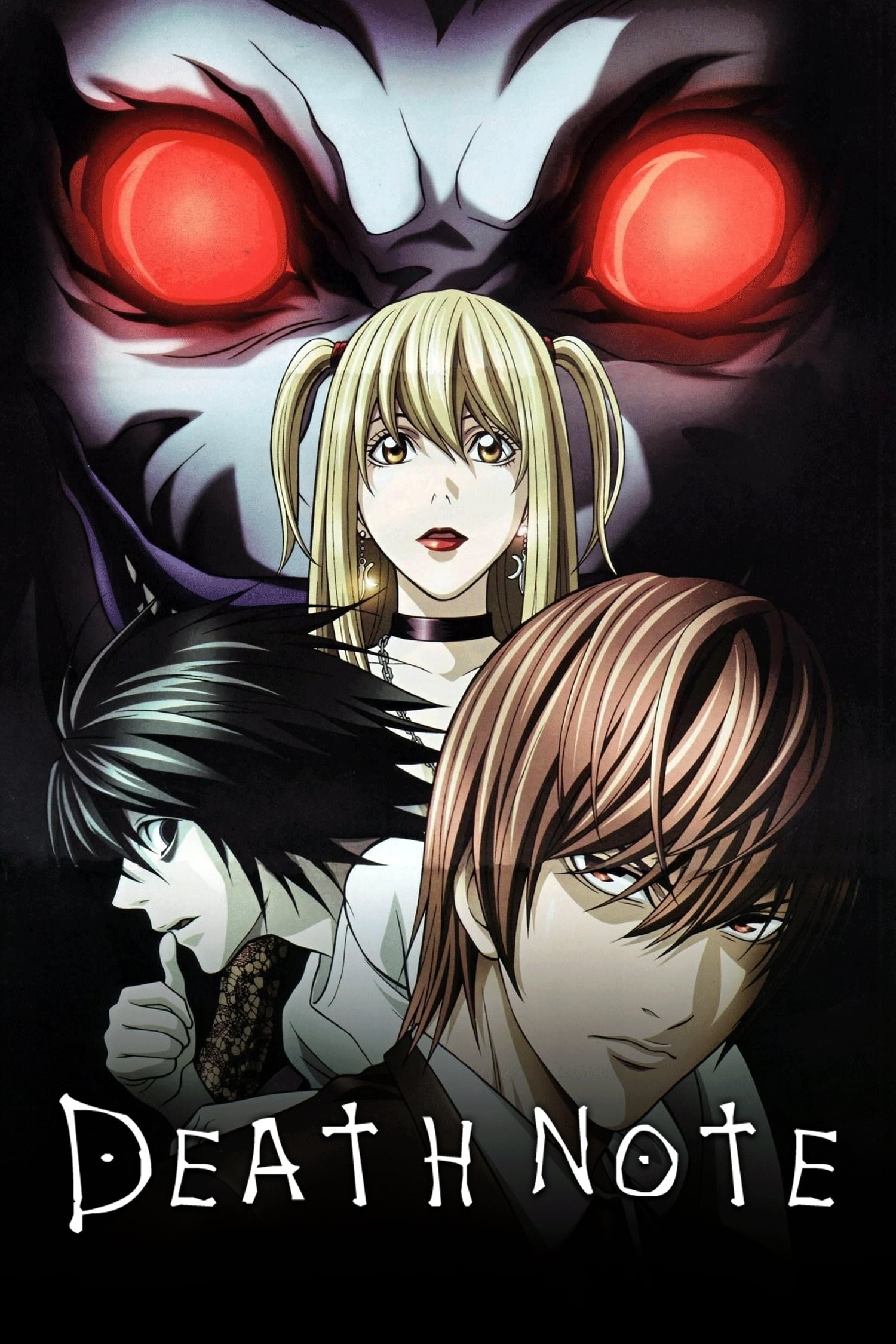
The mid-series death of the protagonist’s rival, L, was one of the first major anime shocks to break the early social media landscape. In the era of MySpace and early anime forums, the twist caused a massive outpouring of grief and disbelief. Fans were so attached to the character that many claimed they would stop watching the show entirely. The firestorm surrounding his death helped ‘Death Note’ maintain its status as a “gateway” anime for millions of viewers. It remains a benchmark for how to successfully kill off a primary character to raise narrative stakes.
‘My Hero Academia’ (2016–Present) – Dabi’s Identity Reveal
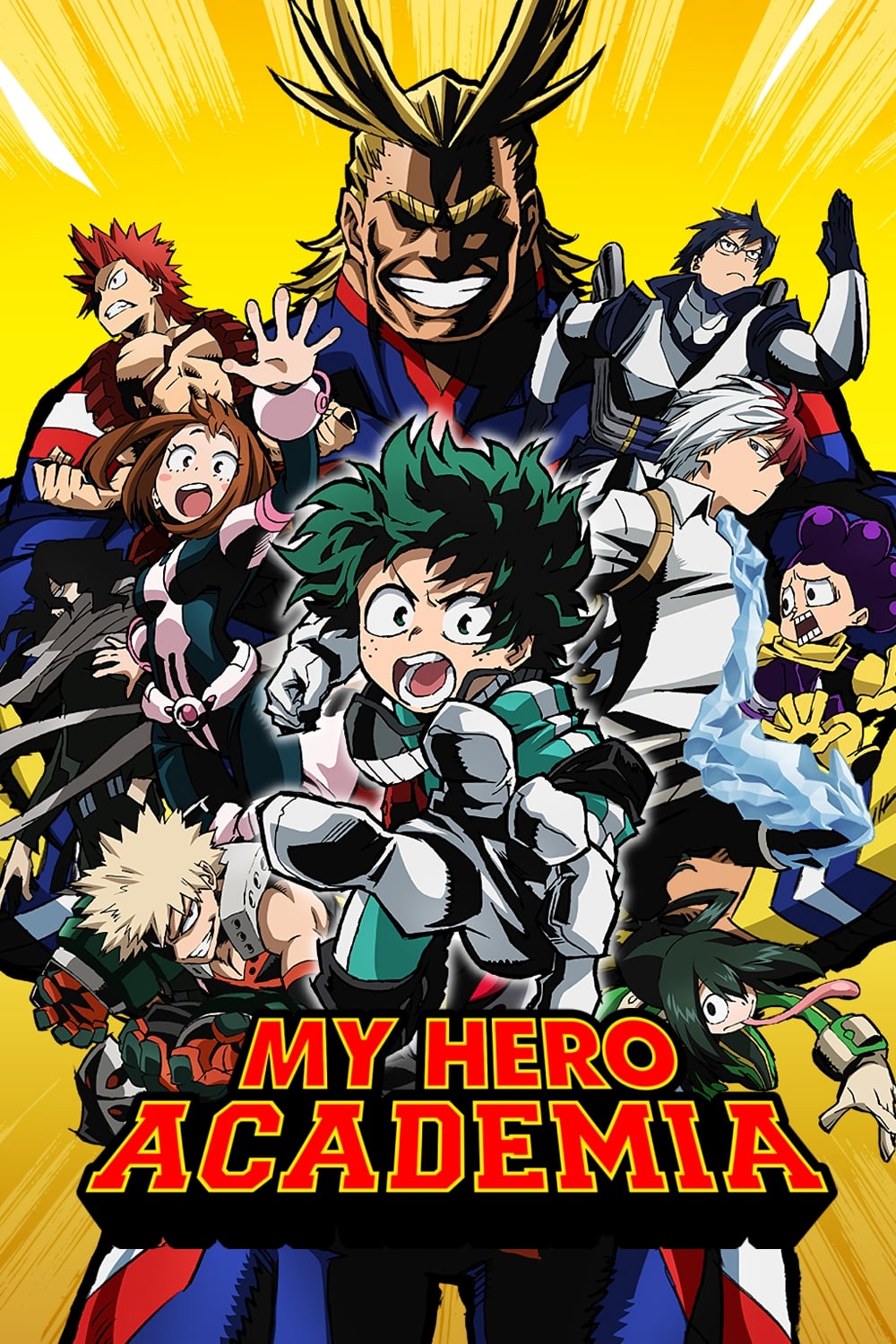
The long-theorized revelation that the villain Dabi was actually Touya Todoroki caused a massive surge in social media engagement. When the “Dabi Dance” occurred in the manga and later in the anime, it trended at #1 on X globally. Fans shared side-by-side comparisons of the Todoroki family, celebrating the confirmation of a decade-old fan theory. The animation of Dabi’s erratic movements and the emotional weight of Endeavor’s reaction were highly praised. This moment revitalized interest in the series during a period where some fans felt the pacing had slowed.
‘Naruto Shippūden’ (2007–2017) – Madara Uchiha vs. The Shinobi Alliance

The introduction of Madara Uchiha on the battlefield remains one of the most hyped moments in anime history. When he dropped a second meteor on the survivors of the first one, social media platforms were flooded with “overpowered” memes. Fans were in awe of the scale of his power, which shifted the entire power dynamic of the Great Ninja War. The sequence is still used today in “hype” compilations and to demonstrate the peak of the ‘Naruto’ series’ scale. It remains a definitive “internet-breaking” moment for the 2010s anime community.
‘Chainsaw Man’ (2022–Present) – Makima’s “Bang”

While originating in the manga, the moment Makima says “Bang” to another major character created a firestorm that took over the internet for months. The simplicity and cruelty of the action led to a massive wave of fan art, reaction videos, and TikTok trends. Even before the anime reached this point, the “Bang” meme was unavoidable for anyone in the anime sphere. It established Makima as one of the most feared and discussed antagonists in modern fiction. The eventual animation of this scene is expected to cause a similar level of social media chaos.
‘Boruto: Naruto Next Generations’ (2017–2023) – Naruto’s Baryon Mode

The debut of Naruto Uzumaki’s Baryon Mode caused a massive spike in viewership for a series that had previously received mixed reviews. Fans who had grown up with ‘Naruto’ flocked to social media to discuss the potential death of the franchise’s main icon. The hashtag #Naruto trended globally as fans debated whether the sacrifice was necessary and praised the high-quality animation of the fight. It was a rare moment where the sequel series completely dominated the cultural conversation, rivaling the peak popularity of its predecessor. The emotional weight of Kurama’s departure following the form’s use further fueled the online firestorm.
‘Dragon Ball Z’ (1989–1996) – Goku’s First Super Saiyan Transformation

Although this moment occurred before the advent of modern social media, it remains the most re-shared and celebrated clip in the medium’s history. Whenever a new power-up is introduced in any anime, Goku’s transformation on Namek is inevitably brought up as the gold standard. It trends annually on various anniversaries, with fans sharing their childhood memories of seeing it for the first time. The visual of the golden hair and the blue lightning defined the “shonen” genre for decades to reach. It is the cornerstone upon which modern anime hype culture was built.
‘Mob Psycho 100’ (2016–2022) – Reigen Arataka Wins the Tumblr Sexyman Poll
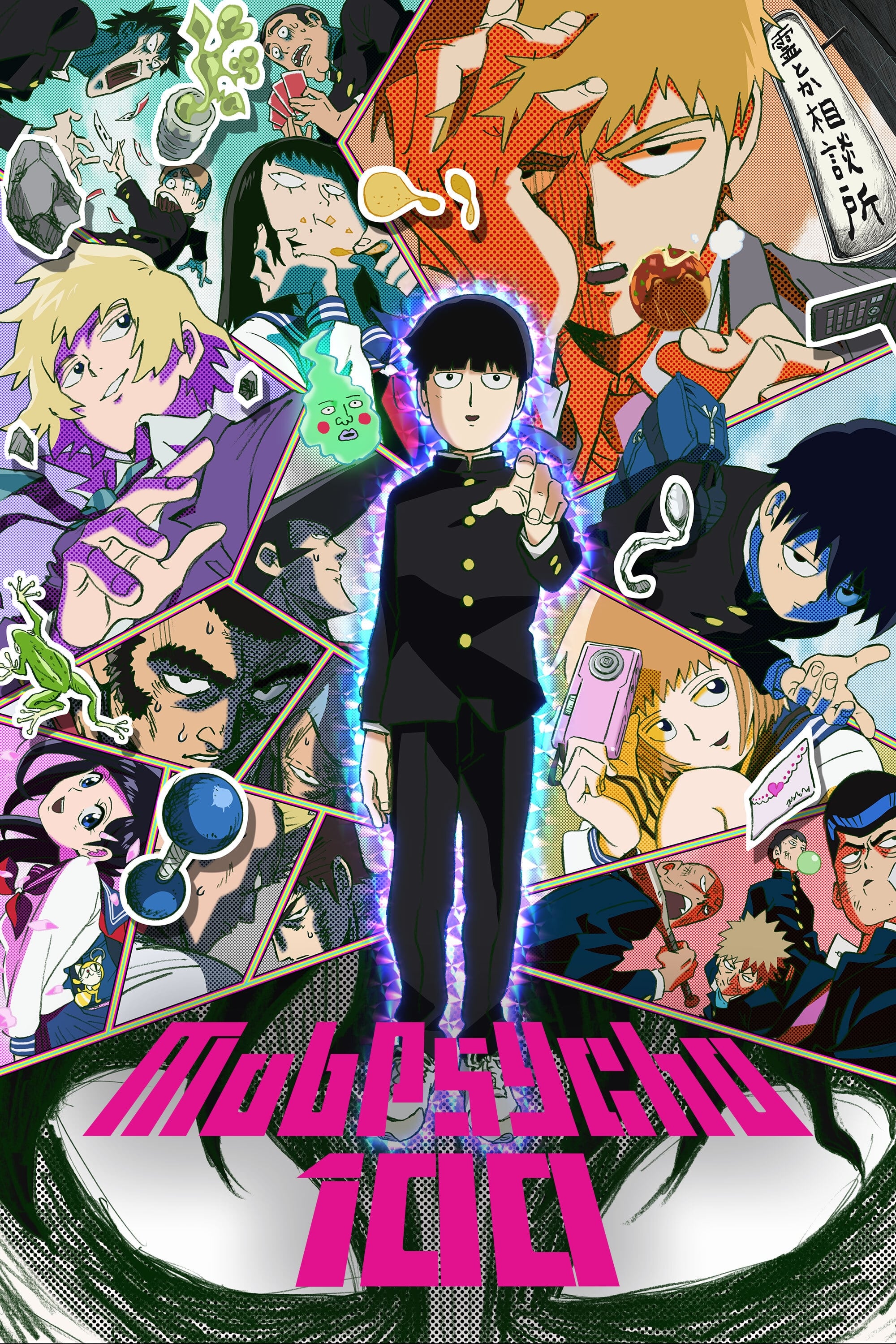
In a bizarre intersection of anime and internet culture, Reigen Arataka became a global trending topic in 2022. He famously beat Sans from ‘Undertale’ in a bracket-style poll on Twitter to be named the “Ultimate Tumblr Sexyman.” The firestorm was so massive that even the show’s creator, ONE, acknowledged the victory with custom artwork. Fans used the moment to celebrate the character’s complex writing and the show’s incredible animation. This event demonstrated how a niche internet subculture could propel an anime character into the mainstream spotlight.
‘Neon Genesis Evangelion’ (1995–1996) – The “Congratulations!” Ending
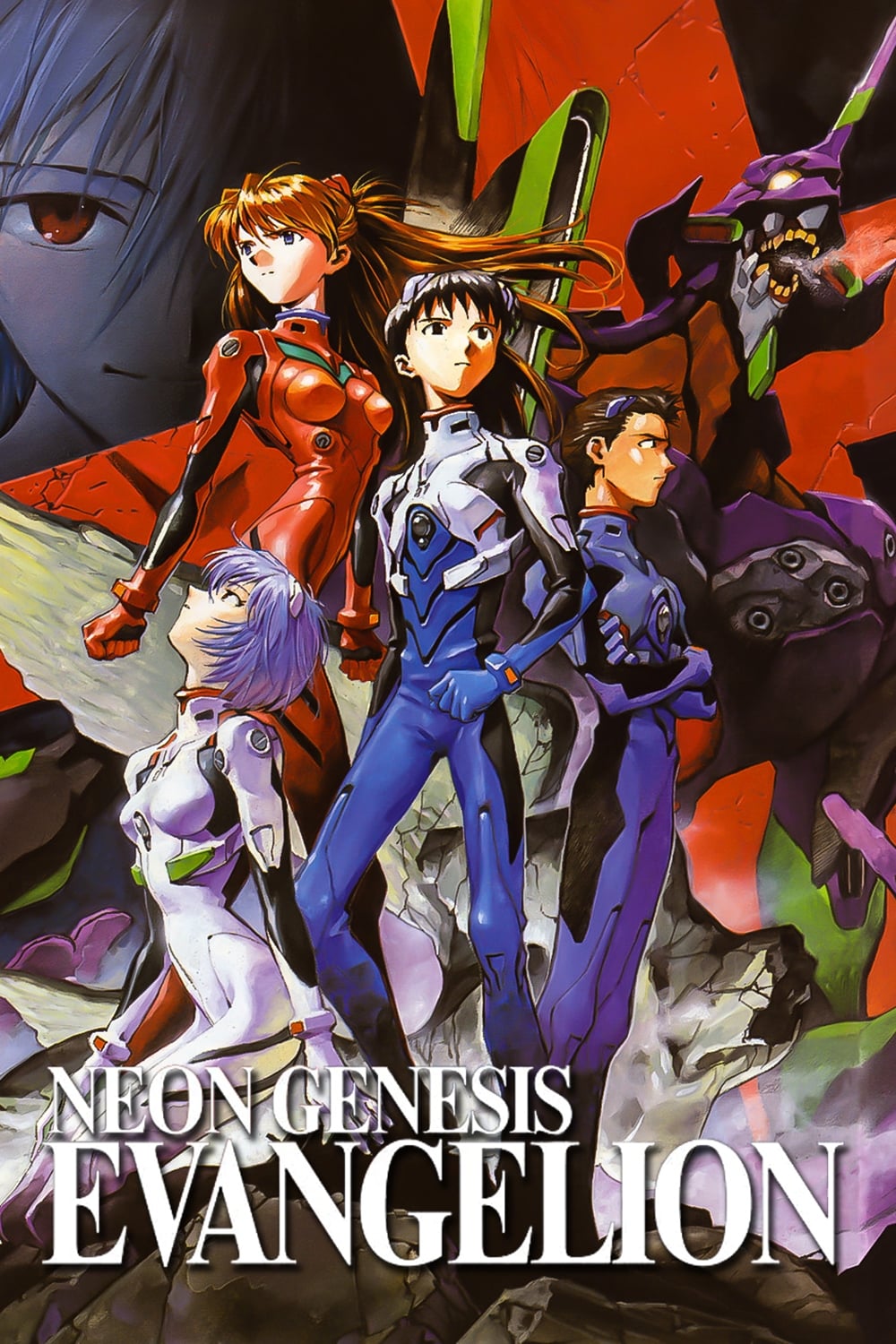
The original ending of ‘Neon Genesis Evangelion’ has been the subject of an uninterrupted 30-year firestorm of confusion and analysis. Every time the series is re-released on a new platform, such as Netflix, the ending trends again as new viewers experience the surreal finale. The image of the cast standing in a circle clapping for Shinji is one of the most parodied scenes in media history. Social media is filled with endless threads attempting to decode the psychological and philosophical meaning behind the “instrumentality” project. It remains the most debated and controversial ending in the history of the medium.
‘Kaguya-sama: Love is War’ (2019–2022) – The Chika Fujiwara Dance

In early 2019, a rotoscoped ending theme featuring Chika Fujiwara dancing went viral beyond the anime community. The high-quality, fluid animation inspired a massive TikTok dance trend that saw millions of participants worldwide. It was many viewers’ first introduction to the series, helping it become a top-tier rom-com hit. The firestorm around the “Chika Dance” proved that secondary characters and creative ending themes could be powerful marketing tools. It remains one of the most recognizable and replicated dances in internet history.
‘Jujutsu Kaisen’ (2020–Present) – The “Lost in Paradise” ED Trend
The first ending theme of ‘Jujutsu Kaisen’ featured the main cast dancing in a stylish, sketch-like animation style. This caused a massive trend where artists across social media redrew characters from other franchises (such as ‘Star Wars’ or ‘Marvel’) in the same style. The catchy song and the fashionable character designs made it a mainstay on TikTok and YouTube for months. It helped establish the “cool” and “modern” aesthetic that the series is now known for. The firestorm around the ED contributed significantly to the show’s early viral success.
‘Bocchi the Rock!’ (2022) – The Glitch and Meltdown Sequences
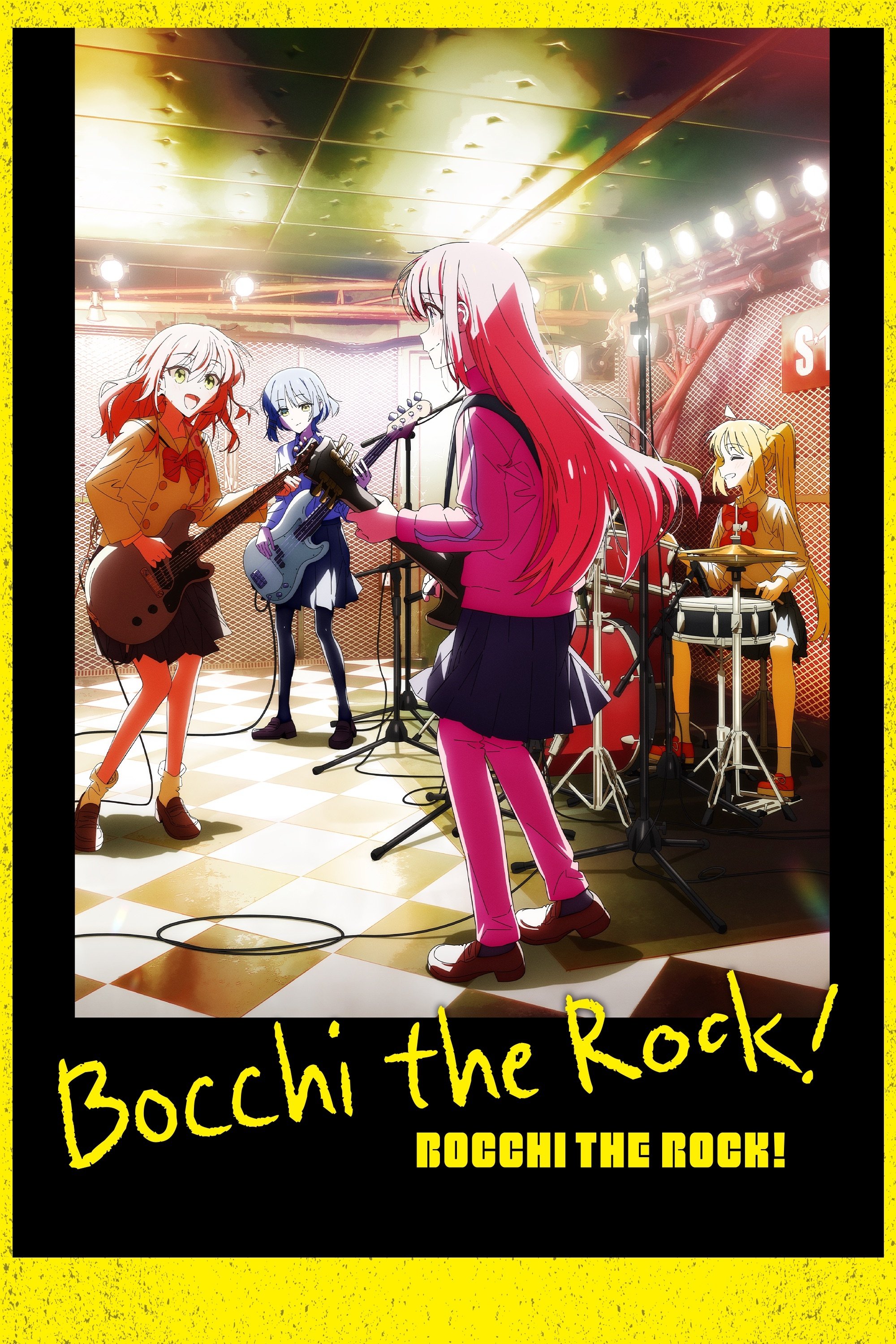
‘Bocchi the Rock!’ became a sleeper hit in 2022 due to its creative and chaotic depictions of social anxiety. One specific scene where the protagonist, Hitori Gotoh, literally glitches and falls apart into 3D cubes went viral on X and Reddit. Fans praised the studio, CloverWorks, for using unconventional animation techniques to represent mental states. This led to a firestorm of memes and “relatable” posts about introversion that resonated with a wide audience. The show’s success on social media eventually led it to beat major shonen titles in popularity polls that year.
‘My Hero Academia’ (2016–Present) – All Might’s United States of Smash

The final battle between All Might and All For One in Season 3 was a global event for anime fans in 2018. All Might’s final stand and the “United States of Smash” punch trended as one of the most heroic moments in the genre. Social media was filled with reactions to All Might’s true form being revealed to the public and his retirement from hero work. The phrase “You’re next” became a viral quote used to signify a passing of the torch in various contexts. This moment represented the emotional peak of the series for many long-term followers.
‘Steins;Gate’ (2011) – The Microwave and the First Death
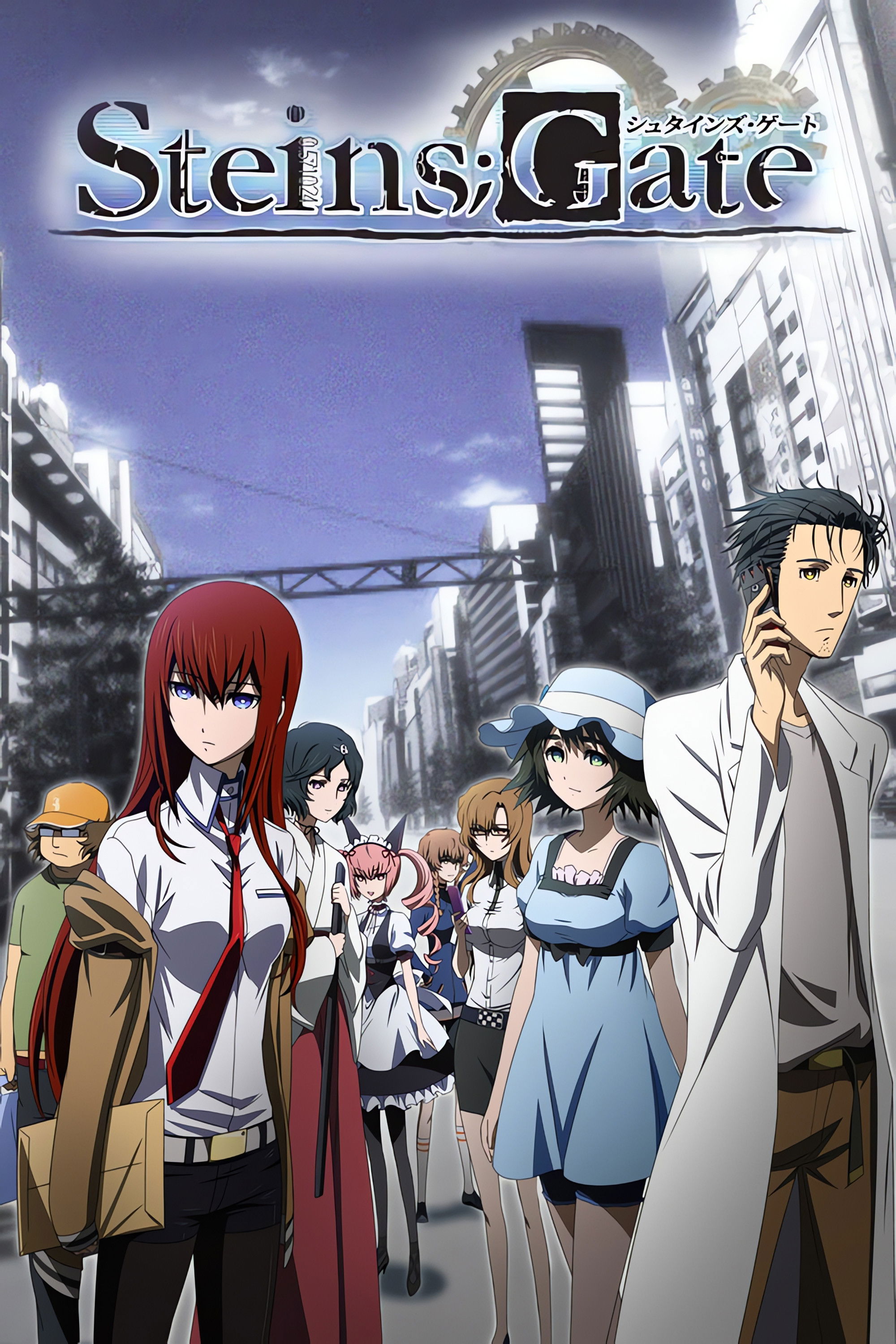
The sudden shift in ‘Steins;Gate’ from a slow-paced sci-fi comedy to a high-stakes psychological thriller caused a massive stir in early 2010s forums. The moment the “PhoneWave” caused a character’s death and a timeline shift is still cited as one of the best plot twists in anime. Social media periodically revisits the series during the specific dates mentioned in the show (July and August), causing it to trend nearly every summer. The firestorm surrounding its complex time-travel mechanics led to the creation of thousands of fan charts and explanations. It remains the gold standard for sci-fi storytelling in the medium.
‘Cowboy Bebop’ (1998–1999) – The Final “Bang.”
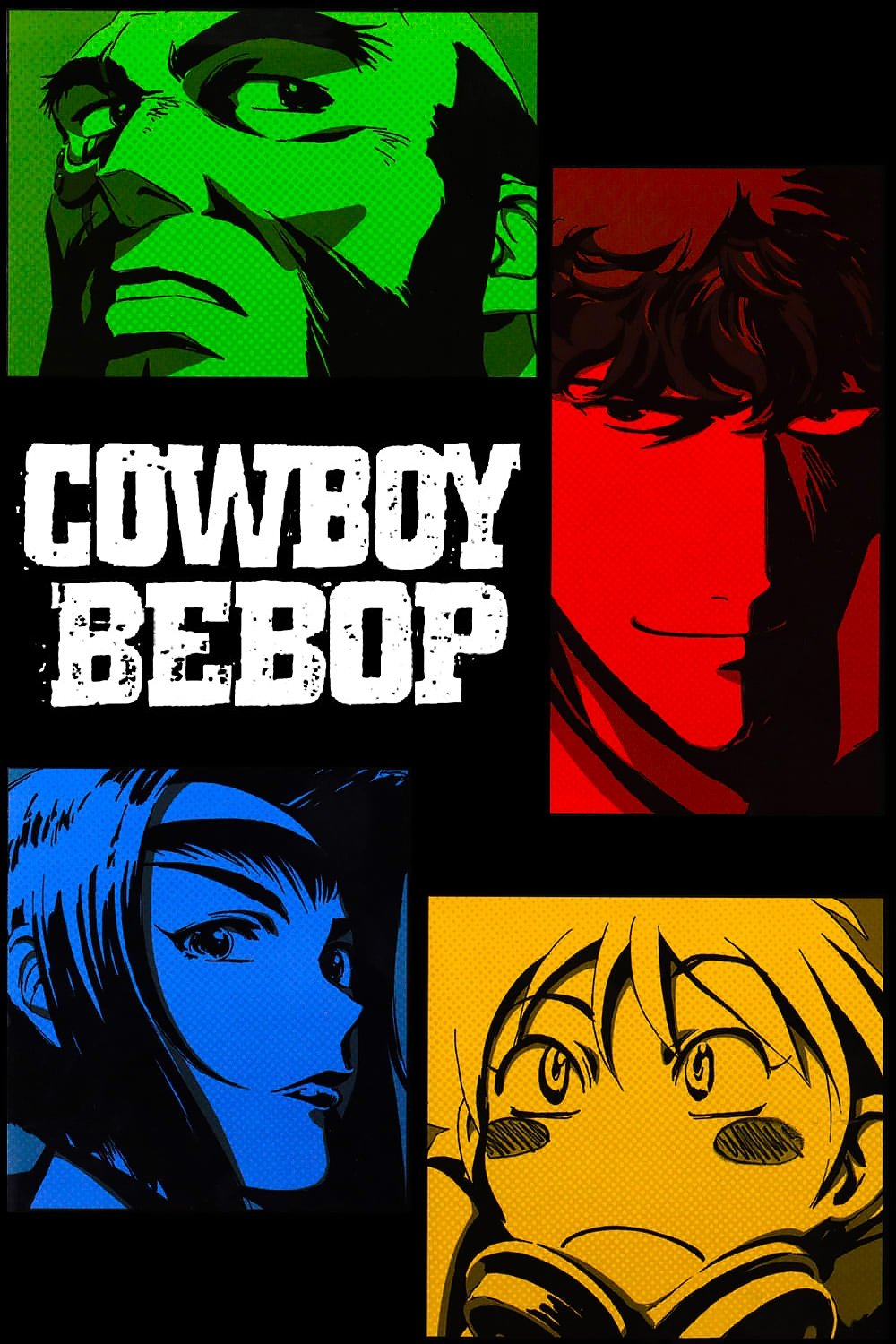
The ending of ‘Cowboy Bebop’ is considered one of the most perfect conclusions to a television show ever made. Spike Spiegel’s final “Bang” gesture is a legendary image that is shared millions of times across social media to signify the end of an era or a cool departure. The firestorm surrounding the series’ legacy was reignited during the release of the live-action adaptation, as fans flooded the internet with clips of the original ending. It remains a symbol of the “cool” aesthetic of the 90s anime boom. Its influence on global pop culture is still visible in music, film, and fashion.
‘Your Name.’ (2016) – The Meteor Twist
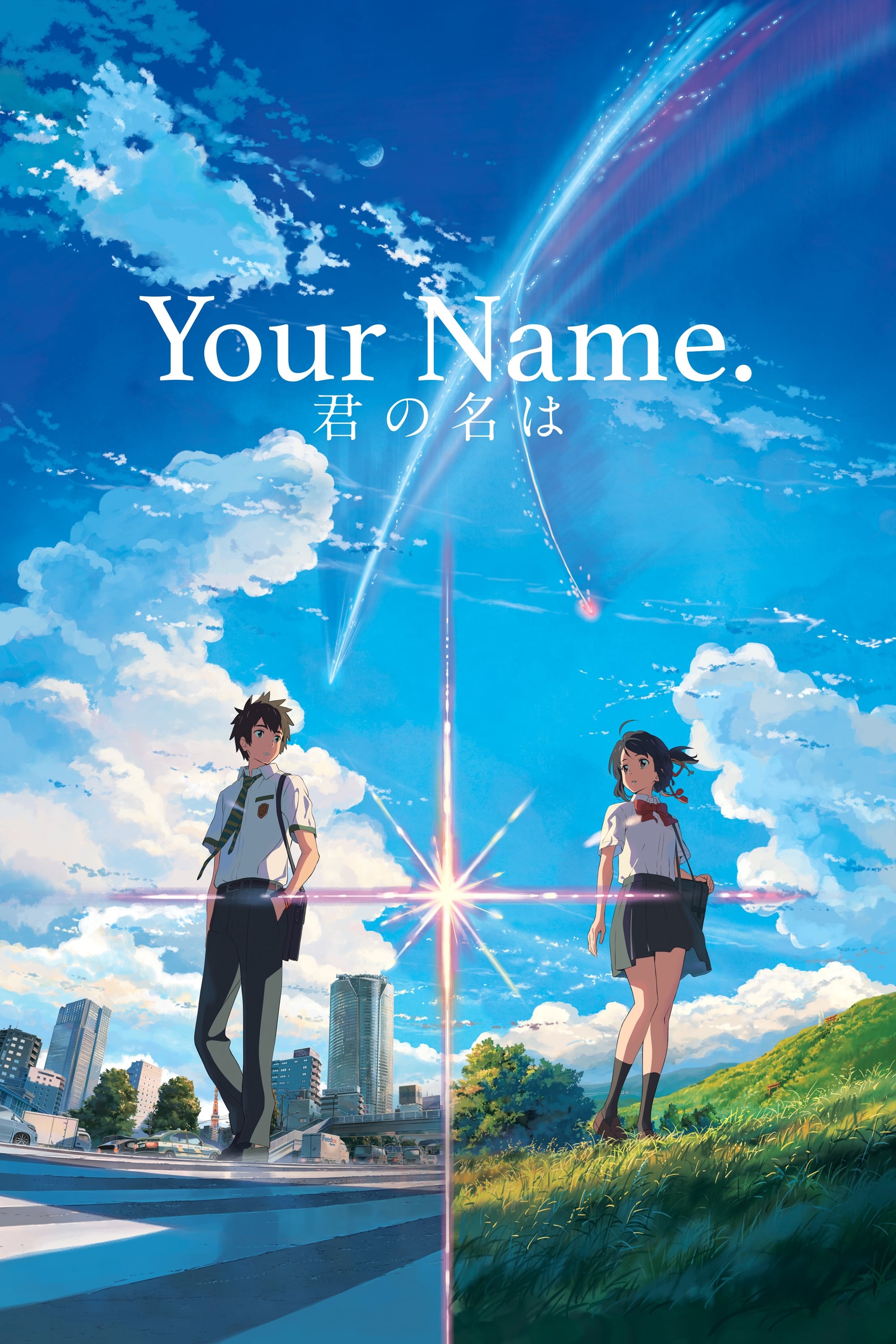
When Makoto Shinkai’s ‘Your Name’ released globally, the mid-movie revelation regarding the Tiamat comet shocked audiences. Social media was filled with warnings to “go in blind” to avoid the massive spoiler that changed the film from a body-swap comedy to a disaster drama. The film’s stunning visuals and emotional core led to it becoming the highest-grossing anime film at the time, fueled by intense word-of-mouth on social media. The “red string of fate” and the “twilight” scene became iconic images shared across Instagram and Pinterest. It remains the most successful non-franchise anime film in the global social media era.
‘Akira’ (1988) – The Iconic Bike Slide
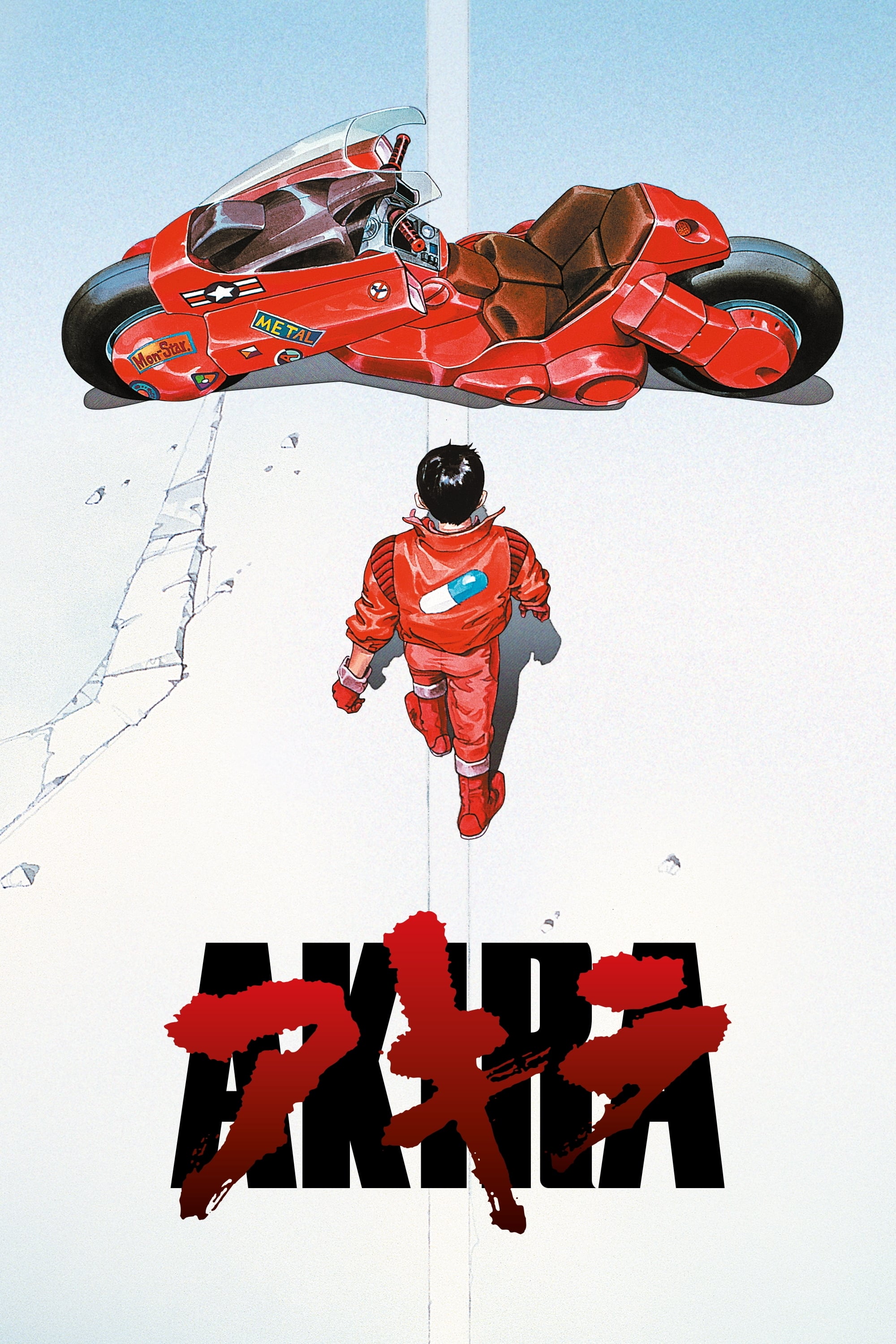
The “Akira Slide” is perhaps the single most referenced shot in the history of animation. Every time a new movie or show (ranging from ‘Pokémon’ to ‘The Last of Us’) pays homage to the slide, a social media firestorm erupts comparing the various versions. This constant referencing keeps the 1988 film at the forefront of the cultural conversation, introducing it to new generations of fans. The slide has become a shorthand for “cinematic cool” and technical mastery in animation. Its status as a viral meme has persisted for decades across multiple different internet platforms.
‘Black Clover’ (2017–2021) – Asta’s Black Form Reveal

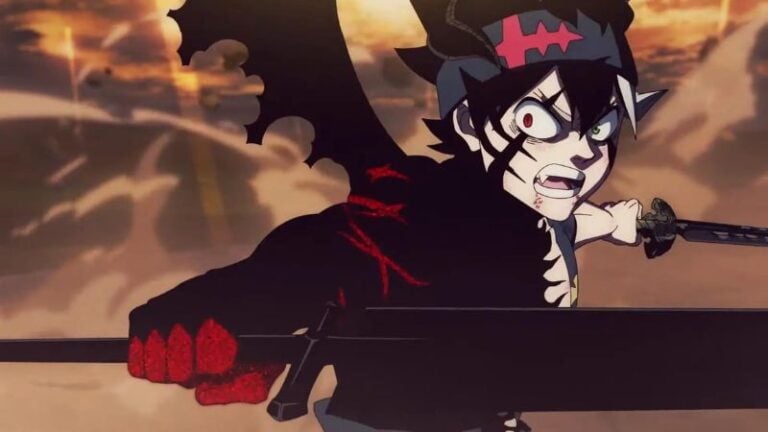
Early in its run, ‘Black Clover’ faced criticism on social media for its protagonist’s constant yelling and perceived tropes. However, the debut of Asta’s “Black Form” during the battle against Ladros turned the tide of public opinion almost overnight. The dark, gritty animation and the shift in tone went viral on YouTube and X, leading to a massive surge in the show’s popularity. This moment is often cited as the point where the series “found its voice” and became a social media darling. It proved that a strong mid-series peak could overcome a rocky start in the digital age.
‘One Piece’ (1999–Present) – The “The One Piece is Real!” Meme

In 2022, a scene from the Marineford arc featuring Whitebeard’s final words became an unexpected, surreal global meme. Often paired with the song “Dark Fantasy” by Kanye West, the “The One Piece is Real” trend took over TikTok and Twitter for several months. While the meme was humorous and often absurd, it brought a massive amount of attention to the series from non-anime fans. It demonstrated the unpredictable nature of internet culture, where a scene from a decade ago can suddenly become a worldwide firestorm. This meme helped propel ‘One Piece’ even further into the mainstream pop culture consciousness.
Tell us which of these moments completely broke your social media feed in the comments.