Popular Anime Series That Were Banned in Specific Countries for Explicit Content

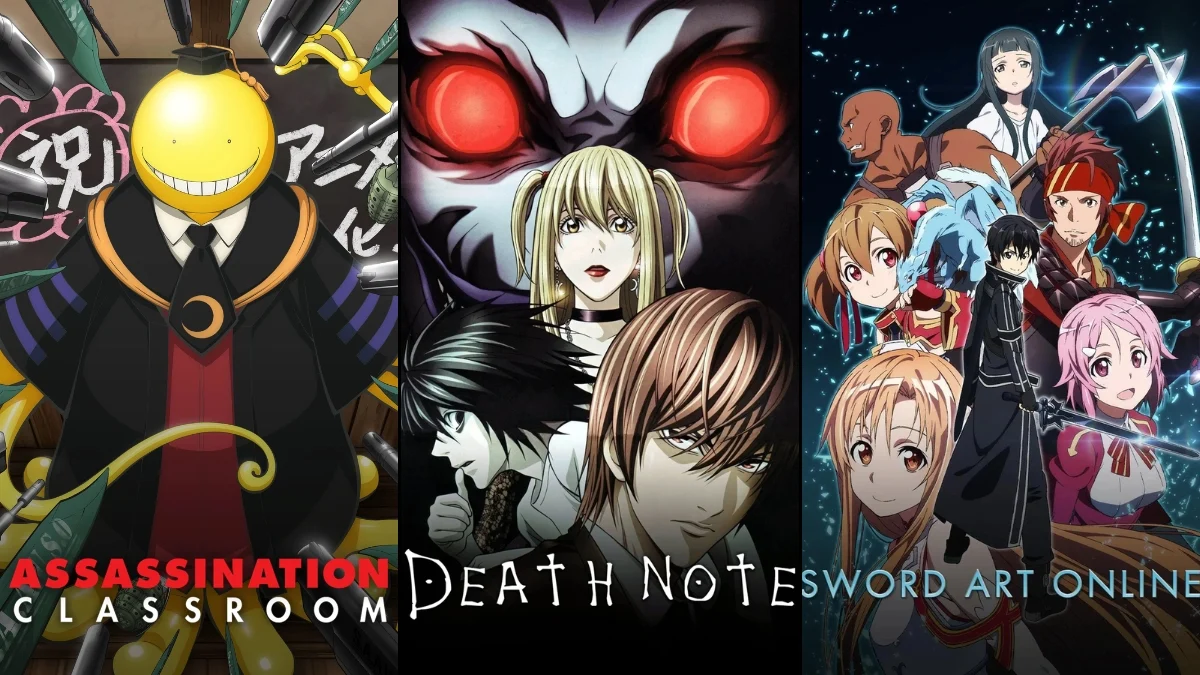

The global distribution of anime often faces hurdles as different nations apply their own cultural and legal standards to media consumption. While many series are celebrated for their storytelling, others have been blacklisted by governments for depicting excessive violence, sexual content, or controversial political themes. China, Russia, and India are among the countries that have implemented strict bans on specific titles to protect younger audiences or maintain social order. The following list examines popular anime series that have faced official bans in various regions around the world.
‘Death Note’ (2006–2007)
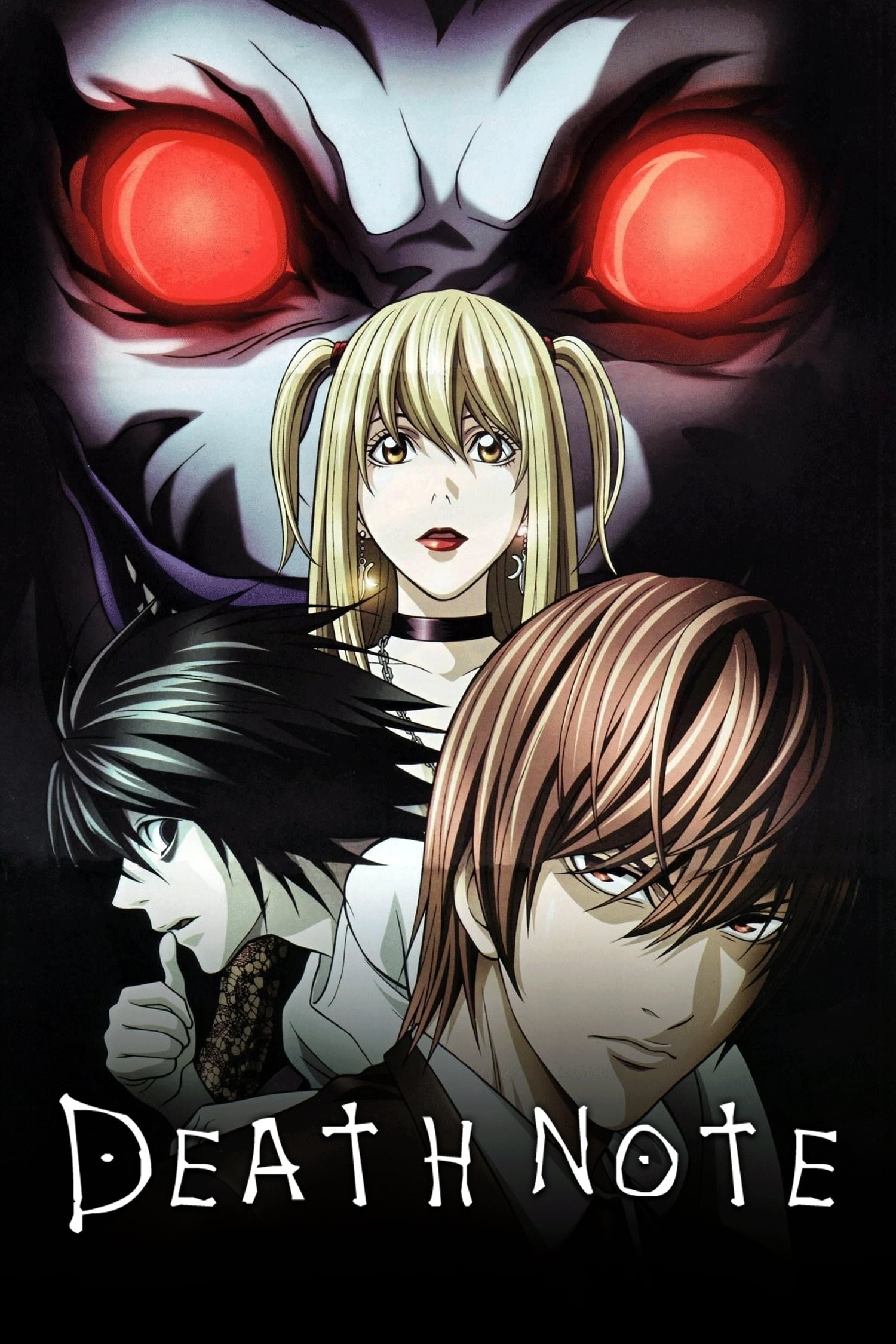
‘Death Note’ centers on a brilliant student named Light Yagami who gains the power to kill anyone by writing their name in a supernatural notebook. The series was banned in China after local authorities discovered students were creating real-life replicas of the notebook and writing down the names of their teachers and classmates. Officials expressed concern that the show encouraged negative behavior and could harm the mental health of young viewers. In Russia, the anime was also restricted on several streaming platforms due to its dark themes and depiction of suicide.
‘Attack on Titan’ (2013–2023)
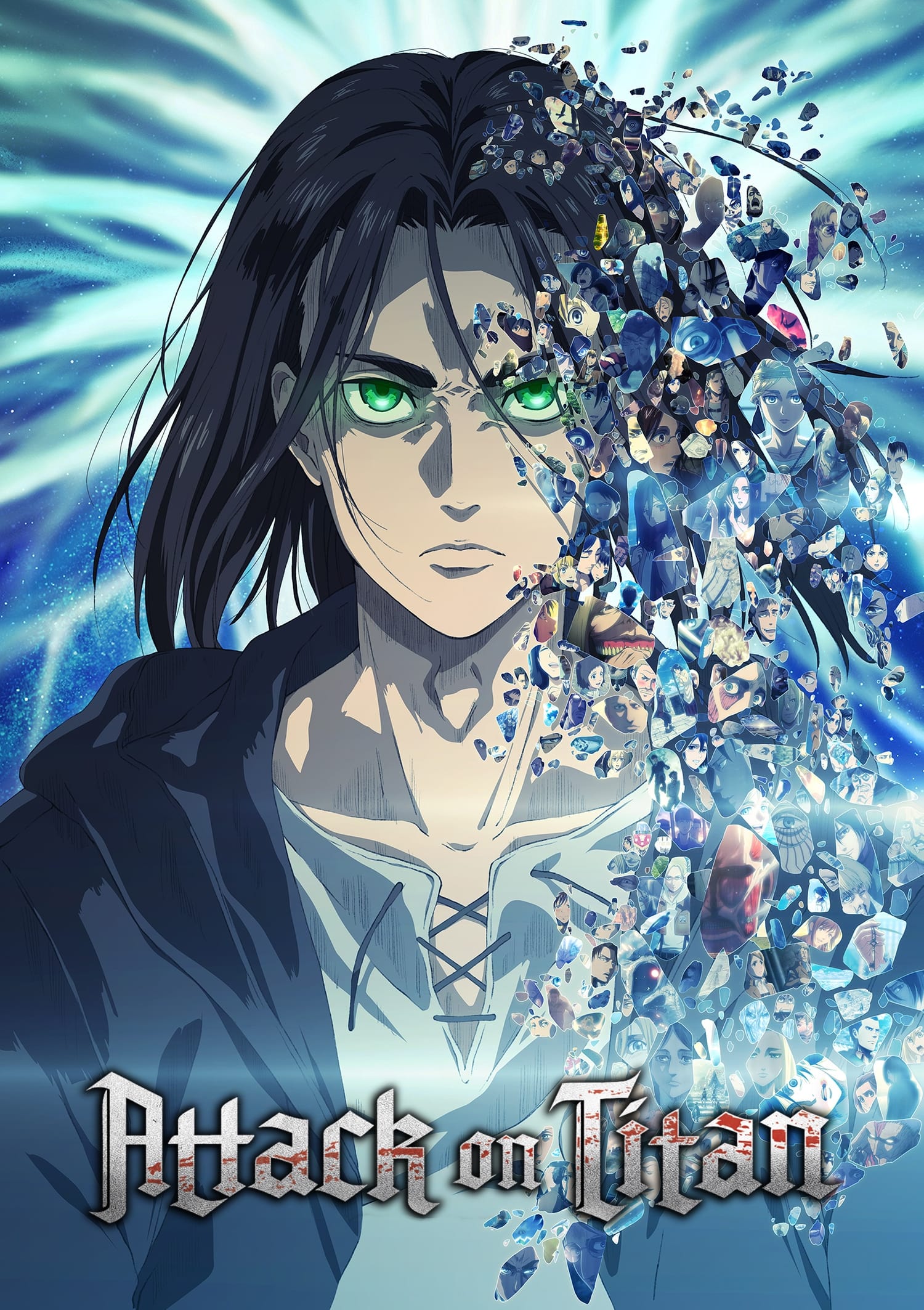
‘Attack on Titan’ depicts a world where humanity is forced to live within walled cities to escape giant humanoid creatures known as Titans. The series was included on a blacklist of 38 anime titles banned in China in 2015 for containing scenes of extreme gore and violence. The Ministry of Culture stated that the show’s graphic content was unsuitable for public distribution and could potentially incite public disorder. Despite its global popularity, the series remains unavailable on official Chinese streaming services.
‘Tokyo Ghoul’ (2014)
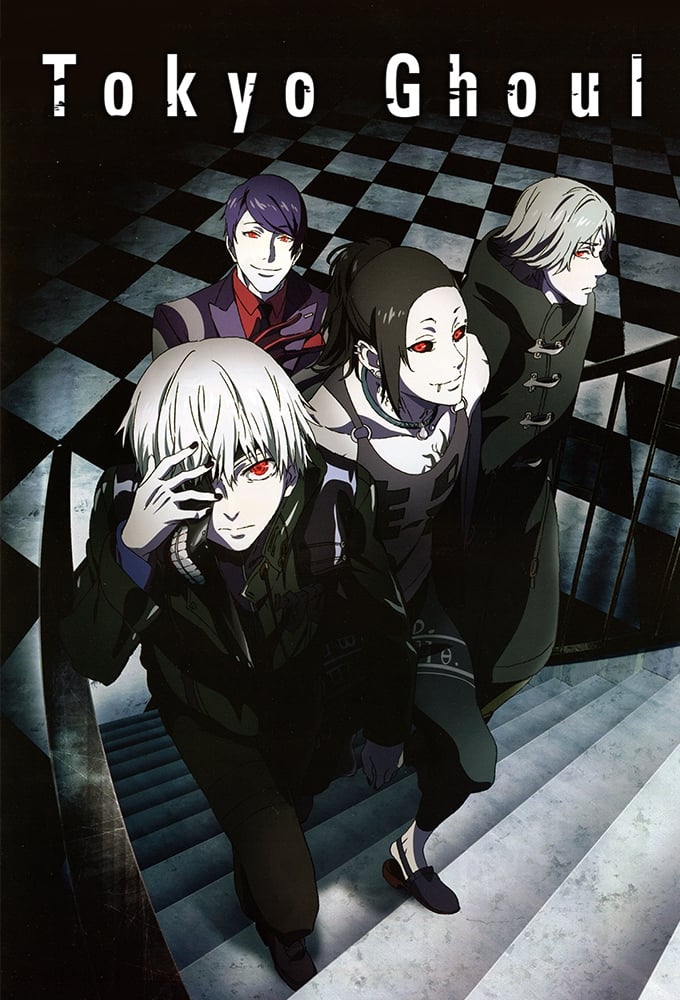
‘Tokyo Ghoul’ follows Ken Kaneki, a young man who becomes a half-ghoul and must navigate a society where humans and flesh-eating monsters coexist. China officially banned the series in 2015 as part of a crackdown on media that featured “severely violent and erotic content.” One of the primary reasons for the ban was the depiction of ghouls consuming human flesh, which was deemed too gruesome for audiences. The show’s focus on body horror and psychological trauma also contributed to its removal from the Chinese market.
‘High School of the Dead’ (2010)
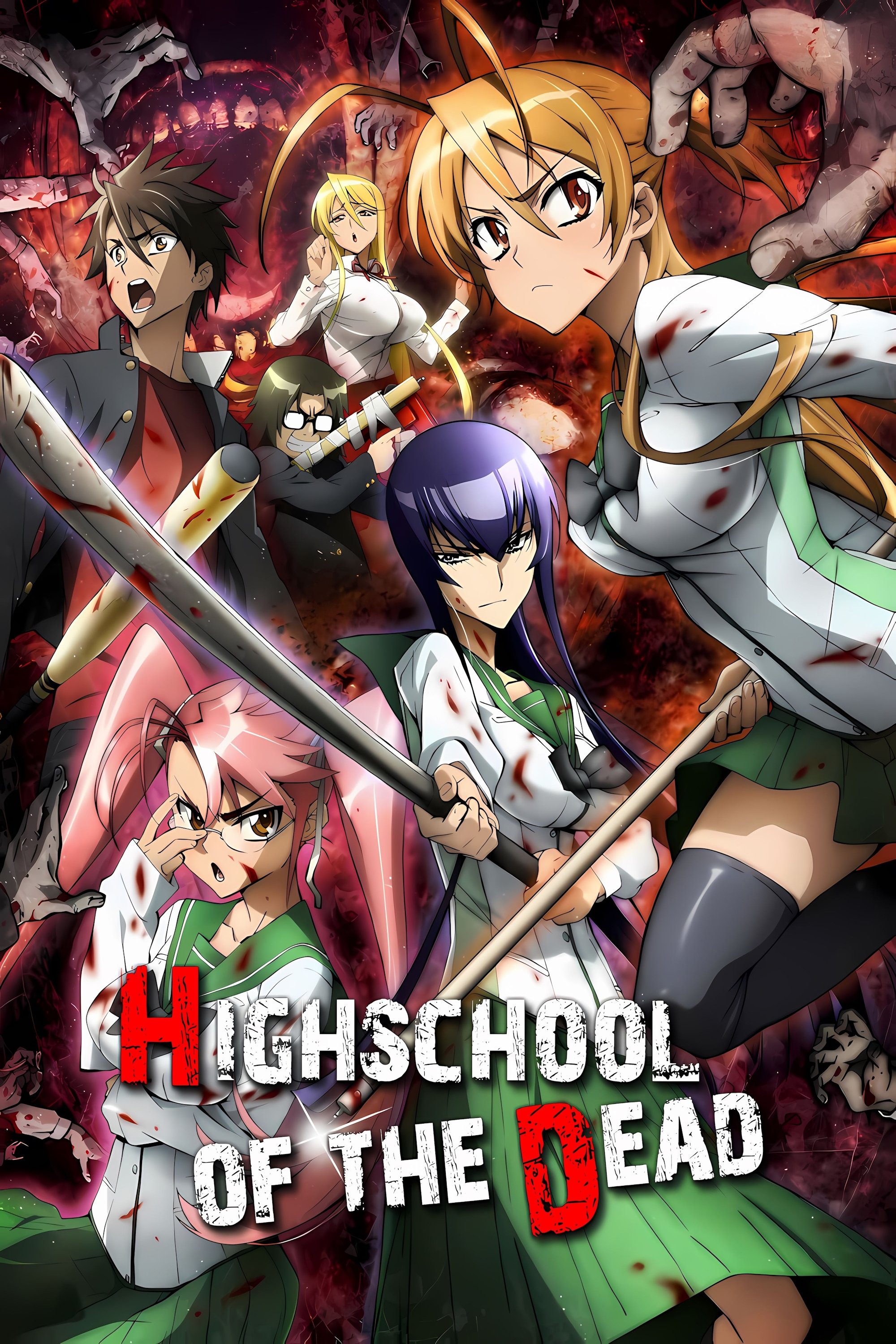
‘Highschool of the Dead’ is an action-horror series about a group of students trying to survive a sudden zombie apocalypse. The anime was banned in China for its heavy use of fan service combined with intense gore and violence. Government regulators classified the show as harmful to public morality due to the sexualization of high school characters during life-threatening situations. The series is frequently cited as a primary example of content that triggered stricter censorship laws in various Asian territories.
‘Black Butler’ (2008–2010)
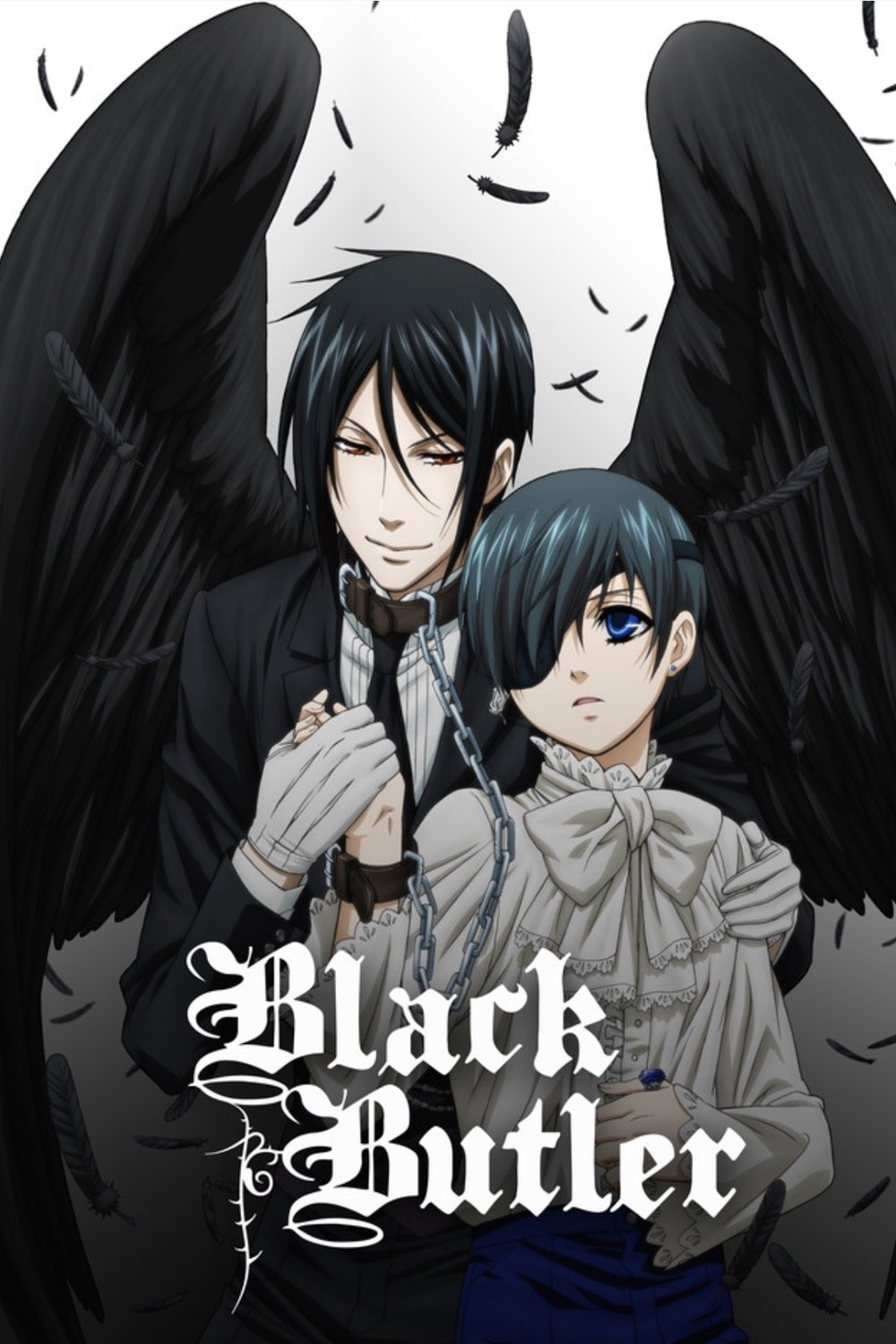
‘Black Butler’ tells the story of Ciel Phantomhive, a young boy who makes a deal with a demon butler named Sebastian to avenge his parents’ deaths. The anime was banned in China during the 2015 sweep because it was categorized as promoting “unhealthy” themes. Authorities were concerned with the show’s gothic horror elements and the dark, supernatural nature of the relationship between the protagonist and the demon. Its inclusion on the blacklist meant that all episodes had to be removed from legal streaming websites across the country.
‘Elfen Lied’ (2004)

‘Elfen Lied’ is known for its extreme graphic violence and nudity involving a mutant species called Diclonius. The series was banned in China due to its portrayal of psychological torture and brutal killings. Regulators argued that the show’s content was too transgressive and could potentially influence viewers to engage in violent behavior. The high level of explicit content made it a primary target for international censorship boards looking to limit access to mature animation.
‘Deadman Wonderland’ (2011)
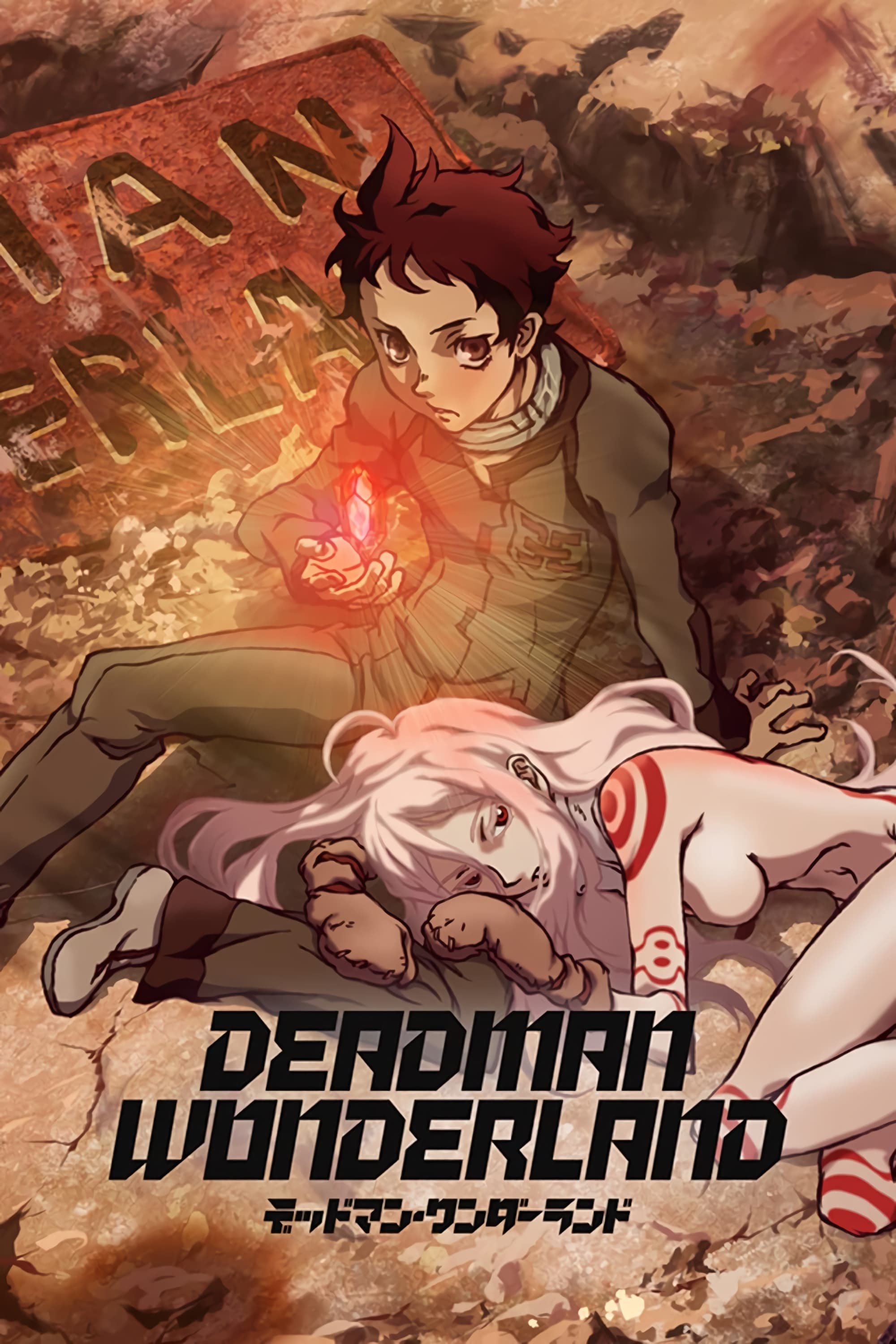
‘Deadman Wonderland’ focuses on Ganta Igarashi, a student wrongly convicted of mass murder and sent to a brutal prison theme park. The series was banned in China for its depiction of intense gore and the use of blood as a weapon. The Ministry of Culture deemed the show’s prison environment and violent games as inappropriate for the general public. Like many other dark action series, it was permanently removed from Chinese media platforms to comply with strict decency regulations.
‘Psycho-Pass’ (2012–2013)
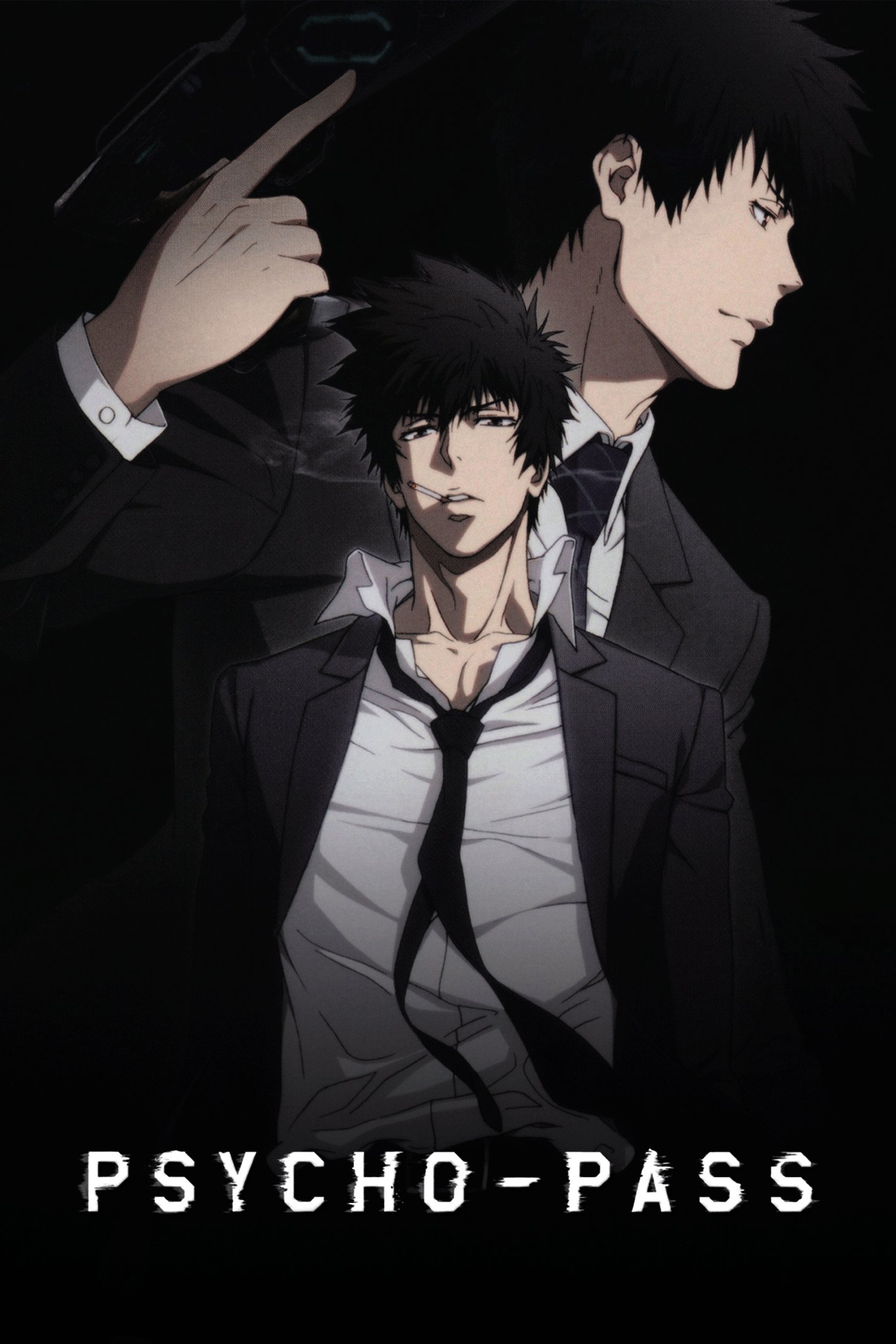
‘Psycho-Pass’ explores a future where a computerized system determines a person’s criminal intent, leading to a dystopian social structure. While the show is a critically acclaimed cyberpunk thriller, it was banned in China for its graphic violence and depictions of social unrest. The government expressed concerns that the show’s themes could encourage questioning of authority and legal systems. Consequently, the series was prohibited from being streamed or sold through official domestic channels.
‘Assassination Classroom’ (2015–2016)
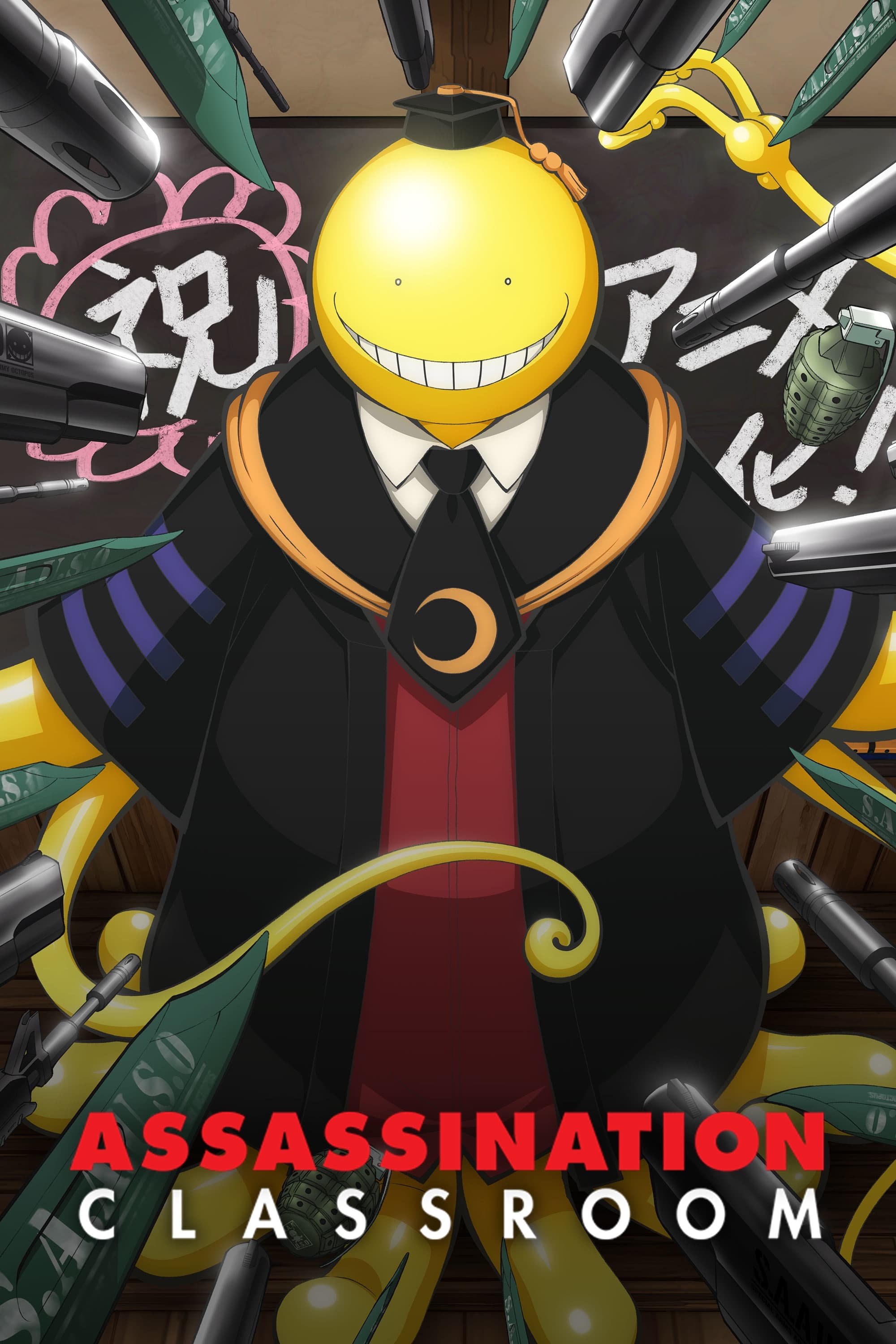
‘Assassination Classroom’ features a class of students tasked with killing their alien teacher before he destroys the Earth. The anime was banned in China because the central premise of students attempting to murder a teacher was considered highly inappropriate. Authorities feared that the show could undermine the sanctity of the teacher-student relationship and encourage school violence. Despite its comedic tone and positive underlying messages, the show remained strictly forbidden on Chinese platforms.
‘Parasyte -The Maxim-‘ (2014–2015)
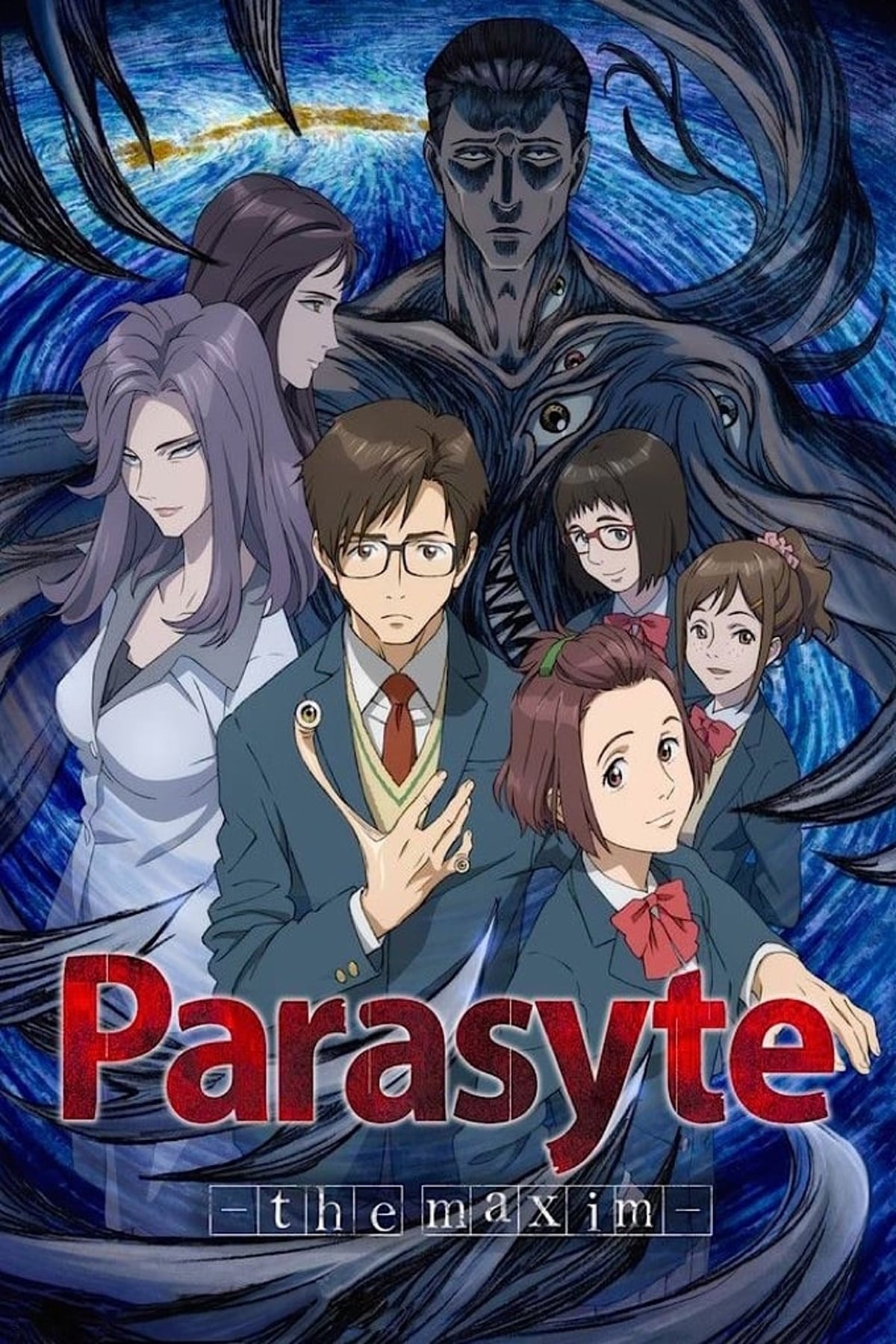
‘Parasyte: The Maxim’ follows a teenager who forms a symbiotic relationship with an alien parasite that has taken over his right hand. The series was banned in China due to its body horror elements and scenes showing humans being decapitated or eaten by alien predators. The Ministry of Culture cited the show’s “bloodthirstiness” as the primary reason for its removal from the internet. The graphic nature of the transformations was viewed as a threat to public standards of decency.
‘Akame ga Kill!’ (2014)

‘Akame ga Kill!’ is an action series centered on a group of assassins fighting against a corrupt empire. The show became notorious for its frequent and brutal character deaths, which eventually led to its ban in China. Government officials targeted the anime for its intense violence and themes of political rebellion. The graphic execution scenes were considered particularly problematic, leading to the series being scrubbed from all major Chinese video websites.
‘The Seven Deadly Sins’ (2014–2015)
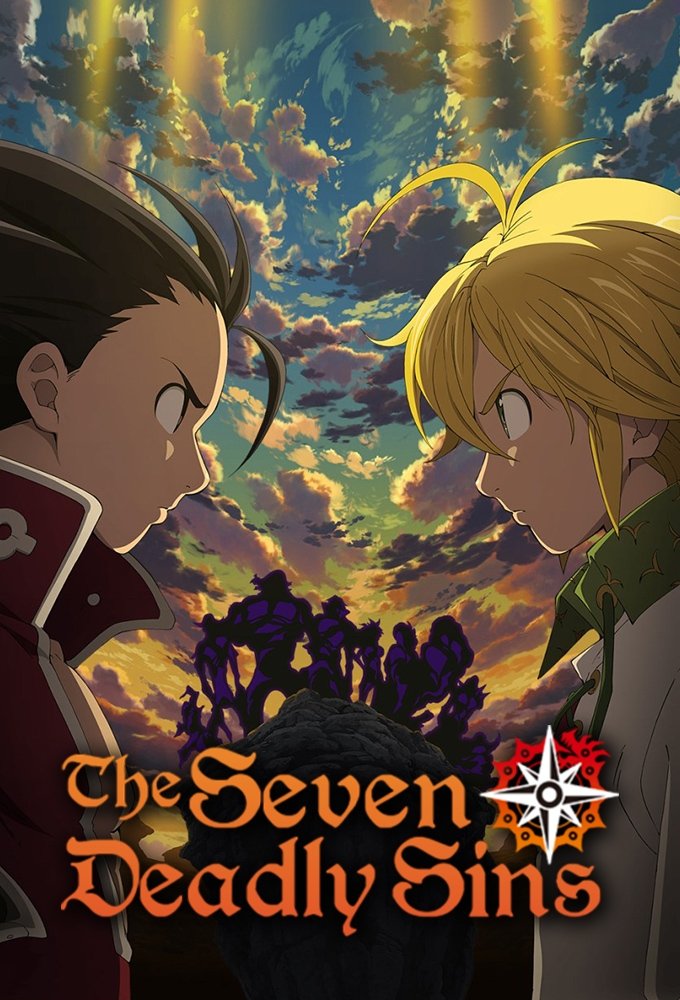
‘The Seven Deadly Sins’ follows a group of legendary knights who reunite to take back their kingdom from corrupt holy knights. The series was banned in China for allegedly containing content that violated social moralities. Critics of the show pointed toward the sexual humor and suggestive interactions between characters as the reason for the ban. As a result, the series was included in the 2015 blacklist, preventing it from being legally distributed in the country for several years.
‘The Future Diary’ (2011–2012)
‘Mirai Nikki’, also known as ‘Future Diary’, features a survival game where participants use diaries that predict the future to kill one another. The series was banned in China due to its psychological horror elements and the extreme violence committed by its teenage cast. Regulators were particularly concerned with the “yandere” archetype and the glorification of stalking and murder. The show’s nihilistic themes and graphic depictions of death resulted in its complete removal from Chinese streaming services.
‘Claymore’ (2007)
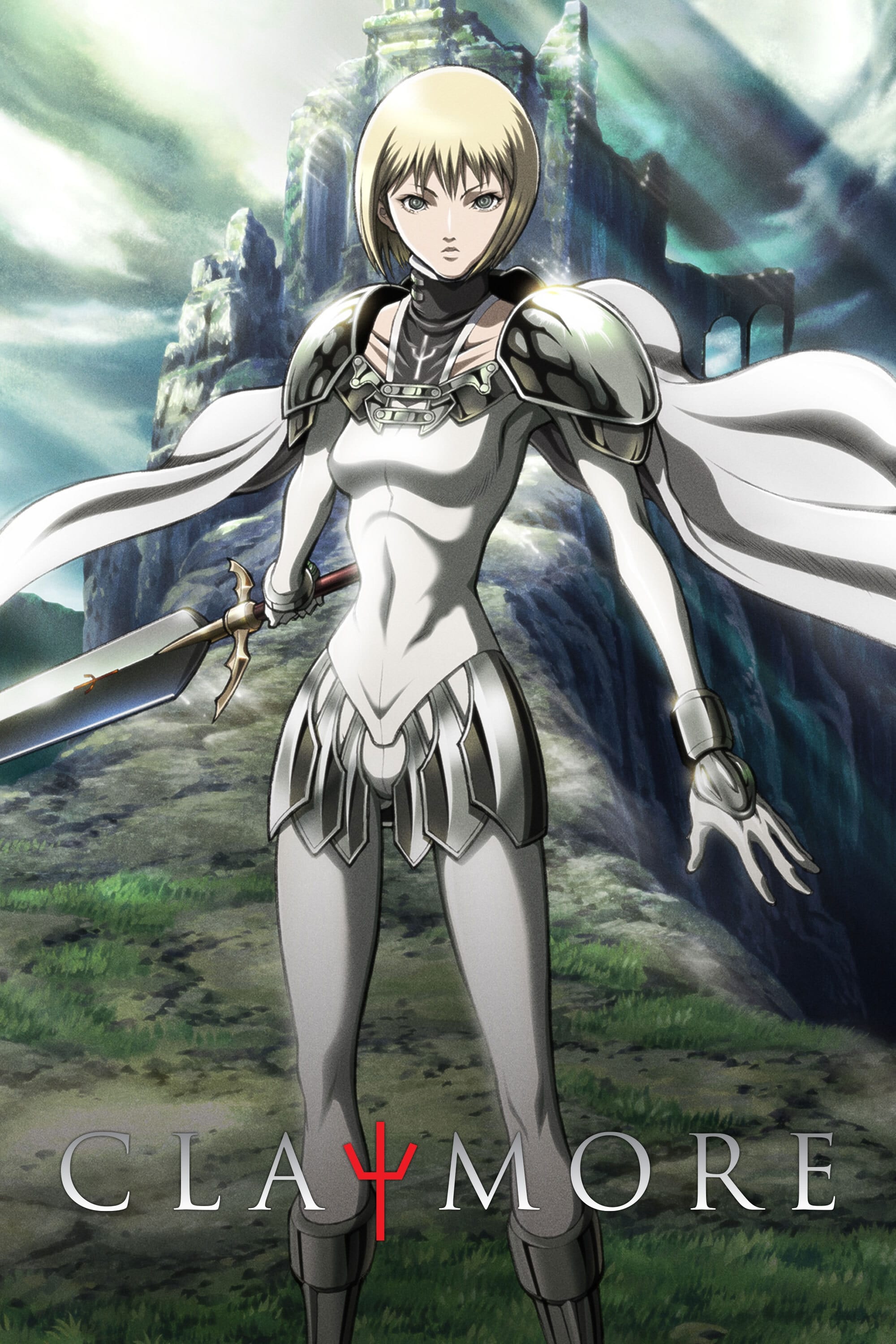
‘Claymore’ tells the story of warriors who are half-human and half-demon, tasked with hunting down monsters called Yoma. The series was banned in China for its dark fantasy setting and frequent scenes of dismemberment and gore. The government categorized the show as “low vulgarity” and “violent,” making it unsuitable for the general public. Its ban was part of a broader effort to sanitize the domestic internet from foreign media that featured heavy combat and blood.
‘Terror in Resonance’ (2014)
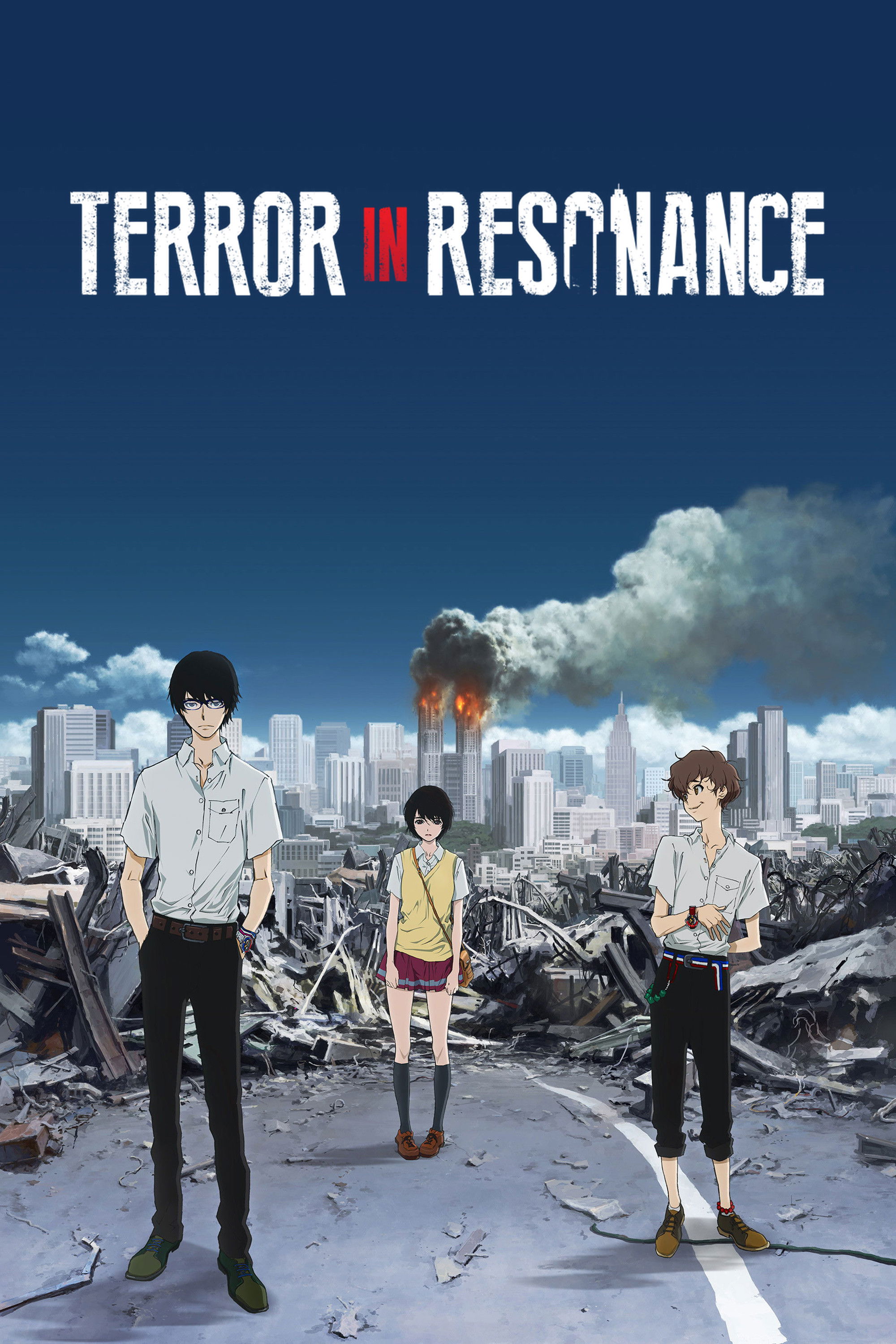
‘Terror in Resonance’ follows two teenage boys who carry out terrorist attacks in Tokyo to expose a dark conspiracy. The anime was banned in China because its storyline revolved around the successful execution of bombings and the outsmarting of police forces. Officials were concerned that the show could provide a blueprint for real-world terrorism or inspire anti-government sentiment. Due to these security concerns, the series was prohibited from all legal distribution channels in the region.
‘Hellsing Ultimate’ (2006–2012)
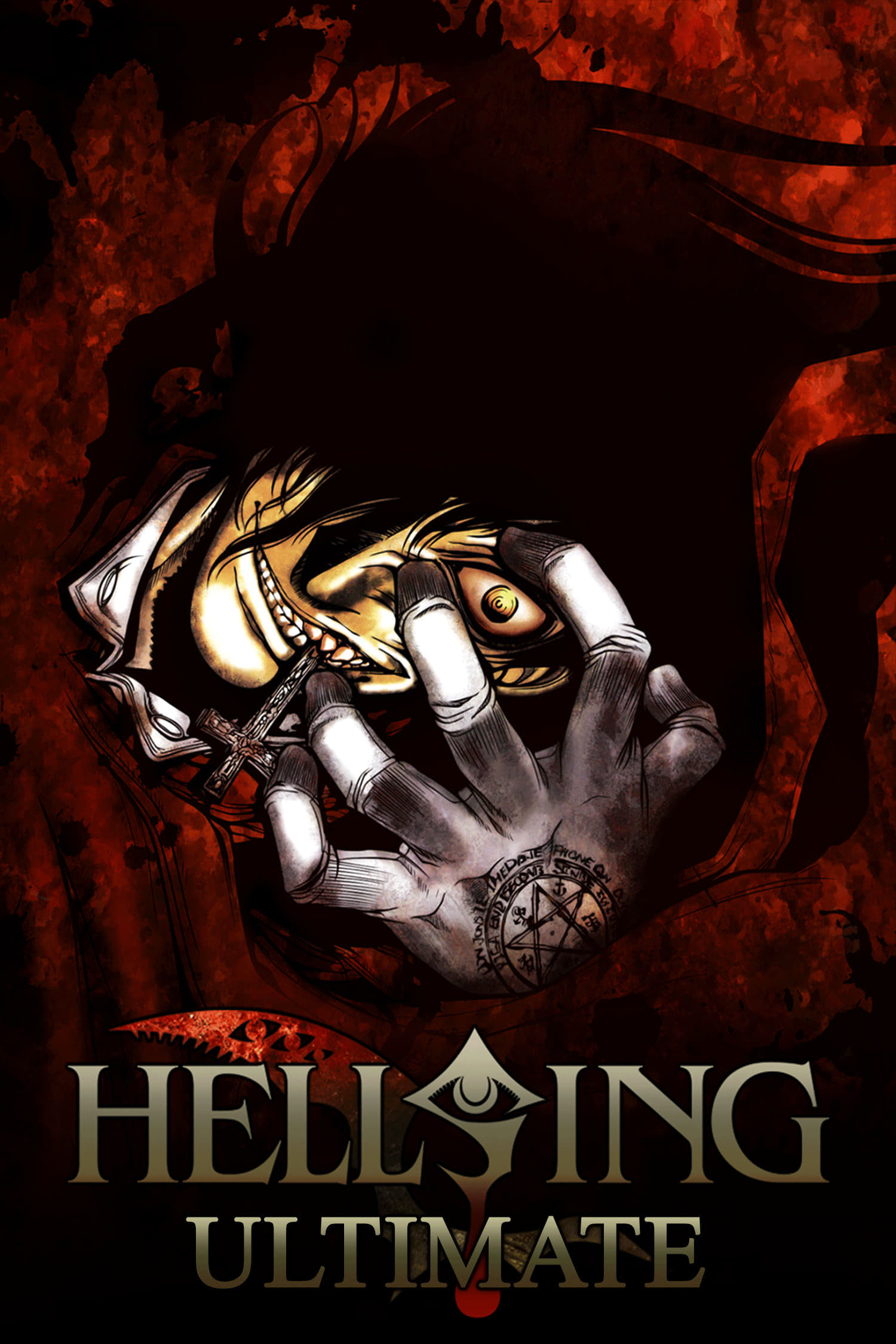
‘Hellsing Ultimate’ is a series about a secret organization that uses a powerful vampire named Alucard to fight supernatural threats. The show was banned in China for its extreme violence, religious symbolism, and use of controversial historical imagery. The government deemed the graphic nature of the vampire battles and the dark tone as harmful to the social environment. It remains one of the most high-profile action titles to be excluded from the Chinese market.
‘Sword Art Online II’ (2014)

While the first season of ‘Sword Art Online’ was widely available, the second season was banned in China. The ban was largely attributed to the “Phantom Bullet” arc, which featured realistic firearms and darker psychological themes compared to the first installment. Regulators also pointed to certain scenes with suggestive content as a reason for the restriction. This move forced many Chinese fans to seek alternative, unofficial ways to watch the continuation of the popular franchise.
‘Panty & Stocking with Garterbelt’ (2010)
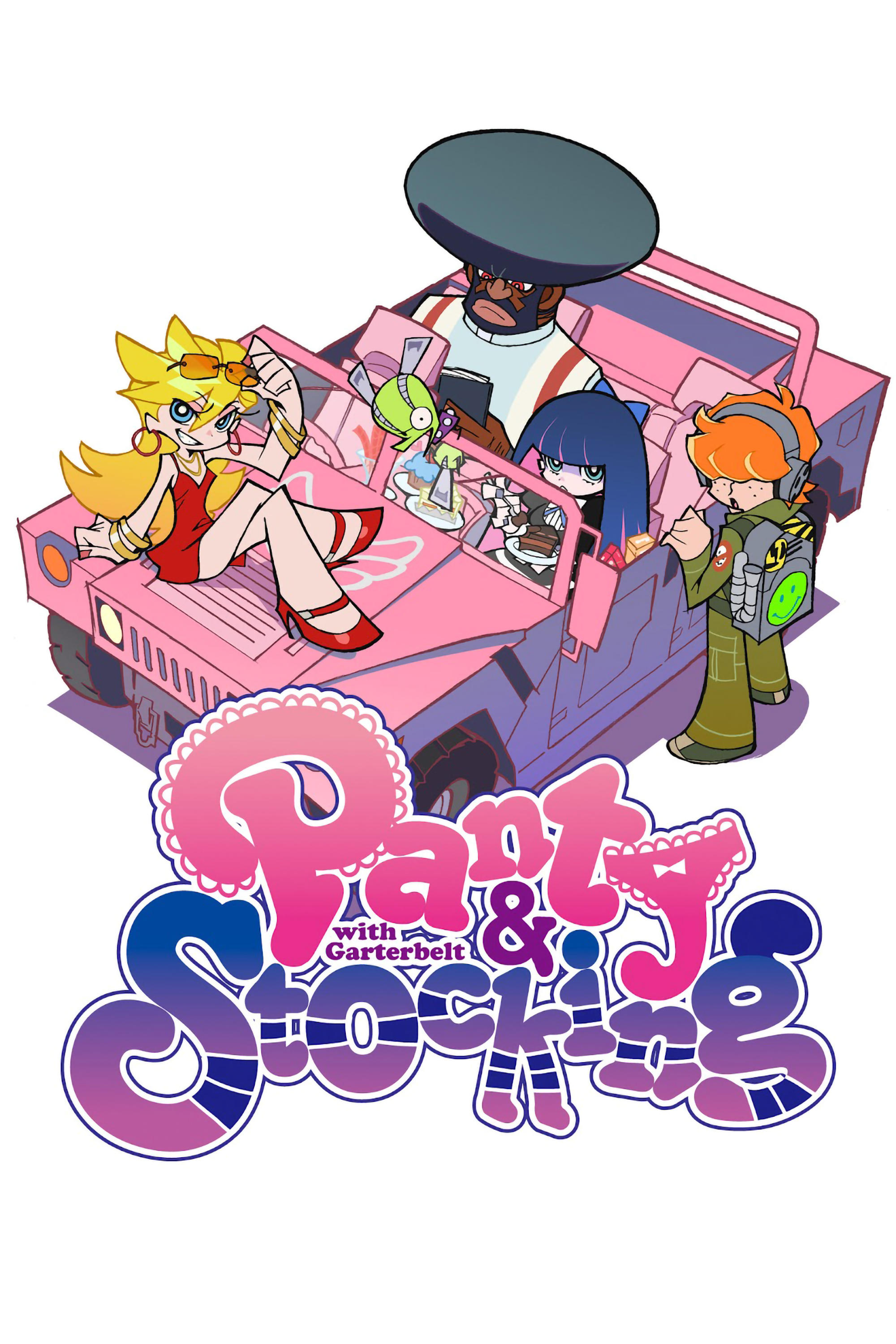
‘Panty & Stocking with Garterbelt’ is a stylized comedy about two fallen angels who hunt ghosts to earn their way back into heaven. The series was banned in China due to its crude humor, heavy sexual references, and vulgar language. The show’s aesthetic, while reminiscent of Western cartoons, did not protect it from being classified as “erotic and vulgar.” Government censors removed the title to prevent it from influencing the moral standards of young internet users.
‘Blood-C’ (2011)
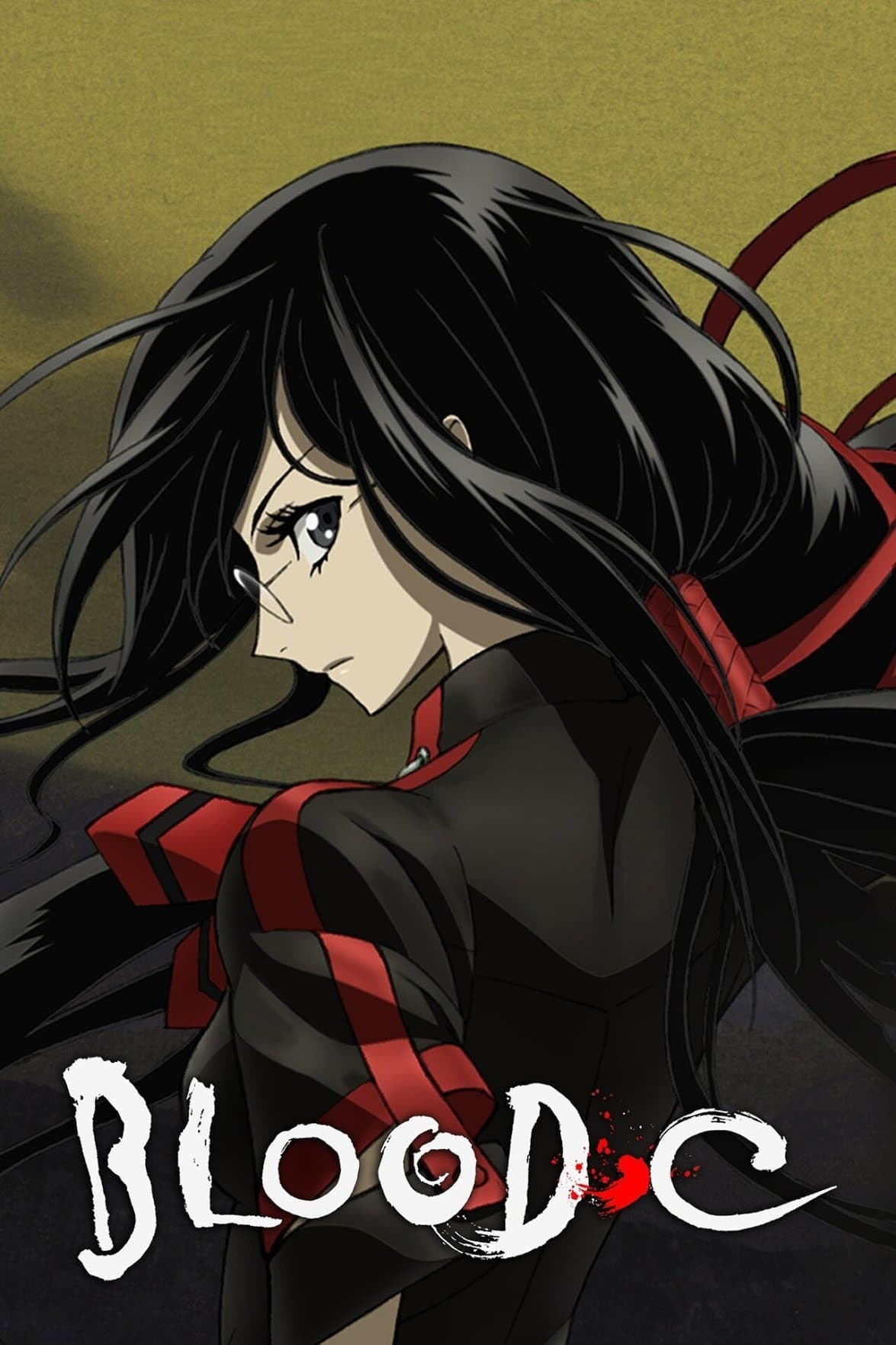
‘Blood-C’ follows Saya Kisaragi, a girl who appears normal but spends her nights hunting horrific monsters that plague her village. The series is infamous for its escalating levels of gore, culminating in an extremely violent finale. China banned the anime because of its “disgusting” and “terrifying” imagery, including scenes of monsters brutally tearing humans apart. The Ministry of Culture specifically highlighted the show as an example of content that had no place in the public media landscape.
‘Baccano!’ (2007)
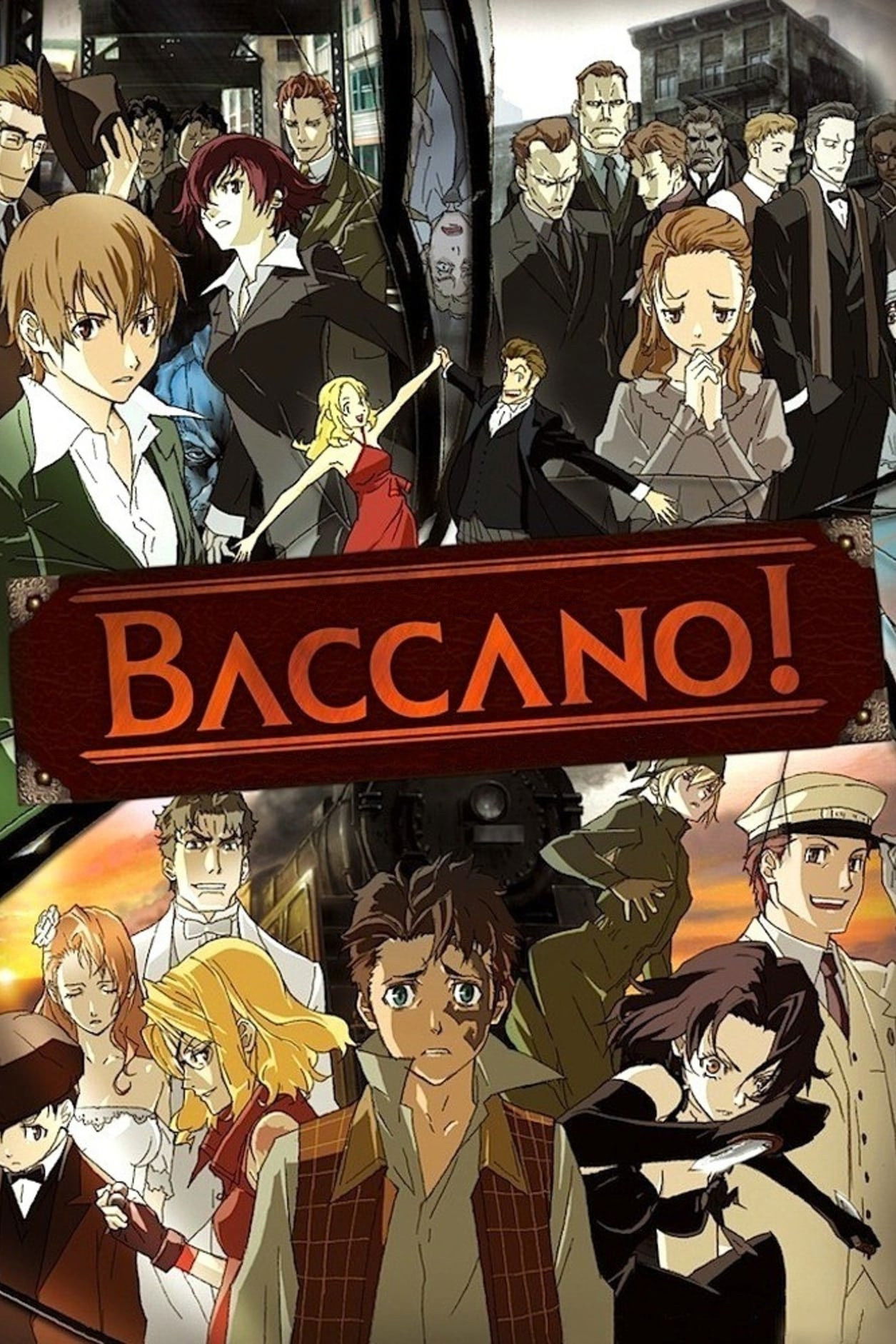
‘Baccano!’ is a non-linear story set during the Prohibition era involving alchemists, gangsters, and a series of interconnected events. The anime was banned in China for its depiction of organized crime and frequent acts of stylized violence. Censors took issue with the show’s dark humor and the casual nature of its more gruesome scenes. Its inclusion on the 2015 blacklist meant that one of the most acclaimed series of its decade became illegal to host on domestic sites.
‘Afro Samurai’ (2007)
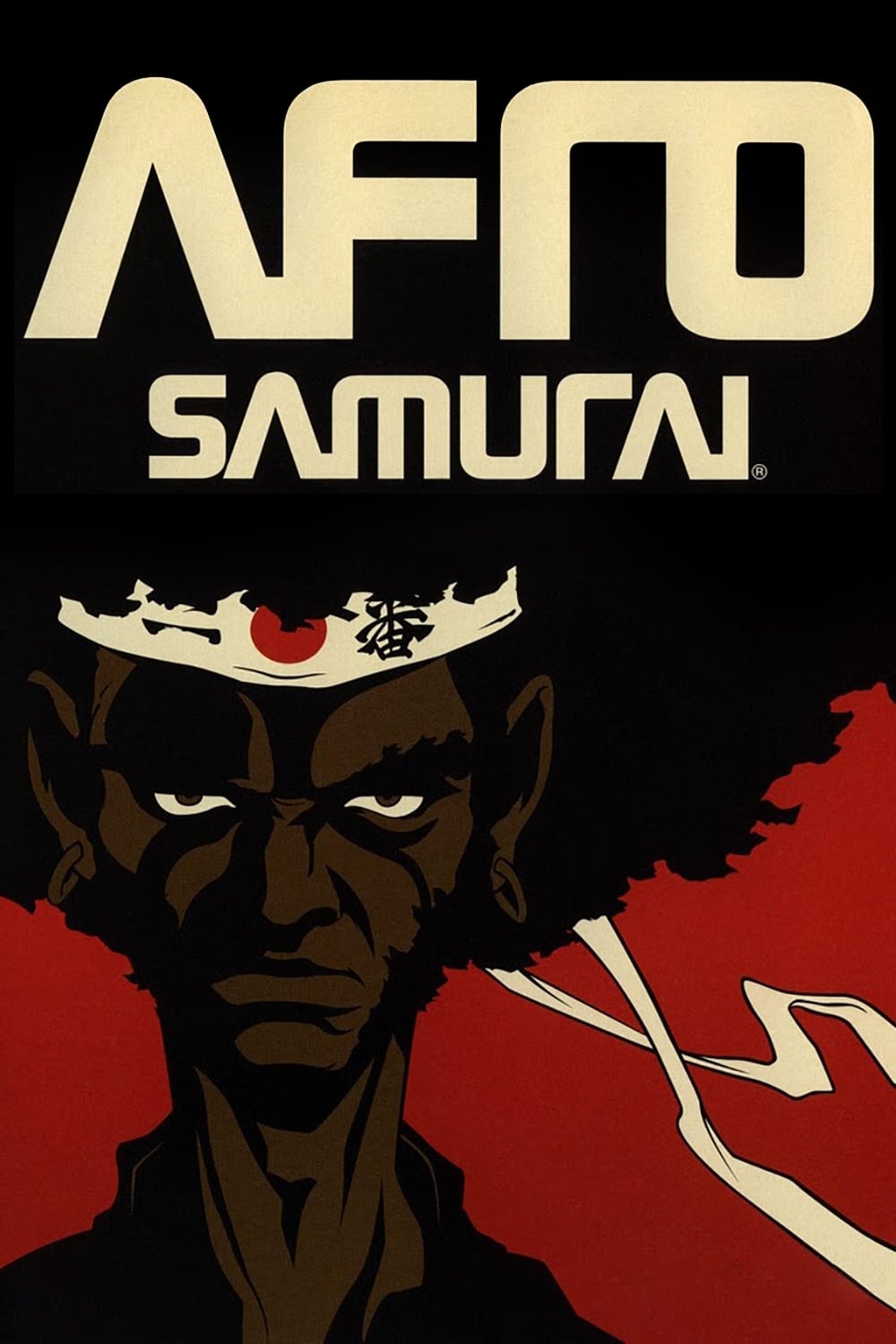
‘Afro Samurai’ is a revenge-driven story about a swordsman seeking to kill the man who murdered his father. The series was banned in China for its high-octane violence and constant use of profanity. Because the show focuses almost entirely on decapitations and bloody sword fights, it was deemed to have “harmful influence” on viewers. The stylized nature of the animation did not prevent the government from labeling it as dangerously violent media.
‘Darker than Black’ (2007)
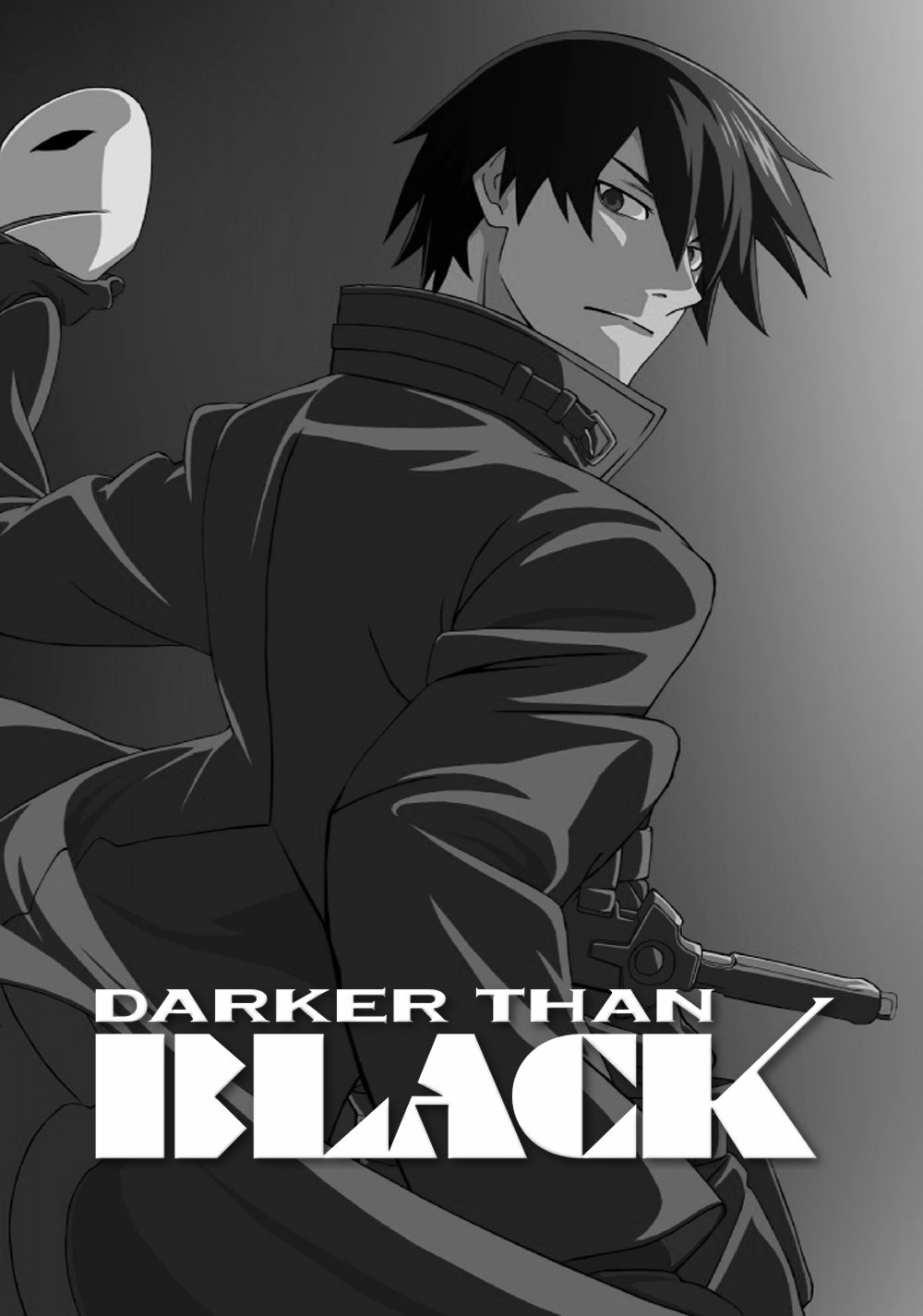
‘Darker than Black’ follows Hei, an assassin with supernatural abilities operating in a world where “Contractors” have replaced stars in the sky. The show was banned in China due to its themes of espionage, murder, and the moral ambiguity of its characters. Regulators found the depictions of cold-blooded killings and the dark atmosphere to be unsuitable for online distribution. It was subsequently removed from all licensed streaming platforms during the mid-2010s regulatory crackdown.
‘Gantz’ (2004)
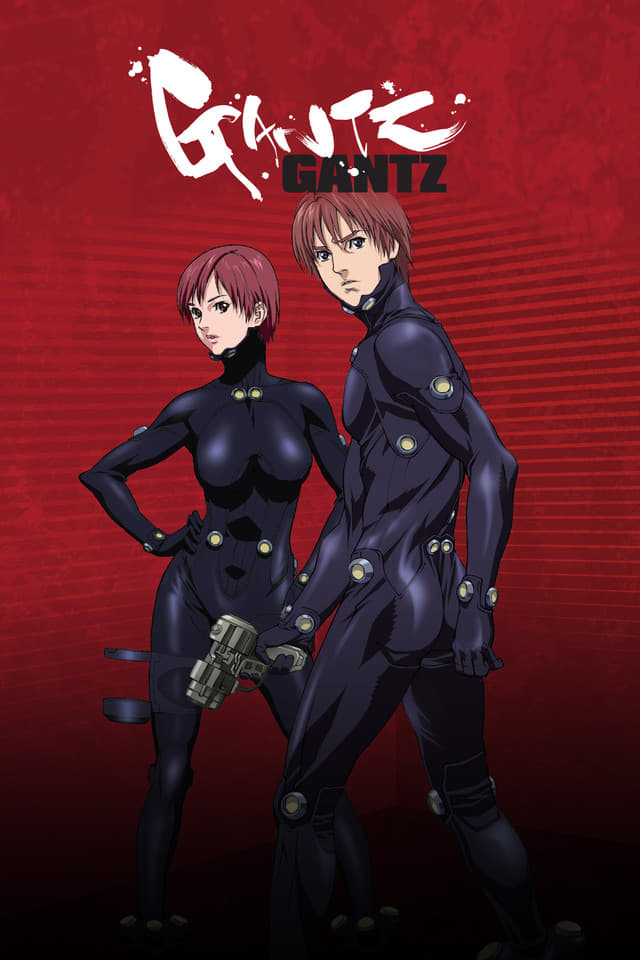
‘Gantz’ tells the story of recently deceased people who are forced to participate in a violent game of hunting aliens. The series was banned in China for its combination of extreme gore, sexual violence, and nihilistic worldview. The Ministry of Culture viewed the show’s content as a direct violation of public decency laws. Its reputation for being one of the most explicit anime of its time made it an easy target for government censors.
‘School Days’ (2007)
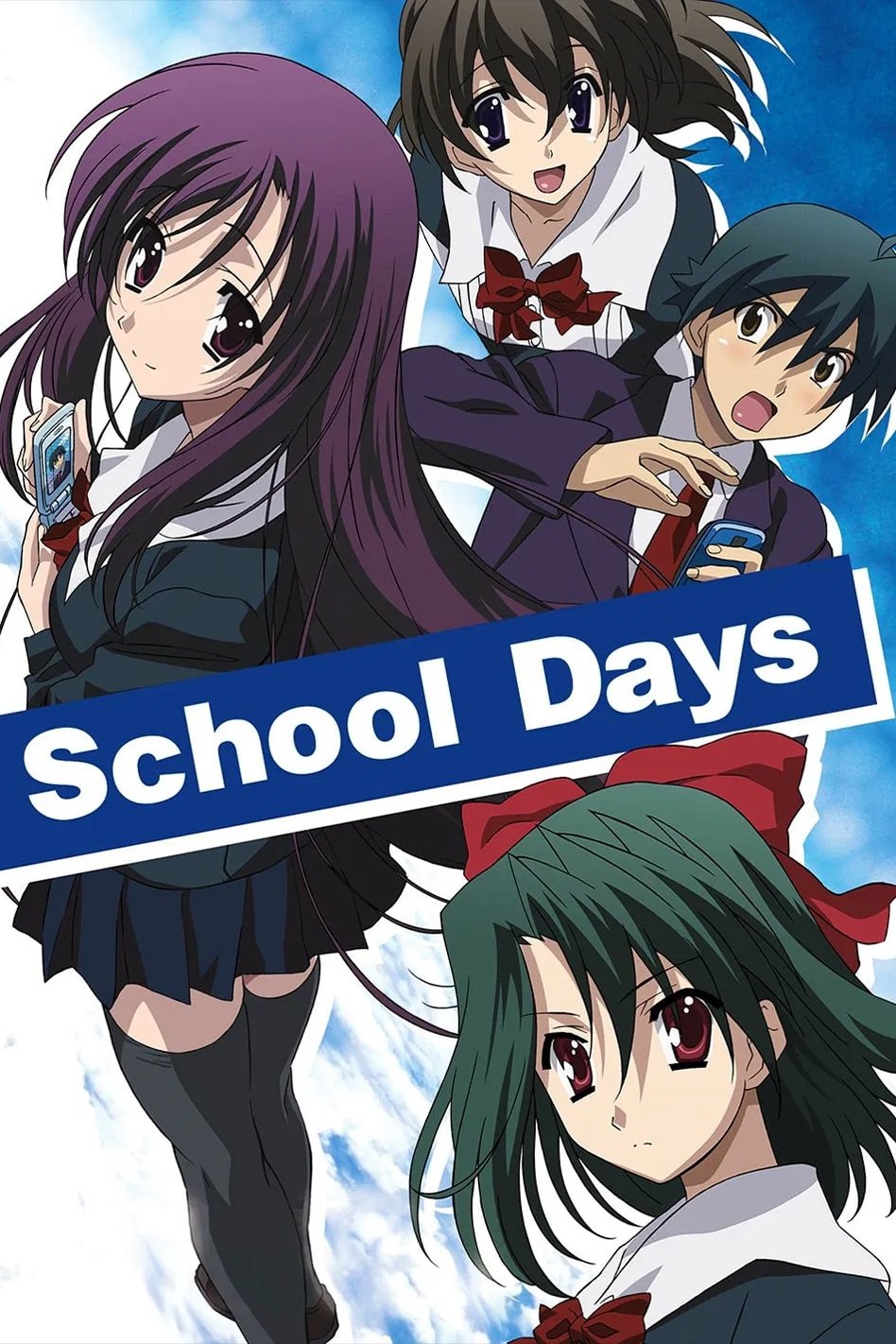
‘School Days’ begins as a typical high school romance but descends into a dark tale of infidelity, betrayal, and murder. The anime was banned in China due to its “immoral” portrayal of teenage relationships and its infamously violent ending. The government cited the show’s negative influence on social values regarding love and youth behavior. The shocking nature of the final episode remains a major point of controversy that led to its permanent ban.
‘Ergo Proxy’ (2006)
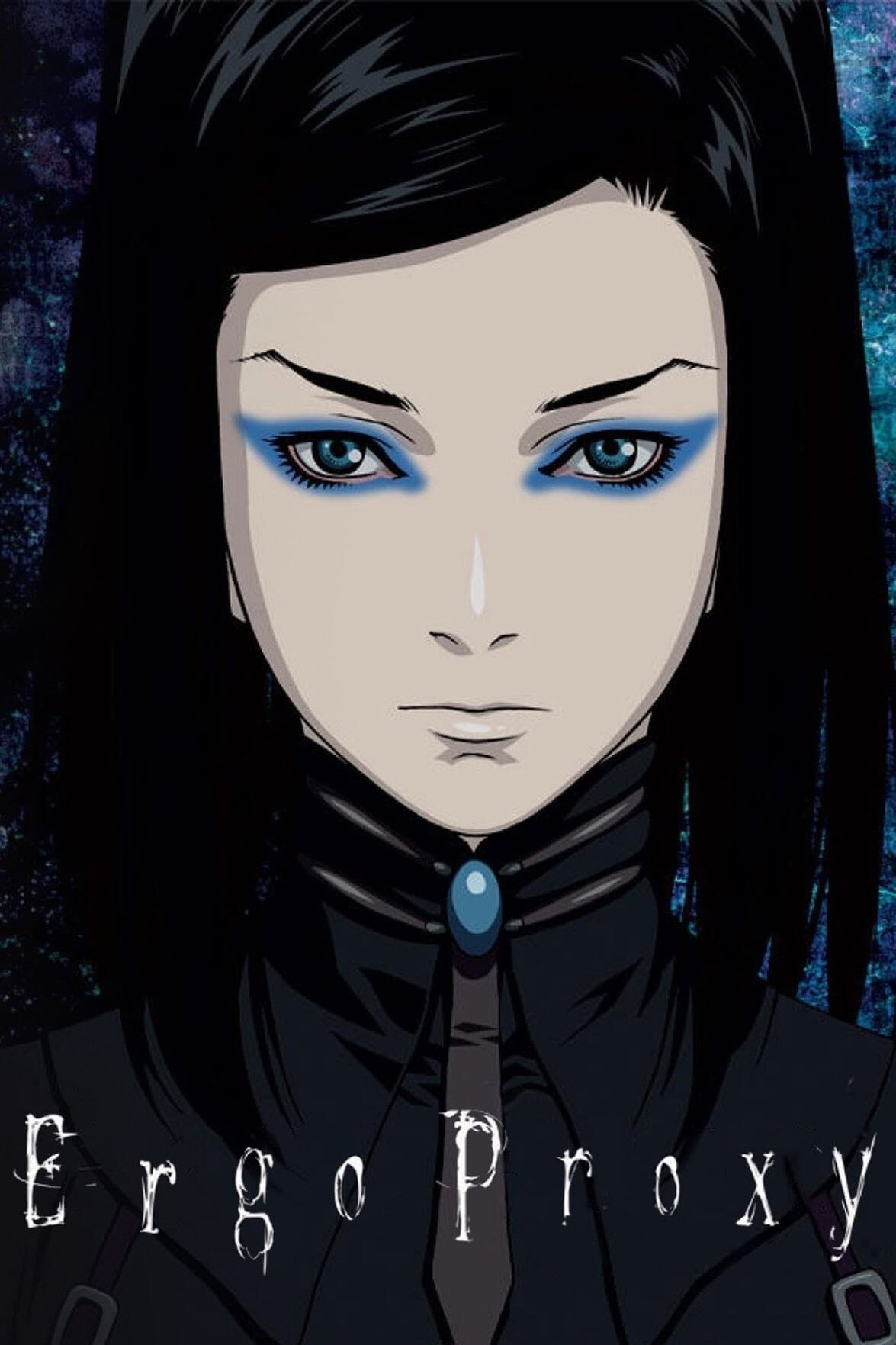
‘Ergo Proxy’ is a philosophical sci-fi series set in a post-apocalyptic city where humans and androids coexist. The anime was banned in China for its dark, complex themes and depictions of social collapse. While the violence is less frequent than in other banned titles, the overall “unhealthy” atmosphere and psychological weight were cited as concerns. The government preferred to limit media that presented such a bleak and questioning view of civilization.
‘Inferno Cop’ (2012–2013)
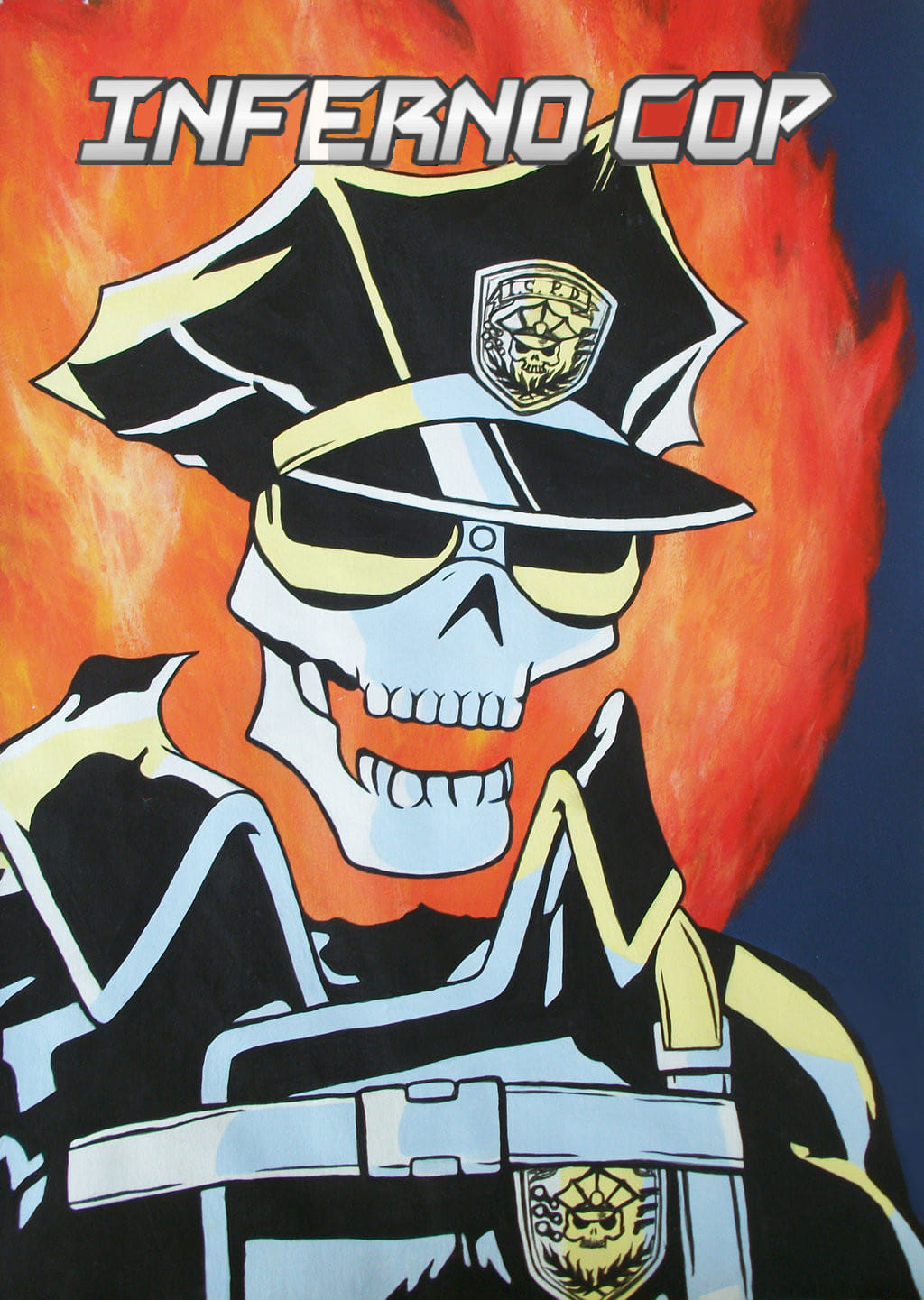
‘Inferno Cop’ is a web series known for its intentionally low-budget animation and surreal, over-the-top comedy. Despite its comedic intent, the show was banned in China for its chaotic violence and irreverent tone. The Ministry of Culture included it on the 2015 blacklist, likely due to its portrayal of law enforcement and its crude visual style. Its removal showed that even short-form experimental media could fall victim to strict censorship laws.
‘Rin: Daughters of Mnemosyne’ (2008)
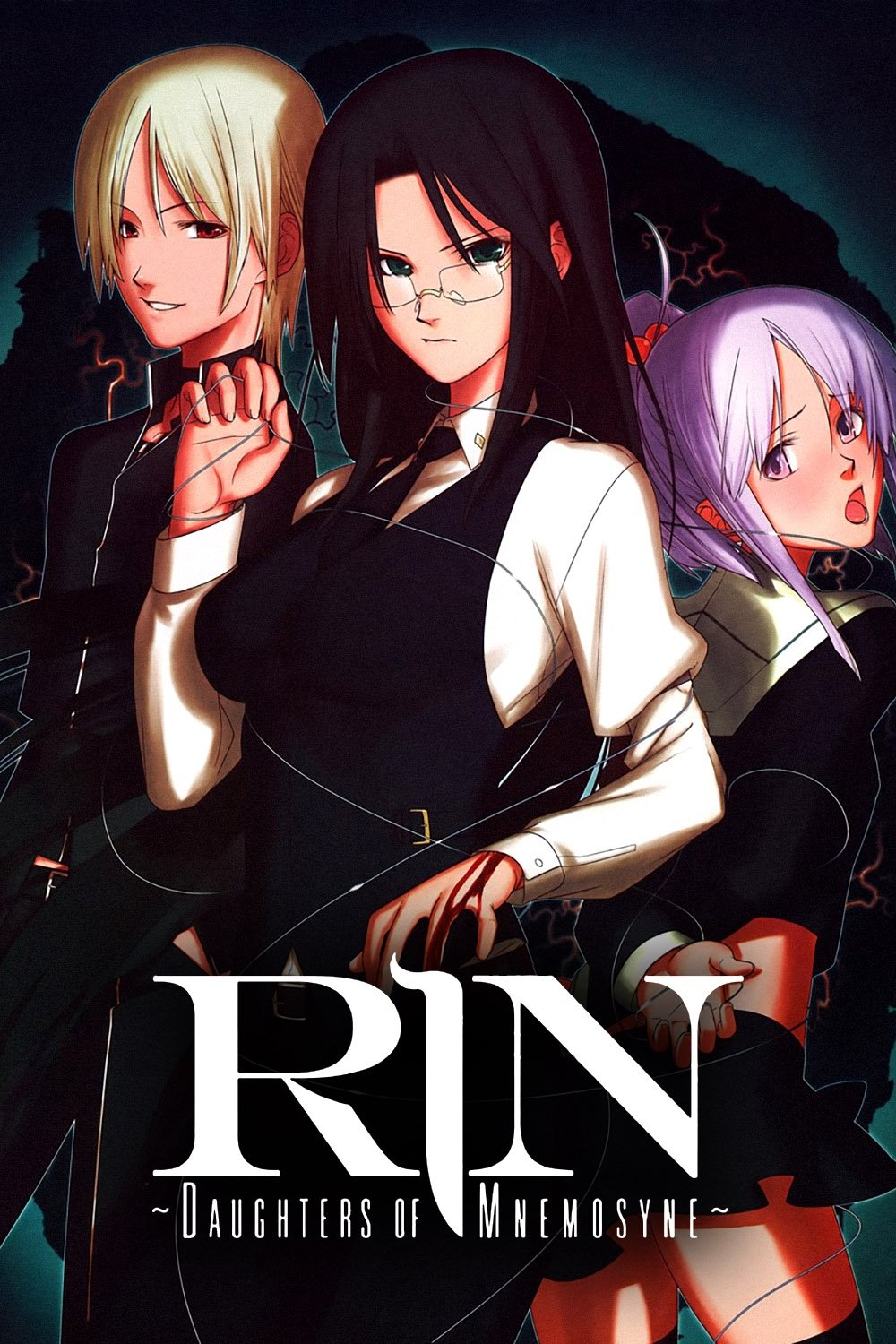
‘Mnemosyne’ follows an immortal private investigator and features significant amounts of graphic violence and explicit sexual content. The series was banned in China for being “erotic and violent,” falling squarely into the category of media the government sought to eliminate. The show’s focus on torture and bodily harm was considered too extreme for any age group under current regulations. Consequently, it is completely unavailable on official Chinese digital platforms.
‘Pokémon’ (1997–Present)

‘Pokémon’ is one of the most successful franchises in history, but it faced a significant ban in Saudi Arabia in 2001. The government issued a fatwa against the series and its card game, claiming it promoted Zionism and gambling. Authorities also expressed concern that the concept of “evolution” in the show contradicted Islamic teachings. While restrictions have loosened in recent years, the initial ban was a major event in the history of international anime censorship.
‘Shin chan’ (1992–Present)
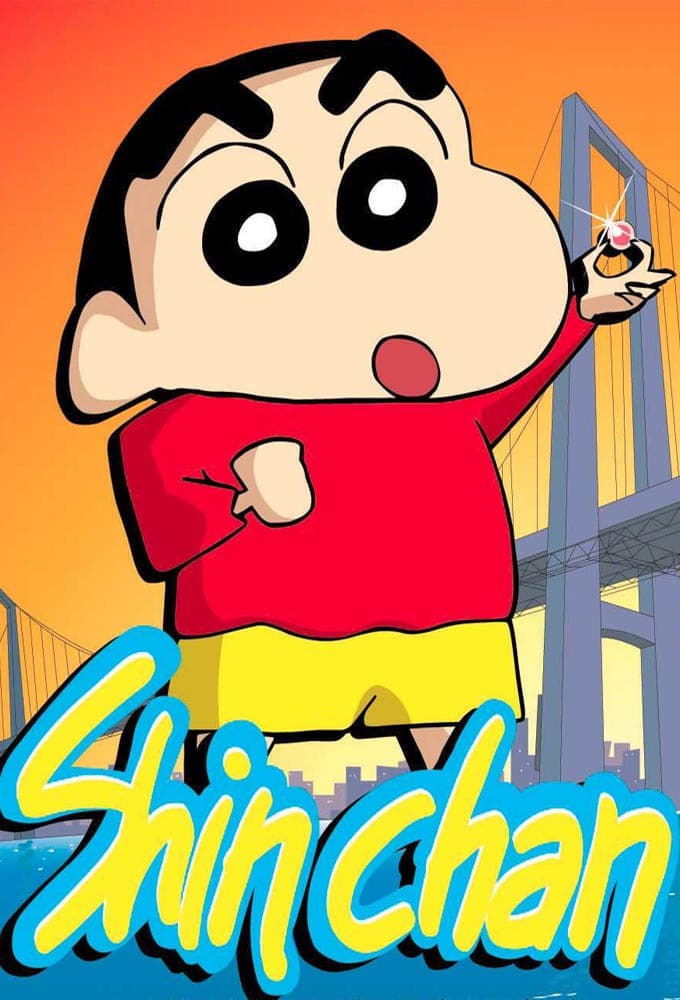
‘Shin-chan’ follows the misadventures of a crude and mischievous five-year-old boy named Shinnosuke. The series was banned in India in 2008 after parents complained that the main character’s disrespectful behavior was a bad influence on children. Authorities in Vietnam have also faced calls to ban or heavily censor the show for its suggestive humor. While it eventually returned to Indian television with heavy edits, the original, uncut version remains prohibited.
‘Doraemon’ (1979–2005)
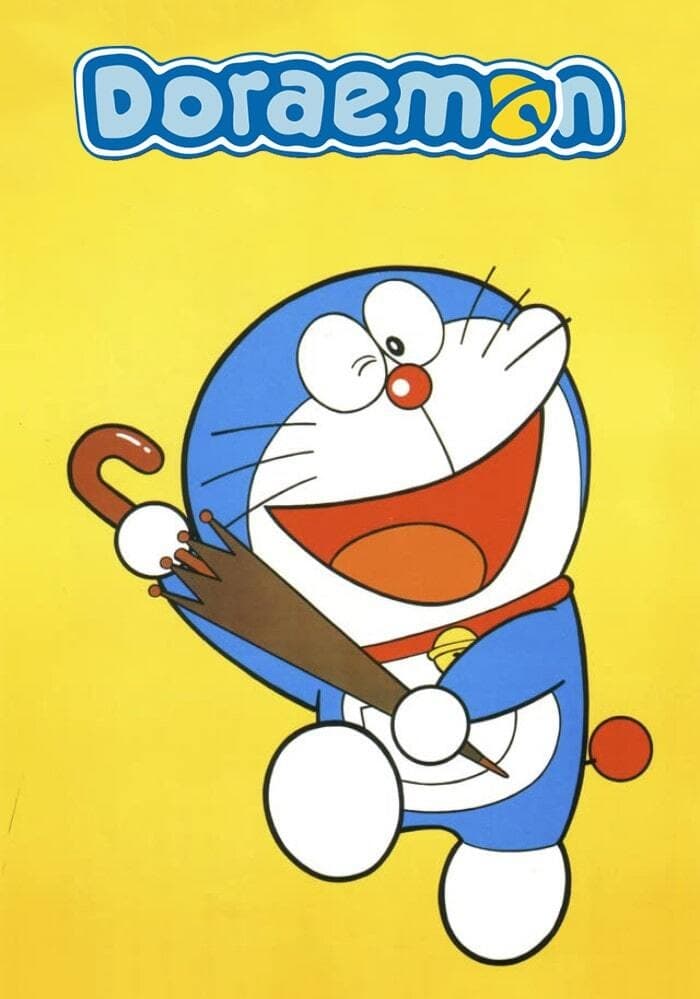
‘Doraemon’ is a beloved series about a robotic cat from the future, but it was banned in Bangladesh in 2013. The primary reason for the ban was that the show was being broadcast in Hindi rather than the national language, Bengali. Officials feared that children watching the show would struggle to learn their native language and instead adopt Hindi. Pakistan also saw similar political moves to ban the show to prevent what was perceived as foreign cultural erosion.
‘Interspecies Reviewers’ (2020)
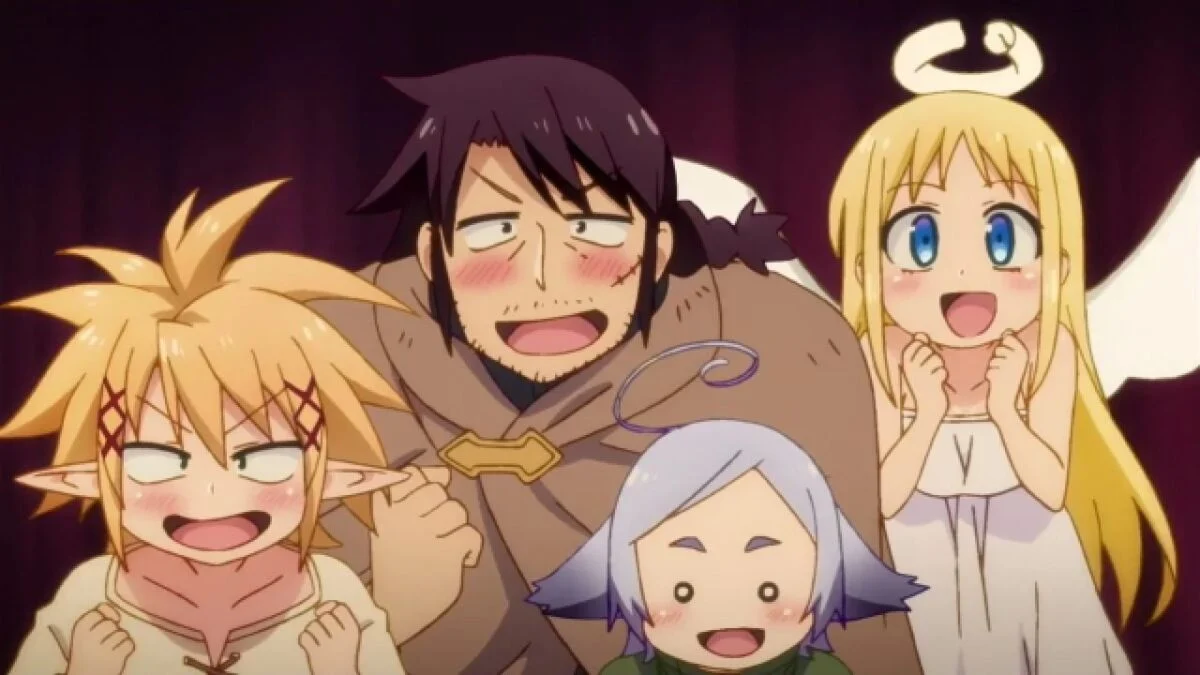
‘Interspecies Reviewers’ is a fantasy comedy that follows adventurers as they visit and rate various “monster girl” brothels. The series was effectively banned or cancelled by multiple international broadcasters, including Funimation in the United States and several stations in Japan. In Australia, the series was refused classification, making it illegal to sell or distribute due to its high level of simulated sexual activity. The show is frequently cited as one of the most controversial releases in modern anime history.
‘Record of Ragnarok’ (2021–Present)
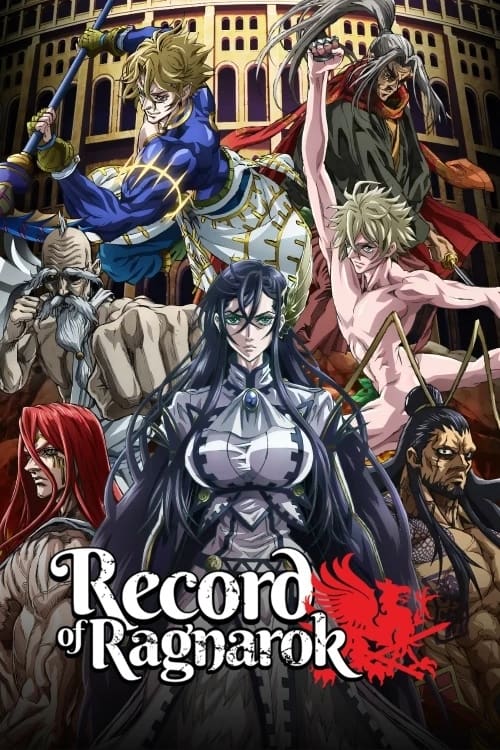
‘Record of Ragnarok’ features a tournament where gods from various mythologies fight against historical humans to decide the fate of humanity. The series was banned in India and removed from the local version of Netflix shortly after its release. The ban was prompted by the portrayal of the Hindu deity Shiva, which was deemed disrespectful by many religious groups and activists. To avoid further legal complications and public outcry, the platform chose to withhold the series entirely in the region.
‘Hetalia’ (2009–2010)
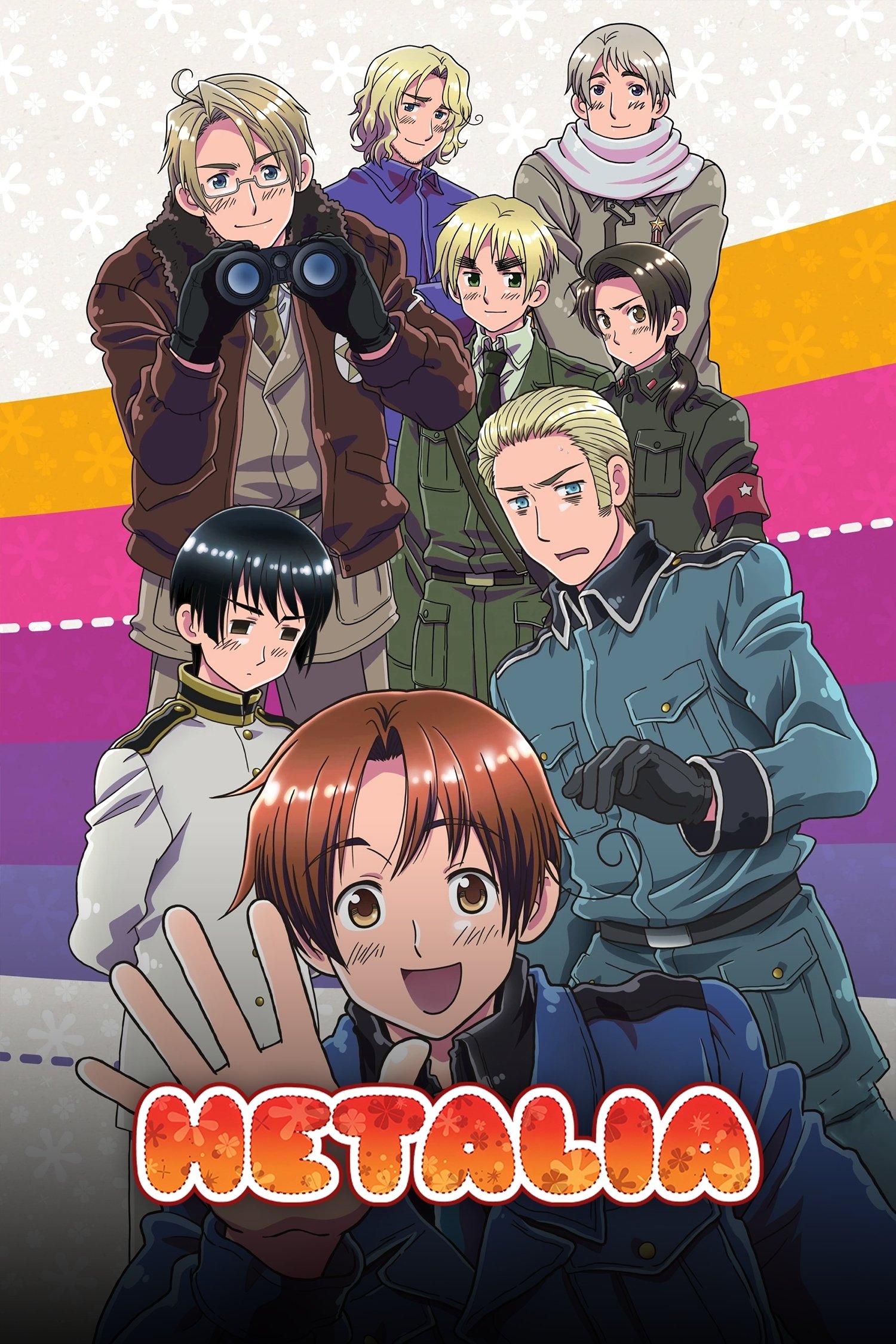
‘Hetalia: Axis Powers’ personifies various countries and uses historical events as the basis for comedic sketches. The series was banned in South Korea before its scheduled television premiere due to massive public protests. Critics argued that the portrayal of the character representing Korea was insulting and historically inaccurate. The controversy became so intense that the Japanese broadcaster cancelled the television airing, although the series continued to be distributed online.
‘Kite’ (1998)

‘Kite’ is an OVA about a young female assassin that gained notoriety for its combination of stylized action and graphic sexual violence. The film was banned in Norway for its depictions of sexual acts involving characters that appeared to be minors. Many other countries, including Canada, have heavily edited or restricted the film to comply with local laws regarding child protection. It remains one of the most frequently censored titles in the global anime market.
‘Urotsukidōji: Legend of the Overfiend’ (1989)
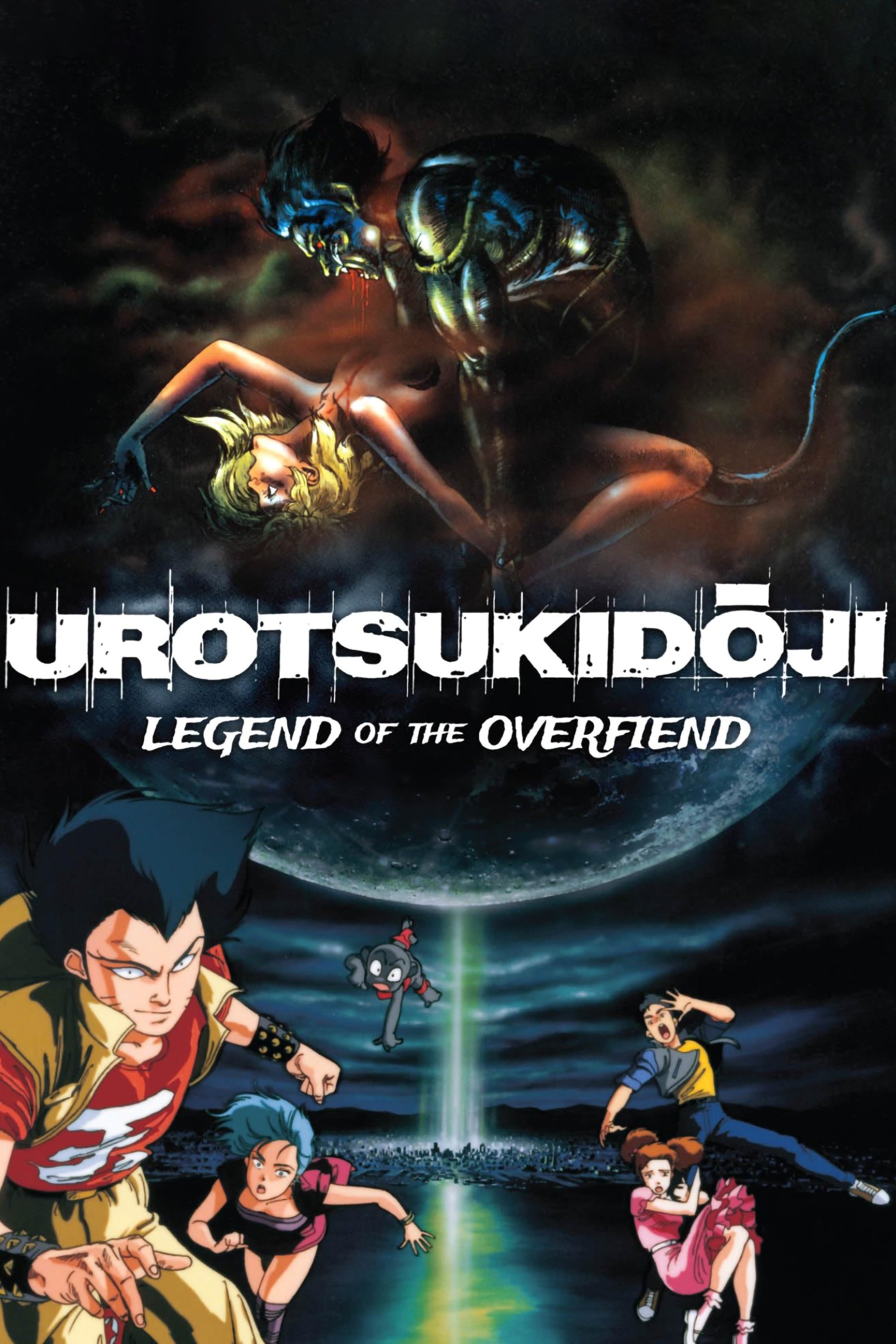
‘Urotsukidōji: Legend of the Overfiend’ is a dark fantasy series often credited with popularizing the “tentacle” trope in adult animation. Due to its extreme levels of sexual violence and gore, the series was banned in several countries, including the United Kingdom and Australia. Censors in these regions determined that the content provided no artistic merit that could outweigh its graphic nature. It is widely considered a landmark case for the censorship of adult-oriented anime in the West.
‘Violence Jack’ (1986–1990)
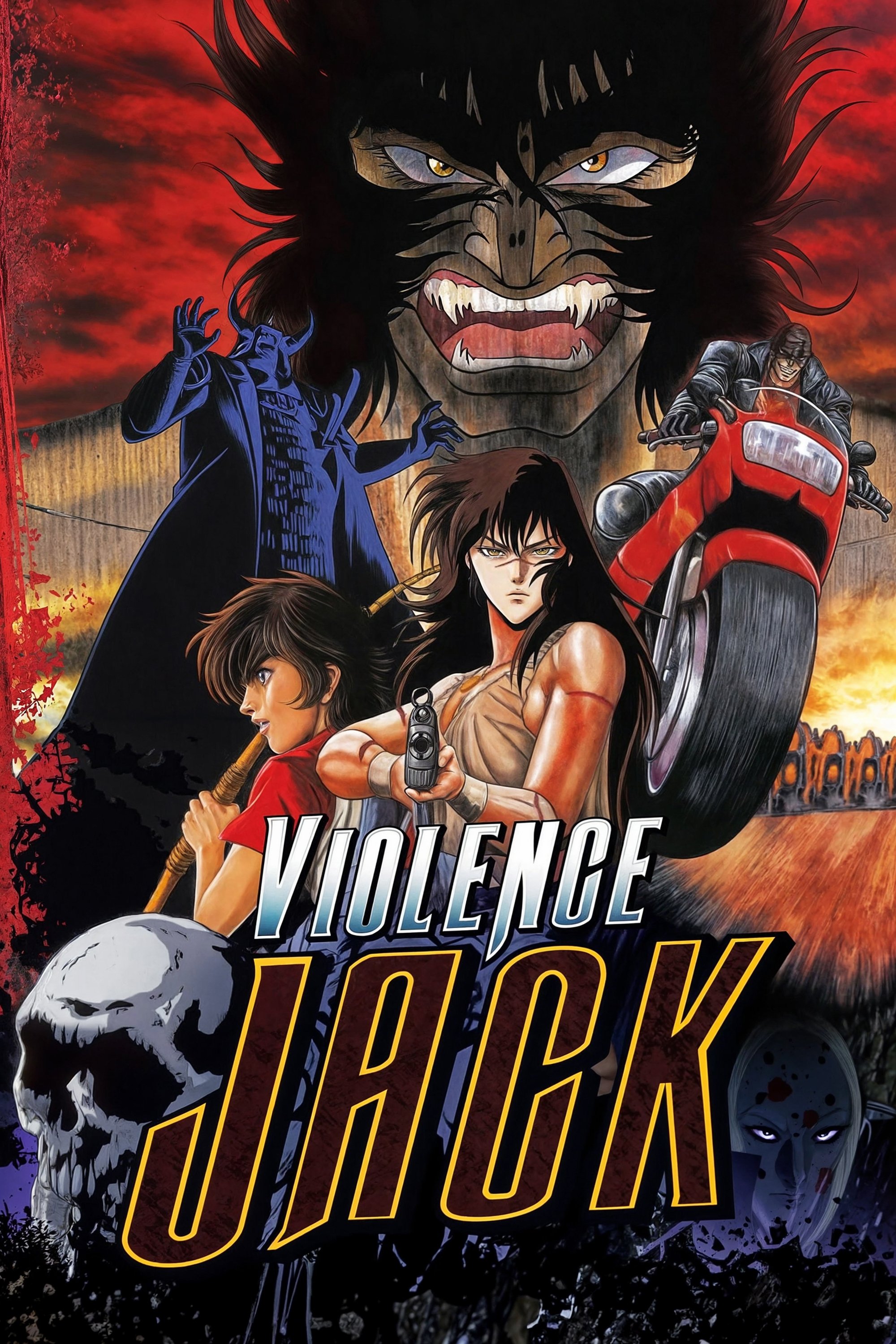
‘Violence Jack’ is a post-apocalyptic series created by Go Nagai that features some of the most brutal imagery in the medium. The anime was banned in Australia after the Office of Film and Literature Classification refused it a rating due to excessive violence. The series depicts cannibalism, dismemberment, and sexual assault in a way that many international boards found unacceptable. It remains a prime example of the 1980s era of ultra-violent “video nasties” in animation.
‘Midori’ (1992)
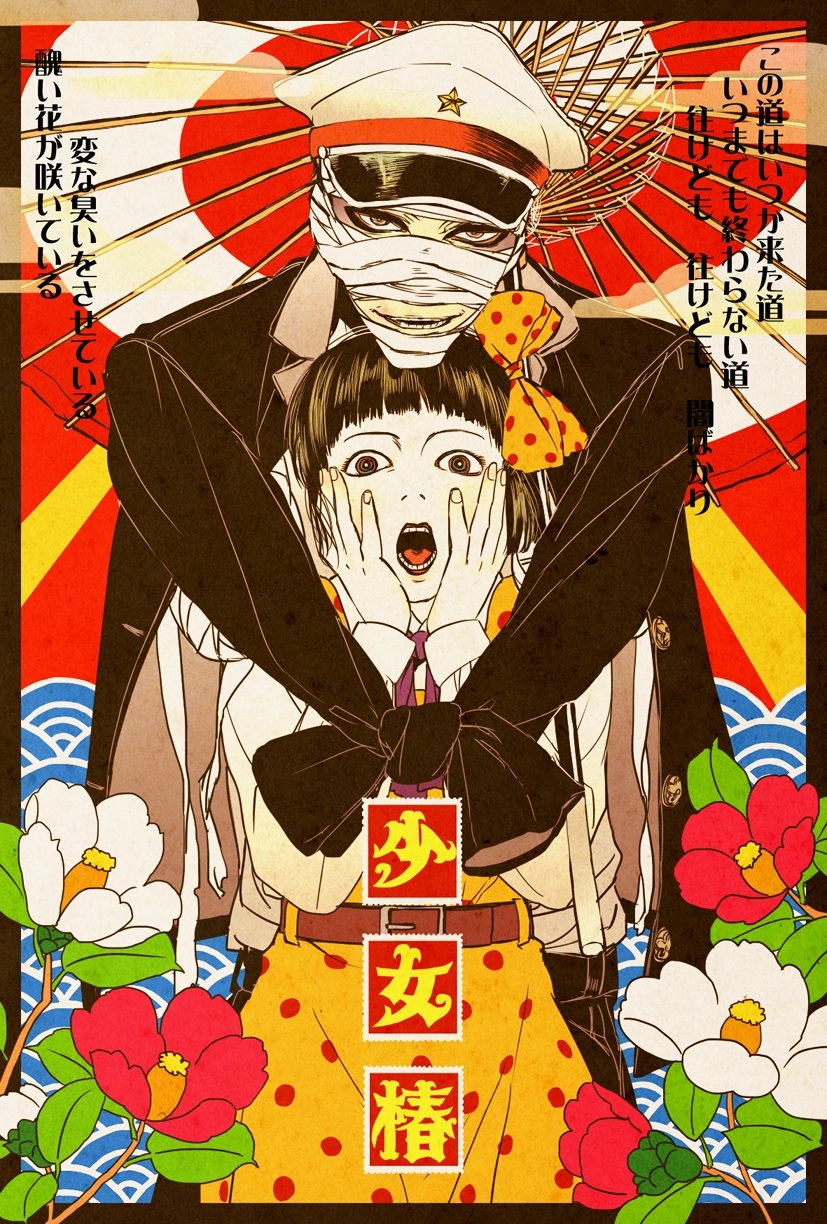
‘Midori’, also known as ‘The Camellia Girl’, is an underground film about an orphan girl who joins a freak show and suffers horrific abuse. The movie was so controversial that it was originally banned in Japan and had its film reels confiscated by the authorities. It has faced similar bans in other countries due to its disturbing depictions of animal cruelty and child abuse. The film is rarely screened today and is often considered one of the most “cursed” titles in anime history.
‘Tokyo ESP’ (2014)
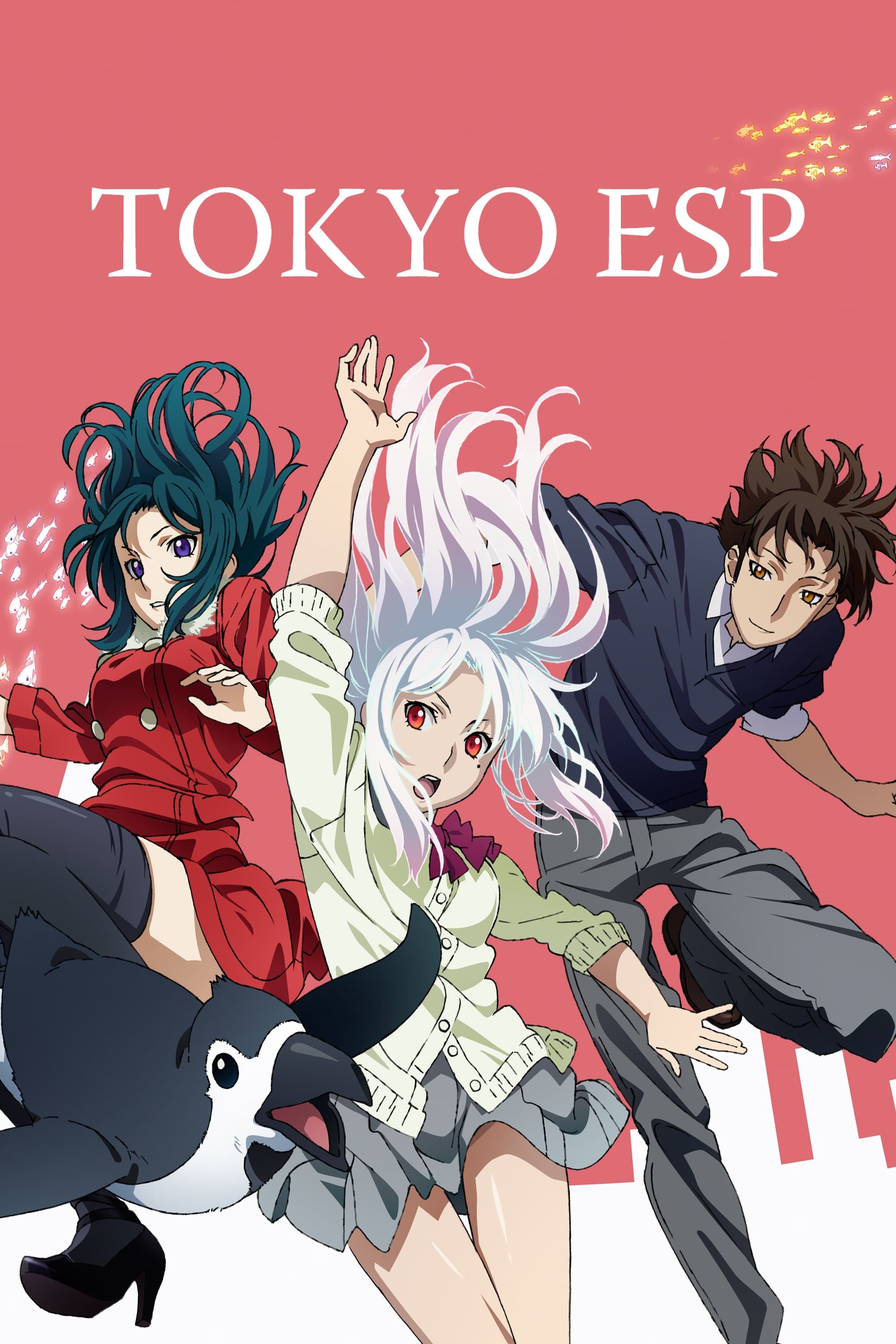
‘Tokyo ESP’ follows a girl who gains the ability to move through solid objects and joins a group of supernatural heroes. Despite its relatively standard action premise, the series was included in the 2015 Chinese ban of 38 titles. The government cited its depictions of terrorism and urban destruction as harmful to the social order. As a result, the series was wiped from all legal streaming platforms across mainland China.
‘Devilman Crybaby’ (2018)
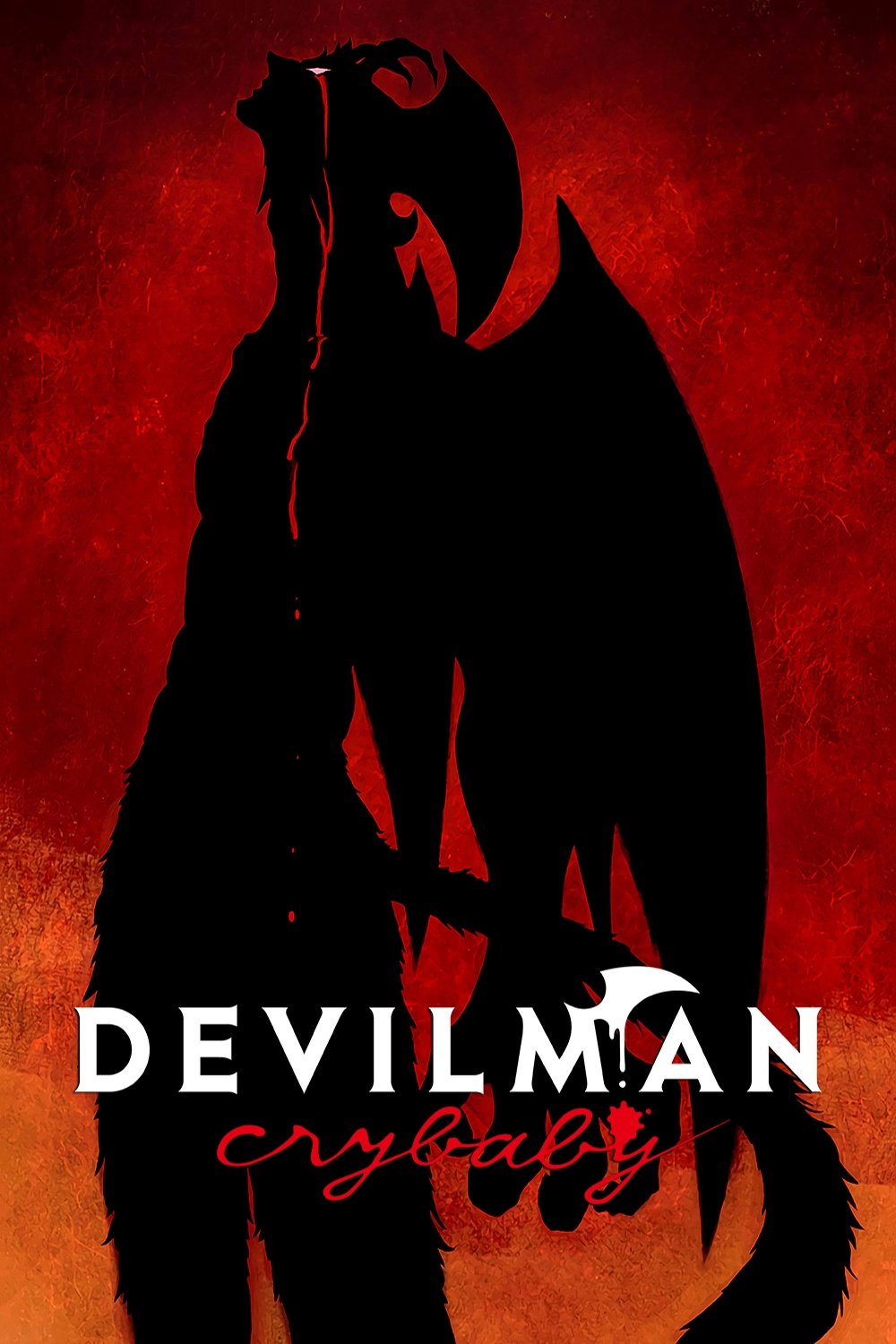
‘Devilman Crybaby’ is a modern reimagining of Go Nagai’s classic manga, featuring a dark story of demons invading Earth. The series was banned in China shortly after its global release on Netflix due to its pervasive nudity, sexual content, and nihilistic violence. Regulators found the show’s themes of societal collapse and its graphic visuals to be a violation of their media standards. While it received critical acclaim elsewhere, it remains strictly off-limits in the Chinese market.
‘Prison School’ (2015)
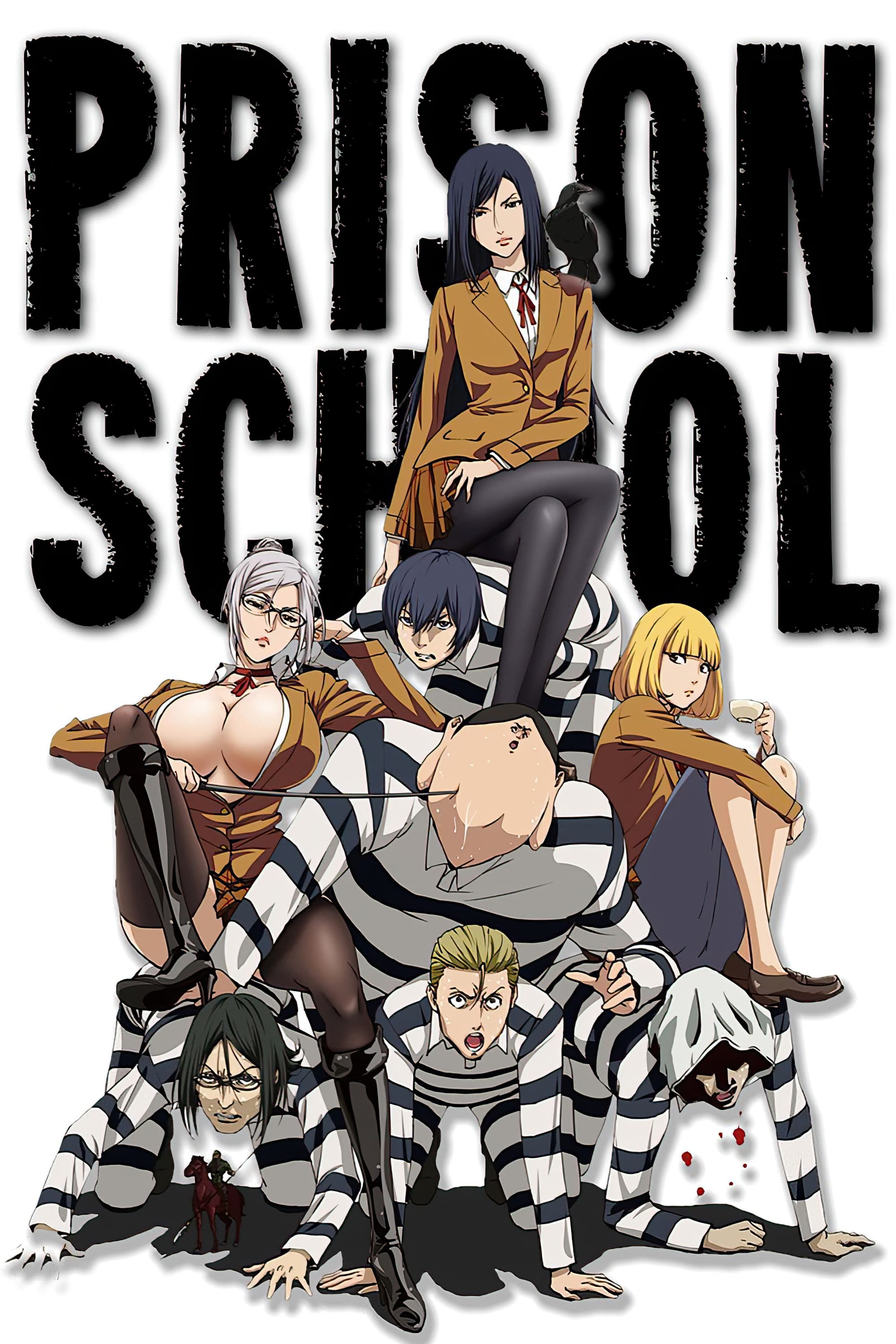
‘Prison School’ is a comedy series about five boys who are the only male students in an all-girls school and are imprisoned for voyeurism. The anime was banned in China for its heavy focus on fetishism, sexual humor, and scenes of humiliation. The Ministry of Culture categorized the show as “vulgar” and “harmful to the physical and mental health of minors.” Its elimination from streaming services was part of a broader effort to remove ecchi-style content from the web.
‘No Game No Life’ (2014)
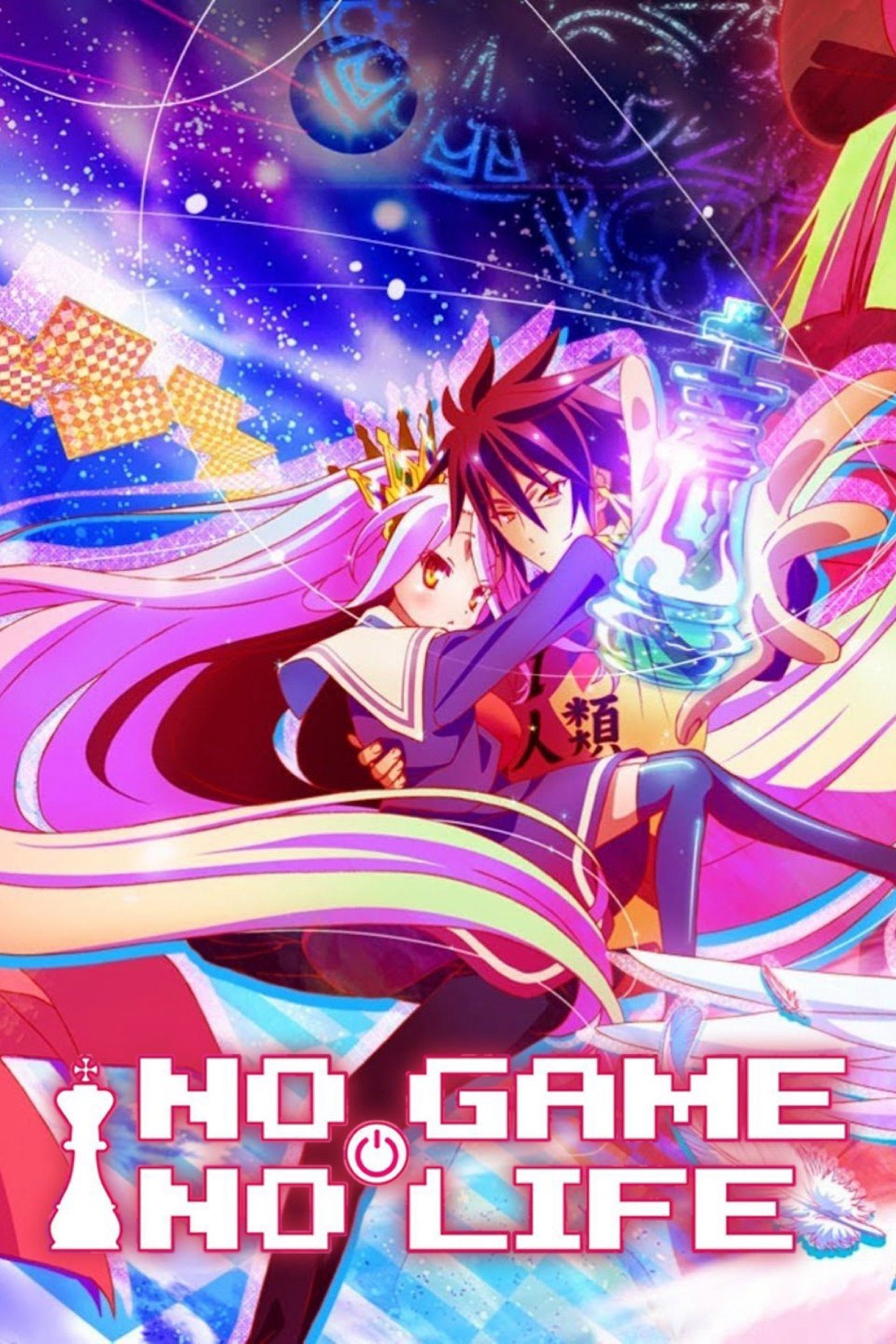
‘No Game No Life’ follows two shut-in siblings who are transported to a world where all conflicts are settled through games. The series was banned in China due to the suggestive nature of the relationship between the two main characters. Additionally, the show’s frequent use of fan service involving younger-looking characters was cited as a violation of decency laws. The ban effectively stopped the series from being legally viewed or promoted within the country.
‘Date A Live II’ (2014)
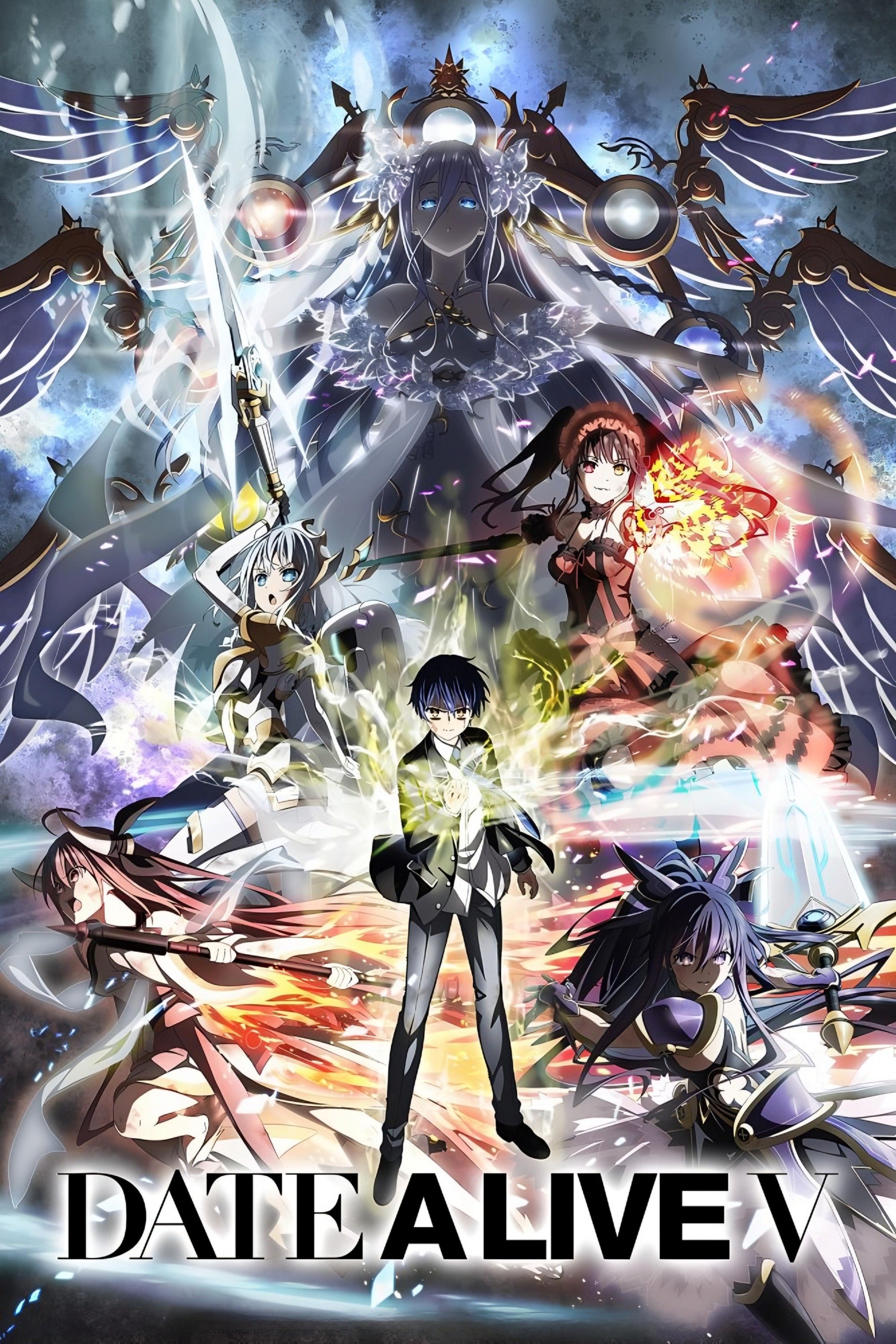
‘Date A Live II’ is the second season of a harem series where the protagonist must date “Spirits” to prevent them from causing spacequakes. This specific season was banned in China in 2015 because of its suggestive content and the way it portrayed interactions between its characters. Censors determined that the show’s focus on romantic conquest and fanservice was unsuitable for the public. The ban applied to both the television broadcast and digital streaming versions of the show.
‘Corpse Party: Tortured Souls’ (2013)
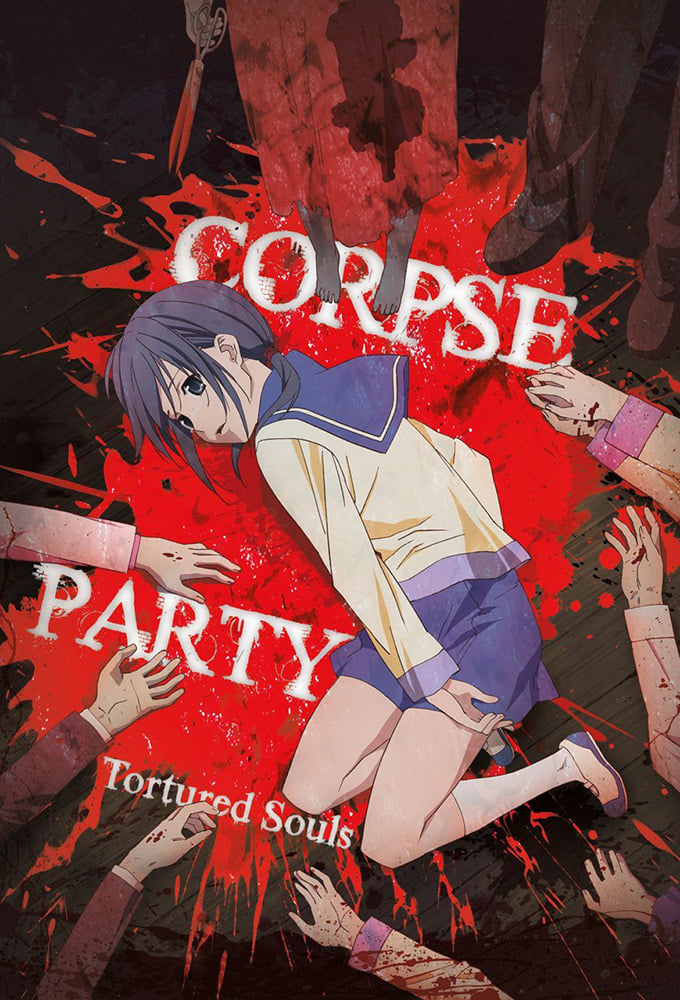
‘Corpse Party: Tortured Souls’ is an OVA based on a horror game series where students are trapped in a haunted elementary school. The series is notorious for its extremely graphic and creative death scenes, which led to its ban in China. The government flagged the show for its focus on torture and “cruel” imagery involving children. It is often cited alongside ‘Blood-C’ as one of the most violent titles prohibited by the Ministry of Culture.
‘Another’ (2012)
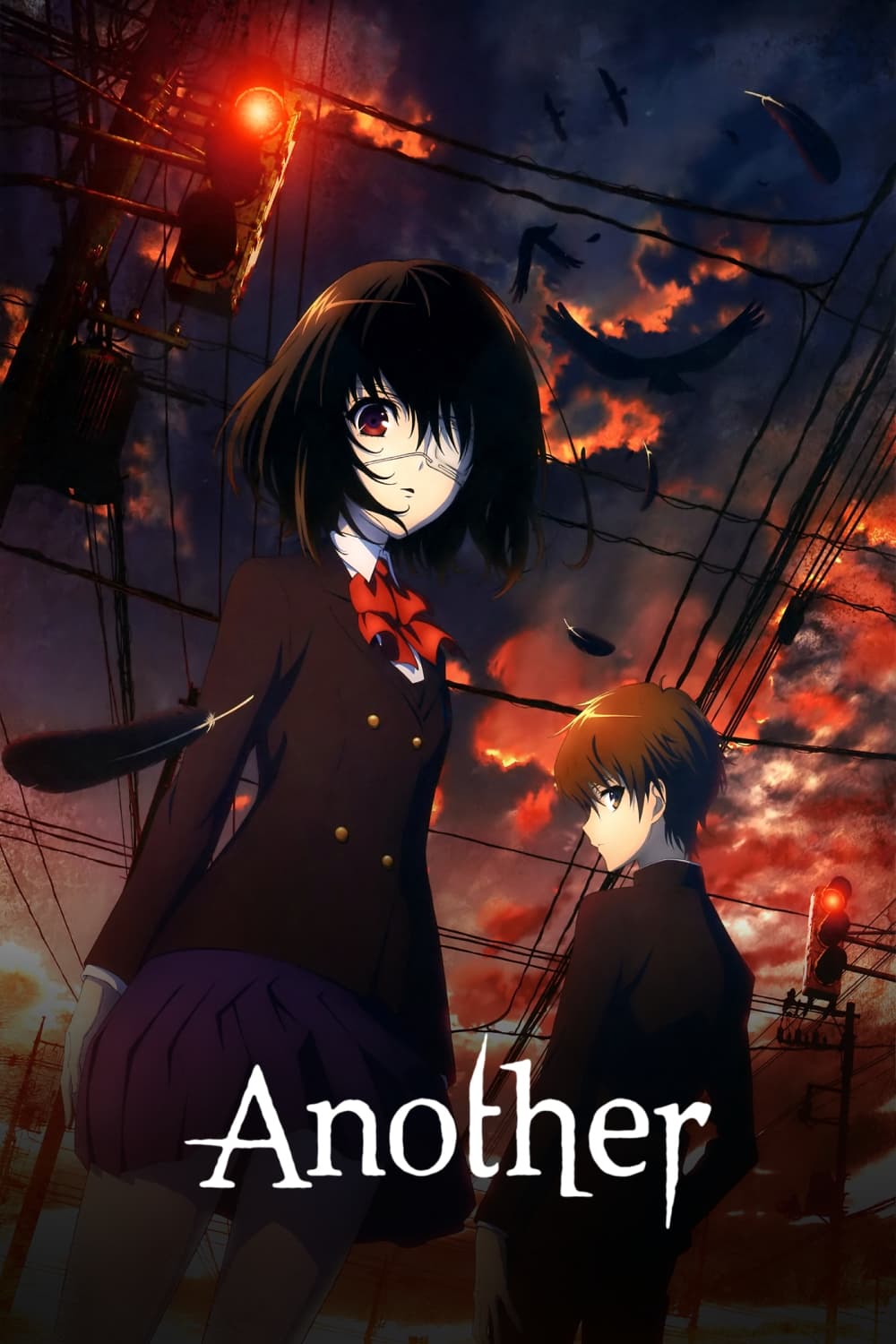
‘Another’ is a mystery-horror series about a cursed class where students and their relatives die in freak accidents. The anime was banned in China because of its focus on gruesome deaths and its overall “eerie” and “depressing” atmosphere. Censors were concerned that the show’s depiction of school-based horror could have a negative psychological effect on young viewers. The series was subsequently removed from all licensed Chinese anime libraries during the 2015 crackdown.
‘High School DxD’ (2012)
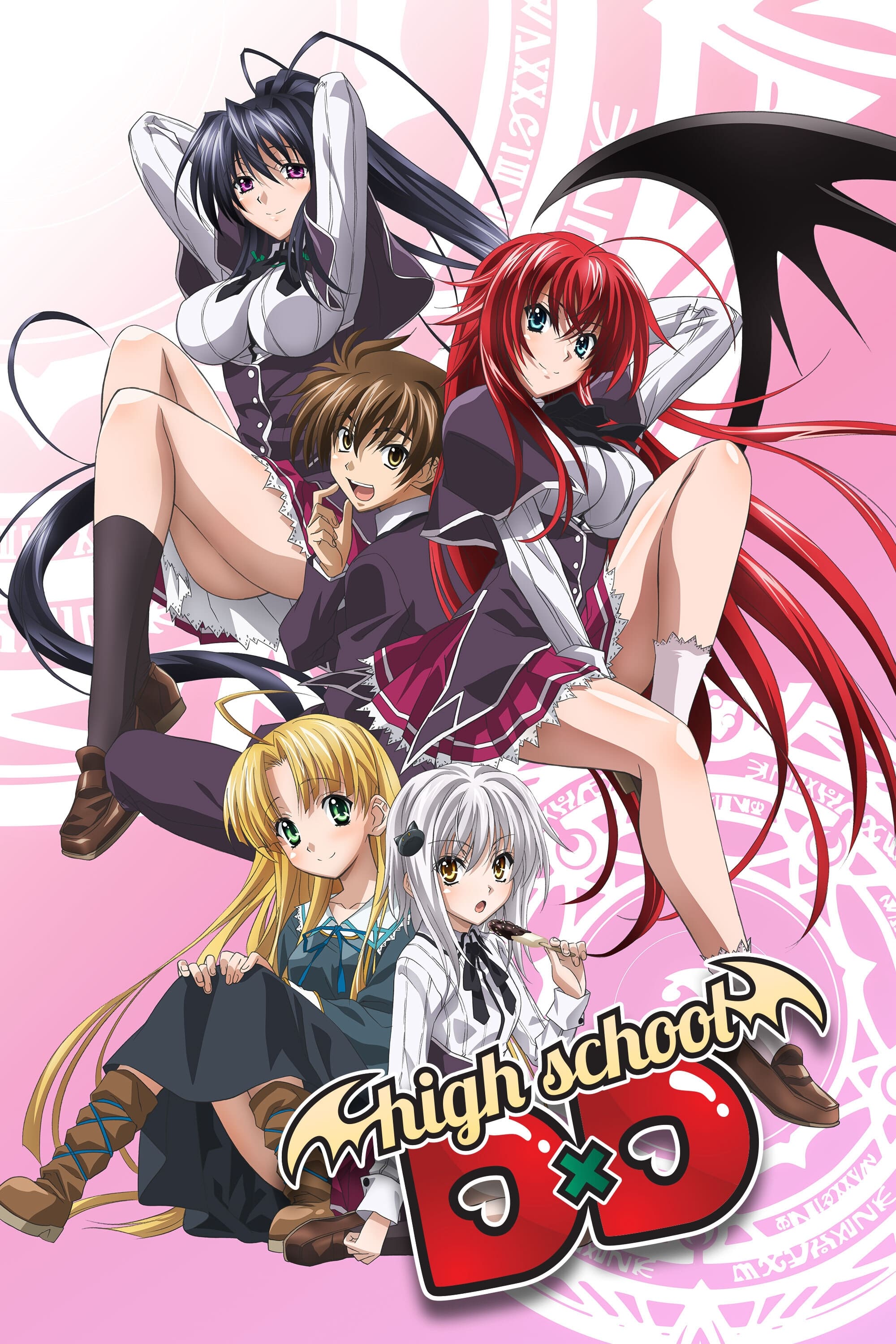
‘High School DxD’ follows Issei Hyodo, a student who is killed on his first date and reincarnated as a demon to serve a high-ranking devil. The series is famous for its high level of nudity and sexual humor, which led to an immediate ban in China. Authorities labeled the series as pornographic and stated that it had no place on public streaming platforms. It remains one of the most prominent examples of the “ecchi” genre being targeted by international censorship boards.
Tell us which of these bans surprised you the most in the comments.