TV Shows That Were Accused of Pandering to Gen Z With Forced LGBTQ+ Storylines

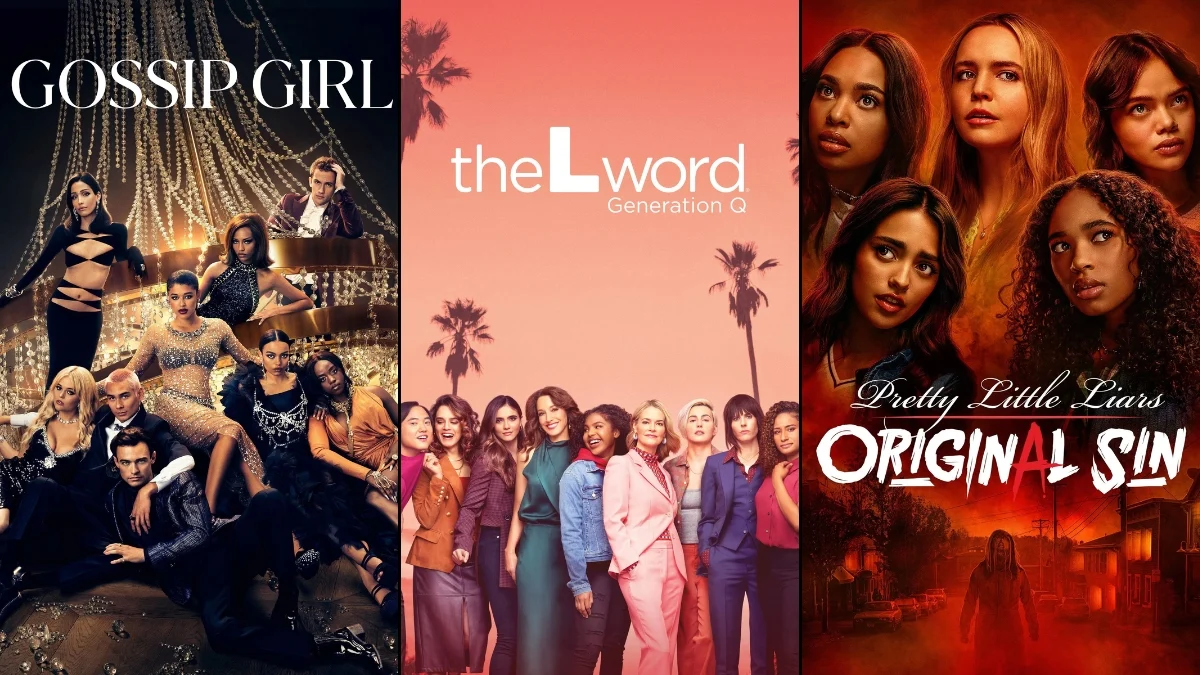

The landscape of television has shifted significantly over the last decade as networks and streaming platforms pivot toward younger demographics. This transition has led to an increase in diverse representation, but it has also sparked a wave of criticism from viewers and critics who argue that some shows prioritize political correctness over organic storytelling. Many series have been accused of “pandering” to Gen Z by incorporating LGBTQ storylines that feel forced, stereotypical, or designed to satisfy a “woke” checklist. While inclusivity is a primary goal for modern creators, the execution often leaves audiences debating whether these narrative choices are authentic or merely tactical moves to remain relevant in a changing social climate.
‘Velma’ (2023–Present)
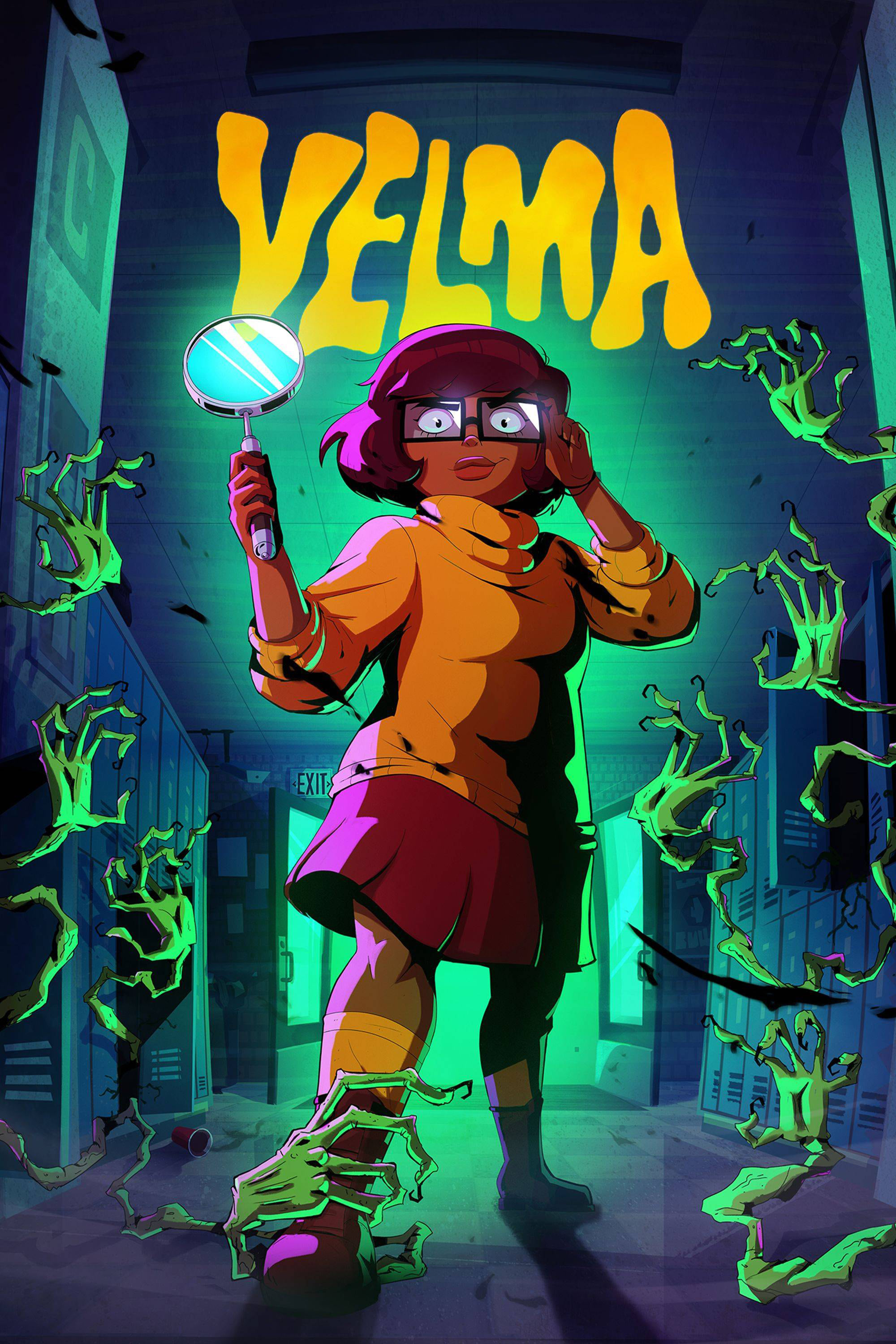
The animated series ‘Velma’ faced significant backlash for its radical reimagining of the classic ‘Scooby-Doo’ characters. Mindy Kaling’s version introduced meta-commentary on social issues and overhauled character identities, which many viewers felt was a deliberate attempt to appeal to Gen Z sensibilities. Critics argued that the inclusion of various LGBTQ subplots felt prioritized over the mystery-solving spirit of the original franchise. This resulted in the series receiving some of the lowest audience scores in history on major review platforms.
‘Gossip Girl’ (2021–2022)
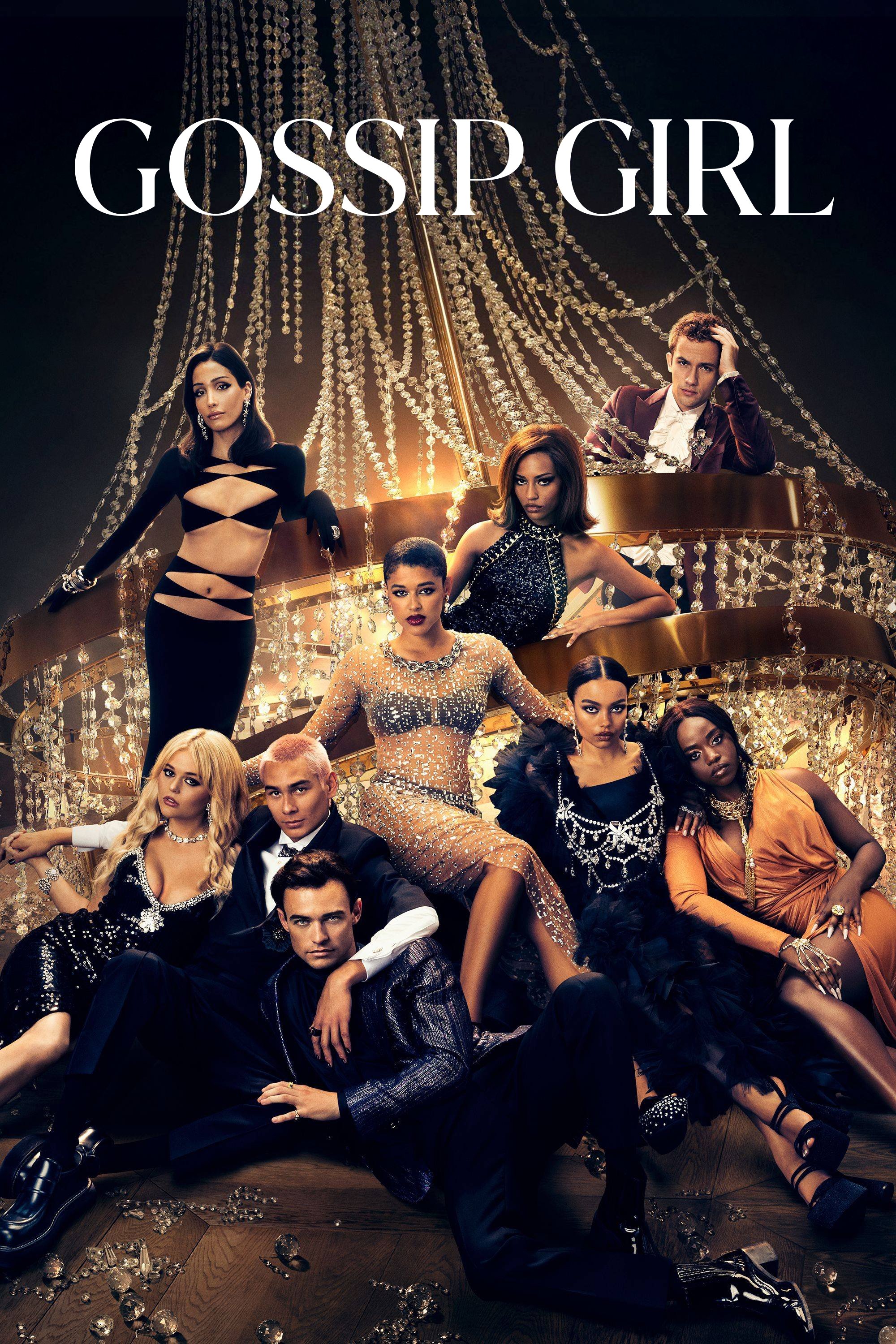
The HBO Max reboot of ‘Gossip Girl’ was often accused of being too “socially conscious” compared to the original show’s focus on escapist privilege. While the update featured a more diverse cast and multiple queer relationships, some critics felt these elements were designed to meet a modern diversity quota. Viewers argued that the shift toward Gen Z activism and identity politics stripped the show of its original allure. This perceived pandering was frequently cited as a reason for the series’ struggle to capture a dedicated fan base before its cancellation.
‘And Just Like That…’ (2021–Present)
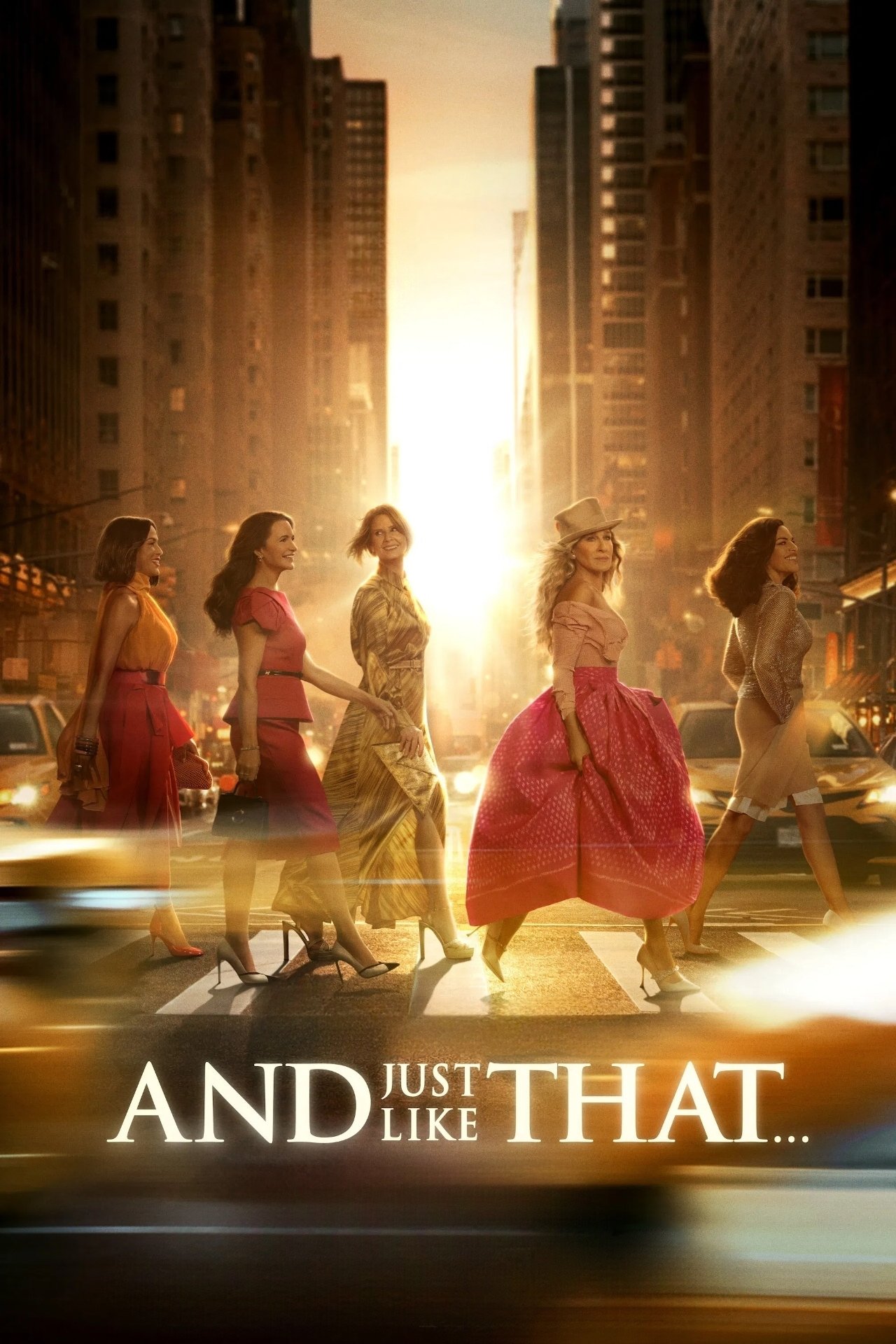
The ‘Sex and the City’ revival, ‘And Just Like That…’, has been a frequent target of criticism for its handling of gender identity and social evolution. The character of Che Diaz became a lightning rod for debate, with many fans feeling the character was a forced inclusion designed to make the legacy show feel modern. Critics argued that the series was overcompensating for past criticisms regarding its lack of diversity by aggressively inserting Gen Z-centric themes. This resulted in significant social media backlash regarding the organic nature of the character development.
‘First Kill’ (2022)
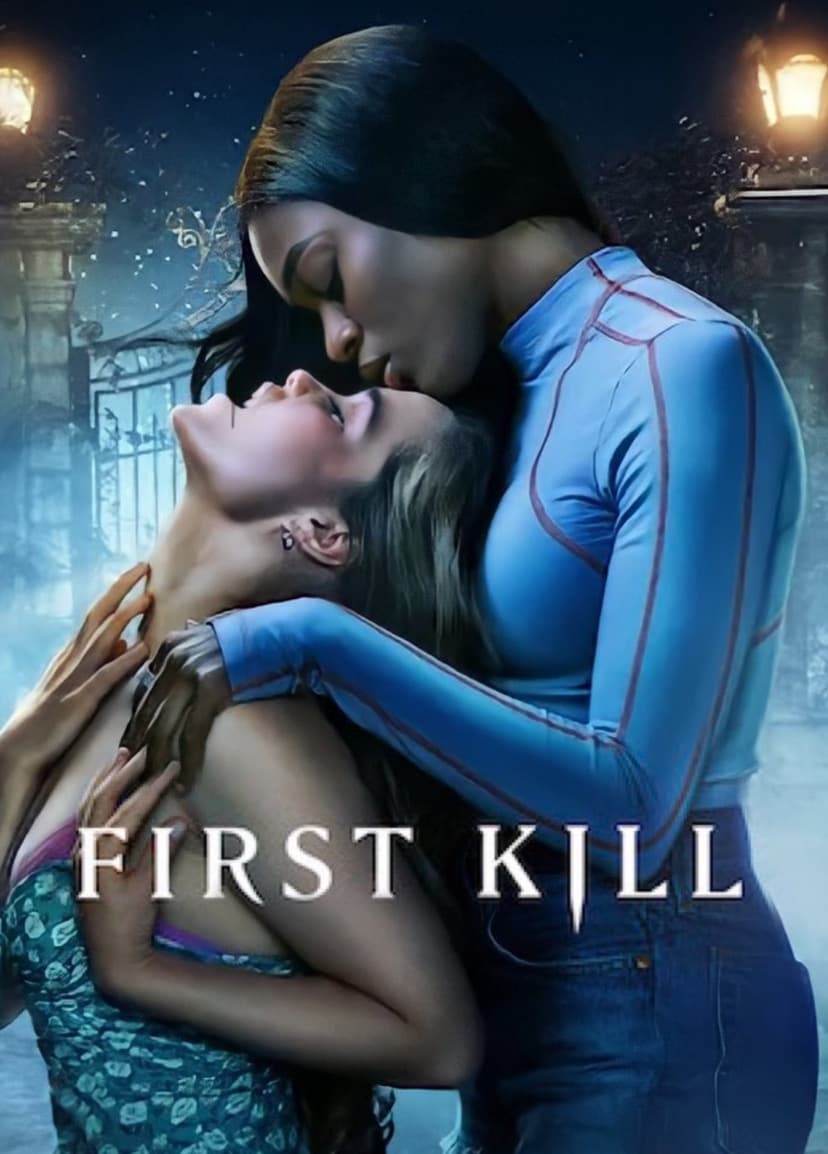
Netflix’s vampire romance ‘First Kill’ was often described by critics as a show that relied heavily on tropes to target a specific younger demographic. The central lesbian relationship was the focus of the marketing, but some viewers felt the writing lacked the depth required for a compelling supernatural drama. Accusations of pandering arose from the belief that the show was “checking boxes” for Gen Z representation without investing in world-building. Despite a vocal fan base, the series was canceled after only one season.
‘Queer as Folk’ (2022)
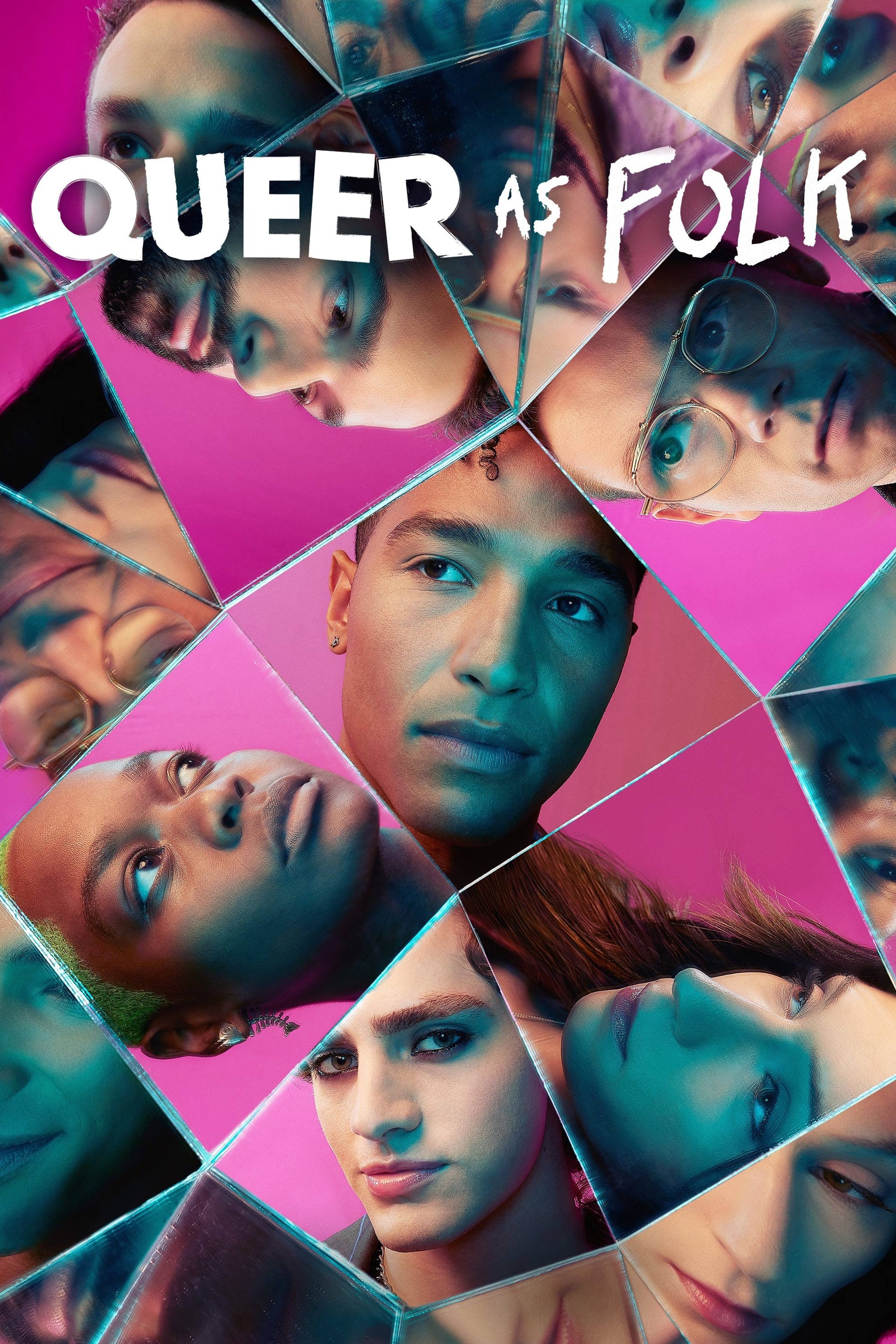
The Peacock reboot of ‘Queer as Folk’ sought to update the classic series by focusing on a hyper-modern and diverse group of friends in New Orleans. While it was praised for its inclusivity, some audiences felt the show tried too hard to capture every facet of modern queer subculture. Critics argued that the narrative felt like a collection of Gen Z social media talking points rather than a cohesive story. This led to a perception that the show was more interested in being a social statement than a character-driven drama.
‘The L Word: Generation Q’ (2019–2023)
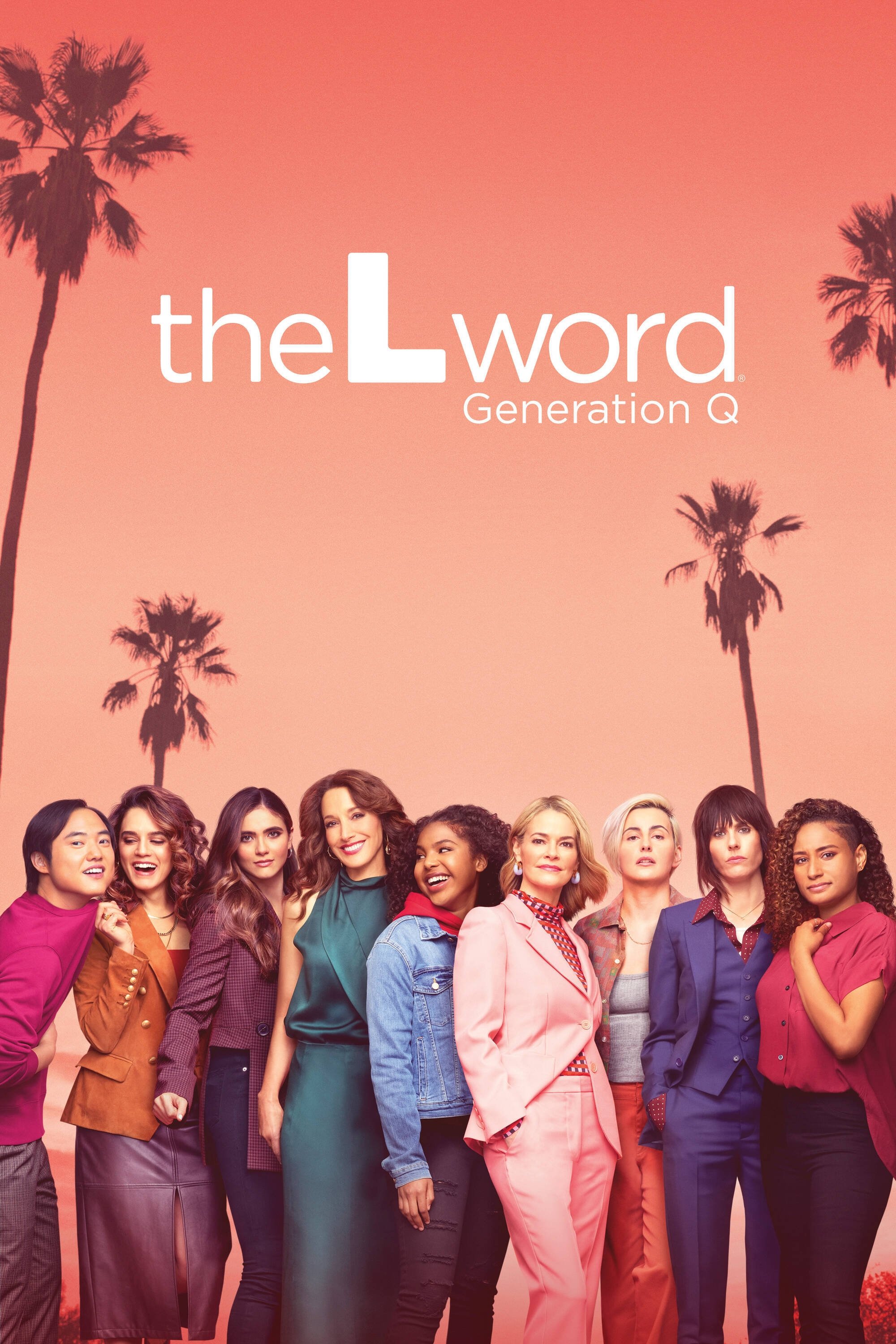
‘The L Word: Generation Q’ attempted to bridge the gap between the original series and a new generation of viewers. However, legacy fans often criticized the show for forcing Gen Z dynamics into the established world of the original cast. Many argued that the new characters were written to fit modern social labels, which sometimes felt at odds with the show’s history. This tension between the old and new styles led to accusations that the reboot was pandering to a demographic that had little connection to the original source material.
‘Riverdale’ (2017–2023)
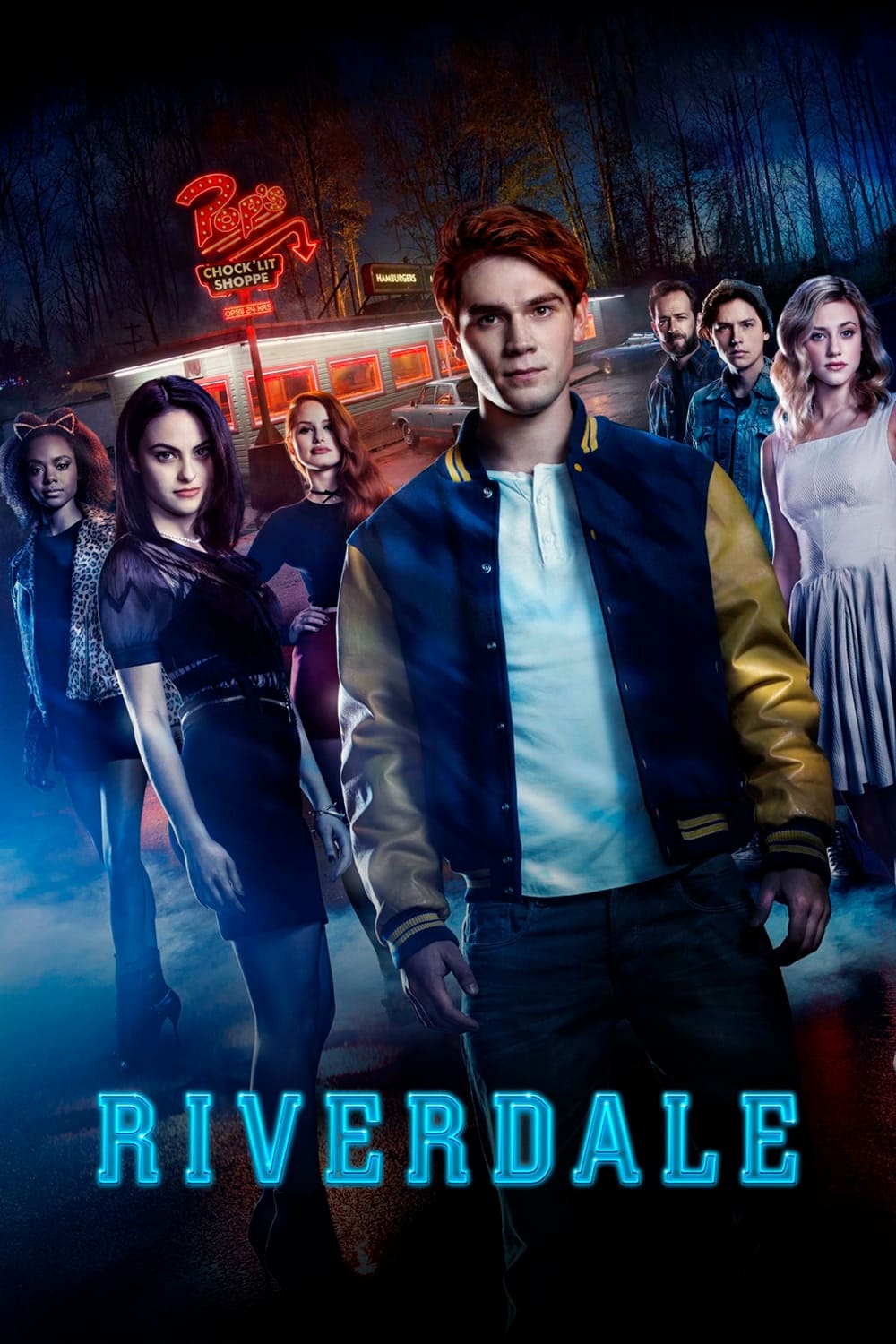
As ‘Riverdale’ progressed, it moved away from its murder-mystery roots into a surreal soap opera often accused of performative activism. The show’s handling of LGBTQ relationships was frequently criticized for being used primarily for shock value or “queerbaiting” tactics. Some viewers felt that the writers were constantly adjusting character sexualities and identities to stay trending among Gen Z audiences. This led to a long-running discourse about whether the show’s diversity was genuine or merely a strategy to maintain its social media presence.
‘Willow’ (2022–2023)
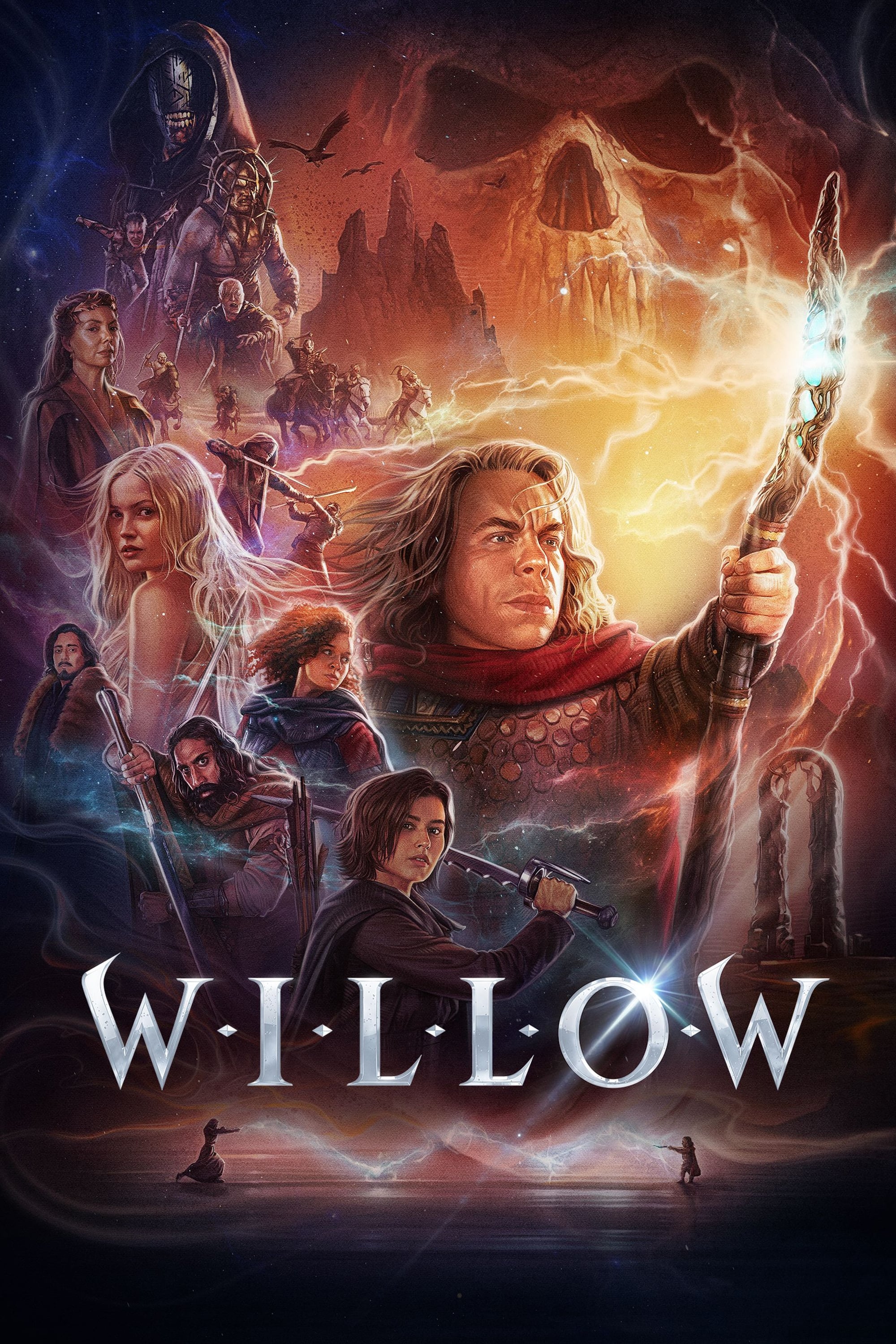
The Disney+ ‘Willow’ series was a direct sequel to the 1988 film, but it took a much more contemporary approach to its characters and dialogue. The inclusion of a central lesbian romance and modern teen-drama tropes led some fans of the original film to accuse the show of pandering to Gen Z. Critics argued that the high-fantasy setting was sidelined in favor of social dynamics that felt more suited to a modern high school drama. The show was eventually removed from the streaming platform, sparking further debate about its creative direction.
‘Elite’ (2018–2024)
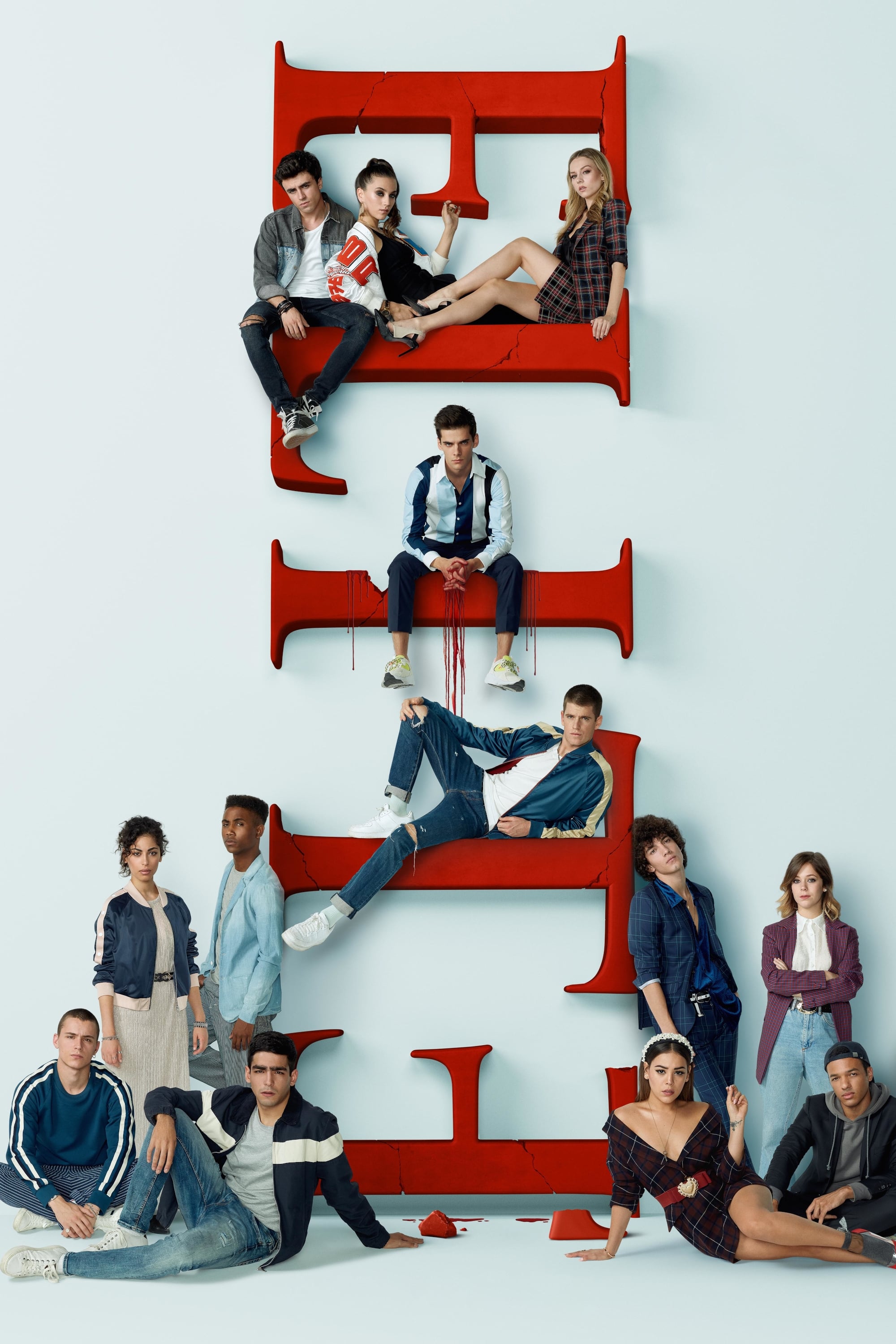
The Spanish teen drama ‘Elite’ became famous for its provocative content and focus on wealthy students, but later seasons faced accusations of stagnation and pandering. Critics and viewers noted that the show increasingly relied on gratuitous queer scenes and shock value to keep its Gen Z audience engaged. Some argued that the character development suffered as a result of the show’s desire to remain a trending topic on social media. This led to a perception that the series had transitioned from a thriller into a collection of forced tropes.
‘Fate: The Winx Saga’ (2021–2022)
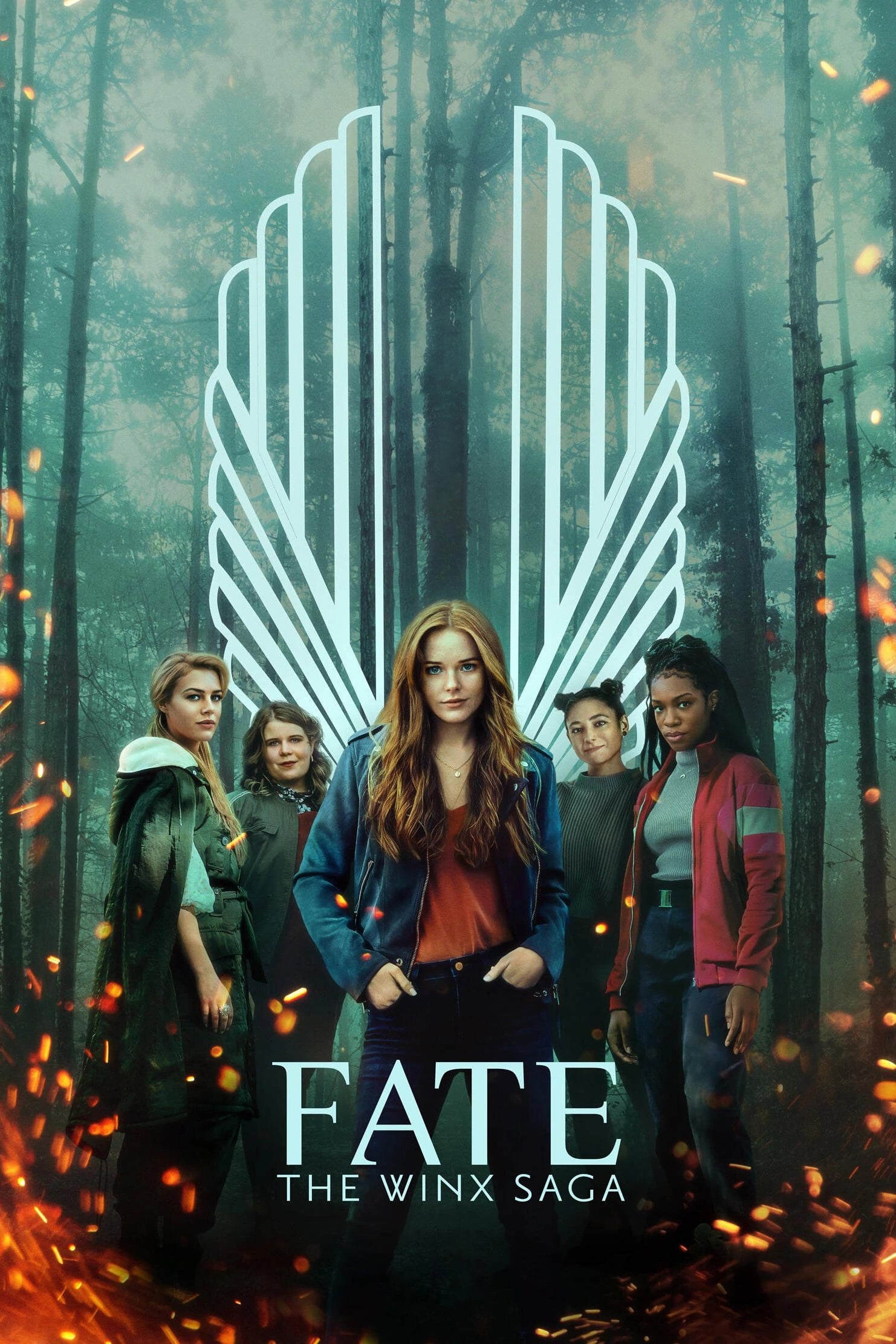
‘Fate: The Winx Saga’ reimagined the colorful ‘Winx Club’ cartoon as a gritty, “Riverdale-esque” live-action drama. Fans of the original series were often unhappy with the changes made to character backgrounds and the inclusion of modern social drama. Some critics argued that the show’s attempt to modernize its cast felt like a corporate mandate to appeal to Gen Z aesthetics. This led to frequent accusations that the show was ignoring its source material in favor of checking modern representation boxes.
‘Genera+ion’ (2021)
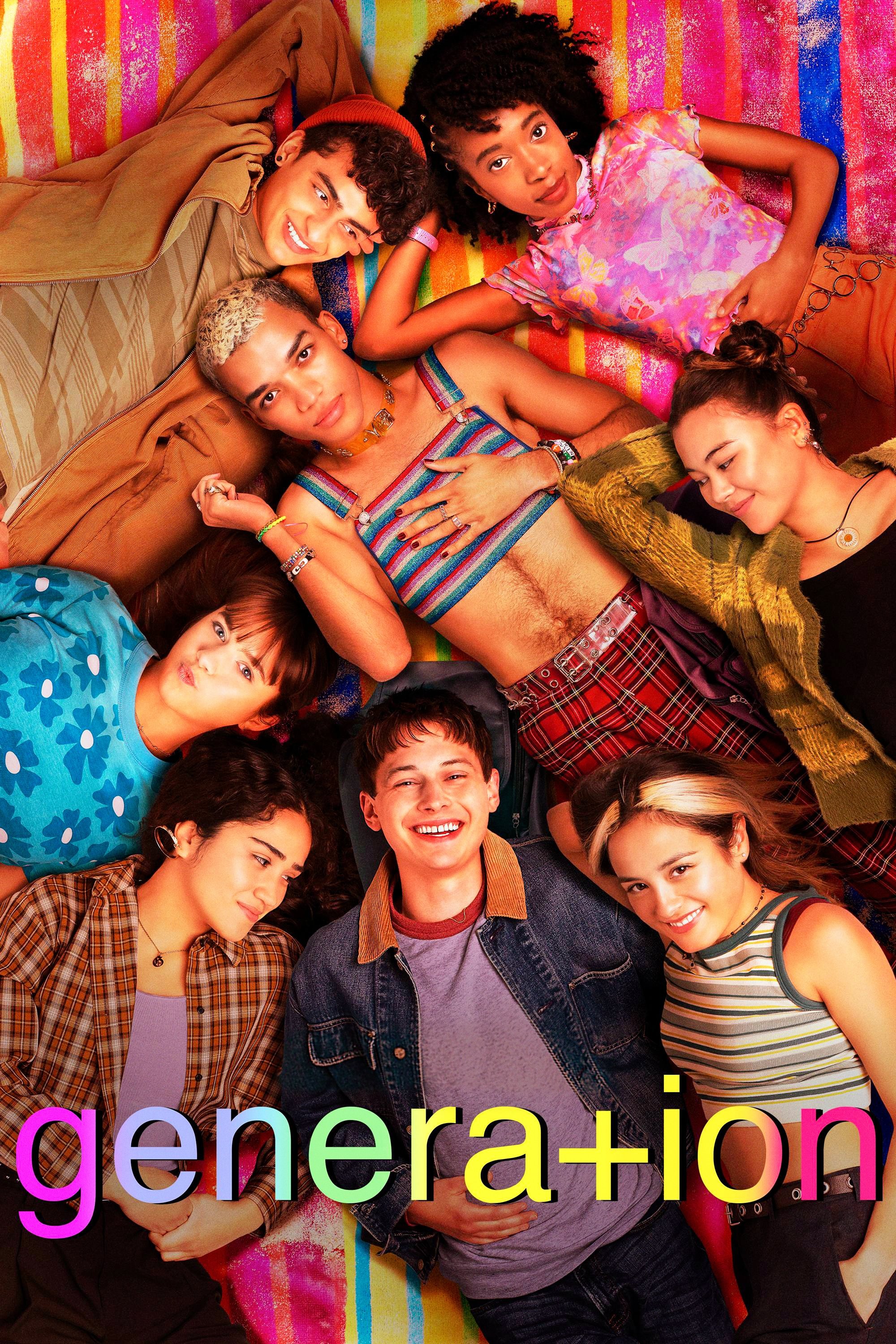
Produced by Lena Dunham, ‘Genera+ion’ was explicitly designed to be a definitive look at Gen Z sexuality and identity. However, the show was often criticized for feeling like an outsider’s exaggerated perspective on how modern teenagers act and speak. Many viewers felt the various LGBTQ storylines were “forced” to cover as much ground as possible in a single season. This perceived lack of authenticity contributed to the show’s cancellation after its initial run on HBO Max.
‘High School Musical: The Musical: The Series’ (2019–2023)
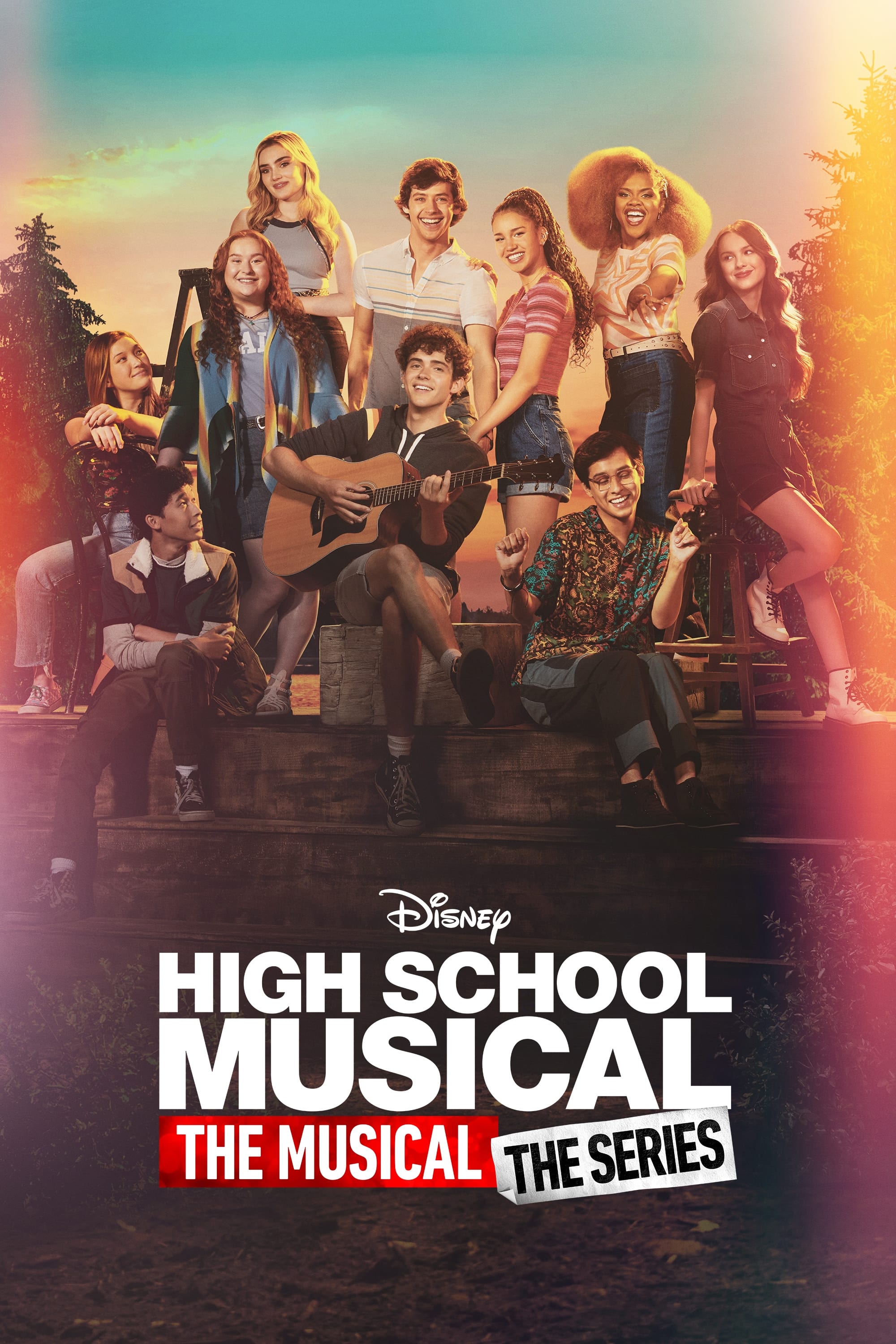
This meta-reboot of the ‘High School Musical’ franchise was widely praised for its inclusivity, but it also faced accusations of being overly tactical. Some audiences felt that Disney+ was using the show to signal a shift in corporate values specifically for a younger, more progressive audience. Critics argued that certain LGBTQ subplots were introduced with a “sanitized” feel that catered to Gen Z expectations without taking real narrative risks. This led to ongoing discussions about the fine line between authentic representation and brand management.
‘Pretty Little Liars: Original Sin’ (2022–Present)
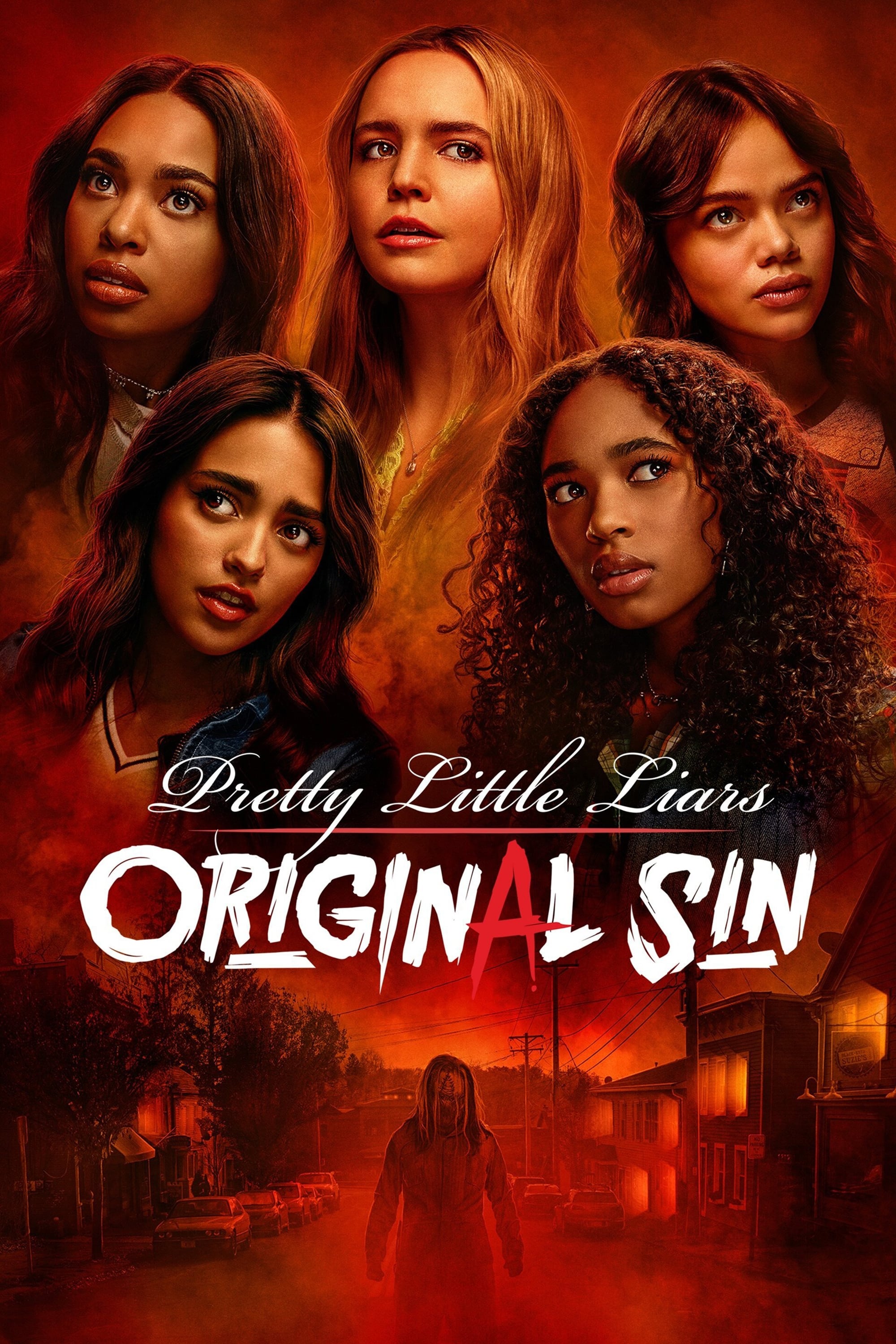
The revival of the ‘Pretty Little Liars’ franchise pivoted into the slasher genre while leaning heavily into modern social justice themes. Some viewers argued that the show’s focus on trauma and identity felt like it was following a Gen Z marketing playbook. Critics pointed out that the social commentary often felt disconnected from the central mystery, making the inclusive elements feel performative. This led to accusations that the show was more focused on being “woke” than on being a compelling thriller.
‘The Sex Lives of College Girls’ (2021–Present)
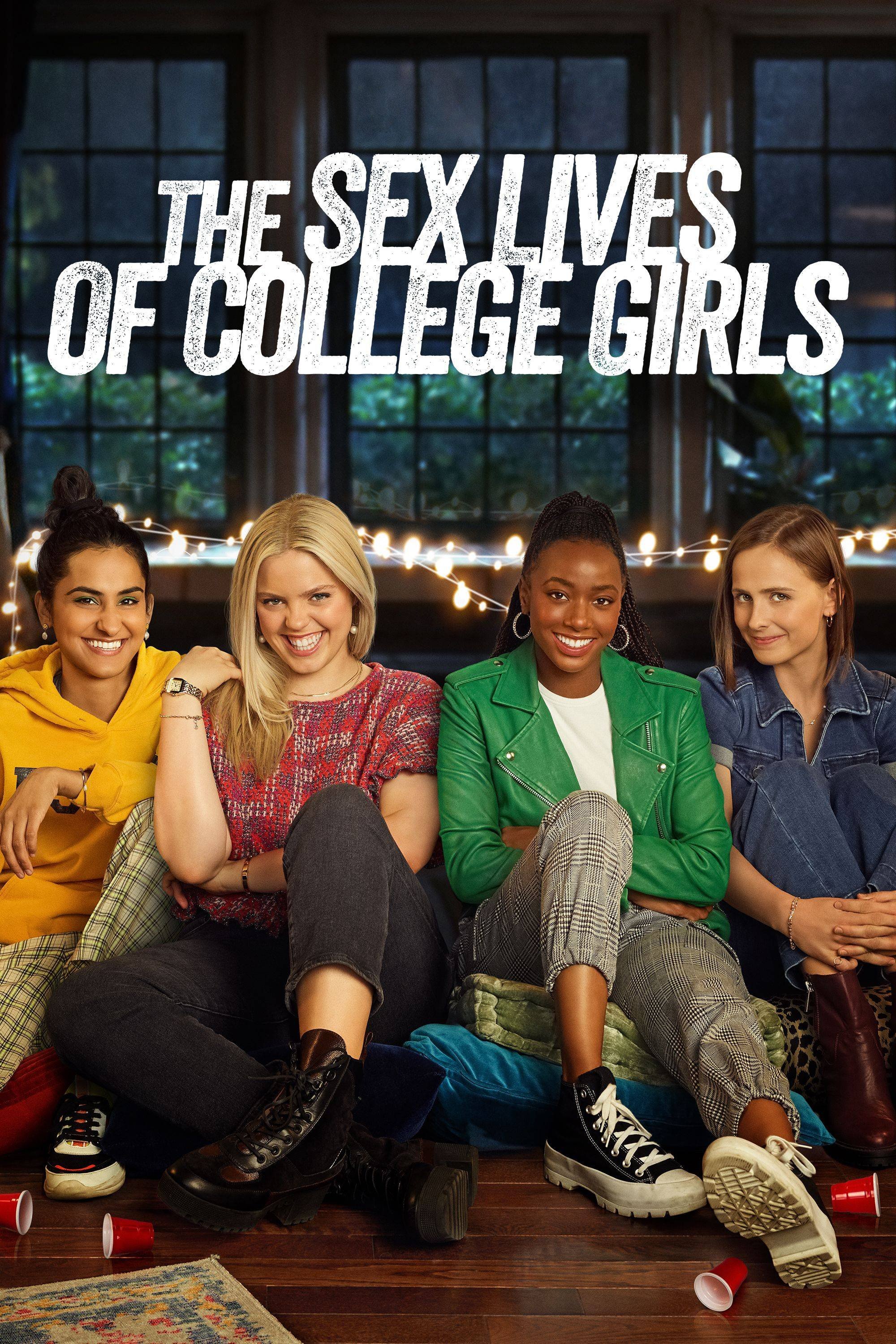
While ‘The Sex Lives of College Girls’ has been a critical success, it has not escaped accusations of demographic pandering. Some viewers have argued that the four main characters are designed to represent a perfect “diversity checklist” for a Gen Z audience. Critics sometimes noted that the exploration of queer identity and social dynamics can feel like it is following a pre-written script of modern sensitivities. Despite this, the show remains popular for its humor and its specific focus on the college experience.
‘Sex Education’ (2019–2023)
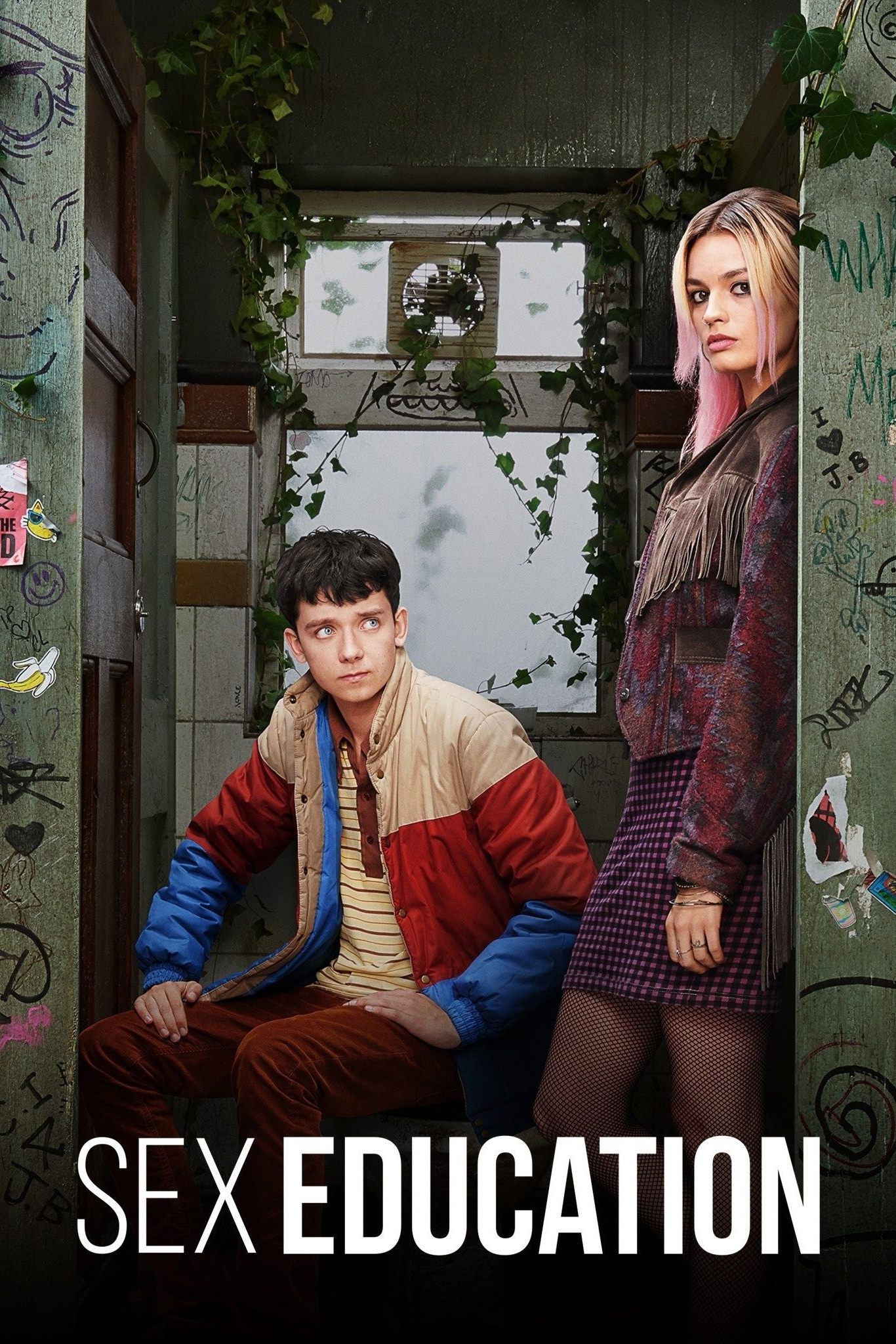
The final season of ‘Sex Education’ faced a notable shift in reception due to the introduction of several new queer characters at a new college. Longtime fans argued that these additions felt forced and took screen time away from the established characters audiences had grown to love. Some critics observed that the show moved toward an “idealized” version of Gen Z life that felt disconnected from the grounded reality of the earlier seasons. This led to accusations that the series was prioritizing a representation-heavy finale over consistent storytelling.
‘Heartbreak High’ (2022–Present)
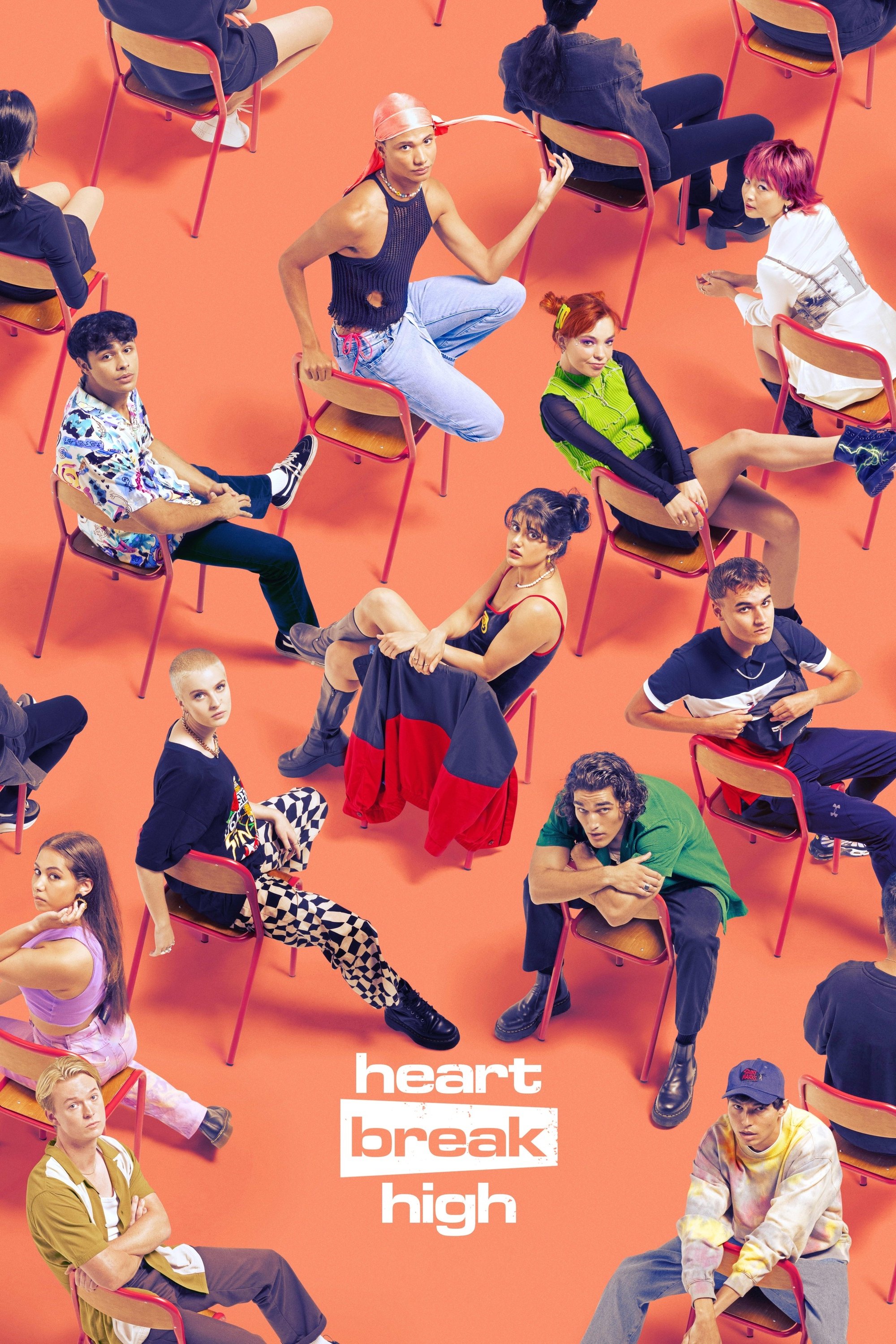
The Australian reboot ‘Heartbreak High’ was designed specifically to reflect the lives of Gen Z students today. While it received praise for its authentic feel, some segments of the audience accused it of being a “fever dream” of modern identity politics. Critics of the show argued that the inclusion of various LGBTQ identities and social issues felt like a deliberate attempt to appeal to a global, progressive youth market. This resulted in a divide between those who saw it as authentic and those who saw it as performative pandering.
‘Chilling Adventures of Sabrina’ (2018–2020)
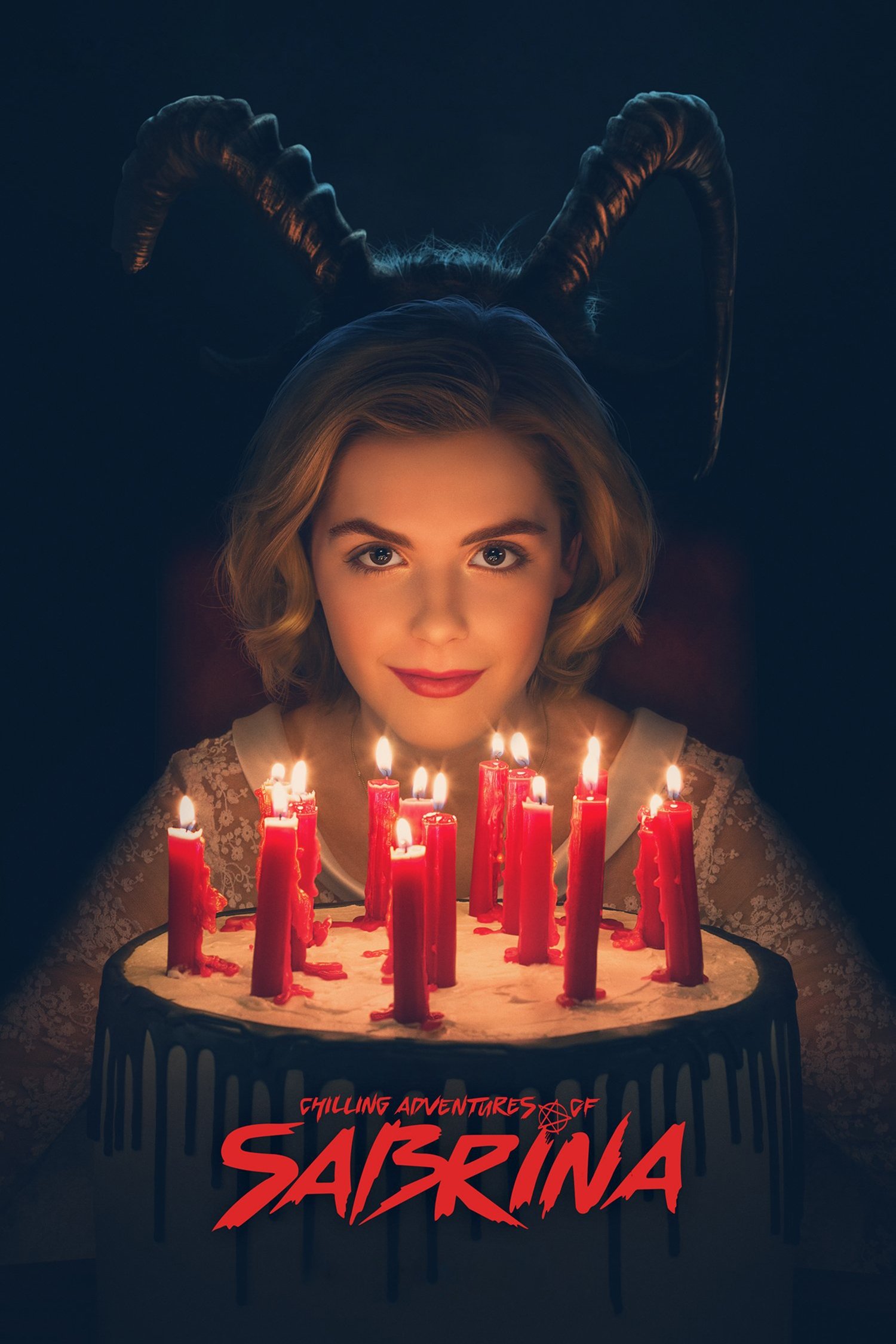
As ‘Chilling Adventures of Sabrina’ progressed, it increasingly incorporated themes of gender identity and feminist activism into its occult plot. Some fans felt that these elements became heavy-handed in the later seasons, distracting from the central horror themes. Accusations of pandering arose when subplots involving character transitions and social movements felt like they were written to appease a Gen Z social media audience. This shift in focus was often cited as a point of contention for viewers who preferred the darker, lore-driven early episodes.
‘Batwoman’ (2019–2022)
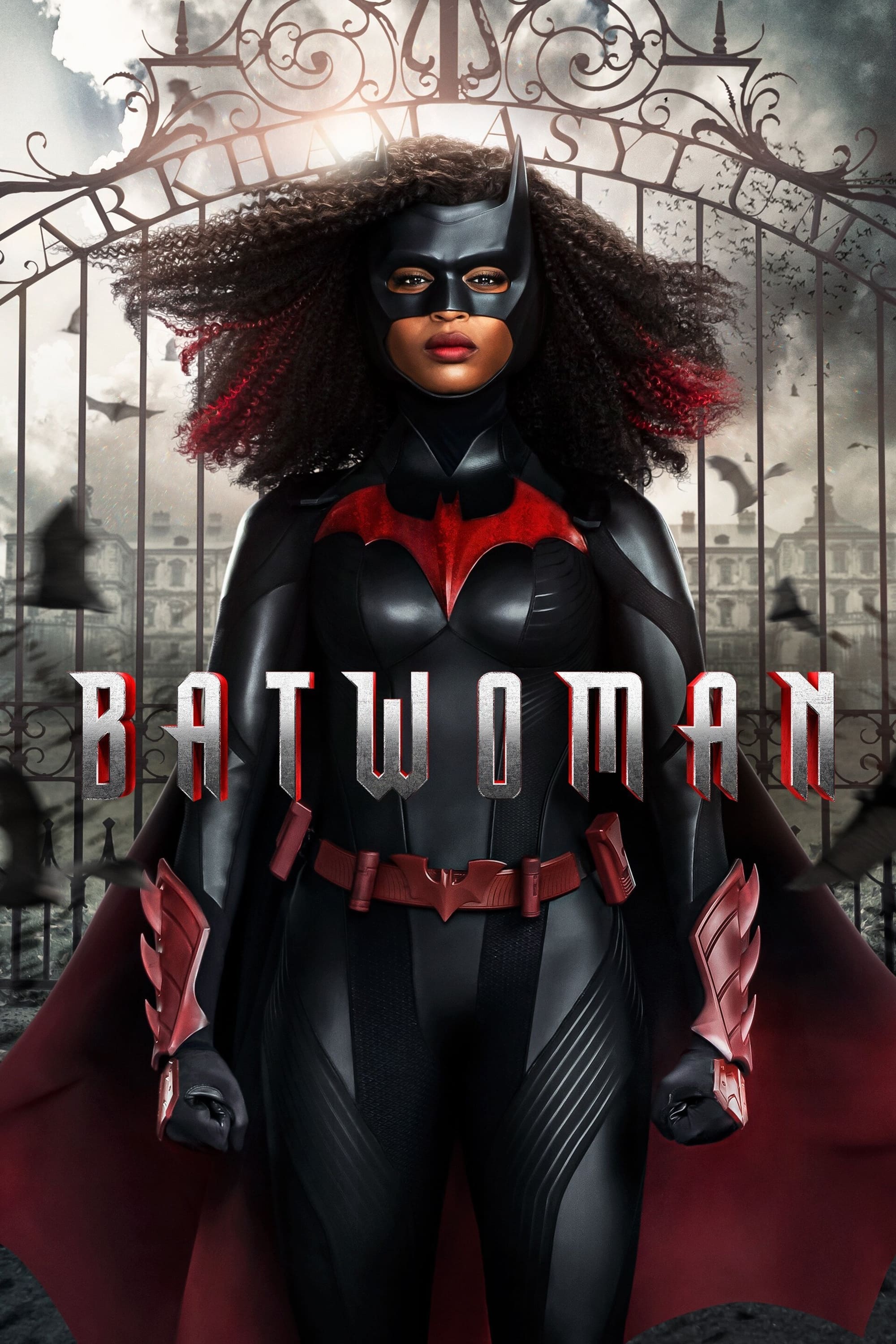
The CW series ‘Batwoman’ was a frequent subject of controversy throughout its three-season run. From its initial marketing, the show was accused of prioritizing social messaging and the lead character’s sexuality over traditional superhero storytelling. Many viewers felt that the dialogue and plotlines were “forced” to align with Gen Z political views, leading to a disconnect with a broader audience. These accusations of an “agenda-driven” narrative were often linked to the show’s struggling ratings and ultimate cancellation.
‘The Wheel of Time’ (2021–Present)
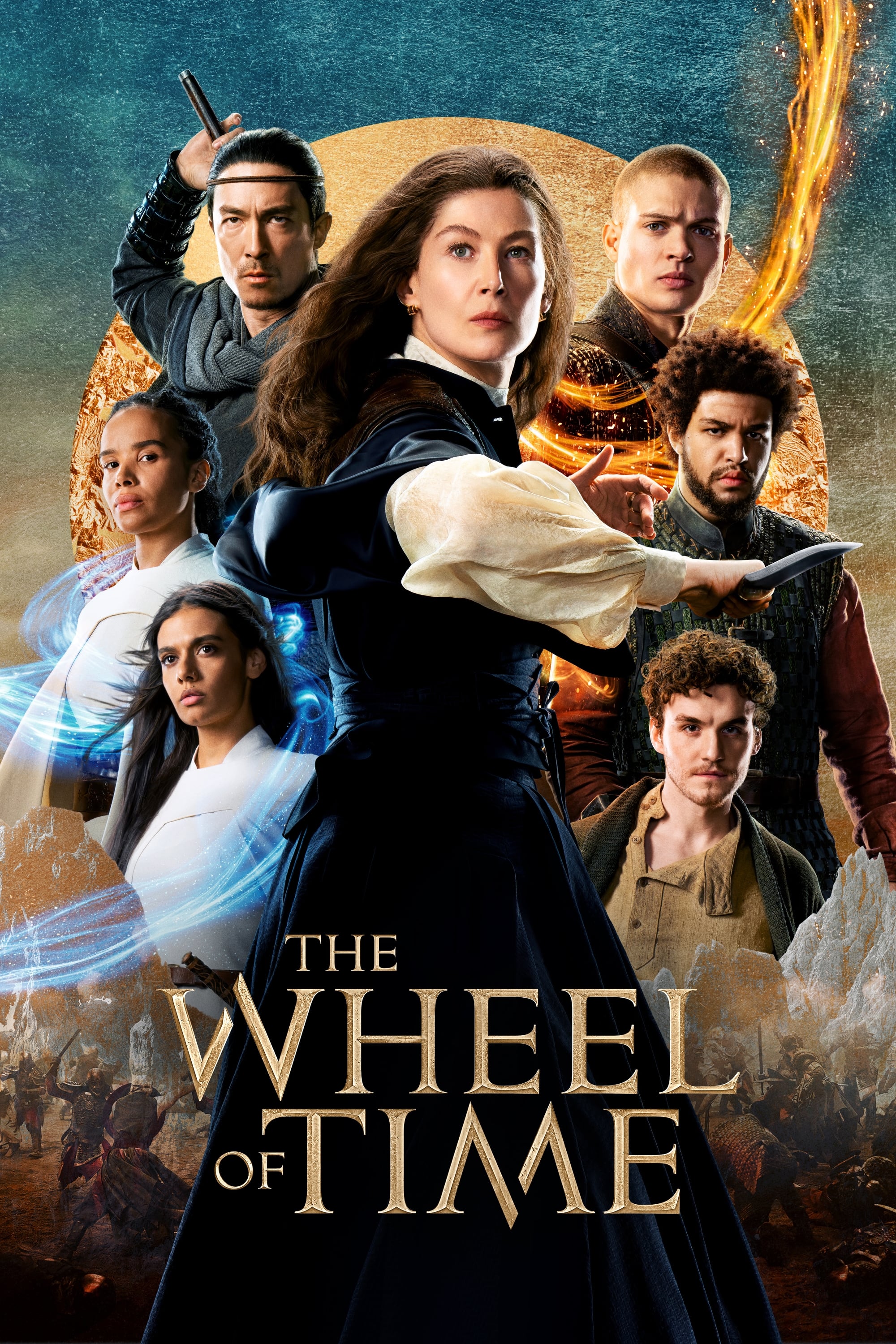
Amazon’s adaptation of ‘The Wheel of Time’ drew criticism from book purists for making significant changes to the source material. Some of these changes involved emphasizing or creating LGBTQ relationships that were not present or as prominent in the original novels. Critics argued that these adjustments were made to modernize the story for a Gen Z audience that expects high levels of diverse representation. This sparked a debate about the balance between staying true to legacy literature and updating themes for contemporary viewers.
‘The Lord of the Rings: The Rings of Power’ (2022–Present)
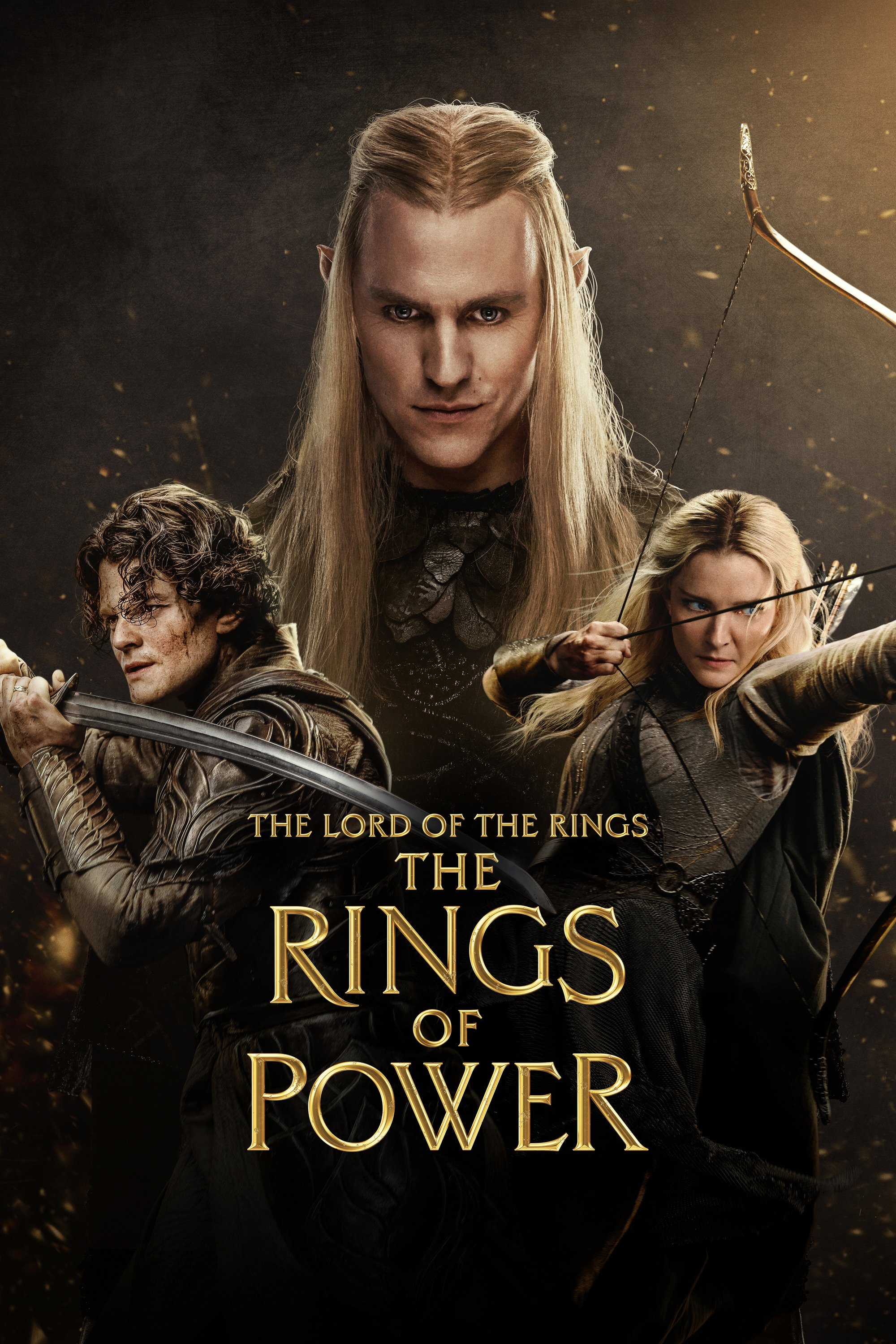
‘The Lord of the Rings: The Rings of Power’ became a focal point of intense online debate regarding its modernization of Tolkien’s world. While the show was praised for its visual scope, some audiences accused the creators of injecting modern social dynamics to attract younger viewers. The discourse often centered on whether the inclusion of diverse casting and contemporary relationship themes was organic or a corporate strategy. Critics of this approach argued that the series was more concerned with Gen Z sensibilities than with Tolkien’s specific lore.
‘A League of Their Own’ (2022)
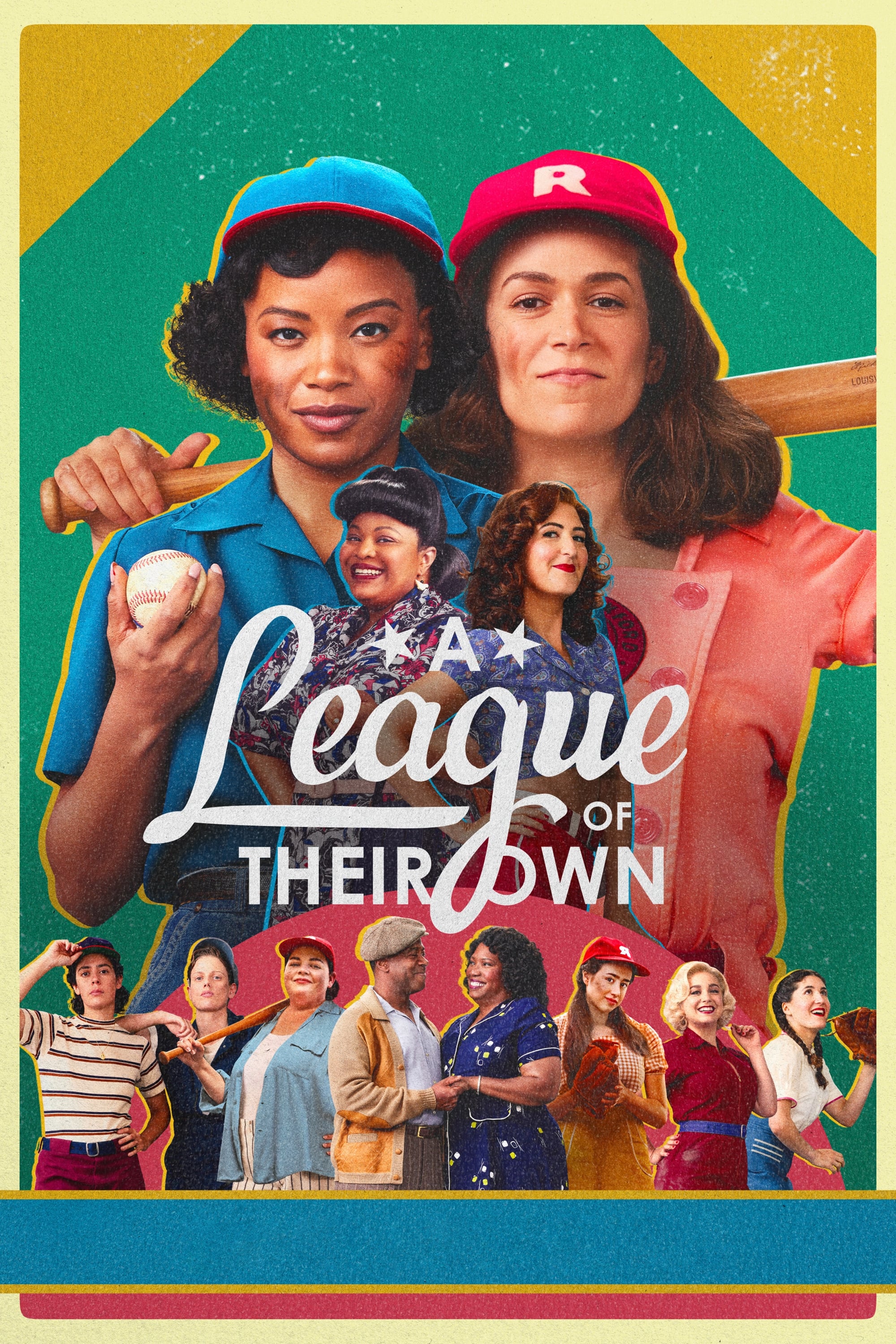
The TV adaptation of ‘A League of Their Own’ took a very different path than the 1992 film, focusing heavily on queer history and racial struggles. While many praised this deeper dive into marginalized stories, others felt the shift was an example of “woke” pandering. Some viewers argued that the show felt like a modern Gen Z drama dressed in 1940s clothing. This led to a split in the audience between those who appreciated the representation and those who felt it was a forced update of a classic story.
‘Euphoria’ (2019–Present)
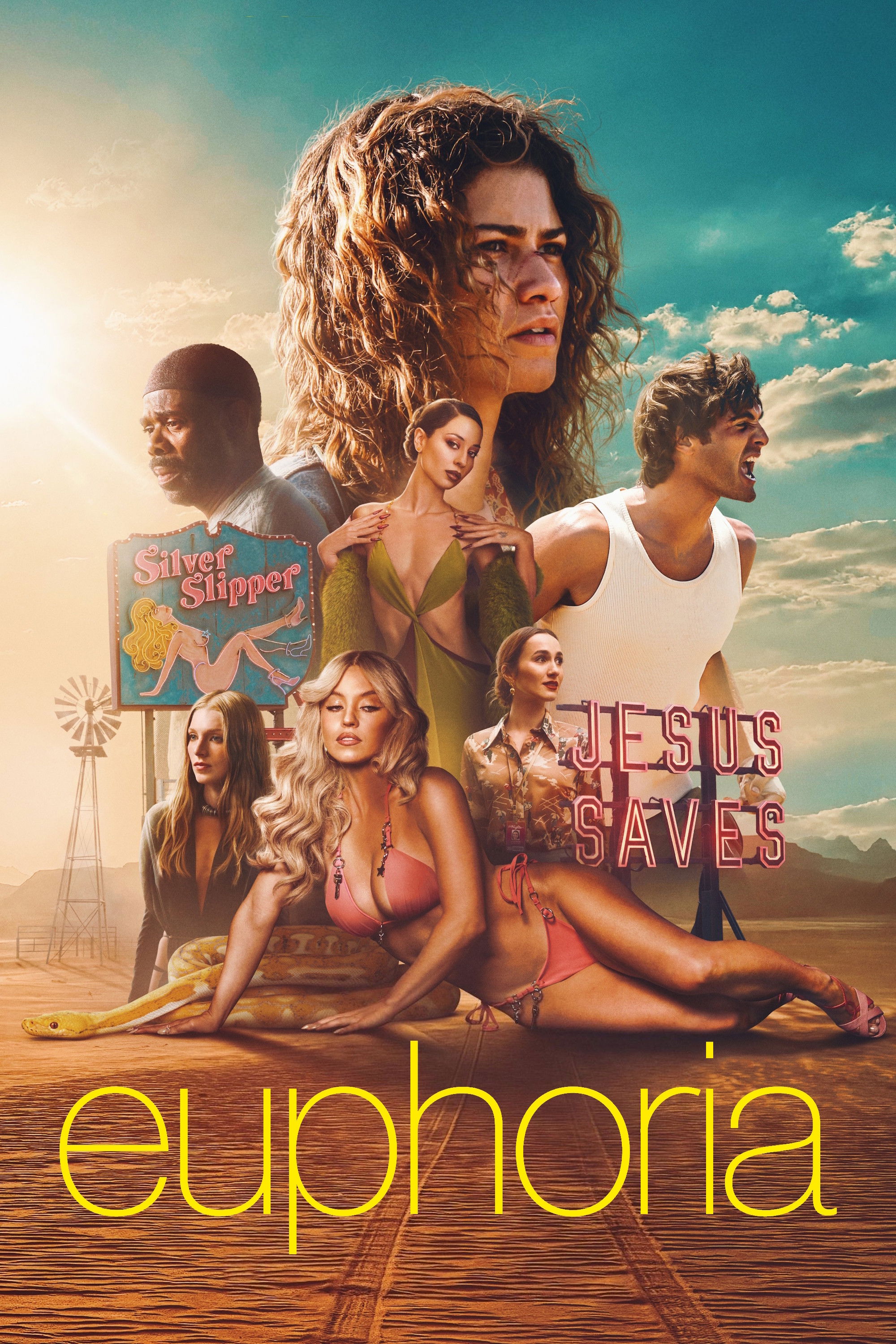
‘Euphoria’ is often cited as the definitive Gen Z drama, but it has also been accused of aestheticizing LGBTQ trauma for a “cool” factor. Critics have argued that the show’s extreme depictions of sexuality and identity are designed to maintain a provocative presence on social media. Some viewers feel that the show panders to a younger demographic by prioritizing style and shock value over nuanced character development. This has led to ongoing discussions about whether the show is a true reflection of youth or a stylized corporate product.
‘Santa Inc.’ (2021)
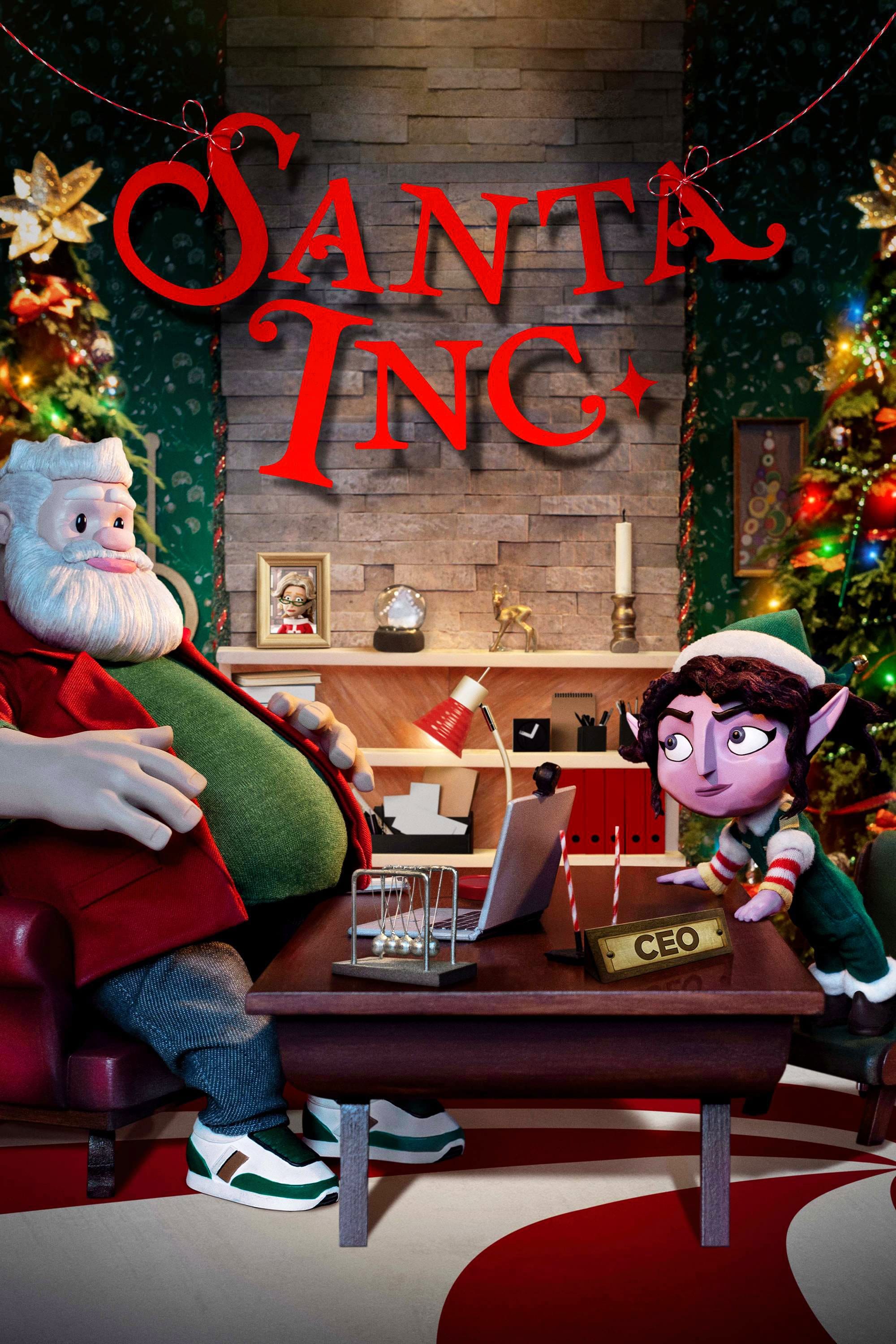
The animated series ‘Santa Inc.’ received an overwhelmingly negative response from audiences upon its release. Much of the criticism was directed at the show’s aggressive social commentary and its attempt to “deconstruct” holiday traditions with modern identity politics. Viewers accused the show of being a heavy-handed attempt to pander to Gen Z activists while alienating a broader audience. The series became one of the lowest-rated shows on several review platforms, with many citing its “forced” messaging as the primary issue.
‘Doctor Who’ (1963–Present)
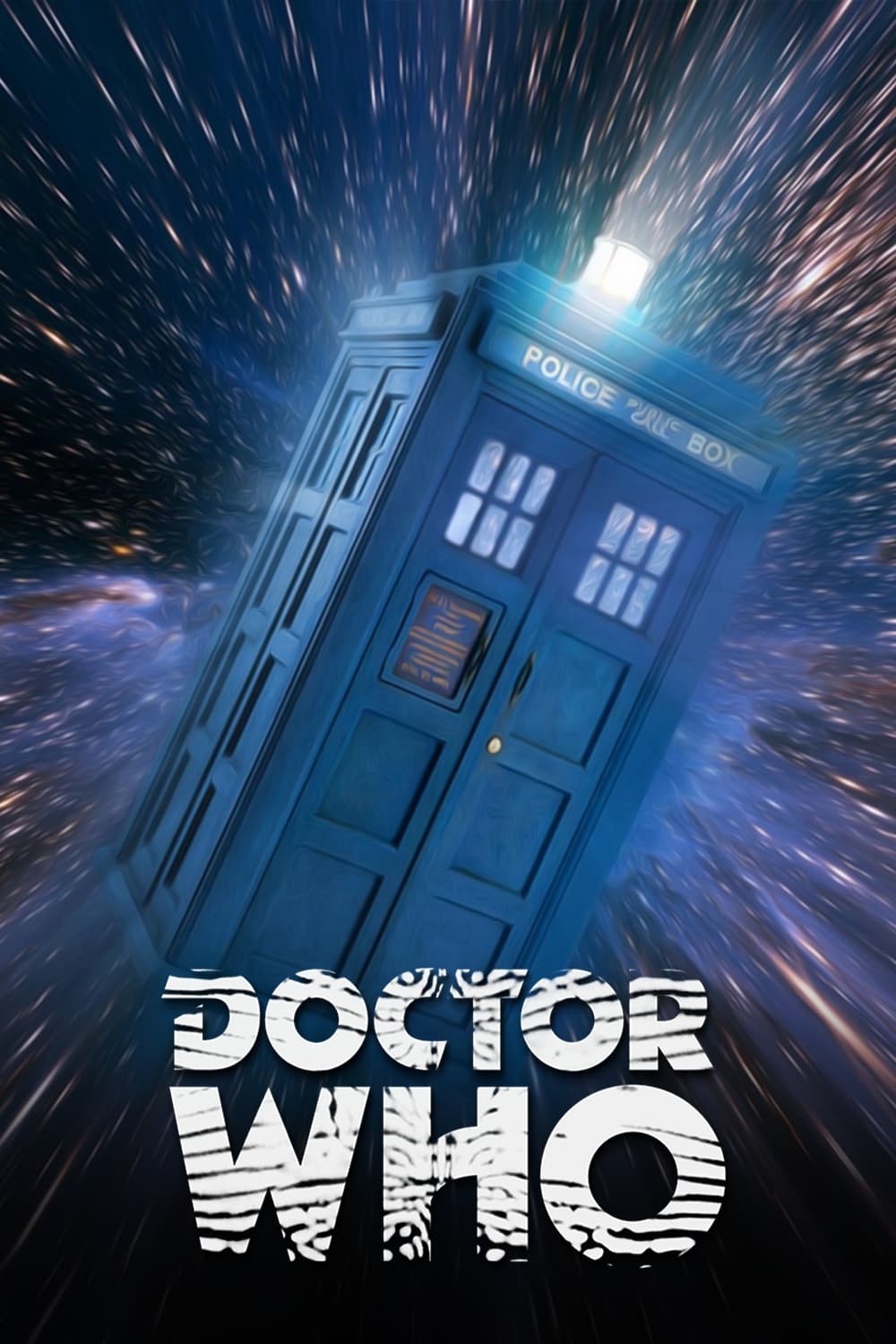
In recent years, the long-running series ‘Doctor Who’ has faced a surge in accusations of “woke” pandering. The transition to more diverse casting and the inclusion of explicit LGBTQ themes and social commentary led to a divide among the fan base. Some viewers felt that the show’s narrative began to focus more on modern identity politics than on the traditional sci-fi adventures that defined its legacy. This sentiment has been particularly vocal during the eras of the Thirteenth and Fifteenth Doctors.
‘Tiny Pretty Things’ (2020)
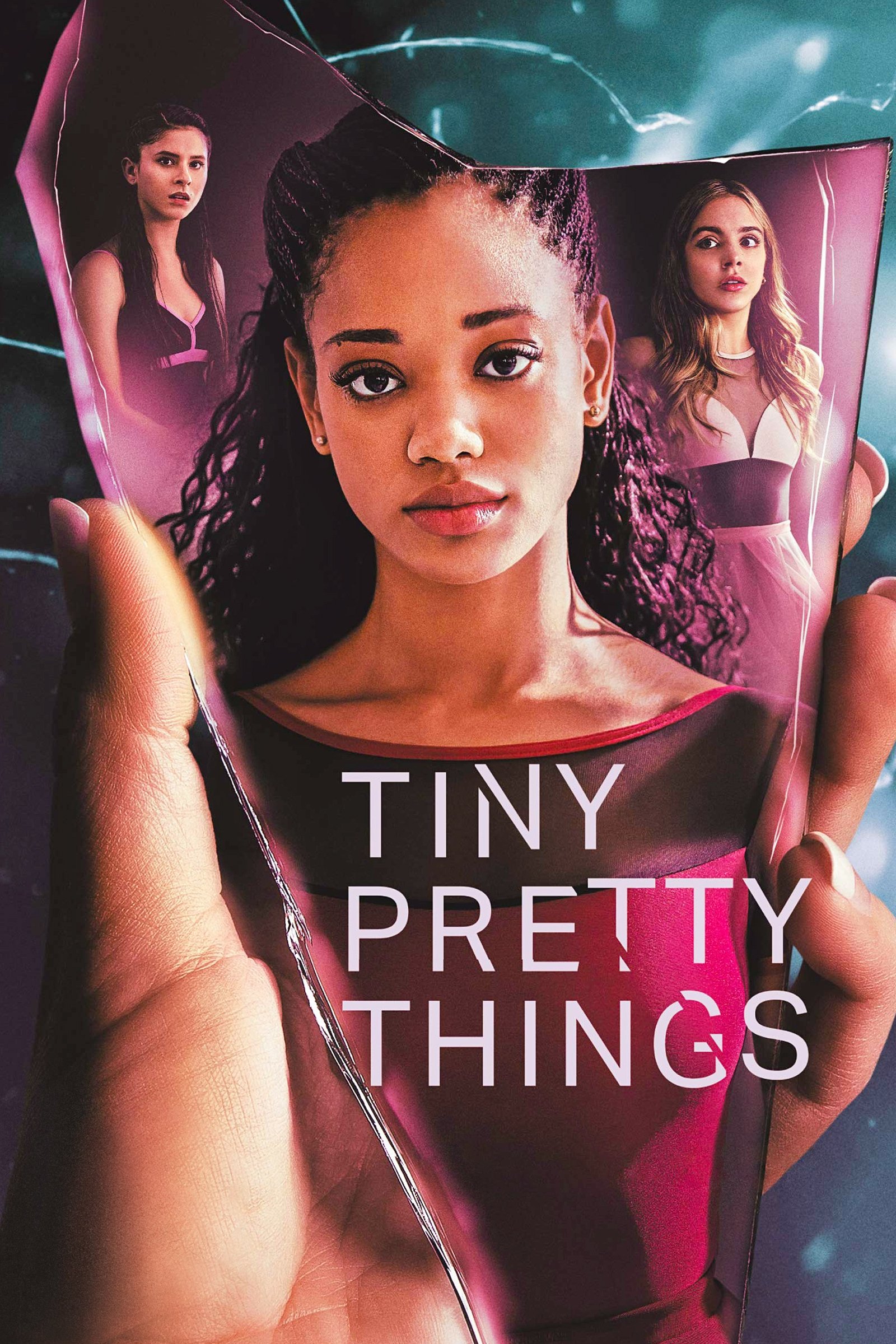
Netflix’s ‘Tiny Pretty Things’ was often compared to a mix of ‘Black Swan’ and ‘Gossip Girl’, but with a focus on Gen Z themes. The show featured a wide range of diverse characters and LGBTQ subplots that some critics felt were “tacked on” to the central mystery. Many argued that the series was a “checklist show” that tried to include every possible modern social issue in its first season. This perceived lack of focus contributed to the show being canceled after just one season.
‘Trinkets’ (2019–2020)

‘Trinkets’ followed three teenage girls who form an unlikely bond in a Shoplifters Anonymous group. While the show was praised for its performances, some critics felt the inclusion of various LGBTQ identities was handled in a way that felt like a “Netflix mandate.” Viewers argued that the show’s tone was heavily influenced by a desire to be the “next big Gen Z hit” by following a specific diversity blueprint. This resulted in a perception that the show was more of a demographic experiment than a character-driven story.
‘The Baby-Sitters Club’ (2020–2021)
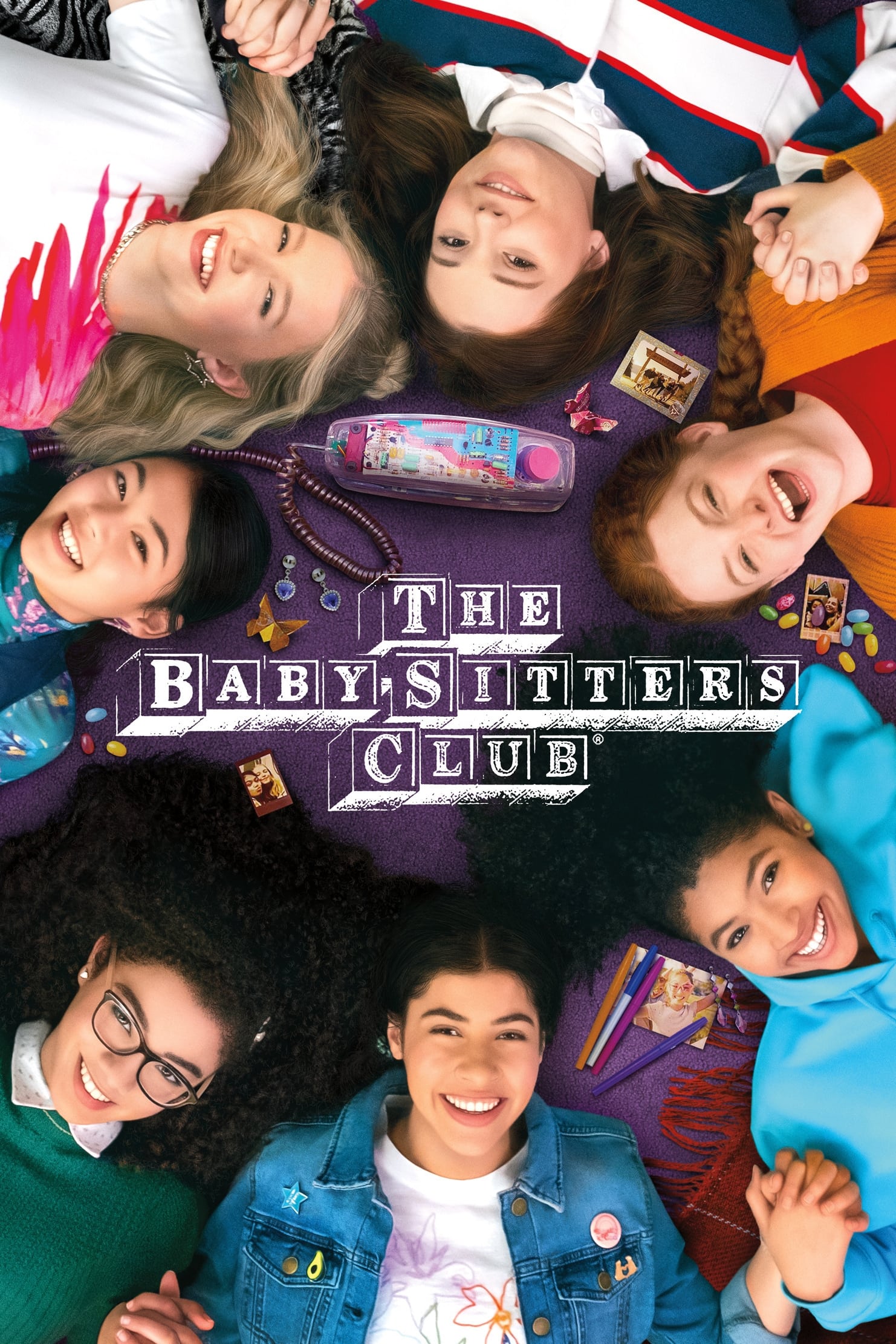
The Netflix reboot of ‘The Baby-Sitters Club’ updated the classic book series for a modern audience, which included introducing a transgender character in its first season. While many parents and critics praised the move for its inclusivity, a segment of the audience accused the show of pandering to “woke” culture. Critics argued that the update was a deliberate attempt to inject Gen Z identity politics into a series that was originally more focused on simple childhood lessons. This controversy highlighted the tension between updating legacy IP and maintaining its original spirit.
‘One of Us Is Lying’ (2021–2022)
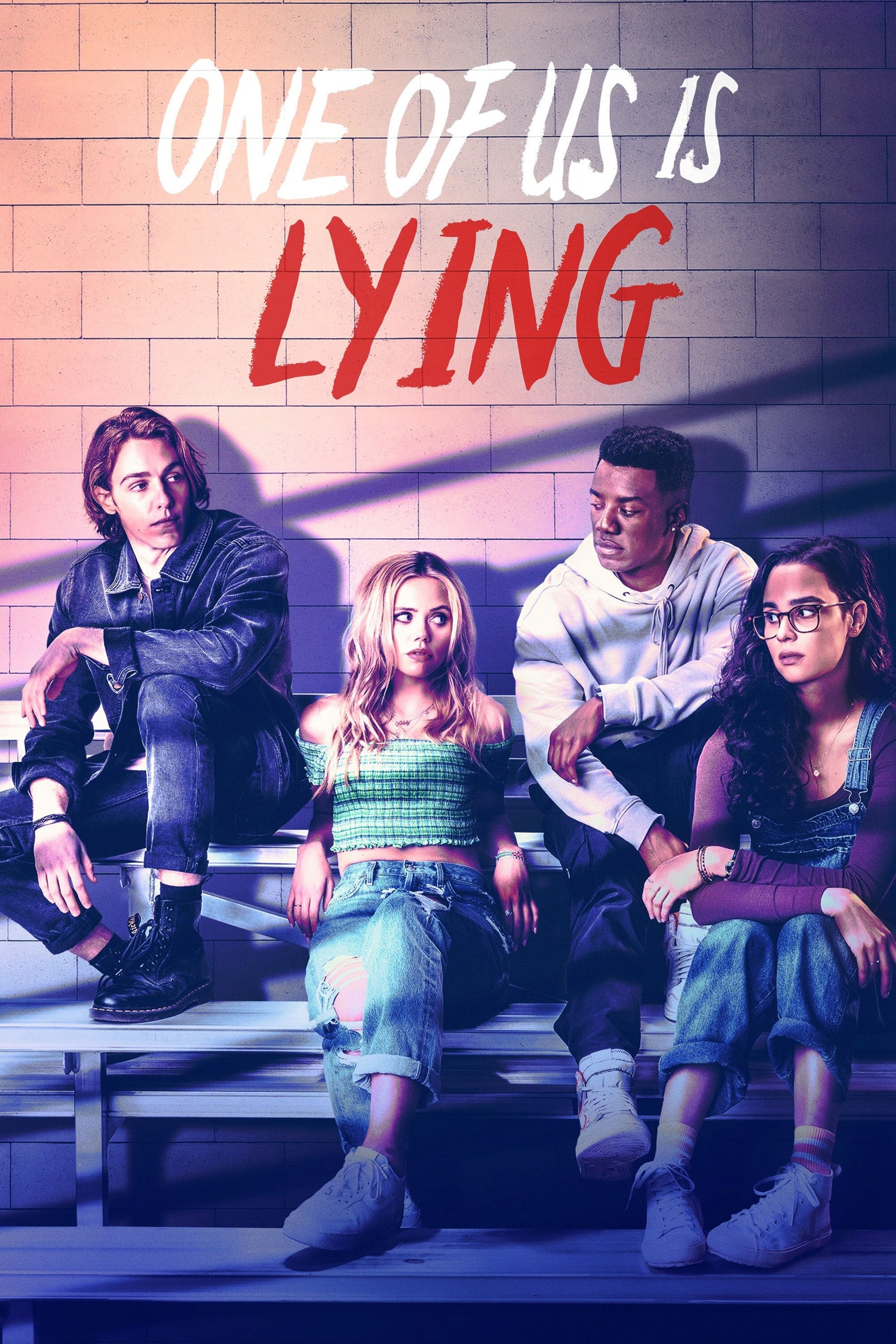
The Peacock adaptation of ‘One of Us Is Lying’ made several changes to the original novel to make it “edgier” for a streaming audience. This included expanding certain LGBTQ subplots and social dynamics that some fans felt were not central to the mystery. Critics argued that the show was attempting to replicate the success of ‘Elite’ or ‘Euphoria’ by adding “forced” drama tailored to Gen Z viewers. This led to a feeling that the show was more interested in aesthetic trends than in the source material’s plot.
‘Vampire Academy’ (2022)
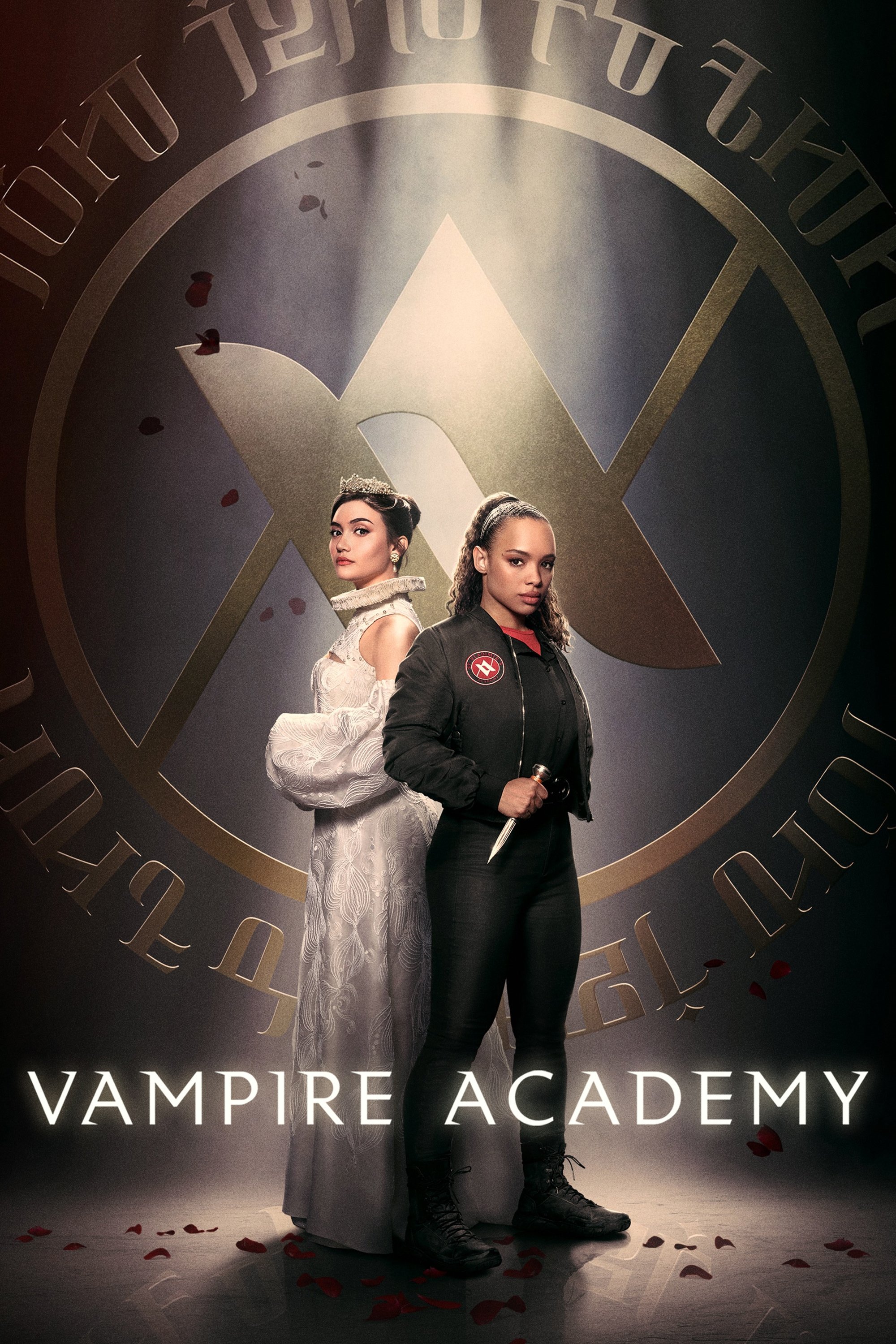
The second attempt at adapting the ‘Vampire Academy’ series was a television show that leaned heavily into political intrigue and modern social themes. Fans of the books often criticized the series for changing character backgrounds and dynamics to fit a modern “diversity quota.” Some viewers felt that the focus on identity and social hierarchy was a forced attempt to make the supernatural story feel like a Gen Z social allegory. The series was ultimately canceled after its first season due to a lack of audience engagement.
‘Resident Evil’ (2022)
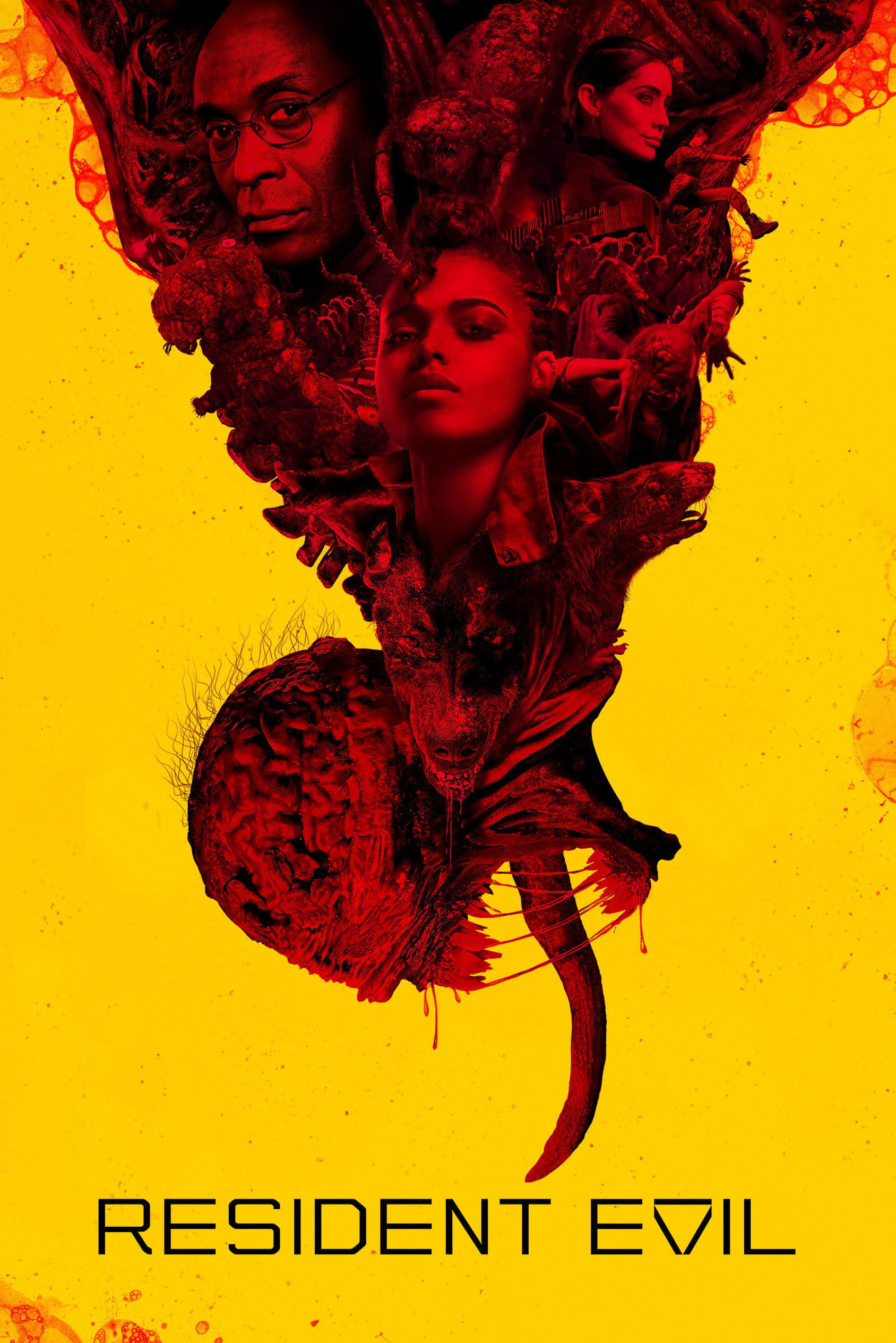
Netflix’s live-action ‘Resident Evil’ series was widely panned for its departure from the horror elements of the video game franchise. Instead, the show focused on teen drama and modern social dynamics, which many fans felt was a blatant attempt to pander to a non-fanbase Gen Z audience. Critics argued that the inclusion of various LGBTQ subplots and contemporary references felt out of place in a survival-horror setting. This disconnect between the brand and the execution led to the show’s quick cancellation.
‘Cowboy Bebop’ (2021)
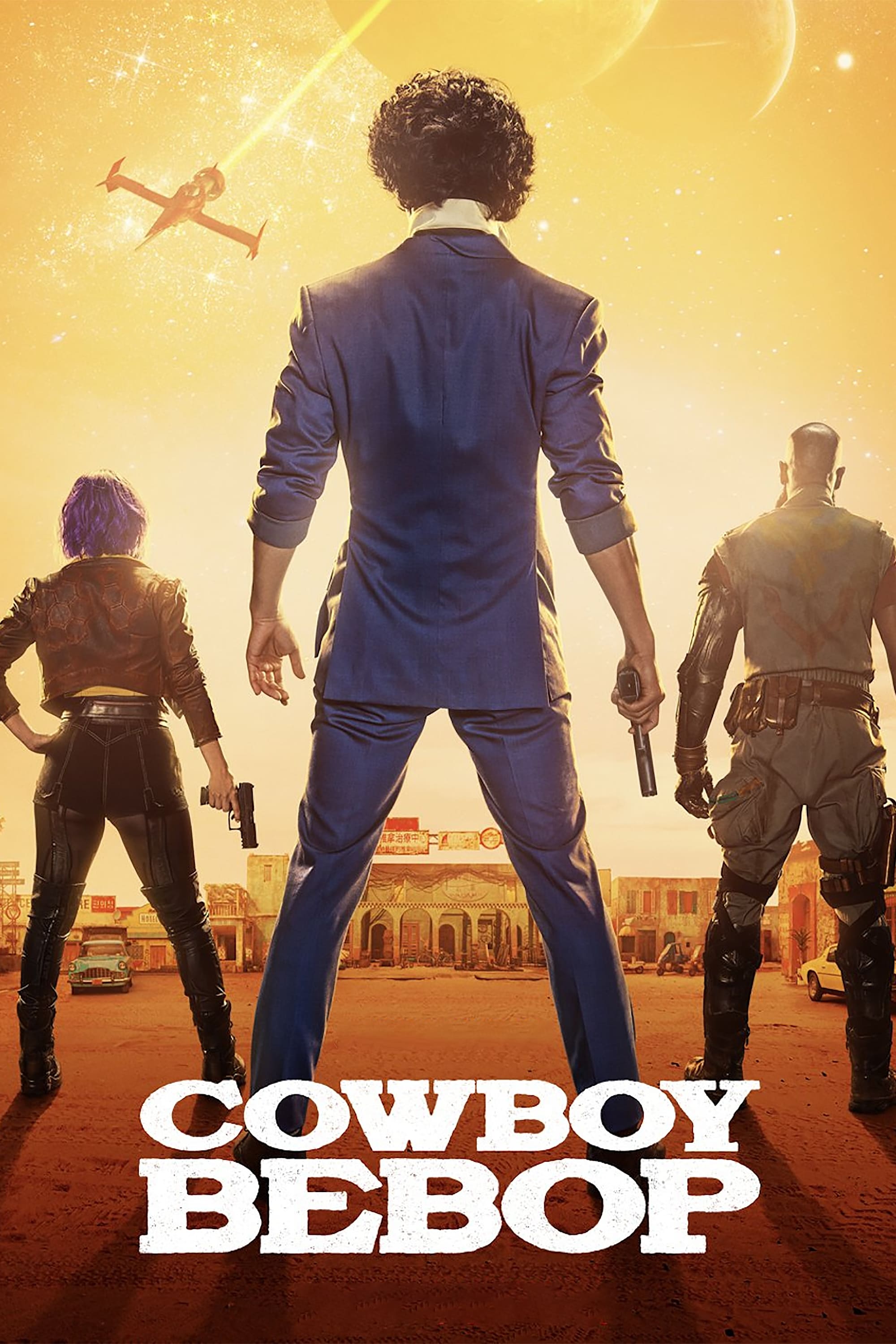
The live-action remake of ‘Cowboy Bebop’ faced immense scrutiny for its changes to the iconic anime’s characters. Specifically, the reimagining of characters like Gren and Radical Edward was viewed by some as a “forced” update to fit modern gender and identity standards. Critics argued that these changes were made to appease a Gen Z audience that values representation over the specific stylistic tone of the original. The show’s failure to capture the spirit of the anime led to its cancellation shortly after its debut.
‘Masters of the Universe: Revelation’ (2021)
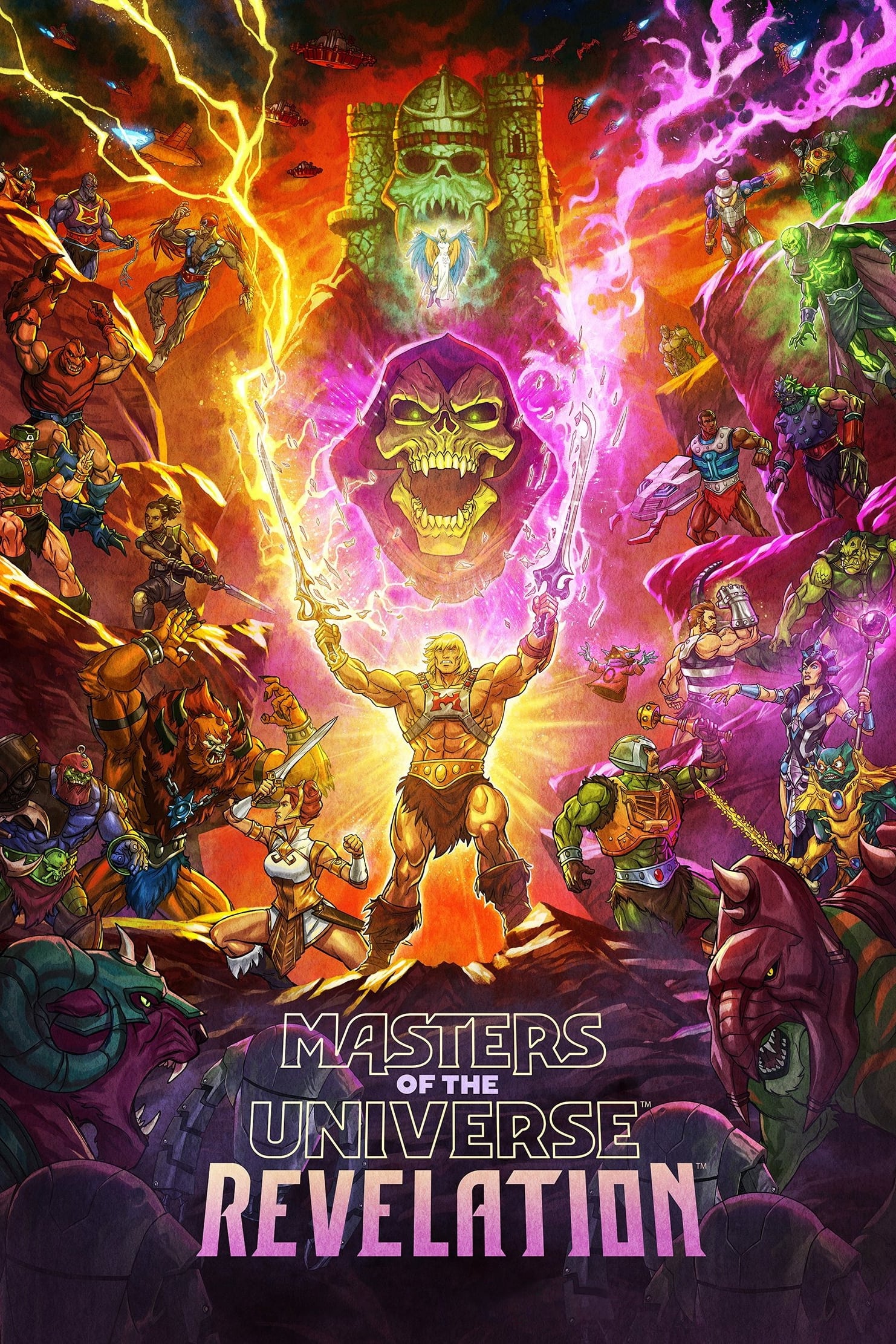
Kevin Smith’s reboot of the ‘He-Man’ franchise was accused of using a “bait and switch” tactic to introduce modern social themes. Many fans were upset when the focus shifted away from the titular character to Teela and other female leads. Critics argued that the show’s emphasis on “strong female leads” and diverse subplots was a forced attempt to modernize the 80s property for a younger audience. This led to a significant divide in audience scores and ongoing debates about the show’s creative intent.
‘The Wilds’ (2020–2022)
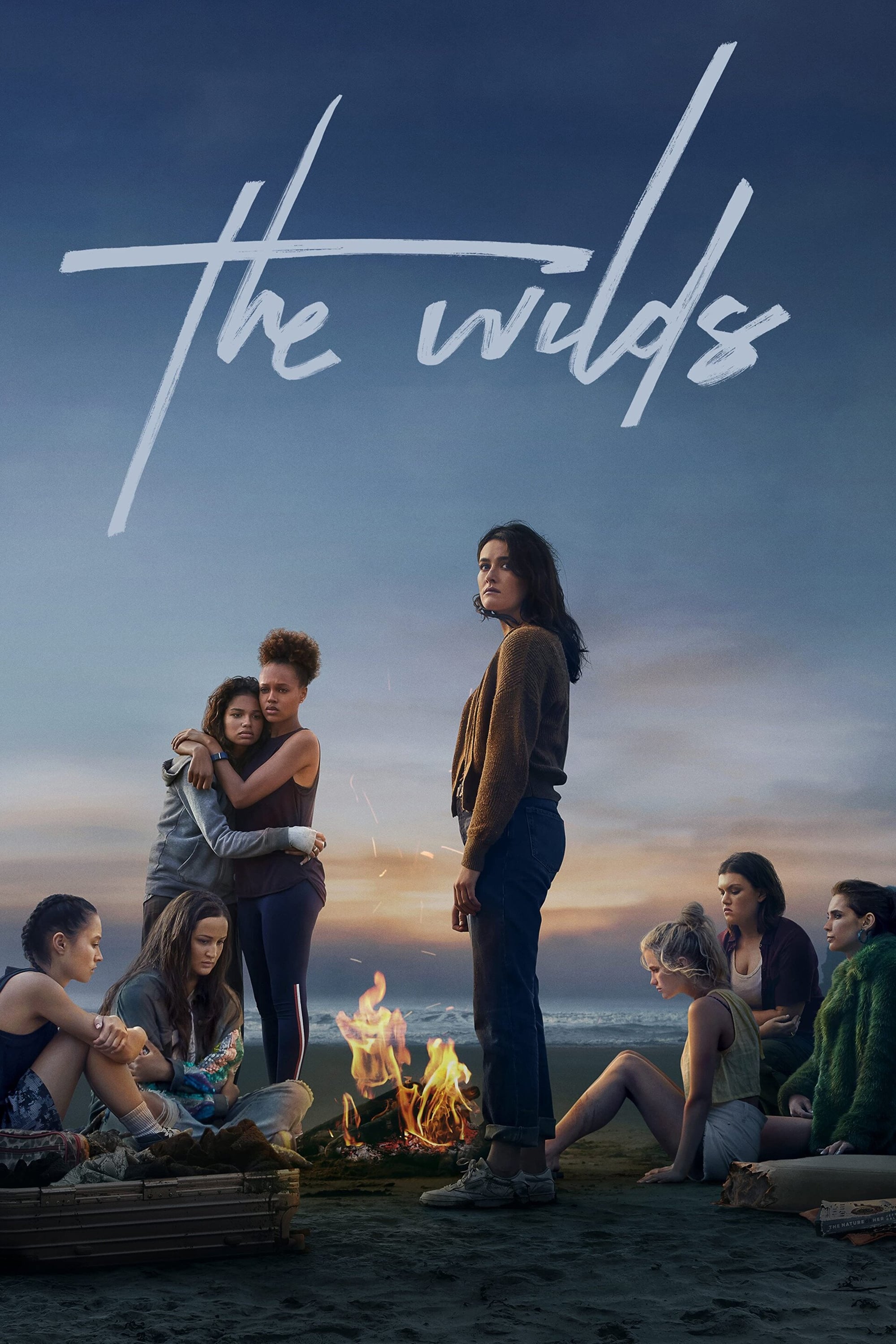
‘The Wilds’ followed a group of teenage girls stranded on a desert island, often focusing on their backstories involving queer identity and social trauma. While it was initially a hit, some critics argued that the show’s second season focused too much on “checking boxes” for its Gen Z audience. Viewers felt that the introduction of a male group and more complex social dynamics felt like an over-engineered attempt to stay relevant. The show was canceled after its second season, leaving many of these plotlines unresolved.
‘Panic’ (2021)
Prime Video’s ‘Panic’ was another entry into the Gen Z-targeted “survival game” genre, often compared to ‘The Hunger Games’. Critics argued that the show’s inclusion of various LGBTQ relationships felt like a mandatory addition rather than an organic part of the story. Some viewers felt the show was trying too hard to capture the “edgy” vibe of ‘Euphoria’ through its character dynamics and social drama. This perceived lack of originality and forced pandering contributed to the show’s single-season run.
‘Everything Sucks!’ (2018)

Set in the 90s, ‘Everything Sucks!’ followed members of a high school A/V club and their experiences with queer awakening. While it garnered a small cult following, some critics argued that the show’s perspective on LGBTQ identity felt more like a 2018 sensibility than a 1996 reality. Audiences accused the show of pandering to modern Gen Z viewers by injecting contemporary social awareness into a period piece. The series was canceled after one season, with Netflix citing a lack of viewership growth.
‘Shadow and Bone’ (2021–2023)
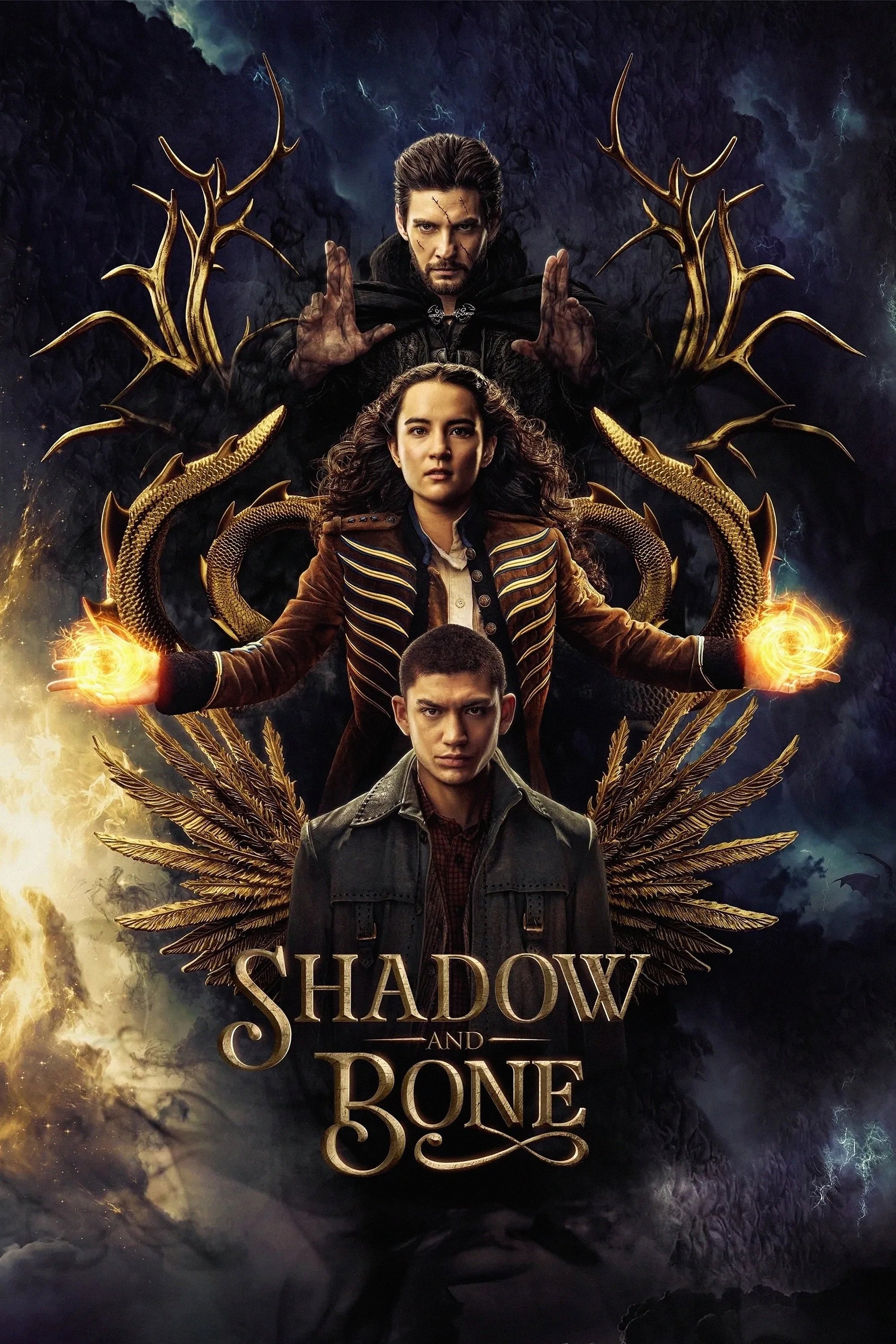
Netflix’s adaptation of ‘Shadow and Bone’ combined several book series and expanded on characters’ sexualities in ways that were not always present in the text. While many fans enjoyed these changes, others felt they were “forced” to make the show more appealing to the modern “young adult” demographic. Critics argued that some of the queer subplots felt like they were serving a diversity mandate rather than the central fantasy plot. This led to periodic debates within the fan base about the show’s adherence to the original lore.
‘Looking for Alaska’ (2019)
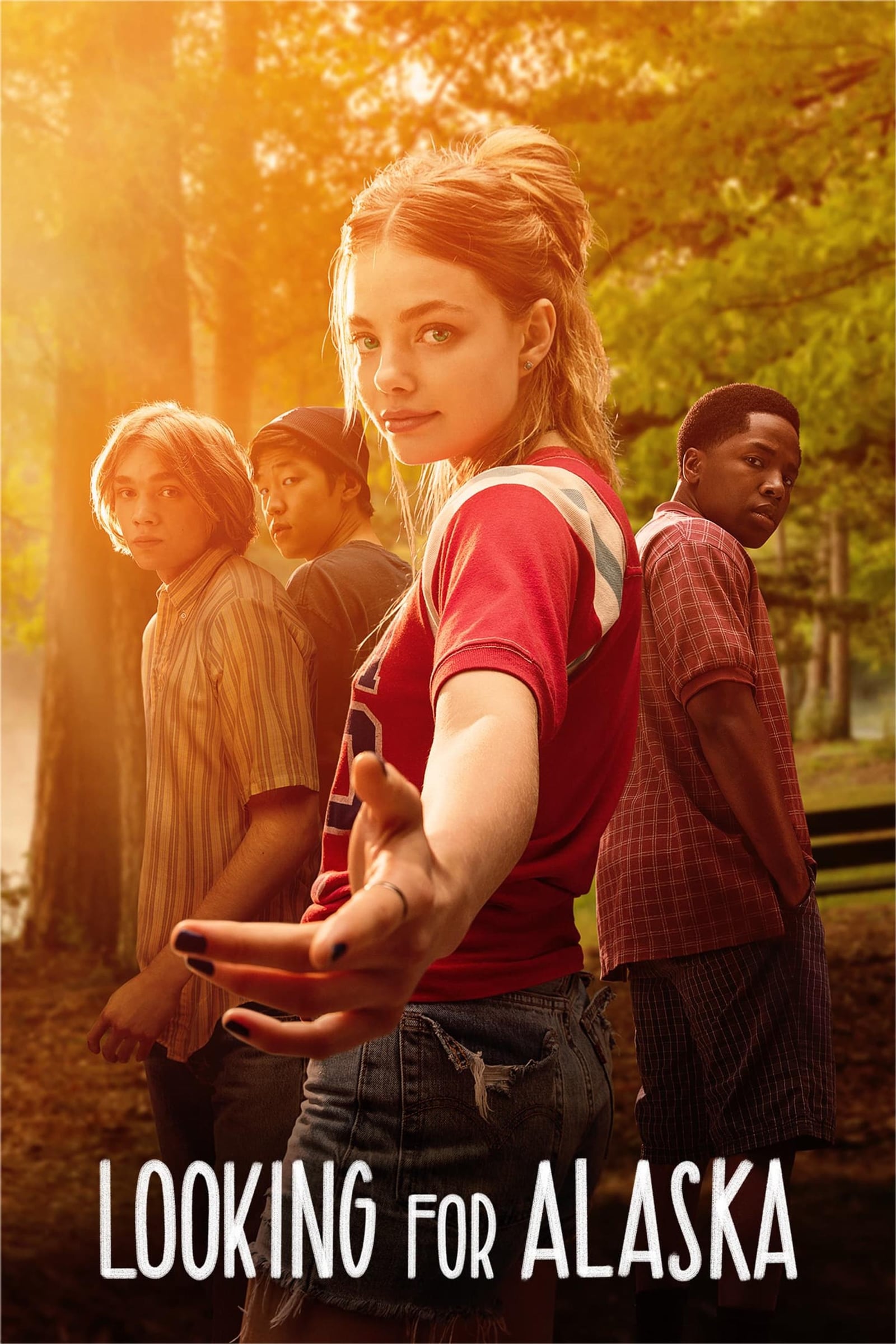
The Hulu adaptation of John Green’s ‘Looking for Alaska’ updated the 2005 novel by increasing the focus on its diverse supporting cast. While the show was critically well-received, some viewers felt the modernization of certain themes was an attempt to pander to Gen Z sensibilities. Critics of the update argued that the show’s shift toward modern social dynamics occasionally felt at odds with the book’s specific mid-2000s setting. This resulted in minor discourse regarding the necessity of updating already popular contemporary classics.
‘Doogie Kamealoha, M.D.’ (2021–2023)
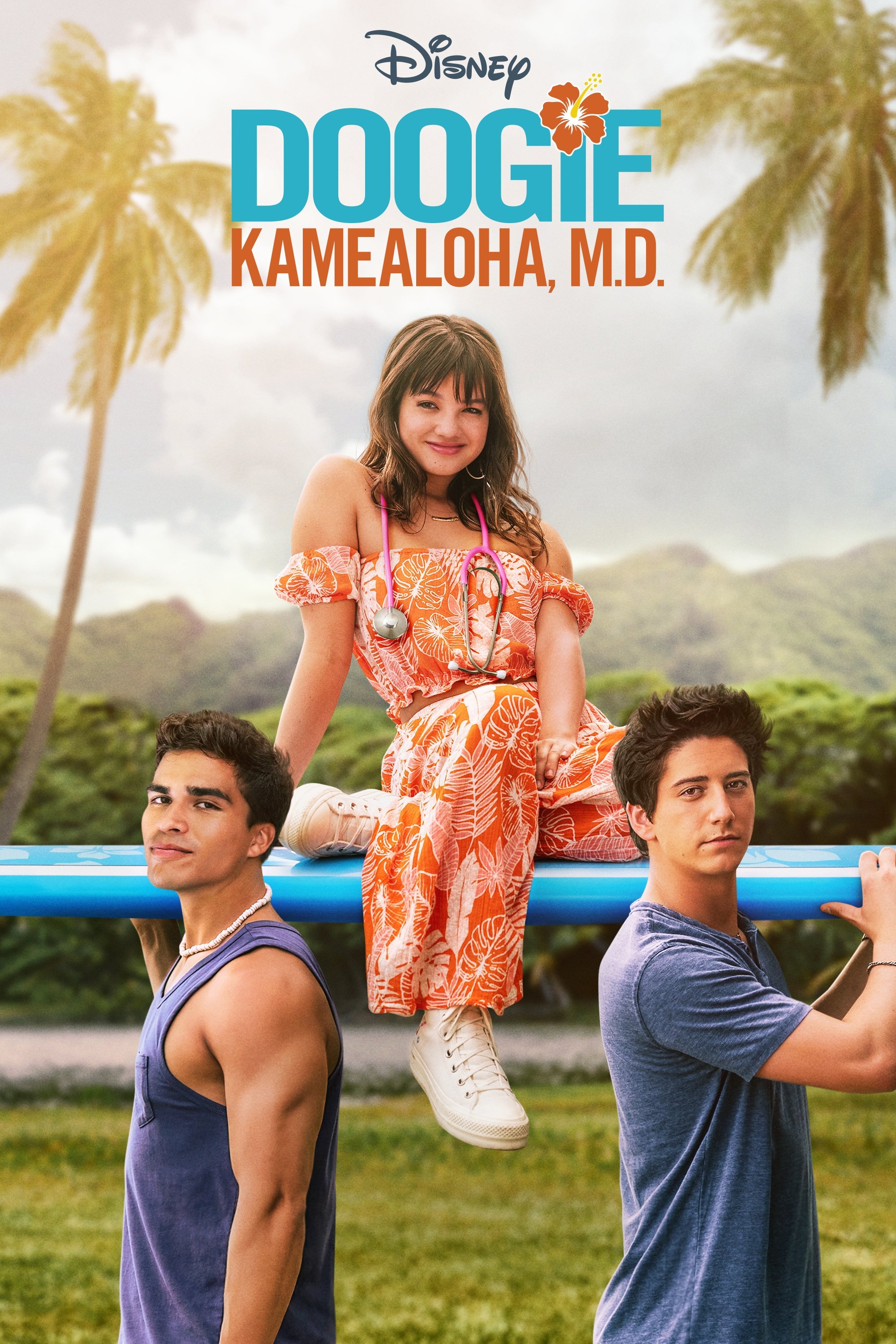
Disney+ reimagined ‘Doogie Howser’ as a series set in modern-day Hawaii with a focus on a young girl of color. The show incorporated various Gen Z themes and modern social dynamics that some viewers felt were “checklist-oriented.” Critics argued that the reboot was a tactical move to repurpose legacy IP for a younger, more diverse generation. While it ran for two seasons, the show was often cited in discussions about the corporate trend of updating classic characters with “woke” identities.
‘Heartstopper’ (2022–Present)
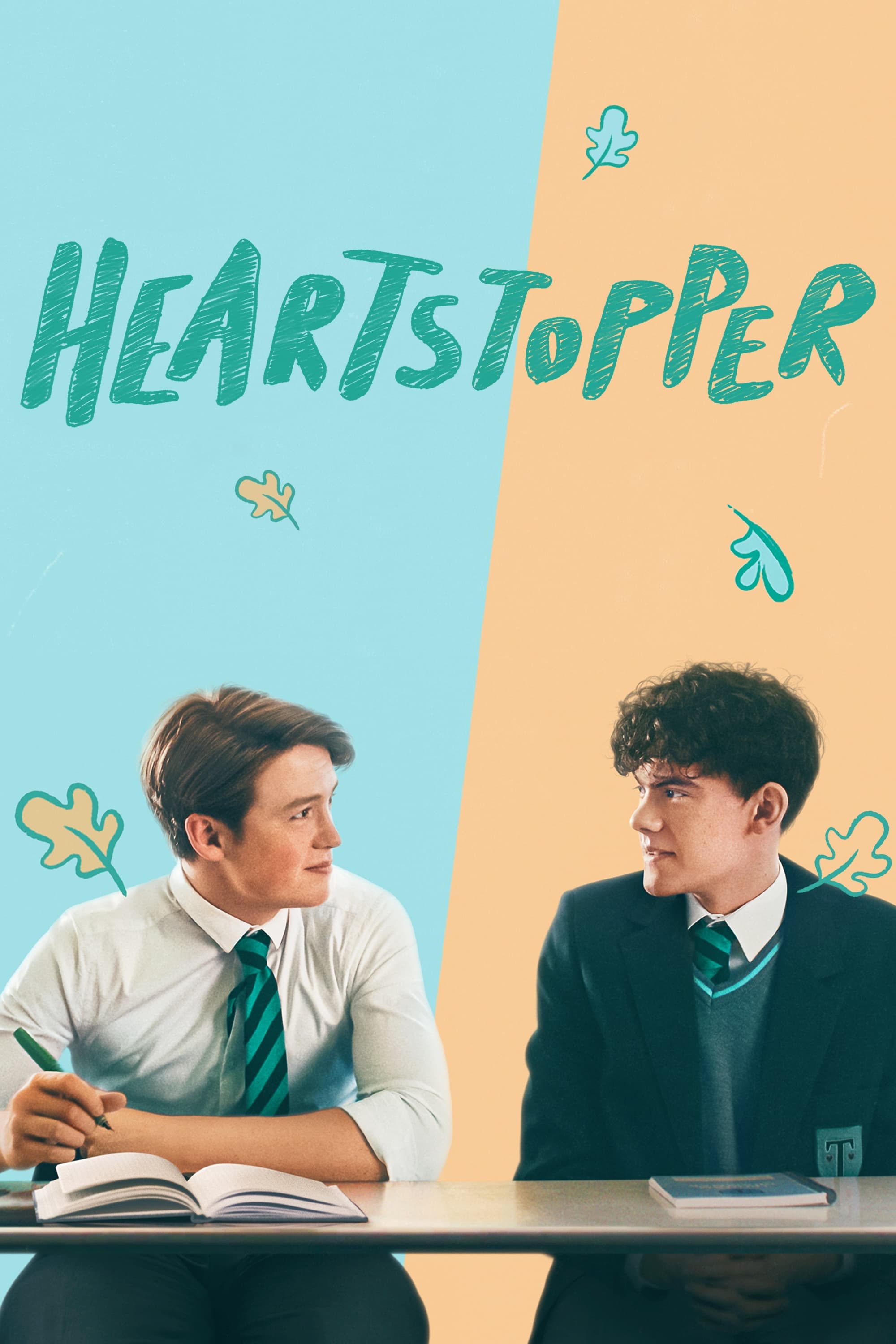
‘Heartstopper’ is widely celebrated for its positive representation, yet it has faced minor criticism for being an “idealized” version of queer life designed for Gen Z. Some critics argue that the show’s wholesome and almost trope-filled nature is a form of pandering to an audience that wants comfort over realism. While largely a success, a segment of the audience feels the show’s lack of edge makes it feel like a curated corporate product. This has sparked discussions on whether “happy representation” can also be a form of demographic pandering.
‘Supergirl’ (2015–2021)
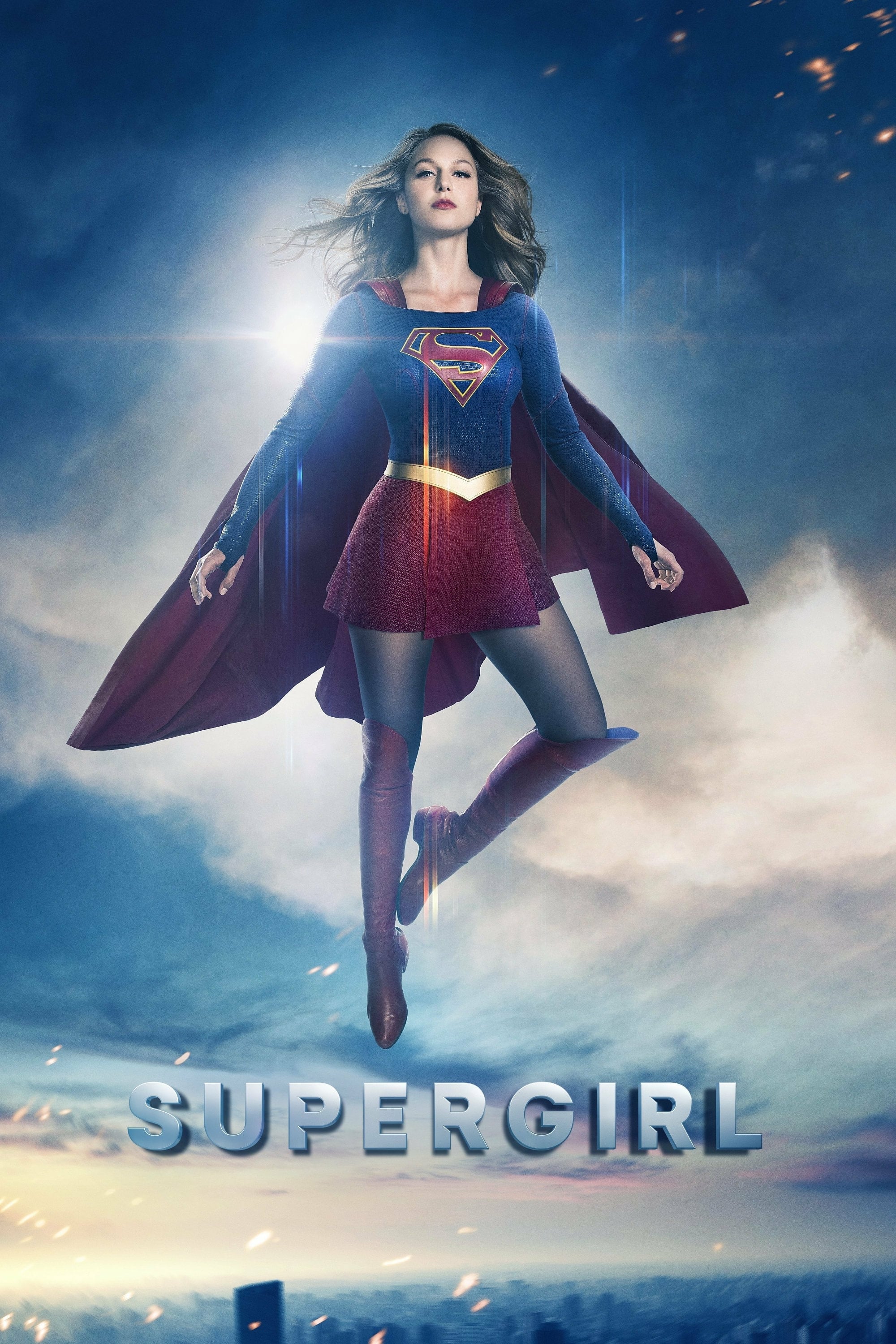
In its later seasons, the CW series ‘Supergirl’ leaned heavily into political commentary and LGBTQ storylines, most notably with the character of Alex Danvers and Dreamer. While many praised the inclusion of the first trans superhero, a vocal segment of the audience accused the show of becoming a “social justice platform.” Critics argued that the writing became increasingly preachy and aimed squarely at a younger, activist-minded Gen Z audience. This shift in tone was often blamed for the show’s declining viewership among more traditional superhero fans.
Share your thoughts on which shows you think handled representation well versus those that felt like pandering in the comments.