Musicians Who Ignited Vicious Backlash by Refusing to Call Themselves Feminists

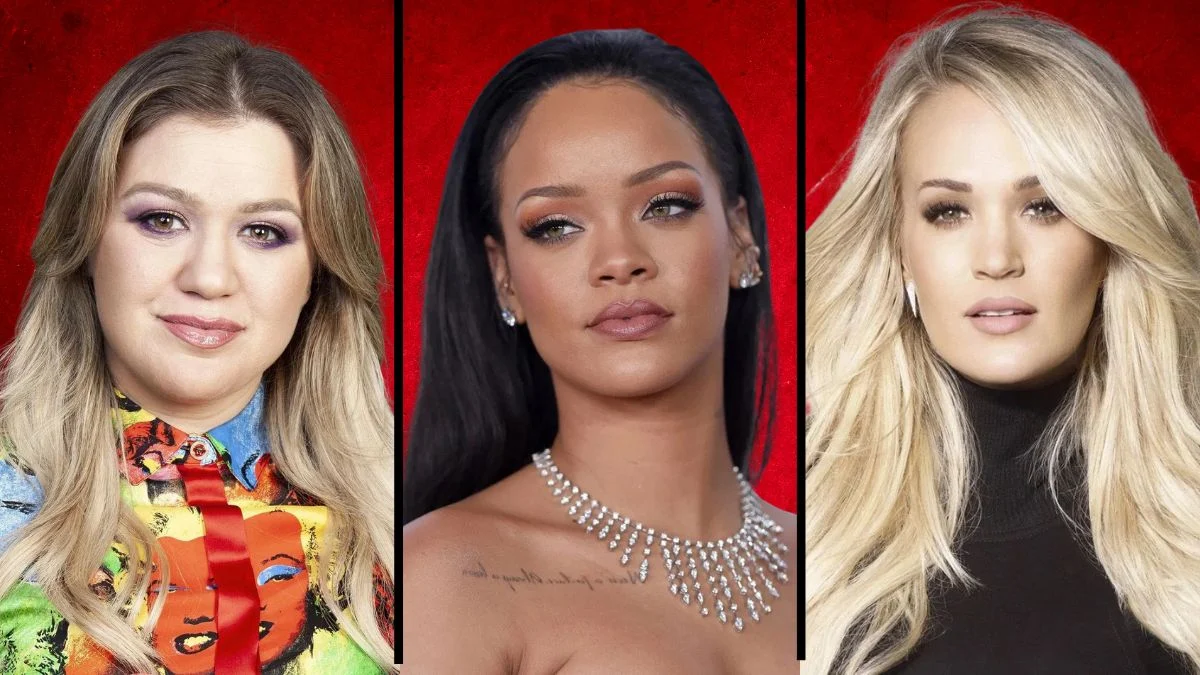

The music industry has long been a battleground for social and political labels including the term feminist. While many high profile artists embrace the movement to empower their fanbases others have sparked intense controversy by distancing themselves from the title. These decisions often lead to heated debates among fans and critics who question the motivations behind such public refusals. From global pop icons to indie rock legends these musicians found themselves at the center of media firestorms after rejecting a label that many feel is synonymous with equality.
Lana Del Rey
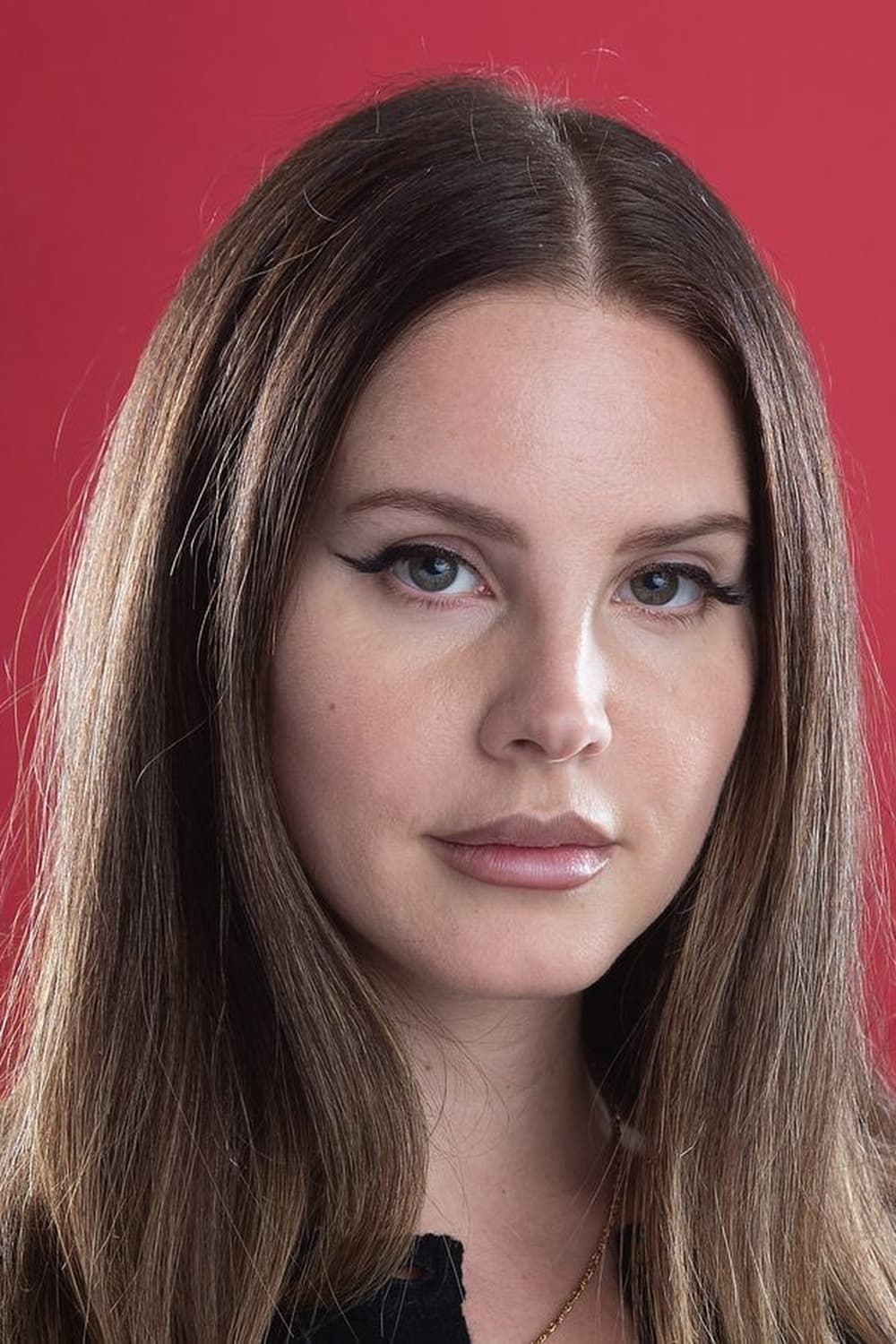
Lana Del Rey famously sparked a media frenzy when she told an interviewer that feminism was not an interesting concept to her. She explained during the promotional cycle for ‘Ultraviolence’ that she was more focused on history and the future of the universe. This comment led to widespread criticism from activists who felt she was dismissing the struggles of women while profiting from a female audience. She later clarified that her version of feminism involved the freedom to choose any lifestyle even if it appeared traditional. The backlash remained a defining moment in the public discourse surrounding her artistic persona.
Katy Perry
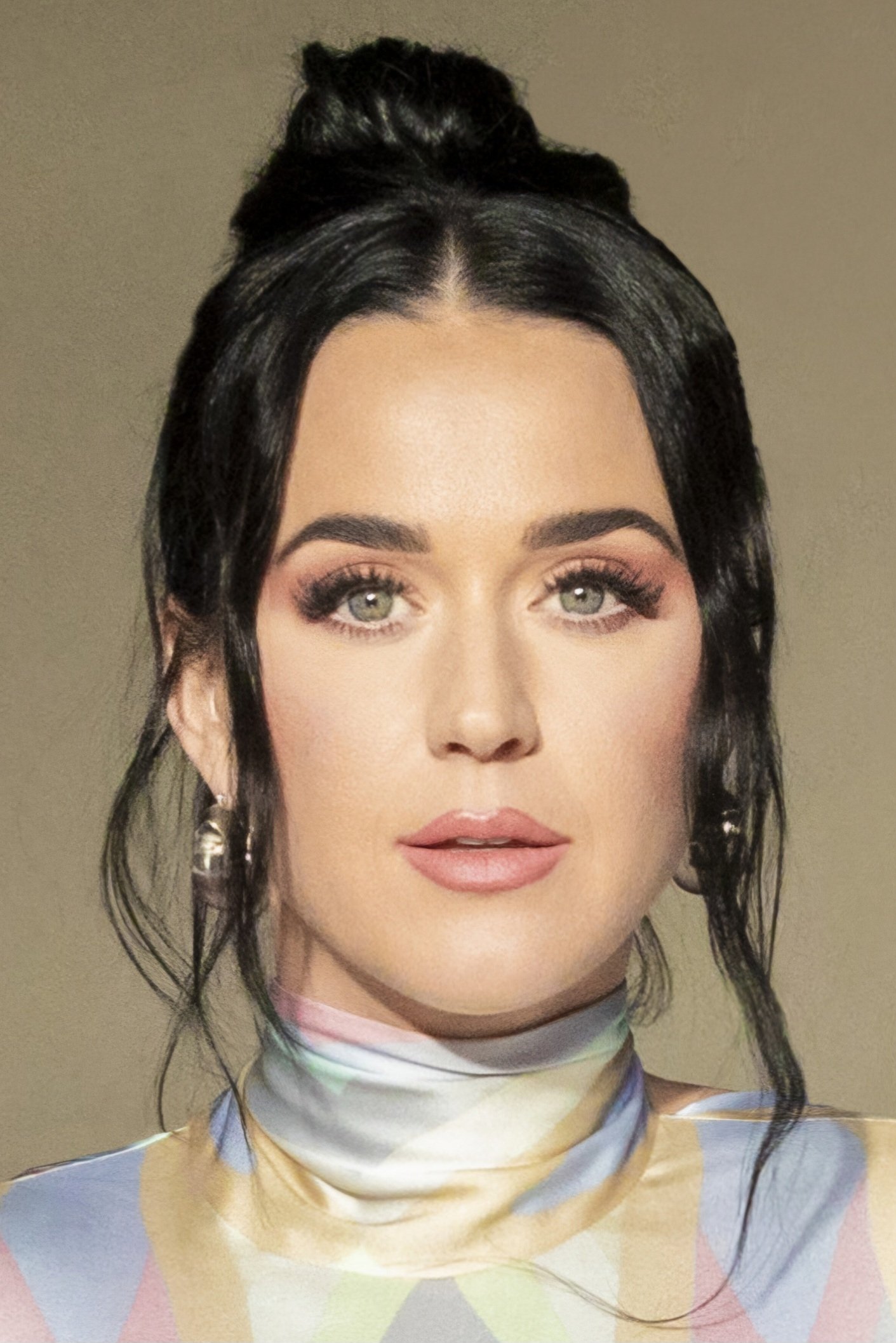
Katy Perry faced significant pushback in 2012 when she explicitly stated that she was not a feminist but believed in the power of women. Critics were quick to point out the perceived contradiction in her statement especially given her status as a role model for young girls. The singer eventually changed her stance a few years later during an interview with ‘Billboard’ where she finally embraced the label. She admitted that she previously misunderstood the word and had associated it with a resentment toward men. This evolution followed years of public pressure and academic critiques of her early career messaging.
Lady Gaga
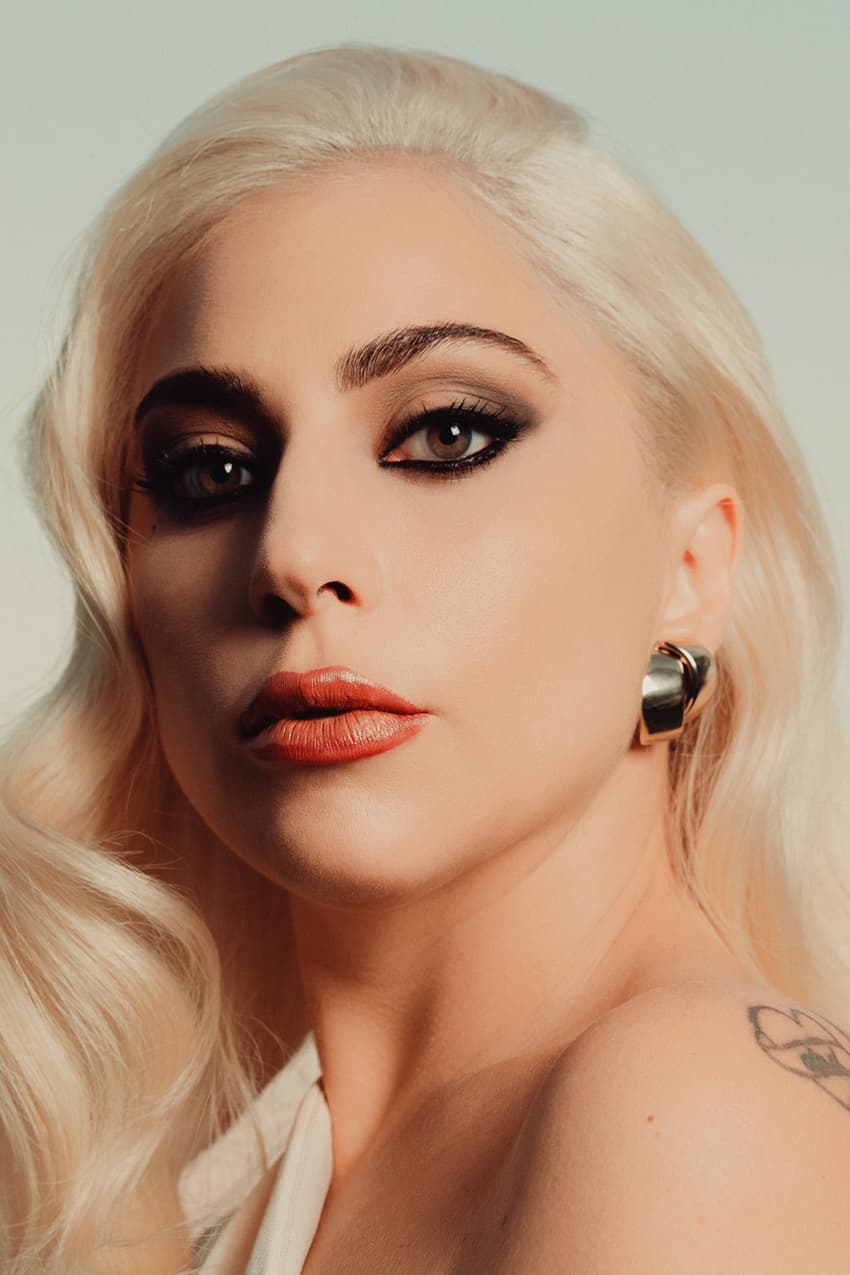
Lady Gaga caused a massive stir early in her career when she told ‘Rolling Stone’ that she was not a feminist because she loved men. This comment confused many fans who viewed her avant garde performances and message of self acceptance as inherently feminist. The backlash was swift as commentators argued that loving men and being a feminist were not mutually exclusive concepts. She later aligned herself more closely with the movement during the promotion of her album ‘Joanne’. Despite her eventual shift the initial refusal remains a frequent point of discussion in her career retrospective.
Taylor Swift
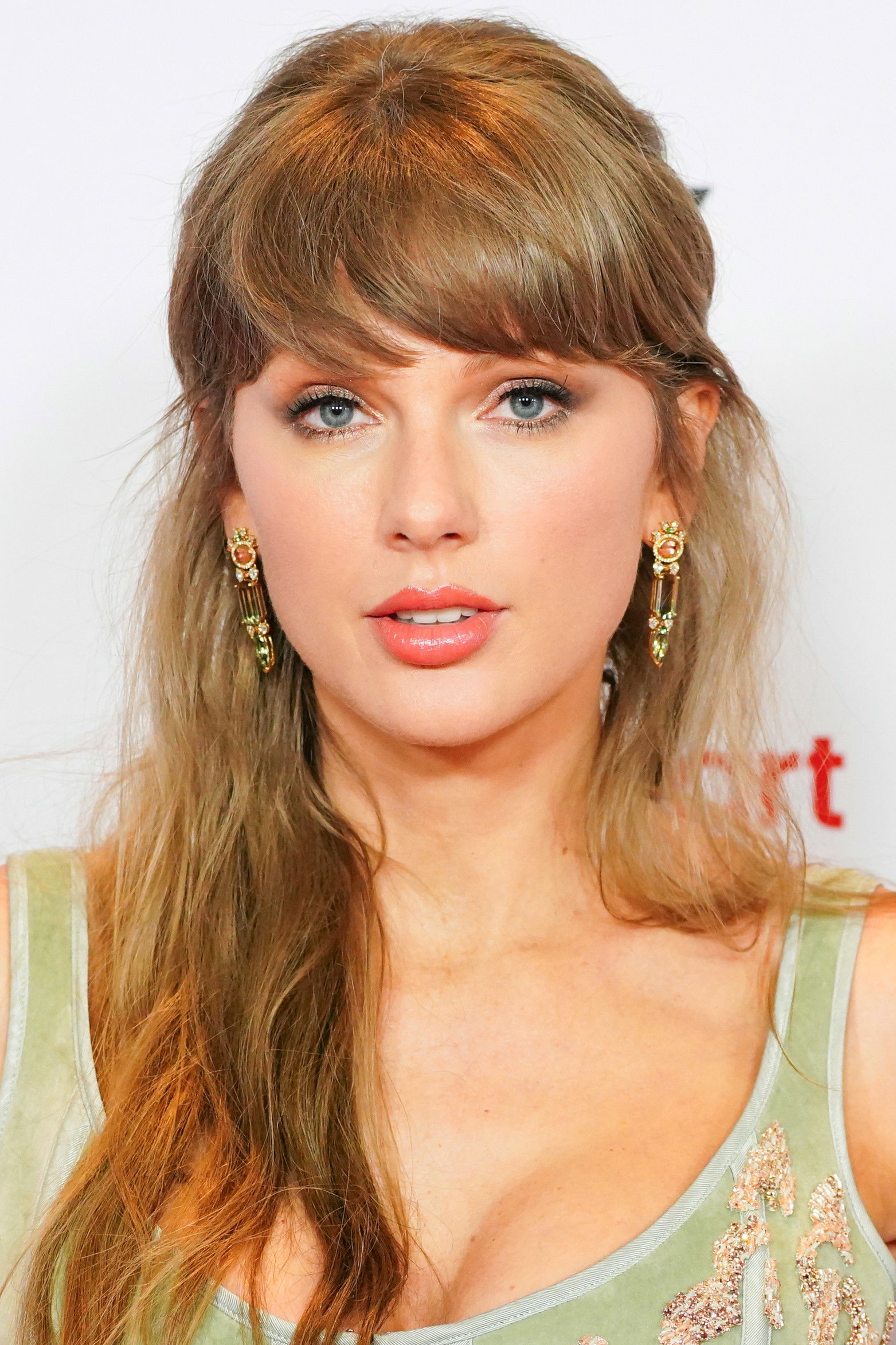
Taylor Swift found herself in the middle of a cultural debate in 2012 when she declined to identify as a feminist. She explained that she did not think about things in terms of gender competition which led to accusations of being out of touch with systemic issues. The criticism persisted for several years until she publicly declared her feminism in 2014 after befriending Lena Dunham. She attributed her previous hesitation to a lack of understanding regarding the actual definition of the term. Her transition into a vocal advocate for women’s rights marked a major turning point in her public image and songwriting.
Kelly Clarkson
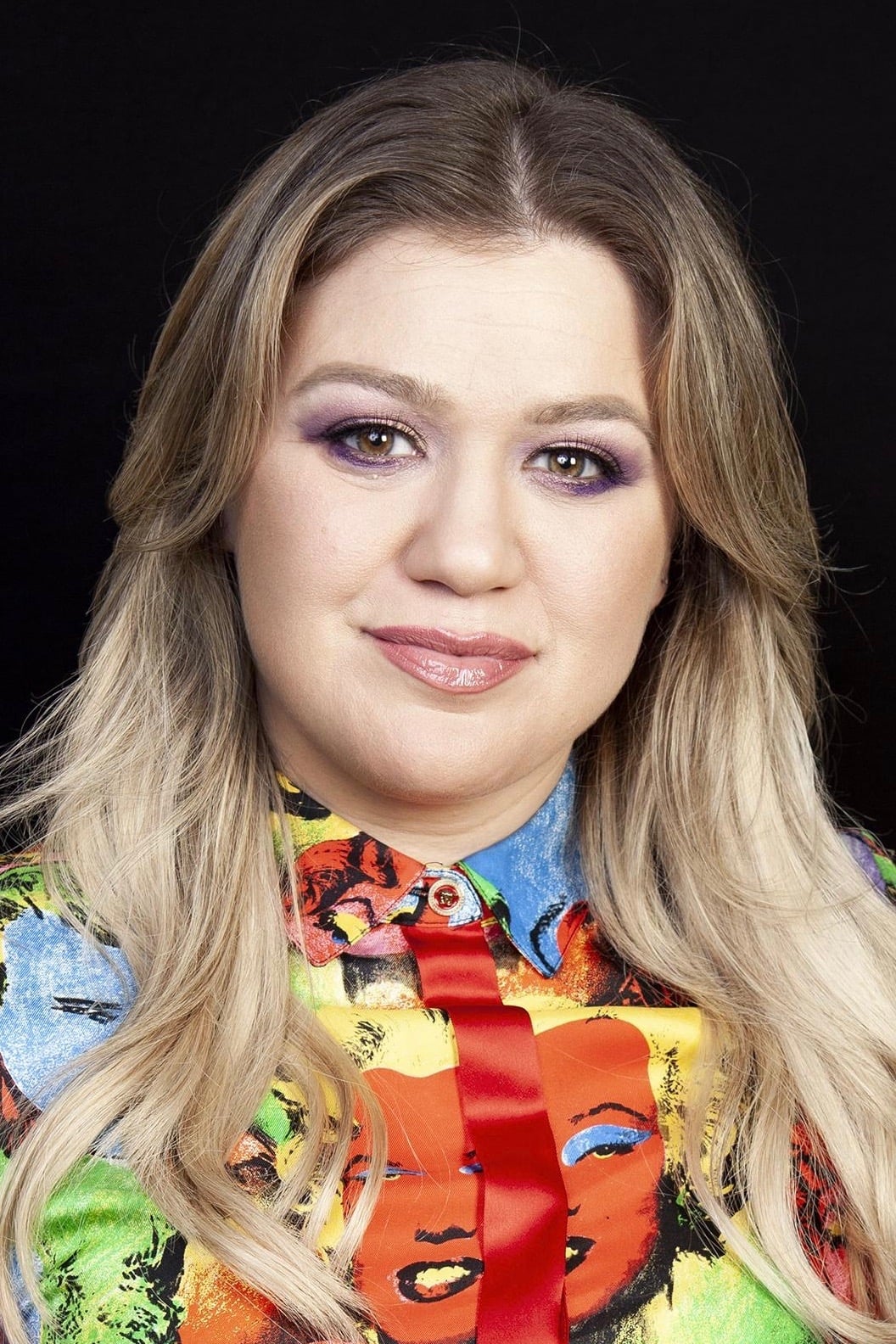
Kelly Clarkson received a wave of negative attention when she told ‘Time’ magazine that she would not call herself a feminist. She described the word as too strong and suggested that it carried a negative connotation of being man hating. Many fans were disappointed by her stance given her history of singing empowering anthems like ‘Stronger’. The backlash prompted a wider conversation about why successful women in the music industry often feared the label. She eventually clarified that she supports equality and female empowerment despite her initial discomfort with the specific terminology.
Carrie Underwood
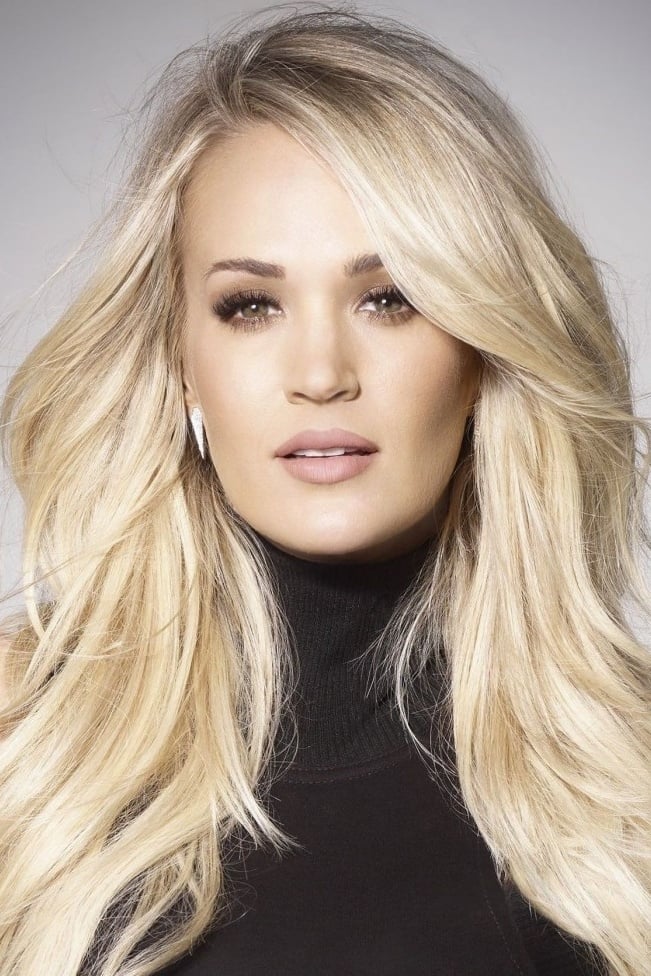
Carrie Underwood faced criticism from both fans and feminist writers after distancing herself from the movement during a profile. She stated that she would not go so far as to call herself a feminist because she did not like labels. Critics argued that as one of the most powerful women in country music she had a responsibility to support the movement openly. The controversy highlighted the ongoing tension between traditional country values and modern social movements. Underwood has continued to focus on themes of female strength in her music while generally avoiding political identifiers.
Meghan Trainor
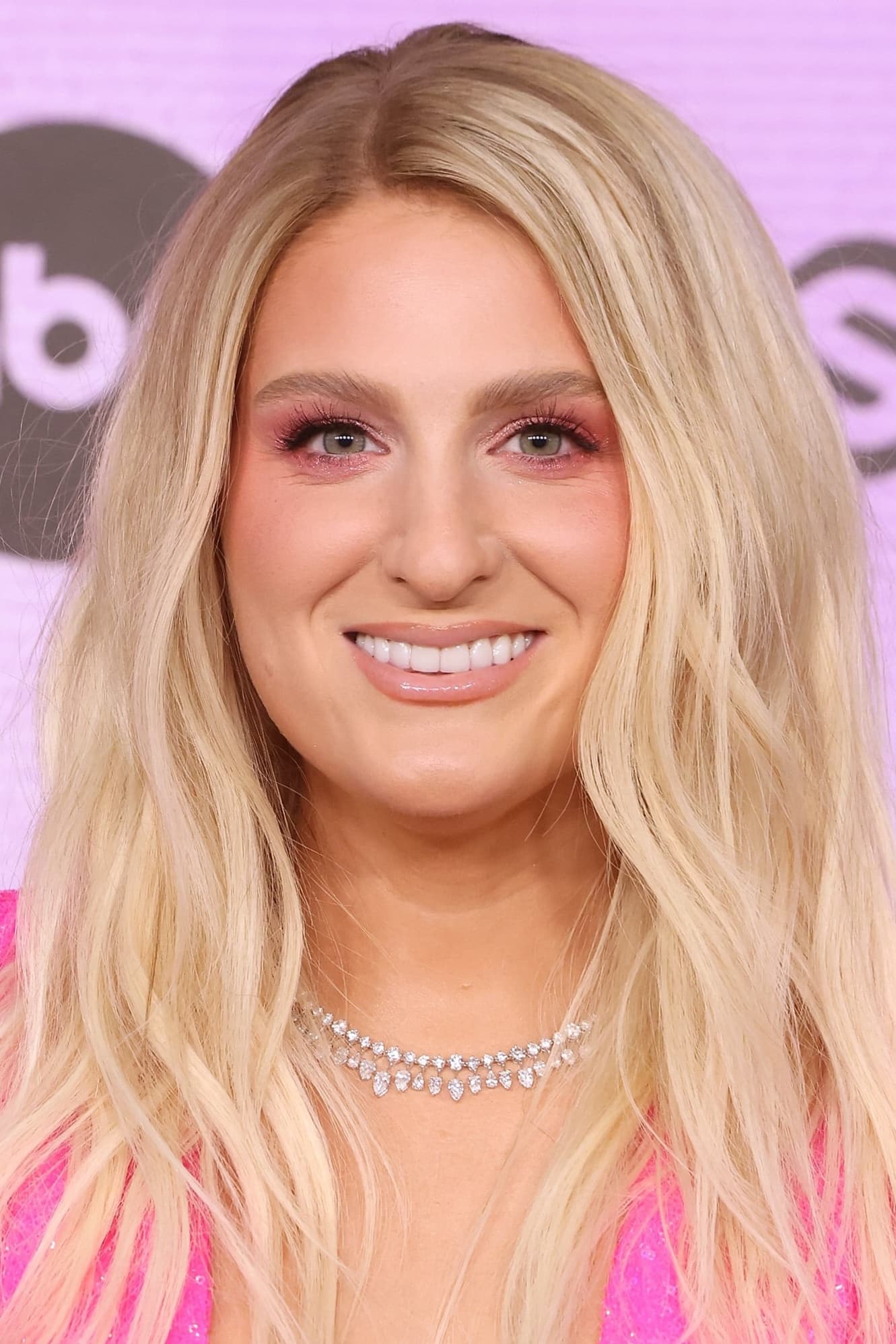
Meghan Trainor ignited a social media firestorm when she claimed in 2014 that she did not consider herself a feminist. This statement was particularly controversial because it coincided with the massive success of her song ‘All About That Bass’. Critics argued that the song’s message of body positivity was undermined by her refusal to align with feminist ideals. She eventually walked back the comments in later years by stating that she is indeed a feminist and was simply confused by the term at a young age. The initial backlash served as a prominent example of the scrutiny young female pop stars face regarding their political stances.
Lily Allen
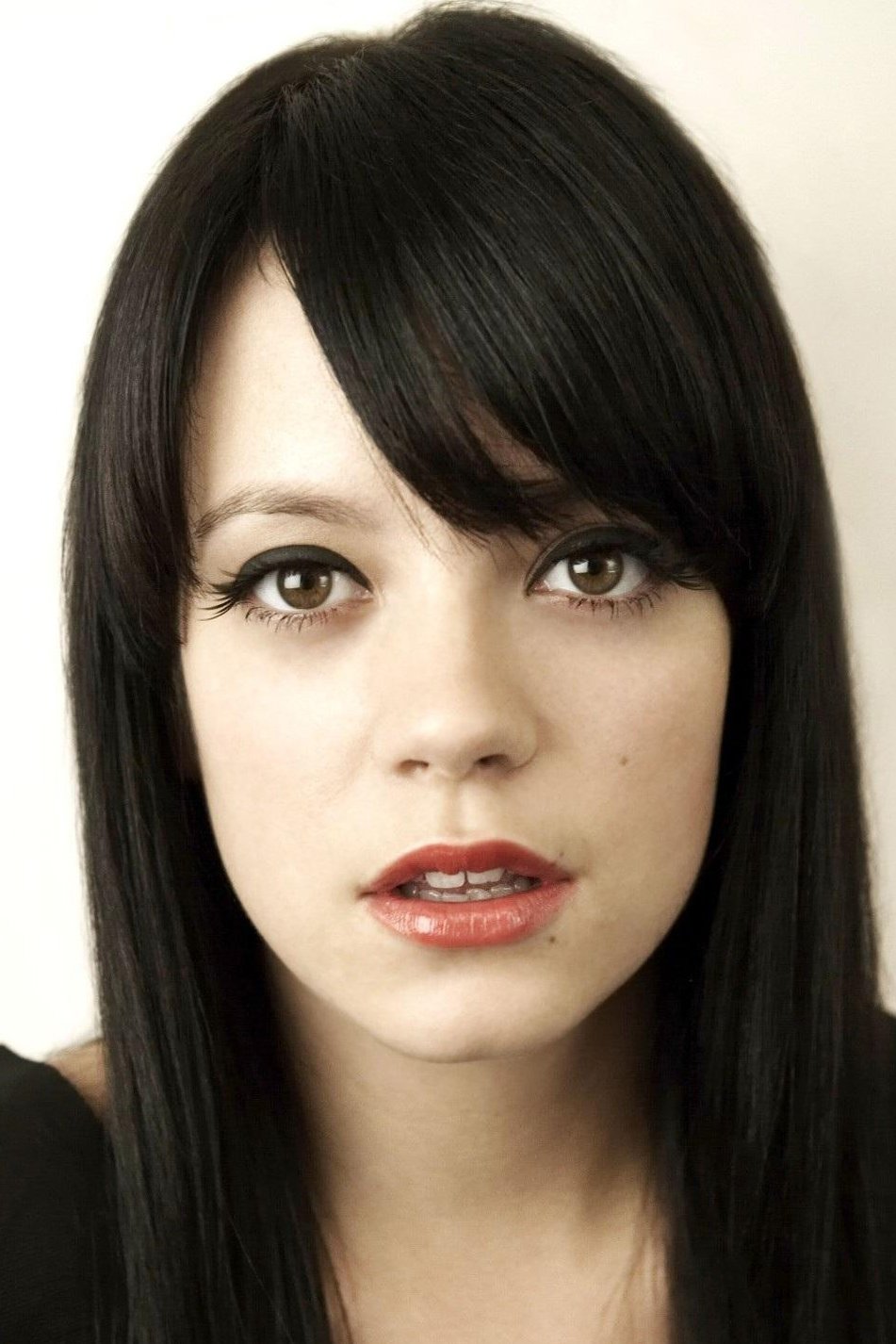
Lily Allen sparked outrage in the United Kingdom when she told ‘ShortList’ magazine that she hated the word feminism. She argued that the term should not even exist because women should be seen as equal to men without a special label. This perspective was met with harsh criticism from those who believed she was ignoring the historical and ongoing necessity of the movement. Some critics labeled her stance as a form of privilege that failed to acknowledge the struggles of less fortunate women. Despite the backlash she has remained vocal on a variety of social issues while maintaining a complicated relationship with specific labels.
Björk
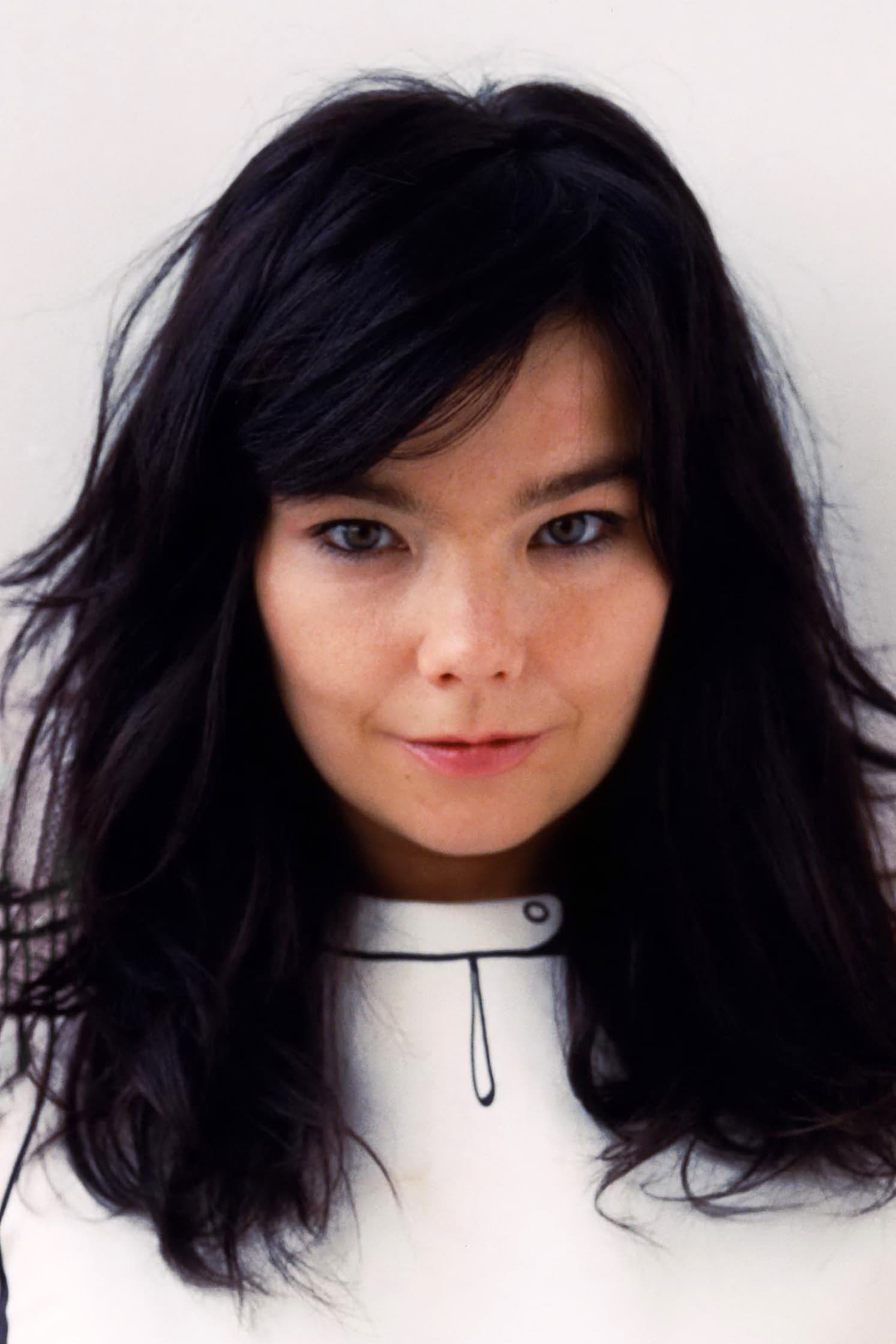
Björk surprised many fans when she stated in an interview that she did not call herself a feminist because she felt it would isolate her. She suggested that identifying with the movement might limit her creative freedom and personal identity. This stance was controversial among her global fanbase which often viewed her as a trailblazing figure for women in electronic and experimental music. Critics argued that her refusal to use the label was a missed opportunity to support gender equality in a male dominated industry. She has since addressed gender issues in music more directly while still maintaining her unique individualistic perspective.
Sinéad O’Connor
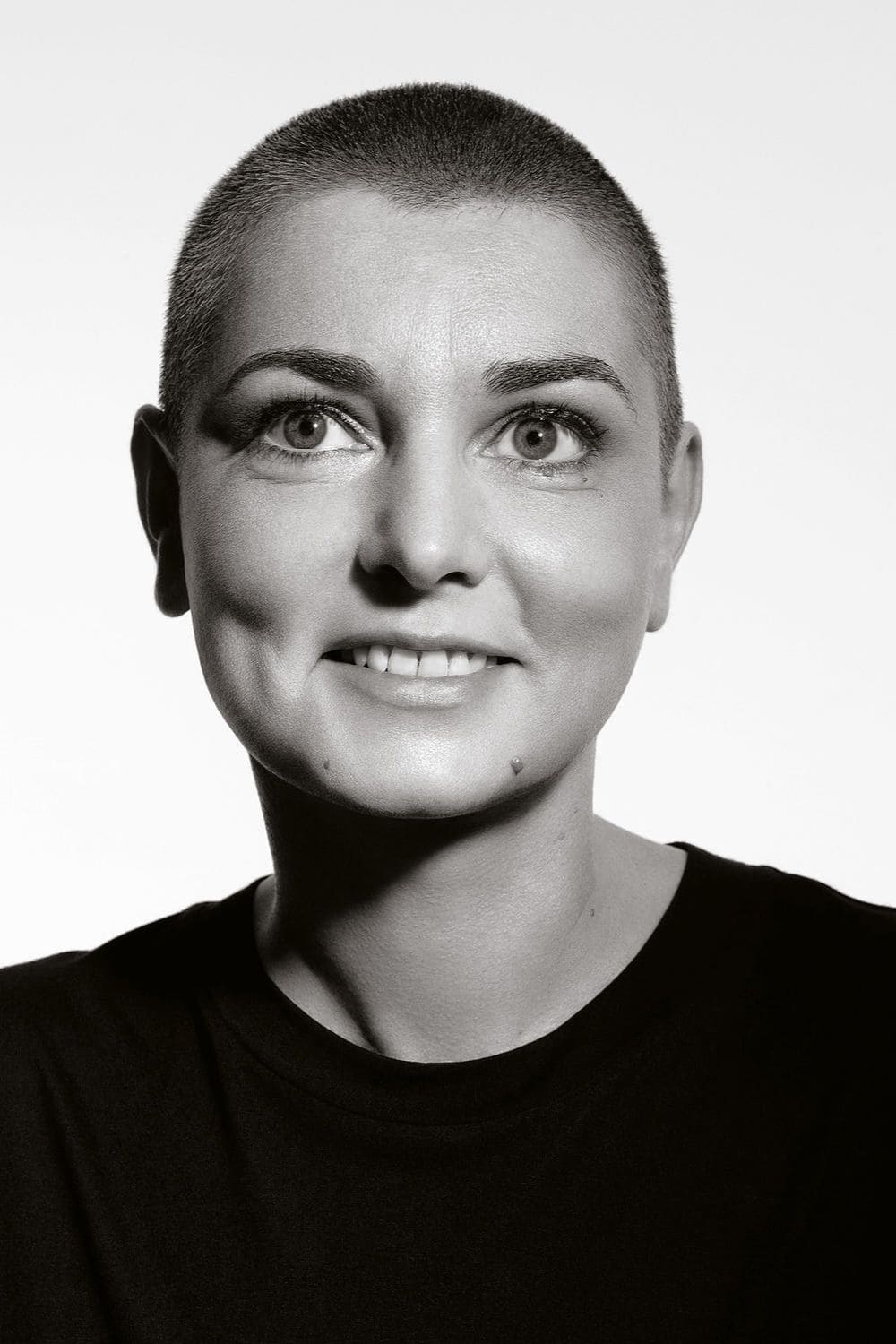
Sinéad O’Connor was known for her provocative stances and she once explicitly rejected the label of feminist during a public interview. She argued that the movement had become too focused on power and had lost its spiritual and humanistic roots. This rejection was met with anger from activists who had previously championed her for her bold protests against the Catholic Church and other institutions. The backlash underscored the deep divisions within the movement regarding its goals and methods. Throughout her life she continued to challenge social norms while refusing to fit into any single political category.
Patti Smith
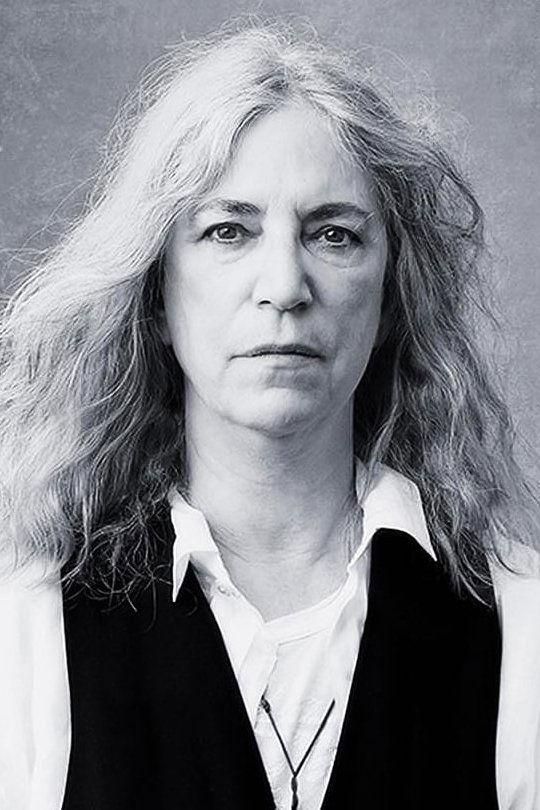
Patti Smith has consistently avoided identifying as a feminist throughout her legendary career in punk rock. She has stated that she does not think in terms of gender when it comes to her art and prefers to be seen simply as an artist. This stance has occasionally frustrated critics who believe her pioneering work opened doors that the feminist movement helped build. The backlash has generally been more intellectual than vicious but it remains a persistent point of contention among her fans. Smith maintains that her work transcends gender and that labels only serve to restrict the creative spirit.
PJ Harvey

PJ Harvey faced a flurry of criticism after telling an interviewer that she did not even think of herself as a feminist. She explained that she found the term unnecessary and preferred to focus on her music and lyrics as individual expressions. This comment was particularly striking to those who saw her powerful and often gender bending performances as inherently political. The backlash focused on the idea that successful women artists have an obligation to acknowledge the collective struggle for equality. Harvey has rarely revisited the topic since then choosing instead to let her diverse body of work speak for itself.
Annie Lennox
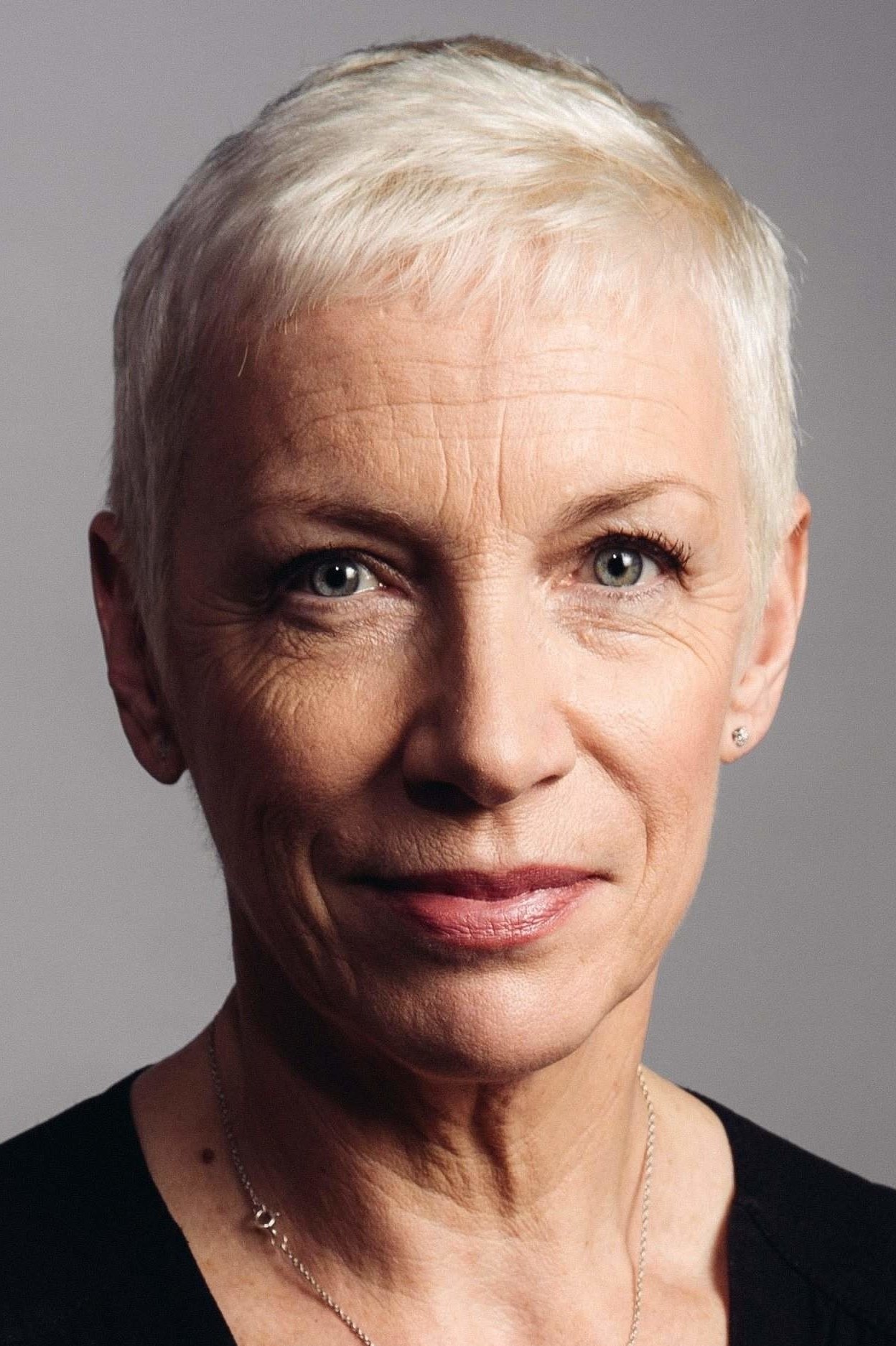
Annie Lennox triggered a debate within the feminist community when she initially preferred the term humanism over feminism. She argued that humanism was more inclusive and addressed the struggles of all people regardless of gender. This led to criticism from those who felt she was diluting the specific focus needed to address women’s issues. The backlash eventually led her to become one of the most vocal and prominent advocates for Global Feminism in later years. Her journey from hesitation to full embrace is often cited as a success story for the movement’s outreach efforts.
Grimes
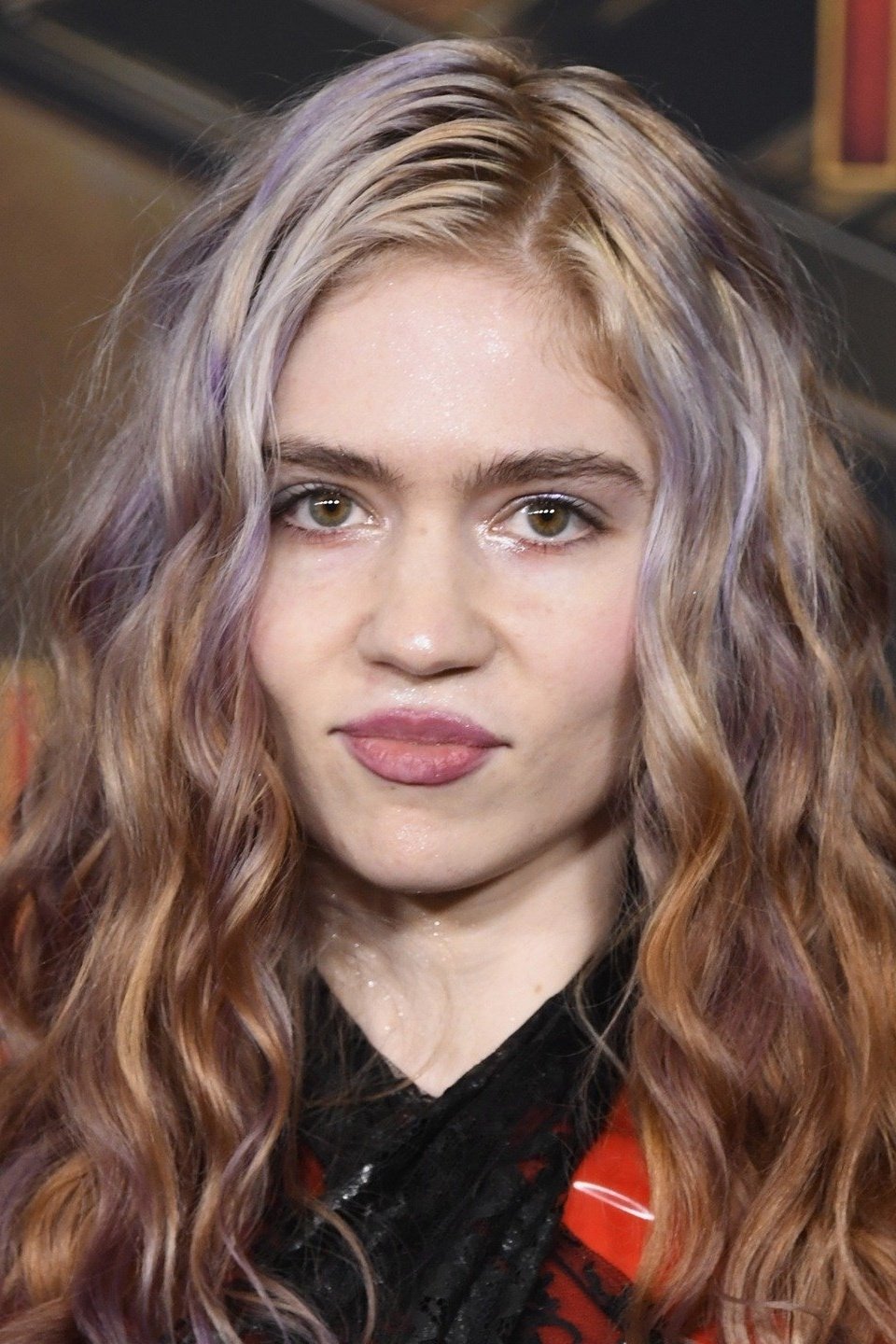
Grimes has had a complex relationship with the feminist label and has occasionally faced backlash for her comments on gender dynamics in the tech and music industries. She once tweeted that she was not a feminist in the traditional sense because she found certain aspects of the movement to be restrictive. This sparked a wave of criticism from fans who felt her unique platform should be used to support the cause more clearly. The debate intensified as her personal life and public statements became increasingly intertwined with controversial figures. She continues to navigate these discussions while prioritizing her vision of a technologically driven future.
Erykah Badu
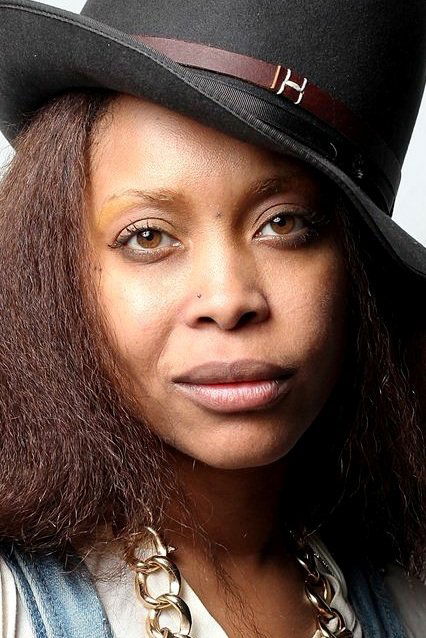
Erykah Badu has frequently sparked controversy for her views on gender and accountability which some critics argue are at odds with feminist principles. She has explicitly distanced herself from the feminist label in favor of a more holistic and humanistic approach to social issues. The backlash intensified after she made comments regarding the attire of young girls and the behavior of certain public figures. Many activists accused her of victim blaming and failing to support the sisterhood she often sings about. Despite the criticism she remains a highly influential figure who refuses to conform to any specific political ideology.
Lorde
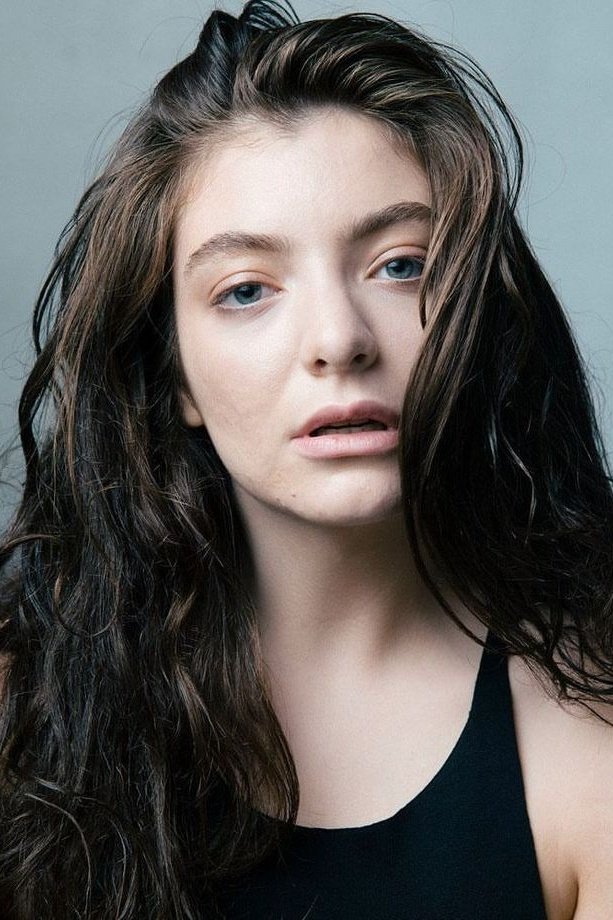
Lorde faced a brief period of backlash early in her career for critiquing the brand of feminism promoted by certain pop stars. She suggested that the movement was being used as a marketing tool rather than a genuine social force. While some praised her honesty others felt she was being overly critical of her peers and creating unnecessary divisions. The controversy died down as she matured and began to express her own feminist views more clearly in her second album ‘Melodrama’. Her initial comments remain a case study in how young artists navigate the expectations of modern social movements.
Madonna
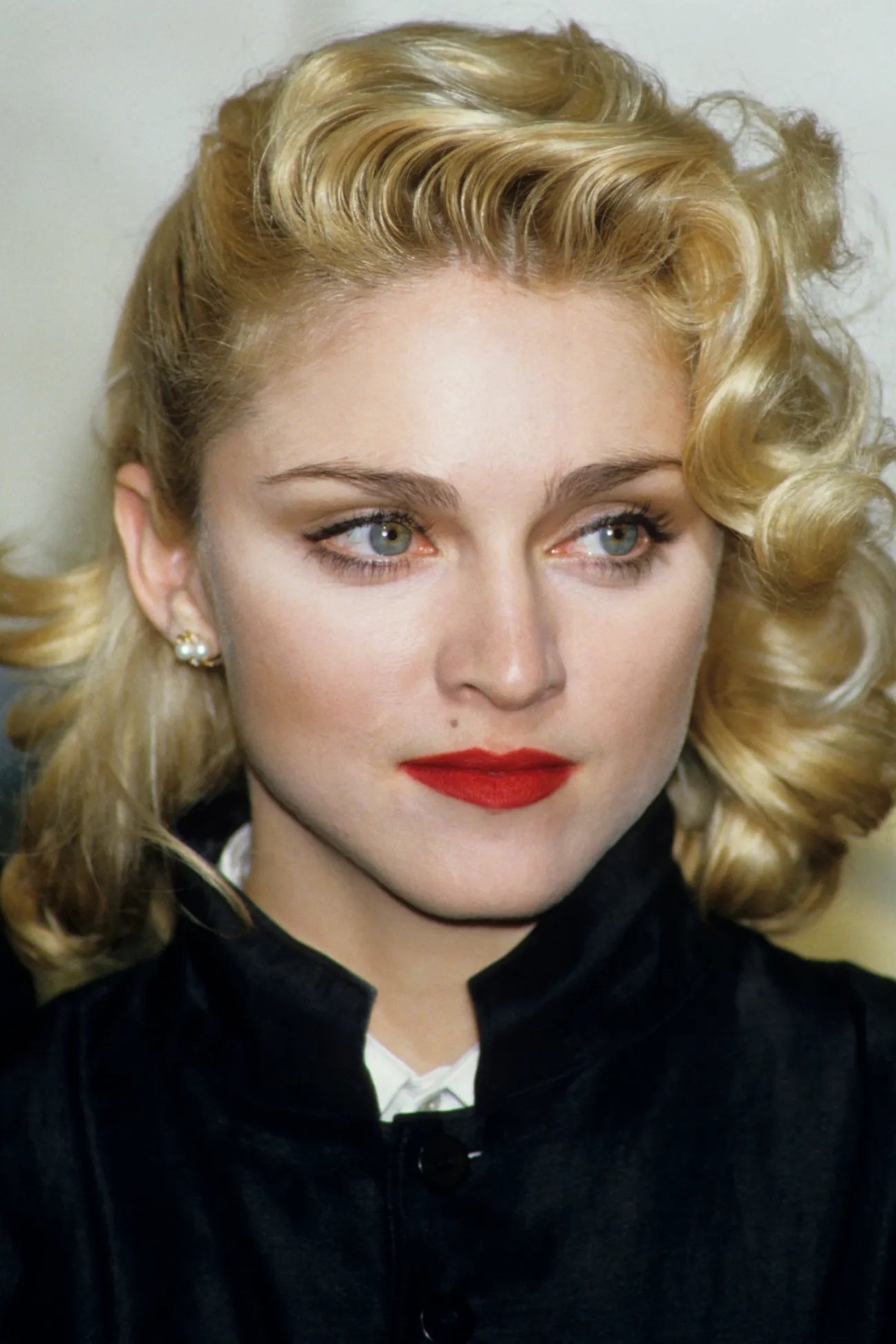
Madonna has spent decades challenging gender norms but she has also faced criticism for refusing to call herself a feminist in certain contexts. She has often stated that she prefers the term humanist because she believes in equal rights for everyone. This stance has frustrated some activists who feel that her career was built on the foundations laid by feminist pioneers. The backlash has surfaced periodically during her various world tours and public appearances. Despite the debate Madonna continues to be a symbol of female empowerment and creative independence for millions of fans.
Courtney Love
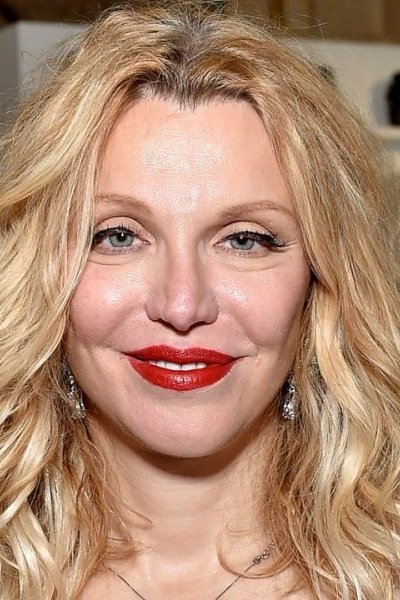
Courtney Love has a notoriously volatile relationship with the media and has frequently clashed with feminist critics. She has at times rejected the label and criticized the mainstream movement for being too polite or exclusionary. This has led to vicious cycles of backlash and defense from both sides of the argument. Critics often point to her lyrics and public persona as examples of riot grrrl influence while she insists on her own individual narrative. Her refusal to conform to any standard version of feminism has made her one of the most polarizing figures in rock music history.
Dolly Parton
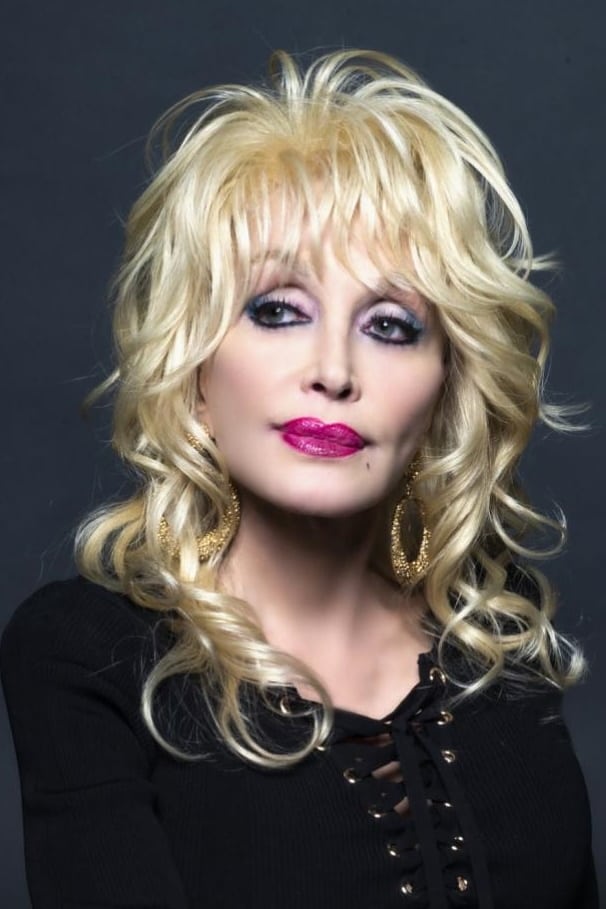
Dolly Parton is beloved by fans of all political stripes but she has consistently refused to label herself as a feminist. She often says that she loves men too much to be a feminist and prefers to stay out of political categorizations. This has led to occasional criticism from those who believe her business success and songs like ‘9 to 5’ make her a natural leader for the movement. The backlash is usually mild compared to other stars but it highlights the cultural divide between different generations of women. Parton remains a singular figure who supports women’s causes through her actions rather than her labels.
Miley Cyrus
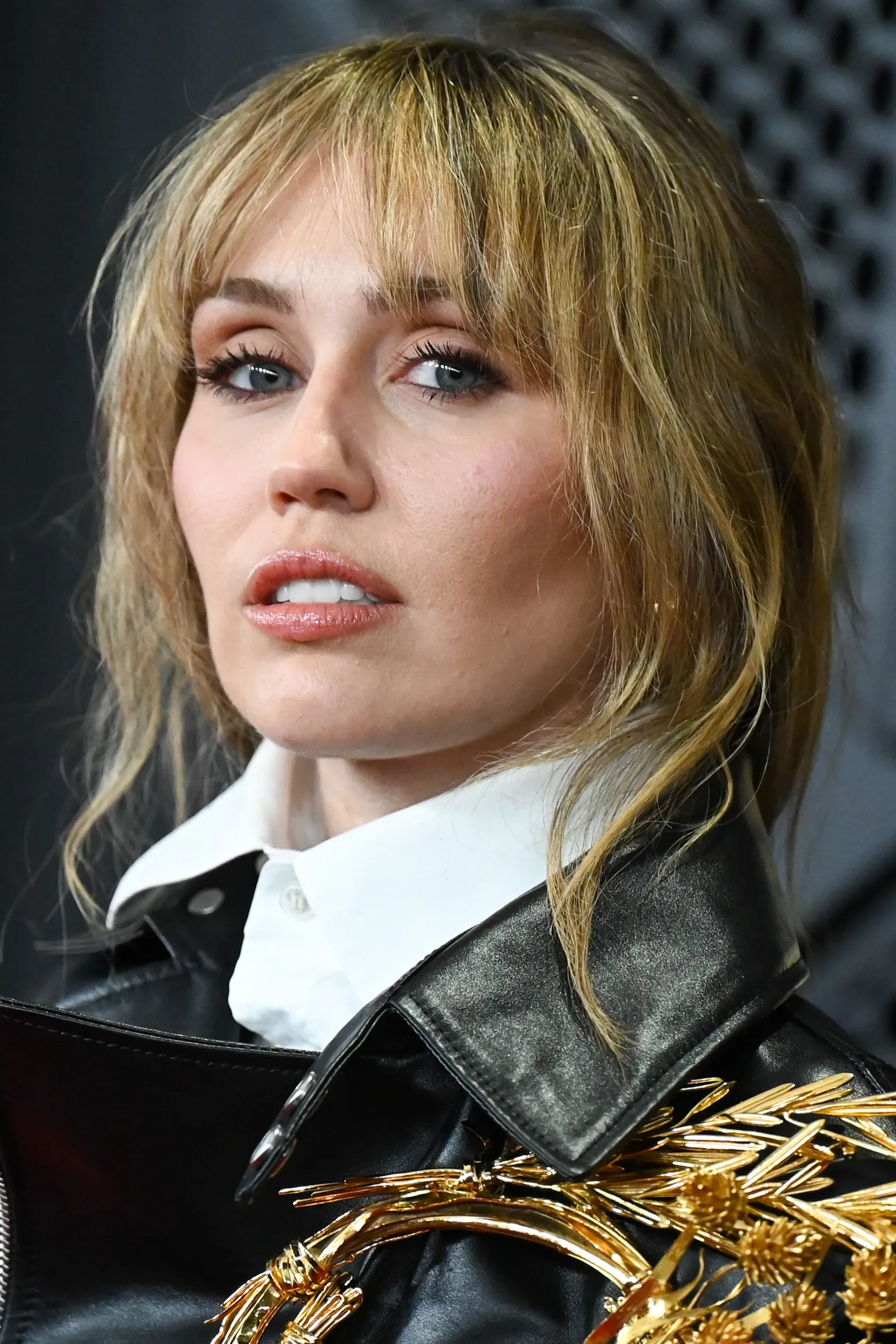
Miley Cyrus faced a period of intense scrutiny when she distanced herself from feminism during her transition from child star to provocative pop singer. She initially suggested that she did not want to be defined by any label including those related to gender politics. This led to criticism from observers who felt her performances were exploiting feminist themes without acknowledging the movement’s history. She later pivoted and became a very vocal feminist and advocate for LGBTQ rights. Her early refusal is often seen as part of her broader rebellion against the image she was forced to maintain as a teenager.
P!nk
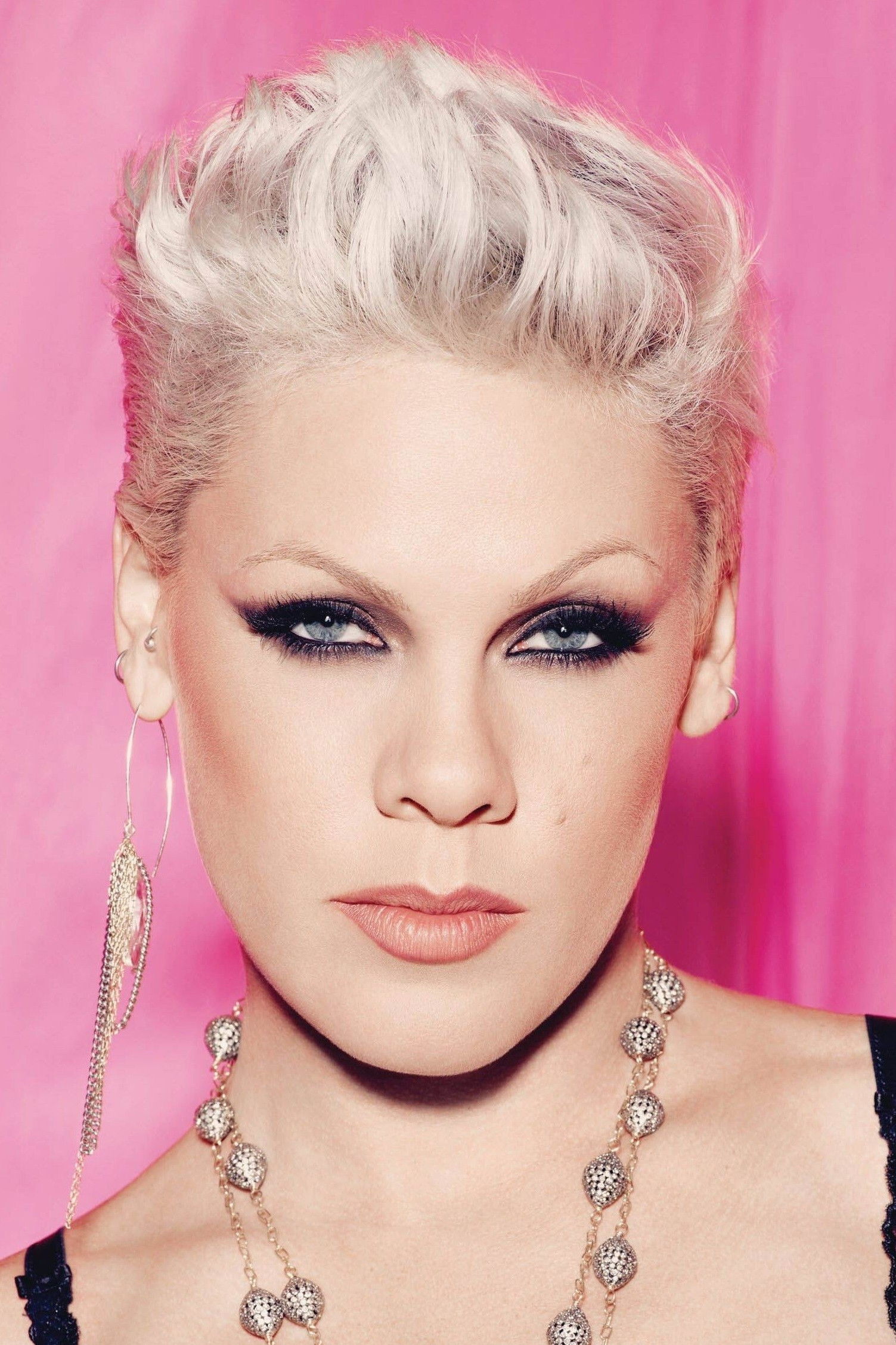
P!nk has often been celebrated for her tough and independent image but she faced backlash early on for distancing herself from the feminist label. She stated in several interviews that she was just a person and did not see the need for gender based identifiers. Critics argued that her songs which often touched on female empowerment were inherently feminist and that her refusal to use the word was confusing. As her career progressed she became much more comfortable with the term and frequently uses her platform to advocate for women’s rights. The early controversy is now seen as a common phase for artists seeking to establish their own identities.
Adele
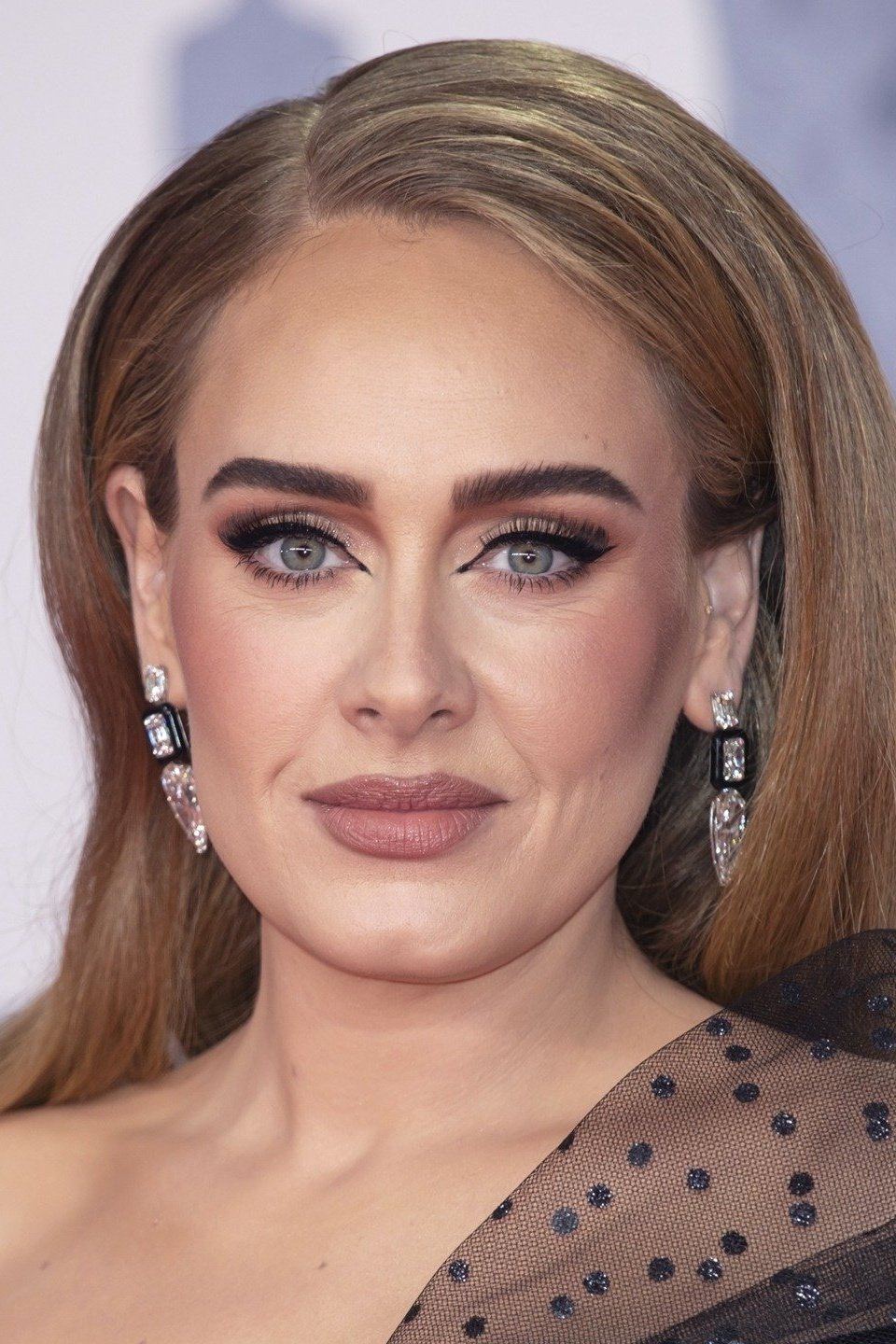
Adele briefly faced criticism early in her career when she expressed a lack of interest in becoming a poster girl for any movement including feminism. She stated that she just wanted to make music and not be a political figure which disappointed some of her more activist fans. The backlash focused on the idea that her massive global influence could be a powerful tool for social change. While she has generally avoided political labels she has expressed her support for women’s equality in more informal settings. Her fans continue to debate whether her focus on personal themes is a form of empowerment in itself.
Rihanna
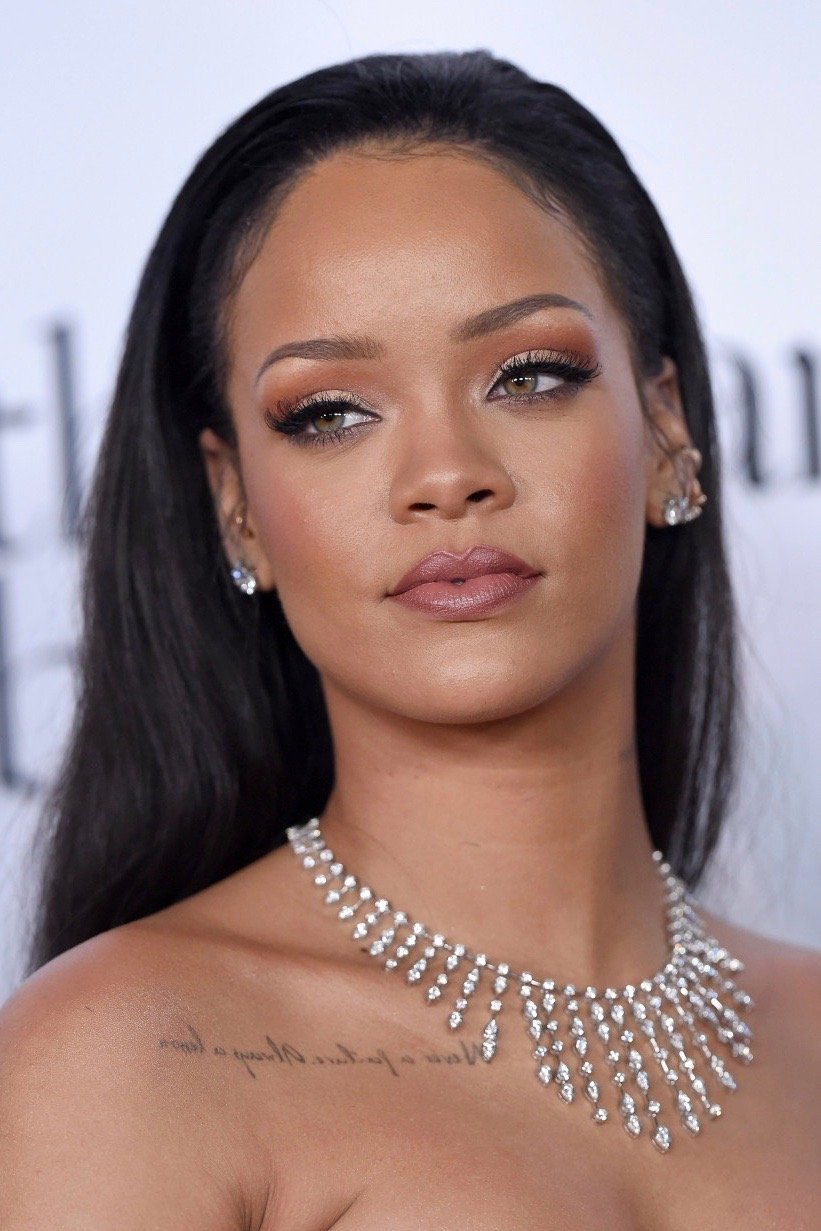
Rihanna faced a minor backlash during her breakthrough years when she avoided aligning herself with the feminist movement. She seemed more interested in exploring her own independence and sexuality without the baggage of political labels. Some critics felt that her image was being curated in a way that ignored the systemic issues facing women in the industry. She has since become a global icon for empowerment and has embraced more vocal stances on social issues through her various business ventures. Her journey reflects the changing landscape of how pop stars interact with social movements over time.
Gwen Stefani
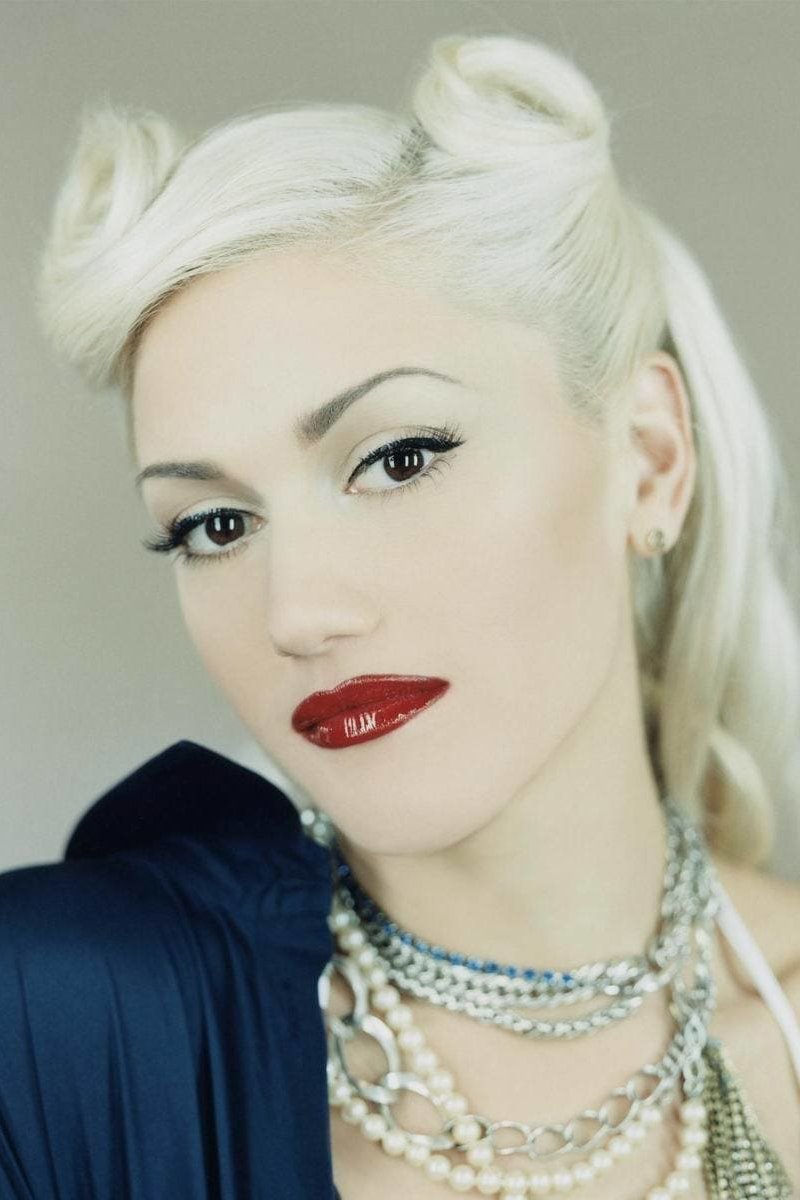
Gwen Stefani has often said in interviews that she does not consider herself a feminist and just wants to be a girl. This sentiment was especially controversial during her solo career when songs like ‘Hollaback Girl’ were being analyzed for their cultural impact. Critics argued that her stance was a form of regressive thinking that undermined the progress made by women in music. The backlash was significant among feminist writers who had previously seen her as a strong female lead in No Doubt. Stefani has mostly stayed away from the topic in recent years focusing instead on her fashion and television projects.
Avril Lavigne
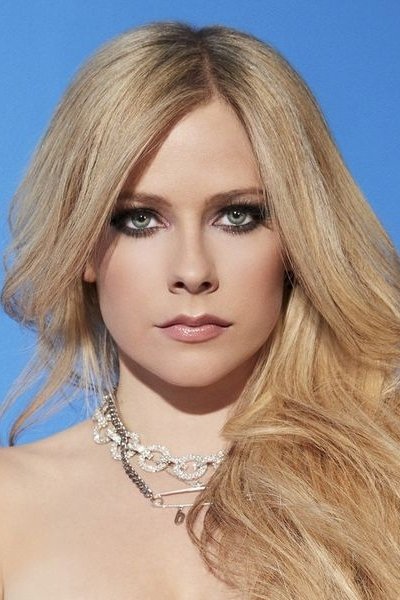
Avril Lavigne was a pioneer of the pop punk genre for girls but she faced criticism for her early refusal to identify as a feminist. She often projected an image that was more about being one of the boys than supporting a sisterhood. This led to accusations from some fans that she was leaning into certain tropes which can be seen as anti feminist. The backlash was most prominent during her first two album cycles when her public persona was most influential. As she grew older she became less concerned with these labels and focused on her personal health and music.
Alanis Morissette
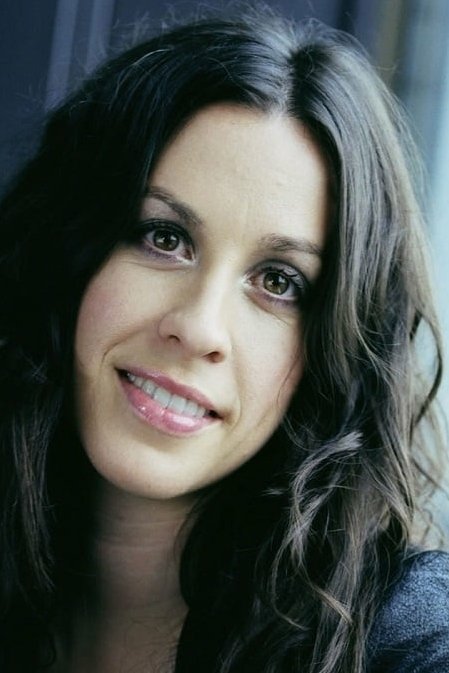
Alanis Morissette faced some pushback in the mid 1990s when she was hesitant to embrace the feminist label despite being the voice of a generation of women. She preferred to talk about her work in terms of spiritual and psychological growth rather than gender politics. This led to heated debates in the music press about whether her landmark album ‘Jagged Little Pill’ was a feminist manifesto or just a personal diary. The backlash was never enough to slow her success but it did create a lasting discussion about her place in the movement. She eventually found a balance between her personal philosophy and the expectations of her fanbase.
Demi Lovato

Demi Lovato experienced a period of backlash early in their career for comments that seemed to distance them from feminist ideals. They once criticized other artists for using the label as a trend which led to a public feud with several peers. Critics felt that these comments were divisive and ignored the importance of solidarity among women in the entertainment industry. Lovato later addressed these controversies and expanded their advocacy to include a wide range of social justice issues. Their evolving identity and public statements continue to be a subject of intense interest for fans and critics alike.
Shania Twain
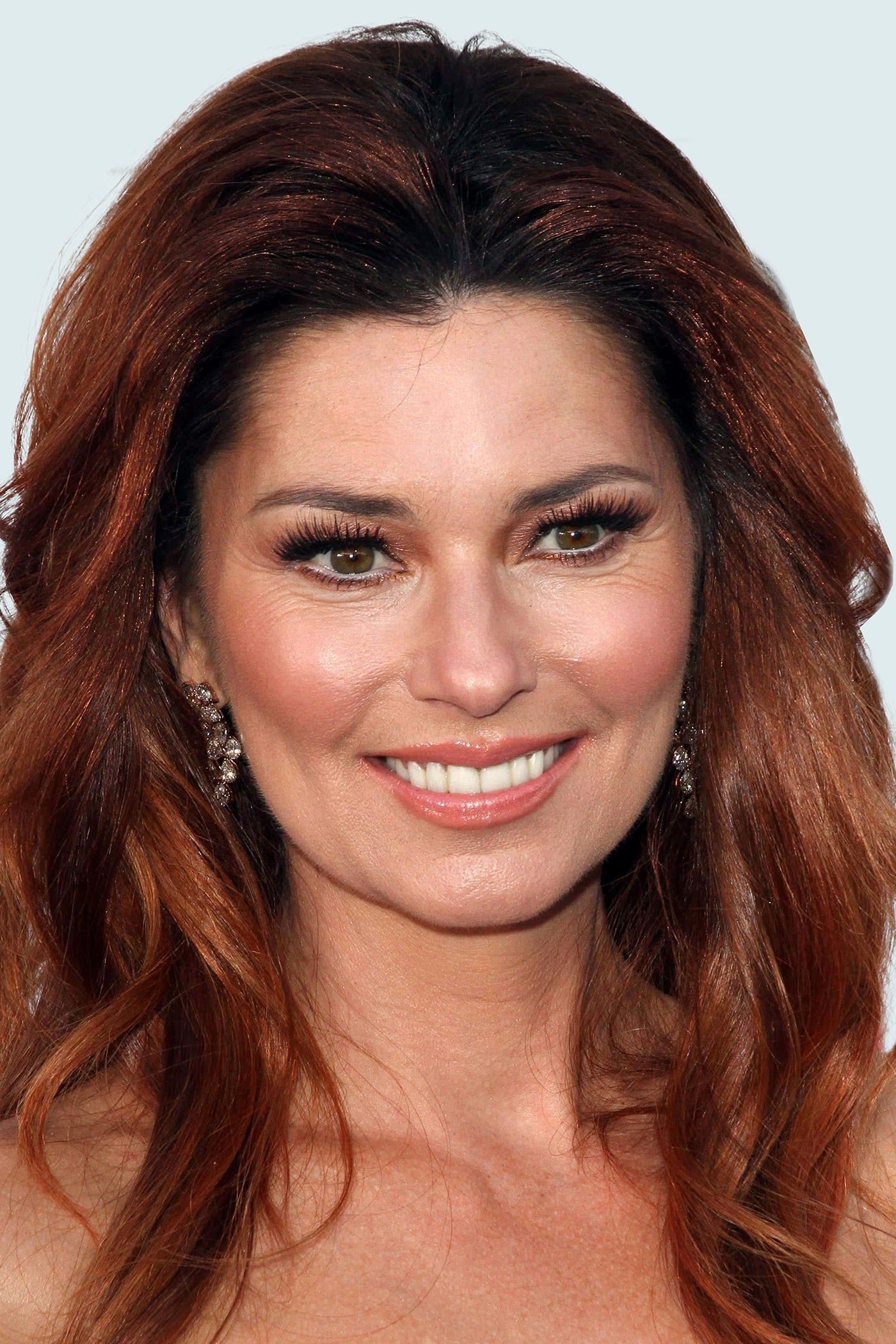
Shania Twain has consistently avoided the feminist label throughout her record breaking career in country and pop music. She has stated that she does not feel the need to call herself a feminist because her actions and success speak for themselves. This has led to occasional criticism from those who believe her breakthrough into the male dominated country scene was a major feminist achievement that she should acknowledge. The backlash has mostly been confined to academic and critical circles while her fans remain largely supportive of her individualistic stance. Twain continues to be a trailblazer who defines her own path without the help of political identifiers.
Joss Stone
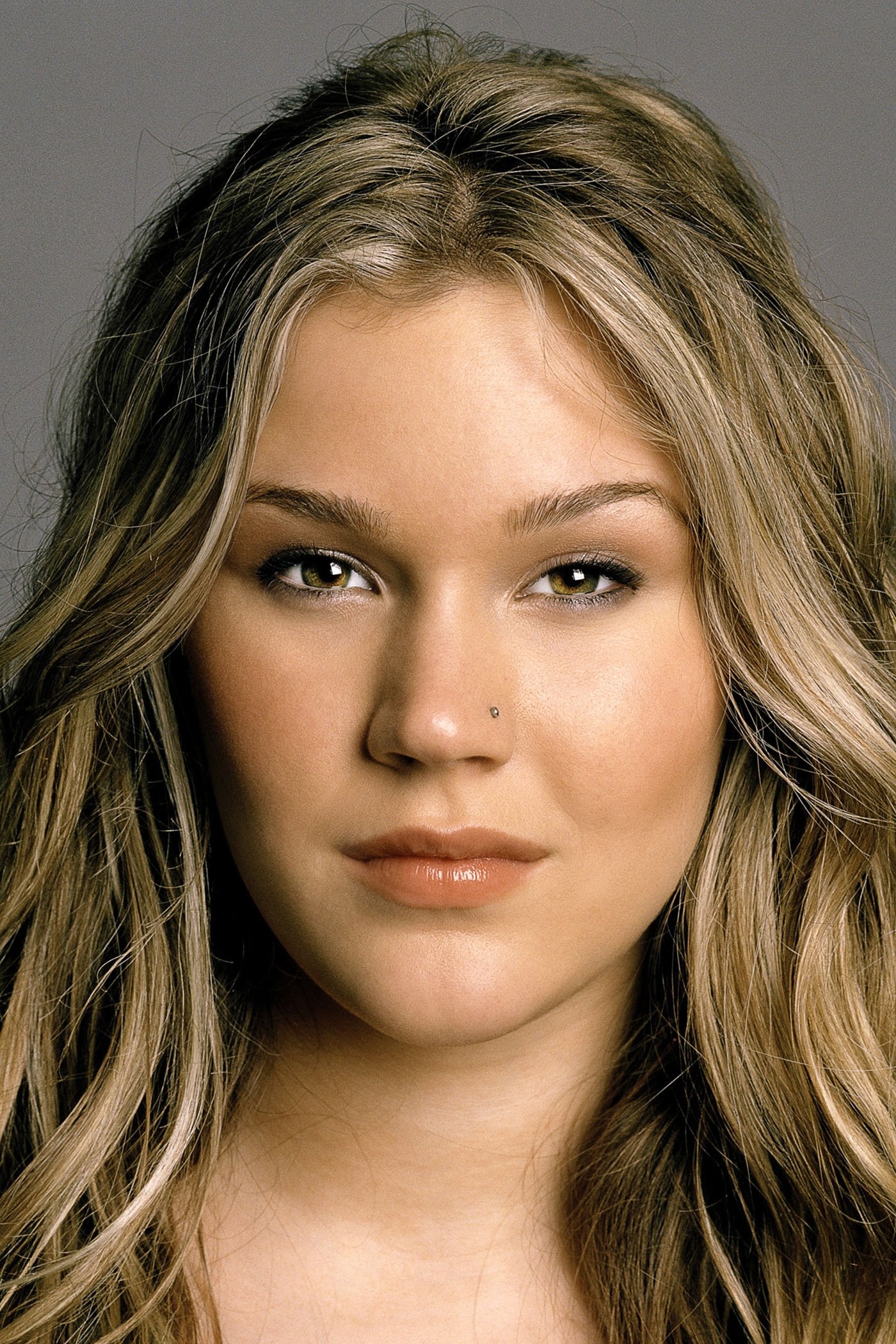
Joss Stone sparked a minor controversy when she stated in an interview that she did not believe in the label of feminism. She suggested that the term was no longer necessary because women in the modern world already had the power to do what they wanted. This perspective was met with criticism from those who felt she was ignoring the ongoing struggles for gender equality in many parts of the world. Critics argued that her viewpoint was limited by her own personal success and did not reflect the reality for most women. Stone has remained largely silent on the topic since the initial backlash and chose to focus on her global music projects.
Norah Jones
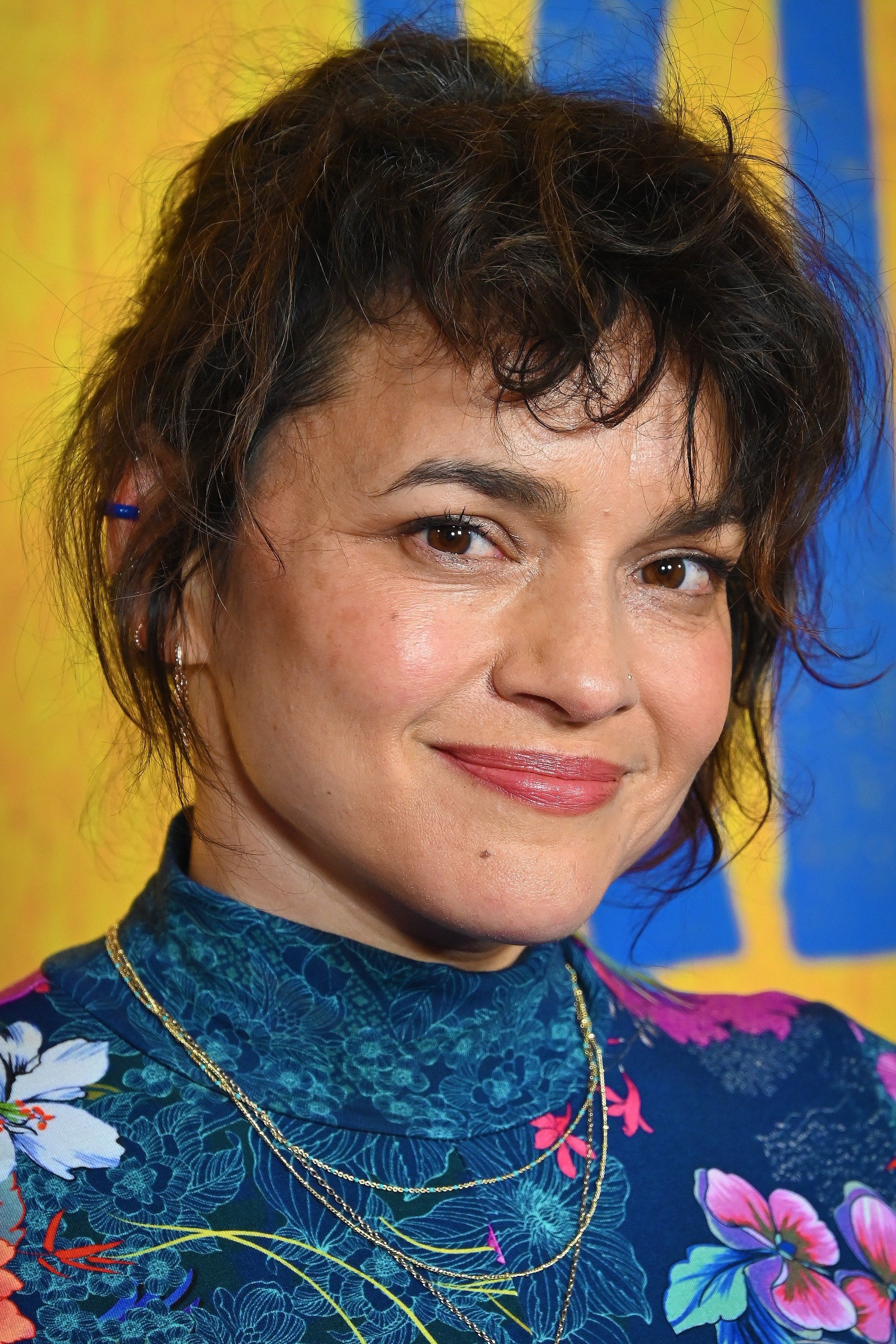
Norah Jones has generally avoided political labels throughout her career and this includes the term feminist. She once mentioned in a profile that she does not feel the need to belong to any specific group or movement to express her views. This led to some light criticism from fans who wanted her to use her platform more explicitly for social causes. The backlash was relatively quiet compared to pop stars but it represented a larger trend of jazz and blues artists avoiding modern political tags. Jones continues to let her music and low profile lifestyle define her public image.
Azealia Banks
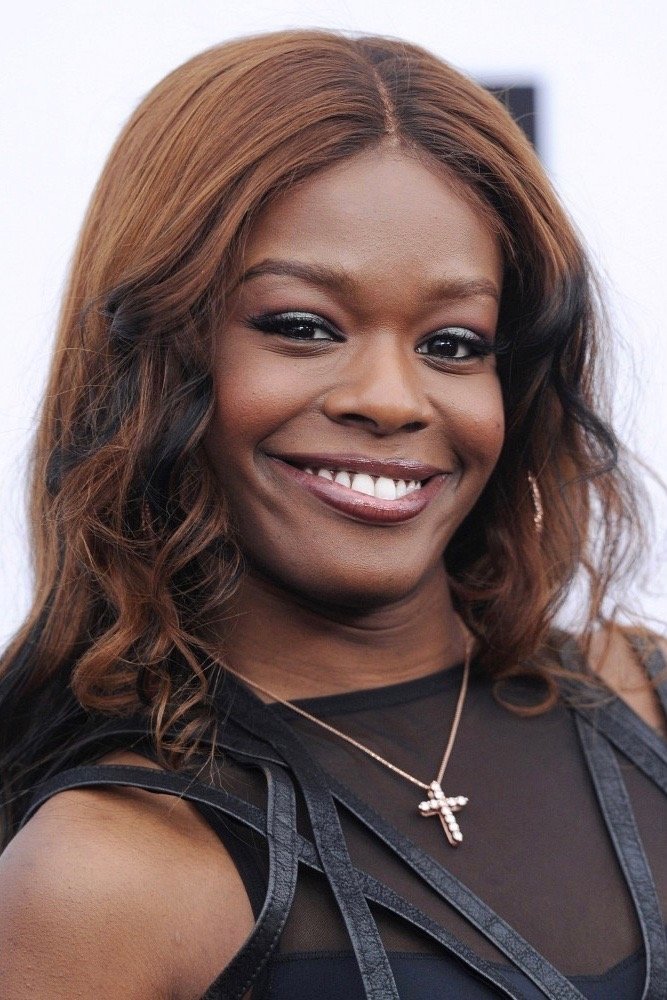
Azealia Banks has frequently ignited vicious backlash for her critiques of mainstream feminism which she often describes as exclusionary. She has explicitly refused to align herself with the movement and has frequently clashed with prominent feminist figures on social media. Her comments often touch on the intersection of race and gender which leads to complex and heated debates. While some appreciate her willingness to challenge the status quo many others find her delivery and views to be harmful. She remains one of the most controversial figures in the music industry due to her outspoken nature and refusal to conform.
M.I.A.
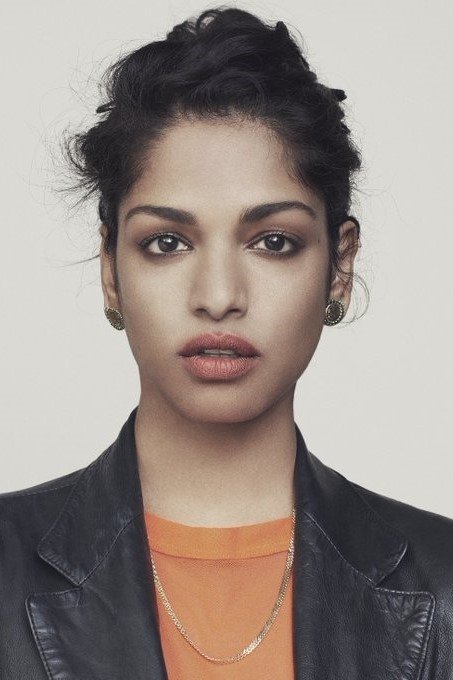
M.I.A. has a long history of making provocative statements and she has often critiqued Western feminism for being self serving. She has argued that the movement often ignores the struggles of women in developing nations or those affected by war. This stance has led to significant backlash from activists who feel she is unfairly dismissing the work done by feminists in the West. Her refusal to adopt the label in a traditional sense is part of her broader critique of global power structures. Despite the controversy she continues to be a vocal advocate for refugee rights and global social justice.
Kelis
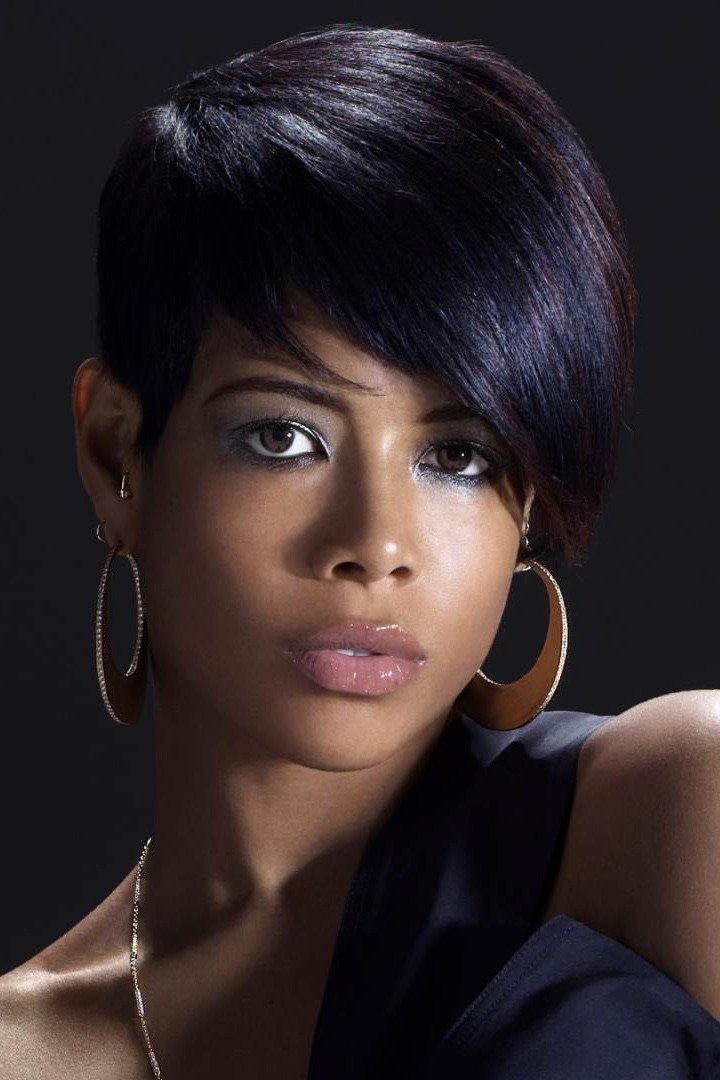
Kelis has distanced herself from the feminist label several times during her career in the music industry. She has stated that she prefers to be seen as an individual rather than as part of a collective gender movement. This stance sparked some criticism from fans who felt her music was inherently empowering and feminist in nature. The backlash focused on the idea that her success as a Black woman in a competitive field should be acknowledged through a feminist lens. Kelis has mostly ignored these critiques and has transitioned into a successful career as a chef and entrepreneur.
Paloma Faith
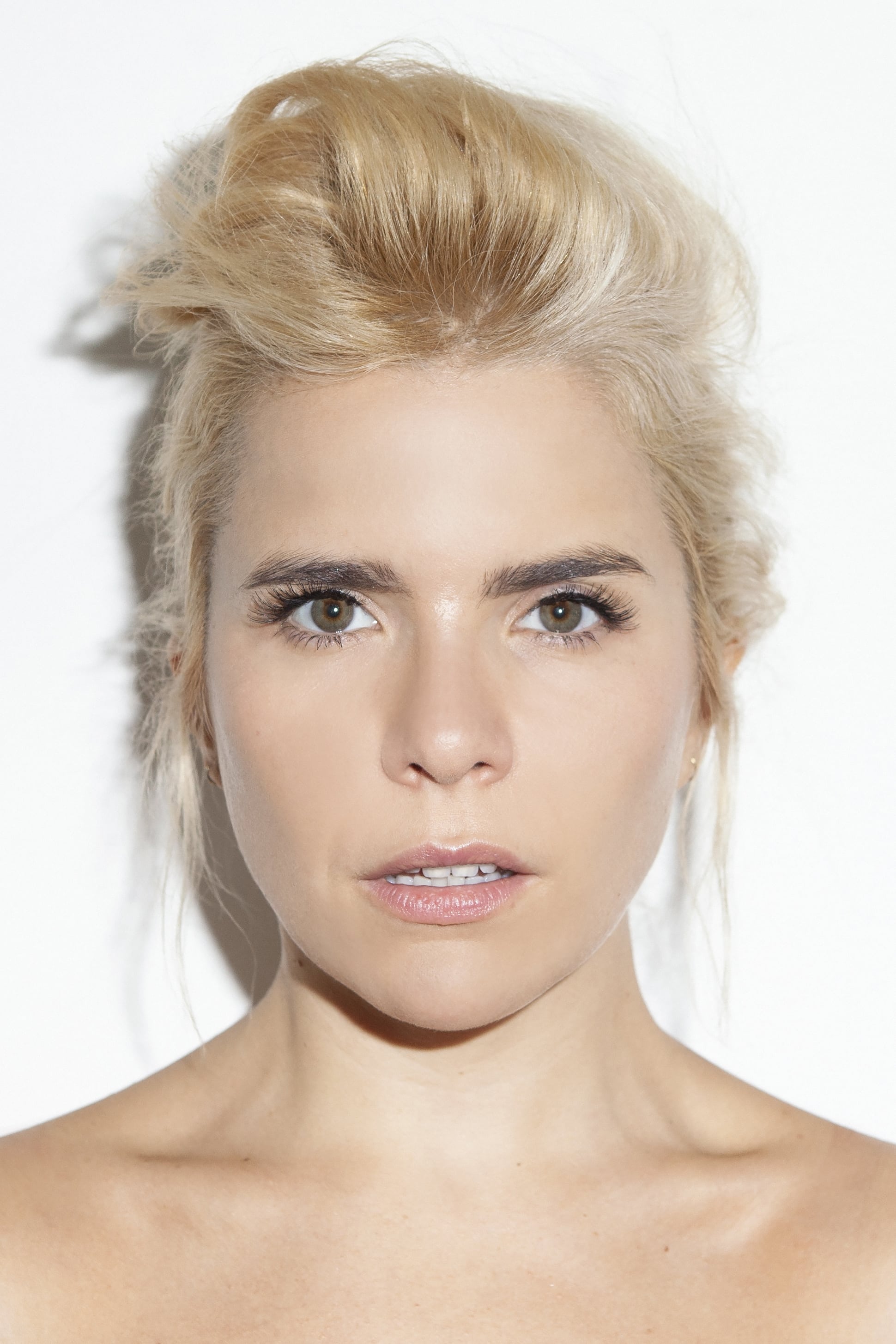
Paloma Faith once faced criticism for expressing reservations about the way feminism is portrayed in the media. She suggested that the movement could sometimes feel like a club that not everyone was invited to join. This led to a wave of online debate regarding the inclusivity of modern feminism and the role of high profile women within it. She eventually clarified her comments and has since become more comfortable with the label while still maintaining a critical eye. The initial backlash highlighted the growing pains of a movement trying to reach a wider and more diverse audience.
Leona Lewis
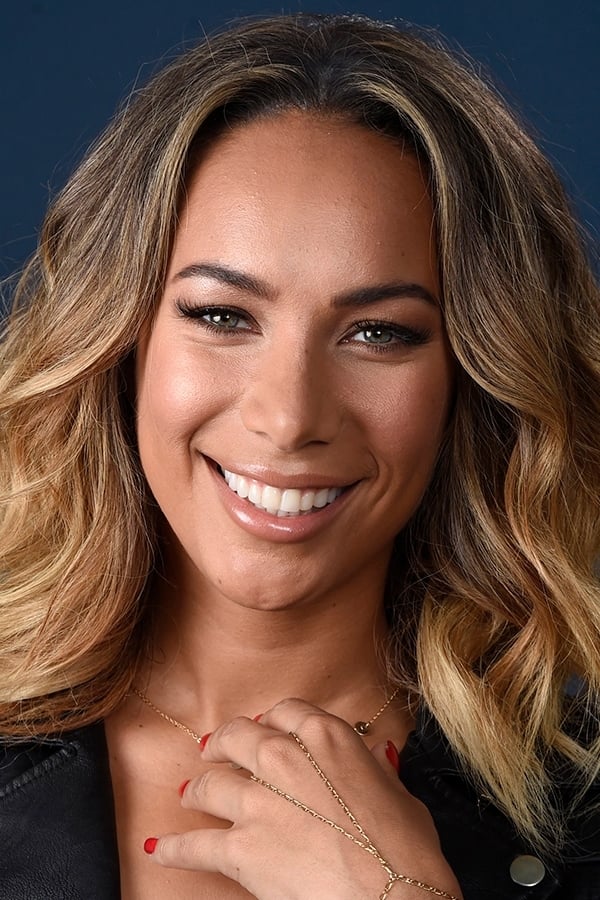
Leona Lewis faced some scrutiny early in her career when she declined to take a firm stance on the feminist movement. She expressed a desire to stay neutral on many social and political topics which some fans interpreted as a lack of conviction. The criticism was centered on the expectation that successful female artists should lead the way in supporting women’s rights. She has since used her platform to support animal rights and various charitable causes while remaining relatively private about her specific political identifiers. Her early hesitation remains a minor point in her otherwise smooth career trajectory.
Jessie J
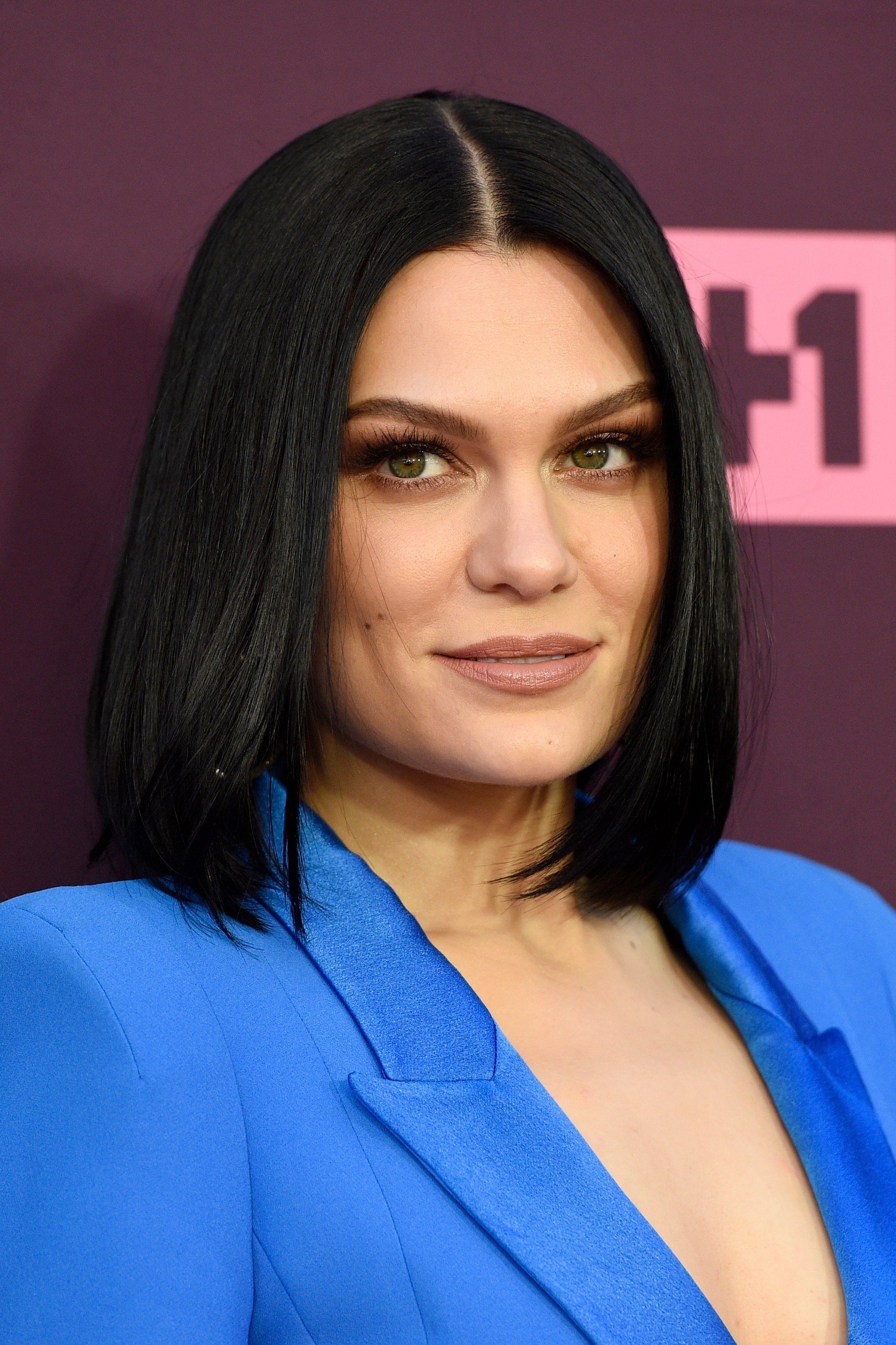
Jessie J sparked a discussion when she initially distanced herself from the feminist label during her early breakthrough years. She stated that she just wanted to be a positive role model for everyone and did not want to limit her appeal to one group. This led to feedback from critics who argued that feminism is about equality for everyone and should not be seen as a limitation. She later embraced the term more openly as she matured in the industry and understood the importance of the movement. The shift in her perspective was noted by many as a positive development in her public persona.
Nelly Furtado
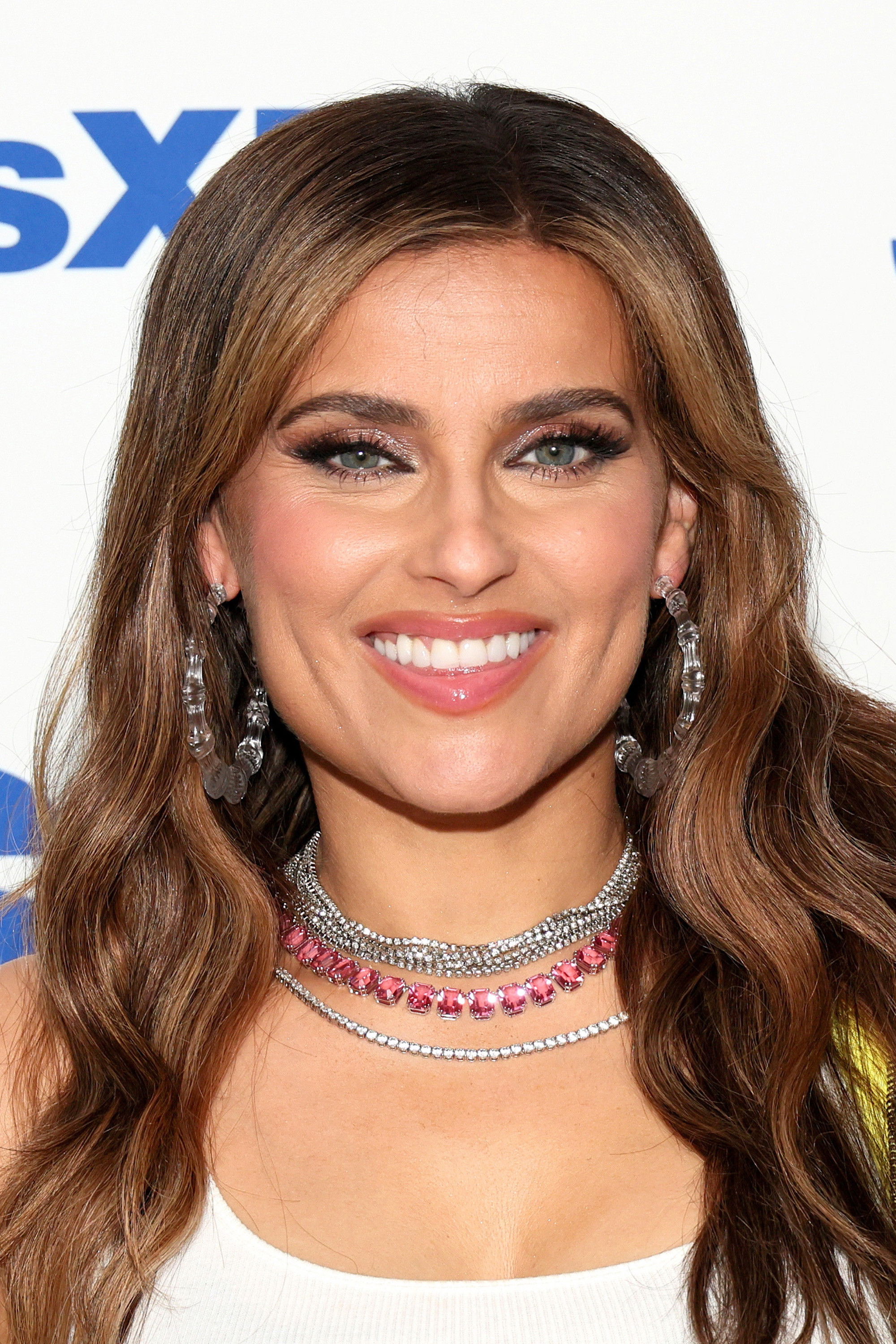
Nelly Furtado has often focused on themes of individual power and self discovery in her music rather than specific political movements. She faced some criticism during her commercial peak for not being more vocal about feminist issues. Some fans felt that her status as a global star gave her a responsibility to advocate for the movement more clearly. Furtado has generally responded by saying that her music is her own form of empowerment and that she does not need a label to prove it. She continues to maintain a unique and independent path in the music industry.
Sinitta
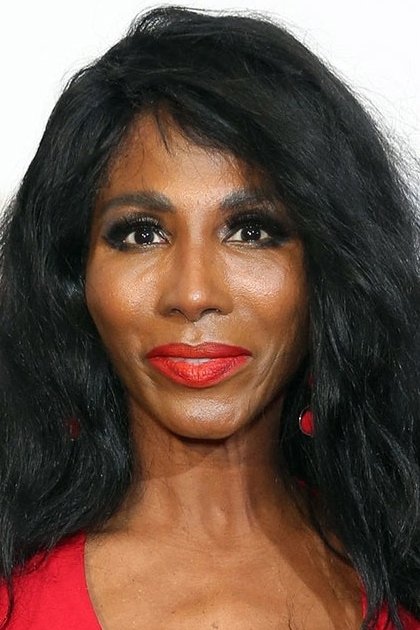
Sinitta once caused a firestorm of criticism after making comments that were seen as dismissive of the feminist movement. She suggested that women should focus more on their own personal presentation and behavior than on political activism. The backlash was immediate and harsh with many accusing her of promoting outdated and harmful stereotypes. This controversy played out across various media platforms and led to a wider discussion about the generational divide in how women view empowerment. Sinitta has since defended her views while acknowledging the significant progress made by the feminist movement over the decades.
Share your thoughts on these artists and their public stances in the comments.