TV Shows That Successfully Navigated Major Character Deaths and Scandals

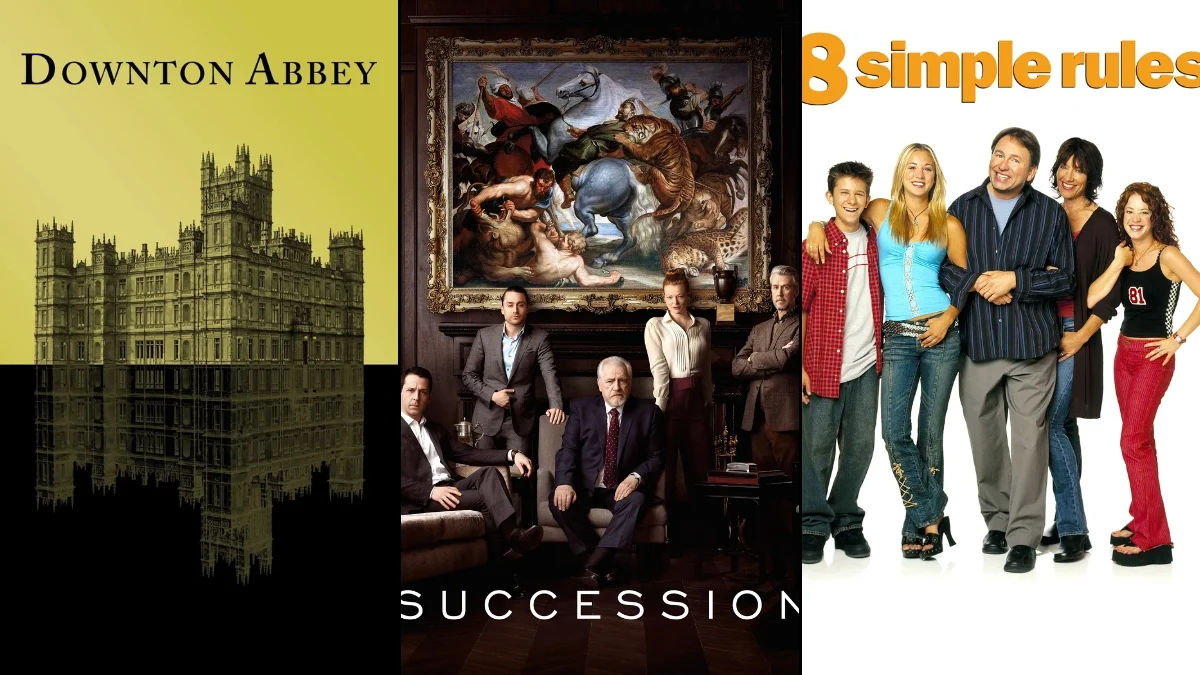

Television series often face existential threats when a lead actor departs due to creative choices, personal tragedy, or off-screen controversy. Maintaining narrative consistency and audience loyalty in the wake of such a significant void requires careful writing and strategic casting pivots. Some shows successfully reinvent themselves, using the departure as a catalyst for growth rather than a signal for cancellation. These examples demonstrate the resilience of long-running productions when faced with the loss of their most recognizable stars.
‘Succession’ (2018–2023)
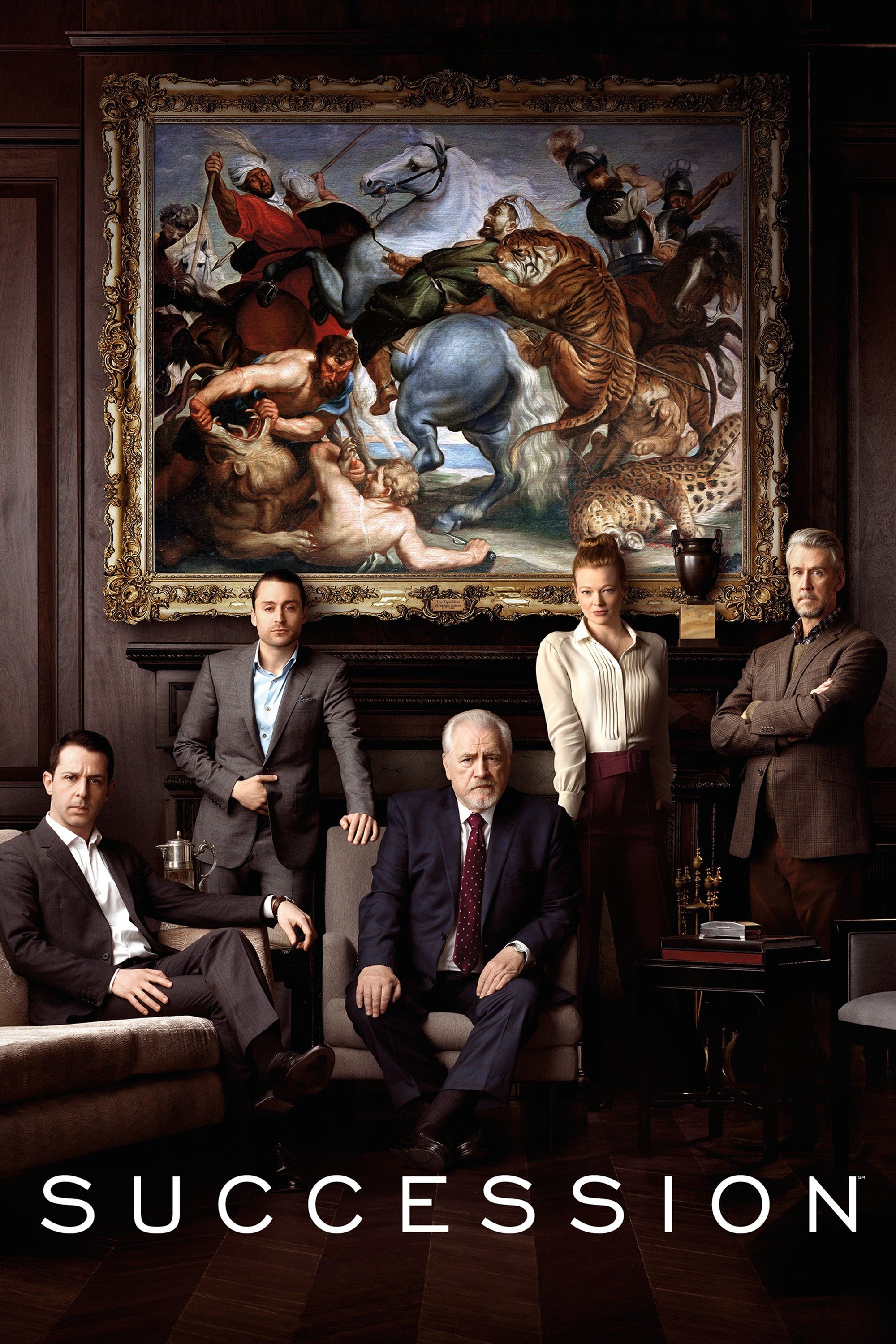
The sudden death of Logan Roy early in the fourth season occurred much earlier than many viewers anticipated. The series transitioned from a power struggle involving the patriarch to a desperate race among his children to seize control of Waystar Royco. Critics praised ‘Succession’ for how it handled the logistical and emotional fallout of a major character’s passing without losing narrative momentum. This creative choice allowed the final episodes to explore the visceral grief and corporate maneuvering that defined the show’s legacy. The show concluded with high viewership and multiple awards, proving its narrative resilience.
‘Grey’s Anatomy’ (2005–Present)
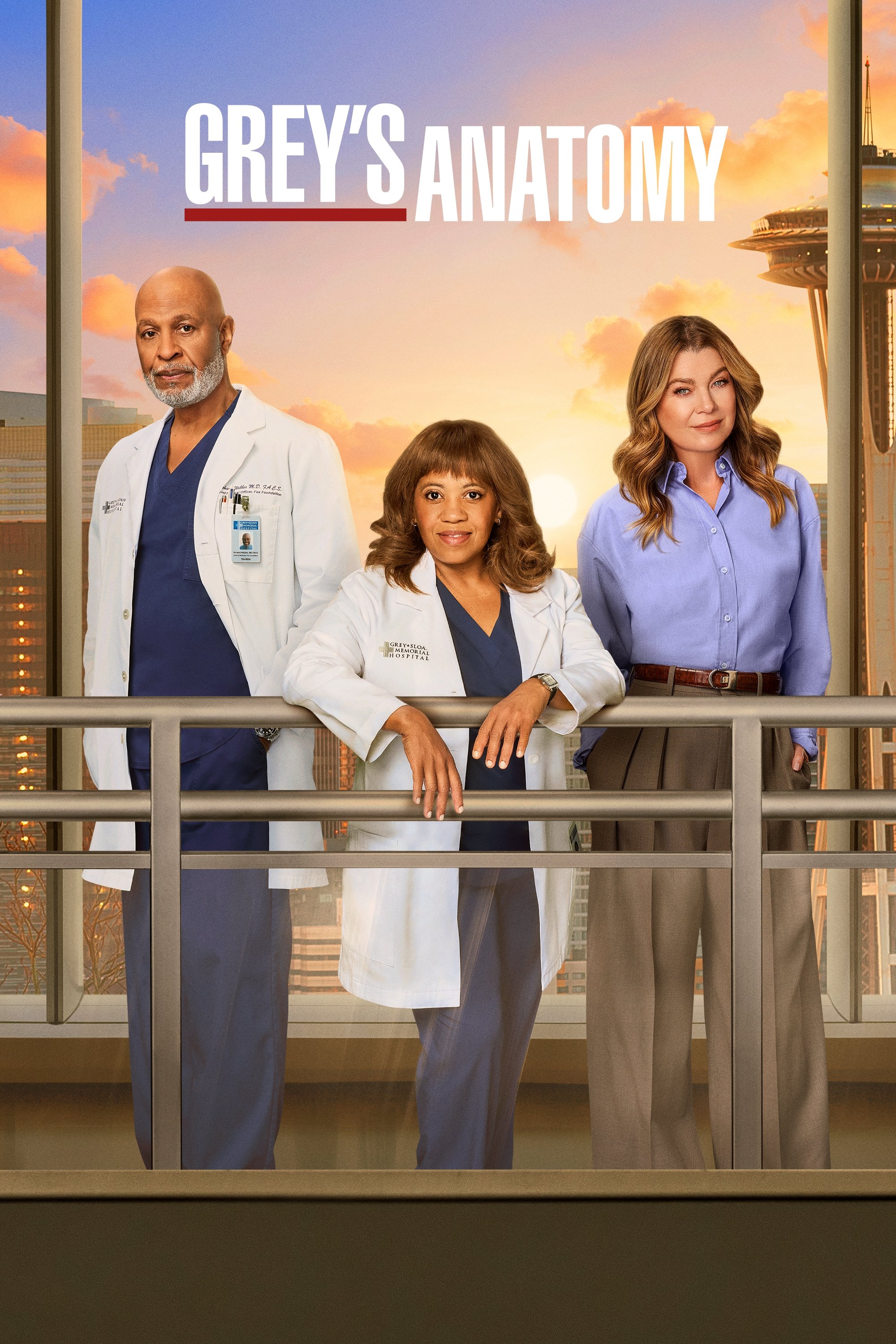
When Derek Shepherd was killed in an automobile accident during the eleventh season, fans questioned if the medical drama could survive without its primary male lead. The series shifted its focus to Meredith Grey’s journey as a widow and a single mother, leaning into the strength of its remaining ensemble cast. ‘Grey’s Anatomy’ continued to secure high ratings and was renewed for several more seasons following the departure. The show proved it could evolve past its central romance by introducing new characters and complex medical cases. This longevity has made it one of the longest-running primetime dramas in television history.
‘The Good Wife’ (2009–2016)
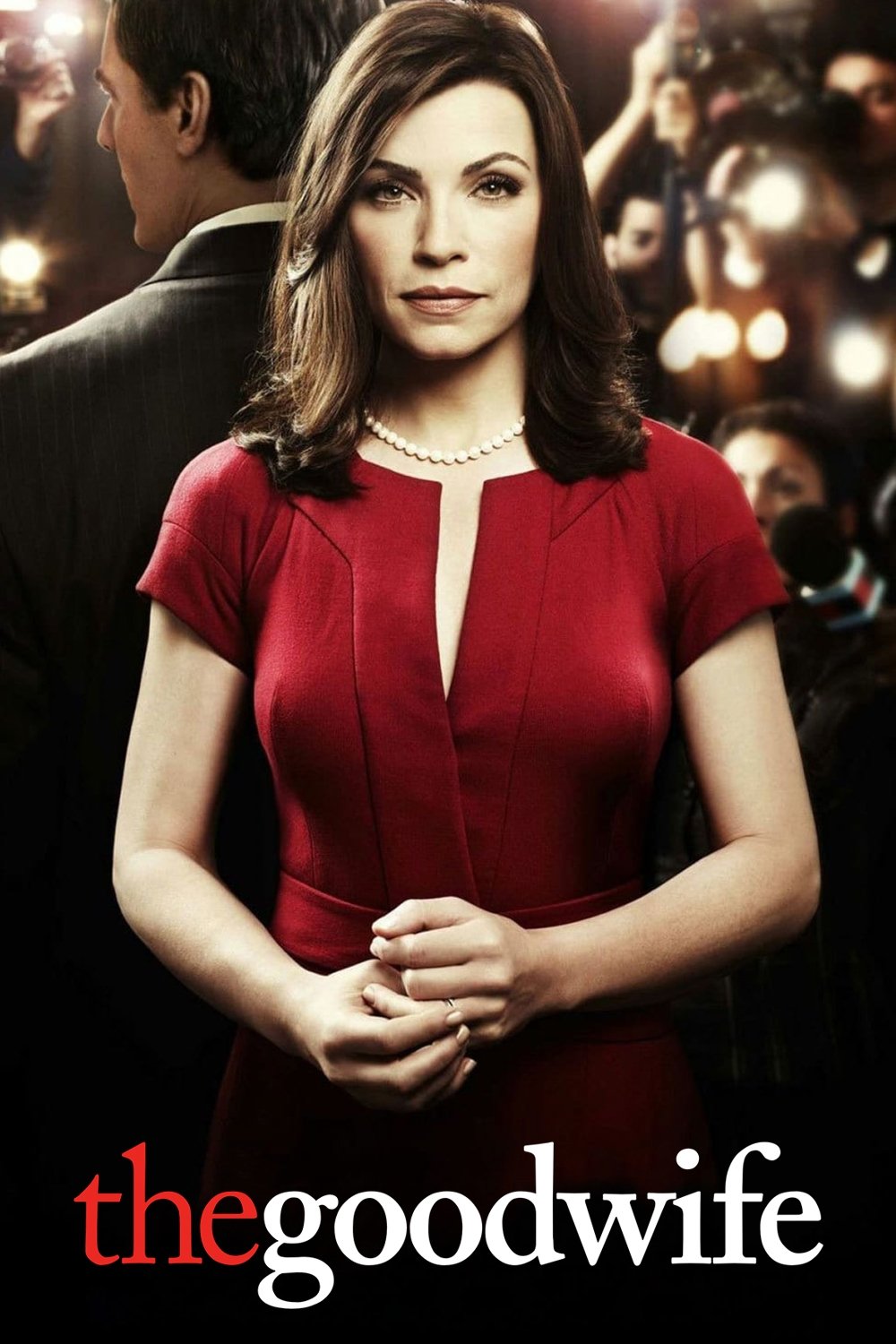
The shocking death of Will Gardner in the fifth season of ‘The Good Wife’ fundamentally changed the trajectory of protagonist Alicia Florrick’s life. Rather than derailing the show, this loss served as a narrative engine that forced Alicia to re-evaluate her career and personal independence. The writing team used the tragedy to deepen the stakes of the legal and political battles occurring in Chicago. Viewers remained engaged as the show entered its final seasons with a renewed sense of purpose. It is often cited as a prime example of how a series can survive the exit of a core romantic interest.
‘Game of Thrones’ (2011–2019)

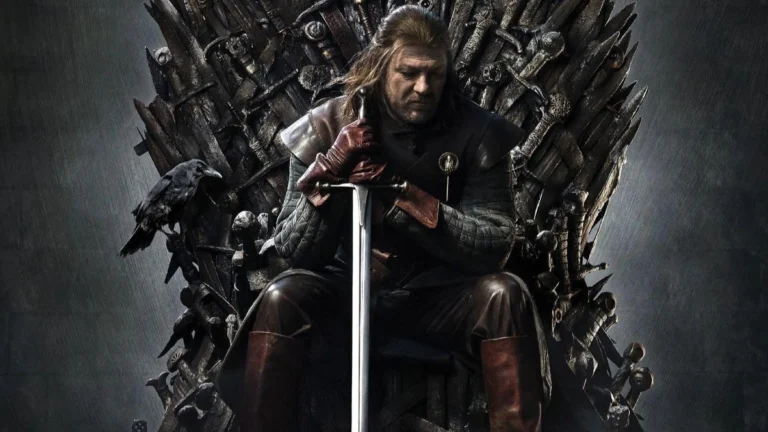
The execution of Ned Stark in the first season established ‘Game of Thrones’ as a series where no character, regardless of their importance, was truly safe. This bold move forced the audience to pivot their attention to the Stark children and other key players in the fight for the Iron Throne. By removing the traditional protagonist early on, the series expanded its scope to include a massive ensemble of characters across different continents. This unpredictability became a hallmark of the show, contributing to its status as a global cultural phenomenon. The gamble paid off by keeping viewers constantly on edge regarding the fates of their favorite characters.
‘Two and a Half Men’ (2003–2015)
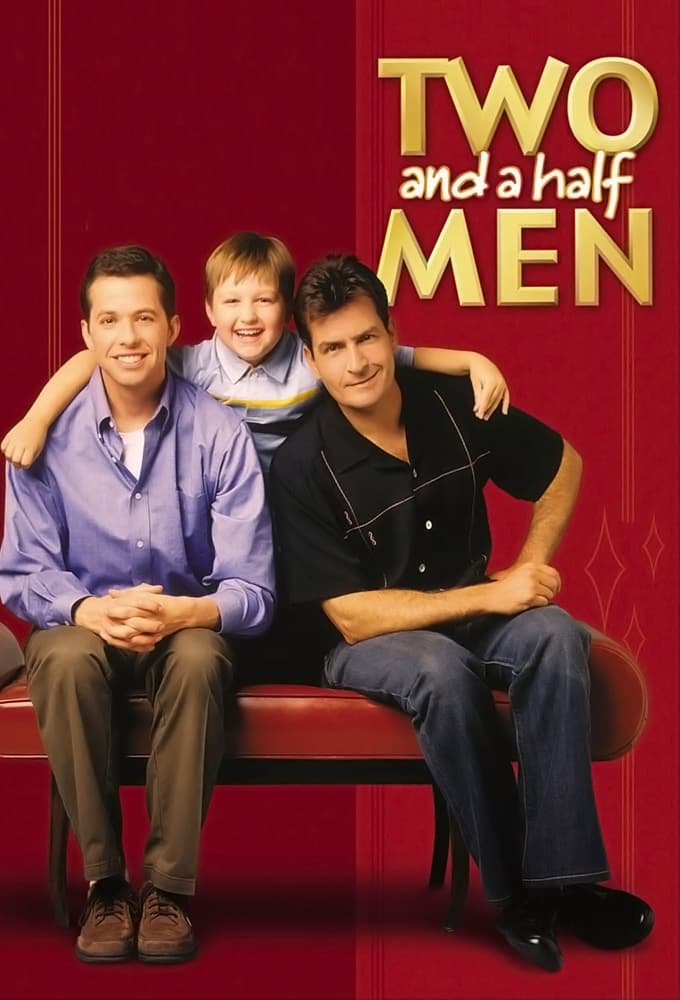
Following the highly publicized firing of Charlie Sheen due to personal scandals, ‘Two and a Half Men’ underwent a significant cast overhaul. The producers introduced Ashton Kutcher as a new billionaire character to fill the void left by Sheen’s departure. The show successfully rebranded itself and continued for four additional seasons with strong ratings. By shifting the dynamic from two brothers to a new unlikely pairing, the series managed to maintain its audience base. This transition remains one of the most successful examples of a sitcom surviving the loss of its central star.
‘Charmed’ (1998–2006)
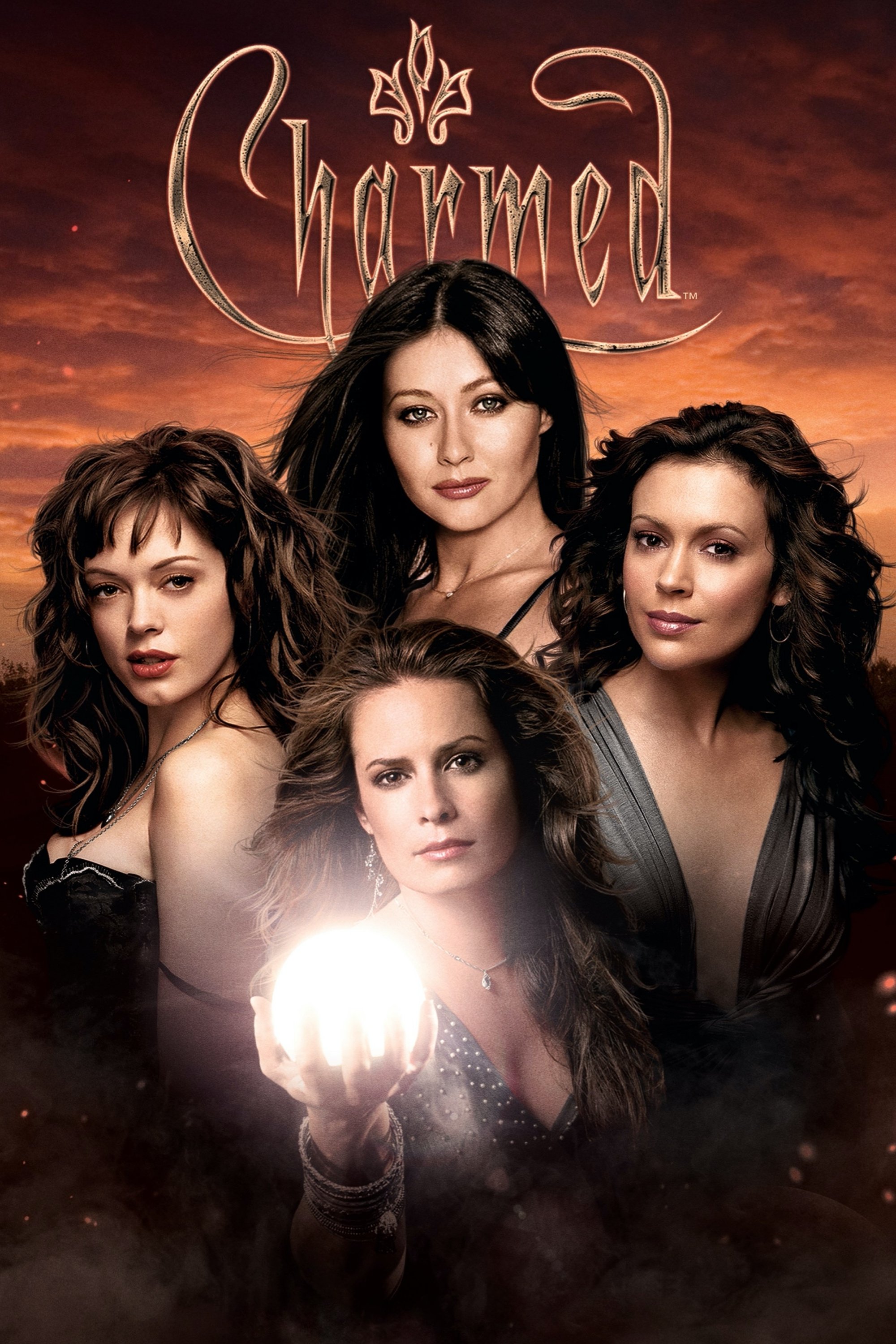
The departure of Shannen Doherty at the end of the third season required the writers to kill off the character of Prue Halliwell. To maintain the central theme of the Power of Three, the series introduced a long-lost half-sister named Paige Matthews. This change breathed new life into ‘Charmed’ and allowed the show to run for five more seasons. The new dynamic between the remaining sisters resonated with fans, keeping the series a staple of supernatural television. It remains a notable instance of a show overcoming behind-the-scenes conflict through creative casting.
‘Downton Abbey’ (2010–2015)

When Dan Stevens decided to leave the series, his character Matthew Crawley was killed in a car accident immediately following the birth of his heir. This plot twist left the character of Mary Crawley to navigate life as a widow and a mother while managing the estate. ‘Downton Abbey’ used this transition to explore the modernization of the estate and Mary’s growth as an independent woman. The show continued for three more seasons and transitioned into a successful film franchise. Fans remained loyal to the upstairs-downstairs drama despite the loss of its primary romantic lead.
‘The Conners’ (2018–Present)

After the cancellation of the ‘Roseanne’ revival due to a social media scandal involving its lead actress, the production was retooled into a spin-off titled ‘The Conners’. The premiere episode addressed the death of Roseanne Conner through an accidental overdose, allowing the rest of the family to move forward. This shift focused the narrative on the remaining family members as they navigated financial struggles and personal growth in Lanford. The series has since aired multiple seasons, proving that the ensemble was strong enough to support the show on its own. It successfully preserved the jobs of the crew and cast while maintaining a consistent viewer base.
‘The Walking Dead’ (2010–2022)

The departure of Andrew Lincoln, who played the central character Rick Grimes, marked a massive turning point for the long-running zombie drama. Rather than ending the show, the writers used a time jump to focus on the evolution of the surviving community members. Characters like Daryl, Carol, and Michonne stepped into leadership roles, expanding the narrative reach of the series. ‘The Walking Dead’ continued for several more seasons and eventually launched multiple spin-off series. This transition demonstrated the show’s ability to exist as an ensemble piece rather than being dependent on a single protagonist.
‘Homeland’ (2011–2020)

The execution of Nicholas Brody at the end of the third season was a risky move that could have ended the momentum of ‘Homeland’. However, the show successfully pivoted to focus on Carrie Mathison’s career as a CIA officer in different international settings. By moving away from the central cat-and-mouse game with Brody, the series became a more traditional but highly effective political thriller. Critics praised the show’s ability to reinvent itself each season with new locations and threats. The series concluded after eight seasons, maintaining its reputation for intense storytelling and relevant themes.
‘Glee’ (2009–2015)

The tragic passing of lead actor Cory Monteith forced ‘Glee’ to address the death of his character, Finn Hudson, in a special tribute episode. The show navigated this difficult period by focusing on the grief of the characters and the enduring legacy of the music program. While the loss was felt deeply by the fan base, the series continued to tell the stories of the remaining students and faculty. It completed its planned six-season run, providing closure for its ensemble of characters. This handling of a real-life tragedy was noted for its sensitivity and emotional impact on the audience.
‘8 Simple Rules’ (2002–2005)

The sudden death of John Ritter during the production of the second season left ‘8 Simple Rules’ without its central father figure. The writers chose to incorporate the character’s death into the storyline, exploring the family’s journey through mourning and recovery. James Garner and David Spade joined the cast to help fill the void and provide new comedic dynamics. The show managed to air for one more full season after the tragedy, honoring Ritter’s memory through its narrative. This period was praised for its honest depiction of a family dealing with unexpected loss in a sitcom format.
‘Criminal Minds’ (2005–2020)
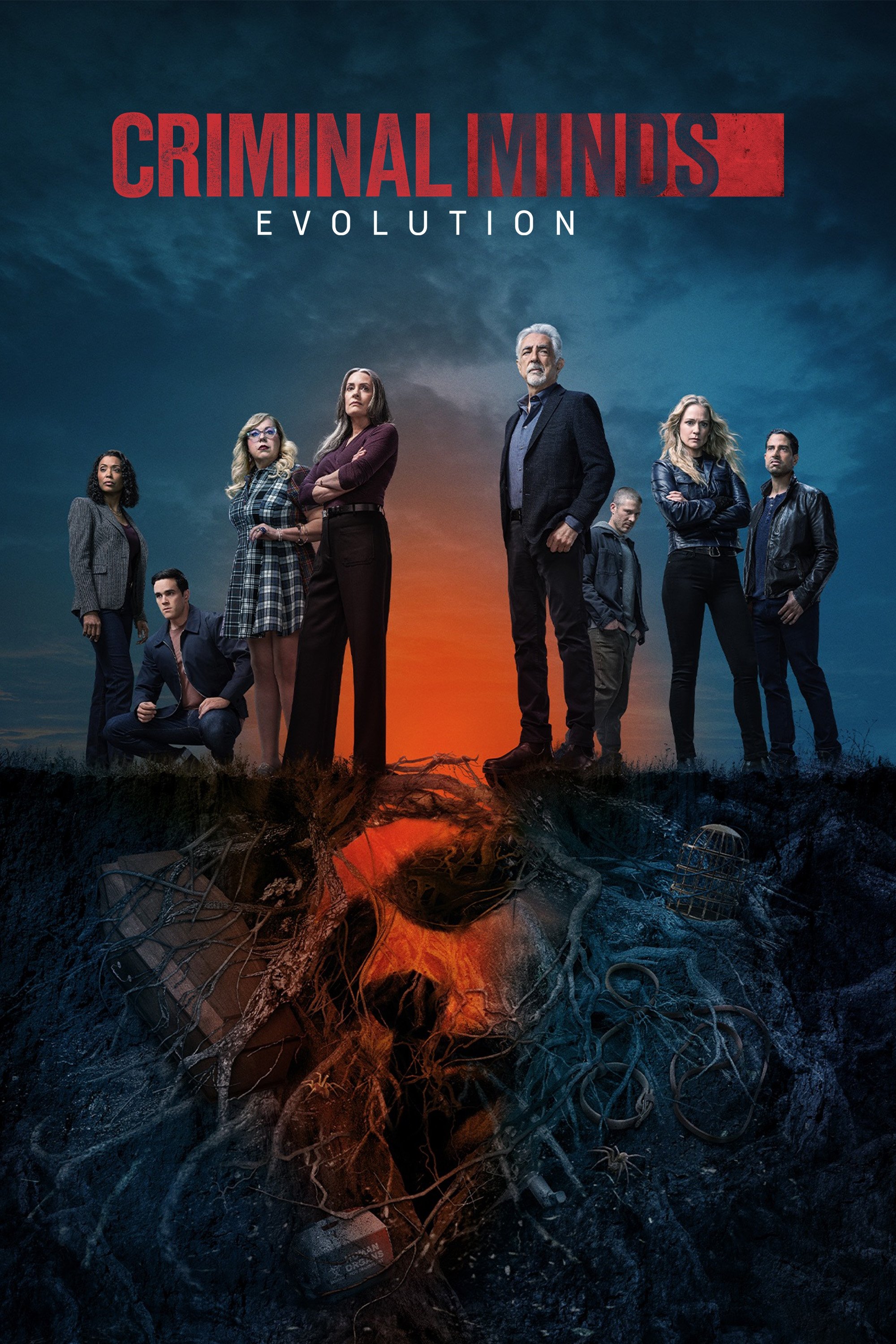
After Thomas Gibson was dismissed from the show due to an on-set altercation, ‘Criminal Minds’ had to write out the long-standing leader of the BAU, Aaron Hotchner. The series introduced new leadership and brought back former fan-favorite characters to maintain the team dynamic. Despite the loss of a core character who had been with the show since the pilot, the series remained a ratings powerhouse for CBS. It continued for several more seasons before concluding its initial run and eventually being revived. The show’s procedural format helped it weather various cast changes throughout its fifteen-year history.
‘Law & Order: Special Victims Unit’ (1999–Present)
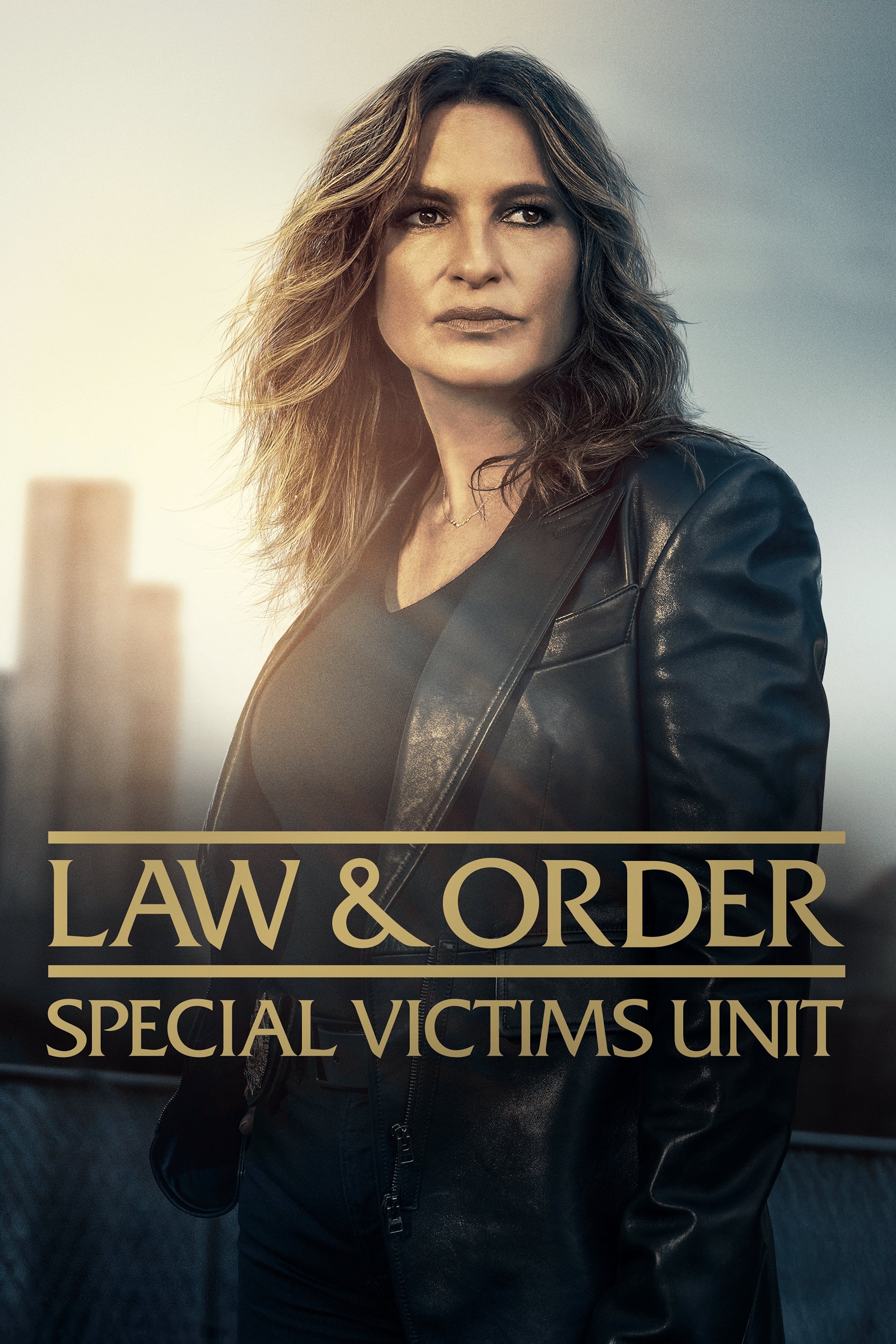
The departure of Christopher Meloni as Elliot Stabler after twelve seasons was a major shock to the ‘Law & Order: SVU’ audience. The series successfully transitioned to a solo lead format focusing on Olivia Benson, played by Mariska Hargitay. New detectives were introduced to the squad room, bringing fresh energy to the long-running procedural. The show has since become the longest-running live-action primetime series in United States history. Its ability to thrive after such a significant cast change remains one of its most impressive achievements.
‘The Vampire Diaries’ (2009–2017)
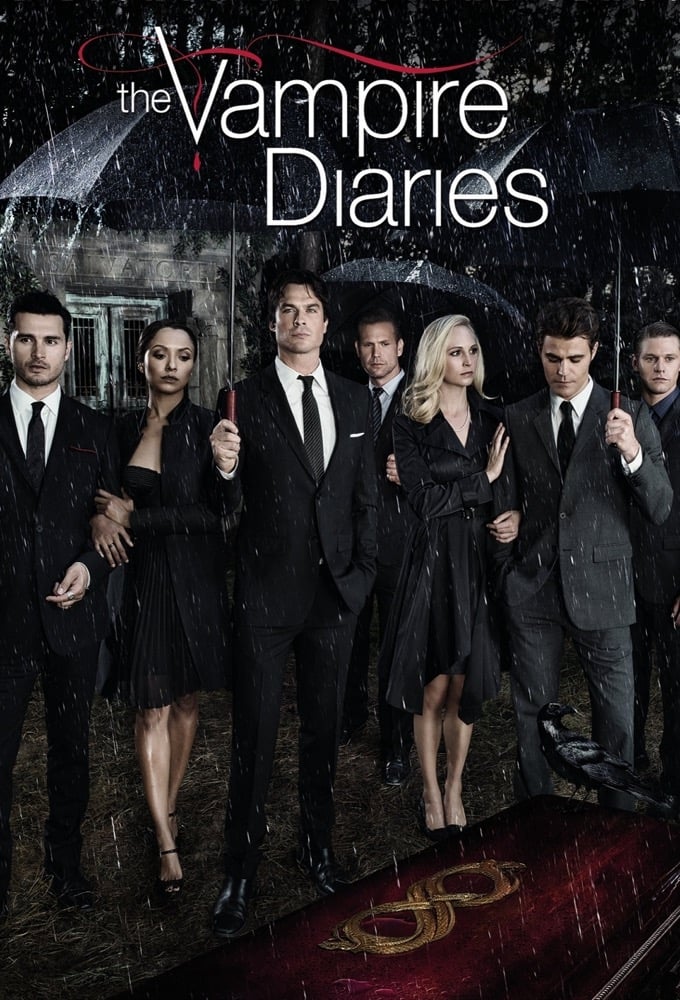
When Nina Dobrev, who played the central character Elena Gilbert, left the show at the end of the sixth season, many expected the series to conclude. Instead, ‘The Vampire Diaries’ shifted its focus to the relationship between the Salvatore brothers and the broader supernatural threats in Mystic Falls. This change allowed other ensemble characters to receive more screen time and development. The series ran for two additional seasons before reaching its natural conclusion. It proved that the show’s mythology and supporting cast were strong enough to sustain interest without the original protagonist.
‘NCIS’ (2003–Present)
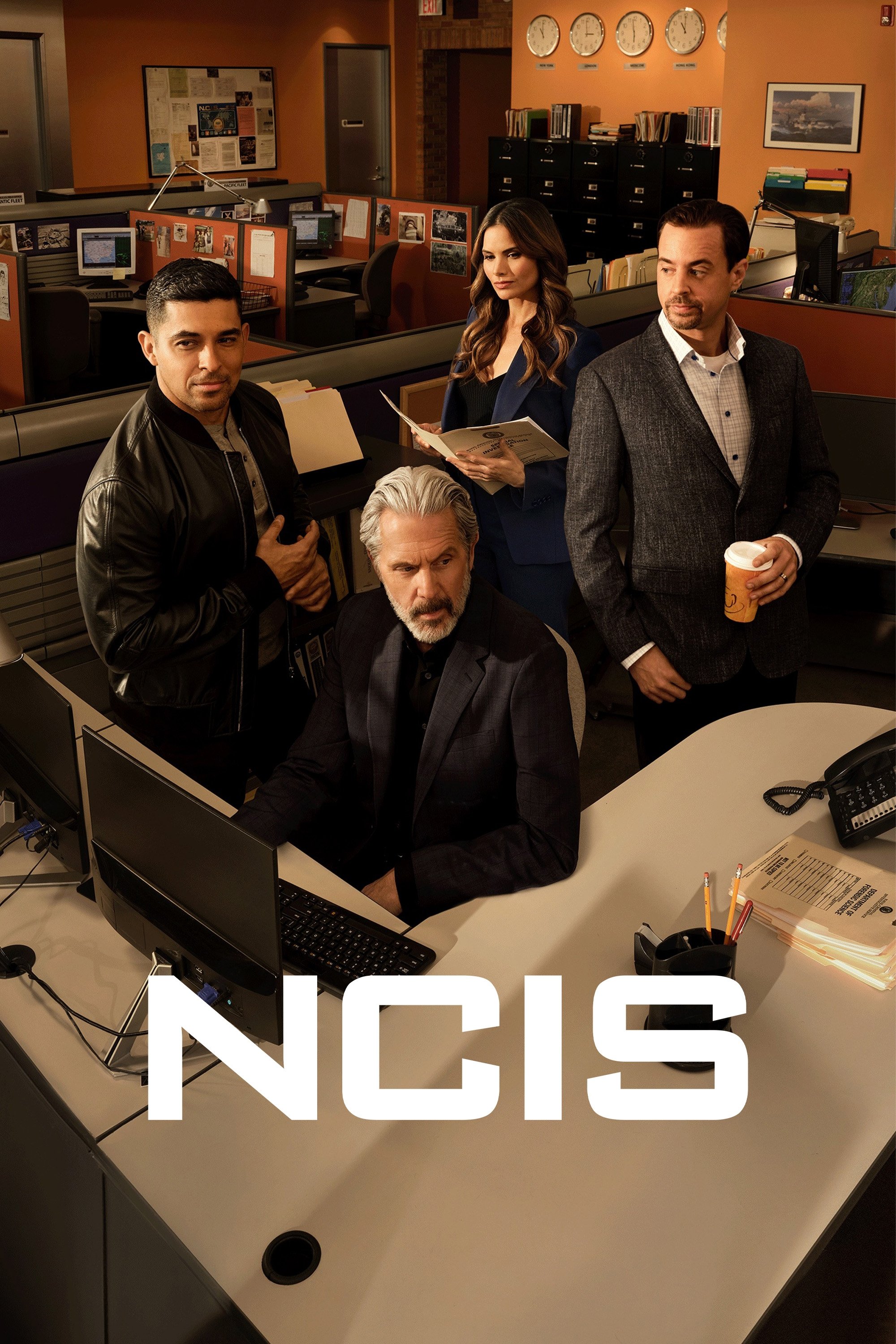
The exit of Mark Harmon, who played the iconic Leroy Jethro Gibbs for nearly two decades, was a watershed moment for ‘NCIS’. The production team brought in Gary Cole to lead the team, ensuring that the procedural elements remained intact. Despite the departure of its most recognizable face, the show continued to dominate the ratings in its timeslot. This resilience highlighted the strength of the ‘NCIS’ brand and the loyalty of its viewers to the procedural format. The series has remained a cornerstone of network television long after the transition.
‘The West Wing’ (1999–2006)
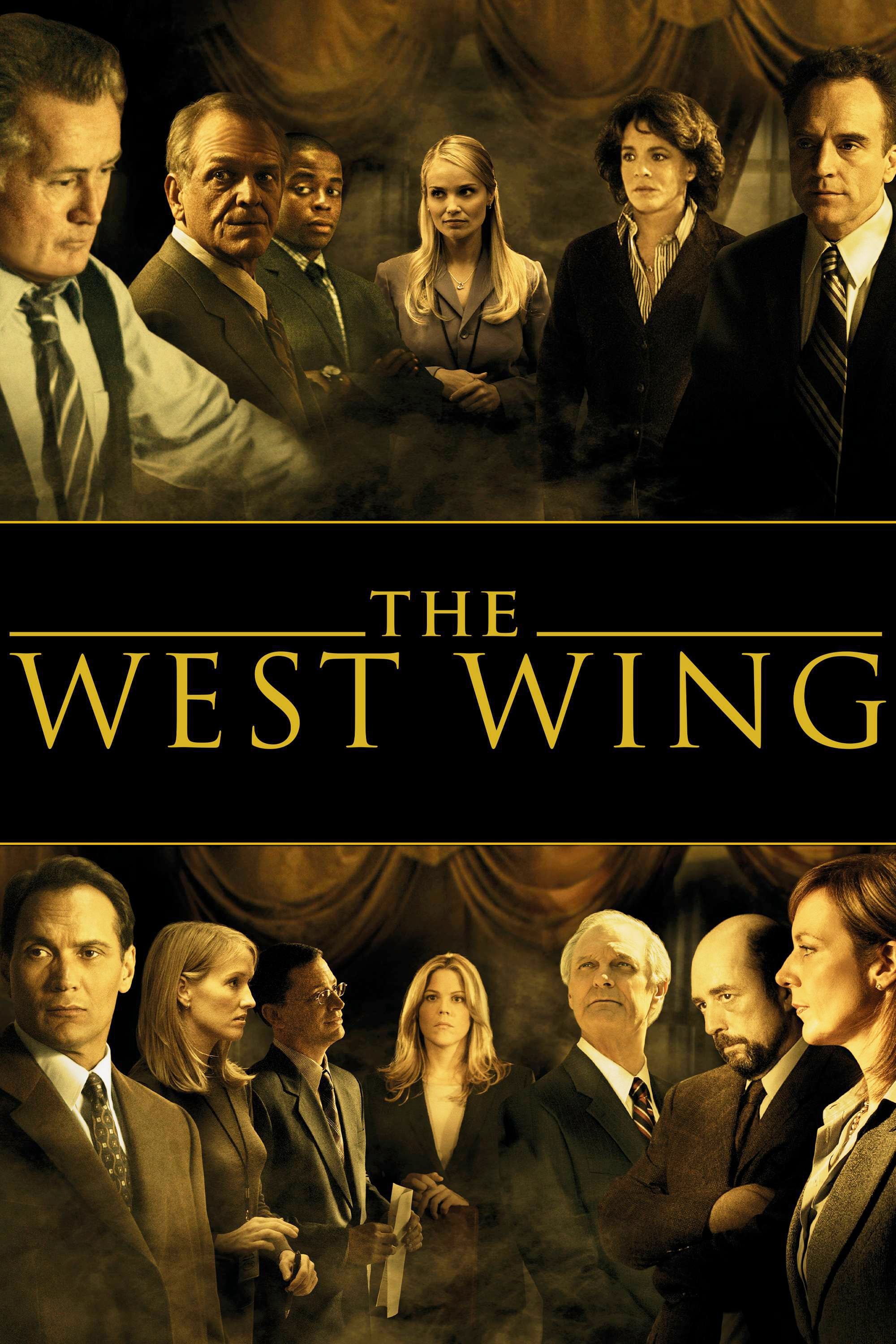
The death of John Spencer, who portrayed Leo McGarry, occurred during the production of the show’s final season. The writers integrated his passing into the storyline of the ongoing presidential election, providing a poignant end to the character’s journey. This loss added a layer of gravity to the concluding episodes as the characters prepared for a transition in power. ‘The West Wing’ completed its seventh and final season with critical acclaim, honoring Spencer’s contribution to the series. The show remains a benchmark for political dramas and their ability to handle real-life tragedy with grace.
‘Nashville’ (2012–2018)
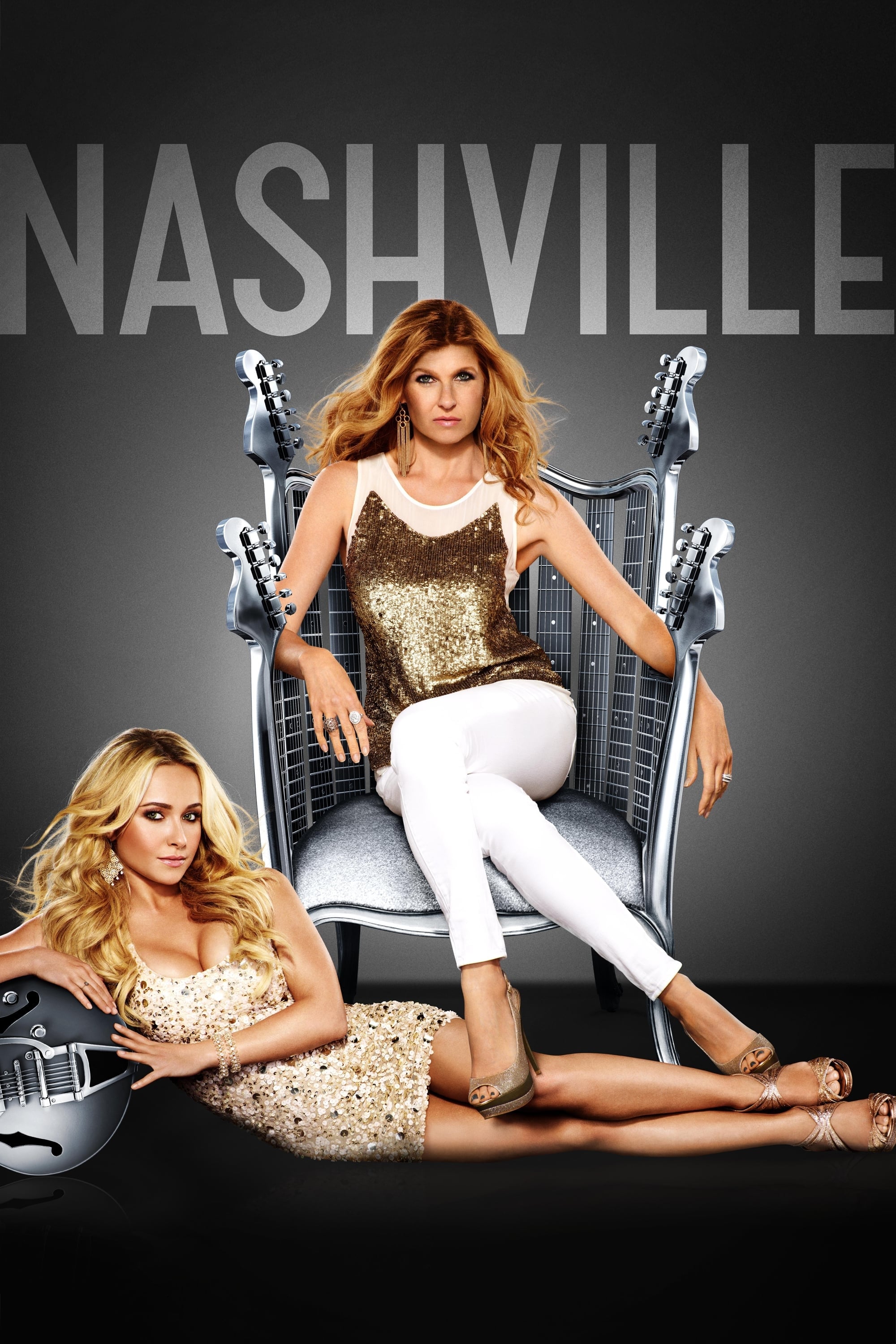
When lead actress Connie Britton left ‘Nashville’ in the fifth season, her character Rayna Jaymes was killed off following a car accident. The show pivoted to focus on the lives of her daughters and the remaining cast members as they navigated the music industry. Despite losing its primary star, the series continued for a final sixth season on a new network. This survival demonstrated the engagement of the fan base with the broader ensemble and the musical elements of the show. It successfully wrapped up its various storylines, providing a definitive ending for the characters.
‘Community’ (2009–2015)

After a series of public disputes with the show’s creator and other cast members, Chevy Chase departed ‘Community’ during its fourth season. The series continued by introducing new characters and focusing more on the core group of friends remaining at the study table. While the show faced various behind-the-scenes challenges, it managed to achieve the fan-demanded goal of six seasons. The writers leaned into the meta-humor and ensemble chemistry to bridge the gap left by Chase’s exit. It remains a cult favorite that survived significant cast turnover and internal friction.
‘Scandal’ (2012–2018)

The sudden removal of Columbus Short from the cast due to personal legal issues required ‘Scandal’ to write out his character, Harrison Wright. The show used his off-screen death as a catalyst for narrative shifts and emotional development among the remaining Gladiators. This transition did not impede the show’s momentum as it moved into its peak seasons of popularity. The series continued to focus on Olivia Pope’s political maneuvering and personal life, remaining a cultural phenomenon on social media. It successfully navigated the scandal by focusing on the strength of its lead and remaining ensemble.
Please share which of these show transitions surprised you the most in the comments.