TV Show Reboots That Were Accused of Ignoring the Original Fanbase


Television reboots are a common strategy for networks to capitalize on established intellectual property, but they often struggle to satisfy long-time viewers. While some updates successfully modernize a classic premise, others are met with intense backlash for changing the tone, characters, or core themes of the original series. Fans frequently express frustration when they feel a new production prioritizes modern trends or new audiences at the expense of the legacy material. These projects often serve as a point of contention in the entertainment industry regarding the balance between creative evolution and brand loyalty.
‘90210’ (2008–2013)
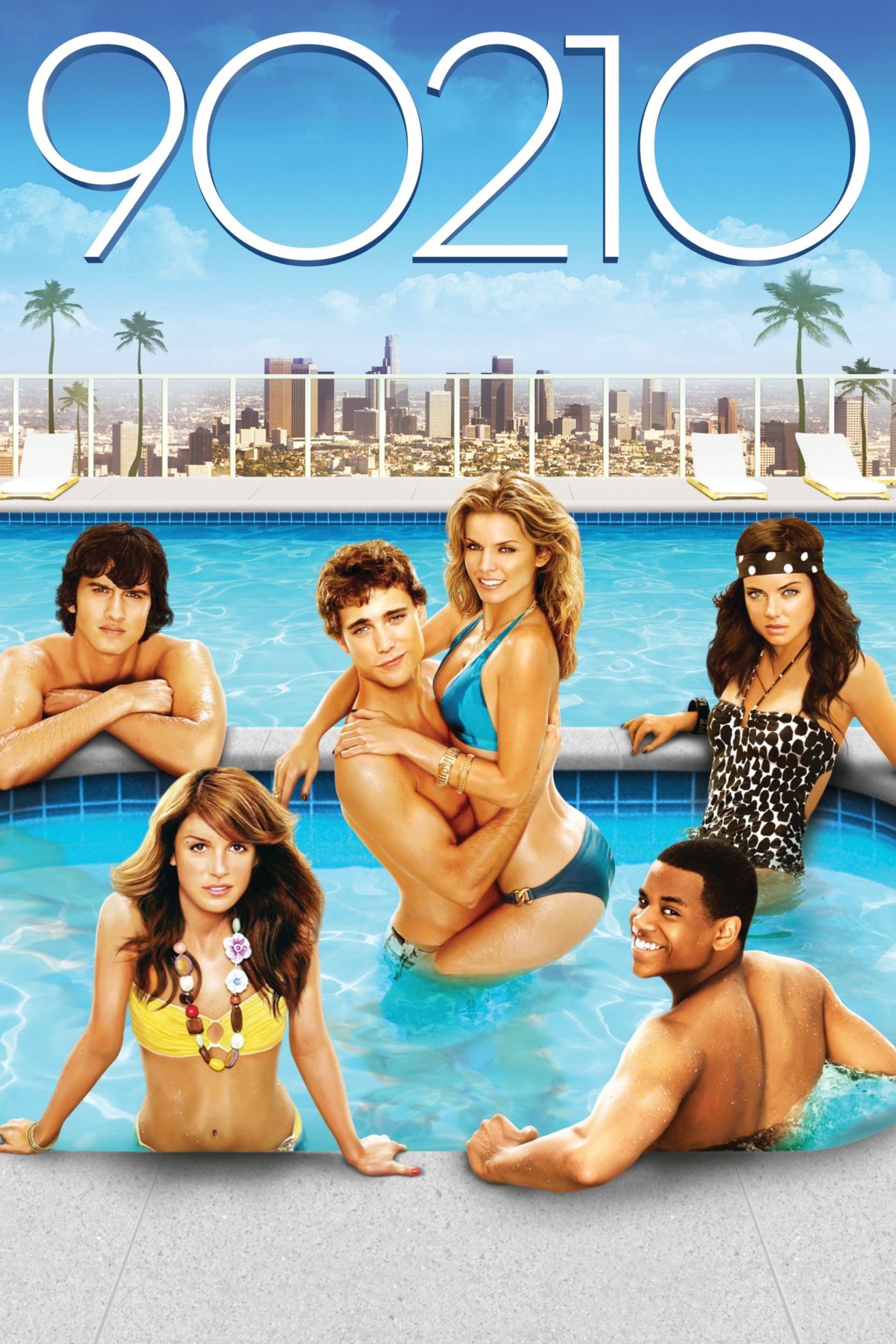
When The CW launched ‘90210’, fans of the original ‘Beverly Hills, 90210’ felt the new series focused too much on modern teen drama tropes without the heart of the 1990s show. While the reboot brought back original stars like Jennie Garth and Shannen Doherty for guest spots, their storylines often felt like an afterthought to attract older viewers. The new cast struggled to connect with the legacy audience in the same way, with many fans feeling the show lacked the relatable social issues of its predecessor. Critics pointed out that the show traded the original’s earnestness for a more cynical, soap-opera style typical of 2000s teen dramas.
‘Bionic Woman’ (2007)

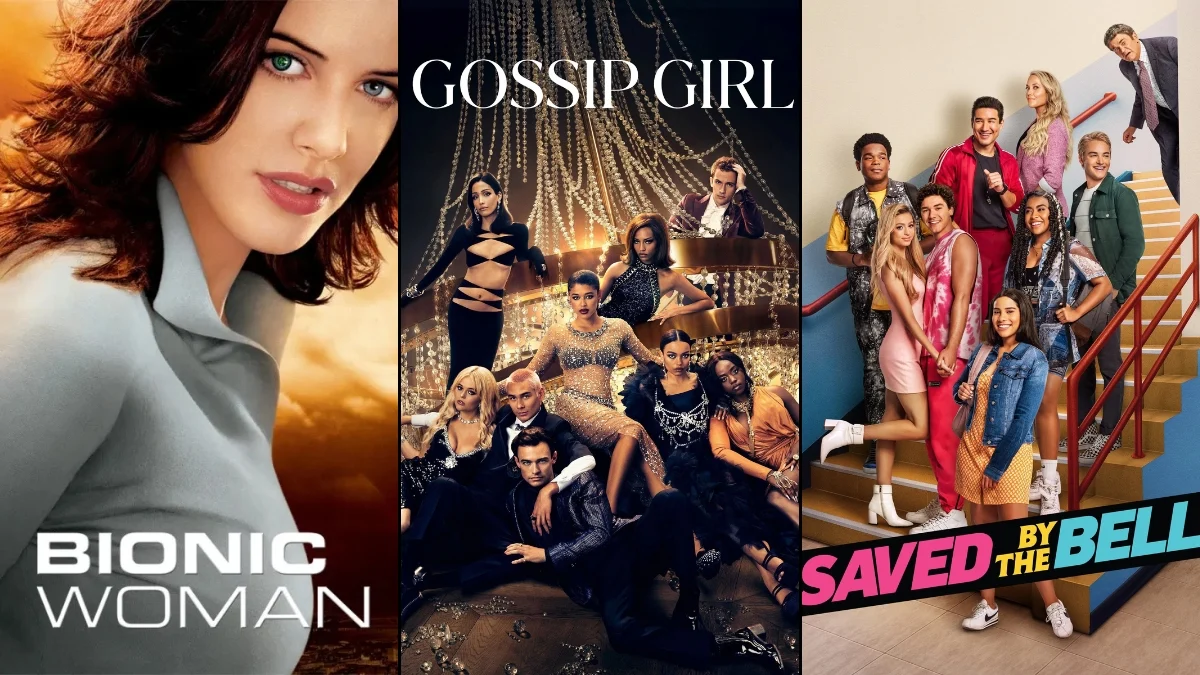
This reimagining of the 1976 series ‘The Bionic Woman’ opted for a dark, moody tone that starkly contrasted with the optimistic original. Fans of Lindsay Wagner’s portrayal of Jaime Sommers found the new version’s focus on conspiracy theories and brutal violence to be a jarring departure. The reboot struggled to find a balance between being a superhero show and a gritty spy thriller, ultimately failing to satisfy either new viewers or nostalgic fans. Due to a combination of creative shifts and the 2007 writers’ strike, the series was canceled after only eight episodes.
‘Charlie’s Angels’ (2011)

The 2011 reboot of ‘Charlie’s Angels’ was widely panned for its lack of identity and charm compared to the 1970s original. Fans felt the show tried too hard to be a gritty, modern action series, losing the lighthearted fun and camaraderie that made the original three Angels iconic. The characters were given dark backstories that many felt were unnecessary and took away from the show’s escapist appeal. The series was canceled by ABC after only four episodes aired due to low ratings and poor critical reception.
‘Charmed’ (2018–2022)
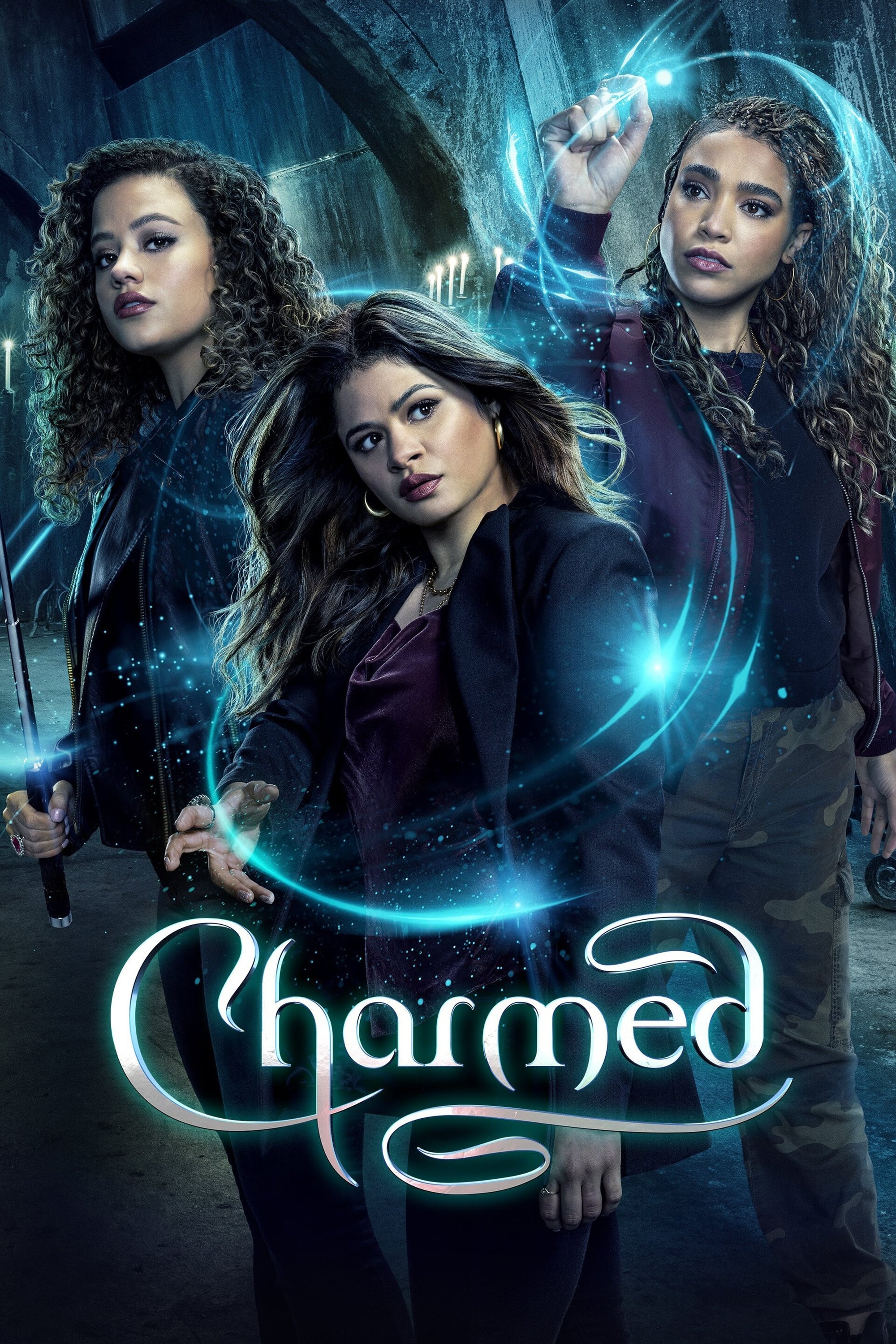
The 2018 reboot of ‘Charmed’ faced immediate backlash from the original series’ stars and loyal fanbase before it even aired. Promotional materials labeled the new version a “fierce, funny, feminist” update, which fans of the 1998 series found insulting to the original’s legacy. The decision to change the names and powers of the Halliwell sisters alienated many viewers who wanted a continuation rather than a complete overhaul. Critics and fans alike noted that the show’s political messaging often felt forced compared to the organic character growth seen in the source material.
‘Gossip Girl’ (2021–2023)
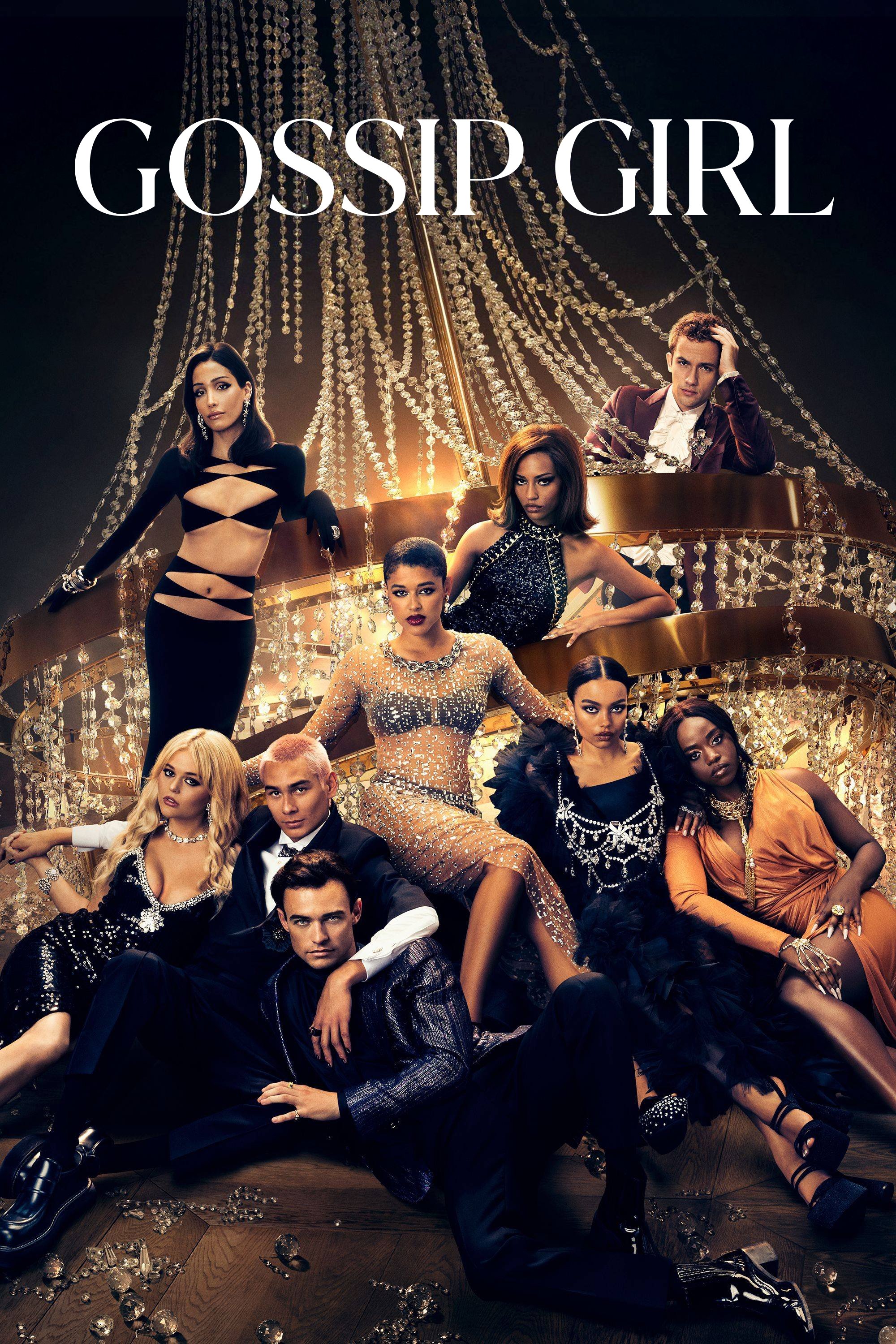
HBO Max’s attempt to revive ‘Gossip Girl’ struggled to capture the same cultural zeitgeist as the 2007 original. The reboot aimed for a more socially conscious and diverse cast, but original fans argued that it lacked the high-stakes drama and escapism of the CW series. By revealing the identity of the titular blogger in the first episode, the show removed the central mystery that drove the original’s plot for six seasons. Viewers expressed disappointment that the new characters lacked the distinct, larger-than-life personalities of icons like Blair Waldorf and Serena van der Woodsen.
‘Knight Rider’ (2008–2009)
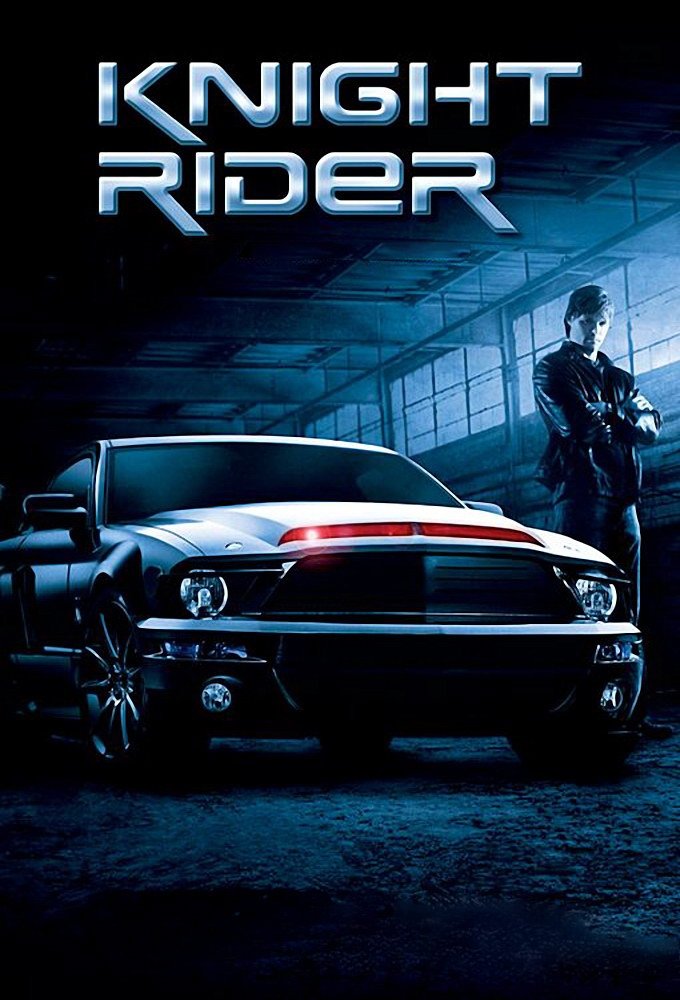
The 2008 revival of ‘Knight Rider’ was criticized for feeling more like a feature-length car commercial than a continuation of the 1980s classic. Fans of the original K.I.T.T., a sleek Pontiac Trans Am, were unhappy with the switch to a bulky Mustang that could transform into different vehicles. The writing was often described as shallow, lacking the chemistry between man and machine that David Hasselhoff and William Daniels perfected. The show failed to recapture the “one man can make a difference” ethos, leading to its cancellation after just 17 episodes.
‘MacGyver’ (2016–2021)
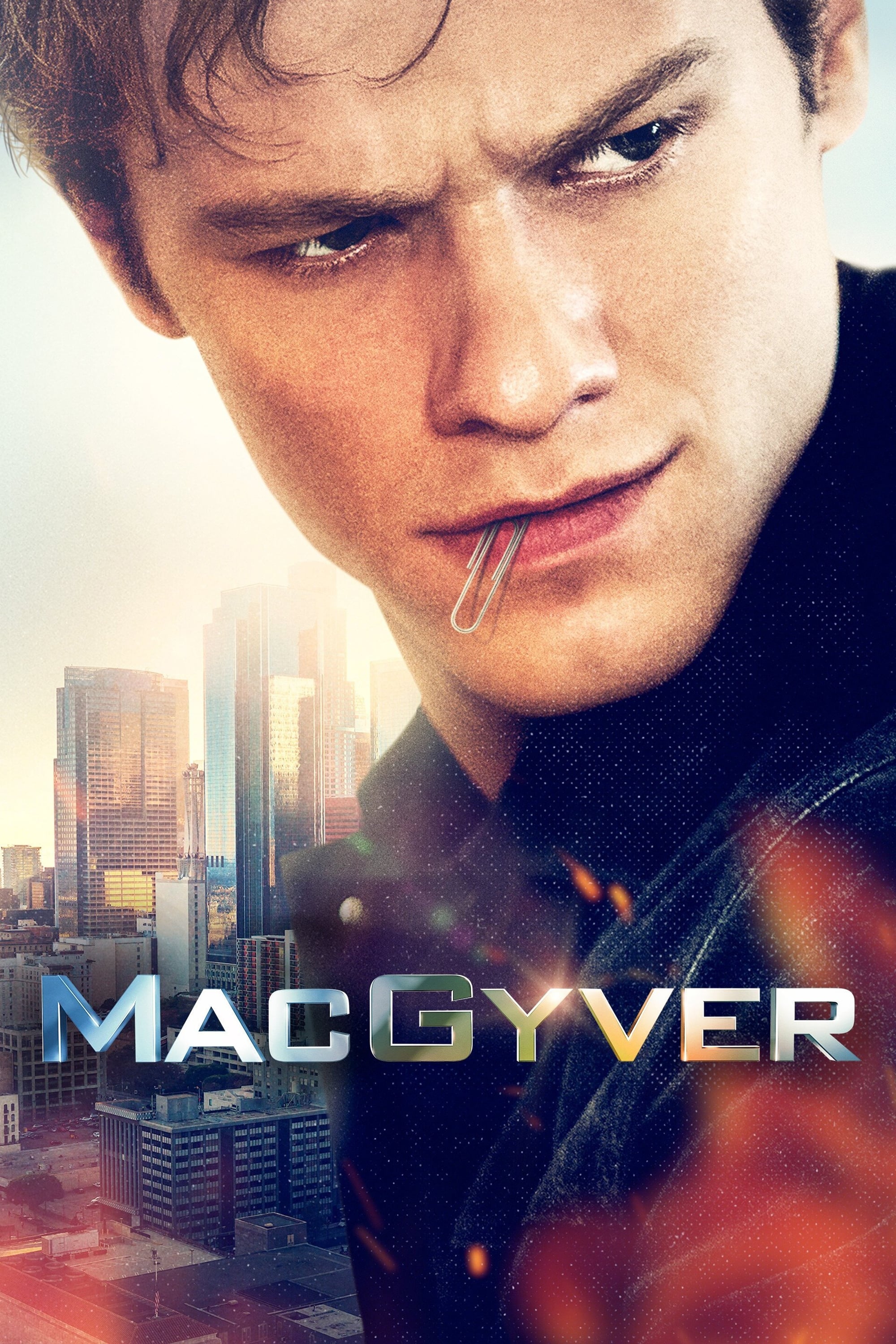
CBS’s ‘MacGyver’ reboot was accused of leaning too heavily into generic procedural tropes rather than the unique ingenuity of the original. In the 1985 series, Angus MacGyver was a lone wolf who avoided firearms, but the 2016 version featured him as part of a large tactical team. Fans argued that the frequent use of guns and high-tech gadgets by his teammates undermined the central premise of using science and everyday objects to solve problems. While the show found its own audience and ran for five seasons, purists remained vocal about the loss of the original character’s core philosophy.
‘Magnum P.I.’ (2018–2024)
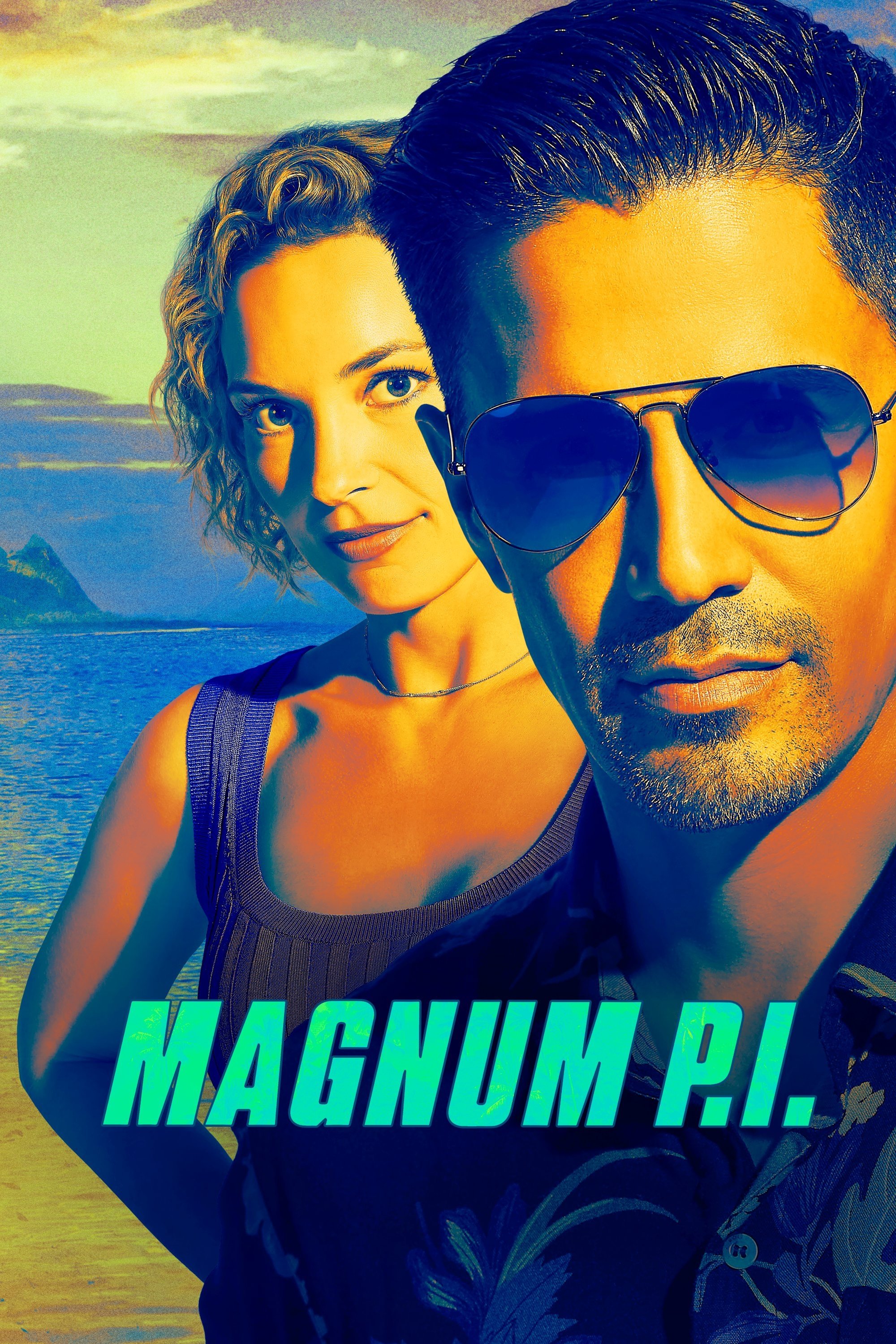
The ‘Magnum P.I.’ reboot initially faced a cold reception from fans who could not imagine the character without Tom Selleck’s iconic mustache and easygoing charm. Jay Hernandez took on the role of Thomas Magnum with a more modern, clean-shaven look, which became a focal point of early criticism. Additionally, changing the character of Higgins from a British male to a female former MI6 agent was viewed by some as an unnecessary departure from the established dynamic. Fans often noted that the high-octane action scenes felt more like a modern blockbuster than the character-driven mystery of the 1980s. The show eventually gained its own following but never fully reconciled with the most devoted fans of the original.
‘Masters of the Universe: Revelation’ (2021)
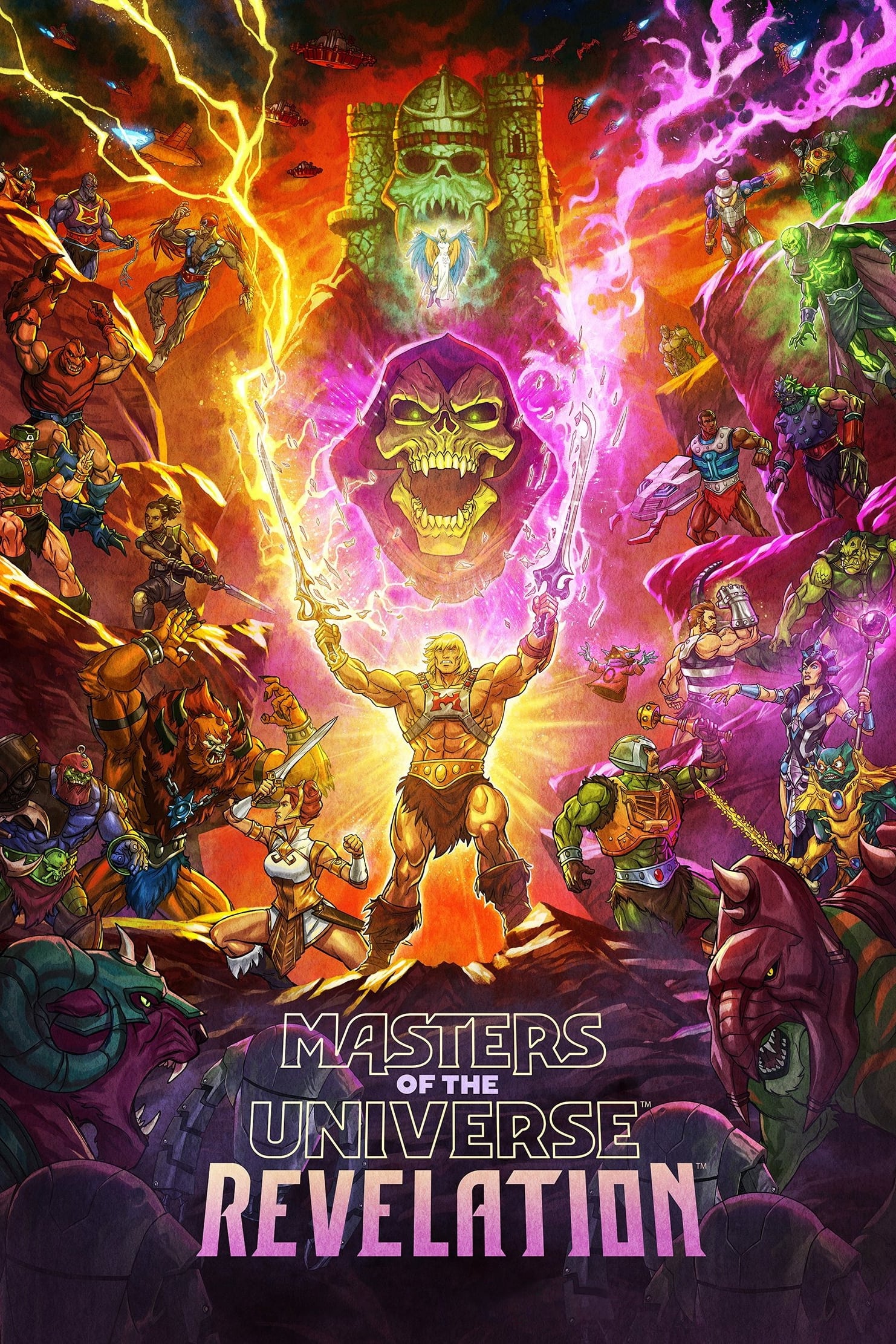
Showrunner Kevin Smith faced intense criticism from ‘He-Man’ fans following the release of this Netflix series. While marketed as a direct sequel to the 1980s cartoon, many viewers felt misled when the main character, He-Man, was sidelined early in the story. The narrative focus shifted heavily toward Teela, leading to accusations that the show was “baiting” fans of the original hero. Despite positive critical reviews for its animation and voice acting, the show remains a point of contention for those who felt the original lore was disregarded.
‘Saint Seiya: Knights of the Zodiac’ (2019–2024)
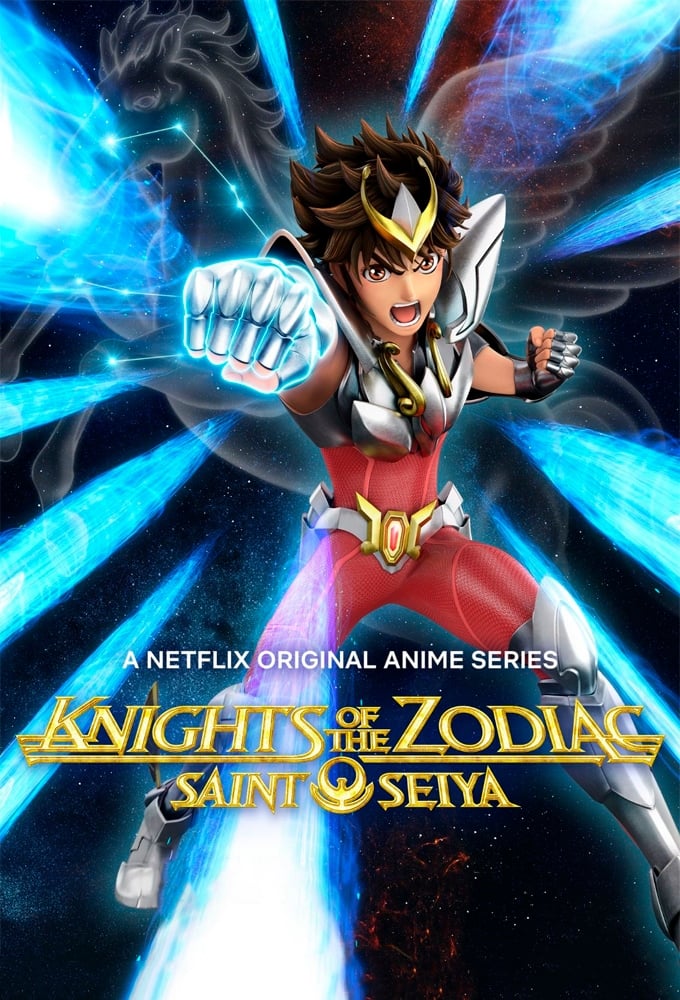
Netflix’s CG-animated reboot of the classic anime ‘Saint Seiya’ faced immediate backlash over the decision to change the character Shun into a woman. In the original series, Shun was a male character whose sensitivity and pink armor challenged traditional gender roles, a detail highly valued by the international fanbase. The producers argued the change was to add female representation, but fans felt it erased the significance of Shun’s original characterization. Additionally, the move to replace traditional hand-drawn animation with 3D models was criticized for lacking the artistic impact of the 1986 original.
‘Saved by the Bell’ (2020–2021)
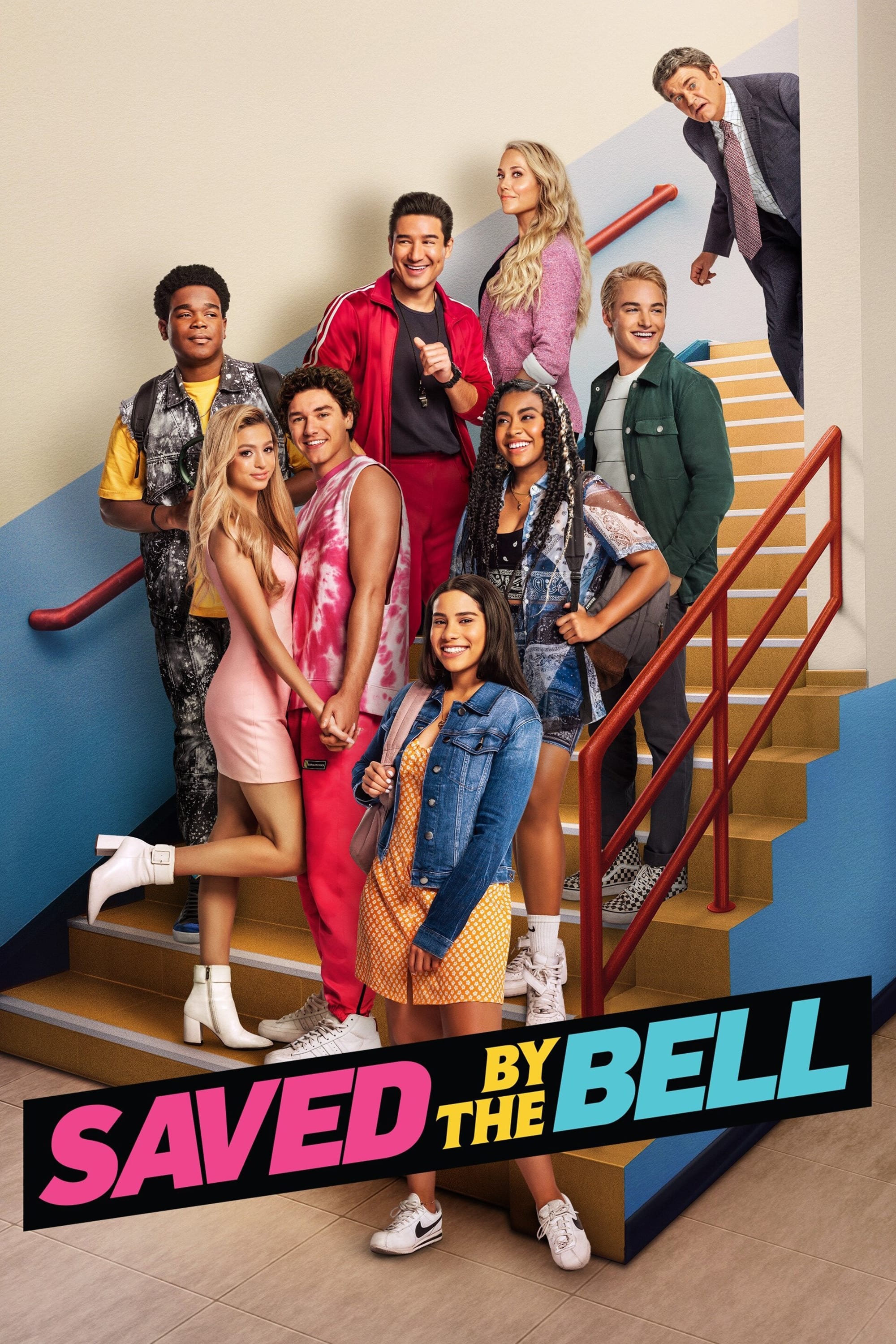
While the ‘Saved by the Bell’ revival received praise for its meta-humor, some fans of the original Saturday morning sitcom were put off by its satirical tone. The show frequently mocked the tropes and logic of the 1989 series, which some viewers felt was disrespectful to the childhood nostalgia they held for Bayside High. While it successfully brought back most of the original cast, the focus on a new generation of students and the cynical outlook on the school’s history divided the audience. Some fans argued that the show’s transition from a sincere teen comedy to a biting satire made it feel like a completely different franchise.
‘Teen Titans Go!’ (2013–Present)
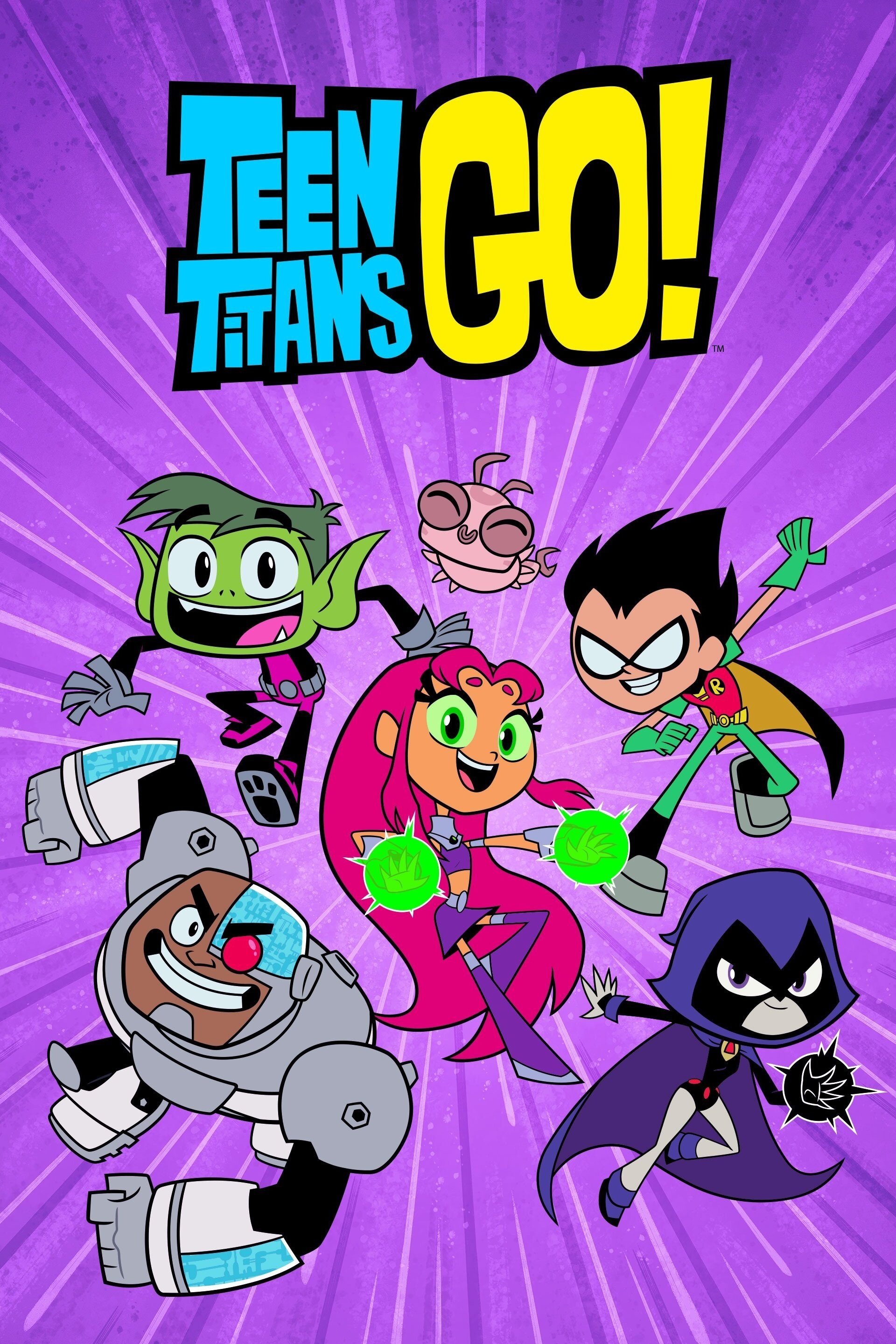
Although it has become a long-running success for Cartoon Network, ‘Teen Titans Go!’ initially faced massive resistance from fans of the 2003 ‘Teen Titans’ series. The transition from a serious, action-oriented anime style to a comedic, chibi-style parody was seen as a betrayal of the characters’ growth and complexity. Original fans were particularly frustrated that the cliffhanger ending of the previous series was never resolved in favor of this episodic comedy. The show frequently includes meta-episodes that poke fun at the original fans’ complaints, further deepening the divide between the two audiences.
‘The Powerpuff Girls’ (2016–2019)
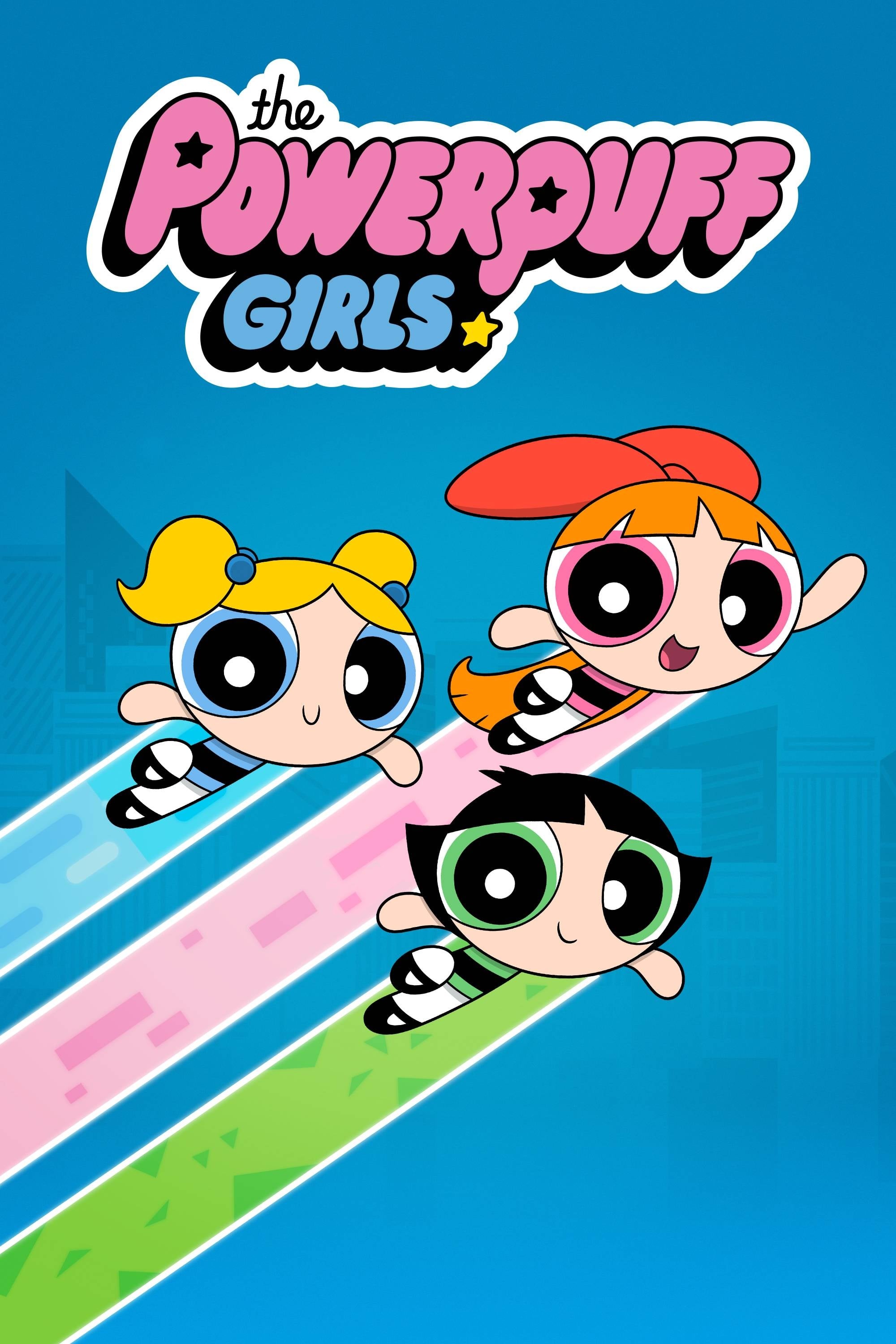
The revival of ‘The Powerpuff Girls’ was met with skepticism when it was revealed that the original creator, Craig McCracken, was not involved. Fans were further angered by the decision to recast the main three voice actresses while keeping the voice actor for Mojo Jojo. The show was criticized for using outdated internet memes and introducing plot points that didn’t align with the 1998 series’ spirit. Many viewers felt the reboot lacked the sophisticated writing and kinetic action sequences that made the original a staple of animation.
‘The Twilight Zone’ (2019–2020)
Jordan Peele’s revival of ‘The Twilight Zone’ was highly anticipated but ultimately divided the fanbase. Many viewers felt the episodes were overlong and lacked the punchy, ironic twist endings that defined Rod Serling’s original 1959 series. Some fans complained that the social commentary was too overt and lacked the allegorical subtlety that made the classic show a masterpiece of television. While visually stunning, the reboot was accused of being more interested in delivering messages than crafting timeless, suspenseful stories.
‘Thundercats Roar’ (2020)
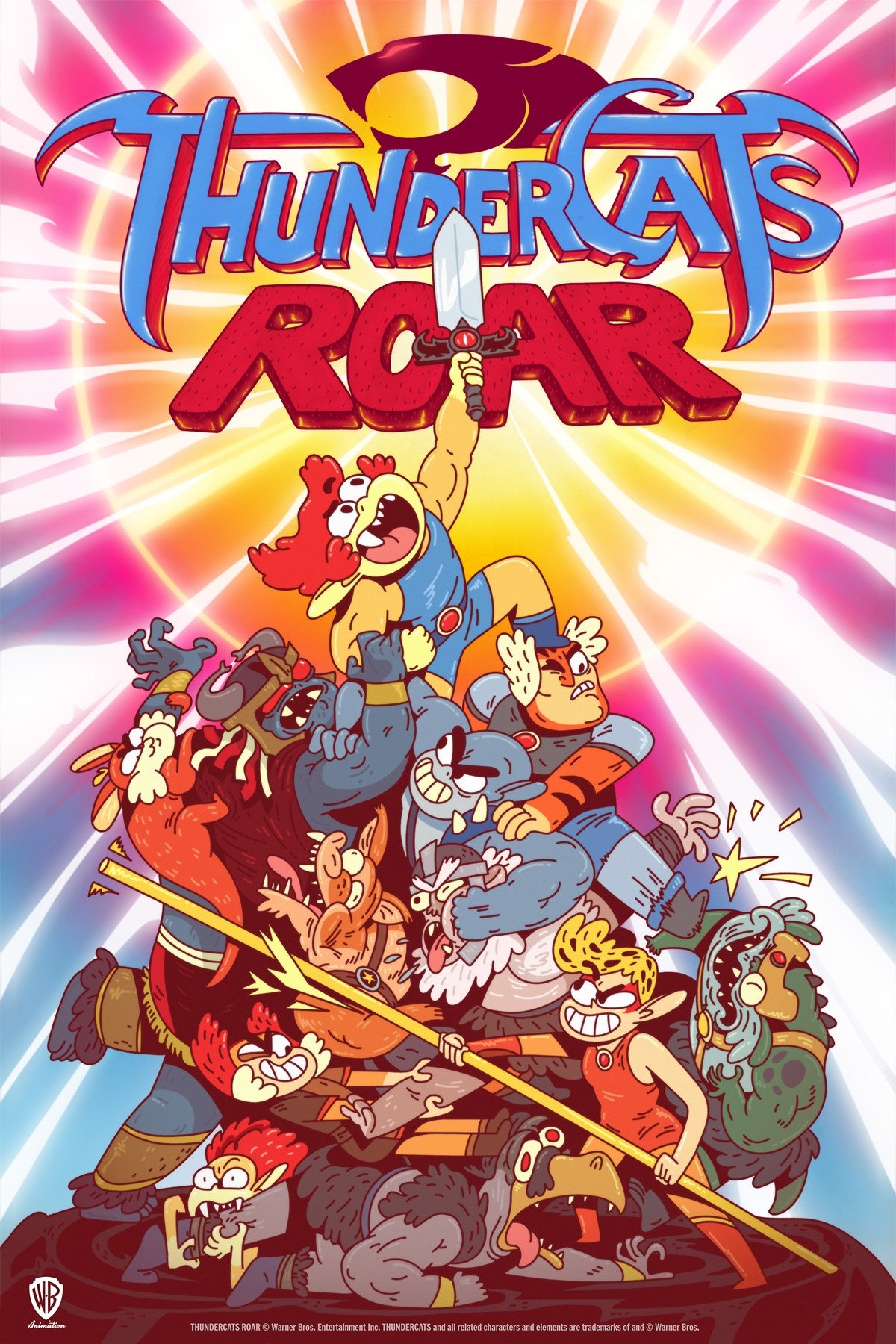
This reboot drew heavy criticism for its drastic change in art style and tone compared to the 1985 ‘Thundercats’ and its 2011 remake. Fans of the franchise were disappointed by the “CalArts” animation style and the shift toward absurdist comedy. Many felt that the epic fantasy and action elements that defined the brand were sacrificed for a generic modern cartoon aesthetic. The backlash was so significant that the show was canceled after only one season, serving as a cautionary tale for radical franchise redesigns.
‘Velma’ (2023–2024)
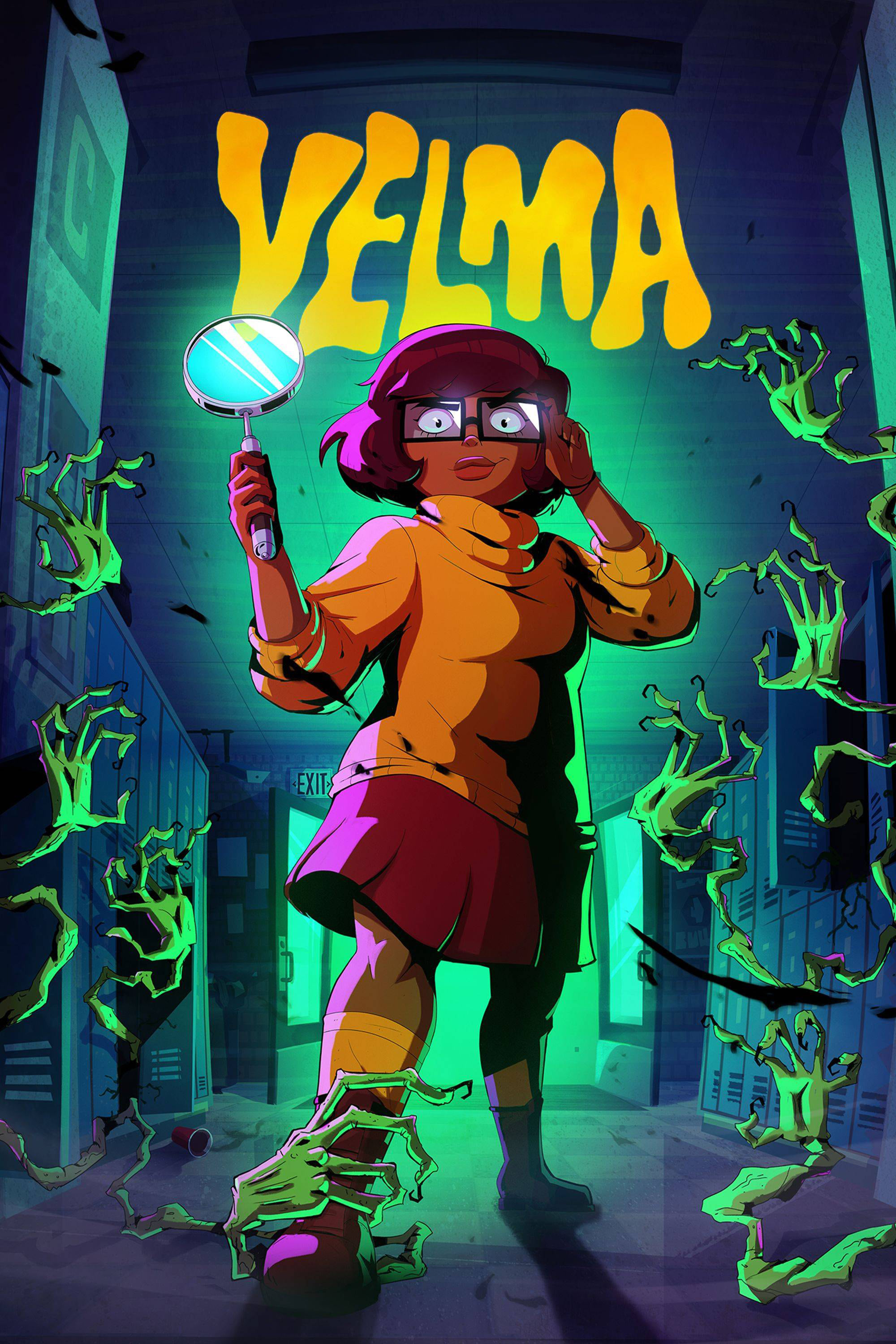
This adult animated reimagining of the ‘Scooby-Doo’ franchise became one of the most controversial reboots in television history. Longtime fans were vocal about their disapproval of the complete character redesigns and the total absence of the title character’s iconic dog, Scooby-Doo. The meta-humor and mean-spirited tone were cited as departures from the wholesome, mystery-solving nature of the original ‘Scooby-Doo, Where Are You!’ series. Social media reactions and audience ratings reflected a significant disconnect between the show’s creative direction and the expectations of the established fanbase.
‘Walker’ (2021–2024)
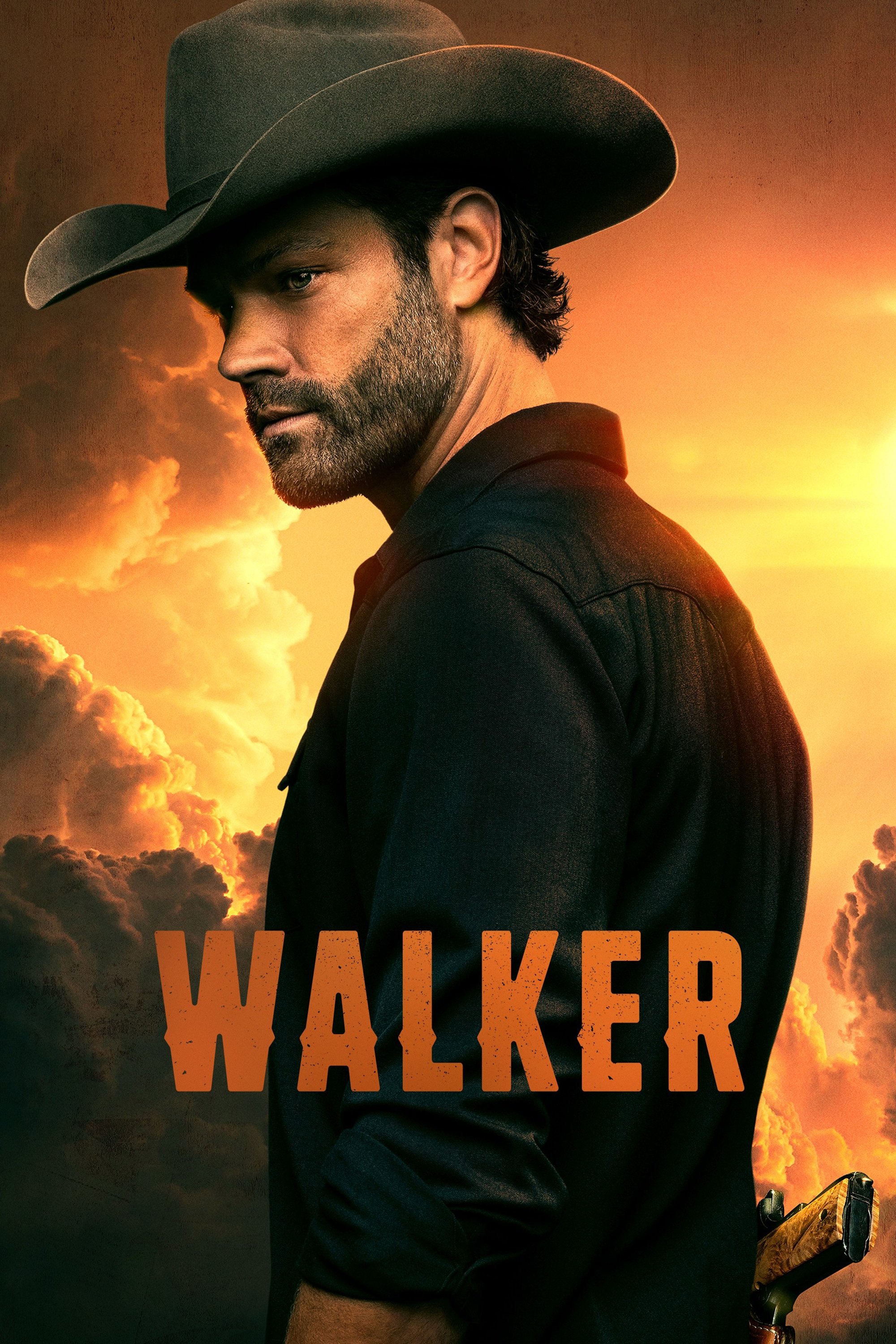
Starring Jared Padalecki, ‘Walker’ took a much more grounded and dramatic approach than the action-heavy ‘Walker, Texas Ranger’ starring Chuck Norris. Longtime fans of the original missed the martial arts sequences and the black-and-white moral clarity of the 1990s series. The reboot focused more on family trauma and internal police politics, which some felt ignored the “superhero” qualities of the original character. The stark tonal shift led to complaints that the show shared nothing with its predecessor other than the name and general location.
Tell us which TV show reboot you found the most disappointing in the comments.