TV Show Reboots That Sparked Aggressive Backlash for Pushing Modern Political Agendas

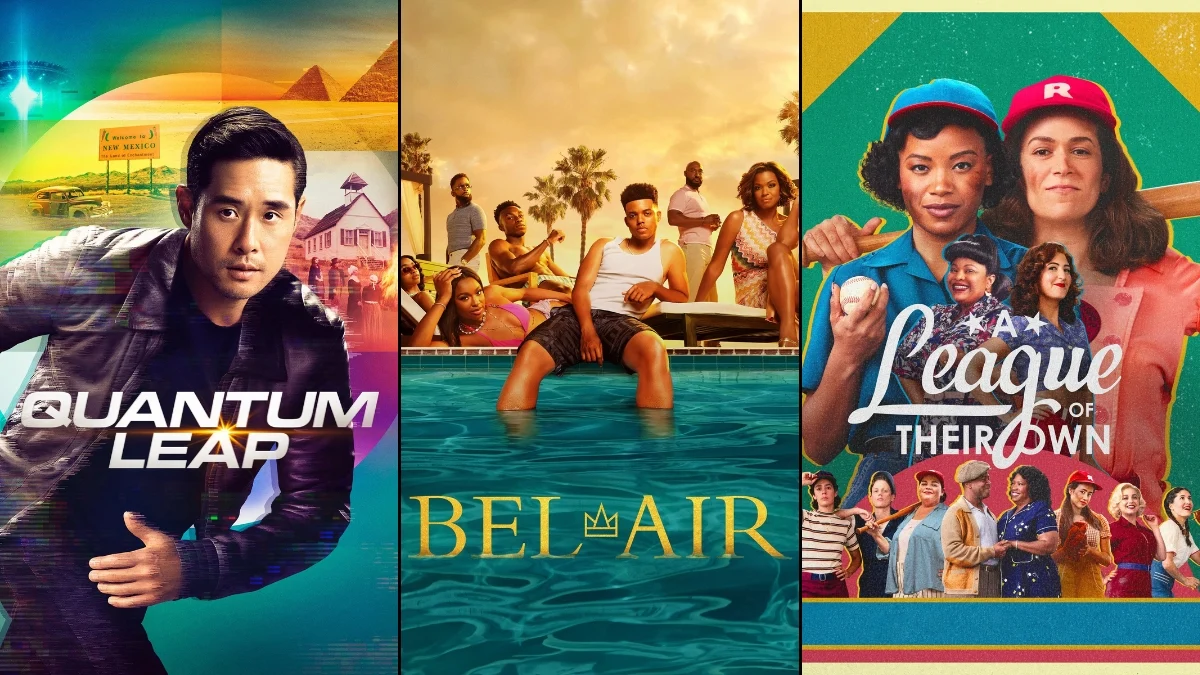

The landscape of modern television has seen a massive influx of reboots and revivals aimed at bringing classic stories to a new generation. While many of these productions strive for updated relevance, several have faced significant criticism from audiences who believe the narratives prioritize social and political agendas over the spirit of the original source material. This friction often results in polarized reviews and heated debates across social media platforms. The following list examines the television reboots that generated the most notable backlash for their focus on modern political themes.
‘Velma’ (2023–2024)
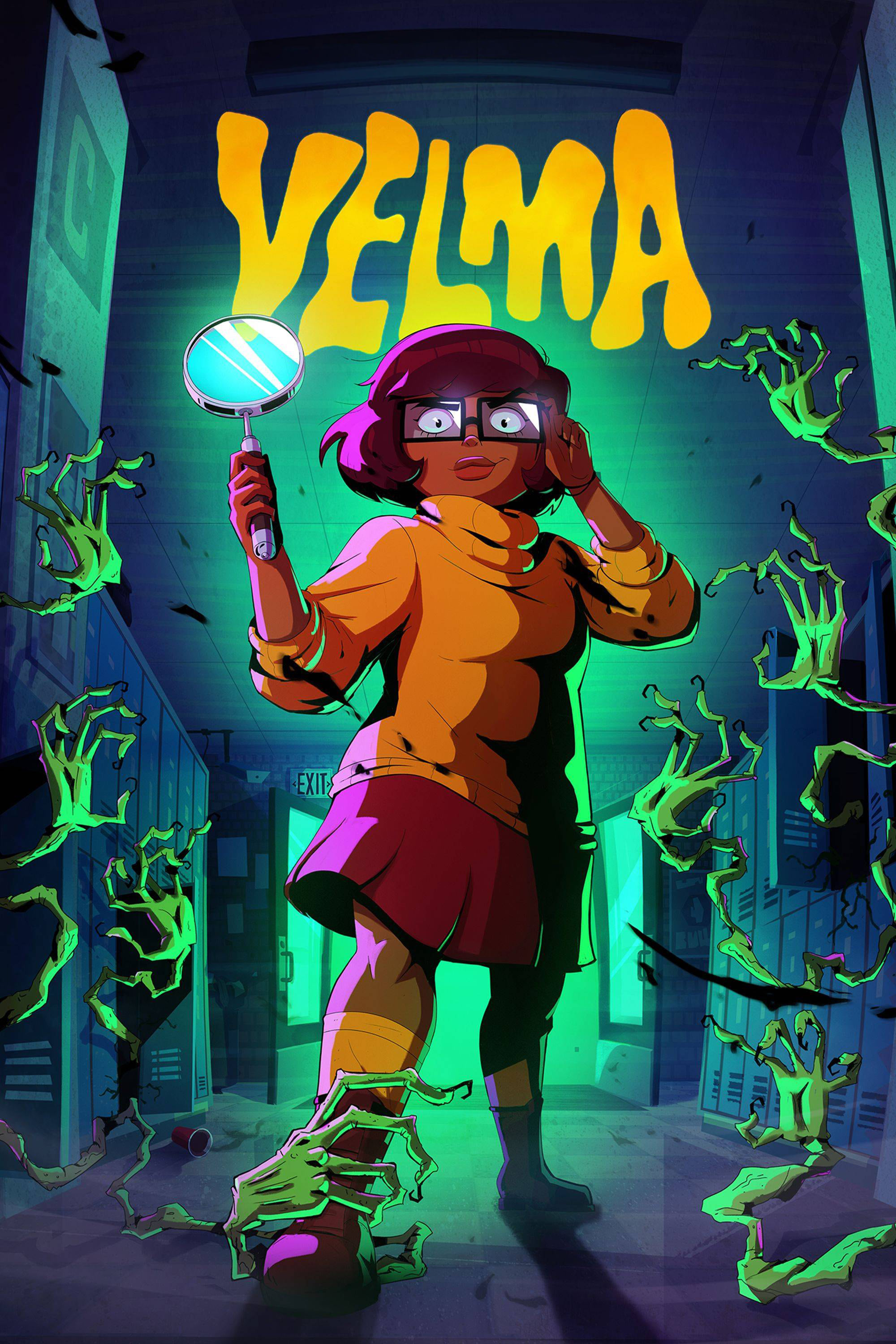
This reimagining of the ‘Scooby-Doo’ franchise removes the titular canine and changes the ethnicities of several iconic characters. The series faced intense backlash for its aggressive meta-humor regarding identity politics and systemic privilege. Critics and audiences alike noted that the show’s tone felt vastly different from the family-friendly mystery roots of the original cartoon. Despite the controversy, the series aired two seasons on Max before being discontinued.
‘Charmed’ (2018–2022)
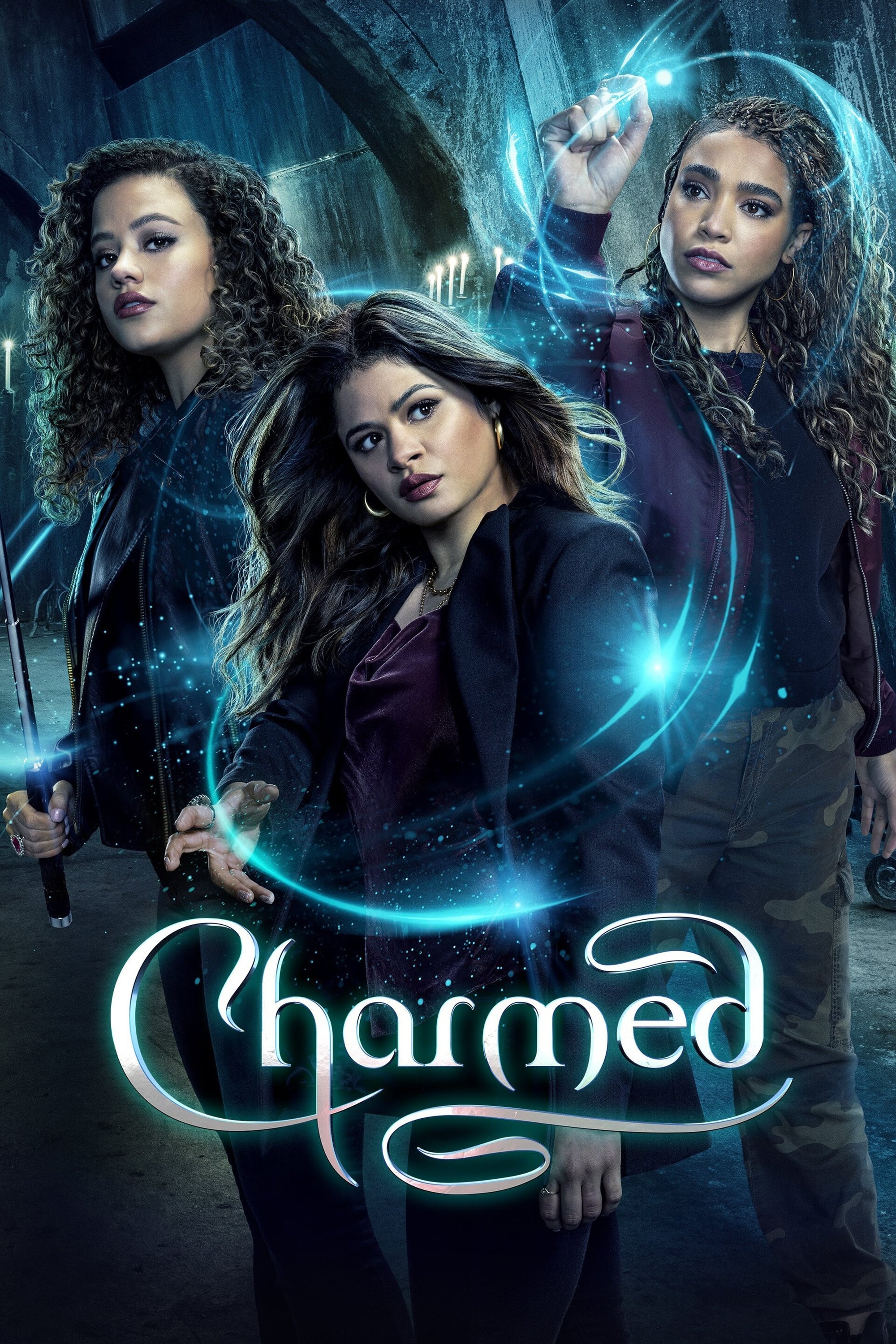
The CW reboot of the 1998 supernatural hit ‘Charmed’ focused on three sisters discovering their magical heritage in a modern setting. From its marketing debut, the production emphasized intersectional feminism and addressed contemporary issues such as campus sexual assault and immigration. Many fans of the original series felt the political messaging was heavy-handed and distracted from the core fantasy elements. The show remained a point of contention among the legacy fan base throughout its four-season run.
‘Masters of the Universe: Revelation’ (2021)
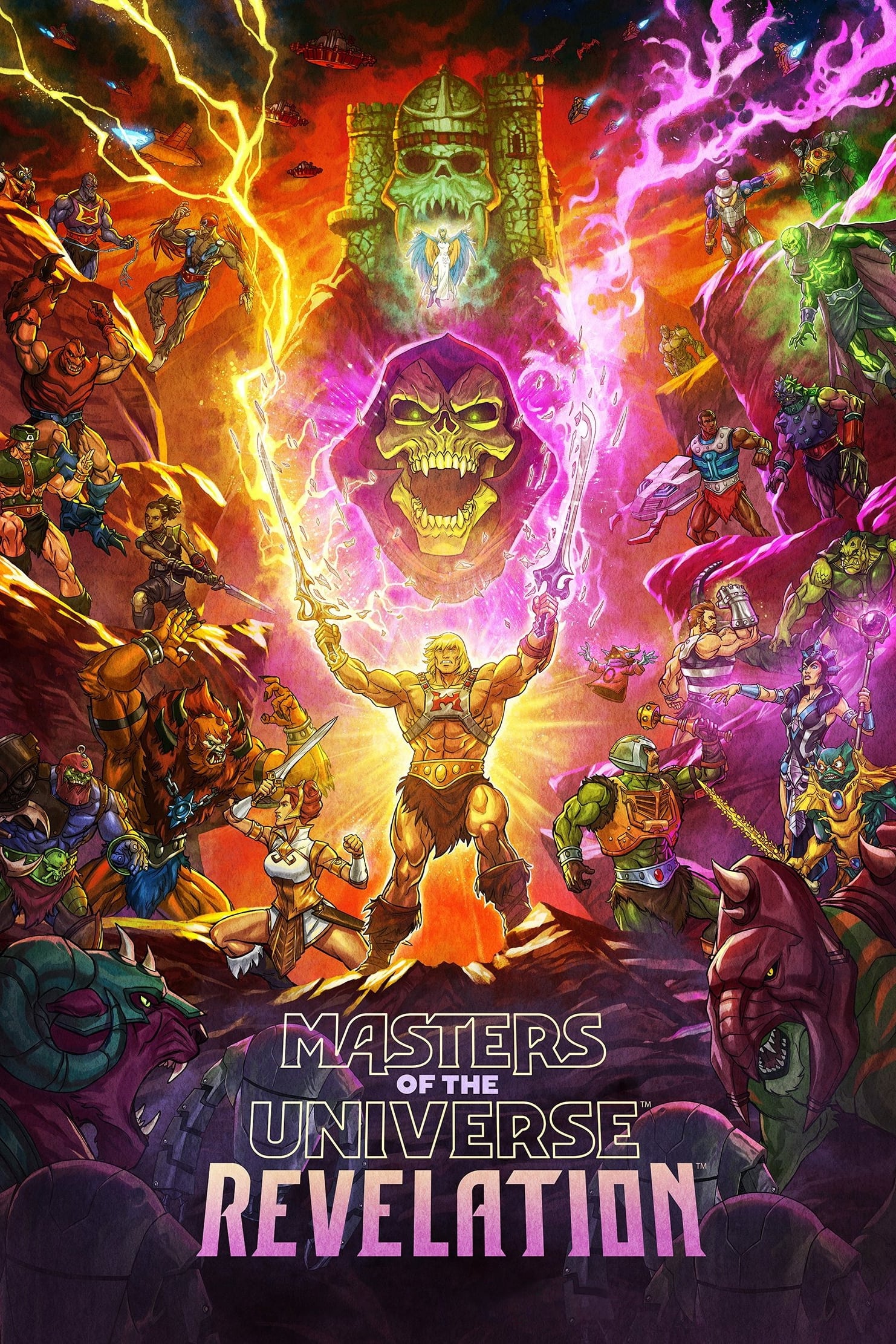
Developed by Kevin Smith as a sequel to the 1980s classic, this series sparked an immediate outcry for shifting the focus away from He-Man. The narrative centers on Teela and explores themes of female leadership and the consequences of legacy. Fans accused the marketing of a “bait and switch” after He-Man was seemingly removed from the central role in early episodes. The show’s creative choices led to a stark divide between professional critics and longtime viewers on review aggregate sites.
‘Gossip Girl’ (2021–2023)
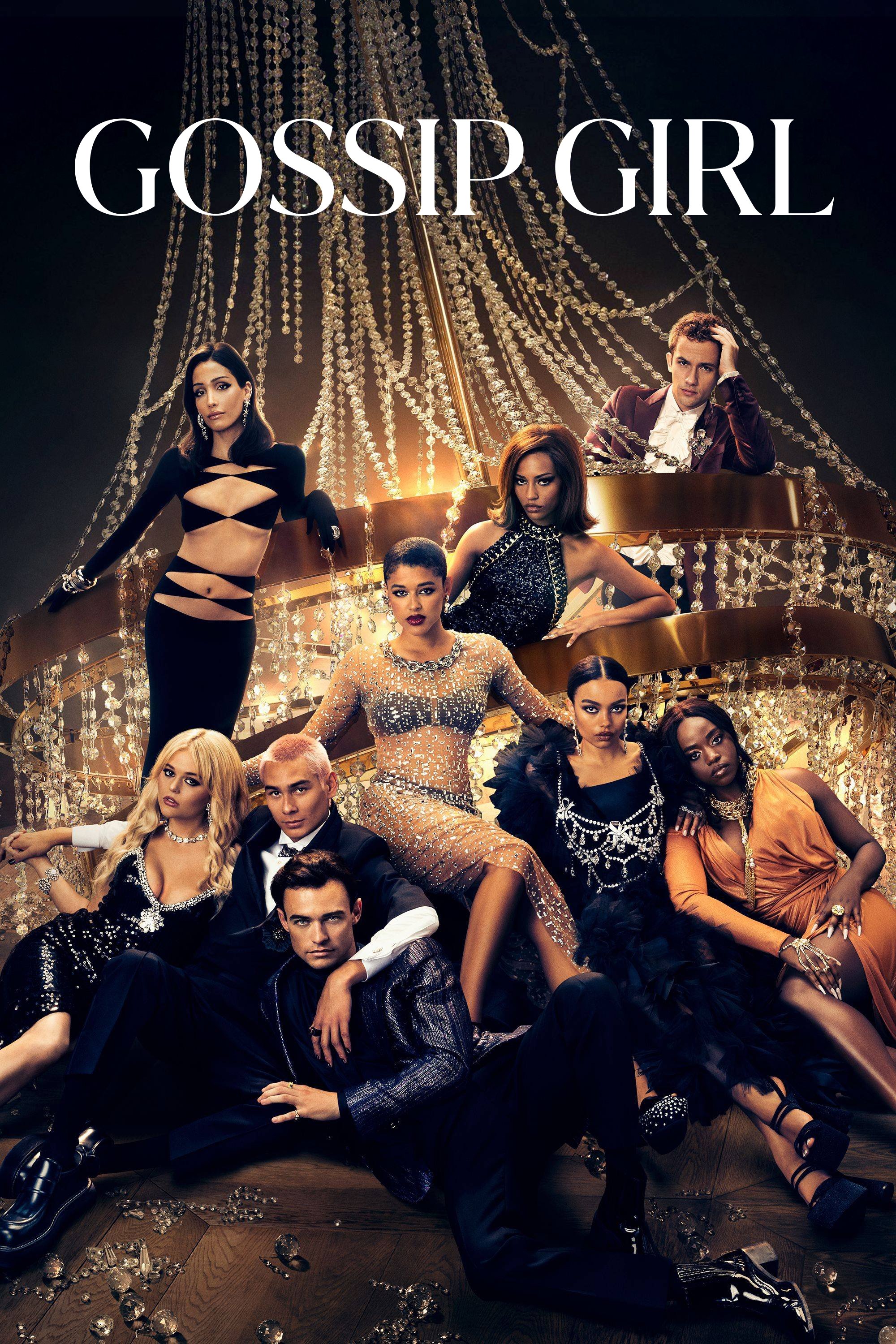
The ‘Gossip Girl’ revival on HBO Max updated the premise of elite New York private school students for a post-woke era. The new cast was designed to be more diverse and socially conscious, with characters frequently discussing wealth disparity and their own privilege. Many viewers criticized the show for being too preoccupied with “political correctness” compared to the unapologetic decadence of the original 2007 series. This shift in tone was cited by many as a reason for the show’s failure to capture the same cultural impact as its predecessor.
‘The Proud Family: Louder and Prouder’ (2022–Present)
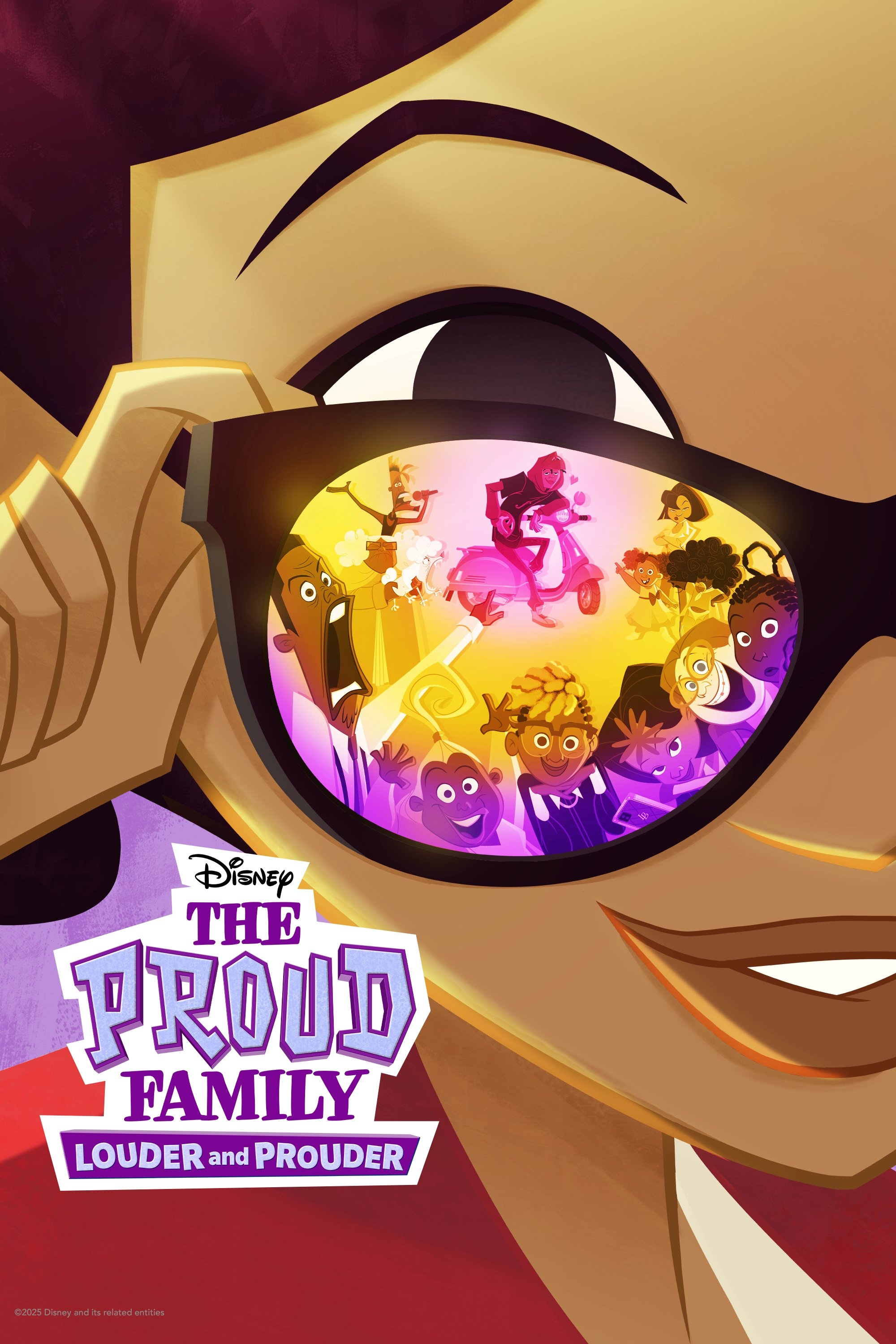
Disney+ brought back this beloved animated series with a specific focus on modern social justice issues. Episodes in the revival have touched upon reparations, systemic racism, and LGBTQ+ rights, which drew praise from some and sharp criticism from others. One particular musical sequence about the history of slavery in America sparked a viral debate regarding the appropriateness of such themes in children’s programming. The series continues to navigate these modern topics while maintaining the core family dynamics of the original.
‘Quantum Leap’ (2022–2024)
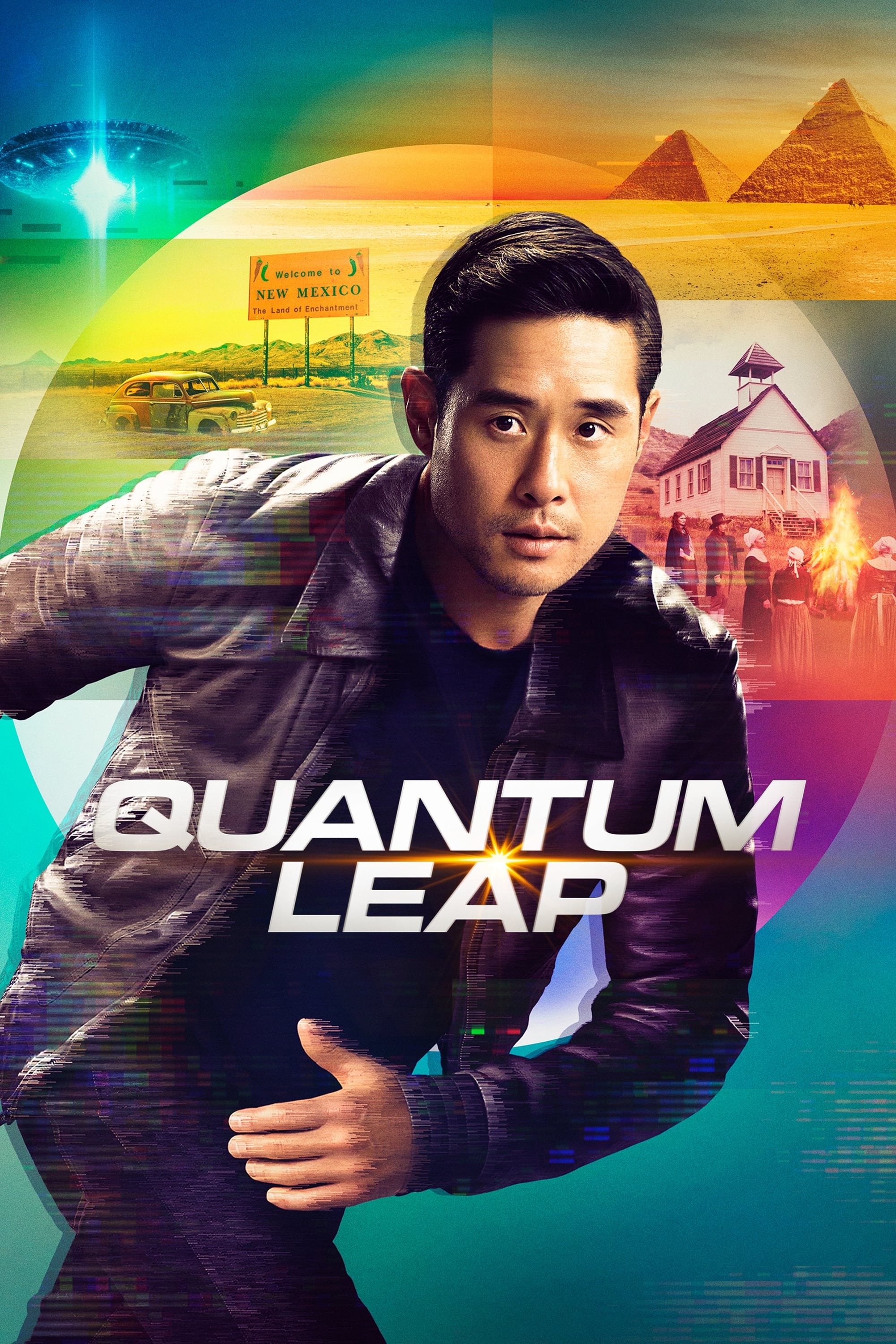
This continuation of the 1989 sci-fi classic stars Raymond Lee as Dr. Ben Song, a physicist who jumps through time to fix historical mistakes. The reboot drew backlash for several episodes that focused on contemporary social issues, including the rights of transgender athletes. Some viewers argued that the original series handled morality in a more subtle, universal way compared to the reboot’s specific modern lens. These creative directions became a focal point for online criticism until the show’s cancellation after two seasons.
‘Willow’ (2022)
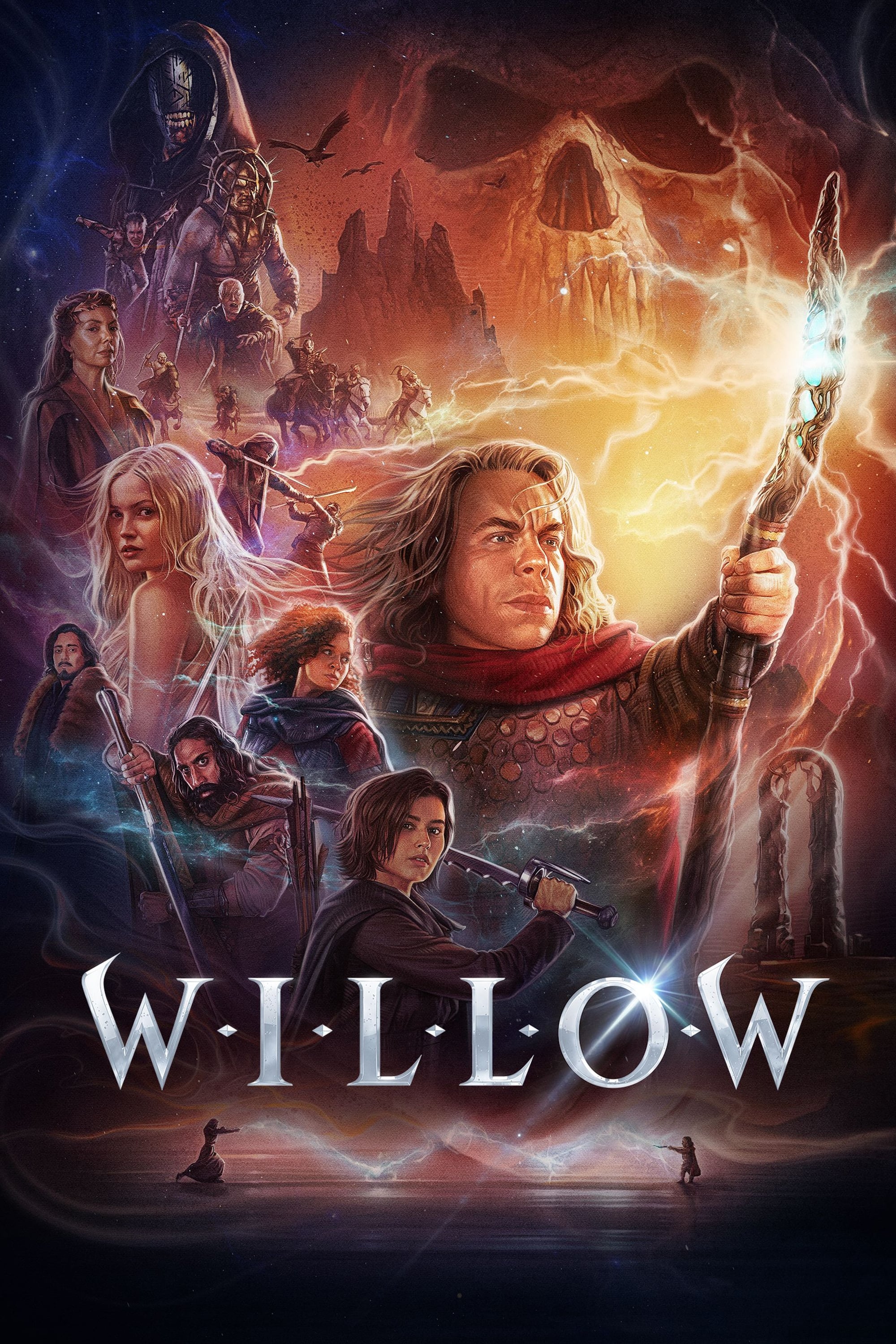
The ‘Willow’ television series served as a sequel to the 1988 cult classic film, bringing back Warwick Davis in the title role. The show faced criticism for its modernized dialogue and its heavy emphasis on an LGBTQ+ romance between two of the lead characters. Critics of the series felt that the tone leaned too far into contemporary “young adult” tropes rather than the traditional high-fantasy feel of the movie. Disney+ eventually removed the series from its platform entirely less than a year after its debut.
‘A League of Their Own’ (2022)
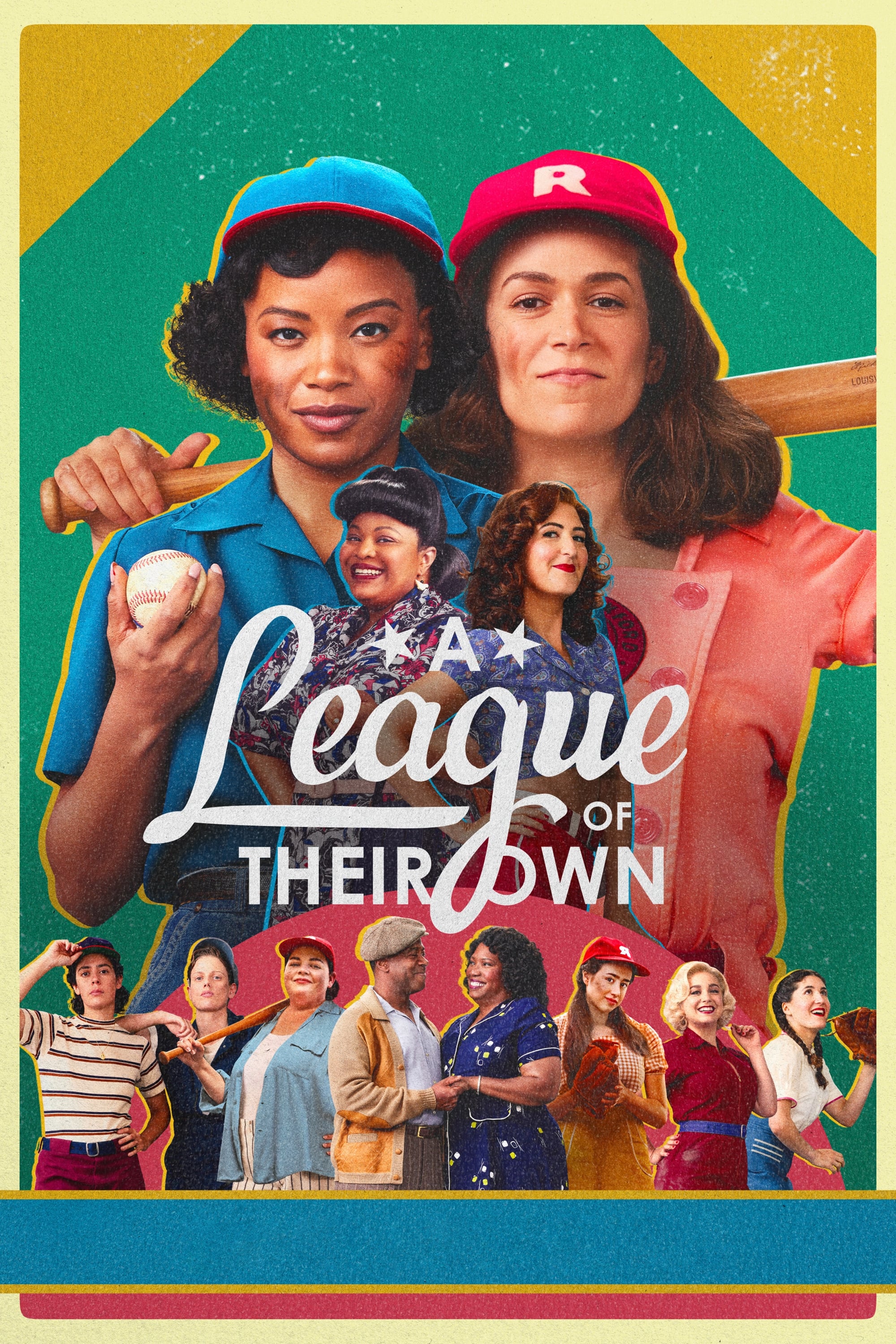
This television adaptation of the 1992 film ‘A League of Their Own’ expanded the scope of the story to include the experiences of Black and queer women in the 1940s. While it received praise for its depth, a segment of the audience felt the show focused too much on modern identity politics rather than the sport of baseball. The stark difference in tone between the lighthearted film and the more serious, politically-charged series led to significant online friction. The show was canceled by Amazon after a single season despite plans for a short conclusion.
‘The Wonder Years’ (2021–2023)
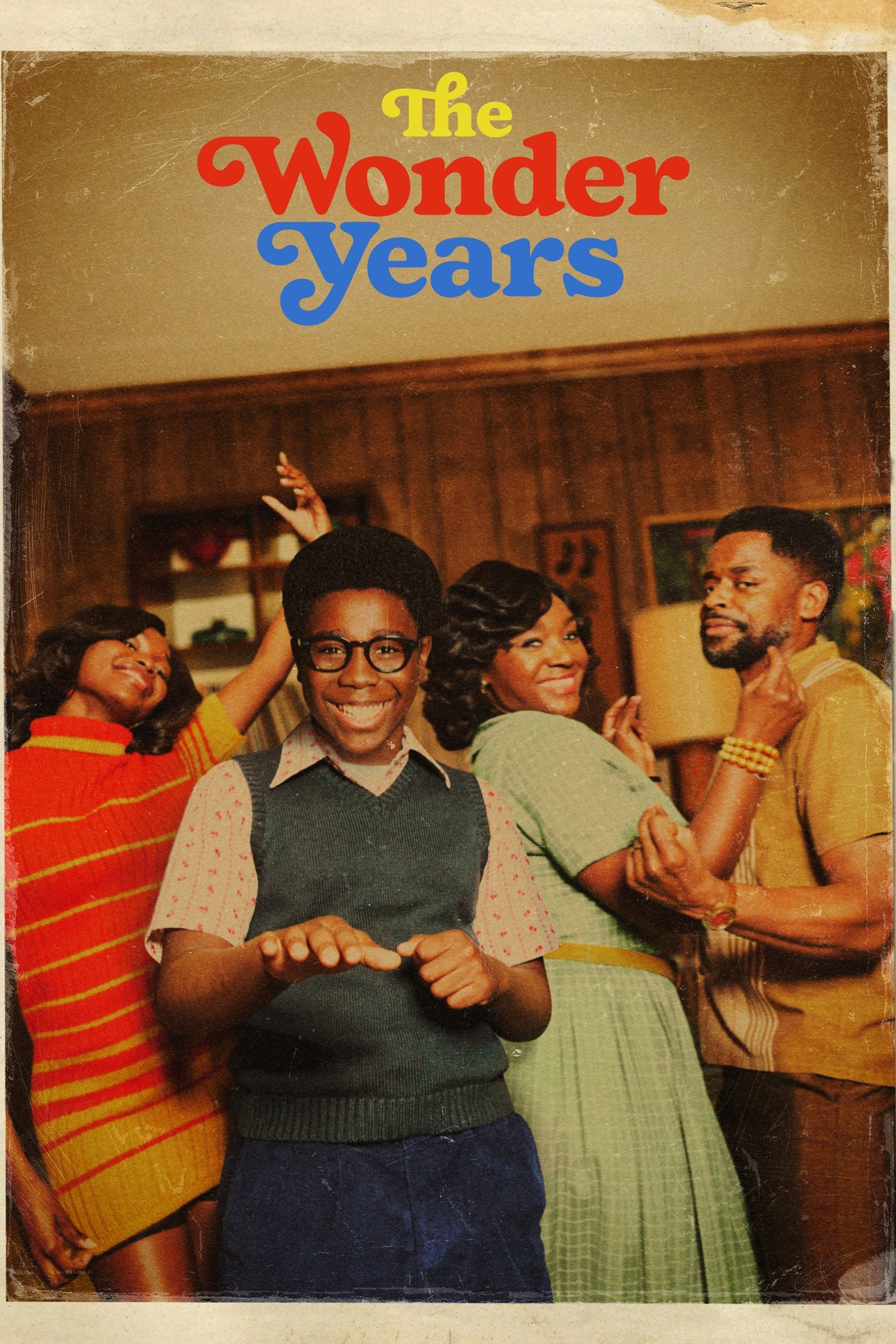
This reimagining of the 1988 classic shifted the perspective to a Black middle-class family living in Montgomery, Alabama, during the 1960s. The show explicitly dealt with the Civil Rights Movement, segregation, and the political turmoil of the era. While many critics appreciated the fresh perspective, some viewers felt the show was too focused on the racial politics of the time compared to the original’s focus on general nostalgia. The series was praised for its historical accuracy but struggled to maintain the same broad audience as the original ‘The Wonder Years’.
‘Walker’ (2021–2024)
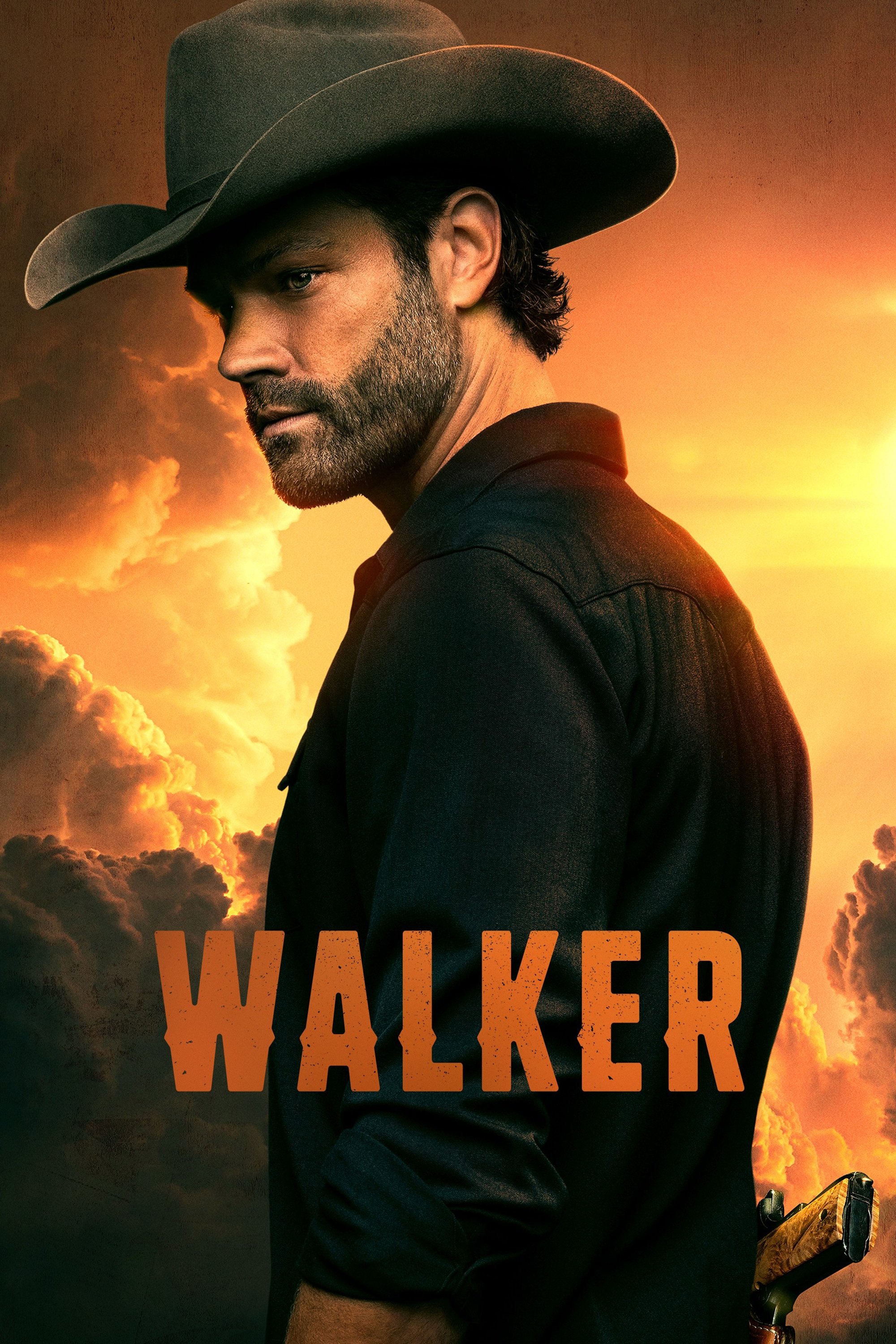
Starring Jared Padalecki, this reboot of ‘Walker, Texas Ranger’ reimagined the title character as a man struggling with the moral complexities of modern law enforcement. The show moved away from the “tough-on-crime” action of the Chuck Norris era to focus on themes of police reform and immigrant rights. Legacy fans often criticized the reboot for being “too soft” and for its focus on social justice rather than traditional action tropes. The series ran for four seasons on The CW before concluding its run.
‘Queer as Folk’ (2022)
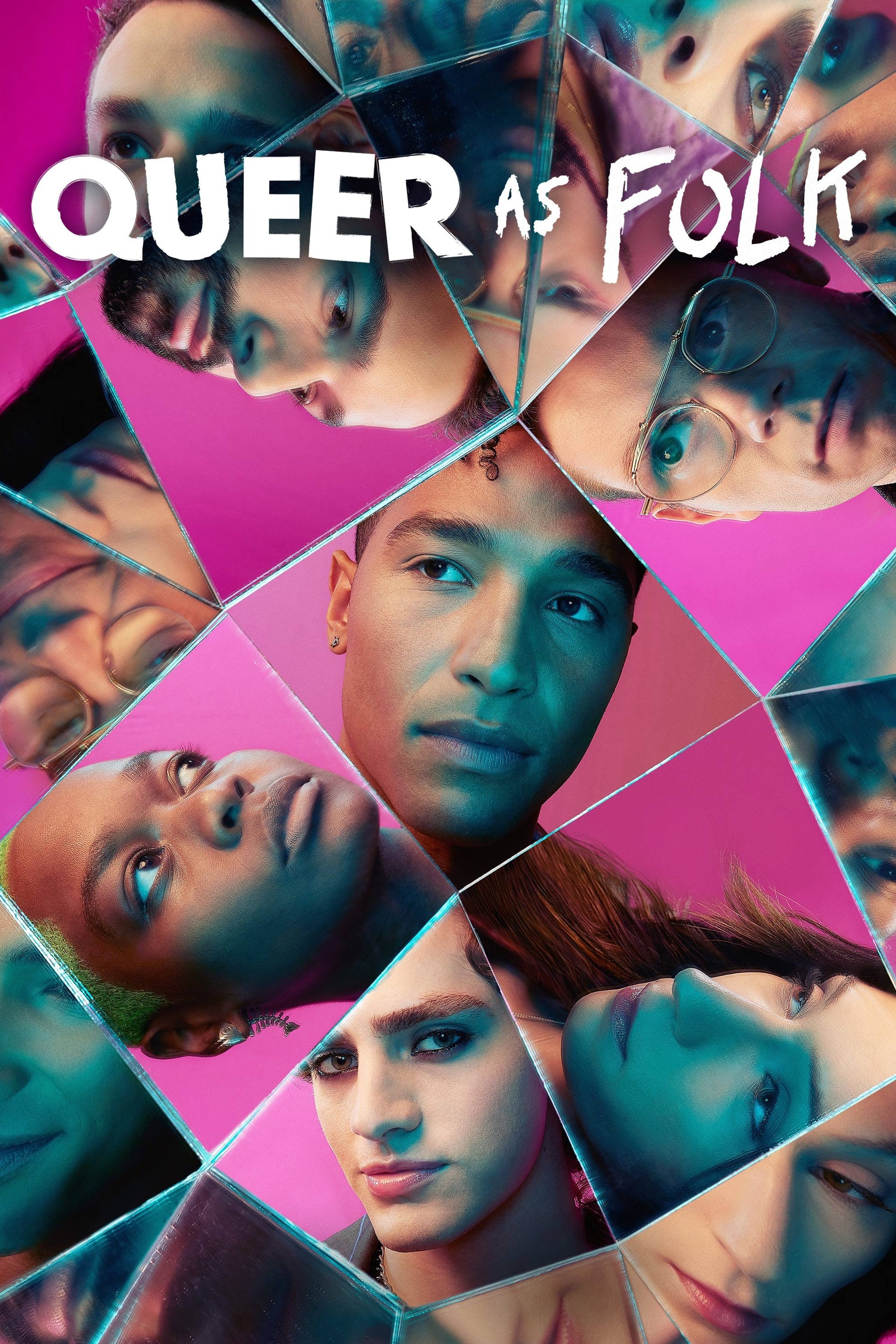
The third iteration of ‘Queer as Folk’ moved the setting to New Orleans and focused on a diverse group of friends in the aftermath of a tragedy. The show leaned heavily into modern activism, including plotlines involving gun control and the rights of disabled queer individuals. Audiences who enjoyed the 2000s American version found the new series to be more focused on political messaging than the personal relationship drama they expected. The reboot was canceled after only one season on the Peacock streaming service.
‘Saved by the Bell’ (2020–2022)
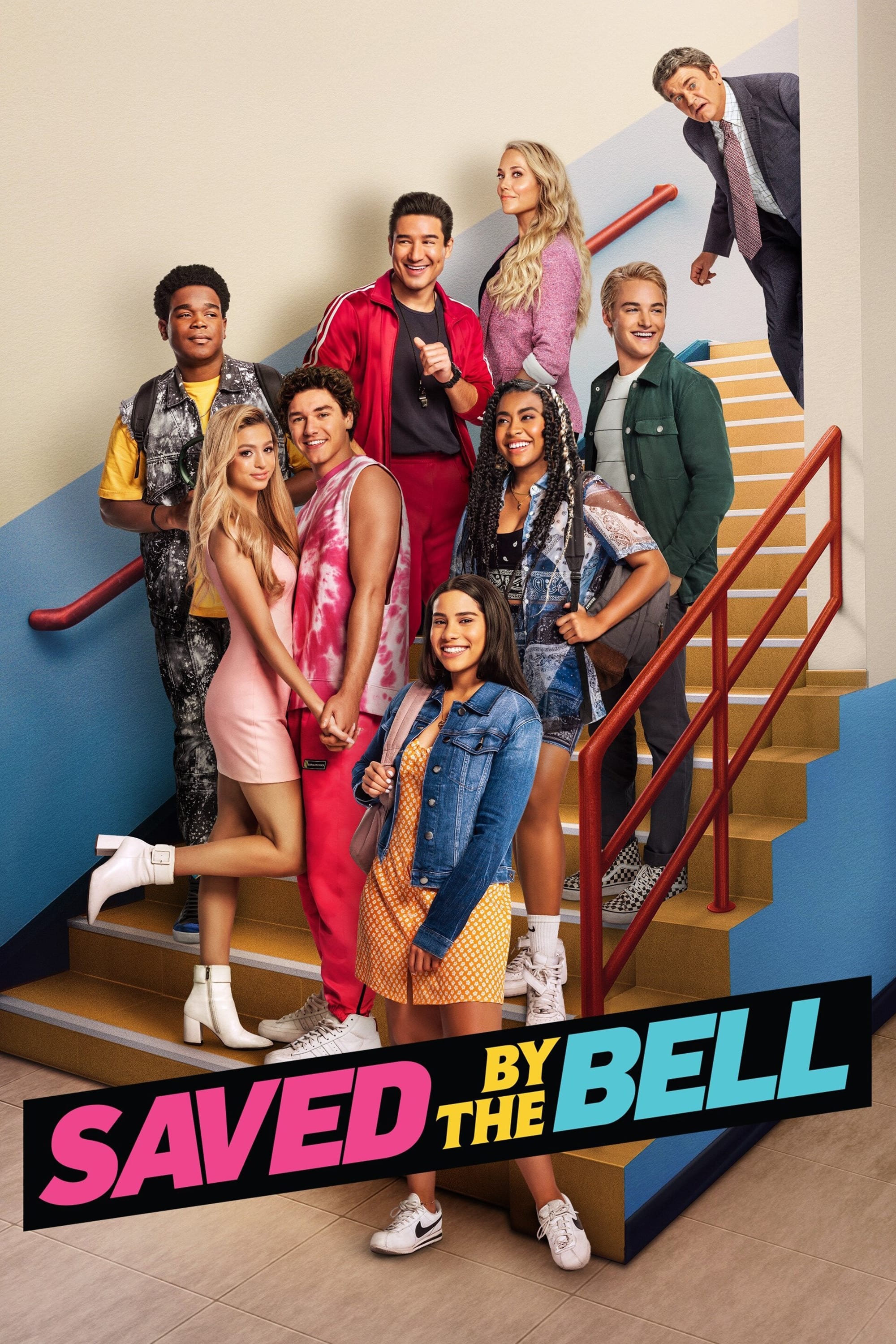
This revival of the iconic Saturday morning sitcom transformed the show into a satirical look at class warfare and educational inequality. When wealthy students are moved to a less-privileged school, the show uses the setup to critique systemic social issues and the “white savior” trope. While the humor was praised by critics, some long-time fans found the political satire and character changes to be a jarring departure from the original show’s simple charm. The series lasted for two seasons before being axed by Peacock.
‘The Equalizer’ (2021–Present)
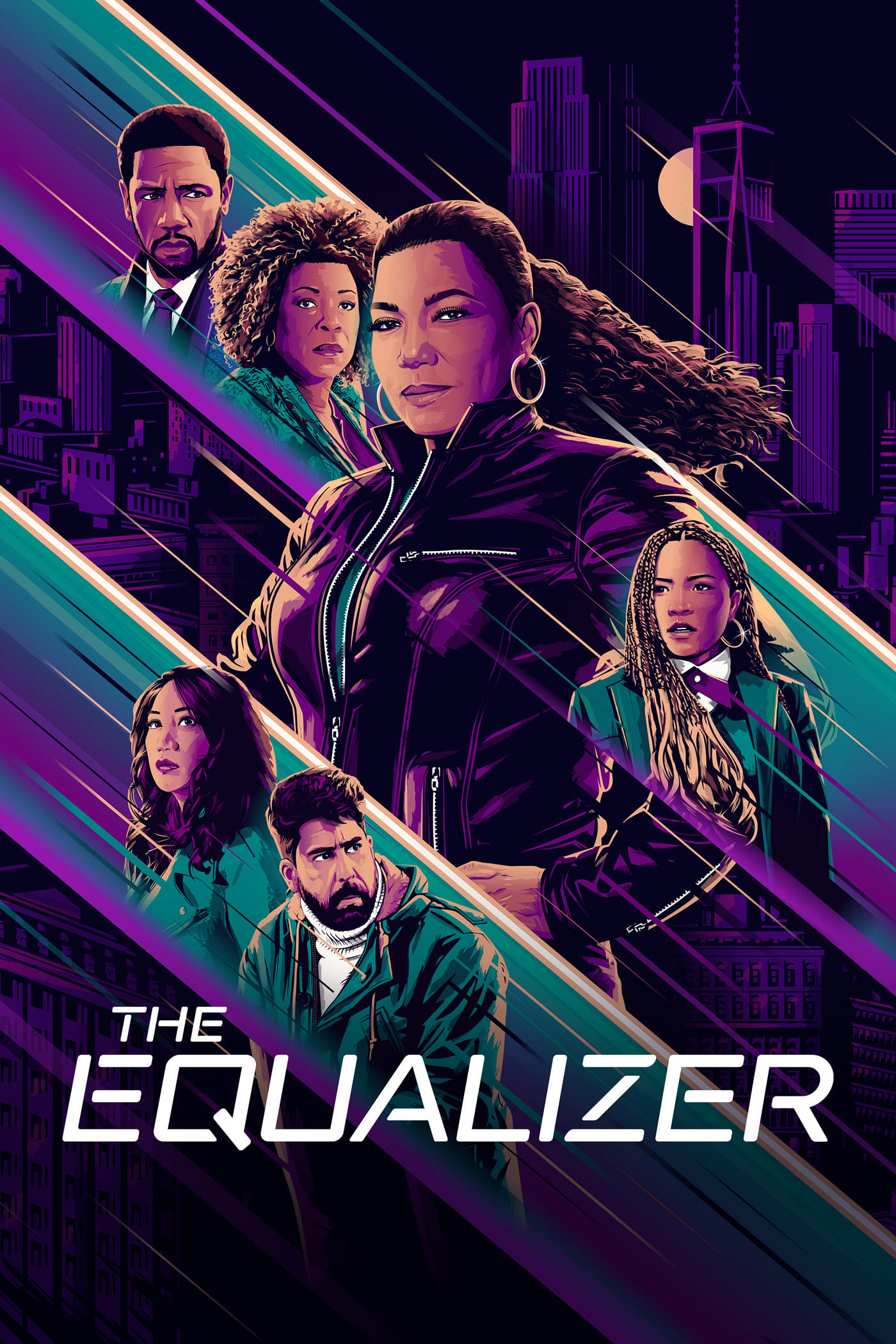
This CBS reboot of the 1980s series casts Queen Latifah as a former CIA operative who uses her skills to help those with nowhere else to turn. The show frequently incorporates storylines about police brutality, racial profiling, and social justice activism. While it has been a ratings success, it has also faced criticism from viewers who feel the scripts are overly influenced by modern political movements. The show remains a staple of the CBS lineup, continuing to blend procedural action with social commentary.
‘Santa Inc.’ (2021)
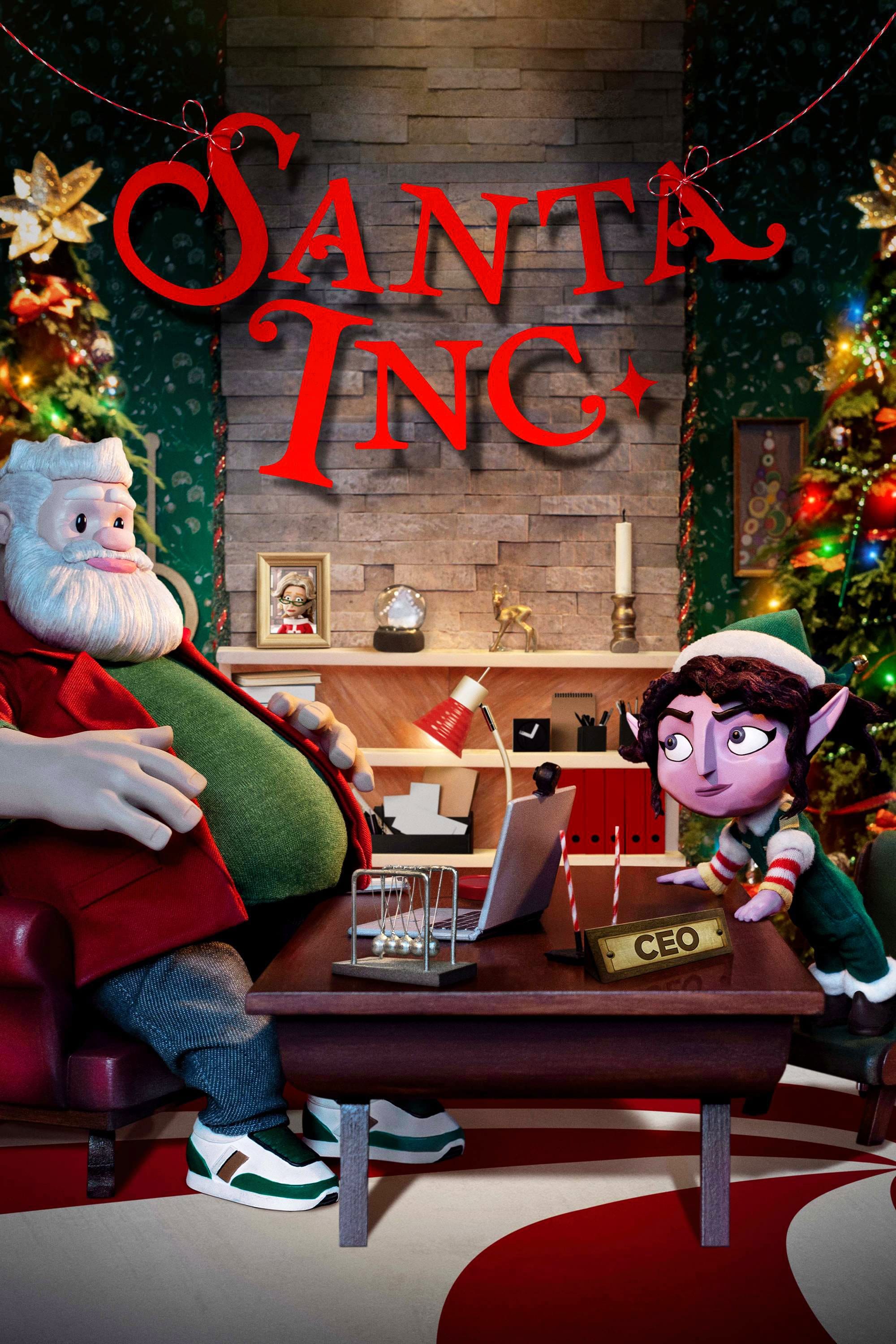
This adult animated miniseries follows an elf who strives to become the first female Santa Claus. The show was widely criticized for its blunt commentary on the glass ceiling, patriarchy, and white privilege. It received some of the lowest audience scores in television history on various review platforms, with viewers citing its aggressive political tone as a primary grievance. The creators addressed the backlash by suggesting that the negative reaction was fueled by the very social issues the show intended to critique.
‘Bel-Air’ (2022–Present)
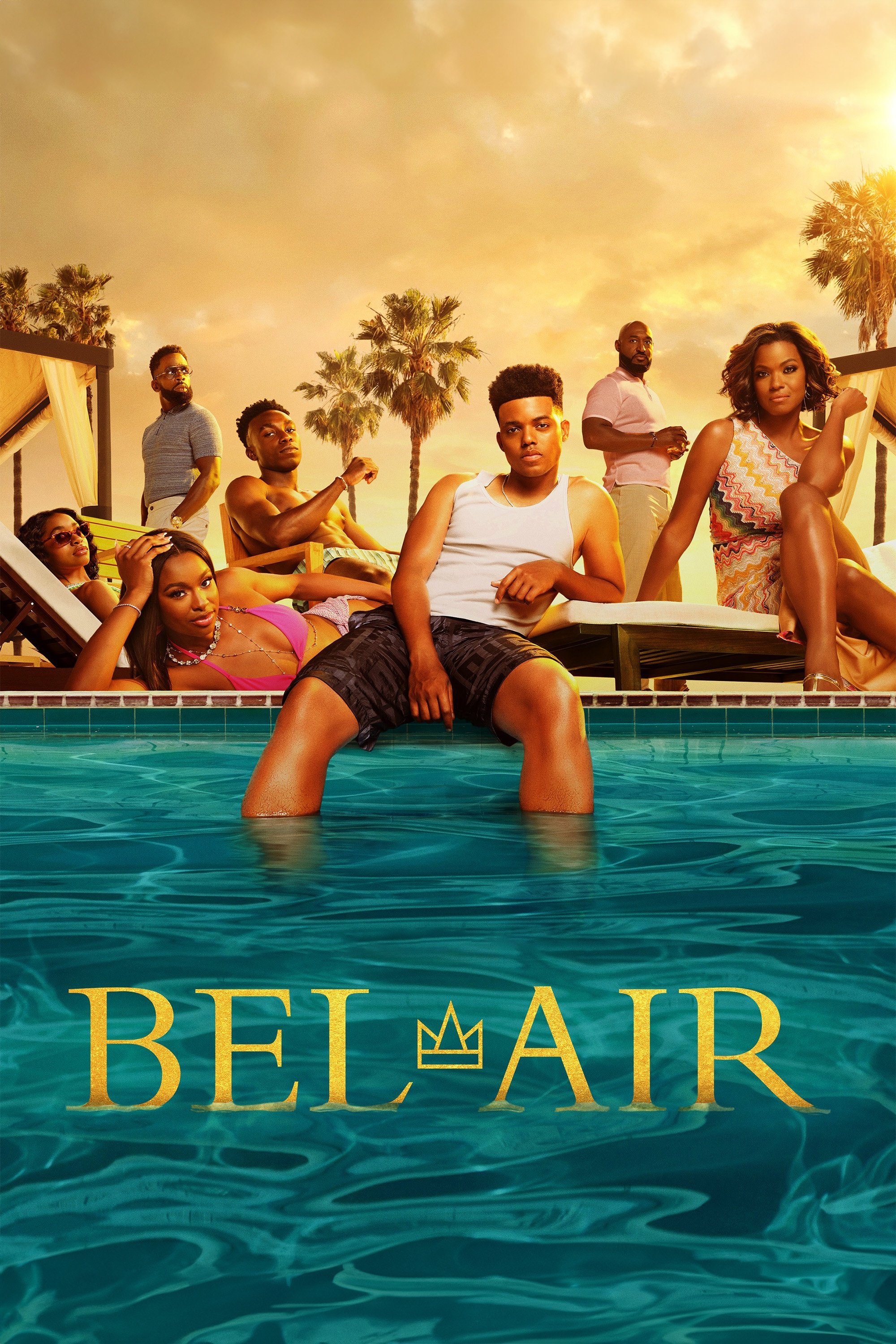
‘Bel-Air’ is a dramatic reimagining of the 1990s sitcom ‘The Fresh Prince of Bel-Air’. The series takes a serious look at what it means to be a Black man in America today, touching on topics like the school-to-prison pipeline and systemic classism. Some viewers who were expecting the lighthearted comedy of the original felt the new version was too focused on “grim” social realities and political struggle. Despite this, the show has been successful for Peacock and has been renewed for multiple seasons.
‘High Fidelity’ (2020)
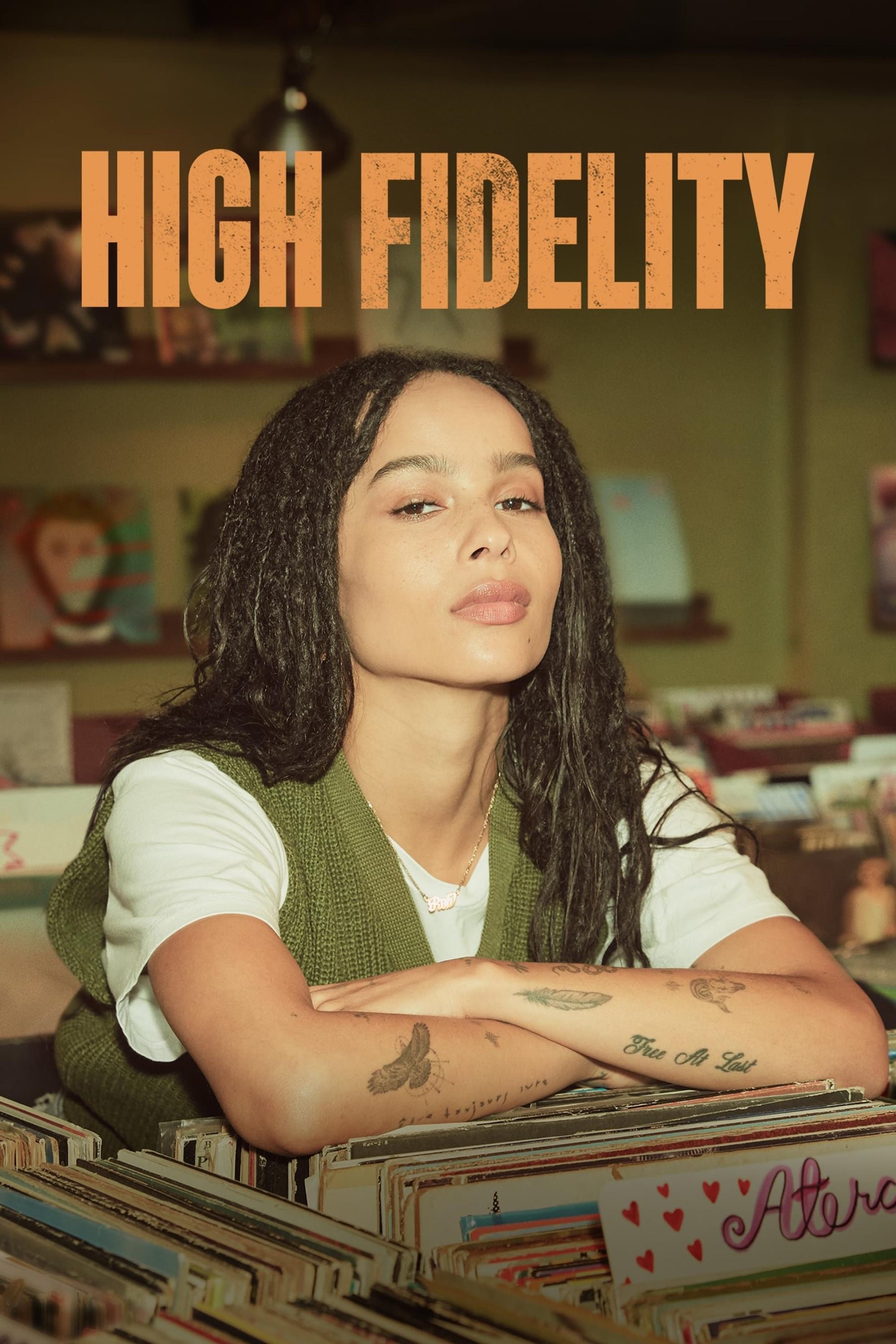
Based on the novel and the 2000 film, this series gender-flipped the lead role to star Zoë Kravitz as a record store owner in Brooklyn. The show modernized the story by exploring the complexities of modern dating through a more diverse and gender-fluid lens. While the show was critically well-received, some fans of the original property felt the changes were unnecessary concessions to modern diversity trends. The series was canceled by Hulu after a single season, leading to a vocal protest from its dedicated fan base.
‘Cowboy Bebop’ (2021)
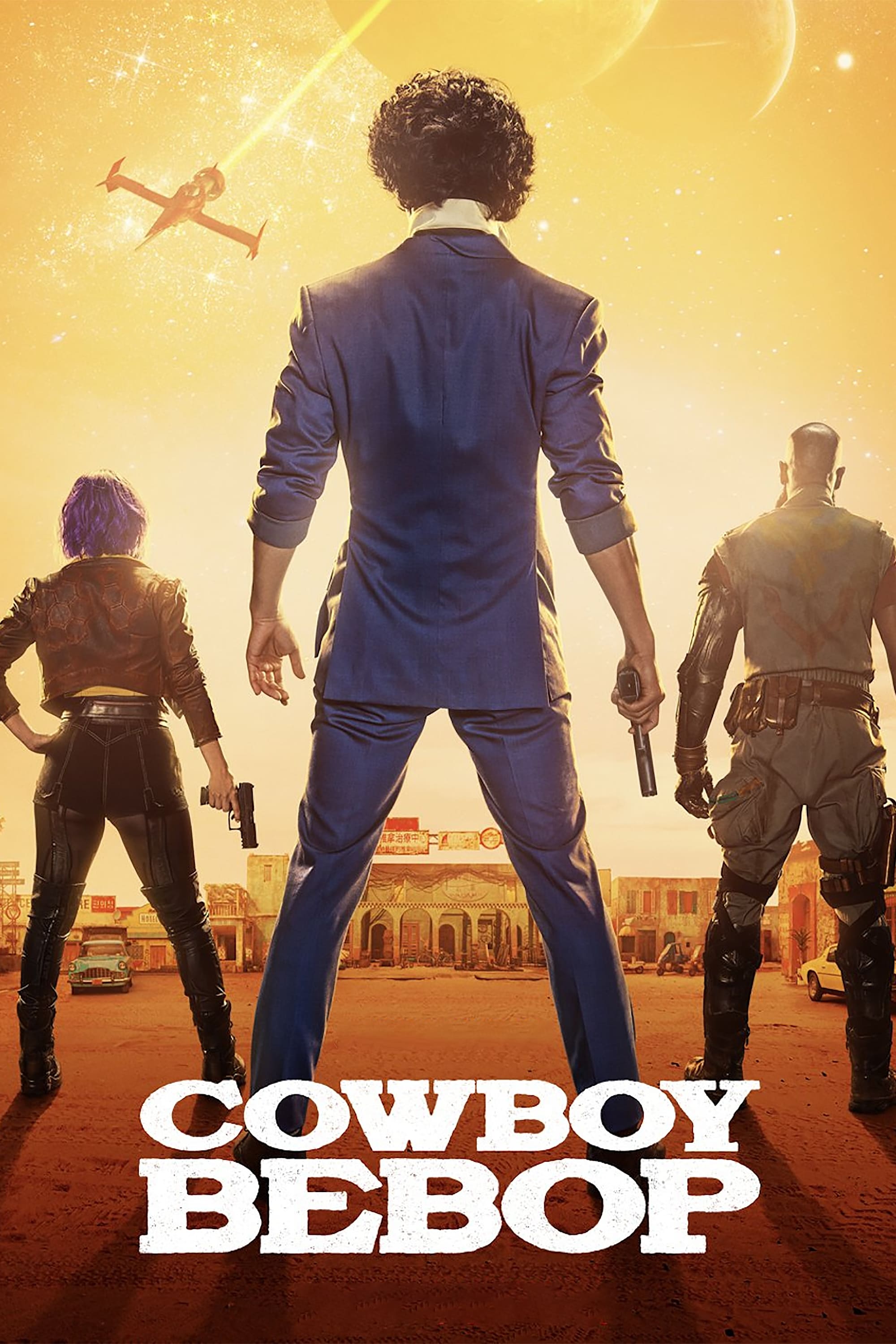
Netflix’s live-action adaptation of the legendary anime ‘Cowboy Bebop’ faced immense scrutiny for changes to its characters and dialogue. The show attempted to modernize certain aspects of the source material, including changes to the character Faye Valentine and the inclusion of more contemporary social banter. Fans felt these adjustments stripped the series of its original noir atmosphere and replaced it with a tone that felt “forced.” The show was canceled within weeks of its premiere due to poor viewership and negative feedback.
‘The Powerpuff Girls’ (2016–2019)
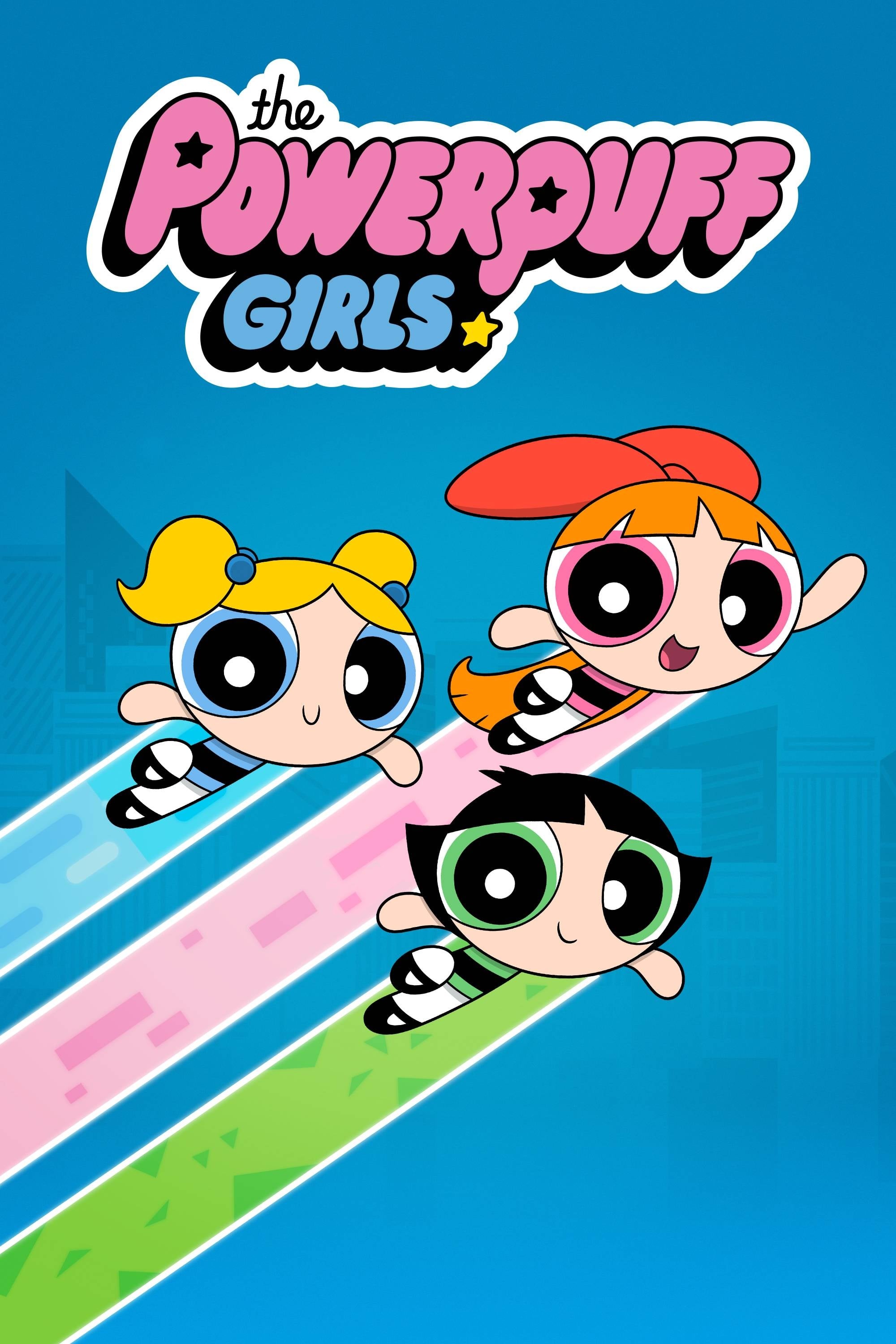
This Cartoon Network reboot sought to bring the 1998 classic to a new generation with updated sensibilities. It sparked controversy for an episode featuring a unicorn character that many saw as a clumsy metaphor for gender identity. Additionally, fans were unhappy with the removal of the original voice actresses and the inclusion of modern internet slang. The reboot was often criticized for trying too hard to be “hip” and “socially relevant” at the expense of the original’s timeless appeal.
‘Star Trek: Discovery’ (2017–2024)
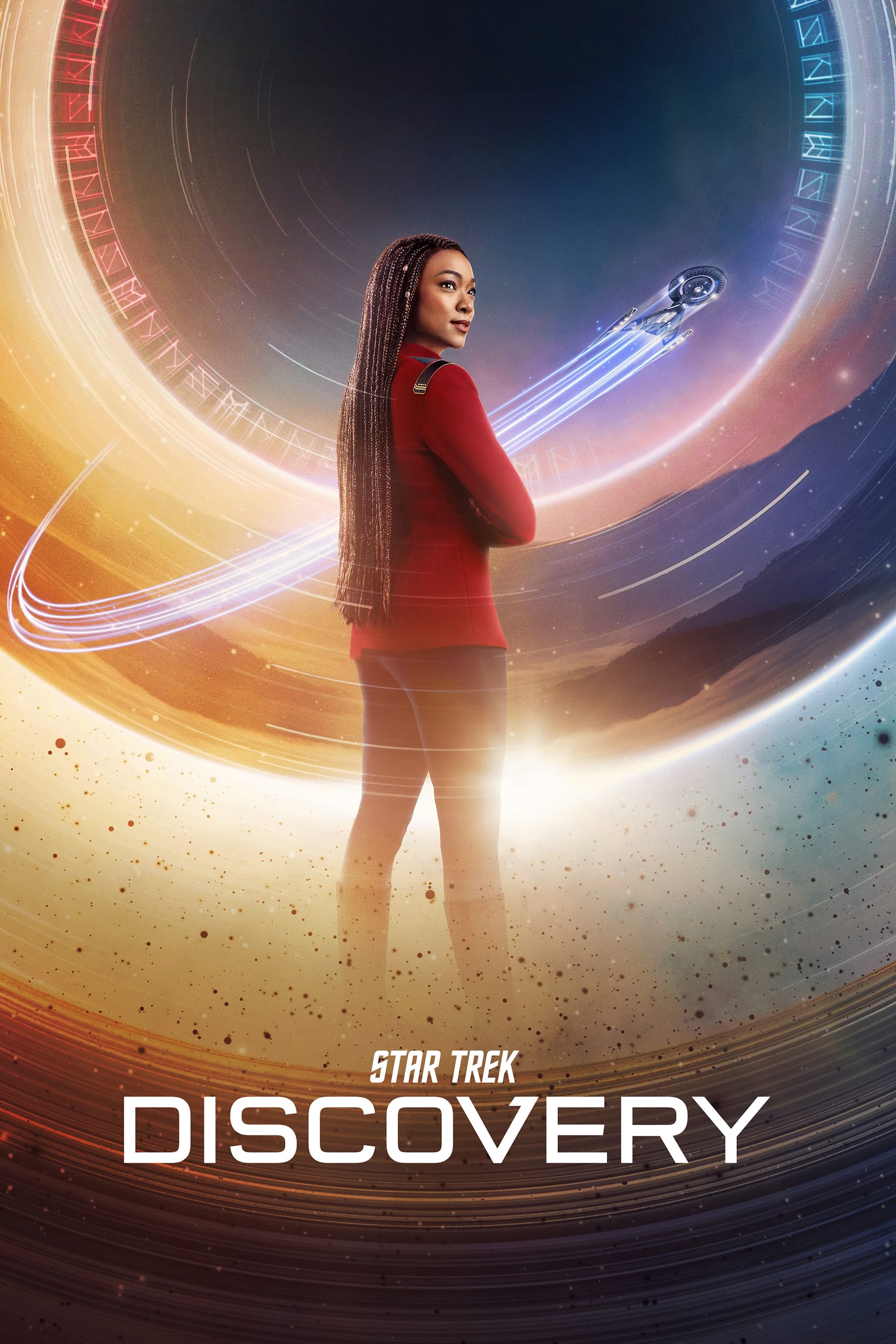
‘Star Trek: Discovery’ served as a prequel to the original series but introduced a much more serialized and diverse approach to the franchise. It featured the first non-binary and transgender characters in ‘Star Trek’ history and placed a heavy emphasis on personal identity and emotional expression. This led to a deep divide in the fan base, with some praising the inclusivity and others arguing that it abandoned the franchise’s philosophical roots for modern identity politics. The show concluded its five-season run as a cornerstone of the modern ‘Star Trek’ era.
‘She-Ra and the Princesses of Power’ (2018–2020)
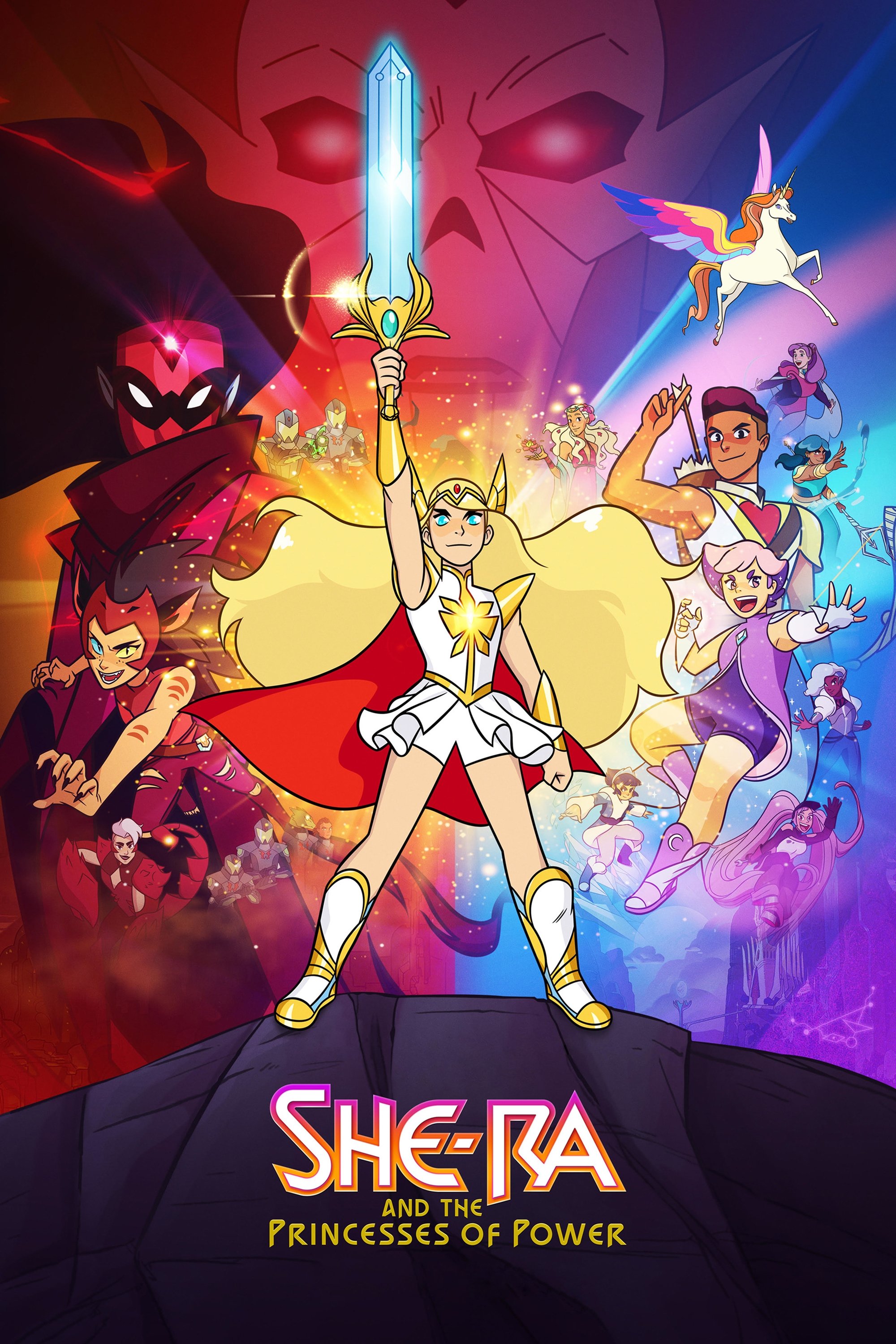
This Netflix reboot of the 1980s cartoon ‘She-Ra: Princess of Power’ redesigned the characters to be more diverse and less traditionally “sexualized.” The change in art style and the focus on LGBTQ+ themes led to a vocal backlash from some legacy fans who felt the show was erasing the original’s aesthetic. However, the series became a critical darling and was praised for its handling of complex emotional arcs and representation. It remains one of the most frequently cited examples of a reboot that successfully leaned into modern social themes despite initial resistance.
Share your thoughts on which of these reboots you feel stayed most or least faithful to their original versions in the comments.