TV Shows That Alienated Their Core Audiences by Suddenly Becoming Way Too Woke

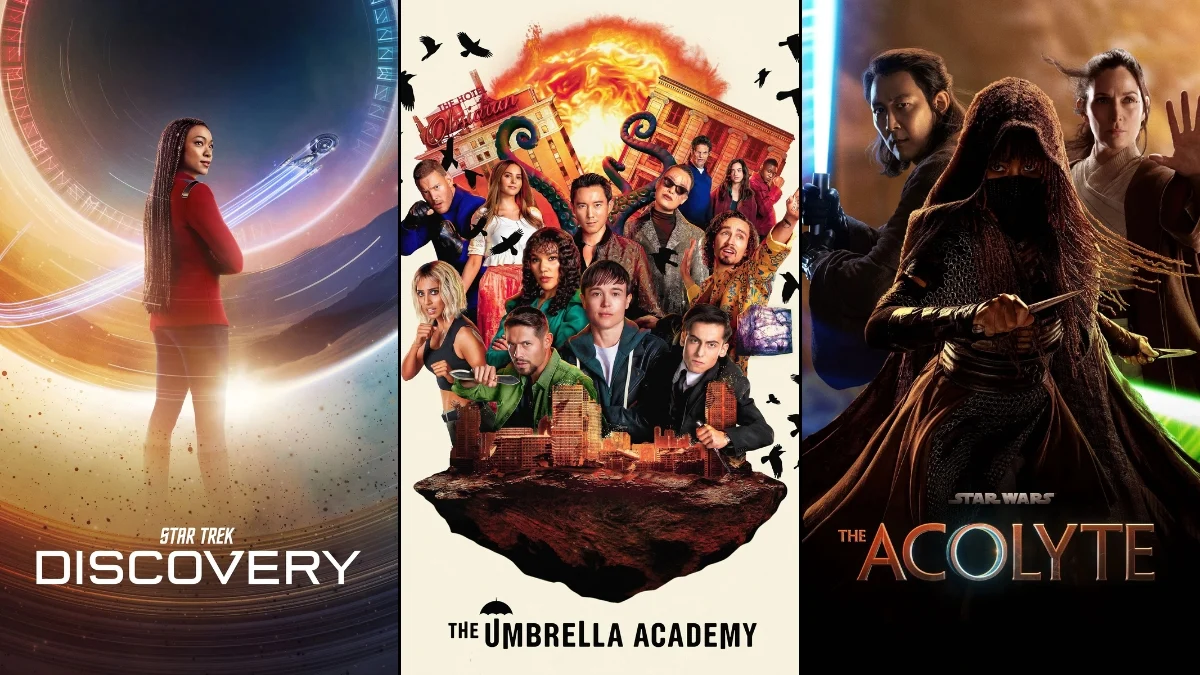

The landscape of modern television has seen a significant shift toward social and political commentary, often sparking intense debate among long-term viewers. While many series aim to reflect contemporary values, some audiences have felt that these changes come at the expense of established lore, character consistency, and storytelling quality. This phenomenon has led to declining viewership, low audience scores on aggregate sites, and public friction between creators and fanbases. From long-running sci-fi staples to high-budget fantasy epics, the following shows have faced criticism for prioritizing ideological messaging over the elements that originally defined their success.
‘Doctor Who’ (2005–)
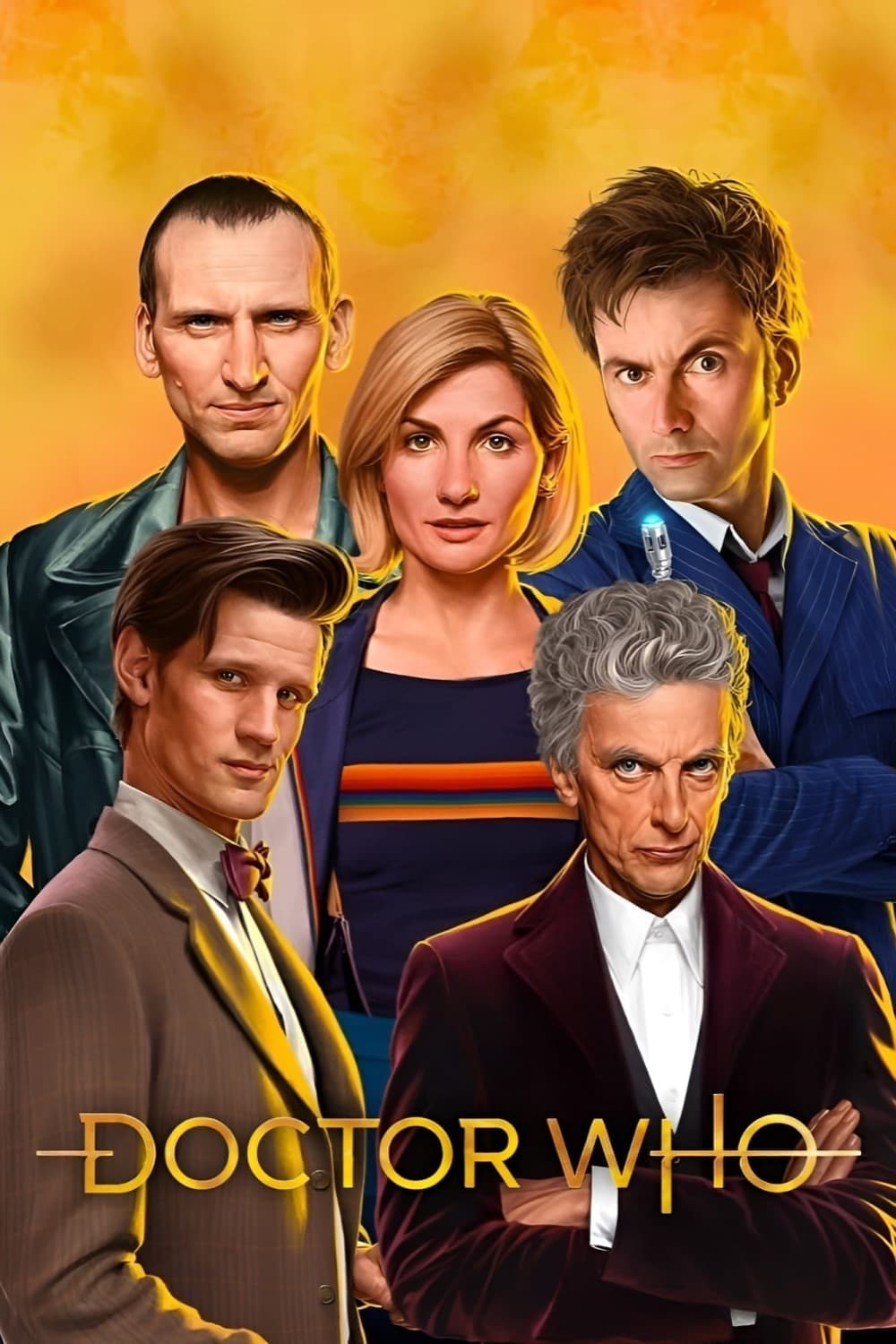
During the tenure of showrunner Chris Chibnall and the introduction of the Thirteenth Doctor, the series underwent a major tonal shift toward overt social commentary. Fans pointed to episodes like ‘Rosa’ and ‘Orphan 55’ as examples of heavy-handed moralizing that deviated from the show’s traditional blend of science fiction and adventure. The introduction of the “Timeless Child” narrative further alienated longtime viewers by fundamentally altering decades of established Time Lord lore. Audience ratings saw a steady decline during this era, with critics noting that the writing often felt more like a lecture than a narrative. The backlash eventually led to the return of former showrunner Russell T. Davies to steer the franchise back toward its core roots.
‘Star Trek: Discovery’ (2017–2024)
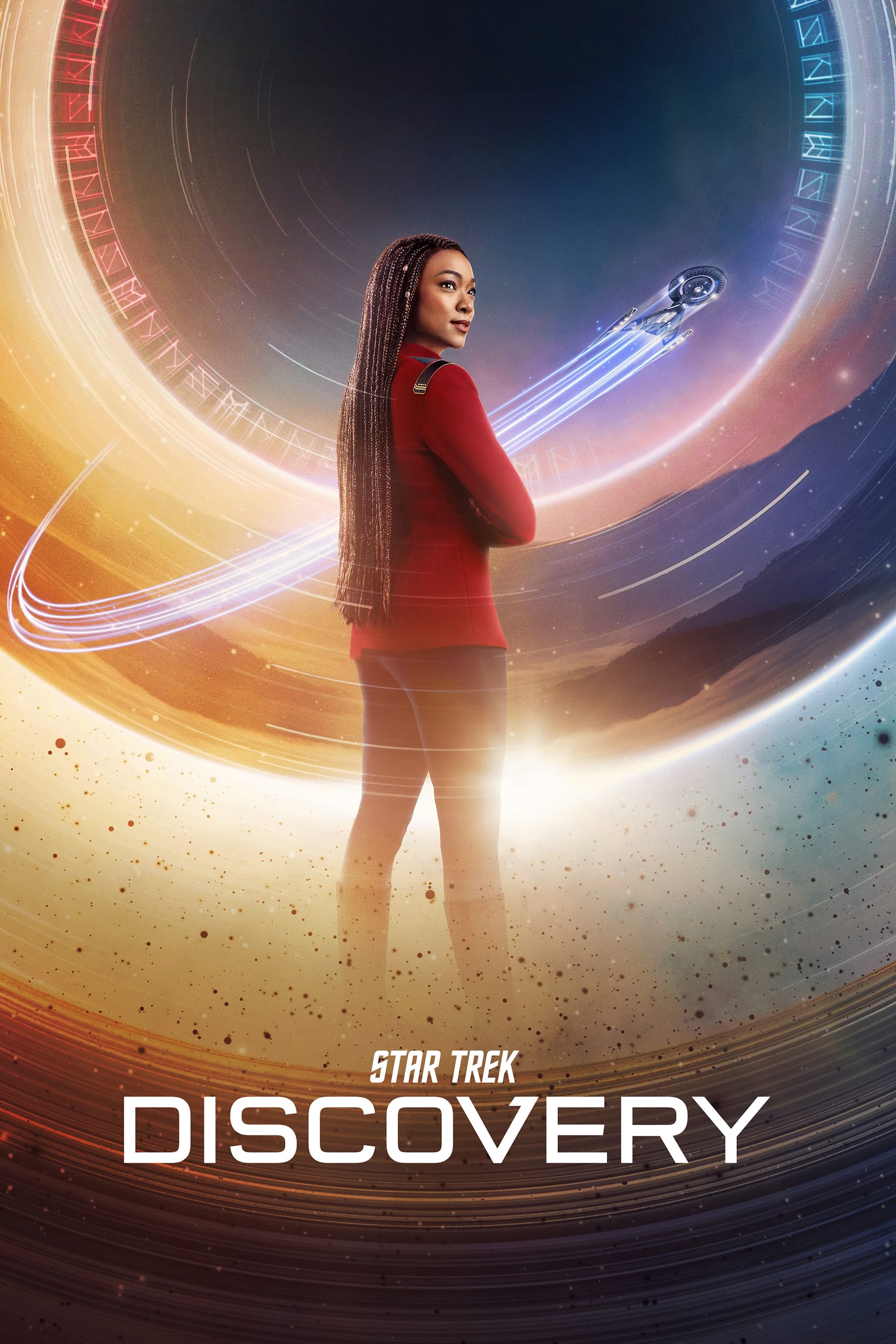
As the flagship for the modern era of the franchise, this series faced immediate backlash for prioritizing identity politics and emotional melodrama over the diplomatic philosophy of its predecessors. Core fans expressed frustration with the focus on the protagonist Michael Burnham at the expense of an ensemble cast and the traditional Trek exploration themes. The inclusion of modern political allegories was frequently cited by viewers as being too didactic and disconnected from the series’ futuristic setting. Despite its high production values, the show struggled to maintain the same level of reverence as the classic series among the dedicated “Trekkie” community. Reviews on major platforms often highlighted a perceived lack of the scientific optimism that originally defined the brand.
‘The Witcher’ (2019–)
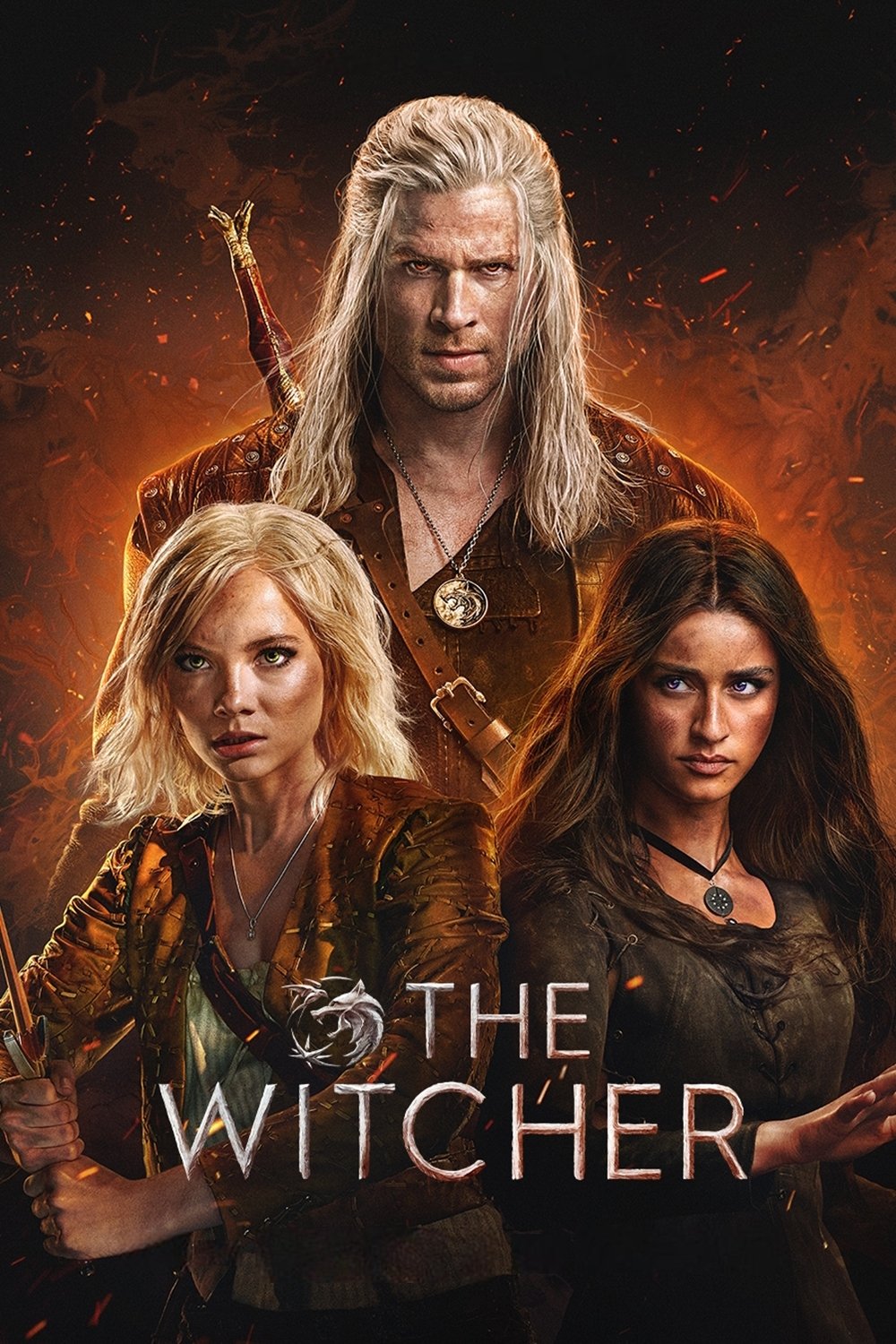
Originally praised for its gritty atmosphere and adherence to Andrzej Sapkowski’s novels, the series began to lose its core audience as it moved away from the source material. Fans and critics alike noted that the writing started incorporating modern social sensibilities that felt out of place in the established medieval fantasy setting. The departure of lead actor Henry Cavill, who was known for his dedication to the books, was widely seen as a result of creative differences regarding the show’s direction. Viewers criticized the series for prioritizing diverse casting and contemporary dialogue over the complex political intrigue found in the original texts. The third and fourth seasons faced significant drops in viewership as the core fanbase felt the adaptation no longer respected the original lore.
‘Batwoman’ (2019–2022)
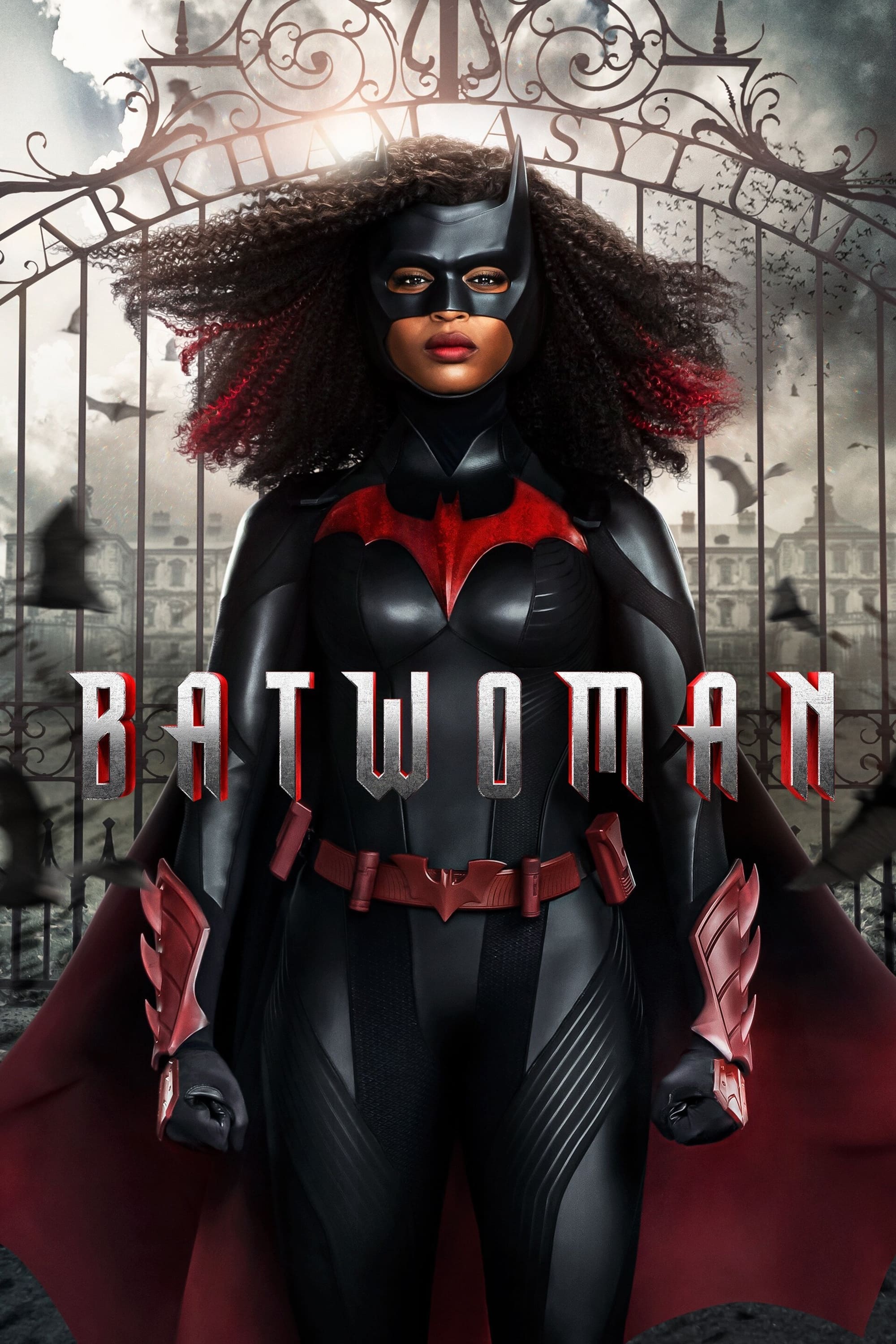
The series made headlines before its premiere by focusing its marketing heavily on the protagonist’s gender and sexual identity rather than her crime-fighting abilities. While diversity is a staple of the ‘Arrowverse’, many fans felt the dialogue in the pilot and subsequent episodes was overly aggressive toward the character’s predecessor, Batman. This approach led to an immediate disconnect with many superhero fans who felt the show was more interested in social activism than comic book storytelling. Review bombing occurred on several platforms, and the show struggled with consistently low ratings throughout its three-season run. After the departure of original lead Ruby Rose, the series failed to regain its footing and was eventually canceled by The CW.
‘She-Hulk: Attorney at Law’ (2022)
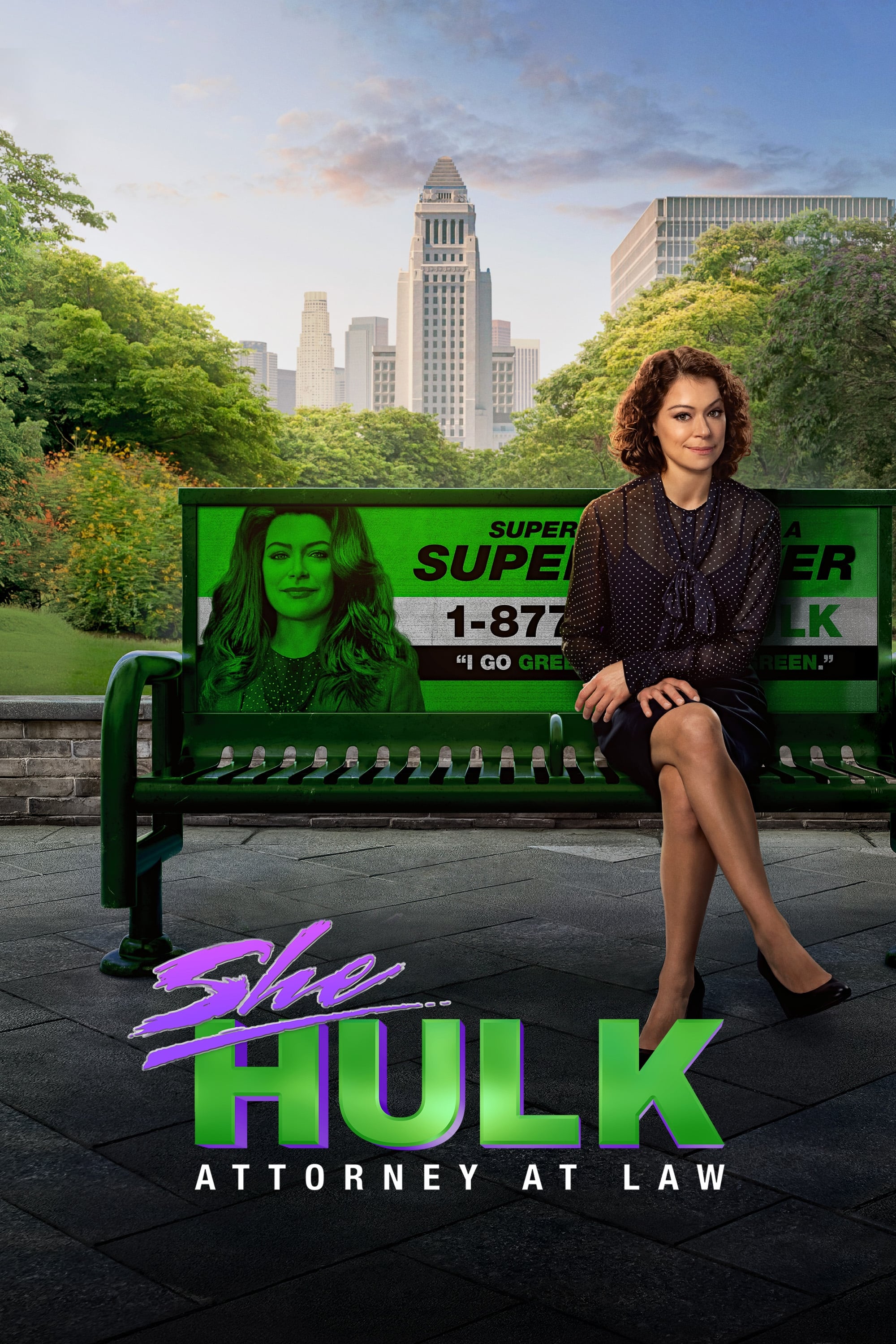
This Marvel Studios production took a meta-approach to social commentary by directly addressing internet trolls and the “incel” community within the show’s narrative. While some critics praised the show’s boldness, many core Marvel fans felt the series spent too much time attacking its own audience rather than developing a compelling superhero arc. The finale, which broke the fourth wall to dismantle the traditional Marvel structure, proved particularly polarizing for viewers who wanted a standard action-comedy. Critics noted that the show’s focus on the female struggle in the workplace often felt redundant and lacked the nuance found in earlier Marvel entries. The divide between critical reception and audience scores remained one of the widest in the history of the Marvel Cinematic Universe.
‘The Lord of the Rings: The Rings of Power’ (2022–)
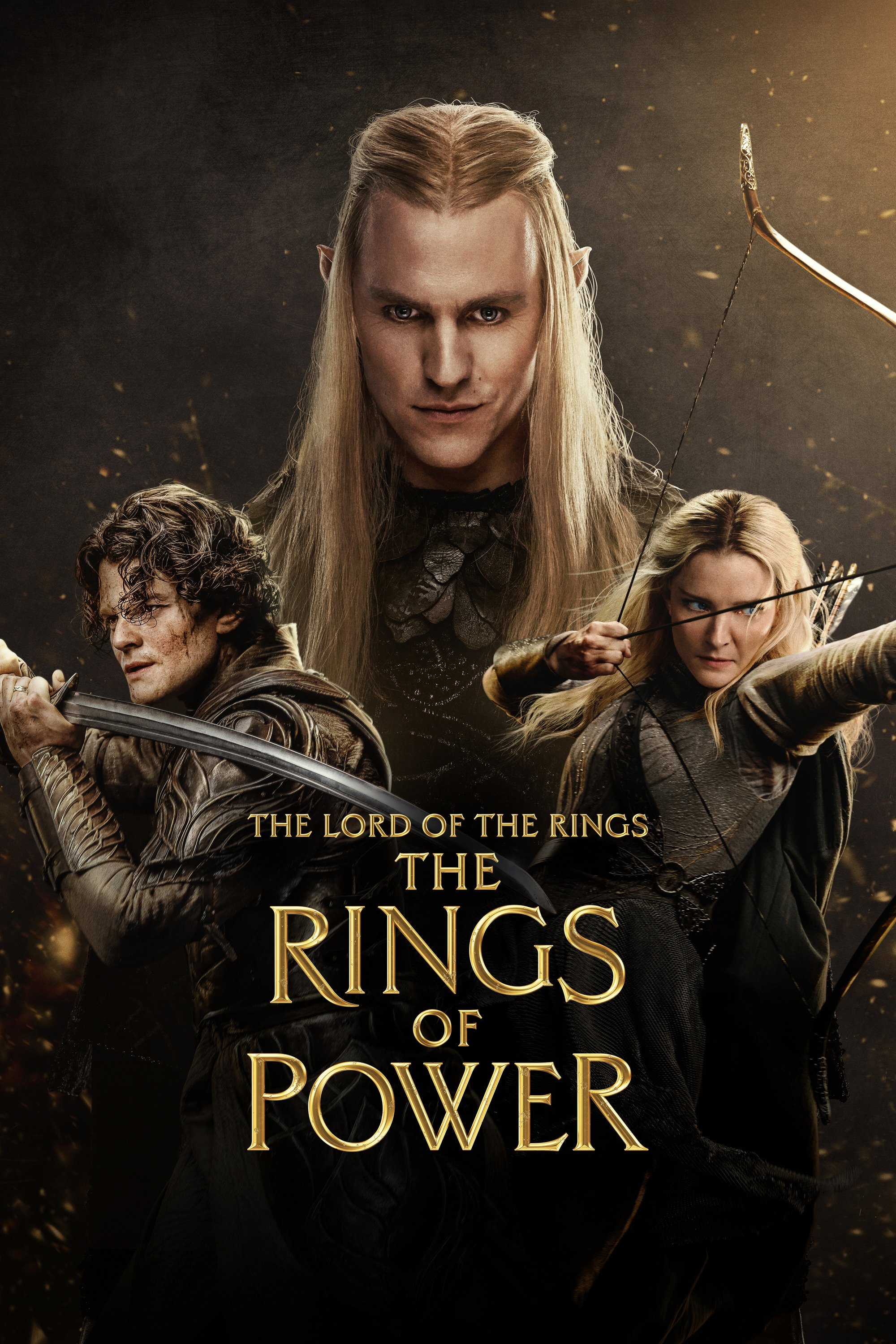
Amazon’s massive investment in the world of J.R.R. Tolkien faced significant scrutiny for its deviations from the established Middle-earth history. Core fans of the books expressed concern over the “modernization” of the characters and the inclusion of political themes that felt disconnected from Tolkien’s Catholic-inspired mythology. The marketing campaign’s focus on diverse casting over narrative fidelity further stoked tensions within the fanbase. Many viewers complained that the dialogue lacked the poetic weight of the original material, opting instead for contemporary phrasing and social allegories. Despite high viewership numbers due to the brand name, the show’s audience approval ratings remained significantly lower than those of Peter Jackson’s film adaptations.
‘Velma’ (2023–)
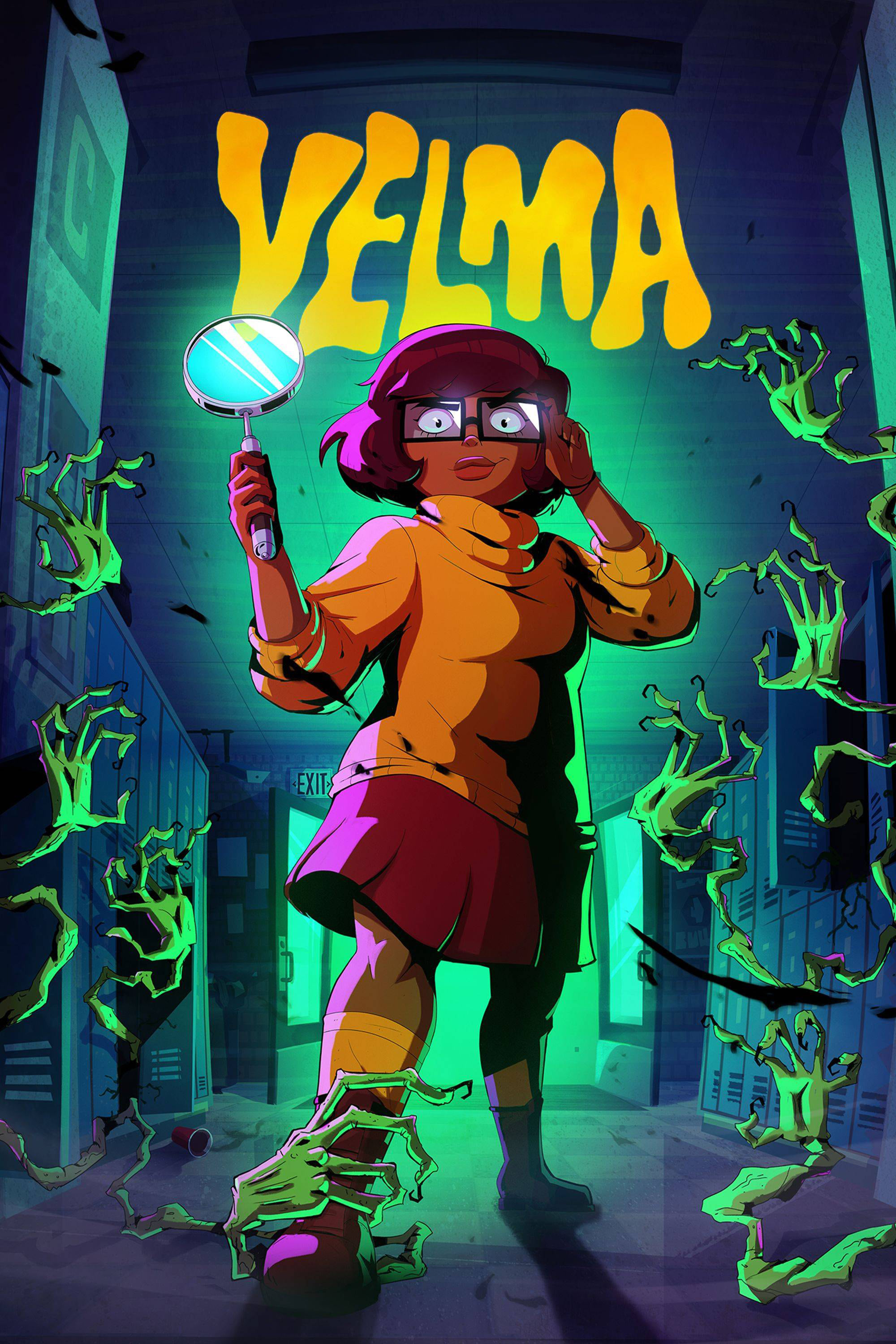
As a reimagining of the beloved ‘Scooby-Doo’ franchise, this adult animated series was met with nearly universal backlash from its core audience. The show significantly altered the personalities and backgrounds of the iconic characters to fit a cynical, socially conscious narrative. Fans criticized the protagonist for being mean-spirited and for the show’s constant reliance on meta-commentary about race and gender. The series’ decision to remove Scooby-Doo entirely was seen as a betrayal of the brand’s identity. Despite being renewed for a second season, ‘Velma’ became one of the lowest-rated shows in history on platforms like IMDb.
‘Masters of the Universe: Revelation’ (2021)
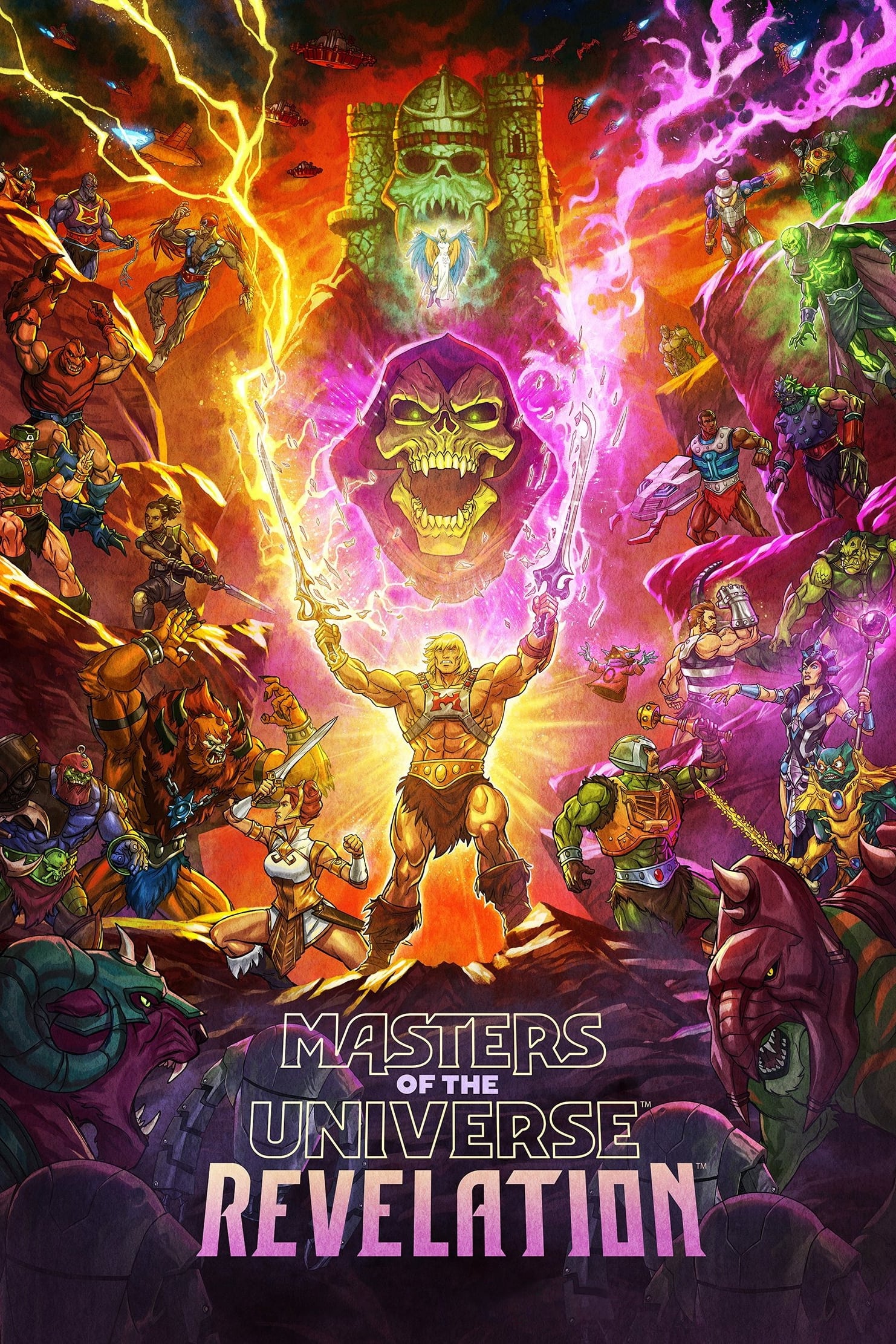
Longtime fans of the 1980s cartoon felt misled by a marketing campaign that suggested the show would focus on He-Man. Instead, the narrative quickly sidelined the main hero in favor of Teela, who was redesigned to fit a more modern, hardened archetype. Viewers accused showrunner Kevin Smith of a “bait and switch” that prioritized a “girl boss” narrative over the classic hero’s journey. The backlash was so significant that it dominated social media discussions for weeks following the show’s release. While the animation was praised, the perceived ideological shift caused a deep rift between the creators and the original fanbase.
‘Supergirl’ (2015–2021)
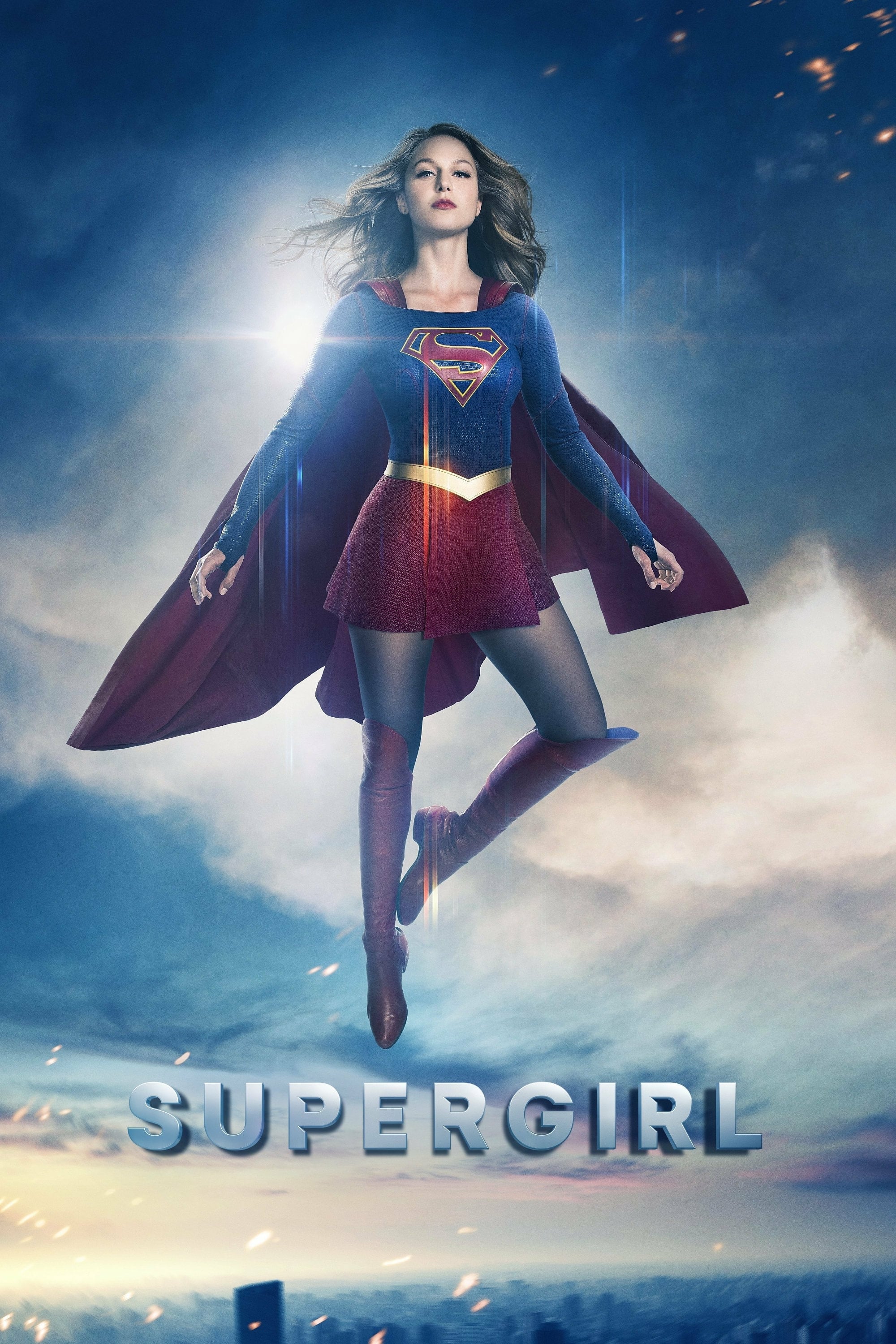
After moving from CBS to The CW, the series increasingly leaned into overt political subplots that many fans felt were too heavy-handed. Storylines involving immigration, gun control, and gender identity often took center stage, sometimes overshadowing the superhero action. While the show always had a feminist core, later seasons were criticized for losing their nuance and becoming a platform for weekly social lectures. Viewers who enjoyed the lighter, more inspirational tone of the first season began to tune out as the messaging became more aggressive. The show eventually concluded its run with a noticeable decline in its general audience engagement.
‘Charmed’ (2018–2022)
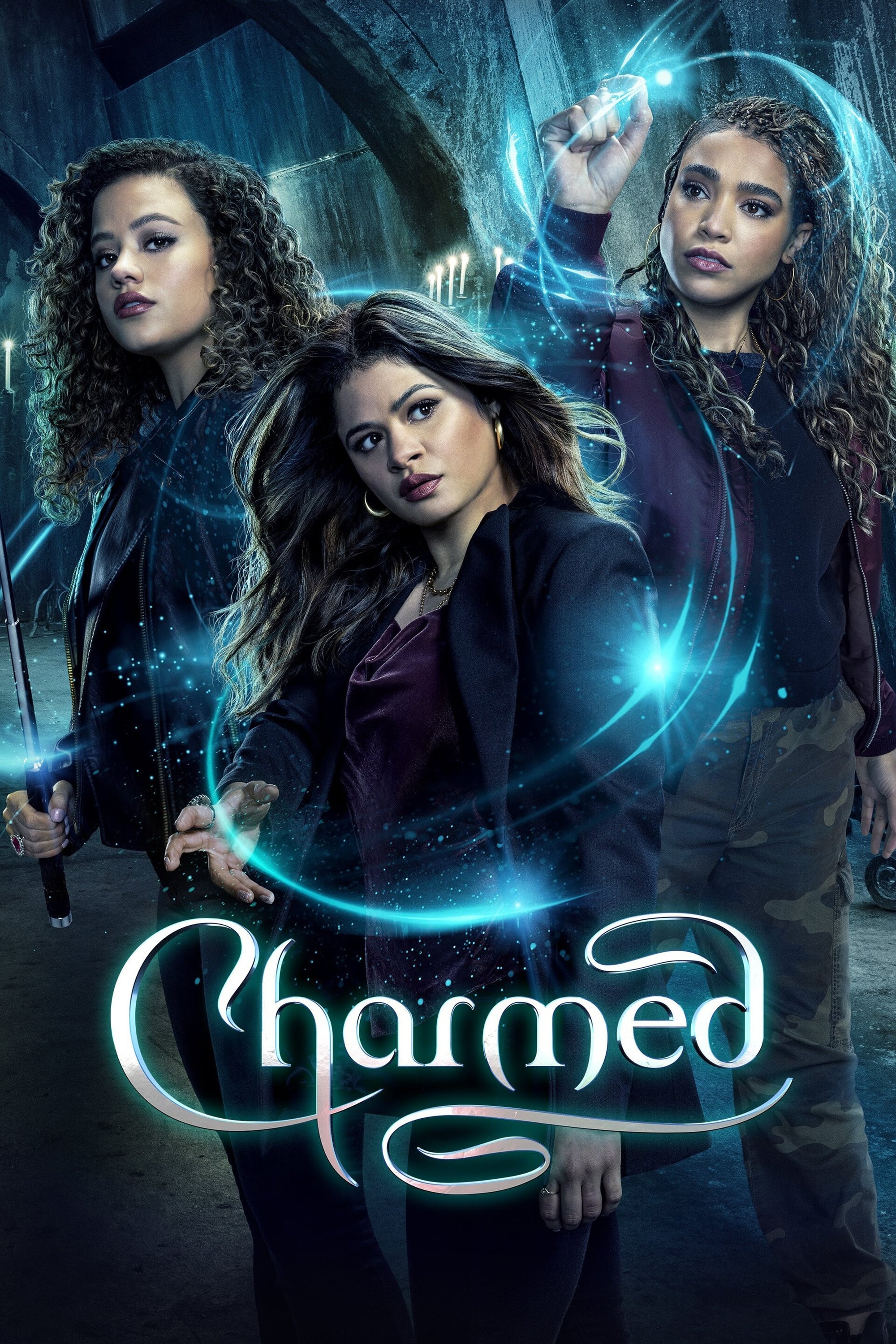
The reboot of the classic 1990s series was marketed with a heavy emphasis on “intersectional feminism,” which immediately polarized fans of the original. The new sisters were written as modern activists, and the plotlines frequently centered on contemporary social justice issues rather than the supernatural lore. Original cast members and fans alike criticized the show for distancing itself from the “legacy” of the first series. The dialogue was often called out for being overly preachy and for using social media buzzwords that dated the episodes quickly. This shift in focus led to a struggle for ratings, and the show never achieved the cult status of its predecessor.
‘The Boys’ (2019–)
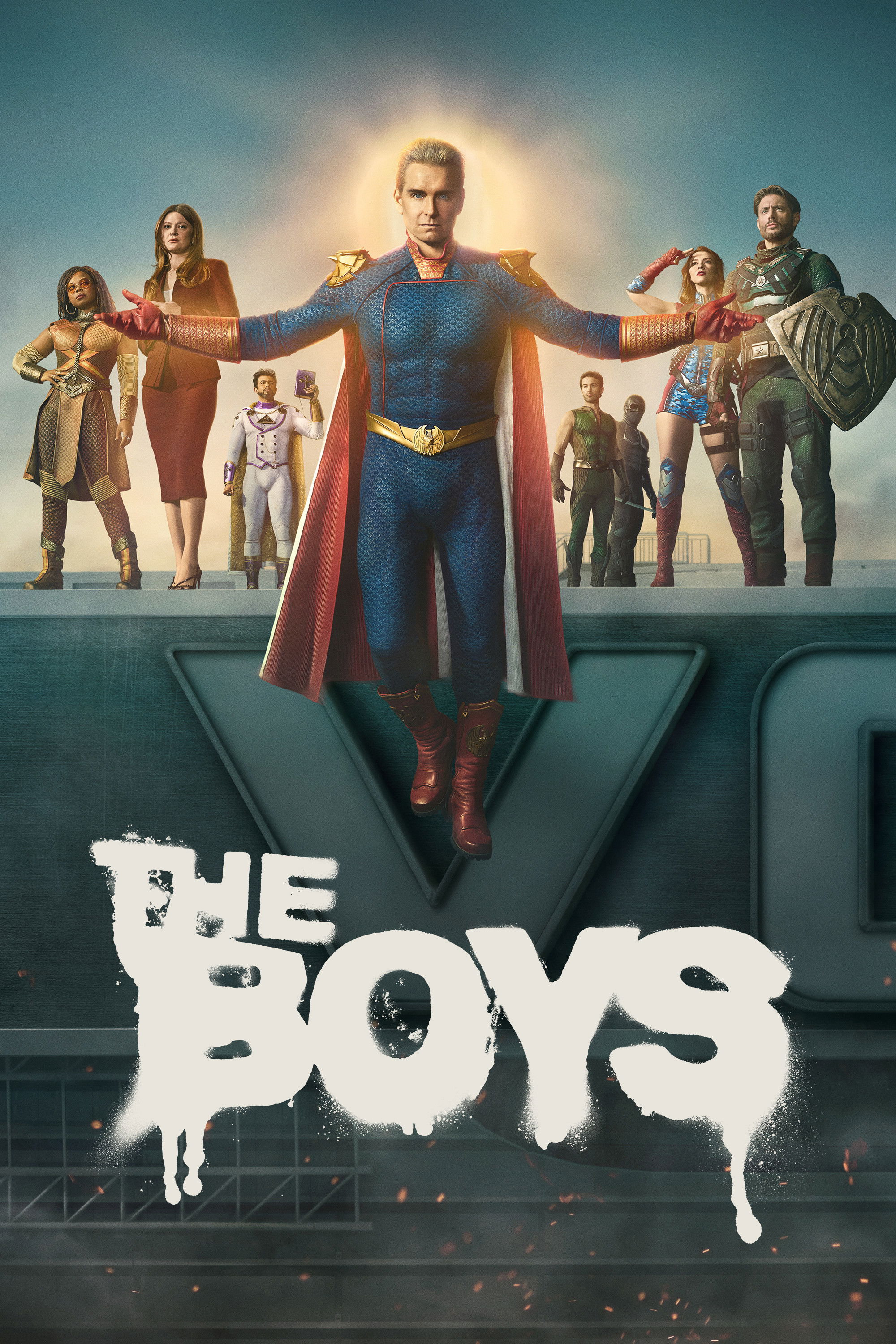
While always intended as a satire of corporate culture and superheroes, the fourth season of the series took a more direct and specific aim at modern American political movements. Some fans felt the show had lost its subtlety, evolving from a broad satire into a targeted critique of specific voter demographics. The creators were vocal about the show’s political stance, which led to a segment of the audience feeling alienated by the increasingly partisan themes. Discussions in fan communities shifted from the show’s unique world-building to heated debates about its real-world parallels. Despite this, the series remains highly rated, though the divide between different factions of the audience has widened considerably.
‘Willow’ (2022–2023)
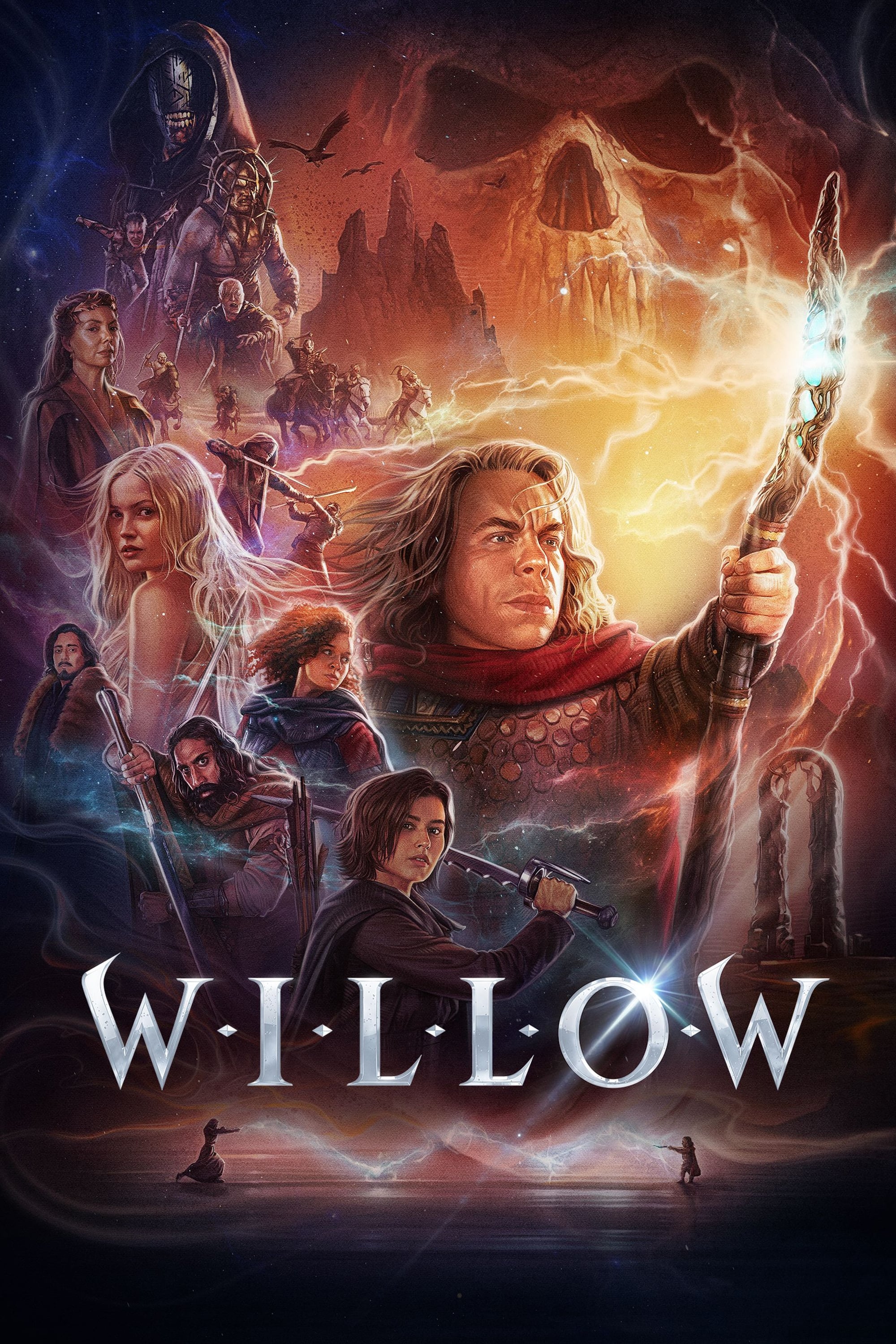
The Disney+ sequel to the 1988 cult classic film was criticized for its radical change in tone and modern dialogue. Fans of the original dark fantasy felt the new series resembled a contemporary teen drama rather than a continuation of the George Lucas-produced epic. The inclusion of modern slang and a focus on contemporary relationship dynamics were cited as being immersion-breaking for a high-fantasy setting. The series was also criticized for its perceived “woke” characterizations that felt forced into the existing world of the film. Disney eventually removed the series from its streaming platform entirely after just one season due to poor performance.
‘The Acolyte’ (2024)
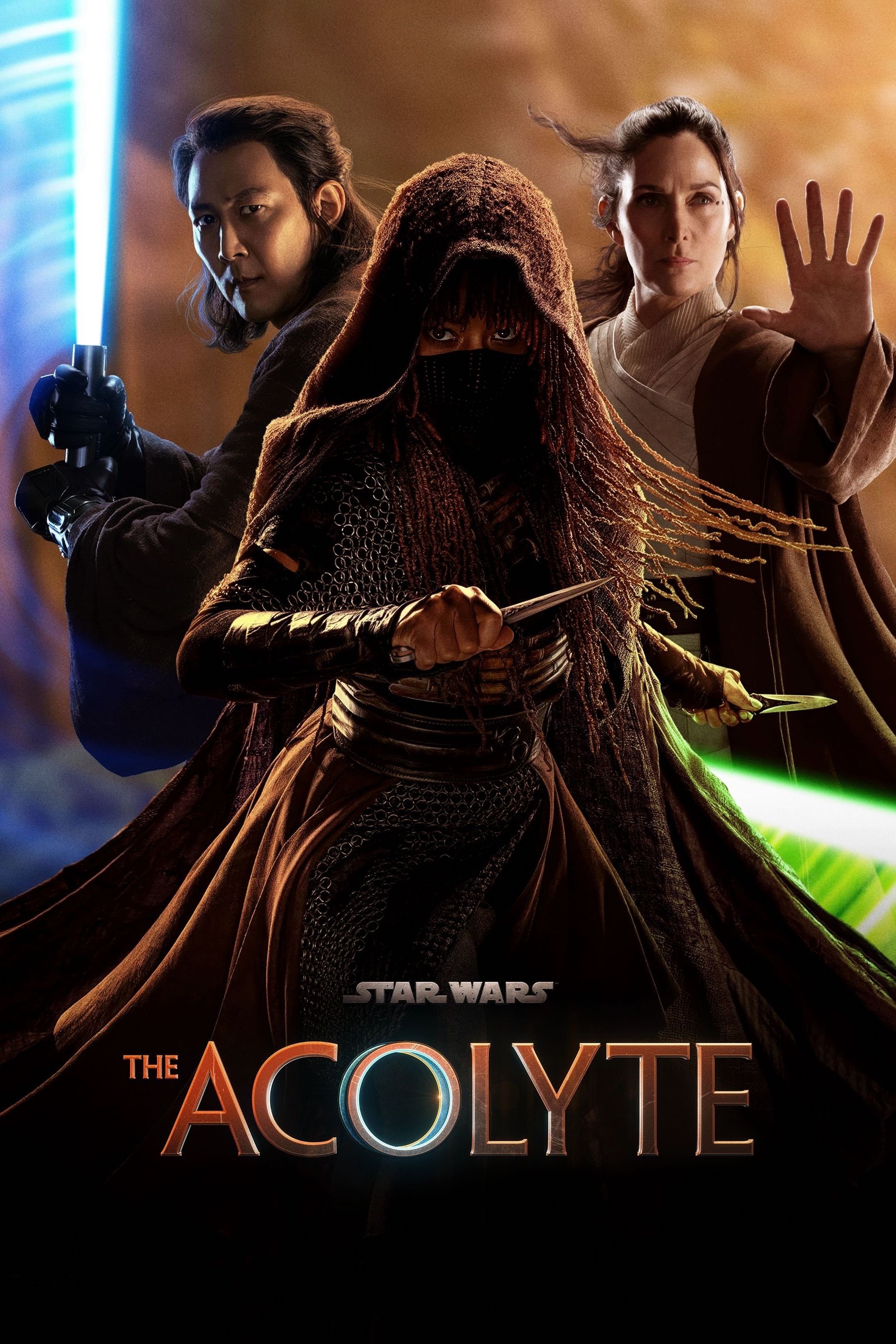
Set in the High Republic era, this series faced immense scrutiny for its handling of the Force and its departure from established ‘Star Wars’ lore. Many fans felt the show prioritized identity politics and a “subversive” take on the Jedi Order over traditional storytelling. The series was hit with significant review bombing, though many fans argued that the writing and pacing were the primary issues. Marketing efforts that focused on the diversity of the cast rather than the plot further divided the fanbase before the first episode even aired. Following a sharp drop in viewership and a negative reception from the core community, the series was canceled after its first season.
‘Quantum Leap’ (2022–2024)
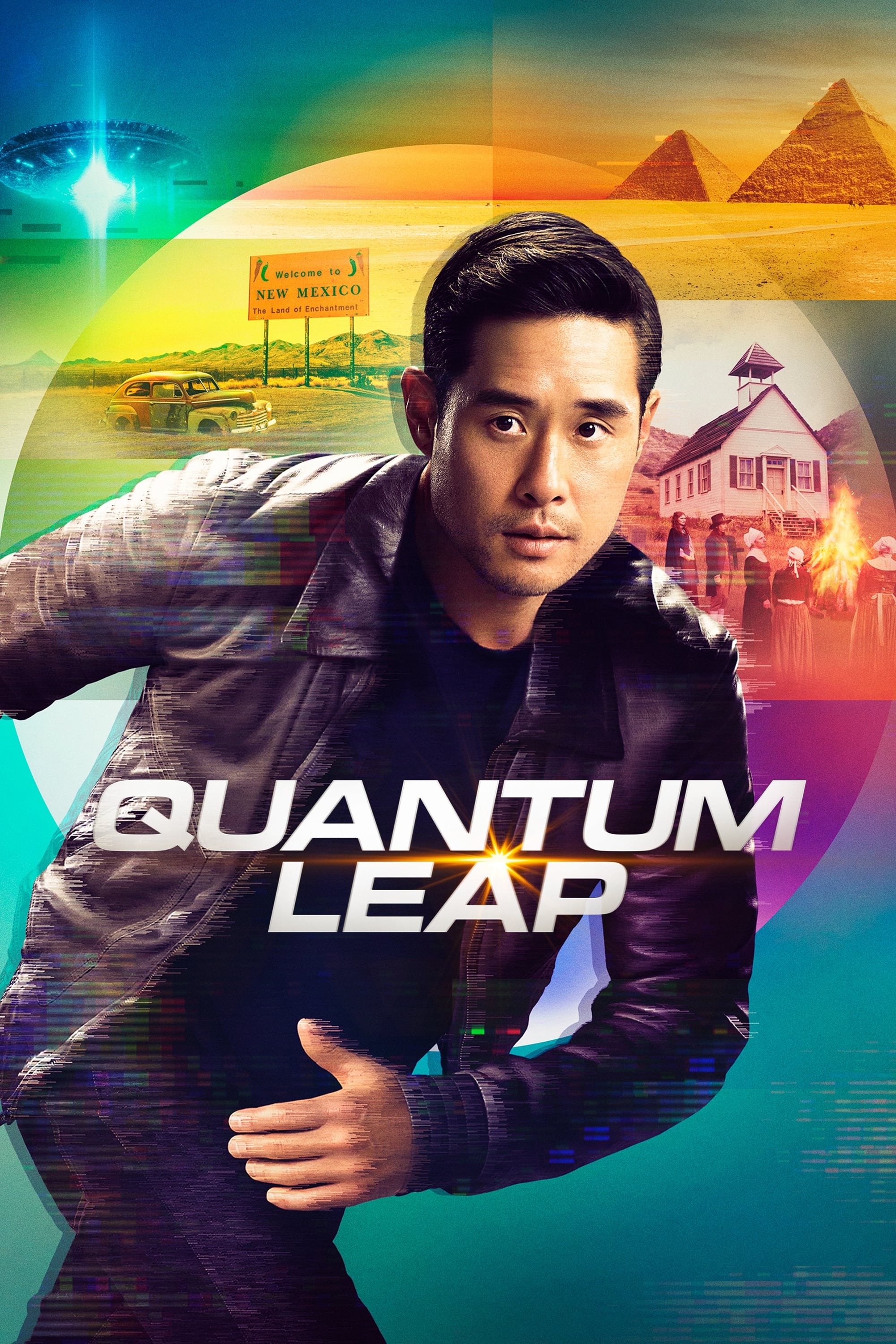
The revival of the classic sci-fi series attempted to bridge the gap between the original and modern sensibilities but faced criticism for its ensemble-driven social justice subplots. Unlike the original, which focused on the personal journey of Sam Beckett, the new version spent considerable time on the diverse team at headquarters and their personal identities. Some viewers felt the “leap of the week” stories became secondary to the show’s desire to tackle modern social issues. While it maintained a dedicated small following, it failed to capture the broad demographic of the original series. NBC eventually canceled the show after two seasons due to inconsistent ratings.
‘The Umbrella Academy’ (2019–2024)
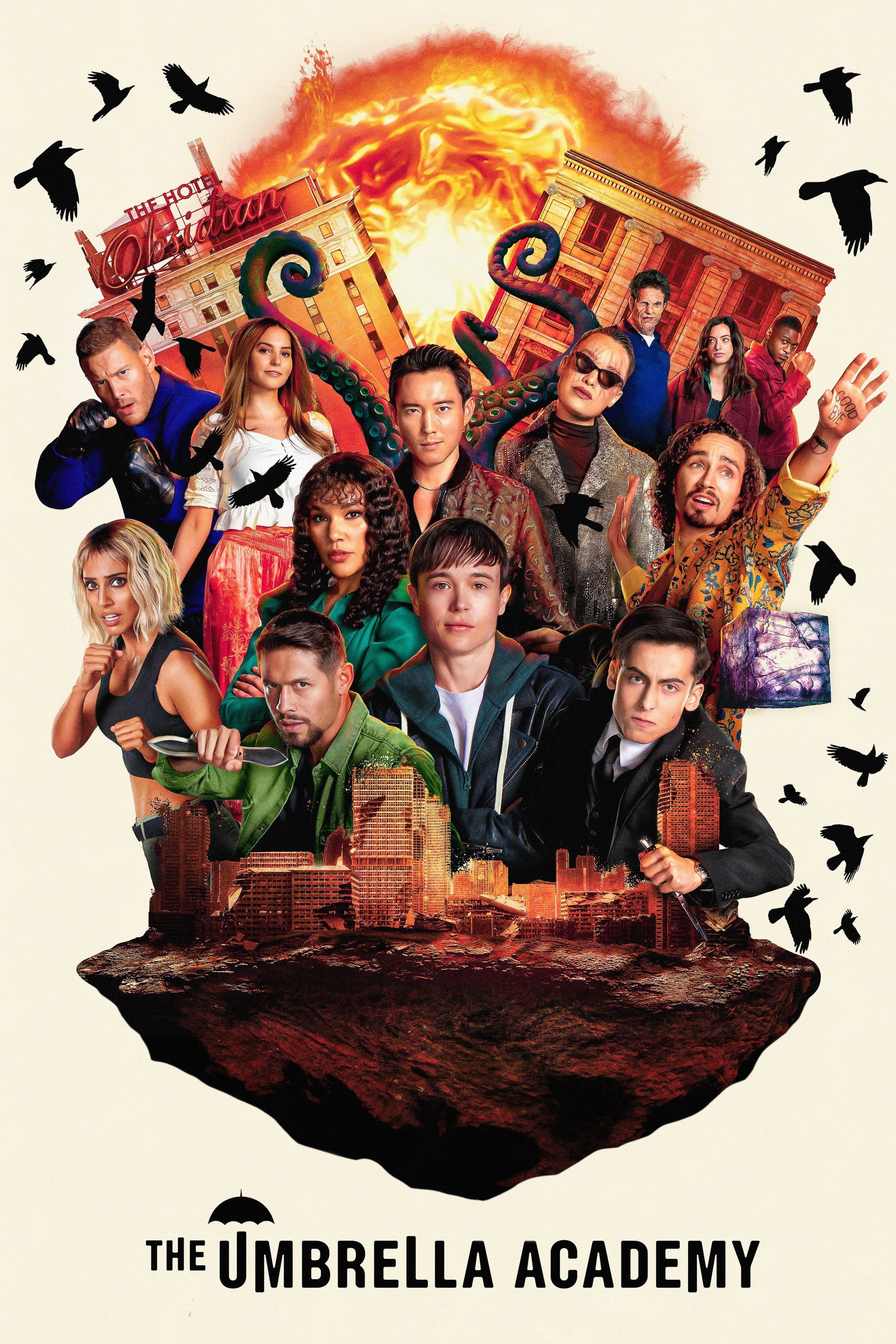
The final season of this hit Netflix series faced criticism for shifting its focus toward specific social transitions and relationship dynamics at the expense of its complex sci-fi plot. Fans who had been invested in the mystery of the “Commission” and the siblings’ powers felt the ending was rushed and overly preoccupied with modern social themes. The narrative choices for certain characters were seen as being driven more by contemporary trends than by the natural progression of their arcs. This led to a lukewarm reception for the series finale, with many longtime viewers expressing disappointment on social media. The show, which started as a unique alternative to superhero tropes, ended with a divided fanbase.
Please share your thoughts on these series and their creative directions in the comments.