Male Actors Who Publicly Criticized the Me Too Movement

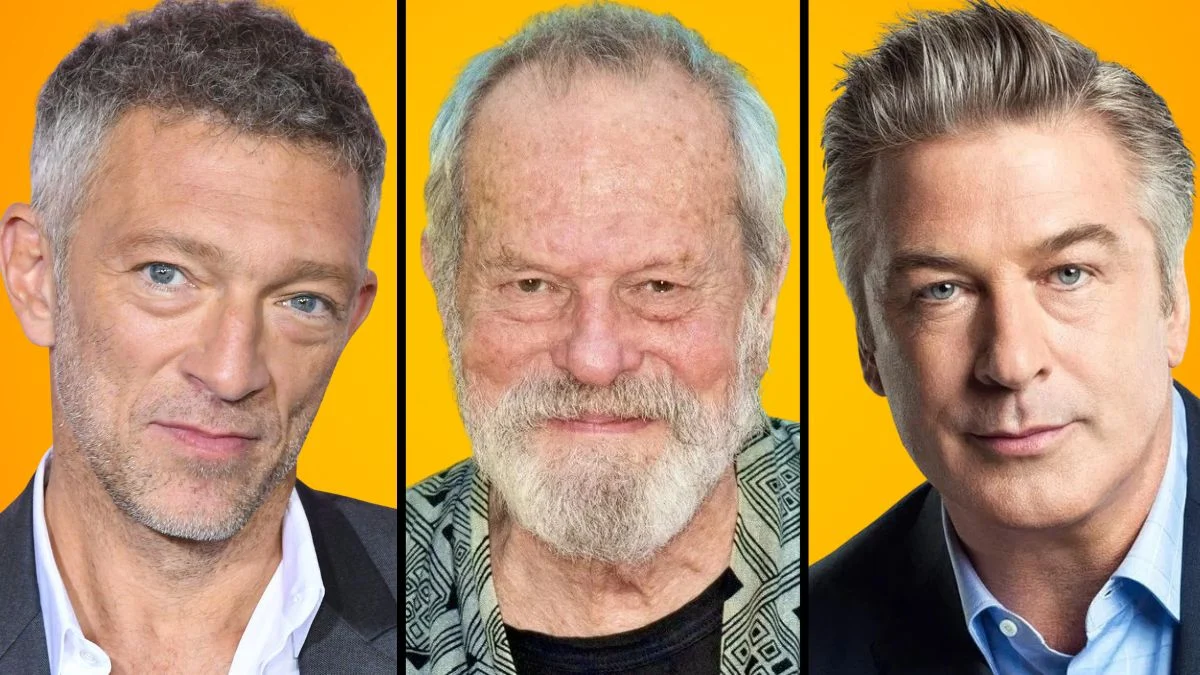

The Me Too movement transformed the entertainment industry by bringing issues of sexual harassment and professional misconduct to the forefront of public discourse. While many celebrated the cultural shift others within the acting community raised concerns about its implementation and long term effects. These performers often voiced apprehensions regarding the lack of due process and the potential for a witch hunt atmosphere in Hollywood. Their comments sparked intense debates about the balance between accountability and the preservation of social nuances. This list explores several male actors who have publicly shared their critical perspectives on the movement.
Liam Neeson
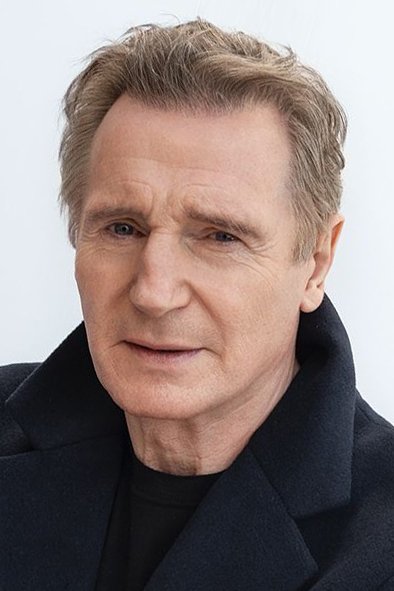
Liam Neeson characterized the movement as a bit of a witch hunt during a television interview. He acknowledged that while some high profile figures deserved the scrutiny others were being targeted unfairly. The actor mentioned that he was wary of the atmosphere where people could be accused without proper evidence or due process. He stated that he had some reservations about the way the industry was reacting to the shift in cultural standards. Neeson emphasized the importance of maintaining a balance between justice and fairness for all parties involved.
Sean Penn
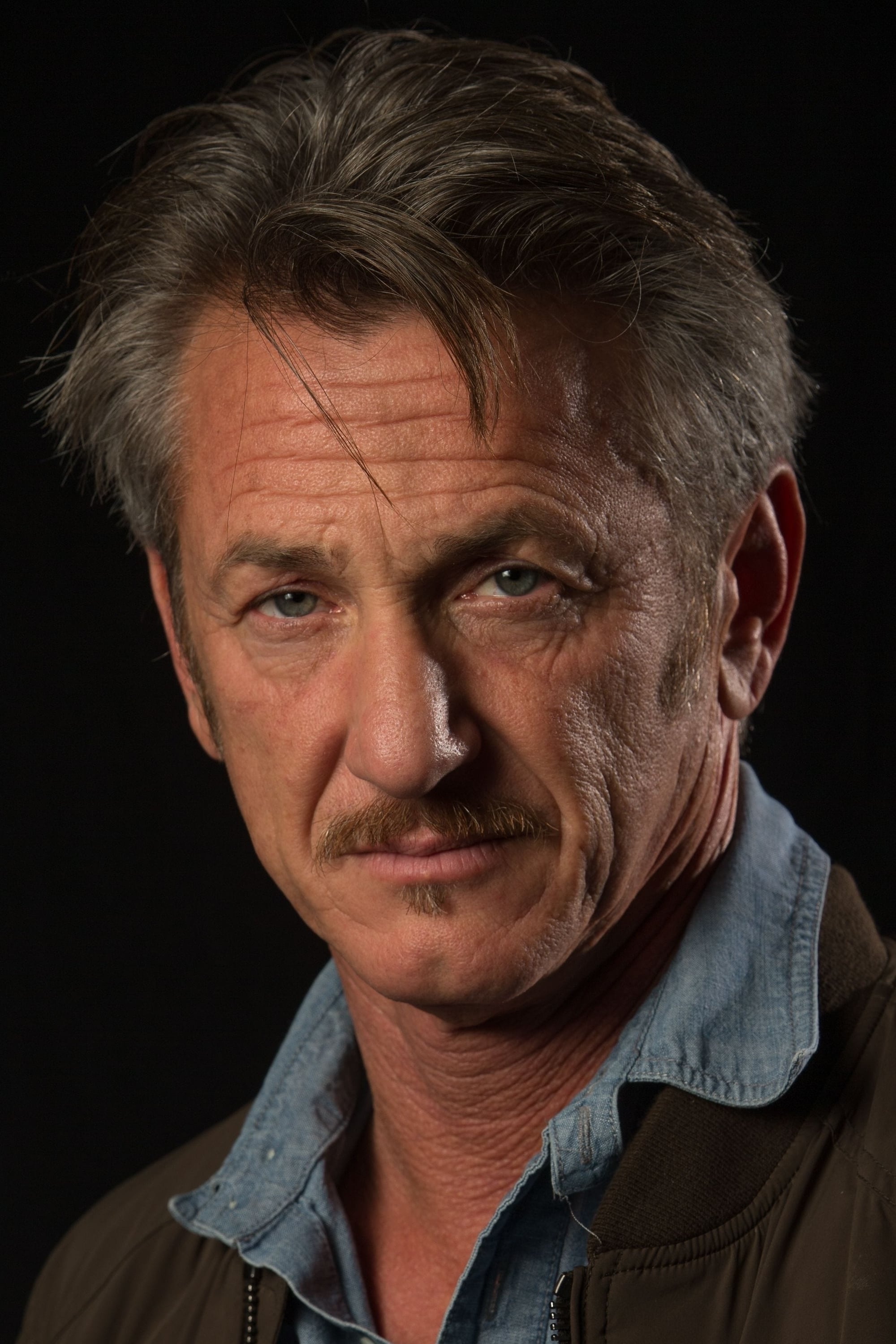
Sean Penn called the movement largely shouldered by a kind of spirit of dividedness during a television appearance. He claimed that the movement was too often about man hating rather than constructive change. The actor suggested that the lack of nuance in the movement messaging was problematic for society at large. He argued that many of the conversations surrounding the movement were driven by a desire to divide men and women. Penn faced criticism for these views but maintained that the movement lacked a cohesive and fair foundation.
Matt Damon
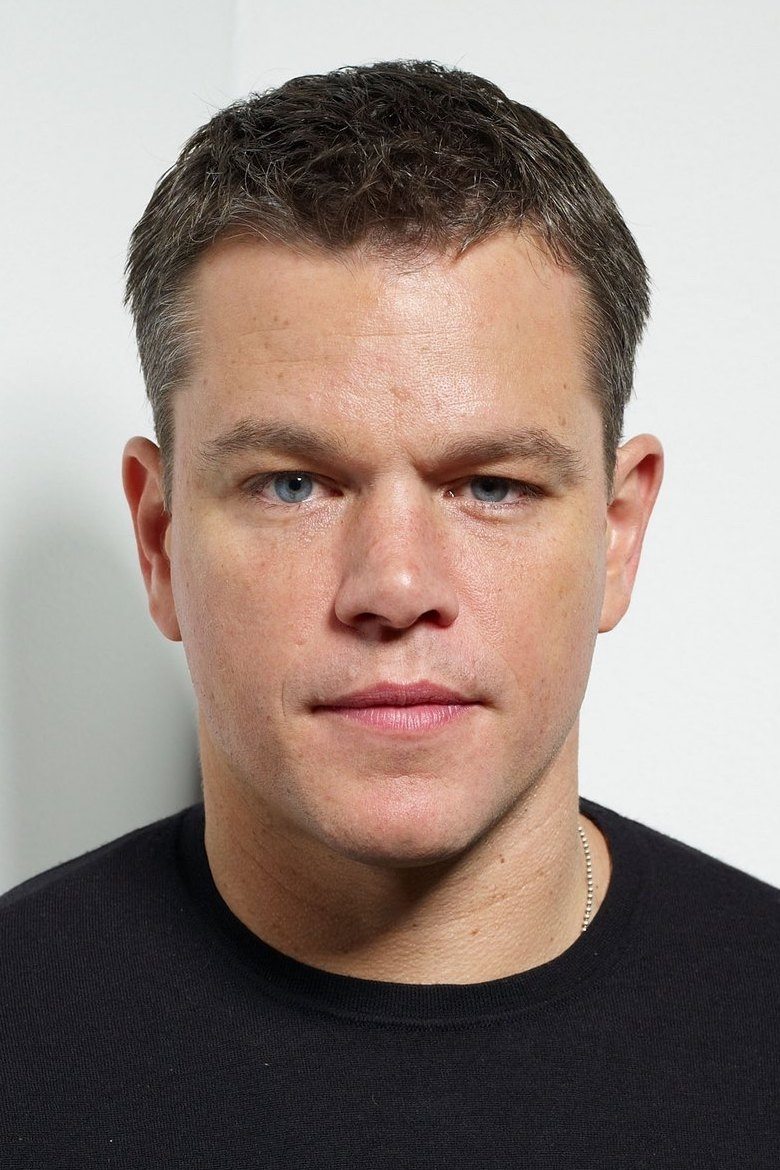
Matt Damon suggested that there was a spectrum of behavior that needed to be recognized during a period of high intensity for the movement. He stated that certain actions should not be treated with the same level of severity as more egregious crimes. The actor expressed concern that the collective anger of the movement was failing to distinguish between different types of misconduct. He faced immediate backlash from colleagues and the public for what many perceived as a dismissal of the victims experiences. Damon eventually clarified his stance but his initial remarks remain a prominent example of internal industry pushback.
Henry Cavill
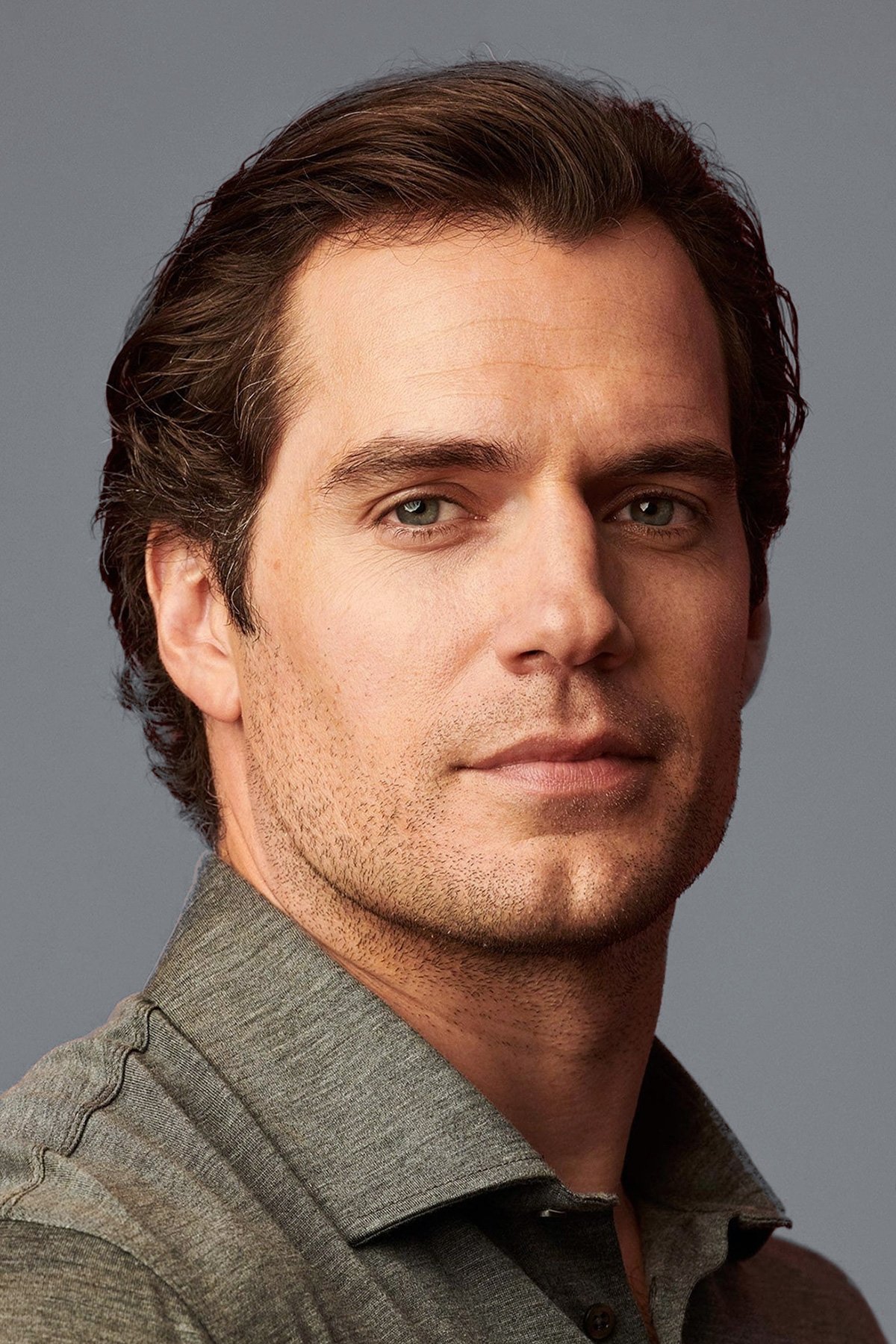
Henry Cavill expressed his hesitation about dating in the modern era during an interview with a fashion magazine. He stated that the current climate made him feel like he was being cast into the fires of hell for flirting. The actor voiced his concern that traditional methods of pursuit could now be seen as inappropriate behavior. He noted that he would rather not put himself in a position where he could be accused of something terrible. These comments sparked a wide range of reactions regarding the impact of the movement on social norms.
Vincent Cassel
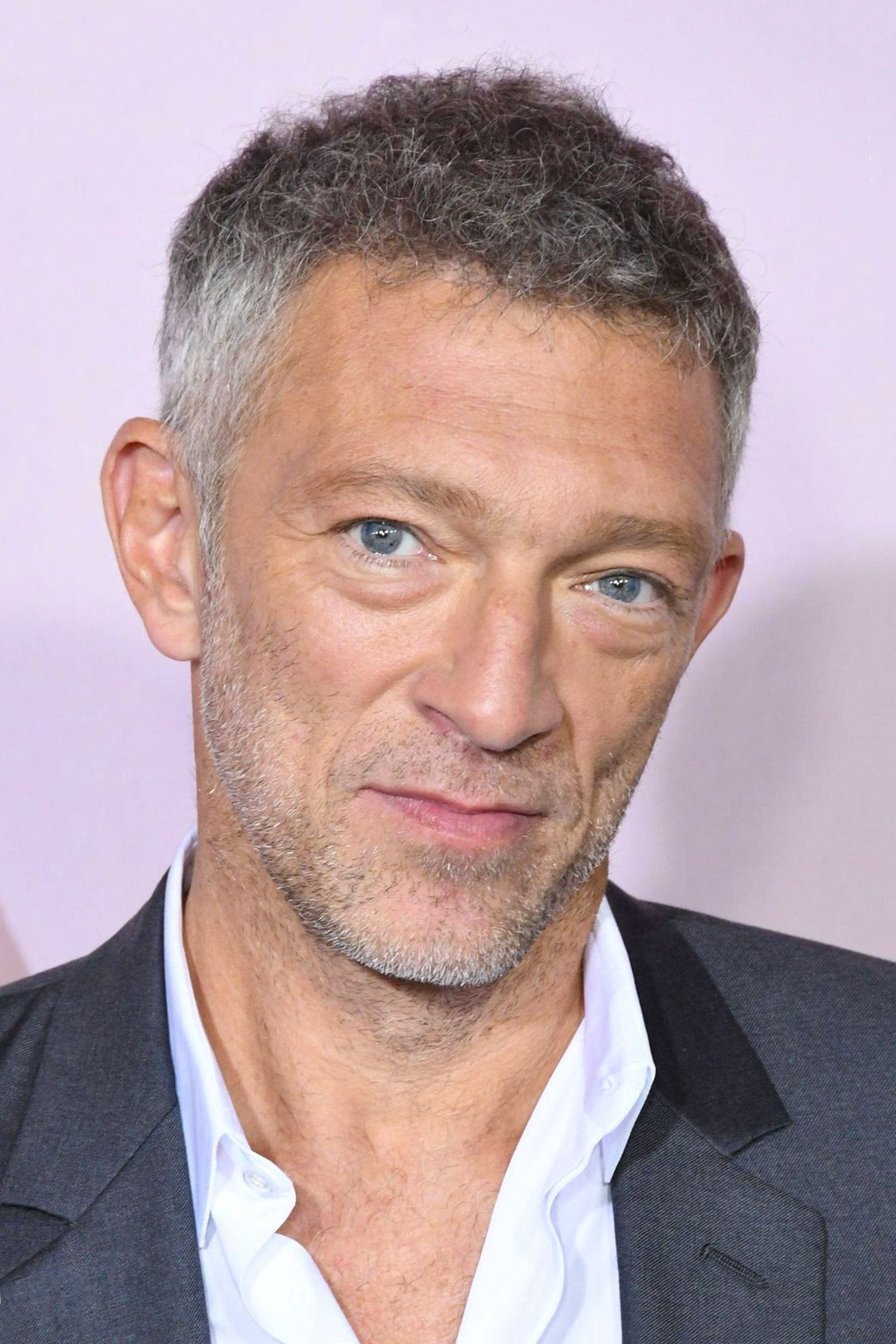
Vincent Cassel criticized the movement during an interview with a prominent publication where he discussed the state of masculinity. He suggested that the cultural shift was leading to a feminization of men that he found concerning. The actor argued that the movement had created a climate where men were afraid to express their natural tendencies. He expressed a desire for a return to a more balanced understanding of gender dynamics in society. Cassel remained firm in his perspective despite the controversy his comments generated.
Terry Gilliam
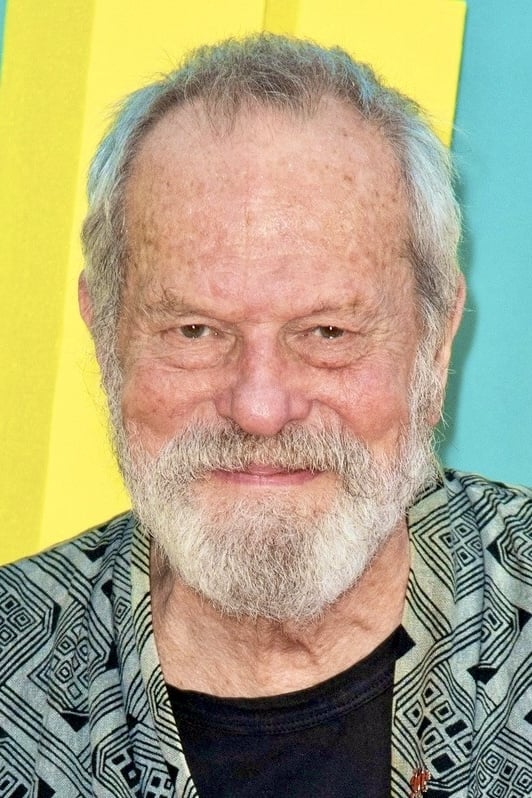
Terry Gilliam compared the movement to mob rule and described it as a witch hunt in various interviews. He argued that the movement was effectively killing the creative spirit by imposing a strict moral code on artists. The actor and director expressed frustration with the way individuals were being judged without a proper legal process. He suggested that the movement had become a simplistic way to target people without considering the context of their actions. Gilliam warned that the long term effects of this climate would be detrimental to the arts.
Woody Allen
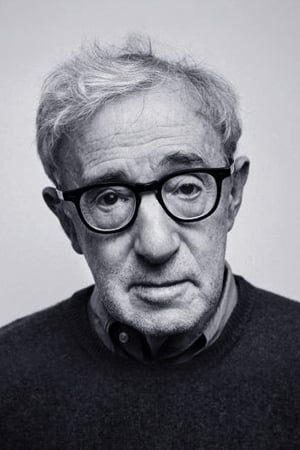
Woody Allen suggested that the movement could lead to a witch hunt atmosphere where every man in an office who winks at a woman has to hire a lawyer. He made these comments while discussing his own history and the broader cultural climate in Hollywood. The actor and director expressed concern that the movement was moving toward an extreme that ignored the complexities of human interaction. He noted that while he supported the exposure of predators he was wary of the potential for collateral damage. Allen has remained a controversial figure in the ongoing discussion surrounding the movement.
Jeremy Irons
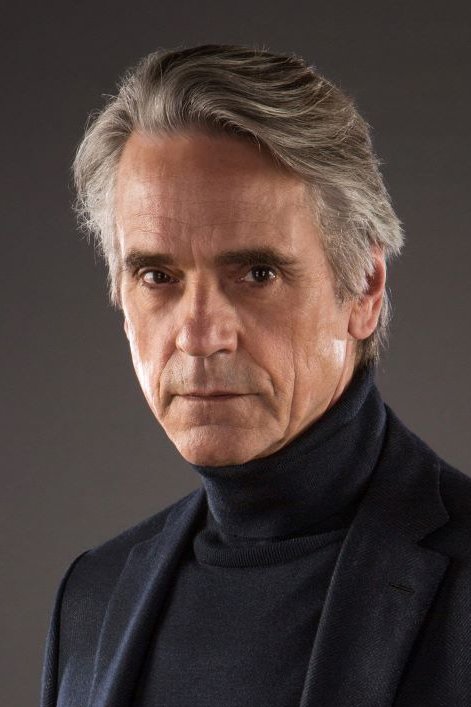
Jeremy Irons expressed concern about the way the movement was influencing the creation of new laws and social standards. He argued that the push for political correctness was leading to a society where natural human behavior was being criminalized. The actor suggested that the movement was part of a broader trend that sought to oversimplify complex moral issues. He voiced a preference for a more traditional approach to social interactions and professional conduct. Irons maintained that the rush to change society could have unintended negative consequences.
Bill Maher
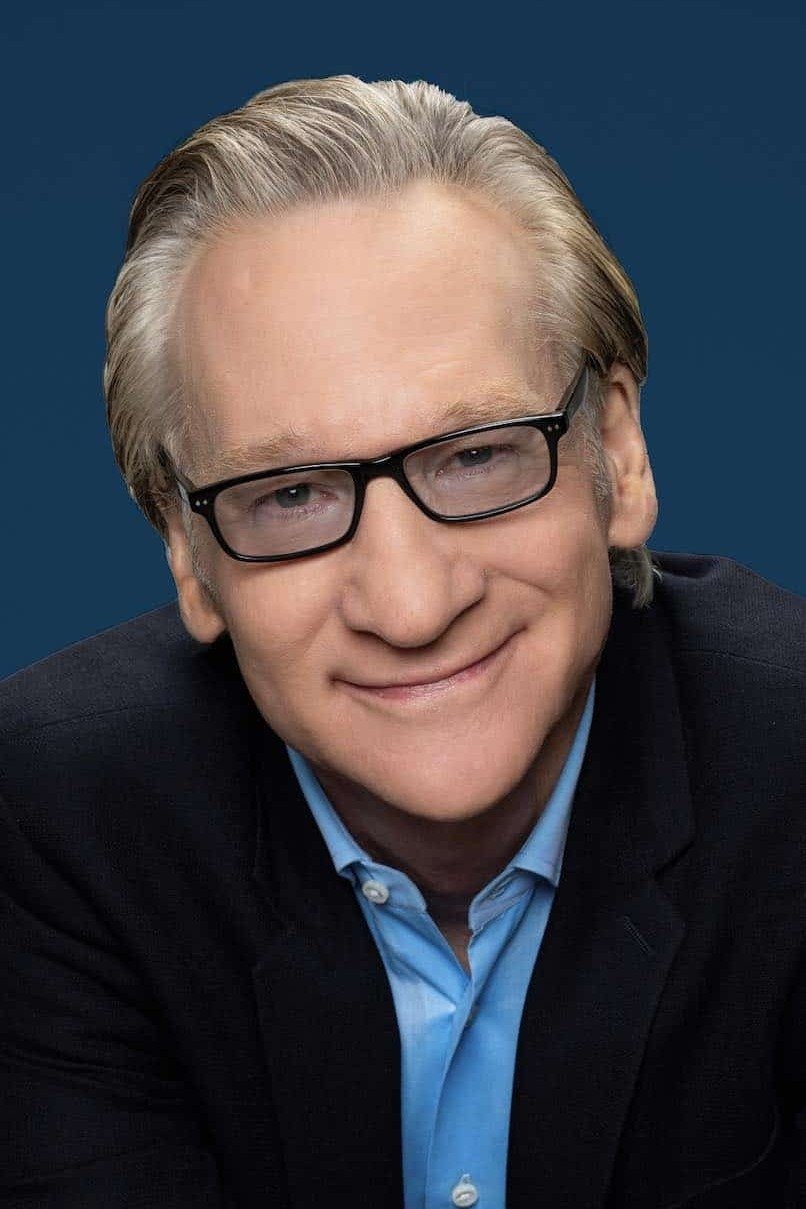
Bill Maher has frequently used his platform to critique what he views as the excesses of the movement. He argued that the movement had gone from addressing serious crimes to policing minor social transgressions. The actor and comedian suggested that the atmosphere of fear created by the movement was stifling free speech and comedy. He often pointed out instances where he believed the reaction to an allegation was disproportionate to the offense. Maher remains a vocal critic of the cultural shifts that have occurred since the movement began.
Alec Baldwin
Alec Baldwin expressed concern about the speed at which people were being judged in the wake of the movement. He argued that the move toward immediate condemnation without a full investigation was a dangerous trend for the industry. The actor suggested that the movement was creating a climate of fear that made professional collaboration difficult. He noted that while accountability is important the process must be fair and based on facts. Baldwin has often shared his views on the changing landscape of Hollywood on his social media platforms.
Kevin Sorbo
Kevin Sorbo has been a vocal critic of the movement and its impact on the entertainment industry. He argued that the movement was being used to push a specific political agenda rather than truly protecting people. The actor suggested that the movement had contributed to a culture of cancelation that ignores the possibility of redemption. He expressed concern that traditional values were being sacrificed in the name of modern social justice. Sorbo often shares these views in interviews and through his online presence.
Dean Cain
Dean Cain voiced his concerns about how the movement was changing the way men and women interact in the workplace. He argued that the movement had made people overly cautious and afraid of being misinterpreted. The actor suggested that the movement was leading to a loss of chivalry and traditional manners. He expressed a belief that the movement had moved beyond its original purpose and into the realm of social engineering. Cain maintained that a more common sense approach to these issues was necessary.
James Woods
James Woods has used his social media presence to frequently criticize the movement and its leaders. He argued that the movement was a tool for political activists to exert control over the culture. The actor suggested that the lack of due process in many of the movement cases was a fundamental violation of civil liberties. He often pointed to what he believed were hypocrisies within the movement and its supporters. Woods remains one of the most outspoken critics of the movement among Hollywood performers.
Adam Baldwin
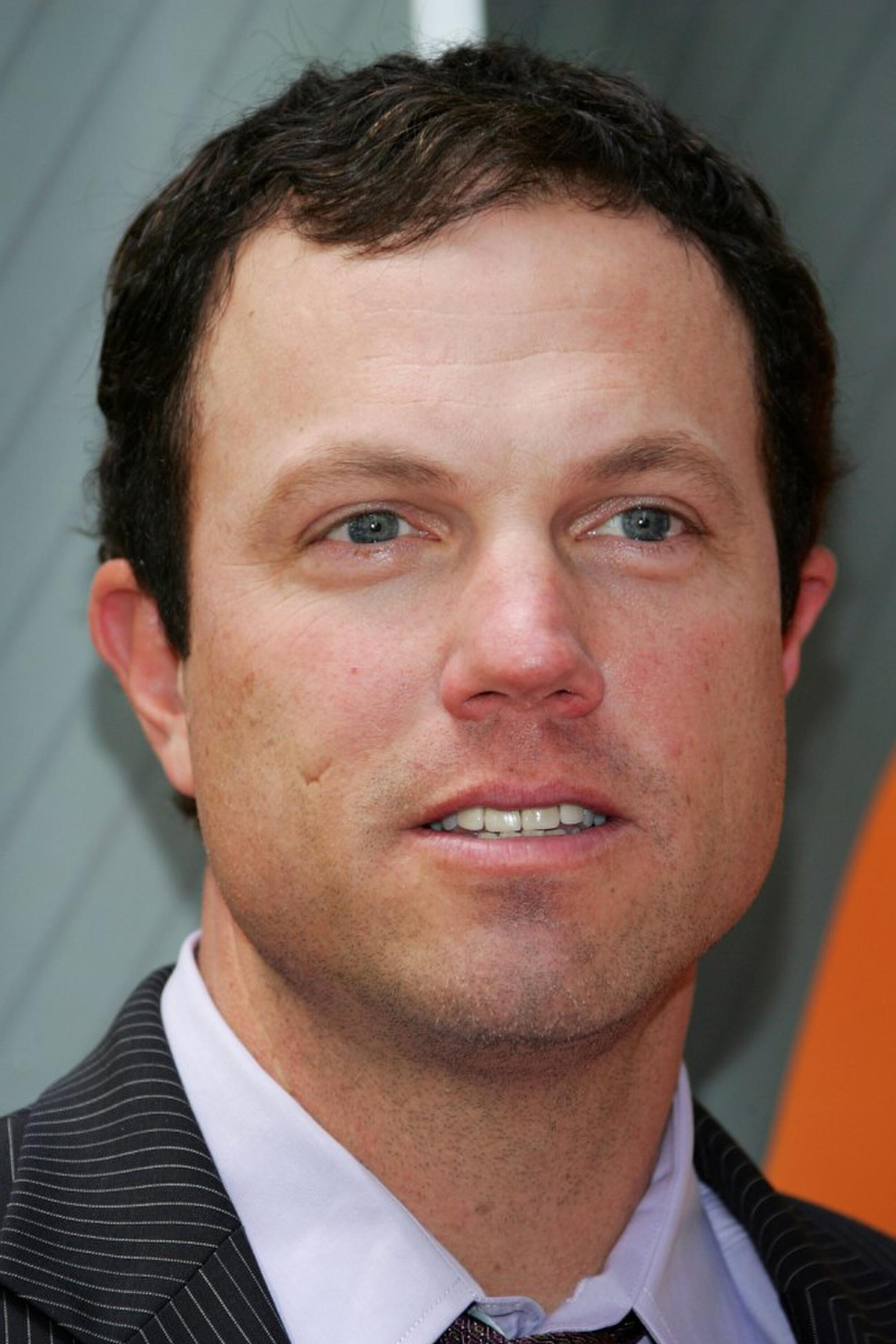
Adam Baldwin has shared his critical views on the movement through various public platforms and social media. He argued that the movement was part of a larger trend of social justice activism that he found problematic. The actor suggested that the movement created a climate where accusations were treated as facts without proper evidence. He expressed concern that this atmosphere was damaging the foundations of fairness and objectivity in society. Baldwin has often linked his critiques of the movement to his broader political and social views.
John Cleese
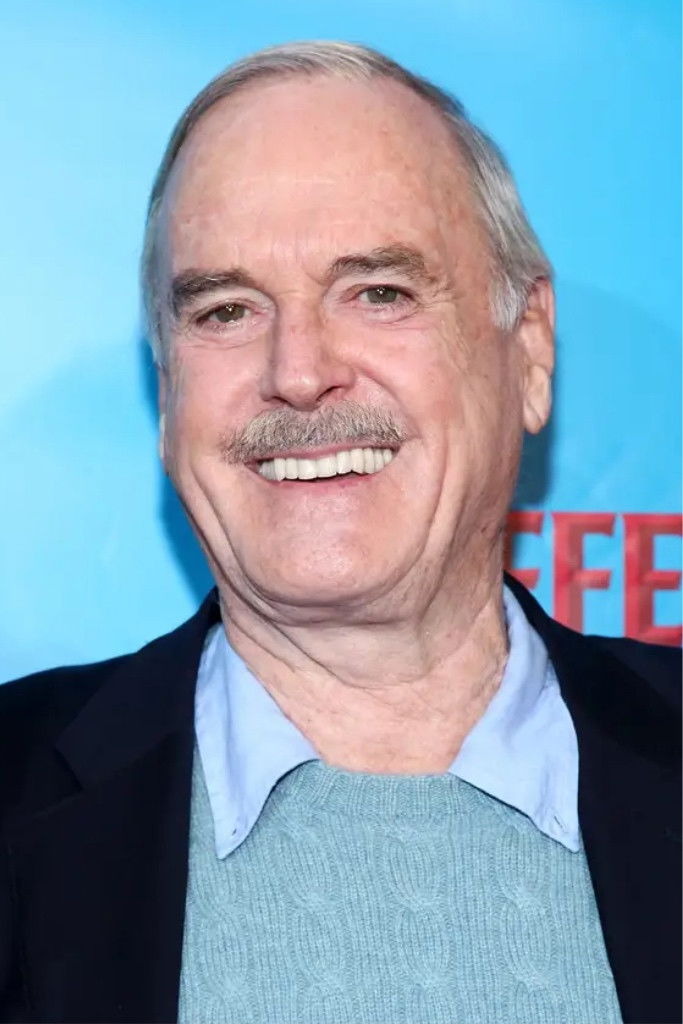
John Cleese criticized the movement for what he described as a lack of a sense of humor and a drive toward extreme political correctness. He argued that the movement was part of a culture that seeks to find offense in every interaction. The actor suggested that the creative arts were suffering because of the strict social rules being imposed by the movement. He expressed concern that the movement was leading to a society where people were afraid to speak their minds. Cleese has been vocal about his opposition to the cancel culture that he associates with the movement.
Jon Voight
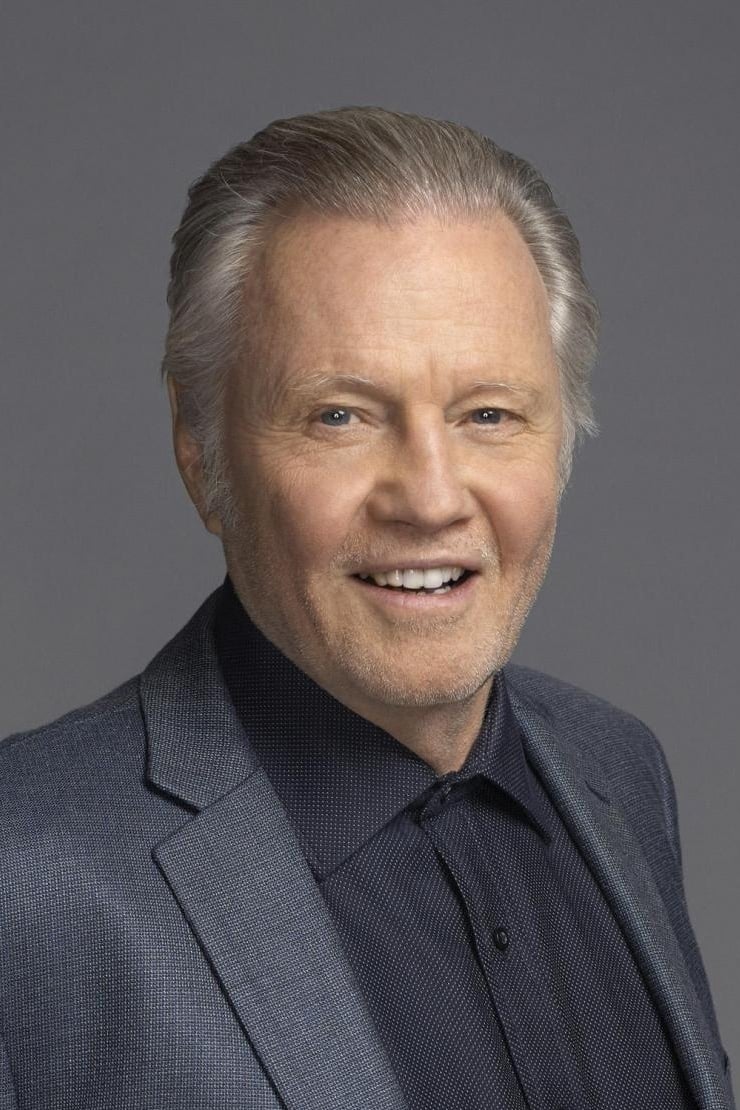
Jon Voight expressed his belief that the movement was being used as a weapon against individuals who do not conform to certain political views. He argued that the movement had created a climate of fear and suspicion in Hollywood. The actor suggested that the move toward immediate judgment without a full understanding of the facts was a betrayal of justice. He expressed a desire for a return to a culture that values truth and traditional morality. Voight often shares these perspectives in interviews and public statements.
Robert Davi
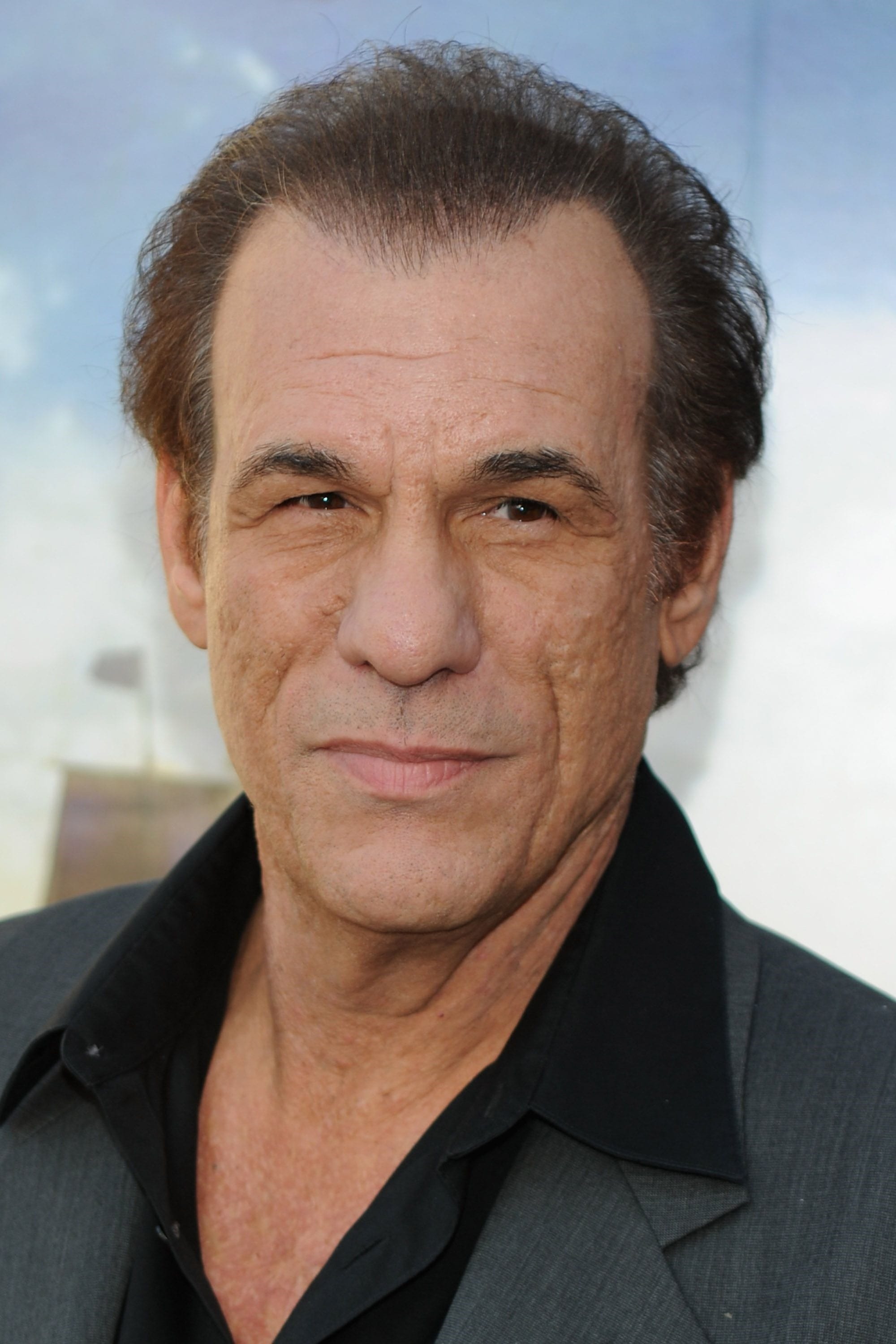
Robert Davi criticized the movement for its role in what he views as the decline of traditional masculinity in Hollywood. He argued that the movement was creating an environment where men were constantly under attack for their behavior. The actor suggested that the movement had led to a loss of the grit and authenticity that once defined the film industry. He expressed concern that the movement was more focused on social engineering than on addressing actual crimes. Davi remains a vocal proponent of a more traditional approach to gender roles in the industry.
William Shatner
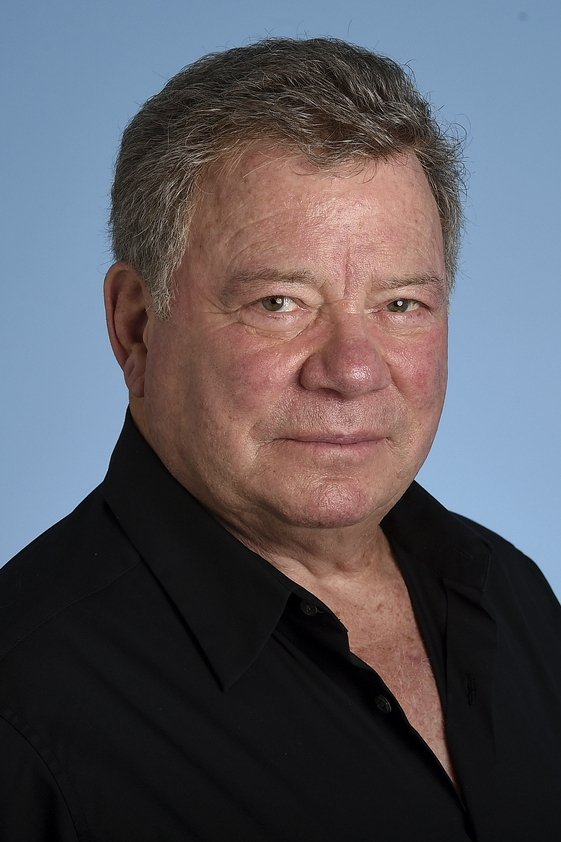
William Shatner shared his thoughts on the changing social rules that have emerged in the era of the movement. He expressed concern that the new standards were making it difficult for people to interact without fear of causing offense. The actor suggested that the movement had created a climate where innocent gestures could be misinterpreted as harassment. He argued that a sense of balance and common sense was missing from the current cultural conversation. Shatner noted that the shift in social norms was a significant challenge for older generations.
Paul Hogan
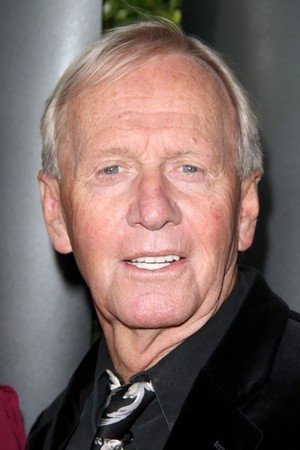
Paul Hogan criticized the movement for what he described as the death of flirting and comedy. He argued that the movement had made people so sensitive that it was impossible to have lighthearted interactions between men and women. The actor suggested that the fear of being accused of misconduct was ruining the social fabric of society. He expressed a belief that the movement had taken all the fun out of the entertainment industry. Hogan remained firm in his view that the movement had overstepped its bounds.
Laurence Fox
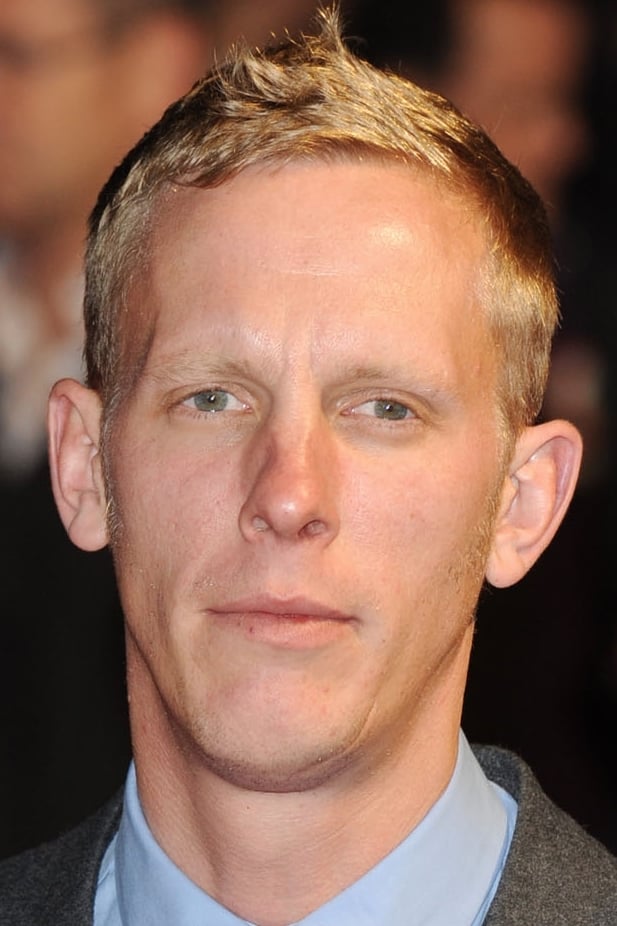
Laurence Fox has been a prominent critic of the movement and its influence on British culture and the arts. He argued that the movement was part of a broader ideological shift that he found oppressive. The actor suggested that the movement had created a culture of victimhood that was damaging to society. He expressed concern that the movement was leading to the silencing of dissenting voices in the entertainment industry. Fox has since become a vocal activist for what he describes as free speech and common sense.
Scott Baio
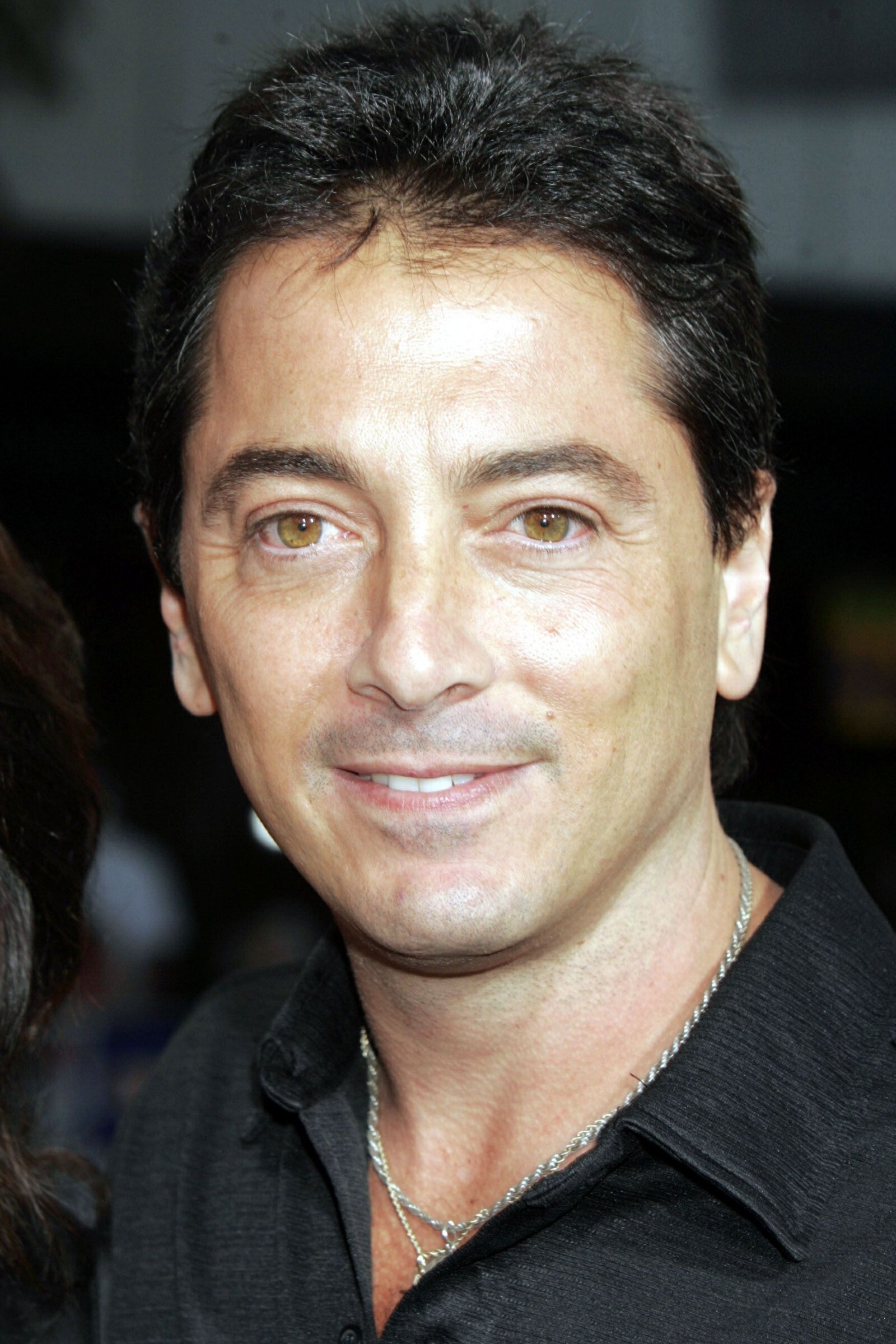
Scott Baio expressed his skepticism about the movement and its impact on the careers of many performers. He argued that the movement was often used to settle personal scores rather than to seek justice. The actor suggested that the climate of immediate judgment was unfair to those who had been accused without evidence. He expressed a belief that the movement had contributed to a toxic atmosphere in Hollywood. Baio has often shared these views during television interviews and on his social media accounts.
Stephen Fry
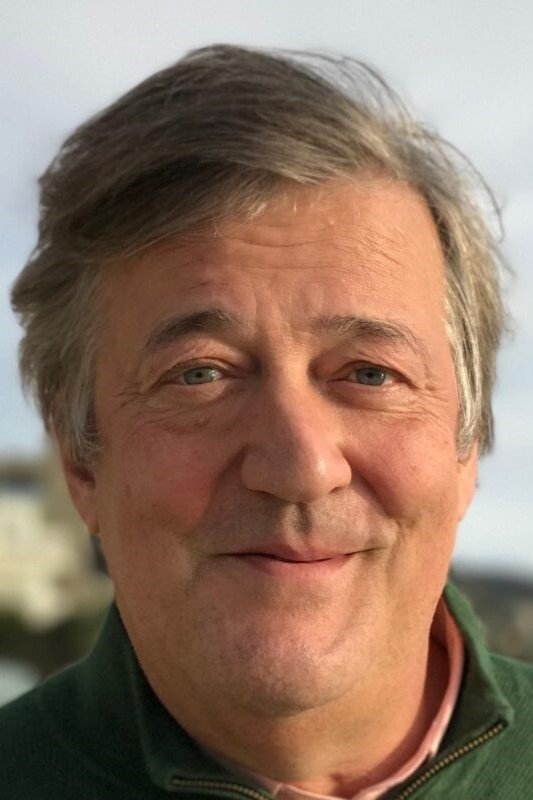
Stephen Fry voiced his concerns about the lack of nuance and the demand for absolute purity within the movement. He suggested that the movement was sometimes prone to an all or nothing mentality that ignored the complexities of human behavior. The actor and writer argued that the rush to condemn individuals was a form of social overreach. He expressed a desire for a culture that allows for forgiveness and the possibility of growth. Fry maintained that the movement needed to be more careful in its application of social justice.
Michael Douglas
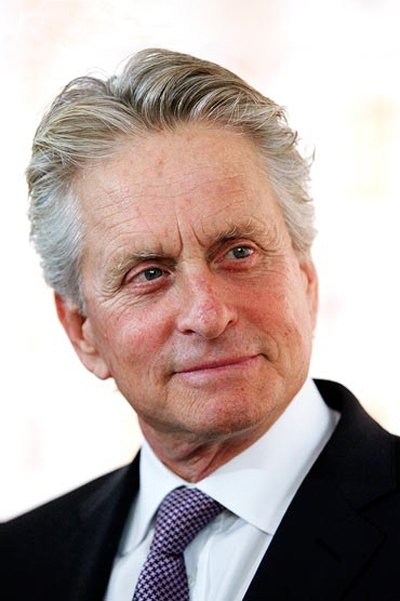
Michael Douglas spoke out about the climate created by the movement after he was alerted to a potential allegation against him. He decided to pre emptively address the issue to defend his reputation and criticize the current atmosphere of judgment. The actor argued that the movement made it possible for individuals to be condemned in the court of public opinion without a trial. He expressed concern that the speed of the movement was leaving no room for the truth to be fully established. Douglas has since remained a figure who advocates for a more cautious approach to such claims.
Viggo Mortensen
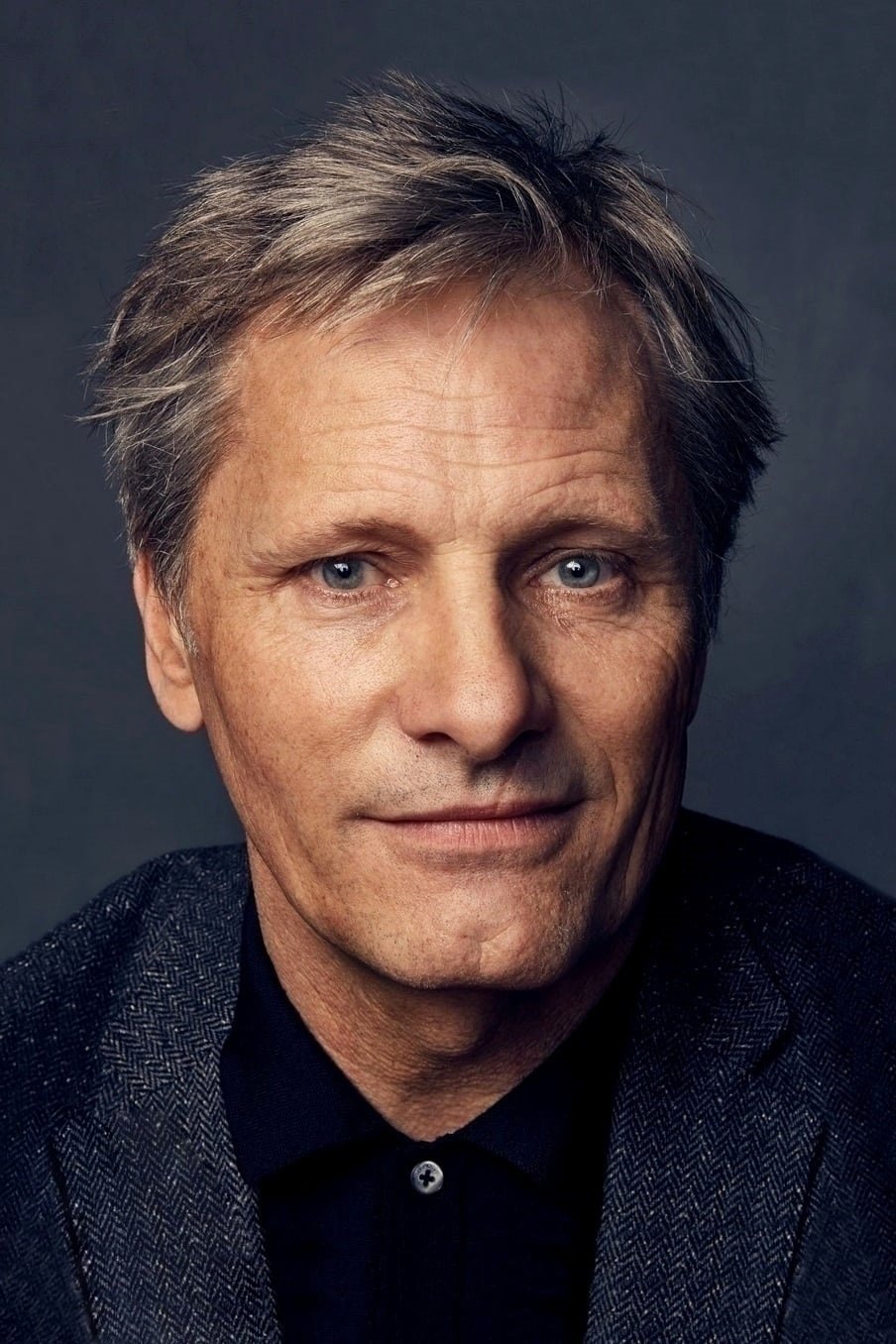
Viggo Mortensen shared a nuanced but critical perspective on the movement during an interview about his film ‘Green Book’. He expressed concern that the movement was leading to a climate of fear that could stifle artistic expression. The actor suggested that the rush to judgment was a dangerous trend that ignored the complexities of human nature. He argued that the movement should focus on systemic change rather than individual public shaming. Mortensen emphasized the importance of maintaining a sense of perspective and fairness.
Bryan Cranston
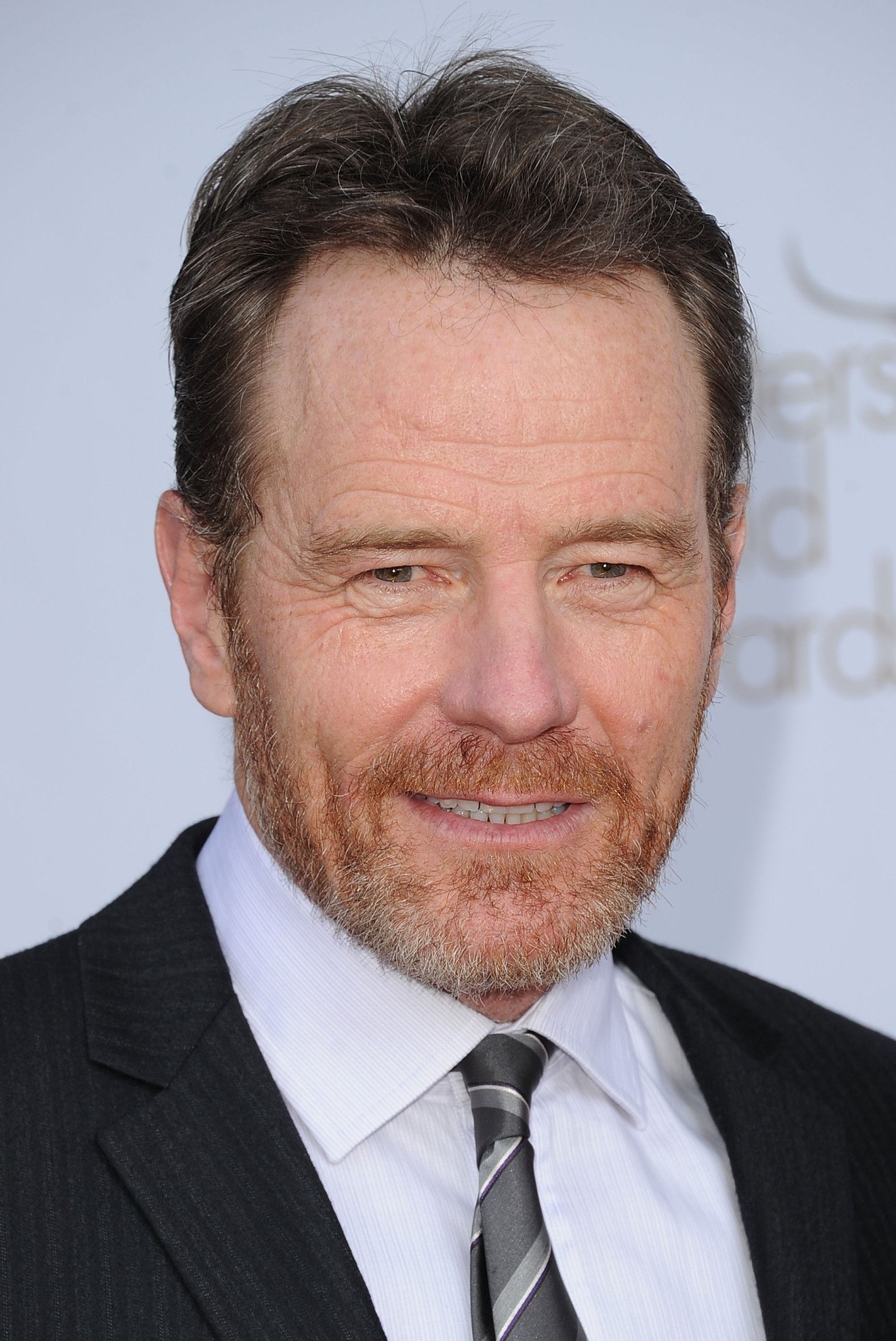
Bryan Cranston made comments regarding the possibility of redemption for individuals who had been cast out by the movement. He suggested that society should not permanently ban people who are willing to take responsibility for their actions. The actor argued that the movement had created a climate where there was no clear path back for those who had erred. He expressed concern that the focus on punishment was overshadowing the potential for restorative justice. These remarks were seen as a critique of the permanent cancelation culture associated with the movement.
Jude Law
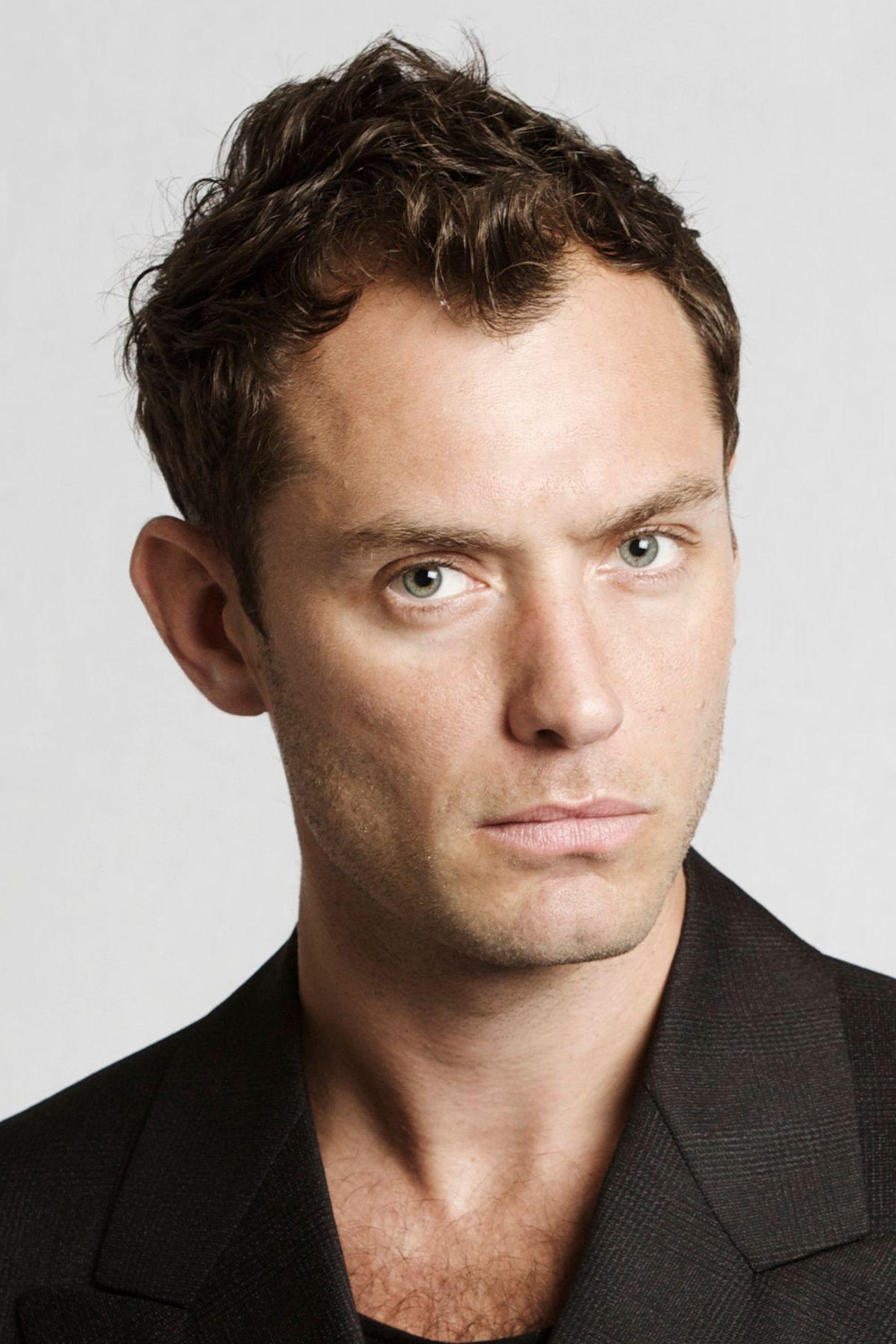
Jude Law described the current climate of Hollywood as a dangerous environment for performers in the wake of the movement. He suggested that the rush to condemn individuals before all the facts were known was a significant problem. The actor expressed concern that the movement was creating a culture of suspicion that made collaborative work difficult. He argued that the industry needed to find a way to balance accountability with a fair process. Law has voiced these concerns in various interviews while reflecting on his career.
Andrew Lawrence
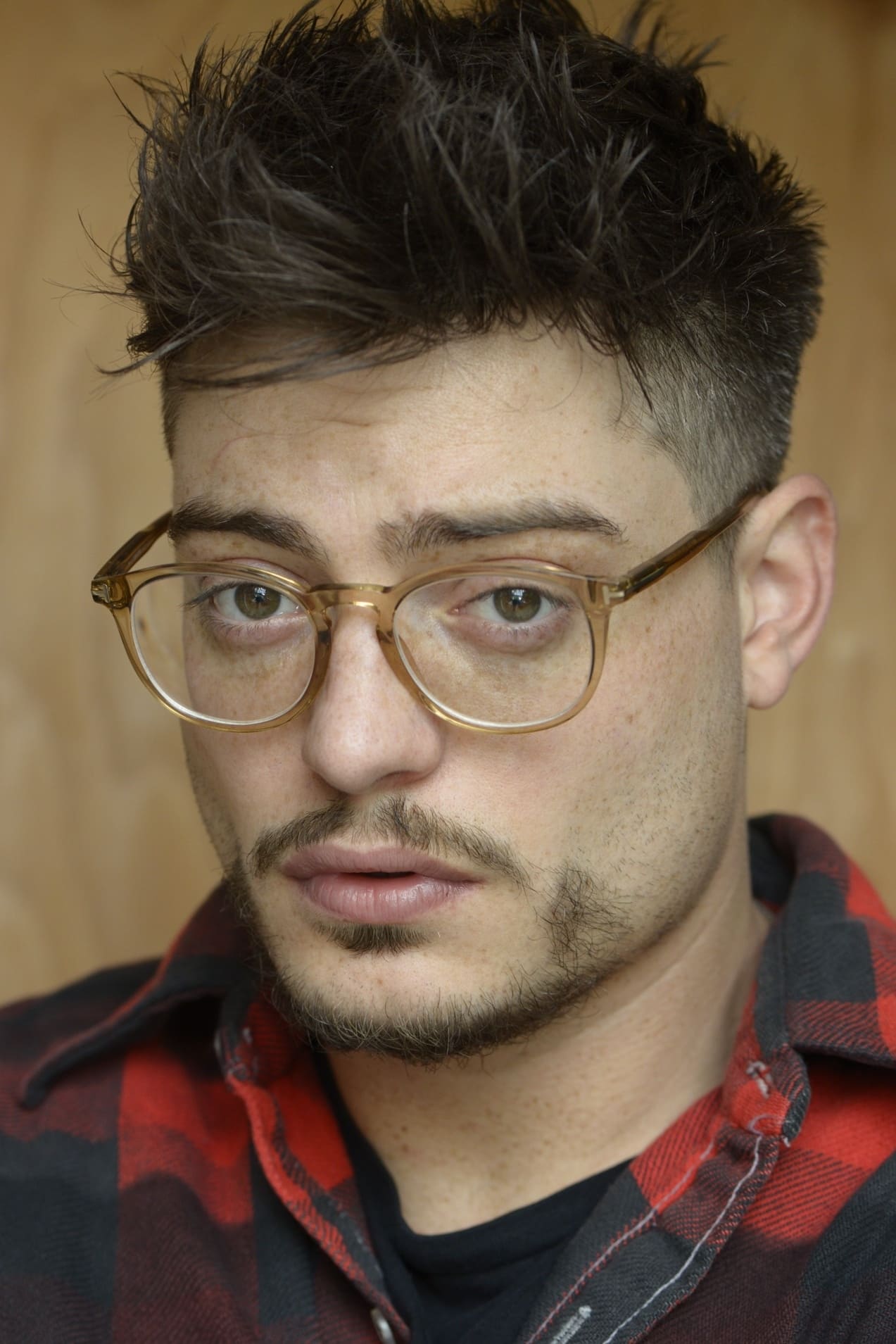
Andrew Lawrence has been a vocal critic of the cancel culture that he believes is driven by the movement. He argued that the movement has led to an environment where comedians and actors are afraid to take risks. The actor suggested that the movement is more concerned with virtue signaling than with actual justice. He expressed a belief that the entertainment industry has become too focused on conforming to modern social trends. Lawrence often shares these perspectives through his social media videos and podcasts.
Kirk Cameron
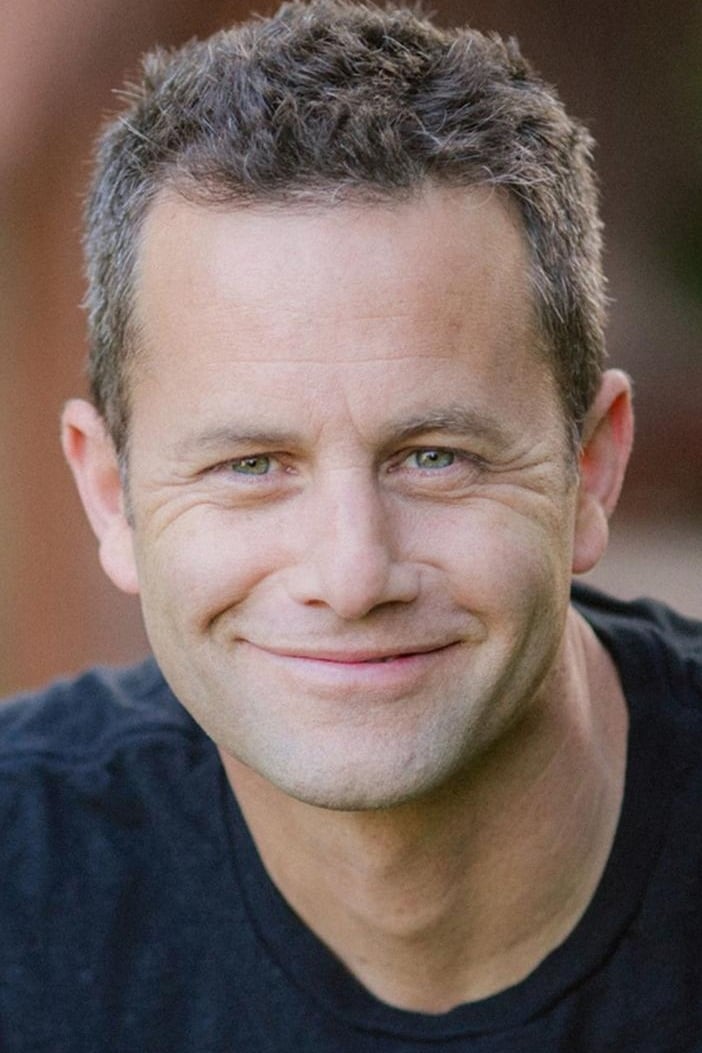
Kirk Cameron has shared his views on the movement from the perspective of traditional and religious values. He argued that the movement is part of a larger cultural shift away from traditional gender roles and moral standards. The actor suggested that the movement focuses too much on public shaming rather than on personal accountability. He expressed a belief that the issues addressed by the movement should be handled within a framework of faith and family. Cameron remains a consistent critic of modern secular social movements.
Jim Caviezel
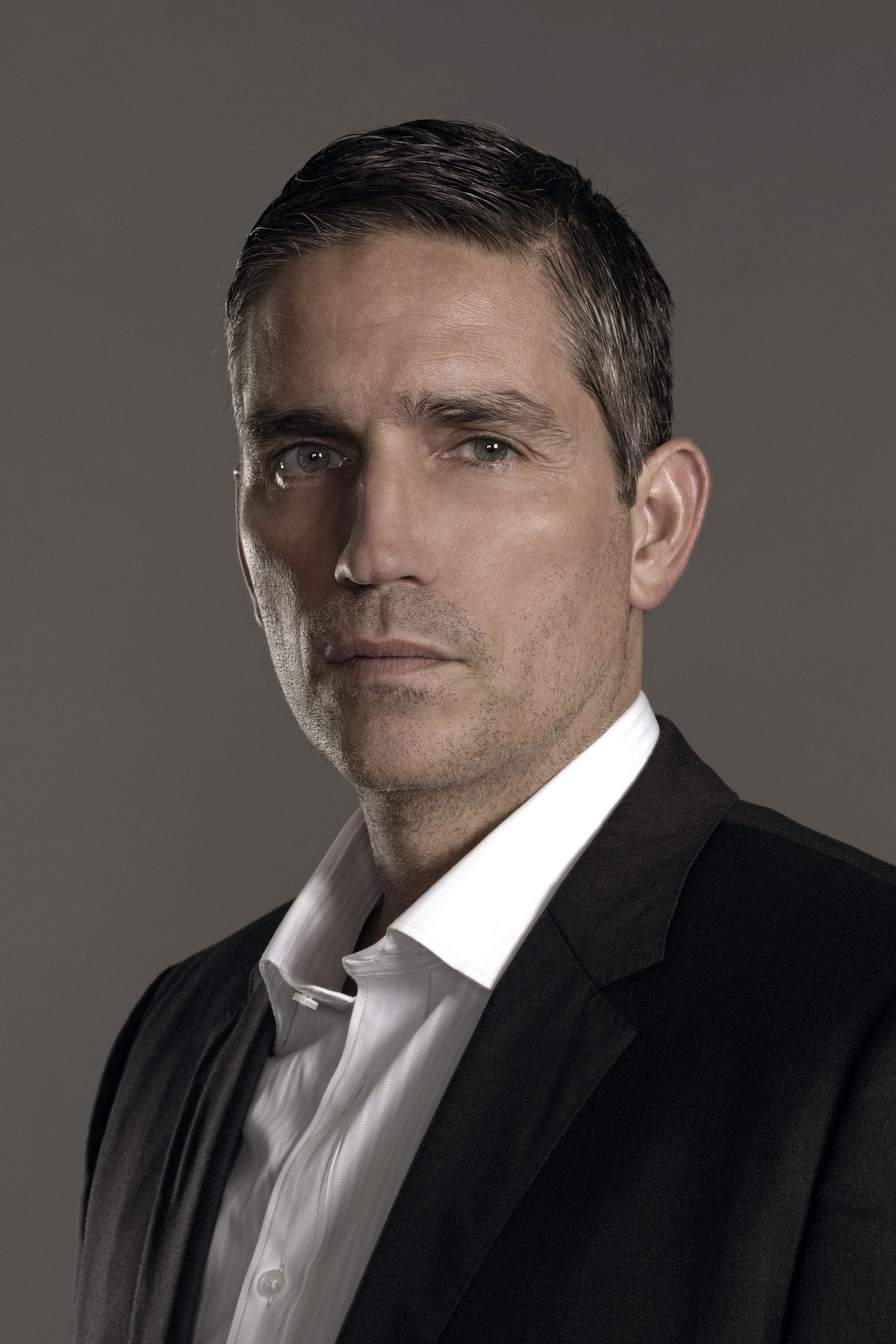
Jim Caviezel expressed his critical view of the entertainment industry moral standards in the era of the movement. He argued that the movement was a symptom of a deeper crisis of values in Hollywood. The actor suggested that the movement was often more interested in political posturing than in true justice. He expressed concern that the industry was becoming increasingly hostile toward those with traditional viewpoints. Caviezel has often discussed these themes during speaking engagements and in media interviews.
Isaiah Washington
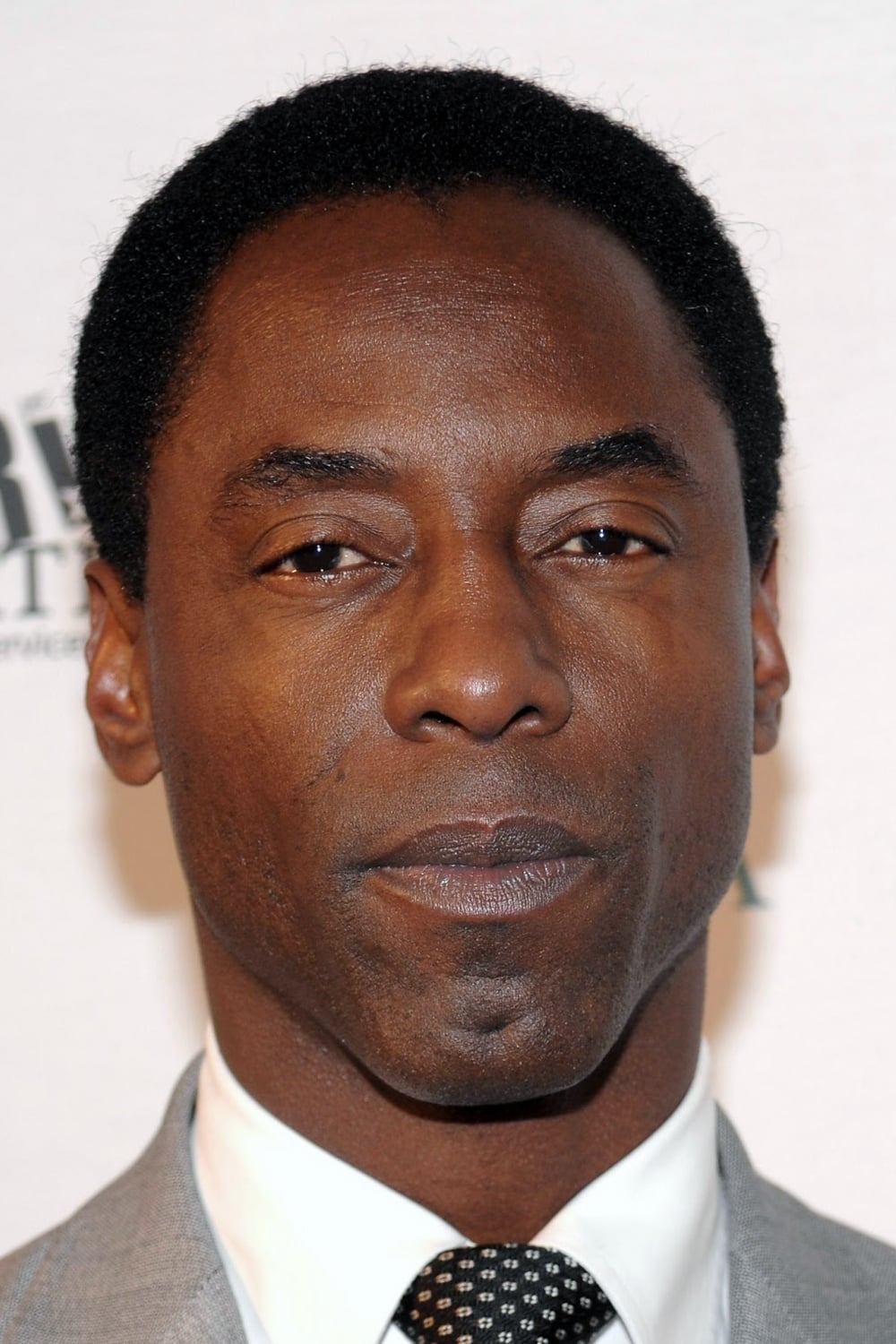
Isaiah Washington has been critical of the movement and its impact on the careers of black actors in Hollywood. He argued that the movement was often selective in its targets and did not always protect everyone equally. The actor suggested that the culture of cancelation associated with the movement was being used to silence certain voices. He expressed a belief that the movement needed to be more inclusive and fair in its approach to accountability. Washington has shared these views while discussing his own experiences in the industry.
John Malkovich
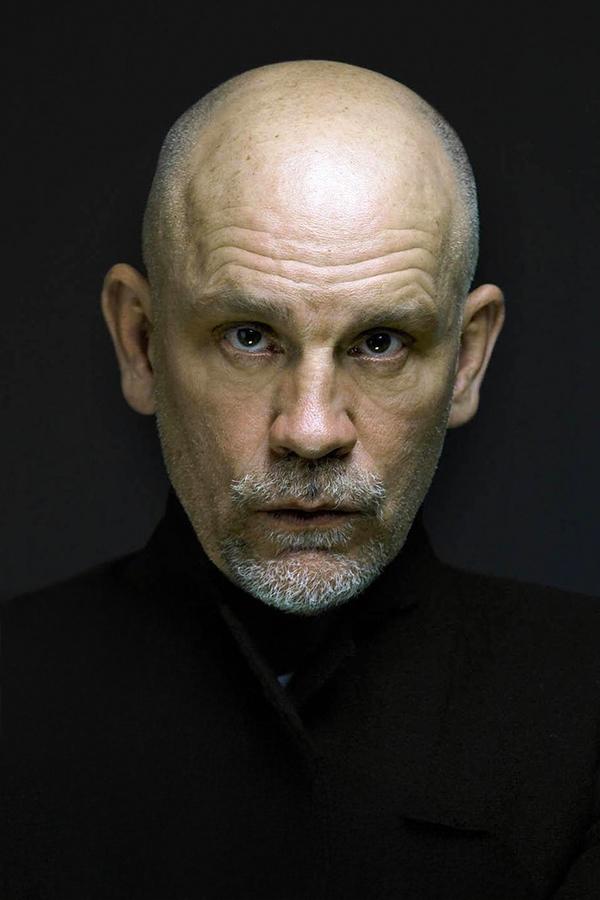
John Malkovich shared his skepticism about the virtue signaling that he believes is prevalent within the movement. He suggested that many of the public displays of support for the movement were disingenuous or performative. The actor argued that the climate of fear created by the movement was not conducive to a healthy creative environment. He expressed concern that the movement was leading to a culture of conformity where people were afraid to dissent. Malkovich has often voiced these thoughts during interviews with international media outlets.
David Mamet
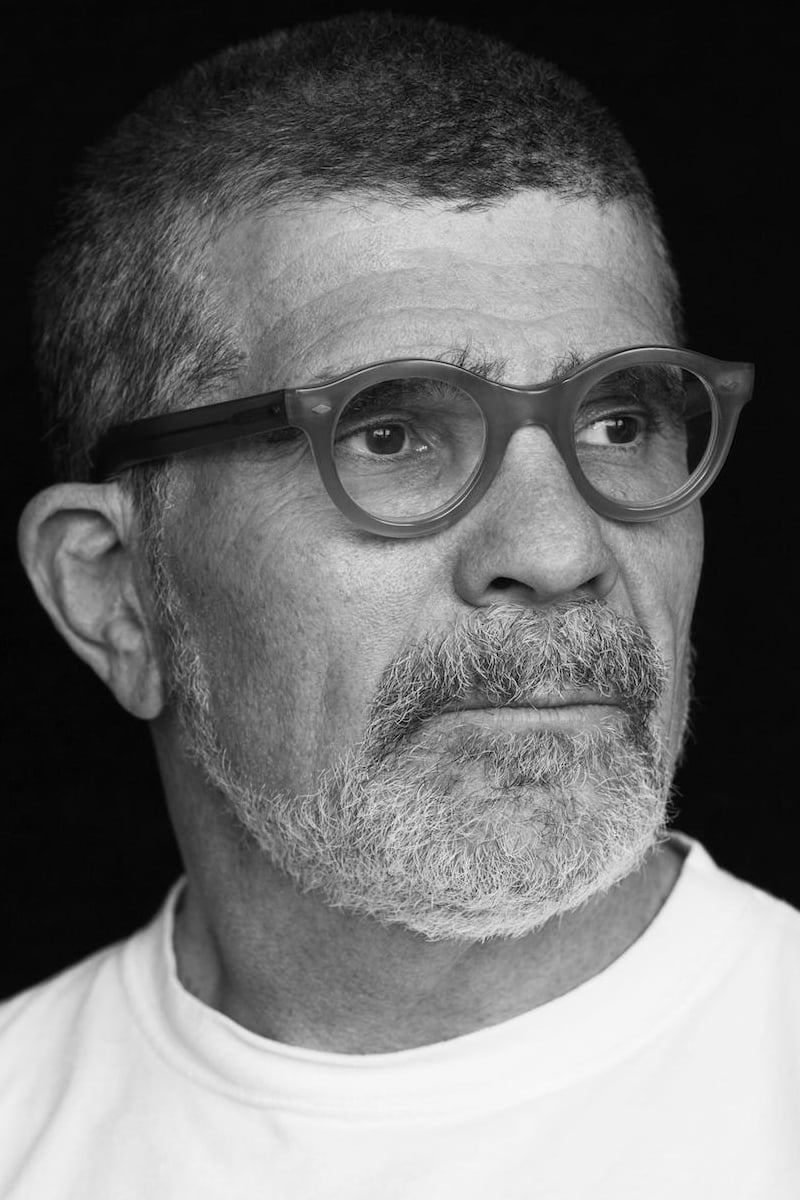
David Mamet has written extensively about his opposition to the movement and its cultural influence. He argued that the movement is a form of social hysteria that has replaced rational thought and due process. The actor and playwright suggested that the movement has created a climate of fear that is damaging to the arts. He expressed a belief that the movement is driven by a desire for power rather than a desire for justice. Mamet remains one of the most intellectually rigorous critics of the movement.
Casey Affleck
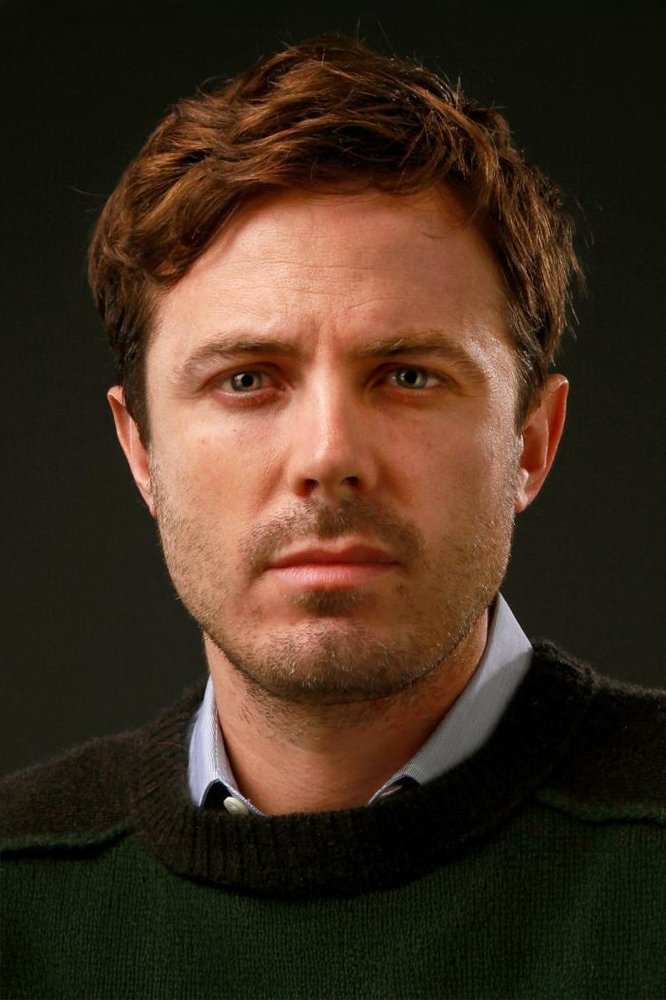
Casey Affleck spoke about the complexities of the movement after his own past controversies were revisited during the cultural shift. He expressed a belief that the movement sometimes struggled to handle the nuances of individual cases. The actor suggested that the environment of the movement made it difficult for people to have honest conversations about their experiences. He argued that while the movement was necessary its implementation could sometimes be problematic. Affleck has since focused on his work while maintaining a relatively low profile in the movement discussion.
Ben Affleck
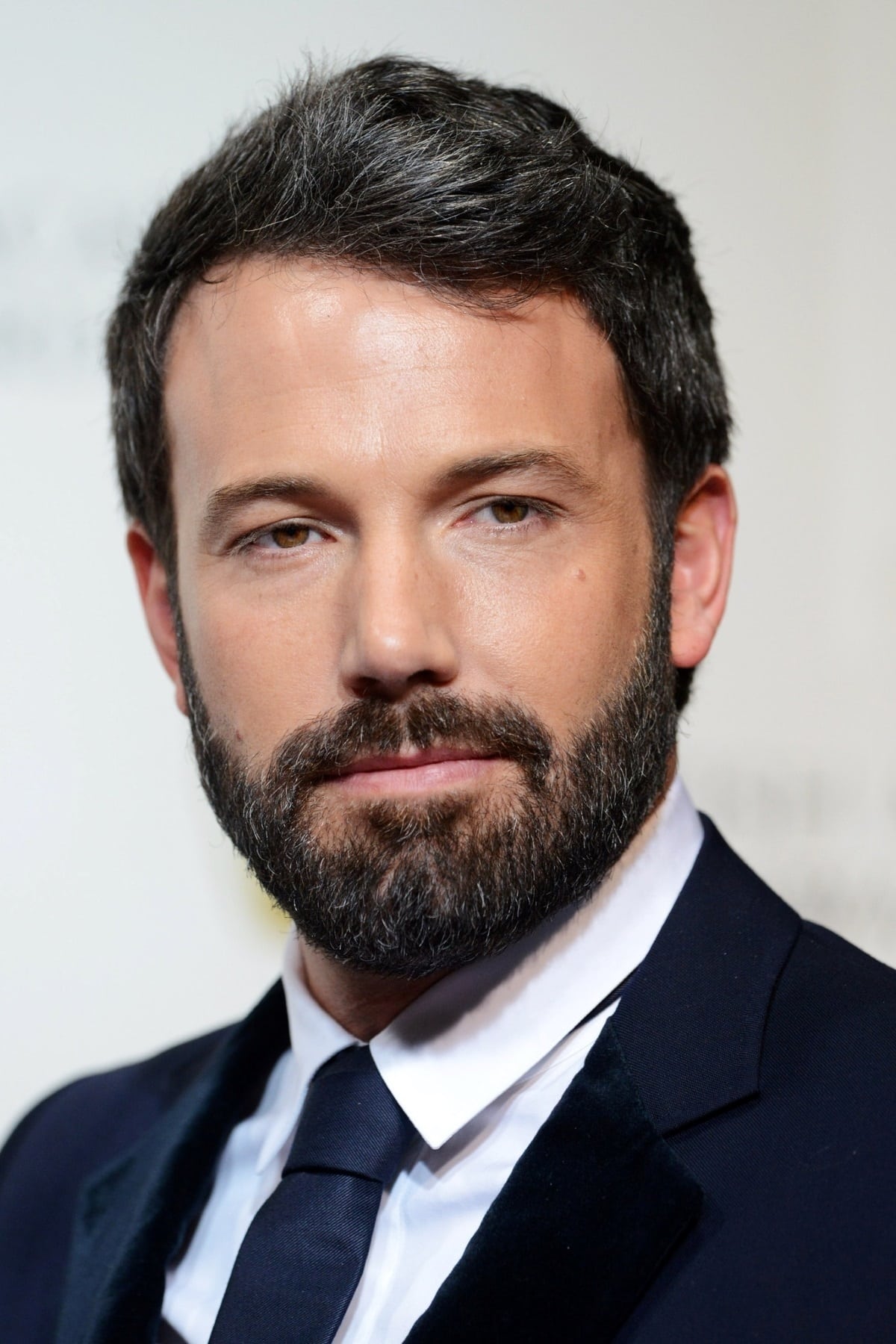
Ben Affleck shared his cautious perspective on the movement and the way it was changing the industry dynamics. He noted that the climate made everyone in Hollywood rethink their behavior and the way they interacted with others. The actor expressed concern that the movement could lead to an environment where people were afraid to speak or act naturally. He argued that the industry needed to find a consistent and fair way to address misconduct without resorting to mob tactics. Affleck has often addressed these themes in the context of his own career and the broader industry.
Frank Langella
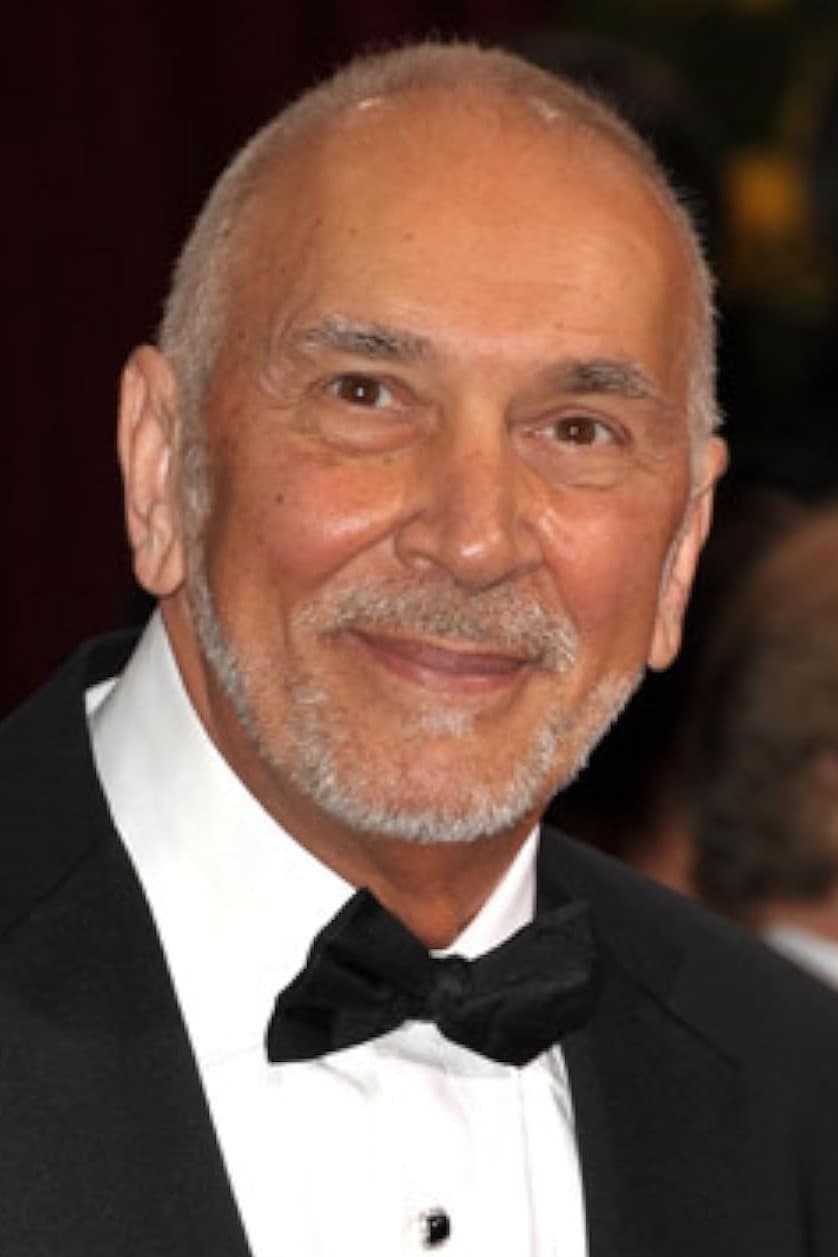
Frank Langella wrote a detailed article for ‘Deadline’ where he criticized the process that led to his dismissal from a major project. He argued that the movement had created a climate where an individual could be condemned without a fair hearing. The actor expressed that his actions were misinterpreted and that the immediate reaction by the studio was an overreach of authority. He suggested that the lack of due process in the current industry environment was a dangerous precedent for all performers. Langella emphasized that the movement should focus on systemic issues rather than individual misunderstandings.
Piers Morgan
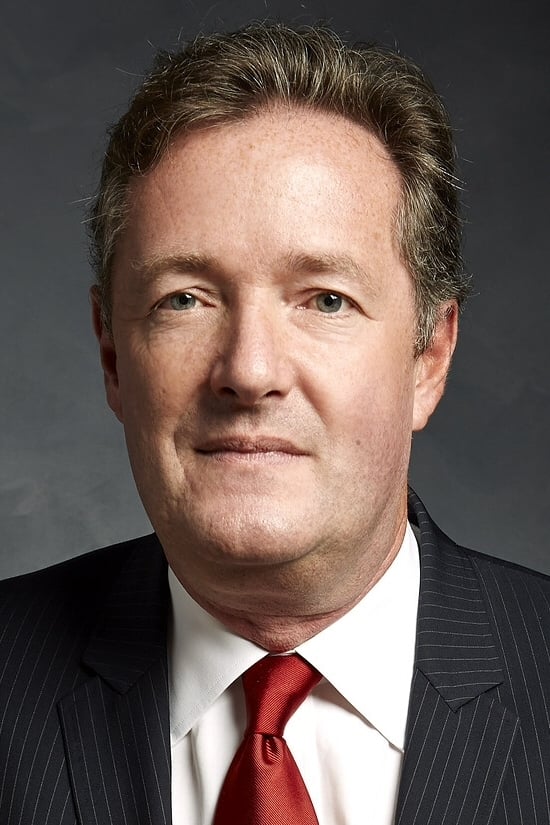
Piers Morgan has been a frequent and vocal critic of the movement during his television broadcasts and in his writing. He argued that the movement has descended into a witch hunt that targets people for minor or non criminal behavior. The actor and journalist suggested that the movement has created a culture of victimhood that he finds harmful to society. He often points out what he believes are instances of extreme overreaction to allegations. Morgan remains a leading voice in the media against the perceived excesses of the movement.
Louis C.K.
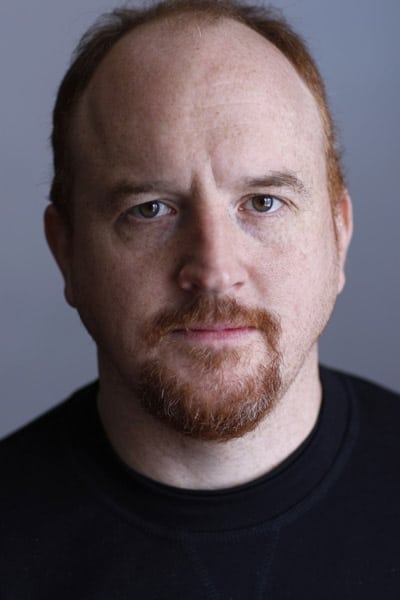
Louis C.K. addressed the cultural shift and the movement during his return to stand up comedy. He suggested that the climate of the movement made it difficult for performers to navigate social interactions and professional life. The actor and comedian used his material to critique the speed and intensity of public condemnation. He expressed a belief that the movement had led to a society that was less forgiving and more focused on punishment. These comments were seen as a direct challenge to the social standards established by the movement.
Ye
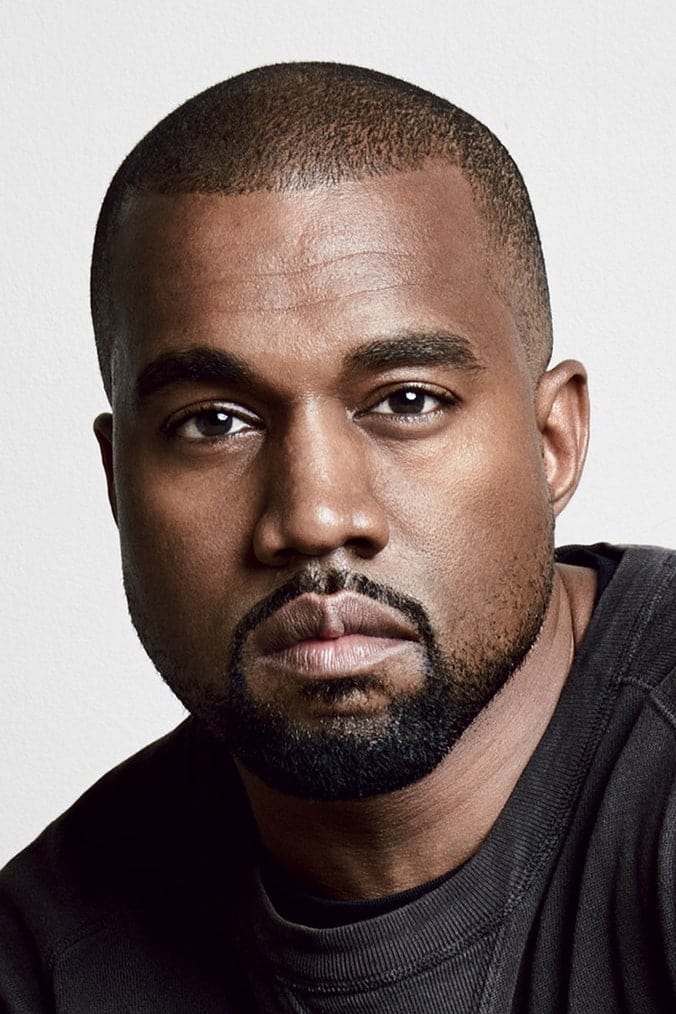
Ye criticized the movement during an interview where he questioned the motivations and methods behind the cultural shift. He expressed a belief that the movement was being used as a tool for control rather than true justice. The artist and actor suggested that the climate created a sense of fear that stifled genuine human interaction and creativity. He often grouped these critiques with his larger thoughts on societal trends and media influence. These statements were met with significant controversy and further fueled discussions about his public persona.
Rob Lowe
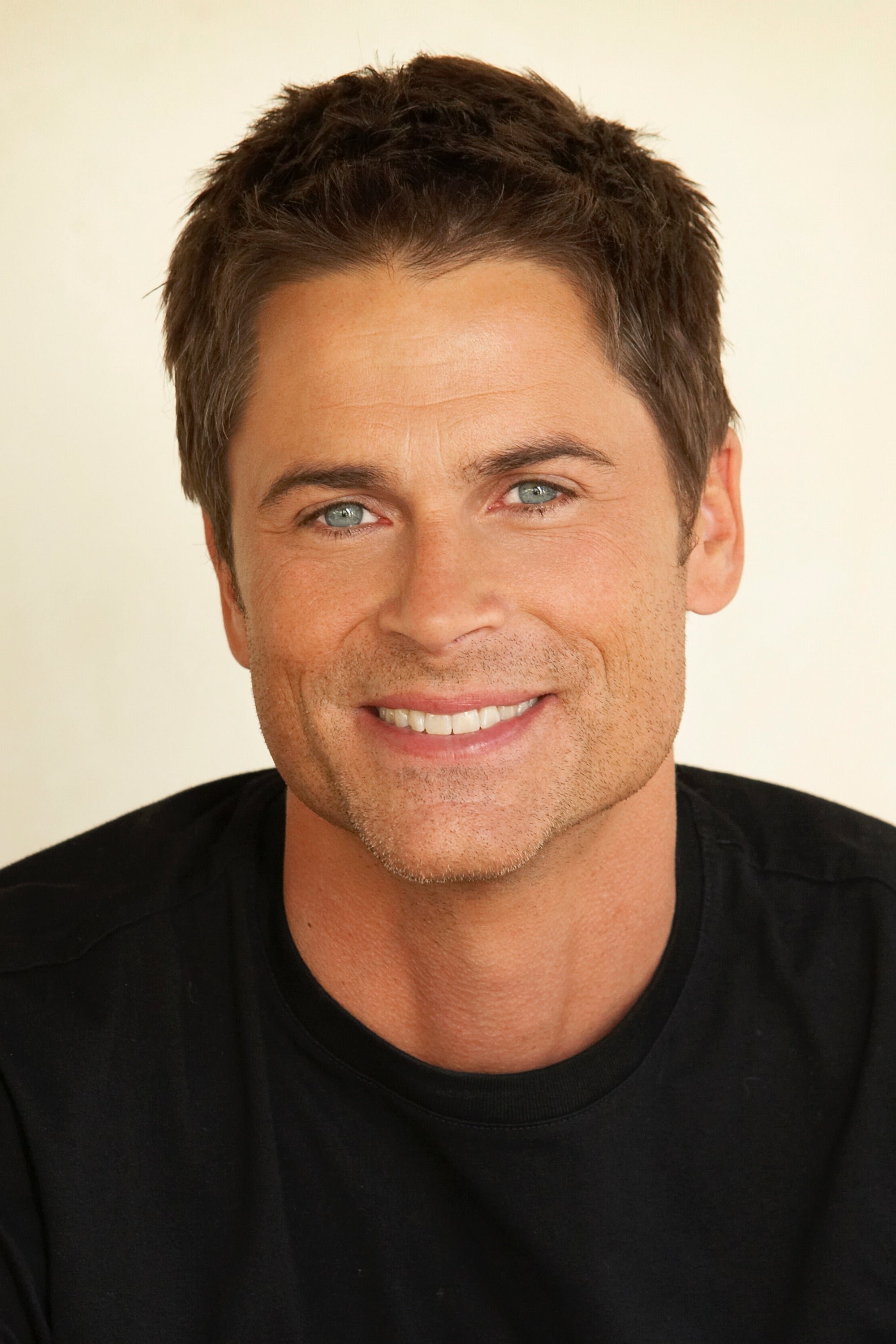
Rob Lowe shared his thoughts on the movement and the new world order that it had established in Hollywood. He suggested that the movement had made the industry a much more cautious and less fun place to work. The actor argued that the fear of being misinterpreted was changing the way people collaborated on film sets. He expressed concern that the movement was leading to a loss of the spontaneity that often defines great performances. Lowe noted that the industry was still trying to find a balance in this new cultural environment.
Tim Allen
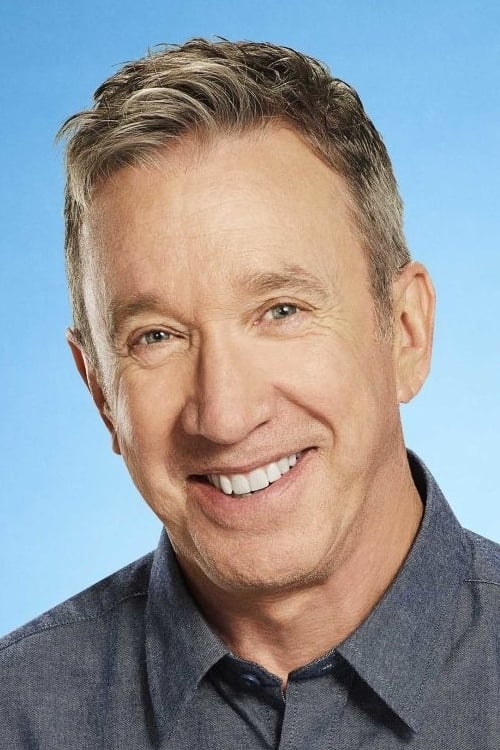
Tim Allen has used his platform to critique what he views as the stifling of speech and comedy in the wake of the movement. He argued that the movement has contributed to a climate where performers are afraid to be authentic or tell jokes. The actor suggested that the move toward extreme political correctness is damaging to the entertainment industry. He expressed concern that the movement focuses too much on policing behavior rather than on creative output. Allen often shares these views during interviews and through his sitcom work.
Kelsey Grammer
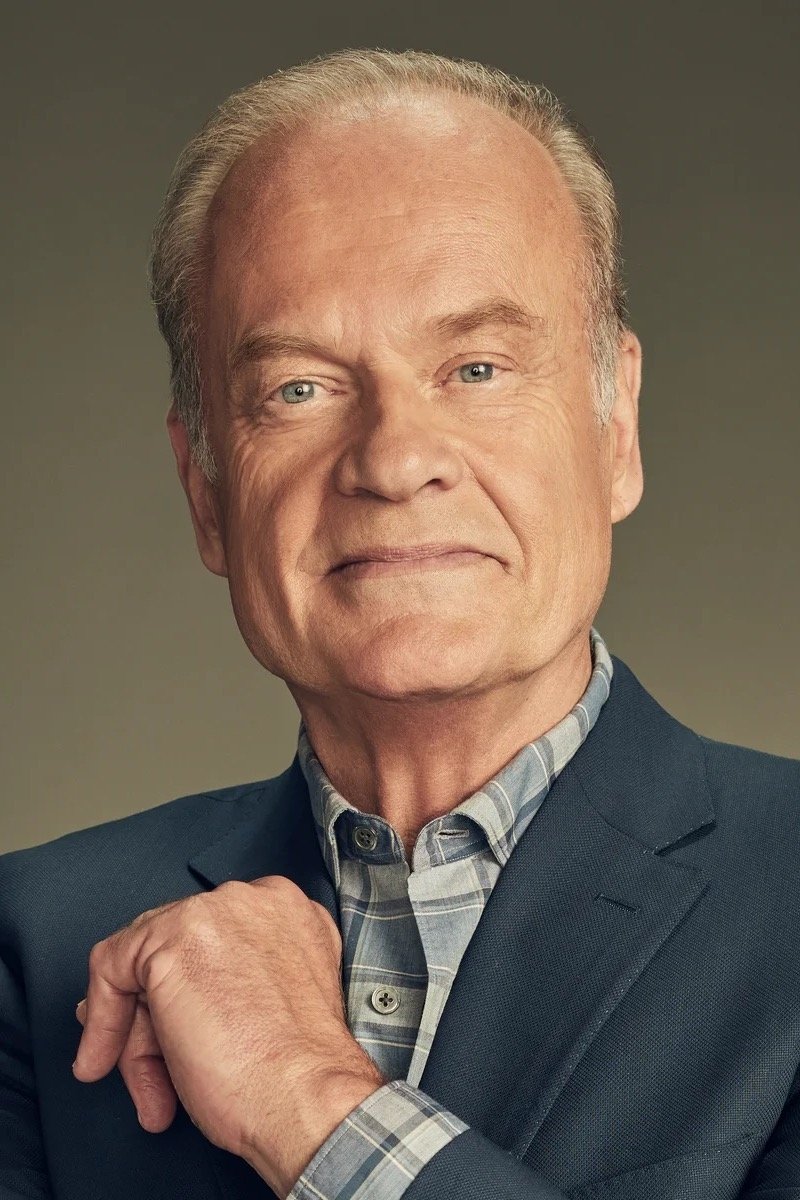
Kelsey Grammer expressed his concern about the impact of the movement on the social dynamics of Hollywood. He suggested that the movement had created an environment where people were increasingly divided and suspicious of one another. The actor argued that the focus on public shaming was a negative trend for the industry and society. He expressed a belief that the movement should be more focused on private reconciliation and personal growth. Grammer remains a vocal proponent of traditional values in the face of modern cultural shifts.
Clint Eastwood
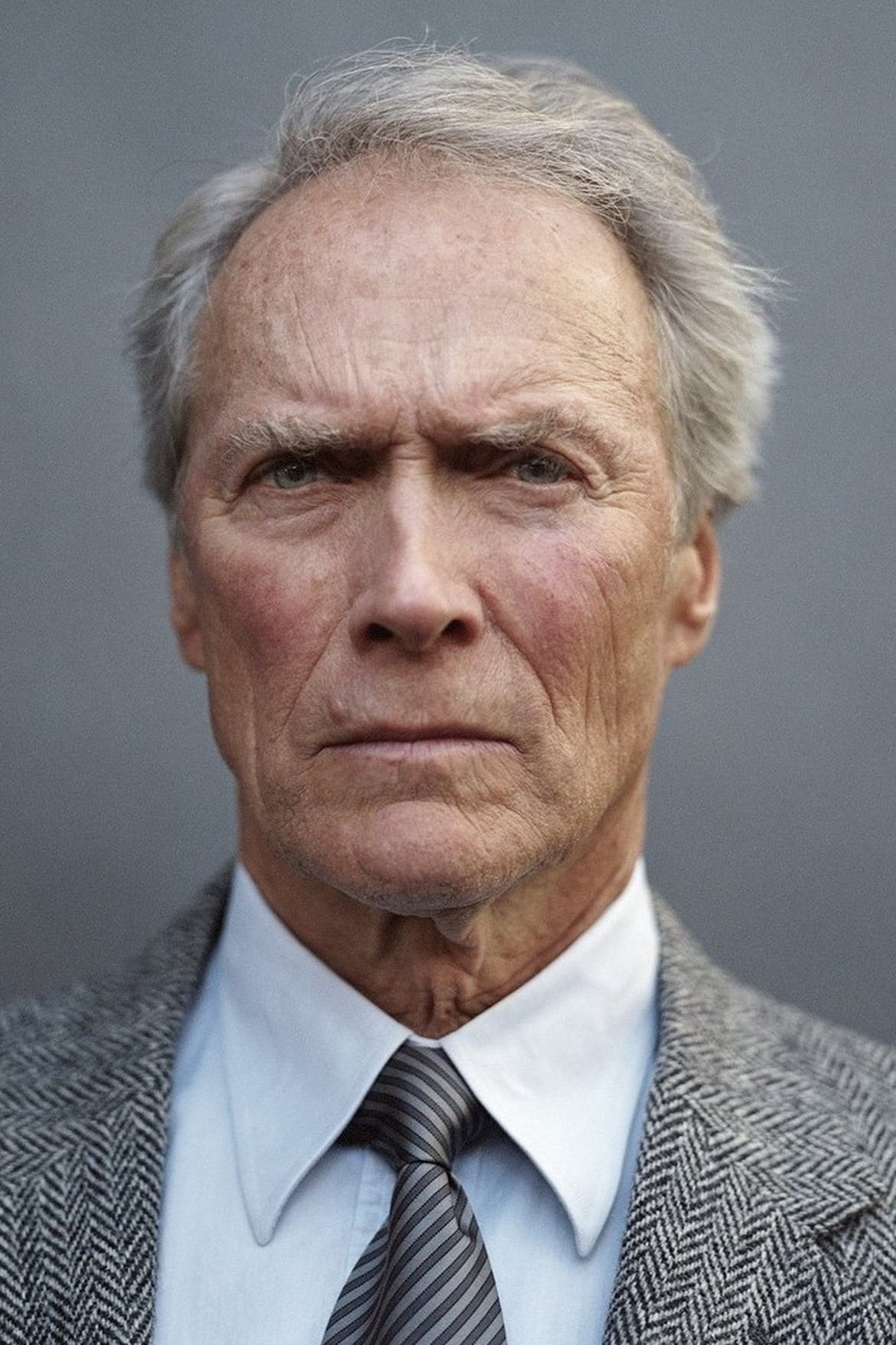
Clint Eastwood made comments about the pussy generation that many interpreted as a critique of the modern social standards driven by the movement. He argued that people have become too sensitive and are constantly looking for things to be offended by. The actor and director suggested that the current climate makes it difficult for performers to be tough or authentic. He expressed a preference for a more traditional and less scrutinized era of filmmaking. Eastwood has often been vocal about his distaste for the direction of modern cultural movements.
Richard Dreyfuss
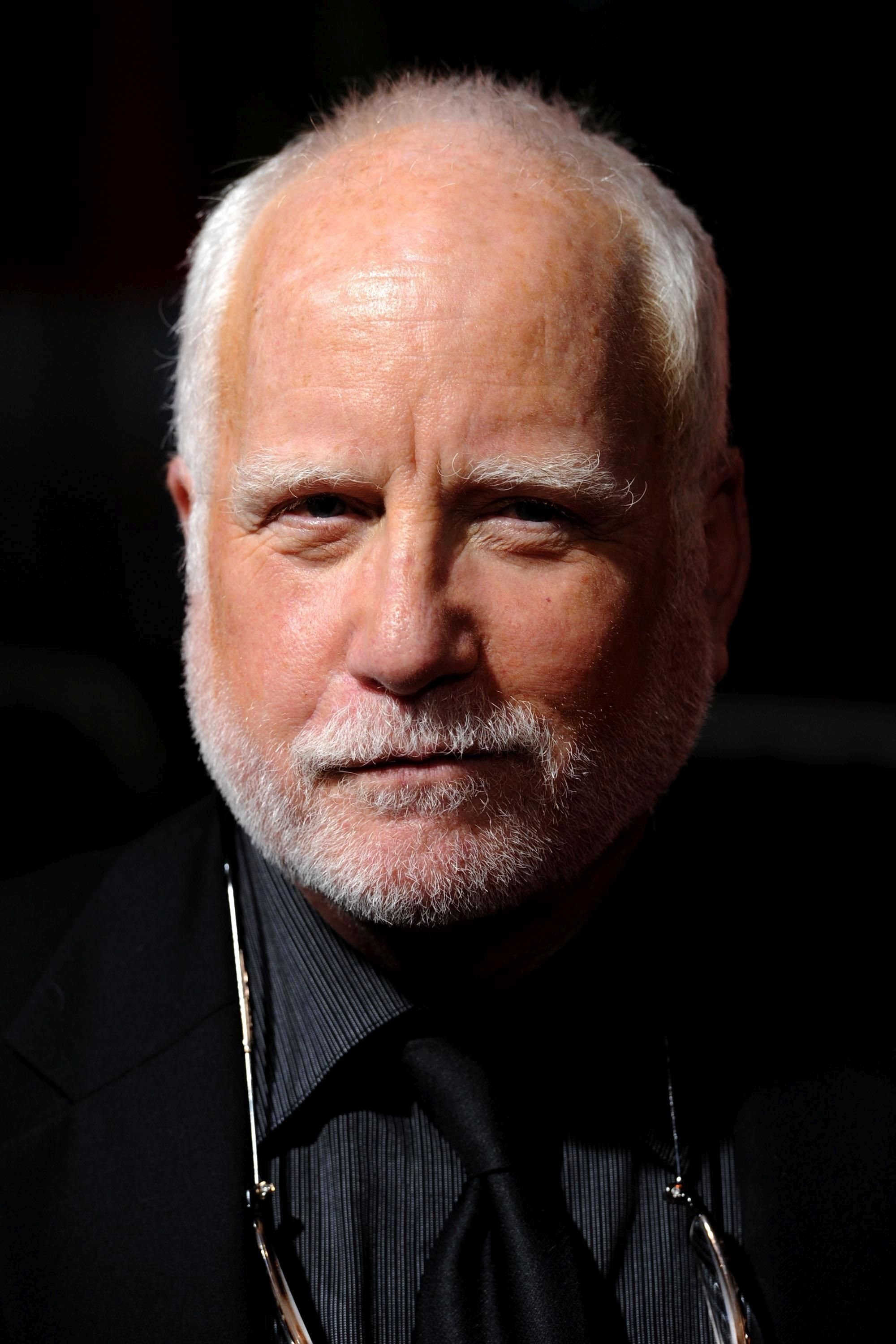
Richard Dreyfuss criticized the new standards and inclusion rules that have emerged in Hollywood following the movement. He argued that these rules were a form of social engineering that was detrimental to the quality of art. The actor suggested that the movement had created a climate where merit was being replaced by political correctness. He expressed concern that the industry was losing its way by focusing too much on modern social agendas. Dreyfuss has remained a prominent critic of the changes occurring in the film academy and the broader industry.
Sylvester Stallone
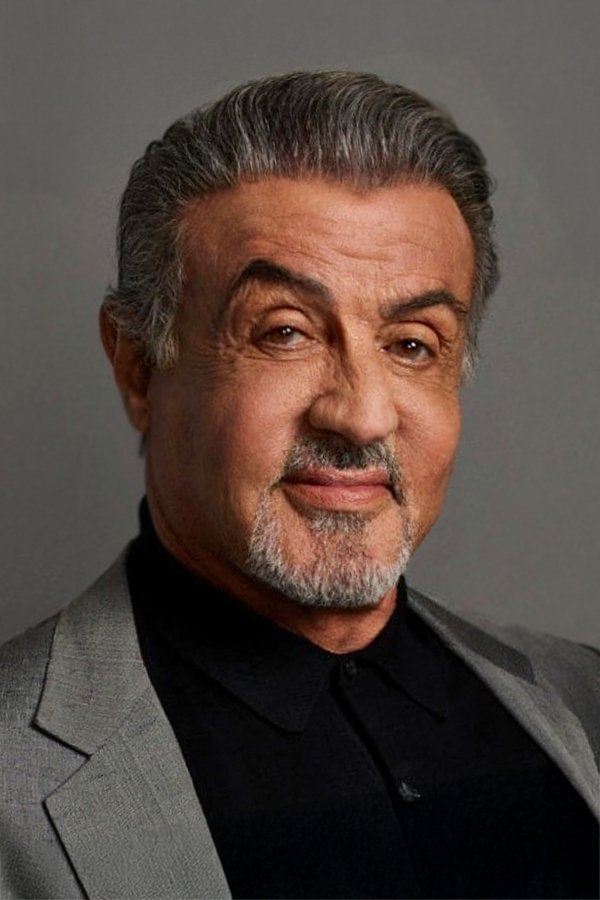
Sylvester Stallone shared his views on how the movement has changed the industry and the roles available to men. He suggested that the movement has led to a decline in the traditional action hero and the grit that once defined Hollywood. The actor argued that the climate of scrutiny was making it harder for performers to portray complex or flawed characters. He expressed a desire for a return to a more classic style of filmmaking that is less influenced by modern social trends. Stallone has often reflected on these changes during interviews about his long career.
Michael Caine
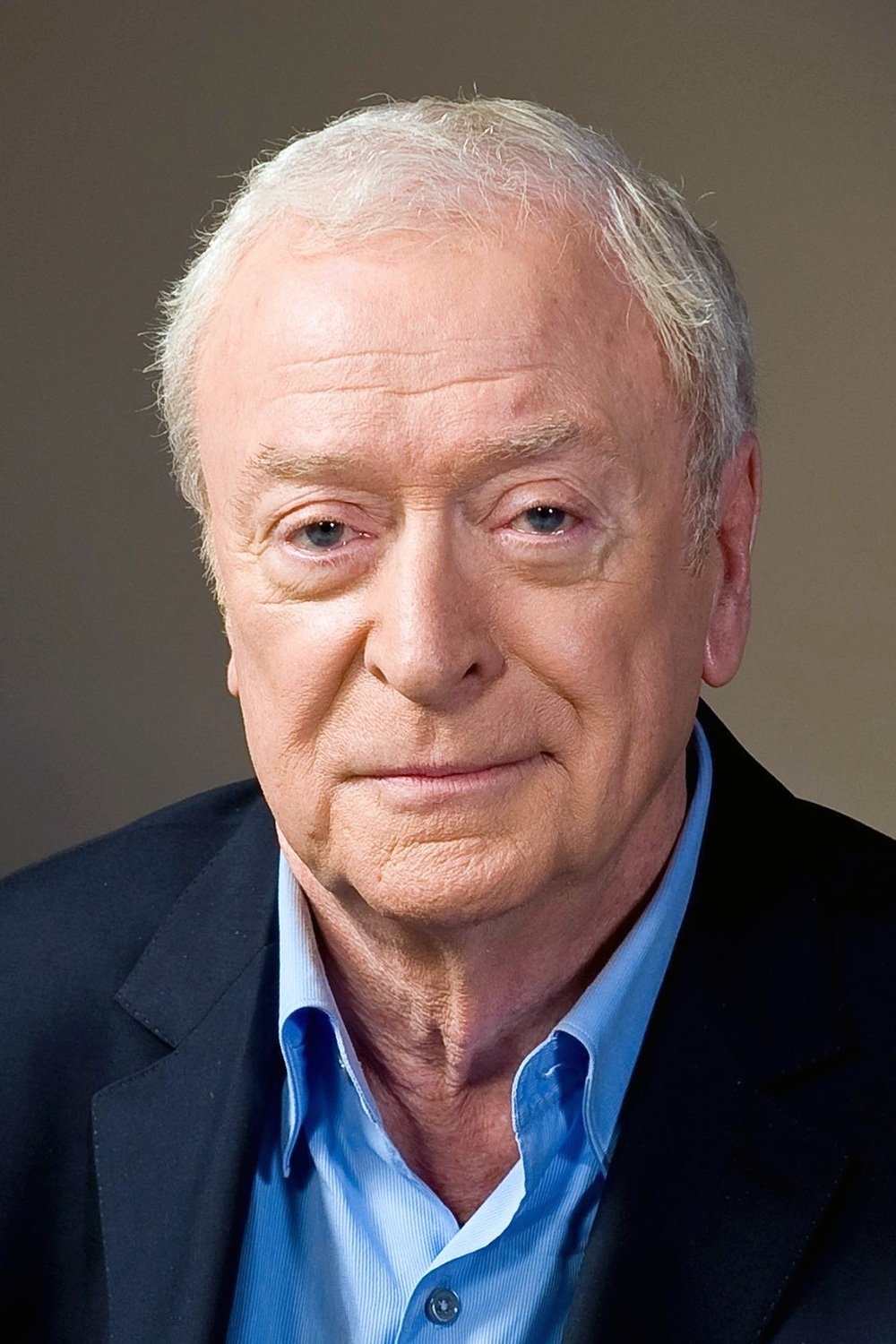
Michael Caine expressed his thoughts on the movement by noting that he does not like the way the social rules have changed. He suggested that the current era is one where people are afraid to be themselves or have a laugh. The actor argued that the movement has created a climate that is too serious and often lacks a sense of proportion. He expressed a preference for the social standards of the past where interactions were more straightforward. Caine noted that the change in culture was particularly noticeable to those who had been in the industry for many years.
Michael Kenneth Williams
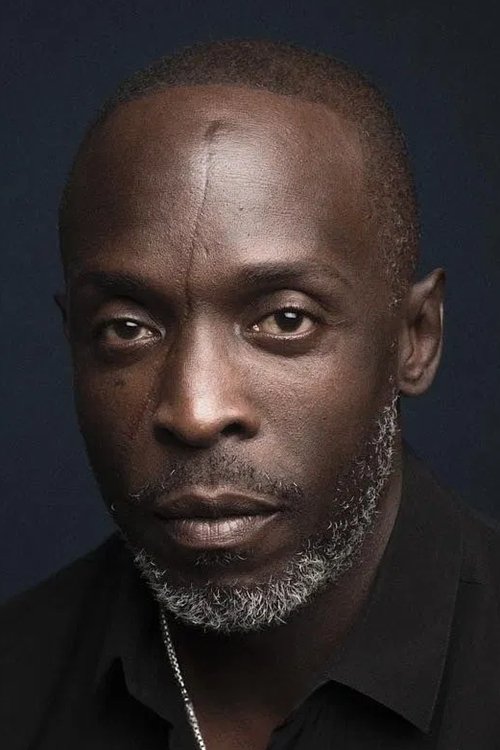
Michael Kenneth Williams shared a balanced but critical perspective on the cultural shifts during an interview about his role in ‘Hap and Leonard’. He suggested that the movement sometimes lacked the necessary nuance to distinguish between different levels of misconduct. The actor expressed concern that the industry was reacting with a sense of fear rather than a genuine desire for restorative justice. He argued that while accountability was vital the process should not become a runaway train that destroys lives without careful consideration. These comments highlighted his desire for a more thoughtful approach to the issues.
MGK
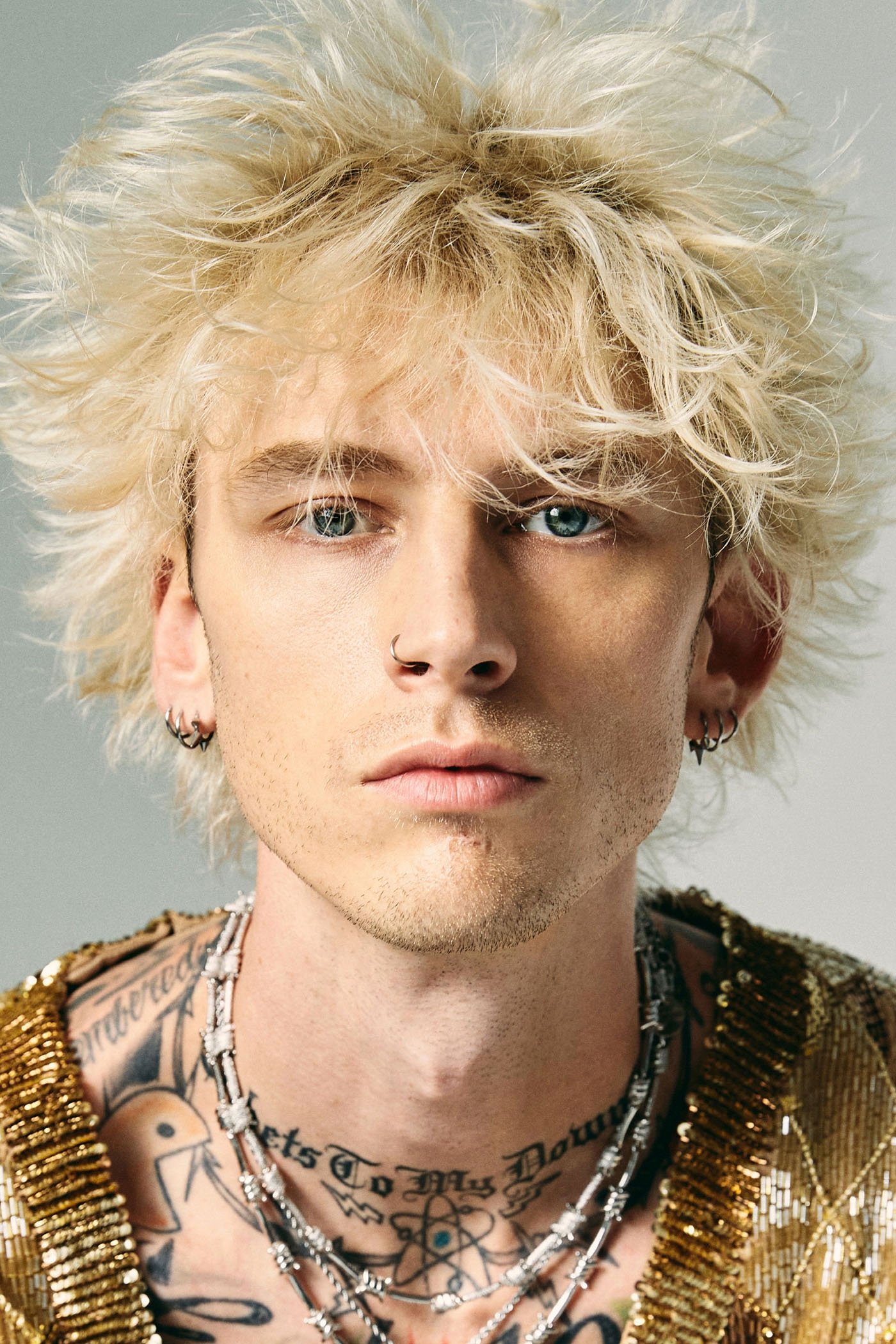
MGK voiced his frustration with the modern climate of Hollywood during various media appearances and interviews. He suggested that the industry has become overly sensitive and that artists are now operating under a cloud of fear. The actor and musician argued that this environment stifles creativity and makes it difficult for performers to be authentic. He expressed concerns that the movement had contributed to a culture of immediate judgment without a full understanding of the facts. These remarks were often part of his broader critique of contemporary social standards and political correctness.
Kevin Spacey
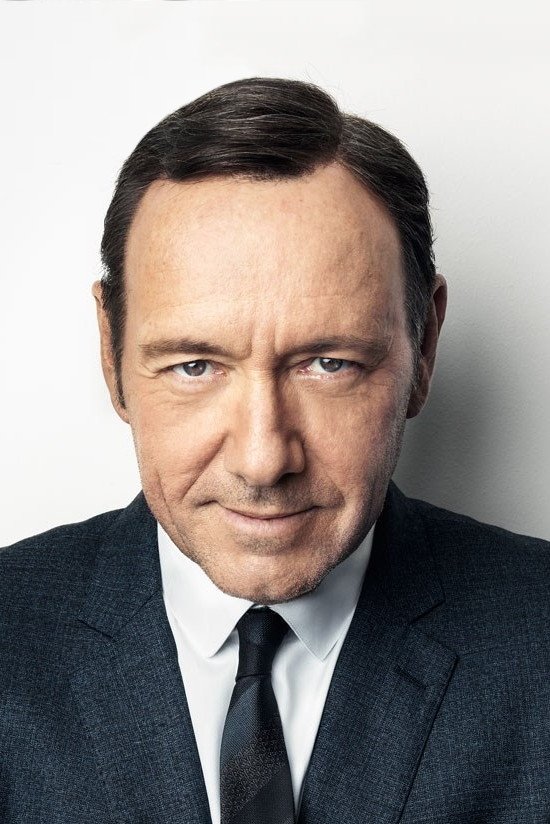
Kevin Spacey addressed the movement and the allegations against him through a series of videos and public appearances. He argued that the movement had led to a rush to judgment that denied him the right to a fair process. The actor suggested that the climate of the movement was one where accusations were taken as gospel before any evidence was presented. He expressed a belief that the industry had turned its back on him without a proper investigation. These statements were part of his effort to challenge the narrative established by the movement.
Mel Gibson
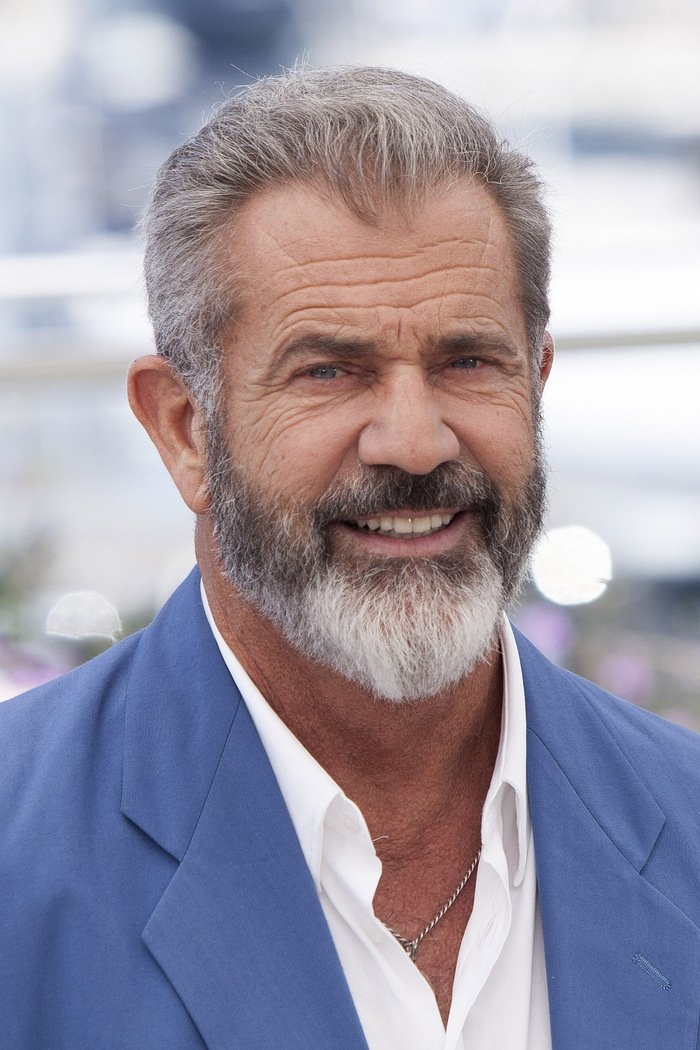
Mel Gibson shared his views on the changing industry standards and the impact of the movement on his own career. He suggested that the movement had created a climate of extreme scrutiny that was often unforgiving. The actor and director argued that the focus on public shaming was a dangerous development for the entertainment industry. He expressed a belief that the movement was more interested in punishment than in the possibility of redemption. Gibson has remained a figure who frequently critiques the modern social and political climate of Hollywood.
Alain Delon
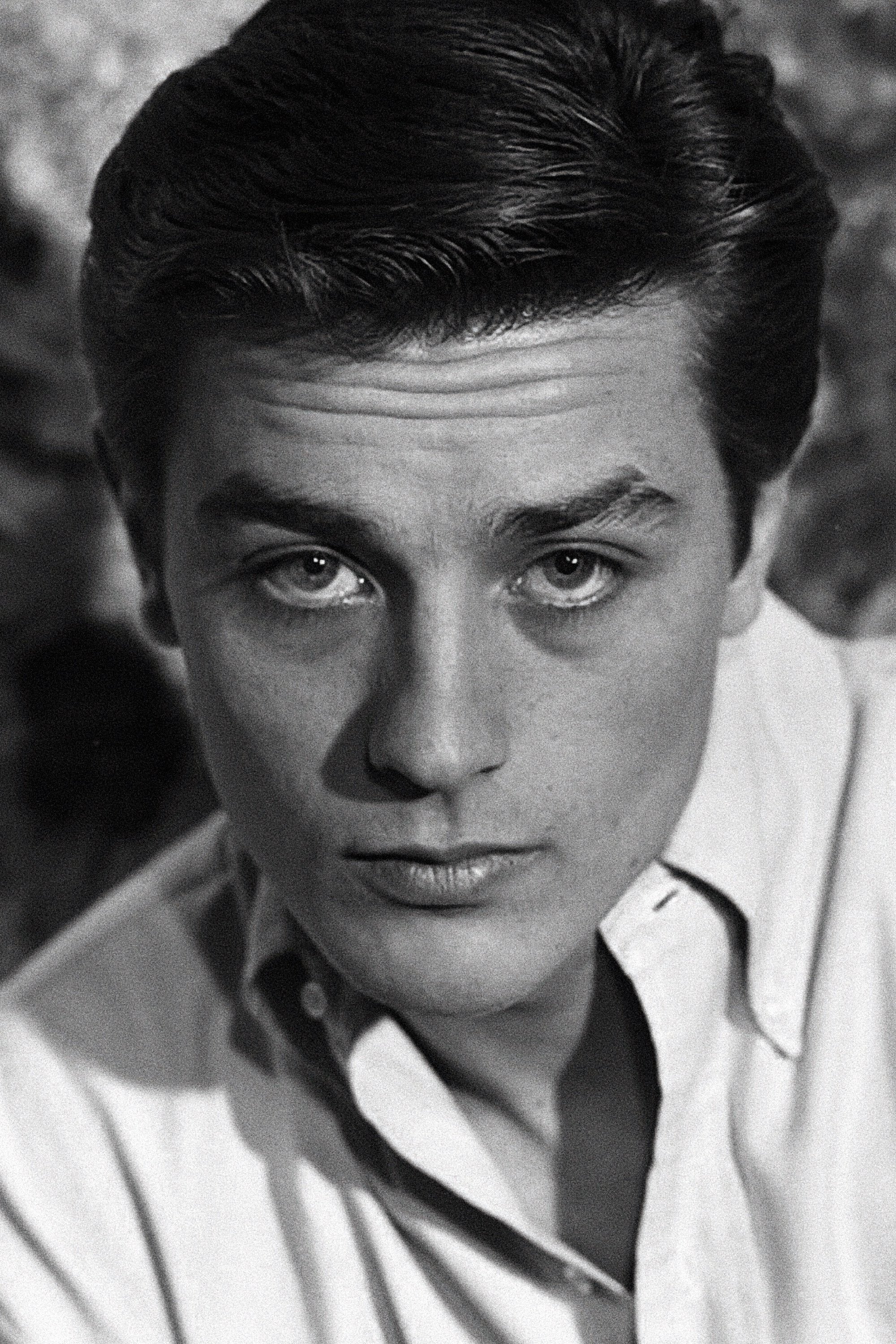
Alain Delon expressed his distaste for the movement during several interviews with the French press. He described the current climate as an era where men are no longer allowed to be men in the traditional sense. The actor suggested that the movement was part of a larger trend that sought to suppress natural interactions between genders. He argued that the rush to condemn individuals often ignored the complexities of human relationships and history. Delon remained vocal about his views despite the criticism he received from international audiences.
Share your thoughts on these actors and their perspectives in the comments.