Male Actors Who Faced Intense Backlash for Playing Gay Characters

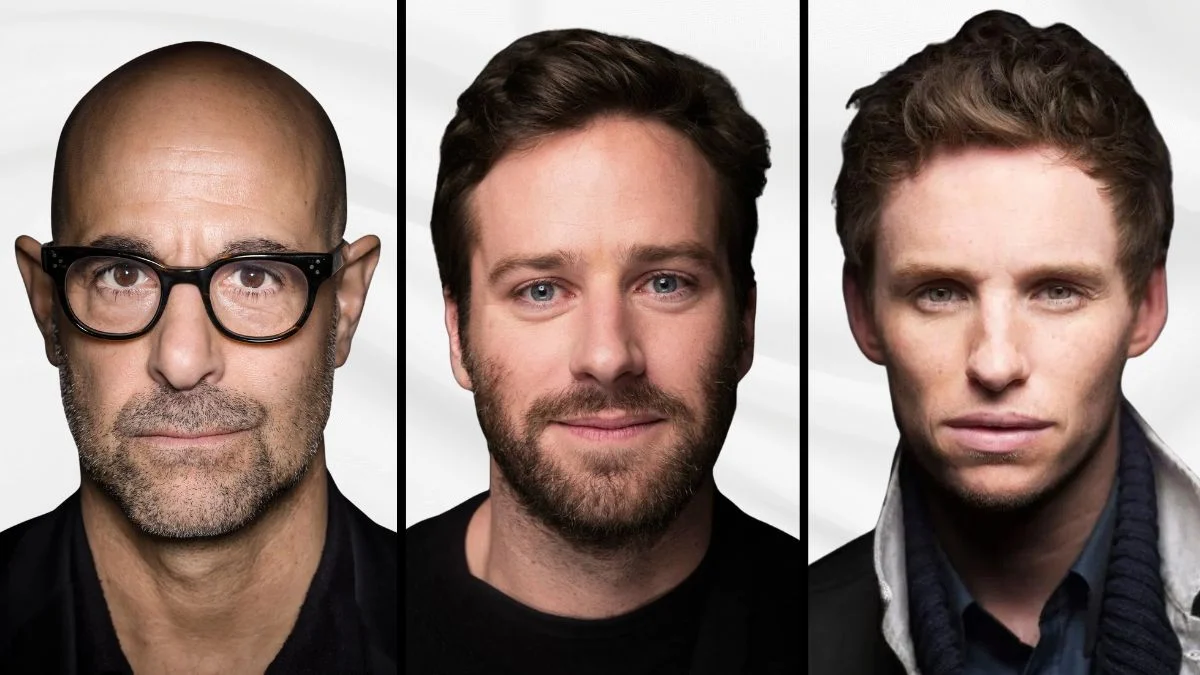

The debate surrounding straight actors playing queer roles has become one of the most prominent discussions in modern Hollywood. Critics often argue that these opportunities should be reserved for actors who share the lived experience of the characters. Some performers have faced significant public outcry for their portrayals, ranging from accusations of stereotyping to concerns about taking space from underrepresented artists. This list explores the male actors who encountered intense backlash or heated public debate for their roles as gay characters in film and television.
Heath Ledger
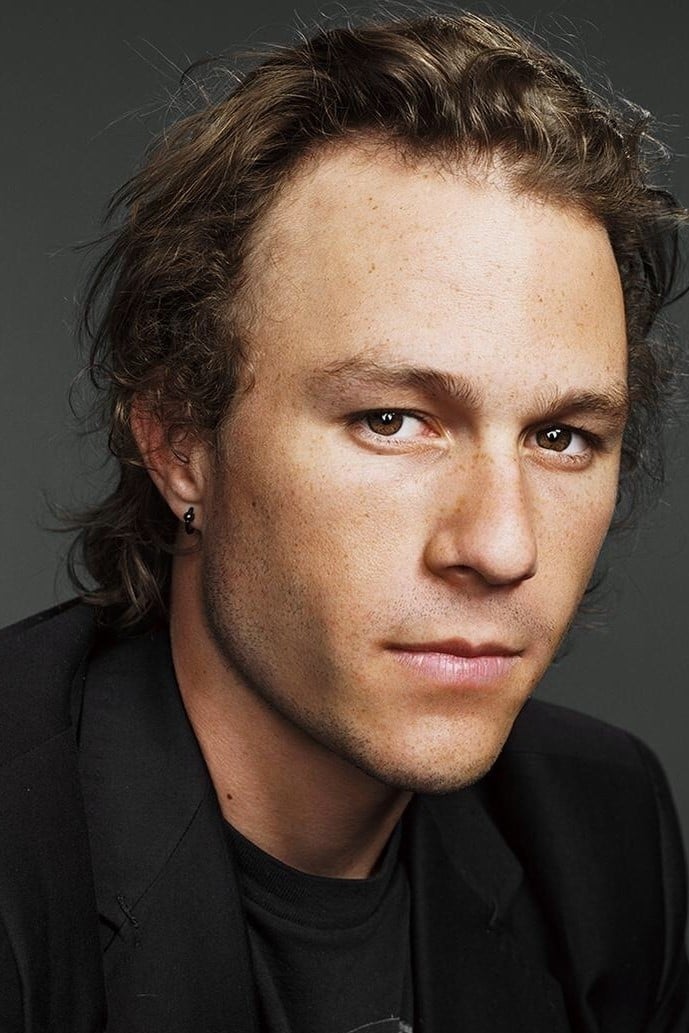
The actor starred as Ennis Del Mar in the critically acclaimed film ‘Brokeback Mountain’. While the movie is now considered a masterpiece, it faced immense backlash from conservative groups and some regional theaters upon its release. Ledger received criticism for taking on a role that challenged traditional perceptions of masculinity in the Western genre. Despite the controversy, his performance earned him an Academy Award nomination and helped move queer narratives into the mainstream. His commitment to the role remains a landmark moment in cinema history.
Jake Gyllenhaal
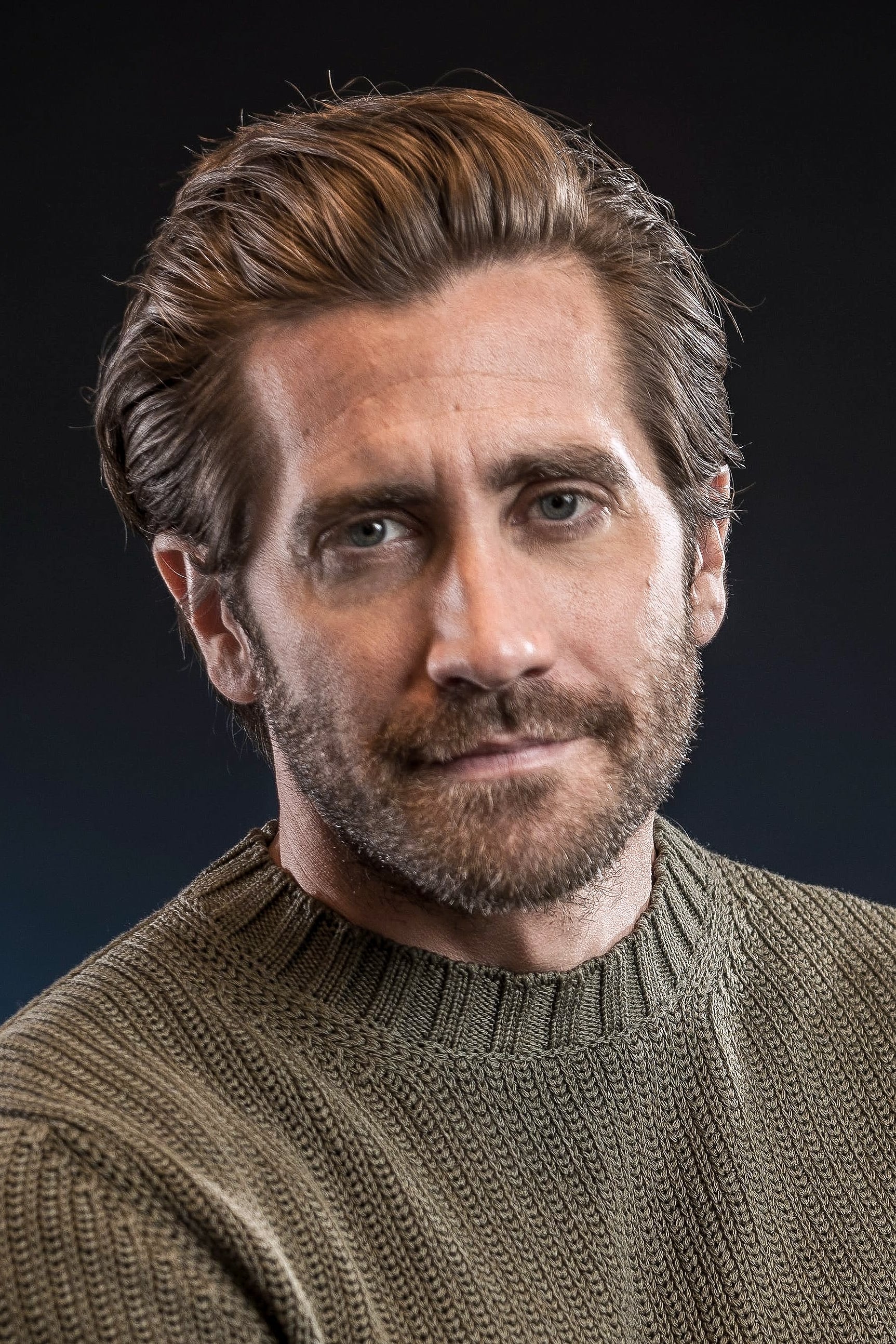
Gyllenhaal portrayed Jack Twist alongside Heath Ledger in the drama ‘Brokeback Mountain’. He faced a similar wave of scrutiny from audiences who were uncomfortable with the depiction of a romantic relationship between two cowboys. Some critics at the time questioned if playing a gay character would negatively impact his future as a leading man in action films. Gyllenhaal has since spoken about how the backlash he witnessed only reinforced the importance of the story. The film ultimately became a massive success despite the initial resistance from certain demographics.
Jared Leto
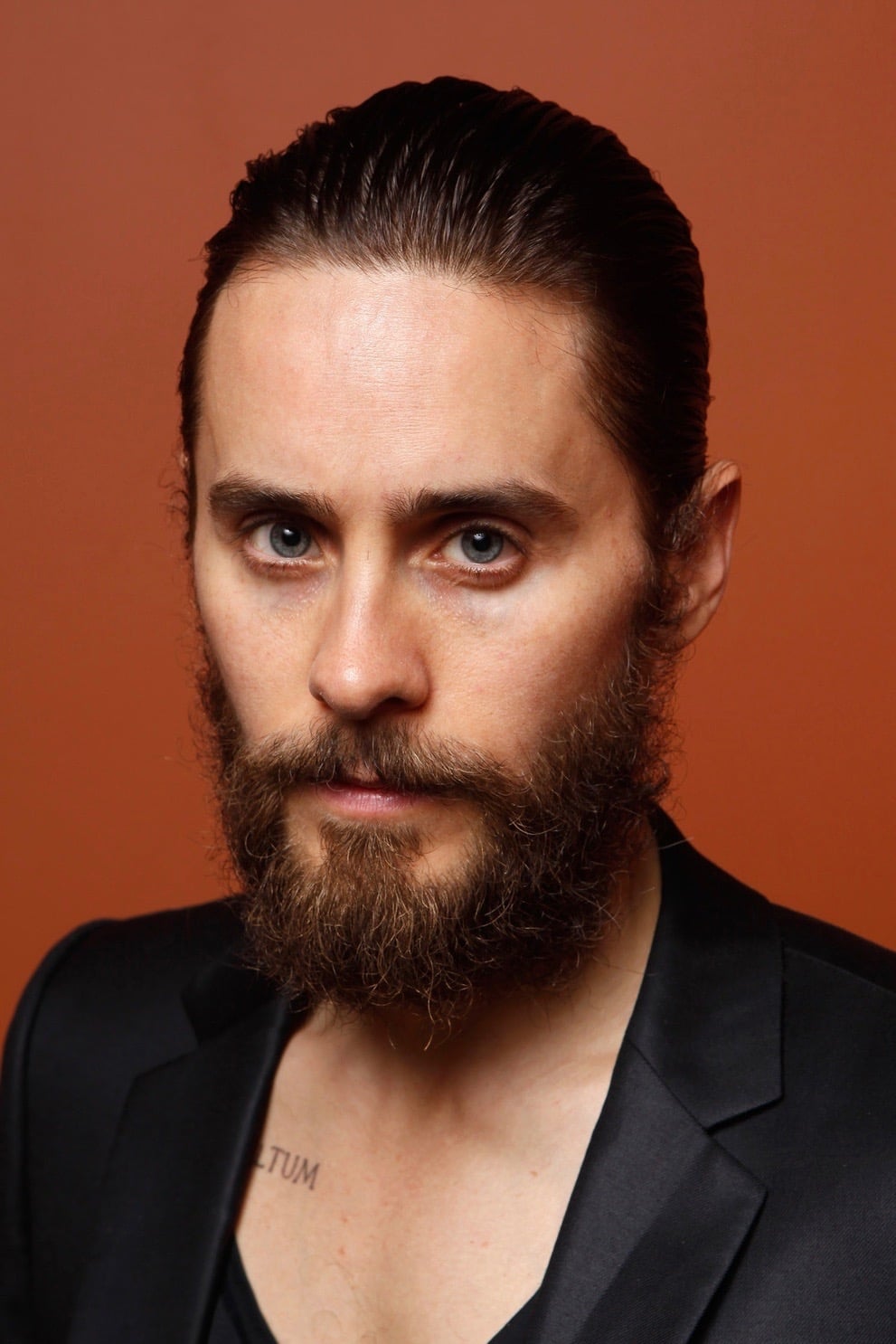
In the film ‘Dallas Buyers Club’, Leto played Rayon, a trans woman living with HIV. Although he won an Academy Award for the performance, he faced intense backlash from many activists and viewers. The criticism focused on the decision to cast a cisgender man in a trans role instead of a trans actress. Many felt that his portrayal relied on tropes and did not accurately reflect the trans experience. This controversy remains a central point in the ongoing discussion about casting ethics in Hollywood.
Sean Penn
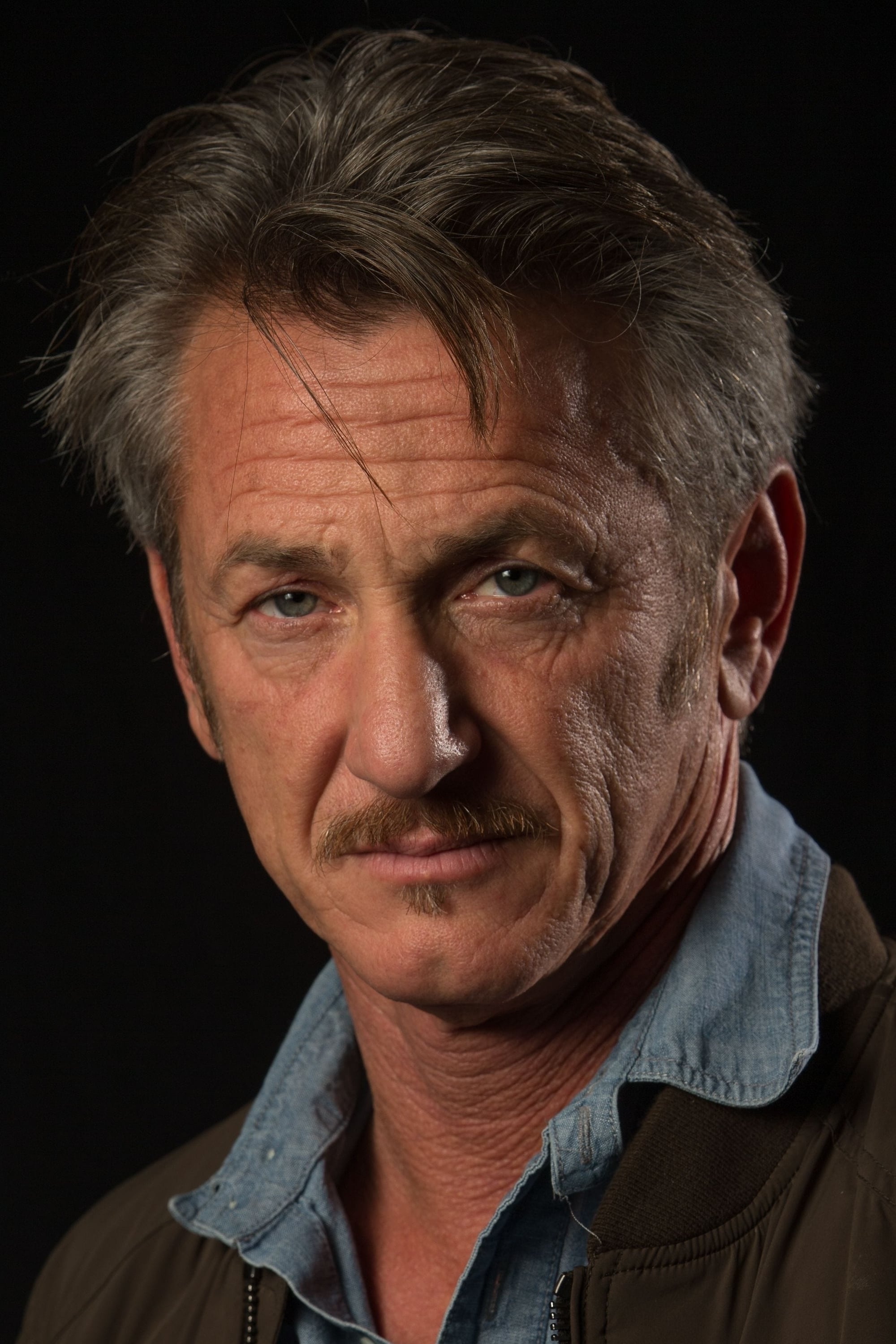
Penn earned an Academy Award for his portrayal of the activist Harvey Milk in the biographical film ‘Milk’. While his performance was widely praised by critics, it drew fire from some who believed a gay actor should have played the iconic political figure. The backlash focused on the lack of opportunities for queer actors to play their own heroes on the big screen. Penn used his acceptance speech to address equal rights and acknowledge the struggle for LGBTQ+ visibility. The film remains a touchstone for discussions on the intersection of identity and acting.
Benedict Cumberbatch
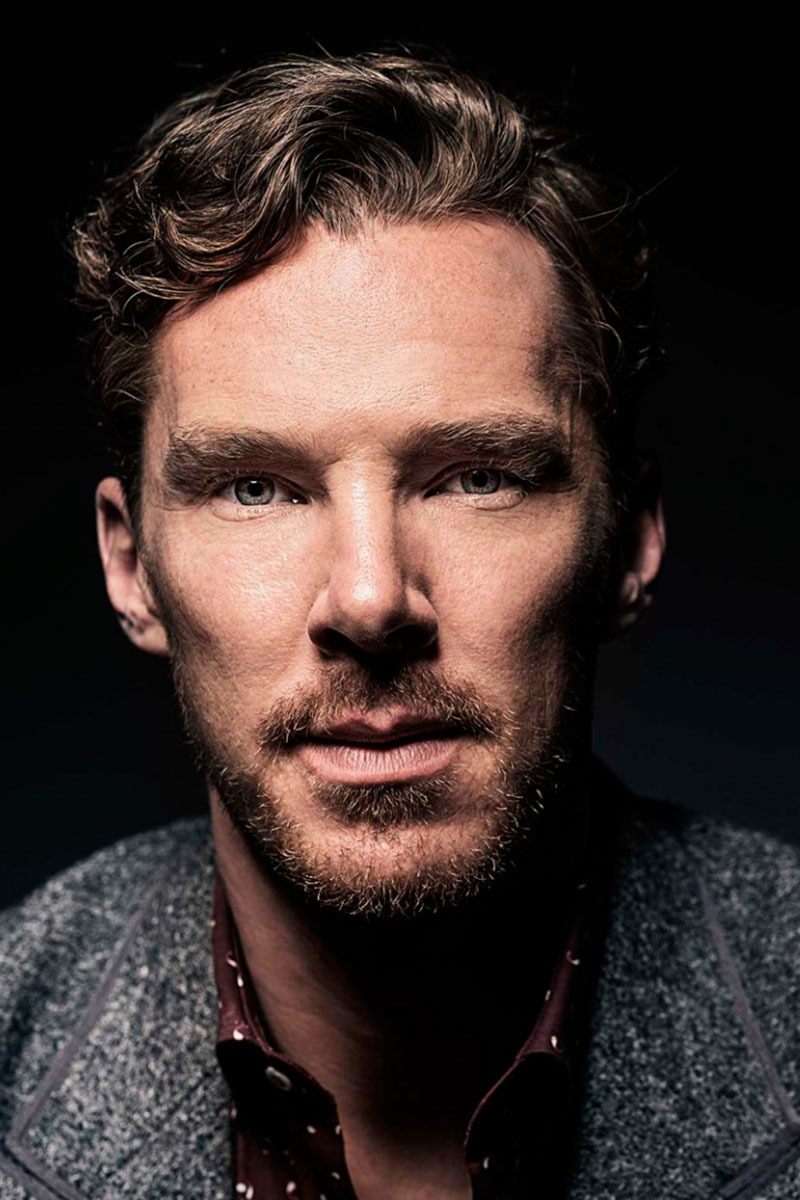
The actor faced criticism for his role as Alan Turing in ‘The Imitation Game’ because of how the film handled the character’s sexuality. Many viewers felt the movie sanitized Turing’s life and minimized his experiences as a gay man to make the film more palatable for general audiences. Later, Cumberbatch faced more backlash for playing a repressed cowboy in ‘The Power of the Dog’. Critics debated whether his performance as a queer man was an authentic representation or a stylized version of masculinity. He has publicly defended the role while acknowledging the sensitivity of the casting debate.
Eddie Redmayne
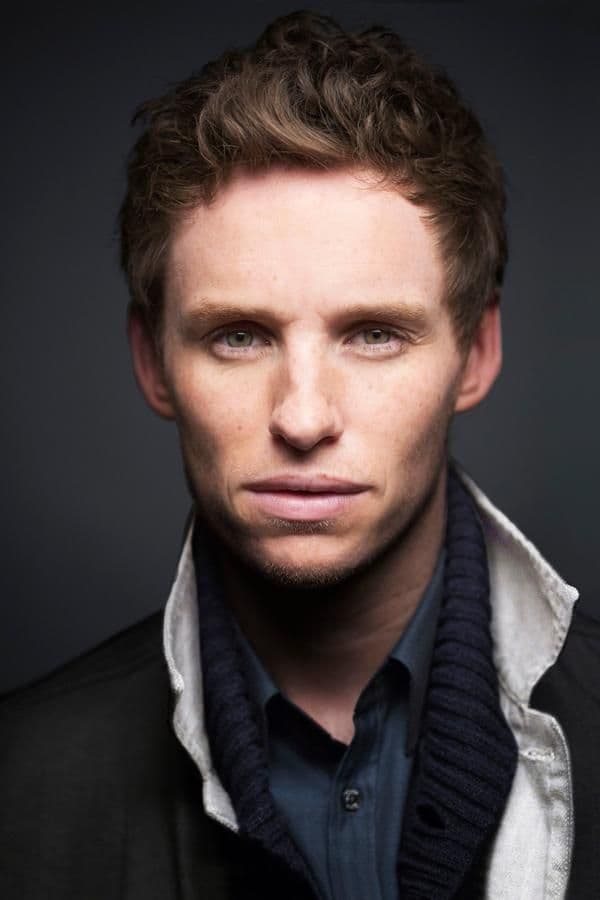
Redmayne received significant backlash for his performance in ‘The Danish Girl’ where he played a trans pioneer. Although the film was intended to be a sympathetic portrait, many activists criticized the casting of a cisgender man in a trans role. Redmayne eventually admitted that he regretted taking the part and acknowledged that he would not make the same choice today. The controversy helped shift the industry standard toward seeking authentic casting for trans characters. His experience serves as a cautionary tale for straight and cisgender actors in the modern era.
James Franco
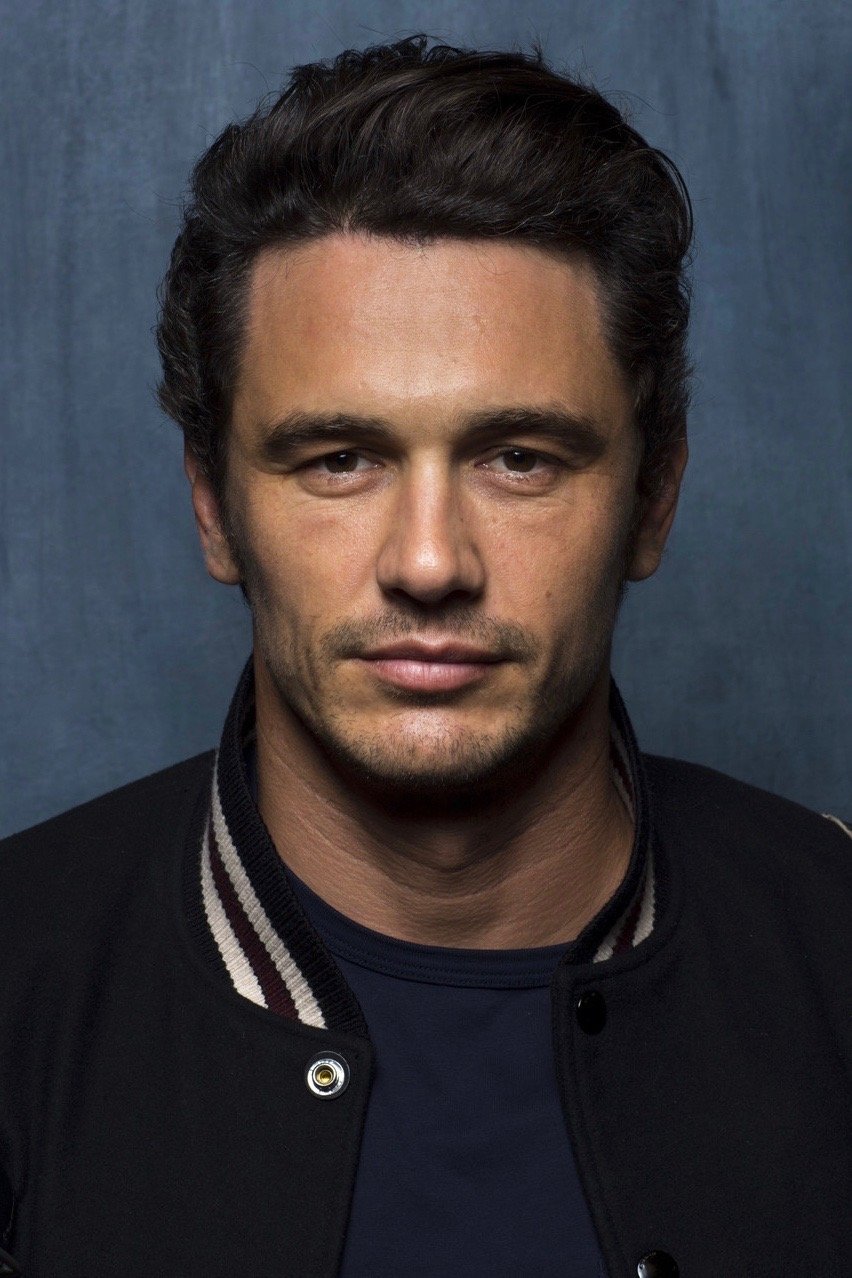
Franco has portrayed several gay characters throughout his career, including roles in ‘Milk’ and ‘I Am Michael’. He faced backlash for what some critics called a fetishization of queer identity across his various artistic projects. In ‘I Am Michael’, he played a former gay activist who became a Christian pastor and renounced his sexuality. This specific role drew criticism from those who felt the film gave a platform to harmful conversion narratives. The actor’s frequent immersion in these roles without being part of the community sparked long running debates about his intentions.
Armie Hammer
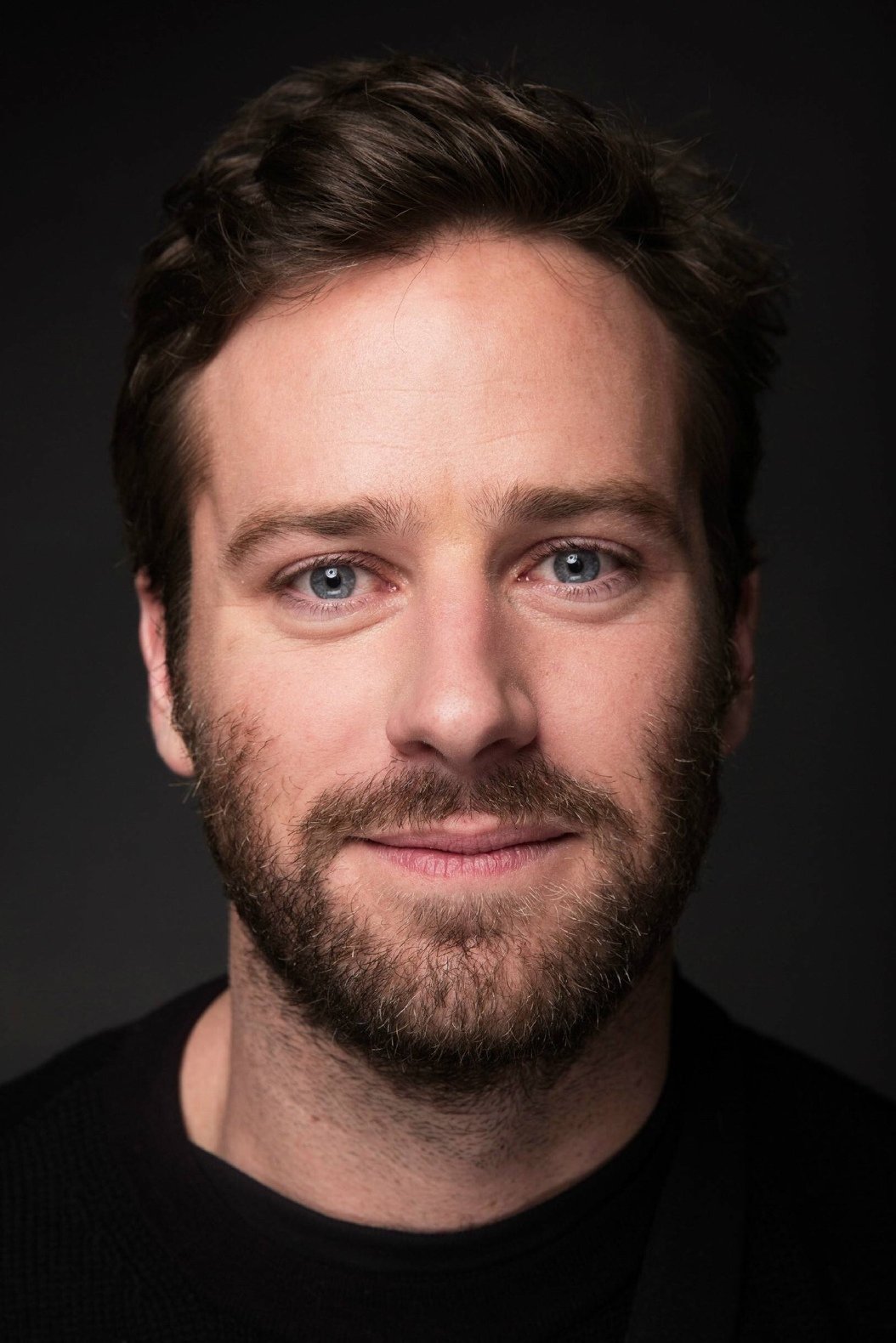
The actor starred in the romantic drama ‘Call Me by Your Name’ as Oliver, a graduate student who falls in love with a younger man. While the film was a critical darling, Hammer faced criticism for occupying a space that many felt belonged to a queer actor. The backlash intensified during the awards season as critics questioned the lack of real world representation among the film’s lead cast. Hammer often defended the film by focusing on the universal nature of the love story told on screen. The debate over his casting remains one of the most cited examples in the straight actor controversy.
Timothée Chalamet
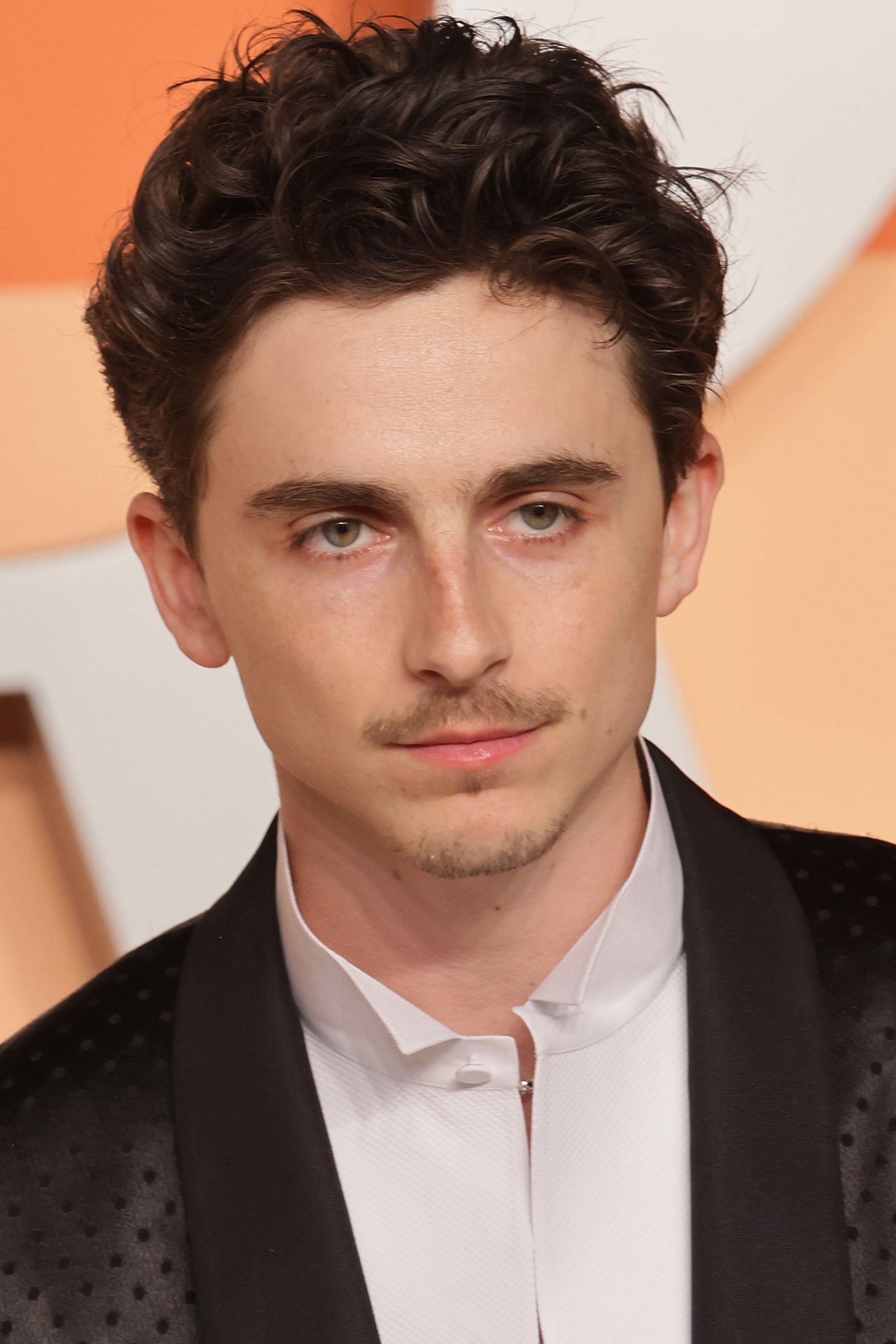
Chalamet rose to international fame for his role as Elio in ‘Call Me by Your Name’. Like his co-star, he faced scrutiny regarding his identity and whether he should have accepted the role of a queer teenager. Some critics argued that the film’s success relied on the appeal of two straight identifying actors in queer roles. Despite the backlash, Chalamet has continued to be a favorite in the industry and has avoided most of the harsher criticism directed at his peers. His performance is often cited as a high point for queer cinema despite the casting debates.
Stanley Tucci
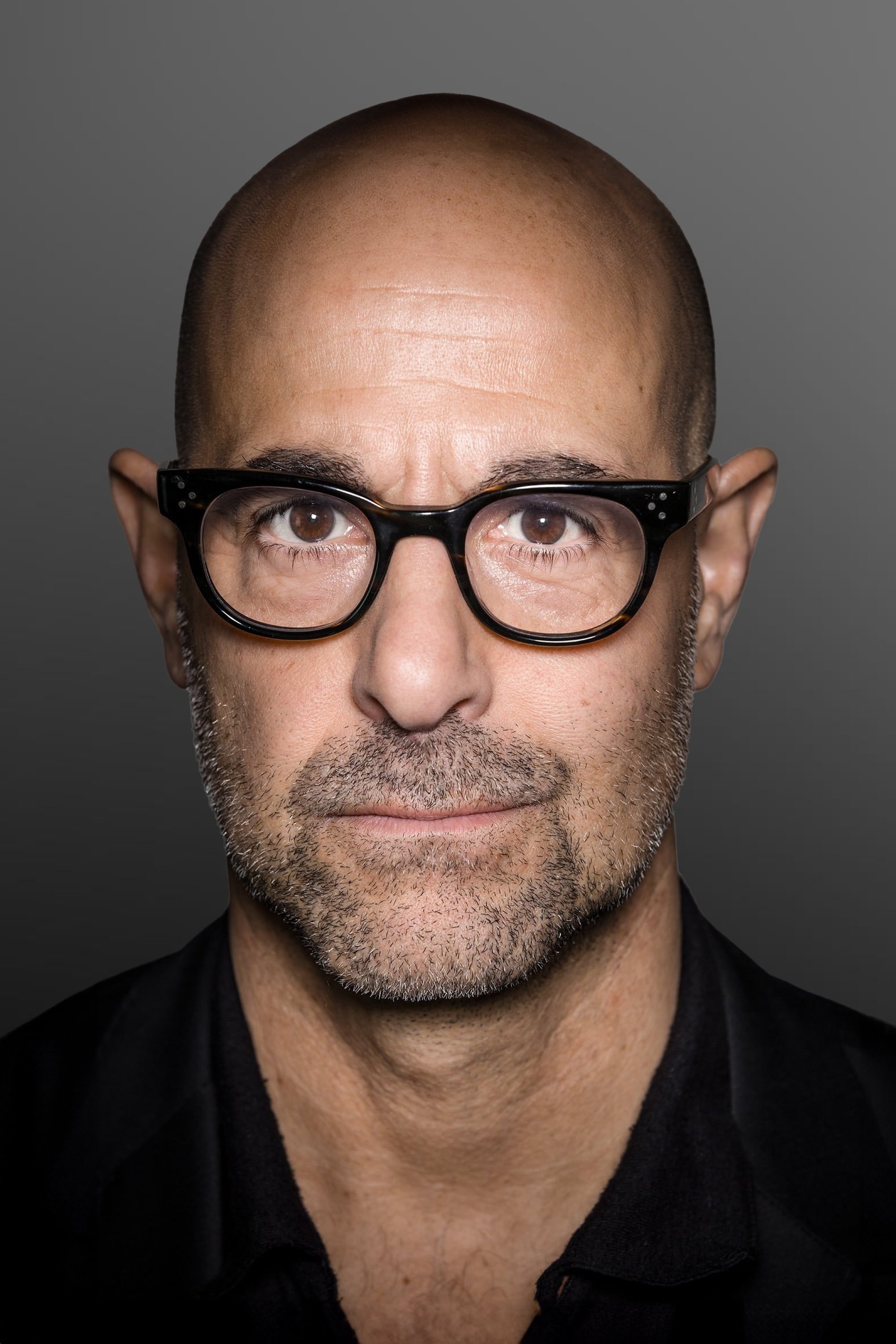
Tucci has played numerous gay characters throughout his career, most notably in ‘The Devil Wears Prada’ and ‘Supernova’. He faced backlash from some critics who questioned why he was consistently cast in queer roles over actual gay performers. During the release of ‘Supernova’, the debate became more vocal as audiences demanded more authentic casting in romantic dramas. Tucci has defended his choices by stating that an actor’s job is to play people who they are not. He remains one of the most frequent straight actors to be involved in this specific industry discussion.
James Corden
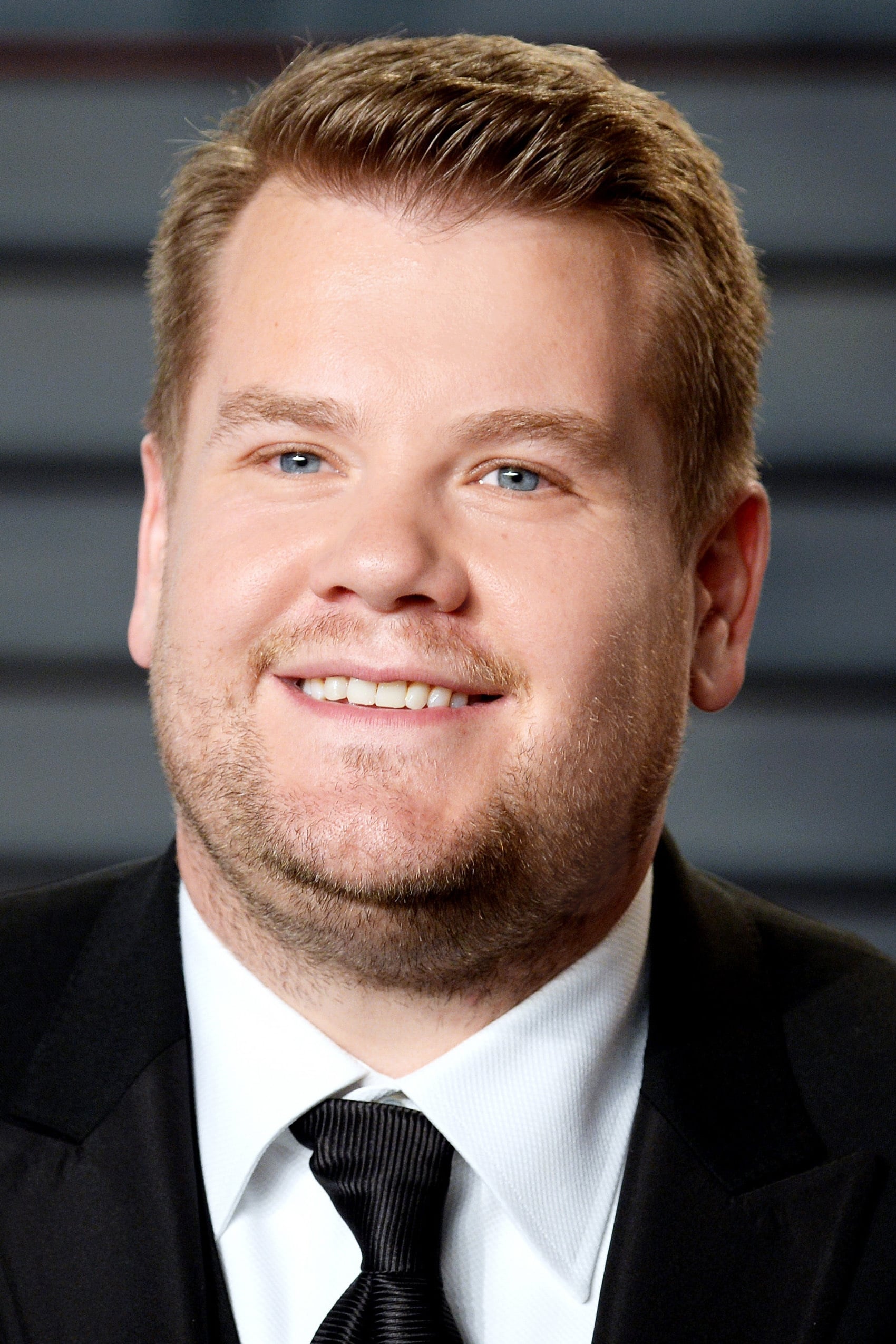
The performer faced some of the most intense backlash in recent years for his role in the musical film ‘The Prom’. Critics and audiences widely panned his performance as Barry Glickman, calling it an offensive and stereotypical portrayal of a gay man. Many argued that his mannerisms and affectations were a step backward for queer representation in cinema. The casting was heavily criticized because many talented gay musical theater actors were available for the role. This instance is often used as a primary example of how not to approach queer characters.
Rami Malek
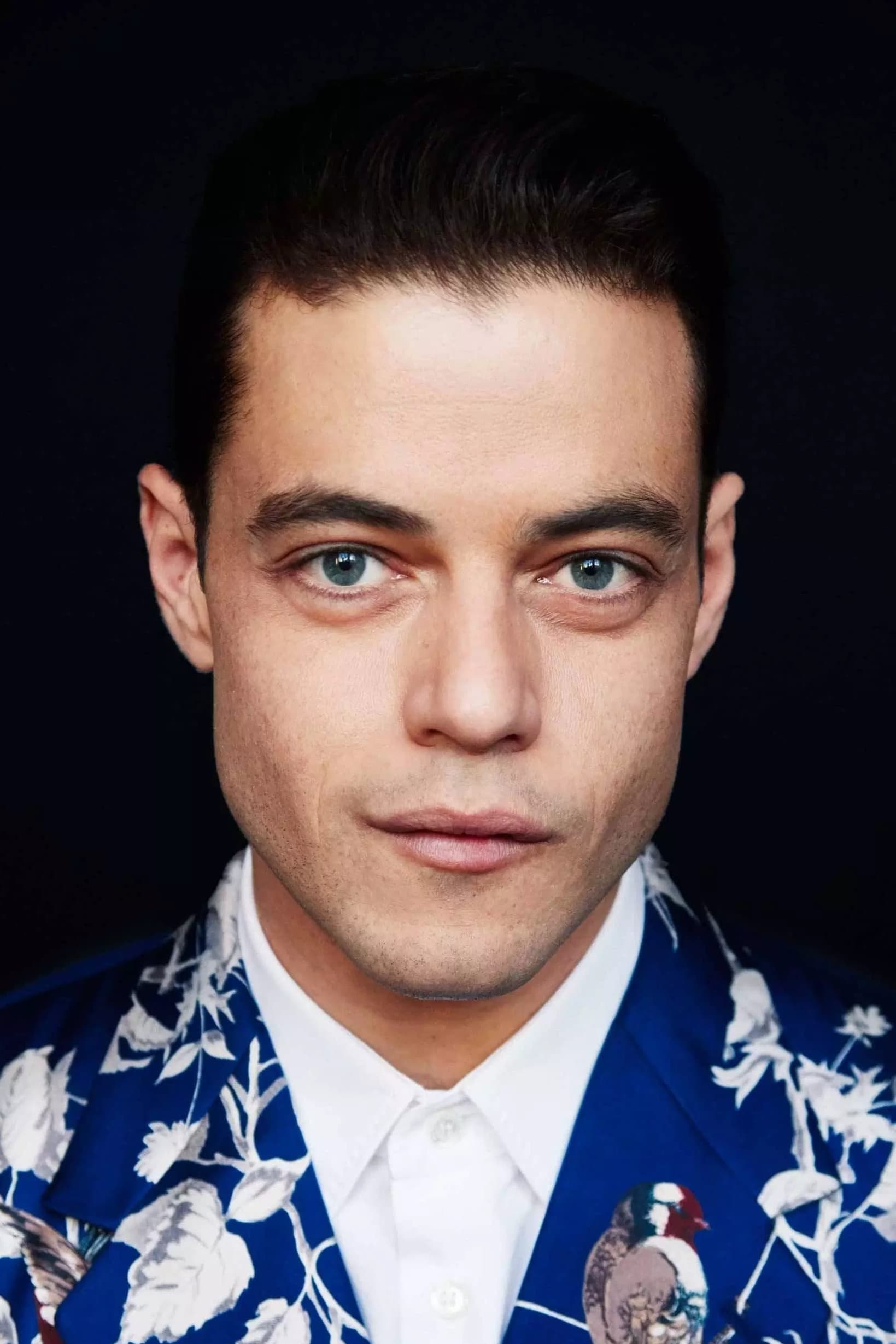
Malek won an Oscar for playing Freddie Mercury in the biopic ‘Bohemian Rhapsody’. However, he faced backlash from fans and critics who felt the film glossed over Mercury’s sexuality and his battle with illness. Many members of the LGBTQ+ community were disappointed that a straight actor was chosen to portray such a queer icon. The film was accused of prioritizing a heterosexual narrative for the sake of box office success. While Malek’s transformation was praised, the controversy surrounding the film’s script and casting persisted throughout its release.
Darren Criss
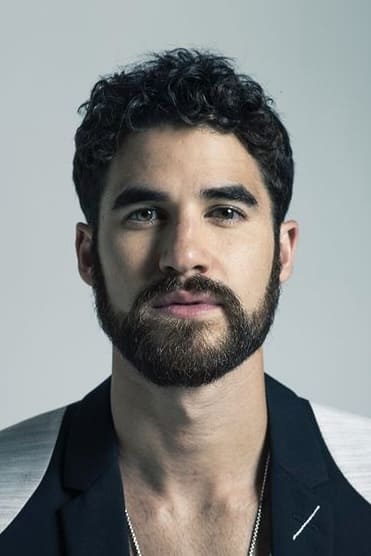
Criss became a household name playing gay characters on ‘Glee’ and later in ‘The Assassination of Gianni Versace’. He eventually faced backlash for consistently taking roles that many felt should have been given to queer actors. In response to the growing criticism, Criss publicly stated that he would no longer accept roles as gay characters. He explained that he wanted to ensure he was not depriving queer performers of the chance to tell their own stories. This decision was seen as a significant win for those advocating for more authentic casting in television.
Eric Stonestreet
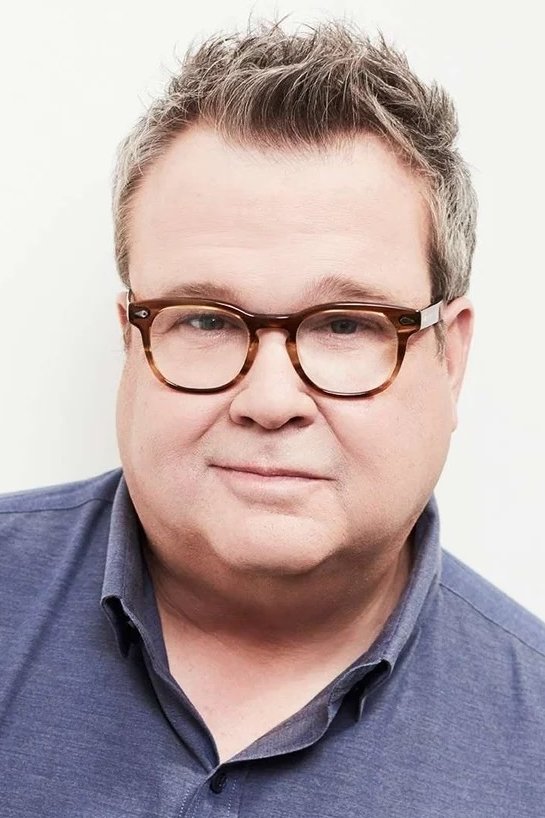
The actor won multiple awards for playing Cameron Tucker on the long running sitcom ‘Modern Family’. Despite the show’s popularity, Stonestreet faced backlash from some viewers who felt his portrayal was a collection of flamboyant stereotypes. Critics argued that having a straight man play such a heightened version of a gay man felt reductive. Over the years, the debate shifted as the character became a beloved part of television history. Stonestreet has often spoken about the responsibility he felt while representing the community on a major network.
Taron Egerton
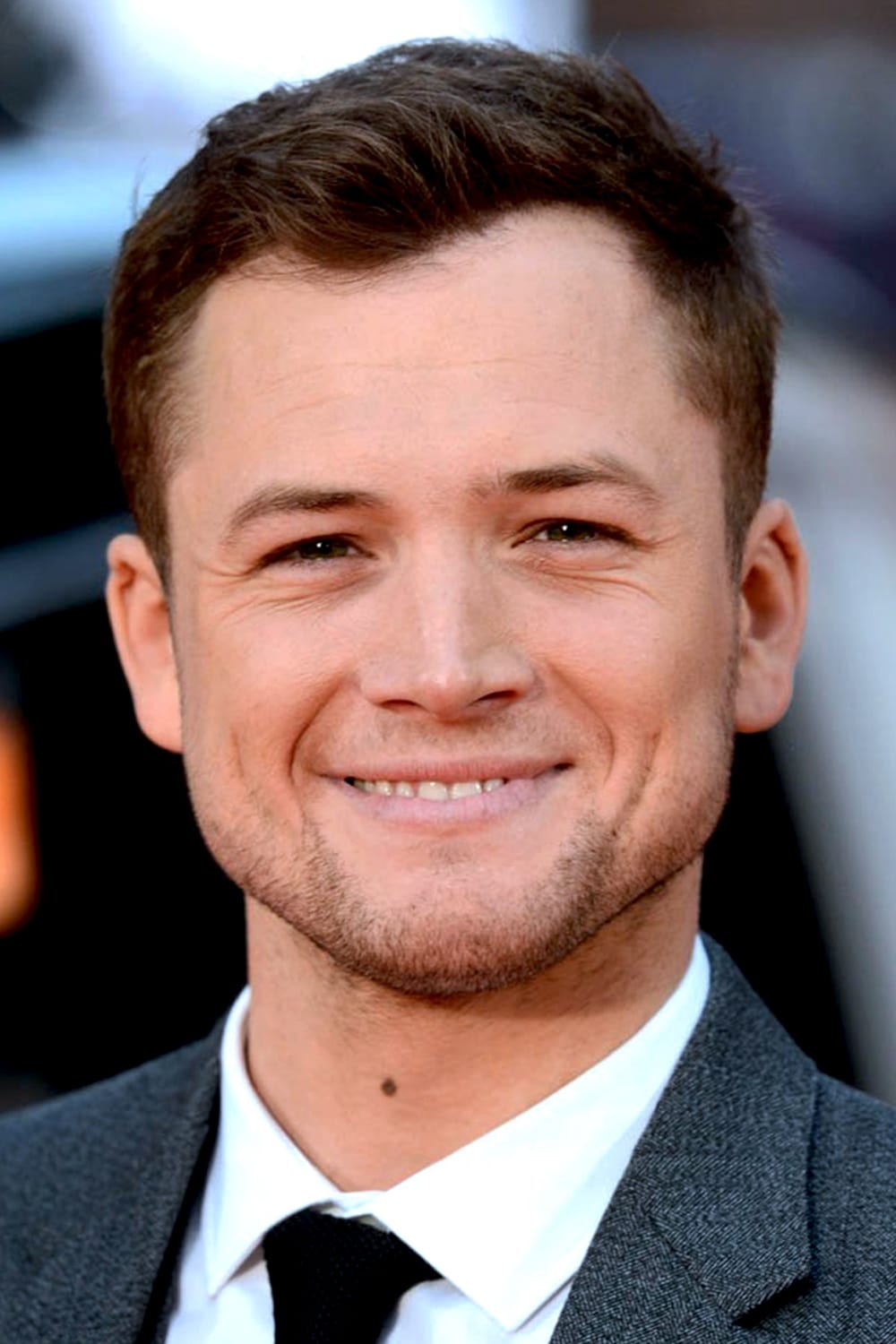
Egerton portrayed the legendary Elton John in the musical biopic ‘Rocketman’. While the performance was a hit, it did not escape the debate regarding straight actors in queer roles. Some critics argued that the film’s intimate scenes should have featured a gay actor to ensure authenticity. Egerton addressed the backlash by stating that he felt a deep connection to the role and wanted to honor the singer’s legacy. Elton John himself defended the casting, which helped quiet some of the initial criticism during the promotional tour.
Ewan McGregor
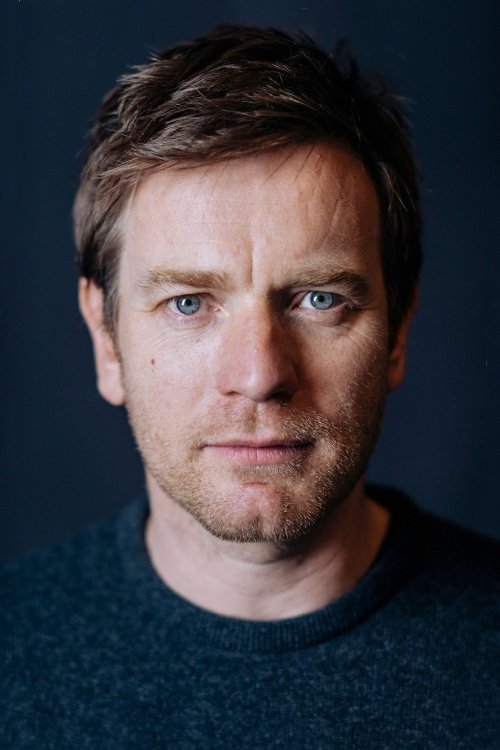
McGregor faced backlash for his role as the legendary fashion designer Halston in the Netflix miniseries of the same name. Critics questioned why a straight actor was chosen to play a man whose queer identity was central to his life and work. Some argued that McGregor’s portrayal missed the nuances that a gay actor might have brought to the character. McGregor defended the project by emphasizing that the story was about more than just sexuality. The controversy highlighted the increasing pressure on studios to cast queer actors in biographical projects.
Harry Styles
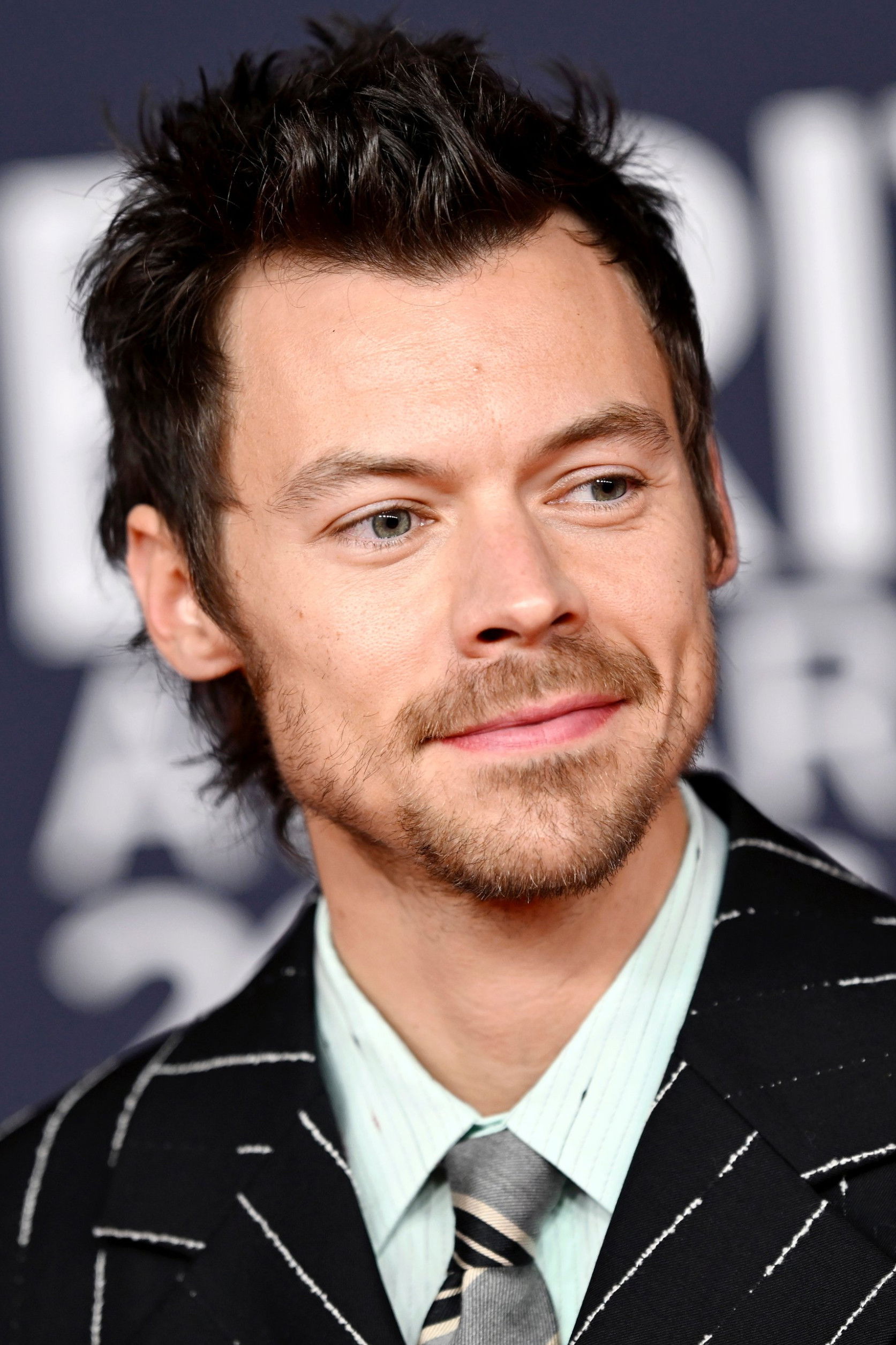
The singer and actor faced significant scrutiny for his role in the drama ‘My Policeman’. Much of the backlash centered on his comments regarding the filming of intimate scenes and his perceived lack of transparency about his own identity. Critics and social media users accused him of queerbaiting to promote the film while taking a role away from an out gay actor. The debate overshadowed the film’s release and sparked a wider conversation about the marketing of queer stories. Styles has generally remained private about his personal life despite the ongoing public pressure.
Nick Jonas
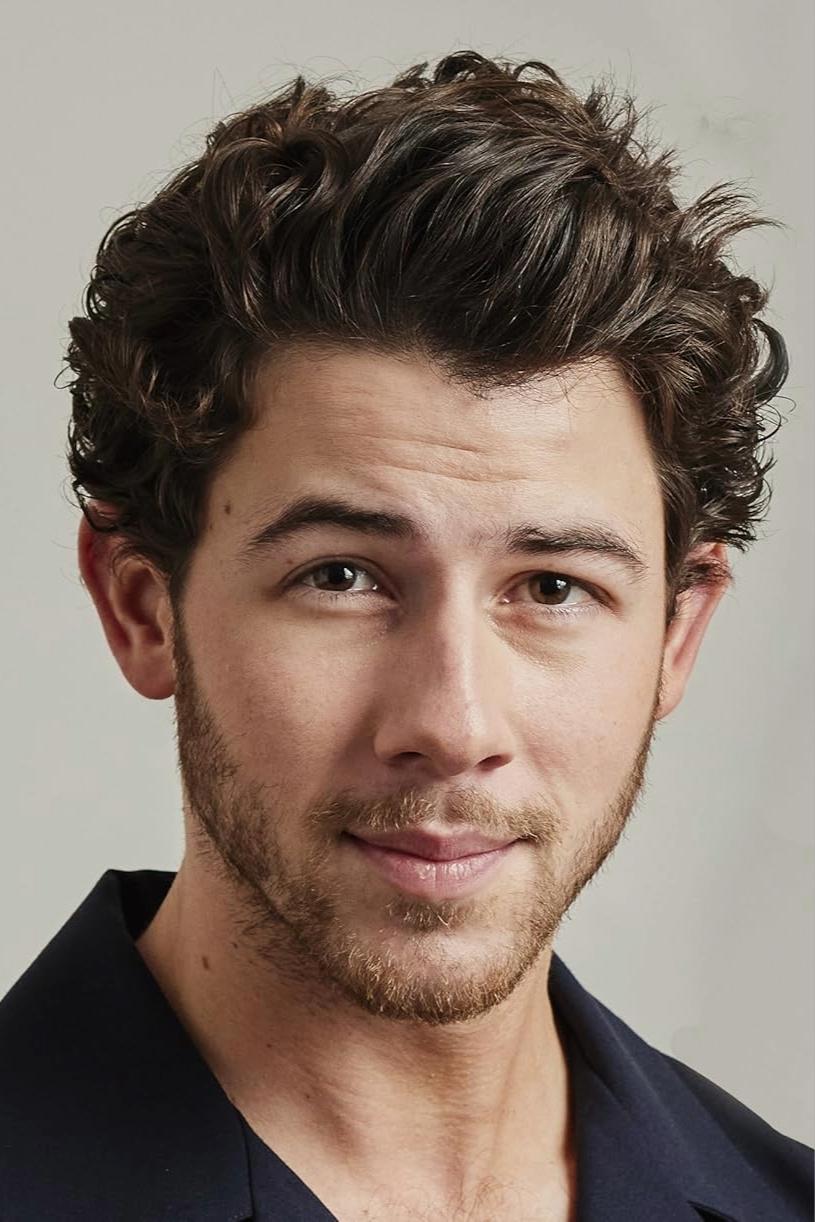
Jonas faced backlash for playing gay characters in ‘Kingdom’ and ‘Scream Queens’ during a period when he was also marketing his music to queer audiences. Critics accused him of using queer identity as a costume to build his brand without being part of the community. This led to accusations of queerbaiting and taking roles that could have elevated queer actors. Jonas responded by saying he was simply drawn to complex characters and meant no disrespect. The controversy sparked a long running discussion about the ethics of straight pop stars taking on queer roles.
Tom Hanks
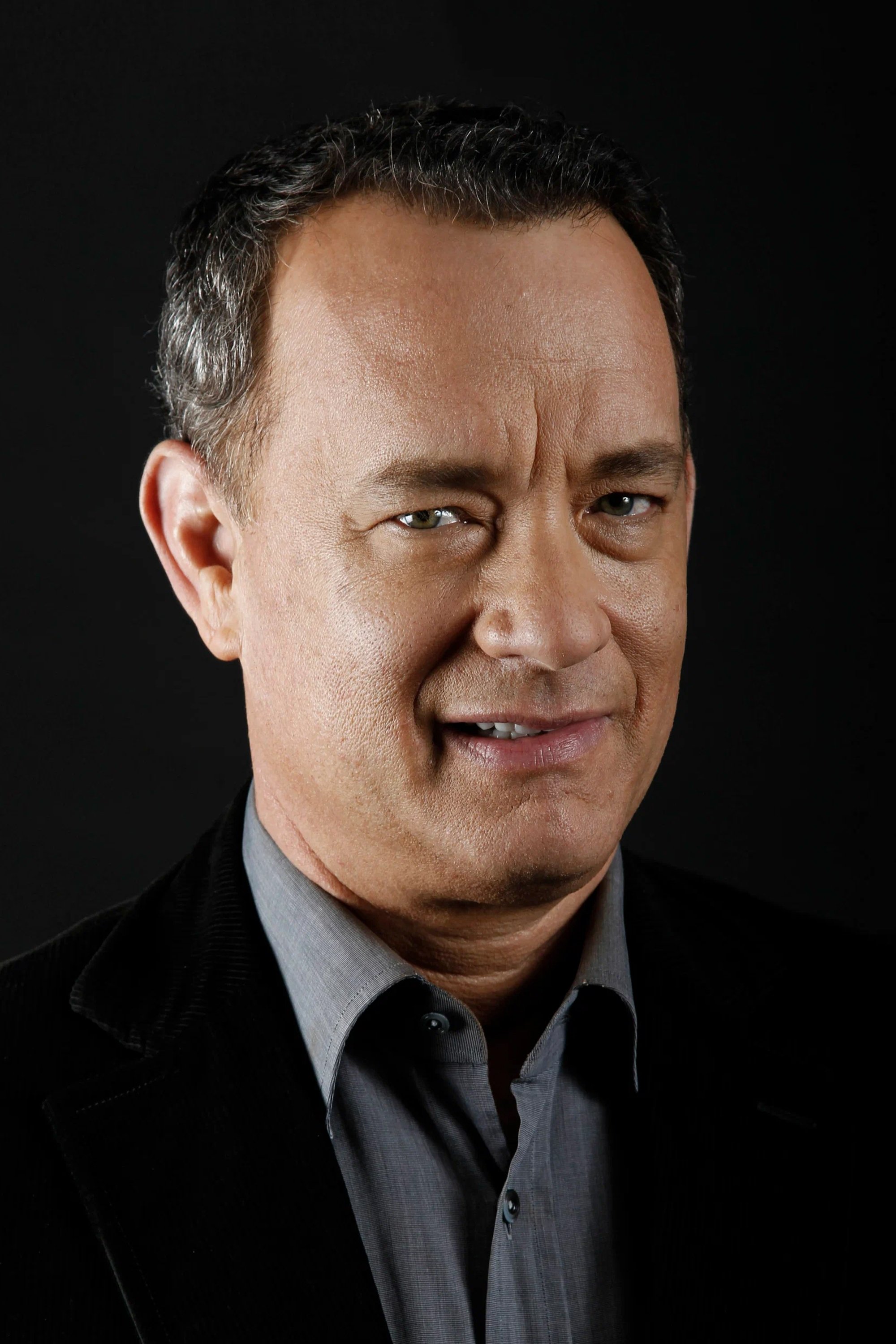
Hanks won an Academy Award for his role as a lawyer with AIDS in the film ‘Philadelphia’. While the film was a major milestone for representation in the early nineties, it has recently faced retrospective backlash. Critics and even Hanks himself have acknowledged that a straight man would likely not be cast in that role today. The actor has stated that it was right for audiences to demand more authenticity in modern storytelling. His comments reflect the massive shift in industry standards over the last three decades.
Michael Kenneth Williams
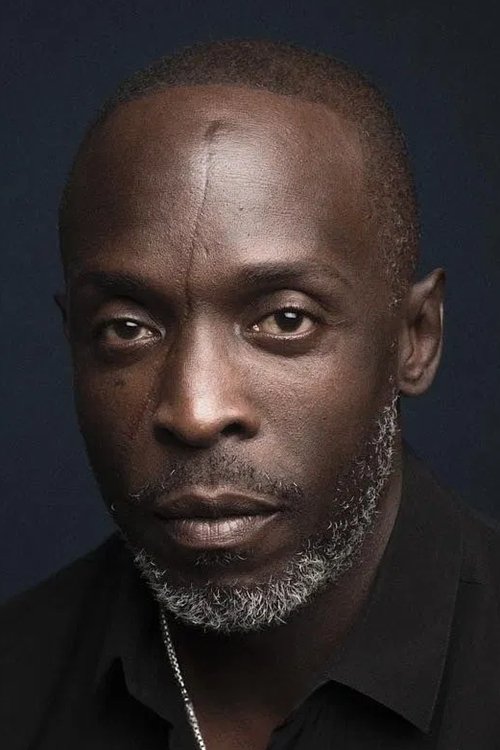
The late actor faced unique challenges for his role as Omar Little on ‘The Wire’. While he is now a legend, he initially faced backlash from some segments of the audience who were not ready for a queer character in a gritty urban drama. Williams spoke about how the role brought him both acclaim and unwanted negative attention in his daily life. He was a straight man who fought hard to ensure the character was portrayed with dignity and complexity. His work is now seen as a major turning point for the representation of Black queer men on television.
Bradley Cooper
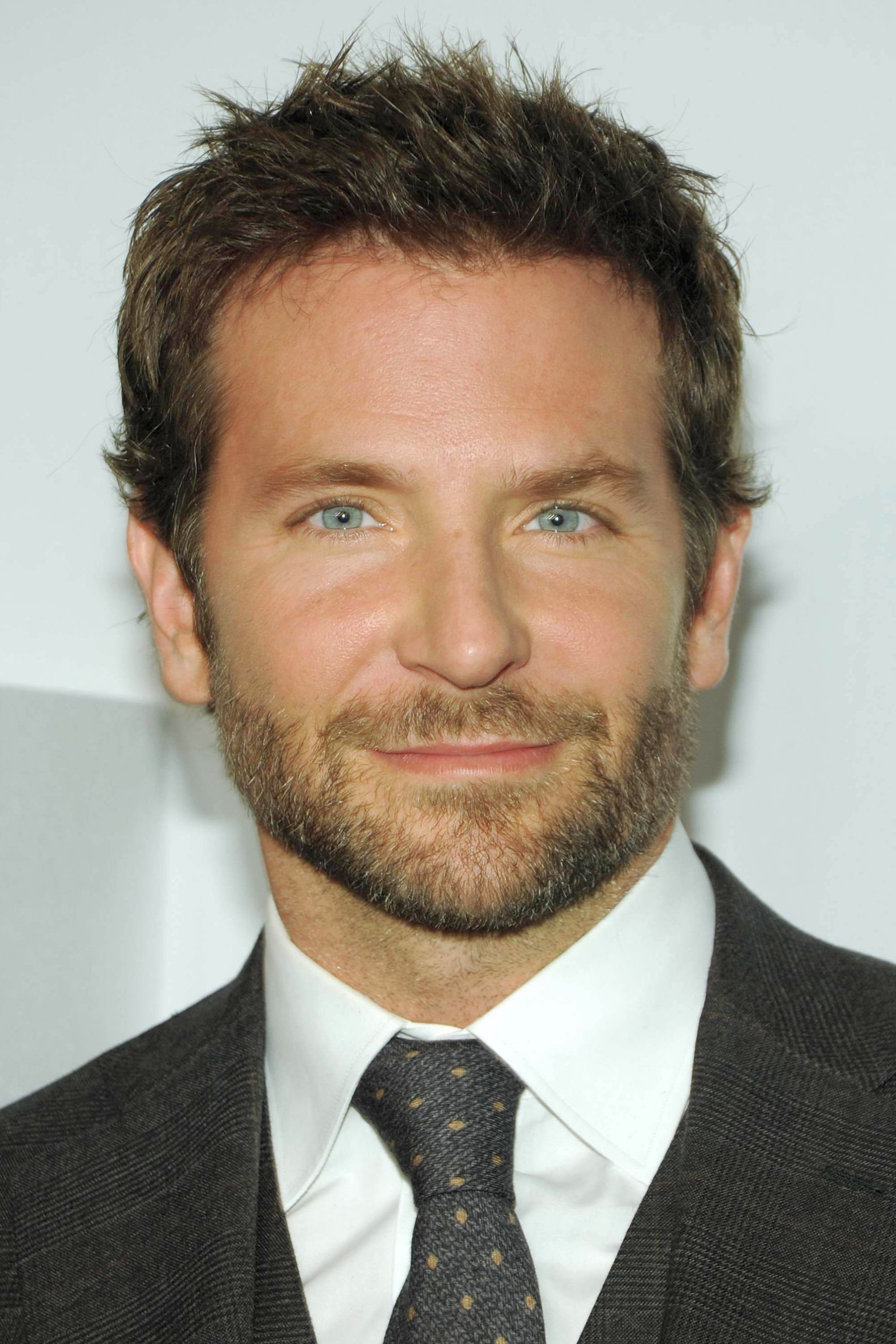
Cooper faced backlash for his portrayal of composer Leonard Bernstein in the film ‘Maestro’. The controversy focused on his use of a prosthetic nose and the decision for a straight actor to play the complicated queer figure. Many critics felt the film focused more on his marriage than his queer identity, which some perceived as an erasure of his true self. The backlash grew as the film entered the awards cycle, with many questioning the motivations behind the casting. Cooper remained focused on the merits of the project throughout the criticism.
Matt Damon
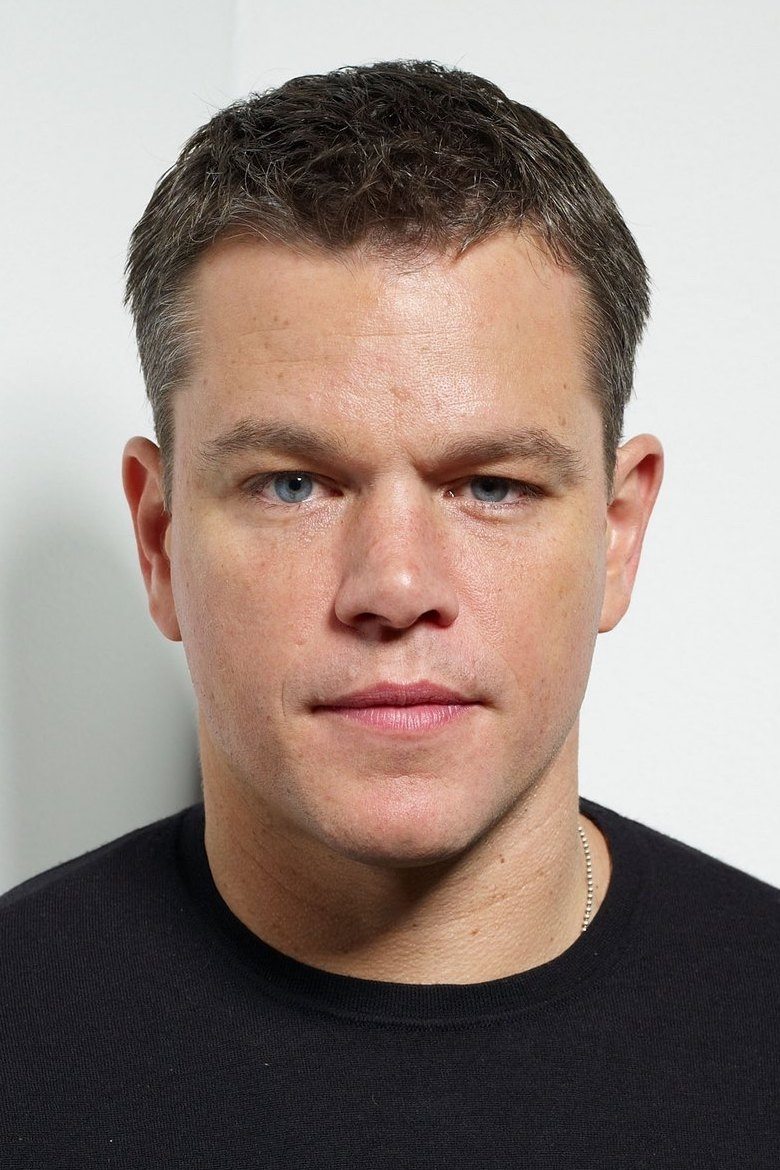
Damon starred as Scott Thorson in the film ‘Behind the Candelabra’ opposite Michael Douglas. He faced backlash for his comments during the press tour regarding whether actors should stay in the closet to protect their careers. Many felt his remarks were insensitive to the struggles of queer performers in the industry. The controversy was compounded by the fact that the film featured two major straight stars playing a gay couple. Despite the social media outcry, the film was a critical success and won several major awards.
Brendan Fraser
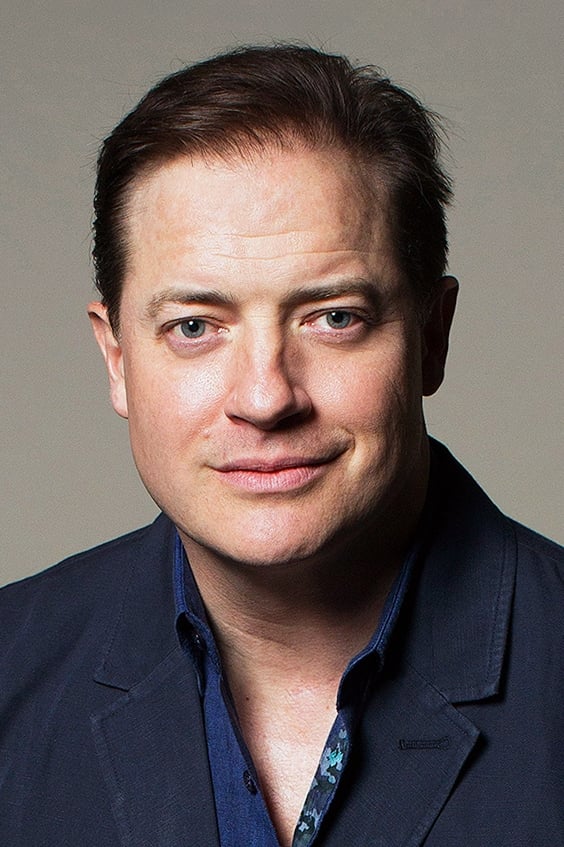
Fraser faced significant backlash for his role in ‘The Whale’, where he played a gay man living with severe obesity. Critics questioned why a straight actor was cast in a role that dealt so heavily with queer trauma and physical struggle. The use of a fat suit also became a point of contention for activists who demanded more authentic representation. Fraser defended the film as a story about empathy and human connection. The debate lasted throughout the entire awards season, even as Fraser won the Oscar for best actor.
Cillian Murphy
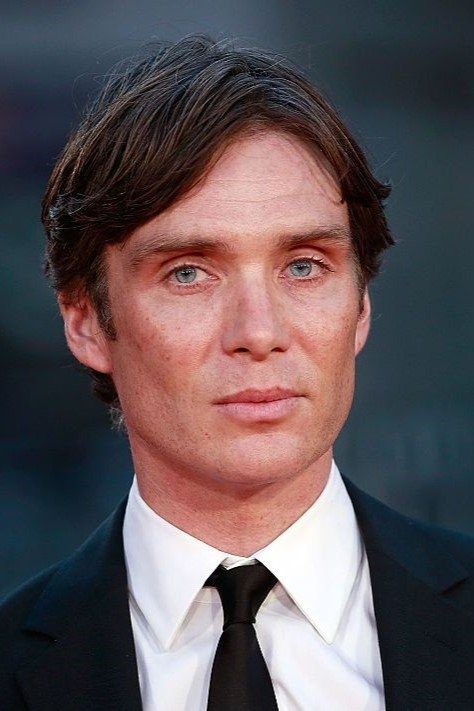
The actor starred as a trans woman in the film ‘Breakfast on Pluto’. At the time of its release, the performance was praised for its sensitivity, but it has since faced criticism in the modern context. Many activists point to it as an example of the industry’s long history of casting cisgender men in trans roles. Murphy has acknowledged the changing landscape of casting and has expressed support for more inclusive practices. The film remains a complicated part of his filmography as discussions about representation continue to evolve.
Hugh Grant
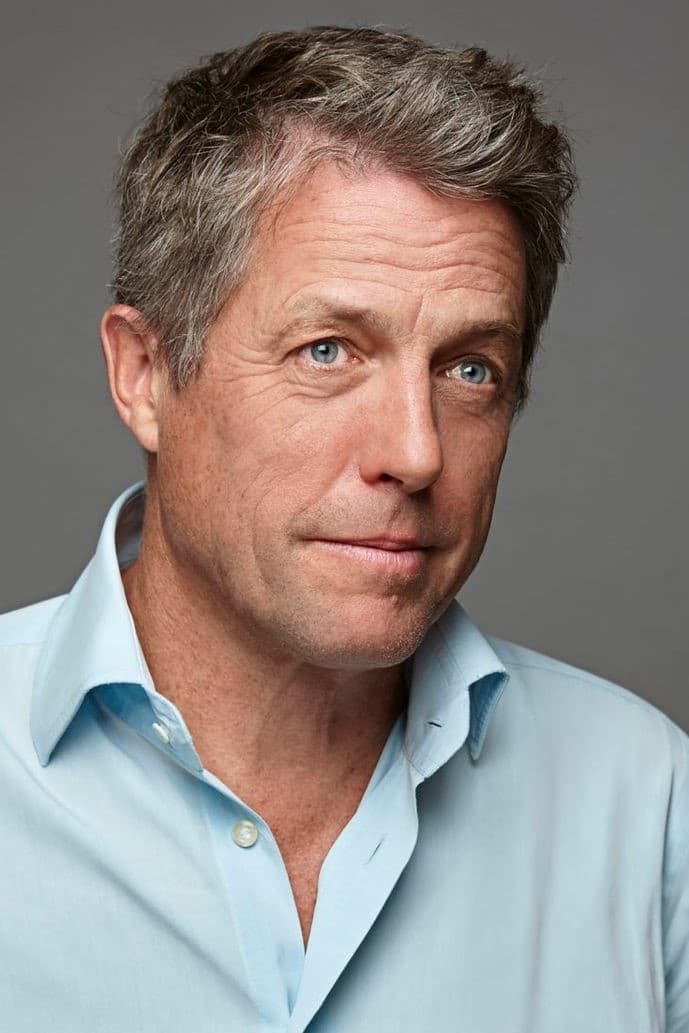
Grant played Jeremy Thorpe in the miniseries ‘A Very English Scandal’, which depicted a famous political sex scandal involving two men. He faced backlash from some viewers who felt the role should have gone to a gay actor to provide a more authentic perspective on the historical events. Grant stated that he understood the criticism but was drawn to the complexity of the script. The performance was ultimately well received, but it did not escape the ongoing debate about the necessity of queer actors in queer roles. The controversy helped bring more attention to the history of queer repression in British politics.
Colin Firth
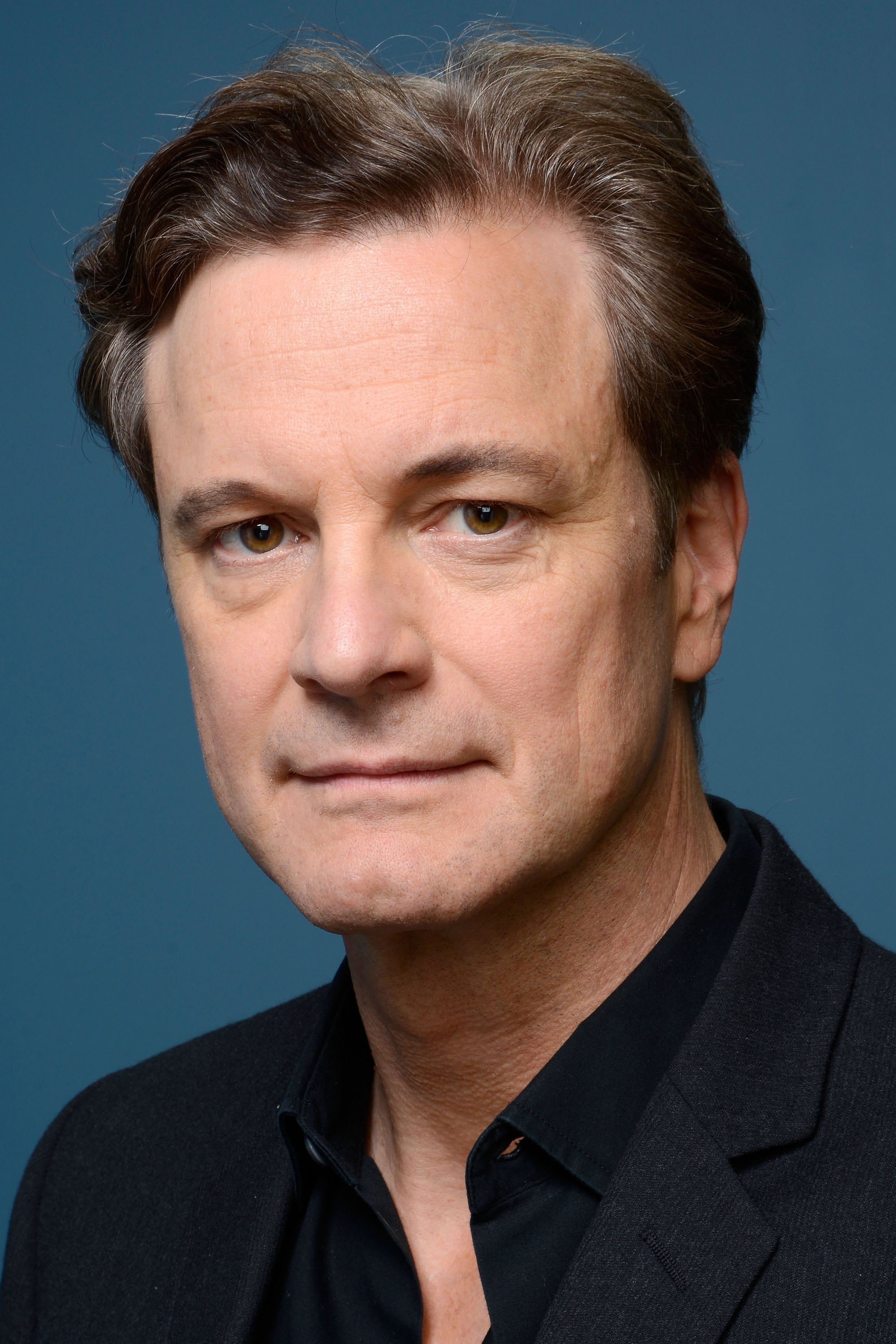
Firth has played several gay characters in films such as ‘A Single Man’ and ‘Supernova’. He faced criticism for taking these roles instead of leaving them for queer actors who might not have his level of fame. During the release of ‘Supernova’, the debate became particularly heated as audiences called for more diversity in romantic leads. Firth has addressed the issue by stating that he finds the conversation important and necessary for the industry. He continues to be one of the most prominent actors associated with this specific casting controversy.
Jude Law
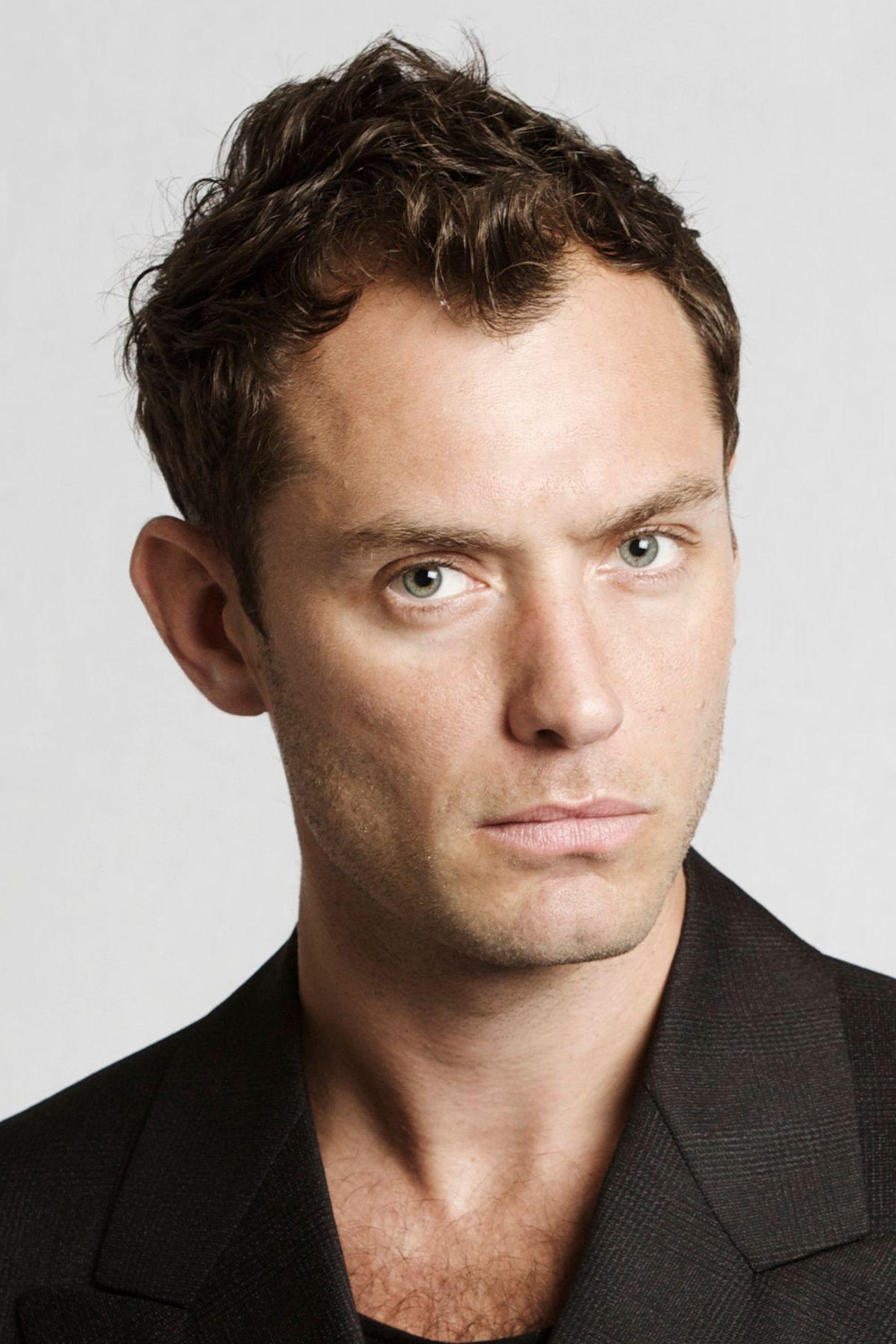
Law faced backlash for his portrayal of a young Albus Dumbledore in the ‘Fantastic Beasts’ franchise. The controversy was primarily focused on the film’s initial refusal to explicitly show the character’s sexuality on screen. Fans felt that Law and the filmmakers were participating in a form of erasure by keeping the character’s history in the background. Law eventually spoke about the character’s identity in interviews, but the backlash persisted through multiple film releases. This instance highlights how casting and script choices together can spark intense public debate.
Jack Whitehall
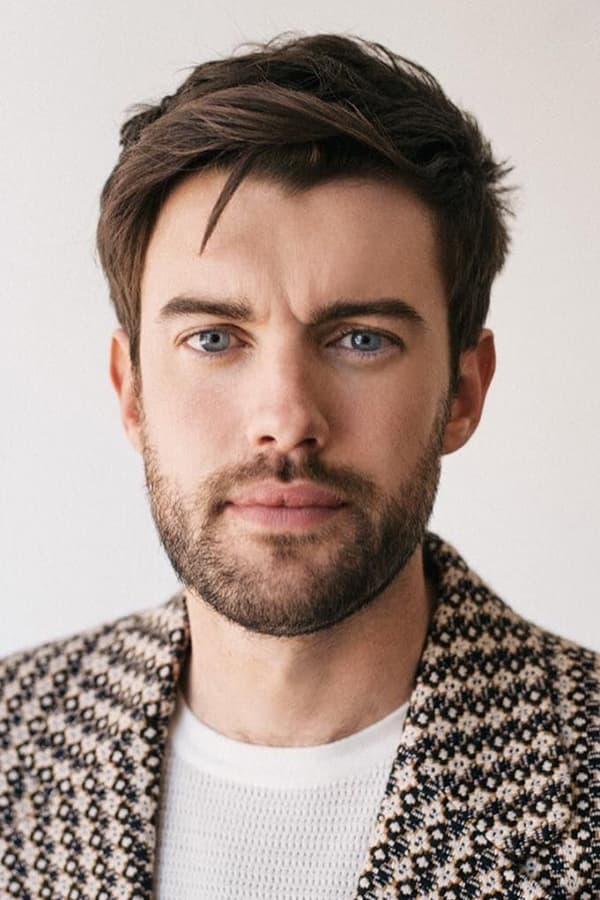
Whitehall was cast as a gay character in the Disney film ‘Jungle Cruise’, which led to immediate and intense backlash. Many critics were frustrated that Disney’s first major gay character in a blockbuster was being played by a straight comedian. The outcry was fueled by fears that the performance would be a campy stereotype rather than a nuanced portrayal. Whitehall expressed excitement about the role, but the social media reaction was largely negative before the film even premiered. The incident remains a key example of the pressure on major studios regarding representation.
Viggo Mortensen
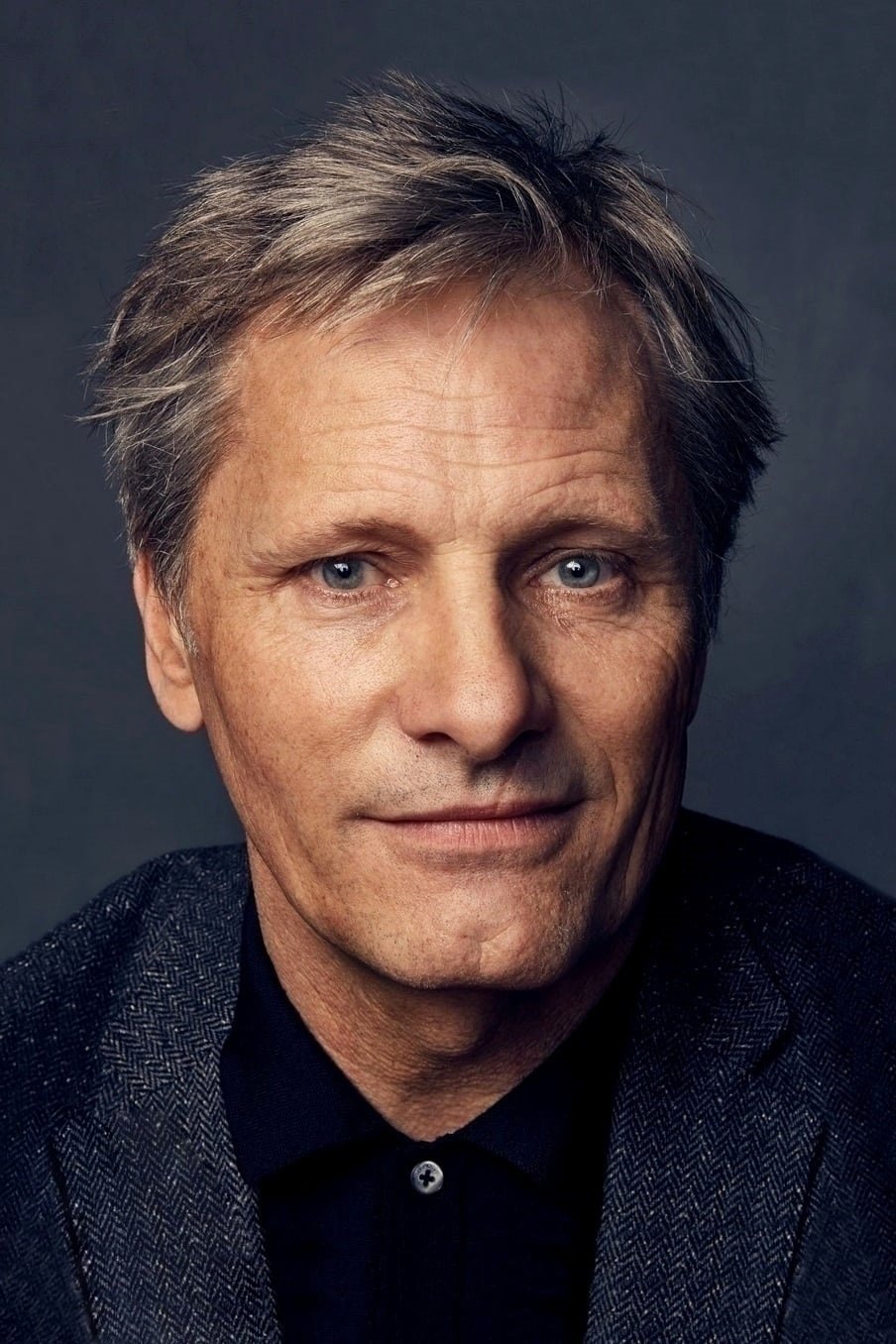
The actor directed and starred in the film ‘Falling’, where he played a gay man caring for his conservative father. He faced a wave of criticism from people who believed the lead role should have been played by a member of the LGBTQ+ community. Mortensen responded to the backlash by defending his right to play the character and pointing out that he does not publicly share every detail of his personal life. He argued that the focus should be on the quality of the acting rather than the identity of the performer. The debate surrounding the film highlighted the growing divide between traditional acting philosophies and modern representation goals.
Leonardo DiCaprio
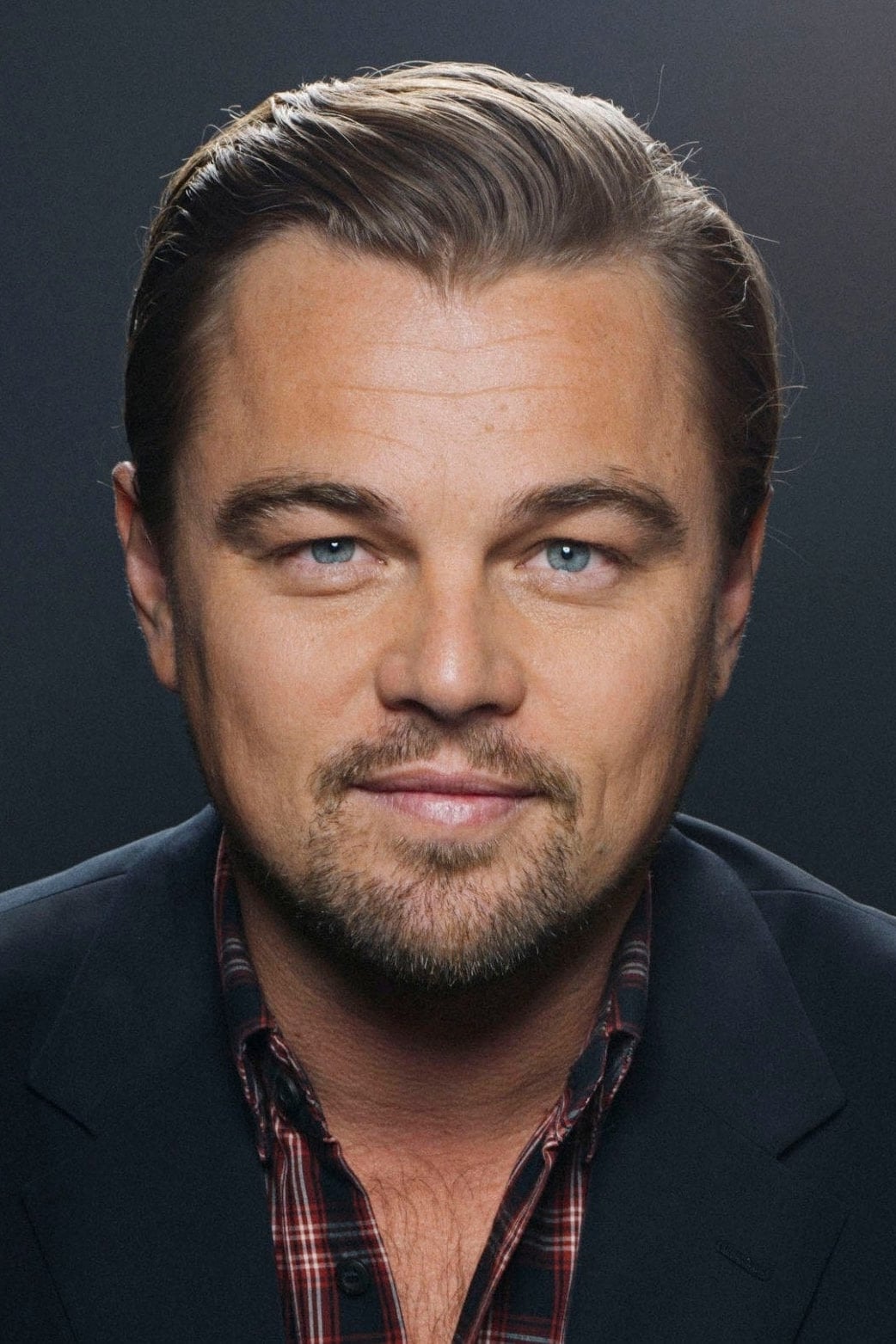
In the film ‘Total Eclipse’, a young DiCaprio played the poet Arthur Rimbaud, who was involved in a passionate relationship with Paul Verlaine. At the time, the film was controversial for its graphic depictions of a gay relationship involving a rising heartthrob. Some of his fans and critics in the mid nineties were unhappy with his choice to take such a provocative role so early in his career. The film did not perform well at the box office, and some attributed this to the backlash against its subject matter. Today, it is viewed as a bold choice that demonstrated his range as a serious actor.
Jim Carrey

Carrey starred in ‘I Love You Phillip Morris’, a dark comedy based on the true story of a con artist who falls in love with his cellmate. The film faced significant delays in its American release, which many attributed to the industry’s discomfort with a major comedy star playing a gay man. Carrey faced backlash from some who felt he was playing the role for laughs rather than sincerity. Despite the controversy, the film eventually gained a cult following for its unique tone and performances. It remains one of the more unusual entries in the history of mainstream queer cinema.
Will Smith
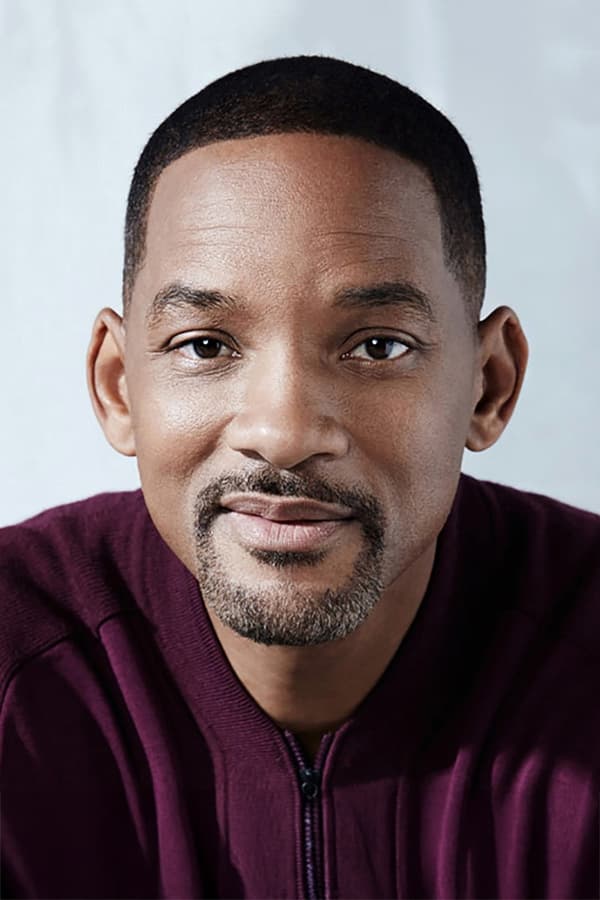
Smith faced backlash early in his film career for his role in ‘Six Degrees of Separation’. During production, he famously refused to kiss his male co star on camera, which led to the scene being shot with a body double or from behind. Critics and members of the queer community felt this decision was a slight against the character and the story. Smith later expressed regret for the choice, admitting that he was immature and afraid of how it would affect his public image. The incident is still discussed as a significant moment in the history of Hollywood leading men and queer roles.
Daniel Craig
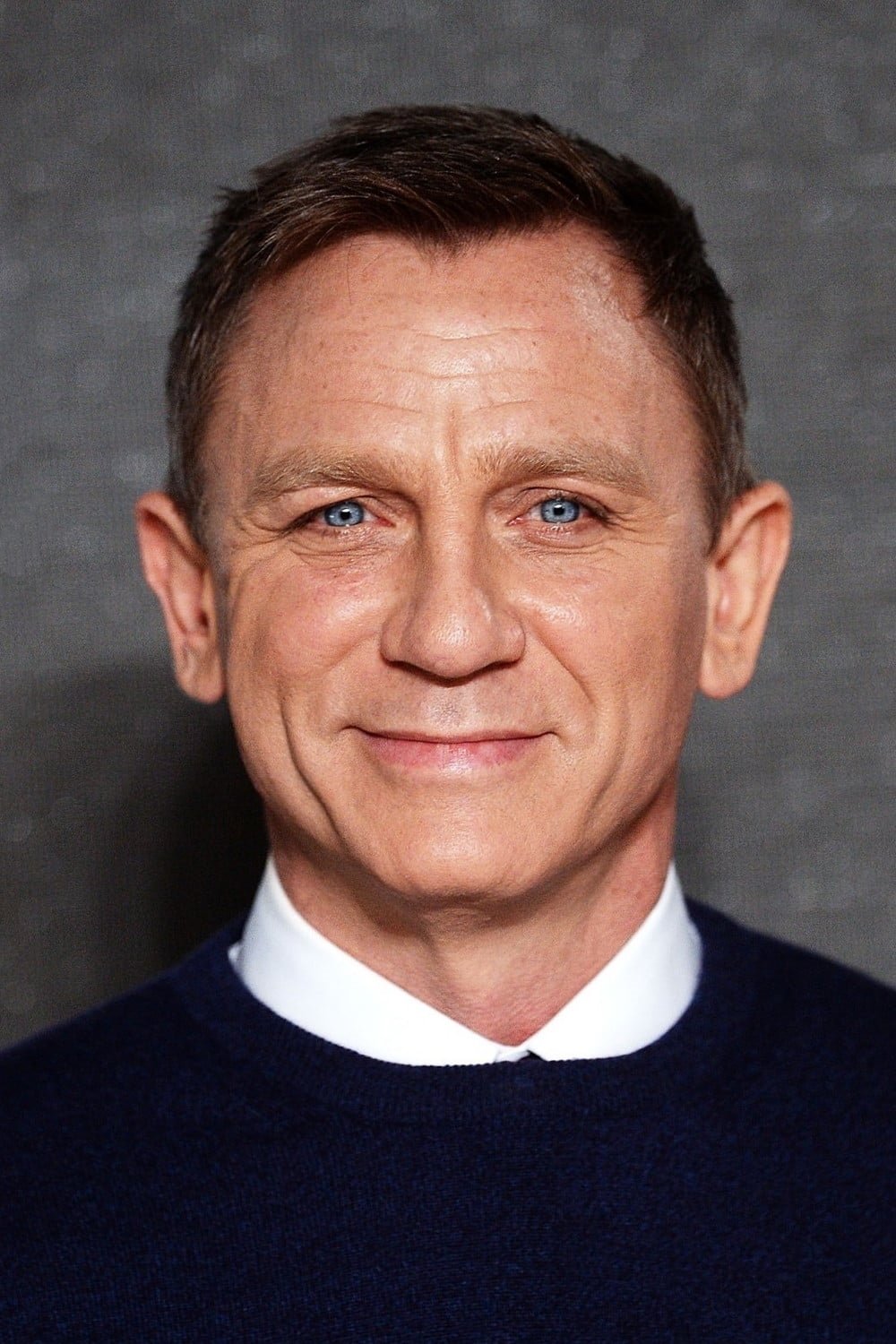
Before he was James Bond, Craig starred in ‘Love Is the Devil’ as the lover of painter Francis Bacon. The film was quite explicit and drew backlash from conservative audiences who were shocked by the intensity of the performance. Some industry insiders at the time questioned if the role would prevent him from ever being cast as a traditional action hero. Craig has always defended the film as a vital piece of artistic work that helped define him as a versatile actor. The controversy eventually faded as he achieved global superstardom in later years.
Richard Gere
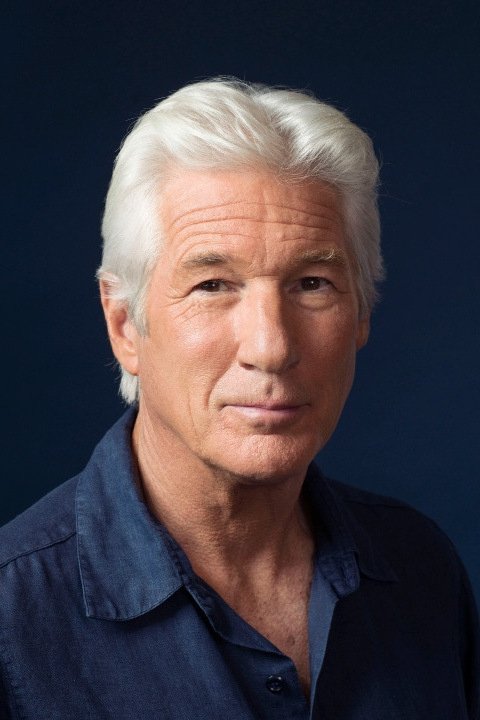
Gere starred in the Broadway production of ‘Bent’ as a gay man in a concentration camp, a role he later reprised for other projects. At the time, he was one of the first major Hollywood sex symbols to take on such a harrowing and explicitly queer role. He faced backlash from those who felt he was risking his career and from some critics who questioned his suitability for the part. Gere remained a staunch ally and used the platform to bring attention to the history of the Holocaust. His involvement in the project is now seen as a courageous moment for a mainstream star in that era.
Keanu Reeves
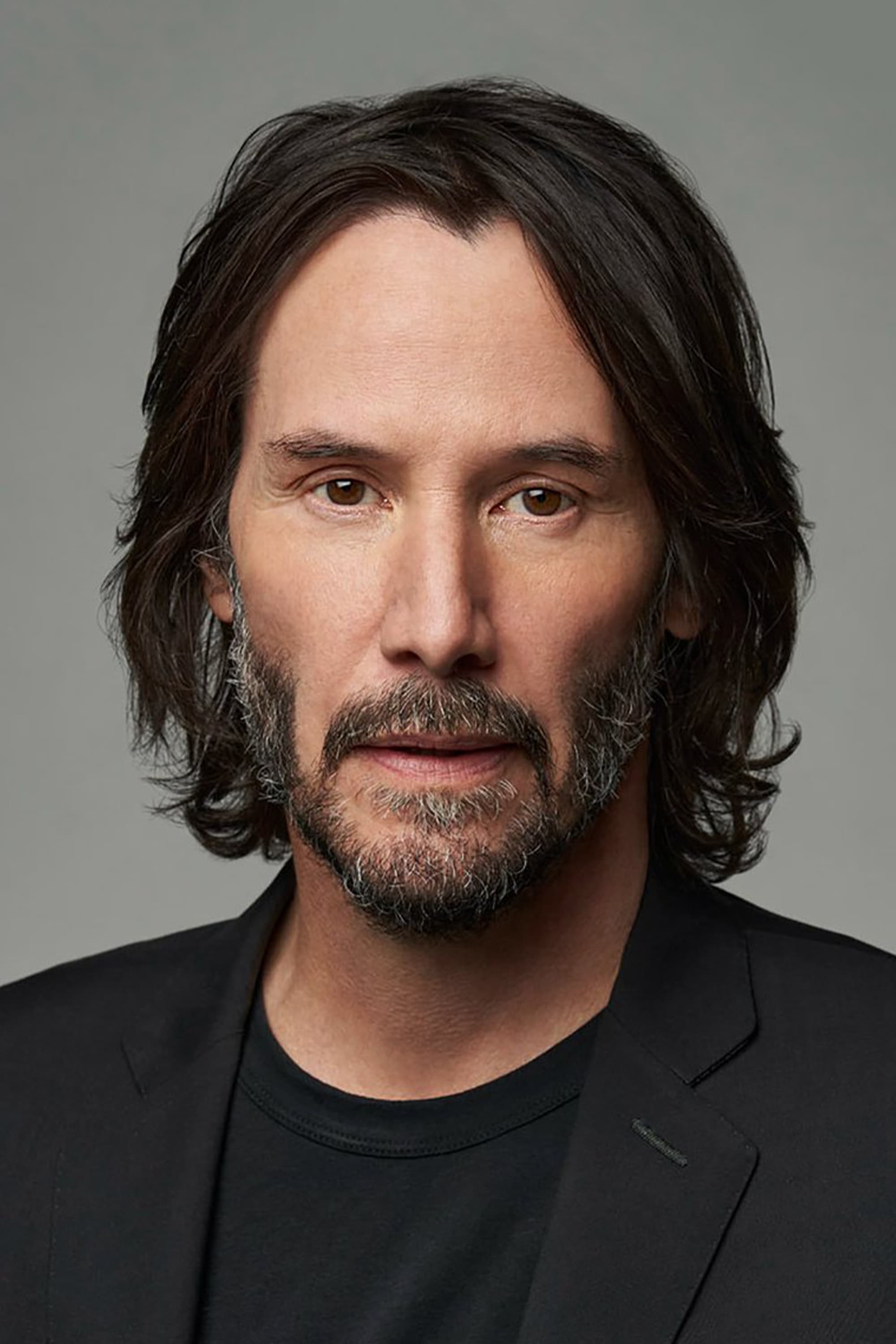
Reeves starred alongside River Phoenix in ‘My Own Private Idaho’, playing a street hustler from a wealthy family. The film was revolutionary but faced backlash from audiences who were not comfortable seeing two rising stars in a queer context. Some critics at the time dismissed the film as too experimental and criticized the lead performances as being too detached. Reeves has since spoken about how much he valued the experience and the artistry of director Gus Van Sant. The film is now regarded as a foundational text of the New Queer Cinema movement.
River Phoenix
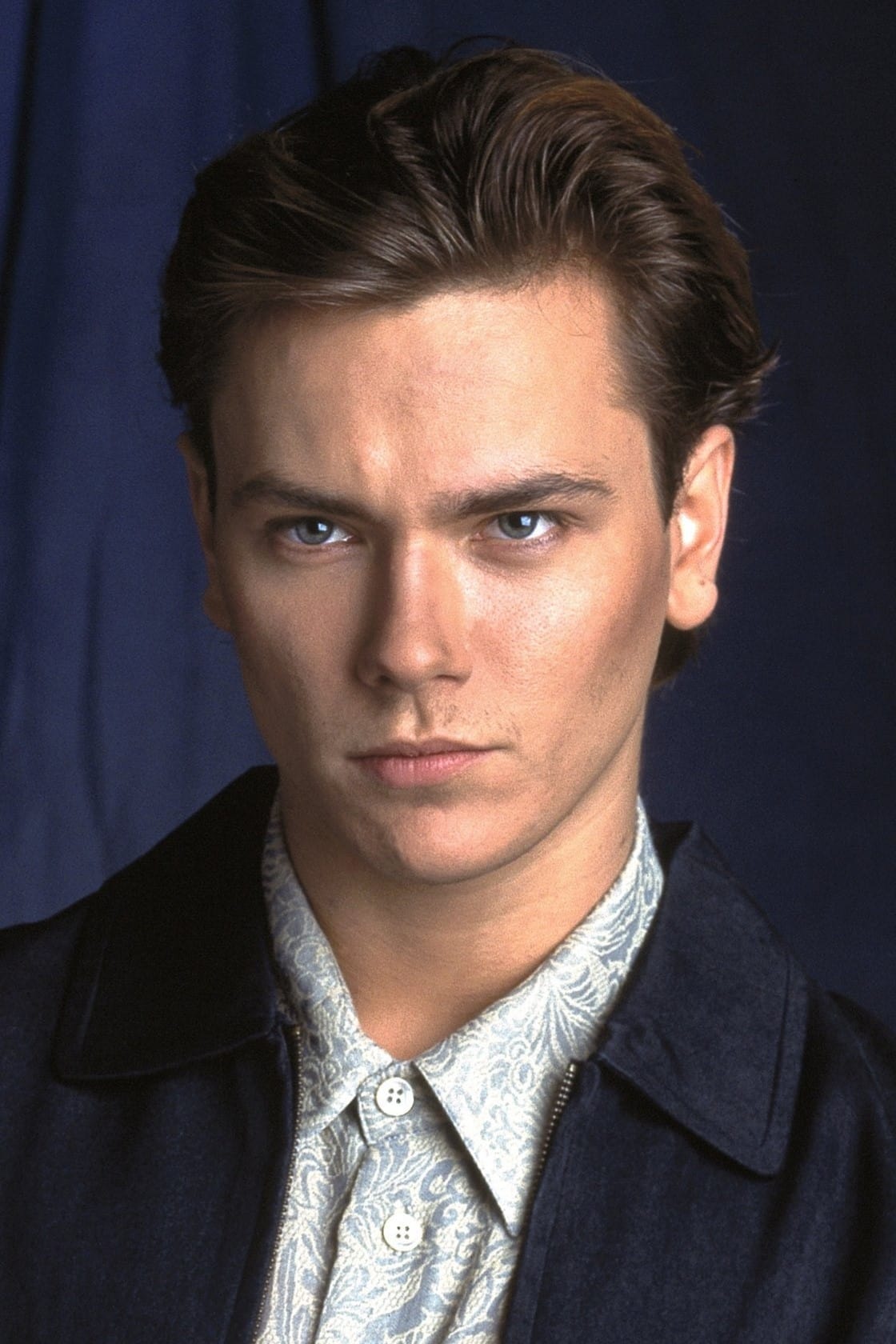
Phoenix received an Academy Award nomination for his role in ‘My Own Private Idaho’ but faced significant public scrutiny during the film’s release. Many people in the industry were surprised that a teen idol would take on a role that involved such vulnerability and queer themes. The backlash was often rooted in the limited perceptions of masculinity that dominated the early nineties. Phoenix was praised by his peers for his bravery and his dedication to portraying the reality of life on the streets. His performance continues to be a major influence on young actors today.
Nicholas Galitzine

The actor starred in ‘Red, White & Royal Blue’ as a British prince who falls in love with the son of the American president. He faced intense backlash on social media from fans who believed that the role should have gone to an out gay actor. The controversy was fueled by the high expectations of the book’s fanbase and the desire for more authentic representation in romantic comedies. Galitzine has addressed the criticism by stating that he approached the role with great respect and care. The film became a massive hit despite the initial debate surrounding the casting.
Taylor Zakhar Perez
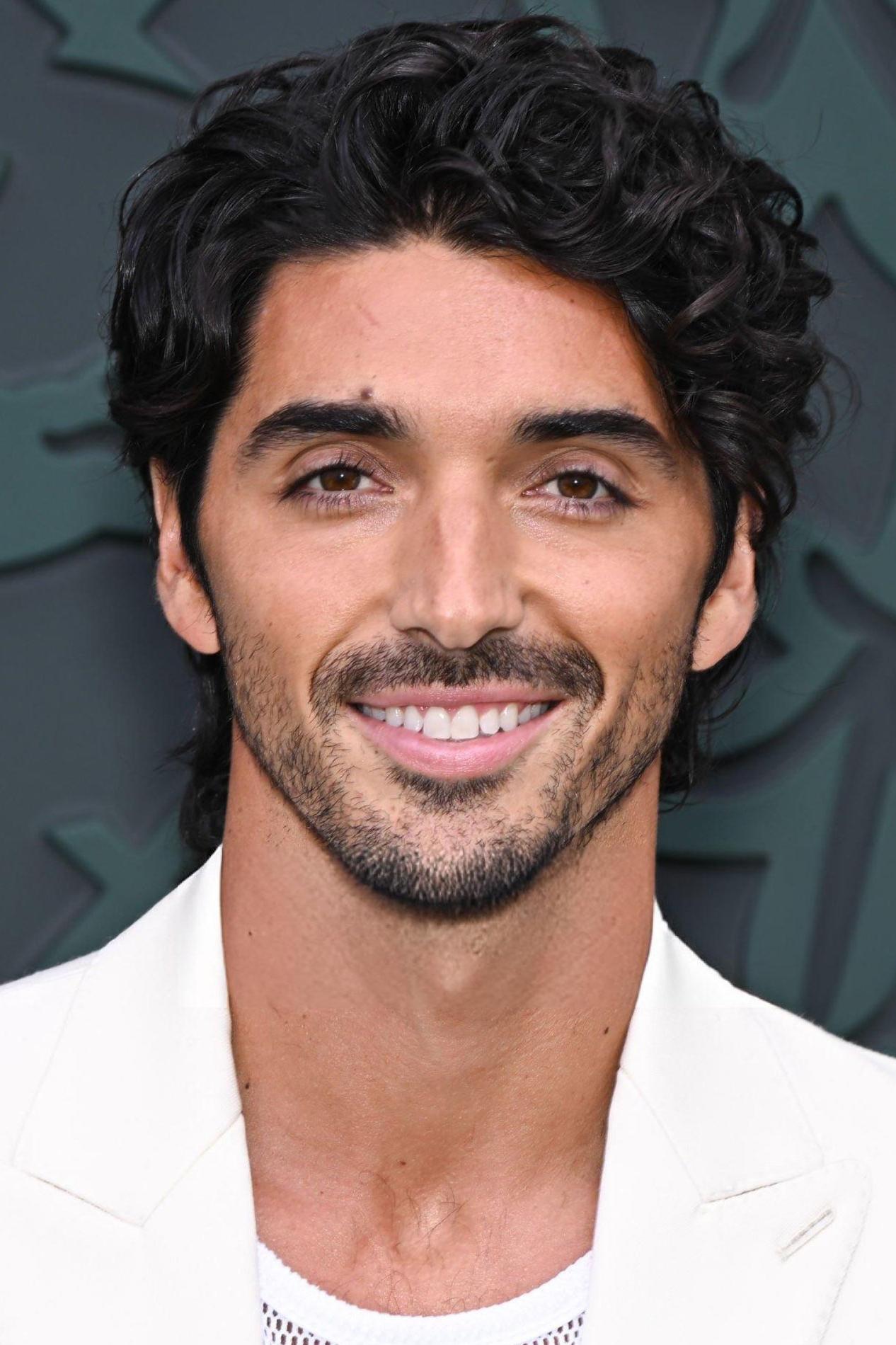
Perez played the lead opposite Nicholas Galitzine in ‘Red, White & Royal Blue’ and faced similar scrutiny regarding his sexuality. Many viewers on social media were vocal about their preference for queer actors in queer romantic roles. The backlash focused on the idea that straight actors often benefit from queer stories while actual queer actors remain underemployed. Perez defended the project and highlighted the positive message of the film. The discussion around his casting reflects the current climate where audiences are increasingly demanding transparency from performers.
Henry Golding
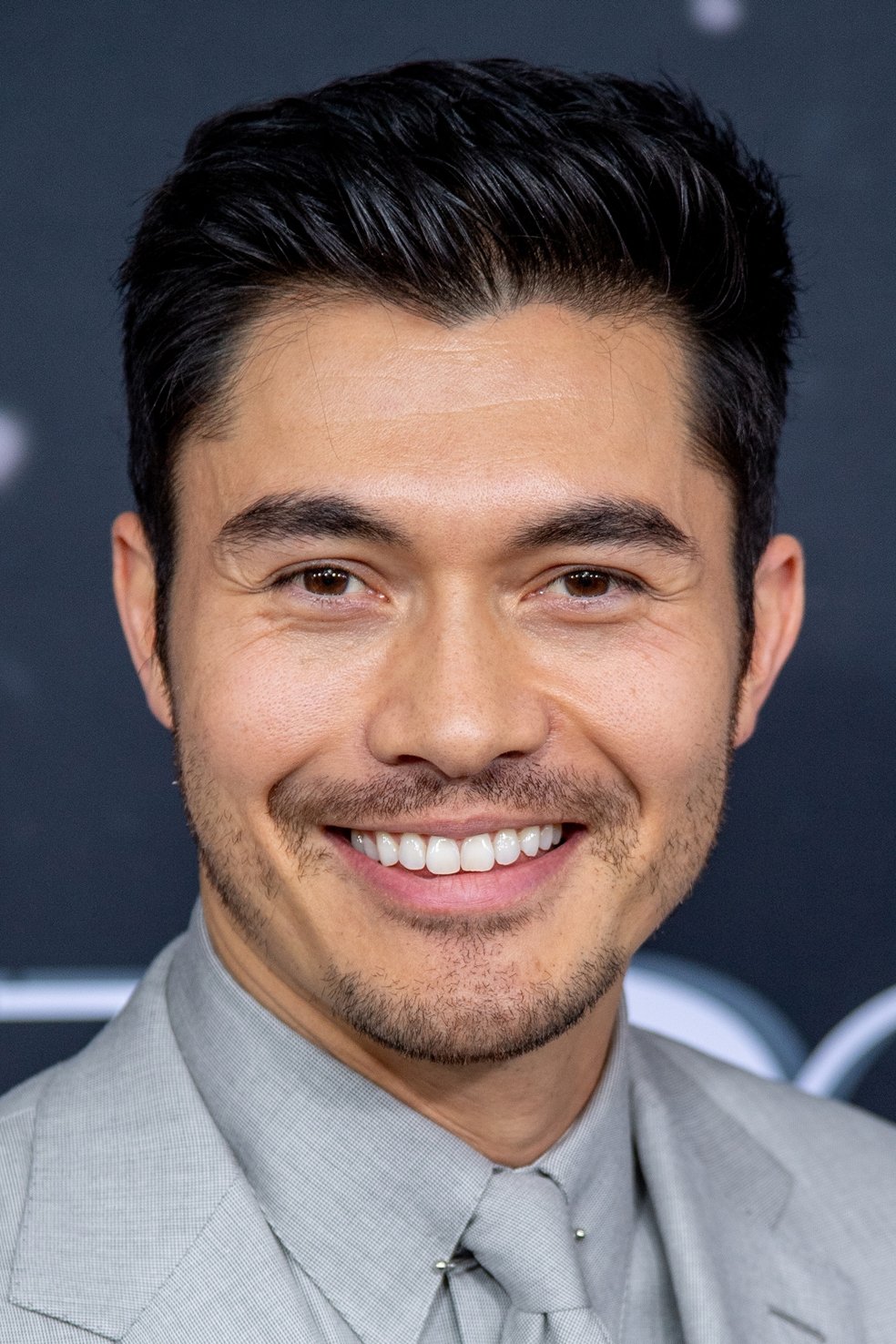
Golding faced backlash for his role in the film ‘Monsoon’, where he played a gay Vietnamese-British man returning to his home country. Critics and some members of the community questioned the casting of a straight man in a story that was so deeply rooted in personal identity. Some felt that the nuances of the character’s experience would have been better served by a queer actor. Golding responded by saying he understood the concerns and welcomed the conversation about representation. The film was praised for its quiet and contemplative nature despite the controversy.
Guy Pearce
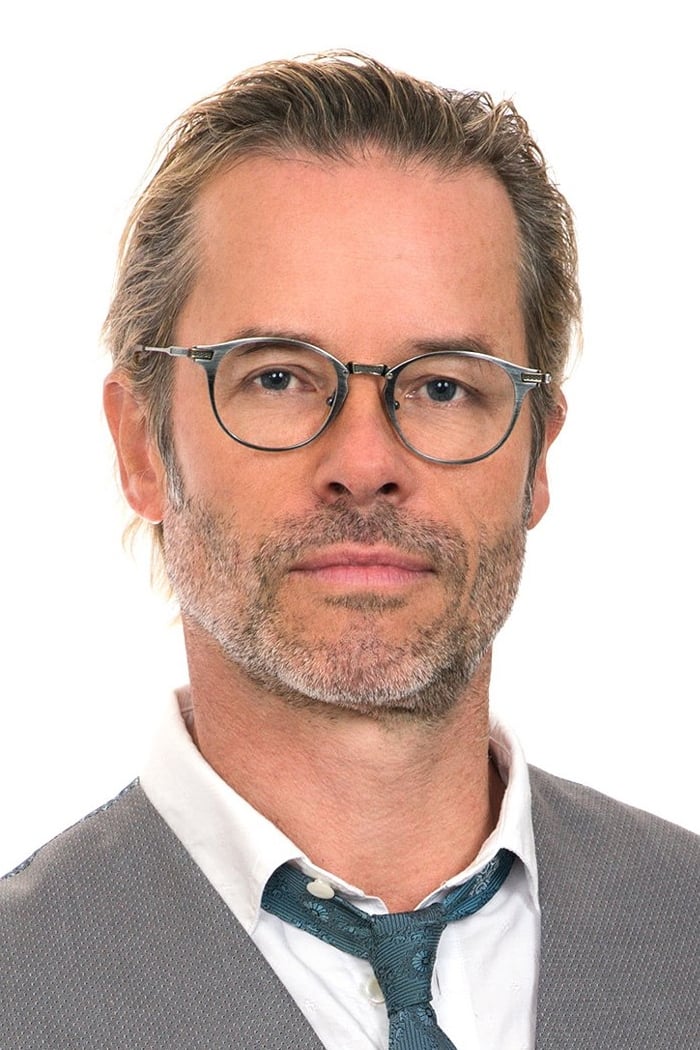
Pearce starred as a drag queen in the cult classic ‘The Adventures of Priscilla, Queen of the Desert’. While the film is now a beloved staple of queer cinema, it faced significant backlash upon its release for its stereotypical portrayals. Some critics argued that the film relied on campy tropes that did not reflect the true diversity of the community. Pearce has frequently looked back on the role with pride while acknowledging the debates it sparked. The film’s success helped pave the way for more queer stories in the mainstream during the mid nineties.
Hugo Weaving
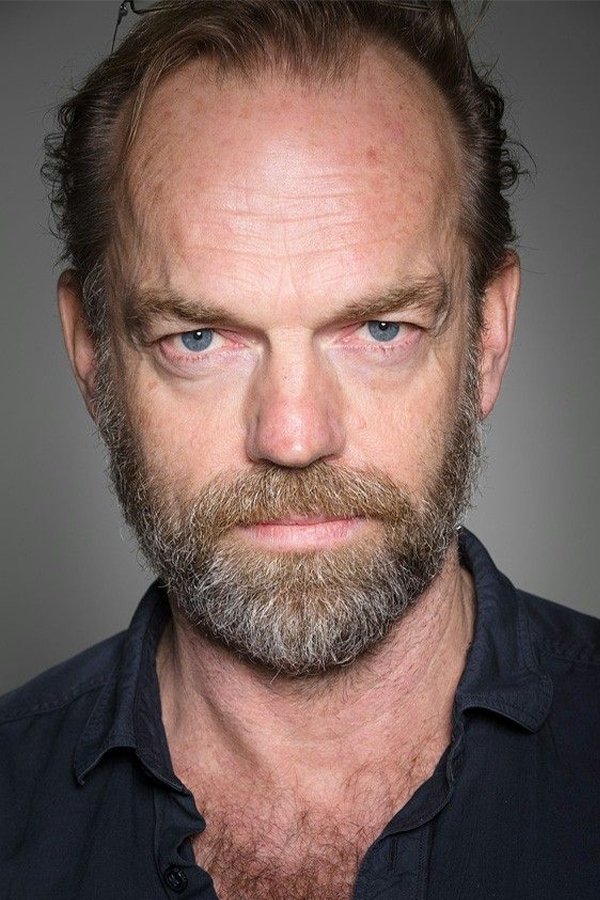
Weaving also starred in ‘The Adventures of Priscilla, Queen of the Desert’ and faced similar criticism for his portrayal of a drag performer. The backlash focused on the use of straight actors to play roles that were highly stylized and often seen as caricatures. Some activists at the time felt the film was more about spectacle than the real lives of queer individuals. Weaving has spoken about how the film challenged him as an actor and changed his perspective on performance. It remains one of the most recognizable roles of his early career.
Terence Stamp
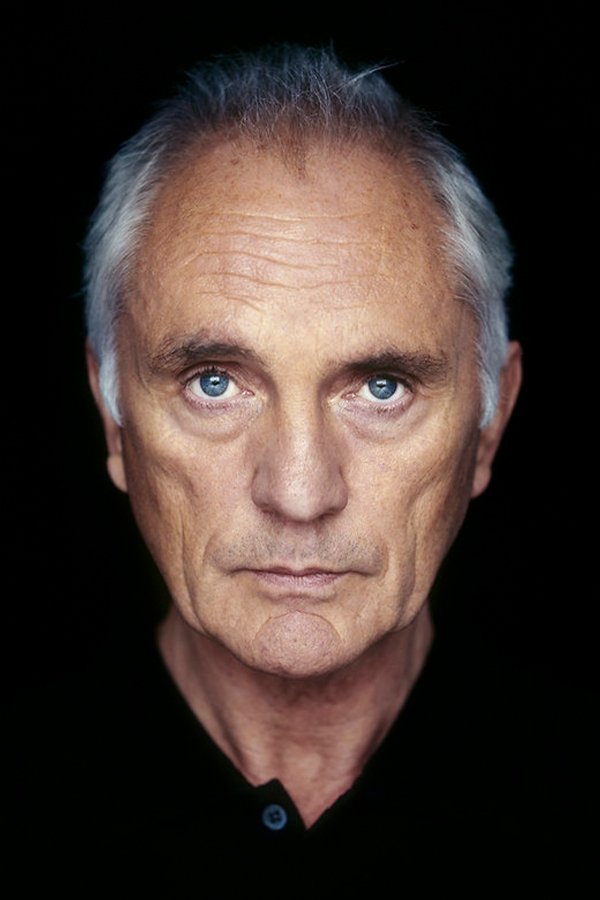
Stamp played a trans woman in ‘The Adventures of Priscilla, Queen of the Desert’ and faced intense scrutiny for his performance. Many critics were surprised to see a veteran actor known for tough roles take on such a different character. The backlash from the community centered on the accuracy of the portrayal and the decision to cast a cisgender man. Stamp has often stated that he viewed the role as one of the most challenging of his life. The film continues to be debated for its impact on queer visibility in international cinema.
Michael Douglas
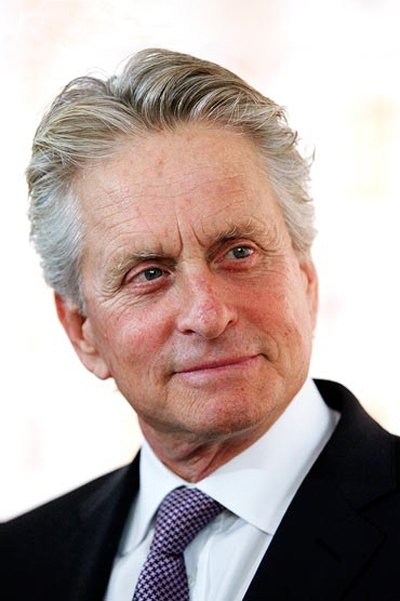
Douglas starred as Liberace in the biopic ‘Behind the Candelabra’ and faced backlash for his comments regarding the difficulty of playing gay. Some critics felt that his focus on the mechanics of the role was dismissive of the actual lived experience of queer people. The film was also criticized for casting two major straight stars in roles that could have elevated queer performers. Douglas won several awards for his transformation, but the controversy over his casting persisted. The project helped reignite the debate over the glass ceiling for gay actors in Hollywood.
Al Pacino
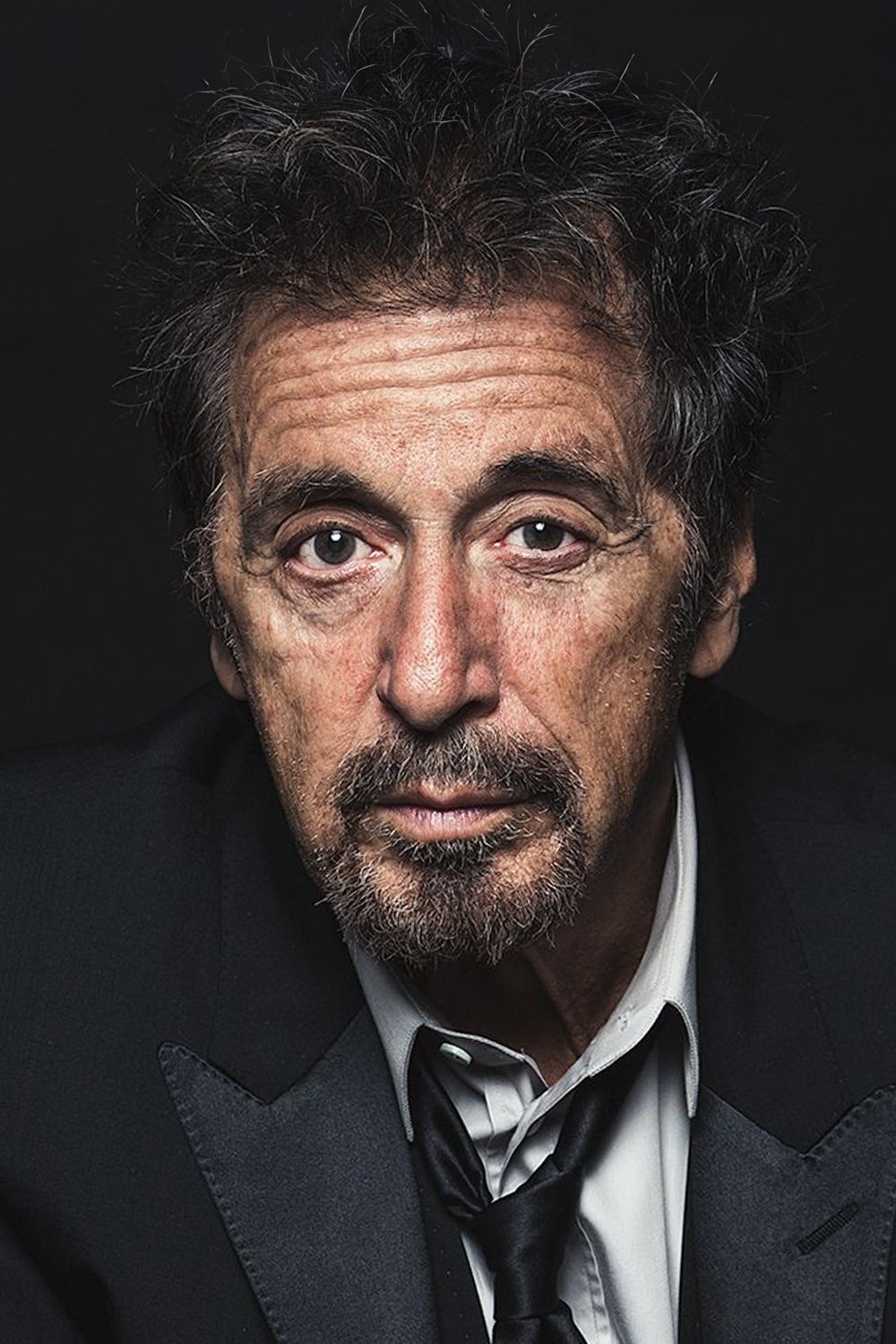
The actor starred in the controversial film ‘Cruising’ as an undercover cop investigating murders in the gay leather scene of New York. The film faced massive backlash and protests from activists who felt it portrayed the community as violent and deviant. Pacino was criticized for participating in a project that many believed would incite real world hatred against gay men. The controversy was so intense that it disrupted the filming process and led to major revisions of the script. The movie remains one of the most polarizing entries in the history of American cinema.
Richard Burton

Burton starred in the 1969 film ‘Staircase’ as one half of an aging gay couple living in London. The film was a significant departure for the actor and faced immediate backlash for its bleak and often unflattering portrayal of queer life. Critics argued that the performances by Burton and his co star were overly theatrical and lacked genuine empathy. Many felt that the casting of two major heterosexual stars was a gimmick that did not help the cause of representation. The film is often cited as an example of the industry’s early and awkward attempts to tackle queer subjects.
Rex Harrison
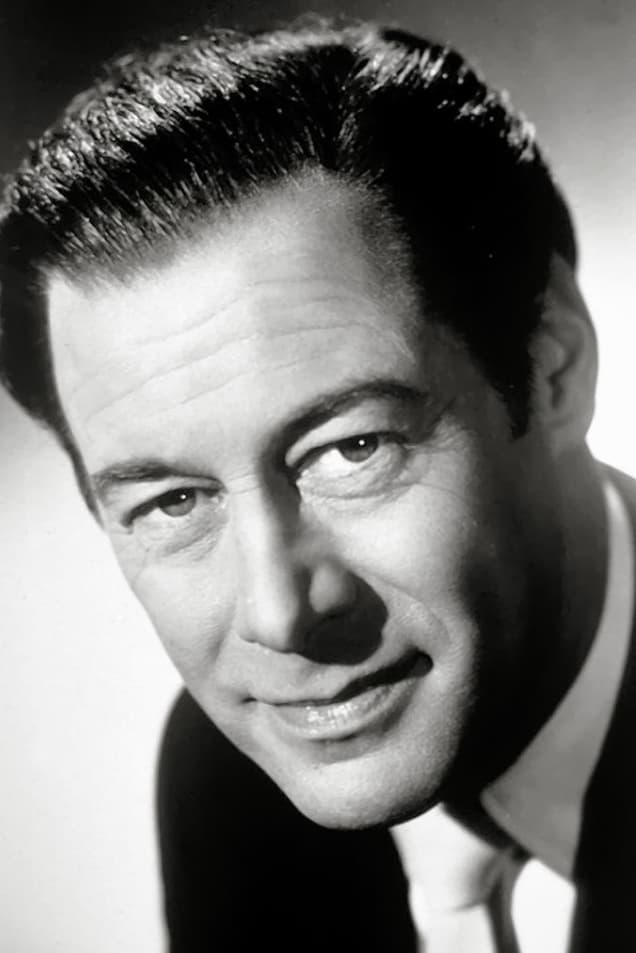
Harrison played opposite Richard Burton in ‘Staircase’ and faced the same wave of negative criticism. Audiences were largely uncomfortable with seeing the sophisticated star of ‘My Fair Lady’ in such a gritty and controversial role. The backlash was fueled by a script that many felt was homophobic and focused only on the misery of its characters. Harrison reportedly had a difficult time with the material and the public reaction. The film was a commercial failure and remains a controversial footnote in the histories of its lead actors.
Douglas Booth

Booth faced backlash for his portrayal of Culture Club singer Boy George in the television film ‘Worried About the Boy’. Many fans of the singer felt that a queer actor should have been chosen to play such an iconic and influential figure. The criticism focused on the importance of having someone who understood the cultural weight of the New Romantic movement. Booth defended the role by emphasizing his commitment to the research and the music. The controversy highlighted the ongoing tension between established casting practices and the desire for authentic queer stories.
Paul Mescal
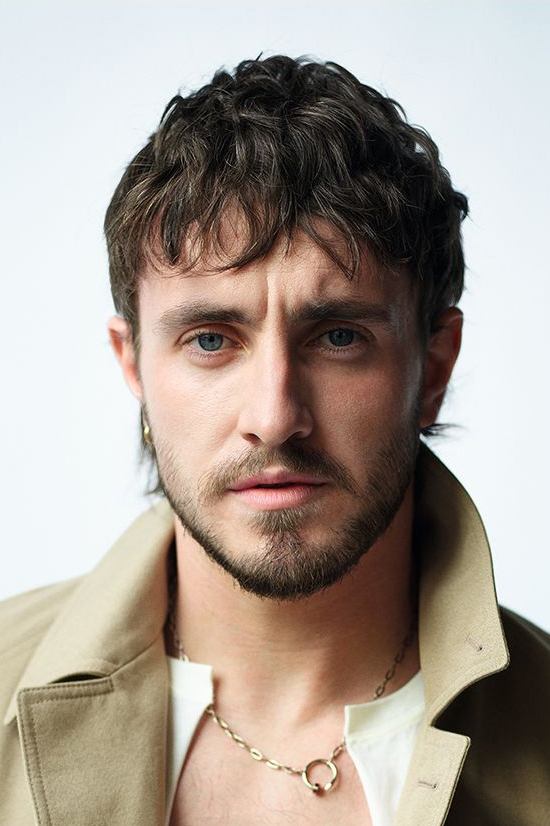
The actor recently faced debate for his role in the drama ‘All of Us Strangers’. While the film received widespread critical acclaim, some viewers questioned the choice to cast a straight man in a deeply personal and queer narrative. The backlash was relatively mild compared to other instances but still sparked conversations on social media about the straight washing of queer cinema. Mescal has expressed great admiration for the script and the director’s vision. The film’s success has further cemented his status as a leading man while keeping the casting debate alive.
Andrew Garfield
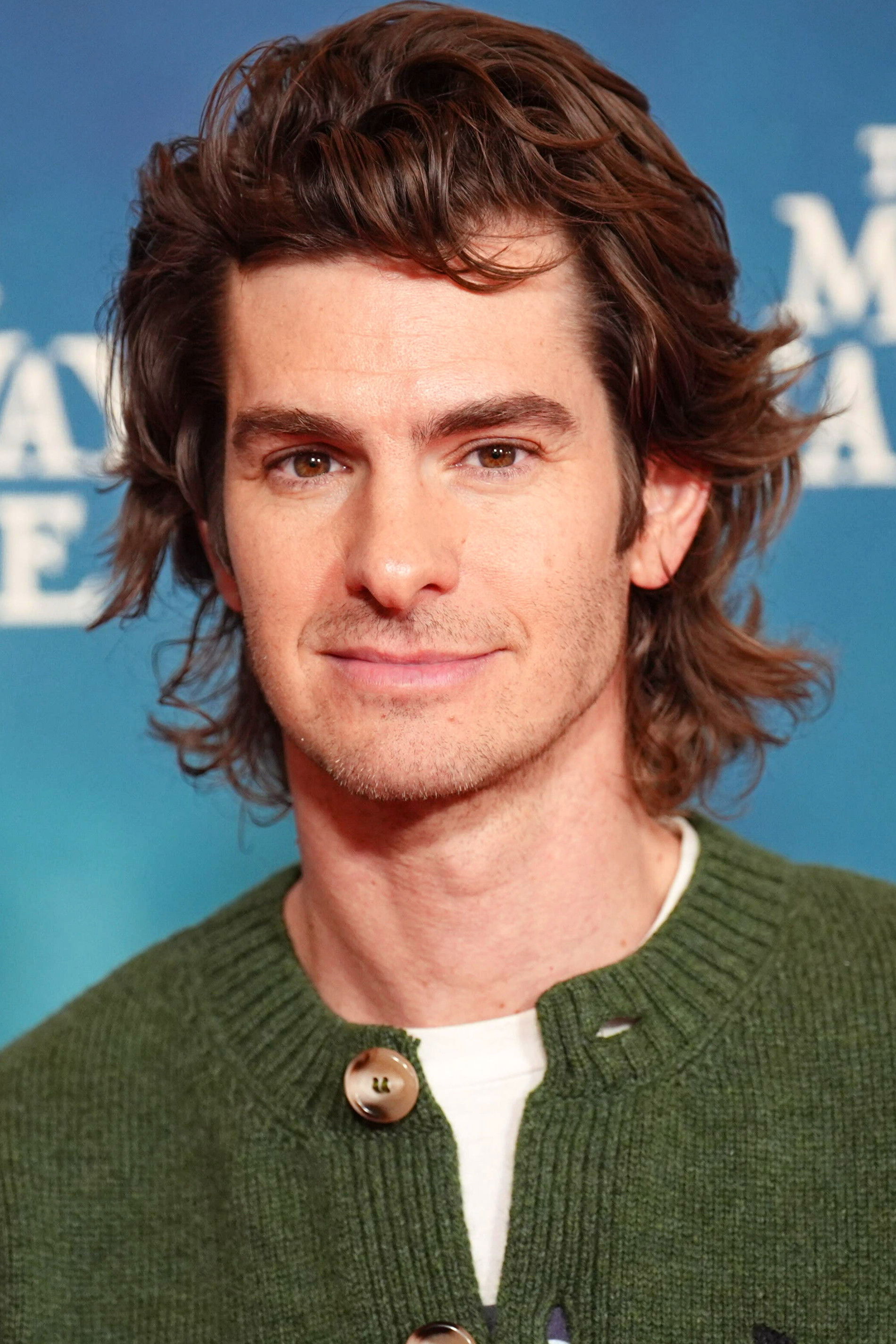
Garfield faced intense backlash for his comments while playing a gay character in the stage production of ‘Angels in America’. He stated in an interview that he was a gay man right now just without the physical act, which many found to be deeply offensive. Critics argued that he was trivializing the real world struggles and oppression faced by the LGBTQ+ community. The backlash was swift and led to a public apology from the actor. This incident is frequently cited as a warning to straight actors about the sensitivity required when discussing queer roles.
Jonathan Pryce
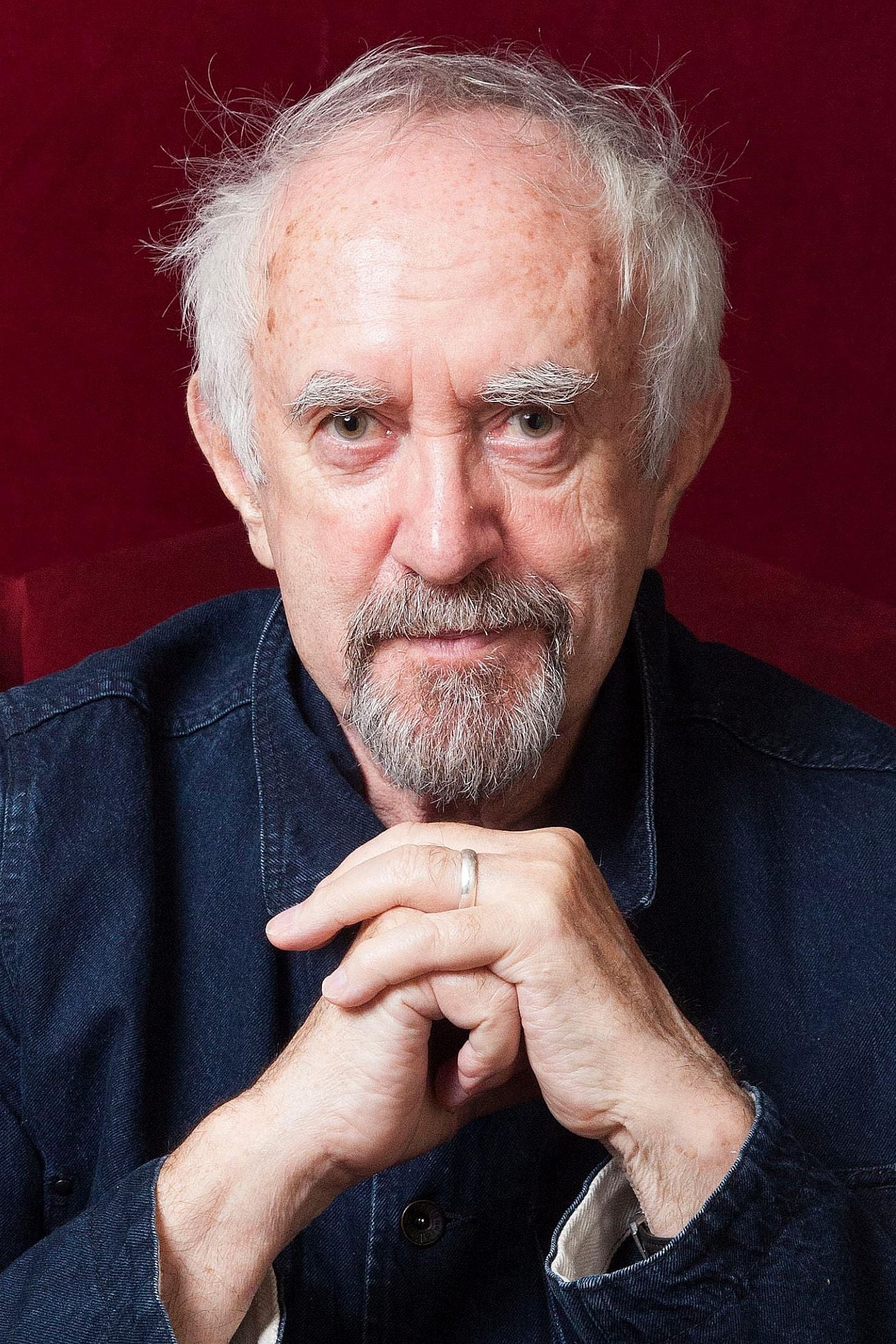
Pryce starred in the 1995 film ‘Carrington’ as the writer Lytton Strachey, who was a member of the Bloomsbury Group. He faced backlash from critics who felt his performance relied on eccentricities that bordered on parody. Some argued that the film did not provide enough depth to the character’s queer identity, focusing instead on his relationship with a woman. The controversy was part of a larger trend in the nineties where straight actors were often accused of playing gay for awards. Pryce has since moved on to many other acclaimed roles, but ‘Carrington’ remains a point of critique in his career.
Share your thoughts on these controversial casting choices in the comments.