Female Actresses Who Faced Backlash for Playing Transgender Roles

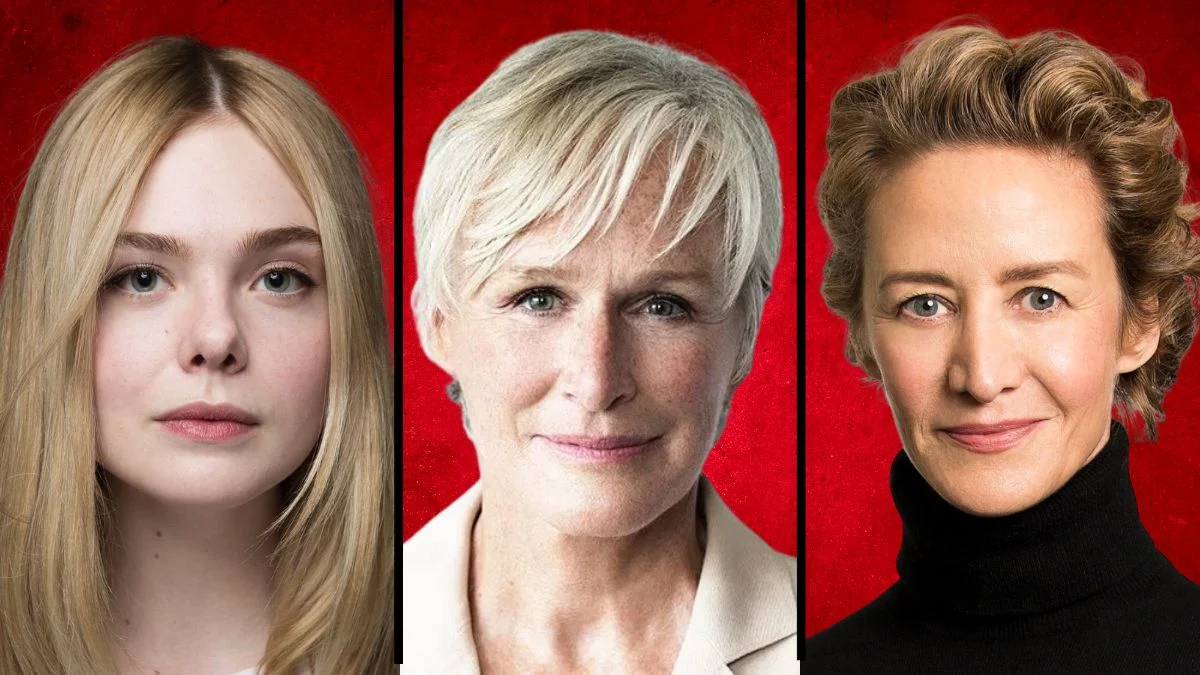

In recent years the entertainment industry has undergone a significant transformation regarding how stories about transgender individuals are told. While cisgender actresses were once routinely cast in these roles the practice has increasingly faced criticism from activists and audiences who demand authentic representation. This shift reflects a growing awareness of the importance of providing opportunities to transgender performers to tell their own stories on screen. The following list highlights female actresses who encountered public backlash or sparked intense debate for their portrayals of transgender or gender nonconforming characters.
Scarlett Johansson

Scarlett Johansson faced intense public scrutiny after being cast as Dante Gill in the film ‘Rub & Tug’ which told the story of a transgender man. Critics and activists argued that the role should have gone to a transgender actor to ensure authentic representation in Hollywood. The backlash grew so significant that the actress eventually decided to withdraw from the project entirely. She released a statement acknowledging that her casting was insensitive and expressed her support for the transgender community. This controversy became a pivotal moment in the ongoing conversation about casting cisgender actors in transgender roles.
Halle Berry

Halle Berry encountered a wave of criticism after she discussed her preparation for an upcoming role as a transgender man during an interview on social media. During the session she misgendered the character multiple times which led to a swift rebuke from fans and advocacy groups. People pointed out that a cisgender woman playing a transgender man contributes to harmful misconceptions about gender identity. Shortly after the backlash began she issued a formal apology and stepped down from the role to allow the character to be recast. She stated her intention to be a better ally and to listen more closely to the voices of the transgender community.
Felicity Huffman
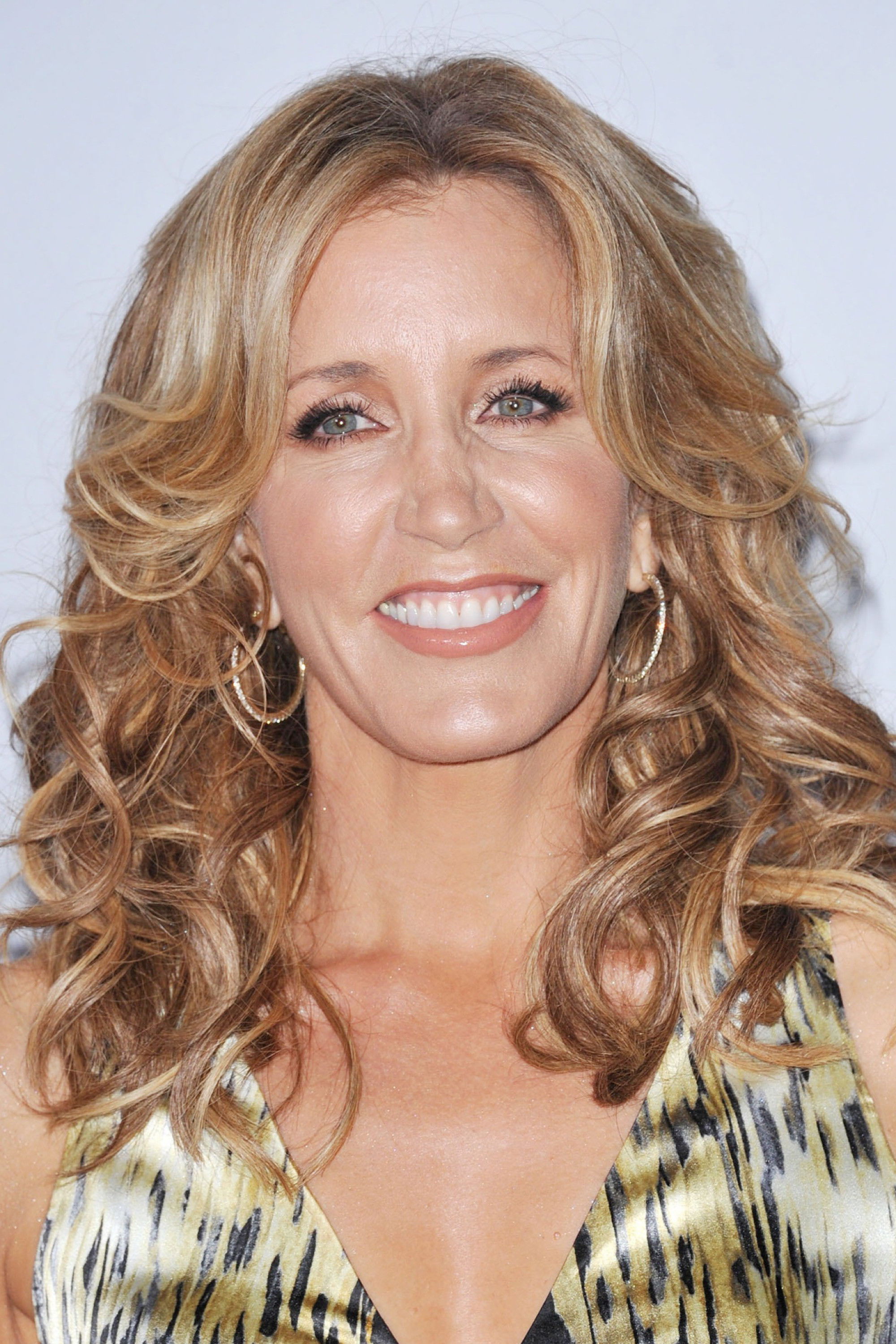
Felicity Huffman received an Academy Award nomination for her performance as a transgender woman in the film ‘Transamerica’ which was released in 2005. While the performance was initially praised by critics it has since faced significant retrospective backlash from the transgender community. Many argue that the casting of a cisgender woman to play a trans woman reinforces the idea that trans women are simply men in costume. Modern discussions of the film often highlight how the industry has moved toward prioritizing trans actors for trans stories. Huffman has later acknowledged that she likely would not take the role in the current Hollywood climate.
Hilary Swank
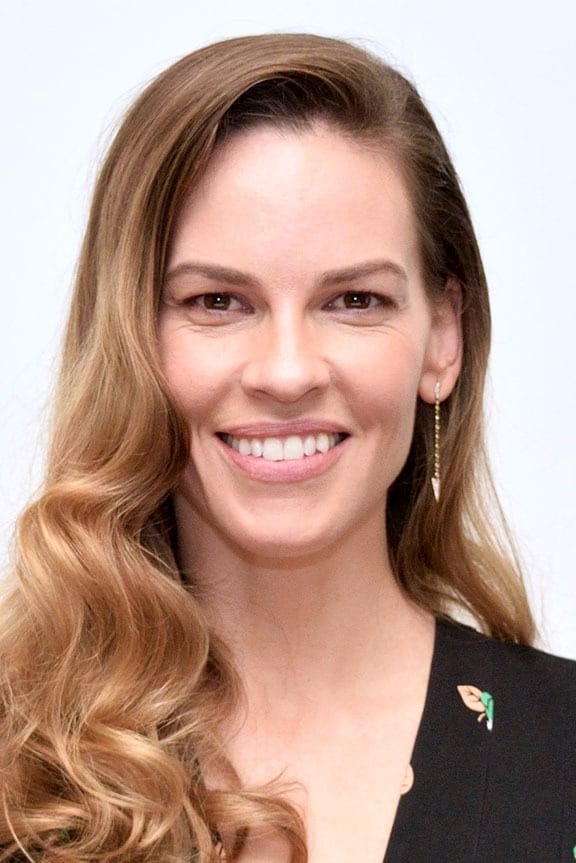
Hilary Swank won her first Academy Award for portraying Brandon Teena a real life transgender man in the 1999 drama ‘Boys Don’t Cry’ which brought national attention to trans issues. In the years following its release the film has become a subject of intense debate regarding the ethics of cisgender actors playing trans individuals. Activists point out that casting Swank took an opportunity away from a trans actor who could have brought lived experience to the part. The actress has addressed the controversy in recent years by noting the importance of representation and how much the industry has evolved. Despite the backlash the movie remains a landmark in queer cinema for its depiction of a tragic true story.
Elle Fanning

Elle Fanning played a transgender teenager named Ray in the 2015 drama ‘3 Generations’ which explored a family transition. The casting choice sparked a firestorm of criticism from those who felt a trans male actor should have been hired instead of a cisgender female. The director defended the decision by stating that the character had not yet transitioned which only intensified the backlash from the community. Critics argued that this logic fundamentally misunderstood the nature of gender identity and the importance of trans visibility. Fanning later expressed that she understood the desire for more authentic casting and hoped the film would still start important conversations.
Glenn Close
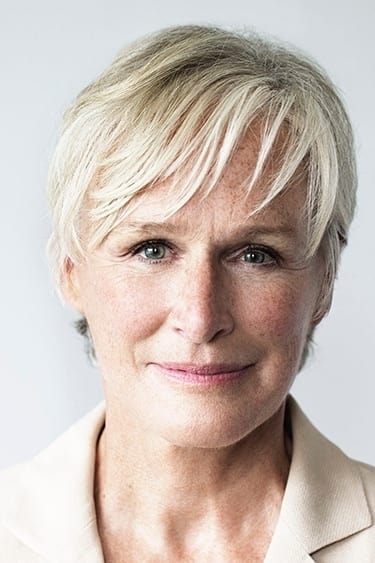
Glenn Close spent years developing ‘Albert Nobbs’ a film in which she played a woman living as a man in nineteenth century Ireland to survive. Although the character is often interpreted as a woman in disguise many viewers and critics have re-evaluated the role through a transgender lens. This retrospective analysis led to criticism regarding the missed opportunity to explore the character as a truly transgender figure played by a trans actor. Some argue that the film conflates gender identity with economic necessity in a way that minimizes the trans experience. Close received an Oscar nomination for the role but the film remains a point of contention in discussions about historical gender nonconformity.
Janet McTeer
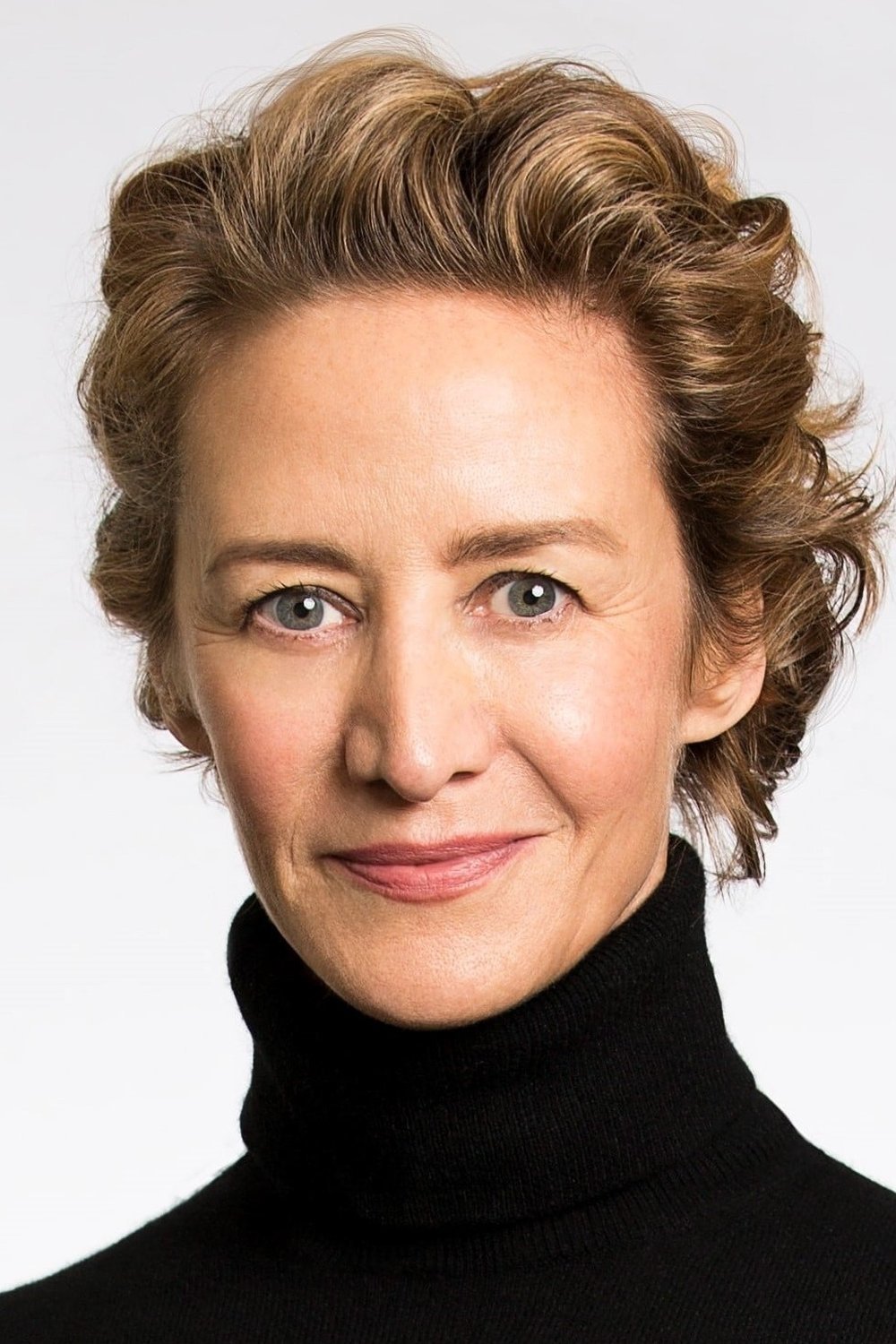
Janet McTeer starred alongside Glenn Close in ‘Albert Nobbs’ playing Hubert Page who is also a character living as a man. While Hubert is depicted as having a wife and a more established male identity the casting of a cisgender woman drew similar criticism to that of her co-star. Modern critics often cite the film as an example of how Hollywood has historically used cisgender women to tell stories that lean into transgender themes. The backlash focuses on the erasure of trans men by suggesting their identities are merely a performance for survival. McTeer earned an Academy Award nomination for her work but the performance is now viewed with more scrutiny by modern audiences.
Linda Hunt
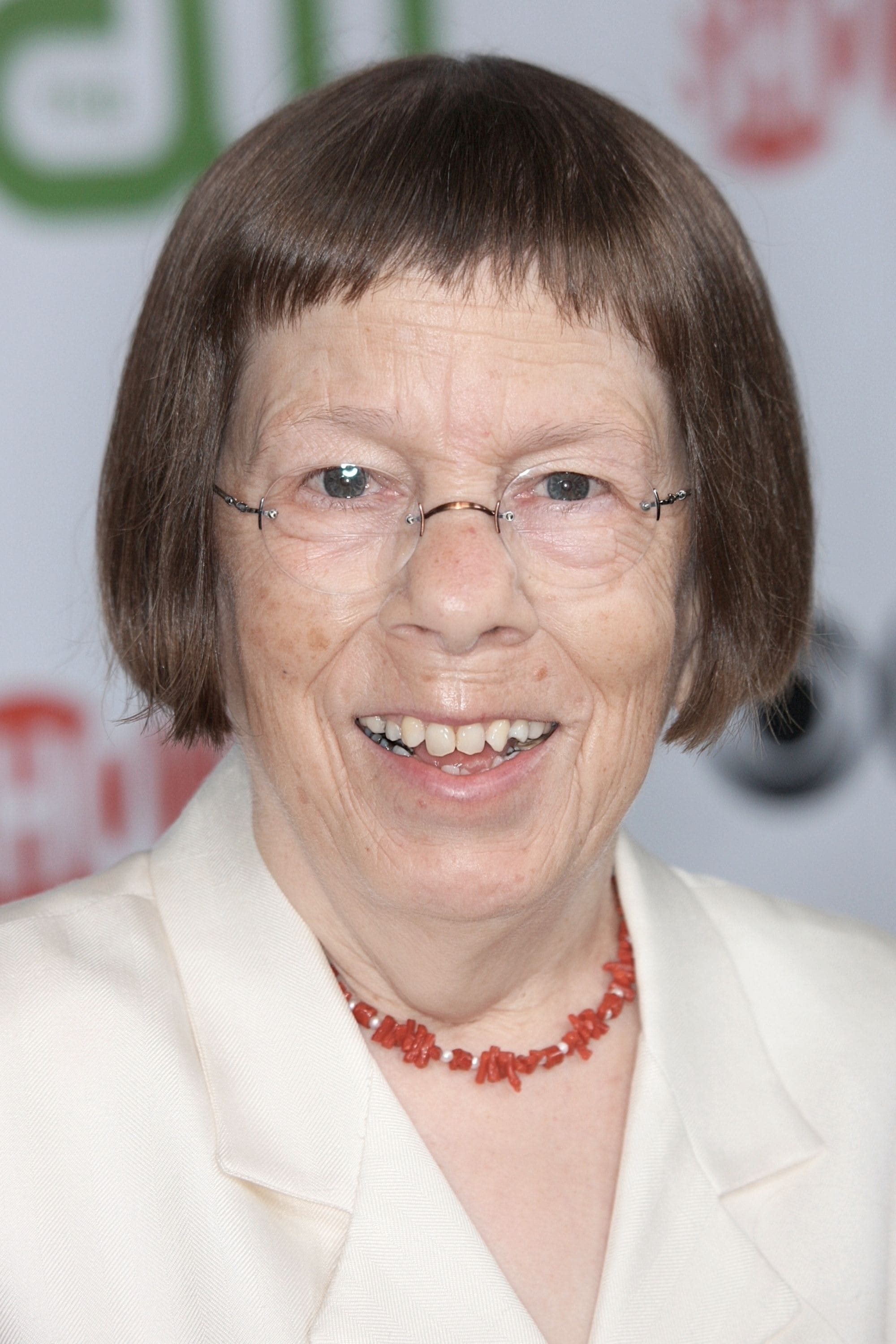
Linda Hunt made cinematic history by winning an Academy Award for her role as Billy Kwan a male photographer in the film ‘The Year of Living Dangerously’ which was released in 1982. She remains the only actor to win an Oscar for playing a character of the opposite biological sex. While her performance was lauded at the time it has faced heavy retrospective backlash for both gender and racial reasons. Critics argue that casting a white woman to play a Chinese Australian man was a double failure of representation. This role is frequently cited in academic circles as a prime example of the industry disregarding the importance of authentic casting.
Vanessa Redgrave
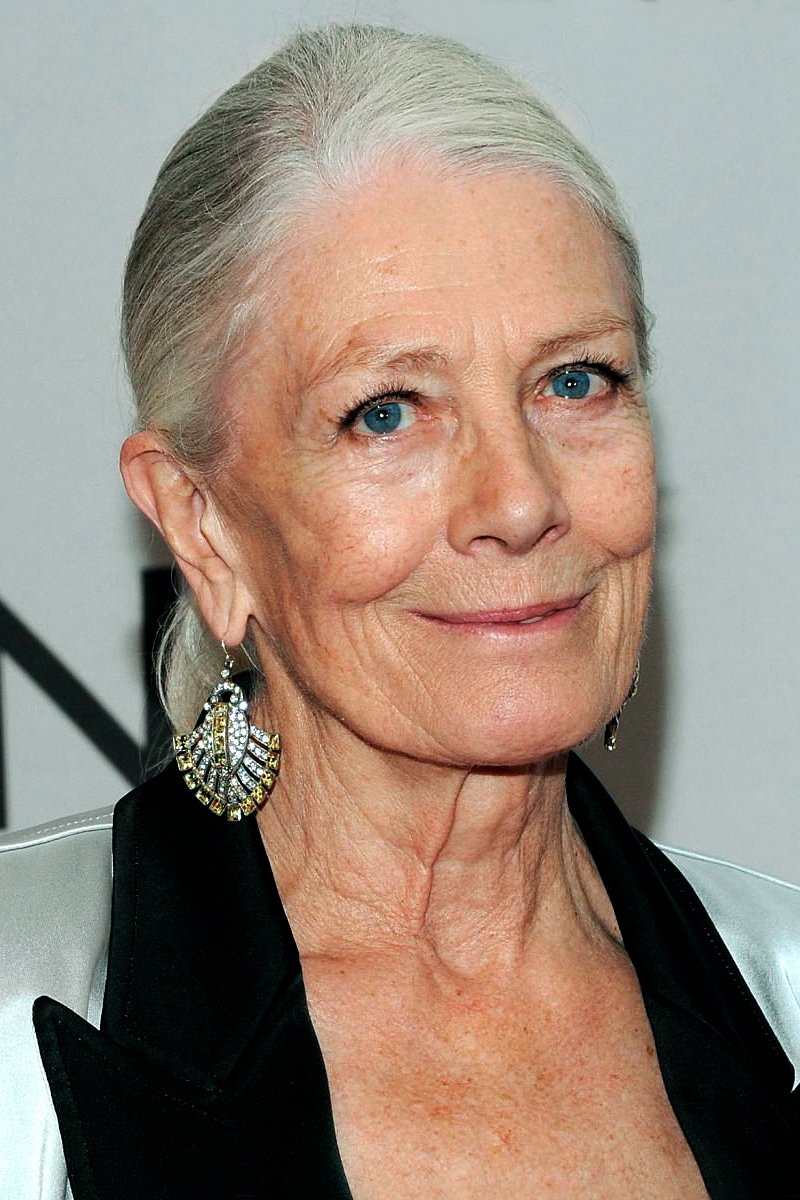
Vanessa Redgrave played the famous transgender tennis player Renee Richards in the 1986 television movie ‘Second Serve’ which chronicled the legal battle to compete. The film was one of the first major productions to focus on a trans woman but the casting of Redgrave was met with disapproval from some activists. They argued that hiring a cisgender woman to play a trans woman further marginalized the community and denied them a voice in their own history. The backlash also touched on the sensationalized nature of the script which some felt leaned into tropes about the transition process. Redgrave was nominated for an Emmy for the role but the project is now seen as a product of an era that lacked trans inclusion.
Olympia Dukakis
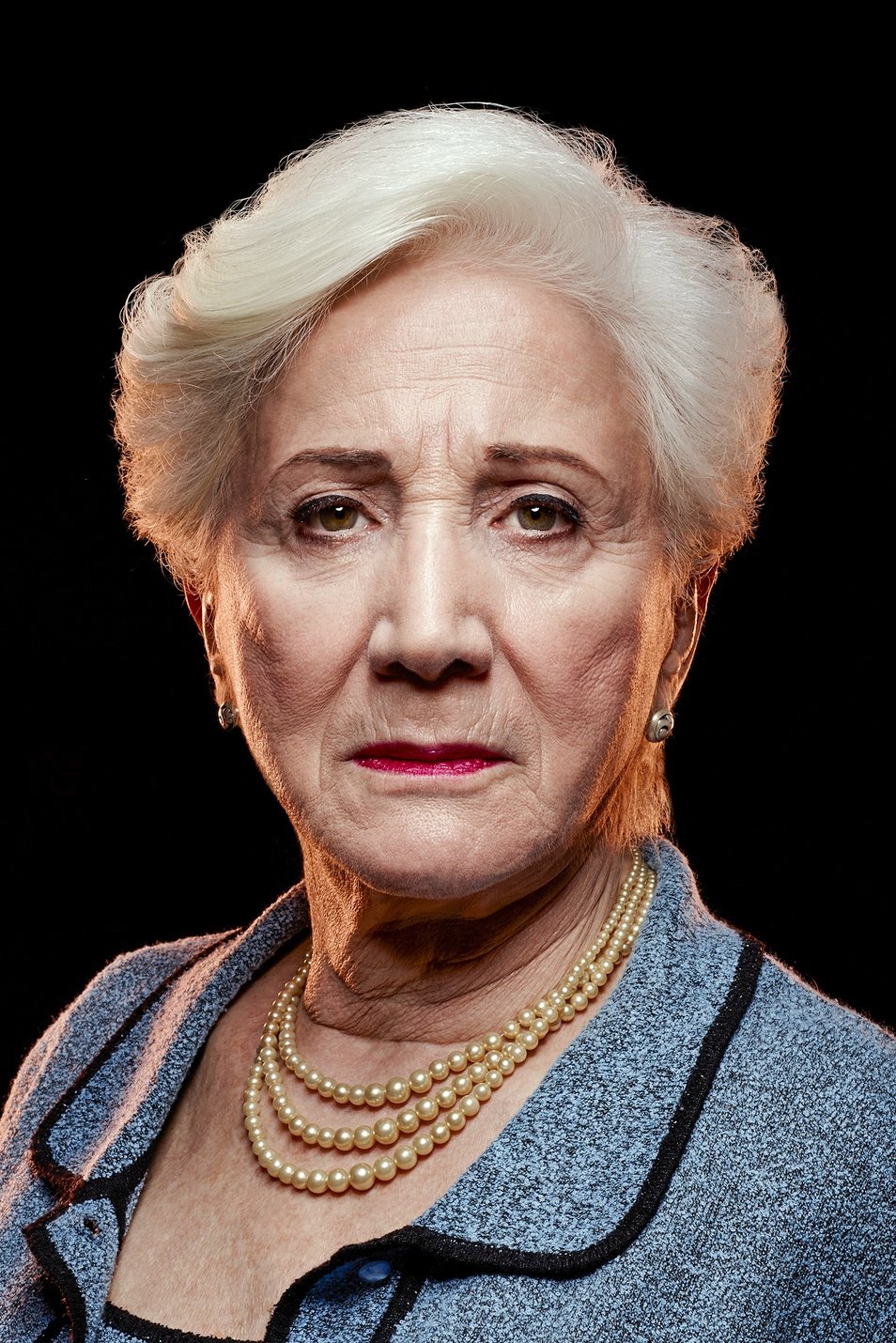
Olympia Dukakis portrayed the iconic character Anna Madrigal a transgender landlady in the original ‘Tales of the City’ miniseries. Her performance was beloved by many fans but the casting of a cisgender woman in such a prominent trans role became a point of contention in later years. When the series was revived in 2019 the producers addressed the previous backlash by hiring more transgender actors and writers for the production. Dukakis herself spoke about how the world had changed and acknowledged that the role would likely be cast differently today. The controversy surrounding her casting highlights the shift from mere visibility to the demand for authentic representation in media.
Famke Janssen

Famke Janssen played the role of Ava Moore a transgender woman and antagonist in the television series ‘Nip/Tuck’ during its second season. The character was involved in a shocking plot twist that revealed her gender history which many critics felt was handled in a sensationalist and transphobic manner. The casting of Janssen was criticized for leaning into the trope of the deceptive trans woman which can have dangerous real world consequences. Activists pointed out that having a cisgender woman play the role reinforced the idea that trans people are hiding a secret identity. While the performance was memorable the backlash focused on how the writing and casting choices harmed the perception of trans individuals.
Kelly Lynch
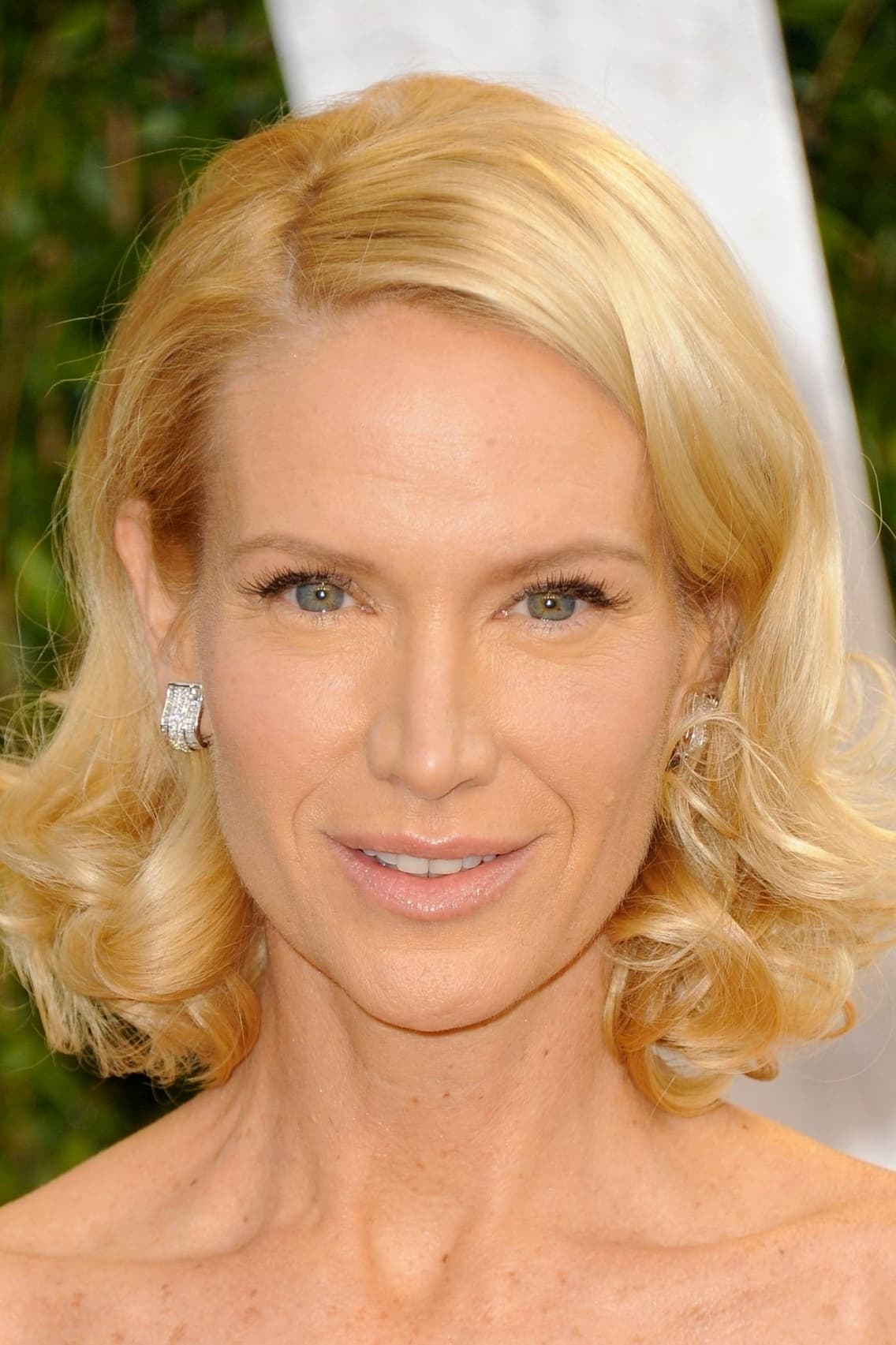
Kelly Lynch starred in the 1993 film ‘Three of Hearts’ where she played a character who dresses as a man to win back her ex girlfriend. The film used gender bending as a plot device for romantic comedy but it faced criticism for trivializing the experience of those who live as a different gender. Activists argued that the film treated gender identity as a costume which can be offensive to the transgender community. The backlash emphasized that these types of roles often replace actual trans stories with cisgender fantasies. Lynch’s performance was noted for its physical commitment but the film is rarely celebrated today due to these representational issues.
Chloë Sevigny
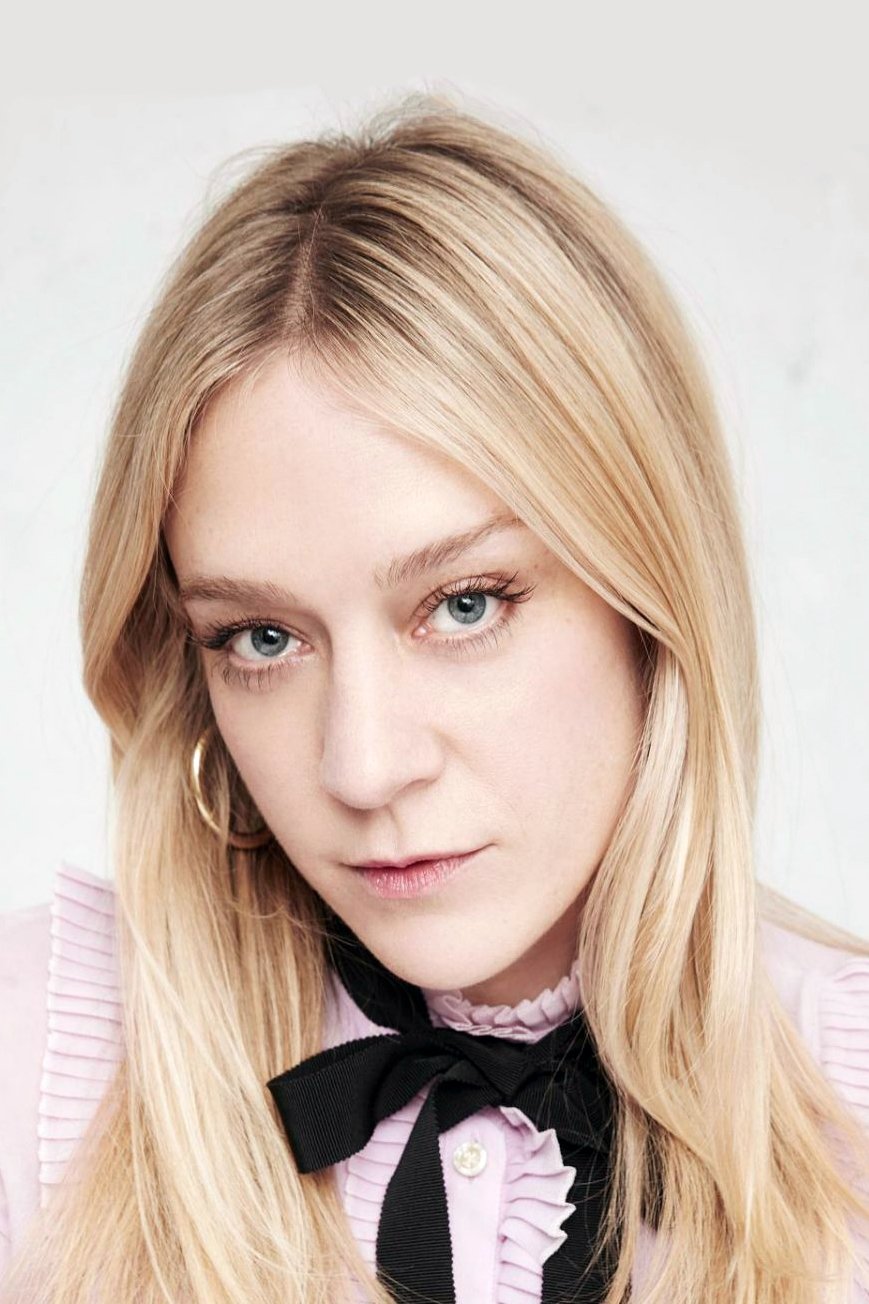
Chloë Sevigny played a transgender woman named Mia who works as a contract killer in the television miniseries ‘Hit & Miss’ which aired in 2012. While the performance was praised for its intensity it drew criticism from activists who believed a trans actress should have been cast in the leading role. The backlash focused on the continuing trend of cisgender actors receiving complex trans roles while trans actors remained underemployed. Some viewers also felt the show’s focus on the character’s physical transition was overly graphic and contributed to the objectification of trans bodies. Sevigny has since reflected on the role as a challenging experience during a time when the conversation about casting was just beginning to shift.
Julie Andrews
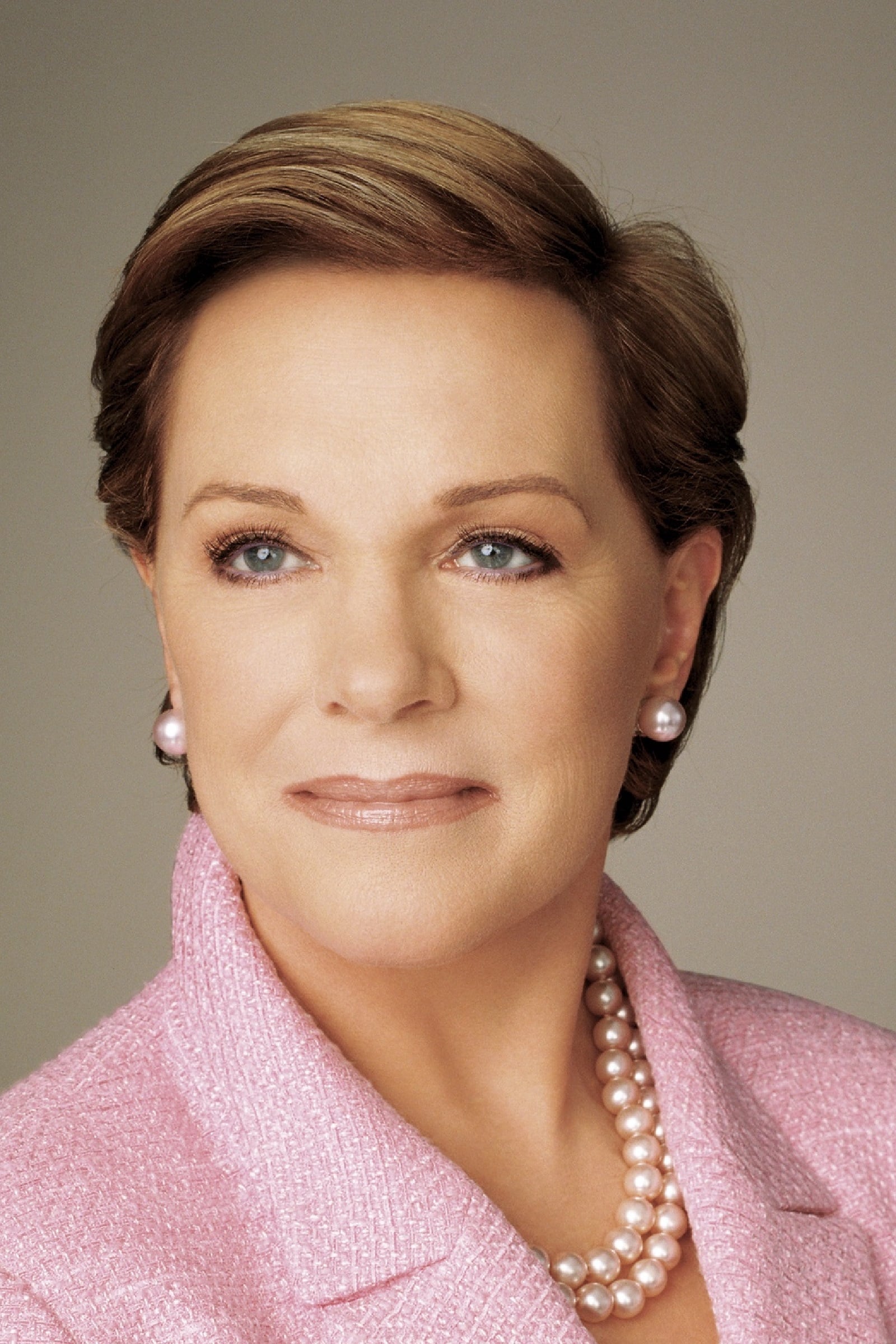
Julie Andrews starred in the musical ‘Victor/Victoria’ as a woman who finds success as a female impersonator in 1930s Paris. While the film is a classic of the musical genre it has faced retrospective criticism for its handling of gender identity and performance. Critics argue that by making the story about a cisgender woman pretending to be a man pretending to be a woman it sidesteps actual trans issues. The backlash suggests that the film uses gender bending for humor and spectacle without acknowledging the real world struggles of trans performers of that era. Andrews received an Oscar nomination for the role but the film is now analyzed through a more critical lens regarding its gender politics.
Barbra Streisand
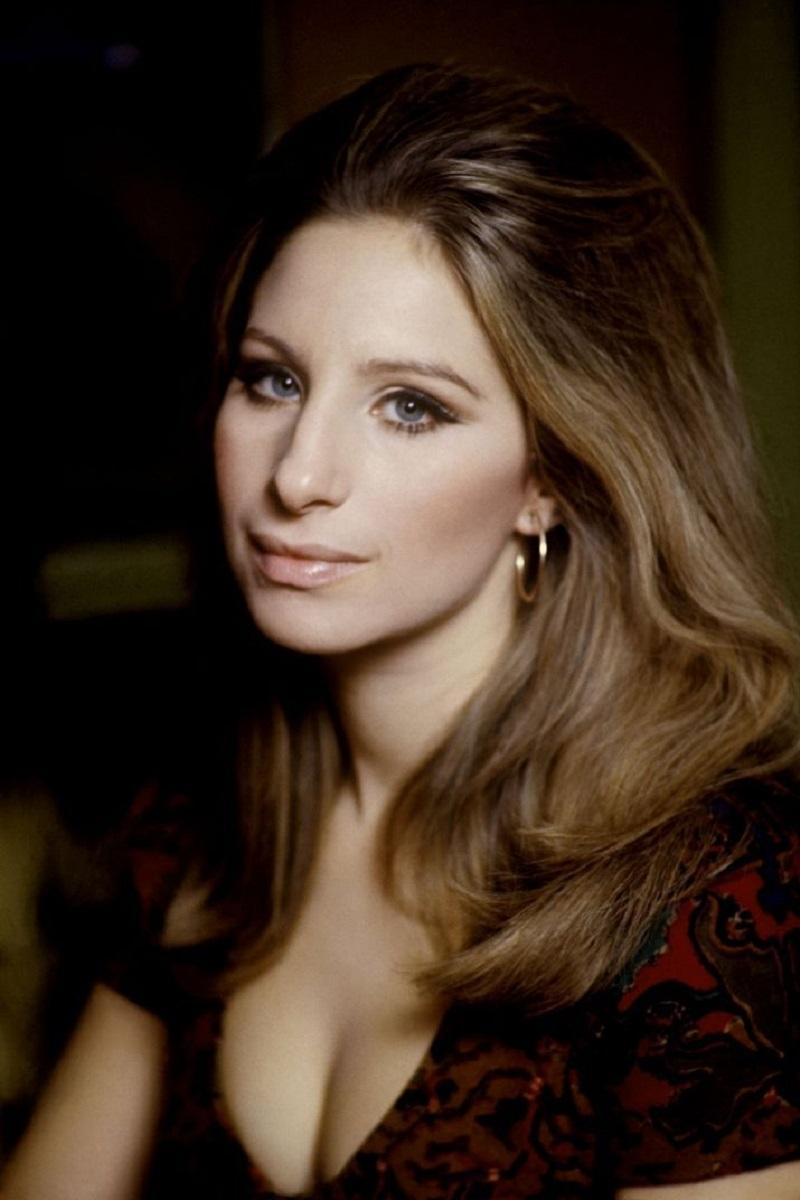
Barbra Streisand directed and starred in ‘Yentl’ as a Jewish woman who disguises herself as a man named Anshel to study the Talmud. The film was a massive passion project for her but it has been criticized for its simplified view of gender and the way it uses cross dressing as a plot convenience. Some modern critics argue that the character of Yentl could be interpreted as a trans masculine individual and that casting a cisgender woman obscured this potential. The backlash often centers on the idea that Hollywood favors these types of stories over authentic trans narratives because they are seen as more palatable. Streisand’s performance is iconic but it remains a part of the broader discussion on the history of gender in film.
Joyce Hyser
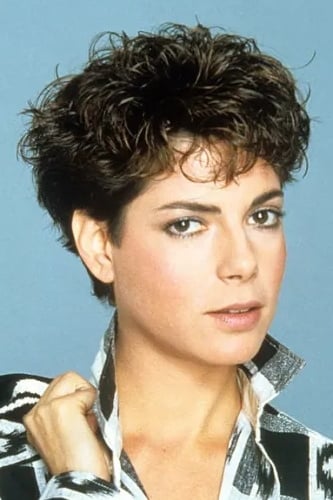
Joyce Hyser is best known for her role in the 1985 comedy ‘Just One of the Guys’ where she plays a high school student who disguises herself as a boy to be taken seriously as a journalist. The film was a staple of eighties cinema but has since faced significant backlash for its portrayal of gender and the binary. Critics point out that the film relies on harmful stereotypes about masculinity and femininity to make its comedic points. The casting of a cisgender woman to play a character who experiences life as a man is seen by some as an erasure of the trans experience. While the film was meant to be a feminist statement many now see it as outdated and insensitive to gender diversity.
Amanda Bynes

Amanda Bynes starred in the 2006 film ‘She’s the Man’ which was a modern retelling of ‘Twelfth Night’ featuring a girl who joins a male soccer team. Like many cross dressing comedies that preceded it the film has faced modern backlash for its superficial treatment of gender identity. Activists argue that the movie uses the struggle of passing as a different gender for low level gags rather than meaningful exploration. The casting of Bynes was criticized retrospectively as part of a trend where cisgender actors are used to play with gender without any stakes. Despite its popularity among teenagers the film is frequently cited as an example of how Hollywood often replaces trans visibility with cisgender masquerade.
Gwyneth Paltrow
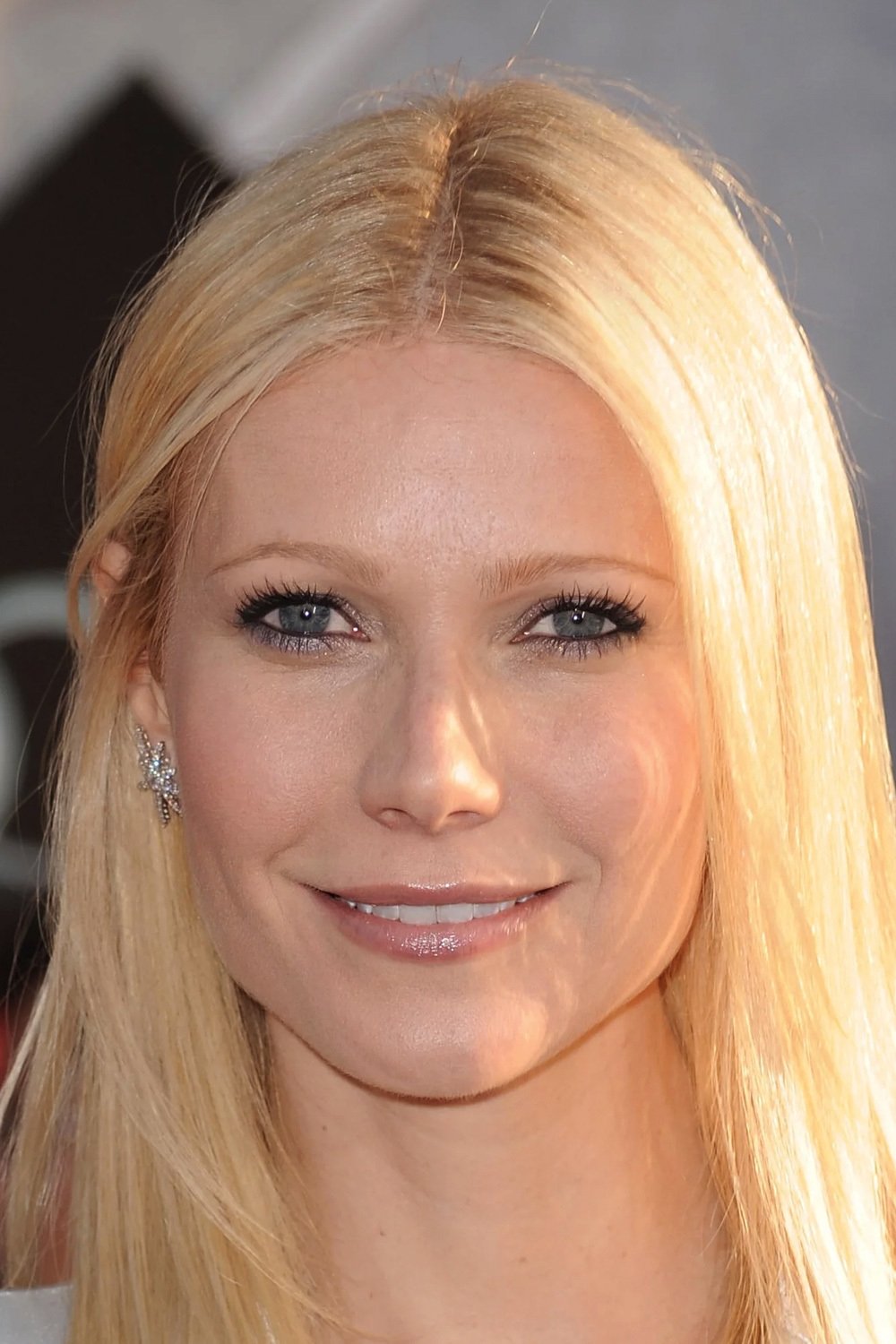
Gwyneth Paltrow won an Academy Award for ‘Shakespeare in Love’ where her character Viola de Lesseps disguises herself as a man to act in a play. While the role is a traditional Shakespearean trope the film’s success has led to discussions about why these gender bending roles are so rewarded when played by cisgender stars. The backlash focuses on the discrepancy between the acclaim given to cisgender actors for playing with gender and the lack of opportunities for trans actors. Some critics argue that the film romanticizes the act of cross dressing while ignoring the historical and modern difficulties faced by trans people. Paltrow’s win is often brought up in debates about the industry’s historical bias against authentic casting.
Tilda Swinton
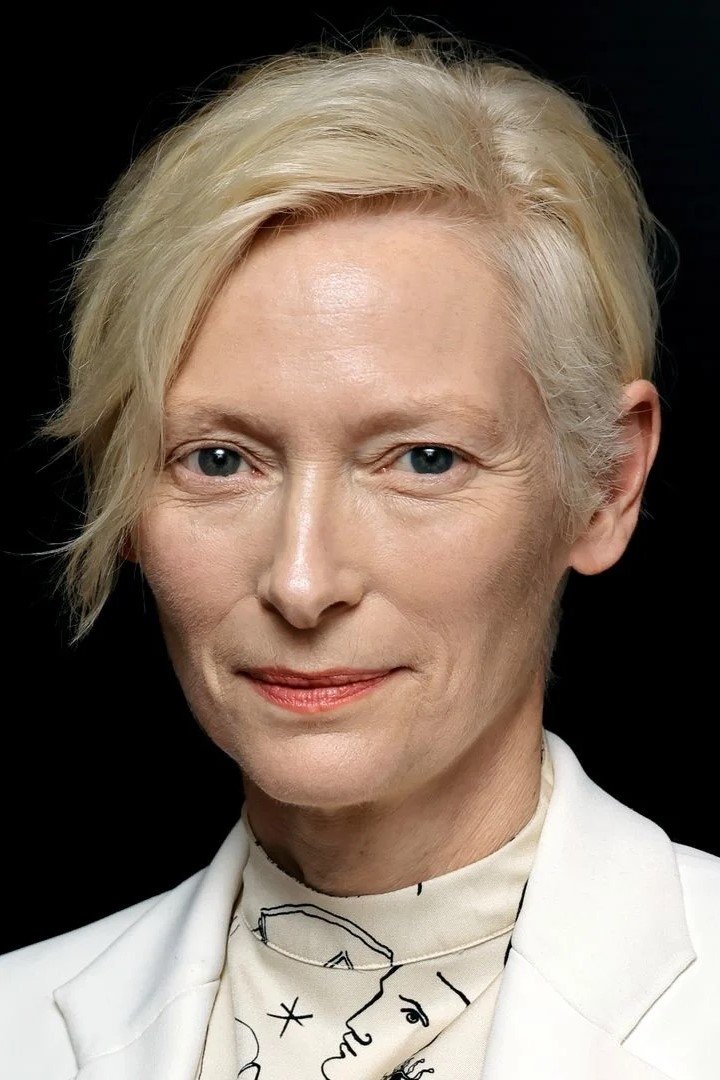
Tilda Swinton played the title character in ‘Orlando’ a film based on the Virginia Woolf novel about an immortal person who changes from a man to a woman. Swinton’s performance is often praised for its ethereal quality and gender fluidity but it has not escaped criticism from the trans community. Some argue that the film treats gender as a mythical or magical element rather than a lived identity which can feel dismissive to trans people. The backlash also centers on the casting of a cisgender woman to play both the male and female versions of the character. While the film is a cult classic it remains a focal point in discussions about the limitations of gender representation in high art.
Cate Blanchett
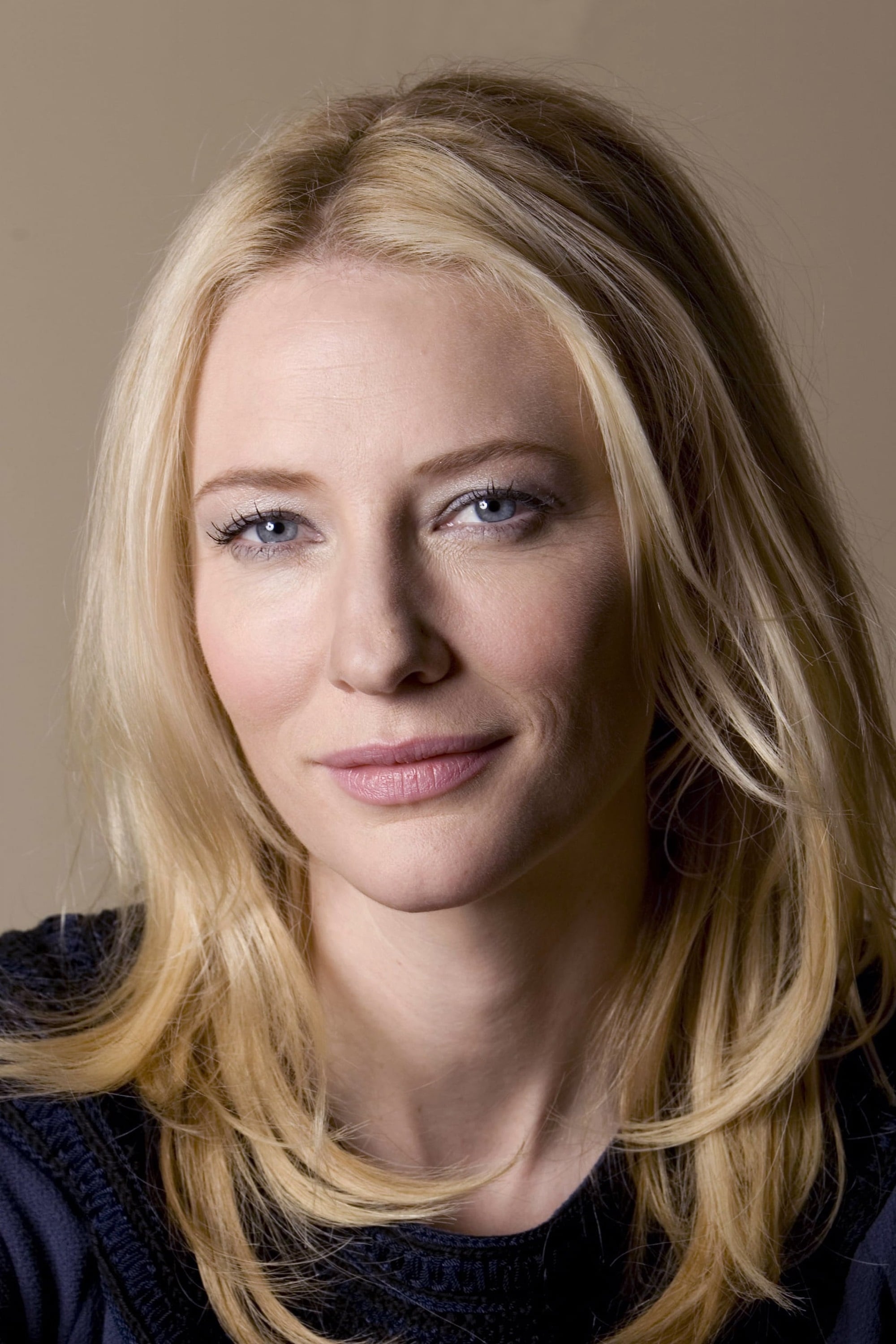
Cate Blanchett portrayed a version of Bob Dylan in the experimental biopic ‘I’m Not There’ which earned her an Academy Award nomination. While her performance was widely acclaimed by critics it faced backlash from some who felt that a woman playing a famous man was a gimmick that didn’t help trans representation. Critics pointed out that while Blanchett was celebrated for her daring performance trans actors were still struggling to find any roles at all. The controversy highlights the double standard in Hollywood where cisgender actors are praised for crossing gender lines while trans actors are often pigeonholed. This role is frequently used to illustrate how the industry prioritizes prestige over authentic casting.
Toni Collette

Toni Collette starred in ‘Connie and Carla’ as a woman who goes into hiding by posing as a drag queen in a local club. The film uses the concept of drag and gender performance as its central hook which drew criticism for its lack of sensitivity toward the trans and drag communities. Backlash focused on the way the film used gender nonconformity for comedic effect without providing any depth to the characters’ experiences. Critics argued that casting cisgender women to play characters who are effectively playing trans women is a confusing and reductive choice. The film is often overlooked today but it remains an example of how mainstream cinema has struggled with the nuances of gender performance.
Nia Vardalos
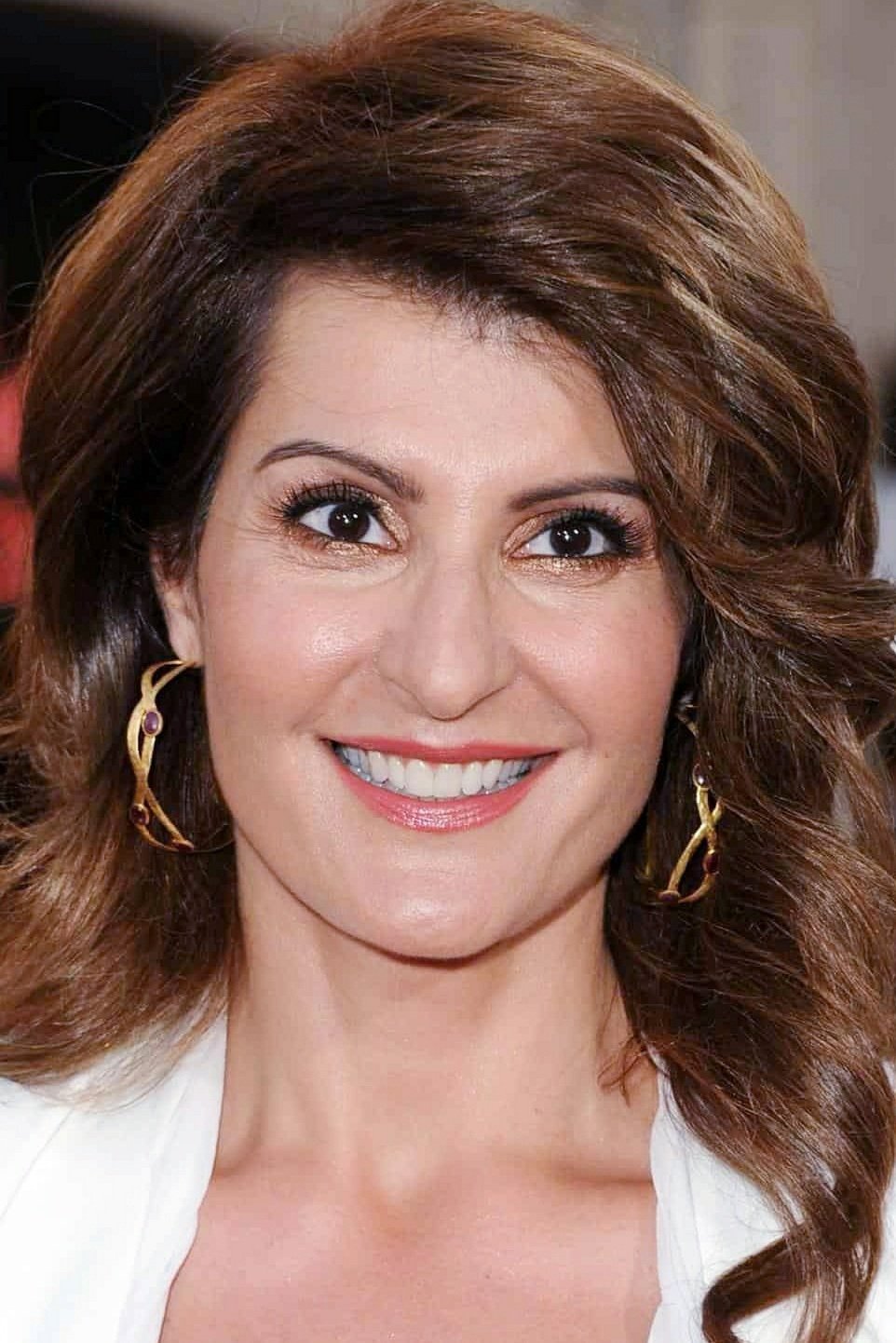
Nia Vardalos co-starred with Toni Collette in ‘Connie and Carla’ and also wrote the screenplay for the musical comedy. Like her co-star she faced backlash for the film’s premise which many felt was an appropriation of drag culture and trans experiences. The criticism centered on the idea that the film treated gender bending as a fun costume rather than a significant part of a person’s identity. Activists pointed out that the film failed to include actual trans or drag performers in significant roles which added to the sense of exclusion. The backlash against the film highlights the growing demand for stories that are told by and for the communities they depict.
Kathy Burke

Kathy Burke played the role of Perry a teenage boy in the British comedy ‘Kevin and Perry Go Large’ which was based on popular television sketches. While the role was intended as a comedic caricature it has faced retrospective backlash for its use of a woman to play a young man for laughs. Critics argue that these types of roles contribute to a culture where gender bending is seen as inherently funny or ridiculous. The backlash also touches on how such casting choices can alienate trans and gender nonconforming viewers who rarely see themselves represented seriously. Burke’s performance was a hit at the time but its legacy is complicated by modern standards of representation.
Susan Sarandon
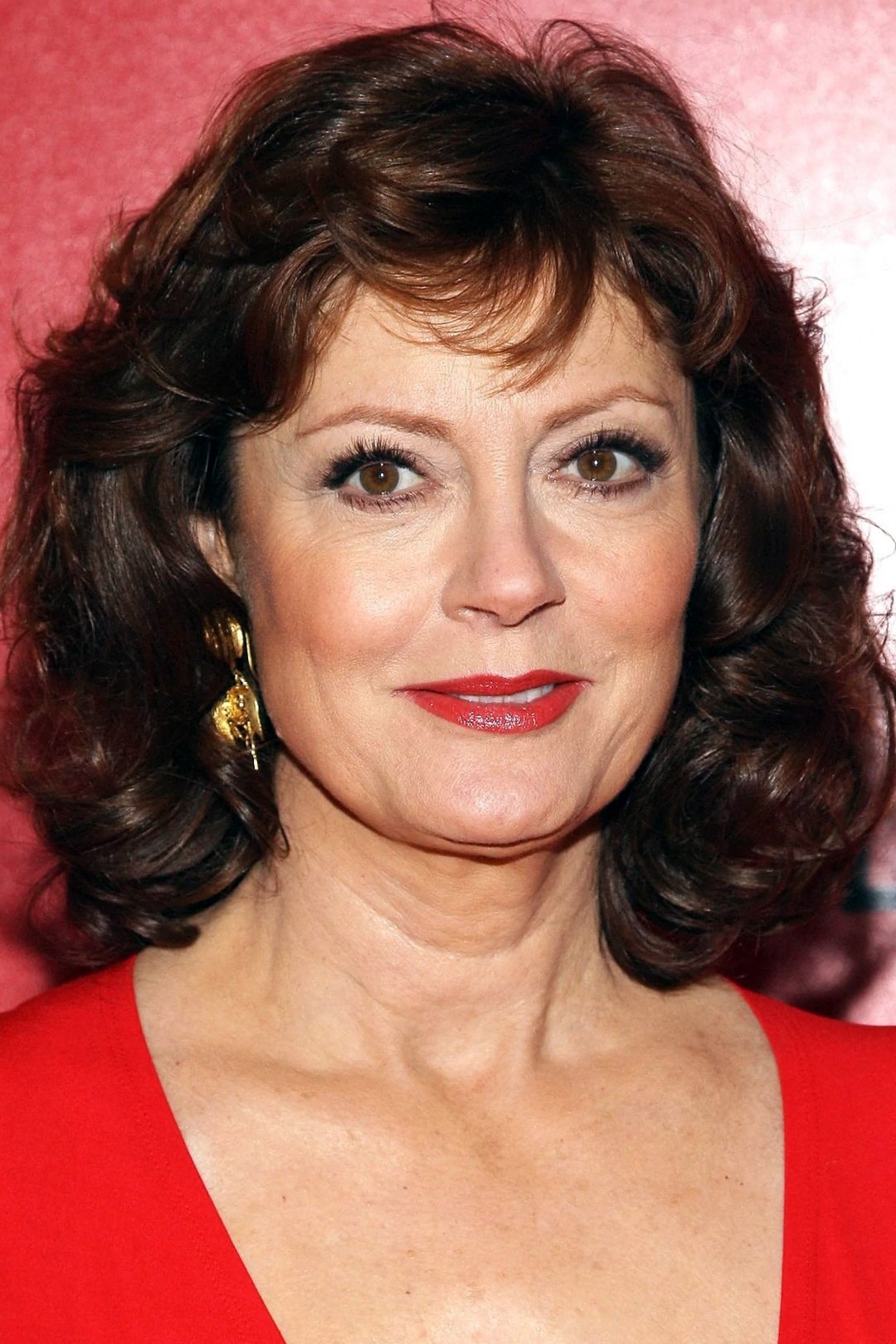
Susan Sarandon appeared in the film ‘Cloud Atlas’ where she played multiple roles including a male character in one of the film’s timelines. The movie was noted for its use of prosthetic makeup to allow actors to play different ages genders and races which sparked a massive controversy. Critics and activists slammed the production for its use of yellowface and for casting cisgender actors in roles that crossed gender boundaries. The backlash against Sarandon and her co-stars focused on the idea that these creative choices were insensitive and ignored the importance of authentic representation. While the film was ambitious its approach to gender and race remains one of its most criticized aspects.
Meryl Streep
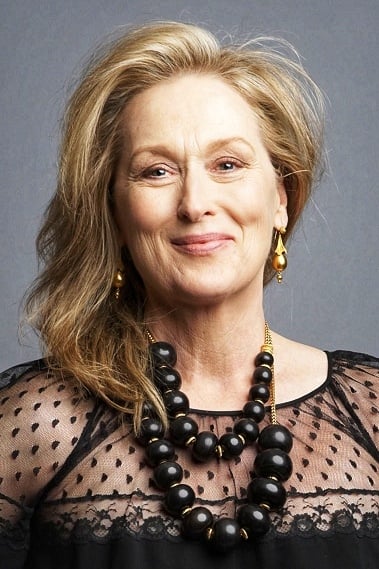
Meryl Streep took on the role of an elderly Jewish Rabbi in the acclaimed miniseries ‘Angels in America’ which was directed by Mike Nichols. While her performance was lauded for its technical skill it has been part of a broader discussion about why cisgender women are often chosen for male roles in prestige projects. Some critics have pointed out that this practice takes opportunities away from male or nonbinary actors who could bring a different energy to the role. The backlash is less about Streep’s individual talent and more about the systemic preference for established stars over authentic casting. This role remains a significant part of her filmography but is often scrutinized in contemporary debates about gender.
Whoopi Goldberg
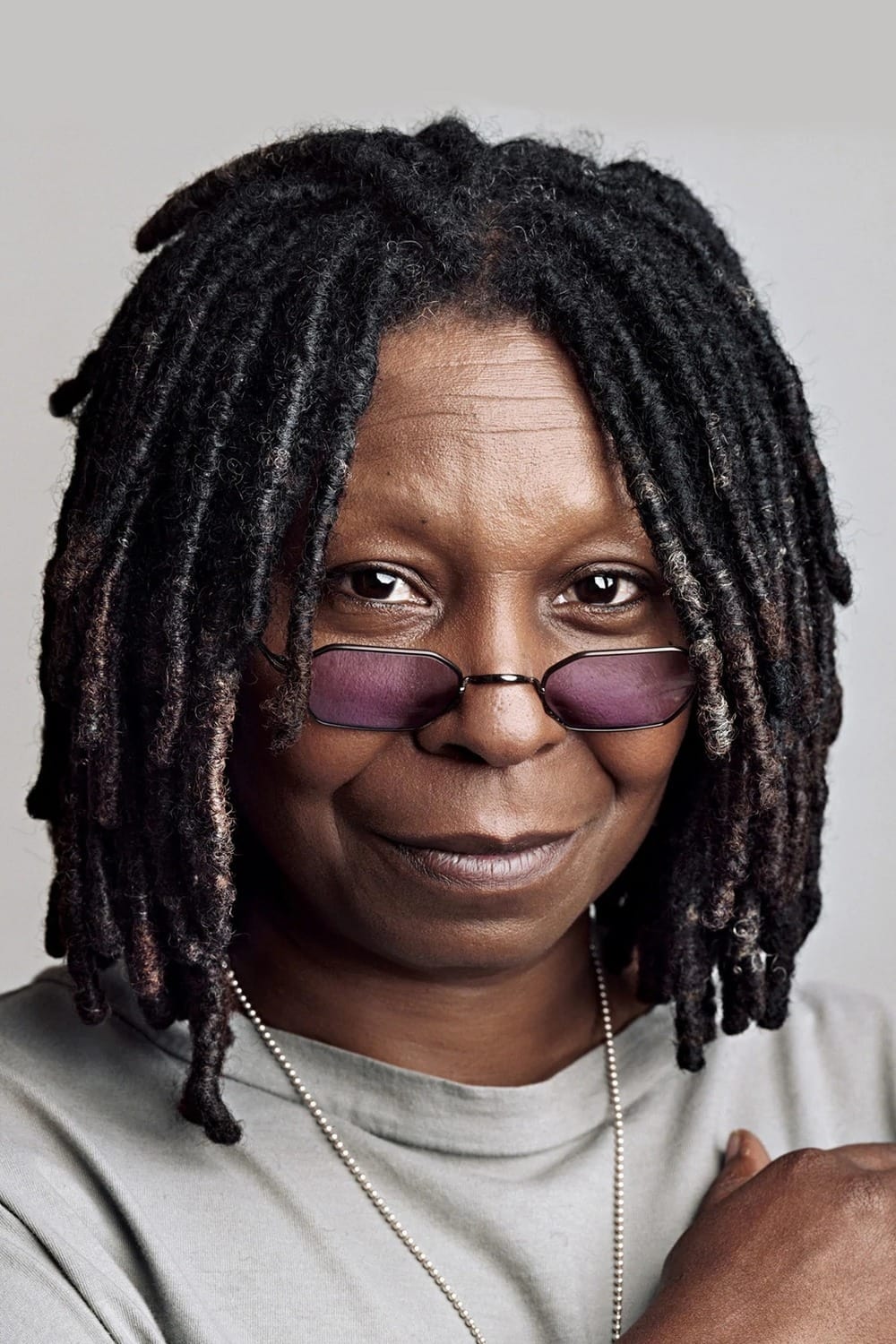
Whoopi Goldberg played the lead role in ‘The Associate’ where her character creates a fictional white male businessman to succeed in the world of high finance. While the film is a social comedy about race and gender in the workplace it has faced retrospective criticism for its use of prosthetics and disguise. Critics argue that the film treats gender and racial identity as things that can be easily manipulated which some feel trivializes the actual lived experiences of marginalized groups. The backlash focuses on how the film uses these transformations for comedic relief rather than addressing the deeper systemic issues at play. Goldberg’s performance was noted for its humor but the film’s approach to identity is seen as dated by modern standards.
Angelina Jolie
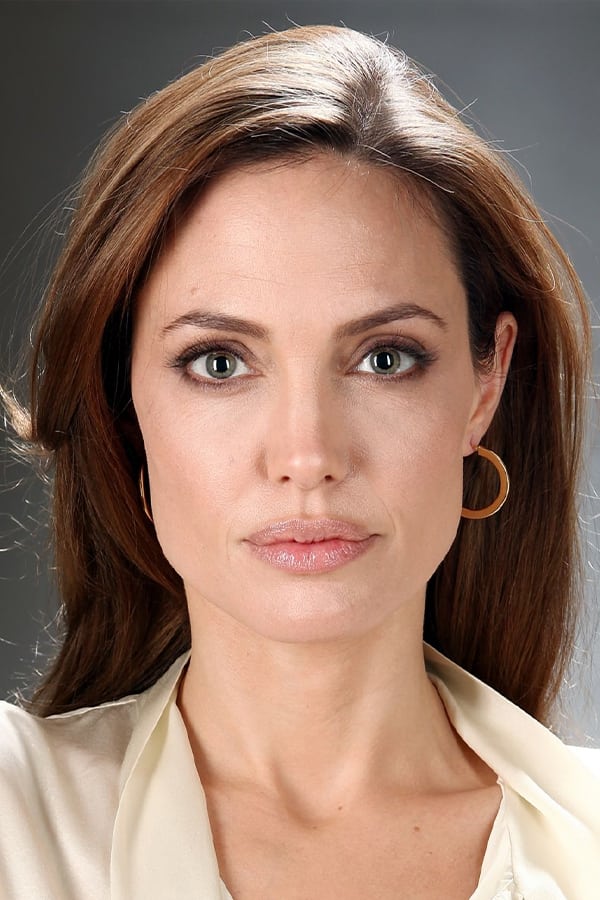
Angelina Jolie played a character who briefly disguises herself as a man to evade capture in the action thriller ‘Salt’ which was released in 2010. While the character was not transgender the sequence involved extensive prosthetic work and was marketed as a major transformation for the actress. The backlash focused on the way the film used gender disguise as a gimmick to generate buzz rather than for any narrative depth. Activists argued that these types of scenes can reinforce the idea that gender is simply a mask that can be put on and taken off easily. The controversy around the role contributed to the larger conversation about the lack of serious roles for trans actors in big budget Hollywood movies.
Salma Hayek Pinault

Salma Hayek Pinault appeared in a series of photographs and scenes for the film ‘Frida’ where she dressed in traditional men’s clothing as the artist Frida Kahlo often did. While the role was an accurate depiction of the real life artist’s gender bending tendencies it has sparked debate in modern academic and queer circles. Some argue that the film missed an opportunity to more deeply explore Kahlo’s queer and gender nonconforming identity through a more inclusive lens. The backlash centers on the way mainstream biopics often sanitize or simplify the complex gender identities of their subjects to appeal to a wider audience. Hayek Pinault’s performance is highly regarded but its treatment of gender remains a topic of analysis for those seeking more authentic representation.
Mary Stuart Masterson
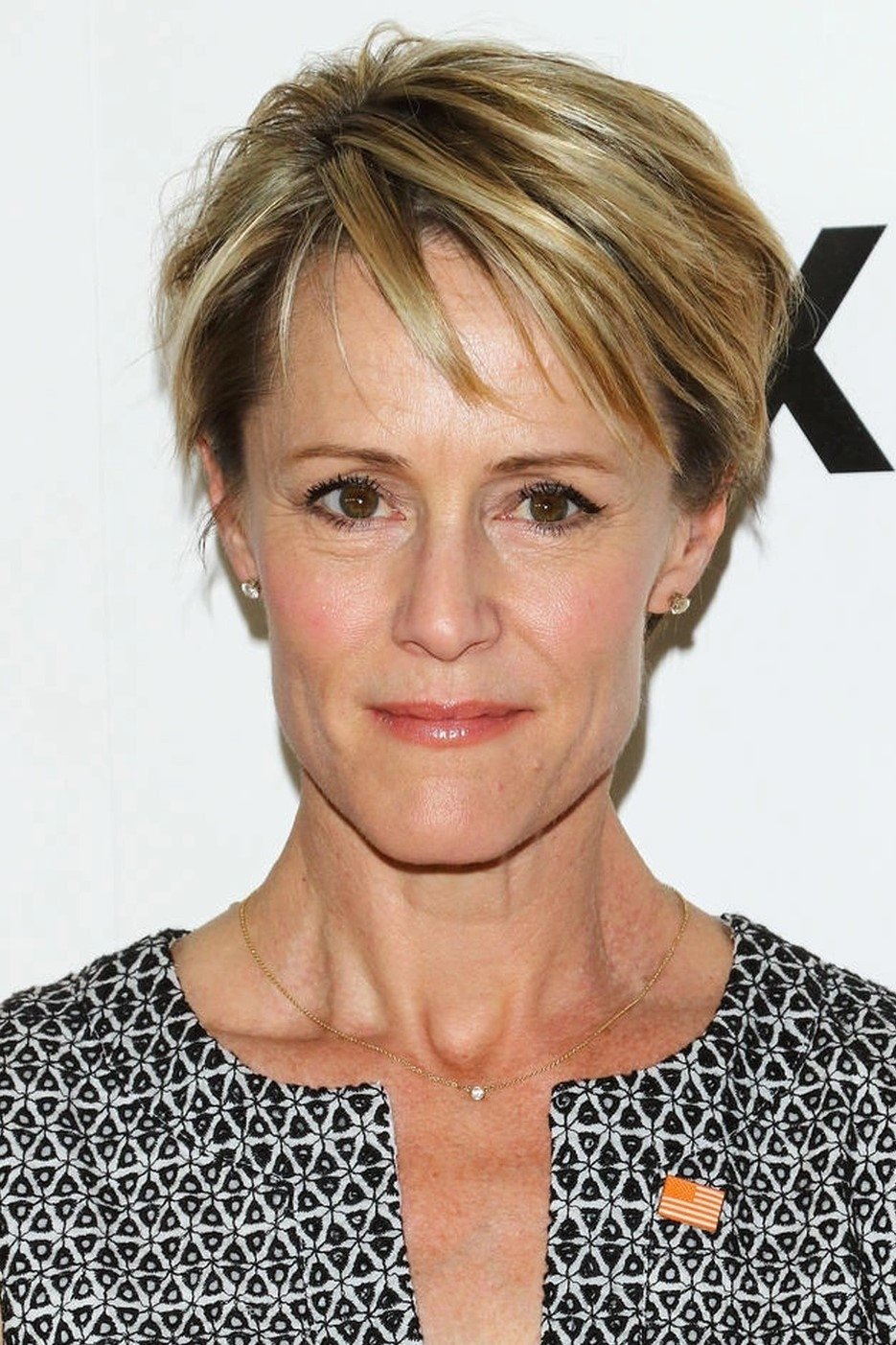
Mary Stuart Masterson played the role of Watts in the 1987 film ‘Some Kind of Wonderful’ who is a tomboy character with a very masculine presentation. While the character is not explicitly identified as transgender many viewers have long interpreted Watts through a trans masculine lens. The backlash in contemporary discussions centers on the way the film ultimately forces the character into a traditional heteronormative romance. Critics argue that the character’s gender nonconformity is treated as a phase or a quirk rather than a fundamental part of her identity. This role is frequently discussed as an example of how eighties cinema often flirted with gender bending without fully committing to queer or trans narratives.
Share your thoughts on these controversial casting choices in the comments.