Highly Anticipated Movies That Bombed Because Fans Violently Rejected the Woke Casting


The relationship between major film studios and their core audiences has faced significant tension in recent years due to controversial casting decisions. When studios reimagine established characters or prioritize diverse representation in legacy franchises, the resulting fan backlash can manifest as organized online protests and poor box office performance. Industry analysts often point to a disconnect between corporate marketing strategies and the expectations of long-term enthusiasts as a primary cause for financial failure. While some films successfully navigate modern updates, several high-profile projects have suffered substantial losses after failing to secure the support of their target demographics.
‘Ghostbusters’ (2016)
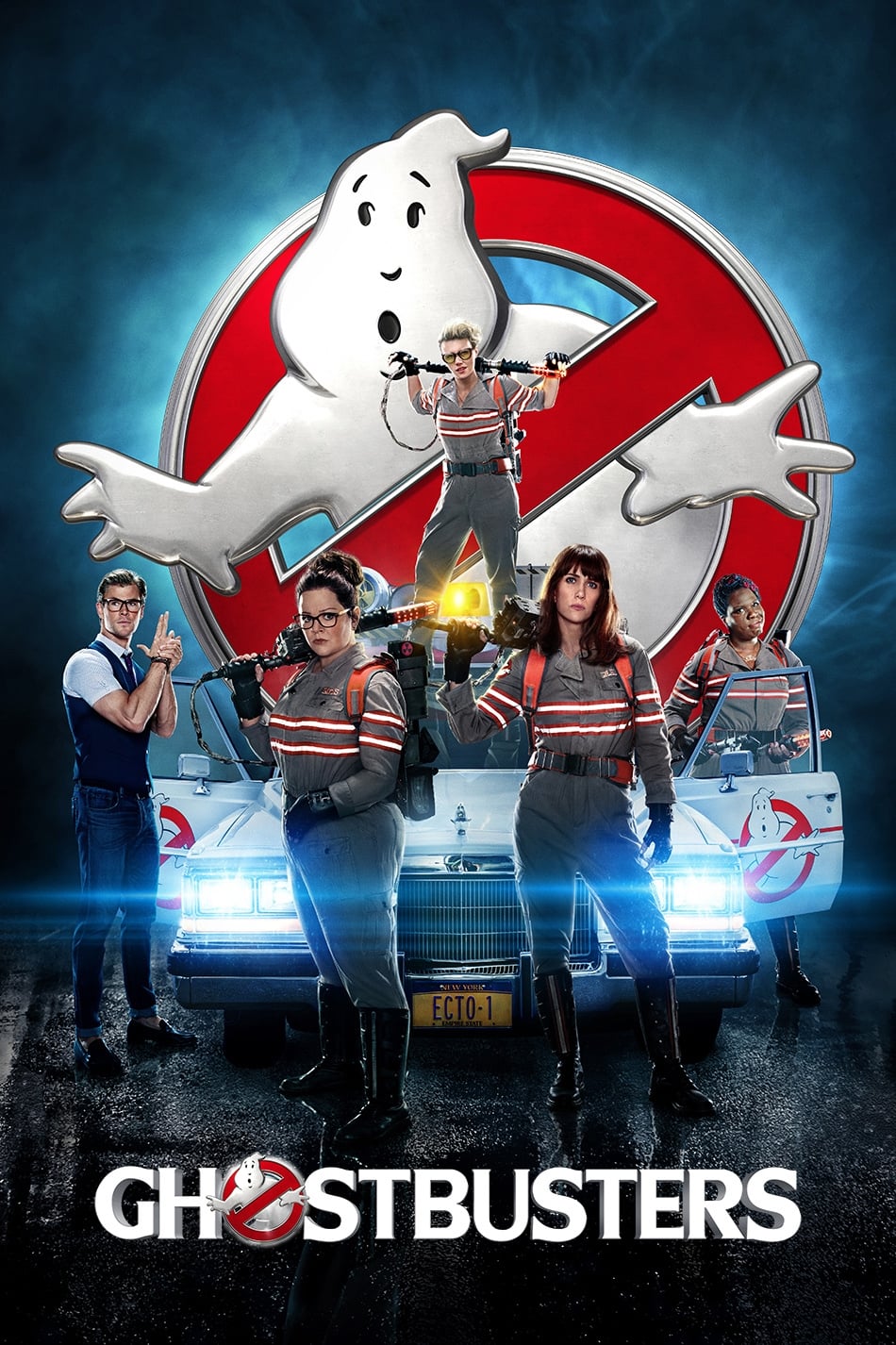
This reboot replaced the original male team with female leads played by Melissa McCarthy, Kristen Wiig, Leslie Jones, and Kate McKinnon. The film faced significant online backlash and trailer downvoting before it even premiered in theaters, with many fans criticizing the gender-swapped approach to the 1984 classic. Despite an aggressive marketing campaign, the movie failed to break even, resulting in an estimated loss of $70 million for Sony Pictures. Critics and analysts noted that the departure from the original source material alienated the existing fan base while failing to attract a sustainable new audience. This financial disappointment led the studio to eventually return to the original continuity with a different cast in subsequent installments.
‘The Marvels’ (2023)
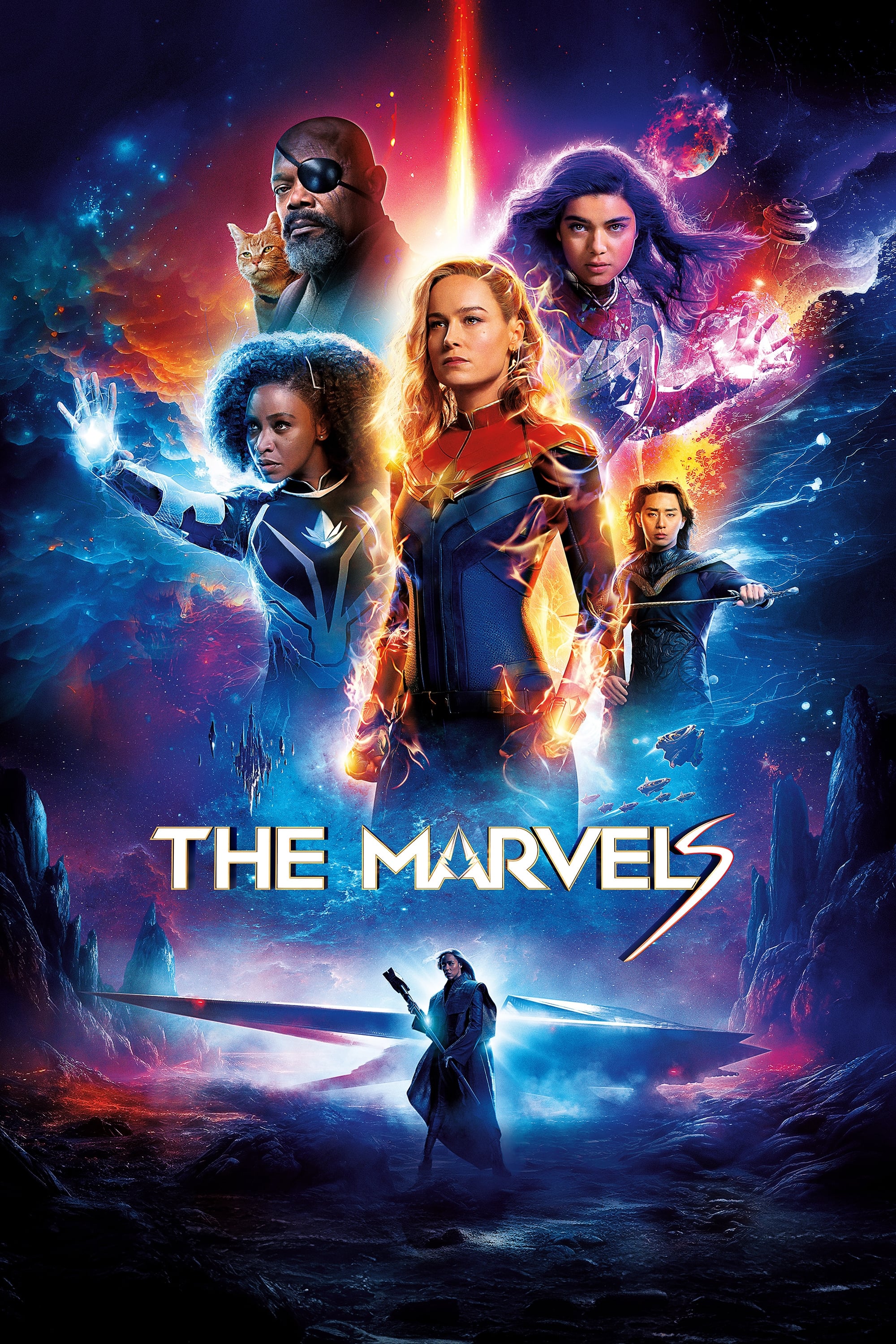
As a sequel to ‘Captain Marvel’, this film brought together three female heroes: Carol Danvers, Monica Rambeau, and Kamala Khan. It currently holds the record for the lowest-grossing film in the history of the Marvel Cinematic Universe, earning only $206 million against a budget exceeding $270 million. Box office data indicated a significant drop in male viewership compared to previous MCU installments, a demographic traditionally central to the franchise’s success. The production struggled to build momentum as vocal segments of the audience criticized the “all-female” focus and the perceived political messaging. This outcome forced Disney executives to reevaluate their content output and focus on more traditional franchise pillars.
‘Strange World’ (2022)

This animated feature from Disney featured an openly gay teenage protagonist and a diverse ensemble cast in a pulp-inspired adventure. The film suffered one of the largest financial losses in animation history, losing the studio an estimated $147 million during its theatrical run. Pre-release discussions were dominated by debates regarding the inclusion of LGBTQ+ themes in a film marketed primarily to young children. The movie’s underperformance was largely attributed to a lack of interest from traditional family audiences who voiced concerns over the narrative direction. Ultimately, ‘Strange World’ failed to resonate with domestic or international markets, leading to its quick transition to streaming services.
‘Lightyear’ (2022)
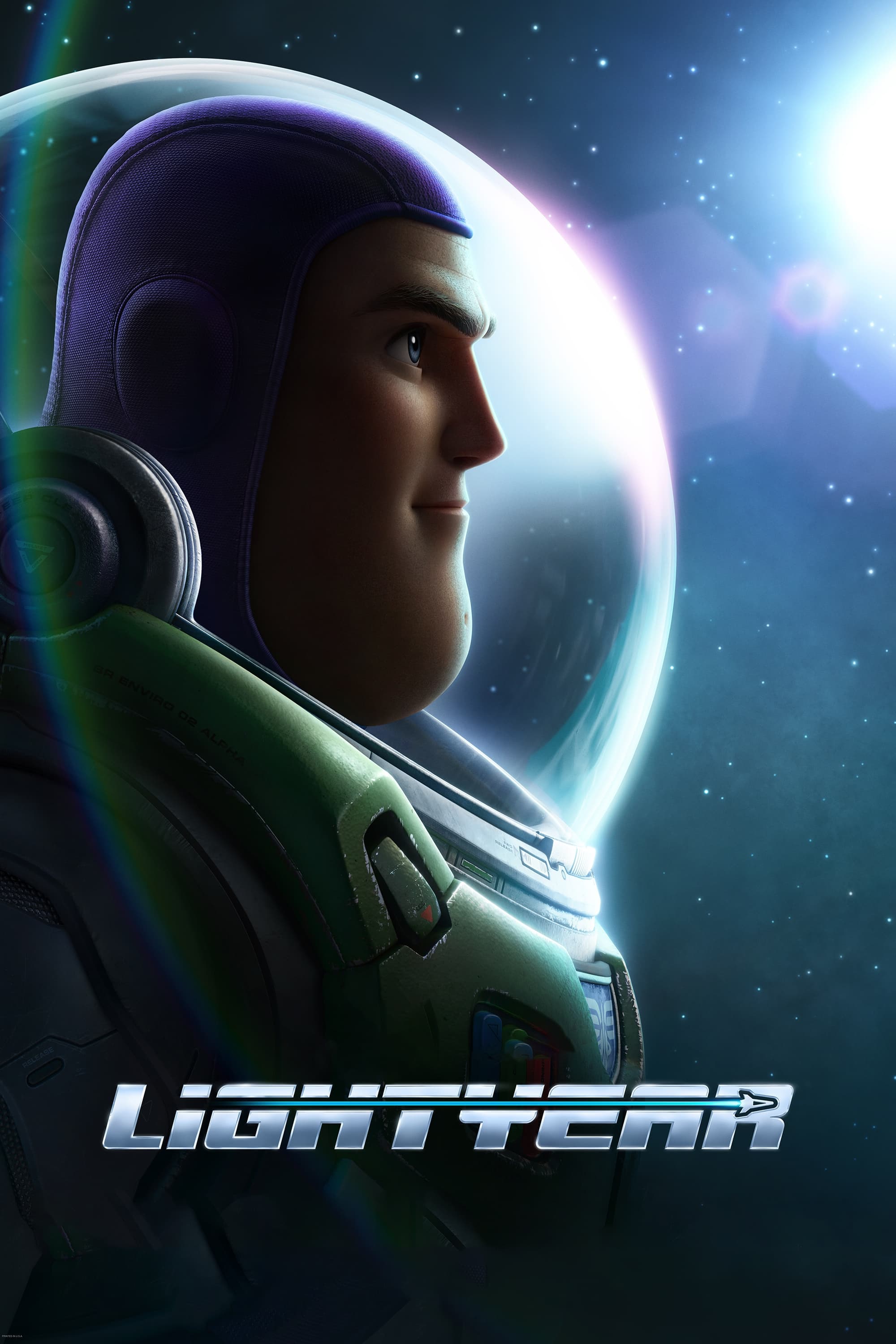
Pixar’s ‘Toy Story’ spin-off saw Chris Evans replacing Tim Allen as the voice of the title character, a move that immediately drew criticism from fans of the original voice actor. The film also included a brief scene featuring a same-sex kiss, which led to bans in fourteen international markets and spurred domestic boycotts. It grossed significantly less than projected, making it one of the rare financial disappointments in Pixar’s history. Analysts highlighted the “woke” branding and the fundamental change to a beloved character as major factors in the film’s inability to attract the ‘Toy Story’ loyalists. The studio later admitted that the film’s concept was perhaps too far removed from what audiences expected from the brand.
‘Bros’ (2022)
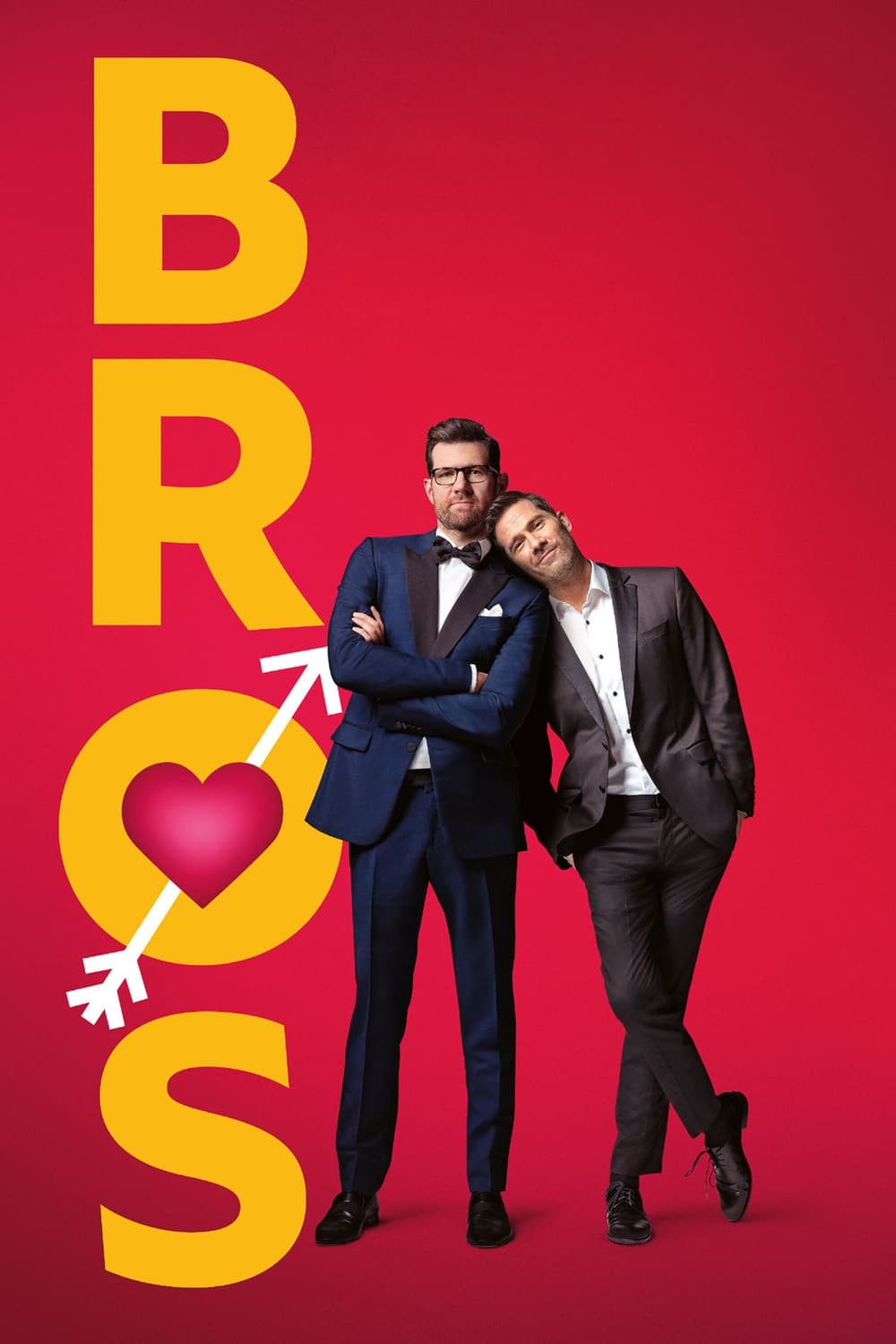
The marketing for this romantic comedy focused heavily on it being the first major studio film with an all-openly-LGBTQ+ principal cast. The film opened to very low box office numbers, earning only $4.8 million in its debut weekend against a $22 million production budget. Star Billy Eichner publicly addressed the poor performance, attributing the lack of success to straight audiences not supporting the film. However, industry experts suggested that the combative marketing approach and the niche target audience were the true drivers of the financial failure. The film concluded its theatrical run as a significant loss for Universal Pictures.
‘Charlie’s Angels’ (2019)

Directed by Elizabeth Banks, this reboot starred Kristen Stewart, Naomi Scott, and Ella Balinska as the iconic trio of private investigators. The film was marketed with a heavy emphasis on feminist themes, but it failed to attract either new viewers or fans of the original 1970s series and 2000s films. It earned just $73 million worldwide, a figure that did not cover its production and marketing costs. Elizabeth Banks later commented that the film’s failure might have been due to a lack of interest in female-led action movies by male audiences. Critics pointed out that the script’s focus on modern social commentary may have overshadowed the action-comedy elements fans expected.
‘Terminator: Dark Fate’ (2019)
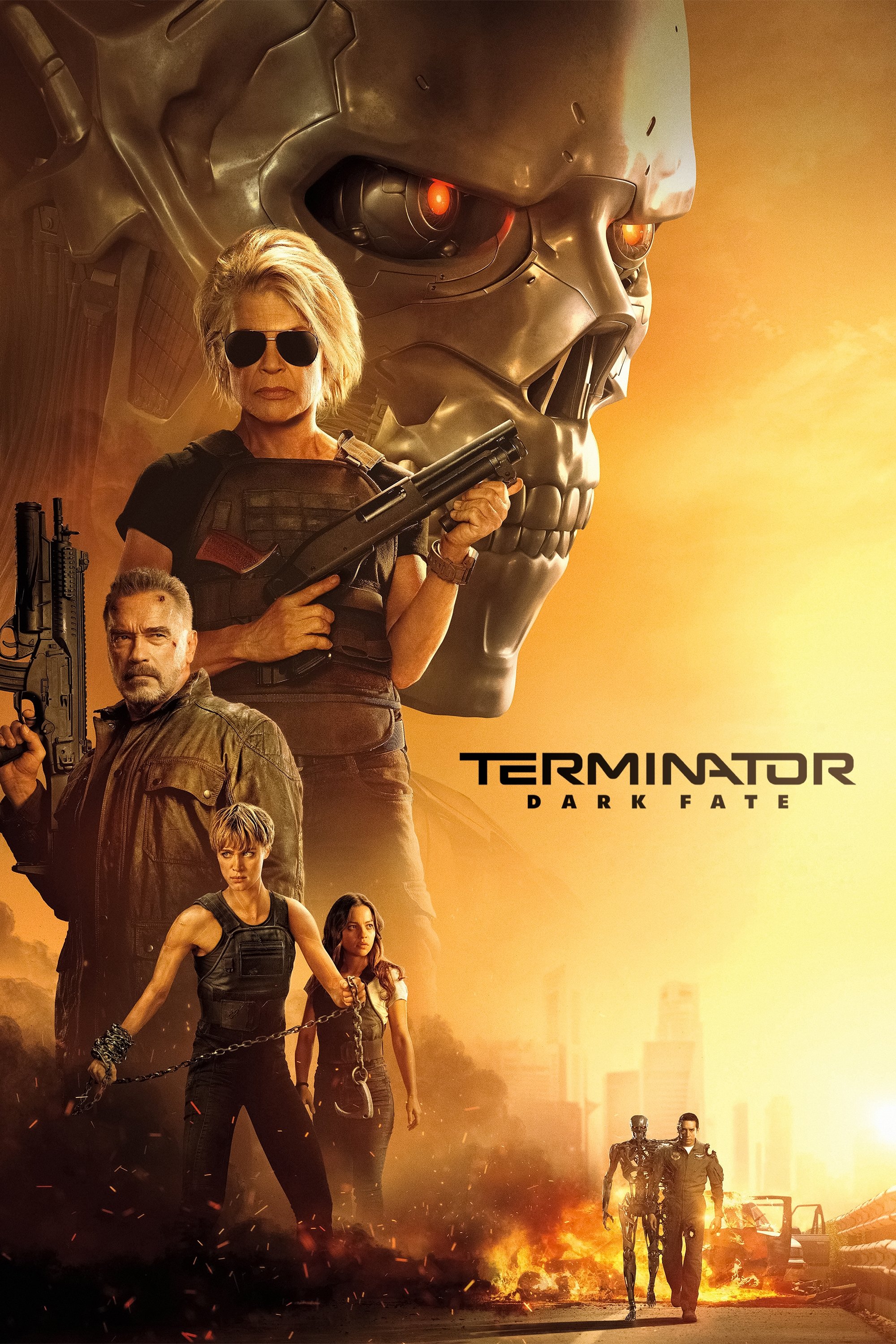
This installment ignored the events of the previous three films and introduced a new trio of female protagonists alongside the returning Linda Hamilton. The film’s marketing emphasized its diverse casting and progressive themes, which drew immediate criticism from vocal segments of the ‘Terminator’ fan base. It resulted in a massive financial loss of approximately $122 million for the participating studios. Analysts noted that killing off a core legacy character in the opening minutes to make way for new “woke” leads alienated the very fans needed to sustain the franchise. The failure effectively put the ‘Terminator’ series on hiatus for several years.
‘Fantastic Four’ (2015)
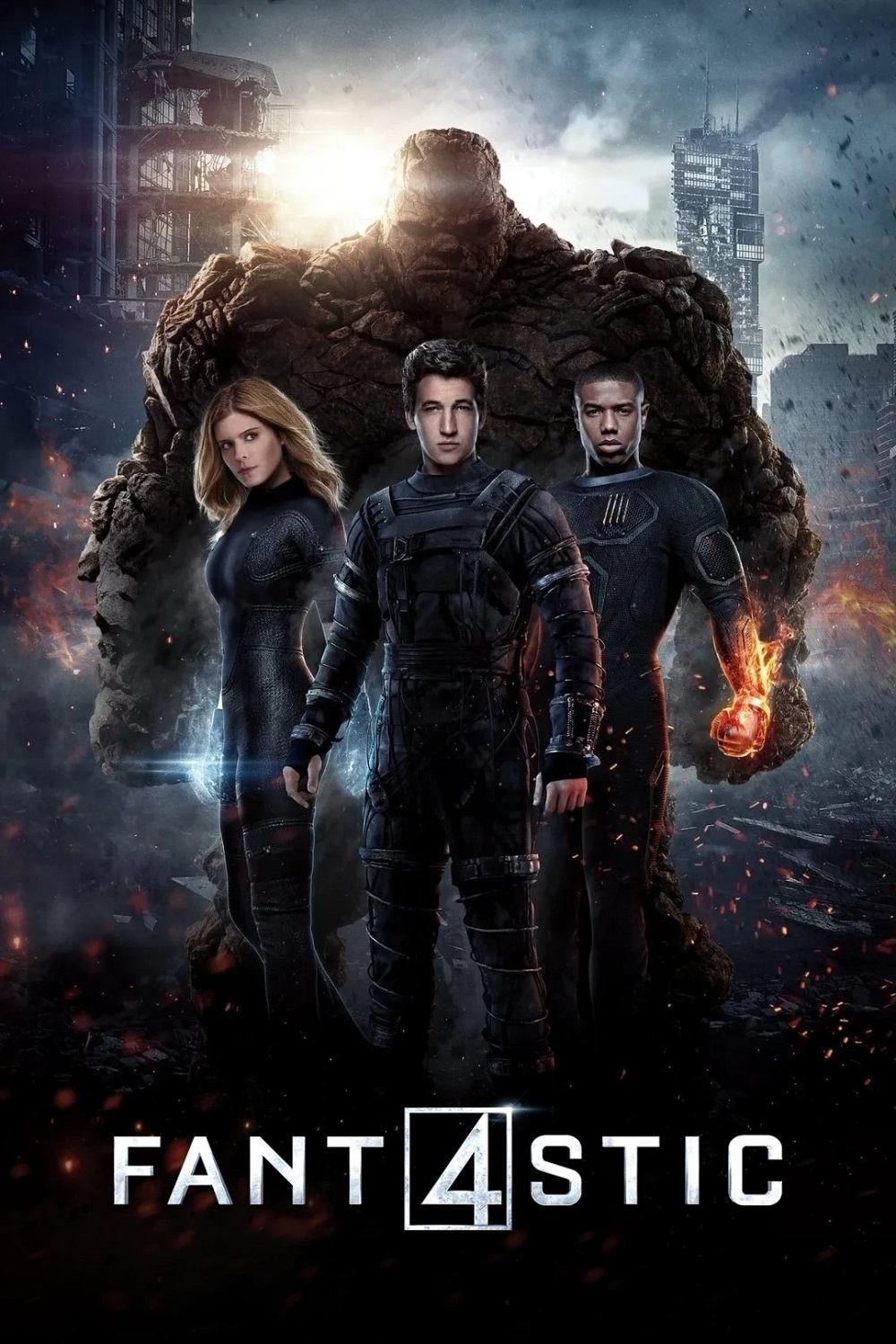
The decision to cast Michael B. Jordan as Johnny Storm, a character traditionally depicted as white in Marvel comics, sparked immediate and intense controversy during pre-production. Director Josh Trank’s reboot suffered from a troubled production and overwhelmingly negative reviews, leading to a disastrous box office performance. The film earned roughly $167 million worldwide, failing to recoup its massive budget and marketing spend. While the casting was not the only issue, it remained a focal point of fan dissatisfaction that contributed to a lack of interest. The film is now frequently cited as one of the most high-profile failures in the superhero genre.
‘The 355’ (2022)
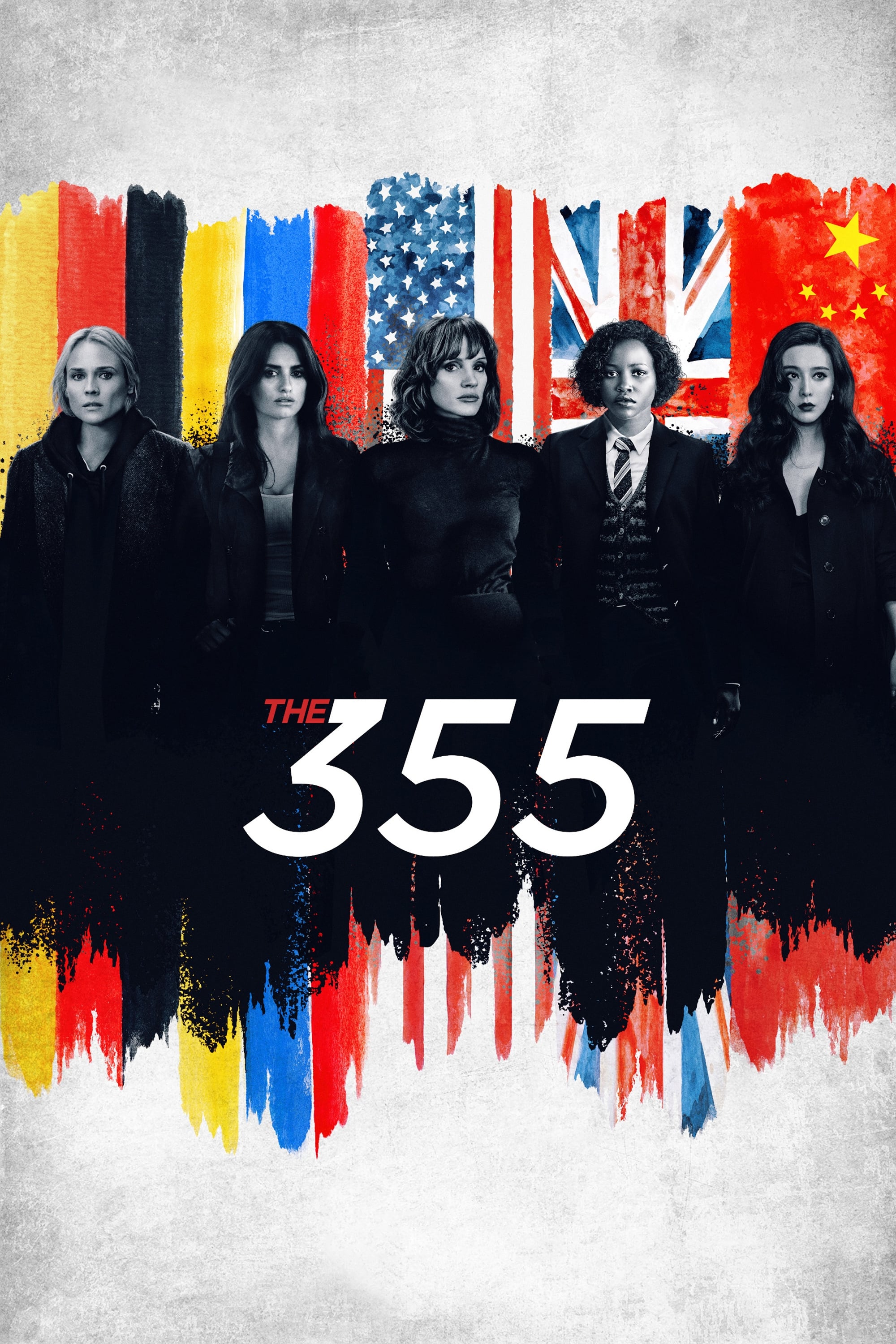
Featuring an ensemble of international female stars including Jessica Chastain and Lupita Nyong’o, this spy thriller was designed to launch a new female-led franchise. The movie was met with minimal interest from the general public and was criticized for following a formulaic “gender-swapped” spy narrative. It earned less than $30 million globally during its entire theatrical run, far below what was needed to break even. Audience feedback indicated a fatigue with films perceived as being built around “representation” rather than compelling original storytelling. The project’s failure led to the cancellation of any potential sequels or spin-offs.
‘Snake Eyes: G.I. Joe Origins’ (2021)
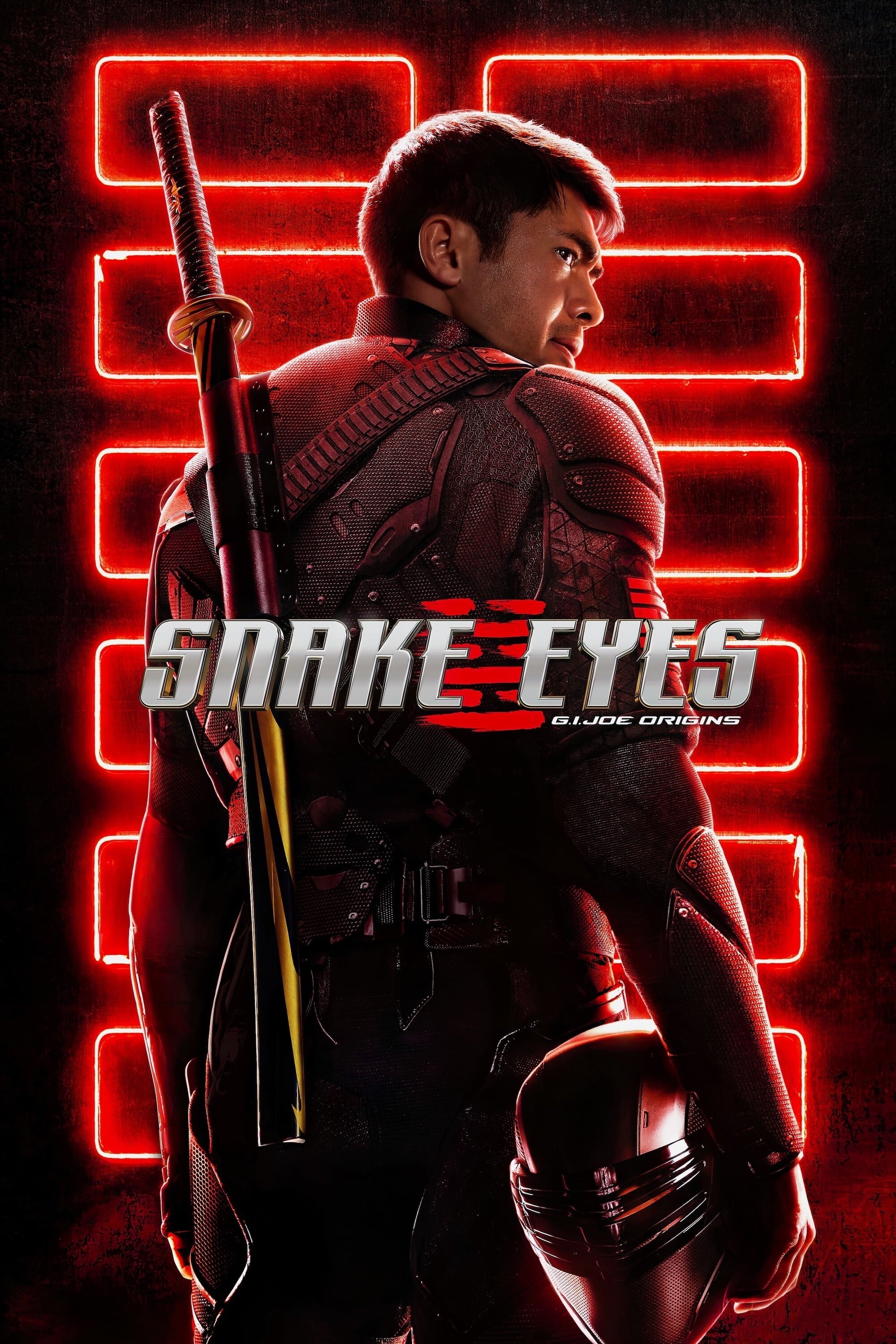
This spin-off chose to unmask the traditionally silent and mysterious ‘G.I. Joe’ character, casting Henry Golding in the lead role and changing his ethnicity and backstory. Longtime fans of the franchise criticized the departure from the character’s established lore, specifically the removal of his identity as a masked, silent warrior. The film grossed only $40 million worldwide against an $88 million production budget, representing a significant loss for Paramount. The backlash over the fundamental changes to the character’s origins was cited as a primary reason for the lack of fan engagement. This failure halted plans for a larger ‘G.I. Joe’ cinematic universe centered on this iteration.
‘The Dark Tower’ (2017)
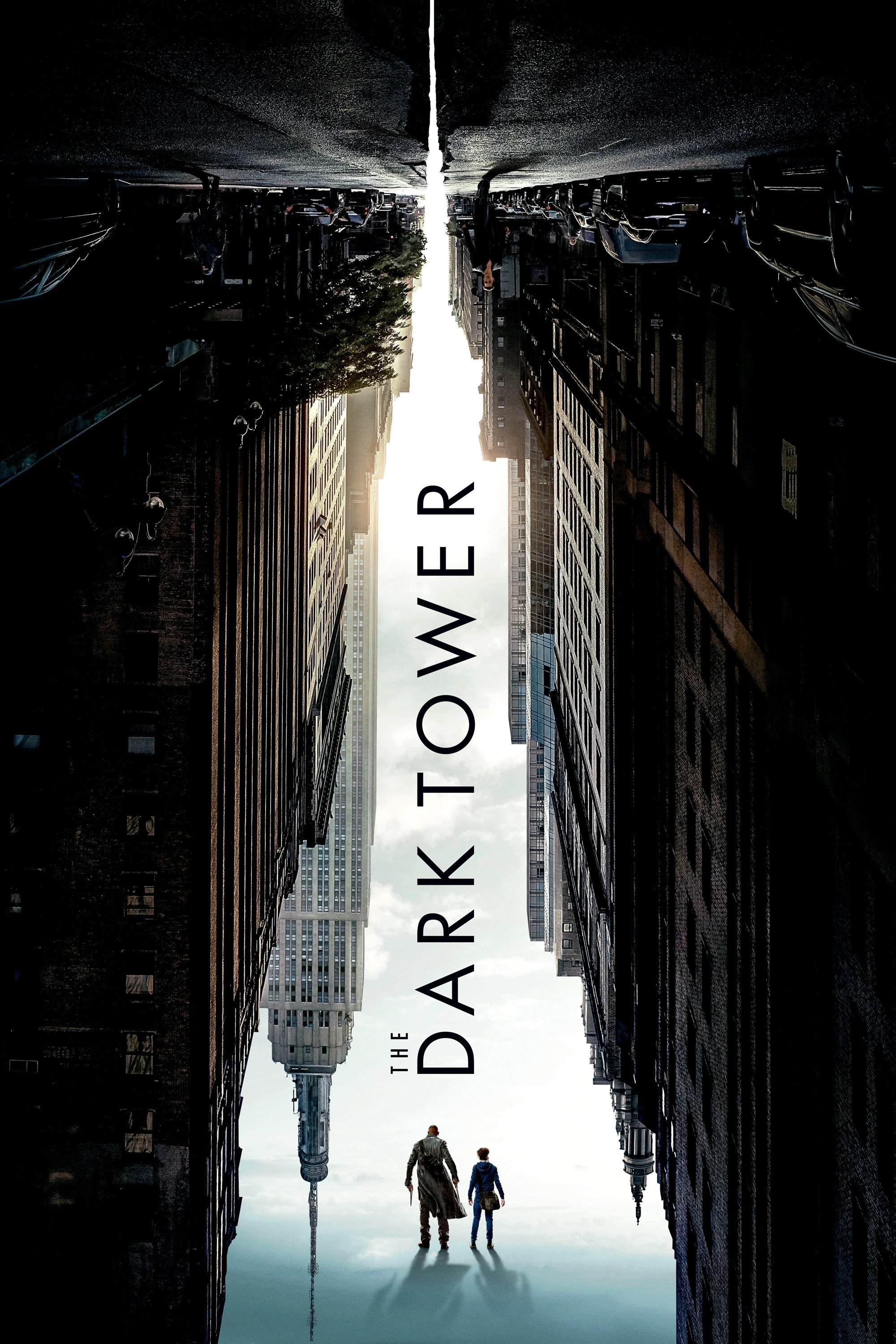
Based on Stephen King’s sprawling book series, the film cast Idris Elba as the Gunslinger, a character described as white and resembling Clint Eastwood in the source material. While Elba’s performance was not the primary target of criticism, many fans of the novels rejected the adaptation for its condensed story and casting deviations. The movie underperformed significantly, grossing only $113 million against its total production and marketing costs. The negative reception from the “Constant Readers” of King’s work prevented the film from launching the intended multi-media franchise. Consequently, plans for a television spin-off were eventually scrapped and the rights were sold elsewhere.
‘Men in Black: International’ (2019)

This spin-off paired Chris Hemsworth with Tessa Thompson, intentionally moving away from the iconic Will Smith and Tommy Lee Jones dynamic. Marketing for the film highlighted the “Men in Black” title being outdated, which triggered backlash from fans who felt the franchise was being used for political messaging. The film received poor reviews and failed to generate the box office momentum seen by the original trilogy. It earned $253 million worldwide, which was considered a major disappointment for a high-budget summer tentpole. The film’s performance suggested that audiences were not interested in a “PC” version of the established brand.
‘The Little Mermaid’ (2023)
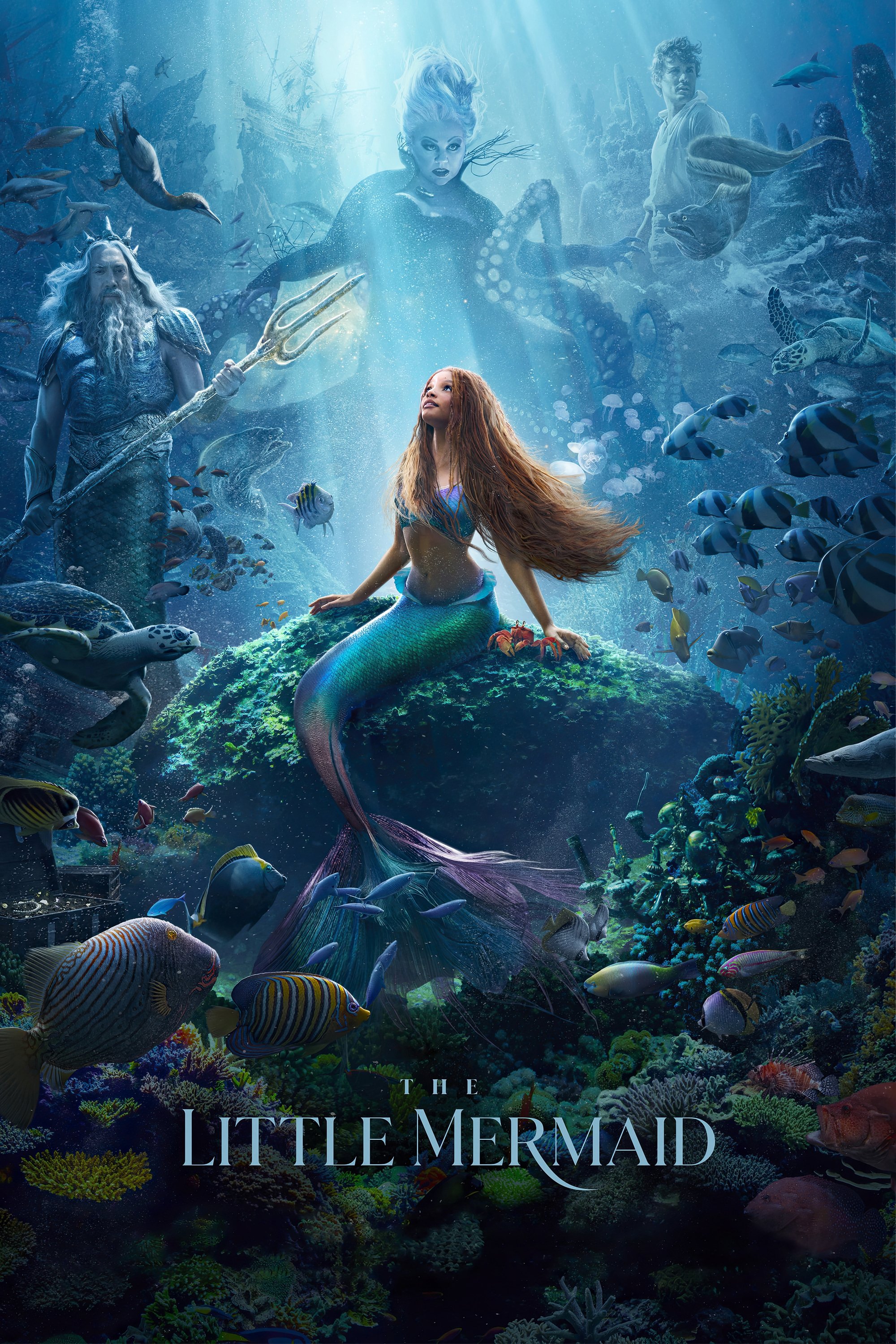
The casting of Halle Bailey as Ariel led to a sustained period of online debate regarding the character’s appearance relative to the 1989 animated film. While the movie performed reasonably well in the United States, it struggled significantly in major Asian markets such as China and South Korea. In these regions, the casting was cited by local box office analysts as a primary reason for the low turnout and negative audience scores. The film’s $569 million global gross was seen as a disappointment given its $250 million production budget and massive marketing spend. It failed to reach the billion-dollar milestone achieved by other Disney live-action remakes like ‘Aladdin’.
‘Peter Pan & Wendy’ (2023)
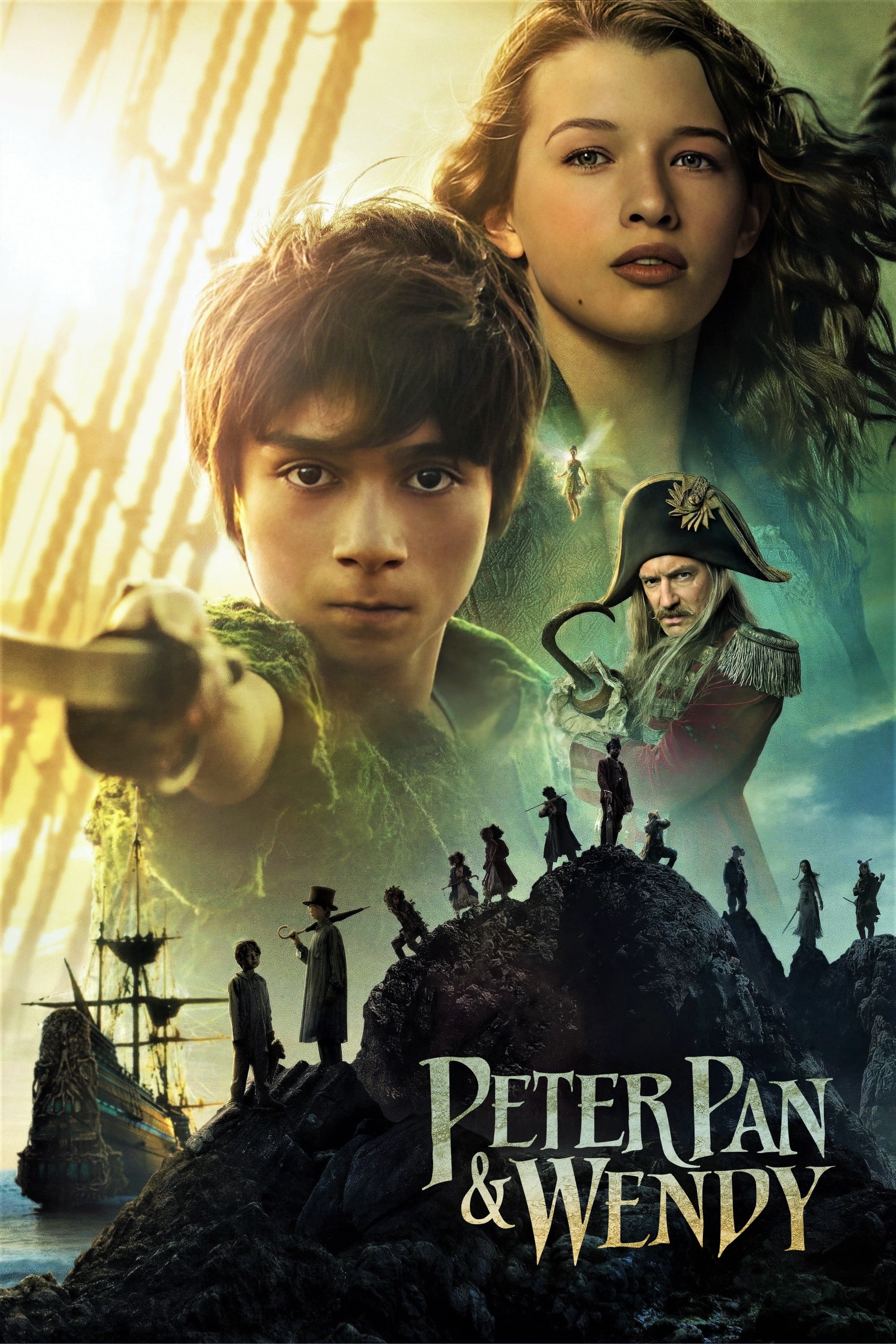
This Disney+ original faced immediate criticism for its diverse casting choices, including Yara Shahidi as the first Black Tinker Bell. Fans also reacted negatively to the inclusion of girls among the “Lost Boys” group, arguing that it contradicted the core themes of the original J.M. Barrie story. The film skipped a theatrical release and went straight to streaming, where it received polarized audience reviews on platforms like Rotten Tomatoes. The discourse surrounding the film focused heavily on the perceived “woke” updates to the classic narrative rather than the film’s artistic merits. Critics noted that these changes did little to improve the story for modern audiences.
‘Pinocchio’ (2022)
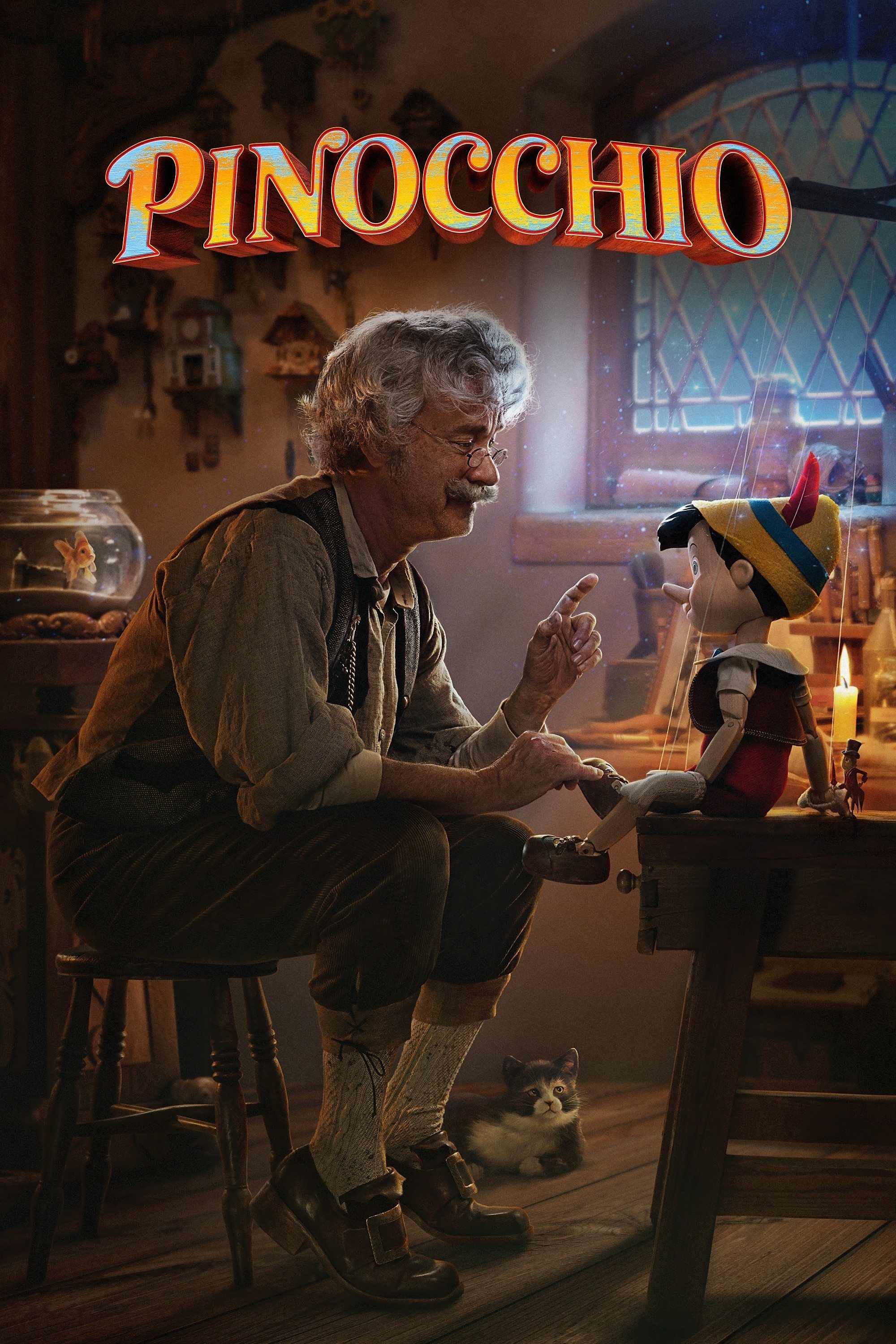
Robert Zemeckis’s live-action adaptation for Disney+ featured Cynthia Erivo as the Blue Fairy, a casting choice that became a central point of contention in social media discussions. Audience reception was overwhelmingly negative, with many viewers panning the visual effects and the various narrative changes made to the 1940 original. The film failed to generate significant viewership buzz or critical acclaim compared to previous Disney live-action projects. This lack of engagement was partly attributed to the fatigue surrounding Disney’s “inclusive” reimagining of its classic catalog. The movie currently stands as one of the lowest-rated adaptations of the ‘Pinocchio’ story on various review aggregators.
Please share your thoughts on whether these casting choices impacted your decision to see these films in the comments.