LGBTQ+ Musicians Who Faced Intense Backlash from Their Traditional Record Labels


The history of the music industry is often marked by a tension between artistic authenticity and the commercial expectations of major record labels. For many LGBTQ musicians, this struggle has been intensified by institutionalized homophobia, transphobia, and a perceived lack of marketability. Traditional labels have frequently pressured artists to remain in the closet or conform to heteronormative standards to avoid alienating mainstream audiences. While some artists successfully challenged these corporate restrictions, others faced significant professional consequences for prioritizing their identities. The following musicians navigated intense friction with their record labels and the broader industry infrastructure due to their sexuality or gender identity.
George Michael
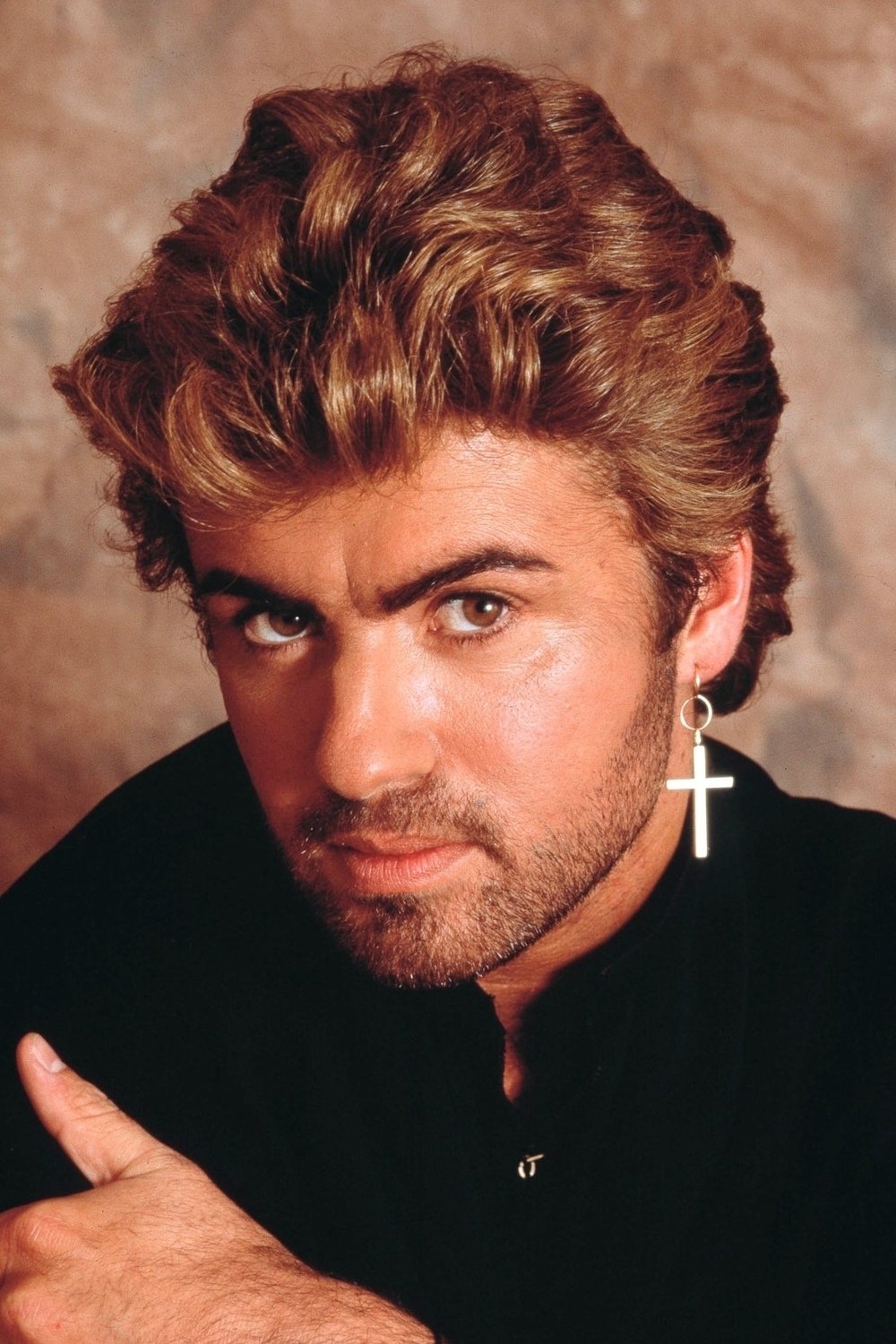
During his tenure with Sony Music, George Michael entered a high-profile legal battle to terminate his contract. He characterized the agreement as “professional slavery” and cited a lack of creative control following his shift toward more mature, personal songwriting in ‘Listen Without Prejudice Vol. 1’. Sony executives reportedly pushed back against his refusal to appear in promotional videos or use his sex symbol image for marketing. The label’s reluctance to support his artistic evolution created a rift that lasted years and impacted his global output. Michael eventually paid millions to leave the label and sign with DreamWorks to regain his creative freedom.
Ricky Martin
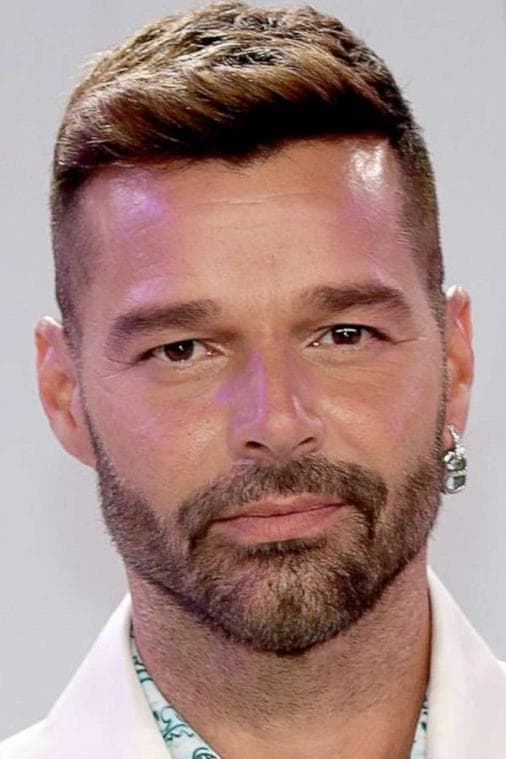
Before coming out publicly in 2010, Ricky Martin faced significant pressure from his management and label representatives to remain in the closet. During the height of his ‘Livin’ la Vida Loca’ success, advisors warned him that revealing his sexuality would permanently destroy his career and global appeal. This internal backlash forced him to maintain a public persona that did not align with his private life for over a decade. The industry’s insistence on marketing him as a traditional heterosexual heartthrob created a climate of fear and suppression. Martin later detailed these struggles in his autobiography, ‘Me’, explaining the psychological toll of the label’s demands.
Lil Nas X
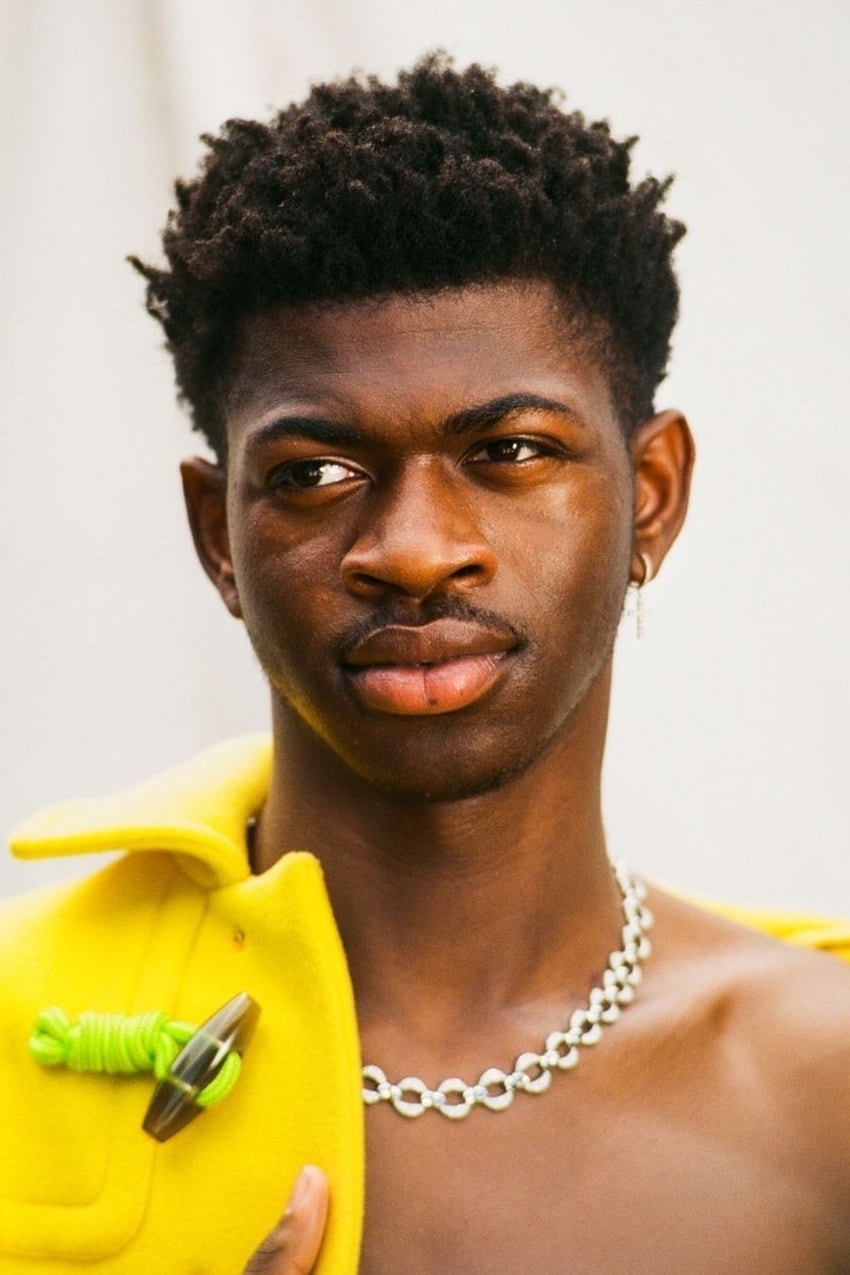
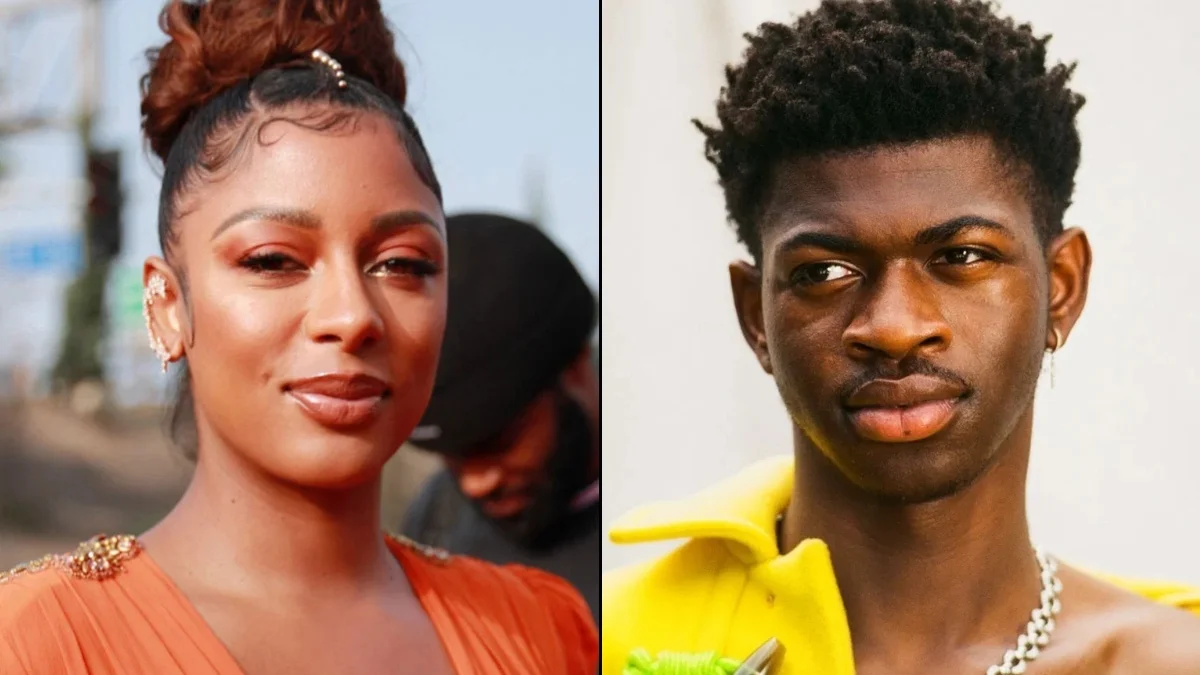
Lil Nas X encountered internal and external industry pushback following the release of the music video for ‘Montero (Call Me By Your Name)’. While signed to Columbia Records, the artist used provocative religious and queer imagery that sparked intense controversy and corporate hesitation. Reports indicated that certain executives were concerned about the potential loss of brand partnerships and mainstream radio support due to the video’s content. Despite these concerns, the artist persisted in his creative direction, which centered his queer identity in a way rarely seen in hip-hop. The friction highlighted the ongoing tension between traditional label expectations and modern artist authenticity.
Hayley Kiyoko

Hayley Kiyoko has spoken openly about the resistance she faced from record executives early in her solo career. While signed to Atlantic Records, she was reportedly told by label officials that she was making “another music video about girls” and should consider toning down her content. These executives expressed concerns that her queer-centric storytelling was too niche for a mainstream pop audience. Kiyoko resisted this pressure and continued to produce visuals that reflected her identity as a lesbian. Her perseverance helped her build a loyal fanbase despite the initial lack of label confidence in her specific artistic vision.
Billy Porter
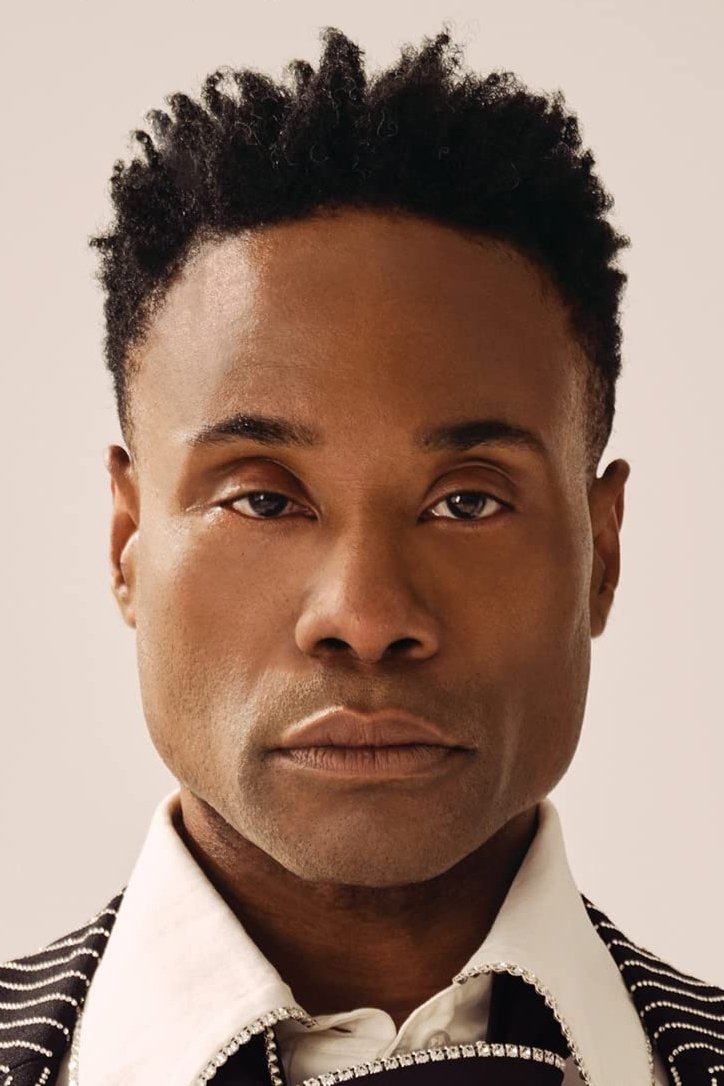
In the late 1990s, Billy Porter was signed to A&M Records as an R&B artist. The label struggled with his identity, eventually telling him that his “flamboyance” made him unmarketable to the R&B community of that era. Porter felt he was forced into a heteronormative box that suppressed his natural voice and personality. This lack of institutional support led to his debut self-titled album ‘Billy Porter’ failing to reach its commercial potential. He eventually left the mainstream music industry for years to find success on Broadway before returning to music on his own terms.
Frank Ocean
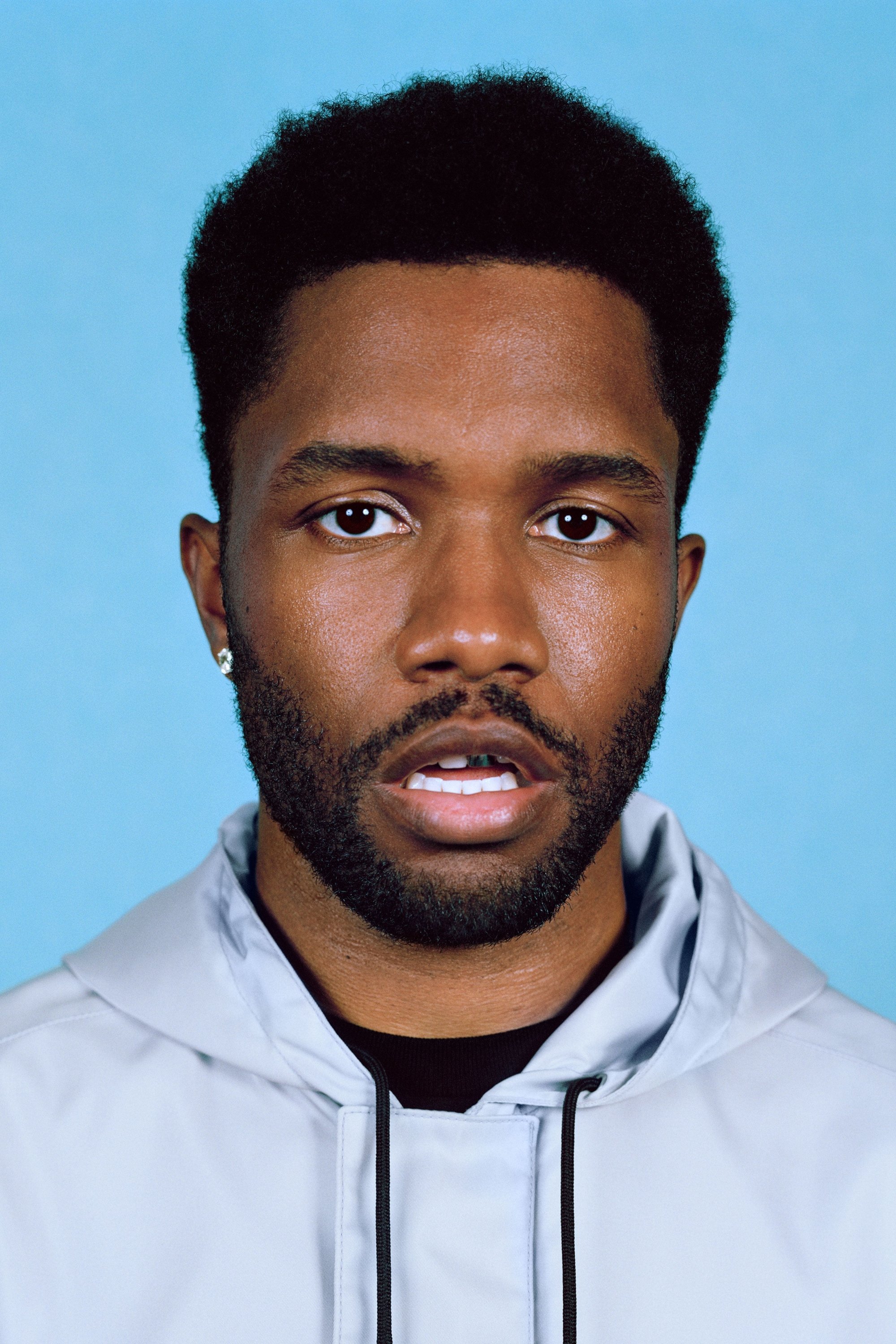
Frank Ocean engaged in a complex strategic battle with Def Jam Recordings to regain his independence and creative control. After the success of ‘Channel Orange’, the label reportedly grew frustrated with his unconventional release methods and personal boundaries. Ocean eventually used his own funds to buy back his master recordings and fulfill his contract with the visual album ‘Endless’. He immediately followed this by independently releasing ‘Blonde’, a move that blindsided the label and industry executives. This conflict underscored the artist’s refusal to conform to traditional major label distribution models that he felt were restrictive.
Adam Lambert
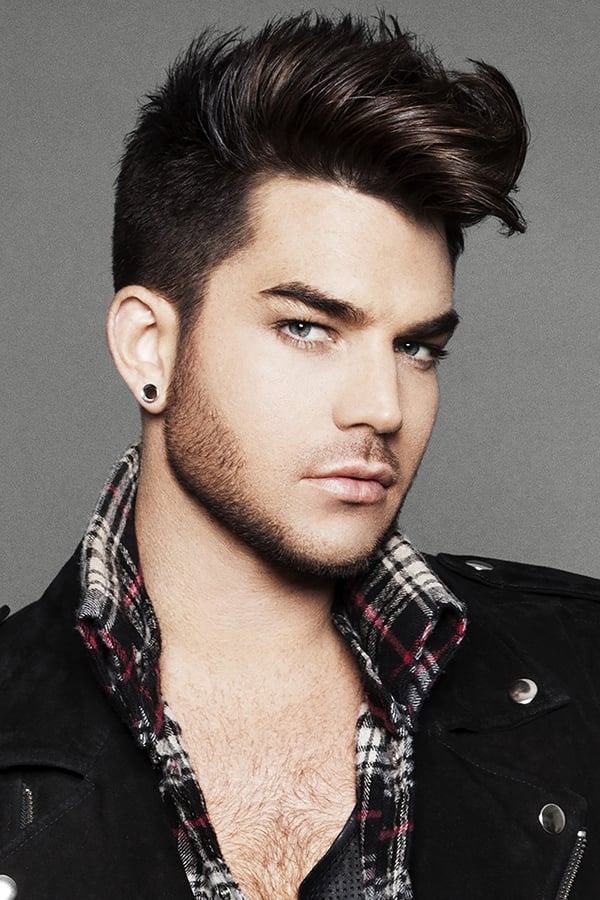
Following his appearance on ‘American Idol’, Adam Lambert signed with RCA Records and faced immediate scrutiny. He encountered backlash from the label and parent networks after a provocative performance at the 2009 American Music Awards. Executives were concerned that his overt displays of queer sexuality would alienate the mainstream audience and jeopardize his commercial future. There were reports of restricted promotional opportunities and pressure to moderate his flamboyant image for subsequent television appearances. This tension eventually contributed to his departure from the label several years later as he sought more supportive partnerships.
k.d. lang

k.d. lang experienced a significant shift in her relationship with the country music industry after she came out in 1992. Her label, Sire Records, had to navigate a landscape where country radio stations across the United States banned her music. The backlash was fueled by her advocacy for animal rights as well as her sexuality, leading to a decline in her status within the Nashville establishment. Although she found massive success in the pop genre with the album ‘Ingénue’, her traditional country roots were effectively severed. This transition was a direct result of the industry’s refusal to embrace an out queer artist at the time.
Will Young

After winning the first season of ‘Pop Idol’, Will Young signed with RCA and was managed by Simon Fuller. He faced immense pressure to keep his sexuality a secret to protect his image as a commercial pop star. Young has since discussed how the label’s marketing strategy was designed to present him in a way that appealed to a specific demographic, which did not include his true identity. This enforced secrecy created significant personal strain and professional friction during the early years of his career. He eventually came out on his own terms, challenging the label’s restrictive branding and paving the way for future artists.
Kim Petras

Kim Petras faced numerous rejections from traditional major labels early in her career because of her identity as a transgender woman. Many executives told her that they did not know how to market a trans pop star to a global audience. These hurdles forced her to release music independently through her own label, BunHead Records, for several years. She had to build a significant digital following and prove her commercial viability before major labels were finally willing to offer a partnership. Her journey highlights the systemic barriers faced by trans artists in the traditional music business.
RuPaul
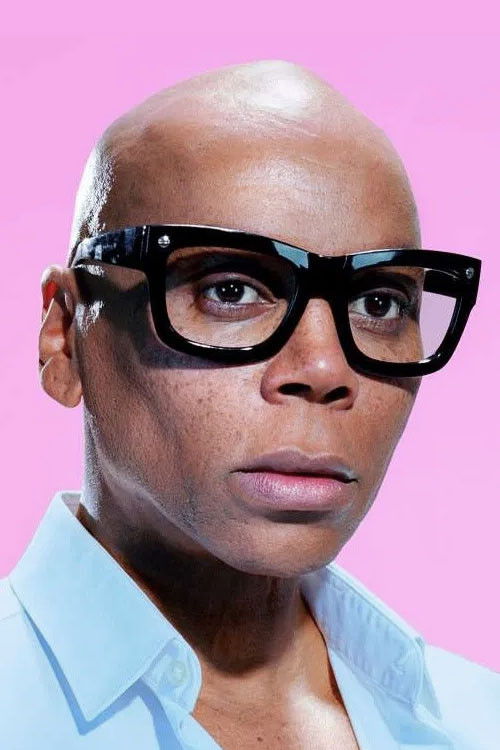
RuPaul broke into the mainstream with the hit ‘Supermodel (You Better Work)’ while signed to Tommy Boy Records. Despite the single’s success, the artist faced significant institutional pushback regarding the longevity of a drag queen in the music industry. Label executives were often skeptical of how to market subsequent albums like ‘Foxy Lady’ to a general audience. This lack of sustained support led to RuPaul eventually moving away from major label structures to release music independently. The friction between RuPaul’s groundbreaking persona and the conservative nature of 1990s record labels was a recurring theme in the artist’s early career.
Victoria Monét
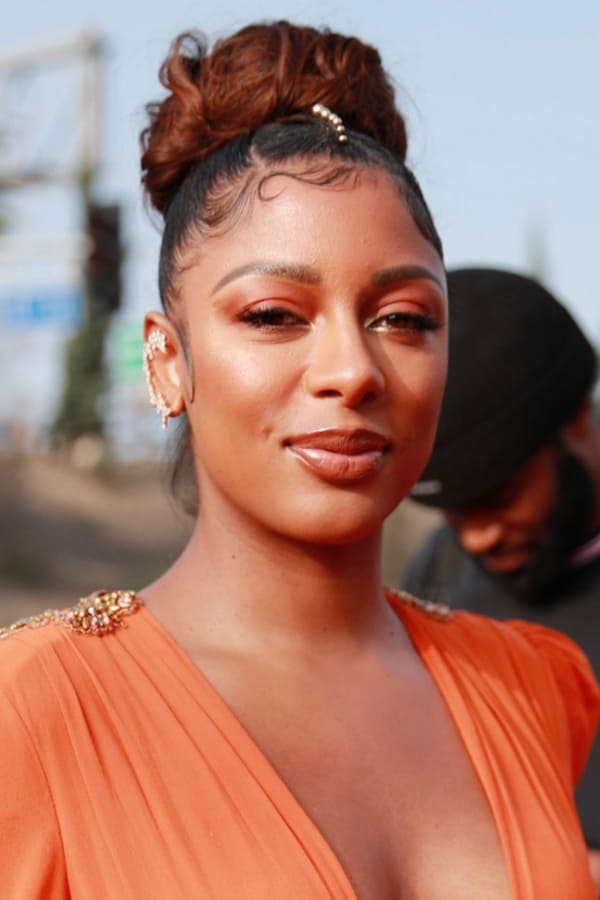
Victoria Monét has recently spoken about the obstacles she encountered as a bisexual woman within the R&B industry. She noted that some label representatives and industry figures expressed concerns that her queer identity would make her “too hard to market.” This skepticism led to a lack of investment in her solo career for several years compared to her prolific work as a songwriter for other artists. Monét eventually navigated these challenges by embracing her identity fully in projects like ‘Jaguar’. Her experience reflects the lingering traditionalism that can still be found in major label A&R departments.
Teddy Geiger

Teddy Geiger achieved early success as a teen pop idol with the hit single ‘For You I Will (Confidence)’. During this period, label marketing focused heavily on a heartthrob image that did not align with Geiger’s internal identity. After coming out as a transgender woman years later, she transitioned into a highly successful career as a songwriter and producer for other major stars. However, she has discussed the challenges of navigating the industry’s narrow expectations for pop stars during her early years. Her transition marked a shift in her professional relationship with traditional label structures as she moved toward more independent roles.
Please share your thoughts on which of these artists’ stories surprised you the most in the comments.