Actors Who Faced Public Scrutiny For Their Lack Of Muscle Definition

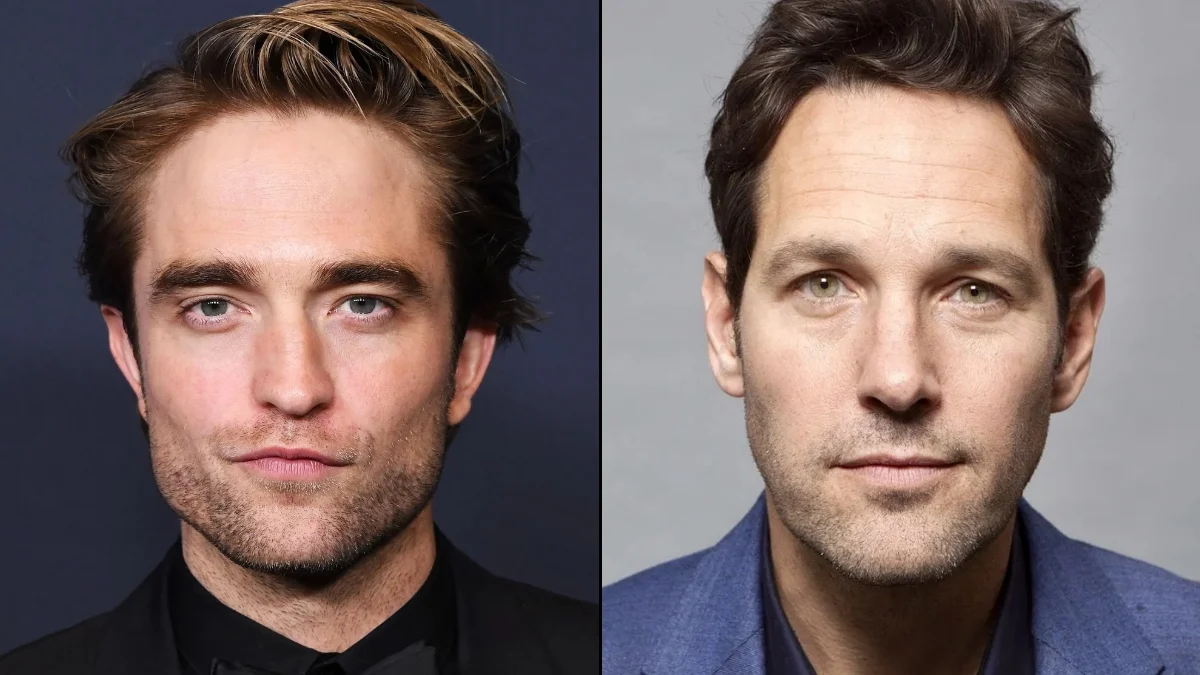

The standard for male physiques in Hollywood has shifted toward extreme muscle definition, particularly within the superhero and action genres. This trend has led to intense public and industry scrutiny of actors who do not naturally possess or initially achieve a muscular aesthetic for their roles. While many stars undergo physical transformations, several have faced criticism, body-shaming, or professional pressure due to their leaner or less defined frames. These instances highlight the narrow expectations placed on male performers in the modern entertainment landscape.
Robert Pattinson
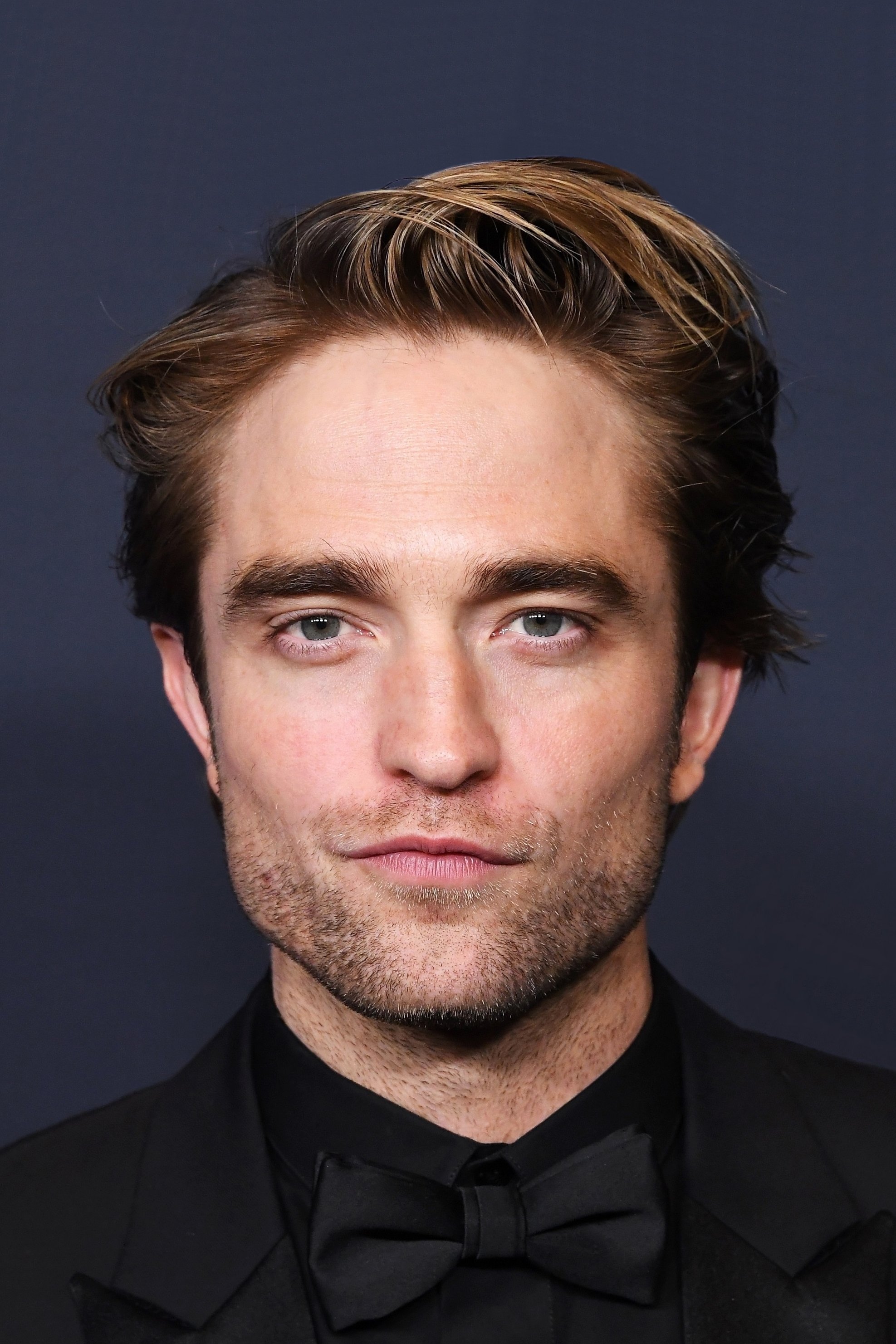
Robert Pattinson faced significant public backlash after an interview for ‘The Batman’ where he joked about refusing to work out during the pandemic. Fans of the franchise expressed concern that he would not meet the physical expectations for the character of Bruce Wayne. This scrutiny persisted until trailers were released showing the actor had indeed maintained a fit physique for the role. The incident highlighted the intense pressure placed on actors to conform to specific superhero body standards.
Grant Gustin
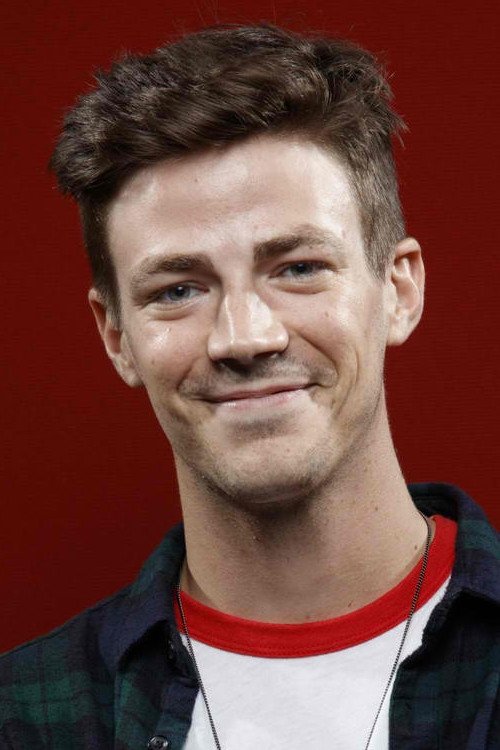
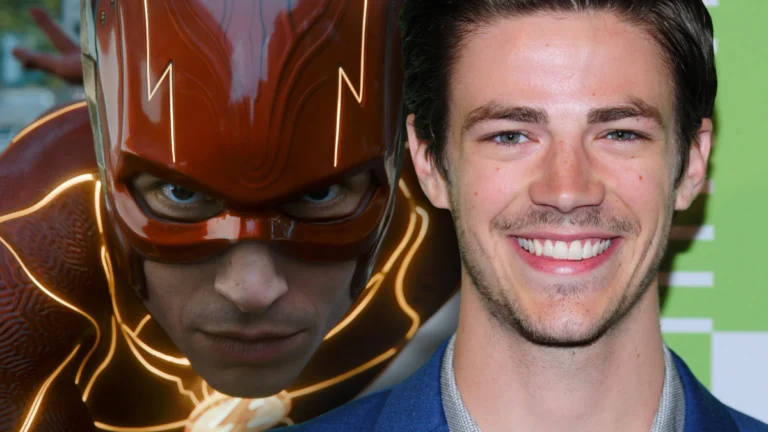
Grant Gustin addressed online body-shamers who criticized his slim frame after a photo of him in ‘The Flash’ costume was leaked. He took to social media to explain that he has a naturally thin build and has spent his life dealing with comments about his weight. Gustin emphasized that being a superhero is not defined by a certain level of muscle mass or bulk. His candid response was widely praised for bringing attention to the shaming of lean male bodies in the media.
Sam Claflin
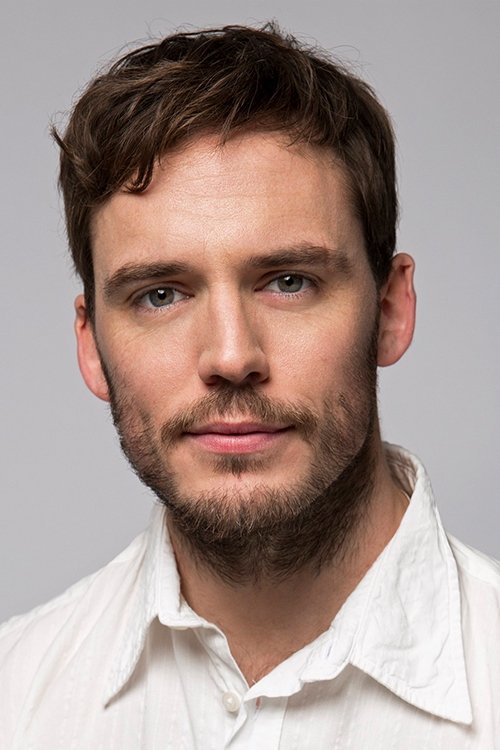
Sam Claflin revealed that he was body-shamed and treated like “a piece of meat” while filming ‘The Hunger Games: Catching Fire’. He recalled production staff checking his body fat and pressuring him to achieve a more muscular look for the character Finnick Odair. Claflin noted that the experience left him feeling insecure and struggling with body image issues during production. He has since become a vocal advocate for more realistic representations of men in the film industry.
Zachary Levi
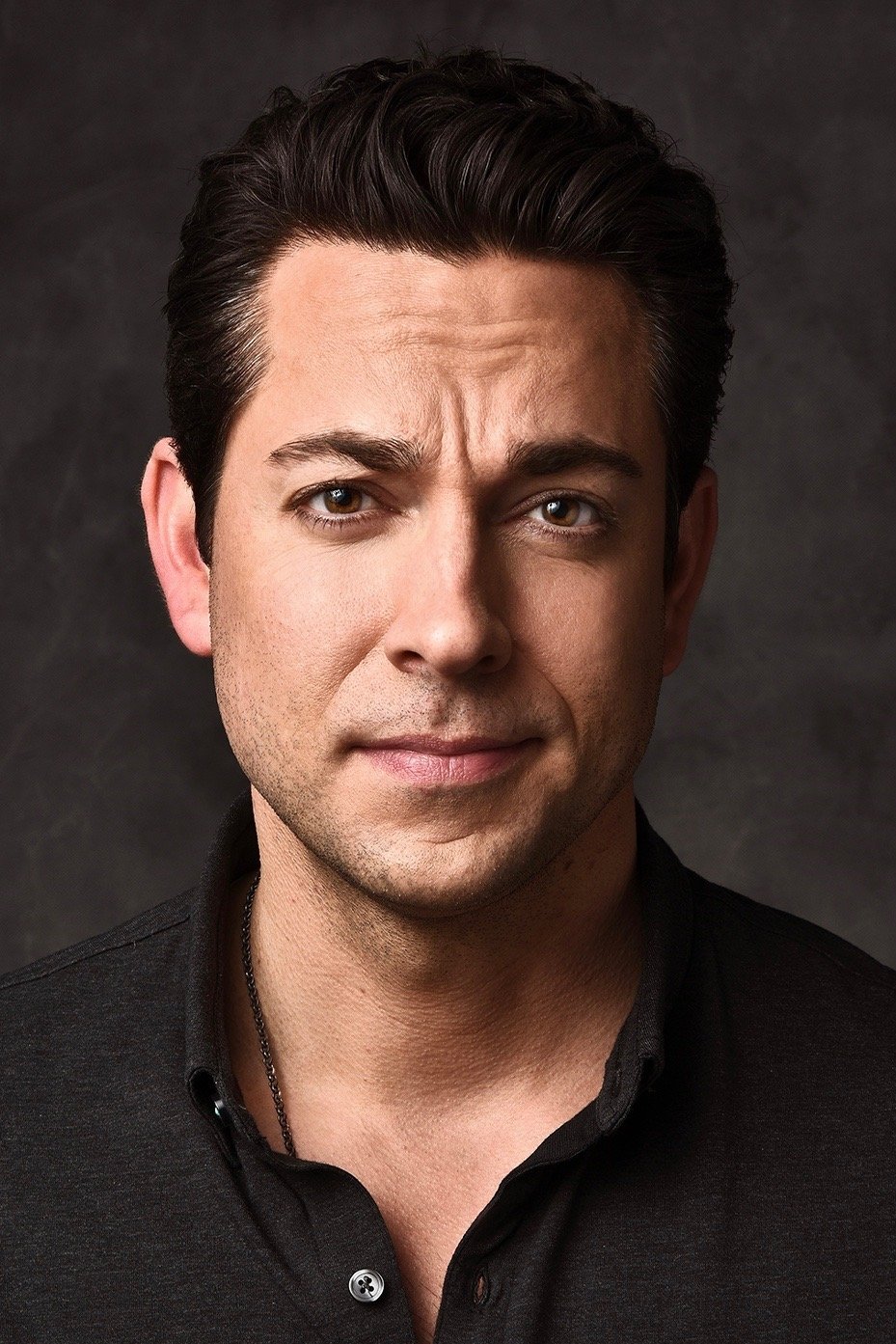
Zachary Levi faced accusations of wearing a padded suit when early promotional materials for ‘Shazam!’ were released to the public. Social media users mocked his perceived lack of natural muscle definition, suggesting he had not trained sufficiently for the lead role. Levi responded by sharing photos of his actual physical transformation and gym routine to prove the critics wrong. The controversy demonstrated the high level of skepticism audiences have regarding non-traditional action stars and their physiques.
Andrew Garfield
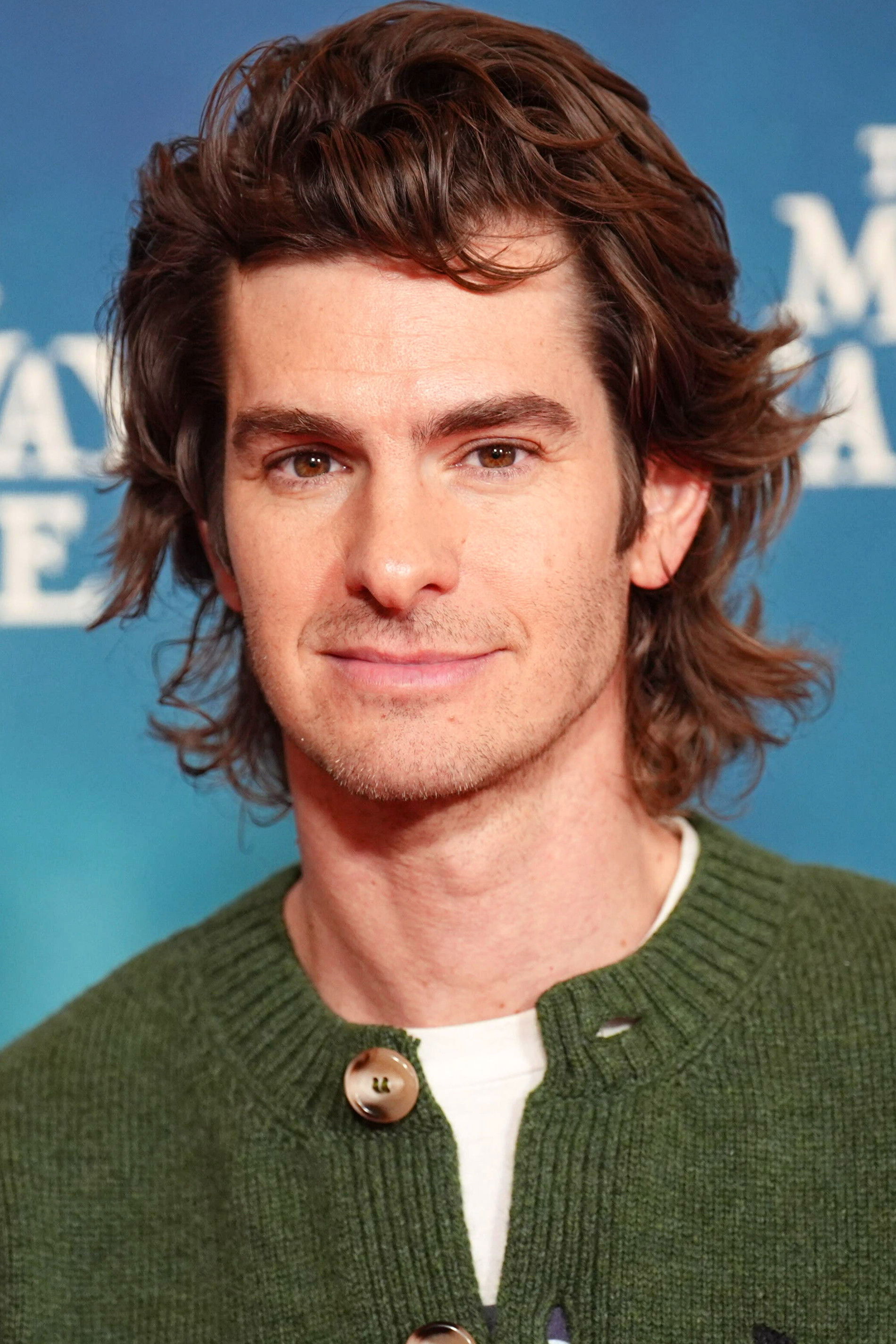
Andrew Garfield was frequently criticized by comic book purists for being “too skinny” to play Peter Parker in ‘The Amazing Spider-Man’. Many felt his lanky physique did not match the more muscular iterations of the character seen in previous films and source material. Garfield maintained that a leaner, more agile look was appropriate for a character whose powers are based on a spider’s movements. Despite the physical critiques, his performance earned him a loyal following within the superhero community.
Kumail Nanjiani
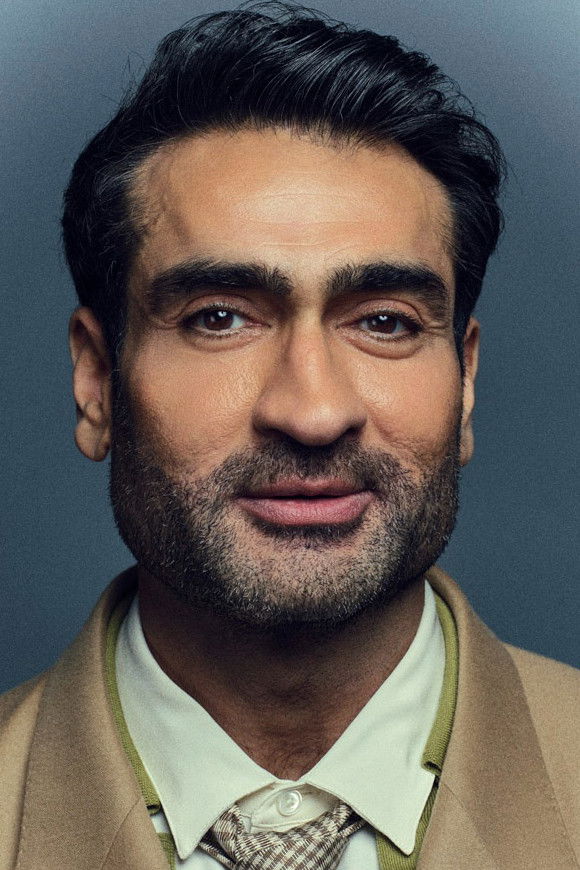
Before his physical transformation for ‘Eternals’, Kumail Nanjiani was often scrutinized for having a “typical” body that lacked extreme muscle definition. He spoke about the insecurity he felt when cast in a superhero role, fearing he would not look the part according to Hollywood standards. Even after he achieved a highly muscular physique, he faced a different wave of shaming and skepticism regarding the authenticity of his results. His experience underscored the intense nature of body standards in the high-stakes world of blockbuster cinema.
Paul Rudd
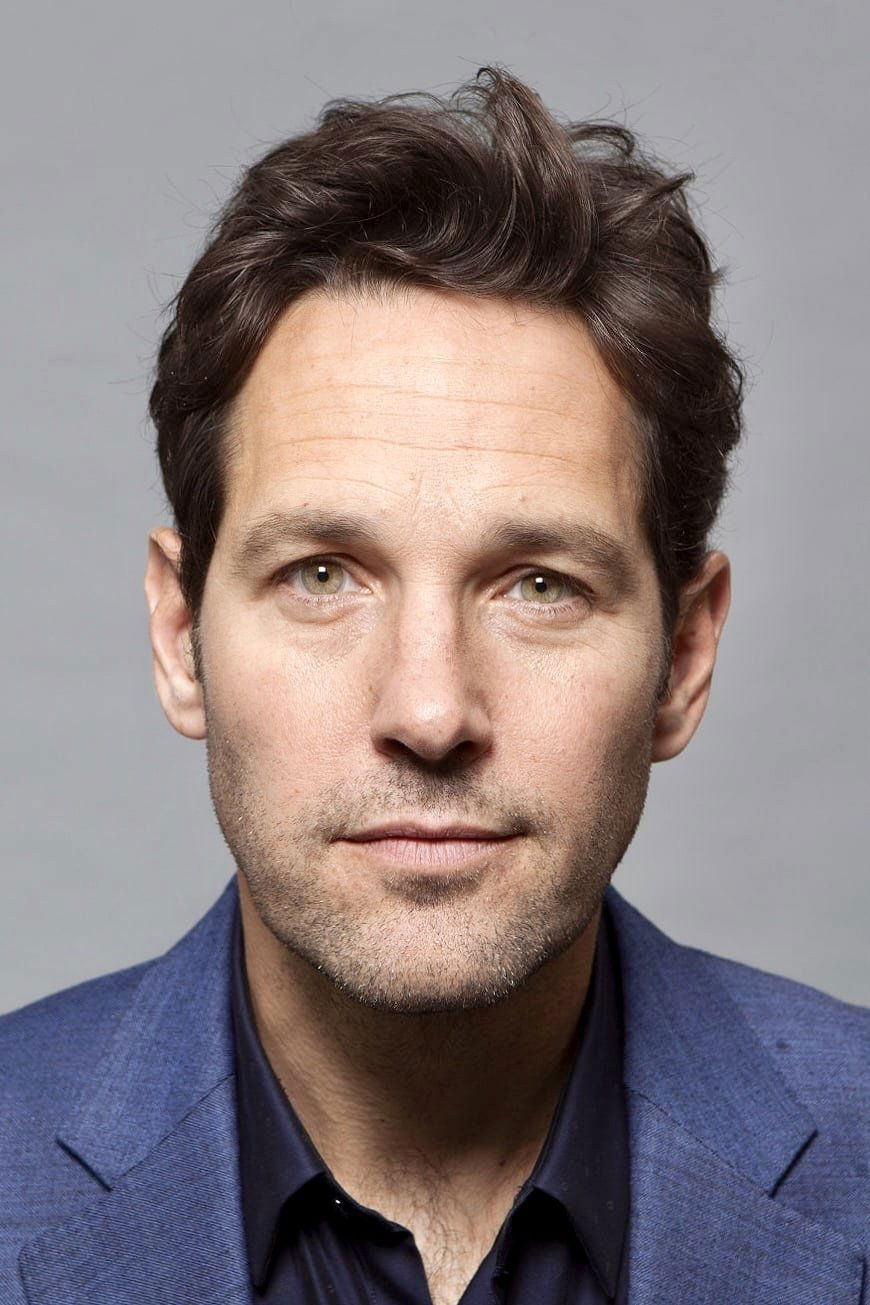
Paul Rudd faced public doubt regarding his fitness to lead a Marvel film when he was initially cast in ‘Ant-Man’. Critics and fans often referenced his comedic “everyman” look as a reason he might not fit the muscular hero archetype. To meet the requirements of the role, Rudd underwent a strict diet and fitness regimen that he described as difficult to maintain. His transformation was eventually celebrated, but the initial shaming showed how ingrained the expectation for “buff” lead actors has become.
Richard Madden
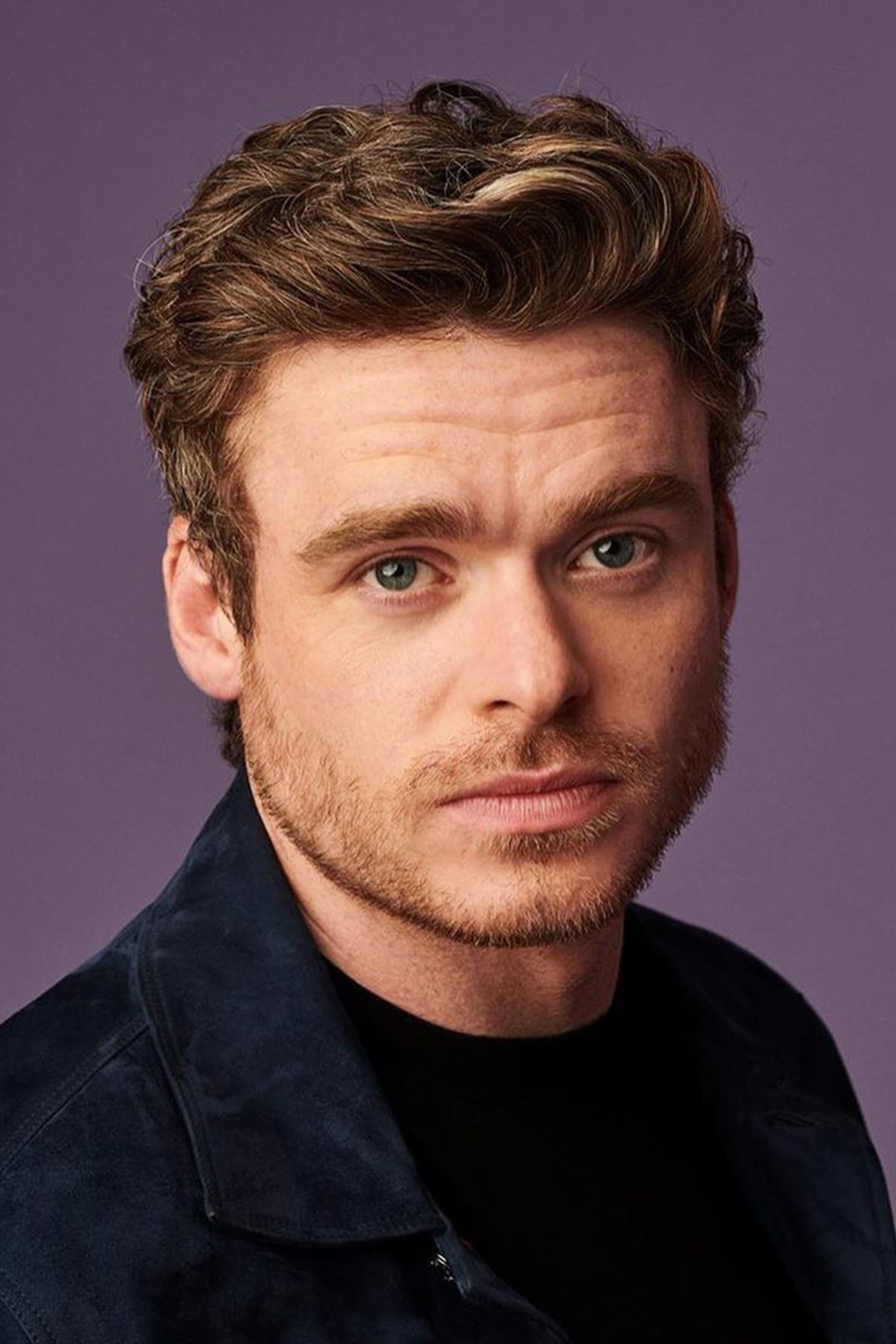
Richard Madden has discussed the unrealistic body expectations he encountered while filming the live-action ‘Cinderella’. He revealed that he was pressured to lose weight and increase muscle definition to fit into the film’s restrictive and tight costumes. Madden noted that the constant focus on his physical appearance made him feel self-conscious about his natural frame. He has since urged the industry to focus more on an actor’s talent than their physical measurements.
David Castañeda
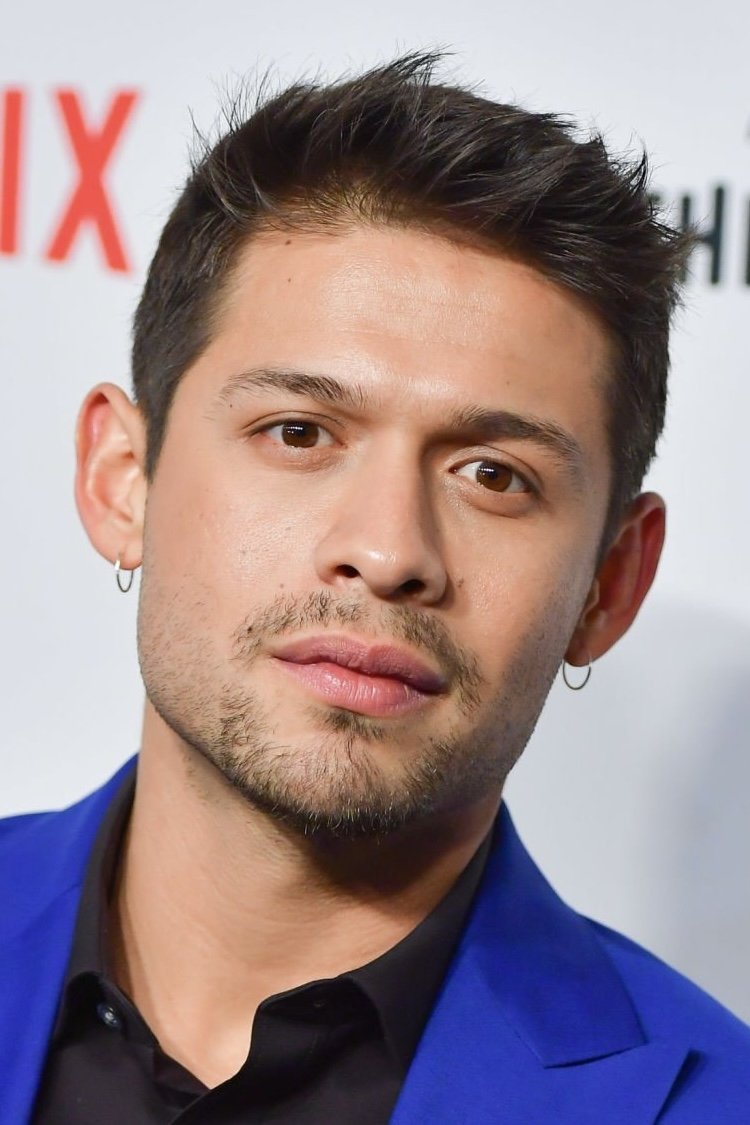
David Castaneda of ‘The Umbrella Academy’ spoke openly about his struggles with body image and the pressure to look muscular for his role as Diego. He admitted to feeling inadequate when comparing his physique to the traditional standards seen in other superhero properties. Castaneda mentioned that the industry’s focus on muscle definition often overlooks the health and well-being of the performers. His vulnerability on the subject resonated with many fans who appreciate his grounded portrayal of the character.
Henry Cavill
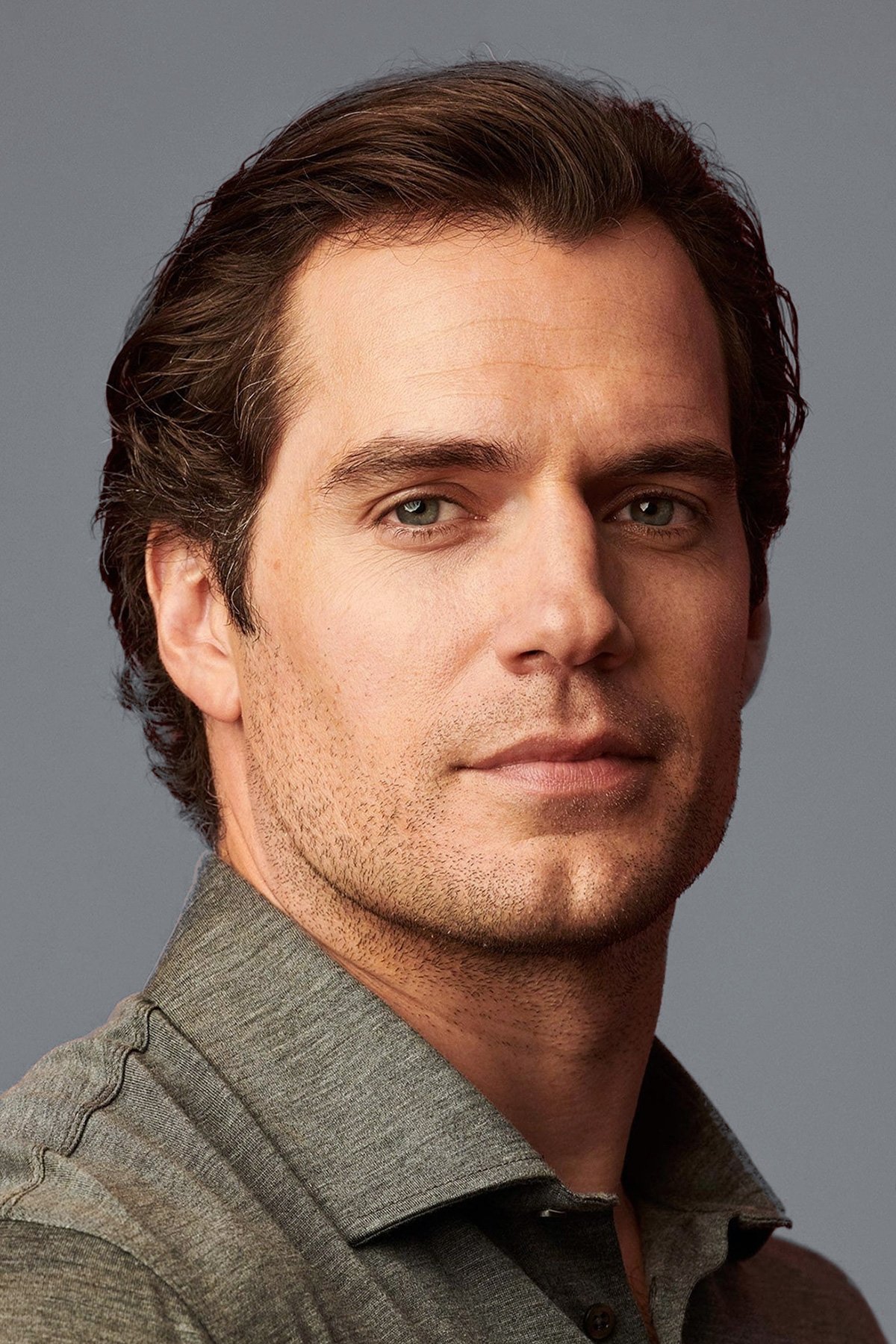
Henry Cavill was famously dubbed “Fat Cavill” by his peers as a child, an experience that stayed with him throughout his early professional career. Even as a working actor, he was told by directors that he looked “a little chubby” for certain roles, including James Bond in ‘Casino Royale’. These comments about his lack of definition early on fueled his drive to achieve the iconic look he sported in ‘Man of Steel’. Cavill’s history shows that even those now considered physical ideals have faced harsh body-shaming regarding their definition.
Matt Smith
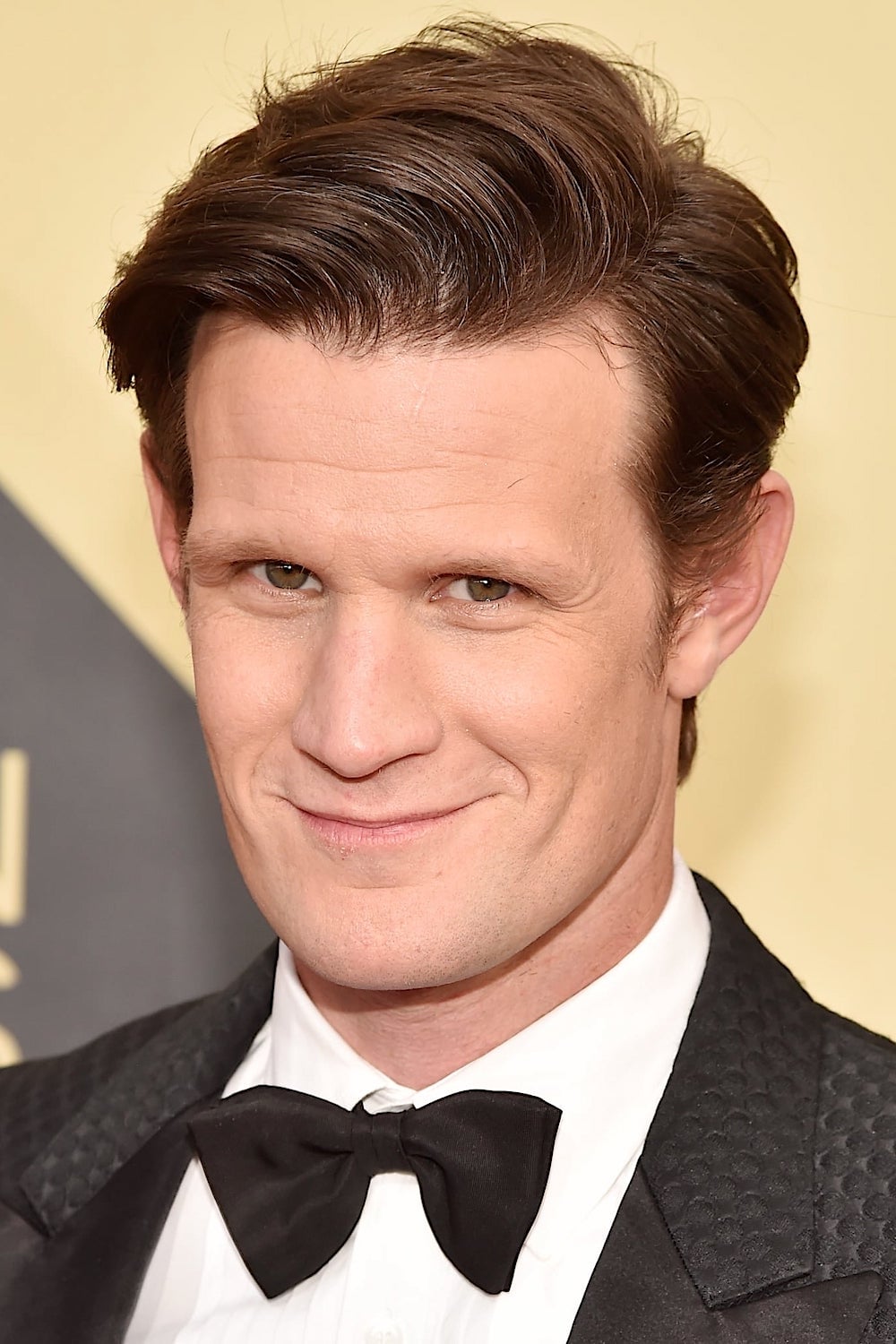
Matt Smith’s casting as Daemon Targaryen in ‘House of the Dragon’ led to criticism from some fans who expected a bulkier warrior. Social media discourse often centered on his slender frame and whether he could convincingly portray a formidable dragon rider from the source material. Smith has long been known for his unique, angular look rather than a traditional action-star physique. The debate surrounding his body highlighted the rigid physical expectations for male leads in the fantasy genre.
Chris Pratt
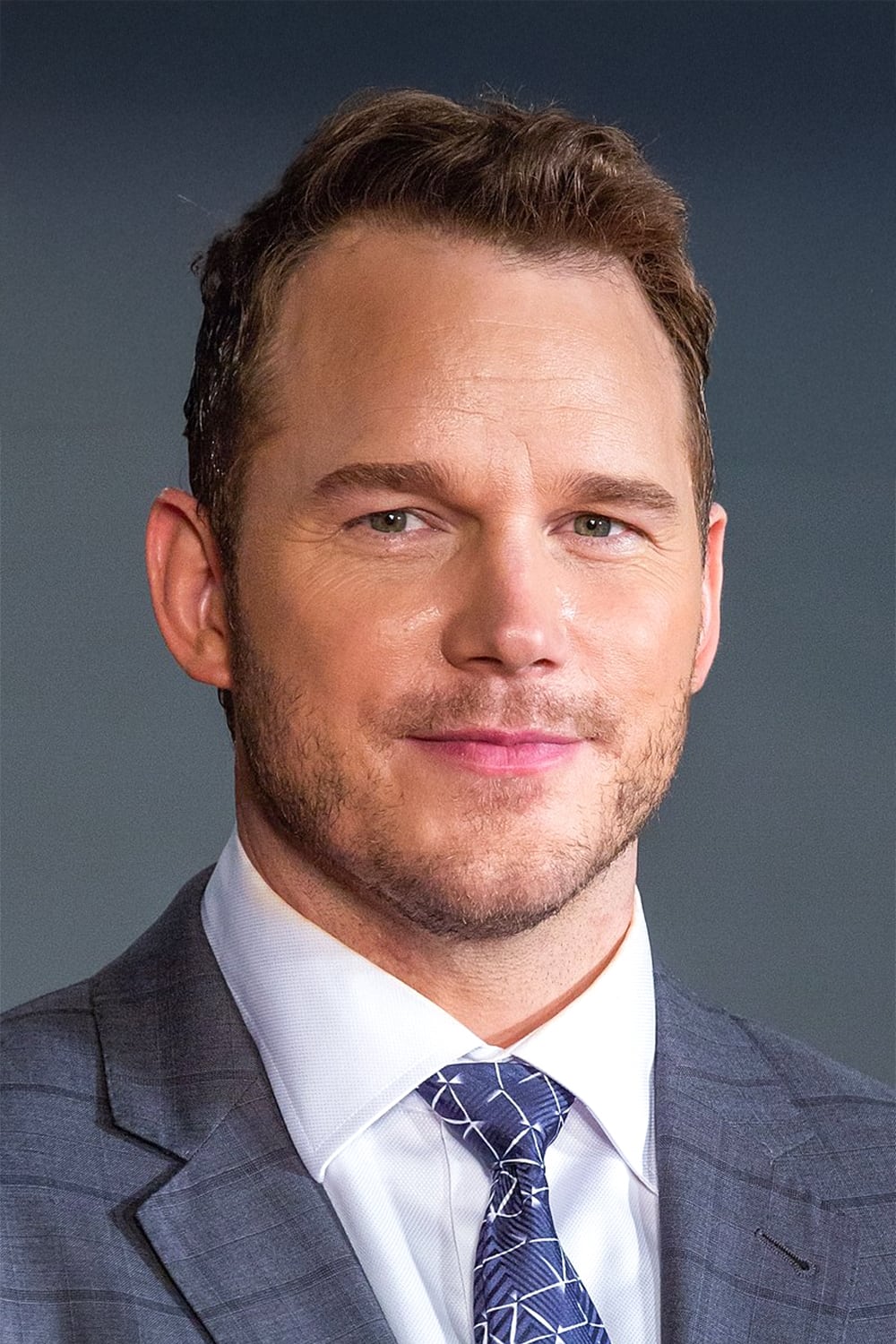
Chris Pratt was told he was not fit enough for a role in ‘Moneyball’, which served as a wake-up call regarding his career trajectory. During his years on ‘Parks and Recreation’, he was often categorized as a “character actor” due to his lack of muscle definition. Pratt had to lose significant weight and gain muscle to be considered for leading roles in ‘Guardians of the Galaxy’ and ‘Jurassic World’. His journey illustrates the industry’s shift in how it perceives and casts leading men based on their physiques.
Kit Harington
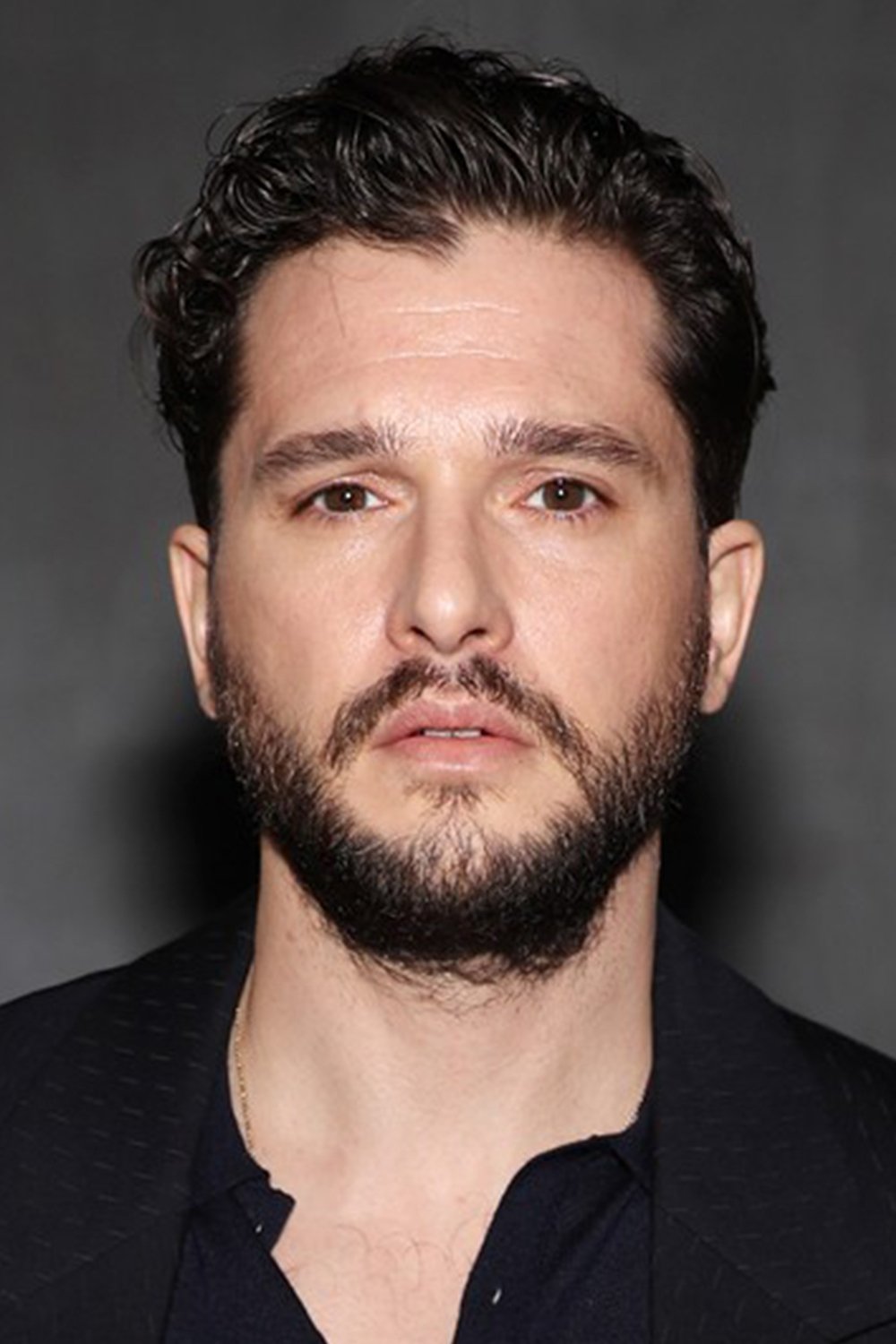
Kit Harington spoke out about the pressure to maintain a perfectly defined body during the peak of ‘Game of Thrones’. He noted that the constant requirement for him to be shirtless led to a fixation on his physical flaws and body dysmorphia. Harington revealed that he felt shamed if he was not in “fighting shape” between filming cycles for the series. His comments shed light on the mental health toll that body-shaming and objectification can take on male stars.
Finn Wolfhard
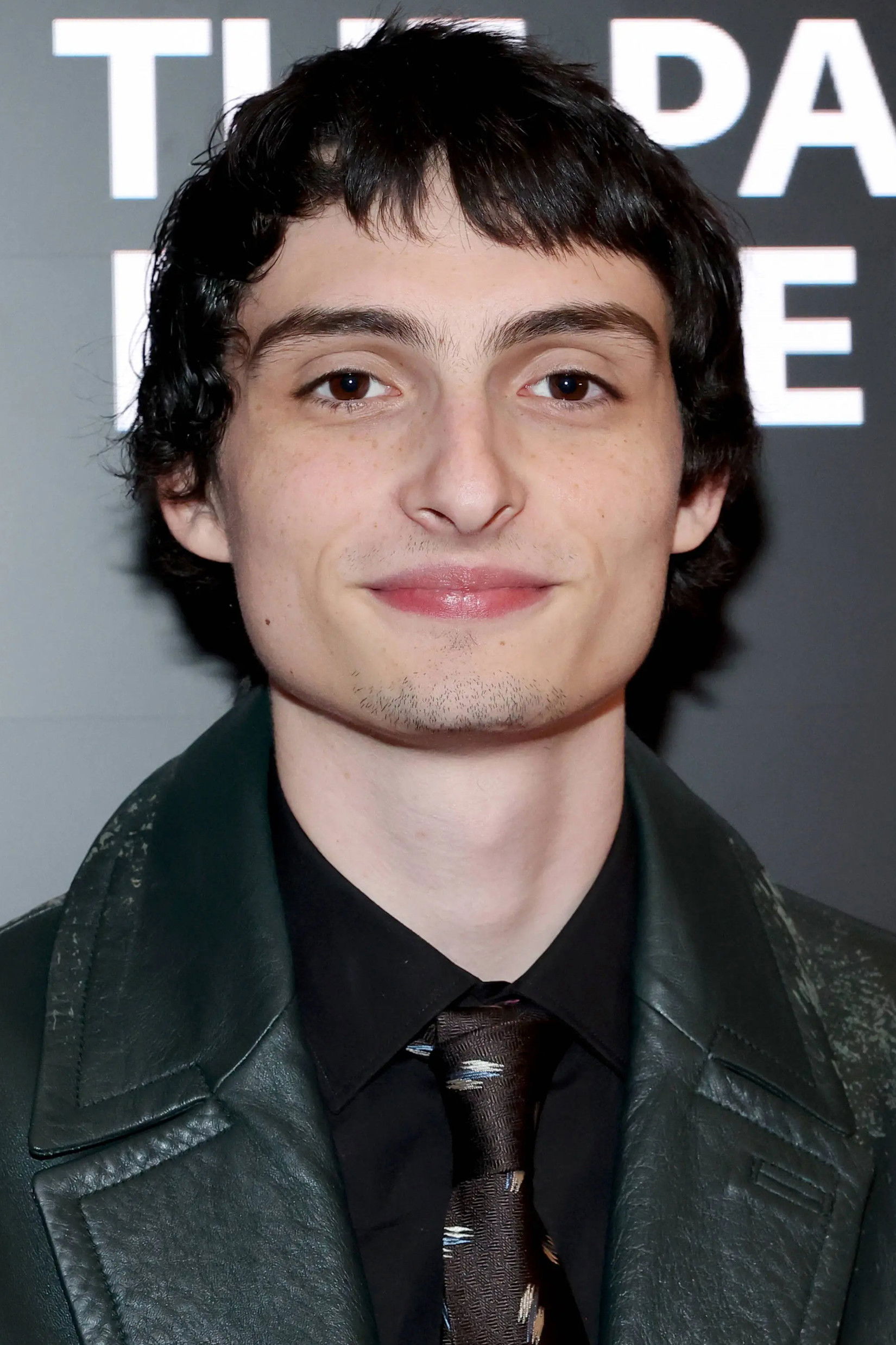
Finn Wolfhard has been the target of frequent online body-shaming regarding his naturally thin physique since his breakout role in ‘Stranger Things’. Commenters on social media platforms have often made derogatory remarks about his lack of muscle and overall weight. The young actor has had to navigate these public critiques while growing up in the spotlight and moving into roles in ‘Ghostbusters: Afterlife’. The harassment he has faced reflects a broader trend of monitoring and criticizing the bodies of young male actors.
Justin Hartley
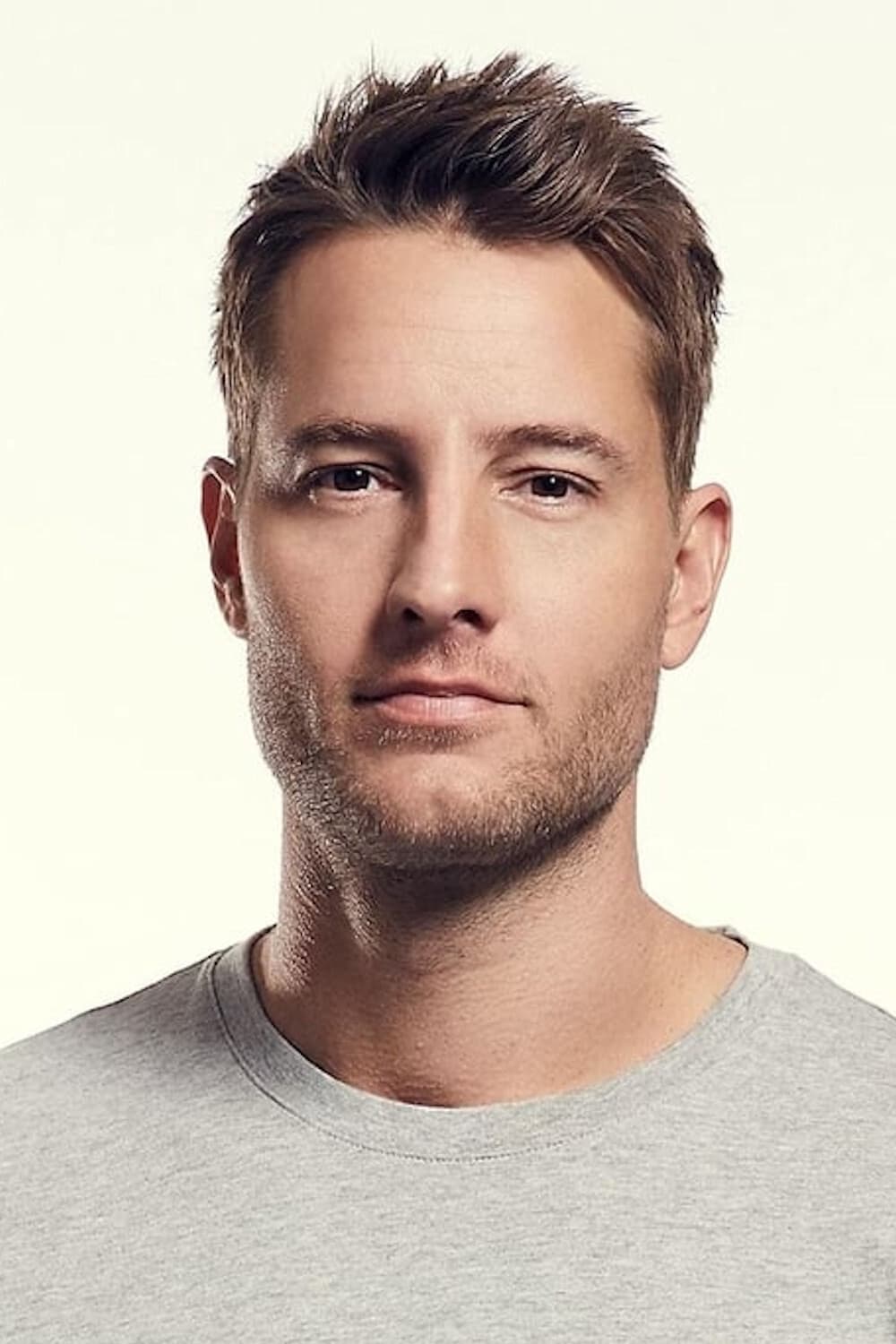
Justin Hartley has commented on the persistent industry standard for male actors to look perfectly toned at all times. He recalled auditions early in his career where his lack of extreme muscle definition was treated as a drawback to his casting potential. Hartley emphasized that the pressure to maintain a certain look can be incredibly stressful for performers who want to focus on their craft. He remains an advocate for focusing on the work rather than the aesthetic of an actor’s body.
Charlie Cox
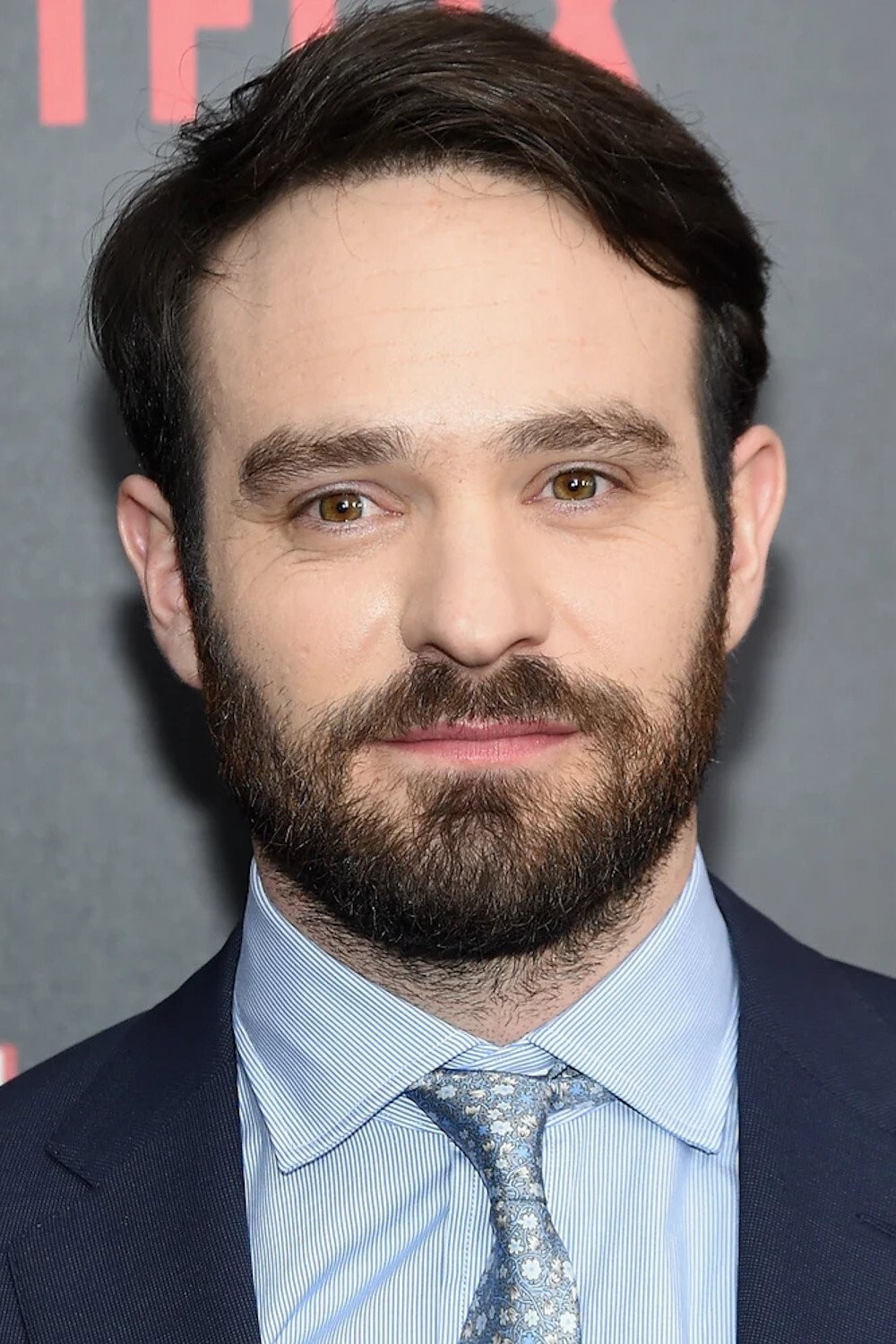
Charlie Cox faced initial skepticism from fans who thought he was too “slight” to play the lead character in ‘Daredevil’. Critics questioned if he could realistically portray a character known for intense physical combat without a bulkier, more traditional frame. Cox trained rigorously to gain muscle for the role, but the conversation regarding his lack of size persisted throughout the show’s early run. His eventual success in the role proved that muscle definition is not the sole indicator of a hero’s strength.
Tom Holland
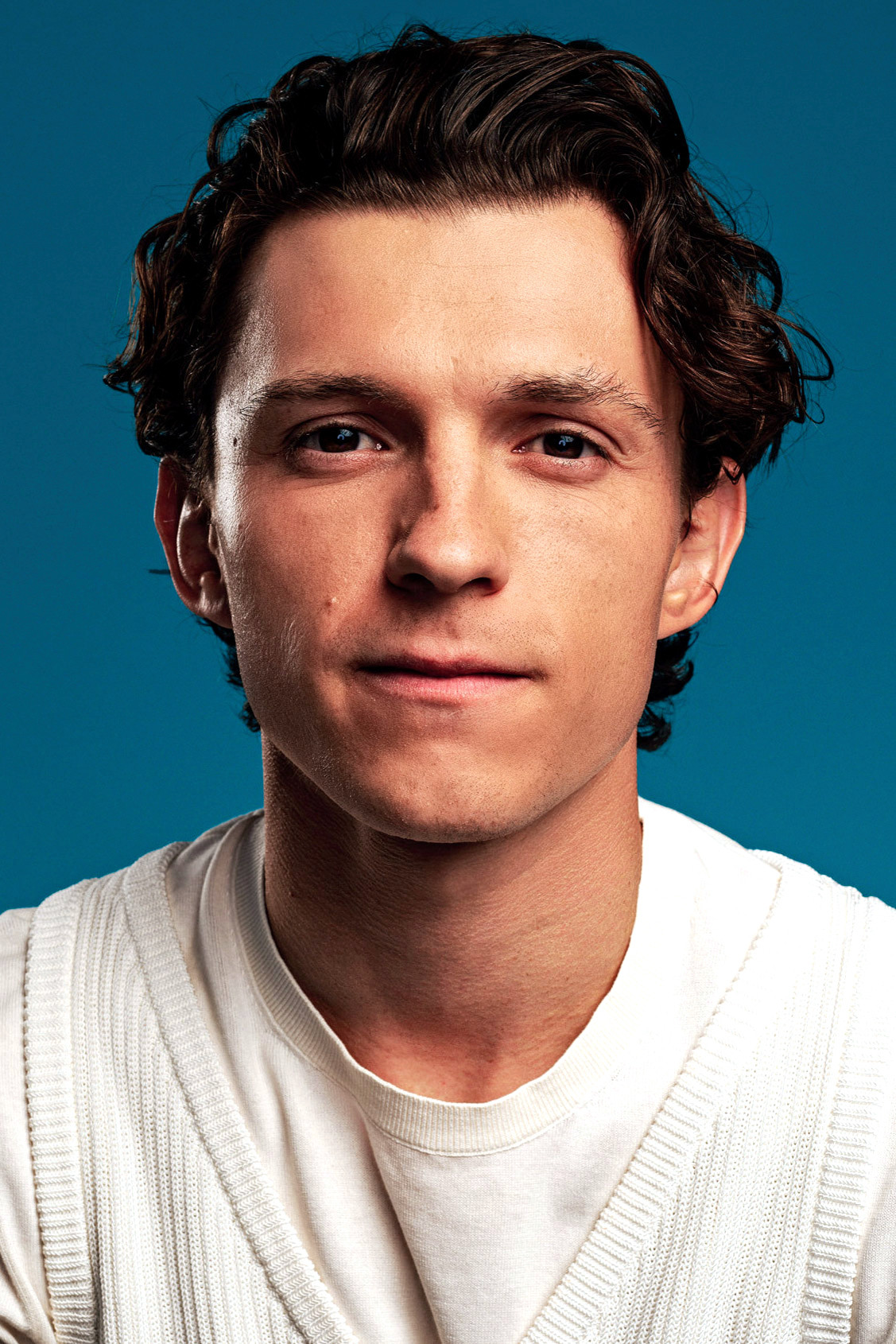
Tom Holland has faced commentary regarding his lean and youthful physique since he was first cast in ‘Spider-Man: Homecoming’. Some internet users criticized him for being too small compared to the muscular versions of the hero seen in previous comic book iterations. Holland has since detailed the intense gym sessions and diet plans he follows to satisfy the requirements of the Marvel Cinematic Universe. The scrutiny he faced illustrates the ongoing obsession with the physical evolution of modern superhero actors.
Please share your thoughts on the physical standards expected of Hollywood actors in the comments.