Actors Who Publicly Questioned the Fairness of Modern Casting Rooms


The process of casting in Hollywood has undergone significant transformations in recent years, driven by new industry standards and cultural shifts. While many celebrate these changes as necessary steps toward inclusivity, several prominent male actors have publicly questioned the fairness and efficacy of modern casting rooms. These critiques range from concerns about creative freedom and meritocracy to the impact of social media influence on role distribution. This list explores several actors who have voiced their perspectives on the evolving mechanics of professional auditions and talent selection.
Richard Dreyfuss
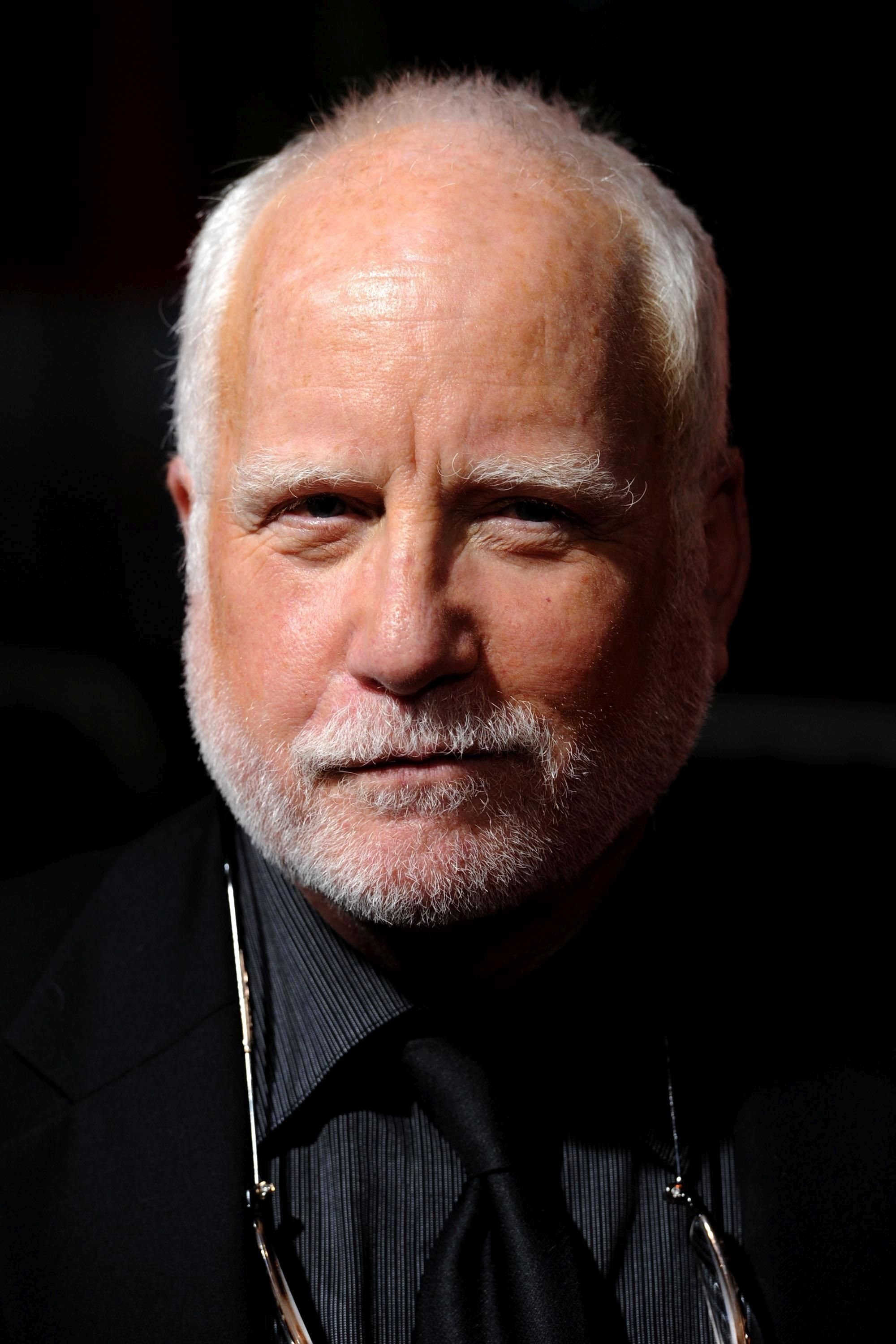
In 2023, Richard Dreyfuss expressed strong opposition to the Academy of Motion Picture Arts and Sciences’ new diversity and inclusion requirements. He argued during an interview with PBS that these mandates are patronizing and stifle the creative freedom of the industry. The actor emphasized that the essence of acting involves embodying characters that are different from oneself. Dreyfuss expressed concern that such rules limit the artistic scope of storytelling.
Idris Elba
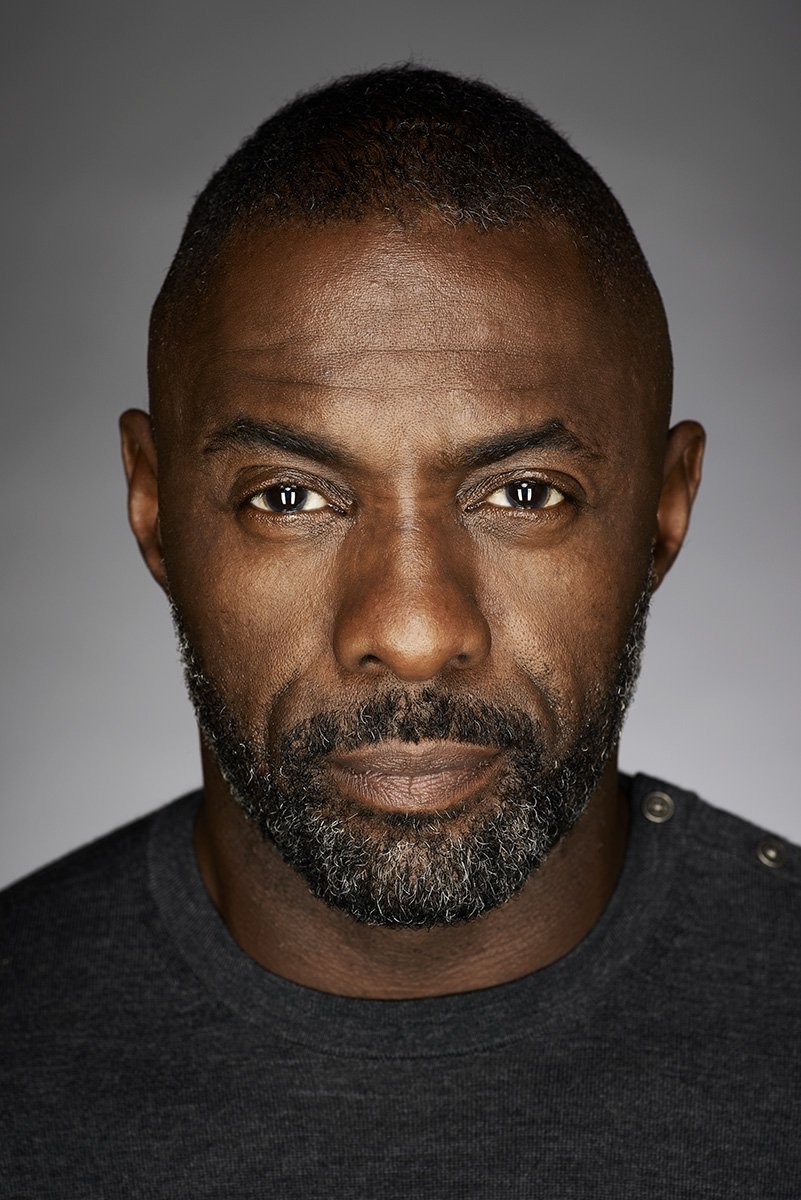
Idris Elba has spoken out against the industry’s focus on racial labels during the casting process, suggesting it creates unnecessary barriers. He famously stated that he stopped describing himself as a “Black actor” because he felt the term put him in a specific box. Elba believes that talent should be the primary driver of casting rather than the demographic categories used by modern studios. His comments highlight a desire for a truly colorblind approach to role distribution in Hollywood.
Mark Hamill
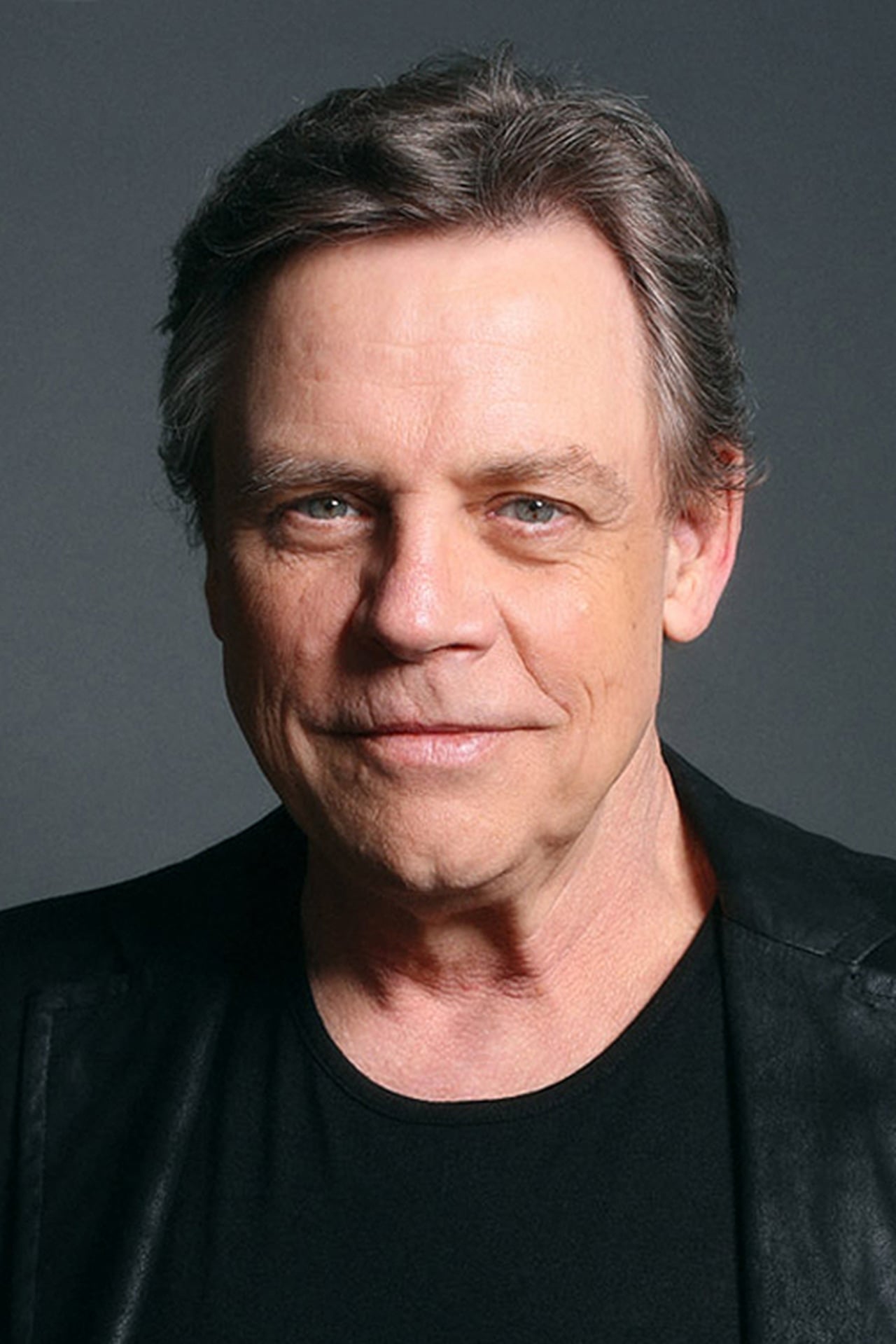
Mark Hamill has frequently voiced his concerns regarding the fairness of casting in the animation industry. He has criticized the trend of hiring high-profile live-action celebrities over professional voice actors who specialize in the craft. Hamill suggests that this practice often prioritizes marketing appeal over the actual quality of the vocal performance. He continues to advocate for the recognition of voice acting as a distinct and highly skilled profession that deserves respect in the casting room. Hamill has remained a fierce defender of his peers in the voiceover community.
Rob Lowe
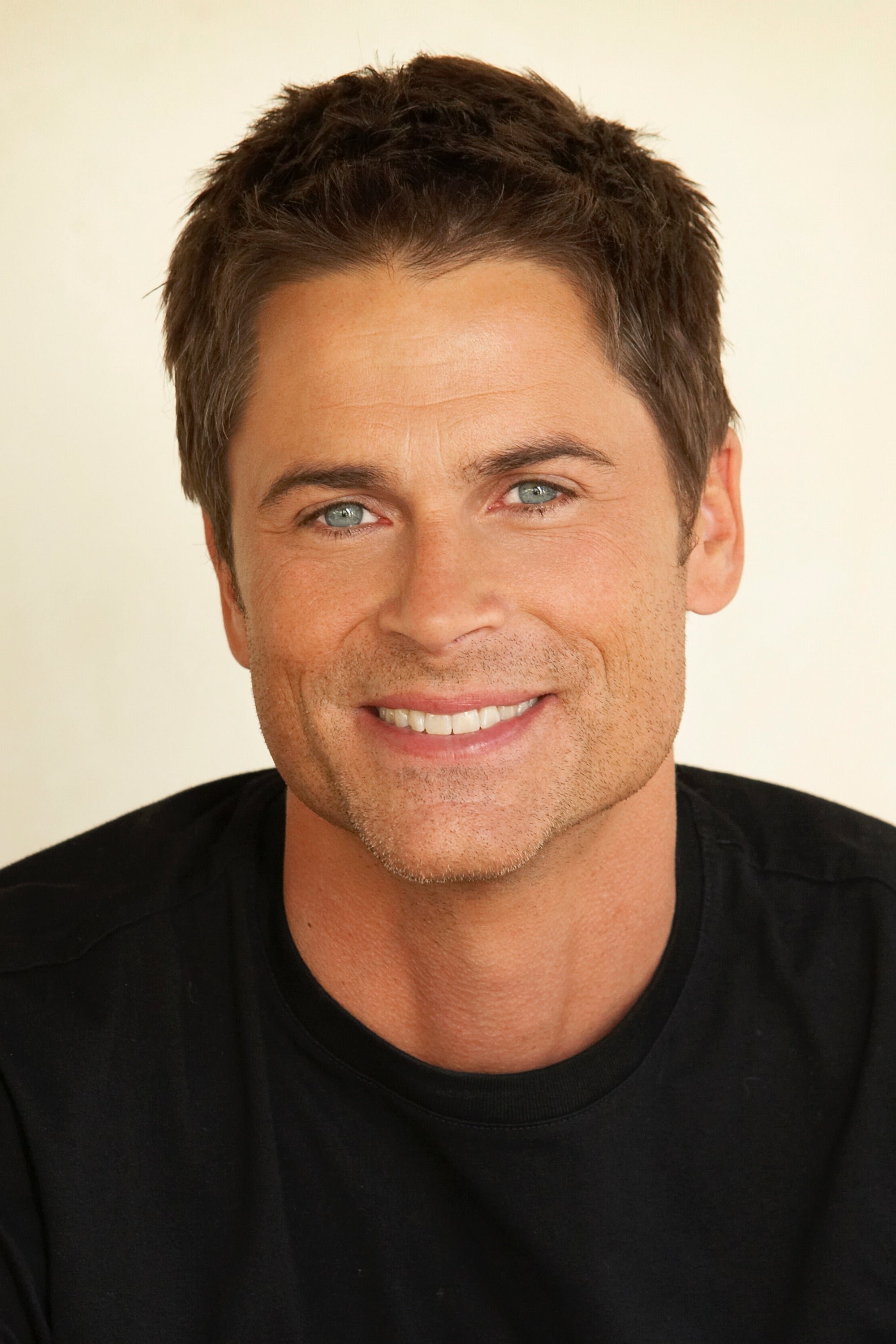
Rob Lowe has discussed the challenges and perceived biases that traditionally “handsome” actors face when seeking serious dramatic roles. He noted that the industry often overlooks such performers for gritty or complex characters, assuming they lack the necessary depth. Lowe argued that this type of beauty-based bias is a form of unfairness that limits the career trajectories of many performers. He has consistently called for casting directors to look past physical appearances to assess true talent.
James Marsden
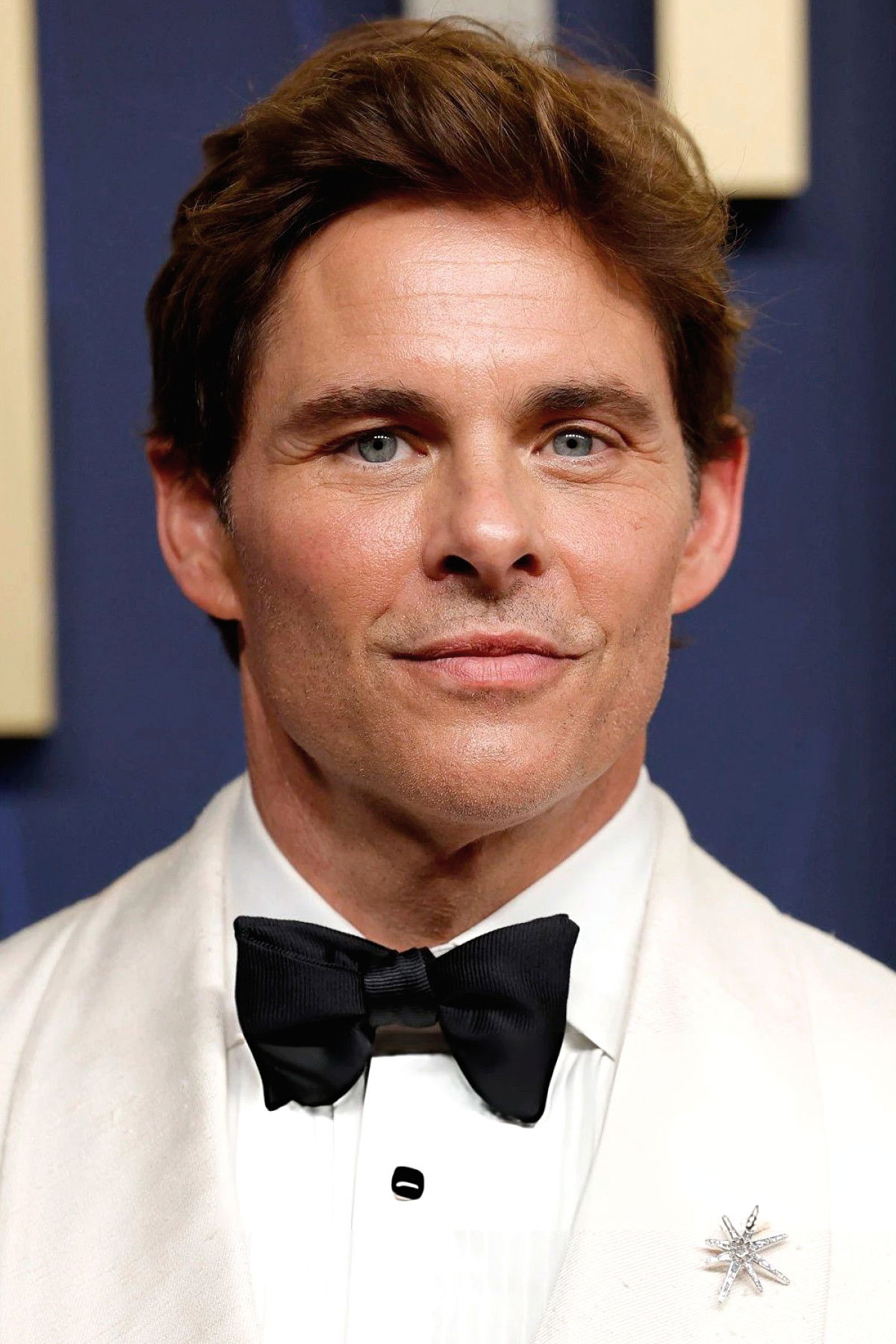
James Marsden has questioned the modern reliance on social media metrics and influencer status within the casting process. He expressed frustration that an actor’s Instagram follower count can sometimes carry more weight than their actual training or past performances. Marsden believes this shift undermines the integrity of the profession and creates an uneven playing field for dedicated craftspeople. He advocates for a return to merit-based evaluations where talent remains the sole deciding factor. Marsden has stated that talent should be the primary metric for hiring.
John Leguizamo
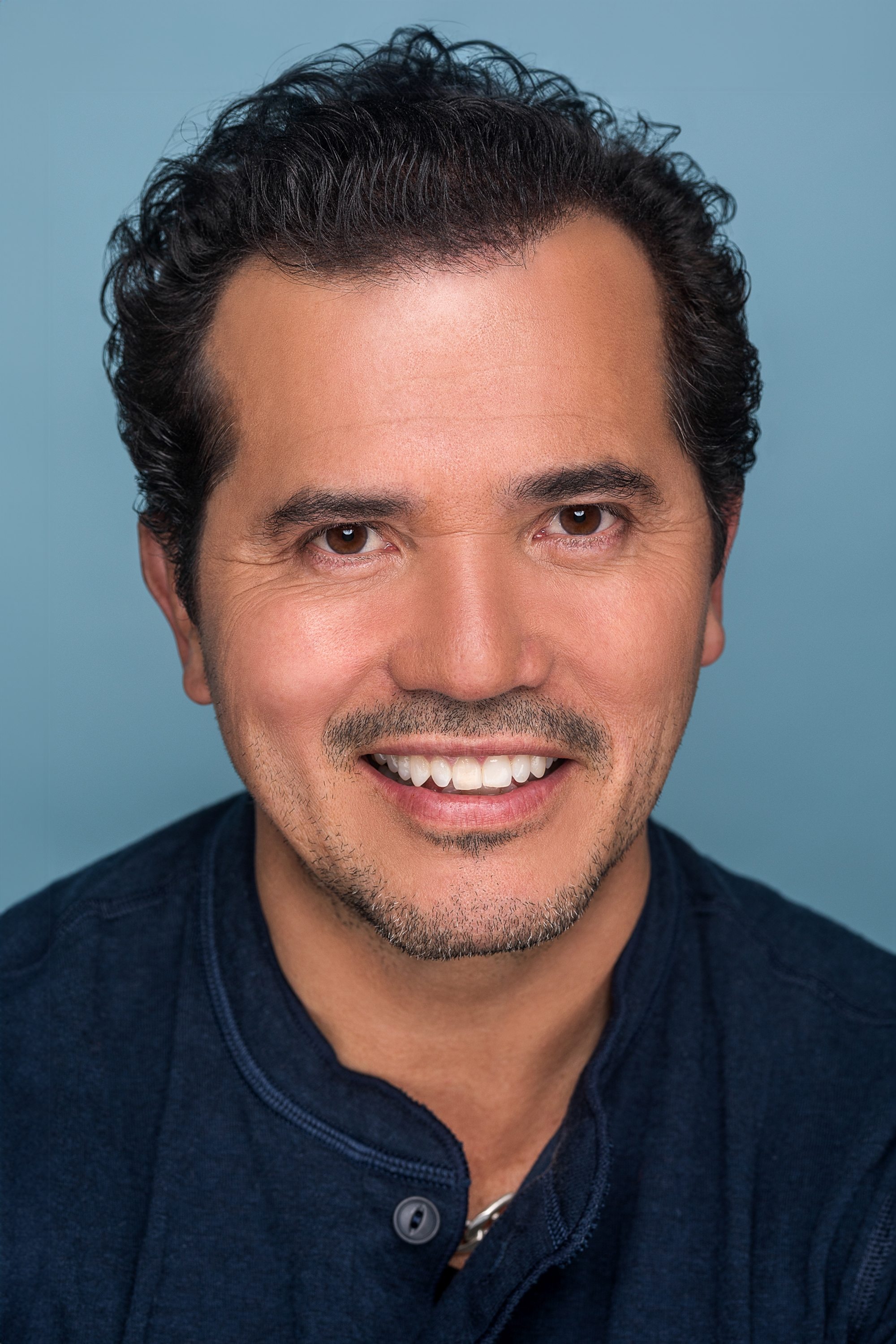
John Leguizamo has been a vocal critic of the lack of opportunities for Latino actors in major Hollywood productions like ‘The Super Mario Bros. Movie’. He frequently points out the unfairness of “brownfacing,” where non-Latino actors are cast in Latino roles. Leguizamo has called for more authentic representation and has boycotted films that he feels perpetuate exclusionary casting practices. His advocacy focuses on ensuring that the casting room reflects the actual diversity of the global population.
Stephen Fry
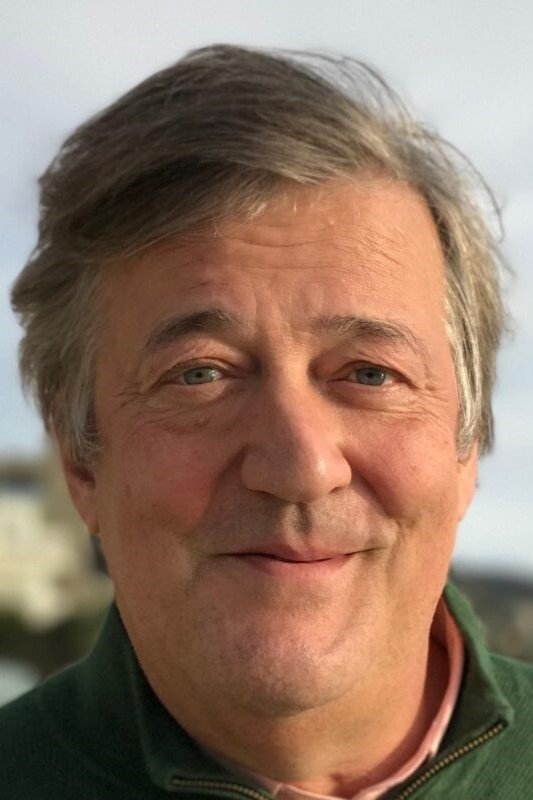
Stephen Fry has raised questions about the growing trend of “identity casting,” where roles are strictly reserved for actors who share the character’s specific background. He argues that this approach contradicts the fundamental nature of acting, which is to inhabit lives other than one’s own. Fry has expressed concern that such restrictions could eventually make the profession obsolete. He encourages a balance where representation is valued without sacrificing the imaginative reach of the craft.
Bryan Cranston
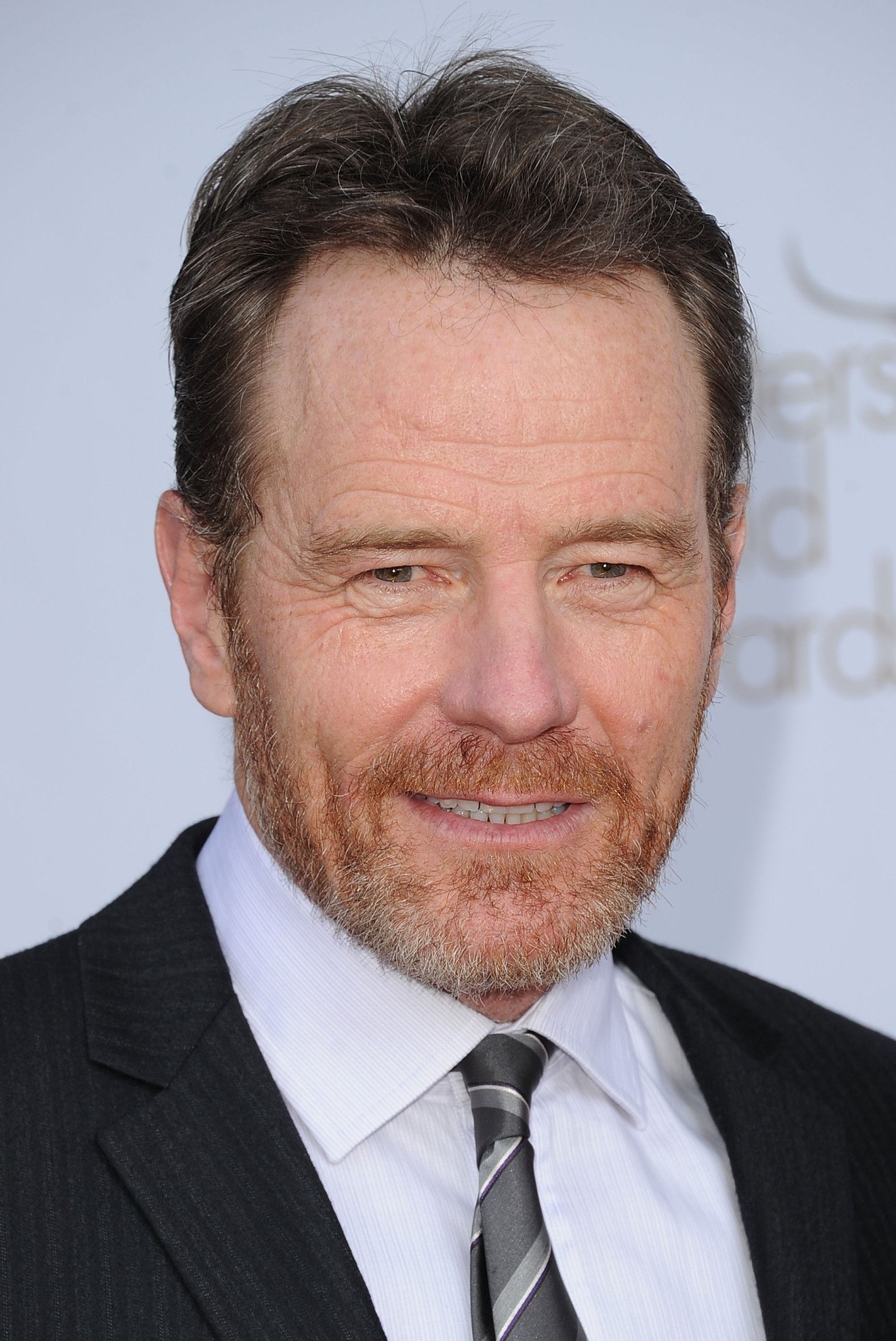
Bryan Cranston sparked a dialogue about casting fairness when he addressed the ethics of able-bodied actors playing characters with disabilities in the film ‘The Upside’. While acknowledging the need for more opportunities for disabled performers, he defended the right of all actors to explore different human experiences. Cranston suggested that a total ban on such casting would limit the artistic potential of various projects. He emphasized that the debate should focus on expanding the room rather than narrowing the scope of who can play what.
Eddie Marsan
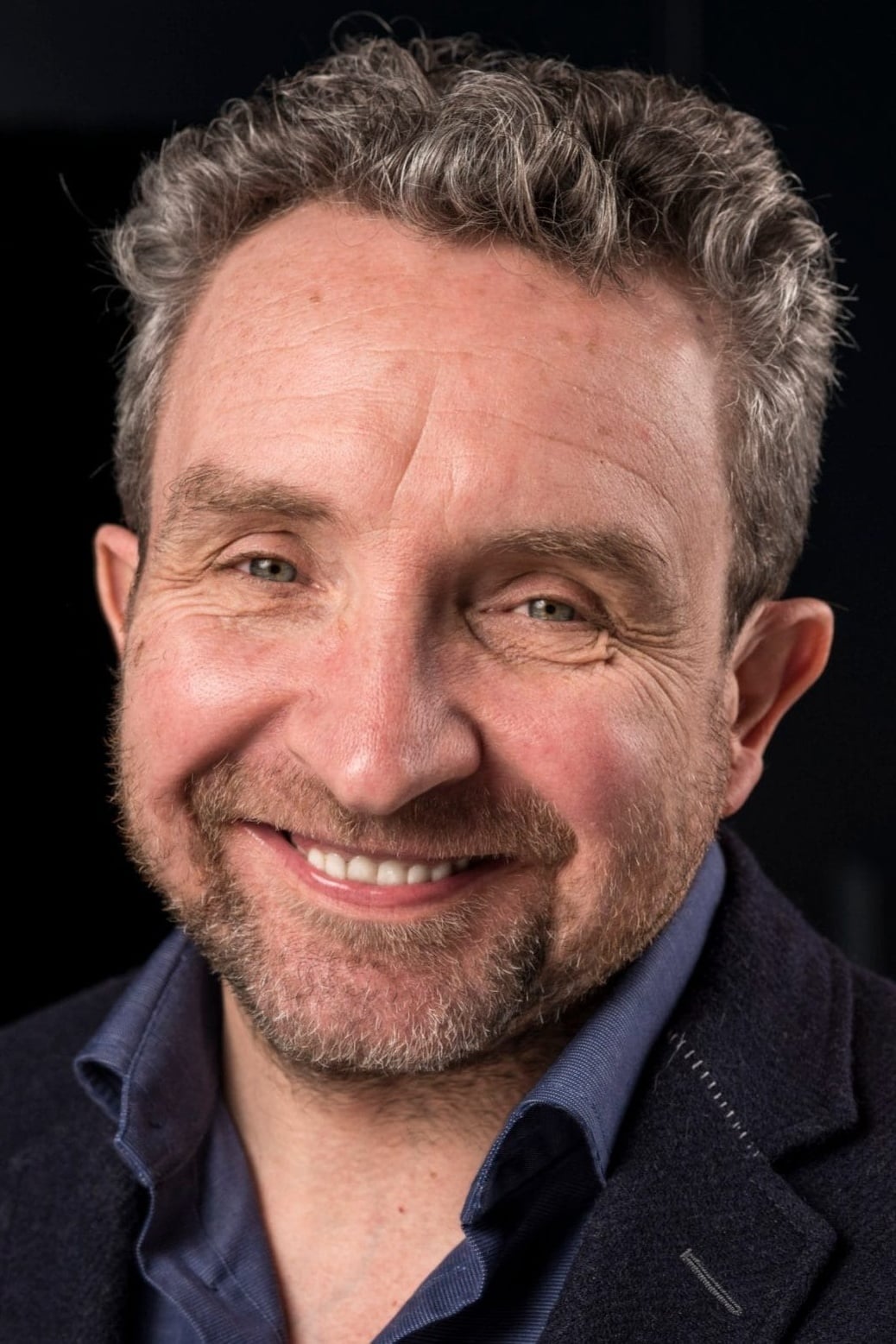
Eddie Marsan has publicly defended the tradition of actors playing roles outside of their own cultural or ethnic backgrounds. He specifically addressed the controversy surrounding the film ‘Golda’ and defended the right of actors to play any heritage. Marsan believes that the primary job of a performer is to use their imagination to create a believable character. He has warned that modern casting pressures could lead to a less vibrant and more segmented creative landscape.
Michael Caine
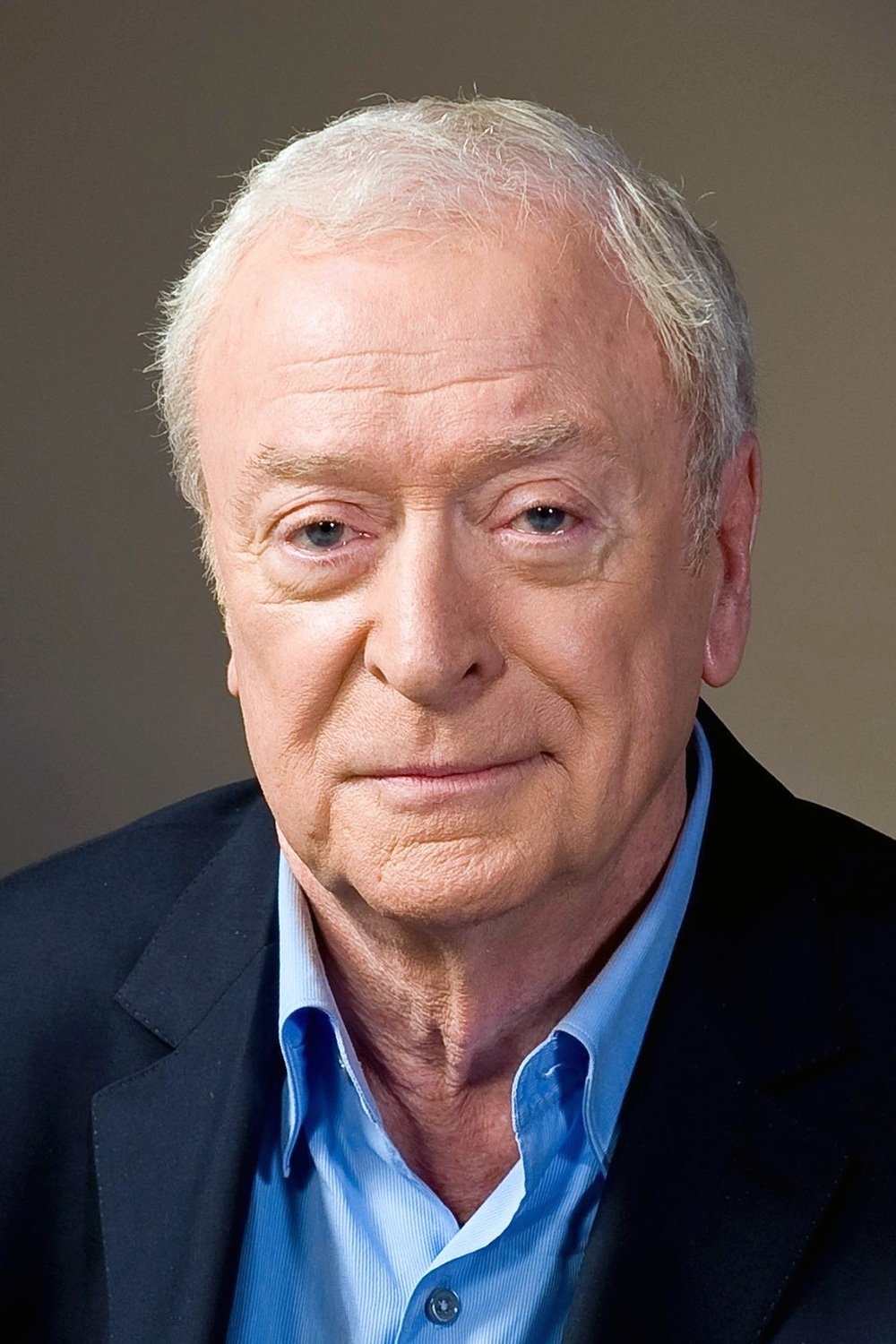
Michael Caine has commented on the shifting landscape of the film industry, expressing skepticism toward what he perceives as “woke” casting influences. He noted that the current environment often feels more concerned with political correctness than with finding the best person for a role. Caine has suggested that these modern sensitivities can sometimes hinder the natural flow of filmmaking. His perspective reflects a desire for the industry to return to more traditional standards of merit and suitability.
Laurence Fox
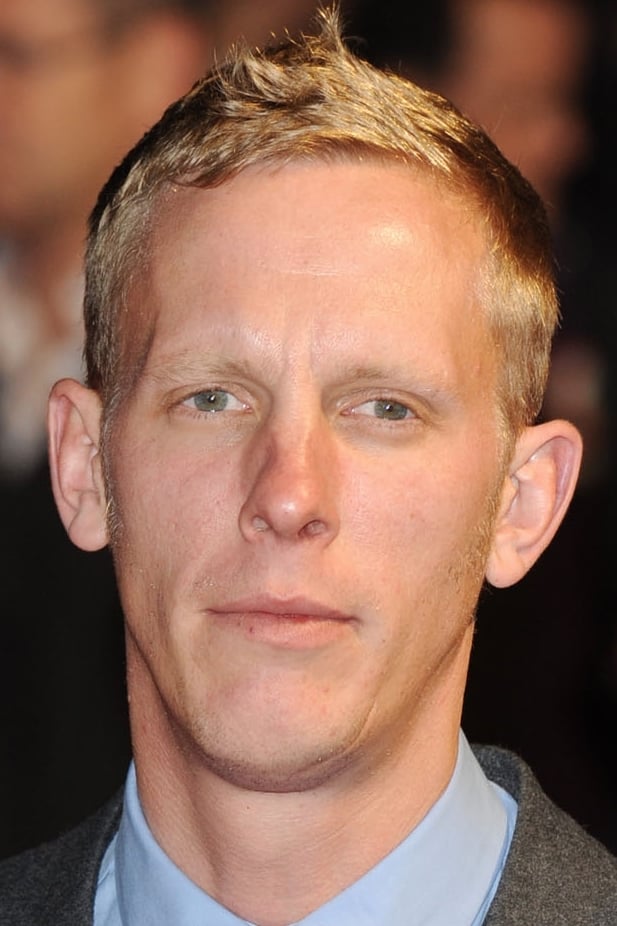
Laurence Fox became a prominent figure in the debate over modern casting fairness when he criticized diversity initiatives in the film ‘1917’. He argued that the inclusion of diverse casts in historically specific settings can sometimes feel forced or inaccurate. Fox has frequently questioned the institutional push for “representation at all costs” within the British film and television industry. His outspoken views have made him a polarizing figure in discussions about artistic integrity versus social progress.
Peter Dinklage
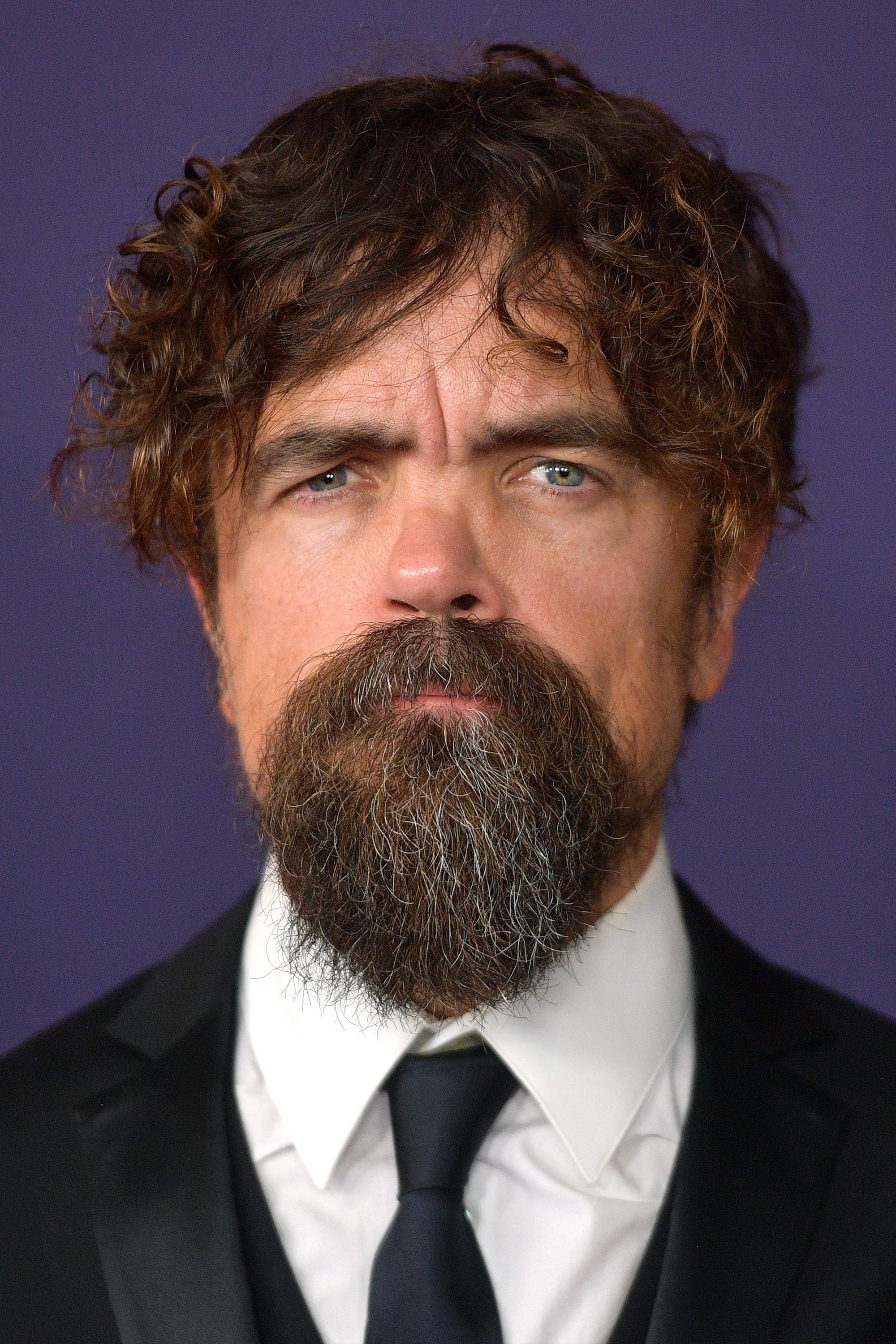
Peter Dinklage challenged the fairness of modern casting when he criticized the live-action remake of ‘Snow White and the Seven Dwarfs’. He argued that simply diversifying the lead role was not enough if the film continued to perpetuate stereotypes about people with dwarfism. Dinklage’s comments forced a broader conversation about how studios approach progressive casting without addressing underlying tropes. He called for a more thoughtful and holistic approach to how marginalized groups are portrayed on screen.
John Cusack
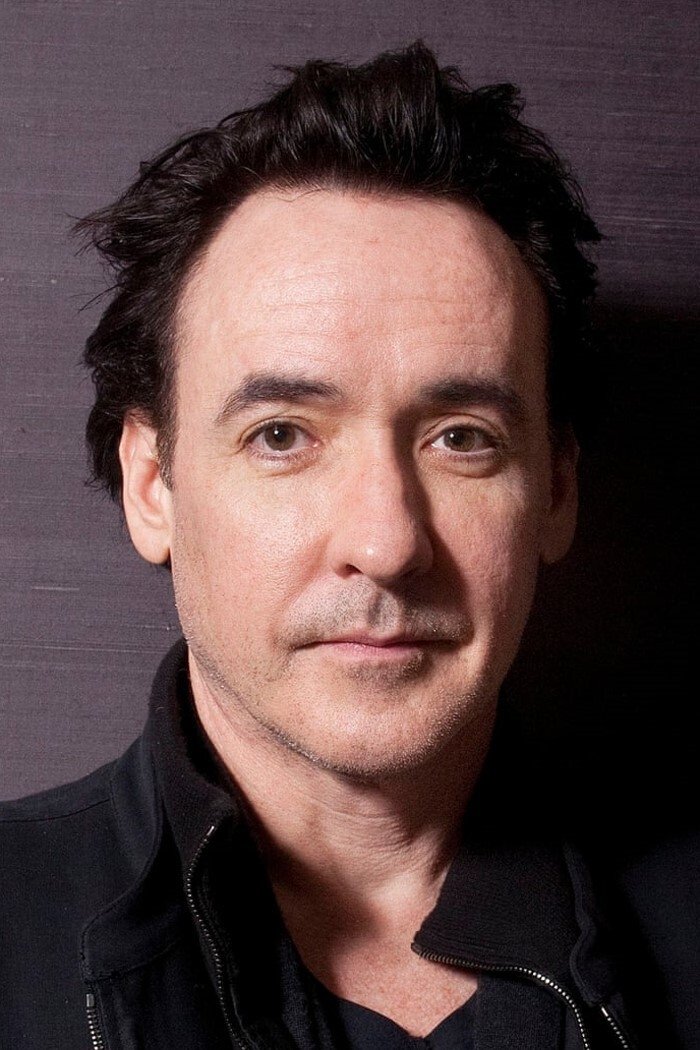
John Cusack has used his platform to critique the corporate and predatory nature of the modern Hollywood machine. He has suggested that casting is now dominated by data-driven decisions and franchise potential rather than artistic merit. Cusack has lamented the loss of the independent spirit in the industry, where unique talent was once more highly valued than brandability. He continues to use his social media presence to advocate for a more artist-centric approach to filmmaking.
Kelsey Grammer
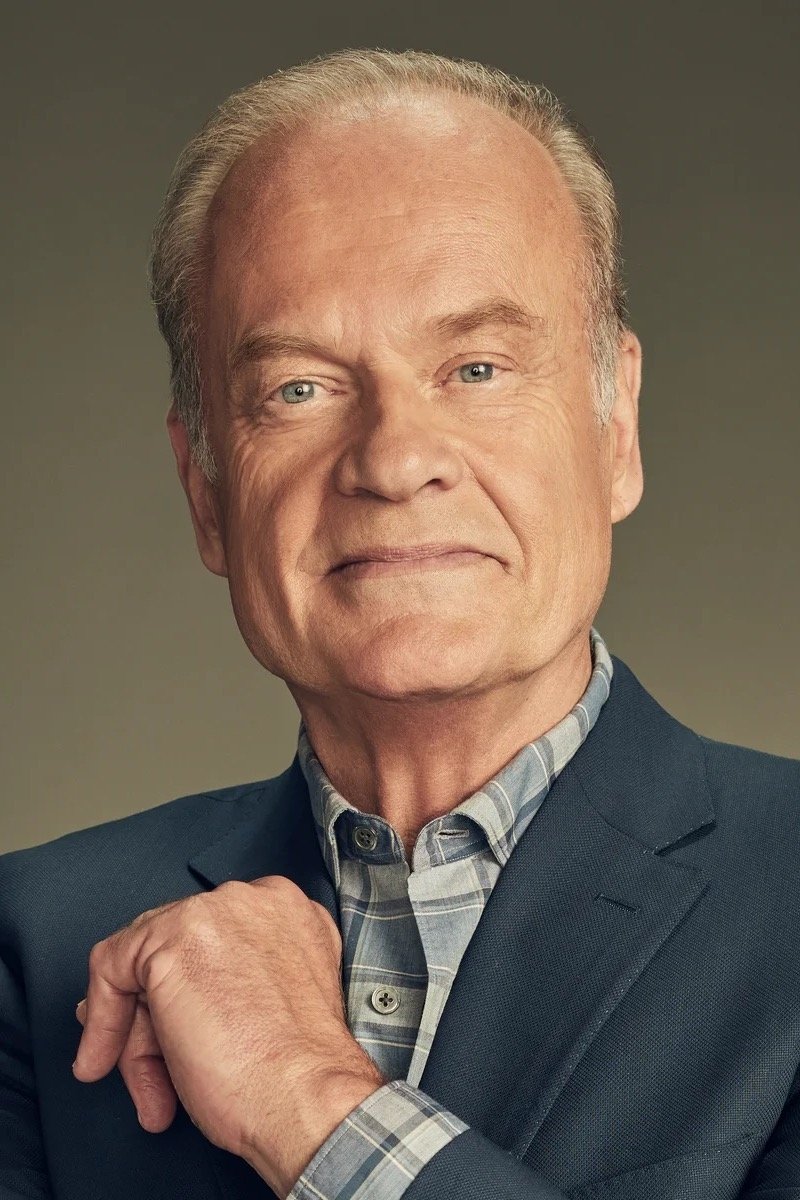
Kelsey Grammer has suggested that his conservative political views have occasionally made the modern casting environment more difficult for him. He has questioned whether the industry’s prevailing political leanings create an unconscious bias against certain performers. Grammer believes that a fair casting room should be entirely separate from an actor’s personal or political beliefs. He continues to advocate for a professional landscape where talent is the only metric that matters.
Freddie Prinze Jr.
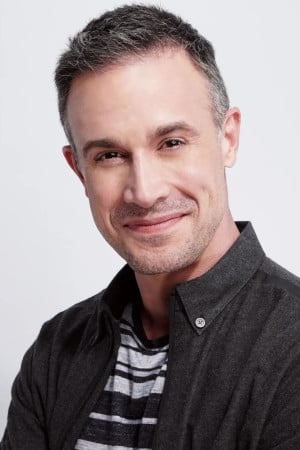
Freddie Prinze Jr. has spoken candidly about his frustrations with the casting and management practices within major franchises. He specifically criticized how voice actors are treated compared to their live-action counterparts in the ‘Star Wars’ universe. Prinze Jr. questioned the fairness of pay scales and the lack of credit given to performers who carry major animated roles. His comments highlight a systemic disparity in how different types of acting are valued by modern studios.
Please share your perspective on these actors’ views and the changing landscape of Hollywood casting in the comments.