The Dark Truth About Gay Musicians Facing Backlash for Chart Success


The history of the music industry is marked by a complex relationship between LGBTQ+ artists and the mainstream audience, where commercial success often acts as a catalyst for significant public and institutional backlash. While achieving a high-ranking position on the charts is typically a milestone for celebration, for many gay musicians, it has historically triggered waves of censorship, tabloid harassment, and organized boycotts. This phenomenon creates a paradox where increased visibility leads to heightened scrutiny, forcing artists to navigate a landscape that frequently demands the sanitization of their identities for mass consumption. From the radio bans of the 1970s to the digital vitriol of the modern era, the “dark truth” of chart success for queer performers reveals a persistent struggle against systemic prejudice and social resistance.
Lil Nas X
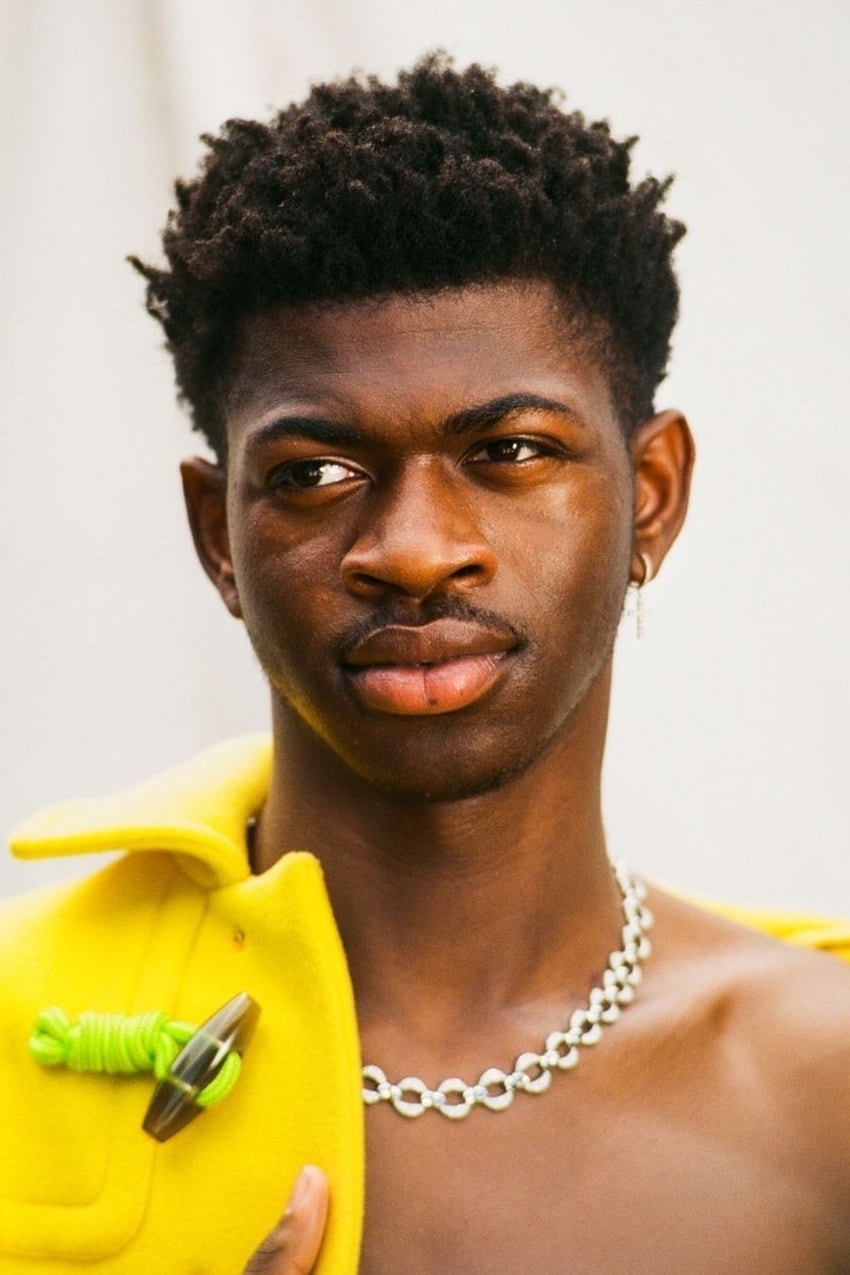
‘Montero (Call Me by Your Name)’ reached the top of the Billboard Hot 100 but triggered immediate condemnation from conservative groups and religious organizations. The accompanying music video, which featured the artist descending into hell on a stripper pole, resulted in a public outcry and threats of boycotts against his commercial partners. Political commentators labeled the imagery as harmful to younger audiences who had previously followed his breakout hit ‘Old Town Road’. Despite the controversy, the song remained a global powerhouse, though the artist faced significant online harassment for several months. This period highlighted the intense scrutiny gay artists face when blending queer identity with mainstream pop aesthetics and religious symbolism.
Sam Smith

Following the massive success of the single ‘Unholy’, the artist faced a wave of vitriol regarding their non-binary identity and public performance choices. Their 2023 Grammy Awards appearance was criticized by several high-profile figures who described the production as “satanic” and inappropriate for a televised audience. The backlash extended to body-shaming comments on social media, specifically targeting the artist’s wardrobe in the ‘I’m Not Here to Make Friends’ music video. Despite these coordinated attacks, the album ‘Gloria’ debuted at number one in the United Kingdom and performed exceptionally well on global charts. The situation demonstrated how chart-topping success can often amplify transphobic rhetoric in the digital age.
Adam Lambert
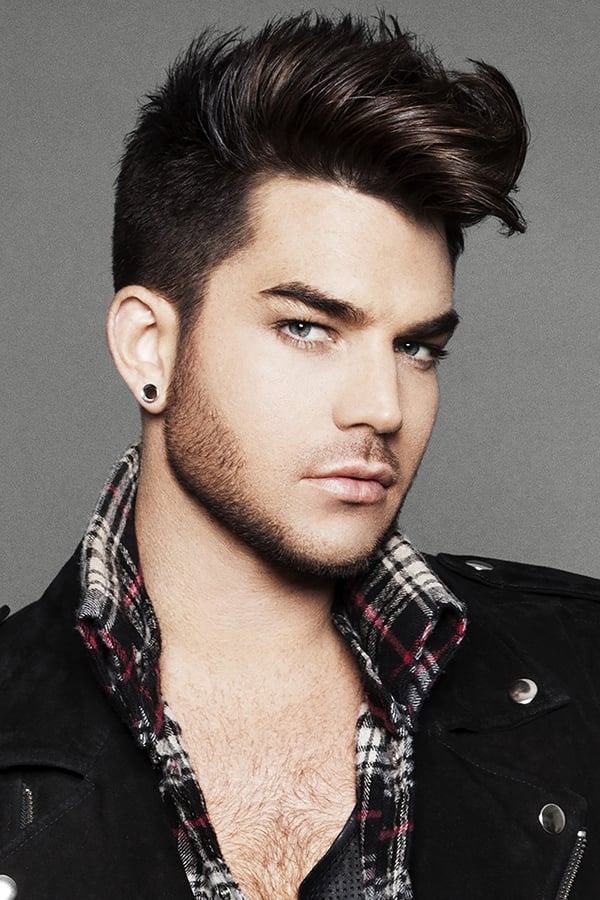
After rising to fame on ‘American Idol’, the singer experienced immediate professional repercussions following a provocative performance at the 2009 American Music Awards. The broadcast featured a kiss with a male keyboardist, leading to thousands of complaints to the FCC and the sudden cancellation of his scheduled appearance on ‘Good Morning America’. While his debut album ‘For Your Entertainment’ was a commercial success, industry insiders noted a distinct hesitation from mainstream outlets to book him for prime-time slots. This incident showcased the double standards applied to gay performers compared to their heterosexual counterparts during the late 2000s. He eventually reclaimed his status as a global star, specifically through his extensive work with the legendary band Queen.
Elton John
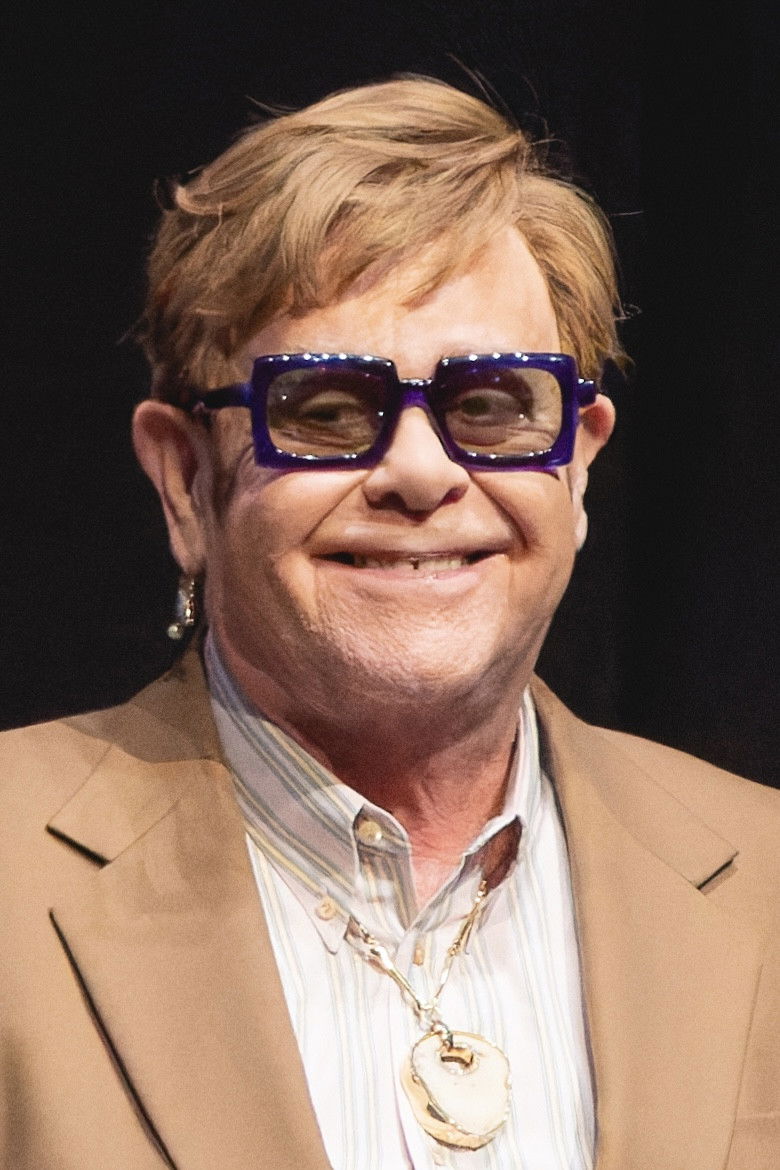
In 1976, the musician told Rolling Stone magazine that he was bisexual, a move that led to a noticeable decline in his record sales and radio airplay in the United States. At the time, he was one of the most successful artists in the world, yet the public revelation resulted in some stations refusing to play his new releases. The backlash forced him into a period of relative commercial cooling compared to his early 1970s dominance on the Billboard charts. It wasn’t until a 1992 interview where he confirmed he was gay that he felt a complete sense of personal freedom, though the industry continued to treat his private life as a tabloid fixture. His journey reflects the historical risk established stars took when coming out at the peak of their careers.
George Michael
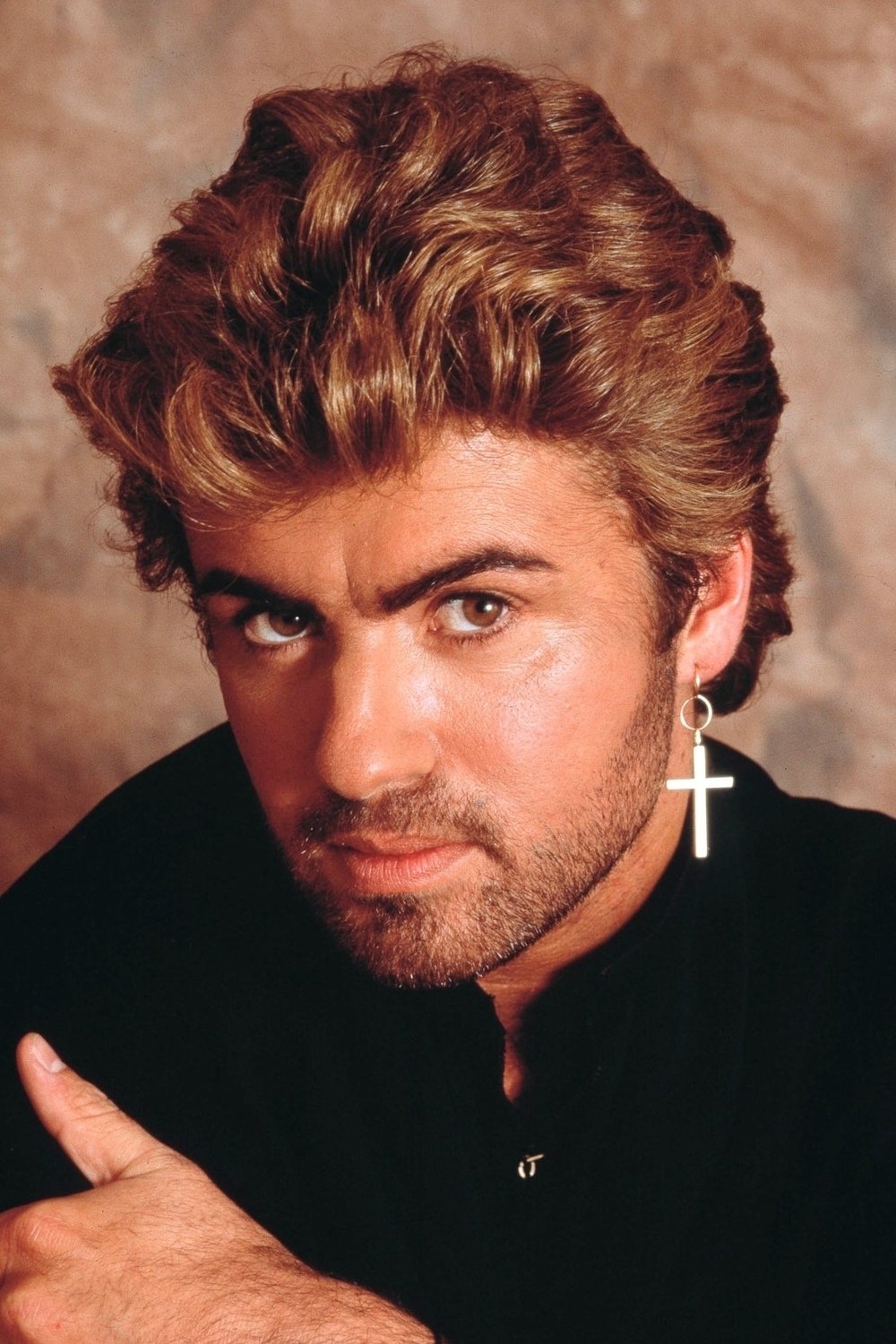
Following a highly publicized arrest in 1998, the pop icon was effectively forced to come out to the public under intense media pressure. He responded by releasing the single ‘Outside’, which satirized the incident and reached the top of the charts in several countries. However, the American market largely rejected the song, and he faced ongoing legal and personal scrutiny from the tabloid press for years afterward. The artist often spoke about the homophobia he encountered in the music industry, which he felt attempted to diminish his contributions as a songwriter. Despite the backlash, he remained a vocal advocate for gay rights and HIV/AIDS awareness until his passing in 2016.
k.d. lang

The Canadian singer faced a massive professional hurdle in the early 1990s when she came out as a lesbian while pursuing a career in country music. Radio stations across the United States pulled her music from their rotations, and she was even banned from some local markets in the South. The controversy was fueled further by her involvement in animal rights campaigns, leading to “Meat is Murder” slogans being used by critics to damage her reputation. While her album ‘Ingénue’ became a multi-platinum pop success, her standing in the country music community was permanently altered by the industry’s gatekeeping. This case remains a primary example of the resistance gay artists face within specific music genres.
Frank Ocean
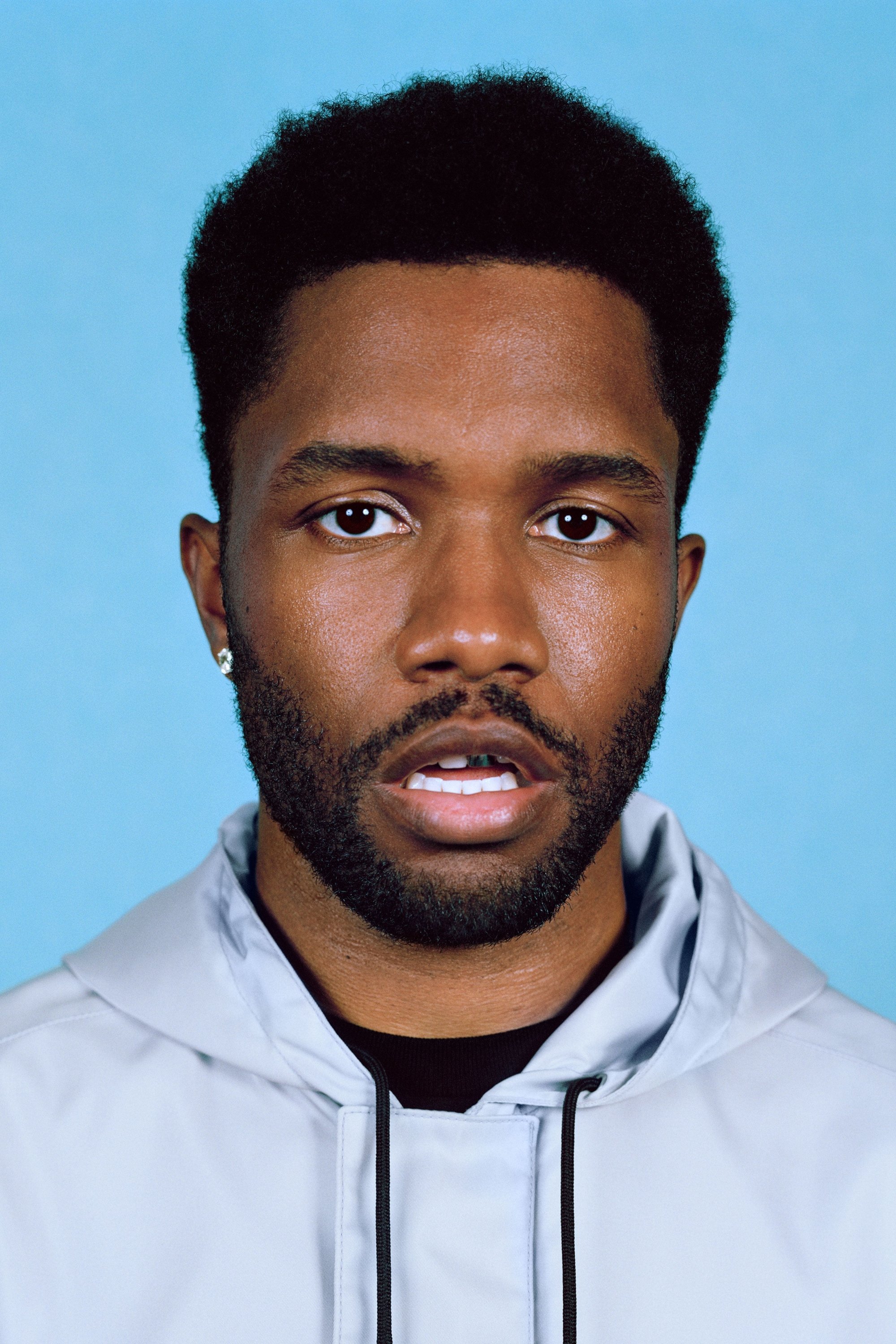
Prior to the release of his acclaimed album ‘Channel Orange’, the R&B star published an open letter detailing a past romance with another man. This was a landmark moment for the hip-hop and R&B community, but it was initially met with skepticism and derogatory comments from some industry peers. While the album was a massive critical and commercial hit, the artist faced immense pressure to act as a primary spokesperson for the entire LGBTQ+ community. He eventually moved away from the traditional spotlight, citing the overwhelming nature of public and industry expectations regarding his personal life. His success proved that queer narratives could top the charts, even in genres historically perceived as less inclusive.
Ricky Martin
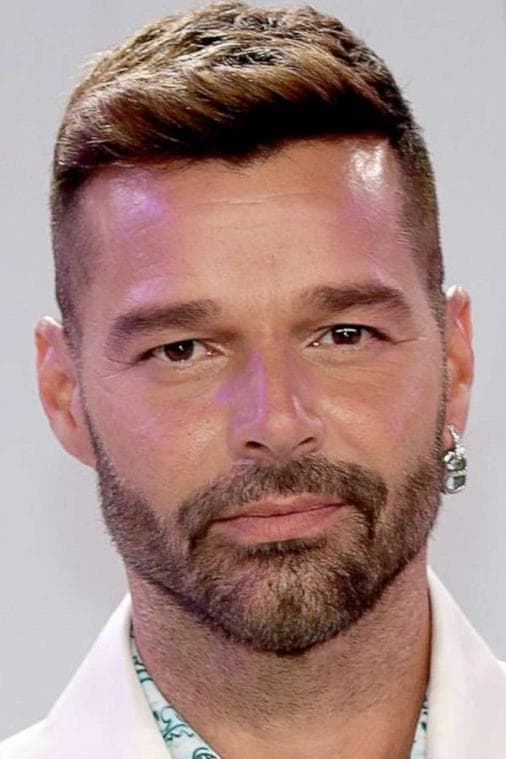
During the late 1990s, the artist was at the center of a global frenzy with hits like ‘Livin’ la Vida Loca’. Behind the scenes, he faced immense pressure from his management and the music industry to remain in the closet to protect his image as a mainstream sex symbol. When he finally came out in 2010 via a post on his website, he revealed the years of anxiety caused by the industry’s demands for a heterosexual persona. While many fans were supportive, he did experience a shift in how the media framed his career, moving from a general pop idol to a niche advocate. His experience highlights the systemic erasure of gay identities in the pursuit of mass-market commercial appeal.
Kim Petras
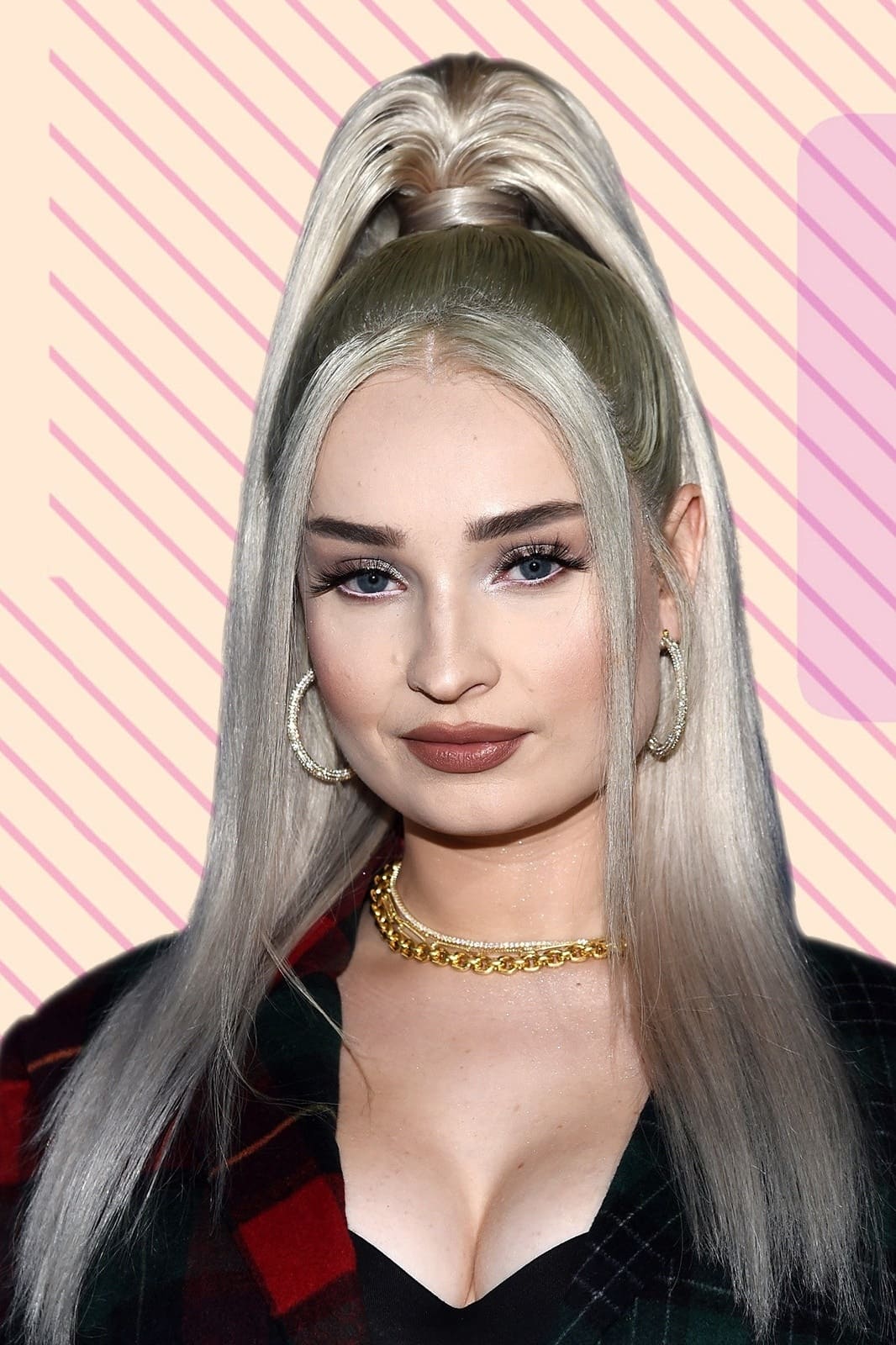
The German singer-songwriter made history as the first openly transgender woman to top the Billboard Hot 100 with the single ‘Unholy’. This achievement brought her massive visibility, but it also invited a barrage of transphobic abuse across social media platforms from coordinated groups. Critics frequently targeted her during the promotion of her debut studio album ‘Feed the Beast’, questioning her artistic merit based on her gender identity. Despite the chart success, she has spoken about the difficulty of securing mainstream radio support compared to her cisgender peers. Her career illustrates the modern paradox of breaking significant industry barriers while facing unprecedented levels of digital harassment.
Freddie Mercury
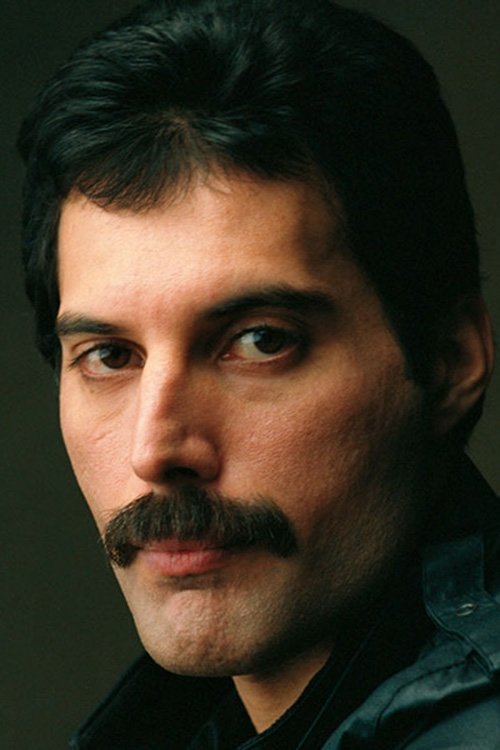
The Queen frontman dealt with a relentless British tabloid press that was obsessed with his sexuality and later his health status. During the 1980s, the music video for ‘I Want to Break Free’, which featured the band in drag, was banned by MTV in the United States. This decision severely impacted the band’s commercial trajectory in America for several years, as the imagery was deemed too controversial for the market. Mercury chose to keep his private life largely shielded from the public until the day before his death in 1991. His struggle represents the era’s restrictive cultural climate and the high cost of creative expression for gay musicians at the height of their fame.
Troye Sivan
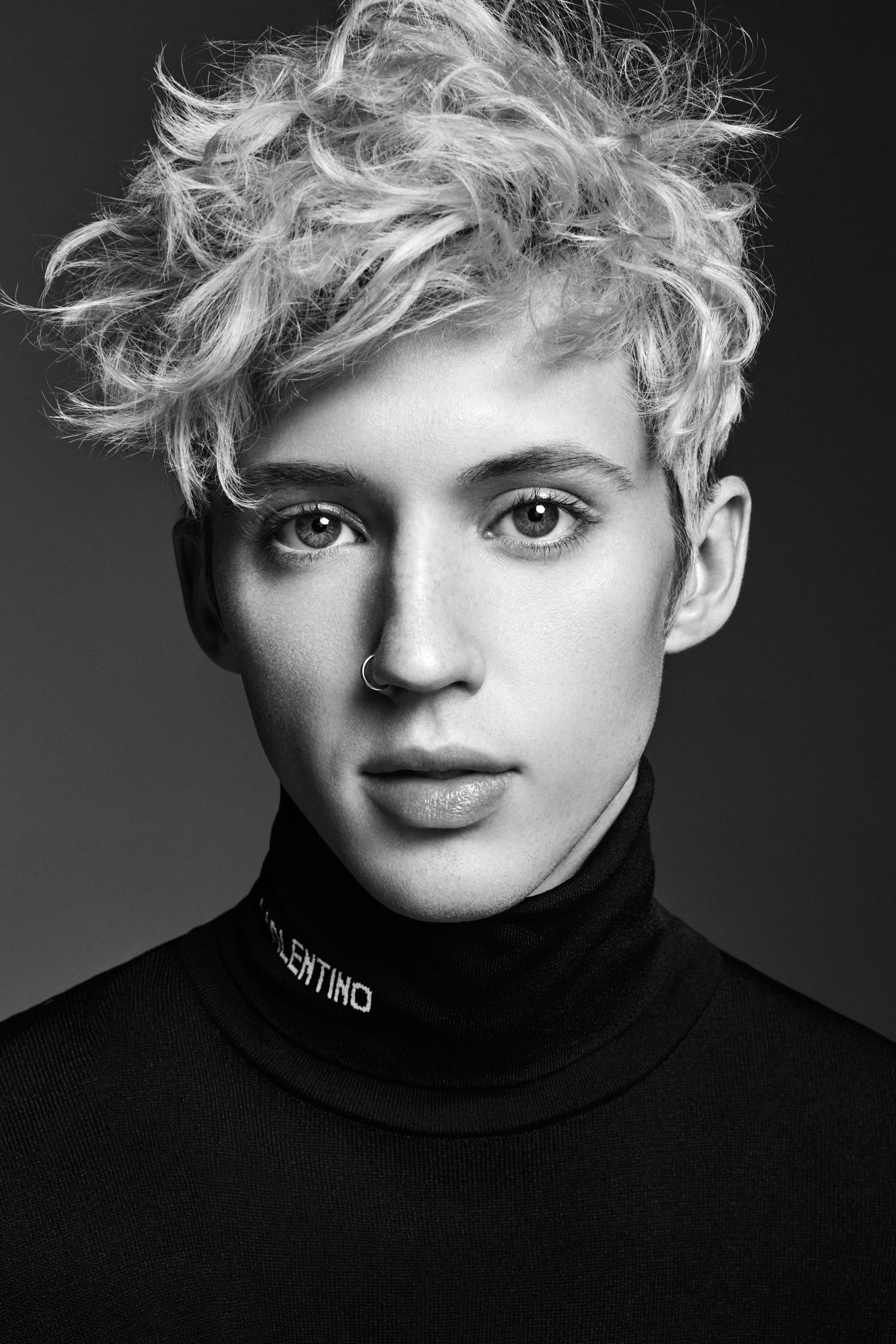
As his career moved from a digital platform to the global charts, the singer faced criticism for the unapologetically queer themes in his music and videos. The release of the album ‘Bloom’ was met with some resistance from retail outlets and streaming platforms that found the lyrical content too explicit for general audiences. He has frequently addressed the double standard where heterosexual artists are praised for sexual expression while gay artists are labeled as provocative or inappropriate. Despite these hurdles, he has maintained a strong chart presence and a loyal international fan base. His work continues to push the boundaries of what is considered acceptable for mainstream pop radio.
Lance Bass
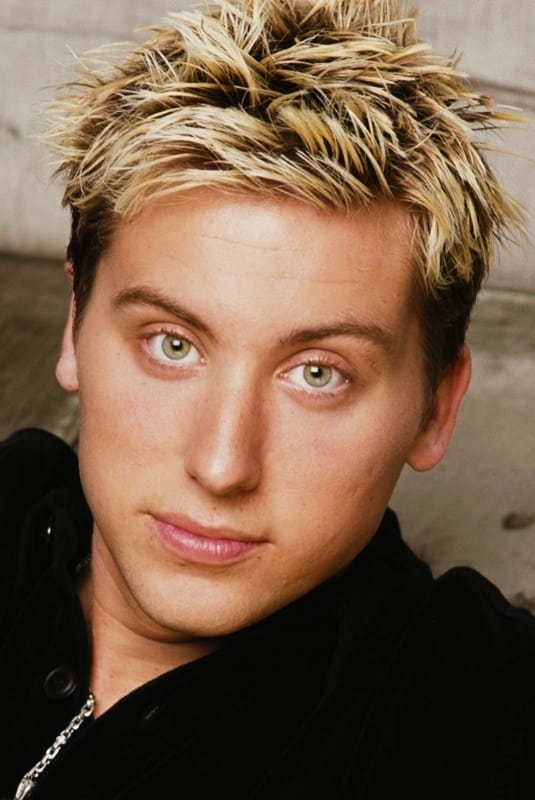
As a member of *NSYNC, he was part of one of the best-selling boy bands of all time, yet he felt forced to hide his sexuality for years to avoid damaging the group’s “heartthrob” brand. When he came out in 2006, the news was met with a mix of support and career-stalling indifference from the music industry infrastructure. He found it difficult to launch a solo music career in the years following his announcement, as labels were unsure how to market an openly gay former boy band star. He eventually shifted his focus to television and space advocacy, but he has been vocal about the industry’s pressure to maintain a closeted identity. His story serves as a cautionary tale about the shelf life of pop stars who challenge traditional gendered marketing.
Demi Lovato

After announcing their non-binary identity in 2021, the singer faced an intense period of public scrutiny and mockery regarding their personal journey. This transition occurred as they released ‘Dancing with the Devil… the Art of Starting Over’, an album that explored their personal recovery and growth. While the album reached number two on the Billboard 200, the public discourse was often overshadowed by debates regarding their gender identity. The artist later updated their pronouns to include she/her, citing the exhaustion of constantly explaining their identity to a skeptical public. This reflects the emotional toll that high-profile musicians face when living authentically in the intense glare of the public eye.
Boy George

As the lead singer of Culture Club, he was an international superstar with hits like ‘Karma Chameleon’ topping charts in dozens of countries. However, his androgynous appearance and eventual confirmation of his sexuality made him a primary target for the British tabloids during the 1980s. He faced intense legal pressure and public shaming during his personal struggles, which the press frequently linked to his lifestyle as a gay man. Despite his massive influence on fashion and music, he was often treated as a caricature rather than a serious artist by the mainstream media. His career path demonstrates the volatility of fame for artists who defy traditional gender norms.
Clay Aiken
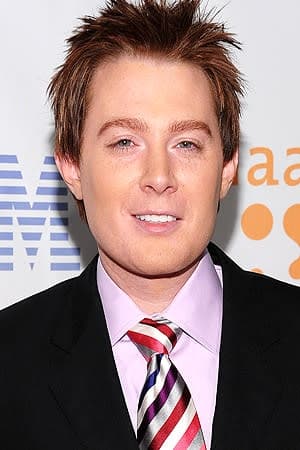
The ‘American Idol’ runner-up experienced massive chart success with his debut album ‘Measure of a Man’, which was certified multi-platinum by the RIAA. For years, he was the subject of intense tabloid speculation regarding his sexuality, which he finally addressed by coming out on the cover of People magazine in 2008. The revelation led to a polarizing reaction among his fan base, many of whom were from more conservative backgrounds. While he continued to record and perform, the focus on his personal life often eclipsed his musical achievements in the public eye. His experience highlights the pressure on reality-born stars to maintain a specific, sanitized image for a broad audience.
Janelle Monáe
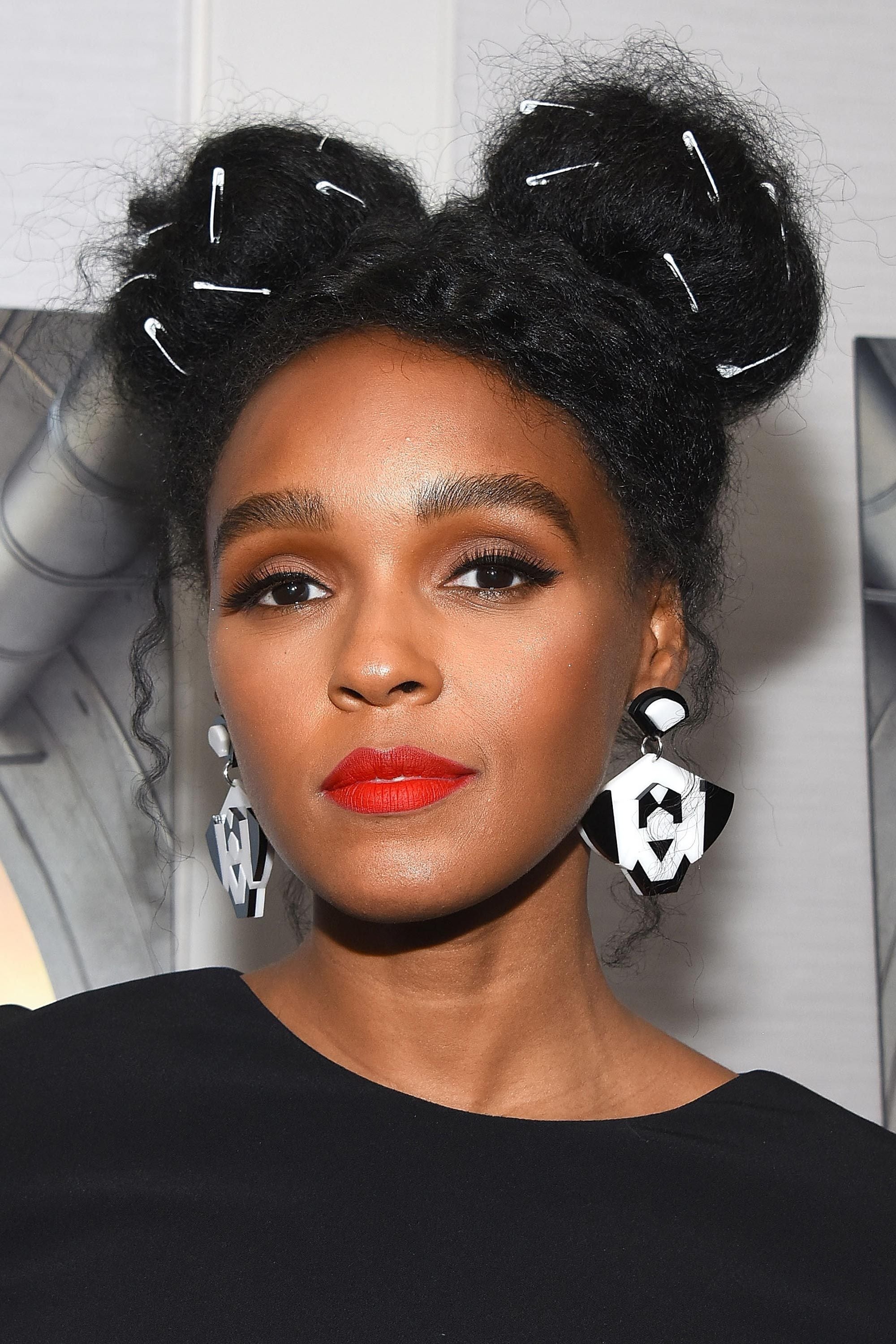
After years of artistic speculation, the singer and actress came out as pansexual and non-binary, coinciding with the release of the ‘Dirty Computer’ project. The album was a major chart success and received multiple Grammy nominations, yet she faced pushback from segments of the audience who preferred her earlier persona. Some critics questioned the timing and authenticity of her identity, suggesting it was a strategy for her new musical direction. Despite this, she has remained a powerful voice for the LGBTQ+ community in both music and film. Her journey illustrates the difficult transition from a “safe” industry image to a more authentic form of self-expression.
Melissa Etheridge

The rock star’s career reached new heights with the 1993 album ‘Yes I Am’, which she released shortly after publicly coming out as a lesbian. While the album was a massive commercial hit, she faced significant political pushback and was frequently targeted by groups opposing LGBTQ+ rights. Her activism for marriage equality and health issues further solidified her as a controversial figure in the eyes of the conservative mainstream. Despite the backlash, she became one of the most successful female rock artists of the 1990s. Her story is one of resilience in an era where being out was a significant professional and personal risk.
Rufus Wainwright

The singer-songwriter has often discussed the limitations placed on his career due to his openness about his sexuality from the beginning of his career. While his albums have charted successfully and garnered high critical acclaim, he has noted that mainstream radio has often found his work “too queer” for general rotation. He faced specific backlash in the early 2000s for his flamboyant stage presence and unapologetic lyrical content. Despite these systemic barriers, he has built a lasting legacy as one of the most respected composers and vocalists of his generation. His experience highlights the subtle ways the industry can marginalize gay artists even when they are critically successful.
Tyler, the Creator

The rapper’s relationship with his sexuality became a major talking point following the release of ‘Flower Boy’ and the chart-topping album ‘Igor’. Earlier in his career, he faced intense backlash and was even banned from several countries due to lyrics that were perceived as homophobic. This created a complex dynamic when he began incorporating queer themes and fluid identity into his later, more successful work. While his recent albums have been commercial and critical triumphs, he still faces scrutiny from those who question his past versus his present artistic identity. His career trajectory represents the complicated evolution of identity within the hip-hop genre and the scrutiny that follows.
Tell us what you think about the challenges these artists have faced by sharing your thoughts in the comments.