The Shocking Reality of LGBTQ+ Representation in Anime That Fans Are Boycotting in 2026


The landscape of LGBTQ+ representation in the anime industry has undergone significant scrutiny as audiences demand more authentic and consistent portrayals of diverse identities. While some series have made strides in inclusivity, others have faced intense backlash due to perceived queerbaiting, corporate erasure, or the reliance on harmful tropes. Fans and advocacy groups have increasingly organized boycotts against studios and production committees that fail to uphold the integrity of queer narratives. These controversies highlight a growing divide between traditional industry practices and the evolving expectations of a global fanbase. As the conversation continues to evolve, several prominent titles have become symbols of the ongoing struggle for visibility and respect within the medium.
‘Mobile Suit Gundam: The Witch from Mercury’ (2022–2023)
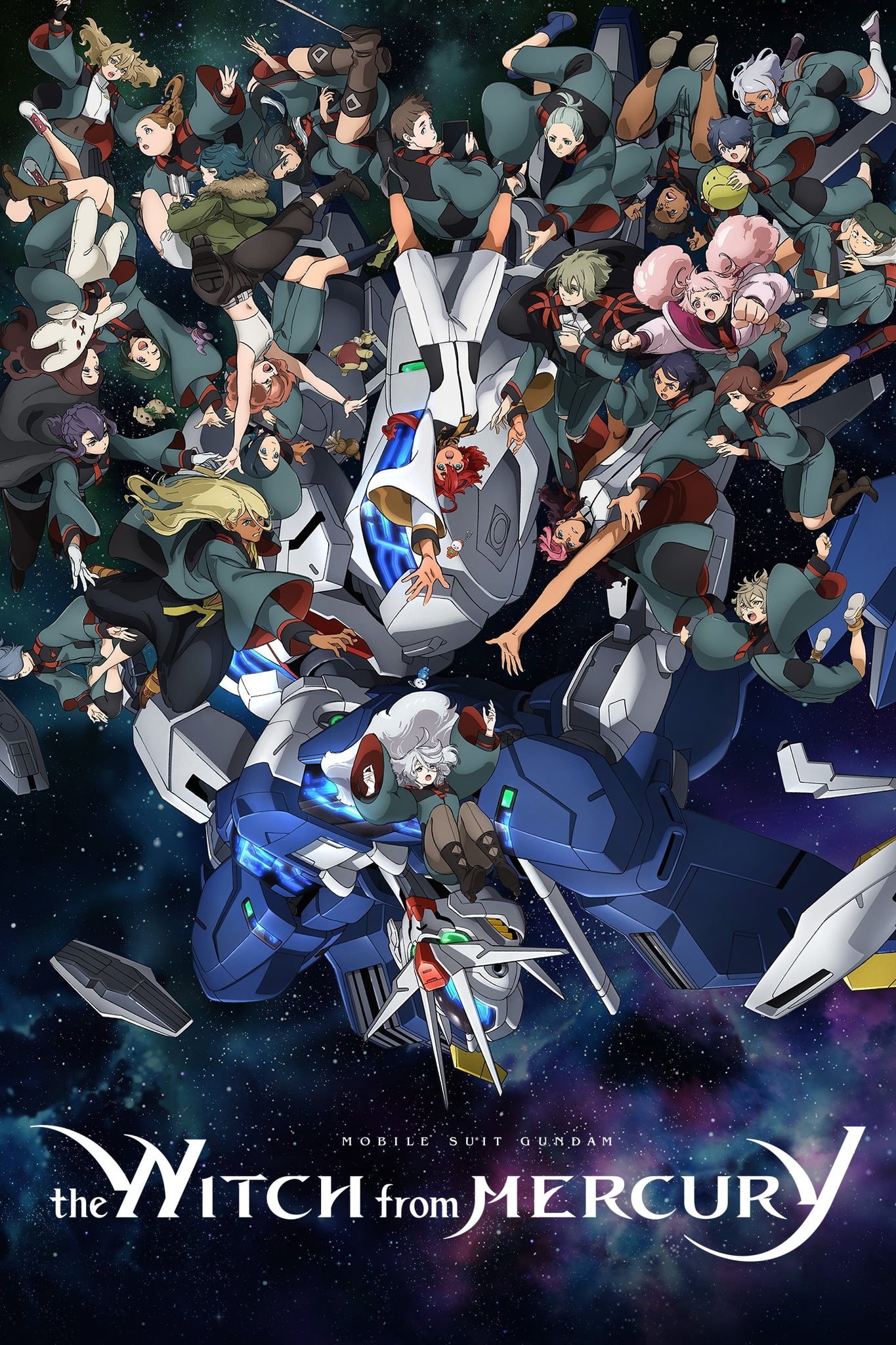
The series gained international attention for the central engagement between Suletta Mercury and Miorine Rembran, marking a milestone for the franchise. However, a major controversy erupted when the parent company, Bandai Namco, retracted a magazine statement confirming the two characters were married in the series finale. Fans initiated social media campaigns to protest what they perceived as corporate erasure of a queer milestone to suit conservative markets. This incident remains a focal point for viewers demanding explicit representation in high-profile franchises. The move was widely seen as an attempt to appease external pressures at the expense of the show’s narrative themes.
‘Gushing Over Magical Girls’ (2024)
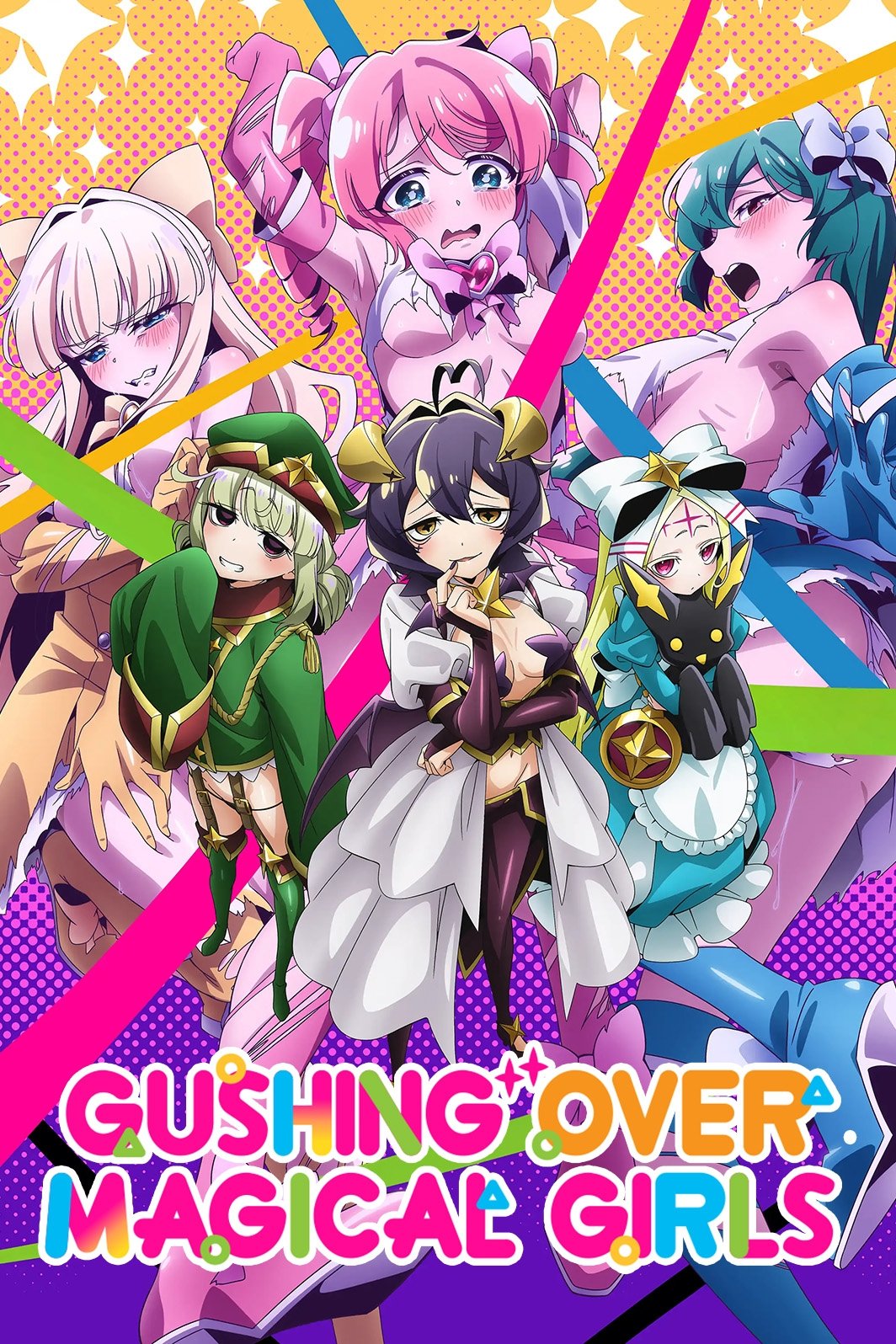
This series sparked immediate backlash within the community for its sexualized portrayal of queer relationships involving characters portrayed as minors. While some viewers argued it served as a subversion of the magical girl genre, many fans boycotted the series for its exploitative nature. Critics pointed out that the show equated queer identity with extreme fetishism, which they felt harmed the progress of genuine representation. The controversy led to heated debates on streaming platforms and within fan communities regarding the boundaries of the genre. Many advocacy groups have flagged the title as an example of regressive storytelling that alienates LGBTQ+ viewers.
‘Whisper Me a Love Song’ (2024)
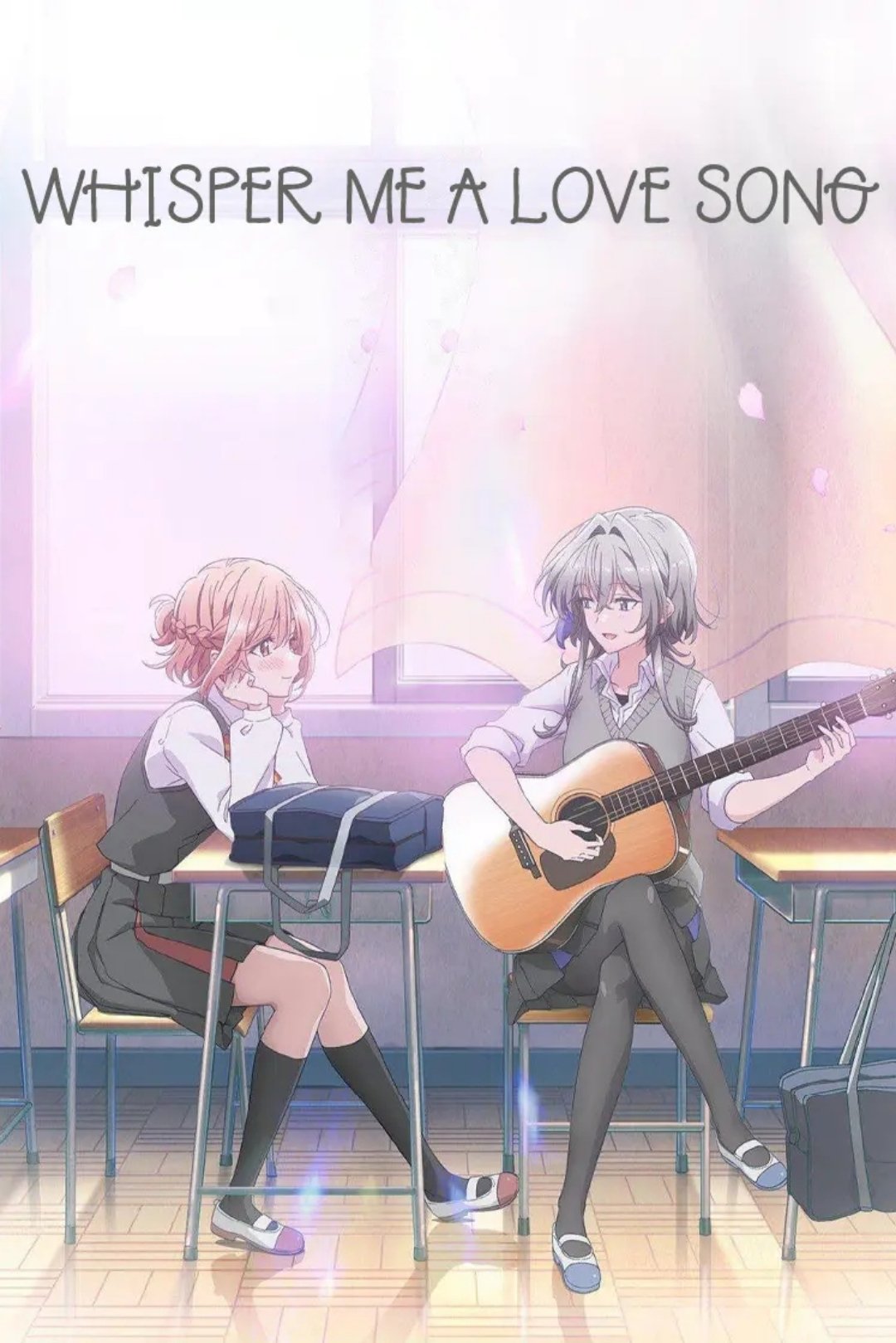
Expectations were high for this adaptation of a beloved yuri manga, but the production was marred by significant delays and quality issues. Fans expressed outrage as the animation quality plummeted, leading to a perceived lack of respect for the source material’s queer themes. The boycott focused on the production committee’s failure to provide adequate resources for a major lesbian romance title. Viewers argued that the technical failures were a symptom of the industry’s tendency to deprioritize LGBTQ+ content. This situation has led to a sustained movement to hold studios accountable for the treatment of queer-centric stories.
‘Tengoku Daimakyo’ (2023)
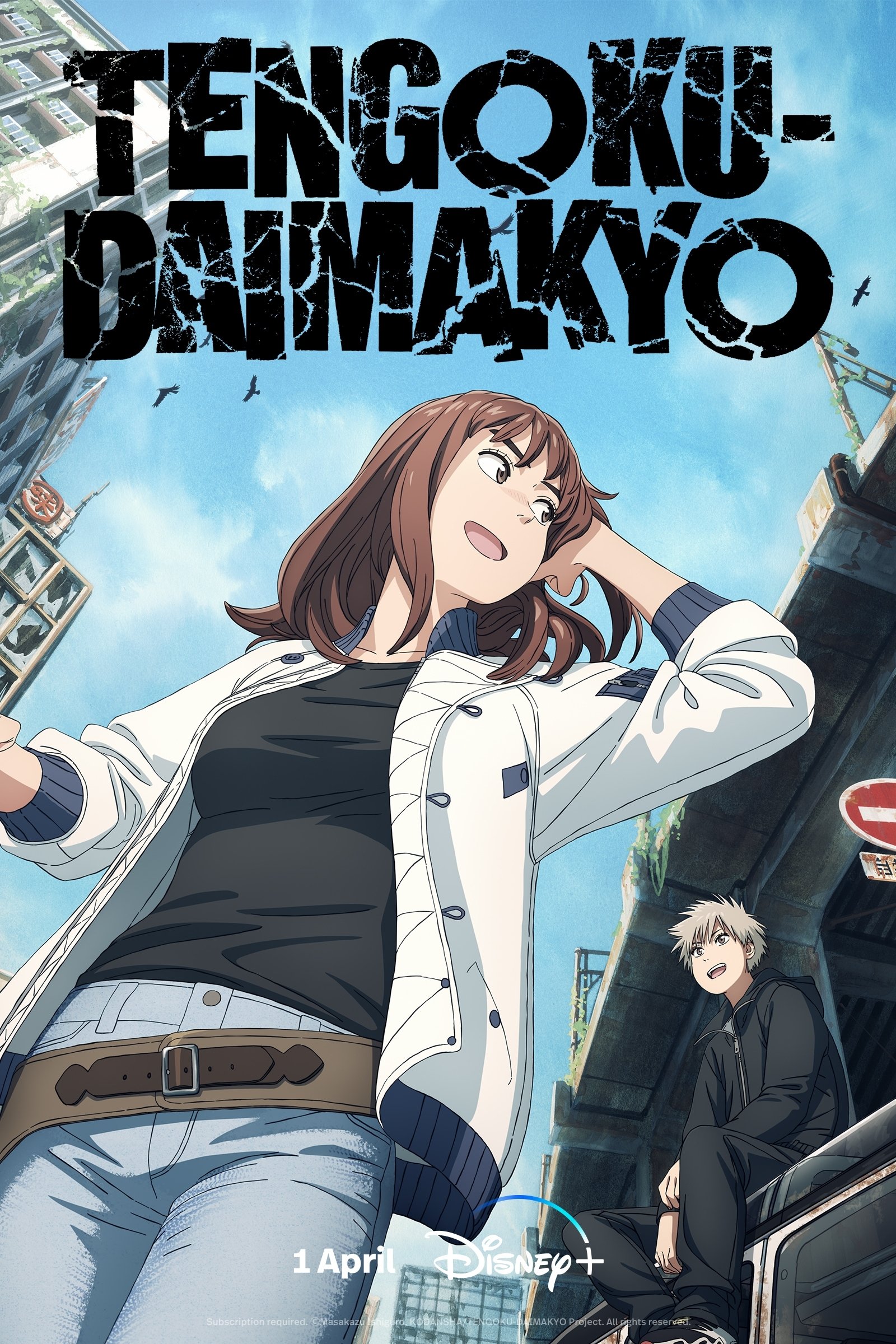
The series explores complex themes of gender identity and body horror through its central characters, Kiruko and Maru. Controversy arose regarding a specific scene involving physical violation and the subsequent handling of Kiruko’s internal gender identity. Some fans boycotted the series, arguing that the narrative utilized trauma as a shock tactic rather than engaging meaningfully with trans or non-binary experiences. Others defended the complexity of the writing, but the rift within the fanbase remains significant. The discourse surrounding the show continues to influence how gender non-conformity is discussed in seasonal anime.
‘Wonder Egg Priority’ (2021)
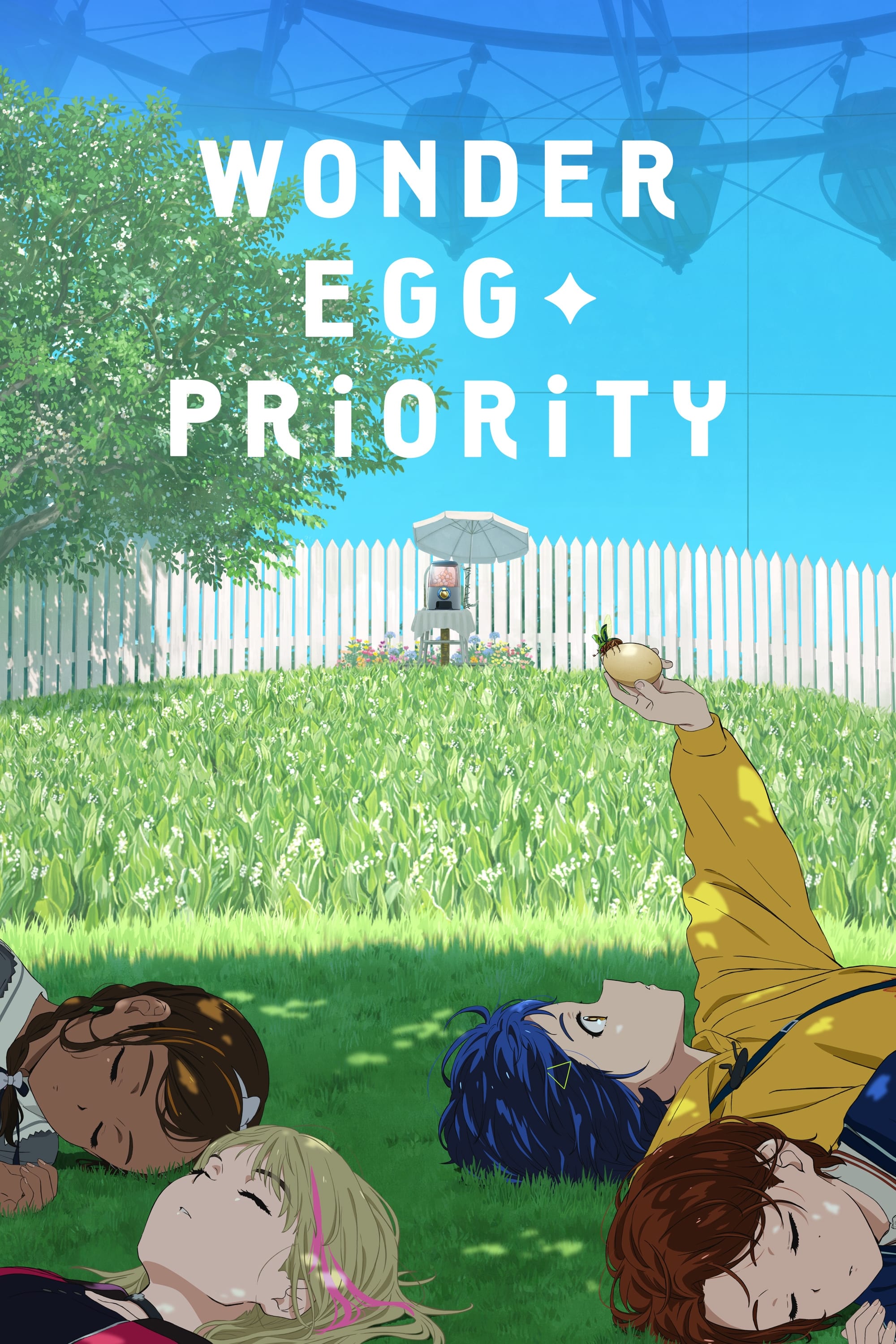
Initially praised for its psychological depth, this series faced a massive backlash following its special finale episode. The handling of Momoe Sawaki’s character, who deals with gender presentation and identity, was criticized for being insensitive and reinforcing negative stereotypes. Fans felt that the writing discarded Momoe’s agency in a way that felt trans-misogynistic to many viewers. The resulting boycott saw a sharp decline in the show’s once-vocal support base and a lasting reputation for poor thematic execution. It serves as a cautionary tale for how quickly a show can lose its audience through the mishandling of sensitive representation.
‘Blue Period’ (2021)
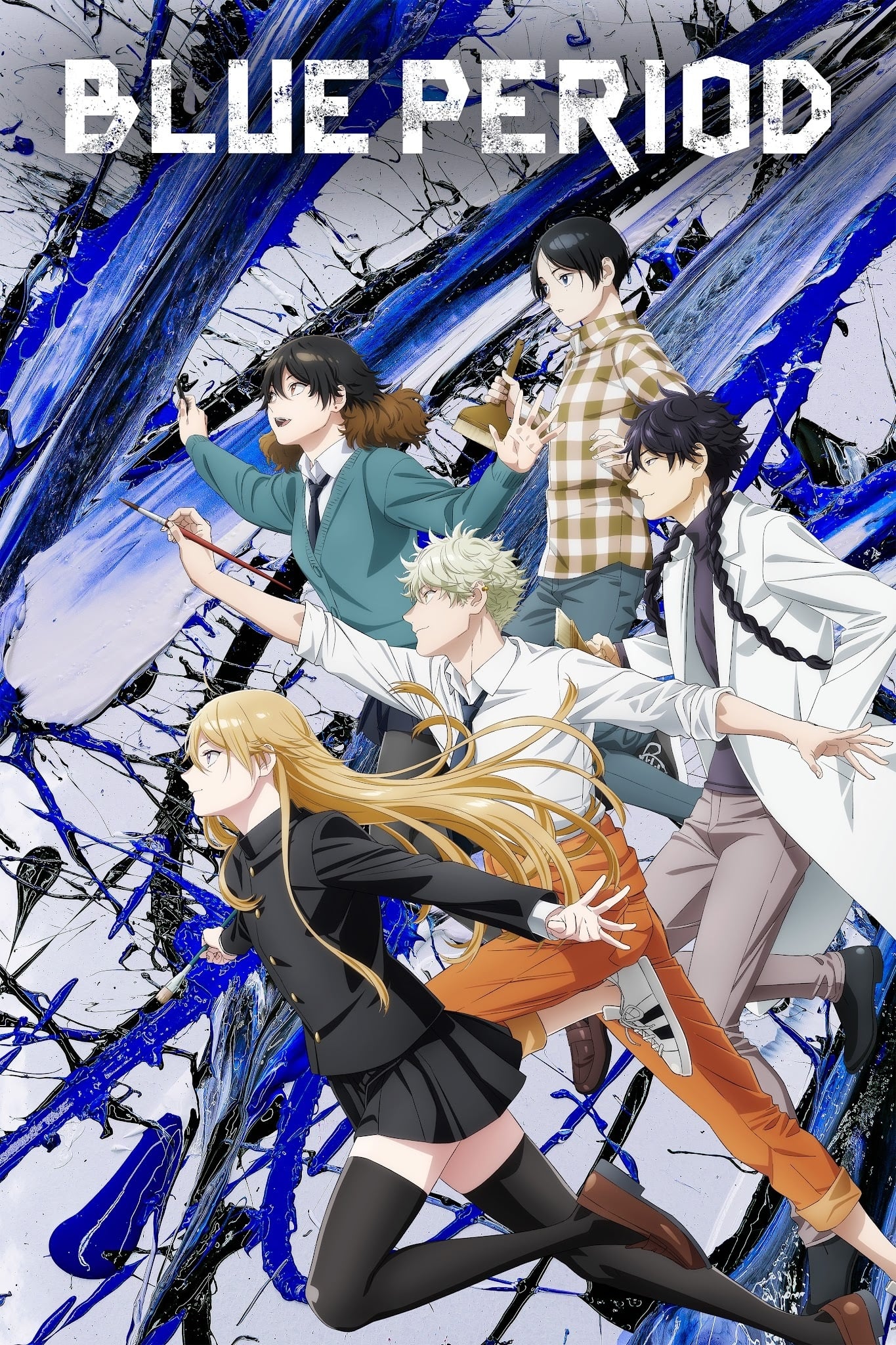
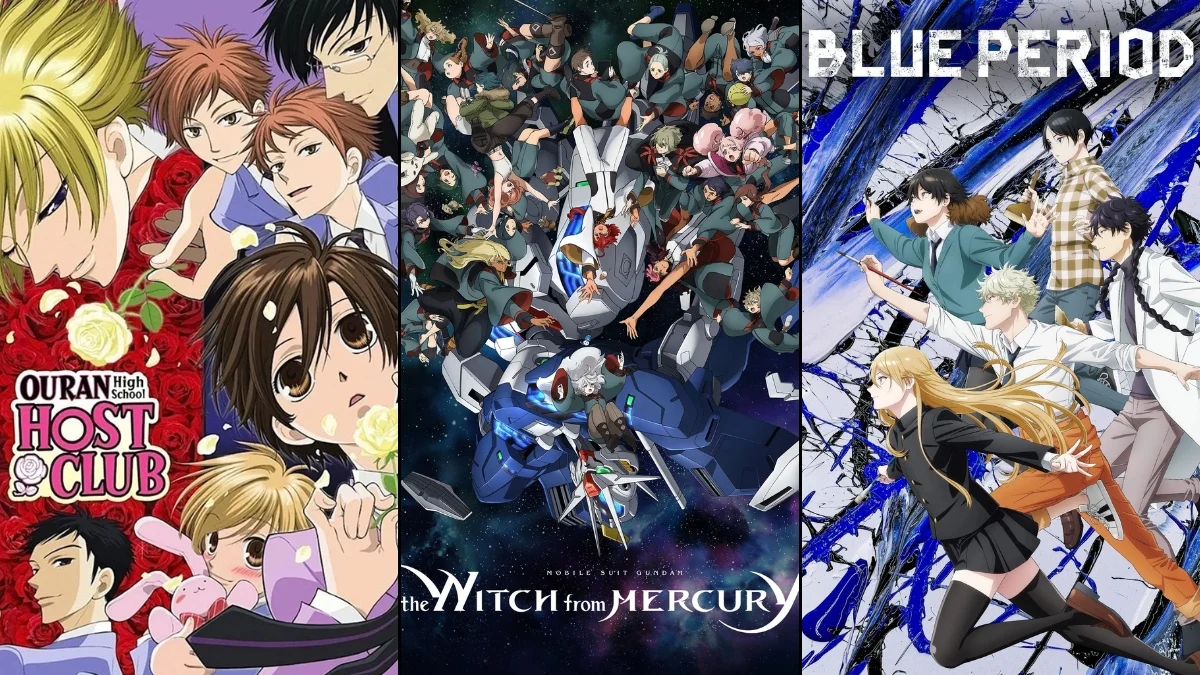
The character Ryuji Ayukawa, also known as Yuka, is a central figure whose struggles with gender identity and societal expectations are core to the story. While the manga was praised, some fans boycotted the anime adaptation for failing to capture the nuance of Yuka’s journey. Critics argued that certain dialogue changes and pacing issues diminished the impact of Yuka’s gender non-conformity. The debate focused on whether the adaptation was too timid in its portrayal of a character who explicitly rejects traditional gender roles. This title remains a point of contention for those seeking deeper exploration of identity in the arts.
‘Stars Align’ (2019)
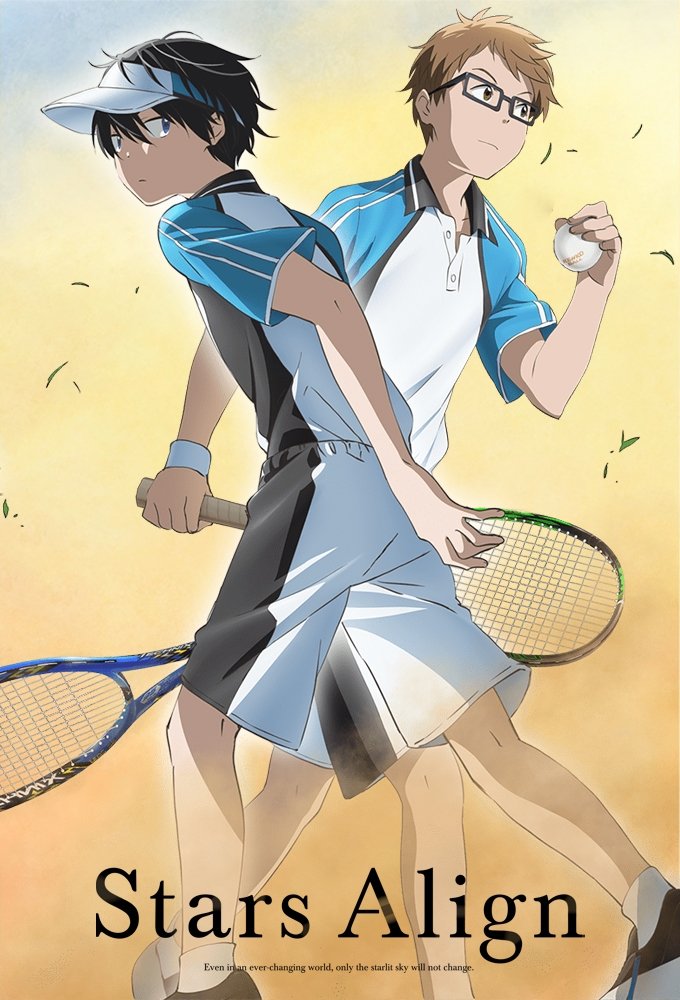
This original series was notable for featuring one of the first explicit discussions of non-binary and X-gender identities in a mainstream sports anime. Despite its progressive writing, the show faced a boycott-like reaction from fans frustrated by its abrupt ending due to halved episode orders. The community’s anger was directed at the production committee for sabotaging a series that offered rare, grounded queer representation. Many viewers still refuse to support the franchise’s secondary media until a proper conclusion is provided. The show remains a symbol of how the industry often fails to support innovative and inclusive projects.
‘Given’ (2019)
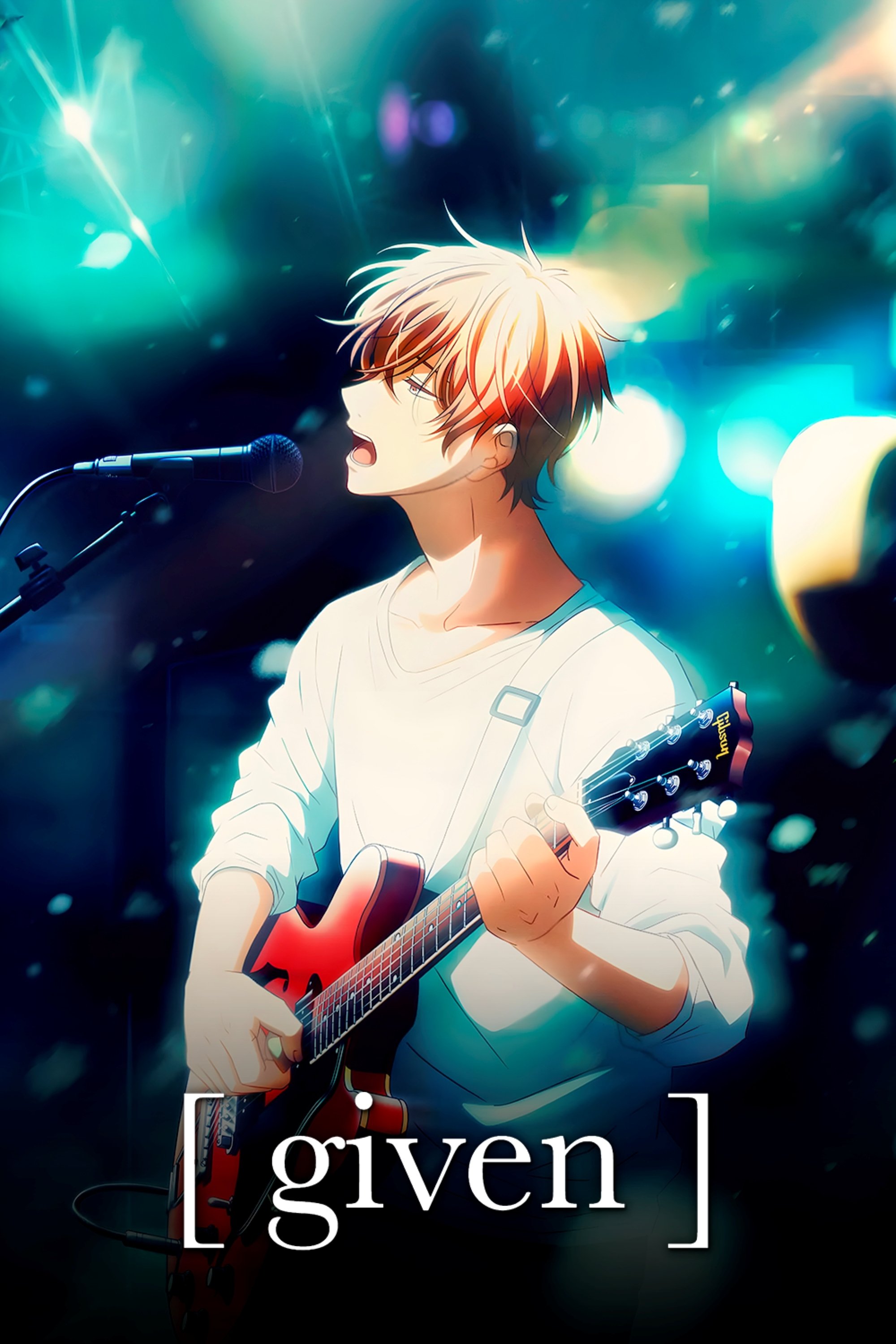
While ‘Given’ is widely beloved as a realistic portrayal of a gay romance, it has faced criticism for its heavy focus on queer trauma and the “tragic gay” trope. Some fans have moved away from the series, arguing that the narrative relies too heavily on the death of a past lover to drive the plot. This has sparked a broader conversation about the need for more joyful and less trauma-focused queer stories in anime. Although the series is commercially successful, a segment of the fanbase continues to advocate for a shift away from these specific narrative patterns. The discourse reflects a growing demand for diverse emotional ranges within the boys’ love genre.
‘Banana Fish’ (2018)
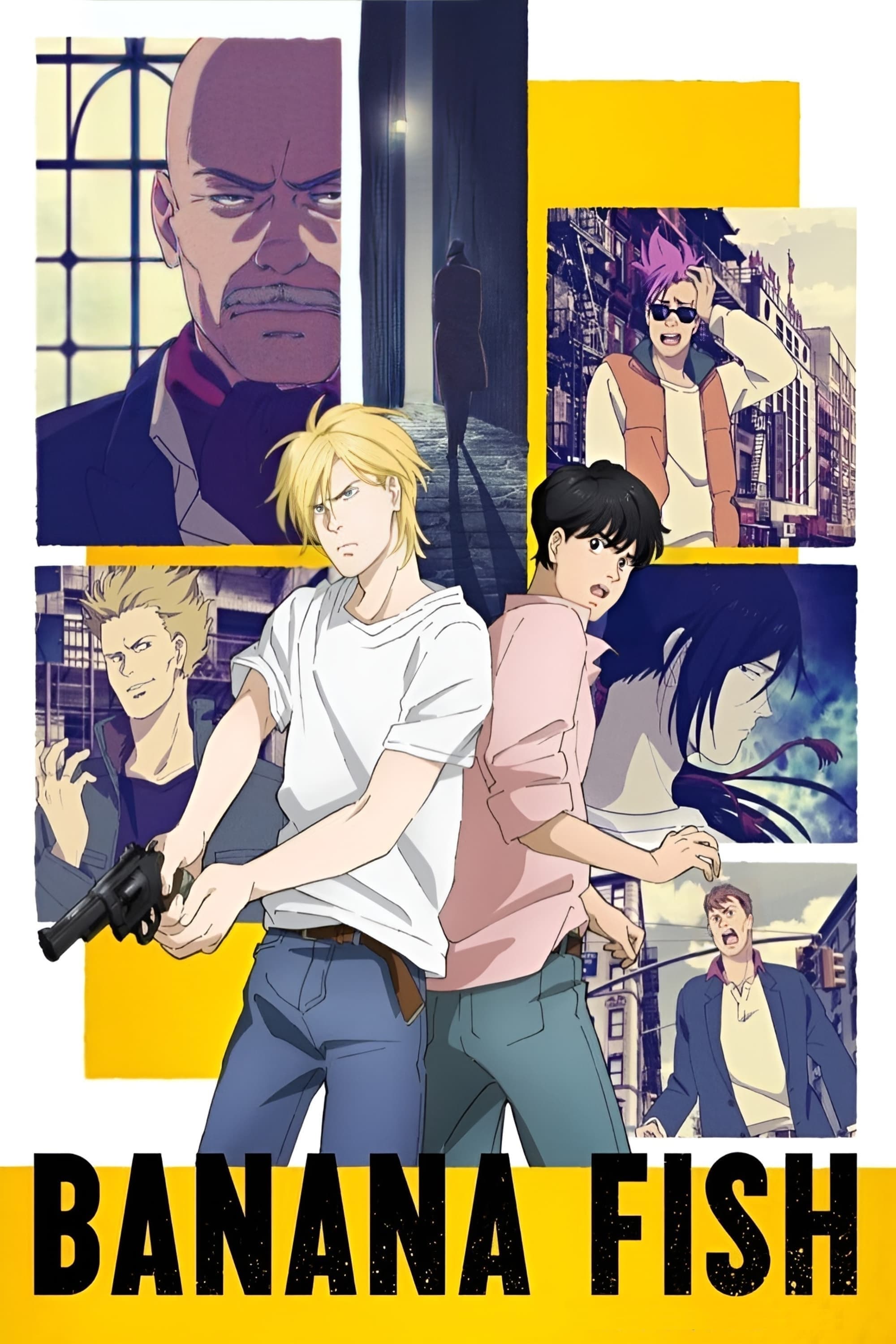
The adaptation of this classic manga reignited a long-standing debate regarding the “Bury Your Gays” trope in media. The tragic conclusion for the central pair, Ash and Eiji, led to a boycott by viewers who felt the ending was unnecessarily cruel to its queer-coded leads. While the series is praised for its high production values, the narrative’s refusal to allow its protagonists a hopeful future remains a point of intense pain for many. Advocacy for better treatment of queer characters often cites ‘Banana Fish’ as a prime example of systemic narrative tragedy. This sentiment has persisted for years and continues to shape fan expectations for modern adaptations.
‘Bloom Into You’ (2018)
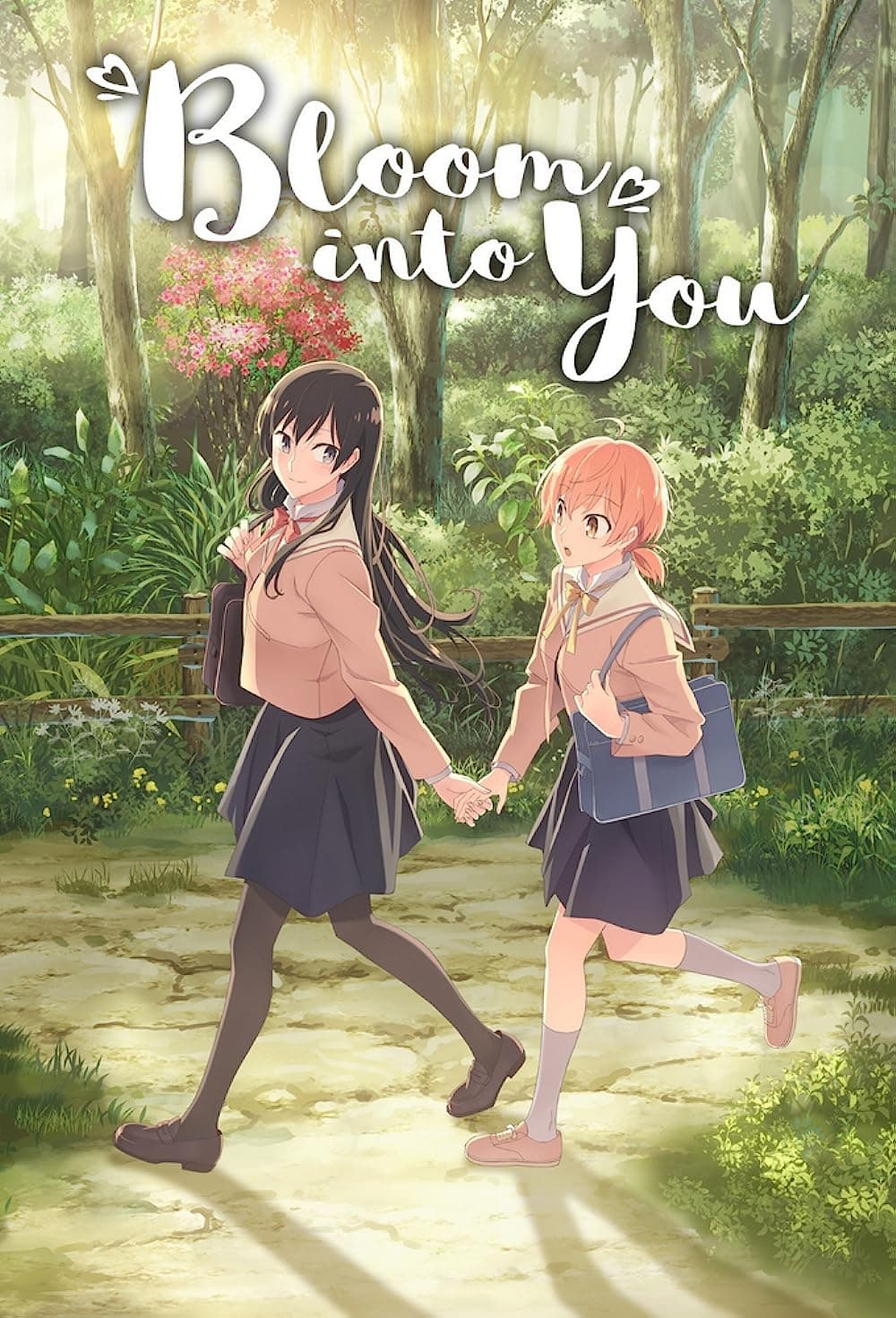
This title is often cited as a gold standard for yuri, but it has not been immune to controversy regarding the erasure of asexual and aromantic identities. Some fans have boycotted broader discussions of the show when the character Nanami’s behavior is framed solely through a lesbian lens, ignoring the nuance of Yuu’s initial lack of attraction. The debate centers on the industry’s tendency to fold all non-heterosexual experiences into a singular romantic mold. Viewers have called for more explicit recognition of the ace-spectrum identities that the story arguably explores. This nuance is often lost in mainstream marketing, leading to friction within the community.
‘Yuri!!! on Ice’ (2016)
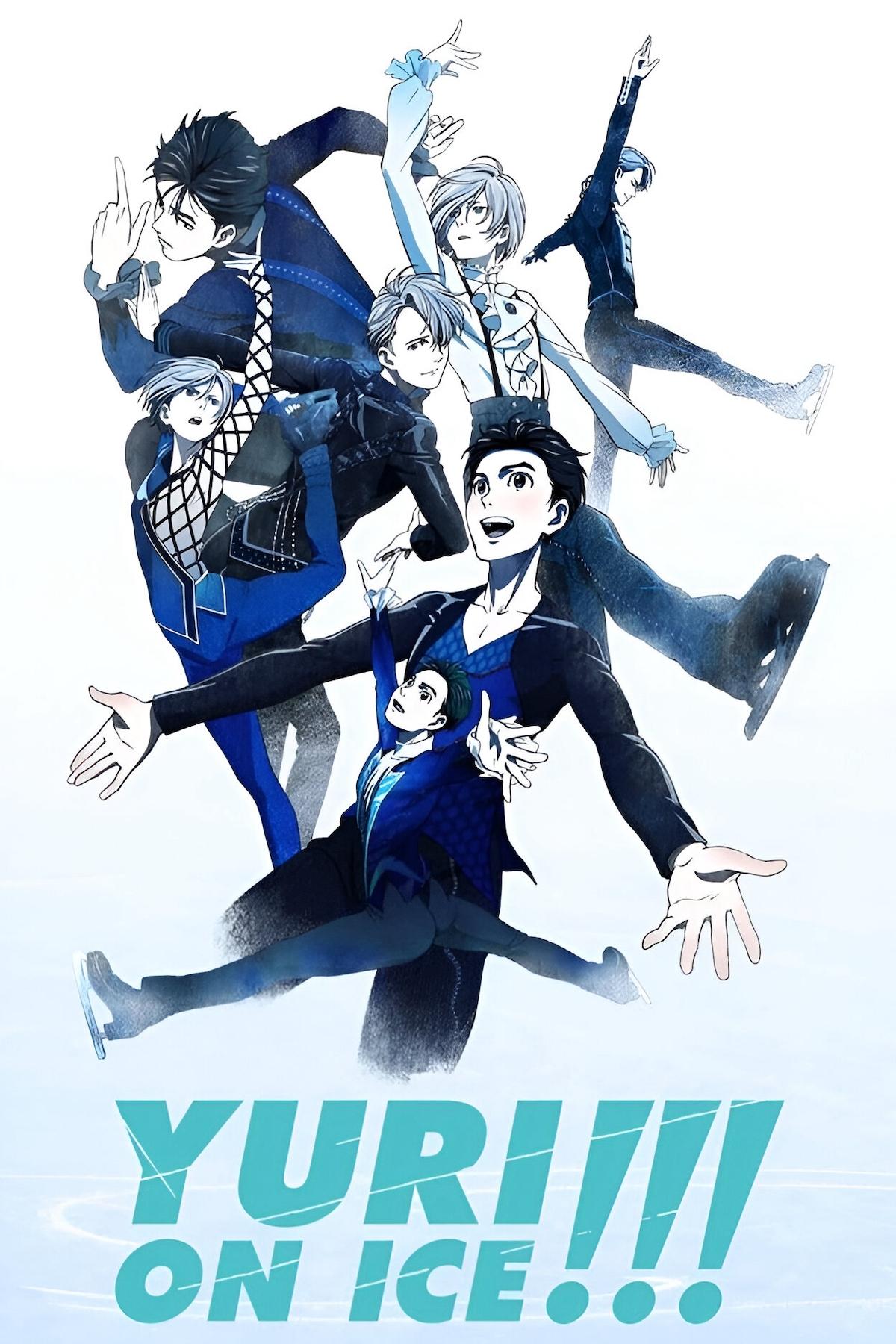
Despite its massive global popularity, this series has faced sustained backlash due to the perceived “queerbaiting” in its physical media and marketing. The absence of a clear, uncensored kiss in the original broadcast led to years of fan frustration and eventual boycotts of merchandise. The controversy peaked in 2024 when the long-awaited ‘Ice Adolescence’ movie was officially canceled by the studio. Fans expressed their disappointment by vowing to boycott the studio’s future projects, citing a lack of commitment to the story’s central relationship. The series now stands as a reminder of the volatility between fan devotion and corporate decision-making.
‘Ouran High School Host Club’ (2006)
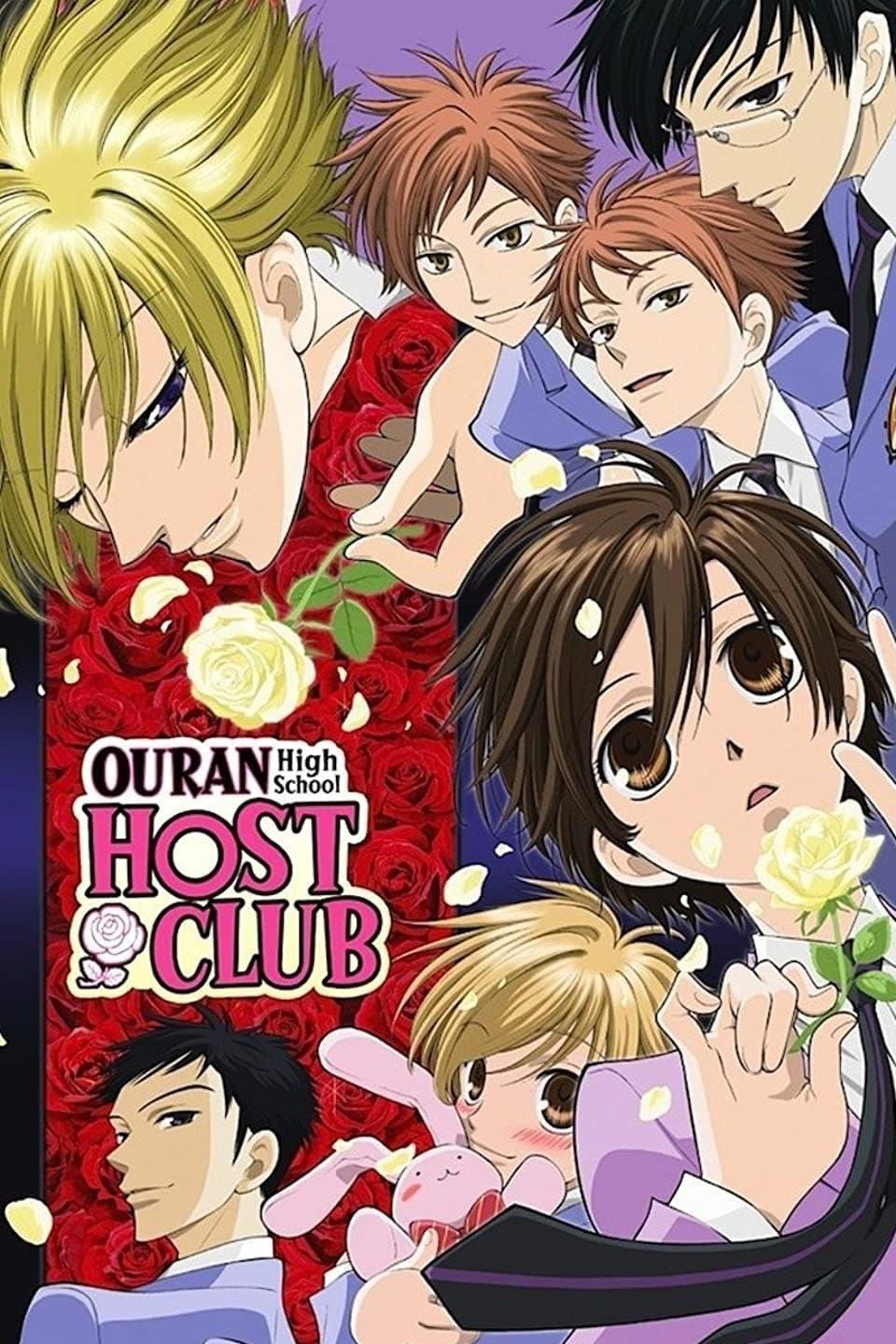
As a staple of the reverse harem genre, this series is often revisited for its protagonist Haruhi Fujioka’s gender-apathetic stance. However, modern fans have criticized the show for its use of dated humor and the treatment of gender-non-conforming secondary characters. Some viewers have suggested boycotting the series or its remakes due to the perceived transphobia in specific comedic beats. While many still appreciate Haruhi’s character, the show’s legacy is complicated by these historical tropes. The ongoing discussion highlights how much the standards for respectful representation have changed over the last two decades.
‘Revolutionary Girl Utena’ (1997)
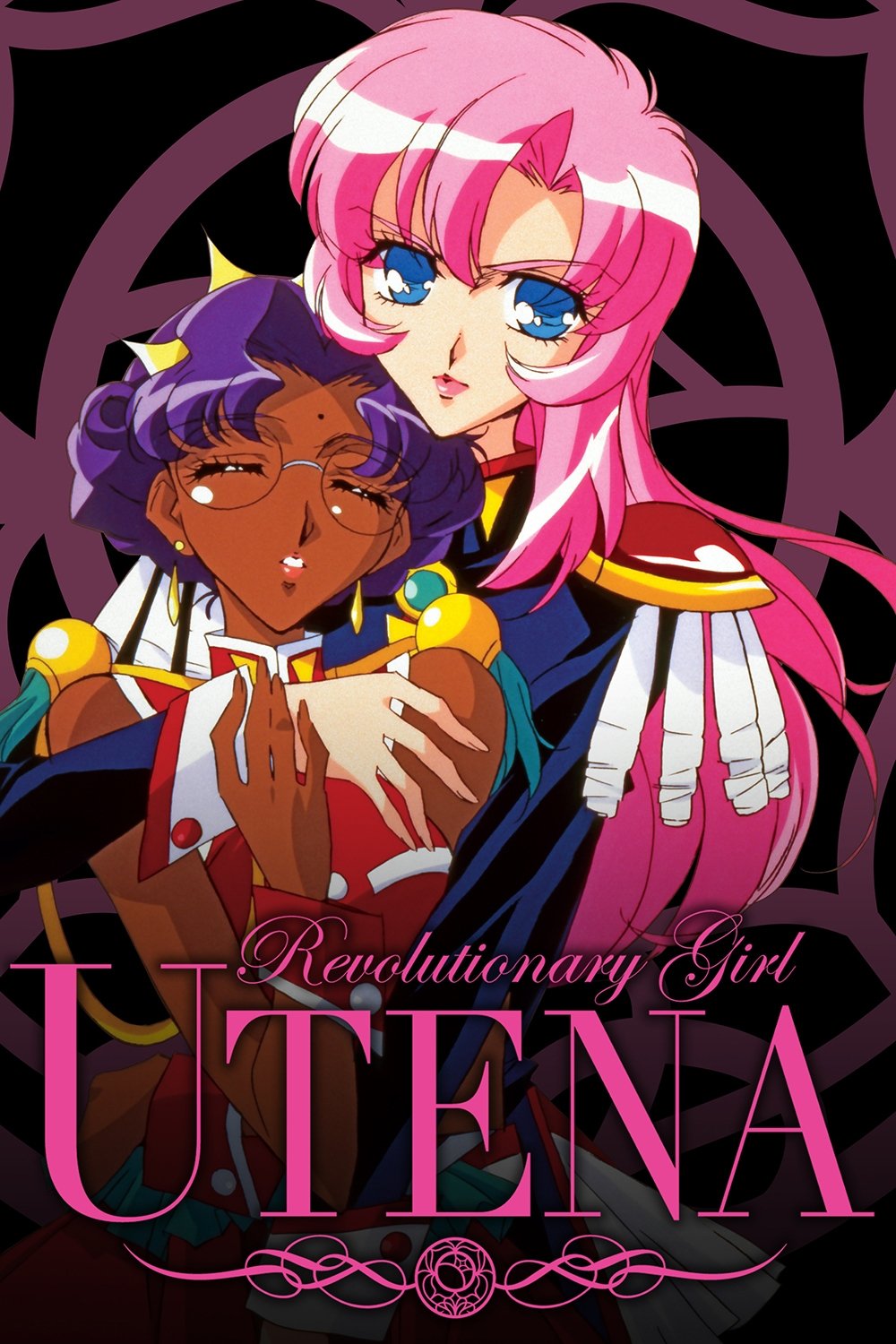
This landmark series is celebrated for its subversion of gender roles and its exploration of queer desire within a surrealist framework. Nevertheless, it has faced pushback from certain segments of the audience who find its abstract handling of sexuality to be a form of historical hiding. Some fans argue that while it was revolutionary for 1997, it should be held to higher standards of explicitness in contemporary discussions. This has led to minor boycotts of modern retrospective screenings where the queer themes are downplayed in official program notes. The series continues to be a battleground for defining what constitutes effective queer storytelling.
‘Sailor Moon’ (1992–1997)
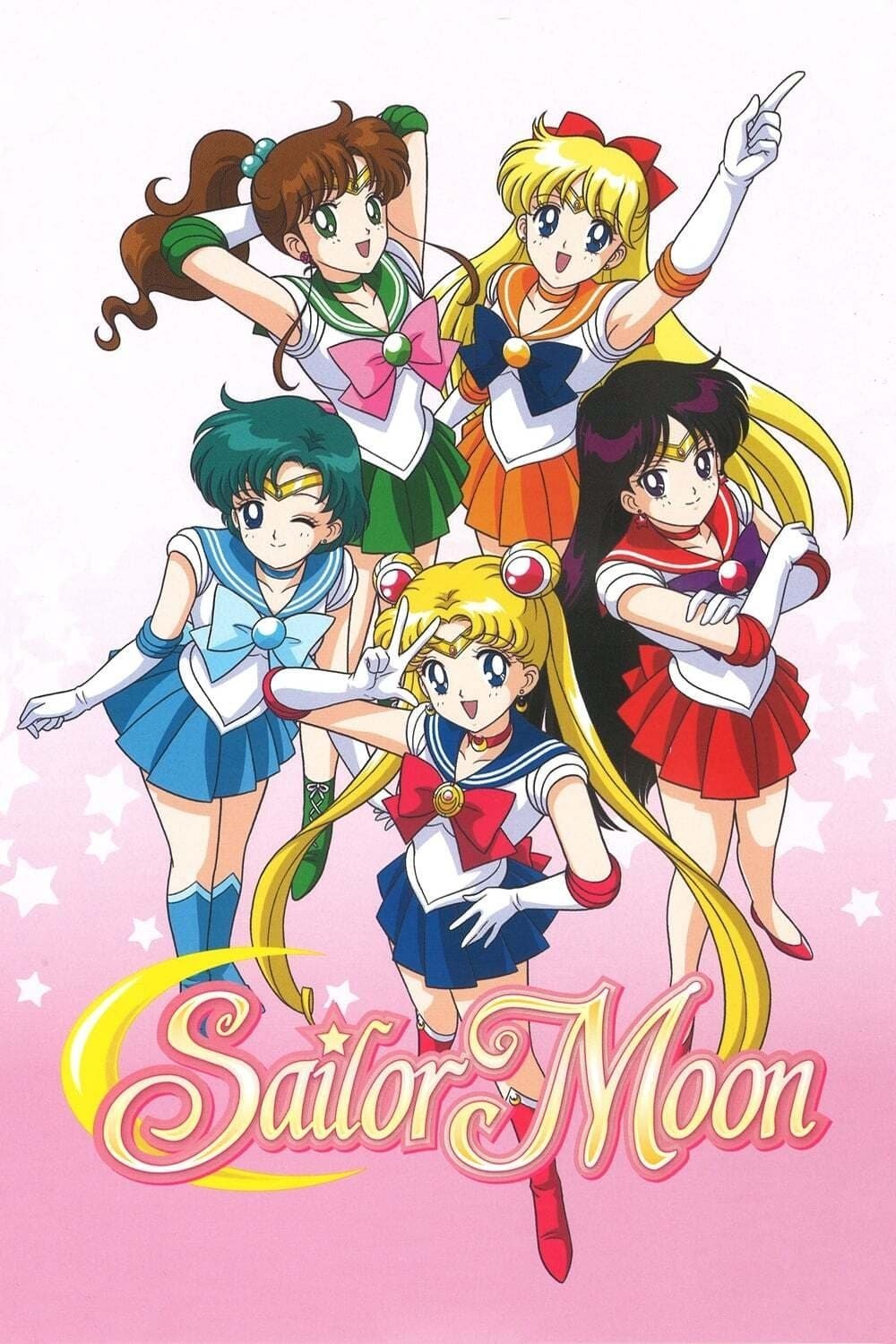
The original run of ‘Sailor Moon’ is infamous for the censorship of the relationship between Sailor Uranus and Sailor Neptune in international dubs. For years, fans have boycotted versions of the show that frame the two women as relatives rather than partners. Even with the release of more faithful redubs, the history of this erasure continues to influence fan perceptions of the franchise. The controversy surrounding these characters served as an early catalyst for LGBTQ+ activism within the anime community. It remains one of the most cited examples of how corporate interference can distort queer representation.
‘Stop!! Hibari-kun!’ (1983–1984)
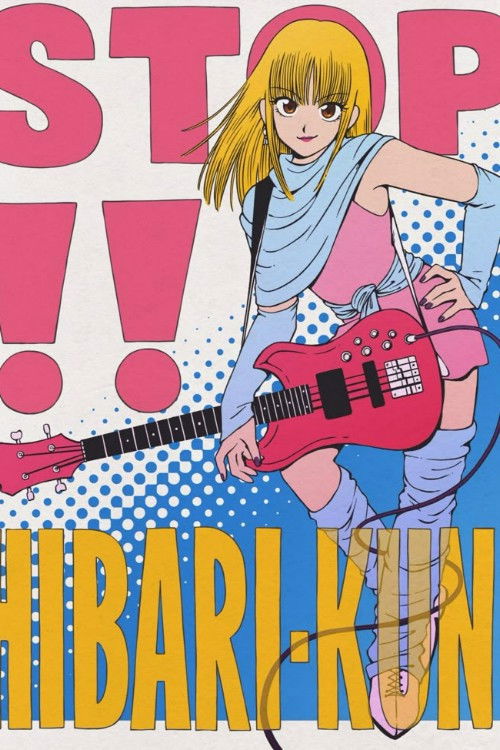
This early series features a trans protagonist and was revolutionary for its time in the 1980s. However, modern audiences have frequently flagged the show for its use of transphobic gags and the characters’ reactions to Hibari’s identity. Some groups have called for a boycott of its re-releases, arguing that its historical value does not excuse the harm of its regressive tropes. The debate focuses on whether the show should be viewed as a product of its time or a harmful relic that should not be promoted. This title represents the complex task of reconciling anime history with modern values of inclusivity.
Share your thoughts on which anime series you believe have the most problematic or impactful representation in the comments.