White Musicians Who Were Dragged by the Internet for Blatantly Copying Black Artists

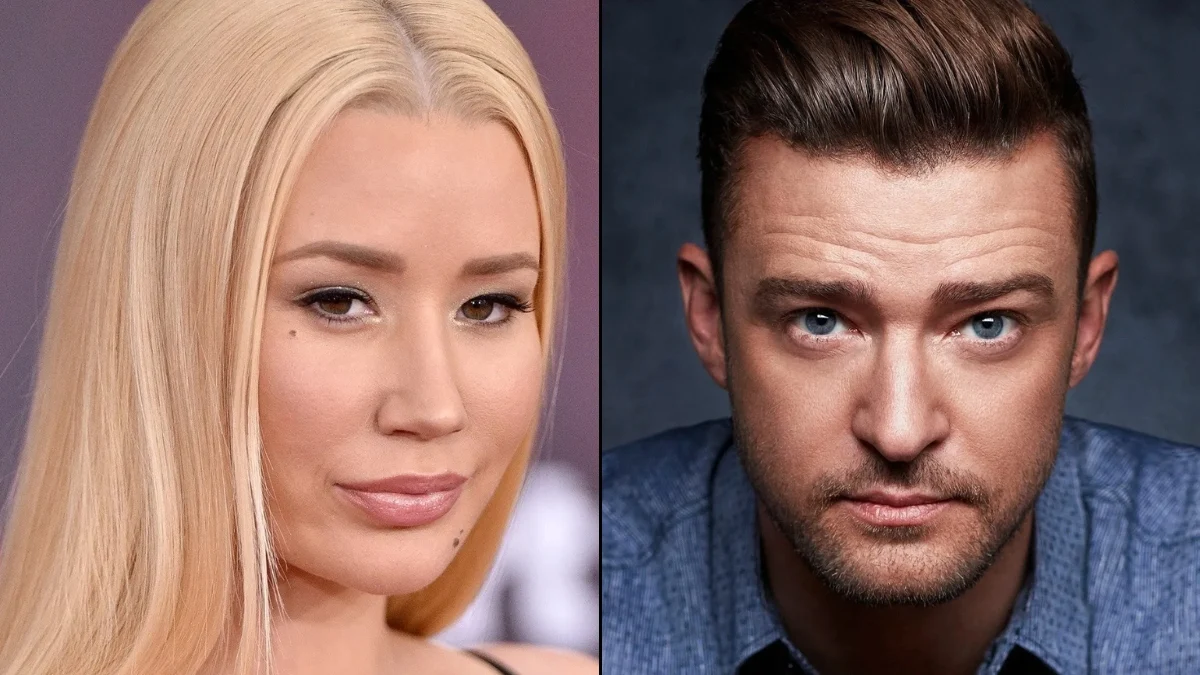

The conversation surrounding cultural appropriation, “blackfishing,” and plagiarism in the music industry has become a staple of internet discourse. Over the years, numerous white artists have faced intense scrutiny on social media for adopting aesthetics, vocal styles, or direct musical compositions from Black artists without providing proper credit or respect. These instances often spark viral debates about the line between appreciation and appropriation in global entertainment.
Elvis Presley
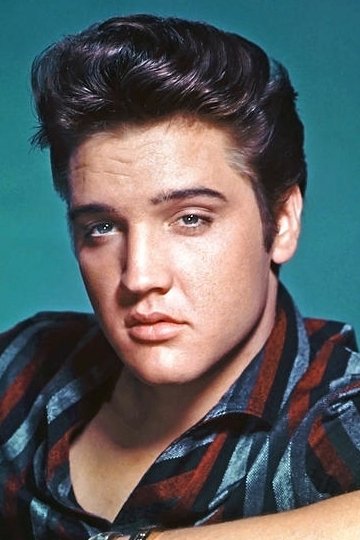
Often referred to as the King of Rock and Roll, Elvis Presley has been a primary subject of modern internet “dragging” regarding the origins of his sound. Social media users frequently highlight how his career was built upon the work of Black pioneers like Otis Blackwell and Big Mama Thornton. His version of ‘Hound Dog’ became a global sensation, while Thornton, the original performer, received significantly less commercial compensation. This historical context is often cited as the blueprint for white artists profiting from Black musical innovation.
Iggy Azalea
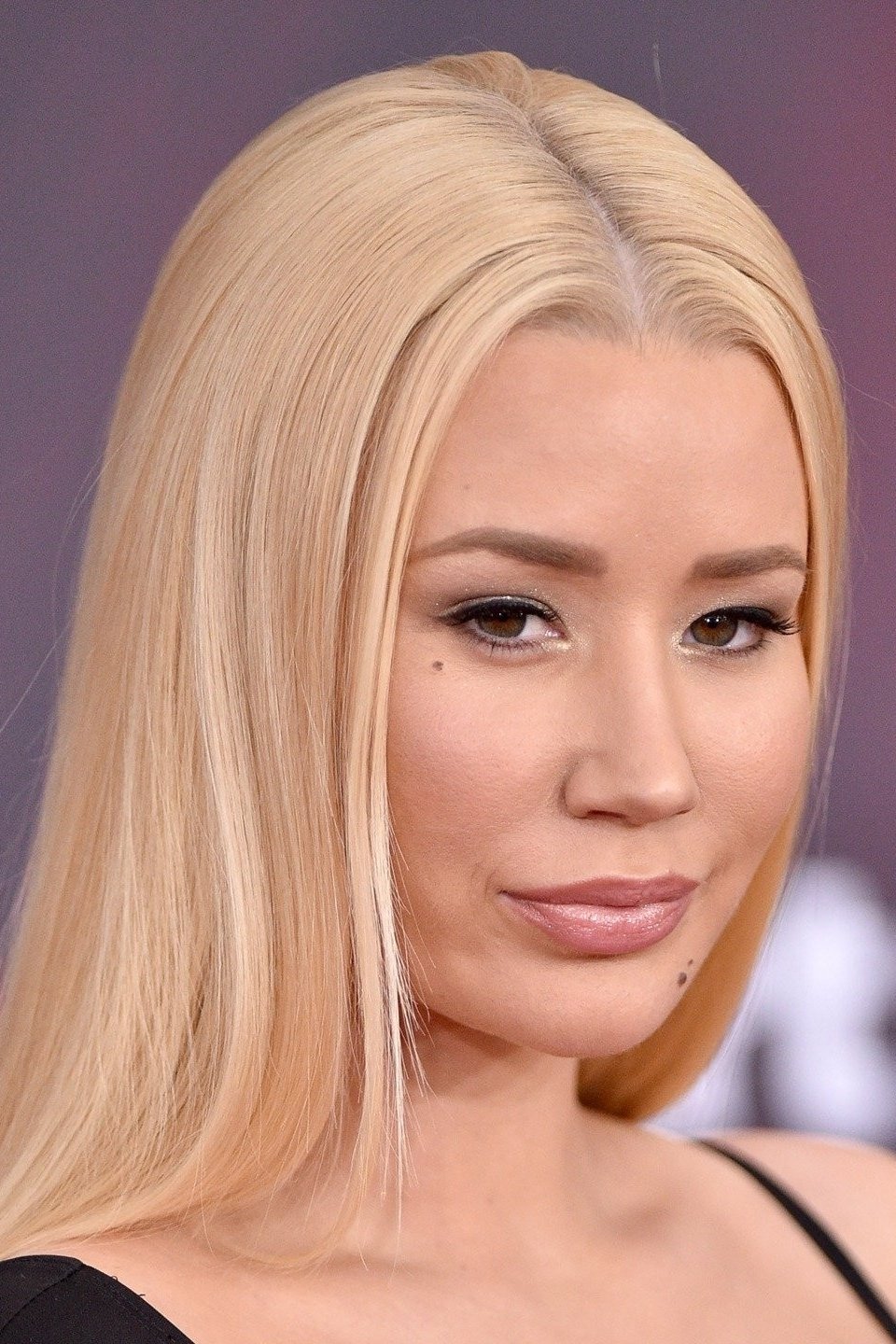
Iggy Azalea faced a massive wave of criticism during the peak of her career for her use of a “blaccent” in her music. The internet frequently pointed out the stark contrast between her natural Australian speaking voice and the Southern Black American cadence she adopted for tracks like ‘Fancy’. Fellow artists and social media critics accused her of treating Black culture as a costume to achieve commercial success in the hip-hop genre. This backlash eventually became a defining narrative of her career, leading to a decline in her mainstream visibility.
Ariana Grande
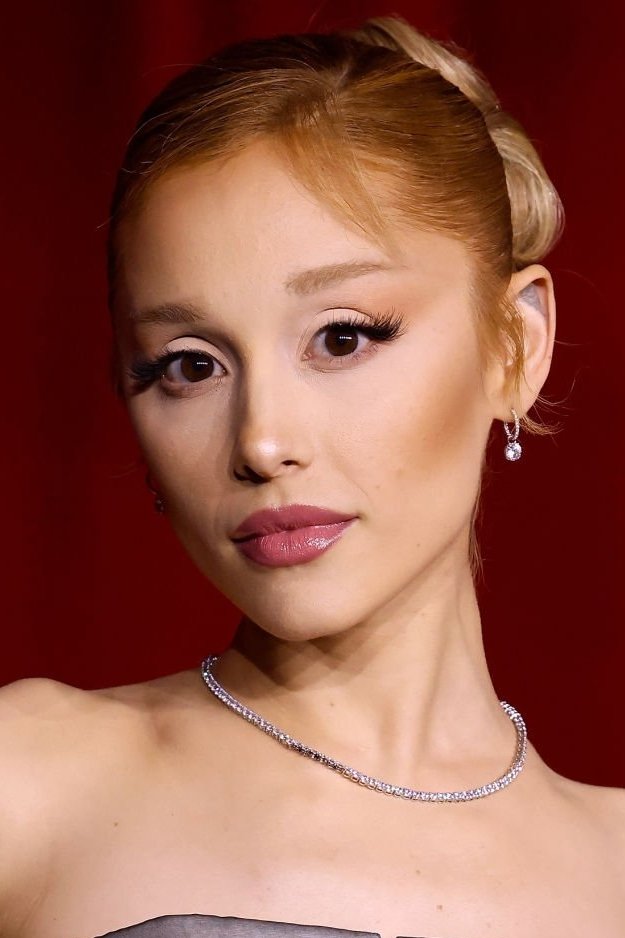
During the promotion of her album ‘Thank U, Next’, Ariana Grande was repeatedly accused of “blackfishing” due to her significantly darkened skin tone and aesthetic choices. Her single ‘7 Rings’ caused a particular firestorm when listeners noted the flow was nearly identical to Princess Nokia’s ‘Mine’. Additionally, the music video’s aesthetic was compared to 2 Chainz’s ‘Pink Trap House’, leading to further accusations of uncredited borrowing. Many social media users argued that she was cherry-picking elements of Black culture for a “trap-pop” image.
Miley Cyrus
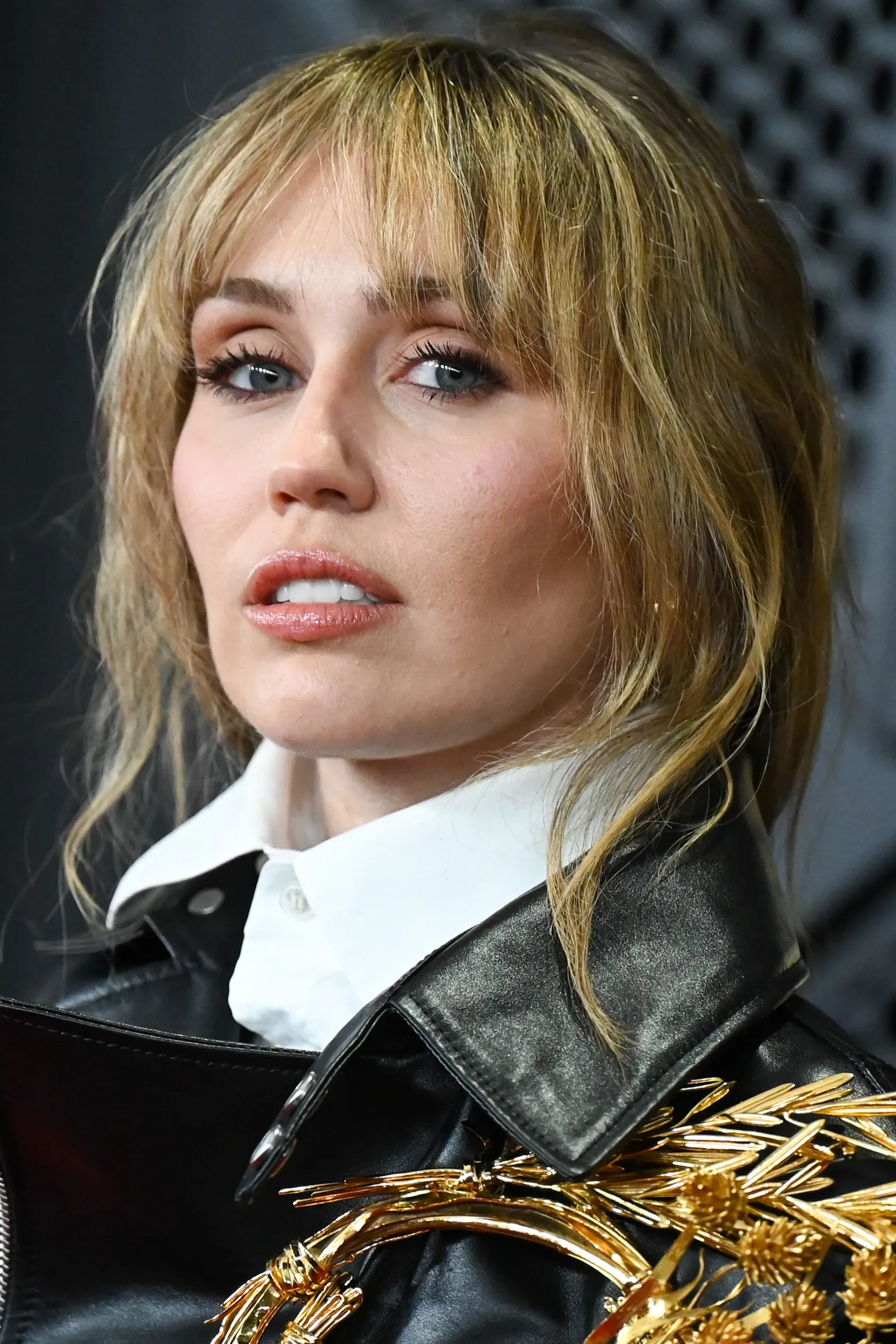
Miley Cyrus entered a controversial phase during the release of her album ‘Bangerz’, where she heavily utilized Black backup dancers and twerking as props for shock value. The internet “dragged” her for what many called “tourist appropriation,” as she moved into hip-hop culture only to later disparage the genre. In a 2017 interview, she made comments about the lyrical content of hip-hop that many felt were hypocritical given her previous use of the culture. This pivot back to country and pop music reinforced the narrative that she used Black culture as a temporary aesthetic tool.
Robin Thicke
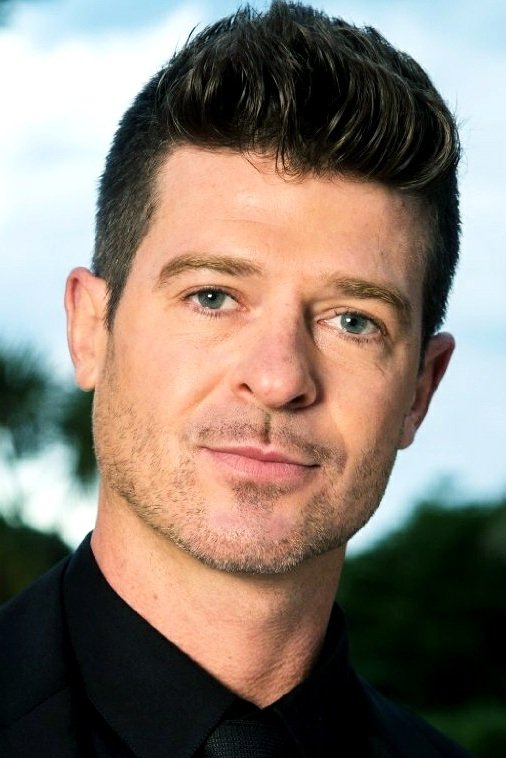
Robin Thicke was at the center of one of the most high-profile copyright cases of the digital age regarding his hit ‘Blurred Lines’. The internet and legal experts alike noted the striking similarities between his song and Marvin Gaye’s ‘Got to Give It Up’. A jury eventually ruled in favor of the Gaye estate, confirming that Thicke and producer Pharrell Williams had copied the “vibe” and composition of the track. This case is frequently cited by fans as a blatant example of a white artist failing to credit a Black soul legend.
Jesy Nelson
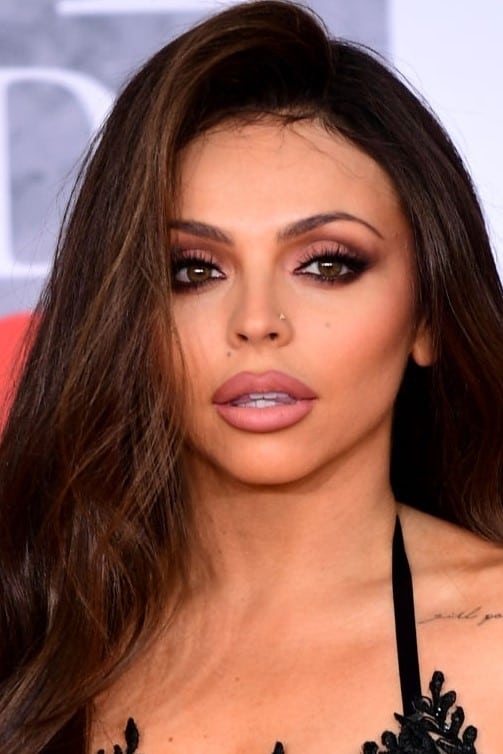
Following her departure from the group Little Mix, Jesy Nelson’s solo debut ‘Boyz’ resulted in immediate and widespread internet backlash. She was accused of extreme blackfishing in the music video, with critics pointing out her tan and hair styling which appeared to mimic Black features. The song itself sampled P. Diddy’s ‘Bad Boy for Life’, which critics argued was an attempt to buy credibility within Black music spaces. The controversy was so significant that it dominated the conversation around the song’s release, overshadowing the music itself.
Post Malone
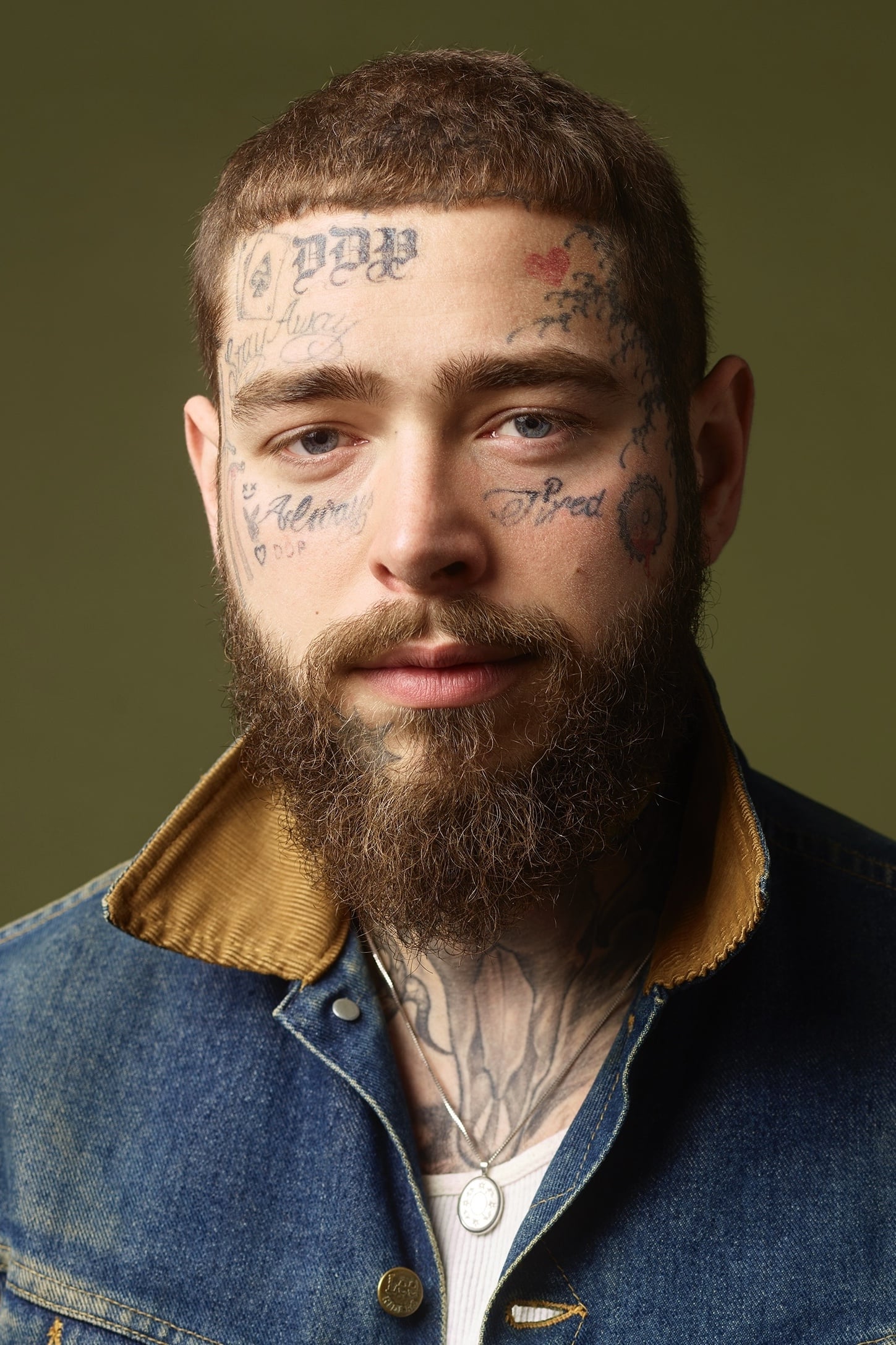
Post Malone has spent years navigating “culture vulture” accusations, particularly during the early stages of his career with ‘White Iverson’. The internet grew critical of his use of braids and hip-hop aesthetics, especially after he made comments suggesting that hip-hop is not the place for “real” or emotional music. Critics argued that he benefited from the genre’s popularity while simultaneously distancing himself from its cultural weight. While he has since moved toward a more pop-rock sound, the early critiques of his appropriation remain a topic of discussion.
Chet Hanks
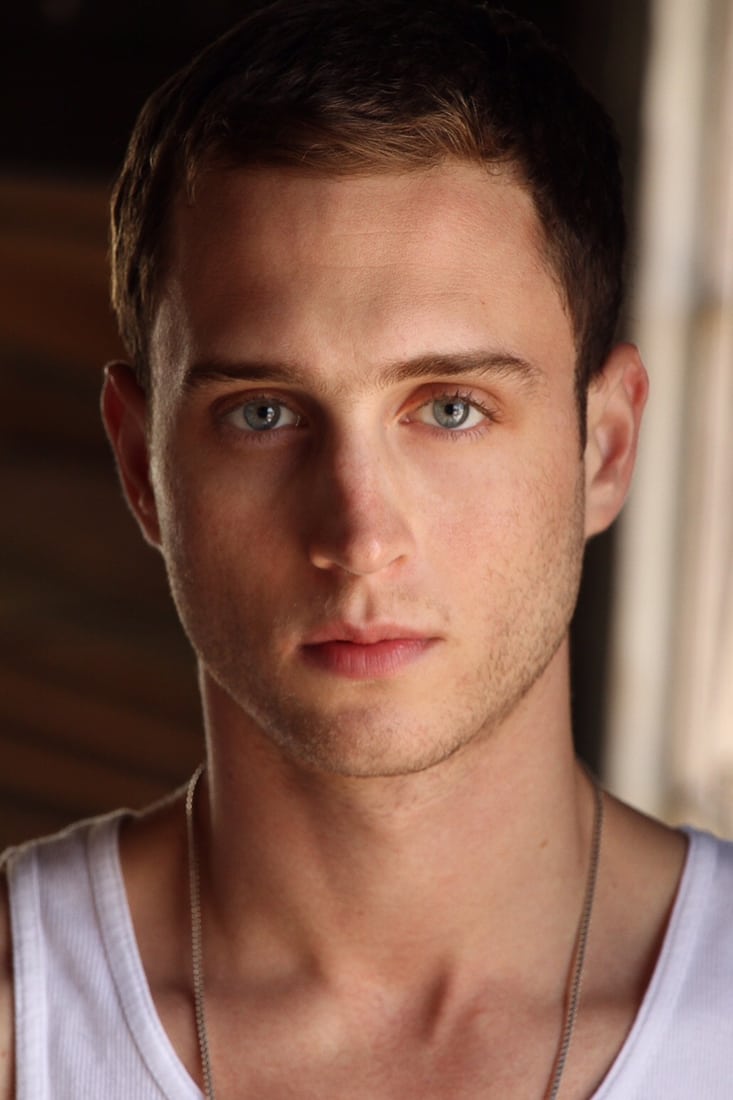
Chet Hanks, the son of actor Tom Hanks, has been repeatedly dragged for his public use of Jamaican Patois and his “White Boy Summer” branding. Despite having no Caribbean heritage, he has released music and videos using the dialect, which many labeled as a caricature of Black culture. Social media users have frequently called his behavior a form of digital blackface and a mockery of Jamaican identity. His refusal to stop using the accent despite the backlash has made him a recurring figure in discussions about blatant appropriation.
Justin Timberlake
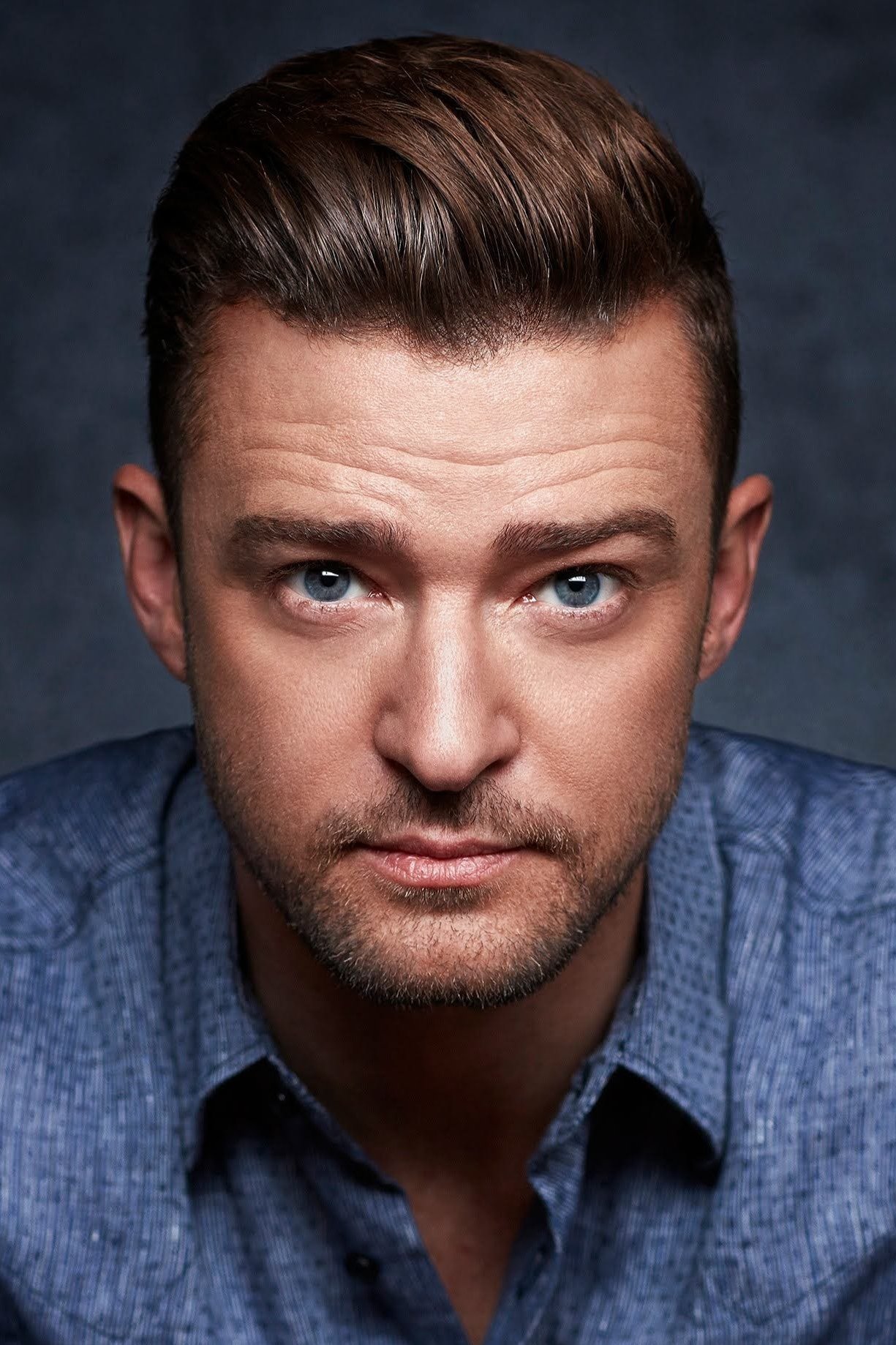
Justin Timberlake has faced consistent criticism for benefiting from Black sounds and production while failing to support Black artists during times of controversy. The internet frequently brings up how his solo success was crafted by Black producers like Timbaland and Pharrell, often mimicking the style of Michael Jackson. Much of the “dragging” centers on the 2004 Super Bowl incident, where he remained silent as Janet Jackson’s career was derailed for an incident they both participated in. This has led many to view him as an artist who uses Black culture for profit without offering true allyship.
Bhad Bhabie
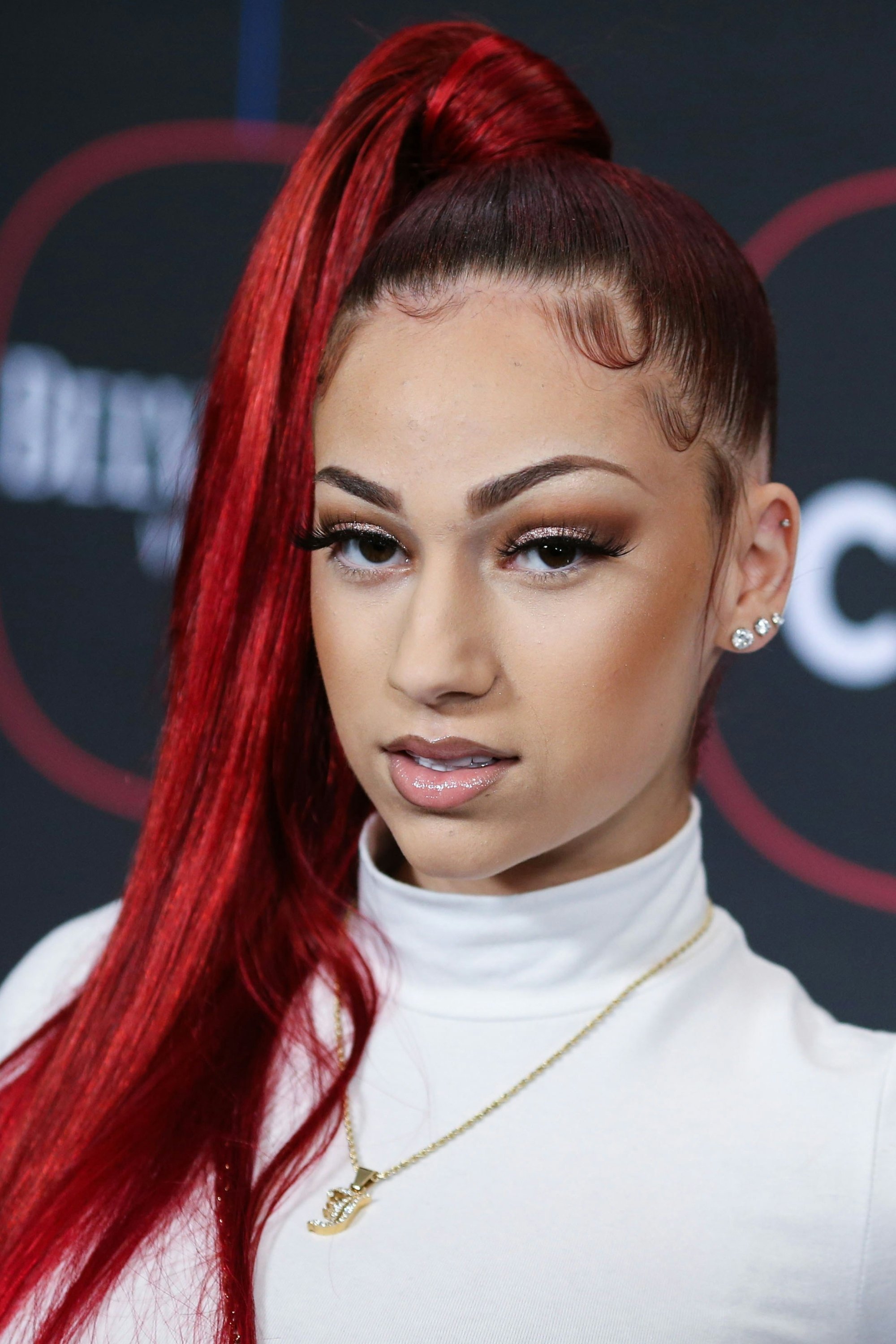
Danielle Bregoli, known as Bhad Bhabie, has been a frequent target of “blackfishing” accusations since her rise to fame. Critics point to her heavy use of African American Vernacular English (AAVE) and her physical appearance in music videos as evidence of appropriation. The internet has often called her out for adopting a persona that relies on stereotypes of Black women to market her rap career. Despite the backlash, she has frequently defended her look, which only fueled further criticism from Black social media users.
Justin Bieber
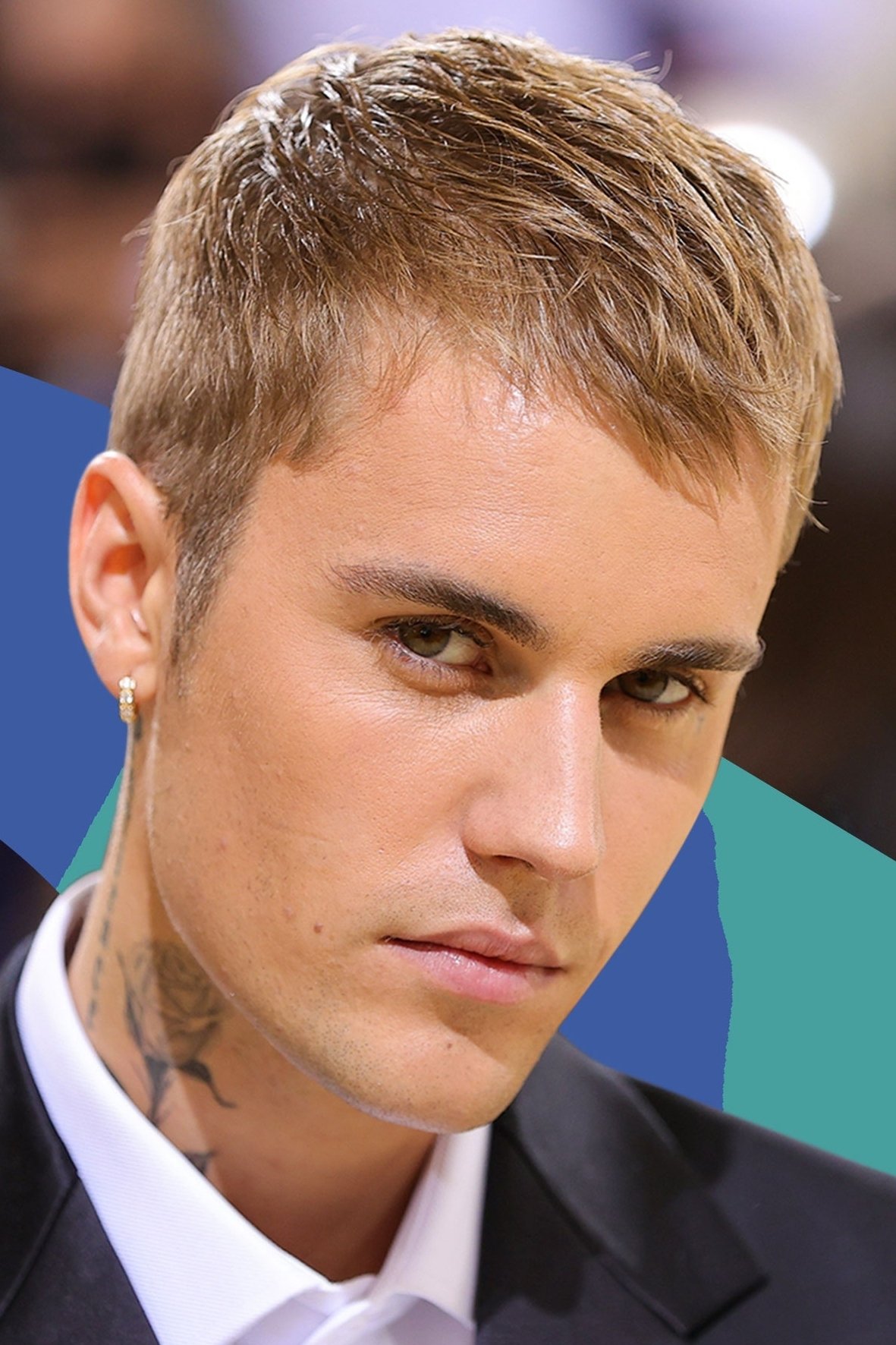
Justin Bieber has faced internet backlash on multiple occasions for his aesthetic choices, specifically his decision to wear dreadlocks. Many critics labeled this as cultural appropriation, noting that he was adopting a Black hairstyle without understanding its cultural or historical significance. Additionally, Bieber’s transition from teen pop to R&B-heavy albums like ‘Journals’ was seen by some as a tactical use of Black music to gain maturity and “edge.” His history of using racial slurs in his youth, which surfaced in leaked videos, added to the intensity of the “dragging.”
Katy Perry
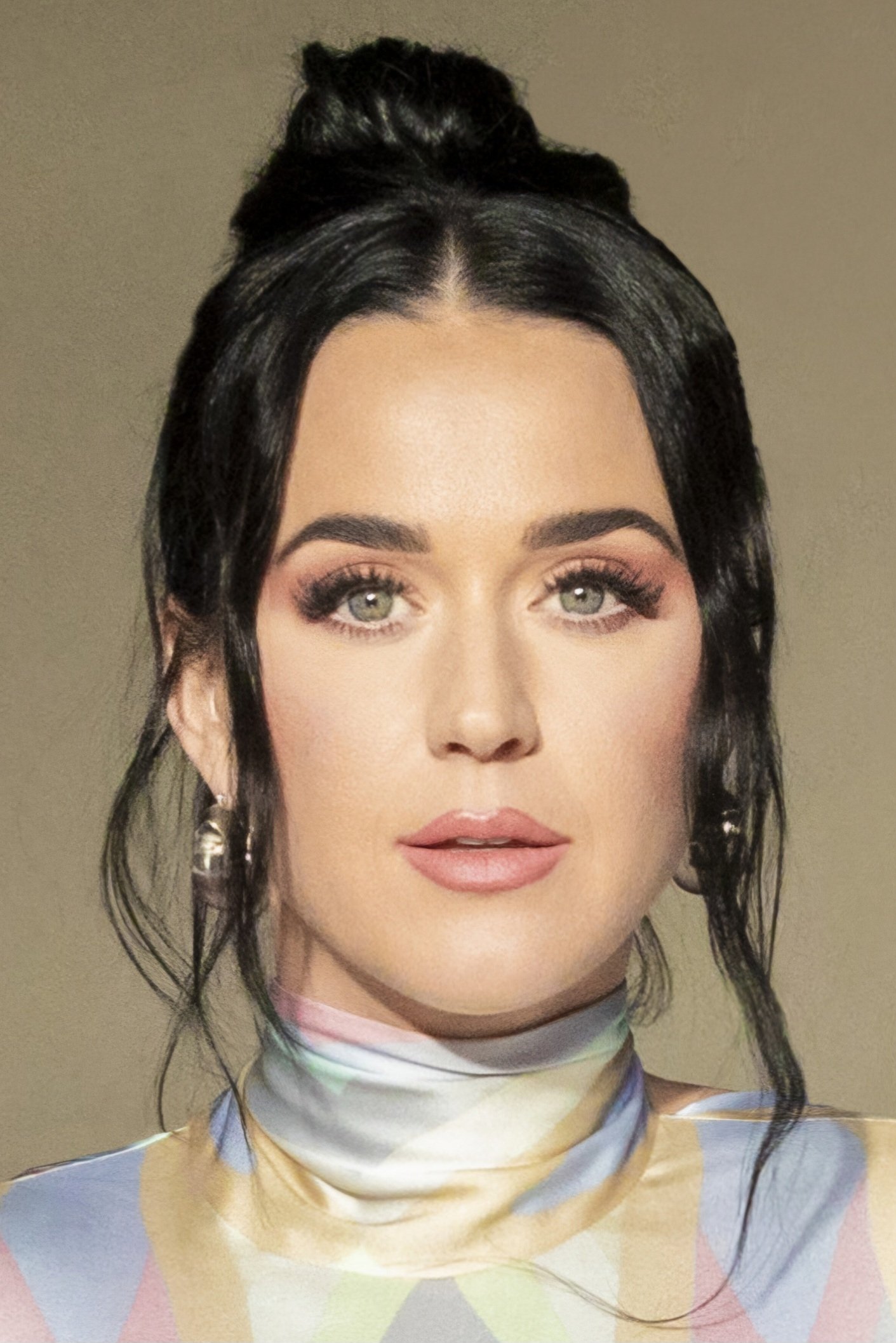
Katy Perry was criticized for her ‘Dark Horse’ era, which many felt leaned into cultural caricatures for aesthetic gain. The music video was accused of being a “costume” version of Egyptian culture, and the song’s trap-inspired beat led to a copyright lawsuit filed by Black Christian rapper Flame. While the legal verdict was eventually overturned, the internet discourse focused heavily on her habit of “trying on” different cultures. This period is often cited as an example of Perry using Black musical trends to stay relevant in a changing pop landscape.
Lana Del Rey
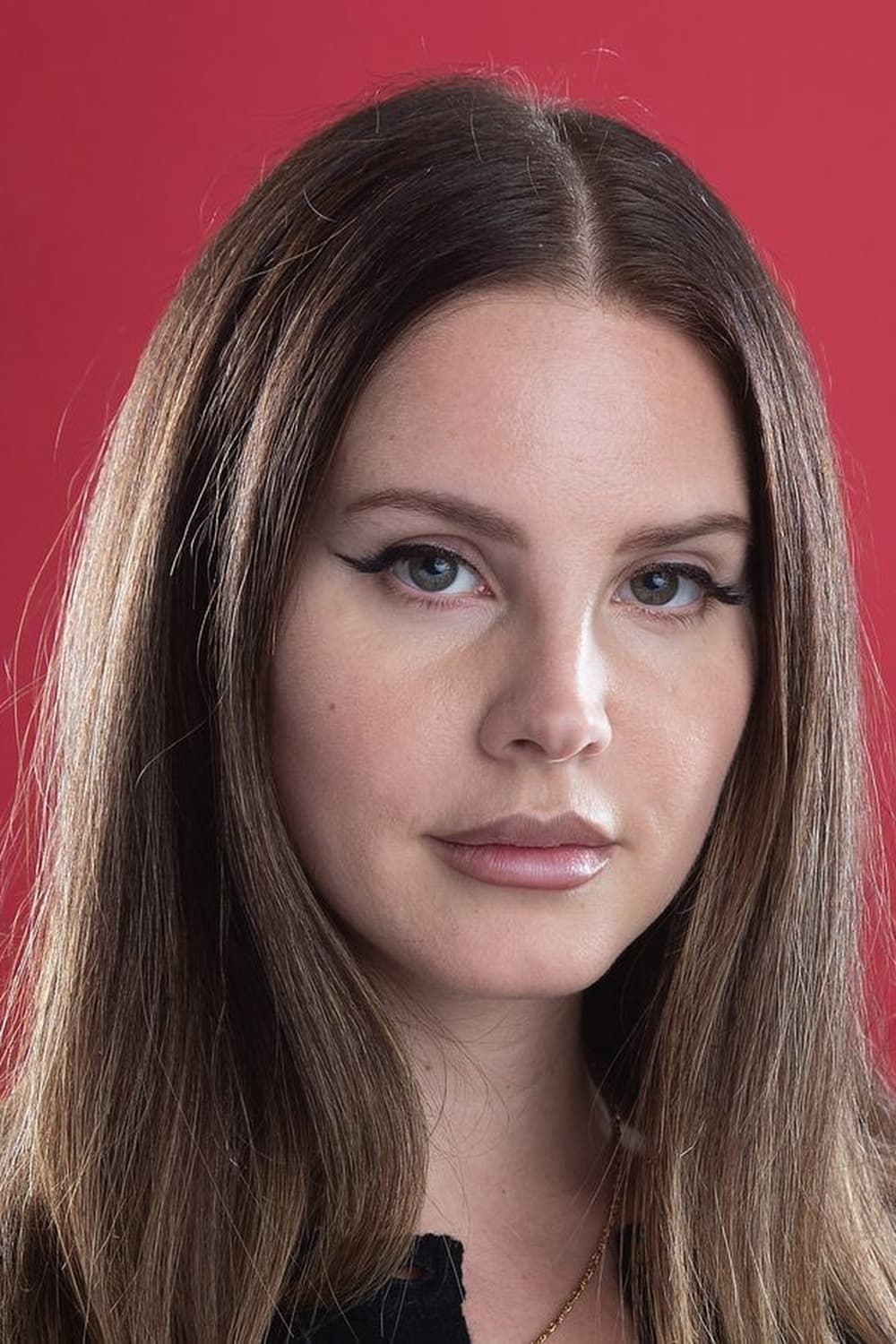
In 2020, Lana Del Rey was heavily dragged for a social media post titled ‘Question for the Culture’. In the post, she named several Black female artists, including Beyoncé and Nicki Minaj, and asked why she was criticized for her lyrics while they were successful with songs about being “sexy.” The internet quickly pointed out that she was targeting Black women who already face systemic barriers in the industry. Critics argued that her comments ignored the reality that these women are often penalized for the very things she was claiming they were praised for.
Ed Sheeran
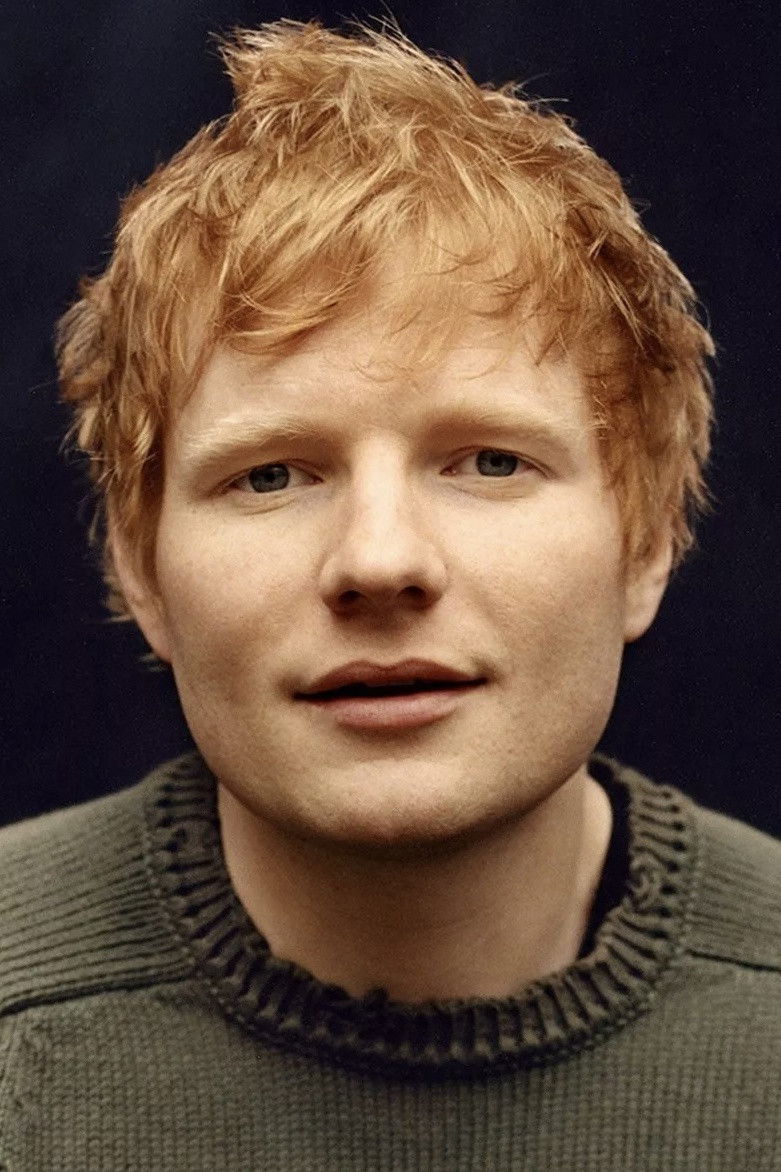
Ed Sheeran has faced accusations of copying Black artists, most notably in a legal battle over ‘Thinking Out Loud’. The estate of Ed Townsend, who co-wrote Marvin Gaye’s ‘Let’s Get It On’, alleged that Sheeran’s song used the same harmonic progressions and rhythmic elements. While Sheeran eventually won the court case, the internet discourse remained divided, with many accusing him of “gentrifying” the soul genre. This was not the first time he was called out, as his track ‘Shape of You’ also faced comparisons to TLC’s ‘No Scrubs’.
Gwen Stefani
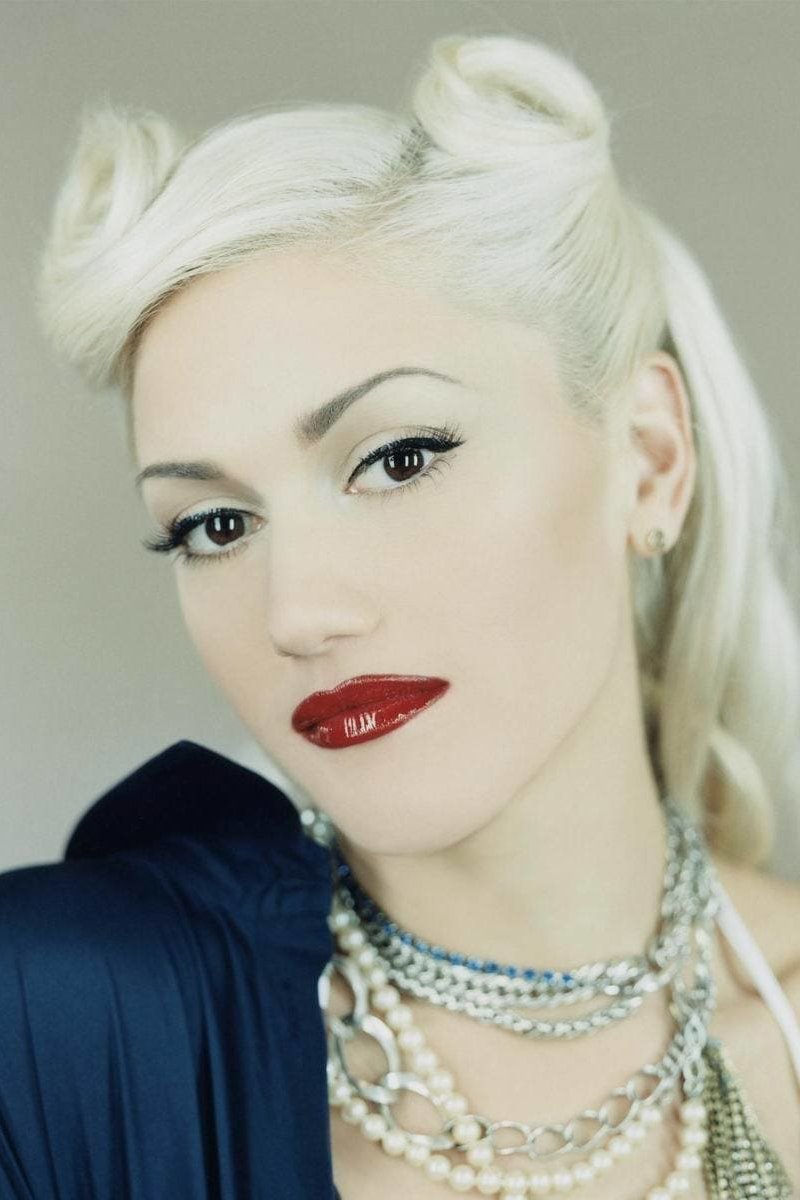
Gwen Stefani has a long history of being called out for cultural appropriation, particularly during her solo career in the early 2000s. While her use of Japanese culture is well-known, she also faced criticism for adopting dancehall and reggae influences in her music and videos. Songs like ‘Luxurious’ and her collaborations with Black artists were seen by some as a way to “borrow” cool points from Black and Brown cultures. Recently, the internet has revisited these eras, labeling her a “serial appropriator” who treats ethnicities as fashion trends.
Pat Boone
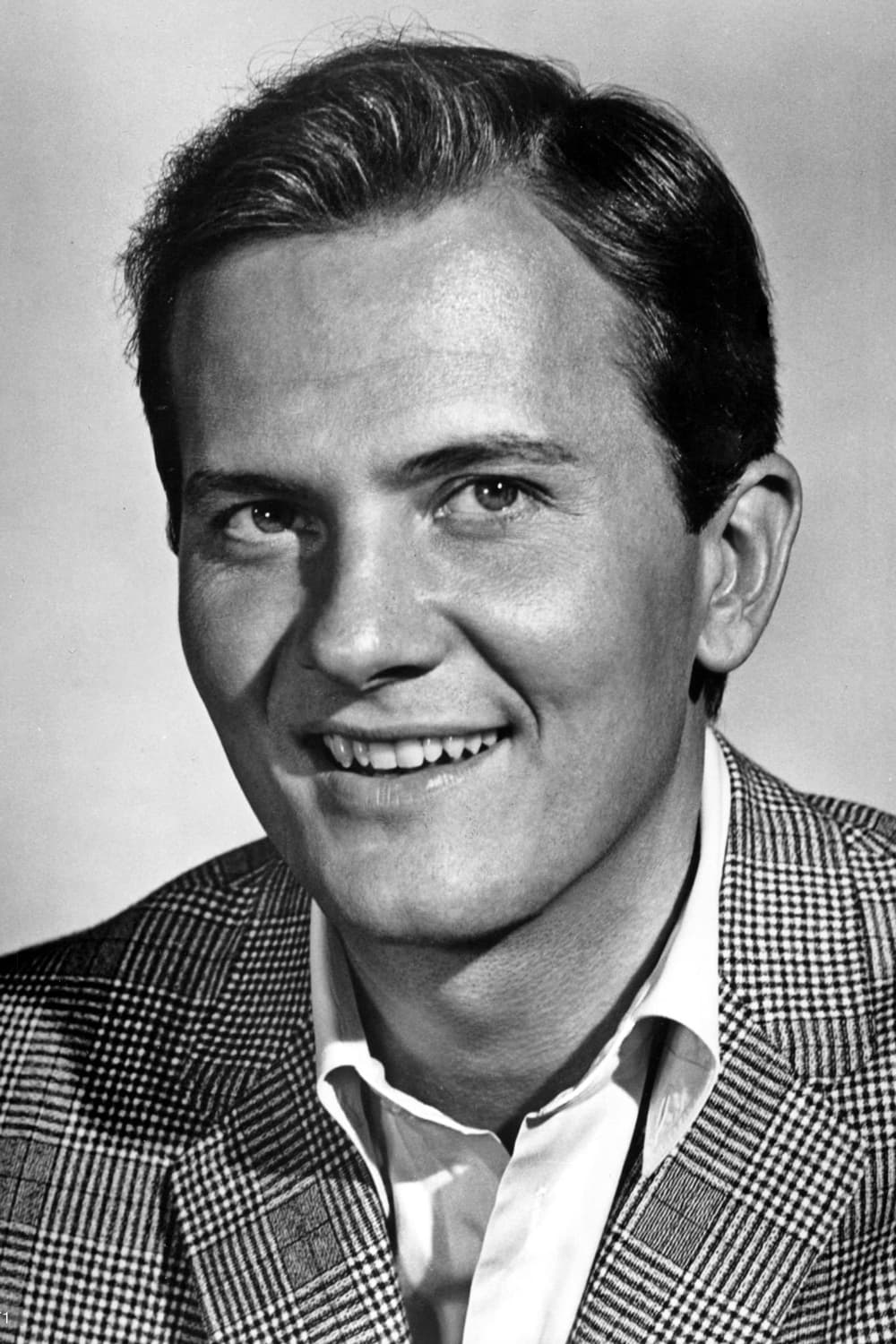
During the 1950s, Pat Boone became a symbol of “whitewashing” Black music by releasing sanitized covers of R&B hits. He famously covered Little Richard’s ‘Tutti Frutti’, which received more radio play on white stations than the original version. The internet often uses Boone as a historical example of how the industry intentionally replaced Black artists with white ones to make the music “palatable” for a segregated audience. His versions are now widely mocked for lacking the soul and energy of the Black-led originals.
Adele
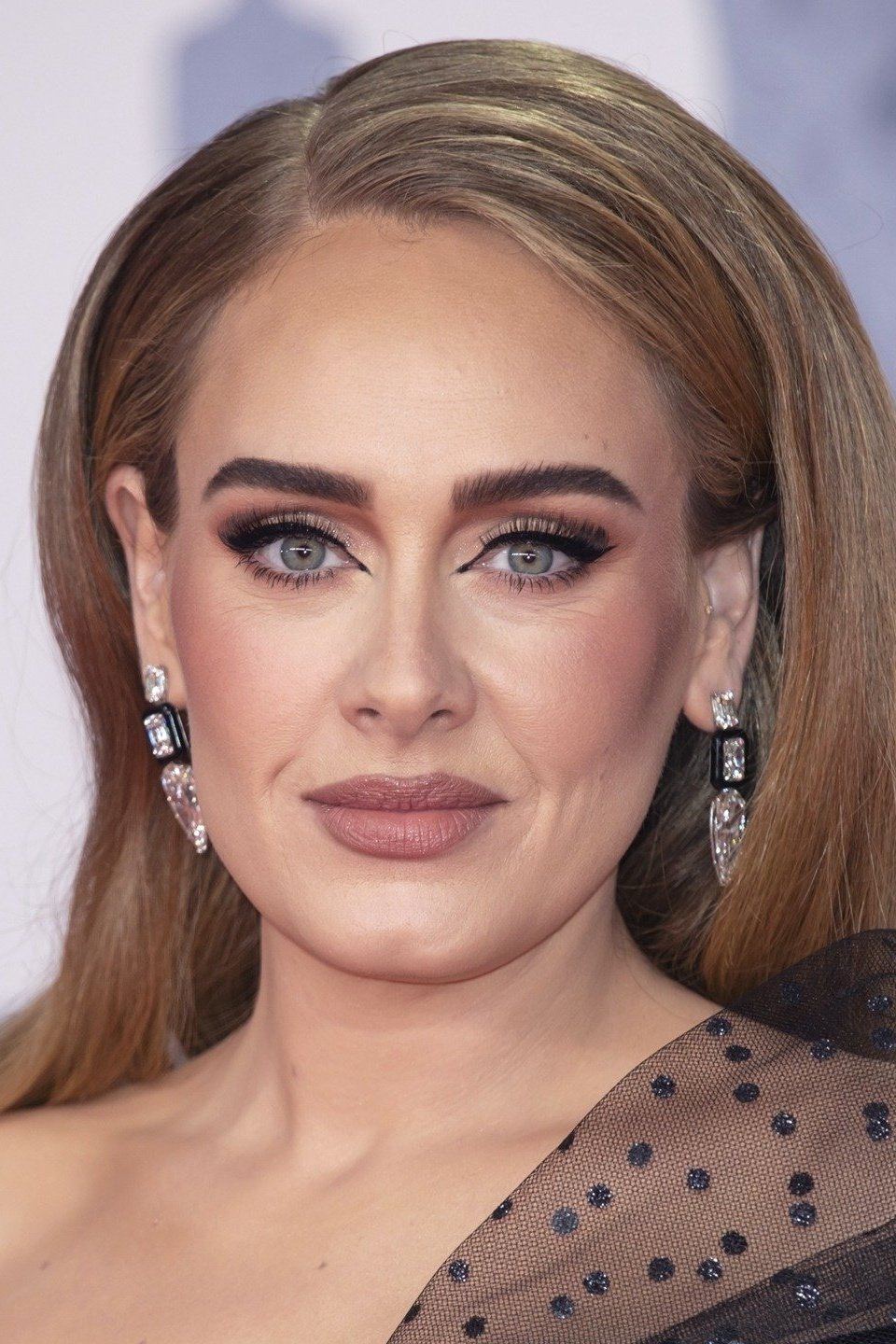
Adele faced a significant internet “dragging” in 2020 after she posted a photo wearing Bantu knots and a Jamaican flag bikini top. The image, taken during the cancelled Notting Hill Carnival, sparked a massive debate about cultural appropriation versus appreciation. Many Black social media users pointed out that Bantu knots are a traditional African hairstyle that Black women are often discriminated against for wearing. While some defended her, the consensus on social media was that the look was a blatant and unnecessary appropriation of Black cultural signifiers.
Share your thoughts on which artists you feel have most significantly appropriated Black culture in the comments.