TV Shows That Were Canceled After a Single Controversial Episode


The history of television is filled with ambitious projects that failed to find an audience, but some programs achieved notoriety for being pulled after just a single broadcast. While low ratings often contribute to these swift exits, many shows on this list sparked immediate public outcry or internal network panic due to their sensitive subject matter. From sitcoms featuring historical dictators to reality shows with ethically questionable premises, these productions crossed lines that viewers and advertisers were unwilling to tolerate. The following shows represent some of the shortest runs in broadcasting history, often ending before their second episodes could even be scheduled.
‘Heil Honey I’m Home!’ (1990)
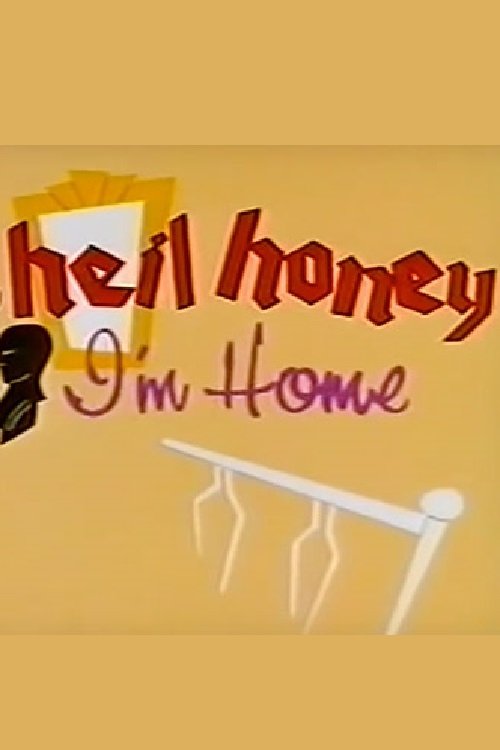
This British sitcom attempted to parody the tropes of 1950s American comedies by placing Adolf Hitler and Eva Braun in a suburban setting. The plot of the premiere episode involved the couple dealing with their Jewish neighbors, which immediately drew intense criticism for its trivialization of the Holocaust. While the creators intended for it to be a satire of domestic sitcoms, the public and various advocacy groups found the premise inherently offensive. The network canceled ‘Heil Honey I’m Home!’ after the pilot aired, and the remaining recorded episodes were never broadcast.
‘Turn-On’ (1969)
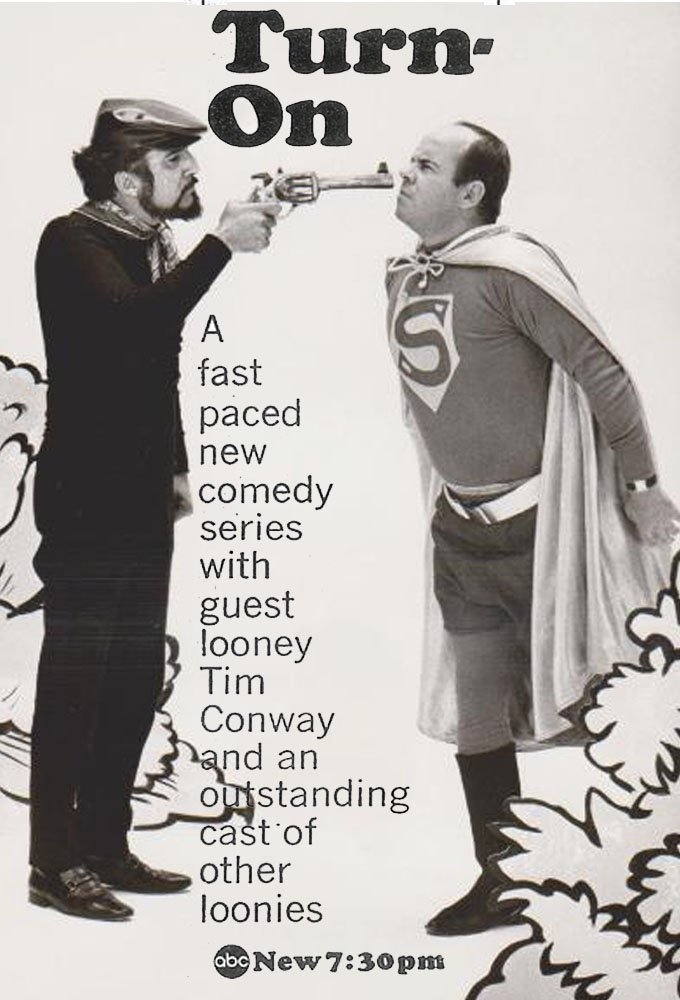
Created by the team behind the successful ‘Rowan & Martin’s Laugh-In’, ‘Turn-On’ was designed as a rapid-fire sketch comedy show with a heavy emphasis on sexual innuendo and social commentary. The first episode used fast-paced editing and electronic music that proved to be too jarring and suggestive for viewers in 1969. Several ABC affiliates, including one in Cleveland, famously cut the broadcast mid-episode and refused to return to the show. The network canceled the series immediately, making it one of the most famous examples of a show being axed before its premiere airing had even finished in some time zones.
“Australia’s Naughtiest Home Videos” (1992)
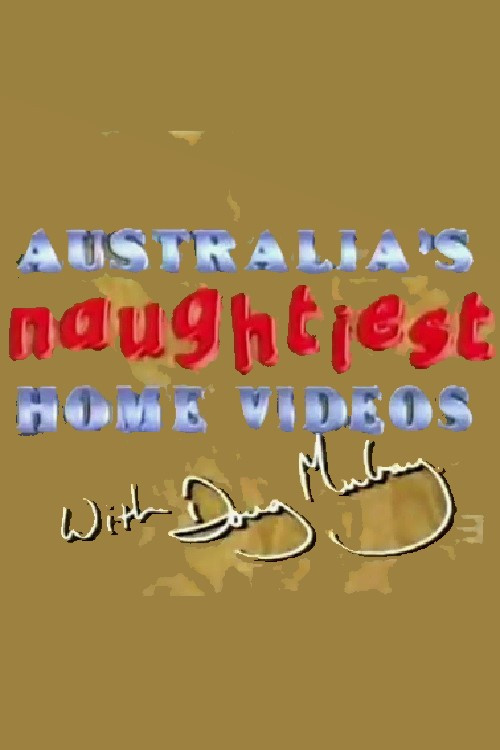
This spin-off of the popular home video format featured clips that were considered too explicit for family viewing. During the premiere broadcast, Kerry Packer, the owner of the Nine Network, was so outraged by the sexual content that he personally called the station and ordered them to pull the show off the air. The broadcast was interrupted by a commercial break and replaced with a rerun of ‘Cheers’. It remains a legendary moment in Australian television history where a single executive’s reaction ended a series mid-broadcast.
‘Who’s Your Daddy?’ (2005)
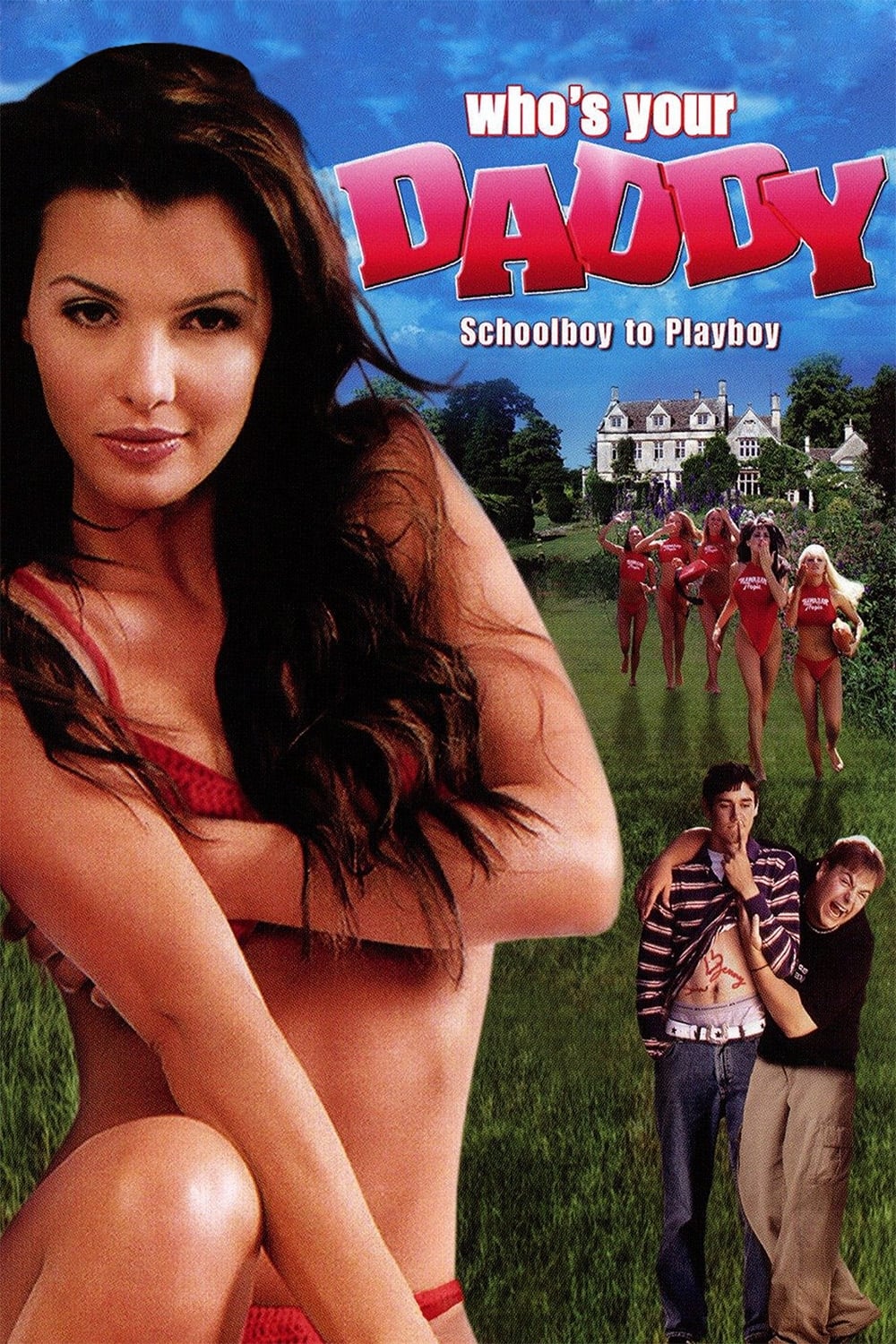
This reality show featured an adult adoptee who had to identify her biological father from a group of men to win a $100,000 prize. The premise was widely condemned by adoption advocates and psychological professionals who viewed the format as exploitative and emotionally damaging. Despite the controversy, the pilot episode aired to significantly lower-than-expected ratings. Following the combination of public backlash and poor viewership, Fox removed ‘Who’s Your Daddy?’ from its schedule immediately after the premiere.
‘Public Morals’ (1996)
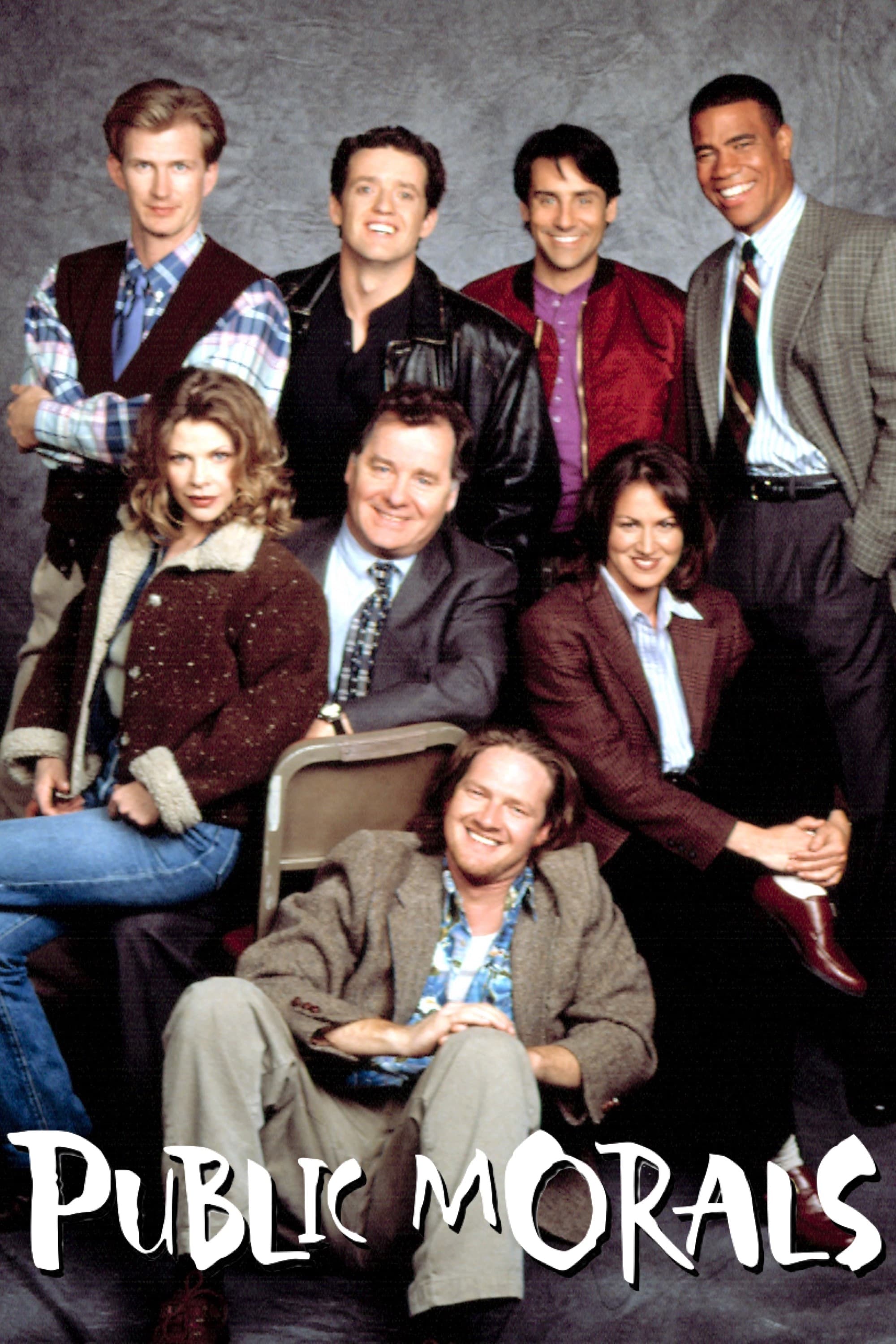
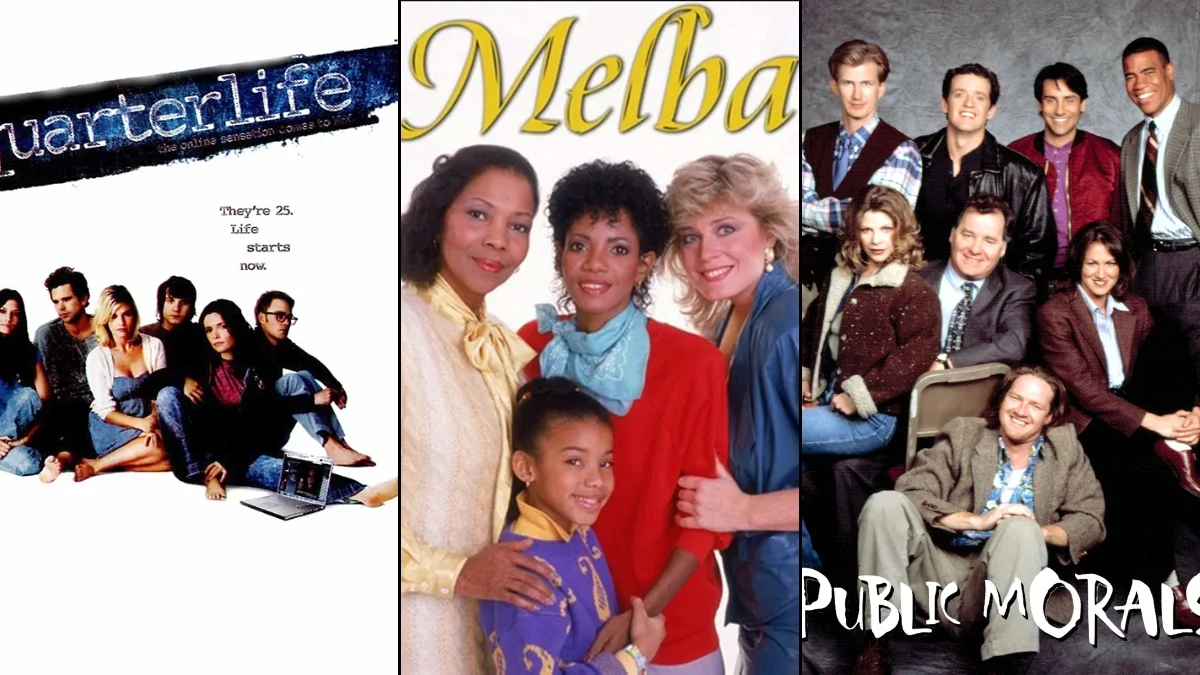
Produced by Steven Bochco, this police sitcom was intended to be a gritty yet comedic look at the NYPD’s Vice Squad. The premiere episode was notable for its heavy use of profanity and street slang, which was unprecedented for a network sitcom at the time. Over 30 CBS affiliates refused to air the first episode, citing concerns that the language was inappropriate for their local audiences. The negative reception from affiliates and critics led the network to cancel ‘Public Morals’ after only one broadcast.
‘You’re in the Picture’ (1961)
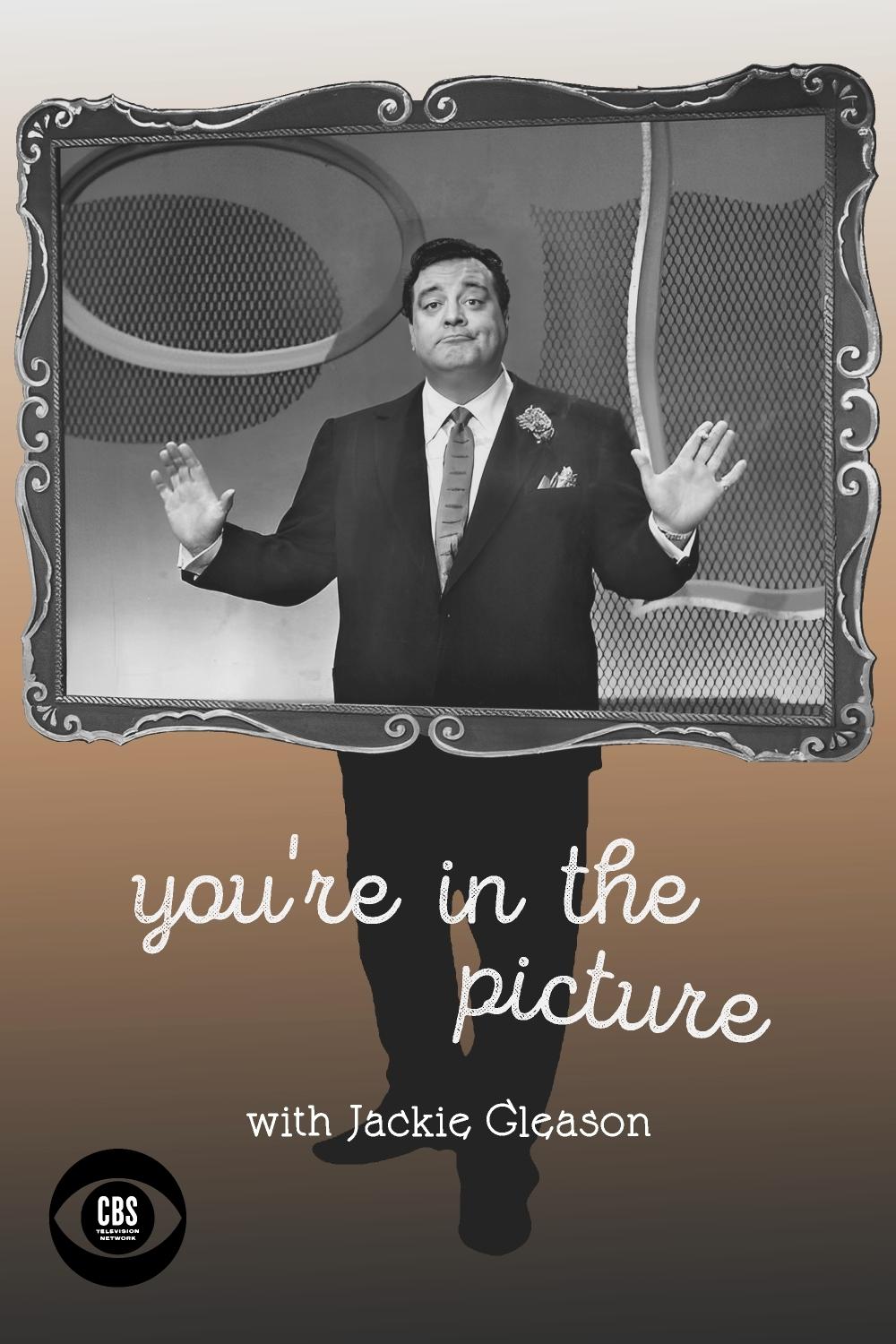
Hosted by Jackie Gleason, this game show required celebrity guests to stick their heads through cutouts and guess the scene they were part of. The format was a total disaster, suffering from poor pacing and a lack of coherent humor during its live premiere. Gleason was so embarrassed by the quality of the show that he appeared the following week to apologize to the audience instead of airing a second episode. The apology became more famous than the game show itself, and the series was immediately retooled into a talk show.
‘Emily’s Reasons Why Not’ (2006)

Starring Heather Graham, this sitcom followed a woman who used a strict set of rules to navigate her dating life. ABC heavily promoted the series, but the premiere episode was met with a harsh critical response that labeled the show as unlikable and cliché. The network executives decided that the creative direction was not working and opted to cancel ‘Emily’s Reasons Why Not’ immediately after its debut. This decision was seen as a major surprise given the significant marketing budget that had been spent on the launch.
‘Quarterlife’ (2008)
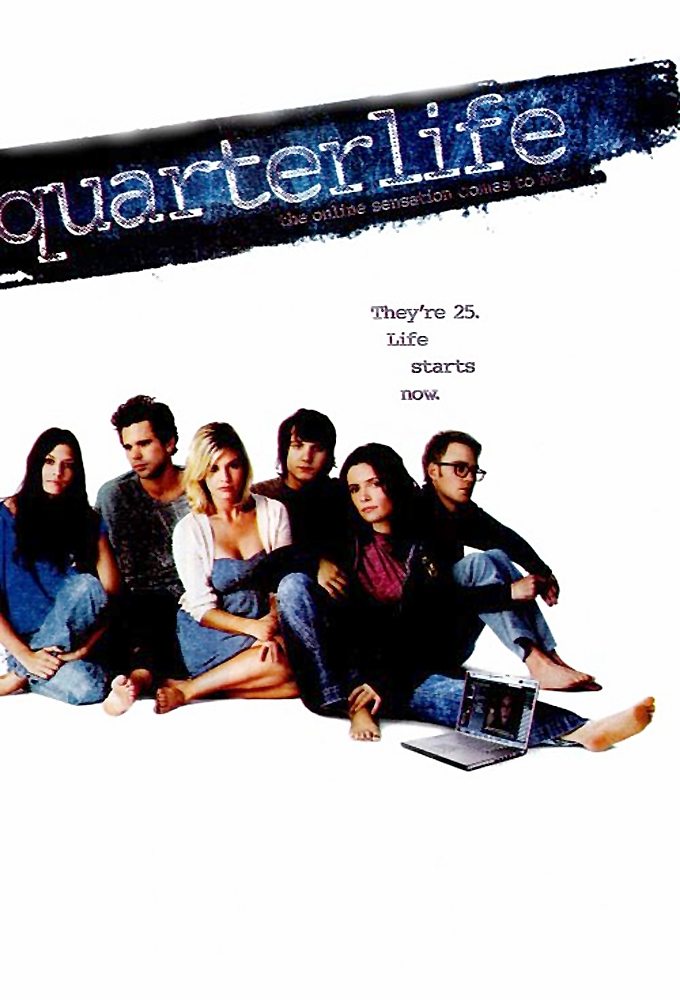
Originally a web series created by Marshall Herskovitz and Edward Zwick, ‘Quarterlife’ was picked up by NBC to fill airtime during a writers’ strike. The transition from short webisodes to a hour-long television format was poorly received, with critics finding the characters self-indulgent. The premiere episode suffered from a massive drop in ratings compared to its lead-in program. NBC canceled the show immediately, proving that online popularity does not always translate to traditional broadcast success.
‘Lawless’ (1997)
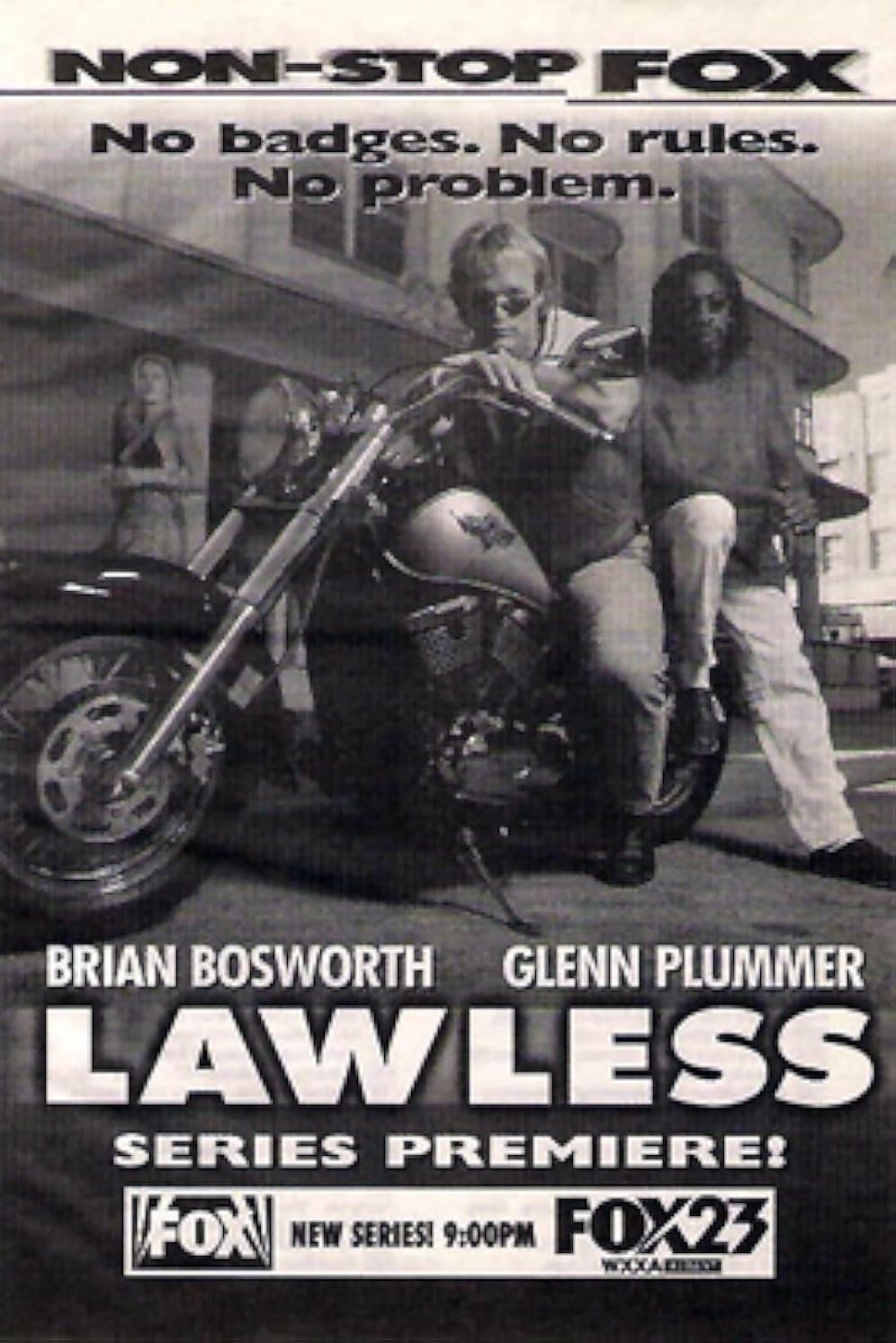
‘Lawless’ starred former NFL player Brian Bosworth as a motorcycle-riding private investigator in Miami. The show was heavily marketed as an action-packed drama, but the pilot episode was panned for its stilted dialogue and derivative plot. Audiences did not show up for the premiere, resulting in some of the worst numbers of the season for Fox. The network chose to cancel the series immediately, ending Bosworth’s brief career as a television leading man.
‘Melba’ (1986)

This sitcom starred singer Melba Moore as a divorced mother working at the Manhattan Visitors Center. The show premiered during a highly competitive time slot and was unable to draw viewers away from established programs. Critics also felt that the writing did not live up to the talent of its lead actress. CBS pulled ‘Melba’ after the first episode, though they eventually aired the remaining episodes in a different time slot several months later.
Please share your thoughts on these controversial television cancellations in the comments.