TV Shows That Faced Massive Boycotts Over Controversial Casting


The intersection of television production and audience expectations often leads to significant friction, particularly when it comes to the casting of iconic or historical figures. In recent years, social media has amplified these disagreements, transforming viewer skepticism into organized boycott movements. While some shows overcome the initial backlash through strong performances, others struggle to move past the controversy. This list explores the various television projects that faced intense public scrutiny and calls for boycotts due to their casting decisions.
‘Queen Cleopatra’ (2023)
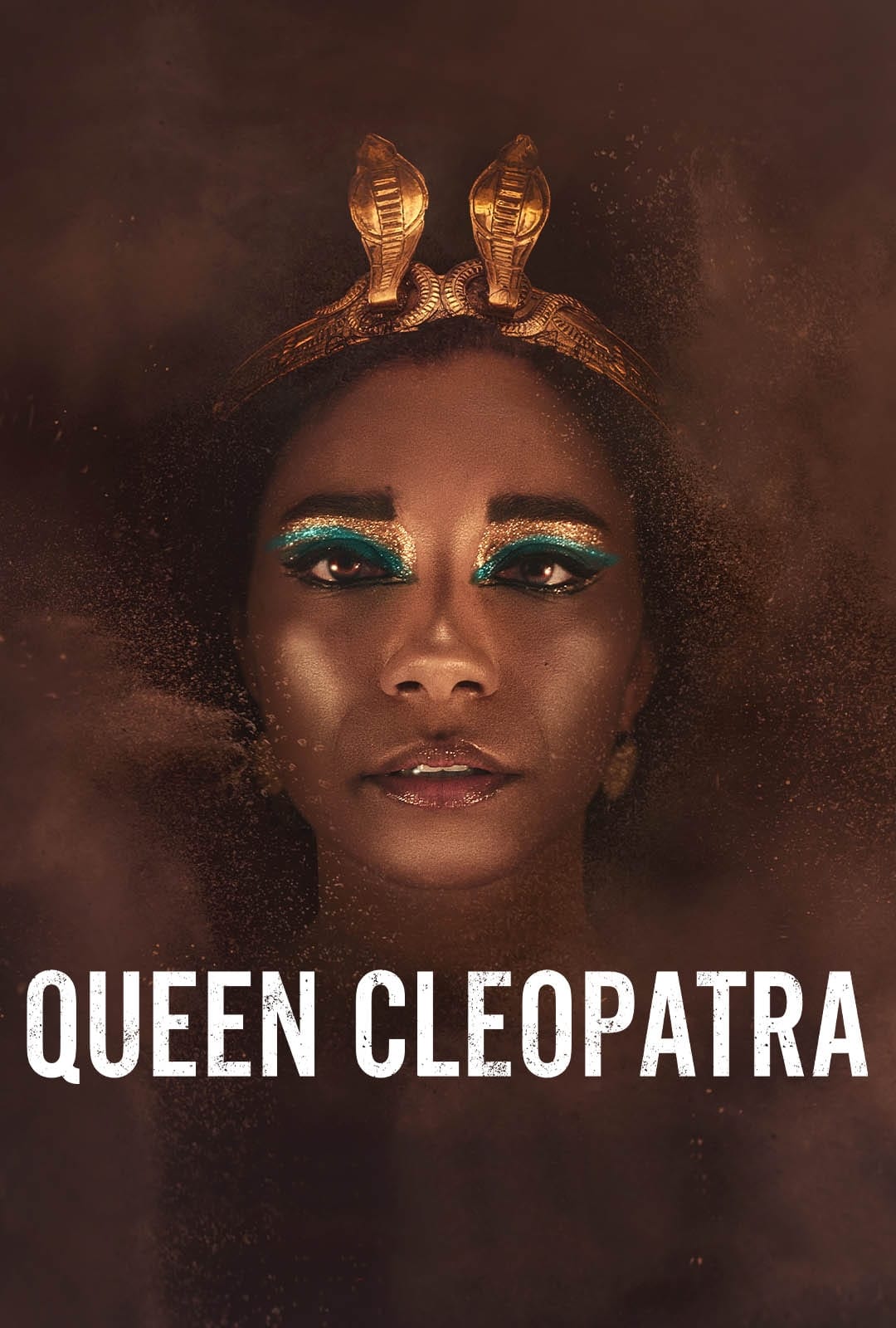
The Netflix docuseries ‘Queen Cleopatra’ faced significant backlash for casting Adele James, a biracial actress, in the lead role. Critics and Egyptian officials argued the casting was historically inaccurate, leading to a legal complaint filed in Egypt to block the streaming service. The director and producers maintained that the ancestry of the historical figure remains a subject of academic debate. Despite the controversy, the series focused on the ruler’s life and political struggles in ancient Egypt.
‘The Witcher’ (2019–Present)
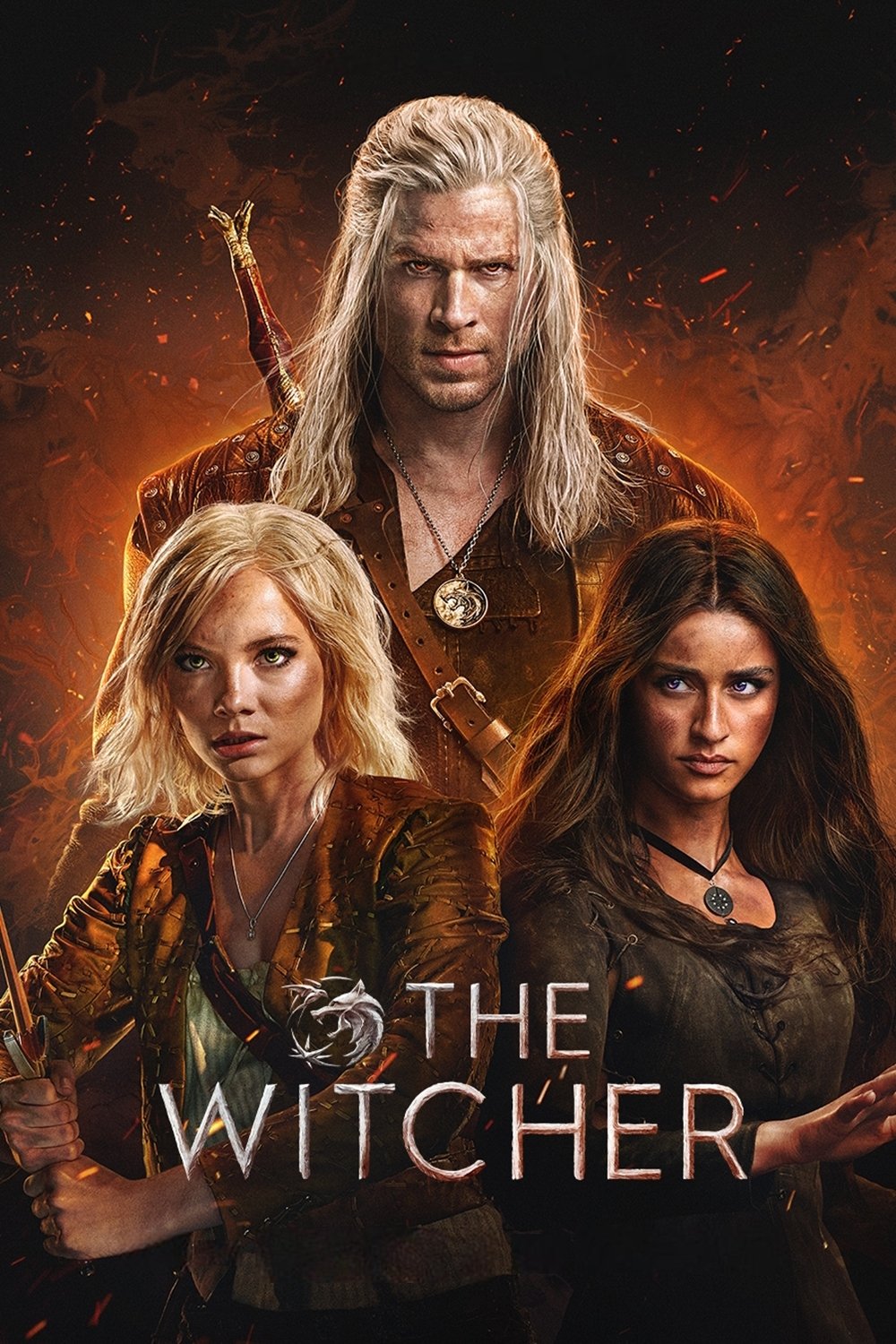
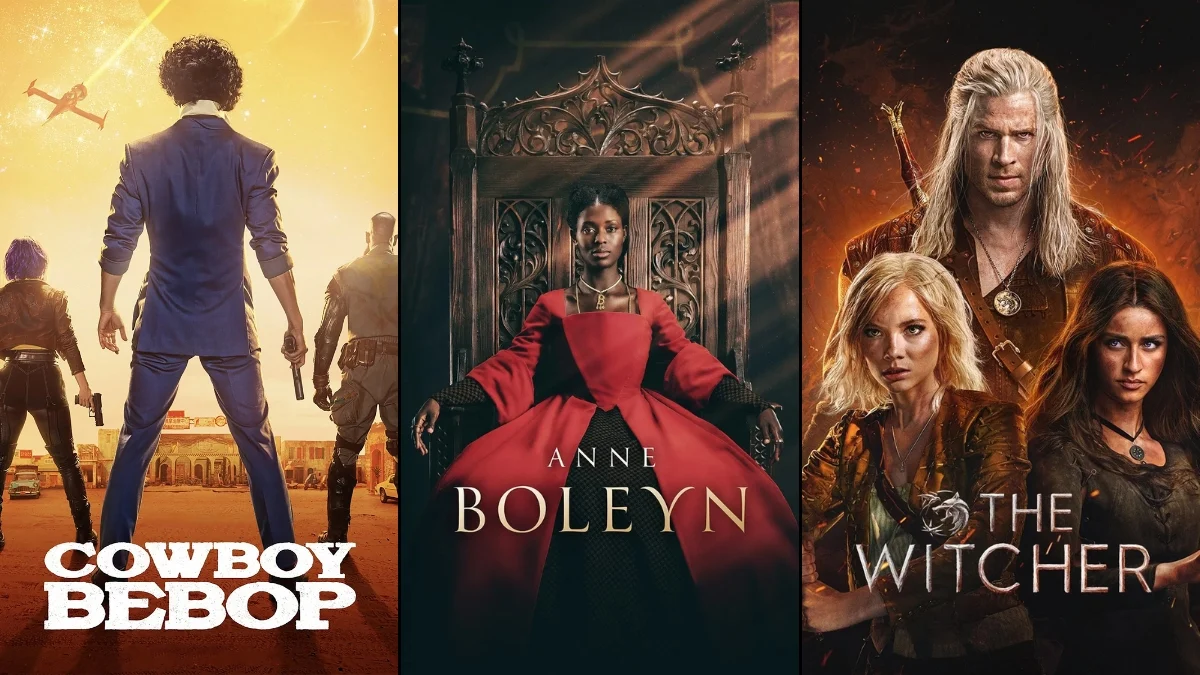
‘The Witcher’ generated widespread fan outcry following the announcement that Liam Hemsworth would replace Henry Cavill as Geralt of Rivia in the fourth season. Fans launched online petitions and threatened to boycott the series, citing Cavill’s deep understanding of the source material as irreplaceable. The transition raised concerns about the show’s fidelity to Andrzej Sapkowski’s novels and the future of its narrative direction. Producers have continued production, emphasizing that the role of Geralt is iconic enough to survive a change in lead actor.
‘The Lord of the Rings: The Rings of Power’ (2022–Present)
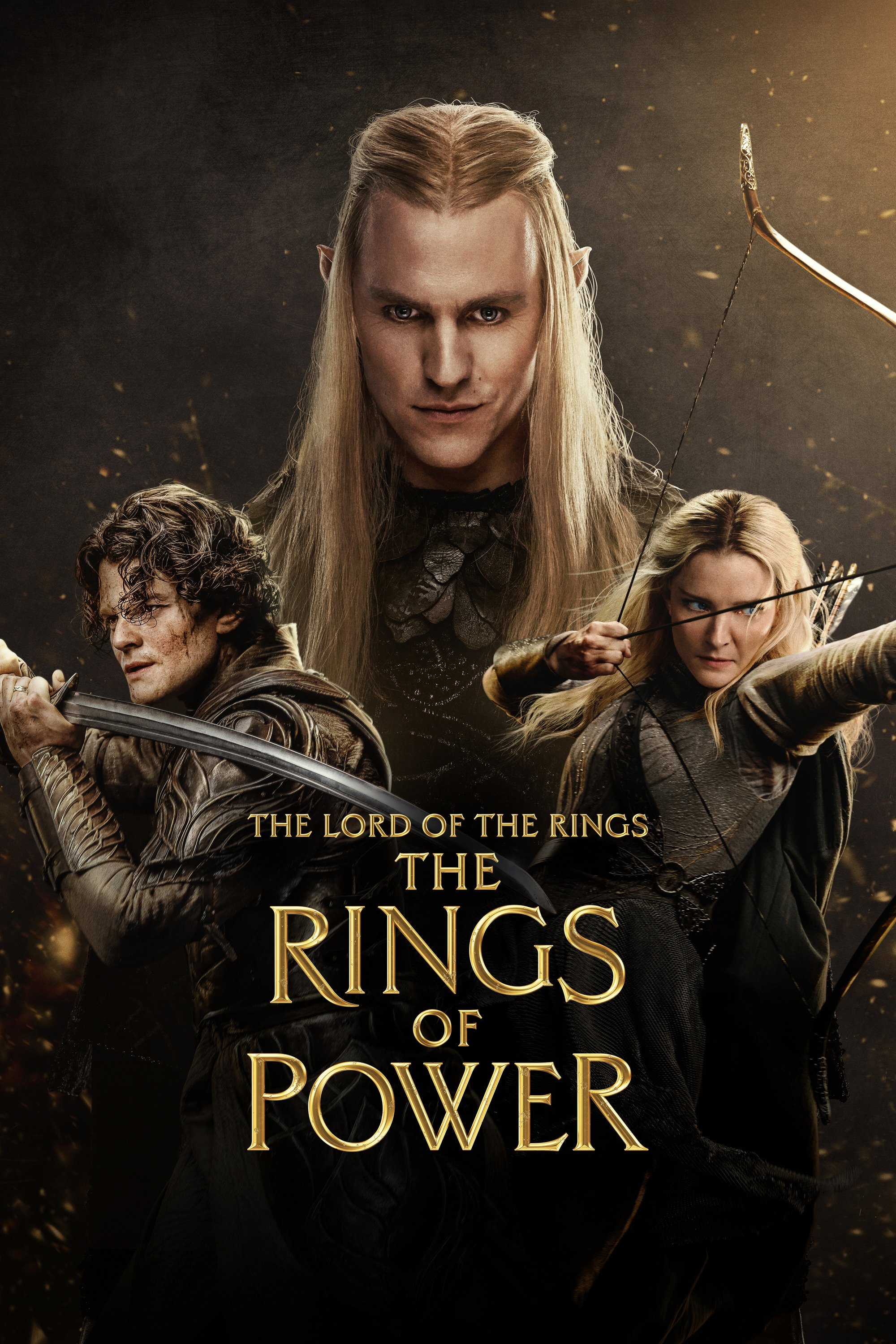
‘The Lord of the Rings: The Rings of Power’ faced a coordinated boycott from fans who objected to the inclusion of actors of color as elves, dwarves, and hobbits. Critics claimed the casting deviated from J.R.R. Tolkien’s descriptions, leading to heated discussions across social media platforms. The production team and several cast members spoke out against the harassment, emphasizing Tolkien’s themes of unity among different peoples. Amazon eventually took measures to hide reviews to combat the influx of negative ratings unrelated to the show’s actual quality.
‘Anne Boleyn’ (2021)
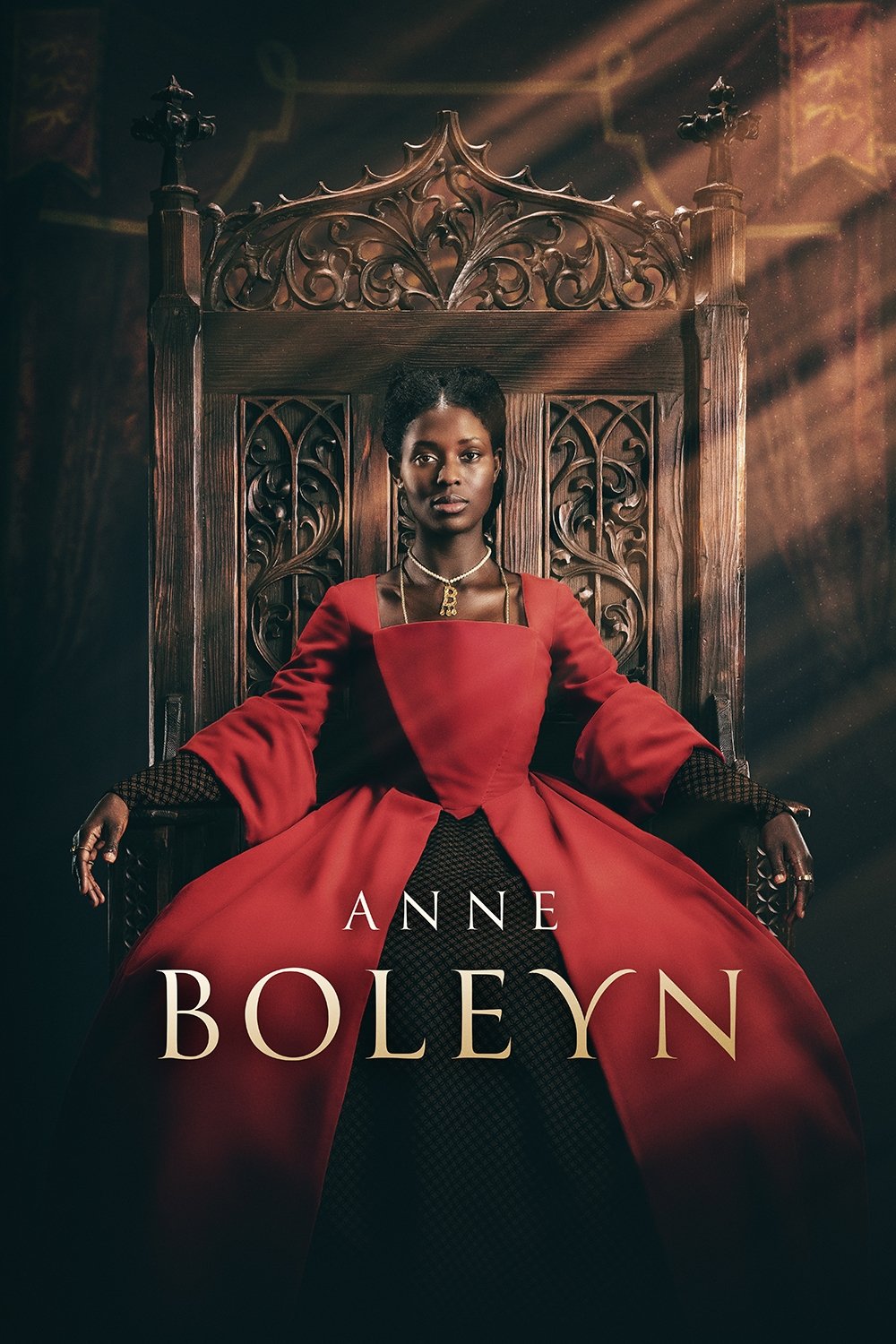
‘Anne Boleyn’ became the target of a widespread boycott and heavy review-bombing on IMDb due to the casting of Jodie Turner-Smith. As a Black actress playing a historical figure who was white, Turner-Smith’s role ignited fierce debates about historical accuracy in biographical dramas. The creators of the three-part psychological thriller stated they intended to focus on the character’s internal struggles rather than physical resemblance. The project highlighted the growing divide in audience expectations for diverse representation in historical settings.
‘Marvel’s Iron Fist’ (2017–2018)

The Marvel series ‘Iron Fist’ was the subject of a massive online boycott effort regarding the casting of Finn Jones as Danny Rand. Critics argued that the role should have gone to an Asian-American actor to avoid the “white savior” trope often associated with the source material. The producers maintained that they were staying true to the original 1970s comic books, where Danny Rand is Caucasian. The series faced lukewarm reviews upon release, with the casting controversy remaining a central theme in the discourse.
‘House of the Dragon’ (2022–Present)
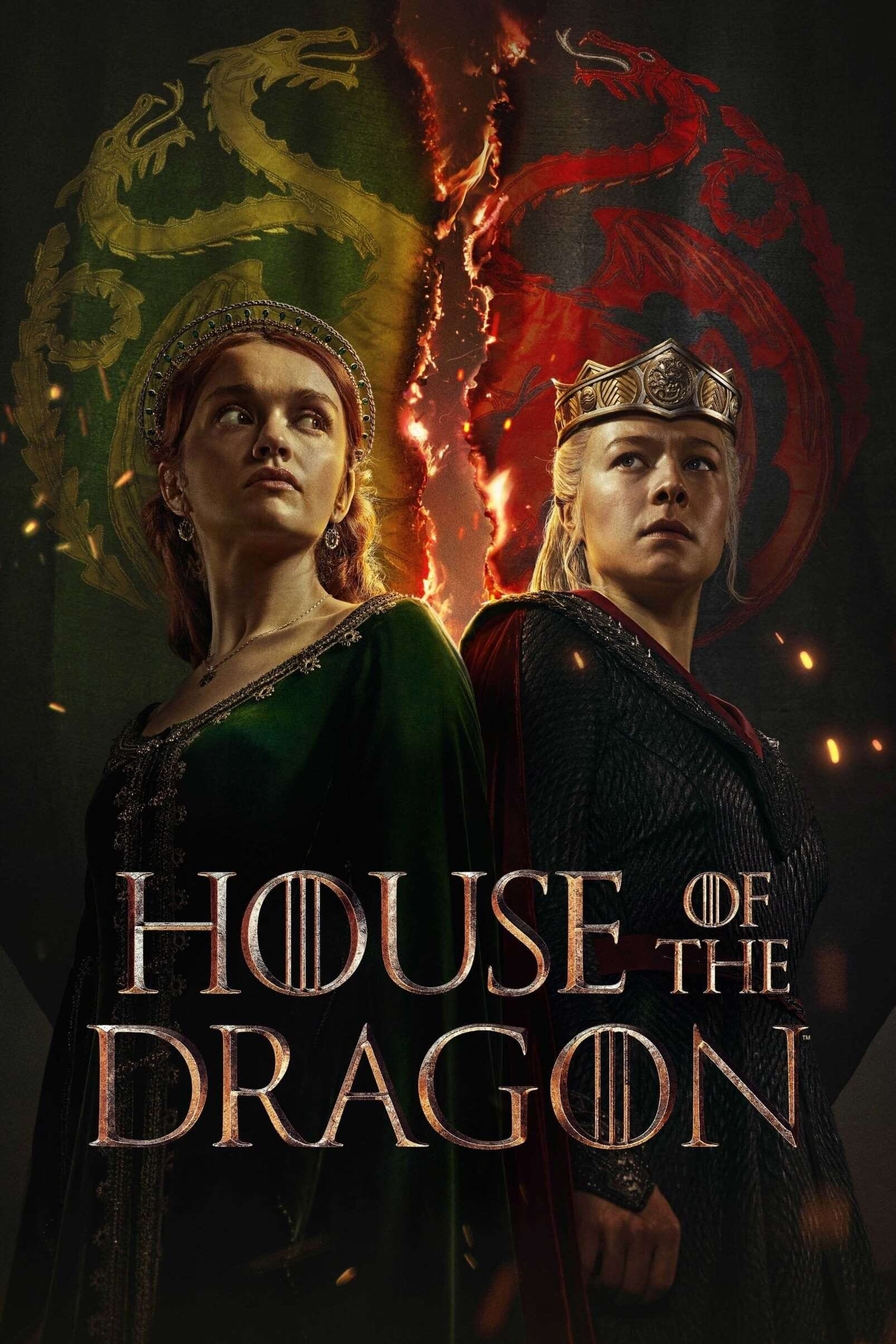
‘House of the Dragon’ encountered backlash when Steve Toussaint was cast as Corlys Velaryon, a powerful lord in the ‘Game of Thrones’ universe. In George R.R. Martin’s books, the Velaryons are described with Valyrian features, which some readers interpreted as meaning they must be white. Toussaint faced racist abuse online, leading the show’s creators to defend the decision to diversify the world of Westeros. The character eventually became a fan favorite, demonstrating the actor’s range and command of the role.
‘Doctor Who’ (1963–Present)

‘Doctor Who’ experienced a period of significant controversy when Jodie Whittaker was cast as the first female Doctor in 2017. A portion of the long-standing fanbase threatened to stop watching, claiming the character should remain male according to tradition. Similar discussions resurfaced with the casting of Ncuti Gatwa, the first Black actor to lead the series as the Doctor. The show’s producers defended these decisions as necessary evolutions for a character that physically regenerates into new forms.
‘The Acolyte’ (2024)
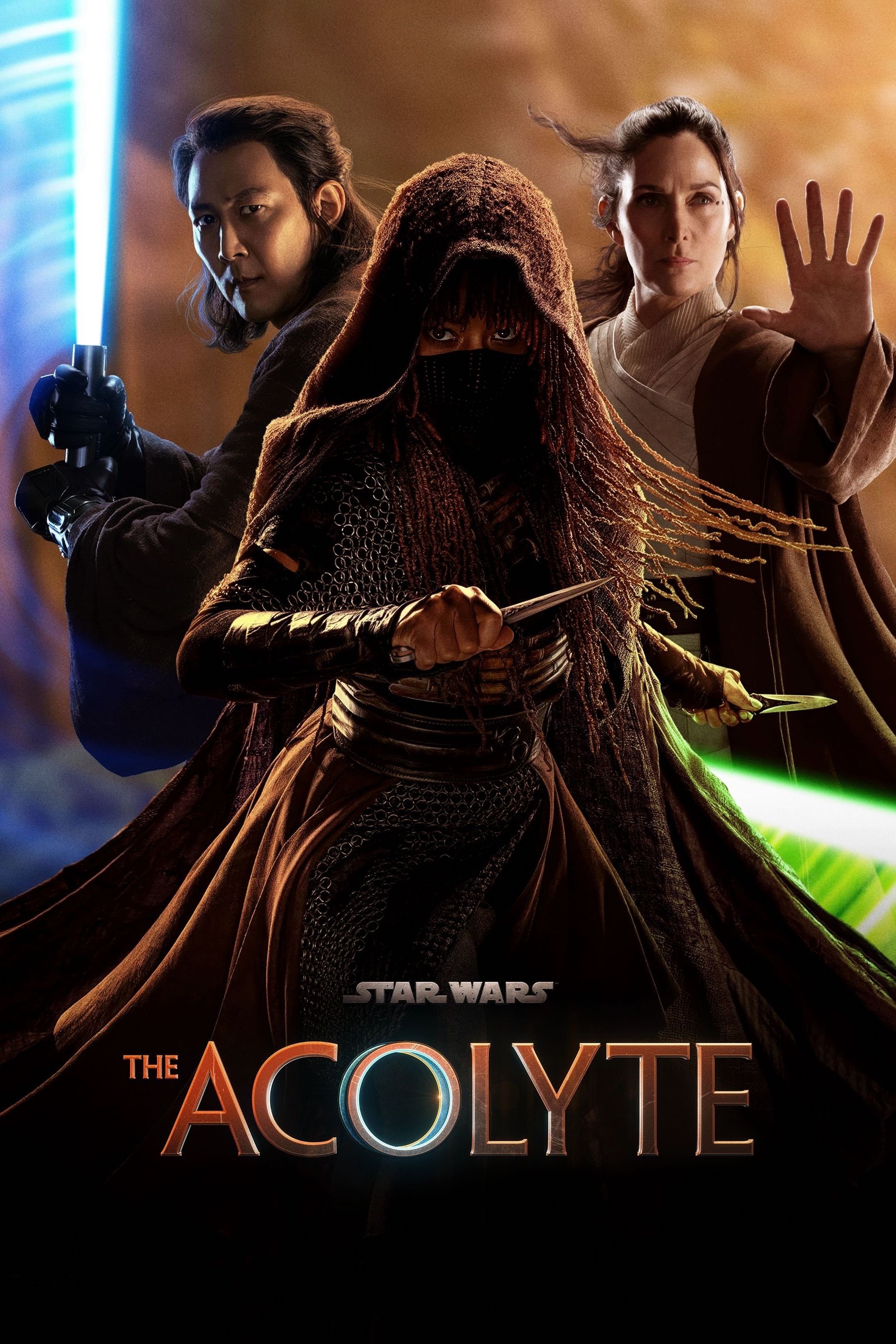
‘The Acolyte’ faced an intense review-bombing campaign and boycott calls before it even premiered on Disney+. Critics of the casting choices focused on the diverse lead cast, including Amandla Stenberg and Lee Jung-jae, claiming the series prioritized social agendas over ‘Star Wars’ lore. The backlash intensified upon release, with social media discourse targeting the show’s creative direction and character backgrounds. Despite the noise, the series introduced new elements to the High Republic era of the franchise.
‘Obi-Wan Kenobi’ (2022)
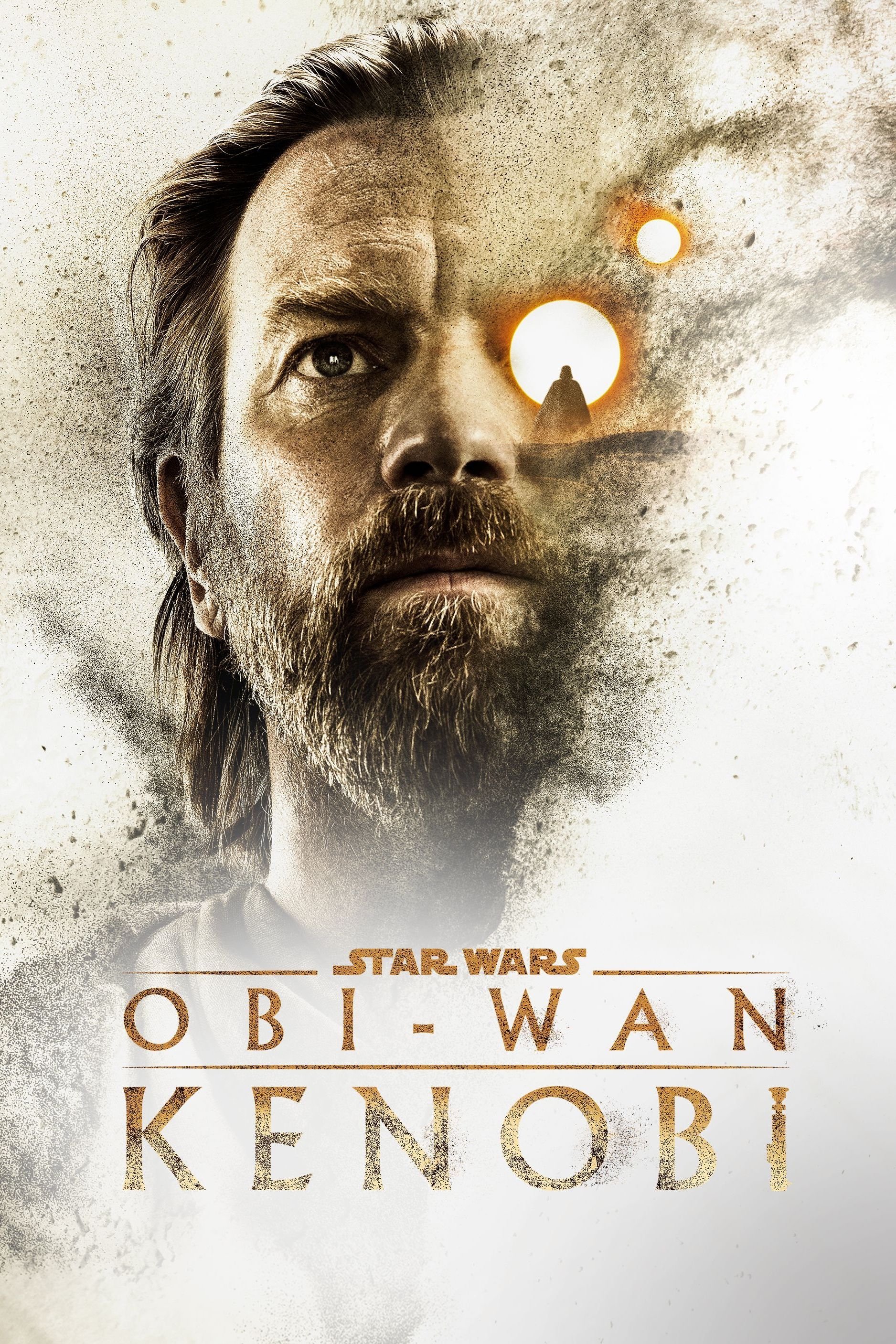
The series ‘Obi-Wan Kenobi’ saw a significant backlash and boycott movement targeting actress Moses Ingram, who played Reva Sevander. Some viewers took issue with her character’s inclusion and prominence in the story, which led to a wave of online harassment. Ewan McGregor and Lucasfilm released statements condemning the behavior and defending Ingram’s place in the ‘Star Wars’ universe. The situation highlighted the ongoing struggle with toxicity within large fanbases regarding new casting choices.
‘Percy Jackson and the Olympians’ (2023–Present)
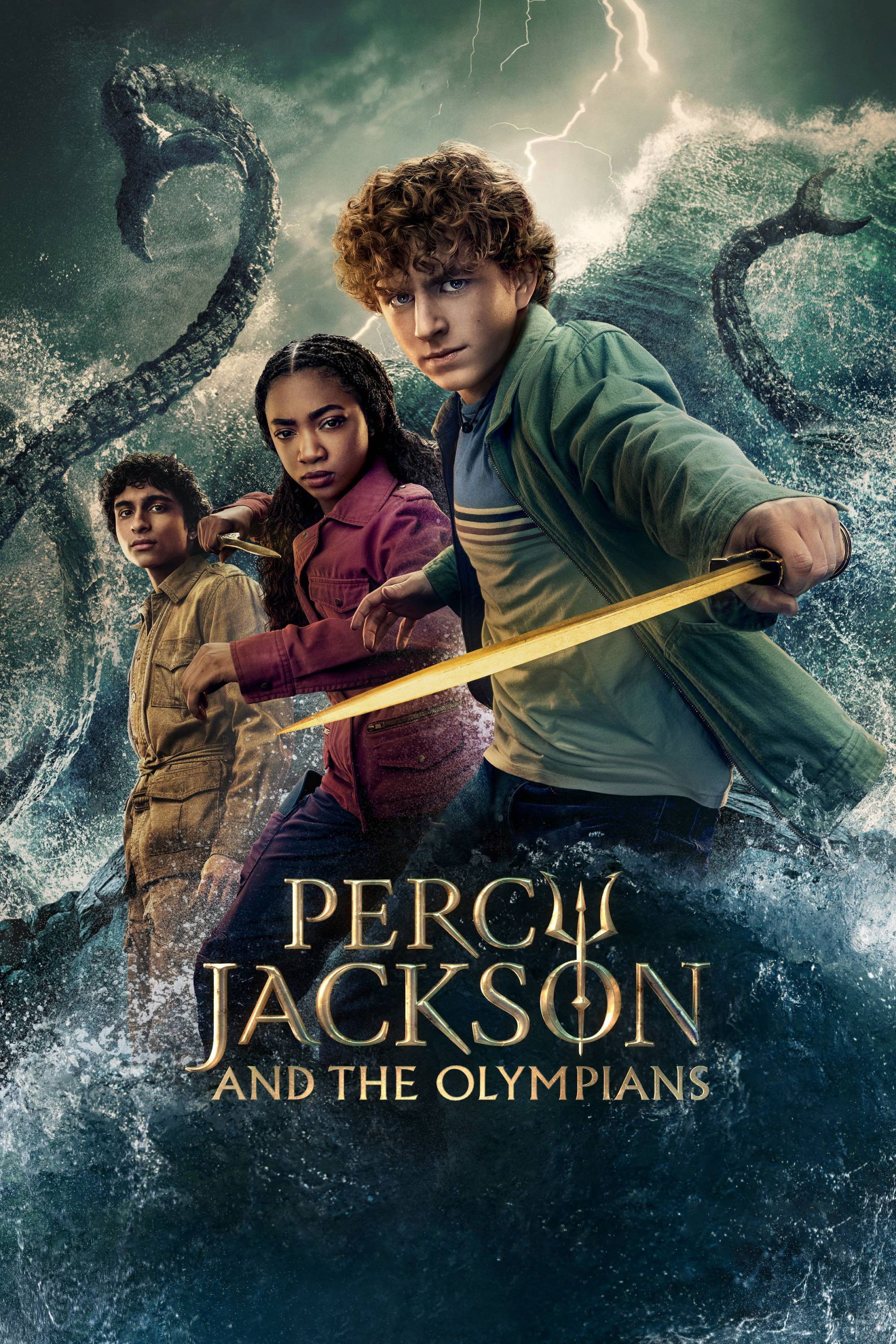
‘Percy Jackson and the Olympians’ saw a segment of its fanbase call for a boycott after Leah Sava Jeffries was cast as Annabeth Chase. Because the character was described as having blonde hair and gray eyes in the books, some readers felt the casting was incorrect. Author Rick Riordan strongly defended the casting, stating that he was looking for the best actors to embody the spirit of the characters. The series eventually premiered to positive reviews, with many praising the chemistry of the young lead cast.
‘Velma’ (2023–Present)
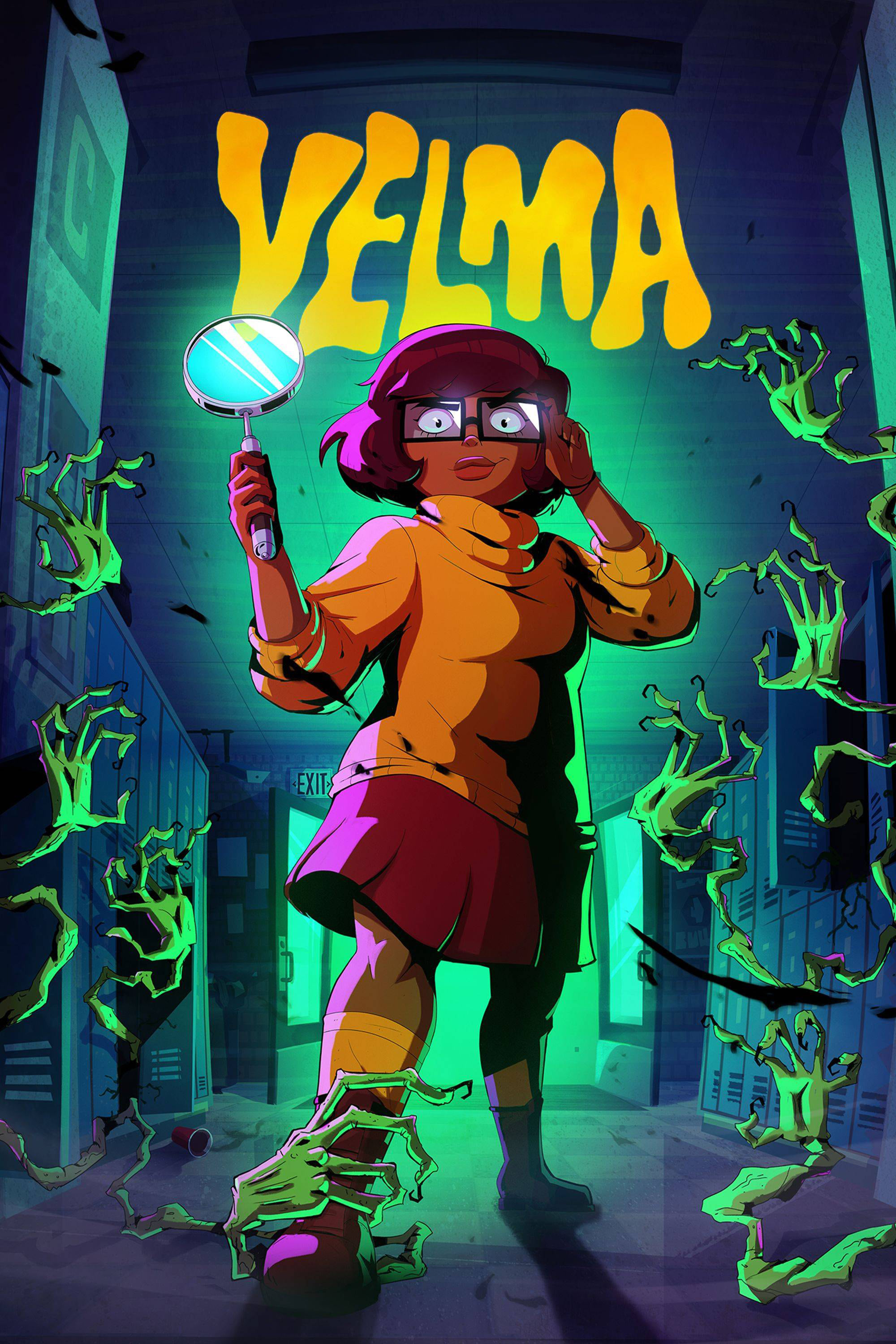
The animated series ‘Velma’ faced a unique situation where it was criticized by almost every segment of the audience for its casting and character redesigns. Mindy Kaling’s portrayal of a South Asian Velma, along with changes to other members of the ‘Scooby-Doo’ gang, led to calls for a boycott. Critics argued the show used the familiar brand to push a creative vision that did not respect the original characters. Despite being one of the most negatively reviewed shows of its time, it drew high initial viewership numbers for HBO Max.
‘Batwoman’ (2019–2022)
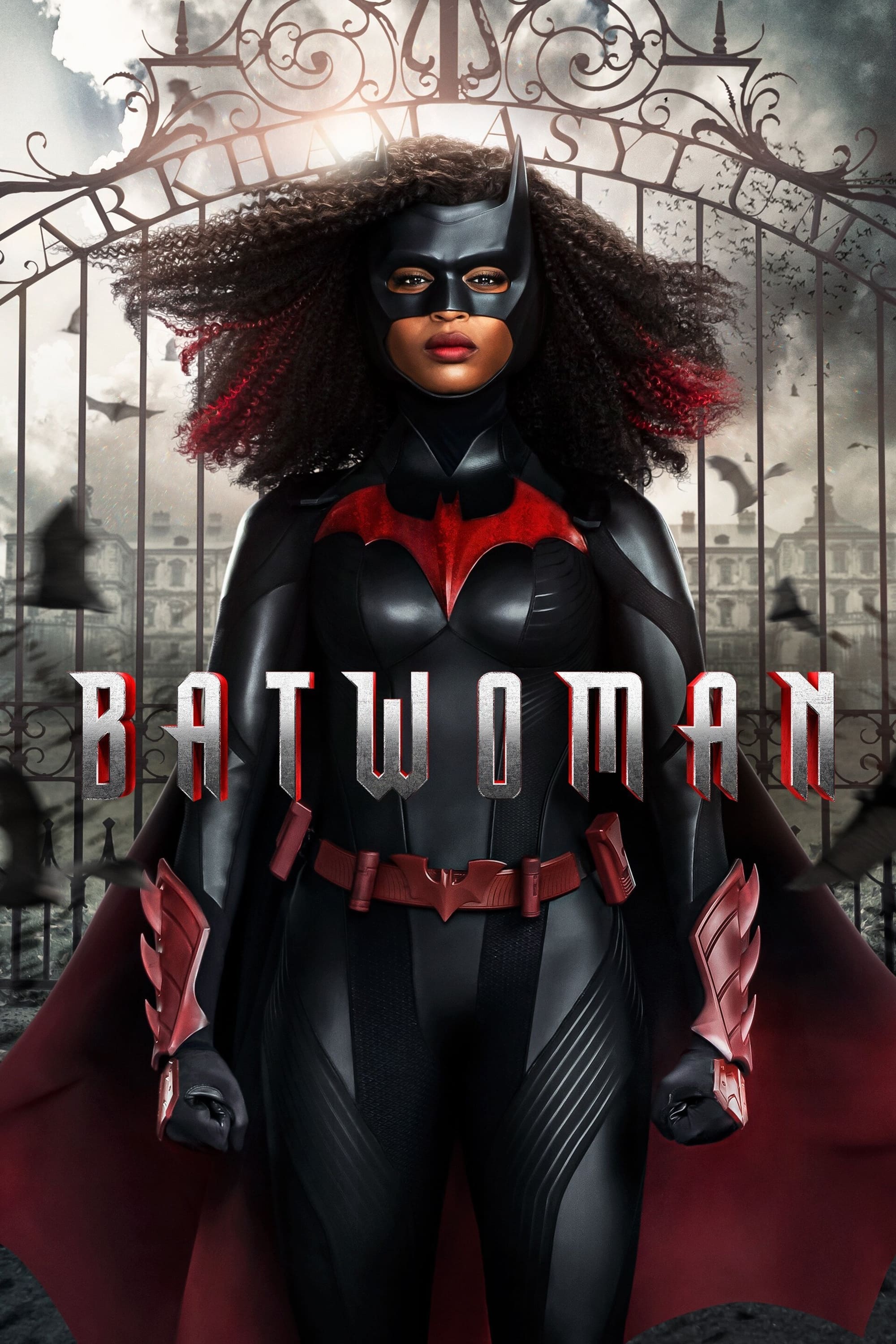
‘Batwoman’ faced double casting controversies, starting with the initial casting of Ruby Rose, which some felt did not represent the character’s Jewish heritage. After Rose’s departure, the casting of Javicia Leslie as a new character taking over the mantle led to further boycott threats from viewers unhappy with the change. The show struggled with consistent viewership and faced heavy criticism regarding its writing and direction throughout its run. It was eventually canceled by The CW after its third season.
‘The Last of Us’ (2023–Present)
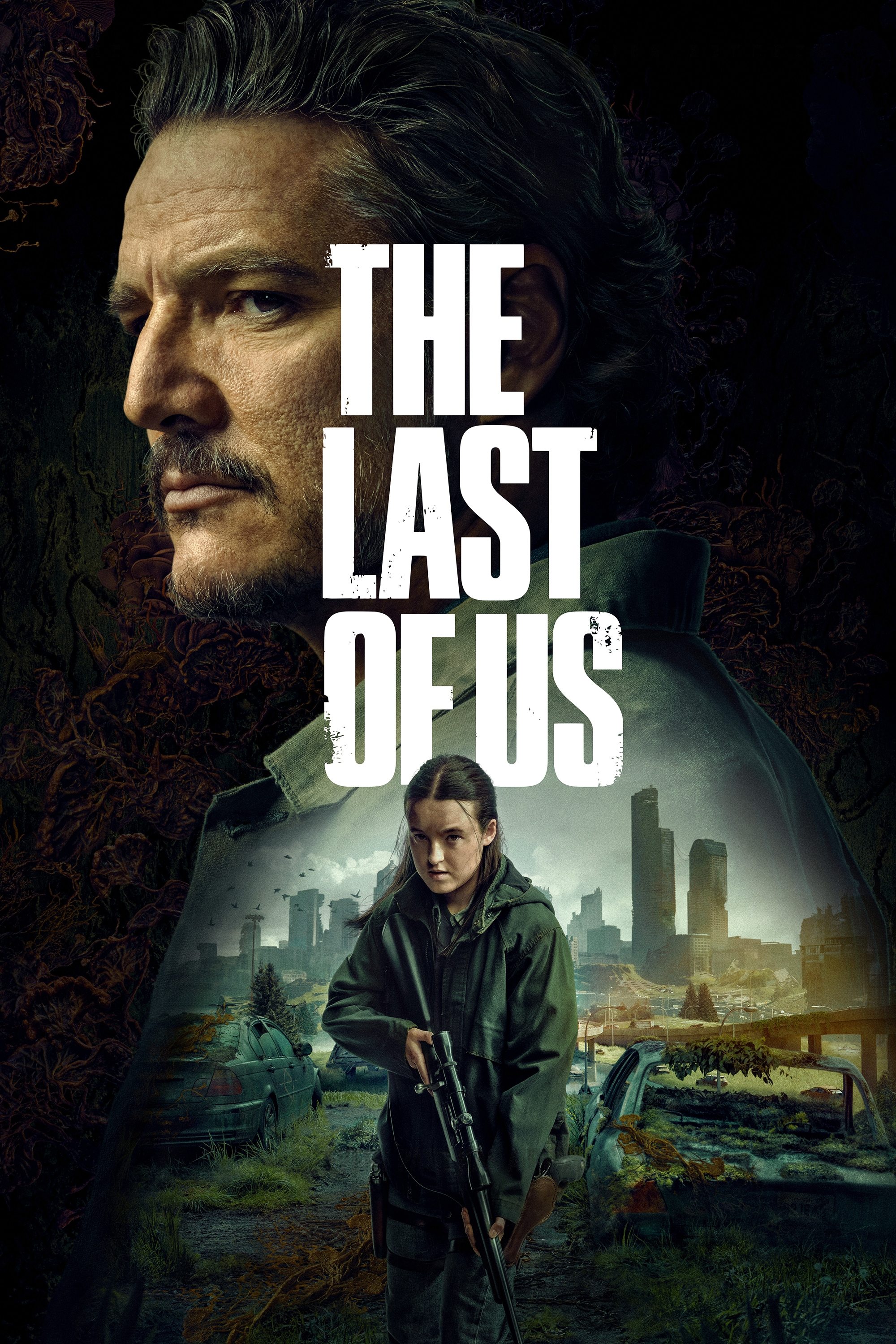
The casting of Bella Ramsey as Ellie in ‘The Last of Us’ prompted a vocal boycott from some fans of the original video game. Critics focused on Ramsey’s physical appearance, arguing she did not closely enough resemble the character they had grown attached to in the game. Showrunners Craig Mazin and Neil Druckmann stood by the choice, highlighting Ramsey’s exceptional acting ability as the primary reason for her selection. The show went on to receive critical acclaim and high ratings, silencing much of the initial casting skepticism.
‘Masters of the Universe: Revelation’ (2021)
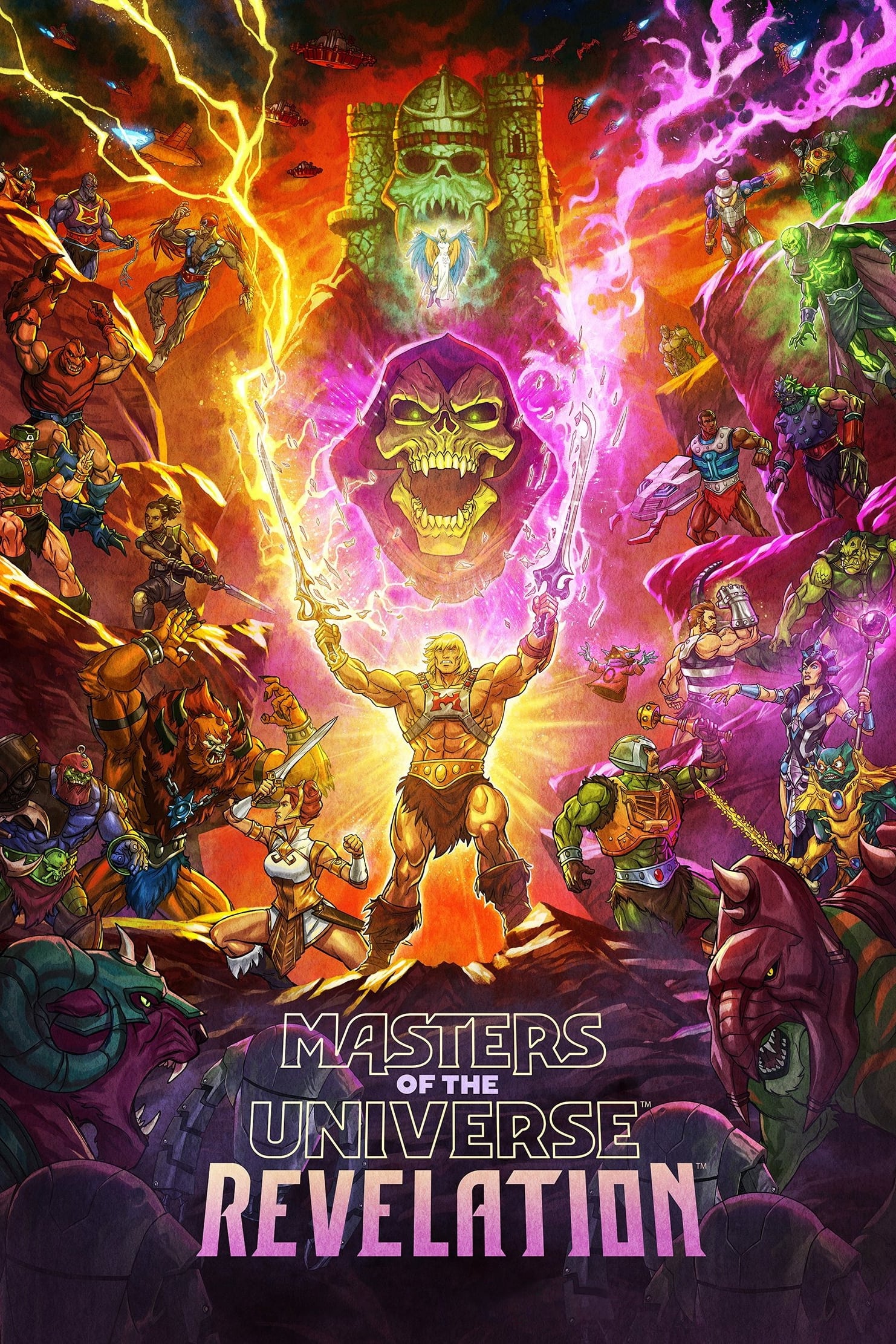
The revival series ‘Masters of the Universe: Revelation’ faced a boycott from fans who felt misled by the show’s marketing and casting focus. Although the series featured a high-profile voice cast, viewers were upset that the narrative focused on Teela rather than He-Man. Critics accused showrunner Kevin Smith of deceiving the audience to promote a different character agenda. The controversy resulted in a significant rift between the production team and a portion of the original ‘He-Man’ fanbase.
‘Bridgerton’ (2020–Present)
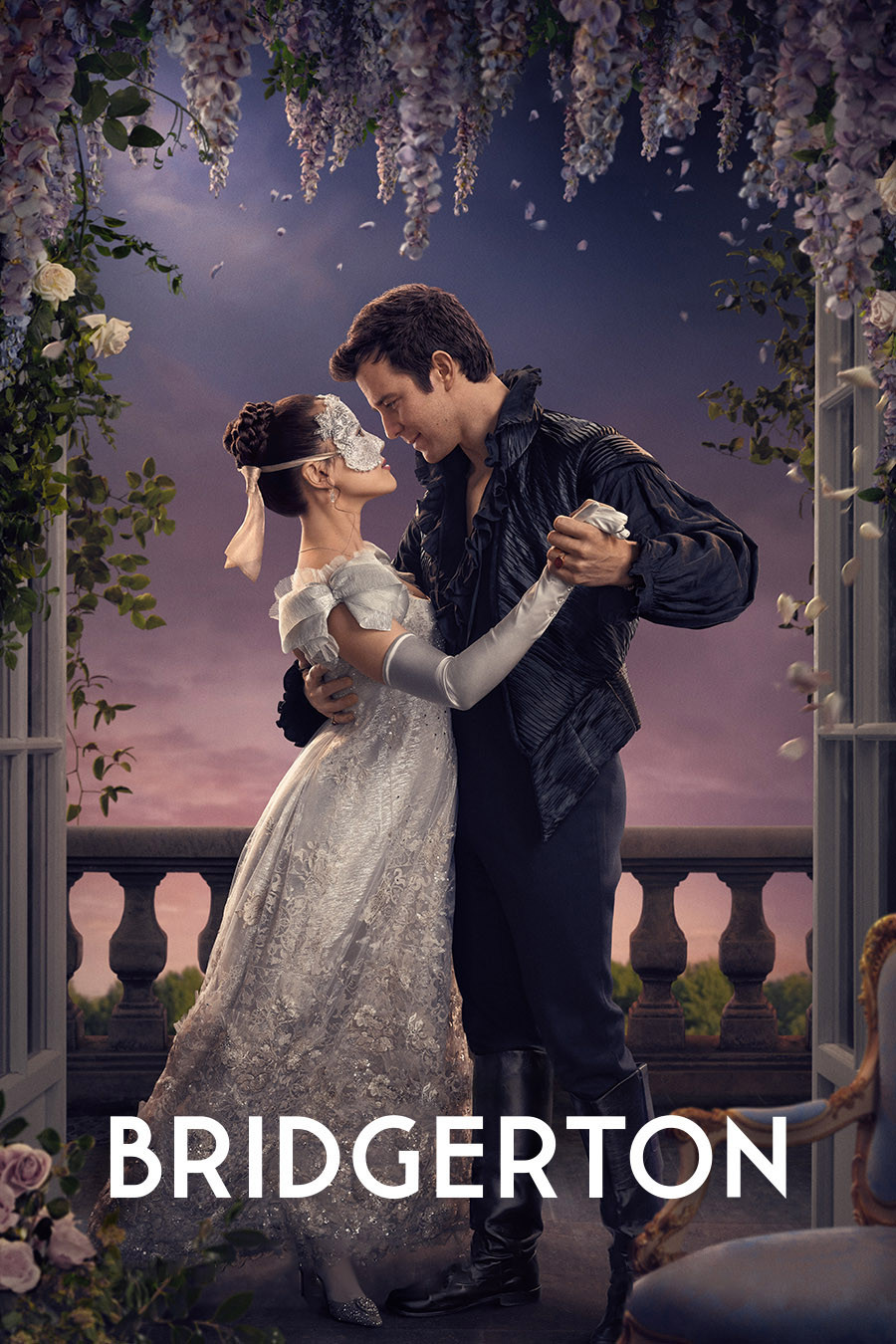
The Netflix series ‘Bridgerton’ sparked debate for its use of “color-conscious” casting in a Regency-era setting. While many praised the inclusivity, a segment of the audience called for a boycott, arguing that the casting was historically inaccurate for the British aristocracy. The showrunners explained that the series is a fictionalized version of history, inspired by the theory that Queen Charlotte had African ancestry. The production became a global phenomenon despite the early pushback from historical traditionalists.
‘Troy: Fall of a City’ (2018)

The BBC and Netflix co-production ‘Troy: Fall of a City’ faced a major boycott from viewers who objected to the casting of Black actors in key roles. David Gyasi was cast as Achilles and Hakeem Kae-Kazim as Zeus, which led to accusations of historical revisionism regarding ancient Greece. The producers argued that the Trojan War is a myth and that the production was intended to be a modern interpretation. The show’s IMDb rating suffered significantly from review-bombing despite its high production values.
‘Cowboy Bebop’ (2021)
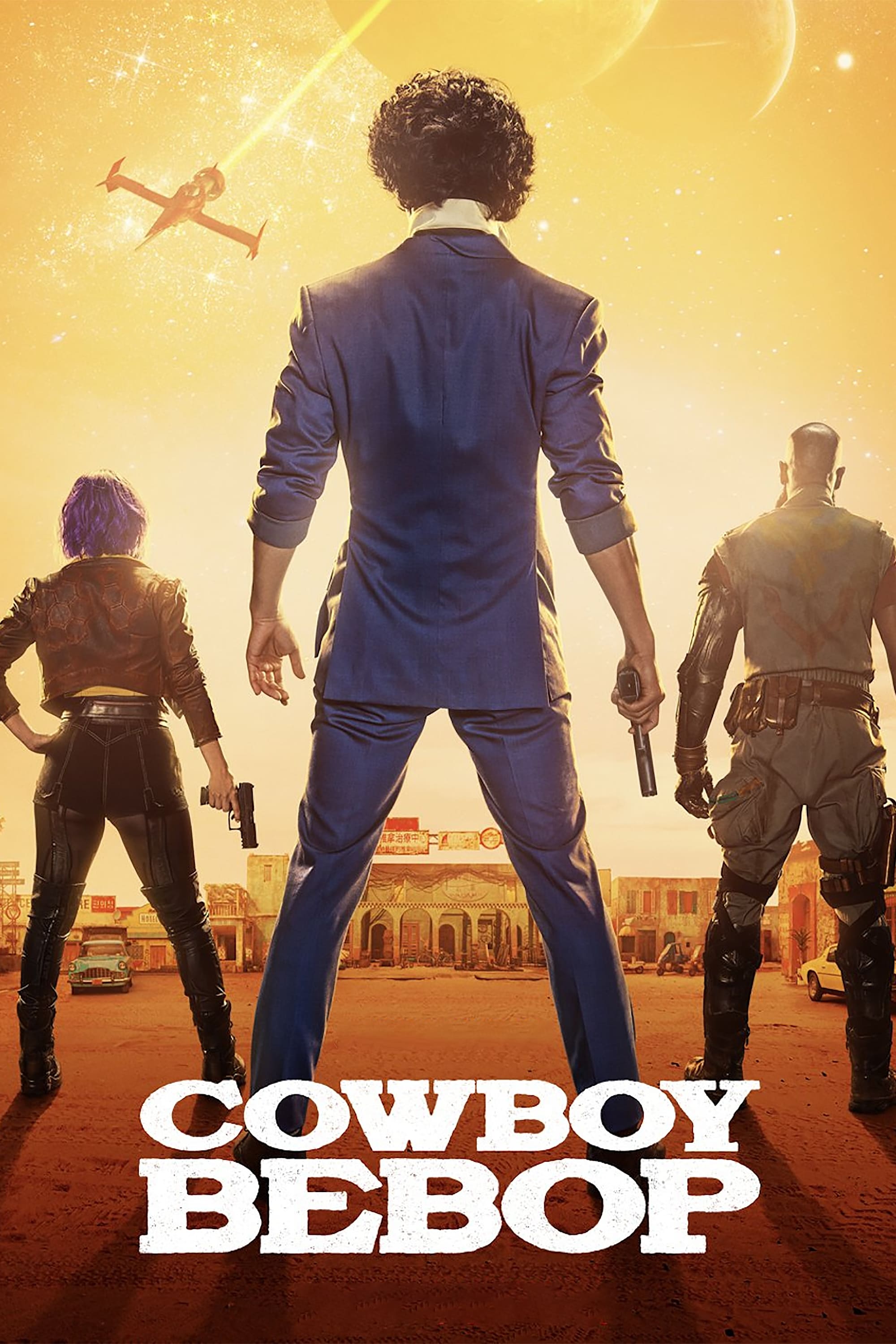
The live-action adaptation of ‘Cowboy Bebop’ saw early boycott calls after the casting of John Cho as Spike Spiegel and Daniella Pineda as Faye Valentine. Fans criticized the age gap between Cho and the original character, while Pineda faced backlash over her costume and physical appearance not matching the anime. The show struggled to capture the unique tone of the source material according to many longtime viewers. Netflix ultimately canceled the series after just one season following low viewership and mixed critical reception.
‘Transparent’ (2014–2019)
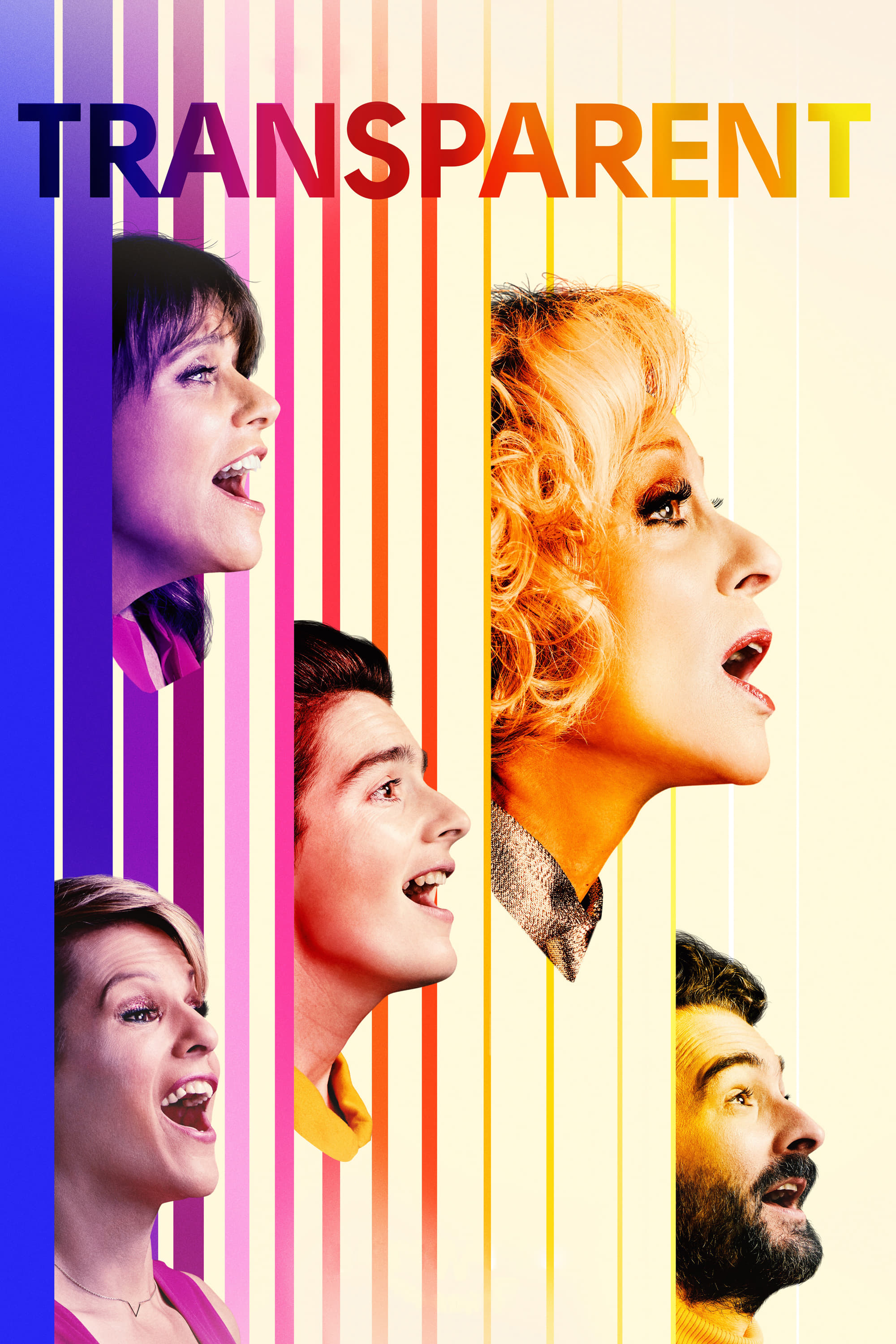
The Amazon series ‘Transparent’ initially faced backlash from the transgender community for casting cisgender actor Jeffrey Tambor as Maura Pfefferman. Activists argued that trans roles should be played by trans actors to ensure authentic representation and provide opportunities for marginalized performers. The show eventually integrated more trans creators and actors behind and in front of the camera to address these concerns. However, the initial casting choice remained a point of debate throughout the show’s award-winning run.
‘Ms. Marvel’ (2022)
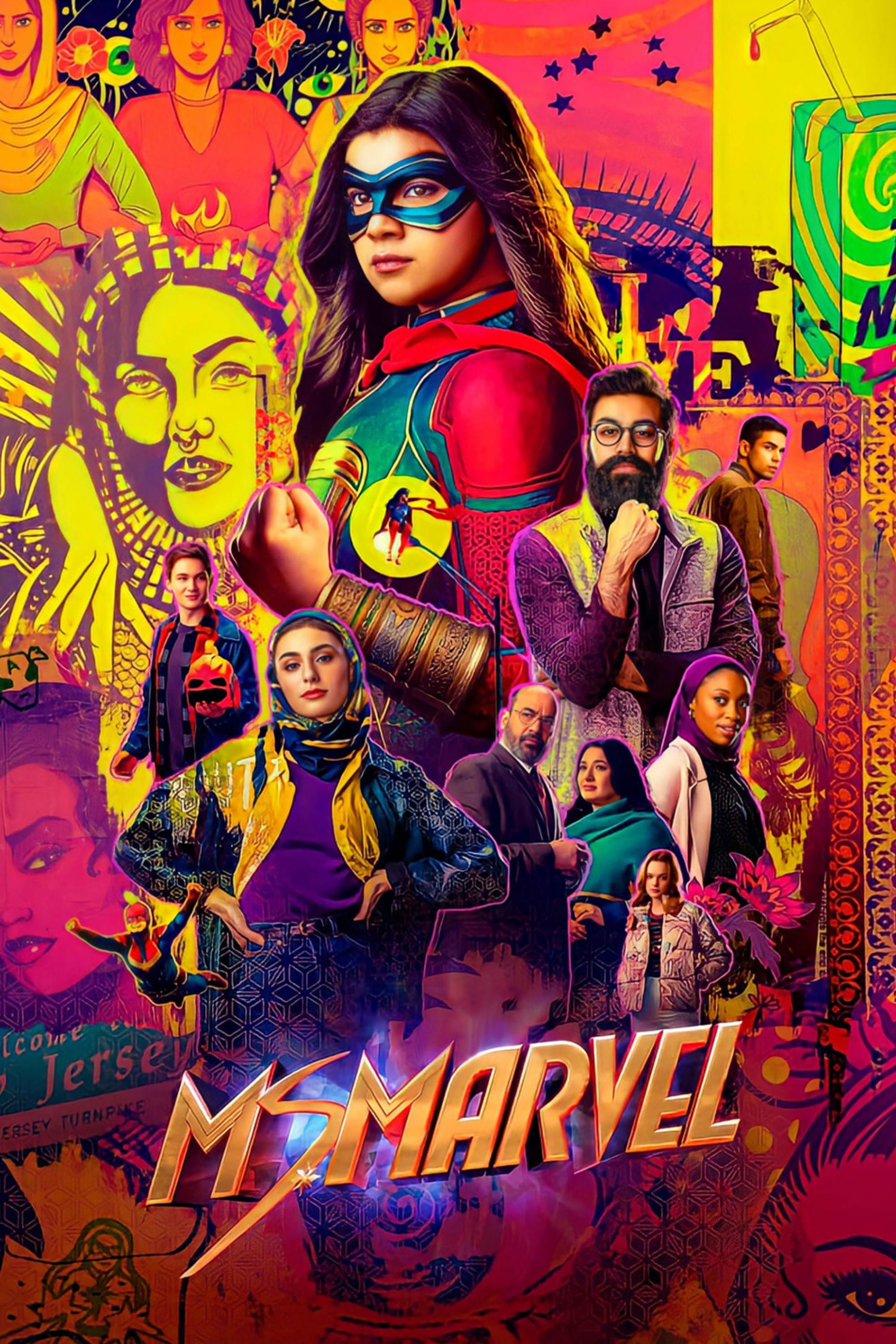
‘Ms. Marvel’ was targeted by a segment of the audience that objected to the casting of Iman Vellani and the show’s focus on a Muslim-American teenager. The series was review-bombed on various platforms before many episodes had even aired, with some calling for a boycott of the “M-She-U” direction of Marvel. Despite the online noise, critics praised the show for its vibrant style and Vellani’s charming performance as Kamala Khan. It currently stands as one of the highest-rated Marvel Cinematic Universe projects among critics.
‘She-Hulk: Attorney at Law’ (2022)
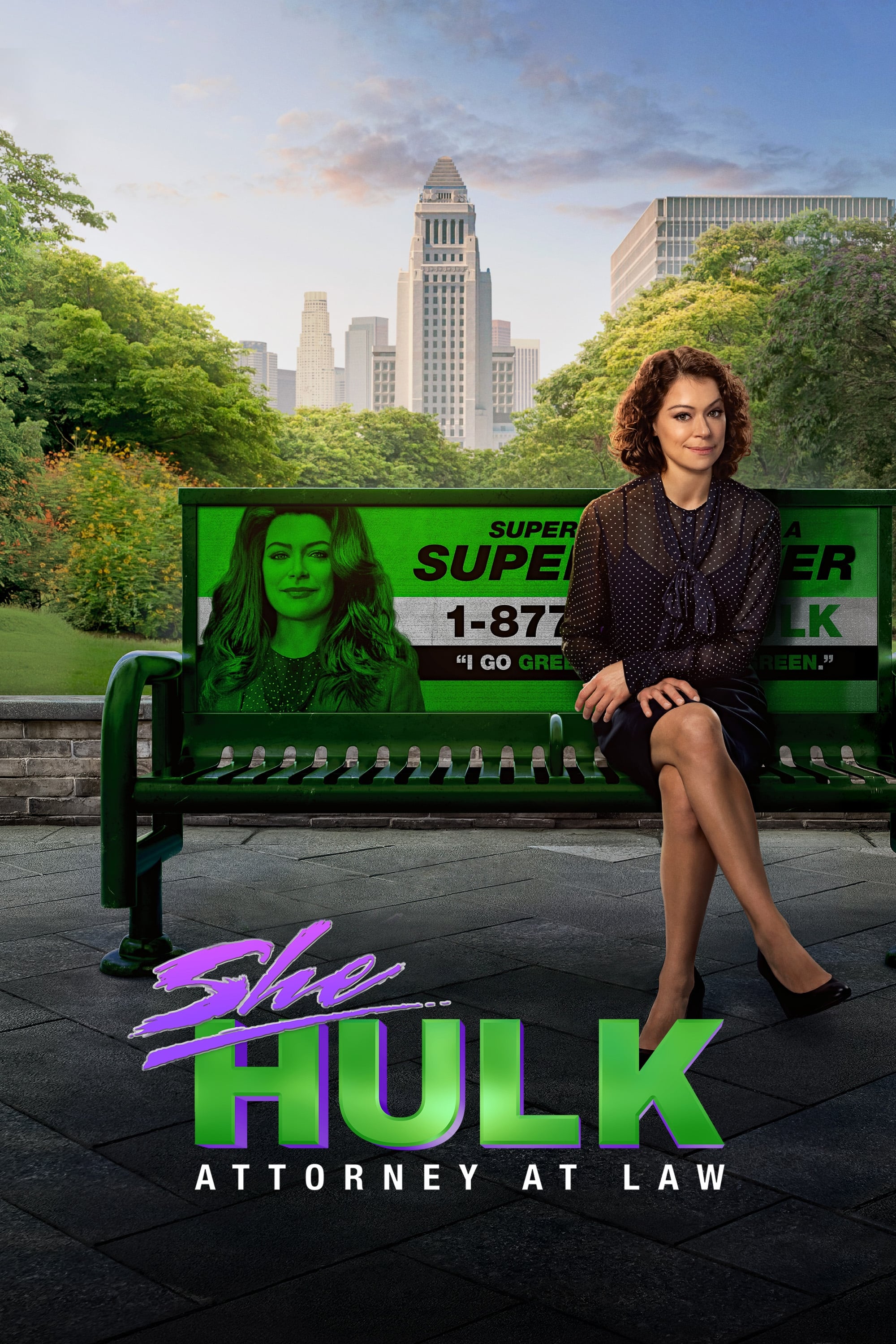
‘She-Hulk: Attorney at Law’ faced significant pushback and boycott threats primarily centered on its lead casting and tone. Critics of Tatiana Maslany’s casting and the character’s CGI appearance argued the show was straying too far from traditional superhero tropes. The series leaned into this controversy by making the “trolls” who hated the character part of the actual plot. While it polarized the audience, Maslany’s performance was widely cited as a highlight of the legal comedy.
‘Avatar: The Last Airbender’ (2024–Present)

The Netflix live-action ‘Avatar: The Last Airbender’ faced scrutiny during its casting phase, particularly regarding actor Ian Ousley. Some members of the public called for a boycott after questioning Ousley’s claims of Indigenous heritage while playing the character Sokka. The production also dealt with the shadow of the original creators’ departure, which fans feared meant the casting would not be culturally sensitive. However, the series ultimately featured a predominantly Asian and Indigenous cast, which many viewers appreciated.
‘Alexander: The Making of a God’ (2024)
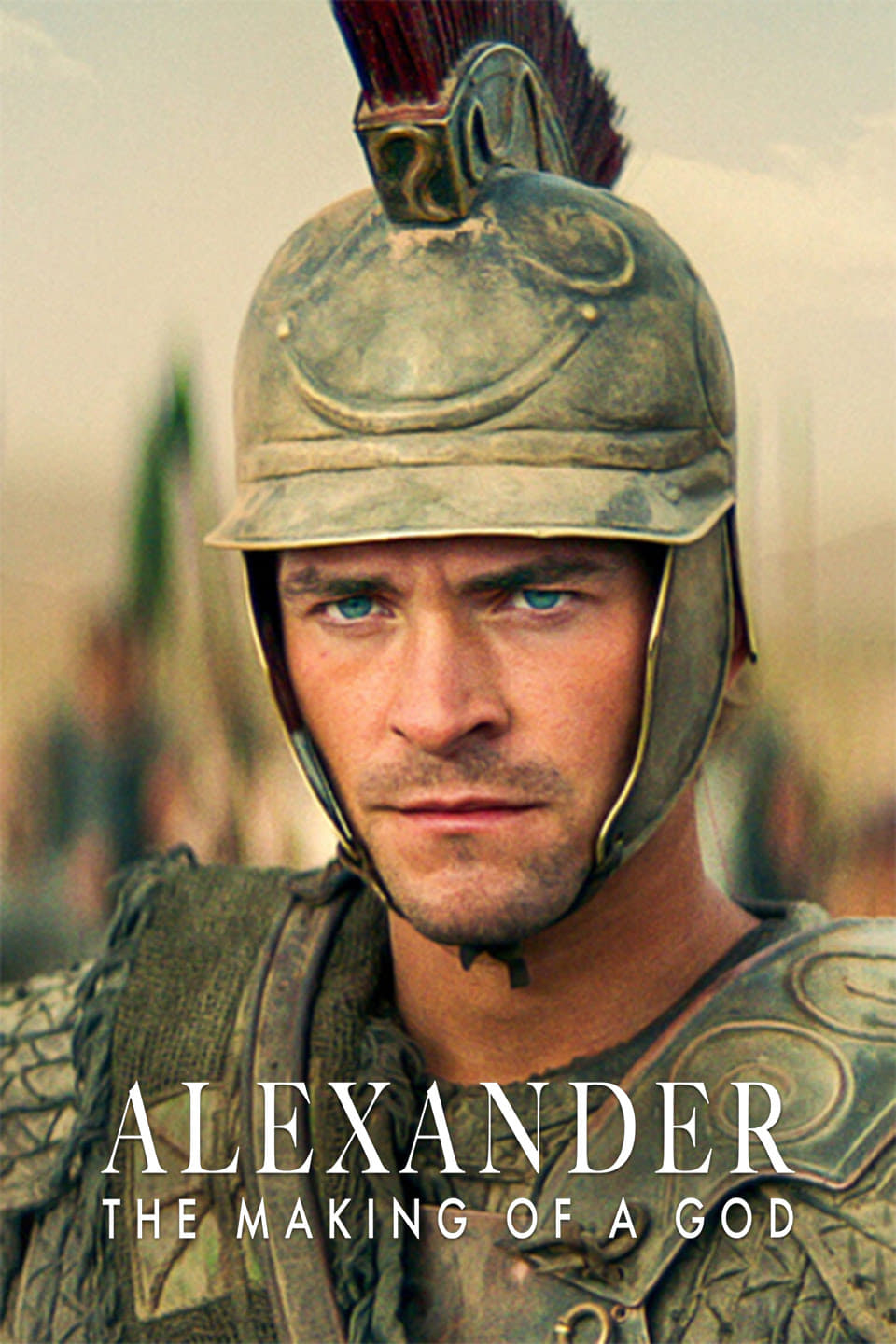
The docudrama ‘Alexander: The Making of a God’ caused an international stir for its casting and portrayal of the relationship between Alexander the Great and Hephaestion. Viewers in certain regions called for a boycott, arguing that the depiction of Alexander as queer was a modern imposition on history. Historians featured in the series countered that such relationships were documented in ancient Greek culture. The show remained a topic of intense debate on social media regarding how historical figures are cast today.
‘Charmed’ (2018–2022)
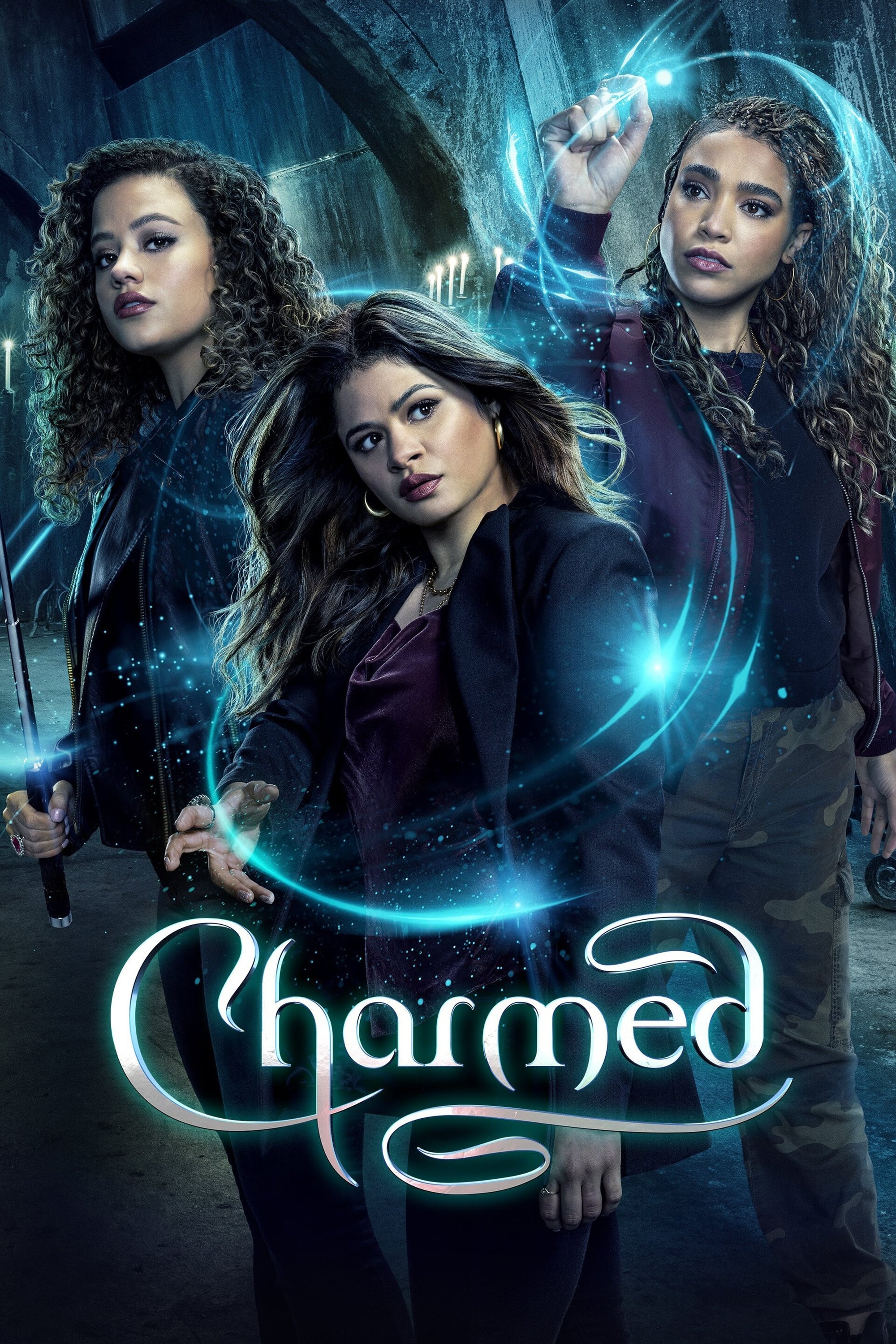
The ‘Charmed’ reboot was met with hostility from fans of the original series almost immediately after its diverse cast was announced. The decision to cast Melonie Diaz, Madeleine Mantock, and Sarah Jeffery as the new Power of Three led to accusations that the show was disrespecting the original stars. Even members of the original cast expressed their dissatisfaction with the way the reboot was marketed. The show managed to air for four seasons, carving out its own identity despite the early boycott attempts.
‘The Wheel of Time’ (2021–Present)
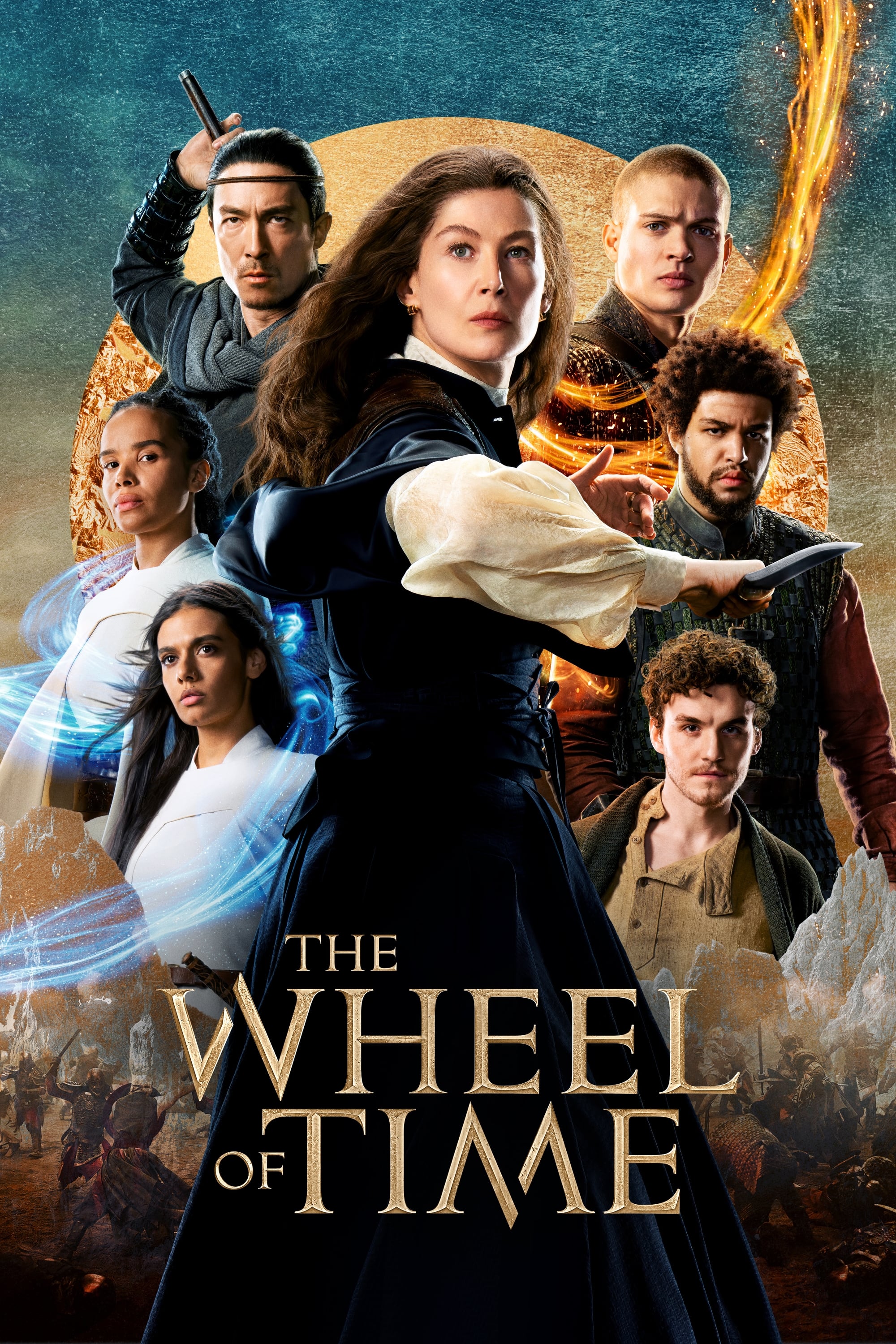
‘The Wheel of Time’ faced a vocal segment of fans calling for a boycott due to the diverse casting of the inhabitants of Emond’s Field. In Robert Jordan’s book series, the village is described as relatively isolated, leading some readers to believe the cast should look more uniform. Showrunner Rafe Judkins defended the casting choices, stating that the world of the books was intended to be diverse and global. The series has since become a major hit for Amazon Prime Video, moving past the initial controversy.
‘The Sandman’ (2022–Present)
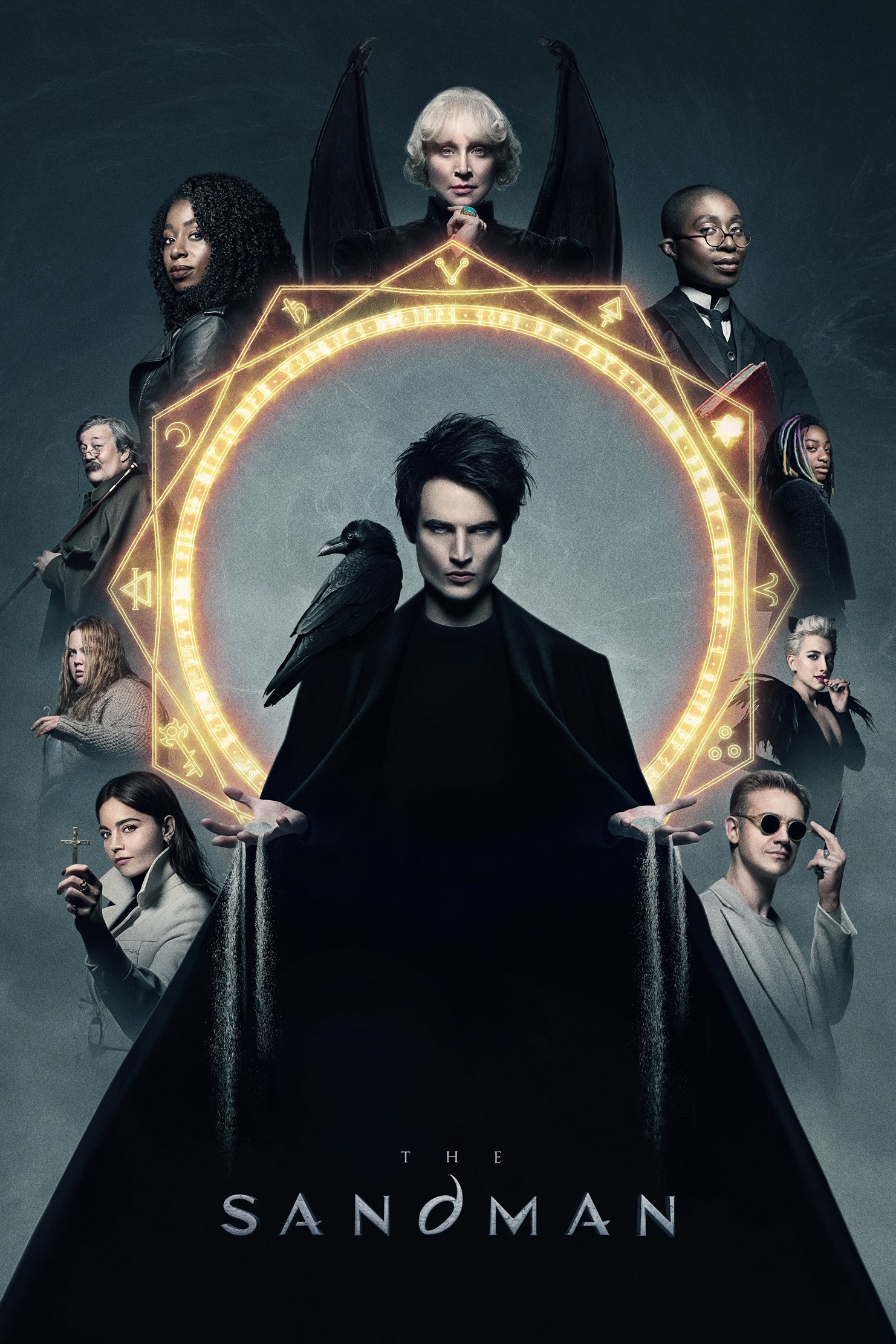
‘The Sandman’ creator Neil Gaiman personally responded to boycott threats after the casting of Gwendoline Christie as Lucifer and Kirby Howell-Baptiste as Death. Fans of the graphic novels complained that the characters’ genders and races had been changed from the source material. Gaiman pointed out that the characters are immortal entities whose appearances are fluid and not bound by human demographics. The series received high praise upon release for its visual faithfulness and strong performances from the cast.
‘Watchmen’ (2019)
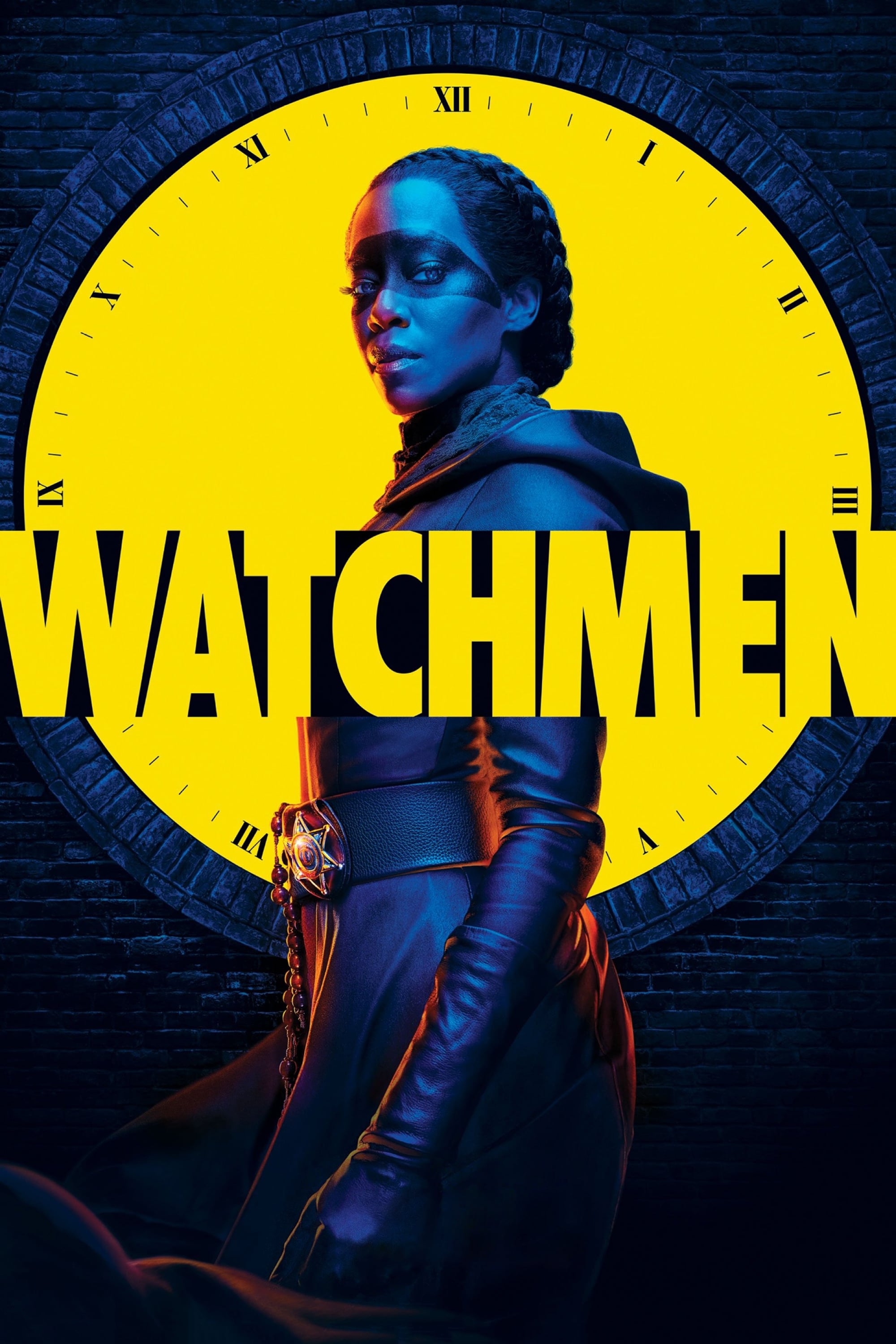
The HBO series ‘Watchmen’ was met with a boycott from some fans of the original graphic novel who were unhappy with the new lead characters and political focus. The casting of Regina King as Angela Abar and the exploration of racial injustice in America led to accusations that the show was too politically charged. Many purists felt the series was a sequel that did not understand Alan Moore’s original work. However, the show became a critical darling and won multiple Emmy Awards, including one for King’s performance.
‘Star Trek: Discovery’ (2017–2024)
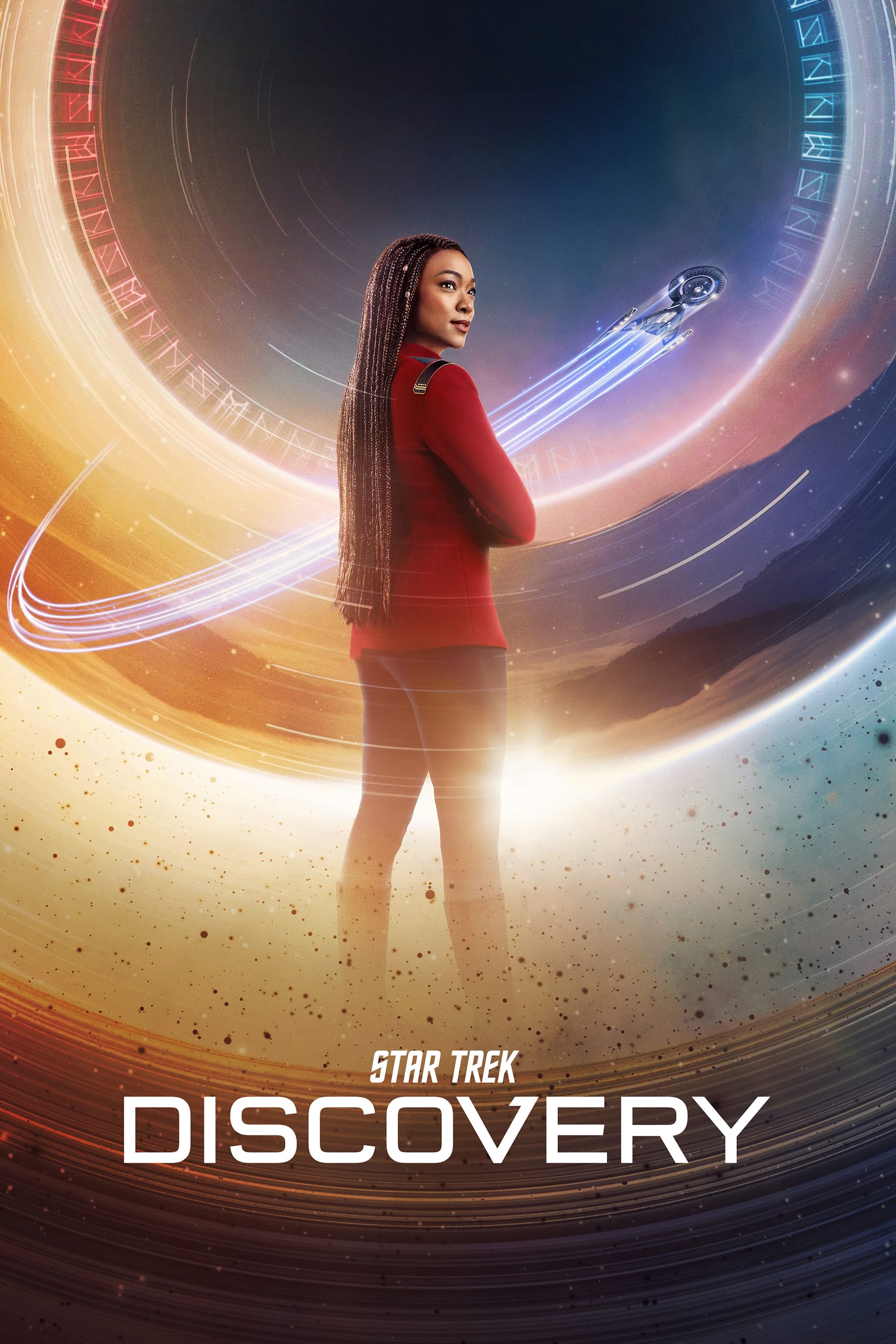
‘Star Trek: Discovery’ faced a boycott from a vocal minority of fans after Sonequa Martin-Green was cast as the lead character, Michael Burnham. Some viewers claimed that a Black woman leading a ‘Star Trek’ series was a sign of the franchise becoming too focused on contemporary social issues. These critics often targeted the show’s diverse supporting cast as well, claiming it moved away from the spirit of the original series. In reality, the franchise has a long history of promoting diversity, and ‘Discovery’ successfully ran for five seasons.
‘Willow’ (2022)
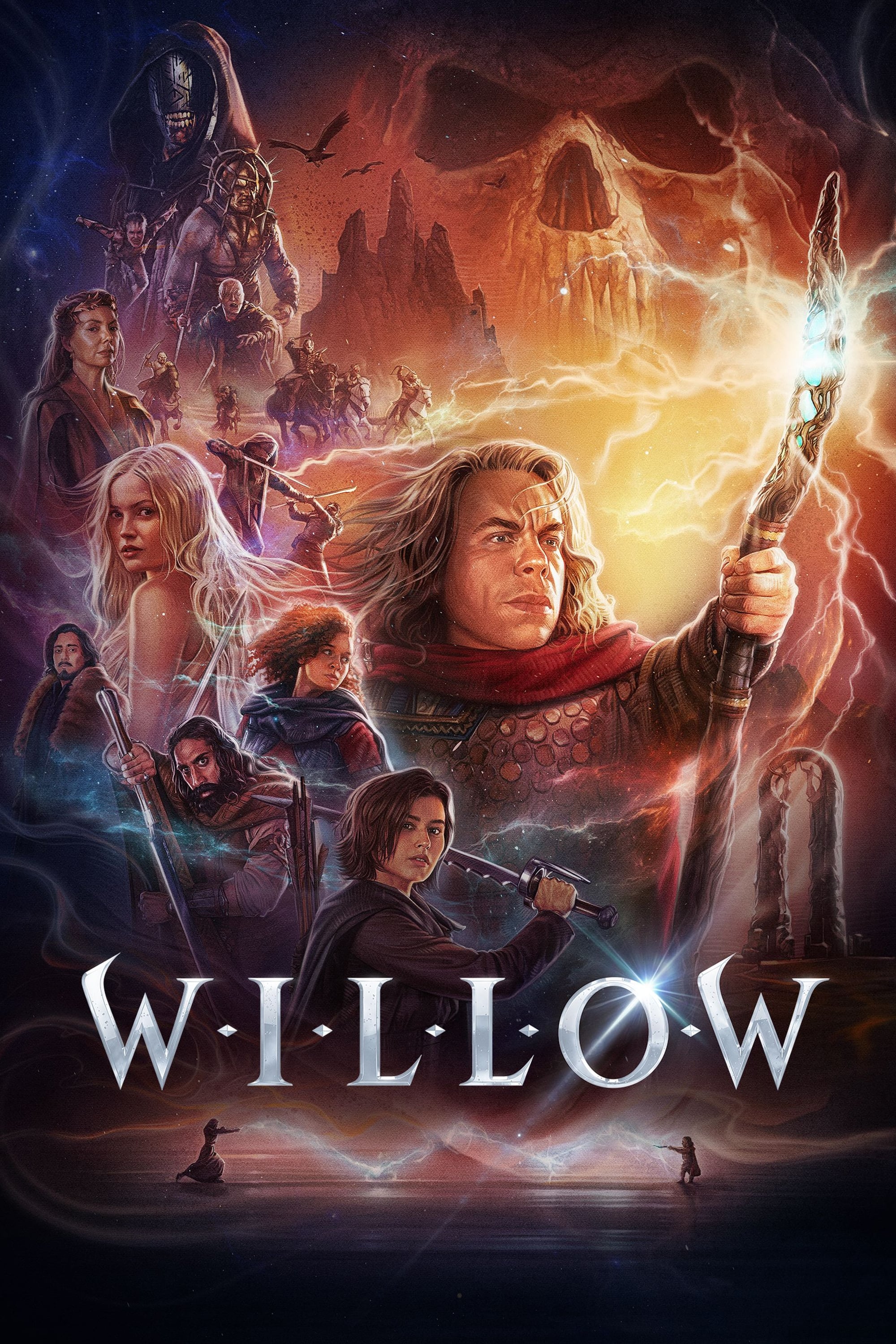
The Disney+ series ‘Willow’ encountered a boycott campaign from fans of the 1988 film who were unhappy with the new ensemble cast. Critics focused on the show’s emphasis on younger, diverse characters and its lighter, more modern tone compared to the original fantasy film. Some fans felt the casting of the new heroes overshadowed Warwick Davis’s return as the title character. The series was eventually removed from the streaming platform less than a year after its release due to a broader content strategy shift.
‘Pam & Tommy’ (2022)
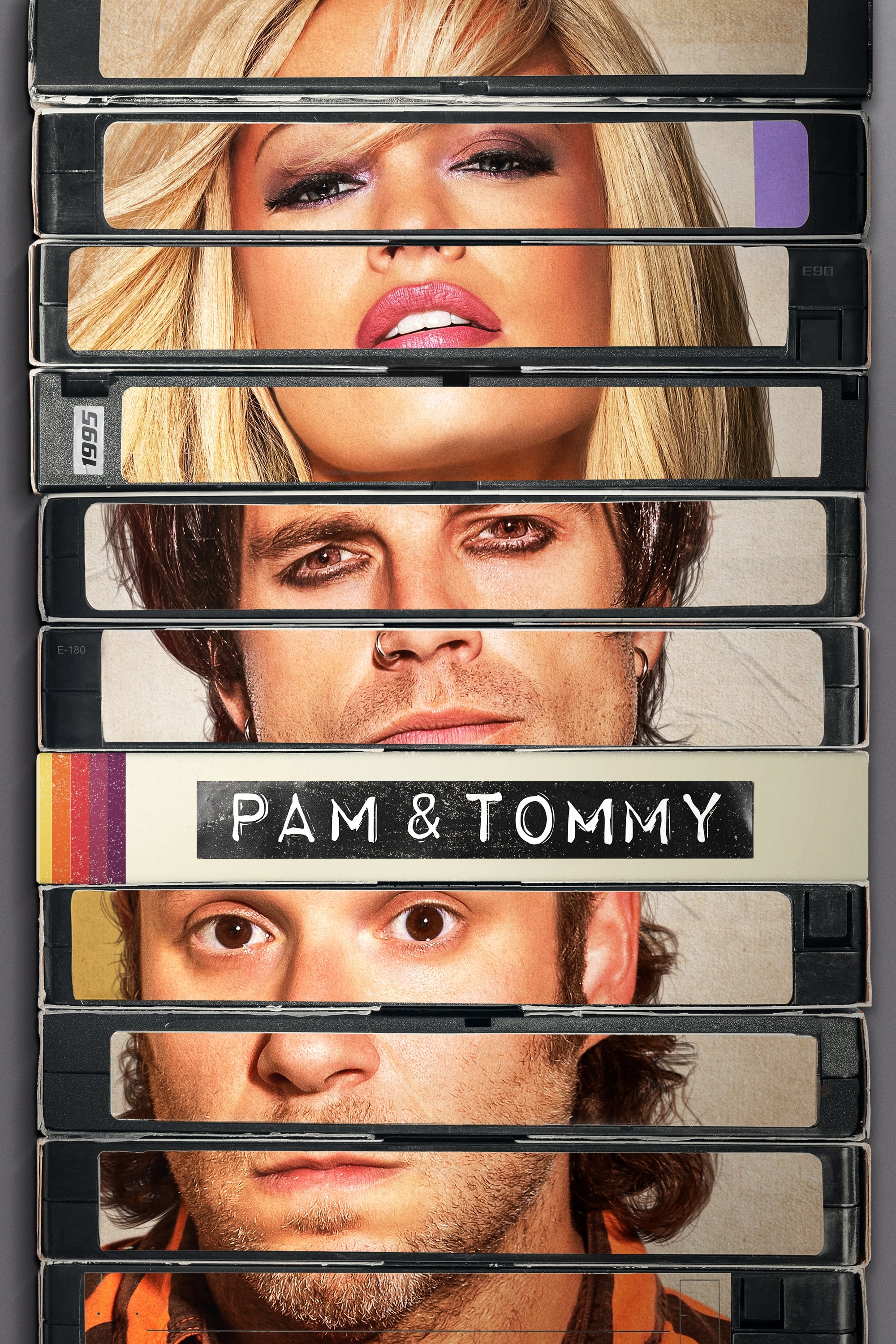
‘Pam & Tommy’ was the subject of a boycott call from supporters of Pamela Anderson, as the series was produced without her consent. While Lily James and Sebastian Stan were praised for their transformations, many felt the casting and the project itself re-traumatized Anderson. The actress later confirmed in her documentary that she had no desire to see the series or the portrayal of her life’s most difficult moments. The controversy raised significant ethical questions about casting actors to play living people in unauthorized biopics.
‘The Crown’ (2016–2023)
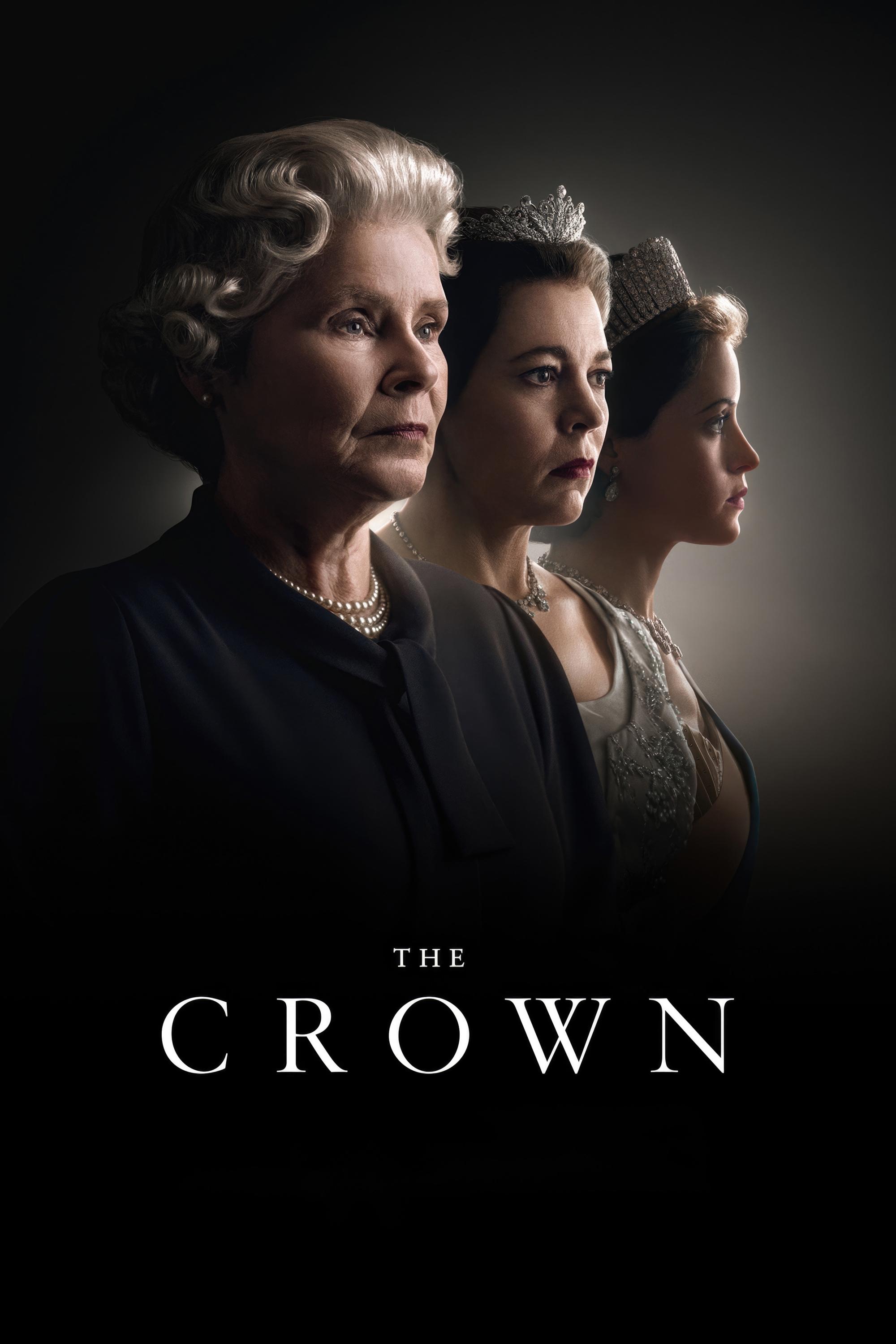
The fifth season of ‘The Crown’ faced backlash for casting Dominic West as Prince Charles, with many critics arguing he was too handsome for the role. Fans of the royal family also called for a boycott, fearing the series would unfairly portray the then-Prince of Wales during his divorce from Princess Diana. The show’s producers insisted that West captured the essence and mannerisms of the royal, regardless of physical resemblance. The debate continued as the series moved into the modern era of the British monarchy’s history.
‘Gossip Girl’ (2021–2023)
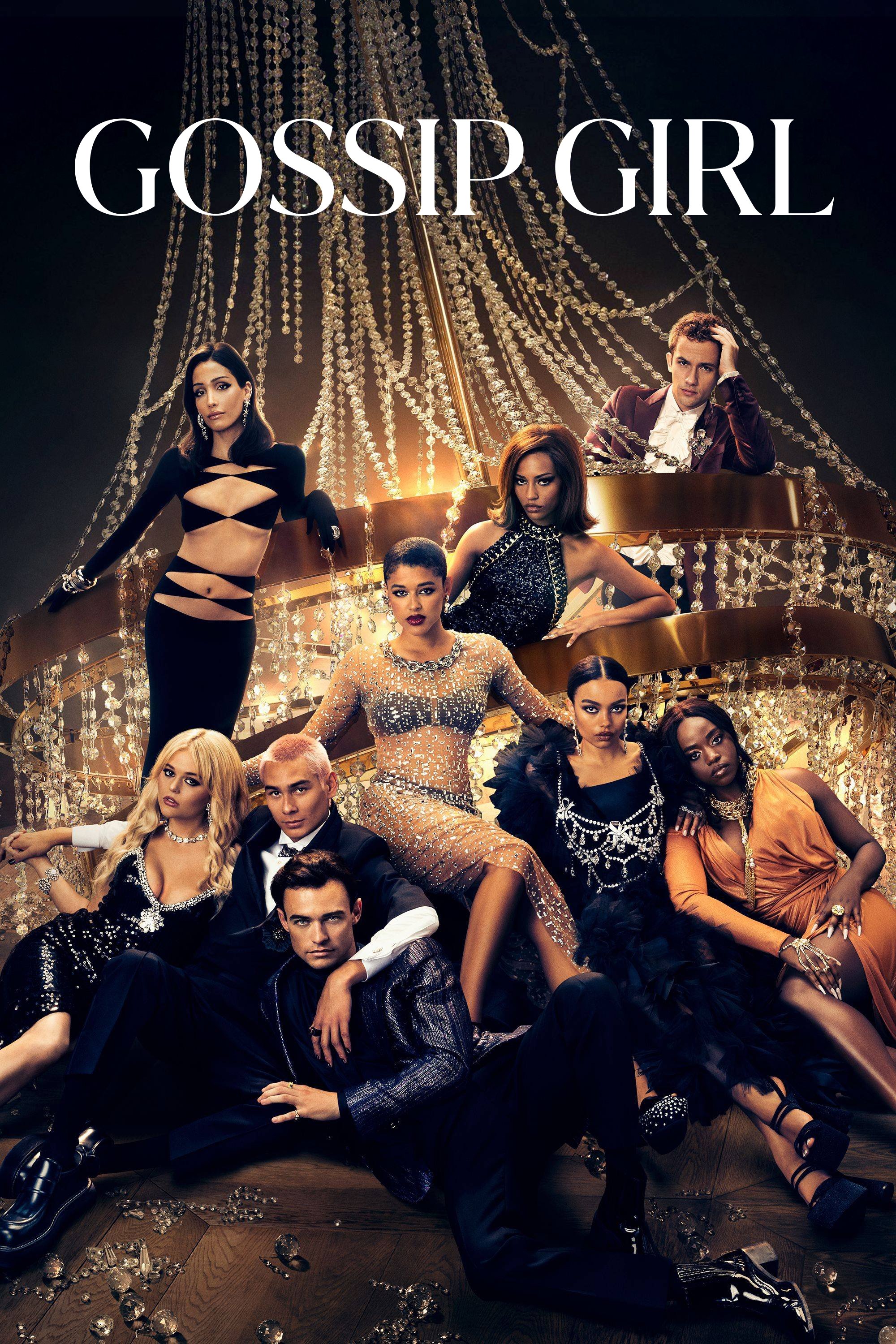
The ‘Gossip Girl’ reboot on HBO Max faced an uphill battle and boycott calls from fans of the original series who disliked the new cast. The shift toward a more diverse and socially conscious group of students was seen by some as a departure from the escapism of the original. Critics of the casting felt the new characters lacked the charisma and energy of the original leads. The show was ultimately canceled after two seasons as it struggled to maintain the original’s cultural impact.
‘The First Lady’ (2022)
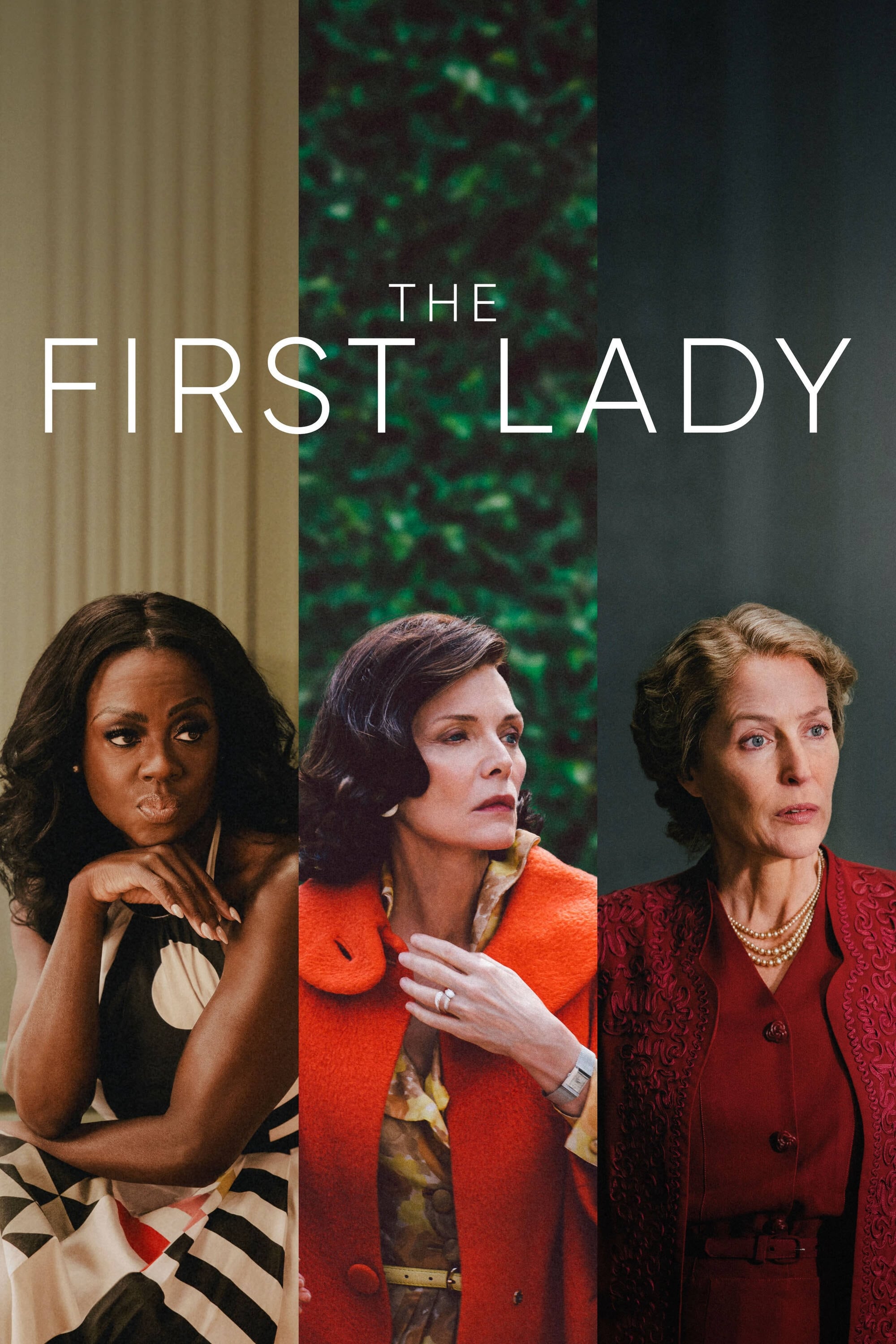
‘The First Lady’ received significant social media backlash for the casting of Viola Davis as former First Lady Michelle Obama. Despite Davis’s status as an Academy Award winner, her performance was widely criticized online for her specific facial expressions and mannerisms. This negative attention led to a soft boycott by viewers who felt the portrayal was a caricature rather than a tribute. Davis defended her work by stating that critics often do not understand the difficulty of an actor’s choices when playing such iconic figures.
‘Vikings: Valhalla’ (2022–2024)

The casting of Caroline Henderson as Jarl Haakon in ‘Vikings: Valhalla’ sparked a boycott movement among some viewers who cited historical inaccuracies. In the series, Haakon is portrayed as a Black woman ruling over Kattegat, which led to debates regarding the demographics of Viking-era Scandinavia. Producers defended the choice by explaining the character was a fictional composite inspired by historical global trade and movement. The show continued for multiple seasons, though the casting remained a point of contention for historical purists.
Share your thoughts on these controversial casting decisions in the comments.