Black Actresses Who Were Harassed for Being “Not Black Enough” by Social Media

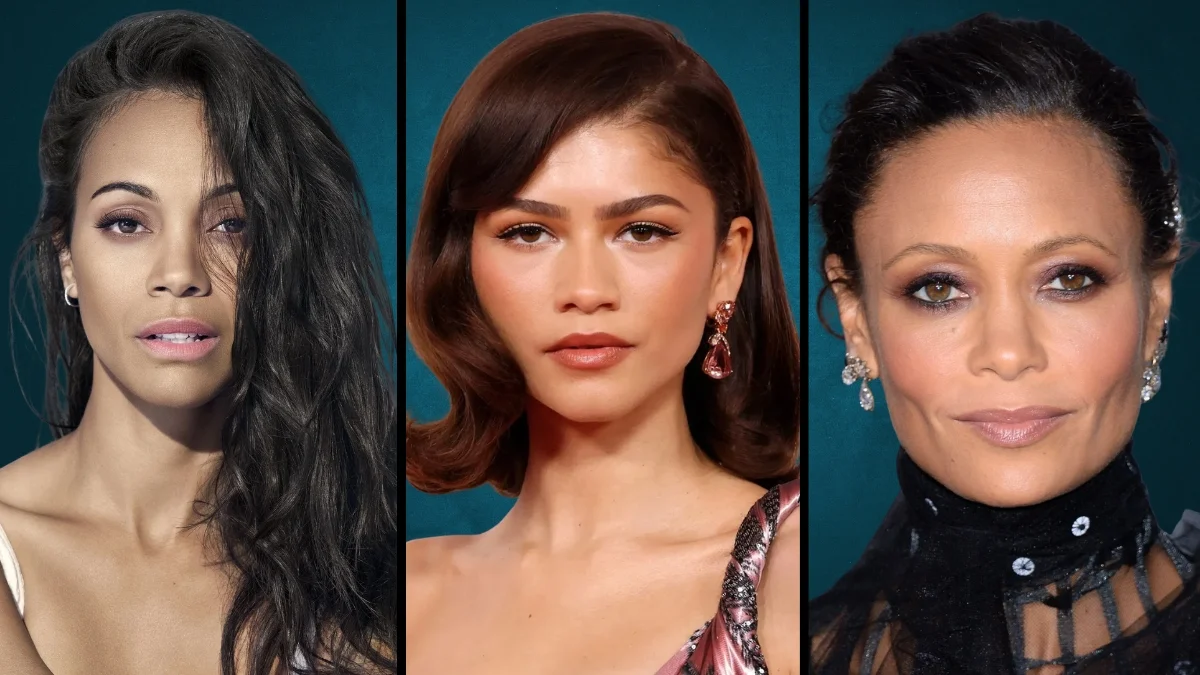

The entertainment industry has long struggled with issues of representation, but the rise of social media has brought a new level of scrutiny to casting decisions. Many Black actresses, particularly those who are biracial or light-skinned, have found themselves at the center of intense debates regarding their identity and suitability for specific roles. These discussions often revolve around the concept of colorism and the historical preference for certain features over others in Hollywood. While some of this criticism aims to advocate for darker-skinned representation, it frequently manifests as targeted harassment toward individual performers. The following actresses have all navigated public controversy regarding whether they are “Black enough” for their roles or the industry at large.
Zendaya

The actress has frequently addressed the colorism she benefits from within Hollywood during various interviews and panels. Despite her success in ‘Euphoria’, social media users often criticize her casting in roles they feel should go to darker-skinned women. She has been vocal about being the industry’s “acceptable version” of a Black girl. These discussions often intensify when she is cast in high-profile projects like ‘Spider-Man: Homecoming’.
Amandla Stenberg
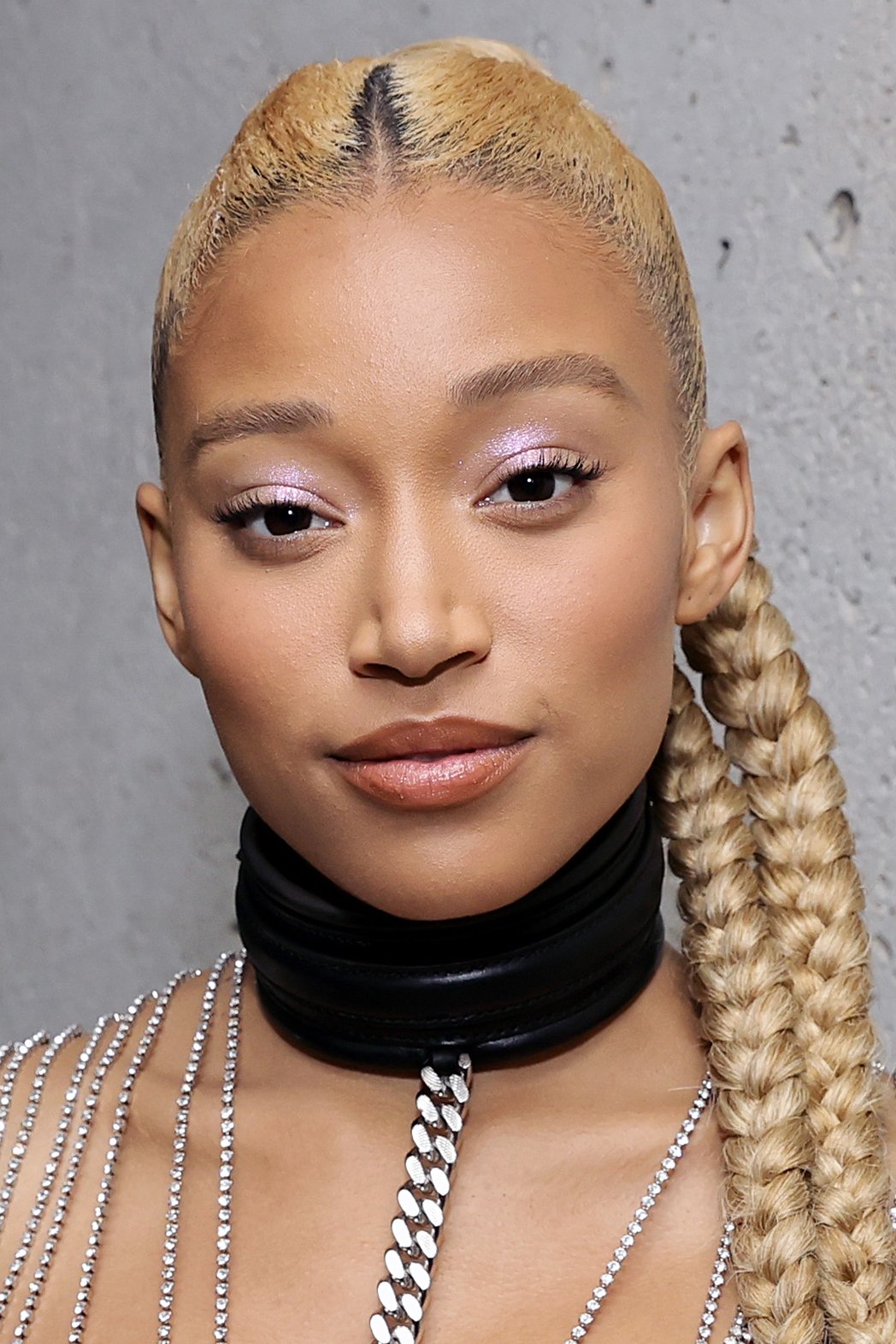
The performer faced significant backlash when they were cast as Starr Carter in the film adaptation of ‘The Hate U Give’. Fans of the original novel pointed out that the character on the book cover was much darker than Stenberg. This sparked a heated online debate regarding the erasure of dark-skinned Black women in leading roles. Stenberg eventually acknowledged the validity of the colorism conversation while defending their connection to the story.
Alexandra Shipp
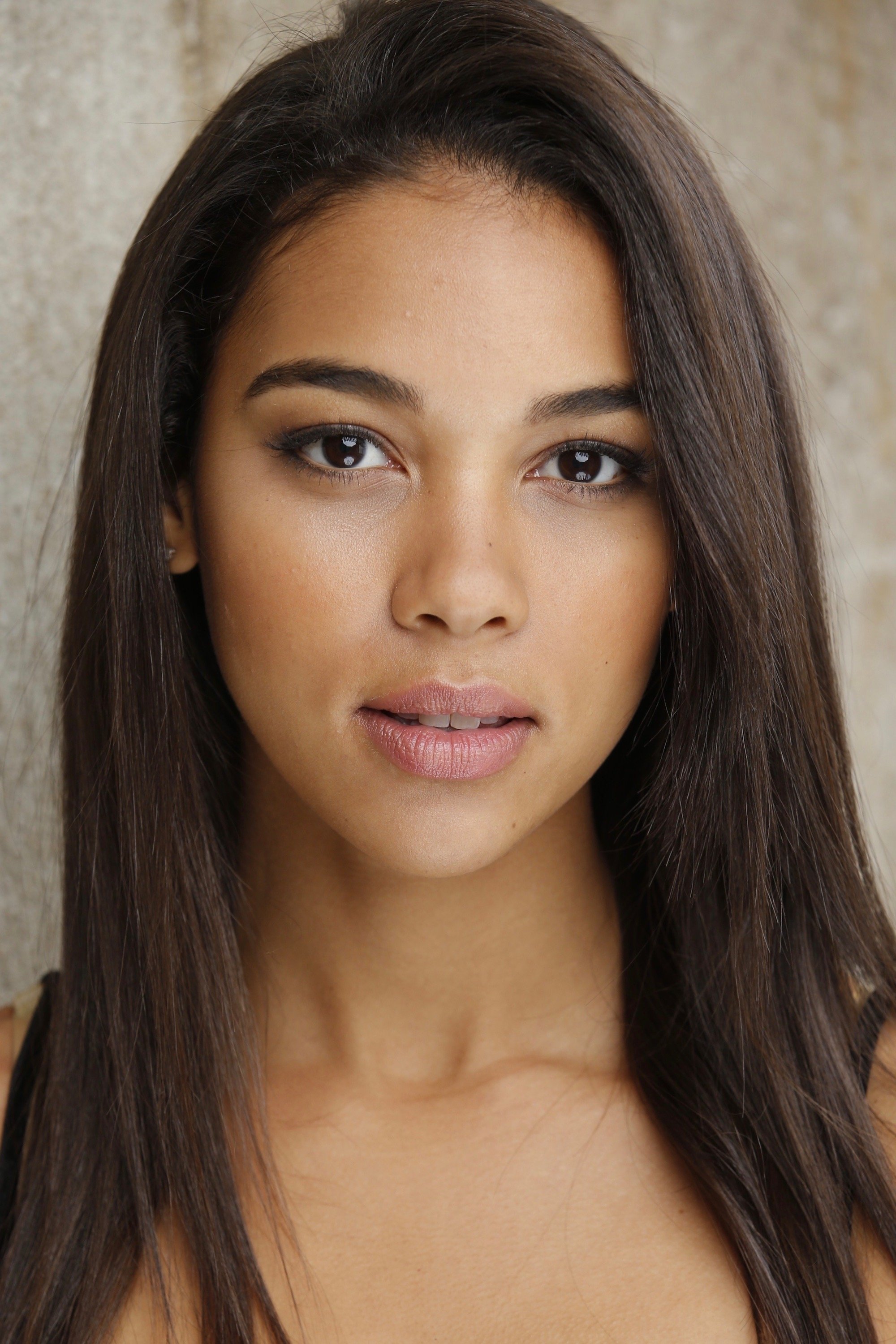
When she was cast as Storm in ‘X-Men: Apocalypse’, social media users immediately questioned her suitability for the role. The character of Storm in the comic books is depicted as a Kenyan princess with deep, dark skin, leading many to feel Shipp’s casting was a missed opportunity for representation. Shipp often engaged with critics on platforms like Twitter to defend her identity and her right to play the iconic mutant. The controversy persisted throughout her tenure in the ‘X-Men’ franchise.
Zoe Saldaña
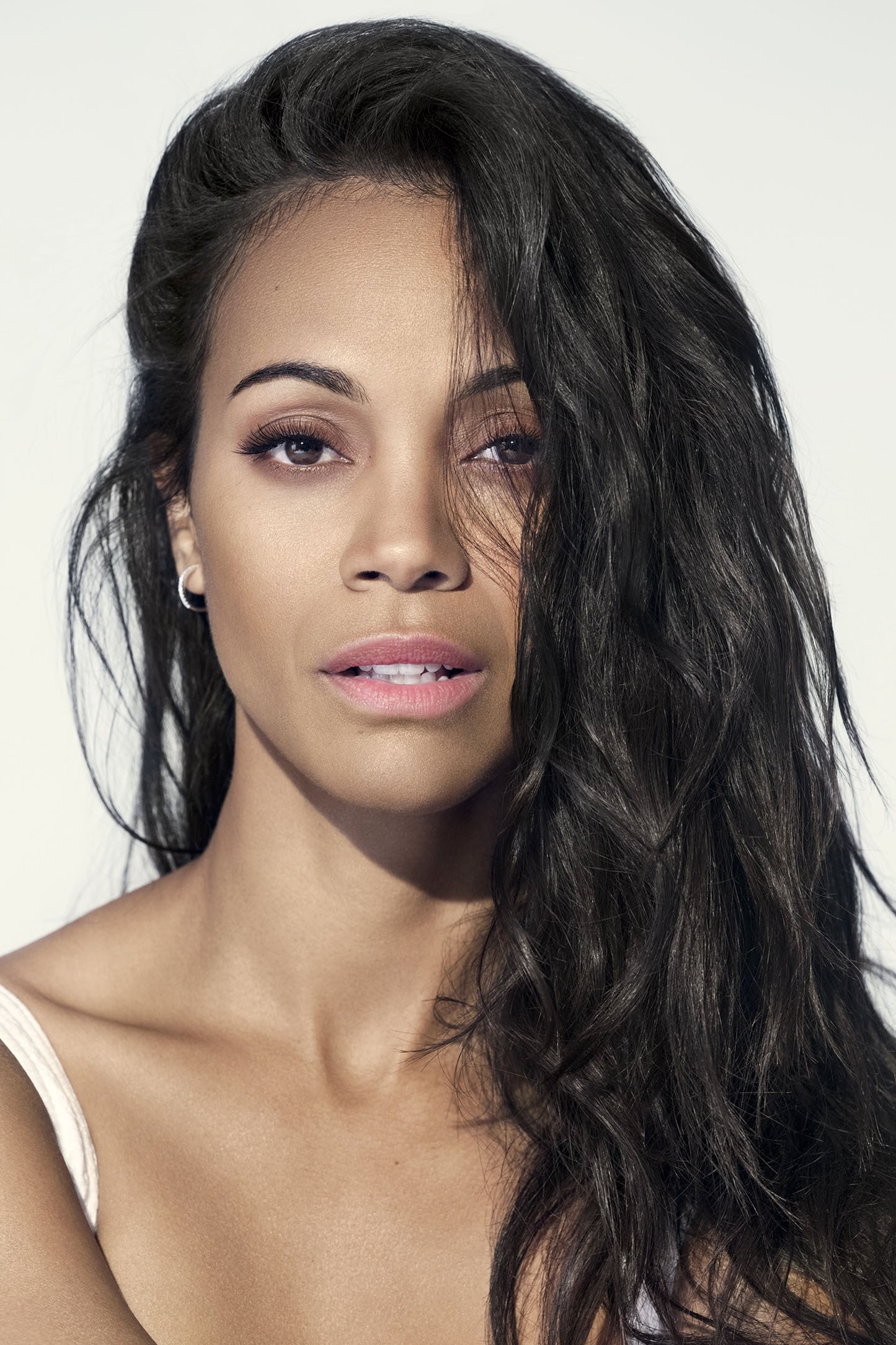
The actress encountered intense scrutiny for her portrayal of legendary singer Nina Simone in the biopic ‘Nina’. To resemble Simone, Saldana wore a prosthetic nose and skin-darkening makeup, which many fans deemed offensive and unnecessary. Critics argued that a dark-skinned actress should have been cast to accurately represent Simone’s life and struggles with colorism. Saldana later expressed regret for taking the role, acknowledging that she should have used her influence to help cast a woman who looked more like the musician.
Thandiwe Newton

While promoting the film ‘God’s Country’, the actress tearfully apologized to darker-skinned actresses for being the one chosen for prominent roles. She discussed her awareness that her light skin made her more “palatable” to Hollywood executives throughout her career. Social media reaction to her apology was mixed, with some praising her honesty and others criticizing her for taking the roles in the first place. Her long career, including roles in ‘Westworld’, has often been a focal point for discussions on colorism.
Logan Browning
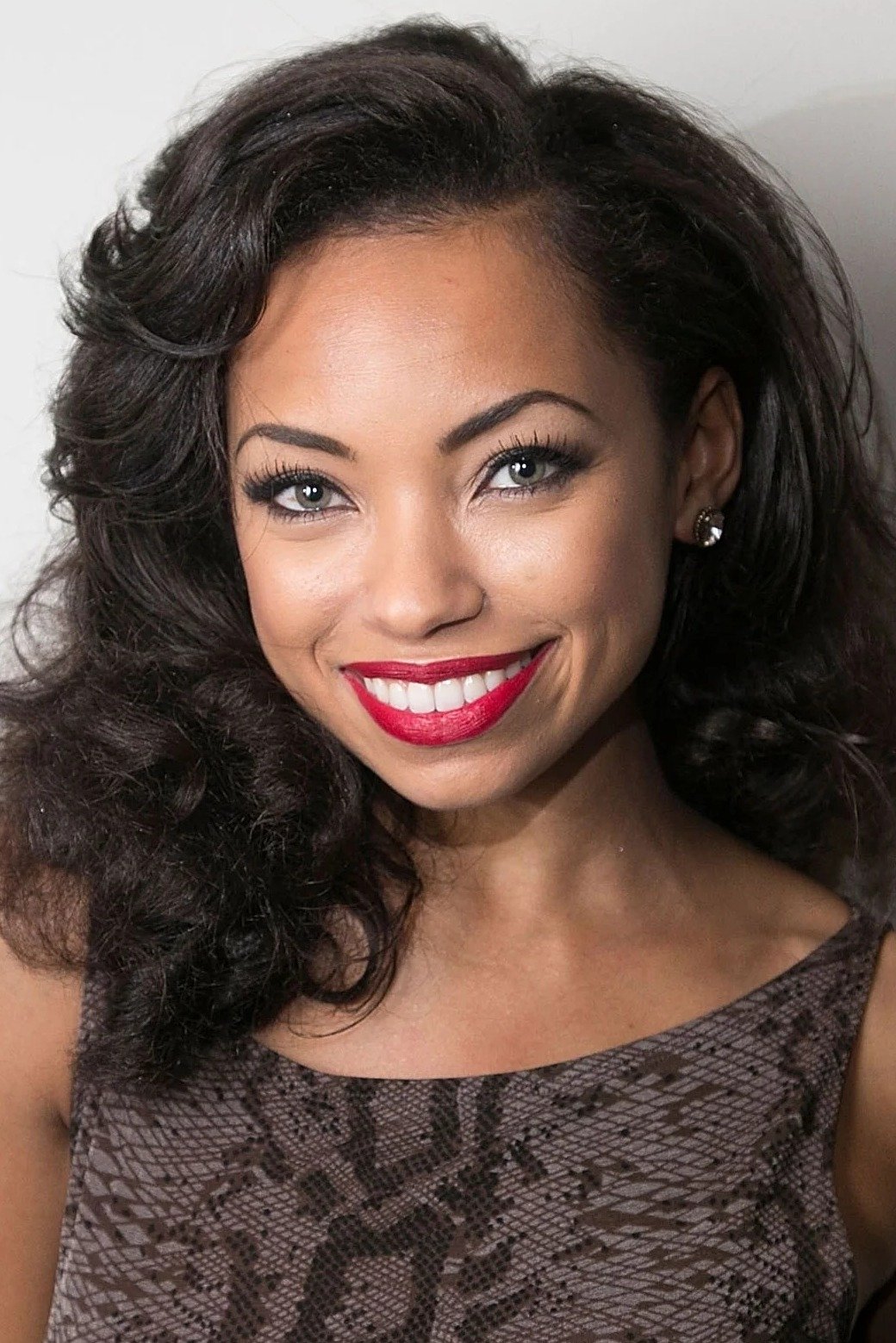
As the lead in the television series ‘Dear White People’, she plays a character who is an outspoken activist for Black rights. Off-screen, Browning has faced comments from social media users who question her authority on Black issues due to her biracial heritage. She has used her platform to discuss the nuances of being biracial and how it shapes her experience as a Black woman. Despite the criticism, she remains a prominent voice in advocating for diversity within the entertainment industry.
Tessa Thompson
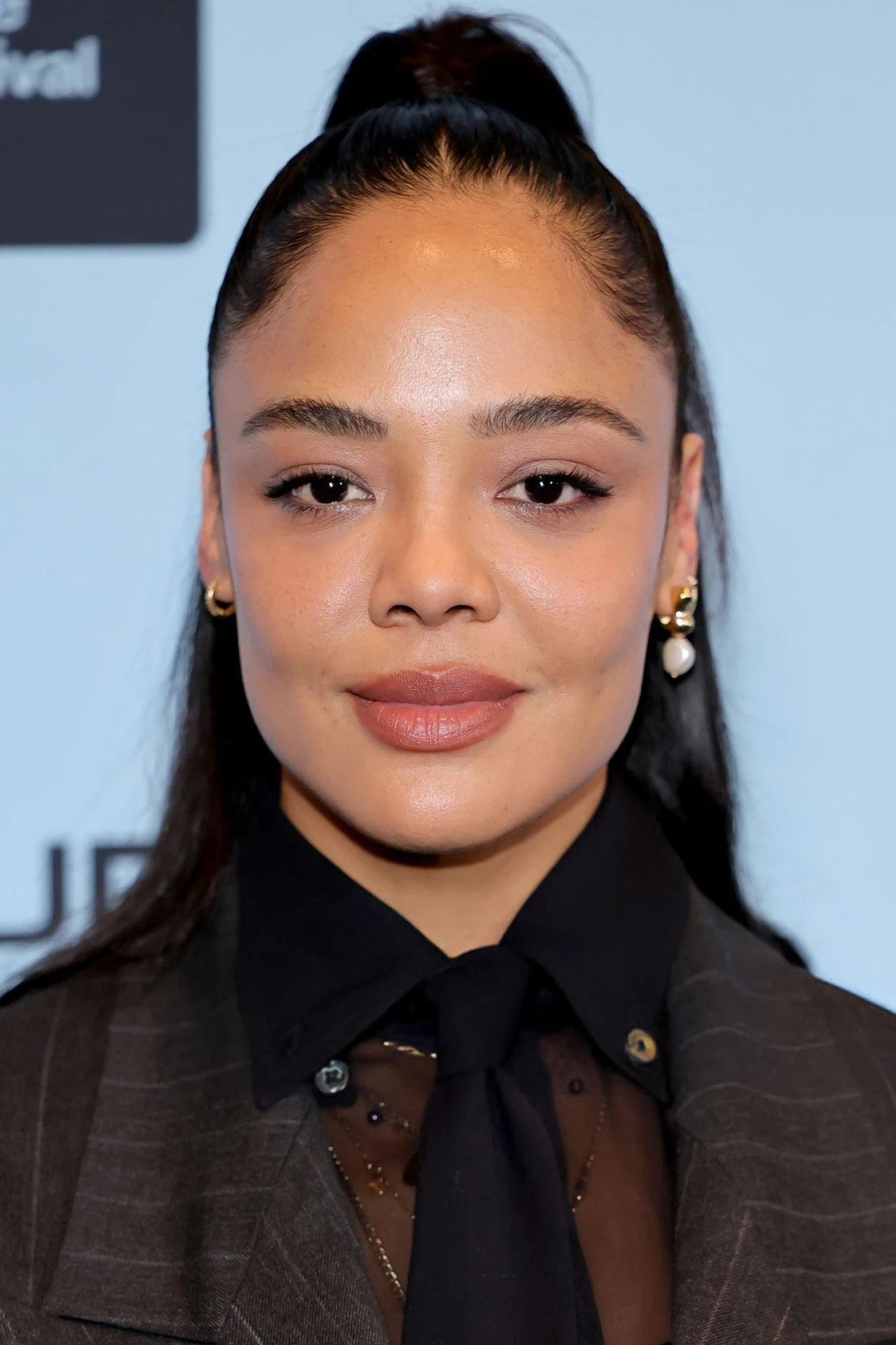
Her casting as Valkyrie in ‘Thor: Ragnarok’ drew criticism from those who felt the character should remain white as depicted in Norse mythology, but she also faced internal community pressure. Some social media users argued that Thompson, being biracial, was often chosen over darker-skinned actresses for warrior roles. Thompson has addressed these critiques by emphasizing the need for a wider spectrum of Black representation in film. She continues to be a major figure in both independent cinema and large-scale blockbusters like ‘Creed’.
Yara Shahidi
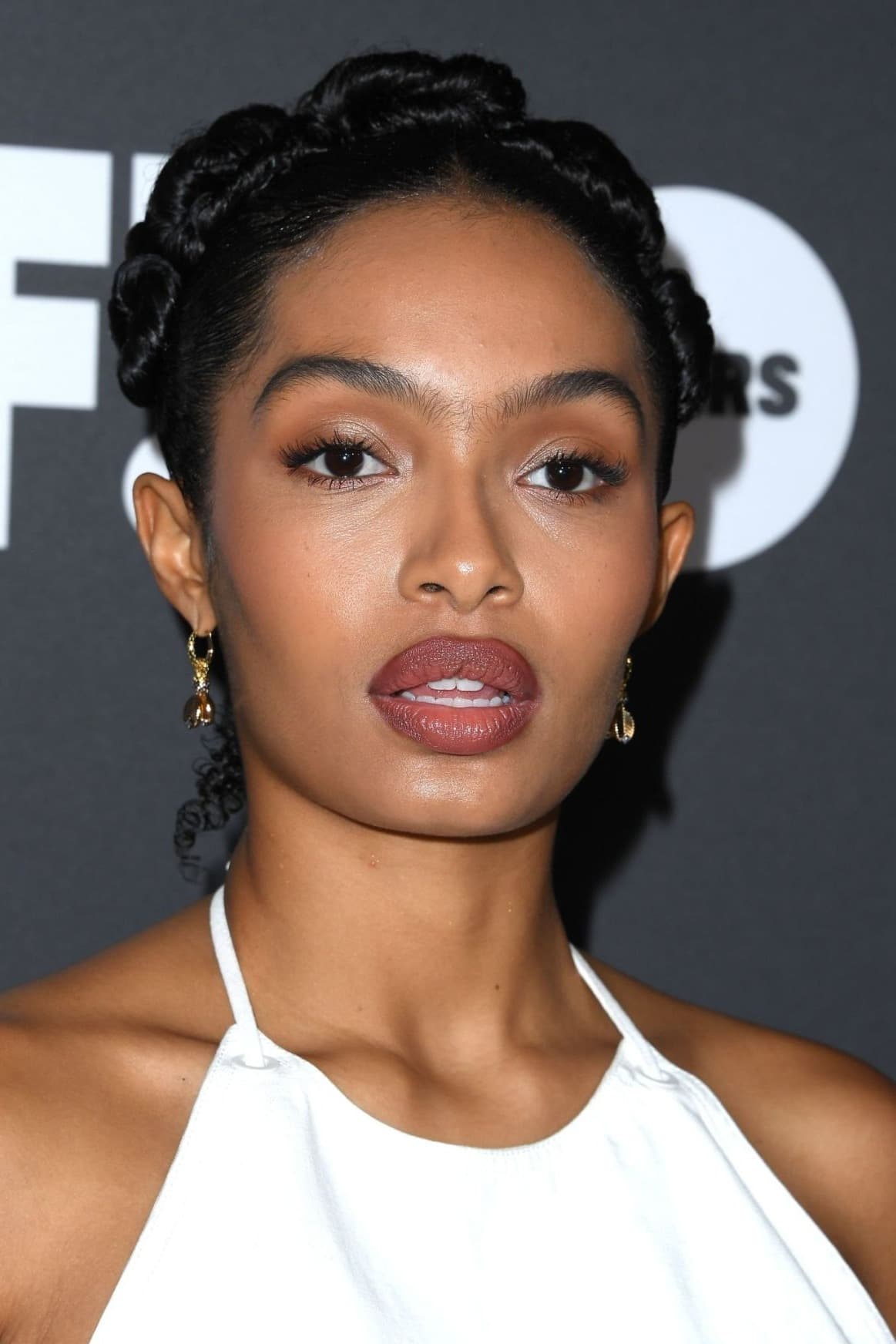
The ‘Black-ish’ star has frequently been at the center of social media debates regarding identity and colorism. Critics often point to her as an example of the specific “aesthetic” that Hollywood prefers over darker-skinned talent. When she was cast as Tinker Bell in ‘Peter Pan & Wendy’, the discourse expanded to include her suitability for classic roles. Shahidi has consistently responded by advocating for more opportunities for all Black women while acknowledging her own industry privilege.
Candice Patton
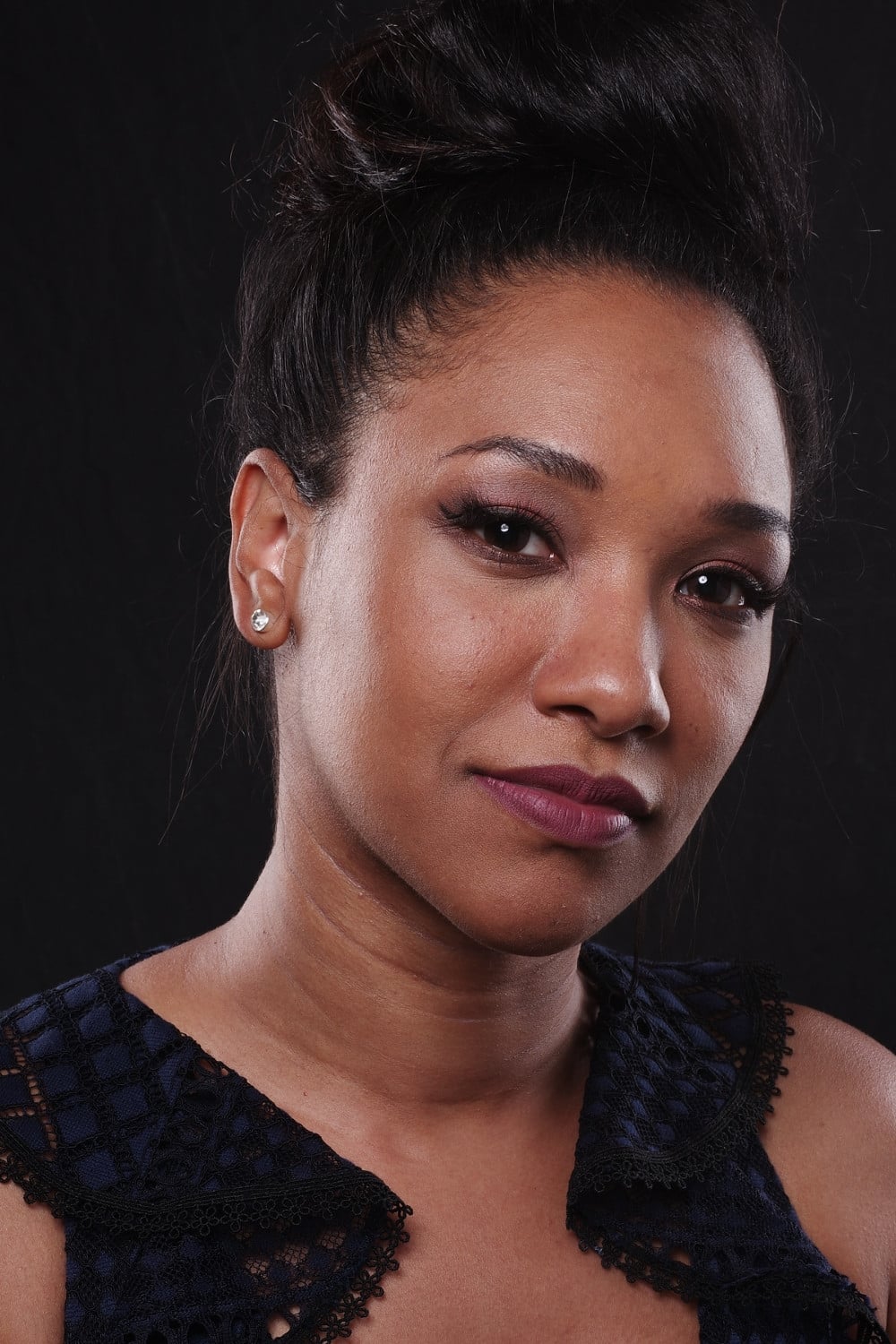
For years, the actress has dealt with harassment from fans of ‘The Flash’ who were unhappy with her portrayal of Iris West. While much of the vitriol was racist in nature, she also faced comments from those within the community who critiqued her for not being “Black enough” in her presentation. Patton has been open about the lack of support she felt from the studio during these online attacks. She has used her experience to highlight the unique challenges faced by Black women in the superhero genre.
Zazie Beetz
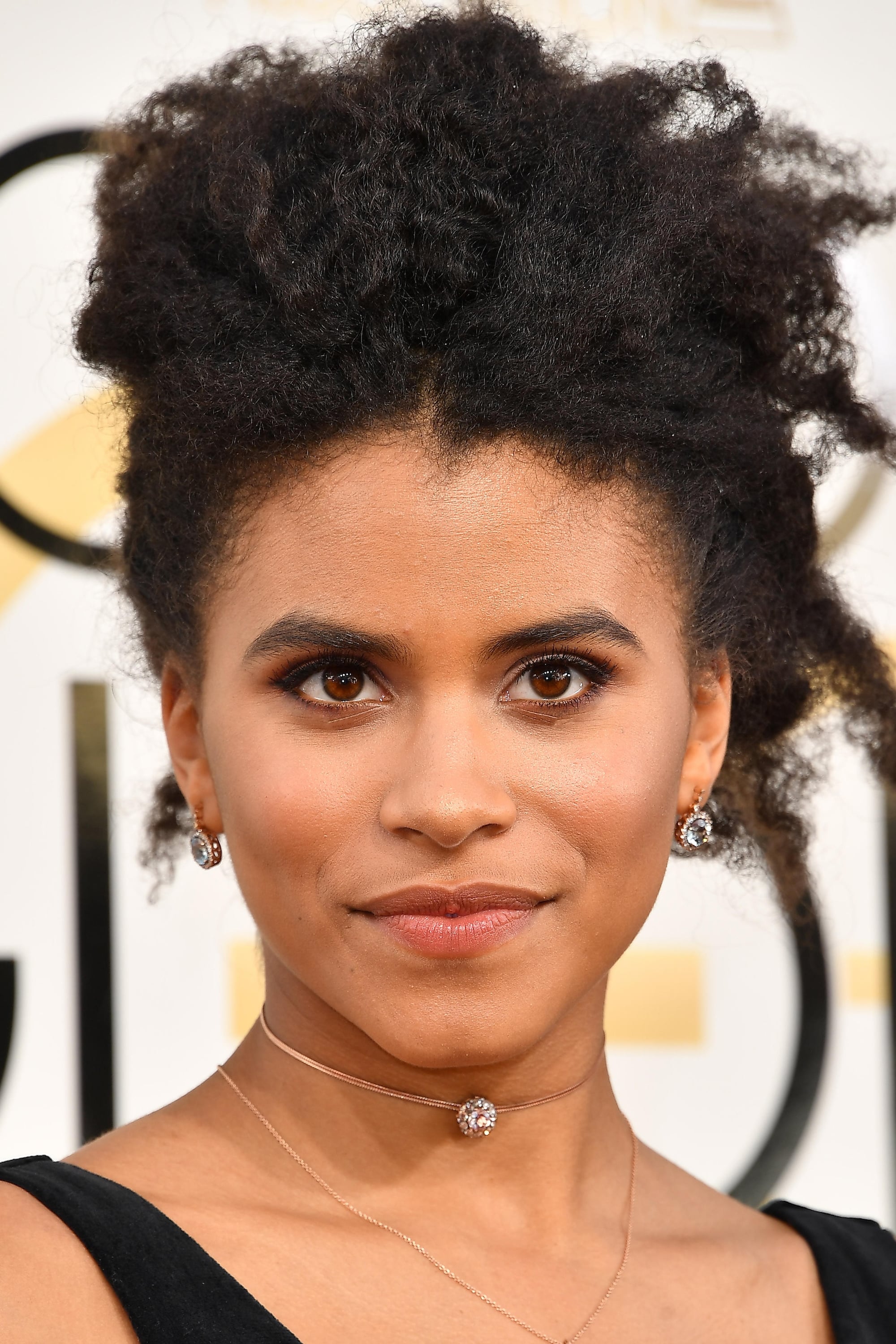
After being cast as Domino in ‘Deadpool 2’, Beetz faced a wave of online criticism regarding her appearance and hair texture. The comic book version of the character is typically depicted with white skin and a black patch, but many fans took the opportunity to debate Beetz’s biracial identity. Some social media users argued that she did not fit the visual expectations for the character or the broader representation of Black women. Beetz addressed the noise by focusing on her performance and the importance of diversifying traditional character archetypes.
Nathalie Emmanuel
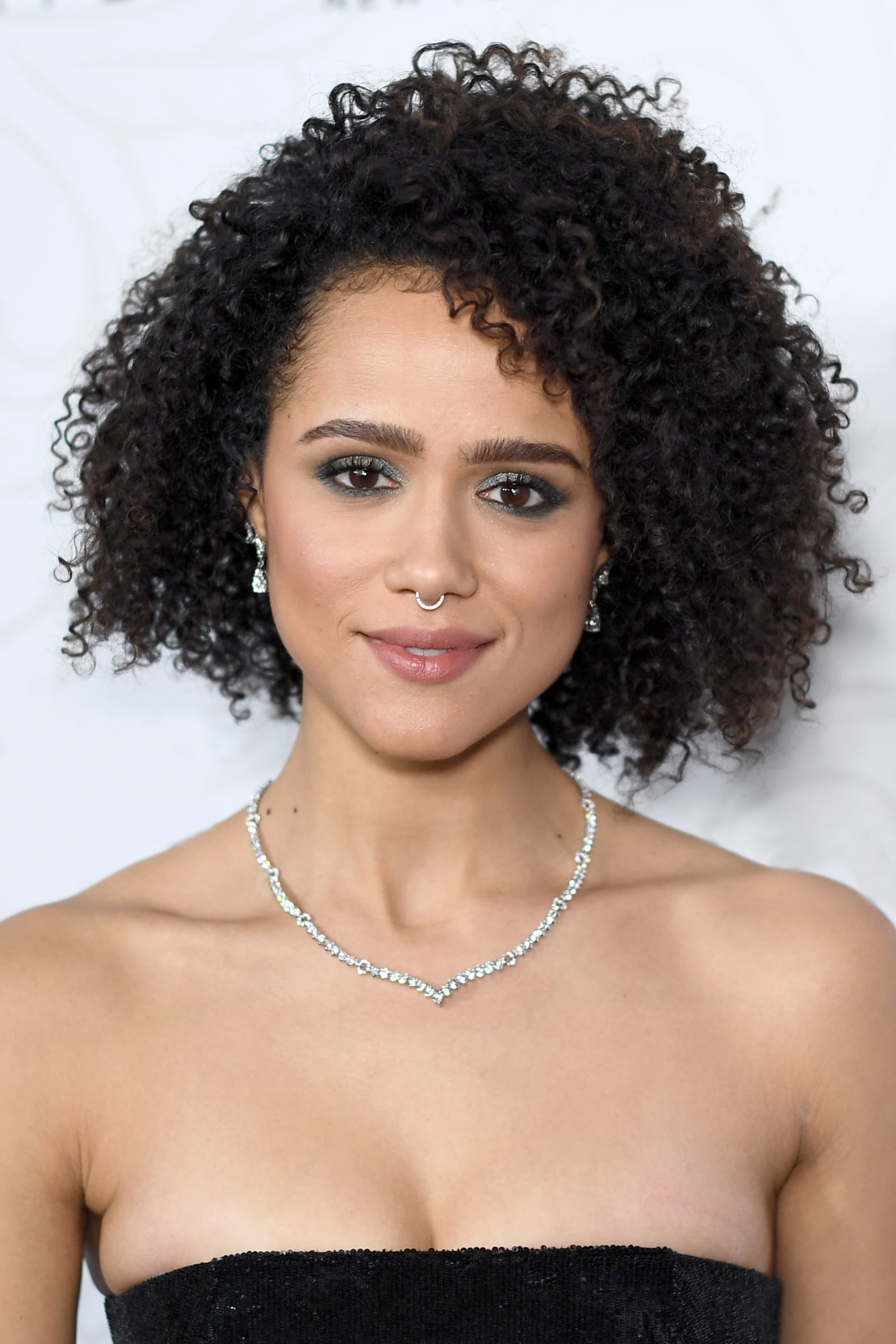
Known for her role as Missandei in ‘Game of Thrones’, the actress has often been part of the conversation regarding the lack of dark-skinned women in fantasy media. Social media users have pointed out that she was often the only representative of Black womanhood in major franchises, which put an unfair burden of representation on her. She has spoken out about the need for Hollywood to stop using biracial women as a “shorthand” for diversity. Emmanuel continues to advocate for more inclusive casting practices across the international industry.
Kat Graham
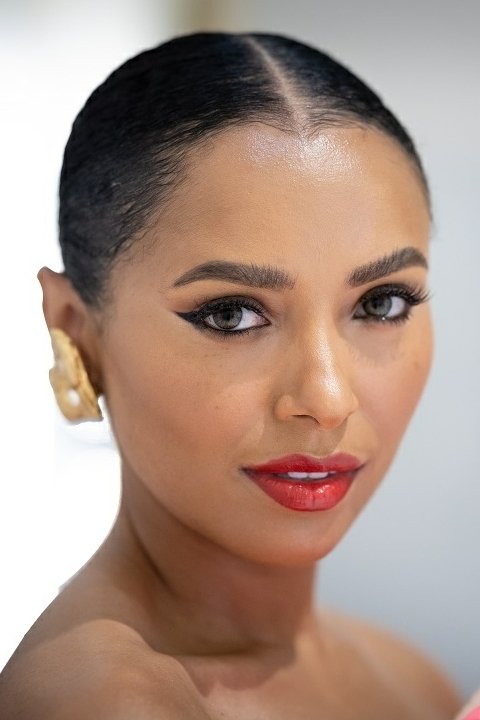
During her time on ‘The Vampire Diaries’, Graham’s character Bonnie Bennett was often sidelined, leading to frustration among fans. However, Graham also faced comments from social media users who scrutinized her biracial background and her place in the Black community. She has since discussed the difficulties of navigating an industry that often tries to categorize or limit Black identity based on physical traits. Graham has pivoted toward music and film projects that allow her more creative control over her image.
Kiersey Clemons
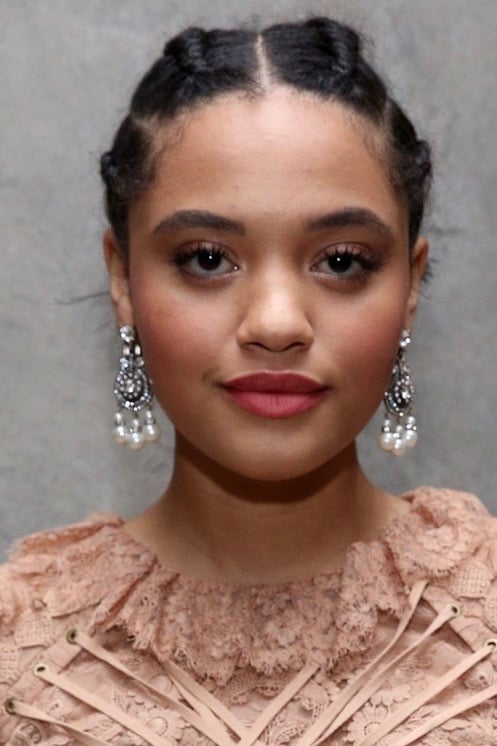
The actress, who appeared as Iris West in ‘Zack Snyder’s Justice League’, has faced her share of social media gatekeeping. Like other biracial actresses in the DC Extended Universe, she has been subjected to debates about whether she “looks the part” for iconic characters. These discussions often involve arguments about colorism and the types of Black women who are allowed to be love interests in major films. Clemons has remained largely focused on her work, taking on diverse roles in both indie films and mainstream projects.
Laura Harrier
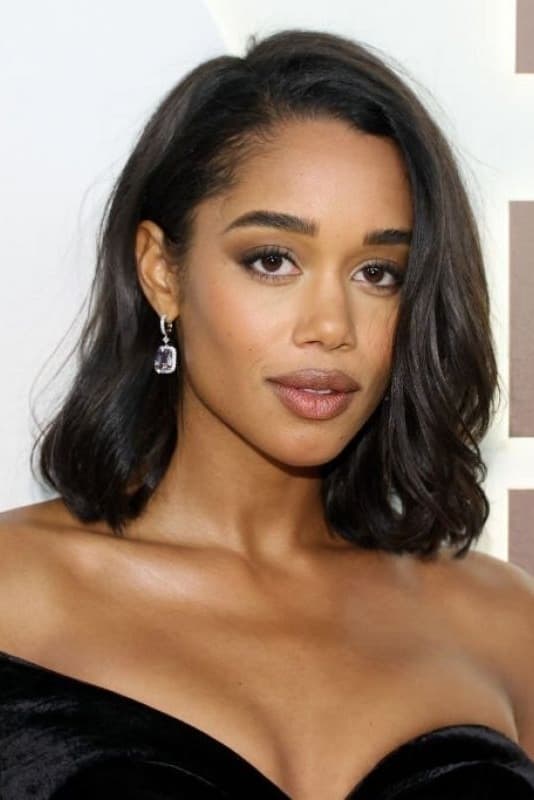
After starring in ‘Spider-Man: Homecoming’, Harrier became a frequent subject of discussions regarding Hollywood’s preference for light-skinned actresses. Social media users often compared her casting to the lack of opportunities for darker-skinned women in the Marvel Cinematic Universe. Harrier has acknowledged the ongoing issues with colorism in the industry and the importance of having these difficult conversations. She continues to work in high-fashion and film, often highlighting the need for systemic change in casting.
Rashida Jones
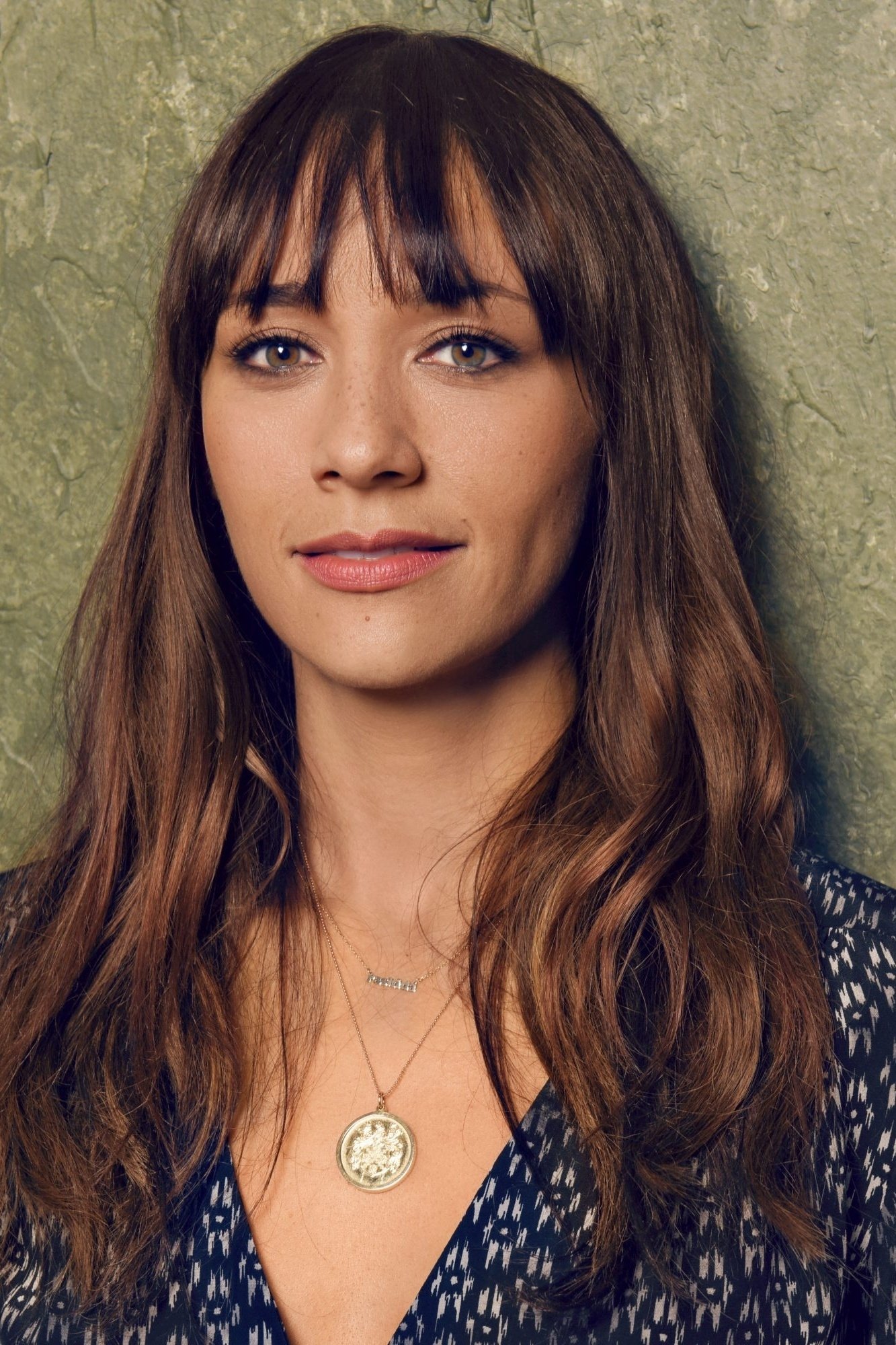
Because she is biracial and has a lighter complexion, the ‘Parks and Recreation’ actress has frequently had her Blackness questioned by social media users. Many were unaware of her heritage as the daughter of Quincy Jones, leading to surprised and sometimes hostile reactions online. Jones has spoken about the “passing” privilege she experiences and the confusion it causes regarding her public identity. She has used her career as both an actress and a producer to tell stories that reflect a wide range of human experiences.
Please share your thoughts on the impact of colorism in Hollywood casting in the comments.