LGBTQ+ Celebrities Who Claim the Industry Still Forces Them Into “Straight-Passing” Personas

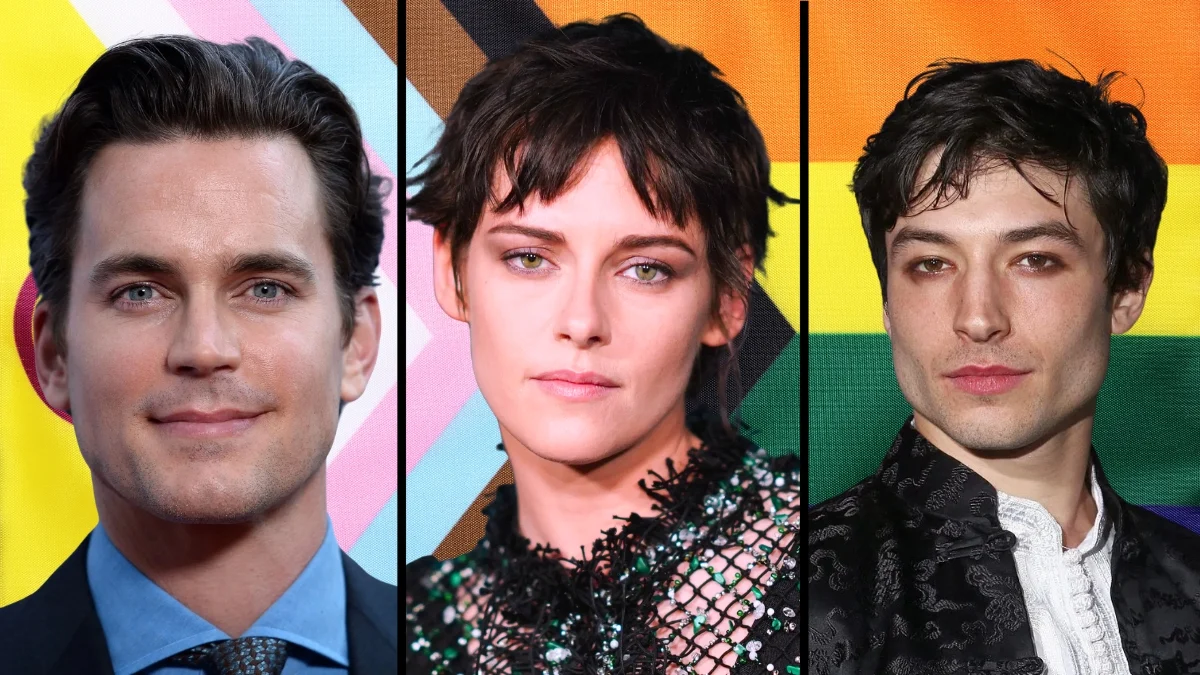

The entertainment industry has long been criticized for maintaining a rigid standard of “marketability” that often pressures LGBTQ+ performers to conform to heteronormative archetypes. Many actors, musicians, and public figures have come forward to describe the systemic expectations placed upon them to hide their true identities or present a “straight-passing” image to secure roles and maintain fanbases. These pressures frequently originate from management teams, casting directors, and studio executives who fear that open authenticity might alienate certain demographics. Despite progress in representation, these personal accounts suggest that the professional cost of living authentically remains a significant concern for many in the spotlight.
Colton Haynes

The ‘Teen Wolf’ star has been vocal about the intense pressure he faced early in his career to project a hyper-masculine, heterosexual image. Haynes claimed that his management team forced him to date women for publicity and instructed him to alter his voice to sound more “straight.” He noted that the stress of maintaining this persona led to severe physical and mental health issues. Since coming out, Haynes has used his platform to criticize the industry’s continued reliance on these restrictive casting tropes.
Elliot Page
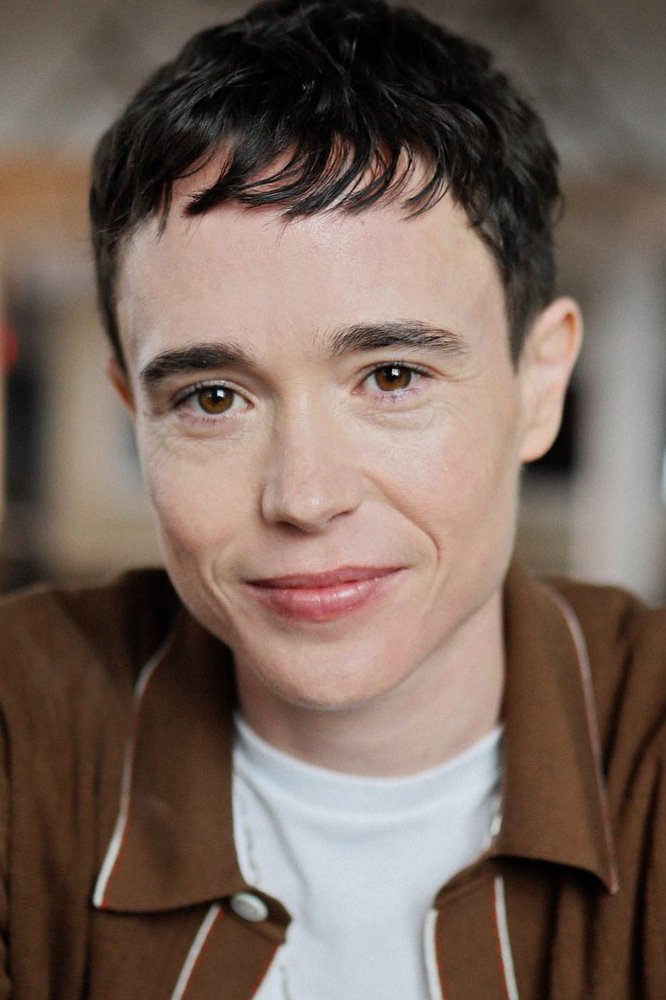
In his memoir ‘Pageboy’, the actor detailed the grueling experience of being forced to wear dresses and heels during the awards circuit for ‘Juno’. Page described how studio executives insisted on a traditionally feminine presentation, despite his clear discomfort and identity. This forced “straight-passing” aesthetic was presented as a necessity for the film’s commercial success. Page has since become a leading voice in advocating for the rights of trans and non-binary performers to exist authentically in Hollywood.
Matt Bomer
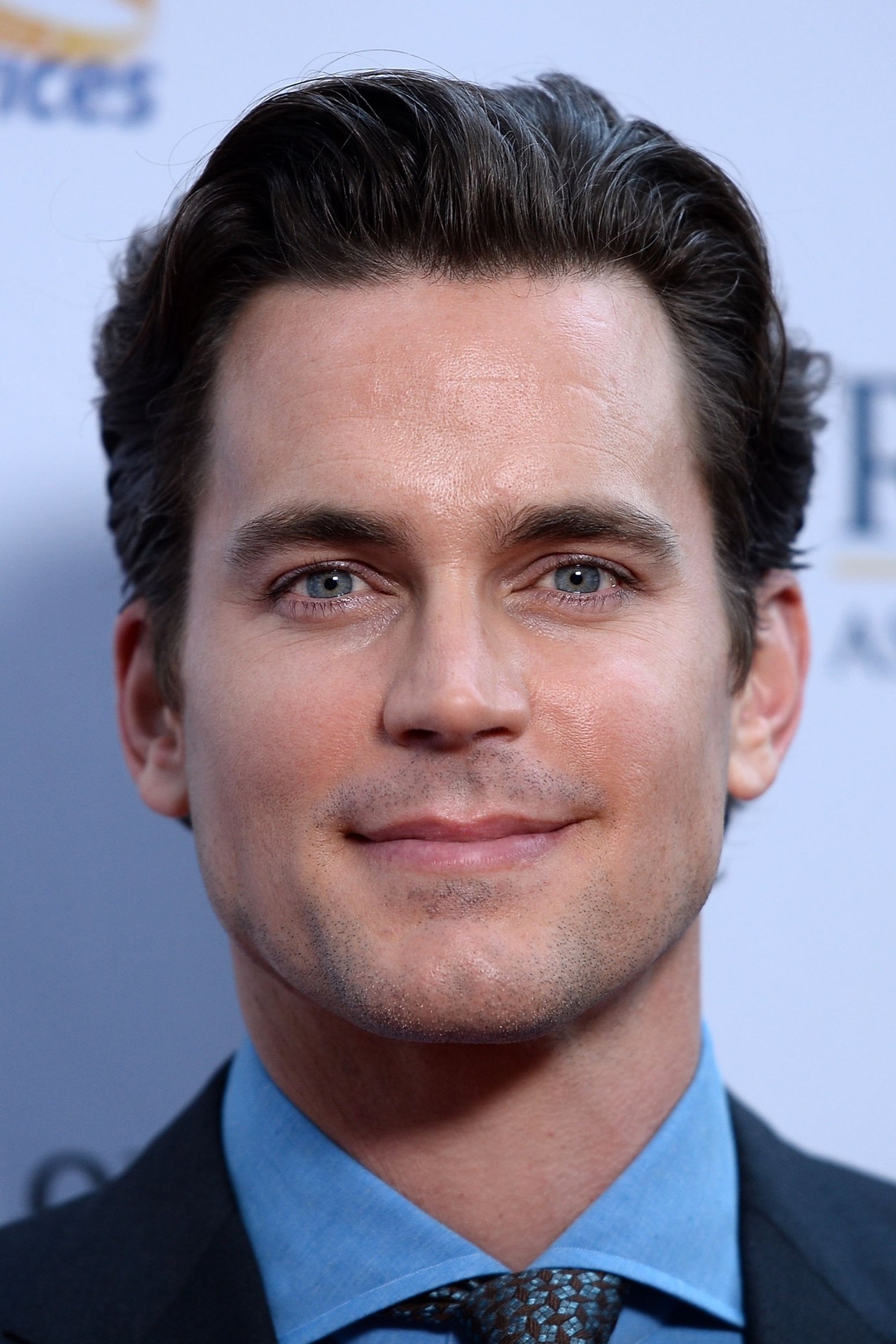
Known for his role in ‘White Collar’, Bomer has spoken about the advice he received early in his career to keep his sexuality a secret. He noted that there was a pervasive belief that being an openly gay man would prevent him from being cast as a romantic lead in mainstream projects. Bomer has highlighted how the industry often distinguishes between an actor’s talent and their “perceived” persona during the casting process. He eventually chose to come out publicly, acknowledging the potential risks it posed to his trajectory at the time.
Kristen Stewart
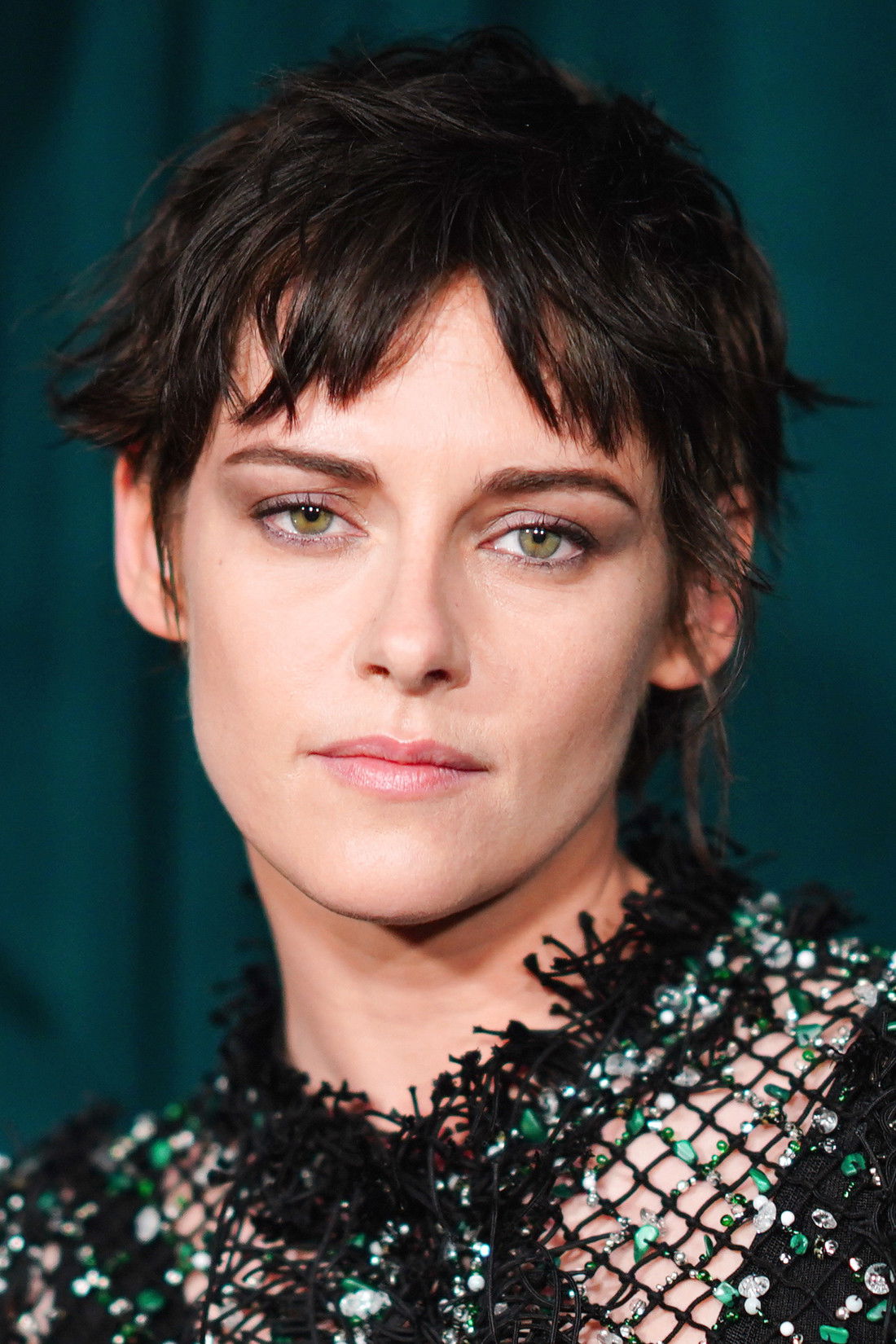
The ‘Twilight’ actress revealed that she was told by industry figures that she might land a high-profile Marvel movie if she stopped holding her girlfriend’s hand in public. Stewart has been critical of the “old-school” mentality that still exists in big-budget filmmaking, where stars are encouraged to keep their private lives ambiguous. She has consistently pushed back against these demands, choosing to be open about her relationships and queer identity. Her career has since thrived, challenging the notion that “straight-passing” is a requirement for stardom.
Wentworth Miller
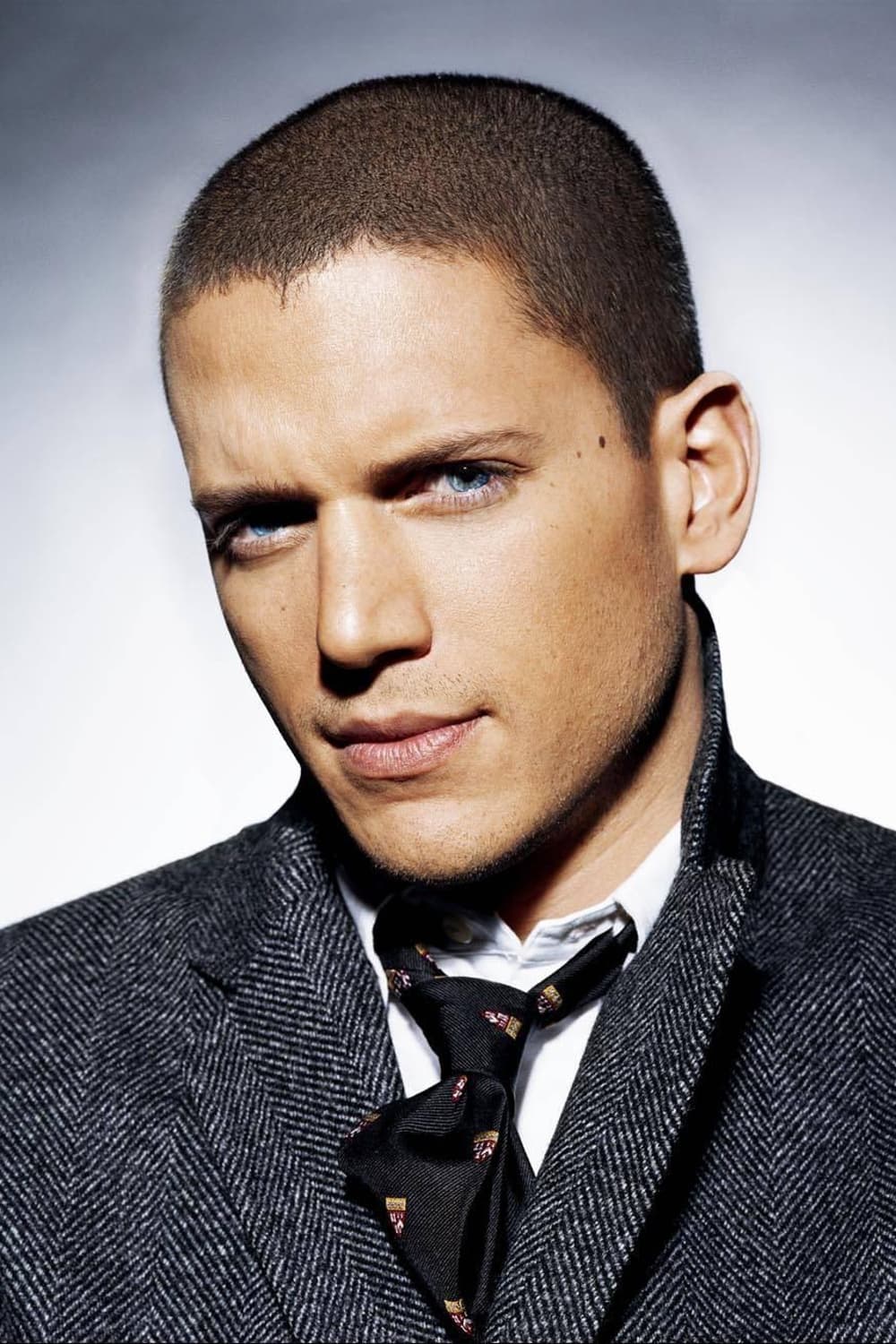
The ‘Prison Break’ star shared that he spent years hiding his sexuality because he felt it was what the industry and the public expected of him. Miller described the “straight-passing” persona as a survival mechanism within a Hollywood system that lacked queer leading men in the action genre. He eventually declined to participate in further projects that required him to play straight characters exclusively. Miller has emphasized the importance of mental health and the toll that hiding one’s identity takes over time.
Rupert Everett
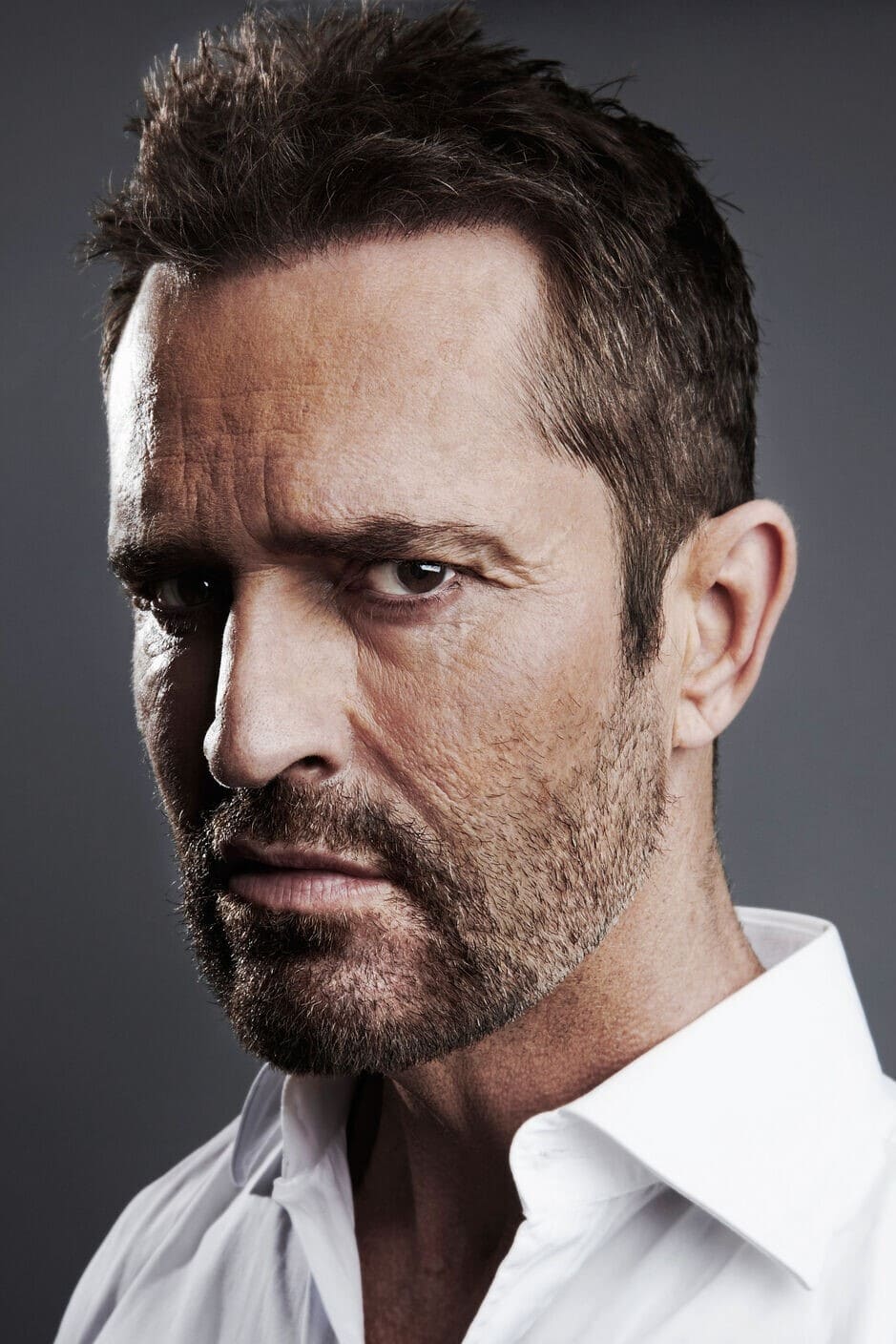
An outspoken critic of Hollywood’s treatment of queer actors, Everett has claimed that coming out negatively impacted his career longevity. He has frequently stated that the industry still favors “straight-passing” actors for major roles, even when those roles are queer themselves. Everett has observed that while the industry claims to be inclusive, the leading man archetype remains largely heteronormative. His experiences serve as a cautionary tale for many younger actors navigating the studio system.
Jonathan Bennett

The actor, famous for playing Aaron Samuels in ‘Mean Girls’, was told to stay in the closet to avoid ruining his “heartthrob” status. Bennett has recounted stories of being advised not to talk about his personal life during interviews to ensure he remained “marketable” to female fans. This pressure to remain “straight-passing” was a standard expectation for young actors in the early 2000s. He has since embraced his identity and often stars in LGBTQ-themed holiday films.
Billy Porter
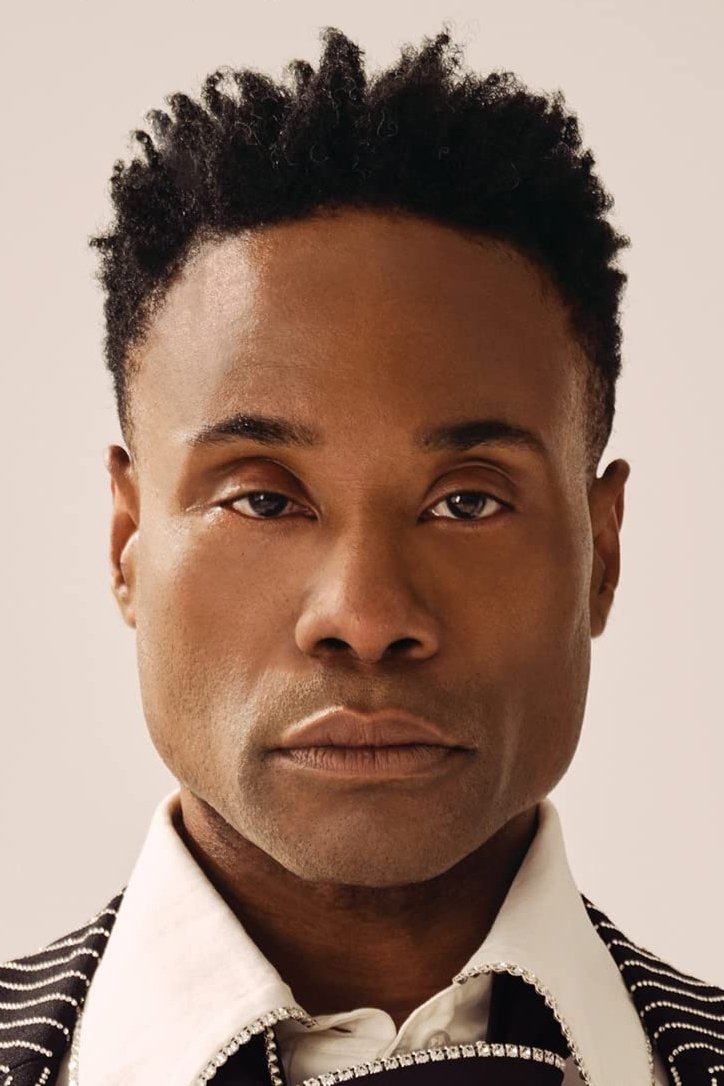
The ‘Pose’ star spent decades in the industry feeling like he had to “masculine-up” to get work. Porter has discussed how the Broadway and television industries initially had no space for a flamboyant, openly gay Black man. He was often told that his “vibe” was too specific and was encouraged to fit into more traditional, “straight-passing” molds to find success. It was only after he embraced his authentic self that his career reached new heights.
Sarah Paulson
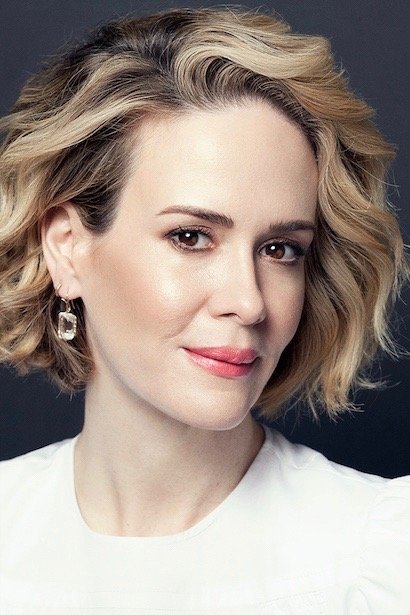
While now one of the most respected actresses in the industry, Paulson was warned that her relationship with Holland Taylor could damage her career. She mentioned in interviews that people in the industry cautioned her against being too public about her queer relationship. The fear was that she would no longer be considered “believable” in the straight roles that make up the majority of her work in ‘American Horror Story’ and other projects. Paulson chose to ignore the advice, prioritizing her personal happiness over industry expectations.
Ricky Martin
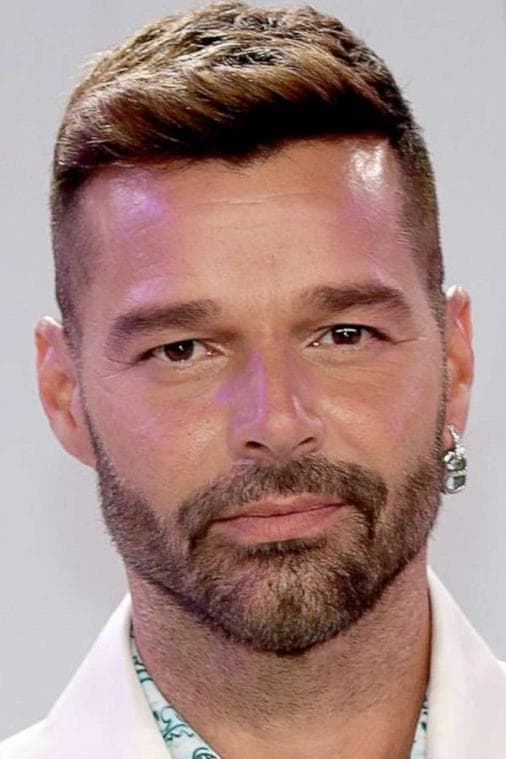
As a global pop sensation, Martin lived for years under the pressure of being a heterosexual sex symbol. He has described the “straight-passing” image he maintained as a heavy burden that felt increasingly dishonest. Industry insiders and advisors encouraged him to stay in the closet to protect his international record sales and “heartthrob” appeal. His eventual coming out was a monumental moment in music history that challenged the necessity of the closet in the Latin music market.
Ezra Miller
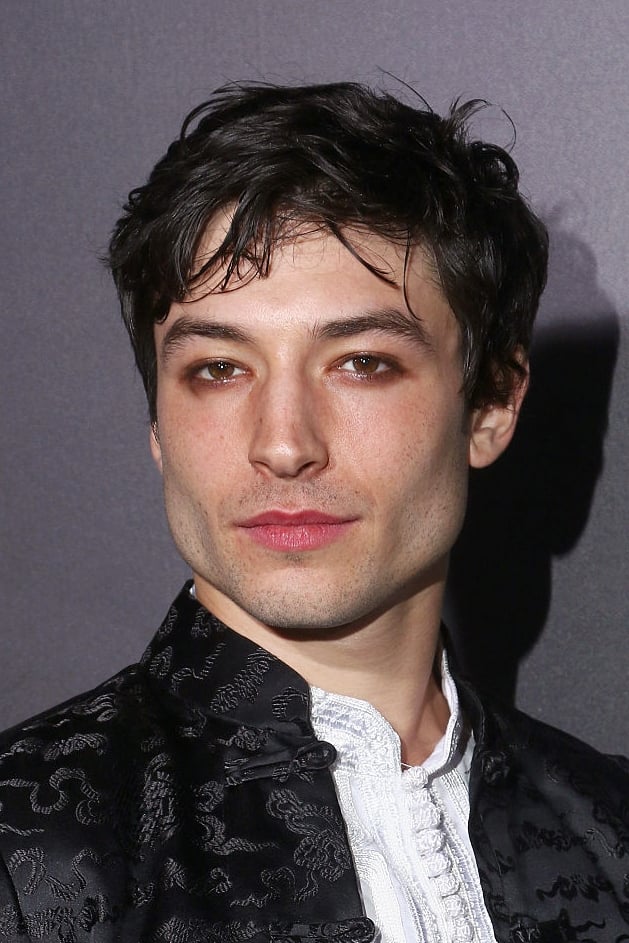
The actor, who identifies as non-binary, has spoken about being told that they made a “mistake” by coming out early in their career. Industry peers reportedly warned them that being openly queer would limit their ability to land “leading man” roles in major franchises like ‘The Flash’. Miller has pointed out that the industry often uses the term “marketability” as a shorthand for “straight-passing.” Despite the warnings, Miller remained vocal about their identity.
Luke Evans
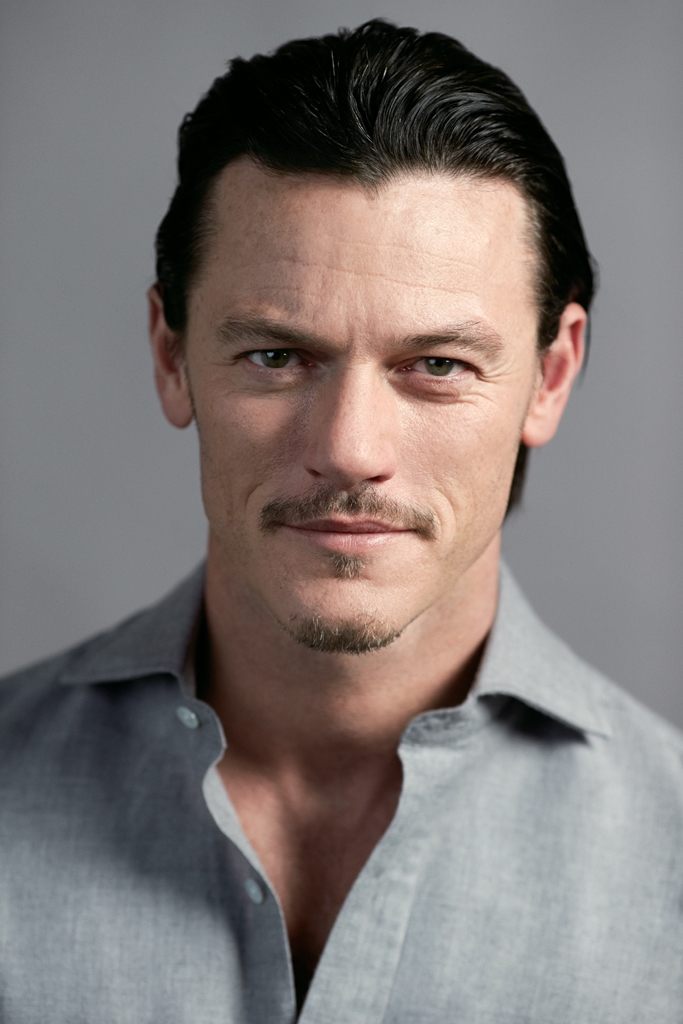
While Evans has been out for much of his career, he has often been categorized by his ability to “pass” as a traditional action star. He has discussed the complexities of being a gay man who is frequently cast in hyper-masculine roles like Gaston in ‘Beauty and the Beast’. Evans has noted that the industry often views his ability to play straight as a “credit” to his acting, rather than just part of the job. He has remained one of the few out gay men consistently cast in blockbuster leading roles.
Ben Whishaw
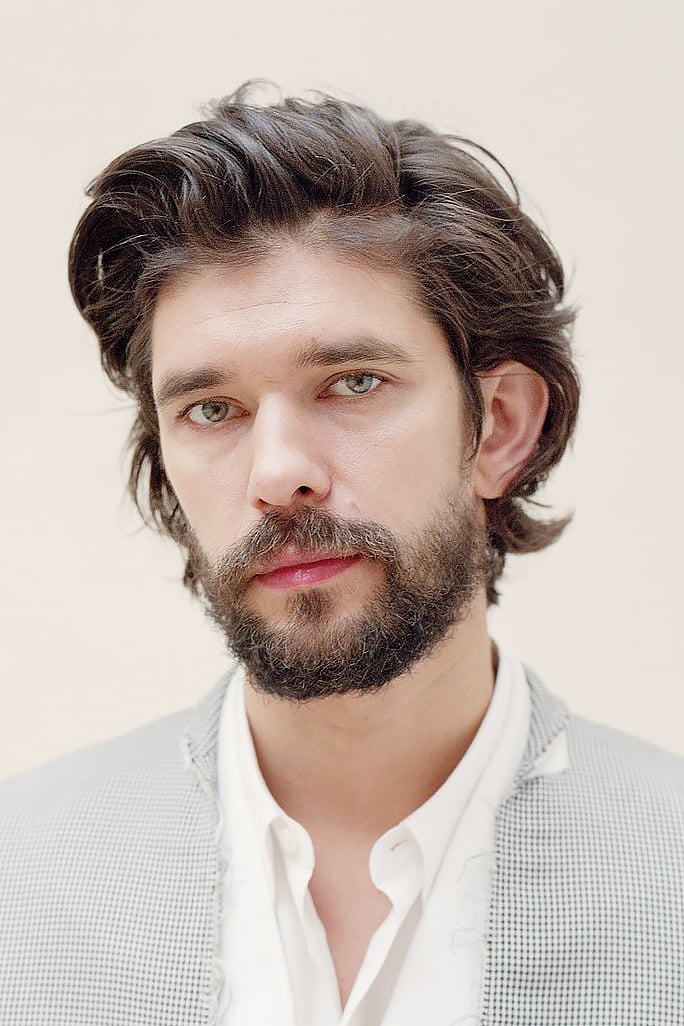
The actor, known for playing Q in the ‘James Bond’ franchise, has spoken about the subtle pressures to remain private about his personal life. Whishaw has noted that the industry often expects actors to maintain a level of “straight-passing” ambiguity to avoid “distracting” the audience. He has expressed frustration with the idea that an actor’s sexuality should be a matter of public debate or professional concern. Whishaw has generally managed to maintain his privacy while being open about his marriage.
Portia de Rossi
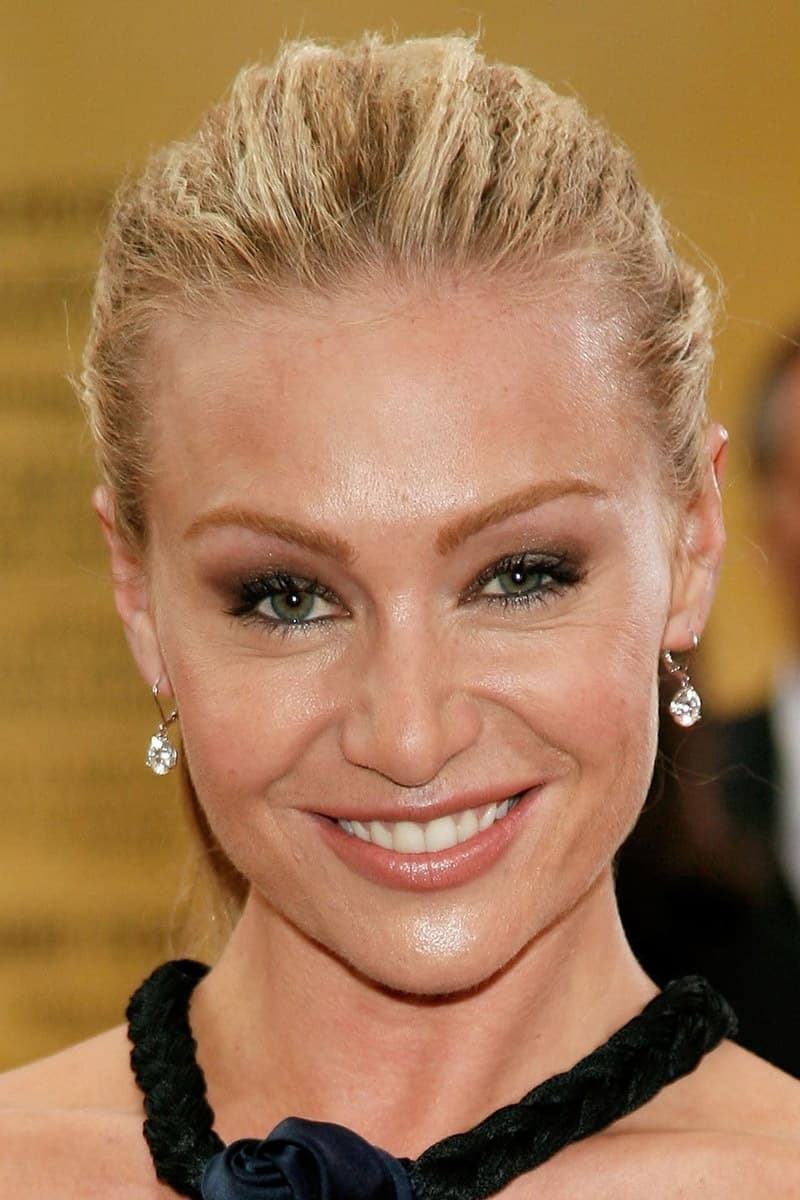
In her autobiography, de Rossi detailed the extreme stress of being closeted while starring on ‘Ally McBeal’. She felt immense pressure to maintain a “straight-passing” persona to fit the “it-girl” image the show and the industry demanded. This internal conflict contributed to serious health struggles as she tried to reconcile her public image with her private reality. She eventually left the spotlight for a time before returning on her own terms.
Cara Delevingne

The model and actress has discussed how she was advised to keep her relationships with women private to avoid hurting her career. Delevingne mentioned that the fashion and film industries often prefer a “straight-passing” or ambiguous image for their stars to maintain broad appeal. She has been vocal about her fluid identity and has refused to adhere to the traditional “starlet” expectations. Her openness has made her a prominent figure for queer youth in the industry.
Lil Nas X
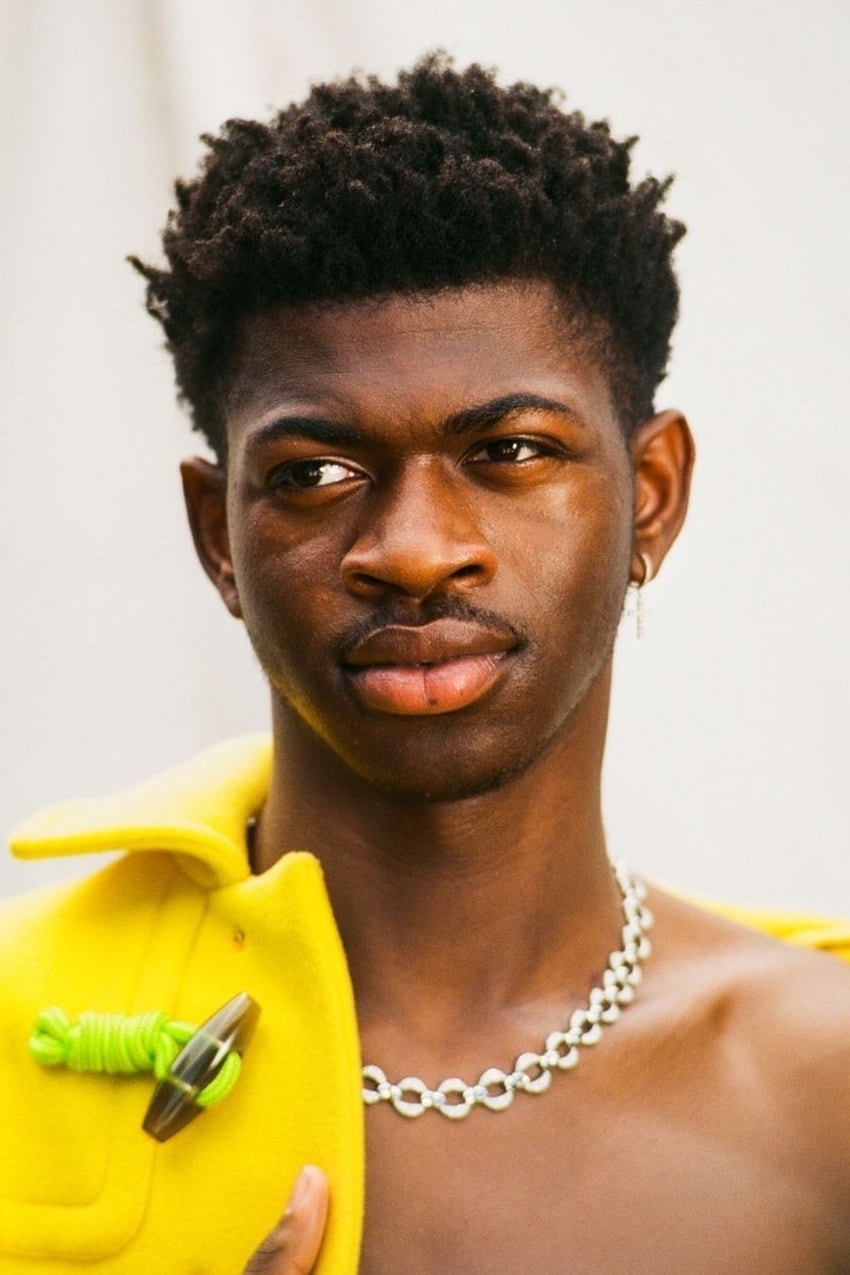
The rapper has frequently called out the music industry’s attempts to sanitize or “straight-pass” his image during his rise to fame. Following the success of ‘Old Town Road’, he faced pressure to keep his sexuality a secret to avoid alienating country and mainstream audiences. Instead, he chose to integrate his queer identity into his music and visuals, often in a provocative manner. He has highlighted how “straight-passing” is often used as a tool for commercial safety.
Hunter Schafer
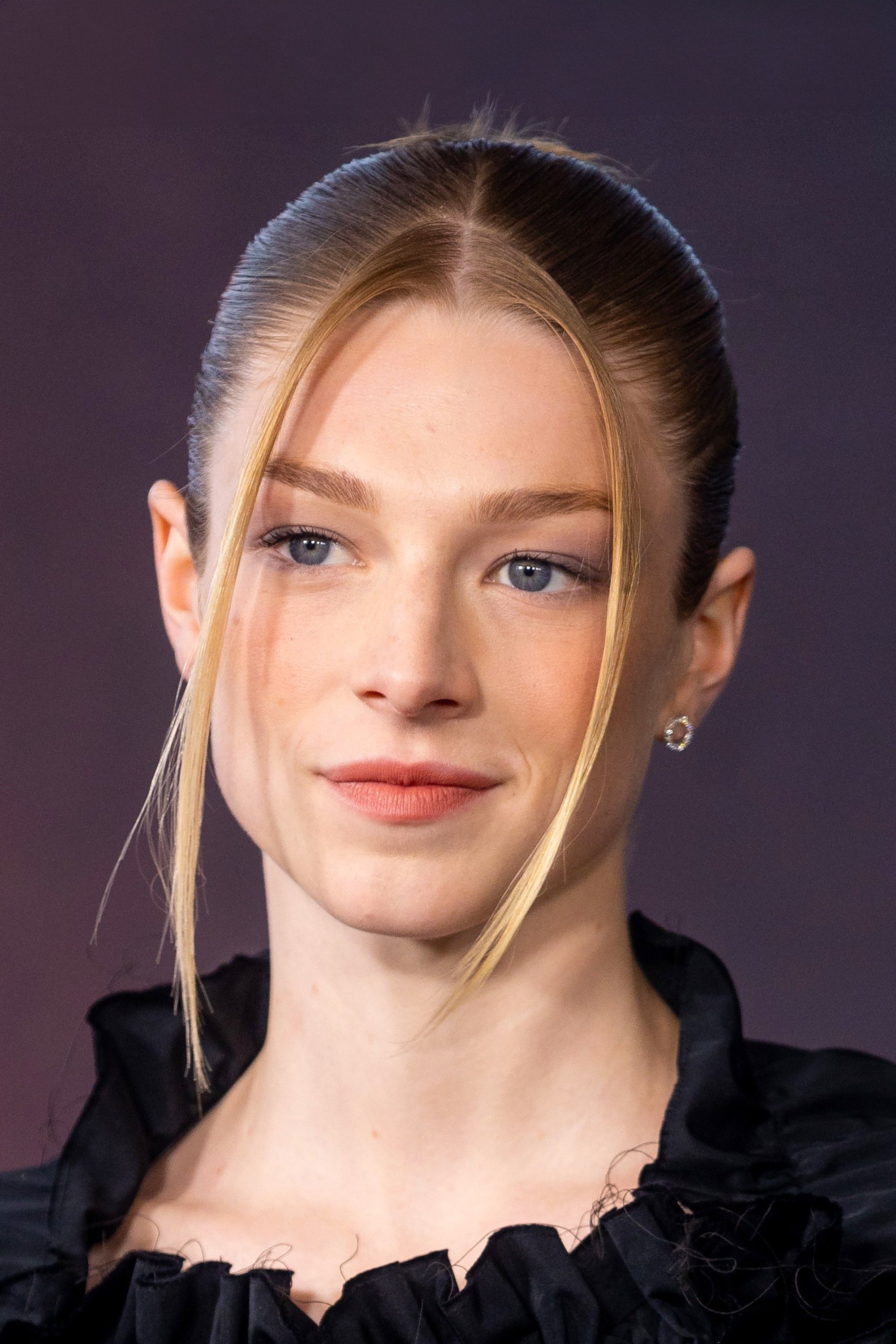
The ‘Euphoria’ star has discussed the industry’s tendency to box trans actors into specific “straight-passing” or “trans-only” roles. Schafer has expressed a desire to move beyond the label of “trans actress” and be considered for roles based on her talent alone. She has noted that the industry often struggles to cast trans individuals in roles where their gender isn’t the primary plot point. Schafer continues to advocate for more nuanced and authentic representation in Hollywood.
Russell Tovey
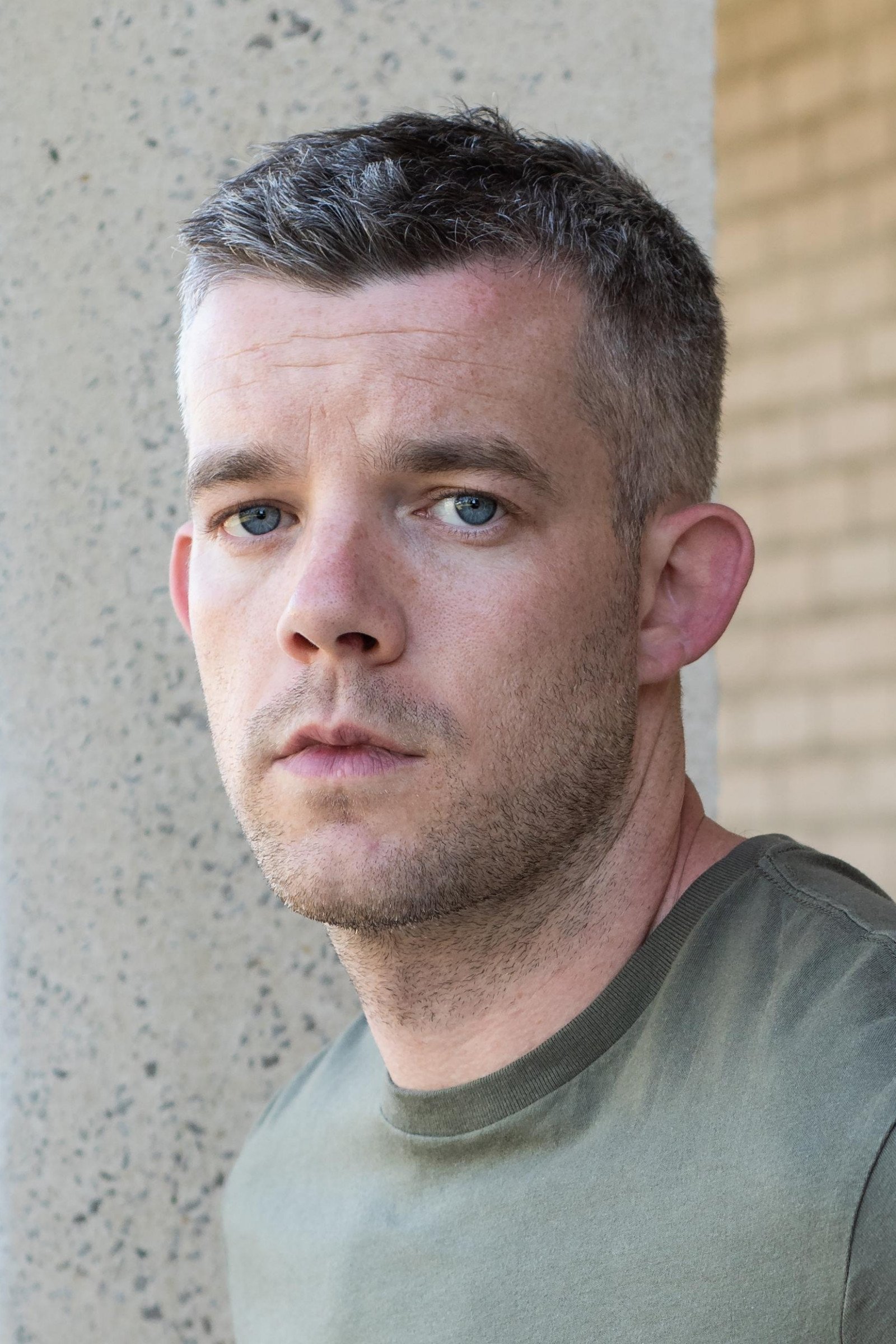
Tovey has spoken about his early career and the advice he received to act “tougher” and more “masculine” to get roles. He noted that being an out actor in the UK and Hollywood often meant being overlooked for leading “straight” roles unless you could perfectly “pass.” Tovey has been successful in both queer and straight roles, but he acknowledges the systemic bias that persists. He has become a mentor of sorts for younger queer actors entering the profession.
Zachary Quinto
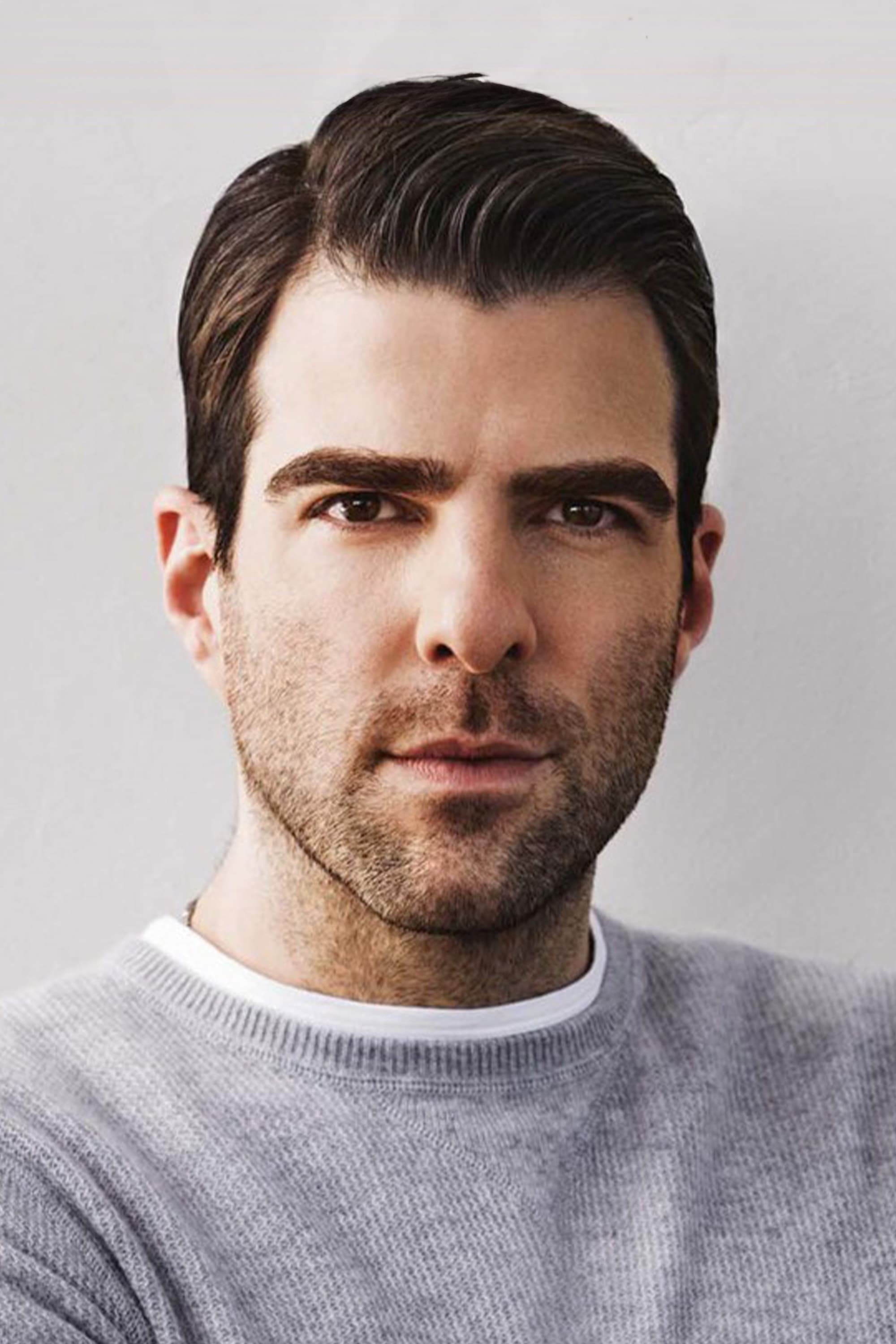
The ‘Star Trek’ actor has discussed the “glass ceiling” for out gay actors in Hollywood. Quinto has noted that while progress has been made, there is still a palpable pressure to maintain a “straight-passing” public persona to remain eligible for blockbuster roles. He came out publicly to be a role model for queer youth, despite knowing it might change the types of roles he was offered. Quinto has continued to work steadily in both film and television.
Andrew Scott
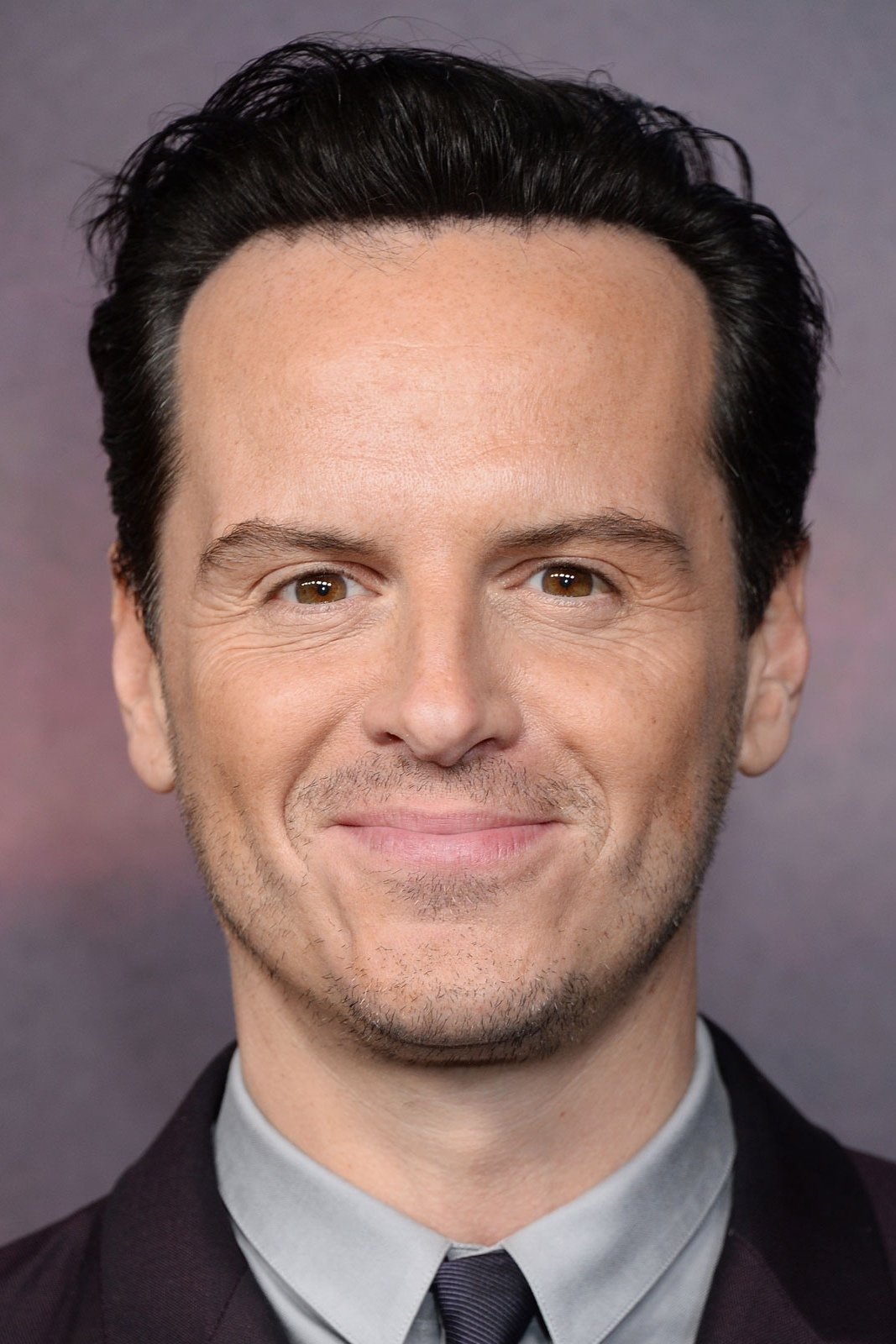
The ‘Fleabag’ and ‘Sherlock’ star has spoken about the industry’s obsession with “passing.” Scott has expressed annoyance at the label of “openly gay actor,” noting that “straight-passing” actors aren’t labeled by their sexuality in the same way. He has argued that an actor’s job is to play many different people and that their personal life should not restrict their casting. Scott has successfully navigated a career playing a wide variety of roles.
Tessa Thompson
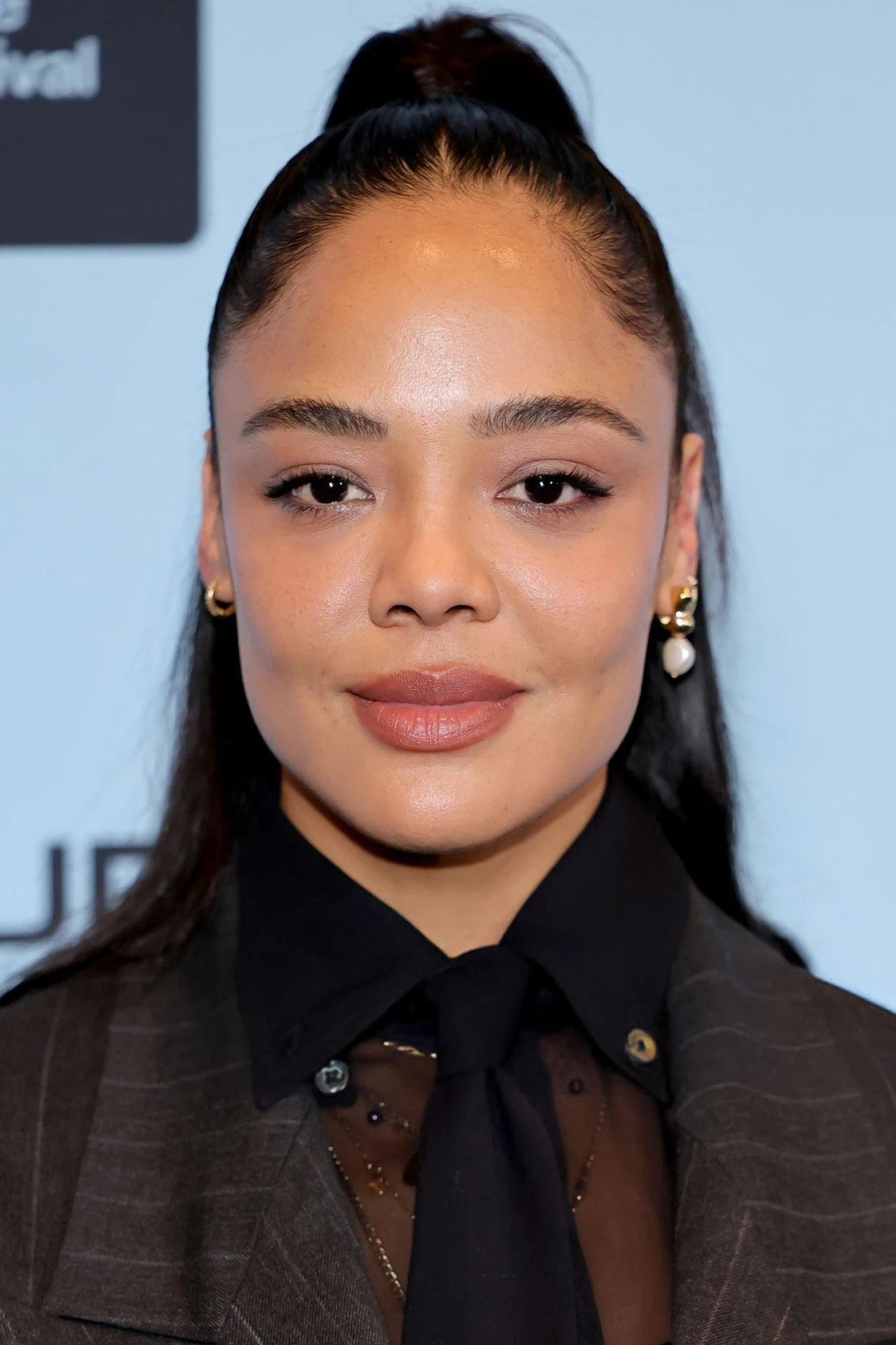
Thompson has discussed the complexity of being a queer woman of color in an industry that prizes specific archetypes. She has spoken about the pressure to be “marketable” and how that often translates to a “straight-passing” or non-threatening image. Thompson has used her roles in the ‘Marvel Cinematic Universe’ and other projects to push for more inclusive storytelling. She maintains a level of privacy while being open about her attraction to both men and women.
Neil Patrick Harris
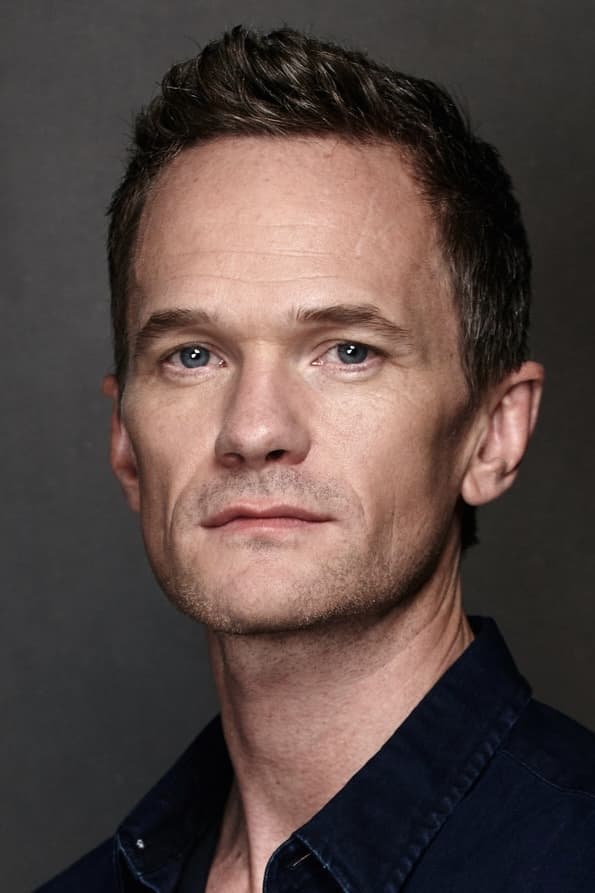
During his time on ‘How I Met Your Mother’, Harris played a notorious womanizer while being a closeted gay man in real life. While he later came out and his career continued to thrive, he has acknowledged the initial fear that his “straight-passing” character would be compromised by his true identity. Harris was one of the first major TV stars to come out while his show was still at the height of its popularity. He has since become a prominent figure in the LGBTQ+ community.
Jim Parsons

The ‘Big Bang Theory’ star has discussed how he didn’t feel the need to come out formally for many years, partly due to the “straight-passing” nature of his public life. Parsons has noted that the industry often allows actors to remain in the closet as long as they don’t “cause trouble” or break the illusion. He eventually came out in a ‘New York Times’ profile, noting that it felt like a natural progression rather than a calculated career move. His success has helped pave the way for other queer actors in sitcoms.
Amandla Stenberg
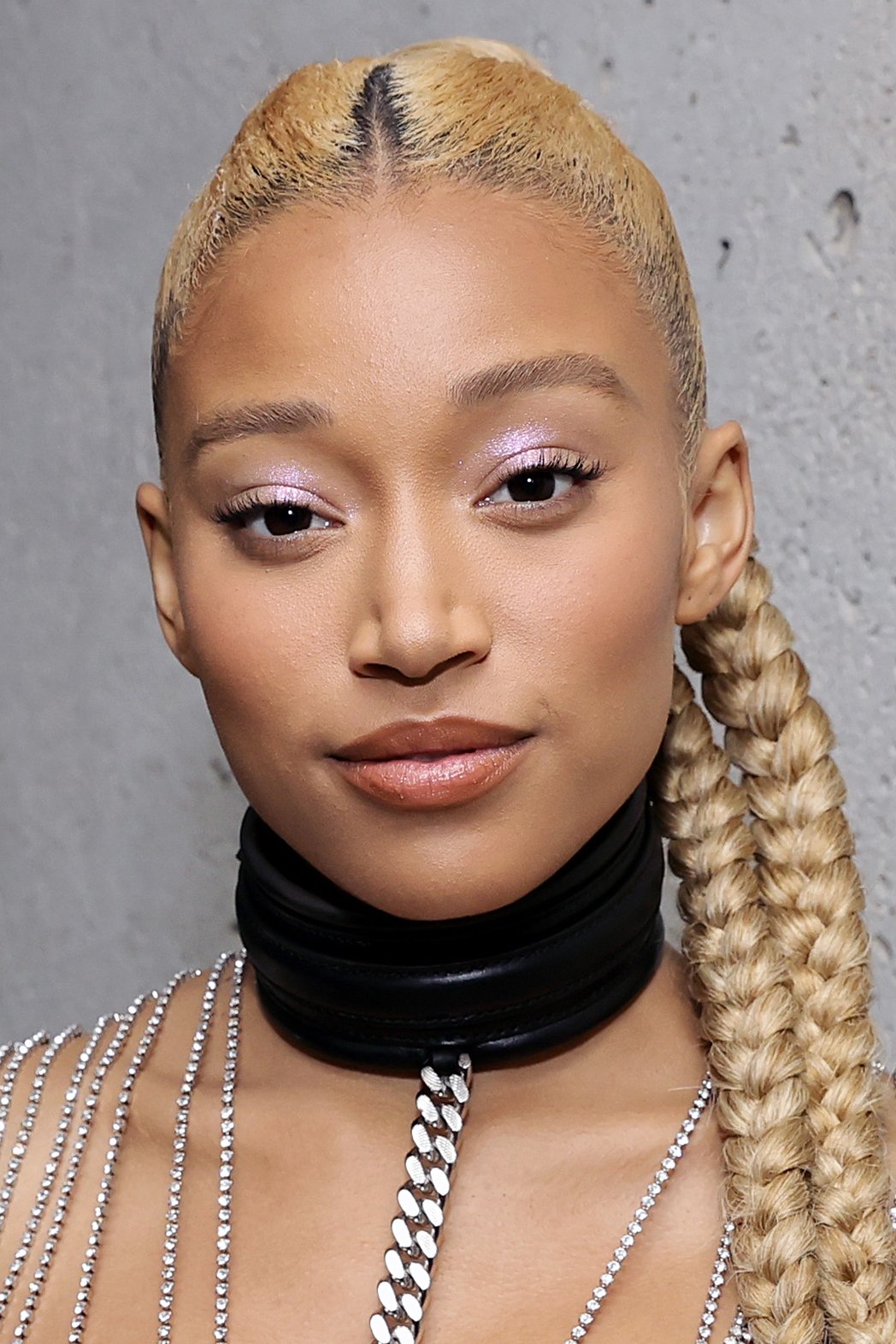
Stenberg has been vocal about the “straight-passing” expectations placed on young actors, particularly those who identify as non-binary or queer. She has noted that the industry often tries to “femme up” queer women of color to make them more palatable to mainstream audiences. Stenberg has consistently challenged these norms through her fashion choices and role selections. She continues to be a leading voice for Gen Z queer representation.
Keiynan Lonsdale
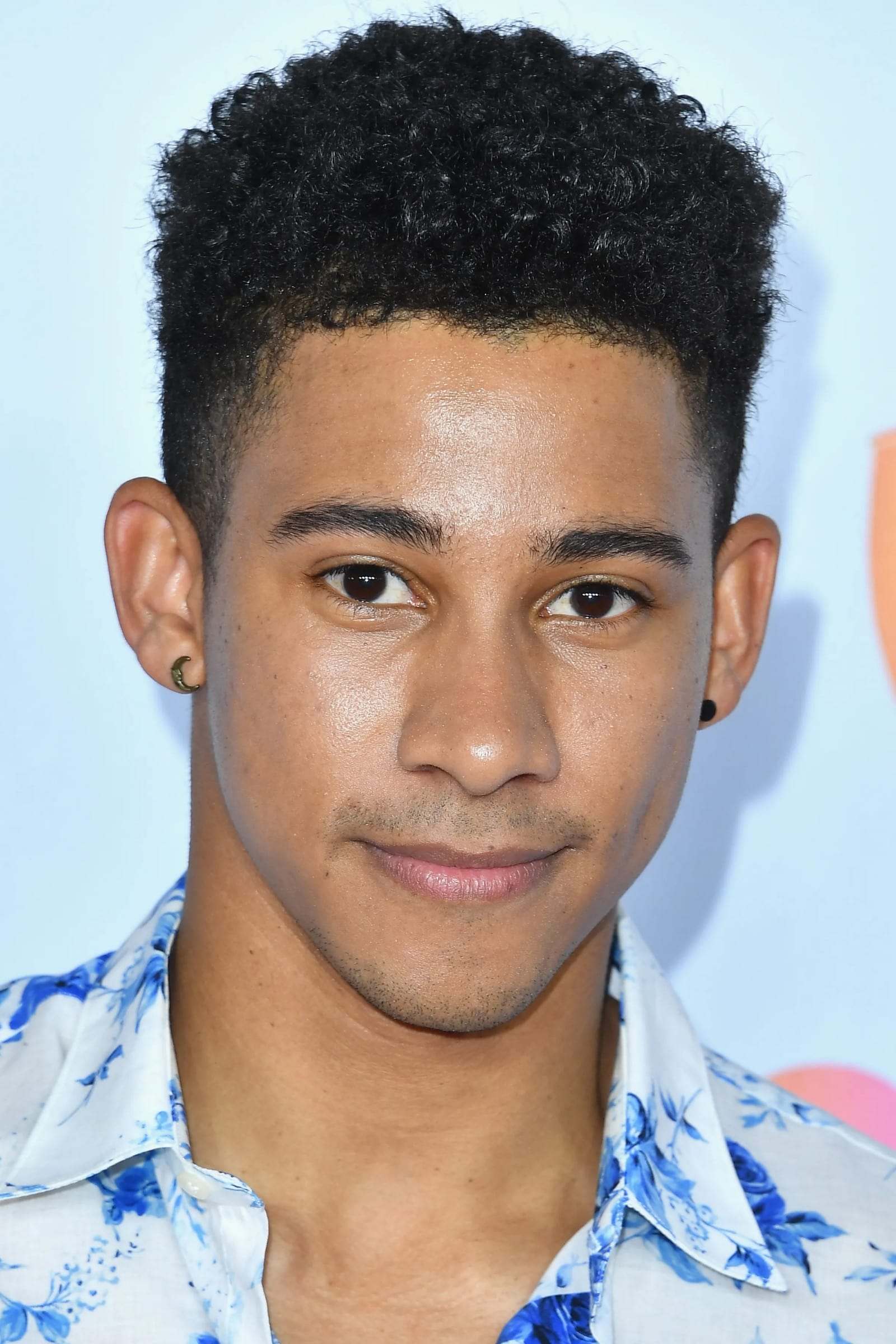
The ‘The Flash’ actor has discussed the pressure to fit a specific “leading man” archetype that is traditionally “straight-passing.” Lonsdale has spoken about the liberation he felt after coming out and how it allowed him to stop performing a persona for the sake of his career. He has since explored music and film projects that allow him to express his queer identity more fully. Lonsdale remains an advocate for authenticity in the acting world.
Asia Kate Dillon

As the first non-binary lead character on a major television show (‘Billions’), Dillon has faced unique challenges. They have discussed how the industry often tries to force non-binary individuals into “straight-passing” or binary roles. Dillon has been instrumental in changing the conversation around gender-neutral casting and awards categories. They continue to push for the industry to recognize and respect non-binary identities.
Troye Sivan
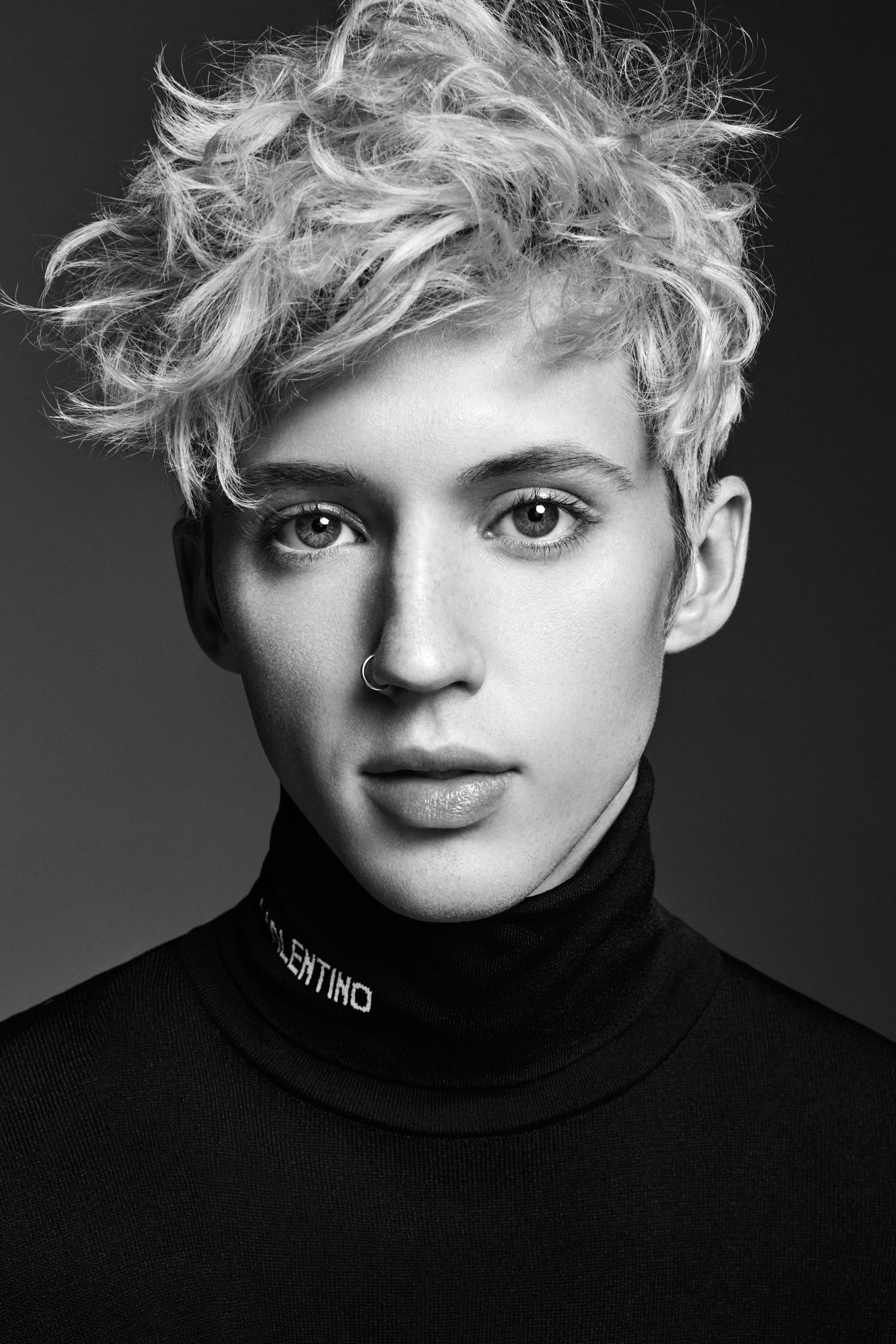
The singer and actor has spoken about the commercial pressures on queer artists to keep their work “relatable” to a straight audience. Sivan has noted that “straight-passing” is often seen as a safer bet for pop stars who want to achieve mainstream success. He has deliberately chosen to make music and videos that are explicitly queer, refusing to sanitize his art. Sivan has successfully built a global career while remaining authentically himself.
Hayley Kiyoko
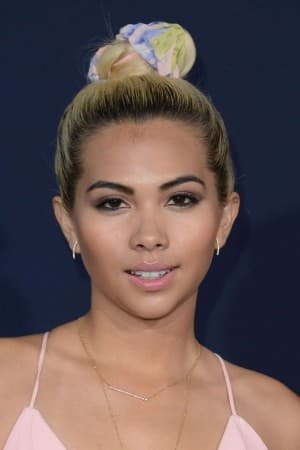
Known by her fans as “Lesbian Jesus,” Kiyoko has discussed the hurdles she faced in the music industry. She was often told that her music was “too gay” and that she should try to be more “straight-passing” to appeal to a wider audience. Kiyoko pushed back, believing that her fans deserved honest and relatable queer storytelling. Her success has proven that there is a massive market for authentic LGBTQ+ content.
Janelle Monáe
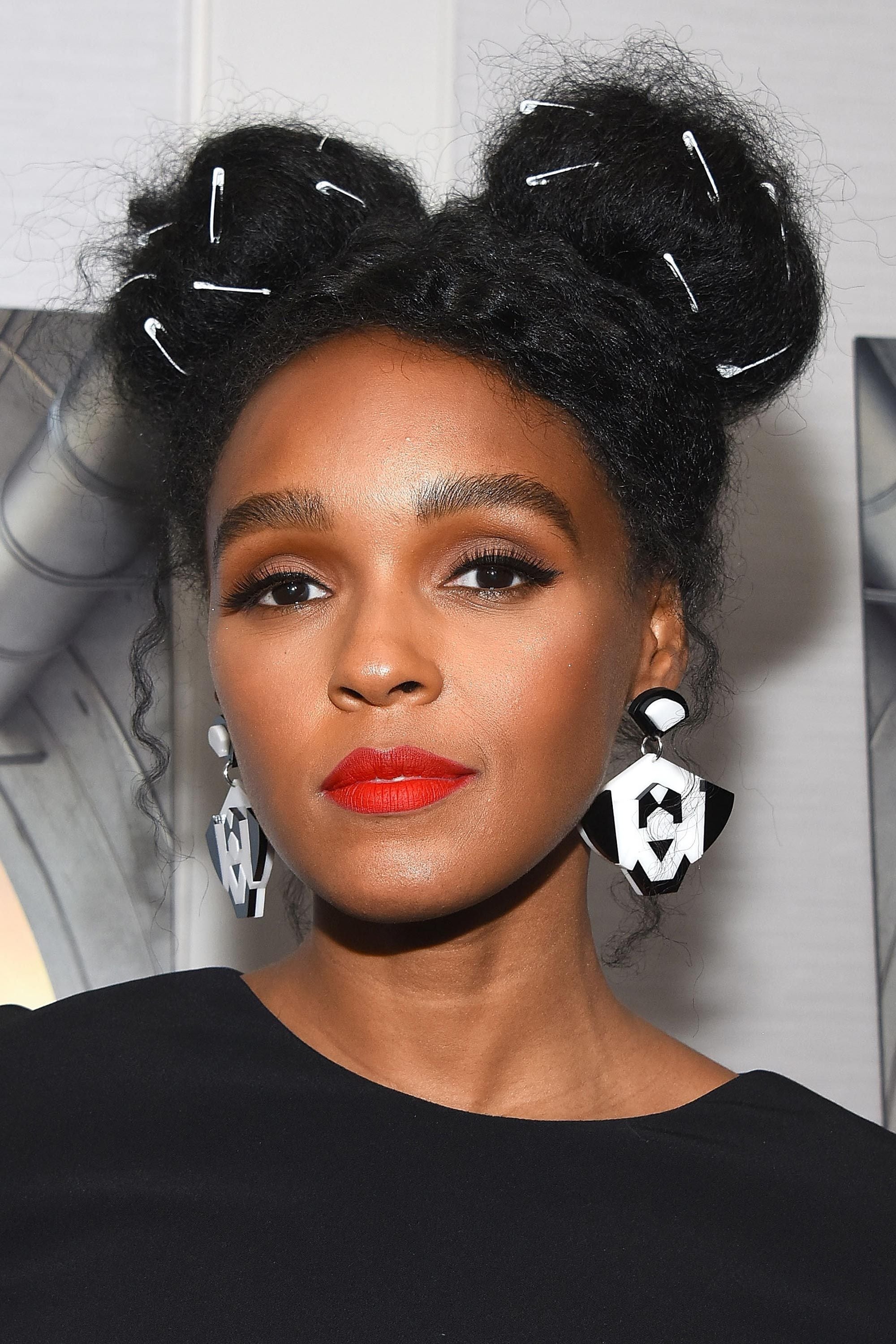
Monáe spent years with a highly curated, somewhat ambiguous public image before coming out as pansexual and non-binary. She has discussed the journey from a rigid, “straight-passing” persona to a more fluid and authentic expression of herself. Monáe has noted that the industry’s expectations can be stifling, particularly for Black queer performers. Her recent work in both music and film reflects her newfound personal freedom.
Lilly Singh

The YouTube star and late-night host has discussed the cultural and industry pressures she felt during her coming out process. Singh noted that as a prominent South Asian woman in entertainment, there were specific expectations for her to remain “straight-passing.” She has been open about the challenges of reconciling her public persona with her private identity. Since coming out, she has incorporated her queer identity into her comedy and public appearances.
Brian J. Smith
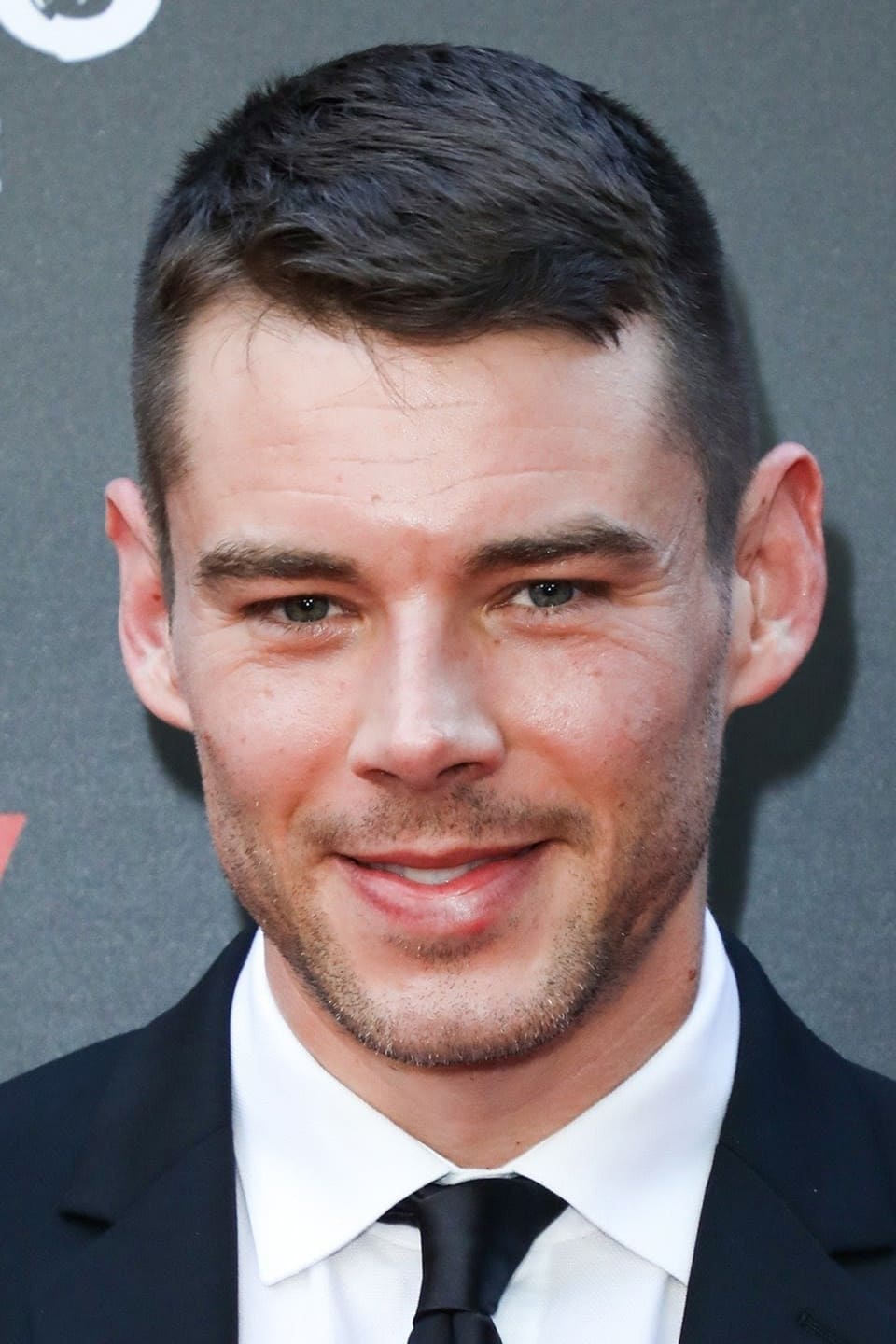
The ‘Sense8’ star revealed that he grew up feeling like he had to “pass” to survive in his hometown and later in the acting industry. Smith has spoken about the isolation of being closeted while working on high-profile projects. He noted that the industry often rewards “straight-passing” behavior while subtly discouraging open queerness. Coming out allowed him to connect more deeply with his work and his fans.
Haaz Sleiman
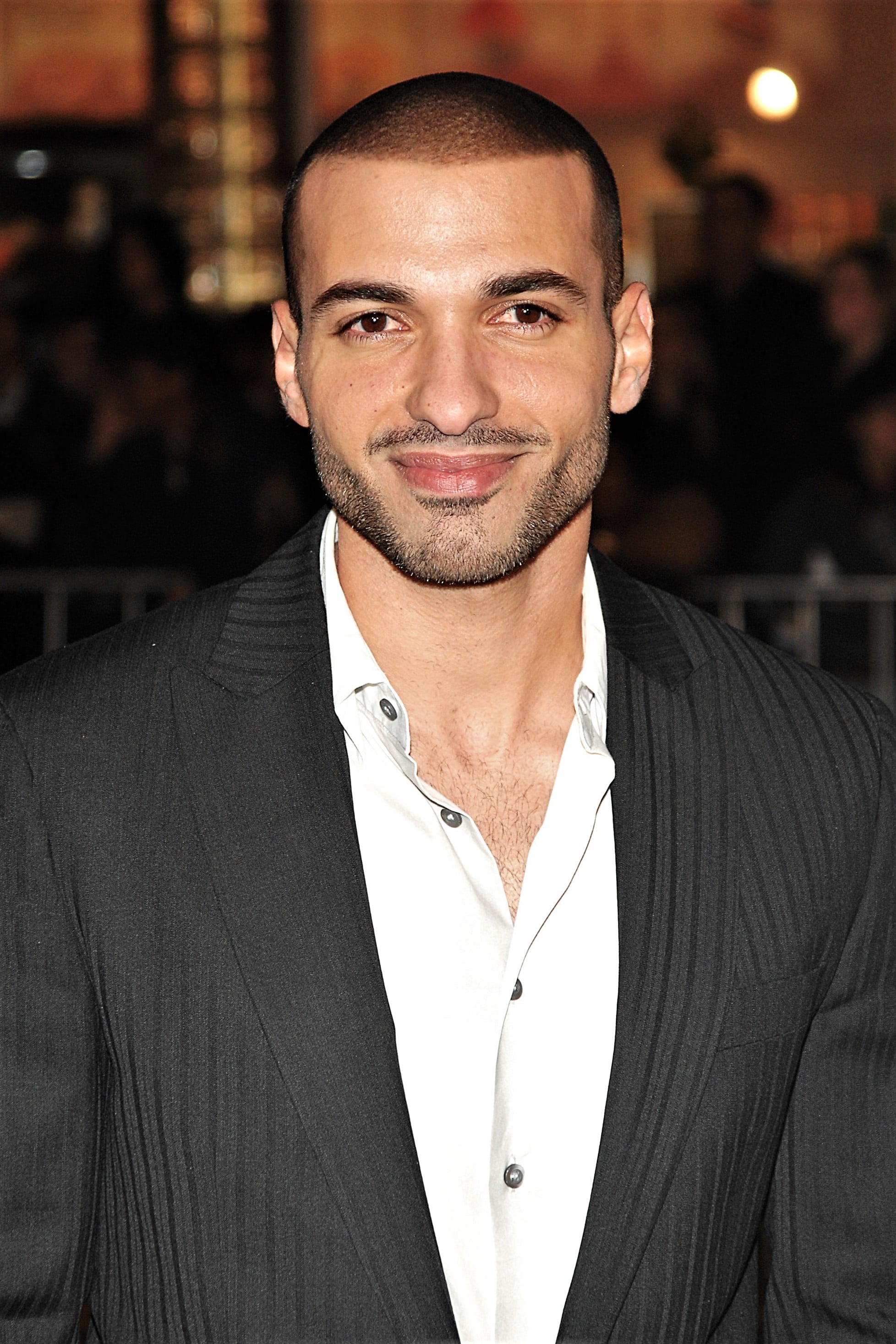
The actor, who appeared in ‘Eternals’, has discussed the intersection of his Middle Eastern heritage and his queer identity. Sleiman has noted that he was often encouraged to stay “straight-passing” to avoid being doubly marginalized in Hollywood. He has been a vocal advocate for queer representation in the Arab world and in Western media. Sleiman’s role in a major superhero film was a landmark moment for queer visibility.
Indya Moore
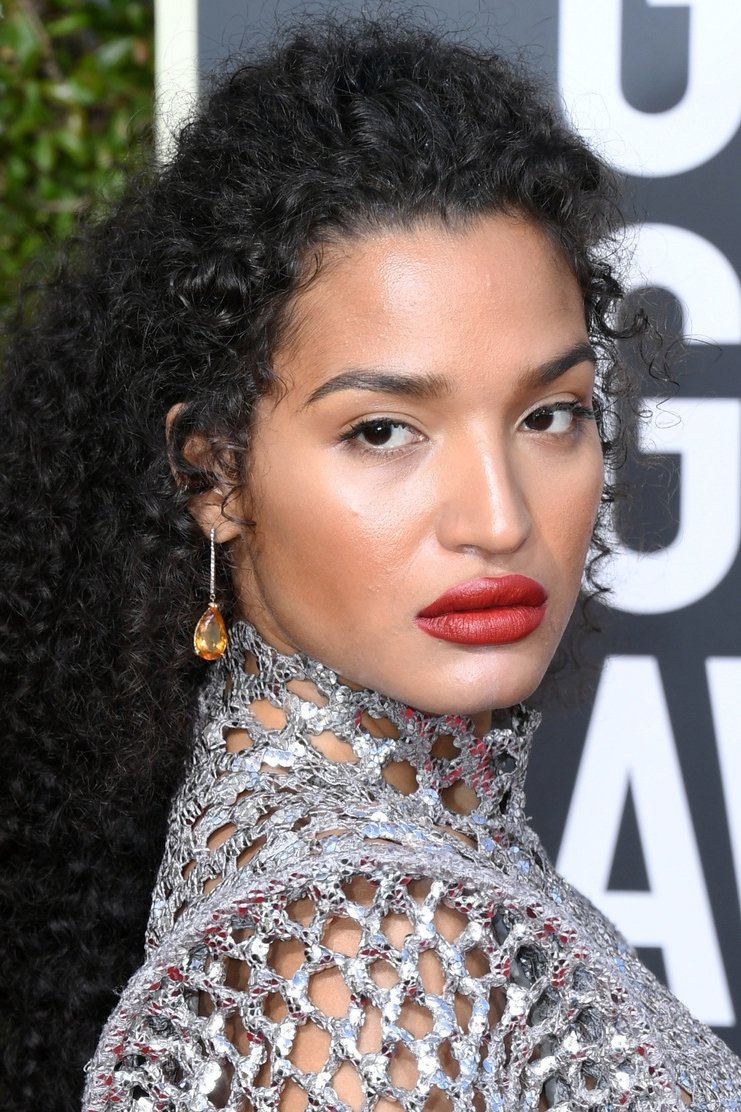
Moore has been a fierce critic of the industry’s limited view of trans and non-binary people. They have discussed the pressure to “pass” as a cisgender woman in order to be considered for mainstream roles. Moore has argued that this expectation is a form of erasure that harms trans performers. They continue to advocate for the industry to value trans identities as they are, rather than as they fit into binary boxes.
Zane Phillips
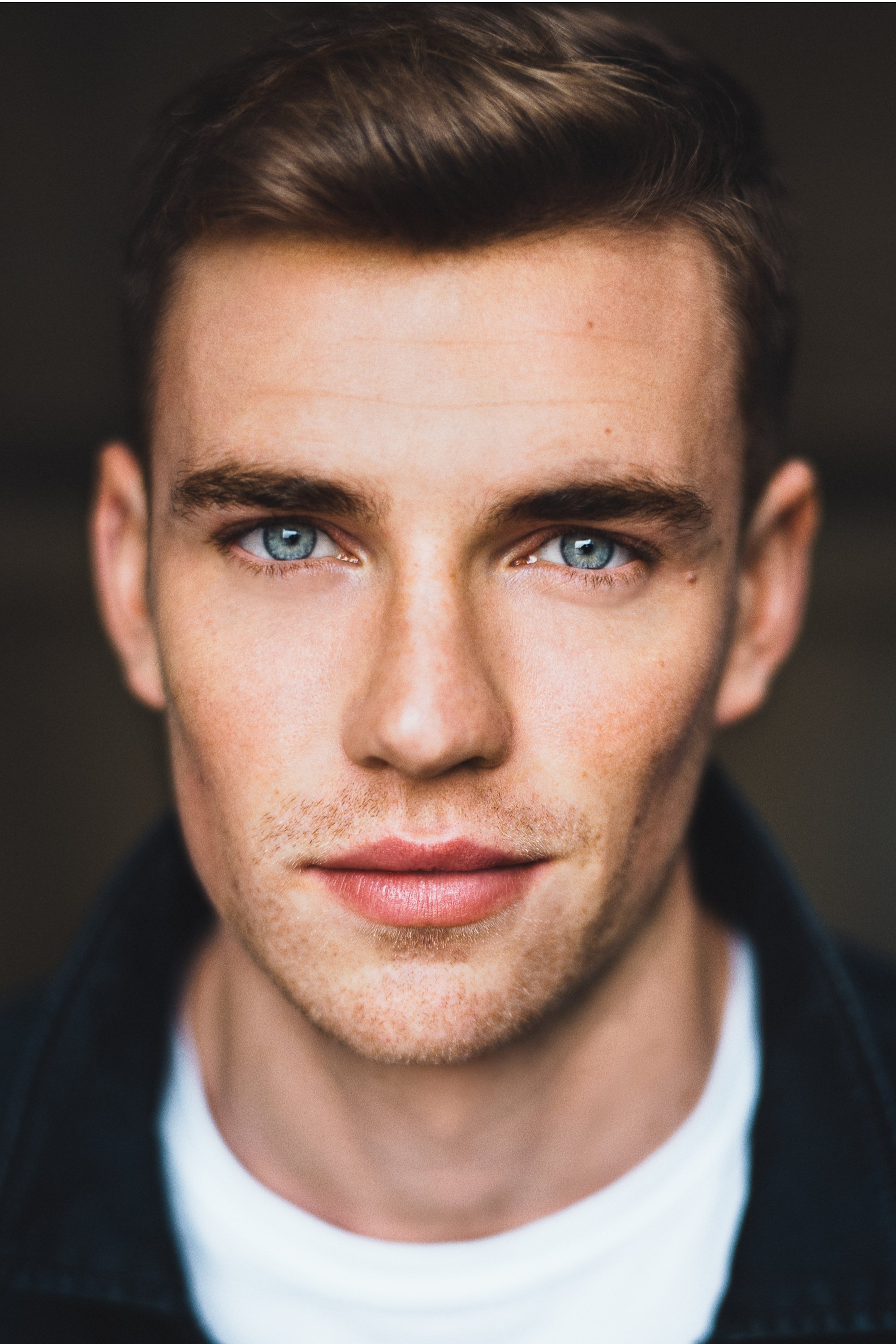
The ‘Fire Island’ star has discussed the specific “look” required for gay actors to succeed in mainstream TV, often leaning toward a “straight-passing” masculinity. Phillips has noted that even within queer spaces, there is a hierarchy that favors those who conform to traditional standards. He has used his platform to discuss the nuances of queer masculinity and the performance of gender in acting. Phillips remains a rising star in both comedic and dramatic roles.
Robin de Jesús
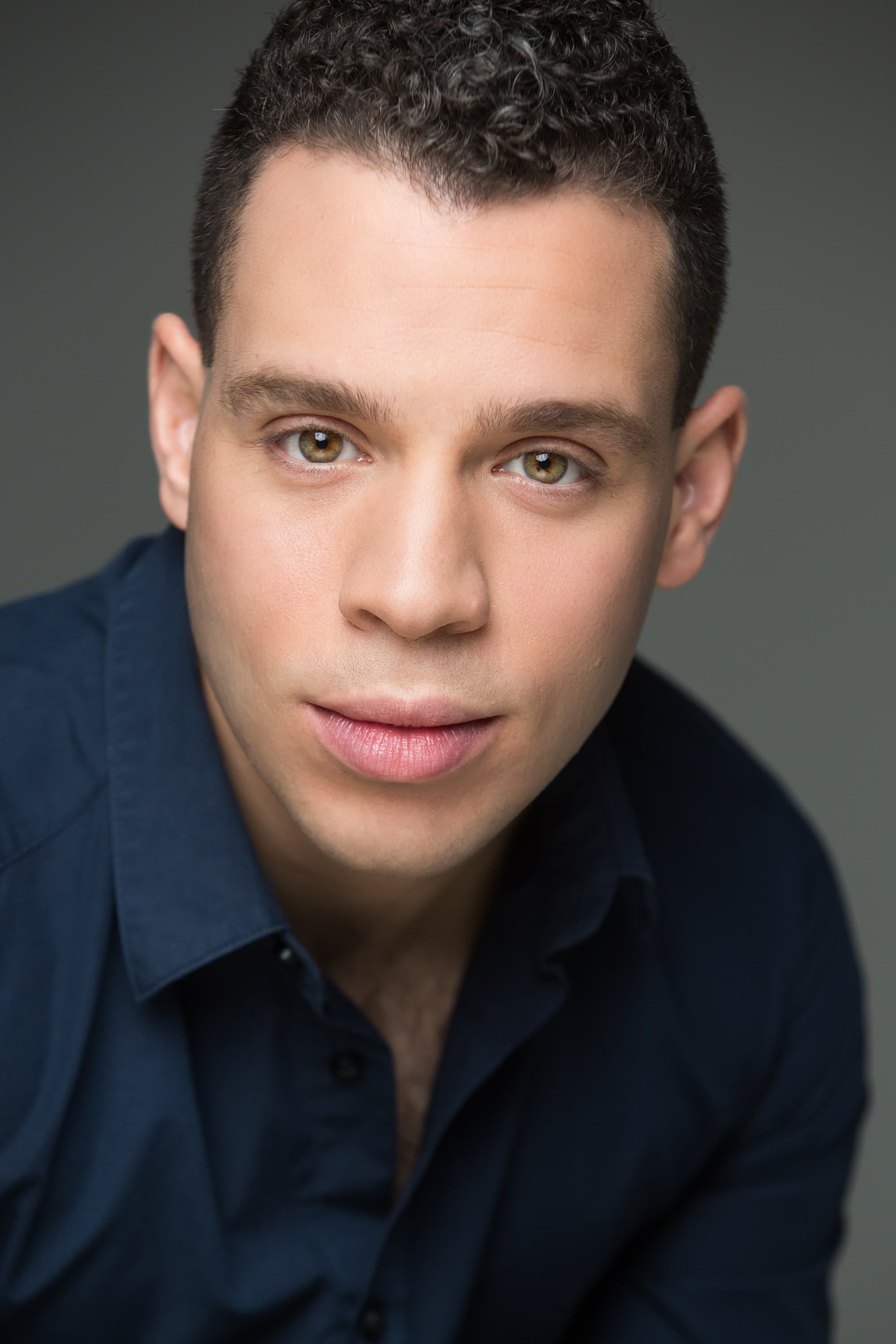
The three-time Tony nominee has spoken about the typecasting of queer actors and the pressure to be “palatable.” De Jesús has noted that the industry often prefers queer actors who can “pass” as straight when necessary for certain roles. He has been vocal about the need for more diverse and authentic queer stories that don’t rely on tired tropes. His work in ‘The Boys in the Band’ and ‘Tick, Tick… Boom!’ has been widely acclaimed.
Cheyenne Jackson
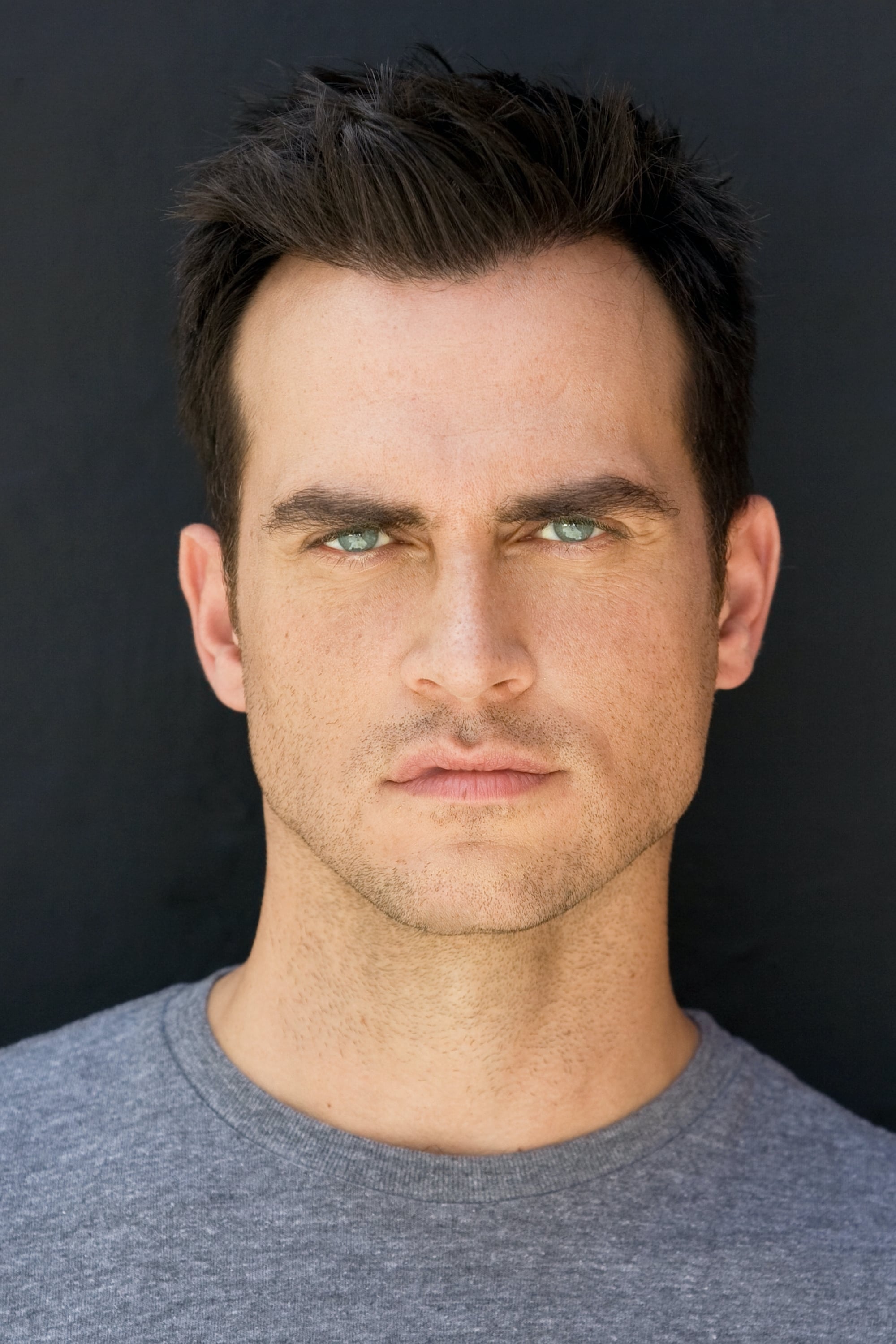
The ‘American Horror Story’ actor has discussed the “leading man” expectations that often require a “straight-passing” persona. Jackson has been out for much of his career but has noted that the industry still has a “don’t ask, don’t tell” vibe in certain circles. He has successfully navigated a career on Broadway and television while being open about his family life. Jackson has emphasized that being out has not stopped him from playing a wide range of characters.
Bella Thorne
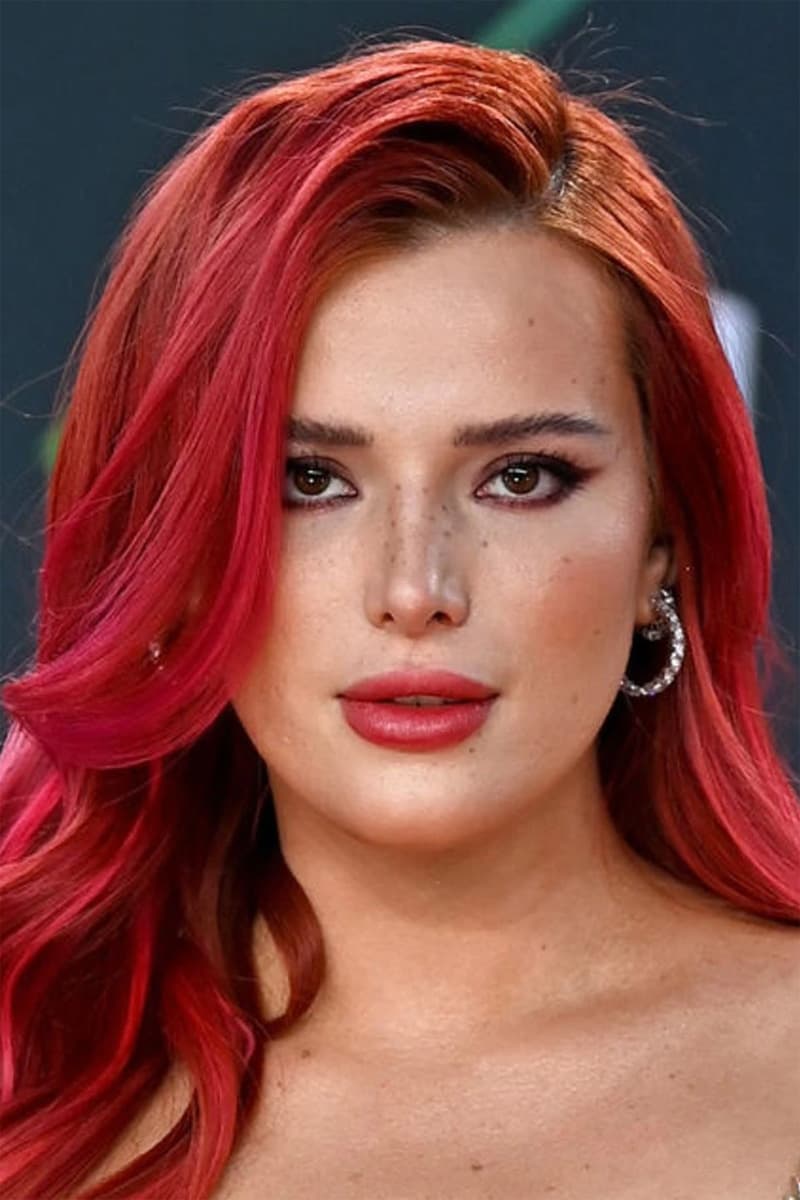
Thorne has been open about her fluid sexuality and the industry’s reaction to her coming out as bisexual and later pansexual. She has mentioned that some people in Hollywood warned her that being “too out” would cost her roles. Thorne has consistently defied these warnings, choosing to be vocal about her identity and her relationships. She has since moved into directing and producing, maintaining control over her own narrative.
Lee Pace
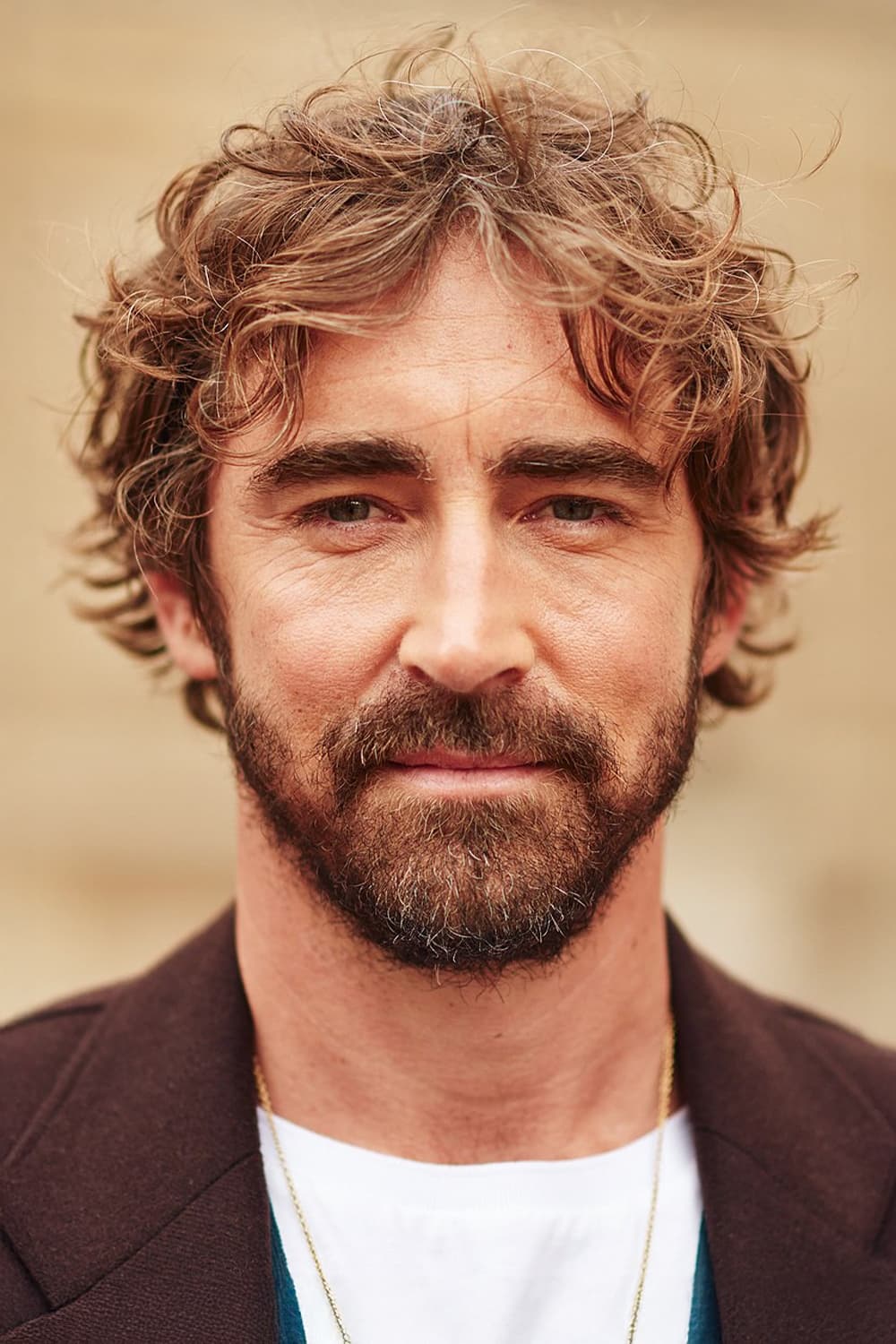
Pace, known for ‘The Hobbit’ and ‘Halt and Catch Fire’, was outed by a journalist before he was ready to speak publicly. He has since discussed the industry’s intrusive nature regarding an actor’s sexuality and the pressure to maintain a “straight-passing” mystery. Pace has argued that his work should speak for itself and that his personal life is his own. He has become more open about his identity in recent years, often sharing glimpses of his life on social media.
BD Wong

The veteran actor has spoken about the unique challenges of being a queer Asian man in Hollywood. Wong has noted that for much of his career, he felt he had to remain “straight-passing” to even be considered for roles that weren’t offensive stereotypes. He has been a trailblazer for both the LGBTQ+ and Asian-American communities in entertainment. Wong’s long career is a testament to his talent and resilience in a changing industry.
Gus Kenworthy
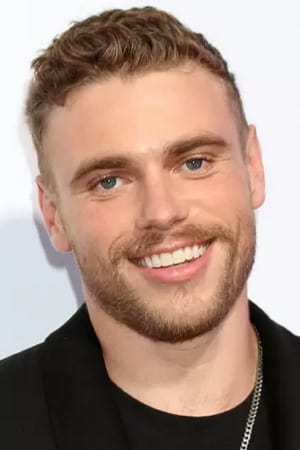
The Olympic skier and ‘American Horror Story’ actor has discussed the pressure to be a “straight-passing” athlete for the sake of sponsorships. Kenworthy noted that the sports world is often even more restrictive than Hollywood when it comes to queer identity. He came out at the height of his career, challenging the perception of what a professional athlete looks like. Since then, he has successfully transitioned into acting and media.
Raven-Symoné
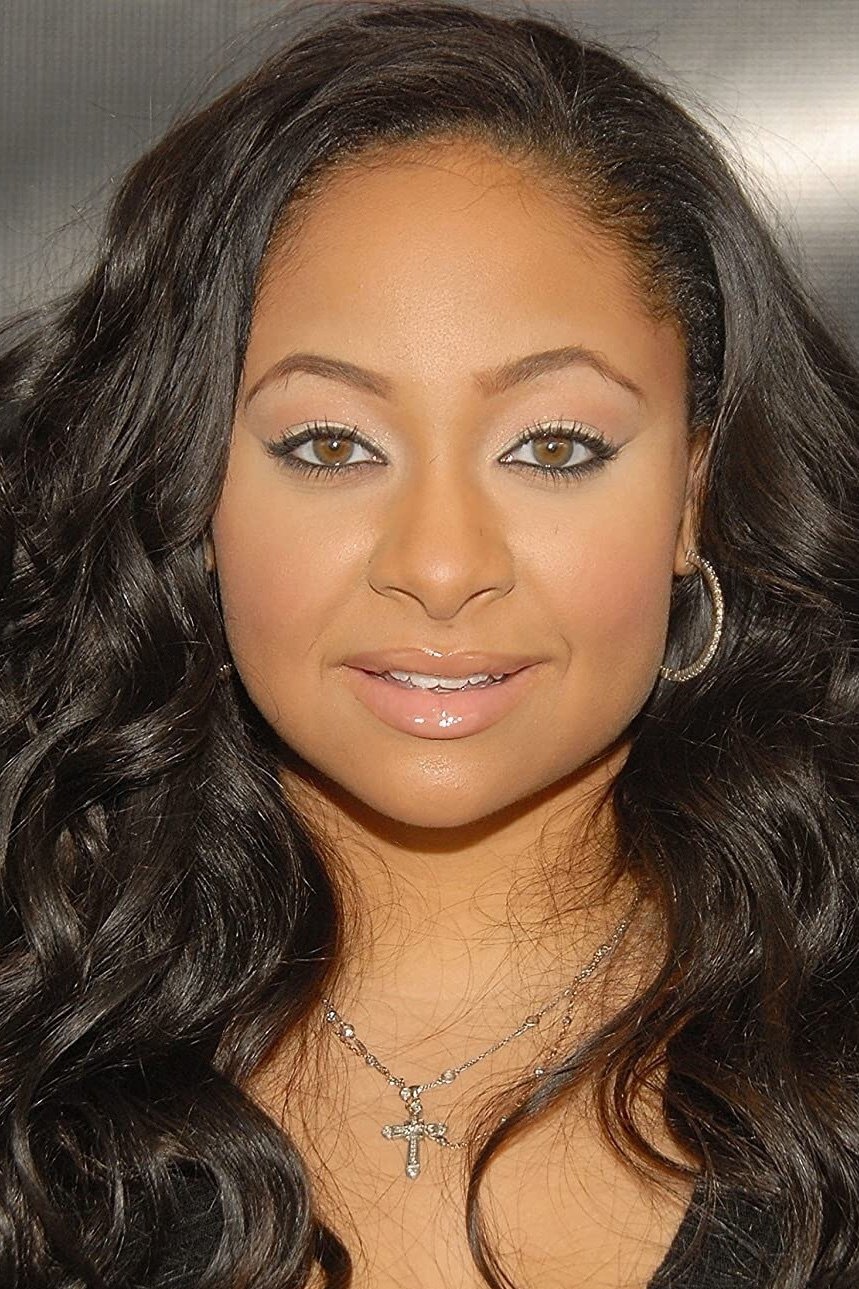
The ‘Raven’s Home’ star has discussed her decision to keep her personal life private for many years. She has noted that as a child star, there were intense expectations for her to remain a “straight-passing” role model. Raven-Symoné eventually came out on her own terms, stating that she didn’t want to be labeled by her sexuality but wanted to live authentically. She continues to be a prominent figure in television.
Patti Harrison

The comedian and actress has spoken about the hurdles of being a trans woman in a mainstream space that often expects a “straight-passing” or binary presentation. Harrison has used her unique comedic voice to subvert these expectations and challenge industry norms. She has been cast in roles where her trans identity is not the focus, which she has noted is a significant step forward. Harrison continues to push boundaries in both film and television.
Kit Connor

The ‘Heartstopper’ star was famously forced to come out as bisexual after being accused of “queerbaiting” by fans. This incident highlighted the immense pressure on young actors to either “pass” or disclose their identity on a public timeline. Connor expressed frustration at being forced to reveal a private part of himself before he was ready. The situation sparked a broader conversation about the industry’s and the public’s entitlement to a performer’s identity.
George Takei
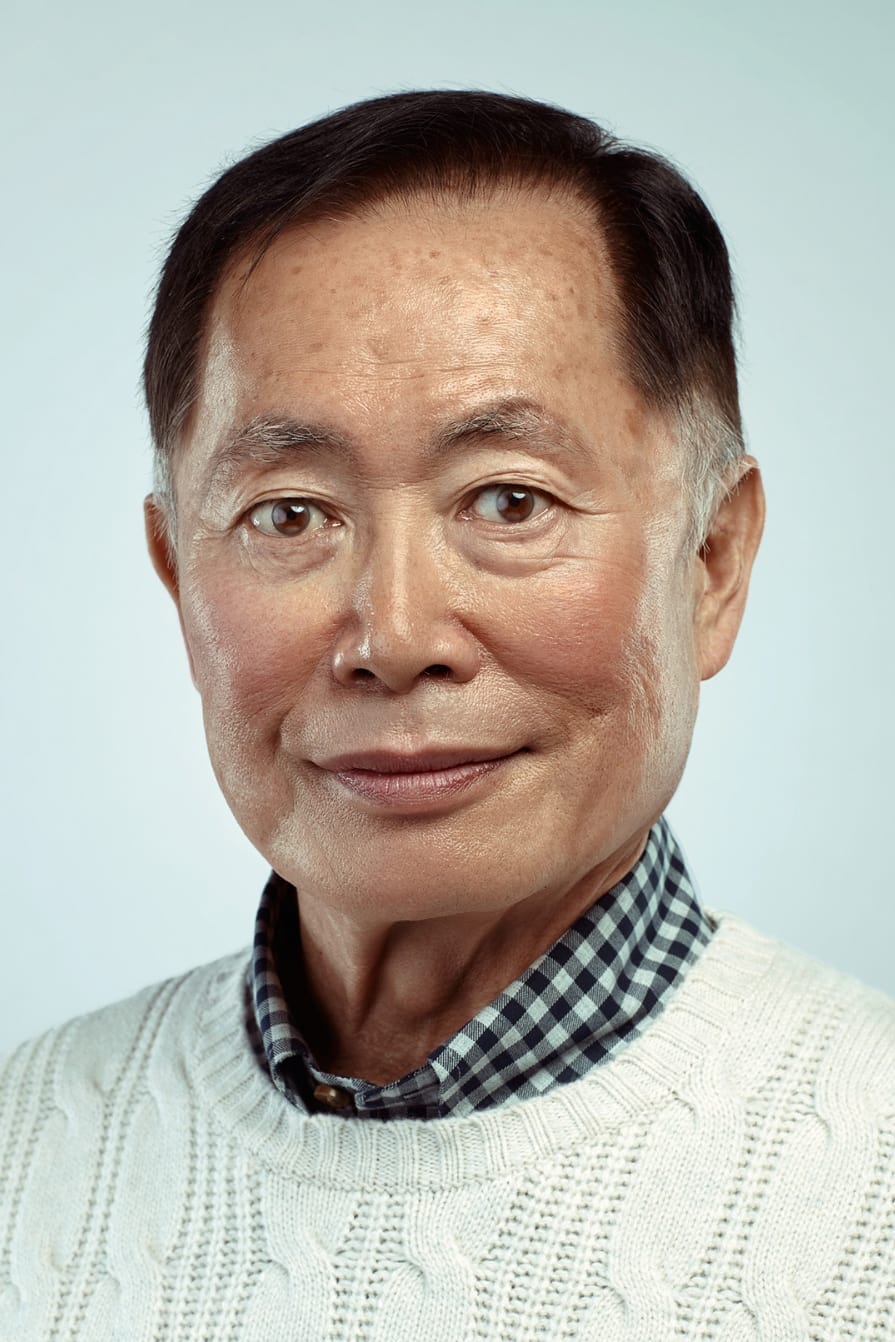
The ‘Star Trek’ legend spent decades in the closet to protect his career during a much more restrictive era of Hollywood. Takei has frequently discussed how “straight-passing” was a literal requirement for employment in the 1960s and 70s. He eventually came out in 2005 and has since become one of the most prominent LGBTQ+ activists in the world. His life story illustrates the dramatic shift in the industry, even as some pressures remain.
Share your thoughts on the industry’s treatment of LGBTQ+ performers in the comments.