Quentin Tarantino Points to One 1970s Franchise as the Marvel of Its Era

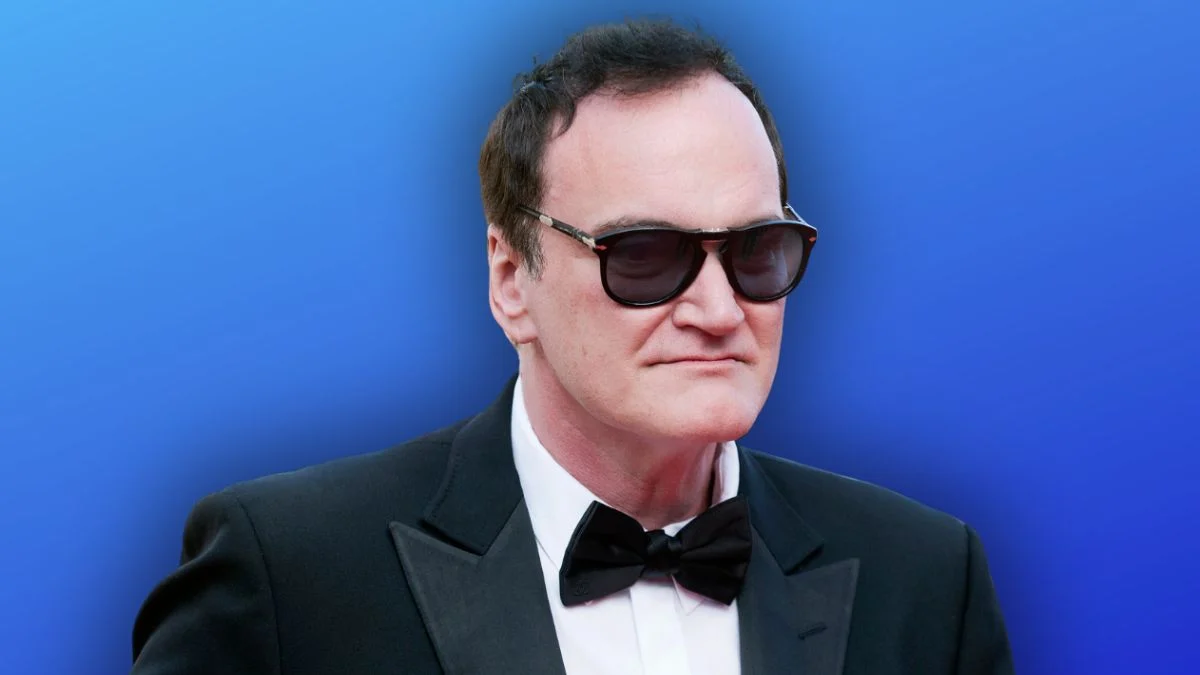

Quentin Tarantino’s views on the superhero genre are far more nuanced than many of his peers, as he remains a vocal fan of the source material while critiquing the current cinematic execution. The two-time Academy Award winner has frequently expressed a deep-seated affection for specific Marvel properties, famously considering an adaptation of Luke Cage in the 1990s.
He has also singled out the Shang-Chi comics as a personal favorite from his youth and praised modern entries like Thor: Ragnarok, setting him apart from directors who view the entire genre as a detriment to the industry. However, the filmmaker remains a sharp critic of what he calls the “Marvel-ization” of the film business.
He has famously argued that the franchise system has fundamentally altered the nature of movie stardom, suggesting that the characters themselves have become the draw rather than the actors portraying them.
In Tarantino’s view, the brand does the heavy lifting, leading him to describe directors within these massive systems as “hired hands” who must sacrifice their individual creative voice to fit a pre-existing corporate mold.
While the modern Marvel Cinematic Universe is often credited with perfecting the interconnected storytelling model, Tarantino contends that the blueprint was actually established decades ago in Hong Kong.
He points to Jimmy Wang Yu’s One-Armed Boxer series from the 1970s as the true pioneer of the “gonzo extravaganza” style. “The One-Armed Boxer movies are comic book-inspired gonzo extravaganzas, filled with superpowered superheroes fighting an array of superpowered supervillains,” Tarantino explained, noting that the battles felt as though they were orchestrated by the legendary Jack Kirby.
He further elaborated that these martial arts sagas, with their colorful rosters of villains like the Tibetan Tiger Men and Karate Killer, were the closest the 1970s came to a live-action Marvel Universe.
Tarantino was careful to mention that he isn’t merely making this comparison now to capitalize on the current trend, but has viewed these films as proto-comic book crossovers since they first arrived in theaters.
“In the ’70s, these movies were the closest equivalent to the Mighty Marvel Universe that cinema had to offer,” he stated, emphasizing the stylistic debt modern blockbusters owe to these B-tier classics. Tarantino is moving forward with a unique phase of his career that sees him stepping away from the director’s chair for his next major script.
He recently completed the screenplay for The Adventures of Cliff Booth, a standalone sequel to Once Upon a Time in Hollywood that follows Brad Pitt’s iconic stuntman as a Hollywood studio fixer in the 1970s.
Tarantino will not direct his own work this time. Instead, the project is being helmed by David Fincher and is slated for an August release on Netflix with a staggering $200 million budget. While Fincher handles the filming, Tarantino is focusing his energy on the stage, having written an original British farce intended for London’s West End.
The play is expected to debut in 2027. Between his massive Netflix collaboration and his transition into theater, the filmmaker continues to exert a powerful influence over the industry, even as he navigates his self-imposed retirement from feature directing.
Have something to add? Share your thoughts in the comments.