Anime Fan Movements That Successfully Fought Censorship

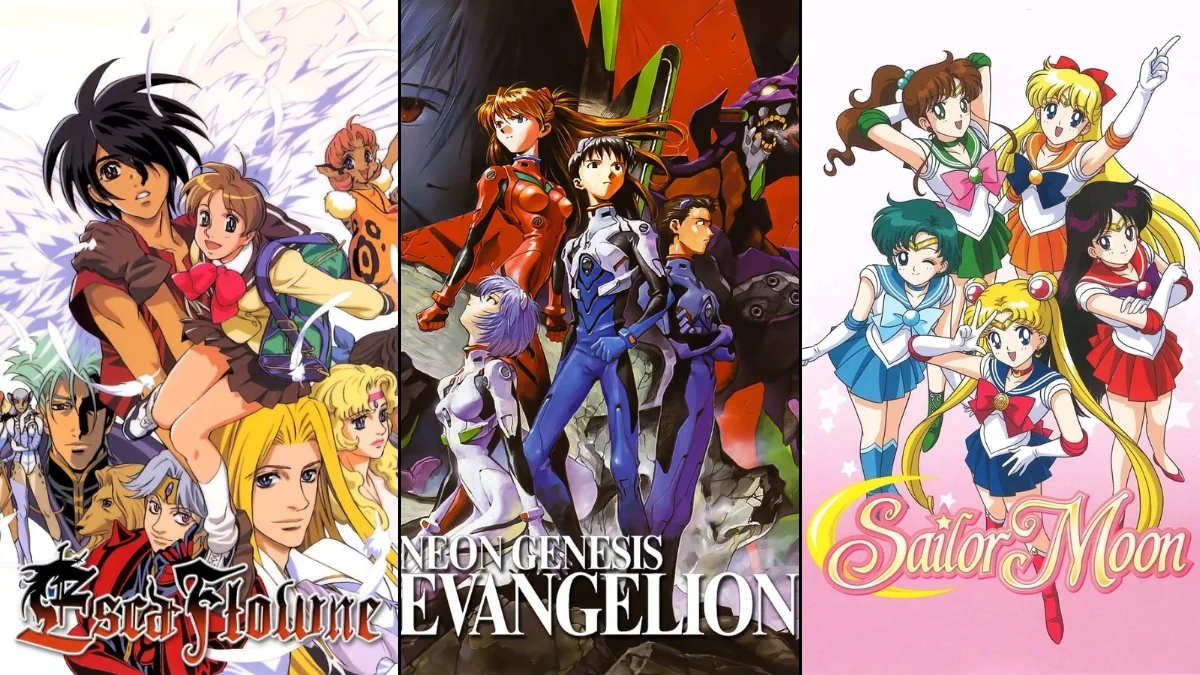

The history of anime localization in the West has often been defined by a struggle between distributors who wish to sanitize content and dedicated viewers who demand authenticity. From the early days of broadcast television to the modern streaming era, fans have organized petitions, boycott campaigns, and letter-writing initiatives to ensure their favorite series remain unedited. These movements have frequently resulted in companies reversing localization decisions or releasing uncut versions specifically for the collector market. The following instances highlight moments when organized fan communities successfully preserved the original integrity of various anime series.
‘Sailor Moon’ (1992–1997)
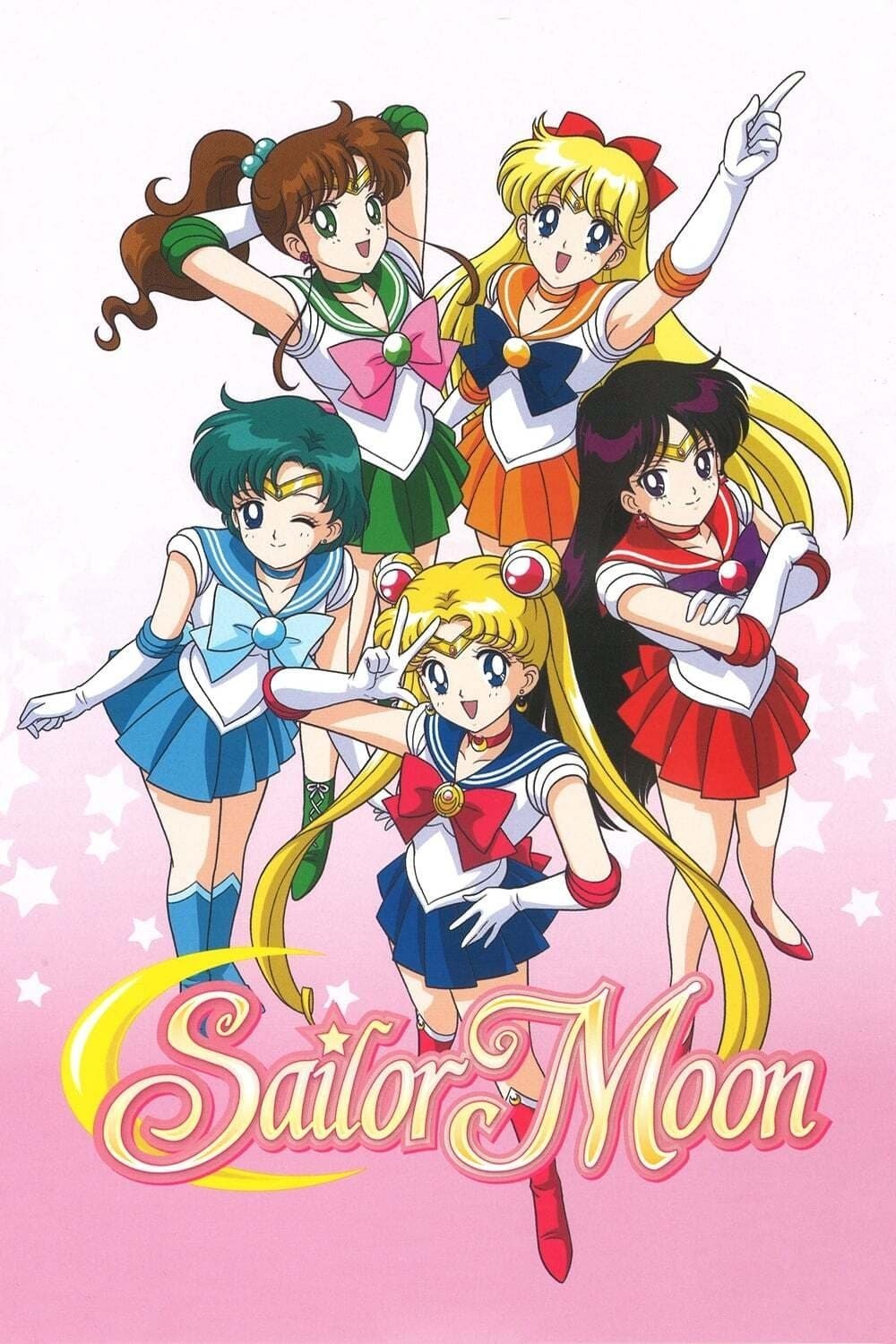
During the late 1990s, the “Save Our Sailors” (SOS) campaign became one of the first major examples of online fan activism in the anime community. Fans organized to protest the cancellation and heavy censorship of ‘Sailor Moon’ by DiC Entertainment, which had removed episodes and altered character relationships. The SOS campaign successfully lobbied for the remaining episodes of ‘Sailor Moon R’ to be dubbed and aired. Years later, continued fan demand for an unedited version led to the series being re-licensed by Viz Media for a completely uncut and redubbed release. This movement proved that an organized digital presence could influence major licensing decisions.
‘One Piece’ (1999–Present)
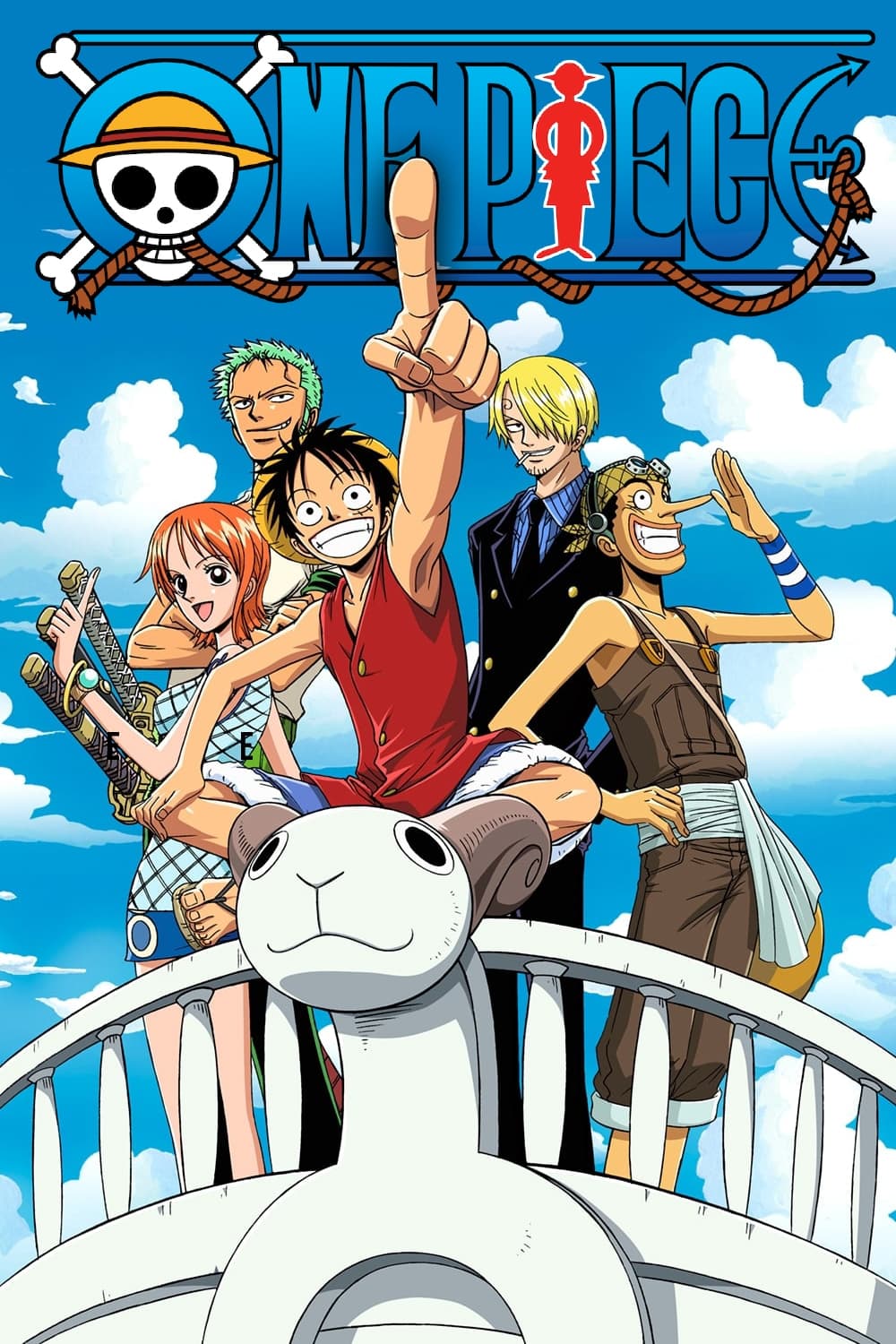
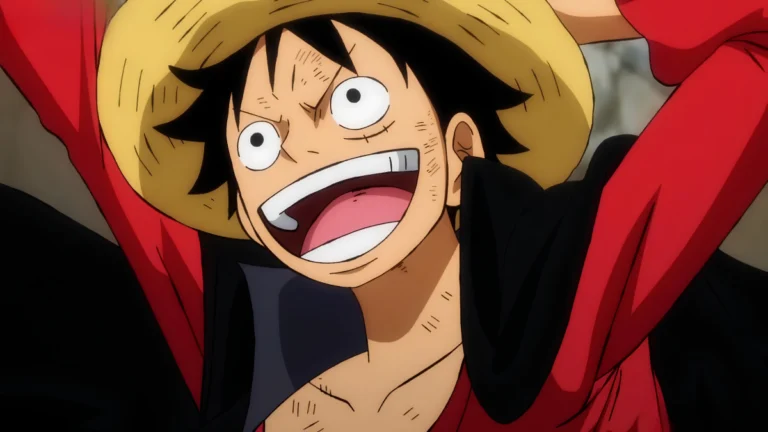
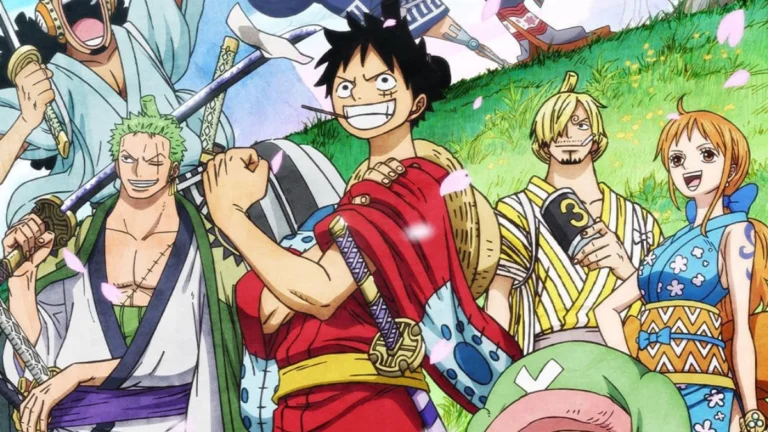
The initial English localization of ‘One Piece’ by 4Kids Entertainment was notorious for its extreme censorship, which included replacing cigarettes with lollipops and removing entire story arcs. Fan backlash was persistent and vocal, with many viewers opting to watch fansubs rather than support the edited broadcast. This widespread dissatisfaction eventually contributed to 4Kids relinquishing the license to Funimation, which committed to an uncut release strategy. Funimation began releasing the series from the beginning with a new, faithful dub and original Japanese audio. This transition allowed the ‘One Piece’ franchise to regain its narrative depth and popularity among Western audiences.
‘Cardcaptor Sakura’ (1998–2000)
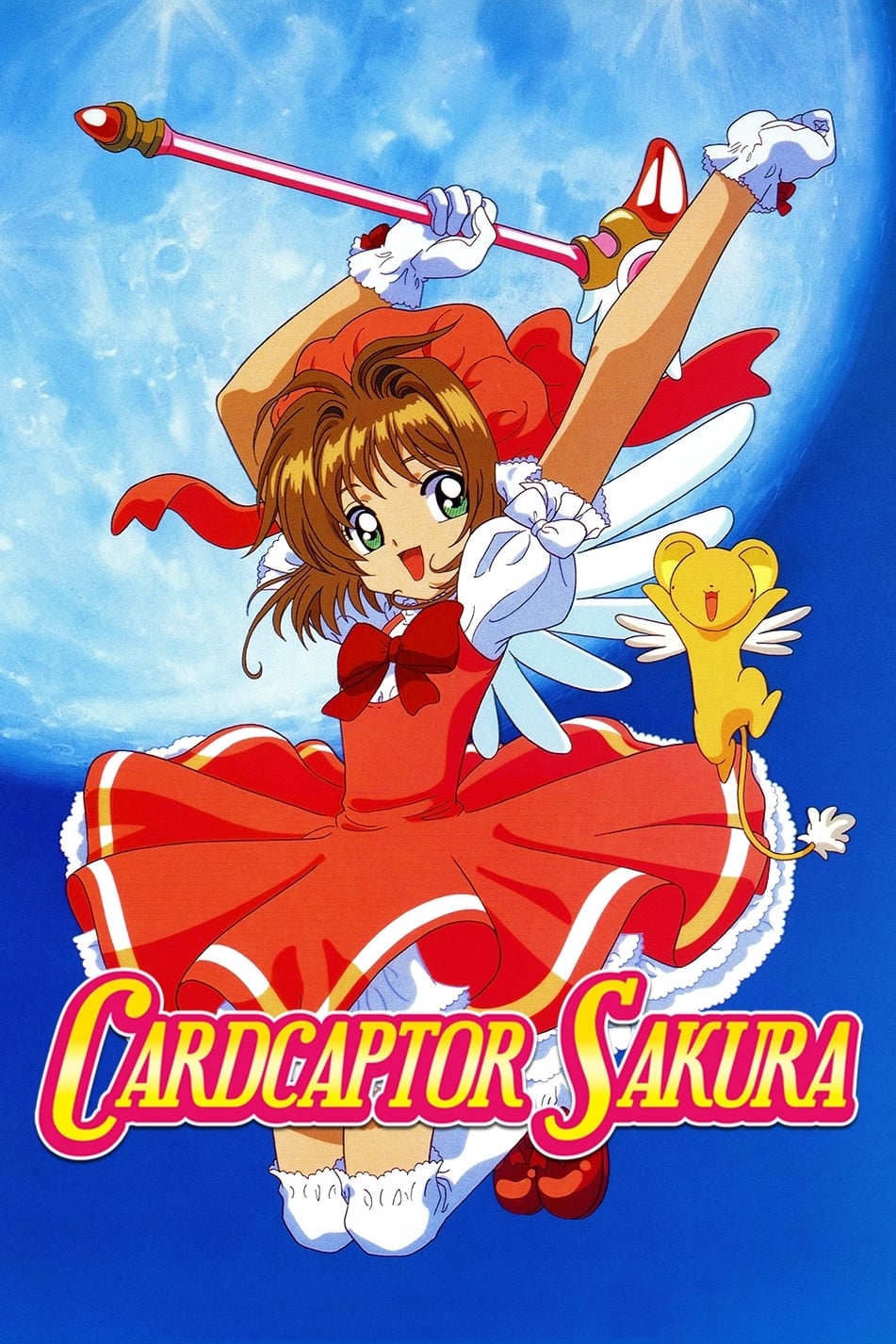
When ‘Cardcaptor Sakura’ was first brought to North America as ‘Cardcaptors’, the series was heavily edited to appeal to a male demographic, changing the protagonist focus and removing romantic subplots. Fans were highly critical of these changes, leading to a significant demand for the original Japanese version. In response to the outcry, Pioneer (later Geneon) released the series in its original format with subtitles alongside the edited version. This dual-release strategy was a direct result of collectors stating they would not purchase the edited television cuts. It marked a turning point where distributors realized the financial value of the “uncut” market.
‘Dragon Ball Z’ (1989–1996)

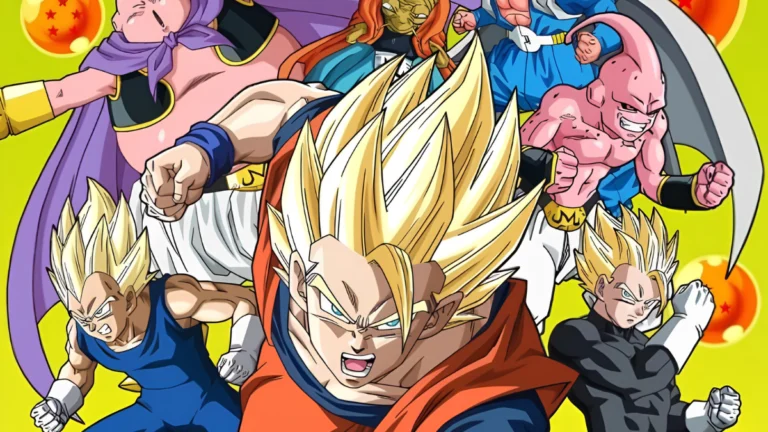
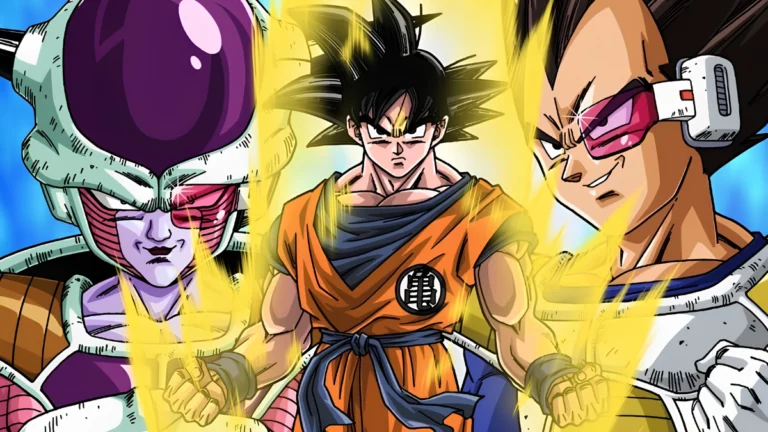
Early North American broadcasts of ‘Dragon Ball Z’ featured significant visual edits to hide blood and violence, as well as a completely replaced musical score. For years, fans lobbied for a version of the show that restored the original Japanese music and removed all broadcast-level censorship. Funimation eventually responded by releasing the “Orange Brick” DVD sets and subsequent Blu-ray releases, which included the option for the original Japanese audio and music. These releases were marketed specifically as “uncut” to satisfy the long-term demands of the fan base. The success of these sets confirmed that fans were willing to repurchase the series to obtain the original experience.
‘Yu-Gi-Oh! Duel Monsters’ (2000–2004)
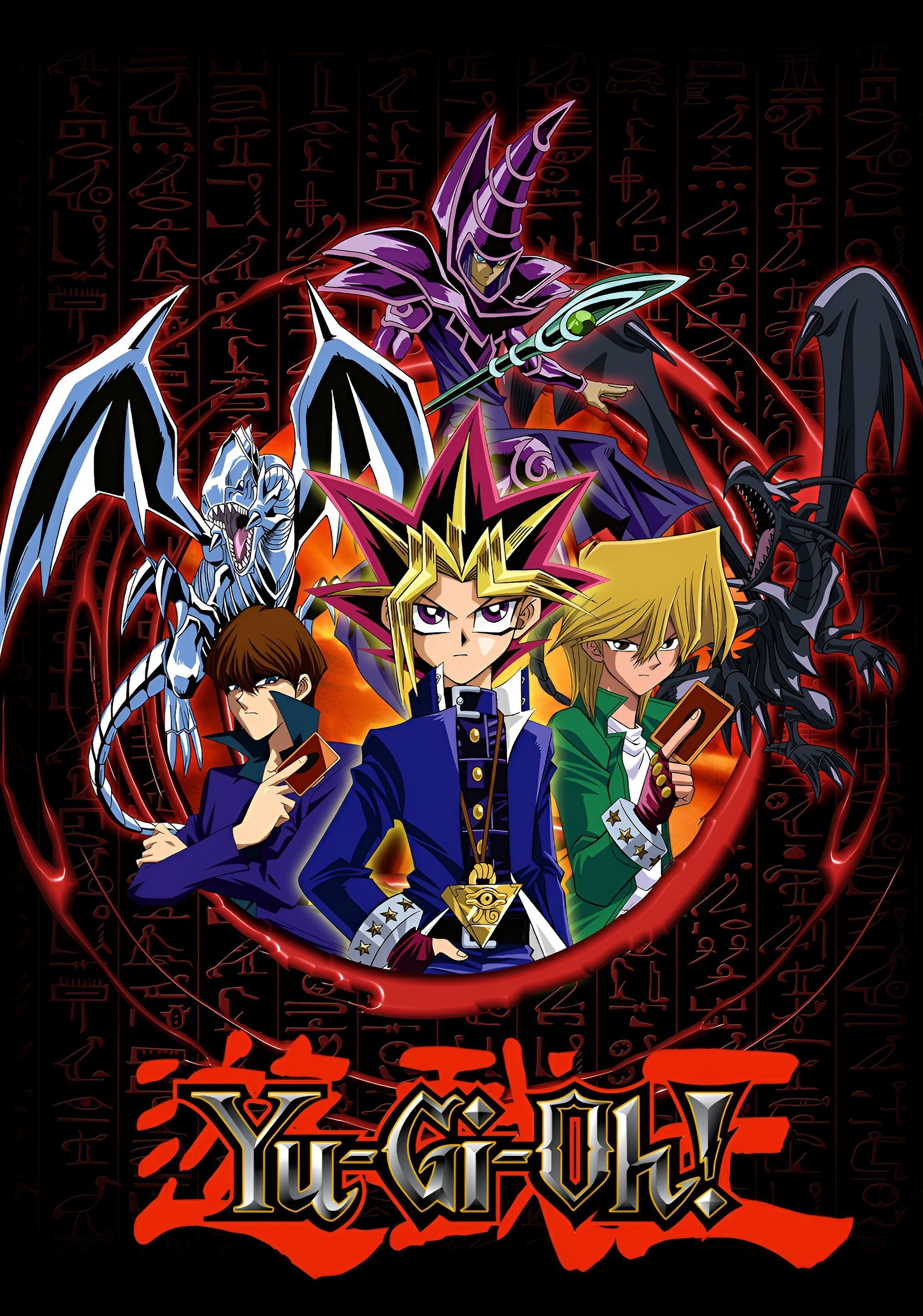
‘Yu-Gi-Oh! Duel Monsters’ underwent extensive visual alterations by 4Kids Entertainment to remove references to death and religion, often replacing weapons with “invisible” threats. A vocal segment of the fan base continuously advocated for an uncut release, leading to a short-lived DVD line that featured the original Japanese version. While that specific line was eventually discontinued, the pressure from fans ensured that future iterations of the franchise on streaming platforms often included the original Japanese audio. The “Shadow Realm” meme itself originated from fan mockery of the censorship, keeping the conversation about the show’s original dark tone alive for decades. This persistent interest led to the eventual availability of the unedited Japanese version on various digital storefronts.
‘Nausicaä of the Valley of the Wind’ (1984)
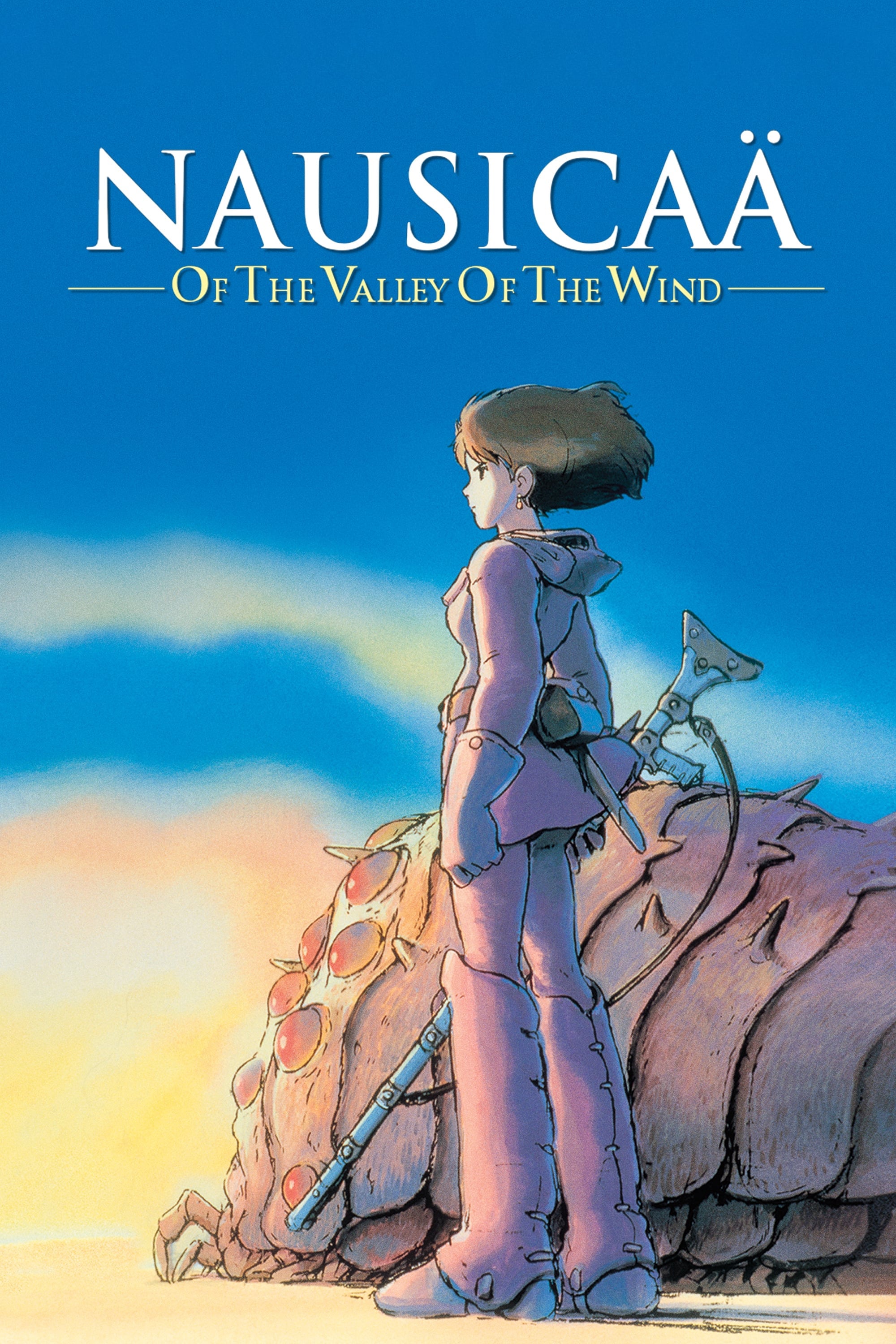
The initial Western release of ‘Nausicaä of the Valley of the Wind’, titled ‘Warriors of the Wind’, saw nearly thirty minutes of the film removed to speed up the pacing. This censorship was so poorly received by fans and director Hayao Miyazaki that it led to the famous “no cuts” policy for all future Studio Ghibli localizations. Fans actively documented the differences between the versions and campaigned for a proper re-release of the original film. When Disney eventually acquired the distribution rights, they released the film in its entirety, honoring the fans’ desire for the original vision. This case established a precedent for the protection of artistic integrity in high-profile anime films.
‘Interspecies Reviewers’ (2020)
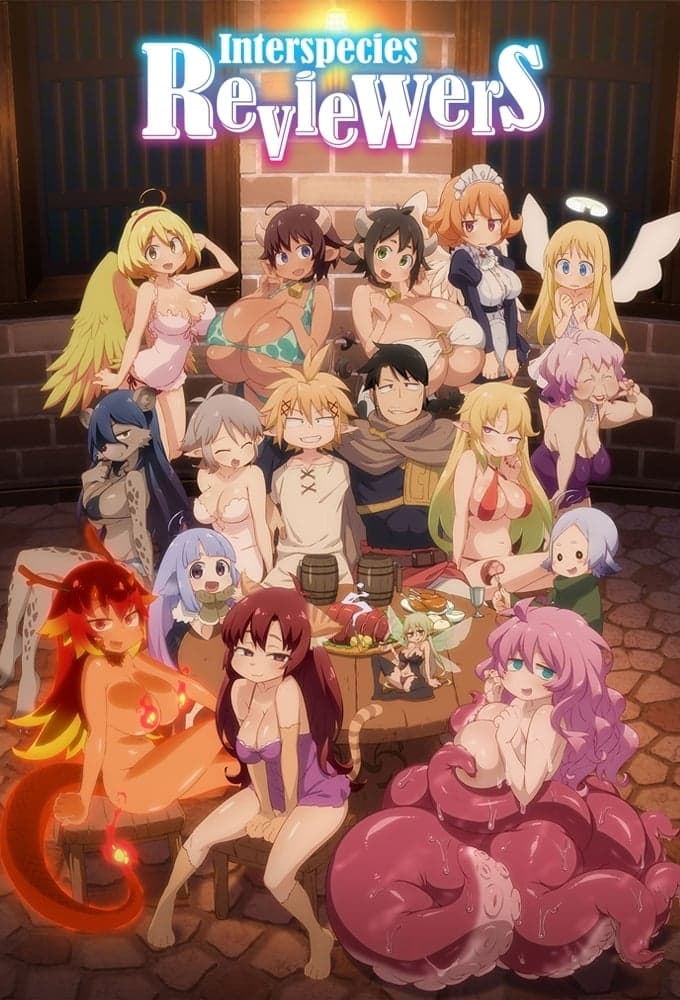
When Funimation pulled ‘Interspecies Reviewers’ from its streaming service shortly after it began airing due to its mature content, fans responded with a massive surge in support for the title on other platforms. The series was quickly picked up by smaller distributors and independent retailers who promised an uncut physical release. Fans used social media to drive the series to the top of various rating charts as a form of protest against the “de-platforming” of the show. The subsequent Blu-ray release became a top seller, proving that there was a lucrative market for content that mainstream streamers deemed too controversial. This collective action ensured the series remained accessible to Western viewers despite the initial cancellation.
‘Neon Genesis Evangelion’ (1995–1996)
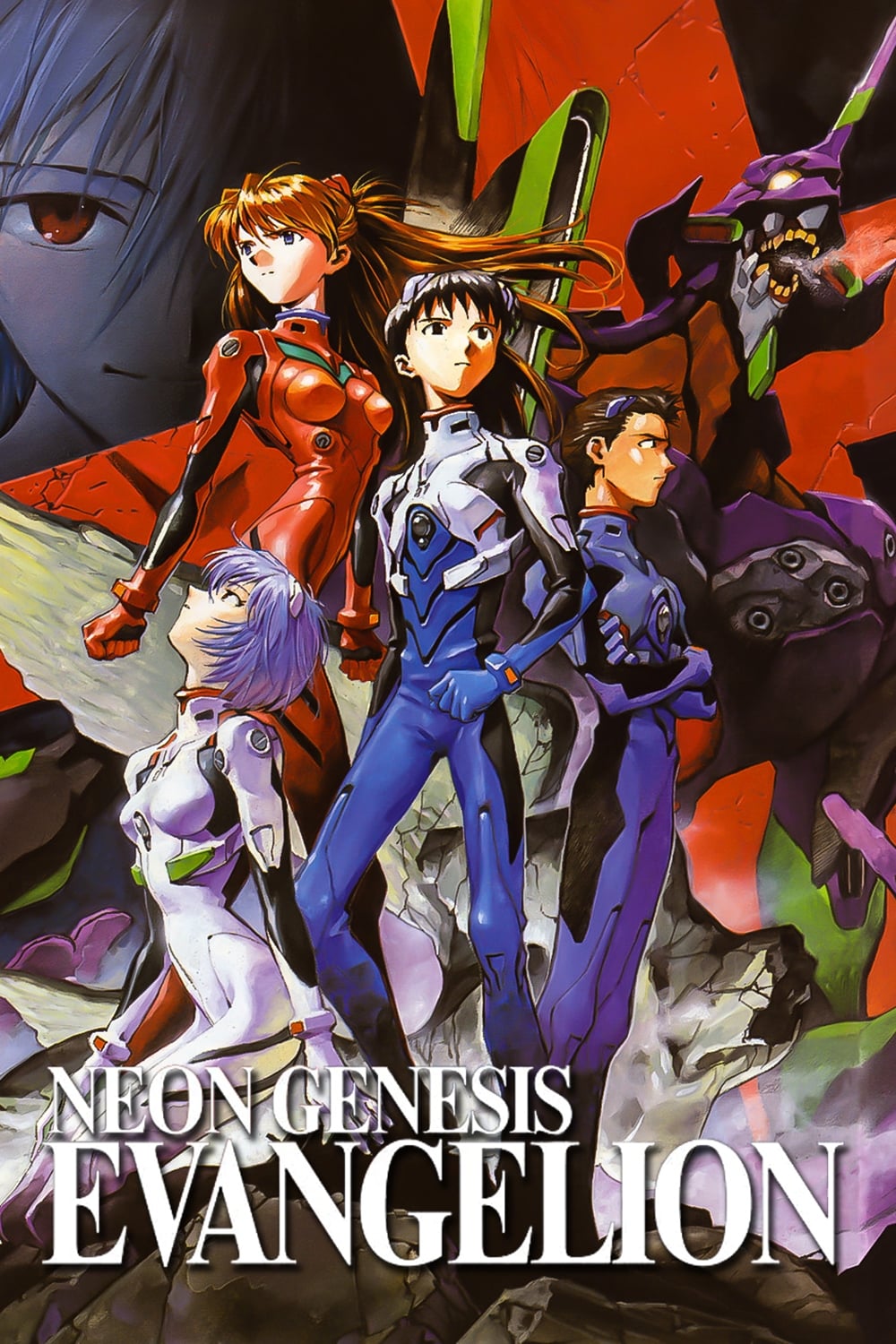
The 2019 Netflix release of ‘Neon Genesis Evangelion’ sparked significant controversy due to changes in the script and the removal of the iconic “Fly Me to the Moon” ending theme. Fans expressed their frustration over the loss of the original English voice cast and specific nuances in the translation that altered character dynamics. This outcry led to extensive discussions within the community about the importance of archival preservation and original intent. When GKIDS announced the physical Blu-ray release, they worked to include multiple versions to satisfy different segments of the fan base. The inclusion of the “Classic” dub in the Ultimate Edition was a direct response to the fan-led demand for historical continuity.
‘Tokyo Mew Mew’ (2002–2003)
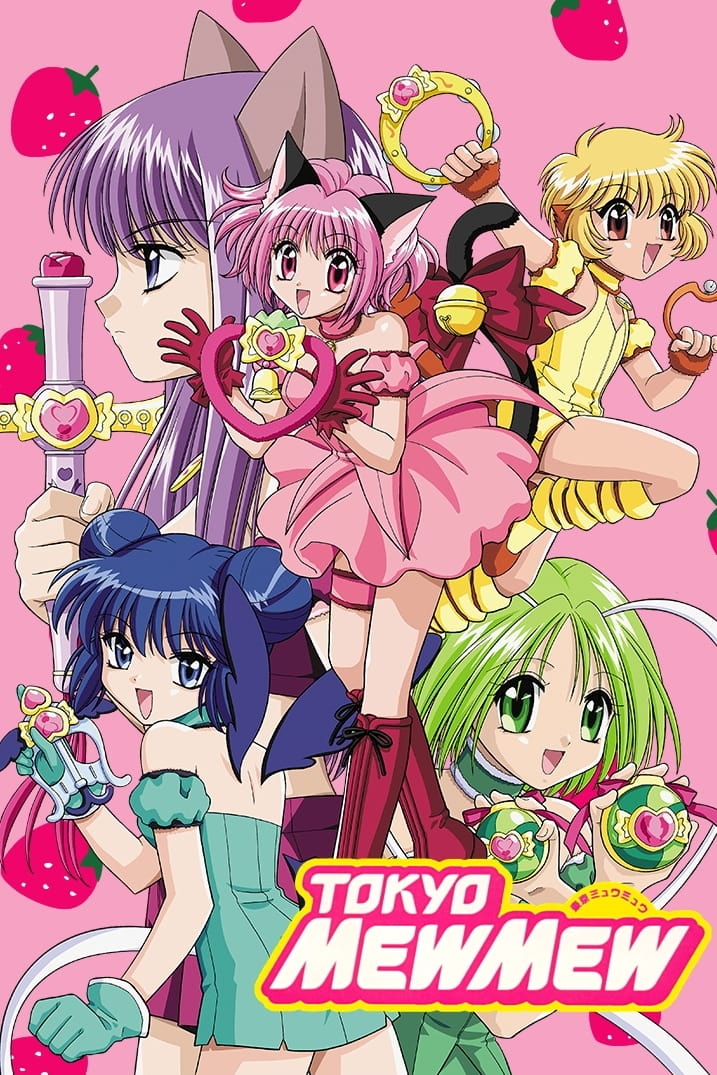
Localized as ‘Mew Mew Power’ by 4Kids Entertainment, this series saw significant name changes, musical replacements, and the removal of several episodes. Fans of the original ‘Tokyo Mew Mew’ spent years petitioning for a license rescue that would provide an unedited version of the show. Their persistence was rewarded years later when HIDIVE and Sentai Filmworks licensed the reboot series, ‘Tokyo Mew Mew New’, and ensured it remained faithful to the source material. The consistent interest from the original fan base kept the brand relevant in the West during the long gap between releases. This sustained demand eventually proved that “magical girl” fans preferred faithful adaptations over modernized edits.
‘Robotech’ (1985)

‘Robotech’ was famously created by editing together three different anime series: ‘The Super Dimension Fortress Macross’, ‘Super Dimension Cavalry Southern Cross’, and ‘Genesis Climber MOSPEADA’. For decades, fans of the original ‘Macross’ fought to have the series released in its original, uncombined form without the ‘Robotech’ narrative framework. Legal battles between Harmony Gold and original creators complicated these efforts, but fans continued to support imports and fan-driven restoration projects. In 2021, a landmark agreement was reached that allowed for the official distribution of the original ‘Macross’ sequels and films globally. This was seen as a major victory for purists who had spent over thirty years advocating for the separation of the franchises.
‘Saint Seiya’ (1986–1989)
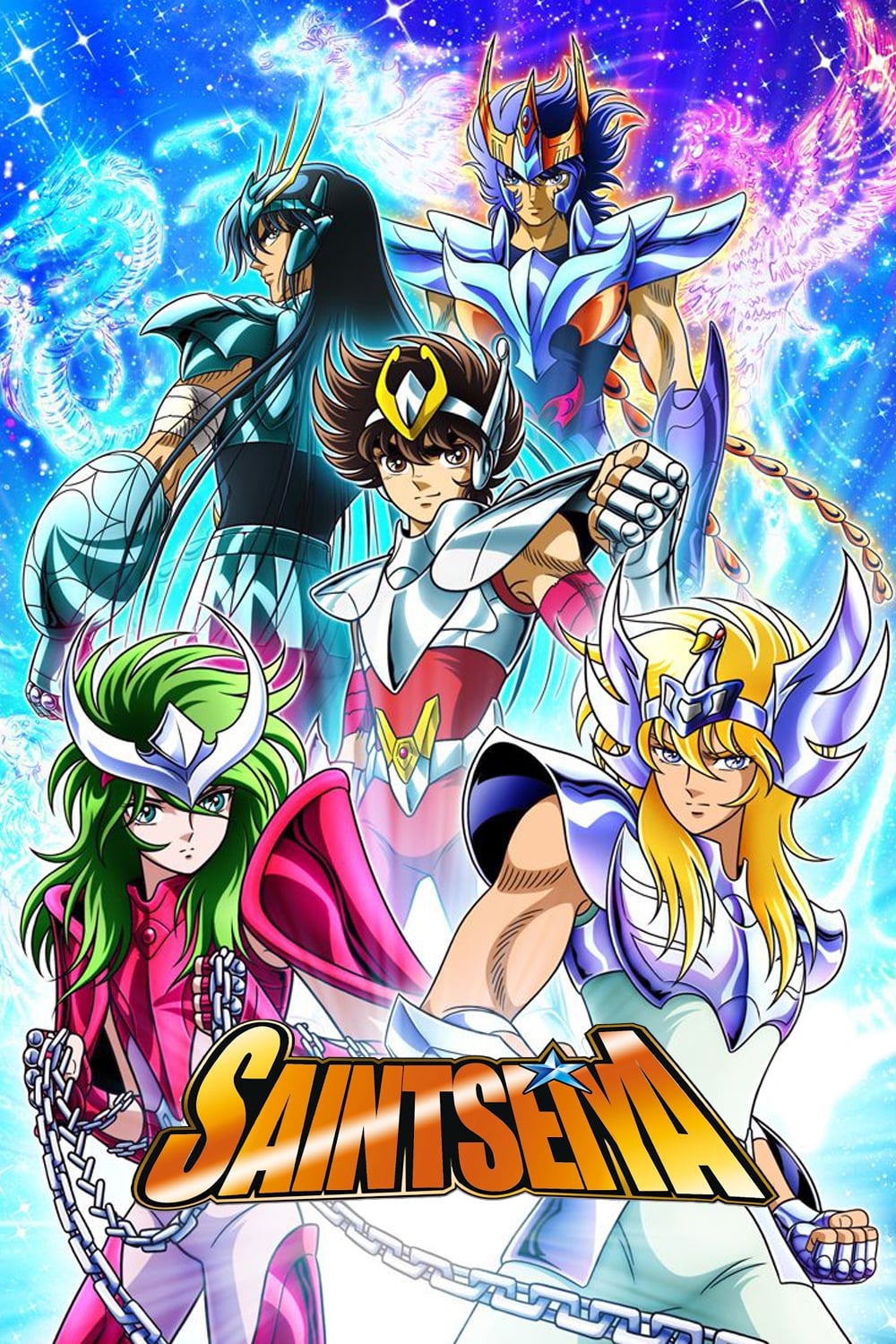
The initial English version of ‘Saint Seiya’, titled ‘Knights of the Zodiac’, featured a replaced soundtrack and edited violence to fit a younger television demographic. Fans of the franchise, which is legendary in Latin America and Europe, were vocal about their disappointment with the Americanized version. This led to a shift in how the property was handled in subsequent years, with Netflix eventually providing a more faithful subbed version of the original series. The backlash against the edited ‘Knights of the Zodiac’ version ensured that future physical releases focused on the uncut Japanese original. This transition allowed American fans to finally experience the series as it was intended.
‘Science Ninja Team Gatchaman’ (1972–1974)

Originally brought to the West as ‘Battle of the Planets’, the series was heavily edited to remove violence and added a robot character to explain away plot holes. Fans who discovered the original ‘Science Ninja Team Gatchaman’ campaigned for a release that stripped away these westernized additions. Eventually, ADV Films released the series in its entirely unedited form with a new, faithful English dub. This restoration was a direct response to the growing maturity of the anime fan base which rejected the “kid-friendly” edits of the 1970s. It remains one of the most successful examples of “un-doing” a heavily localized product.
‘The Vision of Escaflowne’ (1996)
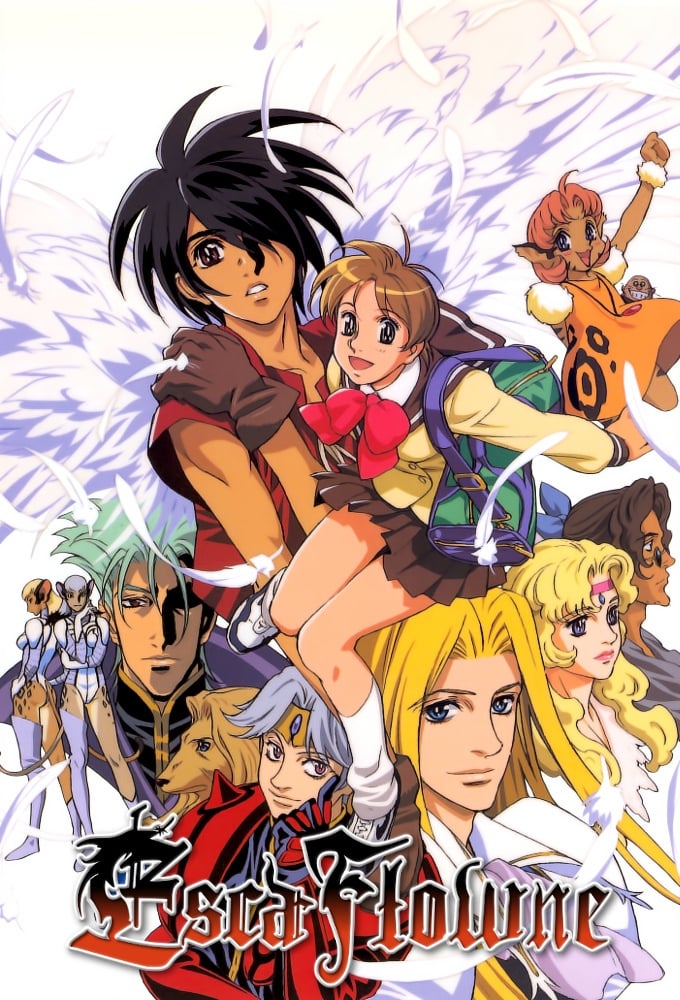
When ‘The Vision of Escaflowne’ aired on Fox Kids, it was edited to remove blood and focus more on the action elements rather than the shoujo-inspired romance. Fans who had seen the original Japanese version or the Bandai Entertainment DVDs were quick to criticize these changes online. The negative reception of the edited broadcast version led to a renewed interest in the “uncut” DVD sets, which sold exceptionally well. Years later, a Kickstarter for a new English dub and Blu-ray release was successfully funded by fans who wanted the ultimate, unedited version of the show. This fan funding directly ensured that the series would be preserved in high definition without broadcast restrictions.
‘Initial D’ (1998–2014)
Tokyopop’s initial release of the ‘Initial D’ manga and anime included “Americanized” name changes and a replaced hip-hop soundtrack that fans found jarring. The community’s rejection of these changes was so absolute that Tokyopop eventually ceased their localization efforts for the series. When Funimation later rescued the license, they restored the original names and the iconic Eurobeat soundtrack that fans associated with the show. This change was marketed as a “restoration” of the series’ soul, catering directly to the enthusiast community. The success of the restored version highlighted the importance of preserving cultural markers like music and names.
‘Naruto’ (2002–2007)
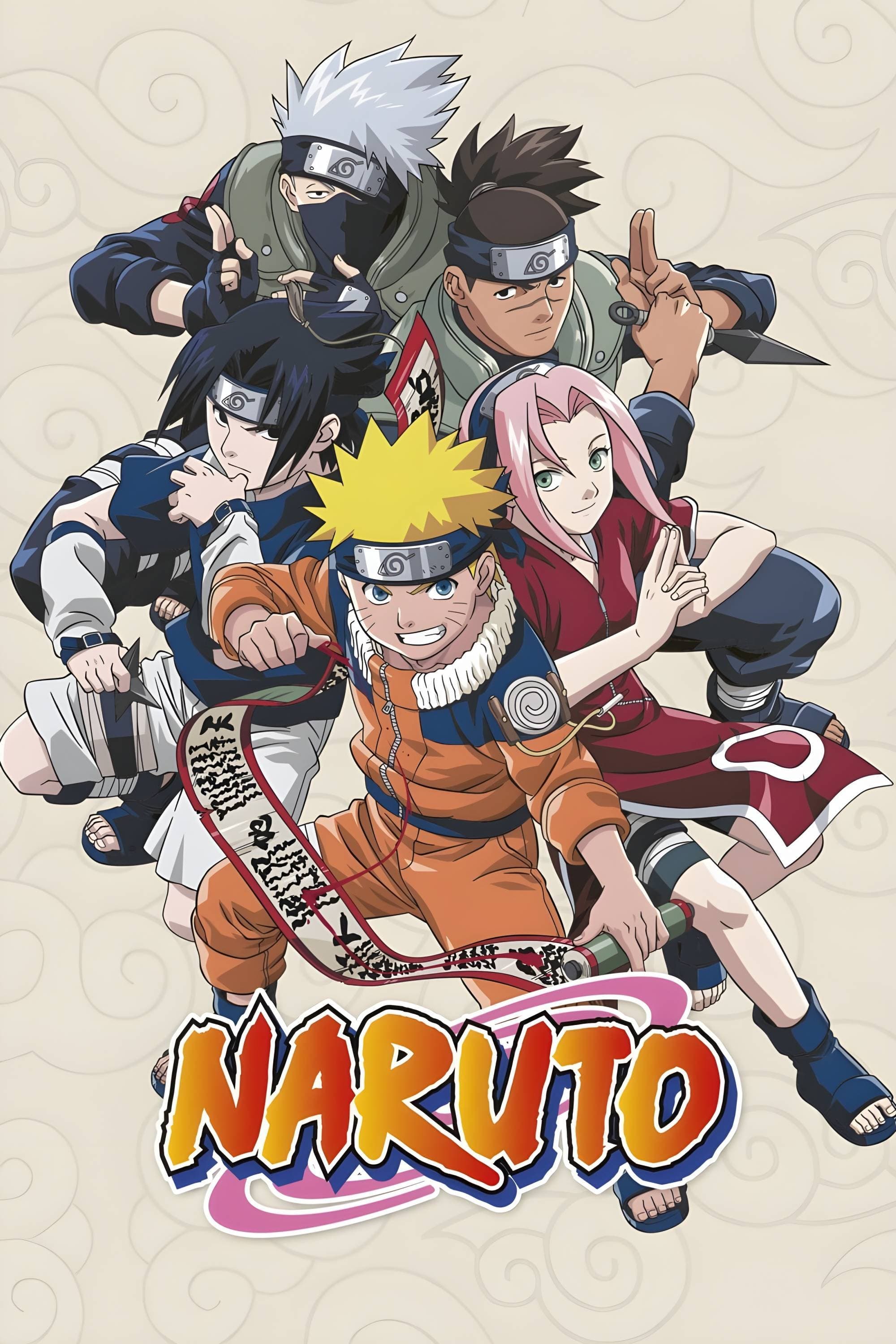
While ‘Naruto’ was a massive hit on Cartoon Network, the broadcast version featured numerous edits to tone down the violence and remove references to alcohol. Fans who wanted the original experience turned to the “Uncut” DVD box sets, which were marketed as the definitive way to watch the series. The high sales of these uncut sets convinced distributors that the fan base was willing to pay a premium for unedited content. This led to the subsequent series, ‘Naruto Shippuden’, being handled with much fewer broadcast edits from the start. The fan demand for the “Uncut” brand helped transition ‘Naruto’ from a children’s show to a respected shonen epic in the West.
‘Tenchi Muyo!’ (1992–1995)
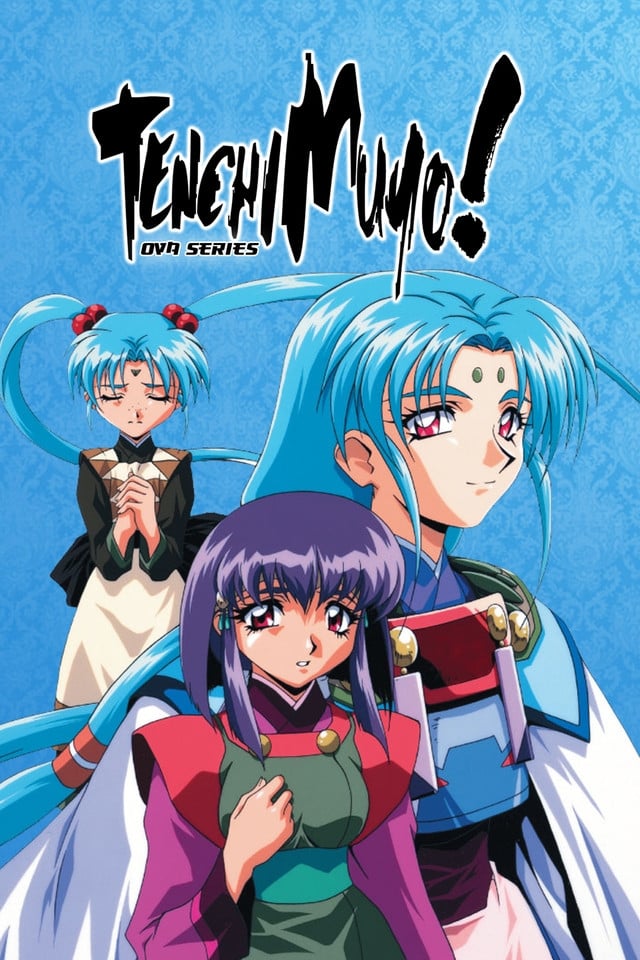
‘Tenchi Muyo!’ faced several edits regarding its fanservice and bathhouse scenes during its run on Toonami. Fans of the series were very active on early internet forums, sharing information about what had been cut and advocating for unedited home video releases. Pioneer Entertainment leaned into this demand by releasing “uncut” VHS and DVD versions that became staples of the early anime market. The vocal nature of the ‘Tenchi Muyo!’ fan base helped establish the “uncut” label as a standard marketing tool for anime in the 1990s. This ensured that the franchise’s later installments were released without similar interference.
‘Mobile Suit Gundam Wing’ (1995–1996)
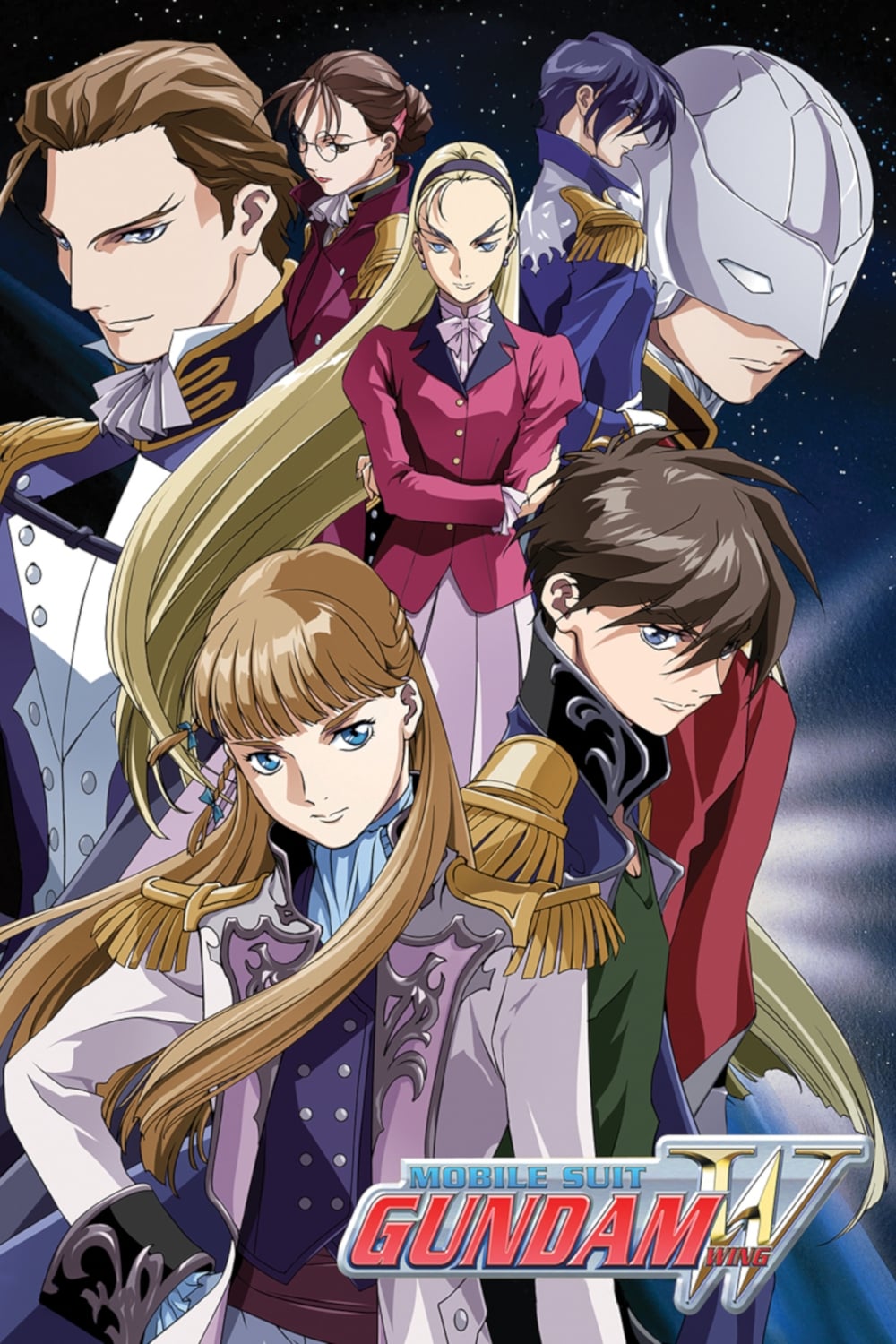
‘Mobile Suit Gundam Wing’ was a breakout hit on Toonami, but it featured edits to dialogue that removed words like “kill” or “death.” Fans who were aware of the original Japanese scripts pushed for a version that did not shy away from the series’ anti-war themes and harsher language. Bandai Entertainment eventually released the “unaltered” version on DVD, which included the original dialogue and scenes. This success paved the way for the rest of the ‘Gundam’ franchise to be released in the U.S. with a focus on older audiences. The fan insistence on the series’ serious tone helped the franchise avoid being labeled as just a “toy commercial.”
‘Glitter Force’ (2012–2013)
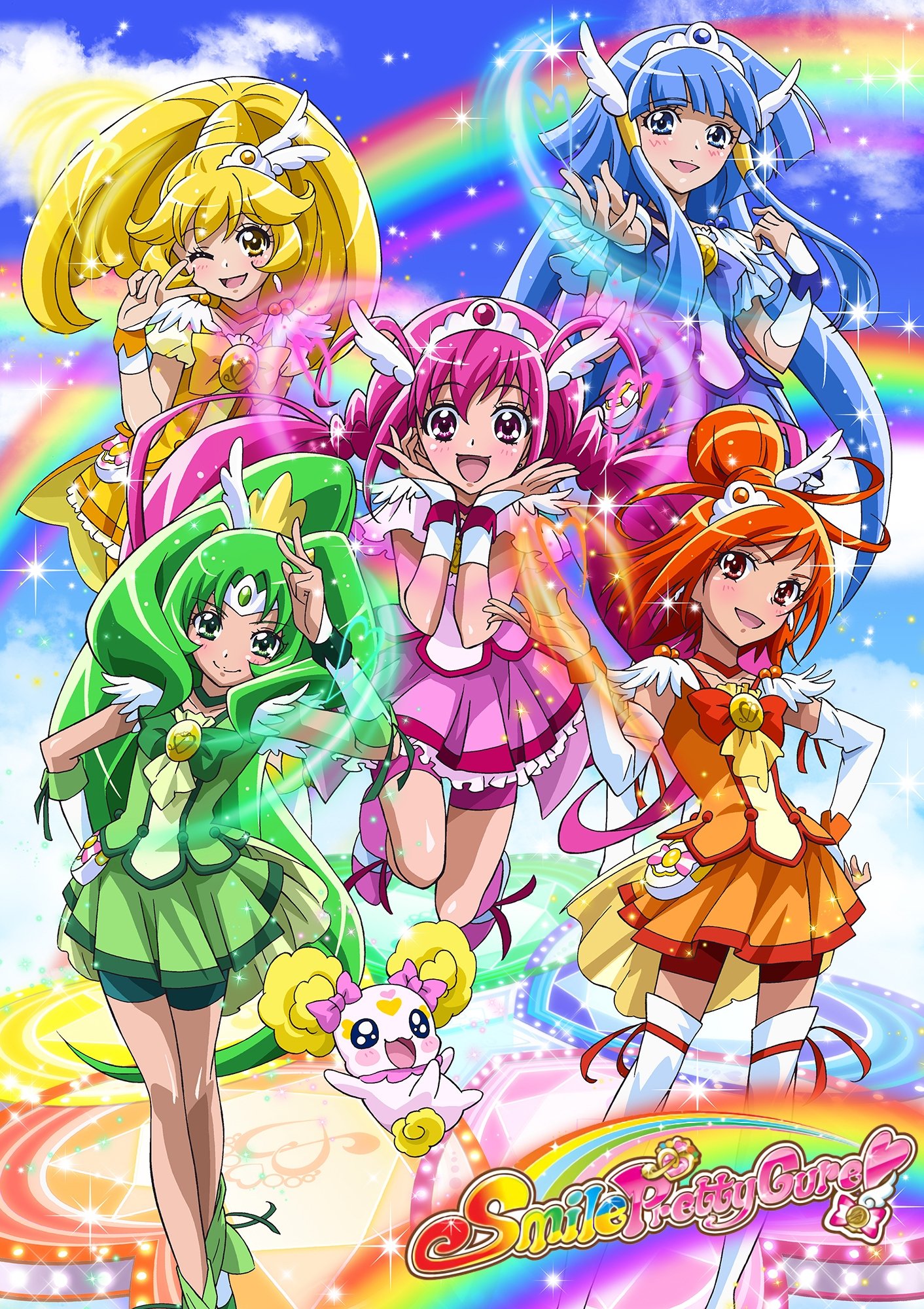
When ‘Smile PreCure!’ was localized as ‘Glitter Force’ on Netflix, it underwent significant cuts, including the removal of several episodes and a complete overhaul of the score. The ‘Pretty Cure’ fan base, which had been advocating for a Western release for years, was highly critical of these Saban-led changes. The backlash was so consistent that it is often cited as a reason why subsequent ‘PreCure’ entries were eventually brought to streaming services in their original Japanese format. Fans proved that they would rather wait for a subbed, unedited version than accept a heavily modified localization. This shift allowed the ‘PreCure’ brand to finally establish a faithful presence in the international market.
‘Rurouni Kenshin’ (1996–1998)
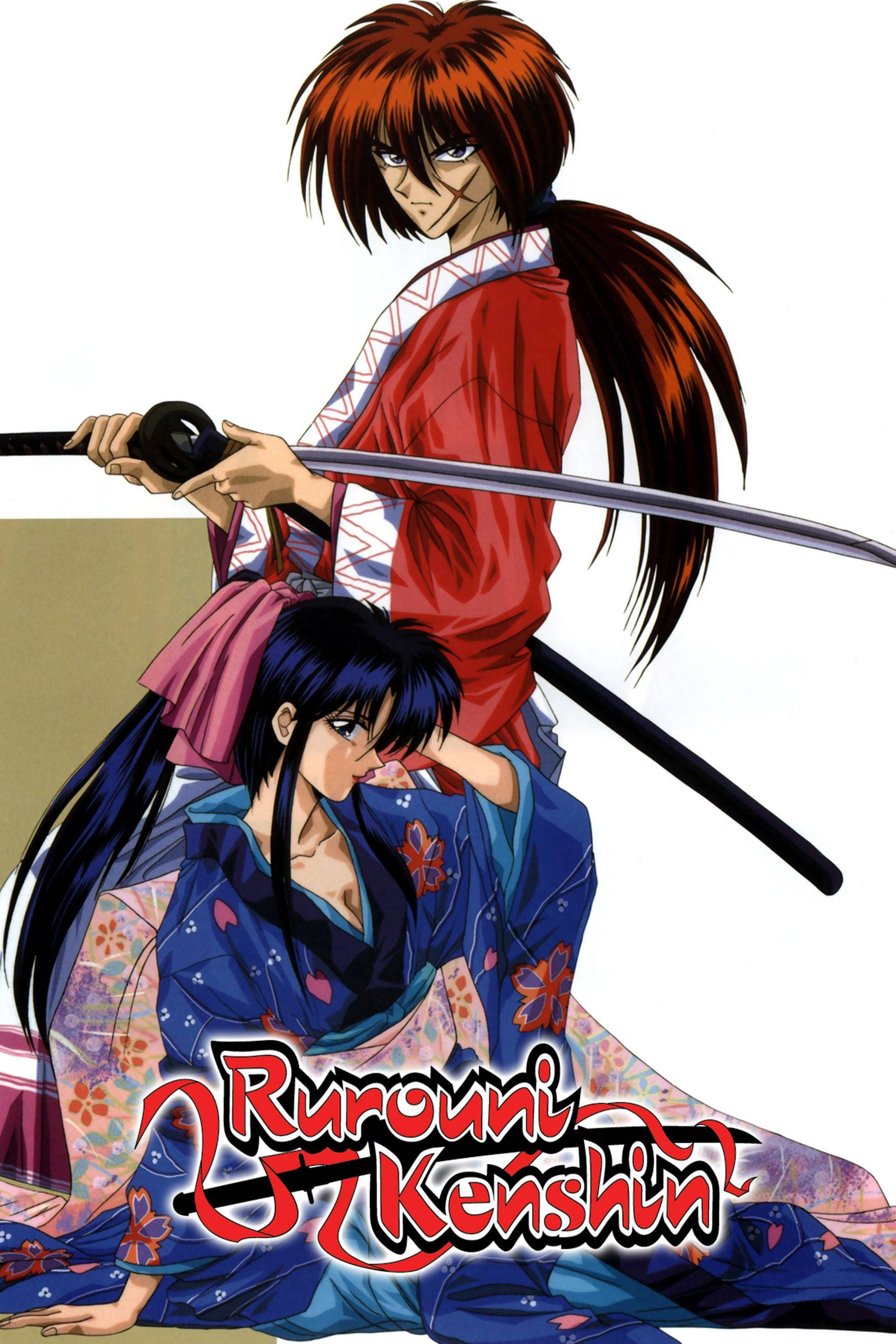
The initial English dub of ‘Rurouni Kenshin’ by Sony, titled ‘Samurai X’, was criticized for its stiff dialogue and various edits. Fans much preferred the subsequent Media Blasters dub, which was more faithful to the original Japanese script and preserved the historical context. The community’s preference for the Media Blasters version led to it becoming the standard version for years in the North American market. When the series was eventually licensed for streaming, platforms generally opted for the versions that fans had historically supported. This collective preference for the more accurate translation protected the show’s legacy as a historical drama.
‘Ghost in the Shell’ (1995)
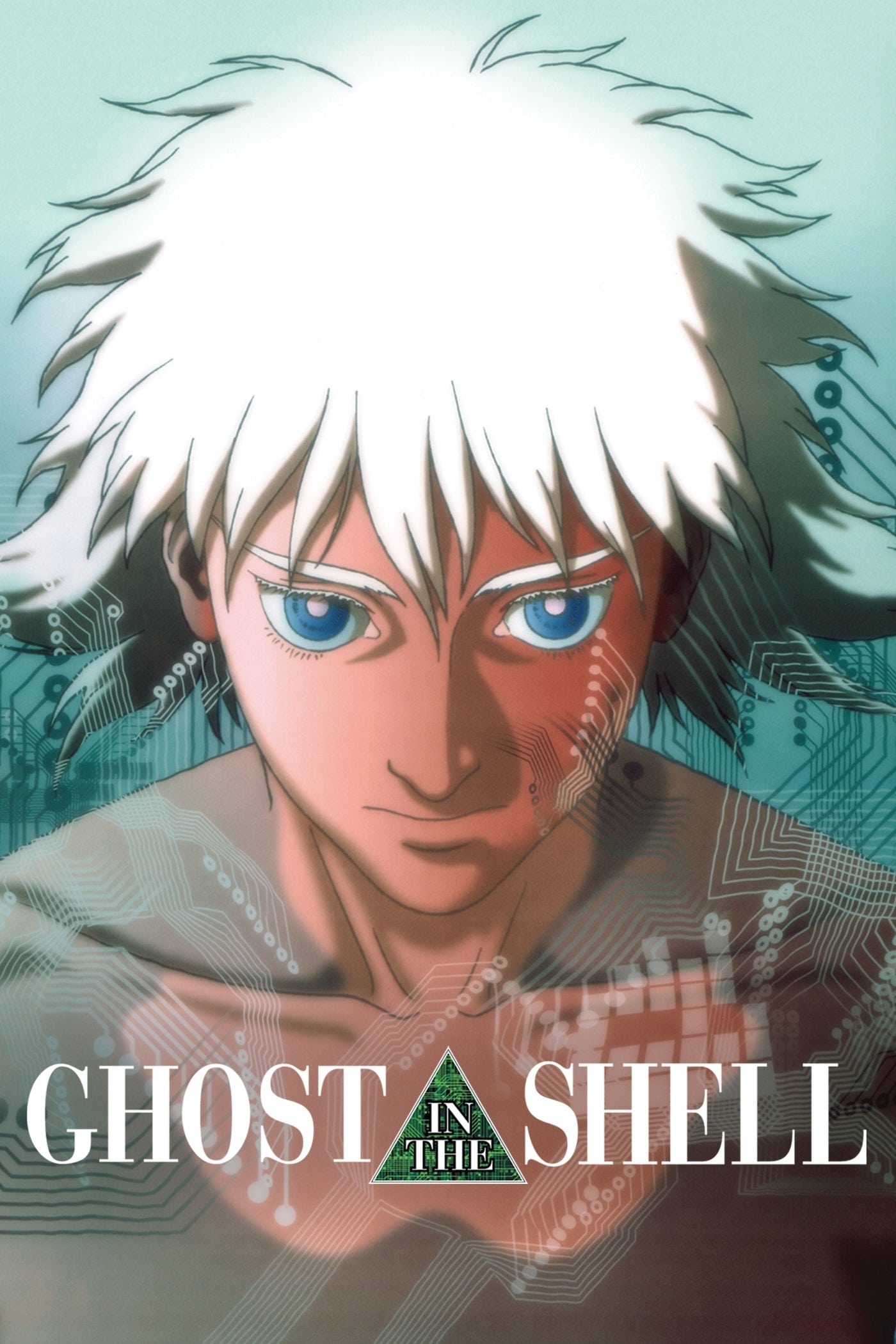
When the 2.0 version of ‘Ghost in the Shell’ was released, it replaced some original hand-drawn animation with CGI, which many fans felt detracted from the film’s atmosphere. A vocal segment of the fan base campaigned for the original 1995 version to remain available and to be given a high-definition restoration. In response to this, subsequent 4K UHD releases have typically included both the original 1995 cut and the 2.0 version. This allows fans to choose the version they prefer and ensures the original artistry is not lost to time. The restoration of the original version in modern formats was a clear victory for fans of the film’s classic aesthetic.
Share your thoughts on these fan-led movements and tell us which anime restoration was your favorite in the comments.