Richard Gadd Defends ‘Half Man’s Polarizing Ending With One Brutally Honest Truth About Storytelling


When ‘Baby Reindeer’ arrived on Netflix in 2024, it transformed Richard Gadd from a relatively unknown Scottish comedian and writer into one of the most acclaimed voices in prestige television almost overnight. The Emmy, Golden Globe, and BAFTA-winning limited series became a word-of-mouth sensation, growing an audience well beyond anyone’s expectations and making Gadd genuinely hot property. That kind of seismic debut carries enormous pressure, and the question of what he would do next hung over the industry for months.
The answer, it turns out, was to barely pause at all. Gadd has revealed that he finished the sound mix on ‘Baby Reindeer’ on the 13th of December 2023 and started work on ‘Half Man’ the very next morning at 8 a.m., making it a back-to-back creative sprint with barely a sleep in between. He landed the project at BBC One and HBO just two months after ‘Baby Reindeer’ premiered, with the six-episode limited series pairing him opposite BAFTA winner Jamie Bell.
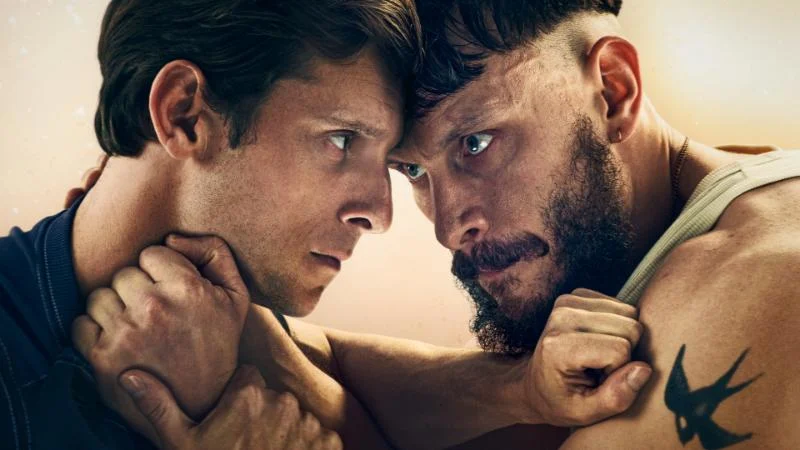
‘Half Man’ follows two boys in Scotland in the 1980s who are thrown together as teenagers after their mothers develop a relationship. Volatile Ruben, played by Gadd, and nerdy Niall, played by Bell, begin as polar opposites before their bond mutates from enmity and abuse into something closer to friendship and brotherhood, with even a hint of incestuous desire woven through their decades-long entanglement. Critics have called it a broodingly bleak sophomore effort that dares to plumb the depths of toxic masculinity and repression, making for unsettlingly good television.
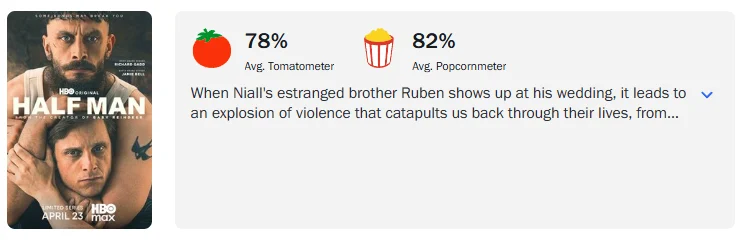
As the six-episode run draws toward its finale, debate around the show’s ending has intensified. Gadd has acknowledged that the conclusion may leave viewers divided, and has been candid about the deliberate creative choice behind it. Speaking to Variety, he offered his clearest defence yet, stating that “I don’t think happy endings, or even conclusive endings, are really true to life.” It is a philosophy consistent with everything ‘Half Man’ demands of its audience, a show that refuses to offer the comfort of resolution in a story built entirely around the discomfort of ambiguity.
Gadd has also spoken about the dual nature of his character, explaining that there are two versions of Ruben at work throughout the series, a calculated one and an explosive, in-the-moment one, and that tension between the two drives the emotional logic of the whole piece. He has described ‘Half Man’ as a departure from the autobiographical material that defined ‘Baby Reindeer’, but stressed it remains dark and still explores the contradictions of the human condition.
HBO boss Casey Bloys used the word “intense” when describing the series, and the show’s creative team has backed that up in press, with the cast discussing how demanding the shoot was to navigate both physically and emotionally. For those who respond to Gadd’s particular brand of storytelling, the series offers six hours of emotional blunt-force trauma, a brutal examination of toxic masculinity, inherited violence, and the ways abuse reshapes identity across a lifetime.
Whether audiences embrace or reject the finale of ‘Half Man’ may say as much about their expectations of television as it does about the show itself, so the question worth putting to viewers who have followed Ruben and Niall to the end is whether an unresolved conclusion feels like a bold creative statement or simply an unsatisfying experience.