Yash’s ‘Toxic’ Ending Explained, What the Final Showdown Between Raya and Ticket Really Means

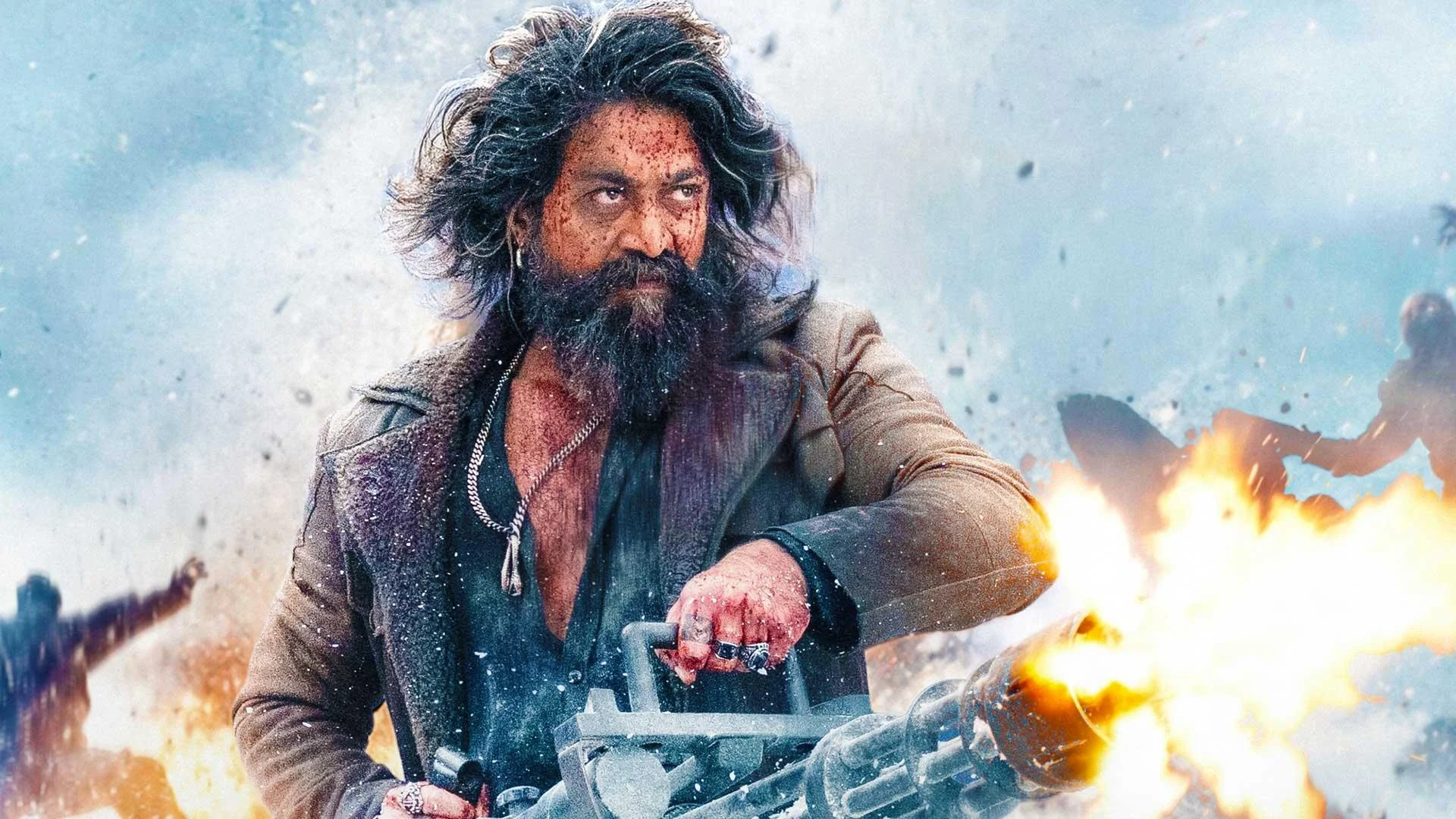

‘Toxic’ has finally arrived after a string of delays, and the film’s closing stretch has become the most discussed part of the release. The Kannada gangster action thriller opened in Indian cinemas on August 26, 2026, timed to the Onam and Eid-e-Milad holidays. With Yash playing a dual role and the story spanning generations of violence, the finale has left audiences debating exactly what happens to its central characters.
Directed by Geetu Mohandas, ‘Toxic’ carries the subtitle ‘A Fairy Tale for Grown-Ups,’ and that framing matters once the credits roll. The plot follows a gangster navigating loyalty, morality, and the pursuit of personal redemption in a post-independence Goa ruled by violence and jealousy. That setup pays off in a climax built less around action spectacle and more around a father confronting the monster he raised.
The Final Confrontation Between Raya and Ticket
The climax centers on a snowbound arena showdown between Raya and his estranged son Ticket, both played by Yash. The film brings the two together for a final confrontation, and the psychological reveal surrounding them becomes the key to understanding the ending. Ticket’s goal by this point has stopped being about defeating a rival gangster and become something more personal.
Ticket’s objective shifts from beating another criminal to confronting Raya and everything his father represents. The fight itself is framed less as a triumphant takedown and more as an inheritance being passed from one generation to the next. Mohandas uses the scene to strip away the gloss of the earlier action sequences and focus purely on the two men facing each other.
By the time the confrontation ends, the film has moved entirely away from its larger gang war and toward this single, intimate reckoning. That narrowing of focus is deliberate, and it sets up the ambiguity that defines the final minutes.
Does Raya Die in the ‘Toxic’ Movie Ending
The most pressing question fans have after watching is whether Raya actually dies. Raya suffers what appear to be fatal knife wounds during the climax, but the film cuts away before his death is confirmed. The movie does not definitively show Raya dying, since Ticket wounds him badly but the final sequence focuses on Raya’s reaction rather than a confirmed death.
That choice is intentional rather than an oversight. Ticket survives the final confrontation, but his victory comes at a major emotional cost, since he set out to destroy his father’s violent legacy and instead risks becoming its next version by defeating Raya through the same brutal methods. The film seems less interested in a clean victory than in showing how thoroughly violence can replicate itself.
Early reactions have picked up on this ambiguity as one of the film’s stronger choices. Audience reactions have specifically praised Yash’s performance as Ticket and called the psychological reveal effective, though some viewers felt the climax stretches the idea for too long. That tension between an effective idea and an overlong execution runs through much of the film’s critical reception.
What Raya’s Smile Actually Means
The final image of the film, a smile shared between Raya and Ticket, has generated the most discussion online. The ending reveals that Ticket successfully dismantles Raya’s criminal empire across Goa and Macau, but by embracing extreme brutality to defeat his father, Ticket morphs into the exact monster he set out to destroy.
Read that way, Raya’s smile is not one of defeat but of recognition. Raya smiles in the final moments because he recognizes his own cruelty in his son’s eyes, meaning the physical empire falls but Raya’s toxic legacy successfully infects the next generation. It reframes the entire film as a story about inheritance rather than one about a criminal empire being toppled.
That also explains the film’s title. The title refers to the generational curse of violence and the corrupting nature of absolute power, with Raya’s hunger for control functioning as a literal toxin that poisons everything he touches, including his own son. It is a bleaker note to end on than the marketing around the film suggested, and it has become the detail most viewers bring up first.
Critical Reception and the Toxic Movie Review Landscape
Reviews for ‘Toxic’ have been mixed, with several critics praising the ambition of the ending while questioning the three-hour buildup required to reach it. Siddhant Adlakha of IGN gave the film a 5 out of 10, writing that it eventually coheres in its final minutes with a reveal that, although over explained, brings the film’s themes to a grand crescendo, while questioning whether the lengthy buildup was worth the wait.
Other outlets were harsher on the film as a whole. Shubhra Gupta of The Indian Express gave the film 1.5 stars out of 5, describing it as an eye-glazing, endless litany of violence built around Yash’s star persona. Debanjan Dhar of Outlook awarded it 1 star, arguing that the director’s examination of violent male impulses is undercut by a cartoonish design and a voice drowned out by studio spectacle.
Not every reviewer dismissed the film outright, and the length appears to be the most consistent complaint. At 3 hours and 15 minutes, several critics noted that Toxic could have benefited from serious trimming. Whether the emotional payoff of the ending justifies that runtime has become the central fault line in the film’s critical conversation.
Whether ‘Toxic’ represents a bold reinvention for Yash or an overlong vehicle weighed down by its own ambition seems to depend entirely on how much patience viewers have for its slow-burn finale, so what did you make of that final look between Raya and Ticket.