Mel Gibson Reveals Just How Far ‘The Resurrection’ Will Go Beyond What the Gospels Actually Say

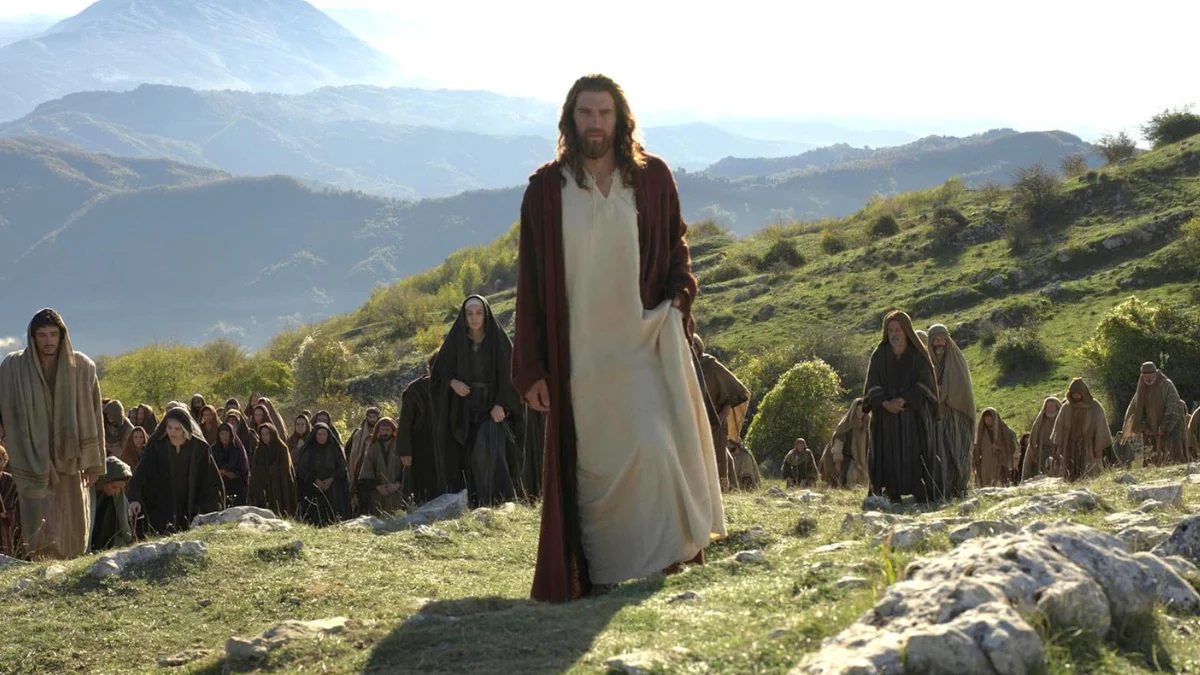

More than two decades after ‘The Passion of the Christ’ became one of the most talked-about religious films ever made, Mel Gibson is finally bringing its long-promised sequel to the screen. ‘The Resurrection of the Christ’ has been in various stages of development for years, with Gibson and screenwriter Randall Wallace working through drafts long before production ever got underway.
The wait is almost over, with production having wrapped after 134 days of filming across six locations in Italy, including Rome, Matera, and Bari. The two-part epic will feature a recast lead, with Finnish actor Jaakko Ohtonen stepping into the role of Jesus and Mariela Garriga taking over as Mary Magdalene, since the story picks up just days after the crucifixion and would have required extensive de-aging for the original stars to return.
Now, ahead of release, Gibson is opening up about just how much creative territory the film plans to cover beyond what’s actually written in scripture. Speaking about the project this week, Gibson explained that the four Gospels, particularly the synoptic accounts, simply don’t tell the full story of Jesus’s life, leaving plenty of room for his film to fill in the blanks.
Gibson pointed specifically to a line from the Gospel of John noting that if everything Jesus said and did were written down, the resulting texts couldn’t fit in all the libraries of the world. For Gibson, that’s effectively an invitation to explore what might have happened in the spaces scripture leaves open, rather than treating the existing Gospel accounts as the complete picture.
His approach isn’t about rewriting doctrine, though. Gibson has framed the film’s additions as suppositions built around the existing narrative rather than a challenge to established teaching, describing the goal as enhancing what’s already there for audiences rather than contradicting it.
That ambition lines up with comments Gibson made previously about just how expansive the story gets. He’s described the film as needing to begin with the fall of the angels, moving into realms well beyond the physical world, including stops in Sheol, the underworld of the Old Testament, along with what he’s called the Hell of the just and the Hell of the damned.
The two-part event is set to release on consecutive Ascension Days, with ‘Part One’ arriving May 6, 2027, and ‘Part Two’ following on May 25, 2028. Both dates carry religious significance, marking the Christian holiday commemorating Jesus’s ascension into heaven, and the second film’s date also falls on Memorial Day weekend in the U.S.
Each installment reportedly carries a budget in the neighborhood of $100 million, putting the combined project at roughly $200 million, numbers that place it among the largest independent productions in recent memory. Given that the original ‘Passion of the Christ’ remains the highest-grossing Christian film, the highest-grossing independent film, and was at one point the highest-grossing R-rated release in U.S. history, expectations for the sequel’s box office performance are understandably high.
For a filmmaker who has spent over 20 years trying to bring this story to the screen, the scale of the ambition tracks with how personally invested Gibson has always seemed in getting the Resurrection story right. Whether audiences embrace the film’s more speculative theological detours the way they embraced the visceral intensity of the original remains to be seen, but there’s no denying Gibson isn’t playing it safe with the follow-up.
Are you interested in The Resurrection of the Christ exploring parts of Jesus's story that aren't directly described in the Gospels?
Have something to add? Let us know in the comments!