‘Black Doves’ Star Keira Knightley Was Shocked When This Movie Poster Gave Her Breasts She Didn’t Have


Keira Knightley has spent much of her career dealing with people having opinions about her appearance. But one of the strangest examples happened before a movie even reached theaters. For the U.S. marketing campaign for King Arthur, the actress discovered that her body had been digitally changed on the film’s poster without her approval.
Knightley played Guinevere in Antoine Fuqua’s 2004 movie, a darker take on the famous Arthurian legend. While the actress had some concerns about the project itself, filming was not where the biggest problem came from. Instead, the issue appeared when the studio started promoting the movie.
The U.S. poster showed Knightley with a much larger chest than she naturally had. The change was made digitally, turning her body into something she did not recognize. British versions of the poster reportedly left her appearance alone, making the decision even more noticeable.
Knightley later spoke about the bizarre experience with Allure, explaining that digital changes to her body were nothing new during her career. “They always pencil in my boobs,” she said. However, the King Arthur poster went too far for her.
“I was only angry when they were really, really droopy. For King Arthur, for a poster, they gave me these really strange droopy tits,” Knightley told the magazine.
She was especially confused because the altered body did not even look natural. Knightley joked that if the studio was going to create a fantasy version of her, they could at least have done a better job.
“I don’t have tits anyway, and they digitally made them, and I thought, ‘Whoaaa!’” she said. “It’s my face on that poster. I thought, well if you’re going to make me fantasy breasts, at least make perky breasts.”
The story is a strange example of how much control movie studios once had over the images used to promote their stars. Knightley was the person appearing in the movie, but the marketing team could still change her appearance for a poster without giving her much say in the process.
It also became clear that the change was not necessary for every market. Posters released in the United Kingdom reportedly showed Knightley without the same digital enhancement. That meant audiences in different countries were effectively being shown different versions of the same actress.
The controversy also fits into a much bigger conversation Knightley has had throughout her career. She has spoken openly about the parts of her body she is comfortable showing on camera and the limits she wants to keep in place. She has also pushed back against the idea that actresses should look a certain way to be considered attractive.
Years later, she made that point even more clearly during a 2014 Interview magazine photoshoot. Knightley agreed to pose topless but specifically asked for her body not to be digitally altered. The decision was important to her because she wanted people to see what her body actually looked like instead of another edited version.
For Knightley, the issue has never simply been about having a larger or smaller chest. It is about having some control over her own image. When a studio changes an actress’s body without asking, the final picture can create an unrealistic version of that person and then present it to millions of people as if it were real.
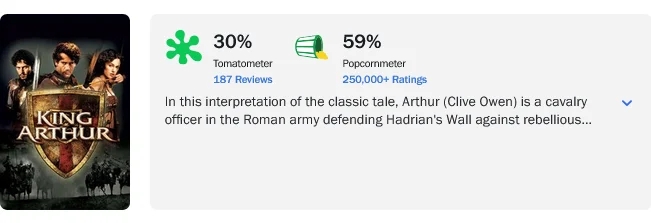
King Arthur itself did not become the huge success the studio may have hoped for. The movie was released in 2004 and earned a moderate box office result. The film also went through changes behind the scenes, including a shift from an R rating to PG-13 shortly before release, something that reportedly affected Fuqua’s original vision.
Looking back, the poster remains one of the more unusual stories from Knightley’s early Hollywood career. It was not a costume decision or a special effect for the movie. It was simply a marketing image that changed the star’s body because someone apparently thought the change would make the poster more appealing.
Knightley’s comments to Allure brought attention to something many actors have dealt with for years: the gap between how they actually look and how studios, magazines, or advertisers decide they should look. In her case, the difference was impossible to miss.
Nearly two decades later, the King Arthur poster still stands out as a reminder that celebrities do not always have control over the images created in their name. And Knightley’s blunt reaction makes it clear that sometimes the best response to Hollywood’s obsession with perfection is simply to call the whole thing ridiculous.
What do you think matters most when an actor’s image is used in movie marketing?
Have something to add? Let us know in the comments.