Why Aileen Wuornos Appears in ‘Monster: The Lizzie Borden Story’ and What It Means for the Franchise


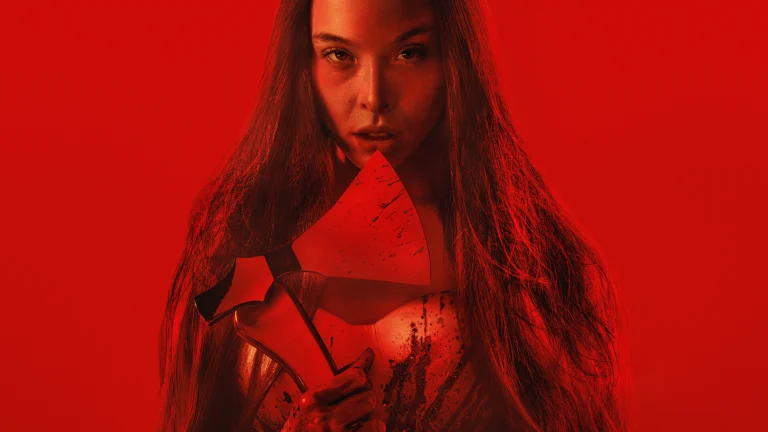
Netflix’s ‘Monster’ anthology has built its reputation on drawing lines between real crimes and the cultural mythology that grows around them, and its fourth installment does something unexpected by bringing two killers from entirely different eras into the same story. The new season, titled “Monster: The Lizzie Borden Story,” began streaming on September 17, and it implies a connection between the infamous 19th century figure and Aileen Wuornos, the convicted killer who inspired the Oscar winning 2003 film “Monster.” The choice has prompted plenty of questions from viewers who know Lizzie Borden’s story and Aileen Wuornos’ story as two separate chapters in true crime history.
The pairing is not based on any documented historical link. Borden and Wuornos have no known connection in real life, though the show reportedly presents Wuornos as being inspired by Borden. That creative liberty is the foundation for how showrunners Ryan Murphy and Ian Brennan have chosen to frame the season, and it gives the series a way to talk about how female violence is perceived across very different periods of American history.
The Aileen Wuornos and Lizzie Borden Connection Explained
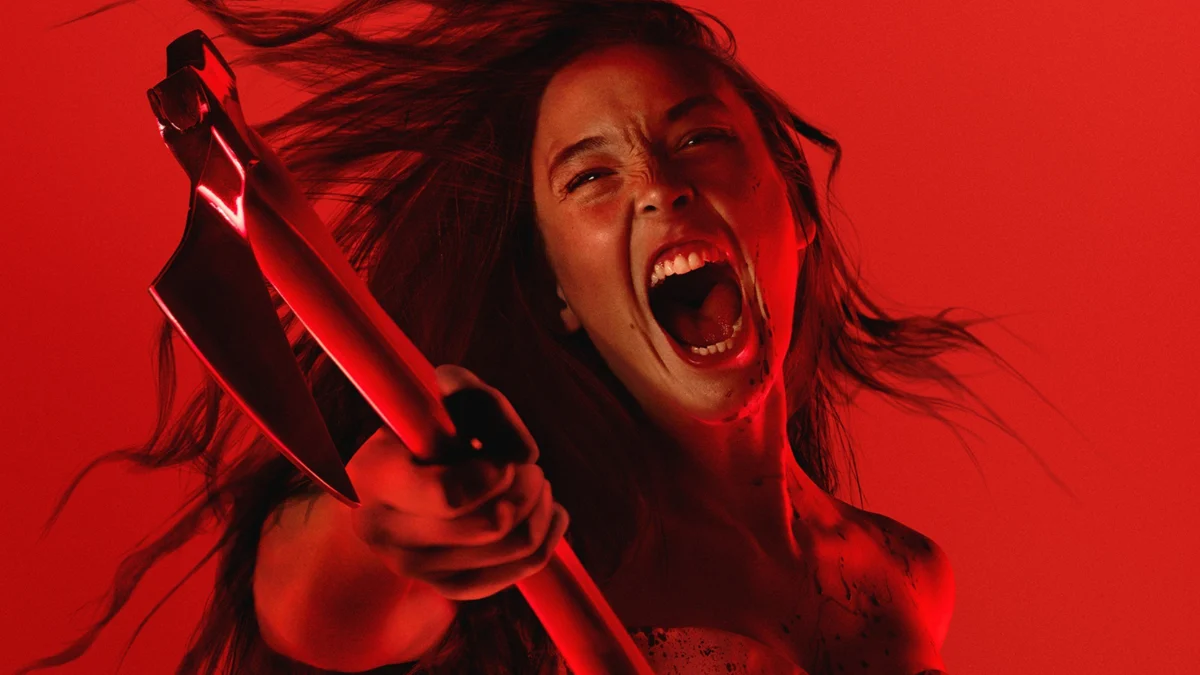
Lizzie Borden and Aileen Wuornos were born nearly a century apart, yet the fictional retelling from Murphy and Brennan suggests the alleged axe murderer and the convicted serial killer may share more in common than the historical record indicates. The season introduces Wuornos in its fourth episode, titled “R.I.P. (Rest in Pestilence) Abby Borden,” where she immediately establishes a bond with the show’s central character by telling one of her victims that her name is Lizzie Borden.
Despite that dramatic device, there is no evidence Wuornos was ever actually aware of the 19th century murder suspect or the nursery rhyme that made her infamous, even though the show depicts Wuornos as fascinated with Borden. The two women’s cases are separated by almost a hundred years and vastly different circumstances. Borden was suspected but ultimately acquitted in the 1892 axe murders of her father, Andrew, and her stepmother, Abby, while Wuornos was convicted and executed for killing multiple men in the early 1990s.
Series co-creator Ian Brennan addressed why the connection was written into the season at all. Brennan explained that Wuornos was included to draw a contrast between how female violence was perceived in the 19th century versus today, noting that people in 1893 struggled to believe Borden could have committed such a brutal crime, while Wuornos was convicted of murder just a century later. He framed the inclusion as a way of asking what a modern day equivalent of Borden might look like and how she would be treated by the public.
Sarah Paulson’s Portrayal of Aileen Wuornos
Emmy winner Sarah Paulson takes on the role of Wuornos for this season, marking yet another collaboration with Murphy after previous projects together. Paulson appears as Wuornos in the beginning and end of the season’s final episode. She was reported to be in final talks for the role before the season’s release, with the season expected to examine Borden’s impact on the perception of and connection to other female killers, much like how the previous season explored Ed Gein’s influence on popular culture.
Brennan spoke highly of what Paulson brought to the part. He described her performance as breathtaking, noting that it comes naturally to her given how established her career already is. That praise echoes the pattern set by earlier seasons of the anthology, which have leaned on returning performers to anchor unexpected crossovers between separate true crime stories.
This is not the first time the ‘Monster’ franchise has linked killers who never actually crossed paths. The first season centered on Jeffrey Dahmer featured an appearance from John Wayne Gacy, despite the two never meeting in reality. That precedent suggests the Wuornos cameo is less a factual claim than a storytelling technique the series has used before to widen its scope.
A Legacy of Female Rage Across a Century
Cast members have described the thematic reasoning behind pairing the two women more directly than the writers themselves. Ella Beatty, who plays Lizzie Borden this season, told Netflix’s Tudum that the show is exploring a legacy of female rage and how women react to circumstances forced upon them. Beatty added that she believes there is a connection between Borden and Wuornos that Murphy and Brennan were interested in mapping and exploring.
Beatty expanded on that idea when discussing why Wuornos specifically was chosen to illustrate the theme. She said the story of Aileen Wuornos also served the season’s broader exploration of why women kill. That framing positions Wuornos less as a historical footnote and more as a thematic mirror the writers use to comment on Borden’s own circumstances.
Outside commentary has picked up on the same thread. Coverage of the pairing has noted that even though Borden and Wuornos acted nearly a hundred years apart and share little beyond both being women tried for murder, both figures loom large in pop culture and have inspired television shows, films, books, and even operas and songs that cast them as feminist antiheroes responding to abuse with violence of their own. That cultural afterlife is part of what makes the crossover feel less arbitrary than it might initially seem.
Where Wuornos Fits in the Monster Anthology Series
Wuornos’ own story has already been told across multiple platforms before this crossover. Wuornos was born in Rochester, Michigan, and her upbringing included a father convicted of child molestation who later took his own life in prison, along with abuse from the grandparents who raised her after her mother left. She began engaging in prostitution at age 11, trading sex for money, alcohol, and cigarettes.
Between 1989 and 1990, Wuornos killed seven men in Florida and was eventually convicted of six of the murders, with her case sparking national attention and debate over how she was treated by the justice system. Charlize Theron won an Academy Award in 2004 for portraying Wuornos in Patty Jenkins’ film ‘Monster,’ and a documentary titled ‘Aileen: Queen of the Serial Killers’ arrived on Netflix in 2025 using archival footage and prison interviews to retell her story.
Placing Wuornos inside ‘Monster: The Lizzie Borden Story’ effectively folds her into the same universe of true crime adaptations that gave the original ‘Monster’ film its cultural weight. It also reinforces how the anthology series has positioned itself as a project less concerned with strict historical accuracy and more focused on drawing thematic throughlines between infamous cases.
Given how deliberately the show blurs fact and interpretation to make its point about female rage across generations, viewers who just watched Wuornos and Borden share the screen may have their own take on whether the pairing works as storytelling or feels like a stretch worth debating in the comments.