Movies Like ‘Other Mommy’ for Viewers Drawn to Maternal Horror

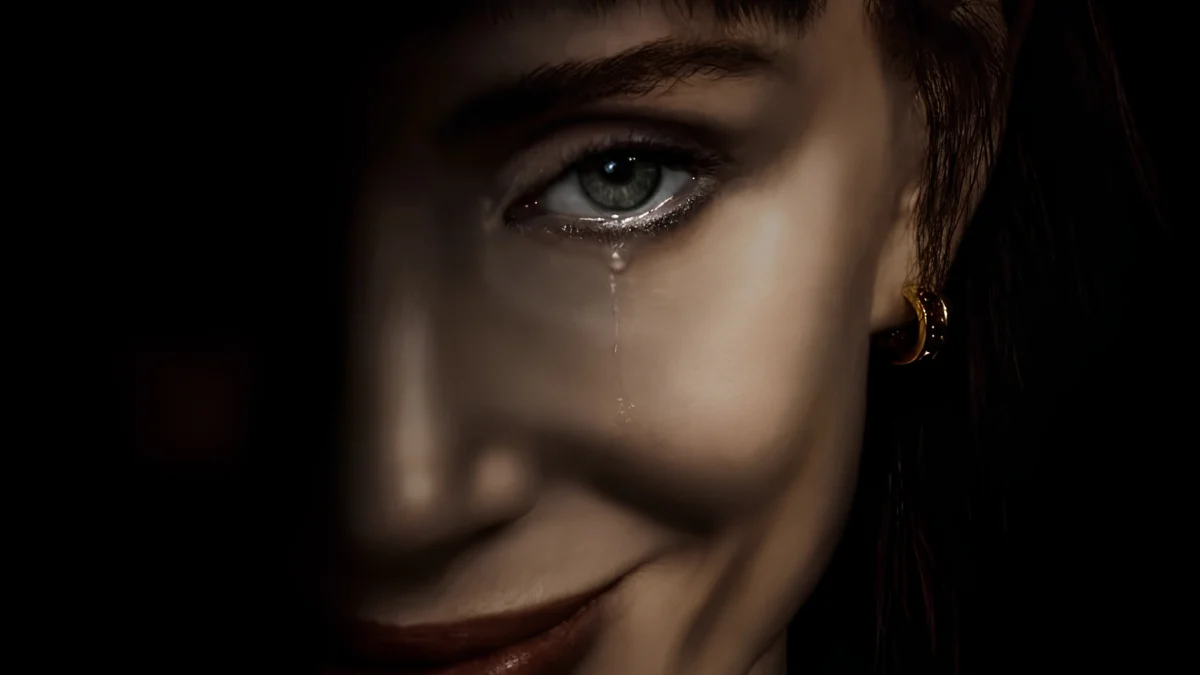

‘Other Mommy’ arrives in theaters on October 9 and adapts Josh Malerman’s novel ‘Incidents Around the House’ under director Rob Savage. The story follows a young girl named Bela, whose home is already strained by her parents’ troubled marriage, when a sinister entity emerges from her closet and grows more aggressive as she refuses its request.
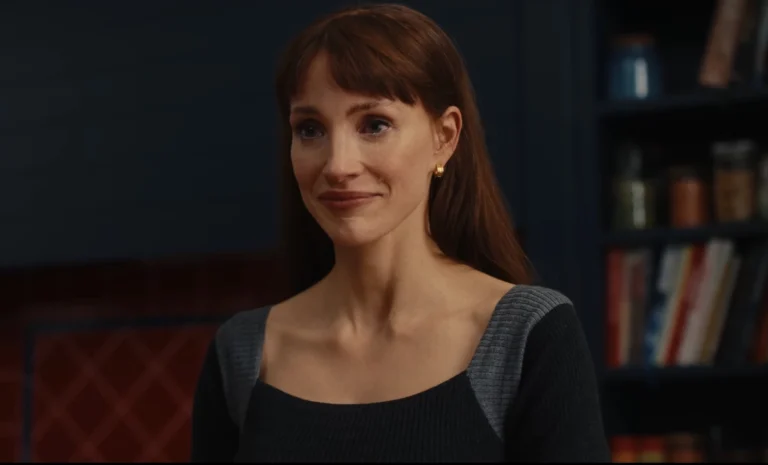
Jessica Chastain plays both Bela’s mother and the entity itself. That split between a familiar parent and a hollow imitation is what makes the film so unsettling, and it connects to a long line of movies about mothers who are not quite what they seem. The titles below are worth seeking out for anyone looking for something in the same vein.
‘Coraline’
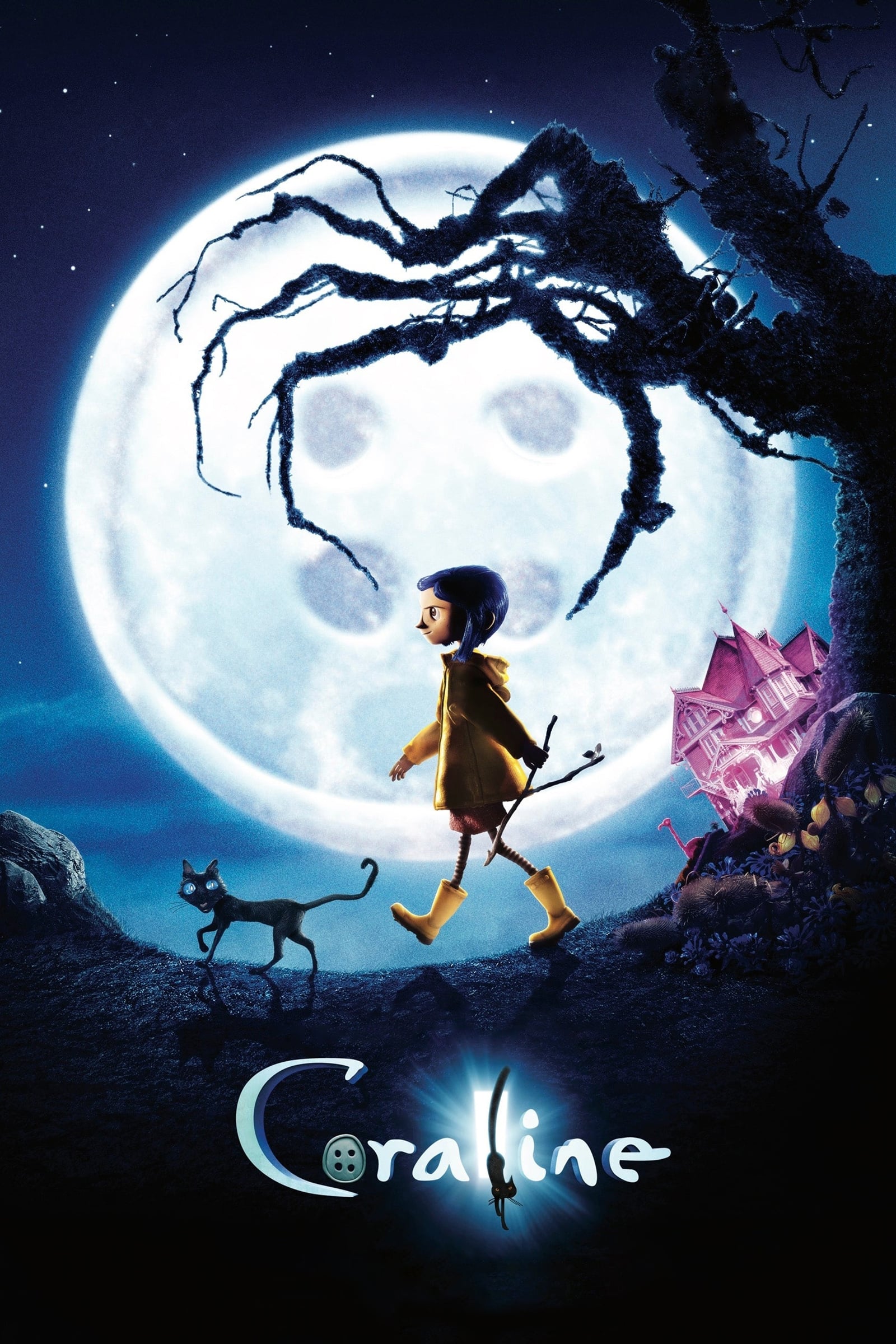
In ‘Coraline’, a young girl unlocks a door and finds a passage leading to a flat identical to her own, where button eyed doppelgängers of her parents are waiting. The Other Mother offers her the chance to stay forever if buttons are sewn over her eyes. It is the most direct parallel to the new film, since a child must decide whether a loving double is really a trap.
‘Goodnight Mommy’
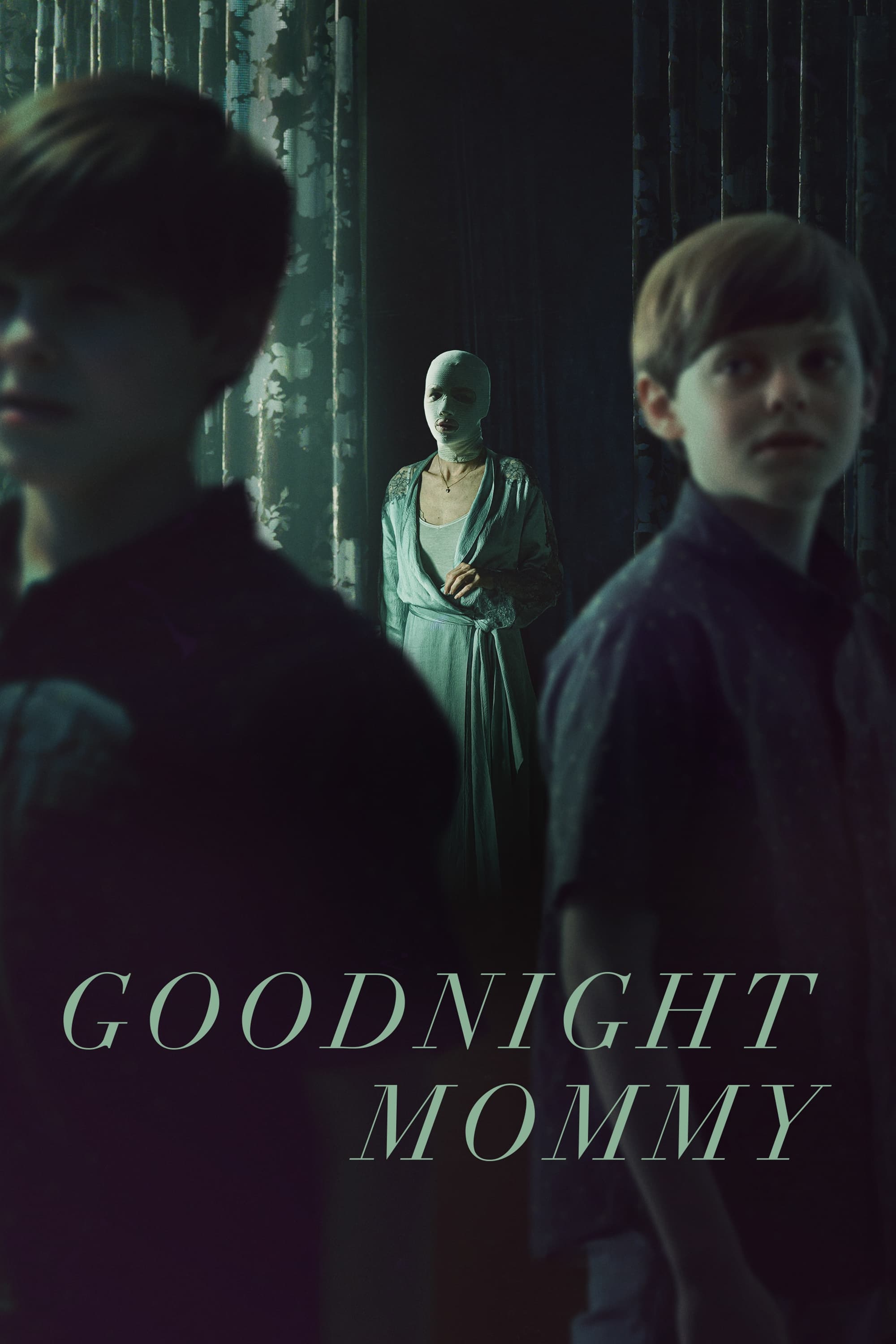
Nine year old twin brothers wait in a lonely country house for their mother, and when she returns bandaged after cosmetic surgery, they start to doubt she is really their mother. It was the second film from the Austrian duo Severin Fiala and Veronika Franz, and it was later remade in English with Naomi Watts in the mother’s role. The film builds its dread from suspicion rather than spectacle.
‘Mama’
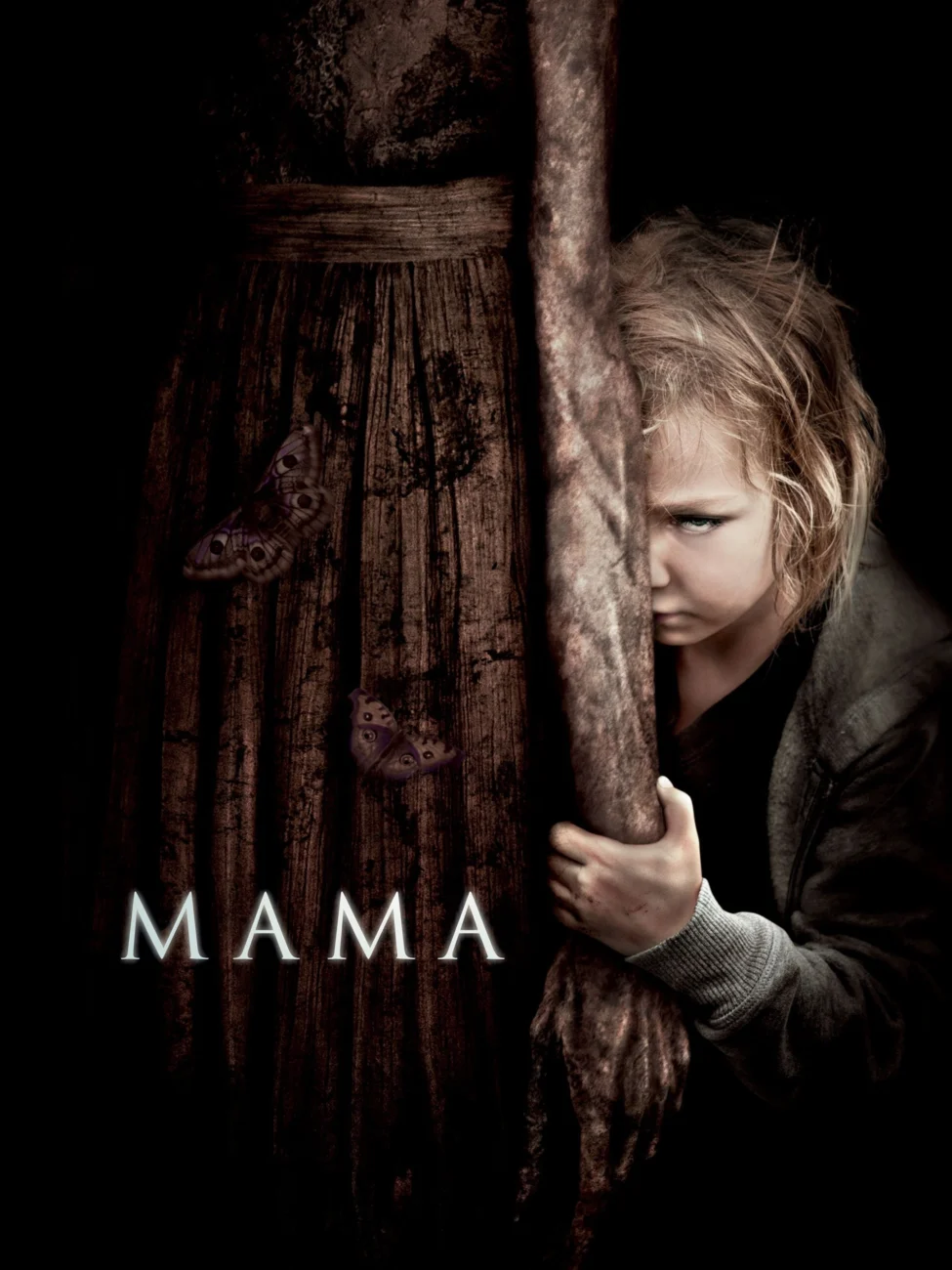
Two sisters vanish and are found alive in a decrepit cabin five years later, after which their uncle and his girlfriend Annabel, played by Jessica Chastain, take them in. Annabel comes to believe something evil has followed the girls into the house, and Guillermo del Toro produced the film. It marked Chastain’s first horror film, which makes it a natural companion piece now that ‘Other Mommy’ marks her return to the genre.
‘The Others’
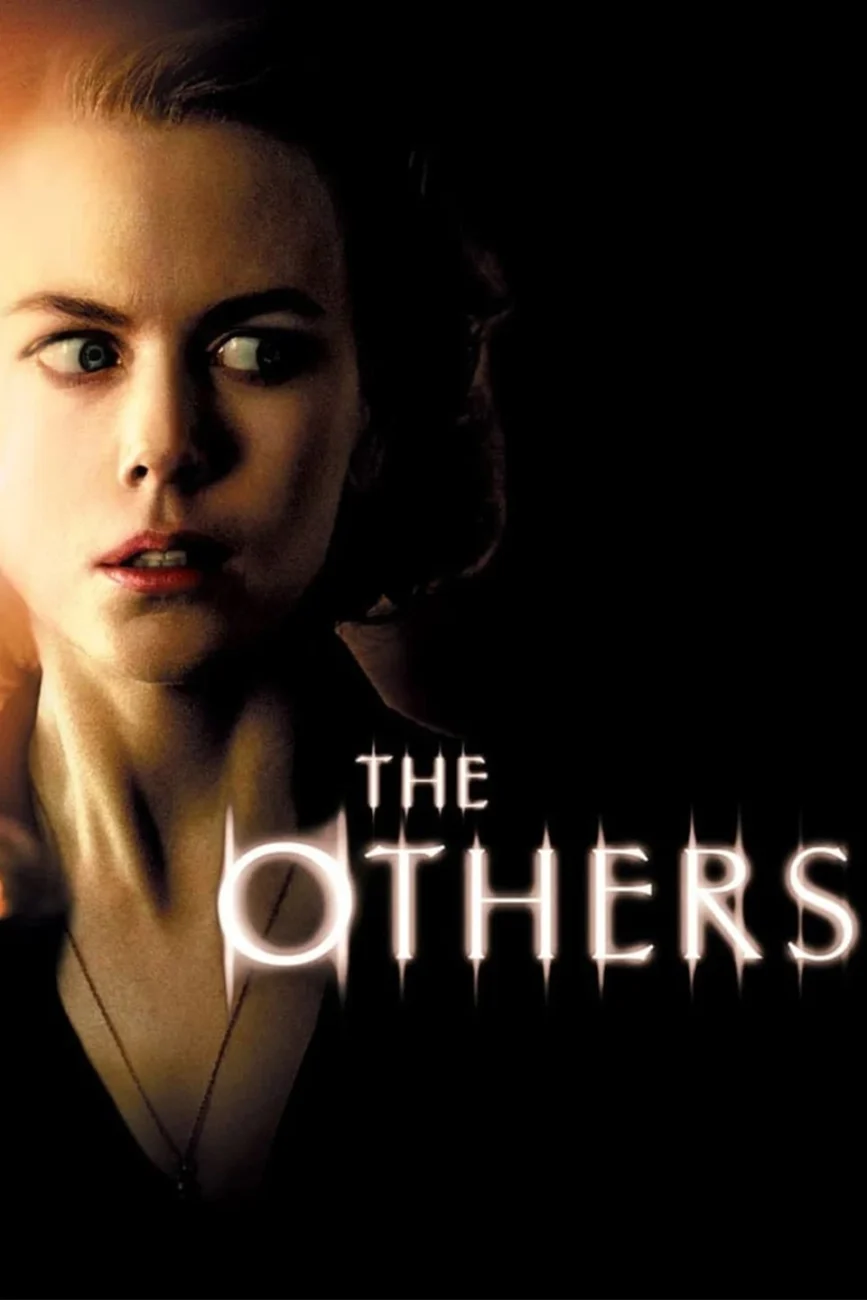
‘The Others’ follows a mother trying to protect her children from an invisible force, while her reluctance to leave the house hints at something darker. Screen Rant credits it with inspiring a wave of domestic horror films that followed through the early 2000s and the late 2010s. It rewards patience and a second viewing.
‘The Babadook’
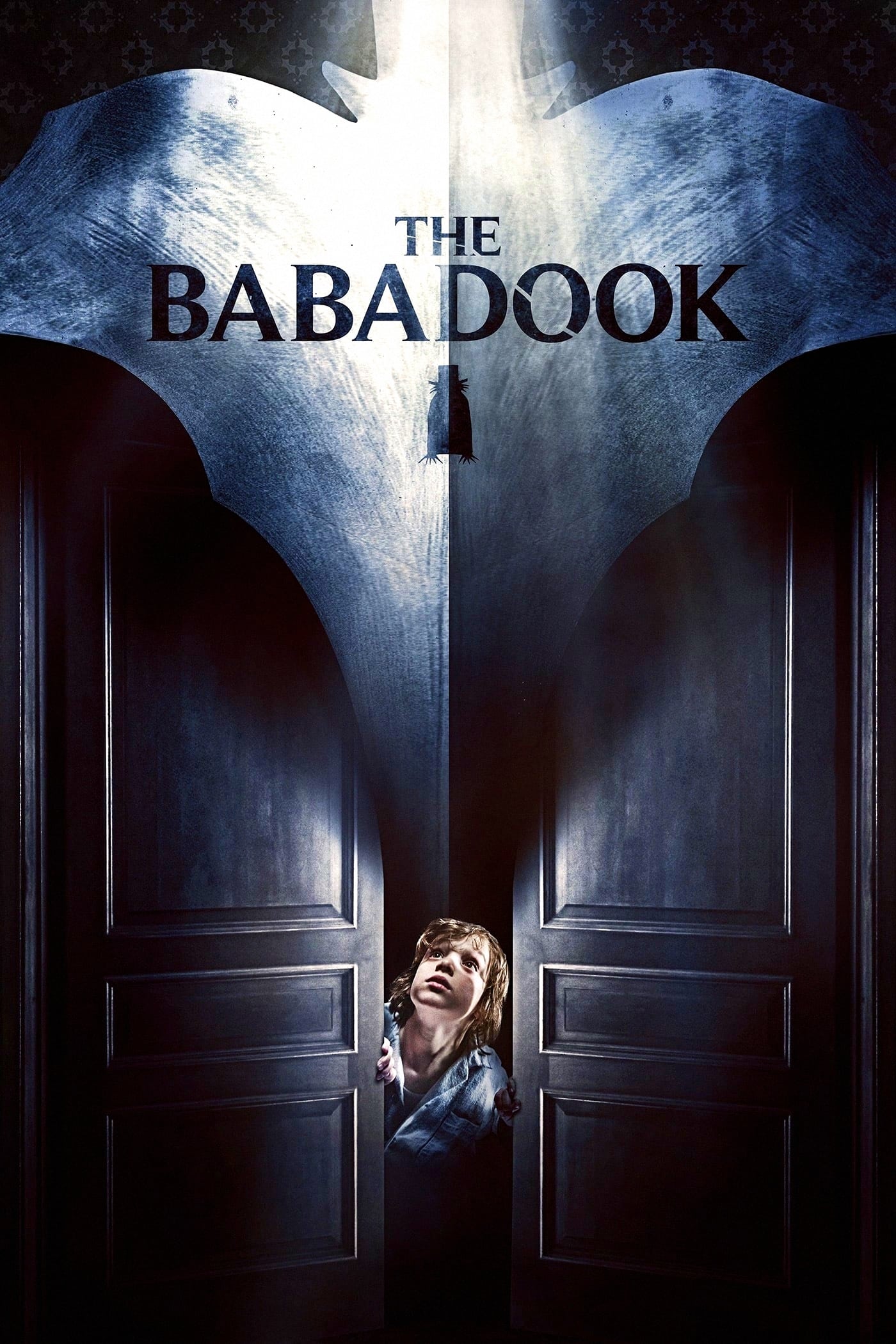
Jennifer Kent’s Australian horror film tells the story of a single mother battling depression while raising a son with severe behavioral issues. The monster here is tied closely to the strain of parenthood, which gives the scares an emotional weight that lingers well after the credits.
‘Hereditary’
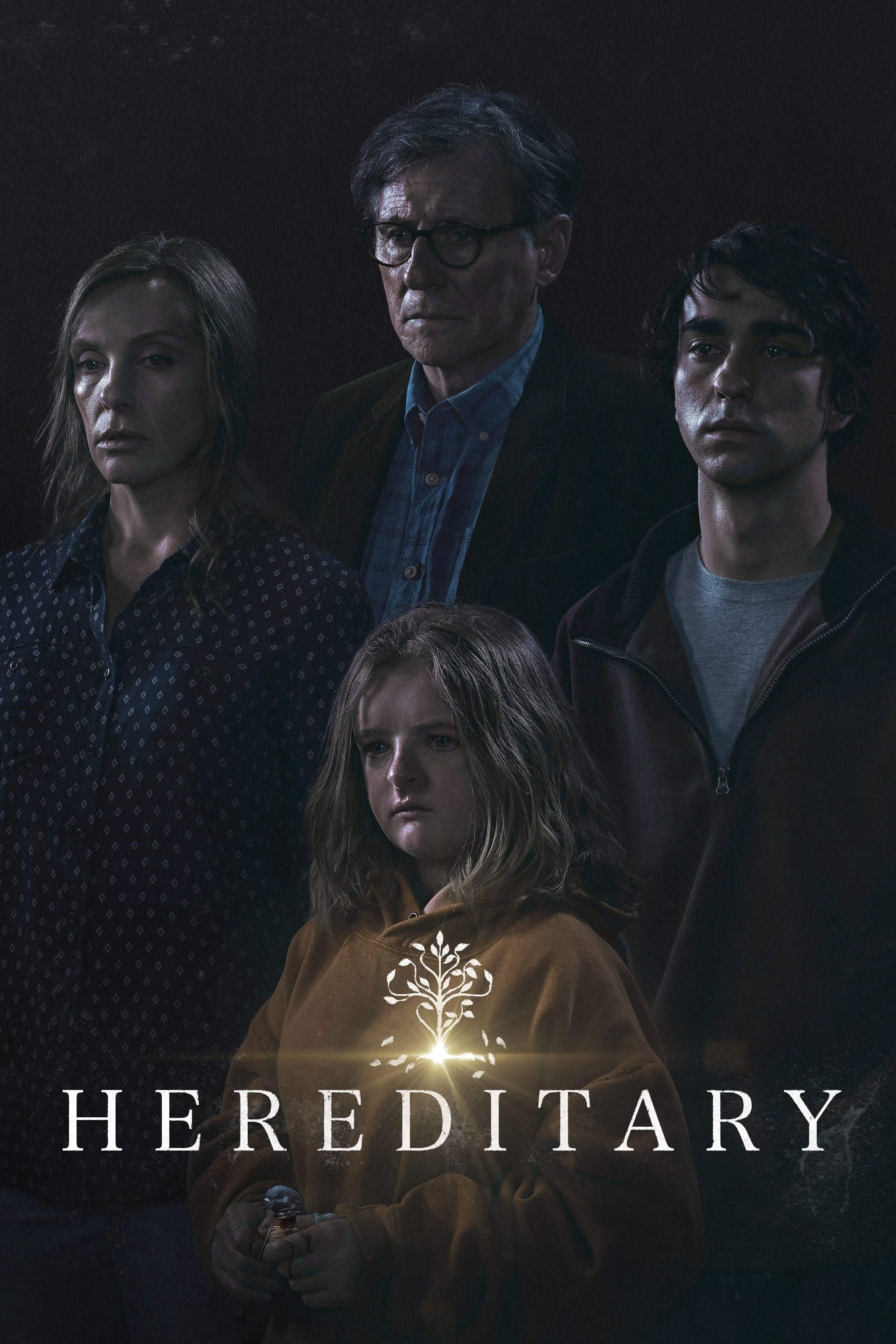
Ari Aster’s debut for A24 gives equal weight to its supernatural elements and its family drama. Collider singles out Toni Collette’s haunting speech as a defining moment of motherhood horror. Viewers who respond to the grief and tension inside a household will find a great deal to examine.
‘The Visit’
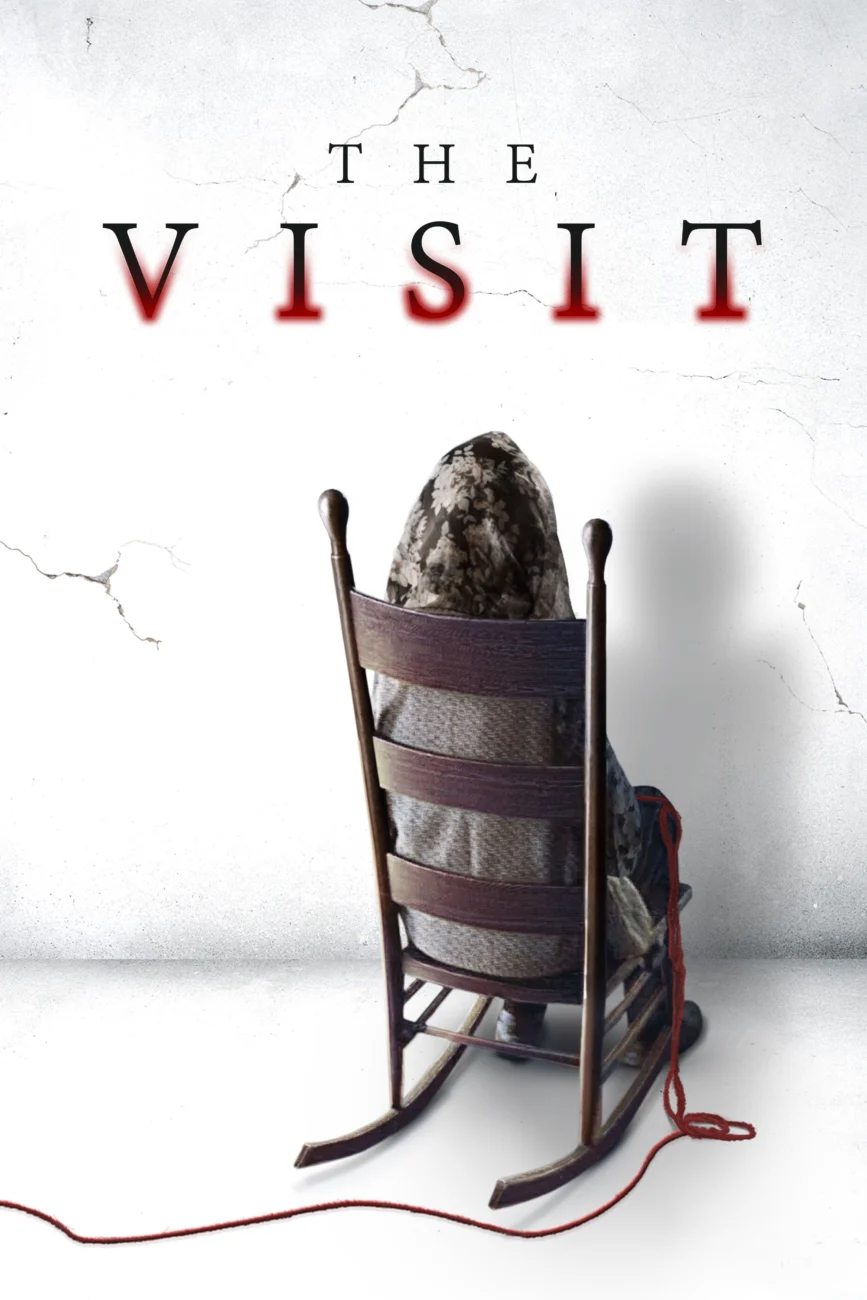
Screen Rant describes ‘The Visit’ as a film that innovated the found footage approach by using small details of everyday life to break apart a routine haunted by terrible secrets. It is lighter in tone than most entries here, but it shares the idea that danger can sit inside the most ordinary domestic spaces.
‘Evil Dead Rise’
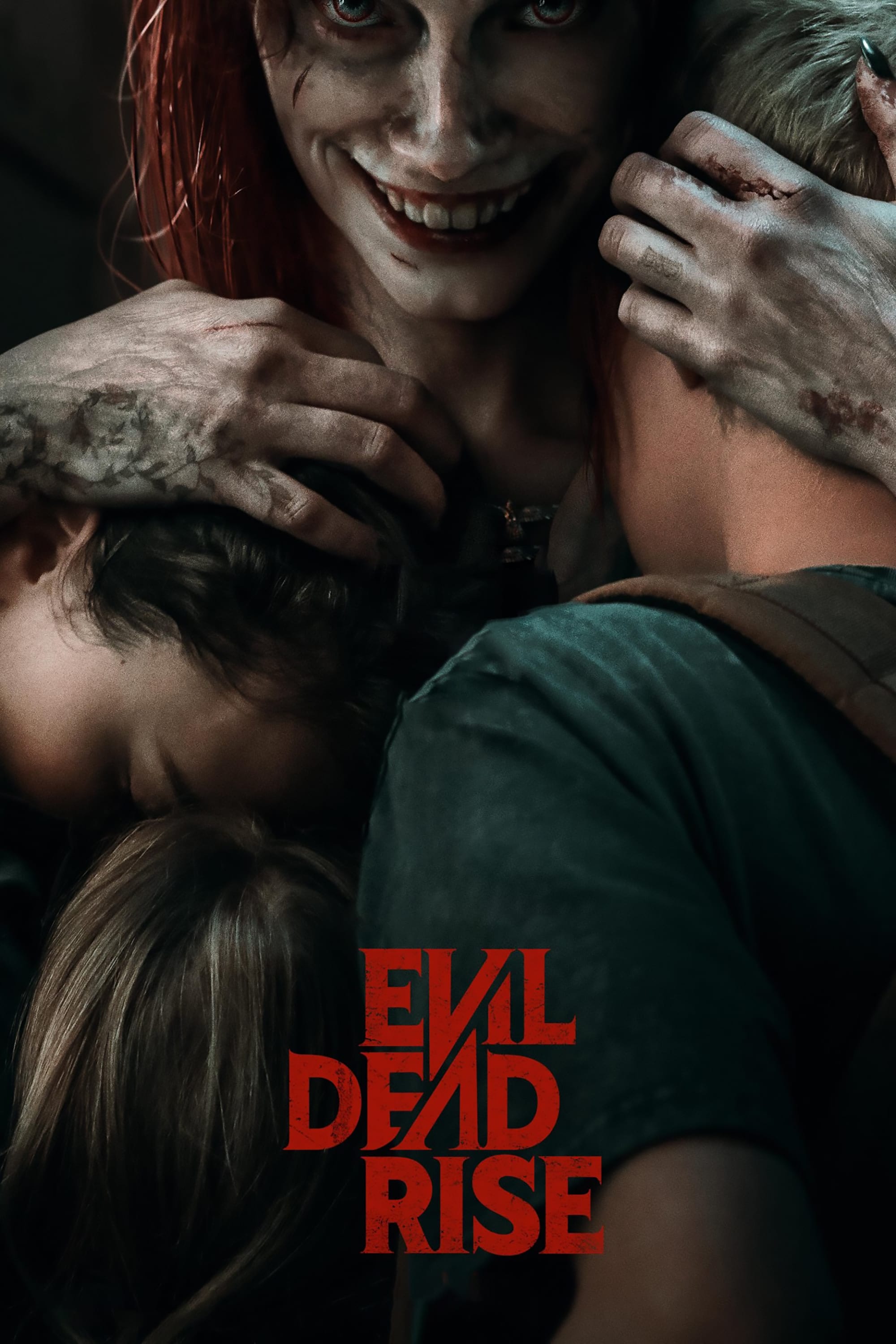
Directed by Lee Cronin, who previously made the Irish chiller ‘The Hole in the Ground’, ‘Evil Dead Rise’ centers on themes of motherhood. It is considerably bloodier than ‘Other Mommy’ appears to be, though it is built on the same fear of a parent turned into a threat.
‘The Brood’
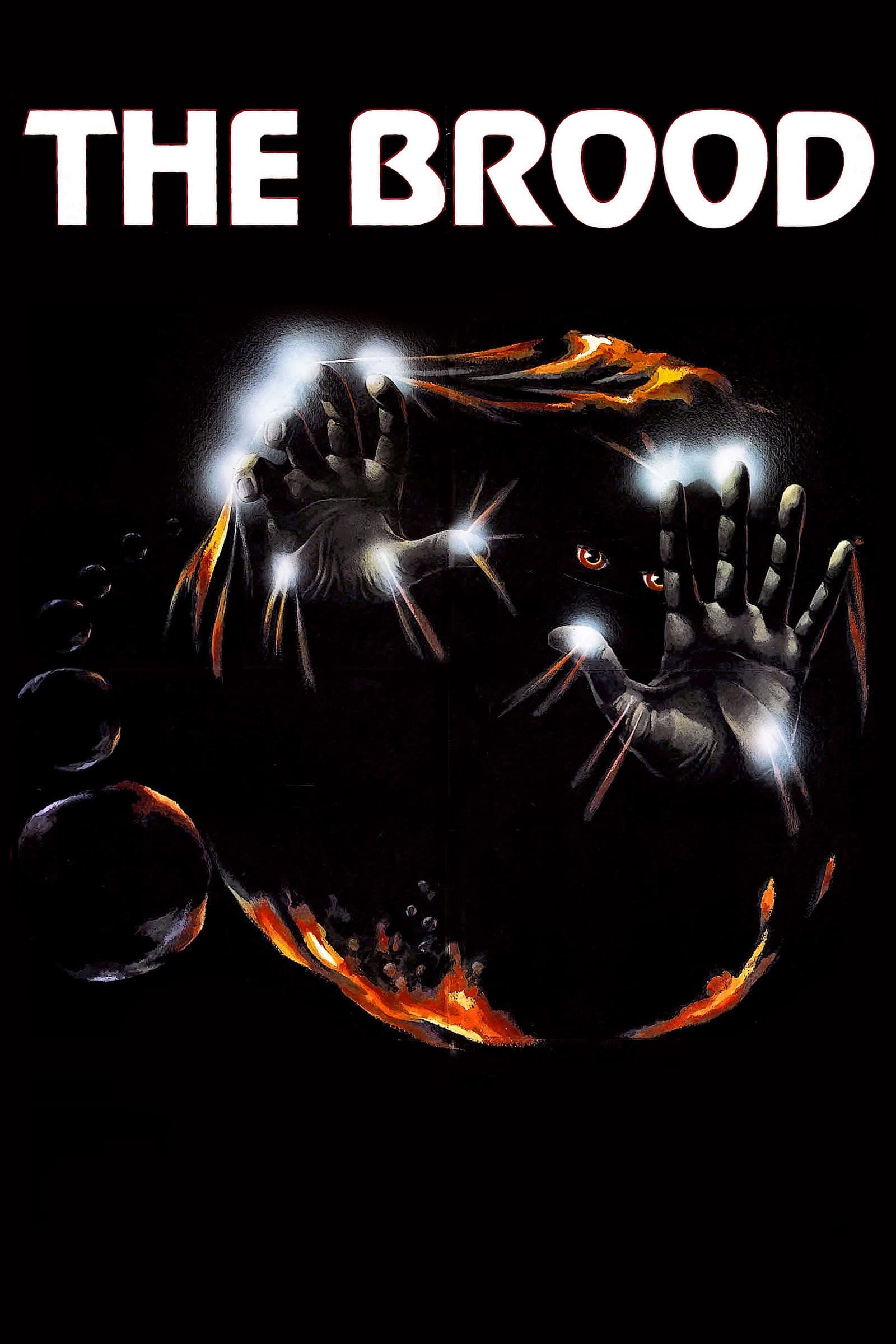
Paste Magazine calls David Cronenberg’s ‘The Brood’ an ultimate work in the maternal horror subgenre, and ties it to the theme of twisted births. It is an older and rougher film, but it shows how long filmmakers have used motherhood as a source of dread.
‘A Tale of Two Sisters’
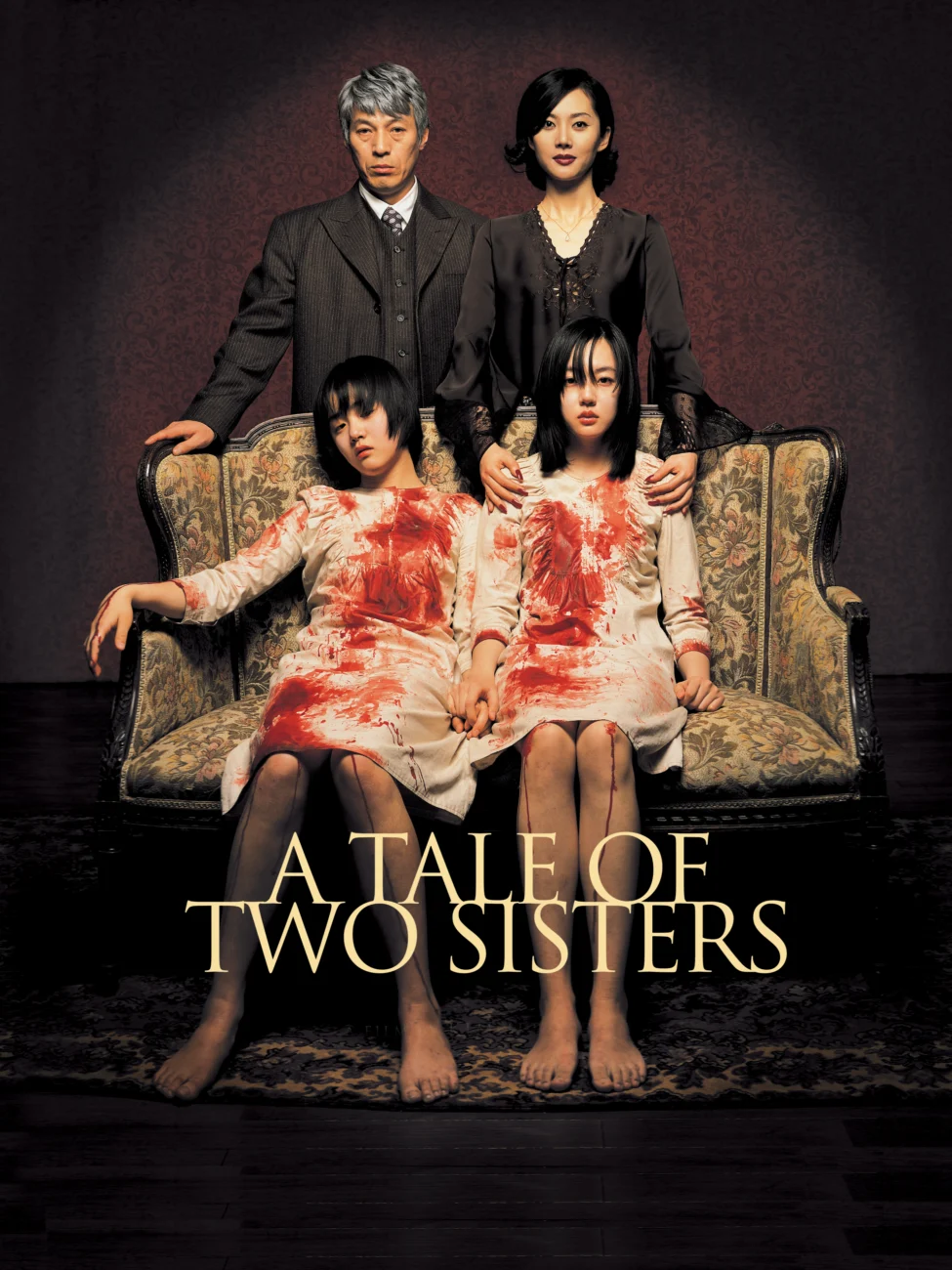
Screen Rant considers ‘A Tale of Two Sisters’ one of the best Korean movies of all time, with an unreliable narrative where nothing is what it seems and layers of fear are hidden inside a twisted psychological story. It makes a fitting final stop, since it leaves viewers unsure which version of a family they are really watching.
After seeing how these films treat the figure of a mother, which one do you think comes closest to the fear ‘Other Mommy’ is trying to create?