The Poem Behind ‘Ted Lasso’ Is Not Quite Where Most Viewers Remember It

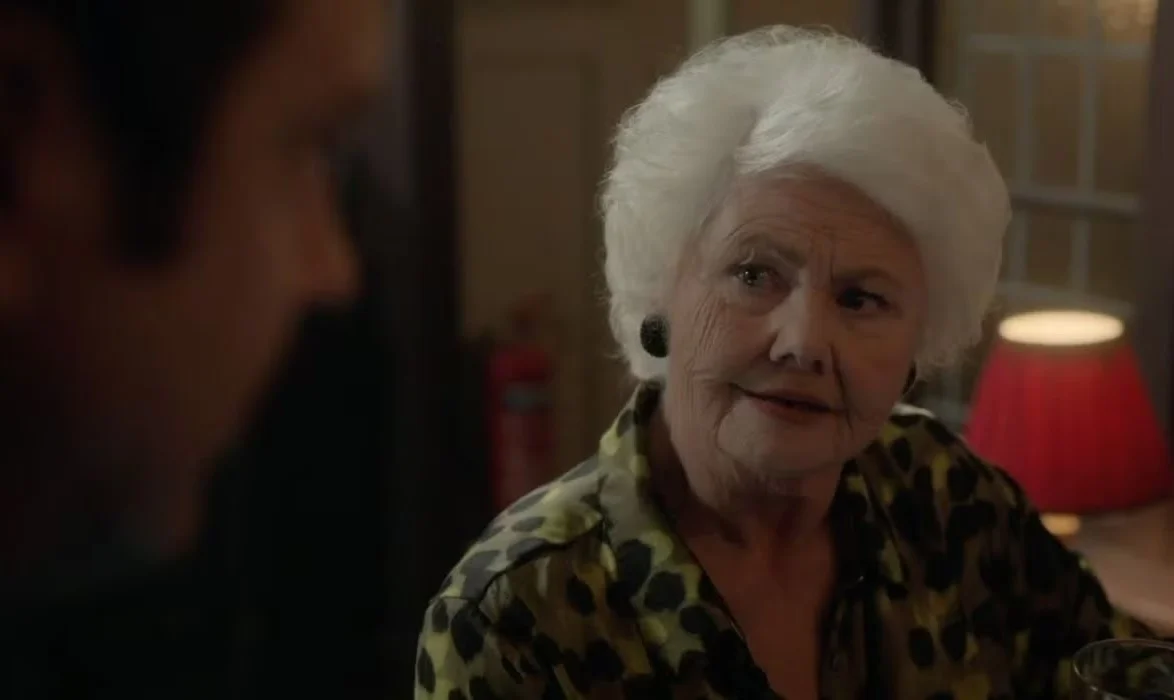

Anyone searching for the poem at the end of ‘Ted Lasso’ is most likely thinking of a scene from the penultimate episode of the third season. Mae recites the poem “This Be The Verse” by Philip Larkin while Ted stands at the pinball machine in the pub. The moment arrives in the episode titled “Mom City.”
The confusion is understandable, since the poem sits so close to the series finale and carries so much of its emotional weight. Sorting out which scene belongs to which episode also explains why this brief recitation became one of the most discussed moments of the final stretch. The poem at the end of ‘Ted Lasso’ is really a bridge to the farewell that follows.
Mae’s Poem in ‘Ted Lasso’ Season 3
Fans tuned in expecting a season that leaned toward laughs, and instead received a run of emotional revelations and a poem beautifully performed by Richmond’s resident barkeep. That unexpected delivery is a large part of why the scene stuck. Mae had long been a source of offbeat wisdom, so hearing verse from her felt earned.
In the same episode, Ted confronts his mother over her not seeking emotional support for herself or for him after his father’s suicide. The recitation lands in the middle of that conflict, which gives the words a pointed meaning. It is a quiet scene that frames the harder conversation to come.
The pub setting also matters. Earlier in the episode, Ted and Mae talk privately about parenting and the effects it has on children. The poem works as the natural conclusion of that exchange.
Philip Larkin and ‘This Be The Verse’
The poem originally appeared in Larkin’s book High Windows and is perhaps his best known work, frequently anthologized. One writer on Substack has compared its status in Larkin’s career to a signature rock anthem. The poem is short, blunt and widely quoted, which explains why so many viewers felt they already knew it.
On the timing of its writing, Looper reports that Larkin composed the poem in 1971, during the twilight of his career. Its reputation has outlasted that period by a wide margin. The title itself is read by some as a statement that this is all there is to say.
Its closing lines are the part most people carry with them. Many viewers recall them from ‘A Series of Unfortunate Events,’ where a dying Count Olaf speaks them after saving the only person he ever cared about. That cultural reach is part of the reason the scene felt familiar even to people who had never read Larkin.
Where Else the Poem Has Appeared on Television
‘Ted Lasso’ is far from the first series to borrow these words. The Roy family therapist recites the poem in the first season ‘Succession’ episode “Austerlitz,” when Logan Roy and his children attempt family therapy. The setting is different, but the subject of difficult parents is the same.
The poem has also been quoted in ‘Firefly Lane,’ ‘Shantaram,’ and ‘Weeds,’ and in a trailer for ‘Patrick Melrose.’ The range of genres shows how adaptable it is for writers who want to say something sharp about family in a few lines. One critic notes that it is quoted often in popular stories yet rarely credited to its author.
Seen in that light, the choice for ‘Ted Lasso’ feels deliberate rather than decorative. Ted spent three seasons managing everyone else’s feelings. The poem gave the show a way to name his own without a long speech.
How the ‘Ted Lasso’ Finale Actually Ends
The series closer, titled “So Long, Farewell,” ends with music rather than verse. The show closes with the Cat Stevens song “Father and Son,” which reflects the relationship that hung over the series from the beginning. That choice connects directly to the parent and child themes raised by Mae’s poem a week earlier.
The final episode has its own memorable beats. The team sings “So Long, Farewell” from ‘The Sound of Music’ as a going away gesture for Ted and Beard. Ted also persuades author Trent Crimm to rename his book, gently noting that it was never really about him.
Critics were divided on how well the show landed its ending, but many agreed it felt like a conclusion. The series has not officially confirmed whether the third season was meant to be its last, yet the finale certainly felt like one. For viewers who came looking for the poem at the end of ‘Ted Lasso,’ the real answer is that Larkin set the emotional stage and Cat Stevens closed the book, so which of those two moments stayed with you longer after Ted left Richmond?