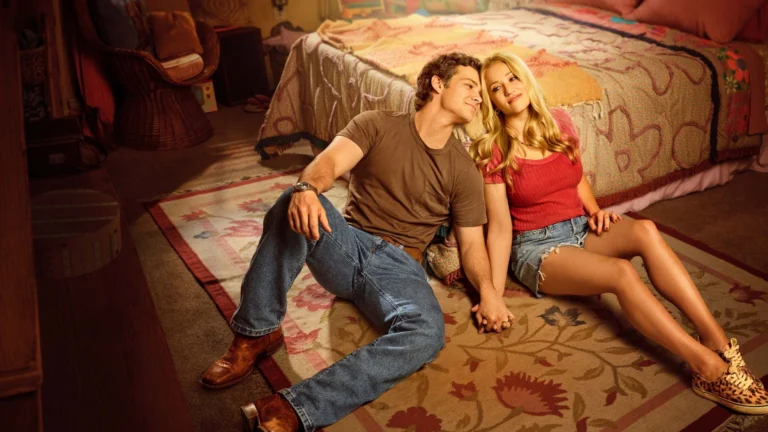
‘You Can See Everything’ Recap and Ending Explained: What Fielder and Holmes Leave Unresolved

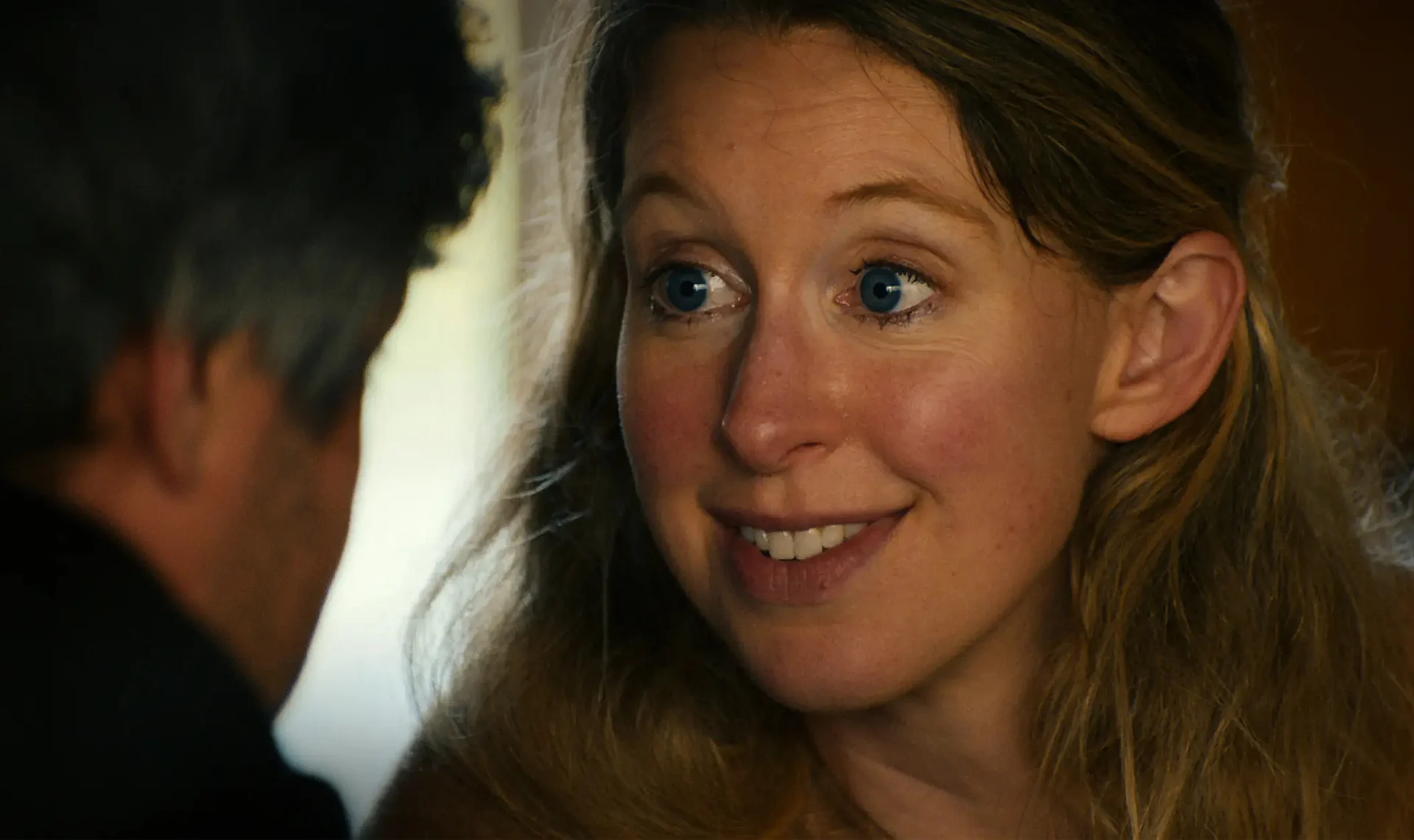

The ‘You Can See Everything’ recap and ending have become a conversation starter since A24 brought the film to theaters on October 16, and interest has been high since its surprise Telluride debut. Directed by Nathan Fielder and Lance Oppenheim, the documentary follows Elizabeth Holmes and her partner Billy Evans, who invited a film crew to document them in the weeks before Holmes began a federal prison sentence for defrauding investors.
The film premiered as a secret screening at the Telluride Film Festival on September 6, and it runs 174 minutes. Early critical response has been warm, with Rotten Tomatoes reporting full approval from 10 reviews and Metacritic assigning a score of 95 out of 100. What follows is a spoiler heavy look at how the story unfolds and what its final scenes do and do not settle.
The Elizabeth Holmes Documentary Recap
The story begins 34 days before Holmes is due to report to prison. She and Evans are living in a rented San Diego beach house with their two children, and Evans is a hotel heir and entrepreneur who is helping launch a new version of the medical device Theranos once promised. The couple invited the film crew to live at home with them during that stretch.
Holmes and Evans hope the film will help reframe her reputation and promote a second version of Theranos. Holmes insists she is innocent, arguing the Edison device could technically run many tests from a few drops of blood and that the chemistry behind those tests simply was not ready. Fielder tries to untangle her reasoning by comparing it to a famous comedy sketch about misunderstanding.
Fielder originally planned to stay behind the camera, but his exchanges with Holmes and Evans were strange enough that the filmmakers chose to include him. They also knew they had a story when crew members disagreed about what was happening inside the house.
In one scene, Fielder tries to watch ‘The Dropout’ with the couple, and Holmes pulls back when a moment shows Ramesh Balwani buttoning her blouse before a presentation. The first half ends with Holmes saying goodbye to her family and heading to the Federal Prison Camp in Bryan, Texas. The prison does not allow interviews, which leaves the filmmakers without their subject.
How Amanda Seyfried Reenactments Reshape the Story
With Holmes out of reach, Fielder calls Amanda Seyfried, who appears midway through the film to watch the earlier scene of Holmes watching Seyfried portray her. Seyfried previously played Holmes in the miniseries ‘The Dropout’, and the second section of the film picks up two years after Holmes goes to prison.
Fielder visits Seyfried’s home and plays the footage he has assembled, and she cautiously says she might like to revisit Holmes in a post trial world. That opens the door to reenactments, including a scene where Evans, played by Christopher Abbott, asks Fielder, Oppenheim and A24 executives for a share of box office profits while Holmes is out of the room.
Stephanie Zacharek of Time called Seyfried’s presence the film’s saving grace, noting that there is nothing calculating about her. Writing for Variety, Owen Gleiberman argued that the real question is not whether Holmes is guilty but what goes on inside a person like her.
Fielder also has transcripts of Holmes’s words read aloud, including a phone chat he had with her in prison. Because cameras and recordings are banned there, Seyfried reenacts how Fielder says Holmes responded to his questions.
The Prison Visit That Fielder Plans in Secret
When Seyfried and Fielder visit Evans, the meeting turns confrontational, and he reveals that he controls Holmes’s Twitter account and confirms she does not know about the A24 proposal. Asked how Holmes would feel, he suggests she would see it as another piece of the monument of love they are building together.
Evans then becomes unwilling to let Fielder talk to or visit Holmes in prison, so Fielder arranges a visit without telling him, choosing a time when Evans is unlikely to be there. The film cuts between a reenactment of the visit and Fielder describing it to Seyfried, which gives the sequence the feel of a tense heist.
Fielder wanted to tell Holmes about the AI model of her and Evans’s control of her Twitter account, but his main aim was learning whether she knew about the box office deal. She is not upset, saying Evans has his own way of doing things and that she trusts him to decide such matters.
On the box office question, Fielder first describes her answer as suggesting she knew Evans planned to ask for something, but when Seyfried reads that as complicity, he says Holmes may have phrased it differently. That wordplay echoes the semantics game Holmes played over Theranos.
The Ending Explained and the Questions It Leaves Open
Seyfried wonders whether Fielder changed the wording because he has come to care for Holmes. She also questions whether his empathy has compromised him, suggesting that anyone who studies Holmes can be drawn into her distortion of reality.
Earlier, Fielder declines Holmes’s invitation to swim in the ocean, citing a fear of cold water. A later shot seems to show Evans swimming with her, but a second look makes clear it is Fielder.
The final shot places Holmes in the prison’s outdoor visitation area with Evans and their children, and on screen text says Evans later chose not to accept any box office profits from A24. Although cameras could not enter the prison, Fielder resumes filming once the real Holmes, Evans and their two children step into the prison yard.
As SlashFilm frames it, the film leaves open whether Holmes and Evans are sincere partners or manipulators working in tandem. If Fielder softened Holmes’s answer about the A24 deal out of sympathy, and the swim shot suggests he may have, does that make him a more trustworthy narrator or a more compromised one in your eyes?