What Viewers Should Know Before the Credits Roll on ‘Wild Horse Nine’

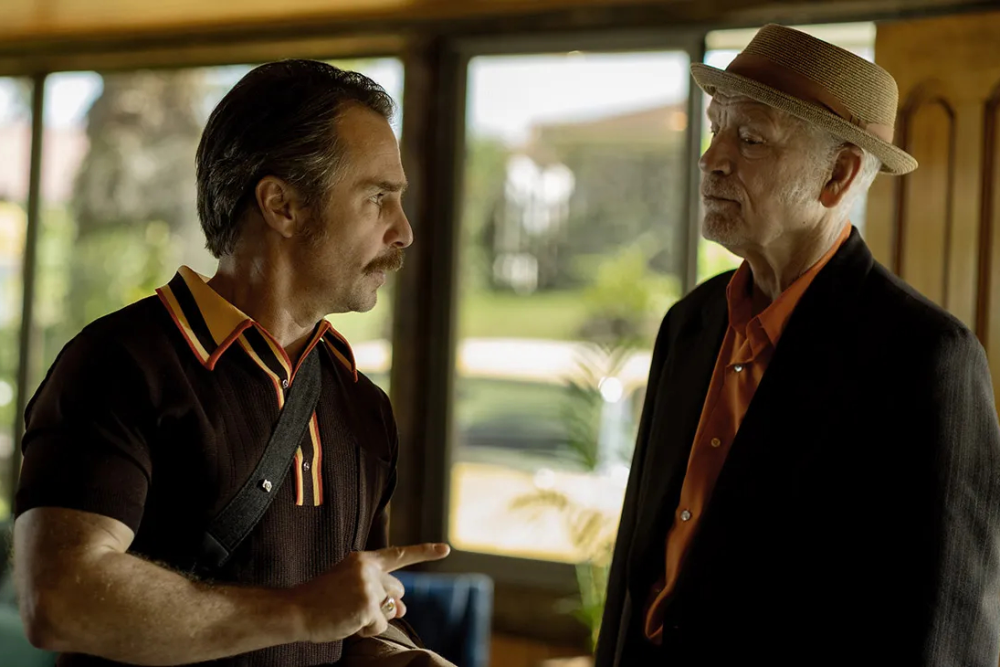
Martin McDonagh’s ‘Wild Horse Nine’ opens in the United Kingdom and the United States on November 6 through Searchlight Pictures, following its Venice premiere in early September. The film brings together John Malkovich, Sam Rockwell, Steve Buscemi, Tom Waits and Parker Posey in a story built around two aging intelligence officers. With a release this close, audiences are asking a practical question about the ‘Wild Horse Nine’ post credits scene and whether it is worth staying in the seat.
The short answer is no. The film has no scene in the middle of the credits or after them of any kind, and the story reaches its definitive conclusion once the screen cuts to black. What follows looks at why that choice suits the movie, what the closing stretch does offer, and how critics have received it so far.
What to Expect From the ‘Wild Horse Nine’ Ending Credits
Viewers can leave the auditorium as soon as the final image fades without worrying about missing a stinger. The same report adds that there are no surprise cameos waiting at the end of the credit roll. Anyone hoping for a teaser or a gag reel will not find one.
The film runs 117 minutes, although some listings round it differently, with Metacritic showing one hour and 58 minutes and RogerEbert.com listing 118 minutes. Either way, it is a lean feature that does not ask for extra time once the story is finished.
Decades of comic book blockbusters and shared cinematic universes have made extra scenes during the credits an industry expectation. ‘Wild Horse Nine’ sits in a different category, since it is described as a black comedy spy action thriller written and directed by McDonagh. A film shaped around one writer and one finished story has little reason to tease a sequel.
The Easter Island Story That Leads to the Final Frame
The story begins shortly before the 1973 Chilean coup, when CIA agents Chris, played by Malkovich, and Lee, played by Rockwell, are sent from Santiago to Easter Island by their bureau chief MJ, played by Buscemi. The partners are meant to be on a routine trip. The island’s famous statues and their own dark histories quickly make it anything but.
Chris forms a bond with two rebellious students, played by Mariana di Girolamo and Ailín Salas, and that friendship threatens to send the whole trip sideways. One of those students, Monica, is a young Chilean activist whom Chris befriends. Their scenes give the film its political weight alongside its humor.
Chris’s memory is slipping, he keeps notes to himself in his pocket, and he records a memoir on a rotating series of tape recorders. MJ is not pleased to learn about the memoir, and Lee carries a secret about the trip that he is unsure Chris even remembers. Those threads keep the Easter Island plot moving toward a reckoning rather than a cliffhanger.
Critic Roger Ebert’s site notes that the film takes its time reaching an end that felt inevitable from the start, with digressive scenes that quietly plant information used later. That slow, deliberate design is a large part of why a closing teaser would feel out of place.
Carter Burwell Score and the Music Around the Close
Carter Burwell, a regular McDonagh collaborator, wrote the film’s music. His score is joined by other artists as varied as Hank Williams, Diana Ross and Carl Orff. The mix of original composition and familiar recordings gives the film a lived in sound that matches its 1970s setting.
A soundtrack tracking site lists Harry Belafonte, Diana Ross and The Rolling Stones among the featured artists, and it places Gracias a la Vida by Violeta Parra over the end credits. That detail suggests the music keeps working as the names appear. Another outlet describes the ending as accompanied by Burwell’s original score, so it is worth listening closely to how the music shifts once the picture goes dark.
Those who want to revisit the music have a simple option. Hollywood Records and Searchlight Pictures are releasing the original motion picture soundtrack on the same Friday as the film, featuring Burwell’s score.
Cast and Critic Reception for ‘Wild Horse Nine’
Parker Posey plays Lee’s wife, Marge, and adds a jolt of chaos to the story. Tom Waits plays Malkovich’s brother, and McDonagh has said that there is something iconic and mesmerizing about him on screen. One reviewer singled out Waits as Chris’s brother Jim in an emotional sequence that stands among the memorable parts of the film.
Metacritic lists the film as Generally Favorable based on 34 critic reviews. Laughing Place called it darkly funny and quietly devastating, resting on the chemistry between its two leads. The Spokesman-Review praised Malkovich’s performance as a dying CIA operative who keeps confessing to state sanctioned crimes.
The emotional response appears to be a recurring theme. One critic said the film left him fighting off tears, and noted sniffles and sobs from the IMAX audience around him. That reaction helps explain why the lack of an extra scene feels deliberate, since the film seems built to leave viewers sitting with its final moments.
If you stayed seated until the last name rolled by, did the silence after the final image of ‘Wild Horse Nine’ feel like the right goodbye to Chris and Lee, or did you want one more moment on the island?